L’île de Sal(archipel des îles du Cap-Vert): sea, sun and fun:
Vivre un jour entier à l’aéroport Charles de Gaulle dans l’improvisation d’une panne(1)
La TACV, la compagnie aérienne des îles du Cap-Vert, qui dessert les dix îles de l’archipel située à 450 kms de Dakar, dessert l’aéroport Charles de Gaulle de Roissy le lundi matin à 11 h 40 pour un atterrissage à 14 h 50(trois heures de décalage horaire déduit)
Ce jour-là, tout irait de travers: le vol apparut « delayed », en même temps que ceux de Zurich et d’Istanbul…
Praia, Zurich et Istanbul apparaissaient en rouge sur l’écran bleu des vols internationaux…
Les bording(enregistrements) narguaient les vols « delayed« …
Praia fut bientôt le seul vol retardé au milieu des OSLO, BOSTON et DJAKARTA…
Le dernier vol retardé Praia se cala bientôt au bord gauche des écrans avec cette mention: « décollage espéré à 22 heures »…
La journée ne se passerait pas à 10.000 mètres d’altitude entre l’Europe et le Nordeste brésilien, mais entre les étages 4 et 5 du Terminal 1 du grand aéroport…
La TACV leur offrirait des bons de boissons et de sandwichs à échanger chez brioche dorée…Ulysse épuiserait les éditions du matin et du soir des grands quotidiens nationaux, puis se rapprocherait des Cap-Verdiens en détresse dans cette lost-translation…
Il les repérait non pas à la couleur de leur peau, mais au poids de leurs impressionnantes valises…Et le pauvre Ulysse, qui n’avait que 14 kgs de bagages aurait à repousser les assauts des Mama Benz dont les valises frôlaient les 60 kgs d’excédents…
tomas
"il ne faut pas avoir peur du bonheur...c'est seulement un bon moment à passer..."
Bon gré, malgré, l’avion de la TACV décolla pour Praia avec douze heures de retard…
Et ce retard allait provoquer, comme les battements d’une aile de papillon à l’autre bout de la planète, une série de catastrophes horaires…
D’abord, l’atterrissage eut lieu à Praia, capitale de l’île de Santiago, à trois heures du matin: il n’était plus question de prendre la correspondance pour l’île de Sal, point final de la destination, sans se poser à Praia pour attendre la correspondance suivante…
Ulysse grignoterait un jour de ses vingt trois jours de voyage pour l’île-capitale…il ne repartirait; croyait-il, que le lendemain à 14 h 15...
Il en profiterait pour aller visiter le Musée archéologique qu’il avait zappé lors de son précédent séjour: il découvrirait les trésors de toutes les goélettes naufragées dans les îles depuis le XV ième siècle…
Il y avait des pièces de toute beauté: le 21 novembre 1856, la goélette espagnole GUADALUPE IV qui faisait route sur Montevideo, avait fait naufrage à l’Ile de Brava, laissant, entre autres trésors, un magnifique crucifix en or, serti d’émeraudes et de diamants…
En 1787, un brick de la Compagnie des Indes, le Hartwell revenait de Chine avec un chargement de 6 tonnes d’or…
A la suite d’un début de mutinerie, les officiers de bord, fatigués, heurtèrent un récif au large de Boa Vista…une magnifique collection de montres de poche, de trousses de manucure en laiton doré, de télescopes à lentilles interchangeables, ont été récupérés de ce naufrage…
Le voyage est alors dans le temps avec les voyageurs naufragés dans les îles éparses…
Ulysse était désormais en liste d’attente (overbooking) pour rejoindre l’île de Sal…
tomas
"il ne faut pas avoir peur du bonheur...c'est seulement un bon moment à passer..."
😉bonjour tomas
donc, trois heures de décalage horaire si j'ai bien tout compris.
Bon, j'attends la suite de ton journal de bord, pour voir les photos de l'ile de Sal.
On dirait que tu as copié ma tortue !!!!
Quand même tu exagères.
a bientôt pour de nouvelles infos et photos;
Si départ de Marseille pour avion, plus pratique pour moi, à condition qu'ils ne soient pas en grêve, ce qui est monnaie courante.
Je me souviens de mon retour d'Egypte, TGV roissy marseille impeccable
Et TER marseille Toulon, tout se gâte, annonce dans le train.............nous sommes en grêve, le train partira quand le conducteur arrivera.......................Que répondre !!!!!
Et TER marseille Toulon, tout se gâte, annonce dans le train.............nous sommes en grêve, le train partira quand le conducteur arrivera.......................Que répondre !!!!!
😉Bisous à toi alan, tu as toujours de beaux enfants asiatiques, sans doute tes protègés du Cambodge
quand retournes-tu là bas? pour nous refaire un carnet?
Et Cap Vert ? çà ne te dit rien, pour janvier février mars prochains, avec tomas et moi?
Je connais Tomas, tu ne vas pas t'ennuyer, et dieu sait que c'est un baroudeur, il a fait Saint Jacques de Compostelle tout de même...........
😉Je veux la suite du programme,
je sais le roi dit nous voulons
boum dia, Jorge,
"les îles du cap-vert ont cette séduction perverse qu'elles doivent être longuement désirées..." (Shéhérazade L.)
Où le matelas-mousse de 1,20 m et la valise de 61 kgs modifient la liste d’attente(3)
L’agent de desk au comptoir « vols nationaux » ne voulait pas en démordre: Ulysse était en liste d’attente sur le vol TACV 4015 de 14 h 15 en direction de l’île de SAL.
50 passagers étaient sur la liste des réservations pour les 40 places du petit twin-otter assurant la liaison inter-îles…
Ulysse eut beau plaider le retard de douze heures de son Boeing de la veille, l’agent de desk était inflexible: il devrait attendre la clôture des enregistrements…
Le dieu des îles était de son côté: dans la longue file d’attente des enregistrements, deux voyageurs innocents s’étaient équipés, l’un d’un matelas-mousse de 1,20 m, l’autre d’une valise exceptionnelle de 61 kgs…
La bonne volonté des différents chefs consultés ne put aller jusqu’à prendre en compte de telles entorses aux règlements de vols: les deux passagers, leur matelas en mousse et leur monstrueuse valise furent refoulés de l’enregistrement, libérant deux places dans la liste d’attente…
A I4 heures, 5 minutes avant le décollage, Ulysse rejoignait la salle d’attente des vols nationaux et l’échelle de coupée du petit twin-otter: il n’était plus qu’à une demi-heure de sa destination finale…
Les îles du Cap-Vert ont cette séduction perverse qu’elles doivent être longuement désirées: son voyage avait duré 33 heures, plus qu’il ne fallait pour gagner l’île des Lotophages…
Il arrivait à la morte saison, les touristes avaient déserté les installations balnéaires, les aéroports et les stations de taxi…
On était désormais entre capverdiens, les îles étaient toujours enchanteresses…
tomas
"il ne faut pas avoir peur du bonheur...c'est seulement un bon moment à passer..."
61 kgs pour une valise !!!! ils étaient combien pour la porter?
Déjà que ma femme râle pour se traîner 20 kgs avec une à roulettes !!!!
Bref, pour Nice Dubaï, j'avais droit à 32 kgs, mais Dubaï Bangkok, Phuket, seulement 20 kgs, c'est vrai que pour passer trois mois, c'est un peu léger surtout s'il faut emporter deux paires de draps.
Très belles photos, çà donne envie, et là, je vois des sardines dans un plat, Elles sont cuites j'espère..........
Jolie plage de sable fin, l'océan est-il assez calme pour ne pas se laisser entrâiner par des rouleaux? mon épouse, Carmencita pour ne pas la citer, (qui a fait elle même la paëlla que j'ai en photo profil), est très peureuse, il lui faut une mer comme une piscine, sans une ride.
Bon, Tomas, déjà que 20 heures de voyage j'avais trouvé celà très long, là tu m'annonces 32 heures !!!
tu as dû ronger ton frein, d'autant que la belle sirène mon cher Ulysse qui t'attendait à l'arrivée tu devais être impatient de la retrouver..........
Alan, si j'arrive à l'entraîner dans cette aventure, ah là là !!!! rien que es baroudeurs ensemble, on laissera Carmencita à la plage se dorer sur son transat et nous, on ira escalader les pentes des volcans, et au passage, sans nos épouses on ira s'en jeter un derrière la cravate de ce petit apéro (on boit quoi au fait à Cap Verdé?)
La suite tomas Ulysse, la suite avec photos et récits, tu es tjs aussi Don Juan?
La suite tomas Ulysse, la suite avec photos et récits,
boum dia Jorge,
voilà, voilà, mais un peu de vent et de sel avant "l'apéro", çà ne peut pas te faire de mal?
Vents, salines et mers entre Ponta Fiura et Ponta do Sino(4)
L’île de SAL fait partie du groupe des cinq îles « au vent »(Boa Vista, Santa Luzia, Santo Antao, Sao Nicolau et San Vincente) opposé aux îles « sous le vent »…
Au titre de « au vent », des vents permanents balaient les 216 kms2 de sa surface aride et desséchée…
Pour un européen, c’est une qualité météo supplémentaire, le climat de Dakar sous l’alizé permanent…
Quand on arrive de Santiago(Ile sous le vent), on fait très vite la différence et l’on oublie les trois douches quotidiennes obligatoires…
On se surprend à revêtir un pull sur les épaules le soir au restaurant…Plaisir des tropiques sous l’alizé…
Inconvénient : le sable permanent, qui entre partout, se glisse sous les interstices des volets et des portes, vous oblige à balayer le sol plusieurs fois par jour.
Mais lorsque vous sortez les chiens dans les grandes salines, point besoin de chapeau ou de couvre-chef, on ressent la même impression que l’hiver en Europe en Montagne et en altitude, le soleil est là, sans sa brûlure, et le vent vous balaie le visage…
A Santa Maria (Ile de Sal) dès que vous sortez de l’agglomération, les salines vous rappellent l’histoire de l’île, inhabitée longtemps et pourvoyeuse de sel pour les navires en escale ou en en transit…
Les salines sont toujours exploitées: des hommes travaillent, vivent au milieu des monticules de sel de toutes les couleurs…des constructions de toiles leur permettent de se protéger de temps en temps de la morsure du soleil et la couleur de leur peau tranche étrangement sur la blancheur de leurs champs de sel…
tomas
"il ne faut pas avoir peur du bonheur...c'est seulement un bon moment à passer..."
😉bonjour tomas
Je suis gâté, un récit par jour, ainsi j'ai le temps de lire.
Les photos me rappellent les salins de hyères les Palmiers, à l'époque où les salins existaient encore, hélàs les exploitations sont terminées.
rassure moi, j'ai vu un gros chien noir sur une des images, ne me dis pas qu'il y a aussi des hordes sauvages hurlantes???
Merci pour les infos, sur iles du vent et sous le vent.
A bientôt pour la suite
Et reviens un peu en France, tu y es attendu.
rassure moi, j'ai vu un gros chien noir sur une des images, ne me dis pas qu'il y a aussi des hordes sauvages hurlantes???
boum dia Jorgue,
mais non, mon bon Georges, il ne s'agit ni d'un "renard" ni d'un "chien sauvage hurlant"...c'est "Lady", un brave bâtard capverdien qui m'accompagne, avec Obsession, le petit York, dans notre promenade quotidienne avec Tussy...
les hordes hurlantes, il faudra les chercher du côté du cimetière de Santa Maria(cf.pages suivantes...) restons à la "morte saison"...
L’île de Sal à la morte saison(5)
En mai et juin, les flux touristiques s’inversent pour profiter aux pays méditerranéens et les tour-operators délaissent le Cap-Vert au profit de destinations ensoleillées de proximité…
Mai et Juin sont la morte saison de l’archipel…
La saison touristique reprendra dès juillet…
Les avions ne déversent plus leurs contingents d’européens avides de soleil…Santa Maria(île de Sal) reprend l’aspect paisible d’un village de pêcheurs: les marchandes de légumes sénégalaises tiennent toujours leur bout de trottoir, elles glisseront pour vous fidéliser trois tomates et une mangue qu’elles oublieront de vous facturer…
Les glaciers italiens sont toujours ouverts et la promotion immobilière continue de battre son plein…
Les « se vende » et les « rent a room » fleurissent aux balcons des immeubles et des programmes à peine sortis de terre…
Le plan d’urbanisme, qui n’existait jusqu’alors que sur de grands panneaux publicitaires, prend soudain une réalité évidente: ici, on empierre de nouvelles rues(il n’y a pas de goudron dans les îles) ici, on cimente les accès au ponton, là, surgit un futur « mail » avec une ambition de promenade des anglais…
La crise n’est pas passée par SAL…les promoteurs italiens, espagnols et portugais s’en donnent à cœur joie…pas de programmes de plus de trois étages, des immeubles loués ou vendus à peine construits à des anglais, des allemands, des polonais, avides de soleil et de mer bleu azur et vert émeraude…
A la morte saison, les restaurants ne font pas le plein et vous pouvez partout vous offrir des diners d’amoureux…les Cap-Verdiens continuent de danser au rythme de leurs coladeiras…
tomas
"il ne faut pas avoir peur du bonheur...c'est seulement un bon moment à passer..."
OK, tomas, merci pour ces nouvelles infos, et photos, je vois que les nouvelles consructions fleurissent à Cap Verdé.
Donc, trouver une location ne doit pas être difficile.
au mois, pas à l'année, merci, j'ai déjà donné;
bonne journée à toi, et au fait tu dois être dans l'avion qui te ramène en France, juste pour refaire ta valise très vite dès ton retour.
Amicalment
a bientôt
tout juste, mon bon Jorge, l'ensorcellement des îles est une réalité...
La musique n’a pas pour autant déserté l’île(6)
Si les touristes se font rares, les san-mariens sédentaires européens ou capverdiens sont toujours là…
La musique aussi…
Mai et juin sont l’occasion de fêter de nombreux saints du calendrier chrétien, Santa Cruz particulièrement…
Les bandas de tambours, chargées de « grogue », ébranlent de leurs rythmes passants et clients des restaurants, le dernier des tambours tend une casquette « à votre bon cœur » afin d’alimenter l’énergie des musiciens…
Partout, tout au long de la nuit, le samedi, des lumières et des sons qui se répondent…
Sur la plage, la « Camara »(municipalité) a fait installer un podium et des baraques foraines…peu de blancs, mais un peuple bon enfant, jeune, qui communie dans des rythmes brésiliens…
A la terrasse d’Angela, des notables en cravate, invités à l’inauguration du nouveau complexe hôtelier « le Melia », sont venus, accompagnés de leurs épouses, grignoter une dernière brochette…
Il y a là, opposition et gouvernement confondus, un bel échantillon du corps administratif et judiciaire de l’Ile…
Maître SCROFUL, figure de l’opposition, et sa compagne, Bianca, saluent le juge BOTUL, redoutable procédurier…
Musique et grogue aidant, on retrouve chez Angela cette atmosphère si particulière, propre à l’ambiance capverdienne, l’alizé, la musique, les belles femmes, la mer tout au loin qui gronde derrière les parasols, l’odeur de grillades se mêle au parfum de caramel, de chocolat et de vanille des glaces du comptoir…
tout juste, mon bon Jorge, l'ensorcellement des îles est une réalité...
tomas
"il ne faut pas avoir peur du bonheur...c'est seulement un bon moment à passer..."
Bonjour tomas
Je vais éviter de cotoyer le juge Botul, procédurier, merci, j'en sors.................😉
Merci pour ces infos et ces nouvelles photos, et à bientôt au tél;
Fête des mères aujourd'hui, donc tu vas être occupé.
tout juste, mon bon Jorge, l'ensorcellement des îles est une réalité...
Bonjour Tomas,
"dis aux nuages d'attendre
car le vent diminue...
dis au lac d'oublier
car les oiseaux n'y viendront pas dormir...
il est mauvais d'oublier tout d'un coup,
il est bon d'oublier peu à peu.." (Jean Paulhan. Les hainteny merinas)
Le souffle chaud des alizés, la pluie tiède, les parfums mêlés des fleurs et des grillades, les plages de sable blanc qui s'étirent face à une mer d'émeraude, la gaieté communicative des habitants, la musique rythmée de ses danses et de sa langue ...
Quel tourbillon des sens ...
Là bas, nul besoin d'ylang-ylang, il suffit de tout oublier et de se laisser bercer par la magie de ces îles et de leurs îliennes qui utilisent tous leurs charmes pour ensorceler !
Alors Georges ? mais qu'est ce que tu attends ? Que te faut-il de plus pour te décider à y aller ?
Seulement méfie toi ! tu risques à ton tour de succomber aux sortilèges de cette douceur lascive et n'avoir plus envie d'en repartir ...
C'est tout le mal que je te souhaite ...😉
" Nous ne saurons jamais tout le bien qu'un simple sourire peut être capable de faire."
Mère Teresa
"la douceur est enveloppée dans l'amertume...(Haiteny merina)
L’homme, l’enfant et la mer(7)
A Santa Maria, si vous aimez la pêche, vous avez le choix de pêcher sur terre(surf-casting) ou sur mer: sur le catamaran de Gégé…
Il irait pêcher avec Jenni, une petite fille de 8 ans, la fille de son hôtesse, pêcher à Rife Calheta Funda, au bout de la baie d’Algodeiro, au Nord de Santa Maria, en surf-casting…
Ils avaient longuement préparé leur matériel et choisi leurs appâts: des buzzio congelés(escargots de mer) qu’ils avaient longuement laissés décongeler, puis découper en fines lamelles…
La ligne de 40 mm pouvait supporter des prises de 8 kgs et les hameçons NR 6 étaient parfaitement adaptés à la truite de mer…
La petite fille avait emmené un seau de plage, une pelle et un râteau en plastique, on ne sait jamais…
Ils avaient choisi une pointe noire de récifs battus par les vents et la mer, non loin d’un spot de kite-surf, et les vagues violentes, vertes et blanches, s’écrasaient au-delà des récifs…
Une première fois, la ligne se coinça dans les rochers, les plombs et les hameçons accrochés à de hauts fonds…
L’homme et l’enfant se déplacèrent vers les plages d’émeraude et d’azur, la ligne une fois lancée ne gagnait plus cet azur, cette zone d’azur où les poissons viennent chercher leurs proies…
La petite fille jouait sur le sable, les lancers avaient perdu de leur intérêt, elle se jetait parfois dans les rouleaux et disparaissait dans la vague…il craignait de voir l’enfant emporté par un courant violent…
Ils rentreraient à pied à santa Maria, sans attendre le taxi sur la plage…l’enfant protesterait de ces kilomètres de sable…le ponton était loin…il n’apparaitrait qu’au dernier kilomètre…
tomas
"il ne faut pas avoir peur du bonheur...c'est seulement un bon moment à passer..."
" L'âme humaine est comme l'abeille qui puise son miel même de l'amertume des fleurs ( H Sienkiewicz }
Ils avaient longuement préparé leur matériel et choisi leurs appâts: des buzzio congelés(escargots de mer) qu’ils avaient longuement laissés décongeler, puis découper en fines lamelles…
La ligne de 40 mm pouvait supporter des prises de 8 kgs et les hameçons NR 6 étaient parfaitement adaptés à la truite de mer…
Bonsoir Tomas,
Est ce le fruit de cette journée de pêche, pratiquée par le duo de choc Jenni-Ulysse, que l'on peut observer sur la photo 9 du ponton ... enfin atteint ?
Mais elles sont transgéniques tes truites de mer !!! elles ont des queues de thon !!!
Les pauvres, c'est sûr qu'à force de manger des buzzio congelés ...
Ce serait-y pas meilleur des bonnes petites sardines bien fraîches de chez nous ?😉
Cependant il faut quand même le reconnaitre, bel exploit ces 3 truithons pour ce coup d'essai !
Et la prochaine fois ce sera 7 d'un coup !
" Nous ne saurons jamais tout le bien qu'un simple sourire peut être capable de faire."
Mère Teresa
Mais elles sont transgéniques tes truites de mer !!! elles ont des queues de thon !!!
Les pauvres, c'est sûr qu'à force de manger des buzzio congelés ...
Ce serait-y pas meilleur des bonnes petites sardines bien fraîches de chez nous ?😉
Cependant il faut quand même le reconnaitre, bel exploit ces 3 truithons pour ce coup d'essai !
Et la prochaine fois ce sera 7 d'un coup !
Boum dia, Lacalo,
mais non, les deux pêcheurs en herbe sont rentrés bredouilles...et en passant sur le ponton(cf.les 3 truithons...) ont eu l'idée de faire un détour chez le traiteur italien (sic...) pour ramener des moules "mexicaines"...douce pêche mondialisée...
en matière de pêche, tout semble facile, mais en matière de presse, ca n'est pas coton comme tu vas le découvrir dans les lignes qui vont suivre...
Le Monde à 12,80 euros à l’Eurodisney local (8)
Le buzz local affirmait que le journal « Le Monde » arrivait quotidiennement au Grand Hôtel RIU au Nord de Santa Maria, à la boutique de Michu…
Cet hôtel espagnol de plus de mille chambres est le paradigme* du tourisme de masse dans l’Ile de Sal…
Étendu sur plusieurs hectares de lagunes et de plages, décoré à la façon d’un décor de Péplum hollywoodien, cet hôtel dispose de plusieurs piscines, bars, restaurants, salles de concerts, boîtes de nuit et tel un paquebot de croisière, est capable de nourrir , loger, divertir des milliers de touristes européens avides de soleil et de sable…
All inclusive, chacun de ses « clones consommateurs » est équipé d’un bracelet, bleu, s’il est en demi-pension, noir, s’il est pension complète…
Pour le quotidien, tout est gratuit, il pourra boire, manger, se divertir à la hauteur de la couleur de son bracelet…
Curiosité des vols de nuit…des centaines de ces clones oublient d’enlever leurs bracelets de couleur avant de monter dans l’avion…
Ulysse et sa compagne avait pris un taxi, franchi les barrages et les contrôles qui empêchent l’accès du public non bagué et s’étaient dirigés vers la boutique de « michu » qui proposait les journaux internationaux à partir de vingt heures…
Tussy cachait son poignet non-bagué sous une manche de son pull-over, Ulysse plongeait la main gauche dans la poche de son short, ils échapperaient à la vigilance des contrôleurs internes…
On se serait cru dans une œuvre de science fiction à la ray Bradbury…les touristes clonés consommaient à la hauteur des messages imprimés à leur insu dans leur inconscient…
Heureusement, Le Monde arriva à vingt heures précises, tombé tout chaud du vol international du jour…
Compte-tenu des frais de taxi A-R, il leur était revenu à I2 euros 80 (soit près de dix fois le prix coûtant) il faut dire que le journal n’était pas « all inclusive… »
tomas
"il ne faut pas avoir peur du bonheur...c'est seulement un bon moment à passer..."
"ainsi nous ne vivons jamais, mais nous espérons de vivre..."(B.Pascal)
boum dia Lacalo,
c'est sûr, c'est un peu facile de décrire ainsi cette catégorie de touristes...mais tu sais, il y en a beaucoup qui craignent d'aller déguster un thé glacé au Café Argana ou de rencontrer ou de vivre un peu avec les capverdiens...il y a des risques...
Rixe au Chill@hot (9)
Ils n’iraient pas se coucher sans avoir bu un dernier punch au cœur de la petite ville de Santa Maria(Ile de SAL)…la ville qui ne dort jamais…
Ils choisirent la terrasse du Chill@hot, une sorte de bar ouvert sur l’avenida de una Augusto où les hôtesses, très jeunes, ne pensent qu’à conquérir le cœur et le portefeuille des européens de passage…
Ils devisaient gaiement en sirotant leur punch quand un violent cri de femme et des signes de bousculade troublèrent brusquement l’atmosphère tropicale de la terrasse…
Un géant noir et musclé maintenait au sol une gamine en short qu’il menaçait d’étrangler, tandis que de sa main gauche, il pianotait sur les touches d’un téléphone portable…
Ulysse voulut s’interposer, ses voisins l’en dissuadèrent en termes de « policia, policia!!! » la police allait intervenir…
Effectivement, quelques minutes plutard, un pick-up bleu marine sérigraphié « police » débarquait trois policiers munis de matraques…
La pauvre gamine fut menottée prestement, à l’américaine…et jetée sans ménagement dans le hayon arrière grillagé du pick-up…
Le géant noir tentait d’expliquer aux policiers les raisons de sa colère…
Trois minutes s’écoulèrent avant que la cause de la rixe ne fit son apparition..:une blonde européenne surprise avec le géant noire par la petite épouse délaissée…elles sont furieuses, les capverdiennes…quand on les bafoue en public…
Les policiers, en bons juges de paix, eurent la bonté d��ôter les menottes des poignets de la jeune épouse outragée et les trois comparses de cet étrange drame furent embarqués pour expliquer à tête reposée leurs versions de l’incident…
Ils n’en avaient pas fini avec les hommes bleus en uniforme…
Le calme était revenu à la terrasse du Chill@hot: il n’y avait plus un seul client...
tomas
"il ne faut pas avoir peur du bonheur...c'est seulement un bon moment à passer..."
Effectivement, ce café ressemble plus à un Chilla hot que out !😉
Notre ami Georges, quand il viendra, va aussi être exposé à ces deux risques :
- celui que sa tendre Carmencita soit "sollicitée" par un autre géant noir et musclé, face auquel il ne fera probablement pas le poids ...
- ou celui d'être tenté d'aller consoler lui même cette frêle gamine en short... au risque de se faire sortir manu militari par sa Carmencita courroucée !
Tu t'imagines ? Georges finissant au poste de police ?
Un comble !😉
" Nous ne saurons jamais tout le bien qu'un simple sourire peut être capable de faire."
Mère Teresa
Notre ami Georges, quand il viendra, va aussi être exposé à ces deux risques
boum dia , Lacalo,
je pense que le plus grand risque que Georges va avoir à affronter, c'est l'absence d'eau fraîche pour sa boisson anisée préférée...😛
je plaisante bien sûr...et pourtant, l'eau et, plus loin, l'électricité, restent des produits rares à l'île de SAL...
L’eau, ressource rare de l’Ile de SAL (10)
Des camion-citernes blancs, de 10 ou de 22 tonnes, sillonnent en permanence les rues de Santa Maria: ce sont les livreurs d’eau…
La petite station balnéaire, malgré un réseau d’adduction d’eau préexistant, n’est toujours pas branchée…
Deux stations de désalinisation, l’une à Palmeira, l’autre en banlieue de Santa Maria, alimentent les gros camions blancs livreurs d’eau…
On estime à 200 litres d’eau la consommation habituelle et quotidienne d’un individu(normes européennes) la tonne d’eau est ici facturée 8 euros…
Le ballet des gros camion-citerne est incessant, tandis que les autorités municipales et gouvernementales débattent des moyens d’activer le réseau d’adduction d’eau…
Aussi, on prend l’habitude d’économiser cette ressource si rare, dans une île de lagunes saumâtres où l’eau de mer affleure à moins de deux mètres…
Les architectes pressés ont tendance à oublier cette réalité: les nouveaux immeubles sont rapidement gagnés par des remontées d’eau et de salpêtre qui grignotent les nouveaux enduits…
Les embruns, chargés de sel, accentuent le vieillissement des enduits et des peintures, si bien que les nouveaux propriétaires prennent l’habitude de privilégier le parement de carrelages, voire de pierres brutes quand il s’agit de finitions de façade…
Les nouvelles constructions prennent des allures portugaises ou espagnoles, il s’en faudrait de peu que les majoliques couvrent les façades…
En attendant, les chauffeurs livreurs d’eau prennent des allures de cosmonautes, leur casque antibruit sur la tête, pour se protéger des décibels de leurs motopompes….
tomas
"il ne faut pas avoir peur du bonheur...c'est seulement un bon moment à passer..."
😉Et voilà, depuis que le dialogue avec Tomas a recommencé, je n'arrive pas à suivre.
Je prends mon temps pour regarder les photos, avant de me décider
De toute manière, d'ici début 2012 j'ai encore du temps pour réfléchir;
😉Et voilà, depuis que le dialogue avec Tomas a recommencé, je n'arrive pas à suivre.
Je prends mon temps pour regarder les photos, avant de me décider
De toute manière, d'ici début 2012 j'ai encore du temps pour réfléchir;
Oui, c'est très tentant.
boum dia Jorge....
tu me bouscules...je n'avais pas prévu de parler de tes préoccupations, mais puisque tu insistes...
« Recherche meublé confortable pour couple de retraités paisibles »(11)
Ils avaient fait l’objet d’une arnaque à la location meublée en Thaïlande…
Ils recherchaient le soleil, le farniente et la sécurité à 5.000 kms de l’Europe pour y passer l’hiver…
Il fallait leur trouver un espace meublé, près d’une mer sans rouleau, sans ménage, ni cuisine excessifs, en cœur de ville, dans une contrée paisible, où les gens n’ont pas un porte-monnaie à la place du cœur…
L’absence de changement de fuseaux horaires serait un plus……
Un univers médicalisé une sécurité…
Une démocratie…une assurance de rapatriement…
Et comme l’homme du couple était randonneur, il fallait leur trouver des sentiers de randonnées avec dénivelé ou non, balisage ou non, gîtes ou non…
Les Iles du Cap-Vert correspondaient à ces nombreux paramètres pour « villégiateurs exigeants »…
SAL disposait d’un aéroport international desservi directement sur l’Europe…
Le décalage horaire(-3 h) inexistant…
Le lost translation sans raison…
Derrière Frégata, les plages étaient sans rouleau…
Porto Antico était à louer en cœur de ville…
Ils allaient pouvoir changer de restaurants tous les jours…
Et Grumpy, le randonneur, d’un coup d’avion et de ferry, gagner des îles à randonnées à moins de quarante minutes de vol ou à une heure de ferry…
Il leur recommanderait bien sûr Santo Antao, l’île aux quatre vingt dix sentiers de randonnées et aux écolodges…
Funana, mornas et coladeras étaient vendues en plus:ils auraient tout loisir de choisir les concerts qu’ils voudraient aux bars des grands hôtels, sans bracelet de plastique, bleu, blanc ou noir…
Ils pourraient même acheter leur poisson dans les brouettes qui revenaient du ponton, le soir, avant le grogue con mele…
tomas
"il ne faut pas avoir peur du bonheur...c'est seulement un bon moment à passer..."
😉Merci pour ces très belles photos, et bien sûr, entièrement rassuré, je sais que tu es un homme de confiance, donc je suis décidé, j'irai dans cette ile pour faire le plein d'énergie, et de bons souvenirs.
Je me mettrai en contact avec toi dans un premier temps, et ensuite avec les propriétaires de cette location.
nous sommes déjà en juin, donc j'y pense fermement
pour dans 6 mois;
Encore merci tomas, Carmencita vient de me doire que tu es un chou.
Et venant d'elle, là, on peut y croire;
chouchou
😉merci tomas pour toutes ces recherches que tu as faites pour nous.
Donc, accepté cette proposition
Ce sera pour janvier février mars 2012
Et bien sûr je vais me renseigner pour les visas.
çà y est, je vais avoir mon passeport biométrique ces jours ci.
bonne journée à toi, et retourne vite dans cette ile paradisiaque où tu me dis qu'une personne te manque beaucoup, et si tu te maries, Carmencita se propose comme témoin.
Tussy et ses chiens, entre lagunes et salines…(12)
Ils sont quatre, elle, le petit York, « caprice », Lady, le chien capverdien, affectueux et joueurs…et gardiens…
Tous les jours, à dix heures, elle part avec eux pour une longue marche entre lagunes et salines, qu’il vente fort, que le sable soit soulevé à chaque dune, que la Côte EST éparpille ses embruns à cinq cents mètres à l’intérieur des terres…
Elle part seule, au milieu des ouvriers des salines, entre leurs huttes de plastiques récupérés, entre les containers qui se délitent, rouillés plus vite que les épaves des hauts fonds…
Elle a construit il y a deux décades un hôtel de cinquante chambres, seule, en deux ans, architecte, maître d’œuvre, conducteur de travaux, contremaitre de maçons poussiéreux, avec qui elle partageait la « Sagres »(bière portugaise) à la fin de chaque coulée de béton…
Les chiens sans laisse, sans contrainte, ils suivent des pistes de sels et de vidanges d’huile, passant de salines désertées et désaffectées à des montagnes de sel roses ou blanches à la croûte durcie…
Nul besoin de fléchage…seuls les amers* des faubourgs de Santa Maria, de Monte Grande ou du Monte Négro ou de l’ »estadio » guident leurs itinéraires…
Tussy n’est pas rentrée depuis deux ans en Europe…elle n’en ressent plus le besoin impérieux comme avant…
Il faudra penser à acheter chez le chinois un sac de 25 kilos de croquettes pour les chiens…
Il ira réserver un taxi pour ramener le sac…
On ira chez Azulejo…les chiens ont soif…
Ils n’ont croqué que les goulots de bouteilles plastiques bruyantes qui couraient dans le vent…
tomas
"il ne faut pas avoir peur du bonheur...c'est seulement un bon moment à passer..."
😉Dis donc, mais celà m'a l'air d'être une belle côte de boeuf qu'il va dévorer ce privilégié?
çà me rappelle mes chiens à Thaï Muang, que j'ai nourris, et qui me le rendaient en affection
Ils se mettaient en ronf sur la plage et gardaient mes affaires.
Dommage qu'ils n'étaient pas vaccinés, ni soignés, certains avaient des plaies hélàs, et aussi la gale.
Mais le couple d'Anglais les nourrissaient aux croquettes, ils en faisaient des bourgeois et moi, aux os de poulet, têtes de crevettes, et côtelettes de porc.
Photos suivent pour le plaisir
Le dernier noir, c'est celui que j'ai surnommé mon boiteux, a été blessé à une patte, donc ne peut pas courir, je le servais en premier.
Les petits chiots, on creusé un terrier, ils adorent les têtes de crevettes.
Et apparemment veulent encore têter leur mère, qui hélàs, dans quelques mois, aura encore une portée de chiots.
Mes amis les Anglais les gâtent, nourriture dans les assiettes, manquent plus que les cuillères en argent et les verres en cristal comme sur le Queen victoria...............
Au fait, ils étaient au mariage de William le prince, pas invités, mais aux premières loges pour voir les époux et les invités.
Et à propos, Sarko et Carlita n'y étaient pas, bizarre bizarre, seraient-ils persona non grata en angleterre?
Sur la dernière photo, deezree and Peter
Deezree voulant dire Désirée en France
bonne journée à toi, et retourne vite dans cette ile paradisiaque où tu me dis qu'une personne te manque beaucoup, et si tu te maries, Carmencita se propose comme témoin.
boum dia Jorge,
pour le moment, des vents de force 4 soufflent nuit et jour sur l'île...il fait même pas beau...on n'est pas près de publier nos bans...😉
L’île de SAL a des airs italiens (13)
L’île de SAL n’aurait pas décollé touristiquement sans l’arrivée massives d’investisseurs italiens…il y a une vingtaine d’années…
Succédant aux portugais, colons « historiques », et, parallèlement aux espagnols, arrivés avec les grands groupes hôteliers, ils sont arrivés de façon protéiforme*, en touristes…
Ils sont des centaines, en haute et en basse saisons, arrivant de Rome ou de Milan par vols directs, en opérateurs, les grands groupes de tour-operators italiens, en commerçants surtout….
Ces derniers sont les plus visibles…Promoteurs immobiliers, équipementiers, propriétaires de show-rooms, agents immobiliers, leurs bureaux et agences fleurissent à tous les coins de rue avec des enseignes anglaises, pour plus de raffinement…
« Cotton bay…key largo… » (sic…)
Mais leur présence ne serait pas aussi dense sans la multitude de restos, de bars, de glaciers aux enseignes italiennes et, bien sûr, sans leurs fournisseurs, traiteurs, charcutiers, fromagers…
Ce sont les meilleures enseignes de l’île…prosciutto con melon, parmesan, san milano et autres fromages cuits, spécialités gastronomiques italiennes, crevettes nordiques et moules « mexicaines »…(sic…) leurs boutiques allient la qualité de leur approvisionnement et la gentillesse de leurs vendeurs…
Les prix sont attractifs, leurs pizzas légères comme au « pays », aux trois ingrédients…et leurs glaces sont presque ‘aussi délicieuses que Place Navono ou Plazza del populo…
Certaines terrasses , le soir, ne parlent que la langue de Dante…et leurs ressortissants, beaux « comme des italiens », mélangent les vins du Pico Fogo avec le Chianti, allègrement les caipirihi et les punchs…
Sans flagornerie, les plus vieux expatriés de l’île sont souvent d’origine italienne…
tomas
"il ne faut pas avoir peur du bonheur...c'est seulement un bon moment à passer..."
pour le moment, des vents de force 4 soufflent nuit et jour sur l'île...il fait même pas beau...
C'est même pour ça qu'on les appelle les " îles au vent ", non ? 😉
Mais que vois-je sur ta photo 9 concernant le projet Cotton Bay ? Il y a un golf à Sal, et de 36 trous ???
Avec ce vent, la balle doit bien avoir du mal à garder la trajectoire qu'on voulait lui donner ...😎
Non finalement, il vaut mieux aller manger des glaces italiennes chez Giramondo !
Elles ont l'air appétissantes ..., mais quand même pas autant que chez notre italien Dino d'ici ...😛
http://www.facebook.com/...?gid=139181009450619
" Nous ne saurons jamais tout le bien qu'un simple sourire peut être capable de faire."
Mère Teresa
😉alors là, nous sommes conquis..........
Si tu nous appâtes avec des mets comme la charcuterie italienne, et les glaces, je sens qu'on aura intérêt à faire de la marche pour éliminer.
Encore merci pour ces photos, et ces renseignements, bien oui, j'irai voir cette ile pas seulement pour la nourriture, mais aussi pour sa culture, Portugais, Espagnols, Africains, Italiens, quel beau mélange.............
Bonne journée à toi Tomas.
Mais que vois-je sur ta photo 9 concernant le projet Cotton Bay ? Il y a un golf à Sal, et de 36 trous ???
Avec ce vent, la balle doit bien avoir du mal à garder la trajectoire qu'on voulait lui donner ...😎
Non finalement, il vaut mieux aller manger des glaces italiennes chez Giramondo !
Elles ont l'air appétissantes ..., mais quand même pas autant que chez notre italien Dino d'ici ...😛
http://www.facebook.com/...?gid=139181009450619
Boum dia Lacalo,
le golf , dans ces îles désertiques, c'est comme parcourir les salines entre les près de sel roses et blancs, dans des vents qui forcent aux "bois" nr 5 ou 7...😛
il faut dire que l'île a parfois des airs américains, mais bien plus...sud-américains...
L’île de SAL a des airs sud-américains(14)
En fin d’après-midi, Santa Maria (15.000 habitants avec les touristes…) prend des airs de sous-préfecture…
Les notables quittent leurs cabinets d’avocats, leurs agences d’assurance, leurs banques, leurs administrations…pour tourner dans leurs hauts 4 x 4 dans le quadrilatère urbain de la petite ville…
Maître Sroful est de ceux-ci: il a chargé dans son 4 x 4 poussiéreux, Bianca, sa maîtresse européenne, qui a terminé son travail à la réception de l’Harmattan, 3 étoiles du Centre…
Et, pour éviter la tentation des terrasses et des galeries marchandes, ils vont tourner trois, quatre, cinq fois, observer l’agitation des trottoirs…
Vérifier que Dolorès, la propriétaire du Mexcal, a un nouvel amant qu’elle affiche, et que les vendeurs à la sauvette sénégalais appelle déjà « Monsieur Mexcal… »
Au Blue Note, le bar branché de Santa Maria, on installe la sono du concert du soir…
Tussy a décidé de l’emmener ce soir dans le plus beau restaurant de l’île, fêter l’acquisition de leur futur appartement: « la Tortue du Morabezza »…
A l’étage, dans des lambris de palissandre, servis par des employés de noir vêtus, ils dégusteront des peixes et des mangues farcies, des quesos à la papaye confite…
Puis, ils iront se goinfrer de musique au Cabo Bar…
Les chants tristes et tourmentés des descendants d’esclaves, qu’ils ne comprennent pas, mais dont-ils ressentent la lancinante mélopée, sont soutenus par d’excellents professionnels, à la basse, à la guitare-solo, à la rythmique…
Le chanteur a des allures de Teofilo Chantre, grand et sévère, vêtu d’une chemise blanche à col Mao qui fait ressortir le cuivre de son teint, il chante debout, face aux musicos qui commencent le nuit, assis sur des bidons…
http://www.youtube.com/watch?v=JYr_1JAn7Ok&feature=related
tomas
"il ne faut pas avoir peur du bonheur...c'est seulement un bon moment à passer..."
On vit comme on aime à 200 à l'heure
Ou plus tendrement et tout en douceur
Certains vont devant
D'autres se souviennent
Et voient le présent derrière leurs persiennes
{Theofilo Chantre}
Bonsoir Tomas,
En fin d’après-midi, Santa Maria (15.000 habitants avec les touristes…) prend des airs de sous-préfecture…
Cette description de sous préfecture m'évoque un joli roman, que je n'avais d'ailleurs pas eu le temps de finir, qui se déroulait dans je ne sais plus quelle ville d'Afrique, et où on retrouvait ce charme suranné de ville de province où tout le monde se croise et s'observe, et où les vies officielles et officieuses, pour ne pas dire secrètes, s'entremêlent ...😉
" Nous ne saurons jamais tout le bien qu'un simple sourire peut être capable de faire."
Mère Teresa
Cette description de sous préfecture m'évoque un joli roman, que je n'avais d'ailleurs pas eu le temps de finir, qui se déroulait dans je ne sais plus quelle ville d'Afrique, et où on retrouvait ce charme suranné de ville de province où tout le monde se croise et s'observe, et où les vies officielles et officieuses, pour ne pas dire secrètes, s'entremêlent ...😉
Boum dia Lacalo,
j'hésite entre "aziza de niamkoko" et "voyage au bout de la nuit"😛....ca ne peut que se terminer à "Mort à Crédit"...🏴☠️
Rue de l’Eternité(15)
Au rond-point de l’Hôtel Ponto, à l’entrée de Santa Maria, quand vous arrivez d’Espargos, face à l’office de tourisme, une rue rectiligne, sans voitures, part vers le Nord-Ouest…
Tout au bout, à un kilomètre environ, elle se termine brutalement avec, à sa gauche, un parking, et, à sa droite, un minuscule cimetière enclos de murs et cadenassé… c’est le cimetière de Santa Maria…
Ici, capverdiens, marins au long cours, aventuriers des mers du sud partagent le même enclos, tout petit et sans prétention…
Une ou deux tombes somptuaires* rappellent la gloire ou la fortune du titulaire de la tombe…
La plupart des concessions sont très modestes, en terre retournée, avec monticule et croix de bois rappelant l’identité du défunt…
Mais quelques tombes sortent de l’ordinaire, revêtant une caractéristique que l’on ne voit qu’ici, des tombes sur pilotis…comme si le mort n’avait pas voulu rejoindre le sable saumâtre du cimetière: des tombes à cercueils exhaussés: ici le cercueil, revêtu d’un sarcophage de plâtre, repose sur quatre pieds à 40 cm du sol…
On dirait que le mort a souhaité que sa dépouille reste à tout jamais balayé par le vent, la « bruma seca », qui souffle du grand désert continental, ou le « lestada », ce vent violent qui souffle de janvier à mars…
La mode funéraire santamarienne est à ces cercueils suspendus dans le vent…
Il suffirait d’un rien pour que les pompes funèbres locales agrémentent ces étranges constructions de sculptures ou de détails sculptés rappelant la passion ou la profession du défunt…
tomas
"il ne faut pas avoir peur du bonheur...c'est seulement un bon moment à passer..."
Angulo, chevaux de plage , surfers et cachupa…(16)
Il est dimanche à SAL…on est en morte-saison…
Tandis que les derniers noctambules rentrent chaussures à la main du Number One, que les derniers pick-up chargés de fêtards sillonnent le quadrilatère urbain, décibels au vent, Angulo prépare sa terrasse…
A la basse saison, les résidents sédentaires de l’île se retrouvent le dimanche dans son établissement balnéaire à la pointe Sud de l’Ile…
Une terrasse sur la plage, couverte de bois, de voilages et qui respire les sports de voile et les embruns…
Les derniers surfers trouvent refuge chez Angulo, la mer y est pourtant calme…et les clients des hôtels viennent se faire dorer après avoir dégusté sa « cachupa »…
La « cachupa grande » d’Angulo n’est pas la « pequigna » des fêtards du Relax, c’est une grande soupe liquide qui vous tient au corps tout l’après-midi…d’où la sieste…
Un enfant blond, monté sur un cheval brun, guidé par un « rasta », traverse les plages d’azur et d’émeraude…
Des enfants rieurs, des chiens errants mais bien nourris(sic…) les grandes voiles des surfers remisés, la plage d’Angulo prend des airs de Dune du Pilat…mais l’eau y est à 24°, ce qui fait la différence….
Santa Maria mérite alors pleinement son appellation de « paradis tropical »…les vents permanents gomment le dernier adjectif pour lui substituer celui de « tonique » ou de « tonifiant »…selon la pratique sportive que l’on a…on n’y sent pas le soleil…
Mai-Juin, jolis mois de mai-juin, le printemps y est permanent dans les eaux du lagon…
Gauguin ou Matisse aurait aimé, l’un pour le teint clair des métisses, l’autre pour la couleur du ciel…
Delacroix y aurait esquissé un fusain…
La petite fille avait fait semblant de se noyer…dans son château de sable…
Tonton Scroful n’y avait pas cru un instant…
tomas
"il ne faut pas avoir peur du bonheur...c'est seulement un bon moment à passer..."
Mai-Juin, jolis mois de mai-juin, le printemps y est permanent dans les eaux du lagon…
Gauguin ou Matisse aurait aimé, l’un pour le teint clair des métisses, l’autre pour la couleur du ciel…
Delacroix y aurait esquissé un fusain…
Et le douanier Rousseau y aurait sans doute peint une belle métisse endormie sur la plage d'Angulo ...😉
" Nous ne saurons jamais tout le bien qu'un simple sourire peut être capable de faire."
Mère Teresa
😉Que de découvertes à faire !!!
nous sommes conquis
Merci pour toutes ces photos, je vois que tu es devenu un professionnel.
A bientôt d'autres nouvelles, s'il t'en reste bien sûr.
Intéressanr et bien rédigé ton carnet, comme d'habitude.
A bientôt d'autres nouvelles, s'il t'en reste bien sûr.
boum dia Jorge,
mais bien sûr, Jorge, qu'il m'en reste et surtout qu'il t'en reste des expéditions à faire avec ta Carmencita dans l'île de tes prochaines vacances...tu viens faire un tour à cette curiosité naturelle, Pedra de Luna?
Pedra de Luna, les salines dans le cratère(20)
L’île de Sal, aride , plate et desséchée, n’aurait aucun attrait terrestre sans cette curiosité naturelle qu’est le cratère de Pedra de Luna…
Au Nord de l’île, à environ 10 kms de la capitale, Espargos, s’installa en 1805, la première exploitation humaine des richesses de l’île…les célèbres salines de Pedra de Luma…
Maître Scroful* a l’intention de demander leur classement au patrimoine mondial de l’ Humanité…
On pénètre après un long tunnel dans un véritable cratère dont le fond est au niveau de la mer…
Par un miracle d’infiltration souterraine, l’eau de mer envahit le fond du cratère au rythme des marées…*
L’homme, arrivé sur ces entrefaites, a décidé d’assécher cette eau stagnante et de l’exploiter sous forme de salines depuis le début du XIX ème siècle…
Son ingéniosité a laissé un curieux système de transport du sel extrait, monté sur pilotis, disposant de treuils utilisant l’inertie naturelle, dont seules les grandes poutres en bois subsistent…
On imagine le transport de l’or blanc à destination des barges* qui rouillent encore dans le petit port de pêche…
L’exploitation des salines a perduré tout au long du XX ème siècle…La société d’exploitation(française…et paternaliste) a laissé un village de pierres, les maisons des mineurs et leur petite église…
Le vieux restaurant, le Cara de Omos, détrôné depuis par une installation « high-tech » au creux du cratère, n’a plus de clients…mais si l’on fait l’effort d’y commander une assiette de peixes mixta*, on y déguste pour un prix dérisoire les poissons les plus frais du monde…
Dans une atmosphère à la « coup de torchon » de Bertrand Tavernier….
tomas
"il ne faut pas avoir peur du bonheur...c'est seulement un bon moment à passer..."
Oui, très intéressant reportage
J'ai apprécié depuis le début.
Les baigneurs ont l'air d'hésiter à se plonger dans l'eau, elle est froide ou comme la mer morte trop salée,
Bonne soirée
Et encore merci
😉 je sens qu'on aura intérêt à faire de la marche pour éliminer.
boum dia Jorge,
mais non, tu sais bien que Ponto Antico est en coeur de ville...d'ailleurs, je sais que tu hésites encore entre Cotton Bay et Kay Largo*...😛
Cotton bay, Key largo à l’île de Sal (16)
Si le front de mer de Santa Maria est l’assaut des grands hôtels et favori des programmes immobiliers continus, le périmètre urbain de la petite ville a la faveur des locations-ventes…
Des villas cossues, de trois étages maximum, sortent de terre, et, à peine enduites, s’offrent à la vente ou à la location(« se vende » ou « se aluguer »)* par l’intermédiaire de multiples agences immobilières, italiennes, anglaises ou portugaises…
L’offre est plus forte que la demande, c’est l’opportunité de négocier les tarifs de location mensuelle…
Le flat*, F1 ou F2, loué à la semaine 400 $, au-delà de neuf semaines d’occupation, devient très intéressant à la location mensuelle…
Ainsi un 73 m2, avec piscine privée et plage privée, se loue de 500 à 700$ au mois, au-delà de trois mois de location mensuelle…alors qu’il est loué à 1000 $ la semaine par la même agence…
Il suffirait que les compagnies aériennes locales ou portugaises aménagent leurs prix ou leurs vols directs, la TAP l’a déjà fait…à destination de populations de retraités migrateurs pour que cette destination supplante les Caraïbes ou les îles Canaries, à 1.800 kms plus au Nord…
Car le tourisme au Cap-Vert a le charme du tourisme sans goudron, sans feux rouges ou départementalisation qui ont fortement abîmé les îles caraïbes ou les îles de l’Océan indien…
Ici, le goudron est remplacé par des pierres volcaniques concassées*…les policiers roulent en quad bon-enfant…
L’idéologie de droite ou de gauche est la première à subventionner le moindre concert de rue…
Il est même jusqu’à l’alizé du Nord-est à vouloir rendre ces îles plus tempérées…
Le seul terrorisme que subissent ces îles est celui du « grogue »…et le « grogue con mele » est le plus pernicieux…
tomas
"il ne faut pas avoir peur du bonheur...c'est seulement un bon moment à passer..."
😉Merci tmas
très joli cadre pour les appartements, des arbres fleuris, une piscine pour faire ses longueurs, et ne pas rater sa natation quand rouleaux dans l'Atlantique, que demander de plus.
Longues ballades sur la plage, prendre le ferry pour visiter les iles lointaines, et voir les volcans.
Mais, ne donne pas ici l'adresse, je vais me faire piquer l'appart.............
Bonne journée
Transmissions d'amitié à Daisy
Mais, ne donne pas ici l'adresse, je vais me faire piquer l'appart.............
boum noite, Jorge,
tu sais , je ne sais pas si les glaçons de ta boisson anisée préférée supporteront les sautes d'électricité....
Quand l’usine d’électricité cesse de fonctionner(19)
Eau et électricité ne sont pas naturelles à SAL…
L’eau est désalinisée, quant à l’électricité, elle provient d’un gros générateur à pétrole, trop ancien pour ne pas tomber en panne…
Et la panne d’électricité de l’Usine, c’est la vie quotidienne de chacun qui s’arrête de fonctionner*…
L’eau n’arrive plus au robinet…les sur-presseurs sont en panne…
Les percolateurs des cafés sont en chômage technique…et la machine à trancher de Gianni, le traiteur italien*, ne veut plus découper de San Milano…
Il est même jusqu’aux pompes à essence et à fuel de l’ENACOL qui ne veulent plus distribuer de carburants…
Bien sûr, il n’est pas question de suivre le feuilleton planétaire de DSK à 17 h 30 sur Canal 22...la télé ne fonctionne plus….
Mais le plus grave, ce sont les crevettes et les moules mexicaines des grands congélateurs, les pattes et les ailes de poulets, les steaks de thon and so on…qui commencent à rosir et à perdre leur belle couleur de glace dans les grands congélateurs des commerçants…
Il faut souhaiter que la vieille usine électrique soit réparée avant le début d’une dramatique rupture de la chaîne du froid…
Fatmetou* et Mamadou* doivent cependant prendre leurs douches: on remettra le gros générateur de la maison en route sans attendre le retour de l’électricité publique…
On reprendra la suite du feuilleton planétaire de DSK à 20 heures…Mamadou émaillera de remarques subtiles les commentaires aseptisés des grandes télévisions pour tenir compte de la libido wolof ou de la libido caucasienne...
Le méchant financier sera-t-il pardonné par son aimante épouse? Le méchant avocat trouvera-t-il des plaignantes ayant fauté?
Le jury populaire jugera-t-il que la remise en liberté de l’homme le plus puissant de la planète ne mettra pas en péril la Constitution américaine?
Heureusement, le courant est reparti, l’eau coule à flots dans les canalisations, quel bonheur de pouvoir tirer la chasse d’eau…
tomas
"il ne faut pas avoir peur du bonheur...c'est seulement un bon moment à passer..."
ah non!!! pas une histoire d'eau encore!!!! merci j'ai déjà donné.
Si je comprends bien, je dois m'attendre à quelques surprises !!!!
Bon? ils en remettent une neuve quand d'usine?
Boum noite, Jorge,
Ne t'inquiète pas, il y a longtemps que toutes les résidences, tous les hotels sont équipés de générateurs individuels...il suffit d'avoir du fuel dans la cuve...mais n'oublie pas d'emmener un rasoir mécanique...on ne sait jamais...tu viens faire un tour dans la case de Tussy...?
Une case dans les salines au bord de la lagune(21)
Elle avait une grande case jaune et bleue entre lagune et saline, sur la route d’Espargos, l’ancienne route…
Depuis que les services de l’Equipement avaient ouvert la nouvelle route, le trafic s’était raréfié derrière son mur Nord…
On n’entendait plus que les aluguer * et les lourds chargements de sable et de matériaux et les cris des chauffeurs…
Les chiens avaient retrouvé leur domaine…
On voyait vers l’Ouest les minibus et les poids lourds faire le plein à la station ENACOL*…
Dès 6 h du matin, elle reprenait en main sa maisonnée…Le gardien de nuit frappait à la porte de son salon pour lui signifier son départ…Fatimetou, la femme de ménage, arriverait entre neuf heures et dix heures…heure africaine…plutôt près de dix heures…reprendre l’éternel balayage des terrasses et des parquets ensablés de la veille…
Puis ce serait le tour de Mamadou le Sénégalais…elle aurait alors tout loisir de sortir les chiens dans les Salines: elle ne lâcherait la laisse du York qu’une fois la dernière route dépassée…
Son cheminement dans les grandes salines allait toujours contre l’alizé du Nord-est: le sable était humide des embruns de la nuit et la croûte de sable blanchissait ou rosissait selon les passages…
Plus on approchait de la côte Est et du Monte Frégata, plus le vent forcissait…
Il était même difficile de s’entendre…la tour-relais des télécommunications qui surmontait les toits rapetissés des faubourgs de Santa Maria(Ile de Sal) rappelait l’axe du retour…
Les chiens jouaient de bouteilles de plastique balayées par le vent ou de têtes de poissons énormes à moitié desséchées…
Il était temps de retourner à la Case Jaune et bleue: les chiens haletaient de soif, de sable, de vent et de chaleur humide…
tomas
"il ne faut pas avoir peur du bonheur...c'est seulement un bon moment à passer..."
Merci d'avoir apporté cette rectification, concernant l'eau, j'en connais un qui se réjouirait trop de lire le précédent post, et se pourlècherait les babines, en pensant que je tombe sur un deuxième plan pourri.
Mais, je sais que celà ne risque pas de m'arriver avec toi, et je te promets une soirée avec Tussy et Carmencita à la hauteur d'un restaurant digne de chez bocuse;
Et c'est moi qui régale.
super les photos de l'appart que tu m'as envoyées, et chouette !!! une piscine pour les longueurs, vu les repas qu'on va se faire le soir, vaudrait mieux quand même brûler les calories le matin.
J'en ai marre que carmencita m'appelle Grincheux, Trois mois au soleil vont lui faire le plus grand bien, elle sera moins hargneuse.........et si tu peux l'emmener crapahuter au sommet du volcan, et la fatiguer, qu'elle dorme trois jours, j'en serais ravi.
Bon, je ne vais pas raconter ma vie ici non plus !!!!
Donc, je vais regarder ces nouvelles photos que tu m'envoies, bonne journée à toi, encore merci, et je pense que pas mal se régale de lire ton carnet.
J'ai reçu quelques MP, me disant qu'ils n'avaient rien oublié de notre voyage intergalactique, qu'ils avaient bien ri, et qu'ils espéraient bien que l'on allait continuer à amuser la galerie.........;
tu veux parler d'un célèbre voyage inter-galactique qui s'était terminé par l'explosion en plein vol de notre navette spatiale?...je te vois venir, mon bon Jorge, acho que devemos parar...e bom ter senso de humor...je te livrerai, pour te faire sourire, ce bilan en forme de chiffres et de lettres...
Des chiffres et des lettres(22)
Sur les dix îles de l‘archipel du Cap-Vert, il n’en avait vu cette fois que deux*
Avait parcouru 22 fois les salines*
Était allé seize fois au restaurant*
Avait goûté 7 espèces de poissons différentes*
Était allé à la pêche en surf-casting une fois, n’avait pêché aucun poisson…*
Avait suivi cinq concerts « live »*
Dégusté quatre cocktails différents, un vin de cratère*
Visité un cratère digne de la planète Mars*
Loué un véhicule tout-terrain, parcouru des pistes sableuses, bouffé de la « tôle ondulée »*
Dégusté des tartes tropéziennes et des brownies au lait et aux raisins*
Fait un don de 200 livres français au Centre culturel municipal*
Lu 8 ouvrages en 20 jours, dont un essai d’Eric de Montgolfier…
Dégusté 7 parfums de glaces italiennes*
Acheter le Journal « Le Monde » à 13,80 euros la première fois, 5,80 euros la seconde*
Découvert l’ostracisme des Grands Complexes Hôteliers à l’encontre des Résidents*
Visité un Eurodisney au Cap-Vert*
Ouvert un compte bancaire dans une banque locale*
Visité trois show-rooms de décoration d’appartements floridiens*
Vécu 12 heures de retard sur un vol international*
Franchi par magie une liste surbookée d’accès à un vol inter-iles*
Découvert avec émerveillement la vie quotidienne d'une île de 216 km2 à 5000 km de l'Europe...
tomas
"il ne faut pas avoir peur du bonheur...c'est seulement un bon moment à passer..."
L’archipel des îles du Cap-Vert: entre « sobrados « et éco-Lodge ... (1) Il faisait -7° à Nancy et -3° à Roissy-CDG terminal 1 quand le Boeing 750 de la TACV…
Boa Vista, Santiago, Fogo, Sâo Vicente, Santo Antão et Sal, voici les six îles au programme de ce récit de voyage au Cap-Vert. Un périple en bateau d'île en…
Et encore, on n’a pas tout vu! Avant de partir en cette fin d’année vers de nouvelles contrées, il est temps pour moi de vous relater mon voyage au Cap vert en…
Crise aidant, la Poste italienne loue ses services aux tour-operators: (1) C’est un Boeing 737 POSTE ITALIANE qui assure la liaison MILAN-SAL. On est loin des…
De retour du Cap Vert je remercie tous ceux qui nous ont permis de réaliser ce voyage, mention spéciale à Petite Tortue. Après avoir visité Sao Antao et Sao…
I’d been wanting to discover Sulawesi for years. But then life happened—COVID, the cost of flight tickets, you name it. Long story short, years went by, but we finally set off as a family for a three-week trip in southern Sulawesi: Rammang Rammang, Rantepao, Sengkang, Bira, and Selayar.
I like to spend a good amount of time in the places I visit, giving myself the chance to really get to know the area and meet locals. So no island-hopping this time—just the south. But when I say "just," it’s not restrictive at all, given how rich this island is in landscapes, little encounters, and magical moments.
Wednesday 07/08 - Thursday 07/09:
We left Montpellier for what was supposed to be five flights, though we only took four to start, landing in Jakarta.
We picked up our luggage there to catch a flight to Makassar the next day. That’s the only way we could get an affordable ticket (702 €).
I won’t bore you with the flight details—there’s not much to say. We arrived at 7 PM and considered heading straight to Makassar that evening. But we opted for a recovery night before taking off again. Good thing we did, because my son’s suitcase was missing...
First contact with the locals was a bit stressful—a trip without your luggage isn’t exactly fun. But right away, a woman reassured us: the suitcase was just enjoying some extra time in Singapore. Maybe it was doing some last-minute shopping. Anyway, nothing serious—it was supposed to arrive at 9 AM the next day. That gave us some breathing room since our flight wasn’t until noon.
So off we went to our hotel (Days Hotel & Suites) near the airport. It was cheap (40 € for three rooms—my kids are older and need their space), but it wasn’t worth much more. The place had definitely seen better days. But no big deal—we were only there for the night, and... we got to watch France beat Morocco in the World Cup live at 3 AM. That’s what really mattered!
Friday 07/10: In search of the lost suitcase
First challenge of the morning: finding our missing suitcase. They sent us to the airport basement, to the staff entrance. We were greeted with smiles, and an airport employee led me through the underground corridors back to the baggage claim. Right on time at 9 AM, the suitcase arrived, just like they’d promised. We were finally complete!
Off we went to change terminals, grab a well-deserved meal, and board our fifth flight to Makassar.
Little side note: I struggled for a while trying to book domestic flights directly on the airlines’ websites with no luck. Without meaning to advertise (though I guess I am a little), I realized it’d be easier to use sites like tiket.com or Traveloka. That turned out to be a great choice—I even ended up booking hotels through them later in the trip.
12:40 PM: We were on our way to Makassar. First good news: we were the only tourists. Well, the only European tourists on the flight, anyway.
No, you’re not dreaming—the bag is full of... potato chip packets.
To each their own souvenirs, I guess...
When we arrived in Makassar, a driver was waiting to take us straight to Rammang Rammang: 250,000 IDR (12 €) to our guesthouse (Rammang Rammang House). Forget about meeting people on the bus—we were headed straight to the first stop of our trip, and it was already stunning.
My kids’ guesthouse:
Ours:
View of the little lake:
But not everything is straightforward around here.
I wanted to get a local SIM card for internet and calls. I found them expensive at Jakarta’s airport (20 € for 20 GB), so I decided to wait. Well, no luck in Rammang Rammang either. You can’t just buy one from the local shop—you need a Telkomsat store (they have the best coverage). So we’d have to wait for Rantepao to get Wi-Fi... When I say "local shop," I mean the little shack around the corner. No big deal—we’d find one easily in Rantepao for 5 € and 25 GB. So there we were, offline, just the four of us enjoying the amazing view.
Saturday 07/11: Rammang Rammang
We woke up early to the sound of wedding music blasting through the village (everyone’s invited!). Off we went to explore the area.
A little walking, a little boat ride (shared with a French tourist and a Polish one—yes, there *are* tourists here, just not many; 750,000 IDR for up to 8 people) through a lovely canal, and we discovered the karst site. It was peaceful and beautiful.
The river:
The karst site:
I hesitated about writing this travel journal...
This summer, we only did the classics (the 3 northern parks and Zanzibar) and let a local agency take care of everything from start to finish.
No craziness, no risks, no sleeping under the stars, no self-drive, no venturing off the beaten path, no incidents, and not even any delays in the pre-planned itinerary...
But don’t think we were disappointed!
The whole family (there were 6 of us) came back with smiles and memories of great moments spent together.
So, if you're looking for a "classic" way to discover Tanzania, this is the place to be.
Our 2-week itinerary:
- Arusha (1 night upon arrival)
- Tarangire (1 night)
- Ngorongoro (2 nights in Karatu then Irmisigiyo)
- Serengeti (3 nights in Robanda, Togoro Plains, and Seronera)
- Zanzibar Stone Town (1 night)
- Zanzibar Matemwe (3 nights)
- Zanzibar Jambiani (3 nights)
Preamble:
Africa was calling to me, so a year ago, with our usual travel companions, we decided to return to the continent we love so much.
Where to go?
Uganda quickly caught our attention—wildlife we’re used to seeing, plus gorillas and the shoebill we missed in Zambia.
We got in touch with Paul, who’s been mentioned several times on the forum back in September, booked our flight tickets, secured the gorilla permits, and by early October, the most important things were done.
We still had plenty of time to hold our "prep meetings" for the final itinerary.
Three days before departure, I sprained my ankle (my weak spot, as you’ll recall from our Colombia trip).
I wasn’t in great spirits, but after a year of waiting, nothing was going to stop me.
We’d see how it goes!
Off we went for our new adventures
It was winter, a winter with beautiful weather,
A season that only exists in the southwest of America,
I remember very well what I told you that morning
A month ago... A century ago, an eternity ago...
We’ll go... wherever you want, whenever you want...
Well, yeah, back from our adventure in our enchanting American West just a month ago, we’re already taking a bite out of one of its lesser-known competitors. "Flo, if you had to pick just one reason to justify your love for the U.S., what would it be?" The greasy, dripping burgers? No, I don’t think I’m going out on a limb by saying it’d be the wide-open spaces... And that’s exactly what our new quest is taking us to—a land on the other side of the globe where the horizon also seems endless, where silence tastes like salty wind and sand, where freedom is measured in kilometers of desert tracks, where the GPS is mostly there to confirm you’re lost in the middle of nowhere... Add to that magic formula the fact that you’ll see more zebras, giraffes, wildebeest, and elephants than people per square kilometer, and you can imagine us setting foot in Southern Africa for the first time, more precisely at the small airport in Windhoek, capital of... of...? Brush up on your geography, damn it! We’re landing in Namibia!!!
To be honest, Namibian landscapes have been flirting with me for ages. So how did I resist this island of temptation for so long? First, the budget. Let’s just say that for the same amount of effort (and kidneys), the bank lets you choose two other adventures almost anywhere else on the planet. Then there were my girls. Yeah, back then, they were too little to dose up on Malarone, the only malaria remedy at the time... Long story short, ten years later, all the planets have aligned. First, I won the Euromillions! Well, almost... Let’s just say my girls are now old enough... not to take Malarone, but to stop following me on all my adventures! Jackpot! "Flo, how about a little two-person caprice, just the two of us, tackling the Namibian tracks?"
As we landed on the runway, first wow effect: The horizon is immense. It’s flat as can be, incredibly flat... So much flat space! Did I mention it was flat?... Looking into the distance, it feels like your gaze could circle the Earth without hitting a single obstacle—until you end up staring at your own backside. "Oh, what a nice view!" Well, it’s the first time I’ve seen my butt from this angle! Touching moment... Sorry, I’m rambling—must be the exhaustion from the three-flight marathon we just powered through via Ethiopia and South Africa... And yet, no time to philosophize about my anatomy. As usual, we want to rack up our first kilometers to be front and center at dawn tomorrow. After wrapping up the tedious Namibian immigration formalities and meeting the 4x4 that’ll be our companion day and night for the next fifteen days, we’re off! We’re not exactly fresh, but we’re ready to tackle the next five hundred kilometers in night mode, cruise control set due south! Just outside Windhoek, the local wildlife—a jackal—welcomes us with a smile: "Welcome to Namibia!" That’s what it said! Honest... Okay, first endless straight road, first flaming sunset, first corrugated dirt track, first Milky Way with zero light pollution... You get it—it’s definitely the day of firsts... First night camping, too, in the big trunk of our Toyota Fortuner parked by the side of the track... The real adventure, the kind that smells under the arms, can finally begin...
After as many weeks as I have fingers on my right hand, we're hitting the road again, fully recovered from our pharaonic adventure. Back in France to drop off our daughters (sorry, girls!), this time it's just the two of us, ready to be welcomed by a new destination. They say it offers one of the richest cultural heritages in the world for those willing to put in the effort. It's the land of the ancient Silk Road, where we'll follow a journey steeped in history and discoveries straight out of *One Thousand and One Nights*. A former Soviet bloc region independent only since 1991, we'll be walking in the footsteps of Genghis Khan, Tamerlane, Alexander the Great, Marco Polo...
Another fun fact about this country: it's strictly forbidden to import porn on your phone. True story. The same goes for painkillers! Unless it's about sodomy—though the two don’t seem connected, that’s just how it is. Don’t ask me why! Anyway, I’m getting off track. Here’s the big question: Where do you think we’ve just landed?... To give you a hint, the locals are known for being incredibly welcoming. No sooner said than done—our first taxi driver, proud to transport French travelers, refused to let us pay for the ride. Great vibes for these two weeks ahead. So, any guesses?
Uzbekistan!!!
When we started looking for a summer destination a few months ago, our first criterion was to avoid extreme heat and heatwaves. We had already been to Norway two years ago and are considering going back in the future for other occasions. So, we had some fun asking ChatGPT which destinations enjoyed a mild climate during the summer without going too far. Among the list provided by the AI were the Canary Islands... The idea of a place we wouldn’t have thought of first, both not too far away and exotic enough, appealed to us: “Hmm, why not?”
This destination had never really attracted me, though Magali was a bit more interested. Five years earlier, COVID had caused a short break in my professional activity, and I had planned a trip because the flight price was attractive, and I was looking for a destination different from what usually appeals to me, more than out of deep interest. From a distance and with a social judgment I acknowledge (it’s not great, but it’s not completely wrong), I had the image of a destination for party-goers enjoying the sun without the slightest interest in local culture, with concrete coastlines and denatured landscapes—everything I detest the most. Still, I had done some quick research on the different islands and spotted Lanzarote for its beautiful volcanic landscapes, hiking trails, beaches, and the impression of a good balance between activity and fewer crowds than Tenerife or Gran Canaria. Then I dropped the idea of going, without ever reconsidering traveling to the Canaries...
Until now! Because we started researching the different islands of the archipelago to see which ones might appeal to us the most. It was La Gomera, the third smallest island of the archipelago, more praised for its hiking trails and preserved nature than for its beaches, away from mass tourism (fifty times fewer tourists than Tenerife) but still a bit more developed than its wild neighbor El Hierro, that caught our attention. Contrary to what might be suggested later, I’m not at all addicted to AI, but I use it from time to time to synthesize quick research or simply for experimentation. Since ChatGPT had started anticipating my tastes lately as if it had become my buddy (often successfully, sometimes off the mark), I asked which Canary Island would suit me best for a trip with my family. The tool answered first with... La Gomera. So, I tested it and teased it a bit to see if this suggestion was well-founded, as the method sometimes makes it contradict itself. But no luck: “You’d appreciate the wild nature of El Hierro, but with family, you’ll find little activity for the kids. You won’t like the touristy vibe of the big islands like Tenerife, Gran Canaria, Lanzarote, and Fuerteventura. You could consider La Palma, but it’s really La Gomera that will suit you best, based on your interests and the criteria given.” So, we dug deeper into our research and were convinced without a shadow of a doubt that this island was the one waiting for us.
Without knowing it, we had Canarians in our circle who revealed their origins when they heard about our travel plans. One from Tenerife insisted we’d be better off choosing Tenerife (obviously...) because it also has preserved spots and that La Gomera, “you can explore it in two or three days, you’ll get bored quickly...” The other, a colleague from Gran Canaria who had never visited La Gomera, still recommended it without hesitation because it turned out her parents had just gone there on vacation: they loved it and had encountered few tourists. She also tended to think this destination was usually the subject of short stays, but according to what her parents told her, taking your time there was also a great idea. However, in our research, the idea that La Gomera is an island you can explore in three or four days max kept coming up. So, we considered combining its visit with La Palma or El Hierro, the other two that caught our eye. But hopping between islands by ferry represents a significant budget for non-Canarians, even more so for a family of four. Then, scrutinizing Google Maps, it seemed obvious that two weeks were too short to discover two islands as they deserve, and that there seemed to be plenty to see in La Gomera, given its very unique culture. After all, we read that some people spend several months a year there, others never even leave... Finally, these landscapes and this atmosphere, which seemed to us a mix of Europe, North Africa, and Latin America, tempted us. So, it would be two weeks in La Gomera, deal!
La Gomera is therefore the second... well, the third smallest island of the Canaries since La Graciosa was recently recognized as a fully inhabited island. It has the shape of a rough circle about 20 to 25 kilometers in diameter and has just over 20,000 inhabitants, half of them in its capital, San Sebastián de la Gomera, the only real town. Like its Canarian sisters, La Gomera is a volcanic formation that rose about 10 million years ago. The island is very mountainous and rugged, covered with red and black rocky landscapes. Geological activity has shaped, between the sprawling massifs that end in steep cliffs in the ocean, six coastal valleys with tropical vegetation that have favored human settlement. They divide the island like slices of a cake; from the north clockwise: the agricultural Vallehermoso, the rustic Agulo, the green, humid, and fertile Hermigua, the sunny capital San Sebastián de la Gomera, the southern and isolated Alajeró-Santiago, and the seaside Valle Gran Rey. They constitute the six municipalities (more like cantons to our French understanding) of the territory.
The large solidified magma massifs that shape the heart of the island have created a large depression more protected from the sun at its center, allowing the growth of a vast laurel forest, today grouped within the Garajonay National Park, La Gomera’s green lung, which has earned it the status of a World Biosphere Reserve. Its completely European appearance contrasts sharply with the rocky and tropical landscapes of the rest of the island. Thus, the climate varies greatly from one point to another on the island: in summer, you can quickly go from a dry and sunny valley at 35°C to a humid forest area at altitude at 18°C.
La Gomera was populated late. As with the rest of the Canaries, human presence is thought to have begun about 2,000 years ago. Groups of animist Berbers, probably fleeing persecution, gradually populated the archipelago, especially the western islands and La Gomera, becoming its small aboriginal population: the Guanches (or later Gomeros). The animist and pastoral civilization of the Guanches thrived until the Spanish takeover in the 15th century, which, after a short period of harmony and mixing with the indigenous people, suddenly ended in bloodshed... La Gomera later became the “Columbus Island” after Christopher Columbus’s stopover, increasing the blending of populations. In the 20th century, many Gomeros emigrated to Cuba and other Latin American countries in search of a better life, bringing back a mix of cultures and traits quite palpable in today’s Gomeran culture. It is, however, in La Gomera that the vestiges of Guanche culture seem to have left the most traces, in the language, gastronomy, social practices... Moreover, most Gomeros, especially in remote villages, have a particular identifiable type and proudly claim their ancestral roots, even making La Gomera a bit exotic in the eyes of other Canarians.
Perhaps that’s why it has never really wanted to develop its tourist infrastructure too much. If we set aside the tourists who visit for the day by bus or boat from Tenerife on a marked itinerary (and whom we ultimately rarely encounter), La Gomera has remained a hidden gem, a destination focused on nature discovery that attracts hikers, nature-loving divers, and scientists for its fauna and flora, and to a lesser extent, beachgoers who don’t seek overly developed coastlines. Tourist activity is therefore limited. Roughly speaking, you’ll find a majority of Spaniards, including a substantial number of residents from other Canary Islands, many Germans who have a particular fondness for La Gomera and spend long stays there or own second homes, to the point that the German cultural footprint is clearly noticeable in some places (it’s said to be Angela Merkel’s favorite holiday spot), and still quite a few French. The presence of other nationalities seemed negligible to us. Most travelers come mainly for hiking, but it’s also a prime spot for whale watching. Additionally, the seaside resorts of La Gomera—San Sebastián, Santiago, and especially Valle Gran Rey—are well-known destinations for hippies, especially German ones, ranging from chic boho hippies to old-school hippies who’ve been there for decades, quite similar to those you’d meet in India in Goa, Rishikesh, or Paharganj. Thus, practices like naturism, vegetarianism, and local organic production are quite well established in some areas.
Some practical info:
- The round-trip flight from Paris to Tenerife cost us 365 € per person (outbound with Transavia, return with EasyJet), including checked luggage and three seats reserved side by side.
- We chose two bases to explore the island: one week in Valle Gran Rey, reputed to be the most pleasant of the three seaside resorts, and one week in Hermigua, more mountainous and close to the natural park. We booked two houses with balconies and views: the first at 120 € per night, the second at 99 €.
- The round-trip ferry between Tenerife and La Gomera cost us 270 € with the company Baleària Canarias, including discounts for children aged 4 and 12, but I don’t have the exact details. It was a bit cheaper than with the other company, Fred Olsen.
- Finally, we rented a car through the agency Cicar for 360 € for 16 days, which comes to 22.50 € per day.
- Apart from that, we didn’t plan anything and decided the day before or even the morning of what we wanted to do. We didn’t invest in any paper guide on the Canaries, as information on La Gomera was scarce, but we used the very comprehensive site La Gomera Travel, a travel guide published by the Canary Islands Tourism Council, a real goldmine of almost exhaustive information on the island.
Alright, off we go for 16 days of adventure discovering La Gomera!
I could have titled my travel journal like Carmen: "Some trips are born twice." Indeed, we had considered this destination back in February 2020. However, an honest tour operator advised us against traveling at that time due to the climate. So, we gave up and opted for Guatemala instead (see "On the Mayan Lands" on this site).
So, why this title? When I was in primary school, over 65 years ago, the illustrations in my history books (Machu Picchu) and geography books (Lake Titicaca) made me dream, and those images stayed in my mind. It took until 2026 to finally make this dream come true!
We prepared our trip with Tout Pérou, a French-speaking "agency." Everything was handled via email and WhatsApp exchanges with our contact: Laurent, who was both competent, friendly, and full of good advice.
For 200 €, Tout Pérou provided us with drivers and guides whenever we wanted, helped us buy our domestic flights (cheaper when purchased in Peru), booked shuttles between airports and hotels, and got us a discount on the train ride to Aguas Calientes, as well as on the buses between Chivay and Puno and between Puno and Cusco. In short, Laurent took care of all the logistics and the Machu Picchu tickets. It was up to us to book our hotels. Tout Pérou provided a list, but we weren’t obliged to follow it. Another advantage of the package: we didn’t have to pay in advance; we paid the service providers directly day by day.
We didn’t meet Laurent in person because he was on vacation in Europe. Before his departure, he gave us a briefing, provided a summary table with the entire program, the service providers, their phone numbers, their fees, the schedules, and gave us plenty of advice (money, exchange, safety, etc.). After returning at the end of our stay, he kept checking in on us.
Lastly, we had also gathered information from Arnaud Lagadec, who runs a hotel in Cusco and offers tours of the region. He gave us a lot of useful information. Another contact: Thomas Montaigne, very friendly, who runs an agency in Arequipa (Agence Pérou Exclusif).
Day 1 – Paris to Lima
Foreword
I’ll share our trip without any pretension—I don’t have the talent of some contributors on this forum—and I’ll illustrate it with a few photos (taken with an ordinary smartphone). My comments are personal and only reflect my own views. So, please be kind! Feel free to comment on my story as you like, but let’s avoid pointless debates.
Even though we live in the south of the Paris region, true to our habits when the flight is in the morning, we chose to spend the night before our departure in a hotel near CDG and parked our car in a parking lot in Garches. This way, we avoid the stress that often comes with traveling around Paris (accidents, roadworks, traffic jams, etc.).
Check-in and border control went smoothly on that Sunday morning. Our Air France flight was uneventful. In Lima, border control took a particularly long time, and for the first time, we didn’t get an entry visa stamped in our passports.
As planned, a driver took us to the Miraflores district, where our hotel was located. We were surprised by the numerous signs about possible tsunamis, having forgotten that Peru is prone to such events and regularly experiences earthquakes. We’d see the consequences of these during our journey.
Exhausted from the early wake-up, the 13-hour flight, and the 7-hour time difference, we had dinner at the hotel before a restful night.
Note that this day was Peru’s presidential election day. As a result, we weren’t served beer—the sale of alcohol was banned that Sunday.
Come along, I'm taking you to this country where it's so nice to wander and slow down...
This trip was in 2023, but when I wanted to write my travel journal, VF was still closed to contributions...
So, now that I've just finished my Japan travel journal here, I figured it was high time to honor this destination we came back from so enchanted.
Disclaimer 1: This is a written travel journal. There’ll be text! Too much, for some!
Disclaimer 2: This is an illustrated travel journal. There’ll be photos! Too many, for some!
I have to say, every time I try to discipline myself, to keep it shorter, to include fewer photos... I end up adding more. It feels like my dear Aunt Nicole, who exhausted us with her slide-show evenings in the 70s/80s, decided to take her revenge. The upside for you, readers, is that you can slip away anytime without offending Aunt Nicole. I won’t even notice!
Anyway, since I love maps, here’s one to give you an idea of where I’m taking you. As you can see, we only saw a tiny part of Laos (the areas circled in red); we only had 3 weeks for ourselves (my husband’s newly retired, I still work), and we prefer taking our time over rushing around like crazy.
In broad strokes, it was very classic:
First, we “settled in” at Luang Prabang (8 days), because we wanted and needed to.
From there, we took three days to venture a little further north—not far in kilometers, but as we know, distances aren’t just about km!
Then we flew south to Paksé, letting ourselves drift down to the 4,000 Islands while stopping by the pre-Angkorian archaeological sites.
We wrapped up with the Bolaven Plateau.
A few practical notes: We arrived via Bangkok, then took a Bangkok-Luang Prabang flight, having picked up our luggage in Bangkok to check it in for Luang Prabang. No issues—the Bangkok airport, which many of you know, is very well organized.
We got our visas on arrival in Luang Prabang. Quick, but to be fair, we were on a “small” plane, and the big flights had arrived earlier, so we weren’t too crowded in line!
At the end of our trip, we didn’t fly out of Paksé but from the nearby airport in Thailand, Ubon Ratchathani (a 2.5-hour drive from Paksé), then Bangkok and Paris.
You’ll notice we skipped Vientiane to stay longer in Luang Prabang. That said, there’s now a high-speed train between Vientiane and Luang Prabang—good to know—and soon the (Chinese) train will go all the way to Bangkok and even Kuala Lumpur!
With that intro out of the way, let’s dive into the heart of the matter.
To be continued: Slowing down the pace... in Luang Prabang
From Southern Shikoku, between land and sea, to the blue waters of Miyakojima and finally Tokyo’s megacity
Hi everyone,
I have to admit, I really hesitated before deciding to write this travel journal... Writing one takes a lot of time and energy, and since this is my 4th trip, I wondered if it would actually interest anyone other than myself (both for the discovery and the writing). But after a few "Are you going to write a journal?" requests and especially the renewed pleasure from reading other travelers’ travel journals about Japan or elsewhere on this forum or elsewhere, I’ve decided to share this 4th installment in the Land of the Rising Sun here.
The itinerary:
27 full days, from late May to late June 2025, right in the middle of the rainy season, including:
-->13 days in Shikoku, from Kochi (Kochi Prefecture) to Matsuyama (Ehime Prefecture)
-->7 days in Miyakojima (Okinawa Prefecture)
-->7 days in Tokyo
The trip was decided on fairly last-minute this year, as usual.
I regularly check flight prices to track fluctuations for this destination, even without concrete plans. Finding a slightly cheaper direct flight (900 €) than what I’d seen in previous months (around 1,200–1,400 € on average) for a Paris-Tokyo route with Japanese airline ANA was too tempting to resist the urge to return to this enchanting country. After long hesitations between exploring the San’in region (Matsue, Tottori, Yamaguchi) and southern Shikoku, the decision was made—I took the plunge! The tickets are booked: Paris to Kochi with a layover in Tokyo, all with ANA, the airline I’d been dreaming of... for 1,120 € per person. Okay, it’s not cheap, but it’s still better than in 2023.
We leave in 2 weeks!! Now it’s just a matter of getting everything ready!
Intense work ahead in these 2 weeks to:
finalize a more precise itinerary and reach an agreement—yep, because even though we both love Japan, our preferences differ slightly, and we have to choose between exploring new places or taking time to revisit beloved spots...
decide how much time to spend in each selected area without rushing while still exploring
research places that might interest us and watch videos about Japan
book accommodations: yes, it’s possible to do this on the spot as we go, but last year, we noticed that last-minute options were pretty expensive, so we’re booking ahead—even if it means keeping a few options open while we decide or see if better deals pop up later
reserve rental cars
order yen
check the weather regularly and wonder if choosing the *tsuyu* (rainy season) was really a good idea—and whether we’ll be stuck in non-stop rain???
What a tough job, right? Traveling to Japan for a month—such a hard life!
Despite this being my 4th trip, the excitement is just as intense as the first time.
The only small downside is that when we booked the flight tickets, there were only a few seats left, so we’re only sitting together on the international return flight. Plus, on the outbound flight, we’ve got the middle seats.
Another lingering question: what French-language films will be available? According to the internet, the selection seems limited.
Oh well, these are just minor details—it’s almost time to fly!
PS: I’ll be posting slowly and irregularly... so for those interested, be patient or maybe set an alert...
Okay, Palermo—we know it. We go there to marvel at the architectural wonders born from the Arab-Norman-Byzantine-Gothic mix. And rightly so. We also go to treat our taste buds to all kinds of delights, both savory and sweet. Again, rightly so. We go to succumb to the charms of Palermo’s women, their sun-kissed skin glowing with golden highlights. Still, rightly so. And all while fantasizing about a mafia we’ll never actually see. Anyway.
But you’ll also find street art everywhere, even in the historic center. Sometimes, you just need to step a few meters away from the main tourist highways like Cassaro, Via Maqueda, or the main arteries of the Ballarò, Capo, or Vucciria markets to stumble upon some amazing murals. Duck into one or two slightly grimy alleys, weaving past trash and crumbling walls, and you’ll find real gems.
For example, just 50 meters south of the main artery of the Mercato del Capo, there’s a great spot with dozens of murals in a tiny neighborhood of run-down mini-houses. You’ll find plenty more south of the Mercato di Ballarò, in the Albergheria (the grittier side, not the one near Cassaro). There’s some in Ballarò itself too, but it’s hard to spot when the market’s in full swing with stalls everywhere. La Kalsa isn’t left out either, nor is Vucciria—just step away from the restaurant-packed streets.
Here are a few examples that really caught my eye.
(In the heart of Albergheria, on a street every visitor walks down—lovely message from an unidentified artist)
Hi everyone, I’m Patrick, 67 years old, a seasoned traveler (already 22 trips outside Europe).
In autumn 2025, I took my first 3-week trip to Japan, with stops in Tokyo, Kamakura, Matsumoto, Kamikochi, Takayama, Kanazawa, Kyoto, Nara, Osaka, Koyasan, Tokyo again, and Nikko.
I wanted to go back in May 2026 and explore some lesser-known places to complement my first trip.
Last year, there were four of us traveling together to discover Japan (a fairly classic itinerary). This time, I’ll be traveling solo for part of the trip and with a couple of French friends for the rest.
The weather was gorgeous in May, averaging around 25°C, with two very hot days in Kyoto and only two rainy days.
As usual, I organized everything myself, gathering plenty of information from various sites, including this one.
Transportation:
An ICOCA card is essential.
I got a 5-day Kansai-Hiroshima pass because I took the shinkansen between Hiroshima and Osaka three times, and it paid for itself quickly.
Accommodations:
Mostly through Booking. No issues at all. Average cost was 46 € per night.
Meals:
For breakfast, I alternated between buying food at a konbini to eat in my room or on the train and grabbing something at local cafés.
For lunch and dinner, I tried to vary my meals as much as possible—lots of sashimi, sushi, and ramen.
Okonomiyaki in Osaka and Hiroshima.
Oysters in every form (raw, grilled, fried) in Onomichi and Hiroshima.
A variety of seafood (shrimp, shellfish) in Hiroshima and Matsumoto.
Fish whose names often escaped me, but notably mackerel and eel (unagi).
Tempura and gyoza.
Chicken skewers (yakitori) and one teppanyaki meal.
One omakase meal (9 different dishes).
In the end, not much meat aside from a few yakitori skewers. No splurges on super expensive wagyu or Kobe beef.
Average dinner cost: 4,800 yen, drinks included.
The Itinerary:
Day 1: Departure from Brussels
Day 2: Arrival in Osaka
Day 3: To Himeji, then Kurashiki
Day 4: To Fukuyama, then Tomo no Ura, then Onomichi
Day 5: Cycling the Shimanami Kaido
Day 6: To Takahara, then Hiroshima
Day 7: To Kyoto to attend the Aoi Matsuri parade
Day 8: To Miyajima
Day 9: Hiroshima, then Kyoto
Day 10: Southern Kyoto
Day 11: Northern Kyoto
Day 12: Final day in Kyoto, then to Nagatsugawa
Day 13: Start of the Nakasendo Trail (Magome to Tsumago)
Day 14: Second day of the trail (Kiso Fukushima)
Day 15: Third day of the trail (Narai), then Matsumoto
Day 16: To Mt. Fuji (Kawaguchiko)
Day 17: To Tokyo
Day 18: Excursion to Enoshima and Kamakura
Day 19: Flight home, with a 10-hour layover in Hong Kong
Day 20: Arrival in Brussels
Before Our Departure
Preparing for this trip started 9 months before our departure in June. For those planning a similar itinerary, it’s important to book accommodations well in advance, especially in the Okavango and Savuti campsites—otherwise, you might not find any availability.
Introduction
After visiting Zambia three years ago and Namibia and western Botswana a year and a half ago, this year we chose Zimbabwe (Hwange NP) and the northern half of Botswana.
Our flight from Paris was to Victoria Falls with Ethiopian Airlines, with a layover in Addis Ababa. We rented a 4x4 from Bushlore in Kasane, complete with two rooftop tents since there are four of us on this adventure. Bushlore picked us up from our guesthouse to collect our 4x4 and, most importantly, gave us a rundown of the vehicle and its equipment. Pay close attention to what they tell you—it could be crucial if something goes wrong, as it did for us during the trip.
Our Itinerary
We arrived on June 12th at noon. At Victoria Falls Airport, we got our double-entry visa right away—I’d already pre-booked it online on the site https://www.evisa.gov.zw/.
Since our vehicle was in Botswana, we had to cross the border from Victoria Falls into Botswana for the first time.
The next morning, Bushlore picked us up from our guesthouse to collect our 4x4. After completing the formalities, we headed toward Zimbabwe and the town of Victoria Falls.
We woke up early the next morning to be at Victoria Falls at sunrise. The scenery was stunning, but since it was the start of the dry season, the Zambezi was still high, so the falls had a strong flow. This made it hard to fully appreciate their beauty.
In the early afternoon, we left for Hwange NP, where we stayed for 4 days. Two days at Gwango campsite near Dete, followed by two days at Robins Camp. We expected to see more animals at Robins, but that wasn’t the case. In Hwange, we didn’t spot any predators, but we did see plenty of mammals (buffalo, elephants, giraffes, zebras, and antelopes).
After a few days in Zimbabwe, we crossed back into Botswana at Pandamatenga. We stopped at Nata Lodge for a good night’s rest—driving on the dirt roads is exhausting.
We left Nata and headed toward Nxai Pan. The road was sandy but manageable. We made a small detour to admire some beautiful baobabs at "Baines Baobabs." Then we continued to our campsite, Nxai Pan South Camp. Keep in mind that many campsites in Botswana aren’t fenced (except for the shower/toilet areas), so animals can roam freely within the camp. Take precautions, especially after dark.
After our stop in Nxai Pan, we headed to Maun. We decided to break our journey in Maun before heading to Moremi and the Okavango Delta for three reasons: first, we needed to stock up on supplies and fuel for the next 5 days; second, our fridge had broken (luckily, Bushlore has a branch in Maun); and third, the drive from Nxai to our camp in Xakanaxa in the delta would’ve taken too long. I always avoid driving after dark.
We arrived at our Xakanaxa camp on June 21st in the early afternoon. Not wanting to waste time, we booked a boat ride on the Okavango Delta, leaving at 4:00 PM for a 2-hour sunset cruise. For those interested, to the right of the Xakanaxa X1 site, there’s a sign for boat rides. The organizer is very professional and offers prices that are nothing like those of the lodges.
It was a beautiful ride through the delta with a stunning sunset. Being on a boat is much more relaxing than driving on the dirt roads. That didn’t stop us from doing self-drive safaris the next morning and late afternoon, though.
Then came the time to leave the delta and head toward Savuti, a much drier region. And that’s when the toughest part of our trip began. First, we decided to go up via Khwai. The rainy season was over, but the area was still marshy. We had to cross a few small water patches, testing the depth to make sure we could get through. Luckily, a sign on the road pointed us toward a drier route. We reached Khwai without any issues, but then we made a major mistake. Instead of taking the main track toward Mababe Gate to reach Savuti Camp, we took a straight path north and then a right turn to get to our camp. Bad call—we got stuck in the sand, with one rear wheel buried halfway and a front wheel off the ground. We were genuinely scared we wouldn’t get out, especially since we were on a deserted track, 20 kilometers from our destination, with night falling in two hours. This is where paying attention to the vehicle instructions really paid off—we had to use the jack to get out of the mess. The result: we arrived at Savuti campsite just before dark (Distance: 146.3 km, Duration: 9 hours, 56 minutes, and 3 seconds, Average speed: 14.7 km/h, tracked with Osmand). At reception, the staff couldn’t understand how we’d gotten there—we hadn’t passed through any of Savuti’s reserve entry gates.
The next morning, no one felt like driving, so we did a game drive with a guide. I don’t know if it was some kind of reward, but the outing was amazing. We saw three lions and, best of all, a pack of African wild dogs that we had time to admire and photograph. The next day, we did a short self-drive and found one of the lions from the day before drinking at a waterhole. That was the end of our Savuti adventure.
Now we’re heading to Kasane. We returned our vehicle and settled in for our last two nights there. The next morning, since we no longer had a car, we decided to do one last early-morning game drive in Chobe NP. It turned out great—we followed two brother lions and saw plenty of other mammals. The only downside of Chobe is the number of tourists, which was a change from the other parks we’d visited. That said, we’re tourists too, so...
In the evening, we took one last boat ride on the Chobe River to end on a high note with a beautiful sunset.
After a good night’s sleep and plenty of wonderful memories, landscapes, animals, and emotions, it was time to leave. We left early in the morning with the same taxi company as before to cross the border into Zimbabwe one last time and head to the airport, where we took off to return to France.
We landed in Victoria Falls, Zimbabwe, and headed straight to Kasane in Botswana to pick up our car.
Our vehicle is a 4x4 because in Zambia, it's practically impossible to use anything else, especially in the national parks. I’ve already had the pleasure of visiting South Luangwa National Park—it’s one of the reasons for this trip, the main one being to travel in Africa with one of my sons.
First stop: Livingstone on the banks of the Zambezi River. Along the way, we discovered a lovely restaurant at Socrates with a super-friendly owner (we’ll actually stop there again on our way back). We spent our first night in the rooftop tent after a stunning sunset, accompanied by the grunting of hippos in the river.
The next day, we set off early, heading to Kafue NP. In fact, we’ll always leave early—waking up between 5:00 and 5:30 AM and hitting the road an hour later. Kafue is a lesser-known park, mostly forested, and the animals are skittish because they’re not used to human presence. We crossed the park from south to north and came across various antelopes. Near Lake Itezhi-Tezhi, there are plains where wildlife is easier to spot.
After Kafue, we headed to South Luangwa. This journey requires stops in Mumbwa and Petauke. Two pleasant stops where we found lodges (a nice change from the rooftop tent) at affordable prices and met welcoming people.
For me, South Luangwa is Zambia’s most beautiful park—the river is stunning, the landscapes are gorgeous, and there’s a wide variety of wildlife, including, of course, big cats. A tip for those, like us, who aren’t with a guide: if you’re staying near the park for several days, don’t hesitate to do a "game drive" to scout out where the animals are so you can return the next day with your own vehicle. Of course, in the dry season, you’ll want to focus on waterholes to see the animals—and you’ll need a bit of luck too. The elephant population is growing, and we were lucky enough to see around sixty elephants crossing the Luangwa at dawn, spread across several groups. South Luangwa is the westernmost point of our trip, and we’re now heading east to Lower Zambezi.
Lower Zambezi is Zambia’s side of Mana Pools on the Zimbabwe side. We took a boat ride on the Zambezi to see elephants, hippos, crocodiles, and a multitude of birds living along the water and on the river’s islands. The sunset there is also magnificent.
To explore the park, we followed the waterways parallel to the Zambezi, mostly on the western side (see our route). Lower Zambezi is the last park we visit, and the final leg of our trip will be Victoria Falls.
Victoria Falls—or Mosi-Oa-Tunya ("The Smoke That Thunders")—are truly impressive, even during the dry season. We saw the falls from both countries: in Zambia for the overall view and the bridge that serves as the border, and in Zimbabwe to get as close as possible to the most spectacular parts of the falls.
This marks the end of our trip, which, despite a blown tire on the road, went off without any major issues. Zambia is a beautiful country that immerses you in wild, still-preserved nature.
We all have two lives. And the second one kicks off the day you realize you only have one, with the determination to spend the time you have left on what truly adds sparkle to your life, Kevin! I like to elegantly introduce a trip with a philosophical quote. First, it gives you the illusion that I’m some kind of deep thinker, and second, it lets me fill up the first few lines of my blank page when I don’t know how to tell you I’m diving back into what really lights up my life: another adventure beyond the horizon! And nearly every other year, like a toxic relationship, my horizon tends to take shape in Uncle Sam’s backyard. And this, despite his cousin Donald calling the shots. Speaking of which, it was partly that impulsive guy who pushed us to be just as impulsive and snag our four flight tickets at a ridiculously low price—a direct result of foreign tourism taking a hit from BetaMax’s repeated antics... Four tickets? Who are the other lucky ones? In this case, our lucky ones are actually lucky ladies: My Flo, always up for exploring the world with me on foot, camelback, or scooter, is obviously in on the fun. The other two seats went to our daughters, Sasha and Luna, both thrilled to be part of this new American adventure...
But what’s the American West like in February?... A gamble. Let’s call it Russian roulette since we’re not landing during peak weather season. That’s why we encouraged our transportation and accommodation to get cozy and produce a little camper van, so we can stay ultra-flexible in the face of any weather tantrums. We’ll be roaming in Kara the van with the motto "Follow the sun!" Bad weather? We bolt. Snow? We speed up. Sunny? We act like it was the plan all along and soak it up.
"Okay, but why keep coming back to the same corner of the globe? After ten American adventures, you must be tired of seeing the same things, right?" But I’m not crazy, you know!... The American West is like making love to your gorgeous wife over and over, always enjoying it just as much. And contrary to what you might think, the American West isn’t just the Grand Canyon, Monument Valley, Las Vegas, and Bryce Canyon. Proof is, after ten trips to the U.S., my retinas are still untouched by three-quarters of the places I scribbled on a napkin for this adventure... Oh, and add to that my wife, who I’ve easily converted to my religion, and boom... relapse is even easier! Because yes, we’ve landed in Los Angeles after a sunny flight over Greenland, still under Danish flag for now. And we’re already heading east through the XXL traffic of L.A.’s eight-lane highways, eager to dive into our first discoveries. But first, night is taking over the sky, and second, we’ve been officially awake for 24 hours, so I suggest wrapping up this intro. I’ll tell you more tomorrow morning. Sound good?
This travel journal aims to help future travelers (well, I hope so!), since there’s so little information available about this remote archipelago. Big thanks to Lolodesiles and Ayis for answering my questions while I planned this trip!
Context
This is our fourth trip to Indonesia as a couple—after Java-Bali in 2011, Flores-Komodo in 2013, and Sulawesi in 2016—each time for three weeks. It’s also our tenth trip to Southeast Asia overall.
We’re traveling like we have in previous years: with a rough itinerary that often changes based on who we meet, tips from other travelers, how tired we are, or what we’re feeling in the moment. In the Moluccas, it’ll change constantly, mostly depending on transportation.
Our only accommodation booking: the first few nights in Ambon when we arrive.
Planned route (to be refined on the spot): Ambon - Banda Islands - Lease Islands - Ternate - Tidore - Halmahera (between Sofifi and Tobelo) - Morotai and the neighboring unnamed archipelago.
Flights: Lyon-Paris-Singapore on Air France (428 € round-trip), with good meals, champagne, and wine (we like our little comforts when going on vacation 😏). Then Singapore-Jakarta-Ambon on Air Asia and Garuda.
Return flight: Ternate-Jakarta-Singapore on Lion Air, with a 3-day stopover in Singapore before heading home.
Episode 1: Ambon to Banda
Our guesthouse, booked two days before departure, is 45 minutes from Ambon Airport, near Natsepa Beach (northeast of Leihitu). It’s a pretty average beach—quiet on weekdays but packed on Sundays (we saw the difference). It’s lined with warungs.
This rainy day helps us readjust to the atmosphere of this country we love so much.
Our “Solim Guesthouse” is a lovely house with a living/dining room and garden, costing 15 € per night for two, including a hearty breakfast.
Dinner is at Gaba Gaba, a great restaurant just a short walk away, right by the water, recommended by our host. Fun fact: it’s in the Lonely Planet, and it might be the only LP-listed spot in the Moluccas that actually matches the description (the others either don’t exist or have nothing to do with what’s advertised 😠).
For the next two days, the super-friendly owner lends us his scooter. We set off to explore the coastal villages in northern Leihitu (the western part of Ambon Island, which has a weird shape).
Laundry and trucks washed in the same stream.
Liang Beach, described as the island’s most beautiful, is almost gone (climate change or something else?), but the colors are magical.
We continue 25 km toward a snorkeling spot our host recommended, taking a gorgeous, deserted little road through tiny villages in clove plantations (oh, those unforgettable scents!), stunning coves, and dense forest.
We’re greeted dozens of times with “Hello Mister”—a daily routine in the Moluccas. Every time we stop, we pose for photos to be saved on locals’ smartphones. They don’t see tourists often.
We ask for directions to the snorkeling spot (not easy—we only know basic Indonesian like *Selamat pagi*, *siang*, *sore*, and other polite phrases). Not many people know where it is (especially since we never know which village we’re in), but we eventually reach a small village that seems to be the right place. 🙂
We ask a local to take us there by boat (it’s not reachable by land).
The spot is at most 100 meters long, but the coral is in good condition (apparently not dynamited by fishermen, unlike in other parts of this beautiful country where fishing methods are destructive and nature pays the price 😠). The fish are plentiful and diverse. It’s a great start before heading to Banda. We’re happy to have the place to ourselves… though we don’t yet realize we won’t see a single tourist for the rest of the trip!
After two days of rest, we head to Tulehu Port in the morning, aiming for the Banda Islands. We know the journey is often tricky: the Pelni ferry runs twice a month but doesn’t match our dates, the 10-seat Suzi Air plane is always full (you can’t book—you have to show up on Mondays and Fridays), and it’s often canceled due to weather. So we opt for the Tuesday speedboat (which also gets canceled if there are waves or wind), with the next one on Saturday.
We’re used to Indonesian ports—crowded, rusty boats, no English speakers—but we still feel lost. When I ask about the speedboat to Bandaneira, people gesture wildly, someone takes me to the “harbor office,” then tells me there’s no boat, others try to sell me tickets, and some just say, “No boat.”
Luckily, an English-speaking local approaches us and confirms the speedboat is broken. The next one will be Saturday *if* it’s fixed—otherwise, even later. 🤪 😠
We’re crushed. We came here for the Banda Islands… 🙁
We decide waiting five days for a maybe-boat isn’t an option, so we decide to head straight to North Moluccas, which was planned for later. We’re so disappointed we don’t even want to stay in the area. The Lease Islands don’t appeal to us despite what we’ve read, and Seram would deserve its own trip with its remote mountain tribes.
Huge disappointment—we’d been dreaming of Banda for months, with its incredible drop-offs like Bunaken, its islands covered in nutmeg trees, etc. I’d read that Banda is in the world’s top 5, alongside Bunaken (amazing—we went in 2016), Komodo (incredible—we went in 2013), Sipadan, and another spot I’ve forgotten.
We take a taxi back to Ambon (45 minutes) to a travel agency to buy plane tickets to Ternate. There’s a daily ATR72 flight at noon—perfect timing.
Ambon is the capital of South Moluccas (or Central, depending on who you ask!) with 300,000 people. The city doesn’t seem unpleasant, but we don’t stop.
On the plane, there are only about ten passengers for 72 seats. The flight attendants are stunning, as always with Wings Air—clearly, they’re hired for their looks. 😊
Stopover in Bacan—a runway in the middle of coconut trees serving a tiny town—then we fly over countless volcanoes, the last one towering over Ternate.
With my girlfriend Christelle, we’ve chosen South Africa for our first trip to Southern Africa, focusing on safaris—after a long debate with a Cape Town/Kruger combo.
But that would’ve meant cutting out St Lucia, which would’ve been harder to fit into another trip.
And St Lucia—thanks to Michel and all those travel journals—we really wanted to go there.
So our 11-night itinerary ended up like this, mostly shaped by school holidays:
- 3 nights in St Lucia
- 1 night in Hluhluwe
- 1 night at Mkhaya Game Reserve (Eswatini)
- 1 night at Hlane Royal National Park (Eswatini)
- 3 nights in Kruger (Berg en Dal / Satara / Tamboti)
- 1 night at Shindzela Tented Camp in the Timbavati private reserve
- 1 final night in Kruger at Lower Sabie
All of this in the off-season and rainy season, just a month after catastrophic floods that killed over 150 people and seriously damaged Kruger’s infrastructure.
I’ll jump straight to St Lucia and skip the loooong journey to get there (with a layover in Frankfurt, landing in Johannesburg, a domestic flight to Durban, and the rest by rental SUV—First Car Rental, perfect, no complaints).
To motivate readers—especially some familiar faces here—I’ll drop in a first photo.
Bonjour,
De retour sur le forum - et première rédaction d'un espèce de carnet de retour de notre 4ème voyage en Indo.
Contexte : une trentaine de jours, en scooter et en duo, sur Florès (et une petite incursion dans l'archipel de Solor, plus précisément à Lembata (chut, faut pas trop en parler !!!), qui donne envie d'en faire beaucoup plus là bas malgré les infrastructures sporadiques), en partie dans des destinations déjà bien connues du forum (la classique Ruteng / Bajawa / Riung / Moni voir baie de Maumere) ... et qui ne parlera pas du PN de Komodo ou de Wae Rebo, puisque nous n'y sommes pas allés 🏴☠️.
Texte en anglais (issu d'une autre plateforme). Sans nul doute, des traducteurs intelligents ou pas marcheront à merveille en cas d'anglophobie 🤪.
Disponible à toute fin utile pour des détails ou infos.
Equippement : Yam' Nmax 155 ; 2x saccoches cavalières (25L) + sac de selle (30L) + saccoche tunnel (15L pour le matos photo) ; casques et vêtements d'enduro amenés depuis la France.
Itinéraire : boucle depuis Labuan bajo jusqu'à Pulau Lembata ; juillet-août 2026
Road conditions graded from A (excellent) to D (very bad, at least for a Scooter… a CRF/KLX or even honda ADV would do better on that)
D1 : Labuan Bajo – Reok via Ranggoe, Rego & Tagol (130km ; 5hrs). Section LBajo – Rego (90 km ; B) is quite good tarmac, despite a lot of elevation with many small valleys and passes. Rego – Tagol (10km ; D) is a stone road (not gravel), some ascents & very poor condition ; necessary to lower tyre pressure. Tagol – Reok port (22km, quality depends considerably from D to B). Reok port – Towncenter : B. Night @Iffah Homestay (100k for fan room, mandi attached, no breakfast), simple but clean. Notes : path to danau Sano Limbung was closed ; access to Tiwu Pai & Wae Kuli (waterfalls) not permitted in july 2026.
D2 : Reok – Riung via Pota (105km ; 3h-3h30). The road is very narrow in some part, thanks to the uncut bushes (lowering visibility hence extra caution as animals/people can suddenly appear in a turn…) but generally good condition except many eroded sections and some unpaved ones. Grade C/B. 2 nights @Mentos (285k for AC room)
D3 : Boat tour in Riung (booked directly with a captain, 800k for two for private boat incl. lunch and NP fees) + sunset from Watu Mitong Riung (should not be missed).
D4 : Riung – Muku Saki via Mbay (around 100km ; 3h30). Quality varies from A in the vicinity of Mbay to eroded sections (C) in secluded places. Night @Sao Paolo Homestay (250k for fan room with mandi, maybe overpriced but nice house and great food). Note : if you happen to pass by Mbay on Saturday, the market is well worth a stop (cheapest Ikat on the trip : you’ll be asked normal prices providing you’re OK in Bahasa…)
D5 : Muku Saki – Tanjung Kajuwulu (near Ndete) (90km, 3h). Many patholes, eroded (C). Night at Déjà Vu Homestay (220k for a matress on the floor & outside mandi/toilets ; I woud define this as a tourist trap – the quote we had for food was double priced too…)
D6 : Tanjung Kajuwulu – Waiterang (east of Maumere, 55km , 1h30). Pathholes till maumere, then All good (TransFlores), C/A. Night at Sunset Cottage (new concrete room, very serene place ; 270k for AC with bathroom ; much prefered Sunset over Lena House (more customers, more built up).
D7 : Waiterang – Larantuka via Boru and Eputobi (TransFlores ; grade A ; 115km / 2h40). Particularly liked the drink stalls (marked as Rest Area Eputobi) and the out of order aquatic park just before Larantuka (obyej wisata waiplatin). Night @ Dewy Onong Homestay, which is not advertising itself as Larantuka Beach Homestay as some contributor signals here and on goole maps review. Best breakfast of the trip (Cumi Cumi !!!) ; 275k for AC room with bathroom.
D8 : Local Boat (Kapal Kayu) from the main port to Lembata (Lewoleba). Departure 8am ; price 60k/head + 50k for the bike. Stop enroute on Adonara (where we did not stop due to fights between communities). Night @Elmany Homestay (275k for AC room with bathroom, fan room with shared bathroom also available). Whole afternoon at Pantai Hadakewa, fantastic place (good snorkeling, great views of Ile Api aka Gn Lewotolo). Road condition : A (did not expect the TransLembata to be that good…).
D9 : Loop around Ile Api (50km, 2hrs), anticlockwise. Stops enroute at Situs Tulang Paus (whale squeletton), pantai Jotona, pantai Wena (we expected to snorkel from there, but wind was very strong that day), situs Watu Nale, Selat Sonia. The western coast is far less interesting. Road conditions : bad (C) on the eastern side (up to Riangbeda), good (B/A) afterwards. Night @Elmany Homestay.
D10 : Lewoleba – Lamalera via the western and south coast (70km, 2h30). Good road (B) for roughly the first 55km (up to Tapobali), then eroded track for the last 15km (in some parts steep and dangerous) up to Lamalera (D/C). Notes : 1/ Kuma resort denied us the entry for some drink ; 2/Pantai Waijarang « complex » is abandonned but closed with fences ; you can still sneak in ; 3/ some reports advise to skip Bukit Cinta (foreigner entry fee) for Bukit Doa Watomiten (stations of the cross) ; well Bukit Cinta has also been abandonned (well spent money…sic) but remains opened with structures falling (quickly) appart. Night @Lamalera Inn (200k per head including meals ; very basic fan room + attached mandi). Planned 2 nights, spent only one, as it’s the only tenant I had difficulties with (only interested in money, initially stated crazy prices, starts loud music at 6am … and drinking moke at 8am…)
D11 : Trip to Wulandoni for the Barter Market (Saturday only). Bad road (C) along the coast. Had to report at the Kantor upon arrival, which quite surprisingly asked 100k per person (foreigner) to go inside the (outside) market. Other « local » tourists (a group from Jakarta) were not asked to pay. Well, since a market is a public space and not a zoo, we refused payment and enjoyed the activity from the kopi stall next to it. Returned then to Lamalera for the catches of the day, then to Lewoleba via the mountain road (45km, 2 hours). First 10km to Puor is in very bad condition and uphill (D/C). The remaining is on a newly constructed road (A). Note : Air Panas Sabutobo is abandonned and falling apart (again…) but there are still some water pipes along the river that you can enjoy (depending how lucky you are, just with the forest sounds as companion). Night @Elmany Homestay
D12 : Chill day alond the northern coast (Batu Payung, Pantai Hadakewa with lot of snorkeling, drove till Wailolong and backtracked to Pantai Lewolein for more snorkeling (nice canyons there !) and another fantastic sunset over Ile Api (see GMaps pictures)). Night @Elmany Homestay
D13 : Monday weekly market at Pada, southwest of Lewoleba. Renowned but honnestly dont plan any itinerary specifically for it, just an ordinary Kampung weekly market. Returned to Larantuka and Flores with the 12pm local boat (the same boat that leaves from Larantuka at 8am). Same prices as the first leg. Night @ Dewy Onong Homestay
D14 : Larantuka – Waiterang along the northern coast (100km, 3h) via Pantai Kawaliwu, Tewuk Lewokluok (trail is easy to find, very nice snorkelling in a lagoon), Pantai Lato (to my opinion the most beautiful beach on Flores and you’ll be the only visitor, as opposed to Pantai Koka) and Pantai Hia, until rejoining the TransFlores near Nebe. Grade C on the costal eroded road / track. 3 nights @Lena Guesthouse (booked ahead as it fills up quickly, but we prefered its neighbour Sunset Beach Guesthouse)
D15 : Snorkeling trip organised by Lena Guesthouse (200k per head excluding NP fees and lunch)). The drop-off near Pulau Babi is a very nice spot.
D16 : scooter day trip around the Egon Range (too lazy to hike it…), through nice Sikka villages (route : Watublapi, Umauta, Bola, pantai Doreng, Nakatoli, foot of Gn Egon, Air panas Blidit). The track from Natakoli to the foot of Gn Egon is very steep, damaged and wet (with moss) ; I would recommend not to attempt that in case of bad weather.
D17 : Waiterang – Moni (130km, 3h30, transflores grade A/B) via Pantai Koka (refused to pay the mafia entry fee…) and Jopu (some rumah Adat Lio). Stopped at Museum Bikon Blewut, south of Maumere. Very nice artefacts (especially wooden statues from Papuan, great ikat collection) although very disorganized and sadly non-visited (hence masterpieces fall into oblivion). 2 Nights @Liahz Lodge (150k for fan room, basic bathroom… but right next to Air Panas Liasembe (free, no closing time) !!!).
D18 : Sunrise from Kelimutu with a nice weather (stayed until 8.30am). I don’t know if the sunrise is really worth it (lot of people ascending and watching the sunrise – a lot but nothing compared to e.g. Gn Bromo), nearly everyone going down around 7am, then there is virtually nobody. Trip (20km one way, good road B) to Kampung Adat Nggela (Lio). Although the village is habited and mostly out of the beaten path, I have mixed fillings due to the fact that most ladies (some are pushy) try to sell you (bad) pieces of ikat.
D19 : Moni – Ende via Detusoko paddy fields, Kampung Adat Saga (Lio) and Puncak Ndona ; 75km 2h30. We really liked Saga (nice setting on the mountain, friendly villagers, no selling, mix between traditional and more modern houses in that lively village). Sunset from Bukit Raja, on the peninsula with a 360 view on Gn Iya, Gn Meja Kota Ende and the mountains behind. Note : at the end of the road (search for Gunung Meja Tourist Info Center), there is a (sand) track leading to the path. 1/ only intend the track if you have off road driving experience ; 2/ dont trust the walking time stated by Maps.me. Took us 45mins on a steady pace to reach the summit. Night @Hoja Homestay, 300k for a comfortable AC room with bathroom.
D20 : Ende – Bajawa, via Air Panas Mengeruda ; grade A, 120km, 3 hours. Note : don’t plan to short in Mengeruda (Soa), very easy to spend a half day there, especially if playing with local kids. Stay @Cinnamon GH, 250k for double with fan and hot shower (cheaper options with shared hot shower availlable).
D21 : First day in Bajawa : Watu Nari Wowo (Avatar Hill, sic…), Kampung Adat Ngada Tololela & Gurusina (very very friendly people, complementary views of Gn Inerie & Wolo Deru). Sunset from Puncak Manulalu (well… Heaven’s door Bar & Restaurant)
D22 : Second day in Bajawa : Kampung Adat Ngio (hardly visited, best view on Gn Inerie), Air Panas Malanage, Kampung Adat Bena (the most visited Ngada village (after Bela ?) in the area, we went there at the end of the afternoon to avoid tours, early morning would be fine too), and Gunung Wolobobo for a terrific sunset
D23 : returned to Gunung Wolobobo for sunrise with Gn Ebulobo in the distance (search for a track on the eastern slope, near the communication antenna). You can circuit the rim to the usual viewpoint (westside, sunset spot), the path is easy to find. Then took again the road to Aimere, visiting Kampung Adat Belaraghi enroute (the setting is maybe less rewarding than all the previous villages). 56km ; 1h30. The road to Belaraghi is fine, except the final part.
D24 : Aimere – Ruteng (105km, 3h30). Nice detour by the paddy fields of Wodo (southwest of Golo Loni) of Sunset from Golo Curu (nice encounters with locals). Night @Tange GH, 130k for room with outside (private) bathroom, no breakfast.
D25 : Surroundings of Ruteng (paddy fields north and east of ruteng ; Maps.me has funny tracks starting from Kenda), and the rather pleasant city itself (pasar, churches, lapangan). We finally skipped Liang Bua.
D26 : Ruteng - Labuan Bajo (130km, 3h30). No visits of the waterfalls close to the TransFlores (entry fee (with bule prices) + mandatory guide etc…). Sunset from Bukit Hercadi with very few locals (Bukit Sylvia & Bukit Amelia, just south, were packed). 2 nights @Wellamas Homestay, away from the harbour and its advantages/disadvantages. 230k for comfortable AC room with hot shower.
D27 : New road to Golo Mori Convention Center (another big money well spent…), with nice views on the strait separating Flores from Pulau Rinca. Some empty beaches (e.g. Pantai Pasir Pajang ; we were there on a weekday perhaps frequented by people from LBajo only). 30km (40 mins) one way, perhaps the fastest road of Flores…
D28 : Morning on the peninsula north of Labuan Bajo before taking a flight to Jakarta in the afternoon. On Google maps, the asphalt road only goes to Teras Langit ; it now (august 2026) continues to Puncak Basok and is still in progress towards the eastern part of the peninsula. On the way back, two other nice Bukit where you can enjoy nice views on the bay (and the resorts…) : Bukit Lontar & Bukit Beta. Note : we only found one public (and nice and quiet) beach in the area ; tagged as Sunset Point Beach on Gmaps. All the rest was closed by fences ; they are privately owned (although the Indonesian consitution grants the coastline as public space).
We're a family of five: one dad, one mom, and three kids aged 10, 15, and 18.
Before diving into each stop in more detail, here are a few general thoughts:
We wanted to sample a bit of everything Japan has to offer in terms of landscapes, accommodation, and transport. We were after walks, temples, restaurants, shopping, and some downtime—but no "all-inclusive experiences" or museums for this first visit.
Three medium-sized (60x42x25) canvas suitcases, plus a duffel bag and a few small backpacks. 23 kg in the hold on the way out, 60 kg on the way back. 36 kg of shopping, without even trying. I think this is the maximum suitcase size if you don’t want to stress on the Shinkansen: they fit easily in the overhead racks.
Round-trip with Cathay Pacific, layover in Hong Kong: no need to collect luggage in Hong Kong—we checked it in at departure and picked it up in Tokyo, and the same on the way back (checked in Osaka, picked up at our final destination). This let us explore Hong Kong without worrying about our bags. Food and entertainment were pretty good—meals included a little Häagen-Dazs on each flight, and the entertainment had way more Asian cinema than you’d find on a Western airline, which was a nice way to see how much weight Western culture carries in Asia.
The original plan was to fly directly from Ishigaki to Hong Kong, but due to Typhoon Dolphin, we had to cancel the Ishigaki leg. Cathay didn’t bat an eye about swapping the Ishigaki-HK flight for an Osaka-HK one, even though it was twice as long.
We were a bit too attached to the idea of ending the trip with some beach time and replaced Ishigaki with Shirahama. It was a mistake—we should’ve visited Hiroshima or spent a little more time in Tokyo instead.
Last February, I made a trip using "public transport" from France to southern Senegal via Spain, Morocco, Western Sahara, and Mauritania.
It’s a journey of about 5,000 km, where I took trains (as far as Marrakech), ferries (to cross Gibraltar and then to reach Casamance from Dakar), and mostly buses on the long desert straightaways. I hadn’t planned any stops in advance or booked any hotels, except for the very first train to Spain, which left plenty of room for the unexpected.
Why travel by land and sea? In recent years, flight-free travel has been gaining popularity. On social media, posts explaining how to cross Europe by train as quickly as possible go viral. Traveling without flying—and making sure people know about it—has become a great way to earn a badge of eco-responsibility: an essential totem for anyone wanting to prove both their dedication to the ecological cause and the wisdom of slow travel.
I haven’t flown in years, and this journey to West Africa could easily be filed under "responsible travel." But it wouldn’t be honest to say that: in reality, it wasn’t really my aversion to flying that motivated this long trek. I see overland travel primarily as a way to experience the world’s geography at a grounded, earthly pace—the pace of the locals. Besides, I’ll be flying back, which disqualifies any claim to being a model of sustainability.
So no eco-badge, and no adventurer’s badge either: you won’t find any heroic tales of camel rides in lost lands or mineral train wagons in this account (popular with influencers, the Mauritania iron ore train now attracts tourists from all over the world, turning "the experience" into something you "have to do at least once in your life"). This five-part story, written on the road, has no other ambition than to recount a journey through places and people, and to share the thoughts they inspire in me. As simply and, I hope, as humbly as possible.
I’m posting the episodes here, which you can also find on my blog (with more photos) at the following links:
Episode 1: Spain, from Avignon to Algeciras
Episode 2: Morocco, from Tangier to Tarfaya
Episode 3: Western Sahara, from Tarfaya to Guerguerat
Episode 4: Mauritania, from Guerguerat to Nouakchott
Episode 5: Senegal, from Rosso to Saloulou
To help those who might want to make the same trip, I’ve also put together a summary of the route with recommendations—you can read it at the end of the story and on the blog:
From France to Senegal Without Flying: Route and Itinerary Recommendations
Hello and welcome aboard this new travel journal!
We’re heading off to Ireland together—a country I’ve wanted to explore for a very long time.
The moment has finally arrived.
We’ll be traveling as a family—my wife, my husband, and our 7-year-old daughter.
Here’s our itinerary:
24/07: Flight from Marseille to Dublin, overnight in Dublin
25/07: Dublin, overnight in Dublin
26/07: Dublin, overnight in Dublin
27/07: Pick up rental car, drive to Dingle, overnight near Tralee on the peninsula
28/07: Visit the Ring of Kerry
29/07: Adare, Bunratty Castle, Galway, overnight in Outheragh, near Galway
30/07: Cliffs of Moher, overnight in Outheragh
31/07: Connemara, overnight in Outheragh
01/08: Drive to Sligo via Westport and Downpatrick Head, overnight in Sligo
02/08: Slieve League, Silver Strand Beach, Glencolmcille, overnight in Sligo
03/08: Drive to Derry via Glenveagh National Park, overnight in Derry
04/08: Giant’s Causeway, Dunluce Castle, Portrush, Derry, overnight in Derry
05/08: Drive to Belfast, visit Belfast, overnight in Lisburn (Belfast suburbs)
06/08: Game of Thrones filming locations: Dark Hedges, Carrick-a-Rede, Ballintoy, etc., overnight in Lisburn
07/08: Drive to the Wicklow Mountains, visit Wicklow Mountains National Park, overnight in Blessington
08/08: Drive back to Dublin and return to Marseille.
Cost breakdown:
Flights:
Outbound flights with KLM via Amsterdam for 3: 175 € + 40,000 Flying Blue miles (so essentially a free ticket)
Return flight with Aer Lingus for 3: 489 €
Rental car:
10 days booked with Enterprise via Carigami: 443 € including zero-excess insurance.
Accommodation:
Dublin: 3 nights at Maldron Hotel New Cross: 394 €
Tralee: 2 nights in a caravan (Ocean Trail Oasis): 292 €
Outheragh: 3 nights Airbnb, family room with private bathroom: 430 €
Sligo: 2 nights at Clayton Hotel: 456 €
Derry: 2 nights at Belfray Inn: 255 €
Lisburn: 2 nights at Temple Golf Club: 232 €
Blessington: 1 night at Baltyboys Lodges B&B: 158 €
That brings our total to 3,325 € for three.
On the ground, visits, fuel, and food cost around 2,500 €.
So this was quite an expensive trip.
A few price examples:
1 liter of unleaded fuel: 1.89 €
3-day pass in Dublin: 18 €
1 scoop of ice cream: 5 to 6.5 €
Castle visit: 15 € per person
A coffee: 3-4 €
A glass of wine at a restaurant: 8-10 €
A half-pint of Guinness: 7-12 €
Now, here’s the day-by-day account of our adventure in Ireland:
Our decision is our decision. And it’s firm and final. Next winter, our plane will spread its great wings toward the island of Ceylon! "Wait a minute... Ceylon... Ceylon... that name rings a bell, but I can’t quite place it on the globe Grandma gave me for Christmas! Ceylon... Oh right, I’ve got it: Ceylon is the name of my tea!" Exactly. But the name on your pretty tea box is also the one used until 1972 for this island nation, a speck on the Indian Ocean at the southern tip of the Indian subcontinent: Sri Lanka!
For this new adventure, I’m exceptionally leaving my Flo behind, cowardly replaced by a double dose of testosterone. To write the book of this journey with me, I’m bringing along my brother, who’s used to this kind of thing, and... a guest star: My model of resilience. My dad! All aboard! Or rather, all aboard our tuk-tuk! Yes, you read that right: A real tuk-tuk, a little colorful rolling box that putters along at two miles an hour. The idea? Well, Sri Lanka and its winding roads overlooking the vastness of lush nature are tailor-made for this kind of vehicle. And since it’s one of only two countries in the world that allow foreigners to rent and drive these mini speedsters, we’ll be crisscrossing the island in our two-square-meter rolling box. Plus, adopting this mode of transport is a surefire way to connect directly with the locals, who’ll surely be curious to see a foreigner driving their iconic vehicle. Not to mention the... let’s say... spicy anecdotes it might generate. I mean, heading into a subtropical zone with my jet-black dad and his unpredictable digestive flora while deliberately choosing the tuk-tuk as our *only* means of transport? That’s the winning combo for an unforgettable adventure! "More seriously, Dad, Sullivan, I’m already loving the idea of living this adventure together, the three of us—brothers and father..."
So, does the intro to this new adventure get your salivary glands going? Yes? Too bad. Because unfortunately, the program handed out by the lady at the entrance has been slightly... let’s say *crumpled*. Some might even say "scrunched up and nearly tossed in the trash." First, six days ago, as the countdown echoed in us like a call to adventure, Cyclone Ditwah grabbed Sri Lanka, played with it like a rag doll, and left it battered on the ground. The toll is devastating: over a thousand dead, thousands of homes wiped out by relentless rains, roads and railways swallowed by massive mudslides. A country wounded once again, after the civil war, the 2004 tsunami, and the post-Covid economic crisis.
But as if this weather disaster wasn’t enough to shake our unbreakable adventurer spirit, fate decided to mess with us further by cutting our trio down to two. The victim? My brother, violently turned away because of a simple date on his passport that didn’t match the border officials’ expectations. Return to sender!
So now it’s just the two of us allowed to board the Qatar Airways Airbus A380 for this trip. If he were here, Denis Brognart would say, "And in the end, only one remains!" Except I know you’ll be with us, following our adventures! Right?
This trip had been on my mind for about fifteen years.
But the discomfort of overnight stays, the difficulty of communication, and the prices of the few car rental options kept making me postpone the project.
And then, everything suddenly fell into place—I told myself, it’s time!
The preparations took longer than usual; the destination is still far from mainstream.
A bit of Kazakhstan?
Not in the end.
The south or not the south?
Yes, in the end.
Pre-book or go with the flow?
Only two stops were a leap into the unknown.
To help me find the ideal route, I made great use of this forum (thanks to everyone for patiently answering my questions!), pored over travel journals and blogs (Christian, Jeff), zoomed in on Google Maps and Yandex, and bought the guide published by OunTravela about this destination (the guide has been updated since).
---/---
You’ve got your passport, international driver’s license, bank cards, and euros?
Off we go to Lyon—just one night left before our early morning flight.
Tomorrow night, we’ll be sleeping in Bishkek!
(Steak for my partner’s mischievous nephews...)
You’ll find here a post with some practical information.
And here, the version of the travel journal without comments.
---/---
As a supplement, the route track.
Not necessarily ultra-accurate since Google has serious gaps for this destination...
Hello everyone, I’m happy to welcome you to this new travel journal.
We’re heading to Costa Rica together—a Central American destination that dreams are made of for many French travelers and attracts crowds from France.
It was the country’s wild nature and safety that convinced us to go, since we’re traveling with our 7-year-old little one.
We didn’t have much vacation time in February 2026 (only 12 days), so we optimized as much as possible.
Here’s the itinerary:
Wednesday, February 11: Flight from Marseille to San Jose via Paris and Atlanta
Thursday, February 12: Pick up the car, drive to Poas Volcano, visit La Paz Waterfall Gardens
Friday, February 13: Poas Volcano and drive to Manuel Antonio
Saturday, February 14: Manuel Antonio National Park
Sunday, February 15: Nauyaca Waterfall and Playa Linda
Monday, February 16: Drive to Monte Verde and Santa Elena Reserve
Tuesday, February 17: El Tigre Waterfall Reserve and Treetopia Park
Wednesday, February 18: Monte Verde Reserve with a guide and drive to La Fortuna
Thursday, February 19: Sloth guided tour, Observatory Lodge Park
Friday, February 20: Arenal Volcano National Park, Termalistas del Arenal hot springs, and night tour
Saturday, February 21: Return to San Jose, flight to Paris via Atlanta
Sunday, February 22: Arrival in Paris and flight to Marseille.
That gives us a solid 9 days in the country.
Budget breakdown:
Costa Rica is an expensive country, but no more so than France. However, almost all hikes and waterfalls are paid entry, which can really add up.
For meals, sodas (6–10 €) are cheaper than restaurants (10–20 € per dish).
Flights:
We chose Delta Airlines for the price: Marseille to San Jose was 740 € per person (modifiable, with checked baggage and seat selection included).
Other direct flights from Europe were priced between 1200 € and 1600 € with more restrictive conditions.
That’s 2220 € for the family.
Accommodations:
Alajuela, first night: 139 € (1 night) at Rodeo Estancia Boutique Hotel, with personalized airport pickup, transfer to the hotel, and a briefing from Vert Costa Rica agency the next day.
Poas: 66 € (1 night) at Cabañas Tierra Fértil (entire apartment).
Manuel Antonio: 394 € (3 nights) at La Palapa Ecolodge (hotel in the jungle).
Monte Verde: Chalet Aloha Monteverde Cloud Forest (2 bedrooms): 125 € (2 nights).
La Fortuna: Arenal Dream Garden (1 bedroom): 217 € (3 nights).
Total: 941 €.
Car rental:
I went through Vert Costa Rica agency (Vincent is a French expat who set up the agency in Costa Rica and makes great YouTube videos with useful tips).
I rented a 4x4 that was delivered to the hotel the day after arrival and returned at the airport before the flight. The total was 772 €, including full insurance (zero deductible), a child seat, and a phone with a Costa Rican SIM and WhatsApp. The rental company was Poas Rent a Car. The vehicle was well-maintained—no complaints.
Gas: 100 € for the whole trip (3 fill-ups).
Activities:
To get discounts, I bought the pass offered by Vincent, which paid for itself after just one activity. It cost me 30 € (promo since I rented the car through him).
Prices are for 3 people. I’ve added stars to rate them:
La Paz Waterfall Gardens ****: 112 €
Poas Volcano National Park *: 33 €
Manuel Antonio National Park ****: 35 €
Nauyaca Waterfall ***: 25 €
Santa Elena Reserve **: 45 €
El Tigre Waterfall Reserve ****: 141 € (with meal)
Treetopia (ziplining, suspension bridges) **: 250 €
Guided tour of Monte Verde Reserve ***: 113 €
Sloth guided tour (with breakfast) ***: 115 €
Arenal Observatory Lodge (with meal) ****: 102 €
Arenal Volcano National Park *: 34 €
Termalistas del Arenal ****: 20 €
Night tour ***: 116 €
Total: 1171 €.
Meals: 600 €
My favorite restaurants:
Poas: Food court Mercaditas in Fraijanes
Manuel Antonio (near La Palapa): La Langosta and also El Patio
Near Nauyaca Waterfall: Ricar2 el Avión
Between Manuel Antonio and Monte Verde: Soda D’Calle
Santa Elena: HG’s Food
Guadalupe (between Monte Verde and La Fortuna): Soda Río Piedras
Arenal Observatory Lodge restaurant
Arenal Oasis Ecolodge restaurant
Other expenses: 300 € (groceries for breakfast, drinks, ice cream, souvenirs, etc.)
Total overall: 6065 € (about 2020 € per person).
Now, here’s the day-by-day account of this beautiful trip.
In early March, full of carefree joy and happy to return to Morocco, we landed in Marrakech under the sun.
We spent just one night in Marrakech at the Hôtel Toulousain, as we did on our previous trip. And we booked our 3 nights for the end of our trip, the second half of March... Ouch! Ouch! Ouch! But we’re not there yet...
Our first goal is to reach Magdaz, a mountain village in the Tessaout Valley, sometimes called the lost valley.
We discovered the village of Magdaz on this forum, and we were charmed by the photos and comments from travelers who came before us.
The road is easy—it’s dry, and the tarmac takes us right to the village gates at over 2,000 meters above sea level.
We arrive in the afternoon and are left speechless by the beauty of the place. A jewel of Berber architecture! Perfectly restored granaries and kasbahs!
A young man from the village guides us on the visit and opens the doors to the terraces overlooking the village.
Several magnificent collective granaries have been beautifully restored. The warm colors of the stone capture the light wonderfully. It’s stunning!
We won’t find anything decent to stay overnight there, so we head back down a bit and settle in at the Assounfou guesthouse. Lovely welcome. The place is in excellent condition and very clean. It’s spacious, but we’re the only ones there.
First day full of promise!
This travel journal is therefore intended solely for my photos, to present a consistent style.
All the shots were taken with a simple Samsung Galaxy smartphone and with whatever was at hand.
All stays combined, I’ve spent the equivalent of a year at most in Thailand, and I’m no great expert.
However, after many trips, lots of reading on VoyageForum and other sites, and conversations with many locals as well as expats, my view of the country is becoming clearer, though it’s constantly evolving. You never stop discovering and learning.
I guess I wanted to deliver a puzzle, mainly for those who want to get an idea of the country here and for those who feel nostalgic about it.
I don’t know if this minimalist sharing will interest anyone, but it’ll do me good to put it together. After so many months without traveling and then these other long months with VF closed, there’s plenty of material available.
There’ll be a mix of places, periods, and subjects, but it might well be intentional.
I suspect many Thais have dogs because they make excellent guardians for the home. Nothing better to deter burglars or to signal the presence of a snake. You’ll often see Thais tapping the top of their dog’s head, but don’t be fooled: it’s a sign of affection from them. Judging by the dogs’ reactions, they’re used to it.
Thailand is one of the countries on the planet where rabies is still present, so keep that in mind. It’s not just bites that can be dangerous, so don’t let just any dog lick you. Especially on a wound, of course.
Even though dogs often fear humans—this dangerous and unpredictable predator—we still need to stay cautious.
Be careful when walking into alleys because the dog will defend its master’s big yard. Be careful at night, and be careful when they’re in packs.
It sometimes crosses our minds that Thailand isn’t all that made for walking around, and dogs are one of the reasons.
That said, it’s not uncommon to see them chasing bikes or scooters. Cars, though? Much rarer—they’re too big.
It seems Thais prefer to give their dogs freedom by not locking them behind gates. Though sometimes the gate is closed, the little side door is wide open. Oh, and sometimes there’s no gate in front of the property, or it’s been full of holes for years.
You’ll often see dogs sleeping on the roadside, sometimes right on the road. When you approach, they move aside nonchalantly—or not at all. It’s less funny when they suddenly appear from thick vegetation, reminding visitors not to drive too fast. As a result, you’ll notice that dogs with injuries or missing legs aren’t that rare.
Since they believe in reincarnation and respect for all forms of life, they don’t chase dog packs away too much, and they don’t sterilize them enough. When you see a small pack roaming freely in the countryside, you think twice about running into them at the edge of a field.
A darker side of this is that euthanasia isn’t often practiced. Twice, we saw dogs at death’s door in temples, enduring terrible suffering with no one to help. The image (and the smell) of one of them, agonizing and exuding the stench of death, still comes back to me sometimes.
Some of you may have seen the YouTube vlog of a French woman living in Phuket who was given a little pig by her Thai friends. The animal, well-fed, quickly became a happy and enormous beast with its own garden. Yet it didn’t take long for it to fall seriously ill and become incurable. In her video, the French woman described how difficult it was to find a vet willing to perform euthanasia.
You’ll often see bowls by the side of the road. Thais leave food and water there for stray cats and dogs. Overall, they have a big heart for animals.
If you ever pop into a shopping mall, you might see people pushing their small dogs in strollers. It’s not just for fun—these strollers are provided for customers to put their pets in, otherwise you can’t bring them inside. It looks a bit odd when you expect to see a baby.
Hi everyone,
We (two adults, 74 and 70 years old) had already shared a travel journal about our first trip to the Philippines in February/March 2019 on this forum (https://voyageforum.com/v.f?post=9377175;search_string=carnet%20philippines). We had visited Manila, the Banaue rice terraces, Sagada, the Visayas (Bohol, Siquijor, Dumaguette), and on our way back to Luzon, the Taal volcano before returning to France. Delighted by this trip, organized by the French-speaking agency Alizé, we decided to further explore this beautiful country, this time focusing on Coron and Palawan.
Before writing this journal, I should mention that these are personal comments and don’t reflect any differing opinions. Without any literary or photographic talent, I’ll stick to the facts and share a few details about the visits, hotels, and restaurants.
Preparations
We decided to return in mid-January 2025 and consulted three French-speaking tour operators to create a trip based on our wishes (places to visit, type of accommodation) and budget. Comparing three operators helped us weigh their advice and make our choices. Only our first operator respected the budget, a second came close, and the third proposed a slightly more upscale trip. In the end, we chose the agency from our first trip. Our discussions helped refine our itinerary, and when we reviewed it point by point, the document provided was perfect, full of great tips. The most debated point was a 3-day, 2-night cruise between Coron and Palawan. We were tempted but worried about being the only "older" travelers among younger people and feared two uncomfortable nights. Reassured by our tour operator, we finally opted for this "exploration." We’ll come back to that later.
Once the choice was made and dates set, we booked our international flights with Cathay Pacific for 750 € per person, which offers the best schedules (short layovers) at an acceptable price for flights arriving in Cebu. Our trip started on February 25 and returned to Paris on March 15.
International flights
The round-trip flights went smoothly. Cathay does the job well, without frills. The service quality seems to have slightly declined compared to our previous trips with them. Hong Kong Airport is huge but very practical.
Note that not all airlines serve Cebu.
Recommendation: Fill out your Philippine entry form within 72 hours before your flight. This can prevent issues with the airline (possible boarding refusal) and saves a lot of time upon arrival (see the Philippine embassy website).
Domestic flights
For our two domestic flights—Cebu to Coron and Puerto Princesa to Cebu—our tour operator chose Philippine Airlines and their propeller planes. No problems there.
Day 1:
We landed around 12 PM (local time) after 17 hours of travel. A driver was waiting for us at the airport exit and took us to our hotel, intentionally chosen near the airport (Mandaue, about 10 minutes away) to help us recover and get a good night’s sleep before our early morning domestic flight the next day. The Mayoo Hotel, reasonably priced, was perfect for this. Large, beautiful room in a new building—clean, comfortable, with a spa. We could relax by the pool on the 16th floor and enjoy the city view. The breakfast was exceptional, and the staff was smiling, attentive, and helpful. An ATM in the lobby allowed for withdrawals. However, the hotel is in a neighborhood with nothing to see or do. We dined at the Korean restaurant K-GOGI across from the hotel—a real attraction and a great discovery.
Day 2:
After a restful night, we were driven to the airport around 6:30 AM for an 8:10 AM flight from Cebu to Busuanga (Coron).
The flight was uneventful. Upon arrival, we paid 200 pesos per person for the Coron tourist fee before a 40-minute transfer to our hotel: Natura Resort, located outside the city in a secluded spot. The setting is stunning—a beautifully maintained tropical garden, a pleasant pool, and the option to book massages. The cottages are tropical-style with thatched roofs, simple and unpretentious.
The owner, who speaks French, told us that given the heat and our ages, climbing the 721 steps to the top of Mount Tapyas wasn’t necessary. She gave us a few rooftop recommendations to watch the sunset over Coron Bay. After a good swim in the pool and a meal at the resort’s pleasant restaurant, we hired a tricycle to go into town. We were told it costs 150 pesos one way, and depending on the return time, it could exceed 250 pesos. But our driver gave us his WhatsApp number and charged the same price regardless of the time. He just earned two days’ worth of customers.
He dropped us off at the port where bangkas (local boats) gather for day trips. It was the end of the day, so there was a rush. A few shops around the port sold waterproof bags for marine excursions at reasonable prices (compared to back home), after some bargaining. We wandered the town’s alleys looking for the Top Hotel, whose rooftop is famous. Indeed, it’s perfectly located to admire the sunset and enjoy a refreshing drink.
We dined nearby at a small Chinese restaurant, then just had to call our driver to head back.
The night wasn’t entirely restful—our hotel had a soundtrack of all the countryside animals, and it seemed they had no set bedtime! :
If you're looking for great tips and offbeat spots, if you love exploring uncharted parts of a country, if the exotic is your adrenaline, then move along!
Our 15 days in early May in this part of Turkey (a country I first discovered during a city trip to Istanbul in 2017) will only tread well-worn paths and revisit popular routes. Simply because I kept hoping until the very end that our flight to Jordan wouldn’t be canceled. Events in the Gulf proved me wrong, so we left with:
Zero preparation.
Not a single hotel booked (well, except the first one), no visits planned, just a flight ticket bought three weeks earlier. No guidebook, no app—just the desire to explore southern Turkey and Cappadocia, whose images and the chance to stretch our legs had caught my eye.
Oh, wait—I did bring along a new guide: Gemini! Yes, my friends, generative AI was my chief advisor throughout the trip for sites to visit, accommodations, routes, and even restaurants! An experiment I wanted to try to form my own opinion on using this new technology. And what better way to test it than a Turkish getaway?
The verdict? You’ll have to wait for the trip recap to find out!
The main idea of the trip is also relaxation.
So, the plan is Antalya for a few days, the Turkish Riviera for a few more, Cappadocia as the highlight, and a return via Antalya to wrap up the trip. And it was all planned by AI!
So, if you're ready, fasten your seatbelts—cabin crew, doors to automatic and cross check—boarding for Turkey now!
This travel journal summarizes a trip I took in March to Argentine and Chilean Patagonia. It starts in El Calafate and ends in Ushuaia. During my planning, I considered looking into the Australis cruise from Punta Arenas to Ushuaia, as well as the W trek in Torres del Paine National Park. In both cases, I was put off by the prices. Instead of the cruise, I found two interesting wildlife excursions from Punta Arenas: whale watching in the Strait of Magellan and observing king penguins in Tierra del Fuego. The journey to Ushuaia was by bus. For Torres del Paine, things were a bit confusing, so I reached out to two agencies. In the end, I went with a rental car option, overnight stays on-site, and day hikes. I shared my full itinerary with the agency and ended up being taken care of by a local Argentine agency and a Chilean one.
So, here we go...
Hi everyone,
Way back when, before the internet and all that, there were Larousse encyclopedias, and in the proper names section, I came across a photo of Samarkand. Just the name made me dream. I kept it in the back of my mind for later, and last winter, I revisited the idea. Within a few weeks, I managed to plan our 16-day getaway. Oh, I didn’t do it all by myself—I used a travel agency to handle the flights, accommodations, transportation, and local guide. It was a custom trip for three people, tailored to what we wanted to do, what we wanted to see, within the time we’d chosen, at our own pace.
The main goal of the trip was to visit the three iconic cities of architectural art in Uzbekistan (just for the sheer beauty of it) and, very secondarily, to take a break with a short hike.
We left in early May, flying from Toulouse to Istanbul, then to Tashkent:
- One day in Tashkent, 2 nights,
- By car (6 hours) to the Fergana region: Margilan (silk and pottery), 2 nights, with a guide,
- Back to Tashkent, then a flight to Khiva, 2 nights, 1 day with a guide, 1 day on our own,
- Train to Bukhara (6 hours, sleeper cars), 3 nights, 1 day with a guide, 1 day on our own,
- Train to Samarkand, 2 nights, 1 day with a guide,
- By car to Tersak, 1 night with a local family, short hike, same guide,
- By car to Shakhrisabz (Tamerlane’s hometown), then back to Samarkand,
- Samarkand, 2 more nights,
- Train back to Tashkent, final night, and return home.
What I took away from this Silk Road trip:
- A completely safe country in May—don’t go later because of the heat,
- The warm welcome and easy connection with Uzbeks, a multicultural people,
- A constant puzzle with currency exchange (how much is that in euros? ) 1 € = 14,000 sums,
- Logistics handled by a local agency—top-notch,
- Delicious meals at a very reasonable price,
- Total awe in Khiva and Samarkand (palaces, mausoleums, mosques, madrasas),
- The length of the trip, which let us wander and take our time.
A few photos, but not too many—I don’t want to spoil the joy of discovery!



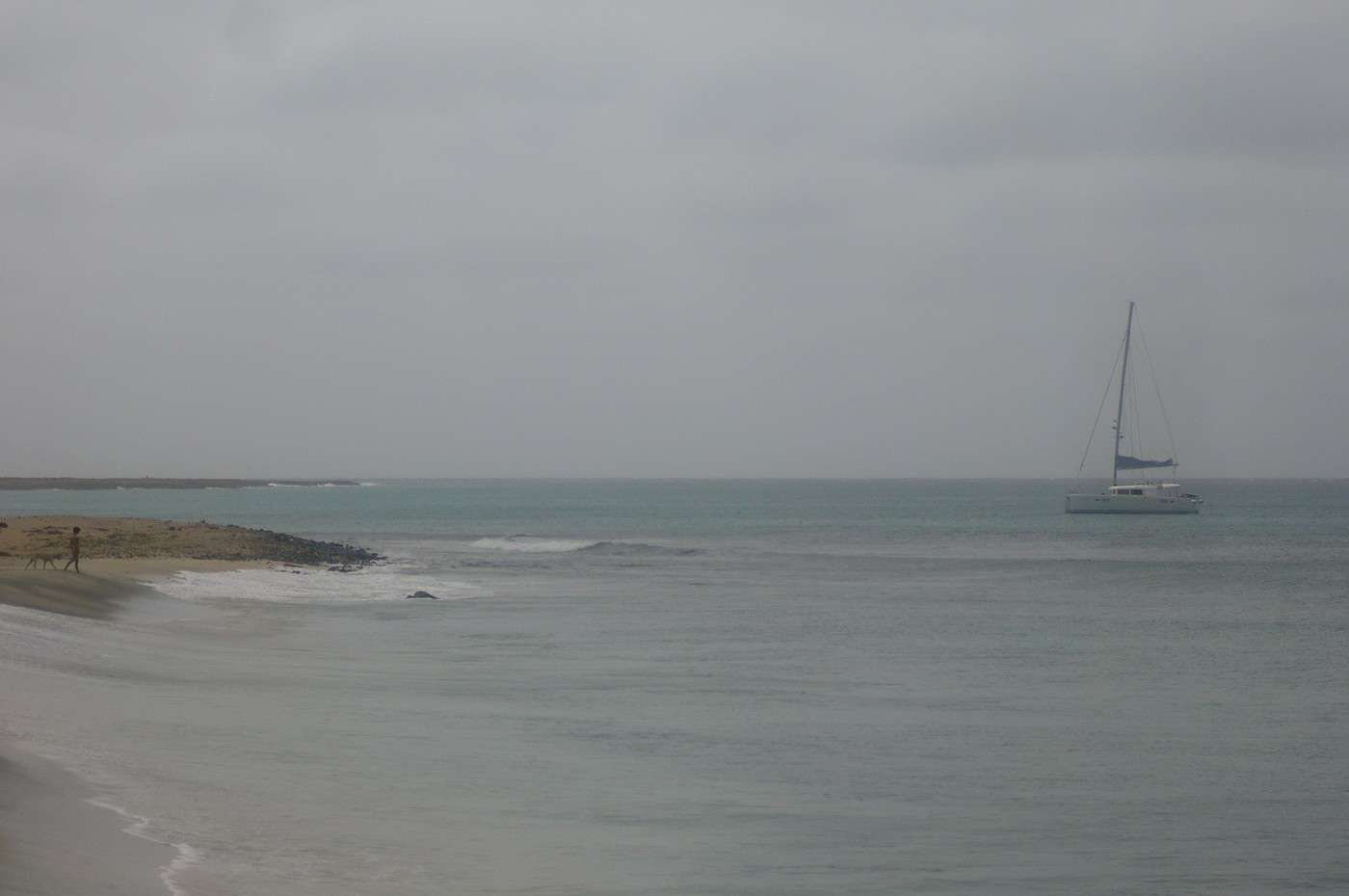


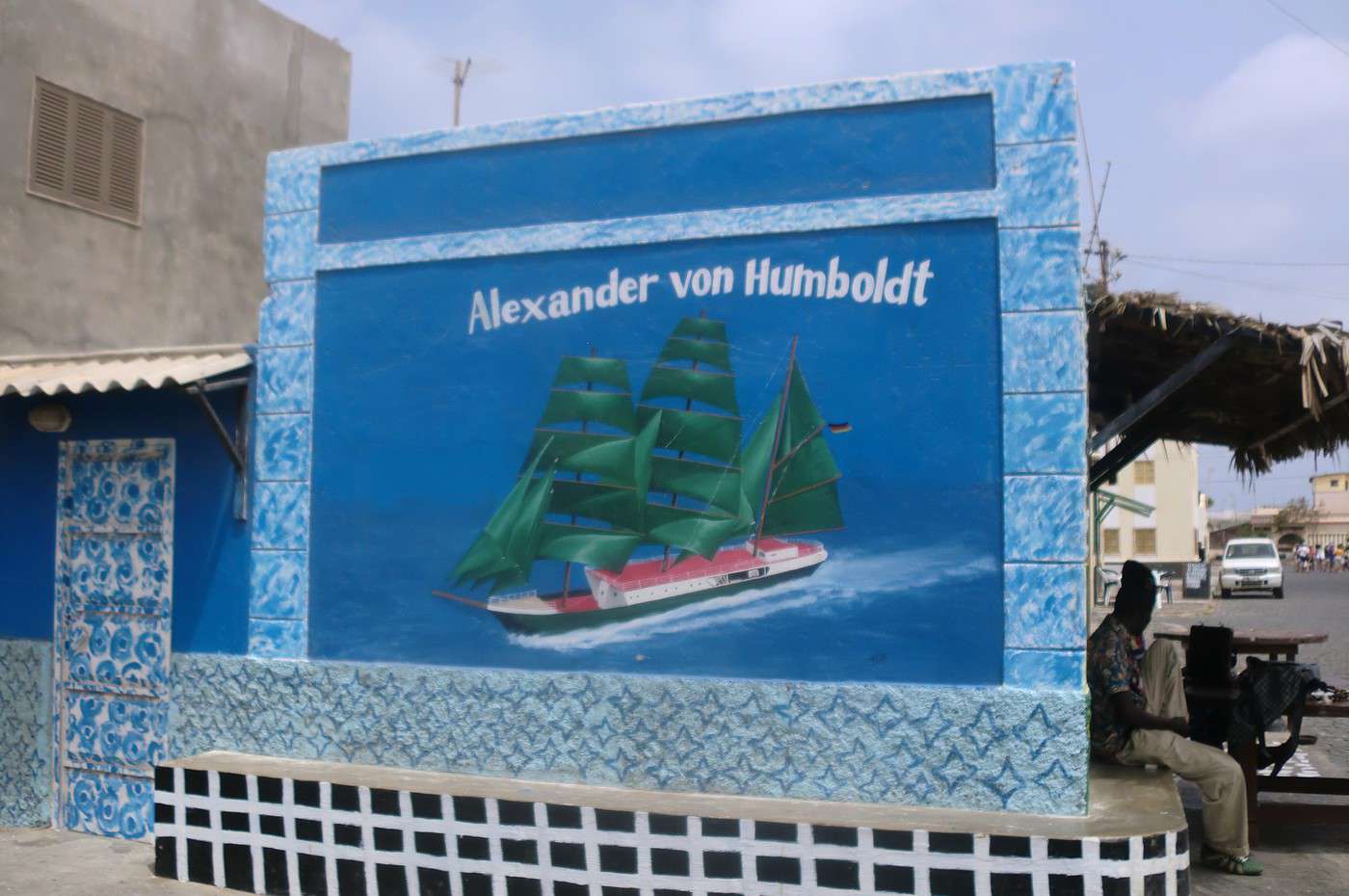


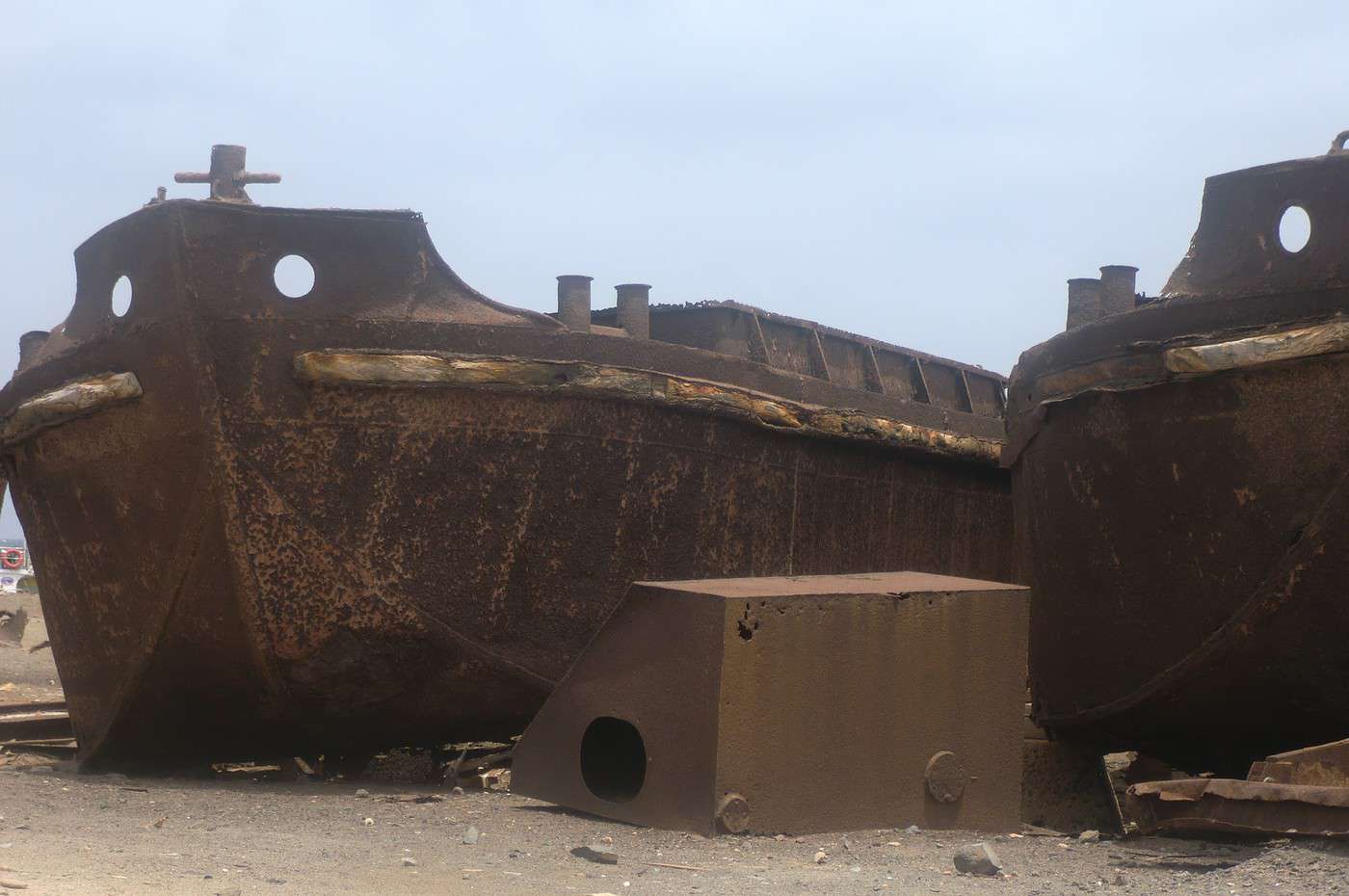



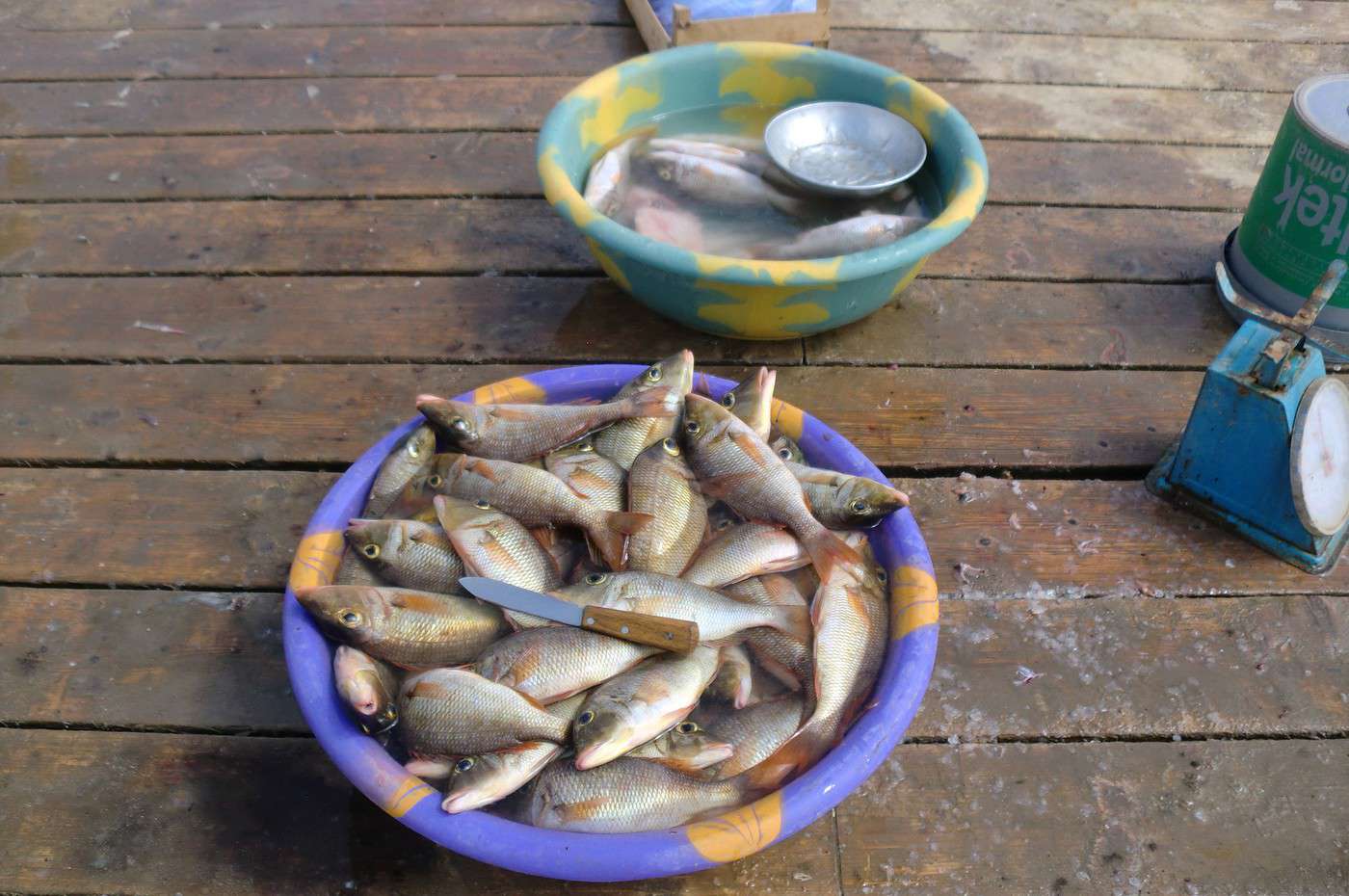
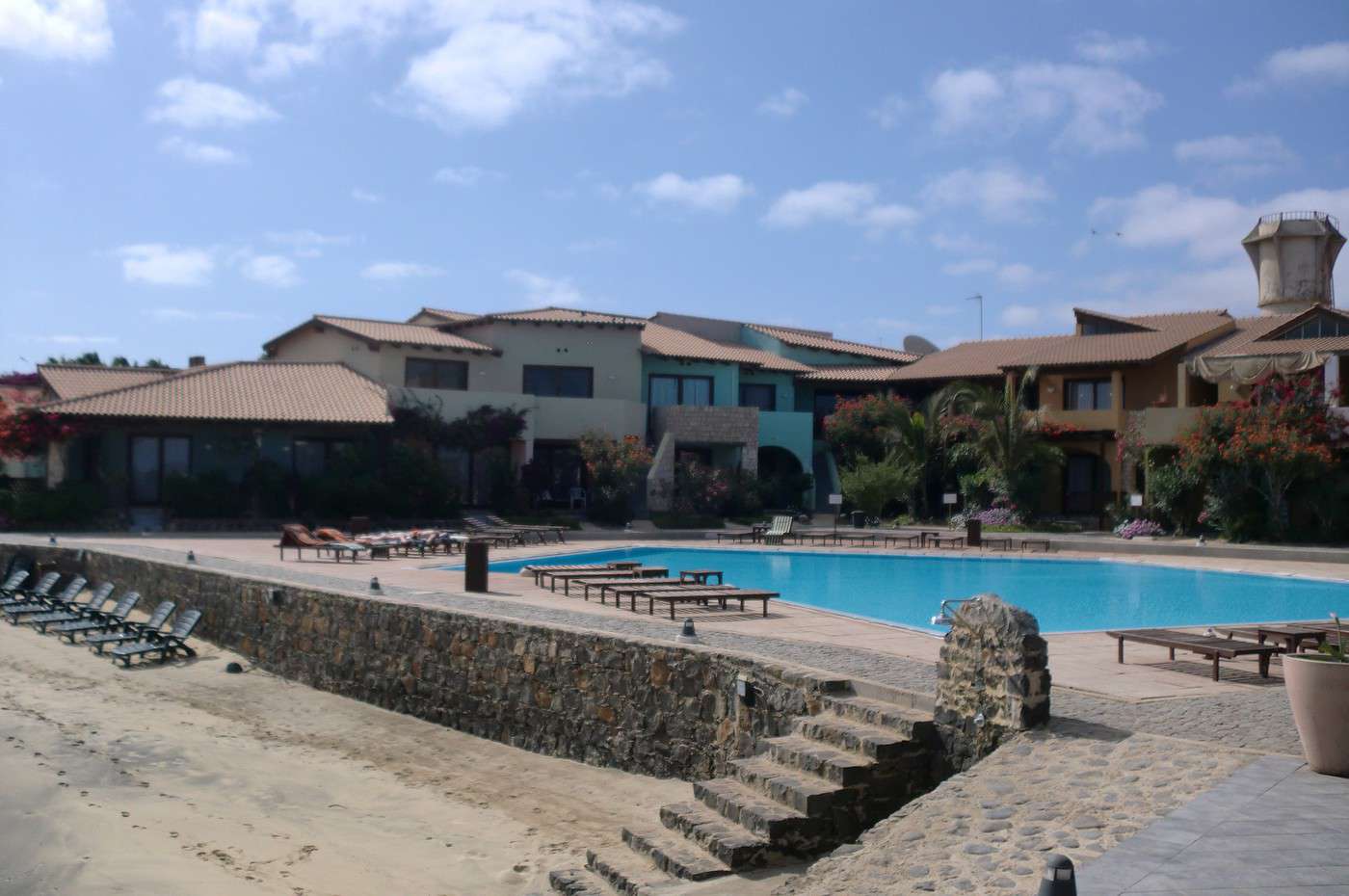


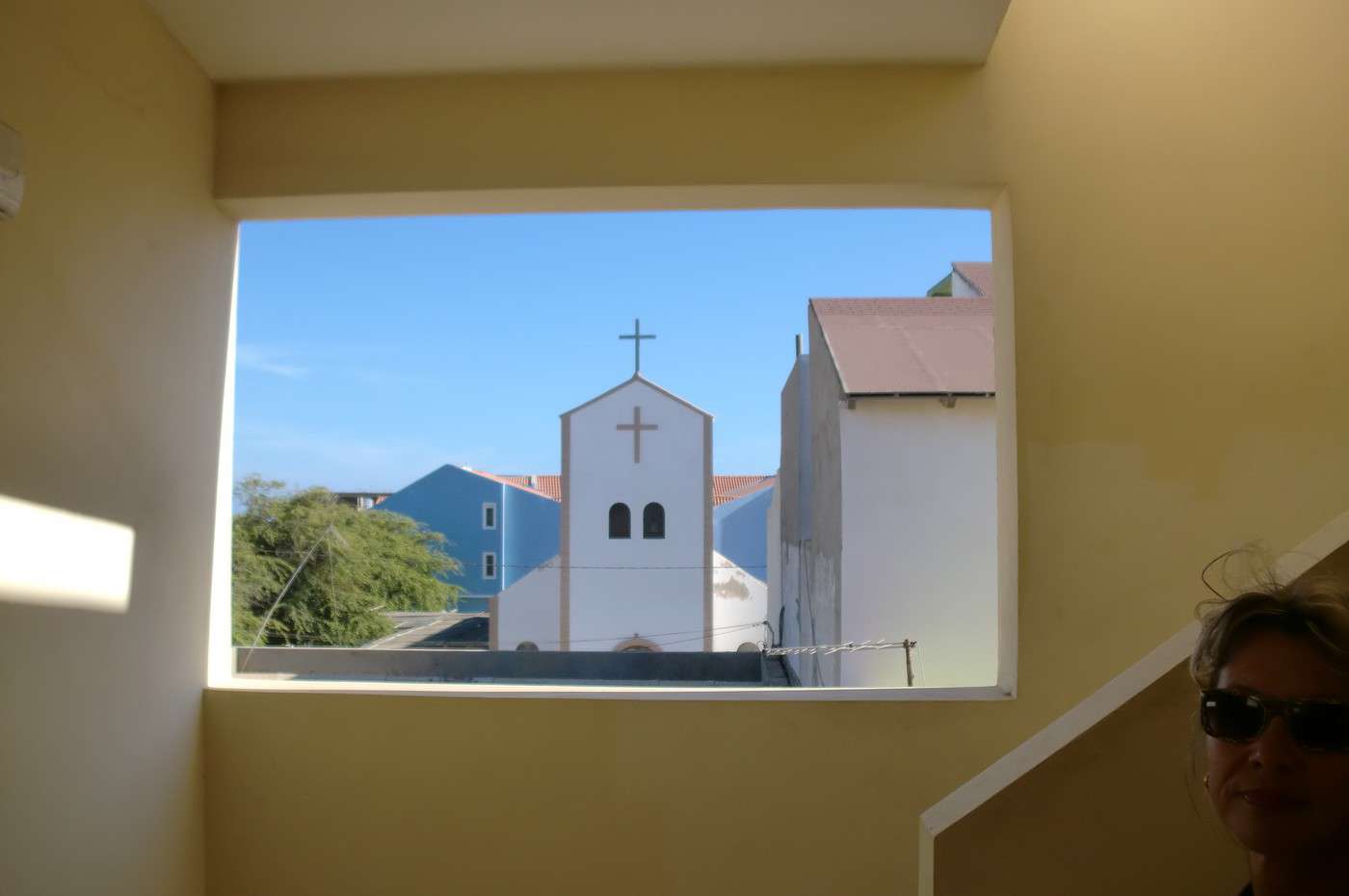


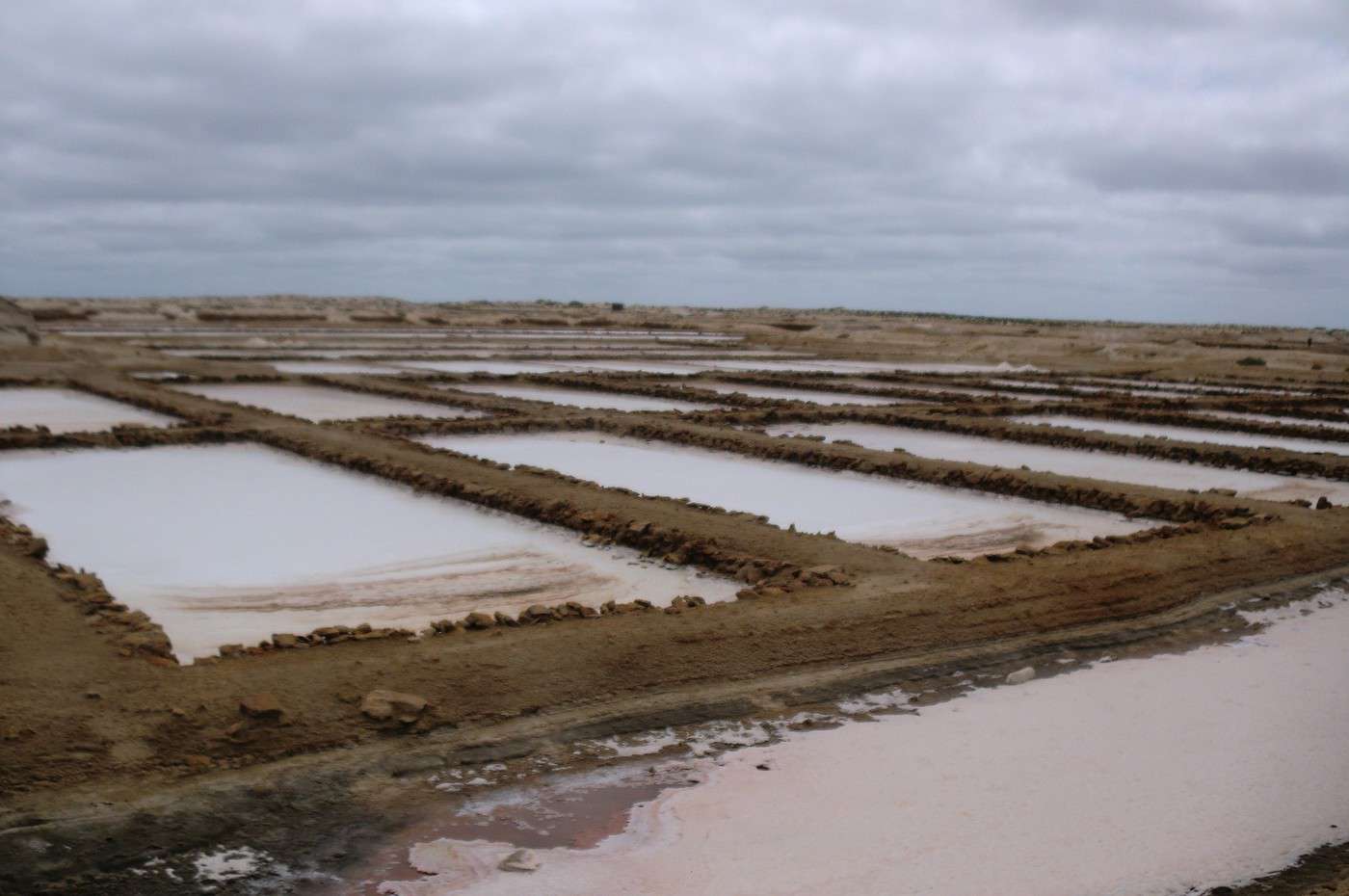




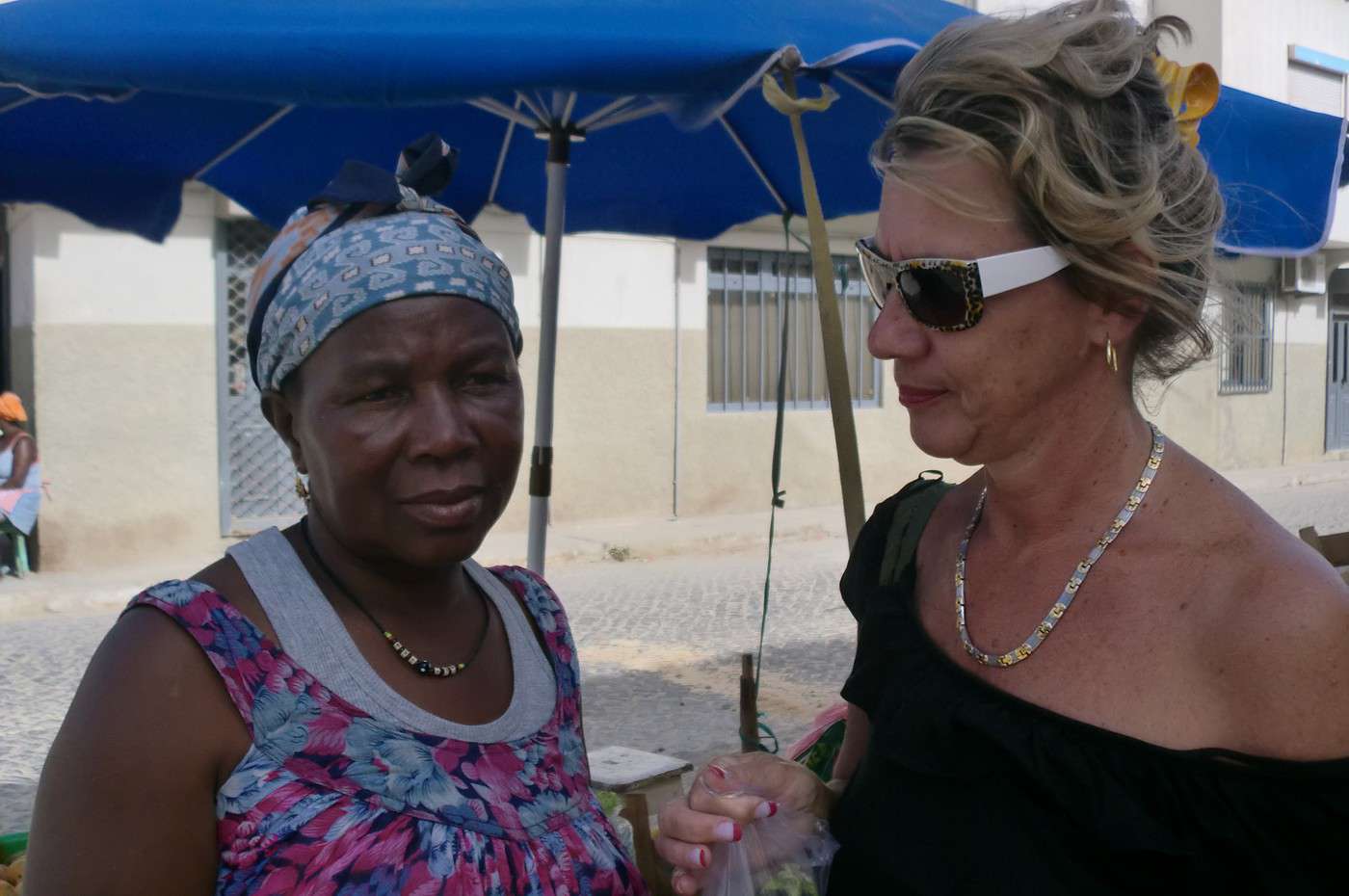


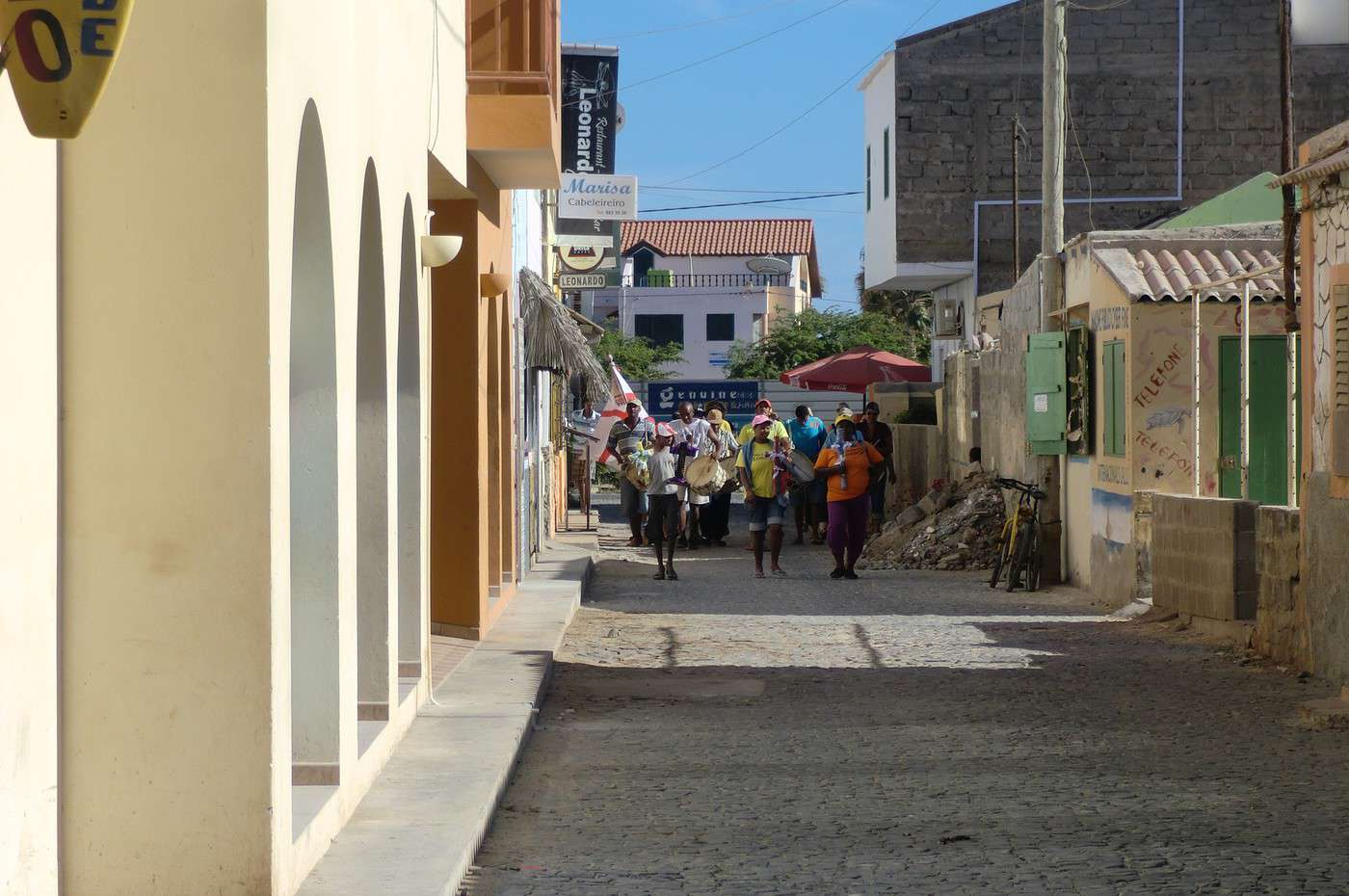


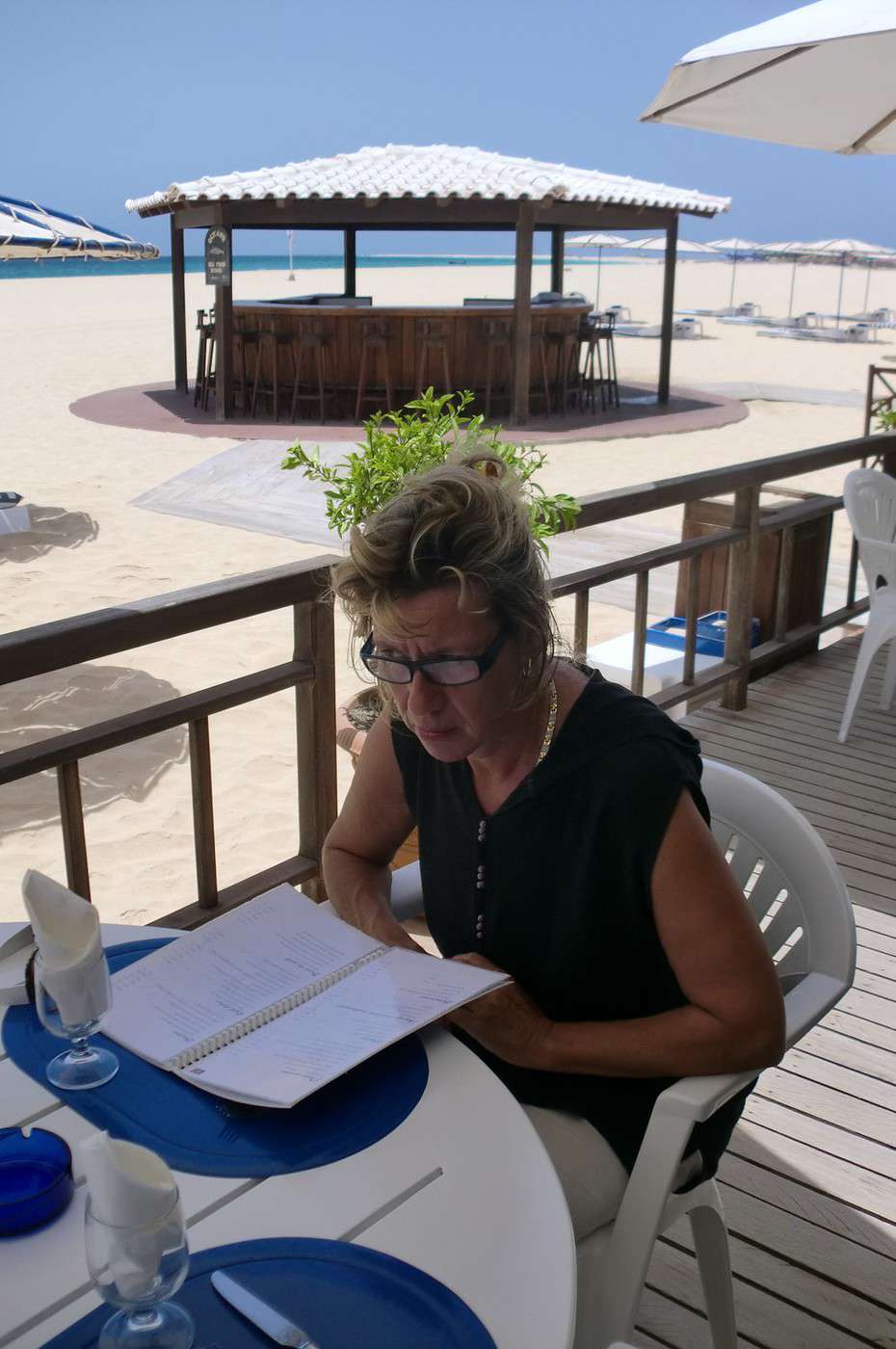




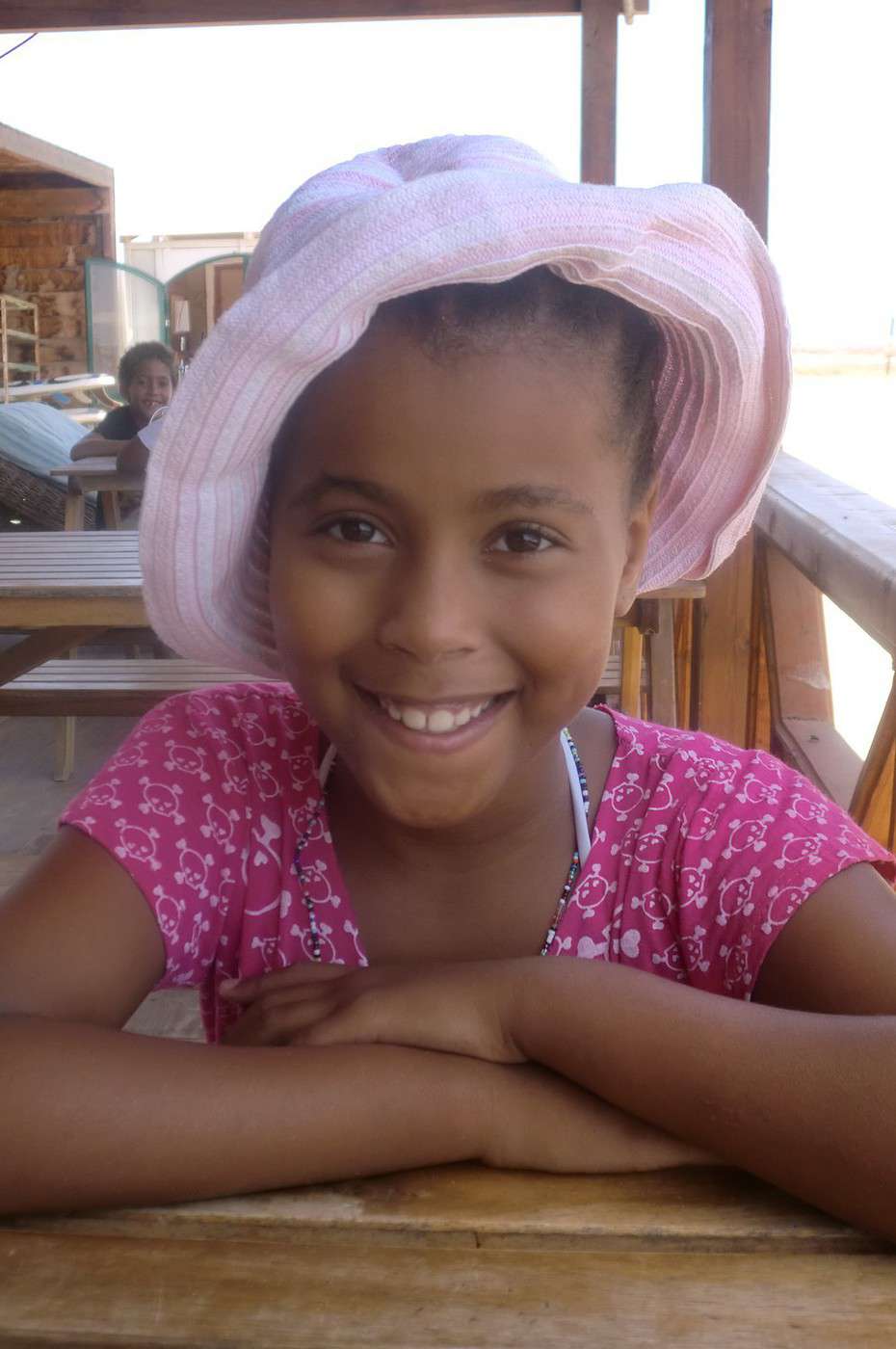


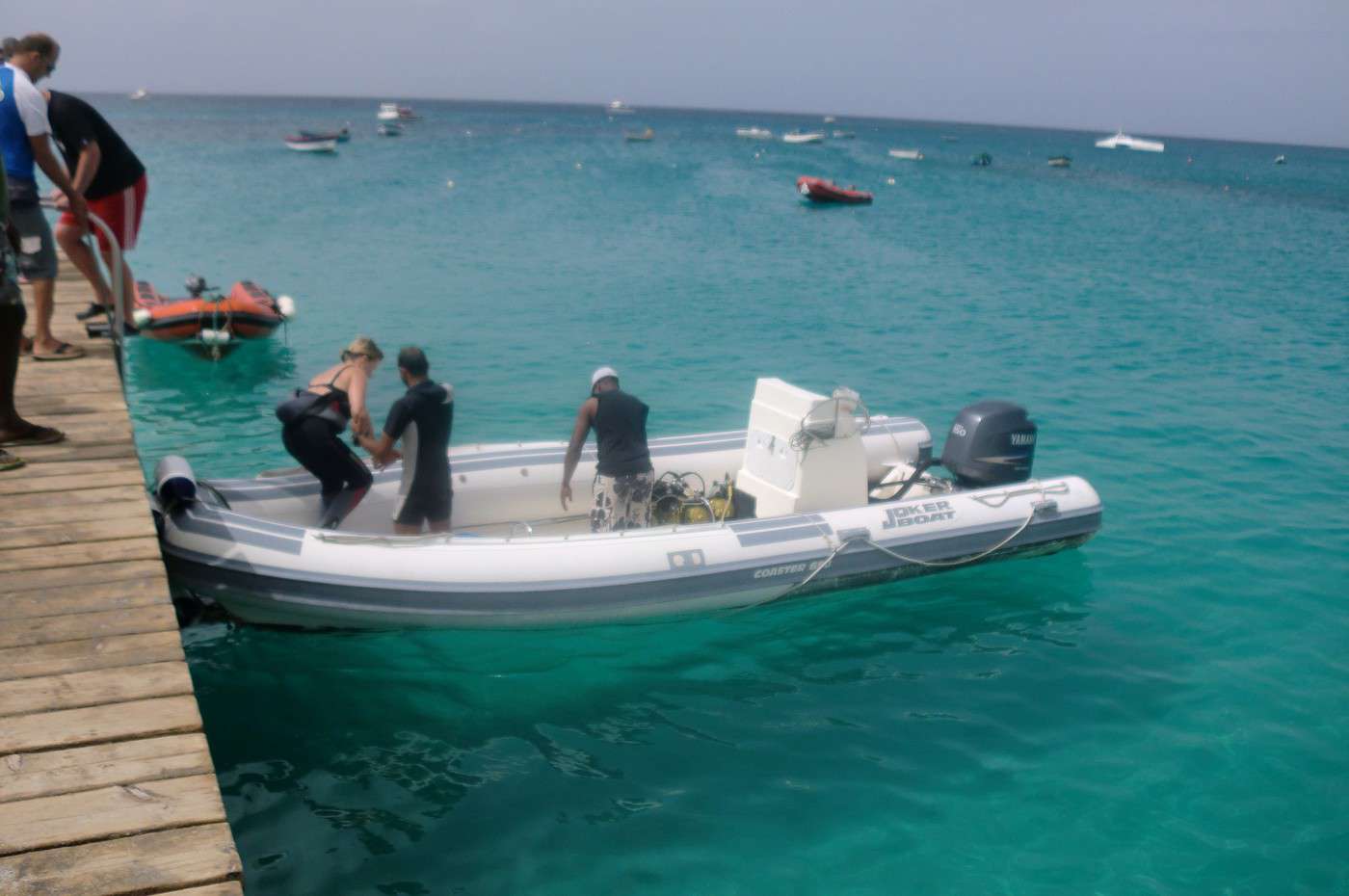


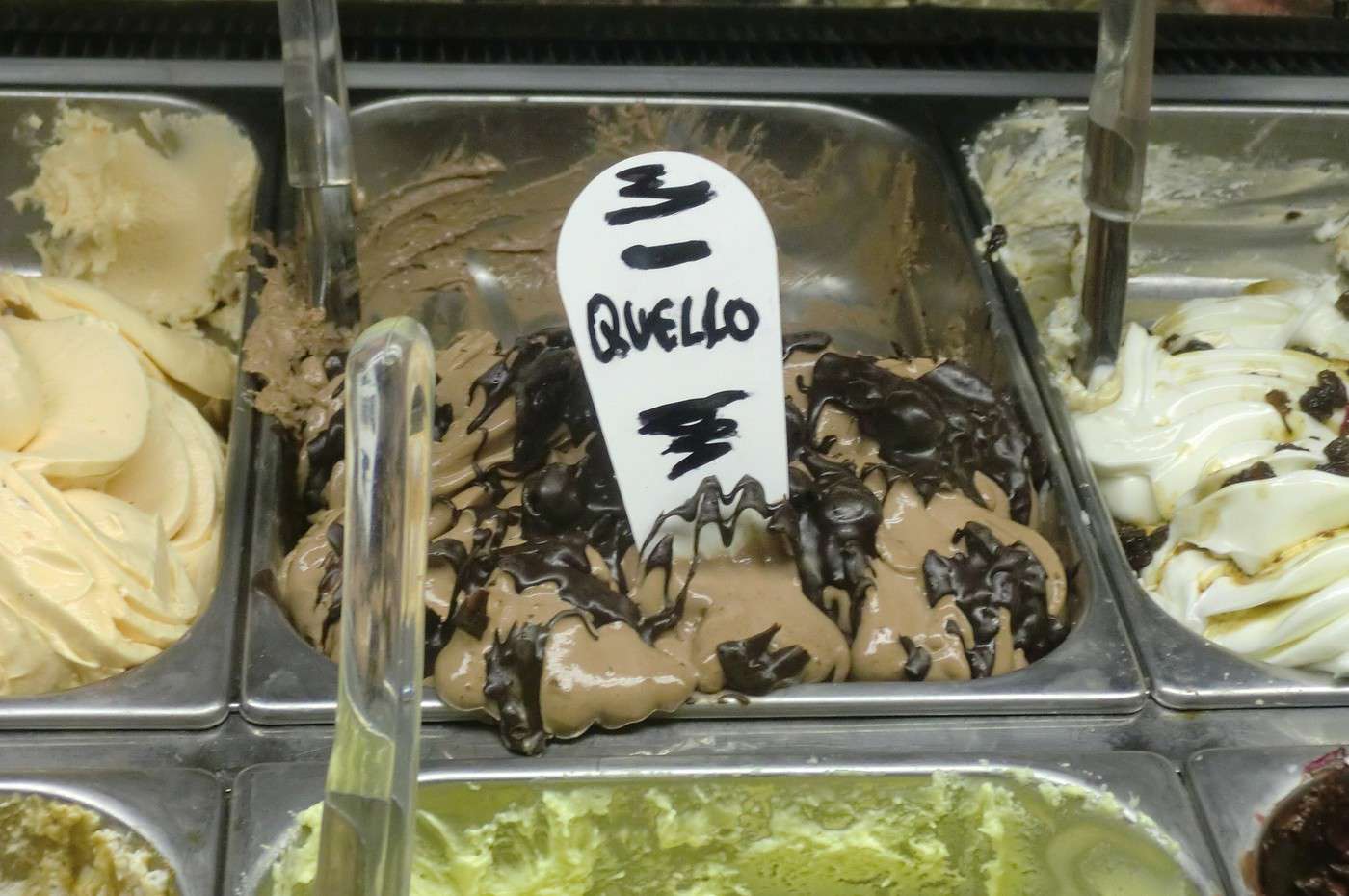
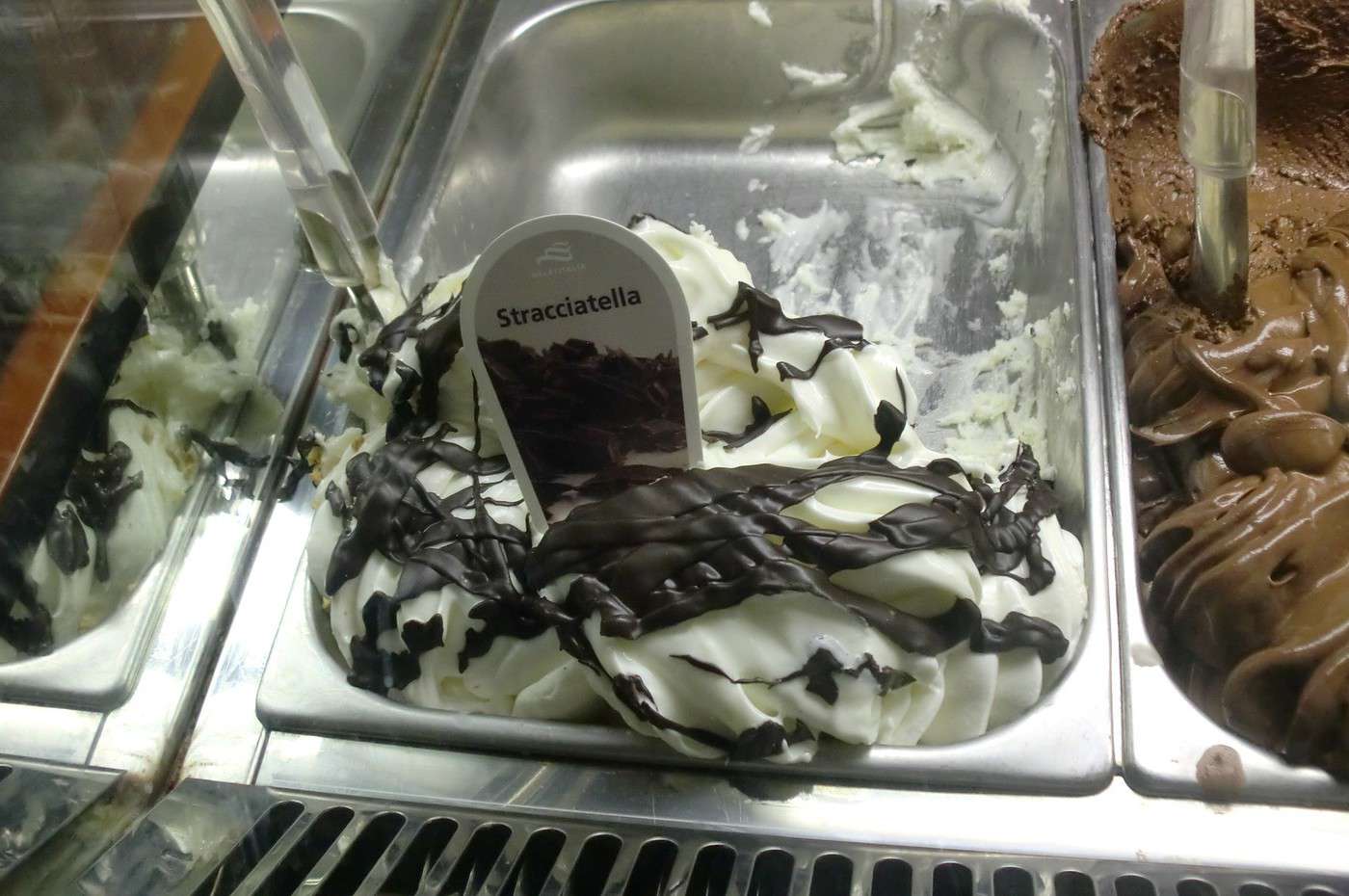


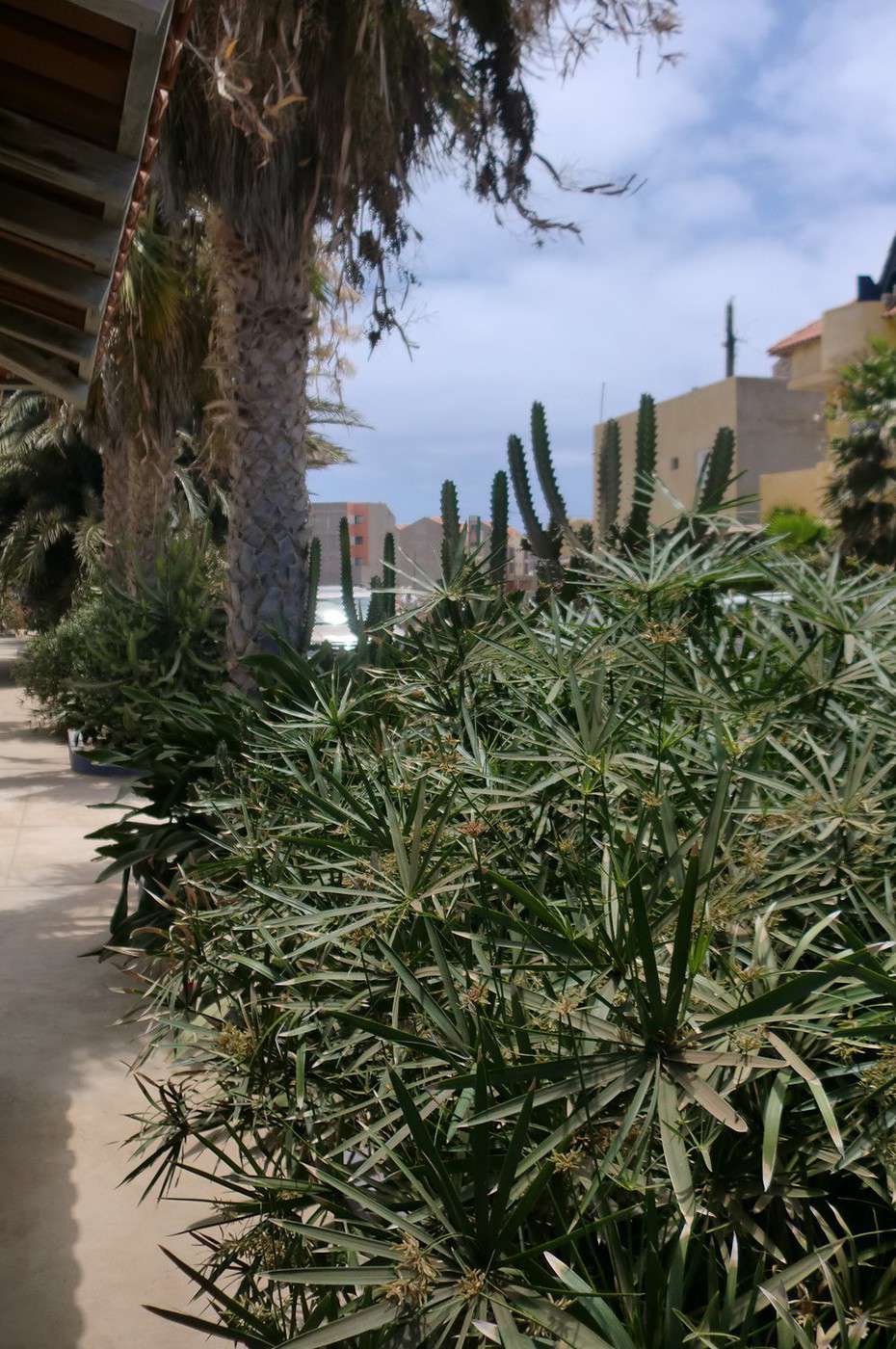


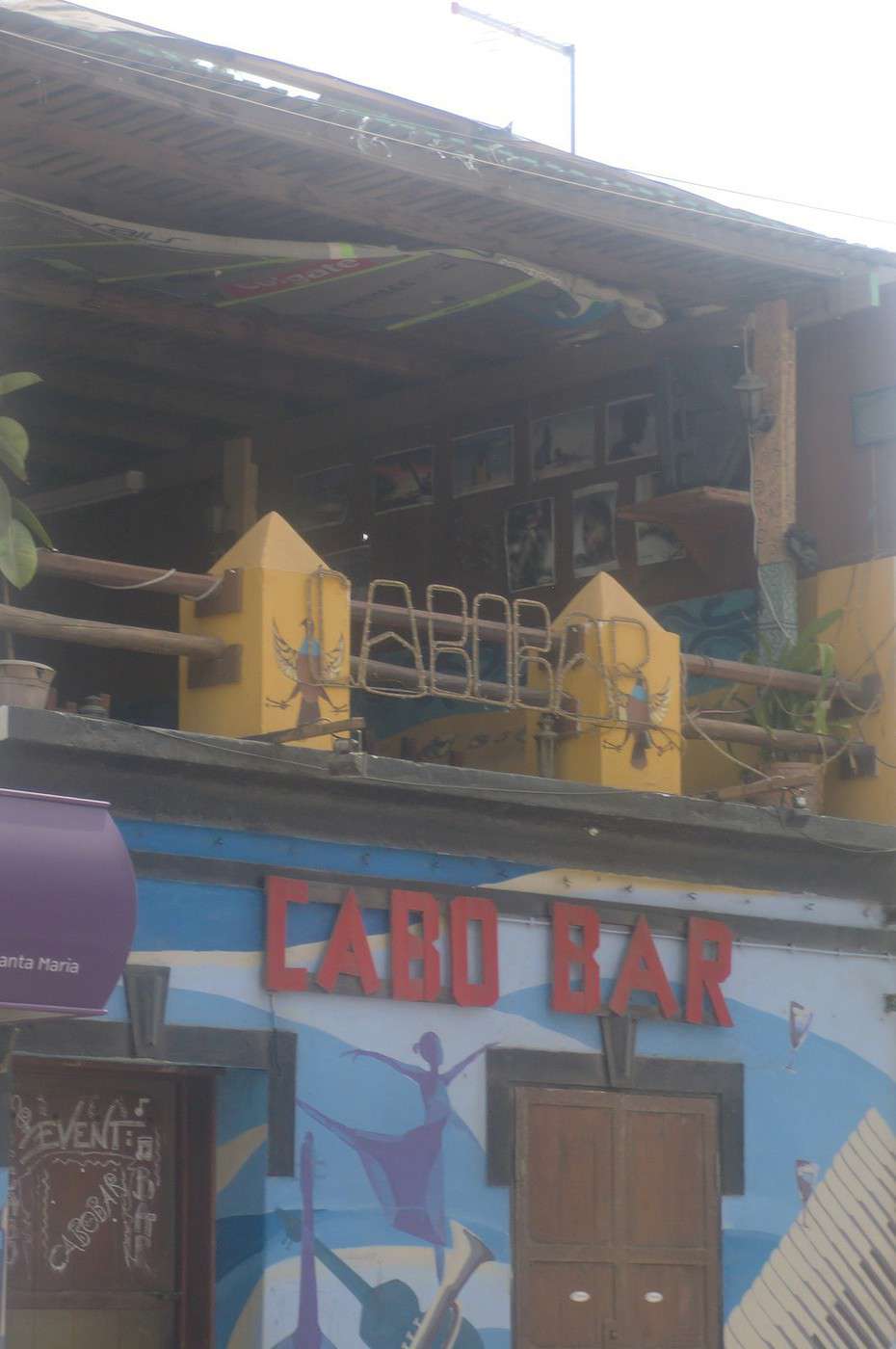


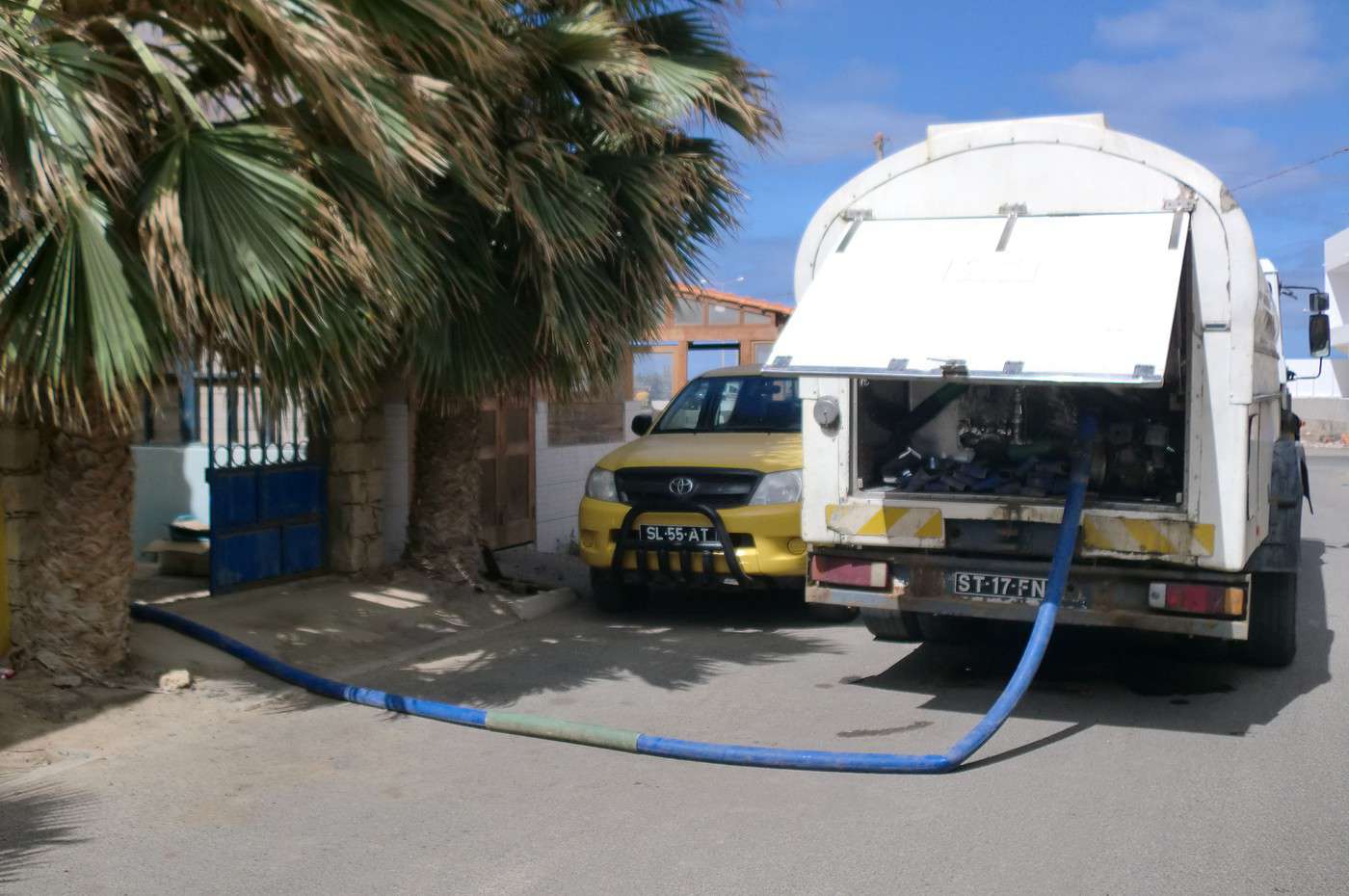
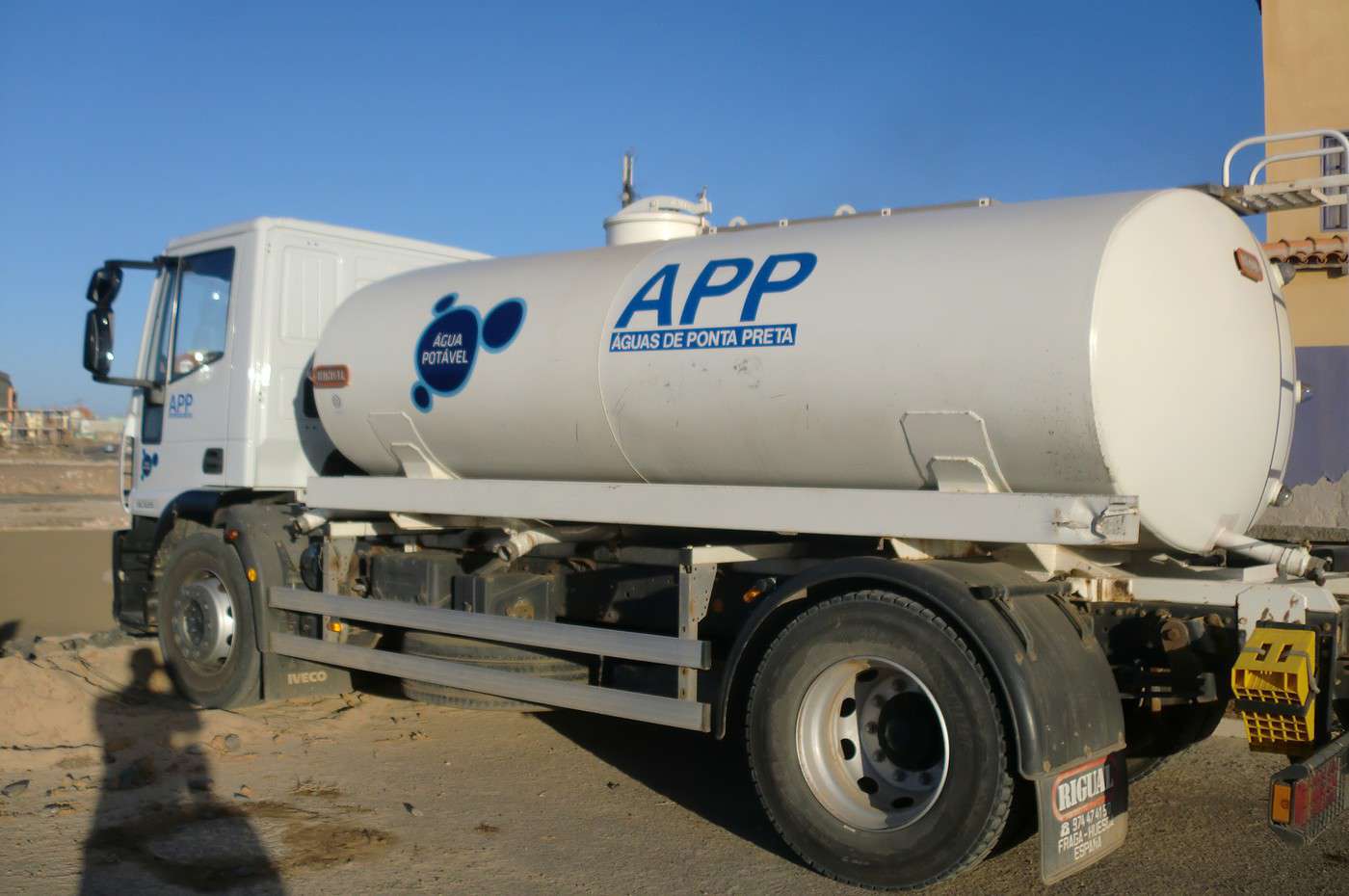
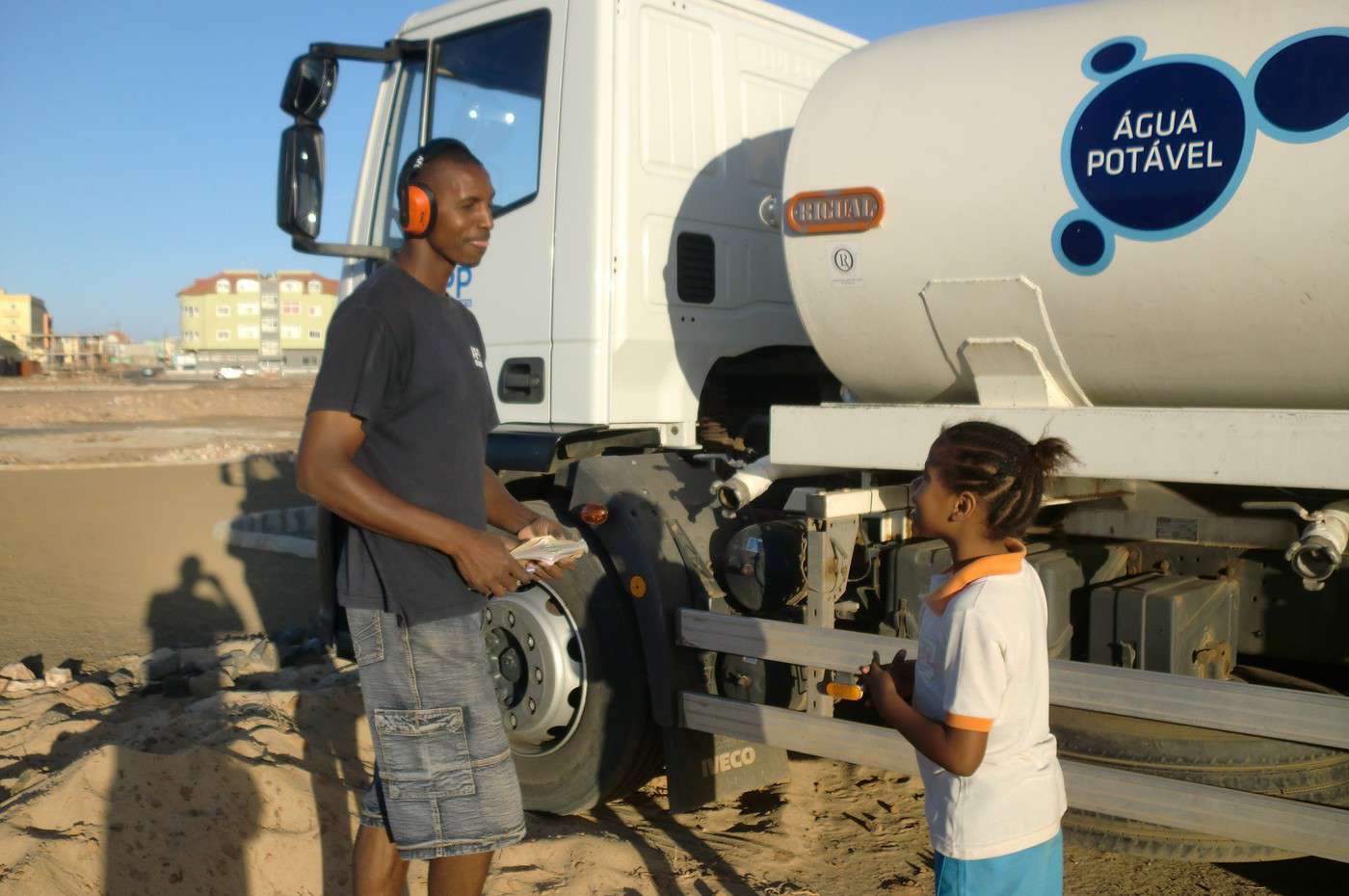
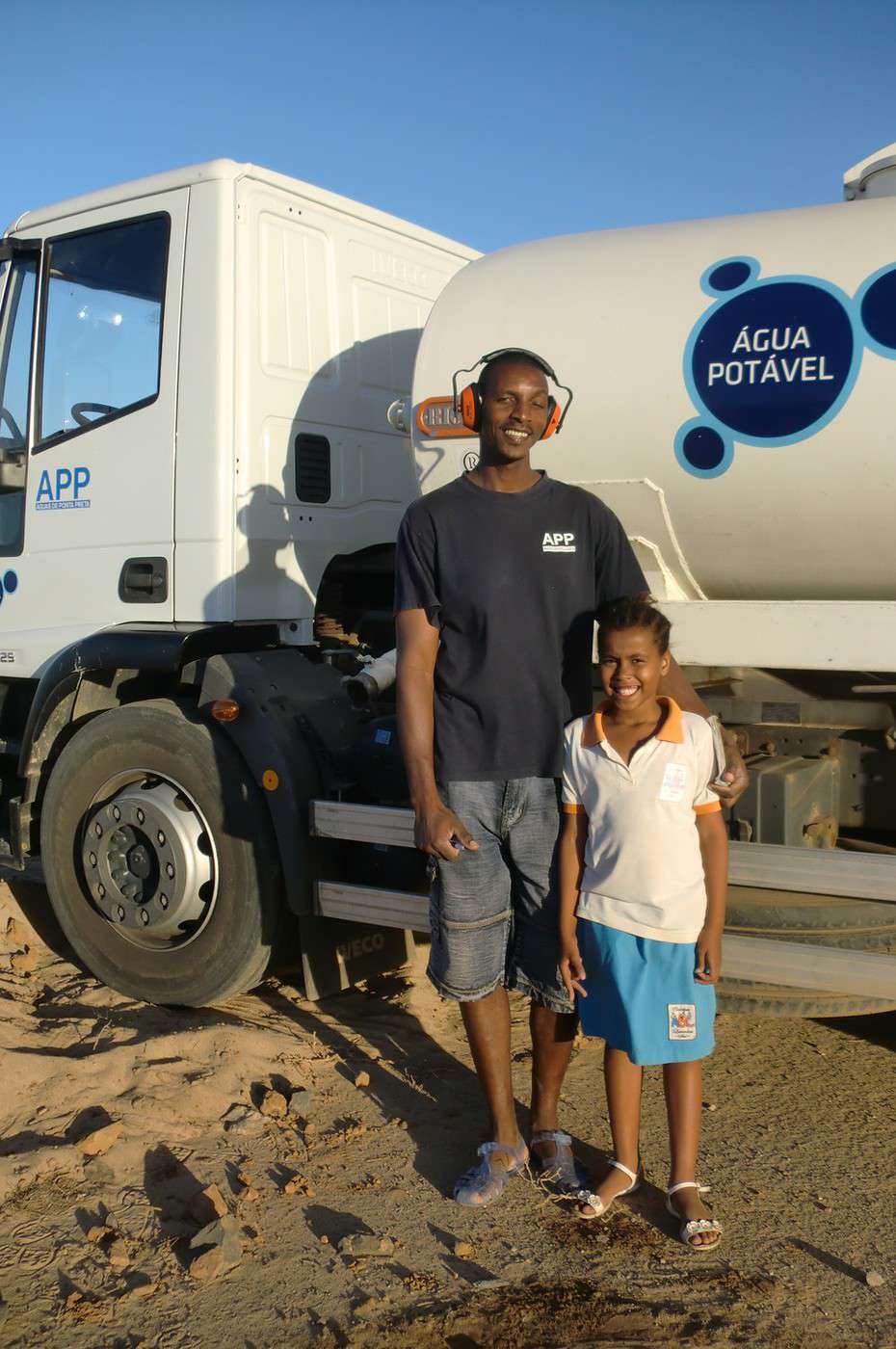
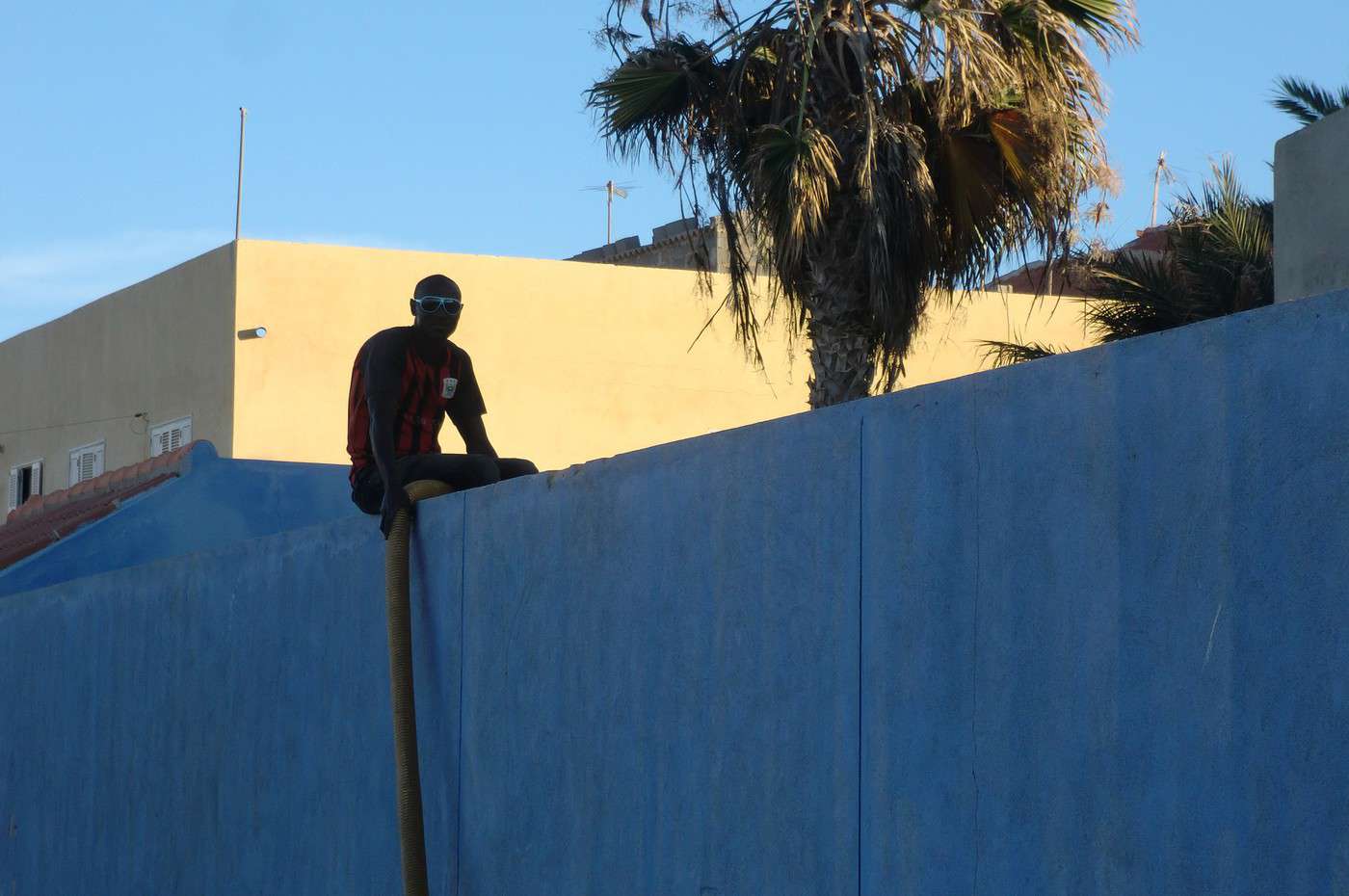
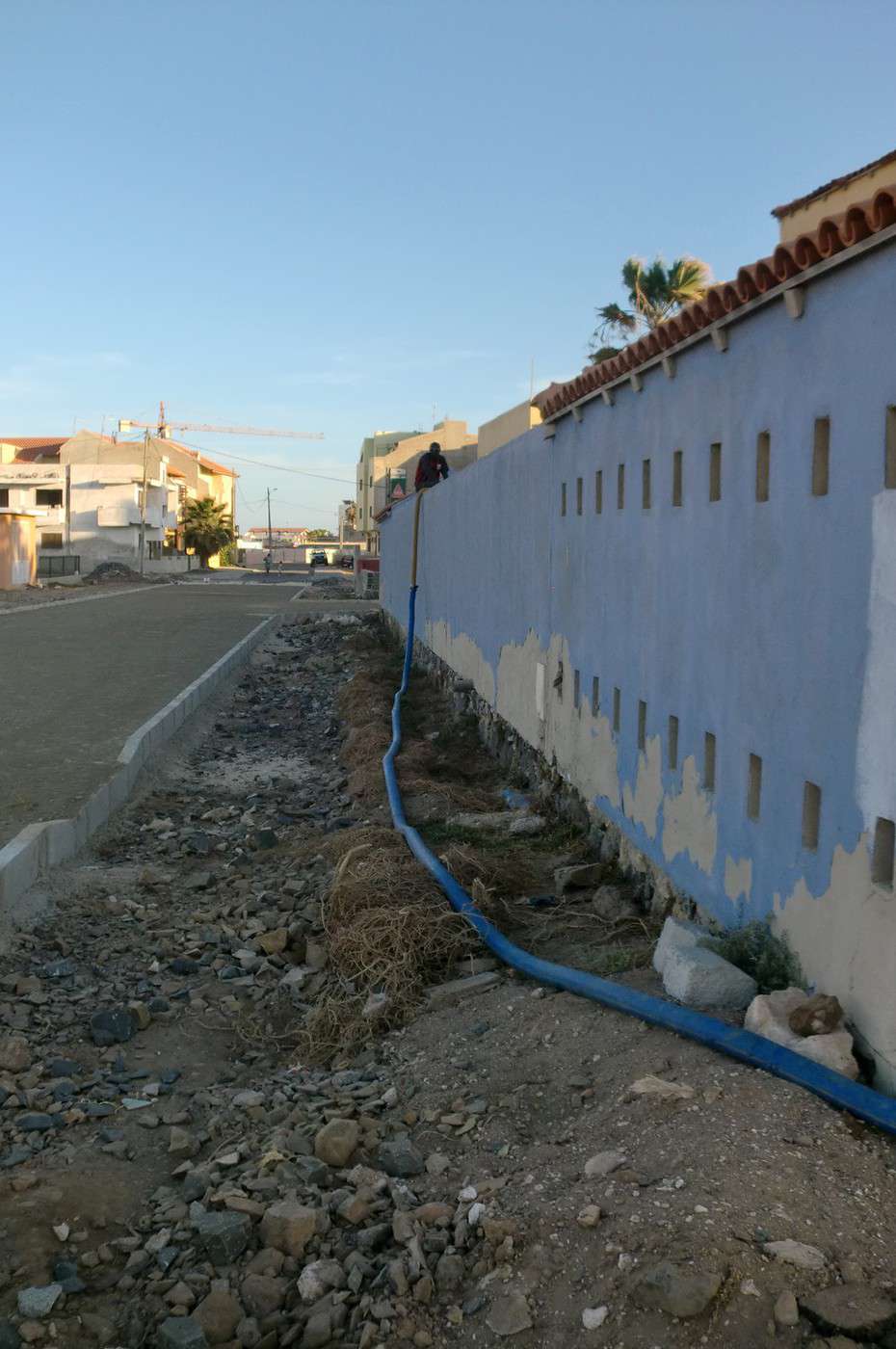
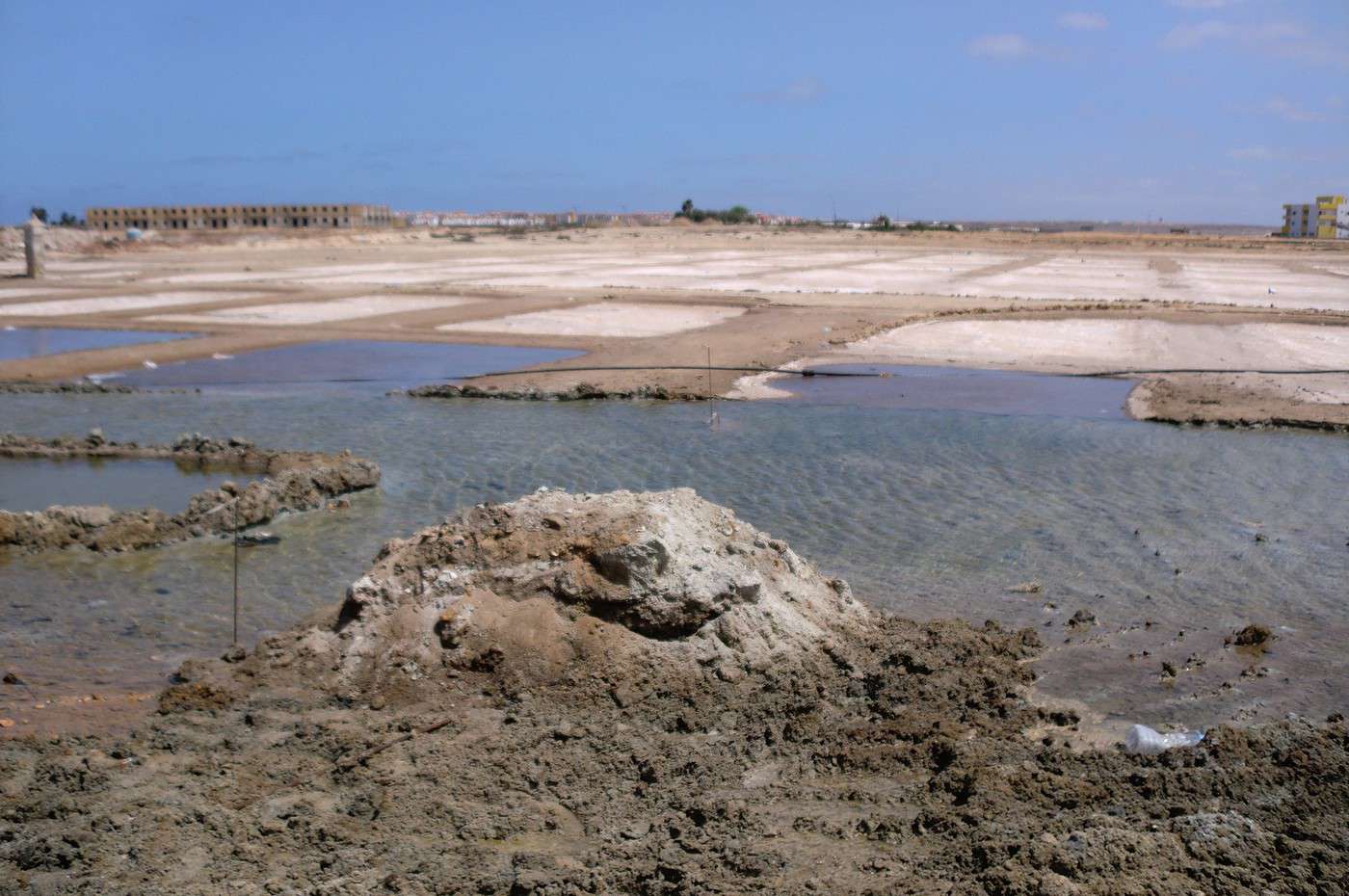
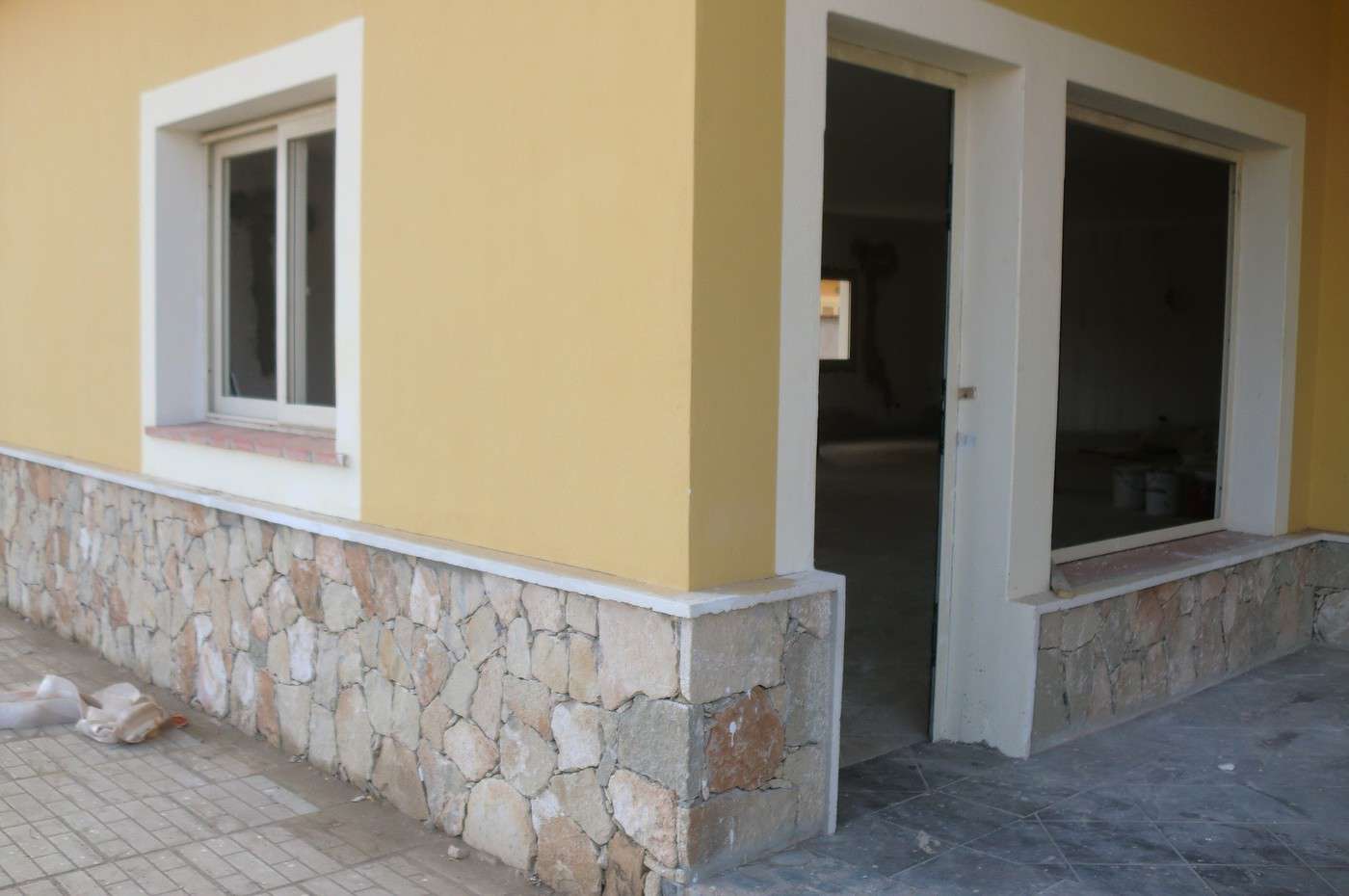
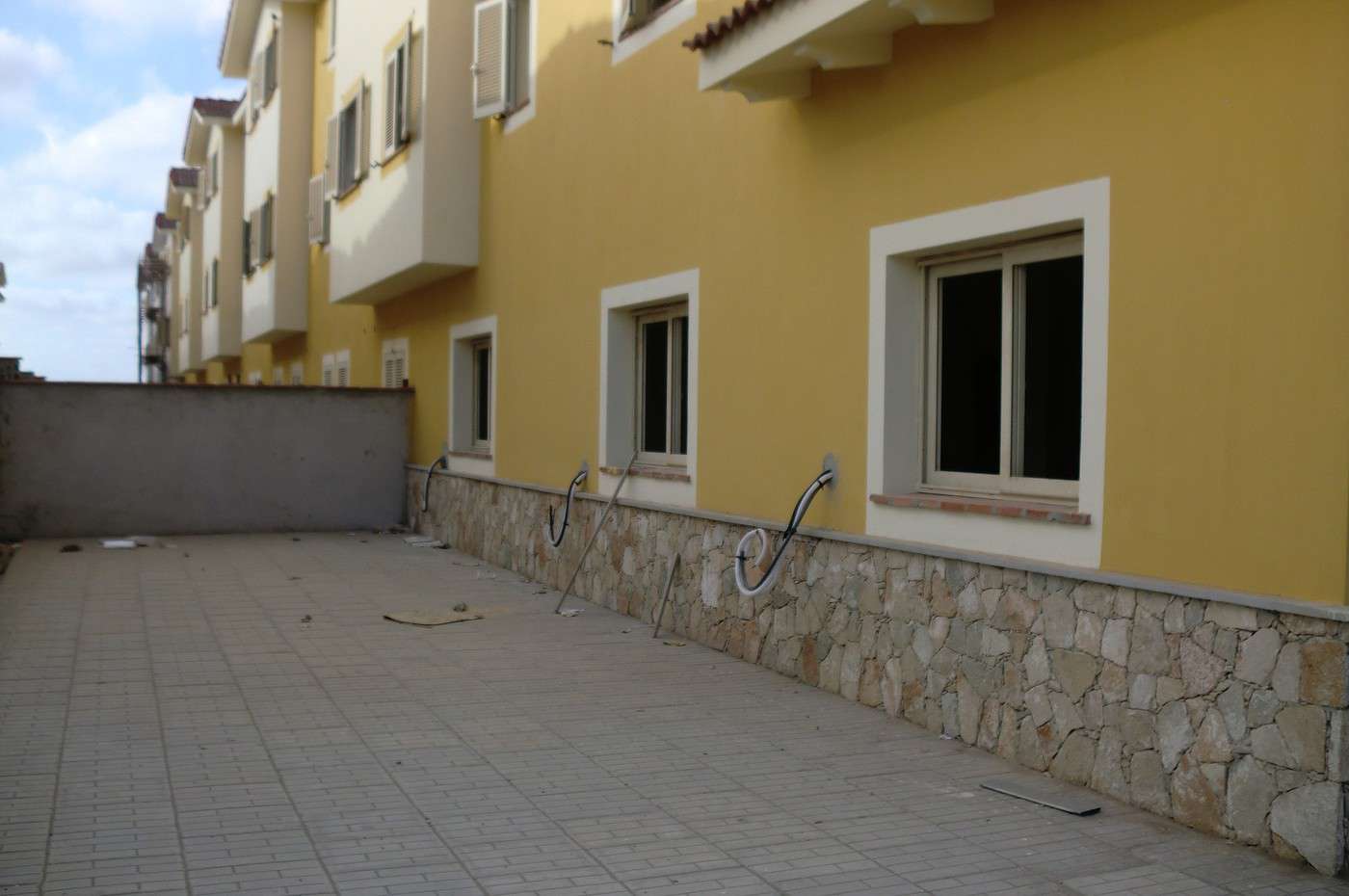
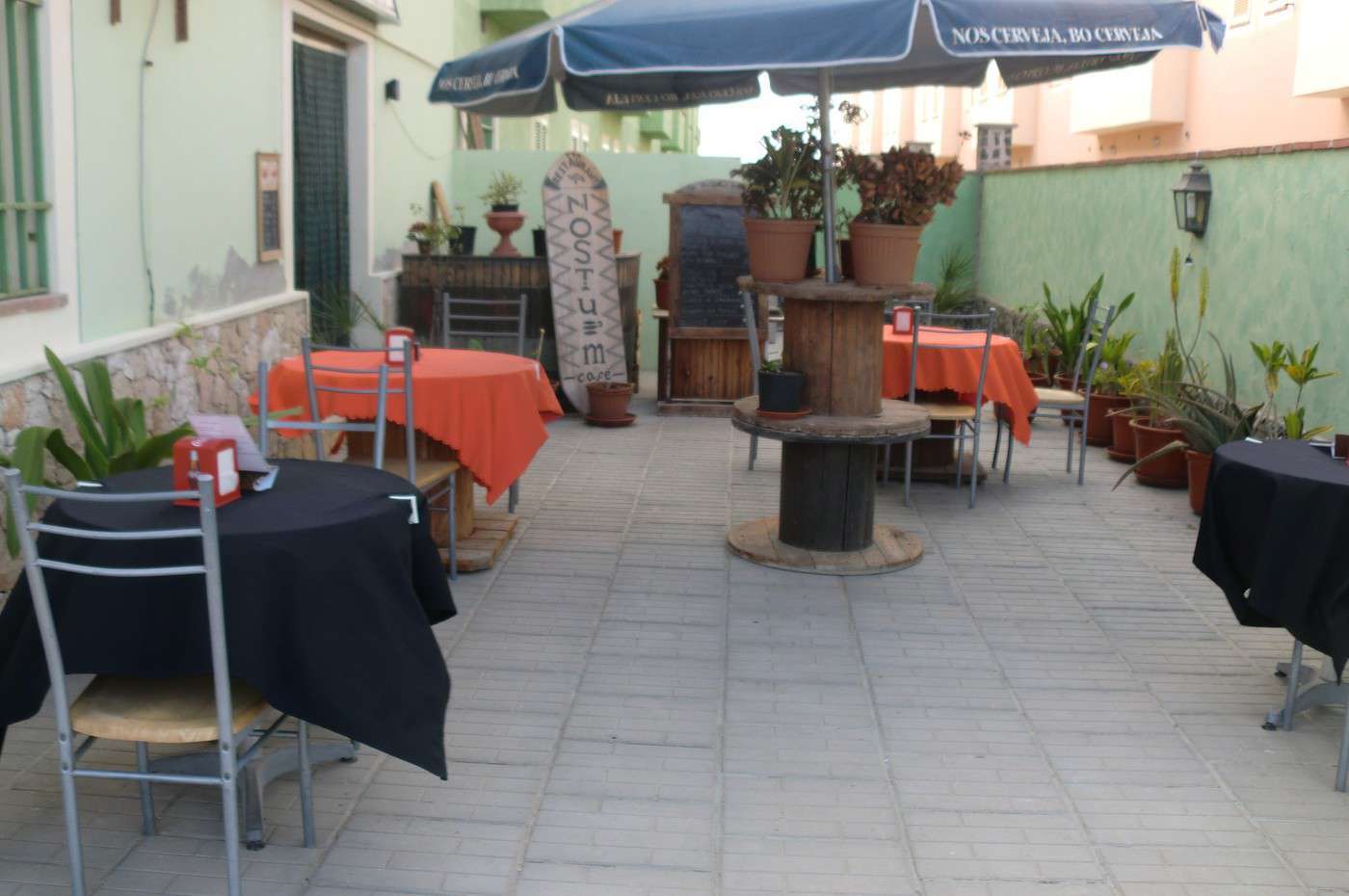
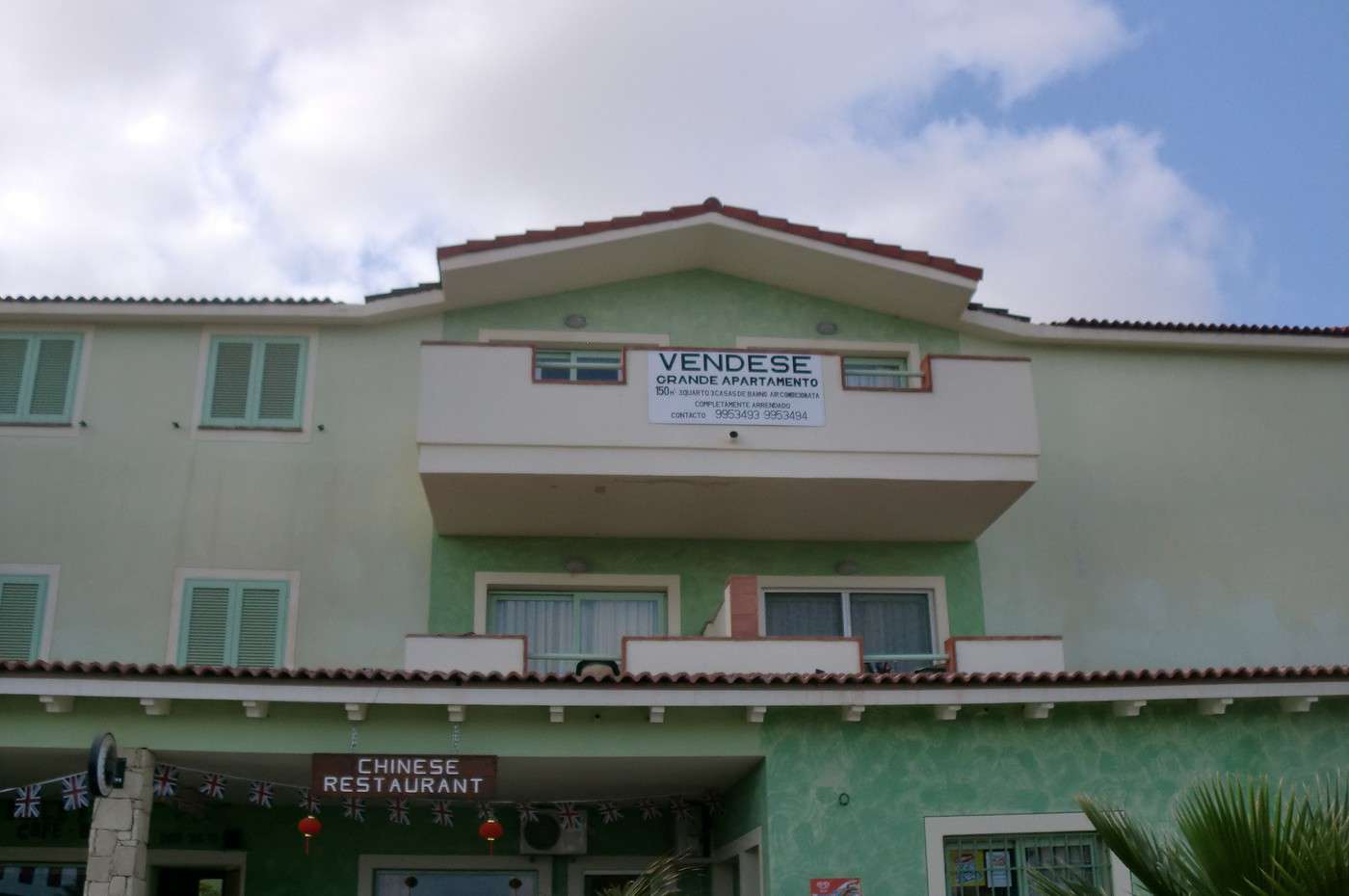
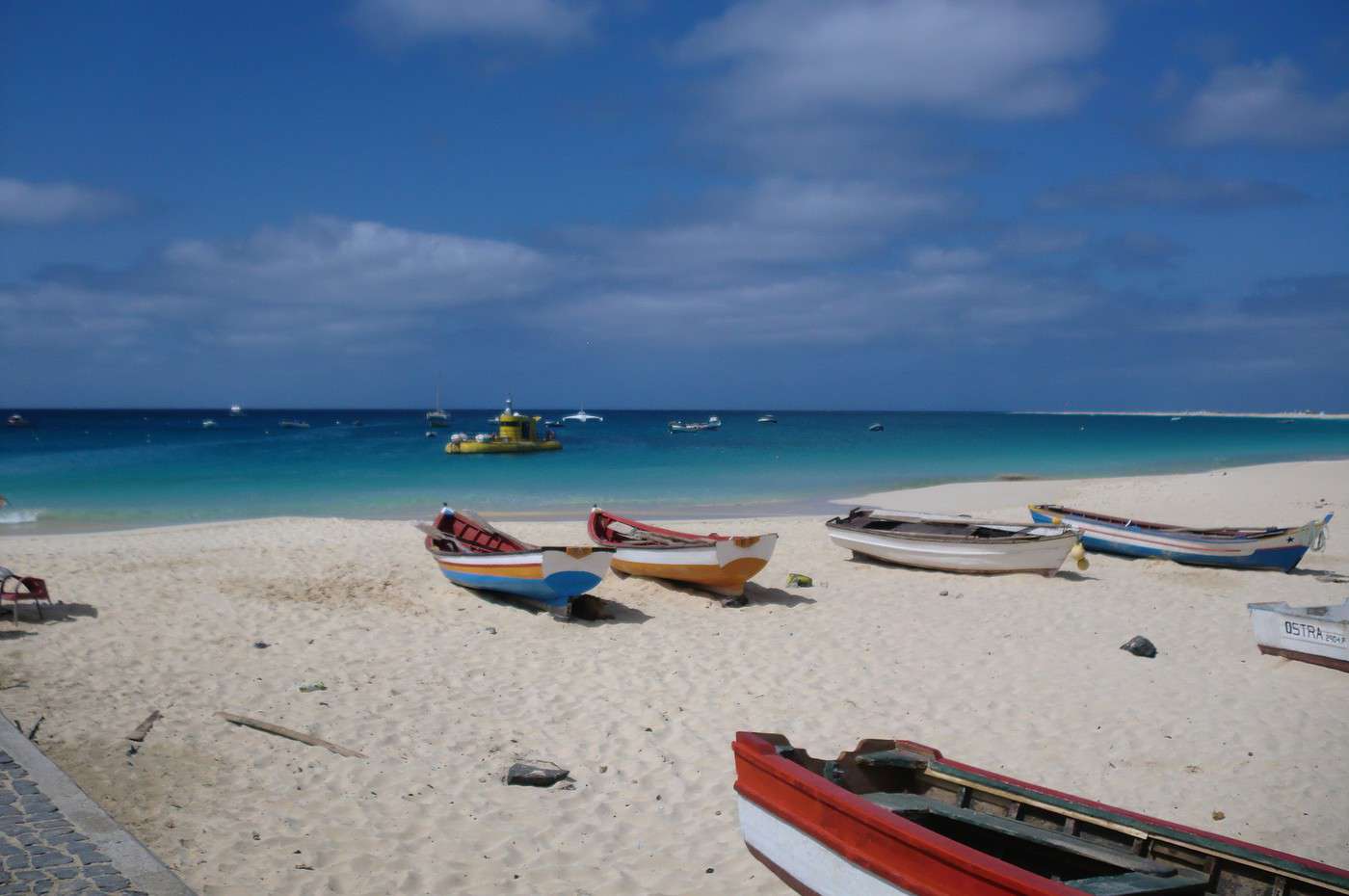
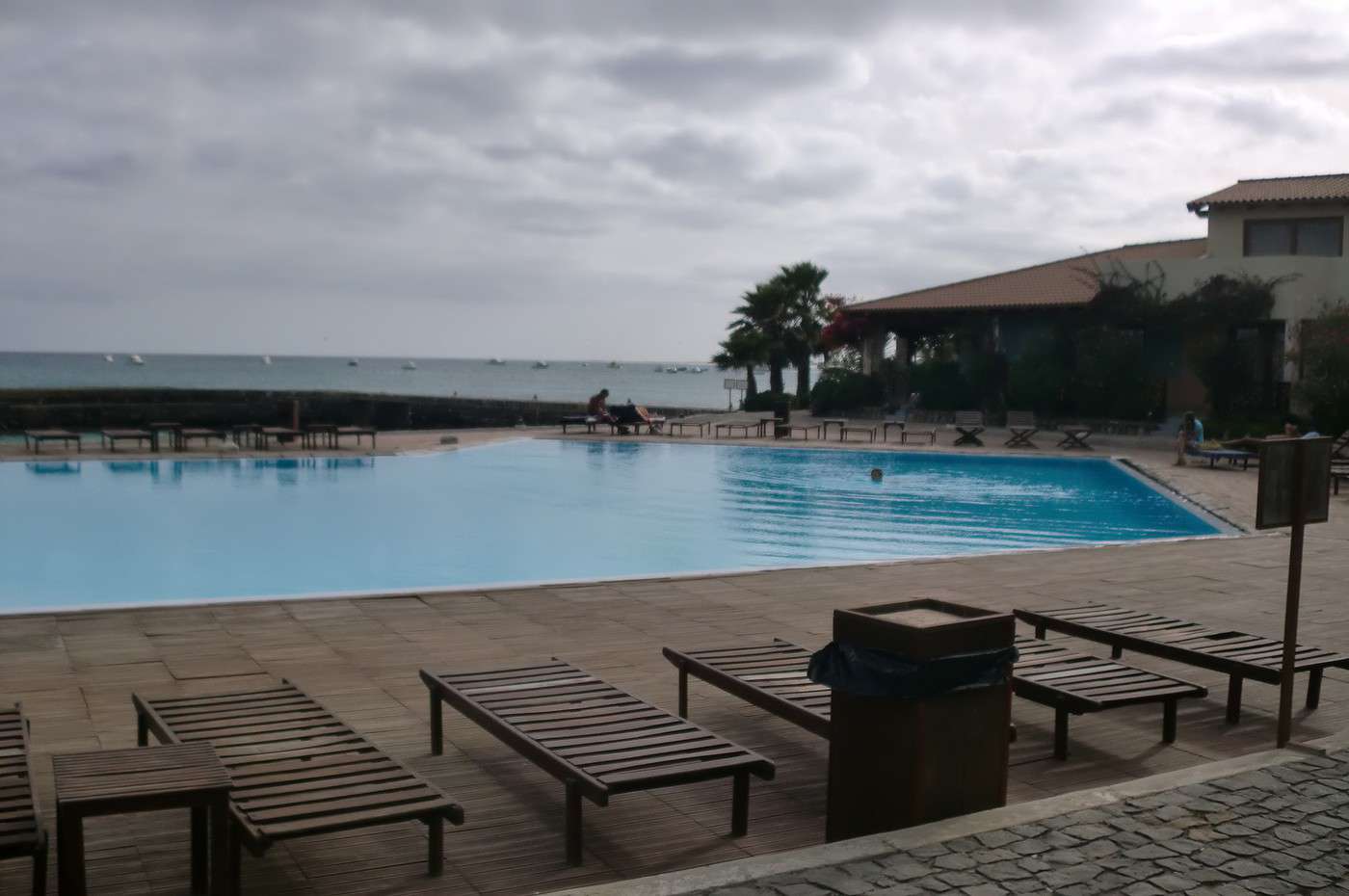
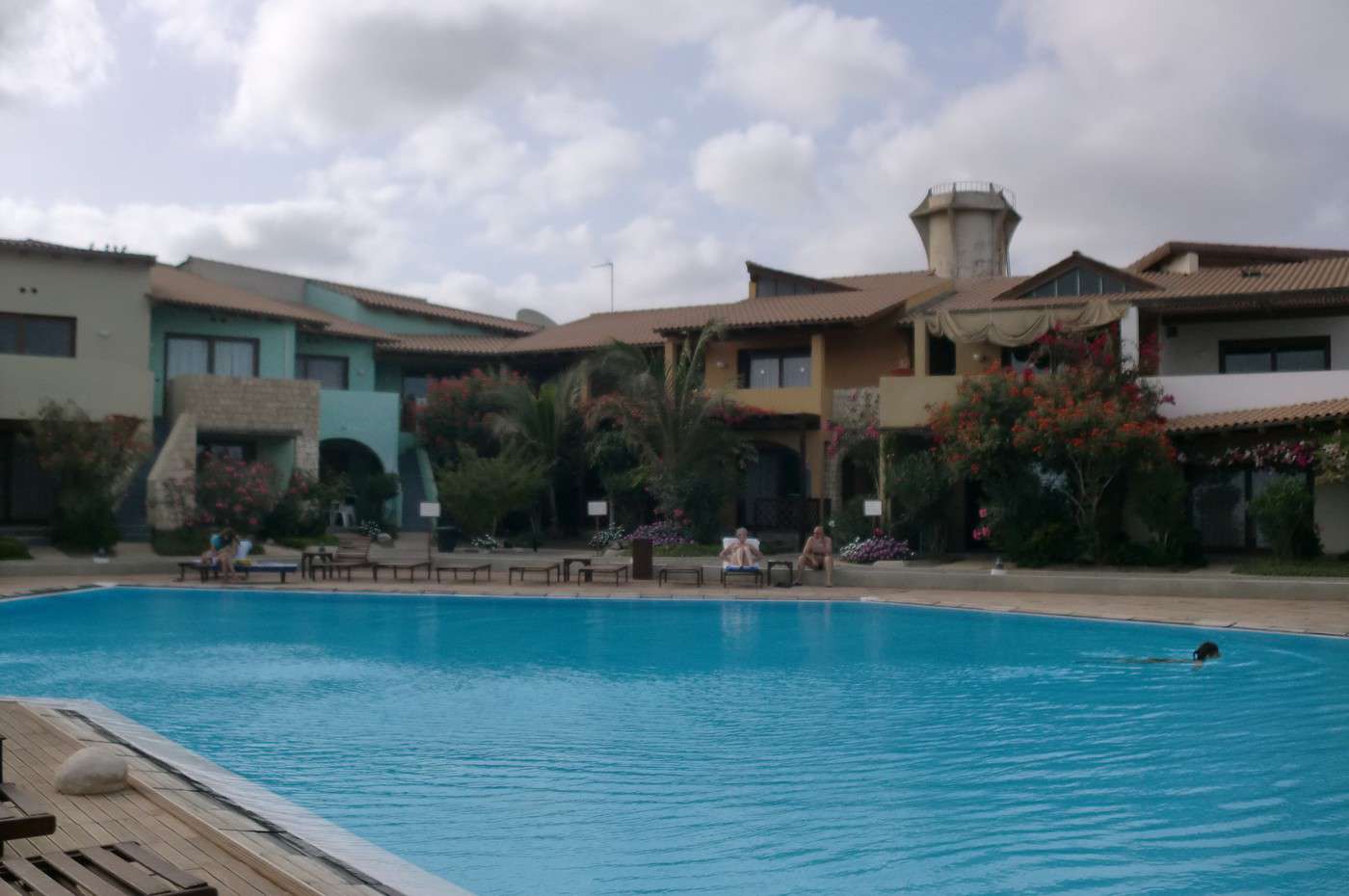
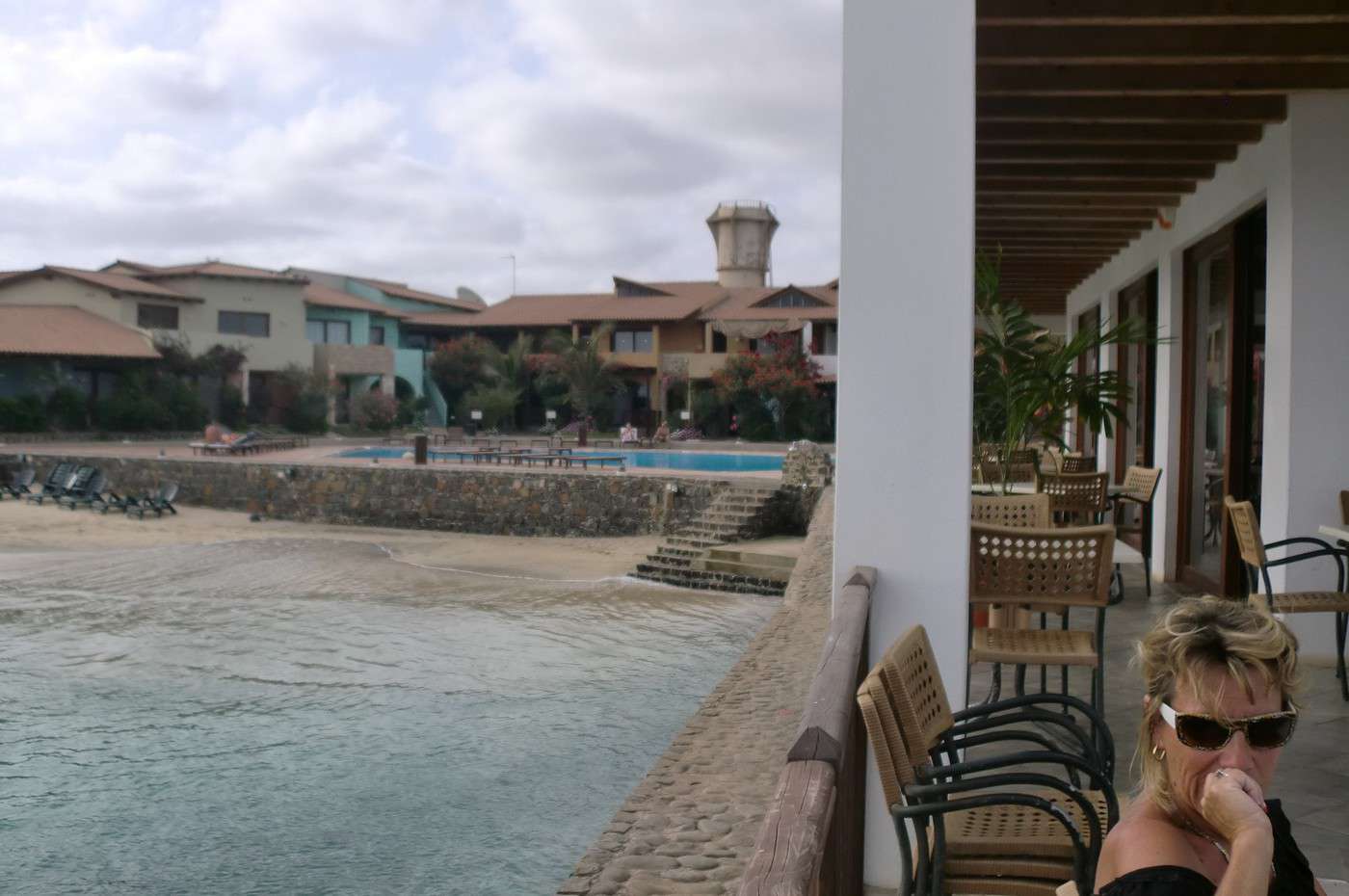
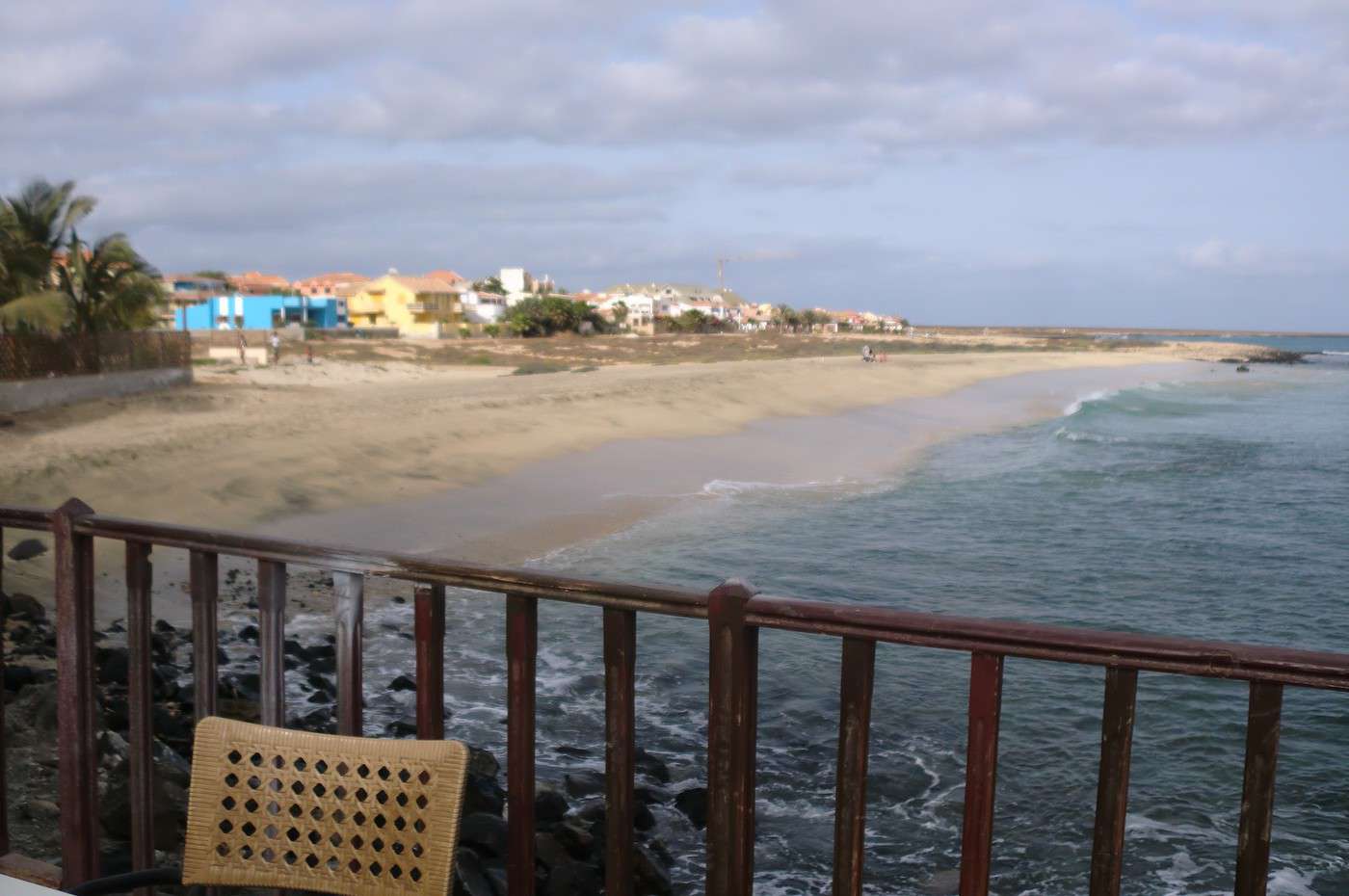
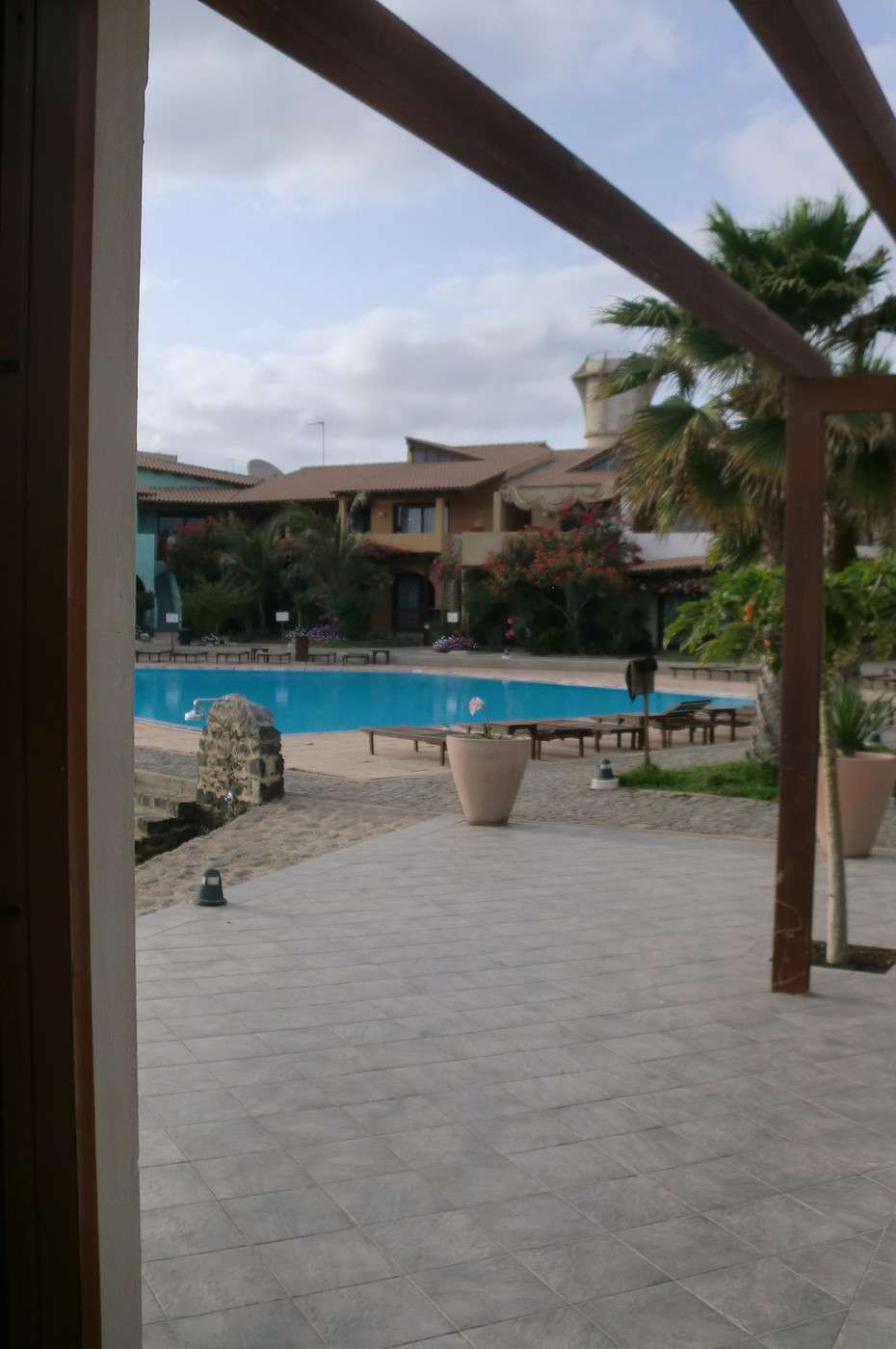
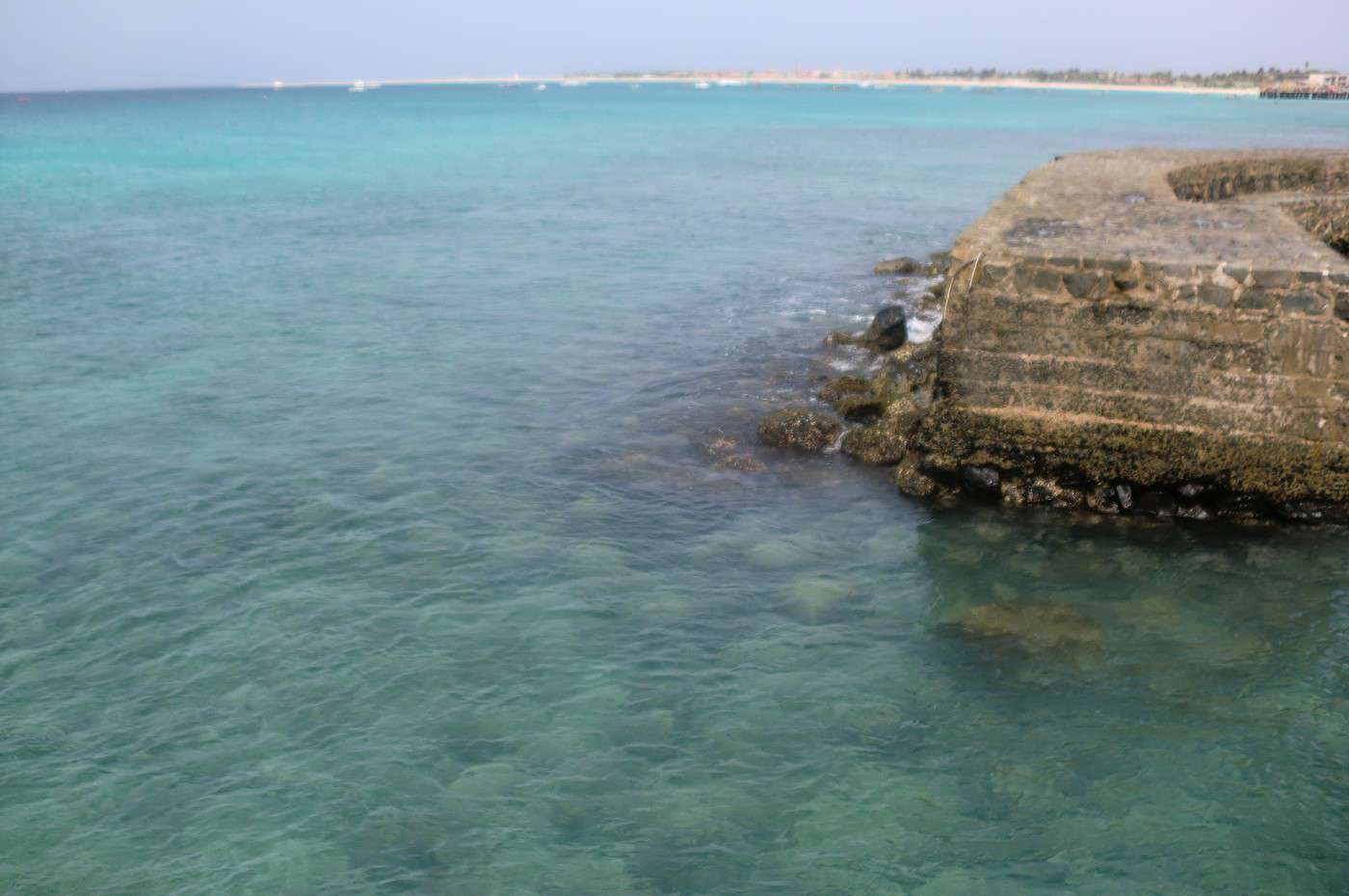
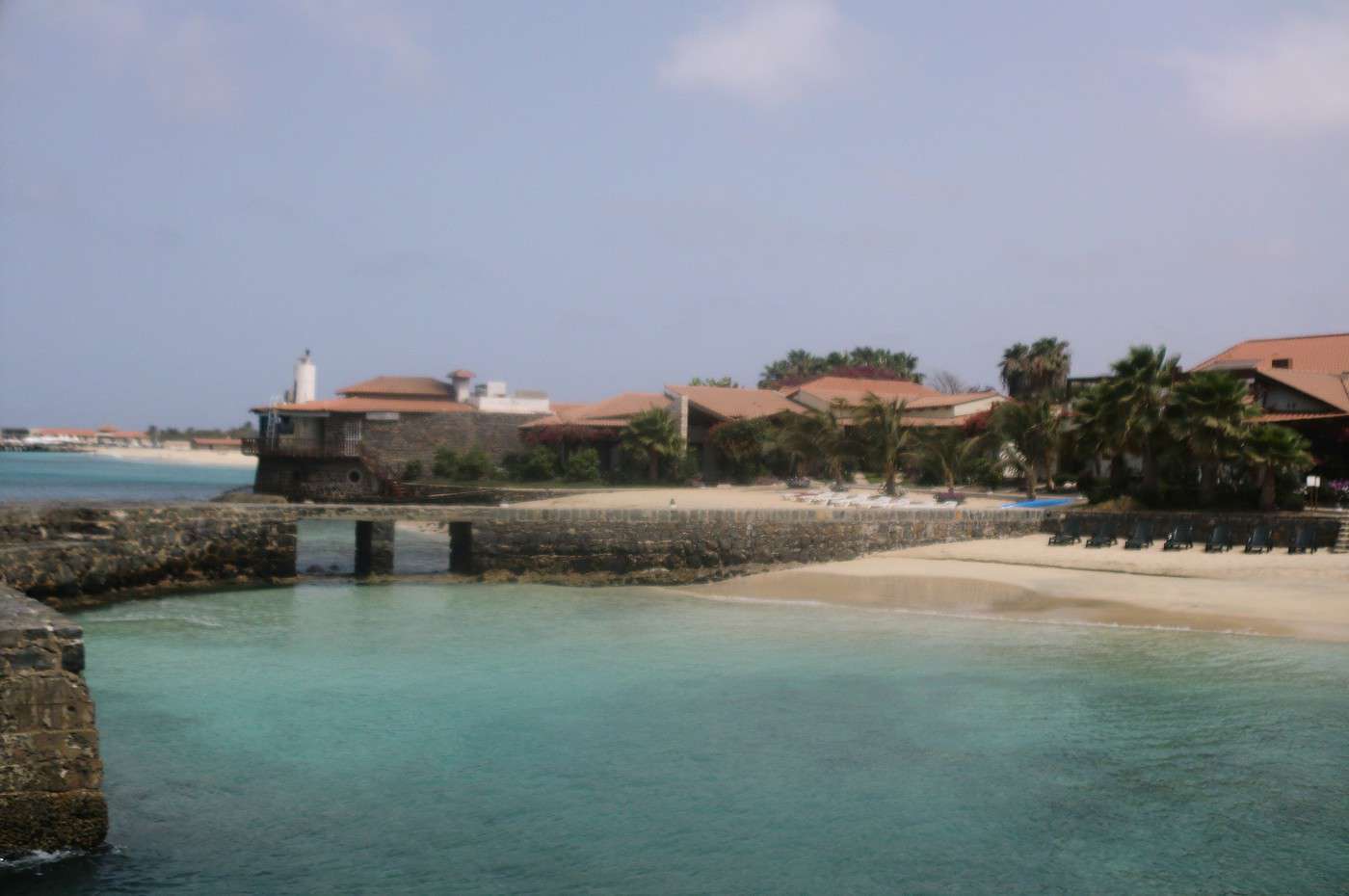
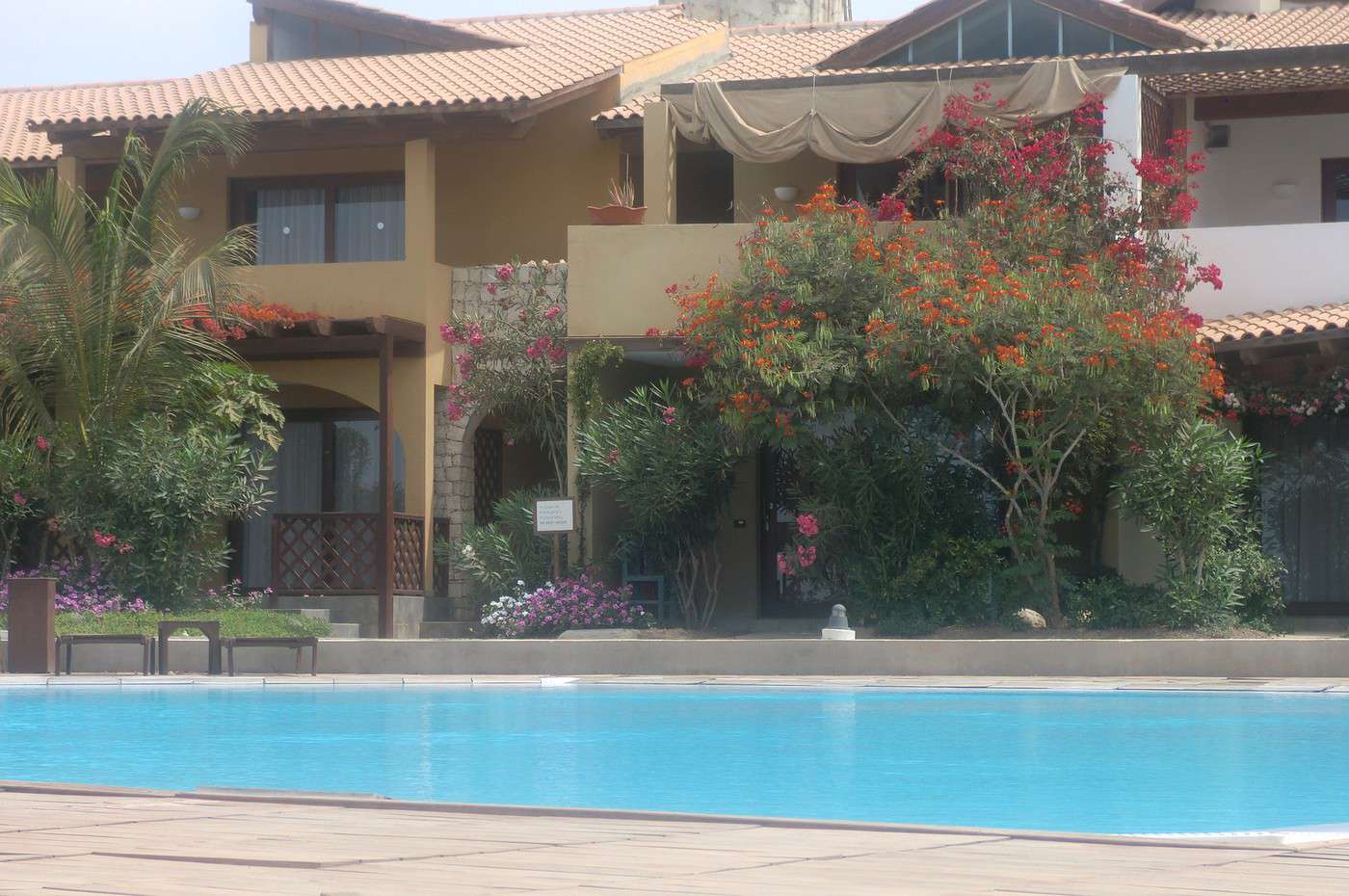
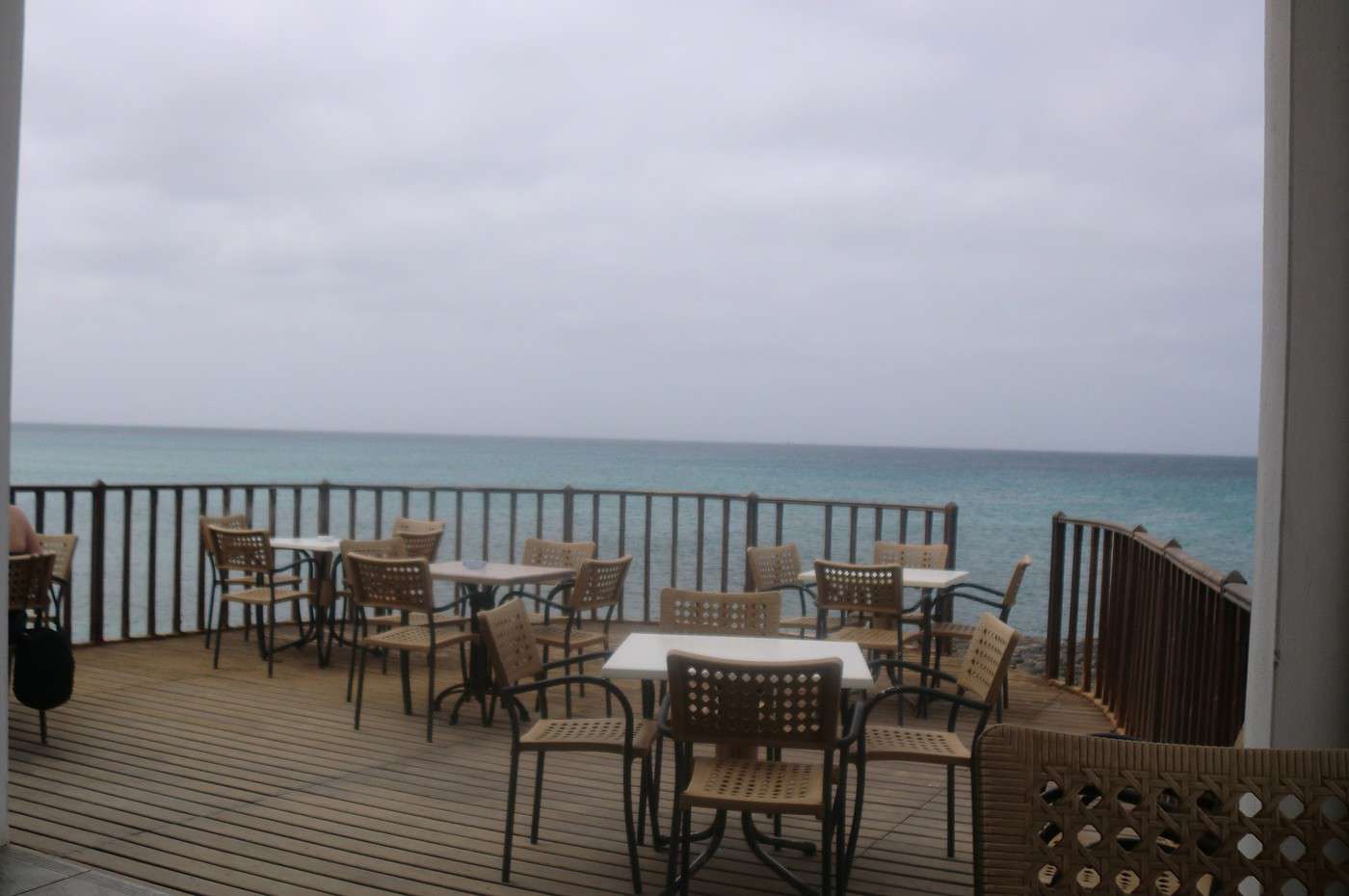
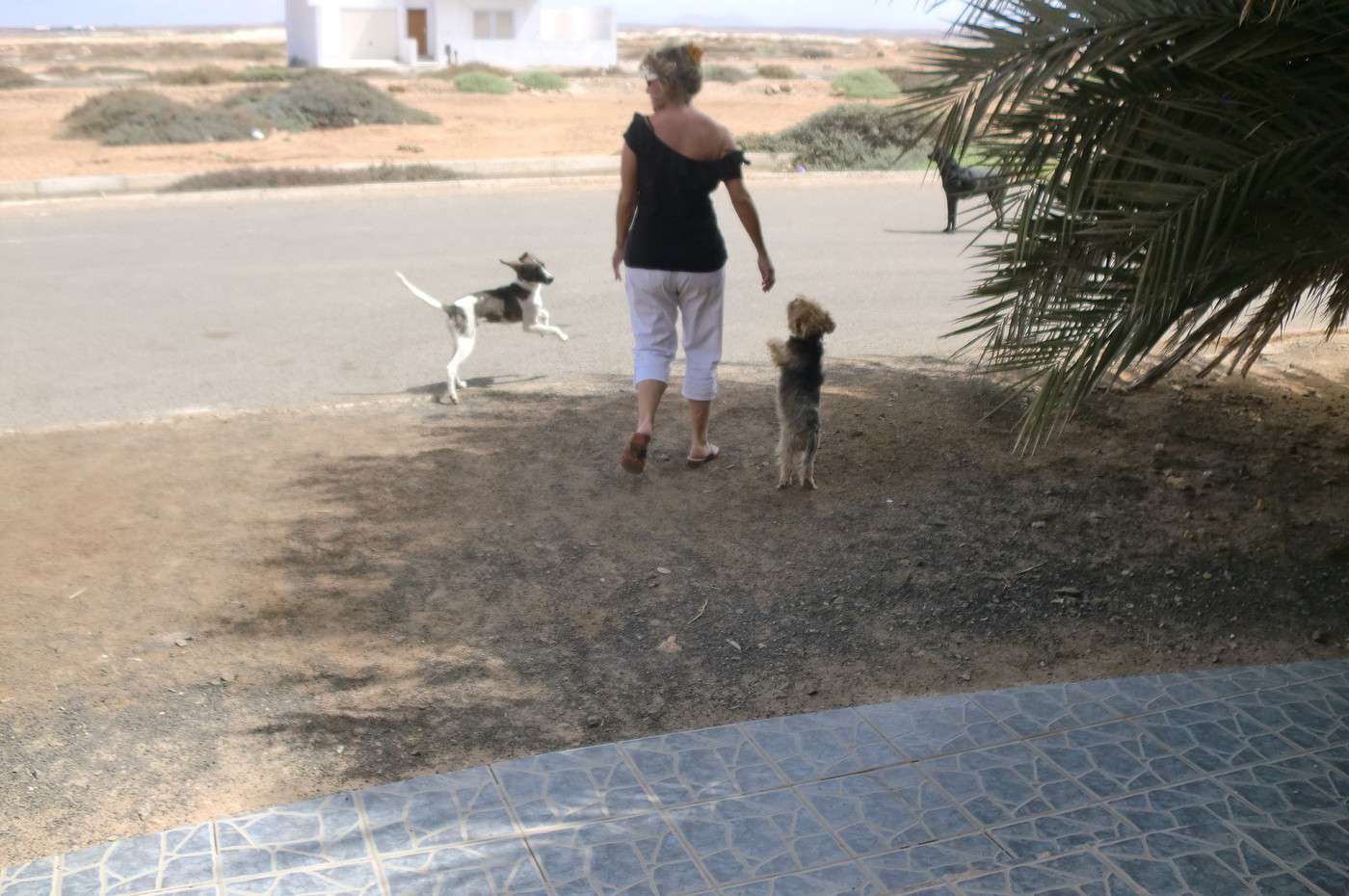
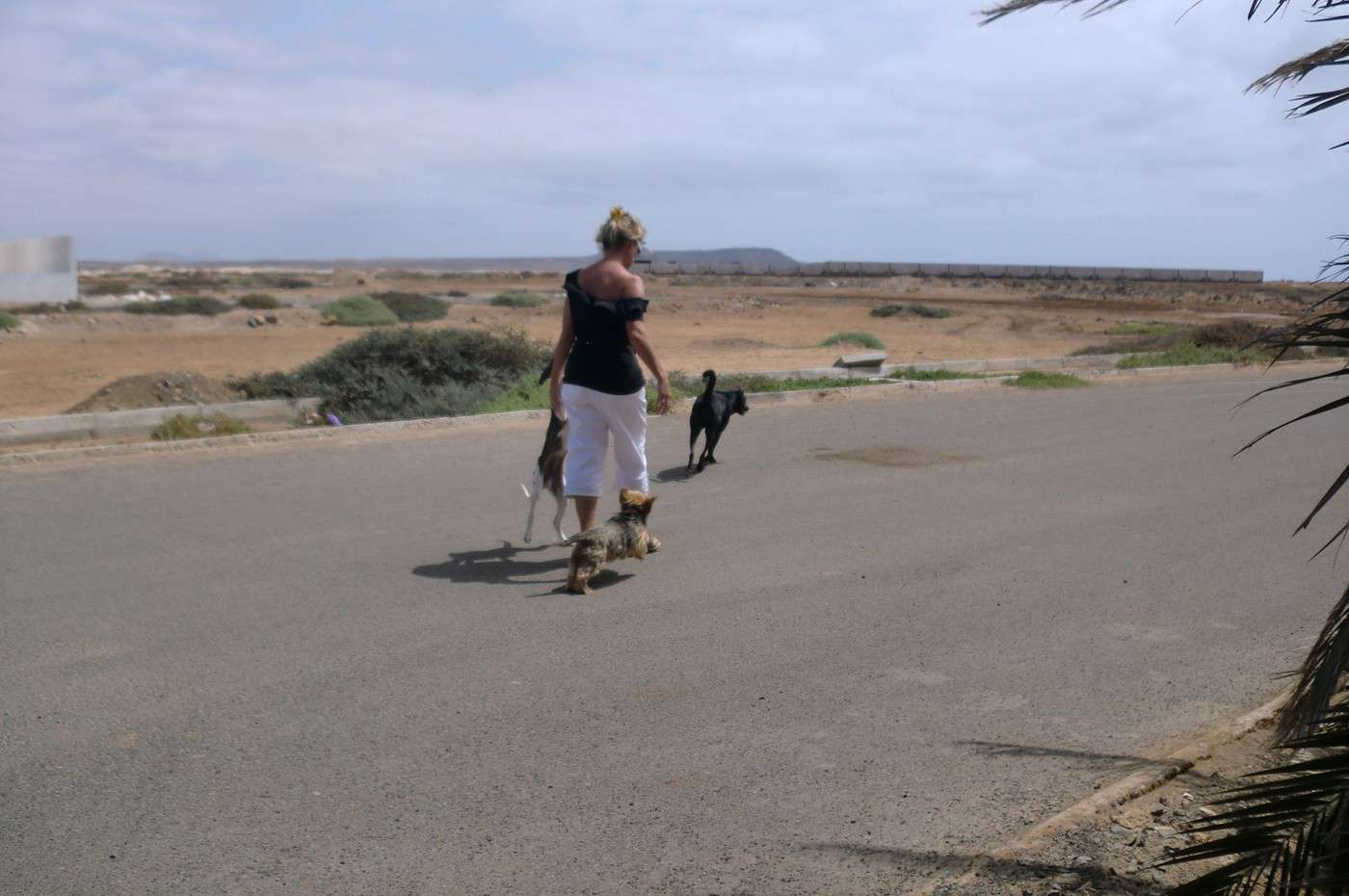
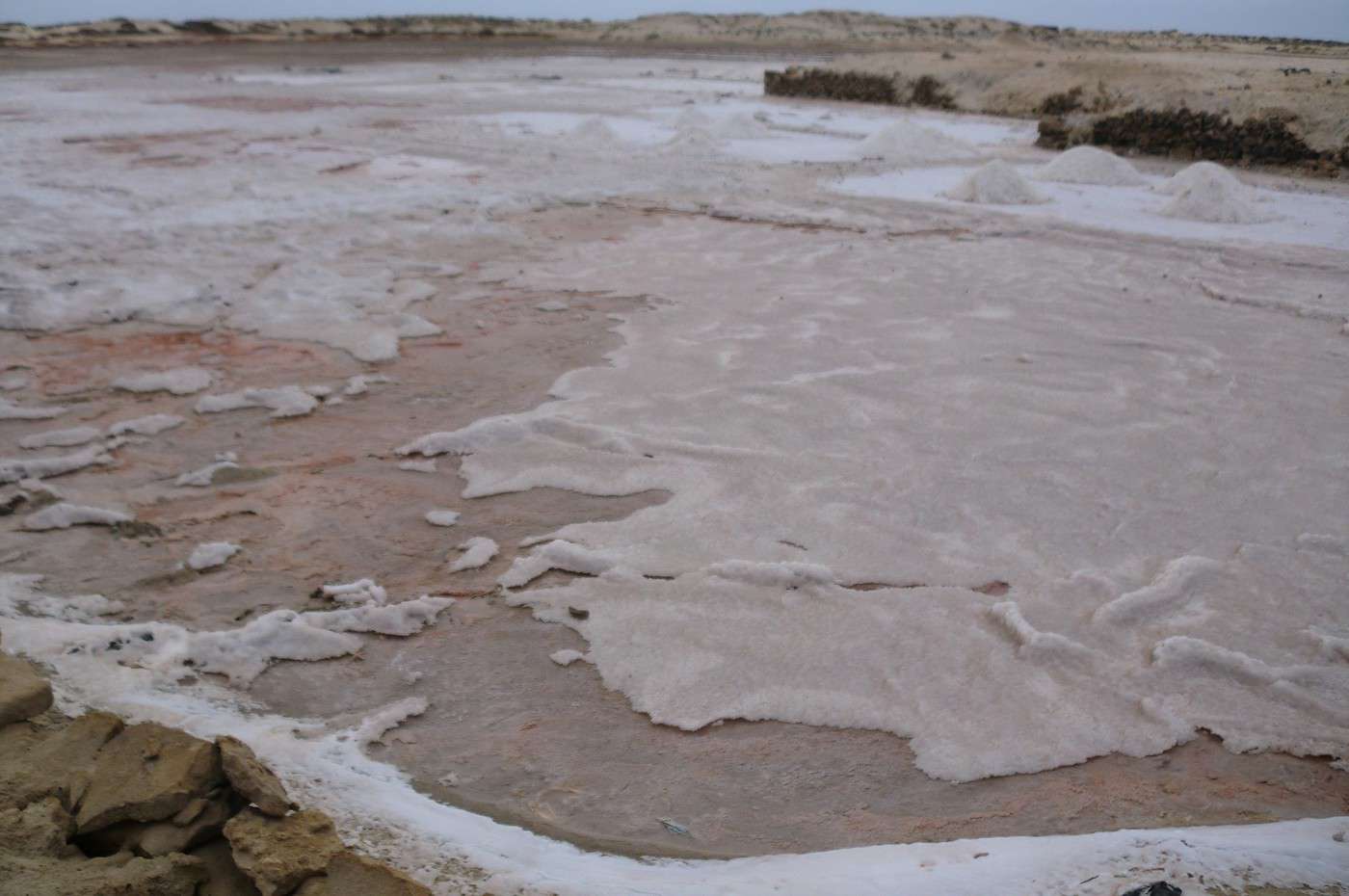
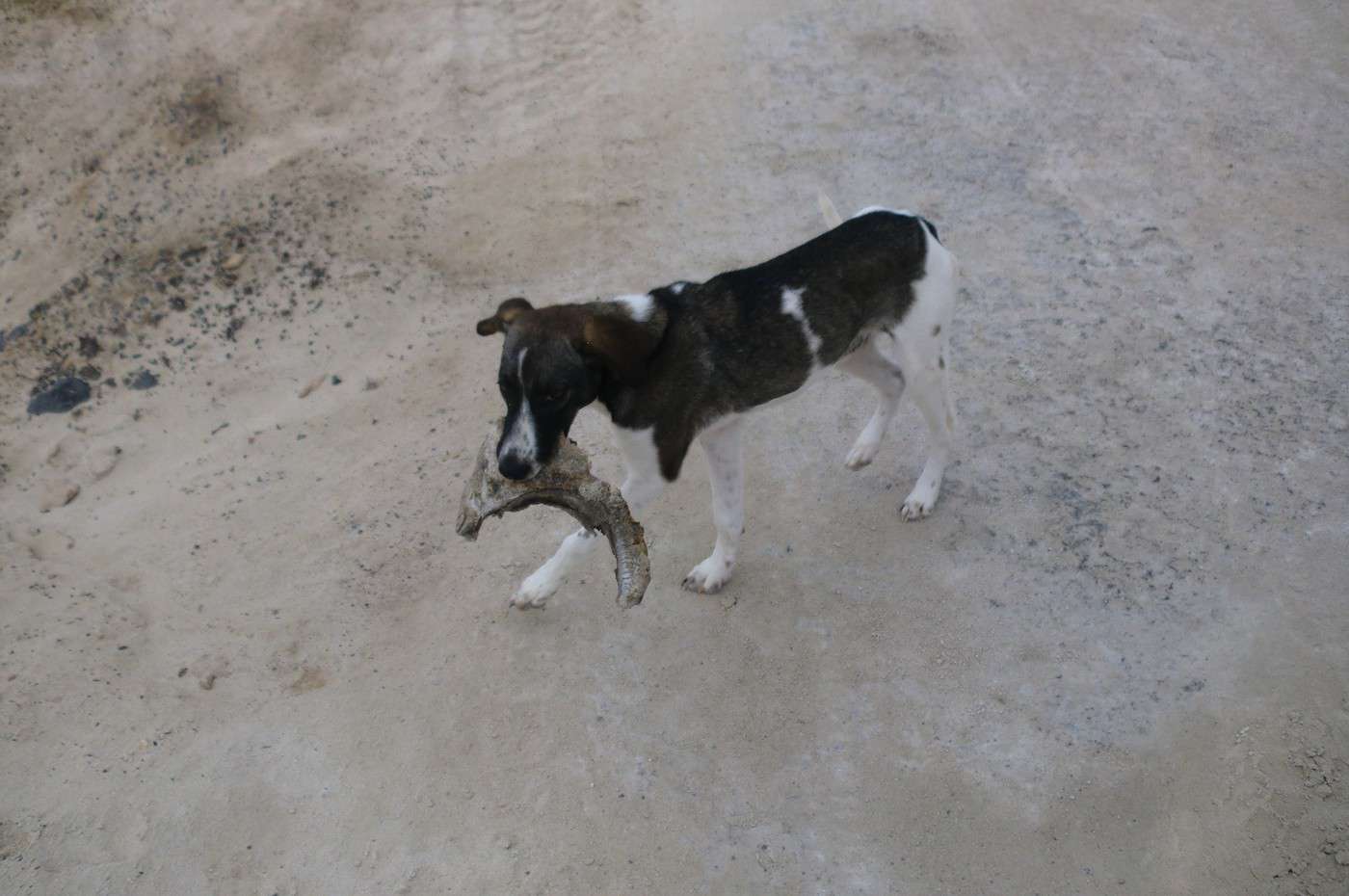
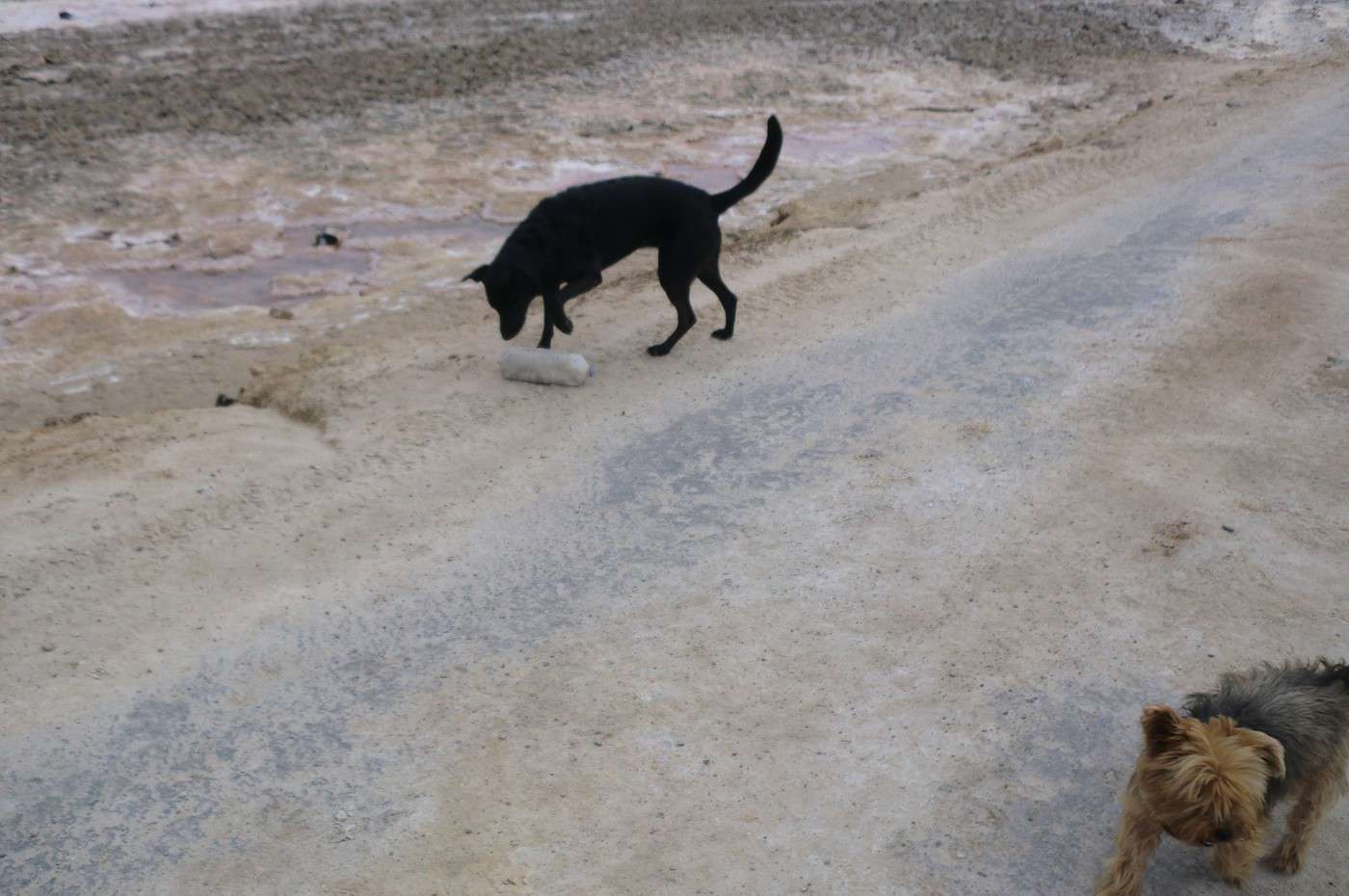
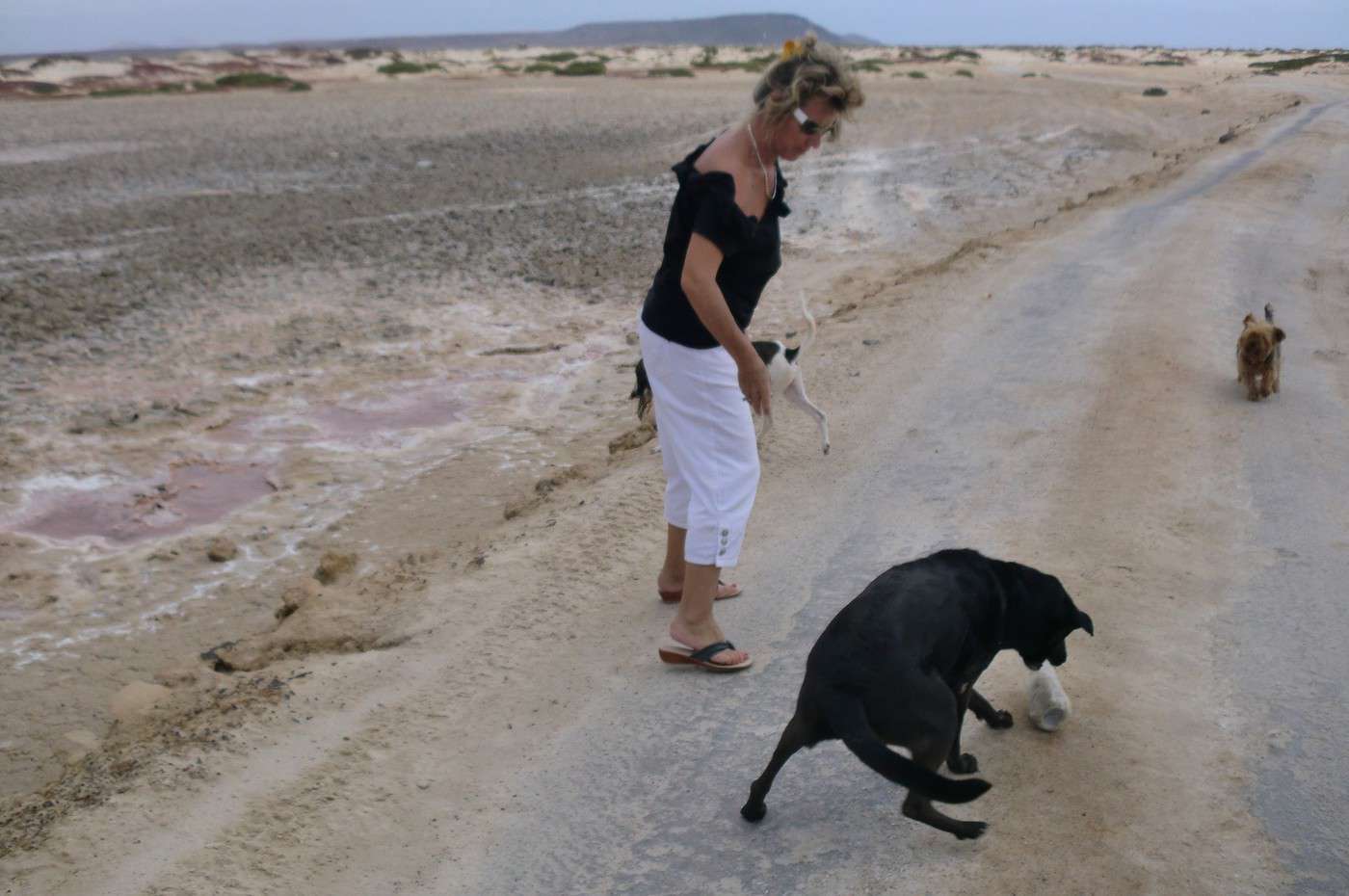
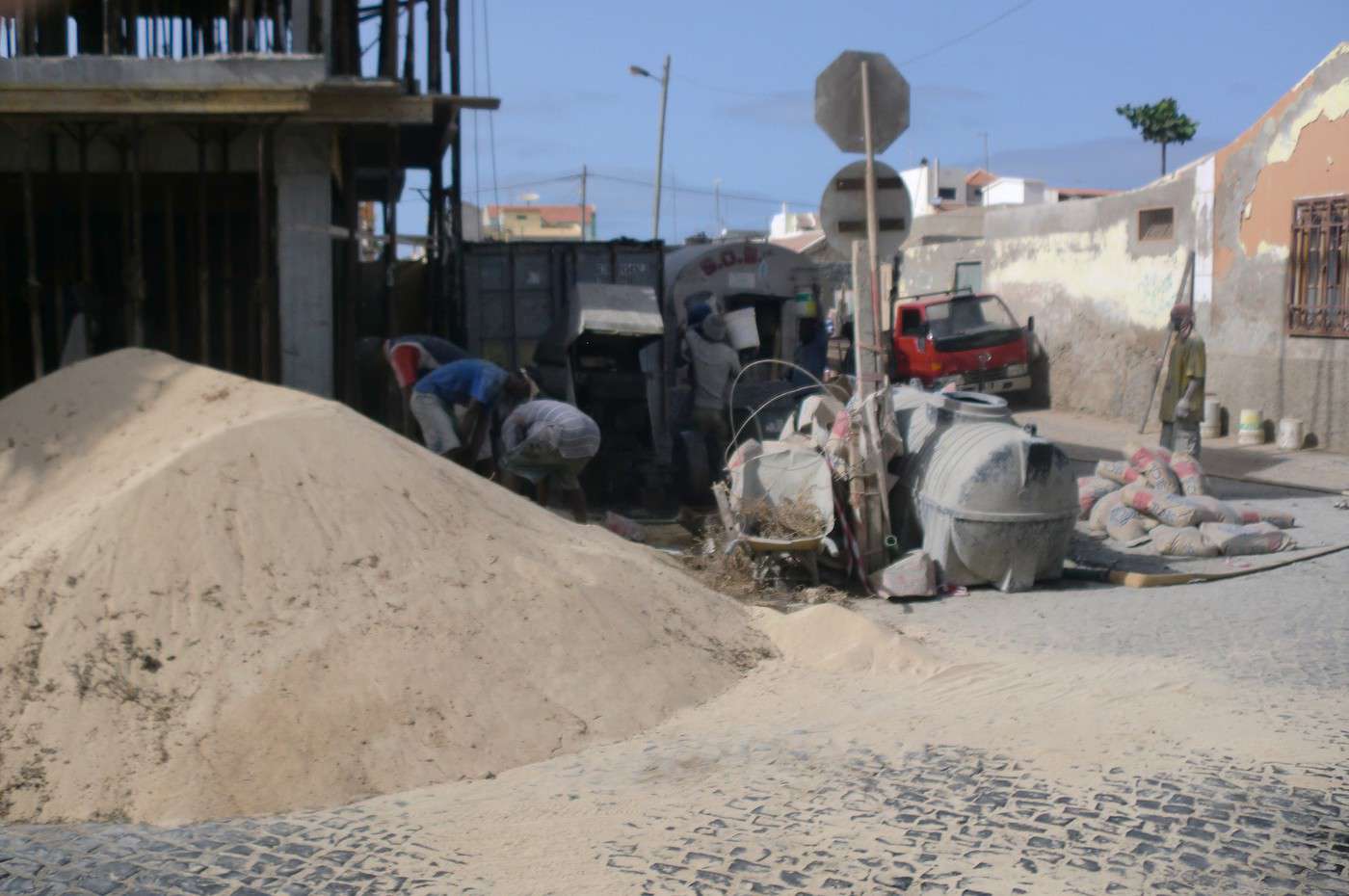
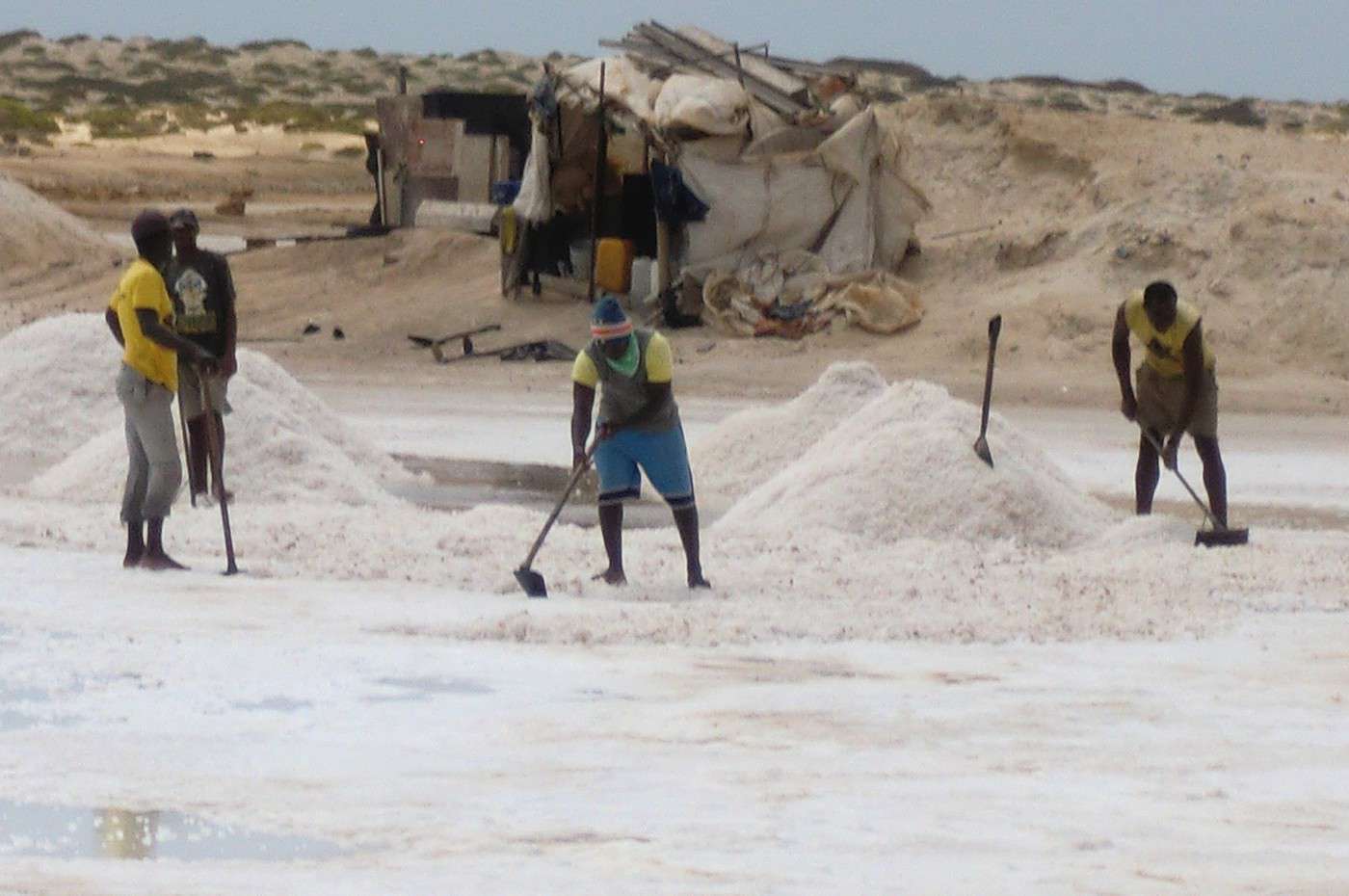
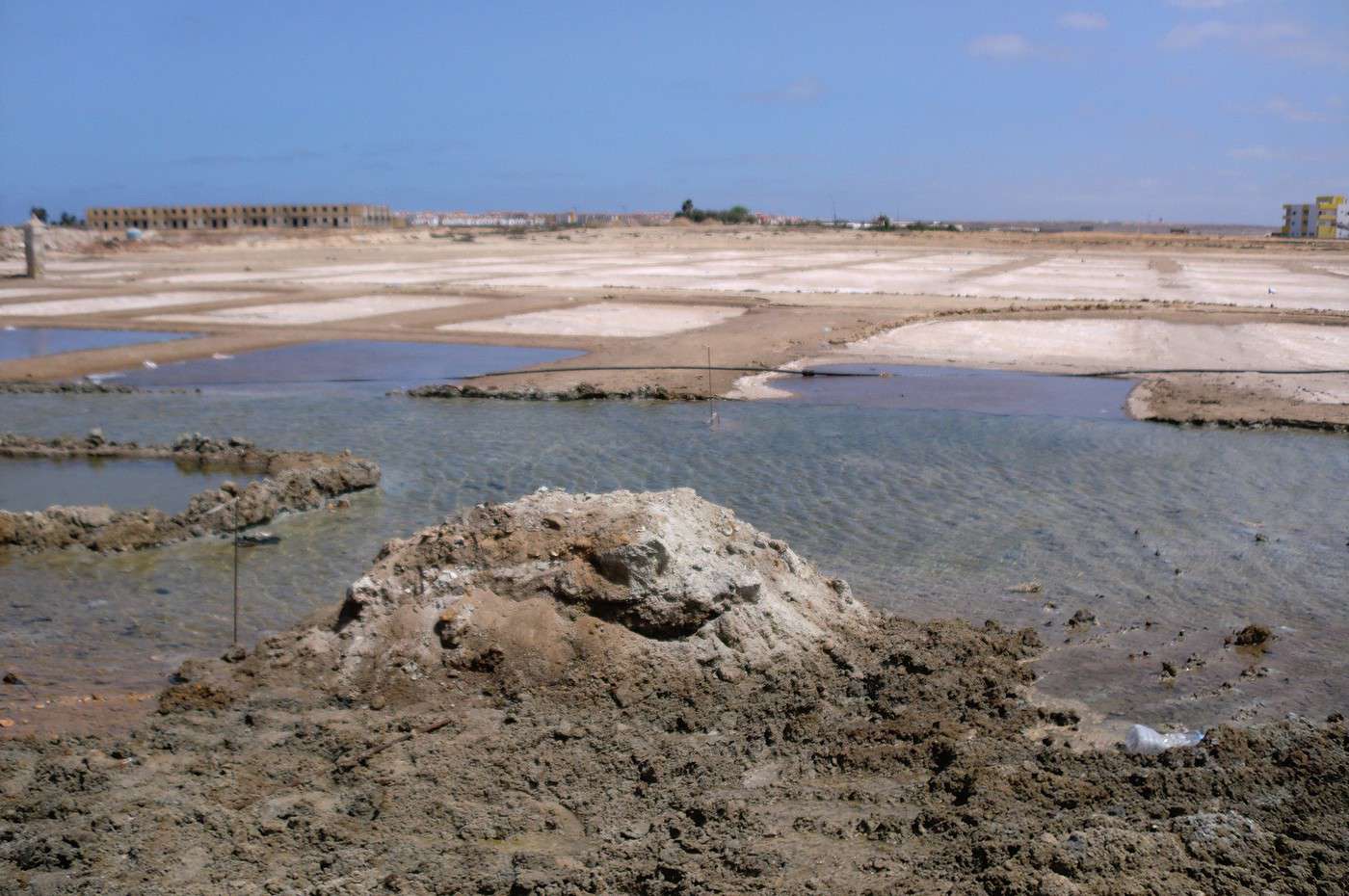
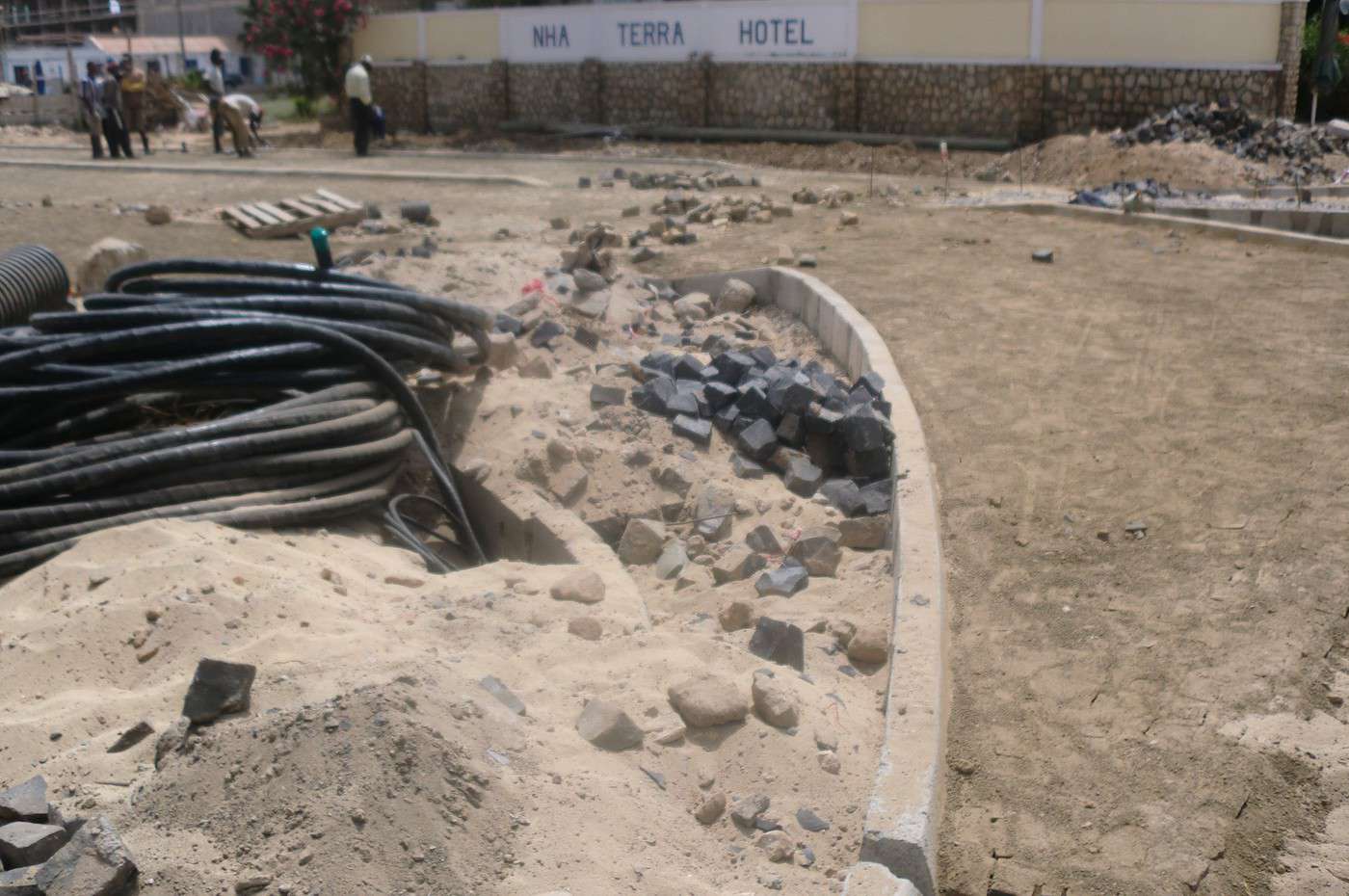
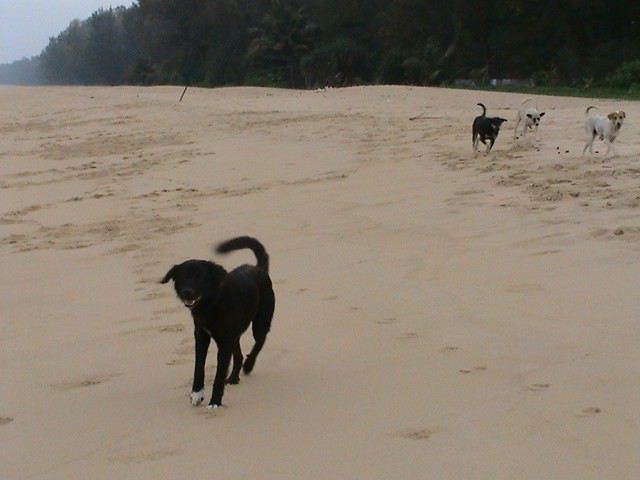
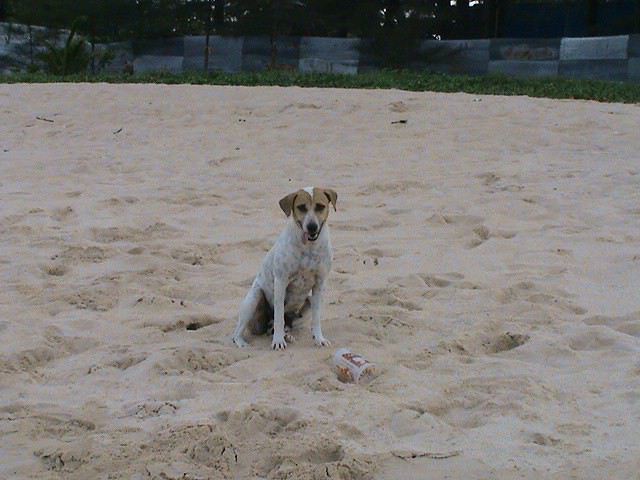
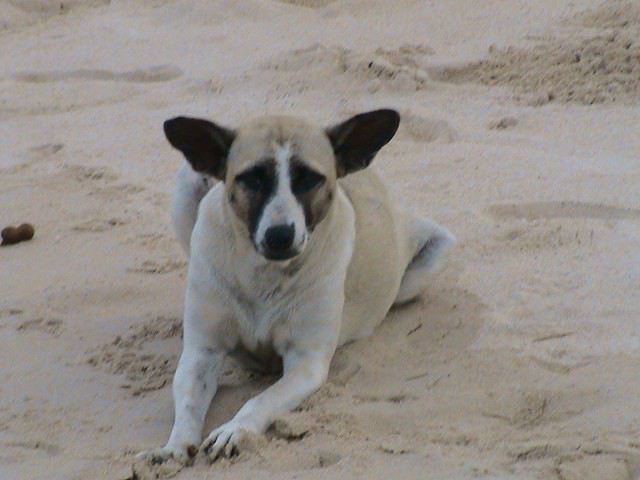
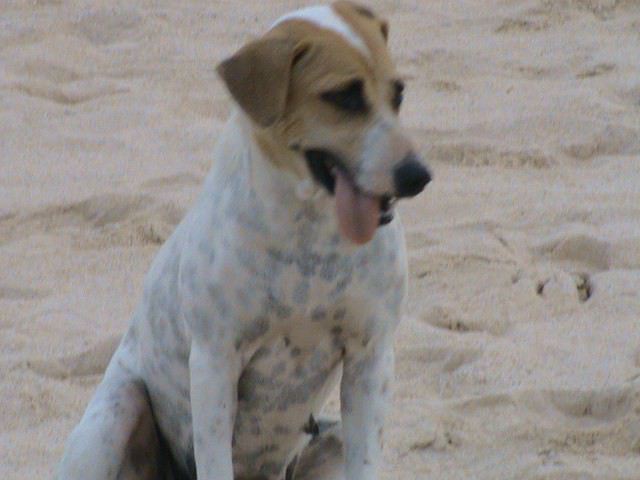
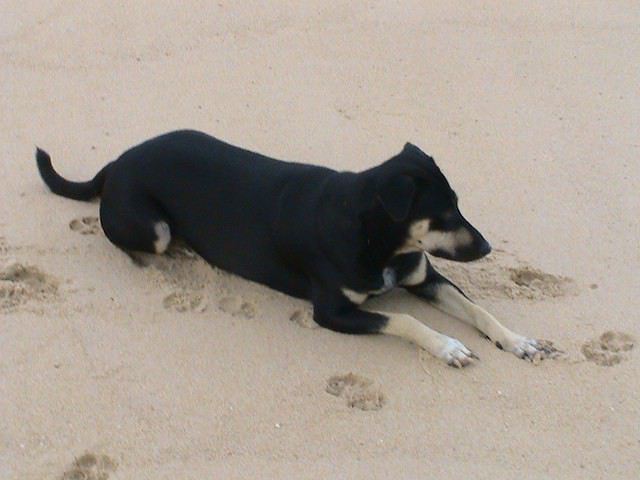
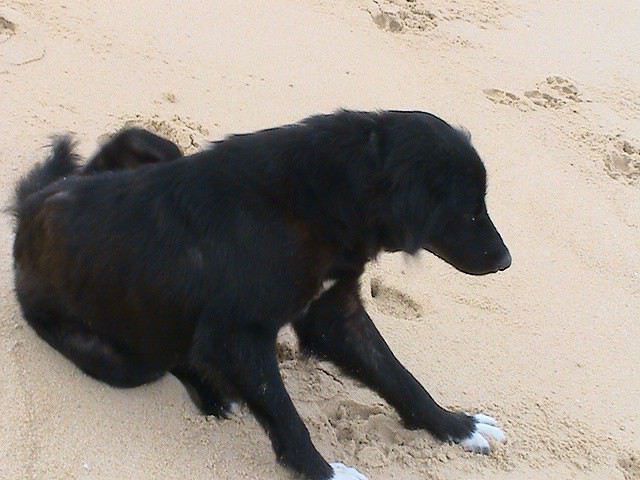



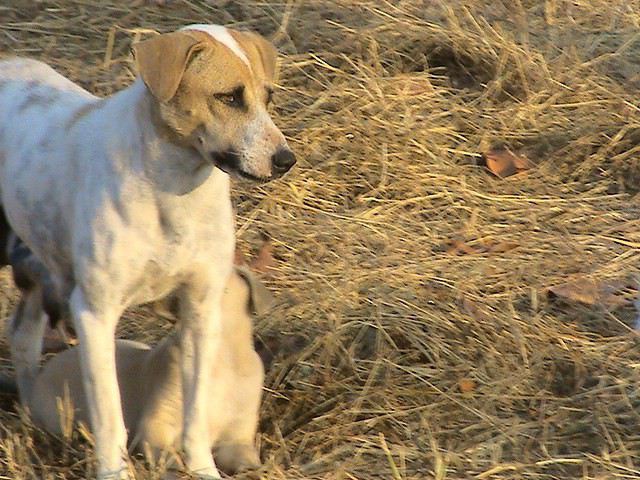
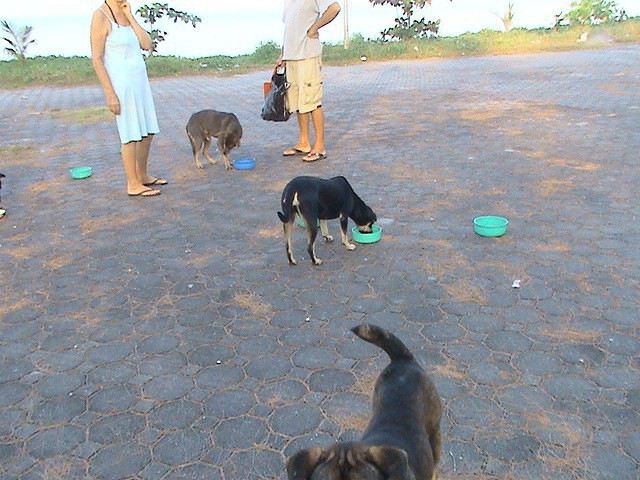
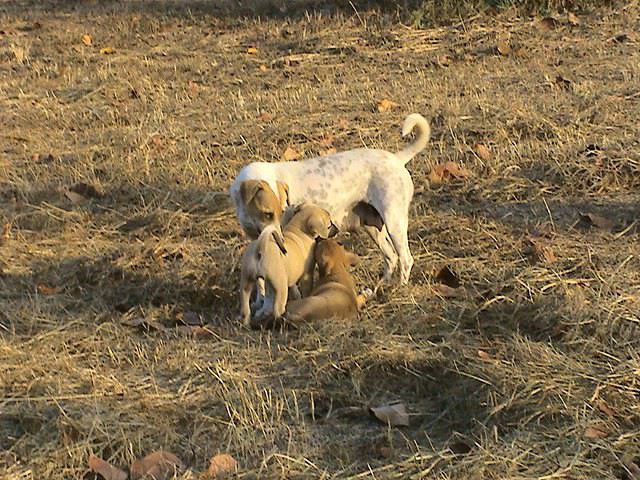
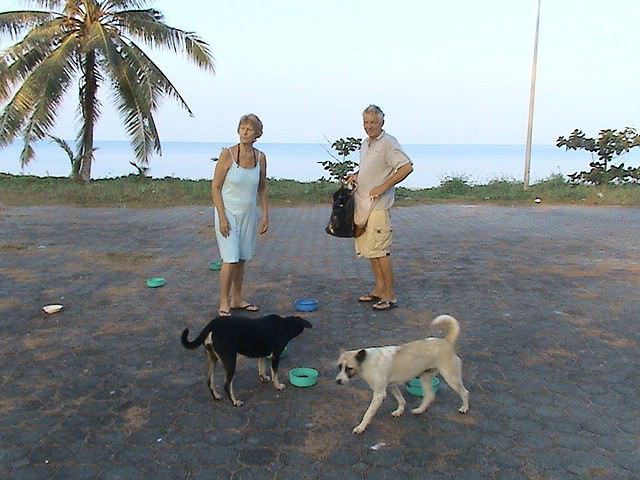
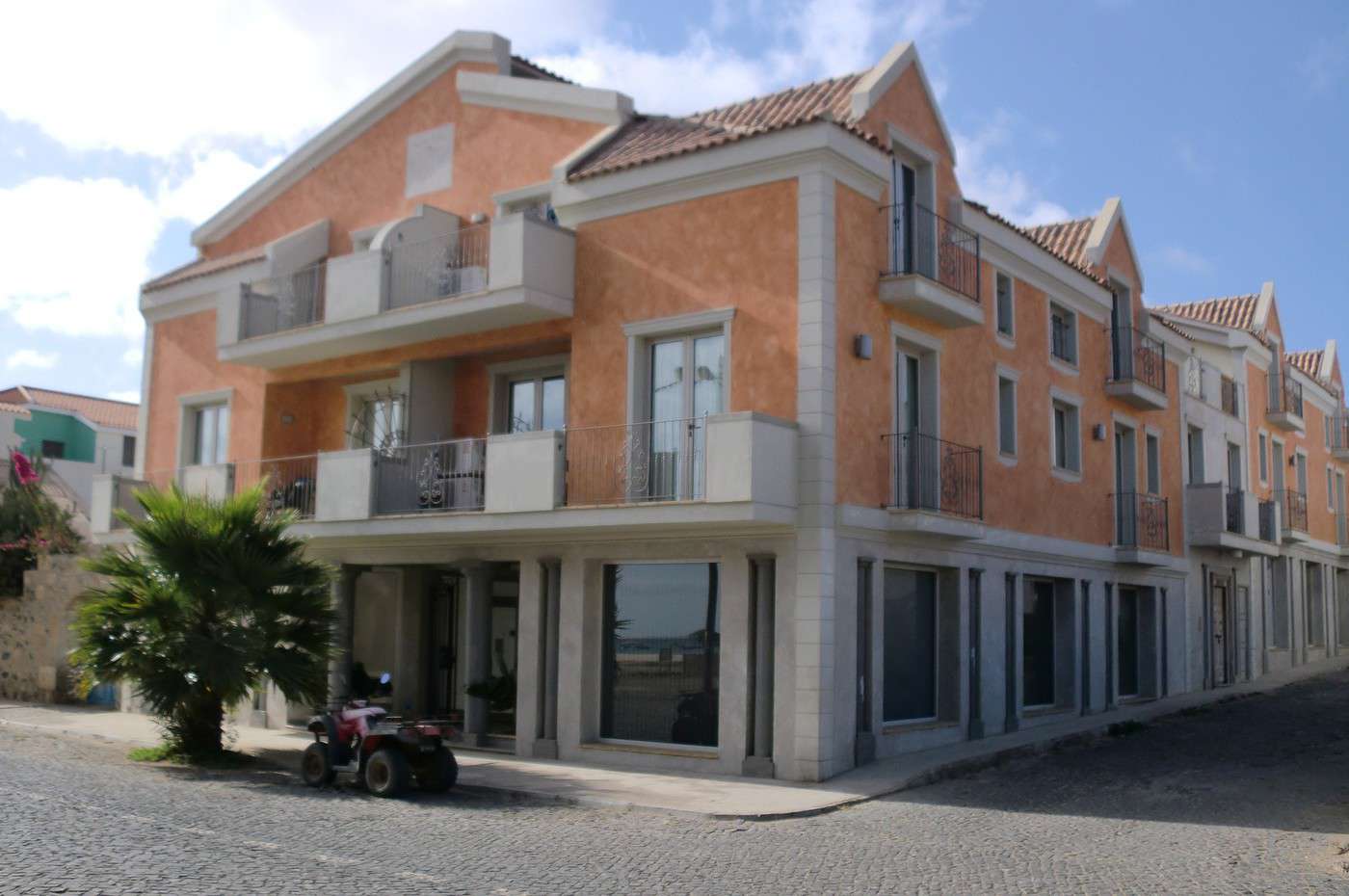
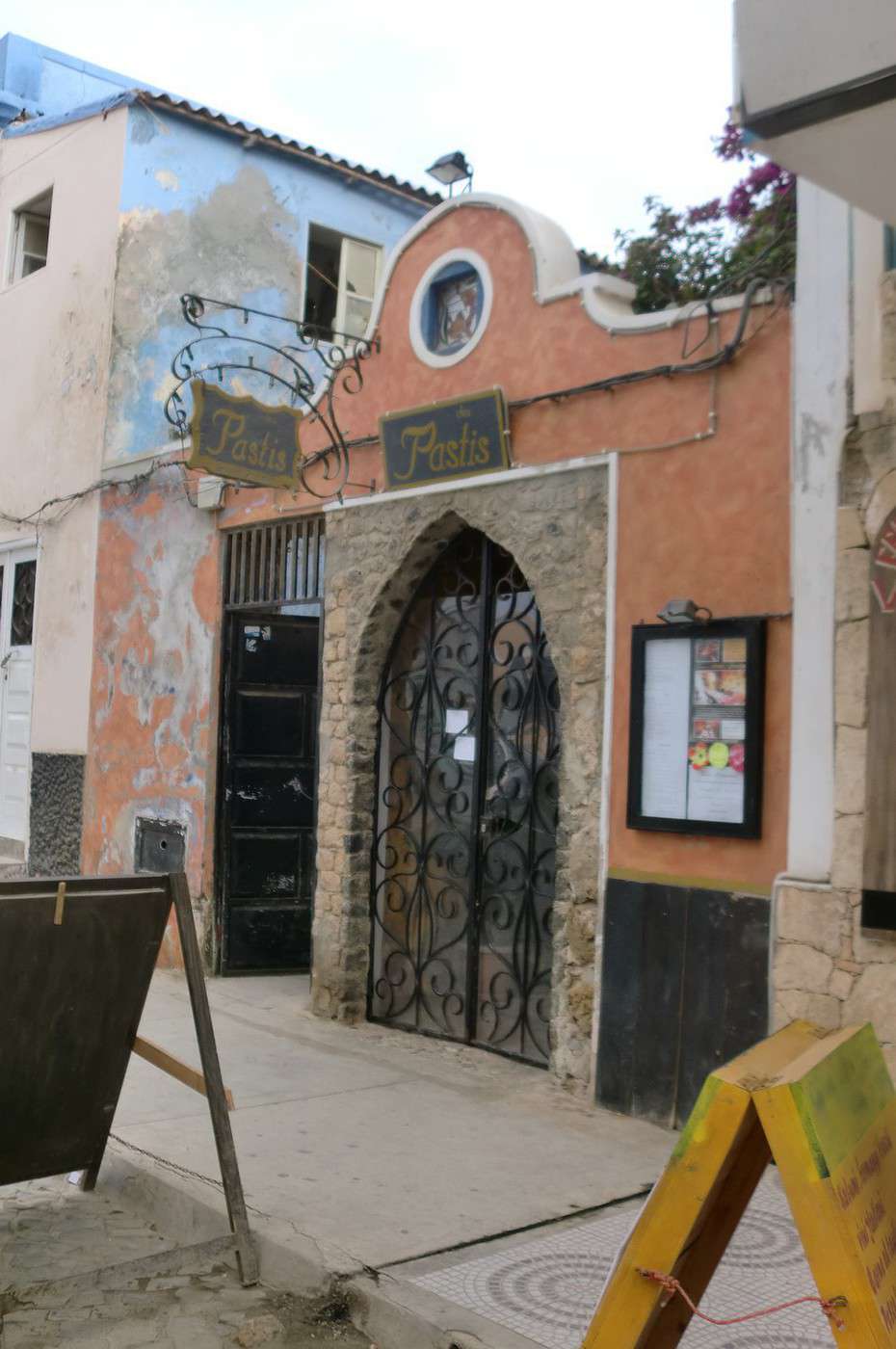
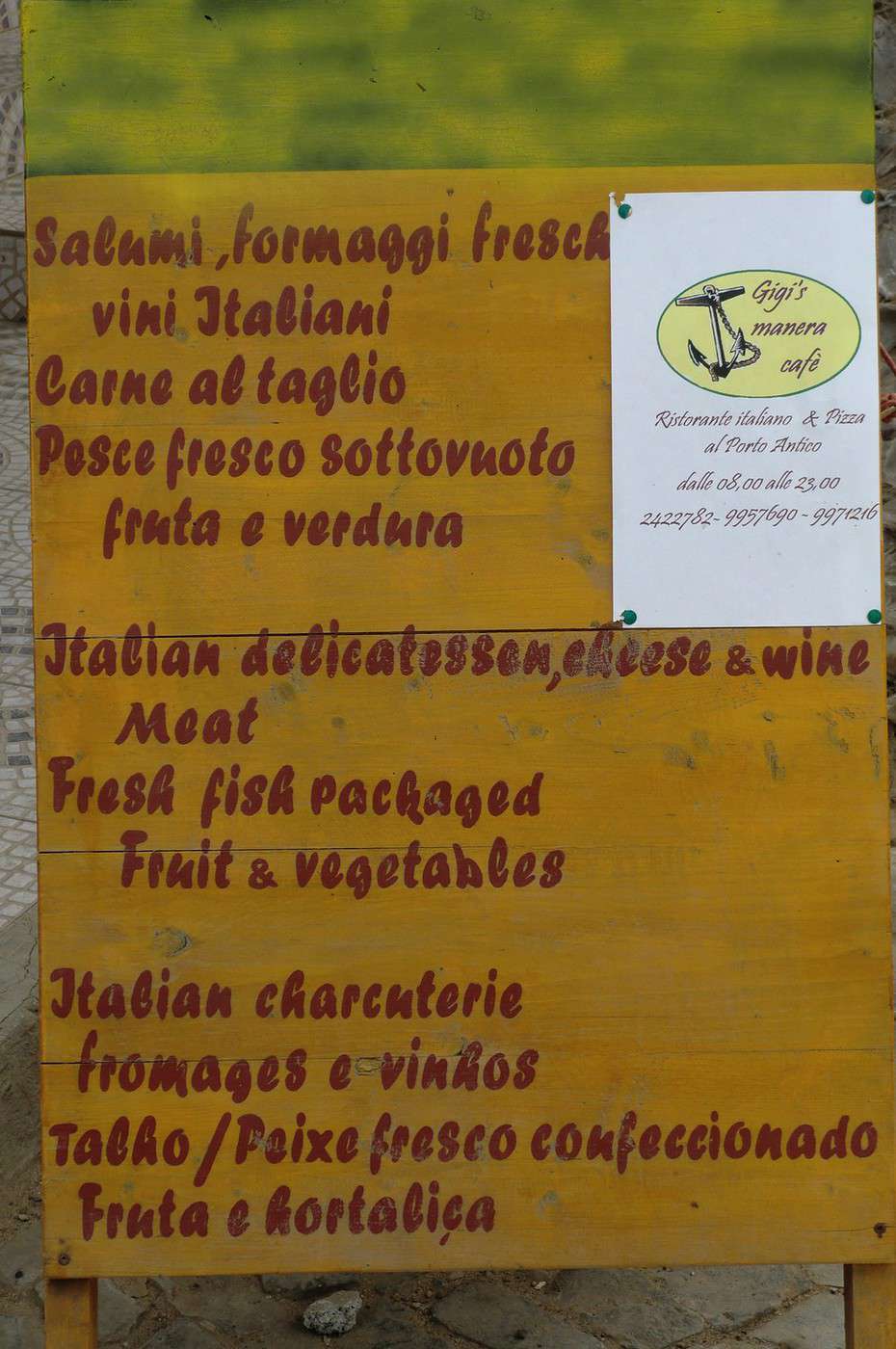
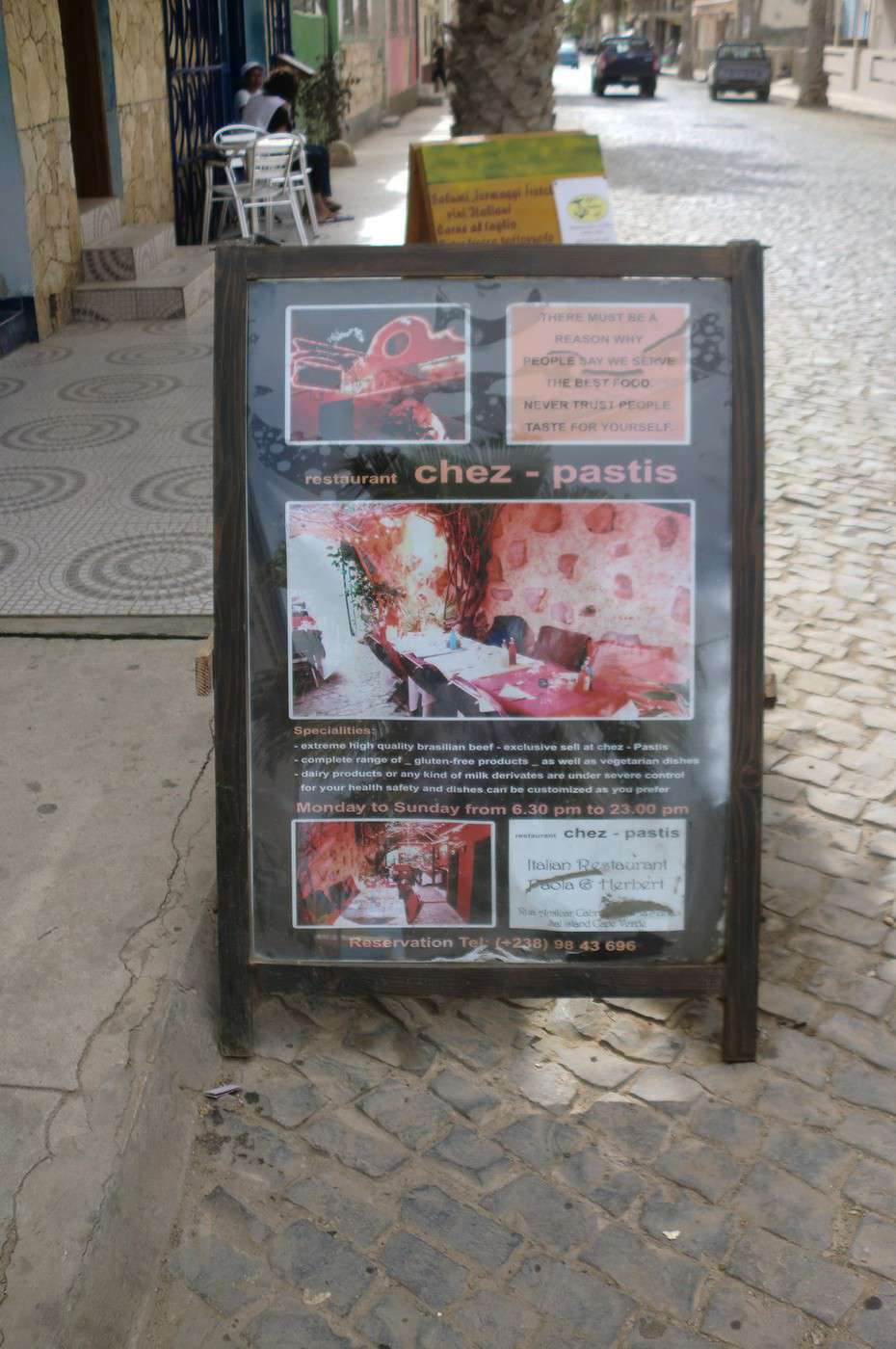
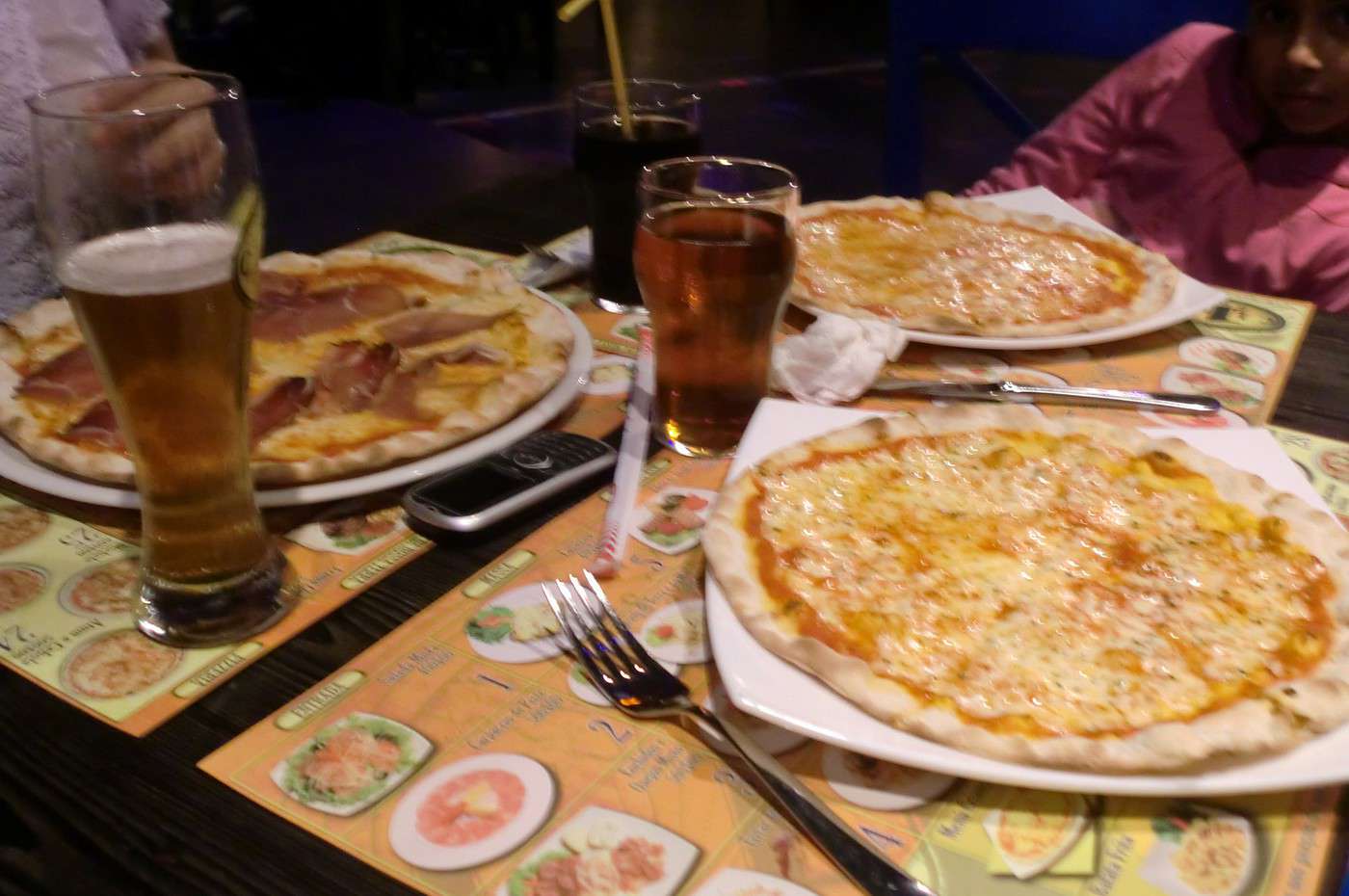
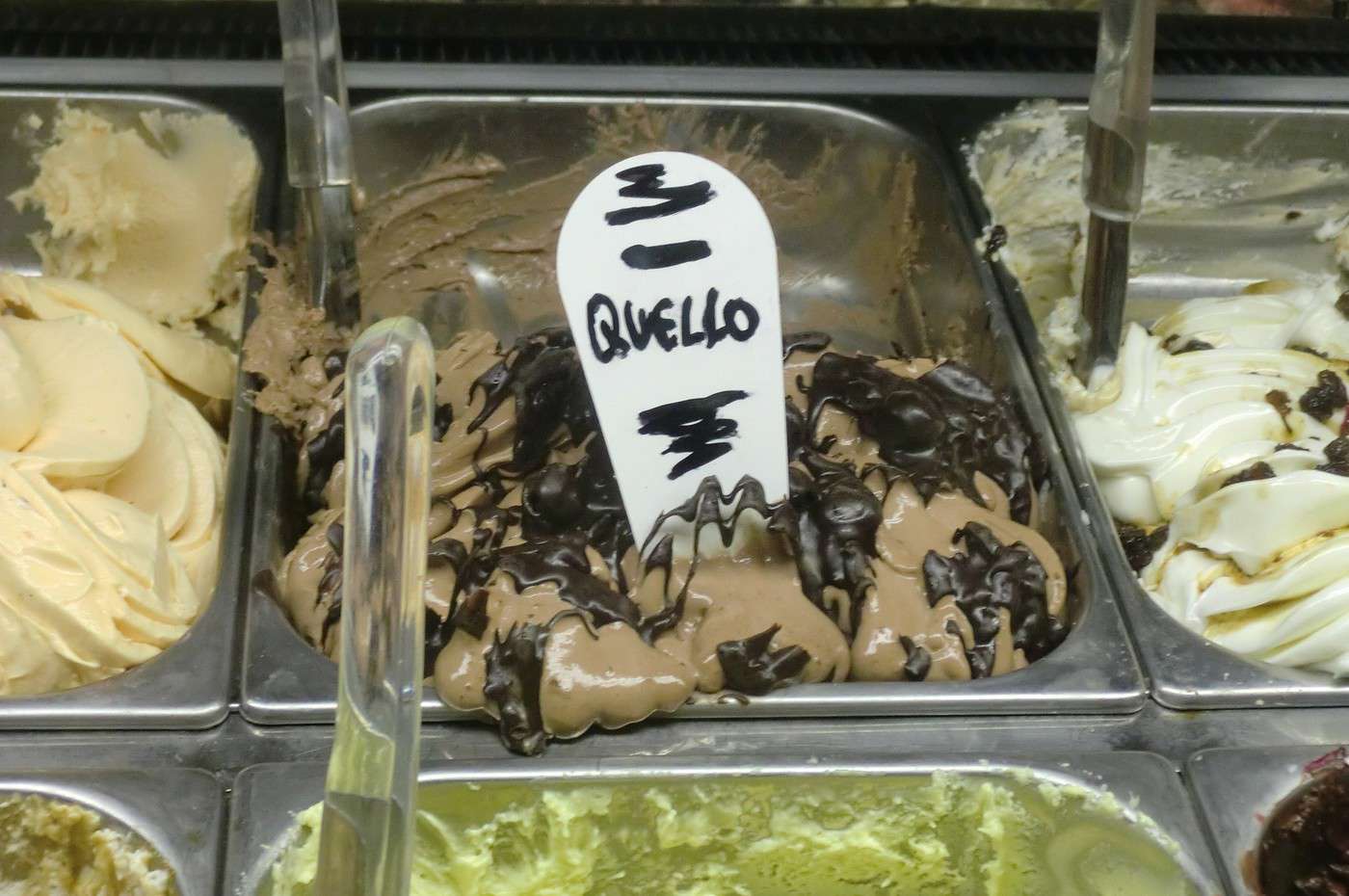
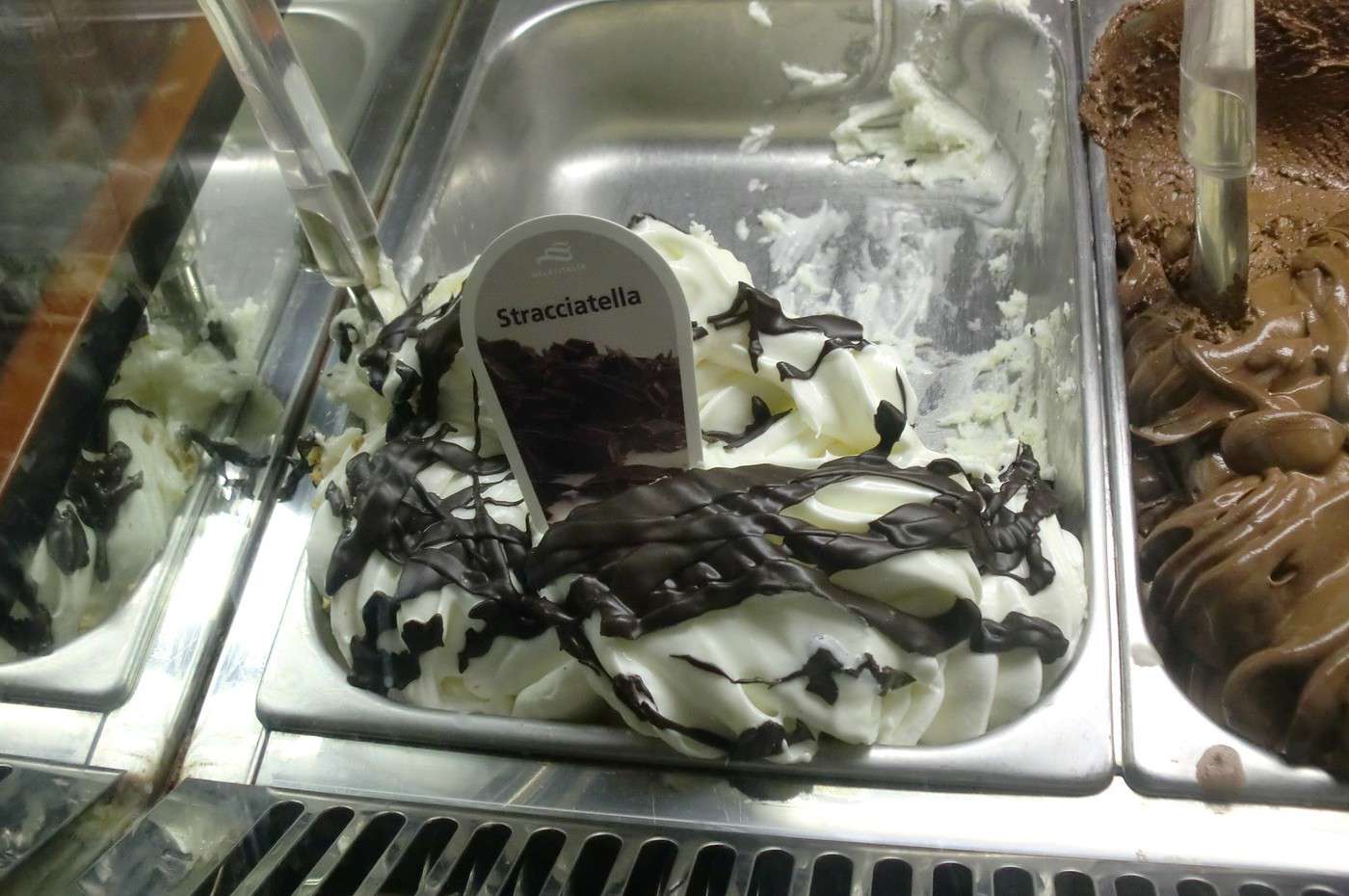
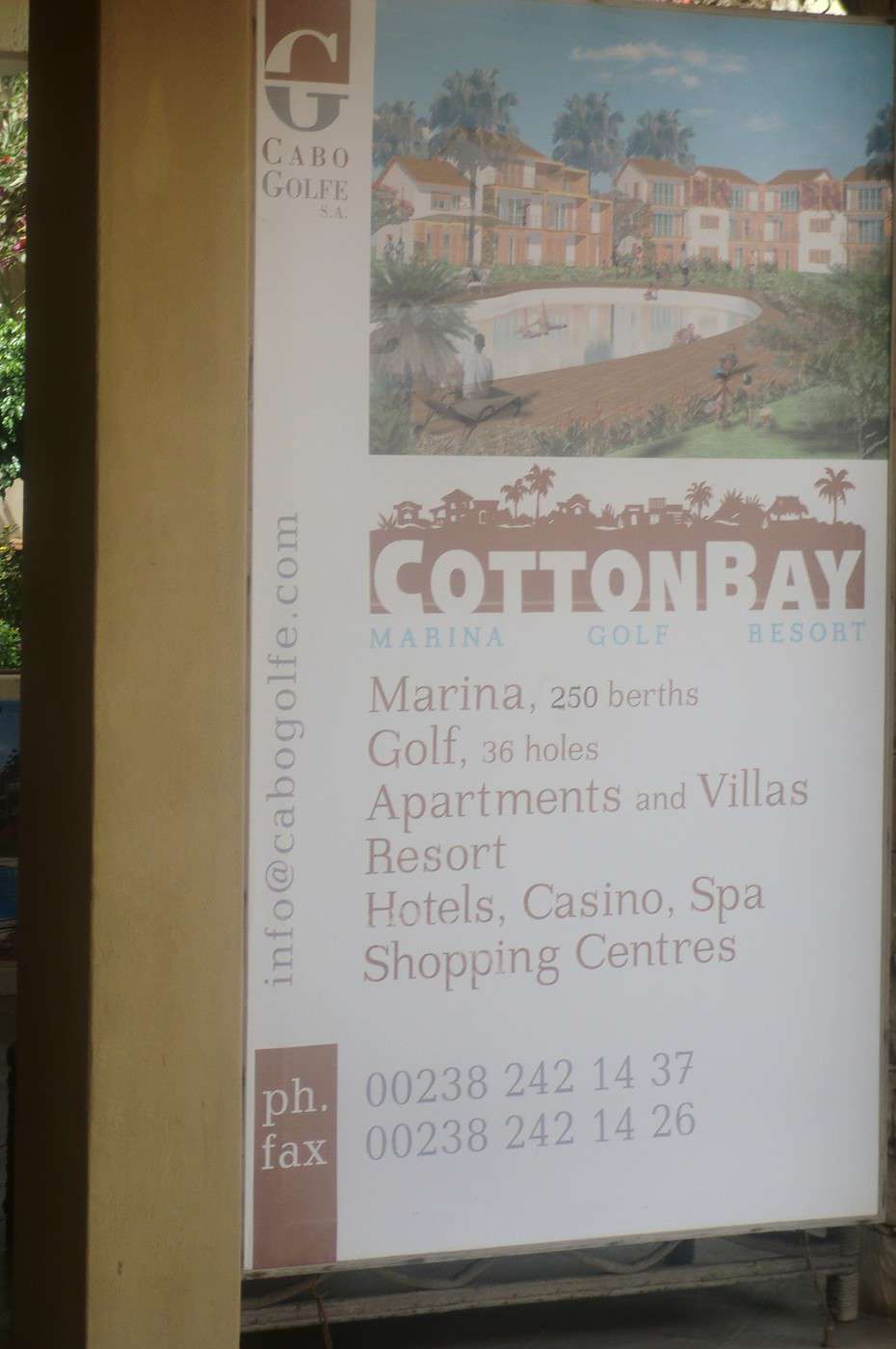
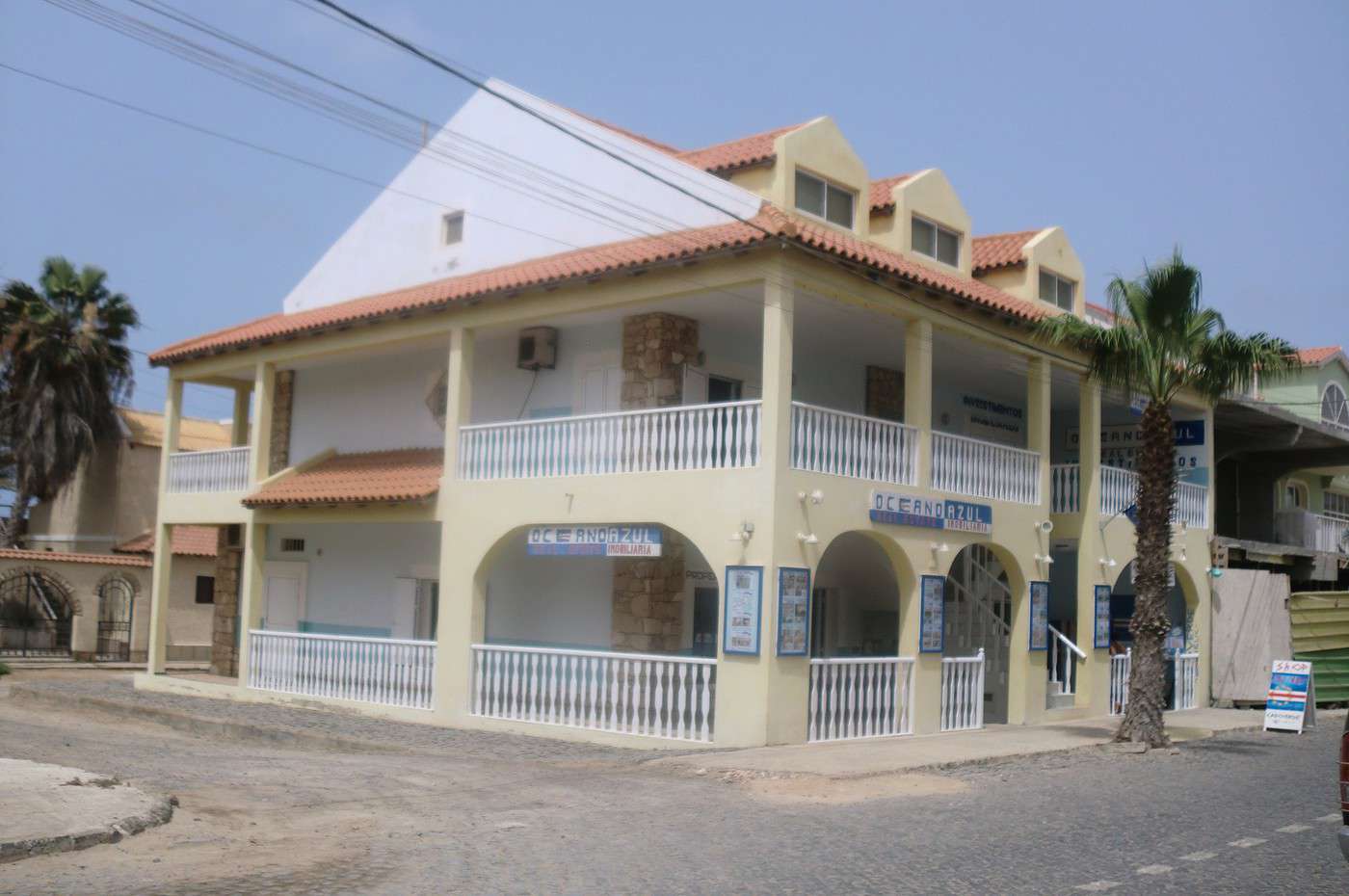
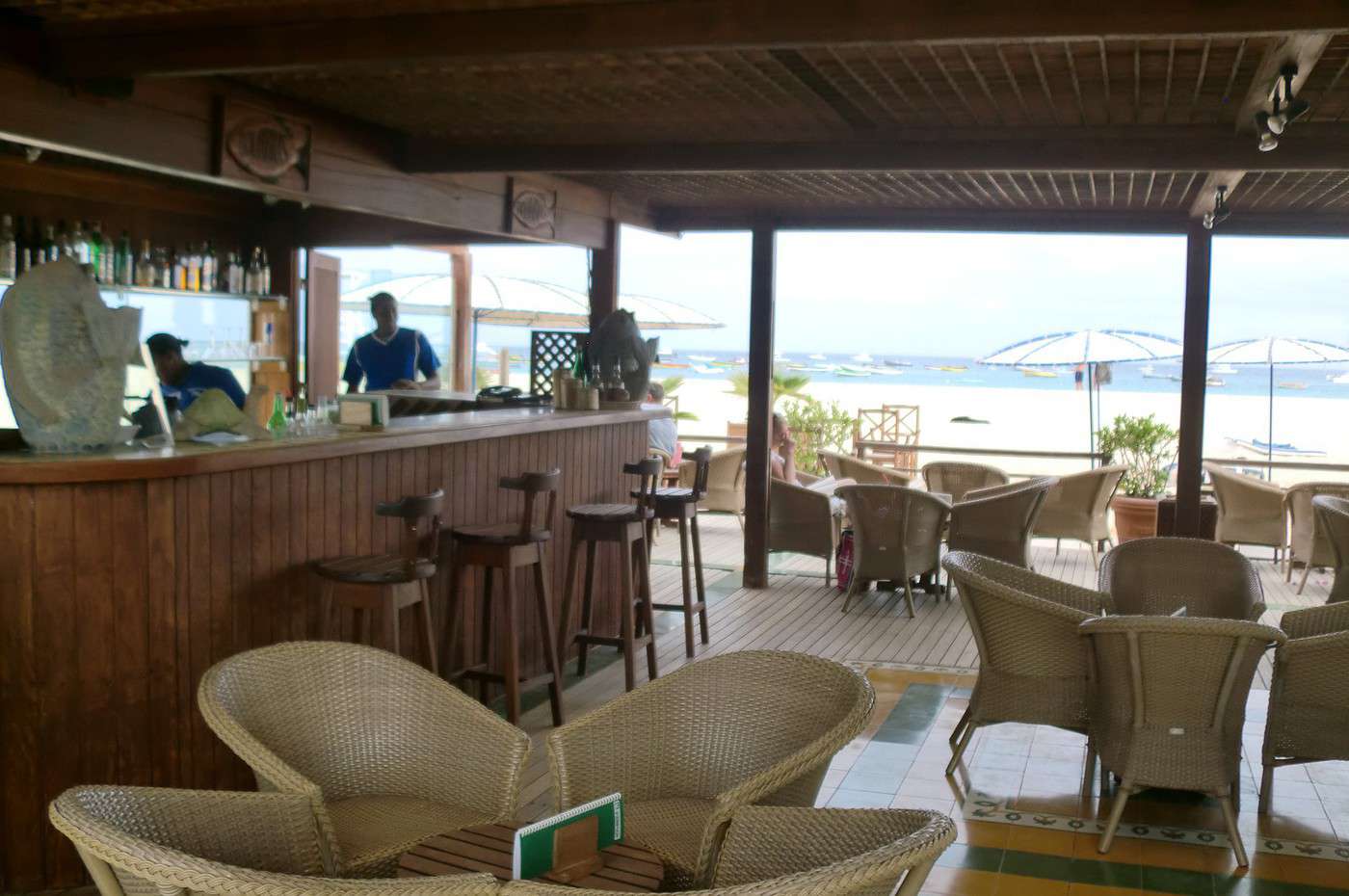
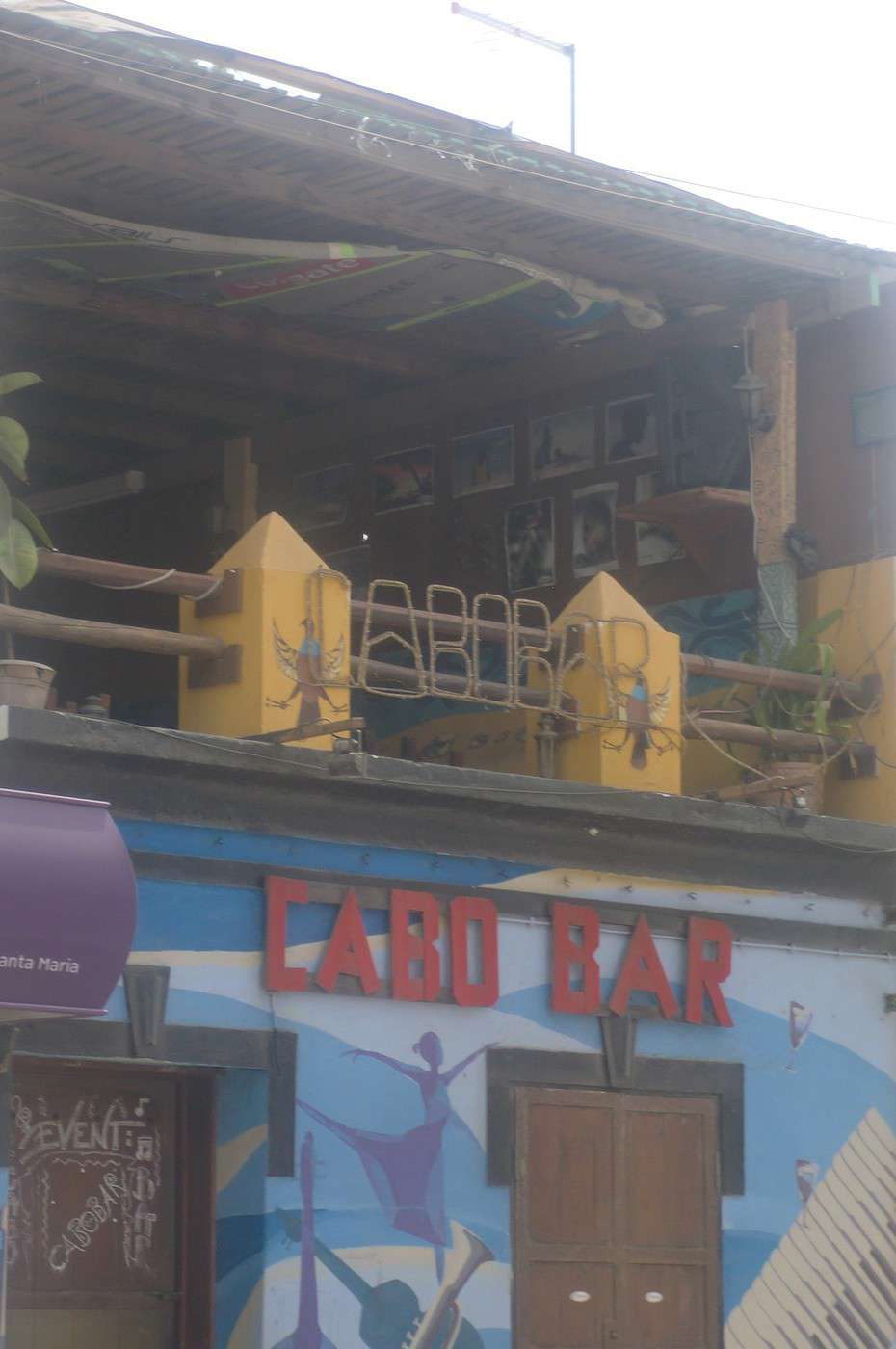
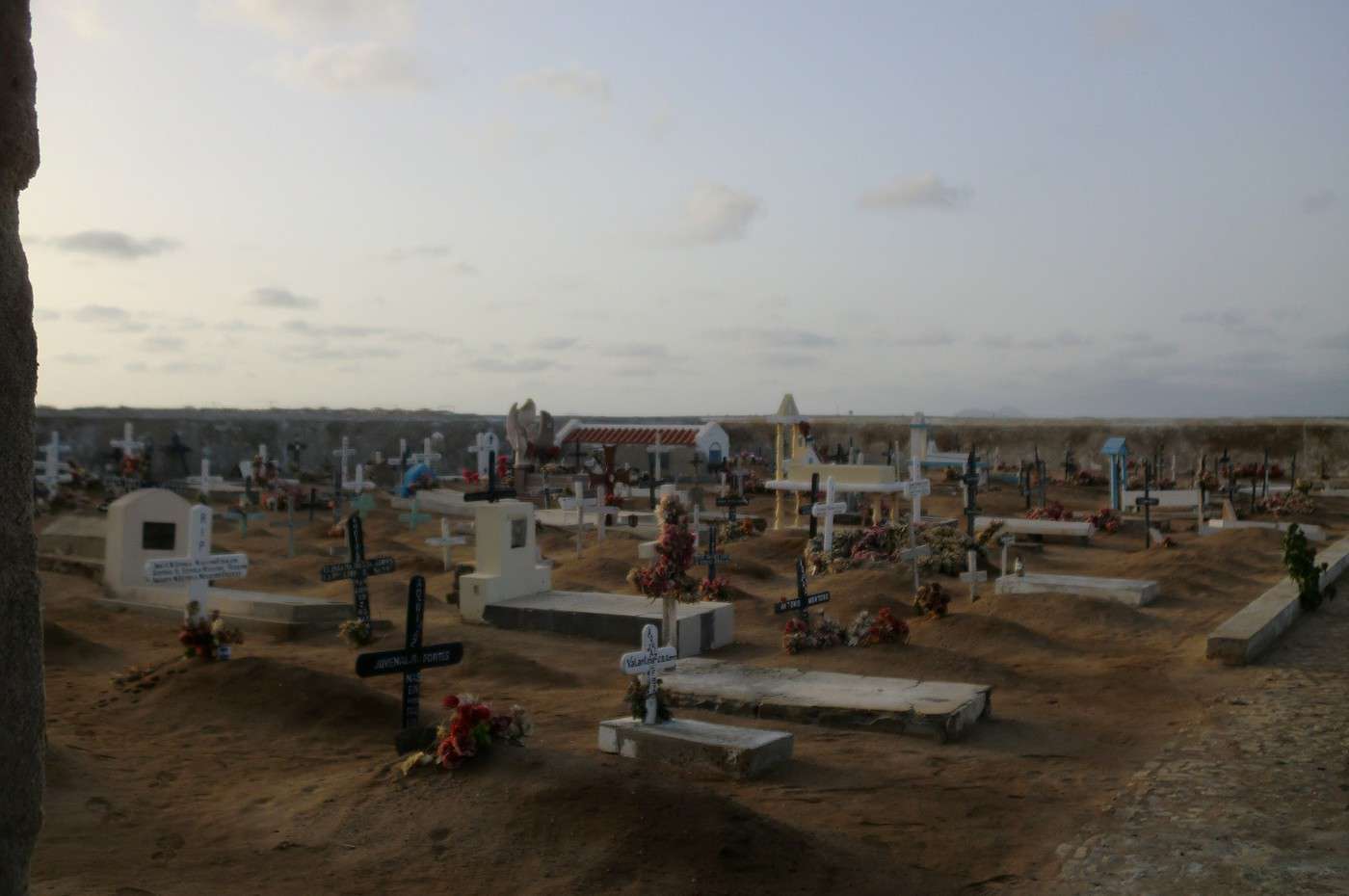
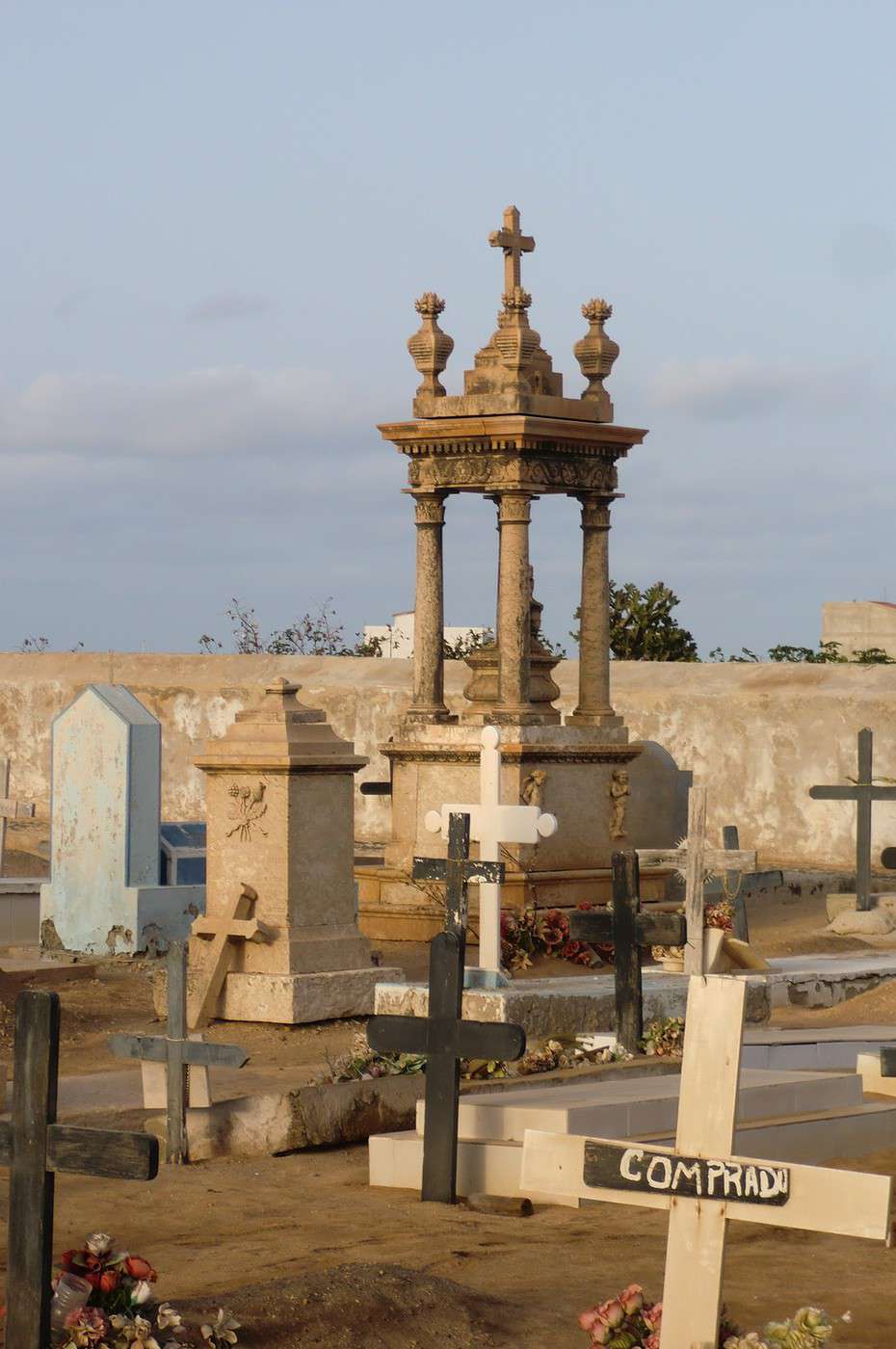
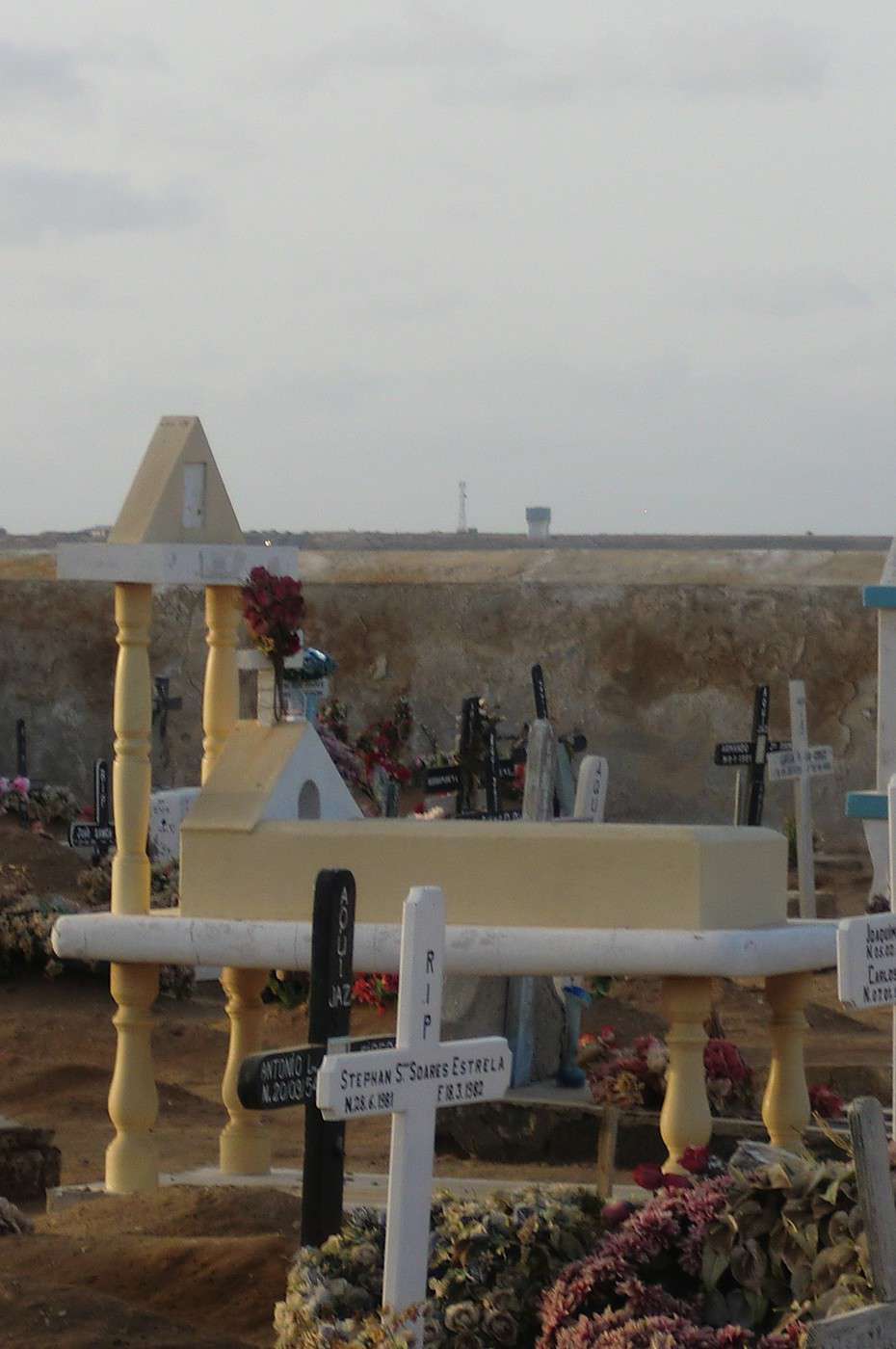
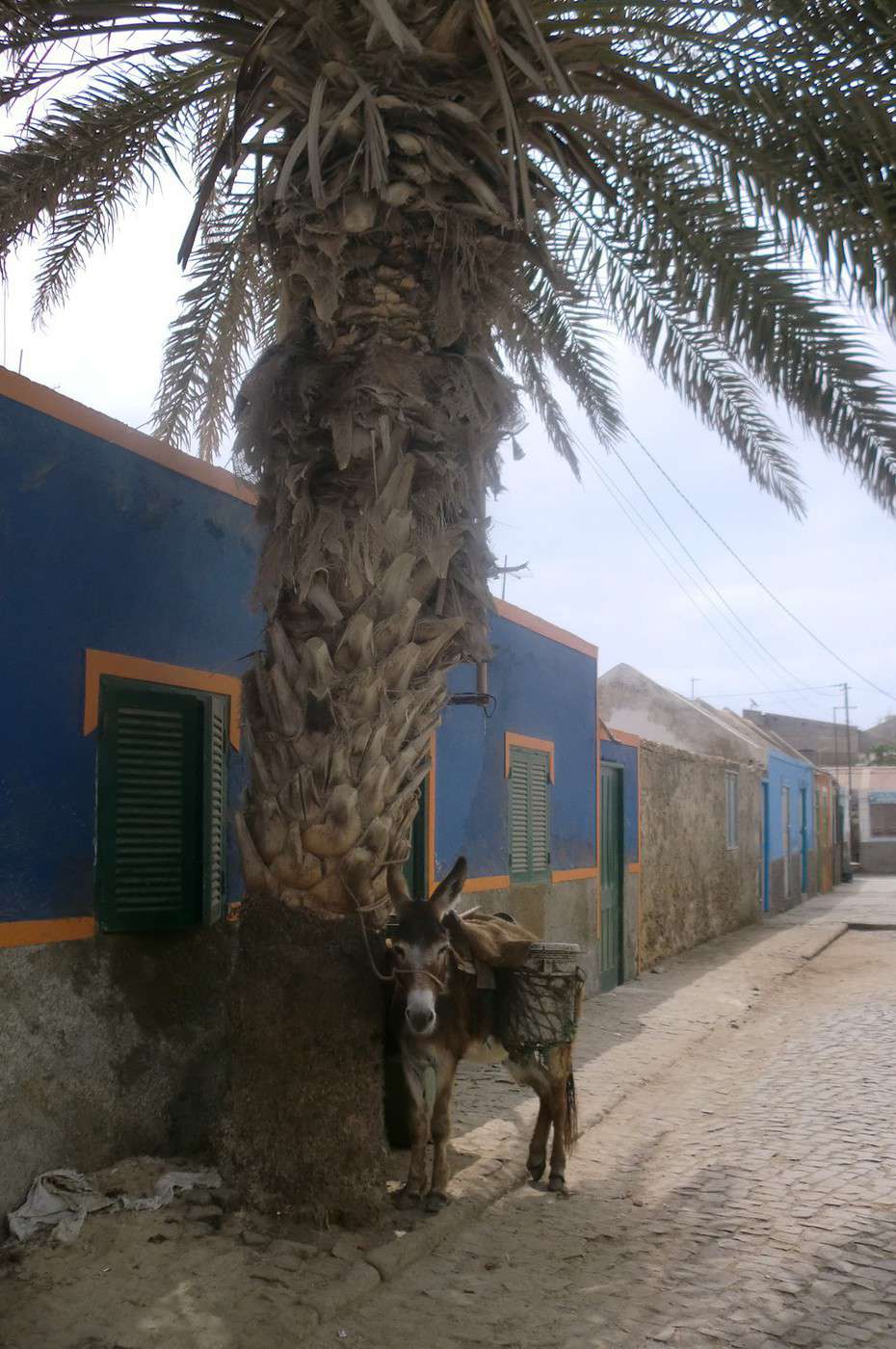
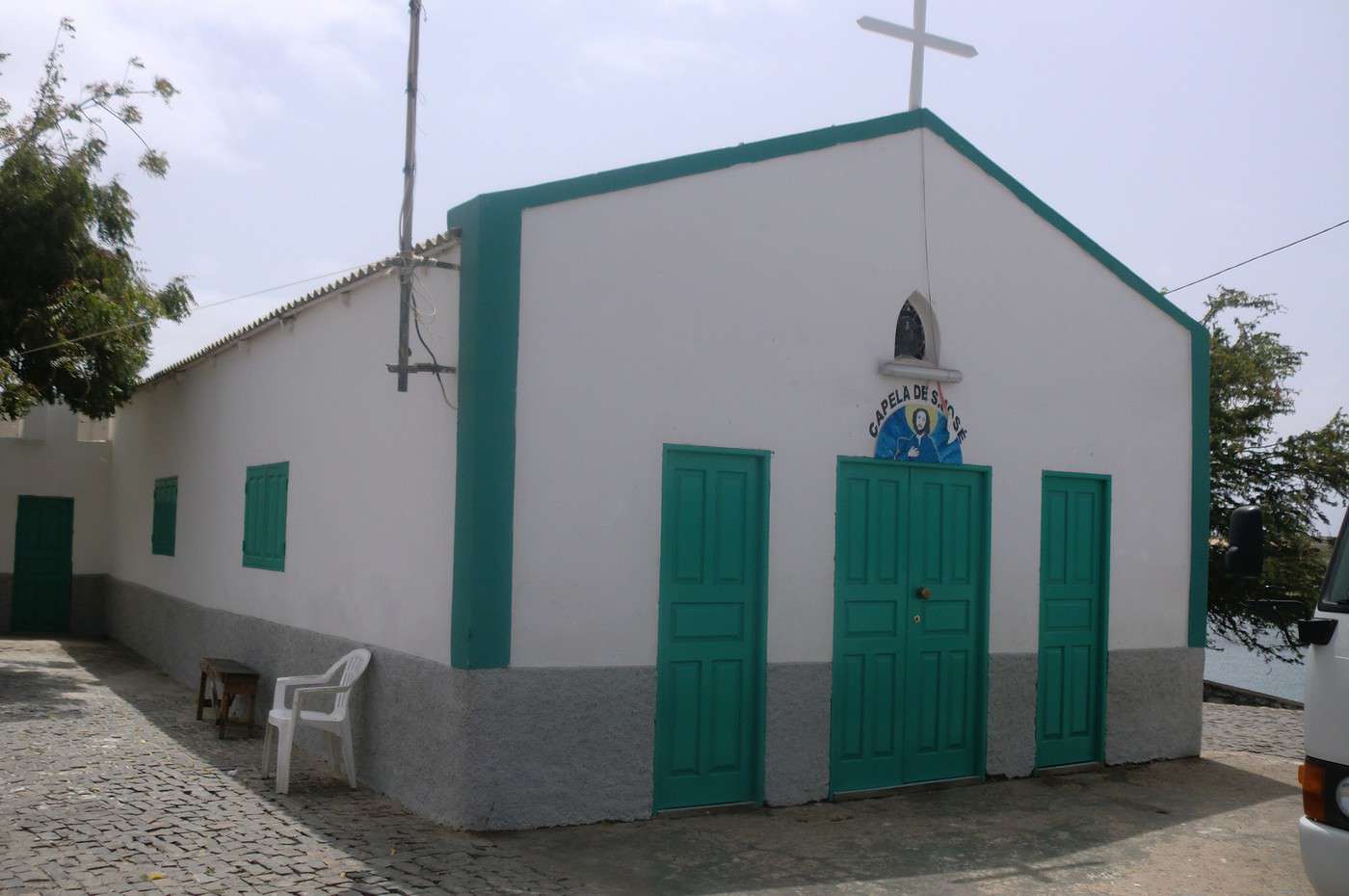
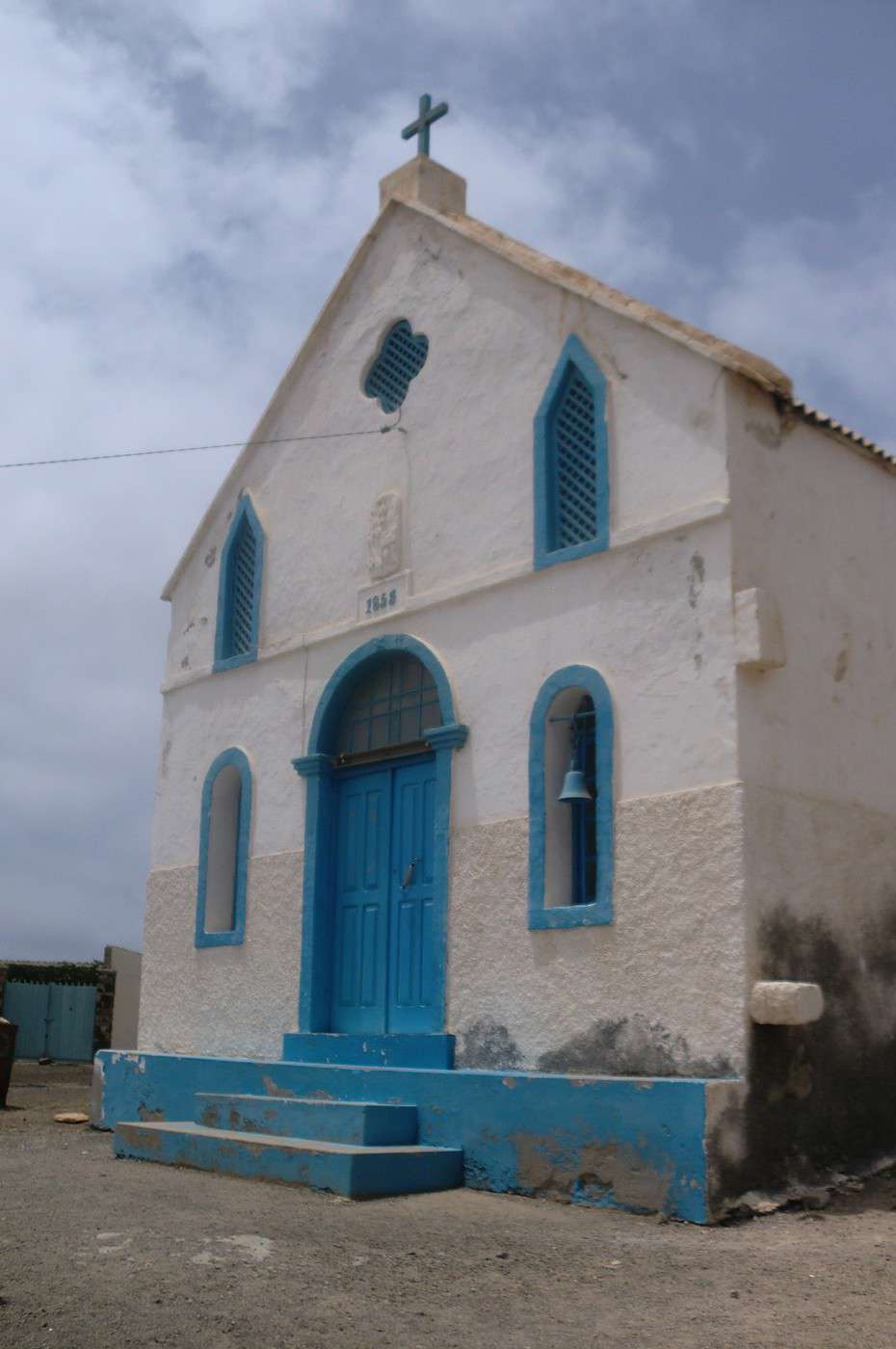
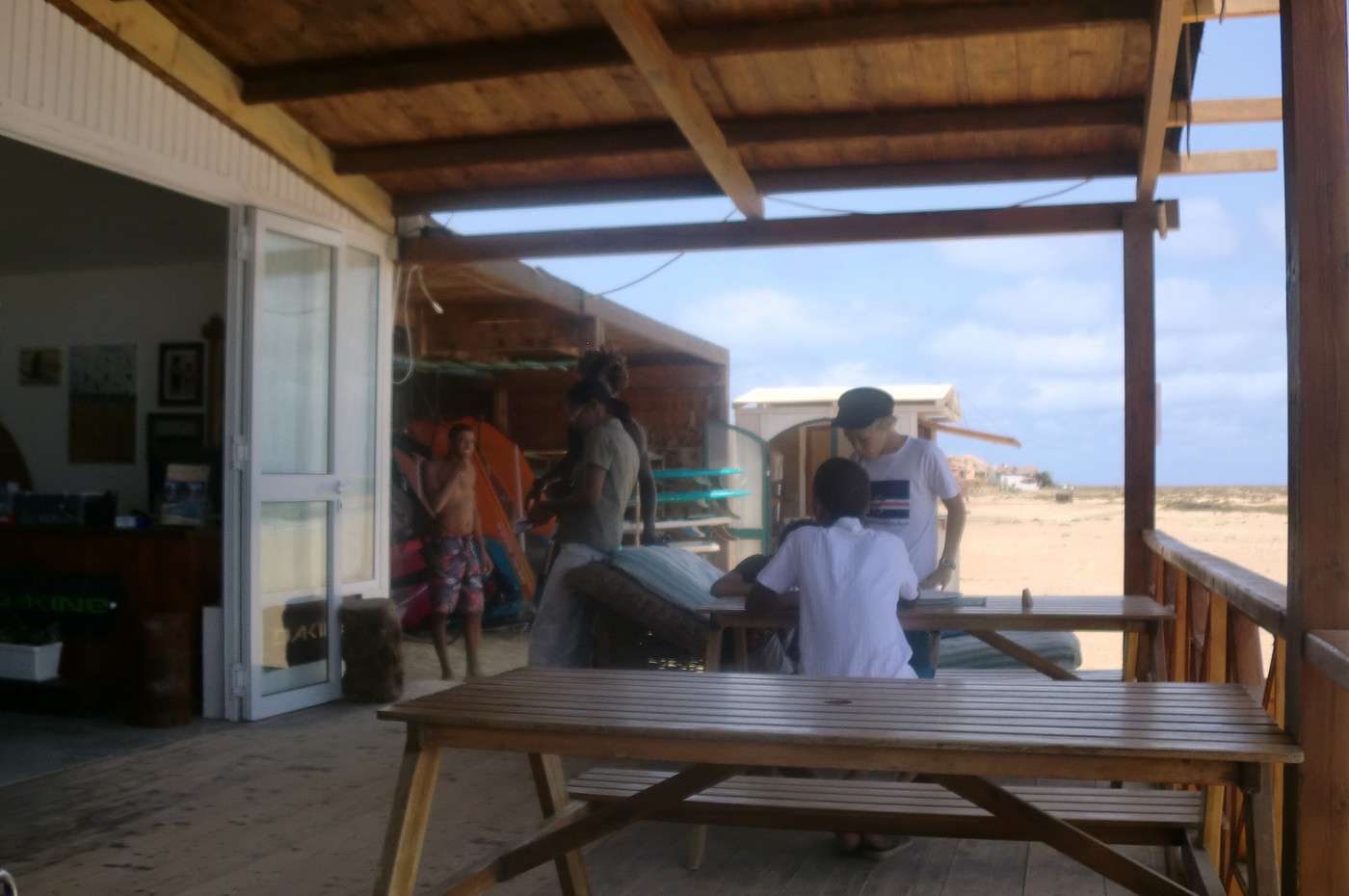
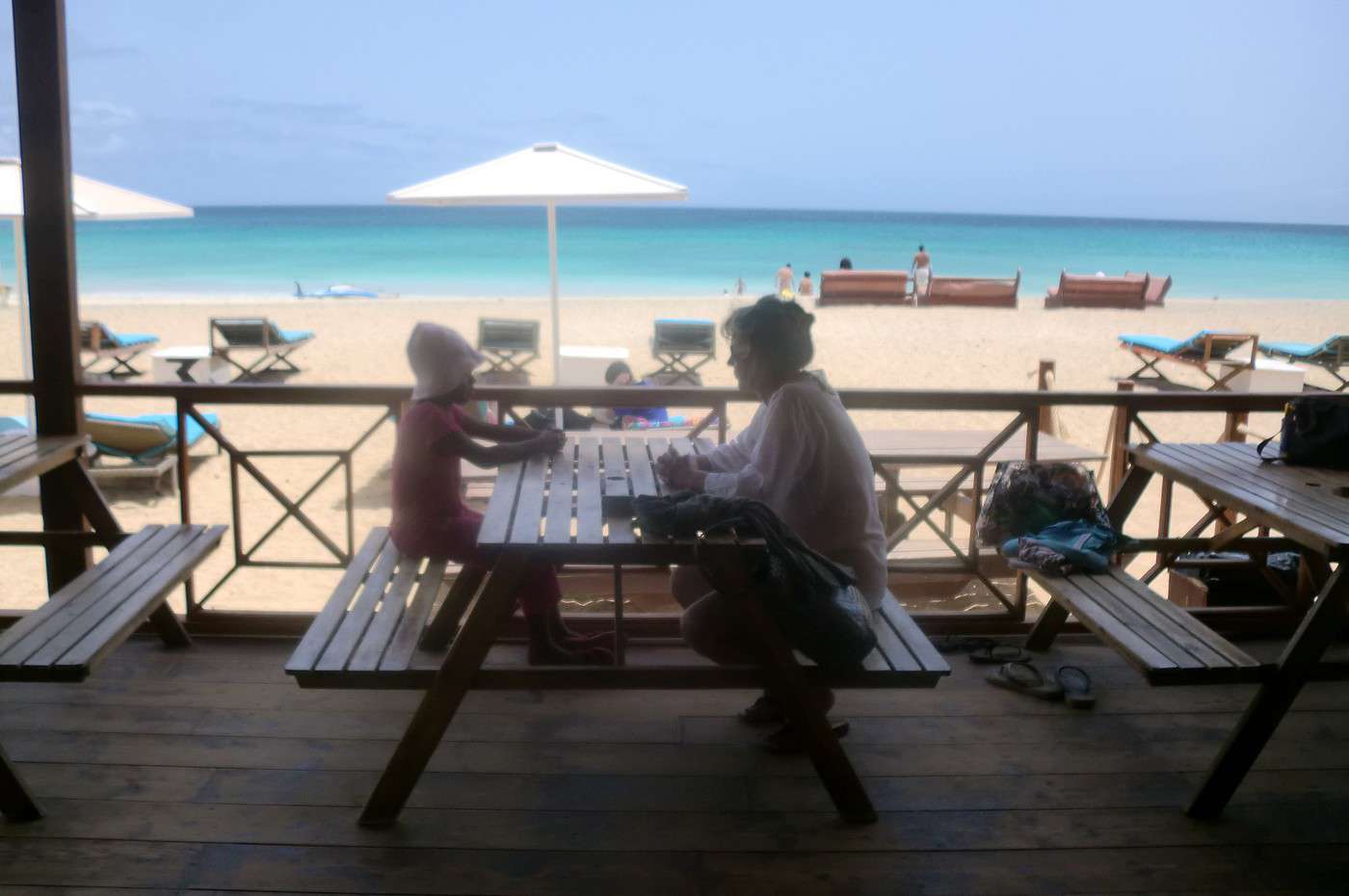
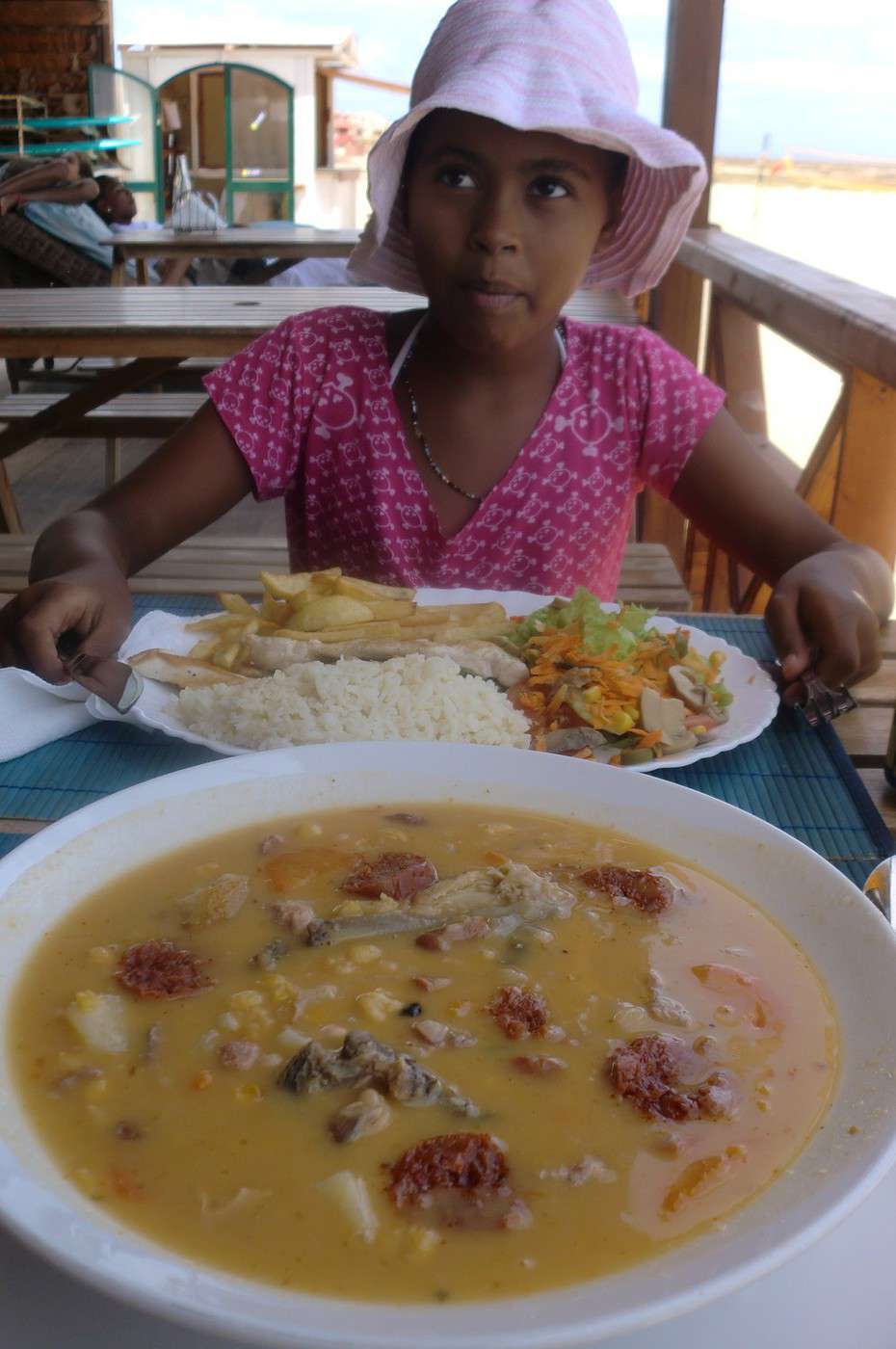
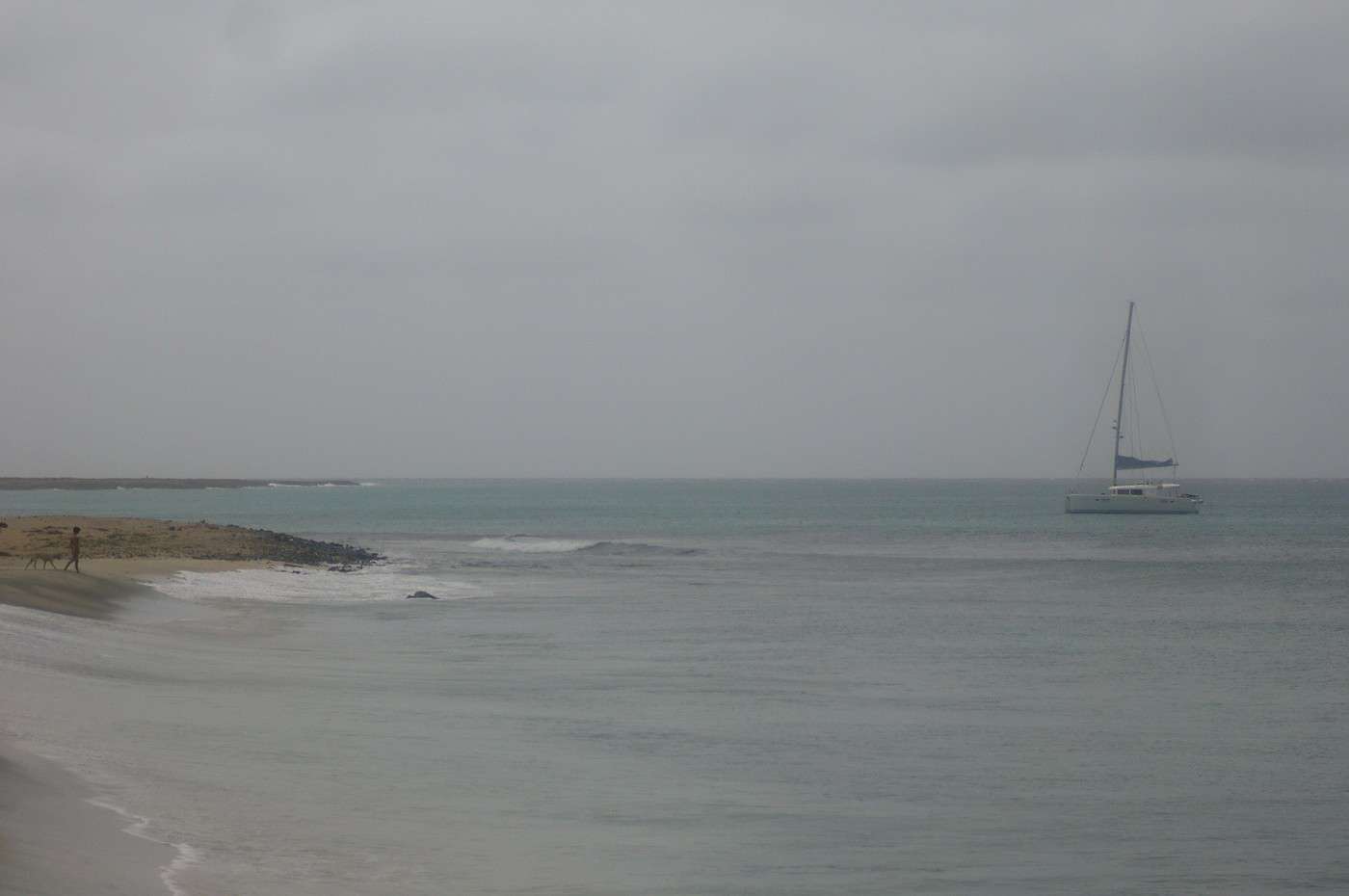
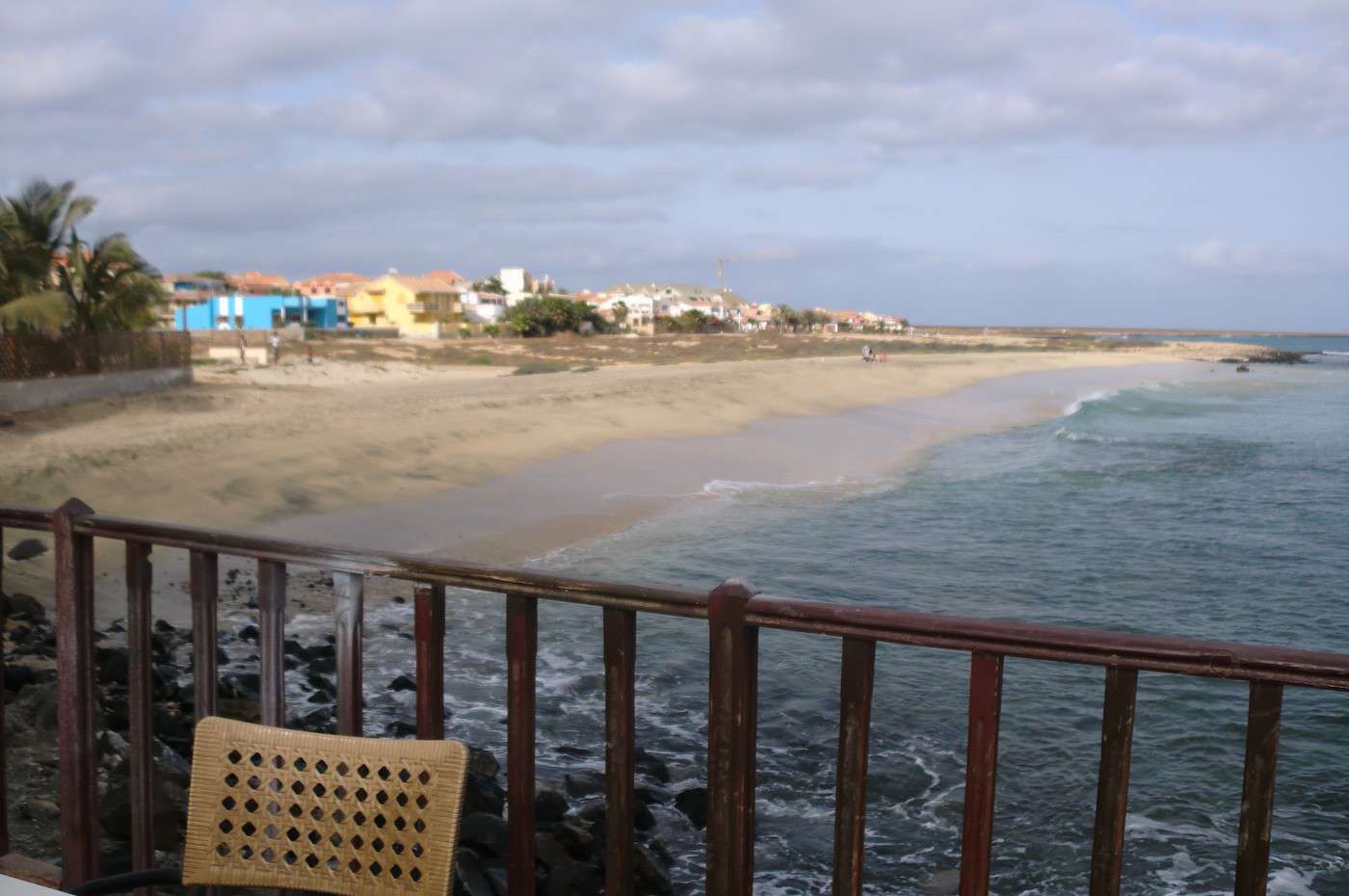
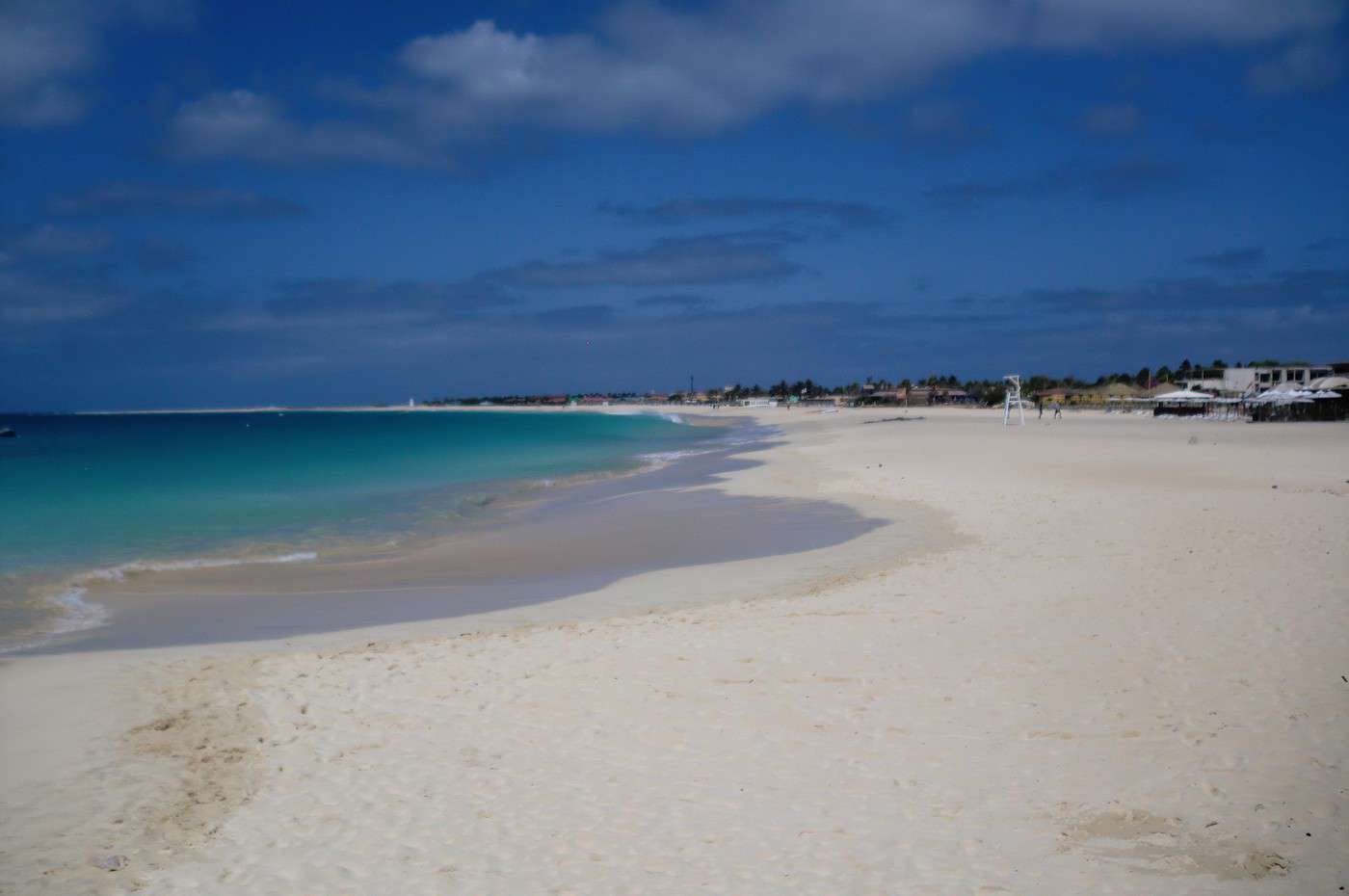
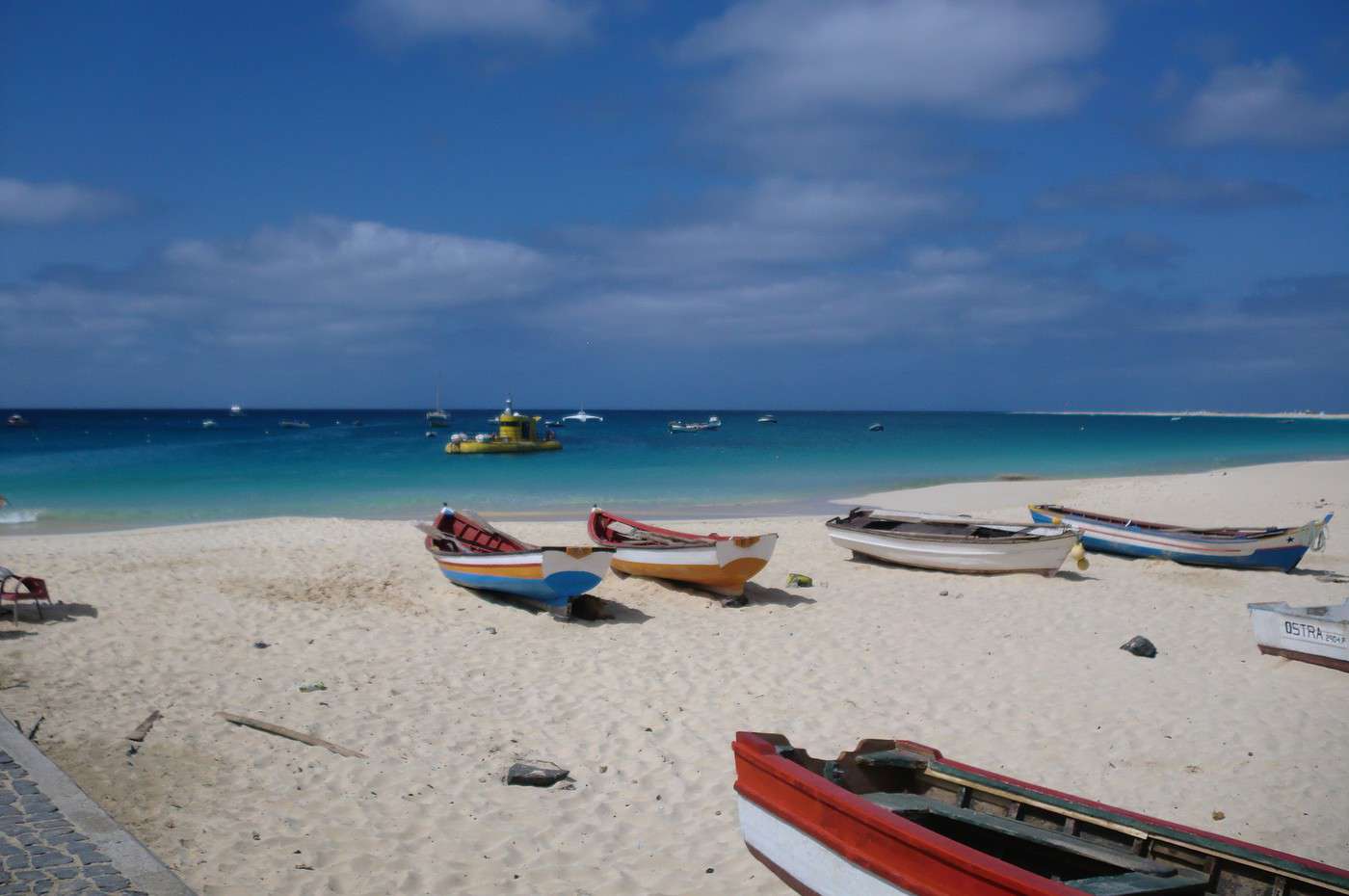

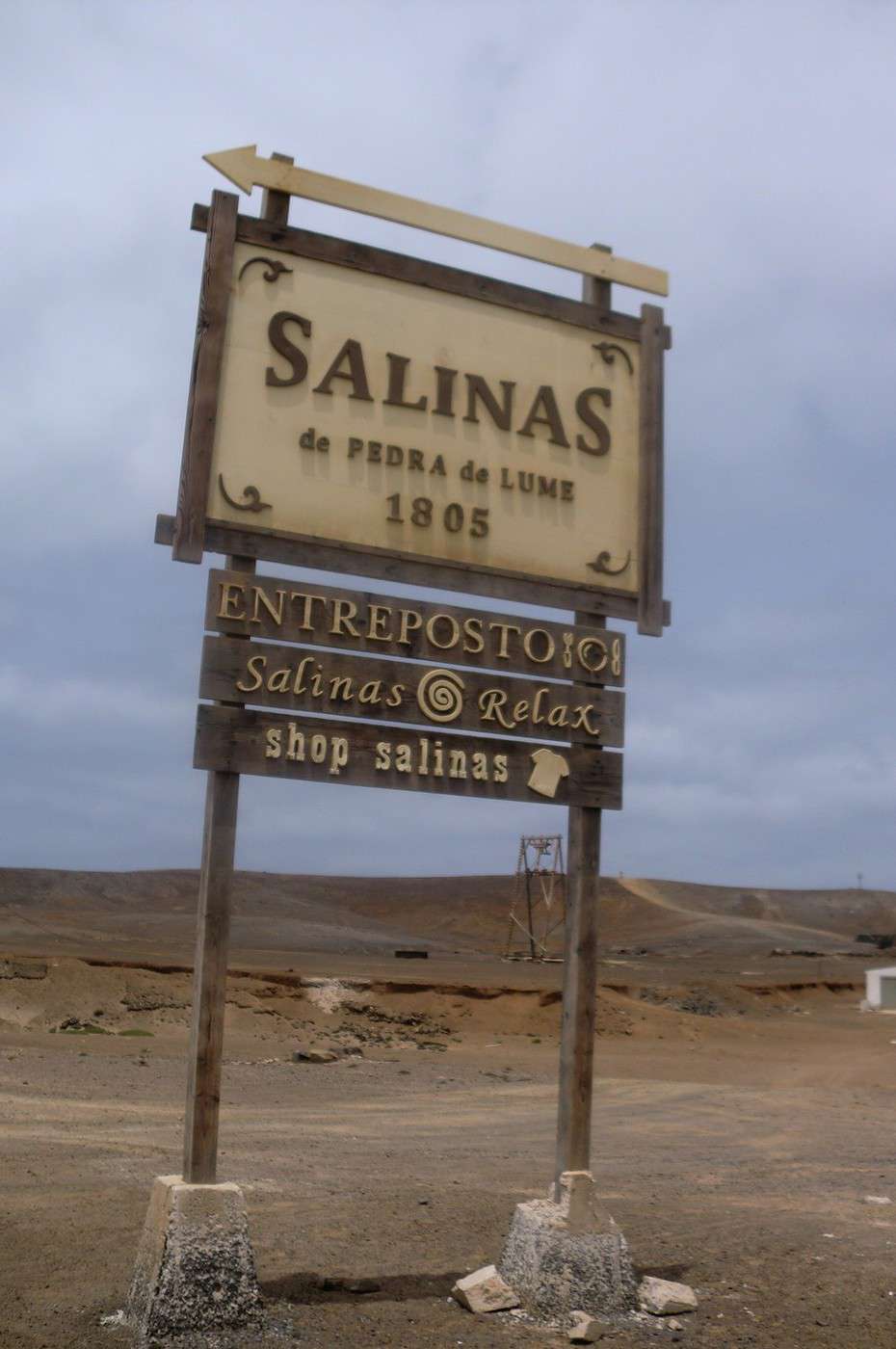
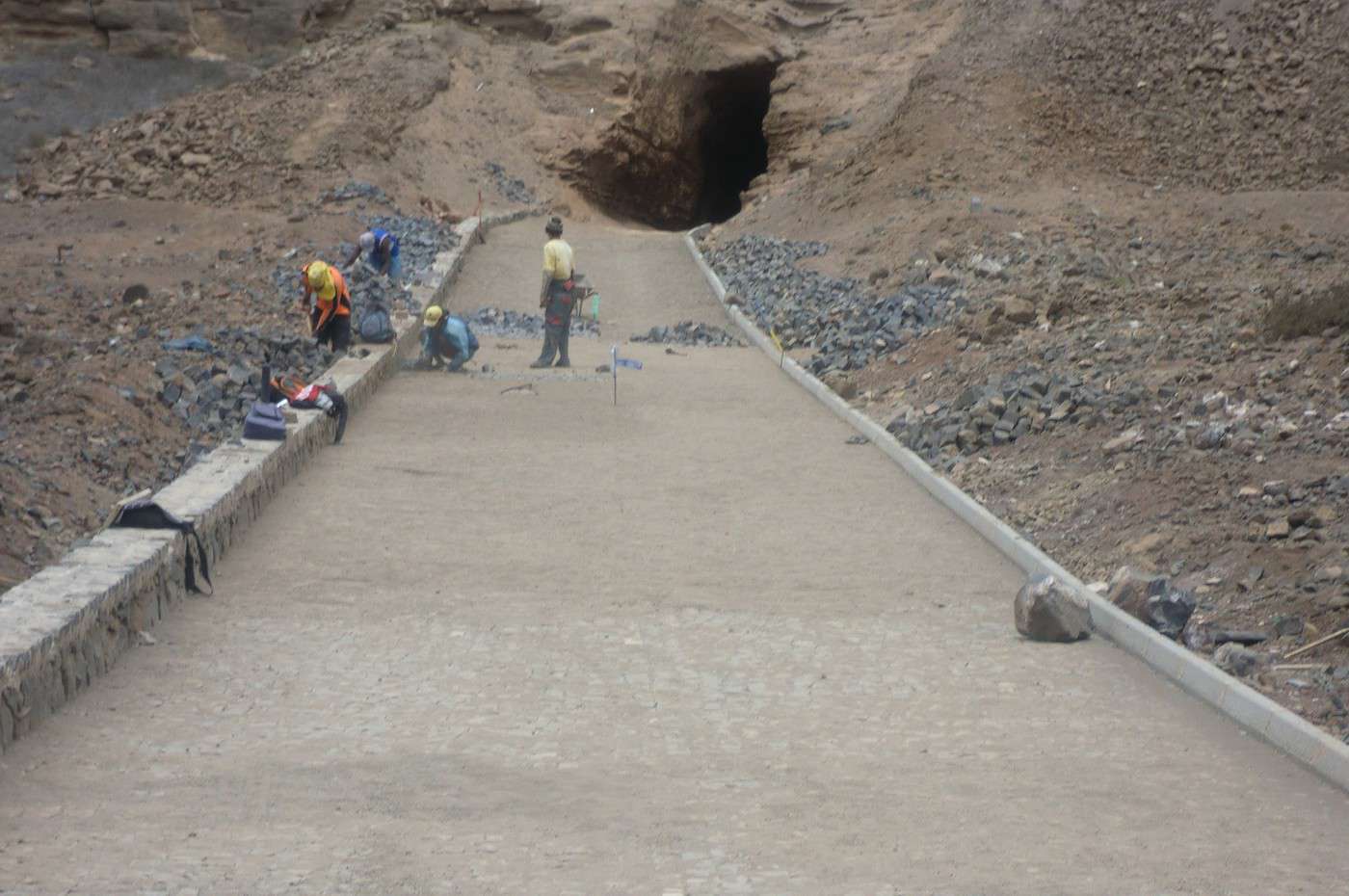
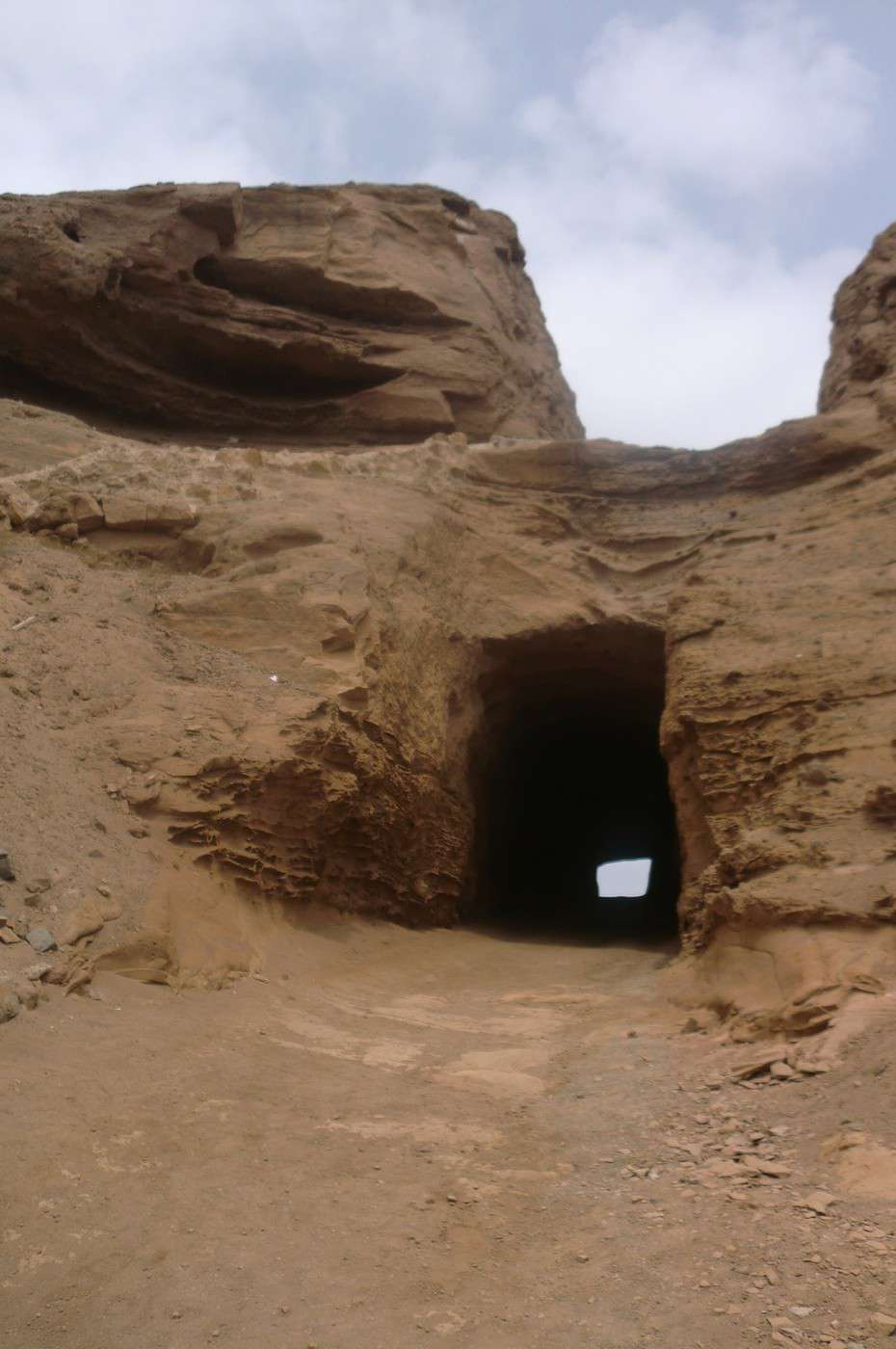
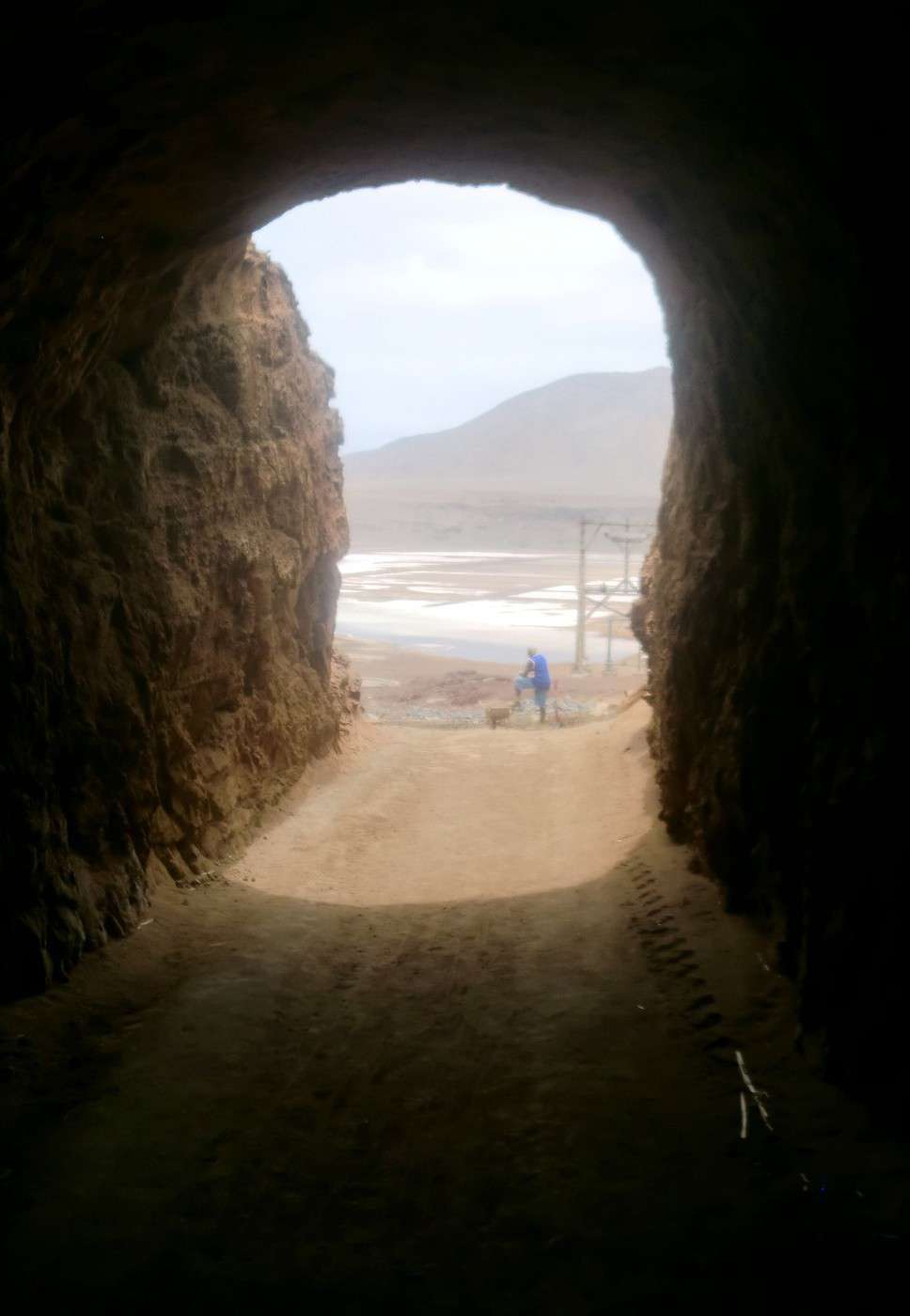
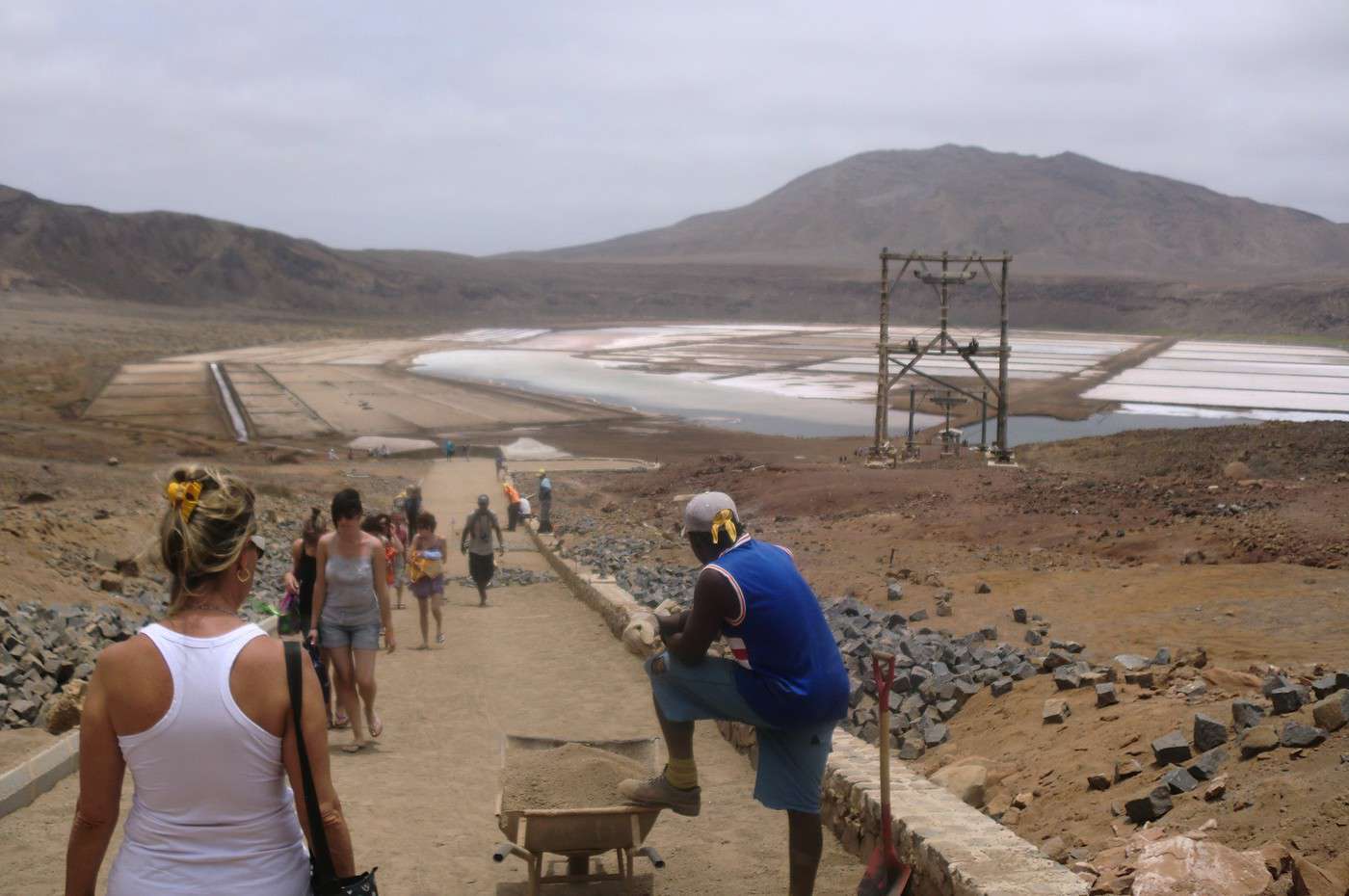
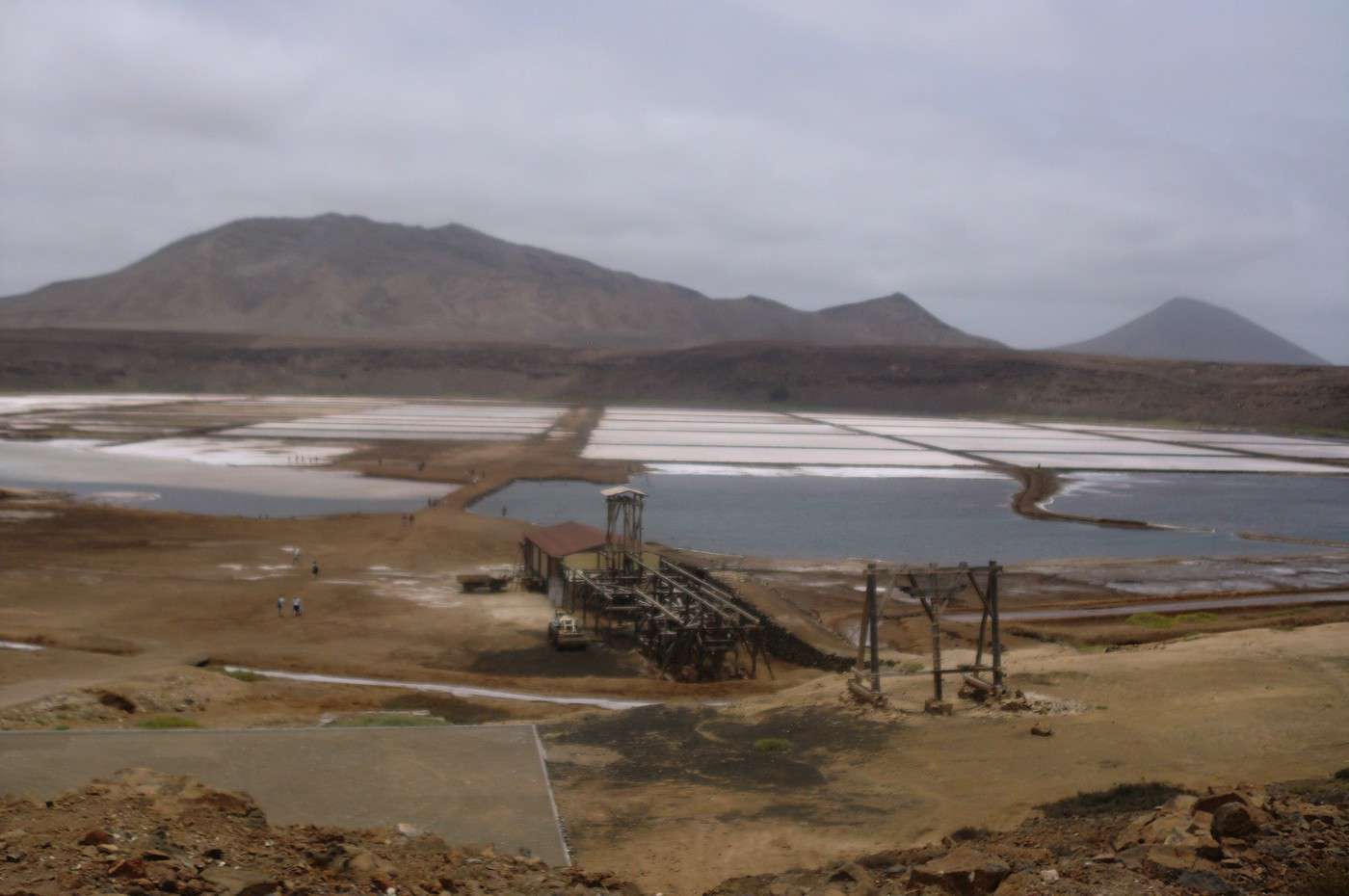
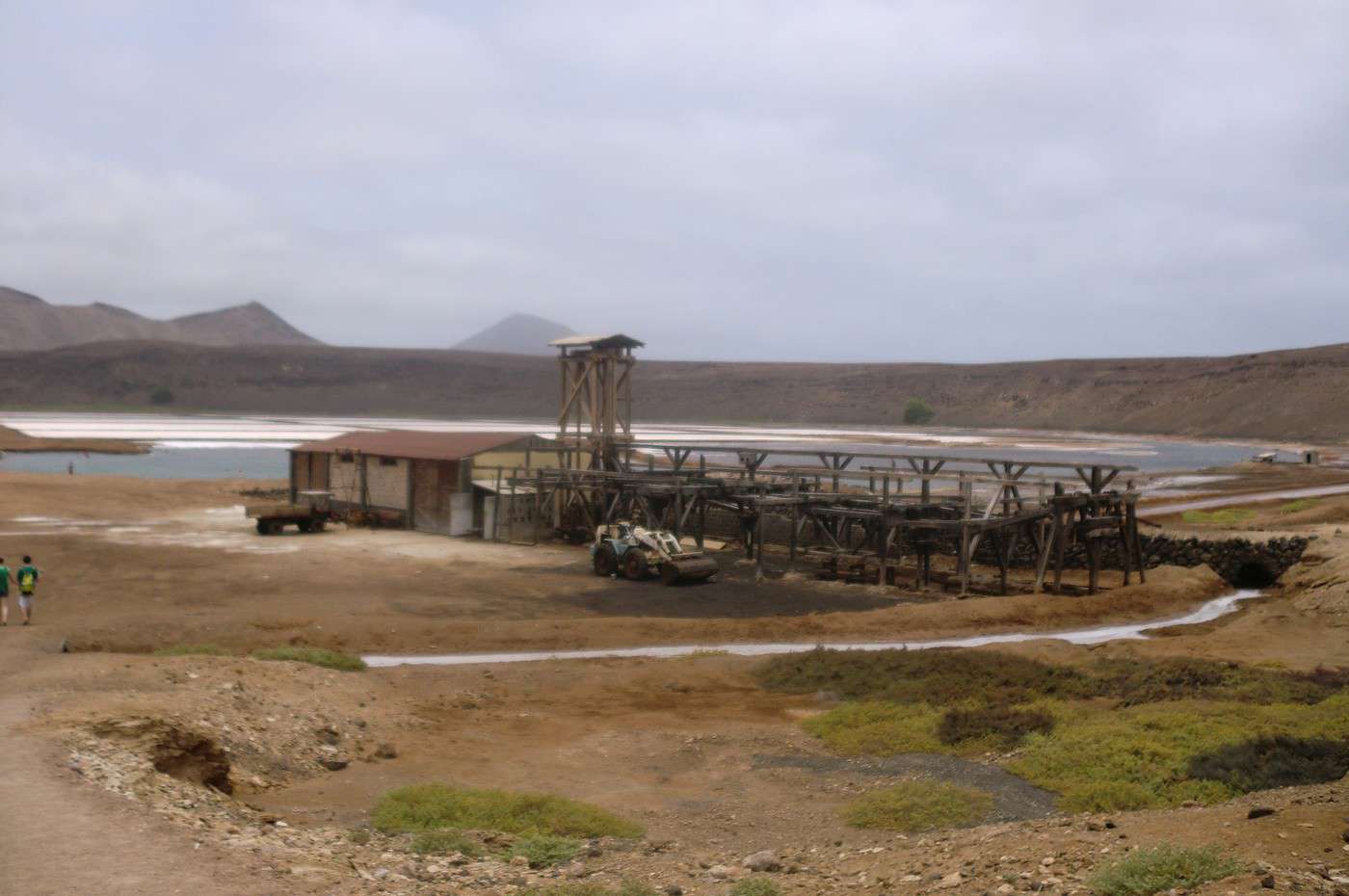
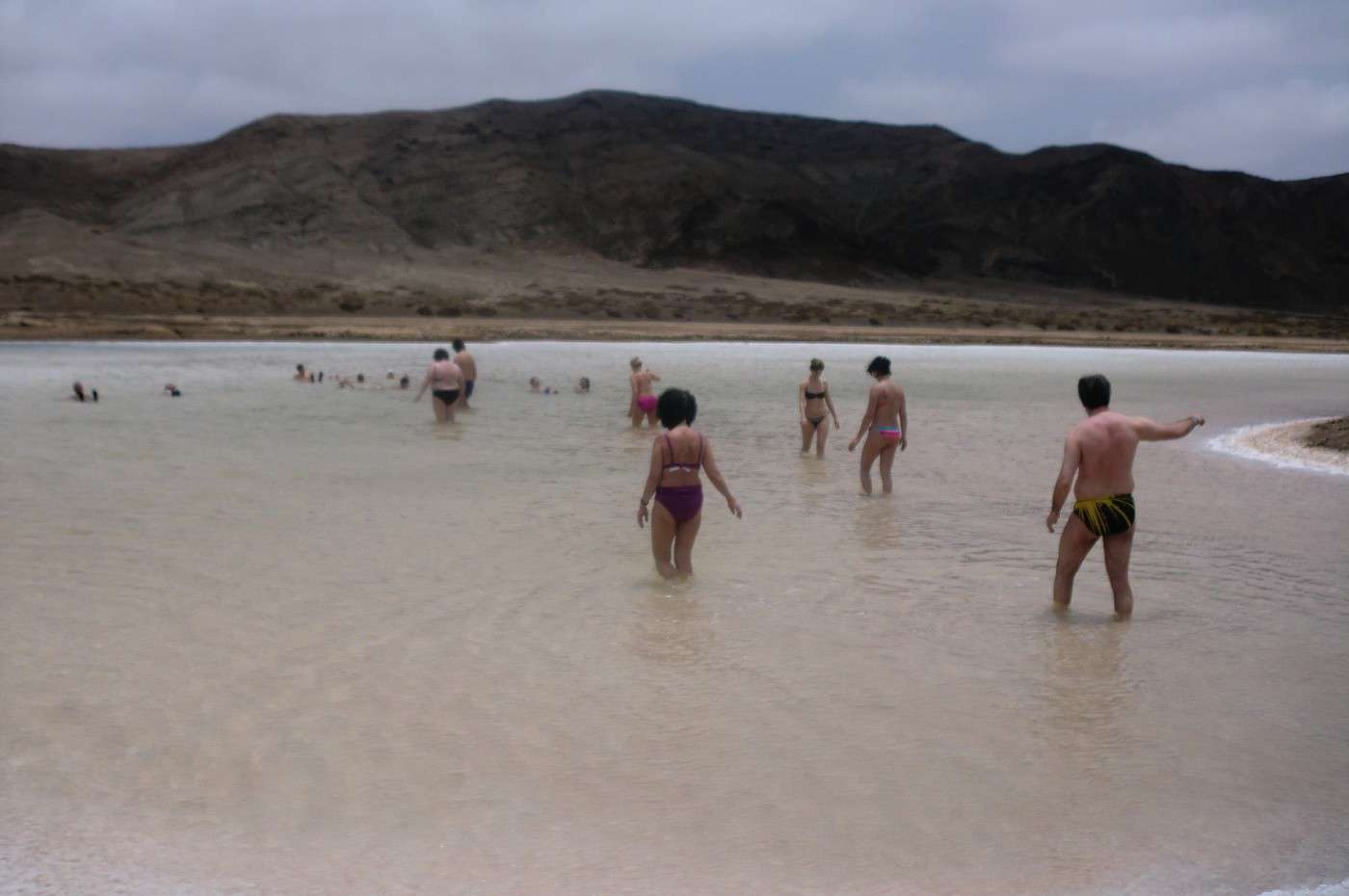
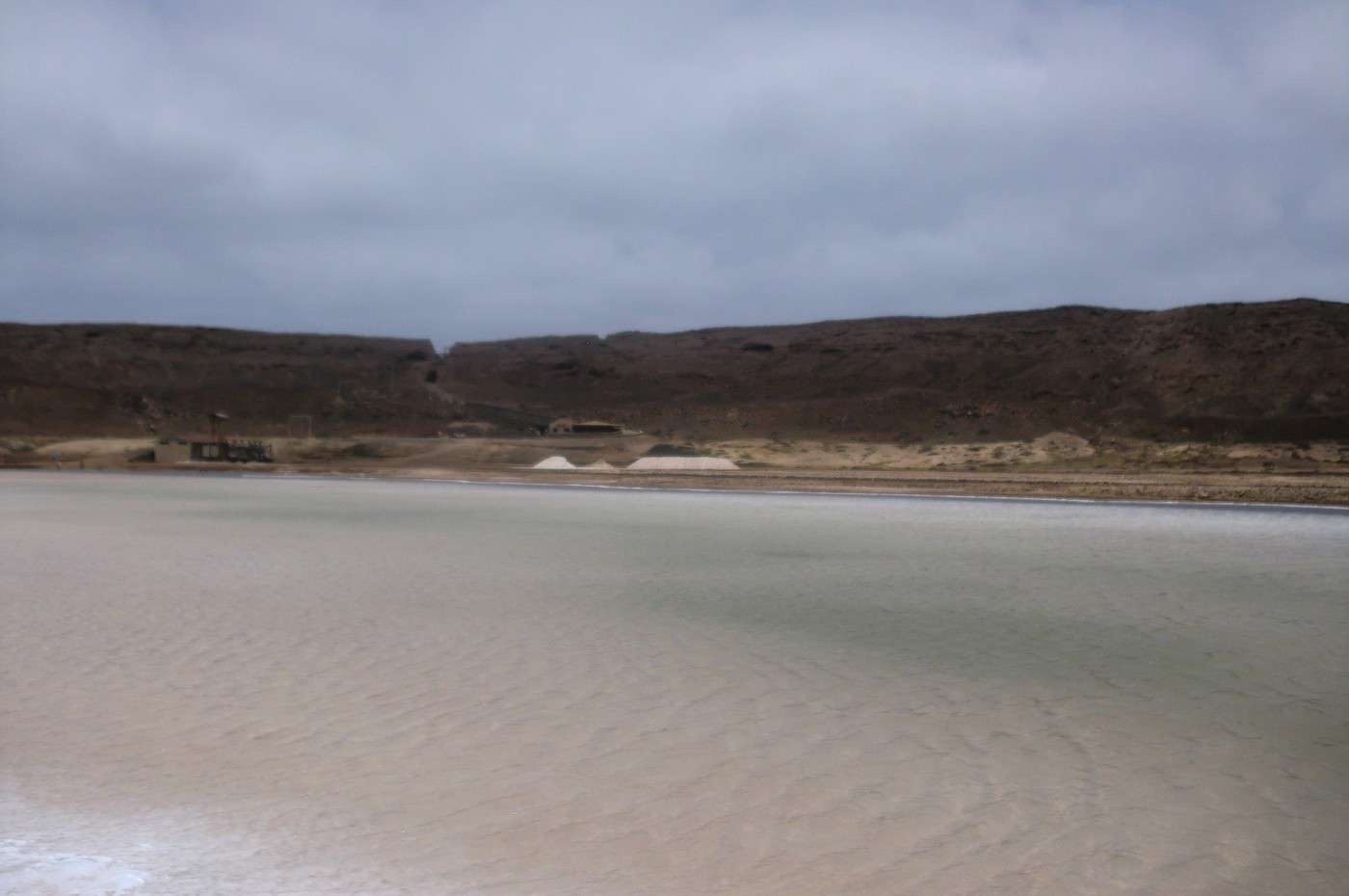
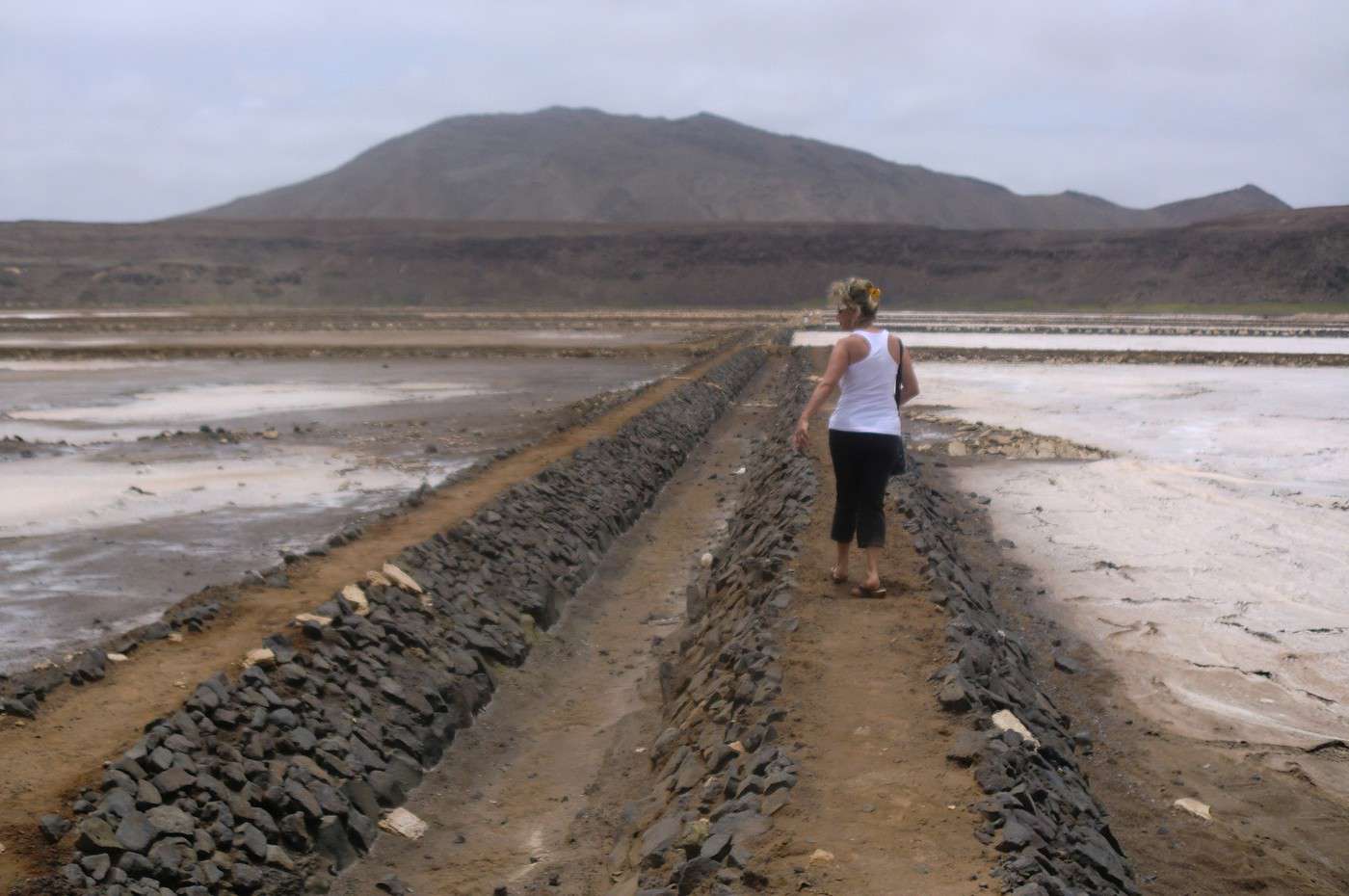
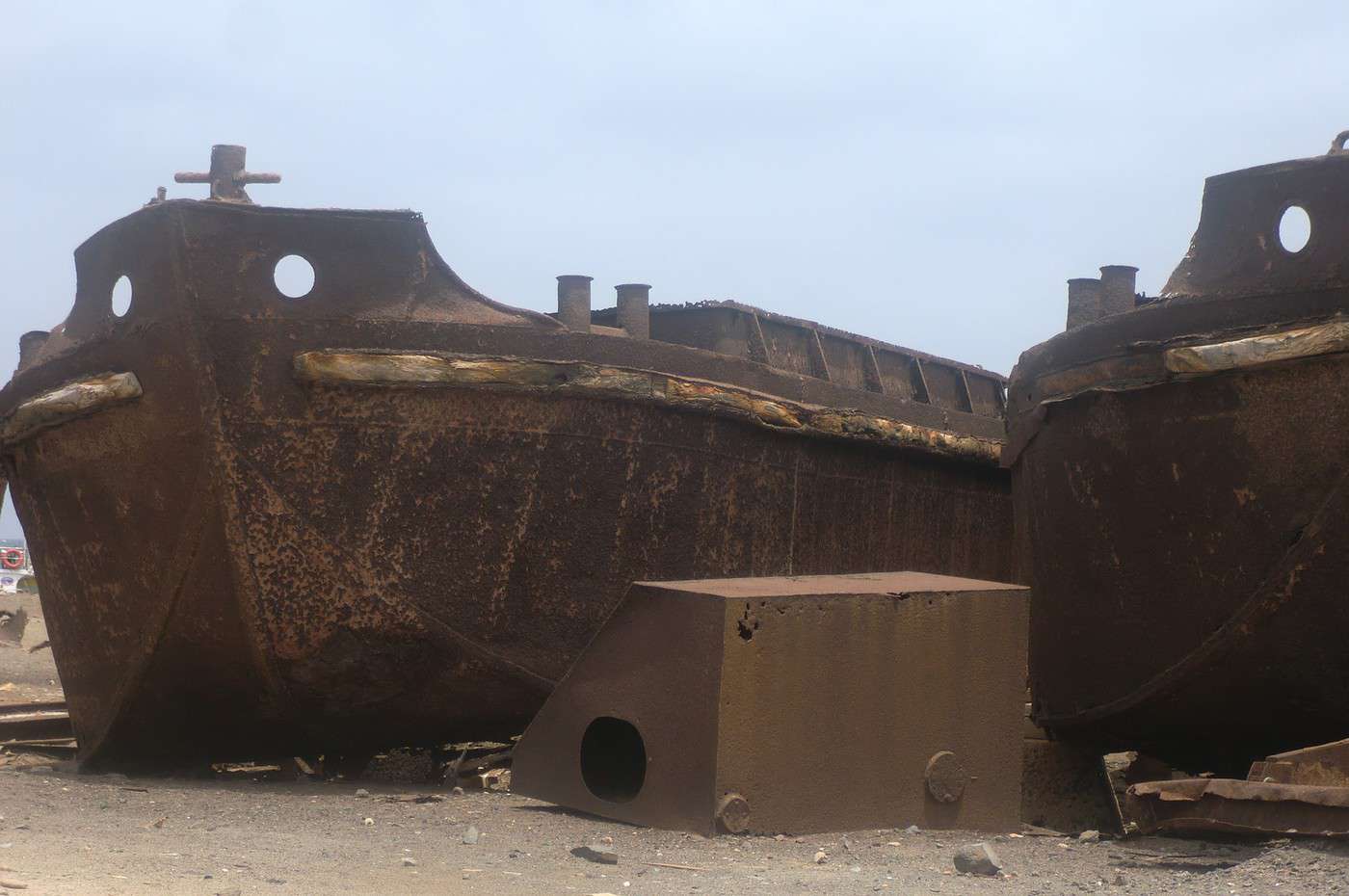
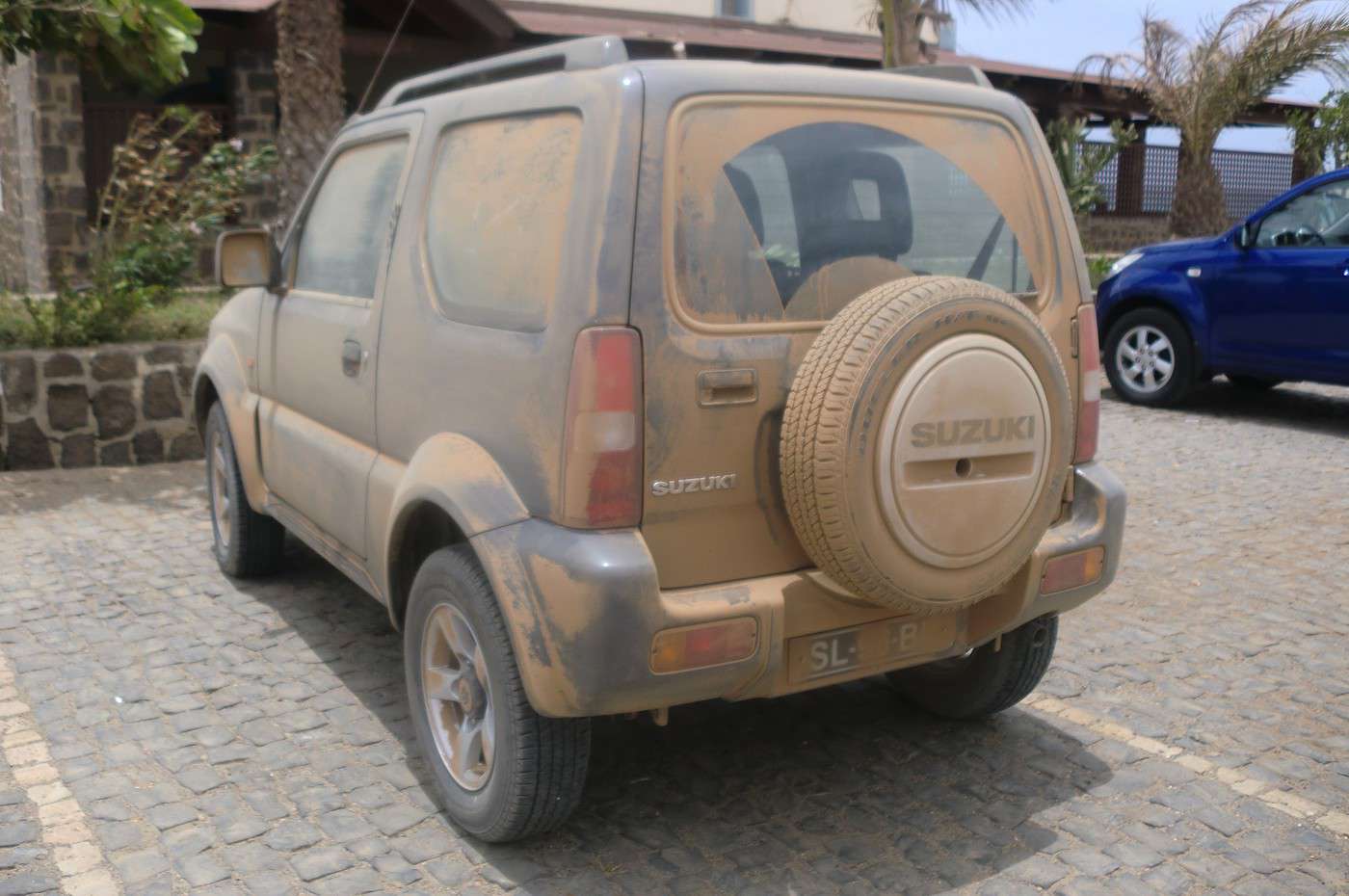
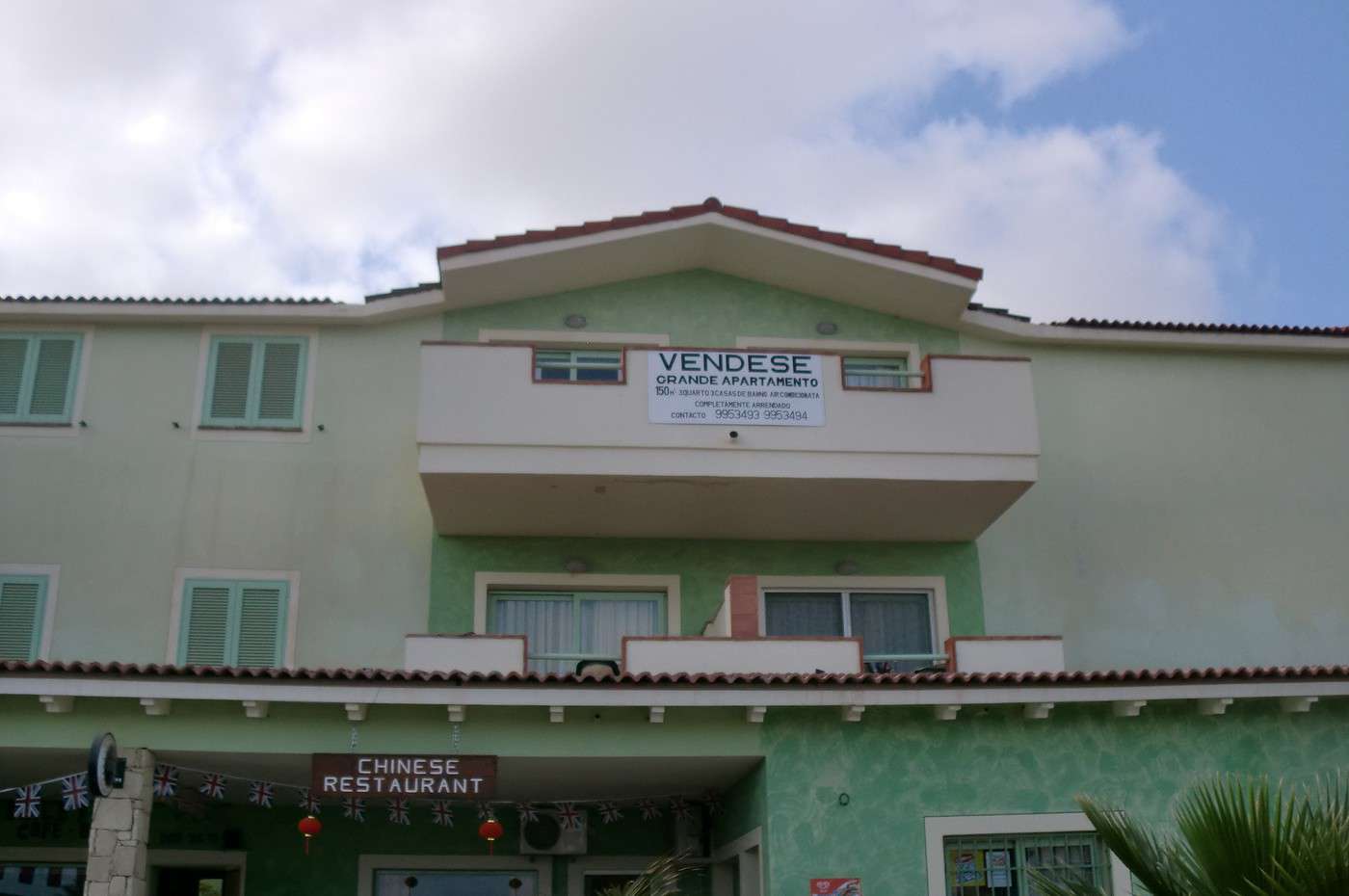
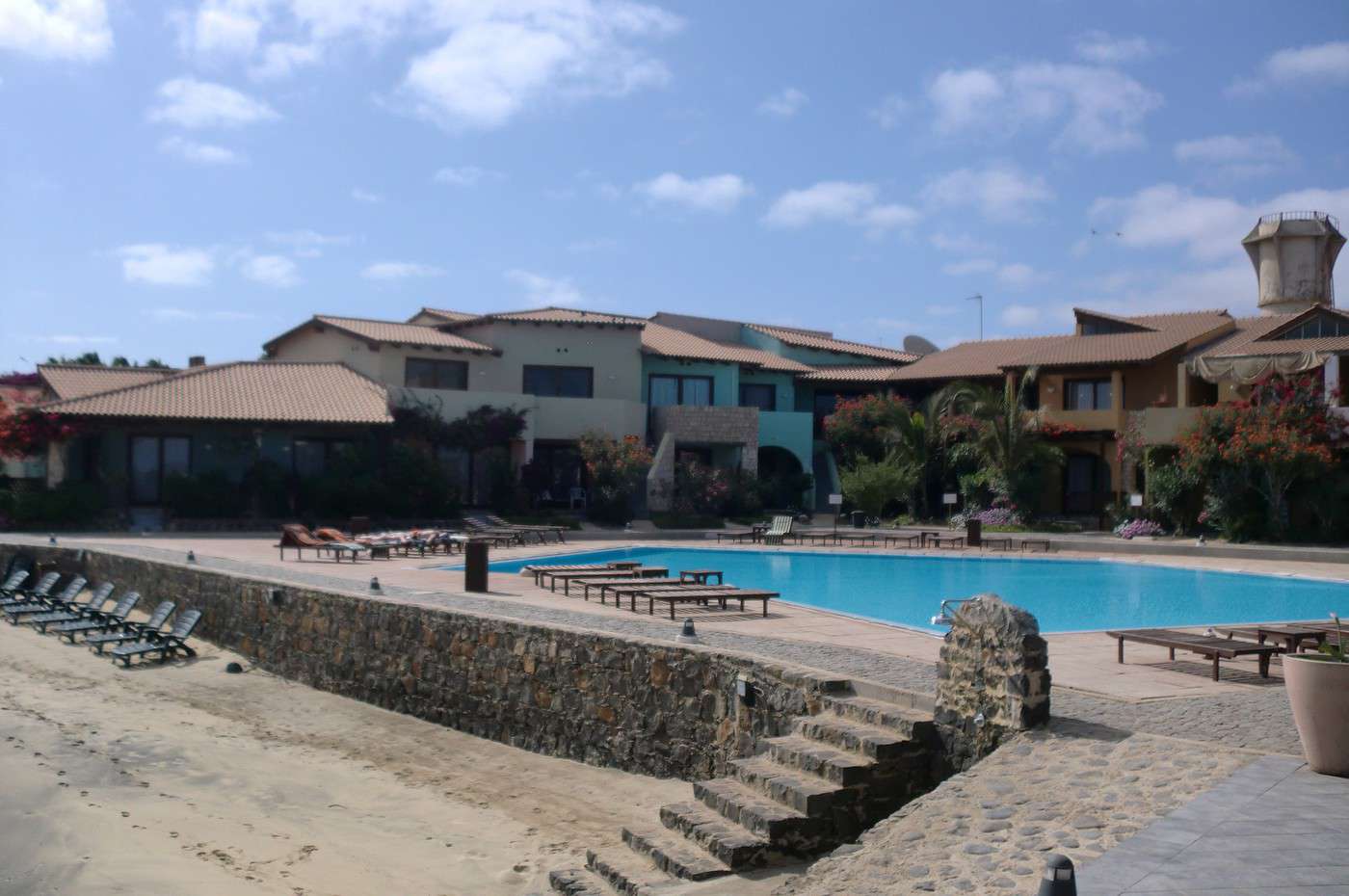
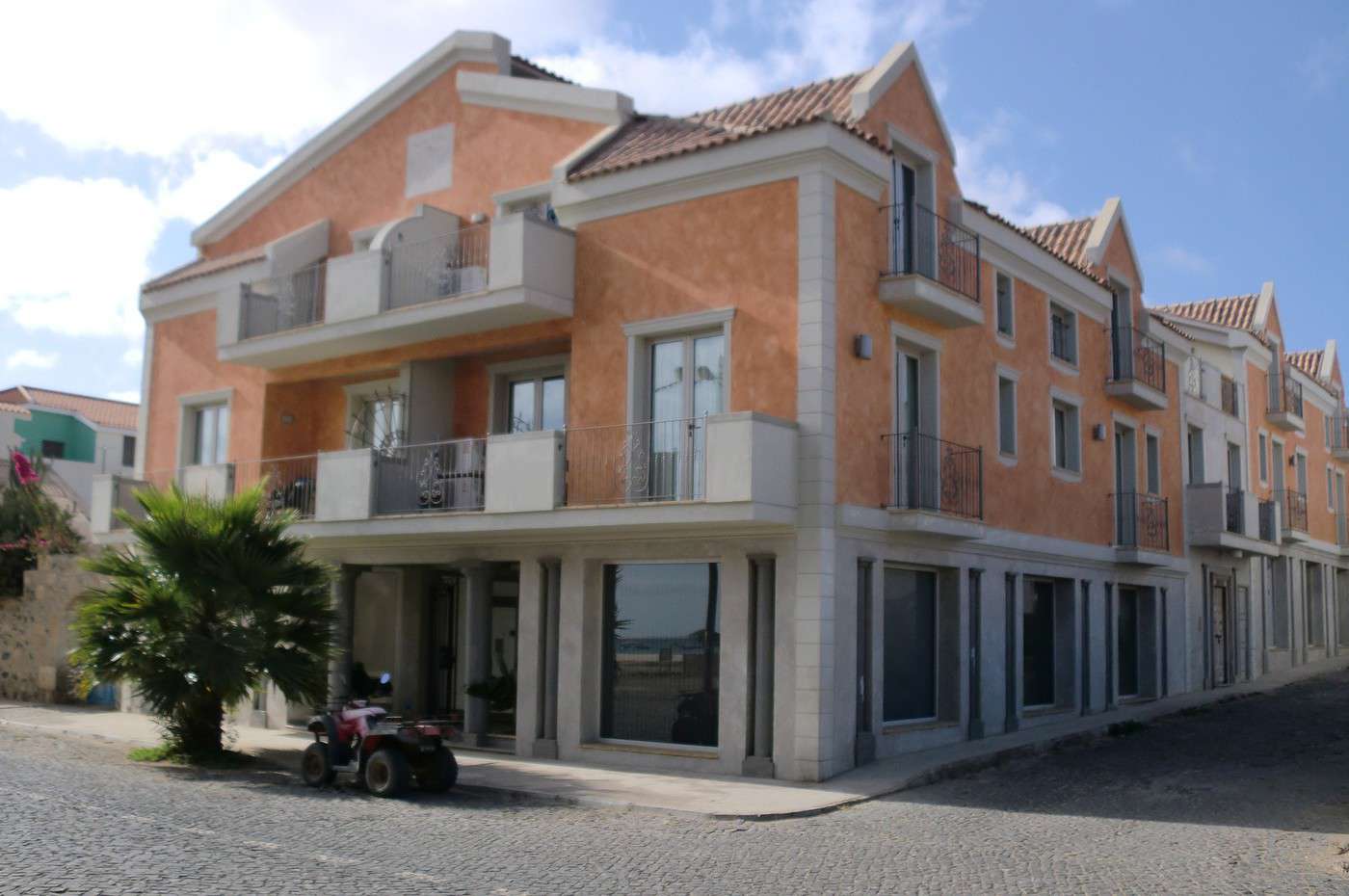
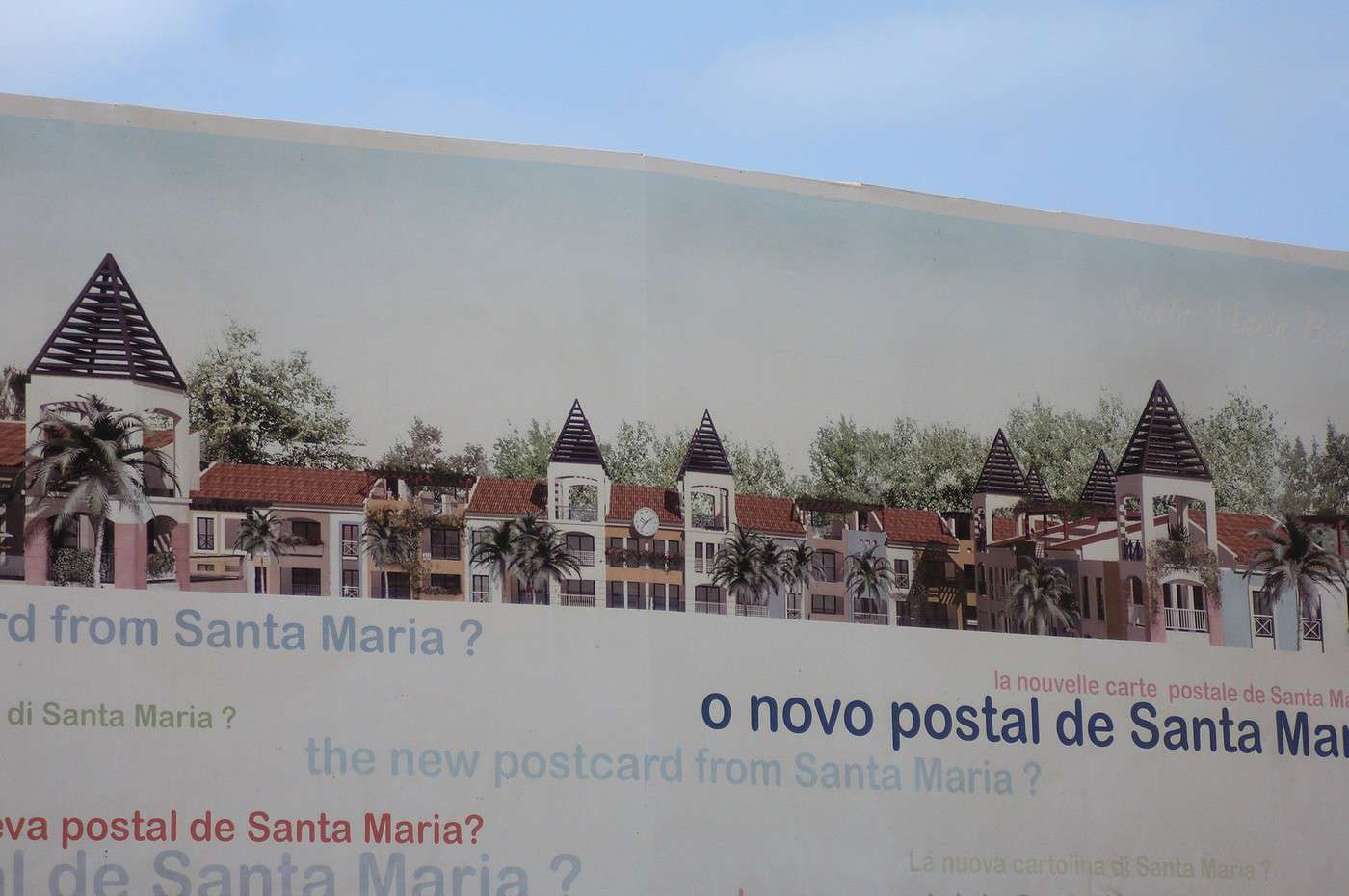
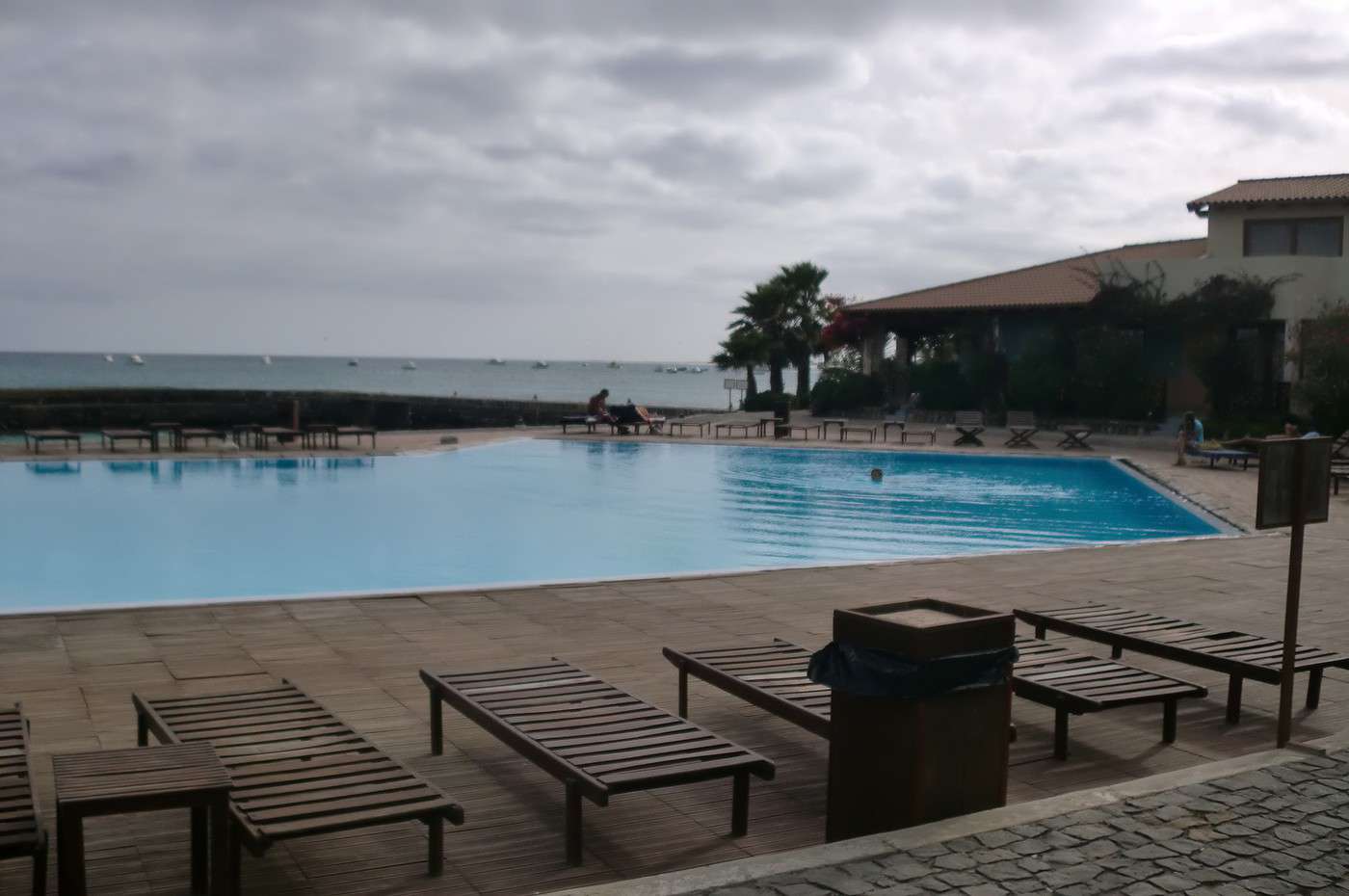
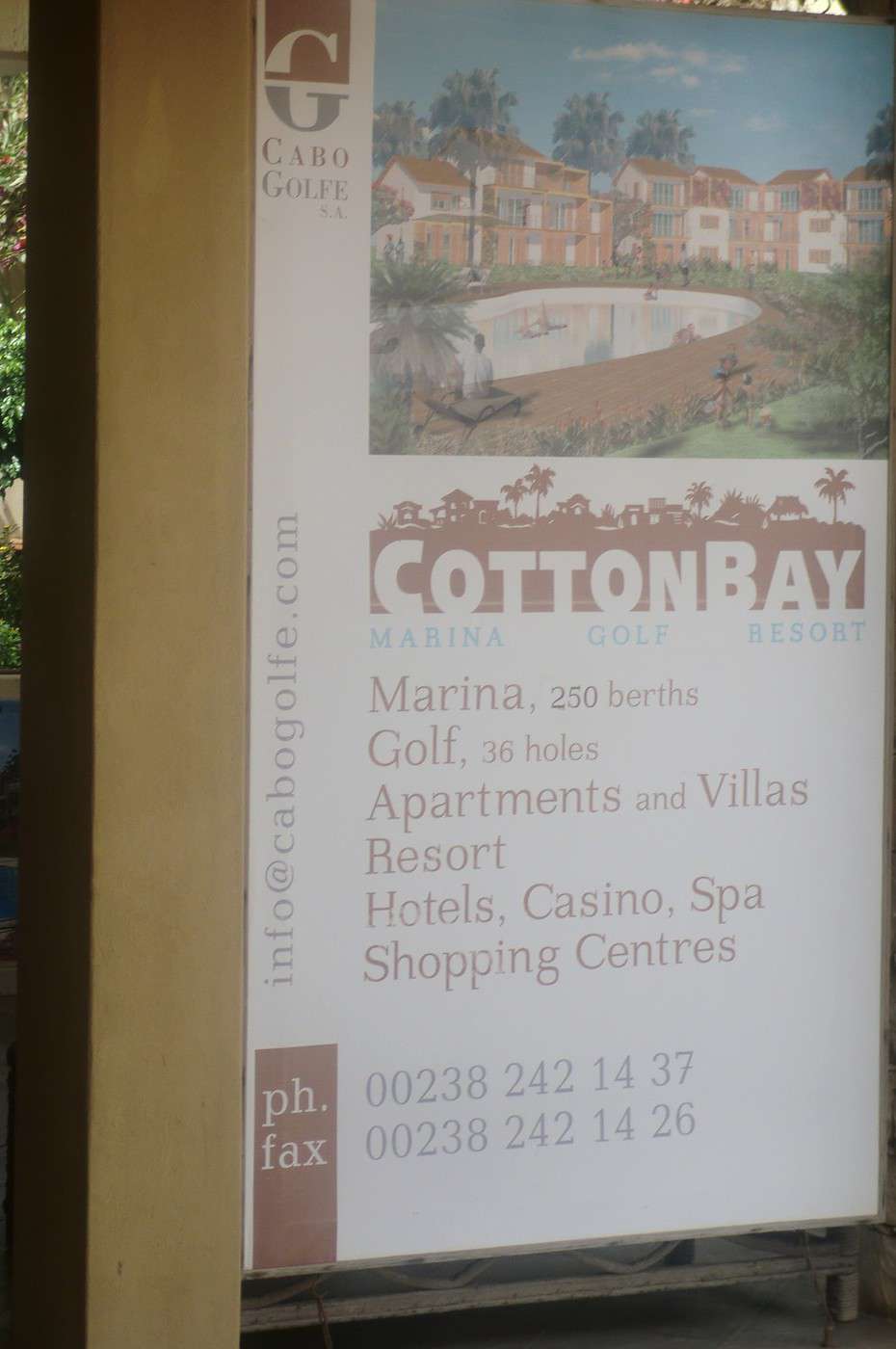
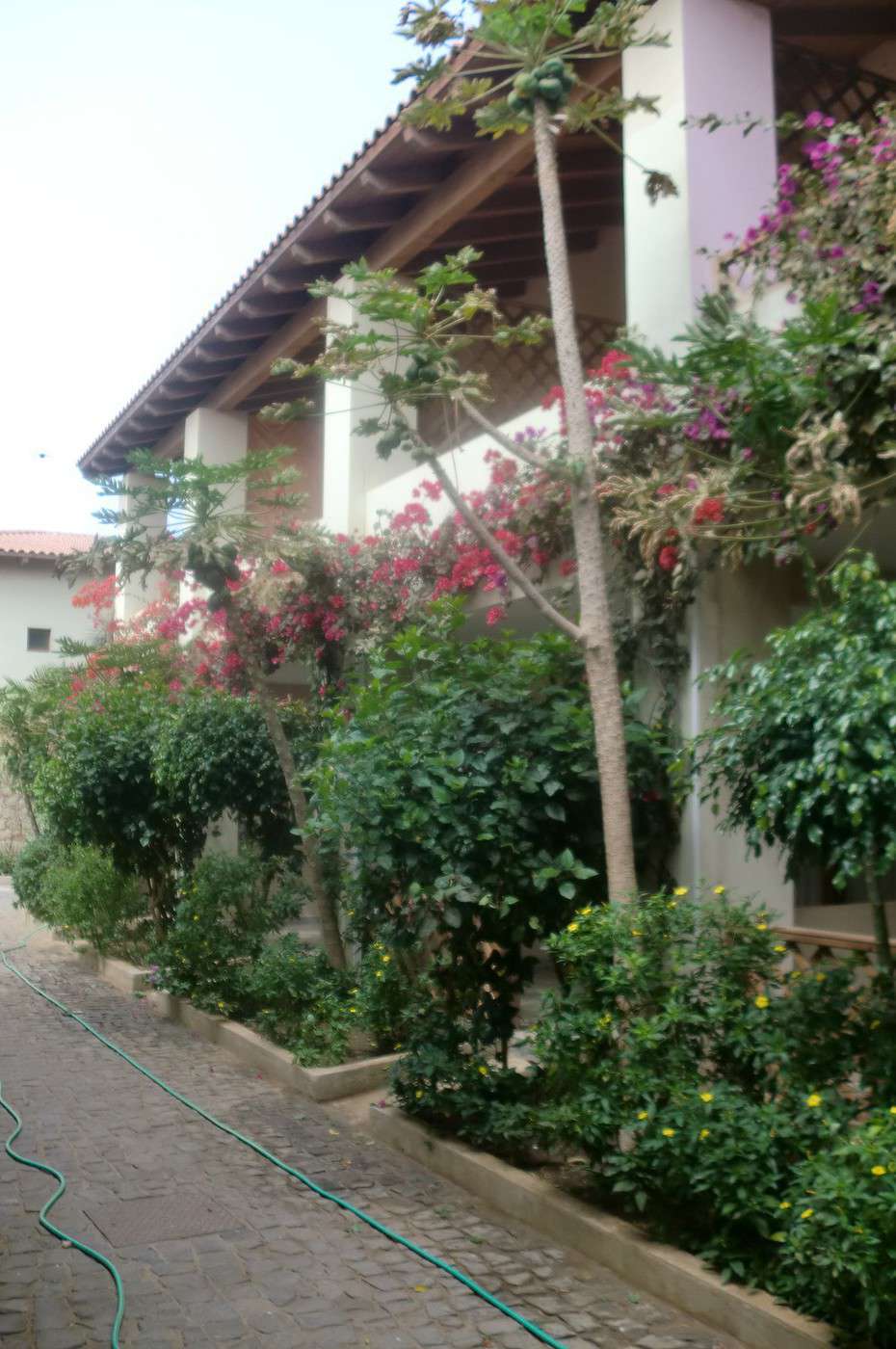
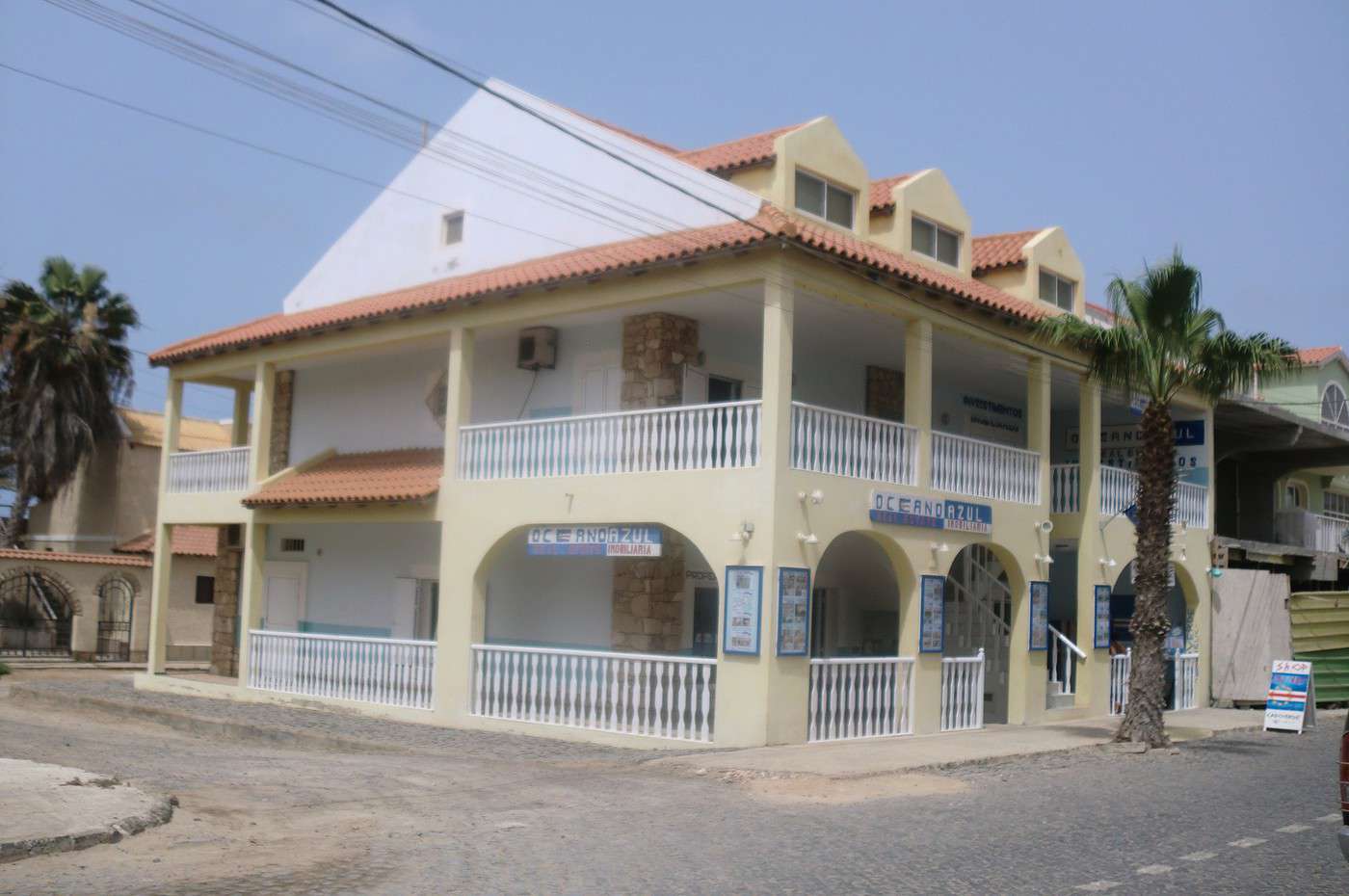
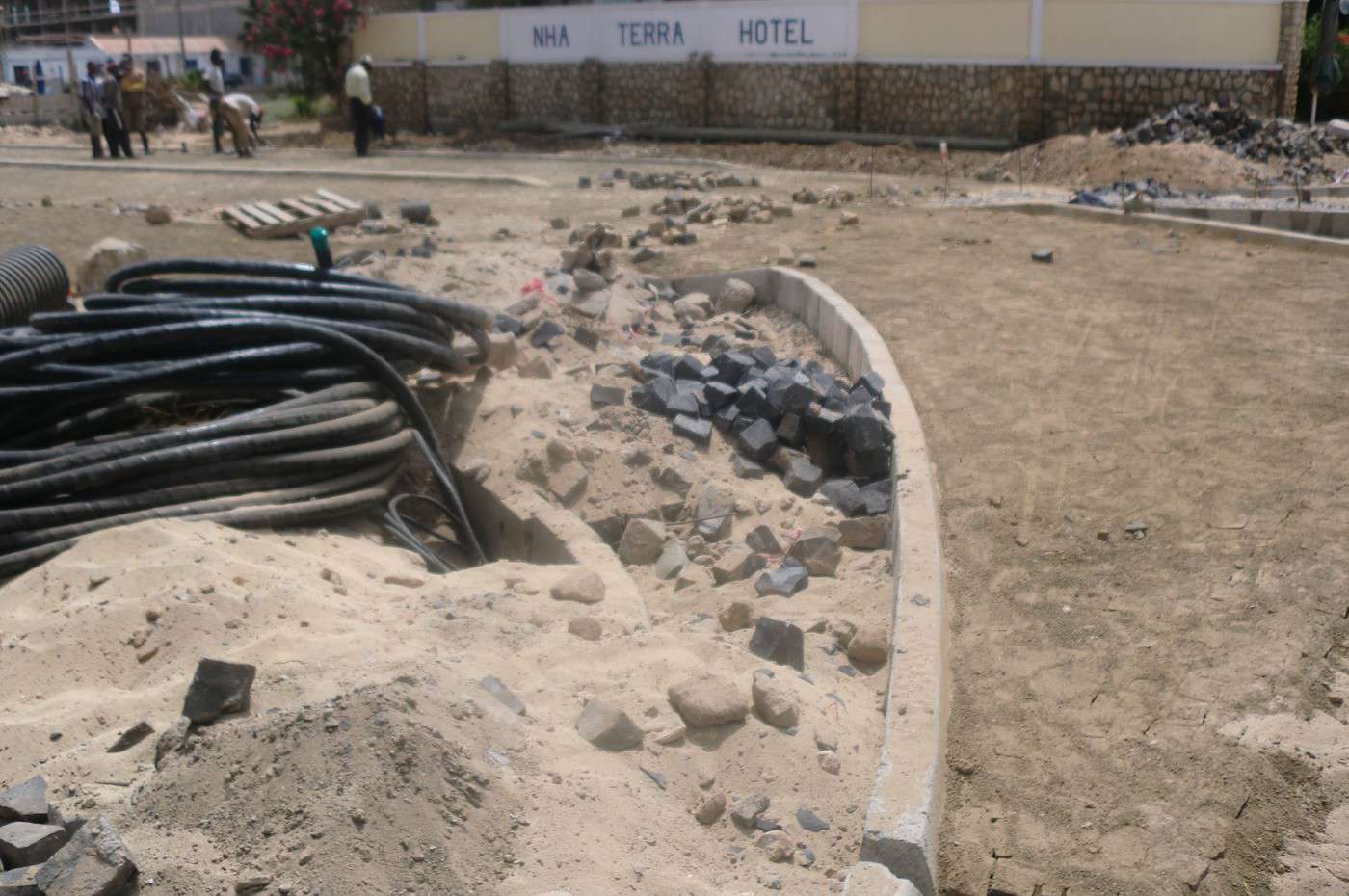
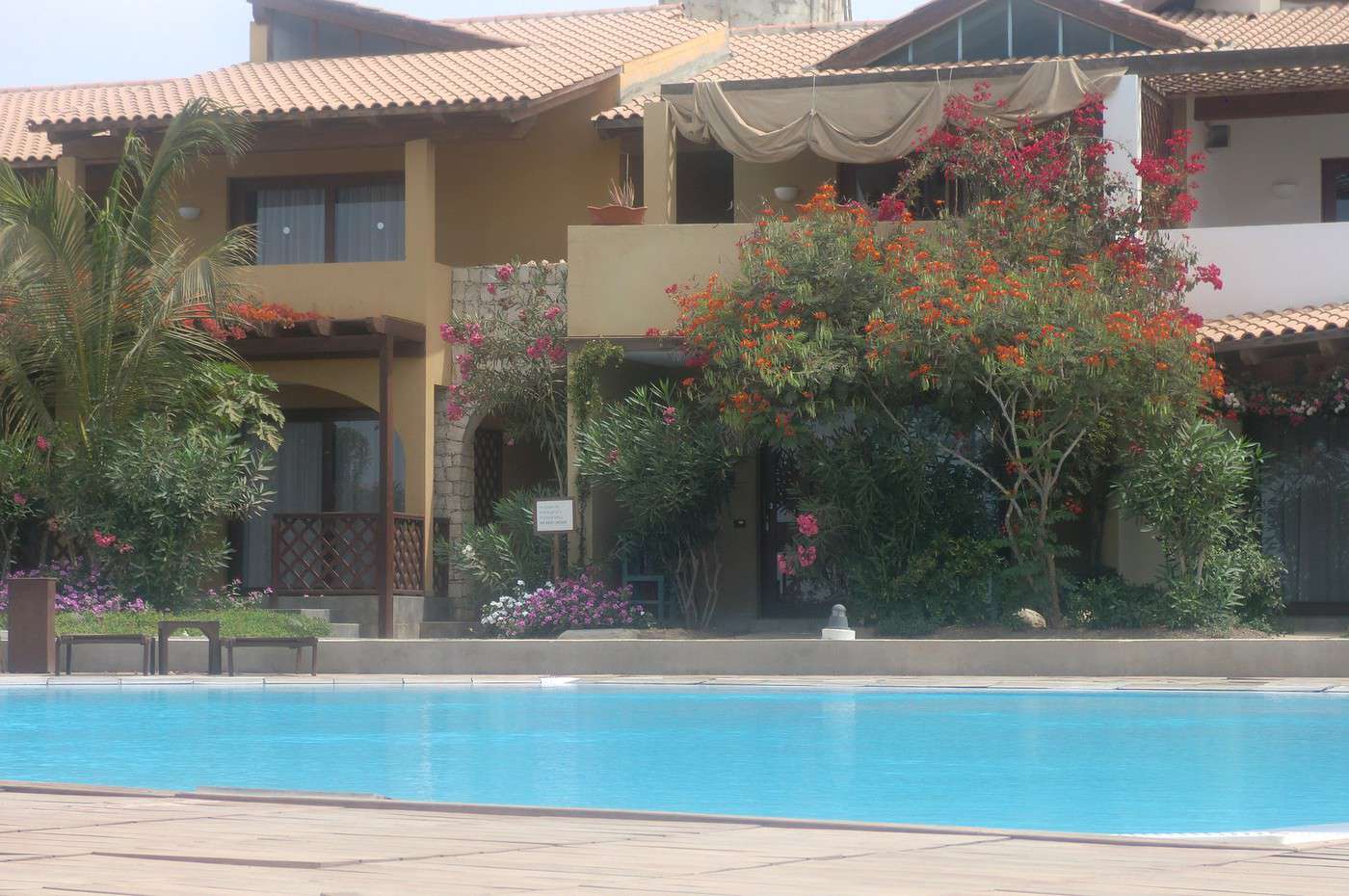

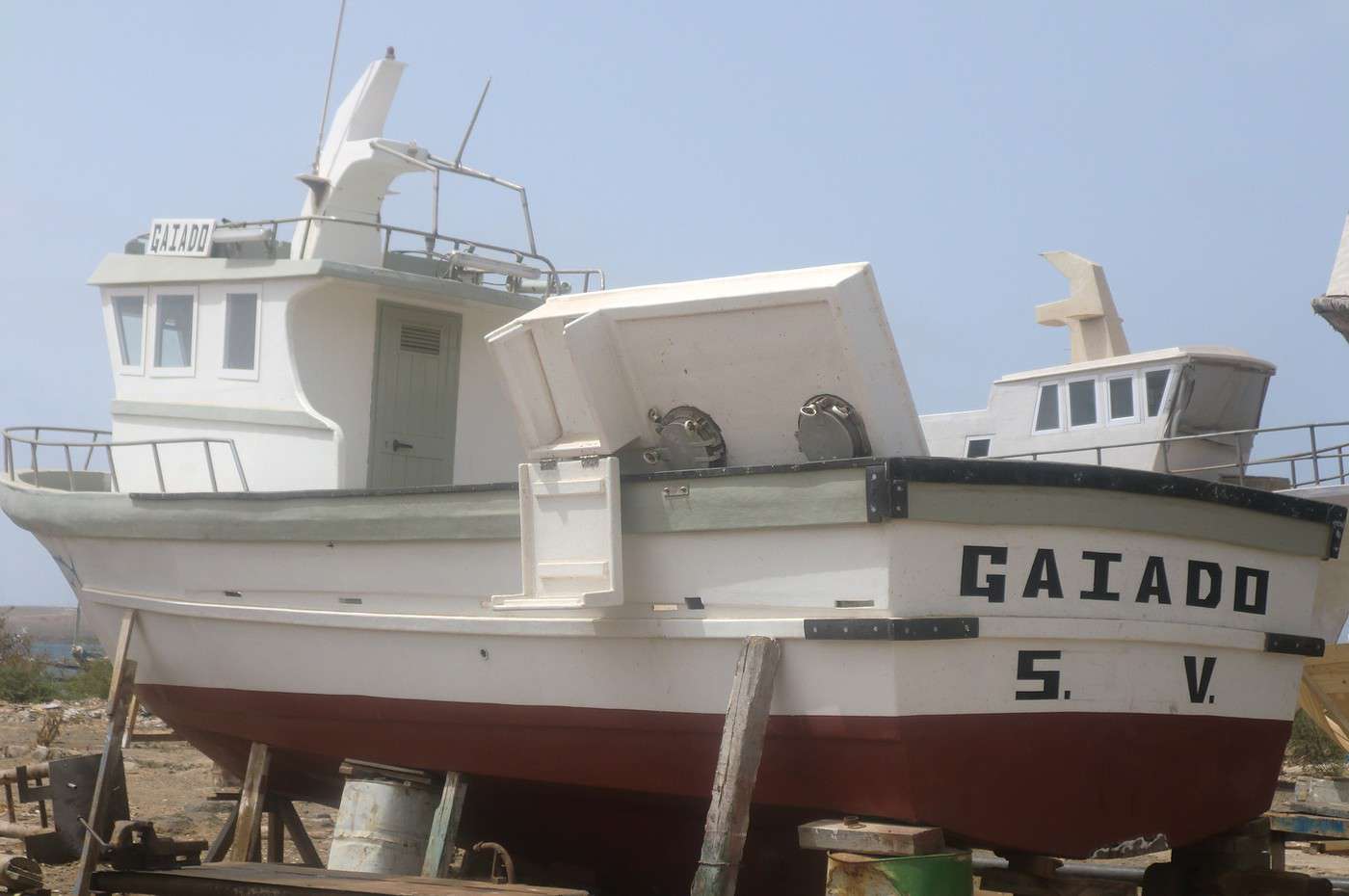


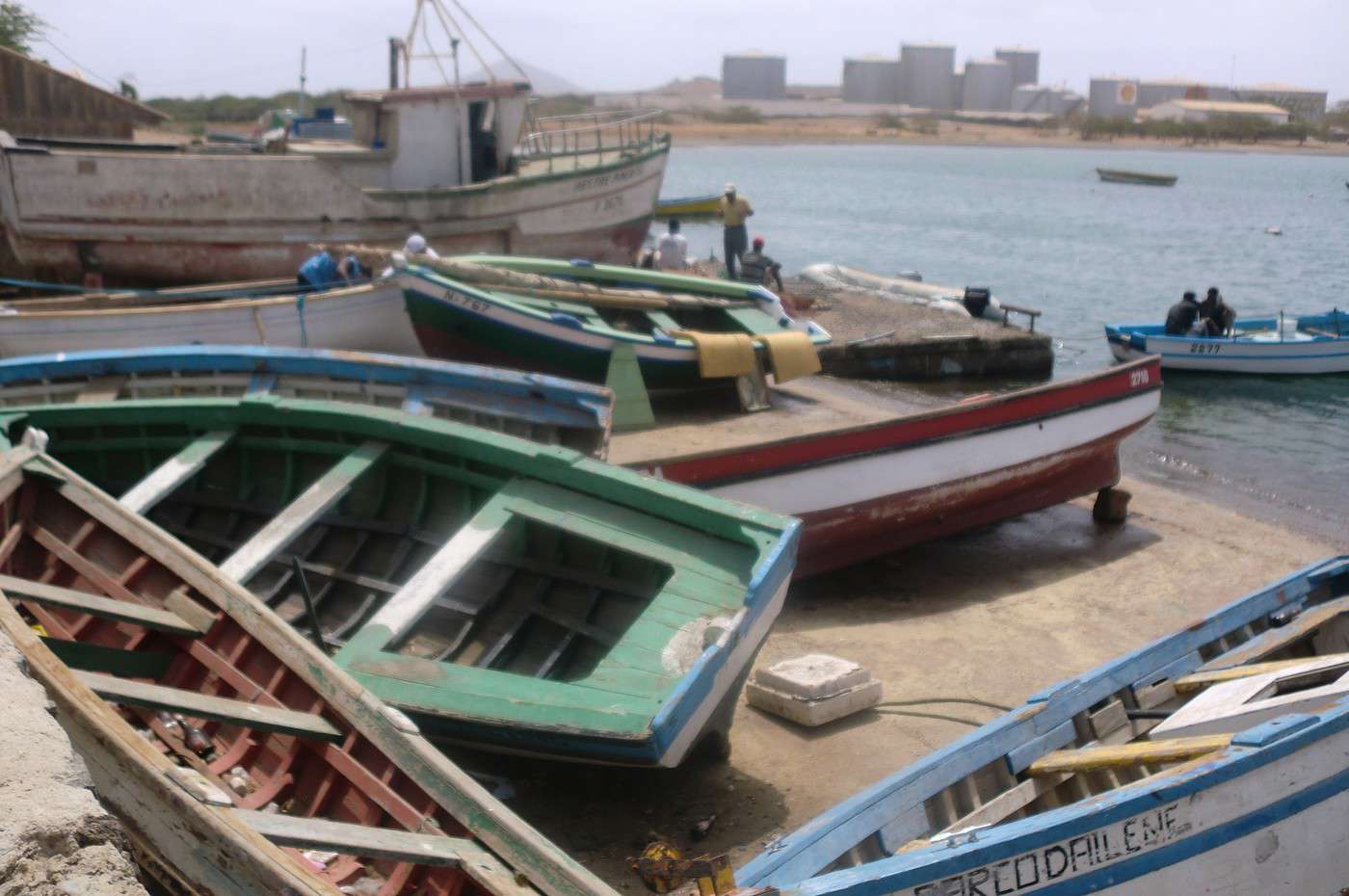

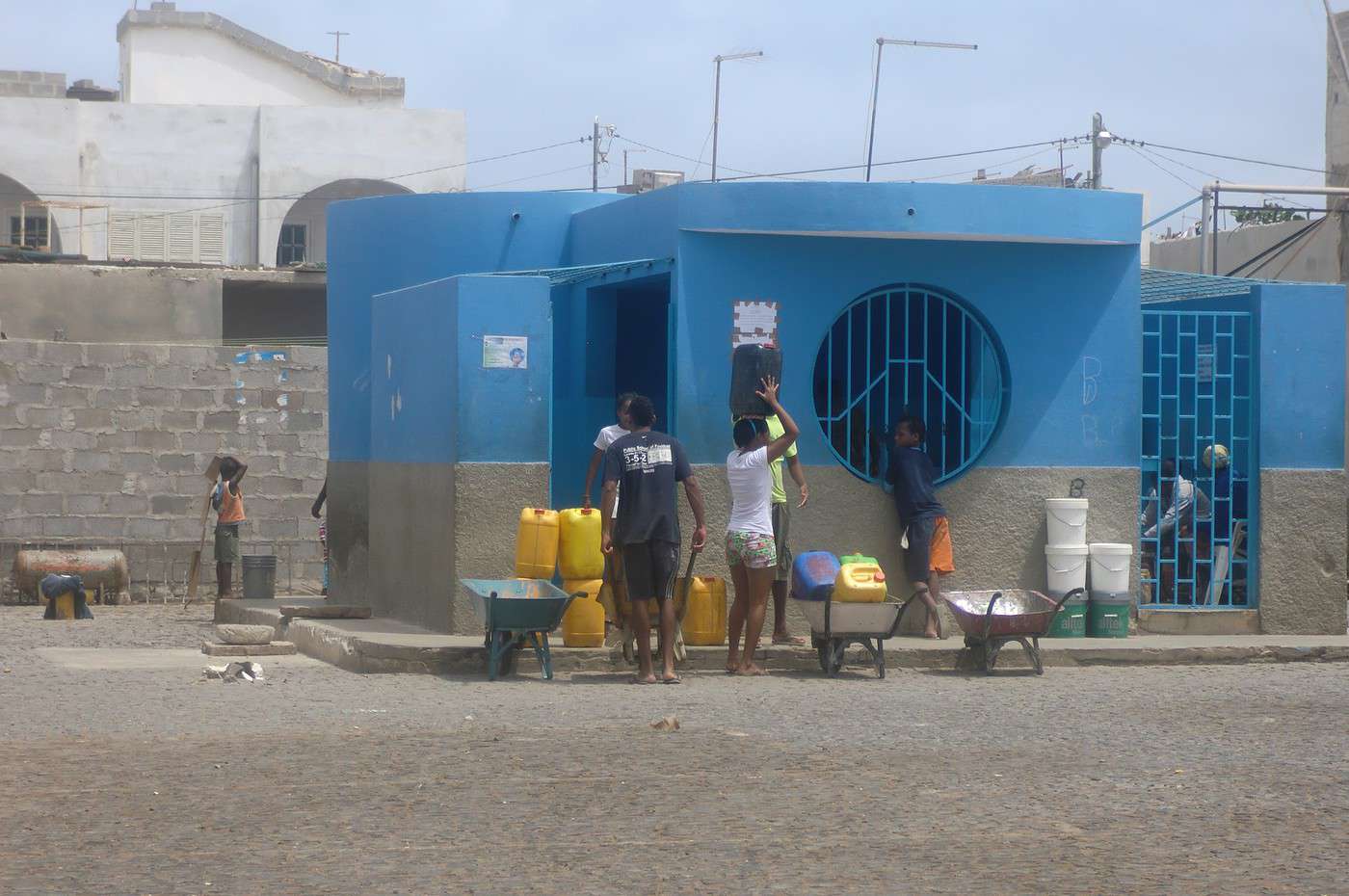
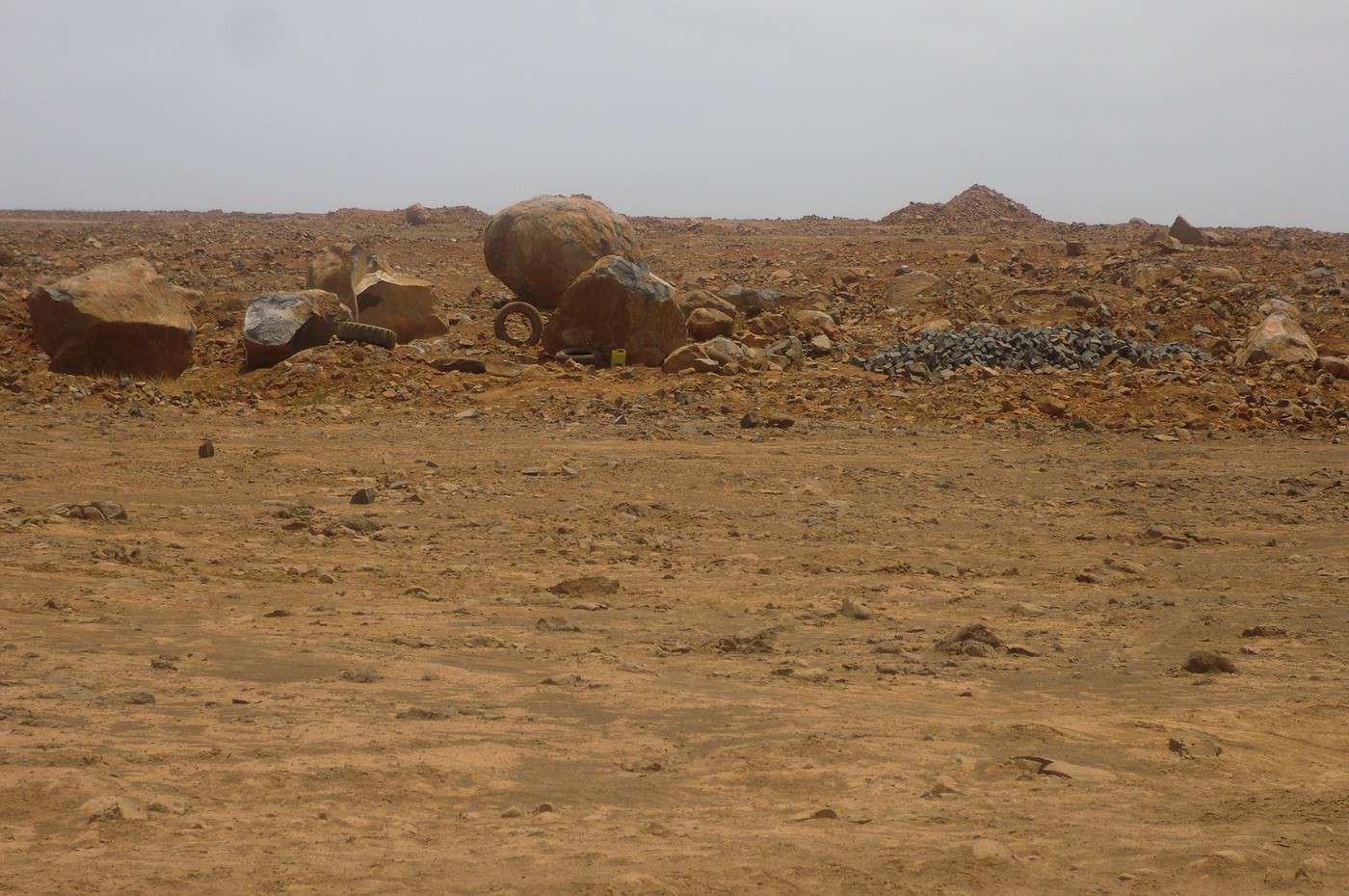
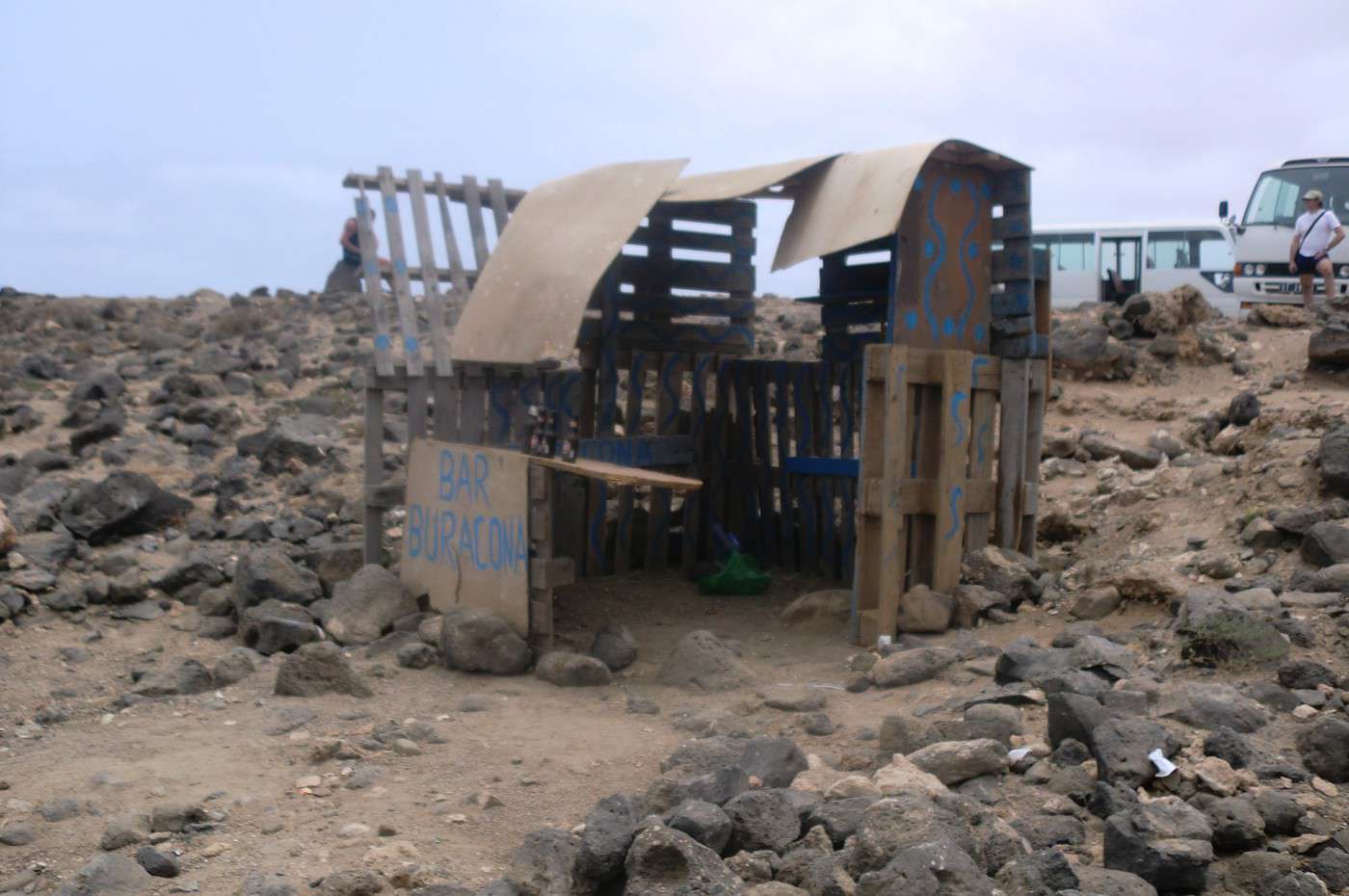
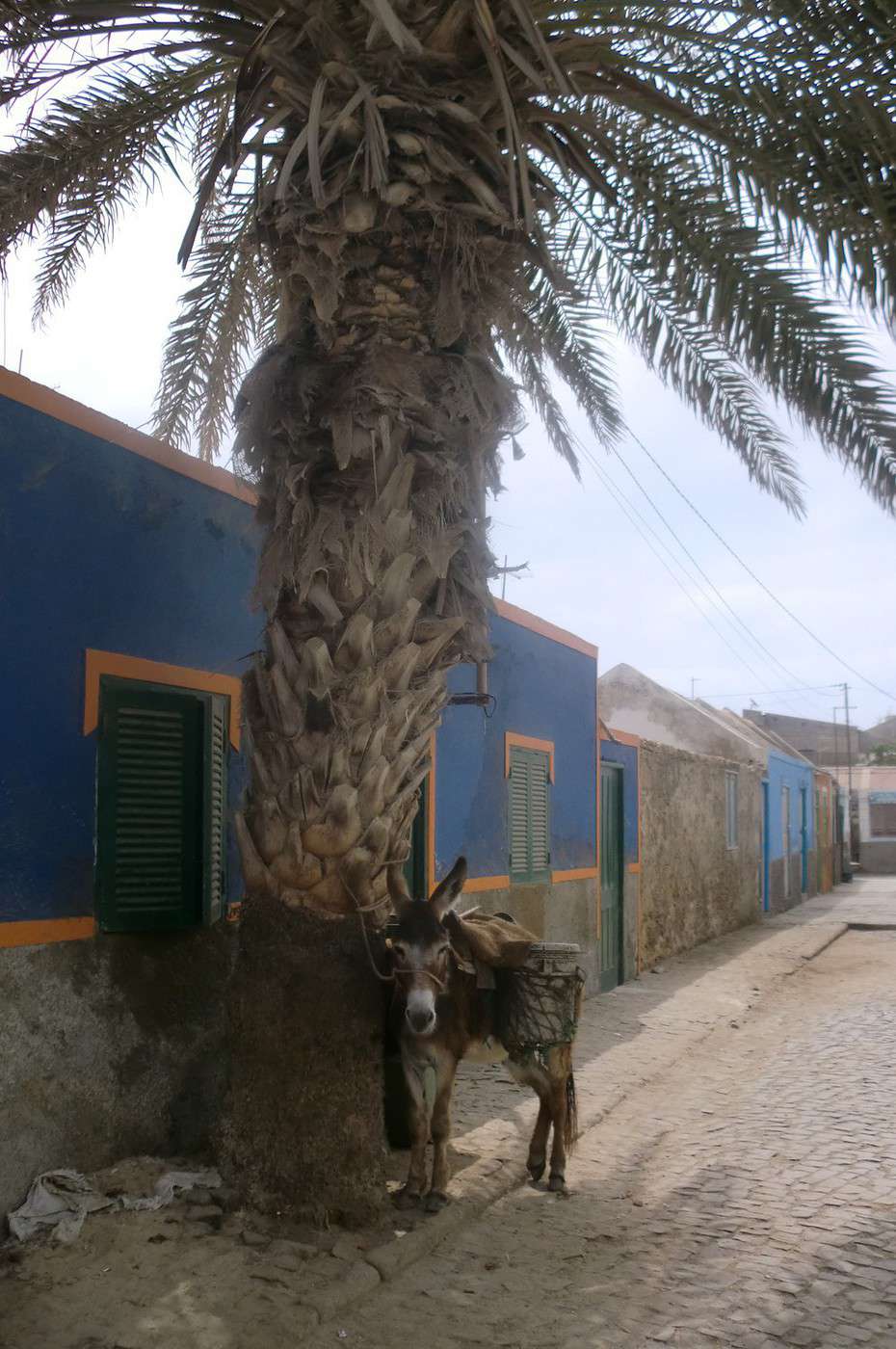
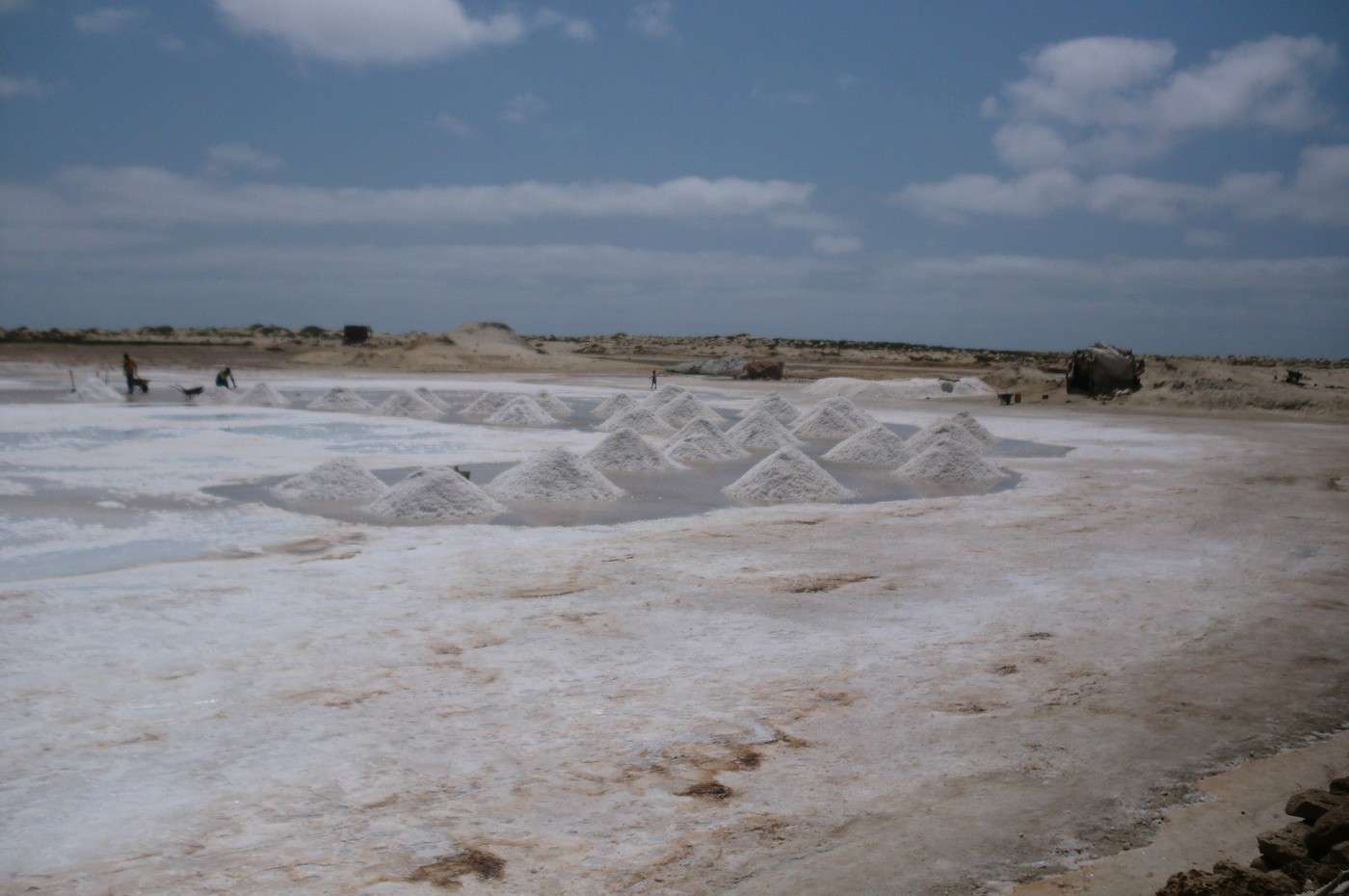




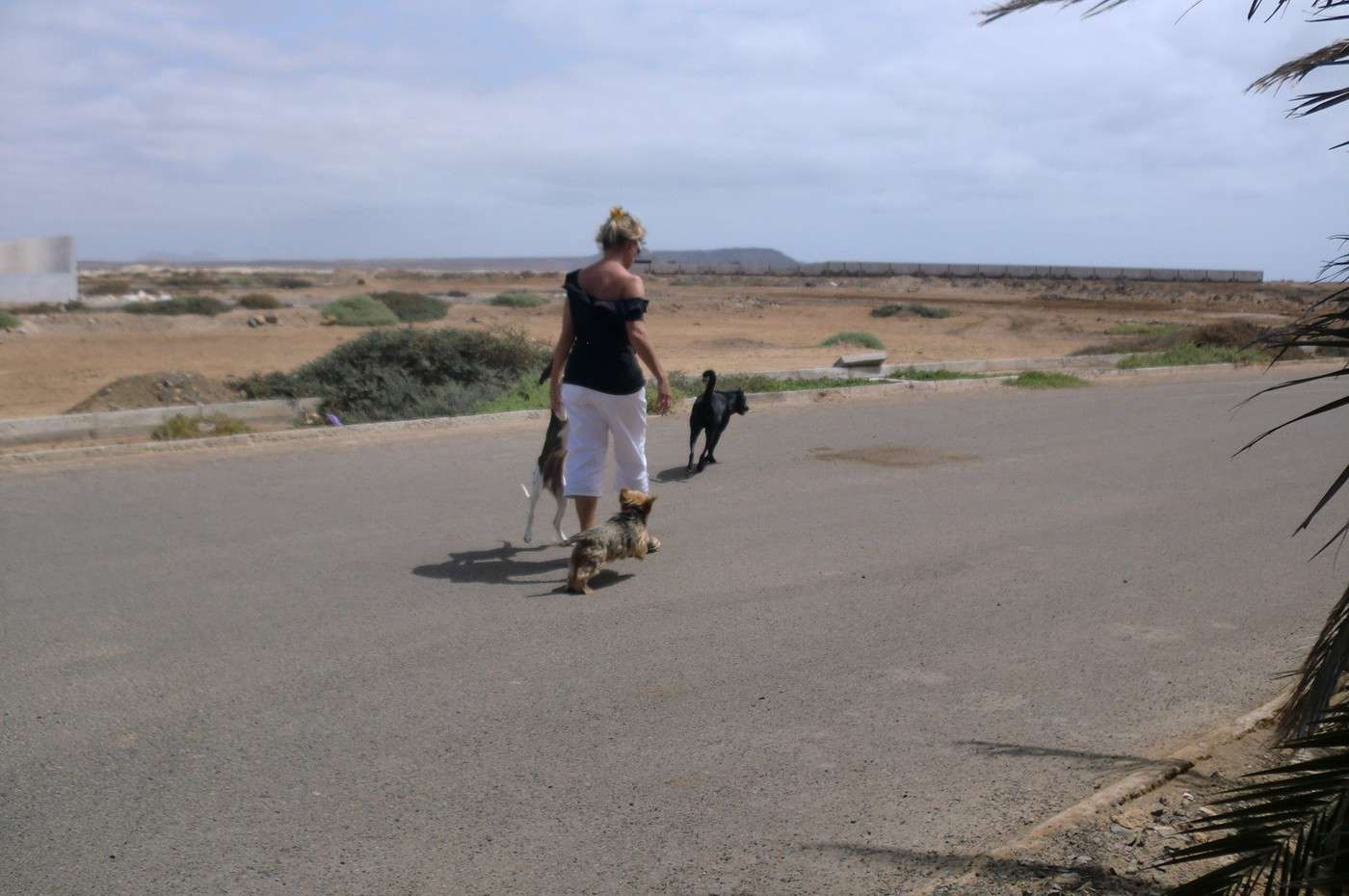
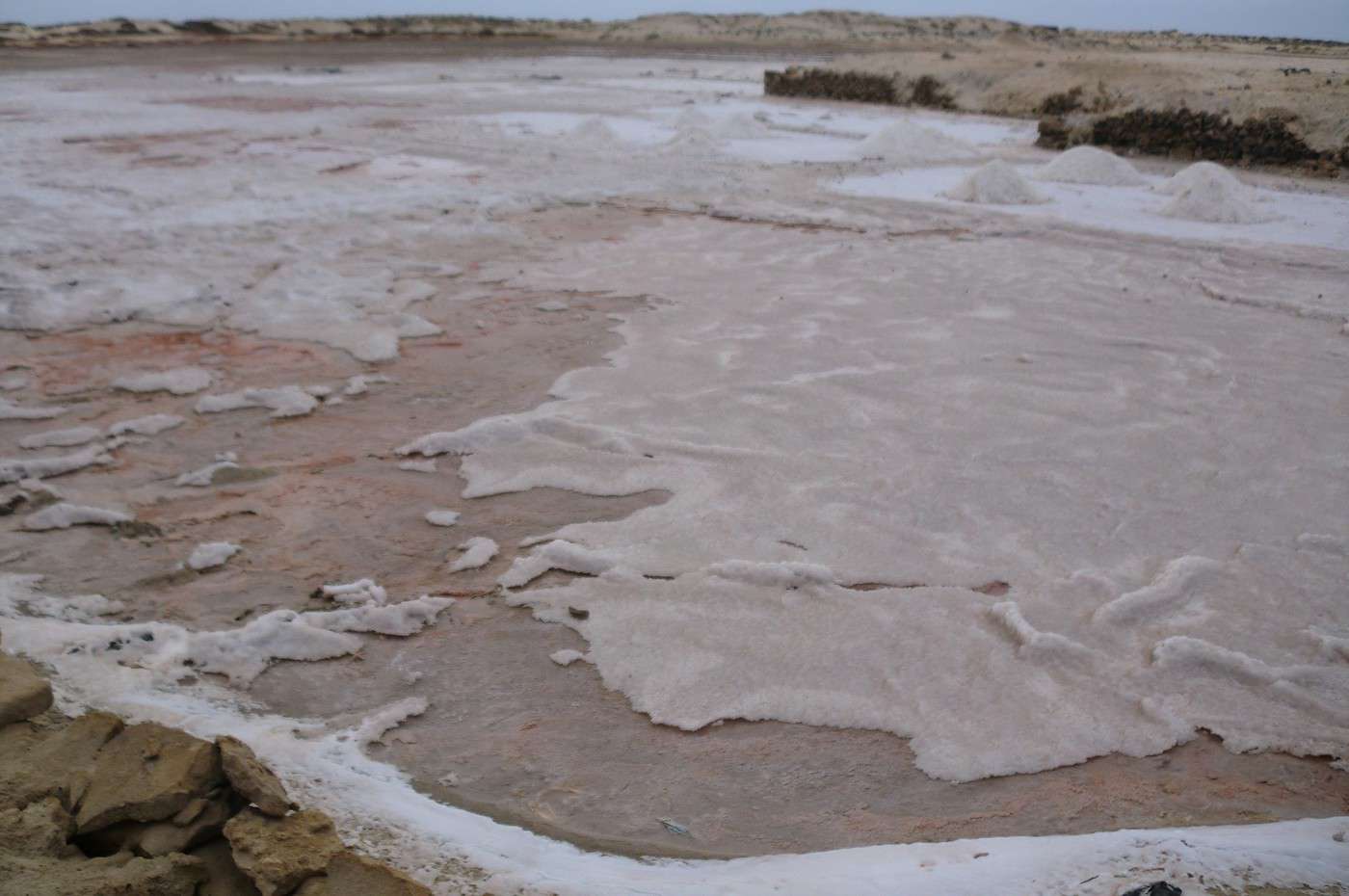

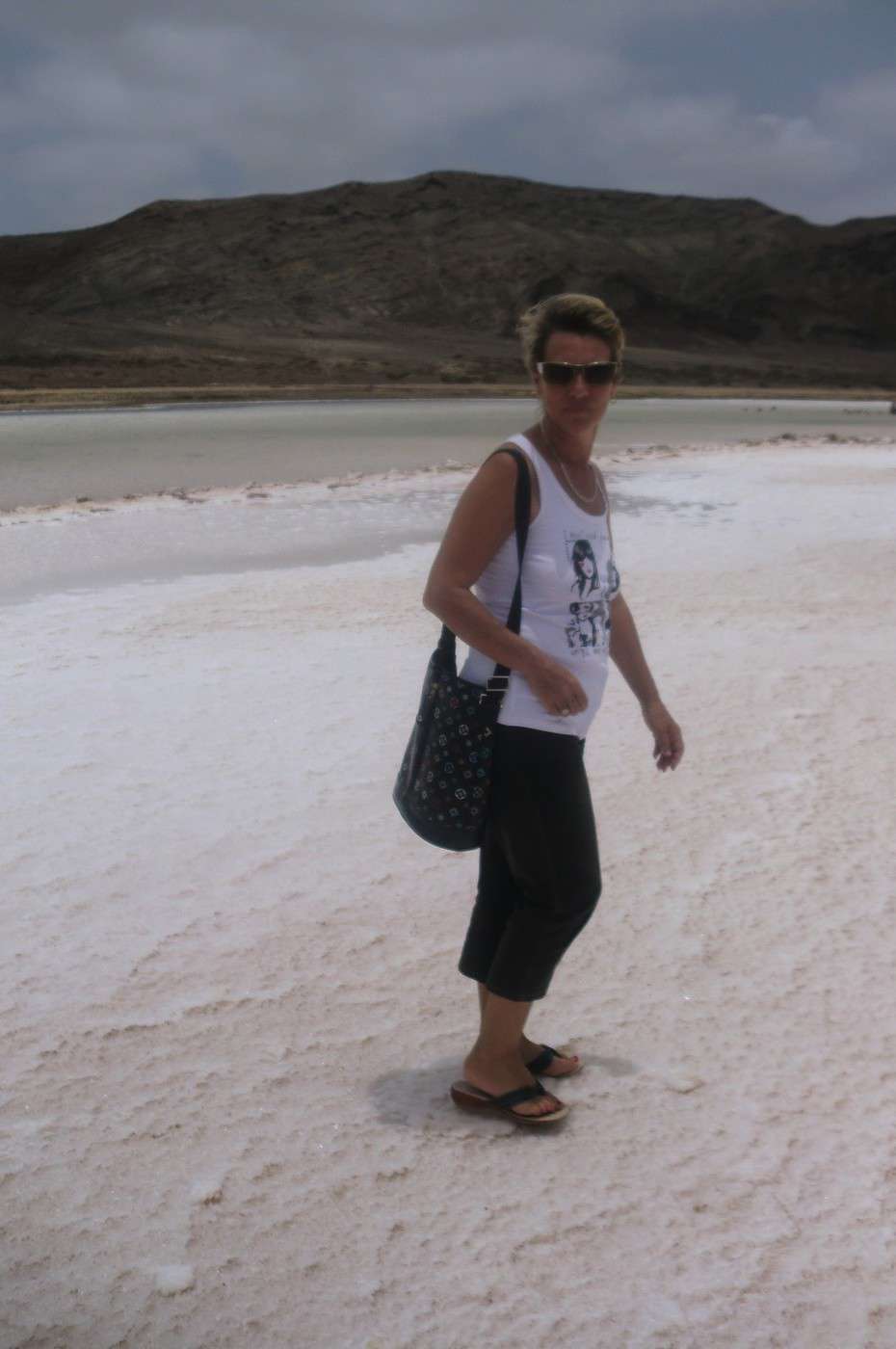
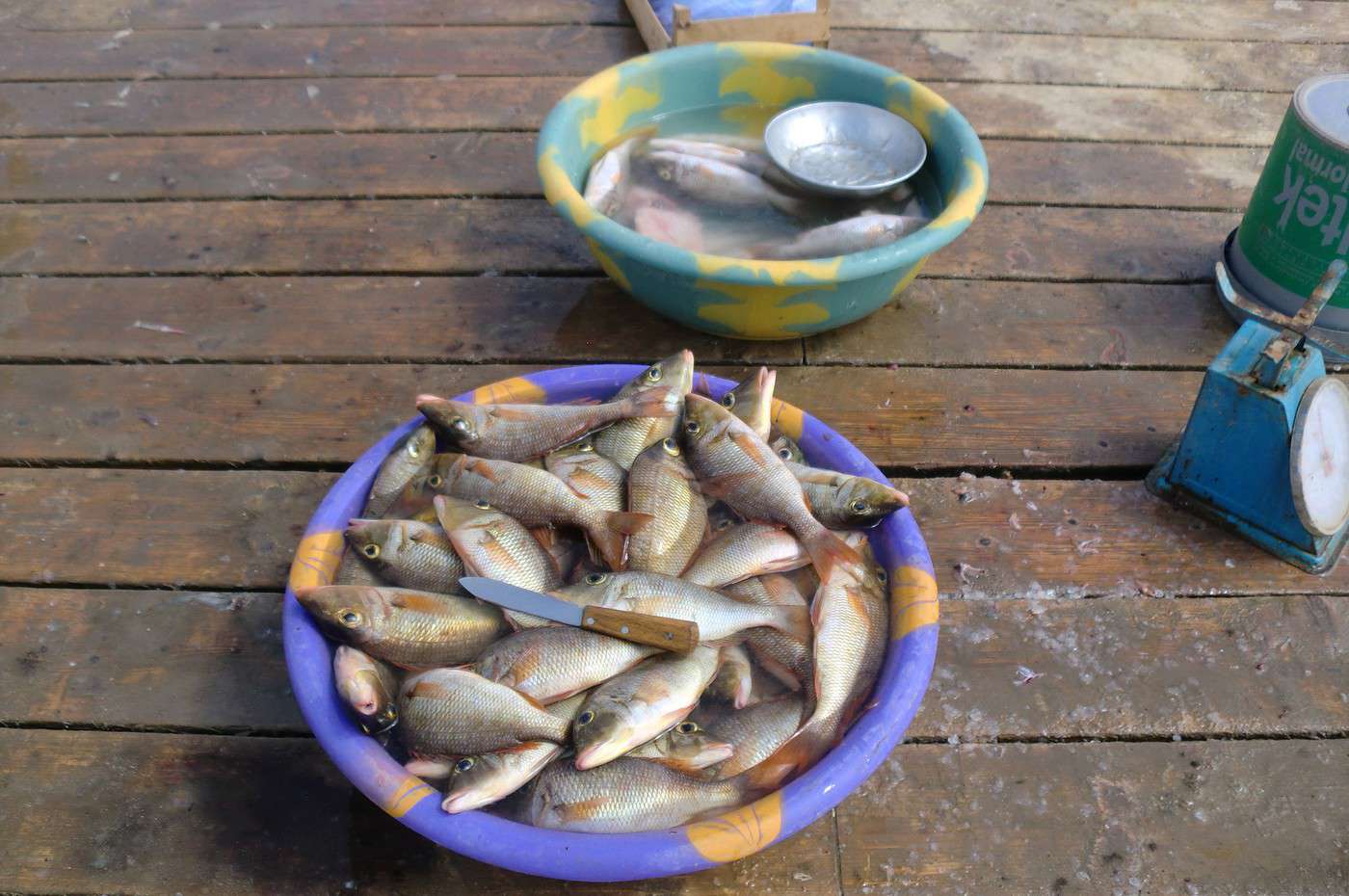
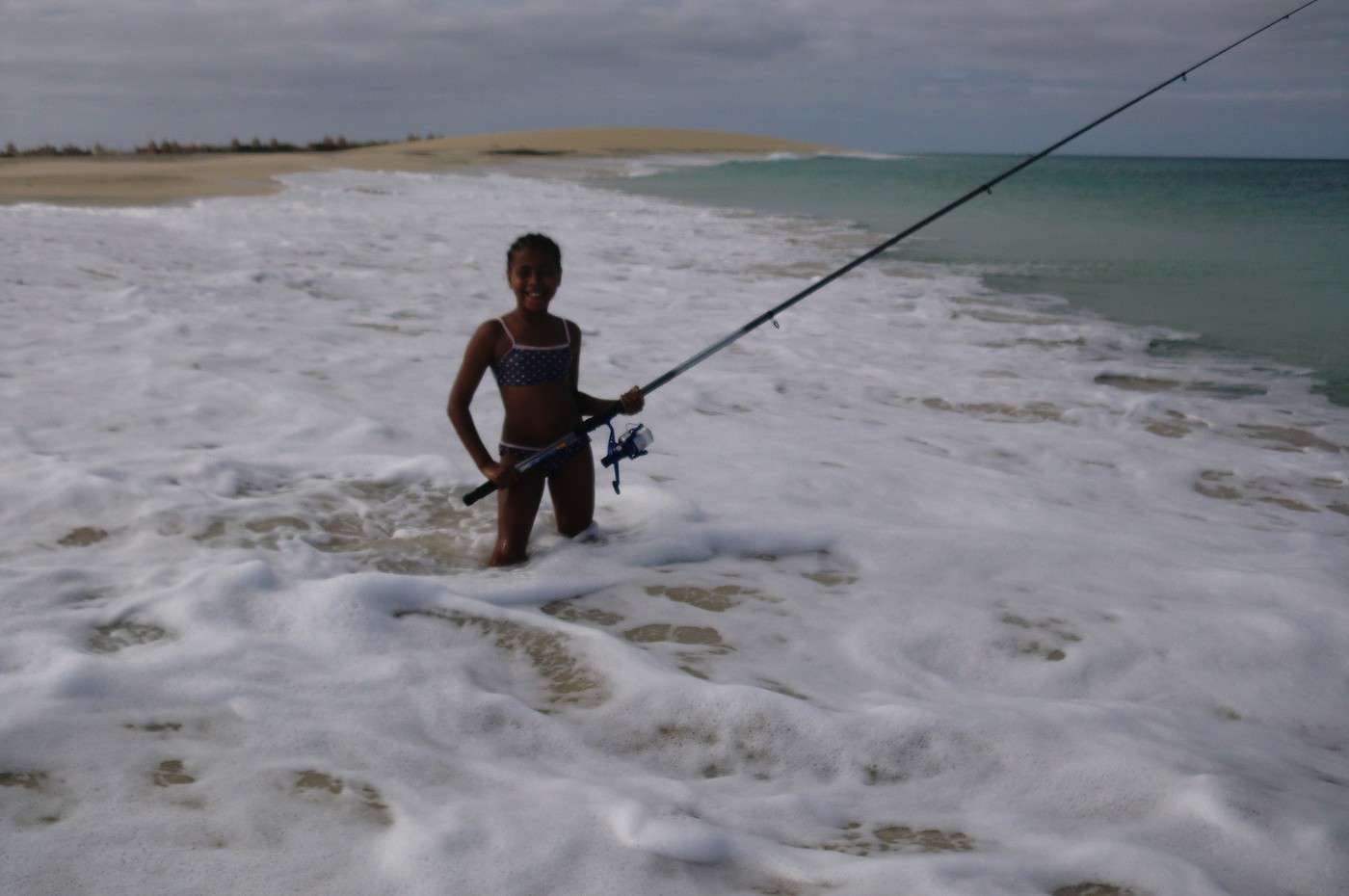
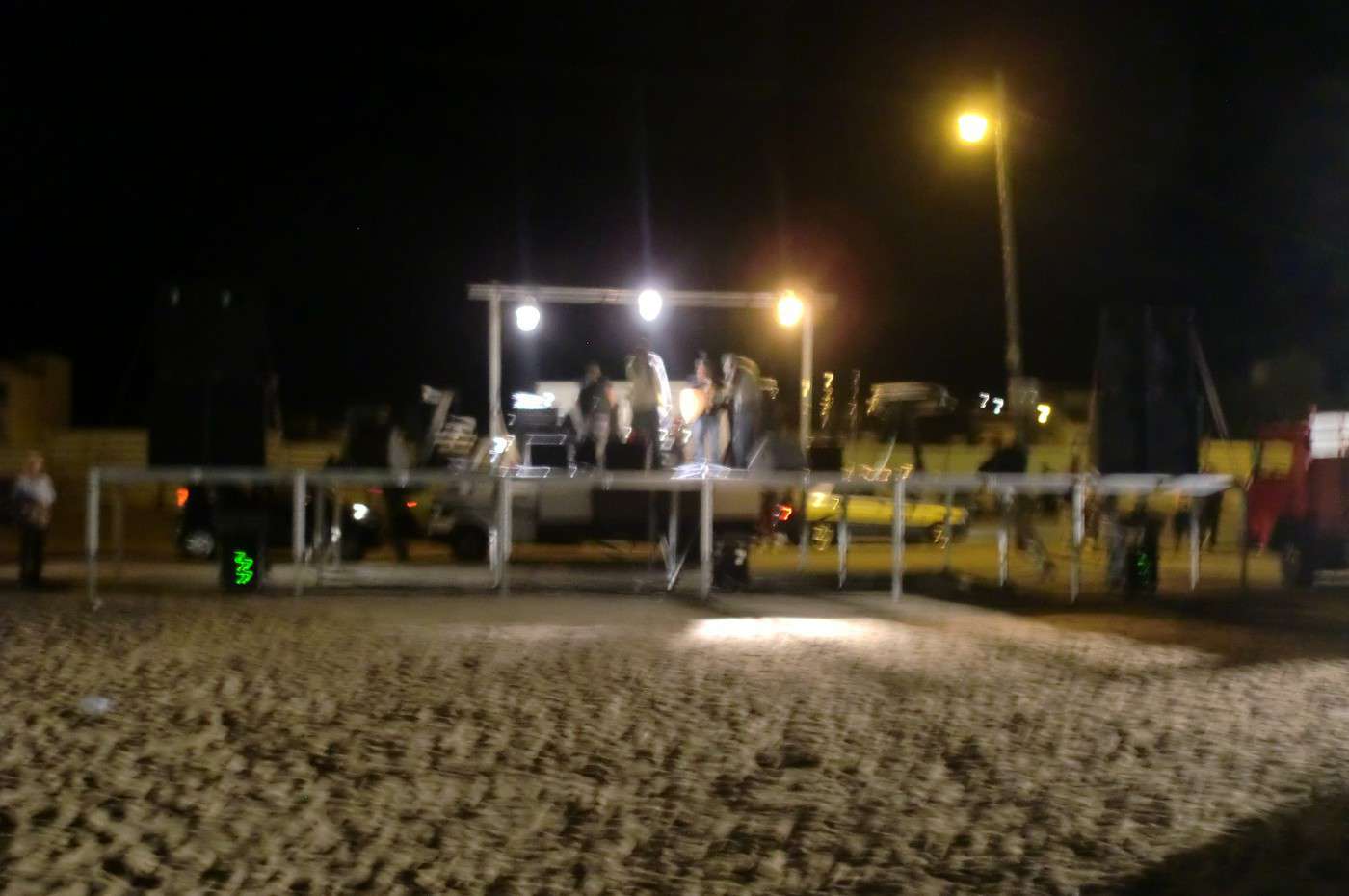

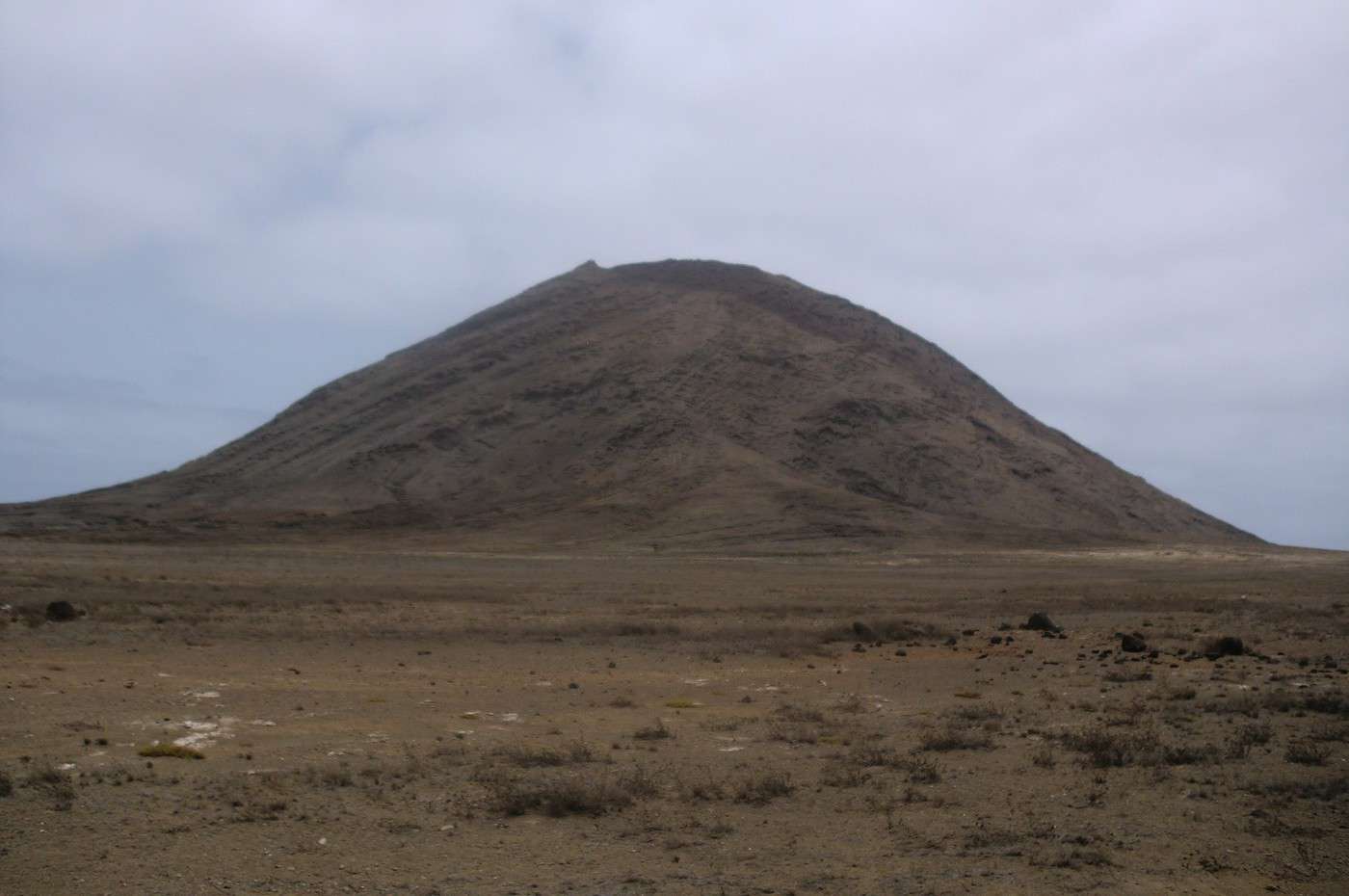
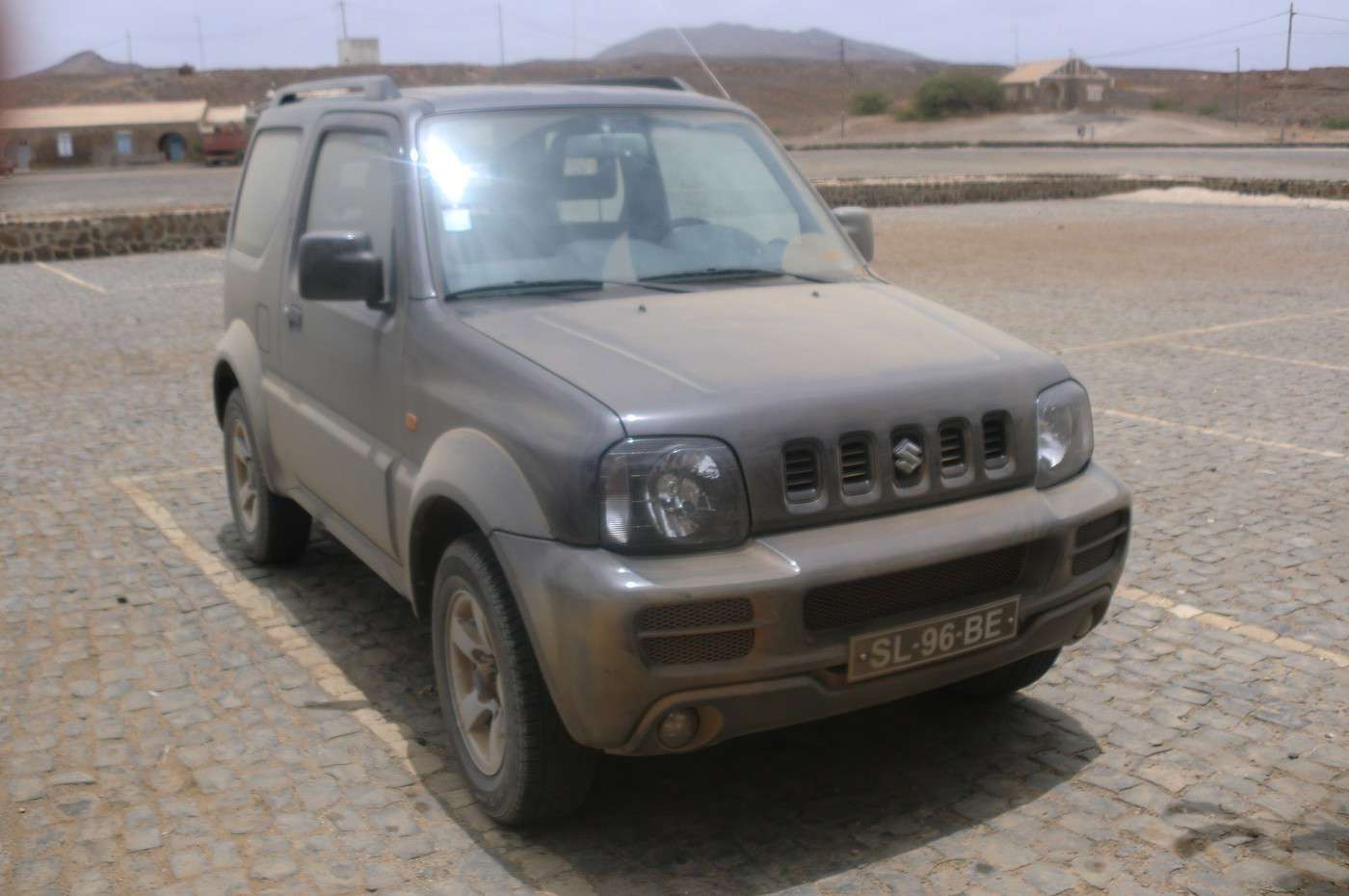



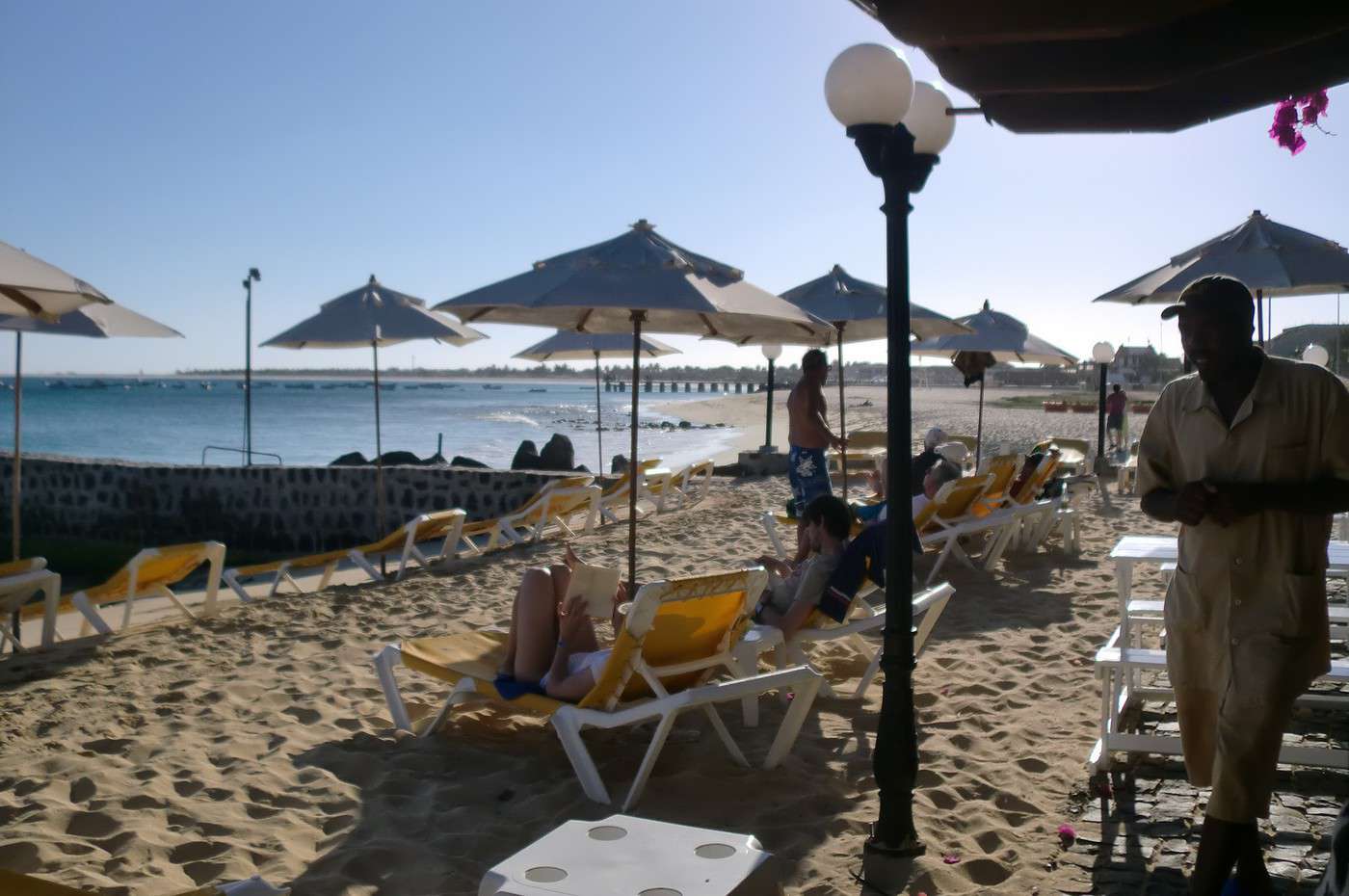
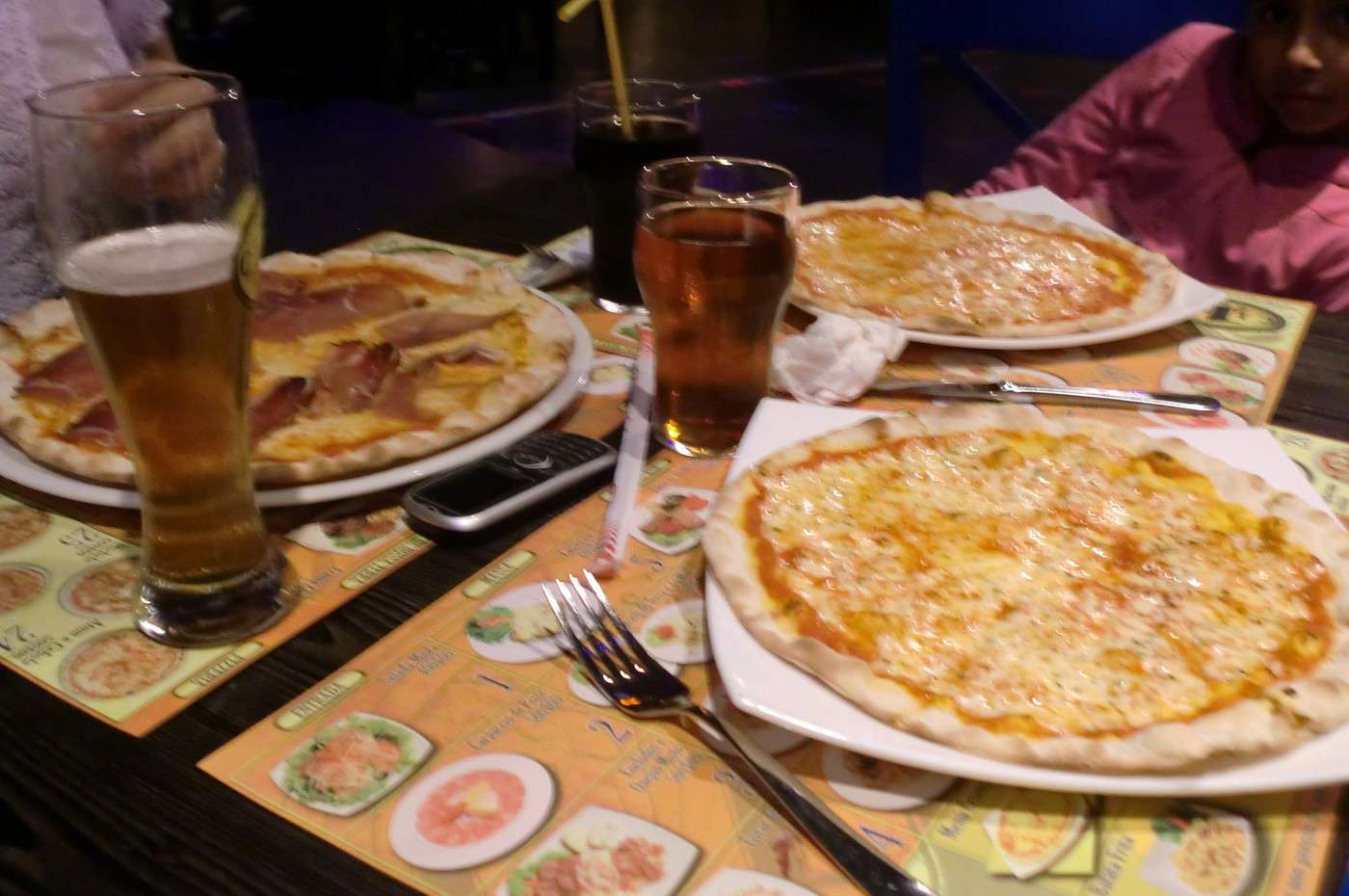
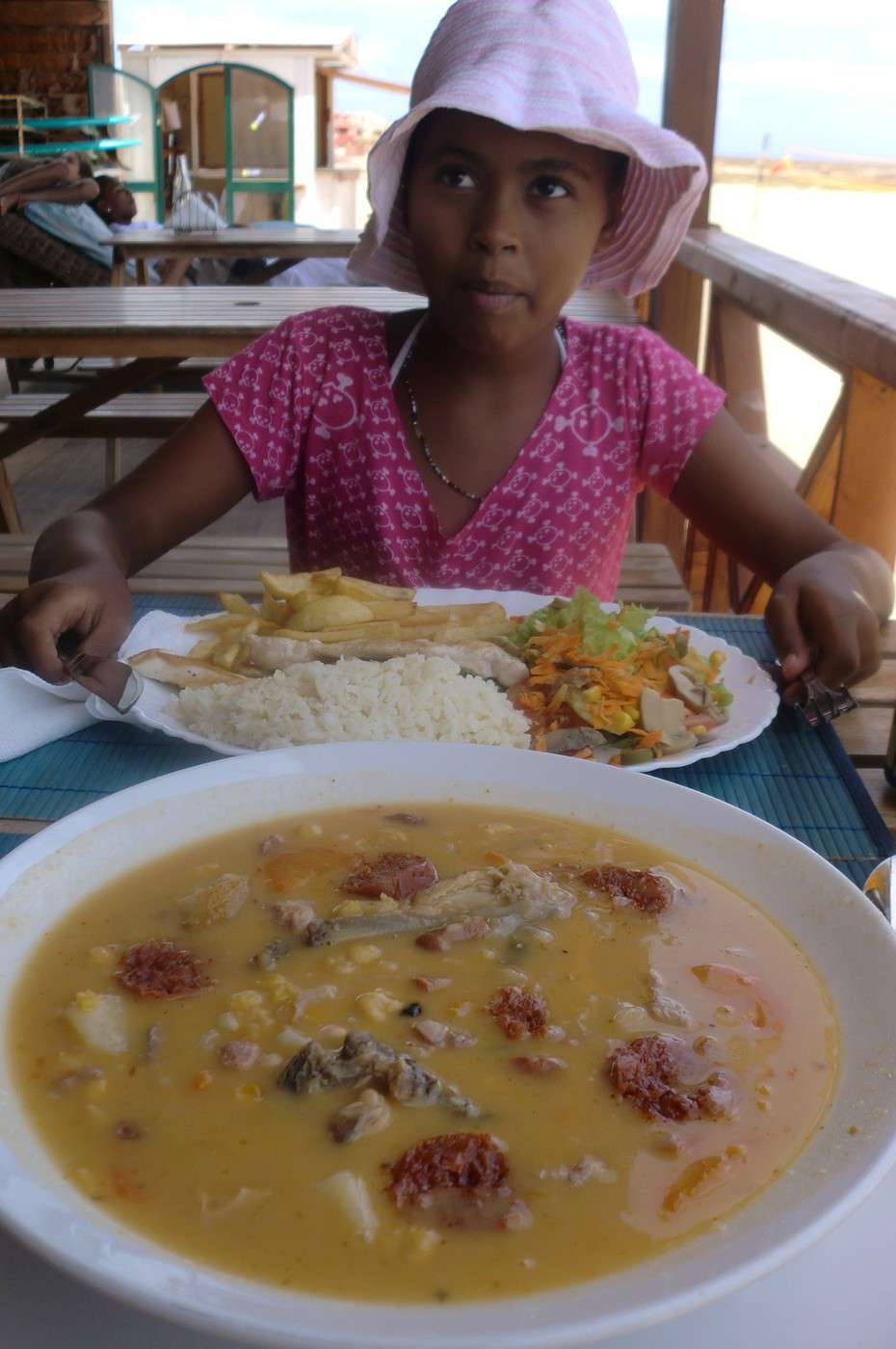



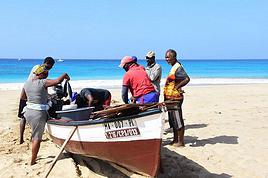
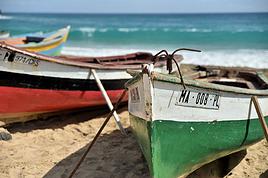
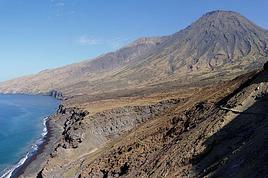

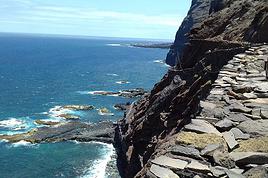
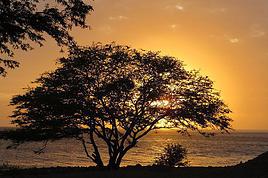
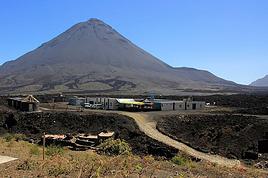
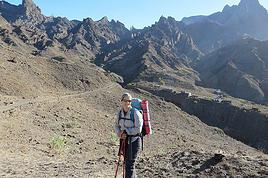
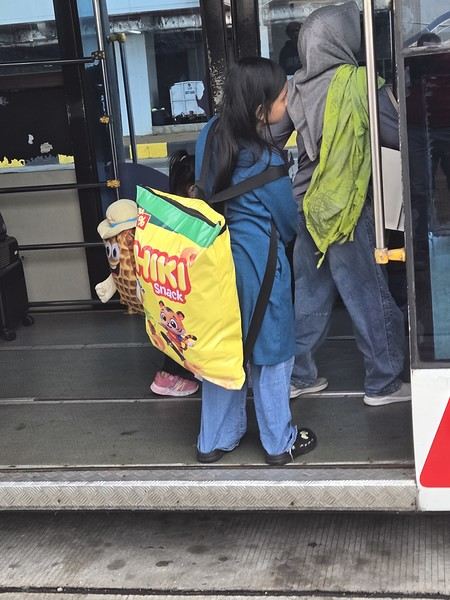
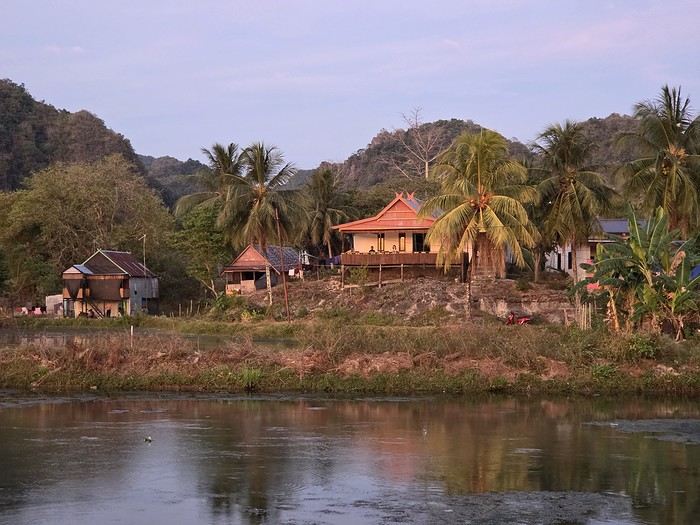
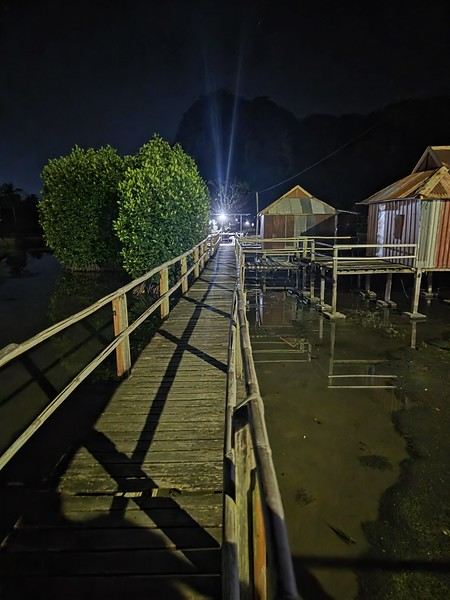
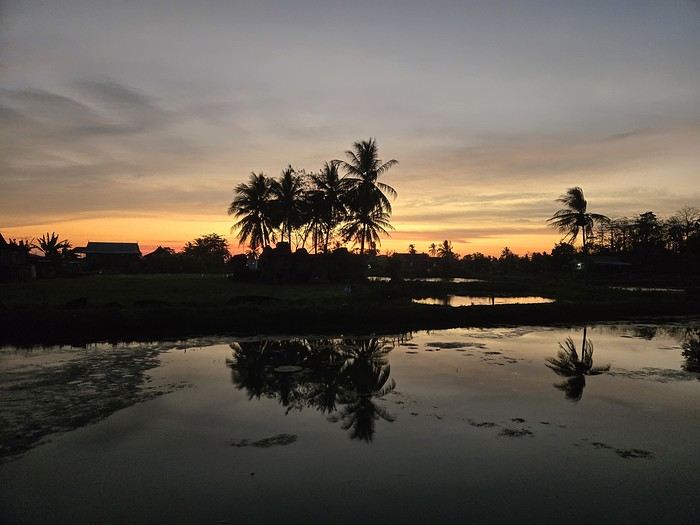
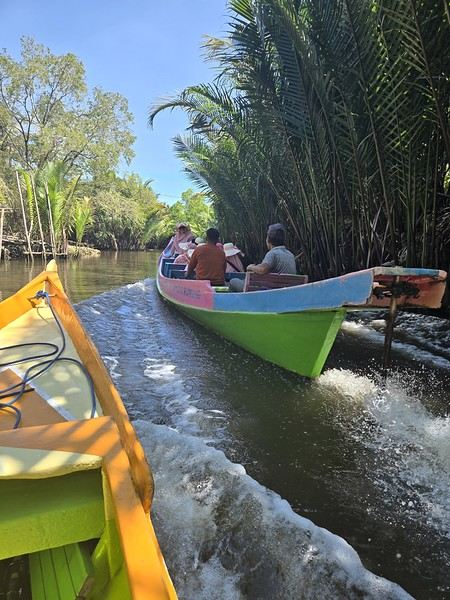 The karst site:
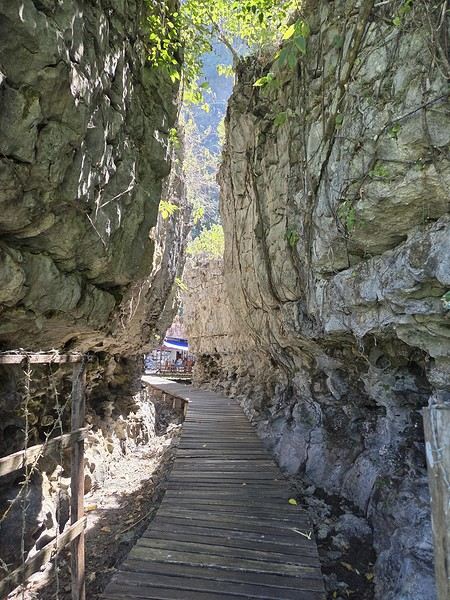
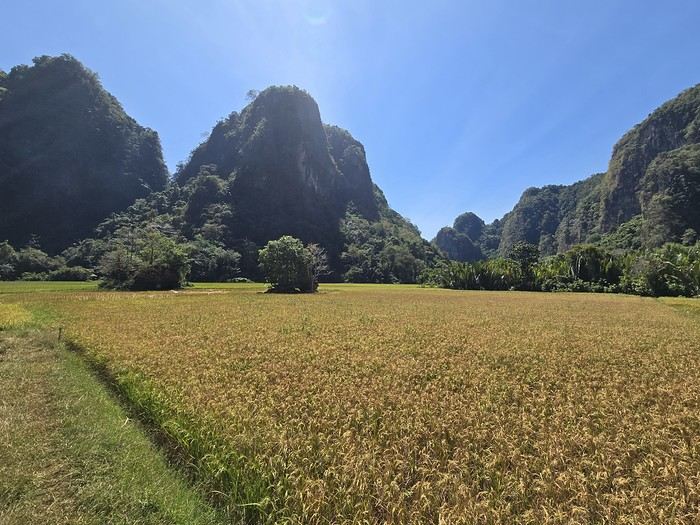
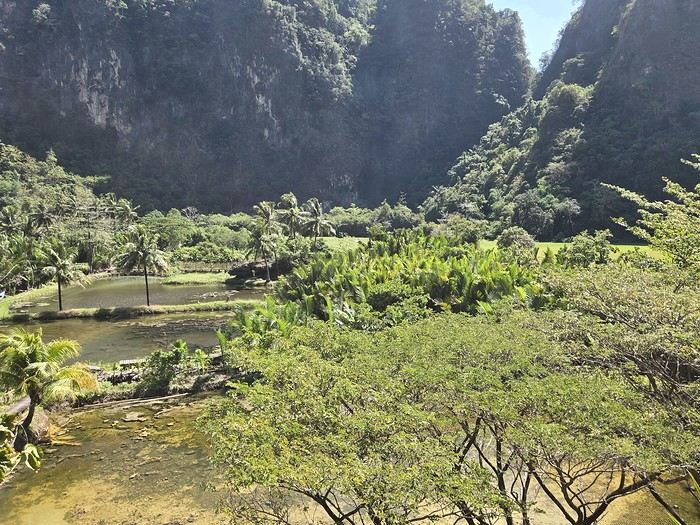
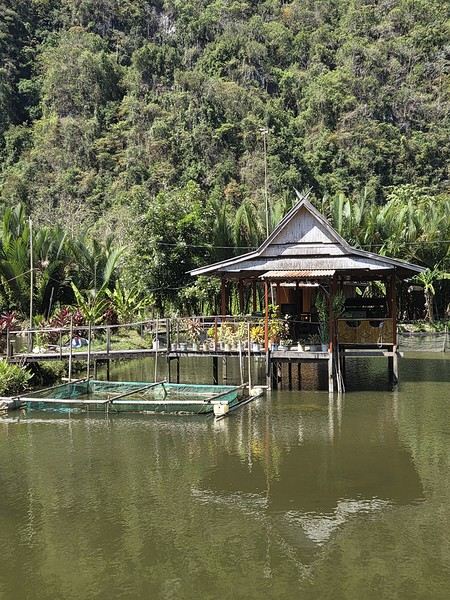
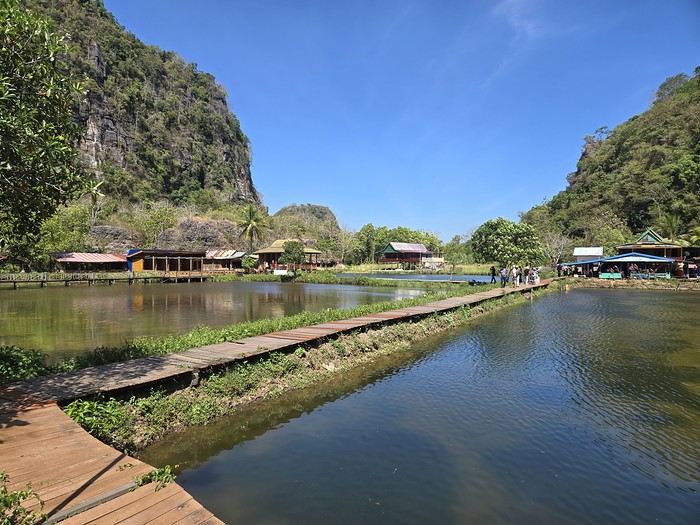
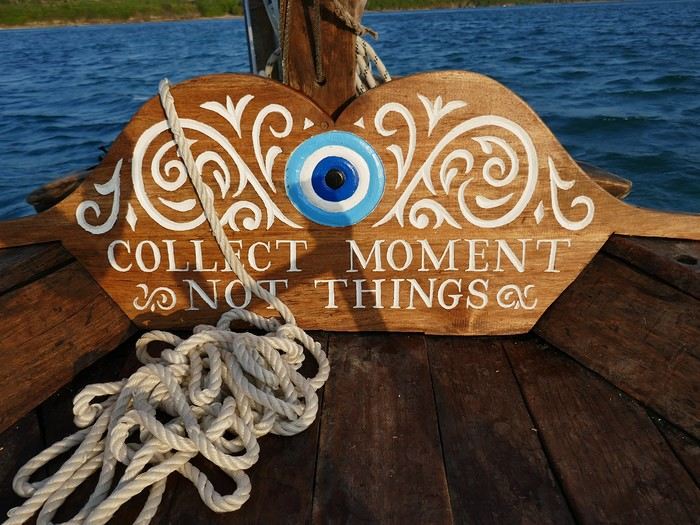


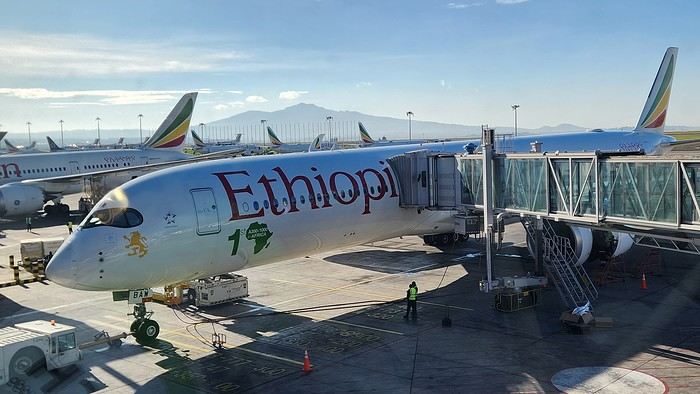
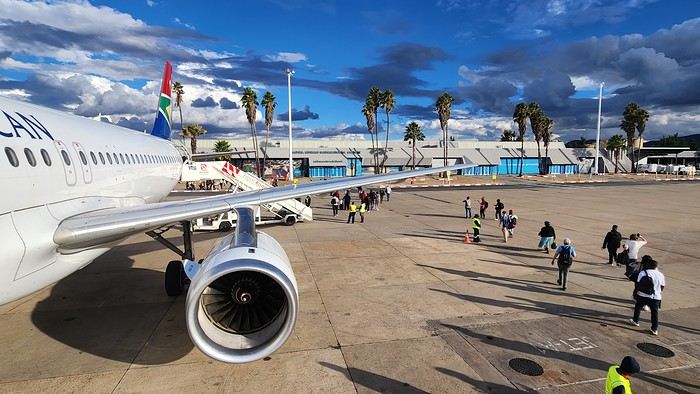
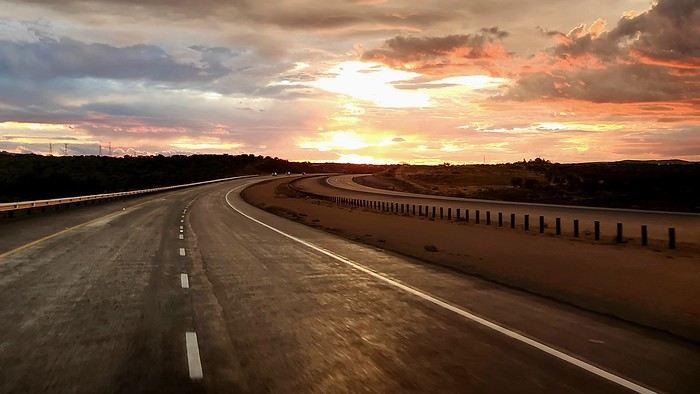
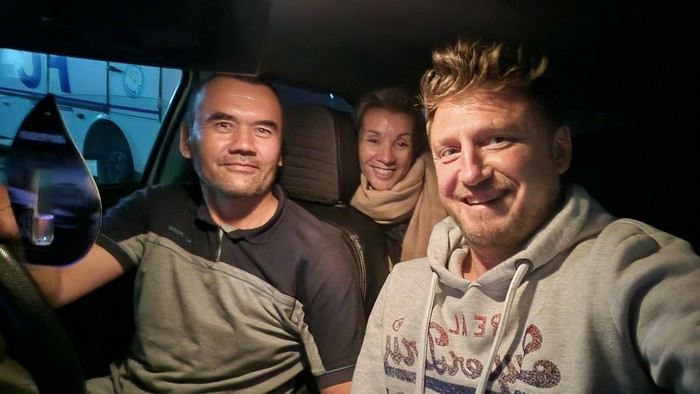
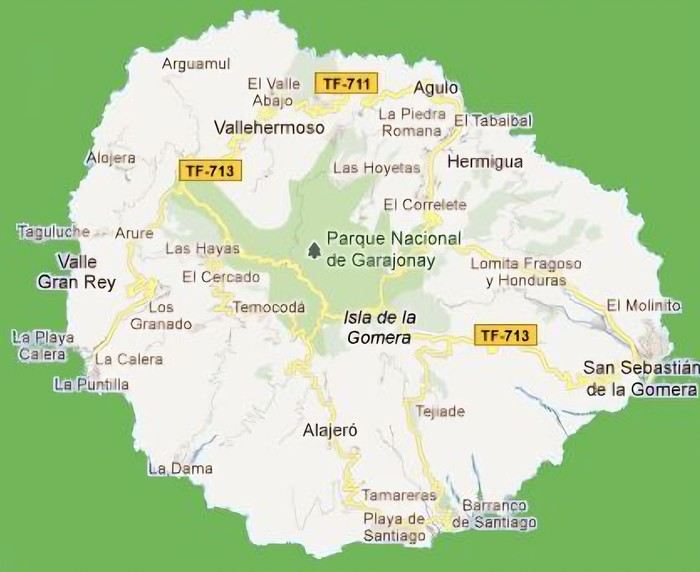 The large solidified magma massifs that shape the heart of the island have created a large depression more protected from the sun at its center, allowing the growth of a vast laurel forest, today grouped within the Garajonay National Park, La Gomera’s green lung, which has earned it the status of a World Biosphere Reserve. Its completely European appearance contrasts sharply with the rocky and tropical landscapes of the rest of the island. Thus, the climate varies greatly from one point to another on the island: in summer, you can quickly go from a dry and sunny valley at 35°C to a humid forest area at altitude at 18°C.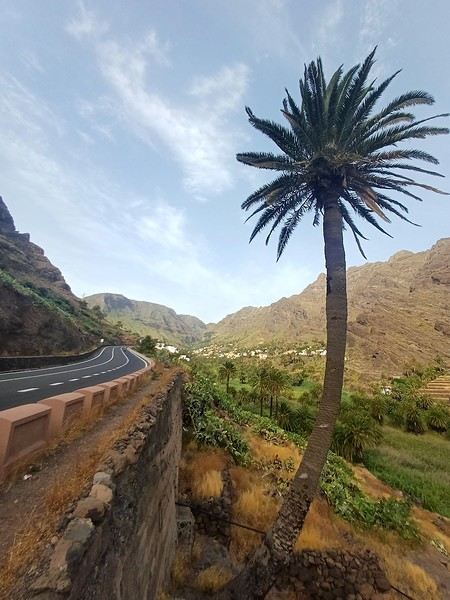

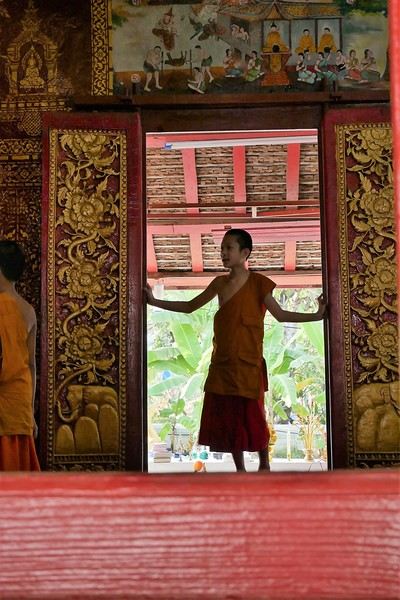 Come along, I'm taking you to this country where it's so nice to wander and slow down...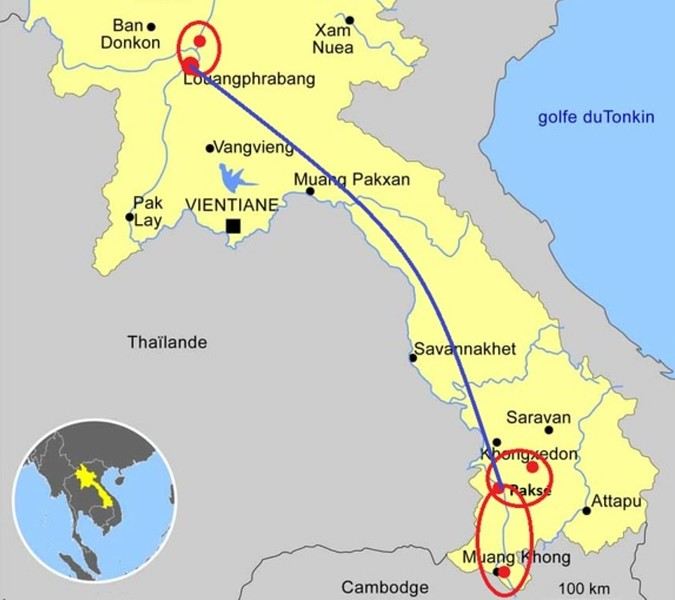
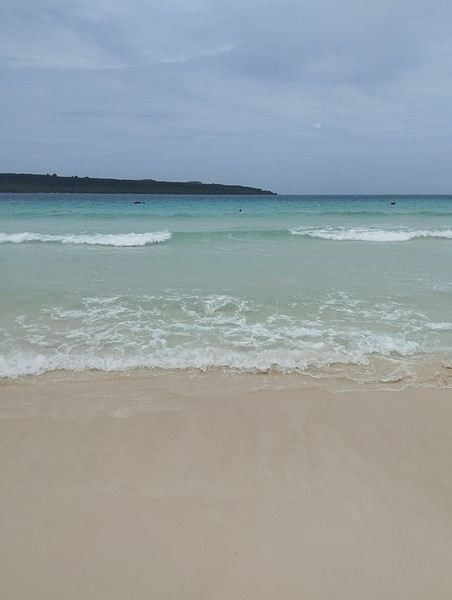
 (In the heart of Albergheria, on a street every visitor walks down—lovely message from an unidentified artist)
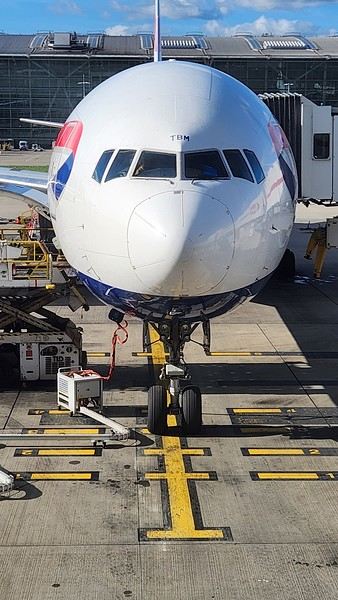


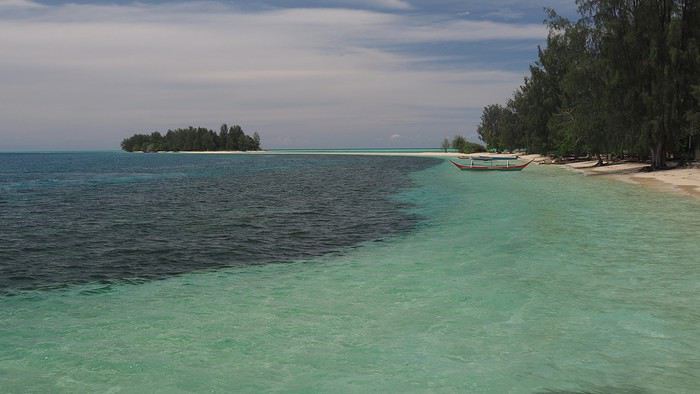
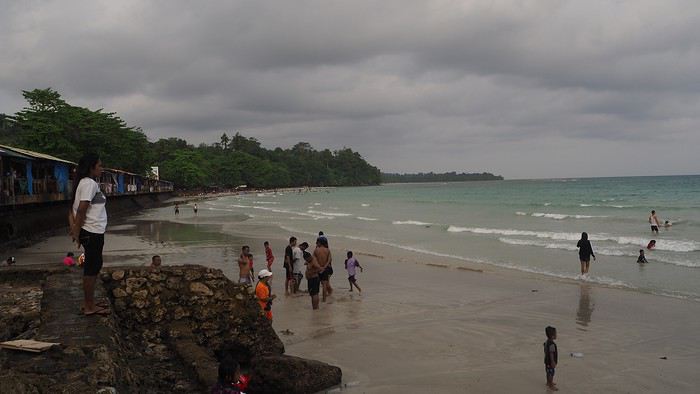
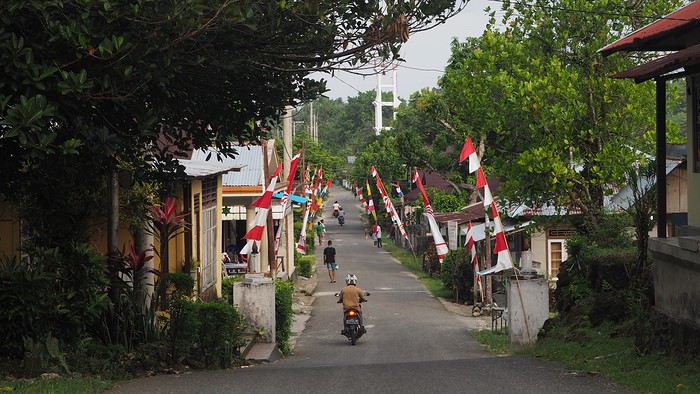
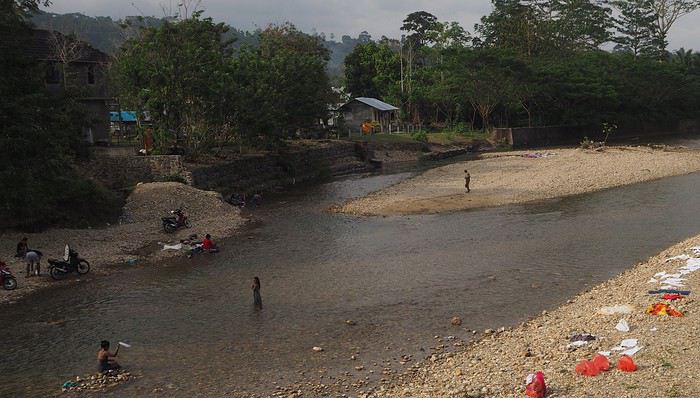 Laundry and trucks washed in the same stream.
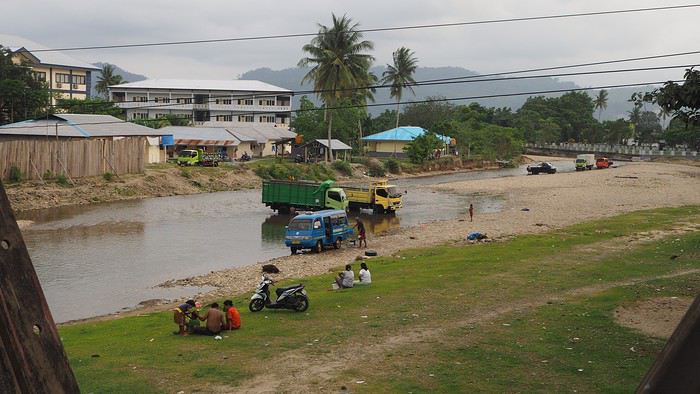
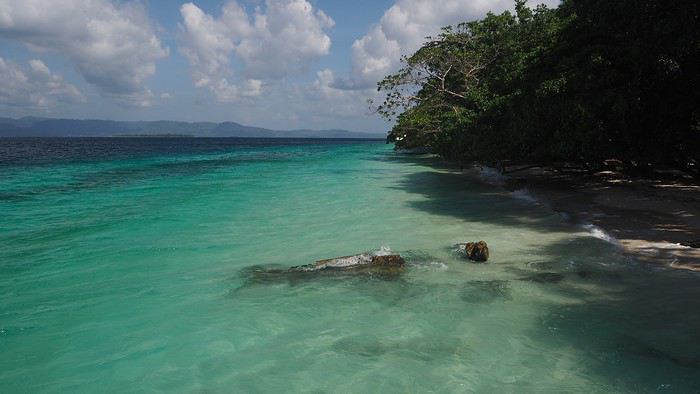
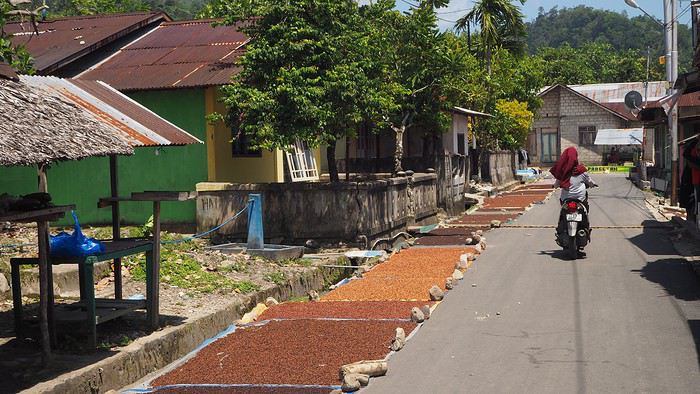
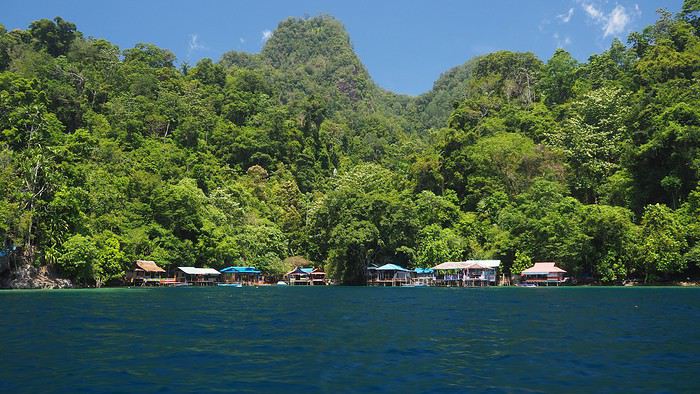 We’re greeted dozens of times with “Hello Mister”—a daily routine in the Moluccas. Every time we stop, we pose for photos to be saved on locals’ smartphones. They don’t see tourists often.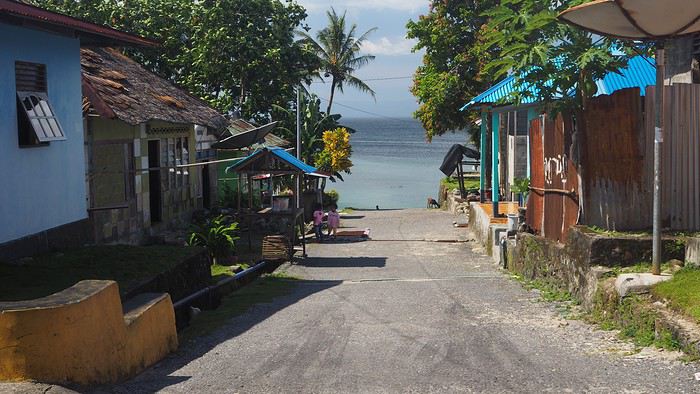
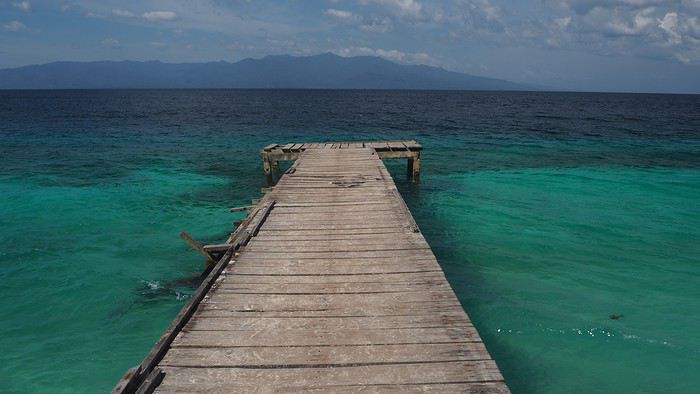
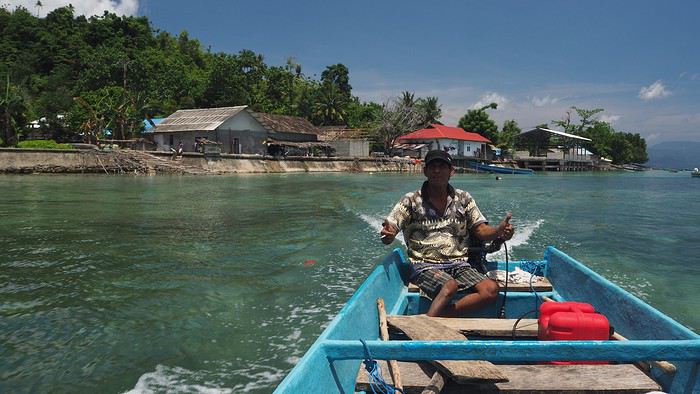
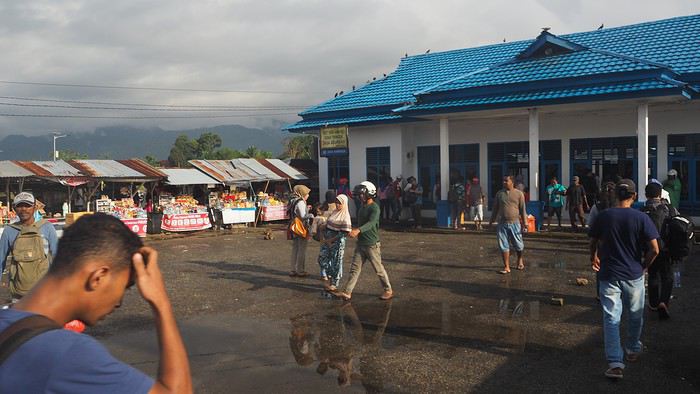
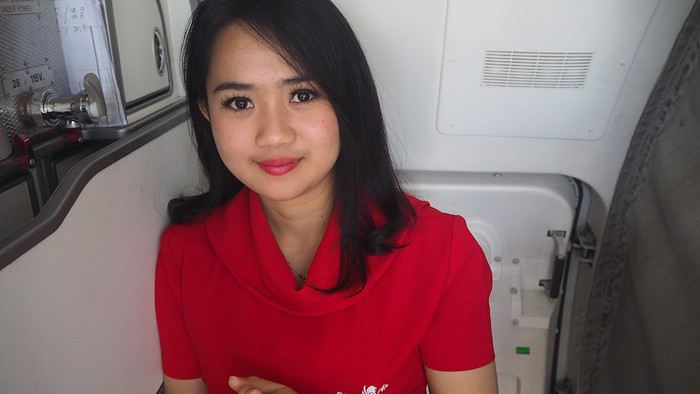



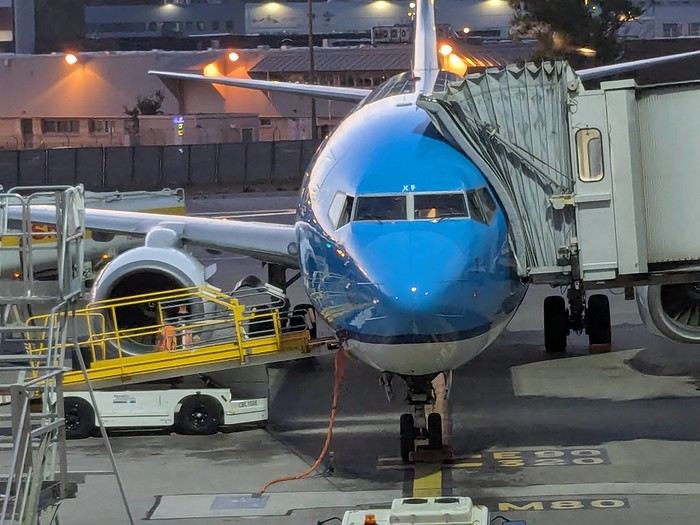

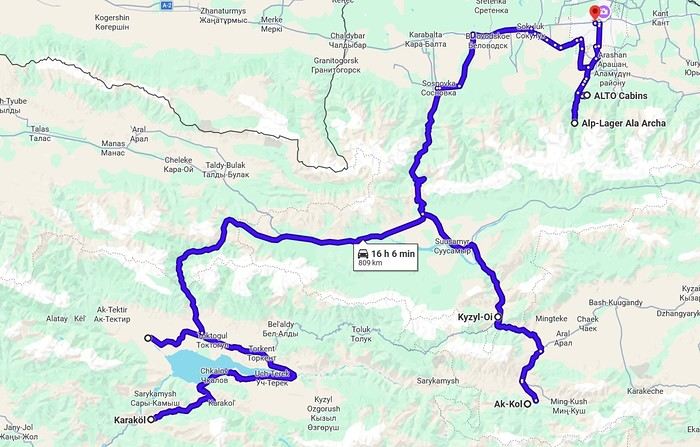

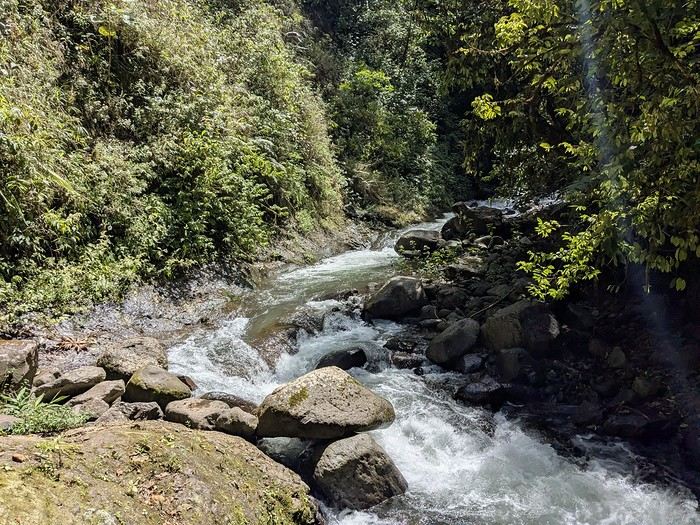
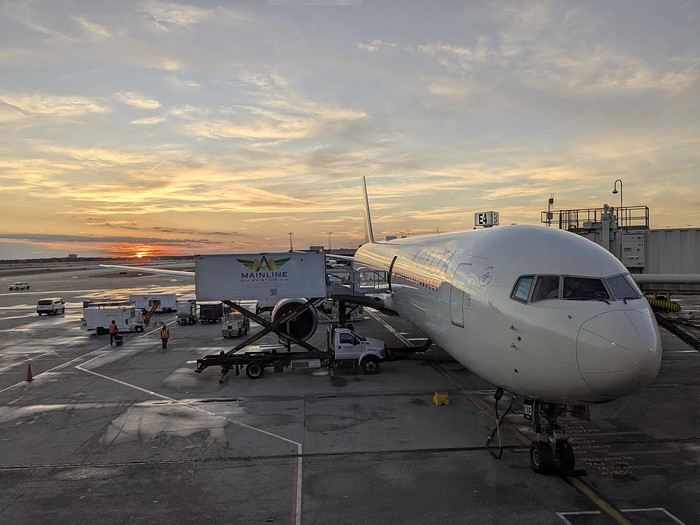
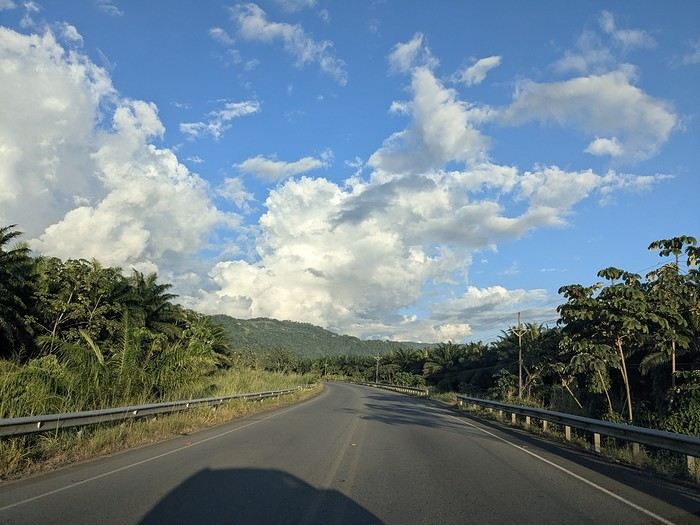
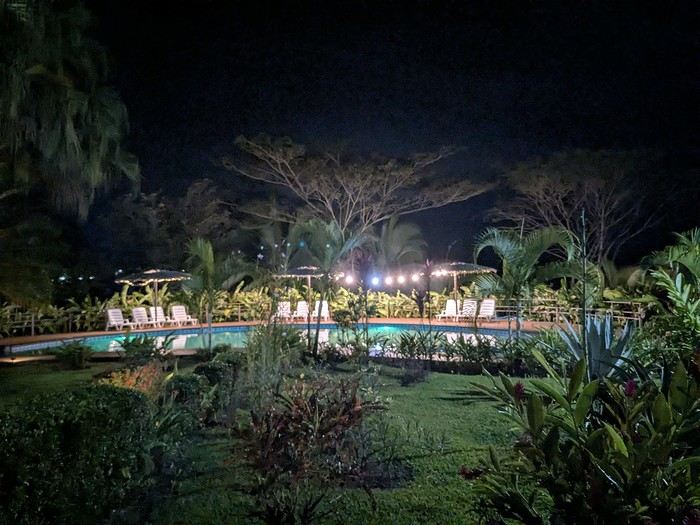
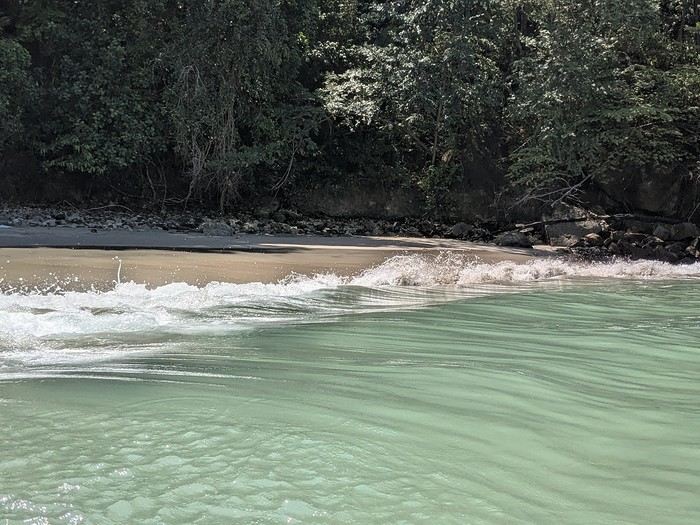
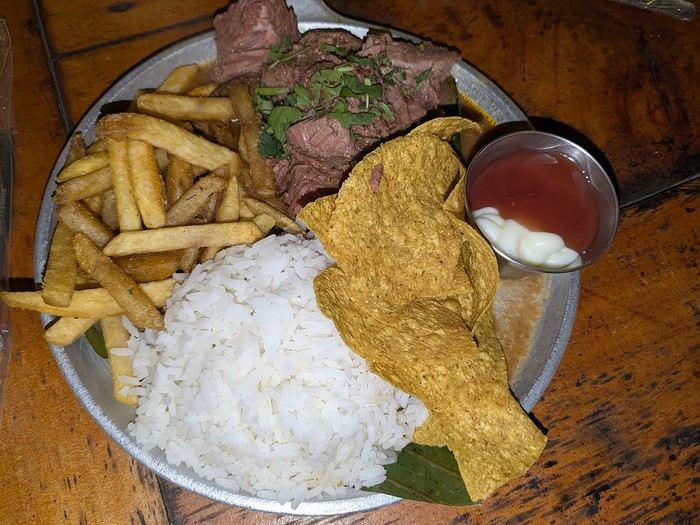
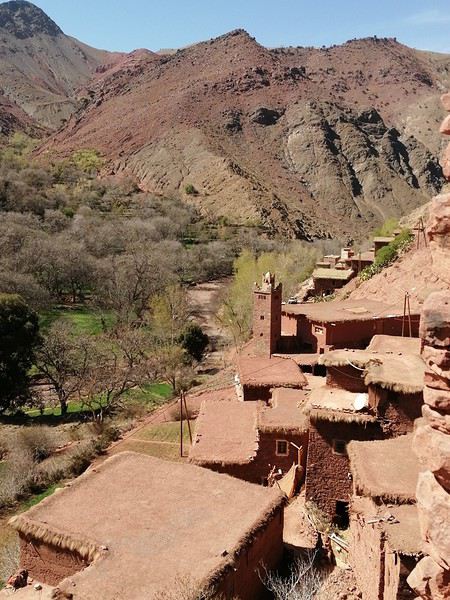
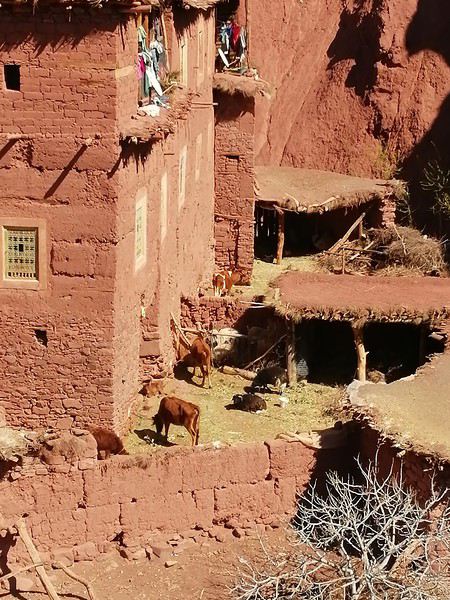
 Several magnificent collective granaries have been beautifully restored. The warm colors of the stone capture the light wonderfully. It’s stunning!

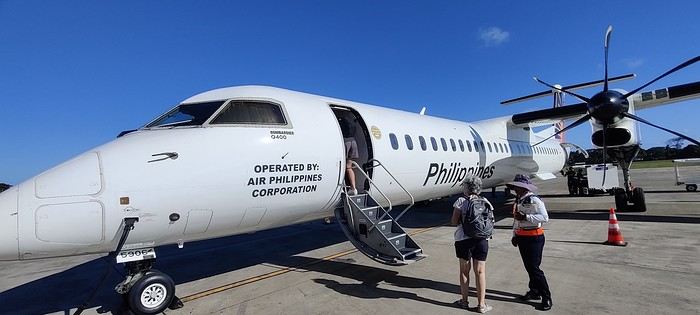
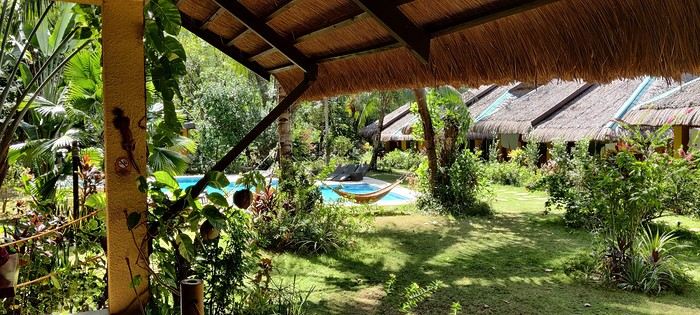
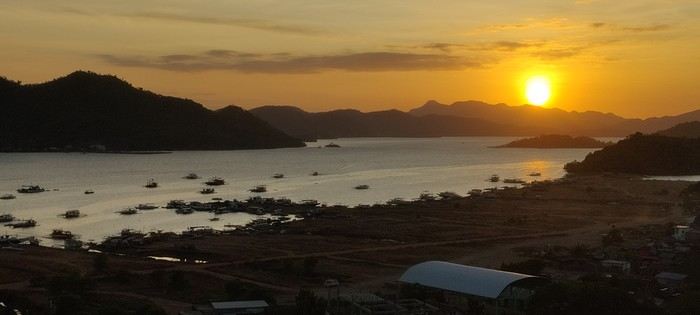
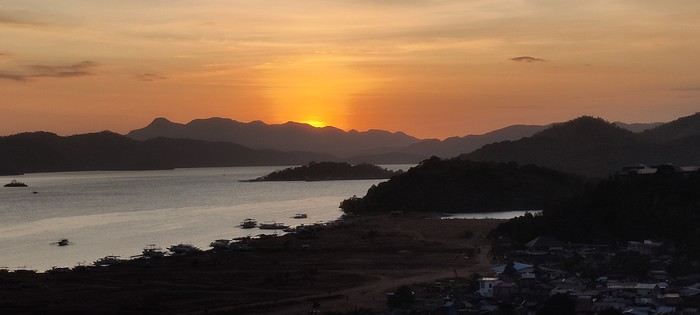

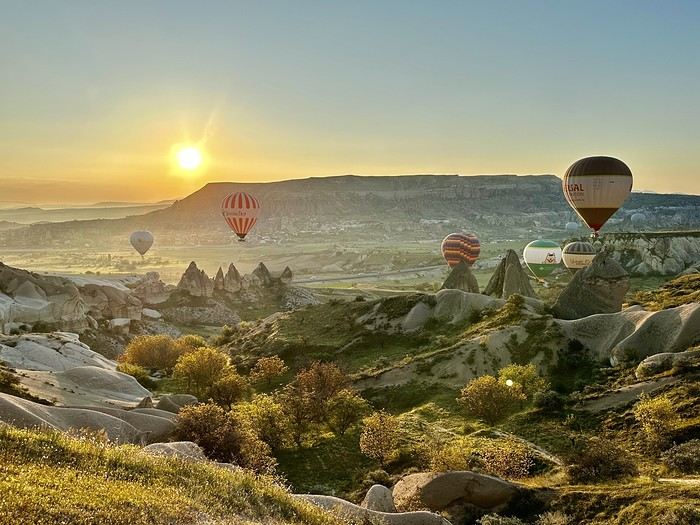 A little sneak peek?