bonjour COCHIZE et cheechako
Merci pour vos appréciations concernant les ours et la fascination qu'ont les humains pour ces animaux.
Je suis d'accord avec vous, d'autant plus que vous êtes de vrais connaisseurs.
Mais cela ne date pas de Walt Disney et du gentil nounour. Voir par exemple, dans mon carnet de voyage ma logeuse d'Anchorage, tout dans la vie de sa famille ou de ses ancètres tourne autour de l'ours, et depuis très longtemps ; et s'ils en ont tués beaucoup (trop), je suis sûr qu'ils les vénèrent.
C'est l'animal le plus puissant de la forêt, tout comme le lion est l'animal le plus puissant de la jungle. A ce titre, l'un et l'autre sont vénérés et craints à la fois, mais leur spectacle est le plus recherché et apprécié par tout touriste.
Mais c'est vrai que dans ses comportements, l'ours a un coté humain (à moins que ce soit l'homme qui ait un coté ours 😉). Je n'en veux pour preuve que leur expression du visage. Ils savent montrer le plaisir, la déception, la colère, la satisfaction (on peut aussi dire la même chose d'autres animaux évolués, tels les chiens, chats, dauphins, baleines, et même parfois requins).
Je me souviens dans le temps avoir examiné en détail leur expression à Hyder, lorsqu'ils pêchaient le saumon devant des touristes. Quelle déception à chaque échec, ils en étaient visiblement honteux, baissant la tête et fuyant le regard des spectateurs. Mais quel plaisir aprés un succés, ils regardaient les humains d'un air enjoué et complice avec des yeux pétillants ; et avant de fuir pour manger leur proie, ils tenaient à nous exprimer leur contentement.
Cela ajoute à l'intéret et à la fascination que nous leur portons. Et finalement, à condition de ne pas faire n'importe quoi et de prendre les précautions necessaires, ils demeurent (relativement) accessibles par les humains qui, tout en les respectant, peuvent les approcher (voir mon carnet de voyage).
Mais même si cette fascination est un peu enfantine, j'assume d'être resté un grand enfant.
=+=+=+=+=+=+=+=+=+=+=+=+=+=+=+=+=+=+=+=+=+=+=+
une immersion dans le Pacific NORTHWEST, la dernière frontière... (avec le Nord tout court) du continent sous diverses facettes...en touchant à son authenticité, sa rudesse, sa leçon de vie …. un 'pays d'hommes'
Je le ressens exactement comme toi. Et c'est un pays tellement attachant !
Bien amicalement à tous les deux.


 tout près de moi,
 mon voisin l'ours.

 (la photo est floue, mais cela va si vite)


 le M/V Columbia


 baies sauvages


 Bella Bella dans la brume
 … parfois, ce brouillard laisse entrevoir un magnifique navire de croisière filant vers l'Alaska.

 si si, on voit (avec beaucoup d'imagination c'est vrai) quelque chose à l'extrême droite de la photo.












For those planning a trip to Kerala, here’s a quick, practical summary.
For the most part: the stunning landscapes, the natural kindness of the locals, their cuisine, and their culture—you’ll get to enjoy all of that once you’re there...
Flight (arrival and departure to/from Cochin)
Avoid Air India and opt for flights via the Middle East: Saudi Arabia, Qatar, United Arab Emirates, Oman, etc.
Price: between 500 € and 600 €
Accommodations
Average price: 20 € per night for a couple (max: 40 €, min: 10 €, often including breakfast), via the usual booking sites.
Homestays (staying in the owner’s house) are of a higher standard.
Only 2 nights were spent in questionable cleanliness. The rest were good, even very good, or even *very* very good.
Car with Driver
All-inclusive daily price: tolls, fuel, driver’s lodging and meals... and of course, we often shared our meals with our driver too.
Toyota sedan (e.g., Corolla) for 4 travelers (1 in front, 3 in the back): 50 € / day,
Toyota SUV (e.g., Innova) for up to 6 travelers: 60 € / day
DM me if you’d like more details.
Overall budget (excluding flights and shopping) Around 1500 € for 1 couple for the 3 weeks... in "2-couple mode"! (i.e., sharing the driver’s cost). Itinerary
Night 1: Arrival in Cochin in the morning, departure for Attirappily Beautiful waterfalls
Night 2: Thrissur Via Vallachira, not much tourist interest, a stop to ease into the trip and shorten the journey to Wayanad
Nights 3, 4, 5: Wayanad, staying in Sultan Battery Coffee and tea plantations, dam lake, URAVU (bamboo craft workshop), ...
Night 6: Ooty Botanical garden, then a really fun tourist train the next afternoon to Metupalaiyam
Night 7: Toward Coimbatore
Nights 8, 9, 10: Munnar City visit, stunning tea plantations
Nights 11, 12: Thekkady/Kumilly Amazing tea plantations, sightseeing, Jeep ride, not-so-interesting boat tour on Periyar Lake, trekking options
Night 13: Marari Beach (near Alleppey) 4-hour backwaters tour, then beach (swimming, dinner)
Nights 14, 15, 16: Munroe Island Super chill, walks around the island (small coir rope factory), sunrise by boat or canoe, sunset
Night 17: Varkala Gorgeous beaches, shopping
Night 18: Trivandrum City center visit, then train back to Cochin the next day in 3 hours.
Night 19: Cochin Fort Kochi is a lovely way to wrap up the trip
Have a great trip in this incredible region, so unique in India!
Overall budget (excluding flights and shopping) Around 1500 € for 1 couple for the 3 weeks... in "2-couple mode"! (i.e., sharing the driver’s cost). Itinerary
Night 1: Arrival in Cochin in the morning, departure for Attirappily Beautiful waterfalls
Night 2: Thrissur Via Vallachira, not much tourist interest, a stop to ease into the trip and shorten the journey to Wayanad
Nights 3, 4, 5: Wayanad, staying in Sultan Battery Coffee and tea plantations, dam lake, URAVU (bamboo craft workshop), ...
Night 6: Ooty Botanical garden, then a really fun tourist train the next afternoon to Metupalaiyam
Night 7: Toward Coimbatore
Nights 8, 9, 10: Munnar City visit, stunning tea plantations
Nights 11, 12: Thekkady/Kumilly Amazing tea plantations, sightseeing, Jeep ride, not-so-interesting boat tour on Periyar Lake, trekking options
Night 13: Marari Beach (near Alleppey) 4-hour backwaters tour, then beach (swimming, dinner)
Nights 14, 15, 16: Munroe Island Super chill, walks around the island (small coir rope factory), sunrise by boat or canoe, sunset
Night 17: Varkala Gorgeous beaches, shopping
Night 18: Trivandrum City center visit, then train back to Cochin the next day in 3 hours.
Night 19: Cochin Fort Kochi is a lovely way to wrap up the trip
Have a great trip in this incredible region, so unique in India!





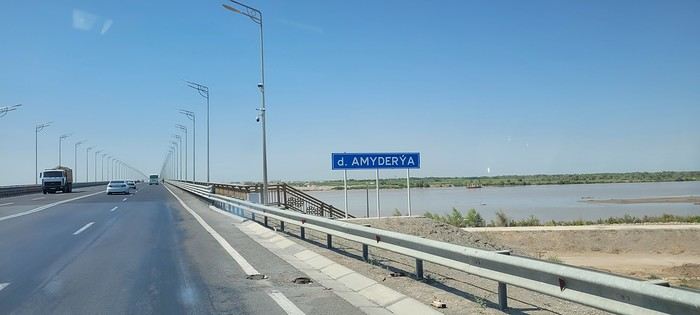
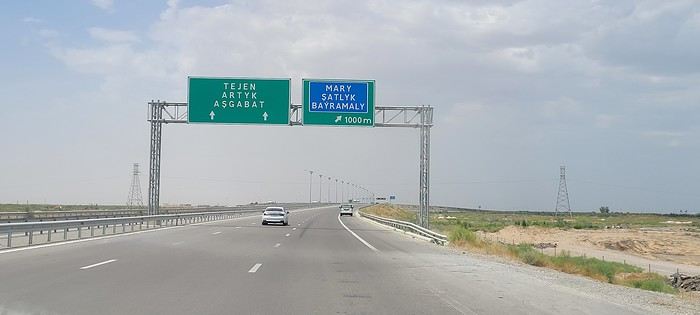
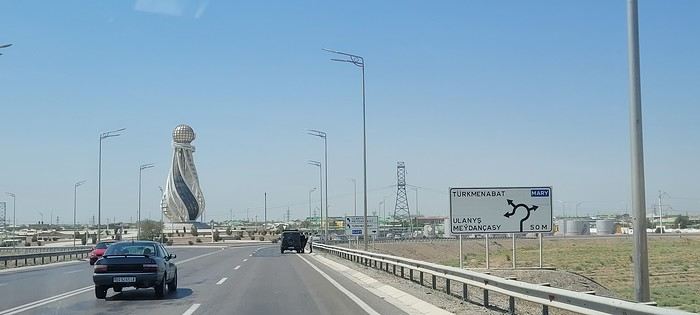
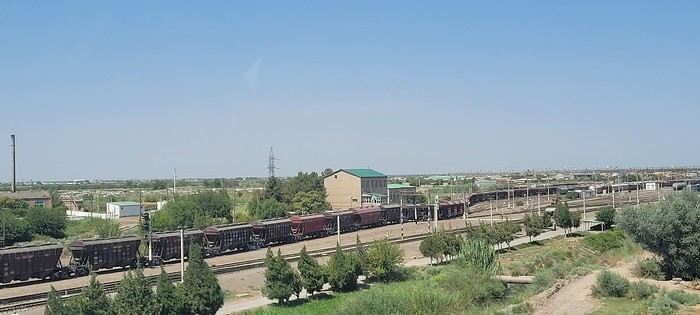
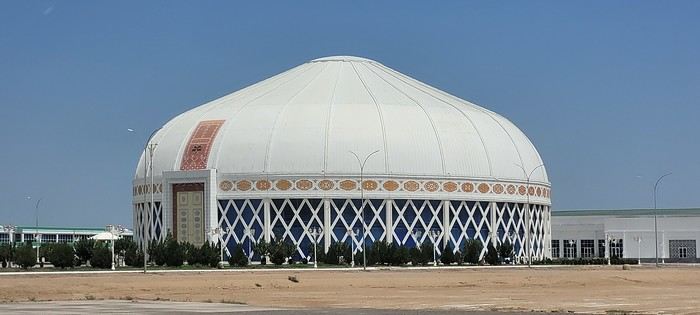
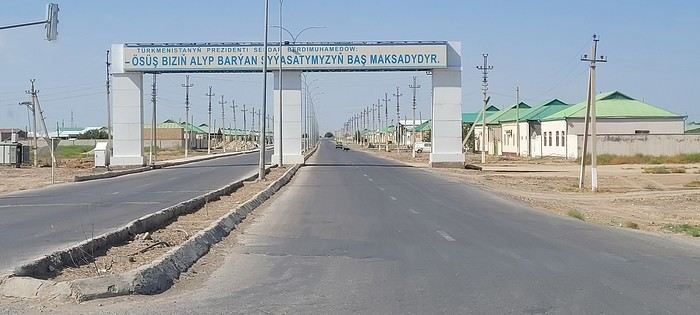
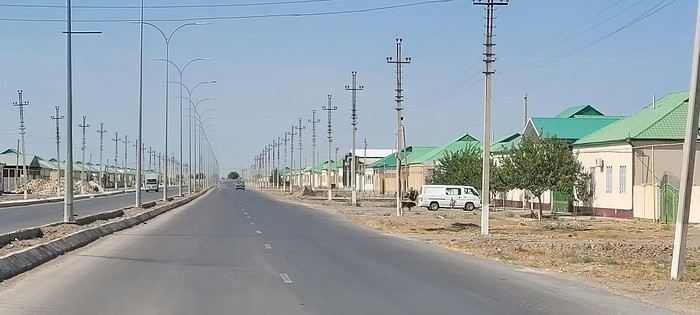 Roundabouts are particularly interesting because they feature emblems of Turkmen culture, like the dog, a carpet, the Ahal Teke horse, or Muslim symbols, even though the presence of Islamic artifacts is quite limited.

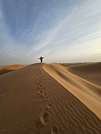
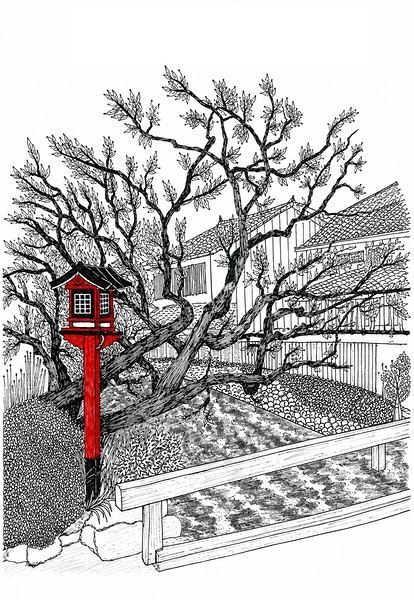 I’m inviting you on a stroll through my drawings—a completely subjective, far from exhaustive, and totally personal take, since it’s based on my own sketches. I put this travel journal together after returning in late 2024, mostly using felt-tip pens and pencils, with a few collages thrown in. I worked from our personal photos.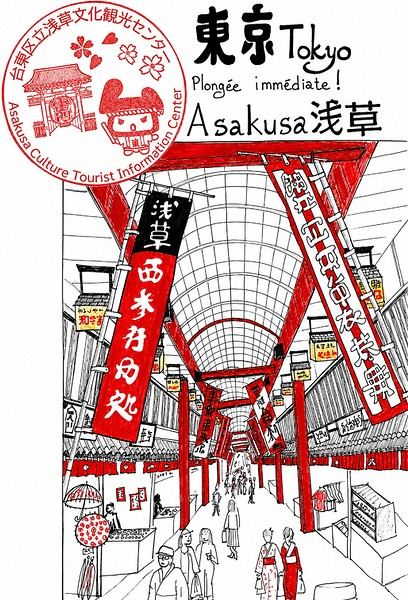
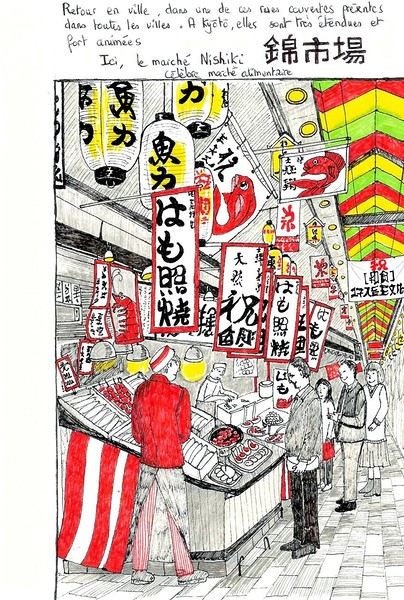
 And in Kyoto, Nishiki Market:
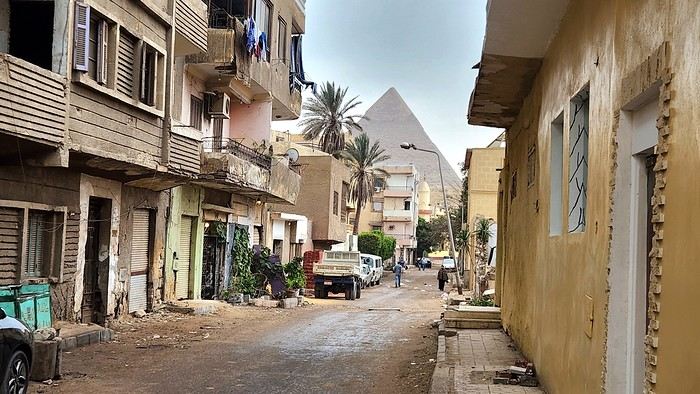
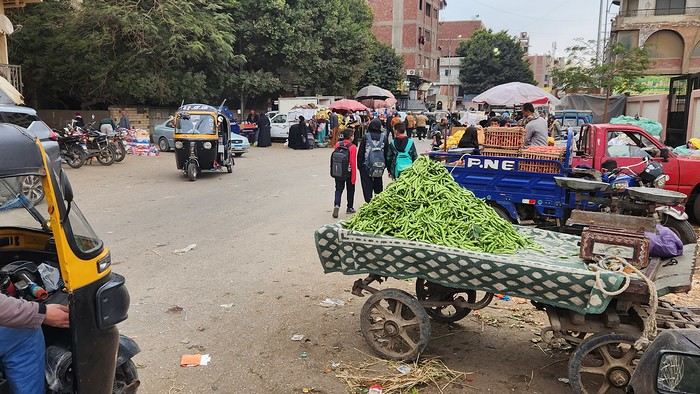
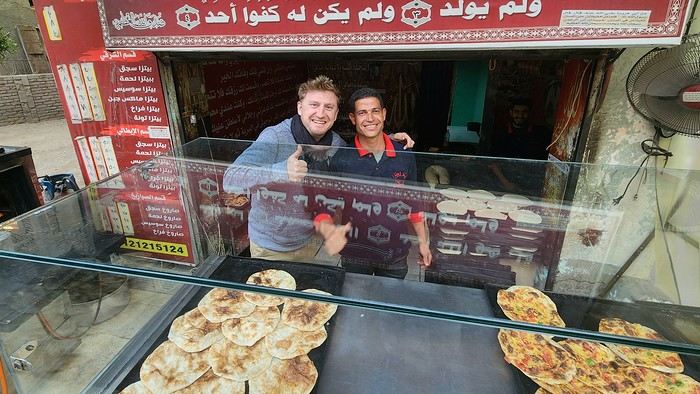
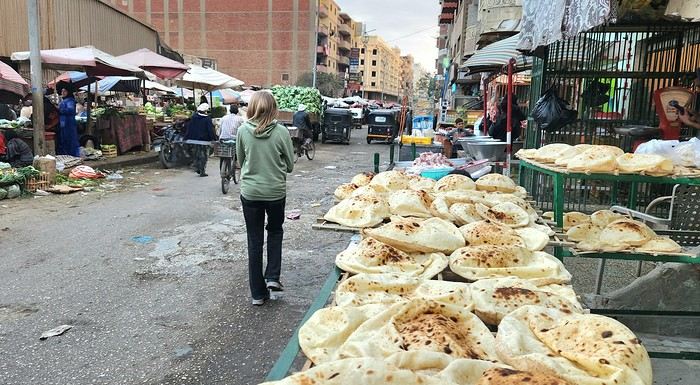
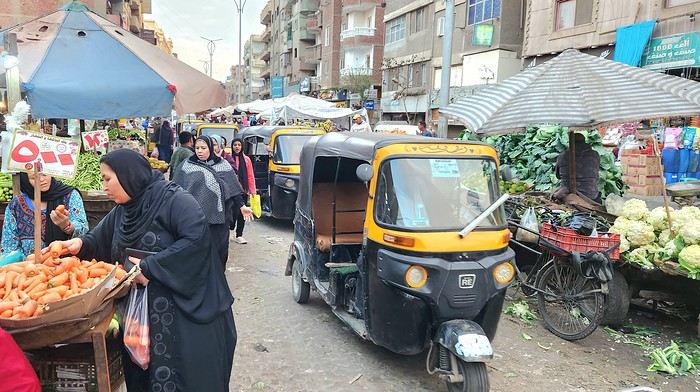

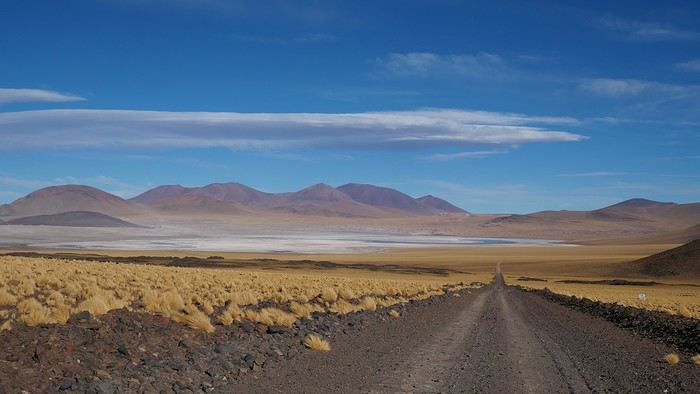
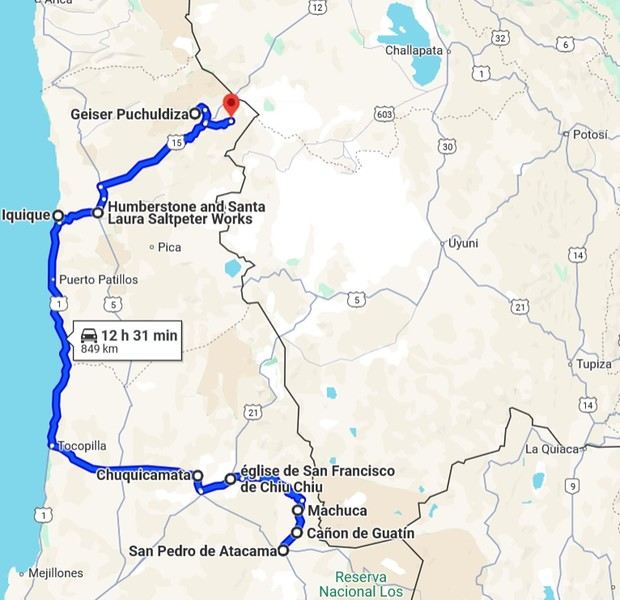
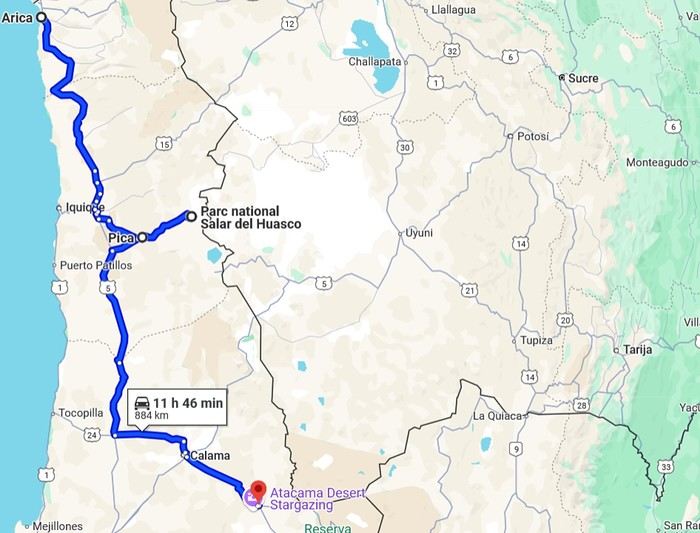 2- Around San Pedro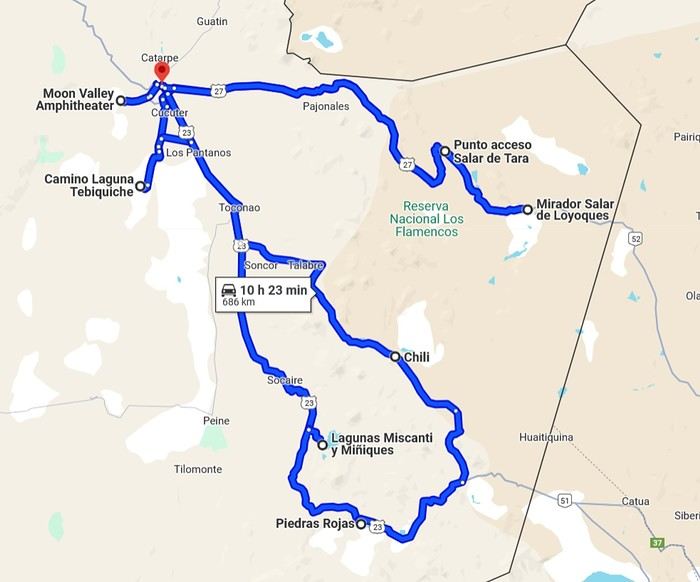
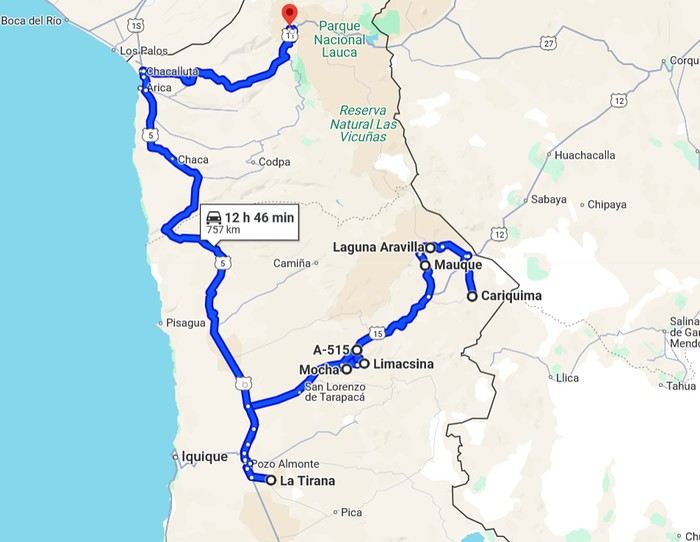
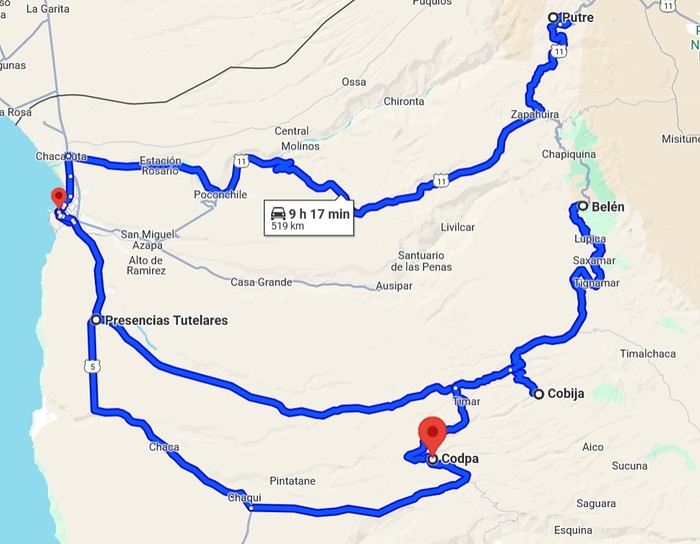


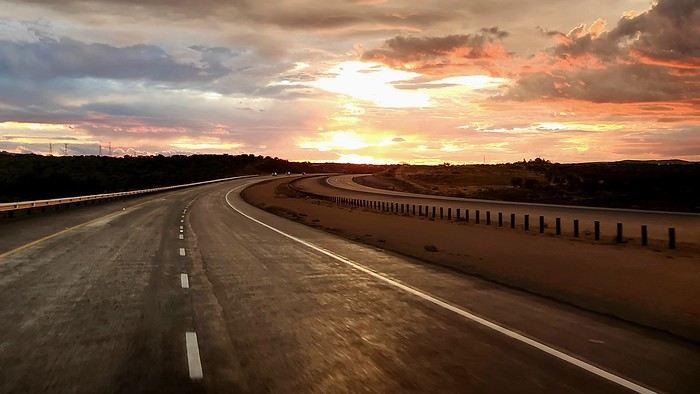
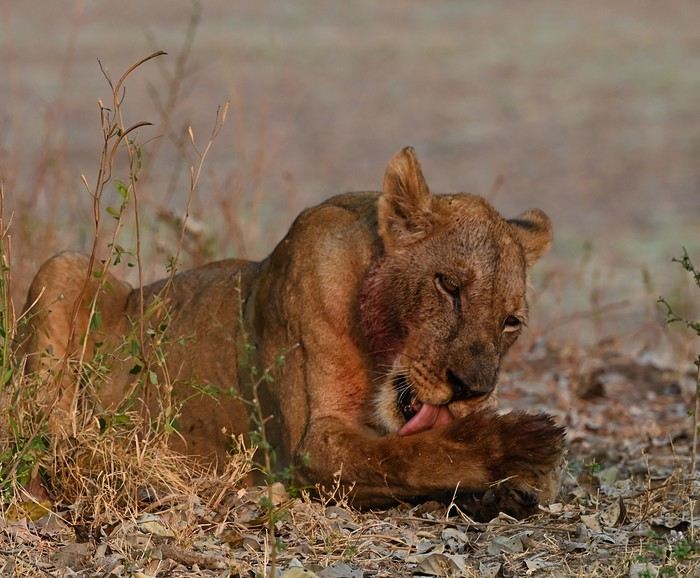

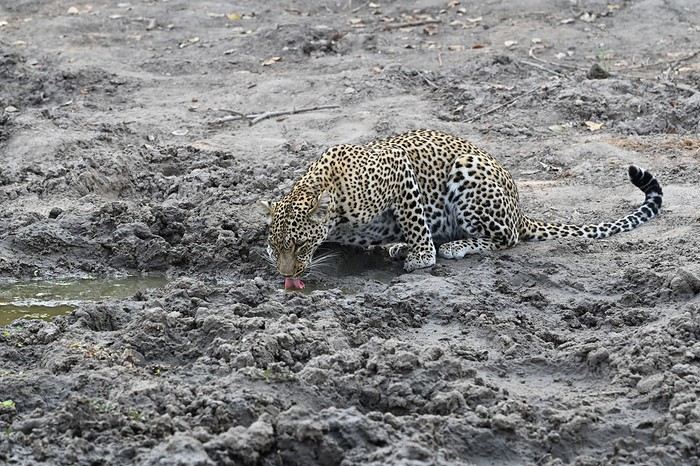
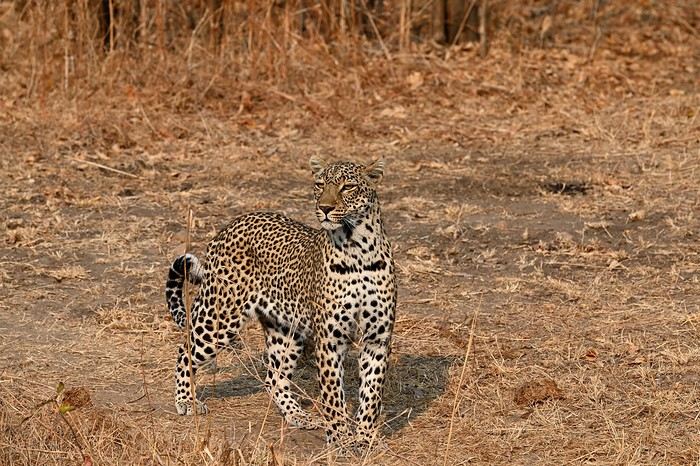
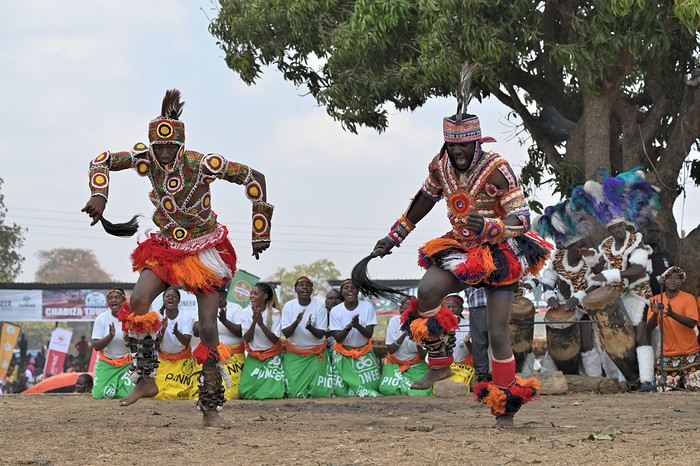
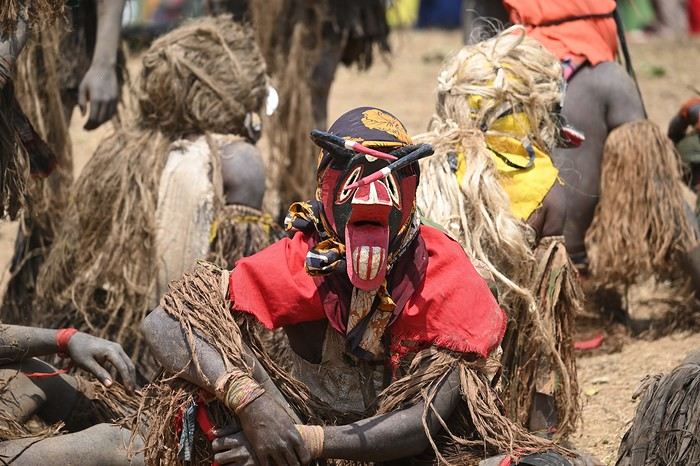
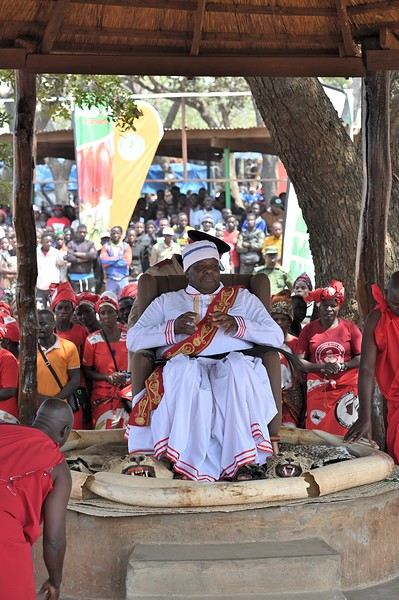
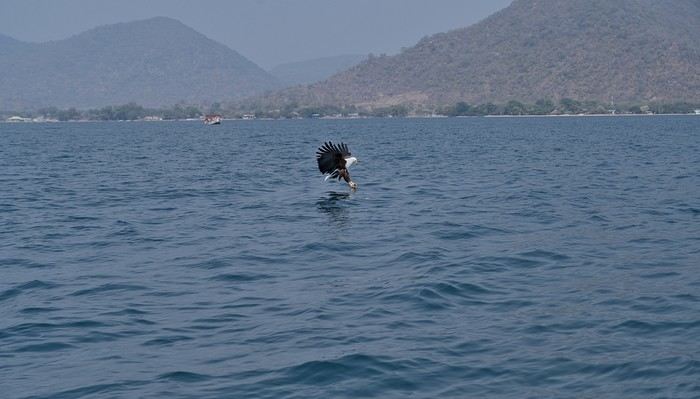
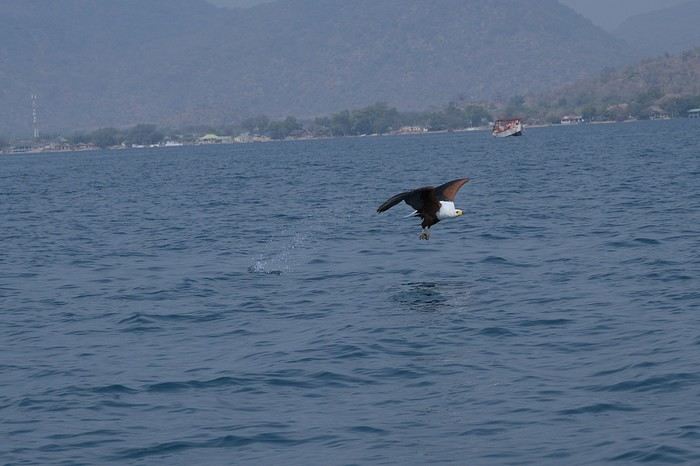
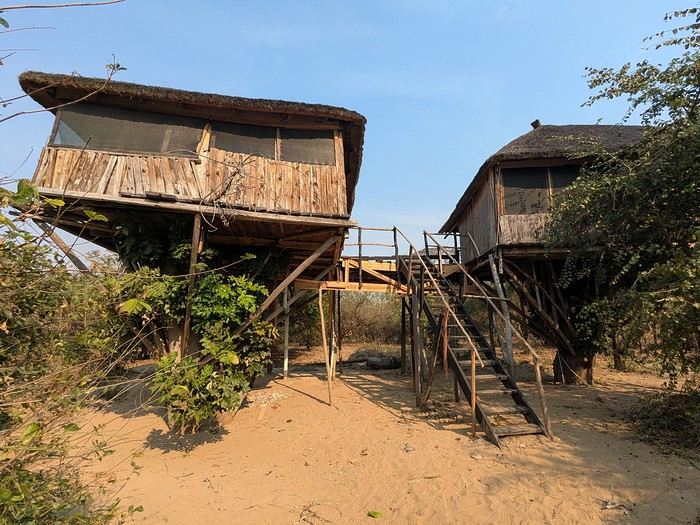
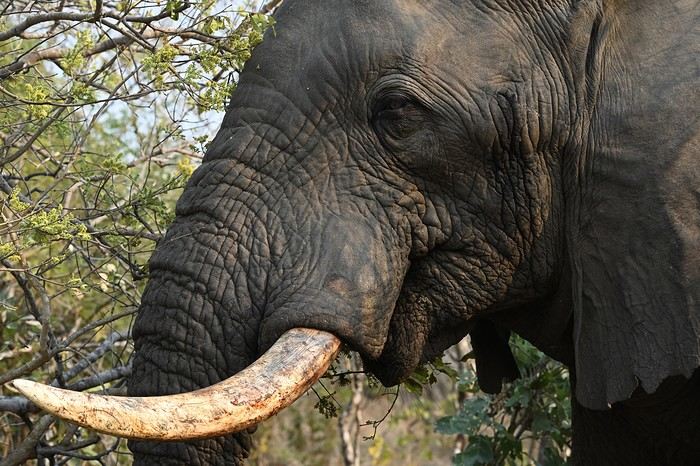 We were trapped, and even our guide looked nervous. After what felt like an eternity (though it was only a few minutes), the herd finally moved on, freeing the track. That afternoon, we did a self-drive safari and—you guessed it—we had zero interest in running into elephants again.
The next day, we headed back to Lilongwe for our flight home. It was a fantastic, varied trip with some intense moments (sometimes *too* intense). Malawi offers amazing opportunities for those who want more than just wildlife reserves.
We were trapped, and even our guide looked nervous. After what felt like an eternity (though it was only a few minutes), the herd finally moved on, freeing the track. That afternoon, we did a self-drive safari and—you guessed it—we had zero interest in running into elephants again.
The next day, we headed back to Lilongwe for our flight home. It was a fantastic, varied trip with some intense moments (sometimes *too* intense). Malawi offers amazing opportunities for those who want more than just wildlife reserves.

 Vila beach
 Sunset behind Santiago
 The rocks and sea at Ponta Preta
 At the summit of Monte Batalha
 Calheta
 Calheta de Baixo
 The beaches just keep coming...
 The dunes
 The 3 coconut trees, a landmark to find the track
 Boca da Ribeira beach
 The hills on our right
 Ribeira Dom João
 Barreiro
 The old track
 The church in Vila do Maio
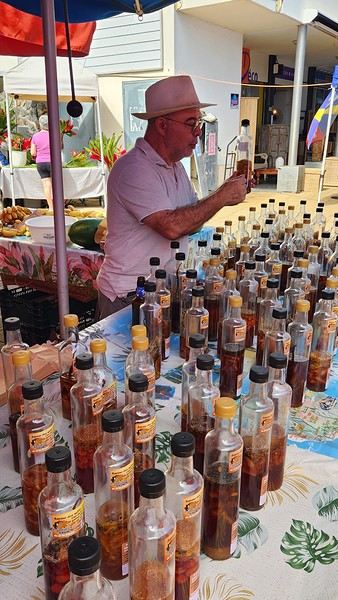
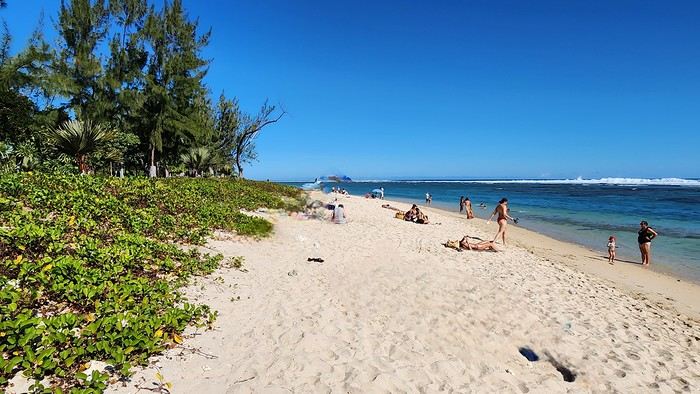
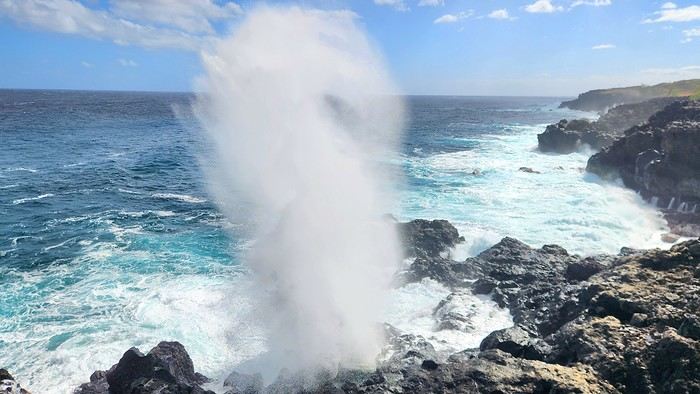
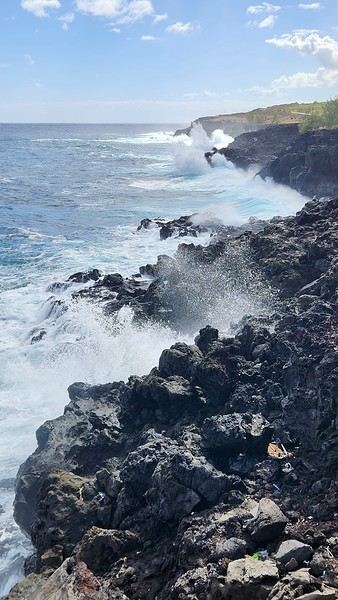
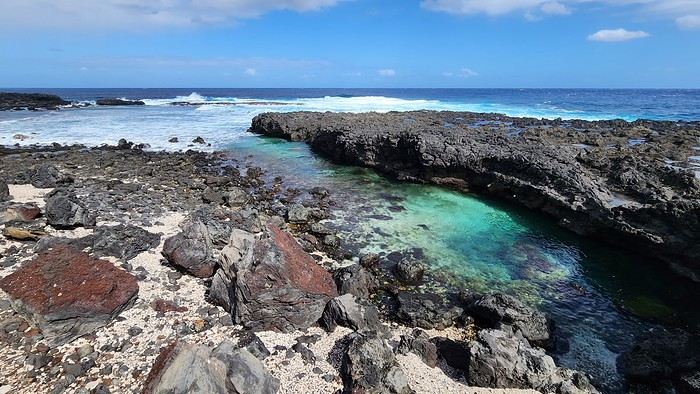
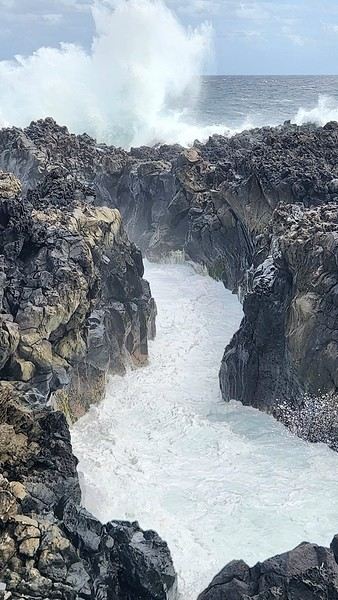

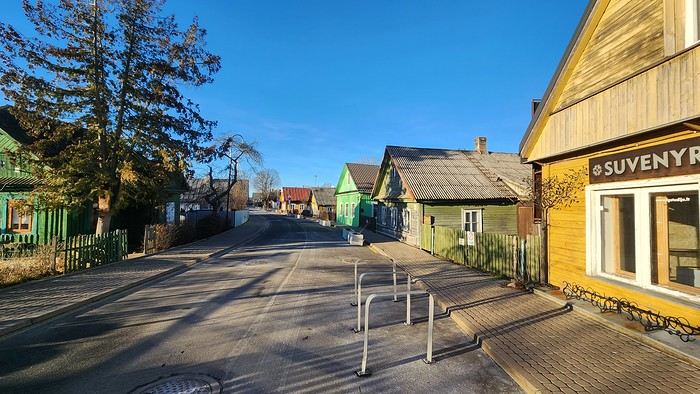
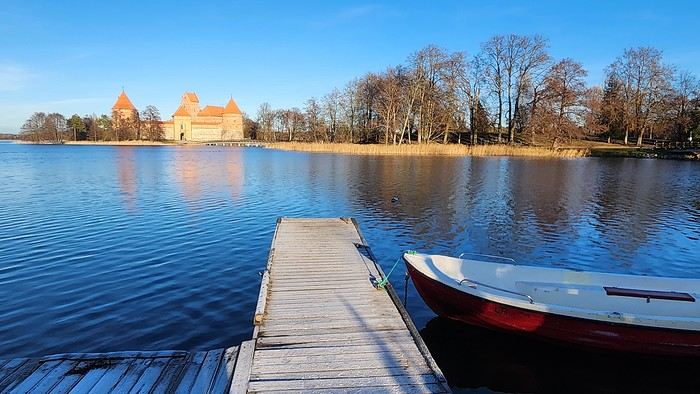
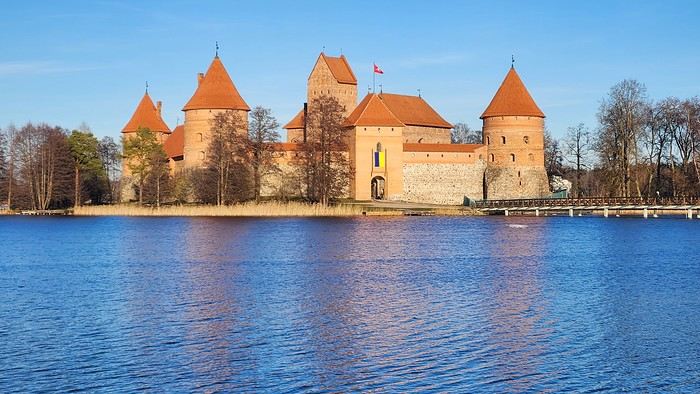
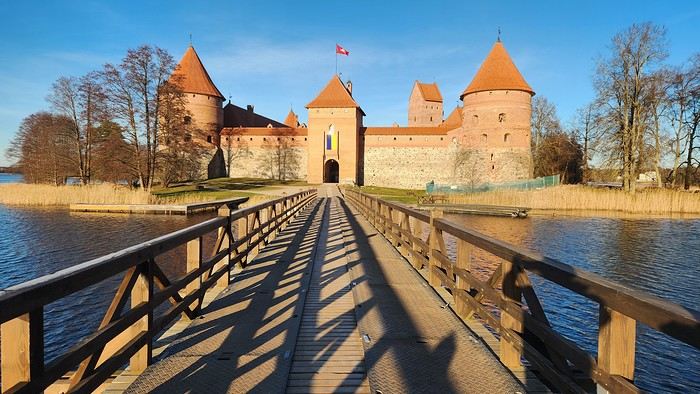
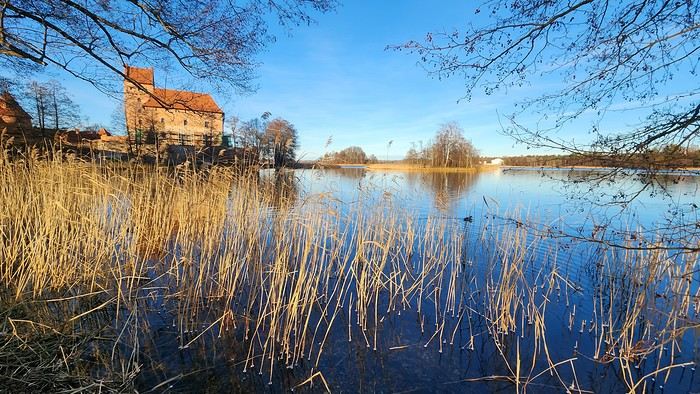
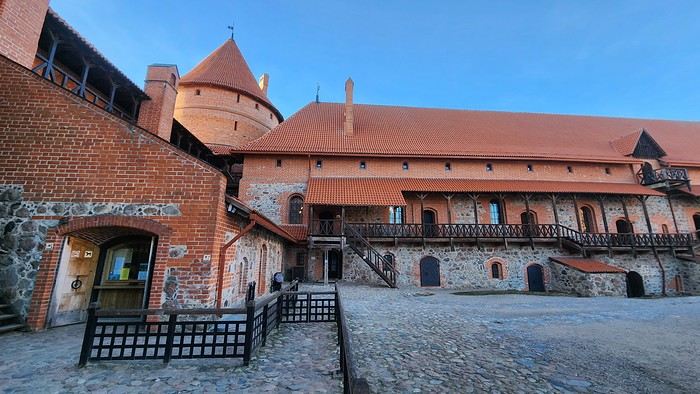
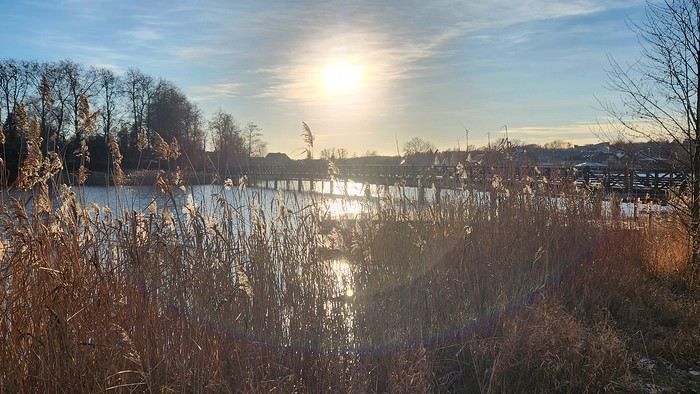
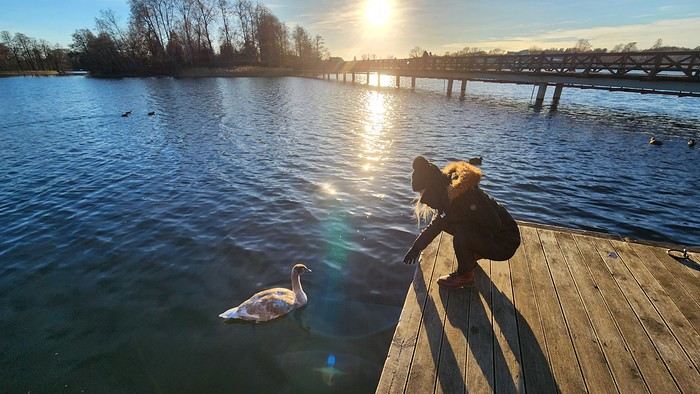
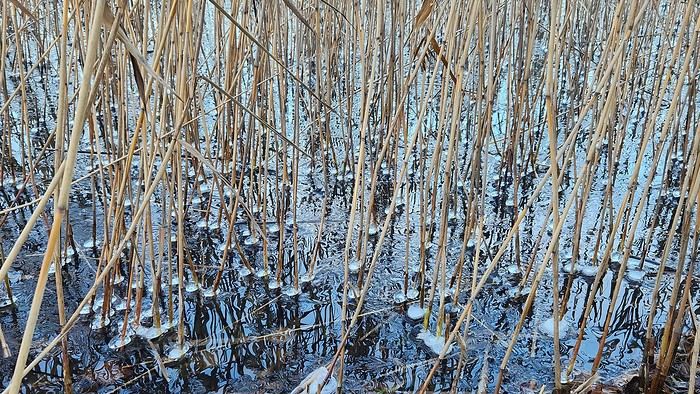

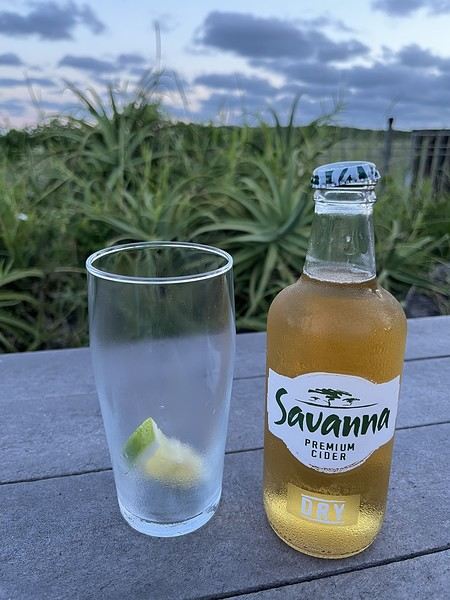
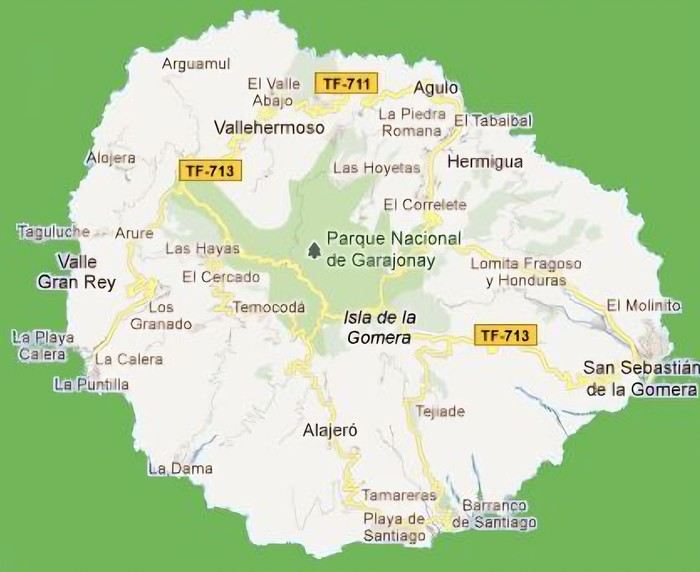 The large solidified magma massifs that shape the heart of the island have created a large depression more protected from the sun at its center, allowing the growth of a vast laurel forest, today grouped within the Garajonay National Park, La Gomera’s green lung, which has earned it the status of a World Biosphere Reserve. Its completely European appearance contrasts sharply with the rocky and tropical landscapes of the rest of the island. Thus, the climate varies greatly from one point to another on the island: in summer, you can quickly go from a dry and sunny valley at 35°C to a humid forest area at altitude at 18°C.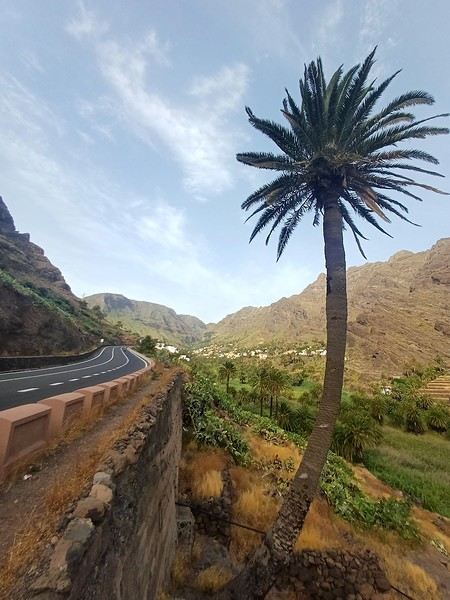
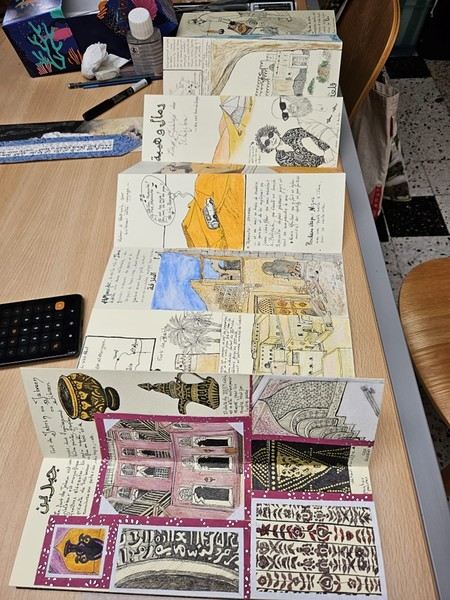
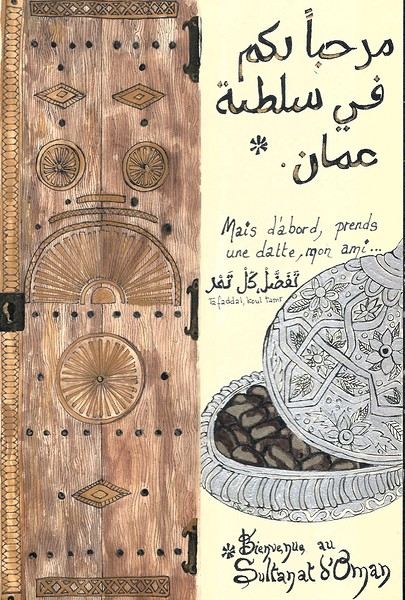 On the right, the "welcome marker"—those dates offered everywhere as a sign of hospitality. On the left, a tribute to those stunning doors worn by time, admired all over the old quarters, including the abandoned ones.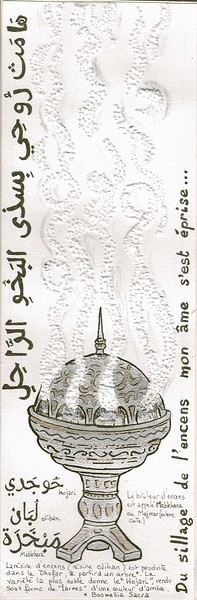
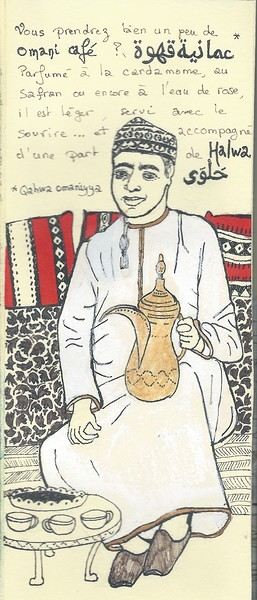 Hospitality will often lead you to accept a small coffee, an "Omani coffee," very light, subtly flavored with cardamom, maybe a touch of saffron, and occasionally rosewater.
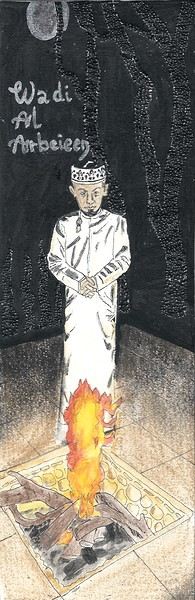
Here, I’ve depicted a man in the common everyday attire of Omanis: the dishdasha, mostly white (during the week and daytime; colors are more common in the evening or on Fridays and Saturdays). While you’ll see some men dressed in Western clothes, they’re very few. The white dishdasha is truly the shared attire of all men. The dishdasha, which has no hood, is distinguished by a small pom-pom attached to the collar, the furakha, which is soaked in perfume. And believe me, Omanis go overboard with it! "It smells like the pom-pom" is an expression that’s now part of our shared language, my husband and I.
Another must of men’s attire is the kuma, a small round head covering, usually white with brightly colored patterns. The keffiyeh is also worn (but without the cord called an agal in Arab countries), and it’s mostly worn by those with roots in the desert, from what I understood.
And what about the women, you might ask? Some are veiled, some in full black (but not a burka—more like a chador + abaya), due to the influence of Saudi Arabia and the United Arab Emirates, whereas the traditional outfit used to be a layering of very colorful dresses. Most of the women we saw wore neutral clothing, a plain veil over their hair, but with their faces uncovered. We also saw many saris and colorful veils—don’t forget that 40% of the population consists of Indian, Nepalese, and Bangladeshi immigrants, who work a lot in tourism, hospitality, restaurants, services, and construction.
Just to clarify, as a tourist, there’s no pressure to wear a veil, and never any disapproving looks. Of course, you’ll save the mini shorts, plunging necklines, bare shoulders, and midriffs for the hotel terrace—but I’d say that’s the same for men and women, and with the sun being strong, it’s better for your skin too.
Here’s the introduction! In the next post, I’ll tell you about my itinerary, and we can dive in!
Hospitality will often lead you to accept a small coffee, an "Omani coffee," very light, subtly flavored with cardamom, maybe a touch of saffron, and occasionally rosewater.
Here, I’ve depicted a man in the common everyday attire of Omanis: the dishdasha, mostly white (during the week and daytime; colors are more common in the evening or on Fridays and Saturdays). While you’ll see some men dressed in Western clothes, they’re very few. The white dishdasha is truly the shared attire of all men. The dishdasha, which has no hood, is distinguished by a small pom-pom attached to the collar, the furakha, which is soaked in perfume. And believe me, Omanis go overboard with it! "It smells like the pom-pom" is an expression that’s now part of our shared language, my husband and I.
Another must of men’s attire is the kuma, a small round head covering, usually white with brightly colored patterns. The keffiyeh is also worn (but without the cord called an agal in Arab countries), and it’s mostly worn by those with roots in the desert, from what I understood.
And what about the women, you might ask? Some are veiled, some in full black (but not a burka—more like a chador + abaya), due to the influence of Saudi Arabia and the United Arab Emirates, whereas the traditional outfit used to be a layering of very colorful dresses. Most of the women we saw wore neutral clothing, a plain veil over their hair, but with their faces uncovered. We also saw many saris and colorful veils—don’t forget that 40% of the population consists of Indian, Nepalese, and Bangladeshi immigrants, who work a lot in tourism, hospitality, restaurants, services, and construction.
Just to clarify, as a tourist, there’s no pressure to wear a veil, and never any disapproving looks. Of course, you’ll save the mini shorts, plunging necklines, bare shoulders, and midriffs for the hotel terrace—but I’d say that’s the same for men and women, and with the sun being strong, it’s better for your skin too.
Here’s the introduction! In the next post, I’ll tell you about my itinerary, and we can dive in!