Bonjour à tous.
Voila on part à 2 amies 3 mois en Asie du sud est dès le 6 février
Tout d abord Thaïlande, Cambodge assez rapidement et ensuite on arrive au Vietnam par le delta du Mékong vers le 6 Mars.
J avais pensé faire ( vous pouvez me corriger si les étapes sont trop courtes ou trop longues)😂😘 :
-5 ou 6 jours dans ce delta ainsi que le sud
-Puis environ 10 jours dans le centre
-Et remonter environ 13 jours pour le nord
On y sera aux alentours du 20 Mars
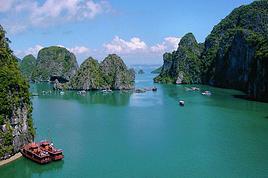
On souhaite bien sûr faire l excursion 1 nuit/2 jours dans la baie de Lan HA mais mon dilemme est pour le Nord..
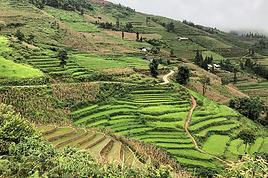
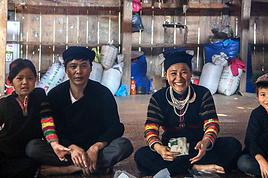
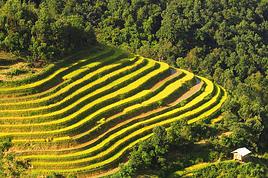
Nous souhaiterions voir des ethnies mais aussi si Possible des rizieres vertes..
Il y en a t il quelque part vers la fin Mars?
Si la réponse est négative vers quel coin se diriger pour les plus magnifiques vues à cette période de l année ?
Est il préférable d aller vers Sapa ou vers la province de Ha Giang
Merci infiniment de m avoir lu
Bonjour!
Nous envisageons de retourner au Vietnam fin janvier début février pour 15 jours.
Nous avons déjà vu la boucle du nord: Hanoï - Sapa - Baie d'Ha Long - Ninh Binh puis Hoï An.
Nous voulons retourner à Hanoï, passer plus de temps à Ninh Binh puis découvrir Hue et retourner quelques heures à Hoï An car le temps sera peut-être meilleur à cette époque.
Pourquoi pas continuer à descendre jusqu'à HCM pour rentrer en France.
Hate de vous lire
Nous voulons retourner à Hanoï, passer plus de temps à Ninh Binh puis découvrir Hue et retourner quelques heures à Hoï An car le temps sera peut-être meilleur à cette époque.
Pourquoi pas continuer à descendre jusqu'à HCM pour rentrer en France.
Hate de vous lire
Hello everyone,
We’re heading to Vietnam for 14 nights over the Christmas holidays as a family of four—I haven’t booked anything yet.
I’d love your insights on Halong Bay (or Lan Ha Bay).
We’re torn between going or not and spending an extra night in Ninh Binh (or somewhere else you’d recommend! Somewhere with a more picturesque vibe) given the late-December weather and cost (which agency do you recommend?). The upside might be that we’ll be there during the low season, so maybe fewer tourists? (Even though it’d be New Year’s Eve night.)
Here’s our itinerary:
Arrival in Ho Chi Minh City around 1 p.m.
2nd night in HCMC (no time for the Mekong Delta ☹️)
Flight to Da Nang
3 nights in Hoi An
Bus to Hue, 1 night in Hue
City visit, overnight train to Ninh Binh
2 or 3 nights in Ninh Binh?
Halong Bay or Lan Ha Bay?
2 nights in Hanoi
Departure
Thank you so much in advance for your invaluable tips!
Communiqué du Ministre des Affaires Étrangères, du Ministre de l’Intérieur et du Secrétaire d’État auprès de la Ministre de la transition écologique et solidaire, chargé des transports en date du 18 mars 2020.
https://vn.ambafrance.org/Communique-conjoint-de-M-Jean-Yves-Le-Drian-M-Christophe-Castaner-et-M-Jean https://vn.ambafrance.org/Annulation-de-vols-commerciaux
https://vn.ambafrance.org/Communique-conjoint-de-M-Jean-Yves-Le-Drian-M-Christophe-Castaner-et-M-Jean https://vn.ambafrance.org/Annulation-de-vols-commerciaux
Bonjour à tous
Couple de 60 ans dynamique, nous partons pour 2 semaines sur place. Après une trentaine de séjour en A.S.E. (surtout Thaïlande), on se retrouve avec les questions basiques qu'on se posait plus depuis longtemps. On va visiter pour cette premiere fois : Hanoi Cat Ba Ninh Binh Mai Chau
On va lentement parce qu'on préfère les ruelles aux avenues, les artisans au magasins, etc Bon pour le change, la nourriture etc ça va on a les réponses dans VF avec ses contributeurs mais : - Faut que je réserve tous les hotels ? on a toujours improvisé dans les autres pays (Sri Lanka, Malaisie, etc) - Faut réservers le bus ou on se pointe au départ ? Si je peux caser 2 jours de plus, une suggestion ?
Merci les ami(e)s
Couple de 60 ans dynamique, nous partons pour 2 semaines sur place. Après une trentaine de séjour en A.S.E. (surtout Thaïlande), on se retrouve avec les questions basiques qu'on se posait plus depuis longtemps. On va visiter pour cette premiere fois : Hanoi Cat Ba Ninh Binh Mai Chau
On va lentement parce qu'on préfère les ruelles aux avenues, les artisans au magasins, etc Bon pour le change, la nourriture etc ça va on a les réponses dans VF avec ses contributeurs mais : - Faut que je réserve tous les hotels ? on a toujours improvisé dans les autres pays (Sri Lanka, Malaisie, etc) - Faut réservers le bus ou on se pointe au départ ? Si je peux caser 2 jours de plus, une suggestion ?
Merci les ami(e)s
I really loved Thailand, but it was too touristy for my taste. So I'm hesitating about going back and wondering if Cambodia or Vietnam would be less crowded with tourists...
Est-ce quelqu'un peut me dire pourquoi ils manque de franchise à ce point ?
J'ai fait 2 voyages, j'y ai passé plusieurs mois, j'en ai jamais rencontré un seul d'honnête, j'en viens à me demander si ils connaissent ce terme.
Souvent c'est bête. Dernier exemple en date. Je demande à une copine ou plutôt pas en tout cas je ne doit pas être son ami malgré que sa mère me dise qu'elle aime m'avoir en ami si un n° est son Zalo. C'est pas dur de me dire oui ou non ou oui mais je ne m'en sert plus (vrai ou pas) et bien non elle a lu mais pas répondu, sa mère pareil.Elles utilisent les mêmes compte, c'est compliqué de savoir à qui je parle. Elle veux pas m'ajouter sur Zalo mais en même temps elle ne veux pas me mentir donc elle ne réponds pas.
J'ai pris cette exemple car c'est le plus récent mais en gros c'est ça : ne pas répondre, ne pas être honnête pour ne pas blesser. Ça part peut-être d'un bon sentiment mais c'est flagrant qu'ils ne sont pas honnête, ça me blesse encore plus.
J'ai fait 2 voyages, j'y ai passé plusieurs mois, j'en ai jamais rencontré un seul d'honnête, j'en viens à me demander si ils connaissent ce terme.
Souvent c'est bête. Dernier exemple en date. Je demande à une copine ou plutôt pas en tout cas je ne doit pas être son ami malgré que sa mère me dise qu'elle aime m'avoir en ami si un n° est son Zalo. C'est pas dur de me dire oui ou non ou oui mais je ne m'en sert plus (vrai ou pas) et bien non elle a lu mais pas répondu, sa mère pareil.Elles utilisent les mêmes compte, c'est compliqué de savoir à qui je parle. Elle veux pas m'ajouter sur Zalo mais en même temps elle ne veux pas me mentir donc elle ne réponds pas.
J'ai pris cette exemple car c'est le plus récent mais en gros c'est ça : ne pas répondre, ne pas être honnête pour ne pas blesser. Ça part peut-être d'un bon sentiment mais c'est flagrant qu'ils ne sont pas honnête, ça me blesse encore plus.
Hi fellow travelers!
I’m planning a little 3-week trip to Vietnam in mid-to-late March. It’ll probably be the only time I can go.
I enjoyed Thailand but clearly preferred Laos—it was calmer.
For Vietnam, I don’t have a precise idea of what I want to see yet, and I’m the type to improvise a bit once I’m there. I’m not super adventurous but I’m curious, and I prefer street food over restaurants, markets and off-the-beaten-path villages over big attractions.
But I don’t want to miss the must-sees either.
So, given that I’ll only be there for 3 weeks, I’m wondering: should I absolutely stick to either the north or the south? Or is it possible to have a nice, not-too-hectic trip by spending, say, one week in the south and two in the north?...
(I’d take a multi-city flight for arrival and departure)
What do you think?
Thanks! 🙂
Hi everyone,
I’ve got a big project in northern Vietnam—discovering the most beautiful rice terraces before the harvest...
I’m planning to leave around September 15th until October 15th, then spend 15 days exploring the two bays, Lan Ha and Ha Long. In total, 45 days without a visa...
I’m traveling solo and very independent.
But is it possible to do this kind of trip using local trains and buses?
My plan is to leave Hanoi for Nghia Lo (2 days), then Mu Cang Chai (4 days), Sapa (4 days), Bac Ha (2 days), Ha Giang... Hoang Su Phi, then do the Meo Vac loop, Dong Van, etc., to see those stunning karst peaks before heading back to Hanoi.
In my research, I haven’t found any buses or vans going from Hanoi to Nghia Lo, even though it’s super popular for its rice terrace landscapes....
I don’t want a daily driver, but I’m thinking I could use moto-taxis to get around locally once I’m there....
What do you think?
These rice terraces are a dream for me, along with the markets and all the different ethnic groups, not to mention those spectacular rocky peaks...
Is the itinerary too ambitious? I’ve got time on my side.
Do you have any solutions? I’ve browsed the forum a lot, but the discussions are 5 or 6 years old, and I think things have changed since then.
Thanks for your help planning this adventure!
Hi, just a quick note mainly for Samsong, even if he’s still giving me the silent treatment.
I’ve been in Nan since yesterday and... I love it! So thanks, Thierry. It’s exactly the kind of place I’d been dreaming of... Even if communication is a bit tough, it’s not impossible. They don’t even know the most basic English words! Everyone laughs and they’re the first to pull out their phones to... translate. They’re even quicker on the uptake than I am.
And then there’s the time I say Nan (pronounced "Nane"). They don’t understand me. After a while (sometimes a long one), they reply: "Ah, Nan?" (pronounced "Nane") 😵🤳😃
The town is exactly how you described it back in 2022. Though I’m surprised to find so many trendy, slightly intellectual "Cafés." Apparently, coffee—excellent everywhere—is king in Nan. It feels like a university town. And it seems pretty lively at night! But for now, I’m going to bed early. I caught a nasty cold, which didn’t stop me from walking 12 km this morning. But I came back to my accommodation by 3 PM (gorgeous and luxurious with top-notch service for 800 baht—even a cute local welcome gift this morning, plus other unexpected touches like a bottle of honey and chrysanthemum flowers for tea. The lady must’ve guessed I was coming down with something yesterday). I thought about going out for dinner but didn’t have the energy. I think I’ve got at least 39°C fever...
Anyway, I’m sending you this message, Thierry, because you mentioned a daily bus to Chiang Rai, so I didn’t look into it. But now it’s a real problem—no buses to Chiang Rai, only taxis. At least 2,500 baht for the cheapest one! I’ll check the bus station directly tomorrow. Online, it’s all taxis, no buses. I’d like to explore the countryside/mountains if I can find an affordable driver. Any ideas for destinations or itineraries? Thanks.
The town is exactly how you described it back in 2022. Though I’m surprised to find so many trendy, slightly intellectual "Cafés." Apparently, coffee—excellent everywhere—is king in Nan. It feels like a university town. And it seems pretty lively at night! But for now, I’m going to bed early. I caught a nasty cold, which didn’t stop me from walking 12 km this morning. But I came back to my accommodation by 3 PM (gorgeous and luxurious with top-notch service for 800 baht—even a cute local welcome gift this morning, plus other unexpected touches like a bottle of honey and chrysanthemum flowers for tea. The lady must’ve guessed I was coming down with something yesterday). I thought about going out for dinner but didn’t have the energy. I think I’ve got at least 39°C fever...
Anyway, I’m sending you this message, Thierry, because you mentioned a daily bus to Chiang Rai, so I didn’t look into it. But now it’s a real problem—no buses to Chiang Rai, only taxis. At least 2,500 baht for the cheapest one! I’ll check the bus station directly tomorrow. Online, it’s all taxis, no buses. I’d like to explore the countryside/mountains if I can find an affordable driver. Any ideas for destinations or itineraries? Thanks.
Bonjour je cherche une guest house a Hoi AN dans le centre confortable pas trop chére merc pour votre aide Fanfancom
Hi everyone,
I have a Visa card with international option.
How do I pay in Vietnam?
Hotels booked on Booking—do hotel owners charge a commission?
How do I withdraw money? ATM fees?
Where can I exchange euros at the lowest cost?
Thanks in advance for your tips!
Larri
Hi,
I’m planning to travel from April 12 to 24, 2025, for my first solo trip.
I’m torn between two destinations: Thailand or Vietnam. Which one would you recommend? Thanks so much for your advice!
Bonjour ,
Mon voyage en chine est prévu pour décembre , nous serons 2 et nous allons surement demander un visa de groupe ( pas besoin de se déplacer et documents requis simplifiés ) . Nous prévoyons rentrer par avion à Zhangjiajie depuis Bangkok et nous rendre ensuite à Kunming . Nous allons prendre le train pour sortir par la frontière chinoise et nous rendre à Lao Cai au Vietnam .Apparement pour la demande de visa de groupe il faut fournir un billet d'avion de sorti . Dois prendre un billet d'avion pour le perdre ensuite ou un ticket de train kunming -Hekou suffira-t -il ? Merci pour vos conseils .
Hi! We’d like to work with local agencies to organize tours to Halong Bay, the Mekong Delta, etc. There are so many agencies in Vietnam—any you’d recommend?
Je vous donne mon avis sincère de voyageur sur le Vietnam sachant que j'ai voyagé là-bas en février et que je ne suis pas allé au nord de Hanoï ni au sud de Nha Trang.
Pour juger un voyage, j'ai l'habitude de séparer l'aspect pratique d'un côté et l'intérêt des sites de l'autre.
Du côté « pratique », le Vietnam obtient un 19/20. Je n'entre pas dans le détail mais il est incroyablement facile et bon marché de voyager dans ce pays. Et avec des standards occidentaux voire meilleurs. Enormément de moyens de transport, hôtels d'excellente qualité et vraiment pas chers...
Entre l'aspect pratique et l'intérêt des sites, je mets la cuisine et le climat. Je ne vais pas écrire des lignes sur la cuisine qui fait tout simplement partie des tops mondiaux. Juste 2 bémols : les prix sont très élevés dans les restaus raffinés par rapport aux prix du pays. Et contrairement à la Chine, on peut tomber sur des restaus où on se moque des touristes. Résultat : un repas perdu alors que chaque repas peut se transformer en souvenir de rêve au Vietnam. Donc attention. Les guides touristiques écrits sont ici très utiles.
On est averti qu'au Vietnam le temps peu être gris. Et selon les sources, on peut reprendre espoir et se dire que finalement cette saison n'a pas l'air si mal. Pour ma part, je n'ai peut-être pas eu de chance mais alors j'en ai eu beaucoup dans les nombreux autres pays où je suis allé. Le ciel est souvent gris. Au nord, ça peut même ��tre une attraction pour curieux de voir cette grisaille prête à vous tomber sur la tête. D'autre part, j'ai rarement vu une telle fraîcheur à une telle lattitude.
Les gens sont très sympas. Certains parlent anglais et il est très intéressant d'échanger avec les vietnamiens mais il faut savoir qu'ils ont un caractère trempé dans l'acier...
Les sites sont d'un intérêt limité. Le pays est surpeuplé et avide de développement. L'aspect traditionnel et religieux est quasi absent notamment par rapport à la Thaïlande. La nature est très très abîmée. Quand vous lisez les guides, vous vous dîtes que vous allez vous régaler à explorer les côtes ou qu'il y a des animaux à voir. C'est le problèmes des guides écrits qui ne comparent pas les pays entre eux. Ils vont utiliser les même adjectifs pour un pays moyen et pour les plus beaux pays. Oui, il y a des pays beaucoup mieux que d'autres ! En fait les côtes vietnamiennes ne sont pas terribles. Selon un guide les îles Cham sont un « époustouflant archipel ». Peut-être que si le Vietnam était le seul pays sur terre ce serait vrai mais il n'en est rien et il y a beaucoup mieux ailleurs. Les grottes de Phong Nha ouvertes au grand public sont d'un intérêt très limité et les autres sont vraiment très très chères d'accès et nécessitent souvent des réservations.
Mon but n'est pas de dénigrer le Vietnam mais d'éclairer les voyageurs car les guides ne le font pas. Je pense que le Vietnam est un pays idéal pour un retraité ou pour vivre quelques mois. Par contre si vous souhaitez découvrir ce qu'il y a de mieux en Asie du sud-est et que vous n'avez que quelques semaines par an, ne commencez pas par le Vietnam.
Pour juger un voyage, j'ai l'habitude de séparer l'aspect pratique d'un côté et l'intérêt des sites de l'autre.
Du côté « pratique », le Vietnam obtient un 19/20. Je n'entre pas dans le détail mais il est incroyablement facile et bon marché de voyager dans ce pays. Et avec des standards occidentaux voire meilleurs. Enormément de moyens de transport, hôtels d'excellente qualité et vraiment pas chers...
Entre l'aspect pratique et l'intérêt des sites, je mets la cuisine et le climat. Je ne vais pas écrire des lignes sur la cuisine qui fait tout simplement partie des tops mondiaux. Juste 2 bémols : les prix sont très élevés dans les restaus raffinés par rapport aux prix du pays. Et contrairement à la Chine, on peut tomber sur des restaus où on se moque des touristes. Résultat : un repas perdu alors que chaque repas peut se transformer en souvenir de rêve au Vietnam. Donc attention. Les guides touristiques écrits sont ici très utiles.
On est averti qu'au Vietnam le temps peu être gris. Et selon les sources, on peut reprendre espoir et se dire que finalement cette saison n'a pas l'air si mal. Pour ma part, je n'ai peut-être pas eu de chance mais alors j'en ai eu beaucoup dans les nombreux autres pays où je suis allé. Le ciel est souvent gris. Au nord, ça peut même ��tre une attraction pour curieux de voir cette grisaille prête à vous tomber sur la tête. D'autre part, j'ai rarement vu une telle fraîcheur à une telle lattitude.
Les gens sont très sympas. Certains parlent anglais et il est très intéressant d'échanger avec les vietnamiens mais il faut savoir qu'ils ont un caractère trempé dans l'acier...
Les sites sont d'un intérêt limité. Le pays est surpeuplé et avide de développement. L'aspect traditionnel et religieux est quasi absent notamment par rapport à la Thaïlande. La nature est très très abîmée. Quand vous lisez les guides, vous vous dîtes que vous allez vous régaler à explorer les côtes ou qu'il y a des animaux à voir. C'est le problèmes des guides écrits qui ne comparent pas les pays entre eux. Ils vont utiliser les même adjectifs pour un pays moyen et pour les plus beaux pays. Oui, il y a des pays beaucoup mieux que d'autres ! En fait les côtes vietnamiennes ne sont pas terribles. Selon un guide les îles Cham sont un « époustouflant archipel ». Peut-être que si le Vietnam était le seul pays sur terre ce serait vrai mais il n'en est rien et il y a beaucoup mieux ailleurs. Les grottes de Phong Nha ouvertes au grand public sont d'un intérêt très limité et les autres sont vraiment très très chères d'accès et nécessitent souvent des réservations.
Mon but n'est pas de dénigrer le Vietnam mais d'éclairer les voyageurs car les guides ne le font pas. Je pense que le Vietnam est un pays idéal pour un retraité ou pour vivre quelques mois. Par contre si vous souhaitez découvrir ce qu'il y a de mieux en Asie du sud-est et que vous n'avez que quelques semaines par an, ne commencez pas par le Vietnam.
DANANG
A big city in the midst of an economic boom. The setting is stunning, with its large bay, the Son Tra Peninsula, and the Annamite Mountains on the horizon.
Where to stay and eat? Da Nang is a bustling business hub, so hotels are pricier and often fully booked. I was lucky to find a motorbike taxi driver who, after six full hotels, took me to Mai Son Hotel, 113 Nguyen Van Linh, a spotless 2-star place. Plus, right next door, there’s a great restaurant that seems popular with locals, and a good Chinese restaurant just a 5-minute walk away, Phi Lu (178 Nguyen Van Linh), recommended by the *Guide du Routard*. So, I’d definitely recommend this hotel. For a pricier option, the very Christian Dai A Hotel, near the tiny pink cathedral, is nice, but why pay more?
Actually, why stay in Da Nang when the gorgeous Hoi An is just 34 km to the south?
What to see? - The lovely Cham Museum (small, takes at most an hour) - The climb up Son Tra Peninsula (great views of the whole area) - The “tour” of the peninsula—quotation marks because the road stops two-thirds of the way. There’s an interesting little museum on the left before reaching the base of the huge statue, the Đong Đinh (large entrance on the left side of the hill), with traditional houses in the jungle holding artifacts over 2,000 years old (Sa Huynh culture; if you’re interested, check out the small Sa Huynh Museum in Hoi An, just before the Japanese Bridge). However, the big Linh Ung Pagoda is just colorful concrete! A beautiful resort, the Son Tra Beach Resort and Spa, sits on a pristine beach and isn’t too expensive: $120 for a garden room and $200–$270 for duplexes with a pool, where you can sleep six. Before reaching the resort, you’ll find two excellent seafood restaurants with large beachfront terraces on your right. - On the way to Hoi An, Marble Mountain, where I loved the village of marble sculpture workshops, the pretty pagodas and caves, and the stunning view from the top of the last promontory (the stairs are steep!). However, you can skip the famous China Beach and its resorts—all pretentious and expensive, not to mention the ones under construction on both sides of the road (they’re multiplying like crazy!). So, when traveling from Da Nang to Hoi An, I recommend two stops: the Cham Museum and Marble Mountain. - The beautiful drive to the Hai Van Pass (there weren’t any clouds!), offering spectacular views of the Da Nang region to the south and the coast to the north. The descent leads to the fishing village and beach of Lang Co, which is lovely but destined for rampant resort development, judging by the huge projects advertised on billboards along the road after the village. - Some affordable guesthouses ($15) and big resorts, including the lovely Lang Co Beach Resort, with a large pool and great value given the beautiful gardens and elegant bungalows. Recommended in Lang Co: lunch at one of the two stilt restaurants over the lagoon—great views and fresh seafood.
The public bus to Hoi An, 34 km south of Da Nang, takes 45 minutes for 50,000 dong. There’s one every half hour.
HOI AN This is a “must-see” for so many reasons: stunning old houses, temples, and pagodas; a colorful daily open-air and covered market near the bridge; charming little streets in the old quarter—especially at night, with all the multicolored lanterns and riverside restaurant terraces, it’s very romantic. The local food is delicious, the people are friendly and kind, there are two beautiful beaches, and attractions like the Cham ruins of My Son. Some say Hoi An is overrun with tourists and should be avoided. That’s true for the historic center and An Bang Beach, but not at all once you step outside.
WHERE TO STAY For a 2-star option, I recommend Ngo House Villa (99 Nguyen Phuc Tan St), very quiet on the island just across from the Old Quarter: 3-star rooms + suites, a large “Family” room, and a nice pool, all for $20 ($40 for the “Family” room). The same charming owner has a second hotel 20 meters away (No. 74), Phan Ngô, which is older but has a large terrace and a small pool—I prefer this one. For 3 stars, Thuy Duong 3 (92 Ba Trieu) is perfect, with a pool and garden ($40–$60). A bit pricier but great is A Han on Phan Bai Chau, with a large garden and terrace restaurant.
For those with a bigger budget, I recommend two riverside spots with rooms, suites, and pools, priced at $200–$350: the secluded Coco River Resort (formerly Ancient House River, with a large wooden terrace for romantic dinners by the river) and Anantara, (formerly Heritage), with bungalows close to the old town—but pricey.
Outside the city, my favorite hotel is Villa Loan, the new place from the famous Loan of Tam Coc, very quiet in the countryside, 15 minutes by bike from Old Hoi An and An Bang Beach. Beautiful rooms ($35), a Family room with two double beds ($55), two 65 m² twins that can sleep six (two large beds + two single beds—$80), a terrace restaurant, and a lovely pool. Prices include a buffet breakfast and a bike.
Also great is Daisy Anbang on An Bang Beach, elegant with a pool and beach just 50 meters away (skip the Aira next door—too expensive).
WHERE TO EAT Hoi An is Vietnam’s culinary capital. For Vietnamese food, I recommend Dao Tien, 21 Phan Bai Chau. No surprise—the chef is a former chef at the luxury 4-star Victoria Hoi An, a solid reference. The restaurant now has a beautiful terrace by the river (take the alley on the right side of the main street Dao Tien). Plus, you’re doing a good deed: a large part of the profits goes toward educating underprivileged children—one year of free hospitality, cooking, and English training, followed by job placement in local establishments. Madame Hien Hoi An (formerly Co Mai), 2 Nguyen Thai Hoc (left of the market), is another great spot—the chef is Didier Corlou, formerly of the famous *Porte d’Annam* and *Madame Hien* in Hanoi (closed in March 2022 due to COVID, so foreign tourists are still scarce). Also worth checking out is Secret Garden, in the Phuong Minh An alley (entrance at 60 Le Loi), set in a beautiful space. One of my favorites is Madam Kieu, 43 Nguyen Phuc Chu, right on the river across from the little bridge—very elegant with excellent Vietnamese cuisine. Unfortunately, all the restaurants on this esplanade blast “music” (boom boom boom yeah yeah yeah) in the evenings, so it’s impossible to talk—go for lunch instead.
For a break from Vietnamese food, try Good Morning Vietnam, a ridiculous name for an excellent Italian restaurant (11 Le Loi). The cheerful chef is from Bologna, the “Lyon of Italy”: lasagna like an Italian *mama*’s, delicious tagliatelle ai porcini (porcini mushrooms imported from Italy), and a divine homemade tiramisu (pro tip: order a grappa and drizzle a few drops on the tiramisu). It’s also one of the few places where you can get an excellent bottle of red wine for 350,000 dong instead of the usual 600,000–800,000 dong (South African Robertson Chapel). Another gem: the Japanese restaurant Samurai Kitchen (no sushi, but divine gyoza), 21 Phan Chau Trinh—the street on the right side of the market when you turn your back to the river. Finally, Ganesh, which I consider the best Indian restaurant in Vietnam (99 Tran Hung Dao St).
At An Bang, there are plenty of beachfront restaurants. The two best are the large one at the far right of the parking lot (huge seafood selection) and the fantastic La Luna d’Autumno, owned by the same person as the Italian restaurant of the same name, once considered the best in Vietnam but closed in 2020 due to COVID. Divine pizzas, including the vegetariana.
WHAT TO VISIT The Japanese Bridge and all the old Chinese houses, temples, and pagodas in the three historic streets. Don’t miss the extraordinary gallery-museum of the great French photographer Réhahn, the Precious Heritage Museum at 26 Phan Boi Chau. His remarkable photo collection—including the famous shot of the little Cham girl with clear blue eyes—has graced the covers of many magazines. His Montagnard Museum is a wonder, with a larger collection of tribal women’s costumes than the Museum of Ethnology in Hanoi. Free entry.
THE BEACHES Cua Dai Beach has mostly disappeared, a victim of the waves, except in a few spots. The beautiful An Bang Beach remains, with great beachfront restaurants, or you can head to Cham Island.
MY SON A beautiful complex of Cham ruins surrounded by mountains, 50 km southwest of Hoi An via a scenic road. You can rent a motorbike, take a motorbike taxi, or join a half-day organized tour. It’s best to go in the afternoon—less crowded than in the morning.
CHAM ISLANDS (Cu Lao Cham) Wow, I loved it! It reminded me of St. Barts 35 years ago. The archipelago, 19 km from Hoi An, consists of eight small islands within the Cu Lao Cham Marine Reserve, declared a “Biosphere Reserve” by UNESCO. The largest and only inhabited island, Hon Lao (Pearl Island), covers 1,317 hectares, and its highest peak reaches 517 meters. Hon Lao has two villages: Bai Lang, where the boats from Hoi An dock, and the charming little fishing port of Bai Huong. Part of the island is a military zone, so only the east coast is accessible to tourists.
To get there, you have three options: - The public boat (100,000 dong) that leaves from in front of Café des Amis at 7:30 AM. The catch is it returns to Hoi An at noon, so to enjoy the charm of the place, you’ll need to spend a night on the island (which I highly recommend). - Organized tours by Cham Diving Club, with two options: diving or snorkeling only. - A private speedboat, but it’s not cheap: $200 for the day!
Note: Even if the weather seems fine, the large public boat won’t leave if the sea is too rough. The only solution is to go to the port around 7:30 AM and check (easy, since it brings all the supplies for the island’s locals—if it’s leaving, it’ll be loading up). Avoid weekends—it gets swarmed with locals.
Small coves with dreamy beaches, as they say. Two are very close to Bai Lang: one to the left (facing the village), Bai Ong, lined with restaurants, and a tiny one to the right of the village. The other two beaches, including Bai Chong and the little fishing port of Bai Huong, are accessible by motorbike or boat. I recommend renting a motorbike (biking is tough due to steep hills) and taking the road that overlooks the coast—it’s stunning.
Great diving. The Cham Diving Club is superbly organized by a very friendly Italian, Lodovico, and two French guys (www.chamislanddiving.com).
When you arrive at Bai Lang’s pier, they’ll offer you TWO family-run guesthouses in the village. There are also homestays, but they’re really basic (usually bamboo mats on wooden planks as beds), no English or French is spoken, and locals speak a dialect that’s hard to understand even if you’re decent at Vietnamese. Anyway, I don’t recommend staying in Bai Lang because of the public loudspeakers. Two options if you want a quiet night: - A small guesthouse facing the tiny rice field on the way to Bai Ong Beach. Very clean rooms and a large terrace overlooking the “rice field.” 300,000 dong, with meals available on the terrace. Nha Nghi Vu Truong Tel: 235 386 4783 Mobile: 01 67 76 63 110. - Homestays in the little fishing port of Bai Huong.
Where to stay and eat? Da Nang is a bustling business hub, so hotels are pricier and often fully booked. I was lucky to find a motorbike taxi driver who, after six full hotels, took me to Mai Son Hotel, 113 Nguyen Van Linh, a spotless 2-star place. Plus, right next door, there’s a great restaurant that seems popular with locals, and a good Chinese restaurant just a 5-minute walk away, Phi Lu (178 Nguyen Van Linh), recommended by the *Guide du Routard*. So, I’d definitely recommend this hotel. For a pricier option, the very Christian Dai A Hotel, near the tiny pink cathedral, is nice, but why pay more?
Actually, why stay in Da Nang when the gorgeous Hoi An is just 34 km to the south?
What to see? - The lovely Cham Museum (small, takes at most an hour) - The climb up Son Tra Peninsula (great views of the whole area) - The “tour” of the peninsula—quotation marks because the road stops two-thirds of the way. There’s an interesting little museum on the left before reaching the base of the huge statue, the Đong Đinh (large entrance on the left side of the hill), with traditional houses in the jungle holding artifacts over 2,000 years old (Sa Huynh culture; if you’re interested, check out the small Sa Huynh Museum in Hoi An, just before the Japanese Bridge). However, the big Linh Ung Pagoda is just colorful concrete! A beautiful resort, the Son Tra Beach Resort and Spa, sits on a pristine beach and isn’t too expensive: $120 for a garden room and $200–$270 for duplexes with a pool, where you can sleep six. Before reaching the resort, you’ll find two excellent seafood restaurants with large beachfront terraces on your right. - On the way to Hoi An, Marble Mountain, where I loved the village of marble sculpture workshops, the pretty pagodas and caves, and the stunning view from the top of the last promontory (the stairs are steep!). However, you can skip the famous China Beach and its resorts—all pretentious and expensive, not to mention the ones under construction on both sides of the road (they’re multiplying like crazy!). So, when traveling from Da Nang to Hoi An, I recommend two stops: the Cham Museum and Marble Mountain. - The beautiful drive to the Hai Van Pass (there weren’t any clouds!), offering spectacular views of the Da Nang region to the south and the coast to the north. The descent leads to the fishing village and beach of Lang Co, which is lovely but destined for rampant resort development, judging by the huge projects advertised on billboards along the road after the village. - Some affordable guesthouses ($15) and big resorts, including the lovely Lang Co Beach Resort, with a large pool and great value given the beautiful gardens and elegant bungalows. Recommended in Lang Co: lunch at one of the two stilt restaurants over the lagoon—great views and fresh seafood.
The public bus to Hoi An, 34 km south of Da Nang, takes 45 minutes for 50,000 dong. There’s one every half hour.
HOI AN This is a “must-see” for so many reasons: stunning old houses, temples, and pagodas; a colorful daily open-air and covered market near the bridge; charming little streets in the old quarter—especially at night, with all the multicolored lanterns and riverside restaurant terraces, it’s very romantic. The local food is delicious, the people are friendly and kind, there are two beautiful beaches, and attractions like the Cham ruins of My Son. Some say Hoi An is overrun with tourists and should be avoided. That’s true for the historic center and An Bang Beach, but not at all once you step outside.
WHERE TO STAY For a 2-star option, I recommend Ngo House Villa (99 Nguyen Phuc Tan St), very quiet on the island just across from the Old Quarter: 3-star rooms + suites, a large “Family” room, and a nice pool, all for $20 ($40 for the “Family” room). The same charming owner has a second hotel 20 meters away (No. 74), Phan Ngô, which is older but has a large terrace and a small pool—I prefer this one. For 3 stars, Thuy Duong 3 (92 Ba Trieu) is perfect, with a pool and garden ($40–$60). A bit pricier but great is A Han on Phan Bai Chau, with a large garden and terrace restaurant.
For those with a bigger budget, I recommend two riverside spots with rooms, suites, and pools, priced at $200–$350: the secluded Coco River Resort (formerly Ancient House River, with a large wooden terrace for romantic dinners by the river) and Anantara, (formerly Heritage), with bungalows close to the old town—but pricey.
Outside the city, my favorite hotel is Villa Loan, the new place from the famous Loan of Tam Coc, very quiet in the countryside, 15 minutes by bike from Old Hoi An and An Bang Beach. Beautiful rooms ($35), a Family room with two double beds ($55), two 65 m² twins that can sleep six (two large beds + two single beds—$80), a terrace restaurant, and a lovely pool. Prices include a buffet breakfast and a bike.
Also great is Daisy Anbang on An Bang Beach, elegant with a pool and beach just 50 meters away (skip the Aira next door—too expensive).
WHERE TO EAT Hoi An is Vietnam’s culinary capital. For Vietnamese food, I recommend Dao Tien, 21 Phan Bai Chau. No surprise—the chef is a former chef at the luxury 4-star Victoria Hoi An, a solid reference. The restaurant now has a beautiful terrace by the river (take the alley on the right side of the main street Dao Tien). Plus, you’re doing a good deed: a large part of the profits goes toward educating underprivileged children—one year of free hospitality, cooking, and English training, followed by job placement in local establishments. Madame Hien Hoi An (formerly Co Mai), 2 Nguyen Thai Hoc (left of the market), is another great spot—the chef is Didier Corlou, formerly of the famous *Porte d’Annam* and *Madame Hien* in Hanoi (closed in March 2022 due to COVID, so foreign tourists are still scarce). Also worth checking out is Secret Garden, in the Phuong Minh An alley (entrance at 60 Le Loi), set in a beautiful space. One of my favorites is Madam Kieu, 43 Nguyen Phuc Chu, right on the river across from the little bridge—very elegant with excellent Vietnamese cuisine. Unfortunately, all the restaurants on this esplanade blast “music” (boom boom boom yeah yeah yeah) in the evenings, so it’s impossible to talk—go for lunch instead.
For a break from Vietnamese food, try Good Morning Vietnam, a ridiculous name for an excellent Italian restaurant (11 Le Loi). The cheerful chef is from Bologna, the “Lyon of Italy”: lasagna like an Italian *mama*’s, delicious tagliatelle ai porcini (porcini mushrooms imported from Italy), and a divine homemade tiramisu (pro tip: order a grappa and drizzle a few drops on the tiramisu). It’s also one of the few places where you can get an excellent bottle of red wine for 350,000 dong instead of the usual 600,000–800,000 dong (South African Robertson Chapel). Another gem: the Japanese restaurant Samurai Kitchen (no sushi, but divine gyoza), 21 Phan Chau Trinh—the street on the right side of the market when you turn your back to the river. Finally, Ganesh, which I consider the best Indian restaurant in Vietnam (99 Tran Hung Dao St).
At An Bang, there are plenty of beachfront restaurants. The two best are the large one at the far right of the parking lot (huge seafood selection) and the fantastic La Luna d’Autumno, owned by the same person as the Italian restaurant of the same name, once considered the best in Vietnam but closed in 2020 due to COVID. Divine pizzas, including the vegetariana.
WHAT TO VISIT The Japanese Bridge and all the old Chinese houses, temples, and pagodas in the three historic streets. Don’t miss the extraordinary gallery-museum of the great French photographer Réhahn, the Precious Heritage Museum at 26 Phan Boi Chau. His remarkable photo collection—including the famous shot of the little Cham girl with clear blue eyes—has graced the covers of many magazines. His Montagnard Museum is a wonder, with a larger collection of tribal women’s costumes than the Museum of Ethnology in Hanoi. Free entry.
THE BEACHES Cua Dai Beach has mostly disappeared, a victim of the waves, except in a few spots. The beautiful An Bang Beach remains, with great beachfront restaurants, or you can head to Cham Island.
MY SON A beautiful complex of Cham ruins surrounded by mountains, 50 km southwest of Hoi An via a scenic road. You can rent a motorbike, take a motorbike taxi, or join a half-day organized tour. It’s best to go in the afternoon—less crowded than in the morning.
CHAM ISLANDS (Cu Lao Cham) Wow, I loved it! It reminded me of St. Barts 35 years ago. The archipelago, 19 km from Hoi An, consists of eight small islands within the Cu Lao Cham Marine Reserve, declared a “Biosphere Reserve” by UNESCO. The largest and only inhabited island, Hon Lao (Pearl Island), covers 1,317 hectares, and its highest peak reaches 517 meters. Hon Lao has two villages: Bai Lang, where the boats from Hoi An dock, and the charming little fishing port of Bai Huong. Part of the island is a military zone, so only the east coast is accessible to tourists.
To get there, you have three options: - The public boat (100,000 dong) that leaves from in front of Café des Amis at 7:30 AM. The catch is it returns to Hoi An at noon, so to enjoy the charm of the place, you’ll need to spend a night on the island (which I highly recommend). - Organized tours by Cham Diving Club, with two options: diving or snorkeling only. - A private speedboat, but it’s not cheap: $200 for the day!
Note: Even if the weather seems fine, the large public boat won’t leave if the sea is too rough. The only solution is to go to the port around 7:30 AM and check (easy, since it brings all the supplies for the island’s locals—if it’s leaving, it’ll be loading up). Avoid weekends—it gets swarmed with locals.
Small coves with dreamy beaches, as they say. Two are very close to Bai Lang: one to the left (facing the village), Bai Ong, lined with restaurants, and a tiny one to the right of the village. The other two beaches, including Bai Chong and the little fishing port of Bai Huong, are accessible by motorbike or boat. I recommend renting a motorbike (biking is tough due to steep hills) and taking the road that overlooks the coast—it’s stunning.
Great diving. The Cham Diving Club is superbly organized by a very friendly Italian, Lodovico, and two French guys (www.chamislanddiving.com).
When you arrive at Bai Lang’s pier, they’ll offer you TWO family-run guesthouses in the village. There are also homestays, but they’re really basic (usually bamboo mats on wooden planks as beds), no English or French is spoken, and locals speak a dialect that’s hard to understand even if you’re decent at Vietnamese. Anyway, I don’t recommend staying in Bai Lang because of the public loudspeakers. Two options if you want a quiet night: - A small guesthouse facing the tiny rice field on the way to Bai Ong Beach. Very clean rooms and a large terrace overlooking the “rice field.” 300,000 dong, with meals available on the terrace. Nha Nghi Vu Truong Tel: 235 386 4783 Mobile: 01 67 76 63 110. - Homestays in the little fishing port of Bai Huong.
Hi there, we’re landing at Hanoi Airport and would like to head straight to Cao Bang without going into Hanoi. Does anyone know if there are buses that go directly from the airport to Cao Bang (especially in the early afternoon)? Thanks in advance!
Bonjour,
nous partons à 2 du 27 janvier (arrivée Hanoï le 28) au 24 février (départ le soir de HCMV). Nous avons du temps, pas un gros budget et l'envie de voir un max de choses sans forcément être dans le troupeau. Mais on n'a plus 20 ans donc on recherche un peu de confort :-))) : plutôt homestay que hostel, trains couchettes en mode confort, minibus limousine , bus/minibus privés. Voici ce qu'on a prévu : pouvez-vous me donner votre avis sur le circuit ? On a encore quelques questions sur le transport entre les différents lieux donc si vous avez des suggestions ;-)
Hanoï 2 jrs Pagode des Parfums depuis Hanoï en bus 1 jr puis retour sur Cat Ba (? je sèche sur le transport) ou sur Hanoi Baie de Lan Ha via Cat Bà : croisière 2 jrs Nin Binh en bus depuis Cat Bà (grottes de Trang An/ parc de Cuc Phuong) : 2 jrs Phong Na en prenant un train de nuit pour Dong Hoï (ou Hué??) puis le bus : 2 jrs Hué : 2 jrs Hoï Han en bus via le col des nuages : 2 jrs Kom Tu : 2 jrs de trek -> nous n'iront pas dans le Nord compte tenu de la période alors nous avons envie de découvrir les villages des ethnies des hauts plateaux du centre Littoral de Nha Trang : : pas encore fixés, petit séjour balnéaire mais si possible sans trop de béton et de touriste (on pense aller à Dai Lanh) 2 jrs Ile de la baleine 2 jrs pour plonger Puis trajet jusqu'au Delta du Mekong : ? pas encore fixés sur le mode de transport Ile d'An Binh puis Can Tho pour rayonner depuis ces 2 points : 3 jrs HCMV : 2 jrs puis départ
Voilà voilà ... on a tellement lu de guides, forums, .... qu'on ne sait plus où on en est ;-) donc si vous pouviez nous donner votre avis! Merci d'avance
nous partons à 2 du 27 janvier (arrivée Hanoï le 28) au 24 février (départ le soir de HCMV). Nous avons du temps, pas un gros budget et l'envie de voir un max de choses sans forcément être dans le troupeau. Mais on n'a plus 20 ans donc on recherche un peu de confort :-))) : plutôt homestay que hostel, trains couchettes en mode confort, minibus limousine , bus/minibus privés. Voici ce qu'on a prévu : pouvez-vous me donner votre avis sur le circuit ? On a encore quelques questions sur le transport entre les différents lieux donc si vous avez des suggestions ;-)
Hanoï 2 jrs Pagode des Parfums depuis Hanoï en bus 1 jr puis retour sur Cat Ba (? je sèche sur le transport) ou sur Hanoi Baie de Lan Ha via Cat Bà : croisière 2 jrs Nin Binh en bus depuis Cat Bà (grottes de Trang An/ parc de Cuc Phuong) : 2 jrs Phong Na en prenant un train de nuit pour Dong Hoï (ou Hué??) puis le bus : 2 jrs Hué : 2 jrs Hoï Han en bus via le col des nuages : 2 jrs Kom Tu : 2 jrs de trek -> nous n'iront pas dans le Nord compte tenu de la période alors nous avons envie de découvrir les villages des ethnies des hauts plateaux du centre Littoral de Nha Trang : : pas encore fixés, petit séjour balnéaire mais si possible sans trop de béton et de touriste (on pense aller à Dai Lanh) 2 jrs Ile de la baleine 2 jrs pour plonger Puis trajet jusqu'au Delta du Mekong : ? pas encore fixés sur le mode de transport Ile d'An Binh puis Can Tho pour rayonner depuis ces 2 points : 3 jrs HCMV : 2 jrs puis départ
Voilà voilà ... on a tellement lu de guides, forums, .... qu'on ne sait plus où on en est ;-) donc si vous pouviez nous donner votre avis! Merci d'avance
Bonjour,
Avec ma copine nous voulons partir d'ici trois semaines max pour 4 mois de road trip dans plusieurs pays : Thaïlande, Laos, Vietnam, Cambodge et Birmanie.
Voila on a une question. On a vu qu'à notre arrivé en Thaïlande on nous délivre une entrée sur le territoire de 30 jours max. Faut-il un billet sortie de territoire pour partir de France ou non ? Ensuite dés que l'on arrive en Thaïlande on va vadrouiller à pieds ou en transport en commun et faire les demandes de visa sur places pour accéder aux autres pays que l'on veut visiter. Pouvons nous le faire ? Et pour les autres pays faut il une sortie de territoire également ou non ?
Merci de vos retours d’expériences et vos réponses ! :-) Cordialement Nodra
Avec ma copine nous voulons partir d'ici trois semaines max pour 4 mois de road trip dans plusieurs pays : Thaïlande, Laos, Vietnam, Cambodge et Birmanie.
Voila on a une question. On a vu qu'à notre arrivé en Thaïlande on nous délivre une entrée sur le territoire de 30 jours max. Faut-il un billet sortie de territoire pour partir de France ou non ? Ensuite dés que l'on arrive en Thaïlande on va vadrouiller à pieds ou en transport en commun et faire les demandes de visa sur places pour accéder aux autres pays que l'on veut visiter. Pouvons nous le faire ? Et pour les autres pays faut il une sortie de territoire également ou non ?
Merci de vos retours d’expériences et vos réponses ! :-) Cordialement Nodra
Hi everyone,
I couldn’t find any recent posts on this topic, so I thought I’d create a new one. We’ve just started planning our family trip to Vietnam this coming August. We’d like to travel from North to South, starting in Hanoi and ending in Ho Chi Minh.
Usually, we rent a car when we arrive and manage on our own. But I get the feeling that in Vietnam, it’s more complicated... It seems like the only option we have is to rent a car with a driver? Is that really the case?
I’m thinking of starting with a cruise in Halong Bay since we arrive on my partner’s birthday, and I wanted a beautiful setting to celebrate it. So, is the option of having a driver wait for 2 days while we’re on the cruise really feasible?
The rest of the itinerary isn’t planned at all yet. I’d love to hear your tips. We’re traveling from August 8th (morning) to the 26th (afternoon).
Thanks for your advice.
I couldn’t find any recent posts on this topic, so I thought I’d create a new one. We’ve just started planning our family trip to Vietnam this coming August. We’d like to travel from North to South, starting in Hanoi and ending in Ho Chi Minh.
Usually, we rent a car when we arrive and manage on our own. But I get the feeling that in Vietnam, it’s more complicated... It seems like the only option we have is to rent a car with a driver? Is that really the case?
I’m thinking of starting with a cruise in Halong Bay since we arrive on my partner’s birthday, and I wanted a beautiful setting to celebrate it. So, is the option of having a driver wait for 2 days while we’re on the cruise really feasible?
The rest of the itinerary isn’t planned at all yet. I’d love to hear your tips. We’re traveling from August 8th (morning) to the 26th (afternoon).
Thanks for your advice.
hi everyone,
I want to travel in the north for 3 weeks in September-October 2026 to meet ethnic minorities, photograph mountain rice terraces and their harvest, and revisit Halong Bay—but maybe Lan Ha Bay instead. Can you recommend one or more local agencies?
Thanks, and happy holidays!
Hi there,
It’s been a while since I last logged in. Living in Vietnam, my parents just returned from a trip organized by an agency. I rarely praise agencies, but this one deserves a shout-out. They put together a tailor-made trip off the beaten path at a very reasonable price. My parents discovered a place I didn’t even know about—it’s stunning in Bai Tu Long Bay.
If you have any questions about their trip or Vietnam in general, don’t hesitate to ask. I’ve been living here for several years.
Have a great evening!
Hello everyone,
we’re planning a trip to Vietnam at the end of June 2026 for at least two weeks.
Our goal is to avoid rushing around too much and take our time, focusing on nature, hiking, and getting to know the locals.
Here’s my first draft itinerary:
Arrival and departure from Hanoi
Sapa and its surrounding area
Tam Coc – the "land Halong Bay"
and Ninh Binh...
Halong Bay (maritime)
Cat Ba Island...
I’d love to hear your thoughts, advice, and feedback.
Looking forward to reading your replies.
Cédric
Bonjour
J'ai des amis qui veulent absolument aller au parc de Cat Tien pour observer les oiseaux. Hélas, aucun site n'explique à qui il faut s'adresser pour organiser ce tour (PAS un tour général du parc, un tour d'oiseaux en particulier). MERCI si vous avez un contact à me donner
J'ai des amis qui veulent absolument aller au parc de Cat Tien pour observer les oiseaux. Hélas, aucun site n'explique à qui il faut s'adresser pour organiser ce tour (PAS un tour général du parc, un tour d'oiseaux en particulier). MERCI si vous avez un contact à me donner
Bonjour
Avis aux spécialistes ;-)
Je suis déjà allée au VIetnam en juillet (il y a + de 10 ans), je voudrais y retourner mais j'hésite entre juillet et décembre (en congés scolaires).
Je sais qu'en décembre il fera meilleur, plus frais mais je crains qu'il y ait beaucoup plus de monde - et les grosses foules, les files de touristes partout, je n'aime pas.
Les chambres sont-elles beaucoup plus chères en décembre (j'ai regardé un peu via Booking , la différence ne me parait pas énorme mais ailleurs je lis que si)?
Sachant que je compte voir des lieux touristiques (Hué, Hoi An, Delta...) et d'autres moins (mais on restera quand même en zone "semi-touristique" car voyage en famille)
Merci
Valérie
Bonjour
Nous partons 9j dans le nord du vietnam du 11 au 20 février 2020 avec des enfants de 12 et 9ans et j'aurais voulu des conseils sur le circuit. J'ai bien conscience que ce n'est pas la meilleure période pour visiter le nord : froid et brume. J'avais pensé faire les classiques, sur 9j je vais avoir du mal à sortir des sentiers battus je pense : - 2j hanoi, - 2j baie d'along ; j'hésite à réserver avant de partir....vaut-il mieux que je m'adapte sur place en fonction du temps ? - 1j baie terrestre... - 2j sapa ? au vu de la période, est ce que ça vaut le coup ? je n'ai jamais vu de rizière ni les garçons...on m'a conseillé le topas eco lodge - 1j. montagne des parfums suis preneuse d'idées adaptées à cette saison. autre question : je suppose que la fête du têt sera terminée ?
merci
Nous partons 9j dans le nord du vietnam du 11 au 20 février 2020 avec des enfants de 12 et 9ans et j'aurais voulu des conseils sur le circuit. J'ai bien conscience que ce n'est pas la meilleure période pour visiter le nord : froid et brume. J'avais pensé faire les classiques, sur 9j je vais avoir du mal à sortir des sentiers battus je pense : - 2j hanoi, - 2j baie d'along ; j'hésite à réserver avant de partir....vaut-il mieux que je m'adapte sur place en fonction du temps ? - 1j baie terrestre... - 2j sapa ? au vu de la période, est ce que ça vaut le coup ? je n'ai jamais vu de rizière ni les garçons...on m'a conseillé le topas eco lodge - 1j. montagne des parfums suis preneuse d'idées adaptées à cette saison. autre question : je suppose que la fête du têt sera terminée ?
merci
Hi everyone,
We have a chance to stop in Hanoi on our way from Japan back to France.
We arrive on Tuesday, May 12th around 2 PM and leave for France on Saturday, May 16th around 10 PM.
I’d like to do a 2-day cruise in Halong Bay or Lan Ha Bay, then either 2 days in Ninh Binh or 1 day.
- 12/05: Hanoi
- 13/05: cruise
- 14/05: end of cruise and head to Tam Coc
- 15/05: sightseeing
- 16/05: early departure for Hanoi, day in Hanoi, then flight to France at 10 PM
We don’t want to be overwhelmed by crowds of tourists and prefer to be on our own.
Do you have any tips for us—agencies, transport, sights, accommodation, or visits? Thanks so much for your feedback! Best regards, Isabelle
Do you have any tips for us—agencies, transport, sights, accommodation, or visits? Thanks so much for your feedback! Best regards, Isabelle
I'd love to get some suggestions for central Vietnam in February for seniors. We'd like to stay in one place, near a beach, and visit the surrounding areas. Then after a month, we'd head to the south of the country.
Je doit choisir ma destination en Novembre au Vietnam que recommendez vous Hanoi ou Saigon