A somewhat lengthy title... I could have simply written: from Bangkok to Chiang Rai, via Chiang Mai, since that was my route. But when poets embellish our travel journals with their verbal flourishes, you’ve got to try not to be too ordinary.
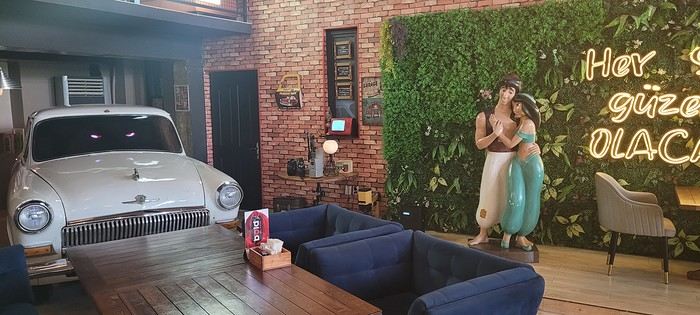
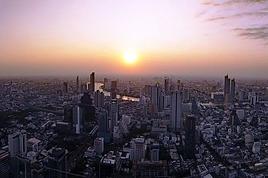
Skyscrapers of excess? You’ll have gathered that from the photo illustrating this journal—though it might change as the trip goes on.
The excess of markets—not so much in their size, though... Chatuchak... But in their sheer number. Day markets, night markets, floating markets, fresh produce markets, fish markets, meat markets, spice markets, fabric markets... and even... amulet markets... For luck, good fortune, protection.
Not to mention, sadly, the market for girls—and boys, incidentally. I’ve even heard they’re displayed in windows. I’ve heard about that one, like you have, but I didn’t set foot in it, so I can’t say anything about it. Some even claim there’s a black-market trade in children. Disgusting! It reminded me of the book *The Parcel* by Anosh Irani, which I recommended in another journal. The story is set in India, but I’ve been told it exists in Thailand too.
So, the "famous Thai markets" we’re bombarded with in paper and online guides—sure, they amazed me in the first few days, and I don’t regret visiting them. But no matter how big they were, I quickly got my fill since you saw the same things at every stall...
I had a market overdose.
Excess of tourism? I should say *tourists*, since I saw them literally swarming in the streets and those famous markets. I’d forgotten about them. I’d lost the habit, living in an Indian city for so long...
Waterfalls are a bit like markets. At this time of year, they’re not particularly spectacular, but they’re everywhere. There are the ones everyone goes to see. For example, Erawan, which I decided to skip even though it was in my original itinerary—I guessed it’d be a nightmare with the selfie circus. On the other hand, you come across them all over the place, hidden in the mountains and forests, not listed in any guide. Not to mention the ones you can find in temples or even private homes... Yes, really! Thais love waterfalls, so they install them in their gardens—and I even saw one in the middle of the city, right on the street! Sometimes they’re tiny, but very photogenic.
But what do ice cubes have to do with this? Why the excess of ice cubes?
Not only are they everywhere by the ton, but they put them in *everything* you drink. You’d think they’d even put them in soup! And it’s not just one or two ice cubes—no! They fill the container to the brim, whatever it is, then pour the liquid on top to fill the gaps.
They’ll make you an excellent coffee right in front of you, piping hot, then—bam! An avalanche of ice cubes in the glass. Okay, I’m exaggerating a little. They *do* sometimes ask if you prefer your coffee—or tea—hot.
Everything edible, and especially everything drinkable, is refrigerated: vegetables, fruit, hot drinks (I mean, drinks that are *usually* hot), but meat and fish are left out in the open. They just wave a little whisk to shoo away the flies when they get too eager.
Mind you, I never put fruit, cheese, eggs, or water in the fridge in France, but I do in India. And I refrigerate meat and fish too... Though sometimes one of those little flies sneaks into the fridge...
You won’t find practical or technical details in this journal, like addresses or prices. Others do that better than me. You also won’t find the names of obscure or unknown places I discovered, or directions to get there.
I don’t really feel like recounting what I saw day by day, following my schedule and route. There might be flashbacks, projections into the future. It’ll depend on my memories, what I felt, what I hated, what comes back to me—and maybe your questions and our exchanges.
And for those who’ve never read me before, you’ll have to get used to my parentheses and digressions, maybe on a completely different subject, as my thoughts wander. Stories within stories. There’ll also be long, endless sentences—but still punctuated, so you can follow along. Though I used to curse Proust and his sentences that started on one page and ended on the next, sometimes even further. I’d have to reread them twenty times to follow and understand what he was saying. I hated Proust. But hey, I was 20. Maybe I’d like him now?
See? The digressions are starting already. Forgive me.
You’ll find few photos here. First, the number is limited, and second, photos aren’t the main purpose of either VF or a travel journal. They’re too often used to mask the poverty of the text. And, sorry to say it, but so many of them are just plain ugly!
If you really want to see photos, I’ll share some links where you can browse them at your leisure
February 9th is a pivotal day during my trip to Thailand. Up until this date, my focus had been on cities, temples, and other urban landmarks. Starting February 10th, I’ll finally leave the city behind for the outskirts—one town, one life, farther from tourism, more real, more authentic... Then comes the bucolic surroundings of Chiang Mai, nature, the countryside, the mountains.
This morning, I head to visit the ethnographic museum. I’d been told about another one, but it’s permanently closed. I wonder if it’s the same one that might have changed its name and location.
I thoroughly enjoy visiting this museum. At first, I’m a bit annoyed because the place is packed with noisy school groups blocking the display cases without even showing the slightest interest. But soon, their chaperones manage to lead them into another room, giving me some peace. They maintain this distance throughout the tour, allowing me to explore the museum in complete tranquility. I really appreciate their tact.
I’m amazed by the absolutely stunning fabric displays and the countless everyday objects, especially the very old pottery. There’s so much beautiful basketry and intricately carved wood. The statues are also incredible... After seeing all of them, I no longer feel like buying any from the shops.
On my way back, not far from my hotel, I discover a rather unique place that only serves one drink, which they’ve made their specialty: egg coffee! A pretty surprising novelty. I have to try it.
At the bottom of the cup, they pour a layer of milk, topped with a layer of liquid coffee, followed by a layer of egg yolk, and finally a top layer that turns out to be a mix of coffee and cocoa powder.
It’s a cold drink that, in the end, doesn’t have much flavor, and the price is pretty steep for such a small cup. You’re paying for the exclusivity!
Later in the day, I venture once again into small alleys, something I love doing when exploring a new city—no specific goal, just wandering east of the city, outside the walls.
I encounter very few tourists there and discover unsuspected little shops overflowing with lovely items, much cheaper than what you find in the heart of the tourist district.
Then I wander through the floors of Warorot Market.
I discover another kind of temple there: the temple of good deals. I love finding clothes that are really original for locals, not the flood of shirts and pants that tourists love but no Thai would ever buy, which invade the shops in the "Historic Square."
I stop in my tracks in front of a stall with beautiful shirts featuring stunning geometric patterns in elegant color combinations and very short sleeves.
Hmm, these would be perfect for showing off my biceps, one of which is adorned with the magnificent Ganesh tattoo I got last year in Bali. "When you’ve got nice things, you’ve got to show them off!" he said. 😜🙏💪
I pick out two for 380 baht and negotiate them down to 300. But the seller won’t go any lower. I understand I’ve reached the limit of her commercial possibilities.
Just as I’m leaving the shop, happy with my purchase, my ever-helpful inner voice, Petite Voix, suggests:
- You didn’t try them on because you were too lazy to take off the one you’re wearing and also because of the sweat, but you could just put one on over the one you’re wearing. It’s light enough that it won’t bother you.
I go back to the two sellers, who burst out laughing when I ask to try them on.
- Oh no, it’s way too small for you! It’s a women’s shirt!
- But they don’t look particularly feminine in style! And I chose XXL...
I put the shirt on, and of course, it won’t close. Then I notice the buttons are on the wrong side. That’s why the sleeves seemed so short!!!
They put the shirts back on the rack and refund me without any fuss, commenting amid total hilarity:
- Well, thank goodness you tried it on just as you were leaving the shop!
Since I don’t want to walk too much before tomorrow’s first Big Outing with the driver, I end my stroll with a visit to two very pretty temples recommended by Joël.
I’d rather not post more temple photos. But these ones smell like village and countryside...
I’ve never seen anything like Wat Ket Karam, so extravagant...
And I end my day with two other lesser-known temples: Wat Noung Kham, simple and finally free of gold and glitter,
and Wat Dap Phai, where an intimate ceremony is taking place at the end of the day.
SIEM REAP
You can now rent scooters just about everywhere in Siem Reap, but at rip-off prices—$15–18 a day instead of $5–10 like everywhere else in Indochina. The best options are tuk-tuks or, even better, electric bikes ($12, but with a 50 km range, so they won’t let you go to Banteay Srei or the River of a Thousand Lingas in the Kulen Massif, which are too far). **WARNING:** Wear a helmet, or they *will* catch you. Scooters are banned from going from SR to the stunning temple of Koh Ker in the northeast and continuing to Battambang; no idea why!
My favorite little hotel in Siem Reap? The Neth Socheata, tucked in an alley off Thnou St near the market—lovely rooms, and the owner speaks great English. Then there’s the Ivy Guesthouse with its little garden, but it’s “always full,” according to the owner. For something upscale but still affordable, a fantastic spot is the Pavillon Indochine, tucked away on a quiet side street on the way to the airport—elegant, with incredible attention to decor, a terrace restaurant, garden, pool, etc. Everything you’d want for $70 including breakfast. I also spotted a hostel for backpackers, the Angkor Thom Hostel, with small 6-bed dorms for $4 with a fan or $6 with AC (18 Wat Bo St).
Food-wise, it’s all amazing! Pub Street has turned into a noise nightmare, with speakers blasting what’s supposed to be music but is just *boom, boom, boom, boom, boom*—run away, even though the pizzas at the Italian place Il Forno are really good. The famous and excellent Tigre de Papier has changed its name to Paper Tiger and is still just as good (lunch only, though, because across the street there’s a huge bar blasting *boom boom boom*, so you won’t be able to hear each other during dinner). On the other hand, the Italian-Cambodian El Toro on Pub Street is perfect, with fantastic pizzas and divine lasagna (go to the first-floor dining room—there’s a big bar across the street blasting *boom boom boom*, but at least you can still talk). Due to the lack of customers during COVID, all the French restaurants—Barrio (three times alas!), Les Deux Sœurs, Le Bel Air, and Le Mozart—have closed. The only one left is L’Olivier, which is pricey. I also discovered a great Moroccan restaurant (though run by a Sudanese man and his French wife), Le Tajine, on Strung Thmei St, 09 68 89 78 27. **WARNING:** For tagines and couscous, you need to order at least in the morning; wine and beer are fine. To get there, turn at the corner of the Cineplex behind the big market at the start of Sivatha Boulevard.
I finally went to the Khmer dance show. Beautiful dancers and dances, but **EAT BEFORE OR AFTER**—the meal is so awful that most Westerners leave it on their plates.
THE ANGKOR TEMPLES
Use the excellent *Routard Cambodia* guide. Just a few tips:
- Start with the pre-Angkorian Roluos group, 15 km before Siem Reap on the road to PP—it’s the “ancestor” of the temples.
- To avoid the big crowds at Angkor Wat, Bayon, and Ta Prohm, go between noon and 2 PM when everyone’s having lunch.
- Speaking of lunch, the crowds flock to the hundred or so mediocre food stalls on the left side of Angkor Wat. Instead, head to Angkor Thom after the stunning Pre Rup temples, all the way to the small Sras Srang basin. Along the basin, there are several restaurants with terraces offering first-floor views of the water, and no crowds. Afterward, cross to the other side of the basin—you’ll end up in the countryside with charming villages where locals seem to live as they did during the temples’ golden age (at its peak, the population was estimated at 600,000–800,000, making it the largest city in the world. The theory for the abandonment is water shortages caused by overpopulation).
- I climbed Phnom Bakheng for the famous sunset, but the crowd was so ridiculous that instead of seeing the temple at sunset, you just see the heads and shoulders around you.
- There are tons of small temples that most people skip, and they’re missing out. My favorites: Thommanon, Neak Pean, Ta Som, and especially Pre Rup, an amazing brick complex with 14 towers.
**Big disappointment:** You can no longer climb to the first floor of Bayon, where you used to stand magically among the giant head statues. So, admire the beautiful bas-reliefs on the outside, but there’s no point going inside—you’ll just see a dark, square corridor with nothing interesting.
ANGKOR FURTHER AFIELD
The wonderful Banteay Srei temple. A gem! I couldn’t find the bas-relief stolen by Malraux in the 1920s (fun fact: what he was doing in Indochina—stealing a bas-relief to sell for a fortune in France to cover his massive gambling debts on the stock market, where he ruined his very wealthy American wife—was an open secret. But the French authorities in Saigon, who hated him for his leftist views, decided to let him do it and catch him red-handed, which worked perfectly. He avoided jail only because all the leftist intellectuals in Saint-Germain, Sartre, Beauvoir, and co. cried scandal—though the real scandal was the looting).
30 km of excellent paved road further north, a great spot: the Kulen Massif and the River of a Thousand Lingas (at one point, you’ll come to a T-junction—turn left). Along the road at the foot of the massif, on your right, there’s a great restaurant, Bourey Sovann (where the food is excellent). The trail to the river starts just before it on the left. **Warning:** There are two sites for the River of a Thousand Lingas. One is accessible via a private road, so there’s a $20 toll, and you need to arrive before 11 AM because the road is narrow and traffic flows downhill after that. You’ll end up in a site full of shops, snack stalls, and two good restaurants, including one by a beautiful waterfall. However, the thousand lingas aren’t as spectacular there.
Banteay Srei + the River of a Thousand Lingas makes for a fantastic day. **WARNING:** You used to be able to go to the river and waterfall by scooter or tuk-tuk, but it’s now forbidden. So **go by taxi**—otherwise, you’ll be hiking 12 km round trip up a steep trail.
If you leave Siem Reap early, you can even add Beng Mealea temple on the way back, making a triangular route: SR-BS-Khulen-BM-SR (or the reverse).
If you have time, visit Banteay Samré temple, 10 km west of the Angkor Thom complex. A lovely site with very few visitors.
I’ve never been to the famous Preah Khan on a hill overlooking Thailand. There’s a big dispute between the two countries—the Thais insist the temple belongs to them because the entrance is in their country. There have been serious clashes in the recent past, and landmines are still abundant off the marked paths. They even claim the entire Siem Reap province is theirs and should be returned, arguing it was Thai in the past. It takes two days (6–7 hours each way), with an overnight stay in the nearby village (small hotels and one luxury option with a garden and pool, but it’s expensive).
TONLE SAP
People talk about “floating villages,” but that’s a big mistake—these are actually villages of astonishing stilt houses, 4 meters high or more, due to the lake’s major floods. The most famous is Chong Khneas, which I skipped because it’s packed with tourists. Instead, I really liked Kampong Phluk, which is much quieter. To get there, continue on the road past the Roluos group until you reach a parking lot with pirogues lined up. They’ll take you down the river, stop at this amazing village for a walk, and then take you to the Tonle Sap, a true inland sea. At one point, you’ll pass through a flooded forest that you can explore by small boat. At the junction of the river and the Tonle Sap, and on the lake itself, there are floating restaurants where the food is great. Note that in the dry season, you can reach the village by scooter.
BACK TO PHNOM PENH AND ON TO SOUTHERN VIETNAM
Since I’d planned at least 15 days in the Mekong Delta between Chau Doc and Saigon, I skipped Battambang, etc. With no desire to endure the dusty road from SR to PP again, I simply loaded my bike onto a bus with the great company Rith Monty (book at their office in SR on the small square at the start of Sivatha Boulevard—$10 for the bike and $6 for me), also known as Paramount. Their buses stop on 136 St right in the middle of PP. I’ll also mention the excellent Giant Ibis, with big modern buses that always leave on time—unlike the others.
I spent the night in PP, and the next morning took the fast boat from PP to Chau Doc with Hang Chau Tourist (buying the ticket the day before is recommended—$25—either at your hotel or the port, and they’ll pick you up at your hotel by tuk-tuk to take you to the port). Departure from PP at noon, arrival in Chau Doc around 4 PM. The boat is great—comfortable and fast. A crew member takes your passports for Cambodian exit formalities, and you handle Vietnamese immigration yourself—it all takes 15–20 minutes. The route isn’t on the Mekong but on the Bassac River to the border, then a wide north-south canal to Chau Doc (the arrival is really nice). In the Chau Doc-PP direction, the boat leaves Chau Doc at 7:30 AM.
I spent 3 weeks in Cambodia this January, and I completely fell in love with this country—especially the Cambodian people. I took my time because it was possible, and it turned out to be a total success. Originally, this trip was planned for 2021 and 2022 with my husband, but COVID and an illness threw everything off. Now traveling solo, I went with Siem Reap à la Carte, a local agency. I can’t recommend Mélanie and Nathalie enough—they helped design the itinerary together with me, and the guides and drivers were top-notch. Since I was alone with them, the connection was incredible.
My itinerary:
Phnom Penh (2 nights). I arrived at the airport at 1 PM, and everything went super smoothly—I had my E-visa and E-arrival.
I had the afternoon free on arrival, a guide the next morning, and the afternoon free again.
Battambang (2 nights) with a local guide for all the visits (temples, the bat flight, bamboo train, the surrounding countryside, markets, etc.).
Siem Reap (6 nights). I chose to take the public boat across the Tonlé Sap—8 hours on the water, but it goes by quickly, and the scenery is stunning.
Of course, in Siem Reap, it’s all about the Angkor temples—most people come for that—but Nathalie and Mélanie also arranged some unique experiences, like visiting a lacquer workshop (even though this wasn’t my first trip to Asia and I’d seen them before, this one was different). I even tried making incense sticks (I’m not very good at it), and we had lunch at a local’s home.
There are, of course, the markets, and I also took a cooking class with a chef at his home, where we ate what we prepared. I also spent another day on a boat visiting a village on the Tonlé Sap.
I used my free time for a massage, a stroll around town, and in the evenings, I’d head to Pub Street—guaranteed fun.
I also visited the Thousand Lingas River.
I won’t list all the temples I saw—you can make your own choices or follow recommendations. Either way, everything is breathtaking.
Banlung and Ratanakiri, where I spent 4 nights. Because of that, I didn’t go to Mondulkiri.
I loved it—jungle walks, visits to ethnic villages and cemeteries, and for those who want, there are plenty of waterfalls where you can swim. The most tourists I saw at once was 5 (a group of 4 and me a little farther away, so you can have peace and quiet).
I also spent time at an elephant sanctuary. I was hesitant at first, but everything had been so perfect up to that point that I went, and I have no regrets. It was just me, the guide, and the rangers—lovely people—and the elephants were living their best lives.
Next, I headed to Kratié for 2 nights: temples, the Irrawaddy dolphins, and a half-day on Koh Trong Island by bike, tasting their famous pomelos—a pure delight. No cars on the island, just calm and serenity.
On my way to Kep, where I spent 4 nights, I stopped for a night in Kampong Cham, visiting temples, villages, and the bamboo bridge.
With this kind of travel style, it’s easy to stop wherever you feel like it.
So, I arrived in KEP to taste the famous Kep crabs—don’t miss them!
The agency arranged a full-day motorbike tour (I wasn’t the one driving!), exploring the countryside and salt marshes. Of course, you should also visit Kampot, and if you love pepper, make sure to leave room in your luggage to bring some back.
A full day of fishing by boat, with lunch on board (the fish we caught—though not by me, I’m terrible at that too).
A kayak trip through the mangroves.
In short, everything was perfect here too, and I took my time to enjoy the sunsets.
Back to Phnom Penh for one last night before returning to France.
A sunset cruise on the Mekong, and I visited some places I didn’t have time for when I arrived.
This was my first solo trip—I usually travel with someone—but the organization was flawless, and the people were wonderful.
I didn’t go to the islands near Sihanoukville, even though that was originally part of the plan. But I truly fell in love with this country. I’m considering Thailand next winter, but I’m also seriously thinking about returning to Siem Reap or even visiting those islands.
If you’d like more details, I’m happy to help. Nathalie and Mélanie were incredibly patient with me—I’d been in touch with them since 2020, and in 2021, I had to cancel everything.
They’re two French women who’ve lived there for a long time, know the country inside out, and—most importantly—have immense respect for the people they work with (guides, drivers). That’s a value that’s very important to me.
Happy travels to all!
Arrival at Luang Prabang Airport: Got my visa on the spot in under 5 minutes, but it cost me $40 + $1 for some "processing fee" and a photo.
First ATM withdrawal of the maximum allowed—about 82 €! Luckily, I had euros on me because each withdrawal comes with a fixed fee of 30,000 kips (like in Thailand, where it’s 200 baht per withdrawal, but here you can take out up to 800 €!).
Then I took the airport taxi service for 100,000 kips per person. It’s a minivan that drops passengers (8–10) at their hotels. The ticket booth is right at the exit—easy to spot with a sign that says "Taxi Service."
I left Luang Prabang for Nong Khiaw by minivan, paying 180,000 kips. A big tuk-tuk taxi picked us up at the hotel at 8:40 AM, and we picked up more people along the way until we reached a small minivan station. Our "minivan" was *very* mini—we still managed to squeeze in 12 people, with 2 up front + the driver, even though there wasn’t really space for 2 full seats—more like 1.5!
Luggage was strapped to the roof under a tarp for the trip. Scheduled to leave at 9 AM, we finally took off at 9:30. The ride took 4 hours and 15 minutes from station to station—roads were rough, sometimes unpaved, and always full of potholes. This route is mostly used by trucks registered in China. We passed the dam that now blocks boat traffic between Luang Prabang and Nong Khiaw.
About 40 km from Nong Khiaw, we turned off the main road onto a smaller one, less crowded with trucks but still rough.
At the Nong Khiaw bus station, a shared taxi was waiting to drop everyone off at their hotels. I walked to mine—the Nam Ou View Villa, about 600 meters from the station. Nice room with a great view of the river.
Nong Khiaw is easy to explore on foot. One unpaved road runs along the river, lined with hotels and restaurants with terraces, while a parallel paved road has little traffic and all the shops. I loved the vibe and tranquility of the town. There are plenty of guesthouses, especially on the other side of the bridge. Restaurants everywhere, all in a calm atmosphere.
I hiked up to the highest viewpoint—there are several. The climb is supposed to take 1.5 hours, but it took me 2. Time to enjoy the nature and catch my breath! No real difficulty, just a *lot* of uphill. There’s a small toll at the start of the climb—I don’t remember the exact amount, but it wasn’t expensive. The view at the top is stunning—360°! Mornings are cloudy, midday is usually clear, and evenings are all about the sunset ☀️. The descent was tougher for me—guaranteed sore muscles!
I also walked along the Nam Ou toward Muang Ngoi. The road is quiet and unpaved but often narrow with no views. Small villages along the way. In town, you can rent canoes, and agencies offer day trips or multi-day excursions. There are shops, a bank, and 2 ATMs.
Departure for Muang Ngoi—a village only accessible by private or public boat. I took the 11:30 AM public boat (sold as 11 AM) for 70,000 kips. There were so many of us that two boats were needed, and we were still packed in! We left 40 minutes late because the ticket collector didn’t check anything, and one ticket was missing. Of course, everyone insisted they’d paid—which was probably true, given the general disorganization. The trip took 1 hour and 5 minutes, going upstream against the current. Gorgeous.
Arriving at Muang Ngoi’s tiny dock, hotel owners were waiting for their guests or offering rooms to those without reservations. I’d booked the Riverview Bungalows & GH. The room was a bit worn but comfortable, and the view was amazing!
Muang Ngoi has ONE recently paved main street—all other paths are red dirt and dusty, perfect for unguided day hikes. I *loved* this village. People live their lives without worrying much about tourists, who aren’t too numerous yet. There’s no bank or ATM, and dollars are accepted (even preferred) for transport and hotels. Watch the condition of your bills—the hotelier refused one with a tiny stain I hadn’t even noticed! There are travel agencies for excursions, small shops...
I often ate at Gecko (Western food, I admit) and across the street at Vita, which serves a delicious local dish called *Suzy*—a curry-like specialty. From Muang Ngoi, there are plenty of easy hikes. The trails are simple to find and follow, except for those crossing rice fields. Maps.Me helped me stay on track.
If you don’t want to walk, there are very local transport options: modified tractors with platforms for passengers and luggage. I took an excursion to Sopchem, a small village 40 minutes away by boat. I paid $20 round-trip for two people on a private boat. The ride was stunning—the river cuts through mountains in this section. Sopchem is tiny but charming, especially for buying textiles. Every house has a loom out front and a display selling their work. I bought two scarves for 60,000 kips each without bargaining—it seemed like a steal. Back in Luang Prabang, I saw the same scarves in a fancy boutique for 55,000 kips each—9 or 10 times the price!!!!
I also tried the village laundry service—everywhere lists the price as 25,000 kips per kilo. I picked the closest one to my hotel and watched from my balcony as the woman washed my clothes in the river, then hung them on her fence all day in the dust! Turns out only hotels have washing machines. Better to postpone laundry or do it yourself—my clothes didn’t smell great afterward!
For the return to Luang Prabang, I splurged on a private transfer. An agency at the dock arranged it for $100. I took the public boat to Nong Khiaw, where a driver was waiting. His vehicle was a pickup truck, and the trip took 4 hours total to my hotel in the city center. I recommend this agency (Lattanavongsa Tour Adventure)—very professional. They also run a hotel (same name) that looked nice from the outside, though not riverfront.
In Luang Prabang, I did the Mekong sunset cruise. Departed at 4:30 PM with Sasa Sunset Cruise for 245,000 kips, including one drink and spring rolls. I was lucky to see a beautiful sunset—I don’t regret it.
I also visited the tiny Traditional Arts and Ethnology Centre—very interesting for learning about Laos’ ethnic groups and textile traditions, but *very* small.
Of course, I visited the temples and wandered the alleys to admire the stunning houses.
The sunset at Mount Phousi was nice, but *so* crowded!
The night market is fun but not super interesting—vendors sell pretty much the same things you’ll find in daytime shops at the same prices. There are two food courts, one huge at the end of the market. I love the concept, but the quality of the stalls is debatable.
Luang Prabang
The morning alms-giving ceremony for monks is called *Tak Bat*. This ritual has turned into a circus for Chinese tourists. I’d visited Luang Prabang 15 years ago and didn’t find the same serenity in the ceremony.
In Luang Prabang, I exchanged euros at BFL BRED Bank (recommended in the *Routard* guide). Good rates and a smooth transaction. The employee spoke excellent French and offered me deals on the Sasa sunset cruise (with dinner) and a taxi to the airport. I took her up on the taxi—it was much cheaper. She explained that she works evenings at Sasa Sunset Cruise and the taxi driver is her husband.
Hope this gives you some practical tips for your next trip!
At the start of November, a bit of rest before winter will be perfect to kick off this travel journal.
There aren’t many recent journals about this part of the world, so I’ll take the plunge—my way of celebrating the (unexpected) return of this forum, which has been such a big part of my life for over 15 years.
So, back to Asia at the end of 2023.
After Myanmar in 2015 and Vietnam in 2018, we’ve chosen Laos this time.
And when talking with friends (you know how it is—everyone asks, "So, where are you going this year?"), a couple of friends asked to join us ("You see, my wife dreams of a trip to Asia, and I dream of traveling like you, independently"). We’ve spent a week with them (and other friends) in Portugal, so we know they’re easygoing and flexible. They’ll only be with us after Christmas (due to lots of grandkids), so deal—we’re bringing them along! A new experience for us.
A new experience that’ll start with tweaking the itinerary. Originally, I planned to stay a month in Laos, but what could be more magical for my friend’s wife than discovering Asia by way of Angkor! Plus, our two daughters asked for some beach time at the end of the trip!
So, it’ll be Laos and Cambodia—neither of which we’ve visited before, so no complaints there.
The route will be pretty classic, though a bit scattered to fit our dates and wishes.
For us, we’ll arrive in Luang Prabang (LP) to take some time to acclimate, then a few days in the northern Laos mountains, Nong Khiaw and Muang Ngoi.
Back to LP for a direct flight to Pakse. Yes, I know—so many amazing places we’ll miss along the way, but as you know, choosing means letting go...
From Pakse, I’m leaving a few days open (no bookings), but I’m eyeing Champassak and the 4,000 Islands.
That’s where Mariel and Naty (our friends!) will join us on December 30th. I’ve tentatively added the Bolaven Plateau loop to the plan (still no bookings).
Their Laos adventure will be short—by January 3rd, we’ll cross the border into Cambodia, heading straight to Siem Reap for 5 days. Then, I’ll fulfill my promise with a magical detour to Koh Rong Sanloem via a night bus (a must-do in Asia!).
On to Phnom Penh for 2 days—where our trip ends, while Mariel and Naty will stop in Bangkok for 3 days before flying home.
So, fasten your seatbelts, flight attendants at the doors, and sorry for the long intro—here we go on this Asian adventure!
Bolavens (or "Bolovens" – "the region of the Lavens," an old tribe).
PAKSE
A sleepy town, but packed with backpackers in transit between Laos and Cambodia. The streets are numbered, but since there are no signs, you just have to figure it out (rumor has it the signs have been planned for years; luckily, the center isn’t big). Tons of small hotels, including the well-known Sabaidy 2 on Street 20, a big bazaar catering to all budgets, from dark dorms with shared bathrooms to real rooms with terraces or balconies. Since it’s so popular, booking ahead is recommended. My favorite: the Sala Champa, pricier but with two large terraces, one with a bar, and especially a terrace restaurant I consider the best in Pakse (try the divine steamed fish with lemongrass + Lao Gold beer, a rare delight; ask for room 100, with a big terrace). More upscale, the lovely Résidence Sisouk, run by the very classy and French-speaking Mme Sisouk, from the wealthy Lao Sisouk family, the country’s top coffee producer and one of those francophone families you encounter here and there around the world, where class and culture reign – and perfect French. Delicious pastries and, of course, extraordinary coffee tastings. Similar prices at the Pakse Hotel, run by French owners and famous for its rooftop bar-restaurant (great view!).
Tons of restaurants besides those at Sala Champa and Pakse Hotel: from Dao Lin and Sabaidee at the corner of Street 20 and 13, to a decent Indian place (Hassan) and a nice, cheap spot, the Lao Restaurant & Bar, where you can enjoy Lao cuisine for just a few kips, both also on Street 20. You can feast on grilled fish at the countless riverside stalls along the Mekong.
Pakse is home to the famous Yves, a Belgian married to a Lao woman, Noy, who opened the travel agency Miss Noy. He’ll go out of his way to help tourists; he’s incredible, the real tourism office for the region, with maps, endless advice, and every weekday at 6 PM, a full-blown lecture on the Bolavens and the 4000 Islands. A bunch of young travelers listen intently to his explanations about the whole area (he hands out a well-made photocopied map). He also rents bikes and has an internet café with computers that, miraculously, work perfectly. He’s so popular that in high season, you need to book a motorbike 2-3 days in advance (but if he’s out – and he has 40 – he’ll find one for you).
THE BOLAVENS PLATEAU
Plateaus just aren’t my thing – flat-lands! There are some relatively high peaks in the middle, but they’re only accessible by trekking. You can do a small loop from Pakse-Tad Lo-Thateng-Pakson-Pakse, or a big one from Tad Lo to Sekong, then head south to join the Paksong-Pakse road. Starting in the north, the Phu Xam waterfalls are okay (interesting local minority village-museum to the right of the parking lot, and a terrace restaurant above the small falls). Well, they’re on the way, so you might as well see them! After that, a boring road leads to the Tad Lo waterfalls, with tons of small hotels. I chose the big blue house by the river at the right corner of the bridge, the Sipaseth GH, with cute little bungalows in the garden, 4 rooms with balconies overlooking the river, and great food on the terrace facing the falls. **Avoid at all costs**: the Saisee GH, once nice with its little stilt houses by the falls, but now a monument to filth, indifference, and rudeness (confirmed by several people, unanimous on the issue). Luckily, the lovely Tad Lo Lodge, with its bungalows by the falls and gourmet restaurant right above them – not cheap at all – finally built small houses in the woods on the other side for $25.
The next morning, I’d had enough of plateaus, so I took a small loop heading south from Tad Lo to Thateng, and there, a wonder 5 km south of town: the Sinouk Resort. It’s like stepping into *Gone with the Wind* or the Chevalier de Leyritz’s Martinique. In the middle of the Sisouk family’s 34-hectare coffee plantation, a huge garden with three large colonial-style houses: one by the river and pond with a suite + 3 luxury rooms + a small, cozy one for $40 (that’s where I stayed), one with 4 superior rooms for $60, and a very large one overlooking everything with 6 luxury rooms ($60) + 2 huge suites for $90. Of course, it’s all decorated with antique furniture, local knick-knacks, and antiques; there’s a pool, a beautiful restaurant with two terraces, one overlooking a large pond and one by its edge. The food and service are impeccable, and the coffee: from espresso with whipped cream to green tea or wild honey cappuccino… too bad it keeps you up, or you’d sip it all evening (and morning, and afternoon, and in between). In short, a dream!
Back to Pakse via Paksong (what a dump!) and the Tad Fane waterfalls, those are spectacular – twin sisters plunging 200 meters. You can hike down to swim at the bottom (1-hour jungle trek round trip). Across the way, the nice Tad Fane Resort (small houses and a big terrace-restaurant facing the falls).
I think I missed the Katamkok waterfalls, but I don’t believe it – all these falls can’t compare to Ban Gioc Falls in northern Vietnam!!!
CHAMPASAK AND THE 4000 ISLANDS
CHAMPASAK
Even sleepier than Pakse! To avoid the ferry, cross the new Mekong bridge in Pakse, and after about 10 km, turn left at the big "Phaphinoy" sign (the first village in town). When you arrive, turn at the "River Resort" sign. A sumptuous resort on the Mekong, developed with American capital – pure luxury (they even have their own rice field and vegetable garden for the restaurant). Continuing on, you’ll come across the very pleasant Anouxa GH, where I had dinner and stayed. Small bungalows facing the river, garden rooms, and two large wooden houses with huge family rooms + a big terrace on the Mekong, and the food is great! They rent bikes and motorbikes. Further to the right, the pricey Inthira Hotel, which I found uninteresting since it’s on the road instead of by the Mekong. There’s also a Folie Lodge on Don Daeng Island, which I didn’t visit (the word "Folie" is justified: crazy prices, up to $200 and more).
A few nice wats and, of course, Wat Phou, Laos’ most important archaeological site, 10 km south of Champassak in the plains and on the mountainside (the stairs are a killer!). Watch out for the scorching heat, and it closes at 4:30 PM. It’s not Angkor Wat, but it’s still worth the detour. Plan for 2 hours. Entry is 50,000 kips + 5,000 to park your motorbike.
KHIET NGON
To continue south to the 4000 Islands, you have to take the "ferry" (actually fun little things – two canoes joined by a platform; better not mess up when loading your motorbike!). Once on the other side, turn left, and you’ll hit National Road 13 (Pakse-Siphandone, the 4000 Islands), the most boring road I’ve ever been on, like Phnom Penh-Siem Reap – flat and nothing to see. BUT there’s a real gem worth checking out: Kiet Ngon. At Km 48, take the laterite road toward Attapeu (big sign: "Attapeu 155 km") and eat red dust for 8 km (toll: 20,000 kips), then turn right (signposted) onto a good track. You enter the beautiful Xe Pian National Park, where you can still find wild elephants, leopards, and tigers. You arrive at the entrance of the small village of Ban Khiet Ngon. On your right, a small concrete building with 4 decent, cheap rooms (60,000 kips), facing an old wooden house that serves as the tourism office and its "elephant parking" garden. This village is where you can go on an elephant ride (20,000 kips) to the top of Phou Asa, one of the most unusual places I’ve ever seen. You climb through the jungle and emerge onto a flat slate summit, completely bare – it really feels like the Moon! In the distance, an astonishing site built to commemorate a victory by Lao nationalists over Siamese invaders in the 19th century (so the site isn’t 1,000 years old, as the locals claim). A vast archaeological site with an enclosure 180 m by 50 m, marked by 2-meter-high walls and columns made of slate stacked without mortar. At the back, a ruined temple and a tower. Beautiful views of the whole region. Popular with tourists arriving by minibus from Pakse. The elephant rides in a line aren’t my thing, so they tell you it’s forbidden to ride a motorbike, but I did it anyway without any issues – except for the unhappy looks from the mahouts (turn right at the village entrance, sign for "Phou Asa").
If you’ve got the funds, follow the signs for "Kingfisher Lodge" and arrive at Laos’ first ecolodge, developed by a Lao-Italian family. Lovely stilt houses (750,000 kips with breakfast) and 2 bungalows with just fans (250,000 kips). A small two-story wooden building with a restaurant and a terrace by a pond – the bonus: in the evening, wild elephants and buffalo come to drink with you. Booking ahead is recommended since it’s popular with groups from Pakse.
Paper guides also mention the more remote village of Ban Papho, deep in the jungle. There used to be elephant rides, but they’ve stopped. However, there are great treks in the national park (check with the Green Discovery agency in Pakse, which specializes in treks all over Laos).
THE 4000 ISLANDS
You continue on the mind-numbing Road 13 from Pakse and arrive at a brand-new bridge leading to Don Khong Island, where there’s nothing to see except two wats, so if you skip it, you’re not missing much. Next, the Nakasang sign, a small port with mini-ferries crossing the Mekong to Don Det Island. A celebrity, that one – one of those trashy spots for young people who think you can only have fun if you’re wasted on alcohol and drugs. A small street along the river, lined with guesthouses, restaurants, and bars – total chaos! Plus, there’s nothing to see on the island. So, take a tuk-tuk from the jetty, cross the dump, and arrive in a little paradise: Don Khone Island. I planned to stay 2 days but had to be dragged away after 6. A small main village with a dirt road, tons of guesthouses and great restaurants, and lots of beautiful things to see.
For lodging on Don Khone, it’s usually wooden bungalows with river-view terraces. Options range from the elegant and pricey Sala Done Hotel to Somphamit, Pan’s, Pakha GH, and many others. I found my haven away from everything: the little Phonvilay, 3 small bamboo buildings with 2 simple rooms each, terraces above a branch of the Mekong, and a big plus – a small path just to the right that goes down the riverbank, so 3-4 nice swims a day. All for 60,000 kips. To get there, turn right at the end of the bridge until you reach the wat, then take the small path to the river on the right of the wat’s wall.
For food, you’re spoiled for choice. I had all my dinners at the Cordon Bleu of the Fleur du Mékong. I don’t know how she does it, but even the simplest dishes have something extra. She’s famous for her curry (more like a mild stew) of duck or chicken with potatoes and sweet potatoes – a hearty treat. Go for the chicken; Asian ducks are all skin and bones. Her grilled fish is divine!
The island has quite a history: the Mekong upstream is over a kilometer wide (it’s said to reach 14 km during high water) and "falls" onto a rocky barrier. It splits into countless small branches, flowing wherever there’s a crack – hence the 4000 Islands and the impressive rapids. The French discovered this while trying to navigate the Mekong from Saigon to Luang Prabang and China – and bam, impassable! So they built a narrow-gauge railway starting from the south of the island, bypassing the rapids, and ending at the north of Don Det Island. You can see two rusted locomotives, discovered in the jungle in 1990 by a French explorer: one in the southern extension of the bridge and the other in Ban Hang Khone village at the southern tip of the island, both with large English signs and fascinating old photos explaining the whole history of the railway, abandoned when Road 13 was built along the 4000 Islands (the rails were removed, and the railway track is now an excellent trail).
Somphamit Rapids (Li Phi)
Locals call them Li Phi, meaning "the abyss of evil spirits" (the "phi" that Lao people still believe in), because they think the falls and rapids trap spirits, to the point that no one would ever swim there. It’s very dramatic. Entry fee: 35,000 kips. Small beach and a big restaurant with a terrace and thatched-roof tables.
Khon Pa Sai Rapids
A completely different kind, just as spectacular, and less crowded. Turn left at the bridge exit and go to the northern end of the island (Ban Khon Nua village), then continue south until you see a big yellow sign "Khon Pa Sai Waterfalls" pointing to a small path on the left. You arrive at a small suspension bridge with a corner restaurant and terrace where the food is great (I had most of my lunches there). Cross the bridge and follow the path to a spectacular site of falls and rapids. In the middle, you’ll see unique structures – gigantic fish traps over 10 meters long. During high water, each trap can catch up to 500 kg of fish (yes, five hundred) per day.
Ban Hang Khone
This is the "French port" at the southern tip of the island, where the Mekong, after its rapids, spreads out for kilometers – a real inland sea. This is where you can see the famous Irrawaddy dolphins in the morning or late afternoon (boat excursions). To get there, take the trail that was the old railway track, or continue south on the path past the Khon Pa Sai falls (but not by motorbike – the bridge is out). A huge concrete terrace, part of the old port facilities, with a magnificent panoramic view of the Mekong stretching into the distance. Just before, a small path leads to a big beach (with restaurants).
If you go back to Road 13 (or take a pirogue from Don Khone), further south are the Pha Peng Falls, Asia’s highest river falls (15 m). I didn’t go, but they’re said to be spectacular.
Come along, I'm taking you to this country where it's so nice to wander and slow down...
This trip was in 2023, but when I wanted to write my travel journal, VF was still closed to contributions...
So, now that I've just finished my Japan travel journal here, I figured it was high time to honor this destination we came back from so enchanted.
Disclaimer 1: This is a written travel journal. There’ll be text! Too much, for some!
Disclaimer 2: This is an illustrated travel journal. There’ll be photos! Too many, for some!
I have to say, every time I try to discipline myself, to keep it shorter, to include fewer photos... I end up adding more. It feels like my dear Aunt Nicole, who exhausted us with her slide-show evenings in the 70s/80s, decided to take her revenge. The upside for you, readers, is that you can slip away anytime without offending Aunt Nicole. I won’t even notice!
Anyway, since I love maps, here’s one to give you an idea of where I’m taking you. As you can see, we only saw a tiny part of Laos (the areas circled in red); we only had 3 weeks for ourselves (my husband’s newly retired, I still work), and we prefer taking our time over rushing around like crazy.
In broad strokes, it was very classic:
First, we “settled in” at Luang Prabang (8 days), because we wanted and needed to.
From there, we took three days to venture a little further north—not far in kilometers, but as we know, distances aren’t just about km!
Then we flew south to Paksé, letting ourselves drift down to the 4,000 Islands while stopping by the pre-Angkorian archaeological sites.
We wrapped up with the Bolaven Plateau.
A few practical notes: We arrived via Bangkok, then took a Bangkok-Luang Prabang flight, having picked up our luggage in Bangkok to check it in for Luang Prabang. No issues—the Bangkok airport, which many of you know, is very well organized.
We got our visas on arrival in Luang Prabang. Quick, but to be fair, we were on a “small” plane, and the big flights had arrived earlier, so we weren’t too crowded in line!
At the end of our trip, we didn’t fly out of Paksé but from the nearby airport in Thailand, Ubon Ratchathani (a 2.5-hour drive from Paksé), then Bangkok and Paris.
You’ll notice we skipped Vientiane to stay longer in Luang Prabang. That said, there’s now a high-speed train between Vientiane and Luang Prabang—good to know—and soon the (Chinese) train will go all the way to Bangkok and even Kuala Lumpur!
With that intro out of the way, let’s dive into the heart of the matter.
To be continued: Slowing down the pace... in Luang Prabang
Thursday, Oct 23. Left home at 8:25 AM, took the bus from St Cyp to Perpignan, then a BlaBlaBus to Barcelona airport. Last night, a huge storm crossed France, and the bus was an hour late. We finally left at 11 AM. At the Spanish border, we were checked—several Africans were traveling on the bus, and their document verification took quite a while. In the end, everything was in order, and we set off again a good half-hour later.
We finally arrived at Barcelona airport after 2 PM, but no stress since my flight was scheduled for 4:30 PM with Saudia. At check-in, the hostess told me there’d be a 1-hour delay due to bad weather in France and Belgium. In the end, the flight didn’t just have a 1-hour delay but a 5-hour one because of a technical issue. The next flight wouldn’t wait for us. When we arrived in Jeddah, they gave us another ticket for the following day—the flight to Bangkok was scheduled for 11:55 AM. The airline assigned us a room, which was good news since I was exhausted. Friday morning, the flight was still scheduled for 11:55 AM, but the gate wasn’t displayed. It was announced with a 1-hour delay, but that stretched to 4 hours. They handed out drinks and a snack—again, the delay was due to technical problems. In Bangkok, I had a connecting flight to Chiang Rai, where I’d also booked a room—I lost everything.
We finally arrived in Bangkok on Saturday at 4 AM. I had to buy another ticket for a 7 AM flight. The formalities were quick, and my flight went smoothly. A taxi took me to Bus Terminal 1, where I caught a bus leaving at 10 AM, and we arrived at the Thailand-Laos border. I shared a taxi with other travelers, which took us to Houay Xai. The guesthouse I’d booked was right across from the stop—that was great. I exchanged some money and bought a SIM card at the guesthouse. Despite the fatigue, I needed to stretch my legs, so I walked down the street to the temple.
and continued to Fort Carnot, built by the French.
The views of the Mekong are beautiful for a first glimpse of the country.
yum-yum, bon appétit!
At 6:30 PM, I went to dinner at a restaurant across from the guesthouse—a chicken curry with vegetables.
I didn’t linger and went back to bed. I slept well, even if I woke up often.
January 2026
Here we go again for new adventures and the pleasure of sharing them with you here! First of all, I’d like to thank everyone who helped me with the preparations, even with some last-minute improvisations just days before departure. Thanks to Montagnard74, Jojoone1, Songsam, Attila, Dennis2, NadegerFERM, and the authors whose travel journals about Laos inspired me (Montagnard74, Muriel18, Mavietongs...).
In this story, written by Richard and illustrated by me, we’ll tell you about the journey of four friends: Catherine, Richard, Nathalie, and Bruno. A reinvented but overall successful trip, filled with discoveries and surprises, the scents of spices and frangipani flowers, (too) spicy food, sunsets, and... one big mess.
Here we go!!!
I left home at 4 AM on October 31st and headed to Barcelona. Driving through Barcelona on the ring road stresses me out a bit, but at 6 AM the traffic is smooth, and I arrive at the airport without any issues. I call the valet, who quickly comes to pick up my car. He takes photos of it from all angles before letting me go.
Baggage check-in hasn’t started yet, and there are already several of us waiting.
Once free, everything happens very quickly. The flight to Abu Dhabi is on time and goes smoothly. I’ve never had any problems with this airline, which I’ve been using for several years.
The flight to Bangkok arrives at 7 AM as scheduled. This is my first time in Thailand and Bangkok. I’m used to traveling in India, and I notice that everything here is well organized—the customs process is quick, and the luggage is already on the carousel.
I booked a taxi on Booking. All I have to do is find the right exit and door based on the agency’s instructions. A large sign with the names of people who booked is posted on a wall. A hostess greets me and calls the taxi, which arrives 5 minutes later. I booked one night at the Lost Inn BKK hotel in the Phra Nakhon district, and we arrive at 9 AM. The welcome isn’t warm, and I have to wait until noon, sitting on a chair, before I can check into my room. I’m exhausted, and sleeping sitting up isn’t ideal. Noon finally arrives—the room is small but clean, which is fine for one night. I quickly take a shower to wake up because I plan to spend the afternoon visiting the Grand Palace. First, I need to exchange some money, and the banks are all close together on the same street, which is very convenient. When I enter one, a hostess gives me a ticket and invites me to sit down. There are about twenty counters, and I wait quietly until my number is called. The exchange is quick, so I can head out to find the Royal Palace. It’s actually very easy, and the walk is pleasant.
Entry to the Royal Palace (500 baht).
It’s magnificent and grand, and there are quite a few of us visiting. The sky is gray, it’s very humid, and a shower interrupts the visit. It’s a vast complex of temples and palaces. The buildings are colorful and sparkling, with a great sense of serenity (without the tourists, of course). I quietly enjoy the place and try to take photos without tourists, which isn’t easy.
Very close to the Grand Palace is Wat Pho, one of the oldest Buddhist temples in the capital.
It’s very famous for its 46-meter-long reclining Buddha statue.
Walking around the temple, you can see different representations of Buddha, all covered in gold leaf.
Inside the temple, on one side, monks recite their prayers, while the other side is reserved for tourists who come to meditate in silence.
Before returning to the hotel, I have dinner at an Indian restaurant. I go to bed early because tomorrow’s wake-up call will be very early again.
Saturday, November 2nd
Wake-up at 4 AM, departure from the hotel at 4:30 AM. The taxi I booked via Booking is waiting for me and takes me to the airport. The trip is fairly quick—he takes small roads, and at this hour, there’s no traffic.
The flight to Phnom Penh is on time. Before boarding, I realize I left my fleece jacket on the carousel, but it’s too late to go back for it.
The flight goes well, and customs is quick.
At the exit, I take a tuk-tuk to Julieka’s GH near the museum. The welcome is friendly. I won’t be able to check into my room until noon, so I take the opportunity to exchange some euros on the market street. The street is lined with restaurants, and I’ll have my first meal there.
The museum is right across the street, so I don’t waste any time visiting it.
The representations of Hindu deities are very different from those in India, and I don’t recognize them. Many beautiful Buddhas are on display.
The museum is very pleasant, and there aren’t too many people, which is a plus.
At the exit, I return to the GH, settle into my room—which is decent and clean.
The Royal Palace is 1 km away. I walk along a garden, and at the end of the street is the Tonlé Sap, but I turn right. I arrive at a large esplanade and see the buildings with tiered roofs and glazed tiles. The entrance to the palace is a little further away.
At the entrance, I notice there isn’t the same crowd as at the one in BKK.
Khmer architecture is magnificent. The complex consists of gardens, palaces, pagodas with golden roofs, and slender spires.
The Silver Pagoda houses the small Emerald Buddha, which is actually made of jade. The silver flooring is covered with carpets. Photos are not allowed.
The walls surrounding the pagoda are covered with frescoes depicting scenes from the Ramayana.
Is hitchhiking in Thailand a good idea? A bad one? Safe or not?
Instead of sharing my thoughts on the subject, I’ll tell you about my four short hitchhiking "adventures" over 40 years of traveling there. Hopefully, this will help you form your own opinion.
First, a general rule I always follow in Southeast Asia: whether you're a woman or a man, in the city or the countryside, if you're a foreigner—even in a small group—never let yourself get completely isolated once night falls.
Okay, here we go.
My first time:
This happened in the late 80s in Kanchanaburi province, on route 3272/4088, somewhere between the charming Thong Pha Phum and that spot on the Burmese border where a gas pipeline—owned at the time by a major French company—crosses. I don’t remember why or how I ended up on that remote road, but since I love getting lost, it was fine. Except that it was already mid-afternoon, no songthaew had shown up after an hour of waiting, and I wanted to get back to T.P. Phum before dark. So I started walking, keeping an ear out for any approaching engine to flag down (hand flat, palm down, waving as if saying goodbye). Soon after, a slightly upscale car stopped—a high-end Japanese model. Inside was a couple in their thirties.
"You guys headin’ to Thong Pha Phum?"
"Sure, no problem, my good farang, hop in."
I was saved.
We drove for 20-30 kilometers, then the guy pulled over:
"Come on, let’s grab a drink..."
Later, I’d learn we were near the spot where they were spending a short vacation, south of the reservoir stretching from T.P.P. to Sangkhlaburi—a place (that part of the lake) known for its waterfront resorts for couples, families (next stop...), and other Thais out for a good time (I’d stay there myself a weekend a few years later, in a dorm room with about thirty Thai friends).
We had a drink. The woman barely sipped hers.
We had a second. She didn’t say anything, but I could read in her eyes what she was thinking (no language barrier for that kind of communication). Then he ordered a third. She shot her husband a disapproving, embarrassed look. As for me, aware I was still far from "home" and that night was falling, I started pretending to drink too.
You can guess the rest: the guy kept ordering, got drunker and drunker, and his wife didn’t dare scold him in front of me, but the looks she gave him—and her discomfort around the other people in the roadside joint—spoke volumes.
After a (very) long while, the woman couldn’t take it anymore and finally reminded him, I assume, that they still had to take me to T.P.P. But given his state, it was unanimously decided—by both of us—that there was no way he was driving. I felt stuck, especially since I don’t drive. And her? Oh, she could.
I helped the guy as best I could, and the joint’s owner, taking pity on me, lent a hand. We got him into the back seat, where he fell asleep almost immediately.
It was around 8 PM when, with her husband still snoring in the back, she dropped me off at the entrance of the guesthouse in Thong Pha Phum, near the market square.
I thanked her, feeling a pang of sympathy for the moment she’d have to haul her husband from the car to their room.
They drove off.
I was hungry. At the far end of the market square was a great restaurant with a direct view of the Mae Nam Khwae.
I headed that way.
Hello everyone, I’m happy to welcome you to this new travel journal.
We’re heading to Costa Rica together—a Central American destination that dreams are made of for many French travelers and attracts crowds from France.
It was the country’s wild nature and safety that convinced us to go, since we’re traveling with our 7-year-old little one.
We didn’t have much vacation time in February 2026 (only 12 days), so we optimized as much as possible.
Here’s the itinerary:
Wednesday, February 11: Flight from Marseille to San Jose via Paris and Atlanta
Thursday, February 12: Pick up the car, drive to Poas Volcano, visit La Paz Waterfall Gardens
Friday, February 13: Poas Volcano and drive to Manuel Antonio
Saturday, February 14: Manuel Antonio National Park
Sunday, February 15: Nauyaca Waterfall and Playa Linda
Monday, February 16: Drive to Monte Verde and Santa Elena Reserve
Tuesday, February 17: El Tigre Waterfall Reserve and Treetopia Park
Wednesday, February 18: Monte Verde Reserve with a guide and drive to La Fortuna
Thursday, February 19: Sloth guided tour, Observatory Lodge Park
Friday, February 20: Arenal Volcano National Park, Termalistas del Arenal hot springs, and night tour
Saturday, February 21: Return to San Jose, flight to Paris via Atlanta
Sunday, February 22: Arrival in Paris and flight to Marseille.
That gives us a solid 9 days in the country.
Budget breakdown:
Costa Rica is an expensive country, but no more so than France. However, almost all hikes and waterfalls are paid entry, which can really add up.
For meals, sodas (6–10 €) are cheaper than restaurants (10–20 € per dish).
Flights:
We chose Delta Airlines for the price: Marseille to San Jose was 740 € per person (modifiable, with checked baggage and seat selection included).
Other direct flights from Europe were priced between 1200 € and 1600 € with more restrictive conditions.
That’s 2220 € for the family.
Accommodations:
Alajuela, first night: 139 € (1 night) at Rodeo Estancia Boutique Hotel, with personalized airport pickup, transfer to the hotel, and a briefing from Vert Costa Rica agency the next day.
Poas: 66 € (1 night) at Cabañas Tierra Fértil (entire apartment).
Manuel Antonio: 394 € (3 nights) at La Palapa Ecolodge (hotel in the jungle).
Monte Verde: Chalet Aloha Monteverde Cloud Forest (2 bedrooms): 125 € (2 nights).
La Fortuna: Arenal Dream Garden (1 bedroom): 217 € (3 nights).
Total: 941 €.
Car rental:
I went through Vert Costa Rica agency (Vincent is a French expat who set up the agency in Costa Rica and makes great YouTube videos with useful tips).
I rented a 4x4 that was delivered to the hotel the day after arrival and returned at the airport before the flight. The total was 772 €, including full insurance (zero deductible), a child seat, and a phone with a Costa Rican SIM and WhatsApp. The rental company was Poas Rent a Car. The vehicle was well-maintained—no complaints.
Gas: 100 € for the whole trip (3 fill-ups).
Activities:
To get discounts, I bought the pass offered by Vincent, which paid for itself after just one activity. It cost me 30 € (promo since I rented the car through him).
Prices are for 3 people. I’ve added stars to rate them:
La Paz Waterfall Gardens ****: 112 €
Poas Volcano National Park *: 33 €
Manuel Antonio National Park ****: 35 €
Nauyaca Waterfall ***: 25 €
Santa Elena Reserve **: 45 €
El Tigre Waterfall Reserve ****: 141 € (with meal)
Treetopia (ziplining, suspension bridges) **: 250 €
Guided tour of Monte Verde Reserve ***: 113 €
Sloth guided tour (with breakfast) ***: 115 €
Arenal Observatory Lodge (with meal) ****: 102 €
Arenal Volcano National Park *: 34 €
Termalistas del Arenal ****: 20 €
Night tour ***: 116 €
Total: 1171 €.
Meals: 600 €
My favorite restaurants:
Poas: Food court Mercaditas in Fraijanes
Manuel Antonio (near La Palapa): La Langosta and also El Patio
Near Nauyaca Waterfall: Ricar2 el Avión
Between Manuel Antonio and Monte Verde: Soda D’Calle
Santa Elena: HG’s Food
Guadalupe (between Monte Verde and La Fortuna): Soda Río Piedras
Arenal Observatory Lodge restaurant
Arenal Oasis Ecolodge restaurant
Other expenses: 300 € (groceries for breakfast, drinks, ice cream, souvenirs, etc.)
Total overall: 6065 € (about 2020 € per person).
Now, here’s the day-by-day account of this beautiful trip.
We traveled to Norway in the summer of 2025, from July 17 to 29, to visit Senja Island and the Lofoten archipelago with a rental car. The common thread of these twelve days was clearly hiking, along with a few visits and experiences, and nights spent in a tent or in the car (which made it possible).
We chose Narvik Airport for both arrival and departure for several complementary reasons: the desire to visit nearby Senja Island, slightly more affordable airfare, and finally, the rental price of the vehicle—especially the car model we were looking for.
We only made one reservation, for the first campsite, as sleeping in a tent made things much easier. But we had the whole structure of the trip planned, a flexible outline that could adapt to the weather conditions we’d encounter.
Senja Island isn’t part of the Lofoten archipelago, and during the early stages of planning this trip, we hadn’t planned to visit it. But its relative proximity to Narvik Airport and, above all, its unique geography definitely made us change our minds.
We arrived in Evenes, where Narvik Airport is located, nearly 60 km from the city itself.
Our first stop was 40 km further in Bjerkvik on the way to Senja, where there’s a Rema 1000 (a very common supermarket chain in Norway). We needed to buy some food and a gas cartridge for our stove. I’d emailed the store manager beforehand, who told me they didn’t sell them but that the two gas stations in the village were likely to have some in stock.
It was only at the Esso station that I found what I needed, but unfortunately, only one cartridge. Luckily, we quickly realized that most campsites (like in Iceland) have a shared kitchen with hotplates. That single small cartridge was just enough for the few nights we spent outside of campsites...
We got our first taste of Norway’s characteristic landscapes:
When we arrived at the Senja campsite, it was already 9:30 PM. A sign announced it was full, but luckily, I’d booked it 10 days earlier. By 10:30 PM, as we settled in to eat, it was still broad daylight, and the thermometer read 25°C—despite being at a latitude of 69° North!
We went to bed around midnight, exhausted but under the light of a sun that was still very much present. Thanks to Earth’s tilted axis. We’d anticipated this by buying opaque sleep masks because, yes, at this time of year, it’s daylight all the time.
Friday, July 18:
Today, we planned two hikes on the island and a few stops along the way. The map clearly shows that the deepest fjords are in the north and west.
Due to time and accessibility, we focused on the northern part of the island.
Our first stop was at the viewing platform in Bergbotn:
Then we headed toward Skaland, the starting point for our first hike. Along the way, we found plenty of reasons to stop—especially since, on this first day of travel, our thirst for Nordic landscapes was far from quenched.
The town of Skaland is very practical: free parking, picnic tables for after the hike, and a Joker convenience store right next door.
Our goal was the summit of Husfjellet: 670 m of elevation gain, between 8 and 9 km in length, and an estimated 4 hours and 30 minutes.
This hike offers two major viewpoints. The first overlooks the Bergsoyan islands to the west:
At the summit, the view shifts to the Steinfjorden fjord:
You can even clearly see the "Devil’s Teeth," which we’d see from below later:
In total, the hike took us 4 hours and 30 minutes, including all the breaks. We treated ourselves to an ice cream in Skaland to recharge for the next hike.
We hit the road again and stopped at Tungeneset to get a closer look at the Devil’s Teeth:
We continued to Fjordgard, the starting point for our second hike.
Fjordgard isn’t very welcoming. There was a time when you could park right at the start of the hike up Mount Segla. Now, everything’s blocked off, and locals have even taken to blocking all possible parking spots nearby. You now have to park outside the town at a paid parking lot (90 NOK for 3 hours), adding an extra 2 km (round trip) of walking.
Still, that was just a minor inconvenience because the hike that followed quickly made us forget all about it.
The hike is fairly short (2 hours) but still has 520 m of elevation gain.
This hike was a stark contrast to the first. This morning, we had sweeping views of the vast landscape. Here, Mount Segla, perched on the edge of the cliff, dominates the foreground:
For those prone to vertigo, it might be best to stay at the foot of the mountain, as the trail climbs right along the cliff edge. And from that point on, you quickly understand what verticality really means...
In total, we took 2 hours and 50 minutes, including breaks and the extra walk to the parking lot.
The day was already well underway, and with 1,200 m of cumulative elevation gain, it was time to find a spot to eat and sleep. Since we hadn’t made any reservations, we’d planned to bivouac for the night.
We weren’t too picky—just practical—so we decided to sleep in the car at the parking lot for tomorrow morning’s hike, just 5 km from Fjordgard.
I’ll repost here the comments I gave in reply to Camidav – see their post https://voyageforum.com/forum/partir-10-jours-bresil-en-autonomie-d10702249/.
As we’ve said several times, 10 days is short for Brazil! But it’s still enough for a “little introduction.” My very recent experience (April 2025) with a 2½-week itinerary might give you some ideas. To start, here’s the route:
- - Saturday, March 29: departure from Lisbon and arrival in São Paulo with LATAM
- - 2 nights in São Paulo
- - Monday, March 31: bus from São Paulo to Paraty
- - Monday 31, Tuesday 1st, and Wednesday, April 2: 3 nights in Paraty
- - Thursday, April 3: bus from Paraty to Angra dos Reis, then ferry > Ilha Grande
- - Thursday 3, Friday 4, and Saturday, April 5: 3 nights in Abraão, on Ilha Grande
- - Sunday, April 6: speedboat > Conceição de Jacareí, then bus > Rio de Janeiro
- - Sunday 6, Monday 7, Tuesday 8, and Wednesday, April 9: 4 nights in Rio
- - Thursday, April 10: flight with LATAM from Rio to Foz do Iguaçu
- - Thursday, April 10: one night in Foz do Iguaçu
- - Friday, April 11: visit to Iguaçu Falls on the Brazilian side, then crossing the border to Puerto Iguazu
- - Friday 11 and Saturday, April 12: 2 nights in Puerto Iguazu
- - Saturday, April 12: visit to the falls on the Argentine side
- - Sunday, April 13: return to Brazil, LATAM flight > São Paulo
- - Sunday 13 and Monday, April 14: 2 nights in São Paulo
- - Tuesday, April 15: flight from São Paulo > Lisbon with LATAM, arriving Wednesday the 16th.
So, it’s clear I’m writing this now from Puerto Iguazu (Argentina), and the end of the trip is near: back to São Paulo and then the flight to Lisbon. I’ll of course share more about all this in the following messages.
Returning to Curaçao is a bit like reopening a book whose pages still smell of sun and salt.
As soon as the plane descends toward the island, the familiar colors reappear: the dazzling turquoise of the sea, the pastel facades of Willemstad, and that unique light that seems to soften everything.
For this second trip, we no longer arrive as hesitant explorers, but as confirmed lovers of this warm island.
We already know that the warm wind will welcome us as soon as we step out of the airport, that the beaches will once again offer their infinite shades of blue, and that each day will have that unhurried pace that makes you forget the rest of the world.
Yet, despite this sense of déjà vu, Curaçao always manages to surprise. A new cove to discover, a different sunset, a smile shared with a local...
The island has that rare talent for reinventing itself without ever betraying what makes it so endearing.
This second trip isn’t a repetition, then, but a reunion: a chance to rediscover Curaçao with more attentive, more connected, and perhaps even more amazed eyes.
I invite you to keep reading this travel journal and watch the videos that will help you learn a little more about the island’s different attractions.
Just click on the video image to start watching.
To go to a specific post, here are the appropriate links:
Exploring Willemstad’s colorful neighborhoods
The Most Beautiful Beaches in Curaçao
Hike at Boka Sint Michiel | Flamingos & panoramic views
Climbing Christoffel Mountain
Den Dunki & Flamingos of Jan Thiel
Must-see spots in Curaçao
Snorkeling at Playa Kenepa Chiki: Turquoise Water & Tropical Fish
Snorkeling at Porto Mari: One of Curaçao’s Best Spots
Snorkeling at Mambo Beach, the Perfect Spot
Snorkeling at Daaibooi Beach, a diverse marine world
Here’s a little clip we filmed in November–December 2019 (just before Covid) of a trip from Hanoi to Cat Ba Bay and then on to Xishuangbanna via Luang Namtha.
After our first trip discovering the American West with our teens, Cécile asked me to go back for a romantic getaway to this wonderful destination. Whatever my wife wants, so here we are on a plane in September 2022, heading to San Francisco. Since we’d already visited the main parks two years earlier, this time we took the scenic route:
We arrived late in the evening, spent a short night at the hotel, and picked up our rental car to hit Highway 1 and the Pacific coast. The sky was gray, foggy, and a bit disappointing for now.
As Brittany lovers, we know coastal weather can change quickly... but no! Bixby Bridge was just a quick view from the car, and it was only 11°C outside.
We had a quick picnic on the spot, quickly bothered by the local wildlife.
And then—miracle! This charming animal made the wind shift and brought us sunshine. So this coast is absolutely worth the trip—it’s just stunning.
Only the sound of the wind and the seals’ calls disturbed the tranquility of the moment.
But even the best things come to an end, and we turned inland toward the sequoias. We drove through a long plain with fruit trees, vineyards, and endless straight roads.
Hello,
We’re a couple in our sixties and we’ve just spent 22 days in Brazil, from October 29th to November 21st.
We flew from Marseille via Lisbon—outbound to Rio, and back from Recife.
Our itinerary:
4 days in Rio
4 days on Ilha Grande
2 days in Paraty
4 days in Salvador
4 days on Boïpeba
4 days in Olinda
The transfer between Boïpeba and Recife took us 2 days—boats, taxis, and a flight.
We stayed in Airbnbs except in Paraty, where we were in a pousada, and during the Boïpeba–Recife transfer, when we booked a hotel near the airport.
Our flights were with Gol and Azul.
Transfers from Rio were arranged through Paraty Tour.
In Rio, we used a local agency to visit Corcovado and Sugarloaf Mountain.
June 2024.
While hiking with my brother on the GR 36 Tour du Morvan, I catch sight now and then of strange rectangular markers fixed to tree trunks. Against a bright orange background, a deep black Greek tau topped with a white dove. My first encounter with the Assisi Way.
The Way of St. Francis: a pilgrimage route linking Vézelay in Burgundy to Assisi in Italy, covering nearly 1,800 km.
It felt like an obvious next step—I immediately knew I’d take it on, attempt the adventure solo.
In the months that followed, I talked about my project to everyone—family, friends, my partner. An avalanche of comments, more or less the same but varying depending on each person’s character and life experiences. But deep down, it all boiled down to one legitimate question: why?
And the answers?
Hesitant, awkward, partial, even confused. I quickly realized they weren’t so easy to find. It was as if my project seemed more like a whim, a kind of intimate caprice, rather than a well-thought-out plan.
Of course, I knew the reasons that pushed me to leave—you always have to give some. Loved ones need to understand to feel reassured, and that’s understandable.
But I fear that when I list them, they’ll sound like the same old checklist anyone embarking on this kind of journey might give.
Of all the reasons I could mention, I’ll highlight just one here: the call of the road, the solo adventure that brings a powerful sense of freedom.
A bit like Monsieur Seguin’s goat, who from her comfortable pen gazes longingly at the unconstrained horizon of the mountain.
But if I’m being honest, I think I didn’t really know what I was looking for—or, more importantly, what I’d find. Deep down, when I reflect on it, one word keeps coming up that explains nothing and everything at once: desire.
Now well past sixty, I know that when I ask myself who I am or where I’m going, two things bring me fully back to myself: hiking and writing.
And my intention was also to anchor this adventure through words, day by day. Writing down my feelings, emotions, discoveries, and reflections each evening. The famous travel journal that grounds the daily experience in reality.
When I discovered the app "Polarstep," which was initially just meant to keep my loved ones updated and reassured, inform them of my progress, and maintain a connection, I found an opportunity to do it a little differently than usual.
No retrospective notes polished up after returning, but spontaneous writing—recounting everything that crossed my mind during the day and publishing it immediately. A journey lived in real time.
This text is the exact transcription of my daily writings. Rereading them, I didn’t change a thing—just corrected a few mistakes and tweaked some awkward phrasing here and there. Short texts, fitting the format imposed by this kind of app. Writing as if addressing others.
Now, all that was left was to walk.
April 18, 2026 – Vézelay.
Summer 2022 left me with a sense of unfinished business, so here I am back in Swedish Lapland for summer 2024, ready to attempt the Sarek crossing again—and this time, tackle part of the Kungsleden too.
After much hesitation, my partner Jean Marie and I decided to start with the Kungsleden, which is, from what we’ve read, stunning but very busy (and it really is!!), and finish with the wilder option: SAREK! This park is known as Europe’s last true wilderness—sounds like a dream, right?!
The downside of this plan is that there’s no way to resupply in Sarek, and the Kungsleden isn’t exactly set up for long-distance trekking either, so we’ll have to carry a lot of food for the first part of the trip with Sarek in mind. Oh well, we’re motivated!
Our plan is to start in Abisko (the classic route), head to Vakkotavare (also classic, but with some variations to avoid the official trail and the crowds), then continue the Kungsleden from Saltoluokta. Before reaching Aktse, we’ll set off on an east-to-west crossing of Sarek (weather-dependent, since aside from the Skarja hut in the center of the park, there’s no shelter if conditions turn bad).
At least we’ll be on the right side of the park to climb Skierfe and enjoy the jaw-dropping view of Rappaladen if we have to bail on Sarek.
All in all, that’s 17 days of trekking, including 1 rest day and 1 buffer day for weather delays.
So if you’re interested, I invite you to follow our fully packed backpacks!
08/03 - Abisko – 5km before Abiskojaure
Some info (guides we used for prep, SFT map, sending food to Saltoluokta)
08/04 – 5km before Abiskojaure - on the east shore of Lake Alisjavri
08/05 – East shore of Lake Alisjavri – just before Tjaktja
08/06 – Just before Tjaktja – above the Salka hut via Nallo
08/07 - Salka – just past Singi + side trip to Djalson Lake
08/08 - Singi – Teusajaure
08/09 - Teusajaure - Vakkotavare (end of the first section of the Kungsleden)
08/10 – rest day in Saltoluokta + round trip to the Sámi village of Pietjaure
08/11 – Saltoluokta – Sitojaure
08/12 - Sitojaure - Skierfe - Sarek or no Sarek?
08/13 – Skierfe – somewhere above Rapadalen
08/14 – Somewhere above Rapadalen – above the Skarki hut
08/15 – Above the Skarki hut - Skarja
08/16 – Camping at Skarja
08/17 – Ruohtesvagge
08/18 – Ruohtesvagge - Padjelantaleden
08/19 – Padjelantaleden - Ritsem – End of the trek
08/20–24 - End of the trip (Lullea - Stockholm)
And of course, the recap
Mid-June, two Auvergnats on the starting blocks—off we go to the former Yugoslavia!
We’d already explored some nooks and crannies of northern Croatia back in 2019, so we’re keeping the momentum going by planning a trip to the south of the country and then Montenegro.
On the way back, we’ll drift into Bosnia-Herzegovina just to mix things up a bit!
We’re a little unsure about what to expect in terms of tourist crowds.
Dubrovnik has a reputation for being the hardest-hit city by overtourism, and Kotor and the whole Dalmatian coast aren’t exactly empty...
Luckily, most European countries haven’t started school holidays yet, and some measures seem to have been put in place to limit the flow (like restrictions on the number of cruise ships allowed to dock at the same time).
Maybe we’ll manage to escape the promised hell?
For now, we’re slamming the doors of the Scirocco and heading off to our first stop: northern Italy!
Just back from a week on Nosy Boraha, better known as Île Sainte-Marie. Mostly on Île aux Nattes, actually, at the very south of the island—literally just a few hundred meters from Sainte-Marie’s airport. Far east of Madagascar, and if you keep going straight, you’ll hit Australia.
We flew in through that airport to avoid a long, rough road trip before and after Tamatave, plus a boat ride that could be short or long (boat time was inversely proportional to the bus ride to the port for the Sainte-Marie ferry). No issues with Tsaradia—departures and returns were on time, service was impeccable, and the ATR plane was smooth. Too bad the prices are so high. We managed a change due to a delayed Kenya Airways flight.
First, we stayed in the northern half, on the west coast of the island, at Natiora Green Lodge. The place is absolutely stunning—a little cove opening onto a small bay dotted with rocky outcrops under lush vegetation. The bungalows are practically on the beach, in a gorgeous, forested setting alive with birdsong. It’s the perfect spot for a pirate crew and just begs for daydreaming. No reef barrier, so it gets deep pretty quickly, but the rocks have healthy coral and plenty of small fish. Great snorkeling—we even saw a turtle. Really, really nice. The only downside is that it’s a bit far from the island’s center and kinda isolated, so eating anywhere but the hotel or going for a walk without a rental car or tuk-tuk is tricky. Not impossible, but harder than if you’re somewhere livelier.
Next, we moved to Île aux Nattes at Baboo Village, which overlooks the channel between Nosy Boraha and Nosy Nato. The bungalows are right on the water, nicely and simply decorated, with a restaurant and terrace right next door. You get to the hotel directly by pirogue from Sainte-Marie’s "embarcadère"—it takes 2-3 minutes, or a little longer if the motor’s acting up. The owner is super friendly and welcoming, with a relaxed, "family/friendly" vibe. There are often a few lemurs in the hotel’s park, adding life to the place, and the vegetation is beautiful once again. The path that circles the island starts right at the hotel entrance, making it easy to reach the island’s dock and the different beaches on the west, east, or even south. Several restaurants are within walking distance, and nothing’s far by pirogue anyway. You can also find the island’s "center" with a few small shops for basic supplies or a meal at a hotely. Since there’s no electricity on the island, the generator at the hotel runs from 6 PM to 10 PM, but you can charge your phone anytime by leaving it at reception. Kayaks are free to use and great for exploring—the whole island is doable, even if you’re not an expert. Just take your time. The upside of Île aux Nattes and Sainte-Marie’s east coast is the reef barrier and lagoon (unlike the west side), which means those gorgeous water colors, accessible coral, and shallow swimming spots. The only downside of Baboo for me, since I love snorkeling, is its location right on the channel. Personally, I prefer the south side of Île aux Nattes (near the Aurora) or the east side (like Kintana) for the lagoon views and easier snorkeling (though my wife didn’t agree). But as I said, those spots are still super easy to reach from Baboo. The west side’s okay, but I like it less—except for the view of Madagascar and the sunset. Again, totally subjective.
On Sainte-Marie, we didn’t try any restaurants other than Natiora’s. Not a ton of options, but it was fine. We weren’t fans of Chez Nono in Baie d’Ampanihy—overpriced for the tiny portions. Sure, the crab was good, but there was so little of it for the price. A bit of a rip-off, since crabs are everywhere and can’t cost much for Nono.
On Île aux Nattes, there are plenty of little restaurants. We tried three—Chez Adelaide, La Buvette, and Coco Sud—and every time, we had fish or seafood, and it was always good and generous, with great achards. Prices were very reasonable.
Of course, we soaked up the time, the light, the beauty of the place, the sounds, the smells... just chilling in full *tranquillou billou* mode.
We also did some activities. Snorkeling—I’ll come back to it. In 2019, I thought it was a disaster, with no nice spots and really disappointing. This year, I jumped in everywhere I could and tested spots I’d spotted on Maps or during my last trip. And it was *really* good. Mostly on Île aux Nattes: the south side near the sacred islet, west in front of Kintana, west north of the channel (especially the sand islets), and on Sainte-Marie at Natiora’s rocks. Lots of healthy coral and plenty of fish typical of the area. If you’re into big fish, this isn’t the place, but if you love coral and little critters, it’s awesome. Snorkeling outside the reef was disappointing again, and diving was too. Unless you get lucky, it’s not worth it, in my opinion.
The tour of Île aux Nattes with a meal included was great—perfect for taking breaks whenever you find a pretty spot to snorkel or just relax on a nice beach.
A trip to the sand islets was also really fun. You can’t stay long because it gets super hot, and you’re at the mercy of the tides. There’s a good flock of terns that probably nest there. The coral reefs on the east side of the islet are gorgeous. Really, really nice. Plus, the islets themselves are just stunning.
We chose to go to Ampanihy via the lagoon, hugging the shore—it’s beautiful, with amazing colors, a wilder coastline than the west, and views of seaweed farms. It’s a long trip, though, and at Ampanihy, there’s a pretty beach (but there are tons elsewhere) and a nice mangrove. Maybe it’s better to go by road to the bay and take a boat to explore the lagoon and stop somewhere without going all the way to Ampanihy, saving yourself 2 hours of boat time round-trip. Once there, you can take a little pirogue tour to the beach and through the mangrove. The way we did it, the trip wasn’t essential. As I said, Chez Nono was disappointing—bring a picnic or try Chez Samson instead.
Of course, we visited the pirate cemetery, a place I love even though there’s not much left to see—just a few graves, unfortunately, and some vandalism. The site is still magical, though, and you can let your thoughts drift with La Buse and William Kidd, who passed through here.
We organized all our outings with Crépin, who runs two small boats with his brother. We met him totally by chance, but we don’t regret it. We could adjust the trips based on what we wanted—where to stop or which spot to visit next—and Crépin handled the meals. Prices were super affordable for a full day. I can share his number if you want. We didn’t try anyone else, but I’m sure there are other great operators—I just can’t compare or recommend.
Good prep for anyone looking for an alternative to Nosy Be. Way fewer activities, sure, but also way fewer people and a really nice vibe on Sainte-Marie in general, and Île aux Nattes in particular. The beaches are more beautiful than Nosy Be’s, and there’s a reef and lagoon (it *is* the pirate island, after all). And in whale season, well, the whales.
4 years... it’s been so long!!!
What a pleasure to be back on VF and, most of all, to see all the forum members again 🙂
And what a joy to read the travel journals of those travel addicts who were quicker than their own shadow to share their discoveries. Their keyboards and mice must’ve been itching
I’ll admit I’m feeling a bit of that itch too, but I’m way too lazy to dive into the story of our latest trip—last summer in the northwest USA. I’ll probably get to it later, but it might take a while! So, I’m jumping into the short recap of our *way* too short trip to Iceland at the end of April 2024. And even though it’s not the done thing, I’m going to spoil it and start with the conclusion: it was *amazing*!!!
Back in February, on the eve of leaving for a few days’ holiday in Alsace, we started wondering what we could do for Easter break. Scotland and Iceland were the top contenders. The boys are growing up, but they still travel with us often, and they tipped the scales in favor of Iceland. Since we decided a bit late, before booking the flights, I took a quick look at available accommodations. There wasn’t much left, and some were at crazy prices, but I managed to line up a decent itinerary with places that seemed like good value for money. I read travel journals on VF and blogs I could find, picked up bits of info from Facebook groups, and the route quickly took shape—even if I struggled with the place names, mixing them up and forgetting them. The dream could begin...
Bookings
Flight tickets bought directly from Fly Play’s website: 1520 € for the four of us (adult fare), with just two checked bags and one carry-on each. It was the compromise we found to keep costs down while still fitting all the bulky clothes we’d need. Late April isn’t quite winter anymore, but it’s not quite spring either, so we packed for chilly weather.
Fly Play is Icelandair’s low-cost airline. No complaints: check-in was quick, service was efficient, and the flights were on time.
The car. Booked with Golden Circle car rental, a small family-run business with offices just 5 minutes from the airport. I’d read good things about them, and I can confirm everything went smoothly with our Dacia Duster—it wasn’t brand new, but it was reliable and spacious. We paid 463 € for the week, with full insurance included.
The manager picked us up at the airport 10 minutes after I messaged him on WhatsApp to say we’d arrived. For the return trip, since our flight was super early and the agency wasn’t open yet, we agreed to leave the car in the airport parking lot and sent him a photo of the spot so he could find it. Super convenient!
I read *so* many questions on Facebook groups about insurance: *Should I get the max coverage or not? I’ve got a Visa Premier, I’ve never had an accident, it adds 100 €...*
Between sandstorms that can damage the bodywork and skidding off the road due to bad weather (we saw a few cars in ditches!), we decided to go for the rental company’s max insurance to be safe. It was also a requirement for leaving the car in the airport parking lot on our way back, since we couldn’t do the final inspection.
Accommodations were all booked on Booking.com and Hotels.com:
- 2 nights in a cottage at Fossatun Country Hotel, near Borgarnes (we rented the sunset cottage—great spot, with a nice view and separate from the other lodgings)
- 1 night in an apartment at Bakki Hostel and Apartments, in Eyrarbakki (top-notch)
- 1 night in a gorgeous (and pricey!) apartment at Vik Apartments
- 2 nights in a family room at Adventure Hof Hotel (perfect location)
- 1 night at Blue Viking Studio near the airport (meh, but fine for a few hours’ sleep before an early flight)
Total: 1234 €, averaging 176 € per night for 4-person accommodations.
The itinerary
Day 1: Arrival around noon at the airport - Hraunfossar / Night at Fossatun Country Hotel
Day 2: Snæfellsnes Peninsula / Night at Fossatun Country Hotel
Day 3: Bruarfoss - Geysir - Gullfoss - Reykjadalur hot springs / Night in Eyrarbakki
Day 4: Seljalandsfoss and Gljúfrafoss - DC-3 wreck (the one near Seljalandsfoss) - Skógafoss - Kvernufoss - Sólheimajökull (hike to the foot of the glacier) - Dyrhólaey - Reynisfjara Beach / Night in Vík
Day 5: Fjaðrárgljúfur Canyon - Vatnajökull (3-hour hike to Svartifoss and Skaftafell) / Night in Hof
Day 6: Múlagljúfur Canyon (2h45 hike) - Fjallsárlón - Jökulsárlón and Diamond Beach - Svínafellsjökull / Night in Hof
Day 7: Drive back - Reykjavik - Sky Lagoon / Night in Keflavík
Day 8: Flight back at 6 AM
That’s the practical side covered.
I’ll leave you with a photo of our trusty steed.
This time, I landed in Monastir on a direct flight from Nice, again with Tunisair. We left about ten minutes late, and the flight lasted around 1 hour 30 minutes. A meal was served on board (cucumber salad with Edam-like cheese, carrots, and two small portions of dishes I couldn’t identify—semolina with peppers, olives, and parsley, two small rolls, a square of processed cheese, and a chocolate cake). It’s worth noting because it’s not common on flights this short.
In February, France and Tunisia were in the same time zone, but now Tunisia is one hour behind. This time difference and the flight duration work perfectly for a short 15-day trip since it takes me a few days to adjust to jet lag.
Luckily, I’d asked my hotel about the taxi fare from the airport because the drivers (there were several around me) didn’t hesitate to quote outrageous prices. The actual fare is 20 dinars, but one asked for 120 dinars. I refused, and another offered 60 dinars. I replied, "That’s too expensive—I’ll take the metro!" (Having tried the Tunis metro, I had no desire to repeat the experience in Monastir with a suitcase!). I started walking toward the metro, and one of the drivers caught up with me, saying, "20 dinars is fine!" I’ll skip the details, but the negotiation took a little while.
When I arrived at the hotel, I told the receptionist someone had asked for 120 dinars. He put his hands to his head and said, "They’re awful!" He remembered our phone call two days earlier when I’d booked (he’s the one who told me I could take the metro).
The Mezri Hotel isn’t expensive. I got a sea-view room for 75 dinars (22 €). (I’d booked a balcony room for 90 dinars but wouldn’t have had time to enjoy it.) It’s well-located but noisy because there’s no double glazing.
The receptionist is a very kind older gentleman. He called a friend whose wife is from Tozeur to find out if I should take a bus or a *louage* tomorrow and what time.
I arrived at the hotel around 7:00 PM and had time to stroll along the corniche to the ribat. Despite some run-down buildings, the seaside seemed livelier and cheerier than Sousse’s.
Monastir is the hometown of former president Bourguiba. I passed his mausoleum by taxi. There are Tunisian flags along the avenue by the sea because every year on April 6—the anniversary of Habib Bourguiba’s death—the president of the Republic visits the Bourguiba Mausoleum in Monastir to pay respects.
The taxi driver mentioned other Tunisian presidents. He complained about rising prices and insecurity, blaming President Kaïs Saïed (I’d already heard that security was better under Ben Ali).
At the end of my stay, I’ll take time to explore Monastir, but tomorrow morning, I’m off to Tozeur—a long bus ride awaits me.
Here’s my account of our trip to Thailand with my partner from November 22 to December 5, 2025.
First off, I’d like to wish all Voyageforum.com users a very happy 2026, full of happiness and amazing discoveries on your travels!
It’s thanks to the tips I gathered on this site that I planned the trip.
We traveled with Malaysia Airlines (the flight price was great, but no movies in French, not even subtitled) because we wanted to explore Kuala Lumpur and visit southern Thailand.
Our departure from Roissy was delayed because the plane had to go through the robotic de-icing trucks—pretty impressive!
After a 12-hour flight, we arrived at the beautiful Kuala Lumpur airport around 7 AM.
Don’t forget to fill out the immigration form requested by Malaysia 3 days before arrival.
We left without any issues and took the Klia Ekspress train to KL Sentral station (30 minutes, 10 €).
We’d booked accommodation in a tower near the station and had to communicate with the landlord to get the keys.
But while we thought there’d be Wi-Fi at the station, there wasn’t—we asked the tourism office, and they said there wasn’t any. We didn’t want to buy a local SIM card since we were leaving the next day.
Eventually, we went to a Starbucks to get online, but just as we decided to head to our place, a torrential downpour hit, and we couldn’t find a sidewalk to reach our destination.
We went back to the station, took the elevated metro, and finally made it to our landlord and the room on the 45th floor.
Back on the forum, I’m starting to write up two 3-week trips to Kenya in August 2021 and 2023.
In 2021, Quynh and I traveled with Régis (Rjulie95 on VF). Our son joined us in Baringo for the second half of the trip.
In 2023, we went with two friends who’d been dreaming of seeing wild animals ever since we got back from Kenya. We didn’t need much convincing to go with them!
The two itineraries are almost identical (well, when you love something...) but we did make a few tweaks.
- The first part of the trip was with a local driver/guide, Félix, who was recommended by Sylvie56. Sylvie and her husband Ben are Kenya enthusiasts—they’ve been there countless times, always with Félix... and for good reason! He’s fantastic!
- The second part was with Melting Pot Safari, an agency that adapted to our photography needs. Tony Crocetta, the co-founder (along with his Kenyan friend Simon Chebon), is a wildlife photographer himself.
Here are the itineraries for both trips, including accommodations:
In 2021:
Day 0: Paris / Nairobi - 67 Airport Hotel
Day 1: Nairobi / Amboseli - Simba Cottage
Day 2: Amboseli - Simba Cottage
Day 3: Amboseli / Aberdares - Fishing Lodge
Day 4: Aberdares - Fishing Lodge
Day 5: Aberdares - Fishing Lodge
Day 6: Aberdares / Samburu - Riverside Camp
Day 7: Samburu - Riverside Camp
Day 8: Samburu - Riverside Camp
Day 9: Samburu / Nakuru - Merica Hotel
Day 10: Nakuru / Baringo - Tumbili Cliff Lodge
Day 11: Baringo - Tumbili Cliff Lodge
Day 12: Baringo - Tumbili Cliff Lodge
Day 13: Baringo / Maasai Mara – Meltingpot Bush Camp
Day 14 to 18: Maasai Mara – Meltingpot Bush Camp
Day 19: Maasai Mara / Nairobi – Roussel Guest House
Day 20: Nairobi / Paris
In 2023:
Day 0: Lyon / Paris / Nairobi - 67 Airport Hotel
Day 1: Nairobi / Meru - Ikweta Camp
Day 2: Meru - Ikweta Camp
Day 3: Meru - Ikweta Camp
Day 4: Meru / Samburu - Riverside Camp
Day 5: Samburu – Riverside Camp
Day 6: Samburu / Buffalo Springs – Samburu Simba
Day 7: Buffalo Springs / Ol Pejeta – Sweetwater Camp
Day 8: Ol Pejeta / Amboseli - Simba Cottage
Day 9: Amboseli - Simba Cottage
Day 10: Amboseli - Simba Cottage
Day 11: Amboseli / Nakuru – Lake Nakuru Lodge
Day 12: Nakuru / Baringo - Tumbili Cliff Lodge
Day 13: Baringo - Tumbili Cliff Lodge
Day 14: Baringo - Tumbili Cliff Lodge
Day 15: Baringo / Maasai Mara – Meltingpot Bush Camp
Day 16 to 20: Maasai Mara – Meltingpot Bush Camp
Day 21: Maasai Mara / Nairobi / Paris
Here’s an itinerary—it’s not exactly what we did, but a combination of both.
Ready to join us on safari to see some wild animals?
Bonjour,
De retour sur le forum - et première rédaction d'un espèce de carnet de retour de notre 4ème voyage en Indo.
Contexte : une trentaine de jours, en scooter et en duo, sur Florès (et une petite incursion dans l'archipel de Solor, plus précisément à Lembata (chut, faut pas trop en parler !!!), qui donne envie d'en faire beaucoup plus là bas malgré les infrastructures sporadiques), en partie dans des destinations déjà bien connues du forum (la classique Ruteng / Bajawa / Riung / Moni voir baie de Maumere) ... et qui ne parlera pas du PN de Komodo ou de Wae Rebo, puisque nous n'y sommes pas allés 🏴☠️.
Texte en anglais (issu d'une autre plateforme). Sans nul doute, des traducteurs intelligents ou pas marcheront à merveille en cas d'anglophobie 🤪.
Disponible à toute fin utile pour des détails ou infos.
Equippement : Yam' Nmax 155 ; 2x saccoches cavalières (25L) + sac de selle (30L) + saccoche tunnel (15L pour le matos photo) ; casques et vêtements d'enduro amenés depuis la France.
Itinéraire : boucle depuis Labuan bajo jusqu'à Pulau Lembata ; juillet-août 2026
Road conditions graded from A (excellent) to D (very bad, at least for a Scooter… a CRF/KLX or even honda ADV would do better on that)
D1 : Labuan Bajo – Reok via Ranggoe, Rego & Tagol (130km ; 5hrs). Section LBajo – Rego (90 km ; B) is quite good tarmac, despite a lot of elevation with many small valleys and passes. Rego – Tagol (10km ; D) is a stone road (not gravel), some ascents & very poor condition ; necessary to lower tyre pressure. Tagol – Reok port (22km, quality depends considerably from D to B). Reok port – Towncenter : B. Night @Iffah Homestay (100k for fan room, mandi attached, no breakfast), simple but clean. Notes : path to danau Sano Limbung was closed ; access to Tiwu Pai & Wae Kuli (waterfalls) not permitted in july 2026.
D2 : Reok – Riung via Pota (105km ; 3h-3h30). The road is very narrow in some part, thanks to the uncut bushes (lowering visibility hence extra caution as animals/people can suddenly appear in a turn…) but generally good condition except many eroded sections and some unpaved ones. Grade C/B. 2 nights @Mentos (285k for AC room)
D3 : Boat tour in Riung (booked directly with a captain, 800k for two for private boat incl. lunch and NP fees) + sunset from Watu Mitong Riung (should not be missed).
D4 : Riung – Muku Saki via Mbay (around 100km ; 3h30). Quality varies from A in the vicinity of Mbay to eroded sections (C) in secluded places. Night @Sao Paolo Homestay (250k for fan room with mandi, maybe overpriced but nice house and great food). Note : if you happen to pass by Mbay on Saturday, the market is well worth a stop (cheapest Ikat on the trip : you’ll be asked normal prices providing you’re OK in Bahasa…)
D5 : Muku Saki – Tanjung Kajuwulu (near Ndete) (90km, 3h). Many patholes, eroded (C). Night at Déjà Vu Homestay (220k for a matress on the floor & outside mandi/toilets ; I woud define this as a tourist trap – the quote we had for food was double priced too…)
D6 : Tanjung Kajuwulu – Waiterang (east of Maumere, 55km , 1h30). Pathholes till maumere, then All good (TransFlores), C/A. Night at Sunset Cottage (new concrete room, very serene place ; 270k for AC with bathroom ; much prefered Sunset over Lena House (more customers, more built up).
D7 : Waiterang – Larantuka via Boru and Eputobi (TransFlores ; grade A ; 115km / 2h40). Particularly liked the drink stalls (marked as Rest Area Eputobi) and the out of order aquatic park just before Larantuka (obyej wisata waiplatin). Night @ Dewy Onong Homestay, which is not advertising itself as Larantuka Beach Homestay as some contributor signals here and on goole maps review. Best breakfast of the trip (Cumi Cumi !!!) ; 275k for AC room with bathroom.
D8 : Local Boat (Kapal Kayu) from the main port to Lembata (Lewoleba). Departure 8am ; price 60k/head + 50k for the bike. Stop enroute on Adonara (where we did not stop due to fights between communities). Night @Elmany Homestay (275k for AC room with bathroom, fan room with shared bathroom also available). Whole afternoon at Pantai Hadakewa, fantastic place (good snorkeling, great views of Ile Api aka Gn Lewotolo). Road condition : A (did not expect the TransLembata to be that good…).
D9 : Loop around Ile Api (50km, 2hrs), anticlockwise. Stops enroute at Situs Tulang Paus (whale squeletton), pantai Jotona, pantai Wena (we expected to snorkel from there, but wind was very strong that day), situs Watu Nale, Selat Sonia. The western coast is far less interesting. Road conditions : bad (C) on the eastern side (up to Riangbeda), good (B/A) afterwards. Night @Elmany Homestay.
D10 : Lewoleba – Lamalera via the western and south coast (70km, 2h30). Good road (B) for roughly the first 55km (up to Tapobali), then eroded track for the last 15km (in some parts steep and dangerous) up to Lamalera (D/C). Notes : 1/ Kuma resort denied us the entry for some drink ; 2/Pantai Waijarang « complex » is abandonned but closed with fences ; you can still sneak in ; 3/ some reports advise to skip Bukit Cinta (foreigner entry fee) for Bukit Doa Watomiten (stations of the cross) ; well Bukit Cinta has also been abandonned (well spent money…sic) but remains opened with structures falling (quickly) appart. Night @Lamalera Inn (200k per head including meals ; very basic fan room + attached mandi). Planned 2 nights, spent only one, as it’s the only tenant I had difficulties with (only interested in money, initially stated crazy prices, starts loud music at 6am … and drinking moke at 8am…)
D11 : Trip to Wulandoni for the Barter Market (Saturday only). Bad road (C) along the coast. Had to report at the Kantor upon arrival, which quite surprisingly asked 100k per person (foreigner) to go inside the (outside) market. Other « local » tourists (a group from Jakarta) were not asked to pay. Well, since a market is a public space and not a zoo, we refused payment and enjoyed the activity from the kopi stall next to it. Returned then to Lamalera for the catches of the day, then to Lewoleba via the mountain road (45km, 2 hours). First 10km to Puor is in very bad condition and uphill (D/C). The remaining is on a newly constructed road (A). Note : Air Panas Sabutobo is abandonned and falling apart (again…) but there are still some water pipes along the river that you can enjoy (depending how lucky you are, just with the forest sounds as companion). Night @Elmany Homestay
D12 : Chill day alond the northern coast (Batu Payung, Pantai Hadakewa with lot of snorkeling, drove till Wailolong and backtracked to Pantai Lewolein for more snorkeling (nice canyons there !) and another fantastic sunset over Ile Api (see GMaps pictures)). Night @Elmany Homestay
D13 : Monday weekly market at Pada, southwest of Lewoleba. Renowned but honnestly dont plan any itinerary specifically for it, just an ordinary Kampung weekly market. Returned to Larantuka and Flores with the 12pm local boat (the same boat that leaves from Larantuka at 8am). Same prices as the first leg. Night @ Dewy Onong Homestay
D14 : Larantuka – Waiterang along the northern coast (100km, 3h) via Pantai Kawaliwu, Tewuk Lewokluok (trail is easy to find, very nice snorkelling in a lagoon), Pantai Lato (to my opinion the most beautiful beach on Flores and you’ll be the only visitor, as opposed to Pantai Koka) and Pantai Hia, until rejoining the TransFlores near Nebe. Grade C on the costal eroded road / track. 3 nights @Lena Guesthouse (booked ahead as it fills up quickly, but we prefered its neighbour Sunset Beach Guesthouse)
D15 : Snorkeling trip organised by Lena Guesthouse (200k per head excluding NP fees and lunch)). The drop-off near Pulau Babi is a very nice spot.
D16 : scooter day trip around the Egon Range (too lazy to hike it…), through nice Sikka villages (route : Watublapi, Umauta, Bola, pantai Doreng, Nakatoli, foot of Gn Egon, Air panas Blidit). The track from Natakoli to the foot of Gn Egon is very steep, damaged and wet (with moss) ; I would recommend not to attempt that in case of bad weather.
D17 : Waiterang – Moni (130km, 3h30, transflores grade A/B) via Pantai Koka (refused to pay the mafia entry fee…) and Jopu (some rumah Adat Lio). Stopped at Museum Bikon Blewut, south of Maumere. Very nice artefacts (especially wooden statues from Papuan, great ikat collection) although very disorganized and sadly non-visited (hence masterpieces fall into oblivion). 2 Nights @Liahz Lodge (150k for fan room, basic bathroom… but right next to Air Panas Liasembe (free, no closing time) !!!).
D18 : Sunrise from Kelimutu with a nice weather (stayed until 8.30am). I don’t know if the sunrise is really worth it (lot of people ascending and watching the sunrise – a lot but nothing compared to e.g. Gn Bromo), nearly everyone going down around 7am, then there is virtually nobody. Trip (20km one way, good road B) to Kampung Adat Nggela (Lio). Although the village is habited and mostly out of the beaten path, I have mixed fillings due to the fact that most ladies (some are pushy) try to sell you (bad) pieces of ikat.
D19 : Moni – Ende via Detusoko paddy fields, Kampung Adat Saga (Lio) and Puncak Ndona ; 75km 2h30. We really liked Saga (nice setting on the mountain, friendly villagers, no selling, mix between traditional and more modern houses in that lively village). Sunset from Bukit Raja, on the peninsula with a 360 view on Gn Iya, Gn Meja Kota Ende and the mountains behind. Note : at the end of the road (search for Gunung Meja Tourist Info Center), there is a (sand) track leading to the path. 1/ only intend the track if you have off road driving experience ; 2/ dont trust the walking time stated by Maps.me. Took us 45mins on a steady pace to reach the summit. Night @Hoja Homestay, 300k for a comfortable AC room with bathroom.
D20 : Ende – Bajawa, via Air Panas Mengeruda ; grade A, 120km, 3 hours. Note : don’t plan to short in Mengeruda (Soa), very easy to spend a half day there, especially if playing with local kids. Stay @Cinnamon GH, 250k for double with fan and hot shower (cheaper options with shared hot shower availlable).
D21 : First day in Bajawa : Watu Nari Wowo (Avatar Hill, sic…), Kampung Adat Ngada Tololela & Gurusina (very very friendly people, complementary views of Gn Inerie & Wolo Deru). Sunset from Puncak Manulalu (well… Heaven’s door Bar & Restaurant)
D22 : Second day in Bajawa : Kampung Adat Ngio (hardly visited, best view on Gn Inerie), Air Panas Malanage, Kampung Adat Bena (the most visited Ngada village (after Bela ?) in the area, we went there at the end of the afternoon to avoid tours, early morning would be fine too), and Gunung Wolobobo for a terrific sunset
D23 : returned to Gunung Wolobobo for sunrise with Gn Ebulobo in the distance (search for a track on the eastern slope, near the communication antenna). You can circuit the rim to the usual viewpoint (westside, sunset spot), the path is easy to find. Then took again the road to Aimere, visiting Kampung Adat Belaraghi enroute (the setting is maybe less rewarding than all the previous villages). 56km ; 1h30. The road to Belaraghi is fine, except the final part.
D24 : Aimere – Ruteng (105km, 3h30). Nice detour by the paddy fields of Wodo (southwest of Golo Loni) of Sunset from Golo Curu (nice encounters with locals). Night @Tange GH, 130k for room with outside (private) bathroom, no breakfast.
D25 : Surroundings of Ruteng (paddy fields north and east of ruteng ; Maps.me has funny tracks starting from Kenda), and the rather pleasant city itself (pasar, churches, lapangan). We finally skipped Liang Bua.
D26 : Ruteng - Labuan Bajo (130km, 3h30). No visits of the waterfalls close to the TransFlores (entry fee (with bule prices) + mandatory guide etc…). Sunset from Bukit Hercadi with very few locals (Bukit Sylvia & Bukit Amelia, just south, were packed). 2 nights @Wellamas Homestay, away from the harbour and its advantages/disadvantages. 230k for comfortable AC room with hot shower.
D27 : New road to Golo Mori Convention Center (another big money well spent…), with nice views on the strait separating Flores from Pulau Rinca. Some empty beaches (e.g. Pantai Pasir Pajang ; we were there on a weekday perhaps frequented by people from LBajo only). 30km (40 mins) one way, perhaps the fastest road of Flores…
D28 : Morning on the peninsula north of Labuan Bajo before taking a flight to Jakarta in the afternoon. On Google maps, the asphalt road only goes to Teras Langit ; it now (august 2026) continues to Puncak Basok and is still in progress towards the eastern part of the peninsula. On the way back, two other nice Bukit where you can enjoy nice views on the bay (and the resorts…) : Bukit Lontar & Bukit Beta. Note : we only found one public (and nice and quiet) beach in the area ; tagged as Sunset Point Beach on Gmaps. All the rest was closed by fences ; they are privately owned (although the Indonesian consitution grants the coastline as public space).
The latest travel journal about Turkmenistan dates back to 2019. Here’s a quick update on this vast desert country, which is now a bit easier to visit than before.
This is my first travel journal. If you have any questions, don’t hesitate to ask. The country is slowly opening up, but it’s still possible to visit sites where you’ll be completely alone. In five days, I saw two Hongkongers, a few Germans, and a Chilean at the crater, ten Chinese people in a capital bazaar, and that’s it!
It’s possible to visit Turkmenistan from Uzbekistan. The easiest and most economical way is to take a taxi to the border from Bukhara. The trip takes a little over an hour.
Crossing the border takes quite a while because many Turkmen bring back items bought in Uzbekistan to resell in Turkmenistan. For example, diapers, baby products, or beauty products.
It took me over 2.5 hours to cross the border. To visit Turkmenistan, it’s mandatory to have a guide and go through a travel agency. British agencies often offer three-, five-, or seven-day trips for over 1,500 or 2,000 €.
But if your budget is more limited, you can contact a few Turkmen agencies directly by email, and they’ll make you an offer between 700 and 1,300 € for three to seven days. I took a five-day trip from Turkmenabat in the northeast of the country to Dashoguz in the north. The goal was to visit the main UNESCO-listed sites, including Merv, and archaeological sites like Nisa or Gonur Tepe.
Your guide will also be your driver. They’ll pick you up at the border. The formalities are very long because customs officers have to stamp multiple documents, and obtaining the visa you previously requested from your travel agency requires several checks. But the process goes relatively smoothly, even if each step takes a while.
Once on the other side, the first surprise is the brand-new highway all the way to Turkmenabat. A very long line of trucks stretches for several kilometers on the Turkmen side to cross the border into Uzbekistan. According to my guide, Turkmen trucks transport gas and cotton (though not this season, since the harvest is in September), but they mainly fill up their tanks because fuel is much cheaper in Turkmenistan. A full tank for a car costs about 3 €, which is unbeatable.
From the Farap border post, the goal is to reach the city of Mary, which is home to the UNESCO-listed site of Merv in its suburbs, about thirty kilometers away. This city is known as a foundation by Alexander the Great in the 4th century BC under the name Alexandria of Margiana. Several fortresses are visible.
After more than three hours on the road, we have lunch at a Turkish restaurant called Aladdin. Several quotes from the president are visible along the highway, but the road is in good condition, and we move along easily. This will be by far the best road in the country—things will get much worse later.
Roundabouts are particularly interesting because they feature emblems of Turkmen culture, like the dog, a carpet, the Ahal Teke horse, or Muslim symbols, even though the presence of Islamic artifacts is quite limited.
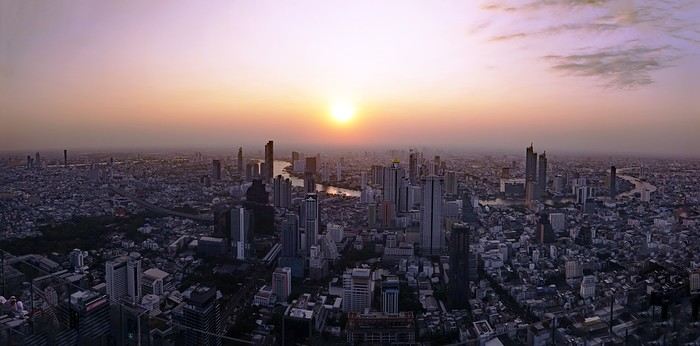


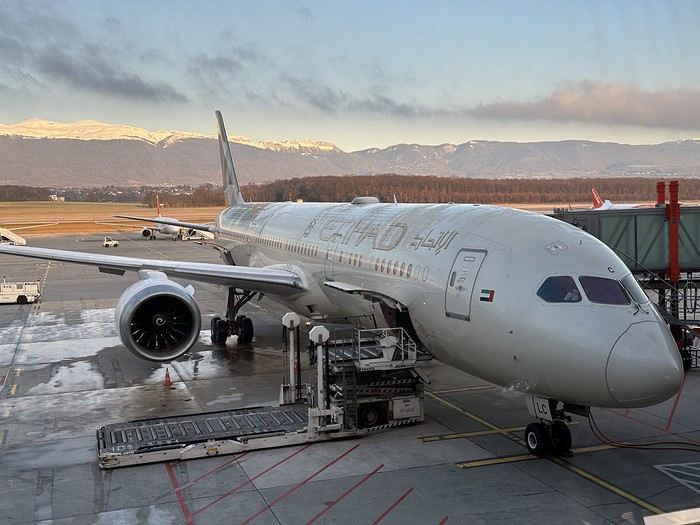
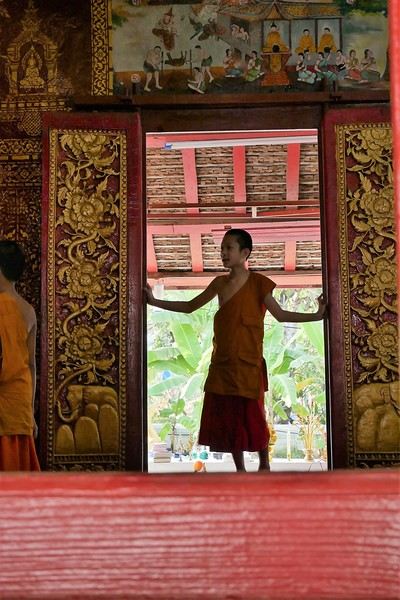 Come along, I'm taking you to this country where it's so nice to wander and slow down...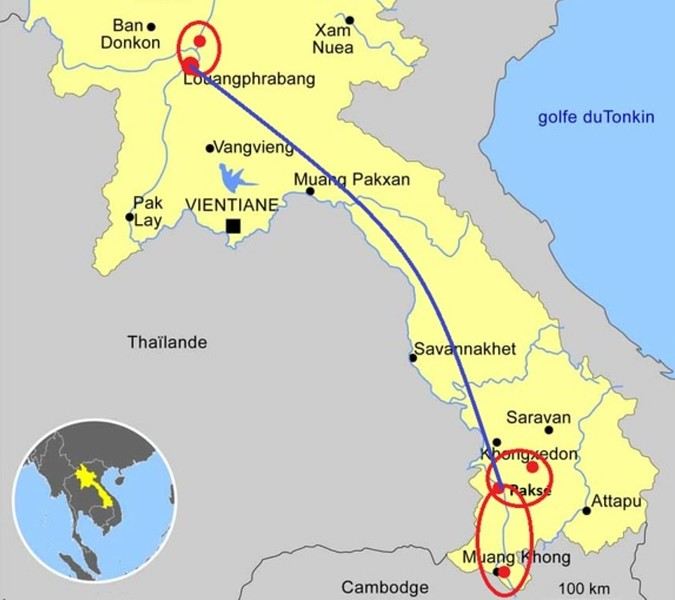
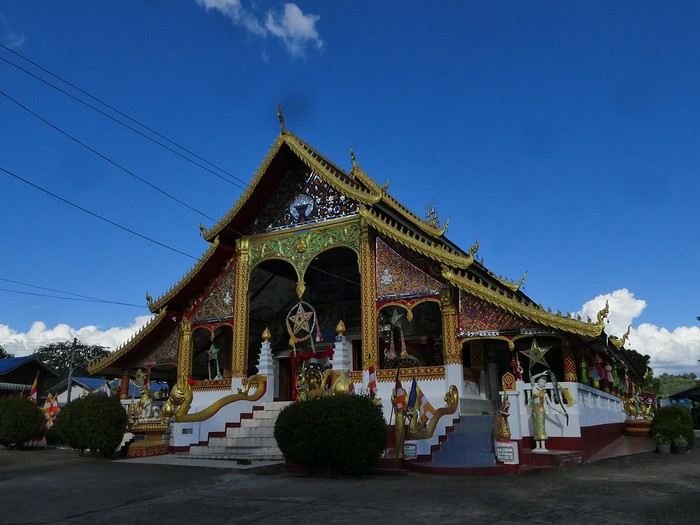
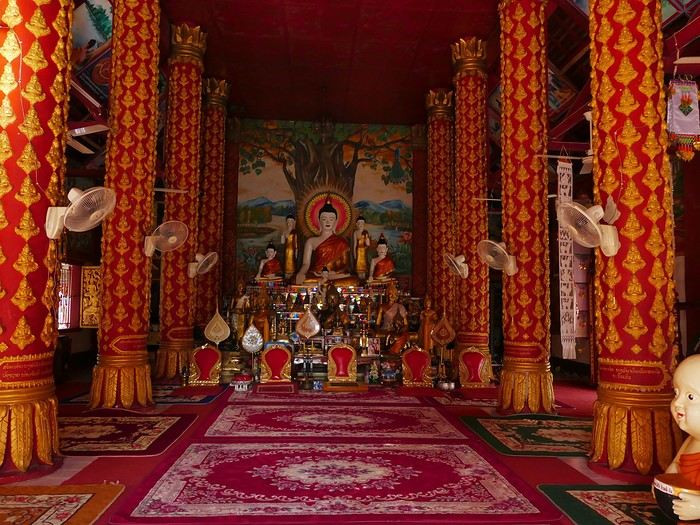
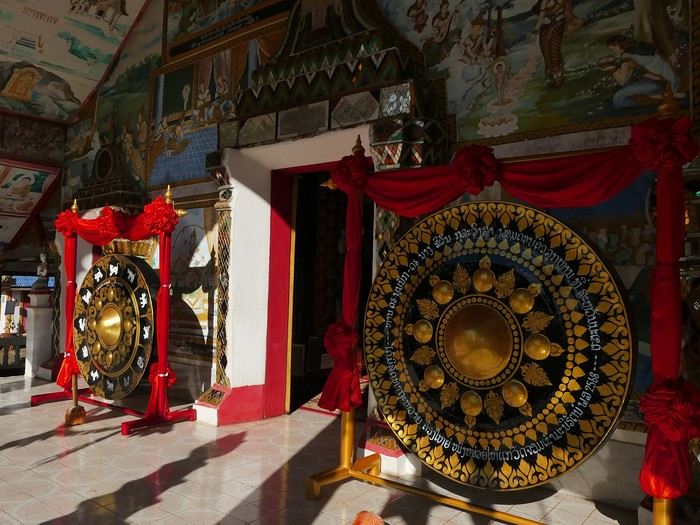
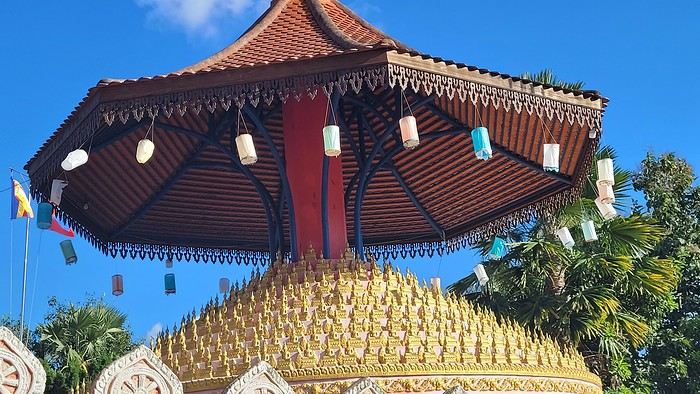
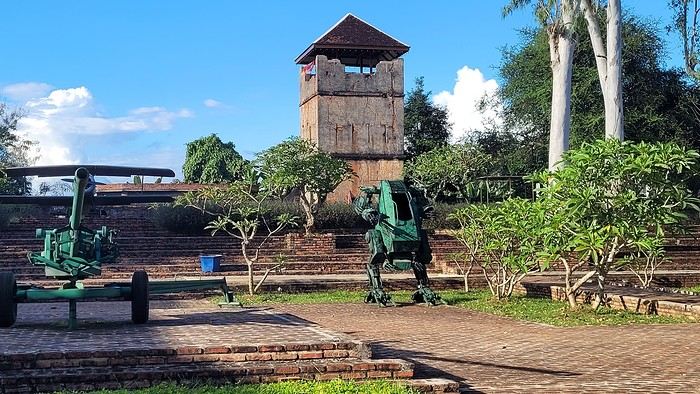
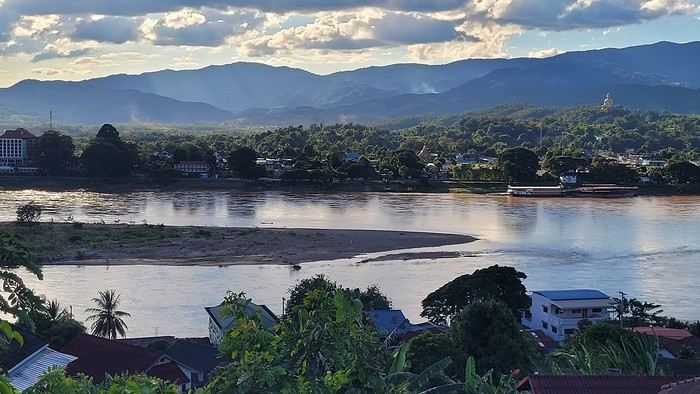
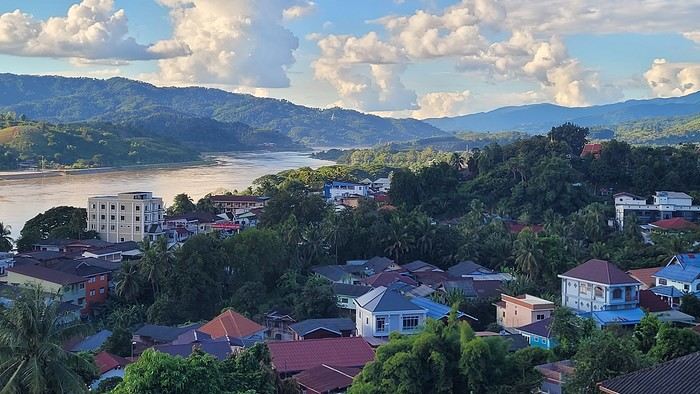
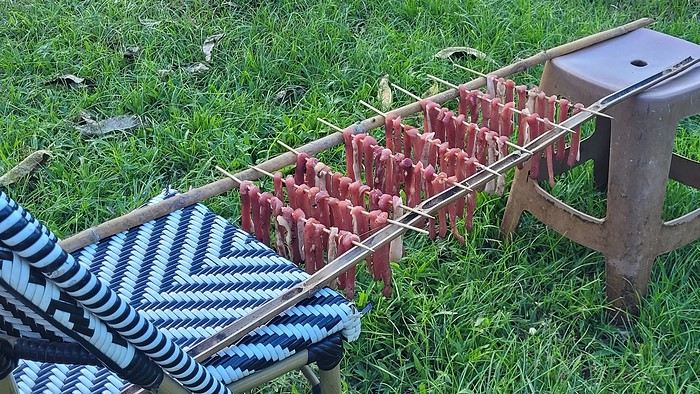
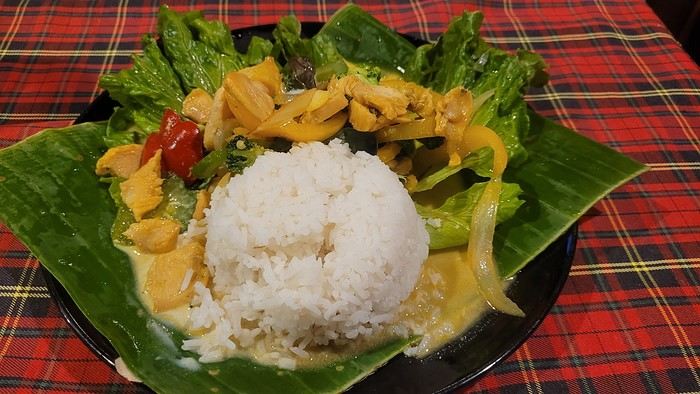
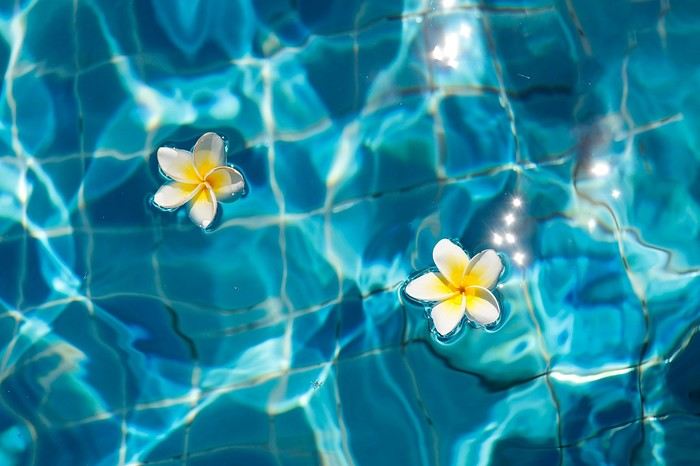
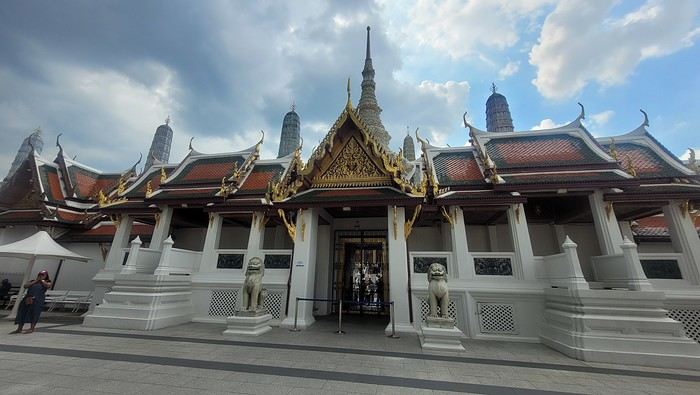
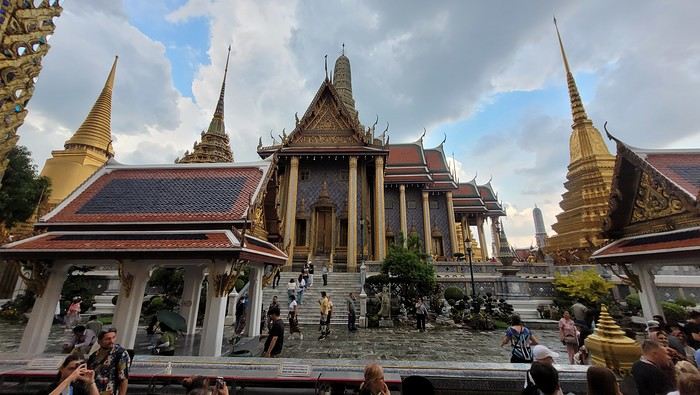
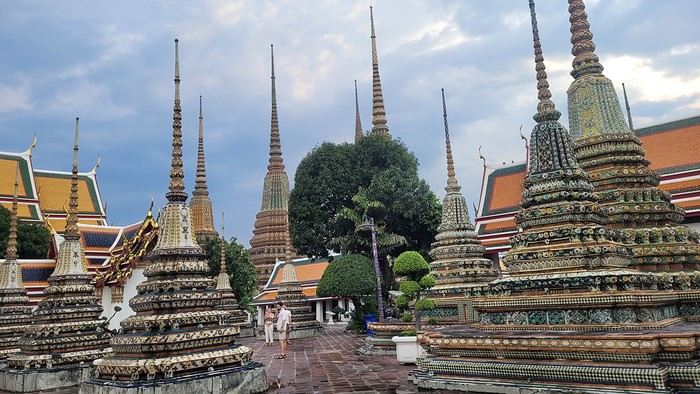
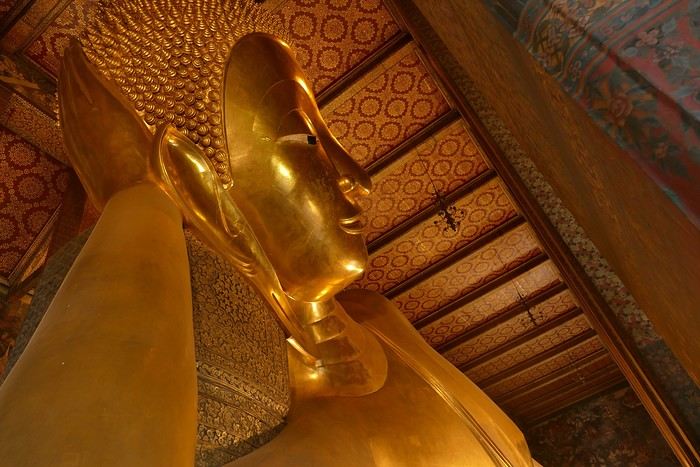
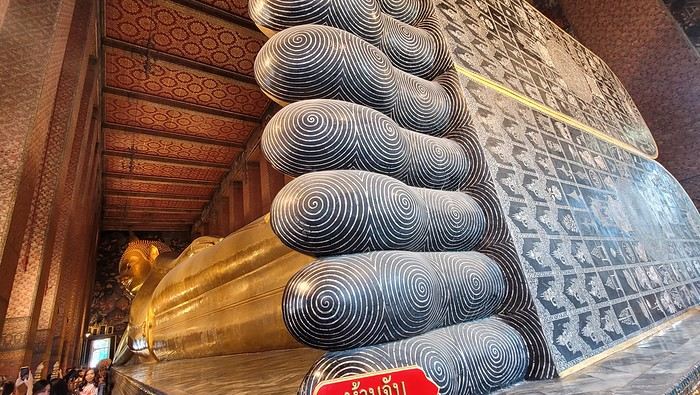
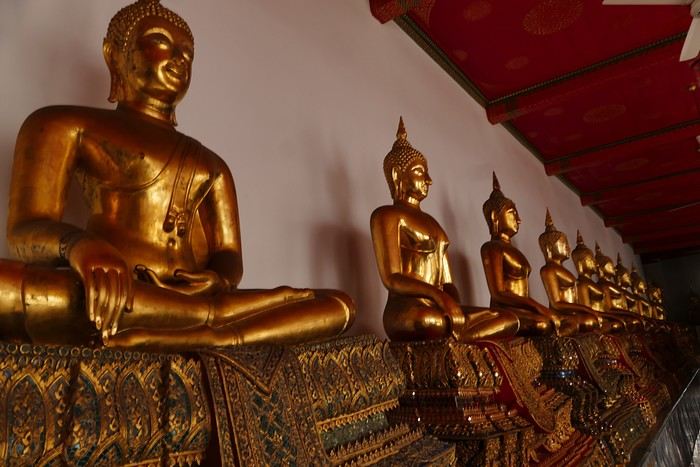
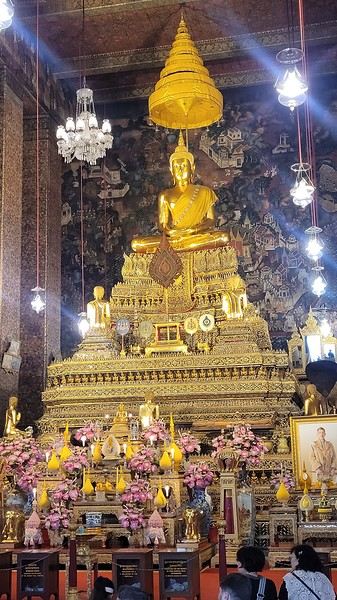
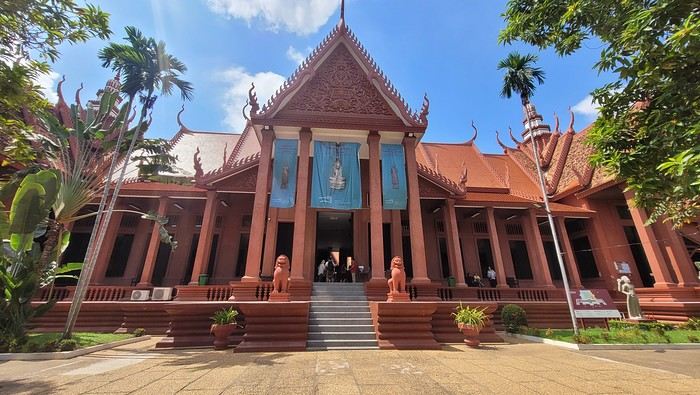
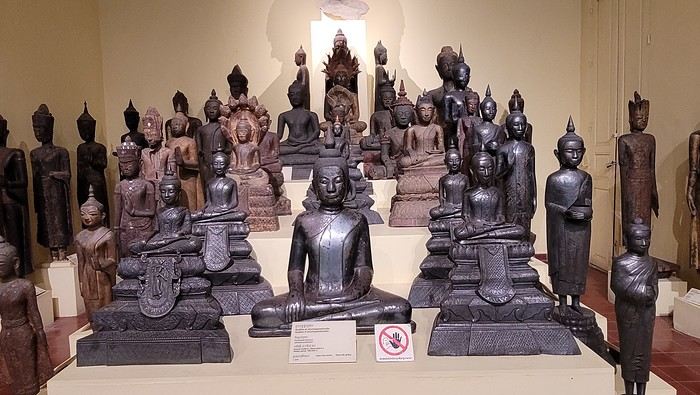
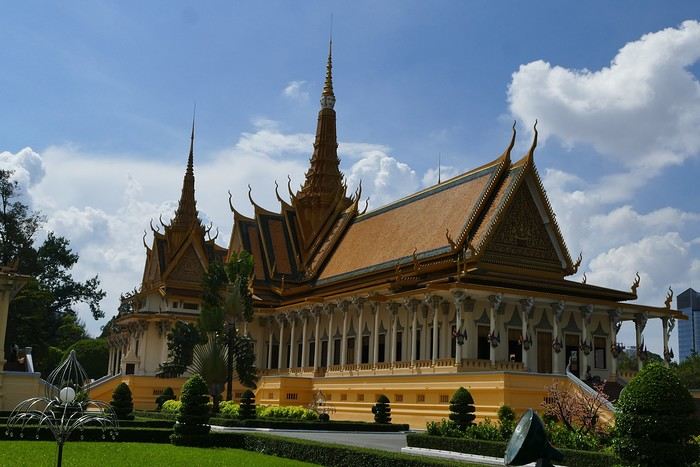
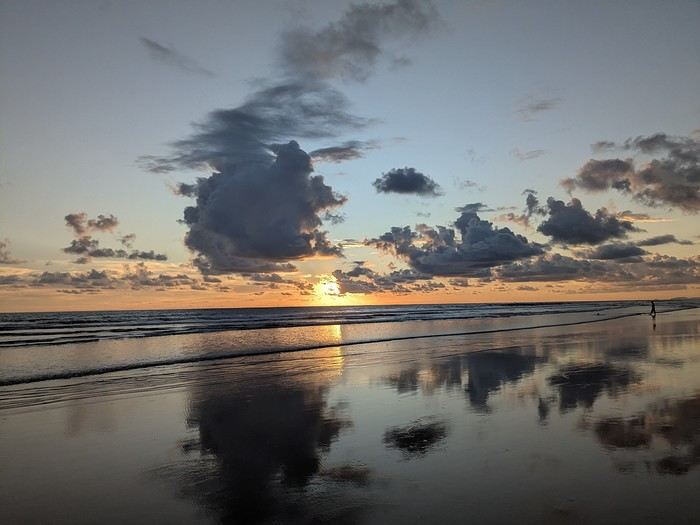
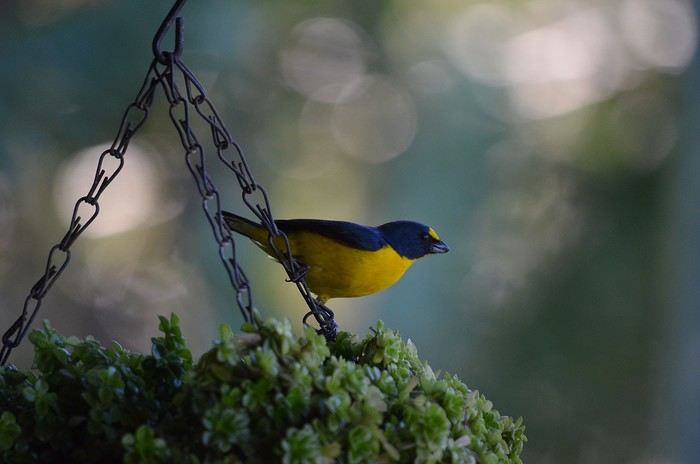
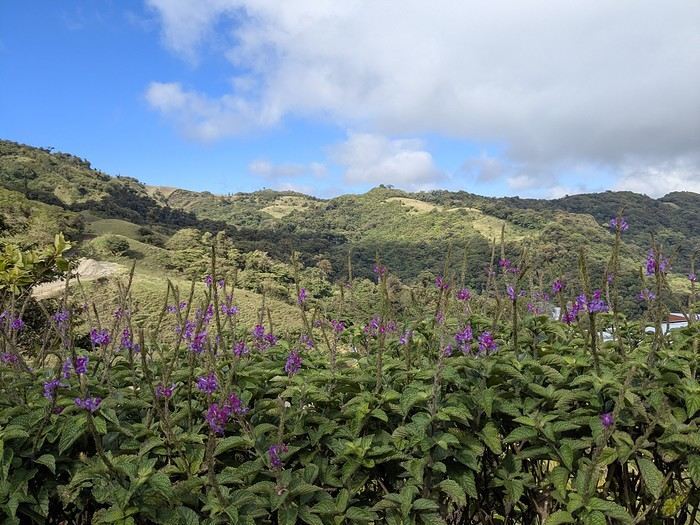
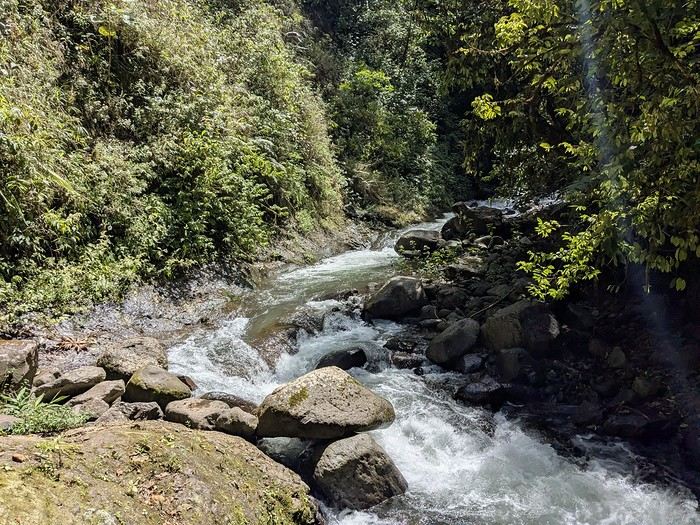
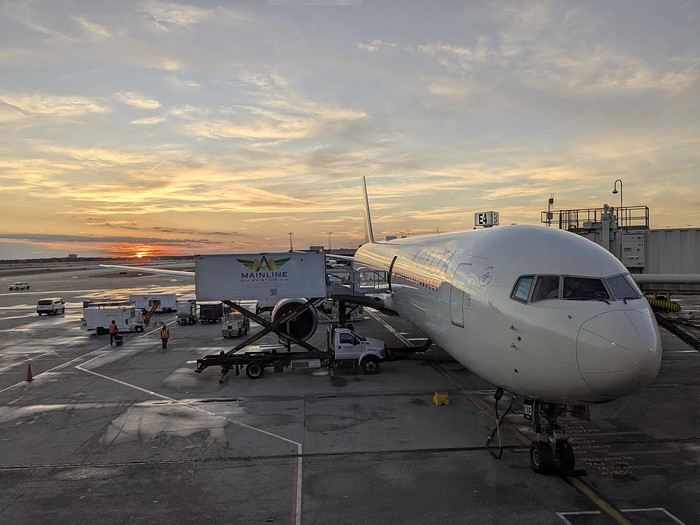
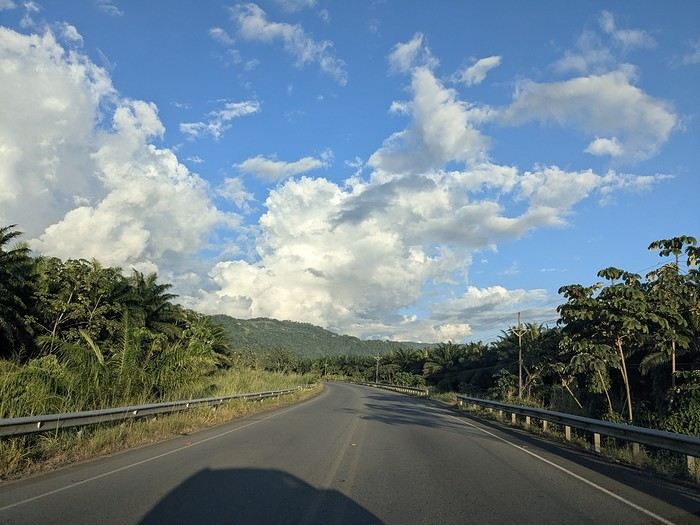
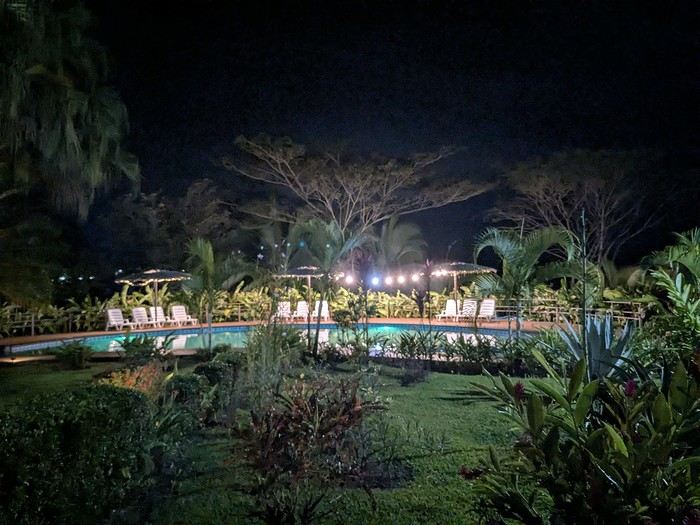
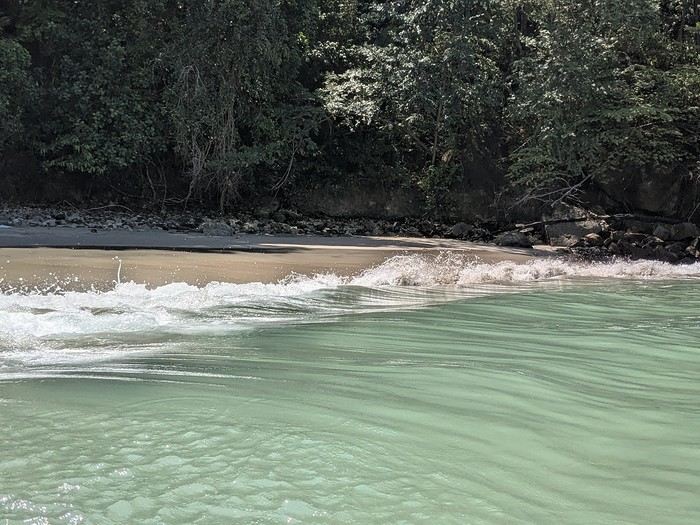
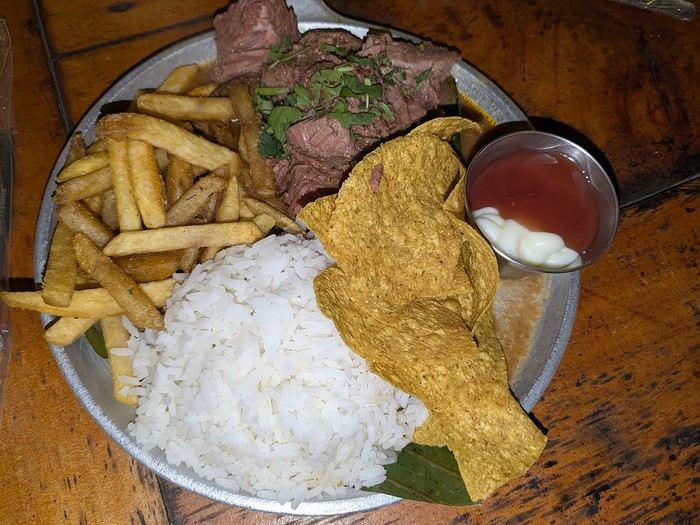
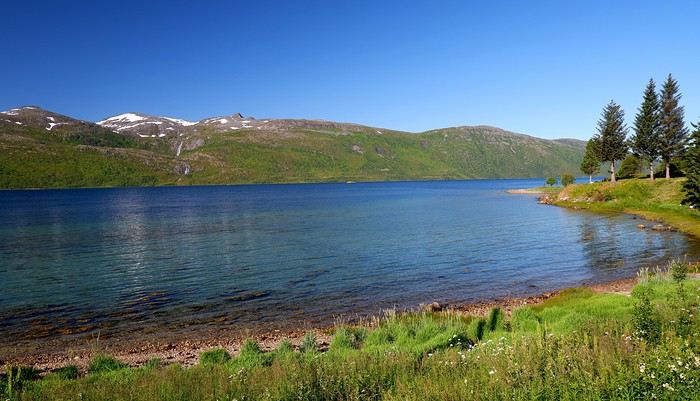
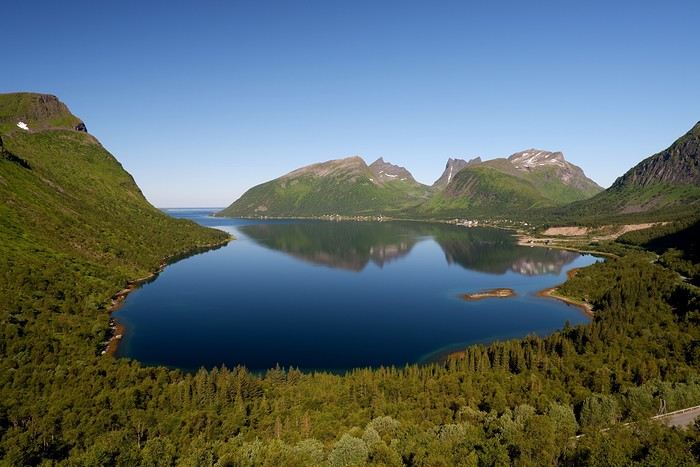
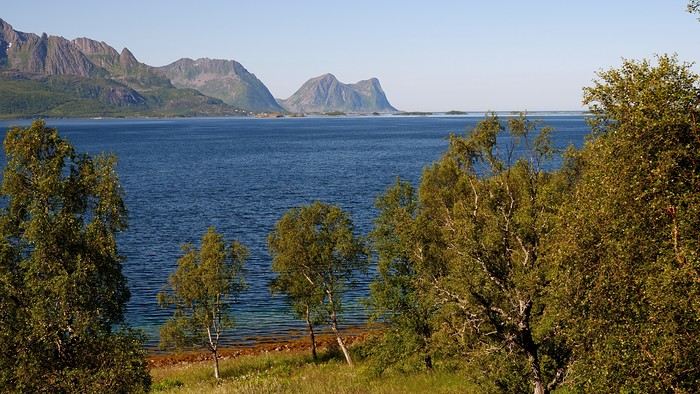
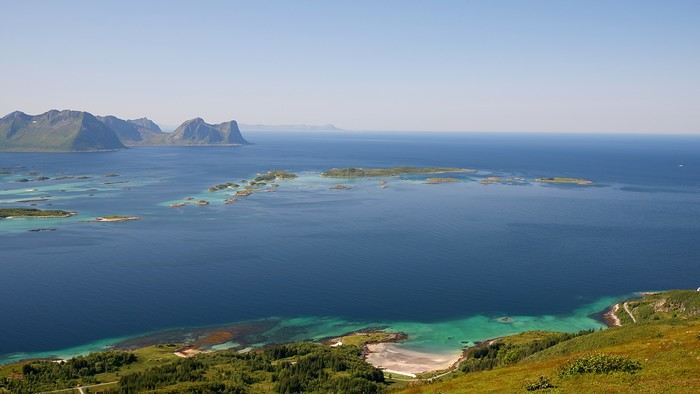
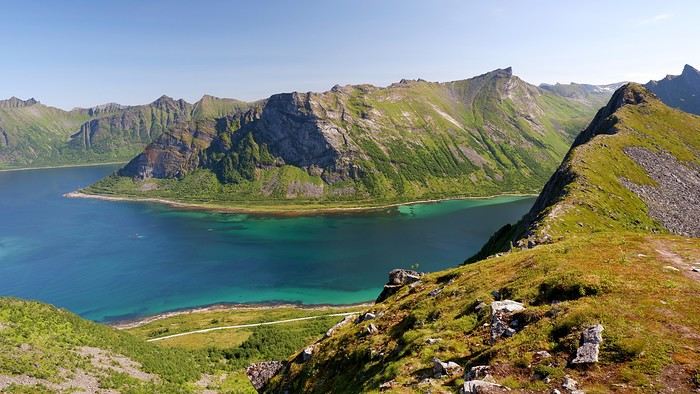
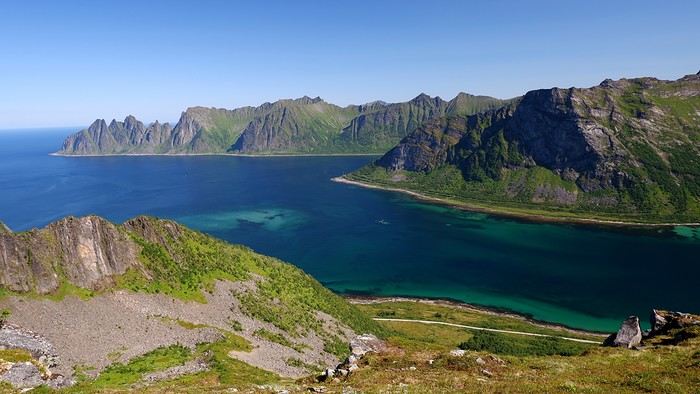
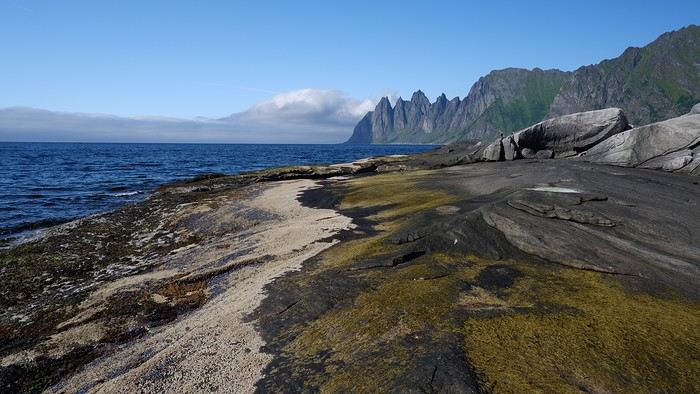
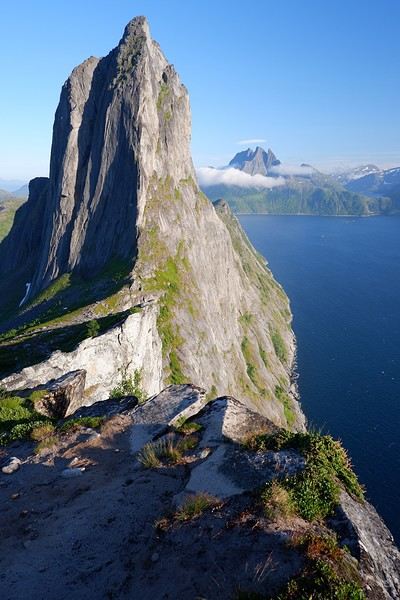
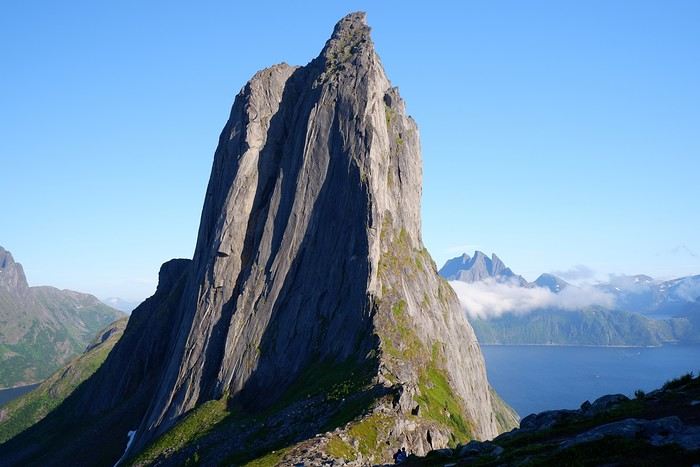
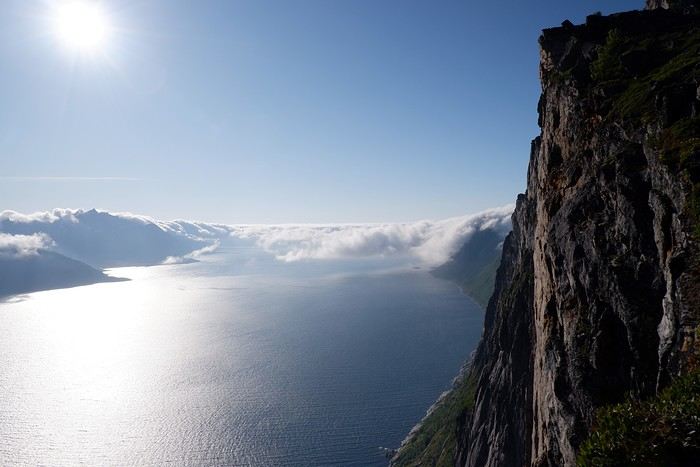
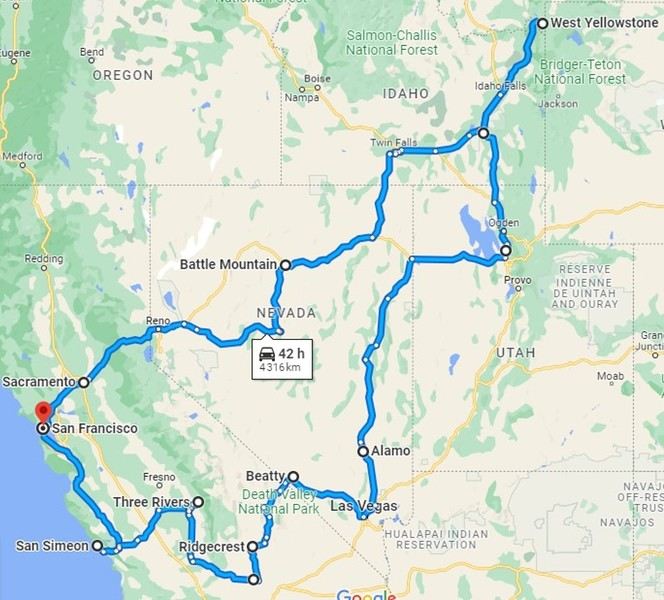
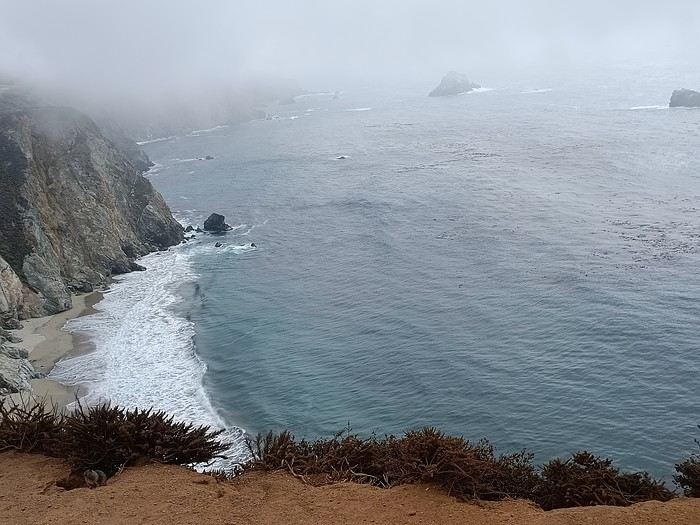
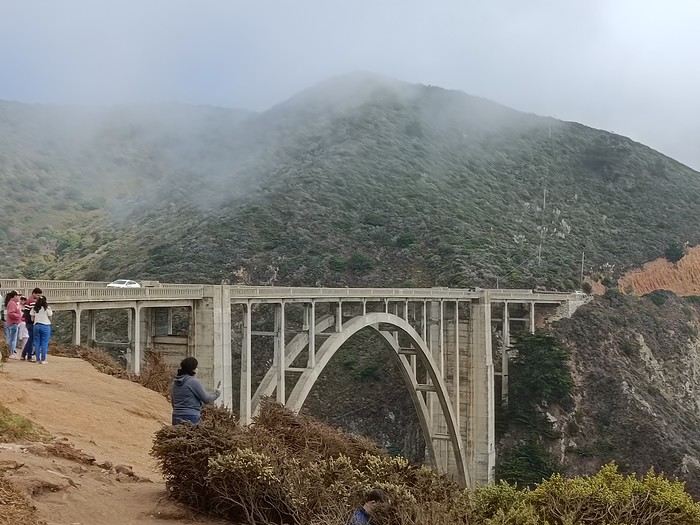

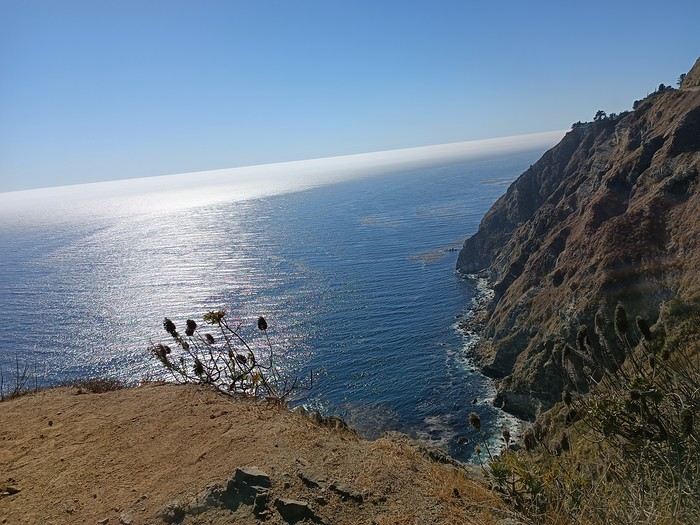
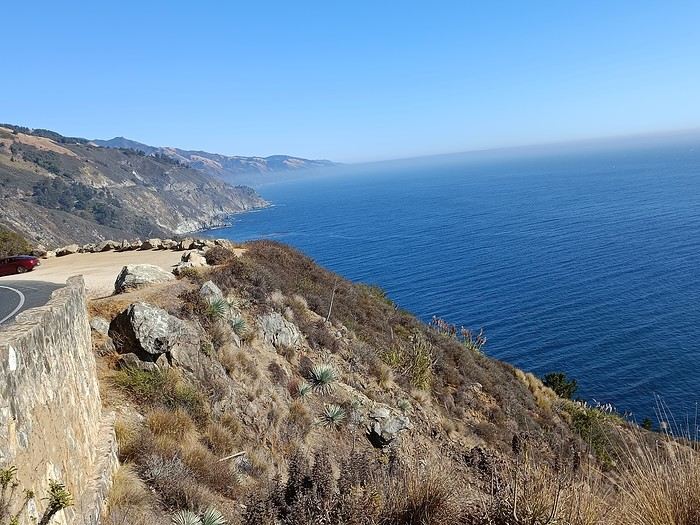
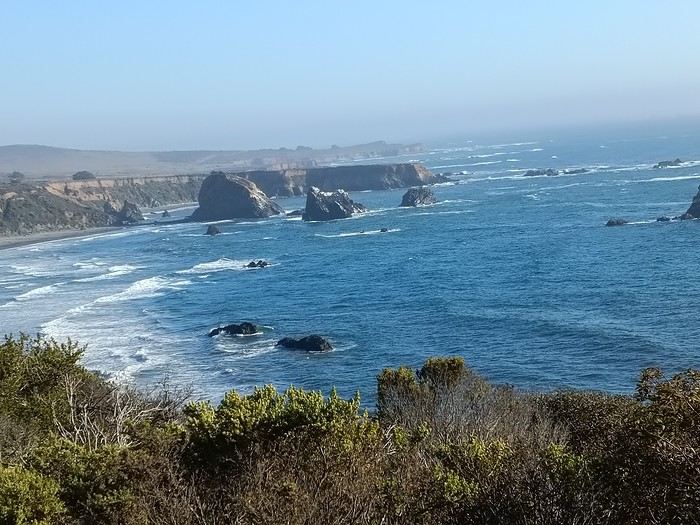
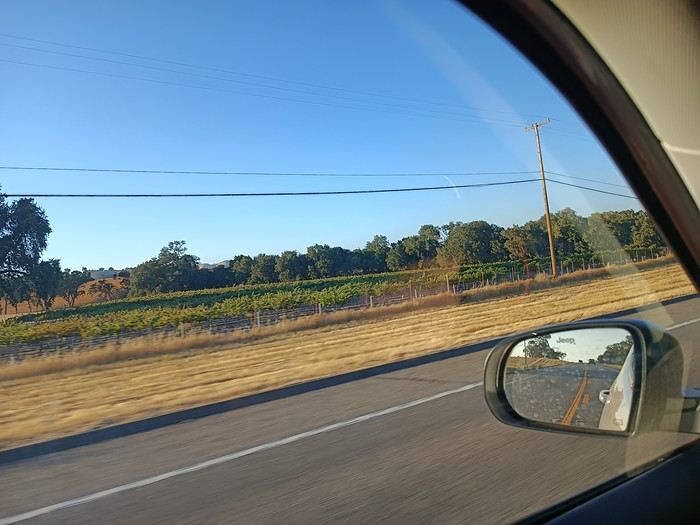
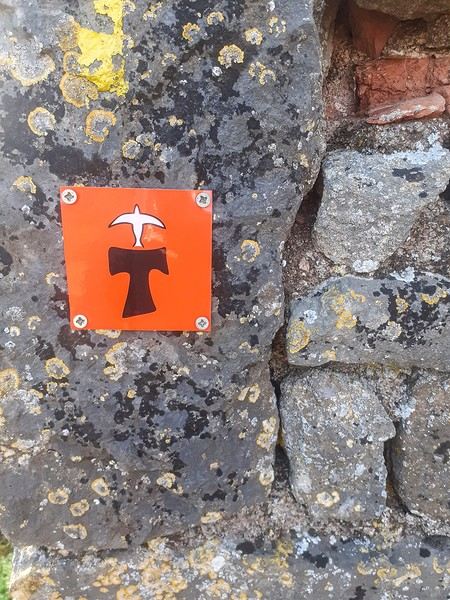
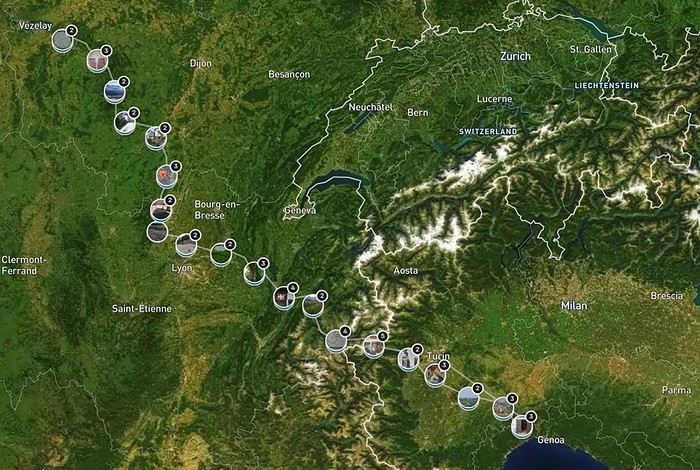
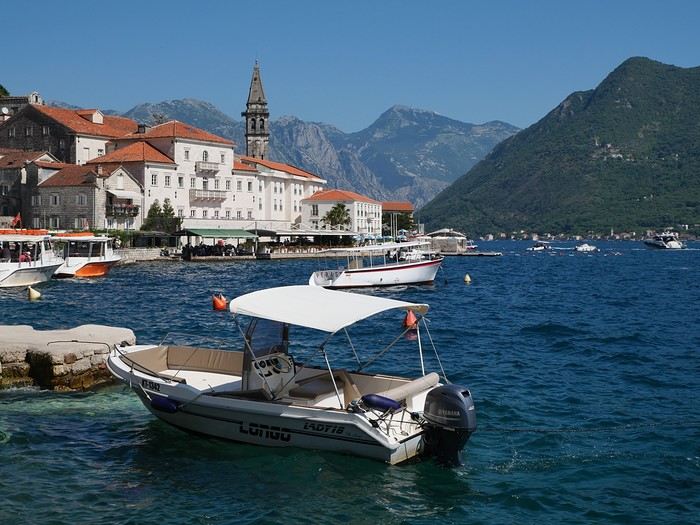
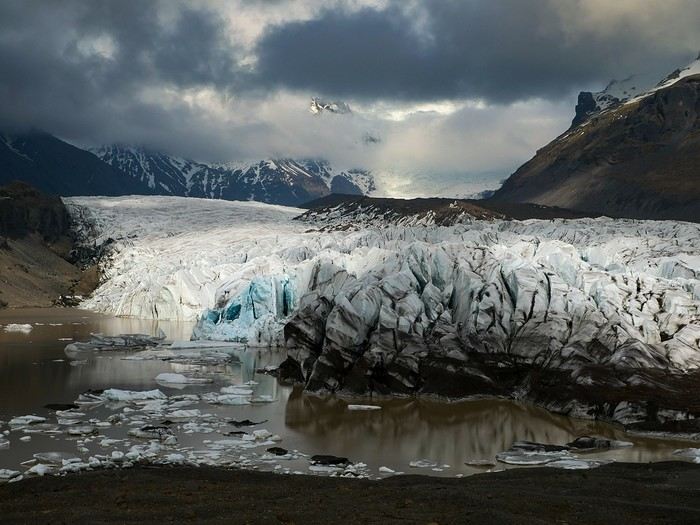

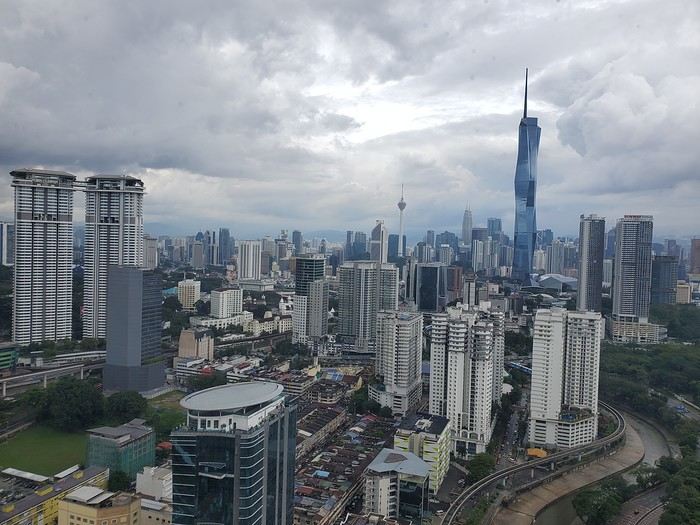
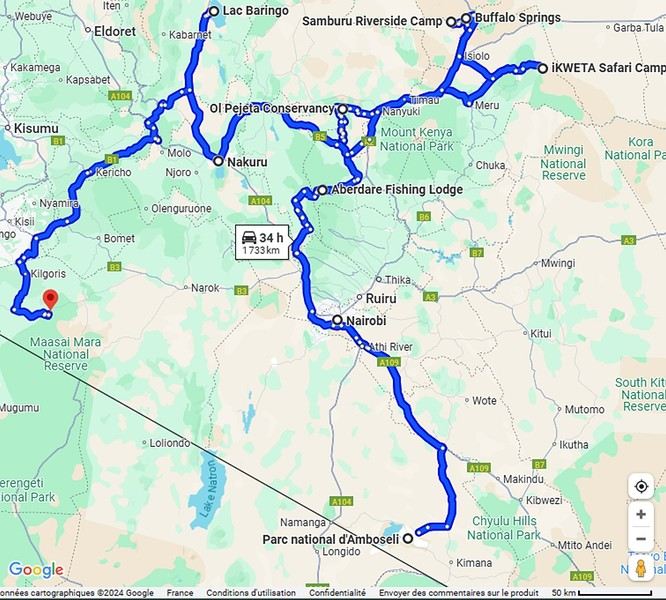
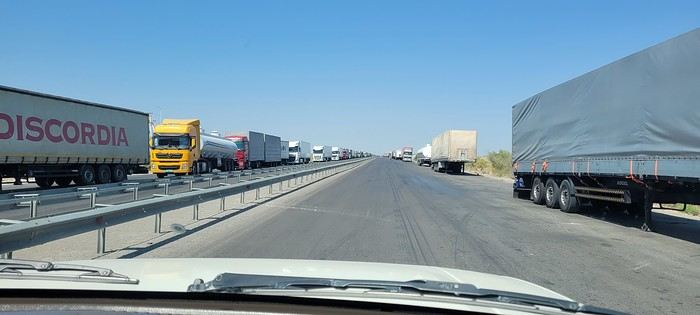
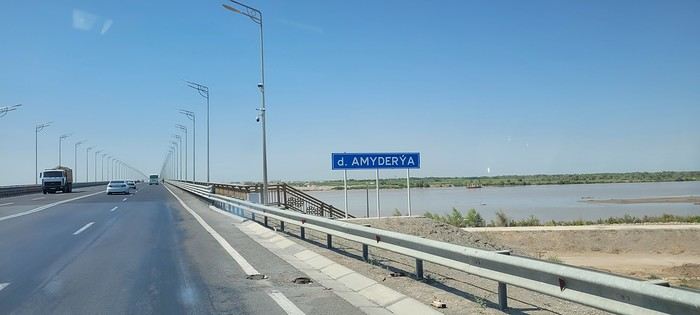
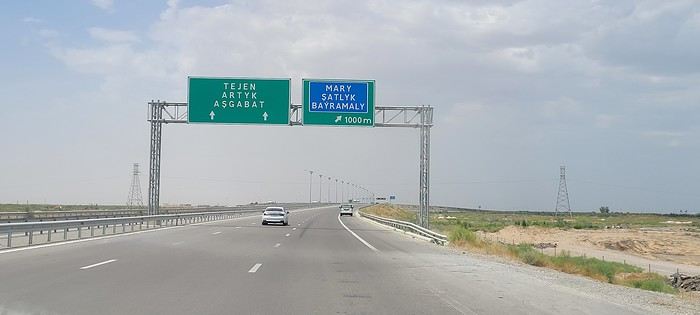
 Roundabouts are particularly interesting because they feature emblems of Turkmen culture, like the dog, a carpet, the Ahal Teke horse, or Muslim symbols, even though the presence of Islamic artifacts is quite limited.