In 2026, traveling becomes a choice. While the same destinations are buckling under mass tourism, there are still preserved alternatives—often just a few hours away from the well-trodden paths. This guide doesn’t ban any countries but instead suggests different approaches and destinations that still have room to breathe.
Hello everyone, I’m happy to welcome you to this new travel journal.
We’re heading to Costa Rica together—a Central American destination that dreams are made of for many French travelers and attracts crowds from France.
It was the country’s wild nature and safety that convinced us to go, since we’re traveling with our 7-year-old little one. We didn’t have much vacation time in February 2026 (only 12 days), so we optimized as much as possible.
Here’s the itinerary: Wednesday, February 11: Flight from Marseille to San Jose via Paris and Atlanta Thursday, February 12: Pick up the car, drive to Poas Volcano, visit La Paz Waterfall Gardens Friday, February 13: Poas Volcano and drive to Manuel Antonio Saturday, February 14: Manuel Antonio National Park Sunday, February 15: Nauyaca Waterfall and Playa Linda Monday, February 16: Drive to Monte Verde and Santa Elena Reserve Tuesday, February 17: El Tigre Waterfall Reserve and Treetopia Park Wednesday, February 18: Monte Verde Reserve with a guide and drive to La Fortuna Thursday, February 19: Sloth guided tour, Observatory Lodge Park Friday, February 20: Arenal Volcano National Park, Termalistas del Arenal hot springs, and night tour Saturday, February 21: Return to San Jose, flight to Paris via Atlanta Sunday, February 22: Arrival in Paris and flight to Marseille. That gives us a solid 9 days in the country.
Budget breakdown: Costa Rica is an expensive country, but no more so than France. However, almost all hikes and waterfalls are paid entry, which can really add up. For meals, sodas (6–10 €) are cheaper than restaurants (10–20 € per dish).
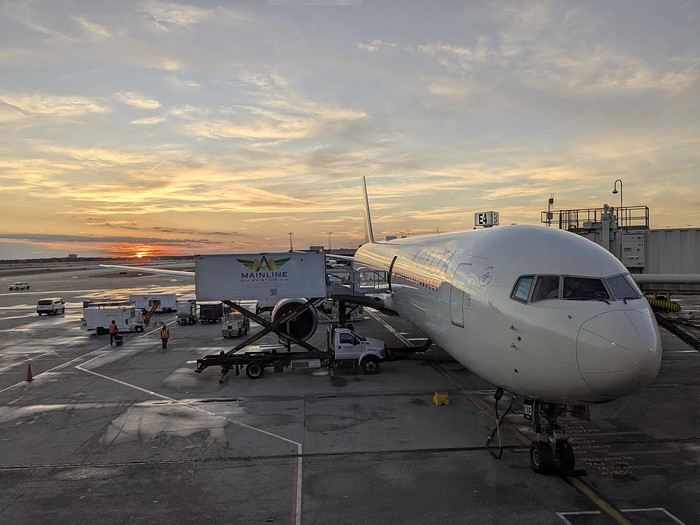
Flights: We chose Delta Airlines for the price: Marseille to San Jose was 740 € per person (modifiable, with checked baggage and seat selection included). Other direct flights from Europe were priced between 1200 € and 1600 € with more restrictive conditions. That’s 2220 € for the family.
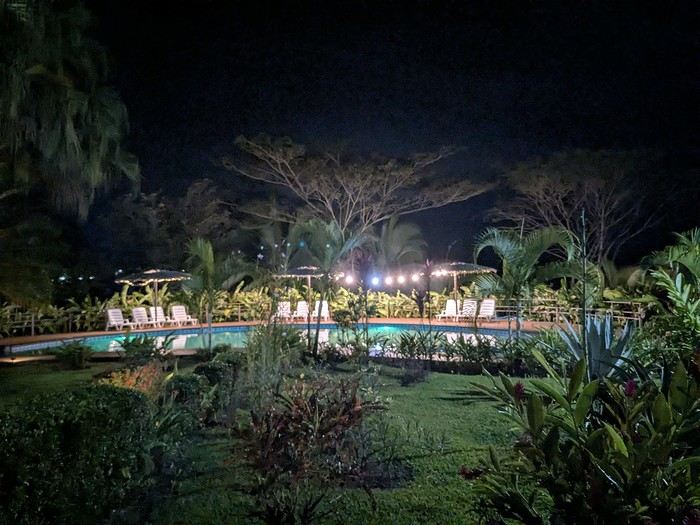
Accommodations: Alajuela, first night: 139 € (1 night) at Rodeo Estancia Boutique Hotel, with personalized airport pickup, transfer to the hotel, and a briefing from Vert Costa Rica agency the next day. Poas: 66 € (1 night) at Cabañas Tierra Fértil (entire apartment). Manuel Antonio: 394 € (3 nights) at La Palapa Ecolodge (hotel in the jungle). Monte Verde: Chalet Aloha Monteverde Cloud Forest (2 bedrooms): 125 € (2 nights). La Fortuna: Arenal Dream Garden (1 bedroom): 217 € (3 nights). Total: 941 €.
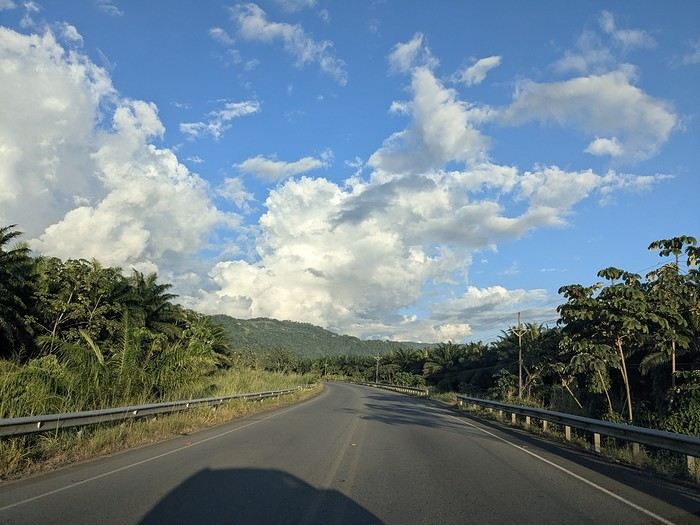
Car rental: I went through Vert Costa Rica agency (Vincent is a French expat who set up the agency in Costa Rica and makes great YouTube videos with useful tips). I rented a 4x4 that was delivered to the hotel the day after arrival and returned at the airport before the flight. The total was 772 €, including full insurance (zero deductible), a child seat, and a phone with a Costa Rican SIM and WhatsApp. The rental company was Poas Rent a Car. The vehicle was well-maintained—no complaints. Gas: 100 € for the whole trip (3 fill-ups).
Activities: To get discounts, I bought the pass offered by Vincent, which paid for itself after just one activity. It cost me 30 € (promo since I rented the car through him). Prices are for 3 people. I’ve added stars to rate them: La Paz Waterfall Gardens ****: 112 € Poas Volcano National Park *: 33 € Manuel Antonio National Park ****: 35 € Nauyaca Waterfall ***: 25 € Santa Elena Reserve **: 45 € El Tigre Waterfall Reserve ****: 141 € (with meal) Treetopia (ziplining, suspension bridges) **: 250 € Guided tour of Monte Verde Reserve ***: 113 € Sloth guided tour (with breakfast) ***: 115 € Arenal Observatory Lodge (with meal) ****: 102 € Arenal Volcano National Park *: 34 € Termalistas del Arenal ****: 20 € Night tour ***: 116 € Total: 1171 €.
Meals: 600 € My favorite restaurants: Poas: Food court Mercaditas in Fraijanes Manuel Antonio (near La Palapa): La Langosta and also El Patio Near Nauyaca Waterfall: Ricar2 el Avión Between Manuel Antonio and Monte Verde: Soda D’Calle Santa Elena: HG’s Food Guadalupe (between Monte Verde and La Fortuna): Soda Río Piedras Arenal Observatory Lodge restaurant Arenal Oasis Ecolodge restaurant
Other expenses: 300 € (groceries for breakfast, drinks, ice cream, souvenirs, etc.) Total overall: 6065 € (about 2020 € per person).
Now, here’s the day-by-day account of this beautiful trip.
https://voyageforum.com/images/posts/small/1772295011-z8mILBEUXHU8Ajz.jpg
It was the country’s wild nature and safety that convinced us to go, since we’re traveling with our 7-year-old little one. We didn’t have much vacation time in February 2026 (only 12 days), so we optimized as much as possible.
Here’s the itinerary: Wednesday, February 11: Flight from Marseille to San Jose via Paris and Atlanta Thursday, February 12: Pick up the car, drive to Poas Volcano, visit La Paz Waterfall Gardens Friday, February 13: Poas Volcano and drive to Manuel Antonio Saturday, February 14: Manuel Antonio National Park Sunday, February 15: Nauyaca Waterfall and Playa Linda Monday, February 16: Drive to Monte Verde and Santa Elena Reserve Tuesday, February 17: El Tigre Waterfall Reserve and Treetopia Park Wednesday, February 18: Monte Verde Reserve with a guide and drive to La Fortuna Thursday, February 19: Sloth guided tour, Observatory Lodge Park Friday, February 20: Arenal Volcano National Park, Termalistas del Arenal hot springs, and night tour Saturday, February 21: Return to San Jose, flight to Paris via Atlanta Sunday, February 22: Arrival in Paris and flight to Marseille. That gives us a solid 9 days in the country.
Budget breakdown: Costa Rica is an expensive country, but no more so than France. However, almost all hikes and waterfalls are paid entry, which can really add up. For meals, sodas (6–10 €) are cheaper than restaurants (10–20 € per dish).
Flights: We chose Delta Airlines for the price: Marseille to San Jose was 740 € per person (modifiable, with checked baggage and seat selection included). Other direct flights from Europe were priced between 1200 € and 1600 € with more restrictive conditions. That’s 2220 € for the family.
Accommodations: Alajuela, first night: 139 € (1 night) at Rodeo Estancia Boutique Hotel, with personalized airport pickup, transfer to the hotel, and a briefing from Vert Costa Rica agency the next day. Poas: 66 € (1 night) at Cabañas Tierra Fértil (entire apartment). Manuel Antonio: 394 € (3 nights) at La Palapa Ecolodge (hotel in the jungle). Monte Verde: Chalet Aloha Monteverde Cloud Forest (2 bedrooms): 125 € (2 nights). La Fortuna: Arenal Dream Garden (1 bedroom): 217 € (3 nights). Total: 941 €.
Car rental: I went through Vert Costa Rica agency (Vincent is a French expat who set up the agency in Costa Rica and makes great YouTube videos with useful tips). I rented a 4x4 that was delivered to the hotel the day after arrival and returned at the airport before the flight. The total was 772 €, including full insurance (zero deductible), a child seat, and a phone with a Costa Rican SIM and WhatsApp. The rental company was Poas Rent a Car. The vehicle was well-maintained—no complaints. Gas: 100 € for the whole trip (3 fill-ups).
Activities: To get discounts, I bought the pass offered by Vincent, which paid for itself after just one activity. It cost me 30 € (promo since I rented the car through him). Prices are for 3 people. I’ve added stars to rate them: La Paz Waterfall Gardens ****: 112 € Poas Volcano National Park *: 33 € Manuel Antonio National Park ****: 35 € Nauyaca Waterfall ***: 25 € Santa Elena Reserve **: 45 € El Tigre Waterfall Reserve ****: 141 € (with meal) Treetopia (ziplining, suspension bridges) **: 250 € Guided tour of Monte Verde Reserve ***: 113 € Sloth guided tour (with breakfast) ***: 115 € Arenal Observatory Lodge (with meal) ****: 102 € Arenal Volcano National Park *: 34 € Termalistas del Arenal ****: 20 € Night tour ***: 116 € Total: 1171 €.
Meals: 600 € My favorite restaurants: Poas: Food court Mercaditas in Fraijanes Manuel Antonio (near La Palapa): La Langosta and also El Patio Near Nauyaca Waterfall: Ricar2 el Avión Between Manuel Antonio and Monte Verde: Soda D’Calle Santa Elena: HG’s Food Guadalupe (between Monte Verde and La Fortuna): Soda Río Piedras Arenal Observatory Lodge restaurant Arenal Oasis Ecolodge restaurant
Other expenses: 300 € (groceries for breakfast, drinks, ice cream, souvenirs, etc.) Total overall: 6065 € (about 2020 € per person).
Now, here’s the day-by-day account of this beautiful trip.
https://voyageforum.com/images/posts/small/1772295011-z8mILBEUXHU8Ajz.jpg
Who are you? Where are you from? Where are you going?
Like last year at this time, a post about bike travel ideas.
How many of us are preparing a trip planned for this year? Probably a lot.
What’s yours—the one you’ve been dying to do for so long, maybe too long? For us, it’s a modest PARIS-MARATHON by bike, followed by MARATHON-ATHENS on foot in June 2010. And you?
May the passion keep growing before, during, and after! Happy planning and safe travels to everyone.
Like last year at this time, a post about bike travel ideas.
How many of us are preparing a trip planned for this year? Probably a lot.
What’s yours—the one you’ve been dying to do for so long, maybe too long? For us, it’s a modest PARIS-MARATHON by bike, followed by MARATHON-ATHENS on foot in June 2010. And you?
May the passion keep growing before, during, and after! Happy planning and safe travels to everyone.
Bonsoir à tous les croisiéristes
Grand déception et abus de msc
Les forfaits boissons sont passés à un tarif exhorbitant
Easy équivalent brindiamo SANS cocktails 406€
Premium ex all inclusive 550€
Soft 266€
Pire que le carburant
😠
Faites passer
Costa va sûrement récupérer des clients à moins qu’ils ne prennent le mauvais exemple
Bonne soirée
Bonne soirée
This catchy and somewhat mysterious title comes from several questions I’ve been asking myself.
VF has been back open for a reasonable number of weeks and months now. The number of visitors overall matches past averages, but the number of members online in the last 24 hours seems relatively lower than what we used to see.
Yet, to my surprise, I’m seeing fewer travel journals, way fewer messages, and way fewer questions. I don’t see many new registered users online, and I notice a number of members who are logged in but either aren’t participating or have stopped participating.
Something’s not adding up for me because, in my opinion, VF is still appealing, and I don’t see which other sites could really compete.
Was there a real break between pre- and post-Covid? Does it just take more time for some people to discover the site or learn that it’s active again? Do people now prefer quick consumption on sites like FB or others I’m not familiar with? Where have the site’s old-timers gone, and what are they doing with their time now? What’s really going on here?
VF has been back open for a reasonable number of weeks and months now. The number of visitors overall matches past averages, but the number of members online in the last 24 hours seems relatively lower than what we used to see.
Yet, to my surprise, I’m seeing fewer travel journals, way fewer messages, and way fewer questions. I don’t see many new registered users online, and I notice a number of members who are logged in but either aren’t participating or have stopped participating.
Something’s not adding up for me because, in my opinion, VF is still appealing, and I don’t see which other sites could really compete.
Was there a real break between pre- and post-Covid? Does it just take more time for some people to discover the site or learn that it’s active again? Do people now prefer quick consumption on sites like FB or others I’m not familiar with? Where have the site’s old-timers gone, and what are they doing with their time now? What’s really going on here?
Hi everyone.
Because that’s also what sparks the desire in every traveler (well, at least for me) to set foot on Australian soil: discovering a new continent.
Right now, I’ve got some time on my hands—those who follow me know that. A nasty muscle tear (which really doesn’t want to heal) is keeping me grounded for another week, so I’ve decided to open a new travel journal, recounting my recent trip from December 14, 2024, to January 12, 2025, in Australia.
The origins of this trip started last May in Crete, an island I chose for a 10-day break. It’s really lovely, by the way, but that’s not the point… It’s around this time every year that we decide on our next winter destination, and Argentina was at the top of the list—Sydney wasn’t even on the radar… I’d been looking at flights to Buenos Aires for a while, and the prices were shocking… But by the pool one lazy afternoon, scrolling on my iPhone, a promo from Geneva to Sydney caught my eye. The deal ticked two boxes on my traveler’s bucket list: a flight to Australia and a flight with Singapore Airlines, often ranked as the world’s best airline. A quick chat with the missus (well, of course!) and the decision was made: off to the land of kangaroos! Now, once you add luggage and Economy Plus, it still comes to 1600 € per person, but that’s a reasonable price. Either way, we already know what we’re in for—Australia is a budget commitment!

Thanks to 123rf for the image loan 😛
Right now, I’ve got some time on my hands—those who follow me know that. A nasty muscle tear (which really doesn’t want to heal) is keeping me grounded for another week, so I’ve decided to open a new travel journal, recounting my recent trip from December 14, 2024, to January 12, 2025, in Australia.
The origins of this trip started last May in Crete, an island I chose for a 10-day break. It’s really lovely, by the way, but that’s not the point… It’s around this time every year that we decide on our next winter destination, and Argentina was at the top of the list—Sydney wasn’t even on the radar… I’d been looking at flights to Buenos Aires for a while, and the prices were shocking… But by the pool one lazy afternoon, scrolling on my iPhone, a promo from Geneva to Sydney caught my eye. The deal ticked two boxes on my traveler’s bucket list: a flight to Australia and a flight with Singapore Airlines, often ranked as the world’s best airline. A quick chat with the missus (well, of course!) and the decision was made: off to the land of kangaroos! Now, once you add luggage and Economy Plus, it still comes to 1600 € per person, but that’s a reasonable price. Either way, we already know what we’re in for—Australia is a budget commitment!
Thanks to 123rf for the image loan 😛
Bonjour à tous, je commence une nouvelle discussion car l'ancienne est visiblement close.
Je viens de réserver un retour de NY en Club World sur BA, compagnie que je n'ai prise sur un LC, pour essayer car j'en entends souvent du bien. Quel étonnement en voyant qu'on me demande 70€ pour choisir mon siège ! Pas très classe vu le prix du billet.
Je viens de réserver un retour de NY en Club World sur BA, compagnie que je n'ai prise sur un LC, pour essayer car j'en entends souvent du bien. Quel étonnement en voyant qu'on me demande 70€ pour choisir mon siège ! Pas très classe vu le prix du billet.
Some trips are born twice.
Ours was supposed to happen in 2020. Everything was ready: the itinerary, the flight tickets, hotel reservations and Machu Picchu, the rental car, dreams of high altitudes and wide-open spaces. And then the world stopped.
Like so many other plans, our trip to Peru was put on hold. Disappointment was followed by a more concrete reality: paperwork, endless back-and-forth, and battles to recover some of the costs we’d already paid.
The years went by. Life moved on, with its shifting priorities and unexpected twists. Rescheduling this trip wasn’t possible until 2025.
The itinerary stayed mostly true to what we’d imagined five years earlier. One major difference, though—in 2020, we’d planned to rent a car and explore the roads completely independently. Most importantly, we hadn’t included the three-day Ausangate trek, due to lack of time.
For 2025, our plans evolved. 4x4 rental prices had skyrocketed, and when we looked at our schedule more closely, we realized quite a few days didn’t actually need a vehicle. So we made a different choice and opted for private drivers instead. A decision we never regretted. Always punctual, thoughtful, and available... they were so much more than just drivers.
All our reservations were made in January, except for the trek, which we booked in February.
Finding reliable drivers on our own was tough, so we asked Laurent from Tout Pérou to handle it for us. Going through Tout Pérou also gave us a discount on the train ride to Aguas Calientes, so Laurent booked those tickets too. He also bought our Machu Picchu entrance tickets at the same price we would’ve paid on the official website. When comparing domestic flight prices, we found it was cheaper to book from Peru, so Laurent took care of those as well.
This time, nothing was going to stop us. Peru was waiting. And we were ready. 🙂
Ours was supposed to happen in 2020. Everything was ready: the itinerary, the flight tickets, hotel reservations and Machu Picchu, the rental car, dreams of high altitudes and wide-open spaces. And then the world stopped.
Like so many other plans, our trip to Peru was put on hold. Disappointment was followed by a more concrete reality: paperwork, endless back-and-forth, and battles to recover some of the costs we’d already paid.
The years went by. Life moved on, with its shifting priorities and unexpected twists. Rescheduling this trip wasn’t possible until 2025.
The itinerary stayed mostly true to what we’d imagined five years earlier. One major difference, though—in 2020, we’d planned to rent a car and explore the roads completely independently. Most importantly, we hadn’t included the three-day Ausangate trek, due to lack of time.
For 2025, our plans evolved. 4x4 rental prices had skyrocketed, and when we looked at our schedule more closely, we realized quite a few days didn’t actually need a vehicle. So we made a different choice and opted for private drivers instead. A decision we never regretted. Always punctual, thoughtful, and available... they were so much more than just drivers.
All our reservations were made in January, except for the trek, which we booked in February.
Finding reliable drivers on our own was tough, so we asked Laurent from Tout Pérou to handle it for us. Going through Tout Pérou also gave us a discount on the train ride to Aguas Calientes, so Laurent booked those tickets too. He also bought our Machu Picchu entrance tickets at the same price we would’ve paid on the official website. When comparing domestic flight prices, we found it was cheaper to book from Peru, so Laurent took care of those as well.
This time, nothing was going to stop us. Peru was waiting. And we were ready. 🙂
Day 1 – December 6
Our decision is our decision. And it’s firm and final. Next winter, our plane will spread its great wings toward the island of Ceylon! "Wait a minute... Ceylon... Ceylon... that name rings a bell, but I can’t quite place it on the globe Grandma gave me for Christmas! Ceylon... Oh right, I’ve got it: Ceylon is the name of my tea!" Exactly. But the name on your pretty tea box is also the one used until 1972 for this island nation, a speck on the Indian Ocean at the southern tip of the Indian subcontinent: Sri Lanka!
For this new adventure, I’m exceptionally leaving my Flo behind, cowardly replaced by a double dose of testosterone. To write the book of this journey with me, I’m bringing along my brother, who’s used to this kind of thing, and... a guest star: My model of resilience. My dad! All aboard! Or rather, all aboard our tuk-tuk! Yes, you read that right: A real tuk-tuk, a little colorful rolling box that putters along at two miles an hour. The idea? Well, Sri Lanka and its winding roads overlooking the vastness of lush nature are tailor-made for this kind of vehicle. And since it’s one of only two countries in the world that allow foreigners to rent and drive these mini speedsters, we’ll be crisscrossing the island in our two-square-meter rolling box. Plus, adopting this mode of transport is a surefire way to connect directly with the locals, who’ll surely be curious to see a foreigner driving their iconic vehicle. Not to mention the... let’s say... spicy anecdotes it might generate. I mean, heading into a subtropical zone with my jet-black dad and his unpredictable digestive flora while deliberately choosing the tuk-tuk as our *only* means of transport? That’s the winning combo for an unforgettable adventure! "More seriously, Dad, Sullivan, I’m already loving the idea of living this adventure together, the three of us—brothers and father..."
So, does the intro to this new adventure get your salivary glands going? Yes? Too bad. Because unfortunately, the program handed out by the lady at the entrance has been slightly... let’s say *crumpled*. Some might even say "scrunched up and nearly tossed in the trash." First, six days ago, as the countdown echoed in us like a call to adventure, Cyclone Ditwah grabbed Sri Lanka, played with it like a rag doll, and left it battered on the ground. The toll is devastating: over a thousand dead, thousands of homes wiped out by relentless rains, roads and railways swallowed by massive mudslides. A country wounded once again, after the civil war, the 2004 tsunami, and the post-Covid economic crisis.
But as if this weather disaster wasn’t enough to shake our unbreakable adventurer spirit, fate decided to mess with us further by cutting our trio down to two. The victim? My brother, violently turned away because of a simple date on his passport that didn’t match the border officials’ expectations. Return to sender!
So now it’s just the two of us allowed to board the Qatar Airways Airbus A380 for this trip. If he were here, Denis Brognart would say, "And in the end, only one remains!" Except I know you’ll be with us, following our adventures! Right?
Our decision is our decision. And it’s firm and final. Next winter, our plane will spread its great wings toward the island of Ceylon! "Wait a minute... Ceylon... Ceylon... that name rings a bell, but I can’t quite place it on the globe Grandma gave me for Christmas! Ceylon... Oh right, I’ve got it: Ceylon is the name of my tea!" Exactly. But the name on your pretty tea box is also the one used until 1972 for this island nation, a speck on the Indian Ocean at the southern tip of the Indian subcontinent: Sri Lanka!
For this new adventure, I’m exceptionally leaving my Flo behind, cowardly replaced by a double dose of testosterone. To write the book of this journey with me, I’m bringing along my brother, who’s used to this kind of thing, and... a guest star: My model of resilience. My dad! All aboard! Or rather, all aboard our tuk-tuk! Yes, you read that right: A real tuk-tuk, a little colorful rolling box that putters along at two miles an hour. The idea? Well, Sri Lanka and its winding roads overlooking the vastness of lush nature are tailor-made for this kind of vehicle. And since it’s one of only two countries in the world that allow foreigners to rent and drive these mini speedsters, we’ll be crisscrossing the island in our two-square-meter rolling box. Plus, adopting this mode of transport is a surefire way to connect directly with the locals, who’ll surely be curious to see a foreigner driving their iconic vehicle. Not to mention the... let’s say... spicy anecdotes it might generate. I mean, heading into a subtropical zone with my jet-black dad and his unpredictable digestive flora while deliberately choosing the tuk-tuk as our *only* means of transport? That’s the winning combo for an unforgettable adventure! "More seriously, Dad, Sullivan, I’m already loving the idea of living this adventure together, the three of us—brothers and father..."
So, does the intro to this new adventure get your salivary glands going? Yes? Too bad. Because unfortunately, the program handed out by the lady at the entrance has been slightly... let’s say *crumpled*. Some might even say "scrunched up and nearly tossed in the trash." First, six days ago, as the countdown echoed in us like a call to adventure, Cyclone Ditwah grabbed Sri Lanka, played with it like a rag doll, and left it battered on the ground. The toll is devastating: over a thousand dead, thousands of homes wiped out by relentless rains, roads and railways swallowed by massive mudslides. A country wounded once again, after the civil war, the 2004 tsunami, and the post-Covid economic crisis.
But as if this weather disaster wasn’t enough to shake our unbreakable adventurer spirit, fate decided to mess with us further by cutting our trio down to two. The victim? My brother, violently turned away because of a simple date on his passport that didn’t match the border officials’ expectations. Return to sender!
So now it’s just the two of us allowed to board the Qatar Airways Airbus A380 for this trip. If he were here, Denis Brognart would say, "And in the end, only one remains!" Except I know you’ll be with us, following our adventures! Right?
Bonsoir
Nous partons pour une croisière d'une semaine avec mon mari. C'est une nouvelle compagnie de croisière 100% française et tout inclus qui s'appelle Croisière de france.
Le premier départ se fait le 25 mai. Quelqu'un connait il cette compagnie? Y a t il des personnes qui partent aussi par ce croisièriste.
Merci a bientôt
Nous partons pour une croisière d'une semaine avec mon mari. C'est une nouvelle compagnie de croisière 100% française et tout inclus qui s'appelle Croisière de france.
Le premier départ se fait le 25 mai. Quelqu'un connait il cette compagnie? Y a t il des personnes qui partent aussi par ce croisièriste.
Merci a bientôt
We did the Langtang trek (hike) from September 10th to 17th, with the first and last days being the trip from Kathmandu and back—so 6 days of actual walking. It’s a fairly well-known trek but certainly not as famous or crowded as those in the Annapurna or Everest regions, which is why we chose it.
In theory, it’s mandatory to have a guide for this trek. In reality, it seems there are ways to bypass the regulations: we met at least two people hiking without a guide—a South Korean, a New Zealander, and possibly also a couple of English women and an American couple, though we’re not sure if they had a guide.
The agency we booked with had told us it was an affordable trek for relatively older people in good shape—which is our case (I’m 72 myself). I have to say upfront that we found it quite challenging, maybe because we didn’t have good weather—it was the end of the monsoon season. To be clear, no matter your fitness level, I’d say doing this trek in the middle of the monsoon season would be suicidal.
Day 1 – Journey from Kathmandu to Syapru Besi
On Monday, September 8th, there had been violent protests in Kathmandu against the government, which had, among other things, blocked access to social media and been accused of nepotism and corruption. There were 19 deaths. The situation was very tense on the day of our departure, Wednesday the 10th. The agency warned us that public transport was very unreliable. So, we decided to take a jeep, at an additional cost of $100 ($160 minus what was already budgeted for the bus).
We left a little before 7 a.m. and it took us a good hour just to reach the outskirts of Kathmandu. Along the way, we saw several houses and vehicles set on fire by protesters.
The road to Syapru Besi is only 120 km, but it’s frankly awful. It’s always narrow, winds through endless mountains, and the shoulders range from bad to confusing to nonexistent. Several sections are just dirt tracks. We didn’t regret opting for the jeep, as we could stop several times at our convenience—if only to let Y (my Thai partner) throw up everything she had. She’d taken her usual motion sickness medication, but the constant turns, accelerations, and braking eventually made her terribly carsick.
In Nuwakot, we stopped for breakfast at a nice little restaurant, Jimbu. It was around 8:30 a.m., and we’d barely covered 60 km. The restaurant has a lovely garden overlooking the Trishuli Ganga, the river flowing down from Syapru Besi. First photo: the river in the bottom right corner, mist and clouds over the mountain on the other side.
An hour later, my second photo: the hills along the Trishuli Ganga. You can see the different crops—lush green rice paddies in the lower right and corn, already yellowed and likely harvested, in the foreground on the left. And of course, the mist and clouds through which you can glimpse the mountain on the other side of the river.
In theory, it’s mandatory to have a guide for this trek. In reality, it seems there are ways to bypass the regulations: we met at least two people hiking without a guide—a South Korean, a New Zealander, and possibly also a couple of English women and an American couple, though we’re not sure if they had a guide.
The agency we booked with had told us it was an affordable trek for relatively older people in good shape—which is our case (I’m 72 myself). I have to say upfront that we found it quite challenging, maybe because we didn’t have good weather—it was the end of the monsoon season. To be clear, no matter your fitness level, I’d say doing this trek in the middle of the monsoon season would be suicidal.
Day 1 – Journey from Kathmandu to Syapru Besi
On Monday, September 8th, there had been violent protests in Kathmandu against the government, which had, among other things, blocked access to social media and been accused of nepotism and corruption. There were 19 deaths. The situation was very tense on the day of our departure, Wednesday the 10th. The agency warned us that public transport was very unreliable. So, we decided to take a jeep, at an additional cost of $100 ($160 minus what was already budgeted for the bus).
We left a little before 7 a.m. and it took us a good hour just to reach the outskirts of Kathmandu. Along the way, we saw several houses and vehicles set on fire by protesters.
The road to Syapru Besi is only 120 km, but it’s frankly awful. It’s always narrow, winds through endless mountains, and the shoulders range from bad to confusing to nonexistent. Several sections are just dirt tracks. We didn’t regret opting for the jeep, as we could stop several times at our convenience—if only to let Y (my Thai partner) throw up everything she had. She’d taken her usual motion sickness medication, but the constant turns, accelerations, and braking eventually made her terribly carsick.
In Nuwakot, we stopped for breakfast at a nice little restaurant, Jimbu. It was around 8:30 a.m., and we’d barely covered 60 km. The restaurant has a lovely garden overlooking the Trishuli Ganga, the river flowing down from Syapru Besi. First photo: the river in the bottom right corner, mist and clouds over the mountain on the other side.
An hour later, my second photo: the hills along the Trishuli Ganga. You can see the different crops—lush green rice paddies in the lower right and corn, already yellowed and likely harvested, in the foreground on the left. And of course, the mist and clouds through which you can glimpse the mountain on the other side of the river.
Ah, Iceland and us—it’s quite the story, or rather, a long wait... The first time we considered going was already 7-8 years ago, after reading travel journals describing breathtaking landscapes, countless active and dormant volcanoes, glaciers, and waterfalls with extraordinary flows. In short, this island, made of fire and ice, right at Europe’s doorstep with its own unique culture, had nothing but advantages, and it was urgent to visit without delay 😇
My *Routard* guidebook is actually from 2016. So why did Iceland make us wait so long before we finally gave in to its charms? Yes, why indeed?
Simply because reading other travel journals revealed the cost of living there—and especially the harsh climate, even in the middle of July 🤪! Some journals described entire weeks of rain and foggy weather, making it tricky to explore the island. The budget wasn’t spared either, because in the most touristy areas, especially in the south and around Myvatn, accommodation prices are downright indecent—even outright robbery. 😕
Plus, in the Highlands, there’s literally no permanent lodging, and the only way to spend several nights there is to camp. And camping in winter conditions wasn’t exactly part of our plans... 😄
So, year after year, this trip kept getting postponed...
until August 2023, when prices for Southern Africa, North or South America, or even Asia were all way too high for summer 2024!
That’s when I turned my attention back to the Land of Fire and Ice and scoured all the comparison sites for the best accommodation deals across the country. Planning for 20 nights, I found 13 nights in "proper" lodging for 5 people at an average cost of under 200 €! A miracle, considering that in the southern glacier region, around Vik or Myvatn, prices range from 300 to 1000 € per night 😮 😮!
Still, that means we’ll have to camp for 7 nights, mostly in the Highlands, near Askja or Landmannalaugar. 😎
For once, I built the daily itinerary entirely around the decently priced lodgings I found 11 months in advance! The shortage of places to stay in some areas forced me to plan a few long transition days and make some tough choices. No big deal, though—there’s so much to do on this island 🙂!
Once the main itinerary was set, everyone agreed to the plan: 2/3 in proper lodging and 1/3 camping, even the most camping-averse among us! *Follow my gaze...*
By the time we bought the flight tickets, I had to tweak the itinerary a bit because one or two places were already booked! Plus, it was impossible to wait for a more refined plan to adjust reservations, since almost all bookings are non-refundable!! The harsh law of supply and demand...
For the car rental, we booked a Hyundai Tucson, approved for the Highlands, from Lava Car Rental—a company I’d read good reviews about in a Facebook group—for a cool 2500 € with full insurance. A real 4x4, like a Defender, would’ve been more than double...! Welcome to Iceland 😕...
Activities and excursions also required some tough choices. We had two must-dos: whale watching in Húsavík (60 € pp on Getyourguide) and a Glacier and Summer Treasure Glacier Walk with BlueIceland (165 € pp with discount codes on Getyourguide).
For the baths, we skipped the Blue Lagoon—too expensive—in favor of the Secret Lagoon and the Myvatn Baths, the Blue Lagoon’s equivalent but half the price.
Two baths for the price of one... and even more, since I spotted several free hot-water swimming spots.
Itinerary: Day 1: Arrival in Reykjavik - Hraunfossar Waterfall - Surtshellir Cave Day 2: Grábrók Crater - Snæfellsnes Peninsula Day 3: Stykkishólmur - Sturlungalaug Hot Springs Day 4: Northwest Coast - Akureyri - Goðafoss Day 5: Myvatn Day 6: Myvatn - Dettifoss - Selfoss - Rauðhólar Day 7: Húsavík Whale Watching - Dettifoss - Selfoss Day 8: Stuðlagil Canyon - Seyðisfjörður Day 9: Puffin colony - Störurð Hike Day 10: Hengifoss - East Fjords, Mjóifjörður Day 11: Viking Village - Jökulsárlón - Fjallsárlón Day 12: Glacier Excursion - Svartifoss Day 13: Fjaðrárgljúfur Canyon - Vík Day 14: Þakgil - Lava Show Vík Day 15: Southern Waterfalls Day Day 16: Landmannalaugar - Skalli Hike Day 17: Landmannalaugar - Bláhnjúkur - Brennisteinsalda Day 18: Secret Lagoon, Kerlingarfjöll, and Gullfoss Day 19: Geysir - Reykjavik Day 20: Bruarfoss - Þingvellir - Kerid Crater - Krýsuvík Geothermal Area Day 21: Reykjanes Peninsula
Friday, July 5, 2024, is our last workday before driving up to Alsace overnight to leave the cockers at Grandpa’s for boarding. Then, at 1:30 AM, we’ll head to Frankfurt, where a direct flight to Iceland awaits.
We arrive at 4 AM. Since we leave at 7 AM, the "night" will only last the equivalent of a 30-minute nap 🤪... just enough to get us in the road-trip mood 😏!!
My *Routard* guidebook is actually from 2016. So why did Iceland make us wait so long before we finally gave in to its charms? Yes, why indeed?
Simply because reading other travel journals revealed the cost of living there—and especially the harsh climate, even in the middle of July 🤪! Some journals described entire weeks of rain and foggy weather, making it tricky to explore the island. The budget wasn’t spared either, because in the most touristy areas, especially in the south and around Myvatn, accommodation prices are downright indecent—even outright robbery. 😕
Plus, in the Highlands, there’s literally no permanent lodging, and the only way to spend several nights there is to camp. And camping in winter conditions wasn’t exactly part of our plans... 😄
So, year after year, this trip kept getting postponed...
until August 2023, when prices for Southern Africa, North or South America, or even Asia were all way too high for summer 2024!
That’s when I turned my attention back to the Land of Fire and Ice and scoured all the comparison sites for the best accommodation deals across the country. Planning for 20 nights, I found 13 nights in "proper" lodging for 5 people at an average cost of under 200 €! A miracle, considering that in the southern glacier region, around Vik or Myvatn, prices range from 300 to 1000 € per night 😮 😮!
Still, that means we’ll have to camp for 7 nights, mostly in the Highlands, near Askja or Landmannalaugar. 😎
For once, I built the daily itinerary entirely around the decently priced lodgings I found 11 months in advance! The shortage of places to stay in some areas forced me to plan a few long transition days and make some tough choices. No big deal, though—there’s so much to do on this island 🙂!
Once the main itinerary was set, everyone agreed to the plan: 2/3 in proper lodging and 1/3 camping, even the most camping-averse among us! *Follow my gaze...*
By the time we bought the flight tickets, I had to tweak the itinerary a bit because one or two places were already booked! Plus, it was impossible to wait for a more refined plan to adjust reservations, since almost all bookings are non-refundable!! The harsh law of supply and demand...
For the car rental, we booked a Hyundai Tucson, approved for the Highlands, from Lava Car Rental—a company I’d read good reviews about in a Facebook group—for a cool 2500 € with full insurance. A real 4x4, like a Defender, would’ve been more than double...! Welcome to Iceland 😕...
Activities and excursions also required some tough choices. We had two must-dos: whale watching in Húsavík (60 € pp on Getyourguide) and a Glacier and Summer Treasure Glacier Walk with BlueIceland (165 € pp with discount codes on Getyourguide).
For the baths, we skipped the Blue Lagoon—too expensive—in favor of the Secret Lagoon and the Myvatn Baths, the Blue Lagoon’s equivalent but half the price.
Two baths for the price of one... and even more, since I spotted several free hot-water swimming spots.
Itinerary: Day 1: Arrival in Reykjavik - Hraunfossar Waterfall - Surtshellir Cave Day 2: Grábrók Crater - Snæfellsnes Peninsula Day 3: Stykkishólmur - Sturlungalaug Hot Springs Day 4: Northwest Coast - Akureyri - Goðafoss Day 5: Myvatn Day 6: Myvatn - Dettifoss - Selfoss - Rauðhólar Day 7: Húsavík Whale Watching - Dettifoss - Selfoss Day 8: Stuðlagil Canyon - Seyðisfjörður Day 9: Puffin colony - Störurð Hike Day 10: Hengifoss - East Fjords, Mjóifjörður Day 11: Viking Village - Jökulsárlón - Fjallsárlón Day 12: Glacier Excursion - Svartifoss Day 13: Fjaðrárgljúfur Canyon - Vík Day 14: Þakgil - Lava Show Vík Day 15: Southern Waterfalls Day Day 16: Landmannalaugar - Skalli Hike Day 17: Landmannalaugar - Bláhnjúkur - Brennisteinsalda Day 18: Secret Lagoon, Kerlingarfjöll, and Gullfoss Day 19: Geysir - Reykjavik Day 20: Bruarfoss - Þingvellir - Kerid Crater - Krýsuvík Geothermal Area Day 21: Reykjanes Peninsula
Friday, July 5, 2024, is our last workday before driving up to Alsace overnight to leave the cockers at Grandpa’s for boarding. Then, at 1:30 AM, we’ll head to Frankfurt, where a direct flight to Iceland awaits.
We arrive at 4 AM. Since we leave at 7 AM, the "night" will only last the equivalent of a 30-minute nap 🤪... just enough to get us in the road-trip mood 😏!!
Hi there,
Last February, I made a trip using "public transport" from France to southern Senegal via Spain, Morocco, Western Sahara, and Mauritania.
It’s a journey of about 5,000 km, where I took trains (as far as Marrakech), ferries (to cross Gibraltar and then to reach Casamance from Dakar), and mostly buses on the long desert straightaways. I hadn’t planned any stops in advance or booked any hotels, except for the very first train to Spain, which left plenty of room for the unexpected. Why travel by land and sea? In recent years, flight-free travel has been gaining popularity. On social media, posts explaining how to cross Europe by train as quickly as possible go viral. Traveling without flying—and making sure people know about it—has become a great way to earn a badge of eco-responsibility: an essential totem for anyone wanting to prove both their dedication to the ecological cause and the wisdom of slow travel. I haven’t flown in years, and this journey to West Africa could easily be filed under "responsible travel." But it wouldn’t be honest to say that: in reality, it wasn’t really my aversion to flying that motivated this long trek. I see overland travel primarily as a way to experience the world’s geography at a grounded, earthly pace—the pace of the locals. Besides, I’ll be flying back, which disqualifies any claim to being a model of sustainability. So no eco-badge, and no adventurer’s badge either: you won’t find any heroic tales of camel rides in lost lands or mineral train wagons in this account (popular with influencers, the Mauritania iron ore train now attracts tourists from all over the world, turning "the experience" into something you "have to do at least once in your life"). This five-part story, written on the road, has no other ambition than to recount a journey through places and people, and to share the thoughts they inspire in me. As simply and, I hope, as humbly as possible.
I’m posting the episodes here, which you can also find on my blog (with more photos) at the following links:
Episode 1: Spain, from Avignon to Algeciras
Episode 2: Morocco, from Tangier to Tarfaya
Episode 3: Western Sahara, from Tarfaya to Guerguerat
Episode 4: Mauritania, from Guerguerat to Nouakchott
Episode 5: Senegal, from Rosso to Saloulou
To help those who might want to make the same trip, I’ve also put together a summary of the route with recommendations—you can read it at the end of the story and on the blog: From France to Senegal Without Flying: Route and Itinerary Recommendations
Happy reading, and safe travels!
Last February, I made a trip using "public transport" from France to southern Senegal via Spain, Morocco, Western Sahara, and Mauritania.
It’s a journey of about 5,000 km, where I took trains (as far as Marrakech), ferries (to cross Gibraltar and then to reach Casamance from Dakar), and mostly buses on the long desert straightaways. I hadn’t planned any stops in advance or booked any hotels, except for the very first train to Spain, which left plenty of room for the unexpected. Why travel by land and sea? In recent years, flight-free travel has been gaining popularity. On social media, posts explaining how to cross Europe by train as quickly as possible go viral. Traveling without flying—and making sure people know about it—has become a great way to earn a badge of eco-responsibility: an essential totem for anyone wanting to prove both their dedication to the ecological cause and the wisdom of slow travel. I haven’t flown in years, and this journey to West Africa could easily be filed under "responsible travel." But it wouldn’t be honest to say that: in reality, it wasn’t really my aversion to flying that motivated this long trek. I see overland travel primarily as a way to experience the world’s geography at a grounded, earthly pace—the pace of the locals. Besides, I’ll be flying back, which disqualifies any claim to being a model of sustainability. So no eco-badge, and no adventurer’s badge either: you won’t find any heroic tales of camel rides in lost lands or mineral train wagons in this account (popular with influencers, the Mauritania iron ore train now attracts tourists from all over the world, turning "the experience" into something you "have to do at least once in your life"). This five-part story, written on the road, has no other ambition than to recount a journey through places and people, and to share the thoughts they inspire in me. As simply and, I hope, as humbly as possible.
I’m posting the episodes here, which you can also find on my blog (with more photos) at the following links:
Episode 1: Spain, from Avignon to Algeciras
Episode 2: Morocco, from Tangier to Tarfaya
Episode 3: Western Sahara, from Tarfaya to Guerguerat
Episode 4: Mauritania, from Guerguerat to Nouakchott
Episode 5: Senegal, from Rosso to Saloulou
To help those who might want to make the same trip, I’ve also put together a summary of the route with recommendations—you can read it at the end of the story and on the blog: From France to Senegal Without Flying: Route and Itinerary Recommendations
Happy reading, and safe travels!
4 years... it’s been so long!!!
What a pleasure to be back on VF and, most of all, to see all the forum members again 🙂
And what a joy to read the travel journals of those travel addicts who were quicker than their own shadow to share their discoveries. Their keyboards and mice must’ve been itching
I’ll admit I’m feeling a bit of that itch too, but I’m way too lazy to dive into the story of our latest trip—last summer in the northwest USA. I’ll probably get to it later, but it might take a while! So, I’m jumping into the short recap of our *way* too short trip to Iceland at the end of April 2024. And even though it’s not the done thing, I’m going to spoil it and start with the conclusion: it was *amazing*!!!
Back in February, on the eve of leaving for a few days’ holiday in Alsace, we started wondering what we could do for Easter break. Scotland and Iceland were the top contenders. The boys are growing up, but they still travel with us often, and they tipped the scales in favor of Iceland. Since we decided a bit late, before booking the flights, I took a quick look at available accommodations. There wasn’t much left, and some were at crazy prices, but I managed to line up a decent itinerary with places that seemed like good value for money. I read travel journals on VF and blogs I could find, picked up bits of info from Facebook groups, and the route quickly took shape—even if I struggled with the place names, mixing them up and forgetting them. The dream could begin...
Bookings
Flight tickets bought directly from Fly Play’s website: 1520 € for the four of us (adult fare), with just two checked bags and one carry-on each. It was the compromise we found to keep costs down while still fitting all the bulky clothes we’d need. Late April isn’t quite winter anymore, but it’s not quite spring either, so we packed for chilly weather. Fly Play is Icelandair’s low-cost airline. No complaints: check-in was quick, service was efficient, and the flights were on time.
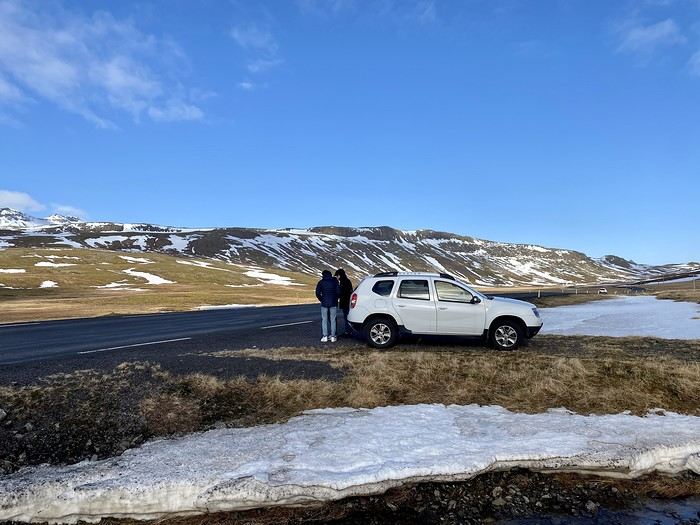
The car. Booked with Golden Circle car rental, a small family-run business with offices just 5 minutes from the airport. I’d read good things about them, and I can confirm everything went smoothly with our Dacia Duster—it wasn’t brand new, but it was reliable and spacious. We paid 463 € for the week, with full insurance included. The manager picked us up at the airport 10 minutes after I messaged him on WhatsApp to say we’d arrived. For the return trip, since our flight was super early and the agency wasn’t open yet, we agreed to leave the car in the airport parking lot and sent him a photo of the spot so he could find it. Super convenient! I read *so* many questions on Facebook groups about insurance: *Should I get the max coverage or not? I’ve got a Visa Premier, I’ve never had an accident, it adds 100 €...* Between sandstorms that can damage the bodywork and skidding off the road due to bad weather (we saw a few cars in ditches!), we decided to go for the rental company’s max insurance to be safe. It was also a requirement for leaving the car in the airport parking lot on our way back, since we couldn’t do the final inspection.
Accommodations were all booked on Booking.com and Hotels.com: - 2 nights in a cottage at Fossatun Country Hotel, near Borgarnes (we rented the sunset cottage—great spot, with a nice view and separate from the other lodgings) - 1 night in an apartment at Bakki Hostel and Apartments, in Eyrarbakki (top-notch) - 1 night in a gorgeous (and pricey!) apartment at Vik Apartments - 2 nights in a family room at Adventure Hof Hotel (perfect location) - 1 night at Blue Viking Studio near the airport (meh, but fine for a few hours’ sleep before an early flight) Total: 1234 €, averaging 176 € per night for 4-person accommodations.
The itinerary Day 1: Arrival around noon at the airport - Hraunfossar / Night at Fossatun Country Hotel Day 2: Snæfellsnes Peninsula / Night at Fossatun Country Hotel Day 3: Bruarfoss - Geysir - Gullfoss - Reykjadalur hot springs / Night in Eyrarbakki Day 4: Seljalandsfoss and Gljúfrafoss - DC-3 wreck (the one near Seljalandsfoss) - Skógafoss - Kvernufoss - Sólheimajökull (hike to the foot of the glacier) - Dyrhólaey - Reynisfjara Beach / Night in Vík Day 5: Fjaðrárgljúfur Canyon - Vatnajökull (3-hour hike to Svartifoss and Skaftafell) / Night in Hof Day 6: Múlagljúfur Canyon (2h45 hike) - Fjallsárlón - Jökulsárlón and Diamond Beach - Svínafellsjökull / Night in Hof Day 7: Drive back - Reykjavik - Sky Lagoon / Night in Keflavík Day 8: Flight back at 6 AM
That’s the practical side covered. I’ll leave you with a photo of our trusty steed.
And what a joy to read the travel journals of those travel addicts who were quicker than their own shadow to share their discoveries. Their keyboards and mice must’ve been itching
I’ll admit I’m feeling a bit of that itch too, but I’m way too lazy to dive into the story of our latest trip—last summer in the northwest USA. I’ll probably get to it later, but it might take a while! So, I’m jumping into the short recap of our *way* too short trip to Iceland at the end of April 2024. And even though it’s not the done thing, I’m going to spoil it and start with the conclusion: it was *amazing*!!!
Back in February, on the eve of leaving for a few days’ holiday in Alsace, we started wondering what we could do for Easter break. Scotland and Iceland were the top contenders. The boys are growing up, but they still travel with us often, and they tipped the scales in favor of Iceland. Since we decided a bit late, before booking the flights, I took a quick look at available accommodations. There wasn’t much left, and some were at crazy prices, but I managed to line up a decent itinerary with places that seemed like good value for money. I read travel journals on VF and blogs I could find, picked up bits of info from Facebook groups, and the route quickly took shape—even if I struggled with the place names, mixing them up and forgetting them. The dream could begin...
Bookings
Flight tickets bought directly from Fly Play’s website: 1520 € for the four of us (adult fare), with just two checked bags and one carry-on each. It was the compromise we found to keep costs down while still fitting all the bulky clothes we’d need. Late April isn’t quite winter anymore, but it’s not quite spring either, so we packed for chilly weather. Fly Play is Icelandair’s low-cost airline. No complaints: check-in was quick, service was efficient, and the flights were on time.
The car. Booked with Golden Circle car rental, a small family-run business with offices just 5 minutes from the airport. I’d read good things about them, and I can confirm everything went smoothly with our Dacia Duster—it wasn’t brand new, but it was reliable and spacious. We paid 463 € for the week, with full insurance included. The manager picked us up at the airport 10 minutes after I messaged him on WhatsApp to say we’d arrived. For the return trip, since our flight was super early and the agency wasn’t open yet, we agreed to leave the car in the airport parking lot and sent him a photo of the spot so he could find it. Super convenient! I read *so* many questions on Facebook groups about insurance: *Should I get the max coverage or not? I’ve got a Visa Premier, I’ve never had an accident, it adds 100 €...* Between sandstorms that can damage the bodywork and skidding off the road due to bad weather (we saw a few cars in ditches!), we decided to go for the rental company’s max insurance to be safe. It was also a requirement for leaving the car in the airport parking lot on our way back, since we couldn’t do the final inspection.
Accommodations were all booked on Booking.com and Hotels.com: - 2 nights in a cottage at Fossatun Country Hotel, near Borgarnes (we rented the sunset cottage—great spot, with a nice view and separate from the other lodgings) - 1 night in an apartment at Bakki Hostel and Apartments, in Eyrarbakki (top-notch) - 1 night in a gorgeous (and pricey!) apartment at Vik Apartments - 2 nights in a family room at Adventure Hof Hotel (perfect location) - 1 night at Blue Viking Studio near the airport (meh, but fine for a few hours’ sleep before an early flight) Total: 1234 €, averaging 176 € per night for 4-person accommodations.
The itinerary Day 1: Arrival around noon at the airport - Hraunfossar / Night at Fossatun Country Hotel Day 2: Snæfellsnes Peninsula / Night at Fossatun Country Hotel Day 3: Bruarfoss - Geysir - Gullfoss - Reykjadalur hot springs / Night in Eyrarbakki Day 4: Seljalandsfoss and Gljúfrafoss - DC-3 wreck (the one near Seljalandsfoss) - Skógafoss - Kvernufoss - Sólheimajökull (hike to the foot of the glacier) - Dyrhólaey - Reynisfjara Beach / Night in Vík Day 5: Fjaðrárgljúfur Canyon - Vatnajökull (3-hour hike to Svartifoss and Skaftafell) / Night in Hof Day 6: Múlagljúfur Canyon (2h45 hike) - Fjallsárlón - Jökulsárlón and Diamond Beach - Svínafellsjökull / Night in Hof Day 7: Drive back - Reykjavik - Sky Lagoon / Night in Keflavík Day 8: Flight back at 6 AM
That’s the practical side covered. I’ll leave you with a photo of our trusty steed.
We’ve just returned from a cruise that my wife and I will remember—unfortunately, not in a good way.
There’s so much to say that I’ll proceed chapter by chapter.
Pre-Cruise
On January 24th, 2025, I booked through a supposedly attentive cruise agent the repositioning cruise of the CFC Renaissance to the French West Indies, initially departing from Le Havre, then from Dunkirk, on November 1st, 2025.
The return flight was included in the price of this trip.
From January, right after booking, this adventure got off to a bad start.
Used to major cruise lines, I asked my agent to reserve a table for 4 at the "Vatel" restaurant for the second seating, and to link this reservation to the cabin of friends traveling with us. First brush-off: "Ask the maître d’ at the restaurant entrance on the first night."
"To govern is to foresee, and to foresee nothing is to head for disaster," as Émile de Girardin said.
Following this maxim, in February, I started looking for transportation to Le Havre, which was initially the departure port. Then, I asked the travel agent which airport the return flight would land at. I knew flights from Pointe-à-Pitre to Paris served both main Parisian airports. Here, I found myself like a ping-pong ball between the cruise agent and CFC: The cruise agent said, "Ask CFC," and CFC replied, "No, your agent is your intermediary—ask them." It went back and forth like that. Impossible to pre-book the flight that would take us back to our final destination. During the summer, we learned that the departure port was no longer Le Havre but Dunkirk. We canceled our transfers to Le Havre but, of course, lost the cost of the reservations. Meanwhile, we purchased our "Beverage" package—we chose the "Fraîcheur" option, which included all non-alcoholic cocktails, canned sodas, fruit juices, bottled water, and regular coffees. This detail is important for the rest of the story. Every month, I followed up to find out the return airport. Nothing until October 28th (3 days before departure), when CFC finally informed me it was Orly, along with the flight number and time. Of course, on top of booking at full price, I had to arrange my final transfer home. Since I had very little time before the return flight, I had to book an Uber in a rush for the Orly/CDG transfer. Right after, we were told that our first stop in Lisbon—the most anticipated for many cruisers—had been canceled due to a strike at the port of Lisbon and replaced with Vigo, Spain. A completely unremarkable stop—nothing outstanding. As you can see, the prelude was already problematic, yet we’re far from reaching the peak of our disappointments. .......... to be continued soon.
"To govern is to foresee, and to foresee nothing is to head for disaster," as Émile de Girardin said.
Following this maxim, in February, I started looking for transportation to Le Havre, which was initially the departure port. Then, I asked the travel agent which airport the return flight would land at. I knew flights from Pointe-à-Pitre to Paris served both main Parisian airports. Here, I found myself like a ping-pong ball between the cruise agent and CFC: The cruise agent said, "Ask CFC," and CFC replied, "No, your agent is your intermediary—ask them." It went back and forth like that. Impossible to pre-book the flight that would take us back to our final destination. During the summer, we learned that the departure port was no longer Le Havre but Dunkirk. We canceled our transfers to Le Havre but, of course, lost the cost of the reservations. Meanwhile, we purchased our "Beverage" package—we chose the "Fraîcheur" option, which included all non-alcoholic cocktails, canned sodas, fruit juices, bottled water, and regular coffees. This detail is important for the rest of the story. Every month, I followed up to find out the return airport. Nothing until October 28th (3 days before departure), when CFC finally informed me it was Orly, along with the flight number and time. Of course, on top of booking at full price, I had to arrange my final transfer home. Since I had very little time before the return flight, I had to book an Uber in a rush for the Orly/CDG transfer. Right after, we were told that our first stop in Lisbon—the most anticipated for many cruisers—had been canceled due to a strike at the port of Lisbon and replaced with Vigo, Spain. A completely unremarkable stop—nothing outstanding. As you can see, the prelude was already problematic, yet we’re far from reaching the peak of our disappointments. .......... to be continued soon.
Bonjour,
j'ai pour projet de partir une semaine en Floride avec ma soeur. Je connais pas du tout. J'ai déjà fait plusieurs voyages aux States. j'aimerais faire un road trip à travers cet état ( miami, orlando, everglades, cap canaveral, key west). est ce possible ou trop surchargé? on partirait du 17 au 25 mars ou 18 au 25 mars. à voir...
merci d'avance pour votre aide.
j'ai pour projet de partir une semaine en Floride avec ma soeur. Je connais pas du tout. J'ai déjà fait plusieurs voyages aux States. j'aimerais faire un road trip à travers cet état ( miami, orlando, everglades, cap canaveral, key west). est ce possible ou trop surchargé? on partirait du 17 au 25 mars ou 18 au 25 mars. à voir...
merci d'avance pour votre aide.
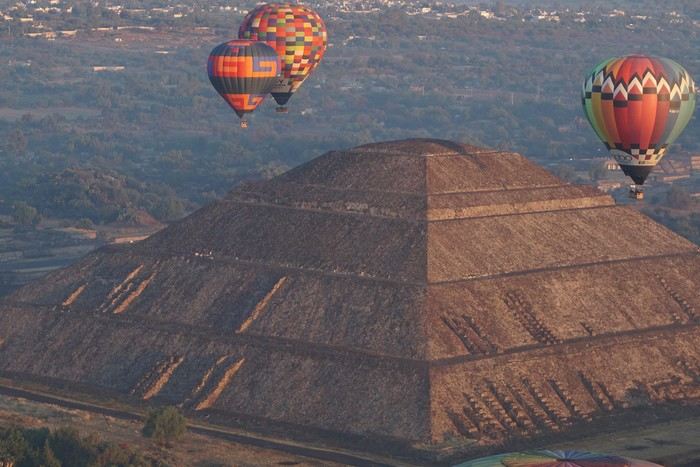
This one-month trip, from January 18 to February 17, 2026, allowed us to visit Mexico City and travel through the states of Puebla, Oaxaca, and Chiapas. We mainly used buses (ADO company) for medium and long distances and colectivos or taxis (or Uber) for shorter trips. Before leaving, I had contacted several people on the ground: Harry, a Vendéan settled in Oaxaca offering, among other things, discoveries of artisan villages or the Monte Albán site, and Oscar in Comitán de Domínguez. I’ll come back to our meeting with Oscar, who runs a local agency (CVL Travel Turismo Alternativo & Corre la voz) and owns a very pleasant hostel, a real highlight of our trip. Our journey took place in 8 stages on a loop starting from Mexico City. The connections between each were made by day or night buses depending on the trip duration. I had booked our seats in advance, either directly on the ADO company’s website or through booking platforms depending on the rates offered. Note that by planning ahead, I was able to benefit from very interesting "Early Booking" rates. There are several comfort classes. For all our trips, I had booked seats in Primera class buses, except for two in GL (Grand Luxe) class. The rates are very reasonable, and the buses turned out to be comfortable or even very comfortable (only the basic seat recline might surprise you).
Our itinerary and number of days per stage: Stage 1 – Mexico City: 4 days Stage 2 – Puebla: 2 days Stage 3 – Oaxaca: 4 days Stage 4 – San Agustinillo: 4 days Stage 5 – San Cristóbal de las Casas: 3 days Stage 6 – Comitán de Domínguez: 6 days Stage 7 – Palenque: 4 days Stage 8 – Mexico City: 2 days If I were to do it again, I’d remove one day from Palenque and add it either to Puebla or San Cristóbal to visit nearby sites or villages, or to San Agustinillo to enjoy one more day by the Pacific Ocean.
Stage 1: Mexico City (2,200 m / 9.2 million inhabitants) We arrived in the Mexican capital around 10:00 PM. The simplified customs process was very quick. After exchanging some money at the airport, we took a taxi to our youth hostel. We got around the capital on foot, of course, but also by metro. Signs are very rare, and we took the train in the wrong direction several times. After a few mistakes, we systematically asked on the platform if we were going the right way. The metro is very affordable. You need to get a rechargeable card (the Tarjeta de Movilidad Integrada) and top it up as needed. This card (less than 1 €) isn’t personal, so there’s no need to get one per person.
Mexico City: Day 1.
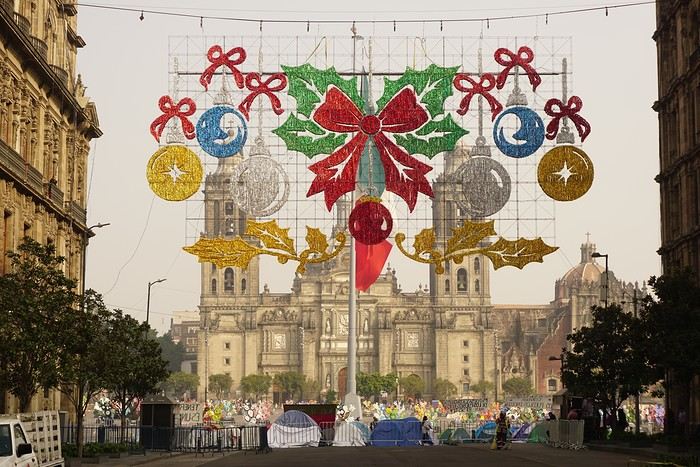
Visits and walks of the day (note: many museums are closed on Mondays): The Zócalo or Constitution Square: it’s one of the most beautiful, largest (195m x 240m), and oldest squares in the world. This is where Cortés decided to build the center of the new Spanish city on the site of the former Tenochtitlan market. Stones from the pyramids were used to pave the esplanade and build the surrounding colonial churches and buildings. During our visit, the huge square was covered with (resin) cacti, the theme of the temporary exhibition at the time. Indeed, temporary events or exhibitions take place here throughout the year. It’s also the endpoint for many protest marches.
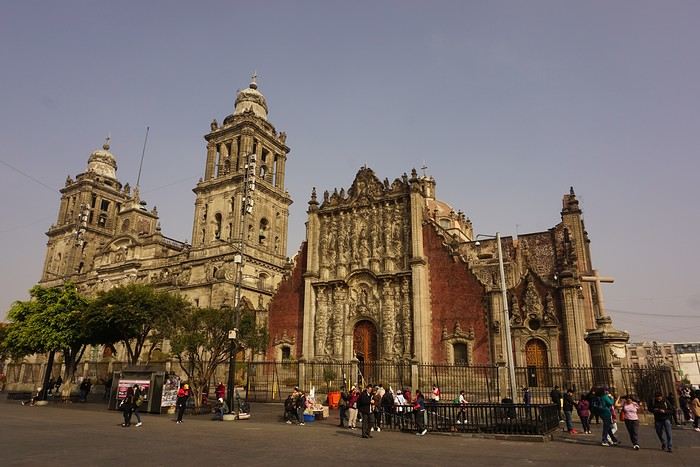
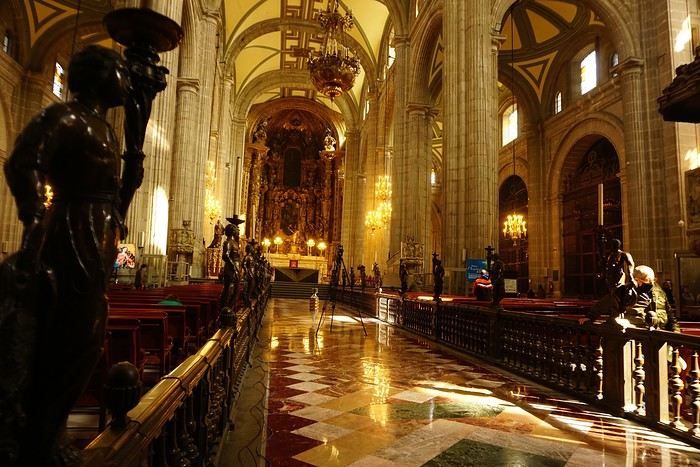


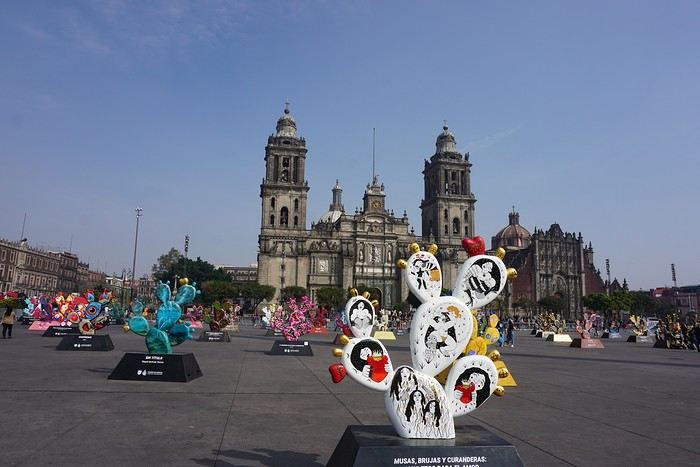
The cathedral: it’s sinking by one centimeter per year despite massive stabilization work (the collapse of many Mexican buildings—30 cm/year—is due to groundwater pumping). It was built starting in 1571 and completed in... 1813. The modest remains of the Templo Mayor (exterior view): they have high symbolic value, as this monument was the most important in the Mexica Empire.
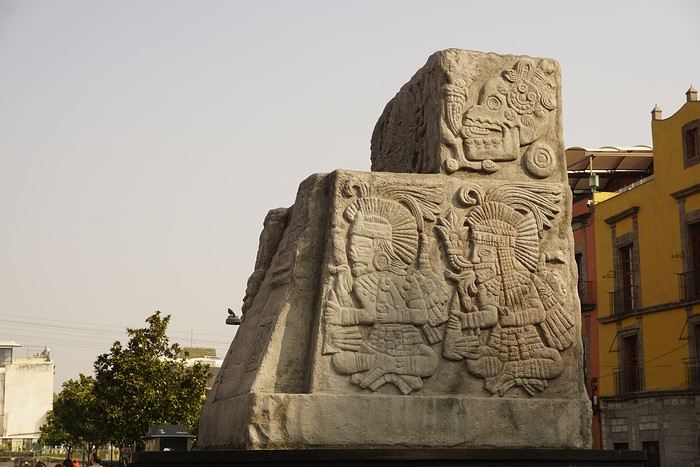 We then walked through the streets of the historic center to the Santísima Church, unfortunately closed for renovation work.
Next, we took the metro to visit one of Mexico’s most important pilgrimage sites: the Insigne y Nacional Basílicas de Santa María de Guadalupe, as well as the Capilla del Cerrito on the hill.
The first, dating from the colonial era, is really leaning a lot.
We then walked through the streets of the historic center to the Santísima Church, unfortunately closed for renovation work.
Next, we took the metro to visit one of Mexico’s most important pilgrimage sites: the Insigne y Nacional Basílicas de Santa María de Guadalupe, as well as the Capilla del Cerrito on the hill.
The first, dating from the colonial era, is really leaning a lot.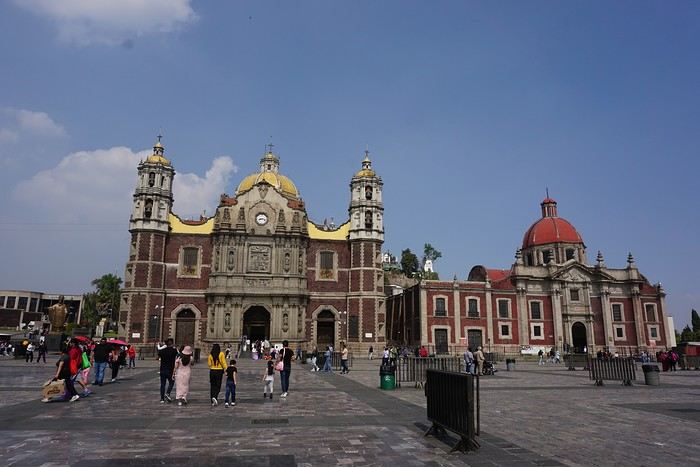
The second, shaped like a rotunda, is very impressive from the inside.
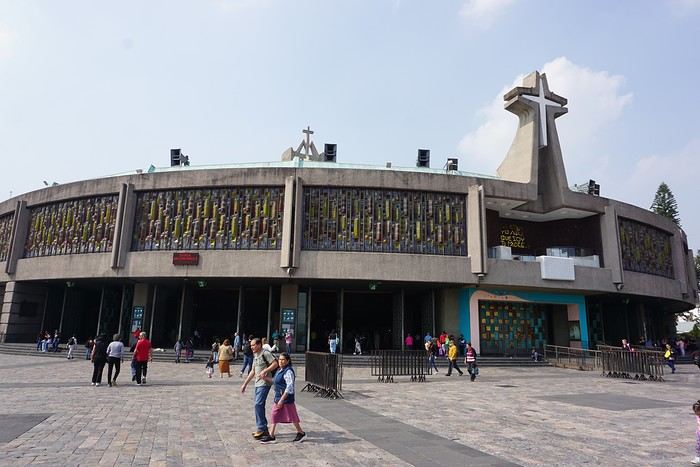
In the basement, there’s a sacred tunic where, in 1531, an image of the Virgin Mary is said to have appeared. A real mystery for scientists, the garment has never deteriorated since that date. Slow-moving conveyor belts allow pilgrims to admire it, preventing crowds from gathering in front of the image for hours. Well thought out!
 From the top of the Capilla del Cerrito, you get beautiful views of huge Mexico City.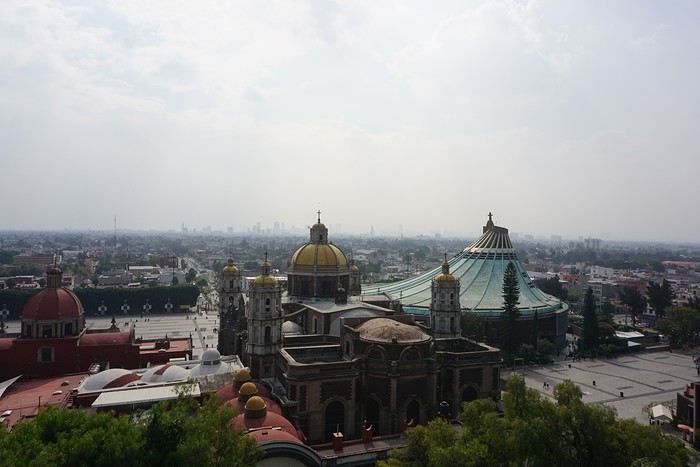
l'organisation de la coupe du monde 2018 par la RUSSIE et 2022 par le QATAR constitue
un rendez vous "planétaire" de rencontres et de convivialités cérémoniales ...
Les préparatifs , les réalisations de grands projets d'infrastructures ( construction de stades , d'autoroutes, de complexes commerciaux et hoteliers ) permettraient un boom économique opportun pour La RUSSIE et davantage d'essor pour le QATAR , sous peuplé et aux moyens financiers colossaux...
il est à noter les retombées positives éscomptées pour l'industrie du transport aérien ...
l'AEROFLOT suivrait une modernisation et une évolution sans précedent...
QATAR AIRWAYS , une cie aérienne 5 étoiles aurait une vocation commerciale mondiale..
Les constructeurs AIRBUS et BOEING y verraient leurs commandes en aéronefs , boostées..
c'est une chance pour développer le tourisme et le transport aérien...
c'est aussi un atout économique majeur pour faire prospérer les populations , créer de l'embauche par des investissements conséquents
Hi there,
I’m facing a rather unusual issue with SAUDI AIRLINES.
I booked a flight to Jakarta with a layover in Jeddah for July directly on their website on February 25th, paying for our three tickets via PAYPAL.
I quickly received confirmation that my flight was booked and our e-tickets were issued.
However, after several days, I noticed we were never charged for the tickets, and I saw on our PayPal account that the payment authorization was still pending.
At first, I chalked it up to cross-border or banking delays… but since I use PayPal often and the debit from my bank account is usually almost immediate, I called PayPal. They told me that neither they nor I had anything more to do: when a transaction is paid using their solution, the payment is systematically validated by the seller before the transaction (an automated process, I imagine). However, PayPal confirmed that SAUDI hadn’t done this and that they had a month to do so, otherwise the transaction would be canceled by PAYPAL and SAUDI wouldn’t receive the funds. There must have been a technical glitch because normally, I shouldn’t have received the tickets until they had received the payment.
Given the reviews I’ve read about their customer service, I’m worried they might cancel our tickets without notice once they realize their mistake—or that they’ll ask us to pay the amount at that point (since the closer we get to the date, the higher the price goes).
So, I’ve been trying to contact them nonstop via their app (I’ve submitted about 10 tickets), I’ve called them, messaged them on Messenger and Instagram, and so far, I haven’t gotten any response. Either they don’t read my message to the end and just reply that the flight is confirmed + resend the tickets, or more recently, they tell me the issue is being handled by another department. We tried calling them again on Saturday, but no luck—the French-speaking agents were always busy. On Messenger, they keep asking for the secret code sent by SMS at the start of the conversation, but of course, I never receive anything even though my number is correctly registered in my SAUDI account.
I don’t know what else to do, and I’m not sure if I’m right to worry they might cancel our tickets.
I’m afraid this could jeopardize our dream trip, for which I’ve already booked hotels and activities… and we were really looking forward to it.
I hope you can shed some light on this?
Thanks for taking the time to read this
At first, I chalked it up to cross-border or banking delays… but since I use PayPal often and the debit from my bank account is usually almost immediate, I called PayPal. They told me that neither they nor I had anything more to do: when a transaction is paid using their solution, the payment is systematically validated by the seller before the transaction (an automated process, I imagine). However, PayPal confirmed that SAUDI hadn’t done this and that they had a month to do so, otherwise the transaction would be canceled by PAYPAL and SAUDI wouldn’t receive the funds. There must have been a technical glitch because normally, I shouldn’t have received the tickets until they had received the payment.
Given the reviews I’ve read about their customer service, I’m worried they might cancel our tickets without notice once they realize their mistake—or that they’ll ask us to pay the amount at that point (since the closer we get to the date, the higher the price goes).
So, I’ve been trying to contact them nonstop via their app (I’ve submitted about 10 tickets), I’ve called them, messaged them on Messenger and Instagram, and so far, I haven’t gotten any response. Either they don’t read my message to the end and just reply that the flight is confirmed + resend the tickets, or more recently, they tell me the issue is being handled by another department. We tried calling them again on Saturday, but no luck—the French-speaking agents were always busy. On Messenger, they keep asking for the secret code sent by SMS at the start of the conversation, but of course, I never receive anything even though my number is correctly registered in my SAUDI account.
I don’t know what else to do, and I’m not sure if I’m right to worry they might cancel our tickets.
I’m afraid this could jeopardize our dream trip, for which I’ve already booked hotels and activities… and we were really looking forward to it.
I hope you can shed some light on this?
Thanks for taking the time to read this
Hi there,
I’m planning a trip to Russia and Mongolia, starting from France.
Crossing the border at Poland/Belarus or Georgia/Russia—other borders seem either closed or complicated.
Tourist visas for 3 months with multiple entries.
Do you have any info on Russian companies that cover a 4x4 vehicle for 3 months, and what prices in rubles or euros you’ve paid?
Which bank did you use for expenses? (EuroMastercard and Visa cards no longer work.)
Regarding Russian SIM cards, a new system called "Gosuslugi" has been introduced. How long did it take you to get one, and what steps did you follow?
Thanks
Which bank did you use for expenses? (EuroMastercard and Visa cards no longer work.)
Regarding Russian SIM cards, a new system called "Gosuslugi" has been introduced. How long did it take you to get one, and what steps did you follow?
Thanks
Bonjour,
D'avance merci à celles et ceux prenant de leur temps pour nous accompagner en cette prépa.
Notre prochain voyage prend de plus en plus des allures de Iguaçu/Nord Argentine/Sud Bolivie/Nord Chili…
Cette nouvelle prépa avance tout doucettement… Bien sûr, nous avons déjà parcouru de nombreux carnets (Chrissand, krikri, …) ou sujets du forum et stocké les premières infos de Pascale (Khastin) et d'autres.
Nous avons quelques points clefs: - Un voyage principalement en août 2012 - Nous savons que c'est en hiver nous avons déjà testé en Patagonie, au Pérou… - Arrivée et départ du continent par Belem (Brésil) à moins de changement sur les vols d'Air Caraibes - Une trentaine de nuits sans compter celle de Belem, au retour - Un point d'arrivée et un point de départ différents - Un besoin d'habituation en douceur à l'altitude - Une non-envie de gérer une voiture en permanence mais en qqs points seulement - Une envie de voyage en mode rou-confor-tard donc avec des chambres aux sanitaires privés et le chauffage (sauf dans les endroits où c'est totalement introuvable). - Une conscience qu'on ne pourra tout voir dans ces secteurs et que nous avons à faire une grande sélection. Nous envisageons ce voyage comme, très probablement, notre dernier dans ce coin, donc c'est à priori l'ultime chance pour certains de nos Musts ! - Résas fixes uniquement pour les premiers jours et le vol interne. Pour le reste, ce sera au fil du voyage et des découvertes…
Notre base actuelle:
- Iguaçu, que l'un des deux ne connaît pas – base 3 nuits (1 Brésil et probablement 2 Argentine) – A déterminer
Avion pour Salta - Location de voiture – 6/7 nuits dans le secteur – donc sélection à faire…
Passage en Bolivie vers Tupiza – bus - 6/7 nuits dans le secteur avec comme objectifs Salar et sud Lipiez – agence – Recherche d'une solution avec hébergement "confort. Nous nous questionnons sur l'intérêt d'aller à Sucre. Nous sommes peu fans de ville et même si c'est, aux dires des uns et des autres, une belle ville, c'est ???
Passage au Chili pour San Pedro de Atacama - 4/5 nuits dans le secteur – agence ou voiture
- Ski – 3/4 jours. Nous recherchons la station… Nous habitons à la Martinique et avons fortement apprécié de pouvoir skier en 2010, à Bariloche. Valle Nevado nous intéresse par sa proximité avec Santiago et donc la possibilité de repartir de là. Mais c'est aussi la station de la capitale, donc très fréquentée… Ce site nous sert de référence: http://www.chile-pucon.com/-Ski-Chili- Si vous avez des suggestions...
- Une envie de voir l'Aconcagua…
- 3/4 jours de battage pour les impondérables et autres
Pour l'instant, nous amassons les infos, consultons les sites, regardons les cartes et parcourons les guides… Donc, si vous avez des éléments pouvant alimenter notre pré-brainstorming du planning de ce voyage, ils sont les bienvenus… Nos billets d'avion sont à acheter dans les prochaines semaines et donc nous devons déterminer notre point de terminaison du voyage.
D'avance merci à celles et ceux prenant de leur temps pour nous accompagner en cette prépa.
Notre prochain voyage prend de plus en plus des allures de Iguaçu/Nord Argentine/Sud Bolivie/Nord Chili…
Cette nouvelle prépa avance tout doucettement… Bien sûr, nous avons déjà parcouru de nombreux carnets (Chrissand, krikri, …) ou sujets du forum et stocké les premières infos de Pascale (Khastin) et d'autres.
Nous avons quelques points clefs: - Un voyage principalement en août 2012 - Nous savons que c'est en hiver nous avons déjà testé en Patagonie, au Pérou… - Arrivée et départ du continent par Belem (Brésil) à moins de changement sur les vols d'Air Caraibes - Une trentaine de nuits sans compter celle de Belem, au retour - Un point d'arrivée et un point de départ différents - Un besoin d'habituation en douceur à l'altitude - Une non-envie de gérer une voiture en permanence mais en qqs points seulement - Une envie de voyage en mode rou-confor-tard donc avec des chambres aux sanitaires privés et le chauffage (sauf dans les endroits où c'est totalement introuvable). - Une conscience qu'on ne pourra tout voir dans ces secteurs et que nous avons à faire une grande sélection. Nous envisageons ce voyage comme, très probablement, notre dernier dans ce coin, donc c'est à priori l'ultime chance pour certains de nos Musts ! - Résas fixes uniquement pour les premiers jours et le vol interne. Pour le reste, ce sera au fil du voyage et des découvertes…
Notre base actuelle:
- Iguaçu, que l'un des deux ne connaît pas – base 3 nuits (1 Brésil et probablement 2 Argentine) – A déterminer
Avion pour Salta - Location de voiture – 6/7 nuits dans le secteur – donc sélection à faire…
Passage en Bolivie vers Tupiza – bus - 6/7 nuits dans le secteur avec comme objectifs Salar et sud Lipiez – agence – Recherche d'une solution avec hébergement "confort. Nous nous questionnons sur l'intérêt d'aller à Sucre. Nous sommes peu fans de ville et même si c'est, aux dires des uns et des autres, une belle ville, c'est ???
Passage au Chili pour San Pedro de Atacama - 4/5 nuits dans le secteur – agence ou voiture
- Ski – 3/4 jours. Nous recherchons la station… Nous habitons à la Martinique et avons fortement apprécié de pouvoir skier en 2010, à Bariloche. Valle Nevado nous intéresse par sa proximité avec Santiago et donc la possibilité de repartir de là. Mais c'est aussi la station de la capitale, donc très fréquentée… Ce site nous sert de référence: http://www.chile-pucon.com/-Ski-Chili- Si vous avez des suggestions...
- Une envie de voir l'Aconcagua…
- 3/4 jours de battage pour les impondérables et autres
Pour l'instant, nous amassons les infos, consultons les sites, regardons les cartes et parcourons les guides… Donc, si vous avez des éléments pouvant alimenter notre pré-brainstorming du planning de ce voyage, ils sont les bienvenus… Nos billets d'avion sont à acheter dans les prochaines semaines et donc nous devons déterminer notre point de terminaison du voyage.
Bonjour à tous,
voilà, c'est décidé, cette année je me lance dans l'aventure "vélo couché". Je pars en effet début avril pour quelques mois de vélo. Je souhaite troquer mon bon vieux vélo droit contre un vélo couché ( pour l'expérience, parce que mes genoux me remercieront ...).
Une fois la décision prise, reste à choisir le modèle et là c'est un peu le flou! Autant la comparaison pour un vélo droit est accessible autant pour les vélos couchés, à part les commentaires des constructeurs, je suis bien incapable d'expliquer pourquoi celui-là sera plus stable et celui-là plus solide...
Malgré tout mon choix se porte pour le moment sur l'Optima Condor .
Qu'en pensez-vous? Avez-vous d'autres modèles à me conseiller et pour quelles raisons? Pour faciliter les réponses, je précise que je vais parcourir toutes sortes de routes (goudronnées, pistes) et reliefs ( tibet).
Parmi les options proposées par chaque constructeur, certaines sont-elles réellement nécessaires ( appuie tête, siege carbonne etc).
Un grand merci par avance pour toutes les informations que vous pourrez m'apporter.
voilà, c'est décidé, cette année je me lance dans l'aventure "vélo couché". Je pars en effet début avril pour quelques mois de vélo. Je souhaite troquer mon bon vieux vélo droit contre un vélo couché ( pour l'expérience, parce que mes genoux me remercieront ...).
Une fois la décision prise, reste à choisir le modèle et là c'est un peu le flou! Autant la comparaison pour un vélo droit est accessible autant pour les vélos couchés, à part les commentaires des constructeurs, je suis bien incapable d'expliquer pourquoi celui-là sera plus stable et celui-là plus solide...
Malgré tout mon choix se porte pour le moment sur l'Optima Condor .
Qu'en pensez-vous? Avez-vous d'autres modèles à me conseiller et pour quelles raisons? Pour faciliter les réponses, je précise que je vais parcourir toutes sortes de routes (goudronnées, pistes) et reliefs ( tibet).
Parmi les options proposées par chaque constructeur, certaines sont-elles réellement nécessaires ( appuie tête, siege carbonne etc).
Un grand merci par avance pour toutes les informations que vous pourrez m'apporter.
Ceci est pour repondre a la reflexion absolument revoltante du denomme Karolus ("Le point de vue occidental est un peu trop unilatéral : la bonne Suu Kyi vs le méchant Than Swhe") au sujet duquel les mots me manquent pour lui exprimer mon mepris et mon degout.
Il y a, cachee dans la jungle thaie du cote de Chiang Mai, une femme admirable, a mon avis futur Prix Nobel de la paix, qui joue sa vie a essayer de sortir les femmes Shan qui se refugient en Thailande, souvent apres avoir ete violees, des bordels ou les enc... de thais les mettent sous menace d'etre refoulees en Birmanie (et oui, les thais si gentils avec leur beau sourire, que certains encensent tellement!) Elle a ecrit un livre, publie par l'association patronnee par Mme Mitterrand, dont le titre est eloquent: "Licence to rape"; 125 pages d'horreurs que j'ai traduites gratuitement en francais, un de mes nombreuses contributions a la resistance birmane (entre parenthese, je ne me suis pas planque comme l'auront fait certains, la trado, je l'ai signee de mon nom!). Tout y est parfaitement documente: sur les pages de gauche: nom du village, jour et heure du crime, nom des victimes, ou elles se trouvaient et ce qu'elles faisaient au moment du crime; en regard sur la page de droite: le No des regiments, souvent le nom des officiers, le crime, l'action entreprise par les habitants locaux (quand cela etait possible et au peril de leur vie) et ses resultats. Le 1er jour de la trado, j'ai ete oblige de m'arreter au bout de 4 heures, je ne pouvais plus!! Voici quelques extraits des pages de droite de ce livre, dont j'ai traduit le titre par "Permis de violer" (les soldats ont en effet ordre de repandre par la terreur par les deplacements de village, le portage forcee 9dont les victimes ne reviennent que rarement du voyage!), et le viol systematique):
15 soldats du SLORC basés à Kho Lam- Violée et abattue
Ont laissé son enfant de 2 ans seul dans la forêt. Ont emmené les 2 bœufs à Kho Lam pour être mangés Soldats du SLORC de la base de Kho Lam-basé Violée et abattue
Lorsque des membres de sa famille ont demandé la permission de l’enterrer, les soldats ont répondu: “Elle doit rester où elle est comme exemple pour vous Shan. Si vous l’enterrez, vous mourrez avec elle” Section de soldats du SLORC, 519e BIL, menée par le sergent Hla Phyu, basée au village de Sop Sim Ont violé les femmes de sept maisons
Soldats du SLORC Fille violée et tuée, père torturé
Village déplacé de force. Les soldats ont attaché son père, suspendu à une poutre de la cabane avec une corde, et allumé un feu en dessous pour le faire rôtir. Il est mort quelques jours plus tard. Sa mère, témoin du viol et de la torture, est tombée folle. 424e BIL, major Maung Kyaw Tun, basé à Kun Hing- Violée Le chef du village et ses habitants ont confronté le major qui a tout nié, a battu la jeune fille, et a infligé 10 000 kyats d’amende à la famille pour accusations mensongères
26 soldats du SLORC conduits par le major Myint Lwin du 424e BIL basé à Kun Hing Violées collectivement
Village déplacé de force. Les soldats ont incendié toutes les maisons du village 45e BI, mené par le major Aung Lwin Violée, frappée à la figure jusqu’à ce qu’elle soit complètement enflée A tout raconté au chef du village qui n’a rien pu faire
Soldats du SLORC Violée et brûlée vive
Les habitants du village ont retrouvé ses restes 378e BIL (amené de l’Etat Arakan) 1 capitaine et 3 soldats Ont violé la femme, battu et tué son mari en lui poignardant la poi trine, le ventre, et le cou
Questionnaient l’homme sur le mouvement de résistance Shan dans la région 50 soldats du SLORC, 64e BI basé à Lai Kha, conduits par le major Khin Than Aye Le major l’a violée, les soldats ont violé sa mère et battu son père jusqu’à évanouissement
Village déplacé de force 1 soldat du SLORC, battallion de mortiers basé à Murng Sart Violée Le commandant du camp a battu le soldat et l’a fait mettre en prison
50 soldats du SLORC, 44e BI, basé à Kun Hing, conduits par le major Than Oo Violée et tuée. Ont laissé le père attaché jour et nuit
Soldats du 424e BIL conduits par le major Myint Than, accompagnésde 35 porteurs de Laikha et de 36 chariots à boeufs Violée et tuée
Ont volé du fer, du bois de construction, du bétail, et ont incendié les 36 maisons du village 519e BIL commandé par le major Min Sein Volée, violée, et tuée. Père battu à mort
Soldats du SLORC, 520e BLI bqsé à Murng Pan, conduits par le major Than Maung Violées collectivement toute la nuit, au point que certaines ne pouvaient plus marcher. Un des chefs du village a été ensuite battu à mort
Village déplacé de force 250 soldats du SLORC, 524e BIL, conduits par le major Htun Mya. Ont ravagé la région de Kaeng Lom . Violées pendant 3-4 jours avant d’être tuées.
43 femmes et 53 hommes ont été battus, torturés, questionnés, et accusés d’apporter nourriture et informations aux rebelles Shan. 2-3 jours plus tard, les soldats ont mis un sac en plastique sur leur tête et l’ont serré autour du cou jusqu’à étouffement. Ils ont ensuite jeté les corps dans la Nam Parng. 80 Soldats du SLORC du 246e BI, conduits par le major Too Nyeing Violées de nombreuses fois pendant 5 jours consécutifs. Averties de ne rien rapporter sous peine de 6 mois d’empriso-nement
4 hommes du même village ont été accusés de ravitailler les soldats Shan et ont été conduits à la base de Kho Lam. Là, ils ont été battus, torturés, et ensuite asphyxiés avec des sacs en plastique 60 soldats du SLORC, 43e BI, conduits par le capitaine Ohn Myint, . Ont dévasté le village Huay Karn
Volées, violées, battues, et brûlées vive
Le chef du village a été questionné sur l’armée Shan. Battu jusqu’à évanouissement Nombreuses valeurs volées, 37 maisons incendiées 120 Soldats du SLORC of LBI 524 conduits par Capitaine. Htun Mya Violées collectivement pendant 2 jours et 2 nuits, et ensuite tuées
Tous les habitants du village (57 hommes et 42 femmes) tués. Soldats du SLORC, 277e BI, conduits par le capitaine Khin Maung Nyunt, basés à Murng Ton Violée toute la nuit S’est plainte au commandant du camp, le colonel Aye Thant, qui a fait aligner ses hommes pour identification. 15 000 kyats pour diffamation après qu’elle n’ait pu reconnaître les coupables.
80 Soldats du SLORC, 515e BLI, conduits par le commandant Maung Maung Htwe Violées collectivement par les soldats pendant 3 jours et 2 nuits. 3 habitants du village abattus
57 maisons incendiées 25 Soldats du SLORCm, 333e BLI basé à Murng Sart. Déguisés en soldats Shan mais porteurs d’armes birmanes Violées pendant le déplacement de leur village
Pendant le déplacement forcé Soldats du SLORC, 277e BLI, conduits par le major Aye Thant Violées l’une après l’autre pendant 3 jours; relâchées après le paiement d’une rançon de 2000 kyats chacune
Accusées d’être les femmes de soldats Shan 100 soldats du 246e BI et 250 soldats du 524e BIL 3 violées et tuées. 1 violée et blessée
2 hommes également abattus Soldats du 513e BIL basé à Pang Long, conduits par le major Kooma Violée collectivement et tuée Les soldats ont appelé la police pour dire qu’ils avaient trouvé le corps d’une femme morte. Ont pris des photos.
120 soldats du 524e BIL conduits par le commandant Htun Mya ; accompagnés de 20 porteurs et 5 chevaux Violées jusqu’au soir par tous les soldats et ensuite tuées
Une femme a pu s’échapper avec l’aide d’un officier d’une minorité ethnique 3 soldats du SPDC, 225e BI, basé à Murng Ton, conduits par le capitaine Aung Zaw
Violée pendant 2 heures
Maison saccagée; parents faussement accusés de vendre des amphétamines et punis de 500 kyats d’amende. Soldats du SPDC, 66e BI, conduits par le comman- dant Htun Myint Le commandant et ses officiers ont violé les femmes et attaché 4 hommes à des arbres pendant 2 jours et 2 nuits
2000 kyats d’amende à chaque victime pour contribution à la destruction de la forêt. Soldats du SPDC conduits par l’officier Aung Myint Forcées à travailler et violées
115 soldats from Lai Kha-basé, LBI 515 conduits par Major Soe Hpyu Violée, abattue aisni que son père et le reste de sa famille, maison incendiée
Père abattu après avoir asssommé le major avec une bûche. Maison saccagée, valeurs volées. Maison du chef de village incendiée
Vous en voulez d'autres, Karolus? J'en ai 60 pages a votre disposition!!!! (le reste, c'est un rapport general ecrasant sur ce qui se passe, les 60 pages etant incluses comme preuve que ce ne sont pas des inventions "d'occuidentaux un peu trop unilateraux"). Je vous laisse le droit, sur ce forum, de m'envoyer un document DETAILLE sur les atrocites des partisans de Mme SUU Kyi, suite a quoi je reconnaitrais que l'on est "un peu trop unilateral". Si vous etes incapable de le faire, je vous laisse le droit de la fermer!
Il y a, cachee dans la jungle thaie du cote de Chiang Mai, une femme admirable, a mon avis futur Prix Nobel de la paix, qui joue sa vie a essayer de sortir les femmes Shan qui se refugient en Thailande, souvent apres avoir ete violees, des bordels ou les enc... de thais les mettent sous menace d'etre refoulees en Birmanie (et oui, les thais si gentils avec leur beau sourire, que certains encensent tellement!) Elle a ecrit un livre, publie par l'association patronnee par Mme Mitterrand, dont le titre est eloquent: "Licence to rape"; 125 pages d'horreurs que j'ai traduites gratuitement en francais, un de mes nombreuses contributions a la resistance birmane (entre parenthese, je ne me suis pas planque comme l'auront fait certains, la trado, je l'ai signee de mon nom!). Tout y est parfaitement documente: sur les pages de gauche: nom du village, jour et heure du crime, nom des victimes, ou elles se trouvaient et ce qu'elles faisaient au moment du crime; en regard sur la page de droite: le No des regiments, souvent le nom des officiers, le crime, l'action entreprise par les habitants locaux (quand cela etait possible et au peril de leur vie) et ses resultats. Le 1er jour de la trado, j'ai ete oblige de m'arreter au bout de 4 heures, je ne pouvais plus!! Voici quelques extraits des pages de droite de ce livre, dont j'ai traduit le titre par "Permis de violer" (les soldats ont en effet ordre de repandre par la terreur par les deplacements de village, le portage forcee 9dont les victimes ne reviennent que rarement du voyage!), et le viol systematique):
15 soldats du SLORC basés à Kho Lam- Violée et abattue
Ont laissé son enfant de 2 ans seul dans la forêt. Ont emmené les 2 bœufs à Kho Lam pour être mangés Soldats du SLORC de la base de Kho Lam-basé Violée et abattue
Lorsque des membres de sa famille ont demandé la permission de l’enterrer, les soldats ont répondu: “Elle doit rester où elle est comme exemple pour vous Shan. Si vous l’enterrez, vous mourrez avec elle” Section de soldats du SLORC, 519e BIL, menée par le sergent Hla Phyu, basée au village de Sop Sim Ont violé les femmes de sept maisons
Soldats du SLORC Fille violée et tuée, père torturé
Village déplacé de force. Les soldats ont attaché son père, suspendu à une poutre de la cabane avec une corde, et allumé un feu en dessous pour le faire rôtir. Il est mort quelques jours plus tard. Sa mère, témoin du viol et de la torture, est tombée folle. 424e BIL, major Maung Kyaw Tun, basé à Kun Hing- Violée Le chef du village et ses habitants ont confronté le major qui a tout nié, a battu la jeune fille, et a infligé 10 000 kyats d’amende à la famille pour accusations mensongères
26 soldats du SLORC conduits par le major Myint Lwin du 424e BIL basé à Kun Hing Violées collectivement
Village déplacé de force. Les soldats ont incendié toutes les maisons du village 45e BI, mené par le major Aung Lwin Violée, frappée à la figure jusqu’à ce qu’elle soit complètement enflée A tout raconté au chef du village qui n’a rien pu faire
Soldats du SLORC Violée et brûlée vive
Les habitants du village ont retrouvé ses restes 378e BIL (amené de l’Etat Arakan) 1 capitaine et 3 soldats Ont violé la femme, battu et tué son mari en lui poignardant la poi trine, le ventre, et le cou
Questionnaient l’homme sur le mouvement de résistance Shan dans la région 50 soldats du SLORC, 64e BI basé à Lai Kha, conduits par le major Khin Than Aye Le major l’a violée, les soldats ont violé sa mère et battu son père jusqu’à évanouissement
Village déplacé de force 1 soldat du SLORC, battallion de mortiers basé à Murng Sart Violée Le commandant du camp a battu le soldat et l’a fait mettre en prison
50 soldats du SLORC, 44e BI, basé à Kun Hing, conduits par le major Than Oo Violée et tuée. Ont laissé le père attaché jour et nuit
Soldats du 424e BIL conduits par le major Myint Than, accompagnésde 35 porteurs de Laikha et de 36 chariots à boeufs Violée et tuée
Ont volé du fer, du bois de construction, du bétail, et ont incendié les 36 maisons du village 519e BIL commandé par le major Min Sein Volée, violée, et tuée. Père battu à mort
Soldats du SLORC, 520e BLI bqsé à Murng Pan, conduits par le major Than Maung Violées collectivement toute la nuit, au point que certaines ne pouvaient plus marcher. Un des chefs du village a été ensuite battu à mort
Village déplacé de force 250 soldats du SLORC, 524e BIL, conduits par le major Htun Mya. Ont ravagé la région de Kaeng Lom . Violées pendant 3-4 jours avant d’être tuées.
43 femmes et 53 hommes ont été battus, torturés, questionnés, et accusés d’apporter nourriture et informations aux rebelles Shan. 2-3 jours plus tard, les soldats ont mis un sac en plastique sur leur tête et l’ont serré autour du cou jusqu’à étouffement. Ils ont ensuite jeté les corps dans la Nam Parng. 80 Soldats du SLORC du 246e BI, conduits par le major Too Nyeing Violées de nombreuses fois pendant 5 jours consécutifs. Averties de ne rien rapporter sous peine de 6 mois d’empriso-nement
4 hommes du même village ont été accusés de ravitailler les soldats Shan et ont été conduits à la base de Kho Lam. Là, ils ont été battus, torturés, et ensuite asphyxiés avec des sacs en plastique 60 soldats du SLORC, 43e BI, conduits par le capitaine Ohn Myint, . Ont dévasté le village Huay Karn
Volées, violées, battues, et brûlées vive
Le chef du village a été questionné sur l’armée Shan. Battu jusqu’à évanouissement Nombreuses valeurs volées, 37 maisons incendiées 120 Soldats du SLORC of LBI 524 conduits par Capitaine. Htun Mya Violées collectivement pendant 2 jours et 2 nuits, et ensuite tuées
Tous les habitants du village (57 hommes et 42 femmes) tués. Soldats du SLORC, 277e BI, conduits par le capitaine Khin Maung Nyunt, basés à Murng Ton Violée toute la nuit S’est plainte au commandant du camp, le colonel Aye Thant, qui a fait aligner ses hommes pour identification. 15 000 kyats pour diffamation après qu’elle n’ait pu reconnaître les coupables.
80 Soldats du SLORC, 515e BLI, conduits par le commandant Maung Maung Htwe Violées collectivement par les soldats pendant 3 jours et 2 nuits. 3 habitants du village abattus
57 maisons incendiées 25 Soldats du SLORCm, 333e BLI basé à Murng Sart. Déguisés en soldats Shan mais porteurs d’armes birmanes Violées pendant le déplacement de leur village
Pendant le déplacement forcé Soldats du SLORC, 277e BLI, conduits par le major Aye Thant Violées l’une après l’autre pendant 3 jours; relâchées après le paiement d’une rançon de 2000 kyats chacune
Accusées d’être les femmes de soldats Shan 100 soldats du 246e BI et 250 soldats du 524e BIL 3 violées et tuées. 1 violée et blessée
2 hommes également abattus Soldats du 513e BIL basé à Pang Long, conduits par le major Kooma Violée collectivement et tuée Les soldats ont appelé la police pour dire qu’ils avaient trouvé le corps d’une femme morte. Ont pris des photos.
120 soldats du 524e BIL conduits par le commandant Htun Mya ; accompagnés de 20 porteurs et 5 chevaux Violées jusqu’au soir par tous les soldats et ensuite tuées
Une femme a pu s’échapper avec l’aide d’un officier d’une minorité ethnique 3 soldats du SPDC, 225e BI, basé à Murng Ton, conduits par le capitaine Aung Zaw
Violée pendant 2 heures
Maison saccagée; parents faussement accusés de vendre des amphétamines et punis de 500 kyats d’amende. Soldats du SPDC, 66e BI, conduits par le comman- dant Htun Myint Le commandant et ses officiers ont violé les femmes et attaché 4 hommes à des arbres pendant 2 jours et 2 nuits
2000 kyats d’amende à chaque victime pour contribution à la destruction de la forêt. Soldats du SPDC conduits par l’officier Aung Myint Forcées à travailler et violées
115 soldats from Lai Kha-basé, LBI 515 conduits par Major Soe Hpyu Violée, abattue aisni que son père et le reste de sa famille, maison incendiée
Père abattu après avoir asssommé le major avec une bûche. Maison saccagée, valeurs volées. Maison du chef de village incendiée
Vous en voulez d'autres, Karolus? J'en ai 60 pages a votre disposition!!!! (le reste, c'est un rapport general ecrasant sur ce qui se passe, les 60 pages etant incluses comme preuve que ce ne sont pas des inventions "d'occuidentaux un peu trop unilateraux"). Je vous laisse le droit, sur ce forum, de m'envoyer un document DETAILLE sur les atrocites des partisans de Mme SUU Kyi, suite a quoi je reconnaitrais que l'on est "un peu trop unilateral". Si vous etes incapable de le faire, je vous laisse le droit de la fermer!
Bonsoir à tous.
Voila, j'ai fait beaucoup de recherche concernant mes vacances du mois d'aout, et finalement j'ai opté pour l'Inde...
J'ai fait pas mal de recherche et ai mis au point un circuit sur 3 semaines.
Je le vous le soumet donc : à vous les spécialistes de l'Inde ou d'ailleurs
Le Circuit. En soit le moyen de transport (voiture+chauffeur ou train ou autres ...) n'est pas définitif, je pense même utilisé tout les moyen de transport possible
Donc voici mon projet du 7 aout au 30 aout
Jour 1 / 7 août Paris - CDG / Delhi -Gandhi Départ pour Delhi par vol régulier. Arrivée le Soir. Accueil et transfert à l'hôtel (réservé sur le net). Nuit à Delhi ……………………………………….............................................................................. Jour 2 / 8 août Delhi Journée de visite de Delhi. La capitale indienne est composée de deux parties : Mughal Old Delhi, le vieux Delhi, et la partie moderne, New Delhi. Nuit à Delhi
……………………………………….............................................................................. Jour 3 / 9 août Delhi Journée de visite ainsi que réservation du train pour Jaipur le lendemain Nuit à Delhi ……………………………………….............................................................................. Jour 4 / 10 août Delhi - Jaipur (5 heures de train - 20 euros) Petit déjeuner puis départ par la route pour Jaipur. Dans l'après-midi visite de Jaipur. Nuit à Jaipur ……………………………………….............................................................................. Jour 5 / 11 août Jaipur Le matin, excursion à Amber Fort, à 10 km de Jaipur. Arrivée à Jaipur, Visite de Jaipur Nuit à Jaipur ………………………………………..............................................................................
Jour 6 / 12 août Jaipur - Agra Départ par la route pour Agra. A 38 Kms d'Agra, visite de Fatehpur Sikri . Arrivée à Agra. Visite d'agra Nuit Agra
………………………………………..............................................................................
Jour 7 / 13 août Agra Petit-déjeuner. Visite de la Cité d’Agra et des environs ……………………………………….............................................................................. Jour 8 / 14 août Agra - Lucknow Départ tôt le matin pour Lucknow ( 5 heures de train ) Après midi Visite de Lucknow. Nuit à Lucknow ……………………………………….............................................................................. Jour 9 / 15 août Lucknow Visite de Lucknow Nuit à Lucknow ( ou train de nuit pour Varanassi depuis Lucknow si Possible ) ……………………………………….............................................................................. Jour 10 / 16 août Lucknow - Varanassi Si impossible de prendre un train de nuit, Départ tôt le matin pour Varanassi Après midi : Visite de Varanassi ………………………………………..............................................................................
Jour 11 / 17 août Varanassi Visite de Varanassi ……………………………………….............................................................................. Jour 12 / 18 août Varanassi Visite de Varanassi ……………………………………….............................................................................. Jour 13 / 19 août Varanassi Visite de Varanassi ……………………………………….............................................................................. Jour 14 / 20 août Départ pour Katmandou Journée dans les transport ……………………………………….............................................................................. Jour 15 / 21 août Katmandou Visite de katmandou ……………………………………….............................................................................. Jour 16 / 22 août Katmandou Visite de Katmandou ……………………………………….............................................................................. Jour 17 / 23 août Katmandou Visite de Katmandou ……………………………………….............................................................................. Jour 18 / 24 août Katmandou Visite de Katmandou ……………………………………….............................................................................. Jour 19 / 25 août Katmandou - Lucknow Journée dans les transports ……………………………………….............................................................................. Jour 20 / 26 août Lucknow -New Delhi Journée dans les transports ……………………………………….............................................................................. Jour 21 / 27 août New Delhi repos à Delhi ……………………………………….............................................................................. Jour 22 / 28 août New Delhi repos à Delhi ……………………………………….............................................................................. Jour 23 / 29 août New Delhi Repos à Delhi ……………………………………….............................................................................. Jour 24 / 30 août New Delhi - Paris
votre avis m'est énormement important Merci
Le Circuit. En soit le moyen de transport (voiture+chauffeur ou train ou autres ...) n'est pas définitif, je pense même utilisé tout les moyen de transport possible
Donc voici mon projet du 7 aout au 30 aout
Jour 1 / 7 août Paris - CDG / Delhi -Gandhi Départ pour Delhi par vol régulier. Arrivée le Soir. Accueil et transfert à l'hôtel (réservé sur le net). Nuit à Delhi ……………………………………….............................................................................. Jour 2 / 8 août Delhi Journée de visite de Delhi. La capitale indienne est composée de deux parties : Mughal Old Delhi, le vieux Delhi, et la partie moderne, New Delhi. Nuit à Delhi
……………………………………….............................................................................. Jour 3 / 9 août Delhi Journée de visite ainsi que réservation du train pour Jaipur le lendemain Nuit à Delhi ……………………………………….............................................................................. Jour 4 / 10 août Delhi - Jaipur (5 heures de train - 20 euros) Petit déjeuner puis départ par la route pour Jaipur. Dans l'après-midi visite de Jaipur. Nuit à Jaipur ……………………………………….............................................................................. Jour 5 / 11 août Jaipur Le matin, excursion à Amber Fort, à 10 km de Jaipur. Arrivée à Jaipur, Visite de Jaipur Nuit à Jaipur ………………………………………..............................................................................
Jour 6 / 12 août Jaipur - Agra Départ par la route pour Agra. A 38 Kms d'Agra, visite de Fatehpur Sikri . Arrivée à Agra. Visite d'agra Nuit Agra
………………………………………..............................................................................
Jour 7 / 13 août Agra Petit-déjeuner. Visite de la Cité d’Agra et des environs ……………………………………….............................................................................. Jour 8 / 14 août Agra - Lucknow Départ tôt le matin pour Lucknow ( 5 heures de train ) Après midi Visite de Lucknow. Nuit à Lucknow ……………………………………….............................................................................. Jour 9 / 15 août Lucknow Visite de Lucknow Nuit à Lucknow ( ou train de nuit pour Varanassi depuis Lucknow si Possible ) ……………………………………….............................................................................. Jour 10 / 16 août Lucknow - Varanassi Si impossible de prendre un train de nuit, Départ tôt le matin pour Varanassi Après midi : Visite de Varanassi ………………………………………..............................................................................
Jour 11 / 17 août Varanassi Visite de Varanassi ……………………………………….............................................................................. Jour 12 / 18 août Varanassi Visite de Varanassi ……………………………………….............................................................................. Jour 13 / 19 août Varanassi Visite de Varanassi ……………………………………….............................................................................. Jour 14 / 20 août Départ pour Katmandou Journée dans les transport ……………………………………….............................................................................. Jour 15 / 21 août Katmandou Visite de katmandou ……………………………………….............................................................................. Jour 16 / 22 août Katmandou Visite de Katmandou ……………………………………….............................................................................. Jour 17 / 23 août Katmandou Visite de Katmandou ……………………………………….............................................................................. Jour 18 / 24 août Katmandou Visite de Katmandou ……………………………………….............................................................................. Jour 19 / 25 août Katmandou - Lucknow Journée dans les transports ……………………………………….............................................................................. Jour 20 / 26 août Lucknow -New Delhi Journée dans les transports ……………………………………….............................................................................. Jour 21 / 27 août New Delhi repos à Delhi ……………………………………….............................................................................. Jour 22 / 28 août New Delhi repos à Delhi ……………………………………….............................................................................. Jour 23 / 29 août New Delhi Repos à Delhi ……………………………………….............................................................................. Jour 24 / 30 août New Delhi - Paris
votre avis m'est énormement important Merci
Hi everyone,
I’ve read the forum a lot and found a wealth of information. I’ve tried to compile all of it into our itinerary and would love your feedback to finalize the bookings (we’re planning this *very* last-minute).
Here’s what we’re thinking of doing: 22 July: arrival in Johannesburg Night of 22–23: Johannesburg Nights of 23–26: Marloth Park (with Kruger visits on the 24th, 25th, and a crossing visit on the 26th) Nights of 26–28: Graskop (visiting the canyon and Panorama Road on the 27th and 28th) Nights of 28–30: Hoedspruit (visiting the central area of Kruger on the 29th?) Nights of 30 July–1 August: Balule Park (private reserve with safari) Nights of 1–5 August: flight from Hoedspruit to Cape Town, then 2 days in Cape Town, 1 day on the peninsula, and 2 days for wine (just the route) or something else based on your advice (we don’t know where to stay—whether to stay all 5 nights in Cape Town and where in the city, or do 2 nights in Cape Town and 3 nights nearby—but where?) Night of 5–6 August: Kelders for penguins and whales Nights of 6–8 August: Tsitsikamma (what is there to do/see?) Nights of 8–10 August: Addo Park on the 9th 10 August: flight from Port Elizabeth to Johannesburg and back home
What do you think? Is there a lot of driving time?
We’d really appreciate your comments and suggestions. Thanks!
Nadia
I’ve read the forum a lot and found a wealth of information. I’ve tried to compile all of it into our itinerary and would love your feedback to finalize the bookings (we’re planning this *very* last-minute).
Here’s what we’re thinking of doing: 22 July: arrival in Johannesburg Night of 22–23: Johannesburg Nights of 23–26: Marloth Park (with Kruger visits on the 24th, 25th, and a crossing visit on the 26th) Nights of 26–28: Graskop (visiting the canyon and Panorama Road on the 27th and 28th) Nights of 28–30: Hoedspruit (visiting the central area of Kruger on the 29th?) Nights of 30 July–1 August: Balule Park (private reserve with safari) Nights of 1–5 August: flight from Hoedspruit to Cape Town, then 2 days in Cape Town, 1 day on the peninsula, and 2 days for wine (just the route) or something else based on your advice (we don’t know where to stay—whether to stay all 5 nights in Cape Town and where in the city, or do 2 nights in Cape Town and 3 nights nearby—but where?) Night of 5–6 August: Kelders for penguins and whales Nights of 6–8 August: Tsitsikamma (what is there to do/see?) Nights of 8–10 August: Addo Park on the 9th 10 August: flight from Port Elizabeth to Johannesburg and back home
What do you think? Is there a lot of driving time?
We’d really appreciate your comments and suggestions. Thanks!
Nadia
Hi,
I’m planning a trip to Namibia for 3 weeks in November: should I take malaria prophylaxis, which medication, when to take it, and are there any side effects?
At the end of my trip, I’ll spend 5 days up north near the Angolan border and in Etosha National Park.
Thanks for sharing your travel tips and advice!
Martine
Hi everyone,
We’re heading to Thailand with our four kids (ages 18, 17, 12, and 10) from August 3rd to 15th, 2026. I’ve been there twice before, but that was over 20 years ago, so I’m completely out of the loop !
We arrive in Bangkok on the morning of the 3rd and leave on the evening of the 15th.
Here’s our rough itinerary—I’d love your thoughts: 1 night in Bangkok on the 3rd (with a little sightseeing during the day), then the Grand Palace, reclining Buddha, and a floating market on the 4th. On the evening of the 4th, we take an overnight train to Chiang Mai. We’ll stay in Chiang Mai from the 5th to the 8th. On the evening of the 8th, we take an overnight train back to Bangkok. On the morning of the 9th, we head to Koh Samui. We’ll stay there from the 9th to the 12th, then return to Bangkok on the 13th. We’ll spend the afternoon of the 13th, the 14th, and the 15th in Bangkok before flying back to France 🙁.
So here are my questions: - Do you think this "itinerary is doable"? - Do you think it’s necessary to travel first class, or is second class with Air Co sufficient for the Bangkok to Chiang Mai trip? - Any recommendations for a great hotel with a pool, super central, so we can do most things on foot and visit the night market in Chiang Mai? - Any recommendations for a great hotel with a pool, super central, so we can do most things on foot and visit the night market in Bangkok? - Any recommendations for a great hotel with a pool, super central, so we can do most things on foot and visit the night market in Koh Samui?
For hotels, we’d like to spend a maximum of 200 € per night for the six of us.
Thanks in advance for your help! Mathilde
We’re heading to Thailand with our four kids (ages 18, 17, 12, and 10) from August 3rd to 15th, 2026. I’ve been there twice before, but that was over 20 years ago, so I’m completely out of the loop !
We arrive in Bangkok on the morning of the 3rd and leave on the evening of the 15th.
Here’s our rough itinerary—I’d love your thoughts: 1 night in Bangkok on the 3rd (with a little sightseeing during the day), then the Grand Palace, reclining Buddha, and a floating market on the 4th. On the evening of the 4th, we take an overnight train to Chiang Mai. We’ll stay in Chiang Mai from the 5th to the 8th. On the evening of the 8th, we take an overnight train back to Bangkok. On the morning of the 9th, we head to Koh Samui. We’ll stay there from the 9th to the 12th, then return to Bangkok on the 13th. We’ll spend the afternoon of the 13th, the 14th, and the 15th in Bangkok before flying back to France 🙁.
So here are my questions: - Do you think this "itinerary is doable"? - Do you think it’s necessary to travel first class, or is second class with Air Co sufficient for the Bangkok to Chiang Mai trip? - Any recommendations for a great hotel with a pool, super central, so we can do most things on foot and visit the night market in Chiang Mai? - Any recommendations for a great hotel with a pool, super central, so we can do most things on foot and visit the night market in Bangkok? - Any recommendations for a great hotel with a pool, super central, so we can do most things on foot and visit the night market in Koh Samui?
For hotels, we’d like to spend a maximum of 200 € per night for the six of us.
Thanks in advance for your help! Mathilde
Hello,
A few months ago, I posted a message in the Southern Africa section about a family trip in July/August. In the end, since I had too much trouble deciding on the destination and procrastinated too much with the planning 😎, I changed my mind and we’re going for a completely different trip—to Madagascar, a country we already know a bit since we’ve traveled there several times for 4 to 6 months each time, though our last visit was back in 2012!
The tickets are booked: 19 days on the ground (excluding arrival and departure days in Tana), spanning July and August.
We’re not looking to rack up landscapes (and kilometers). The kids really want to see lots of animals, while we mostly want to show them what daily life is like in Malagasy villages. So ideally, we’d like a trip split into two parts: - For 8/10 days, a hiking portion. The idea isn’t to do a tough trek in very remote areas but rather to walk from one village to another. Let’s say 3-4 hours a day. And when we arrive in each village, we’d have time to explore a bit, chat with the locals, let our kids play with the village children, etc. Stay with locals when possible. Move to a new village every day or every 2-3 days. - A few days visiting 1 or 2 national parks (with lemurs if possible to keep everyone happy!) - With the inevitable travel days, we’ll quickly hit 19 days.
Does this kind of trip sound doable (and fun) to you? Do you know of any villages that would fit our hiking plans?
I don’t have a preferred region yet, except that very dry landscapes appeal to me less. My real love from past trips was the highlands and their bright green rice paddies against red earth, but I’m a bit worried about the cold at this time of year.
After my initial research (thanks to this forum), I get the impression that the Ambalavao/Ambohimahamasina area might meet our criteria. I saw there are "accueil paysan" (farm stays) in that area, which could match what we’re looking for and would let us visit Andringitra National Park and Ranomafana on the way there or back.
But I’m open to all your more original ideas!
For logistical questions (transport, guides, accommodations, etc.), I’ll tackle those later—it’ll depend on the area we choose.
Thanks in advance for your suggestions
A few months ago, I posted a message in the Southern Africa section about a family trip in July/August. In the end, since I had too much trouble deciding on the destination and procrastinated too much with the planning 😎, I changed my mind and we’re going for a completely different trip—to Madagascar, a country we already know a bit since we’ve traveled there several times for 4 to 6 months each time, though our last visit was back in 2012!
The tickets are booked: 19 days on the ground (excluding arrival and departure days in Tana), spanning July and August.
We’re not looking to rack up landscapes (and kilometers). The kids really want to see lots of animals, while we mostly want to show them what daily life is like in Malagasy villages. So ideally, we’d like a trip split into two parts: - For 8/10 days, a hiking portion. The idea isn’t to do a tough trek in very remote areas but rather to walk from one village to another. Let’s say 3-4 hours a day. And when we arrive in each village, we’d have time to explore a bit, chat with the locals, let our kids play with the village children, etc. Stay with locals when possible. Move to a new village every day or every 2-3 days. - A few days visiting 1 or 2 national parks (with lemurs if possible to keep everyone happy!) - With the inevitable travel days, we’ll quickly hit 19 days.
Does this kind of trip sound doable (and fun) to you? Do you know of any villages that would fit our hiking plans?
I don’t have a preferred region yet, except that very dry landscapes appeal to me less. My real love from past trips was the highlands and their bright green rice paddies against red earth, but I’m a bit worried about the cold at this time of year.
After my initial research (thanks to this forum), I get the impression that the Ambalavao/Ambohimahamasina area might meet our criteria. I saw there are "accueil paysan" (farm stays) in that area, which could match what we’re looking for and would let us visit Andringitra National Park and Ranomafana on the way there or back.
But I’m open to all your more original ideas!
For logistical questions (transport, guides, accommodations, etc.), I’ll tackle those later—it’ll depend on the area we choose.
Thanks in advance for your suggestions
Hi everyone, I’ve spent two solid months reading the Lonely Planet and pretty much every post about Thailand here, plus French and English blogs. Now I’d love to get your expert opinions on our itinerary.
We’re heading off in August 2025 with our 7-year-old daughter. We only have a maximum of three weeks off, and I’m keeping an eye on flight prices before booking (1400 € per person really stings 😕).
So here’s what I’ve planned—let me know if you spot any major issues or if I’ve been way too "optimistic."
D1 - Arrival in Bangkok / rest, quick visit, overnight stay D2 - More temple visits, etc. D3 - Morning flight to Chiang Mai D4 - More Chiang Mai sightseeing D5 - Day trip to Chiang Rai (guided tour to book: blue and white temple), return to Chiang Mai late in the evening D6 - More Chiang Mai visits / Elephant Nature Park in the afternoon D7 - Morning flight to Koh Samui, sightseeing D8 to D10 - More Koh Samui visits D11 to D13 - Ferry to Koh Phangan D14 to D15 - Ferry to Koh Tao D16 - Return to Koh Samui, then flight to Bangkok D17 - Day trip to Ayutthaya, return to Bangkok in the evening D18 - Flight back to France :(
I know a lot of you recommend heading straight to Chiang Mai to recover from the international flight, but my partner and I NEVER sleep on planes (personally, I’ve been flying to Taiwan since I was little and have never slept more than an hour on a 14-hour flight...), so it’s essential for us to rest upon arrival . That’s also why I opted for domestic flights instead of the sleeper train—I know we’d lose over 10 hours and wouldn’t be able to rest properly in those conditions. And I’m sure you’ll also say BKK > North > South is too much for three weeks, but I really want to see as much as possible. Given how much the flights will cost, I’m not sure when we’ll be able to come back 🏴☠️.
So, questions: 1. Since we’ll only be in Bangkok for a maximum of two nights and need to easily reach the airport with luggage (and a child), which neighborhood should we prioritize? We’d love to experience the evening vibe of Asian night markets, ideally within walking distance of the hotel or just a few metro stops away. I’ve looked at Chinatown, but the BTS seems far... Should we go for somewhere near BTS Saphan Taksin or BTS Krungthonburi? But is the area lively in the evening with food courts, etc.? We’d also like to treat ourselves to a hotel with a pool.
2. Have we planned too many days in the south? Should I skip Koh Tao and just do Koh Samui + Koh Phangan? My partner and daughter aren’t strong swimmers, so we’re looking for beautiful beaches without too much current. Crowded beaches don’t bother us—we just want stunning turquoise waters without killer waves . Going all the way to Koh Tao and then back to Koh Samui to catch the flight to Bangkok seems too stressful. Is it still possible these days (I haven’t seen any recent posts on this) to head to Koh Samui in August and decide on the spot how many nights to spend in Koh Phangan or Koh Tao based on how we feel, booking hotels as we go? Or is that too risky?
If you have any better suggestions for fitting all this in while reducing internal flights, I’m all ears for your great tips
D1 - Arrival in Bangkok / rest, quick visit, overnight stay D2 - More temple visits, etc. D3 - Morning flight to Chiang Mai D4 - More Chiang Mai sightseeing D5 - Day trip to Chiang Rai (guided tour to book: blue and white temple), return to Chiang Mai late in the evening D6 - More Chiang Mai visits / Elephant Nature Park in the afternoon D7 - Morning flight to Koh Samui, sightseeing D8 to D10 - More Koh Samui visits D11 to D13 - Ferry to Koh Phangan D14 to D15 - Ferry to Koh Tao D16 - Return to Koh Samui, then flight to Bangkok D17 - Day trip to Ayutthaya, return to Bangkok in the evening D18 - Flight back to France :(
I know a lot of you recommend heading straight to Chiang Mai to recover from the international flight, but my partner and I NEVER sleep on planes (personally, I’ve been flying to Taiwan since I was little and have never slept more than an hour on a 14-hour flight...), so it’s essential for us to rest upon arrival . That’s also why I opted for domestic flights instead of the sleeper train—I know we’d lose over 10 hours and wouldn’t be able to rest properly in those conditions. And I’m sure you’ll also say BKK > North > South is too much for three weeks, but I really want to see as much as possible. Given how much the flights will cost, I’m not sure when we’ll be able to come back 🏴☠️.
So, questions: 1. Since we’ll only be in Bangkok for a maximum of two nights and need to easily reach the airport with luggage (and a child), which neighborhood should we prioritize? We’d love to experience the evening vibe of Asian night markets, ideally within walking distance of the hotel or just a few metro stops away. I’ve looked at Chinatown, but the BTS seems far... Should we go for somewhere near BTS Saphan Taksin or BTS Krungthonburi? But is the area lively in the evening with food courts, etc.? We’d also like to treat ourselves to a hotel with a pool.
2. Have we planned too many days in the south? Should I skip Koh Tao and just do Koh Samui + Koh Phangan? My partner and daughter aren’t strong swimmers, so we’re looking for beautiful beaches without too much current. Crowded beaches don’t bother us—we just want stunning turquoise waters without killer waves . Going all the way to Koh Tao and then back to Koh Samui to catch the flight to Bangkok seems too stressful. Is it still possible these days (I haven’t seen any recent posts on this) to head to Koh Samui in August and decide on the spot how many nights to spend in Koh Phangan or Koh Tao based on how we feel, booking hotels as we go? Or is that too risky?
If you have any better suggestions for fitting all this in while reducing internal flights, I’m all ears for your great tips