Posts by Fabhyène
About 597 results.
More options
Search results
3 weeks in Laos, stress-free
Hi Sylvie,
The person who wrote this story seems to be busy
Uh... Question asked on the 11th... It's the 13th now. I didn’t know, Thierry, that there was a commitment to reply within 36 hours 🙂
To answer you, Sylvie, yes, I planned this trip in collaboration with a local agency based in Luang Prabang. That’s how I usually do it for Southeast Asia. Of course, some people organize everything on their own, and Thierry’s suggestion to post a message to gather experiences and choose what suits you best is a great tip!
I’d suggest you ask your question again by starting a new discussion in the Southeast Asia -> Laos section. This could also help answer any other questions you might have while preparing your trip.
Sketch My Japan for Me...
Hi Violaine, thanks for your message!
This is pretty recent for me—I’ve always drawn on and off over the years, but I’d hit a bit of a block with travel journals, even though I really wanted to do them. I’d often pack a notebook, pens, watercolors, and in the end, I just couldn’t make it work. I wanted to do it on the spot, live, but that just didn’t suit me at all. I don’t want to make the people I’m traveling with wait, and honestly, I’m much happier with the result when I do it properly set up with all my gear (I always forget something when I’m on vacation 😅). This Japan journal came together after I discovered that special paper I bought in the Japanese Alps. The black, white, and red just felt right from the start. If you’re interested, I’ve posted a journal about Oman online, including the one I finished this summer. The format, the paper, and the country itself led me to use color, and I worked with oil pastels. Best regards,
This is pretty recent for me—I’ve always drawn on and off over the years, but I’d hit a bit of a block with travel journals, even though I really wanted to do them. I’d often pack a notebook, pens, watercolors, and in the end, I just couldn’t make it work. I wanted to do it on the spot, live, but that just didn’t suit me at all. I don’t want to make the people I’m traveling with wait, and honestly, I’m much happier with the result when I do it properly set up with all my gear (I always forget something when I’m on vacation 😅). This Japan journal came together after I discovered that special paper I bought in the Japanese Alps. The black, white, and red just felt right from the start. If you’re interested, I’ve posted a journal about Oman online, including the one I finished this summer. The format, the paper, and the country itself led me to use color, and I worked with oil pastels. Best regards,
Oman, at the edge of the sands and the horizon
Oh, I think the pace is an "optical illusion," Fabienne 😄. We’ve definitely slowed down since our first trips 30 years ago, but maybe the way I tell the story gives that impression of speed, yeah.
🙂🙂🙂 It totally worked on me 😉
🙂🙂🙂 It totally worked on me 😉
Oman, at the edge of the sands and the horizon
Otherwise, I also made a travel journal after my trip to Oman 😉 ... but I was too lazy at the time to add lots of photos ... so the full story is here
Hi Muriel, indeed! And it's great that you included videos too. I think we have a pretty similar way of traveling. And we stayed at the same first hotel/guest house in Muscat!
Hi Muriel, indeed! And it's great that you included videos too. I think we have a pretty similar way of traveling. And we stayed at the same first hotel/guest house in Muscat!
Oman, at the edge of the sands and the horizon
You can find my Oman travel journal on my profile if you feel like extending the fun 😉
Christelle
I’ve finally read your Oman travel journal! Swimming with the turtles must’ve been incredible. It’s always fun seeing how differently people tell their stories. Yours is super dynamic—I think I can safely say we don’t run on the same internal clocks 🙂 and we’d struggle to keep up with your pace 😉 I’m off to read your other journals for a little boost of inspiration!
I’ve finally read your Oman travel journal! Swimming with the turtles must’ve been incredible. It’s always fun seeing how differently people tell their stories. Yours is super dynamic—I think I can safely say we don’t run on the same internal clocks 🙂 and we’d struggle to keep up with your pace 😉 I’m off to read your other journals for a little boost of inspiration!
Oman, at the edge of the sands and the horizon
Which drawing resonated with you the most?
It's hard to choose... but I'd say this one: Misfat remains my best stop memory from this trip (we loved everything about it: the peaceful atmosphere, the village surroundings, our host's welcome, and the famous "balcony walk" (which we did from there), beautiful but easy... I even hesitated to include the drawing of this hike, especially since it features one of those goats that always melt my heart 😏). And then, the colors in this drawing really capture the atmosphere and landscapes of this place 🙂.
. Yes, it's one of my favorite pages too, and I managed to sneak myself in there, tiny!
for these 2 Omanis insisting on giving you these 2 bottles of water: it really reflects the kindness of the people in this country and how important hospitality is to them.
Yes, you feel welcome everywhere.
Wishing you all the best!
Oman, at the edge of the sands and the horizon
It was really great, original, and beautifully illustrated. I wanted to visit this country, and reading your travel journal only confirmed that desire 😉
Inshallah! I truly hope the situation calms down. Oman is a country like no other.
Inshallah! I truly hope the situation calms down. Oman is a country like no other.
Oman, at the edge of the sands and the horizon
Thanks Fabienne for this enchanting interlude!
I loved your Japanese travel journal, and I adored following you in Oman!
An extraordinary and original way to illustrate your trips—respect for the result!
I had the chance to visit Oman just after Covid, a week in somewhat unusual conditions, but your account made me want to go back!!
Thanks again for sharing this with us.
Bruno
Thanks Bruno! You’ve made me want to go back sooner than planned too! 🙂
Thanks Bruno! You’ve made me want to go back sooner than planned too! 🙂
Oman, at the edge of the sands and the horizon
Thanks Fabienne for this beautiful travel journal enriched with your drawings 🙂
It brought back so many memories and gave me a few regrets (like "darn! We should’ve gone!").
It’s true that Oman is a disorienting yet easy-to-visit destination. I’m not sure if I’ll go back, but I have an excellent memory of it.
If it’s not too personal, is your next trip planned?
You can’t see everything! Which drawing resonated with you the most? My next big trip is quite a ways off—autumn 2027, with a return to Japan to explore even further. Until then, a bit of wandering around Europe. Otherwise, I’m increasingly tempted by Uzbekistan. Best regards
You can’t see everything! Which drawing resonated with you the most? My next big trip is quite a ways off—autumn 2027, with a return to Japan to explore even further. Until then, a bit of wandering around Europe. Otherwise, I’m increasingly tempted by Uzbekistan. Best regards
Oman, at the edge of the sands and the horizon
Thanks again for this travel journal. I really enjoyed reading it.
Thanks for your feedback! I’m curious—was there a part you liked best? I’d love to know!
Thanks for your feedback! I’m curious—was there a part you liked best? I’d love to know!
Oman, at the edge of the sands and the horizon
Thanks so much, Fabienne, for taking the time to share your beautiful travel journal with us!
Thanks for your feedback, Christelle. Was there a part you liked best?
It brought back such great memories, but what I rediscovered most in Oman was the wonder of my first trips. Whether it’s the landscapes or their way of life, it’s so different from anything I’d seen before! And wow, Omanis really have such class 😊. I’d go back in a heartbeat if life allows 😍. Have a great evening, Christelle
Yes, they really do have class, you’re right!
September 2026 Photo Contest Theme: "The Street as a Livelihood"
and finally, photo #3, Myanmar, February 2017, in Bagan. Bagan isn’t just an open-air museum—it’s also a place where life happens!
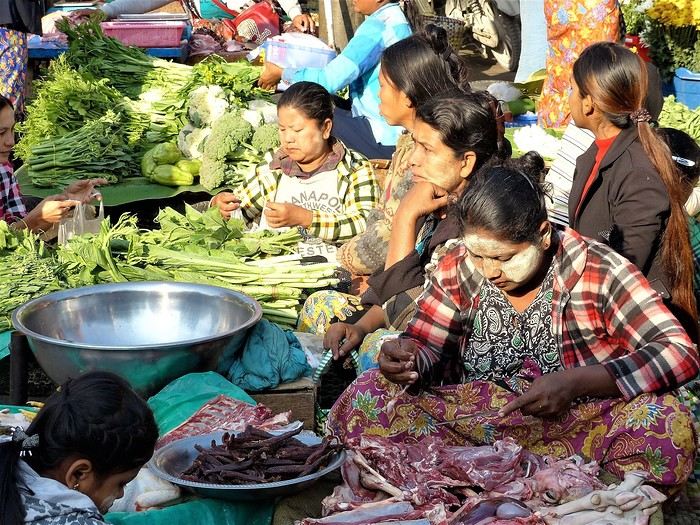
September 2026 Photo Contest Theme: "The Street as a Livelihood"
photo no. 2, still in Myanmar, in February 2017, in Mandalay
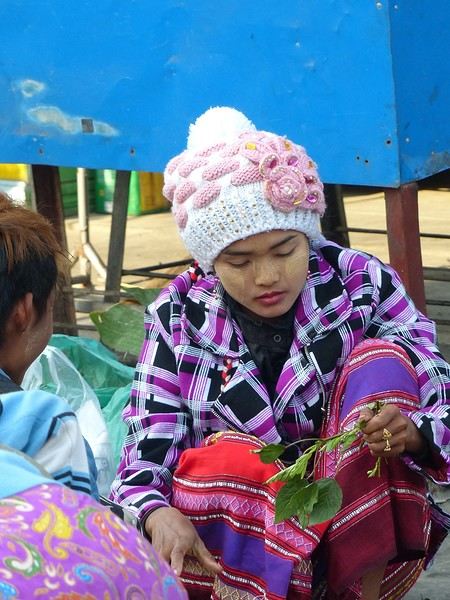
September 2026 Photo Contest Theme: "The Street as a Livelihood"
Hi there, I’ll stick with Burma.
The photo below (No. 1) was taken in February 2017 in one of the villages along Inle Lake, Tharlay. I love the tender look between this woman and her child.
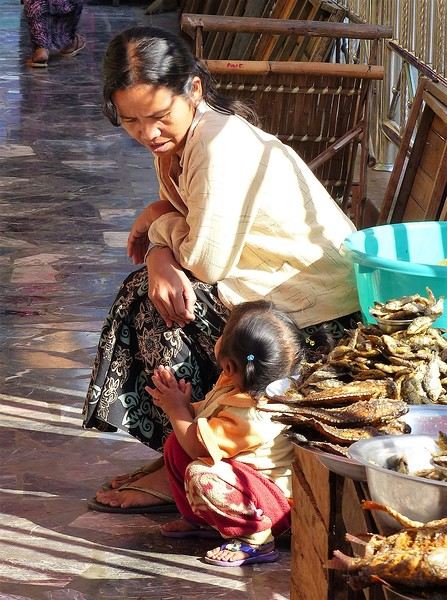
Oman, at the edge of the sands and the horizon
That’s a wrap!
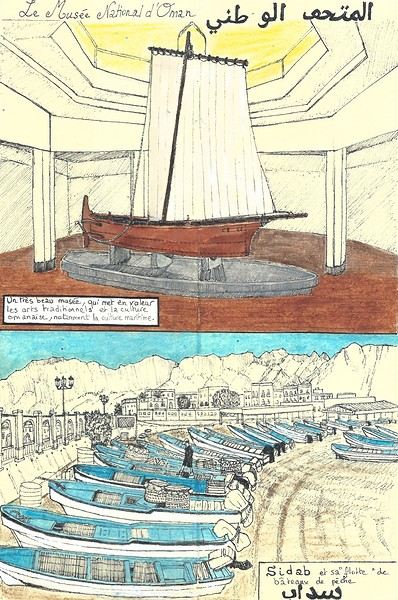
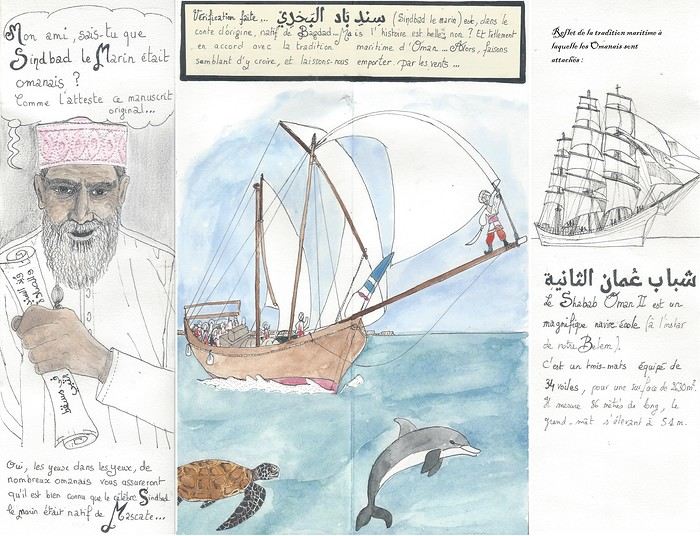
For our last day, we went back to Muttrah and the royal palace district, specifically to visit the National Museum of Oman. I highly recommend this museum—it focuses on Omani history and heritage. It doesn’t just showcase beautiful archaeological pieces; it also highlights what we call decorative arts and folk arts. It’s an ode to millennia-old crafts and Omani culture in all its forms, especially maritime culture, with stunning boat models (and a full-sized sailing ship). Below, the final page of my travel journal, echoing the maritime culture: - Top: the museum (boat hall) - Bottom: the view of Sidab Port, just below the royal palace district along the coastal road.
And a little bonus—a nod to an Omani "big myth": references to Sinbad the Sailor are everywhere in the Sultanate of Oman. They happily present him as a native of Muscat... even though the original tales clearly place his birth in Baghdad... But of course, some of his adventures likely took place in the Gulf of Oman!
Like many of you, I often feel a touch of melancholy at the end of a trip. But not this time! I have a feeling we’ll be back—it’s relatively close to home, and the logistics are simple. Everything felt easy, smooth, and hassle-free.
There you have it—all I can say about this country is good things. If you haven’t been yet, don’t hesitate (once the situation improves, of course). It’s really easy to travel there, and you’ll find whatever you’re looking for, no matter your travel style or the emotions you seek. Budget-wise, it’s similar to traveling in Western Europe. Final tip: Make sure to wash your rental car before returning it—if it’s too dusty, you’ll pay a hefty surcharge (it’s in the contracts)! Beyond what I’ve already mentioned, two great restaurants in Muscat:
An excellent Japanese restaurant (not a sushi bar), quite pricey but top-notch: Tokyo Taro, on the top floor of a fairly ordinary hotel (Al Falaj Hotel). A great traditional Omani restaurant: Ubhar. It’s on the ground floor of a mall in new Muscat, not far from the Royal Opera House. It’s better to sit inside than on the terrace (traffic), but the menu is fantastic, Omani cuisine is beautifully presented, and the service is lovely.
I’m closing this travel journal and getting back to other things—I’m not always on the road like bibouns51 ;) !
For our last day, we went back to Muttrah and the royal palace district, specifically to visit the National Museum of Oman. I highly recommend this museum—it focuses on Omani history and heritage. It doesn’t just showcase beautiful archaeological pieces; it also highlights what we call decorative arts and folk arts. It’s an ode to millennia-old crafts and Omani culture in all its forms, especially maritime culture, with stunning boat models (and a full-sized sailing ship). Below, the final page of my travel journal, echoing the maritime culture: - Top: the museum (boat hall) - Bottom: the view of Sidab Port, just below the royal palace district along the coastal road.
And a little bonus—a nod to an Omani "big myth": references to Sinbad the Sailor are everywhere in the Sultanate of Oman. They happily present him as a native of Muscat... even though the original tales clearly place his birth in Baghdad... But of course, some of his adventures likely took place in the Gulf of Oman!
Like many of you, I often feel a touch of melancholy at the end of a trip. But not this time! I have a feeling we’ll be back—it’s relatively close to home, and the logistics are simple. Everything felt easy, smooth, and hassle-free.
There you have it—all I can say about this country is good things. If you haven’t been yet, don’t hesitate (once the situation improves, of course). It’s really easy to travel there, and you’ll find whatever you’re looking for, no matter your travel style or the emotions you seek. Budget-wise, it’s similar to traveling in Western Europe. Final tip: Make sure to wash your rental car before returning it—if it’s too dusty, you’ll pay a hefty surcharge (it’s in the contracts)! Beyond what I’ve already mentioned, two great restaurants in Muscat:
An excellent Japanese restaurant (not a sushi bar), quite pricey but top-notch: Tokyo Taro, on the top floor of a fairly ordinary hotel (Al Falaj Hotel). A great traditional Omani restaurant: Ubhar. It’s on the ground floor of a mall in new Muscat, not far from the Royal Opera House. It’s better to sit inside than on the terrace (traffic), but the menu is fantastic, Omani cuisine is beautifully presented, and the service is lovely.
I’m closing this travel journal and getting back to other things—I’m not always on the road like bibouns51 ;) !
Oman, at the edge of the sands and the horizon
Nakhal
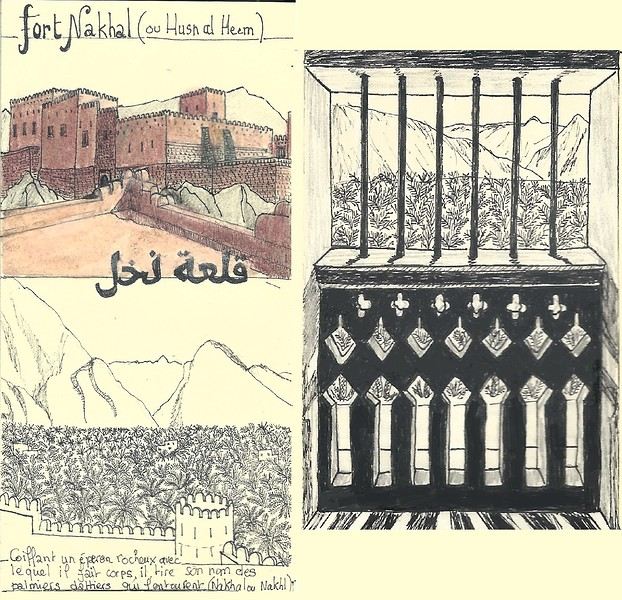
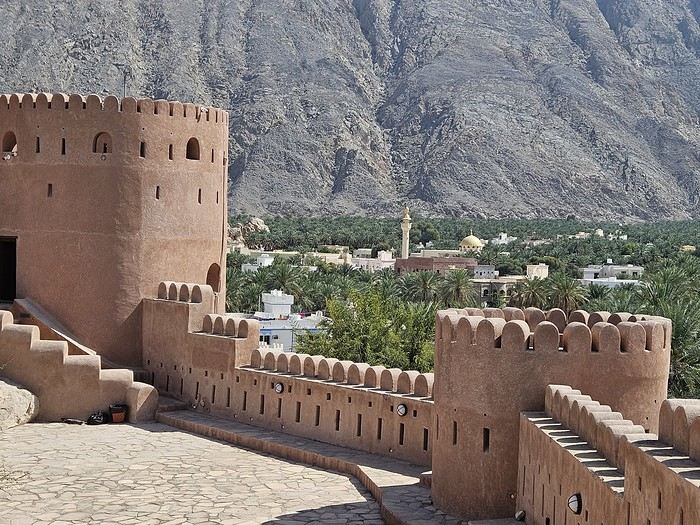
The fort, also called Husn Al Heem, has been fully renovated. Its unique feature is that it hugs the rocky spur on which it was built, giving it a floor plan that follows no architectural rules... It’s a real maze, even more so than Bahla.
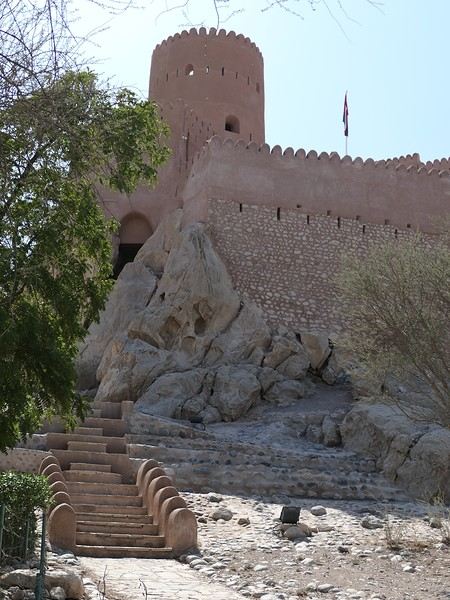
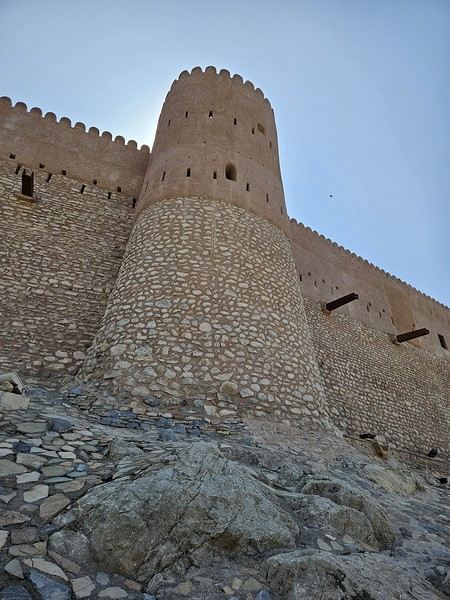
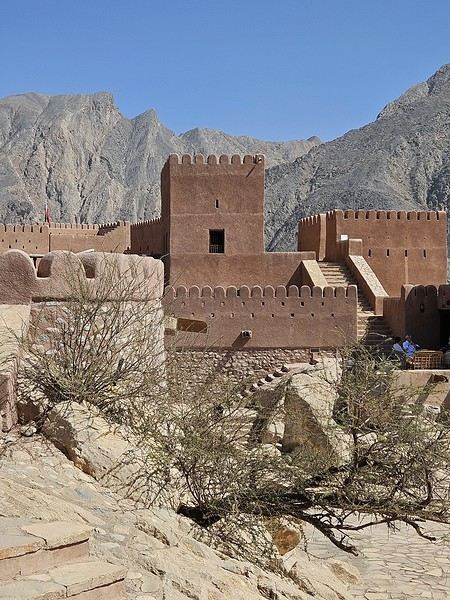
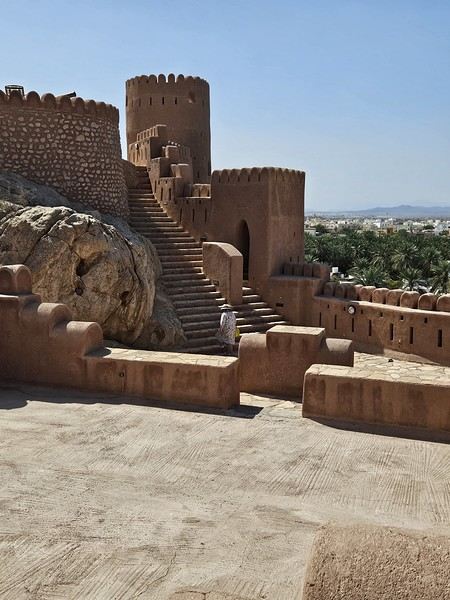
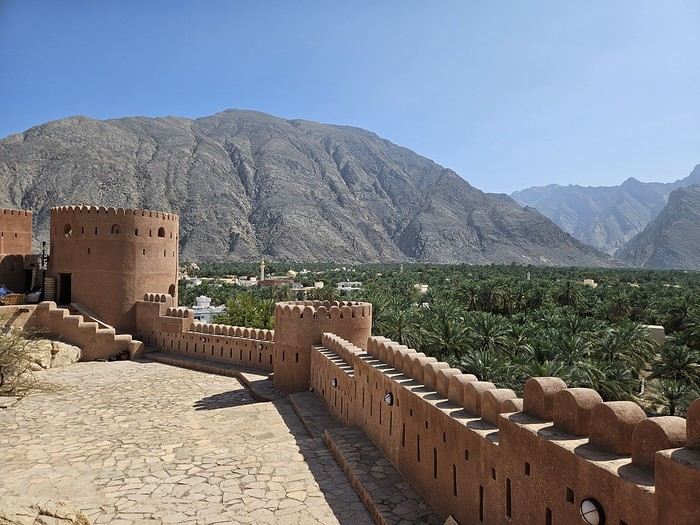
Inside, you can visit various furnished rooms—reception halls, bedrooms, and more—then admire the stunning 360° view of the Al Batinah plain and the Hajar Mountains, specifically the Jebel Akhdar.
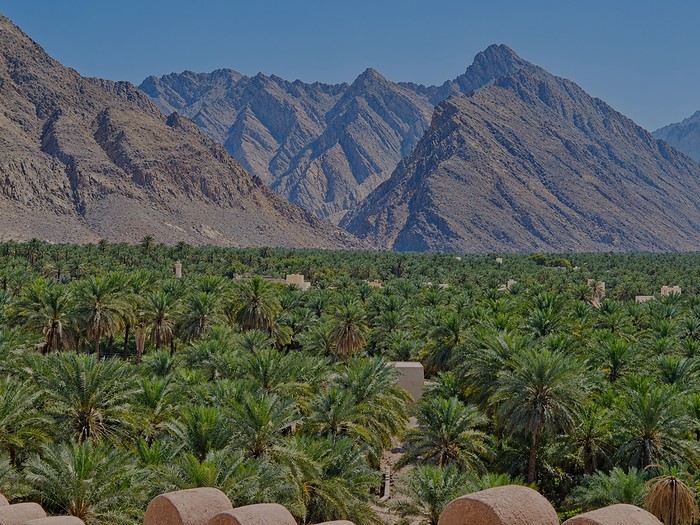
Nakhal Fort stands in the heart of a vast palm grove, its name coming from the word *Nakheel*, which means date palm. And get this—they didn’t just pour boiling oil on attackers, but boiling date syrup too!
After that, we head toward Muscat, which is 160 km away.
The fort, also called Husn Al Heem, has been fully renovated. Its unique feature is that it hugs the rocky spur on which it was built, giving it a floor plan that follows no architectural rules... It’s a real maze, even more so than Bahla.
Inside, you can visit various furnished rooms—reception halls, bedrooms, and more—then admire the stunning 360° view of the Al Batinah plain and the Hajar Mountains, specifically the Jebel Akhdar.
Nakhal Fort stands in the heart of a vast palm grove, its name coming from the word *Nakheel*, which means date palm. And get this—they didn’t just pour boiling oil on attackers, but boiling date syrup too!
After that, we head toward Muscat, which is 160 km away.
Oman, at the edge of the sands and the horizon
From Ibri to Muscat, via Rustaq and Nakhal
Well, before we know it, we're approaching the end of our little journey in this enchanting country. This is now our final road trip leg.
Ibri
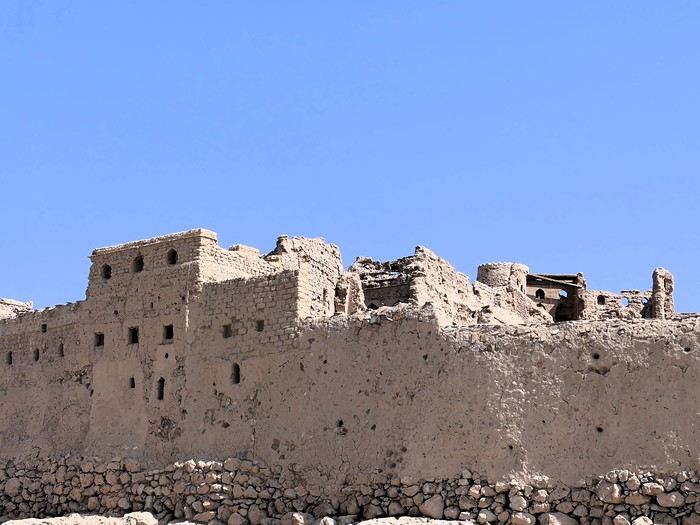
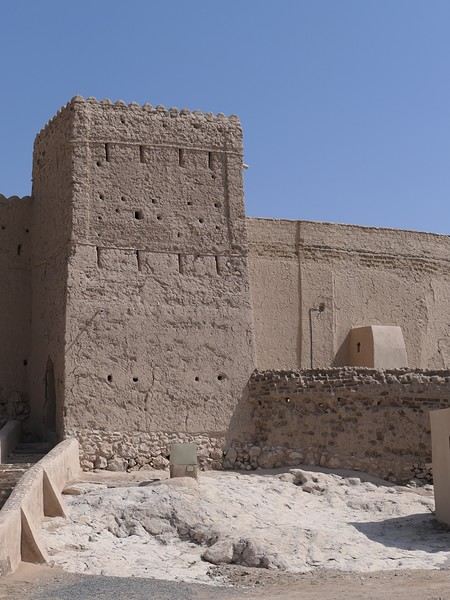
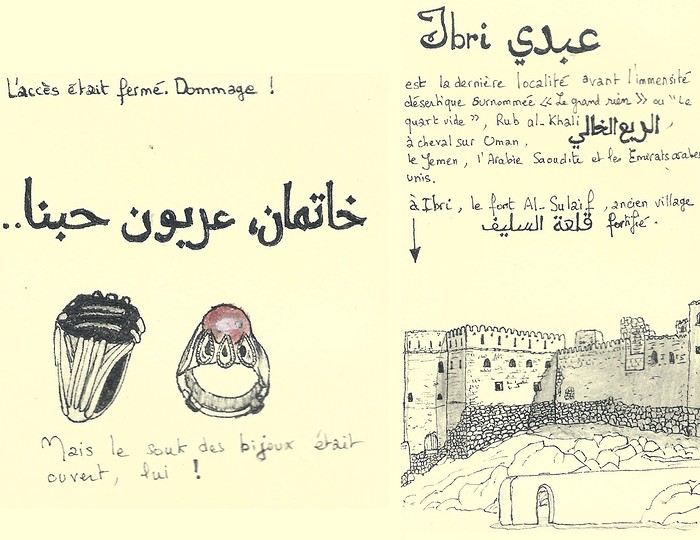
The day before, when we arrived in Ibri, we wanted to take a look at the Al Sulaif fortress—a ruined fort dating back to the 12th century, with a village built inside its walls that’s now abandoned too. It looked promising... but access was already closed when we got there, and since it doesn’t open on Fridays, we won’t be able to see it before leaving tomorrow morning.
No big deal, we head to the local souk instead. A narrow alley is lined with jewelry shops, and for once, it’s not just the big gold pieces—there are also some beautiful silver rings. We cave in, negotiate, and leave with two rings, one for him and one for me.
The next day, we hit the road toward the Rustaq oasis. I’d planned to visit the Rustaq fort, but it’s Friday, and after checking the opening hours, we realize it’s closed on this holy day. No problem—we see that Nakhal Fort is open, so we’ll make a little detour through the city before heading back to Muscat.
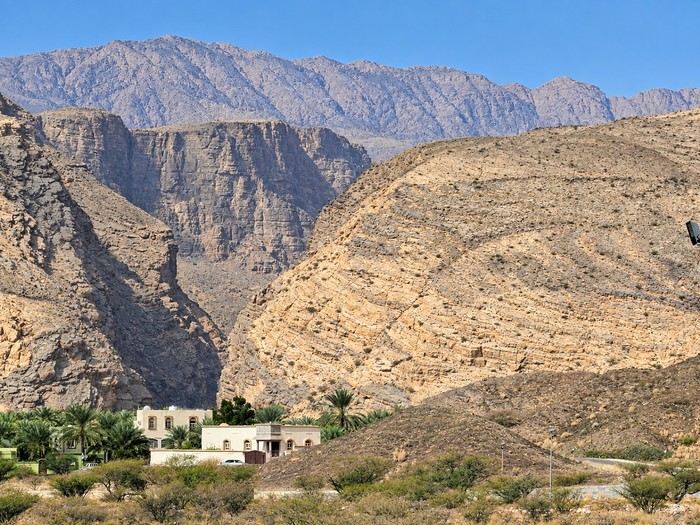
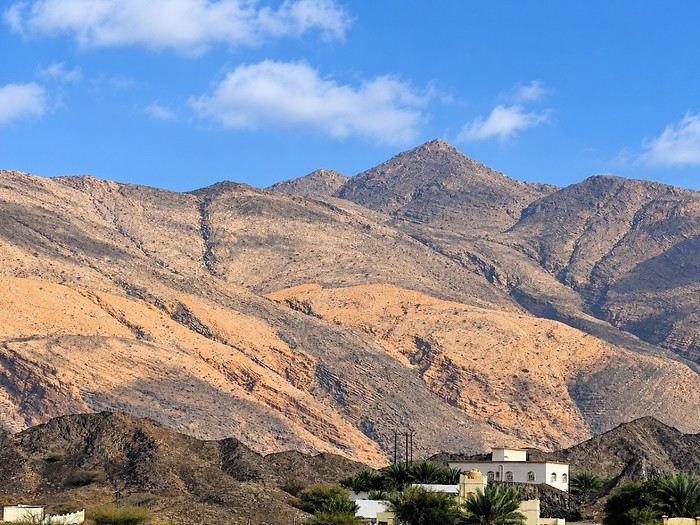
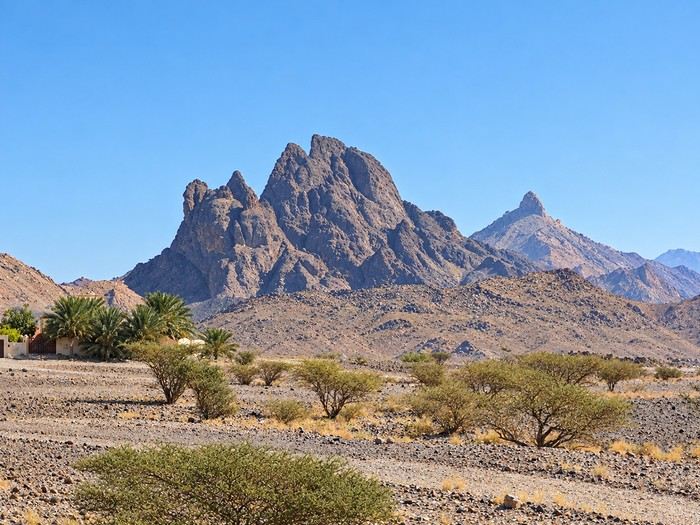
On the road again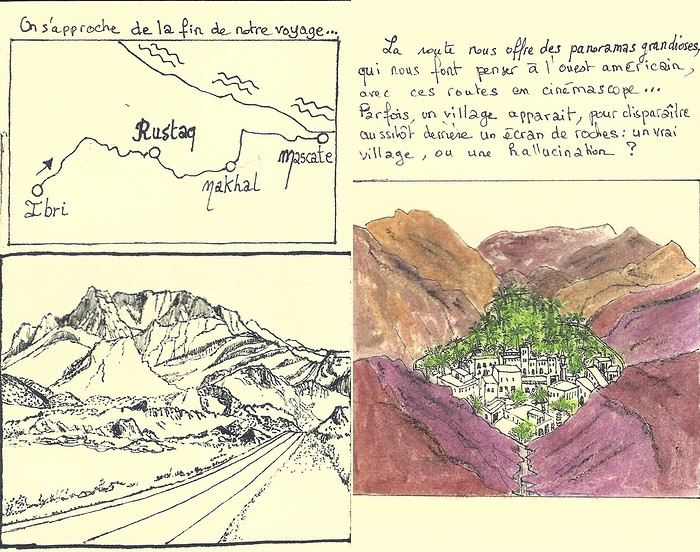 From Ibri, the road is stunning—we follow the Hajar Mountains on the northern side (opposite to where we were before), offering beautiful mineral landscapes interspersed with fleeting glimpses of villages hidden in wadis, surrounded by trees. We also spot villas in the scorching heat, enclosed by high walls with branches peeking out, hinting at lush gardens likely fed by wells tapping into underground water reserves.
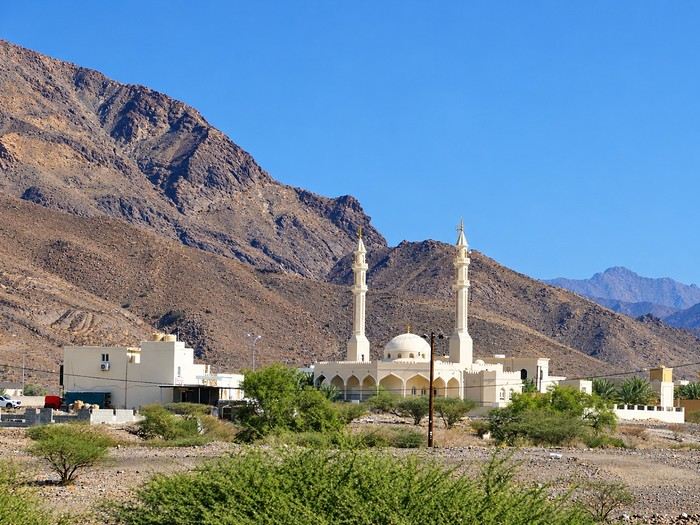
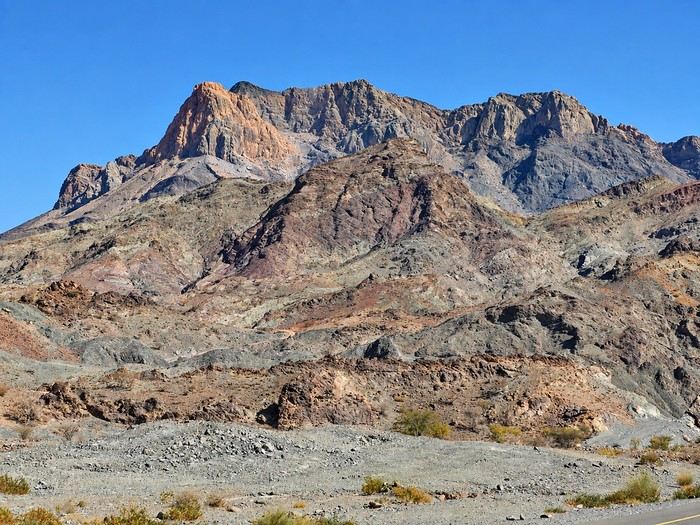
We stop for a break in Rustaq, near the souk, where almost all the shops are closed for Friday. A few elderly men are chatting in a room filled with armchairs—they wave us in and kindly offer us coffee and halwa. How could we refuse? A little further on, we find a café-pastry shop that’s unfortunately closing, as everyone’s heading to the mosque for prayers. A server kindly agrees to make us fresh fruit juices and some pastries, which we take outside to enjoy. Isn’t it nice, sitting under the trees, sipping and snacking while the calls to prayer echo from the different mosques around town? We’re right next to a mosque, and men are arriving from all directions, hurrying in. They’re not wearing dishdashas—many seem to be of Pakistani or Indian origin. Things quiet down, we see a few stragglers running in, and then the streets empty.
We hit the road again for Nakhal.
Well, before we know it, we're approaching the end of our little journey in this enchanting country. This is now our final road trip leg.
Ibri
The day before, when we arrived in Ibri, we wanted to take a look at the Al Sulaif fortress—a ruined fort dating back to the 12th century, with a village built inside its walls that’s now abandoned too. It looked promising... but access was already closed when we got there, and since it doesn’t open on Fridays, we won’t be able to see it before leaving tomorrow morning.
No big deal, we head to the local souk instead. A narrow alley is lined with jewelry shops, and for once, it’s not just the big gold pieces—there are also some beautiful silver rings. We cave in, negotiate, and leave with two rings, one for him and one for me.
The next day, we hit the road toward the Rustaq oasis. I’d planned to visit the Rustaq fort, but it’s Friday, and after checking the opening hours, we realize it’s closed on this holy day. No problem—we see that Nakhal Fort is open, so we’ll make a little detour through the city before heading back to Muscat.
On the road again
From Ibri, the road is stunning—we follow the Hajar Mountains on the northern side (opposite to where we were before), offering beautiful mineral landscapes interspersed with fleeting glimpses of villages hidden in wadis, surrounded by trees. We also spot villas in the scorching heat, enclosed by high walls with branches peeking out, hinting at lush gardens likely fed by wells tapping into underground water reserves.We stop for a break in Rustaq, near the souk, where almost all the shops are closed for Friday. A few elderly men are chatting in a room filled with armchairs—they wave us in and kindly offer us coffee and halwa. How could we refuse? A little further on, we find a café-pastry shop that’s unfortunately closing, as everyone’s heading to the mosque for prayers. A server kindly agrees to make us fresh fruit juices and some pastries, which we take outside to enjoy. Isn’t it nice, sitting under the trees, sipping and snacking while the calls to prayer echo from the different mosques around town? We’re right next to a mosque, and men are arriving from all directions, hurrying in. They’re not wearing dishdashas—many seem to be of Pakistani or Indian origin. Things quiet down, we see a few stragglers running in, and then the streets empty.
We hit the road again for Nakhal.
Oman, at the edge of the sands and the horizon
Al-Ayn, 5,000 years back in time!
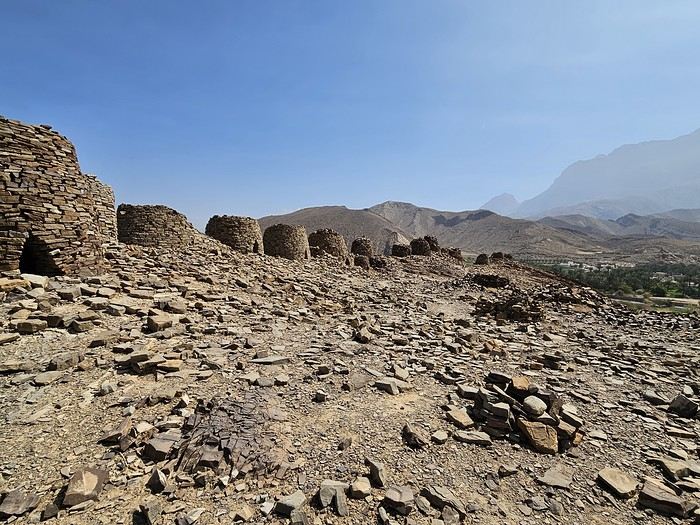
In Al Ayn, we park along the main road (*), just past a mosque on the right. The site is somewhere to the left—we know we have to walk a few hundred meters: first cross the wadi, dry this season, that runs along the road, then follow walls bordering gardens, cross the other arm of the dry wadi, and take a rocky path. There’s no sign, but at some point, you start seeing the tombs in the distance, on the ridge of a large hill that, as you get closer, looks like a massive pile of pink sandstone slabs.
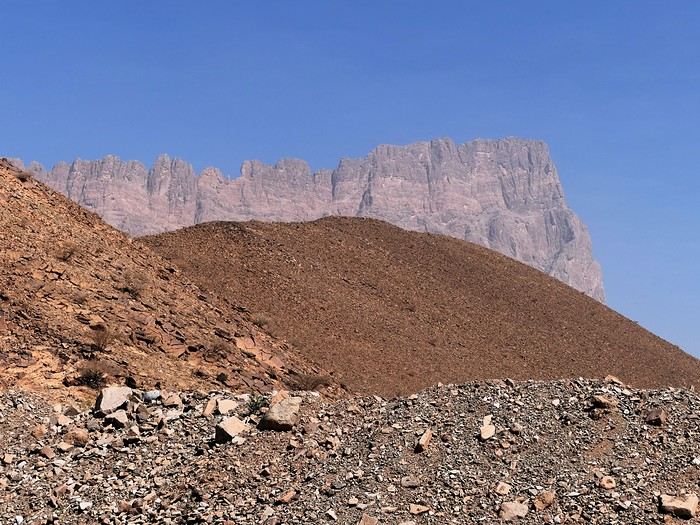
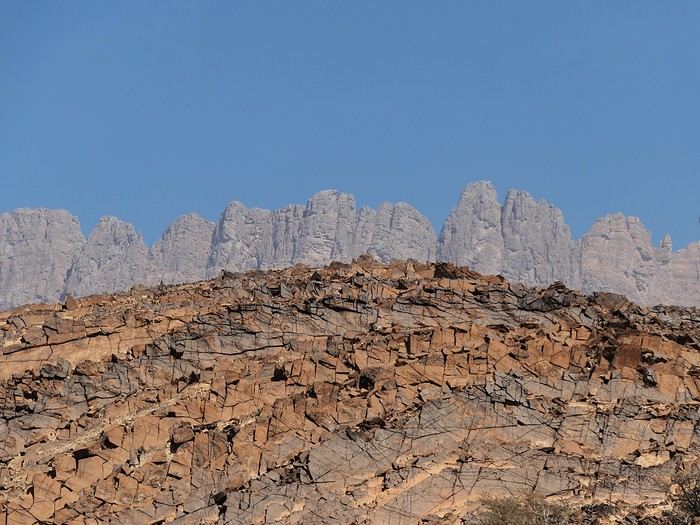
We climb the hill from the wrong side—the steepest one—with no trail because we followed some Omanis who overtook us in a 4x4 and bounded up like goats at full speed. One of them stayed in the 4x4, giving us a friendly wave while eating dates.
Up there, it’s incredible. This site is fantastic.
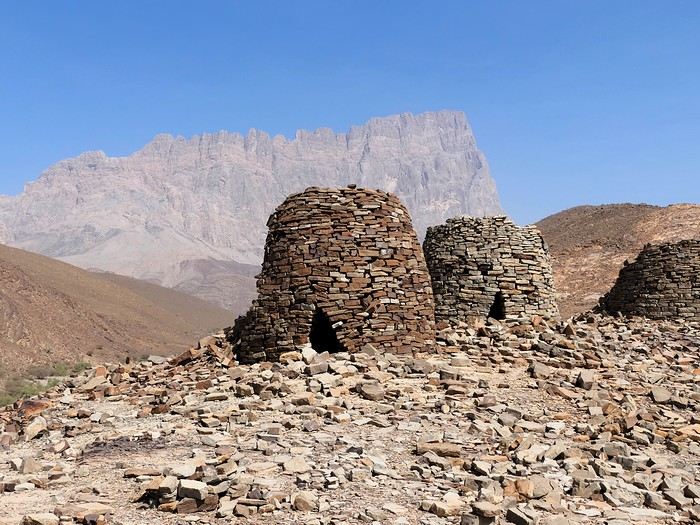
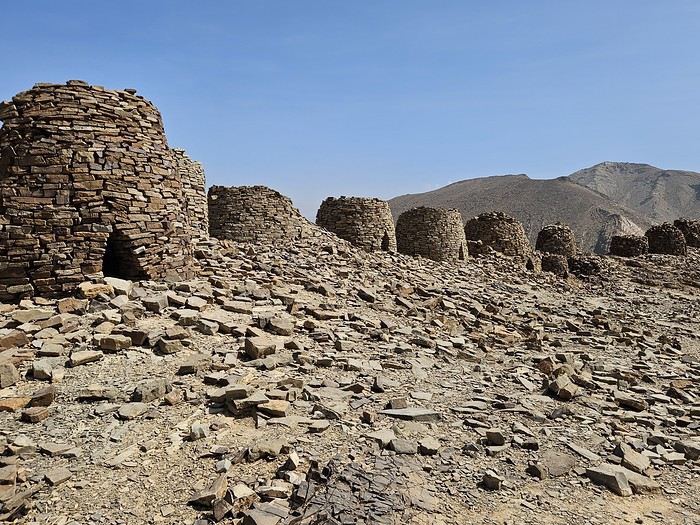
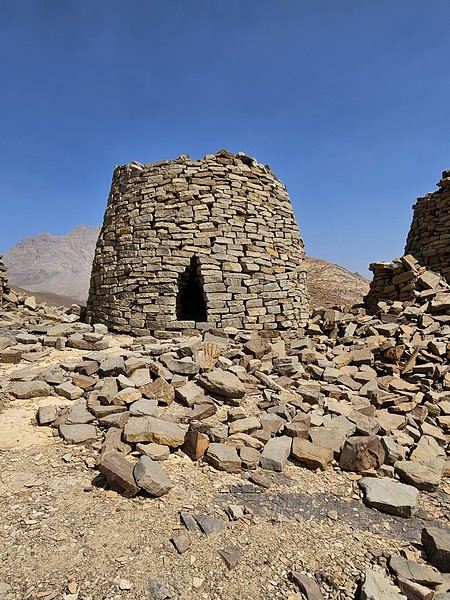
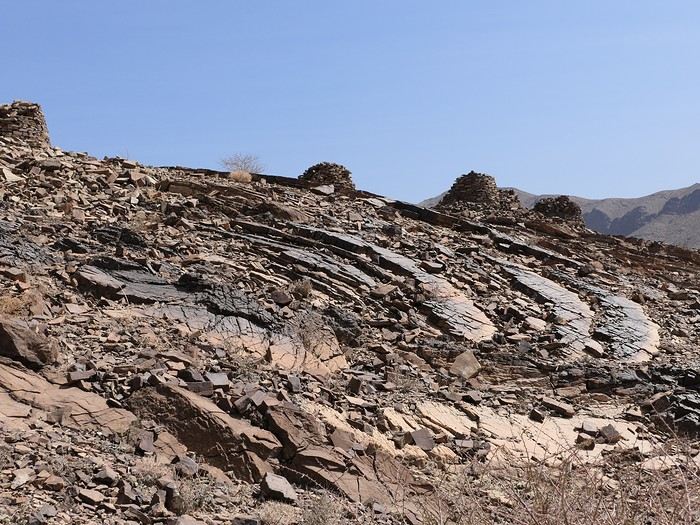
We’re speechless in front of the alignment of these 21 tombs on the ridge, in astonishing condition considering they’re made of dry stones (no binder of any kind). Of course, they’re empty (5,000 years, after all).
After wandering around a bit, we head back down the easy side, following a trail. The 4x4 is waiting there now, the driver still busy eating dates... The two young Omanis who visited at the same time as us come over. We chat a little—they want to know who we are, where we’re from, and why we’re visiting this site. They think we climbed the hill well for our age (oh, these youngsters!), and they insist we take two bottles of water, which one of them runs to get from the 4x4. It’s a kind gesture we accept with warm thanks, even though we’ve got plenty of water in our car.
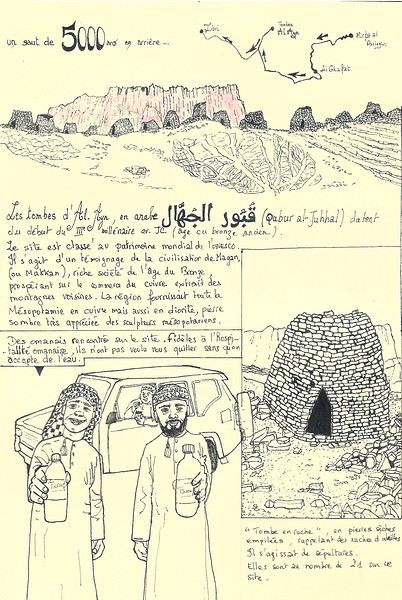
We leave, enchanted by this visit. These are now, ahead of the Egyptian pyramids (4,600 years for the oldest at Saqqara), the oldest human constructions we’ve ever seen.
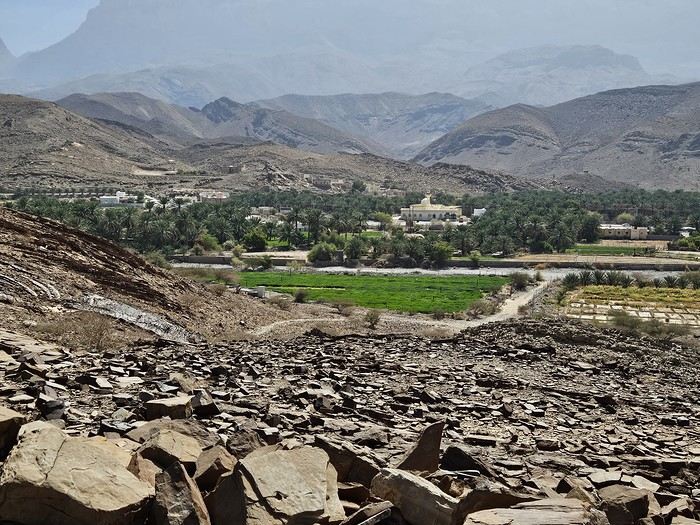
(*) When arriving in Al Ayn, continue on the road called either "Al Gafath road" or "Wadi al Ayn road," heading toward Gayl Subay. After passing a recent mosque on the right, you can park.
On leaving Al-Ayn, if we’d had a 4x4, we could’ve pushed on to the nearby Wadi Damm, which looks stunning, but we were short on time—it seems to deserve at least half a day.
Heading to IBRI!
In Al Ayn, we park along the main road (*), just past a mosque on the right. The site is somewhere to the left—we know we have to walk a few hundred meters: first cross the wadi, dry this season, that runs along the road, then follow walls bordering gardens, cross the other arm of the dry wadi, and take a rocky path. There’s no sign, but at some point, you start seeing the tombs in the distance, on the ridge of a large hill that, as you get closer, looks like a massive pile of pink sandstone slabs.
We climb the hill from the wrong side—the steepest one—with no trail because we followed some Omanis who overtook us in a 4x4 and bounded up like goats at full speed. One of them stayed in the 4x4, giving us a friendly wave while eating dates.
Up there, it’s incredible. This site is fantastic.
We’re speechless in front of the alignment of these 21 tombs on the ridge, in astonishing condition considering they’re made of dry stones (no binder of any kind). Of course, they’re empty (5,000 years, after all).
After wandering around a bit, we head back down the easy side, following a trail. The 4x4 is waiting there now, the driver still busy eating dates... The two young Omanis who visited at the same time as us come over. We chat a little—they want to know who we are, where we’re from, and why we’re visiting this site. They think we climbed the hill well for our age (oh, these youngsters!), and they insist we take two bottles of water, which one of them runs to get from the 4x4. It’s a kind gesture we accept with warm thanks, even though we’ve got plenty of water in our car.
We leave, enchanted by this visit. These are now, ahead of the Egyptian pyramids (4,600 years for the oldest at Saqqara), the oldest human constructions we’ve ever seen.
(*) When arriving in Al Ayn, continue on the road called either "Al Gafath road" or "Wadi al Ayn road," heading toward Gayl Subay. After passing a recent mosque on the right, you can park.
On leaving Al-Ayn, if we’d had a 4x4, we could’ve pushed on to the nearby Wadi Damm, which looks stunning, but we were short on time—it seems to deserve at least half a day.
Heading to IBRI!
Oman, at the edge of the sands and the horizon
Towards Ibri, via Al Ayn
Explanation of the upcoming leg: We love archaeology... I’ve already used the following image in a travel journal, but it really sums us up: drop us in any archaeological site and we’re like kids in a candy store, noses in the air, tongues hanging out... So while planning our trip, I spotted a site that, for us, was worth a detour. It’s the Al Ayn site, with its 5,000-year-old beehive tombs, remnants of the Magan (or Makkan) civilization. Sure, there are other sites closer to Nizwa, but this one is exceptional—because of the number of tombs, their remarkable condition, and the surroundings. Sure, we could’ve done a round trip from Nizwa (2.5 to 3 hours of driving total), but why not take the opportunity to push on to the town of Ibri (not to be confused with Ibra)? It’s known as the "last town before the great void"—the vast desert straddling Oman, Yemen, and Saudi Arabia. Plus, by spending a night in Ibri, we can then take a route that’ll take us through the Rustaq oasis to return to Muscat, and that closes the loop... perfect!
So here we are, leaving Misfat Al Abbriyyin to head toward Ibri, with a little detour to visit the Al-Ayn site.
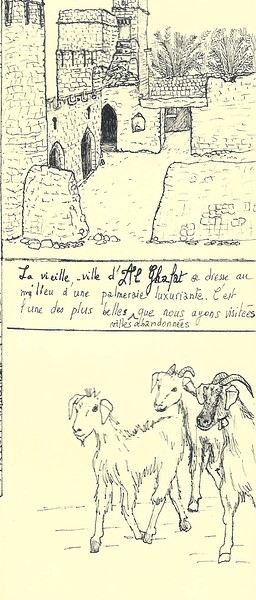
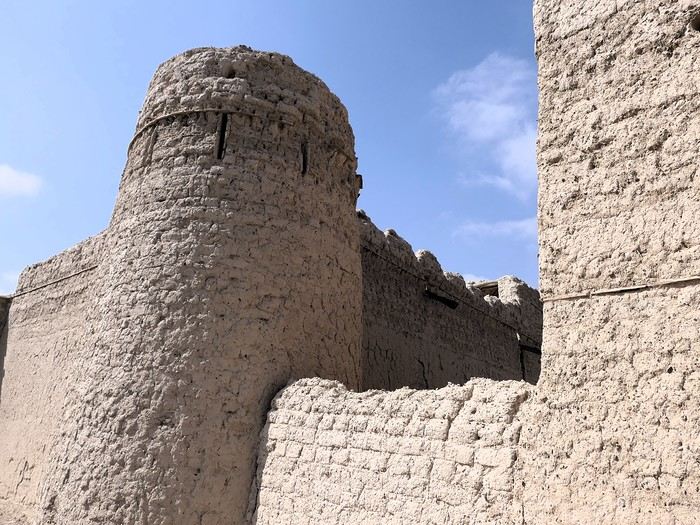
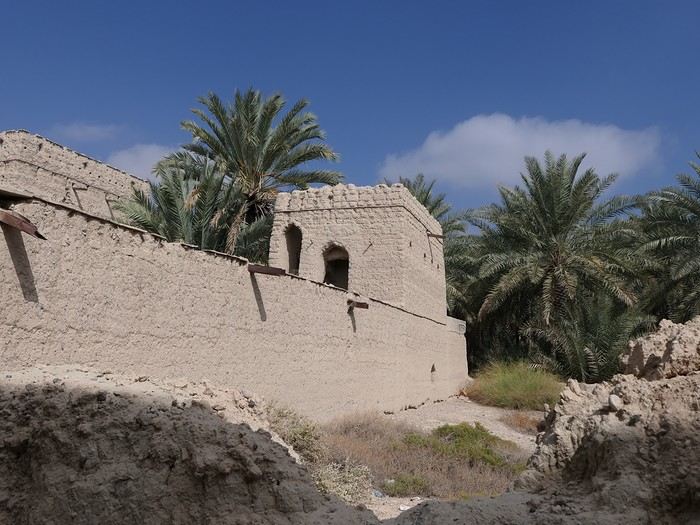
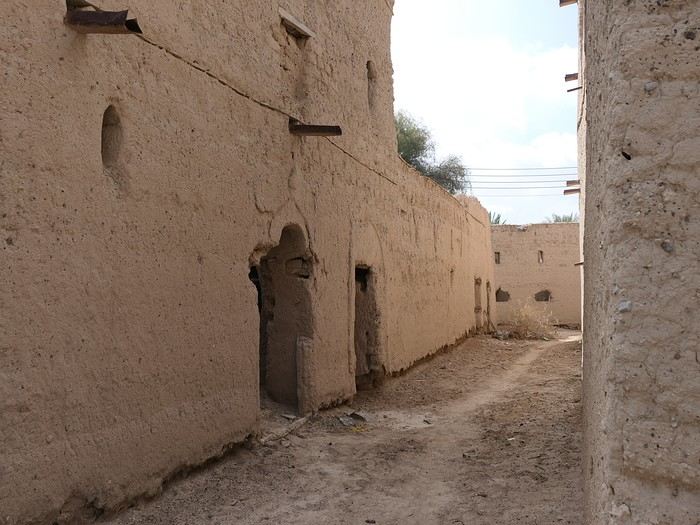
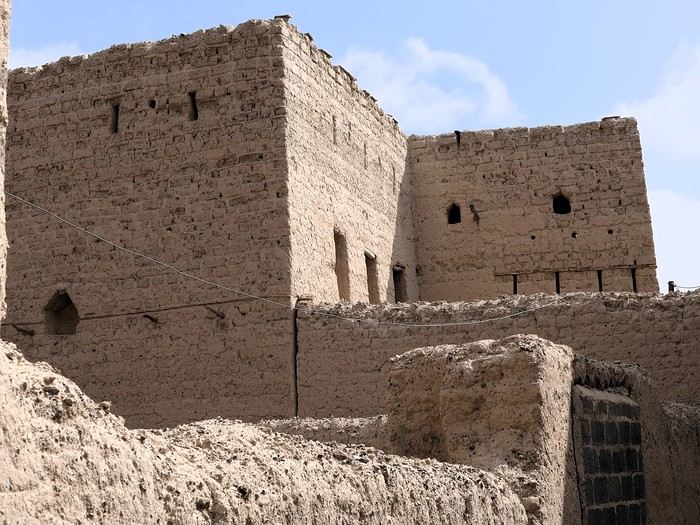
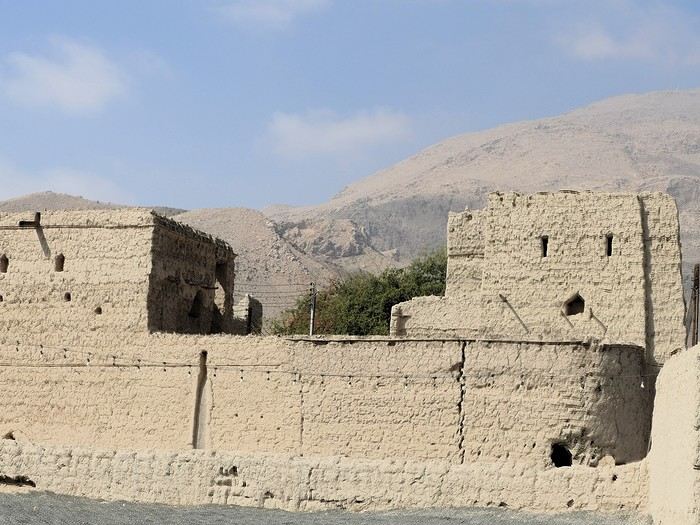
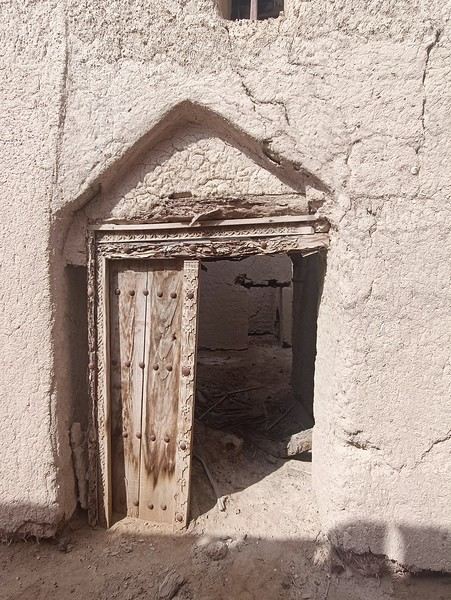
Along the way, we first stop at Al Ghafat to visit its abandoned historic quarter, right in the middle of the palm grove.
Personally, I found the old town the most beautiful of all the ones we’ve seen—maybe because of the ruined castle. The houses are huge, and you can still access staircases and terraces.
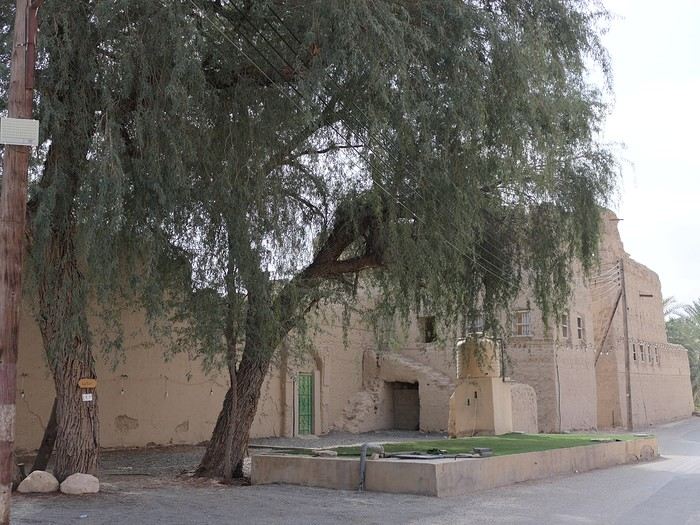
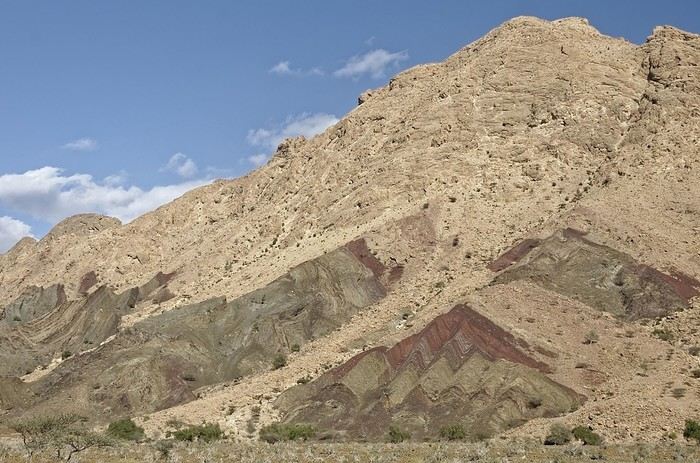
Then we take the main road connecting Nizwa to Ibri. The landscapes change, the rock colors too—sometimes you see pink and purple. It’s stunning!
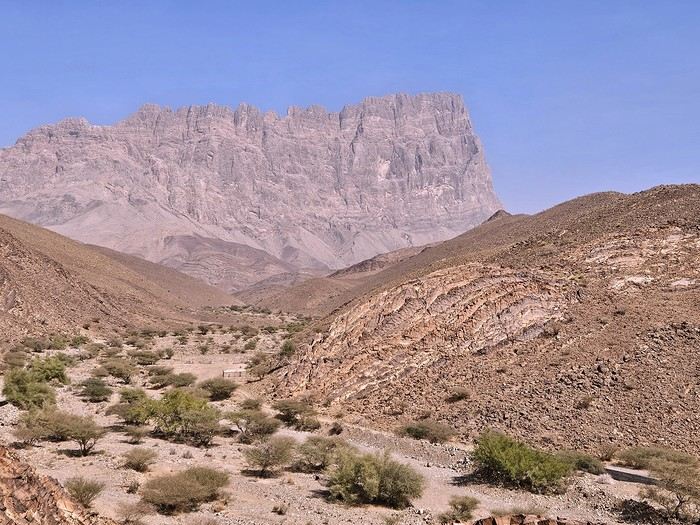
More to come in the next post!
Explanation of the upcoming leg: We love archaeology... I’ve already used the following image in a travel journal, but it really sums us up: drop us in any archaeological site and we’re like kids in a candy store, noses in the air, tongues hanging out... So while planning our trip, I spotted a site that, for us, was worth a detour. It’s the Al Ayn site, with its 5,000-year-old beehive tombs, remnants of the Magan (or Makkan) civilization. Sure, there are other sites closer to Nizwa, but this one is exceptional—because of the number of tombs, their remarkable condition, and the surroundings. Sure, we could’ve done a round trip from Nizwa (2.5 to 3 hours of driving total), but why not take the opportunity to push on to the town of Ibri (not to be confused with Ibra)? It’s known as the "last town before the great void"—the vast desert straddling Oman, Yemen, and Saudi Arabia. Plus, by spending a night in Ibri, we can then take a route that’ll take us through the Rustaq oasis to return to Muscat, and that closes the loop... perfect!
So here we are, leaving Misfat Al Abbriyyin to head toward Ibri, with a little detour to visit the Al-Ayn site.
Along the way, we first stop at Al Ghafat to visit its abandoned historic quarter, right in the middle of the palm grove.
Personally, I found the old town the most beautiful of all the ones we’ve seen—maybe because of the ruined castle. The houses are huge, and you can still access staircases and terraces.
Then we take the main road connecting Nizwa to Ibri. The landscapes change, the rock colors too—sometimes you see pink and purple. It’s stunning!
More to come in the next post!
Oman, at the edge of the sands and the horizon
Misfat Al Abriyyin, more photos to come!
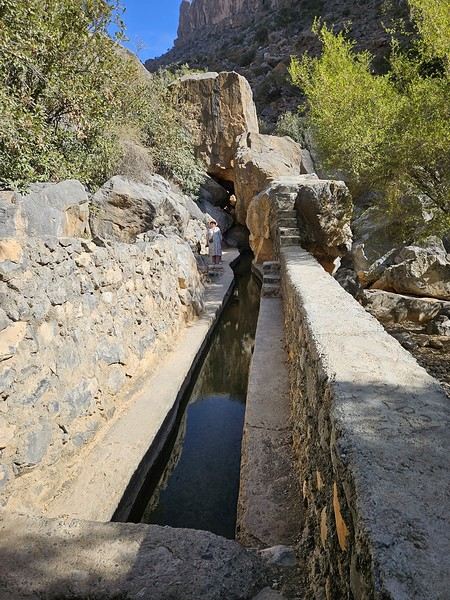
Following the falaj upstream...
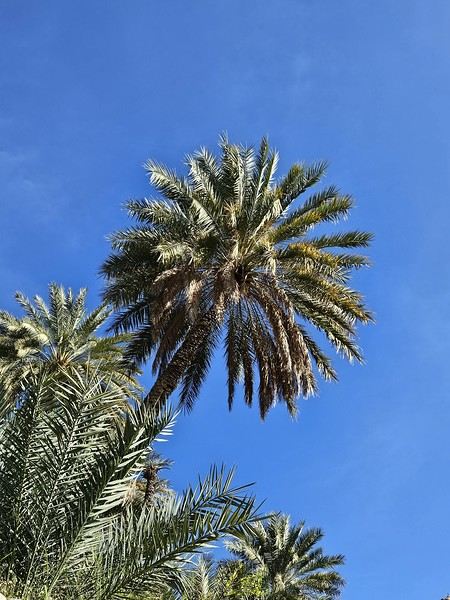
A floral fireworks display!
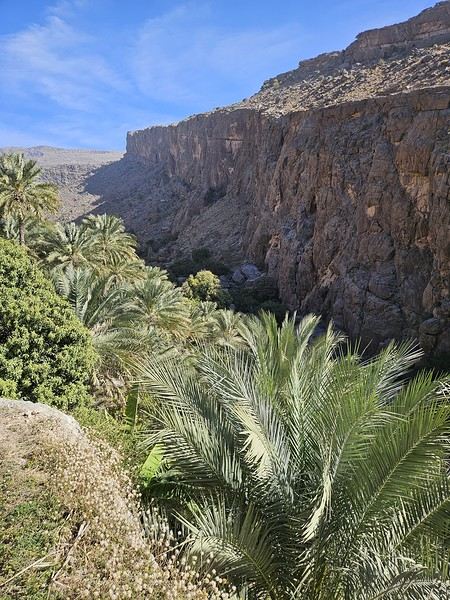
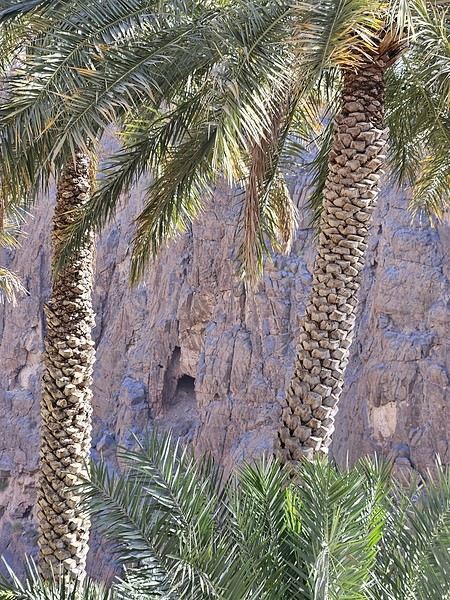
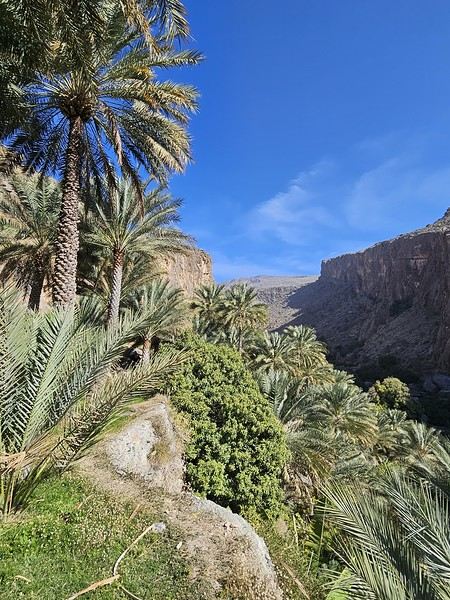
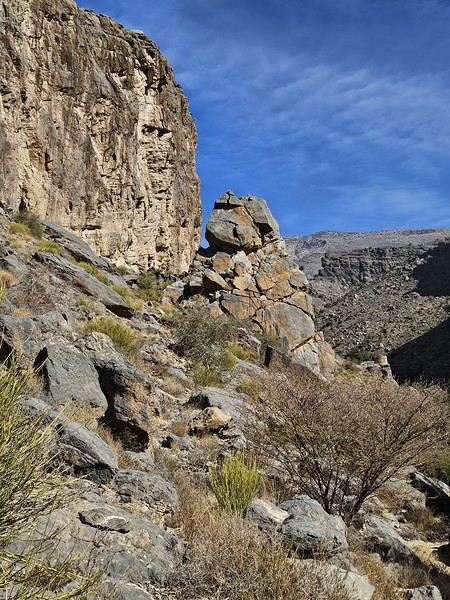
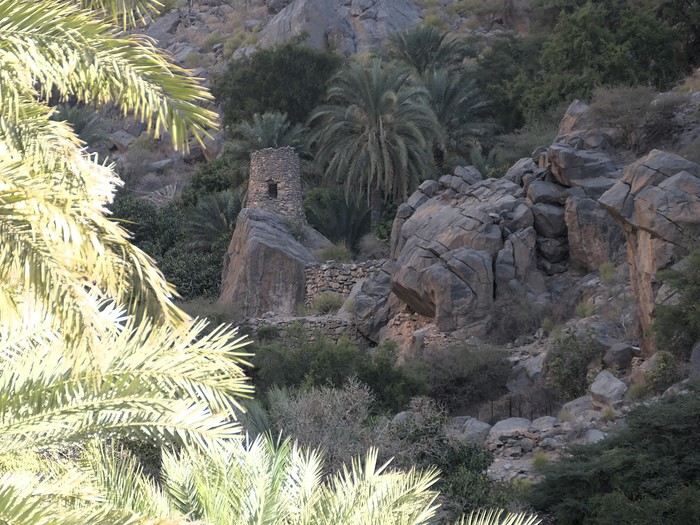
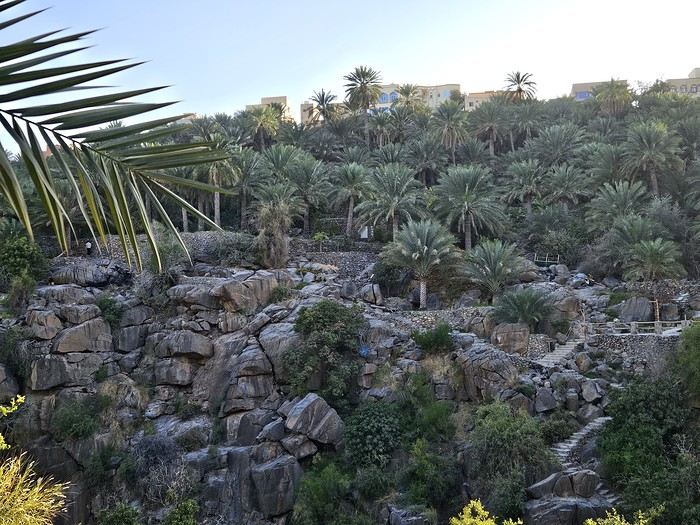
Below, from the bottom of the valley. Stairs allow you to climb up the other side to a more recent village whose houses you can see on the ridge. From up there, you get the view of Misfat Al Abriyyin.
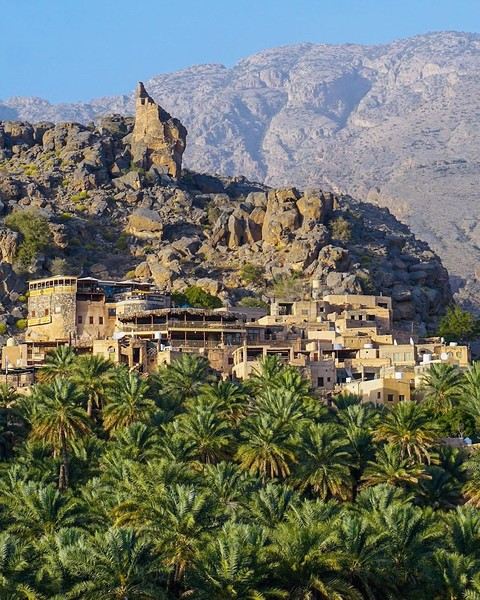 Note: Only this very last photo, meant to give you an overview, isn't ours—I found it online and credit Experience Oman.
To be continued: another abandoned village, then the tombs of Al Ayn... and with all that, we'll slowly be wrapping up this travel journal!!!
Following the falaj upstream...
A floral fireworks display!
Below, from the bottom of the valley. Stairs allow you to climb up the other side to a more recent village whose houses you can see on the ridge. From up there, you get the view of Misfat Al Abriyyin.
Note: Only this very last photo, meant to give you an overview, isn't ours—I found it online and credit Experience Oman.To be continued: another abandoned village, then the tombs of Al Ayn... and with all that, we'll slowly be wrapping up this travel journal!!!