Results for "Provence-Côte+d'Azur+sécurité"
About 22,181 results.
More options
Many results are in French, the community’s main language. English translations are added over time.
Search results
Vol Paris-Marseille avec Air France
Bonjour,
J’aimerais savoir si dans la pratique sur un Orly Marseille, si je me présente exemple 2 heures avant mon vol est-ce que je peux embarquer dans un vol précédant s’il y a de la place bien sûr, sans avoir à payer une somme exorbitante . Je précise que j’ai le tarif le moins cher ( non modifiable )
Merci
J’aimerais savoir si dans la pratique sur un Orly Marseille, si je me présente exemple 2 heures avant mon vol est-ce que je peux embarquer dans un vol précédant s’il y a de la place bien sûr, sans avoir à payer une somme exorbitante . Je précise que j’ai le tarif le moins cher ( non modifiable )
Merci
Excursions depuis Marseille
Bonjour 🙂
nous allons à Marseille en septembre. Nous avons notre hôtel pour neuf jours. Nous n'aurons pas d'auto. Nous aimerions beaucoup faire quelques journées d'excursions autour de Marseille. Comme Aix ou Cassis. Quels sont les tours proposés et intéressants à faire. merci Dadou 😎
nous allons à Marseille en septembre. Nous avons notre hôtel pour neuf jours. Nous n'aurons pas d'auto. Nous aimerions beaucoup faire quelques journées d'excursions autour de Marseille. Comme Aix ou Cassis. Quels sont les tours proposés et intéressants à faire. merci Dadou 😎
Qui part sur le Luminosa au départ de Toulon le 26 avril 2015
BONJOUR A TOUS🙂🙂
qui fait cette croisiere au départ de toulon, et sait on si le départ à l embarcadère c'est bien toulon ou la seyne sur mer ?
où laisser ma voiture pendant 5 jours ? et comment récupérer ma voiture sachant
que je reprend le train de nice vers toulon le 30 avril (billet reservé 43e pour deux)
merci de vos conseils avisés ....😛
qui fait cette croisiere au départ de toulon, et sait on si le départ à l embarcadère c'est bien toulon ou la seyne sur mer ?
où laisser ma voiture pendant 5 jours ? et comment récupérer ma voiture sachant
que je reprend le train de nice vers toulon le 30 avril (billet reservé 43e pour deux)
merci de vos conseils avisés ....😛
Les quartiers de Menton
Bonjour à tous,
J'aimerais passer une semaine à Menton mais je me perds avec tous ces quartiers... Je vois souvent promenade du soleil, quartier Garavan, plage des sablettes, etc... Plein d'endroits que beaucoup de gens vantent. Alors voilà, selon vous, quel est le meilleur endroit où loger à Menton de façon à ne pas être loin de la plage et en même temps pas trop loin du centre touristique (nous disposerons d'une voiture mais j'imagine que voyager et se garer dans la ville ne doit pas être simple).
Je vous remercie d'avance pour vos réponses.
J'aimerais passer une semaine à Menton mais je me perds avec tous ces quartiers... Je vois souvent promenade du soleil, quartier Garavan, plage des sablettes, etc... Plein d'endroits que beaucoup de gens vantent. Alors voilà, selon vous, quel est le meilleur endroit où loger à Menton de façon à ne pas être loin de la plage et en même temps pas trop loin du centre touristique (nous disposerons d'une voiture mais j'imagine que voyager et se garer dans la ville ne doit pas être simple).
Je vous remercie d'avance pour vos réponses.
Itinéraire de 3 semaines dans le sud de la France
Bonjour! J'aimerais avoir votre avis sur la planification de notre voyage de 3 semaines dans le sud de la France. Je voudrais m'assurer que ce n'est pas trop surchargé. Merci de me donner votre avis ou tout autre suggestion!
11 septembre : départ de Québec 12 septembre : arrivée à Nice + visite de Nice 13 septembre : Monaco 14 septembre : Nice + Menton 15 septembre : Cannes + Grasse 16 septembre : Fréjus + Saint-Tropez 17 septembre : Marseille (Port + Calanques) 18 septembre : Aix-en-Provence 19 septembre : Arles 20 septembre : Parc naturel régional de Camargue 21 septembre : Avignon 22 septembre : Nîmes + Pont du Gard 23 septembre : Montpellier 24 septembre : Narbonne 25 septembre : Carcassonne 26 septembre : Parc national de Cévènnes 27 septembre : Quelque chose entre le parc et Lyon 28 septembre : Lyon 29 septembre : Chamonix 30 septembre : Grenoble 1er octobre : Parc du Verdon 2 octobre : Nice 3 octobre : retour au Québec
11 septembre : départ de Québec 12 septembre : arrivée à Nice + visite de Nice 13 septembre : Monaco 14 septembre : Nice + Menton 15 septembre : Cannes + Grasse 16 septembre : Fréjus + Saint-Tropez 17 septembre : Marseille (Port + Calanques) 18 septembre : Aix-en-Provence 19 septembre : Arles 20 septembre : Parc naturel régional de Camargue 21 septembre : Avignon 22 septembre : Nîmes + Pont du Gard 23 septembre : Montpellier 24 septembre : Narbonne 25 septembre : Carcassonne 26 septembre : Parc national de Cévènnes 27 septembre : Quelque chose entre le parc et Lyon 28 septembre : Lyon 29 septembre : Chamonix 30 septembre : Grenoble 1er octobre : Parc du Verdon 2 octobre : Nice 3 octobre : retour au Québec
Un Singapourien En France (Partie 2: Nice)
Bonjour tout le monde. Je suis Singapourien et afin d'améliorer mon français, j'ai décidé de partager les souvenirs de mes voyages en l’Hexagone sur ce forum. Comme je suis francophile, j’ai déjà visité la France de nombreuse fois. À chaque fois je visite le pays, j’en profite d’apprécier la vie quotidienne. Une fois n’est jamais suffisante donc l’année dernière, j’ai pris un voyage en France depuis un mois et je passais une semaine à chaque principale ville, notamment Paris, Lyon, Nice et Bordeaux. De chaque ville, j’ai aussi pris une excursion d’une journée à une ville voisine.
Je vais rédiger ce carnet en quarte parties en cet ordre : Lyon, Nice, Bordeaux et puis Paris parce que c’était comment j’ai pris le chemin. Je vous prie d’être patiente avec mon français lorsque je partage cette histoire. Votre soutien me rend la force.
Alors, c’est parti !
Partie 2: Nice
Adieu Lyon. J’ai passé une semaine à cette ville et c’est l’heure pour continuer à Nice pour la deuxième partie de mon voyage. Tout ce que je sais de Nice est qu’elle est une ville méditerranée avec une belle plage et il fait plus chaud là que le reste de France. J’ai entendu parler beaucoup de Nice mais c’est toujours les images trouvées dans les cartes postales ou de la télévision. Cette fois-ci, je vais la voir en personne.
Le voyage en train était plus longue que celui j’ai pris pour venir à Lyon de Paris. Heureusement, j’achetais un croissant et une barre de chocolat à la gare avant le départ pour grignoter pendant le voyage. Le siège dans le TGV était confortable et je remarquais qu’il y avait un salon à l’arrière du train qui vend le café. Quelle bonne idée ! Comme Singapour ne possède pas les trains à grande distance, j’étais impressionné par tout ce que je voyais.
Je suis enfin arrivé à Nice après le train est passé de plusieurs petites villes que je n’ai jamais vu avant dans une carte. Aussitôt que je débarquais, je peux sentir que Nice est une ville essentiellement différente que le reste de France. L’une des choses la plus évidente qui m’a s’emparé est que le soleil est plus fort ici et les gens autour de moi semblaient prêts d’en profiter. Je suis alors sorti de la gare pour aller à un hôtel où les clés de l’appartement que j’ai loué d’une agence immobilière m’attendaient. L’hôtel n’était pas trop loin de la gare et je le trouvais facilement. Après vérifiant mon identité, la madame à la réception me donnait les clés à l’appartement. Je quittais l’hôtel et découvrait que le voyage vers l’appartement sera difficile parce que la rue n’est pas plate. Je donc montais et descendais de temps en temps avec mes valises. Ouf !
Après plusieurs minutes, je suis arrivé à l’appartement. Ouvrant la porte, j’e remarquais que la pièce apparaît exactement comme les photos sur l’internet mais un peu plus petite. Je constatais aussi un panier sur la table et il contient une variété de choses. Alors, voyons voir ce que nous avons ici…il y a des bonbons, des boissons, des fleurs et une bouteille de vin blanc. Le propriétaire est vraiment attentif à ses invités.

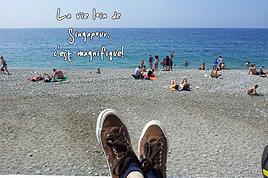
Le lendemain, je suis allé à la Promenade des Anglais. C’est probablement la promenade la plus connue en France. Ici, je comprenais pourquoi tout le monde est tombé en amoureux avec Nice. Le soleil brille et le vent souffle. Tout cela est accompagné d’une mer turquoise qui embrasse doucement le bord de la plage. Je voyais des joggeurs, des promeneurs et des cyclistes qui sont partout. S’approchant à la plage, je remarquais qu’elle est pleine de pierres c’est à dire, il n’y a aucun sable du tout. Il doit être très inconfortable de se coucher par là. Néanmoins, je voyais des gens qui s’y couchent sans le moindre inquiète. Aie !

En ordre d’avoir une meilleure vue de la promenade, je montais une colline qui est la plus haute structure aux alentours. À chaque étape de l’escalier sur la colline, il existe une station pour reposer les pieds et pour admirer le paysage depuis différentes hauteurs. Lorsque je suis arrivé au sommet, je voyais pour la première fois avec mes propres yeux l’image qui apparaît si souvent dans les cartes postales. La promenade s’étend de plusieurs kilomètres à l’autre côté vers l’aéroport. On peut même voir les avions décoller et atterrir. C’était une vue formidable.

Après je descendais de la colline, je visitais le marché au vieux Nice. Comme c’était l’été, les odeurs du marché étaient profondément évidentes. Je pouvais sentir des fleurs, des viandes, des fruits et bien entendu des savons célèbres de la ville. Il y avait aussi des magasins qui vendent des différents types de fruits préservés en sucre. Ils sont multicolores donc je décidais de les essayer. Quelle erreur ! Je les trouvais trop sucré et je n’en pouvais pas finir un sans le diviser en trois ou quatre morceaux. Je regardais la boîte de fruits moitié mangée avec l’horreur. Je n’aurais dû pas acheter la boîte entière !

Le soir, j’avais eu le dîner dans un restaurant proche de la promenade. Je commandais un poisson bien cuit et je l’adorais. En fait, le poisson était si bon que la madame à côté de moi me demandait le nom du plat. L’estomac comblé, je revenais à l’appartement. Au d’abord, rien ne semblait étrange jusqu’au moment quand j’ouvrais le placard pour retirer l’argent de mon sac à dos comme j’envisageais d’aller à Monaco le lendemain. Je remarquais que la poche qui contient l’argent n’était pas bien fermée. Ce n’est pas mon habitude. Quand j’ouvrais la poche, je découvrais que tout l’argent a disparu !
Mon dieu, c’est évidemment un cambriolage. Mais ce n’est pas possible, je n’en reviens pas ! Il me reste vingt jours en France et je ne peux pas finir le voyage sans l’argent. Sera t-il la fin de mes vacances ? J’appelais immédiatement la police et aussi le propriétaire de l’agence immobilière. On me dit d’aller au commissariat pour faire un rapport mais c’est un processus étrange parce qu’à Singapour, la victime s’attendrai simplement l’arrivée de la police. Quand même, j’y suis allé dans l’espoir que la police puisse attraper les cambrioleurs. C’était minuit et j’avais l’opportunité inattendue de voir l’autre côté de Nice.
À l’arrivée, je rencontrais le propriétaire de l’agence immobilière qui était aussi là pour régler le problème. C’est un Anglais qui habitait à Nice depuis 10 ans. Il me disait qu’il soupçonne les cambrioleurs soient en fait les deux hommes de l’Europe Orientale qui habitent à côté de mon appartement. Ils observaient depuis longtemps le moyen dont les locataires déposent les clés dans la boîte aux lettres avant quitter l’appartement le dernier jour. Ils donc récupèrent les clés et pénètrent l’appartement facilement. Le propriétaire a auparavant fait un appel à la mairie pour expulser ces deux hommes mais ils trouvaient toujours des moyens de rester. Après avoir fait un rapport officiel, je quittais le commissariat. À ce moment, le propriétaire me promettait de rembourser tout l’argent que j’ai perdu et m’offrait un autre appartement pour des raisons de sécurité. Je le remerciais de sa geste généreuse. Et voilà, le premier cambriolage dans ma vie. Quel début à mon séjour à Nice ! (Tout cela s’est passé pendant mon anniversaire, imaginez ça)


Le lendemain, le propriétaire m’emmenait au nouvel appartement qui est à peine 100 mètres de la promenade. C’est un grand appartement destiné aux familles de cinq ou six. Il y a deux pièces et deux toilettes. Il possède même un grand balcon. Selon lui, c’est le meilleur appartement dans sa collection. Ce matin, je voulais jeter tout cela derrière moi et focaliser sur le reste de mon voyage.
Alors, on m’a dit que Monaco est un pays très proche de Nice et il vaut un demi-jour. Puisque j’ai entendu parler beaucoup de ce tout petit principauté, je décidais d'y visiter. Le pays est desservi par un bus (service numéro 100) qu’on peut prendre à Place Massena. Le voyage ne dure qu’une heure et on peut voir le paysage le long de la route. C’est la première fois que je vois une mer tellement bleue ! Je suis certain que les poissons qui y habitent sont tout à fait heureux. Monaco, j’arrive !
Une chose est claire : Monaco est un pays très compact. Sur le sommet d’une petite colline, je pouvais voir quasiment l’ensemble du pays. Il y a deux grands ports où on voit beaucoup de bateaux. J’imagine qu’un jour, mon bateau surnommé ‘Chocolait’ sera stationné là. Il portera les couleurs de marron, blanc et noir. À Monaco, je me suis rendu aussi à son célèbre casino mais je n’y suis pas entré parce qu’un code vestimentaire était exigé. Je m’habillais pour l’été et donc j’étais satisfait de le voir à l’extérieur. On ne doit pas parler de combien d’argent le casino gagne par an parce que le chiffre est certainement loin de notre imagination !

Au fil des jours, je visitais aussi Cannes. C’est une ville très proche de Nice. C’était plutôt tranquille quand j’étais là parce que ce n’est pas encore le festival de film. On ne peut que voir le théâtre sans le tapis rouge à l’extérieur. Je constatais aussi que la plage à Cannes est plus confortable pour les promeneurs parce qu’elle possède la sable au lieu de pierres (dans le cas de Nice). Mon avis : il faut souvenir d’aller à Cannes seulement pendant le festival de film. Sinon, on ne peut pas faire témoignage à son vrai visage.
Revenant à Nice, je continuais à explorer la ville côtière. Cette fois-ci, je faisais une chose que la plupart de touristes à Nice ne feront pas. C’est de visiter un musée ! Je suis allé au muséum d’histoire naturelle qui est en fait tout petit. Il n’y avait que 12 ou 14 objets et j’avais raison…il n’y avait personne dans le musée ! Tout le monde était à la plage pour profiter du soleil. Même le personnel me regardait curieusement comme si j’étais l’un des objets à l’exposition. C’était tellement marrant.
Voilà, je passais une semaine à Nice et je dois dire que le cambriolage est le plus grand cadeau pour mon anniversaire. Au début, j’avais peur parce que je n’ai jamais fait l’expérience d’un cambriolage même à Singapour mais après cet épisode, j’ai appris d’être plus attentif et de prendre soin de mes affaires. Il se peut que je sois trop fatigué quand je suis arrivé à Nice et j’avais oublié de verrouiller le placard avant quitter l’appartement. En tout cas, c’était une leçon de valeur. Chers cambrioleurs, je ne vous ai pas encore oublié. Si vous lisez ce récit, Veuillez de mettre mon argent aux bons usages. Par exemple, vous pouvez construire un abri pour les animaux abandonnés.

Ça y est ! C’est la fin de cette partie. Merci d’avoir suivi mon carnet. J’attends vos commentaires. Je vais rédiger la troisième partie (Bordeaux) et puis la dernière partie (Paris). À plus tard!
Vous pouvez lire la première partie (Lyon) ici :
http://voyageforum.com/...tie-1-lyon-d6360066/
Je vais rédiger ce carnet en quarte parties en cet ordre : Lyon, Nice, Bordeaux et puis Paris parce que c’était comment j’ai pris le chemin. Je vous prie d’être patiente avec mon français lorsque je partage cette histoire. Votre soutien me rend la force.
Alors, c’est parti !
Partie 2: Nice
Adieu Lyon. J’ai passé une semaine à cette ville et c’est l’heure pour continuer à Nice pour la deuxième partie de mon voyage. Tout ce que je sais de Nice est qu’elle est une ville méditerranée avec une belle plage et il fait plus chaud là que le reste de France. J’ai entendu parler beaucoup de Nice mais c’est toujours les images trouvées dans les cartes postales ou de la télévision. Cette fois-ci, je vais la voir en personne.
Le voyage en train était plus longue que celui j’ai pris pour venir à Lyon de Paris. Heureusement, j’achetais un croissant et une barre de chocolat à la gare avant le départ pour grignoter pendant le voyage. Le siège dans le TGV était confortable et je remarquais qu’il y avait un salon à l’arrière du train qui vend le café. Quelle bonne idée ! Comme Singapour ne possède pas les trains à grande distance, j’étais impressionné par tout ce que je voyais.
Je suis enfin arrivé à Nice après le train est passé de plusieurs petites villes que je n’ai jamais vu avant dans une carte. Aussitôt que je débarquais, je peux sentir que Nice est une ville essentiellement différente que le reste de France. L’une des choses la plus évidente qui m’a s’emparé est que le soleil est plus fort ici et les gens autour de moi semblaient prêts d’en profiter. Je suis alors sorti de la gare pour aller à un hôtel où les clés de l’appartement que j’ai loué d’une agence immobilière m’attendaient. L’hôtel n’était pas trop loin de la gare et je le trouvais facilement. Après vérifiant mon identité, la madame à la réception me donnait les clés à l’appartement. Je quittais l’hôtel et découvrait que le voyage vers l’appartement sera difficile parce que la rue n’est pas plate. Je donc montais et descendais de temps en temps avec mes valises. Ouf !
Après plusieurs minutes, je suis arrivé à l’appartement. Ouvrant la porte, j’e remarquais que la pièce apparaît exactement comme les photos sur l’internet mais un peu plus petite. Je constatais aussi un panier sur la table et il contient une variété de choses. Alors, voyons voir ce que nous avons ici…il y a des bonbons, des boissons, des fleurs et une bouteille de vin blanc. Le propriétaire est vraiment attentif à ses invités.
Le lendemain, je suis allé à la Promenade des Anglais. C’est probablement la promenade la plus connue en France. Ici, je comprenais pourquoi tout le monde est tombé en amoureux avec Nice. Le soleil brille et le vent souffle. Tout cela est accompagné d’une mer turquoise qui embrasse doucement le bord de la plage. Je voyais des joggeurs, des promeneurs et des cyclistes qui sont partout. S’approchant à la plage, je remarquais qu’elle est pleine de pierres c’est à dire, il n’y a aucun sable du tout. Il doit être très inconfortable de se coucher par là. Néanmoins, je voyais des gens qui s’y couchent sans le moindre inquiète. Aie !
En ordre d’avoir une meilleure vue de la promenade, je montais une colline qui est la plus haute structure aux alentours. À chaque étape de l’escalier sur la colline, il existe une station pour reposer les pieds et pour admirer le paysage depuis différentes hauteurs. Lorsque je suis arrivé au sommet, je voyais pour la première fois avec mes propres yeux l’image qui apparaît si souvent dans les cartes postales. La promenade s’étend de plusieurs kilomètres à l’autre côté vers l’aéroport. On peut même voir les avions décoller et atterrir. C’était une vue formidable.
Après je descendais de la colline, je visitais le marché au vieux Nice. Comme c’était l’été, les odeurs du marché étaient profondément évidentes. Je pouvais sentir des fleurs, des viandes, des fruits et bien entendu des savons célèbres de la ville. Il y avait aussi des magasins qui vendent des différents types de fruits préservés en sucre. Ils sont multicolores donc je décidais de les essayer. Quelle erreur ! Je les trouvais trop sucré et je n’en pouvais pas finir un sans le diviser en trois ou quatre morceaux. Je regardais la boîte de fruits moitié mangée avec l’horreur. Je n’aurais dû pas acheter la boîte entière !
Le soir, j’avais eu le dîner dans un restaurant proche de la promenade. Je commandais un poisson bien cuit et je l’adorais. En fait, le poisson était si bon que la madame à côté de moi me demandait le nom du plat. L’estomac comblé, je revenais à l’appartement. Au d’abord, rien ne semblait étrange jusqu’au moment quand j’ouvrais le placard pour retirer l’argent de mon sac à dos comme j’envisageais d’aller à Monaco le lendemain. Je remarquais que la poche qui contient l’argent n’était pas bien fermée. Ce n’est pas mon habitude. Quand j’ouvrais la poche, je découvrais que tout l’argent a disparu !
Mon dieu, c’est évidemment un cambriolage. Mais ce n’est pas possible, je n’en reviens pas ! Il me reste vingt jours en France et je ne peux pas finir le voyage sans l’argent. Sera t-il la fin de mes vacances ? J’appelais immédiatement la police et aussi le propriétaire de l’agence immobilière. On me dit d’aller au commissariat pour faire un rapport mais c’est un processus étrange parce qu’à Singapour, la victime s’attendrai simplement l’arrivée de la police. Quand même, j’y suis allé dans l’espoir que la police puisse attraper les cambrioleurs. C’était minuit et j’avais l’opportunité inattendue de voir l’autre côté de Nice.
À l’arrivée, je rencontrais le propriétaire de l’agence immobilière qui était aussi là pour régler le problème. C’est un Anglais qui habitait à Nice depuis 10 ans. Il me disait qu’il soupçonne les cambrioleurs soient en fait les deux hommes de l’Europe Orientale qui habitent à côté de mon appartement. Ils observaient depuis longtemps le moyen dont les locataires déposent les clés dans la boîte aux lettres avant quitter l’appartement le dernier jour. Ils donc récupèrent les clés et pénètrent l’appartement facilement. Le propriétaire a auparavant fait un appel à la mairie pour expulser ces deux hommes mais ils trouvaient toujours des moyens de rester. Après avoir fait un rapport officiel, je quittais le commissariat. À ce moment, le propriétaire me promettait de rembourser tout l’argent que j’ai perdu et m’offrait un autre appartement pour des raisons de sécurité. Je le remerciais de sa geste généreuse. Et voilà, le premier cambriolage dans ma vie. Quel début à mon séjour à Nice ! (Tout cela s’est passé pendant mon anniversaire, imaginez ça)
Le lendemain, le propriétaire m’emmenait au nouvel appartement qui est à peine 100 mètres de la promenade. C’est un grand appartement destiné aux familles de cinq ou six. Il y a deux pièces et deux toilettes. Il possède même un grand balcon. Selon lui, c’est le meilleur appartement dans sa collection. Ce matin, je voulais jeter tout cela derrière moi et focaliser sur le reste de mon voyage.
Alors, on m’a dit que Monaco est un pays très proche de Nice et il vaut un demi-jour. Puisque j’ai entendu parler beaucoup de ce tout petit principauté, je décidais d'y visiter. Le pays est desservi par un bus (service numéro 100) qu’on peut prendre à Place Massena. Le voyage ne dure qu’une heure et on peut voir le paysage le long de la route. C’est la première fois que je vois une mer tellement bleue ! Je suis certain que les poissons qui y habitent sont tout à fait heureux. Monaco, j’arrive !
Une chose est claire : Monaco est un pays très compact. Sur le sommet d’une petite colline, je pouvais voir quasiment l’ensemble du pays. Il y a deux grands ports où on voit beaucoup de bateaux. J’imagine qu’un jour, mon bateau surnommé ‘Chocolait’ sera stationné là. Il portera les couleurs de marron, blanc et noir. À Monaco, je me suis rendu aussi à son célèbre casino mais je n’y suis pas entré parce qu’un code vestimentaire était exigé. Je m’habillais pour l’été et donc j’étais satisfait de le voir à l’extérieur. On ne doit pas parler de combien d’argent le casino gagne par an parce que le chiffre est certainement loin de notre imagination !
Au fil des jours, je visitais aussi Cannes. C’est une ville très proche de Nice. C’était plutôt tranquille quand j’étais là parce que ce n’est pas encore le festival de film. On ne peut que voir le théâtre sans le tapis rouge à l’extérieur. Je constatais aussi que la plage à Cannes est plus confortable pour les promeneurs parce qu’elle possède la sable au lieu de pierres (dans le cas de Nice). Mon avis : il faut souvenir d’aller à Cannes seulement pendant le festival de film. Sinon, on ne peut pas faire témoignage à son vrai visage.
Revenant à Nice, je continuais à explorer la ville côtière. Cette fois-ci, je faisais une chose que la plupart de touristes à Nice ne feront pas. C’est de visiter un musée ! Je suis allé au muséum d’histoire naturelle qui est en fait tout petit. Il n’y avait que 12 ou 14 objets et j’avais raison…il n’y avait personne dans le musée ! Tout le monde était à la plage pour profiter du soleil. Même le personnel me regardait curieusement comme si j’étais l’un des objets à l’exposition. C’était tellement marrant.
Voilà, je passais une semaine à Nice et je dois dire que le cambriolage est le plus grand cadeau pour mon anniversaire. Au début, j’avais peur parce que je n’ai jamais fait l’expérience d’un cambriolage même à Singapour mais après cet épisode, j’ai appris d’être plus attentif et de prendre soin de mes affaires. Il se peut que je sois trop fatigué quand je suis arrivé à Nice et j’avais oublié de verrouiller le placard avant quitter l’appartement. En tout cas, c’était une leçon de valeur. Chers cambrioleurs, je ne vous ai pas encore oublié. Si vous lisez ce récit, Veuillez de mettre mon argent aux bons usages. Par exemple, vous pouvez construire un abri pour les animaux abandonnés.
Ça y est ! C’est la fin de cette partie. Merci d’avoir suivi mon carnet. J’attends vos commentaires. Je vais rédiger la troisième partie (Bordeaux) et puis la dernière partie (Paris). À plus tard!
Vous pouvez lire la première partie (Lyon) ici :
http://voyageforum.com/...tie-1-lyon-d6360066/
Croisière Costa Pacifica du 16 au 23 février, départ Marseille
Bonjour à tous et bonne année 2014 !
Nous serons mon épouse et moi de cette croisière (page 140 du guide Costa) pour fêter nos 30 ans de mariage , une première pour nous , qui sera à bord ?
Nous atterrirons à l'aéroport de Marseille le 16 à 13H venant de Lille, quelle est la liaison la plus pratique et économique pour rejoindre l'embarquement ? (+ de 60€ le taxis le dimanche ) Costa à peux être des navettes de liaison ? ( pas trouvé sur leur site)
Y aurait il d'autres passagers motivés pour mutualiser ( location voiture, guide, etc...) nos visites aux escales , je pense que cette solution pourrait nous éviter de faire surchauffer la CB 😉
Que comprend le forfait boisson , est il vraiment intéressant pour 20€/jour et par personne ? doit il se prendre à la réservation ou pouvons nous le rajouter à l'enregistrement à bord ?
Quel sont le/les "pièges" de primo-croisieriste à éviter , merci d'avance de vos retours d’expériences et conseils de voyage .
Benoit
Nous serons mon épouse et moi de cette croisière (page 140 du guide Costa) pour fêter nos 30 ans de mariage , une première pour nous , qui sera à bord ?
Nous atterrirons à l'aéroport de Marseille le 16 à 13H venant de Lille, quelle est la liaison la plus pratique et économique pour rejoindre l'embarquement ? (+ de 60€ le taxis le dimanche ) Costa à peux être des navettes de liaison ? ( pas trouvé sur leur site)
Y aurait il d'autres passagers motivés pour mutualiser ( location voiture, guide, etc...) nos visites aux escales , je pense que cette solution pourrait nous éviter de faire surchauffer la CB 😉
Que comprend le forfait boisson , est il vraiment intéressant pour 20€/jour et par personne ? doit il se prendre à la réservation ou pouvons nous le rajouter à l'enregistrement à bord ?
Quel sont le/les "pièges" de primo-croisieriste à éviter , merci d'avance de vos retours d’expériences et conseils de voyage .
Benoit
Croisière Azzura du 12 au 19 avril 2014 avec Croisières de France
Bonjour à tous,
Je vais effectuer cette croisière avec mon mari et nos deux enfants âgés de 10 et 6 ans.
J'ai réservé sur le net avec une agence très sérieuse.
Se sera ma 5ème croisière, la 2ème avec Croisière de France.
Je partirai en train depuis la région parisienne jusqu'à Marseille.
Notre cabine (cabine quadruple intérieure supérieure) se situe au pont 5 et nous avons fait le choix de manger au 1er service, plus pratique avec les enfants.
Je suis partante pour partager mes bons plans avec vous. Si vous faites la même croisière que nous, n'hésitez pas à me contacter.
SANDRINE
Je vais effectuer cette croisière avec mon mari et nos deux enfants âgés de 10 et 6 ans.
J'ai réservé sur le net avec une agence très sérieuse.
Se sera ma 5ème croisière, la 2ème avec Croisière de France.
Je partirai en train depuis la région parisienne jusqu'à Marseille.
Notre cabine (cabine quadruple intérieure supérieure) se situe au pont 5 et nous avons fait le choix de manger au 1er service, plus pratique avec les enfants.
Je suis partante pour partager mes bons plans avec vous. Si vous faites la même croisière que nous, n'hésitez pas à me contacter.
SANDRINE
GR 2013 Marseille-Aubagne-Aix
bonjour !
qui aurait randonné sur le GR 2013 , du coté de Marseille-Aubagne-Aix en Provence ??
j'aurais besoin d'infos sur les hébergements "cheap" possibles
merci beaucoup de vos "bons plans" 🙂
Béatrice
qui aurait randonné sur le GR 2013 , du coté de Marseille-Aubagne-Aix en Provence ??
j'aurais besoin d'infos sur les hébergements "cheap" possibles
merci beaucoup de vos "bons plans" 🙂
Béatrice
Vivre à Menton à 30 ans?
Bonjour à toutes et à tous,
J'ai l'opportunité d'aller à Menton pour du boulot. Ca fait un moment que je pensais me rapprocher de la Méditerranée pour profiter de son climat, mais je ne visais pas vraiment la Côte d'Azur, plus le coin de Montpellier...
Je sais que niveau cadre de vie, je vais adorer. Ce qui me fait plus peur, c'est la mentalité des gens. Je n'ai jamais mis les pieds dans ce coin de France, mais j'ai ce cliché en tête sur la Côte d'Azur remplie de retraités et de gens bling bling!!! Alors, pour commencer, pas la peine de m'insulter!!! :) J'ai préciser que c'est le cliché que j'ai en tête... Ma question: Est-ce que je vais me faire chier à Menton? Sachant que j'ai 30 ans. En ce moment je vis près de Rennes, une ville super dynamique. Est-ce que Nice tient la comparaison? Est-ce qu'il y a beaucoup de salles de concert, bars diffusant de la musique alternative dans le coin? Ou bien est-ce qu'il y a uniquement une jeunesse dorée allant s'éclater sur les dancefloor de Monaco?!!! (cliché encore)
Je précise encore une fois: pas d'offense... Je connais rien de ce coin et j'aimerais juste savoir où je vais (peut-être) mettre les pieds. :)
Ah oui une dernière question: est-ce qu'il est facile de trouver une colocation sur Menton ou sur un bled à côté... Parce que vu les résultats de mes recherches sur le net, j'ai l'impression que ça se pratique pas.
Merci d'avance à ceux qui sauront m'éclairer.
J'ai l'opportunité d'aller à Menton pour du boulot. Ca fait un moment que je pensais me rapprocher de la Méditerranée pour profiter de son climat, mais je ne visais pas vraiment la Côte d'Azur, plus le coin de Montpellier...
Je sais que niveau cadre de vie, je vais adorer. Ce qui me fait plus peur, c'est la mentalité des gens. Je n'ai jamais mis les pieds dans ce coin de France, mais j'ai ce cliché en tête sur la Côte d'Azur remplie de retraités et de gens bling bling!!! Alors, pour commencer, pas la peine de m'insulter!!! :) J'ai préciser que c'est le cliché que j'ai en tête... Ma question: Est-ce que je vais me faire chier à Menton? Sachant que j'ai 30 ans. En ce moment je vis près de Rennes, une ville super dynamique. Est-ce que Nice tient la comparaison? Est-ce qu'il y a beaucoup de salles de concert, bars diffusant de la musique alternative dans le coin? Ou bien est-ce qu'il y a uniquement une jeunesse dorée allant s'éclater sur les dancefloor de Monaco?!!! (cliché encore)
Je précise encore une fois: pas d'offense... Je connais rien de ce coin et j'aimerais juste savoir où je vais (peut-être) mettre les pieds. :)
Ah oui une dernière question: est-ce qu'il est facile de trouver une colocation sur Menton ou sur un bled à côté... Parce que vu les résultats de mes recherches sur le net, j'ai l'impression que ça se pratique pas.
Merci d'avance à ceux qui sauront m'éclairer.
Cinq jours pour voir la Côte d'Azur: comment faire?
Je suis québécoise et visiterai la Côte d'Azur du 19 au 23 mai prochains. Je repars de l'aéroport de Nice le 24.
Questions: 1- Suis-je mieux de voyager par bus ou par train? 2- Devrais-je faire différents arrêts et donc acheter une passe en fonction de cela? Quelle est la voie la plus économique? Mais aussi la plus logique? 3- Serait-il mieux d'aller directement à Nice, quitte à revenir sur mes pas avec un voyage organisé? 4- Je pensais arrêter 2 jours à Cannes. Serait-ce mieux une seule journée?
Je voyage seule cette fois-ci et si je peux rencontrer des personnes du groupe Voyage Forum, il me fera plaisir c'est certain!
Questions: 1- Suis-je mieux de voyager par bus ou par train? 2- Devrais-je faire différents arrêts et donc acheter une passe en fonction de cela? Quelle est la voie la plus économique? Mais aussi la plus logique? 3- Serait-il mieux d'aller directement à Nice, quitte à revenir sur mes pas avec un voyage organisé? 4- Je pensais arrêter 2 jours à Cannes. Serait-ce mieux une seule journée?
Je voyage seule cette fois-ci et si je peux rencontrer des personnes du groupe Voyage Forum, il me fera plaisir c'est certain!
Préparation de la traversée nord-sud de la France à pied
Bonjour à toutes à tous.
Je viens de m'inscrire sur le site car j'ai un projet en tête et beaucoup de questions, plus ou moins importantes, sur la préparation et la marche au quotidien.
J'ai 19 ans et depuis quelques mois j'ai une immense envie de parcourir la France, du nord jusqu'au sud, à pieds. J'aimerais rejoindre, si possible, l'Ile-de-France à la ville de Nice (tombé amoureux de cette ville l'été dernier 😊).
Le problème, c'est que je ne sais absolument pas comment m'y prendre. Quel matériel choisir ? Combien cela coute ? Quels "types" de lieu à éviter ? Comment se passe le quotidien hormis le fait que l'on marche ? Pour la nourriture, comment être assuré de manger un minimum tout le temps du parcours ? Pour les besoins (grosse commission ^^), simplement emporter de quoi être propre ? Ou ... ? Comme vous pouvez le lire, j'ai des questions, certaines sont peut-être bêtes, désolé.
Si quelqu'un d’expérimenté pouvait prendre le temps de me renseigner ce serait génial.
Merci d'avance et bonne journée à vous.
Je viens de m'inscrire sur le site car j'ai un projet en tête et beaucoup de questions, plus ou moins importantes, sur la préparation et la marche au quotidien.
J'ai 19 ans et depuis quelques mois j'ai une immense envie de parcourir la France, du nord jusqu'au sud, à pieds. J'aimerais rejoindre, si possible, l'Ile-de-France à la ville de Nice (tombé amoureux de cette ville l'été dernier 😊).
Le problème, c'est que je ne sais absolument pas comment m'y prendre. Quel matériel choisir ? Combien cela coute ? Quels "types" de lieu à éviter ? Comment se passe le quotidien hormis le fait que l'on marche ? Pour la nourriture, comment être assuré de manger un minimum tout le temps du parcours ? Pour les besoins (grosse commission ^^), simplement emporter de quoi être propre ? Ou ... ? Comme vous pouvez le lire, j'ai des questions, certaines sont peut-être bêtes, désolé.
Si quelqu'un d’expérimenté pouvait prendre le temps de me renseigner ce serait génial.
Merci d'avance et bonne journée à vous.
Voyage à vélo: traverser la France entre Saint-Rémy de Provence et Le Havre
Bonjour à tous,
Depuis plusieurs annees j'entreprend de faire un voyage à velo en france. Habitant au sud d'avignon et originaire de normandie c'est naturellement que je souhaitee faire le trajet saint remy-le havre.
mois de ce voyage : aout 2013 Temps : 10-12 jours Velo : VTT sun travis modifié pour le voyage
pour le moment, et ca depuis plusieurs mois, j'équipe mon vélo (je commence) et je regarde l’itinéraire.
Pour le velo, premier achats : - Pneus schwalbe marathon 26 X 1.75 - potence réglable
pour l'itinéraire - a priori pour une bonne partie du voyage je vais emprunter je vais emprunter le parcours cyclotouristique entre le puy et orlean http://af3v.org/CarteAF3V/-Carte-des-grands-itineraires-.html mais je dois l'etudier en detail! :-)
par contre je ne sais pas encore comment faire pour relier saint remy au puy sans passer par les garndes routes. Pareil pour orlean -le havre
Je détaillerais mes recherches au fur et a mesure ici.
Avez vous des conseils? Que pensez vous de l'itineraire? Est ce faisable en 12 jours? etc
merci a vous! et à bientôt pour la suite de mes préparations
Depuis plusieurs annees j'entreprend de faire un voyage à velo en france. Habitant au sud d'avignon et originaire de normandie c'est naturellement que je souhaitee faire le trajet saint remy-le havre.
mois de ce voyage : aout 2013 Temps : 10-12 jours Velo : VTT sun travis modifié pour le voyage
pour le moment, et ca depuis plusieurs mois, j'équipe mon vélo (je commence) et je regarde l’itinéraire.
Pour le velo, premier achats : - Pneus schwalbe marathon 26 X 1.75 - potence réglable
pour l'itinéraire - a priori pour une bonne partie du voyage je vais emprunter je vais emprunter le parcours cyclotouristique entre le puy et orlean http://af3v.org/CarteAF3V/-Carte-des-grands-itineraires-.html mais je dois l'etudier en detail! :-)
par contre je ne sais pas encore comment faire pour relier saint remy au puy sans passer par les garndes routes. Pareil pour orlean -le havre
Je détaillerais mes recherches au fur et a mesure ici.
Avez vous des conseils? Que pensez vous de l'itineraire? Est ce faisable en 12 jours? etc
merci a vous! et à bientôt pour la suite de mes préparations
Visite du Sud de la France en mai 2013
Bonjour,
je désir faire un voyage en france en mai 2013, je veut aller à Paris et ensuite chamonix et puis je voudrait louer une voiture pour visité 2 ou 3 villes dans le sud comme nice, marseille... Mais je ne veut pas payer le prix fort donc jaimerait rester dans une ville pas trop loin des villes du sud pour pouvoir y aller en voiture, mais qui ne coute pas un prix de fou avez-vous quelques chose à me conseiller? Puis qu'elles sont les villes les plus interessantes au sud?
merci de m'aider 🙂
joanie
Problème d'enregistrement en ligne avec Ryanair (vol Marseille - Bordeaux)
Bonjour,
Alors voilà, j'expose mon problème. Vendredi prochain (le 3 août) j'avais prévu de faire le vol Marseille - Bordeaux. Ryanair proposait des prix (trop) alléchant, donc j'ai décidé de passer par cette compagnie aérienne. Après la réservation il faut s'enregistrer en ligne pour obtenir les billets. Bref, ça paraît simple vu comme ça. Sauf que je n'y arrive pas. En fait, après avoir saisi mes informations (date de naissance, carte d'identité tout ça) j'arrive à la page où Ryanair me propose de réserver des sièges spéciaux (il y a un schéma de l'avion avec les sièges). Et là, quoi que je fasse lorsque je veux continuer ça me met : "Server error. 500 - Internal server error. There is a problem with the resource you are looking for, and it cannot be displayed"
J'ai pensé que c'est un problème du serveur et j'ai attendu plusieurs jours. Mais le résultat est toujours le même. Pire, sur le schéma de l'avion j'ai vu que des sièges ont été réservés. J'ai essayé sur plusieurs ordi, toujours la même chose. J'ai donc essayé de contacter Ryanair. Alors, sur leur site il y a des numéros de téléphone périmés, mais qui font quand même payer 1,35€. Ensuite quand j'ai eu enfin le bon numéro, impossible de les rejoindre (cependant on paie toujours 1,35€).
Etant donné que j'en ai un peu marre d'avoir la sensation de me faire escroquer, je demande ici. Quelqu'un aurait déjà eu le même problème que moi et qui sait comment faire pour pouvoir s'enregistrer en ligne ?
Merci d'avance.
Alors voilà, j'expose mon problème. Vendredi prochain (le 3 août) j'avais prévu de faire le vol Marseille - Bordeaux. Ryanair proposait des prix (trop) alléchant, donc j'ai décidé de passer par cette compagnie aérienne. Après la réservation il faut s'enregistrer en ligne pour obtenir les billets. Bref, ça paraît simple vu comme ça. Sauf que je n'y arrive pas. En fait, après avoir saisi mes informations (date de naissance, carte d'identité tout ça) j'arrive à la page où Ryanair me propose de réserver des sièges spéciaux (il y a un schéma de l'avion avec les sièges). Et là, quoi que je fasse lorsque je veux continuer ça me met : "Server error. 500 - Internal server error. There is a problem with the resource you are looking for, and it cannot be displayed"
J'ai pensé que c'est un problème du serveur et j'ai attendu plusieurs jours. Mais le résultat est toujours le même. Pire, sur le schéma de l'avion j'ai vu que des sièges ont été réservés. J'ai essayé sur plusieurs ordi, toujours la même chose. J'ai donc essayé de contacter Ryanair. Alors, sur leur site il y a des numéros de téléphone périmés, mais qui font quand même payer 1,35€. Ensuite quand j'ai eu enfin le bon numéro, impossible de les rejoindre (cependant on paie toujours 1,35€).
Etant donné que j'en ai un peu marre d'avoir la sensation de me faire escroquer, je demande ici. Quelqu'un aurait déjà eu le même problème que moi et qui sait comment faire pour pouvoir s'enregistrer en ligne ?
Merci d'avance.
Pickpockets dans les trains et gares SNCF vers Vintimille (Italie)
Bonsoir,
Après plus de 30 années de vacances dans le Var, j'ai décidé de suivre le conseil de prendre les transports en commun....
Pas de chance pour moi, en début Juin, les pickpockets sont déjà très actifs au départ des gares françaises "ST Raphaël et Nice" vers Vintimille le vendredi matin, jour de marché.
En prenant la correspondance gare de Nice, j'ai été victime d'une bousculade en entrant dans le train et plus de porte-feuille, celui-çi retrouvé dans une poubelle de ce train le jour-même, mais sans argent liquide, tous mes papiers s'y trouvaient encore.
Comme pickpockets j'ai un doute car depuis la gare de ST Raphaël, un jeune couple d'asiatiques se trouvait souvent très proche de moi. ( style touristes mais sans appareil photo....)
Mais pas de preuve puisqu'ils ne prennent que les billets de banque ....
J'ai déposé une plainte pour vol à la tire au commissariat de police de Nice.
Donc méfiance...🙂
Départ sur le MSC Preziosa le 13 avril 2013 au départ de Marseille
Bonjour à tous et toutes
je viens d"ouvrir un lien pour rassembler les personnes qui partirons le 13 avril 2013 sur le MSC Préziosa de Marseille, faites vous connaitre sur cette page et sur le calendrier de notre ami TITI Cordialement à tous Patrick et Cyrille
je viens d"ouvrir un lien pour rassembler les personnes qui partirons le 13 avril 2013 sur le MSC Préziosa de Marseille, faites vous connaitre sur cette page et sur le calendrier de notre ami TITI Cordialement à tous Patrick et Cyrille
Croisière en Méditerranée sur le Liberty of the Sea au départ de Toulon La Seyne-sur-Mer
Bonjour 😎
personne pour faire un compte rendu de sa croisière en méditerranée sur le liberty of the sea au départ de Toulon la Seyne ?
personne pour faire un compte rendu de sa croisière en méditerranée sur le liberty of the sea au départ de Toulon la Seyne ?
Cycling Through Provence's Big Climbs
Cycling Through Provence's Big Climbs
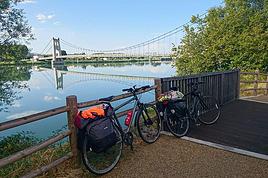
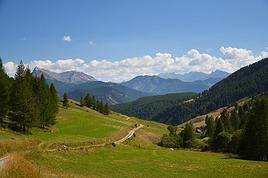
In the autumn of 2011, Provence was hit by apocalyptic weather—torrential rain and a particularly violent east wind, reaching 130 kilometers per hour, whipping up waves as high as seven meters. It wasn’t the best time to venture outside. Yet, I told myself that after the storm, calm would return. I kept an eye on the weather forecast and noticed that starting November 10th, a favorable window should open for a little 600-kilometer cycling trip across Provence. The weather reports promised a high-pressure system that would keep the bad weather at bay over these highlands. That was all I needed to decide to set off. The planned route would take me through Provence’s biggest climbs: Mont Ventoux, Montagne de Lure, the Verdon Gorge, the Massif des Maures, and Sainte-Baume.
And so, despite my doubts, the call of adventure was stronger. The train pulled away, and once again, a journey began at Part-Dieu station. This time, I headed toward Haute-Provence for a cycling adventure. It would be my first solo bike trip. I was a little nervous—cycling with panniers makes you feel vulnerable to theft. I’d already been robbed while traveling in a group in Peru, and that experience left me deeply shaken. Alone, I hesitated. But no need to panic—I’d read accounts from long-distance cyclists who hadn’t been robbed, even if it does happen sometimes. I was particularly thinking of a young schoolteacher who had taken a sabbatical to cycle around the world. Her students had remarked, "Teacher, you’re not sporty—how will you manage to cycle around the world?" This young woman was full of resourcefulness. In South America, before flying to China, she locked her bike to a post to take care of a natural need. When she returned, the post had been torn out, and her bike—along with all her gear—was gone. It was a shock for many, but not for her. She boarded her flight to the Middle Kingdom, bought the essentials (including a new bike) once there, and continued her journey! Remembering this story, I almost felt ashamed of my cowardice. These were the thoughts running through my mind as the Rhône Valley rolled by toward Orange, the starting point of my Provençal adventure through the big climbs.
Day One: Orange to Sault via Mont Ventoux – 90 km
9:30 AM, I stepped off the train. With all my gear, I had to navigate the underground passage—no easy feat, given that my bike and luggage weighed 35 kilos. At this time of year, I expected some areas to be deserted, so I’d packed enough to bivouac comfortably. Once outside the station, the southern light flooded over me. I understood why people dream of retiring in these sun-drenched regions. As always, after disembarking from public transport, I had to get my bearings and decide which way to go. The sun, still low on the horizon, pointed east. The roar of fighter jet engines helped me locate the Air Base 115. That was all I needed to "reset the gyros."
As soon as I started pedaling, all my apprehensions vanished. The joy of discovery and physical effort took over, and euphoria washed over me. It’s amazing how emotions can shift from one moment to the next based on seemingly minor circumstances.
The weather was splendid—the forecast had predicted continuous showers, but it was completely wrong. I quickly left the city behind. Mont Ventoux loomed mysteriously, its dimensions hard to gauge. It was even more enigmatic with its summit hidden beneath swirling, mottled clouds clinging to the ridges. It reminded me of a great South American volcano. I struggled to imagine that in a few hours, I’d be up there under that blanket of mist.
The countryside was shaking off its autumnal nighttime dampness. The vineyards, interspersed with tall cypress hedges, confirmed I was in the magnificent Côtes du Rhône wine region. The distinctive Dentelles de Montmirail were very much in evidence. The air force base wasn’t far. I passed the runway’s end markers. A Mirage 2000 flew overhead in a tight turn, followed by another roaring into takeoff. It came straight at me before climbing sharply with a thunderous roar. Thirty years spent in that captivating world came rushing back. I recalled countless extraordinary human and technical experiences from my time in the service. But the purpose of this post isn’t to promote the air force—though I might post some articles one day about travels among men at war.
I continued on my way, leaving my past loves behind. As I pedaled, delightful names rolled by: Violès, Vacqueyras, Gigondas, Beaumes-de-Venise—the crème de la crème of the Côtes du Rhône Villages appellation. I let myself be enchanted by the vineyards and the little paths crisscrossing them. I started to doubt my route, though the imposing mass of Mont Ventoux in the distance acted like a giant beacon. At a crossroads, a car appeared. I approached to ask the driver for directions, but she didn’t even look at me and sped off, clearly frightened. I’d almost forgotten what a fearful world we live in, no doubt traumatized by all the horrors we see in the news and on TV.
The kilometers started adding up, but was my day’s goal too ambitious? It had been two months since I’d last ridden my bike. True, my last trip had been good training—the Route des Grandes Alpes—but that was two months ago. I can’t just take my bike out for a day trip; I need that sense of adventure to find the courage to exercise.
Two cyclists overtook me. Intrigued by my load, they struck up a conversation. They were skeptical when I told them I planned to cross Mont Ventoux that day. One of them pointed out a small chapel near the summit where I could bivouac sheltered. That motivated me even more to reach the top on this first stage. The chapel also had a mythical name for me—Sainte-Anne, the name of my parents’ villa. It was already noon, and I’d covered 50 kilometers. Malaucène appeared—the sacred village of Ventoux’s mad cyclists. Surprisingly, I didn’t see any other cyclists today. I remembered this place in June, teeming with aspirants for the king of summits. Before tackling the climb ahead, I needed to refuel. I enjoyed a pleasant gastronomic break at Max’s. At 1 PM, I started the most famous climb in cycling—21 kilometers, which would actually be 23. I knew it would be tough, especially with two handicaps: 50 kilometers already in my legs and 20 kilos of luggage. But I was counting on my tiny chainring, which let me climb trees to tackle the steep ramps.
I set off at a brisk pace along a deserted road. My speed held up for the first few kilometers. I quickly rose above the valley, the horizon widening. I was surprised to see no one on this world-renowned route among cycling enthusiasts. During the climb and descent, I’d only see five cyclists—but I’ll come back to that. I passed a sign explaining that the effort would be roughly equivalent to climbing the Col de la Bonnette. Having done the latter in September, I figured I’d be fine. I crossed paths with my first cyclist—a woman speeding downhill. After 12 kilometers, I hit slopes averaging 12%. I don’t know if the number 12 is cursed, but I got such a "bamboo" hit that I’d never experienced before. I thought I wouldn’t make it to the summit today. I stopped. My thighs burned so much I could barely walk—lactic acid overload. I looked for a relatively flat spot to pitch my tent. It was 3:30 PM, with two hours of daylight left. But I found nothing.
I got back on my bike, intending to stop as soon as I found a good bivouac spot. But nothing came up. However, my strength slowly returned, perhaps because the slope eased, though it remained around 10%. I entered the summit mists. A cyclist overtook me. I was in the zone where I had to pass the summit. Dusk caught me in the final difficulties. The atmosphere was downright austere. In the twilight, a kilometer from the summit, a cyclist was fixing his bike. I asked if he needed help. He made it clear he didn’t understand. So I asked, "Do you need some help?" His answer was clear: "No, thank you." He showed me his new inner tube. Inside, I thought, "Phew!" If I’d had to stop, sweating in the falling night with the cold intensifying, I’d have struggled to get going again. But he managed, and I continued into the twilight fog. I could barely make out the summit’s large antennas in the clouds, like immense ghosts trying to evade sight. The bike delivered sensations worthy of mountain racing. My goal was to quickly find the famous chapel in the descent to take shelter. As I glided down the southern slope, two cyclists without lights crossed my path in the night—probably heading to the station above, its lights visible in the fog.
I scanned the roadside in the dark for the chapel but saw nothing. After a kilometer or two, I lost all hope. I stopped to put on more clothes as the cold became intense. I had no idea where I could stop on these steep slopes to set up camp. Between the swirls of mist, I could intermittently see the Rhône Valley below, dotted with illuminated towns and villages. The sight was striking. What was I doing on this mountain at night? Then the miracle happened—the clouds parted, and from the ridge above me to the east, a beautiful full moon emerged, casting enough light to consider a nighttime descent to Sault, 26 kilometers away.
In this eerie atmosphere between the moon’s pale rays and patches of fog, I began my descent through a hazy, almost unreal world. The Ventoux’s characteristic white scree reflected the moonlight faintly, dimmed by the mist. In places, entire mountainsides were plunged into complete darkness, and I lost all sense of the road’s path. Then, around a tight bend caused by a land shift, the light returned. It seemed extreme compared to the darkness I’d left behind. I could once again clearly see the road’s contours, though not its potholes or gravel patches. Still, I let the slope carry me, and the speed felt significant, though the low light prevented me from reading my speedometer. In these moments, concentration was at its peak—all senses alert, reflexes ready to react to the slightest incident that could lead to a fall.
I was relieved to see Sault’s lights growing closer. In less than an hour, I reached it, considering the final little climb that required one last push. This village, bustling in summer, was deserted at this time of year—almost dead. The first hotel I came across was closed. A quick shadow passed in a small sloping street. Before it disappeared into the darkness at a house corner, I chased after it and asked about accommodation options. Very kindly, I was directed to what was probably the only hotel open in November. I quickly found it, and the reception was open. I entered wearing my black balaclava, bought in the Ayacucho region—the birthplace of Peru’s Shining Path. At this late hour, I saw questioning glances directed at me. I prefaced, "This isn’t a hold-up." Clearly, the owners had a sense of humor—they started smiling. I took off my balaclava and asked for a room. No problem, and from that moment, the pressure eased. I really didn’t feel like going back out to find a spot to pitch my tent in the biting cold.
The stage had been nearly 100 kilometers, and it was the first. It had been two months since I’d touched my bike, and I probably lacked even minimal training, even though my last bike trip had been crossing the French Alps. I really had to dig deep to overcome my weakness on Ventoux’s steep section. I don’t remember ever having to search so deeply for the energy to keep going. I knew the stage I’d set for tomorrow was significant, with the climb up Montagne de Lure’s northern slope—Ventoux’s little sister, whose ascent is reputed to be endless, over 25 kilometers. I hoped this first day wouldn’t leave me too sore to avoid suffering excessively tomorrow.
For now, relaxation—a hot shower did me a world of good, followed by a good meal. I ate a delicious andouillette from Troyes, very fine, with a particularly successful herb seasoning. I loved it, and yet I’m from Lyon and pride myself on knowing a thing or two about andouillette—not just a sausage but a whole category! A bit chauvinistic, I had to admit, though reluctantly, that I found it better than the ones I usually eat in the Lyon region!
Day Two: Sault to Forcalquier via Montagne de Lure – 116 km
This morning, the weather was magnificent—the air clear, still, very fresh, and invigorating, as only the late season can offer on these Provençal highlands. In summer, they’re known for their scorching heat and drought, but often overlooked is how harsh they can be with cold and storms. Authors like Giono or Bosco described them and their inhabitants wonderfully in books like "Les Âmes Fortes."
The miracle of the night had worked. I wasn’t sore anywhere and felt in great shape. I set off well-equipped, but the effort and sun soon made me sweat. It was time to shed some layers—hat and gloves. A gentle warmth replaced the cold, making for excellent cycling conditions. On the road to Trinit, there was no traffic—only the occasional hunters’ cars parked in the distance. These vehicles were recognizable by their large cages, used to transport hunting dogs. Sometimes, the silence was broken by a distant gunshot. The deciduous forests were losing their foliage, taking on that dull brown hue of late autumn, though here and there, a tree or shrub still resisted, displaying vivid yellow or red. The meadows, their grass already scorched by the cold, were damp from the night’s heavy humidity. The low sun highlighted thousands of spider webs that had trapped insects during the warm season.
Behind me, Mont Ventoux dominated these vast spaces. As often, its imposing, stony summit was crowned with a blanket of clouds. What an impressive mountain—it’s always so hard to gauge its dimensions. I struggled to realize that last night I’d been at the summit and descended its immense southern ridge in the dark. I hoped to return one day in favorable conditions—daylight and no clouds—to enjoy the vast panorama from this unique summit.
Leaving the very Provençal village of Trinit, I tackled my first climb of the day—the Col de l’Homme Mort. The road rose moderately for five kilometers in gentle warmth. The view over the region widened, and I felt the sheer joy of pedaling. At a good pace, I overcame this first little challenge. Once at the pass, I couldn’t resist the ritual of photographing my bike in front of the sign, giving the name and altitude—1,213 meters.
The northern slope was austere and still in shadow. The cold bit again. The road was wet and covered with leaves in places. It wasn’t impossible that some treacherous patches of black ice lurked around a bend. I descended toward the Jabron Valley with caution. Suddenly, around a bend in a forest clearing, the freshly snow-covered Alps, gleaming in the sun, leapt into view, blocking the horizon. I thought I recognized the distinctive silhouette of the Écrins’ south face above a multitude of jagged peaks.
This snow and these mountains awakened a flood of memories of great joys, but I also thought of the guide and his client who had just lost their lives on the Grandes Jorasses’ north face, at the top of a route called the Linceul. The name comes from the face’s appearance—a great ice slope bordering the Grandes Jorasses’ north wall. It was first climbed by René Desmaison in 1968. He passed away a few years ago and, in his final wishes, asked that his ashes be scattered in the Dévoluy Massif at the foot of Pic de Bure, not far from here in these immense pre-Alpine folds.
At my feet, the Jabron Valley stretched almost endlessly east toward Sisteron. In the distance, the dark mass of Montagne de Lure’s north face loomed. This mountain shares similarities with Mont Ventoux. It has the same summit scree of bright limestone, the same forests climbing up to the final rocky stretch, and that blanket of clouds adding a secretive, austere touch to the scene.
I turned left past the town of Séderon and headed toward the little Col de la Pigière, which in a few kilometers allowed me to truly plunge into the beautiful Jabron Valley. I passed through several villages with charming local names—Saint-Vincent, Noyer-sur-Jabron. The river offered lovely views of its narrow gorges with clear, cold water. Autumn seemed less advanced here than on the plateau I’d just left. Many trees still wore brilliant colors, some revealing extraordinary hues—mixes of crimson, pink, and bright red.
Arriving in Noyer-sur-Jabron, I took a tiny road on the river’s right bank, leading in a few kilometers to the foot of Montagne de Lure. In the village of Valbelle, I picnicked on leftovers I’d brought from home—an old cheese and a somewhat stale loaf of bread. It was 1:30 PM. I began the long climb of about 25 kilometers. According to a friend who’s a cycling expert in the region, this section is tough. No wonder it’s called Ventoux’s little sister—the Mont Blanc of cyclists. The elevation gain on this side is still 1,200 meters, while Ventoux via Malaucène is nearly 1,600 meters.
I hoped to reach the summit before nightfall and avoid reliving a nighttime descent. The route wound through a vast forest, following the terrain’s folds. There was activity—mushroom hunters were busy searching for the coveted chanterelle. The climb, though never very steep (only one kilometer at 9%), was interminable. Though traffic was practically nonexistent, I was overtaken by a group of Harley bikers—I counted about forty. Perched high on their machines, hands in the air on wildly shaped handlebars, some with their feet nearly in the sky due to the high footpegs, they didn’t even glance my way. What’s this idiot doing, unable to ride a motorcycle and forced to climb these mountains on a bike with big bags! I wasn’t offended—real Harley purists often see other motorcyclists as renegades, so bikes are even lower on the totem pole! But I didn’t want to start a debate about motorcycles. In my youth, when I was a wild motorcyclist (22 accidents on two wheels), clans were divided into Japanese, German, Italian, and British bike owners. The latter, on their vibrating, oil-leaking machines, considered themselves the purest. But let’s not fight—there’s a statute of limitations, and it’s been nearly forty years.
As yesterday, a few kilometers below the summit, I entered the fog, and the light dropped suddenly. What a hostile mountain in these conditions! It heightened the sense of living an incredible experience. The conditions we encounter play a major role in how the adventure imprints on our memory. I realized once again that in France, you can feel like you’re very far away. Finally, after this very long climb, the Pas de Graille sign suddenly appeared out of the grayness. Strange! Below the sign, a kilometer marker indicated this same pass was over three kilometers away. Clearly, the climb continued. In these final kilometers through the scree, I gained another 130 meters of elevation. Finally, the road’s high point was reached—1,720 meters. It was cold and damp. I quickly covered up, added my balaclava under my helmet, and put on warm gloves. As I was about to start the descent, a car stopped at the summit, and one of the passengers was surprised to find a bike there in these chilly, twilight conditions.
A 20-kilometer descent led me to the village of Saint-Étienne-les-Orgues. I hoped to find a place to stay for the night. No such luck! Everything was clearly closed—no chance of finding shelter. Tonight was getting complicated. I already had exactly 100 kilometers in my legs and didn’t feel like pedaling anymore, especially at night. But I had even less desire to sleep outside. What to do to avoid it? The town of Forcalquier was 16 kilometers away—I hoped the road would descend. I set off in that direction. The first third was along a beautiful, lightly trafficked departmental road with a slight downhill—I pedaled hard. But it got tougher. I joined a busier road, and night had fallen. A several-kilometer climb finished the journey. I knew my magnetic lights weren’t very powerful—hence the danger. They were even less so on the climb because the slower I went, the less they illuminated. Cars coming the opposite way often saw me late and blinded me with their high beams. After passing, I was plunged into total darkness for a few seconds while my pupils readjusted to the night. I imagined those coming up behind me saw me with little warning, despite my slightly fluorescent jacket. When the roadside was clear, I always positioned myself to quickly jump off the road. But unfortunately, in this long final climb, a guardrail prevented any escape to the right in case of sudden braking behind me. That was even more anxiety-inducing since I was stuck at a snail’s pace. Time seemed long. I pedaled as hard as I could, on the verge of asphyxiation, trying to escape this dangerous situation as quickly as possible. My only reference point was the vehicles in front of me, letting me know the climb wasn’t over. Then suddenly, the ordeal ended—the road’s high point was reached. The town and its lights emerged from the void, and clarity returned. Phew! I glided down toward this little town bathed in light. On November 11th, I hoped to find an open hotel since I’d clearly exceeded 100 kilometers, and the idea of having to leave town to find a bivouac spot somewhat frightened me.
I arrived in the town center. Activity was low. The first hotel was closed, but I spotted a lit sign for another establishment further on. I headed there, got off my bike, and entered. The welcome was immediately friendly—a big cat came to rub against me. For me, that was a very good sign, and the first impression was confirmed. I still had to go out to eat. I covered the minimum distance. A restaurant advertised "Mom’s Cooking." I expected Provençal specialties, but they were Moroccan. I chose a delicious tagine with lime and olives, followed by almond and honey ice cream. Exhausted after this 116-kilometer stage, I returned to my room. As often after intense efforts, it was hard to fall asleep.
Day Three: Forcalquier to Moustiers-Sainte-Marie – 58 km
On this third day, due to the progress made yesterday, the stage would be short. I’d call it a transition between two mountain ranges. Indeed, the next big climb is the Verdon Gorge. I planned to position myself at its foot this evening in preparation for a tough stage tomorrow. I made a few purchases—bread, bananas, and medicine for stomach burns (the midday sausage wasn’t always kind to me). The weather was still perfect. The route began with a long descent toward the Durance. It’s always nice to start a cycling day with a downhill—it boosts morale and allows for a gentle warm-up.
I quickly reached the town of Oraison. Just at its entrance, I crossed the Durance, which still bore traces of last week’s heavy rains along its sandbanks. Indeed, numerous stumps and trunks were scattered along its vast gravel bed, along with less ecological debris like old tires.
A little south of Oraison, I took the D907, a small road heading due east between scrubland and meadows. There it was—the Provence we imagine. This stable autumn weather, with still air, neither hot nor cold, just a fresh feeling when emerging from a shaded valley or a slight warmth under the sun, was ideal for a cyclist. After about ten kilometers at the bottom of a small valley I quickly passed through, the village of Le Brunet appeared on the right. It clung to the slopes leading to the Valensole Plateau. A few steep kilometers along a tiny winding road, and suddenly a vast panorama unfolded as the climb ended.
What a magnificent plateau! Though known for its wind, luckily today was completely calm. Far to the east, the Verdon’s great cliffs blocked the horizon. This allowed me to contemplate part of tomorrow’s stage. This place is full of mysteries—many UFO and extraterrestrial encounter stories are associated with it. Moreover, for about thirty years, France hid its ground-to-ground nuclear ballistic missiles here, grouped in the 1st GMS (Ballistic Missile Group), under the air force. Naturally, these rockets fueled fantasies, and pacifist groups settled in the region to protest this type of armament. This gives many reasons to shroud this austere, deserted land in mystery.
I took a dirt path leading to the heart of this zone and stopped at the forest’s edge for lunch. The silence was total, the view stretched very far. But nothing strange or bizarre manifested. No Martian came to share my frankly moldy cheese, very peppery sausage, or bruised banana—sniff! I resumed my route, and as often when crossing places with strong character, I tended to slow down to enjoy them longer. The immense lavender fields stretched endlessly, not very fragrant at this season. I arrived at a group of truffle oaks protected by a fence, with large red signs warning "Firearm." Clearly, the war for the black diamond was raging in this region. I remembered a novel where an old farmer made buyers believe nothing grew on his land. Every year, he secretly stole the mushrooms from the unsuspecting owners. Then one day, they discovered the truth, catching this "polite" neighbor trying to hide a basket full of beautiful, large truffles!
In these vast spaces, I felt good—a sense of plenitude. It’s strange that I only conceive of cycling through wandering. I struggle to plan a day trip. And if I do, it’s highly likely I won’t get up. I need that sense of adventure to fully appreciate my physical effort. Maybe one day I should get psychoanalyzed, but at my age, it’s probably too late! Today, I had all the time in the world—the stage was half as long as yesterday’s, with very little elevation gain. Not a sound, an impressive calm, a beautiful landscape—I pedaled in a wonderful place. That’s probably happiness!
I reached the village of Puimoisson on the plateau’s eastern edge—only 12 kilometers left to Moustiers. I took my time, sat at a café terrace in the sun, and leisurely enjoyed a coffee while listening to the village come to life. I was delighted by these melodious southern voices, bursting into great laughter. There are places where, despite the anxieties caused by our debt-ridden, dysfunctional societies, some have decided to take life on the bright side and show a saving insouciance.
The rest of the journey was a simple formality—I let the slope carry me toward the pretty little town of Moustiers-Sainte-Marie, clinging to the cliff and famous for its faïence. Arriving early for once, I went to the tourist office to choose a comfortable hotel. Indeed, the Hôtel des Restanques was very comfortable and admirably well-located. But at this time of year, I’d have to return to the village center for dinner. The very kind receptionist reserved a table for me at La Treille Muscate, a restaurant with a magnificently arranged room on the church square. It was only 3:30 PM—I continued to take my time, showering and relaxing in front of the TV. Then I set off to explore—or rather, re-explore—this village I’d visited several times before. But I’d never climbed to its chapel perched in the middle of the great cliff towering over the houses. A stony, aerial path led there. The first mentions of the Notre-Dame de Beauvoir chapel, known in ancient times as Notre-Dame d’Entre-Roches, date back to the 9th century. It’s one of the rare "respite" chapels found in Provence. These are chapels where stillborn children were brought to be revived for a few moments, just long enough to baptize them. They could then be buried religiously, ensuring the salvation of their souls. I was also very moved by reading some ex-votos, like the one from "A mother for her three children returned from the war."
The place was impressive, especially as night fell. I was alone and watched the shadows fill the great cliffs above me. With an old climber’s reflex, I looked for possible climbing routes among these slabs and cracks. But climbing is probably forbidden here, too close to the houses. Then I descended to stroll through the village, admiring the magnificent, finely crafted faïence patterns found in many shops. Finally, dinnertime arrived, and I joined my restaurant, which had been highly recommended. I was delighted by the foie gras ravioli and the pieds et paquets—the chef’s specialty. I’ll come back with family.
Day Four: Moustiers to Fréjus via the Verdon – 122 km
A hearty breakfast prepared me for the day’s tough efforts. Next to me, four Chinese people chatted animatedly. Of course, I didn’t understand a word—it was a language with strange intonations and sounds. I left the dining room and prepared my bike on the terrace. Seeing the volume of my luggage, my Chinese friends rushed over and asked to take turns having their photo taken in front of this funny setup. All laughing, they took photos in front of what they probably considered a French coolie off on some trading business! When they show these photos to their relatives, they’ll likely be perplexed about what motivates some to travel by bike rather than car. For them, the car is a symbol of success—according to an article I read last year, 14,000 cars are registered in China every day!
This morning, the air was fresh. As yesterday, I started with a long descent, this time leading to the edge of Lac de Sainte-Croix. A strong, biting headwind slowed me down. It wouldn’t last, as it was generated by the gorge’s outlet, which I’d reach in a few kilometers. On this cold morning, the lake’s shores exuded great tranquility. The sun was still hidden behind the Verdon’s mountainous mass. Trees with yellow leaves stood out against the water’s pale blue. The bridge marking the gorge’s beginning at the lake’s edge was an ideal spot to admire this natural splendor. At this early hour, the play of light and shadow on the water and the immense cliffs delivered a grandiose spectacle in beautiful harmony. This first contact with the gorges, which I knew well, amazed me.
Once past the bridge, the wind calmed. A little further on, I began the long climb that would take me to the top of this immense natural gash, which water had taken millions of years to carve. I was in good shape and highly motivated by the splendors to come. First, I reached the village of Aiguines, which offered a magnificent viewpoint over the lake. Then I continued toward the Corniche Sublime, where countless breathtaking panoramas unfolded as I progressed. But the climb was sustained and long, requiring effort—though my small chainring worked miracles. I first passed the Col d’Illoire, already 500 meters above the lake. Seeing all these great cliffs, countless climbing memories came flooding back. The classic routes of the Escalès cliff, over 300 meters high, flashed by. Routes with legendary names—La Demande, Les Écureuils, Luna-Bong, and many others. The one that left me with the best memory was ULA—a crack, vertical or even overhanging, of sheer beauty rising above a 40-meter slab in one go for 280 meters of sustained, beautiful climbing on extraordinary rock. It made me want to return to climb there, to immerse myself in the atmosphere of those past times. But climbing habits have changed—now routes are accessed from above by rappel, and people don’t always bother to do these great climbs in their entirety, focusing instead on shorter but technically much more difficult enterprises.
At almost every bend, I stopped and scanned these great cliffs, searching for memories of past experiences and emotions in these secret rock folds. The road climbed well above the pass, exceeding 1,200 meters. It was cool, especially since I was sweating. Finally reaching the high point of the Corniche Sublime, I couldn’t gain speed on the descent—my gaze was always drawn to this astonishing canyon. Around a bend, two cyclists with funny small-wheeled bikes. Wow! It was a couple of Australians doing a year-long tour of France. We chatted passionately about our two-wheeled experiences for a moment. But time was passing, and if I wanted to reach Fréjus before nightfall, I’d have to pedal seriously.
I stopped at the Pont de l’Artuby, where bungee jumping was in full swing. But I quickly set off again toward Comps. The wind was against me, and it was climbing. I started to doubt whether I’d make it to the coast that evening. At 2 PM, I was in Comps-sur-Artuby. I didn’t stop, knowing that before reaching the coast, I’d have no alternative to bivouacking, and I had 70 kilometers left to cover. Sure, it should be downhill, but a few climbs were on the program. After a descent out of the village, I crossed the Artuby River again on the Canjuers military camp. A several-kilometer climb followed, fortunately not too steep. I took the D19 toward Barjols. From there, despite the late hour, I opted for a tiny road passing through Claviers, a small perched village. Time passed quickly, but the kilometers added up. I regained hope. Fifteen kilometers after this last village, I reached Saint-Paul-en-Forêt via a magnificent forested route. I had plenty of time to observe mushroom hunters. I asked one who clearly had some in a plastic bag. He gave me this hilarious answer with a magnificent southern accent: "I only picked the bad ones." No reply was possible. I moved on with a smile. A little further on, another hunter carried a basket. As soon as he saw me, he quickly hid it—just in case I saw what it contained. Arriving at the village involved a steep climb, and I was close to 100 kilometers. I still had a little over 20 kilometers to go before reaching Fréjus. The race against nightfall had begun. Over there to my right, I saw the sun setting behind Roquebrune-sur-Argens’ distinctive rock. The sea appeared. There it was—I was in Fréjus’ industrial zone. On this Sunday evening, traffic was heavy. Indeed, many had taken advantage of the return of good weather after very heavy storms to go for a walk. After quite a few detours, I arrived at the seaside just as night fell. My odometer showed 122 km for the day. I quickly found a simple hotel, ate just as quickly, and went to bed.
Day Five: Fréjus to Solliès-Pont – 92 km
Once again, the night had done its restorative work, and I prepared to cross the Massif des Maures feeling quite fresh. The weather forecast was still favorable for today, but a deterioration was expected tomorrow. I tended to trust it because the east wind was blowing, and in the region, that’s a sign of rain. For now, in the short term, this wind would be very useful—it would push me generously throughout the day.
I started calmly along the harbor quays, looking at the boats. Then I joined the road to Saint-Aygulf and followed the coast for forty kilometers to Port-Grimaud. All these seaside resorts—Saint-Aygulf, Les Issambres, Sainte-Maxime—reminded me of my youth when we spent all our vacations fishing, whether from shore, underwater, or by boat. Looking at the sea roll by, I knew what the seabeds looked like under that surface hiding them. The marine areas we knew best were now under the parking lots and commercial zones of Saint-Raphaël’s new port. In our youth, these infrastructures didn’t exist, and their construction came at the expense of coastal marine areas. Our wonderful fishing spots were permanently buried. I remember seeing the first big trucks that came to dump their loads of earth and rubble, destroying all those wonderful places—sandbanks, seaweed beds, groups of rocky holes teeming with fish that enchanted our youth. Over forty years later, I can still visualize them in my imagination under those parking lots and stores, with the names we gave them—my brothers and I: le casse-croûte, le casse-pipe, les montagnes, la digue, la grille, la mare à mulets, la petite-plage, le trou, etc.
Let’s not be overwhelmed by nostalgia. I left the coast and took the little road through the Maures to Collobrières. The route led from ridge to ridge following the terrain’s movements. At this time of year, the region was admirable. Due to the heavy storms of recent weeks, water was streaming everywhere. Waterfalls and streams murmured all along the way. I didn’t recognize the Maures, which I knew for their dryness causing apocalyptic fires. Indeed, around a bend, I came across a small rest area where a memorial had been erected for three firefighters who lost their lives here while fighting one of those gigantic fires fanned by the mistral.
This forest holds treasures—first, the cork oak, then the arbutus, chestnut trees, and of course, mushrooms that love this granitic soil:
The cork oak can be found all along the road. It’s the forest’s essential element. You can recognize it by its light bark (before exploitation), which forms large bulges along the trunk. But after exploitation, the trunks are much smoother, less voluminous, and dark in color. The arbutus is a large berry with red skin covered in small protuberances, growing on the arbutus tree. This fruit, common in Mediterranean areas, ripens in November. That means today, there were plenty around me. Its flesh is orange, with the consistency of firm purée, and it crushes softly in the mouth. The taste of this berry is sweet and excellent. I didn’t hold back—I gorged myself on them, which served as my midday meal. Sometimes I had to climb embankments to get them.
The chestnut tree, a true industry of the region, brings wealth to the surrounding villages. They make candied chestnuts, ice cream, and other products derived from chestnut flour. Be careful not to stop just anywhere to pick this fruit, as the tree owners might not agree. They even make this clear with signs and surround their chestnut trees with fences. Mushrooms—saffron milk caps and porcini—are highly prized in the area. I saw a few hunters, but it clearly wasn’t miraculous. Supposedly, there had been too much rain?
There’s no time to get bored along this little road, from which you can sometimes see the sea. I passed the Col de Taillude at over 400 meters. I began the descent to Collobrières, the chestnut capital, whose festival attracts many people. Before entering, about a hundred meters from the first houses, a cyclist—probably an agricultural worker—came toward me. As he passed, he cheerfully called out, "Go on, little guy! It’s almost there!" We both smiled. At the end of November, the village was cold and almost deserted. Dead leaves swept the wet streets of the town. You could feel winter on the way. I continued my route to Pierrefeu-du-Var, on the western edge of the Massif des Maures. So I gave my last pedal strokes in this pretty little massif so characteristic of Provence.
I looked for a hotel in Cuers but without success. I descended toward Toulon and finally found one on the outskirts of Solliès-Pont. It catered to people coming to work in the region, so nothing very bucolic. But if the weather were to deteriorate tomorrow and turn to rain, I could quickly reach Hyères or Toulon station, which was a significant advantage. Indeed, November rains aren’t usually very pleasant on a bike.
Day Six: Solliès-Pont to Cassis via Sainte-Baume – 85 km
This morning, contrary to the weather forecast, the weather was beautiful, and the latest bulletin seemed to contradict yesterday’s. So no escape to Toulon—I resumed my route toward Sainte-Baume. I left the hotel via a tiny road that, through ups and downs, led me via shortcuts to the road to Belgentier. My body had gotten used to intense daily efforts, and I felt in Olympic form. At a good pace, I launched into a long climb with a moderate slope. The road was busy, but fortunately, the side lane for cyclists often made the exercise more pleasant. The villages rolled by—Méounes, La Roquebrussanne. Near the latter, I observed a Tiger combat helicopter in training. It hovered motionless for long periods—perhaps the pilots were training to master their increasingly sophisticated weapon systems, requiring even more learning?
I left the busy road and headed via an almost deserted route toward the village of Mazaugues. The climbs became steeper. A long descent, and there I was in this pretty village. A grocery store, which besides selling a few ingredients also served as a café. I sat near the electric heater—it was cold, and I was sweaty. I watched customers come and go and listened to the shopkeeper tell me about village life. The name Mazaugues comes from "water mass," which is why drought doesn’t usually affect this area. Apparently, you can even find mushrooms here in summer! I had a good time, and as I was leaving, a local cyclist started a conversation and told me about her dreams of long bike trips, currently limited by her situation as a mother of terrible children. She settled for day trips with her club, which was already good in this very hilly region. I told her the story of a man who, at 73, cycled solo around Morocco. So no panic—she still had thirty or forty years to realize her wildest dreams!
I was warned that it would be a tough climb to reach Sainte-Baume’s northern slope. Indeed, over eight kilometers, the average slope was sustained, but the landscape was wonderful. Here too, water was streaming everywhere. I passed one of those famous icehouses that used to supply Marseille with ice throughout the year. This northern slope of Sainte-Baume is very cold, and this characteristic was exploited in previous centuries to produce ice. Large cylindrical structures, well-protected to the north and semi-buried, received large quantities of water in late autumn, which froze during winter and was kept cool for months until the following winter. Ice blocks were cut and delivered by cart to the city. That’s how, in ancient times, ice was available in summer to keep fish fresh in Marseille. Did pastis exist at that time? If not, the ice cubes must have been bored!
Once the climb was over, the long ridge of Sainte-Baume appeared, and I could see its characteristic antennas. Nestled at the foot of the cliffs, the magnificent millennial forest revealed itself with its autumn colors. I stopped at the monastery. I’d been there several times before and had even slept there during a long walking trip. The welcome had been first-rate by the Dominicans, especially the sisters in their long immaculate robes. They radiated a serenity that was very contagious. Don’t hesitate to stop there for the night. I struggled to get back on my way—some places have a special spirit.
I was soon at the end of my journey. I continued along this magnificent mountain to the Col de l’Espigoulier. To the north, another immense wave of white limestone rose—Montagne Sainte-Victoire, a high place in Provence that painter Cézanne made world-famous. Once at the pass, the entire city of Marseille spread out at my feet, the Mediterranean coast revealed itself from the Calanques to La Ciotat, passing by the famous Cap Canaille, Europe’s highest sea cliff. Above me, bathed in sunlight, Bartagne’s northwest face, very popular among climbers, showed all its reliefs. With an old climber’s reflex, I spotted the many climbs I’d done there. I let myself be carried into a steep, winding descent toward the village of Gémenos in a beautiful setting full of cliffs.
A few more kilometers of climbing toward the Col de l’Ange, then toward Roquefort-la-Bédoule. In this last climb, I raced with two cyclists, admittedly not very young. Then, in a six-kilometer descent, I reached Cassis station, the endpoint of my six-day journey through this wild Provençal land between sea and mountain. I experienced great pleasure during these 570 kilometers through these renowned yet wild French massifs. As always, when a beautiful project comes to an end, you feel a bit orphaned by a beautiful dream come true. You have to quickly envision the next one to avoid a vague sense of emptiness taking over. My next adventure is already taking shape in my mind, but that’s another story.
In the autumn of 2011, Provence was hit by apocalyptic weather—torrential rain and a particularly violent east wind, reaching 130 kilometers per hour, whipping up waves as high as seven meters. It wasn’t the best time to venture outside. Yet, I told myself that after the storm, calm would return. I kept an eye on the weather forecast and noticed that starting November 10th, a favorable window should open for a little 600-kilometer cycling trip across Provence. The weather reports promised a high-pressure system that would keep the bad weather at bay over these highlands. That was all I needed to decide to set off. The planned route would take me through Provence’s biggest climbs: Mont Ventoux, Montagne de Lure, the Verdon Gorge, the Massif des Maures, and Sainte-Baume.
And so, despite my doubts, the call of adventure was stronger. The train pulled away, and once again, a journey began at Part-Dieu station. This time, I headed toward Haute-Provence for a cycling adventure. It would be my first solo bike trip. I was a little nervous—cycling with panniers makes you feel vulnerable to theft. I’d already been robbed while traveling in a group in Peru, and that experience left me deeply shaken. Alone, I hesitated. But no need to panic—I’d read accounts from long-distance cyclists who hadn’t been robbed, even if it does happen sometimes. I was particularly thinking of a young schoolteacher who had taken a sabbatical to cycle around the world. Her students had remarked, "Teacher, you’re not sporty—how will you manage to cycle around the world?" This young woman was full of resourcefulness. In South America, before flying to China, she locked her bike to a post to take care of a natural need. When she returned, the post had been torn out, and her bike—along with all her gear—was gone. It was a shock for many, but not for her. She boarded her flight to the Middle Kingdom, bought the essentials (including a new bike) once there, and continued her journey! Remembering this story, I almost felt ashamed of my cowardice. These were the thoughts running through my mind as the Rhône Valley rolled by toward Orange, the starting point of my Provençal adventure through the big climbs.
Day One: Orange to Sault via Mont Ventoux – 90 km
9:30 AM, I stepped off the train. With all my gear, I had to navigate the underground passage—no easy feat, given that my bike and luggage weighed 35 kilos. At this time of year, I expected some areas to be deserted, so I’d packed enough to bivouac comfortably. Once outside the station, the southern light flooded over me. I understood why people dream of retiring in these sun-drenched regions. As always, after disembarking from public transport, I had to get my bearings and decide which way to go. The sun, still low on the horizon, pointed east. The roar of fighter jet engines helped me locate the Air Base 115. That was all I needed to "reset the gyros."
As soon as I started pedaling, all my apprehensions vanished. The joy of discovery and physical effort took over, and euphoria washed over me. It’s amazing how emotions can shift from one moment to the next based on seemingly minor circumstances.
The weather was splendid—the forecast had predicted continuous showers, but it was completely wrong. I quickly left the city behind. Mont Ventoux loomed mysteriously, its dimensions hard to gauge. It was even more enigmatic with its summit hidden beneath swirling, mottled clouds clinging to the ridges. It reminded me of a great South American volcano. I struggled to imagine that in a few hours, I’d be up there under that blanket of mist.
The countryside was shaking off its autumnal nighttime dampness. The vineyards, interspersed with tall cypress hedges, confirmed I was in the magnificent Côtes du Rhône wine region. The distinctive Dentelles de Montmirail were very much in evidence. The air force base wasn’t far. I passed the runway’s end markers. A Mirage 2000 flew overhead in a tight turn, followed by another roaring into takeoff. It came straight at me before climbing sharply with a thunderous roar. Thirty years spent in that captivating world came rushing back. I recalled countless extraordinary human and technical experiences from my time in the service. But the purpose of this post isn’t to promote the air force—though I might post some articles one day about travels among men at war.
I continued on my way, leaving my past loves behind. As I pedaled, delightful names rolled by: Violès, Vacqueyras, Gigondas, Beaumes-de-Venise—the crème de la crème of the Côtes du Rhône Villages appellation. I let myself be enchanted by the vineyards and the little paths crisscrossing them. I started to doubt my route, though the imposing mass of Mont Ventoux in the distance acted like a giant beacon. At a crossroads, a car appeared. I approached to ask the driver for directions, but she didn’t even look at me and sped off, clearly frightened. I’d almost forgotten what a fearful world we live in, no doubt traumatized by all the horrors we see in the news and on TV.
The kilometers started adding up, but was my day’s goal too ambitious? It had been two months since I’d last ridden my bike. True, my last trip had been good training—the Route des Grandes Alpes—but that was two months ago. I can’t just take my bike out for a day trip; I need that sense of adventure to find the courage to exercise.
Two cyclists overtook me. Intrigued by my load, they struck up a conversation. They were skeptical when I told them I planned to cross Mont Ventoux that day. One of them pointed out a small chapel near the summit where I could bivouac sheltered. That motivated me even more to reach the top on this first stage. The chapel also had a mythical name for me—Sainte-Anne, the name of my parents’ villa. It was already noon, and I’d covered 50 kilometers. Malaucène appeared—the sacred village of Ventoux’s mad cyclists. Surprisingly, I didn’t see any other cyclists today. I remembered this place in June, teeming with aspirants for the king of summits. Before tackling the climb ahead, I needed to refuel. I enjoyed a pleasant gastronomic break at Max’s. At 1 PM, I started the most famous climb in cycling—21 kilometers, which would actually be 23. I knew it would be tough, especially with two handicaps: 50 kilometers already in my legs and 20 kilos of luggage. But I was counting on my tiny chainring, which let me climb trees to tackle the steep ramps.
I set off at a brisk pace along a deserted road. My speed held up for the first few kilometers. I quickly rose above the valley, the horizon widening. I was surprised to see no one on this world-renowned route among cycling enthusiasts. During the climb and descent, I’d only see five cyclists—but I’ll come back to that. I passed a sign explaining that the effort would be roughly equivalent to climbing the Col de la Bonnette. Having done the latter in September, I figured I’d be fine. I crossed paths with my first cyclist—a woman speeding downhill. After 12 kilometers, I hit slopes averaging 12%. I don’t know if the number 12 is cursed, but I got such a "bamboo" hit that I’d never experienced before. I thought I wouldn’t make it to the summit today. I stopped. My thighs burned so much I could barely walk—lactic acid overload. I looked for a relatively flat spot to pitch my tent. It was 3:30 PM, with two hours of daylight left. But I found nothing.
I got back on my bike, intending to stop as soon as I found a good bivouac spot. But nothing came up. However, my strength slowly returned, perhaps because the slope eased, though it remained around 10%. I entered the summit mists. A cyclist overtook me. I was in the zone where I had to pass the summit. Dusk caught me in the final difficulties. The atmosphere was downright austere. In the twilight, a kilometer from the summit, a cyclist was fixing his bike. I asked if he needed help. He made it clear he didn’t understand. So I asked, "Do you need some help?" His answer was clear: "No, thank you." He showed me his new inner tube. Inside, I thought, "Phew!" If I’d had to stop, sweating in the falling night with the cold intensifying, I’d have struggled to get going again. But he managed, and I continued into the twilight fog. I could barely make out the summit’s large antennas in the clouds, like immense ghosts trying to evade sight. The bike delivered sensations worthy of mountain racing. My goal was to quickly find the famous chapel in the descent to take shelter. As I glided down the southern slope, two cyclists without lights crossed my path in the night—probably heading to the station above, its lights visible in the fog.
I scanned the roadside in the dark for the chapel but saw nothing. After a kilometer or two, I lost all hope. I stopped to put on more clothes as the cold became intense. I had no idea where I could stop on these steep slopes to set up camp. Between the swirls of mist, I could intermittently see the Rhône Valley below, dotted with illuminated towns and villages. The sight was striking. What was I doing on this mountain at night? Then the miracle happened—the clouds parted, and from the ridge above me to the east, a beautiful full moon emerged, casting enough light to consider a nighttime descent to Sault, 26 kilometers away.
In this eerie atmosphere between the moon’s pale rays and patches of fog, I began my descent through a hazy, almost unreal world. The Ventoux’s characteristic white scree reflected the moonlight faintly, dimmed by the mist. In places, entire mountainsides were plunged into complete darkness, and I lost all sense of the road’s path. Then, around a tight bend caused by a land shift, the light returned. It seemed extreme compared to the darkness I’d left behind. I could once again clearly see the road’s contours, though not its potholes or gravel patches. Still, I let the slope carry me, and the speed felt significant, though the low light prevented me from reading my speedometer. In these moments, concentration was at its peak—all senses alert, reflexes ready to react to the slightest incident that could lead to a fall.
I was relieved to see Sault’s lights growing closer. In less than an hour, I reached it, considering the final little climb that required one last push. This village, bustling in summer, was deserted at this time of year—almost dead. The first hotel I came across was closed. A quick shadow passed in a small sloping street. Before it disappeared into the darkness at a house corner, I chased after it and asked about accommodation options. Very kindly, I was directed to what was probably the only hotel open in November. I quickly found it, and the reception was open. I entered wearing my black balaclava, bought in the Ayacucho region—the birthplace of Peru’s Shining Path. At this late hour, I saw questioning glances directed at me. I prefaced, "This isn’t a hold-up." Clearly, the owners had a sense of humor—they started smiling. I took off my balaclava and asked for a room. No problem, and from that moment, the pressure eased. I really didn’t feel like going back out to find a spot to pitch my tent in the biting cold.
The stage had been nearly 100 kilometers, and it was the first. It had been two months since I’d touched my bike, and I probably lacked even minimal training, even though my last bike trip had been crossing the French Alps. I really had to dig deep to overcome my weakness on Ventoux’s steep section. I don’t remember ever having to search so deeply for the energy to keep going. I knew the stage I’d set for tomorrow was significant, with the climb up Montagne de Lure’s northern slope—Ventoux’s little sister, whose ascent is reputed to be endless, over 25 kilometers. I hoped this first day wouldn’t leave me too sore to avoid suffering excessively tomorrow.
For now, relaxation—a hot shower did me a world of good, followed by a good meal. I ate a delicious andouillette from Troyes, very fine, with a particularly successful herb seasoning. I loved it, and yet I’m from Lyon and pride myself on knowing a thing or two about andouillette—not just a sausage but a whole category! A bit chauvinistic, I had to admit, though reluctantly, that I found it better than the ones I usually eat in the Lyon region!
Day Two: Sault to Forcalquier via Montagne de Lure – 116 km
This morning, the weather was magnificent—the air clear, still, very fresh, and invigorating, as only the late season can offer on these Provençal highlands. In summer, they’re known for their scorching heat and drought, but often overlooked is how harsh they can be with cold and storms. Authors like Giono or Bosco described them and their inhabitants wonderfully in books like "Les Âmes Fortes."
The miracle of the night had worked. I wasn’t sore anywhere and felt in great shape. I set off well-equipped, but the effort and sun soon made me sweat. It was time to shed some layers—hat and gloves. A gentle warmth replaced the cold, making for excellent cycling conditions. On the road to Trinit, there was no traffic—only the occasional hunters’ cars parked in the distance. These vehicles were recognizable by their large cages, used to transport hunting dogs. Sometimes, the silence was broken by a distant gunshot. The deciduous forests were losing their foliage, taking on that dull brown hue of late autumn, though here and there, a tree or shrub still resisted, displaying vivid yellow or red. The meadows, their grass already scorched by the cold, were damp from the night’s heavy humidity. The low sun highlighted thousands of spider webs that had trapped insects during the warm season.
Behind me, Mont Ventoux dominated these vast spaces. As often, its imposing, stony summit was crowned with a blanket of clouds. What an impressive mountain—it’s always so hard to gauge its dimensions. I struggled to realize that last night I’d been at the summit and descended its immense southern ridge in the dark. I hoped to return one day in favorable conditions—daylight and no clouds—to enjoy the vast panorama from this unique summit.
Leaving the very Provençal village of Trinit, I tackled my first climb of the day—the Col de l’Homme Mort. The road rose moderately for five kilometers in gentle warmth. The view over the region widened, and I felt the sheer joy of pedaling. At a good pace, I overcame this first little challenge. Once at the pass, I couldn’t resist the ritual of photographing my bike in front of the sign, giving the name and altitude—1,213 meters.
The northern slope was austere and still in shadow. The cold bit again. The road was wet and covered with leaves in places. It wasn’t impossible that some treacherous patches of black ice lurked around a bend. I descended toward the Jabron Valley with caution. Suddenly, around a bend in a forest clearing, the freshly snow-covered Alps, gleaming in the sun, leapt into view, blocking the horizon. I thought I recognized the distinctive silhouette of the Écrins’ south face above a multitude of jagged peaks.
This snow and these mountains awakened a flood of memories of great joys, but I also thought of the guide and his client who had just lost their lives on the Grandes Jorasses’ north face, at the top of a route called the Linceul. The name comes from the face’s appearance—a great ice slope bordering the Grandes Jorasses’ north wall. It was first climbed by René Desmaison in 1968. He passed away a few years ago and, in his final wishes, asked that his ashes be scattered in the Dévoluy Massif at the foot of Pic de Bure, not far from here in these immense pre-Alpine folds.
At my feet, the Jabron Valley stretched almost endlessly east toward Sisteron. In the distance, the dark mass of Montagne de Lure’s north face loomed. This mountain shares similarities with Mont Ventoux. It has the same summit scree of bright limestone, the same forests climbing up to the final rocky stretch, and that blanket of clouds adding a secretive, austere touch to the scene.
I turned left past the town of Séderon and headed toward the little Col de la Pigière, which in a few kilometers allowed me to truly plunge into the beautiful Jabron Valley. I passed through several villages with charming local names—Saint-Vincent, Noyer-sur-Jabron. The river offered lovely views of its narrow gorges with clear, cold water. Autumn seemed less advanced here than on the plateau I’d just left. Many trees still wore brilliant colors, some revealing extraordinary hues—mixes of crimson, pink, and bright red.
Arriving in Noyer-sur-Jabron, I took a tiny road on the river’s right bank, leading in a few kilometers to the foot of Montagne de Lure. In the village of Valbelle, I picnicked on leftovers I’d brought from home—an old cheese and a somewhat stale loaf of bread. It was 1:30 PM. I began the long climb of about 25 kilometers. According to a friend who’s a cycling expert in the region, this section is tough. No wonder it’s called Ventoux’s little sister—the Mont Blanc of cyclists. The elevation gain on this side is still 1,200 meters, while Ventoux via Malaucène is nearly 1,600 meters.
I hoped to reach the summit before nightfall and avoid reliving a nighttime descent. The route wound through a vast forest, following the terrain’s folds. There was activity—mushroom hunters were busy searching for the coveted chanterelle. The climb, though never very steep (only one kilometer at 9%), was interminable. Though traffic was practically nonexistent, I was overtaken by a group of Harley bikers—I counted about forty. Perched high on their machines, hands in the air on wildly shaped handlebars, some with their feet nearly in the sky due to the high footpegs, they didn’t even glance my way. What’s this idiot doing, unable to ride a motorcycle and forced to climb these mountains on a bike with big bags! I wasn’t offended—real Harley purists often see other motorcyclists as renegades, so bikes are even lower on the totem pole! But I didn’t want to start a debate about motorcycles. In my youth, when I was a wild motorcyclist (22 accidents on two wheels), clans were divided into Japanese, German, Italian, and British bike owners. The latter, on their vibrating, oil-leaking machines, considered themselves the purest. But let’s not fight—there’s a statute of limitations, and it’s been nearly forty years.
As yesterday, a few kilometers below the summit, I entered the fog, and the light dropped suddenly. What a hostile mountain in these conditions! It heightened the sense of living an incredible experience. The conditions we encounter play a major role in how the adventure imprints on our memory. I realized once again that in France, you can feel like you’re very far away. Finally, after this very long climb, the Pas de Graille sign suddenly appeared out of the grayness. Strange! Below the sign, a kilometer marker indicated this same pass was over three kilometers away. Clearly, the climb continued. In these final kilometers through the scree, I gained another 130 meters of elevation. Finally, the road’s high point was reached—1,720 meters. It was cold and damp. I quickly covered up, added my balaclava under my helmet, and put on warm gloves. As I was about to start the descent, a car stopped at the summit, and one of the passengers was surprised to find a bike there in these chilly, twilight conditions.
A 20-kilometer descent led me to the village of Saint-Étienne-les-Orgues. I hoped to find a place to stay for the night. No such luck! Everything was clearly closed—no chance of finding shelter. Tonight was getting complicated. I already had exactly 100 kilometers in my legs and didn’t feel like pedaling anymore, especially at night. But I had even less desire to sleep outside. What to do to avoid it? The town of Forcalquier was 16 kilometers away—I hoped the road would descend. I set off in that direction. The first third was along a beautiful, lightly trafficked departmental road with a slight downhill—I pedaled hard. But it got tougher. I joined a busier road, and night had fallen. A several-kilometer climb finished the journey. I knew my magnetic lights weren’t very powerful—hence the danger. They were even less so on the climb because the slower I went, the less they illuminated. Cars coming the opposite way often saw me late and blinded me with their high beams. After passing, I was plunged into total darkness for a few seconds while my pupils readjusted to the night. I imagined those coming up behind me saw me with little warning, despite my slightly fluorescent jacket. When the roadside was clear, I always positioned myself to quickly jump off the road. But unfortunately, in this long final climb, a guardrail prevented any escape to the right in case of sudden braking behind me. That was even more anxiety-inducing since I was stuck at a snail’s pace. Time seemed long. I pedaled as hard as I could, on the verge of asphyxiation, trying to escape this dangerous situation as quickly as possible. My only reference point was the vehicles in front of me, letting me know the climb wasn’t over. Then suddenly, the ordeal ended—the road’s high point was reached. The town and its lights emerged from the void, and clarity returned. Phew! I glided down toward this little town bathed in light. On November 11th, I hoped to find an open hotel since I’d clearly exceeded 100 kilometers, and the idea of having to leave town to find a bivouac spot somewhat frightened me.
I arrived in the town center. Activity was low. The first hotel was closed, but I spotted a lit sign for another establishment further on. I headed there, got off my bike, and entered. The welcome was immediately friendly—a big cat came to rub against me. For me, that was a very good sign, and the first impression was confirmed. I still had to go out to eat. I covered the minimum distance. A restaurant advertised "Mom’s Cooking." I expected Provençal specialties, but they were Moroccan. I chose a delicious tagine with lime and olives, followed by almond and honey ice cream. Exhausted after this 116-kilometer stage, I returned to my room. As often after intense efforts, it was hard to fall asleep.
Day Three: Forcalquier to Moustiers-Sainte-Marie – 58 km
On this third day, due to the progress made yesterday, the stage would be short. I’d call it a transition between two mountain ranges. Indeed, the next big climb is the Verdon Gorge. I planned to position myself at its foot this evening in preparation for a tough stage tomorrow. I made a few purchases—bread, bananas, and medicine for stomach burns (the midday sausage wasn’t always kind to me). The weather was still perfect. The route began with a long descent toward the Durance. It’s always nice to start a cycling day with a downhill—it boosts morale and allows for a gentle warm-up.
I quickly reached the town of Oraison. Just at its entrance, I crossed the Durance, which still bore traces of last week’s heavy rains along its sandbanks. Indeed, numerous stumps and trunks were scattered along its vast gravel bed, along with less ecological debris like old tires.
A little south of Oraison, I took the D907, a small road heading due east between scrubland and meadows. There it was—the Provence we imagine. This stable autumn weather, with still air, neither hot nor cold, just a fresh feeling when emerging from a shaded valley or a slight warmth under the sun, was ideal for a cyclist. After about ten kilometers at the bottom of a small valley I quickly passed through, the village of Le Brunet appeared on the right. It clung to the slopes leading to the Valensole Plateau. A few steep kilometers along a tiny winding road, and suddenly a vast panorama unfolded as the climb ended.
What a magnificent plateau! Though known for its wind, luckily today was completely calm. Far to the east, the Verdon’s great cliffs blocked the horizon. This allowed me to contemplate part of tomorrow’s stage. This place is full of mysteries—many UFO and extraterrestrial encounter stories are associated with it. Moreover, for about thirty years, France hid its ground-to-ground nuclear ballistic missiles here, grouped in the 1st GMS (Ballistic Missile Group), under the air force. Naturally, these rockets fueled fantasies, and pacifist groups settled in the region to protest this type of armament. This gives many reasons to shroud this austere, deserted land in mystery.
I took a dirt path leading to the heart of this zone and stopped at the forest’s edge for lunch. The silence was total, the view stretched very far. But nothing strange or bizarre manifested. No Martian came to share my frankly moldy cheese, very peppery sausage, or bruised banana—sniff! I resumed my route, and as often when crossing places with strong character, I tended to slow down to enjoy them longer. The immense lavender fields stretched endlessly, not very fragrant at this season. I arrived at a group of truffle oaks protected by a fence, with large red signs warning "Firearm." Clearly, the war for the black diamond was raging in this region. I remembered a novel where an old farmer made buyers believe nothing grew on his land. Every year, he secretly stole the mushrooms from the unsuspecting owners. Then one day, they discovered the truth, catching this "polite" neighbor trying to hide a basket full of beautiful, large truffles!
In these vast spaces, I felt good—a sense of plenitude. It’s strange that I only conceive of cycling through wandering. I struggle to plan a day trip. And if I do, it’s highly likely I won’t get up. I need that sense of adventure to fully appreciate my physical effort. Maybe one day I should get psychoanalyzed, but at my age, it’s probably too late! Today, I had all the time in the world—the stage was half as long as yesterday’s, with very little elevation gain. Not a sound, an impressive calm, a beautiful landscape—I pedaled in a wonderful place. That’s probably happiness!
I reached the village of Puimoisson on the plateau’s eastern edge—only 12 kilometers left to Moustiers. I took my time, sat at a café terrace in the sun, and leisurely enjoyed a coffee while listening to the village come to life. I was delighted by these melodious southern voices, bursting into great laughter. There are places where, despite the anxieties caused by our debt-ridden, dysfunctional societies, some have decided to take life on the bright side and show a saving insouciance.
The rest of the journey was a simple formality—I let the slope carry me toward the pretty little town of Moustiers-Sainte-Marie, clinging to the cliff and famous for its faïence. Arriving early for once, I went to the tourist office to choose a comfortable hotel. Indeed, the Hôtel des Restanques was very comfortable and admirably well-located. But at this time of year, I’d have to return to the village center for dinner. The very kind receptionist reserved a table for me at La Treille Muscate, a restaurant with a magnificently arranged room on the church square. It was only 3:30 PM—I continued to take my time, showering and relaxing in front of the TV. Then I set off to explore—or rather, re-explore—this village I’d visited several times before. But I’d never climbed to its chapel perched in the middle of the great cliff towering over the houses. A stony, aerial path led there. The first mentions of the Notre-Dame de Beauvoir chapel, known in ancient times as Notre-Dame d’Entre-Roches, date back to the 9th century. It’s one of the rare "respite" chapels found in Provence. These are chapels where stillborn children were brought to be revived for a few moments, just long enough to baptize them. They could then be buried religiously, ensuring the salvation of their souls. I was also very moved by reading some ex-votos, like the one from "A mother for her three children returned from the war."
The place was impressive, especially as night fell. I was alone and watched the shadows fill the great cliffs above me. With an old climber’s reflex, I looked for possible climbing routes among these slabs and cracks. But climbing is probably forbidden here, too close to the houses. Then I descended to stroll through the village, admiring the magnificent, finely crafted faïence patterns found in many shops. Finally, dinnertime arrived, and I joined my restaurant, which had been highly recommended. I was delighted by the foie gras ravioli and the pieds et paquets—the chef’s specialty. I’ll come back with family.
Day Four: Moustiers to Fréjus via the Verdon – 122 km
A hearty breakfast prepared me for the day’s tough efforts. Next to me, four Chinese people chatted animatedly. Of course, I didn’t understand a word—it was a language with strange intonations and sounds. I left the dining room and prepared my bike on the terrace. Seeing the volume of my luggage, my Chinese friends rushed over and asked to take turns having their photo taken in front of this funny setup. All laughing, they took photos in front of what they probably considered a French coolie off on some trading business! When they show these photos to their relatives, they’ll likely be perplexed about what motivates some to travel by bike rather than car. For them, the car is a symbol of success—according to an article I read last year, 14,000 cars are registered in China every day!
This morning, the air was fresh. As yesterday, I started with a long descent, this time leading to the edge of Lac de Sainte-Croix. A strong, biting headwind slowed me down. It wouldn’t last, as it was generated by the gorge’s outlet, which I’d reach in a few kilometers. On this cold morning, the lake’s shores exuded great tranquility. The sun was still hidden behind the Verdon’s mountainous mass. Trees with yellow leaves stood out against the water’s pale blue. The bridge marking the gorge’s beginning at the lake’s edge was an ideal spot to admire this natural splendor. At this early hour, the play of light and shadow on the water and the immense cliffs delivered a grandiose spectacle in beautiful harmony. This first contact with the gorges, which I knew well, amazed me.
Once past the bridge, the wind calmed. A little further on, I began the long climb that would take me to the top of this immense natural gash, which water had taken millions of years to carve. I was in good shape and highly motivated by the splendors to come. First, I reached the village of Aiguines, which offered a magnificent viewpoint over the lake. Then I continued toward the Corniche Sublime, where countless breathtaking panoramas unfolded as I progressed. But the climb was sustained and long, requiring effort—though my small chainring worked miracles. I first passed the Col d’Illoire, already 500 meters above the lake. Seeing all these great cliffs, countless climbing memories came flooding back. The classic routes of the Escalès cliff, over 300 meters high, flashed by. Routes with legendary names—La Demande, Les Écureuils, Luna-Bong, and many others. The one that left me with the best memory was ULA—a crack, vertical or even overhanging, of sheer beauty rising above a 40-meter slab in one go for 280 meters of sustained, beautiful climbing on extraordinary rock. It made me want to return to climb there, to immerse myself in the atmosphere of those past times. But climbing habits have changed—now routes are accessed from above by rappel, and people don’t always bother to do these great climbs in their entirety, focusing instead on shorter but technically much more difficult enterprises.
At almost every bend, I stopped and scanned these great cliffs, searching for memories of past experiences and emotions in these secret rock folds. The road climbed well above the pass, exceeding 1,200 meters. It was cool, especially since I was sweating. Finally reaching the high point of the Corniche Sublime, I couldn’t gain speed on the descent—my gaze was always drawn to this astonishing canyon. Around a bend, two cyclists with funny small-wheeled bikes. Wow! It was a couple of Australians doing a year-long tour of France. We chatted passionately about our two-wheeled experiences for a moment. But time was passing, and if I wanted to reach Fréjus before nightfall, I’d have to pedal seriously.
I stopped at the Pont de l’Artuby, where bungee jumping was in full swing. But I quickly set off again toward Comps. The wind was against me, and it was climbing. I started to doubt whether I’d make it to the coast that evening. At 2 PM, I was in Comps-sur-Artuby. I didn’t stop, knowing that before reaching the coast, I’d have no alternative to bivouacking, and I had 70 kilometers left to cover. Sure, it should be downhill, but a few climbs were on the program. After a descent out of the village, I crossed the Artuby River again on the Canjuers military camp. A several-kilometer climb followed, fortunately not too steep. I took the D19 toward Barjols. From there, despite the late hour, I opted for a tiny road passing through Claviers, a small perched village. Time passed quickly, but the kilometers added up. I regained hope. Fifteen kilometers after this last village, I reached Saint-Paul-en-Forêt via a magnificent forested route. I had plenty of time to observe mushroom hunters. I asked one who clearly had some in a plastic bag. He gave me this hilarious answer with a magnificent southern accent: "I only picked the bad ones." No reply was possible. I moved on with a smile. A little further on, another hunter carried a basket. As soon as he saw me, he quickly hid it—just in case I saw what it contained. Arriving at the village involved a steep climb, and I was close to 100 kilometers. I still had a little over 20 kilometers to go before reaching Fréjus. The race against nightfall had begun. Over there to my right, I saw the sun setting behind Roquebrune-sur-Argens’ distinctive rock. The sea appeared. There it was—I was in Fréjus’ industrial zone. On this Sunday evening, traffic was heavy. Indeed, many had taken advantage of the return of good weather after very heavy storms to go for a walk. After quite a few detours, I arrived at the seaside just as night fell. My odometer showed 122 km for the day. I quickly found a simple hotel, ate just as quickly, and went to bed.
Day Five: Fréjus to Solliès-Pont – 92 km
Once again, the night had done its restorative work, and I prepared to cross the Massif des Maures feeling quite fresh. The weather forecast was still favorable for today, but a deterioration was expected tomorrow. I tended to trust it because the east wind was blowing, and in the region, that’s a sign of rain. For now, in the short term, this wind would be very useful—it would push me generously throughout the day.
I started calmly along the harbor quays, looking at the boats. Then I joined the road to Saint-Aygulf and followed the coast for forty kilometers to Port-Grimaud. All these seaside resorts—Saint-Aygulf, Les Issambres, Sainte-Maxime—reminded me of my youth when we spent all our vacations fishing, whether from shore, underwater, or by boat. Looking at the sea roll by, I knew what the seabeds looked like under that surface hiding them. The marine areas we knew best were now under the parking lots and commercial zones of Saint-Raphaël’s new port. In our youth, these infrastructures didn’t exist, and their construction came at the expense of coastal marine areas. Our wonderful fishing spots were permanently buried. I remember seeing the first big trucks that came to dump their loads of earth and rubble, destroying all those wonderful places—sandbanks, seaweed beds, groups of rocky holes teeming with fish that enchanted our youth. Over forty years later, I can still visualize them in my imagination under those parking lots and stores, with the names we gave them—my brothers and I: le casse-croûte, le casse-pipe, les montagnes, la digue, la grille, la mare à mulets, la petite-plage, le trou, etc.
Let’s not be overwhelmed by nostalgia. I left the coast and took the little road through the Maures to Collobrières. The route led from ridge to ridge following the terrain’s movements. At this time of year, the region was admirable. Due to the heavy storms of recent weeks, water was streaming everywhere. Waterfalls and streams murmured all along the way. I didn’t recognize the Maures, which I knew for their dryness causing apocalyptic fires. Indeed, around a bend, I came across a small rest area where a memorial had been erected for three firefighters who lost their lives here while fighting one of those gigantic fires fanned by the mistral.
This forest holds treasures—first, the cork oak, then the arbutus, chestnut trees, and of course, mushrooms that love this granitic soil:
The cork oak can be found all along the road. It’s the forest’s essential element. You can recognize it by its light bark (before exploitation), which forms large bulges along the trunk. But after exploitation, the trunks are much smoother, less voluminous, and dark in color. The arbutus is a large berry with red skin covered in small protuberances, growing on the arbutus tree. This fruit, common in Mediterranean areas, ripens in November. That means today, there were plenty around me. Its flesh is orange, with the consistency of firm purée, and it crushes softly in the mouth. The taste of this berry is sweet and excellent. I didn’t hold back—I gorged myself on them, which served as my midday meal. Sometimes I had to climb embankments to get them.
The chestnut tree, a true industry of the region, brings wealth to the surrounding villages. They make candied chestnuts, ice cream, and other products derived from chestnut flour. Be careful not to stop just anywhere to pick this fruit, as the tree owners might not agree. They even make this clear with signs and surround their chestnut trees with fences. Mushrooms—saffron milk caps and porcini—are highly prized in the area. I saw a few hunters, but it clearly wasn’t miraculous. Supposedly, there had been too much rain?
There’s no time to get bored along this little road, from which you can sometimes see the sea. I passed the Col de Taillude at over 400 meters. I began the descent to Collobrières, the chestnut capital, whose festival attracts many people. Before entering, about a hundred meters from the first houses, a cyclist—probably an agricultural worker—came toward me. As he passed, he cheerfully called out, "Go on, little guy! It’s almost there!" We both smiled. At the end of November, the village was cold and almost deserted. Dead leaves swept the wet streets of the town. You could feel winter on the way. I continued my route to Pierrefeu-du-Var, on the western edge of the Massif des Maures. So I gave my last pedal strokes in this pretty little massif so characteristic of Provence.
I looked for a hotel in Cuers but without success. I descended toward Toulon and finally found one on the outskirts of Solliès-Pont. It catered to people coming to work in the region, so nothing very bucolic. But if the weather were to deteriorate tomorrow and turn to rain, I could quickly reach Hyères or Toulon station, which was a significant advantage. Indeed, November rains aren’t usually very pleasant on a bike.
Day Six: Solliès-Pont to Cassis via Sainte-Baume – 85 km
This morning, contrary to the weather forecast, the weather was beautiful, and the latest bulletin seemed to contradict yesterday’s. So no escape to Toulon—I resumed my route toward Sainte-Baume. I left the hotel via a tiny road that, through ups and downs, led me via shortcuts to the road to Belgentier. My body had gotten used to intense daily efforts, and I felt in Olympic form. At a good pace, I launched into a long climb with a moderate slope. The road was busy, but fortunately, the side lane for cyclists often made the exercise more pleasant. The villages rolled by—Méounes, La Roquebrussanne. Near the latter, I observed a Tiger combat helicopter in training. It hovered motionless for long periods—perhaps the pilots were training to master their increasingly sophisticated weapon systems, requiring even more learning?
I left the busy road and headed via an almost deserted route toward the village of Mazaugues. The climbs became steeper. A long descent, and there I was in this pretty village. A grocery store, which besides selling a few ingredients also served as a café. I sat near the electric heater—it was cold, and I was sweaty. I watched customers come and go and listened to the shopkeeper tell me about village life. The name Mazaugues comes from "water mass," which is why drought doesn’t usually affect this area. Apparently, you can even find mushrooms here in summer! I had a good time, and as I was leaving, a local cyclist started a conversation and told me about her dreams of long bike trips, currently limited by her situation as a mother of terrible children. She settled for day trips with her club, which was already good in this very hilly region. I told her the story of a man who, at 73, cycled solo around Morocco. So no panic—she still had thirty or forty years to realize her wildest dreams!
I was warned that it would be a tough climb to reach Sainte-Baume’s northern slope. Indeed, over eight kilometers, the average slope was sustained, but the landscape was wonderful. Here too, water was streaming everywhere. I passed one of those famous icehouses that used to supply Marseille with ice throughout the year. This northern slope of Sainte-Baume is very cold, and this characteristic was exploited in previous centuries to produce ice. Large cylindrical structures, well-protected to the north and semi-buried, received large quantities of water in late autumn, which froze during winter and was kept cool for months until the following winter. Ice blocks were cut and delivered by cart to the city. That’s how, in ancient times, ice was available in summer to keep fish fresh in Marseille. Did pastis exist at that time? If not, the ice cubes must have been bored!
Once the climb was over, the long ridge of Sainte-Baume appeared, and I could see its characteristic antennas. Nestled at the foot of the cliffs, the magnificent millennial forest revealed itself with its autumn colors. I stopped at the monastery. I’d been there several times before and had even slept there during a long walking trip. The welcome had been first-rate by the Dominicans, especially the sisters in their long immaculate robes. They radiated a serenity that was very contagious. Don’t hesitate to stop there for the night. I struggled to get back on my way—some places have a special spirit.
I was soon at the end of my journey. I continued along this magnificent mountain to the Col de l’Espigoulier. To the north, another immense wave of white limestone rose—Montagne Sainte-Victoire, a high place in Provence that painter Cézanne made world-famous. Once at the pass, the entire city of Marseille spread out at my feet, the Mediterranean coast revealed itself from the Calanques to La Ciotat, passing by the famous Cap Canaille, Europe’s highest sea cliff. Above me, bathed in sunlight, Bartagne’s northwest face, very popular among climbers, showed all its reliefs. With an old climber’s reflex, I spotted the many climbs I’d done there. I let myself be carried into a steep, winding descent toward the village of Gémenos in a beautiful setting full of cliffs.
A few more kilometers of climbing toward the Col de l’Ange, then toward Roquefort-la-Bédoule. In this last climb, I raced with two cyclists, admittedly not very young. Then, in a six-kilometer descent, I reached Cassis station, the endpoint of my six-day journey through this wild Provençal land between sea and mountain. I experienced great pleasure during these 570 kilometers through these renowned yet wild French massifs. As always, when a beautiful project comes to an end, you feel a bit orphaned by a beautiful dream come true. You have to quickly envision the next one to avoid a vague sense of emptiness taking over. My next adventure is already taking shape in my mind, but that’s another story.
Croisière sur le MSC Lirica: départ de Marseille le 7 juillet 2011
Nouspartons le 7 juillet 2011 sur le MSC LIRICA, départ MARSEILLE
Première croisière avec MSC apres plusieurs croisières COSTA.
Qui d'entre vous participe également à ce voyage?