Results for "Plaine+sables+|+122+>+74"
52975 results found.
Excursions à Punta Cana English translation pending
Je pars le 29 mai et j'aimerais avoir des idées d'excursions ou encore d'activités à faire dans ce beau coin de pays. Si vous avez une idée des prix ce serait bien.
Région de Mecklembourg-Poméranie (Allemagne) English translation pending
Salut !
Voilà, je me demandais si certains d'entre vous connaissait la région du Meckembourg-Poméranie en Allemagne, y avait déjà séjourné et ce que vous en pensez ?
En fait j'y suis depuis janvier et je rentre en Suisse dans 3 semaines, mais je suis curieuse d'échanger mes impressions avec d'autres.
Pour ceux qui connaissent pas, n'hésitez pas à y passer vos prochaines vacances. On y pense pas toujours, mais on peut aussi se baigner dans la Mer Baltique (et pas seulement dans la Méditerranée ou dans les Caraïbes 😛). La région est très nature, grands espaces, belles îles, vieilles villes hanséatiques, architecture briques rouges gothiques, longues plages des sables et un vrai paradis pour le balade à vélo (très plat !). Malheureusement, ce coin d'Allemagne souffre du chômage (plus de 20%) et reste encore très marqué par l'ère soviétique, mais ça n'empêche pas que c'est une destination que je conseille.
Au plaisir de lire vos commentaires !
Valérie
Voilà, je me demandais si certains d'entre vous connaissait la région du Meckembourg-Poméranie en Allemagne, y avait déjà séjourné et ce que vous en pensez ?
En fait j'y suis depuis janvier et je rentre en Suisse dans 3 semaines, mais je suis curieuse d'échanger mes impressions avec d'autres.
Pour ceux qui connaissent pas, n'hésitez pas à y passer vos prochaines vacances. On y pense pas toujours, mais on peut aussi se baigner dans la Mer Baltique (et pas seulement dans la Méditerranée ou dans les Caraïbes 😛). La région est très nature, grands espaces, belles îles, vieilles villes hanséatiques, architecture briques rouges gothiques, longues plages des sables et un vrai paradis pour le balade à vélo (très plat !). Malheureusement, ce coin d'Allemagne souffre du chômage (plus de 20%) et reste encore très marqué par l'ère soviétique, mais ça n'empêche pas que c'est une destination que je conseille.
Au plaisir de lire vos commentaires !
Valérie
Quelle île de Polynésie choisir? English translation pending
Bonjour,
quelle île choisir? J'ai des amis à Raiatea, que je vais aller voir et à part ça je voudrais savoir où il faut aller en priorité. On m'a deconseillé Bora Bora. En sachant que nous aimons voir des poisson (snorkeling). C'est un voyage prévu pour la fin d'année pour environ 15 jours, plus long pas possible à cause des fameuses vacances scolaires...
Je suis preneuse de vos conseils. Merci
quelle île choisir? J'ai des amis à Raiatea, que je vais aller voir et à part ça je voudrais savoir où il faut aller en priorité. On m'a deconseillé Bora Bora. En sachant que nous aimons voir des poisson (snorkeling). C'est un voyage prévu pour la fin d'année pour environ 15 jours, plus long pas possible à cause des fameuses vacances scolaires...
Je suis preneuse de vos conseils. Merci
Retour du Mali pays dogon à vtt English translation pending
bonjour à vous tous,
je rentre tout juste de 3 semaines de VTT au pays Dogon (peuple vivant le long d'une falaise de 200 km de long). Un séjour plein de rencontre, des paysages magiques. Un vrai régal!! Si vous voulez des infos, questionnez moi. Je serais intarridssable...
Abientot - raphael
je rentre tout juste de 3 semaines de VTT au pays Dogon (peuple vivant le long d'une falaise de 200 km de long). Un séjour plein de rencontre, des paysages magiques. Un vrai régal!! Si vous voulez des infos, questionnez moi. Je serais intarridssable...
Abientot - raphael
Itinéraire pour un mois au Brésil English translation pending
Bonjour à toutes et tous,
J'envisage un séjour d'1 mois env. dans ce grand pays pour sept.oct. 2005.Pouvez-vous m'aider à construire 1 itinéraire ? Je commence à peine à visiter les forums.Si vous avez des conseils, tuyaux, adresses d'hébergements et d'agences de voyage locales que vous avez sollicitées je suis intéressée.MERCI à vous tous pour votre aide.Noisette.
J'envisage un séjour d'1 mois env. dans ce grand pays pour sept.oct. 2005.Pouvez-vous m'aider à construire 1 itinéraire ? Je commence à peine à visiter les forums.Si vous avez des conseils, tuyaux, adresses d'hébergements et d'agences de voyage locales que vous avez sollicitées je suis intéressée.MERCI à vous tous pour votre aide.Noisette.
Nouakchott (Mauritanie) > Bamako (Mali) par le Sénégal ou pas English translation pending
Bonjour
partant bientot pour Bamako en Mercedes, je suis intéressé par qques conseils sur les routes à prendre pour rejoindre Bamako de la Mauritanie. Il y a la route de l'espoir et ses nombreuses bifurcations vers le Sud (entre Kiffa et Nema) et le passage par le Sénégal le long du fleuve pour rejoindre Kayes. Les critères ? état de la piste, fréquentation, paysage et ts les autres auxquels je n'ai pas pensé. Merci !
G.
partant bientot pour Bamako en Mercedes, je suis intéressé par qques conseils sur les routes à prendre pour rejoindre Bamako de la Mauritanie. Il y a la route de l'espoir et ses nombreuses bifurcations vers le Sud (entre Kiffa et Nema) et le passage par le Sénégal le long du fleuve pour rejoindre Kayes. Les critères ? état de la piste, fréquentation, paysage et ts les autres auxquels je n'ai pas pensé. Merci !
G.
Bons plans Burkina Faso English translation pending
Bonjour,
Je projette un voyage au Burkina Faso, en janvier prochain. Très certainement par le biais de Point Afrique. Quelqu'un peut-il m'indiquer quels sont les sites à ne pas manquer ? De bonnes adresses (surtout au niveau des hôtels). Et enfin question budget, que faut-il compter comme dépenses par jour, sachant que je ne suis pas bien difficile...
Merci d'avance pour tous vos renseignements
Je projette un voyage au Burkina Faso, en janvier prochain. Très certainement par le biais de Point Afrique. Quelqu'un peut-il m'indiquer quels sont les sites à ne pas manquer ? De bonnes adresses (surtout au niveau des hôtels). Et enfin question budget, que faut-il compter comme dépenses par jour, sachant que je ne suis pas bien difficile...
Merci d'avance pour tous vos renseignements
De retour du Mexique! English translation pending
Je viens juste de rentrer, et tout ce que je peux vous dire, c'est que c'est un pays merveilleux, varié, coloré, avec des gens gentils. Allez y sans hésiter, et arrêtez de vous inquiéter, les précautions de base en voyage suffisent largement !!!
Je suis passé par Mexico DF, Oaxaca, Puerto Angel, Mazunte, San Cristobal, Palenque, Mérida, Tulum.
Si vous avez des questions par rapport à ces endroits, aux prix, aux trajets, je peux vous faire part de mon expérience toute fraiche !
A plus, et le Méxique, c super !!!
Phil
Je suis passé par Mexico DF, Oaxaca, Puerto Angel, Mazunte, San Cristobal, Palenque, Mérida, Tulum.
Si vous avez des questions par rapport à ces endroits, aux prix, aux trajets, je peux vous faire part de mon expérience toute fraiche !
A plus, et le Méxique, c super !!!
Phil
Ushuaia vaut le détour ou pas? English translation pending
Ce sujet n'est pas clair:
Ushuaia a t'il un interet autre que le fait d'etre arrivé au bout ? La moitié de mes sources dises oui. l'autre non 😉 Apparemment l'interet reside surtout sur une navigation sur le canal beagle, les environs de la ville et si on a de la chance des animaux multiples et variés. Cela vaut il le detour par rapport par exemple a Torres del Paine ou Punta Arenas ? Ne pas aller a Ushuaia permet de rester + longtemps dans ces endroits.
Merci de tout eclaircissement
Ushuaia a t'il un interet autre que le fait d'etre arrivé au bout ? La moitié de mes sources dises oui. l'autre non 😉 Apparemment l'interet reside surtout sur une navigation sur le canal beagle, les environs de la ville et si on a de la chance des animaux multiples et variés. Cela vaut il le detour par rapport par exemple a Torres del Paine ou Punta Arenas ? Ne pas aller a Ushuaia permet de rester + longtemps dans ces endroits.
Merci de tout eclaircissement
Reflex Numeriques / Inde / Tour du Monde English translation pending
Hola,
je me prépare avec ma compagne a partir en Inde du Nord d'ici deux semaines et je me pose quelques questions vis a vis des Reflex Numériques.
Tout d'abord si vous êtes un connaisseur, j'hésite essentiellement entre deux modèles qui sont le Nikon D70 et le Canon EOS 300 D. Alors si vous avez un avis ou mieux une expérience de voyage avec l'un de ces deux appareils, j'attend avec impatience vos commentaires et photos éventuellement. En effet bien que préférant le Nikon au Canon, j'ai lu deux messages de personnes dont le Nikon D70 est tombé en panne lors de leur voyage a cause du taux d'humidité des pays visités (l'un en martinique, l'autre en amazonie), ce qui ne semble pas être le cas du Canon EOS 300 D d'après ces même personnes. Après avoir lu de nombreux tests et comparatifs de ces appareils dans diverses magasines et sites spécialisés, j'ai une idée assez précise de leurs capacités techniques, mais aucune vis a vis de leur resistance aux voyages et aux differents climats (zones humides, zones tres chaudes, sables du desert)...
Ensuite, je voulais savoir si se promener avec un Reflex en Inde ne craint pas trop et si l'on peut confier avec confiance nos appareils photos a l'entrée des sites et musées dans lesquels ont ne peut les faire entrer ? 🏴☠️
Je souhaite acheter ce type d'appareil avant tout pour le tour du monde que nous préparons pour dans quelques temps, mais je pense que l'Inde serait une bonne occasion de l'inaugurer. Ai je tord ? Est ce une mauvaise occasion de me mettre au reflexe numèrique ? 🤪
Pour informations complémentaires, je possède actuellement un Numérique Ixus 400 (dont je suis pleinement satisfait de la qualité mais avec lequel je me sens un peu beaucoup limité) et je n'ai utilisé un Reflex argentique qu'une seule fois dans ma vie (il y a deux jours) mais j'ai tout de meme des notions correcte de photographie et une comprehension assez correcte des réglages des reflex ainsi que des optiques.
Merci d'avance a tout ceux qui pourront m'apporter quelques conseils, et aux autres aussi de s'être interessé au sujet 😉
Tout d'abord si vous êtes un connaisseur, j'hésite essentiellement entre deux modèles qui sont le Nikon D70 et le Canon EOS 300 D. Alors si vous avez un avis ou mieux une expérience de voyage avec l'un de ces deux appareils, j'attend avec impatience vos commentaires et photos éventuellement. En effet bien que préférant le Nikon au Canon, j'ai lu deux messages de personnes dont le Nikon D70 est tombé en panne lors de leur voyage a cause du taux d'humidité des pays visités (l'un en martinique, l'autre en amazonie), ce qui ne semble pas être le cas du Canon EOS 300 D d'après ces même personnes. Après avoir lu de nombreux tests et comparatifs de ces appareils dans diverses magasines et sites spécialisés, j'ai une idée assez précise de leurs capacités techniques, mais aucune vis a vis de leur resistance aux voyages et aux differents climats (zones humides, zones tres chaudes, sables du desert)...
Ensuite, je voulais savoir si se promener avec un Reflex en Inde ne craint pas trop et si l'on peut confier avec confiance nos appareils photos a l'entrée des sites et musées dans lesquels ont ne peut les faire entrer ? 🏴☠️
Je souhaite acheter ce type d'appareil avant tout pour le tour du monde que nous préparons pour dans quelques temps, mais je pense que l'Inde serait une bonne occasion de l'inaugurer. Ai je tord ? Est ce une mauvaise occasion de me mettre au reflexe numèrique ? 🤪
Pour informations complémentaires, je possède actuellement un Numérique Ixus 400 (dont je suis pleinement satisfait de la qualité mais avec lequel je me sens un peu beaucoup limité) et je n'ai utilisé un Reflex argentique qu'une seule fois dans ma vie (il y a deux jours) mais j'ai tout de meme des notions correcte de photographie et une comprehension assez correcte des réglages des reflex ainsi que des optiques.
Merci d'avance a tout ceux qui pourront m'apporter quelques conseils, et aux autres aussi de s'être interessé au sujet 😉
Vos trois plus beaux treks...en photo si possible! English translation pending
Salut amis trekkers !😉
Venez tous nous parler de vos 3 plus beaux treks, cela nous donnera des idées pour nos prochaines randonnées !
Bon ... Je commence ...
1 - Le tour des Annapurna : Le plus varié
Pour moi c'est le plus beau trek. Tout d'abord il accuse un dénivelé de 4700 m. L'on commence à 700 m d'altitude dans la jungle tropicale, pour finir dans le monde minéral et glaciaire du col du Thorong-La ! L'on travers toutes les climats et totes les strates végétales... rizières, forêts de rhododendrons, forêts tempérées, alpages, parterre de fleurs de haute altitude ... L'on habite et mange chez l'habitant, chez ces multiples ethnies qui jalonnent le parcours avec lesquelles on partage un peu de nos vies. Bien sûr ce parcours est aussi le plus beau pour le passage du col du Thorong, tout d'abord pour sa difficulté physique, mais surtout pour le panorama unique qu'il offre sur les massifs de l'Annapurna et du Dhaulagiri. Egalement un plus, la traversée du bas-Mustang, le royaume interdit où l'on peut déguster de la viande de Yak séchée arrosée de Tchang !
2 - Le tour du Nanga-Parbat : Le plus sauvage
Tout d'abord pour la vue imposante qu'offre le massif depuis Tarshing. Ensuite parce qu'il est sauvage. L'on traverse d'immenses glaciers, croise de petits villages coupés du monde, et des villageois farouches (surtout ceux de la tribu Yashkin). Ce n'est pas un "Apple pie trek" comme les Annapurna. Les habitants vivent en autosubsistance, dans un habitat précaire hors du temps. L'on se croit parfois projeté 1000 ou 2000 ans en arrière. Ensuite la difficulté technique du col du Mazeno-La à 5399 m et sa vue sur les innombrables glaciers géants environnants. Une expérience parfois dangereuse, mais à vivre absolument.
3 - Le tour du Mont Blanc : Très physique !
C'est un trek qui a de nombreux atouts. Tout d'abord c'est près de chez nous ( ... sauf pour nos amis Canadiens du site, c'est sûr ! 🤪) Il nous fait traverser 3 pays, la France, l'Italie et la Suisse. De plus je le trouve très physique, si on le fait en autonomie ! En effet, ça monte et ça descend tout le temps, souvent sur des sentiers de transhumance. Très beau aussi pour l'odeur des fleurs d'alpage, très présente, et le côtoiement des troupeaux de vaches. Enfin il permet de voir le Mont Blanc sous toutes ses facettes (ah non, pas du coté Suisse, dommage ! )
à vous amis trekkers, parlez nous de vos plus beaux treks et donnez nous des idées pour nos prochaines randonnées !
@ + 😉
Beub le trekker
Venez tous nous parler de vos 3 plus beaux treks, cela nous donnera des idées pour nos prochaines randonnées !
Bon ... Je commence ...
1 - Le tour des Annapurna : Le plus varié
Pour moi c'est le plus beau trek. Tout d'abord il accuse un dénivelé de 4700 m. L'on commence à 700 m d'altitude dans la jungle tropicale, pour finir dans le monde minéral et glaciaire du col du Thorong-La ! L'on travers toutes les climats et totes les strates végétales... rizières, forêts de rhododendrons, forêts tempérées, alpages, parterre de fleurs de haute altitude ... L'on habite et mange chez l'habitant, chez ces multiples ethnies qui jalonnent le parcours avec lesquelles on partage un peu de nos vies. Bien sûr ce parcours est aussi le plus beau pour le passage du col du Thorong, tout d'abord pour sa difficulté physique, mais surtout pour le panorama unique qu'il offre sur les massifs de l'Annapurna et du Dhaulagiri. Egalement un plus, la traversée du bas-Mustang, le royaume interdit où l'on peut déguster de la viande de Yak séchée arrosée de Tchang !
2 - Le tour du Nanga-Parbat : Le plus sauvage
Tout d'abord pour la vue imposante qu'offre le massif depuis Tarshing. Ensuite parce qu'il est sauvage. L'on traverse d'immenses glaciers, croise de petits villages coupés du monde, et des villageois farouches (surtout ceux de la tribu Yashkin). Ce n'est pas un "Apple pie trek" comme les Annapurna. Les habitants vivent en autosubsistance, dans un habitat précaire hors du temps. L'on se croit parfois projeté 1000 ou 2000 ans en arrière. Ensuite la difficulté technique du col du Mazeno-La à 5399 m et sa vue sur les innombrables glaciers géants environnants. Une expérience parfois dangereuse, mais à vivre absolument.
3 - Le tour du Mont Blanc : Très physique !
C'est un trek qui a de nombreux atouts. Tout d'abord c'est près de chez nous ( ... sauf pour nos amis Canadiens du site, c'est sûr ! 🤪) Il nous fait traverser 3 pays, la France, l'Italie et la Suisse. De plus je le trouve très physique, si on le fait en autonomie ! En effet, ça monte et ça descend tout le temps, souvent sur des sentiers de transhumance. Très beau aussi pour l'odeur des fleurs d'alpage, très présente, et le côtoiement des troupeaux de vaches. Enfin il permet de voir le Mont Blanc sous toutes ses facettes (ah non, pas du coté Suisse, dommage ! )
à vous amis trekkers, parlez nous de vos plus beaux treks et donnez nous des idées pour nos prochaines randonnées !
@ + 😉
Beub le trekker
Louer un jeep en Tanzanie English translation pending
Bonjour,
Je prévois de partir en voyage de noces 10 jours en Tanzanie fin octobre 2004. J'aimerais découvrir le pays individuellement en louant une jeep équipé d'une tente sur le toit. Me confirmez vous que cela est possible? Combien faut il compter pour ce genre de location? Auriez vous des contacts?
D'avance merci pour vos réponses.
Emeric
Je prévois de partir en voyage de noces 10 jours en Tanzanie fin octobre 2004. J'aimerais découvrir le pays individuellement en louant une jeep équipé d'une tente sur le toit. Me confirmez vous que cela est possible? Combien faut il compter pour ce genre de location? Auriez vous des contacts?
D'avance merci pour vos réponses.
Emeric
Italie, Espagne, Grèce et îles grecques English translation pending
Salut tout le monde,
je pars en Europe de l'ouest pour 3 mois en mars 2003 avec une amie et j'aimerais avoir des renseignements, puisque c'est mon premier grand voyage, sur les manières d'économiser en voyage. Par exemple: comment acheter un billet d'avion au plus bas prix? Prendre le train ou le bus? En camping ou en auberge? et toute autre informations intéressantes de personnes ayant déjà visité l'Espagne, l'Italie, la Grèce et les Iles grecques. Merci beaucoup
Émilie
je pars en Europe de l'ouest pour 3 mois en mars 2003 avec une amie et j'aimerais avoir des renseignements, puisque c'est mon premier grand voyage, sur les manières d'économiser en voyage. Par exemple: comment acheter un billet d'avion au plus bas prix? Prendre le train ou le bus? En camping ou en auberge? et toute autre informations intéressantes de personnes ayant déjà visité l'Espagne, l'Italie, la Grèce et les Iles grecques. Merci beaucoup
Émilie
Back in Tunisia (live account)
Hi there,
On this forum, I shared my first trip to Tunisia from mid-February to early March (https://voyageforum.com/forum/impressions-tunisiennes-en-direct-d11460662/), a stay I enjoyed so much that six weeks later, I’m back in Tunisia for a full 15 days (I return on April 27).
This time, I landed in Monastir on a direct flight from Nice, again with Tunisair. We left about ten minutes late, and the flight lasted around 1 hour 30 minutes. A meal was served on board (cucumber salad with Edam-like cheese, carrots, and two small portions of dishes I couldn’t identify—semolina with peppers, olives, and parsley, two small rolls, a square of processed cheese, and a chocolate cake). It’s worth noting because it’s not common on flights this short.
In February, France and Tunisia were in the same time zone, but now Tunisia is one hour behind. This time difference and the flight duration work perfectly for a short 15-day trip since it takes me a few days to adjust to jet lag.
Luckily, I’d asked my hotel about the taxi fare from the airport because the drivers (there were several around me) didn’t hesitate to quote outrageous prices. The actual fare is 20 dinars, but one asked for 120 dinars. I refused, and another offered 60 dinars. I replied, "That’s too expensive—I’ll take the metro!" (Having tried the Tunis metro, I had no desire to repeat the experience in Monastir with a suitcase!). I started walking toward the metro, and one of the drivers caught up with me, saying, "20 dinars is fine!" I’ll skip the details, but the negotiation took a little while. When I arrived at the hotel, I told the receptionist someone had asked for 120 dinars. He put his hands to his head and said, "They’re awful!" He remembered our phone call two days earlier when I’d booked (he’s the one who told me I could take the metro).
The Mezri Hotel isn’t expensive. I got a sea-view room for 75 dinars (22 €). (I’d booked a balcony room for 90 dinars but wouldn’t have had time to enjoy it.) It’s well-located but noisy because there’s no double glazing. The receptionist is a very kind older gentleman. He called a friend whose wife is from Tozeur to find out if I should take a bus or a *louage* tomorrow and what time.
I arrived at the hotel around 7:00 PM and had time to stroll along the corniche to the ribat. Despite some run-down buildings, the seaside seemed livelier and cheerier than Sousse’s.
Monastir is the hometown of former president Bourguiba. I passed his mausoleum by taxi. There are Tunisian flags along the avenue by the sea because every year on April 6—the anniversary of Habib Bourguiba’s death—the president of the Republic visits the Bourguiba Mausoleum in Monastir to pay respects.
The taxi driver mentioned other Tunisian presidents. He complained about rising prices and insecurity, blaming President Kaïs Saïed (I’d already heard that security was better under Ben Ali).
At the end of my stay, I’ll take time to explore Monastir, but tomorrow morning, I’m off to Tozeur—a long bus ride awaits me.
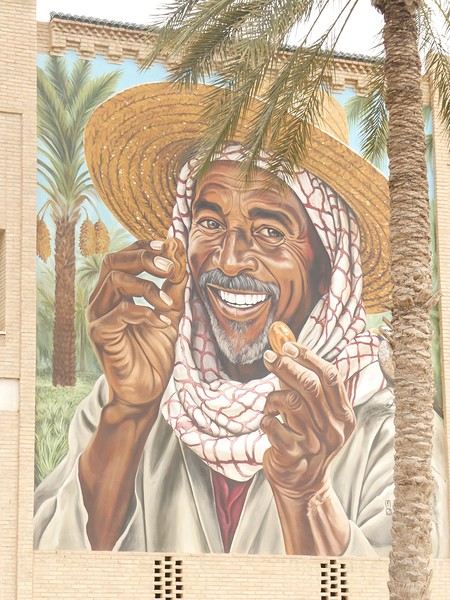

TO BE CONTINUED....
On this forum, I shared my first trip to Tunisia from mid-February to early March (https://voyageforum.com/forum/impressions-tunisiennes-en-direct-d11460662/), a stay I enjoyed so much that six weeks later, I’m back in Tunisia for a full 15 days (I return on April 27).
This time, I landed in Monastir on a direct flight from Nice, again with Tunisair. We left about ten minutes late, and the flight lasted around 1 hour 30 minutes. A meal was served on board (cucumber salad with Edam-like cheese, carrots, and two small portions of dishes I couldn’t identify—semolina with peppers, olives, and parsley, two small rolls, a square of processed cheese, and a chocolate cake). It’s worth noting because it’s not common on flights this short.
In February, France and Tunisia were in the same time zone, but now Tunisia is one hour behind. This time difference and the flight duration work perfectly for a short 15-day trip since it takes me a few days to adjust to jet lag.
Luckily, I’d asked my hotel about the taxi fare from the airport because the drivers (there were several around me) didn’t hesitate to quote outrageous prices. The actual fare is 20 dinars, but one asked for 120 dinars. I refused, and another offered 60 dinars. I replied, "That’s too expensive—I’ll take the metro!" (Having tried the Tunis metro, I had no desire to repeat the experience in Monastir with a suitcase!). I started walking toward the metro, and one of the drivers caught up with me, saying, "20 dinars is fine!" I’ll skip the details, but the negotiation took a little while. When I arrived at the hotel, I told the receptionist someone had asked for 120 dinars. He put his hands to his head and said, "They’re awful!" He remembered our phone call two days earlier when I’d booked (he’s the one who told me I could take the metro).
The Mezri Hotel isn’t expensive. I got a sea-view room for 75 dinars (22 €). (I’d booked a balcony room for 90 dinars but wouldn’t have had time to enjoy it.) It’s well-located but noisy because there’s no double glazing. The receptionist is a very kind older gentleman. He called a friend whose wife is from Tozeur to find out if I should take a bus or a *louage* tomorrow and what time.
I arrived at the hotel around 7:00 PM and had time to stroll along the corniche to the ribat. Despite some run-down buildings, the seaside seemed livelier and cheerier than Sousse’s.
Monastir is the hometown of former president Bourguiba. I passed his mausoleum by taxi. There are Tunisian flags along the avenue by the sea because every year on April 6—the anniversary of Habib Bourguiba’s death—the president of the Republic visits the Bourguiba Mausoleum in Monastir to pay respects.
The taxi driver mentioned other Tunisian presidents. He complained about rising prices and insecurity, blaming President Kaïs Saïed (I’d already heard that security was better under Ben Ali).
At the end of my stay, I’ll take time to explore Monastir, but tomorrow morning, I’m off to Tozeur—a long bus ride awaits me.
TO BE CONTINUED....
Four days in Doha in January 2026
Hi everyone,
This short stay in Doha is part of a longer trip. It lets us break up a flight to the Seychelles.
Friday, January 16, The Corniche
Despite the adventures we had the day before (read about it here), we just can’t get up later than 8 a.m. Our minds are a bit clearer and a bit more positive after some sleep.
View of the Corniche from the 12th floor.
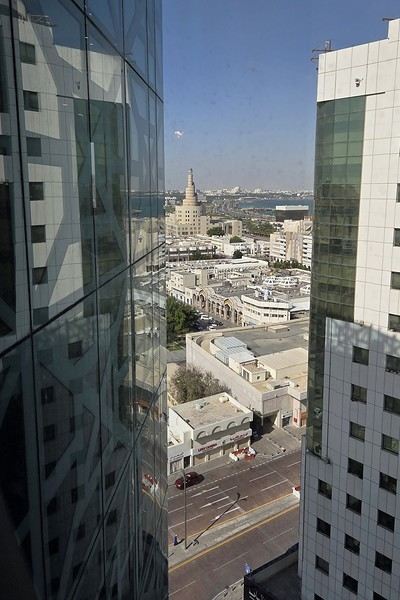
Breakfast is sumptuous—it really lifts our spirits.
On this Friday morning, almost everything is closed, so we head out to explore the Corniche, which is just a few hundred meters from our hotel in Old Doha.
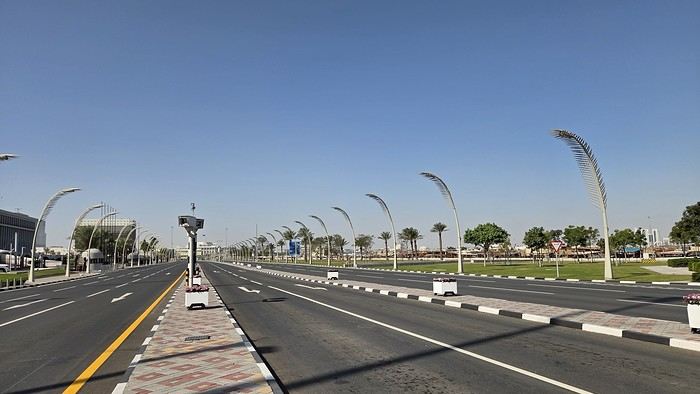
A marathon is happening today on the Corniche, so the road is closed and empty, making it easy to cross. The palm-shaped streetlights are gorgeous when they’re lit up at night.
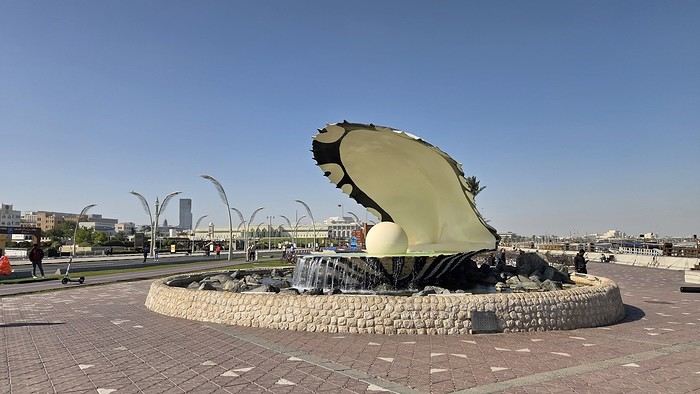
A little reminder of Qatar’s once-thriving pearl trade.
A memory of a much more recent past.
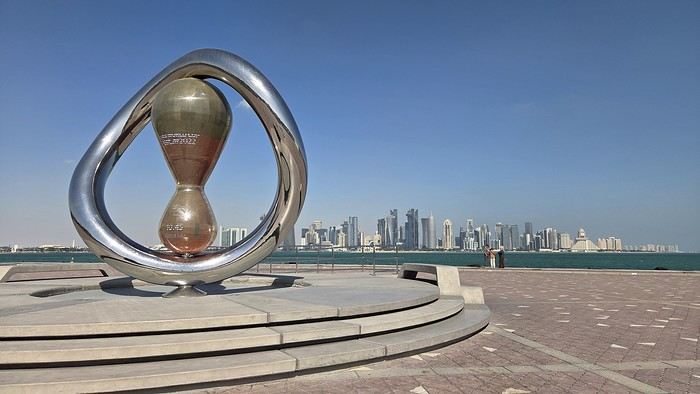
The sun is shining, but it’s not very warm—just 19°C at the hottest part of the day. Tough luck, last week it was 24°C.
The walk along the crescent-shaped Corniche is pretty long. From the old town to the modern center, where massive Dubai-style towers rise, it’s a 6 km promenade along the waterfront.
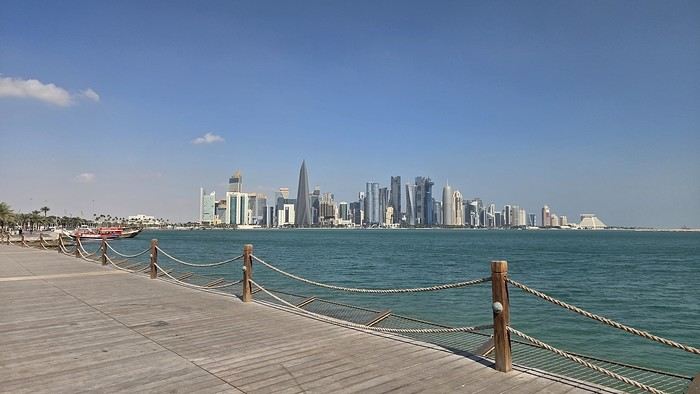
Many dhows are docked, waiting for tourists to take a little cruise in the bay, but visitors are scarce.
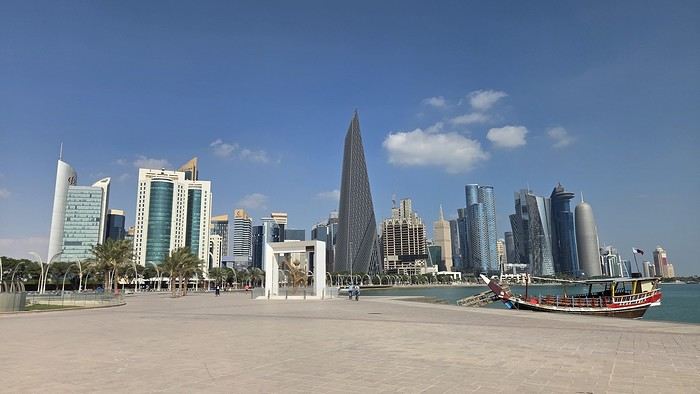
The skyscrapers are so stunning, you can’t help but admire them.
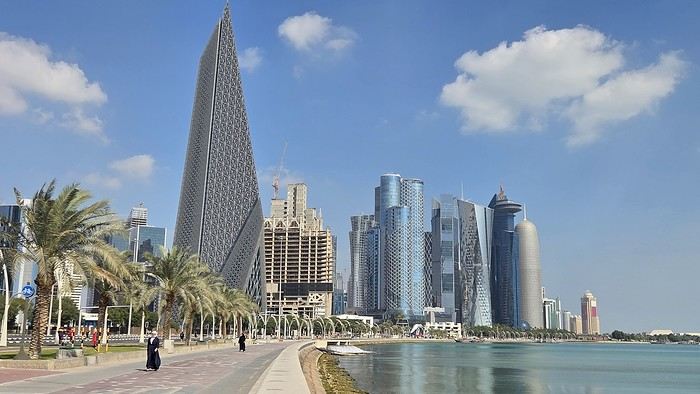
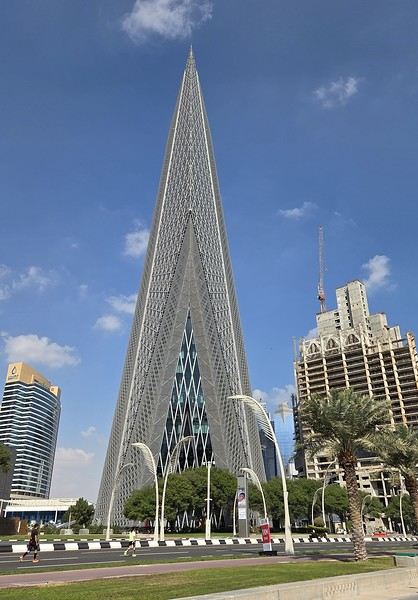
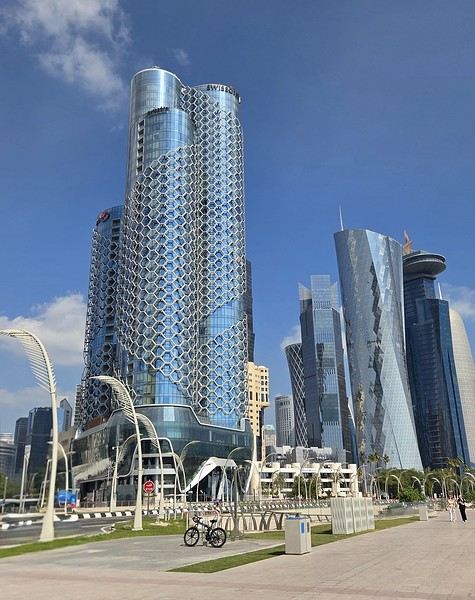
to be continued...
This short stay in Doha is part of a longer trip. It lets us break up a flight to the Seychelles.
Friday, January 16, The Corniche
Despite the adventures we had the day before (read about it here), we just can’t get up later than 8 a.m. Our minds are a bit clearer and a bit more positive after some sleep.
View of the Corniche from the 12th floor.
Breakfast is sumptuous—it really lifts our spirits.
On this Friday morning, almost everything is closed, so we head out to explore the Corniche, which is just a few hundred meters from our hotel in Old Doha.
A marathon is happening today on the Corniche, so the road is closed and empty, making it easy to cross. The palm-shaped streetlights are gorgeous when they’re lit up at night.
A little reminder of Qatar’s once-thriving pearl trade.
A memory of a much more recent past.
The sun is shining, but it’s not very warm—just 19°C at the hottest part of the day. Tough luck, last week it was 24°C.
The walk along the crescent-shaped Corniche is pretty long. From the old town to the modern center, where massive Dubai-style towers rise, it’s a 6 km promenade along the waterfront.
Many dhows are docked, waiting for tourists to take a little cruise in the bay, but visitors are scarce.
The skyscrapers are so stunning, you can’t help but admire them.
to be continued...
Back to RUAHA and SELOUS (Southern Tanzania).
...
" We’re ALL different, and so are our expectations when it comes to travel or leisure ". There are—without a doubt—as many ways to experience a trip as there are travelers!! For the two of us, it’s only our love of wild nature that guides us to East Africa. The stated goal of this trip was purely wildlife-focused, and NOT about discovering the country or its people.
...
Hello everyone,
Previously, I shared the account of a trip/safari in southern Tanzania in June 2024, in the Mikumi and Selous reserves.
This time, still in southern Tanzania, I invite you to join us in Ruaha National Park. (Then, depending on the number of images allowed in my quota, at the end of my story, we’ll return to Selous for the second part of the same trip.)
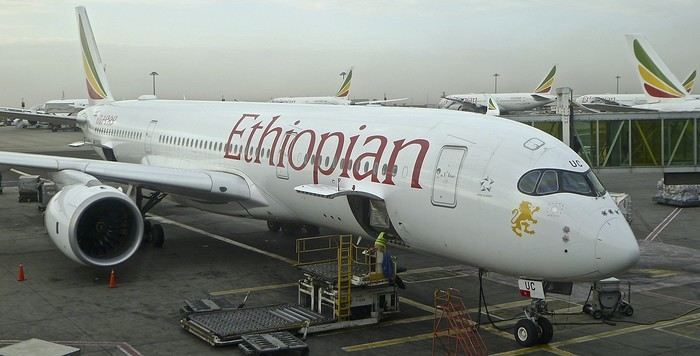
- This trip/safari took place in November 2022. - Our flight started in Marseille, heading to Addis Ababa, then Dar es Salaam (via Ethiopian Airlines). In Dar, we spent one night at a hotel near the airfield.
-1- During the layover in Addis Ababa. The Airbus A-350 in the early morning mist.
Reminder: Click on each image to enlarge it, if needed. .
From Dar es Salaam, if you want to go by road to Ruaha, it’ll take a very long and tiring day. 🤪
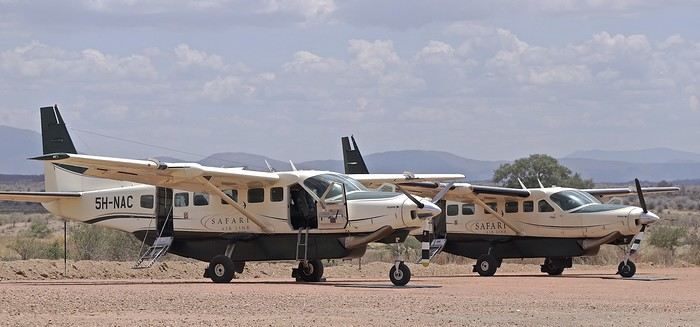
On previous trips, we’ve always taken a bush plane for this route. In this case, it took just over an hour and a half, with two short intermediate stops to drop off passengers at other bush airstrips.
Since I’m also passionate about aviation, I love these flights where you can admire the landscapes from low altitude while sitting right behind the pilot 🙂.
-2- These routes mainly use Cessna 208 Caravans.
At the Msembe airstrip, we’re greeted around 1:30 PM by a guide and a driver from our chosen lodge. They brought a picnic basket, which we enjoy at a nearby picnic area. We’re by the Ruaha River, completely dry—it’s scorching hot.
-3- The first mammals we encounter are a pair of female impalas, accompanied by a young male.
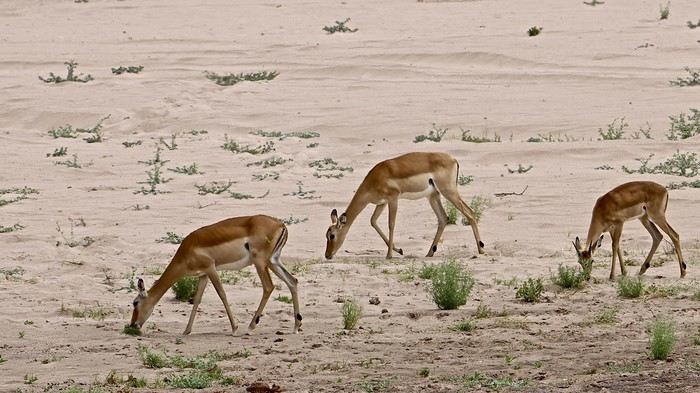
Reminder: Click on the image to view it in larger size. 😉
-4- To save the hippopotamus populations from certain death, rangers had to dig holes in the sand with bulldozers. Fortunately, water is present beneath the sand layer.
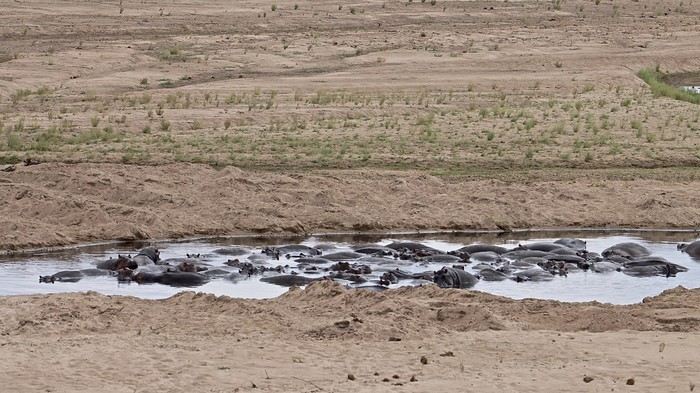
-5- This crocodile doesn’t seem to have been accepted as a swimming neighbor by the hippos...
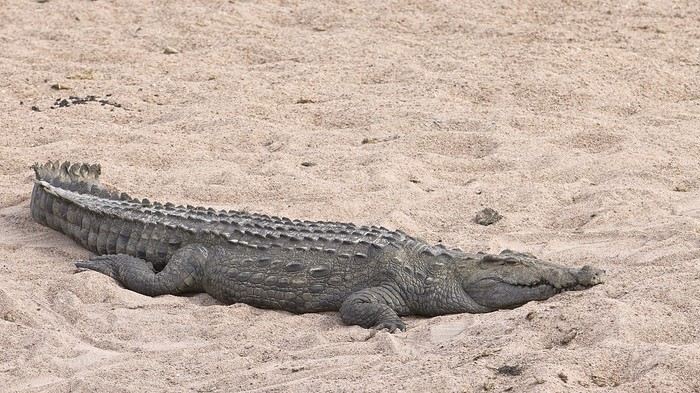
We’ll explore along the river for 2-3 hours before crossing it at a ford toward the southern part of the reserve.
-6- The typical landscape of Ruaha, with its many baobabs.
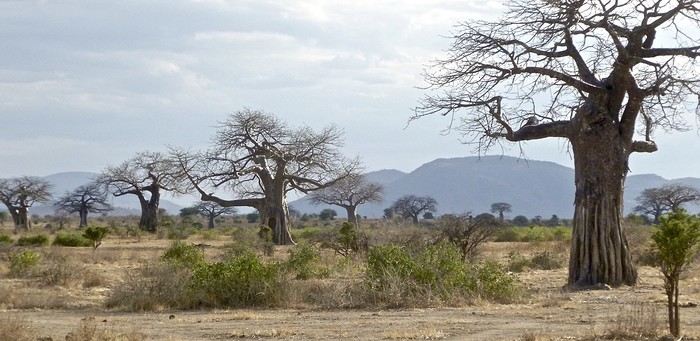
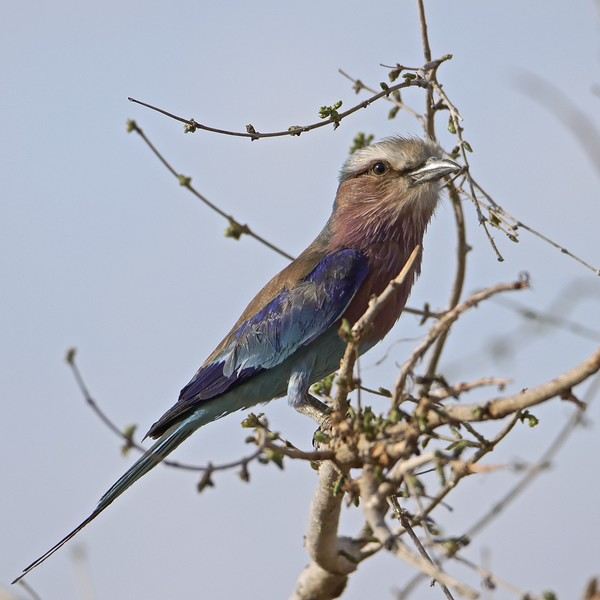
-7- My buddy the R.L.B. is also here to welcome me.... 🙂 🙂
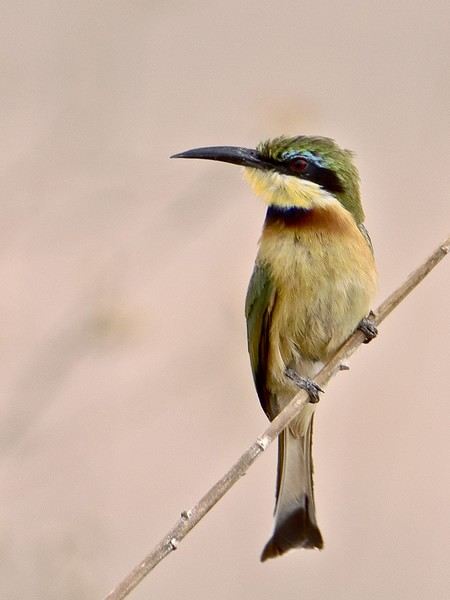
-8- As well as this little bee-eater... 😎
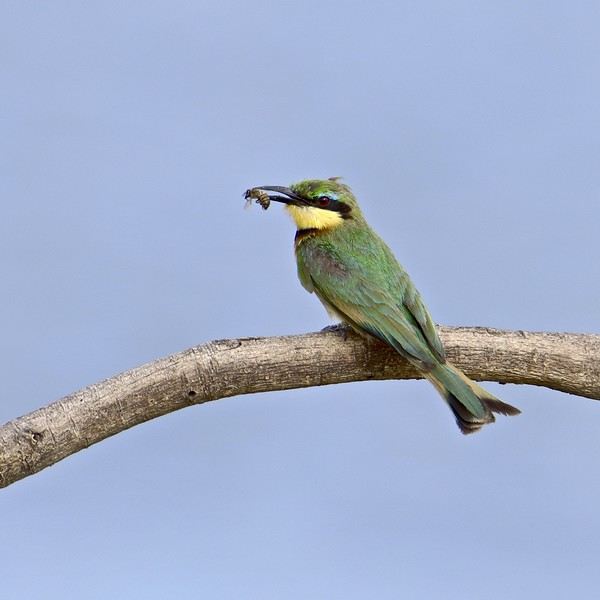
-9- ...which reminds us of the origin of its name...!
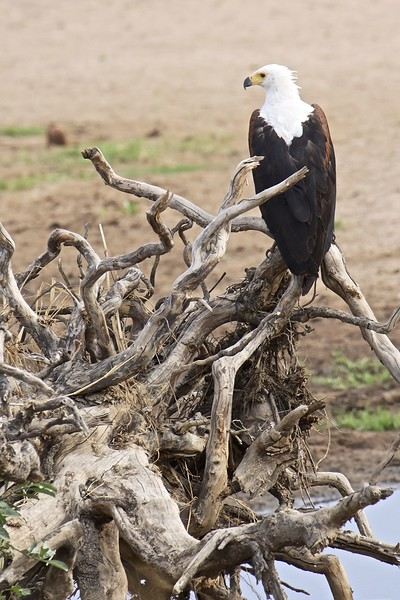
-10- Above a rare waterhole, a fish eagle keeps watch for fish...
...
*** Please wait until the end of the story for any questions or to share your own experiences in Ruaha. (Or via PM.) Thanks in advance for keeping this account smooth and enjoyable. 😉
...
*** I’m not an ornithologist, but birds are an important and unavoidable part of safari discoveries. You’ll find quite a few in the images of my story. 😎
...
" We’re ALL different, and so are our expectations when it comes to travel or leisure ". There are—without a doubt—as many ways to experience a trip as there are travelers!! For the two of us, it’s only our love of wild nature that guides us to East Africa. The stated goal of this trip was purely wildlife-focused, and NOT about discovering the country or its people.
...
Hello everyone,
Previously, I shared the account of a trip/safari in southern Tanzania in June 2024, in the Mikumi and Selous reserves.
This time, still in southern Tanzania, I invite you to join us in Ruaha National Park. (Then, depending on the number of images allowed in my quota, at the end of my story, we’ll return to Selous for the second part of the same trip.)
- This trip/safari took place in November 2022. - Our flight started in Marseille, heading to Addis Ababa, then Dar es Salaam (via Ethiopian Airlines). In Dar, we spent one night at a hotel near the airfield.
-1- During the layover in Addis Ababa. The Airbus A-350 in the early morning mist.
Reminder: Click on each image to enlarge it, if needed. .
From Dar es Salaam, if you want to go by road to Ruaha, it’ll take a very long and tiring day. 🤪
On previous trips, we’ve always taken a bush plane for this route. In this case, it took just over an hour and a half, with two short intermediate stops to drop off passengers at other bush airstrips.
Since I’m also passionate about aviation, I love these flights where you can admire the landscapes from low altitude while sitting right behind the pilot 🙂.
-2- These routes mainly use Cessna 208 Caravans.
At the Msembe airstrip, we’re greeted around 1:30 PM by a guide and a driver from our chosen lodge. They brought a picnic basket, which we enjoy at a nearby picnic area. We’re by the Ruaha River, completely dry—it’s scorching hot.
-3- The first mammals we encounter are a pair of female impalas, accompanied by a young male.
Reminder: Click on the image to view it in larger size. 😉
-4- To save the hippopotamus populations from certain death, rangers had to dig holes in the sand with bulldozers. Fortunately, water is present beneath the sand layer.
-5- This crocodile doesn’t seem to have been accepted as a swimming neighbor by the hippos...
We’ll explore along the river for 2-3 hours before crossing it at a ford toward the southern part of the reserve.
-6- The typical landscape of Ruaha, with its many baobabs.
-7- My buddy the R.L.B. is also here to welcome me.... 🙂 🙂
-8- As well as this little bee-eater... 😎
-9- ...which reminds us of the origin of its name...!
-10- Above a rare waterhole, a fish eagle keeps watch for fish...
...
*** Please wait until the end of the story for any questions or to share your own experiences in Ruaha. (Or via PM.) Thanks in advance for keeping this account smooth and enjoyable. 😉
...
*** I’m not an ornithologist, but birds are an important and unavoidable part of safari discoveries. You’ll find quite a few in the images of my story. 😎
...
Trip to Morocco in September-October 2025, in our camper van
Hi everyone,
We’re just back from a month-long trip to Morocco in our camper van.
After crossing France (we left from the Nantes area) and Spain, we arrived in Algeciras where we bought our boat tickets to Tangier. When we got to Tangier, as we were going through customs, you can imagine our surprise when the customs officer took our road map of Morocco and pointed out the label "Western Sahara" (just like in the forum’s destination section, by the way!).
He wanted it to say "Moroccan Sahara" instead!!! But there was nothing we could do—it was an old map... He wouldn’t listen, and after long discussions with the other (younger) customs officers, he finally gave it back and let us through... Unbelievable! Later, we heard that other travelers had their maps confiscated outright.
So, hide it well if you want to keep yours!!!
Anyway, we skirted around Tangier’s suburbs—pretty grim—and finally arrived in Asilah.
Following the coast and the long promenade along the beach, we reached the campsite. It was a bit crowded, not much shade, but it wasn’t far from the medina or the beach, and it wasn’t expensive. There’s some life here: Moroccan families seem to live on-site, in tents or basic bungalows. A woman was cooking tagine on a brazier—we were right in the atmosphere! The night was quiet, and we slept well. We set off on foot, walking along the seafront to the medina... We’d already been here in 2009. It was less touristy back then! Still, at this early hour, the little streets inside were very quiet. The walls had been freshly whitewashed, and there were even more murals than before. Around 11:30 AM, we strolled along the ramparts by the sea. There was a nice breeze! And a lot more people around. We enjoyed a milkshake on the terrace of a café overlooking the beach that stretches out at the foot of the medina. Some young guys were having fun diving off the rocks—and even off the top of the wall!
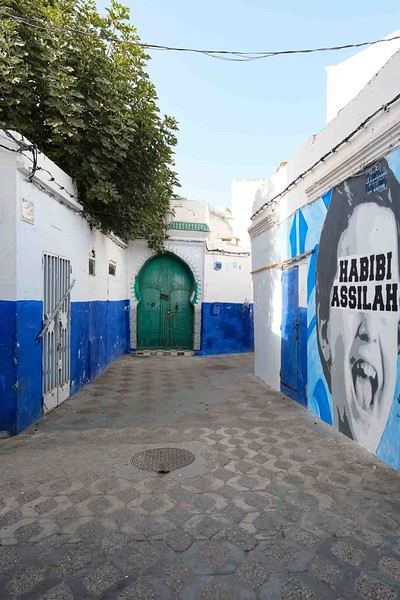
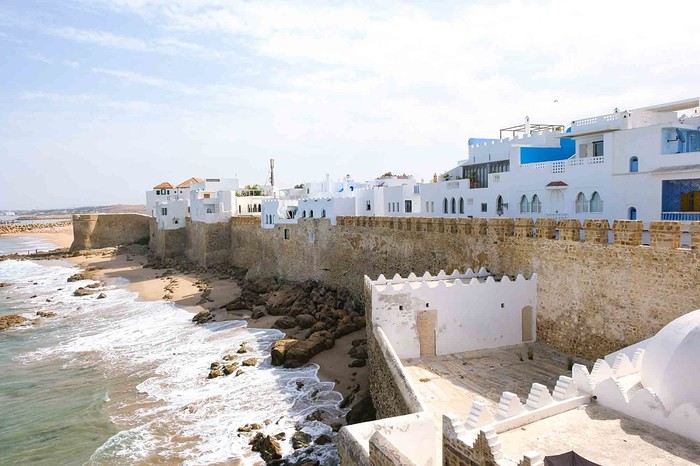
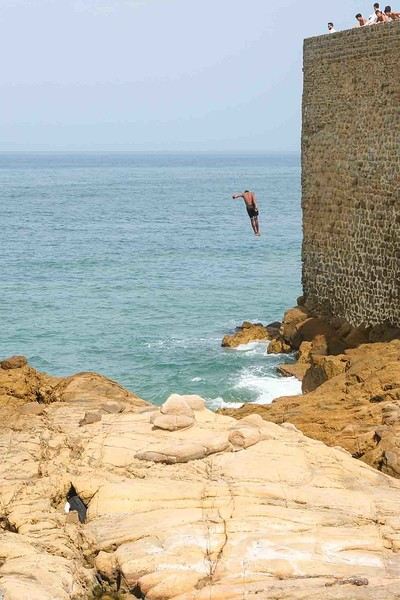
Anyway, we skirted around Tangier’s suburbs—pretty grim—and finally arrived in Asilah.
Following the coast and the long promenade along the beach, we reached the campsite. It was a bit crowded, not much shade, but it wasn’t far from the medina or the beach, and it wasn’t expensive. There’s some life here: Moroccan families seem to live on-site, in tents or basic bungalows. A woman was cooking tagine on a brazier—we were right in the atmosphere! The night was quiet, and we slept well. We set off on foot, walking along the seafront to the medina... We’d already been here in 2009. It was less touristy back then! Still, at this early hour, the little streets inside were very quiet. The walls had been freshly whitewashed, and there were even more murals than before. Around 11:30 AM, we strolled along the ramparts by the sea. There was a nice breeze! And a lot more people around. We enjoyed a milkshake on the terrace of a café overlooking the beach that stretches out at the foot of the medina. Some young guys were having fun diving off the rocks—and even off the top of the wall!
Review of an Aegean Sea cruise on Ponant's Bougainville from November 1-8, 2025
Hello everyone,
If you'd like, I invite you to join me for a week-long cruise to northern Greece, visiting ports that are often less crowded with cruise ships.
Itinerary: Athens, Skiathos, Volos, Thessaloniki, Kavala, Limnos, Hydra, Athens
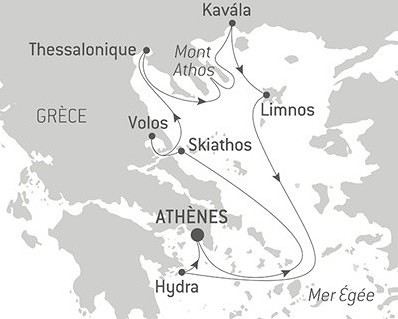
If you'd like, I invite you to join me for a week-long cruise to northern Greece, visiting ports that are often less crowded with cruise ships.
Itinerary: Athens, Skiathos, Volos, Thessaloniki, Kavala, Limnos, Hydra, Athens
15-Day Road Trip Recap: Colorado and New Mexico
Hello, here’s a totally subjective recap of our 15-day road trip between Colorado and New Mexico, from late September to mid-October.
Our main interests are culture, museums, and landscapes—no hiking or trails for us. Personally, I’m pretty contemplative, and luckily, there’s always something to see out there! We’re pretty used to the US; we’ve been going there often for a long time (let’s just say we’re not exactly young anymore).
Budget: Even though we don’t set a strict budget beforehand, we try to keep costs as low as possible. This time, we managed to spend around 4000 € for two, all included. To do this: avoid expensive accommodations, staying between 60 and 120 € per night with an average of 90 €/night, mixing Airbnb and motels. And skip the “real” restaurants, which are pretty pricey in the US: sandwiches for lunch, takeout or cooking in the Airbnb in the evening. We shop at Sprouts or Whole Foods—organic-style chains that are pricier than Walmart but better. In the evenings, Sprouts has discounts on items that didn’t sell during the day. Also, avoid toll roads, paid parking, and overly expensive attractions or sites. The dispensary budget is separate…
Route: Denver/Colorado Springs/Alamosa/Raton/Santa Fe/Cuba/Cortez/Grand Junction/Glenwood Springs/Denver This wasn’t too planned in advance—we booked a few nights upon arrival and went with the flow. Flight from CDG to Denver with AF/Delta, car rental at Dollar for a standard SUV. The guy at the Dollar counter upsold me on extra insurance for flat tires (and since I knew we’d be off-roading, I took it). Without telling me, he upgraded me to a Jeep Sahara 4X4 Hybrid. Nice.
Listening to the news upon arrival, the anchor announced, “It’s officially fall now.” We hadn’t really thought about that before leaving, but yeah—it’s the time when the trees turn fluorescent yellow and red. Amazing.
Colorado Springs: Garden of the Gods is a free park with paved trails winding through red/orange rock formations. Magical at sunrise—groups of deer roam around, along with birds and rabbits. It’s small but wow! Didn’t try the Manitou Incline in Manitou Springs, a staircase with thousands of steps going straight up the mountain. Impressive from the bottom, but the parking is paid, which is a downside for those willing to tackle it. The Cog Railway goes up to the summit of Pikes Peak—around $100 when we were there. No thanks. And of course, the parking is paid too. For fans, Maggie’s Farm dispensary is great.
On Route 24, Eleven Mile Canyon Recreation Area is fly-fishing paradise—just like in the movie *A River Runs Through It*. Entry is $11, and a trail follows the river at the bottom of the canyon to the dam. Dozens of people in waders are in the water, casting their lines over and over. You can see the salmon in the clear water, and we had a picnic in the sun, imagining Brad Pitt catching a fish.
Buena Vista: A cute little tourist town with an Outdoor Fair that day—some pretty impressive vehicles for sale, set up for mountain living (like Juniper outfitting a RAM).
Alamosa: The closest town to Great Sand Dunes National Park, crossed by the Rio Grande (and let’s be real—it’s more of a stream than a river!). Park access was free because it was National Park Day. A park with massive dunes—climbing them is pretty exhausting, with lots of wind and sinking sand. Glad we didn’t do it in summer; I can’t imagine how tough it’d be in the heat. It’s a bit deceptive: it looks easy to get to the top of a dune, but it’s really not. The campsites were nice, and it was busy that weekend. We passed the “Point of No Return,” a sandy trail winding through the hills and connecting to Route 559 from above. Didn’t go all the way, but it’s possible the entrance is free from that side. However, you need a 4X4 with good ground clearance. After 1 or 2 km on the trail, you’re alone between the dunes and hills—hardly anyone around. But tricky to turn around or pass other vehicles; the trail isn’t wide. We crossed paths with a Hanomag (registered in the Netherlands—impressive!) coming down without stopping, or risking getting stuck.
On the way out, we took the small Route 403, which quickly turns into a trail crossing the mountain. Entire sections of forest were turning fluorescent yellow with patches of green and red—an incredible sight.
Raton: A small town that probably peaked in the late 19th century and has been in slow decline ever since. The Raton Pass Motor Inn is the kind of place that makes the US legendary—entirely 50s and 60s decor, really well done. I had the Betty Page room—too cool. Felt like we were on Route 66. Even better.
Santa Fe: A small city with no high-rises—almost all low-rise buildings, many in adobe, blending perfectly into the landscape. The old downtown is touristy but nice, with its plaza and church. There’s a really cool vibe—we loved it. For drinks, the bar at the top of La Fonda Hotel was packed for sunset, with a diverse crowd. Not overpriced for the location. SITE Santa Fe is a contemporary art space near the train station. It’s free, and the temporary exhibit was really good—high quality. Museum Hill is, as the name suggests, where several museums are located. We visited the Museum of Indian Art and Culture—great if you’re into “First Nations” history. Saw The Dandy Warhols at The Bridge—an outdoor venue, one of the last concerts of the season before winter makes it too cold. Oddly, there was no bag check, just an ID required (even though it was obvious we were over 21!). Tickets were reasonable, around $30 (concerts in the US can be crazy expensive). The band was good, with fewer than 300 people in front. A sign at the bar warned: Don’t forget you’re at 1,500 meters—alcohol hits harder up here!
Albuquerque: A sprawling city with an old historic center that feels a bit like Disneyland—too perfect for my taste. The real highlight is the Sandia Peak Tramway, which goes up to the old ski resort above the city. Tickets are around $35, and it’s worth it—the ride over the canyons is pretty wild. The ski resort is a bit abandoned; apparently, like elsewhere, there’s no snow anymore. I asked several people about the lack of snow, and the answer was always the same: “It’s cyclical.” Okay then. We arrived for the start of the International Balloon Fiesta (one of the world’s largest hot-air balloon gatherings), hoping to see hundreds of balloons in the sky. Nope—windy today, so no one took off. Bummer.
Las Vegas: New Mexico has its own Las Vegas, but it’s nothing like the other one—a sleepy little town with a perfectly preserved 19th-century Historic Plaza Hotel, brick buildings, and vintage streetlights. Everything is so well-preserved it’s often used as a filming location. NM attracts a lot of productions thanks to tax incentives and its Western landscapes—and it’s cheaper than California! That day, a huge Texas flag was flying in the wind: they were filming the second season of *Ransom Canyon* for Netflix in the town center. If we’d been dressed more “Western,” we could’ve been extras.
Jemez Springs: Its Jemez Hot Springs is super cute—several thermal pools at different temperatures, a New Age vibe. The pools are surrounded by big rocks, and you’re asked to speak softly. A place where you could spend hours. $50 for two hours for two.
Los Alamos: A town made legendary by the bomb, the movie, etc. Heads up: It’s still a research center, and to cross part of the town, you need to show ID. No stopping or taking photos allowed. Other than the Oppenheimer House (currently closed—only the neighboring house is open to visitors), there’s not much to see. There’s a replica of the camp entrance, but it’s been turned into restrooms.
Georgia O’Keeffe Trail (American painter, 1887–1986): Her museum in Santa Fe is pretty good, even if they don’t have tons of works. Entry is $20. Her house in Abiquiu is open for visits, but it’s way overpriced at $65. So we skipped it. You can get an idea of it by stopping at the Welcome Center on Route 84. Further down the same road, Ghost Ranch is worth a visit—beautiful setting, free to enter, with trails to explore and a great atmosphere.
Chaco Culture National Historical Park: A pretty isolated park—25 km of trails to get there, with only a small section paved. The road is decent except for the last few kilometers, which have potholes. I can’t imagine it being accessible after rain, though that doesn’t happen often! This park, in the middle of a desert plain with a few canyons, is one of the rare places where you can find multi-story structures from pre-Columbian civilizations—so, before the “current” tribes. But cruel disappointment: it’s been shut down for a few days. We met a Native ranger—tall, with long hair—who explained that even though he wasn’t being paid, he was still guarding the park and had closed all access to the sites. Darn. Turned around and headed back down the trail.
Same story in the next town, Aztec (a funny name, right?): Aztec Ruins National Monument was closed too.
We passed Ship Rock, the Navajo’s sacred mountain—really impressive. Couldn’t find a trail to get closer, but it’s better from a distance anyway! The town of Shiprock itself is pretty depressing—poor living conditions for some Natives, with rundown mobile homes and piles of junk cars.
Stopped in Cortez to visit Mesa Verde National Park. Ate at Denny’s—hadn’t been there in ages (though it’s the kind of place I should feel at home in!). The customers all looked like they’d stepped out of *The Addams Family*—a little creepy. Or funny, depending on your perspective. For Mesa Verde, after discussing it on this forum with the honorable member Caussat (who didn’t find it that amazing), we were on the fence. Problem solved: it was closed too. Back on the road.
Durango: Really nice with its Main Ave and its shops, cafés—touristy but with local life. Famous for its tourist train to Silverton, but we didn’t do it—way too expensive. Choice between a steam locomotive or diesel (which belches black, stinky smoke—yuck). The diesel should be replaced with electric as soon as they get the funds.
Million Dollar Highway: The road winds through the mountains, and every turn (and there are a lot) is breathtaking—unbelievable landscapes with fluorescent yellow, green, and snow-capped mountains. Just wow.
Silverton: A Western town nestled between two mountains, preserved in its original state despite the tourists arriving by train. Around it, abandoned mines and old wooden ties—must’ve been tough for the 19th-century miners.
Grand Junction: The city is surrounded by giant mesas—pretty impressive. The old downtown is *too* clean—almost sterile.
Colorado National Monument: Just outside the city, a winding road climbs between stunning canyons, with sweeping views of the valley. Entry was free that day due to the shutdown.
Route 330, which we took to get back to the highway, passes through a place called “Cowboy Country”—and it’s true. We saw guys in Stetsons with huge pickups, the road turned into a trail with cows wandering on it, and we had to honk to get them to move. The trail to I-70 was full of potholes—the 4X4 came in handy. Had a picnic by Vega Reservoir: the booth at the entrance was empty, but people left cash in envelopes for camping fees. Anyone passing by could’ve taken it, but it’s an example of US trust and honesty!
Glenwood Springs: A small town famous for its hot springs pool—they claim it’s the largest in the world. I don’t know about that, but it has a great look. Unfortunately, it was closed for maintenance those days! Blew our budget by staying at the Hotel Colorado, a huge 1893 building with a real atmosphere in its grand lobby and fake fireplaces. Fire pits in front of wooden chairs in the garden with mountain views—just really great.
Aspen: The billionaires’ ski resort, but surprisingly, parking was free for 2 hours. Rare to see a place for the super-rich that doesn’t scream “not for you” (like Palm Beach, for example). A former mining town completely redone, every shop occupied by a luxury brand. There’s even a thrift shop run by sweet retirees—funny as hell. Two ski lifts to start directly with your skis, but we didn’t see the price—they were still closed. Lots of houses that aren’t huge but are cute, though looking at real estate prices made us think, “Is there an extra zero on that listing?” A 6-bedroom villa for $52 million? Wow. The mountains around are gorgeous—no wonder it became what it is.
Another fancy resort nearby: Vail, more modern in its construction. The restaurants opted for a “Schwarzwald” decor—kind of odd.
Denver: Nothing really stood out for us in this city, except the Design Museum—the Kirkland, where a local painter collected furniture and supplies from Arts and Crafts to Postmodern. Just really great. Entry is included with a visit to the Denver Art Museum, which has diverse collections—from Impressionism (they have a Manet, a Van Gogh, a Cézanne, several Sisleys) to photography. The best part for me was the “Ancient Americas” totems—huge, impressive wooden sculptures, painted, the kind you’re more used to seeing in Polynesia or Easter Island. Personally, I didn’t know Natives made them too. That’s what museums are for!
Back at the airport, where I had to tag my own luggage (you have to do everything yourself with these US airlines). The tag said SLC/CDG! But we were supposed to connect through JFK. Turns out, they’d put us on a DEN/SLC/CDG flight without telling us. In the end, we gained 30 minutes on our original arrival time in Paris!
There you go—hope this inspires other travelers! !
Our main interests are culture, museums, and landscapes—no hiking or trails for us. Personally, I’m pretty contemplative, and luckily, there’s always something to see out there! We’re pretty used to the US; we’ve been going there often for a long time (let’s just say we’re not exactly young anymore).
Budget: Even though we don’t set a strict budget beforehand, we try to keep costs as low as possible. This time, we managed to spend around 4000 € for two, all included. To do this: avoid expensive accommodations, staying between 60 and 120 € per night with an average of 90 €/night, mixing Airbnb and motels. And skip the “real” restaurants, which are pretty pricey in the US: sandwiches for lunch, takeout or cooking in the Airbnb in the evening. We shop at Sprouts or Whole Foods—organic-style chains that are pricier than Walmart but better. In the evenings, Sprouts has discounts on items that didn’t sell during the day. Also, avoid toll roads, paid parking, and overly expensive attractions or sites. The dispensary budget is separate…
Route: Denver/Colorado Springs/Alamosa/Raton/Santa Fe/Cuba/Cortez/Grand Junction/Glenwood Springs/Denver This wasn’t too planned in advance—we booked a few nights upon arrival and went with the flow. Flight from CDG to Denver with AF/Delta, car rental at Dollar for a standard SUV. The guy at the Dollar counter upsold me on extra insurance for flat tires (and since I knew we’d be off-roading, I took it). Without telling me, he upgraded me to a Jeep Sahara 4X4 Hybrid. Nice.
Listening to the news upon arrival, the anchor announced, “It’s officially fall now.” We hadn’t really thought about that before leaving, but yeah—it’s the time when the trees turn fluorescent yellow and red. Amazing.
Colorado Springs: Garden of the Gods is a free park with paved trails winding through red/orange rock formations. Magical at sunrise—groups of deer roam around, along with birds and rabbits. It’s small but wow! Didn’t try the Manitou Incline in Manitou Springs, a staircase with thousands of steps going straight up the mountain. Impressive from the bottom, but the parking is paid, which is a downside for those willing to tackle it. The Cog Railway goes up to the summit of Pikes Peak—around $100 when we were there. No thanks. And of course, the parking is paid too. For fans, Maggie’s Farm dispensary is great.
On Route 24, Eleven Mile Canyon Recreation Area is fly-fishing paradise—just like in the movie *A River Runs Through It*. Entry is $11, and a trail follows the river at the bottom of the canyon to the dam. Dozens of people in waders are in the water, casting their lines over and over. You can see the salmon in the clear water, and we had a picnic in the sun, imagining Brad Pitt catching a fish.
Buena Vista: A cute little tourist town with an Outdoor Fair that day—some pretty impressive vehicles for sale, set up for mountain living (like Juniper outfitting a RAM).
Alamosa: The closest town to Great Sand Dunes National Park, crossed by the Rio Grande (and let’s be real—it’s more of a stream than a river!). Park access was free because it was National Park Day. A park with massive dunes—climbing them is pretty exhausting, with lots of wind and sinking sand. Glad we didn’t do it in summer; I can’t imagine how tough it’d be in the heat. It’s a bit deceptive: it looks easy to get to the top of a dune, but it’s really not. The campsites were nice, and it was busy that weekend. We passed the “Point of No Return,” a sandy trail winding through the hills and connecting to Route 559 from above. Didn’t go all the way, but it’s possible the entrance is free from that side. However, you need a 4X4 with good ground clearance. After 1 or 2 km on the trail, you’re alone between the dunes and hills—hardly anyone around. But tricky to turn around or pass other vehicles; the trail isn’t wide. We crossed paths with a Hanomag (registered in the Netherlands—impressive!) coming down without stopping, or risking getting stuck.
On the way out, we took the small Route 403, which quickly turns into a trail crossing the mountain. Entire sections of forest were turning fluorescent yellow with patches of green and red—an incredible sight.
Raton: A small town that probably peaked in the late 19th century and has been in slow decline ever since. The Raton Pass Motor Inn is the kind of place that makes the US legendary—entirely 50s and 60s decor, really well done. I had the Betty Page room—too cool. Felt like we were on Route 66. Even better.
Santa Fe: A small city with no high-rises—almost all low-rise buildings, many in adobe, blending perfectly into the landscape. The old downtown is touristy but nice, with its plaza and church. There’s a really cool vibe—we loved it. For drinks, the bar at the top of La Fonda Hotel was packed for sunset, with a diverse crowd. Not overpriced for the location. SITE Santa Fe is a contemporary art space near the train station. It’s free, and the temporary exhibit was really good—high quality. Museum Hill is, as the name suggests, where several museums are located. We visited the Museum of Indian Art and Culture—great if you’re into “First Nations” history. Saw The Dandy Warhols at The Bridge—an outdoor venue, one of the last concerts of the season before winter makes it too cold. Oddly, there was no bag check, just an ID required (even though it was obvious we were over 21!). Tickets were reasonable, around $30 (concerts in the US can be crazy expensive). The band was good, with fewer than 300 people in front. A sign at the bar warned: Don’t forget you’re at 1,500 meters—alcohol hits harder up here!
Albuquerque: A sprawling city with an old historic center that feels a bit like Disneyland—too perfect for my taste. The real highlight is the Sandia Peak Tramway, which goes up to the old ski resort above the city. Tickets are around $35, and it’s worth it—the ride over the canyons is pretty wild. The ski resort is a bit abandoned; apparently, like elsewhere, there’s no snow anymore. I asked several people about the lack of snow, and the answer was always the same: “It’s cyclical.” Okay then. We arrived for the start of the International Balloon Fiesta (one of the world’s largest hot-air balloon gatherings), hoping to see hundreds of balloons in the sky. Nope—windy today, so no one took off. Bummer.
Las Vegas: New Mexico has its own Las Vegas, but it’s nothing like the other one—a sleepy little town with a perfectly preserved 19th-century Historic Plaza Hotel, brick buildings, and vintage streetlights. Everything is so well-preserved it’s often used as a filming location. NM attracts a lot of productions thanks to tax incentives and its Western landscapes—and it’s cheaper than California! That day, a huge Texas flag was flying in the wind: they were filming the second season of *Ransom Canyon* for Netflix in the town center. If we’d been dressed more “Western,” we could’ve been extras.
Jemez Springs: Its Jemez Hot Springs is super cute—several thermal pools at different temperatures, a New Age vibe. The pools are surrounded by big rocks, and you’re asked to speak softly. A place where you could spend hours. $50 for two hours for two.
Los Alamos: A town made legendary by the bomb, the movie, etc. Heads up: It’s still a research center, and to cross part of the town, you need to show ID. No stopping or taking photos allowed. Other than the Oppenheimer House (currently closed—only the neighboring house is open to visitors), there’s not much to see. There’s a replica of the camp entrance, but it’s been turned into restrooms.
Georgia O’Keeffe Trail (American painter, 1887–1986): Her museum in Santa Fe is pretty good, even if they don’t have tons of works. Entry is $20. Her house in Abiquiu is open for visits, but it’s way overpriced at $65. So we skipped it. You can get an idea of it by stopping at the Welcome Center on Route 84. Further down the same road, Ghost Ranch is worth a visit—beautiful setting, free to enter, with trails to explore and a great atmosphere.
Chaco Culture National Historical Park: A pretty isolated park—25 km of trails to get there, with only a small section paved. The road is decent except for the last few kilometers, which have potholes. I can’t imagine it being accessible after rain, though that doesn’t happen often! This park, in the middle of a desert plain with a few canyons, is one of the rare places where you can find multi-story structures from pre-Columbian civilizations—so, before the “current” tribes. But cruel disappointment: it’s been shut down for a few days. We met a Native ranger—tall, with long hair—who explained that even though he wasn’t being paid, he was still guarding the park and had closed all access to the sites. Darn. Turned around and headed back down the trail.
Same story in the next town, Aztec (a funny name, right?): Aztec Ruins National Monument was closed too.
We passed Ship Rock, the Navajo’s sacred mountain—really impressive. Couldn’t find a trail to get closer, but it’s better from a distance anyway! The town of Shiprock itself is pretty depressing—poor living conditions for some Natives, with rundown mobile homes and piles of junk cars.
Stopped in Cortez to visit Mesa Verde National Park. Ate at Denny’s—hadn’t been there in ages (though it’s the kind of place I should feel at home in!). The customers all looked like they’d stepped out of *The Addams Family*—a little creepy. Or funny, depending on your perspective. For Mesa Verde, after discussing it on this forum with the honorable member Caussat (who didn’t find it that amazing), we were on the fence. Problem solved: it was closed too. Back on the road.
Durango: Really nice with its Main Ave and its shops, cafés—touristy but with local life. Famous for its tourist train to Silverton, but we didn’t do it—way too expensive. Choice between a steam locomotive or diesel (which belches black, stinky smoke—yuck). The diesel should be replaced with electric as soon as they get the funds.
Million Dollar Highway: The road winds through the mountains, and every turn (and there are a lot) is breathtaking—unbelievable landscapes with fluorescent yellow, green, and snow-capped mountains. Just wow.
Silverton: A Western town nestled between two mountains, preserved in its original state despite the tourists arriving by train. Around it, abandoned mines and old wooden ties—must’ve been tough for the 19th-century miners.
Grand Junction: The city is surrounded by giant mesas—pretty impressive. The old downtown is *too* clean—almost sterile.
Colorado National Monument: Just outside the city, a winding road climbs between stunning canyons, with sweeping views of the valley. Entry was free that day due to the shutdown.
Route 330, which we took to get back to the highway, passes through a place called “Cowboy Country”—and it’s true. We saw guys in Stetsons with huge pickups, the road turned into a trail with cows wandering on it, and we had to honk to get them to move. The trail to I-70 was full of potholes—the 4X4 came in handy. Had a picnic by Vega Reservoir: the booth at the entrance was empty, but people left cash in envelopes for camping fees. Anyone passing by could’ve taken it, but it’s an example of US trust and honesty!
Glenwood Springs: A small town famous for its hot springs pool—they claim it’s the largest in the world. I don’t know about that, but it has a great look. Unfortunately, it was closed for maintenance those days! Blew our budget by staying at the Hotel Colorado, a huge 1893 building with a real atmosphere in its grand lobby and fake fireplaces. Fire pits in front of wooden chairs in the garden with mountain views—just really great.
Aspen: The billionaires’ ski resort, but surprisingly, parking was free for 2 hours. Rare to see a place for the super-rich that doesn’t scream “not for you” (like Palm Beach, for example). A former mining town completely redone, every shop occupied by a luxury brand. There’s even a thrift shop run by sweet retirees—funny as hell. Two ski lifts to start directly with your skis, but we didn’t see the price—they were still closed. Lots of houses that aren’t huge but are cute, though looking at real estate prices made us think, “Is there an extra zero on that listing?” A 6-bedroom villa for $52 million? Wow. The mountains around are gorgeous—no wonder it became what it is.
Another fancy resort nearby: Vail, more modern in its construction. The restaurants opted for a “Schwarzwald” decor—kind of odd.
Denver: Nothing really stood out for us in this city, except the Design Museum—the Kirkland, where a local painter collected furniture and supplies from Arts and Crafts to Postmodern. Just really great. Entry is included with a visit to the Denver Art Museum, which has diverse collections—from Impressionism (they have a Manet, a Van Gogh, a Cézanne, several Sisleys) to photography. The best part for me was the “Ancient Americas” totems—huge, impressive wooden sculptures, painted, the kind you’re more used to seeing in Polynesia or Easter Island. Personally, I didn’t know Natives made them too. That’s what museums are for!
Back at the airport, where I had to tag my own luggage (you have to do everything yourself with these US airlines). The tag said SLC/CDG! But we were supposed to connect through JFK. Turns out, they’d put us on a DEN/SLC/CDG flight without telling us. In the end, we gained 30 minutes on our original arrival time in Paris!
There you go—hope this inspires other travelers! !
Itinerary ideas for a week in Morocco
Hi everyone, I’ve given my 18-year-old daughter a week in Morocco in February. I’d like to mix a bit of Marrakech (or elsewhere) with a hotel and pool, plus a trip into the desert with some beautiful dunes.
How can I structure this without making the journeys too long? Is it possible to do Marrakech to the south in 2 days, stopping at lovely spots along the way? Just to clarify, I’d prefer not to rent a car, and my daughter isn’t very "adventurous."
Thanks in advance for your replies and tips!
That's Kenya too...
Hey fellow travelers,
I'm back in the "travel journal" section to share our 15-day adventure in Kenya in November 2024. It was pretty much our first time in East Africa (since Zanzibar doesn’t really count 😜).
As usual, I’m sharing the journal I made for our loved ones—still as casual and cheerful as ever, just to give them a little break from their tough workdays 😄.
We organized the whole trip ourselves, and to be original here LOL, we took some *very* well-trodden paths: Naivasha, Tsavo, and Diani. But what I loved about this country is that it’s so easy to go off the beaten track—even on the "tourist highways" 😉.
So, if you're a safari fanatic or after stunning wildlife photos, you might be disappointed. But if you want to discover other sides of Kenya, you might just find what you're looking for 😉.
Looking forward to sharing this fun journey with you all 😊.
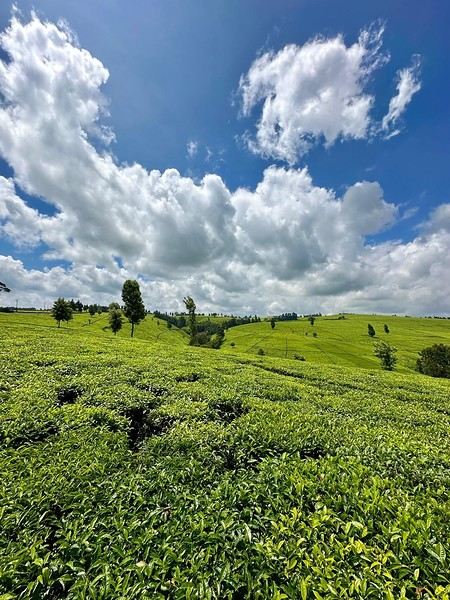
I'm back in the "travel journal" section to share our 15-day adventure in Kenya in November 2024. It was pretty much our first time in East Africa (since Zanzibar doesn’t really count 😜).
As usual, I’m sharing the journal I made for our loved ones—still as casual and cheerful as ever, just to give them a little break from their tough workdays 😄.
We organized the whole trip ourselves, and to be original here LOL, we took some *very* well-trodden paths: Naivasha, Tsavo, and Diani. But what I loved about this country is that it’s so easy to go off the beaten track—even on the "tourist highways" 😉.
So, if you're a safari fanatic or after stunning wildlife photos, you might be disappointed. But if you want to discover other sides of Kenya, you might just find what you're looking for 😉.
Looking forward to sharing this fun journey with you all 😊.
15-day itinerary in southern Morocco
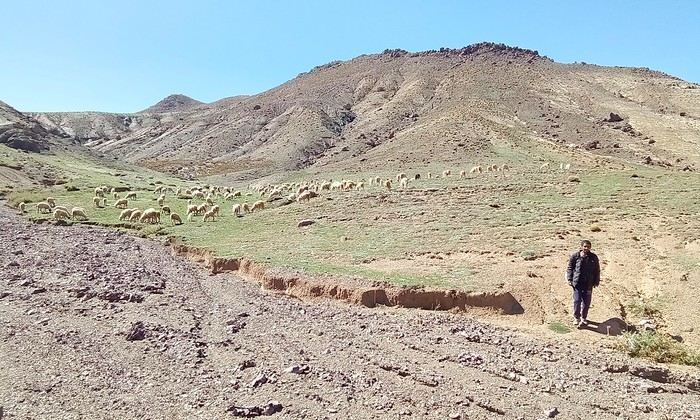
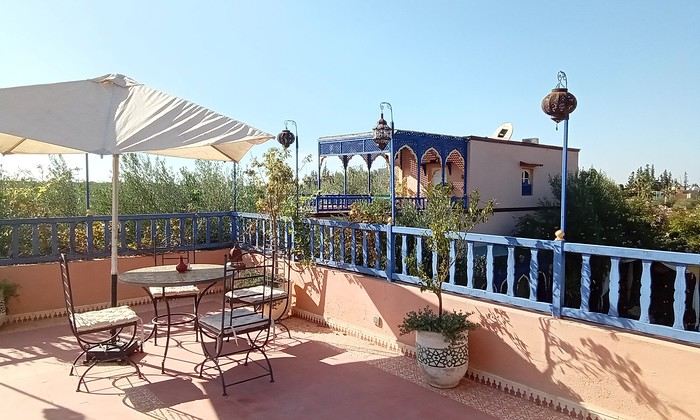
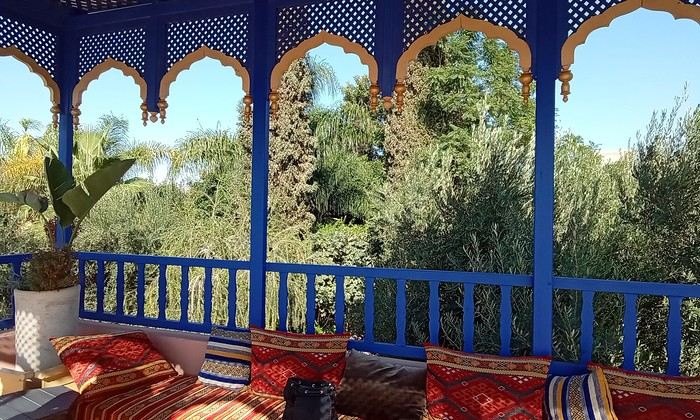 Last October, we landed in Marrakech to spend a few days with family exploring Morocco’s roads.
Transport: a rented Dacia.
Accommodations: small guesthouses.
Last October, we landed in Marrakech to spend a few days with family exploring Morocco’s roads.
Transport: a rented Dacia.
Accommodations: small guesthouses.Our first stop was just a few kilometers from Marrakech, at a lovely house perfect for relaxing and recharging before continuing. It’s called Bleu House, a little paradise on the outskirts of Marrakech. The welcome was very warm, with a beautiful pool and a lovely garden.
Next, we headed toward the Tichka Pass. The road has really improved in recent years—it’s much easier to drive now. No more getting stuck behind trucks, and today, the construction is practically finished.
Morocco has turned green after the recent rains. It’s a joy for the herds and shepherds.
Dream Islands: Greece, French Polynesia, Mauritius...
Hello,
Who among us hasn’t dreamed of having a ticket to Tahiti, Bora Bora, or the Marquesas in their pocket—preferably a one-way ticket to “paradise”?
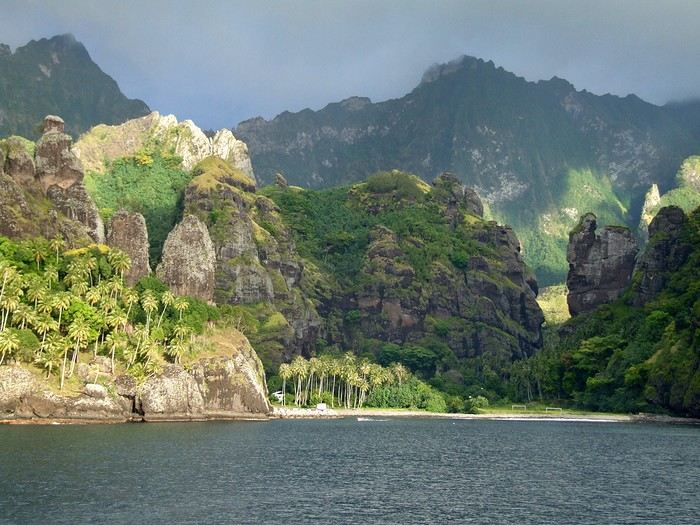 Idyllic landscape of a dream island, but difficult to access: the Bay of Virgins in Fatu Hiva, Marquesas Islands
Among the values conveyed by literature, tourism, and advertising is the quest for “elsewhere,” for a change of scenery, in the truest sense of the word—that is, the need to leave one’s country. This need for otherness, for difference, is projected onto dreamlike, idealized, even mythicized places. In our imaginary world, the island is often that place.
Yet we forget that islands have also been ideal prisons. The examples are numerous: Elba and Saint Helena, Alcatraz and Poulo Condor, If and Yeu, the Devil’s Islands and Leros. The latter, located in Greece in the Dodecanese, hosted a sinister forced labor camp during the colonels’ dictatorship as well as a psychiatric hospital. Despite the beauty of its bay, tourism has remained marginal there due to its bad reputation, unlike the neighboring island of Patmos.
I’d like to share a selection of about a dozen islands from across the world’s seas and oceans. For dreaming...
°°°°°°°°°°°°°°°
SANTORINI
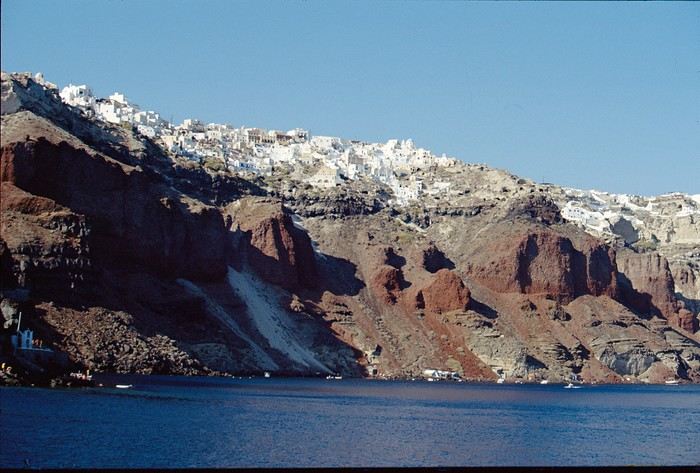
July 27, 1967
At dawn, the ferry from Agios Nikolaos (Crete) enters the immense caldera of Santorini. From the ship’s deck, Rainer, my travel companion, and I are left in awe by the sight of these towering, multicolored cliffs looming over us. We disembark and begin the steep climb on foot via the winding mule path up to the village of Fira, the capital perched above the cliff. Though it’s still very early, we head to the youth hostel. There wasn’t a soul in the alleys that morning—or rather, there were only cats! I have a fond memory of that encounter with Santorini: a sensory shock, a breathtaking volcanic site, a harmony of blue, ochre-red, and white. A welcoming island, as it was traditional to welcome the xénou, an island that hadn’t yet fully recovered from the terrible 1956 earthquake, a Cycladic architectural marvel where local life was still preserved.
It’s easy to see why, in antiquity, the island was named Kallisté (καλλίστη), “the most beautiful,” as it’s nearly impossible to resist gazing at this landscape shaped by tectonic forces. Indeed, a massive volcanic cataclysm—the Minoan eruption—shaped this scenery in the 17th century BCE, creating a caldera that was quickly filled by the sea. The enormous tsunamis that followed reached Crete, leading to the disappearance of the Minoan civilization.
A cliffside path along the caldera leads us to the peaceful village of Oia, at the northern tip of the island. Blue-domed churches and flower-filled villages with whitewashed houses line the way. This walk is a continuous marvel, offering splendid views of the caldera and the neighboring islands formed by the breakup of the ancient volcano (Thirissa, Nea Kameni). Oia is a large, picturesque village, like Fira perched on the cliff’s edge, which was severely damaged by the 1956 earthquake, and its scars are still visible. Its cave-like houses with vaulted roofs haven’t yet been turned into luxury hotels or shops. Absolute tranquility reigns here.
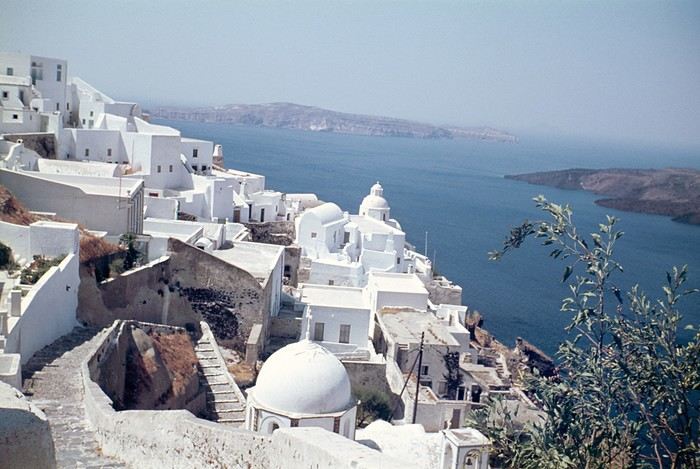 Oia in 1967—a peaceful village overlooking the caldera. But where are the pools and trendy bars?
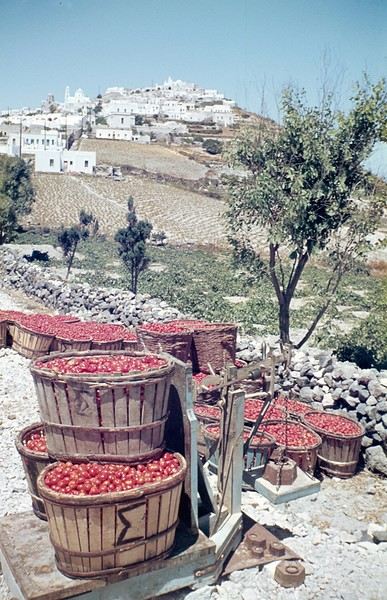
A lush countryside covered in olive trees and vineyards welcomes us for a pleasant hike, interrupted by the kindness of a friendly islander who gives us a lift in his truck for a few kilometers. He’s off to harvest his tomatoes, which he grows at the foot of Pyrgos Hill. The delicious little cherry tomato of Santorini earned an EU Protected Designation of Origin (PDO) in 2013. We climb up to the village of Pyrgos, perched on a hill and dominated by the elegant bell tower of its church. Finally, we reach the black sand beach of Kamari on the island’s eastern coast to enjoy a swim.
{...} To be continued

°°°°°°°°°°°°°°°°°
RAIVAVAE (French Polynesia)
November 15, 2007
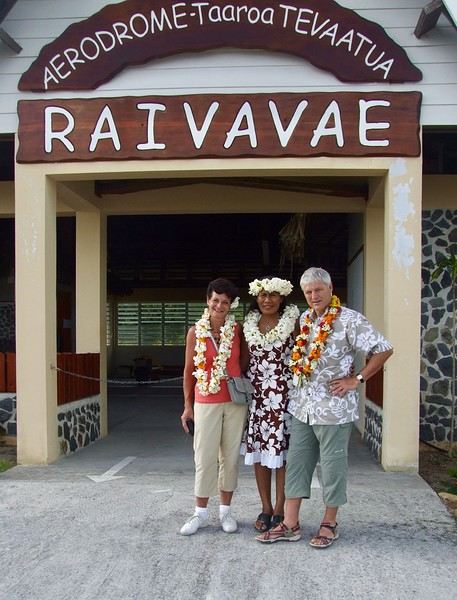
Éléonore from Pension Tama welcomes us with traditional flower leis, as if she’d been waiting for old friends she hadn’t seen in ages. The small airport terminal is lively, the atmosphere warm—people hugging, rejoicing in reunions, all under kilos of flowers. Then, just as quickly, the place empties until the next flight... in a few days.
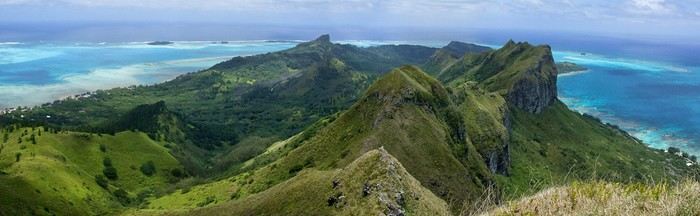
In the Austral Islands, a ninety-minute flight from Tahiti, Raivavae is a world away from the frenetic pace of Papeete or the tourist crowds of the Leeward Islands. The true paradise of the South Seas can still be savored here—it’s a bit like Bora Bora half a century ago. Our first feeling upon arriving on this island is wonder, with smiles that could melt even the gloomiest among us, landscapes so stunning they take your breath away, and above all, a sense of disorientation and fulfillment. Picture a mountainous island, about ten kilometers by three and a half, encircled by a coral reef and wild motu, cradling a lagoon with shades of blue that would make Bora Bora green with envy.
The roughly one thousand inhabitants of Raivavae are spread across four villages around the island. Children are everywhere, as is typical in Polynesia, and they greet you with open, genuine smiles. Here, ancestral values have survived progress. The predominantly Protestant population is very devout, as evidenced by the several temples built across the island. Religious fervor sets the rhythm of daily life. Sundays are reserved for worship and Sunday school (catechism). Work is forbidden on that day, and tourist activities are suspended. These rules are strict and respected.
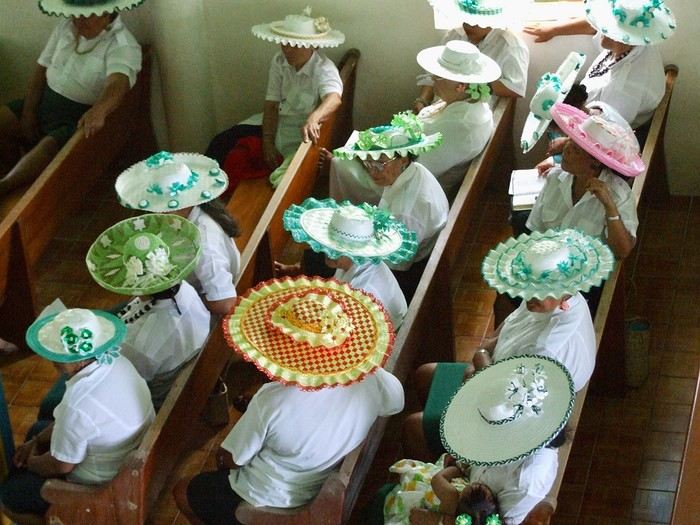 Hat contest for the worship celebration
Yet a sense of resignation is ever-present. The people of Raivavae know they are—and will remain—isolated. Despite the construction of an airstrip in 2004 and a few weekly flights to Tahiti and its nearest neighbor, Tubuai (200 km away), the island remains on the fringes of the world. One painful aspect is the separation of children from their parents when they leave for middle school in Tubuai starting in fifth grade. Television brings daily images of a world the islanders will likely never know, but one they often aspire to.
We are privileged. We have the pristine white-sand beaches of the motu and some of the most beautiful bays in Polynesia all to ourselves. The jewel in the crown, the island’s emblematic spot, is the “motu-pool,” about twenty minutes by boat. A natural, exquisite basin with crystal-clear water, gradients of blue, and white sand. And best of all, there’s almost no one there. In fact, lounging on the beach is frowned upon, especially for young women. Religion looks very unfavorably on sunbathing and lazing around. And yet, everything here leans toward that philosophy of life.
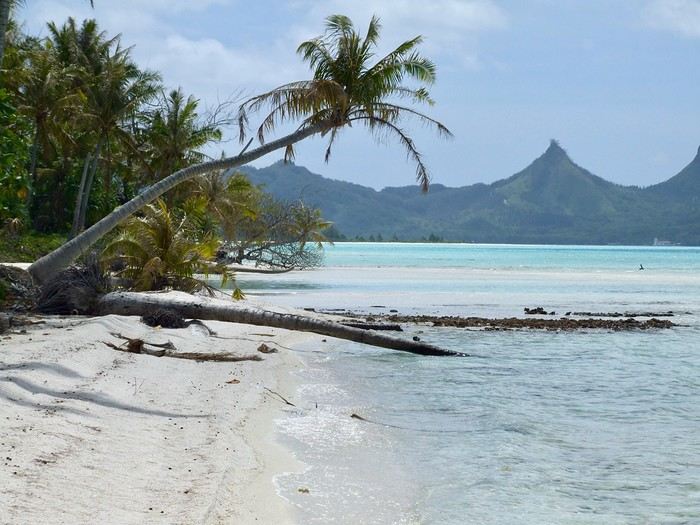
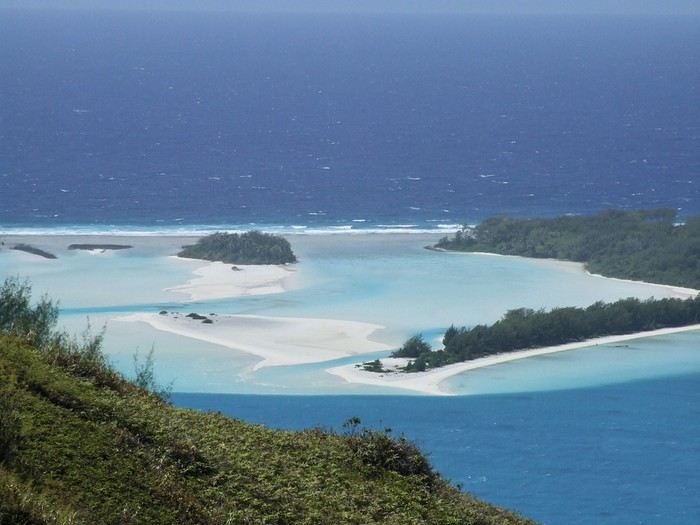 The "motu-pool"
{...} To be continued
Who among us hasn’t dreamed of having a ticket to Tahiti, Bora Bora, or the Marquesas in their pocket—preferably a one-way ticket to “paradise”?
Idyllic landscape of a dream island, but difficult to access: the Bay of Virgins in Fatu Hiva, Marquesas IslandsAmong the values conveyed by literature, tourism, and advertising is the quest for “elsewhere,” for a change of scenery, in the truest sense of the word—that is, the need to leave one’s country. This need for otherness, for difference, is projected onto dreamlike, idealized, even mythicized places. In our imaginary world, the island is often that place.
Yet we forget that islands have also been ideal prisons. The examples are numerous: Elba and Saint Helena, Alcatraz and Poulo Condor, If and Yeu, the Devil’s Islands and Leros. The latter, located in Greece in the Dodecanese, hosted a sinister forced labor camp during the colonels’ dictatorship as well as a psychiatric hospital. Despite the beauty of its bay, tourism has remained marginal there due to its bad reputation, unlike the neighboring island of Patmos.
I’d like to share a selection of about a dozen islands from across the world’s seas and oceans. For dreaming...
°°°°°°°°°°°°°°°
SANTORINI
July 27, 1967
At dawn, the ferry from Agios Nikolaos (Crete) enters the immense caldera of Santorini. From the ship’s deck, Rainer, my travel companion, and I are left in awe by the sight of these towering, multicolored cliffs looming over us. We disembark and begin the steep climb on foot via the winding mule path up to the village of Fira, the capital perched above the cliff. Though it’s still very early, we head to the youth hostel. There wasn’t a soul in the alleys that morning—or rather, there were only cats! I have a fond memory of that encounter with Santorini: a sensory shock, a breathtaking volcanic site, a harmony of blue, ochre-red, and white. A welcoming island, as it was traditional to welcome the xénou, an island that hadn’t yet fully recovered from the terrible 1956 earthquake, a Cycladic architectural marvel where local life was still preserved.
It’s easy to see why, in antiquity, the island was named Kallisté (καλλίστη), “the most beautiful,” as it’s nearly impossible to resist gazing at this landscape shaped by tectonic forces. Indeed, a massive volcanic cataclysm—the Minoan eruption—shaped this scenery in the 17th century BCE, creating a caldera that was quickly filled by the sea. The enormous tsunamis that followed reached Crete, leading to the disappearance of the Minoan civilization.
A cliffside path along the caldera leads us to the peaceful village of Oia, at the northern tip of the island. Blue-domed churches and flower-filled villages with whitewashed houses line the way. This walk is a continuous marvel, offering splendid views of the caldera and the neighboring islands formed by the breakup of the ancient volcano (Thirissa, Nea Kameni). Oia is a large, picturesque village, like Fira perched on the cliff’s edge, which was severely damaged by the 1956 earthquake, and its scars are still visible. Its cave-like houses with vaulted roofs haven’t yet been turned into luxury hotels or shops. Absolute tranquility reigns here.
Oia in 1967—a peaceful village overlooking the caldera. But where are the pools and trendy bars?A lush countryside covered in olive trees and vineyards welcomes us for a pleasant hike, interrupted by the kindness of a friendly islander who gives us a lift in his truck for a few kilometers. He’s off to harvest his tomatoes, which he grows at the foot of Pyrgos Hill. The delicious little cherry tomato of Santorini earned an EU Protected Designation of Origin (PDO) in 2013. We climb up to the village of Pyrgos, perched on a hill and dominated by the elegant bell tower of its church. Finally, we reach the black sand beach of Kamari on the island’s eastern coast to enjoy a swim.
{...} To be continued
°°°°°°°°°°°°°°°°°
RAIVAVAE (French Polynesia)
November 15, 2007
Éléonore from Pension Tama welcomes us with traditional flower leis, as if she’d been waiting for old friends she hadn’t seen in ages. The small airport terminal is lively, the atmosphere warm—people hugging, rejoicing in reunions, all under kilos of flowers. Then, just as quickly, the place empties until the next flight... in a few days.
In the Austral Islands, a ninety-minute flight from Tahiti, Raivavae is a world away from the frenetic pace of Papeete or the tourist crowds of the Leeward Islands. The true paradise of the South Seas can still be savored here—it’s a bit like Bora Bora half a century ago. Our first feeling upon arriving on this island is wonder, with smiles that could melt even the gloomiest among us, landscapes so stunning they take your breath away, and above all, a sense of disorientation and fulfillment. Picture a mountainous island, about ten kilometers by three and a half, encircled by a coral reef and wild motu, cradling a lagoon with shades of blue that would make Bora Bora green with envy.
The roughly one thousand inhabitants of Raivavae are spread across four villages around the island. Children are everywhere, as is typical in Polynesia, and they greet you with open, genuine smiles. Here, ancestral values have survived progress. The predominantly Protestant population is very devout, as evidenced by the several temples built across the island. Religious fervor sets the rhythm of daily life. Sundays are reserved for worship and Sunday school (catechism). Work is forbidden on that day, and tourist activities are suspended. These rules are strict and respected.
Hat contest for the worship celebrationYet a sense of resignation is ever-present. The people of Raivavae know they are—and will remain—isolated. Despite the construction of an airstrip in 2004 and a few weekly flights to Tahiti and its nearest neighbor, Tubuai (200 km away), the island remains on the fringes of the world. One painful aspect is the separation of children from their parents when they leave for middle school in Tubuai starting in fifth grade. Television brings daily images of a world the islanders will likely never know, but one they often aspire to.
We are privileged. We have the pristine white-sand beaches of the motu and some of the most beautiful bays in Polynesia all to ourselves. The jewel in the crown, the island’s emblematic spot, is the “motu-pool,” about twenty minutes by boat. A natural, exquisite basin with crystal-clear water, gradients of blue, and white sand. And best of all, there’s almost no one there. In fact, lounging on the beach is frowned upon, especially for young women. Religion looks very unfavorably on sunbathing and lazing around. And yet, everything here leans toward that philosophy of life.
The "motu-pool"{...} To be continued
Retour d'une croisière Ponant sur les côtes bretonnes English translation pending
Bonjour à tous,
Bienvenue à tous si vous souhaitez embarquer une seconde fois cette saison* pour cette magnifique croisière sur les côtes françaises. Elle nous a conduit sur quelques-unes des très belles îles de la Bretagne et fait découvrir des paysages remarquables.
*CR de PapiJP35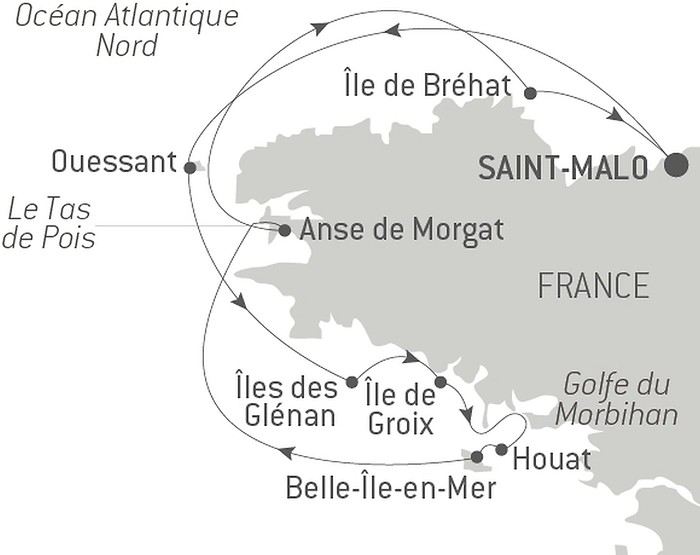
Samedi 29 août 2020, embarquement
Nous sommes depuis deux jours à Saint-Malo, et après qu’il ait plu toute la nuit, le ciel de ce matin est bas, lourd et noir. Nous nous y étions mentalement préparés. J’avais choisi cette semaine en prenant garde d’éviter celle des grandes marées (souvent propice au mauvais temps), mais la météo nous annonce tout de même une semaine catastrophique. Notre première préoccupation est d’aller vérifier que le bateau est bien arrivé. Rituel tellement plaisant, qui gonfle le cœur de joie.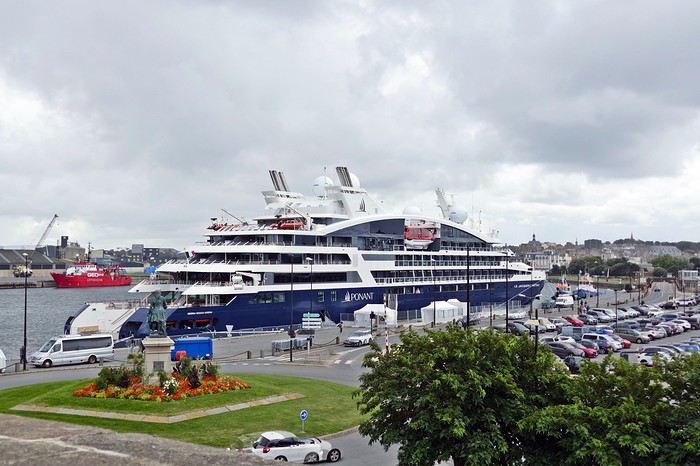 Nous marchons le long du port de plaisance sous ce lourd ciel breton, et oui, le Jacques Cartier est bien amarré au pied des remparts. La balade est très plaisante, le bateau est beau et parait imposant dans ce petit port à taille humaine, la ville est belle…. Et je monte sur mon petit nuage de bonheur pour ne plus en redescendre avant une semaine.
Pour la durée de la croisière Ponant nous a proposé de laisser la voiture sur un parking qui se situe à 2.7 km du port, le prix est de 3.30€ par jour et des navettes sont mises en place pour transférer les passagers jusqu’au bateau.
Nous avons cependant préféré laisser notre voiture au parking Qpark juste devant la porte d’entrée principale de la vieille ville parce que c’est un parking couvert, nous avons payé 55€ pour la semaine et nous sommes à 5 minutes à pieds du bateau (600m). Très bien, s’il ne pleut pas.
Après une très belle averse en début d’après-midi qui a vidé les rues de la ville en quelques minutes, nous embarquons à 16 h sous le soleil. Des tentes sont installées sur le port en guise de terminal de croisière, et dès notre arrivée nous sommes accueillis avec beaucoup de gentillesse et de prévenance.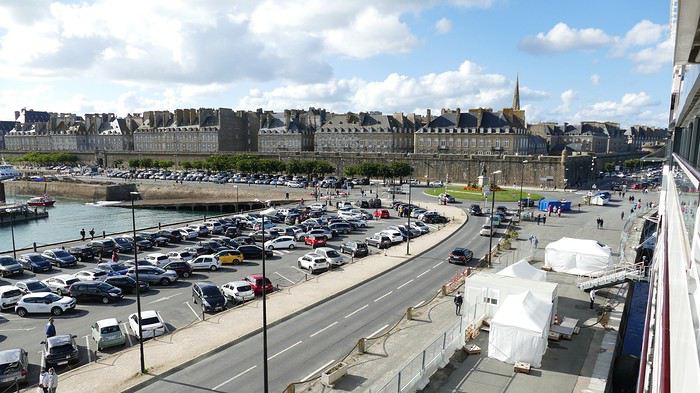 En dépit des mesures covid, nous arrivons à notre cabine en 20 minutes et nos bagages nous ont déjà précédés. Nous avons à ce moment le grand plaisir de découvrir que nous avons été surclassés au pont 4. Nous devons ce cadeau au Directeur des Départements Hôteliers de PONANT. En effet ce Monsieur était avec nous sur le LYRIAL en Corse, en télé travail 😉. Souvent mon mari a discuté avec lui et à la fin de la croisière il a dit qu’il nous réservait une surprise pour notre Croisière en Bretagne. Nous n’y pensions plus, et nous avons été contents et très touchés de cette généreuse surprise.
La différence entre les cabines du pont 3 et celles du pont 4 se porte au niveau du balcon. Au pont 3, la partie au-dessous de l’appui en bois est pleine et l’on ne voit pas la mer. Au pont 4 cette partie sous l’appui en bois est en verre et cela donne plus de lumière et une jolie vue lorsque l’on est assis.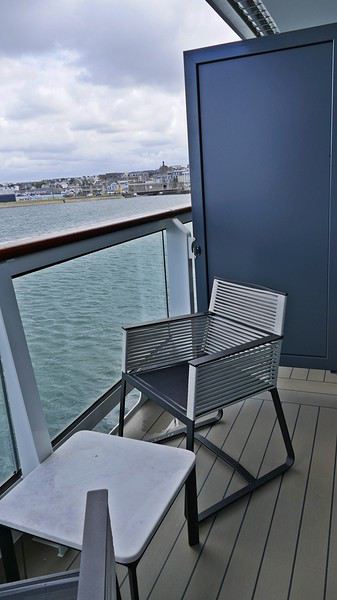 Le bateau est tout neuf, dans des tons très harmonieux, reposants, et clairs. La décoration est épurée dans des matières naturelles aux tons doux et confortables.
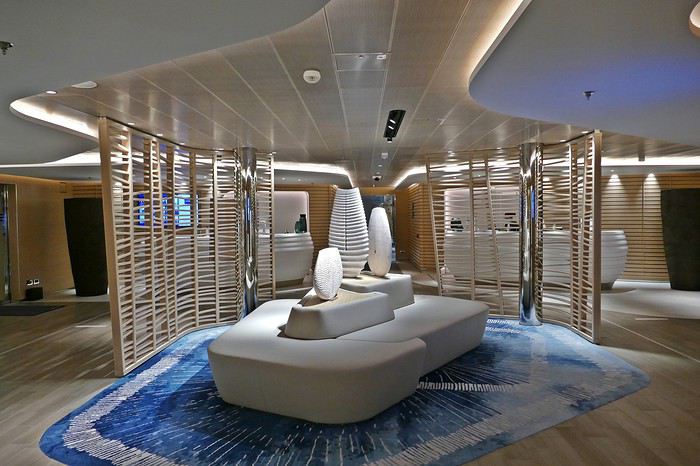 Très beau et original le plafond miroir du grand salon.
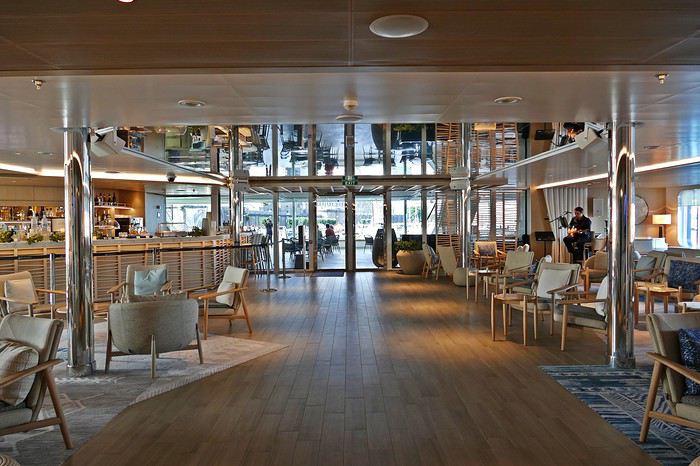 Et très lumineux le salon panoramique avec de larges baies vitrées qui permettent une vue très dégagée.
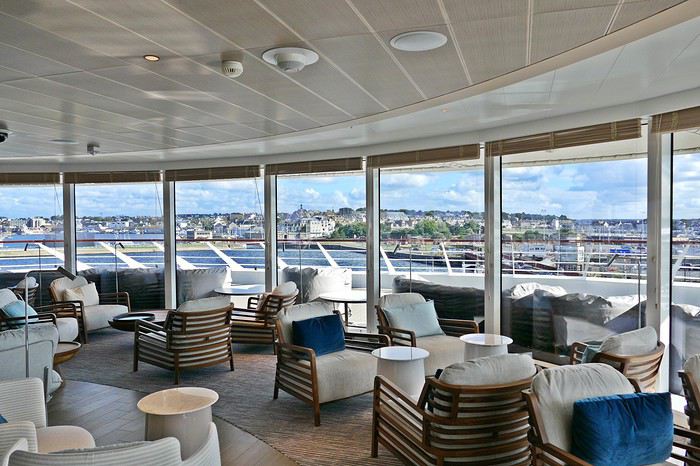 En juillet nous avions sur le LYRIAL des produits Hermès en petits flacons individuels, cette fois ce sont des produits Clarins en distributeurs, les marques françaises sont très présentes, dans tous les domaines, partout sur le bateau, y compris à table et dans la boutique.
Cette fois, nous sommes 68 passagers à embarquer sur cette croisière pour 107 membres d’équipage. Des naturalistes nous avons appris que la compagnie espérait 70 passagers par croisière pour être satisfaite de ces croisières dans les conditions hors normes et exceptionnelles de cet été 2020. Ils nous ont dit aussi que si cet objectif était atteint cette destination pourrait être reconduite l’année prochaine. Cette version est bien différente de ce que peuvent écrire certains journalistes et me semble plus cohérente. Qui a pu croire que des bateaux feraient le plein un été comme celui-ci ? Ces bateaux-là, eux, ne sont pas restés vides et à quai.
Ce programme sur les côtes françaises a été monté en trois mois, entre les contacts à prendre et les autorisations à obtenir, quand il faut deux ans habituellement pour établir un nouvel itinéraire. Ce qui est plutôt une belle prouesse.
*CR de PapiJP35
Samedi 29 août 2020, embarquement
Nous sommes depuis deux jours à Saint-Malo, et après qu’il ait plu toute la nuit, le ciel de ce matin est bas, lourd et noir. Nous nous y étions mentalement préparés. J’avais choisi cette semaine en prenant garde d’éviter celle des grandes marées (souvent propice au mauvais temps), mais la météo nous annonce tout de même une semaine catastrophique. Notre première préoccupation est d’aller vérifier que le bateau est bien arrivé. Rituel tellement plaisant, qui gonfle le cœur de joie.
Nous marchons le long du port de plaisance sous ce lourd ciel breton, et oui, le Jacques Cartier est bien amarré au pied des remparts. La balade est très plaisante, le bateau est beau et parait imposant dans ce petit port à taille humaine, la ville est belle…. Et je monte sur mon petit nuage de bonheur pour ne plus en redescendre avant une semaine.Pour la durée de la croisière Ponant nous a proposé de laisser la voiture sur un parking qui se situe à 2.7 km du port, le prix est de 3.30€ par jour et des navettes sont mises en place pour transférer les passagers jusqu’au bateau.
Nous avons cependant préféré laisser notre voiture au parking Qpark juste devant la porte d’entrée principale de la vieille ville parce que c’est un parking couvert, nous avons payé 55€ pour la semaine et nous sommes à 5 minutes à pieds du bateau (600m). Très bien, s’il ne pleut pas.
Après une très belle averse en début d’après-midi qui a vidé les rues de la ville en quelques minutes, nous embarquons à 16 h sous le soleil. Des tentes sont installées sur le port en guise de terminal de croisière, et dès notre arrivée nous sommes accueillis avec beaucoup de gentillesse et de prévenance.
En dépit des mesures covid, nous arrivons à notre cabine en 20 minutes et nos bagages nous ont déjà précédés. Nous avons à ce moment le grand plaisir de découvrir que nous avons été surclassés au pont 4. Nous devons ce cadeau au Directeur des Départements Hôteliers de PONANT. En effet ce Monsieur était avec nous sur le LYRIAL en Corse, en télé travail 😉. Souvent mon mari a discuté avec lui et à la fin de la croisière il a dit qu’il nous réservait une surprise pour notre Croisière en Bretagne. Nous n’y pensions plus, et nous avons été contents et très touchés de cette généreuse surprise.La différence entre les cabines du pont 3 et celles du pont 4 se porte au niveau du balcon. Au pont 3, la partie au-dessous de l’appui en bois est pleine et l’on ne voit pas la mer. Au pont 4 cette partie sous l’appui en bois est en verre et cela donne plus de lumière et une jolie vue lorsque l’on est assis.
Le bateau est tout neuf, dans des tons très harmonieux, reposants, et clairs. La décoration est épurée dans des matières naturelles aux tons doux et confortables.
Très beau et original le plafond miroir du grand salon.
Et très lumineux le salon panoramique avec de larges baies vitrées qui permettent une vue très dégagée.
En juillet nous avions sur le LYRIAL des produits Hermès en petits flacons individuels, cette fois ce sont des produits Clarins en distributeurs, les marques françaises sont très présentes, dans tous les domaines, partout sur le bateau, y compris à table et dans la boutique.Cette fois, nous sommes 68 passagers à embarquer sur cette croisière pour 107 membres d’équipage. Des naturalistes nous avons appris que la compagnie espérait 70 passagers par croisière pour être satisfaite de ces croisières dans les conditions hors normes et exceptionnelles de cet été 2020. Ils nous ont dit aussi que si cet objectif était atteint cette destination pourrait être reconduite l’année prochaine. Cette version est bien différente de ce que peuvent écrire certains journalistes et me semble plus cohérente. Qui a pu croire que des bateaux feraient le plein un été comme celui-ci ? Ces bateaux-là, eux, ne sont pas restés vides et à quai.
Ce programme sur les côtes françaises a été monté en trois mois, entre les contacts à prendre et les autorisations à obtenir, quand il faut deux ans habituellement pour établir un nouvel itinéraire. Ce qui est plutôt une belle prouesse.
Come discover the North Shore
INTRODUCTION
Travel journal updated in MAY 2025
Since our travel plans outside Canada were canceled due to Covid-19, we decided to take our vacation in Quebec this summer and cover over 5,270 kilometers to explore the various tourist attractions of the North Shore and Gaspésie.
This summary will cover our experiences on the North Shore, while Gaspésie will be the subject of a future summary.
The North Shore, known for its stunning nature, is the perfect spot for outdoor enthusiasts since you can enjoy activities like hiking, wildlife observation, sea kayaking, fishing, and hunting (to name just a few).
It’s also one of the best places in the world to see whales.
Our journey along the North Shore took place between the villages of Tadoussac and Kegaska, as Route 138 ends at the beautiful, long beach in Kegaska.
Travel journal updated in MAY 2025
Since our travel plans outside Canada were canceled due to Covid-19, we decided to take our vacation in Quebec this summer and cover over 5,270 kilometers to explore the various tourist attractions of the North Shore and Gaspésie.
This summary will cover our experiences on the North Shore, while Gaspésie will be the subject of a future summary.
The North Shore, known for its stunning nature, is the perfect spot for outdoor enthusiasts since you can enjoy activities like hiking, wildlife observation, sea kayaking, fishing, and hunting (to name just a few).
It’s also one of the best places in the world to see whales.
Our journey along the North Shore took place between the villages of Tadoussac and Kegaska, as Route 138 ends at the beautiful, long beach in Kegaska.
Tibet en individuel sac à dos en 1998, randos, autostop... English translation pending
LHASSA
Le 31 mars 1998 je prends l'avion de Chengdu, j'ai acheté le vol avec le permis à une agence locale. L'avion part à 7 heures, je vois le Gongga Shan, ensuite couvert. A l'aéroport, on ne perd pas de temps, aucun contrôle, un minibus neuf nous emmène à Lhassa, Le trajet est déjà long, sur une bonne route le long du fleuve, dans une large vallée, les montagnes sont saupoudrées d'un peu de neige fraiche. Je discute avec Didier, un Français qui prend quelques jours de vacances de son job à Shanghai et nous prenons ensemble une chambre à l'hôtel Yak, très bien, avec un balcon. Lhassa ressemble en grande partie aux villes chinoises, mais ici nous sejournons dans les quartiers tibétains. Il fait froid, surtout le vent, et on ressent l'altitude. Nous trouvons le Tashi, le restaurant Népalais simple qui sert de quartier général aux backpackers étrangers avec un menu à l'avenant, bon on y mange très moyennement. Après une ou deux heures de repos, nous faisons un tour de l'énorme marche du Barkhor, Parmi les étals, de grandes mottes de beurre ! Beaucoup de Tibétains sont habillés de manière traditionnelle. Le soir nous dinons dans un restaurant tibétain peu touristique.
1/4 Nous allons visiter le Jokhang, on brule de l'encens à l'entrée, les pèlerins se prosternent sur le ventre. A l'intérieur il faut suivre le flot en sens impose pour entrer dans les petites chapelles, on monte aussi sur le toit. Didier loue un velo, je vais au Potala avec son dédale d'immenses salles, on ne se bouscule pas, quelques visiteurs tibétains. Je retrouve Didier à la sortie et nous dejeunons de thukpa et de the au beurre salé dans une petite échoppe, entourés de mendiants. Je continue un tour à pied dans le coin, un petit temple sympa, les chortens et les fresques sur les rochers derrière, puis je continue dans le Lhasa moderne et ses supermarchés.
On n'a pas le droit de visiter tout le Tibet par soi même, le soir je discute au Tashi avec d'autres voyageurs pour un tour organisé a Samye, mais cela coute cher, nous devrions être 6 pour remplir le 4x4, et finalement cela ne se fera pas. Je vais plutôt voyager seul aux endroits qui sont autorisés.
SERA
2/4 Nous allons à la boulangerie et achetons un picnic. A 10 heures 30 nous prenons le minibus numéro 5 pour le monastère de Sera, avec les pèlerins tibétains, on fait ensemble le tour des principaux halls et chapelles, il y a des moines et de l'activité. Puis nous profitons du plein air, nous trompons dur à flanc de coteau au dessus du monastère jusqu'à un autre petit ou nous sommes bien accueillis. Nous jouissons d'une belle vue sur Lhassa et ses énormes banlieues modernes. Nous voulons assister a la séance de débats des moines, mais cela nous est interdit. Après cela, nous revenons crevés. Nous dinons au Third Eye d'un très bon repas népalais, le service a été lent.
GANDEN
3/4 Je me lève à 6 heures, je sors dans le noir et le froid dans la ville endormie pour attraper l'unique bus de pèlerins qui va au monastère de Ganden, avec ses sièges très serres et tous remplis. La bonne route se transforme en piste et cela se termine par 20 ou 30 lacets. Je suis venu seul, je suis les tibétains à l'intérieur, les moines sont sympas, dans une salle ils prient et dans une autre ils chantent. Plusieurs grands bâtiments ont été reconstruits récemment dans un style ancien, je visite l'imprimerie des prières. A l'extérieur, je fais le tour de la kora, très tranquille. Je monte ensuite un chemin vers un petit sommet avec un peu de neige, pour mon picnic. Belle vue sur la vallée avec ses hameaux, les champs bruns, les troupeaux de yaks. Le bus revient à 1 heure, je suis assommé par l'altitude.
4/4 Didier retourne a Shanghai, du coup je change de logement pour un hôtel moins cher, le Kirey, des rangées de chambres simples sur plusieurs étages autour d'une cour, avec des sanitaires communs. La chambre est propre et tranquille, et je rencontre Michel, un Français qui séjourne souvent au Tibet, on discutera beaucoup et il va me conseiller utilement. J'ai attrapé un rhume, je me repose, je me ballade aussi dans le vieux quartier jusqu'au Jokhang et la mosquée. Le restaurant Tashi, possède une copie du meilleur guide du Tibet, le très épais 'Tibet a pilgrimage guide' de V.Chan, qui couvre des endroits peu connus, décrit des randonnées avec des cartes schématiques, je l'étudie pour préparer la suite du voyage. Le soir je trouve dans le quartier un excellent petit restaurant sichuanais avec un menu en Anglais, le Yuyi, qui sert d'énormes portions.
DREPUNG
5/4 J'ai un problème dans le haut du dos et je ne me sens pas assez en forme pour déjà commencer des excursions aventureuses loin de Lhassa. Je vais juste en minibus au monastère de Drepung, j'en fais le tour, y compris les bâtiments en ruine à l'arrière, je me promène le long d'un ruisseau et monte à flanc de coteau jusqu'au petit temple de Gephel Ritro, aussi des etables ici. Je reçois du the tibétain et du pain. Le temps change vite entre soleil, greles, et nuages esthétiques.
TSURPHU
6/4 Je continue ma tournée des monastères. Tôt le matin, je vais prendre le bus des pèlerins pour Tsurphu, déjà plus éloigné au bout d'une piste affreuse dans une vallée scénique, villages, paysans savourant leur champ avec des yaks. Je suis mal assis à l'arrière et très secoué, il y a un seul autre touriste. Tsurphu est un grand monastère, en travaux, avec beaucoup de jeunes moines, et domine la vallée. Les pèlerins viennent ici pour la bénédiction à 12 heures de la réincarnation d'un lama très vénéré, le Karmapa, un enfant de 12 ans , mais je n'y vais pas. Je préfère faire la kora et aller manger mon picnic dans la montagne, j'ai pris l'habitude d'acheter des pains ronds chez un boulanger musulman.
Namibie, quand tu nous tiens! English translation pending
Bonjour à tous.
Depuis quelques années les aleas de la vie professionnelle font qu'il ne nous est plus possible d'organiser nos voyages longtemps à l'avance et encore une fois cela s'est vérifié!. Un trou entre 2 contrats de travail c'est l'occasion à saisir pour changer d'air! Faire le tour des possibles entre ce qui nous fait vibrer, la saison, les difficultés d'organisation, les coûts et surgit une évidence: ce sera en Namibie que nous retournerons! En plus Claude, mon épouse, voulait découvrir le Richtersveld et sa flore si particulière et incroyable et le récit de Ticapi (merci à elle et à son magnifique carnet)nous avait tellement séduit que nous avons dit banco c'est jouable!
On achète donc les billets d'avion le mardi pour un vol le jeudi, on trouve une voiture avec sa tente de toit et le tour est joué!
On se retrouve donc le Vendredi 7 Février au Lodge "Auas safari lodge" pour 3 semaines de balade. Nous apprécions beaucoup ce lodge car il est perdu au milieu de la nature, l'accueil y est sympa, il est proche de Windhoek et de l'aéroport, et que l'on est de suite dans le bain car on peut y photographier pas mal d'oiseaux au bord de la petite mare.
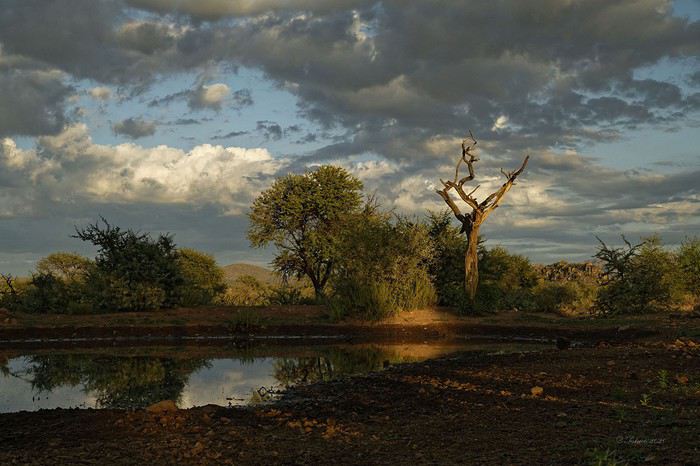
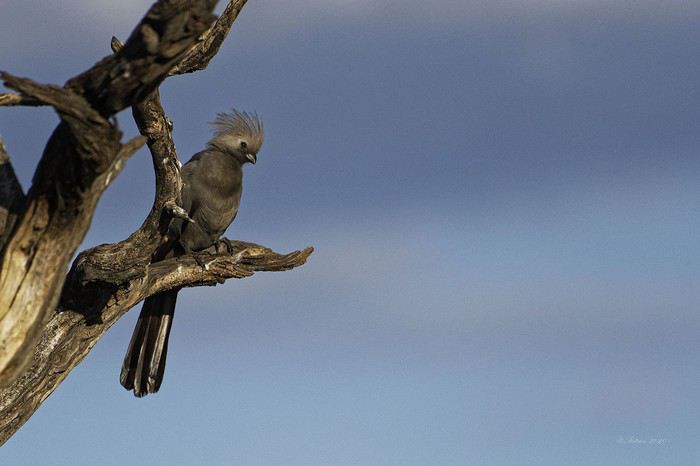
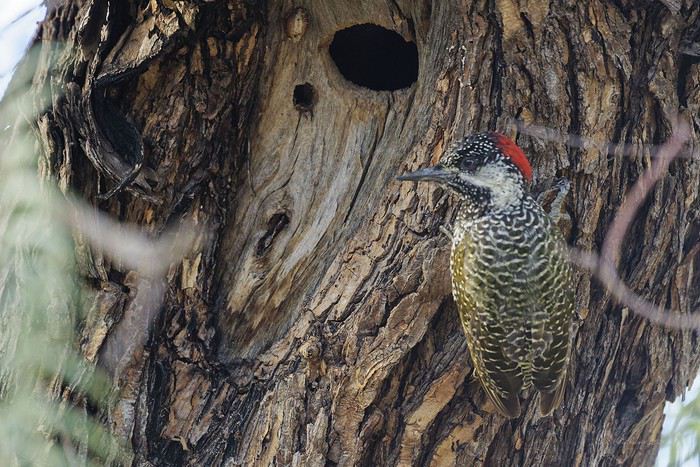
Ceci est important pour nous qui apprécions beaucoup l'image et la transmission d'une émotion, d'une certaine esthétique au travers de la photo, moteur de notre motivation à voyager. Pour notre virée nous avons hérité d'un Toyota à boîte automatique vieux d'un an avec un coffre tente sur le toit. Et, dès la 1ère nuit d'utilisation on verra que ce n'est pas le top. 2 photos pour montrer la différence: 2017: tente traditionnelle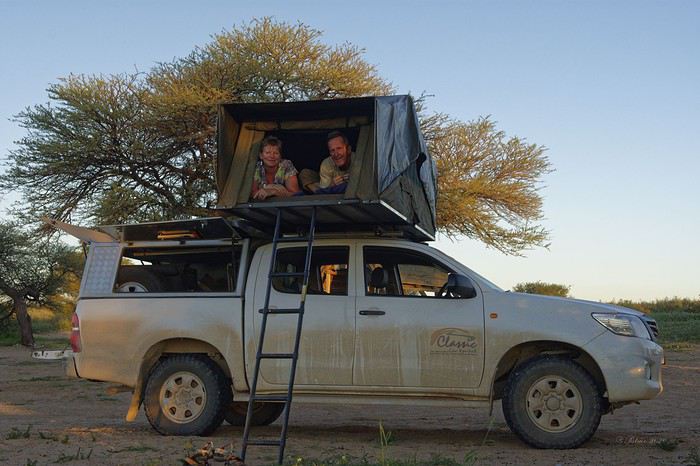
2020 tente coffre
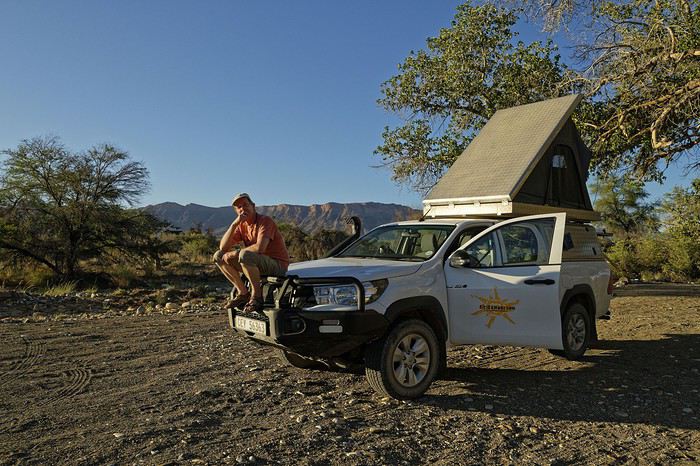
Le coffre métallique est plus facile a ouvrir et a fermer qu'une tente traditionnelle, mais beaucoup moins confortable car on dort dans le sens de la longueur et donc c'est moins large (les 2 oreillers se chevauchent et quand il fait chaud cela devient vite inconfortable… Par contre nous avons gagné un vrai réservoir d'eau de 50L équipé d'une pompe électrique et d'une douchette, ainsi que des lumières à leds dans la tente et dans la malle arrière ce qui est pratique. Pas oublier non plus tout le necessaire de camping, le frigo, le compresseur, les plaques de desensablement, les 2 roues de secours, les sangles de remorquage, les cables electiques, la mallette a outils de base, et 2 reservoirs de gasoil capacité totale 150L: Paré donc pour aller au bout du monde!!!
Nous n'irons que jusqu'au P.N. du Richtersveld, avant de poursuivre vers les chutes d'Augrabies et remonter par le P.N. Kgalagadi. Voyager dans ces contrées en Février c'est assurément avoir chaud, très chaud, c'est aussi risquer la pluie, les orages (hyper localisés, parfois très violents, très spectaculaires ) ou alors rien du tout; mais c'est aussi l'assurance d'avoir des ambiances, des lumières de folies…
Nous entamons notre descente ar le Parc du Naukluftet sa chaîne de montagne spectaculaire, parc connu pour ses trails riche en découvertes, sportifs, ses piscines d'eau claire perdues dans la montagne.

Notre camp de base
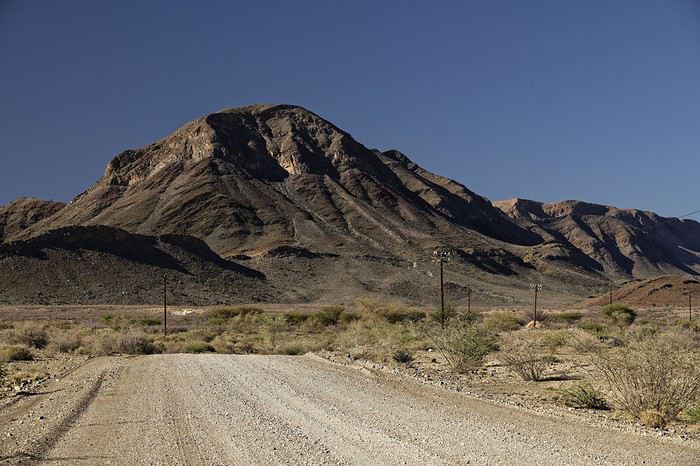
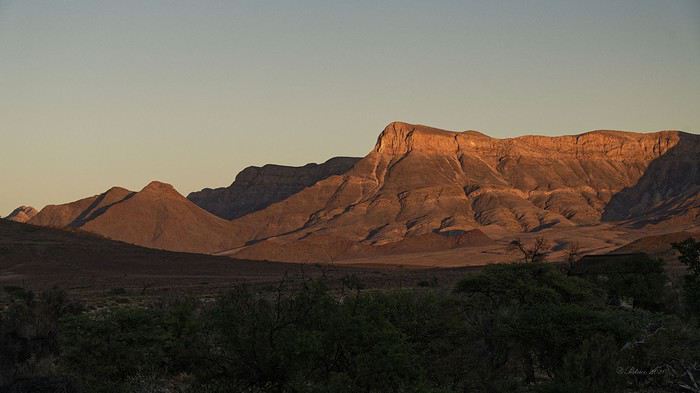
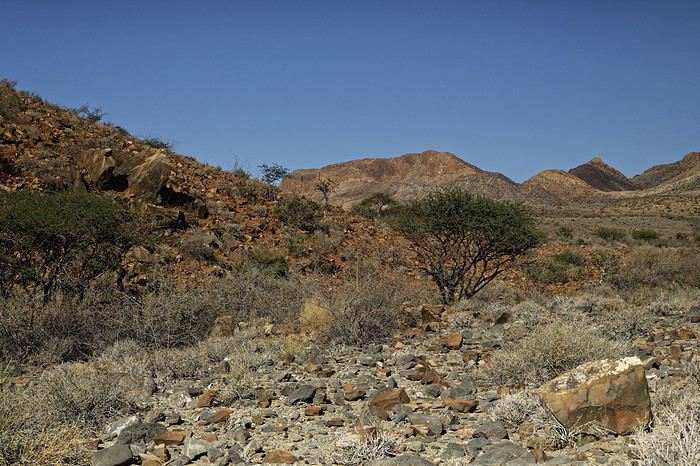
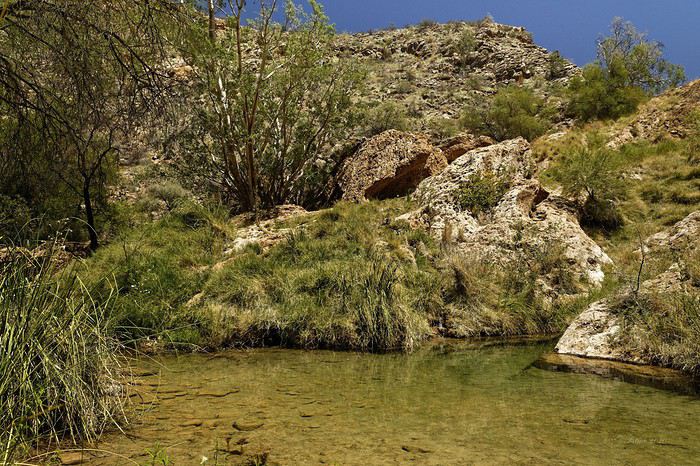
Nous découvrirons que même les Kokkerbaum peuvent souffrir de la sécheresse jusqu'à en mourir!
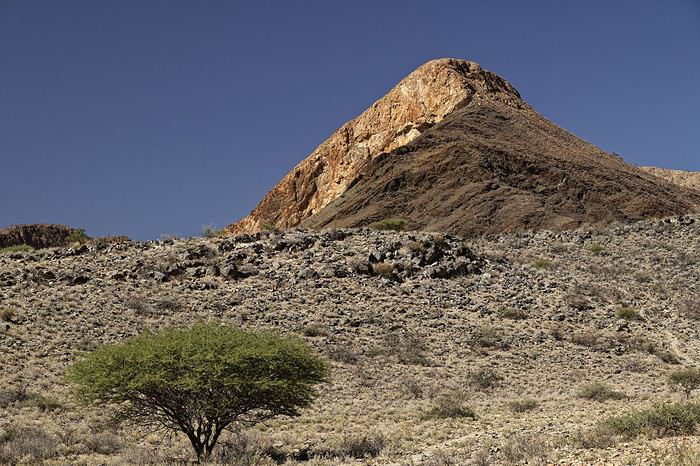
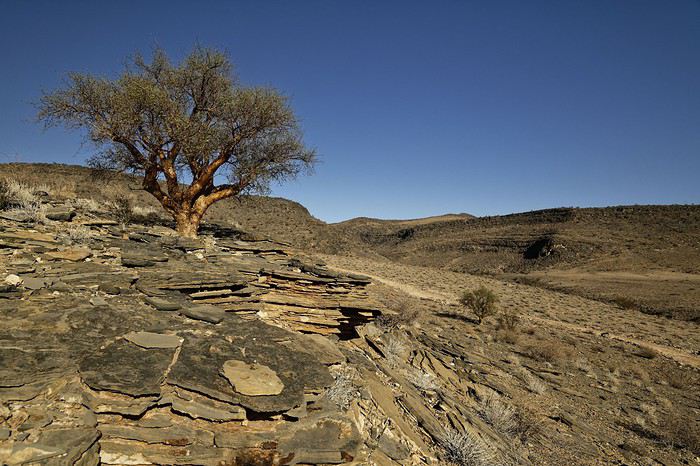
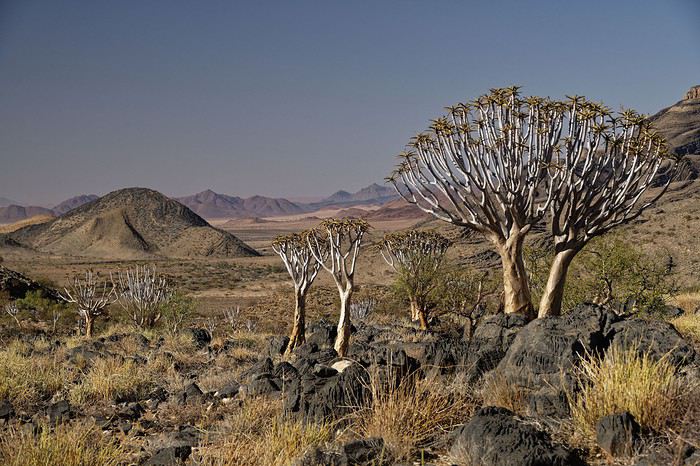
Bien sur un stop à Sesriem est inévitable, d'autant qu'il n'y a pas foule et que l'on peut profiter des paysages dans de belles conditions. Par contre nous ne verrons pas la faune traditionnelle des lieux: ni springboks, ni oryx.
Depuis quelques années les aleas de la vie professionnelle font qu'il ne nous est plus possible d'organiser nos voyages longtemps à l'avance et encore une fois cela s'est vérifié!. Un trou entre 2 contrats de travail c'est l'occasion à saisir pour changer d'air! Faire le tour des possibles entre ce qui nous fait vibrer, la saison, les difficultés d'organisation, les coûts et surgit une évidence: ce sera en Namibie que nous retournerons! En plus Claude, mon épouse, voulait découvrir le Richtersveld et sa flore si particulière et incroyable et le récit de Ticapi (merci à elle et à son magnifique carnet)nous avait tellement séduit que nous avons dit banco c'est jouable!
On achète donc les billets d'avion le mardi pour un vol le jeudi, on trouve une voiture avec sa tente de toit et le tour est joué!
On se retrouve donc le Vendredi 7 Février au Lodge "Auas safari lodge" pour 3 semaines de balade. Nous apprécions beaucoup ce lodge car il est perdu au milieu de la nature, l'accueil y est sympa, il est proche de Windhoek et de l'aéroport, et que l'on est de suite dans le bain car on peut y photographier pas mal d'oiseaux au bord de la petite mare.
Ceci est important pour nous qui apprécions beaucoup l'image et la transmission d'une émotion, d'une certaine esthétique au travers de la photo, moteur de notre motivation à voyager. Pour notre virée nous avons hérité d'un Toyota à boîte automatique vieux d'un an avec un coffre tente sur le toit. Et, dès la 1ère nuit d'utilisation on verra que ce n'est pas le top. 2 photos pour montrer la différence: 2017: tente traditionnelle
2020 tente coffre
Le coffre métallique est plus facile a ouvrir et a fermer qu'une tente traditionnelle, mais beaucoup moins confortable car on dort dans le sens de la longueur et donc c'est moins large (les 2 oreillers se chevauchent et quand il fait chaud cela devient vite inconfortable… Par contre nous avons gagné un vrai réservoir d'eau de 50L équipé d'une pompe électrique et d'une douchette, ainsi que des lumières à leds dans la tente et dans la malle arrière ce qui est pratique. Pas oublier non plus tout le necessaire de camping, le frigo, le compresseur, les plaques de desensablement, les 2 roues de secours, les sangles de remorquage, les cables electiques, la mallette a outils de base, et 2 reservoirs de gasoil capacité totale 150L: Paré donc pour aller au bout du monde!!!
Nous n'irons que jusqu'au P.N. du Richtersveld, avant de poursuivre vers les chutes d'Augrabies et remonter par le P.N. Kgalagadi. Voyager dans ces contrées en Février c'est assurément avoir chaud, très chaud, c'est aussi risquer la pluie, les orages (hyper localisés, parfois très violents, très spectaculaires ) ou alors rien du tout; mais c'est aussi l'assurance d'avoir des ambiances, des lumières de folies…
Nous entamons notre descente ar le Parc du Naukluftet sa chaîne de montagne spectaculaire, parc connu pour ses trails riche en découvertes, sportifs, ses piscines d'eau claire perdues dans la montagne.
Notre camp de base
Nous découvrirons que même les Kokkerbaum peuvent souffrir de la sécheresse jusqu'à en mourir!
Bien sur un stop à Sesriem est inévitable, d'autant qu'il n'y a pas foule et que l'on peut profiter des paysages dans de belles conditions. Par contre nous ne verrons pas la faune traditionnelle des lieux: ni springboks, ni oryx.
Roadtrip famille en Namibie English translation pending
Juillet 2019 le moment du départ pour la Namibie arrive enfin!
Voici presque 2 ans que nous attendons ce moment.
Nous avions envisagé de partir en Namibie en juillet 2018. Nous avons commencé à faire les "démarches" ( location de 4X4 et réservation des campings dans les parcs) en decembre 2017. Seulement voilà, on s'y était pris bien trop tard. plus de vehicule dispo et pas de place ni dans ni à proximité de certaines réserves notamment Etosha. La tentative a échoué même en passant par une agence. Alors on a commencé à reserver un an à l'avance , ce qui ne nous arrive jamais et on a attendu, ... attendu, ....attendu......Mais ça en valait la peine.
Par flemme dans l'organisation on est passé par Tourmaline pour gérer les réservations. Ils ont été parfait… Aucune anicroche.
J0 sam 13 juillet 2019 Paris 12h15 --> Francfort 13h45 AIR France Francfort 20h10 --> Windhoek 6h30 Air Namibia
J1 dim 14 juillet
C'est bien de prévoir un vol qui arrive le matin car il y a pas mal de chose à faire
- arrivée chez le loueur ( ASCO car Hire) 2h après atterrissage
- Prise en main du véhicule chez le loueur avec vérification complète du matériel de camping tentes montage et démontage inventaire matériel de cuisine… 2h00 minimum Etat du véhicule nickel ( propreté , état des pneus...) .Vu la poussiere ambiante et l'état de retour des véhicules, on peut même se demander comment ils reussissent à obtenir un tel résultat Nous avons opté pour un 4X4 équipé car nous allons dans le Kaokaland jusqu'à Purros en autonomie ( mais nous y reviendrons)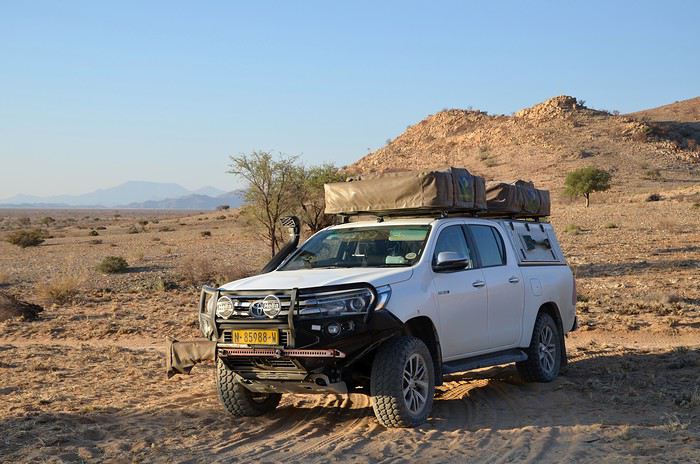
- Briefing avec l'agent de tourmaline 1h30 ( secu routiere++)
- Courses alimentaires
Nuit au Londiningi BB guest house accueil sympathique , cuisine excellente , chambres familliales irreprochables J2 lundi 15 juillet Windhoek à Sesriem 330 km 5/6h Pour accéder à Sesriem deux possibilités soit via la Pass Spreetghoote (Piste C24 puis 1261 et 1275) et ensuite Solitaire, itinéraire le plus spectaculaire .Pass réputée dangereuse, le dénivelé est important et risques si fortes pluies de passagesdans des cuvettes. itinéraire interdit aux véhicules avec remorque. C'est cet itiniraire que nous avons pris sans regret. c'est splendide. et Solitaire (qui porte bien son nom) trés pittoresque. En plus on y trouve des tartes aux pommes délicieuses (le classique du coin)
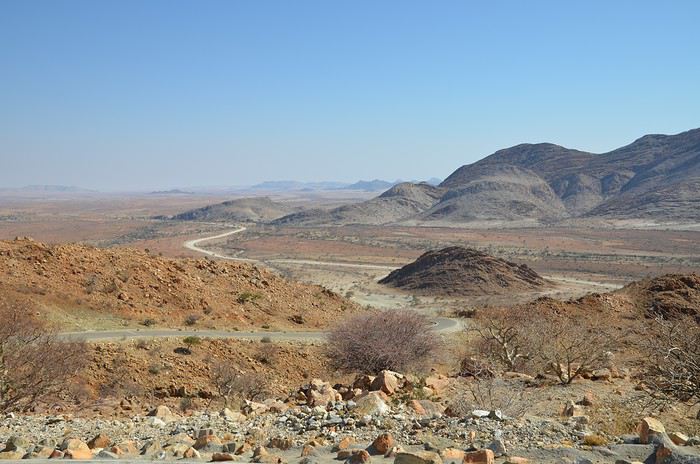
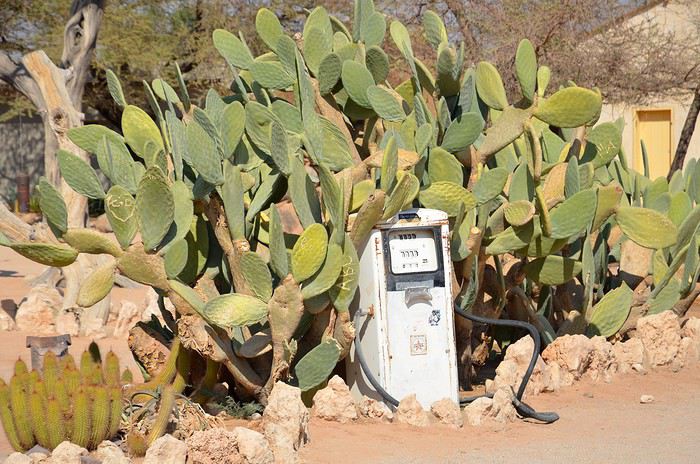
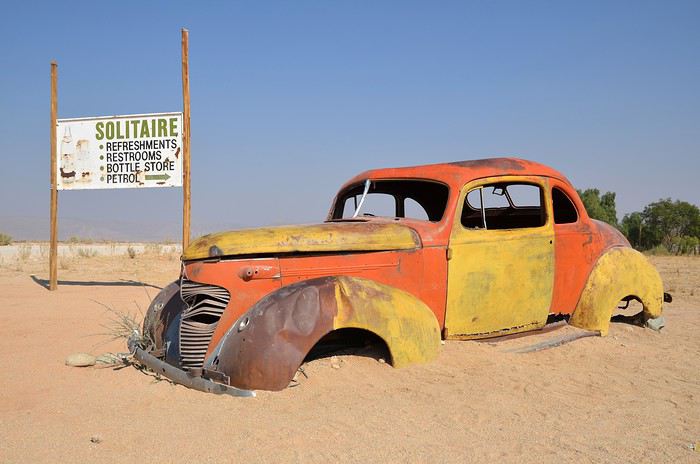
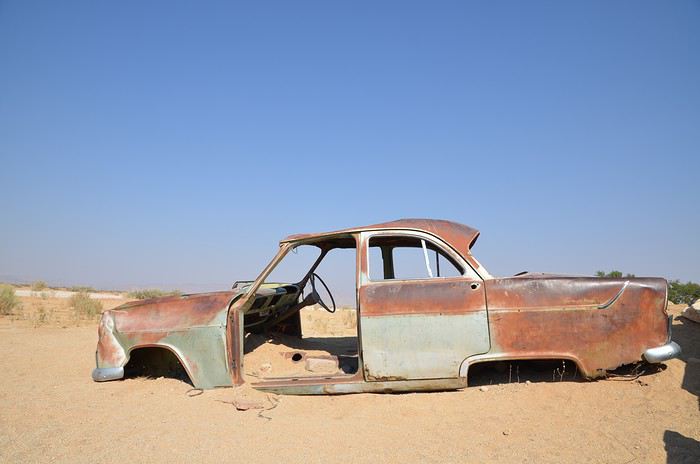
L’autre itinéraire plus facile se fait via Bullsport (Pistes C24, M47 puis 1206 et ensuite D854). Nuit à Seriem camp site Ce camp est situé dans l'enceinte du Parc national du Namib Naukluft ce qui permet l'accès au Parc 1h00 avant le lever du soleil. C'est un camp très fréquenté et relativement bruyant, sans charme mais c'est le point de départ idéal pour partir à Sossusvlei tôt le matin.
Par flemme dans l'organisation on est passé par Tourmaline pour gérer les réservations. Ils ont été parfait… Aucune anicroche.
J0 sam 13 juillet 2019 Paris 12h15 --> Francfort 13h45 AIR France Francfort 20h10 --> Windhoek 6h30 Air Namibia
J1 dim 14 juillet
C'est bien de prévoir un vol qui arrive le matin car il y a pas mal de chose à faire
- arrivée chez le loueur ( ASCO car Hire) 2h après atterrissage
- Prise en main du véhicule chez le loueur avec vérification complète du matériel de camping tentes montage et démontage inventaire matériel de cuisine… 2h00 minimum Etat du véhicule nickel ( propreté , état des pneus...) .Vu la poussiere ambiante et l'état de retour des véhicules, on peut même se demander comment ils reussissent à obtenir un tel résultat Nous avons opté pour un 4X4 équipé car nous allons dans le Kaokaland jusqu'à Purros en autonomie ( mais nous y reviendrons)
- Briefing avec l'agent de tourmaline 1h30 ( secu routiere++)
- Courses alimentaires
Nuit au Londiningi BB guest house accueil sympathique , cuisine excellente , chambres familliales irreprochables J2 lundi 15 juillet Windhoek à Sesriem 330 km 5/6h Pour accéder à Sesriem deux possibilités soit via la Pass Spreetghoote (Piste C24 puis 1261 et 1275) et ensuite Solitaire, itinéraire le plus spectaculaire .Pass réputée dangereuse, le dénivelé est important et risques si fortes pluies de passagesdans des cuvettes. itinéraire interdit aux véhicules avec remorque. C'est cet itiniraire que nous avons pris sans regret. c'est splendide. et Solitaire (qui porte bien son nom) trés pittoresque. En plus on y trouve des tartes aux pommes délicieuses (le classique du coin)
L’autre itinéraire plus facile se fait via Bullsport (Pistes C24, M47 puis 1206 et ensuite D854). Nuit à Seriem camp site Ce camp est situé dans l'enceinte du Parc national du Namib Naukluft ce qui permet l'accès au Parc 1h00 avant le lever du soleil. C'est un camp très fréquenté et relativement bruyant, sans charme mais c'est le point de départ idéal pour partir à Sossusvlei tôt le matin.
Du nord au sud de l'archipel philippin avec un détour par Singapour English translation pending
Bonjour,
Ce carnet qu'en principe je n'aurais pas du faire, il m'a été soufflé par certains membres de VF et en ces temps troublés de Covid-19, nous en avons justement du temps, quoi que pour certains pour une fois ils croulent sous le travail (il se reconnaîtra 😇)
Je vais vous conter (un bien grand mot pour moi, vu que je ne suis pas très à l'aise avec les mots) ce périple vous amènera à Banaue et ses magnifiques rizière en terrasses, au sud sur l'île de Siargao et au centre à sur l'île de Panglao
Il n'y aura pas d'animaux pétrifiés, de rochers à perte de vue et de champignons hallucinogènes (elle se reconnaitra)
Il a commencé par un vol à destination de Manilles via Doha,
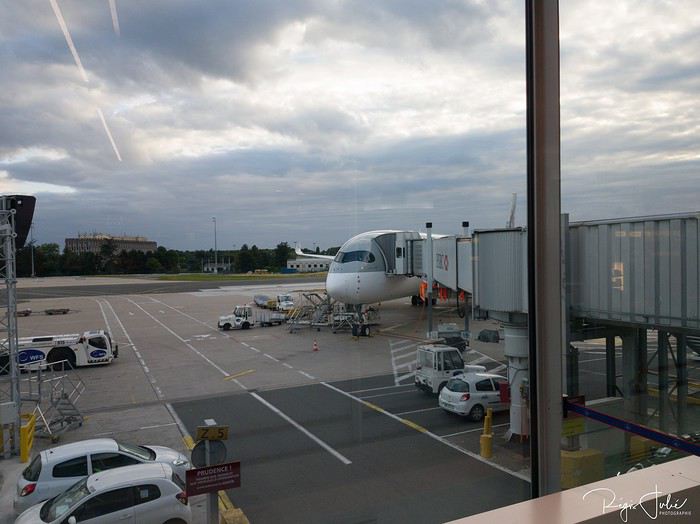
Une photo qui aurait eu sa place sur sans problème sur passenger shaming, ils nous a fait une très grande prestation jusqu'à Doha
On se retrouve bientôt à Manille 🙂
Ce carnet qu'en principe je n'aurais pas du faire, il m'a été soufflé par certains membres de VF et en ces temps troublés de Covid-19, nous en avons justement du temps, quoi que pour certains pour une fois ils croulent sous le travail (il se reconnaîtra 😇)
Je vais vous conter (un bien grand mot pour moi, vu que je ne suis pas très à l'aise avec les mots) ce périple vous amènera à Banaue et ses magnifiques rizière en terrasses, au sud sur l'île de Siargao et au centre à sur l'île de Panglao
Il n'y aura pas d'animaux pétrifiés, de rochers à perte de vue et de champignons hallucinogènes (elle se reconnaitra)
Il a commencé par un vol à destination de Manilles via Doha,
Une photo qui aurait eu sa place sur sans problème sur passenger shaming, ils nous a fait une très grande prestation jusqu'à Doha
On se retrouve bientôt à Manille 🙂
Botswana-Namibie octobre 2019... le retour English translation pending
Cette fois c’est à trois que nous ferons le voyage, un ami de longue date nous accompagnant.
A l’origine cela devait être notre premier voyage avec notre propre véhicule (stationné à Maun), malheureusement quelque temps avant mon contact sur place m’annonce qu’il y avait un « bruit » manifestement un problème au niveau de la boite de transfert. La pièce fautive devant venir d’Afrique du Sud le véhicule ne sera pas prêt pour notre venue. J’ai contacté Bushlore chez qui nous avions déjà loué un véhicule et ils nous ont appris qu’ils ont maintenant une agence à Maun et il ne leur reste plus qu’un Land Cruiser … nickel c’est la voiture reine sous ces latitudes. Nous acceptons, même si c’est plus cher que rouler avec notre propre véhicule, mais on n’a pas voulu annuler ou décaler le voyage.
C’est ainsi que nous partons, gaillards, de notre aéroport favori, Frankfurt le mardi 22 octobre à 22h40. Nous volerons sur Lufthansa. A titre d’information pour les futurs voyageurs, ça nous a couté moins cher d’acheter d’un côté un A/R FRA-JNB, de l’autre un JNB-MUB et en troisième un WDH-JNB, plutôt qu’un billet combiné.
Mercredi 23 octobre
Arrivée à 8h30 à JNB Vol BP212 Botswana Air à 11h20 … ça fait une longue escale ! Arrivée à Maun à 13h20
Sur place Bushlore nous attend, on va à leur agence faire l’état des lieux et remplir les papiers. Ensuite les courses, puis un tour chez Joe pour voir la voiture. Malheureusement, là il est déjà tard, on part de Maun vers 17h30 / 18h.
La piste de nuit vers Duncan Camp’s n’est pas top. On s’arrête une première fois demander notre route, le gars a les yeux rouges explosés … On voit une piste qui part à gauche et on voit les phares arriver de cette piste, chouette ça doit être là !... quand on arrive à leur hauteur on les hèle, dans le véhicule 4 noirs armés de fusils … aille, à mon avis ce sont des braconniers … pas cool tout ça.😮 On reprend la piste principale qui va vers Mababe. Le problème c’est que T4A ne connait pas la piste qui mène au camp et Osmand veut nous proposer des « raccourcis ». En fait il faut rester sur la piste principale jusqu’à ce qu’on croise un panneau indiquant le camp (de nuit c’est moins évident). La piste est très approximative et sablonneuse … ce qui devait arriver arriva, à un embranchement nous avons hésité entre deux ornières et on s’est ensablé. Ok, il fait nuit, ok on est au milieu de nulle part … pas de panique. Il ne faut surtout pas insister, on sort « tranquillement », on analyse la situation, pelletons un peu, une marche arrière, un choix d’ornières et c’est reparti. On navigue plus ou moins au cap car point de référence sur les cartes. Au bout d’un moment on voit de la lumière au loin et ouf c’est là !😎 Les gars du camp était venu à notre rencontre lorsqu’ils ont vu des phares se « promener ».
L’accueil a été chaleureux. Il n’y a que nous. Nous avons deux tentes sur les 4 dont dispose le camp. L’endroit est splendide au bord de la Thamalakane, l’ambiance aussi … incroyable, on n’arrive pas à s’imaginer qu’il y a encore quelques heures nous étions au milieu de la civilisation occidentale, frénétique. Qu’est-ce qu’on est bien.🙂 Ce n’est pas tout ça mais là il est temps de boire une petite bière …😛 Ensuite le chef viendra nous chercher, nous énoncera le menu. Vous n’imaginez pas comme on est bien là, seuls au milieu de la nature, avec les bruits des animaux, la douceur du climat, le sourire de nos hôtes et la bonne nourriture … génial nous sommes de nouveau en Afrique Australe. 🙂 😎
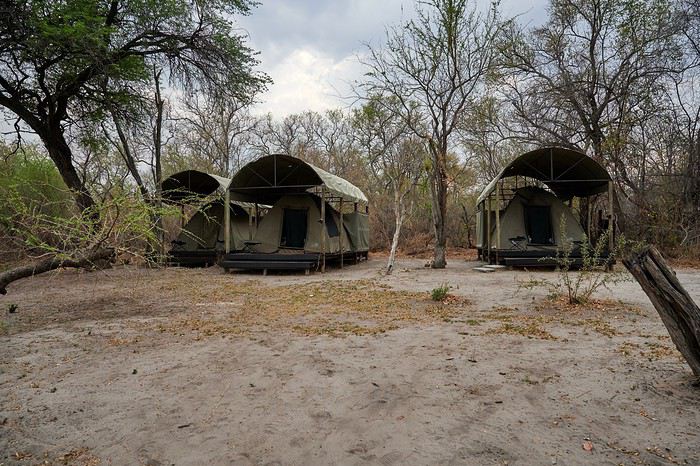
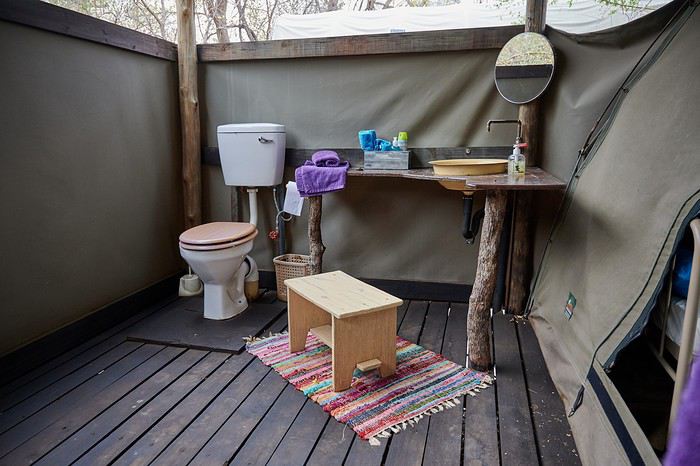
Vous l’aurez compris on recommande chaudement Duncan Camp ‘s. En revanche n’essayez pas d’y aller directement, réservation obligatoire et paiement soit par internet soit à Maun. La durée du trajet depuis Maun est de 1h30.
Version longue en cours de création ici
A l’origine cela devait être notre premier voyage avec notre propre véhicule (stationné à Maun), malheureusement quelque temps avant mon contact sur place m’annonce qu’il y avait un « bruit » manifestement un problème au niveau de la boite de transfert. La pièce fautive devant venir d’Afrique du Sud le véhicule ne sera pas prêt pour notre venue. J’ai contacté Bushlore chez qui nous avions déjà loué un véhicule et ils nous ont appris qu’ils ont maintenant une agence à Maun et il ne leur reste plus qu’un Land Cruiser … nickel c’est la voiture reine sous ces latitudes. Nous acceptons, même si c’est plus cher que rouler avec notre propre véhicule, mais on n’a pas voulu annuler ou décaler le voyage.
C’est ainsi que nous partons, gaillards, de notre aéroport favori, Frankfurt le mardi 22 octobre à 22h40. Nous volerons sur Lufthansa. A titre d’information pour les futurs voyageurs, ça nous a couté moins cher d’acheter d’un côté un A/R FRA-JNB, de l’autre un JNB-MUB et en troisième un WDH-JNB, plutôt qu’un billet combiné.
Mercredi 23 octobre
Arrivée à 8h30 à JNB Vol BP212 Botswana Air à 11h20 … ça fait une longue escale ! Arrivée à Maun à 13h20
Sur place Bushlore nous attend, on va à leur agence faire l’état des lieux et remplir les papiers. Ensuite les courses, puis un tour chez Joe pour voir la voiture. Malheureusement, là il est déjà tard, on part de Maun vers 17h30 / 18h.
La piste de nuit vers Duncan Camp’s n’est pas top. On s’arrête une première fois demander notre route, le gars a les yeux rouges explosés … On voit une piste qui part à gauche et on voit les phares arriver de cette piste, chouette ça doit être là !... quand on arrive à leur hauteur on les hèle, dans le véhicule 4 noirs armés de fusils … aille, à mon avis ce sont des braconniers … pas cool tout ça.😮 On reprend la piste principale qui va vers Mababe. Le problème c’est que T4A ne connait pas la piste qui mène au camp et Osmand veut nous proposer des « raccourcis ». En fait il faut rester sur la piste principale jusqu’à ce qu’on croise un panneau indiquant le camp (de nuit c’est moins évident). La piste est très approximative et sablonneuse … ce qui devait arriver arriva, à un embranchement nous avons hésité entre deux ornières et on s’est ensablé. Ok, il fait nuit, ok on est au milieu de nulle part … pas de panique. Il ne faut surtout pas insister, on sort « tranquillement », on analyse la situation, pelletons un peu, une marche arrière, un choix d’ornières et c’est reparti. On navigue plus ou moins au cap car point de référence sur les cartes. Au bout d’un moment on voit de la lumière au loin et ouf c’est là !😎 Les gars du camp était venu à notre rencontre lorsqu’ils ont vu des phares se « promener ».
L’accueil a été chaleureux. Il n’y a que nous. Nous avons deux tentes sur les 4 dont dispose le camp. L’endroit est splendide au bord de la Thamalakane, l’ambiance aussi … incroyable, on n’arrive pas à s’imaginer qu’il y a encore quelques heures nous étions au milieu de la civilisation occidentale, frénétique. Qu’est-ce qu’on est bien.🙂 Ce n’est pas tout ça mais là il est temps de boire une petite bière …😛 Ensuite le chef viendra nous chercher, nous énoncera le menu. Vous n’imaginez pas comme on est bien là, seuls au milieu de la nature, avec les bruits des animaux, la douceur du climat, le sourire de nos hôtes et la bonne nourriture … génial nous sommes de nouveau en Afrique Australe. 🙂 😎
Vous l’aurez compris on recommande chaudement Duncan Camp ‘s. En revanche n’essayez pas d’y aller directement, réservation obligatoire et paiement soit par internet soit à Maun. La durée du trajet depuis Maun est de 1h30.
Version longue en cours de création ici