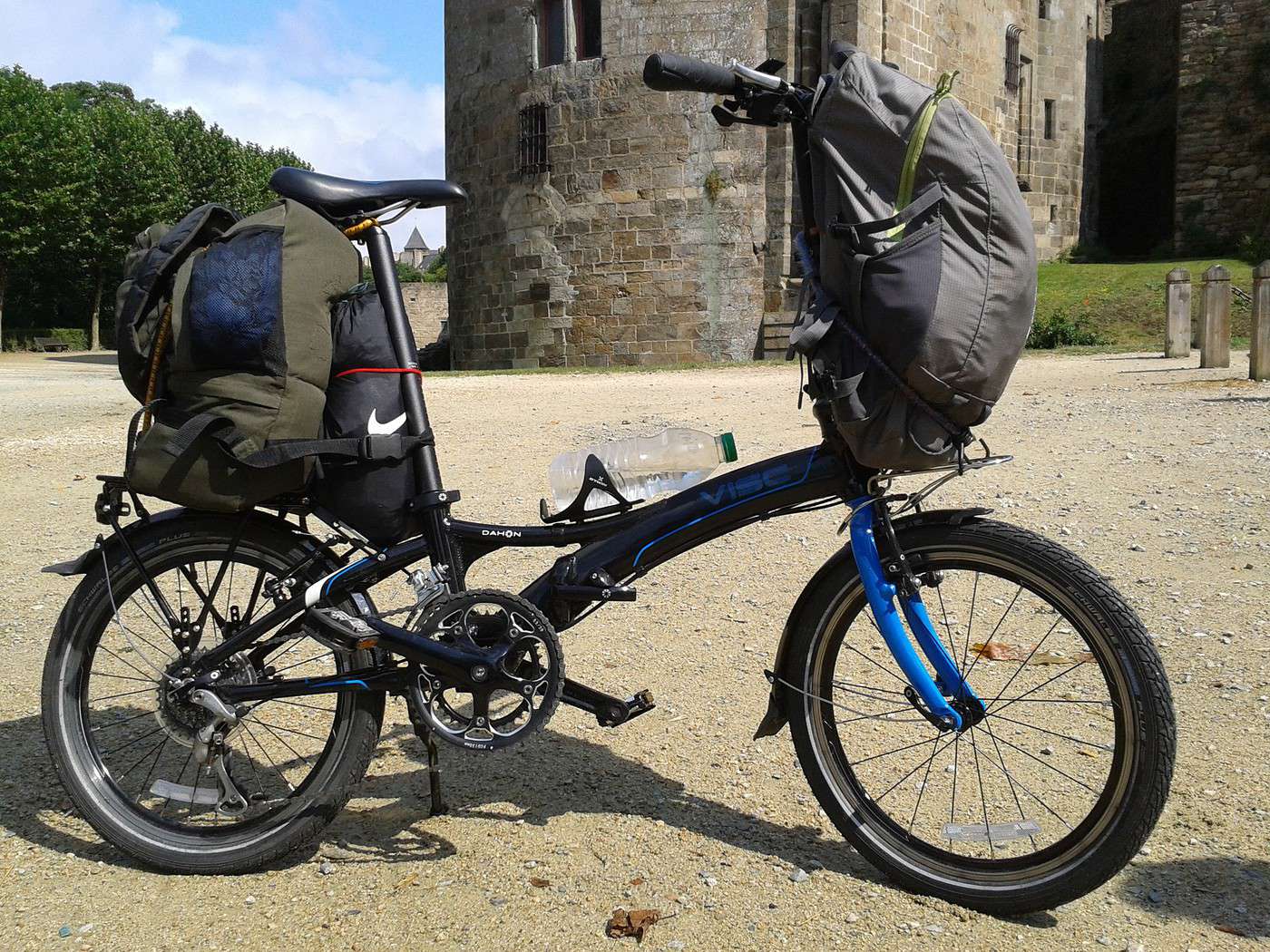
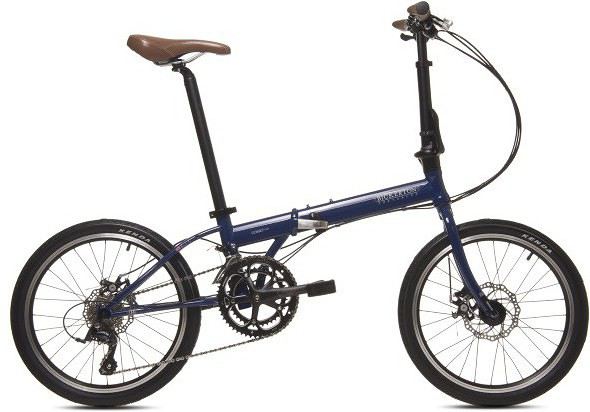
Bonsoir, j'envisage d'acheter pour mes futurs ballades en France et à l'étranger un vélo pliant Dahon, le modèle sur lequel je lorgne c'est Dahon Visc P18 qui à l'air de remplir mon cahier des charges mais comme je suis un néophyte dans ce domaine, j'a besoin de conseils avisés sur ce Dahon. En effet, je recherche un vélo "polyvalent" qui me permettra de me déplacer au quotidien mais surtout de pouvoir envisager la découverte d'un pays à vélo...j'ai une passion pour les voyages et pour l'Asie en général et cette idée de pouvoir l'amener avec moi en février prochain au Cambodge me plait beaucoup. Pensez vous que ce vélo pourra convenir pour de tels voyages ?
Sera t-il à la hauteur pour emprunter des chemins non goudronnés et des terrains vallonnées ?
J'avais laissé tombé l'idée de prendre un Dahon Speed 8 vitesses car j'ai l'impression que ça sera trop court si je dois emprunter des routes avec un certain dénivelé.
Merci pour vos futurs réponses.
Rachid
J'ai un vélo quasi identique qui est un "Tern" équipé d'une cassette à 8 vit. et d'un moyeu Sturmey à 3 vitesses. Donc, un seul plateau à l'avant. Ca roule bien mais rien, en ce qui me concerne, ne remplace une bonne randonneuse à grandes roues, question confort et rendement. L'option moyeu 3 vit. + cassette oblige aussi à faire travailler la chaîne de travers lorsque l'on doit recourir au plus petit développement.
Donc, pour moi, c'est un bon vélo pour des balades type WE mais personnellement je ne l'ai pas trouvé pratique pour de longs voyages.
J'envisage d'acheter le Visc P18 pour me balader à l'étranger. Habituellement, avec mon vélo "Surly", je roule sur tout type de route.
Comment as-tu trouvé ce vélo ?
Je roule avec un Dahon visc P18. Pas de soucis particuliers. Les plateaux 53/39 pourraient être remplacés par des 50/34, ou une cassette 11/34, pour permettre de grimper plus facilement quand le vélo est chargé. . Je peux lui reprocher un pliage moins facile que celui d'un Brompton. Mais en voyage, 20 secondes de plus ne comptent guère.... Les roues de 20x1.75 encaissent bien les irrégularités de la chaussée szans pour autant avoir le confort d'un 26" ou d'un 700.
"L'émotion du départ, c'est de laisser un vide derrière soi." H. Hamon
Merci pour votre réponse. Ce vélo me tente, son prix me paraît «raisonnable».
Je pense que voyager avec un vélo pliant est tout à fait autre chose que voyager avec un vélo classique. J'envisage de le prendre pour les voyages assez courts. Pour les transports c'est souvent compliqué de transporter son vélo et quelquefois assez cher.
Encore merci et je vous souhaite de belles balades...
Je l'avais achet�� dans le but de voyages à l'étranger mais je me suis ravisé car mine de rien je ne retrouve pas le confort d'u vélo classique et la position de pilotage ne me convenait pas lors de sorties plus longues. Je l'ai vendu et racheté un vélo de randonnée classique où le confort me sied mieux. J'aimerai en racheté un nouveau mais les modèles qui m'intéresse ne sont pas dans mes moyens financiers, le Verge Tour (Tern) par exemple.
Hello,
Je vis actuellement au japon, apres y avoir voyagé, y compris a velo (vtt classique). J ai investi recemment dans un velo pliant Tern 20 pouces ( le tern P24h, 24 vitesses et assez adapté au "bike touring", pneus schwalbe, charniere plus costaud , j ai adapté ddes porte bagages et deja testé au japon sur 6 jours vers les cotes sud) .
J envisage la possibilité de l emmener avec moi pour un periple en asie du sud est depuis le japon, avec un vol pour le vietnam voire plus loin, thailande, indonesie, australie, NZ peut etre. Le velo apporte toujours plus d autonomie et de liberté. Donc il y aurait forcement au moins deux ou trois vols en avion, voire plus, ( car je ne pense pas que les deplacements par mer soient faisables partout, entre l indonesie, l australie et NZ entre autre) et meme si c est un pliant 20 pouces, je me mefie de la casse des velos en soute, protégé ou pas, car j ai deja embarqué 3 fois un vtt en avion, corse, grece et japon, avec a chaque fois de la casse, et vtt irreparable au japon (air france est une merde, en plus de payer tres cher le velo embarqué avec eux ; ))
Donc je me demande si ca vaut le coup de tenter d emmener un pliant pour l asie du sud est, velo qui m a quand meme couté recemment 750 euros, ou y aller en sac a dos simplement, et je n ai aucune confiance dans le traitement des velos des compagnies aeriennes. Par contre voyager avec un pliant 20 pouces est beaucoup agreable a terre et en mer (deja testé en train, bus, un peu de ferry, et meme une fois du stop)
Ce qui est sur, c est que si je l emmene j essayerais de le proteger au maxi.
J ai vu qu il y a plusieurs strategies pour proteger et embarquer son velo pliant, soit plié dans une simple housse (tres risqué a mon avis), soit plié dans un carton renforcé ou carton d origine, soit dans une valise roulante assez grande , au moins 30" de volume, style samsonite, le velo y etant plié et en partie demonté (roues, portes bagages et autres details)
Si certains ont un avis sur la meilleure option, je suis a l ecoute!
Pour ma part je pense que le plus sûr si on veut eviter tout risque de casse, et avec des vols avions multiples, serait de trouver une valise costaud d occas de 30 pouces ou un peu plus pour le velo en soute, et une fois arrivé d essayer de "rediriger" la valise vide vers le prochain pays et prochain aeroport envisagé, ( comme envoyé par la poste du pays d arrivé, vers le pays de destination de vol prochain, en "poste restante par exemple ) mais je ne suis pas sur que ce soit faisable
Merci pour cette précision. Pour le voyage à vélo, en effet, le confort est primordial. Je suis rentré d'un voyage en Asie du Sud-Est en mai (5000 km), j'ai voulu reprendre ma randonneuse pour me promener en France, mais le confort de mon Surly m'a tout de suite manqué.
Je pense néanmoins que le Dahon Visc P18 pourrait me convenir pour de petites balades lors de courts voyages.
Je pars Au Chili en janvier avec ma compagne qui est Chilienne pour rendre visite à de la famille et à des amis. Je n'ai pas envie pour des raison pratiques, d'emmener mon vélo de voyage. Les locations sont chères dans ce pays, alors j'hésite à acquérir un vélo pliant à un prix raisonnable.
Il serait vraiment dommage de ne pas emmener le vélo car l'Asie du Sud-Est se prête merveilleusement à ce genre de voyage. J'ai voyagé aussi deux fois dans ces contrées avec sac à dos et cela ne m'a apporté que frustrations.
De plus, le vélo pliant doit facilité la tâche.
Je te rapporte mon expérience personnelle même s'il ne s'agit pas d'un vélo pliant, car je pense que je pratiquerais à peu près de la même manière.
J'ai fait une dizaine d'aller-retour en avion avec mon vélo, je n'ai jamais eu de problème de casse.
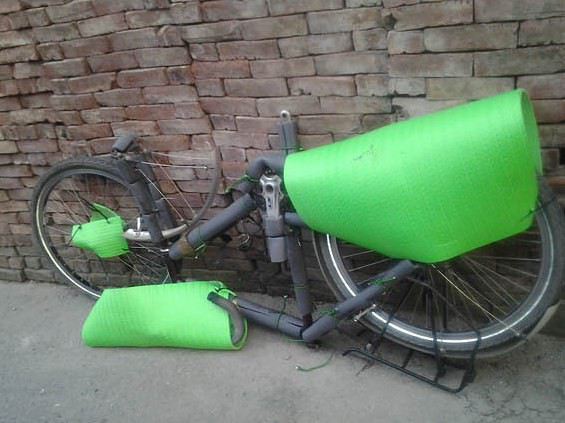
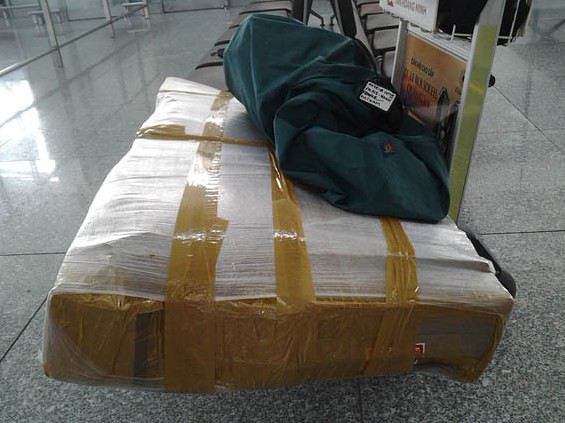
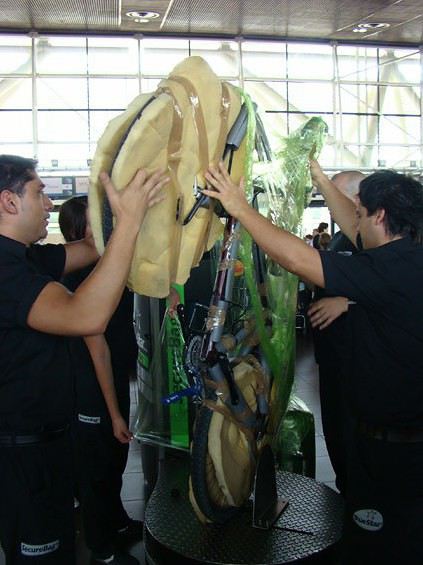
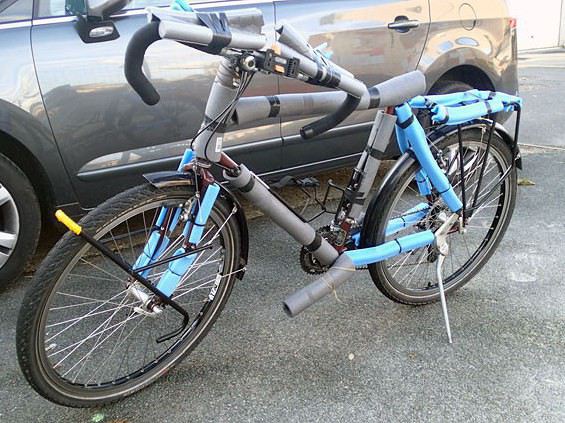
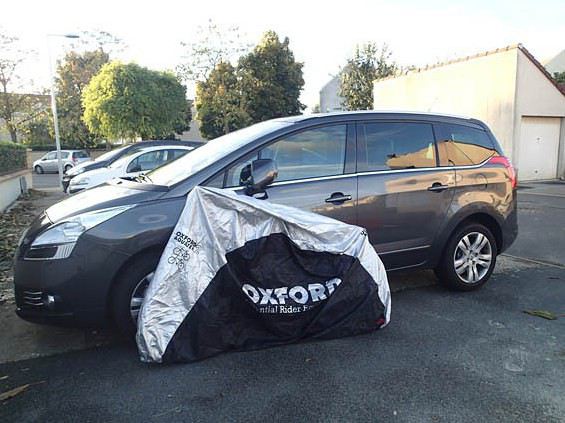
Je le protège surtout avec des manchons isolants pour tuyaux. Ensuite je le mets généralement dans un carton ou dans une housse pour la pluie vraiment sommaire et très légère sur laquelle j'ai rajouté une fermeture éclair. Il est certain qu'après trois voyages, elle commençait a être usée... Mais ça me permettait, avec la Qatar Airways, d'être dans les clous au niveau poids (j'emmène de quoi camper). Alors que le carton est plus lourd et ne m'a pas apporté plus de garantie. Je préfère que les gens voient ce qu'ils manipulent.
Donc pour un vélo pliant, je me servirai d'un carton en protégeant bien le vélo avec quelques manchons et de la mousse. Et un carton est relativement facile à trouver où que l'on soit.
J'ai même pris l'avion sans protection aucune en Patagonie chilienne pour un aller à Santiago (j'étais en retard !).
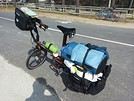
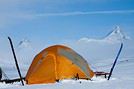
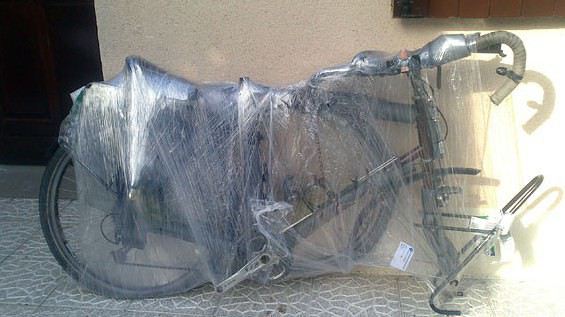
Quelques photos de mes différentes méthodes (les photos 1 et 2 sont du même voyage, et les 5 et 6 également).
Hello, merci pour ta reponse interessante,
J ai emballé mon ancien vtt equipé voyage des deux façons que montrent tes photos pour la grece (carton air france) et le japon (film plastic), et j ai eu de la casse aux deux vols, d abord roulable encore pour la grece, et velo avec fourche ecrasée et autres casses arrivé au japon. Donc soit c est la malchance, soit c est assez previsible. En tous cas si j emmene mon pliant en asie du sud est, je prevois de proteger le plus que je peux, voire une valise rigide, a renvoyer par la poste locale au prochain aeroport de redecollage (j ai moi aussi fait deux voyages sacs au dos là bas, thailande et vietnam, plus courts que prevu, avec la meme impression de ne pas profiter de plus autonomie et de trop dependre des transports, etc! )
J'envisage d'acheter le Visc P18 pour me balader à l'étranger. Habituellement, avec mon vélo "Surly", je roule sur tout type de route.
Sans être un athlète, je n'ai aucun problème pour enchaîner des journées de 80-100km avec un Brompton, que je préfère à cause de 1) sa compacité une fois plié* et 2) son système d'attache à l'avant**.
Donc, si tu penses juste utiliser le Dahon pour quelques kms/jour en ville, aucun problème.
Pour le voyage en avion, le plus simple/économique consiste à garder le carton d'origine, ou à en récupérer un chez un vélociste qui distribuent Dahon : les contacter quelques semaines avant pour qu'ils te gardent un carton.
* plusieurs fois, j'aurais été embêté/coincé avec un pliable plus gros comme les Dahon/Tern/Birdy
** les Tern en ont tous un, certains Dahon aussi, mais ils utilisent tous les deux un bras assez long qui fait qu'on peut emporter moins de kgs et que le sac gigote plus en roulant
Si j'avais les moyens financiers pour un Brompton, je pense que c'est la meilleure option pour voyager à vélo lorsqu'on compte l'emmener à l'étranger. Je compte prendre mon VTC en janvier prochain pour un trip au Sri Lanka et c'est vrai que je crains la casse, pas facile de transporter cet énorme carton à l'aéroport lorsqu'on pas une personne disponible pour nous y conduire en voiture.
Il est certain que le Brompton me paraît le plus adapté pour le voyage. Compacité, pliage, fiabilité...
Enchaîner 80-100 km par jour nécessite quand même des qualités athlétiques !
Combien pèse ton Brompton ? Es-tu à l'aise sur des routes non goudronnées ou pleines de trous.
Ce sont ces routes que j'emprunte le plus souvent au sud du Chili ou en Asie du Sud-Est.
Ton plus petit développement est de combien ?
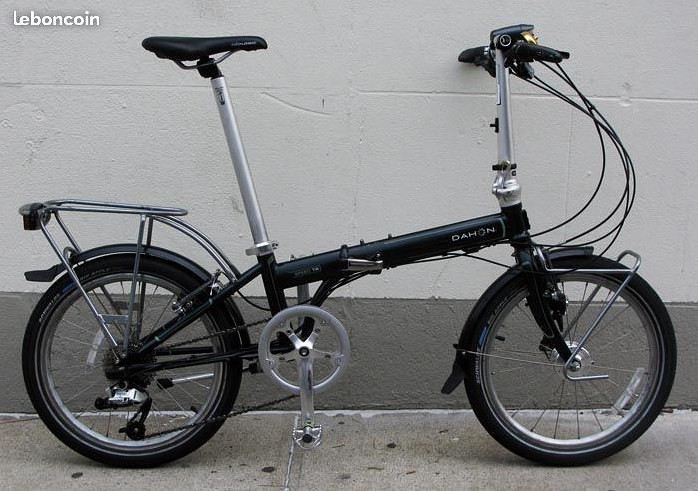
Merci aussi pour l'annonce du "Bon coin". Ce vélo me paraît cependant un peu lourd.
Je me demande si je ne vais pas en acheter un au Chili, ce qui m'évite le transport à l'aller.
Avec les bagages, il doit peser autour de 20kg. Avec un double plateau (1,79 - 7,32m), je n'ai pas de problème pour les côtes en dessous de 10%.
Comme c'est du tout acier, c'est confortable même sur des revêtements pas terribles.
Je me déplace juste à vélo tous les jours, mais je ne fais pas du tout de sport. À raison de 15km/h en moyenne, donc rythme tranquille, 80km sont avalés en 5h30.
Je ne fais pas particulièrement la pub du Brompton; si la taille plié n'a pas besoin d'être aussi compacte, d'autre marques font l'affaire (Dahon, Tern, etc.)
Si tu trouves le Speed TR trop lourd, tu pourrais prendre un modèle sans moyeu à vitesses mais avec deux plateaux… comme le Visc P18 :-)
L autre option pour equiper un dahon / tern 20 pouce d un porte bagage avant est d en prendre un à plateforme , meme pour y fixer un unique sac a dos dessus avec des sandows, ou des sacoches larerales au choix. Comme le traveller front rack, c est celui que j ai fixé a mon tern p24h au japon, avec l avantage qu on peut charger beaucoup plus si besoin , a l avant (poids max de 10 kgs ) . Je l ai acheté sur un site allemand quand j etais encore en france : https://www.derfaltradshop.de/DAHON-Traveller-Front-Rack11
Testé , de meme que le velo, recemment sur 160 kms et une viree d une semaine, vers la cote sud du japon, sans probleme. On peut charger de differentes façon le sac , voir rajouter des affaires dessus (sans exagerer qd meme)
Si tu as les cuisseaux, tu peux mettre un grand plateau plus important et augmenter encore la plage.
Perso, je suis passé du 50/34 au 46/34 : avec le vélo chargé, je n'arrivais pas à utiliser la dernière vitesse, alors qu'avec le 46, je mouline correctement même sur le plat.
L'inconvénient, c'est qu'avec ça sur le Brompton, on se retrouve à jongler avec trois manettes (moyeu à vitesses, dérailleur arrière, dérailleur avant), mais à l'expérience, ça n'est pas vraiment un problème.
Avec le Visc P18, le développement est presque aussi important : double plateau 53/39 + cassette neuf vitesses 11-32 = 1,8 - 7,1m
J ai vu qu il y a plusieurs strategies pour proteger et embarquer son velo pliant
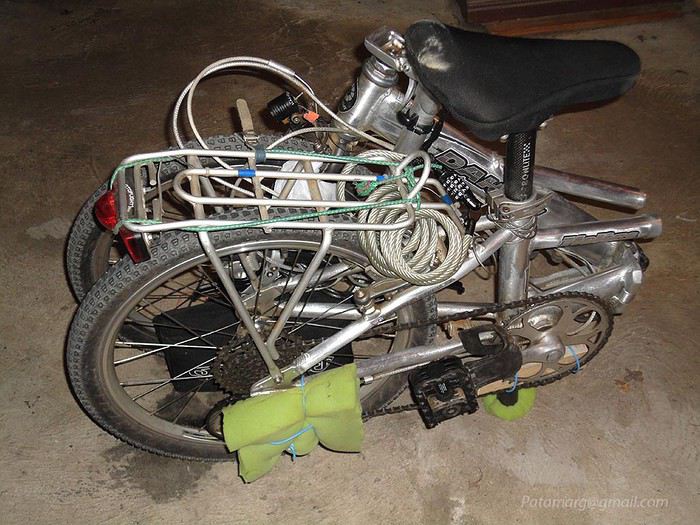
A titre d'info, voici la nôtre (Dahon emportés depuis maintenant plus de 10 ans en Asie, Polynésie, Océan Indien, par air, train, bus, minibus, taxi, cargo etc).
Protection avant le départ, pour l'aérien notamment : au niveau du plateau/dérailleur essentiellement, mousse + bois pour rigidifier le plateau.
(à présent nous avons un plateau avec double carter métallique de ce type) :
Fixée entre les roues, la housse de transport (pliée) dans laquelle on rentre les vélos pour les trajets en train ou soute de bus, coffres de taxis, minibus etc :
En cours de voyage, elle est sur le porte bagages, sous le sac à dos :
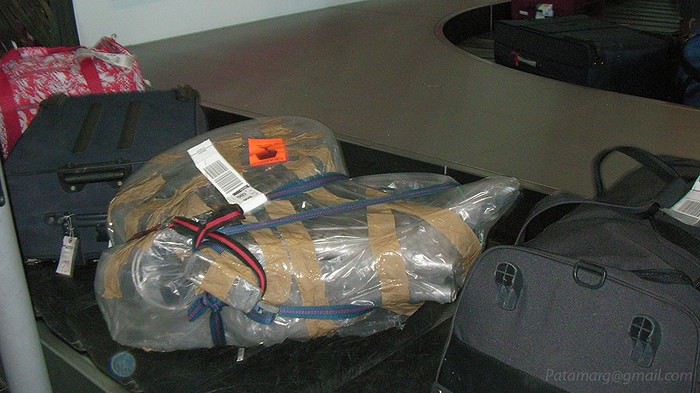
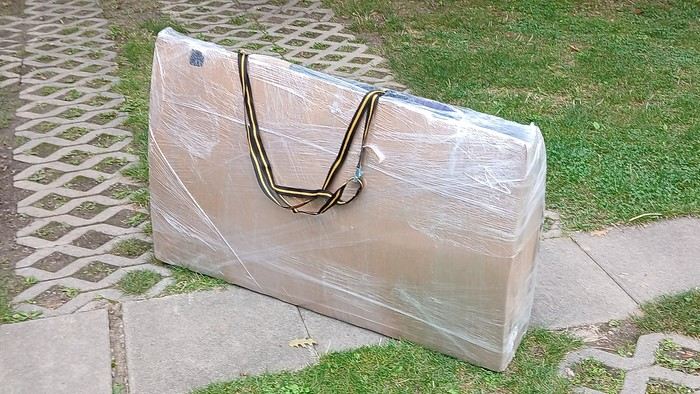
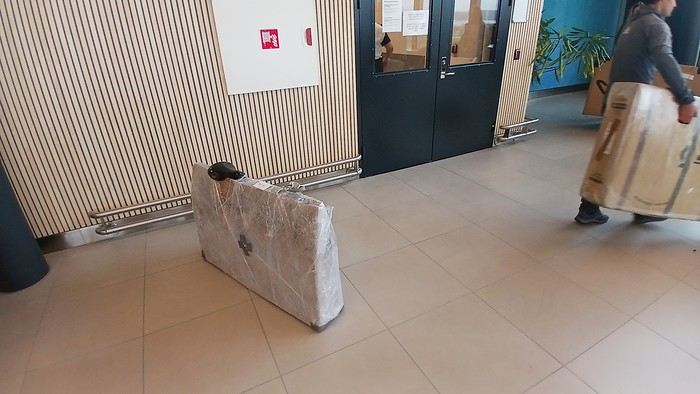
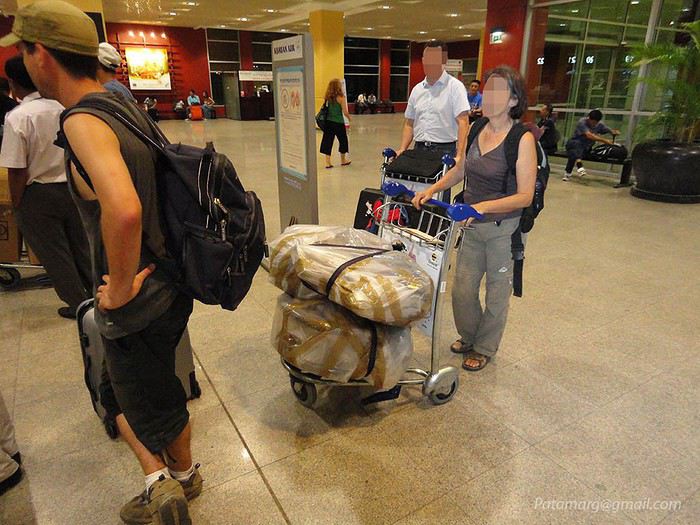
Pour les transports aériens, emballage dans un plastique épais translucide (voir en jardineries) facilement pliable, fixé par adhésif et sangles (qui n'ont d'ailleurs jamais été "piquées") ; très important en effet que les vélos soient identifiables à l'oeil. Pas de casse.
Vélos embarqués à part des bagages, en tant qu'objets hors gabarit, assimilés aux poussettes pour enfants, planches de surf et autres.
C'est notre expérience 😉, et jamais de supplément tarif (mais jamais voyagé avec AF...).
Hello,
Merci pour ton retour d experience!
J hesitais justement a t envoyer un mp car j avais lu certains de tes posts sur velo pliant
Pour ma part, en prevision d un periple japon- hanoi (en avion et voyage avec velo pliant sur place ) , et n ayant pas vraiment confiance dans le traitement des velos par les bagagistes ou qu il soit ecrasé par des tonnes de valises en soute (ce qui m est arrivé avec mon vtt qui avait été "enveloppé dans du film plastic assez proche de ton emballage, a l aeroport en grece selon les conseils d air france, et qui a fini écrasé a l arrivée au japon, donc il a dû aller avec les bagages standards, ou laissé tombé par les bagagistes dans mon cas!) j hesite plutot entre la valise rigide 31 pouces d occasion pas chere, quitte a l abandonner sur place apres le volpour une protection maxi du velo, ou de trouver un carton pour velo 20 pouces avant le vol, voire d utiliser un carton a velo standard des compagnies aerienne en l achetant sur place a l aeroport ( ce qui evite de trimballer un carton 20 pouces , meme plié en morceaux, dans les trains ou bus avant l aeroport ) et decouper ce carton stantard pour en faire un carton 20 pouces sur mesure avant le vol. L avantage d un carton etant de mieux proteger l interieur , en ajoutant si on veut d autres morceaux de cartons pliés , mousse etc)
Mais si ton velo sous plastique va directement avec les bagages hors gabarit, je suppose qu il n est pas melangé avec les valises et bagages standards en soute ? Pas sur, mais si c est le cas, ca diminue bien sur les risques de casses. Dans ce cas, si on ajoute sur le carton "bicycle, fragile, becareful" ou autre, et qu on confirme a l enregistrement des bagages que le carton voyagera avec les objets hors gabarit, ca devrait deja etre plus sur
Difficile d'être "sûr" des manipulations auxquelles nos vélos seront soumis 😕.
Parfois, nous avons déposé et récupéré nous-mêmes nos vélos dans le contener "hors gabarit" (pas de photo, on n'y pense pas toujours sur le moment...), parfois on a vu nos vélos débarquer sur le tapis roulant avec les autres bagages (cela ne signifiant d'ailleurs pas qu'ils ont forcément voyagé avec car on a aussi vu de grands écrans plats qui "tournaient" au milieu des valises et paquets divers 😏).
Merci pour les infos et photos,
Je verrai ce que je decide au final,
En tous cas je reste motivé a emmener mon pliant, car les voyages sacs et transports j apprecie beaucoup moins en general, y compris en asie du sud est, comparé a la liberté- deplacements multimodaux que donnent le velo, et pliant d autant plus ;)
C'est en m'intéressant de plus près au travail aux vélos pliants Dahon dont nous sommes revendeurs, que je me suis posé une question... Vélo pliant de 16"…
Je recherche des avis sur un vélo pliant (ou d'autres de ce genre) qui me parait interessant en roue de 26", pas très cher, mais vu que peu de cyclovoyageurs…
Nous sommes une famille avec 3 enfants et faisons deux grands voyages à vélo par an, pendant lesquels nous pédalons environ 900 km / voyage. Je me permets de…
Est ce que l'un d'entre vous a déjà testé les vélos pliants bickerton pour des voyages à vélo? J'ai repéré ce modèle qui me plait bien, mais le seul hic c'est…
J'ai jamais été très fort question technique et je suis un peu perdu concernant le montage suivant sur un vélo pliant Dahon dont les roues font 20 pouces.…
I just took a trip in Tunisia from Tozeur to Douz, skirting Chott el Jerid to the south. I’m back with the urge to keep going further south via the 4x4 tracks to connect Douz to Ksar Ghilane. Has anyone driven this route recently or explored southern Tunisia?
Thanks for your tips!
fix
😎Fellow traveling cyclists or not, all of you who love travel, the pleasure of physical effort, nature, beautiful machines, people with true passions they seek to fulfill, and who also enjoy reading great literature about all this—the *200* magazine is for you just as it is for me. I should mention I have no financial or other interest in this (in an era where we accuse our politicians of all sorts of vile interests, I prefer to take precautions). I’ve been subscribed since the beginning, and every three months, I get my 130 pages of dreams (the magazine just went from 110 to 130 pages).
It covers everything from the trans-America route to the TCR (Trans Continental Race) from Belgium to a small town in Turkey, with mind-blowing averages—4,000 km and 80,000 m of elevation gain in 8 days and 15 hours for the winner. Let that sink in, and all of it without assistance—accepting a patch could penalize you. There’s also a story about crossing Iran, encountering one of the world’s most welcoming populations, following in the footsteps of Nicolas Bouvier, as well as retirees leisurely traversing France. The common thread in all these stories? Beautiful writing. Take, for example, a stunning article: *"Passengers of the Cold: From Edinburgh to Thurso, at the very north of Scotland, 550 km of moors, coasts, and icy wind. In Thurso, the road ends at a quay, facing the Orkney Islands. We wanted a November trip, off-season. We wanted to surprise winter. Just before the snow."* A sublime piece on the experience of facing adversity and the chance encounters along the road and in the elements.
Before I embarked on my own bike trips, I dreamed a lot about them—from the Atacama to the Gobi, along the Mekong, and not forgetting France. And now, these 130 pages every quarter keep those dreamy vibes alive through stories written in the most beautiful prose.
I’ll stop here because it might sound like I’m advertising, but if you don’t know *200*, I invite you to discover it. It’ll give you wings for the most incredible challenges or simply reinforce your desire for slow rides with your eyes open to others and nature.
A little news to wrap up: Axel Carion and a friend just broke the record for crossing South America from Colombia to Ushuaia in 59 days. On its own, that doesn’t mean much, but I can’t help it—it makes me dream. You should see how he talks about it, the flashes of that wild nature he’s stored away: a snowstorm at Paso Jama and the surreal sight of the suddenly snow-covered Licancabur!
Luc
PS: The magazine is called *200* because a day’s ride starts at 200 km—well, I’ve never done a ride like that since my longest was 167 km (with 18 kg of luggage, mind you), but why not one day? The magazine will explain how to tackle your first 200, and then the question in conclusion: when will you do your first 300?😏
Looking for a female travel companion for a cycling trip (arriving by plane in Porto Alegre, Brazil, and cycling toward Montevideo, Uruguay, returning by plane to France from Buenos Aires, Argentina) – 1,500 km
Hello everyone!
I’m planning a cycling trip across Brazil, Uruguay, and Argentina, with a departure set for late October, November, or December. I’m looking for a travel companion to share this long-distance adventure with.
Experience:
I already have solid experience in bicycle touring in Georgia, Kazakhstan, and Kyrgyzstan. Currently, I maintain excellent physical condition by cycling an average of 250 km over 3 days per week (4 hours a day at 20 km/h).
The trip & the pace:
Daily pace: Between 50 and 80 km per day, to make steady progress while taking time to explore.
Accommodation: Flexible and authentic. We’ll alternate between wild camping, campsites, Warmshowers, small guesthouses, and budget hotels depending on opportunities and the weather.
Looking forward to reading your message and planning this amazing journey together!
I’ve got my flight ticket sorted—departing in mid-November and returning in mid-March. I’ll arrive in Santiago and leave from Buenos Aires.
I’ve already been to southern Argentina, specifically Torres del Paine National Park, and I’d love to go back to do the full W trek (I only did the shorter version last time).
I also want to do some hiking and maybe even tackle a summit. I climb and occasionally do some mountaineering, so I’ll definitely be going with a guide.
I plan to start around Temuco in Chile, with the idea of heading toward the lakes, then taking the Carretera Austral.
I’m not sure if I’ll go all the way to Ushuaia—it’s supposed to not be *that* worth it, except for the bragging rights of saying you’ve been to the end of the world.
I saw there are lakes in Argentina too.
I don’t have a precise itinerary, but what I’d love is, once I reach the southernmost point of my trip, to take a mini-cruise to see some wildlife. Any tips for that?
What kind of sleeping bag did you take? Is a 0°C (32°F) one enough?
And one last question: white gas stove or can I get by with my gas stove?
I'm developing a free and open-source web app for planning walking and cycling trips (and even car trips). You can create a route by clicking directly on the map to add waypoints, and it can consist of multiple stages. The app provides tools to edit the stages and the overall route, and to display useful information (distances, altitudes, and elevation changes). A relief profile can be shown as a graph for a specific stage or the entire route.
Once the route is ready, it can be exported as a GPX file, which can then be used with a GPS or a mobile navigation app.
The app is built in JavaScript and runs entirely in the web browser. It uses the Leaflet library and several OpenStreetMap-based services. Initially developed for my personal needs (I enjoy hiking and cycle touring), I’d be happy to share it with anyone who might find it useful. It’s free to use, doesn’t require an account, and the source code is available.
hello fellow cycling enthusiasts
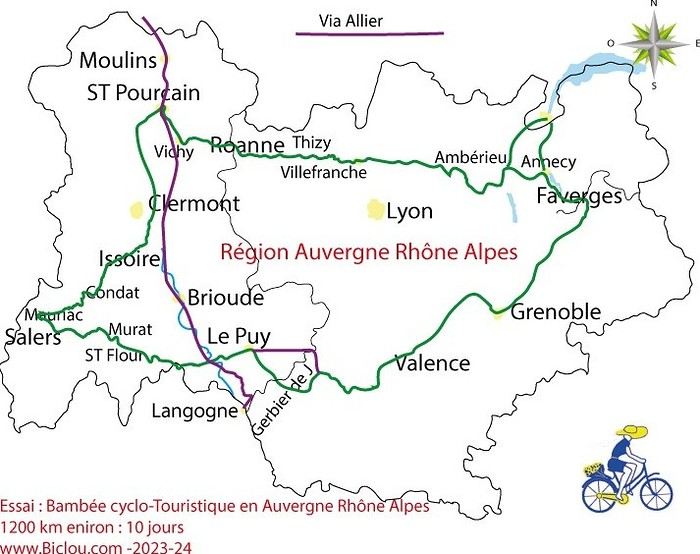
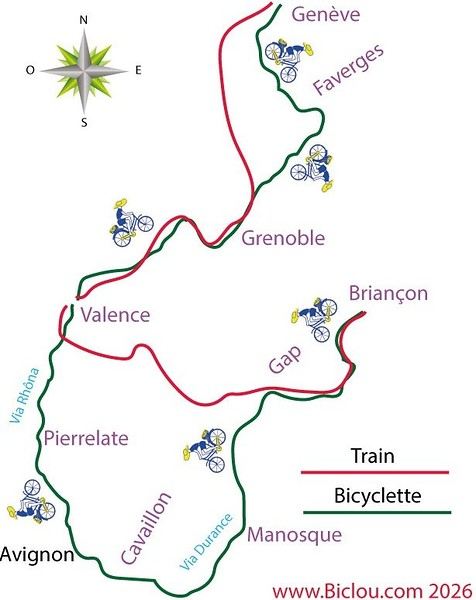
here’s a travel journal of the cycling tour through the Rhône-Alpes Auvergne region by Claudio
zouli
it was the plan
http://cbandiera.free.fr/parcours/auvergne-Ralpes/
the trip was completed
story being posted online soon
1100 km in 11 days
beautiful and varied regions
Hello,
We’d like to go on a 3- to 4-month bike trip starting in December, crossing from Assam (northeast India) to New Delhi via Nepal.
Are there routes with light traffic along the Brahmaputra and through Nepal?
We’re also looking for any info on accommodations, wild camping, local interactions, etc.
Thanks,
Michel
Hello,
Has anyone here had experience using a gas stove in Sardinia and Sicily? I’m wondering if screw-on gas canisters (not the blue Campingaz ones, but brands like Coleman, Primus, etc.) are easy to find.
I’m planning to cycle from Morlaix to Brest (via Roscoff and the V45 coastal route). We’ll start riding on August 16th for 13 days (with stops for island visits, surfing, etc.). Is there a lot of traffic at this time of year? I’ve got two kids, 11 and 13, and we don’t like riding in the middle of cars (we’ve already done the Vélomaritime—Caen to Cherbourg—the Loire route from Orléans to Saumur, the Vélodyssée from Nantes to Royans, and the canals like the Nivernais and Bourgogne, where there were plenty of bike-only lanes, which isn’t the case on this route).
Thanks for your help if you’ve already done this route in late August!
Virginie
Hi there,
I’ve been road cycling for several years, and I’m about to switch to gravel in the next few days—I’m waiting for my bike, which should arrive this week.
I’m planning a bikepacking trip in a few weeks along the Véloroute V81, also known as the Vélosud, from Biarritz to Le Barcarès.
Has anyone here already done this route? Any info is welcome, whether it’s about the route itself, gear, or accommodation. I’ll prioritize staying with locals as much as possible. On that note, I just signed up for the brand-new site *Guidon et Couette* ((www.guidon-et-couette.fr)), which offers free accommodation between cyclists across the country, but there’s almost no one listed along my route!
Thanks in advance.
Laurent.
After testing it for three years across various modes of transport, I’m sharing this video of a bike packing case. It’s made from recycled cardboard and shrink-wrapped, with adjustable thickness and added bubble wrap depending on the level of protection you want.
Installing spacers at the fork and chainstays makes the packaging compact. With the fifteen-odd euros for shrink-wrapping at the airport, this case travels really well.
https://youtu.be/_GDJi-GqmkM
- Low bulk (1.10m x 0.70m x 0.25m for a large frame), it fits vertically in train luggage compartments and the total dimensions (x+y+z) don’t exceed 2.40m.
- Two carrying solutions for public transport and easy handling by airport staff (no more tears in the cardboard from openings).
- Discreet packaging when dealing with bus drivers and train conductors, as it looks like an ordinary parcel.
- No need to return to the starting point to retrieve the case from your outbound trip, which you’d otherwise have to store somewhere, or deal with a bulky cover to pack in your panniers.
- You can still check tire pressure through the plastic film without damaging the packaging too much.
Drawbacks: Around 3 hours for this lengthy and meticulous process—removing the wheels, pedals, handlebars, and derailleur without misaligning them, then securing all components to the frame.
If you get a chance to test it, send me your feedback for future improvements.
Hi there, I’m planning a cross-Canada bike trip, and I’ve got a question that might seem silly, but could someone tell me how to pack a bike (in a box, with a fragile sticker... I don’t know) for a flight? Thanks in advance!
This summer, we’re planning to cycle along the EV 19 that follows the Meuse River from Langres all the way to Rotterdam.
My question is about getting back to Nantes.
Do any of you know what the best return option might be? I’d love to hear about your experiences.
I saw that FlixBus doesn’t take bikes.
By train, I think it’s possible but would involve multiple local trains.
We were also wondering if there’s a boat from Rotterdam to Saint-Nazaire that could take passengers with bikes.
Any tips or experiences you can share would be really helpful—thanks in advance!
Have a great evening
I’ve gotten used to crossing Europe by bus to return by bike.
It was really convenient to take the bike without having to disassemble it.
But FlixBus no longer accepts bikes...
What alternatives do you know about?
Thanks.
Hi there,
I’m planning to ride the Dutch section of the EuroVelo 19, from Maastricht to Rotterdam.
Since it’s too complicated to bring my bike on the train, I’m looking to rent one locally.
I’d love any tips or bike rental shop recommendations—I’m struggling to find options even in Rotterdam.
The plan is to rent in Rotterdam, take the train to Maastricht with the bike, then cycle back to Rotterdam.
Thanks in advance for any advice or suggestions!
Nath
I’m planning to build a new touring bike.
I want to prioritize lightness.
That said, I’m tempted by a suspension fork that could offer some comfort on rougher roads.
The recent appearance of gravel suspension forks on the market might meet my needs—at least on paper.
I’m particularly considering the RockShox Rudy Ultimate XPLR fork.
Unlike MTB forks, its travel is short: either 30 mm or 40 mm.
It weighs 1400 g, which is 400/500 g more than a steel fork.
Any thoughts or real-world feedback on this?
I’m also wondering about the durability of magnesium (lower leg) for long-distance bike touring.
And what’s the impact of skipping the manufacturer-recommended maintenance every 50 and 200 hours? That’s bound to happen on a long trip unless you carry extra gear.
More generally, how reliable are these kinds of forks?
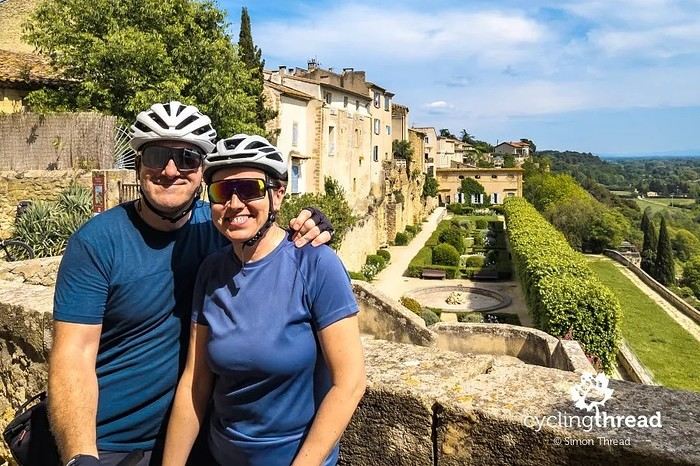
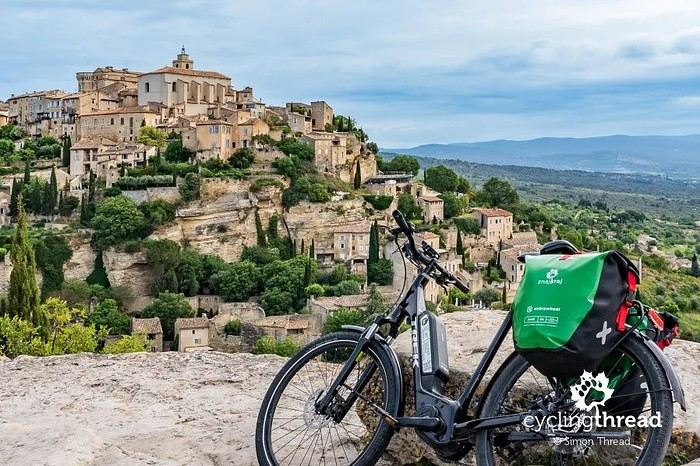
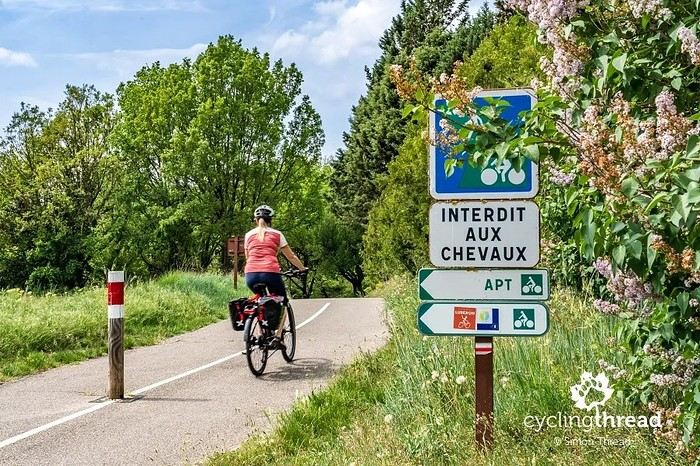
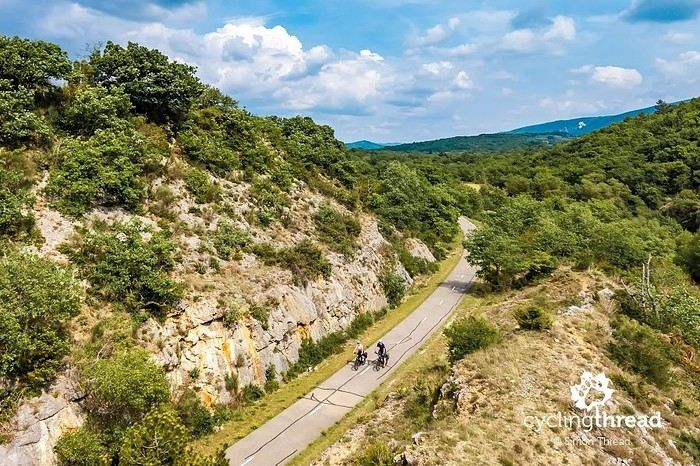
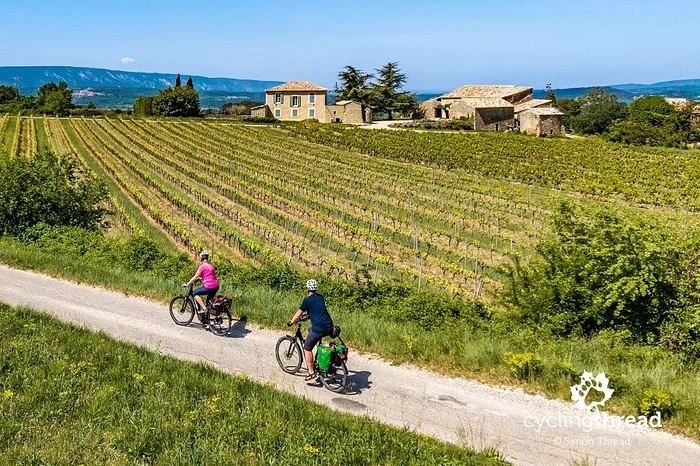
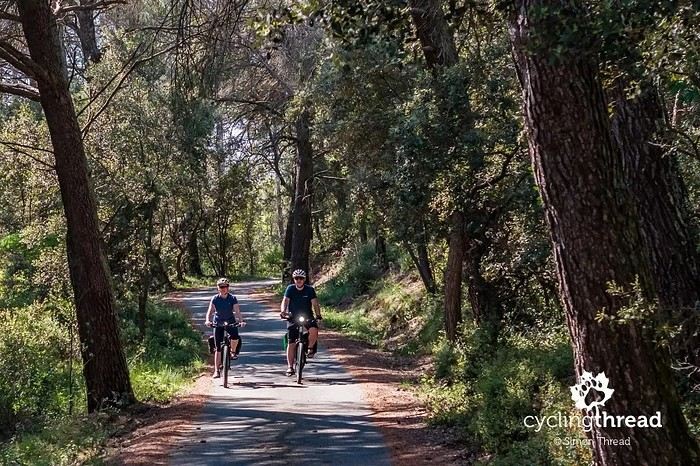
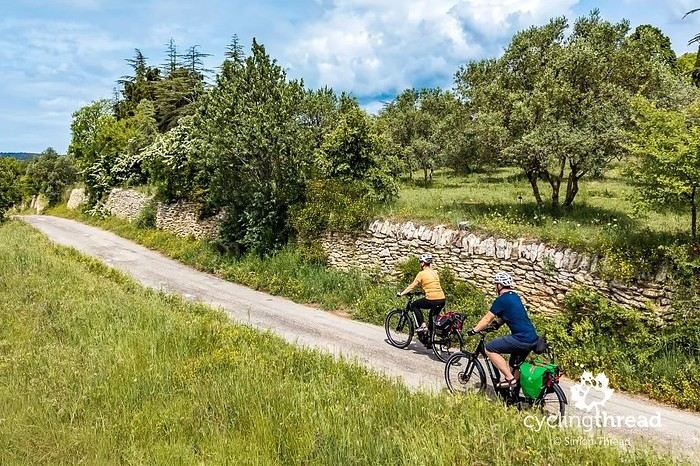
I’m making an exception and creating a separate post this time, since it’s all about France. In May, we spent a week in Provence, specifically in the Luberon, exploring the cycling routes *Autour du Luberon à Vélo*, the *Véloroute du Calavon* (part of EuroVelo 8), and the shorter *Les Ocres à Vélo* route. Together, they gave us an amazing journey through rolling hills, vineyards, lavender fields still green in spring, and some of the most stunning landscapes in southern France.
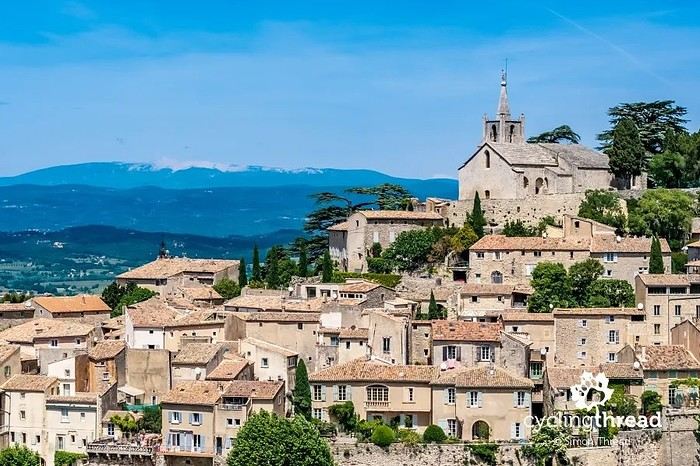
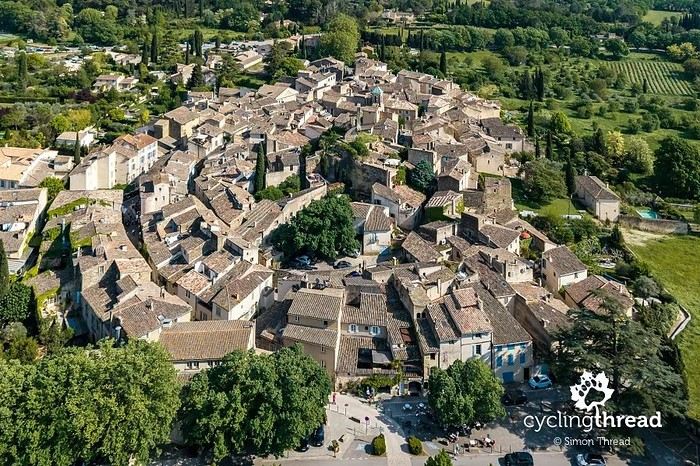
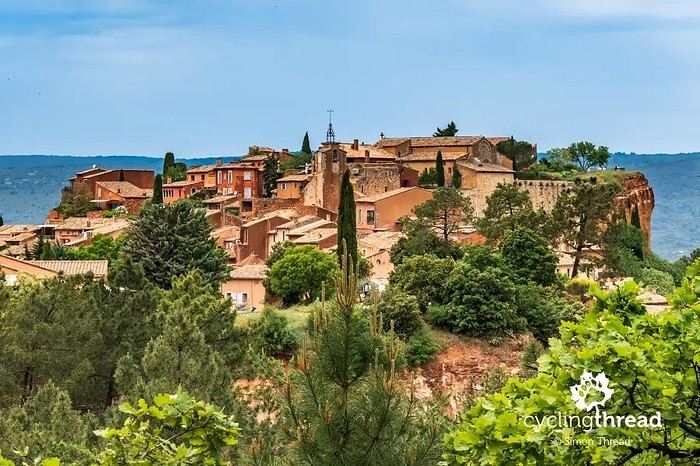
It was, of course, the perched villages that impressed us the most. We visited Gordes, Roussillon, Bonnieux, Lacoste, Lourmarin, Ménerbes, Oppède-le-Vieux, Cucuron, and Lauris. Many of them are among the most beautiful villages in Provence, and it’s hard not to agree with that reputation.
One interesting point is the route of EuroVelo 8 in this part of the region. The official path mainly follows the old railway line of the *Véloroute du Calavon*, which is very comfortable and safe. But in our opinion, cyclists traveling EuroVelo 8 around the Mediterranean would discover even more treasures if the route passed through villages like Bonnieux, Lacoste, or Oppède-le-Vieux.
We were also pleasantly surprised by how safe cycling felt. Most of the route takes small local roads, but traffic is light, drivers are respectful, and road design really takes cyclists into account. It’s one of those places where you can ride peacefully even without separated bike lanes.
Our full story:
Around Luberon by bicycle - the most beautiful villages of Provence
You can also find all our cycling travel stories on the forum:
Cycling Thread - Europe’s most beautiful bike routes
Hi there, we’re a group of 4 cyclists looking to get from Treviso in Italy to Munich with our 4 non-folding bikes. It seems complicated! Are there any solutions? Thanks so much.
Hi there, we’re planning a Munich to Venice bike trip at the end of June 2026. Getting back from Venice to Toulouse by train with 4 bikes isn’t straightforward. What return options have others who’ve done this trip chosen? Any tips or great deals would be much appreciated. Thanks a bunch! !
Hi everyone,
Happy owner of a Pegasus Estremo bike with a Rohloff hub, which is giving me trouble with the SF11-NCX-FT-E-LITE 700C TS 300/0 fork (serial number TD01329060). It’s starting to show its age, and I’d like to repair it to extend the life of my beloved bike.
The suspension is gone, and there’s an oil leak from the seals.
Does anyone know how to repair it? Where can I find parts that are about fifteen years old? Or where to find an identical replacement fork? Just to clarify, the Magura HS11 brakes are mounted using Firm Tech, meaning they’re on pivots behind the fork, facing the frame.
Hi, I'd like to know if anyone has done this route recently or has reliable info.
Does the track exist, and most importantly, is there sand (for biking)?
Any info is welcome.
Cheers,
diego ambilobe: mangaoka, manondro, ramena
vohemar sambava: masondrono, tanambao
Hi there,
New to bike touring,
I’d love to start with a section of the Via Rhona to explore and share (route to be decided).
Looking forward to exchanging tips!
I’m landing in Madagascar with a buddy before the end of April 2026. We’re planning to bike around for about twenty days or so. We don’t have a specific goal other than exploring the country and meeting the locals.
Ideally, we’d prefer a loop route starting from Antananarivo with a good chunk of it along the coast. On the bike side, we’re used to riding 6 to 8 hours a day, depending on the needs, encounters, and mood 😉 Any feedback or tips from trips around this length?
A big thank you to Lazarou for all the info you share in this forum!
I'm passionate about Morocco, which I cycled through back in 2009.
Last year, my wife and I explored the High Atlas by tandem. Completely smitten, we're heading back in April (Anti Atlas) and May (High and Middle Atlas), still on our tandem.
Do you have any info on the track between Amezri and Ali Ait Nito? Are the river crossings in the Tessaout still there? It's not easy to navigate with a loaded tandem... especially if the river level is high due to this year's heavy snowmelt!
Thanks in advance for any tips you might have, and best wishes for health in this new year!
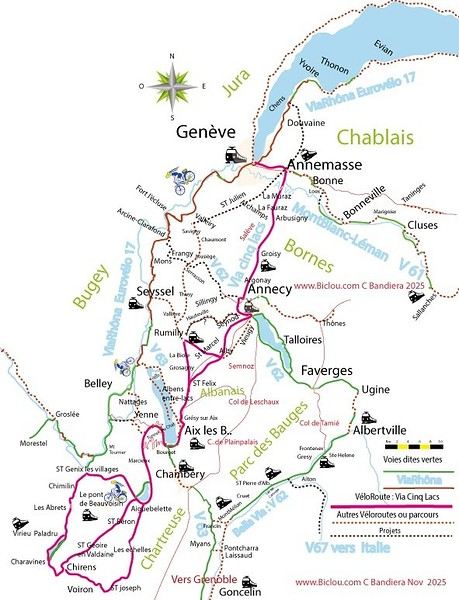
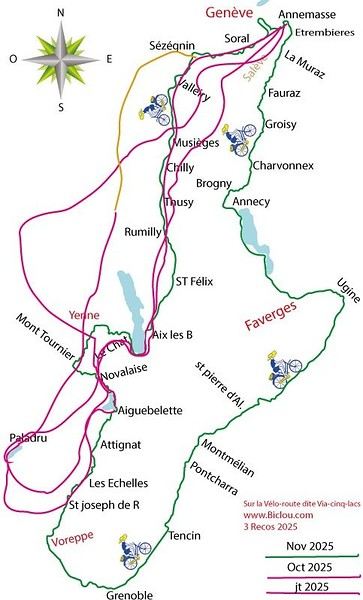
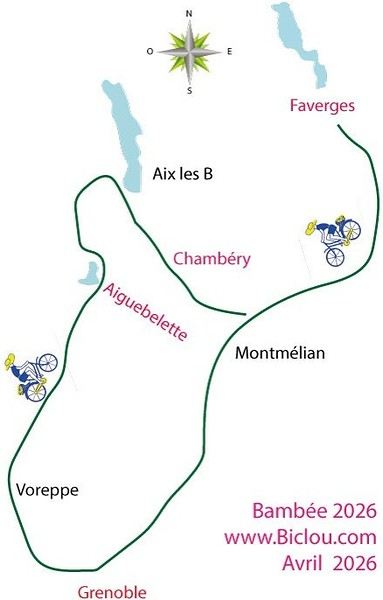
Claudio specializes in the route of the Savoie lakes
Here are his travels
Between Bornes, Chartreuse, the Savoie foothills, and Dauphiné
Five lakes: Léman, Annecy, Paladru, Aiguebelette, Bourget, not to mention a few ponds along the way
Plenty of accommodation options: camping, hotels, and more...
A lovely route not far from his place
Rural and quite peaceful
A road cycling route created by Serge B...
First of all... happy New Year! Wishing you great roads in 2017!
I’ve been traveling for a few years now with a high-quality mountain bike, but it’s equipped with hydraulic disc brakes. I live (pedal) with the constant worry of a breakdown (leak, air bubble, heat causing the fluid to...). My bike mechanic tells me it’s impossible to switch them out for V-brakes.
What do you all think? Am I taking a big risk continuing (alone) with these brakes? Thanks in advance for your great tips!


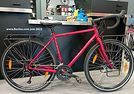
 www.leboncoin.fr/velos/1322345318.htm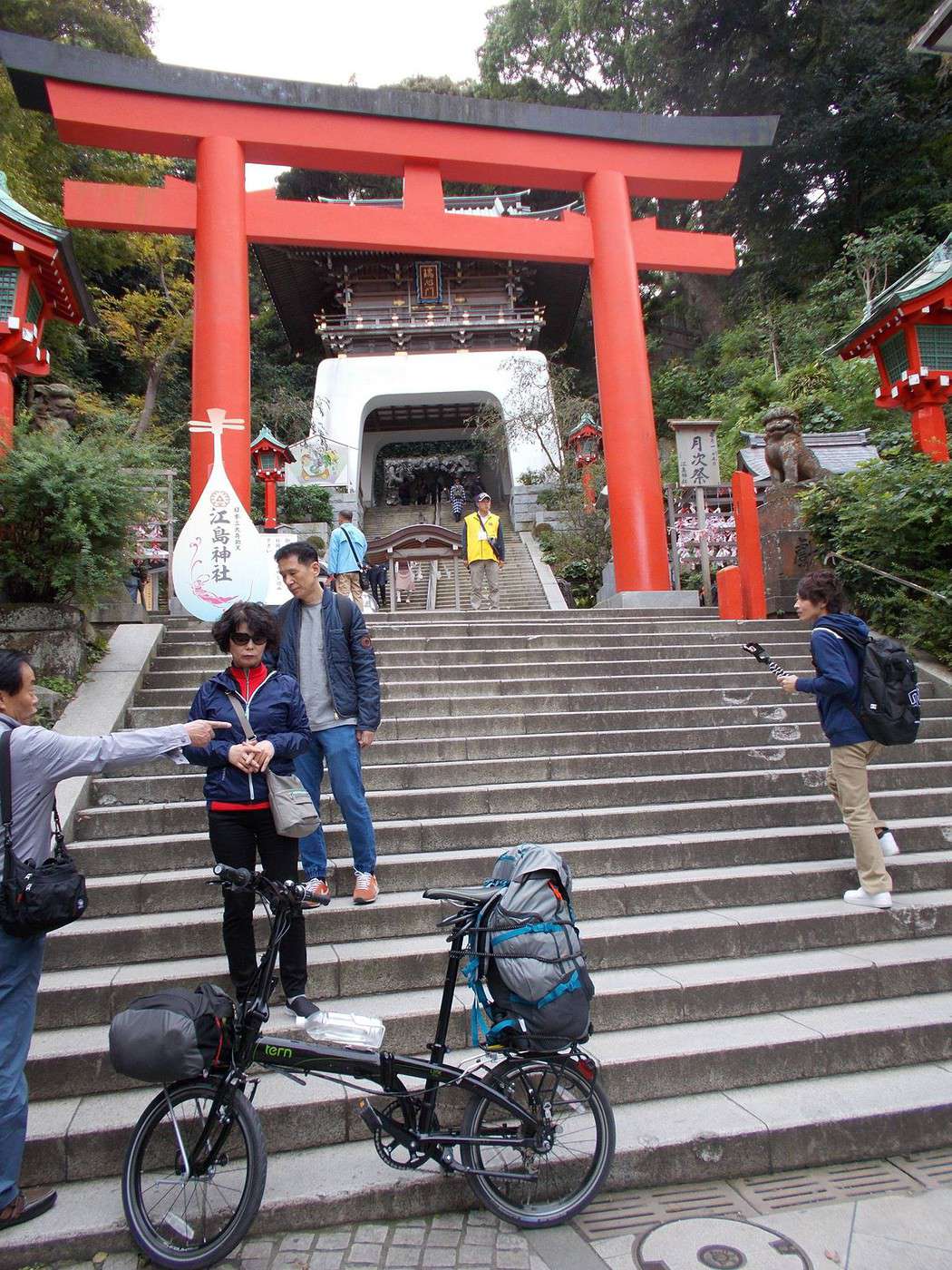
 (à présent nous avons un plateau avec double carter métallique de ce type) :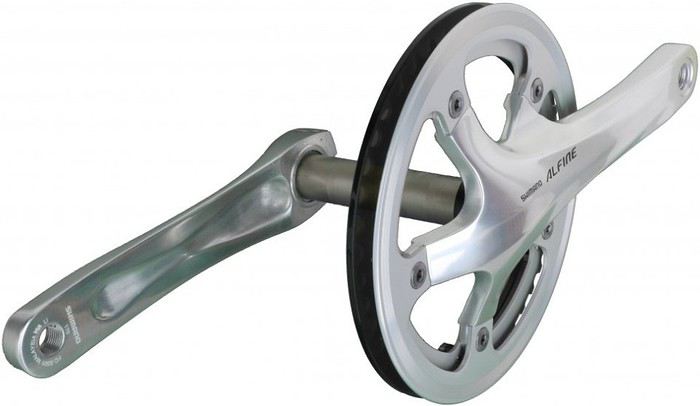
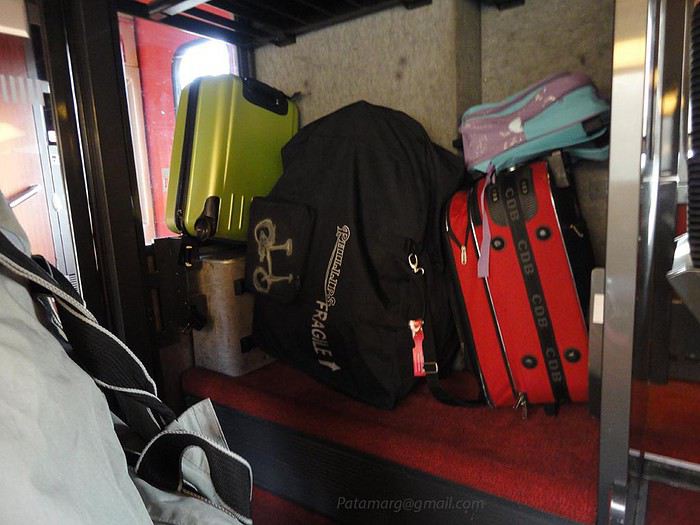
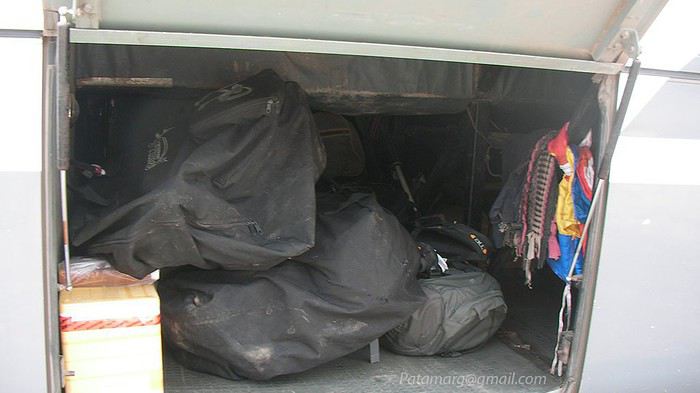
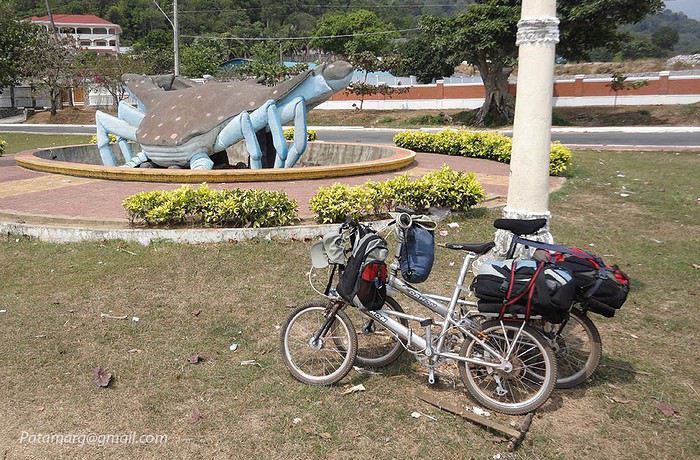 Pour les transports aériens, emballage dans un plastique épais translucide (voir en jardineries) facilement pliable, fixé par adhésif et sangles (qui n'ont d'ailleurs jamais été "piquées") ; très important en effet que les vélos soient identifiables à l'oeil. Pas de casse.
Vélos embarqués à part des bagages, en tant qu'objets hors gabarit, assimilés aux poussettes pour enfants, planches de surf et autres.
Pour les transports aériens, emballage dans un plastique épais translucide (voir en jardineries) facilement pliable, fixé par adhésif et sangles (qui n'ont d'ailleurs jamais été "piquées") ; très important en effet que les vélos soient identifiables à l'oeil. Pas de casse.
Vélos embarqués à part des bagages, en tant qu'objets hors gabarit, assimilés aux poussettes pour enfants, planches de surf et autres.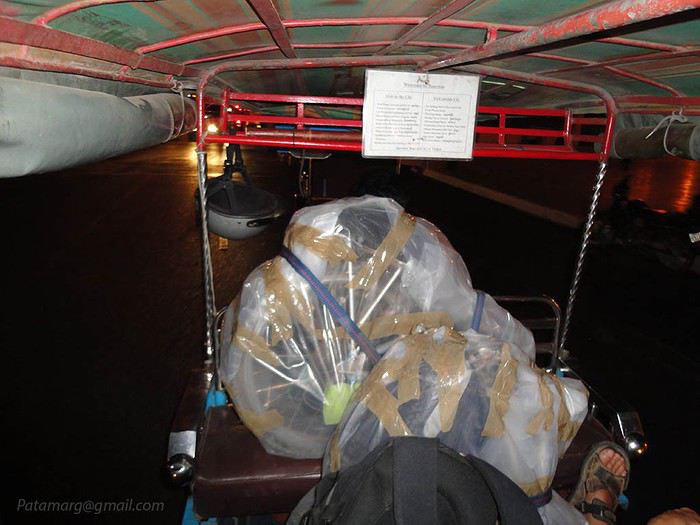
 C'est notre expérience 😉, et jamais de supplément tarif (mais jamais voyagé avec AF...).