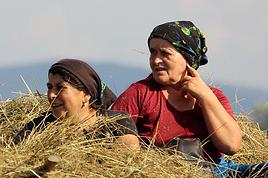
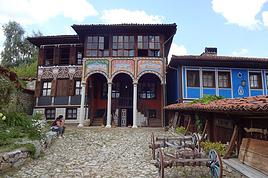
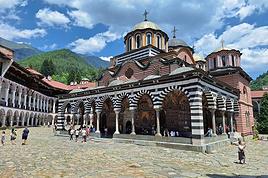
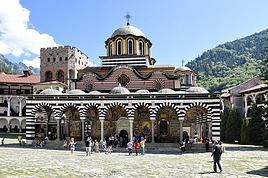
Une voyage moto tout terrain en Bulgarie dans les Rhodopes qui me laisse de bon souvenir.
Les bulgards très sympa qui m'ont aidé à réparer ma moto d'enduro, on y mange très bien et pour pas chère environ 4€ pour un repas complet.
L'hébergement reste très abordable, il faut compter 20€ avec un petit déjeuner œufs dur, tomate, concombre, pain, confiture, café, thé.
L'essence est un peu moins chère 1,20€. Il faut quand même faire attention au tic et au araignée qui se trouve dans la forêt, à des endroits on voit même des ours, alors prudence.
A+ 🙂
Nous voulons faire Toulouse -- Sevlievo en camping car au mois d'avril 2012. Nous sommes férus de Motocross et le 22 avril prochain il y a une manche du championnat du monde MX1 et MX2 en Bulgarie (Sevlievo).
Nous sommes en pourparler pour louer le camping car et nous voudrions savoir si des personnes seraient intéressées pour se joindre à nous (avec leur propre camping car) pour faire la route ensemble.
On doit traverser l'Italie, la Slovénie, la Croatie, la Serbie et on arrive en Bulgarie (2400 kms environ aller). Pour le moment ce voyage est à l'étude : formalités dans les pays traversés non encore connues ? on veut emmener notre chien (voir aussi les formalités).
Si des personnes peuvent nous donner des renseignements ce serait sympa.
Merci pour vos réponses. Basilette
Si des personnes peuvent nous donner des renseignements ce serait sympa.
Merci pour vos réponses. Basilette
Bonjour,
quelqu'un pourrait-il me donner des infos sur les compagnies qui font des vols de paris ou de belgique pour Plovdiv. plutôt des lows coats puisque c'est pour un long we.
merci laurence
quelqu'un pourrait-il me donner des infos sur les compagnies qui font des vols de paris ou de belgique pour Plovdiv. plutôt des lows coats puisque c'est pour un long we.
merci laurence
🙂salut a tous
est ce que quelqu'un pourrai me dire par ou passer pour aller en bulgarie en voiture perso et toute informations nécessaire a la préparation d'un tel voyage .
si quelqu'un a l'intention d'y aller cet été, a partir du 1er aout jusqu'au 20 aout enfin dans ces eaux là, on prévoir d'y aller a plusieurs .
moi j'habite dans le cantal à aurillac .
merci a tous
😉
est ce que quelqu'un pourrai me dire par ou passer pour aller en bulgarie en voiture perso et toute informations nécessaire a la préparation d'un tel voyage .
si quelqu'un a l'intention d'y aller cet été, a partir du 1er aout jusqu'au 20 aout enfin dans ces eaux là, on prévoir d'y aller a plusieurs .
moi j'habite dans le cantal à aurillac .
merci a tous
😉
Bonjour
Nouvellement inscris je cherche un itinéraire à moto en Bulgarie et en Albanie dans le cadre du projet décrit dans ce blog : http://bosphore2016.blogspot.fr/ voir la page le projet pour la carte du tracé gros grains.
Je dois quitter la Moldavie (début septembre après la rentrée des classes) après le volet humanitaire de mon projet pour rejoindre la Turquie que je vais traverser sur la partie Ouest par les pistes. En quittant la Moldavie j'ai deux options soit aller au plus court en Bulgarie pour rejoindre la Turquie, soit me perdre un peu en Bulgarie (6 ou 7 jours) pour entrer en Turquie par la Grèce. Je ne connais pas la Bulgarie. J'ai prévu d'arriver a Sozopol en venant de Moldavie et de m'y arrêter 2 ou 3 jours. L'un de vous saurait-il me dire s'il y a un trajet sympa et pittoresque (pas de voies rapides) a faire en moto entre Sozopol et Sofia ? Si c'est le cas je ferai sans doute un arrêt de 2 nuits à Sofia avant de rejoindre Thessalonique pour rejoindre ensuite la Turquie.
Pour rentrer courant Octobre je vais être amener à traverser l'Albanie que je ne connais pas non plus. Quel serait vos conseils d'itinéraire pour la traversée de ce pays afin de rejoindre le Montenegro en arrivant par Igoumenitsa ?
Merci d'avance.
Je dois quitter la Moldavie (début septembre après la rentrée des classes) après le volet humanitaire de mon projet pour rejoindre la Turquie que je vais traverser sur la partie Ouest par les pistes. En quittant la Moldavie j'ai deux options soit aller au plus court en Bulgarie pour rejoindre la Turquie, soit me perdre un peu en Bulgarie (6 ou 7 jours) pour entrer en Turquie par la Grèce. Je ne connais pas la Bulgarie. J'ai prévu d'arriver a Sozopol en venant de Moldavie et de m'y arrêter 2 ou 3 jours. L'un de vous saurait-il me dire s'il y a un trajet sympa et pittoresque (pas de voies rapides) a faire en moto entre Sozopol et Sofia ? Si c'est le cas je ferai sans doute un arrêt de 2 nuits à Sofia avant de rejoindre Thessalonique pour rejoindre ensuite la Turquie.
Pour rentrer courant Octobre je vais être amener à traverser l'Albanie que je ne connais pas non plus. Quel serait vos conseils d'itinéraire pour la traversée de ce pays afin de rejoindre le Montenegro en arrivant par Igoumenitsa ?
Merci d'avance.
Hello à tous !
Début août, on est trois potes à vouloir découvrir la Bulgarie. On voudrait bien se faire le trip en moto histoire de changer de la voiture mais on n'a pas le temps de partir de France en moto (surtout que l'on envisage de faire ça en 125 !) car on dispose de deux semaines uniquement (en calculant bien, ça fait une semaine pour atteindre la Bulgarie et l'autre pour revenir !).
On connait pas du tout le pays ; d'après mes premières recherches, le pays pose pas de problème quand on est à plusieurs, les routes sont correctes, les gens accueillants...Mais il y a quand même un détail qui cloche et pas des moindres : Pas moyen de trouver une seule info sur un éventuel loueur de 125 en Bulgarie ???
Alors j'en appelle aux personnes qui auraient des infos la dessus ou qui connaissent bien le pays : Est-il utopique de vouloir louer une 125 à Sofia ? En Bulgarie en général ?
Sinon, si des gens ont déjà fait un voyage de la sorte en Bulgarie, n'hésitez pas à me faire part de vos expériences. On comptait partir sur les montagnes au sud de Sofia puis partir vers la mer Noire ensuite...
Merci à tous ! Tripman 🙂
Début août, on est trois potes à vouloir découvrir la Bulgarie. On voudrait bien se faire le trip en moto histoire de changer de la voiture mais on n'a pas le temps de partir de France en moto (surtout que l'on envisage de faire ça en 125 !) car on dispose de deux semaines uniquement (en calculant bien, ça fait une semaine pour atteindre la Bulgarie et l'autre pour revenir !).
On connait pas du tout le pays ; d'après mes premières recherches, le pays pose pas de problème quand on est à plusieurs, les routes sont correctes, les gens accueillants...Mais il y a quand même un détail qui cloche et pas des moindres : Pas moyen de trouver une seule info sur un éventuel loueur de 125 en Bulgarie ???
Alors j'en appelle aux personnes qui auraient des infos la dessus ou qui connaissent bien le pays : Est-il utopique de vouloir louer une 125 à Sofia ? En Bulgarie en général ?
Sinon, si des gens ont déjà fait un voyage de la sorte en Bulgarie, n'hésitez pas à me faire part de vos expériences. On comptait partir sur les montagnes au sud de Sofia puis partir vers la mer Noire ensuite...
Merci à tous ! Tripman 🙂
Bonjour à tous 😉
Je pense parcourir en moto vers le mois de juin- juillet le trajet de retour de Roumanie Vama Veche- Belgrade en passant par la BULGARIE via Sofia.
Renseignements sur mon parcours:
VAMA VECHE - DURANKULAK- OBROCHISHTE- KASPICHAN - BELOKOPITOVO - YABLANITSA- BOTEVGRAD SOFIA.
Pourriez vous me dire SVP les endroits à visiter en chemin.
En raison du chemin de retour je ne peux me permettre de faire de longs détours car je dois parcourir cette étape en 2 jours.😕
Je ne veux pas revenir par la Roumanie pour changer de route.
Je vous remercie de vos renseignements
Amicalement
TRIUMPHALOU
Bonjour ,
Notre periple en moto a pour objectif Istanbul, avant de rejoindre les météore en grce nous souhaitons passer dans le region Comme nous avons quelques jours de plus pour notre voyage , nous souhaitons passer par la bulgarie au sud , plutot que prendre l'autotoute en direction de/thessaloniki. 1 choix : de istanbul rejoindre Uzunkôpri passer par le poste frontiere de putrades ou padrades en bulgarie la ville suivante est didimotiho. 2 choix: de Komotini (en Grece) , peut on passez par Makaza et rejoindre Podokova en (Bulgarie)? Quel est votre avis sur l'etat des routes ou est ce de la piste?
Si des interessés nous allons jusqu'a Goce/Delcev et crocher par le monastere de Rilski, ensuite la macedoine direction les Meteores, puis remontée sur l'Albanie et le Montenegros par des piste ou Route de Montagne.
merci de vos conseils thierry
Notre periple en moto a pour objectif Istanbul, avant de rejoindre les météore en grce nous souhaitons passer dans le region Comme nous avons quelques jours de plus pour notre voyage , nous souhaitons passer par la bulgarie au sud , plutot que prendre l'autotoute en direction de/thessaloniki. 1 choix : de istanbul rejoindre Uzunkôpri passer par le poste frontiere de putrades ou padrades en bulgarie la ville suivante est didimotiho. 2 choix: de Komotini (en Grece) , peut on passez par Makaza et rejoindre Podokova en (Bulgarie)? Quel est votre avis sur l'etat des routes ou est ce de la piste?
Si des interessés nous allons jusqu'a Goce/Delcev et crocher par le monastere de Rilski, ensuite la macedoine direction les Meteores, puis remontée sur l'Albanie et le Montenegros par des piste ou Route de Montagne.
merci de vos conseils thierry
Bonjour à vous tous
Je recherche pour mon road book certains hotels avec parking pour moto à veliko tarnovo et sofia.
J'ai un budget de 25€ à prévoir
Je vous remercie pour tous vos conseils.
Cordialement et bon voyage à vous
Jean-nöel
Bonjour, ou Bonsoir,
J'avais prévu de prendre le bateau à Varna (Bulgarie) pour me rendre à Batoumi ou Poti (Géorgie). Mais il y a 6 mois, sur internet, les billets pour moi et mon scooter étaient beaucoup moins chers. Il y a entre 70 et 90 euros d'écart. Du coup, je me dis que le mieux serait d'aller voir sur place... ou de téléphoner, mais j'ai essayé une fois le téléphone, nous ne sommes pas parvenus à nous comprendre. Car, d'aller voir sur place, par rapport à l'endroit où je me trouve actuellement (Roumanie), peut s'avérer le chemin inverse si je passe par l'Ukraine pour rejoindre la Géorgie. Je n'ai encore rien décidé, mais c'est une option possible.
Auriez-vous des renseignements fiables sur les prix des billets pour prendre le bateau à Varna (Bulgarie) ou Illichivs'k (Ukraine) pour me rendre à Batoumi ou Poti en compagnie d'un scooter 125.
Ersant🙂
J'avais prévu de prendre le bateau à Varna (Bulgarie) pour me rendre à Batoumi ou Poti (Géorgie). Mais il y a 6 mois, sur internet, les billets pour moi et mon scooter étaient beaucoup moins chers. Il y a entre 70 et 90 euros d'écart. Du coup, je me dis que le mieux serait d'aller voir sur place... ou de téléphoner, mais j'ai essayé une fois le téléphone, nous ne sommes pas parvenus à nous comprendre. Car, d'aller voir sur place, par rapport à l'endroit où je me trouve actuellement (Roumanie), peut s'avérer le chemin inverse si je passe par l'Ukraine pour rejoindre la Géorgie. Je n'ai encore rien décidé, mais c'est une option possible.
Auriez-vous des renseignements fiables sur les prix des billets pour prendre le bateau à Varna (Bulgarie) ou Illichivs'k (Ukraine) pour me rendre à Batoumi ou Poti en compagnie d'un scooter 125.
Ersant🙂
Hi there,
In spring 2023, I headed to Romania by motorcycle. I’ve been going there for over 20 years—by car, bike, and plane—and I’ve really fallen for this country. I feel so at home there. The big difference this time? I had all the time in the world, no constraints at all.
I left the Paris region (IDF) and headed for the Sundgau, avoiding the motorways. I know a little hotel tucked away in the countryside there. The next day, I followed the Swiss border on a small road along the Lucelle River, which acts as the frontier. Around a bend, you cross to the other side and then back into France—kind of fun.

I crossed Switzerland via the motorway—I know the route well, so no sightseeing. I arrived in Austria, which I also know pretty well, and took the Arlberg Pass. It was deserted, everything was closed, and there was still snow.

The weather wasn’t great—it was raining—so I stopped for the night at a remote inn. Perfect for drying off! I set off in the rain the next morning and kept going. Gradually, the rain stopped. I took a detour through the Trentino-Alto Adige region and the Sella Pass. Up there, it was rain, snow, and a bit of black ice in a tunnel (wind + rain + sub-zero temps = skating rink).

I arrived in Burgenland to see the famous giant glass-and-metal grape cluster, the largest in Europe. The region is hilly, full of tiny roads, and covered in vineyards.

Burgenland

Then into Slovenia.

I stopped for the night at a winegrower’s B&B perched on a ridge straddling the Croatian border. The welcome was fantastic—I spent the evening with the owners and their friends who arrived later. The white wine was amazing! The next day, I hit the road again.

I headed for Vukovar, on the Danube, a symbol of resistance during the Balkan War. I found a really comfortable B&B by the river and stayed for two nights to explore. What a strange monument!

I visited the water tower, which you can go inside—it’s riddled with bullet holes. There’s an exhibition inside. I also checked out a museum of equipment used during the Balkan War. Since it’s in a barracks, it’s guarded. I asked if I could bring my motorcycle in, and a Croatian officer came to meet me and gave me permission, along with a sticker to put on the bike. I met some fellow bikers from Marseille riding beautiful vintage bikes.

I left Vukovar following the Danube toward Serbia. The rain caught up with me. The roads were busy, with construction causing mud everywhere and crazy truck drivers. At one point, I cut through the construction zone! I stopped for coffee in a village—it had a *Deliverance* vibe. Total silence when I walked in, and the owner gave me a suspicious look. Finally, the Romanian border... and the sun came out! The Romanian customs officer asked if I had anything to declare. "Yes—just happy to be back in Romania!" I stopped for the night at a *cabana* (mountain hut) lost in the forest. Chaos ensued—a tourist! So they rushed to get supplies, quench my thirst, give me a room, and then the owner took charge: țuică (plum brandy), omelette, beers... Everyone bent over backwards to make me happy.
I love these Romanian roads!


I passed through Băile Herculane, which isn’t as beautiful as it once was—everything’s run-down. What are they waiting for to restore this *Mittel Europa*-style spa town that’s still active?
I stopped at the birthplace of Constantin Brâncuși.

Keep your eyes peeled on the roads!

Via the Jiu Valley, I arrived in Craiova to visit my in-laws. A few days of laughs and outings. I picked up my wife at the airport.
My favorite brand

We took a trip to Horezu, a village famous for its beautiful ceramics.


After those few days together, I dropped my wife off at the airport, and the next day, I set off for Dobrogea, a region split in two after the war with Bulgaria. The road was dull—flat as far as the eye could see—but the sun was out. I followed a military convoy of about fifty vehicles, with orders not to overtake. I stopped by the roadside for some homemade *ciorbă* (sour soup). That evening, I stopped in Călărași. The next day, I crossed the Danube by ferry. There are two ferries—one goes to Bulgaria, the other stays in Romania.

A priest on board came over to bless the motorcycle, the rider, and the ferry. I arrived on the other side with some traffic. Dobrogea

It’s like that all the way to the Bulgarian border—no restaurants, hotels, or gas stations, just old collective farms. And it’s the same in Bulgaria! I stopped at Adamclisi, site of a major battle in Moesia (now Dobrogea) in 101–102 BC, one of Trajan’s most important Dacian Wars.

An oasis in the agricultural steppe.

I arrived at the Bulgarian border.

A customs officer—built like a weightlifter, shaved head, thick neck, and as square as a truck—saw me take this photo and came over to ask me to delete it. I did... but I didn’t empty the trash! The weather turned stormy. I arrived in Balchik, a resort town where the last queen of Romania, Maria, used to vacation.
The Black Sea and the Bulgarian coast

The weather wasn’t great, so I headed back to Romania to follow the coastline. Constanța and its casino

Then came the seaside resorts—just as ugly as each other: Neptun, Mangalia, Eforie Nord, Eforie Sud. I stopped at a B&B near the Danube Delta, in some random village. The welcome was nice. The next day, I headed for Dunavățu de Jos, the last stretch of tarmac in Romania. After that, it’s the Danube Delta. The area is flat and sandy, with typical houses featuring reed roofs.

Now, I’m following the Ukrainian border. I passed the last active quarantine station in Europe. I came across a funeral procession—it’s customary to honk as you pass. If you’re on foot, you cross yourself. When I arrived in Galați, it was raining. I boarded the ferry in a downpour. On board, we were packed in like sardines. As soon as the ramp hit land, the drivers rushed out, revving their engines and honking. I let them go and exited calmly. I continued toward the Székely Land. These are Hungarians who, back in the day, were border guards for the king. They’ve kept their own script (it looks like runes), their flag, and their independence streak. For them, Romania is Hungarian, despite the Treaty of Sèvres in 1920. There are still clashes between Romanians and Székely Hungarians now and then. Since I speak a bit of Romanian, I used it—logical, since it’s the language there—and it put everyone in a good mood! Székely flag

I passed through Bicaz Chei, arriving via one of my favorite kinds of roads. During a break, a bear came to check me out from a distance.

Bicaz Chei

I arrived at the "Heart of Jesus" monument, built by public subscription to thank God for sparing the village from severe flooding.

Now, I’m heading west—next stop, Transylvania, with the in-laws. On the road

Roma house

Bozorka—a Hungarian specialty... 450 grams of meat!
I made it back to France without any issues, already thinking about my next trip. Actually, I just got back from one!
I left the Paris region (IDF) and headed for the Sundgau, avoiding the motorways. I know a little hotel tucked away in the countryside there. The next day, I followed the Swiss border on a small road along the Lucelle River, which acts as the frontier. Around a bend, you cross to the other side and then back into France—kind of fun.
I crossed Switzerland via the motorway—I know the route well, so no sightseeing. I arrived in Austria, which I also know pretty well, and took the Arlberg Pass. It was deserted, everything was closed, and there was still snow.
The weather wasn’t great—it was raining—so I stopped for the night at a remote inn. Perfect for drying off! I set off in the rain the next morning and kept going. Gradually, the rain stopped. I took a detour through the Trentino-Alto Adige region and the Sella Pass. Up there, it was rain, snow, and a bit of black ice in a tunnel (wind + rain + sub-zero temps = skating rink).
I arrived in Burgenland to see the famous giant glass-and-metal grape cluster, the largest in Europe. The region is hilly, full of tiny roads, and covered in vineyards.
Burgenland
Then into Slovenia.
I stopped for the night at a winegrower’s B&B perched on a ridge straddling the Croatian border. The welcome was fantastic—I spent the evening with the owners and their friends who arrived later. The white wine was amazing! The next day, I hit the road again.
I headed for Vukovar, on the Danube, a symbol of resistance during the Balkan War. I found a really comfortable B&B by the river and stayed for two nights to explore. What a strange monument!
I visited the water tower, which you can go inside—it’s riddled with bullet holes. There’s an exhibition inside. I also checked out a museum of equipment used during the Balkan War. Since it’s in a barracks, it’s guarded. I asked if I could bring my motorcycle in, and a Croatian officer came to meet me and gave me permission, along with a sticker to put on the bike. I met some fellow bikers from Marseille riding beautiful vintage bikes.
I left Vukovar following the Danube toward Serbia. The rain caught up with me. The roads were busy, with construction causing mud everywhere and crazy truck drivers. At one point, I cut through the construction zone! I stopped for coffee in a village—it had a *Deliverance* vibe. Total silence when I walked in, and the owner gave me a suspicious look. Finally, the Romanian border... and the sun came out! The Romanian customs officer asked if I had anything to declare. "Yes—just happy to be back in Romania!" I stopped for the night at a *cabana* (mountain hut) lost in the forest. Chaos ensued—a tourist! So they rushed to get supplies, quench my thirst, give me a room, and then the owner took charge: țuică (plum brandy), omelette, beers... Everyone bent over backwards to make me happy.
I love these Romanian roads!
I passed through Băile Herculane, which isn’t as beautiful as it once was—everything’s run-down. What are they waiting for to restore this *Mittel Europa*-style spa town that’s still active?
I stopped at the birthplace of Constantin Brâncuși.
Keep your eyes peeled on the roads!
Via the Jiu Valley, I arrived in Craiova to visit my in-laws. A few days of laughs and outings. I picked up my wife at the airport.
My favorite brand
We took a trip to Horezu, a village famous for its beautiful ceramics.
After those few days together, I dropped my wife off at the airport, and the next day, I set off for Dobrogea, a region split in two after the war with Bulgaria. The road was dull—flat as far as the eye could see—but the sun was out. I followed a military convoy of about fifty vehicles, with orders not to overtake. I stopped by the roadside for some homemade *ciorbă* (sour soup). That evening, I stopped in Călărași. The next day, I crossed the Danube by ferry. There are two ferries—one goes to Bulgaria, the other stays in Romania.
A priest on board came over to bless the motorcycle, the rider, and the ferry. I arrived on the other side with some traffic. Dobrogea
It’s like that all the way to the Bulgarian border—no restaurants, hotels, or gas stations, just old collective farms. And it’s the same in Bulgaria! I stopped at Adamclisi, site of a major battle in Moesia (now Dobrogea) in 101–102 BC, one of Trajan’s most important Dacian Wars.
An oasis in the agricultural steppe.
I arrived at the Bulgarian border.
A customs officer—built like a weightlifter, shaved head, thick neck, and as square as a truck—saw me take this photo and came over to ask me to delete it. I did... but I didn’t empty the trash! The weather turned stormy. I arrived in Balchik, a resort town where the last queen of Romania, Maria, used to vacation.
The Black Sea and the Bulgarian coast
The weather wasn’t great, so I headed back to Romania to follow the coastline. Constanța and its casino
Then came the seaside resorts—just as ugly as each other: Neptun, Mangalia, Eforie Nord, Eforie Sud. I stopped at a B&B near the Danube Delta, in some random village. The welcome was nice. The next day, I headed for Dunavățu de Jos, the last stretch of tarmac in Romania. After that, it’s the Danube Delta. The area is flat and sandy, with typical houses featuring reed roofs.
Now, I’m following the Ukrainian border. I passed the last active quarantine station in Europe. I came across a funeral procession—it’s customary to honk as you pass. If you’re on foot, you cross yourself. When I arrived in Galați, it was raining. I boarded the ferry in a downpour. On board, we were packed in like sardines. As soon as the ramp hit land, the drivers rushed out, revving their engines and honking. I let them go and exited calmly. I continued toward the Székely Land. These are Hungarians who, back in the day, were border guards for the king. They’ve kept their own script (it looks like runes), their flag, and their independence streak. For them, Romania is Hungarian, despite the Treaty of Sèvres in 1920. There are still clashes between Romanians and Székely Hungarians now and then. Since I speak a bit of Romanian, I used it—logical, since it’s the language there—and it put everyone in a good mood! Székely flag
I passed through Bicaz Chei, arriving via one of my favorite kinds of roads. During a break, a bear came to check me out from a distance.
Bicaz Chei
I arrived at the "Heart of Jesus" monument, built by public subscription to thank God for sparing the village from severe flooding.
Now, I’m heading west—next stop, Transylvania, with the in-laws. On the road
Roma house
Bozorka—a Hungarian specialty... 450 grams of meat!
I made it back to France without any issues, already thinking about my next trip. Actually, I just got back from one!
Bonjour à tous,
J'aimerais organiser une surprise avec quelques potes avec une semaine de ski/activités (raquette, traineau, motoski...) en europe de l'est . On aimerait louer un chalet avec piscine (tant qu'à faire). Avez vous des renseignements sur les pays qui pourraient rassembler ces activités? Je m'étais renseignée sur la Bulgarie, qu'en pensez vous? Sinon, Slovenie Roumanie?
Connaissez vous des bons plans?
L'idée serait de faire cela en mars.
Je suis preneuse de tout bon plan car la date approche.
Merci d'avance.
Sop'
J'aimerais organiser une surprise avec quelques potes avec une semaine de ski/activités (raquette, traineau, motoski...) en europe de l'est . On aimerait louer un chalet avec piscine (tant qu'à faire). Avez vous des renseignements sur les pays qui pourraient rassembler ces activités? Je m'étais renseignée sur la Bulgarie, qu'en pensez vous? Sinon, Slovenie Roumanie?
Connaissez vous des bons plans?
L'idée serait de faire cela en mars.
Je suis preneuse de tout bon plan car la date approche.
Merci d'avance.
Sop'
Bonjour,
Mon ami et moi partons en Bulgarie en juillet, deux semaines. Nous comptons louer une voiture, faire le tour et ne pas trop prévoir nos destinations, mais être plus libres et se decider grosso modo au jour le jour. Nous adorons la randonnee, mais vu que nous serons motorisés, nous préférons faire des boucles à la journée.
1) est-il faisable de ne rien réserver niveau logement en cette période?que ce soit en montagne ou en ville ?
2) ya t-il beaucoup d'itineraires pour randonner "à la journée"?
Merci d'avance :-)
1) est-il faisable de ne rien réserver niveau logement en cette période?que ce soit en montagne ou en ville ?
2) ya t-il beaucoup d'itineraires pour randonner "à la journée"?
Merci d'avance :-)
Bonjour,
A la recherche d'une destination pendant cette période très particulière de crise du Covid-19, mon choix s'est arrêté sur la Bulgarie. Départ le 25 juillet et retour en toute fin de journée le 9 août, soit 15 jours au total. Seule et en transport en commun.
J'envisage pour l'instant un parcours assez classique. Exploration de la région au sud de Sofia (Rila, Melnik, ...) puis remontée vers Plovdiv, Veliko Tarnovo et retour à Sofia. Mon objectif est de trouver quelques lieux où me poser et explorer les environs. Je ne suis intéressée par les églises, monastères, etc.. que s'ils se trouvent dans des environnements qui ont eux aussi un intérêt. Et je voudrais faire de belles balades, mais rien de trop difficile...
Mes questions : 1) la principale concerne la région au sud de Sofia (Pirin, Rhodopes, ...). Je n'arrive pas à me projeter dans un itinéraire qui fasse du sens. Je voudrais visiter Rila, bien sûr, mais aussi peut-être Melnik ainsi que les 7 lacs à partir du télé-siège à proximité de Panichishte. Où me poser ? Où loger pour visiter Rila ? Des villages sympas où se poser ?
2) quid également d'autres villages particulièrement sympas sur cette "diagonale" ?
3) je suis surtout habituée de voyager dans des pays (Asie, Afrique, Amérique Latine) où je ne me pose jamais trop de questions sur les transports. Une majorité de la population n'étant pas motorisée, il est toujours possible de trouver un moyen de transport (minibus, camion, moto, stop, taxi partagé ou individuel pas trop cher...) pour aller un peu partout. Est-ce que ce sera également le cas en Bulgarie, au-delà des bus ou trains dont il est fait mention dans les guides ???
4) Je n'ai pas prévu de réserver mes hébergements à l'avance. Particulièrement en cette période de Covid, je ne crois pas que cela posera un problème. Ok à cette période de l'année ?
5) Et une dernière question plus ouverte : si vous avez des hébergements, en particulier à la campagne, que vous auriez particulièrement apprécié, je suis à votre écoute. Je serais particulièrement heureuse de me dénicher une jolie petite pension avec deux arbres où accrocher mon hamac... 🙂
Bon voyage à toutes et tous...
A la recherche d'une destination pendant cette période très particulière de crise du Covid-19, mon choix s'est arrêté sur la Bulgarie. Départ le 25 juillet et retour en toute fin de journée le 9 août, soit 15 jours au total. Seule et en transport en commun.
J'envisage pour l'instant un parcours assez classique. Exploration de la région au sud de Sofia (Rila, Melnik, ...) puis remontée vers Plovdiv, Veliko Tarnovo et retour à Sofia. Mon objectif est de trouver quelques lieux où me poser et explorer les environs. Je ne suis intéressée par les églises, monastères, etc.. que s'ils se trouvent dans des environnements qui ont eux aussi un intérêt. Et je voudrais faire de belles balades, mais rien de trop difficile...
Mes questions : 1) la principale concerne la région au sud de Sofia (Pirin, Rhodopes, ...). Je n'arrive pas à me projeter dans un itinéraire qui fasse du sens. Je voudrais visiter Rila, bien sûr, mais aussi peut-être Melnik ainsi que les 7 lacs à partir du télé-siège à proximité de Panichishte. Où me poser ? Où loger pour visiter Rila ? Des villages sympas où se poser ?
2) quid également d'autres villages particulièrement sympas sur cette "diagonale" ?
3) je suis surtout habituée de voyager dans des pays (Asie, Afrique, Amérique Latine) où je ne me pose jamais trop de questions sur les transports. Une majorité de la population n'étant pas motorisée, il est toujours possible de trouver un moyen de transport (minibus, camion, moto, stop, taxi partagé ou individuel pas trop cher...) pour aller un peu partout. Est-ce que ce sera également le cas en Bulgarie, au-delà des bus ou trains dont il est fait mention dans les guides ???
4) Je n'ai pas prévu de réserver mes hébergements à l'avance. Particulièrement en cette période de Covid, je ne crois pas que cela posera un problème. Ok à cette période de l'année ?
5) Et une dernière question plus ouverte : si vous avez des hébergements, en particulier à la campagne, que vous auriez particulièrement apprécié, je suis à votre écoute. Je serais particulièrement heureuse de me dénicher une jolie petite pension avec deux arbres où accrocher mon hamac... 🙂
Bon voyage à toutes et tous...
bonjour
nous envisageons un circuit a partir de fin aout en camping car pilote 736
départ du sud de la France/ Italie /Trieste puis direction Dubrovnik et peut être aller sur la Bulgarie car on nous a déconseiller l Albanie
mais doit on faire la corne ou pas commence cela se passe en Croatie, est on bien accepter en camping car , j ai lu qu il fallait impérativement aller en camping c est pas un problème pour nous bien que l on préfère aller dans des structures plus familiale si vous avez déjà fais ce circuit donner moi votre avis dites nous ce que vous en penser quel circuit quel durée et budget a prévoir et surtout quoi éviter et ne pas faire y a il beaucoup de poste frontiere a passer d avance merci
mais doit on faire la corne ou pas commence cela se passe en Croatie, est on bien accepter en camping car , j ai lu qu il fallait impérativement aller en camping c est pas un problème pour nous bien que l on préfère aller dans des structures plus familiale si vous avez déjà fais ce circuit donner moi votre avis dites nous ce que vous en penser quel circuit quel durée et budget a prévoir et surtout quoi éviter et ne pas faire y a il beaucoup de poste frontiere a passer d avance merci
Bonjour à tous,
Avec mon mari on prépare une voyage autour de la mer noire pour cette été (juillet-août). Les pays qu'on va traverser sont Bulgarie, Roumanie, Ukraine (Russie très compliqué pour obtenir le visa, donc on a abandonné pour cette année), Géorgie (je suis géorgienne!) et la Turquie. Vu que le temps est assez limité, on aimerai bien visiter les endroits "préférés" de voyageurs. On ne cherche pas la luxe, plutôt le contacte avec les gens et avec la nature!!!
Je vous remercie an avance pour vos réponses et conseils.
Sophiko & Gil photo de voyage à Ushguli - Svaneti - Géorgie
Avec mon mari on prépare une voyage autour de la mer noire pour cette été (juillet-août). Les pays qu'on va traverser sont Bulgarie, Roumanie, Ukraine (Russie très compliqué pour obtenir le visa, donc on a abandonné pour cette année), Géorgie (je suis géorgienne!) et la Turquie. Vu que le temps est assez limité, on aimerai bien visiter les endroits "préférés" de voyageurs. On ne cherche pas la luxe, plutôt le contacte avec les gens et avec la nature!!!
Je vous remercie an avance pour vos réponses et conseils.
Sophiko & Gil
photo de voyage à Ushguli - Svaneti - Géorgiej'envisage de faire le trajet en vélo et en solitaire : Vidin (Bulgarie) - Mulhouse (france) le long du Danube en aout/septembre 5 semaines.
je cherche un moyen de me rendre à Vidin de façon économique et sympa !
les compagnies de bus n'acceptent pas les vélo !!! le train, cela semble compliqué, l'avion c'est cher et compliqué (faut démonter le vélo)
est il possible de trouver des solutions de covoiturage auto ou de trouver un routier qui fait le trajet ? merci pour vos idées et vos expériences
Bonjour!
Voulant partir cet été pendant 2 semaines(aout quelle période ignoble pour les petits porte monnaies...)et aprés avoir feuilleté plusieurs catalogues de voyages, une destination nous est apparu plausible à moi et mes finances:la Bulgarie.Le hic c est de convaincre les copains...🤪Eux qui rêvaient plages et soleil(moi aussi j avoue😎)ça les a calmé...🏴☠️
Quelqu un aurait il des infos sur le pays?L été la bas est ?? Et la mer? L année dernière, avions trouvé un super endroit en Crète ou nous pouvions combiner playa et visites... et c est à peu prés la même formule que nous recherchons.Toutes vos infos sont les bienvenues.MERCI beaucoup!!🙂
Voulant partir cet été pendant 2 semaines(aout quelle période ignoble pour les petits porte monnaies...)et aprés avoir feuilleté plusieurs catalogues de voyages, une destination nous est apparu plausible à moi et mes finances:la Bulgarie.Le hic c est de convaincre les copains...🤪Eux qui rêvaient plages et soleil(moi aussi j avoue😎)ça les a calmé...🏴☠️
Quelqu un aurait il des infos sur le pays?L été la bas est ?? Et la mer? L année dernière, avions trouvé un super endroit en Crète ou nous pouvions combiner playa et visites... et c est à peu prés la même formule que nous recherchons.Toutes vos infos sont les bienvenues.MERCI beaucoup!!🙂
c'est dommage que certains pays qui ne sont qu'a 2000 kn loin de paris ne sont pas connus comme il fallait...on a des images fausses sur la roumanie( j'ai vu qu'elle est asocie aux voleurs, handicapes, corruption) . c'est la meme chose avec la bulgarie .
pourtant ces 2 pays vont aderer a l'ue en 2007, l'opinion devrait se changer . visitez ces deux pays . ca merite!
September 2017. I’m setting off on a journey from the Atlantic to the Black Sea—entirely by TRAIN—crossing Switzerland, Austria, Slovenia, Serbia, and Bulgaria all the way to Varna. I leave the house, walk briskly for half an hour to the station. Haven’t carried a backpack in years. I arrive at the station drenched in sweat. It’s a scorching late summer. My T-shirt is soaked. First minor challenge, first thought: travel is discomfort. You have to put yourself in a state of discomfort, accept it, and move beyond it. My T-shirt will dry on me—portable, self-contained heating at a steady 37°C.
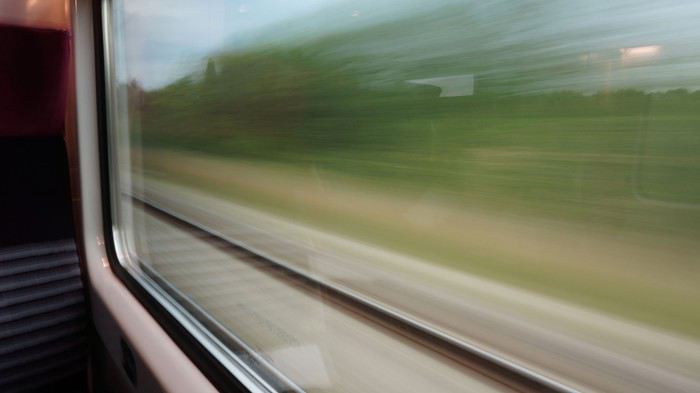
Departure on the Ouigo from Rennes station, arriving in Massy 1.5 hours later. And then the rush toward the exit. In a frantic rhythm, hundreds of passengers trample in the same direction like a single organism, as if driven by some urgency. The human snake with things to do. Meanwhile, the metal snake that teleported us here continues on its infinite path, perched on its two rails. At the station exit, ticket machines for the RER are under siege, lines stretching outside the building. I watch for a moment, then... veer off toward a café 200 meters away. A guy at the entrance greets me at the top of the stairs with humor. I stir my espresso and think how hot it is to be setting off on a trip—especially since I’m heading toward Southern Europe. Then comes a thought, maybe cliché but fitting: if you wait for ideal conditions to act, to leave, to do, you might wait forever.

PARIS, youth hostel at 8 Jules Ferry Street, 21 € for a bed in a dorm. Unbeatable price for sleeping in the capital. Friendly welcome and a nice neighborhood near République. They don’t ask for a hostel federation card. Paris is as beautiful as ever—and as polluted. My eyes and throat sting a little. I buy a ukulele (the reason for this stop in Paris), using my backpack as a case. First notes strummed in the empty hostel room. We’ll end up being four people sleeping here, mostly in their thirties or older. In the evening, I have a Grimp on the terrace of a nearby café. After a day of carrying my backpack in the heat, the first sips of cold beer are pure bliss. The window stays wide open all night because of the heat, to let in a little air. Feels like sleeping right on the boulevard, with motorcycles and cars passing all night long.

TGV from Paris to Strasbourg. The sound of the train is smooth and soft, almost nonexistent. I think to myself that the TGV is already a thing of the past—a time when we believed abolishing time would mean abolishing finitude, when in reality it only erased life. A time when we believed in the rise of a single, affluent upper-middle class with access to immediacy in a world of efficiency, profit, cleanliness, straight lines, no sweat, no dust. I think speed is part of the past. When you go fast, you rush, you’re never where you are—always just ahead, never here and now. Speed is a rejection of life, a sick movement, an illusion of power and joy. No yawning, no breathing, no dozing, no thinking. Speed abolishes time and space. People get sucked in. Quick, into the vacuum—never inspired, no time. Aspiration versus inspiration. A battle between unreal times (past and future) and the only real time: the present.

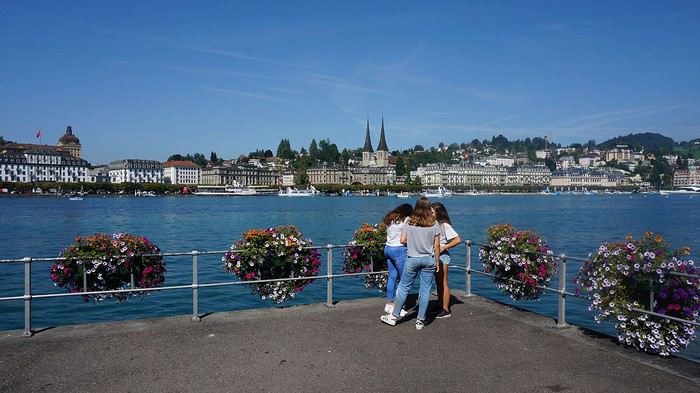
Second night. Youth hostel in Lucerne, Switzerland. Tough end to the day—tired, starting to get blisters. Lucerne, with its charms and hordes of tourists, wears me out. With my blisters, I drag myself to the station, buy some Asian takeaway, and wait for the bus to escape to the hostel. There, three massive Russian-speaking guys chat and down beers around a table on the terrace by the entrance. I sit a little apart. The Swiss hostel is twice as expensive as the one in Paris. The common areas are spacious, but the rooms are cramped and lack a sink. The opposite of the Parisian hostel, where the common spaces were minimal but the room was spacious and had a sink. I share the small room with two students from Singapore. Lights go out around 10 PM, but in the hallway, a group of overexcited girls from the next room scream, laugh, slam doors, and keep coming and going for over an hour. The next day, I’d find the girls’ bathroom floor covered in chips.
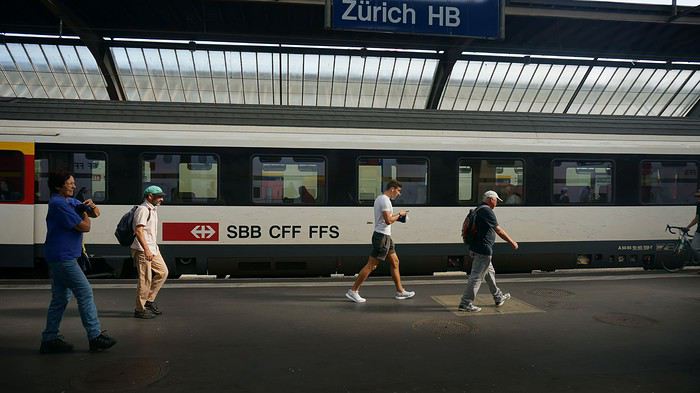
 Day three. Departure from Lucerne station in the morning, change in Zurich, heading to Villach in Austria near the Slovenian border. The train is slow, skirting a large lake with mountains where rocks jut out by the water. The view through the window is soothing. The sounds of the train are pleasant. In front of me, two women speak softly while eating Swiss crackers. Then the train speeds up as we leave the lakeside. I decide to get off at Wörgl, a small station surrounded by mountains, instead of continuing to Salzburg. The train I take in Wörgl looks like our TER. Not many people, just three small carriages, well-balanced air conditioning. Good call: this little train winds through the Austrian mountains. It stops often, but the scenery is beautiful, and I’m in no hurry. Typical little villages, chalets on the mountainside, coniferous forests. To be honest, after a while, I get a bit tired of these endless valleys. Lack of perspective and distant views.
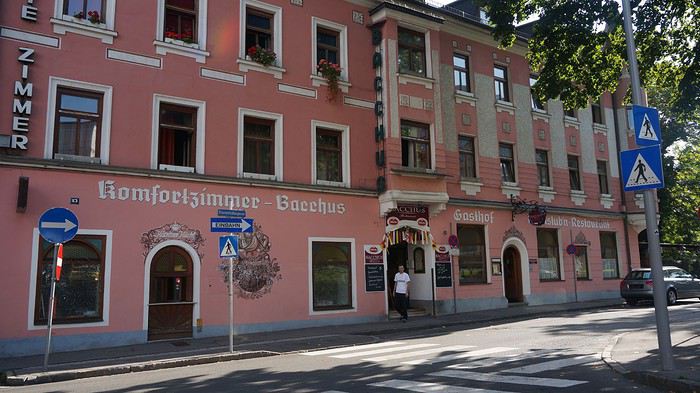
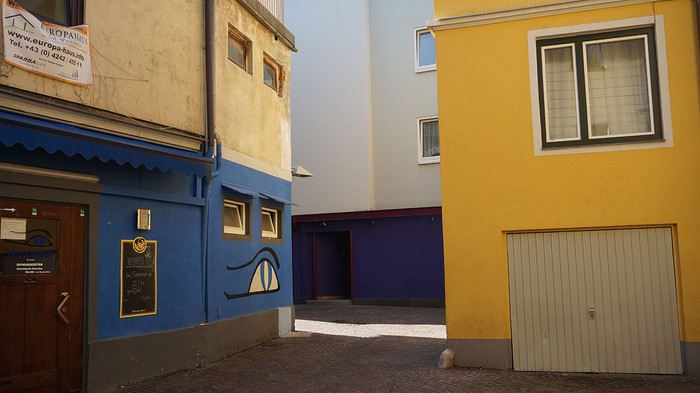
Villach. A pleasant town with a well-maintained old pedestrian center and its old bridge spanning the Drava. I arrive in the early evening. After a good walk, I pass through a mixed zone (industrial and sports) and find the youth hostel 2–3 km from the station. 25 € a night, but the hostel is "full," and of course, I haven’t booked. I never book in advance or use a phone to navigate. I prefer to improvise and ask for directions. I head back to the city center and find a room for 76 € in a three-star hotel. The guy at reception, very kind, looks like he stepped out of a comic book—a short, chubby guy with a serene face and voice. He’s not rushed at all, takes his time, which is really nice. The room isn’t great in terms of essentials, but a lot of effort (finishes, furniture) has gone into matching the hotel’s standards. No free space, window overlooking a narrow courtyard (smell of cooking in the morning), and a small, not-very-firm bed. Bathroom’s fine, and there’s a big screen (one channel in French). In the morning, a free breakfast with an incredibly varied spread—salty and sweet, meats, cooked dishes, pastries, dried fruits, cereals... Sitting with me in the room are mostly couples in their sixties.

Departure from Villach station. Train at 12:53 PM to Ljubljana. 17 €. Quite an old train, compartments with six seats, some patched up. I share a compartment with a very nice Croatian woman around 35. We start chatting, and I explain the nature of my trip. I also tell her about my first big train trip in Asia, which piques her interest, and she asks me quite a few questions. She’s seen documentaries about trains in Russia or India, and I give her a firsthand account from "reality." Her English is a bit better than mine, but we’re more or less on the same level, which I think helps the conversation flow and last. You could almost say we meet while traveling not because of shared interests but because our language levels match!


Ljubljana. No idea what this city looks like. I quickly checked a few forums and was expecting a somewhat dreary big city, pollution... Not at all. After a few minutes’ walk from the station, I enter a pedestrian and tourist area with beautiful, well-maintained, colorful buildings. The city seems immediately very pleasant, everything within reach. At the tourist office, I grab a map and see there’s no shortage of hostels. I find one in the city center in a large old building, with big rooms that haven’t been renovated in decades. 15 € a night. Ljubljana is actually a charming little city, touristy, with a completely pedestrianized center. Prices are already a bit lower than in big French cities. Example prices: 6 € for a large, very filling plate of excellent falafel, hummus, fries, and raw veggies; 2.5 € for a half-pint on a terrace in the city center; 1.50 € for a lungo coffee; 60 cents for a kind of jam-filled bread. In the narrow streets, you come across lots of bikes that seem to rule here. Pedestrians have to move aside. I reach a pedestrian crossing—maybe the only street in the city center open to cars. I’m about to cross (against the light for pedestrians), but a young Slovenian woman warns me in English; she says I could get fined for that.
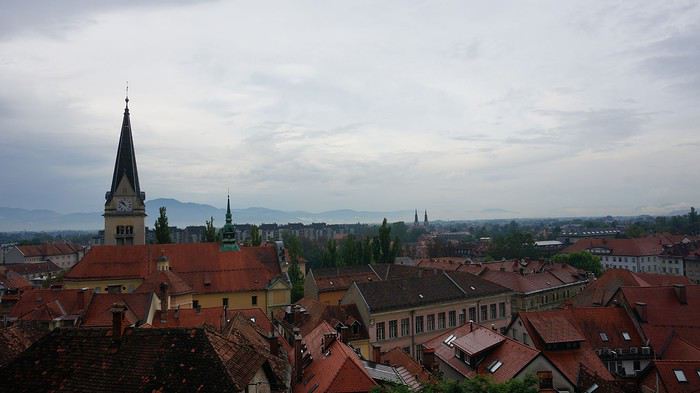
The next day, it’s raining. During a break in the clouds, I manage to have breakfast on a terrace. I find a slightly more expensive hostel (21 €) but with nice common areas. A smaller room but better designed, with a locker for securing your bag. It’s going to rain all morning. I head up to the castle—a walk that, besides getting the legs moving, offers a great view of Ljubljana rather than the castle itself. Midday. It’s raining, so I eat a plate of fish with potatoes cooked by a street vendor at a market, sheltered by a flimsy umbrella. Not many people at the market brave the rain. But I’m loving it. The vendor, very Slavic-looking, corrects my attempt to say "thank you" in Slovenian ("hvala"). A few minutes’ walk away, I reach Ljubljana’s big park. You quickly arrive after a small climb into wild forest—seemingly not maintained at all. And we’re only 1 or 2 km from the tourist office! My feet are soaked—damn shoes that were supposed to be waterproof!
More travels and train sounds on my site crilef.free.fr and also crilef.fr
Departure on the Ouigo from Rennes station, arriving in Massy 1.5 hours later. And then the rush toward the exit. In a frantic rhythm, hundreds of passengers trample in the same direction like a single organism, as if driven by some urgency. The human snake with things to do. Meanwhile, the metal snake that teleported us here continues on its infinite path, perched on its two rails. At the station exit, ticket machines for the RER are under siege, lines stretching outside the building. I watch for a moment, then... veer off toward a café 200 meters away. A guy at the entrance greets me at the top of the stairs with humor. I stir my espresso and think how hot it is to be setting off on a trip—especially since I’m heading toward Southern Europe. Then comes a thought, maybe cliché but fitting: if you wait for ideal conditions to act, to leave, to do, you might wait forever.
PARIS, youth hostel at 8 Jules Ferry Street, 21 € for a bed in a dorm. Unbeatable price for sleeping in the capital. Friendly welcome and a nice neighborhood near République. They don’t ask for a hostel federation card. Paris is as beautiful as ever—and as polluted. My eyes and throat sting a little. I buy a ukulele (the reason for this stop in Paris), using my backpack as a case. First notes strummed in the empty hostel room. We’ll end up being four people sleeping here, mostly in their thirties or older. In the evening, I have a Grimp on the terrace of a nearby café. After a day of carrying my backpack in the heat, the first sips of cold beer are pure bliss. The window stays wide open all night because of the heat, to let in a little air. Feels like sleeping right on the boulevard, with motorcycles and cars passing all night long.
TGV from Paris to Strasbourg. The sound of the train is smooth and soft, almost nonexistent. I think to myself that the TGV is already a thing of the past—a time when we believed abolishing time would mean abolishing finitude, when in reality it only erased life. A time when we believed in the rise of a single, affluent upper-middle class with access to immediacy in a world of efficiency, profit, cleanliness, straight lines, no sweat, no dust. I think speed is part of the past. When you go fast, you rush, you’re never where you are—always just ahead, never here and now. Speed is a rejection of life, a sick movement, an illusion of power and joy. No yawning, no breathing, no dozing, no thinking. Speed abolishes time and space. People get sucked in. Quick, into the vacuum—never inspired, no time. Aspiration versus inspiration. A battle between unreal times (past and future) and the only real time: the present.
Second night. Youth hostel in Lucerne, Switzerland. Tough end to the day—tired, starting to get blisters. Lucerne, with its charms and hordes of tourists, wears me out. With my blisters, I drag myself to the station, buy some Asian takeaway, and wait for the bus to escape to the hostel. There, three massive Russian-speaking guys chat and down beers around a table on the terrace by the entrance. I sit a little apart. The Swiss hostel is twice as expensive as the one in Paris. The common areas are spacious, but the rooms are cramped and lack a sink. The opposite of the Parisian hostel, where the common spaces were minimal but the room was spacious and had a sink. I share the small room with two students from Singapore. Lights go out around 10 PM, but in the hallway, a group of overexcited girls from the next room scream, laugh, slam doors, and keep coming and going for over an hour. The next day, I’d find the girls’ bathroom floor covered in chips.
Day three. Departure from Lucerne station in the morning, change in Zurich, heading to Villach in Austria near the Slovenian border. The train is slow, skirting a large lake with mountains where rocks jut out by the water. The view through the window is soothing. The sounds of the train are pleasant. In front of me, two women speak softly while eating Swiss crackers. Then the train speeds up as we leave the lakeside. I decide to get off at Wörgl, a small station surrounded by mountains, instead of continuing to Salzburg. The train I take in Wörgl looks like our TER. Not many people, just three small carriages, well-balanced air conditioning. Good call: this little train winds through the Austrian mountains. It stops often, but the scenery is beautiful, and I’m in no hurry. Typical little villages, chalets on the mountainside, coniferous forests. To be honest, after a while, I get a bit tired of these endless valleys. Lack of perspective and distant views.Villach. A pleasant town with a well-maintained old pedestrian center and its old bridge spanning the Drava. I arrive in the early evening. After a good walk, I pass through a mixed zone (industrial and sports) and find the youth hostel 2–3 km from the station. 25 € a night, but the hostel is "full," and of course, I haven’t booked. I never book in advance or use a phone to navigate. I prefer to improvise and ask for directions. I head back to the city center and find a room for 76 € in a three-star hotel. The guy at reception, very kind, looks like he stepped out of a comic book—a short, chubby guy with a serene face and voice. He’s not rushed at all, takes his time, which is really nice. The room isn’t great in terms of essentials, but a lot of effort (finishes, furniture) has gone into matching the hotel’s standards. No free space, window overlooking a narrow courtyard (smell of cooking in the morning), and a small, not-very-firm bed. Bathroom’s fine, and there’s a big screen (one channel in French). In the morning, a free breakfast with an incredibly varied spread—salty and sweet, meats, cooked dishes, pastries, dried fruits, cereals... Sitting with me in the room are mostly couples in their sixties.
Departure from Villach station. Train at 12:53 PM to Ljubljana. 17 €. Quite an old train, compartments with six seats, some patched up. I share a compartment with a very nice Croatian woman around 35. We start chatting, and I explain the nature of my trip. I also tell her about my first big train trip in Asia, which piques her interest, and she asks me quite a few questions. She’s seen documentaries about trains in Russia or India, and I give her a firsthand account from "reality." Her English is a bit better than mine, but we’re more or less on the same level, which I think helps the conversation flow and last. You could almost say we meet while traveling not because of shared interests but because our language levels match!
Ljubljana. No idea what this city looks like. I quickly checked a few forums and was expecting a somewhat dreary big city, pollution... Not at all. After a few minutes’ walk from the station, I enter a pedestrian and tourist area with beautiful, well-maintained, colorful buildings. The city seems immediately very pleasant, everything within reach. At the tourist office, I grab a map and see there’s no shortage of hostels. I find one in the city center in a large old building, with big rooms that haven’t been renovated in decades. 15 € a night. Ljubljana is actually a charming little city, touristy, with a completely pedestrianized center. Prices are already a bit lower than in big French cities. Example prices: 6 € for a large, very filling plate of excellent falafel, hummus, fries, and raw veggies; 2.5 € for a half-pint on a terrace in the city center; 1.50 € for a lungo coffee; 60 cents for a kind of jam-filled bread. In the narrow streets, you come across lots of bikes that seem to rule here. Pedestrians have to move aside. I reach a pedestrian crossing—maybe the only street in the city center open to cars. I’m about to cross (against the light for pedestrians), but a young Slovenian woman warns me in English; she says I could get fined for that.
The next day, it’s raining. During a break in the clouds, I manage to have breakfast on a terrace. I find a slightly more expensive hostel (21 €) but with nice common areas. A smaller room but better designed, with a locker for securing your bag. It’s going to rain all morning. I head up to the castle—a walk that, besides getting the legs moving, offers a great view of Ljubljana rather than the castle itself. Midday. It’s raining, so I eat a plate of fish with potatoes cooked by a street vendor at a market, sheltered by a flimsy umbrella. Not many people at the market brave the rain. But I’m loving it. The vendor, very Slavic-looking, corrects my attempt to say "thank you" in Slovenian ("hvala"). A few minutes’ walk away, I reach Ljubljana’s big park. You quickly arrive after a small climb into wild forest—seemingly not maintained at all. And we’re only 1 or 2 km from the tourist office! My feet are soaked—damn shoes that were supposed to be waterproof!
More travels and train sounds on my site crilef.free.fr and also crilef.fr
Bonjour,
Bien avertie par mon L.P., je me dirige vers un taxi jaune O.K.supertrans pour me rendre de la gare routière à l'aéroport.Le trajet devait coûter comme à l'aller une dizaine de Lv.
Surprise à l'arrivée : le chauffeur exhibe un compteur électronique( caché pendant le trajet) affichant 76 Lv
Il ne me restait que 25 Lv avant de rentrer en France. J'ai dû payer la somme demandée en euro sous l'oeil complice d'un policier silencieux, car le chauffeur de taxi avait fermé mon bagage à clé dans le coffre.
Au guichet O.K. supertrans de l'aéroport, j'ai appris que des faux- taxis O.K. supertrans ou superchance(en lettres cyrilliques) circulent et que les victimes sont souvent des bulgares venant d'autres villes que Sofia.On ne peut les reconnaître qu'au numéro de téléphone imprimé sur la carrosserie, qui n'est pas le:9732121(numéro de la vraie Cie) et à un petit autocollant sur le bas d'une vitre arrière qui indique 3, 69 Lv au Km et non 0, 59 Lv
A bon lecteur salut !
bonjour,
je pars avec une copine en juin prochain en Bulgarie.. on atterit à Sofia mais on ne voudrait pas y rester plus de 2 ou 3 jours.. Quelqu'un a-t-il un itinéraire sympa à nous recommander.. on ne sait pas par où commencer..
On y restera 2 semaines et on voudrait eviter les lieux trop defigurés par les complexes.. (on souhaite surtout voir des paysages, rencontrer des autochtones.. vivre à la Bulgare quoi..) donc d'apres ce que j'ai lu, on va éviter la côte de la mer noire.. ce qui est dommage.. sauf si certains lieux sont encore "naturels"??
J'aimerai également avoir davantage d'info sur les transports.. quelqu'un connait-il les temps de certains trajets pour que je puisse me faire une idée?(genre Sofia- Rila.. ou Sofia- Melnik ou même Sofia- Bourgas ou Varna...)
Enfin, bref, je suis preneuse de tous les bons plans possibles..
merci à vous
Alexia
je pars avec une copine en juin prochain en Bulgarie.. on atterit à Sofia mais on ne voudrait pas y rester plus de 2 ou 3 jours.. Quelqu'un a-t-il un itinéraire sympa à nous recommander.. on ne sait pas par où commencer..
On y restera 2 semaines et on voudrait eviter les lieux trop defigurés par les complexes.. (on souhaite surtout voir des paysages, rencontrer des autochtones.. vivre à la Bulgare quoi..) donc d'apres ce que j'ai lu, on va éviter la côte de la mer noire.. ce qui est dommage.. sauf si certains lieux sont encore "naturels"??
J'aimerai également avoir davantage d'info sur les transports.. quelqu'un connait-il les temps de certains trajets pour que je puisse me faire une idée?(genre Sofia- Rila.. ou Sofia- Melnik ou même Sofia- Bourgas ou Varna...)
Enfin, bref, je suis preneuse de tous les bons plans possibles..
merci à vous
Alexia
Hello,
Voici mon nouveau carnet, version très allégée en photos (version complète sur mon blog). Bonne lecture.
Zéro photo, zéro kilomètre. Aujourd'hui, nous sommes sur une plage de la Mer Noire et les enfants profitent avec intensité de la plage et des vagues. Moi, je résiste comme je peux à ce repos forcé, je me lance ainsi dans la rédaction de ce carnet. Vous l'aurez compris, nous sommes partis en direction de l'est pour un nouveau périple intitulé « Roumanie, Moldavie et Bulgarie, tours et détours jusqu'en Mer Noire ».
Voici mon nouveau carnet, version très allégée en photos (version complète sur mon blog). Bonne lecture.
Zéro photo, zéro kilomètre. Aujourd'hui, nous sommes sur une plage de la Mer Noire et les enfants profitent avec intensité de la plage et des vagues. Moi, je résiste comme je peux à ce repos forcé, je me lance ainsi dans la rédaction de ce carnet. Vous l'aurez compris, nous sommes partis en direction de l'est pour un nouveau périple intitulé « Roumanie, Moldavie et Bulgarie, tours et détours jusqu'en Mer Noire ».
Hi there,
We’re planning a 3-week trip in late September with our camper van to explore Bulgaria and Romania.
What routes would you recommend, starting from the South?
Is there an option to take a ferry in Italy, and is it worth it?
Thanks for all your tips!😊
Hi everyone,
In mid-July 2025, we were lucky enough to spend about ten days in Bulgaria. We did a 10-day road trip exploring this beautiful and underrated Balkan country!
Hi everyone,
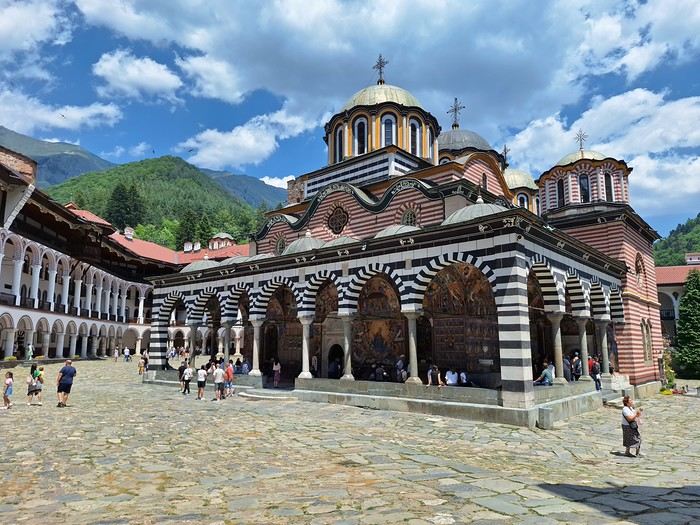
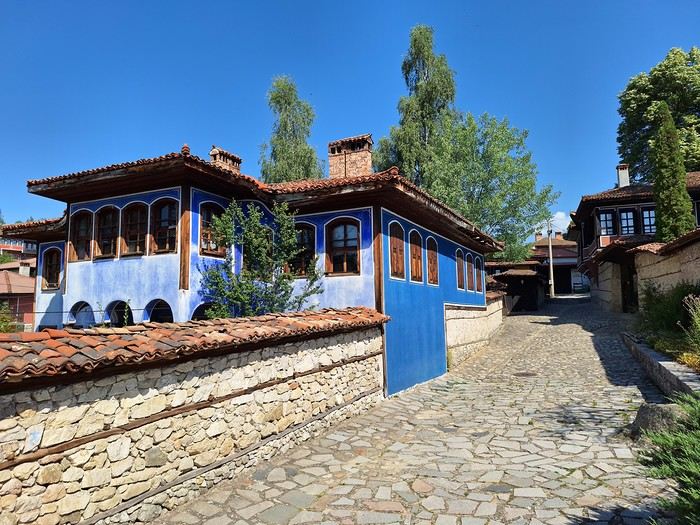
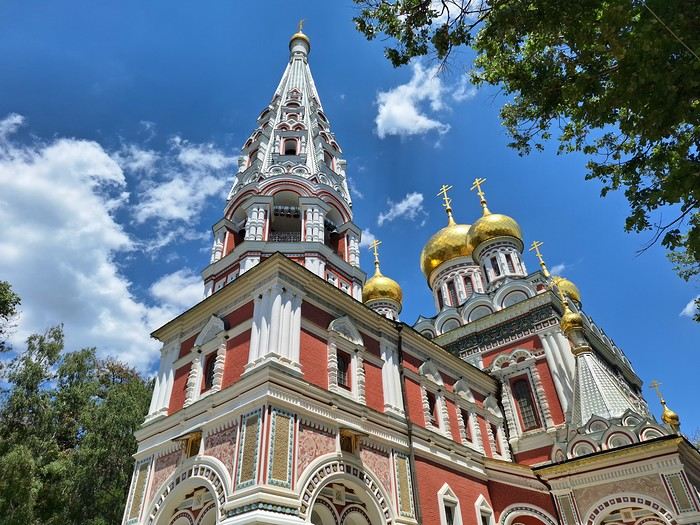
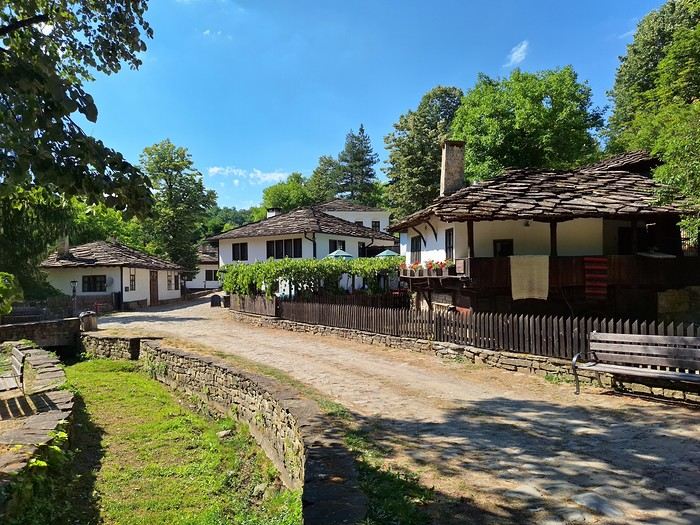
In mid-July 2025, we were lucky enough to spend about ten days in Bulgaria. We did a 10-day road trip exploring this beautiful and underrated Balkan country! Since planning a trip isn’t always easy, we’re sharing our original itinerary (different from the "classic" loop offered by travel agencies) and our feedback on the various places we visited.
With a few photos to illustrate each day, we hope to wow you 🙂 and, most importantly, inspire you to visit Bulgaria!
Here’s our loop itinerary starting from Sofia (a varied program that allowed us to enjoy some summer swimming on the beaches of the Black Sea):
Day 1 - The Rila Monastery, Bulgaria’s emblem
 Day 2 - The picturesque village of Koprivshtitsa, the Russian Church of Shipka, and the listed village of Bozhentsi
 Day 3 - The small town of Tryavna and Sozopol, a little gem on the Bulgarian coast
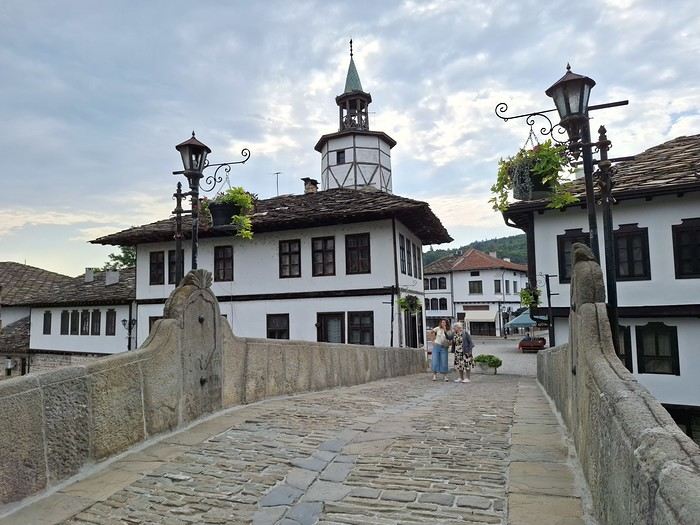
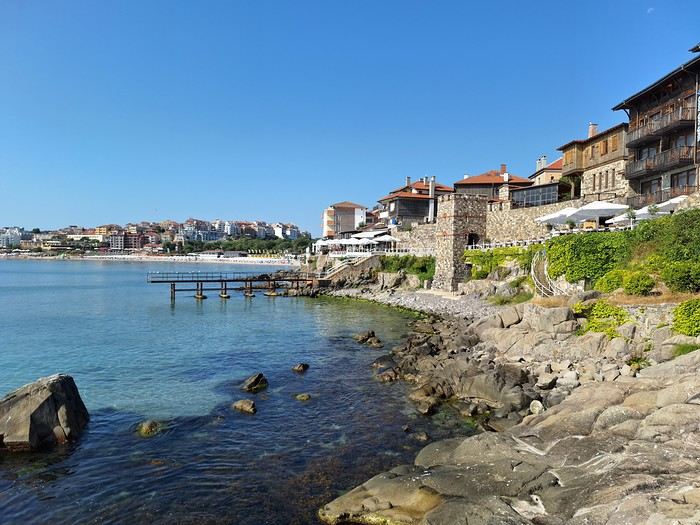
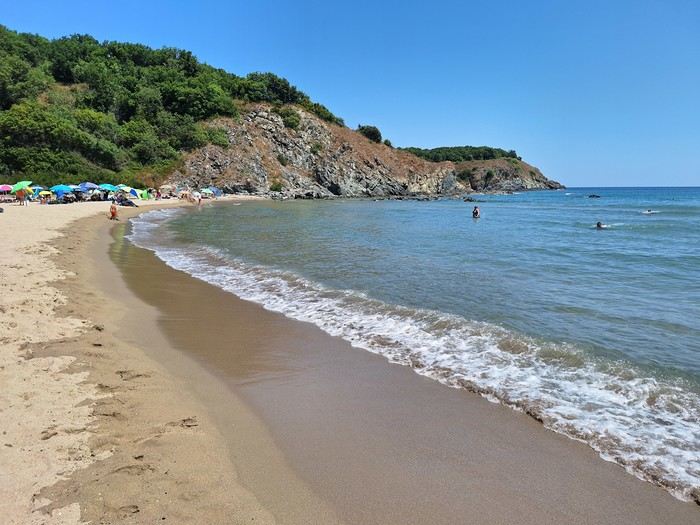
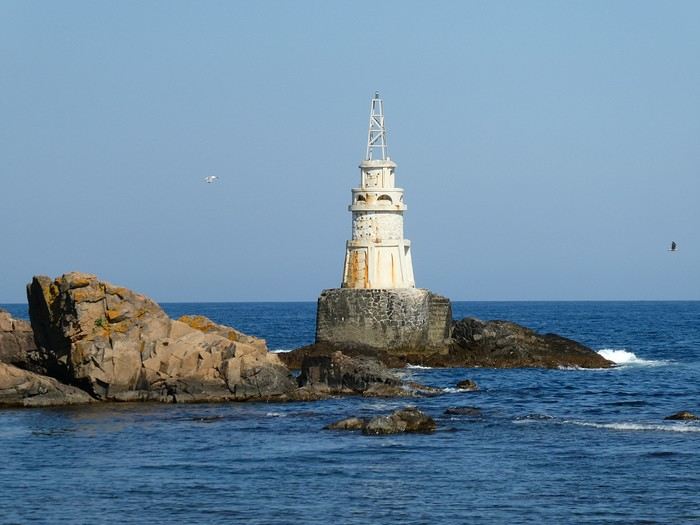
Day 4 - Sinemorets and the wild Veleka beach, the stunning Silistar beach, and the small port of Ahtopol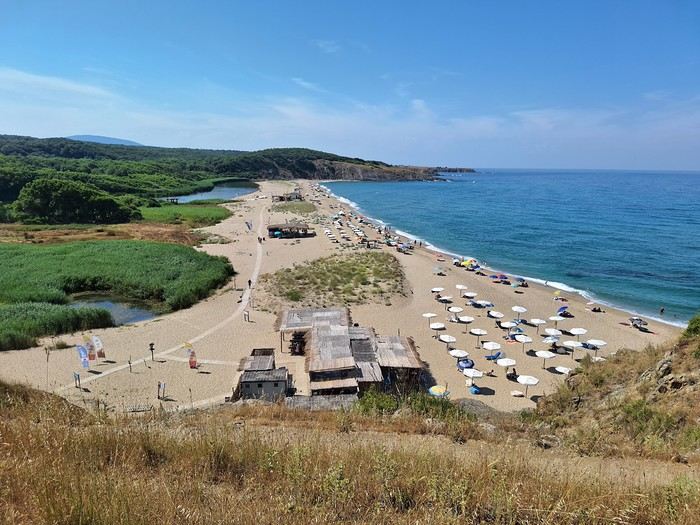
Day 2 - The picturesque village of Koprivshtitsa, the Russian Church of Shipka, and the listed village of Bozhentsi
Day 3 - The small town of Tryavna and Sozopol, a little gem on the Bulgarian coast
Day 4 - Sinemorets and the wild Veleka beach, the stunning Silistar beach, and the small port of Ahtopol
Hi there,
This summer, we’re heading to Bulgaria as a family (2 adults and 2 kids aged 15 and 12). Our flights and rental car are already booked, and our accommodations are pre-reserved (cancellable). Just so you know, we prefer nature over cities for our vacations.
I’d love your thoughts on our itinerary—specifically, any interesting sites, hikes, or nature activities you’d recommend. - Day 1: Arrival in Sofia at 11 PM - Day 2: Sofia - Day 3: Drive to Veliko Tarnovo, overnight there - Day 4: Drive to the Black Sea (we were supposed to go to Varna, but our booking was canceled) - Days 5–8: We were planning to stay in Varna and visit Balchik and Nesebar. But since our accommodation fell through, we’re wondering if we should spend only 2 nights in Varna and 3 in Nesebar instead. What do you think? - Day 9: Drive to Sinemorets - Days 10–11: Sinemorets, Strandja (3 nights in Sinemorets) - Days 12–13: Plovdiv - Days 14–16: Rhodopes, staying in Yagodina for 3 nights - Day 17: Melnik - Days 18–20: Bansko (Bansko Jazz Fest, hikes) - Day 21: Rila Monastery, then overnight in Sapareva Banya - Day 22: Seven Rila Lakes hike - Day 23: Return to Sofia and fly home
Does this route feel balanced, or too rushed? What do you think are the must-see spots along the way?
Thanks! PM
This summer, we’re heading to Bulgaria as a family (2 adults and 2 kids aged 15 and 12). Our flights and rental car are already booked, and our accommodations are pre-reserved (cancellable). Just so you know, we prefer nature over cities for our vacations.
I’d love your thoughts on our itinerary—specifically, any interesting sites, hikes, or nature activities you’d recommend. - Day 1: Arrival in Sofia at 11 PM - Day 2: Sofia - Day 3: Drive to Veliko Tarnovo, overnight there - Day 4: Drive to the Black Sea (we were supposed to go to Varna, but our booking was canceled) - Days 5–8: We were planning to stay in Varna and visit Balchik and Nesebar. But since our accommodation fell through, we’re wondering if we should spend only 2 nights in Varna and 3 in Nesebar instead. What do you think? - Day 9: Drive to Sinemorets - Days 10–11: Sinemorets, Strandja (3 nights in Sinemorets) - Days 12–13: Plovdiv - Days 14–16: Rhodopes, staying in Yagodina for 3 nights - Day 17: Melnik - Days 18–20: Bansko (Bansko Jazz Fest, hikes) - Day 21: Rila Monastery, then overnight in Sapareva Banya - Day 22: Seven Rila Lakes hike - Day 23: Return to Sofia and fly home
Does this route feel balanced, or too rushed? What do you think are the must-see spots along the way?
Thanks! PM
Hi everyone,
This summer, our family (dad, mom, a 17-year-old teen, and an 11-year-old pre-teen) wants to explore Bulgaria and include 4 days in Istanbul during our trip. I’ve got a rough plan, but I’m not sure if it’s doable—here’s what I’m thinking:
Arrival on August 12th in Sofia at 2:00 PM → pick up rental car, visit Sofia. 13th: Sofia → Rila → Sofia 14th: Sofia to Plovdiv, overnight in Plovdiv 15th: Plovdiv to Nessebar (or Sozopol—which is better?) 16th/17th/18th: Exploring the Black Sea coast, based in Sozopol/Nessebar 19th: Bus from Burgas to Istanbul (7-hour trip) 20th-21st-22nd-23rd: Istanbul 24th: Return bus from Istanbul to Burgas. Overnight in Burgas 25th: Burgas → Veliko Tarnovo (Bojentsi) 26th: Veliko Tarnovo to Sofia via Koprivshtitsa 27th: Early flight home
→ In this itinerary, I’ve planned 4 full days in Istanbul. I could reduce it to 3 (since we’ll also spend the evening of the 19th there) and add an extra day to the return trip from Burgas to Sofia, around Veliko Tarnovo/Koprivshtitsa.
My questions: -My 17-year-old son and I are passionate about music, especially klezmer, Romani, and jazz. Any good spots in Sofia, Istanbul, or elsewhere? -Things to do with an 11-year-old kid? -Experiences with the Burgas-Istanbul bus?
Thanks for your feedback!
This summer, our family (dad, mom, a 17-year-old teen, and an 11-year-old pre-teen) wants to explore Bulgaria and include 4 days in Istanbul during our trip. I’ve got a rough plan, but I’m not sure if it’s doable—here’s what I’m thinking:
Arrival on August 12th in Sofia at 2:00 PM → pick up rental car, visit Sofia. 13th: Sofia → Rila → Sofia 14th: Sofia to Plovdiv, overnight in Plovdiv 15th: Plovdiv to Nessebar (or Sozopol—which is better?) 16th/17th/18th: Exploring the Black Sea coast, based in Sozopol/Nessebar 19th: Bus from Burgas to Istanbul (7-hour trip) 20th-21st-22nd-23rd: Istanbul 24th: Return bus from Istanbul to Burgas. Overnight in Burgas 25th: Burgas → Veliko Tarnovo (Bojentsi) 26th: Veliko Tarnovo to Sofia via Koprivshtitsa 27th: Early flight home
→ In this itinerary, I’ve planned 4 full days in Istanbul. I could reduce it to 3 (since we’ll also spend the evening of the 19th there) and add an extra day to the return trip from Burgas to Sofia, around Veliko Tarnovo/Koprivshtitsa.
My questions: -My 17-year-old son and I are passionate about music, especially klezmer, Romani, and jazz. Any good spots in Sofia, Istanbul, or elsewhere? -Things to do with an 11-year-old kid? -Experiences with the Burgas-Istanbul bus?
Thanks for your feedback!
Hi everyone,
So, I’m heading to Bulgaria this September. I’ll be based in Varna and plan to rent a car for a few days. I don’t know Bulgaria at all, so I’ve got everything to learn about this country.
I’m an amateur photographer, so I’d love to take some great landscape shots (sea or mountains) as well as photos of picturesque little villages... I’m open to all kinds of tips, and thanks in advance for reading!
Best regards, Patrice
So, I’m heading to Bulgaria this September. I’ll be based in Varna and plan to rent a car for a few days. I don’t know Bulgaria at all, so I’ve got everything to learn about this country.
I’m an amateur photographer, so I’d love to take some great landscape shots (sea or mountains) as well as photos of picturesque little villages... I’m open to all kinds of tips, and thanks in advance for reading!
Best regards, Patrice