A Soupente, dans les Montagnes bleues, la canicule frappait fort...Pénélope continuait de filer le lin de sa boutique, tandis qu'Ulysse préparait activement sa traversée de juillet...
Son sac le démangeait...il l'avait fait et refait plusieurs fois...(symptôme déclencheur chez le marcheur au long cours...)
L'horizon des Montagnes bleues le narguait chaque matin et bien qu'il ait épuisé les sentiers de moyenne altitude environnants, il sentait son addiction le démanger: il fallait qu'il reprenne la route.
Le compostelle passait à huit kilomètres de soupente, il eût été facile de remettre ses pas dans ses traces, mais il n'avait pas l'habitude de répéter deux fois le même itinéraire...
D'autres arguments le faisaient réfléchir: Juillet-Août est l'époque où les sentiers sont surpeuplés: il lui fallait dénicher un GR suffisamment austère et rébarbatif pour éloigner le vacancier, suffisamment désertique et "grands espaces" pour lui rappeler l'Afrique et ses paysages désolés, suffisamment de moyenne altitude pour que la canicule ne l'atteigne pas...
Il profitait de la fraîcheur des matinées pour parcourir son kilomètre de bassins et entretenir ses muscles longs...mais il fallait toute la fraîcheur enfouie derrière les volets clos pour supporter les 34 degrés de ce juillet torride.
Grand Tour du Mercantour ou Grand Tour du Larzac ? il avait encore deux jours pour mûrir sa décision, la liste des refuges et des gîtes d'étape était prête, il fallait qu'il décide de l'orientation de ses réservations.
Autant il craignait le surbooking dans le Champsaur, autant il semblait rassuré de rêver de La Couvertoirade et de la Cavalerie...
tomas
"il ne faut pas avoir peur du bonheur...c'est seulement un bon moment à passer..."
Des photos, on veut des photos du Larzac
De Pénélope
Bon, je m'attendais à celles de la Syrie, mais tu as oublié de t'y rendre, donc, pouquoi pas le désert du Larzac
As-tu au moins trouvé des points d'eau pour étancher ta soif?
Et une vieille cabane perdue sur les hauteurs pour y dormir?
C'est quoi? la couvertoirade?
Je ne l'ai pas vue dans le défilé du 14 juillet.
La cavalerie, si, magnifique, comme d'habitude.
Quand feras-tu le TDM à cheval?
Ou, à défaut, de dromadaire, tiens, dans le Larzac, tu aurais fait sensation, et les touristes auraient pu te jeter des sous, ce qui t'aurait permis de me payer pour avoir tenu ta boutique durant ton absence, et avoir veillé jalousement sur le plateau où se jouera le futur film.
Et c'est Tinitrane qui serait contente de passer à la caisse.
Bon, tu as rencontré quoi au juste dans cette belle contrée? des aigles? des serpents à sonnette, des fourmis géantes?
toujours impatient et curieux de suivre les aventures d'Ulysse, je te fais passer un compte-rendu qui date un peu, mais qui pourra t'intéresser:
Loin de l'univers des geeks:
il avait quitté il y a plus d'une semaine les contreforts de la Bouquetière, laissant sur place son matériel informatique: la guerre des geeks battait son plein: les trolls sautaient d'un forum à l'autre, menacant et hurlant, le climat devenait malsain.
"le geek adore se réfugier dans un univers imaginaire, c'est un adulte qui n'a pas vraiment envie de grandir.." explique Alexandre Astier, créateur et acteur de Kameloot...
Le terme "Geek" est un mot d'allemand ancien.Il désignait au moyen-âge le fou du village, puis le monstre de foire à qui on lançait des cacahuètes (David Peyron, le N.O du 9 juillet 2009)
A force d'être scotchés derrière leurs écrans, les plus atteints en viennent à faire une croix sur la vie, qu'ils appellent IRL (in real life)...On les appelle des "no-life"...
Pour s'éloigner des écrans et de l'ambiance Tolkien de ces forums complètements geeks, Ulysse avait trouvé la bonne formule : marches au long cours, in "real life", et piscines : à l'issue de quarante bassins, c'était comme s'il venait d'en fumer une ou de se faire une ligne( bien qu'il n'ait jamais ni fumé ni sniffé de sa vie...) et ces bouffées d'oxygène étaient vraiment IRL ( in real life)
Foin des geeks et des trolls, il irait donc dans la vraie vie égrener les pelouses désséchées des Grands causses.
" En été, les vents peuvent être désséchants, la chaleur torride sur les plateaux, la végétation d'allure steppique et les pelouses(topo-guide de la FFR) "
il avait vaincu l'estremadure en juillet 2007, il vaincrait le Larzac en juillet 2009...
tomas
"il ne faut pas avoir peur du bonheur...c'est seulement un bon moment à passer..."
😉heureusement, je suis assis devant l'ordi, sinon, je serais passé sous la table, MDR.
Là, j'ai tout compris, pour une fois
la réalité dépasse la fiction.
Continue, mais ne t'étonne pas si les geeks te tombent dessus à bras raccourcis.
T'inquiète, on sera là.
Le dilemme du randonneur: quel tour du Larzac choisir?:
Quand on lit les guides et les cartes du Larzac, guides qui vous proposent parfois le Tour du Larzac en plus de 20 jours de randonnée sur plus de 1000 kms2, on est étonné finalement de l'étroitesse du grand causse...
Coincé entre le Gard, l'Hérault et l'Aveyron, écorcé vif par l'autoroute Millau-Montpellier, le Grand Causse peut être contourné en huit ou dix jours...
D'ailleurs, les rédacteurs de guides ne s'y trompent pas: ils vous proposent :
- soit la traversée du Grand Causse en passant par La Cavalerie,
- soit le tour du Larzac Sud,
- soit le tour du Larzac Nord,
Si l'on additionne ces différents itinéraires, on obtient 9 jours de grande randonnée(20 à 24 kms par jour) où sont donc passés les 11 jours restants promis par les guides de la FFRP ?
Comme toujours, Ulysse allait improviser à partir d'un point fixe un circuit en boucle;il choisirait la gare de Millau.
Les gares, dans ses itinéraires, restant l'endroit où poser sa voiture, le temps de la randonnée...
Il allait partir des Montagnes bleues, rejoindre Millau en coupant par le Puy-en-Velay et Mende. Il rejoindrait l'autoroute de Clermont à Millau à Séverac le Chateau et poserait son véhicule devant la Banque de France, à proximité de la gare...
La canicule ne décolérait pas, il faudrait doubler les rations d'eau et, comme en Andalousie et en Estrémadure en 2007, partir le jour pas encore levé, à la lampe de poche, le sentier repéré la veille.
Ulysse ne croiserait pas de Tartarins fous, ils s'étaient réfugiés dans les Monts du Cantal, dans l'Aubrac ou dans le Mont Aygoual tout proche...ou bien avaient rejoint les Pyrénées, cause canicule...fuyant la chaleur et les steppes désséchées...
tomas
"il ne faut pas avoir peur du bonheur...c'est seulement un bon moment à passer..."
Qu'est-ce qui c'est passé avec mon post que je t'ai envoyé, je ne suis ni une geek ni un troll, juste une amie de Georges. Je demandais gentiment un rôle dans ton Odyssée intergalactique. Ce serait sympa. Bien à toi.
😉Mais, l'Odyssée intergalactique, sera sans doute dans Marocco, t'inquiète, tu l'auras ton rôle.
Tu veux quoi? être figurante ou vedette?
c'est moi qui gère, tant que je n'aurai pas touché mon chèque, et je prends la direction des opérations avec beaucoup d'autorité.
😉Alors comme celà, tu te garres devant la banque de France, à côté de la gare................................
Attention de ne pas te faire prendre dans un braquage............
Bien ton récit, j'y suis allé dans le Larzac, sur des hauteurs style steppe, je ne sais quel vent souffflait ce jour là, mais glacial.
Notre belle France, et quand on pense qu'on a toujours envie de parcourir le monde, voir d'autres endroits..........
Il me manque l'Alsace à mon palmarès.
Le Nord, Lille, etc.........
je te remercie de l'attention que tu portes aux scenarii inter-galactiques sur un autre post, je te promets que tu seras dans le prochain casting, à condition que tu passes les tests de vol inter-spatial et que, bien entendu, tu les réussisses, mais mon copain Georges m'a confirmé que tu étais un pilote confirmé, à toi de choisir désormais la planète et le vaisseau...
Sur la planète Larzac, Ulysse en a encore pour une dizaine de jours, il m'a fait parvenir ce bout de carnet de son long périple:
le dilemme du randonneur(2):
"partir marcher en laissant Emily seule sur ses chantiers"
Ulysse avait confié, il y a six ans déjà, la céruse de meubles anciens de son grenier à deux artisans-décorateurs qui, en fait étaient de mignonnes décoratrices...Emily et bénédicte...
Elles avaient transformé, sous sept couches de céruse, d'horribles meubles de grand-mère en commodes modernes et "bar américain"...
Ulysse avait découvert chez Emily une amatrice d'arts et de vieux livres.
Souvent, il s'arrêtait dans leur atelier pour parler de toute autre chose que de couches d'apprêt et de vernis au tampon.
Cer soir, la veille de son départ pour son fameux trek, Emily lui avait proposé de découvrir avec elle la gastronomie d'un restaurant cosy du village, resto qui ne désemplissait pas depuis deux ans...
Ulysse avait rangé son sac une nouvelle fois, fait l'inventaire de ses réserves d'eau et de provisions de bouche, consulté la météo à huit jours avec indice de confiance 5/10,
il ne désespérait pas de prendre la route après la soirée promise avec Emily.
Il avait cependant, à tout hasard et très contre-indiqué entre deux kilomètres de bassins nautiques-départ arrêté, mis une bouteille de Vranken brut grande réserve au frais...
Il parlerait d'arts, de Kahlo et de Neruda et peut-être de bien autre chose avec la belle décoratrice aux ongles bordés de peinture à l'eau...
Tout au long de la soirée que je ne vous raconterai pas, Ulysse découvrit en Emily un champion anti-crise toutes catégories: elle avait quitté son associée, monté sa propre boîte de déco, refusé de négocier le moindre forfait avec son inspecteur et, depuis trois ans déjà, les banques et les institutions se penchaient sur cette entreprise qui ne connaissait pas la crise...
A deux heures du matin, quand elle quitta Soupente, elle lui glissa dans le creux de l'oreille:
"quand tu reviens de ton trek, tu m'appelles?"
tomas
"il ne faut pas avoir peur du bonheur...c'est seulement un bon moment à passer..."
Ulysse petit veinard, n'oublies pas d'appeler dès le retour de ton trek, ces quelques mots glissés dans le creux de l'oreille ne s'oublient pas.
Je suis ravie de faire partie de ta grande aventure intergalactique j'ai si peu l'occasion de voyager qu'un départ pareil me rend toute chose et, le plaisir de connaitre le " Grand Maitre Yoda " les oreilles m'en sonnent encore.
A très bientôt.
Bonne journée.
il me semble avoir croisé ton profil sous un autre avatar sur la planète AB2...mais il se peut que je me trompe, ton homonyme venait de la planète Patland et avait quelques idées bien arrêtées sur le tourisme dans les ex-républiques de l'ex-union soviètique, is'nt ?
tu ne vas pas le croire, mais l'expérience du Larzac devrait t'apporter plein d'enseignement dans la perspective de nos prochains vols inter-sidéraux, la recherche de l'eau ou des traces d'eau par exemple... comme dans la page qui suit:
Dilemme du randonneur (3) en juillet :le surbooking des gîtes :
Ulysse avait passé l’après-midi du dimanche à bloquer son itinéraire en égrenant gîtes d’étape et hôtels autour du grand canyon…
Curieusement, il avait réussi à boucler la liste de ses réservations, hormis la première où le premier gîte du trek était vraisemblablement fermé pour « extension et travaux »…
Le problème est que le gîte suivant était à 26 Kms dans une région accidentée et désertique et que ce dernier gîte, c’était celui de Monredon, annonçait « complet »…
Certes, canicule et météo aidant, il aurait été possible de bivouaquer dans le « pays des grands espaces « aux austères solitudes grises et pierreuses qui se déroulent à l’infini… »(guide de la FFRP) mais Ulysse redoutait le problème de l’eau en cette période de canicule.
« En effet, précisait le guide, l’eau s’infiltre dans le sol mais manque cruellement en surface… »
Il avait découvert dans le Haut Languedoc que les robinets des cimetières de campagne pouvaient dépanner à la rigueur sur des parcours austères, mais il n’y avait pas de cimetière de campagne sur le parcours…
Ulysse se souvenait avoir bu l’eau d’un réservoir pour chèvres dans les Alpilles…
Il allait tirer à la courte paille l’itinéraire de sa première étape et s’en remettre au bon dieu des randonneurs : l’hospitalité des paysans du Larzac, dont il avait lu qu’ils avaient mené une lutte acharnée pour récupérer sur l’armée les étendues désertiques de leur grand causse.
Au pire, on retrouverait ses os blanchis au soleil et dévorés par les animaux sauvages aux premières avancées de l’automne (JOKES) Les GEEKS, shootés à la vie drôle, n’auraient qu’à bien se tenir…
tomas
"il ne faut pas avoir peur du bonheur...c'est seulement un bon moment à passer..."
Bonsoir Tomas,
certainement un homonyme. J'ai été un temps Patand, non Patland, et je n'ai jamais visitée les pays des ex-républiques de l'ex union soviétique, donc jamais eu d'idées bien arrêtées là-dessus. La planète AB2 connait pas . Georges te diras 2 ou 3 choses à ce sujet.
Pationnante aventure que la tienne dans le Larzac, pays désolé et sauvage. J'attend de voir comment Ulysse va se sortir de là pour trouver de l'eau source de toutes vies. Mais il a plus d'un tour dans son sac, on ne retrouvera pas si vite que ça ses os blanchis au soleil, ni dévorés par les animaux sauvages. Oui les Geeks n'auront qu'à bien se tenir.
Georges, mon agent à AB2, m'a pourtant confié que c'était bien toi, nous allons pouvoir mettre en route les procédures de mise en vol de ton vaisseau spatial, tu n'as plus qu'à choisir le carburant (imagination-délire-humour-recul-sagesse...) enfin, tu vois que tu as le choix...
Avec Georges, les délires sont assurés, l'humour est obligatoire, par contre, aucun des carburants n'est remboursé par la sécurité sociale.
Mais si ces vols finalement sont assez chers, ils valent leur pesant d'or et sont surtout très bons pour la santé mentale...
Georges a du te fournir les procédures anti-geeks, lis les attentivement avant la mise à feu de ton vaisseau spatial et n'oublie pas d'activer les fire-walls...
(6) De Millau au Moulin de Corp par les gorges de la Dourbie :
L’hôtesse de l’office de Tourisme de Millau m’a déniché un gîte dans les gorges de la Dourbie, au pied de mon itinéraire : je n’aurai pas à le modifier et la mise en jambe, par temps de canicule, se fera au fond des gorges fraîches d’une rivière à canoë : j’ai toujours remarqué qu’il y avait une chance à improviser…
La bonne dame du Gîte que je réservais m’a même demandé ce que je prenais pour le petit déjeuner : thé ou café ?
Les premiers seize kilomètres se feront à l’ombre des causses ruiniformes de Montpellier-le-vieux : les rochers erratiques prennent des formes de vieux châteaux hantés ou d’animaux mythiques, ils s’écrasent parfois en énormes blocs au creux du torrent…
Je profiterai de la halte de midi pour dormir sous l’un d’eux, au milieu des mousses, avec des parfums de champignons…
Tout au long des gorges, des cris et des appels de canoéistes, des couples de baigneurs amoureux, une eau verte et profonde, des rapides étroits, des rives escarpées, beaucoup de hollandais, c’est à croire qu’ils affectionnent ces endroits perdus, loin de toute autoroute, aux paysages désertiques, aux canyons profonds comme en Ardèche.
Les gens du crû préfèrent la fraîcheur de leurs pergolas et la pénombre de leurs maisons profondes, les cabanons sont fermés, nous sommes en semaine…
La société de pêche locale nous rappelle qu’il convient de respecter les alevins, au moins jusqu’au quinze avril, et la reproduction amoureuse des truites…
Roquemaure le vieux : Ulysse n’est plus qu’à deux kilomètres du Moulin de Corp : il reviendra dans l’auberge commander un sandwich pour la journée du lendemain..
tomas
"il ne faut pas avoir peur du bonheur...c'est seulement un bon moment à passer..."
Je ne suis jamais allée dans la région de Millau, ce doit être super beau, on doit se trouver sur une autre planète avec toutes ses gorges, ses falaises, il doit y avoir des grottes qui ont bien dû abriter maintes de nos ancêtres préhistoriques, ces rivières et torrents où les amoureux de la nature et les autres aiment à y canoter. As-tu emmener assez de vivres avant que d'arriver à l'auberge commander un sanwich pour le jour suivant. Et l'eau où l'as-tu trouvée avant d'arriver à la rivière ?
😉A Millau, tu as le fameux viaduc, architecture très stucturée.
Il faut faire un voeu en passant dessous.
Le voeu que rien ne te dégringole sur la tête!!!!!!!
tu croyais quoi!!!!!😏😏
"as-tu emmené assez de vivres et pour l'eau, comment as-tu fait??"
j'ai toujours un vieux saucisson d'auvergne avec moi, quelques barres de céréales, et surtout mes bouteilles de O, 5 l(multipliées par deux pour la circonstance)...non, mais tu as raison, le ravitaillement sur le Causse est un problème, il faut prévoir à J+ 2, car les supérettes ne courent pas les rues, ni les restos d'ailleurs, on en parlera à La couvertoirade)...
mais pour le moment, il y a deux restos à Roquemaure le vieux(un des deux tient un gîte le soir et en profite pour fermer) donc ravitaillement obligatoire à Millau, de précaution..
Mais Ulysse ne pense qu'à Eliane, l'hôtesse du Moulin de Corp:(joke...)
Eliane, une surprenante hôtesse (7)
Moulin de Corp (KM 16- nationale 991)
L’office de tourisme de Millau m’avait dérouté vers un gîte non répertorié au fond d’une gorge au pied du grand causse…
Je ne voyais pas arriver le Moulin, ni le trouvait sur ma carte IGN, quand il m’apparut au détour d’un ravin, le plus beau moulin du monde, avec un bief de retenue, une dérivation encore en activité…
Toutes fenêtres et volets clos, pour cause de canicule, et une vieille dame aux cheveux blancs, en train d’égrener des groseilles dans une grande cuisine fraîche, au son de France Musique…
Parisienne cinq mois par an, meunière le reste du temps au fond de son canyon, avec tout le charme, la gentillesse, l’hospitalité généreuse d’une vieille dame qui croque la vie à pleines dents…
Je me suis assis à la grande table, elle a tenu à m’offrir à boire et nous avons conversé comme de vieux amis : j’ai tout su de son moulin, de sa famille, de l’histoire de son moulin et du village…
Elle a tenu à me montrer la turbine et les machineries de son moulin, autonome en électricité, où les vieilles poulies et axes à moudre le grain avaient été transformés en axes de générateur moderne…
Elle se demandait si elle n’allait pas revendre son trop plein de production électrique à EDF, regrettant de ne pas avoir à l’utiliser et à la rejeter dans une sorte de « machine infernale »…sans en tirer profit.
Elle m’a tant donné que je lui ai offert mon journal du jour, journal parisien à elle « parisienne du causse ».
Je suis sûr que demain, à l’aube, nous deviserons autour d’une tasse de thé avec des toasts grillés à la groseille et au cassis de son jardin…
tomas
"il ne faut pas avoir peur du bonheur...c'est seulement un bon moment à passer..."
😉Mais, dans Obélix et Astérix, tu as assurancetourix, donc, se prendre quelque chose sur la tête, c'est déjà prévu au programme.
C'est pourquoi les Gaulois attendaient avec impatience de se prendre le ciel sur la tête, non, ils n'avaient pas peur, ils espéraient toucher des indemnités.
Ils adoraient le gui, mais ce qu'ils n'ont pas dit, c'est qu'ils en buvaient en infusion, pour être malades, histoire de récolter des pépettes.
Et leurs dolmens qui leur servaient de lieux de prière..................Dsl, là, je suis en manque d'imagination, mais le bon Père Tomas, qui fréquentait les nonnes autrefois, trouvera bien une chute salutaire à mon histoire.
Pour trouver ton moulin? tu n'a pas le GPS?
Et sache que Collerette ne boit jamais d'eau, sinon, coupée avec de la vodka de fabrication secrète et de qualité exceptionnelle.
Donc, si tu l'emmènes en ballade avec toi, tu sais ce qu'il te reste à faire.
😉Merci beaucoup, et justement, Tomas me disait hier: "c'est fou ce qu'il y a comme visiteurs sur les carnets, mais presque jamais de commentaires.
Donc, tu ouvres le chemin hardu du Larzac, pour ceux qui voudront faire la promenade avec Tomas, ils vont transpirer!!!!!
Au fait çà prend un h ? hardu?
La rentrée en Septembre me verra sur les bancs des écoles, pour une révision de l'hortaugrafe
Euh, orthographe.
Mais, quand il va commencer son carnet de voyage intergalactique (Tomas), là, çà va pas mal délirer.
Et tout ceux qui voudront prendre la route de l'espace pourront choisir leur planète.
Alors, on invitera les frères Bogdanov pour le reportage.
Alors là ma chère Arrawak, si les Bogdanof sont de la partie, je fais agrandir ma soucoupe volante qui sera un peu juste. Je vais y mettre un salon de causerie où nous pourrons deviser sur les énigmes inter-galactiques, les çeusses fadas qui admirent déjà les célèbres frères seront les bienvenus. Vodka Zubrowka à discrétion. Que pour les gens de goût.
j'ai bien peur qu'on entre dans une phase de turbulences, trollées ou geekées, c'est selon. J'espère que BINE et DUNE ont ouvert leurs fire-walls...leurs boucliers thermiques et leurs gousses d'ail maraboutées...de toute façon, Ulysse continue son bonhomme de chemin sur le Grand Causse, avec les encouragements de ses spationettes, ou spationautes, c'est aussi selon...
Où l’on grimpe sur le Grand Causse plus vite que l’on en descend…(8)
Du Moulin de Corp, on peut gravir le Causse(dénivelé : 400 mètres) plus vite que l’on n’en descend…il s’agit en fait d’une piste de VTT (descente) utilisée lors de certaines compétitions et qui est en parfait état pour un randonneur…
On émerge très vite du canyon, au dessus de Montpellier-le-vieux et là, le vent décoiffe… finies les chaleurs caniculaires des gorges, c’est « Hurlevent-sur-causse » : les orages pyrénéens ont rafraîchi l’atmosphère des vents d’ouest : c’est un paradis pour randonneur.
Les stéréotypes tombent : foin des steppes désertiques, le GR (sentier de grande randonnée) suit des sentiers de chasseurs : Ulysse va même lever un aigle royal, lourd à prendre son vol, et puis, c’est la première « lavogne » à Sot, après la ferme des Mares, aux abords du village, près des pacages, une dépression d’argile pavée, qui recueille l’eau de ruissellement et sert à alimenter les troupeaux…
Juillet est bien entamé, et la capacité de la lavogne est en portion congrue.
L’eau sourd de toutes parts dans les résurgences au pied du Grand Causse et ses habitants des hauts peinent à la retenir.
A Nant, où Ulysse couchera ce soir, les moines bénédictins de l’ancienne abbaye du XII ième siècle ont créé un vaste réseau d’irrigation de ces eaux claires et vertes, réseau qui fait le bonheur des pêcheurs de truites.
Randonneurs rencontrés sur les 26 Kms de l’étape : 4…Ulysse a eu raison de choisir le Larzac cet été.
La belle factrice de Liquisses le haut, à qui Ulysse donnera des cours d’extraction de sa camionnette jaune, va lui raconter le Causse et ses habitants mieux qu’un généraliste raconte les patients de son cabinet.
tomas
"il ne faut pas avoir peur du bonheur...c'est seulement un bon moment à passer..."
non, la Dourbie se jette dans le Tarn, d'ailleurs tu as pu voir une photo du Tarn dans une page précédente de ce carnet.
Quand on a lu Etchebarria, Bove ou Russell, on minimise les Modianos de la nuit, d'ailleurs, il ne reste que de la rosée au matin, les proses Le cleziesques ne s'essaient plus au cybernétique, on n'entend plus au loin que leur may-day répétitif: "empty-empty-empty"... il faut dire que la planète SPATEN11 est celle des grandes désolations, comme le sentier de NANT à la COUVERTOIRADE, rions un peu, mon bon georges...
Délices de crottes sur le Grand Causse (9) :
19 kms de sentiers séparent NANT de la COUVERTOIRADE. Malheureusement, comme dans les VOSGES quand on fait le GR des Crêtes, il faut remonter sur le Grand Causse après l’étape : dénivelé 300 mètres.
Ici, la pente s’étale sur 11 kilomètres. La route est désolée, la solitude du marcheur extrême, si ce n’était les animaux des bois qui parlent au marcheur d’une façon étrange : plus vous partez tôt dans les sentiers muletiers couverts de buis, plus la poussière des sentiers est jalonnée de leurs excréments frais….si, si, (je n’ai rien bu, Collerette, même pas de ta vodka…)
Comme si les animaux des bois voulaient nous dire :
« attention, cet espace nous appartient, respecte notre territoire »
Et comme chaque espèce a sa façon de faire, chaque petite crotte parle au nom de l’animal, révélant sa nourriture du jour ou de la nuit…l’état de ses intestins aussi…
Ulysse, qui n’est ni botaniste, ni zoologue, a vite compris leur langage secret et déchiffré leurs messages :
Ici, le cheval et son cavalier ne sont pas loin, tant le crottin est frais…
Ici, c’est le troupeau de moutons qui estive vers le Causse, égrenant ses milliers de petites crottes comme autant de billes de réglisse…
Ici, tiens, une vache, surprenant, les bouses de vache sont rares sur le plateau…
Ici, un lapin des bois avec indigestion de cerises sauvages, heureusement qu’il a refait les noyaux…
Ici, une crotte minuscule, fraîche, révélant par ses grains roses et bruns un amateur de baies sauvages rouges et brunes…
Le langage des crottes de sentier est un art véritable, voire une science et dans certains sous-bois, Ulysse serait bien en peine de mettre un nom au propriétaire de certaines crottes fraîches : putois ? renard ?
Il y a même de grandes tâches blanches d’oiseau des bois : hibou ? hibou grand duc ? caille ? perdrix ou simplement corneille ? grive draine ou grive licorne ?
Ulysse en perd le fil de ses réflexions…il est temps qu’il arrive au Gîte de la Couvertoirade.
tomas
"il ne faut pas avoir peur du bonheur...c'est seulement un bon moment à passer..."
Tu a tout à fait raison Ulysse, quand on part de bon matin par les sentiers de cabris ou de brebis, on peut voir les traces fraiches d'excréments des animaux qui ont mangé la nuit ou très tôt le matin toutes sortes de bonnes choses, telles les baies de prunelles, de myrtilles, de cerises sauvages, et bien d'autres impropres à notre consommation mais dont les animaux raffolent. Je me suis promenée dans les Alpes et La Vanoise dans des temps anciens, disons lorsque j'étais jeune fille. J'ai vu des marmottes sortir le bout de leur nez de leur terrier, des lapins montrant leur petit derrière en courant, des chamois escaladant des rochers abrupts et sautant dans le vide en se demandant si ils ne vont pas s'abimer dans le vide, puis réapparaitre sur un bloc de roches 10 mètres plus haut, les oiseaux aussi qui nichent au raz du sol derrière de petits arbustes eux-même protégés par un rocher. Dans l'après-midi le vol majestueux de l'aigle qui repère sa proie en amorçant un virage et toujours tournant dans le même sens, nous laisse pantois dans un oh! de surprise. Oui mon cher Ulysse, la nature est belle et de bon matin surtout.
Petit Carcassonne des Causses, encore préservé des dangers du tourisme de masse, La Couvertoirade est un village fortifié datant de l’époque des Templiers et, curieux hasard, semble avoir résisté au temps et aux destructions de la guerre de cent ans…
Aussi les Institutions régionales et locales ont mis « le paquet » sur cet « écotourisme à vocation culturelle »…
Amandine, la conférencière du patrimoine qui nous prendra en charge pour nous faire découvrir les trésors cachés de son joli village vaut aussi le détour…
Ulysse était venu la trouver à l’office de tourisme pour se plaindre de la vétusté du Gîte d’étape local – il n’y a pas d’hôtel à la Couvertoirade – de ses toilettes condamnées et de ses douches interdites une partie de la journée.
Ils avaient déjà échangé sur l’odeur forte de la transpiration d’un marcheur de plus de vingt kilomètres … elle le reconnut d’emblée quand elle prit la direction de la visite commentée…
Elle était à l’image de son pays, avec un accent local que l’on aurait pu classer « au patrimoine régional » tant il était déjà chargé d’ail et de thym et qu’il était charmant chez la guide aux lourdes créoles…
Certes Ulysse suivait les explications savantes d’Art et d’Histoire, mais les hanches et le chemisier entr’ouvert de la belle conférencière lui faisaient perdre quelques bribes d’explications utiles à la compréhension : elle était belle, le savait, et qui plus est, ne manquait pas d’érudition…
Dans cet enclos culturel qu’est la Couvertoirade, les commerçants ouvrent aux heures d’affluence et de passage, le soir, le pauvre randonneur reste captif d’une petite crêperie « routardisée », où le prix de la crêpe permettrait à une famille bengali de se nourrir une semaine…(prix du menu en MP)
Derrière la table d’Ulysse, deux indonésiens et un anglais échangeaient sur les beautés du patrimoine aveyronnais et Ulysse n’en perdait pas une miette… il retrouverait le groupe au gîte, les indonésiens cherchant la direction de l’Orient pour orienter leurs tapis de prière…
Au petit matin, Ulysse, pressé de quitter ce gîte aux odeurs suspectes, confia le paiement de la nuitée à l’anglais, à charge pour lui de régler son dû au gérant du gîte : « confiance oblige », le Rosbif fut troublé qu’un français lui témoigne autant de confiance à cinq cents ans de la guerre de cent ans…
tomas
"il ne faut pas avoir peur du bonheur...c'est seulement un bon moment à passer..."
"Oui, mon cher Ulysse, la nature est belle et de bon matin surtout",
Ciao Collerette,
malgré la canicule et les geeks, tu as le courage de suivre le randonneur sur le causse...il lui reste quelques étapes sur le plateau...ce n'est pas la Vanoise, mais la solitude de ces plateaux en Juillet est exceptionnelle, ce n'est pas aussi animé que sur le post de Marocco, mais ca fait du bien de respirer l'air de ces steppes désertiques, tu verras dans le texte suivant, qu'à force de respirer les "carlines" et les "boussières", l'esprit du randonneur peut se mettre à délirer...
Où Ulysse, ayant suivi une voie de chemin de fer désaffectée sur 11 Kms se prend pour un petit train(11)
De La Couvertoirade à l’Hospitalet du Larzac, sans doute une des plus belles parties de ce long trek sur le Causse, à cause des « boussières » fréquentes (chemins creux entre des haies de buis) qu’ont choisies les rédacteurs de ce Tour du Grand Causse (encore que NANT-LA Couvertoirade ne soit pas mal non plus…)
Mais ces brillants concepteurs ont pêché par faiblesse ou par paresse à 7 Kms de l’Hospitalet à partir de la Blaquerie…
Non seulement la signalisation du sentier laisse à désirer (Ulysse va perdre deux kilomètres à la retrouver…) mais le sentier débouche au PK 13 sur l’ancien ballast de la voie ferrée qui ne fut jamais ferrée : LE VIGAN-ALBI…
Ce projet titanesque du XIXième siècle qui devait éventrer le Larzac, comme l’autoroute Clermont Millau l’éventre actuellement, ne fut jamais complètement réalisé et surtout, ne fut jamais mis en activité…
Les déblais et les remblais, les collines éventrées, les vallons comblés, avaient été réalisés, les tunnels et les viaducs aussi… Aujourd’hui, chemins de chèvres, paradis des VTTistes, l’ancien ballast est devenu sentier de grande randonnée en direction de l’Hospitalet sur plus de sept kilomètres : Ulysse commence à se prendre pour le petit train du Larzac…
Qui n’a jamais existé…
Est-ce le thym ou la carline (fleur emblème du Larzac…cf.photo jointe) qu’il a fumés le long du parcours qui lui font cet effet ?
Des papillons de toutes les couleurs pollennisent chardons et fleurs des champs, les coquelicots ont réapparus dans les champs de blé.
Sur les murailles de pierres dressées par les hommes qui encadrent l’ancien ballast, Ulysse dérange lézards verts et autres bestioles bruyantes se chauffant au soleil et non identifiées…
Il est temps de rejoindre l’auberge de l’Hospitalet, avec ses 24 kilomètres du jour au compteur…
tomas
"il ne faut pas avoir peur du bonheur...c'est seulement un bon moment à passer..."
😉Le rosbif, obligé dêtre aimable avec un Français.
Primo, ils ont fait brûler Jeanne d'Arc après cent ans de guerre.
deusio, le rosbif nous a envoyé la vache folle .
Normalement, il aurait dû payer pour toi...................
J'ai bien lu tout le texte, et la belle conférencière, elle semble t'avoir envoûté.
Et aussi la belle décoratrice..............
Faudrait peut-être te calmer un peu.
Sacré Ulysse au pays des merveilles............
Sinon, le cyclope "n'a qu'un oeil au milieu du front" va vouloir t'affronter.
tu sais que je ne comprend pas toujours tes allusions, surtout la dernière, celle de "l'oeil du cyclope"...certes, il m'est arrivé d'affronter la magicienne Circé, celle qui détournait les marins, mais, souviens-toi, je me suis enfui de la grotte du cyclope grâce aux moutons...
Sur le Causse, heureusement, il n'y a ni magicienne, ni cyclope, que des moutons, même si les femmes de chambre sont bien mignonnes, tu connais ton Ulysse...
L’auberge de l’Hospitalet du larzac : l’accueil chaleureux des jeunes femmes de chambre :(12)
L’arrivée à l’auberge fut épique : Ulysse, parti à l’aube du gîte précédent, arriva trop tôt à l’auberge de L’Hospitalet du Larzac : les chambres n’étaient pas faites…
La réceptionniste, toute charmante soit-elle, eut dû mal à lui attribuer un numéro de chambre définitif : ce n’est qu’à la troisième tentative et au troisième numéro attribué qu’Ulysse pu, après 24 kilomètres, enfin se doucher et se changer avant d’aller déjeuner…
Montant dans les étages, il tomba sur deux jeunes filles chargées du ménage, pas habituées du tout à voir cet espèce de client, poussièreux, harassé et sac à dos…
La monotonie de leur job en prit un sacré coup de Djeun, et quand elles apprirent les malheurs d’Ulysse au gîte précédent, elles n’eurent de cesse (formule grammaticale légèrement archaïque)
De le materner :
« vous allez pouvoir faire votre sieste, nous terminons les chambres de l’aile à 15 heures trente, il n’y aura plus de bruit d’aspirateur… »
« vous pourrez dormir jusqu’à demain matin… »
Quand Ulysse remonta de la salle à manger, rassasié, propre , frais et dispos, prêt à entamer une longue sieste, c’est elles qui l’empêchèrent longuement d’aller dormir, l’interrogeant sur ses étapes, leurs longueurs, les insolites de son trek, lui conseillant même gîtes et coups d’œil, du style :
« demain, c’est marché à Millau, il faudra que vous y arriviez avant I3 heures trente… »
« non, vous ne trouverez pas de ravitaillement demain matin avant quatre kilomètres…si, la boulangerie de la cavalerie ouvre à 7 heures…non, les journaux, il faudra attendre Millau…
Libération ? vous n’y pensez pas, La Dépêche du Midi, France-Soir peut-être…vous allez avoir la télé dans votre chambre, vous allez pouvoir savoir tout ce qui s’est passé dans le monde depuis dimanche…(on était jeudi) »
« ah, oui, le Tour de France, il est en Espagne…à demain, Monsieur, au marché de Millau ? »
tomas
"il ne faut pas avoir peur du bonheur...c'est seulement un bon moment à passer..."
😉Disons que le cyclope, serait celui qui n'y voit que d'un oeil, aveuglé par plein de choses, auxquelles il ne comprend rien.
Donc, à éviter en rencontre, on ne sait jamais, il surgit au moment où on s'y attend le moins.
à parler de Cyclope, tu me fais penser à la Sibylle de Dune, dont il fallait interpréter les oracles...tu mythes grave...heureusement qu'il y a les champs de tirs et les centres d'instruction...
La Cavalerie-Millau : Passez votre chemin : TERRAIN MILITAIRE :(13)
Le randonneur optimiste pourrait penser que la présence de l’aéroport de MILLAU-LARZAC à l’Hospitalet et le site templier hospitalier de la CAVALERIE portaient bien leur nom d’hospitalier…
Pas du tout, on entre désormais dans les champs de tir et d’instruction de l’armée de terre.
Randonneur, prends garde à ne pas dévier de ton chemin…
Les moutons sont enclos sur le Larzac, de la Cavalerie à Millau, le randonneur l’est un peu ou du moins en a l’impression…
Sitôt sorti de la Cavalerie, Ulysse s’était heurté à une balise militaire (alt.822 m) il avait du rebrousser chemin pour rejoindre et franchir la Nationale 9 et là, un magnifique chemin de terre avec tous les 200 mètres : TERRAIN MILITAIRE, d’un côté, LIMITE DU CAMP, de l’autre côté…
Ulysse n’en menait pas large …il se souvenait d’avoir pénétré par inadvertance dans un autre champ de tir dans un autre voyage et d’avoir eu l’impression d’entendre siffler les balles ou du moins d’avoir été ébranlé par les détonations lointaines…
Heureusement, sa carte d’Etat-major le rassurait sur les limites du camp ; il rejoindrait l’ancienne voie romaine, la route de GRAUFESENQUE, qui traversait le LARZAC Nord-Sud et figurait sur « les tables de Peutinger » et reliait Millau à Lodève.
Son itinéraire suit de très près la Nationale 9 avant de plonger dans la vallée du Tarn. Comme une bouée au loin, Ulysse aperçut les haubans blancs du pont de Millau (cf.photo ci-jointe) il sentait venir la fin de son périple, le vent soufflait fort sur le Causse, il lui faudrait quitter polaire et K.Way avant de rejoindre la chaleur caniculaire des canyons du Tarn pour entrer en tee-shirt dans les 34° de CONDATOMAGUS(Millau)
tomas
"il ne faut pas avoir peur du bonheur...c'est seulement un bon moment à passer..."
🙁Remarque, à marseille, un légionnaire vient d'être intepellé, pour un tir qui a déclanché un incendie, dont tous se seraient bien passé.
L'histoire ne dit pas, qui est le gradé au dessus qui en a donné l'ordre.
Surtout, qu'un légionnaire, en général ne prend pas des initiatives seul.
Tu as eu de la chance de pouvoir traverser ce camp militaire sans embûches.
Mais, la chasse va bientôt commencer, je sais que tu ne représentes pas un gibier de choix, n'étant pas comestible, sauf grillé à la broche, mais tout de même, fais attention.
Bien que tu ne chasse pas les biches en brâmant comme le fait le cerf..............
On ne sait jamais, les chasseurs retraités du 4 ème âge n'y voit plus très bien, et peuvent te confondre avec un lapin.
Je sais qu'avec un bon beaujolais, un lapin chasseur garni de champignons, de nos forêts, non atteints par le nuage de Tchernobyl, régalerait les plus fins gourmets;
ciao, arrawak,
hélas pour toi, je ne brame, ni ne clapis(le clapissement étant le cri du lapin...) il y a d'autres forums riches en brames et en clapissement, ici on ne parle que des malheurs d'Ulysse...
Où Ulysse détruit par inadvertance les photos de son trek et les reconstitue en une étape (14)
Ulysse ne maîtrise pas parfaitement le fonctionnement d’un NIKON Coolpix 10, 0 méga pixels, Wide Zoom 4x(28-112 mm) avec VR à ISO 3200 et 3.0 inch LCD… que Pénélope lui a offert pour son anniversaire.
Il commet l’irréparable en voulant redresser la photo d’une galerie Renaissance accolée à une courtine de La Cavalerie, il a mis à la corbeille les 49 autres photos de son raid…
C’était un trésor inestimable de moutons, de papillons de toutes les couleurs pollennisant des chardons bleus, des carlines, des crottes de lapins et de renards du causse, des « lavognes » en eau ou asséchées, des massifs ruiniformes et anthropomorphes…
Qu’à cela ne tienne, en une étape, Ulysse tentera de rattraper ses pertes entre La Cavalerie et Millau.
Le lecteur lui pardonnera de n’insister que sur « une courtine » de forteresse templière, »une crotte de mouton », une « lavogne », mais la bonne foi du tintin reporter n’est pas en cause, il ne s’agit que d’une énorme maladresse qui ne lui permettra pas de vendre son reportage à National Geographic ou à Lonely Planet…
Lorsqu’il rédigera son road book, il jonglera avec les 22 photos de l’étape, mais celles-ci devraient témoigner de l’extrême désolation des « solitudes steppiques » et des sentiers se perdant à l’horizon d’un causse qui mérite plus que la réputation d’un éleveur de moutons…
Ce causse est le paradis de centaines d’espèces d’oiseaux, de papillons et de fleurs, si l’on excepte les quatre races de moutons…
Ulysse lèvera d’ailleurs sur cette dernière étape un chevreuil, deux lapins, un aigle royal et des centaines d’oiseaux et de papillons, sans évoquer la boulangère bavarde de la Cavalerie…
tomas
"il ne faut pas avoir peur du bonheur...c'est seulement un bon moment à passer..."
Les aventures d' Ulysse me passionne toujours autant et si bien relatées. Dommage pour tes 49 photos perdues, c'est un sale coup. A ta place j'en serai malade. Mais tu finis toujours par t'en sortir au mieux. Boulangère ou pas.
😉Tu sais ce qu'il te reste à faire ?
Retourner au même endroit, retrouver les oiseaux, les papillons, reconnaître les crottes et refaire les photos.
Celles que tu as mises jusqu'à présent sont superbes.
on a envie d'y aller faire un tour.
Dommage que tu les aies perdues, et là, pas de corbeille où récupérer pour un appareil photos, mais tu feras attention la prochaine fois, de ne pas jouer à l'apprenti sorcier desq nikons de dernière génération................
"retourner au même endroit, retrouver les papillons, les fleurs et les crottes..."
ciao Arrawak TWD,
tu en as de bonnes, mais ton idée n'est pas si mauvaise, surtout que j'envisage d'entreprendre le Tour du Larzac méridional, qui ne serait qu'une suite logique au Tour du Grand Causse, mais en attendant, tu auras l'indulgence de lire le compte-rendu de ma dernière étape où tu verras enfin apparaître le panneau indicateur de Millau...
Millau, au fond du canyon : (15)
Lorsque l’on quitte La Cavalerie pour rejoindre Millau, on a le choix soit de suivre l’itinéraire du GR71 D décrit par le guide de la Fédération Française de Randonnées (FFRP) soit, comme Ulysse, si l’on est pressé de regagner Millau, de bifurquer sur le Causse après la ferme de Bouissan.
Plein Ouest, avec comme seul horizon, les haubans du Pont de Millau…
On gagne alors la ferme de La Jasse et, en I, 5 km, en suivant un chemin de terre parallèle à la Nationale 9, on atteint la corniche surplombant Millau.
Il n’y a pas de mot pour décrire les méandres du Tarn et la vieille cité romaine lovée entre eux.
D’ailleurs, un spot de parapente a choisi la corniche comme aire de décollage et d’atterrissage.
Il faut résister pour ne pas sortir son appareil photo toutes les cinq minutes et mitrailler le panorama somptueux qui s’offre à perte de vue : à l’Ouest, le superbe Pont, à l’ Est, les ruines de l’antique cité romaine des potiers de Gaufresenque…au confluent de la Dourbie…
Millau la romaine, Millau la médiévale, Millau la moderne, on comprend que ses habitants aient choisi d’orienter leurs activités vers le tourisme vert : « vaut le détour, ou le Dertour » mentionnerait le moindre guide de Voyages…
Mais pour le randonneur, après I25 kilomètres de tour de Larzac, la question qui se pose est : comment dénicher l’accès GR à partir de COMBETS et dans quel état arriver au pied du Causse ?
Car sur 2 kilomètres de dénivelé (400 m d’altitude) vous suivez un sentier de caillasses à vous démettre hanche et genoux : les muscles changent de braquet, attention aux glissades, la fatigue aidant, le poids du sac entraînant son porteur…
Mais MILLAU se mérite et quand, face au pont médiéval, façon Ponte Vecchio sur le Tarn(cf. photo) on se retourne et que l’on regarde le grand Causse, on murmure :
« je t’ai vaincu, Vieux Causse, »
Et l’on est fier de sa fatigue.
tomas
"il ne faut pas avoir peur du bonheur...c'est seulement un bon moment à passer..."
😉nous allons pouvoir faire notre prochain carnet de voyages ensemble.
Et avec moi, tu ne risques pas de perdre des photos.
Donc, je veillerai sur toi, comme tu veilleras sur moi.
en bons compagnons que nous sommes..................
Et pour escalader la montagne à 4000 mètres au Maroc, je prendrai un mulet.
Ou un chameau.
Super récit en perspective, je serai au RV, demain 6 heures, prépare ta voiture tous terrains.
Et n'oublie pas mon adresse.
le coup de la porte N°2 du cimetière de Champagne-bobo où tu m'avais donné rendez-vous, alors que je piaffais sur les tombes(en haut-relief) de la famille Neyron à gauche de l'entrée N°1 du même cimetière, était pas mal du tout...heureusement que nous avons pu rattraper le moment perdu...
mais, trêve de plaisanterie science-fictionnesque, je dois te confier qu'Ulysse a encore fauté sur les sentiers du larzac, j'ai réussi à me procurer les pages de son expédition du mois d'août:
Le tour du Larzac méridional : (1)
Il se l’était promis : puisque les rédacteurs des guides de la Fédération française de randonnées pédestres avaient partagé le Grand Causse : il en garderait une partie en réserve : c’est ainsi qu’il avait gardé pour le mois d’août le Larzac méridional qui s’étend entre La Couvertoirade et Lodève et dont le plus beau fleuron est le cirque de Navacelles…
Et comme il aimait partagé les belles choses, il emmènerait Pénélope avec lui…
Juillet avait basculé, Août était vide de projets, les geeks avaient repris leurs envois de scuds méchants (cf.TWD de Arawak) François avait été obligé de faire intervenir ses mods : les vents du Causse et les étendues steppiques seraient une véritable antidote aux pollutions numériques…
Ils partiraient du Caylar, à 7 kilomètres de la Couvertoirade, laisseraient leur véhicule sur un parking, oublieraient le temps d’un week-end très prolongé les soldes de leur magasin d’été et les soucis de Vincenzo, leur jardinier préféré, qui ne trouvait plus à tondre que des gazons brûlés et des pierres sèches qui s’acharnaient sur la lame de la tondeuse…
Vincenzo leur avait facturé six heures de rebouchage de trous et d’enlèvement de pierres sèches : les gazons et les jardiniers n’étaient plus ce qu’ils étaient…
Ils avaient glissé une grande enveloppe à destination du jardinier fantôme, s’étaient désespérés de la hauteur des grands buis cette année, avaient redressé quelques meubles de jardins bousculés par les orages de l’été, fermé à double tour et cadenassé le grand portail au bout de l’allée, et, leurs sacs bouclés, les provisions de bouche prévues pour résister à plusieurs jours d’absence d’épicerie de proximité, avaient pris les itinéraires bis pour s’éloigner des 5.000.000 de vacanciers de juillet août et des 850 Kms de bouchons cumulés…(record historique)
tomas
"il ne faut pas avoir peur du bonheur...c'est seulement un bon moment à passer..."
je suis surprise qu'Arrawak soit avec toi.Je croyais qu'il devait partir avec Grumpy...
ciao Collerette,
l'un n'empêche pas l'autre...tu connais la signification du mot "escapade"( en allemand, sturm quelque chose) eh bien, c'est exactement ce qu'il est entrain de faire...on en reparle si tu veux. Je suis content de te revoir fidèle au poste. J'ai su que tu avais eu des problèmes d'entretien sur un autre post, ca n'est pas grave, tu n'auras que du plaisir à suivre celui-ci, les aventures d'Ulysse et de Pénélope fleurent bon la nature et l'équilibre, il y a plein d'animaux et de fleurs, tu devrais être contente...
L’auberge du Caylar et son festival (2)
Les hasards du voyage laissent une large place à l’imprévu et font le bonheur du voyageur…
L’aubergiste de « l’auberge familiale » du Caylar avait bien pris notre réservation, mais s’octroyait le loisir de participer au festival de son village (sic…)
Elle ne serait visible qu’entre I9 h et I9 h I5, et elle nous prévoyait une nuit agitée, si, par malheur la météo étant mauvaise, l’atelier conteur était rapatrié dans la salle de l’auberge…
Ulysse et Pénélope n’y voyaient que du plaisir et aucun désagrément. Par contre, l’établissement attirait la curiosité des peuples migratoires(ces fameux « juilletistes »égarés sur des autoroutes bondées) les deux compères préférèrent traîner dans le village, passant d’atelier en atelier…dans ce curieux festival...
A l’atelier« rétrospective de Georges Brassens », le chanteur avait une voix de fausset à faire retourner le poète sétois dans sa tombe…
L’atelier de « sculptures sur écorce » était tenu par un couple de « 68/arts » anglo-français, dont ni le véhicule, ni les vêtements n’avaient connu de rafraîchissement depuis 40 ans…
Un atelier à vélo, intitulé « vélilavabo », espèce incongrue d’un vélo doté d’un lavabo et tenu par un barde poète, proposait de vous laver les mains en sophrologue…
L’atelier de théâtre de rue traumatisait de pauvres gosses de treize ans abandonnés par leurs parents qui avaient préféré le restaurant…
Finalement, la terrasse du bar des Platanes était « so much » avec tous ces anglais estivants du causse s’essayant au parler du Caylar, et tous ces caussenards s’essayant à leur donner la réplique dans la langue de Shakespeare avec l’accent de Mistral…
La bière avait des saveurs de pub irlandais et les accents étaient écossais : c’était un vrai théâtre de rue à 800 mètres d’altitude sur le Causse : Pénélope et Ulysse avaient revêtu leurs polaires…et le vent du Nord soufflait très fort sur le festival…
tomas
"il ne faut pas avoir peur du bonheur...c'est seulement un bon moment à passer..."
Escapade en allemand non ça ne me dit rien, n'ayant jamais appris cette langue. En français par contre dixit le dico : "Fait d'échapper aux obligations, aux habitudes de la vie quotidienne par une absence." Donc je comprend.
L'atelier conteur me plait énormément : souvenirs d'enfance. Le soir aux veillées autour de l'âtre chez les voisins ou chez nous, aux châtaignes ou aux feuilles de tabac fraiches séchées à enfiléee sur des fils, j'ai connu ça. Aussi bien dans la campagne toulousaine qu'au lac de Paladru dans l'Isère. Les histoires étaient racontées par les aïeules parfois en patois, nous les enfants nous comprenions tout. C'était magique. La soirée se finissait avec une grosse part de tarte paysanne cuite dans une immense poële dans la cheminée. Que c'était bon ! On s'endormait aussitôt après devant les tisons rougeoyants de la cheminée qui nous cuisait encore les joues. Nos parents ne tardait pas à nous rapatrier tout ensommeillés à la maison ou dans notre lit si nous étions chez nous.
Pardon pour cette digression, les souvenirs d'enfance sont des fleurs qui s'ouvrent au moindre mot, à la plus petite image ou à une odeur qu'on croyait oubliée.
C'est sympa tous ces ateliers pendant le festival. On trouve de tout , du bon comme du moins bon. C'est ce qui fait son charme.
Très drôle le bar des Platanes avec les roastbeefs s'essayant au patois du Causse et les Caussenards leur répondant en anglais avec l'accent chantant de leur région. Ce devait être à mourir de rire.
Pénélope ont eu bien de la chance de vivre cette aventure malgré leurs polaires, de vivre cette aventure.
Jolies photos. Pénélope est bien jolie et l'âne attendrissant.
Tu aurais pu tout aussi bien dire : « Pénélope est attendrissante et l’âne bien joli… »
En fait, on peut bien te l’avouer, on a fait une escapade à Carpentras pour visiter la célèbre bibliothèque ingimbertienne , son cabinet de curiosités… Georges rêvait de voir des incunables « in life », des in-quarto en in-folio, des mémoires d’aubergistes des siècles passés, des comptes de payeurs-généraux…
Sa curiosité a été servie, il n’en revenait pas, il n’aurait jamais cru que cette bibliothèque du XVII ième siècle soit si riche : il a même déniché des miniatures persanes et des cadenas de caravenserail…
Il m’a même avoué qu’il s’était désormais fait une raison : la liaison de l’évêque de Carpentras et du Pape Clément XII est un fait avéré, depuis qu’il a vu les mémoires comptables et les lettres manuscrites : la lettre de rupture du pape renvoyant l’évêque dans son évêché est inénarrable, il te la racontera certainement
tomas
"il ne faut pas avoir peur du bonheur...c'est seulement un bon moment à passer..."
Tu m'en diras tant à propos de l'évêque et du pape. Ca ne m'étonne pas du tout. La lettre serait intéressante à lire ça je veux bien te croire. Je comprend ce bon Georges pour les incunables, ils sont très rares, très intéressants à regarder et à lire si on lit le vieux françois. L' image attachée que représente-t-elle ? serait-ce un cadenas de caravansérail ?
tu as gagné, c'est bien un cadenas de caravenserail, non daté, mais certainement très ancien. J'en ai une copie plus récente, mais fidèle...je te la ferai passer dès que ce bon Georges aura mis en place sa prochaine réunion de travail. Il en parle sérieusement. Il faudra qu'on en mette les modalités pratiques à plat dès le retour de son "escapade" avec ou sans Grumpy...
j'ai aussi une copie de miniature de Hafez si çà t'intéresse(in quarto 12 x19 encadrement artisanal sous-verre)
mais je n'en ai pas la photo...un peu le style de la pièce attachée...cà t'interesse aussi?
tomas
"il ne faut pas avoir peur du bonheur...c'est seulement un bon moment à passer..."
Oui la miniature de Hafiz m'intéresse. Parles-tu du fameux poète lyrique persan où son tombeau se trouve à Chiraz ? Cette copie est magnifique, quelle précisions des détails, les doigts, le carnet ou ce qui en servait, la plume, les boucles de la coiffure, l'expression du visage. Tout parle. Merci Tomas.🙂
il serait temps qu'on revienne à nos moutons sur le Causse...on a fait un sacré détour...c'est toujours la même chose: on marche sérieusement, le nez dans ses sabots, et puis l'imagination s'évade et l'on décoit nos lecteurs...ils veulent des canyons du Larzac...
alors pourquoi pas un retable ?
Le Caylar-Soubes : première étape du Larzac méridional : (3)
Il ne faudrait pas quitter Le Caylar sans avoir longuement erré autour du porche de l’église.
Bien sûr, l’église est fermée, mais, si vous insistez, une dame de derrière ses carreaux viendra aimablement vous conduire, en passant secrètement par la sacristie, au merveilleux retable caché dans le bâtiment…
Manifestement, il a été rapporté d’une abbaye détruite, l’église datant du XIX ième siècle…
Il est en « haut-relief »(personnages se détachant des panneaux) polychromé sur fond bleu, à partir des éléments picturaux originaux.
Ce n’est pas insolite, mais c’est une merveille de retable d’inspiration romane provençale.
Et la bonne dame, érudite des érudits déjà passés, nous permit de regarder avec des yeux tout neufs les scènes naïves que les artistes sculpteurs du Moyen-âge avaient laissées pour nous…
Sainte Marie Madeleine ressemblait à une belle pénitente du XIV ième siècle et saint joseph n’était pas très loin des traits du charpentier du Caylar d’alors (cf.photo N° 2) et, curiosité des curiosités nous avoua la bonne dame, il est rare de voir la vierge couchée, alors qu’elle vient d’accoucher (cf.photo N° 1)
Les pieds d’Hérode étaient chaussés de véritables « chausses » pur XIV ième et leurs pointes auraient pu rivaliser avec de belles chaussures italiennes d’aujourd’hui.
Plus loin, sous l’autel, le père curé avait fait enchâsser une véritable croix de templier, labourée dans un champ voisin (don de l’agriculteur)….
La rando s’annonçait riche en beaux moments volés, en belles rencontres de chasseur « à l’approche pour le gros gibier », ou d’autres chasseurs retenant leurs braques allemands trop gourmands de petits perdreaux…
tomas
"il ne faut pas avoir peur du bonheur...c'est seulement un bon moment à passer..."
Vous avez eu de la chance tous les deux d'avoir vu ce magnifique retable provençal. Quand je pense que vous avez eu la merveilleuse opportunité de voir ce que ces artistes du moyen-âge avaient laissés, ce n'est pas donné à tout le monde. Magnifico.
Carnets de voyage › France › Sud-Ouest · 8 replies
On rentre tout juste d'un séjour d'une semaine dans la vallée d'Aspe, dans le petit village de Borce, pas très loin de la frontière espagnole. On avait posé…
Carnets de voyage › France › Sud-Ouest · 7 replies
Saute-Causses à vélo En cette fin juin 2020, nous reprenons des activités de plein-air, après il faut bien le dire avoir été un peu sonnés par cette pandémie…
Carnets de voyage › Espagne / France › Sud-Ouest · 85 replies
Après un voyage en Aragon et Navarre (2016) et un séjour express sur la Costa Brava (2017), nous sommes retournés en Espagne en 2019, mais cette fois l'Espagne…
Carnets de voyage › France › Sud-Ouest · 6 replies
Nous avions réservé un mobilhome à Saint Martial de Nabirat près de Domme, au camping Carbonnier pour 155 euros les 15 jours (2 semaines au prix d'une à cette…
It was winter, a winter with beautiful weather,
A season that only exists in the southwest of America,
I remember very well what I told you that morning
A month ago... A century ago, an eternity ago...
We’ll go... wherever you want, whenever you want...
Well, yeah, back from our adventure in our enchanting American West just a month ago, we’re already taking a bite out of one of its lesser-known competitors. "Flo, if you had to pick just one reason to justify your love for the U.S., what would it be?" The greasy, dripping burgers? No, I don’t think I’m going out on a limb by saying it’d be the wide-open spaces... And that’s exactly what our new quest is taking us to—a land on the other side of the globe where the horizon also seems endless, where silence tastes like salty wind and sand, where freedom is measured in kilometers of desert tracks, where the GPS is mostly there to confirm you’re lost in the middle of nowhere... Add to that magic formula the fact that you’ll see more zebras, giraffes, wildebeest, and elephants than people per square kilometer, and you can imagine us setting foot in Southern Africa for the first time, more precisely at the small airport in Windhoek, capital of... of...? Brush up on your geography, damn it! We’re landing in Namibia!!!
To be honest, Namibian landscapes have been flirting with me for ages. So how did I resist this island of temptation for so long? First, the budget. Let’s just say that for the same amount of effort (and kidneys), the bank lets you choose two other adventures almost anywhere else on the planet. Then there were my girls. Yeah, back then, they were too little to dose up on Malarone, the only malaria remedy at the time... Long story short, ten years later, all the planets have aligned. First, I won the Euromillions! Well, almost... Let’s just say my girls are now old enough... not to take Malarone, but to stop following me on all my adventures! Jackpot! "Flo, how about a little two-person caprice, just the two of us, tackling the Namibian tracks?"
As we landed on the runway, first wow effect: The horizon is immense. It’s flat as can be, incredibly flat... So much flat space! Did I mention it was flat?... Looking into the distance, it feels like your gaze could circle the Earth without hitting a single obstacle—until you end up staring at your own backside. "Oh, what a nice view!" Well, it’s the first time I’ve seen my butt from this angle! Touching moment... Sorry, I’m rambling—must be the exhaustion from the three-flight marathon we just powered through via Ethiopia and South Africa... And yet, no time to philosophize about my anatomy. As usual, we want to rack up our first kilometers to be front and center at dawn tomorrow. After wrapping up the tedious Namibian immigration formalities and meeting the 4x4 that’ll be our companion day and night for the next fifteen days, we’re off! We’re not exactly fresh, but we’re ready to tackle the next five hundred kilometers in night mode, cruise control set due south! Just outside Windhoek, the local wildlife—a jackal—welcomes us with a smile: "Welcome to Namibia!" That’s what it said! Honest... Okay, first endless straight road, first flaming sunset, first corrugated dirt track, first Milky Way with zero light pollution... You get it—it’s definitely the day of firsts... First night camping, too, in the big trunk of our Toyota Fortuner parked by the side of the track... The real adventure, the kind that smells under the arms, can finally begin...
With my girlfriend Christelle, we’ve chosen South Africa for our first trip to Southern Africa, focusing on safaris—after a long debate with a Cape Town/Kruger combo.
But that would’ve meant cutting out St Lucia, which would’ve been harder to fit into another trip.
And St Lucia—thanks to Michel and all those travel journals—we really wanted to go there.
So our 11-night itinerary ended up like this, mostly shaped by school holidays:
- 3 nights in St Lucia
- 1 night in Hluhluwe
- 1 night at Mkhaya Game Reserve (Eswatini)
- 1 night at Hlane Royal National Park (Eswatini)
- 3 nights in Kruger (Berg en Dal / Satara / Tamboti)
- 1 night at Shindzela Tented Camp in the Timbavati private reserve
- 1 final night in Kruger at Lower Sabie
All of this in the off-season and rainy season, just a month after catastrophic floods that killed over 150 people and seriously damaged Kruger’s infrastructure.
I’ll jump straight to St Lucia and skip the loooong journey to get there (with a layover in Frankfurt, landing in Johannesburg, a domestic flight to Durban, and the rest by rental SUV—First Car Rental, perfect, no complaints).
To motivate readers—especially some familiar faces here—I’ll drop in a first photo.
I hesitated about writing this travel journal...
This summer, we only did the classics (the 3 northern parks and Zanzibar) and let a local agency take care of everything from start to finish.
No craziness, no risks, no sleeping under the stars, no self-drive, no venturing off the beaten path, no incidents, and not even any delays in the pre-planned itinerary...
But don’t think we were disappointed!
The whole family (there were 6 of us) came back with smiles and memories of great moments spent together.
So, if you're looking for a "classic" way to discover Tanzania, this is the place to be.
Our 2-week itinerary:
- Arusha (1 night upon arrival)
- Tarangire (1 night)
- Ngorongoro (2 nights in Karatu then Irmisigiyo)
- Serengeti (3 nights in Robanda, Togoro Plains, and Seronera)
- Zanzibar Stone Town (1 night)
- Zanzibar Matemwe (3 nights)
- Zanzibar Jambiani (3 nights)
Bonjour tout le monde, nous voici rentrés d'un RT USA organisé par nos soins du 31/07/2026 au 26/08/2026.
La destination : Le Sud-Ouest USA avec le Texas, l'Arizona et le Nouveau-Mexique. 7000 kilomètres effectués à la louche.
L'Auto : Une Chevrolet Equinoxe pour deux en passant par BSP Auto et Avis. Et dedans 2 valises, un sac de voyage, deux valises cabines, la glacière de chez Walmart, le matos photos et les bouteilles d'eau (pack de 40).
Le trajet : Dallas DFW, Fort Worth, Houston, Austin, San Antonio, Alpine, El Paso, Tucson, Sedona, Albuquerque, Amarillo et Dallas pour finir avec départ sur DFW.
Les voyageurs : Deux séniors bien avancés dans l'âge (73 et 75) mais toujours en activité (pas épuisante physiquement) (pour rester vivants et financer les voyages), autonomes physiquement à 100%, intellectuellement beaucoup moins, passionnés des USA, pays où tout est possible, plus marcheurs que randonneurs, plutôt hôtels à partir de 3 étoiles que motels de bord de route, plutôt restos Italiens que nourriture US, adeptes des arrêts fréquents pour les photos, plutôt musées que rien, Plutôt sieste que marches forcées. Pas trop râleurs, juste ce qu'il faut pour rester français au pays du grand Satan qu'ils disent.
Pas trés doués pour les langues, Anglais des rues (mais bien pratique), Espagnol nul pour moi hormis : " Hola ! Una Cerveza por Favor ! " Cela fait court. Madame comprend tout mais refuse de parler.
Le coût du RT : Environ 12 000 euros avec les vols AF, Auto, Essence, cadeaux, visites et tutti quanti. Bien maitrisé puisque 13500 euros prévus au départ.
Le bilan positif : Un régal avec les longues routes à perte de vue. Des Musées à découvrir. Le constat de la présence Hispanique et de son Histoire importante dans ce secteur de l'Amérique. Des locaux adorables. Des touristes plus ou moins sympas. Un accent Texan abominable et difficile à comprendre. Des stations Gas qui sont de véritables magasins avec nourriture préparée et autre alcools vendus en Arizona et Nouveau-Mexique et des employés au top ! Toujours prêts à rigoler !
Le bilan négatif : La chaleur tout au long du séjour...43° sur Dallas en fin de séjour. Impossible de sortir dans les rues. Beaucoup de "Homeless" dans les rues de l'Hyper Centre de Dallas. Les breakfasts Hôtel toujours les mêmes. On s'y fait.
Donc, positif certes mais le concept commence à fatiguer. Il se pourrait que le modèle RT autonome soit repensé pour le prochain. SI celui qui est en haut nous prête vie.
Pour la suite, attendons les premières photos triées et passées à la moulinette.
Hi everyone, I’m Patrick, 67 years old, a seasoned traveler (already 22 trips outside Europe).
In autumn 2025, I took my first 3-week trip to Japan, with stops in Tokyo, Kamakura, Matsumoto, Kamikochi, Takayama, Kanazawa, Kyoto, Nara, Osaka, Koyasan, Tokyo again, and Nikko.
I wanted to go back in May 2026 and explore some lesser-known places to complement my first trip.
Last year, there were four of us traveling together to discover Japan (a fairly classic itinerary). This time, I’ll be traveling solo for part of the trip and with a couple of French friends for the rest.
The weather was gorgeous in May, averaging around 25°C, with two very hot days in Kyoto and only two rainy days.
As usual, I organized everything myself, gathering plenty of information from various sites, including this one.
Transportation:
An ICOCA card is essential.
I got a 5-day Kansai-Hiroshima pass because I took the shinkansen between Hiroshima and Osaka three times, and it paid for itself quickly.
Accommodations:
Mostly through Booking. No issues at all. Average cost was 46 € per night.
Meals:
For breakfast, I alternated between buying food at a konbini to eat in my room or on the train and grabbing something at local cafés.
For lunch and dinner, I tried to vary my meals as much as possible—lots of sashimi, sushi, and ramen.
Okonomiyaki in Osaka and Hiroshima.
Oysters in every form (raw, grilled, fried) in Onomichi and Hiroshima.
A variety of seafood (shrimp, shellfish) in Hiroshima and Matsumoto.
Fish whose names often escaped me, but notably mackerel and eel (unagi).
Tempura and gyoza.
Chicken skewers (yakitori) and one teppanyaki meal.
One omakase meal (9 different dishes).
In the end, not much meat aside from a few yakitori skewers. No splurges on super expensive wagyu or Kobe beef.
Average dinner cost: 4,800 yen, drinks included.
The Itinerary:
Day 1: Departure from Brussels
Day 2: Arrival in Osaka
Day 3: To Himeji, then Kurashiki
Day 4: To Fukuyama, then Tomo no Ura, then Onomichi
Day 5: Cycling the Shimanami Kaido
Day 6: To Takahara, then Hiroshima
Day 7: To Kyoto to attend the Aoi Matsuri parade
Day 8: To Miyajima
Day 9: Hiroshima, then Kyoto
Day 10: Southern Kyoto
Day 11: Northern Kyoto
Day 12: Final day in Kyoto, then to Nagatsugawa
Day 13: Start of the Nakasendo Trail (Magome to Tsumago)
Day 14: Second day of the trail (Kiso Fukushima)
Day 15: Third day of the trail (Narai), then Matsumoto
Day 16: To Mt. Fuji (Kawaguchiko)
Day 17: To Tokyo
Day 18: Excursion to Enoshima and Kamakura
Day 19: Flight home, with a 10-hour layover in Hong Kong
Day 20: Arrival in Brussels
Si je ferme les yeux et pense au sultanat d’Oman, je sens d’abord un léger parfum d’encens, la chaleur d'un rayon de soleil sur ma peau, avant de sentir le sable couler dans ma main… J’ai sur la langue le goût et le moelleux d’une datte, véritable bonbon, puis celui du café avec une pointe de cardamome et d’eau de rose.... J’entends le vent du désert siffler à mes oreilles, au loin l’appel d’un muezzin, puis le murmure de l’eau. J’ouvre les yeux, je vois des sourires, des signes de bienvenue, je vois une mer turquoise, des roches allant de l’ocre au pourpre, des wadis profonds d’où jaillissent des torrents, des dunes oranges, des plages de sable blanc où de petits crabes filent à toute allure. Je vois des oasis incroyables qui surgissent entre les montagnes arides. Je vois des villages abandonnés que l’on rêverait pleins de vie, des forteresses imposantes dominant des vallées, et des souks animés où la proposition est délicate et la négociation une politesse mutuelle…
Tout cela, et bien plus encore.
C’est ce que j’ai essayé de traduire dans mon carnet de voyage dessiné, que je complèterai çà et là de photos.
Ce carnet, je l’ai dessiné « à froid », après mon retour (en fait je l’ai réalisé cet été alors que notre voyage date de cet hiver). Il est d’un format assez spécial je l’avais acheté au japon, sans trop savoir ce que j’allais en faire. Et bien il a trouvé son usage ! Voici ci-dessous une photo de ce carnet, en mode accordéon : là, il n’est que partiellement ouvert, car tout déplié cela fait 5 mètres de long !
Pour les amateurs de dessin : Le format en accordéon est à la fois une contrainte (chaque feuillet fait un format 9 cm X 27 cm), et une liberté (on peut faire une fresque). Le papier est aussi un peu spécial : il n’offre pas une grande finesse de trait, mais il prend bien l’encre (feutre liner). En revanche, tout doit être fait presque d’un jet (avec une esquisse très légère au crayon) car il se gomme très mal. Il boit trop l’eau pour colorer au feutre ou à l’aquarelle (ou alors sans utiliser la détrempe), en revanche il porte bien le pastel à l’huile et son utilisation au pinceau avec de l’essence. Tirant sur le jaune, il m’a permis de créer des contrastes y compris avec le pastel blanc.
A droite, le "marqueur" de l'accueil, ces dattes qu'on vous offre partout en signe d'hospitalité. A gauche, un hommage à ces sublimes portes usées par les temps, qu'on admire un peu partout dans les quartiers anciens, y compris ceux qui sont abandonnés.
Oman est un des grands producteurs de résine d'encens. Les brûleurs d'encens sont partout, du plus simple en terre au plus précieux en argent ciselé...
L'hospitalité vous conduira à accepter aussi souvent un petit café, un "omani café", très léger, parfumé subtilement avec de la cardamome, pourquoi pas un peu de safran, et éventuellement un peu d'eau de rose.
J'ai ici représenté un homme dans l'habit commun usuel de tous les omanais : la dishdasha, majoritairement blanche (en semaine, en journée, la couleur est davantage pour le soir ou le vendredi et le samedi). Même si l'on voit des hommes habillés à l'occidentale, ils sont très peu nombreux. La dishdasha blanche est vraiment l'habit commun partagé par tous les hommes. La dishdasha, qui n'a pas de capuche, se distingue par un petit pompon accroché au col, la furakha, qu'on imbibe de parfum. Et croyez moi, les omanais en abusent! "ça sent le pompon" est une expression qui est maintenant passée dans notre langage commun, à mon mari et moi.
Autre incontournable de la tenue masculine, la kuma, ce petit couvre-chef rond, la plupart du temps blanc rehaussé de motifs aux couleurs vives. Le keffieh est aussi porté (mais sans le cordon appelé agal dans les pays arabes), et il est plutôt arboré par ceux dont les racines sont dans le désert, de ce que j'en ai compris.
Et les femmes, me direz vous? Voilées, pour certaines en noir intégral (mais pas la burka, plutôt le chador + Abaya), du fait de l'influence de l'Arabie et des émirats arabes unis, alors que le vêtement traditionnel était auparavant plutôt une superposition de robes très colorées. La plupart des femmes que nous avons vues portaient plutôt une tenue neutre, un voile uni sur les cheveux, mais le visage découvert. Nous avons vu aussi beaucoup de saris et de voiles colorés, il ne faut pas oublier que 40% de la population est constituée d'immigrants indiens, népalais, bengalais, qui travaillent beaucoup dans le tourisme, l'hôtellerie et la restauration, les services, mais aussi tous les travaux ouvriers.
Je précise qu'en tant que touriste il n'y a aucune pression pour porter un voile, jamais de regards désapprobateurs d'aucune sorte. Bien sûr, on gardera pour la terrasse de l'hôtel les mini shorts, les décolletés plongeants, les épaules et ventres dénudés, mais j'ai envie de dire que c'est pareil pour les hommes et les femmes et que le soleil étant vif c'est aussi meilleur pour la peau.
Voici pour cette introduction ! Au prochain post, je vous parlerai de mon itinéraire et on pourra se lancer!
I could have titled my travel journal like Carmen: "Some trips are born twice." Indeed, we had considered this destination back in February 2020. However, an honest tour operator advised us against traveling at that time due to the climate. So, we gave up and opted for Guatemala instead (see "On the Mayan Lands" on this site).
So, why this title? When I was in primary school, over 65 years ago, the illustrations in my history books (Machu Picchu) and geography books (Lake Titicaca) made me dream, and those images stayed in my mind. It took until 2026 to finally make this dream come true!
We prepared our trip with Tout Pérou, a French-speaking "agency." Everything was handled via email and WhatsApp exchanges with our contact: Laurent, who was both competent, friendly, and full of good advice.
For 200 €, Tout Pérou provided us with drivers and guides whenever we wanted, helped us buy our domestic flights (cheaper when purchased in Peru), booked shuttles between airports and hotels, and got us a discount on the train ride to Aguas Calientes, as well as on the buses between Chivay and Puno and between Puno and Cusco. In short, Laurent took care of all the logistics and the Machu Picchu tickets. It was up to us to book our hotels. Tout Pérou provided a list, but we weren’t obliged to follow it. Another advantage of the package: we didn’t have to pay in advance; we paid the service providers directly day by day.
We didn’t meet Laurent in person because he was on vacation in Europe. Before his departure, he gave us a briefing, provided a summary table with the entire program, the service providers, their phone numbers, their fees, the schedules, and gave us plenty of advice (money, exchange, safety, etc.). After returning at the end of our stay, he kept checking in on us.
Lastly, we had also gathered information from Arnaud Lagadec, who runs a hotel in Cusco and offers tours of the region. He gave us a lot of useful information. Another contact: Thomas Montaigne, very friendly, who runs an agency in Arequipa (Agence Pérou Exclusif).
Day 1 – Paris to Lima
Foreword
I’ll share our trip without any pretension—I don’t have the talent of some contributors on this forum—and I’ll illustrate it with a few photos (taken with an ordinary smartphone). My comments are personal and only reflect my own views. So, please be kind! Feel free to comment on my story as you like, but let’s avoid pointless debates.
Even though we live in the south of the Paris region, true to our habits when the flight is in the morning, we chose to spend the night before our departure in a hotel near CDG and parked our car in a parking lot in Garches. This way, we avoid the stress that often comes with traveling around Paris (accidents, roadworks, traffic jams, etc.).
Check-in and border control went smoothly on that Sunday morning. Our Air France flight was uneventful. In Lima, border control took a particularly long time, and for the first time, we didn’t get an entry visa stamped in our passports.
As planned, a driver took us to the Miraflores district, where our hotel was located. We were surprised by the numerous signs about possible tsunamis, having forgotten that Peru is prone to such events and regularly experiences earthquakes. We’d see the consequences of these during our journey.
Exhausted from the early wake-up, the 13-hour flight, and the 7-hour time difference, we had dinner at the hotel before a restful night.
Note that this day was Peru’s presidential election day. As a result, we weren’t served beer—the sale of alcohol was banned that Sunday.
Come along, I'm taking you to this country where it's so nice to wander and slow down...
This trip was in 2023, but when I wanted to write my travel journal, VF was still closed to contributions...
So, now that I've just finished my Japan travel journal here, I figured it was high time to honor this destination we came back from so enchanted.
Disclaimer 1: This is a written travel journal. There’ll be text! Too much, for some!
Disclaimer 2: This is an illustrated travel journal. There’ll be photos! Too many, for some!
I have to say, every time I try to discipline myself, to keep it shorter, to include fewer photos... I end up adding more. It feels like my dear Aunt Nicole, who exhausted us with her slide-show evenings in the 70s/80s, decided to take her revenge. The upside for you, readers, is that you can slip away anytime without offending Aunt Nicole. I won’t even notice!
Anyway, since I love maps, here’s one to give you an idea of where I’m taking you. As you can see, we only saw a tiny part of Laos (the areas circled in red); we only had 3 weeks for ourselves (my husband’s newly retired, I still work), and we prefer taking our time over rushing around like crazy.
In broad strokes, it was very classic:
First, we “settled in” at Luang Prabang (8 days), because we wanted and needed to.
From there, we took three days to venture a little further north—not far in kilometers, but as we know, distances aren’t just about km!
Then we flew south to Paksé, letting ourselves drift down to the 4,000 Islands while stopping by the pre-Angkorian archaeological sites.
We wrapped up with the Bolaven Plateau.
A few practical notes: We arrived via Bangkok, then took a Bangkok-Luang Prabang flight, having picked up our luggage in Bangkok to check it in for Luang Prabang. No issues—the Bangkok airport, which many of you know, is very well organized.
We got our visas on arrival in Luang Prabang. Quick, but to be fair, we were on a “small” plane, and the big flights had arrived earlier, so we weren’t too crowded in line!
At the end of our trip, we didn’t fly out of Paksé but from the nearby airport in Thailand, Ubon Ratchathani (a 2.5-hour drive from Paksé), then Bangkok and Paris.
You’ll notice we skipped Vientiane to stay longer in Luang Prabang. That said, there’s now a high-speed train between Vientiane and Luang Prabang—good to know—and soon the (Chinese) train will go all the way to Bangkok and even Kuala Lumpur!
With that intro out of the way, let’s dive into the heart of the matter.
To be continued: Slowing down the pace... in Luang Prabang
C’est une ville ancienne qui respire, c’est une source qui vit.
Ici, pas de pancartes kitsch du genre « Tu me manques à Fengyu », ni de faux objets anciens fabriqués à la chaîne.
Les maisons centenaires portent encore les traces du vent et de la pluie;le matin, on entend les coqs chanter,et au crépuscule, la fumée s’élève doucement des cuisines.
Cette ville n’essaie de plaire à personne:comme l’eau de source qui la traverse, elle continue simplement de vivre, à son propre rythme.
Située dans le comté d’Eryuan, dans la préfecture de Dali au Yunnan, la ville ancienne de Fengyu est classée ville historique et culturelle nationale. On la surnomme la « terre des lettrés et de l’encre »:sous la dynastie Qing, l’académie Fengxiang a formé quatre jinshi et onze juren aux examens impériaux. Les familles bai y ont fait de l’étude et du travail de la terre un véritable héritage. Même les jours de marché, on y trouve des étals de calligraphies et de peintures, tandis que les linteaux et les murs-écrans sont couverts de maximes familiales.
Fengyu était aussi une étape importante de l’ancienne route du thé et des chevaux. Elle conserve le deuxième plus grand ensemble architectural bai de Chine, juste après Xizhou. Le célèbre voyageur Xu Xiake y a passé sept jours et l’a comparée au « paradis des fleurs de pêcher ».
After as many weeks as I have fingers on my right hand, we're hitting the road again, fully recovered from our pharaonic adventure. Back in France to drop off our daughters (sorry, girls!), this time it's just the two of us, ready to be welcomed by a new destination. They say it offers one of the richest cultural heritages in the world for those willing to put in the effort. It's the land of the ancient Silk Road, where we'll follow a journey steeped in history and discoveries straight out of *One Thousand and One Nights*. A former Soviet bloc region independent only since 1991, we'll be walking in the footsteps of Genghis Khan, Tamerlane, Alexander the Great, Marco Polo...
Another fun fact about this country: it's strictly forbidden to import porn on your phone. True story. The same goes for painkillers! Unless it's about sodomy—though the two don’t seem connected, that’s just how it is. Don’t ask me why! Anyway, I’m getting off track. Here’s the big question: Where do you think we’ve just landed?... To give you a hint, the locals are known for being incredibly welcoming. No sooner said than done—our first taxi driver, proud to transport French travelers, refused to let us pay for the ride. Great vibes for these two weeks ahead. So, any guesses?
Uzbekistan!!!
I’m inviting you on a stroll through my drawings—a completely subjective, far from exhaustive, and totally personal take, since it’s based on my own sketches. I put this travel journal together after returning in late 2024, mostly using felt-tip pens and pencils, with a few collages thrown in. I worked from our personal photos.
Let’s start with the shotengai...
Our first "wow" moment came as we stepped out of the subway in Asakusa, the Tokyo neighborhood where we’d booked our hotel for our first five nights. Exhausted after our long flight, we finally arrived and took an exit that led straight into a shotengai—one of those covered shopping streets that pop up in city centers and flourished between the 1950s and 1980s.
It was an instant aesthetic shock, like a close encounter of the third kind between the modern city, a typical Asian market with its street stalls, the vintage vibe of the arcade, the sheer abundance of goods, and the bustling crowd—a mix of tourists, pilgrims (thanks to nearby Senso-ji Temple), and locals (it’s a very working-class area).
In the end, it set the tone for a feeling we’d experience throughout the trip. Wherever we went, shotengai turned out to be fantastic spots for finding little restaurants, shops, or even fresh produce. Some are like real mazes, like in Kyoto, where we spent ages trying to relocate a restaurant we’d loved ;-)
In Kanazawa, the Omicho Market:
And in Kyoto, Nishiki Market:
Le dernier carnet sur le Turkménistan date de 2019. Voici donc un court retour sur ce vaste pays désertique qui se visite un peu plus facilement qu'auparavant.
C'est mon premier carnet. Si vous avez des questions, n'hésitez pas. Le pays s'ouvre lentement mais il est possible de visiter des sites où vous serez tout seul. En 5 jours, j'ai vu 2 hongkongais, quelques allemands et un chilien au cratère, 10 chinois dans un bazar de la capitale, et c'est tout !
Il est possible de visiter le Turkménistan depuis l'Ouzbékistan. Le plus simple et le plus économique est de se rendre en taxi jusqu'à la frontière depuis Boukhara. Le trajet prend un peu plus d'une heure.
Le passage de la frontière est assez long puisque de nombreux Turkmènes ramènent des objets achetés en Ouzbékistan afin de pouvoir les revendre au Turkménistan. Par exemple des couches, des produits pour bébés ou des produits de beauté.
Il m'a fallu plus de 2h30 pour franchir la frontière. Il est obligatoire pour visiter le Turkménistan d'avoir un guide et de passer par une agence de voyage. Les agences britanniques proposent souvent des séjours de trois, cinq ou sept jours à plus de 1 500 ou 2 000 euros.
Mais si votre budget est plus limité, il vous suffit de contacter quelques agences turkmènes directement par mail qui vous feront une proposition entre 700 et 1 300 euros pour trois à sept jours. J'ai pris un séjour de 5 jours de Turkmenabat dans le Nord-Est du pays jusqu'à Dashoguz dans le Nord. L'objectif est de visiter les principaux sites classés à l'Unesco, dont Merv, et les sites archéologiques comme Nisa ou Gonur Tepe.
Votre guide sera également le chauffeur. Il viendra vous chercher à la frontière. Les formalités sont très longues car les douaniers doivent multiplier les tampons et l'obtention du visa que vous avez préalablement demandé à votre agence de voyage nécessite plusieurs contrôles. Mais le passage se fait relativement aisément même si chaque étape est assez longue.
Une fois de l'autre côté, première surprise, l'autoroute est très récente jusqu'à Turkmenabat. Une très longue file de camions s'étend sur plusieurs kilomètres du côté turkmène afin de pouvoir passer la frontière et aller en Ouzbékistan. En effet, selon mon guide, les camions turkmènes transportent du gaz, du coton (pas à cette saison puisque la récolte a lieu en septembre), mais ont surtout un réservoir plein car le prix du carburant est beaucoup moins cher au Turkménistan. Un plein pour une voiture vaut à peu près 3 euros, ce qui est défiant toute concurrence.
Depuis le poste frontière de Farap, l'objectif est d'atteindre la ville de Mary qui abrite dans sa banlieue, à une trentaine de kilomètres, le site classé à l'UNESCO de Merv. Cette cité est connue comme étant une fondation d'Alexandre le Grand au IVe siècle avant Jésus-Christ sous le nom d'Alexandrie de Margiane. Plusieurs forteresses sont visibles.
Après plus de trois heures de route, nous déjeunons dans un restaurant turc qui s'appelle Aladdin. Plusieurs citations du président sont visibles sur l'autoroute, mais la route est de qualité et on avance aisément. Ce sera de loin la meilleure route du pays. ça se gâtera largement par la suite.
Les ronds-points sont particulièrement intéressants puisqu'on y retrouve des emblèmes de la culture turkmène, soit le chien, soit un tapis, soit le cheval Ahal Teke soit des symboles musulmans, même si la présence d'artefacts islamiques est assez réduite.
Preamble:
Africa was calling to me, so a year ago, with our usual travel companions, we decided to return to the continent we love so much.
Where to go?
Uganda quickly caught our attention—wildlife we’re used to seeing, plus gorillas and the shoebill we missed in Zambia.
We got in touch with Paul, who’s been mentioned several times on the forum back in September, booked our flight tickets, secured the gorilla permits, and by early October, the most important things were done.
We still had plenty of time to hold our "prep meetings" for the final itinerary.
Three days before departure, I sprained my ankle (my weak spot, as you’ll recall from our Colombia trip).
I wasn’t in great spirits, but after a year of waiting, nothing was going to stop me.
We’d see how it goes!
Off we went for our new adventures
Last October, we landed in Marrakech to spend a few days with family exploring Morocco’s roads.
Transport: a rented Dacia.
Accommodations: small guesthouses.
Our first stop was just a few kilometers from Marrakech, at a lovely house perfect for relaxing and recharging before continuing. It’s called Bleu House, a little paradise on the outskirts of Marrakech. The welcome was very warm, with a beautiful pool and a lovely garden.
Next, we headed toward the Tichka Pass. The road has really improved in recent years—it’s much easier to drive now. No more getting stuck behind trucks, and today, the construction is practically finished.
Morocco has turned green after the recent rains. It’s a joy for the herds and shepherds.
When we started looking for a summer destination a few months ago, our first criterion was to avoid extreme heat and heatwaves. We had already been to Norway two years ago and are considering going back in the future for other occasions. So, we had some fun asking ChatGPT which destinations enjoyed a mild climate during the summer without going too far. Among the list provided by the AI were the Canary Islands... The idea of a place we wouldn’t have thought of first, both not too far away and exotic enough, appealed to us: “Hmm, why not?”
This destination had never really attracted me, though Magali was a bit more interested. Five years earlier, COVID had caused a short break in my professional activity, and I had planned a trip because the flight price was attractive, and I was looking for a destination different from what usually appeals to me, more than out of deep interest. From a distance and with a social judgment I acknowledge (it’s not great, but it’s not completely wrong), I had the image of a destination for party-goers enjoying the sun without the slightest interest in local culture, with concrete coastlines and denatured landscapes—everything I detest the most. Still, I had done some quick research on the different islands and spotted Lanzarote for its beautiful volcanic landscapes, hiking trails, beaches, and the impression of a good balance between activity and fewer crowds than Tenerife or Gran Canaria. Then I dropped the idea of going, without ever reconsidering traveling to the Canaries...
Until now! Because we started researching the different islands of the archipelago to see which ones might appeal to us the most. It was La Gomera, the third smallest island of the archipelago, more praised for its hiking trails and preserved nature than for its beaches, away from mass tourism (fifty times fewer tourists than Tenerife) but still a bit more developed than its wild neighbor El Hierro, that caught our attention. Contrary to what might be suggested later, I’m not at all addicted to AI, but I use it from time to time to synthesize quick research or simply for experimentation. Since ChatGPT had started anticipating my tastes lately as if it had become my buddy (often successfully, sometimes off the mark), I asked which Canary Island would suit me best for a trip with my family. The tool answered first with... La Gomera. So, I tested it and teased it a bit to see if this suggestion was well-founded, as the method sometimes makes it contradict itself. But no luck: “You’d appreciate the wild nature of El Hierro, but with family, you’ll find little activity for the kids. You won’t like the touristy vibe of the big islands like Tenerife, Gran Canaria, Lanzarote, and Fuerteventura. You could consider La Palma, but it’s really La Gomera that will suit you best, based on your interests and the criteria given.” So, we dug deeper into our research and were convinced without a shadow of a doubt that this island was the one waiting for us.
Without knowing it, we had Canarians in our circle who revealed their origins when they heard about our travel plans. One from Tenerife insisted we’d be better off choosing Tenerife (obviously...) because it also has preserved spots and that La Gomera, “you can explore it in two or three days, you’ll get bored quickly...” The other, a colleague from Gran Canaria who had never visited La Gomera, still recommended it without hesitation because it turned out her parents had just gone there on vacation: they loved it and had encountered few tourists. She also tended to think this destination was usually the subject of short stays, but according to what her parents told her, taking your time there was also a great idea. However, in our research, the idea that La Gomera is an island you can explore in three or four days max kept coming up. So, we considered combining its visit with La Palma or El Hierro, the other two that caught our eye. But hopping between islands by ferry represents a significant budget for non-Canarians, even more so for a family of four. Then, scrutinizing Google Maps, it seemed obvious that two weeks were too short to discover two islands as they deserve, and that there seemed to be plenty to see in La Gomera, given its very unique culture. After all, we read that some people spend several months a year there, others never even leave... Finally, these landscapes and this atmosphere, which seemed to us a mix of Europe, North Africa, and Latin America, tempted us. So, it would be two weeks in La Gomera, deal!
La Gomera is therefore the second... well, the third smallest island of the Canaries since La Graciosa was recently recognized as a fully inhabited island. It has the shape of a rough circle about 20 to 25 kilometers in diameter and has just over 20,000 inhabitants, half of them in its capital, San Sebastián de la Gomera, the only real town. Like its Canarian sisters, La Gomera is a volcanic formation that rose about 10 million years ago. The island is very mountainous and rugged, covered with red and black rocky landscapes. Geological activity has shaped, between the sprawling massifs that end in steep cliffs in the ocean, six coastal valleys with tropical vegetation that have favored human settlement. They divide the island like slices of a cake; from the north clockwise: the agricultural Vallehermoso, the rustic Agulo, the green, humid, and fertile Hermigua, the sunny capital San Sebastián de la Gomera, the southern and isolated Alajeró-Santiago, and the seaside Valle Gran Rey. They constitute the six municipalities (more like cantons to our French understanding) of the territory.
The large solidified magma massifs that shape the heart of the island have created a large depression more protected from the sun at its center, allowing the growth of a vast laurel forest, today grouped within the Garajonay National Park, La Gomera’s green lung, which has earned it the status of a World Biosphere Reserve. Its completely European appearance contrasts sharply with the rocky and tropical landscapes of the rest of the island. Thus, the climate varies greatly from one point to another on the island: in summer, you can quickly go from a dry and sunny valley at 35°C to a humid forest area at altitude at 18°C.
La Gomera was populated late. As with the rest of the Canaries, human presence is thought to have begun about 2,000 years ago. Groups of animist Berbers, probably fleeing persecution, gradually populated the archipelago, especially the western islands and La Gomera, becoming its small aboriginal population: the Guanches (or later Gomeros). The animist and pastoral civilization of the Guanches thrived until the Spanish takeover in the 15th century, which, after a short period of harmony and mixing with the indigenous people, suddenly ended in bloodshed... La Gomera later became the “Columbus Island” after Christopher Columbus’s stopover, increasing the blending of populations. In the 20th century, many Gomeros emigrated to Cuba and other Latin American countries in search of a better life, bringing back a mix of cultures and traits quite palpable in today’s Gomeran culture. It is, however, in La Gomera that the vestiges of Guanche culture seem to have left the most traces, in the language, gastronomy, social practices... Moreover, most Gomeros, especially in remote villages, have a particular identifiable type and proudly claim their ancestral roots, even making La Gomera a bit exotic in the eyes of other Canarians.
Perhaps that’s why it has never really wanted to develop its tourist infrastructure too much. If we set aside the tourists who visit for the day by bus or boat from Tenerife on a marked itinerary (and whom we ultimately rarely encounter), La Gomera has remained a hidden gem, a destination focused on nature discovery that attracts hikers, nature-loving divers, and scientists for its fauna and flora, and to a lesser extent, beachgoers who don’t seek overly developed coastlines. Tourist activity is therefore limited. Roughly speaking, you’ll find a majority of Spaniards, including a substantial number of residents from other Canary Islands, many Germans who have a particular fondness for La Gomera and spend long stays there or own second homes, to the point that the German cultural footprint is clearly noticeable in some places (it’s said to be Angela Merkel’s favorite holiday spot), and still quite a few French. The presence of other nationalities seemed negligible to us. Most travelers come mainly for hiking, but it’s also a prime spot for whale watching. Additionally, the seaside resorts of La Gomera—San Sebastián, Santiago, and especially Valle Gran Rey—are well-known destinations for hippies, especially German ones, ranging from chic boho hippies to old-school hippies who’ve been there for decades, quite similar to those you’d meet in India in Goa, Rishikesh, or Paharganj. Thus, practices like naturism, vegetarianism, and local organic production are quite well established in some areas.
Some practical info:
- The round-trip flight from Paris to Tenerife cost us 365 € per person (outbound with Transavia, return with EasyJet), including checked luggage and three seats reserved side by side.
- We chose two bases to explore the island: one week in Valle Gran Rey, reputed to be the most pleasant of the three seaside resorts, and one week in Hermigua, more mountainous and close to the natural park. We booked two houses with balconies and views: the first at 120 € per night, the second at 99 €.
- The round-trip ferry between Tenerife and La Gomera cost us 270 € with the company Baleària Canarias, including discounts for children aged 4 and 12, but I don’t have the exact details. It was a bit cheaper than with the other company, Fred Olsen.
- Finally, we rented a car through the agency Cicar for 360 € for 16 days, which comes to 22.50 € per day.
- Apart from that, we didn’t plan anything and decided the day before or even the morning of what we wanted to do. We didn’t invest in any paper guide on the Canaries, as information on La Gomera was scarce, but we used the very comprehensive site La Gomera Travel, a travel guide published by the Canary Islands Tourism Council, a real goldmine of almost exhaustive information on the island.
Alright, off we go for 16 days of adventure discovering La Gomera!
If you're looking for great tips and offbeat spots, if you love exploring uncharted parts of a country, if the exotic is your adrenaline, then move along!
Our 15 days in early May in this part of Turkey (a country I first discovered during a city trip to Istanbul in 2017) will only tread well-worn paths and revisit popular routes. Simply because I kept hoping until the very end that our flight to Jordan wouldn’t be canceled. Events in the Gulf proved me wrong, so we left with:
Zero preparation.
Not a single hotel booked (well, except the first one), no visits planned, just a flight ticket bought three weeks earlier. No guidebook, no app—just the desire to explore southern Turkey and Cappadocia, whose images and the chance to stretch our legs had caught my eye.
Oh, wait—I did bring along a new guide: Gemini! Yes, my friends, generative AI was my chief advisor throughout the trip for sites to visit, accommodations, routes, and even restaurants! An experiment I wanted to try to form my own opinion on using this new technology. And what better way to test it than a Turkish getaway?
The verdict? You’ll have to wait for the trip recap to find out!
The main idea of the trip is also relaxation.
So, the plan is Antalya for a few days, the Turkish Riviera for a few more, Cappadocia as the highlight, and a return via Antalya to wrap up the trip. And it was all planned by AI!
So, if you're ready, fasten your seatbelts—cabin crew, doors to automatic and cross check—boarding for Turkey now!
Il arrive souvent qu'on nous demande quoi visiter en Belgique .
Et les réponses ramènent le plus souvent à Bruges , Gand, Anvers et Bruxelles , avec raison , ces villes valant la peine d'être visitées 😉 .
Toutefois, la Belgique, bien que petite , ne se limite pas à ces 4 villes .
J'habite l'une d'entre elles ( Bruxelles) , passe avec plaisir du temps dans les trois autres , mais j'ai envie d'aborder d'autres coins moins connus , qui pourront compléter le séjour de ceux qui ont envie d'en voir un peu plus , ou de voir autre chose .
C'est qu'entre deux voyages , j'aime bien visiter l'un ou l'autre coin du pays où j'habite .
D'où l'idée d'un carnet de balades .
La plupart des endroits dont je vais parler peuvent être visités en faisant l'aller-retour le même jour , au départ de Bruxelles , que ce soit en transports en commun ou en voiture .
Dans l'ordre chronologique des sujets abordés :
- Le barrage de la Gileppe ( province de Liège) -message 2 , page 1
- Le domaine de La Hulpe ( Brabant wallon ) - message 3 , page 1
- Malines ( province d'Anvers ) message 4 , page 1
- La côte - message 5 , page 1
- Le Westhoek , au départ de La Panne - message 6 , page 1
- Le Zwin, au départ de Knokke - message 7 , page 1
- Lier ( entre Malines et Anvers ) - message 8 , page 1
- Mons (Hainaut) - message 9 , page 1
- La région de Florenville . - message 12 , page 1
- Les Cantons de l'Est - message 13 , page 1
- Dinant - message 18 , page 1
- Le jardin japonais d'Hasselt - message 24 , page 2
- Louvain message 29 , page 2
- Louvain-la-neuve - message 32 , page 2
- Ostende - message 42 (page 3) et message 166 (page 9)
- Les floralies de Grand-Bigard . - message 43 , page 3
- Le bois de Halle -message 44 , page 3
- Les pralines - message 54 , page 3
- Charleroi - message 68 , page 4
- Namur - message 92 , page 5
- Le Bois du Cazier ( Marcinelle) - message 95 , page 5
- Les couques et les gozettes - message 96 , page 5
- Liège - message 99 , page 5
- Tournai - message 115 , page 6 .
- Audenarde ( Oudenaarde ) - message 121, page 7
- Jardin botanique de Meise - message 124, page 7 .
- Tongres ( Tongeren ) - message 125 , page 7 .
- Château de Beersel ( Brabant flamand) - message 126, page 7 .
- Bruxelles confinée ( messages 150 et 154 , page 8 )
- L'hôpital Notre Dame à la Rose , à Lessines ( messages 161 et 162 , page 9 ) .
- Westende ( message 167, page 9)
je complète cette liste au fur et à mesure de l'avancement du carnet ...
This travel journal is therefore intended solely for my photos, to present a consistent style.
All the shots were taken with a simple Samsung Galaxy smartphone and with whatever was at hand.
All stays combined, I’ve spent the equivalent of a year at most in Thailand, and I’m no great expert.
However, after many trips, lots of reading on VoyageForum and other sites, and conversations with many locals as well as expats, my view of the country is becoming clearer, though it’s constantly evolving. You never stop discovering and learning.
I guess I wanted to deliver a puzzle, mainly for those who want to get an idea of the country here and for those who feel nostalgic about it.
I don’t know if this minimalist sharing will interest anyone, but it’ll do me good to put it together. After so many months without traveling and then these other long months with VF closed, there’s plenty of material available.
There’ll be a mix of places, periods, and subjects, but it might well be intentional.
I suspect many Thais have dogs because they make excellent guardians for the home. Nothing better to deter burglars or to signal the presence of a snake. You’ll often see Thais tapping the top of their dog’s head, but don’t be fooled: it’s a sign of affection from them. Judging by the dogs’ reactions, they’re used to it.
Thailand is one of the countries on the planet where rabies is still present, so keep that in mind. It’s not just bites that can be dangerous, so don’t let just any dog lick you. Especially on a wound, of course.
Even though dogs often fear humans—this dangerous and unpredictable predator—we still need to stay cautious.
Be careful when walking into alleys because the dog will defend its master’s big yard. Be careful at night, and be careful when they’re in packs.
It sometimes crosses our minds that Thailand isn’t all that made for walking around, and dogs are one of the reasons.
That said, it’s not uncommon to see them chasing bikes or scooters. Cars, though? Much rarer—they’re too big.
It seems Thais prefer to give their dogs freedom by not locking them behind gates. Though sometimes the gate is closed, the little side door is wide open. Oh, and sometimes there’s no gate in front of the property, or it’s been full of holes for years.
You’ll often see dogs sleeping on the roadside, sometimes right on the road. When you approach, they move aside nonchalantly—or not at all. It’s less funny when they suddenly appear from thick vegetation, reminding visitors not to drive too fast. As a result, you’ll notice that dogs with injuries or missing legs aren’t that rare.
Since they believe in reincarnation and respect for all forms of life, they don’t chase dog packs away too much, and they don’t sterilize them enough. When you see a small pack roaming freely in the countryside, you think twice about running into them at the edge of a field.
A darker side of this is that euthanasia isn’t often practiced. Twice, we saw dogs at death’s door in temples, enduring terrible suffering with no one to help. The image (and the smell) of one of them, agonizing and exuding the stench of death, still comes back to me sometimes.
Some of you may have seen the YouTube vlog of a French woman living in Phuket who was given a little pig by her Thai friends. The animal, well-fed, quickly became a happy and enormous beast with its own garden. Yet it didn’t take long for it to fall seriously ill and become incurable. In her video, the French woman described how difficult it was to find a vet willing to perform euthanasia.
You’ll often see bowls by the side of the road. Thais leave food and water there for stray cats and dogs. Overall, they have a big heart for animals.
If you ever pop into a shopping mall, you might see people pushing their small dogs in strollers. It’s not just for fun—these strollers are provided for customers to put their pets in, otherwise you can’t bring them inside. It looks a bit odd when you expect to see a baby.
This trip had been on my mind for about fifteen years.
But the discomfort of overnight stays, the difficulty of communication, and the prices of the few car rental options kept making me postpone the project.
And then, everything suddenly fell into place—I told myself, it’s time!
The preparations took longer than usual; the destination is still far from mainstream.
A bit of Kazakhstan?
Not in the end.
The south or not the south?
Yes, in the end.
Pre-book or go with the flow?
Only two stops were a leap into the unknown.
To help me find the ideal route, I made great use of this forum (thanks to everyone for patiently answering my questions!), pored over travel journals and blogs (Christian, Jeff), zoomed in on Google Maps and Yandex, and bought the guide published by OunTravela about this destination (the guide has been updated since).
---/---
You’ve got your passport, international driver’s license, bank cards, and euros?
Off we go to Lyon—just one night left before our early morning flight.
Tomorrow night, we’ll be sleeping in Bishkek!
(Steak for my partner’s mischievous nephews...)
You’ll find here a post with some practical information.
And here, the version of the travel journal without comments.
---/---
As a supplement, the route track.
Not necessarily ultra-accurate since Google has serious gaps for this destination...
January 2026
Here we go again for new adventures and the pleasure of sharing them with you here! First of all, I’d like to thank everyone who helped me with the preparations, even with some last-minute improvisations just days before departure. Thanks to Montagnard74, Jojoone1, Songsam, Attila, Dennis2, NadegerFERM, and the authors whose travel journals about Laos inspired me (Montagnard74, Muriel18, Mavietongs...).
In this story, written by Richard and illustrated by me, we’ll tell you about the journey of four friends: Catherine, Richard, Nathalie, and Bruno. A reinvented but overall successful trip, filled with discoveries and surprises, the scents of spices and frangipani flowers, (too) spicy food, sunsets, and... one big mess.
I’d been wanting to discover Sulawesi for years. But then life happened—COVID, the cost of flight tickets, you name it. Long story short, years went by, but we finally set off as a family for a three-week trip in southern Sulawesi: Rammang Rammang, Rantepao, Sengkang, Bira, and Selayar.
I like to spend a good amount of time in the places I visit, giving myself the chance to really get to know the area and meet locals. So no island-hopping this time—just the south. But when I say "just," it’s not restrictive at all, given how rich this island is in landscapes, little encounters, and magical moments.
Wednesday 07/08 - Thursday 07/09:
We left Montpellier for what was supposed to be five flights, though we only took four to start, landing in Jakarta.
We picked up our luggage there to catch a flight to Makassar the next day. That’s the only way we could get an affordable ticket (702 €).
I won’t bore you with the flight details—there’s not much to say. We arrived at 7 PM and considered heading straight to Makassar that evening. But we opted for a recovery night before taking off again. Good thing we did, because my son’s suitcase was missing...
First contact with the locals was a bit stressful—a trip without your luggage isn’t exactly fun. But right away, a woman reassured us: the suitcase was just enjoying some extra time in Singapore. Maybe it was doing some last-minute shopping. Anyway, nothing serious—it was supposed to arrive at 9 AM the next day. That gave us some breathing room since our flight wasn’t until noon.
So off we went to our hotel (Days Hotel & Suites) near the airport. It was cheap (40 € for three rooms—my kids are older and need their space), but it wasn’t worth much more. The place had definitely seen better days. But no big deal—we were only there for the night, and... we got to watch France beat Morocco in the World Cup live at 3 AM. That’s what really mattered!
Friday 07/10: In search of the lost suitcase
First challenge of the morning: finding our missing suitcase. They sent us to the airport basement, to the staff entrance. We were greeted with smiles, and an airport employee led me through the underground corridors back to the baggage claim. Right on time at 9 AM, the suitcase arrived, just like they’d promised. We were finally complete!
Off we went to change terminals, grab a well-deserved meal, and board our fifth flight to Makassar.
Little side note: I struggled for a while trying to book domestic flights directly on the airlines’ websites with no luck. Without meaning to advertise (though I guess I am a little), I realized it’d be easier to use sites like tiket.com or Traveloka. That turned out to be a great choice—I even ended up booking hotels through them later in the trip.
12:40 PM: We were on our way to Makassar. First good news: we were the only tourists. Well, the only European tourists on the flight, anyway.
No, you’re not dreaming—the bag is full of... potato chip packets.
To each their own souvenirs, I guess...
When we arrived in Makassar, a driver was waiting to take us straight to Rammang Rammang: 250,000 IDR (12 €) to our guesthouse (Rammang Rammang House). Forget about meeting people on the bus—we were headed straight to the first stop of our trip, and it was already stunning.
My kids’ guesthouse:
Ours:
View of the little lake:
But not everything is straightforward around here.
I wanted to get a local SIM card for internet and calls. I found them expensive at Jakarta’s airport (20 € for 20 GB), so I decided to wait. Well, no luck in Rammang Rammang either. You can’t just buy one from the local shop—you need a Telkomsat store (they have the best coverage). So we’d have to wait for Rantepao to get Wi-Fi... When I say "local shop," I mean the little shack around the corner. No big deal—we’d find one easily in Rantepao for 5 € and 25 GB. So there we were, offline, just the four of us enjoying the amazing view.
Saturday 07/11: Rammang Rammang
We woke up early to the sound of wedding music blasting through the village (everyone’s invited!). Off we went to explore the area.
A little walking, a little boat ride (shared with a French tourist and a Polish one—yes, there *are* tourists here, just not many; 750,000 IDR for up to 8 people) through a lovely canal, and we discovered the karst site. It was peaceful and beautiful.
The river:
The karst site:
Okay, Palermo—we know it. We go there to marvel at the architectural wonders born from the Arab-Norman-Byzantine-Gothic mix. And rightly so. We also go to treat our taste buds to all kinds of delights, both savory and sweet. Again, rightly so. We go to succumb to the charms of Palermo’s women, their sun-kissed skin glowing with golden highlights. Still, rightly so. And all while fantasizing about a mafia we’ll never actually see. Anyway.
But you’ll also find street art everywhere, even in the historic center. Sometimes, you just need to step a few meters away from the main tourist highways like Cassaro, Via Maqueda, or the main arteries of the Ballarò, Capo, or Vucciria markets to stumble upon some amazing murals. Duck into one or two slightly grimy alleys, weaving past trash and crumbling walls, and you’ll find real gems.
For example, just 50 meters south of the main artery of the Mercato del Capo, there’s a great spot with dozens of murals in a tiny neighborhood of run-down mini-houses. You’ll find plenty more south of the Mercato di Ballarò, in the Albergheria (the grittier side, not the one near Cassaro). There’s some in Ballarò itself too, but it’s hard to spot when the market’s in full swing with stalls everywhere. La Kalsa isn’t left out either, nor is Vucciria—just step away from the restaurant-packed streets.
Here are a few examples that really caught my eye.
(In the heart of Albergheria, on a street every visitor walks down—lovely message from an unidentified artist)
We landed in Victoria Falls, Zimbabwe, and headed straight to Kasane in Botswana to pick up our car.
Our vehicle is a 4x4 because in Zambia, it's practically impossible to use anything else, especially in the national parks. I’ve already had the pleasure of visiting South Luangwa National Park—it’s one of the reasons for this trip, the main one being to travel in Africa with one of my sons.
First stop: Livingstone on the banks of the Zambezi River. Along the way, we discovered a lovely restaurant at Socrates with a super-friendly owner (we’ll actually stop there again on our way back). We spent our first night in the rooftop tent after a stunning sunset, accompanied by the grunting of hippos in the river.
The next day, we set off early, heading to Kafue NP. In fact, we’ll always leave early—waking up between 5:00 and 5:30 AM and hitting the road an hour later. Kafue is a lesser-known park, mostly forested, and the animals are skittish because they’re not used to human presence. We crossed the park from south to north and came across various antelopes. Near Lake Itezhi-Tezhi, there are plains where wildlife is easier to spot.
After Kafue, we headed to South Luangwa. This journey requires stops in Mumbwa and Petauke. Two pleasant stops where we found lodges (a nice change from the rooftop tent) at affordable prices and met welcoming people.
For me, South Luangwa is Zambia’s most beautiful park—the river is stunning, the landscapes are gorgeous, and there’s a wide variety of wildlife, including, of course, big cats. A tip for those, like us, who aren’t with a guide: if you’re staying near the park for several days, don’t hesitate to do a "game drive" to scout out where the animals are so you can return the next day with your own vehicle. Of course, in the dry season, you’ll want to focus on waterholes to see the animals—and you’ll need a bit of luck too. The elephant population is growing, and we were lucky enough to see around sixty elephants crossing the Luangwa at dawn, spread across several groups. South Luangwa is the westernmost point of our trip, and we’re now heading east to Lower Zambezi.
Lower Zambezi is Zambia’s side of Mana Pools on the Zimbabwe side. We took a boat ride on the Zambezi to see elephants, hippos, crocodiles, and a multitude of birds living along the water and on the river’s islands. The sunset there is also magnificent.
To explore the park, we followed the waterways parallel to the Zambezi, mostly on the western side (see our route). Lower Zambezi is the last park we visit, and the final leg of our trip will be Victoria Falls.
Victoria Falls—or Mosi-Oa-Tunya ("The Smoke That Thunders")—are truly impressive, even during the dry season. We saw the falls from both countries: in Zambia for the overall view and the bridge that serves as the border, and in Zimbabwe to get as close as possible to the most spectacular parts of the falls.
This marks the end of our trip, which, despite a blown tire on the road, went off without any major issues. Zambia is a beautiful country that immerses you in wild, still-preserved nature.
From Southern Shikoku, between land and sea, to the blue waters of Miyakojima and finally Tokyo’s megacity
Hi everyone,
I have to admit, I really hesitated before deciding to write this travel journal... Writing one takes a lot of time and energy, and since this is my 4th trip, I wondered if it would actually interest anyone other than myself (both for the discovery and the writing). But after a few "Are you going to write a journal?" requests and especially the renewed pleasure from reading other travelers’ travel journals about Japan or elsewhere on this forum or elsewhere, I’ve decided to share this 4th installment in the Land of the Rising Sun here.
The itinerary:
27 full days, from late May to late June 2025, right in the middle of the rainy season, including:
-->13 days in Shikoku, from Kochi (Kochi Prefecture) to Matsuyama (Ehime Prefecture)
-->7 days in Miyakojima (Okinawa Prefecture)
-->7 days in Tokyo
The trip was decided on fairly last-minute this year, as usual.
I regularly check flight prices to track fluctuations for this destination, even without concrete plans. Finding a slightly cheaper direct flight (900 €) than what I’d seen in previous months (around 1,200–1,400 € on average) for a Paris-Tokyo route with Japanese airline ANA was too tempting to resist the urge to return to this enchanting country. After long hesitations between exploring the San’in region (Matsue, Tottori, Yamaguchi) and southern Shikoku, the decision was made—I took the plunge! The tickets are booked: Paris to Kochi with a layover in Tokyo, all with ANA, the airline I’d been dreaming of... for 1,120 € per person. Okay, it’s not cheap, but it’s still better than in 2023.
We leave in 2 weeks!! Now it’s just a matter of getting everything ready!
Intense work ahead in these 2 weeks to:
finalize a more precise itinerary and reach an agreement—yep, because even though we both love Japan, our preferences differ slightly, and we have to choose between exploring new places or taking time to revisit beloved spots...
decide how much time to spend in each selected area without rushing while still exploring
research places that might interest us and watch videos about Japan
book accommodations: yes, it’s possible to do this on the spot as we go, but last year, we noticed that last-minute options were pretty expensive, so we’re booking ahead—even if it means keeping a few options open while we decide or see if better deals pop up later
reserve rental cars
order yen
check the weather regularly and wonder if choosing the *tsuyu* (rainy season) was really a good idea—and whether we’ll be stuck in non-stop rain???
What a tough job, right? Traveling to Japan for a month—such a hard life!
Despite this being my 4th trip, the excitement is just as intense as the first time.
The only small downside is that when we booked the flight tickets, there were only a few seats left, so we’re only sitting together on the international return flight. Plus, on the outbound flight, we’ve got the middle seats.
Another lingering question: what French-language films will be available? According to the internet, the selection seems limited.
Oh well, these are just minor details—it’s almost time to fly!
PS: I’ll be posting slowly and irregularly... so for those interested, be patient or maybe set an alert...
Before Our Departure
Preparing for this trip started 9 months before our departure in June. For those planning a similar itinerary, it’s important to book accommodations well in advance, especially in the Okavango and Savuti campsites—otherwise, you might not find any availability.
Introduction
After visiting Zambia three years ago and Namibia and western Botswana a year and a half ago, this year we chose Zimbabwe (Hwange NP) and the northern half of Botswana.
Our flight from Paris was to Victoria Falls with Ethiopian Airlines, with a layover in Addis Ababa. We rented a 4x4 from Bushlore in Kasane, complete with two rooftop tents since there are four of us on this adventure. Bushlore picked us up from our guesthouse to collect our 4x4 and, most importantly, gave us a rundown of the vehicle and its equipment. Pay close attention to what they tell you—it could be crucial if something goes wrong, as it did for us during the trip.
Our Itinerary
We arrived on June 12th at noon. At Victoria Falls Airport, we got our double-entry visa right away—I’d already pre-booked it online on the site https://www.evisa.gov.zw/.
Since our vehicle was in Botswana, we had to cross the border from Victoria Falls into Botswana for the first time.
The next morning, Bushlore picked us up from our guesthouse to collect our 4x4. After completing the formalities, we headed toward Zimbabwe and the town of Victoria Falls.
We woke up early the next morning to be at Victoria Falls at sunrise. The scenery was stunning, but since it was the start of the dry season, the Zambezi was still high, so the falls had a strong flow. This made it hard to fully appreciate their beauty.
In the early afternoon, we left for Hwange NP, where we stayed for 4 days. Two days at Gwango campsite near Dete, followed by two days at Robins Camp. We expected to see more animals at Robins, but that wasn’t the case. In Hwange, we didn’t spot any predators, but we did see plenty of mammals (buffalo, elephants, giraffes, zebras, and antelopes).
After a few days in Zimbabwe, we crossed back into Botswana at Pandamatenga. We stopped at Nata Lodge for a good night’s rest—driving on the dirt roads is exhausting.
We left Nata and headed toward Nxai Pan. The road was sandy but manageable. We made a small detour to admire some beautiful baobabs at "Baines Baobabs." Then we continued to our campsite, Nxai Pan South Camp. Keep in mind that many campsites in Botswana aren’t fenced (except for the shower/toilet areas), so animals can roam freely within the camp. Take precautions, especially after dark.
After our stop in Nxai Pan, we headed to Maun. We decided to break our journey in Maun before heading to Moremi and the Okavango Delta for three reasons: first, we needed to stock up on supplies and fuel for the next 5 days; second, our fridge had broken (luckily, Bushlore has a branch in Maun); and third, the drive from Nxai to our camp in Xakanaxa in the delta would’ve taken too long. I always avoid driving after dark.
We arrived at our Xakanaxa camp on June 21st in the early afternoon. Not wanting to waste time, we booked a boat ride on the Okavango Delta, leaving at 4:00 PM for a 2-hour sunset cruise. For those interested, to the right of the Xakanaxa X1 site, there’s a sign for boat rides. The organizer is very professional and offers prices that are nothing like those of the lodges.
It was a beautiful ride through the delta with a stunning sunset. Being on a boat is much more relaxing than driving on the dirt roads. That didn’t stop us from doing self-drive safaris the next morning and late afternoon, though.
Then came the time to leave the delta and head toward Savuti, a much drier region. And that’s when the toughest part of our trip began. First, we decided to go up via Khwai. The rainy season was over, but the area was still marshy. We had to cross a few small water patches, testing the depth to make sure we could get through. Luckily, a sign on the road pointed us toward a drier route. We reached Khwai without any issues, but then we made a major mistake. Instead of taking the main track toward Mababe Gate to reach Savuti Camp, we took a straight path north and then a right turn to get to our camp. Bad call—we got stuck in the sand, with one rear wheel buried halfway and a front wheel off the ground. We were genuinely scared we wouldn’t get out, especially since we were on a deserted track, 20 kilometers from our destination, with night falling in two hours. This is where paying attention to the vehicle instructions really paid off—we had to use the jack to get out of the mess. The result: we arrived at Savuti campsite just before dark (Distance: 146.3 km, Duration: 9 hours, 56 minutes, and 3 seconds, Average speed: 14.7 km/h, tracked with Osmand). At reception, the staff couldn’t understand how we’d gotten there—we hadn’t passed through any of Savuti’s reserve entry gates.
The next morning, no one felt like driving, so we did a game drive with a guide. I don’t know if it was some kind of reward, but the outing was amazing. We saw three lions and, best of all, a pack of African wild dogs that we had time to admire and photograph. The next day, we did a short self-drive and found one of the lions from the day before drinking at a waterhole. That was the end of our Savuti adventure.
Now we’re heading to Kasane. We returned our vehicle and settled in for our last two nights there. The next morning, since we no longer had a car, we decided to do one last early-morning game drive in Chobe NP. It turned out great—we followed two brother lions and saw plenty of other mammals. The only downside of Chobe is the number of tourists, which was a change from the other parks we’d visited. That said, we’re tourists too, so...
In the evening, we took one last boat ride on the Chobe River to end on a high note with a beautiful sunset.
After a good night’s sleep and plenty of wonderful memories, landscapes, animals, and emotions, it was time to leave. We left early in the morning with the same taxi company as before to cross the border into Zimbabwe one last time and head to the airport, where we took off to return to France.
We all have two lives. And the second one kicks off the day you realize you only have one, with the determination to spend the time you have left on what truly adds sparkle to your life, Kevin! I like to elegantly introduce a trip with a philosophical quote. First, it gives you the illusion that I’m some kind of deep thinker, and second, it lets me fill up the first few lines of my blank page when I don’t know how to tell you I’m diving back into what really lights up my life: another adventure beyond the horizon! And nearly every other year, like a toxic relationship, my horizon tends to take shape in Uncle Sam’s backyard. And this, despite his cousin Donald calling the shots. Speaking of which, it was partly that impulsive guy who pushed us to be just as impulsive and snag our four flight tickets at a ridiculously low price—a direct result of foreign tourism taking a hit from BetaMax’s repeated antics... Four tickets? Who are the other lucky ones? In this case, our lucky ones are actually lucky ladies: My Flo, always up for exploring the world with me on foot, camelback, or scooter, is obviously in on the fun. The other two seats went to our daughters, Sasha and Luna, both thrilled to be part of this new American adventure...
But what’s the American West like in February?... A gamble. Let’s call it Russian roulette since we’re not landing during peak weather season. That’s why we encouraged our transportation and accommodation to get cozy and produce a little camper van, so we can stay ultra-flexible in the face of any weather tantrums. We’ll be roaming in Kara the van with the motto "Follow the sun!" Bad weather? We bolt. Snow? We speed up. Sunny? We act like it was the plan all along and soak it up.
"Okay, but why keep coming back to the same corner of the globe? After ten American adventures, you must be tired of seeing the same things, right?" But I’m not crazy, you know!... The American West is like making love to your gorgeous wife over and over, always enjoying it just as much. And contrary to what you might think, the American West isn’t just the Grand Canyon, Monument Valley, Las Vegas, and Bryce Canyon. Proof is, after ten trips to the U.S., my retinas are still untouched by three-quarters of the places I scribbled on a napkin for this adventure... Oh, and add to that my wife, who I’ve easily converted to my religion, and boom... relapse is even easier! Because yes, we’ve landed in Los Angeles after a sunny flight over Greenland, still under Danish flag for now. And we’re already heading east through the XXL traffic of L.A.’s eight-lane highways, eager to dive into our first discoveries. But first, night is taking over the sky, and second, we’ve been officially awake for 24 hours, so I suggest wrapping up this intro. I’ll tell you more tomorrow morning. Sound good?
This travel journal aims to help future travelers (well, I hope so!), since there’s so little information available about this remote archipelago. Big thanks to Lolodesiles and Ayis for answering my questions while I planned this trip!
Context
This is our fourth trip to Indonesia as a couple—after Java-Bali in 2011, Flores-Komodo in 2013, and Sulawesi in 2016—each time for three weeks. It’s also our tenth trip to Southeast Asia overall.
We’re traveling like we have in previous years: with a rough itinerary that often changes based on who we meet, tips from other travelers, how tired we are, or what we’re feeling in the moment. In the Moluccas, it’ll change constantly, mostly depending on transportation.
Our only accommodation booking: the first few nights in Ambon when we arrive.
Planned route (to be refined on the spot): Ambon - Banda Islands - Lease Islands - Ternate - Tidore - Halmahera (between Sofifi and Tobelo) - Morotai and the neighboring unnamed archipelago.
Flights: Lyon-Paris-Singapore on Air France (428 € round-trip), with good meals, champagne, and wine (we like our little comforts when going on vacation 😏). Then Singapore-Jakarta-Ambon on Air Asia and Garuda.
Return flight: Ternate-Jakarta-Singapore on Lion Air, with a 3-day stopover in Singapore before heading home.
Episode 1: Ambon to Banda
Our guesthouse, booked two days before departure, is 45 minutes from Ambon Airport, near Natsepa Beach (northeast of Leihitu). It’s a pretty average beach—quiet on weekdays but packed on Sundays (we saw the difference). It’s lined with warungs.
This rainy day helps us readjust to the atmosphere of this country we love so much.
Our “Solim Guesthouse” is a lovely house with a living/dining room and garden, costing 15 € per night for two, including a hearty breakfast.
Dinner is at Gaba Gaba, a great restaurant just a short walk away, right by the water, recommended by our host. Fun fact: it’s in the Lonely Planet, and it might be the only LP-listed spot in the Moluccas that actually matches the description (the others either don’t exist or have nothing to do with what’s advertised 😠).
For the next two days, the super-friendly owner lends us his scooter. We set off to explore the coastal villages in northern Leihitu (the western part of Ambon Island, which has a weird shape).
Laundry and trucks washed in the same stream.
Liang Beach, described as the island’s most beautiful, is almost gone (climate change or something else?), but the colors are magical.
We continue 25 km toward a snorkeling spot our host recommended, taking a gorgeous, deserted little road through tiny villages in clove plantations (oh, those unforgettable scents!), stunning coves, and dense forest.
We’re greeted dozens of times with “Hello Mister”—a daily routine in the Moluccas. Every time we stop, we pose for photos to be saved on locals’ smartphones. They don’t see tourists often.
We ask for directions to the snorkeling spot (not easy—we only know basic Indonesian like *Selamat pagi*, *siang*, *sore*, and other polite phrases). Not many people know where it is (especially since we never know which village we’re in), but we eventually reach a small village that seems to be the right place. 🙂
We ask a local to take us there by boat (it’s not reachable by land).
The spot is at most 100 meters long, but the coral is in good condition (apparently not dynamited by fishermen, unlike in other parts of this beautiful country where fishing methods are destructive and nature pays the price 😠). The fish are plentiful and diverse. It’s a great start before heading to Banda. We’re happy to have the place to ourselves… though we don’t yet realize we won’t see a single tourist for the rest of the trip!
After two days of rest, we head to Tulehu Port in the morning, aiming for the Banda Islands. We know the journey is often tricky: the Pelni ferry runs twice a month but doesn’t match our dates, the 10-seat Suzi Air plane is always full (you can’t book—you have to show up on Mondays and Fridays), and it’s often canceled due to weather. So we opt for the Tuesday speedboat (which also gets canceled if there are waves or wind), with the next one on Saturday.
We’re used to Indonesian ports—crowded, rusty boats, no English speakers—but we still feel lost. When I ask about the speedboat to Bandaneira, people gesture wildly, someone takes me to the “harbor office,” then tells me there’s no boat, others try to sell me tickets, and some just say, “No boat.”
Luckily, an English-speaking local approaches us and confirms the speedboat is broken. The next one will be Saturday *if* it’s fixed—otherwise, even later. 🤪 😠
We’re crushed. We came here for the Banda Islands… 🙁
We decide waiting five days for a maybe-boat isn’t an option, so we decide to head straight to North Moluccas, which was planned for later. We’re so disappointed we don’t even want to stay in the area. The Lease Islands don’t appeal to us despite what we’ve read, and Seram would deserve its own trip with its remote mountain tribes.
Huge disappointment—we’d been dreaming of Banda for months, with its incredible drop-offs like Bunaken, its islands covered in nutmeg trees, etc. I’d read that Banda is in the world’s top 5, alongside Bunaken (amazing—we went in 2016), Komodo (incredible—we went in 2013), Sipadan, and another spot I’ve forgotten.
We take a taxi back to Ambon (45 minutes) to a travel agency to buy plane tickets to Ternate. There’s a daily ATR72 flight at noon—perfect timing.
Ambon is the capital of South Moluccas (or Central, depending on who you ask!) with 300,000 people. The city doesn’t seem unpleasant, but we don’t stop.
On the plane, there are only about ten passengers for 72 seats. The flight attendants are stunning, as always with Wings Air—clearly, they’re hired for their looks. 😊
Stopover in Bacan—a runway in the middle of coconut trees serving a tiny town—then we fly over countless volcanoes, the last one towering over Ternate.
Bonjour,
De retour sur le forum - et première rédaction d'un espèce de carnet de retour de notre 4ème voyage en Indo.
Contexte : une trentaine de jours, en scooter et en duo, sur Florès (et une petite incursion dans l'archipel de Solor, plus précisément à Lembata (chut, faut pas trop en parler !!!), qui donne envie d'en faire beaucoup plus là bas malgré les infrastructures sporadiques), en partie dans des destinations déjà bien connues du forum (la classique Ruteng / Bajawa / Riung / Moni voir baie de Maumere) ... et qui ne parlera pas du PN de Komodo ou de Wae Rebo, puisque nous n'y sommes pas allés 🏴☠️.
Texte en anglais (issu d'une autre plateforme). Sans nul doute, des traducteurs intelligents ou pas marcheront à merveille en cas d'anglophobie 🤪.
Disponible à toute fin utile pour des détails ou infos.
Equippement : Yam' Nmax 155 ; 2x saccoches cavalières (25L) + sac de selle (30L) + saccoche tunnel (15L pour le matos photo) ; casques et vêtements d'enduro amenés depuis la France.
Itinéraire : boucle depuis Labuan bajo jusqu'à Pulau Lembata ; juillet-août 2026
Road conditions graded from A (excellent) to D (very bad, at least for a Scooter… a CRF/KLX or even honda ADV would do better on that)
D1 : Labuan Bajo – Reok via Ranggoe, Rego & Tagol (130km ; 5hrs). Section LBajo – Rego (90 km ; B) is quite good tarmac, despite a lot of elevation with many small valleys and passes. Rego – Tagol (10km ; D) is a stone road (not gravel), some ascents & very poor condition ; necessary to lower tyre pressure. Tagol – Reok port (22km, quality depends considerably from D to B). Reok port – Towncenter : B. Night @Iffah Homestay (100k for fan room, mandi attached, no breakfast), simple but clean. Notes : path to danau Sano Limbung was closed ; access to Tiwu Pai & Wae Kuli (waterfalls) not permitted in july 2026.
D2 : Reok – Riung via Pota (105km ; 3h-3h30). The road is very narrow in some part, thanks to the uncut bushes (lowering visibility hence extra caution as animals/people can suddenly appear in a turn…) but generally good condition except many eroded sections and some unpaved ones. Grade C/B. 2 nights @Mentos (285k for AC room)
D3 : Boat tour in Riung (booked directly with a captain, 800k for two for private boat incl. lunch and NP fees) + sunset from Watu Mitong Riung (should not be missed).
D4 : Riung – Muku Saki via Mbay (around 100km ; 3h30). Quality varies from A in the vicinity of Mbay to eroded sections (C) in secluded places. Night @Sao Paolo Homestay (250k for fan room with mandi, maybe overpriced but nice house and great food). Note : if you happen to pass by Mbay on Saturday, the market is well worth a stop (cheapest Ikat on the trip : you’ll be asked normal prices providing you’re OK in Bahasa…)
D5 : Muku Saki – Tanjung Kajuwulu (near Ndete) (90km, 3h). Many patholes, eroded (C). Night at Déjà Vu Homestay (220k for a matress on the floor & outside mandi/toilets ; I woud define this as a tourist trap – the quote we had for food was double priced too…)
D6 : Tanjung Kajuwulu – Waiterang (east of Maumere, 55km , 1h30). Pathholes till maumere, then All good (TransFlores), C/A. Night at Sunset Cottage (new concrete room, very serene place ; 270k for AC with bathroom ; much prefered Sunset over Lena House (more customers, more built up).
D7 : Waiterang – Larantuka via Boru and Eputobi (TransFlores ; grade A ; 115km / 2h40). Particularly liked the drink stalls (marked as Rest Area Eputobi) and the out of order aquatic park just before Larantuka (obyej wisata waiplatin). Night @ Dewy Onong Homestay, which is not advertising itself as Larantuka Beach Homestay as some contributor signals here and on goole maps review. Best breakfast of the trip (Cumi Cumi !!!) ; 275k for AC room with bathroom.
D8 : Local Boat (Kapal Kayu) from the main port to Lembata (Lewoleba). Departure 8am ; price 60k/head + 50k for the bike. Stop enroute on Adonara (where we did not stop due to fights between communities). Night @Elmany Homestay (275k for AC room with bathroom, fan room with shared bathroom also available). Whole afternoon at Pantai Hadakewa, fantastic place (good snorkeling, great views of Ile Api aka Gn Lewotolo). Road condition : A (did not expect the TransLembata to be that good…).
D9 : Loop around Ile Api (50km, 2hrs), anticlockwise. Stops enroute at Situs Tulang Paus (whale squeletton), pantai Jotona, pantai Wena (we expected to snorkel from there, but wind was very strong that day), situs Watu Nale, Selat Sonia. The western coast is far less interesting. Road conditions : bad (C) on the eastern side (up to Riangbeda), good (B/A) afterwards. Night @Elmany Homestay.
D10 : Lewoleba – Lamalera via the western and south coast (70km, 2h30). Good road (B) for roughly the first 55km (up to Tapobali), then eroded track for the last 15km (in some parts steep and dangerous) up to Lamalera (D/C). Notes : 1/ Kuma resort denied us the entry for some drink ; 2/Pantai Waijarang « complex » is abandonned but closed with fences ; you can still sneak in ; 3/ some reports advise to skip Bukit Cinta (foreigner entry fee) for Bukit Doa Watomiten (stations of the cross) ; well Bukit Cinta has also been abandonned (well spent money…sic) but remains opened with structures falling (quickly) appart. Night @Lamalera Inn (200k per head including meals ; very basic fan room + attached mandi). Planned 2 nights, spent only one, as it’s the only tenant I had difficulties with (only interested in money, initially stated crazy prices, starts loud music at 6am … and drinking moke at 8am…)
D11 : Trip to Wulandoni for the Barter Market (Saturday only). Bad road (C) along the coast. Had to report at the Kantor upon arrival, which quite surprisingly asked 100k per person (foreigner) to go inside the (outside) market. Other « local » tourists (a group from Jakarta) were not asked to pay. Well, since a market is a public space and not a zoo, we refused payment and enjoyed the activity from the kopi stall next to it. Returned then to Lamalera for the catches of the day, then to Lewoleba via the mountain road (45km, 2 hours). First 10km to Puor is in very bad condition and uphill (D/C). The remaining is on a newly constructed road (A). Note : Air Panas Sabutobo is abandonned and falling apart (again…) but there are still some water pipes along the river that you can enjoy (depending how lucky you are, just with the forest sounds as companion). Night @Elmany Homestay
D12 : Chill day alond the northern coast (Batu Payung, Pantai Hadakewa with lot of snorkeling, drove till Wailolong and backtracked to Pantai Lewolein for more snorkeling (nice canyons there !) and another fantastic sunset over Ile Api (see GMaps pictures)). Night @Elmany Homestay
D13 : Monday weekly market at Pada, southwest of Lewoleba. Renowned but honnestly dont plan any itinerary specifically for it, just an ordinary Kampung weekly market. Returned to Larantuka and Flores with the 12pm local boat (the same boat that leaves from Larantuka at 8am). Same prices as the first leg. Night @ Dewy Onong Homestay
D14 : Larantuka – Waiterang along the northern coast (100km, 3h) via Pantai Kawaliwu, Tewuk Lewokluok (trail is easy to find, very nice snorkelling in a lagoon), Pantai Lato (to my opinion the most beautiful beach on Flores and you’ll be the only visitor, as opposed to Pantai Koka) and Pantai Hia, until rejoining the TransFlores near Nebe. Grade C on the costal eroded road / track. 3 nights @Lena Guesthouse (booked ahead as it fills up quickly, but we prefered its neighbour Sunset Beach Guesthouse)
D15 : Snorkeling trip organised by Lena Guesthouse (200k per head excluding NP fees and lunch)). The drop-off near Pulau Babi is a very nice spot.
D16 : scooter day trip around the Egon Range (too lazy to hike it…), through nice Sikka villages (route : Watublapi, Umauta, Bola, pantai Doreng, Nakatoli, foot of Gn Egon, Air panas Blidit). The track from Natakoli to the foot of Gn Egon is very steep, damaged and wet (with moss) ; I would recommend not to attempt that in case of bad weather.
D17 : Waiterang – Moni (130km, 3h30, transflores grade A/B) via Pantai Koka (refused to pay the mafia entry fee…) and Jopu (some rumah Adat Lio). Stopped at Museum Bikon Blewut, south of Maumere. Very nice artefacts (especially wooden statues from Papuan, great ikat collection) although very disorganized and sadly non-visited (hence masterpieces fall into oblivion). 2 Nights @Liahz Lodge (150k for fan room, basic bathroom… but right next to Air Panas Liasembe (free, no closing time) !!!).
D18 : Sunrise from Kelimutu with a nice weather (stayed until 8.30am). I don’t know if the sunrise is really worth it (lot of people ascending and watching the sunrise – a lot but nothing compared to e.g. Gn Bromo), nearly everyone going down around 7am, then there is virtually nobody. Trip (20km one way, good road B) to Kampung Adat Nggela (Lio). Although the village is habited and mostly out of the beaten path, I have mixed fillings due to the fact that most ladies (some are pushy) try to sell you (bad) pieces of ikat.
D19 : Moni – Ende via Detusoko paddy fields, Kampung Adat Saga (Lio) and Puncak Ndona ; 75km 2h30. We really liked Saga (nice setting on the mountain, friendly villagers, no selling, mix between traditional and more modern houses in that lively village). Sunset from Bukit Raja, on the peninsula with a 360 view on Gn Iya, Gn Meja Kota Ende and the mountains behind. Note : at the end of the road (search for Gunung Meja Tourist Info Center), there is a (sand) track leading to the path. 1/ only intend the track if you have off road driving experience ; 2/ dont trust the walking time stated by Maps.me. Took us 45mins on a steady pace to reach the summit. Night @Hoja Homestay, 300k for a comfortable AC room with bathroom.
D20 : Ende – Bajawa, via Air Panas Mengeruda ; grade A, 120km, 3 hours. Note : don’t plan to short in Mengeruda (Soa), very easy to spend a half day there, especially if playing with local kids. Stay @Cinnamon GH, 250k for double with fan and hot shower (cheaper options with shared hot shower availlable).
D21 : First day in Bajawa : Watu Nari Wowo (Avatar Hill, sic…), Kampung Adat Ngada Tololela & Gurusina (very very friendly people, complementary views of Gn Inerie & Wolo Deru). Sunset from Puncak Manulalu (well… Heaven’s door Bar & Restaurant)
D22 : Second day in Bajawa : Kampung Adat Ngio (hardly visited, best view on Gn Inerie), Air Panas Malanage, Kampung Adat Bena (the most visited Ngada village (after Bela ?) in the area, we went there at the end of the afternoon to avoid tours, early morning would be fine too), and Gunung Wolobobo for a terrific sunset
D23 : returned to Gunung Wolobobo for sunrise with Gn Ebulobo in the distance (search for a track on the eastern slope, near the communication antenna). You can circuit the rim to the usual viewpoint (westside, sunset spot), the path is easy to find. Then took again the road to Aimere, visiting Kampung Adat Belaraghi enroute (the setting is maybe less rewarding than all the previous villages). 56km ; 1h30. The road to Belaraghi is fine, except the final part.
D24 : Aimere – Ruteng (105km, 3h30). Nice detour by the paddy fields of Wodo (southwest of Golo Loni) of Sunset from Golo Curu (nice encounters with locals). Night @Tange GH, 130k for room with outside (private) bathroom, no breakfast.
D25 : Surroundings of Ruteng (paddy fields north and east of ruteng ; Maps.me has funny tracks starting from Kenda), and the rather pleasant city itself (pasar, churches, lapangan). We finally skipped Liang Bua.
D26 : Ruteng - Labuan Bajo (130km, 3h30). No visits of the waterfalls close to the TransFlores (entry fee (with bule prices) + mandatory guide etc…). Sunset from Bukit Hercadi with very few locals (Bukit Sylvia & Bukit Amelia, just south, were packed). 2 nights @Wellamas Homestay, away from the harbour and its advantages/disadvantages. 230k for comfortable AC room with hot shower.
D27 : New road to Golo Mori Convention Center (another big money well spent…), with nice views on the strait separating Flores from Pulau Rinca. Some empty beaches (e.g. Pantai Pasir Pajang ; we were there on a weekday perhaps frequented by people from LBajo only). 30km (40 mins) one way, perhaps the fastest road of Flores…
D28 : Morning on the peninsula north of Labuan Bajo before taking a flight to Jakarta in the afternoon. On Google maps, the asphalt road only goes to Teras Langit ; it now (august 2026) continues to Puncak Basok and is still in progress towards the eastern part of the peninsula. On the way back, two other nice Bukit where you can enjoy nice views on the bay (and the resorts…) : Bukit Lontar & Bukit Beta. Note : we only found one public (and nice and quiet) beach in the area ; tagged as Sunset Point Beach on Gmaps. All the rest was closed by fences ; they are privately owned (although the Indonesian consitution grants the coastline as public space).
We're a family of five: one dad, one mom, and three kids aged 10, 15, and 18.
Before diving into each stop in more detail, here are a few general thoughts:
We wanted to sample a bit of everything Japan has to offer in terms of landscapes, accommodation, and transport. We were after walks, temples, restaurants, shopping, and some downtime—but no "all-inclusive experiences" or museums for this first visit.
Three medium-sized (60x42x25) canvas suitcases, plus a duffel bag and a few small backpacks. 23 kg in the hold on the way out, 60 kg on the way back. 36 kg of shopping, without even trying. I think this is the maximum suitcase size if you don’t want to stress on the Shinkansen: they fit easily in the overhead racks.
Round-trip with Cathay Pacific, layover in Hong Kong: no need to collect luggage in Hong Kong—we checked it in at departure and picked it up in Tokyo, and the same on the way back (checked in Osaka, picked up at our final destination). This let us explore Hong Kong without worrying about our bags. Food and entertainment were pretty good—meals included a little Häagen-Dazs on each flight, and the entertainment had way more Asian cinema than you’d find on a Western airline, which was a nice way to see how much weight Western culture carries in Asia.
The original plan was to fly directly from Ishigaki to Hong Kong, but due to Typhoon Dolphin, we had to cancel the Ishigaki leg. Cathay didn’t bat an eye about swapping the Ishigaki-HK flight for an Osaka-HK one, even though it was twice as long.
We were a bit too attached to the idea of ending the trip with some beach time and replaced Ishigaki with Shirahama. It was a mistake—we should’ve visited Hiroshima or spent a little more time in Tokyo instead.
Last February, I made a trip using "public transport" from France to southern Senegal via Spain, Morocco, Western Sahara, and Mauritania.
It’s a journey of about 5,000 km, where I took trains (as far as Marrakech), ferries (to cross Gibraltar and then to reach Casamance from Dakar), and mostly buses on the long desert straightaways. I hadn’t planned any stops in advance or booked any hotels, except for the very first train to Spain, which left plenty of room for the unexpected.
Why travel by land and sea? In recent years, flight-free travel has been gaining popularity. On social media, posts explaining how to cross Europe by train as quickly as possible go viral. Traveling without flying—and making sure people know about it—has become a great way to earn a badge of eco-responsibility: an essential totem for anyone wanting to prove both their dedication to the ecological cause and the wisdom of slow travel.
I haven’t flown in years, and this journey to West Africa could easily be filed under "responsible travel." But it wouldn’t be honest to say that: in reality, it wasn’t really my aversion to flying that motivated this long trek. I see overland travel primarily as a way to experience the world’s geography at a grounded, earthly pace—the pace of the locals. Besides, I’ll be flying back, which disqualifies any claim to being a model of sustainability.
So no eco-badge, and no adventurer’s badge either: you won’t find any heroic tales of camel rides in lost lands or mineral train wagons in this account (popular with influencers, the Mauritania iron ore train now attracts tourists from all over the world, turning "the experience" into something you "have to do at least once in your life"). This five-part story, written on the road, has no other ambition than to recount a journey through places and people, and to share the thoughts they inspire in me. As simply and, I hope, as humbly as possible.
I’m posting the episodes here, which you can also find on my blog (with more photos) at the following links:
Episode 1: Spain, from Avignon to Algeciras
Episode 2: Morocco, from Tangier to Tarfaya
Episode 3: Western Sahara, from Tarfaya to Guerguerat
Episode 4: Mauritania, from Guerguerat to Nouakchott
Episode 5: Senegal, from Rosso to Saloulou
To help those who might want to make the same trip, I’ve also put together a summary of the route with recommendations—you can read it at the end of the story and on the blog:
From France to Senegal Without Flying: Route and Itinerary Recommendations

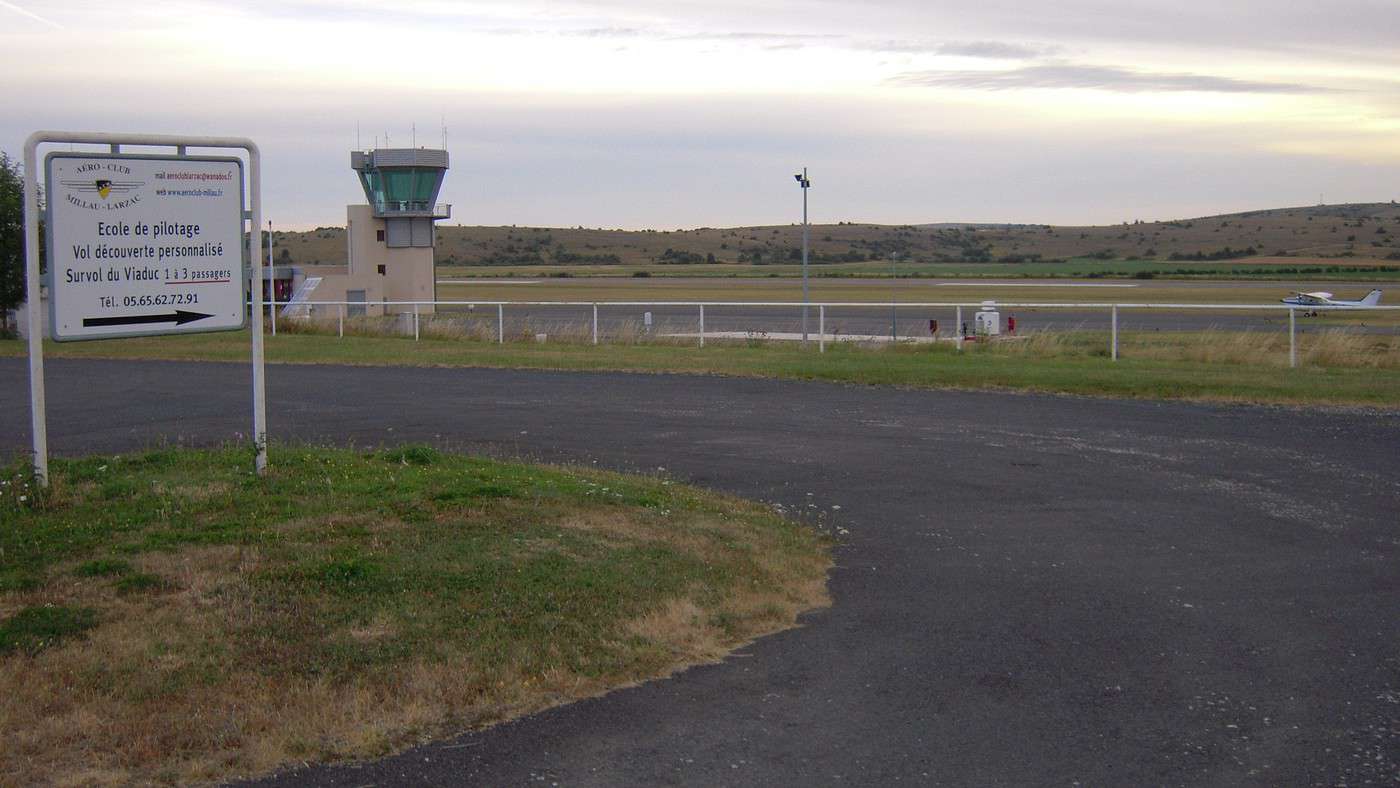
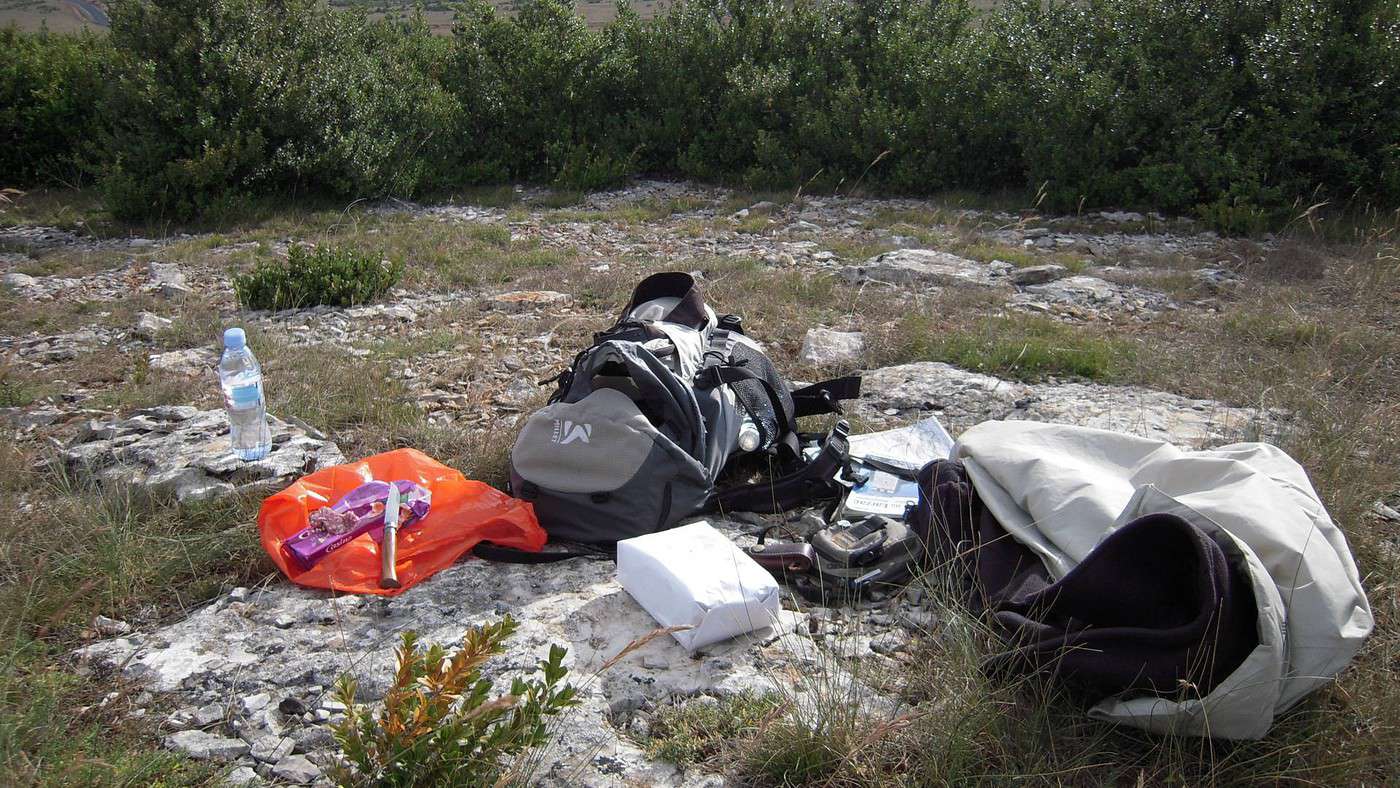

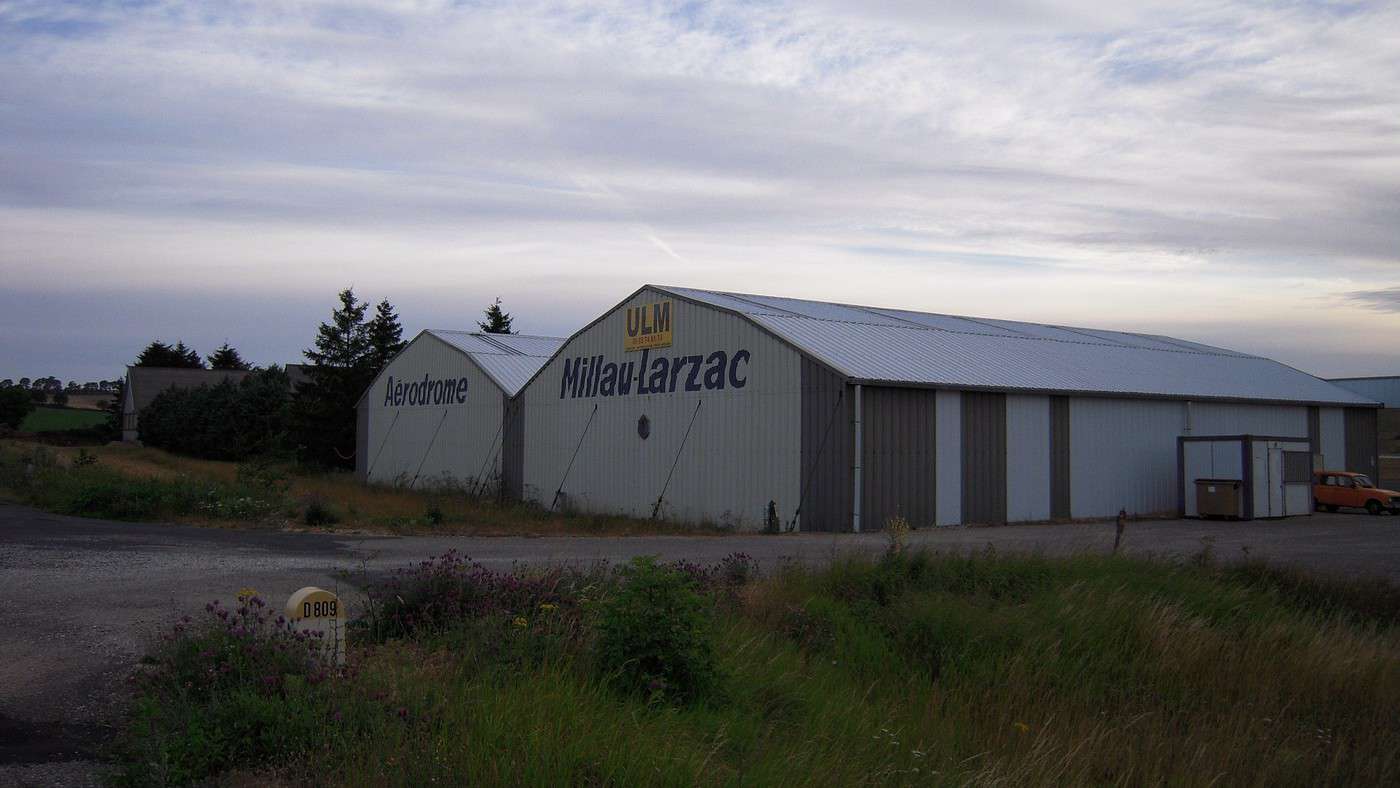
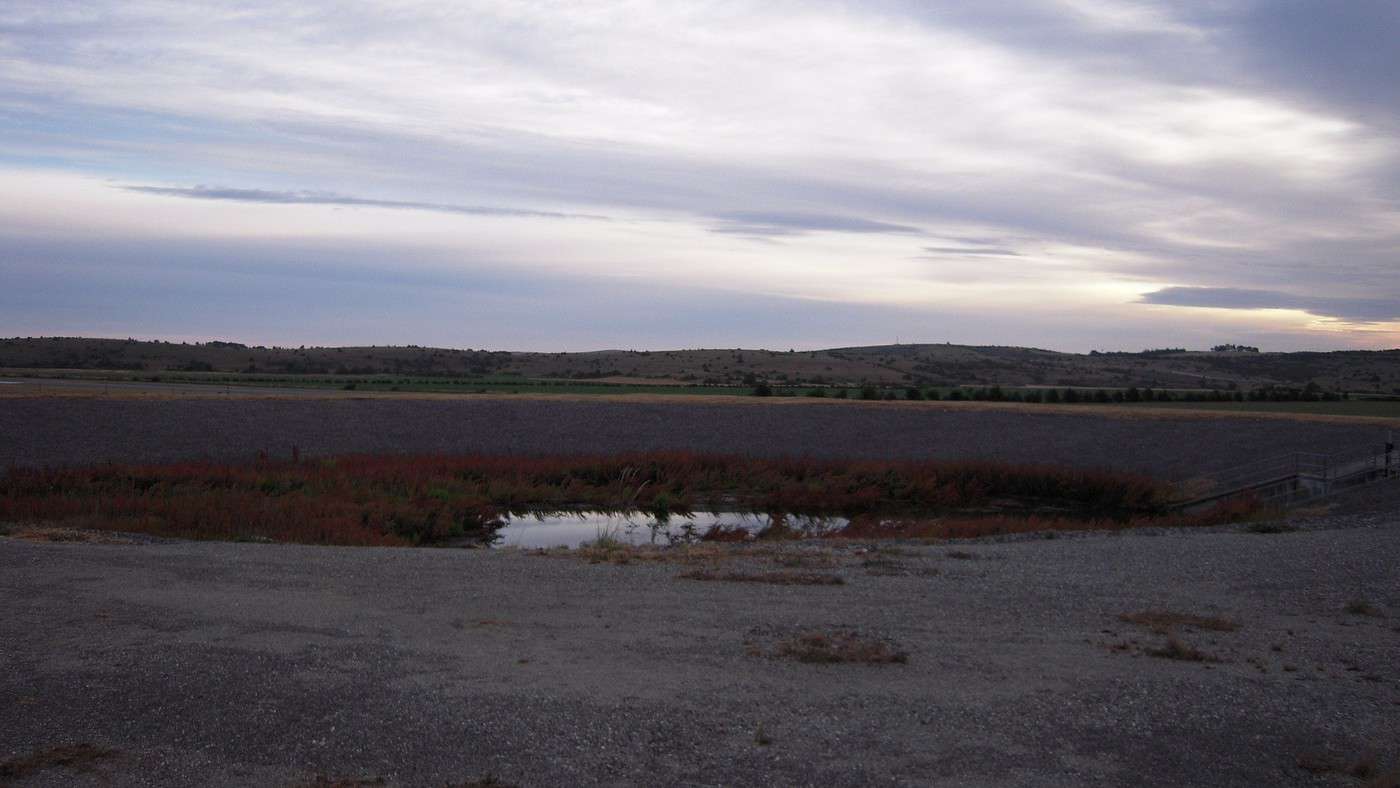
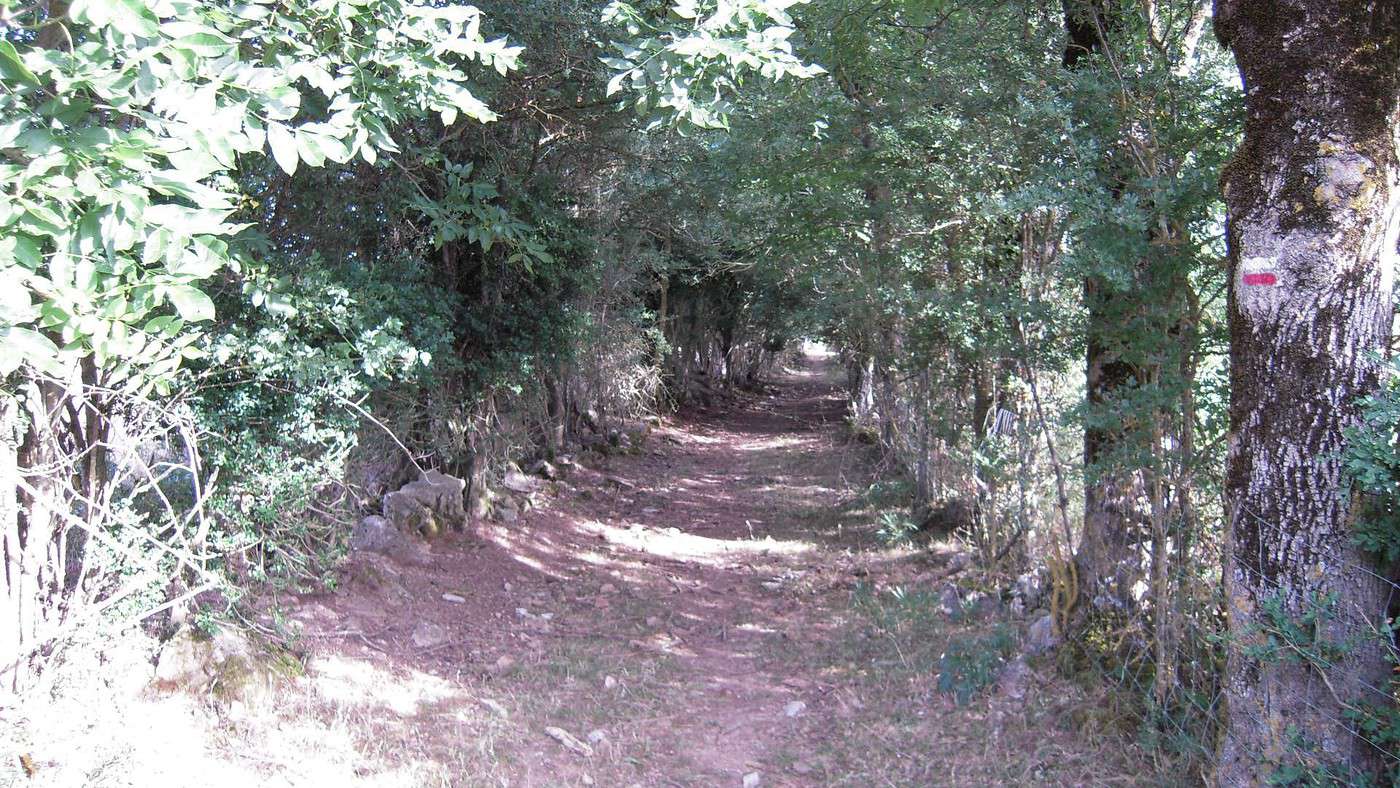
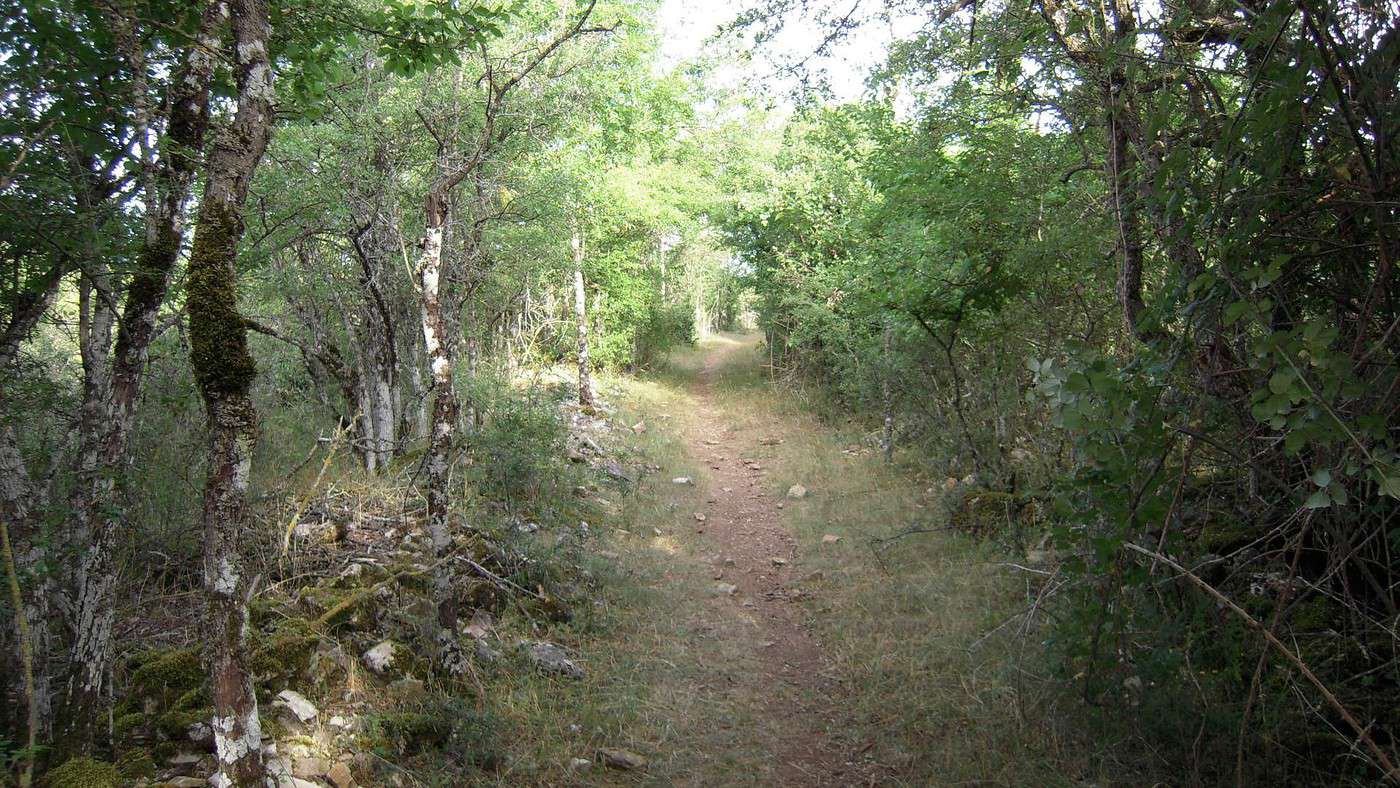


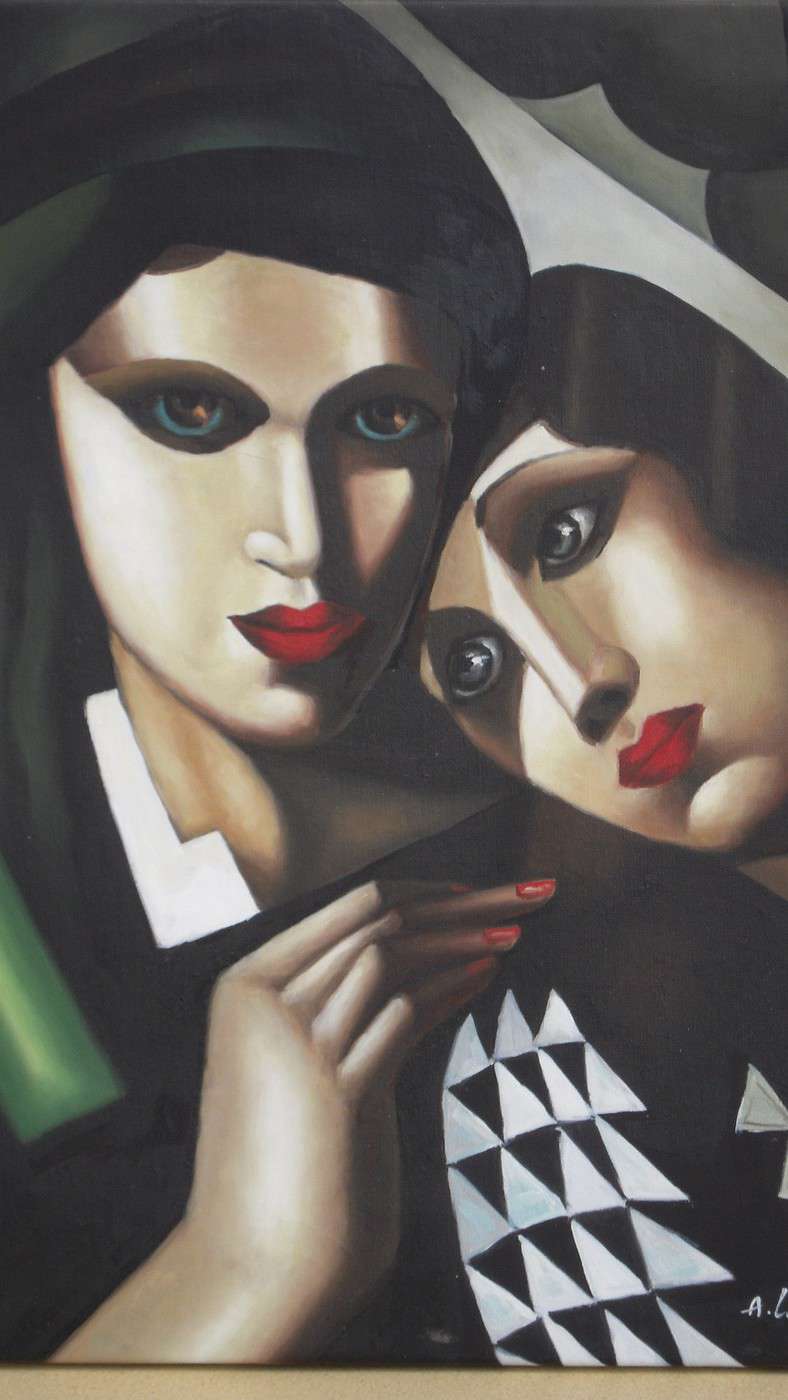
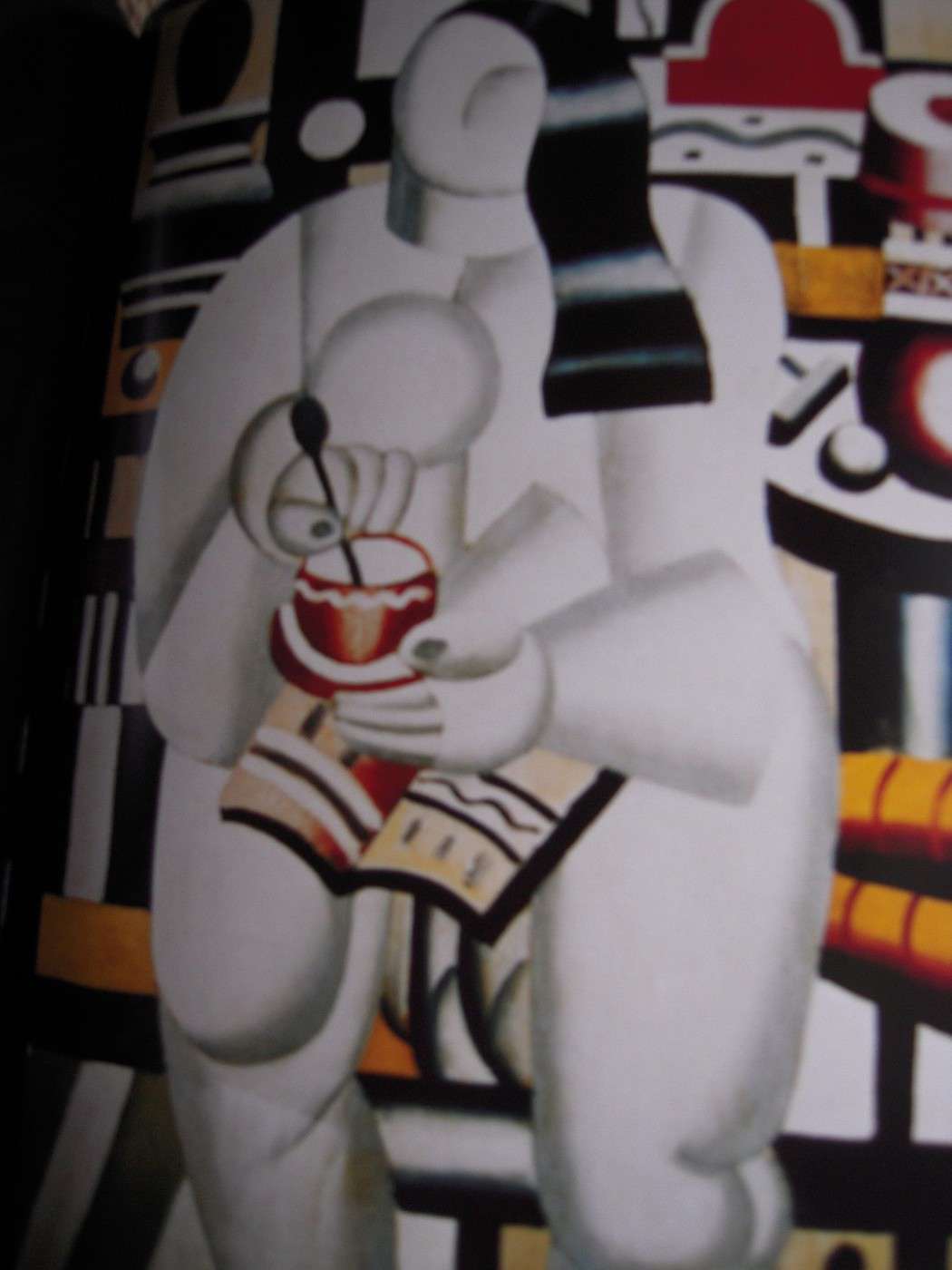
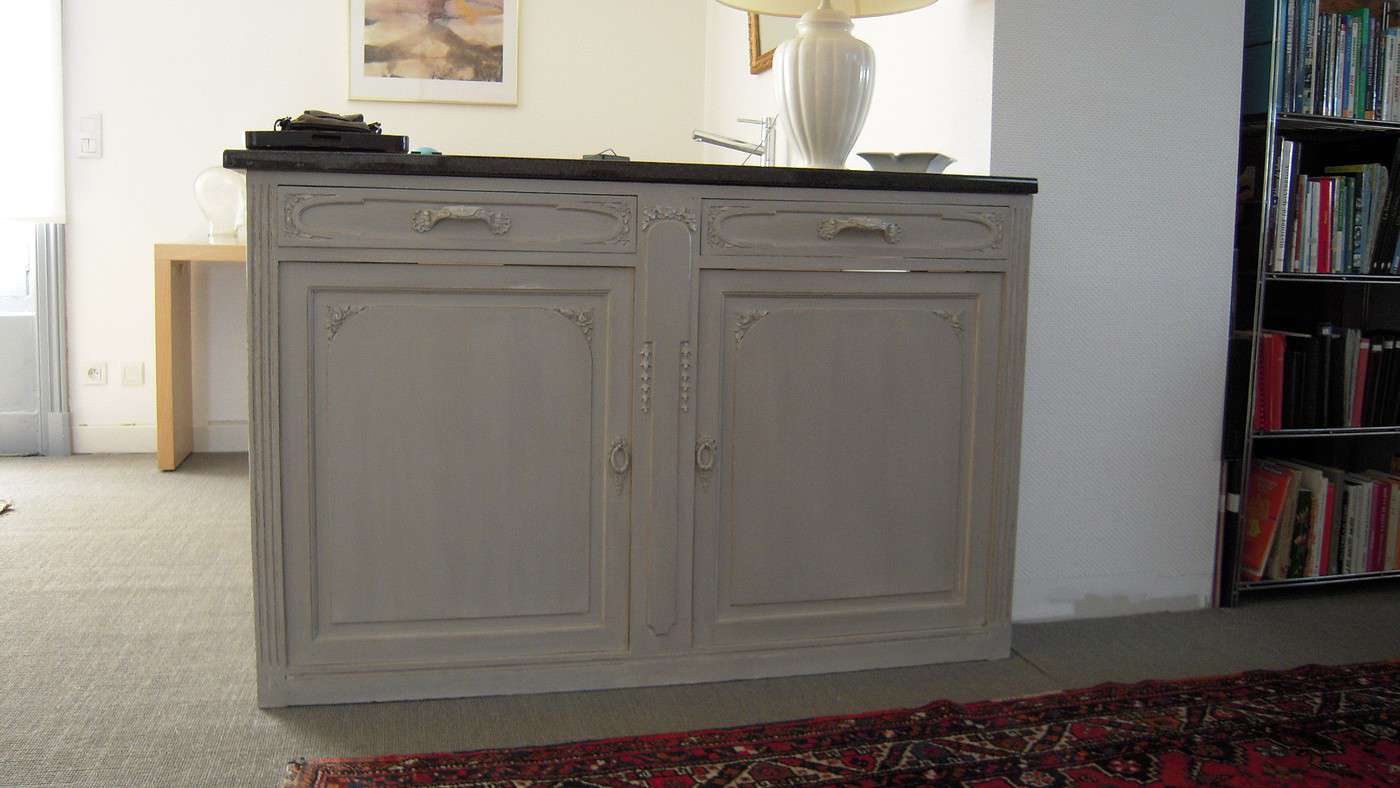
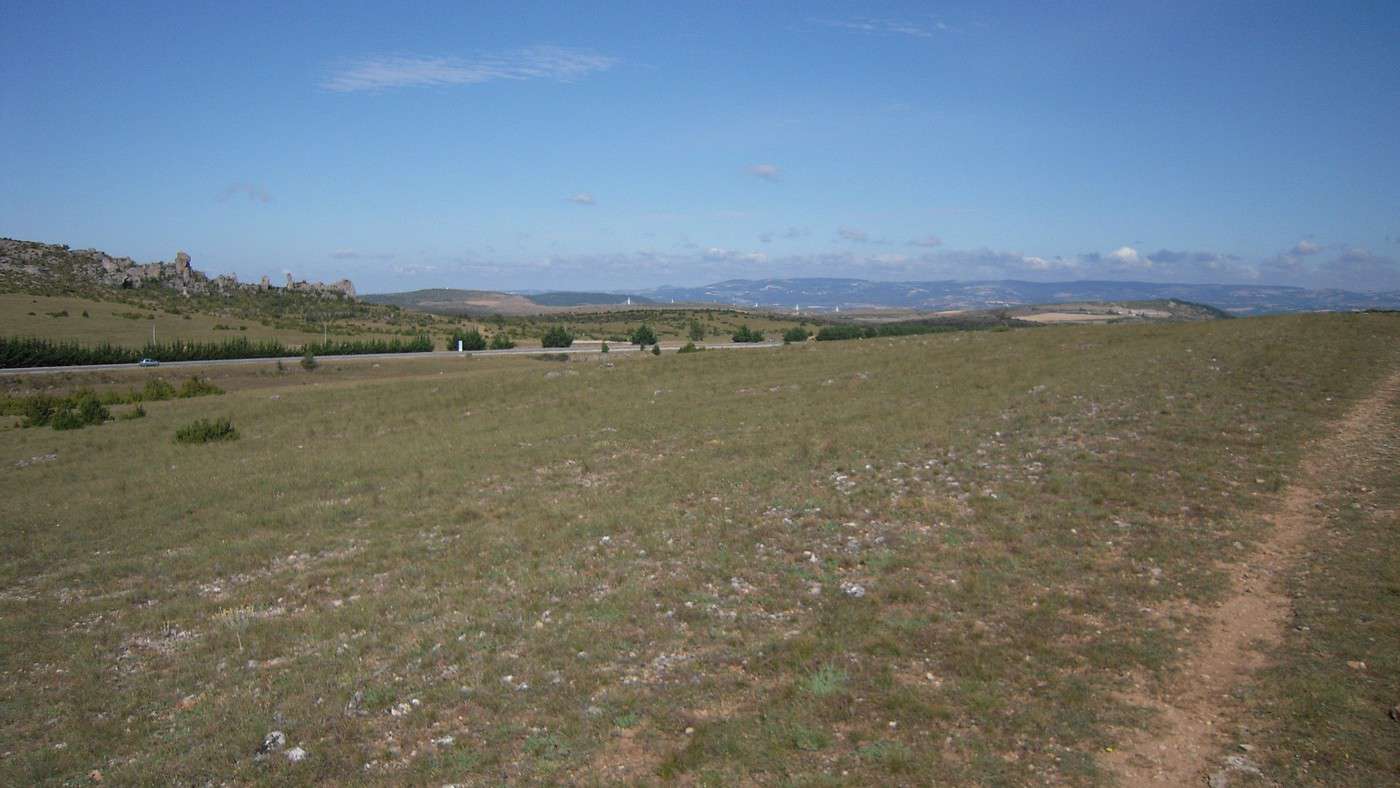
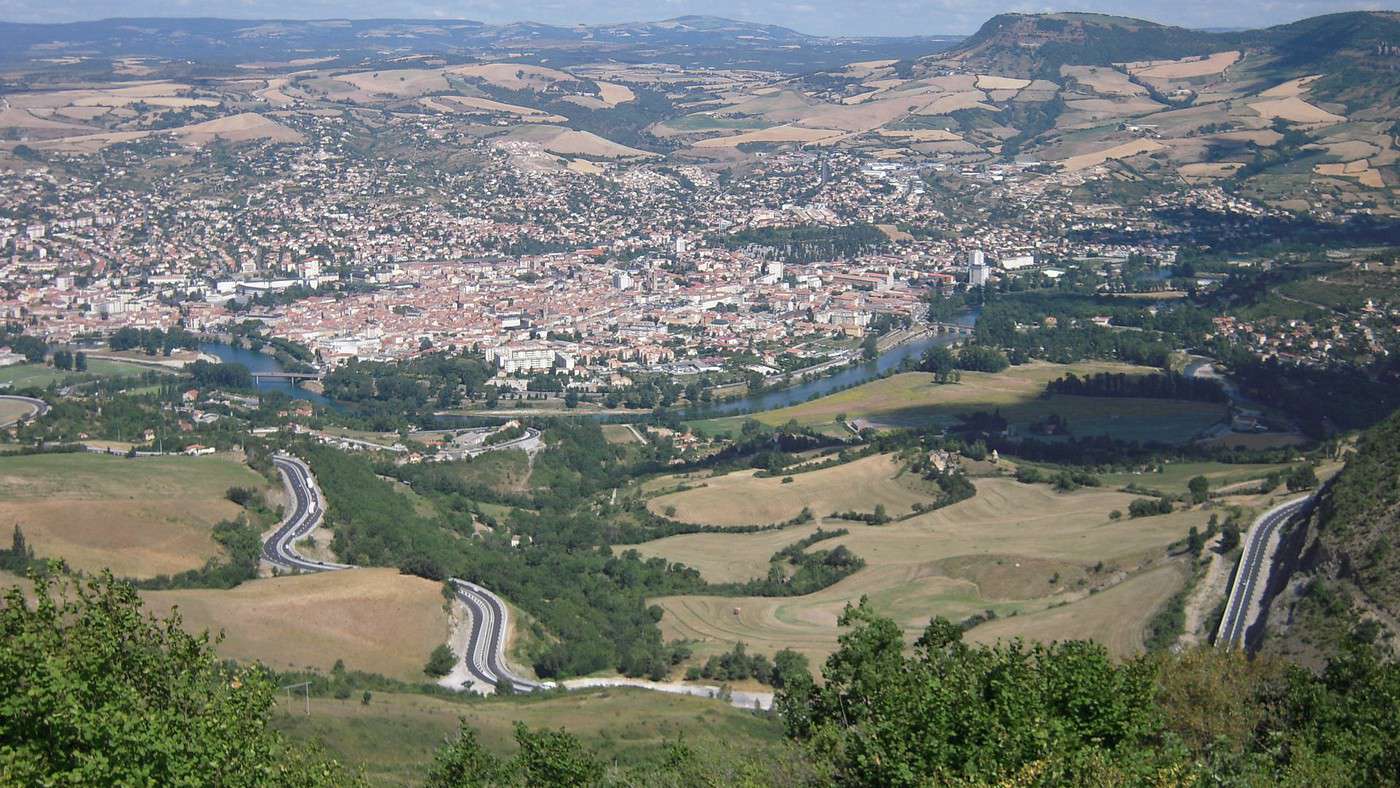
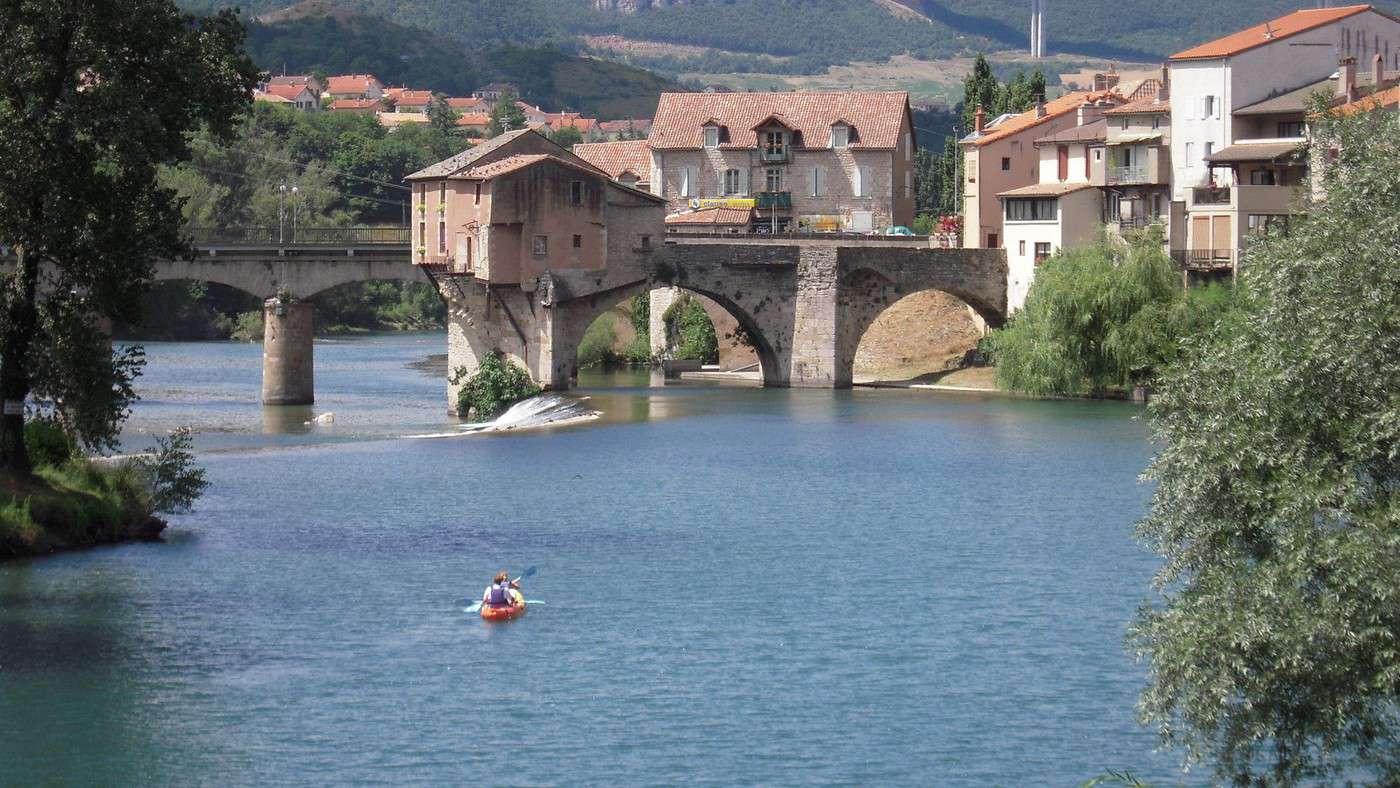
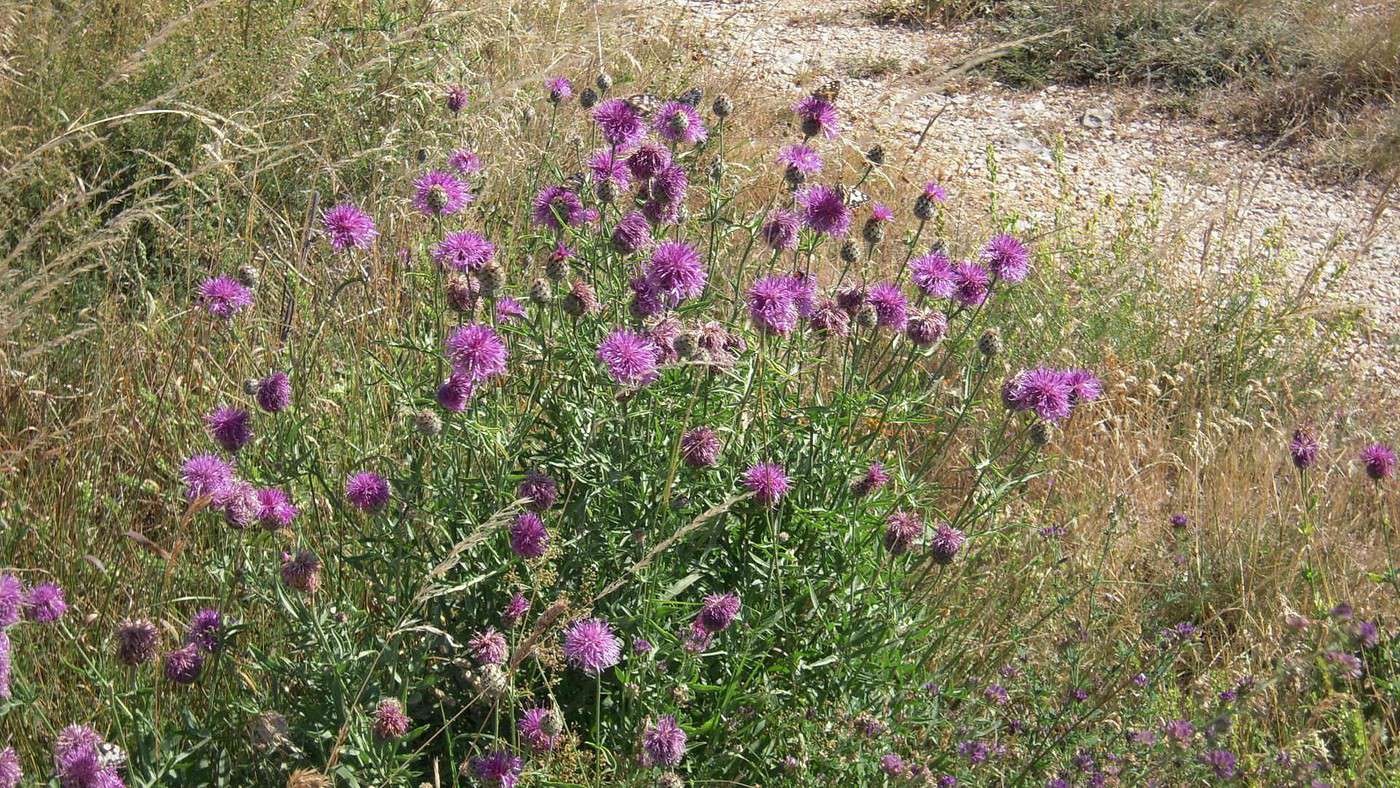
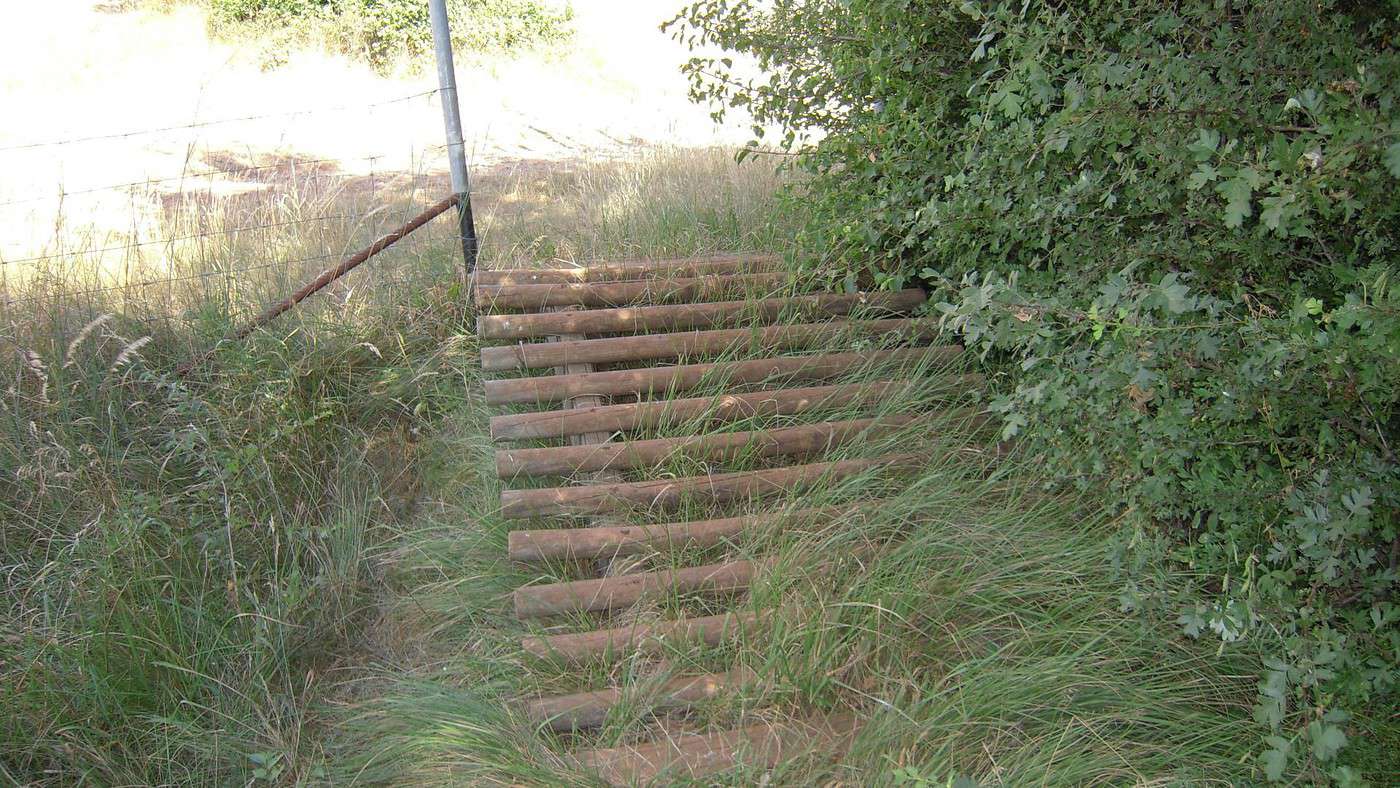
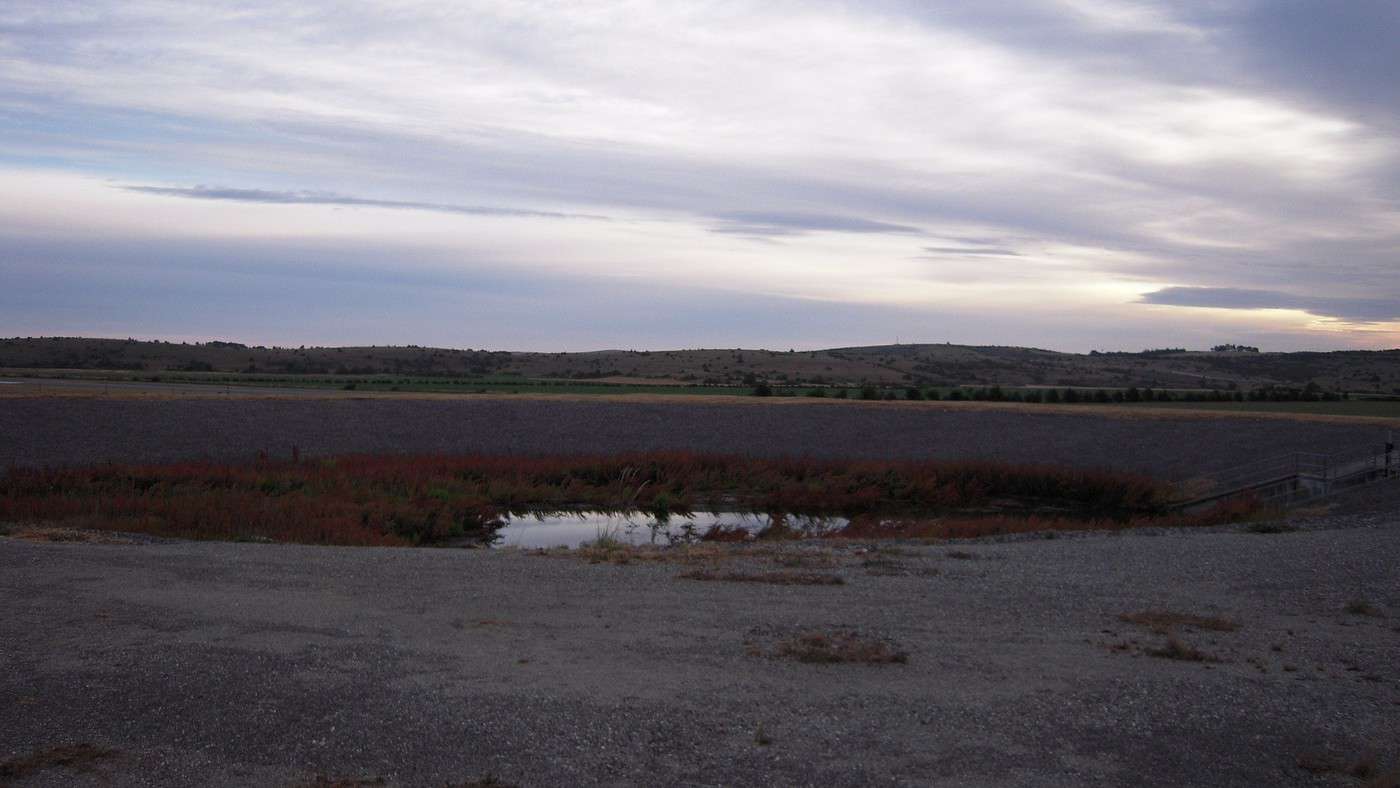
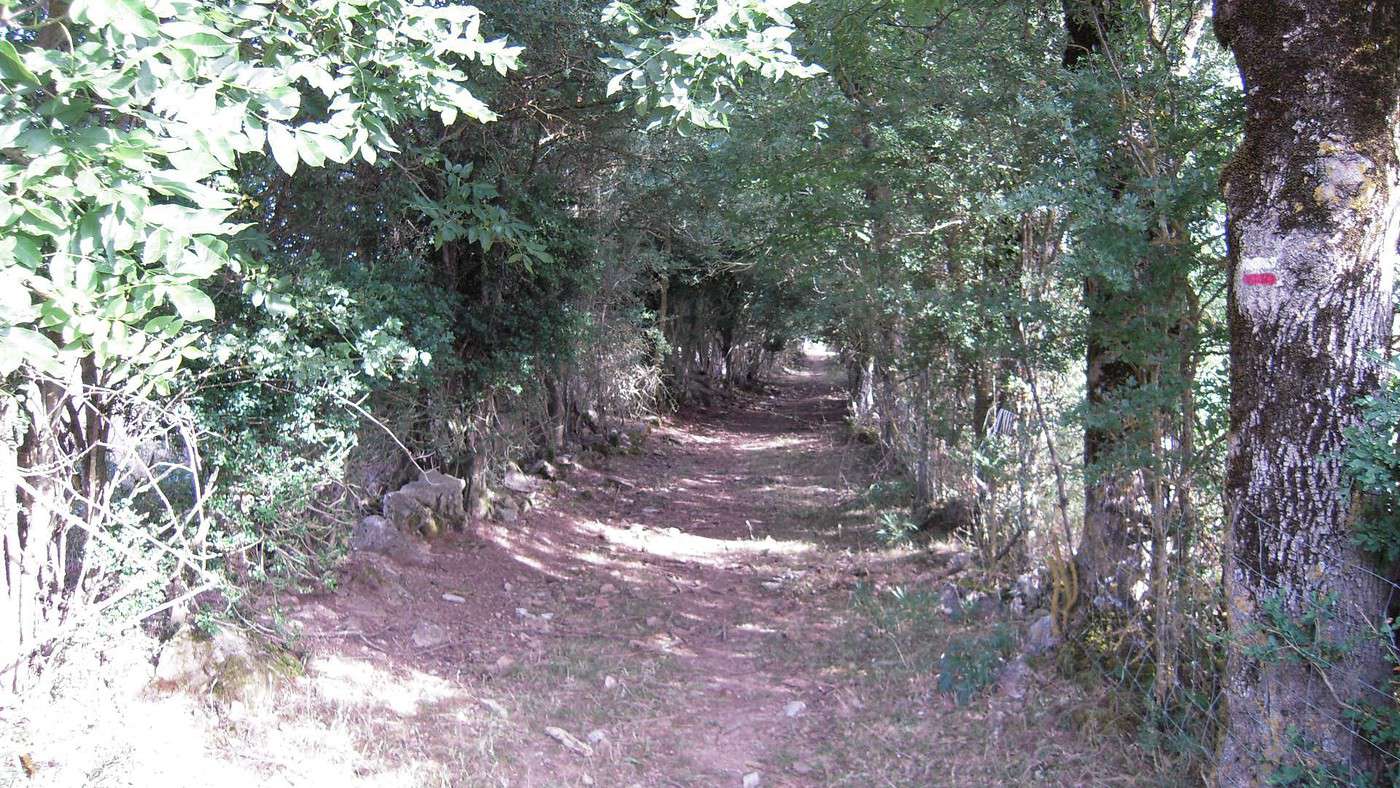
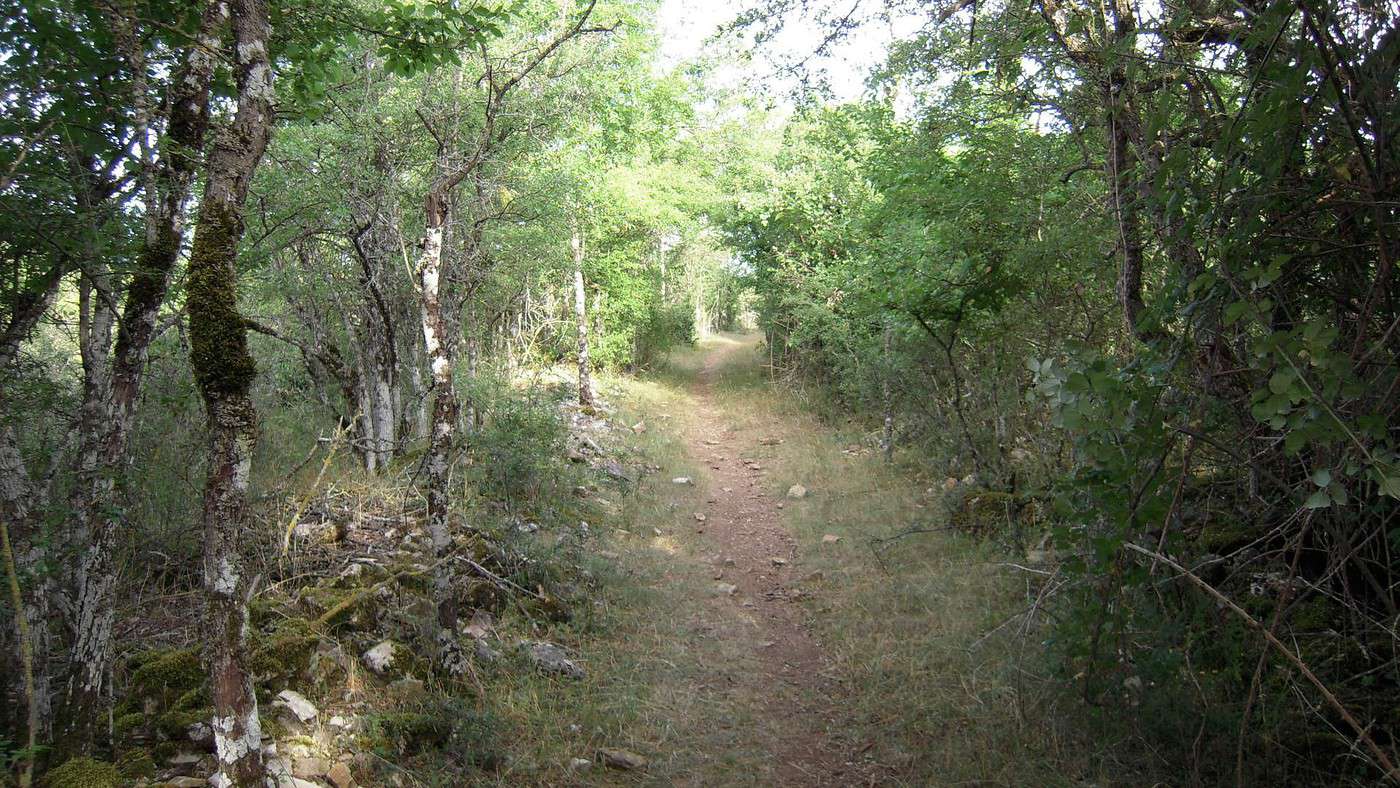
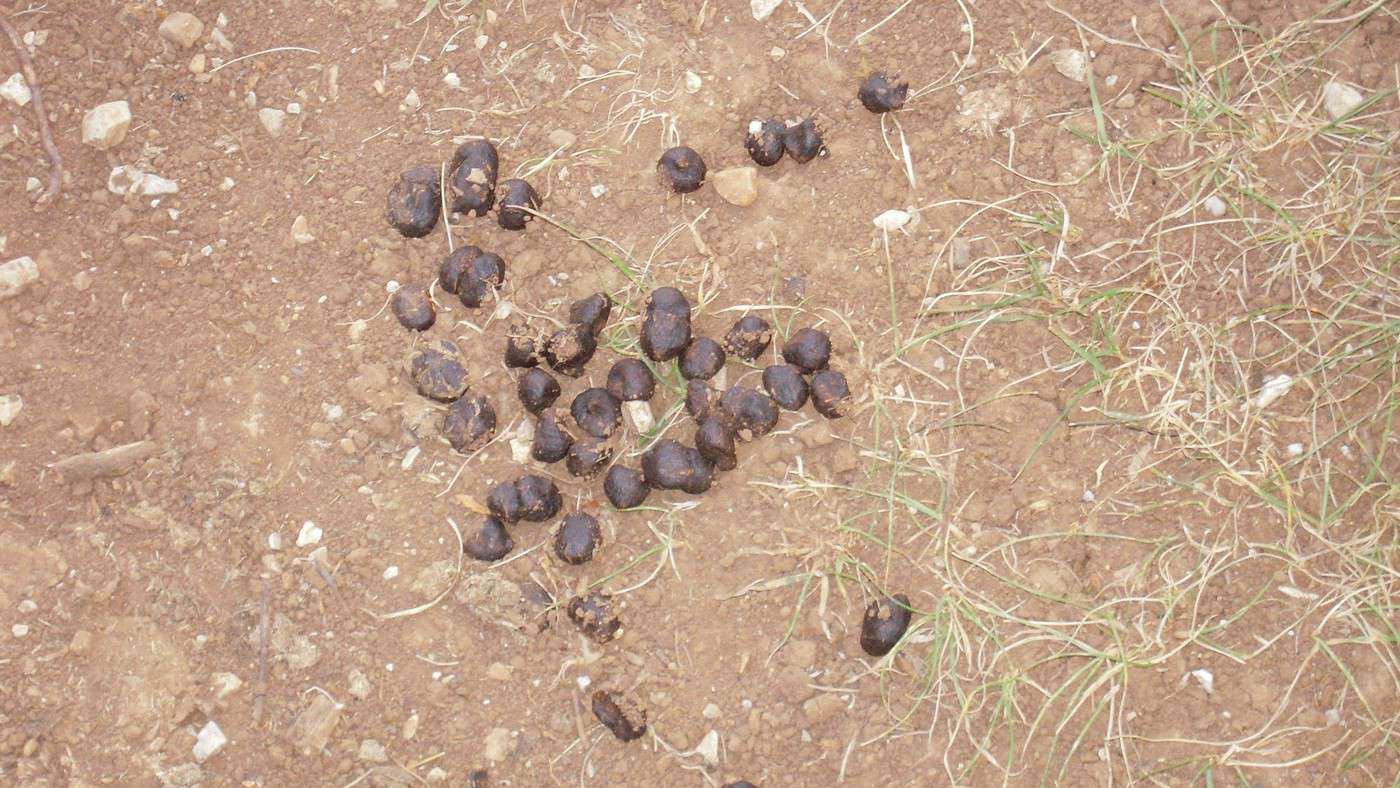
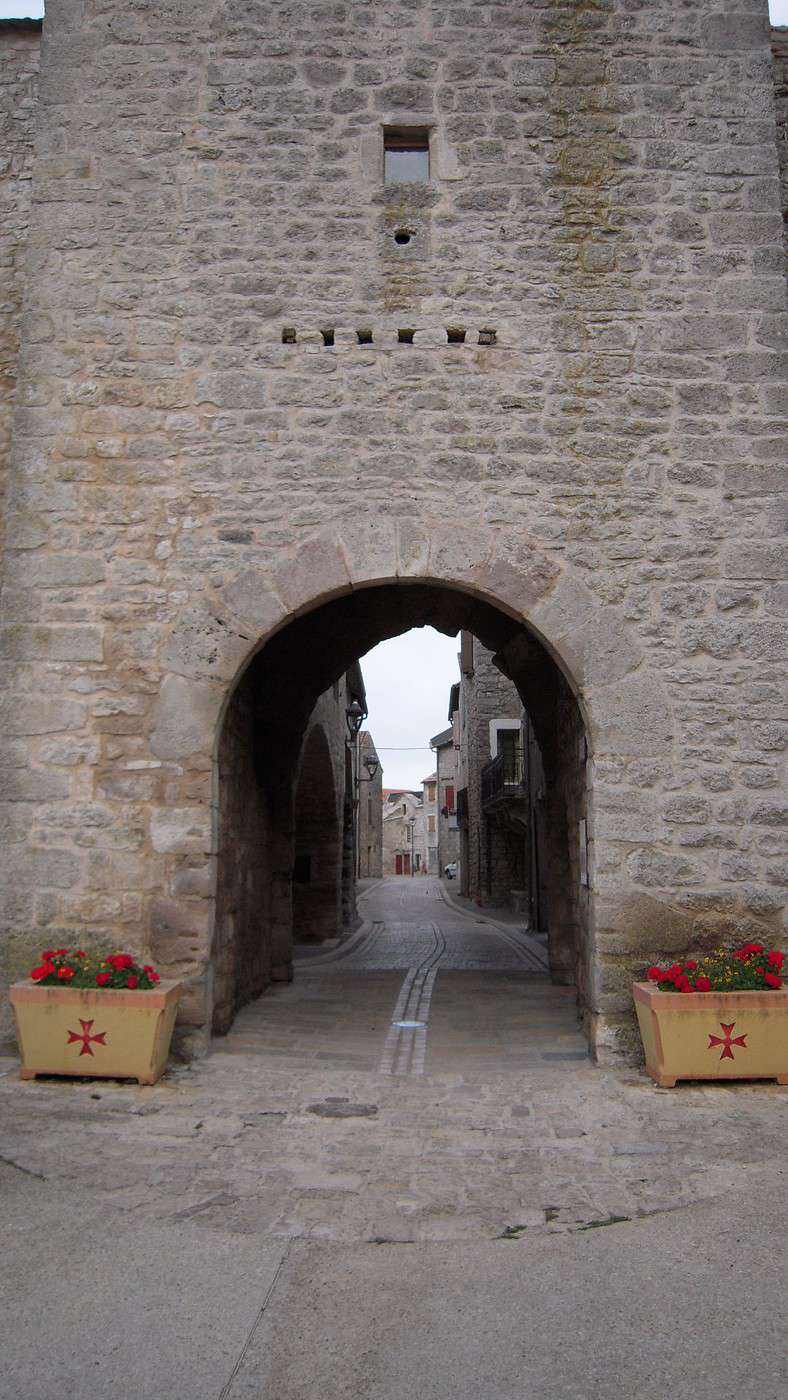
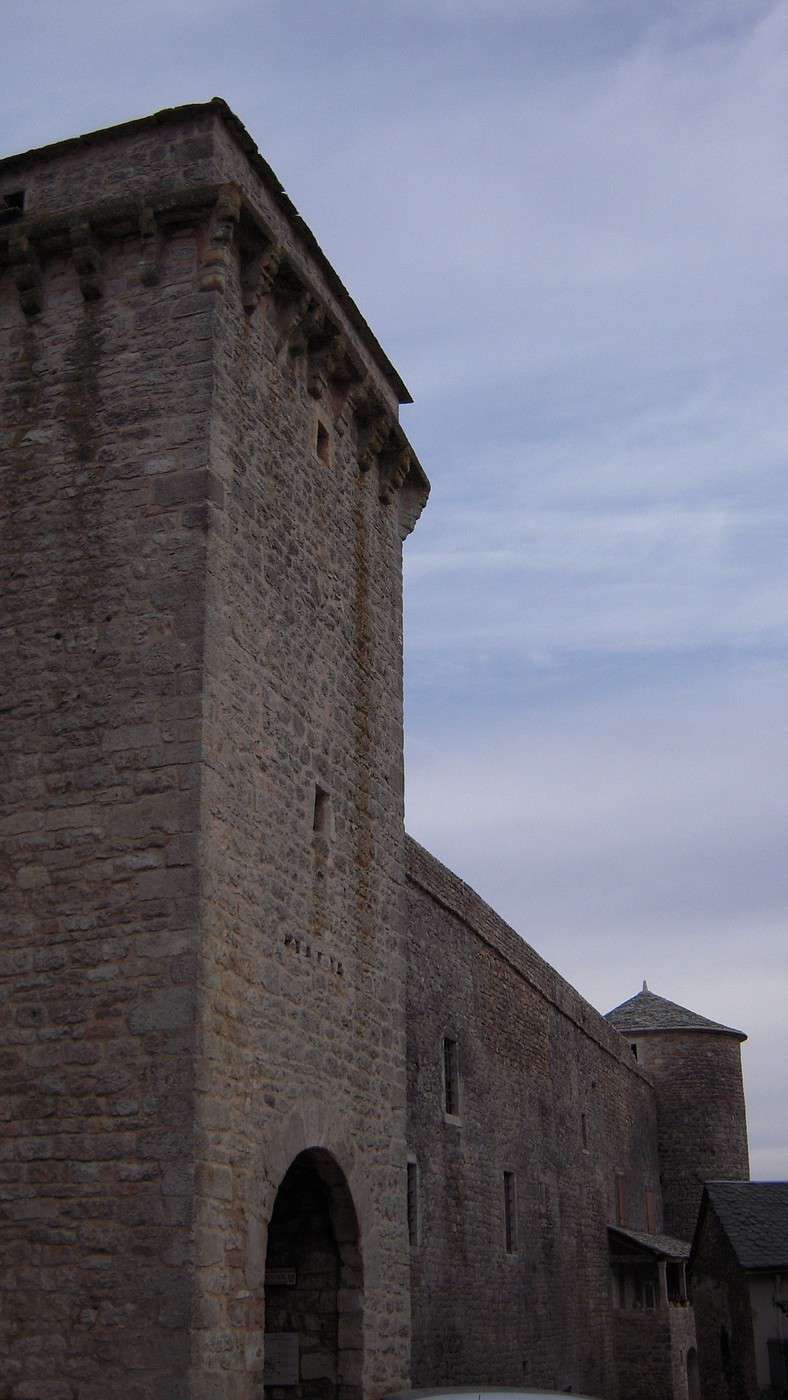
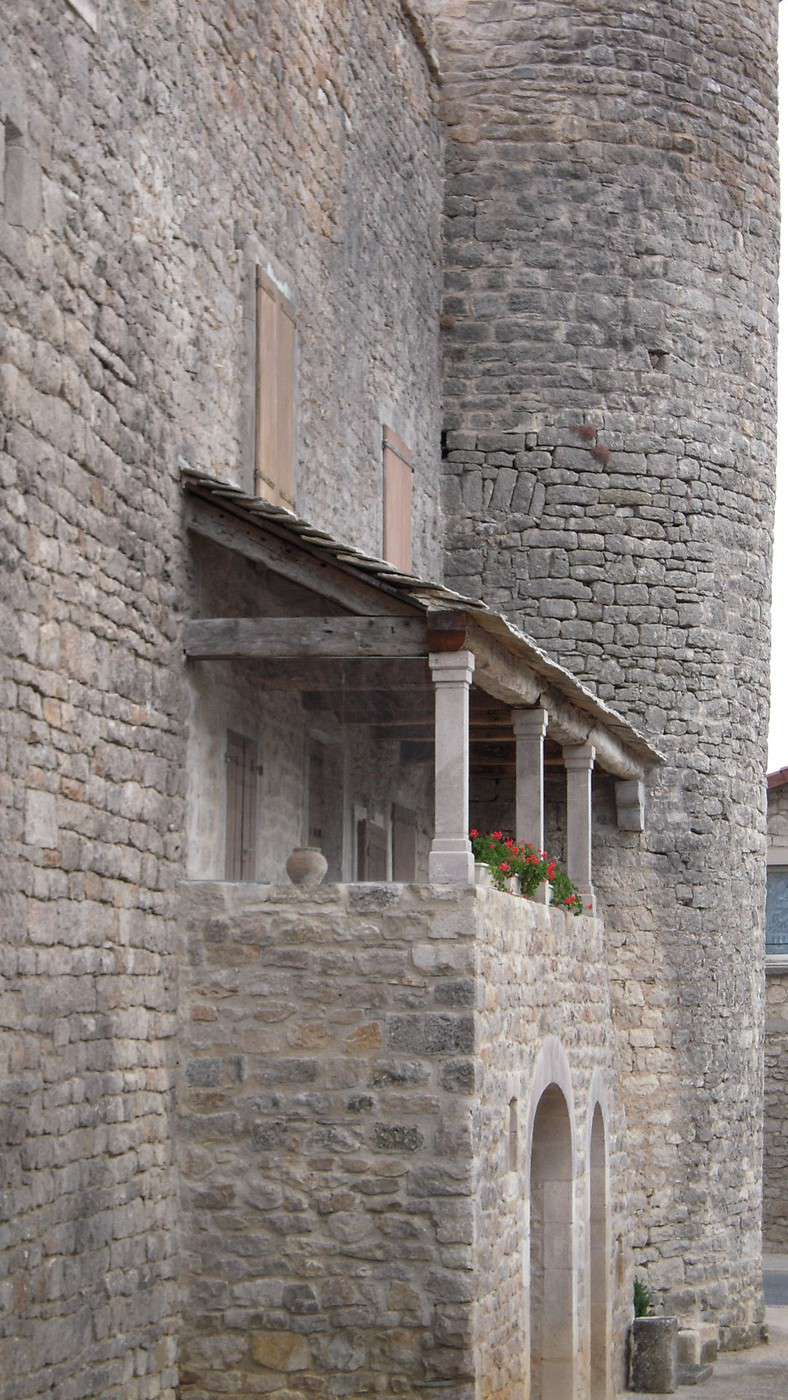
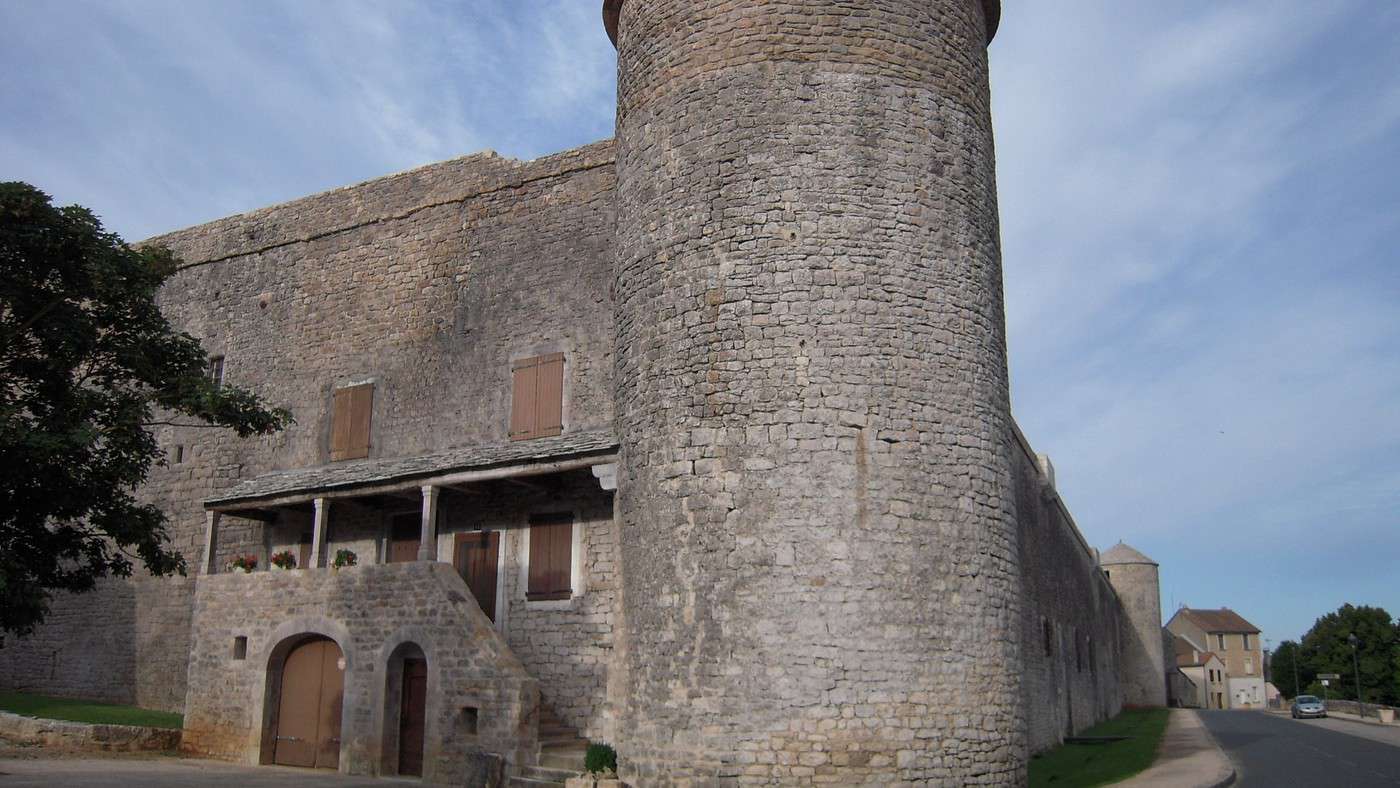
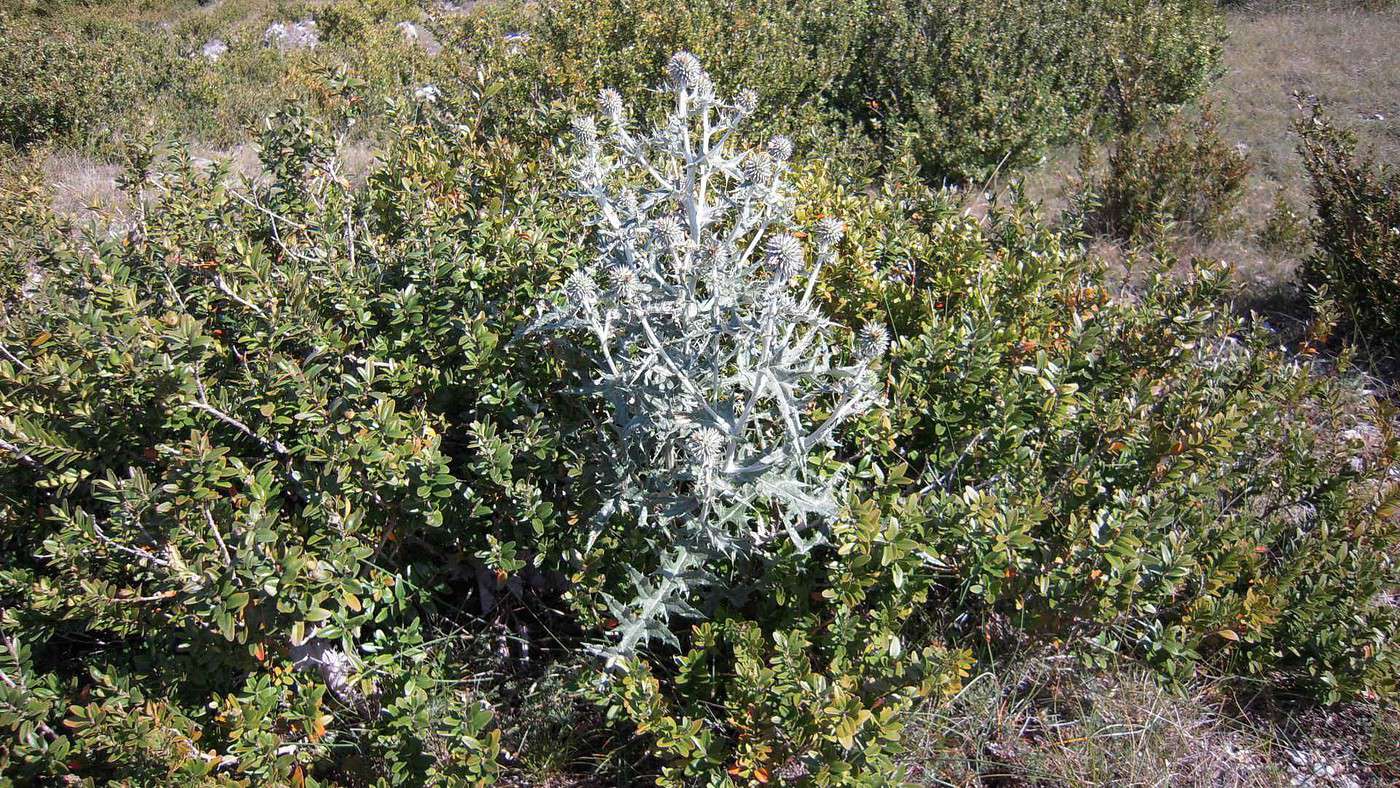
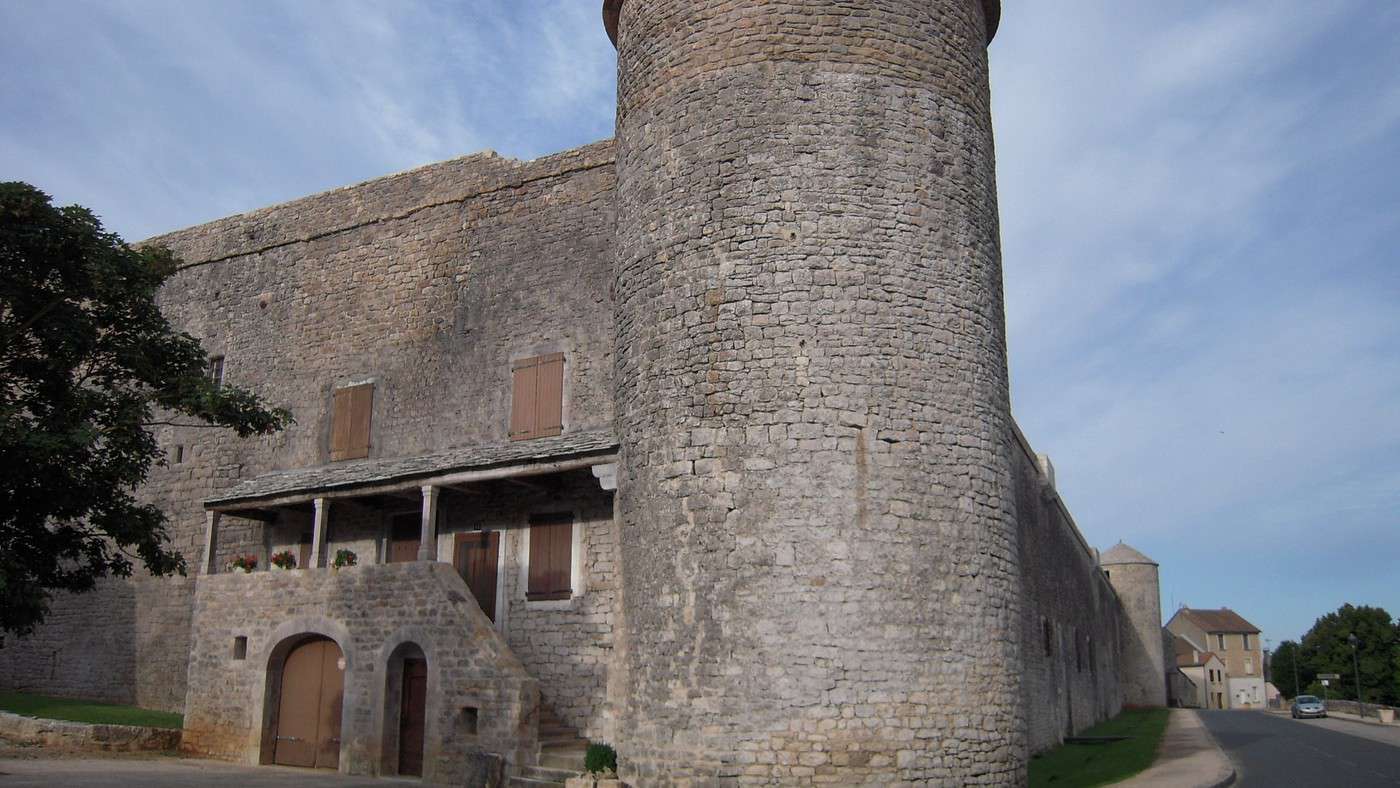
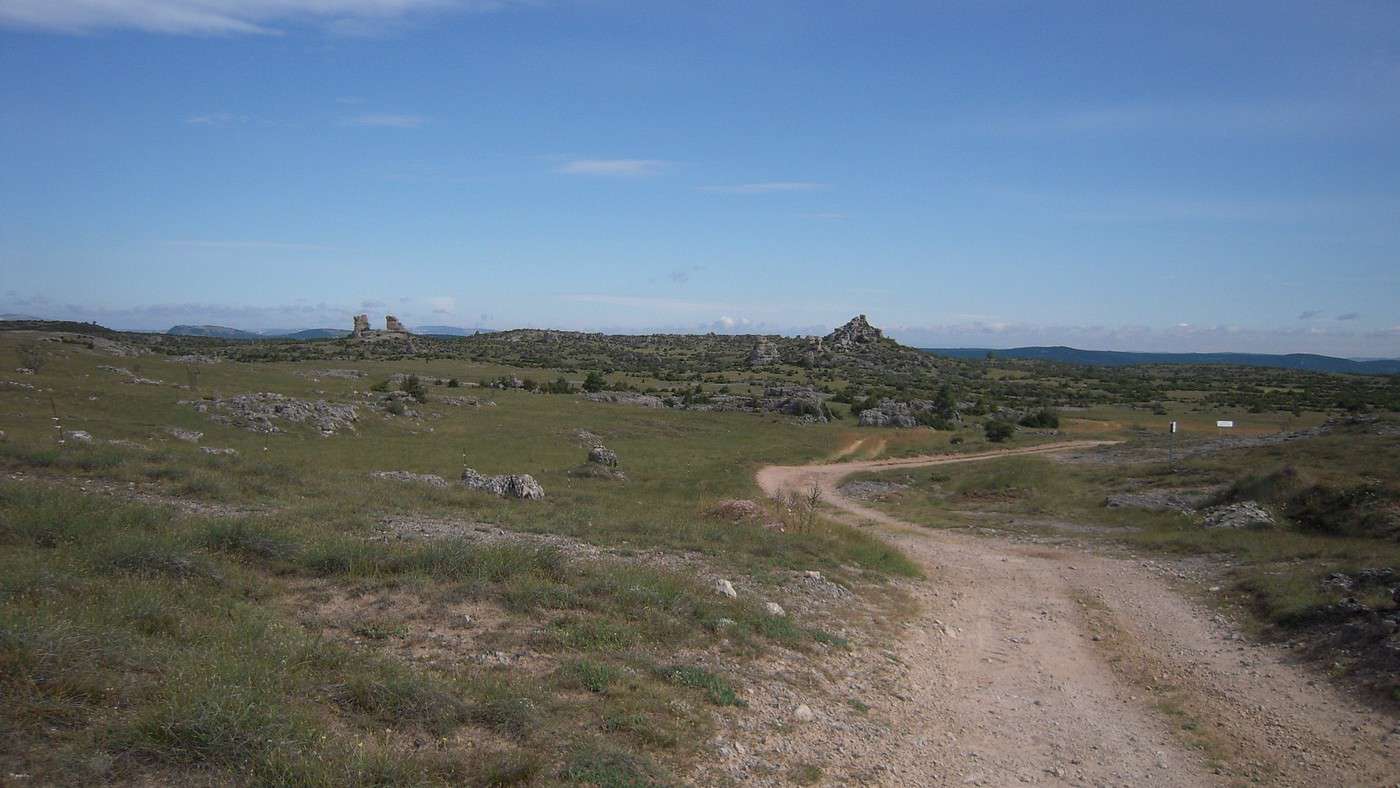
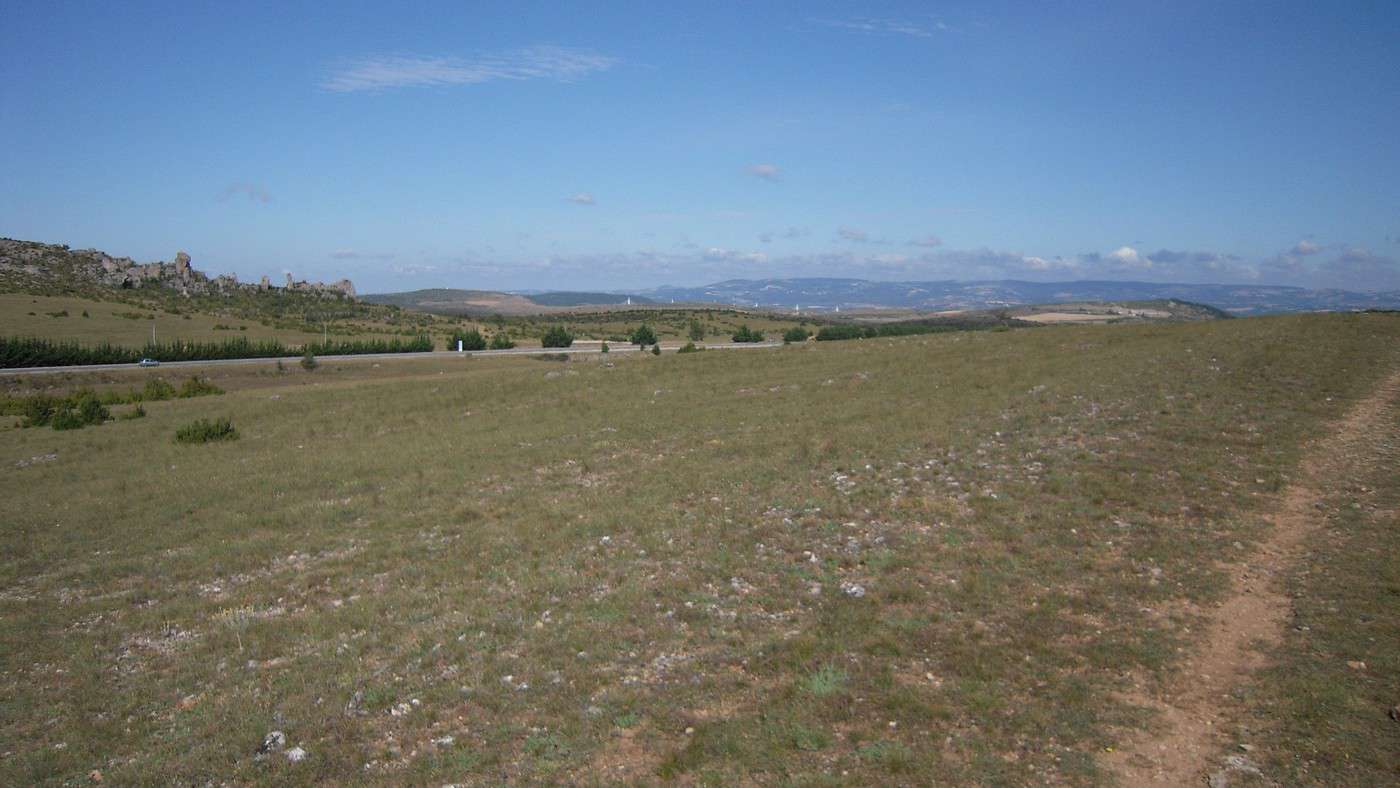
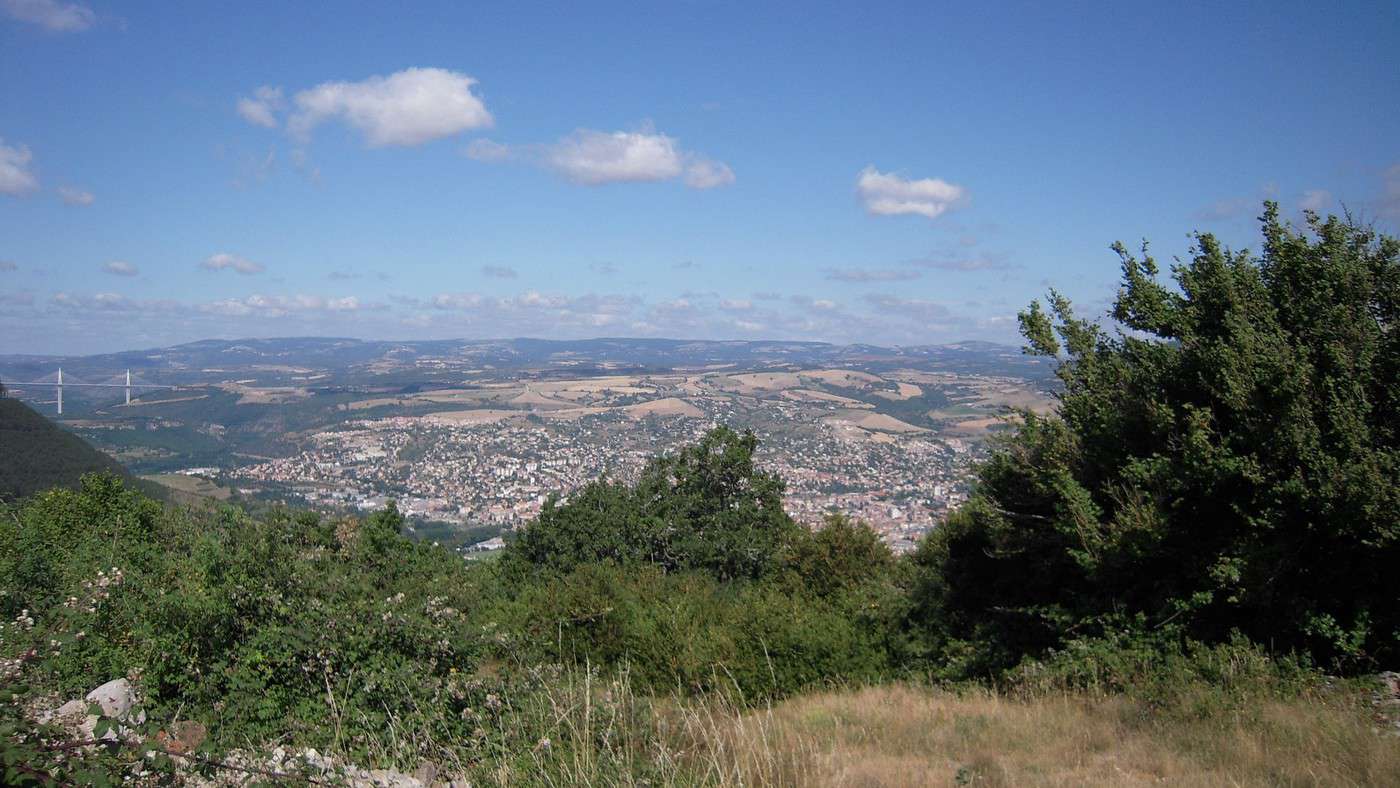
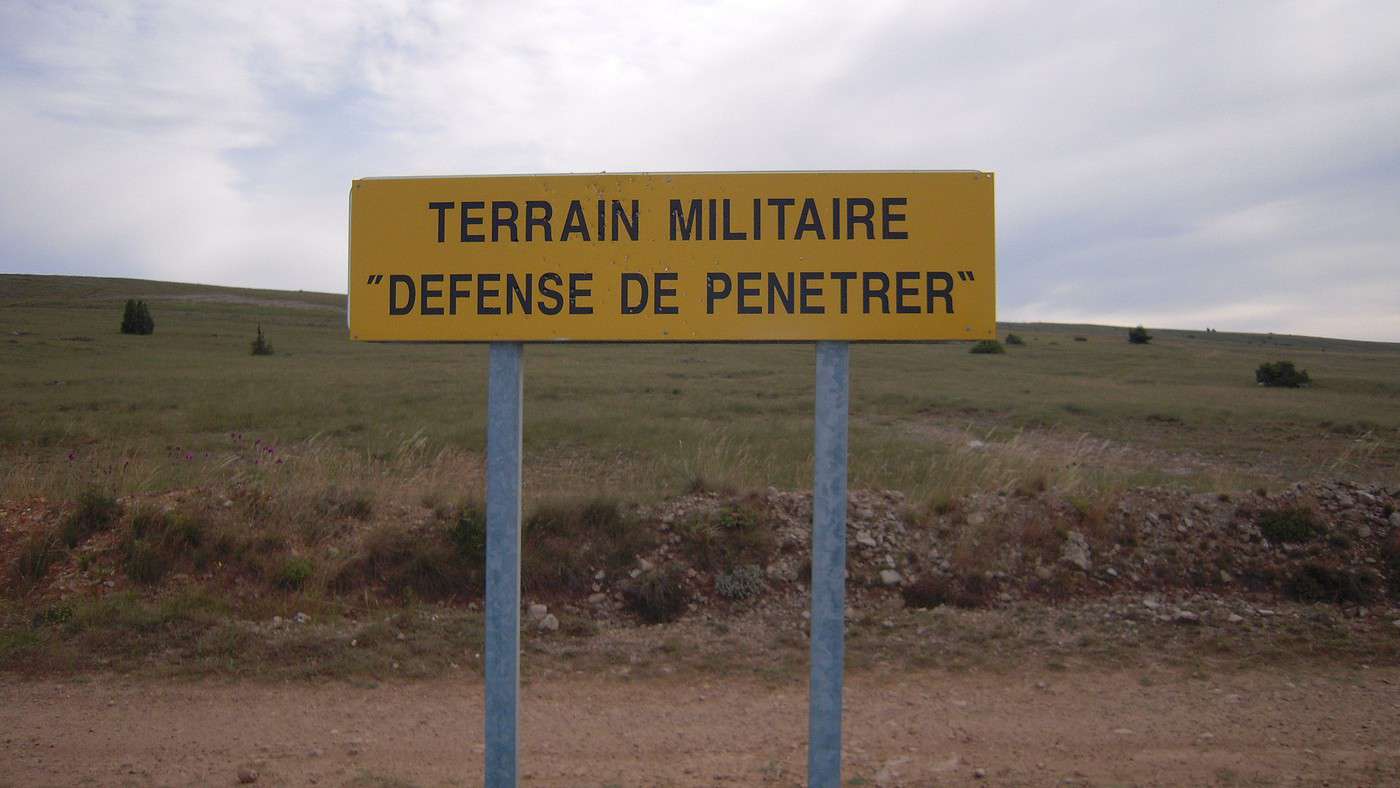
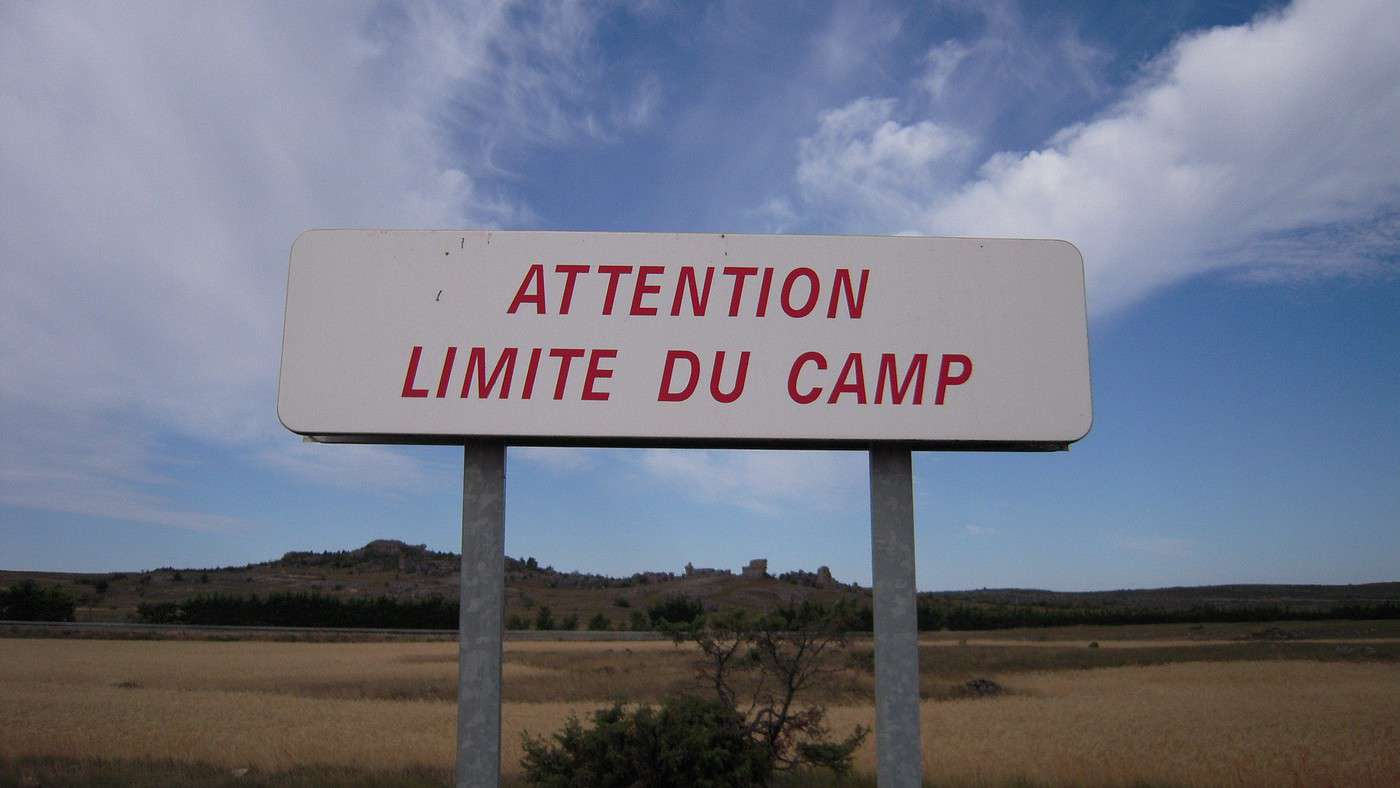
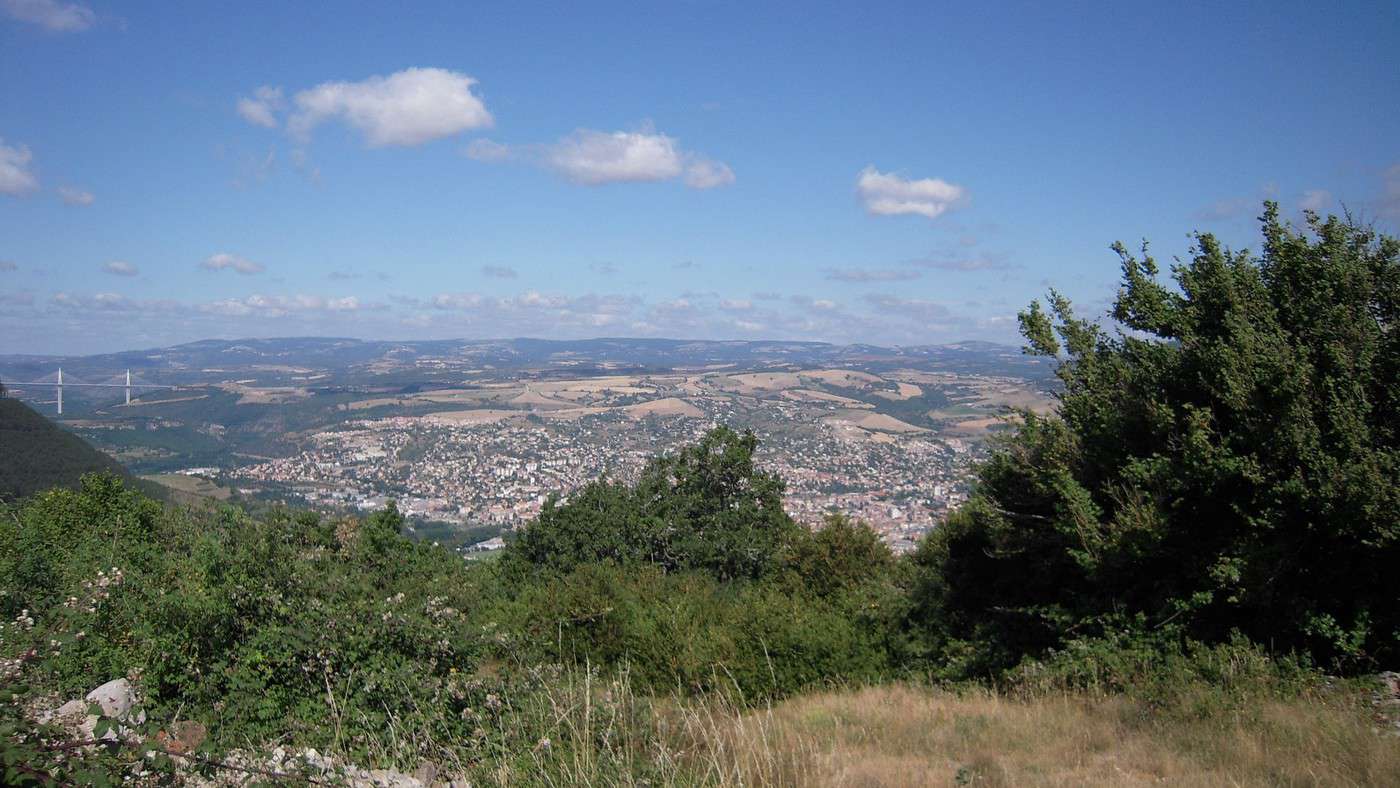
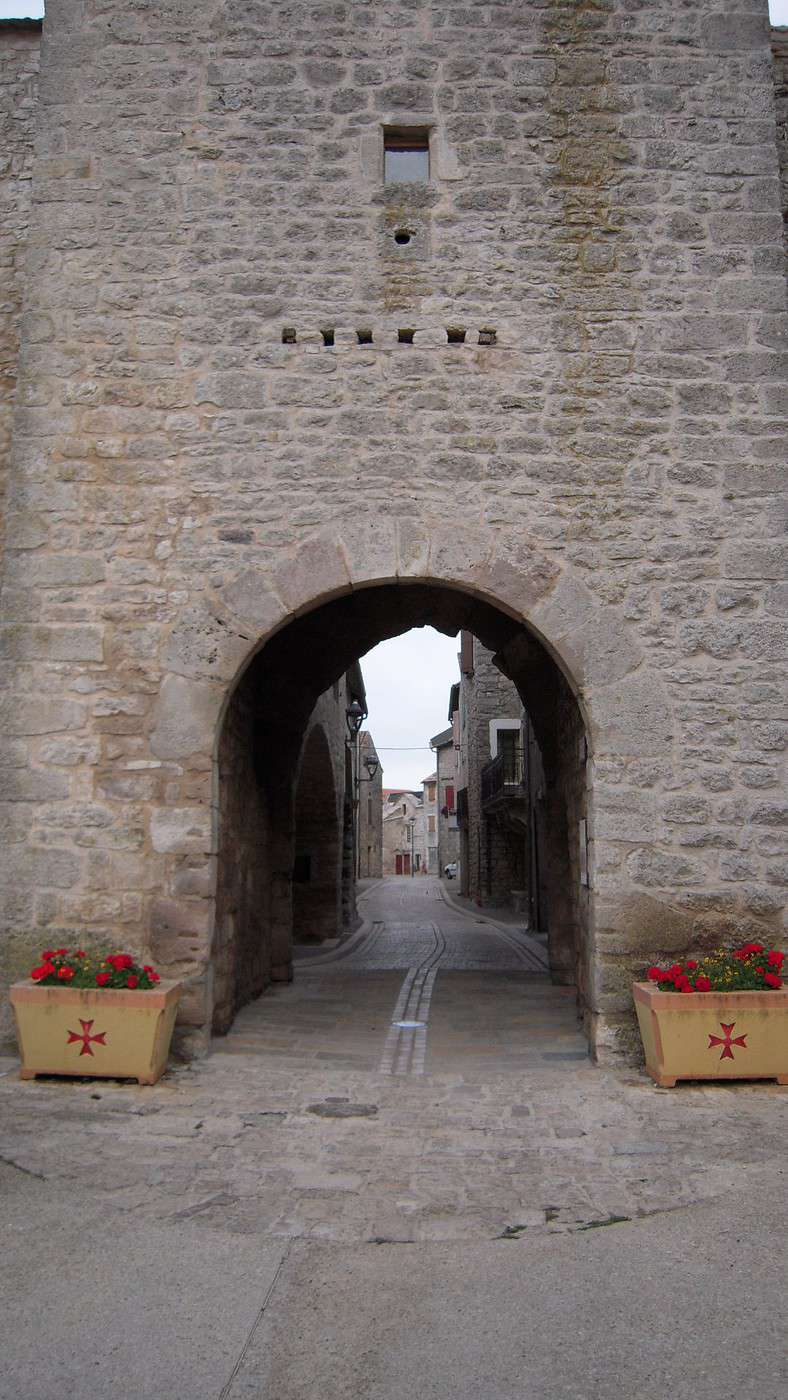
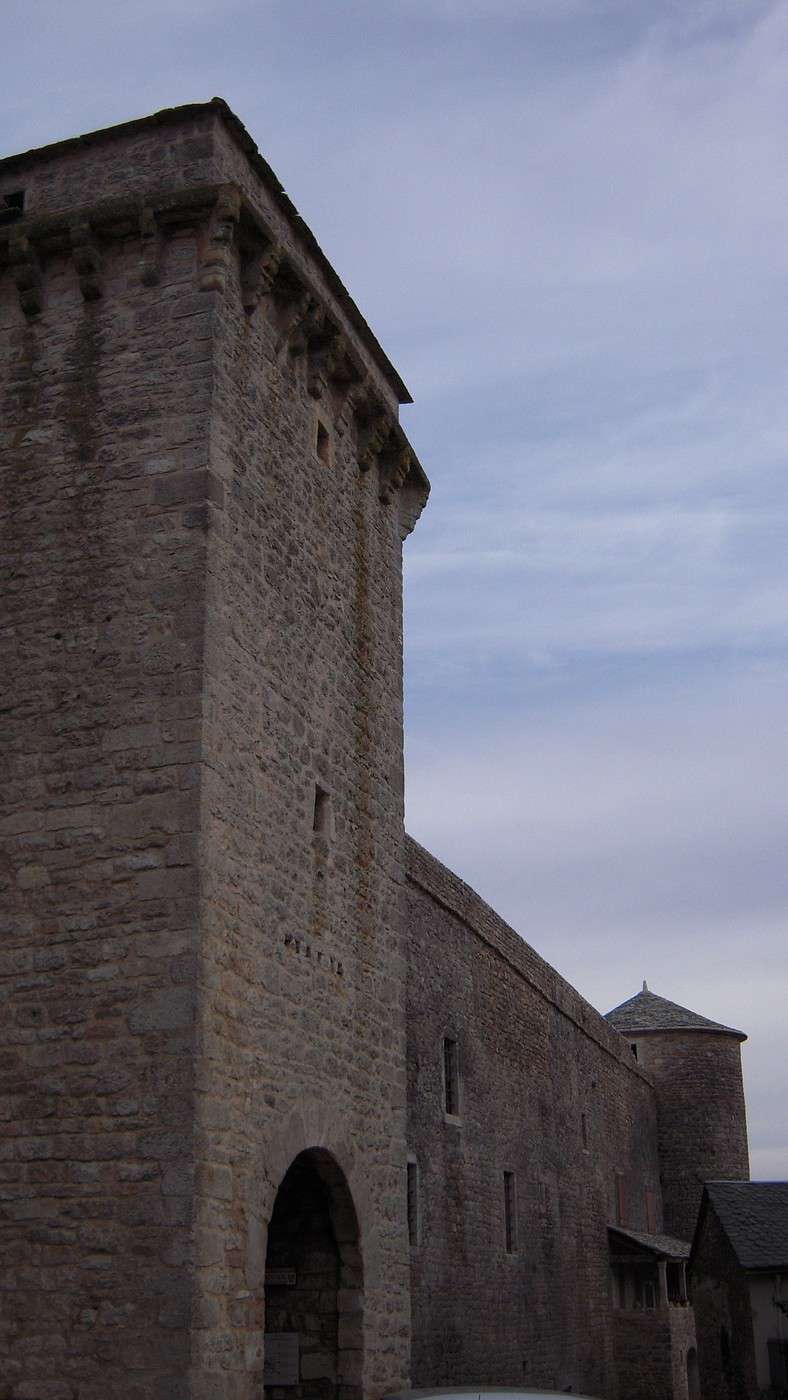
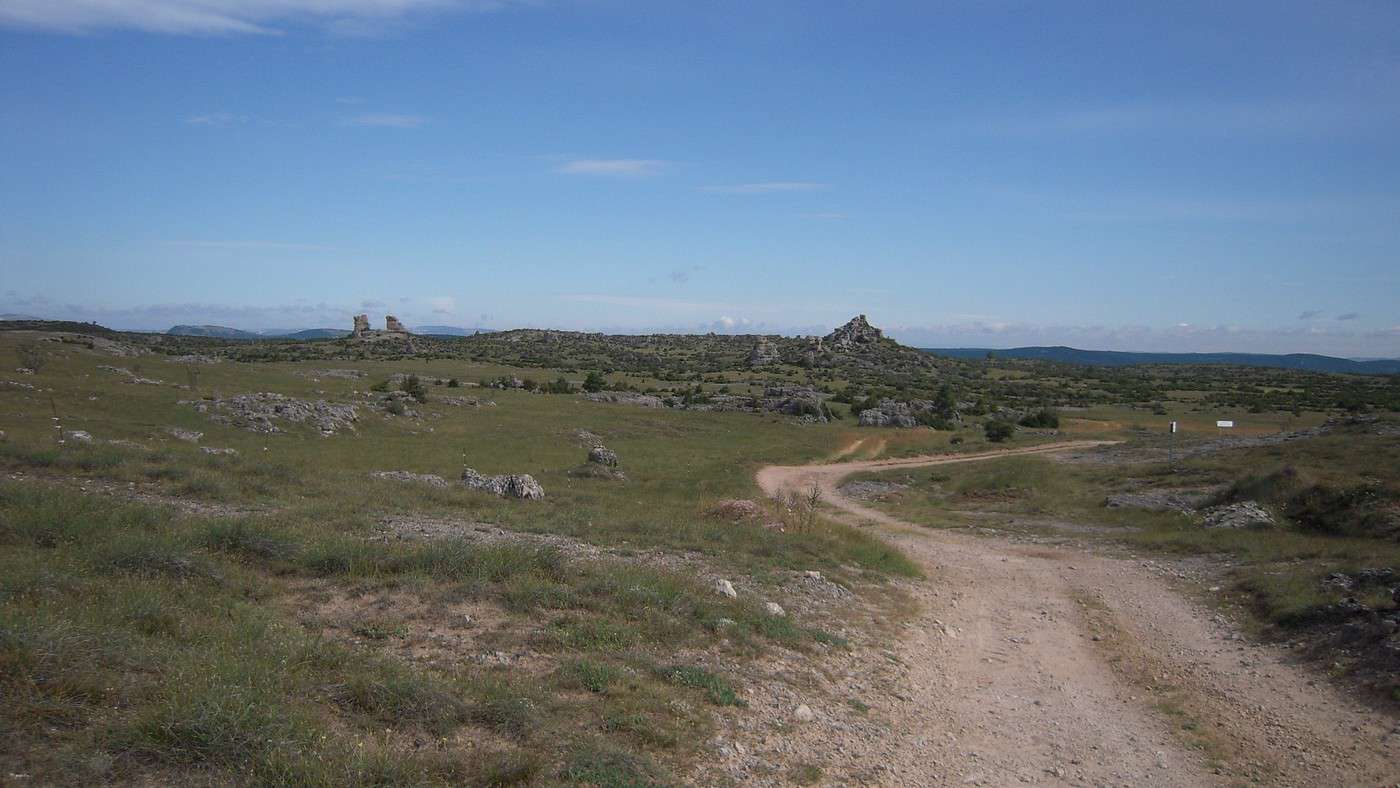
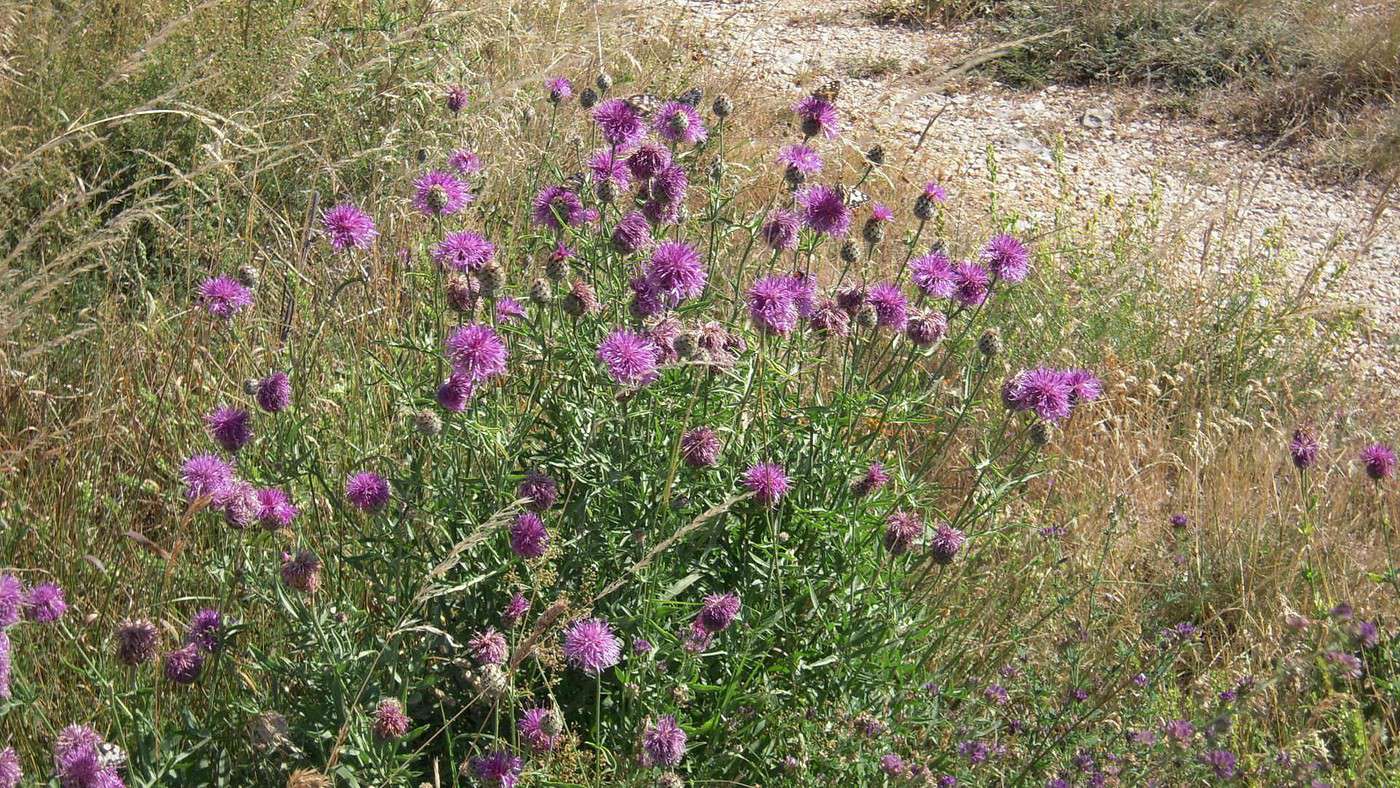
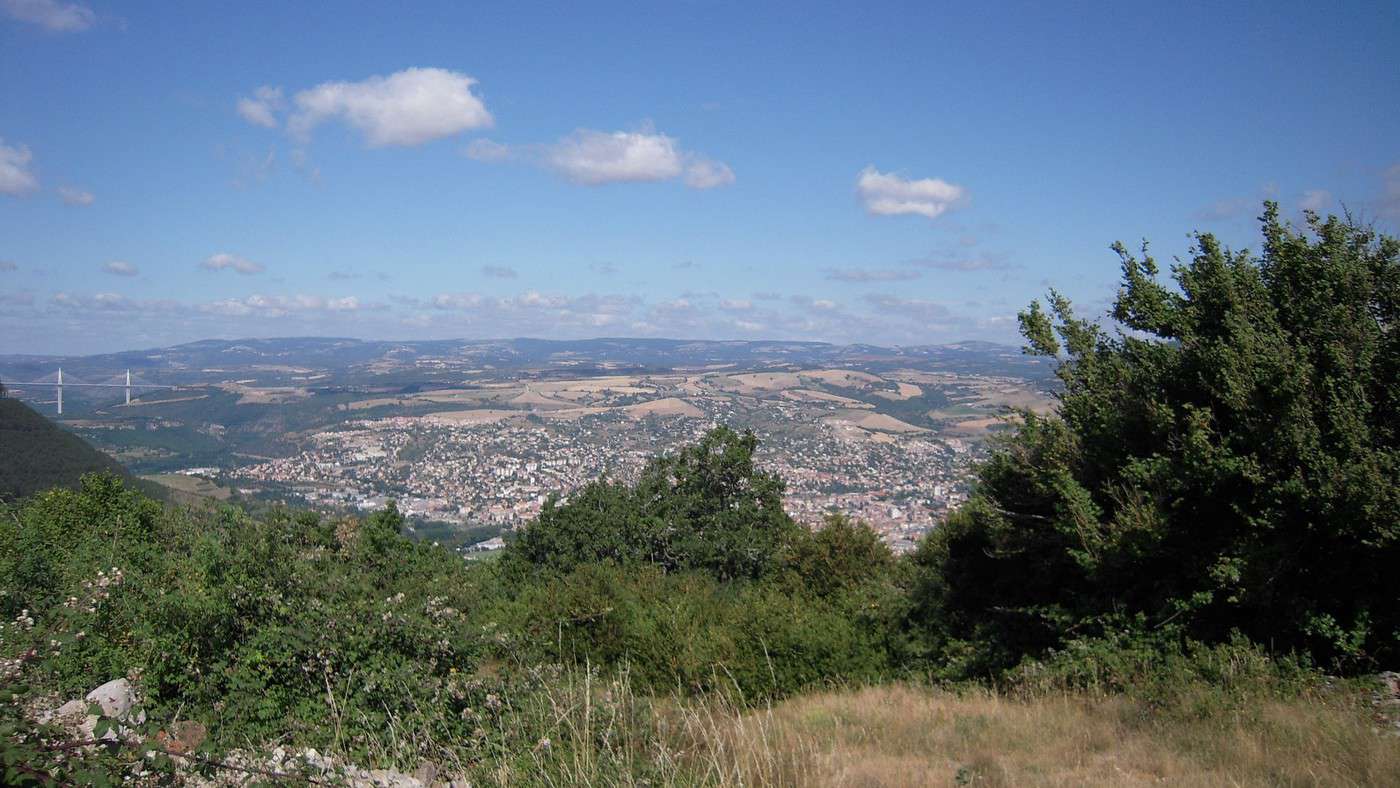
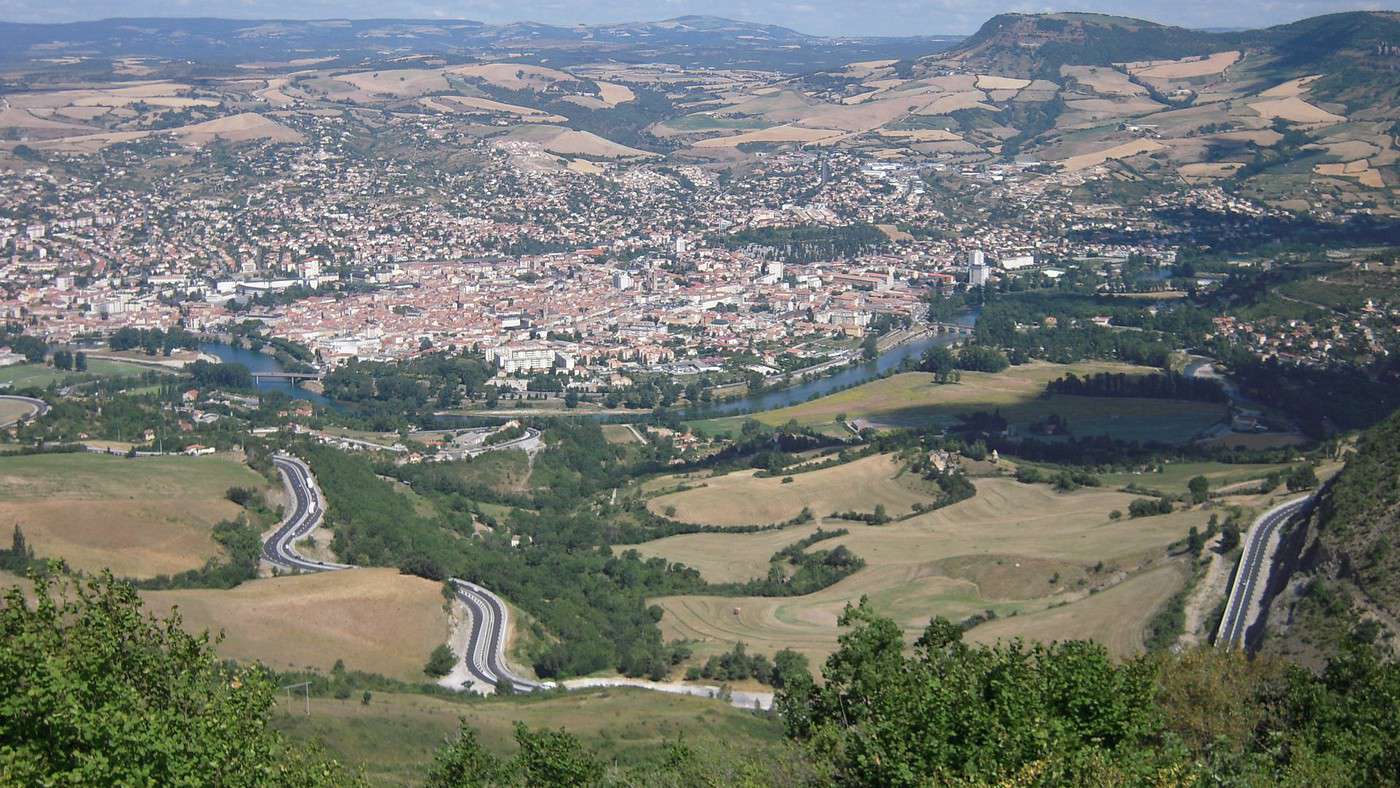
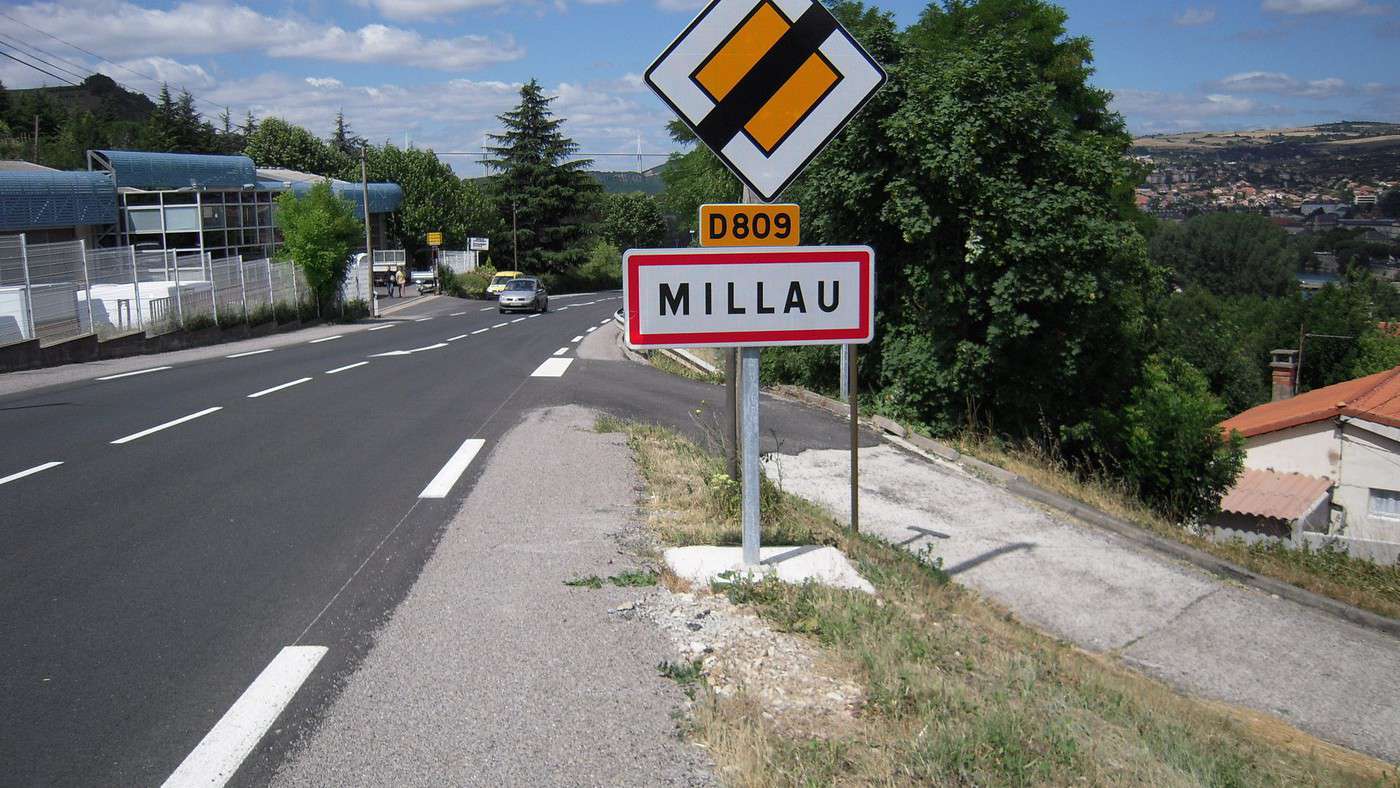
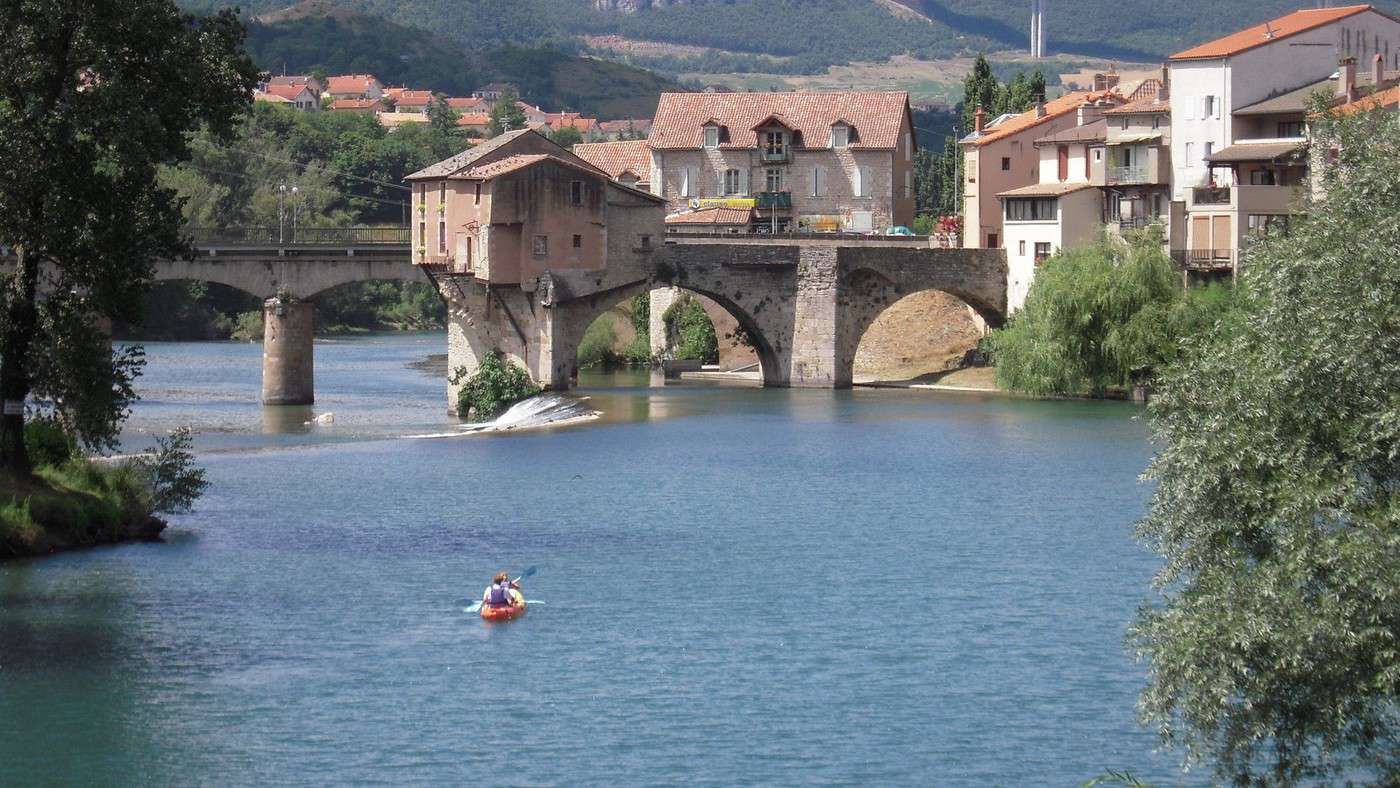
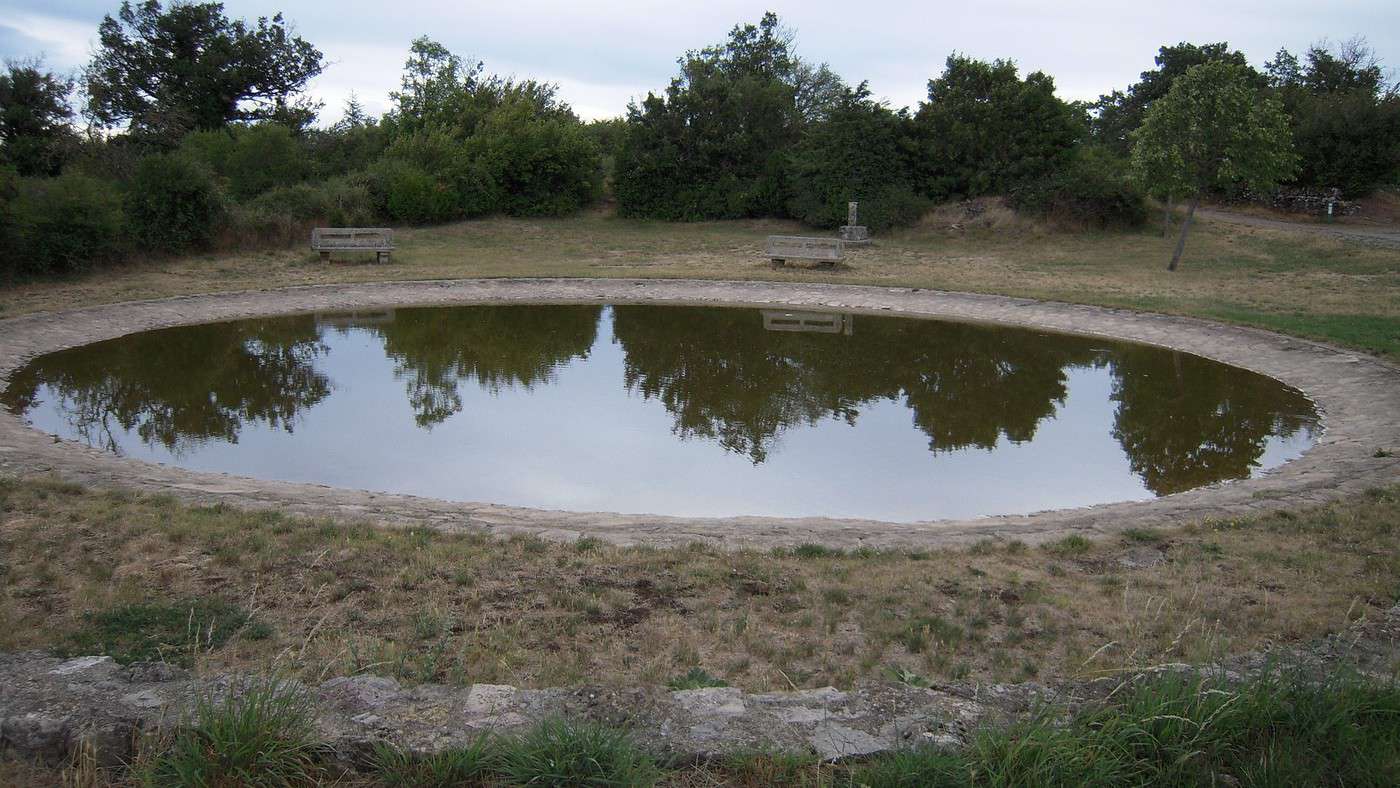
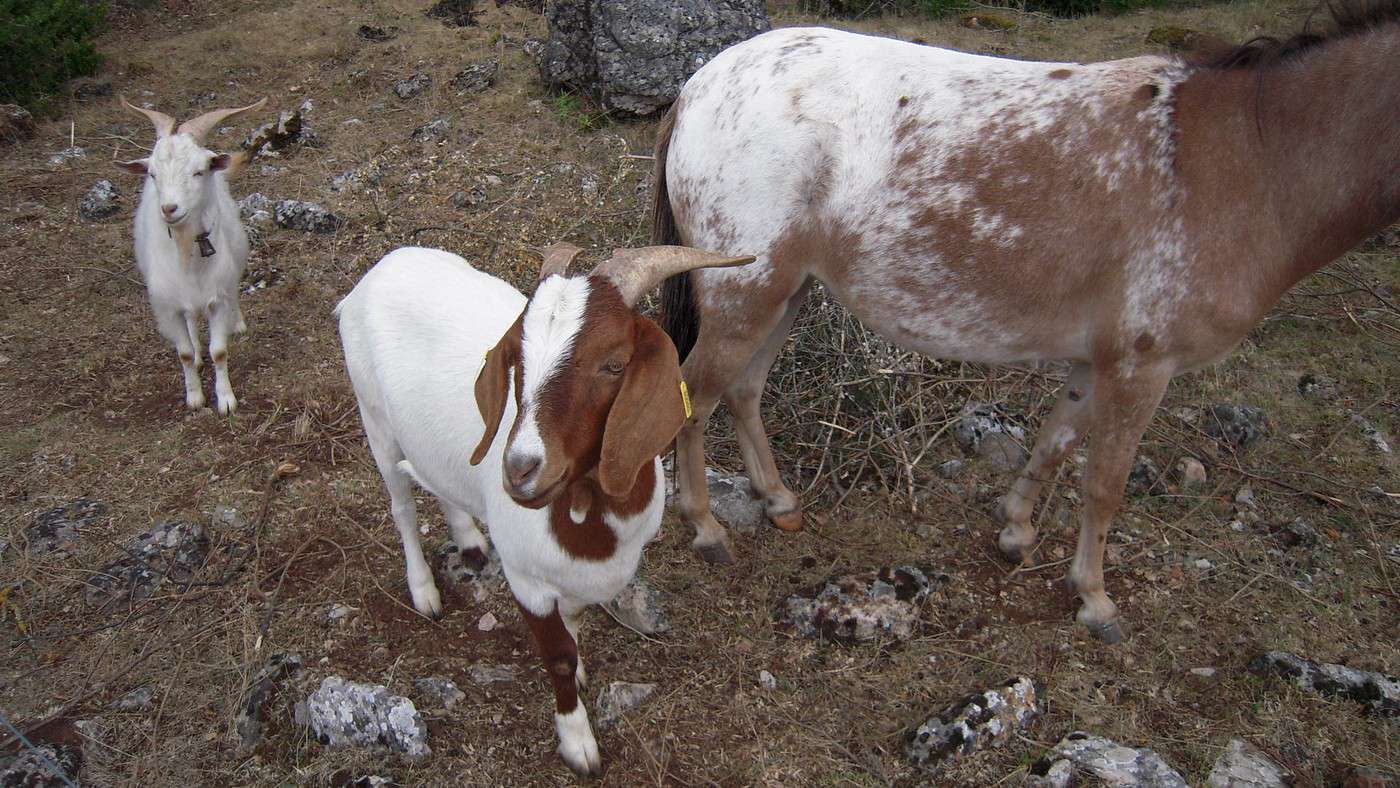
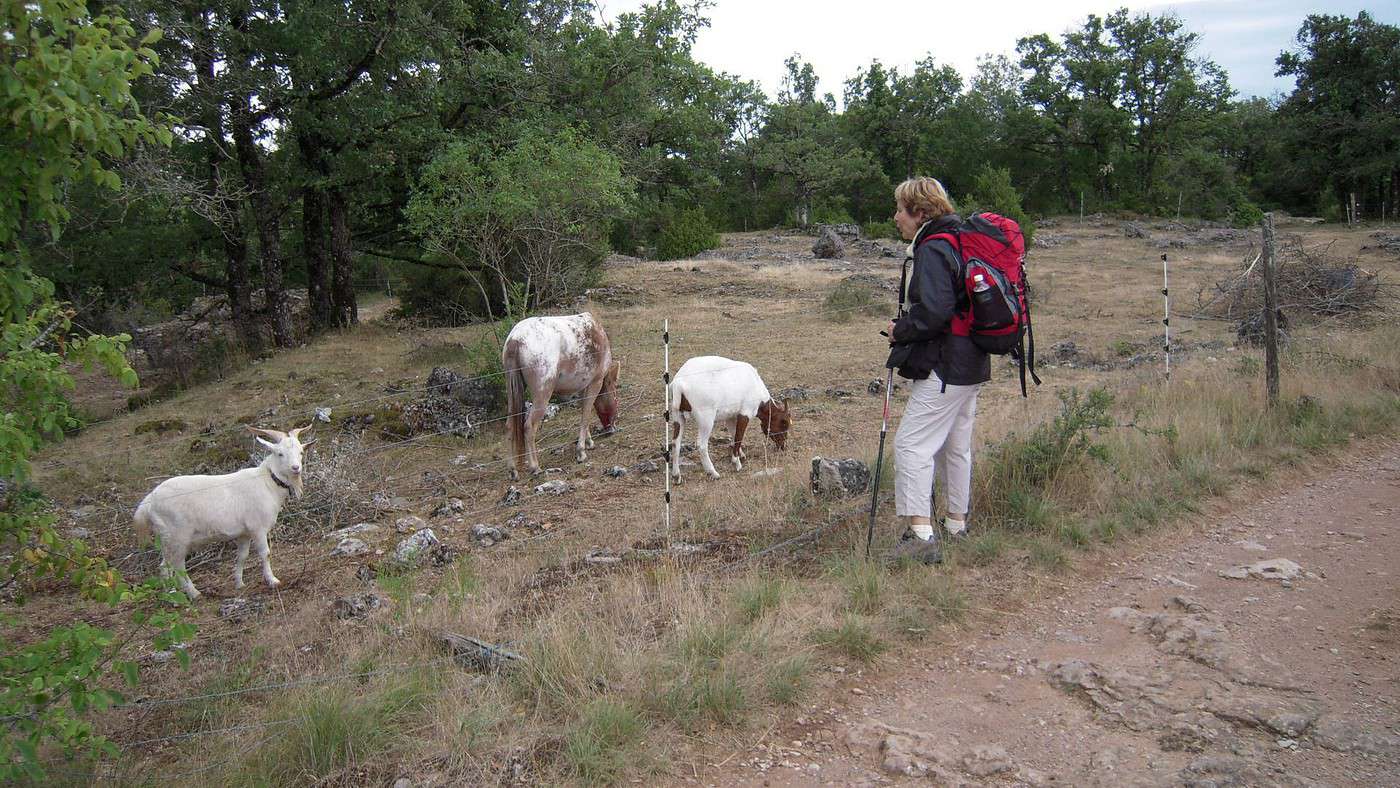
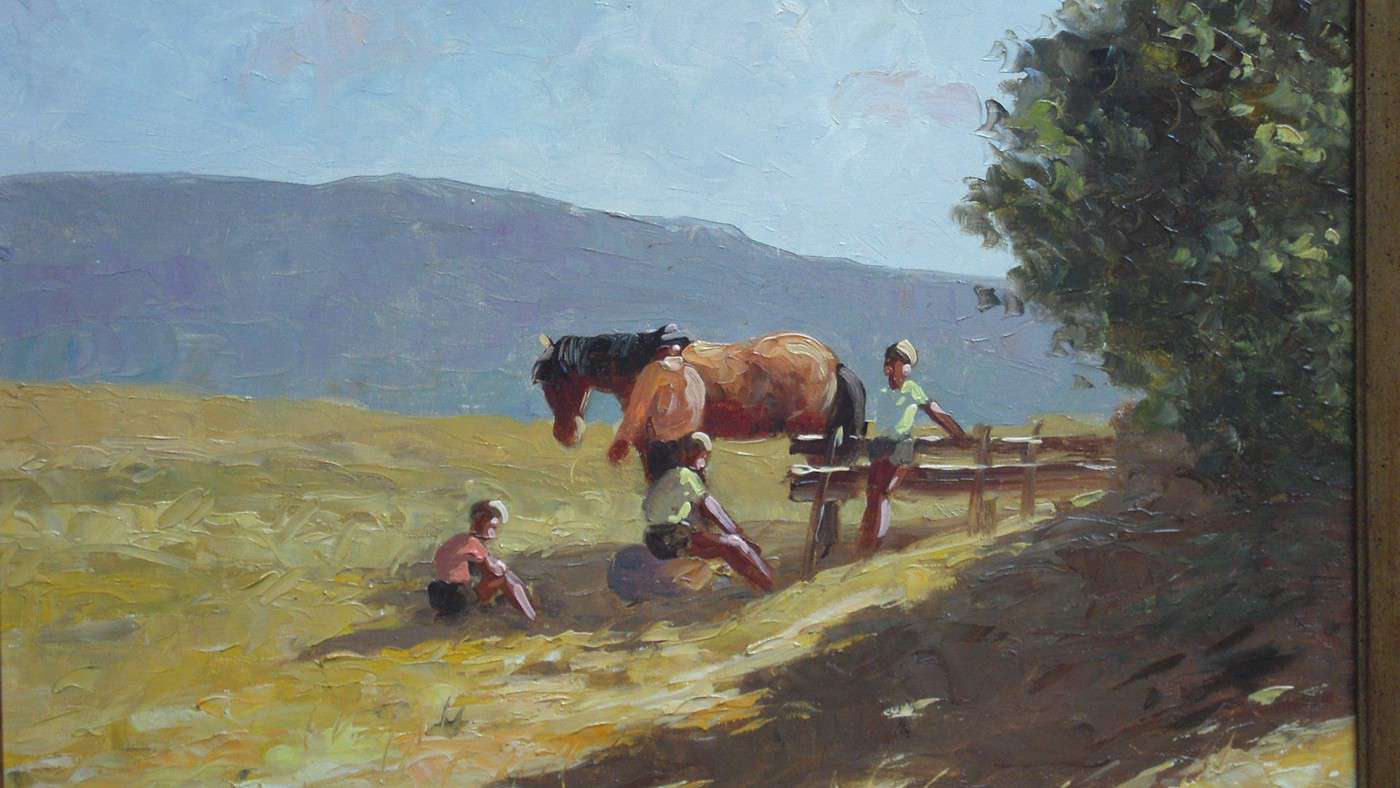
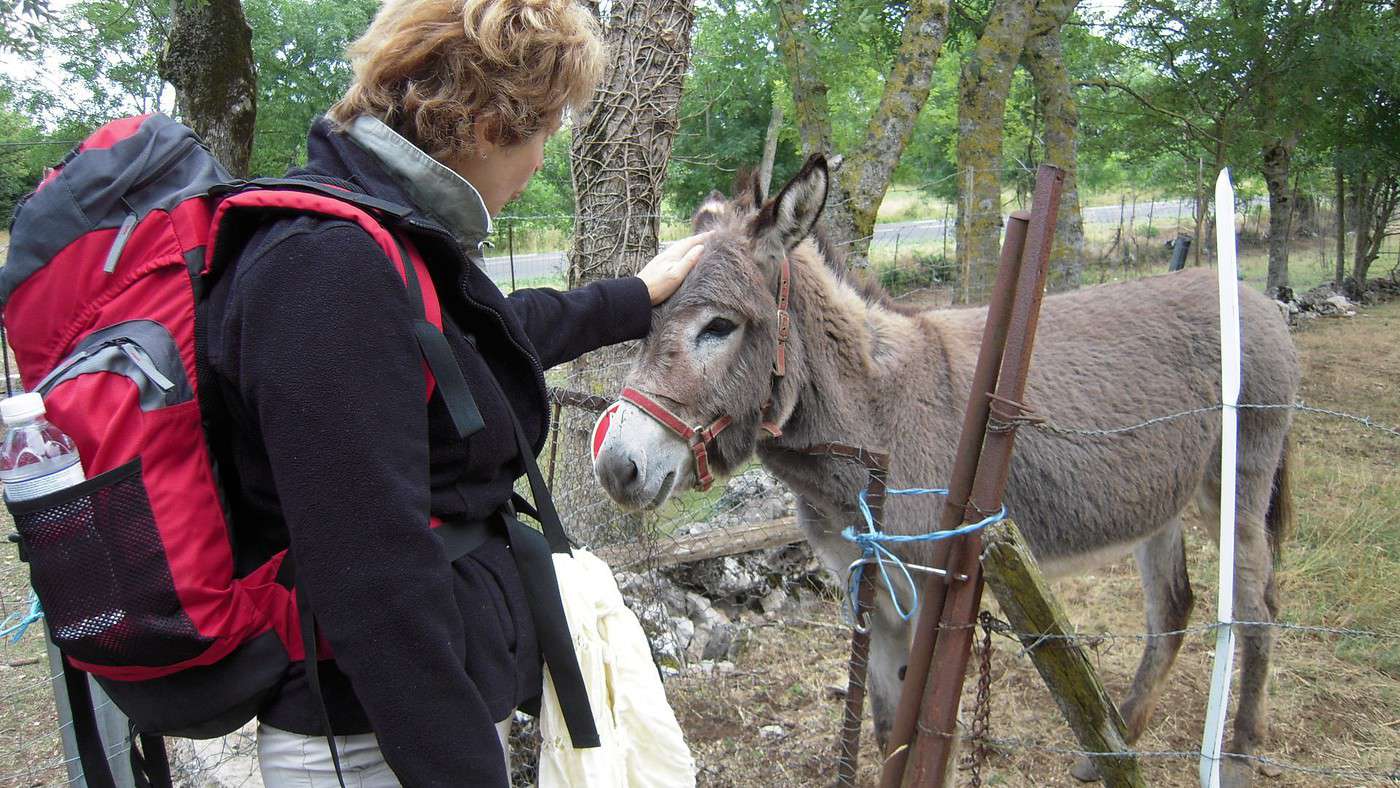
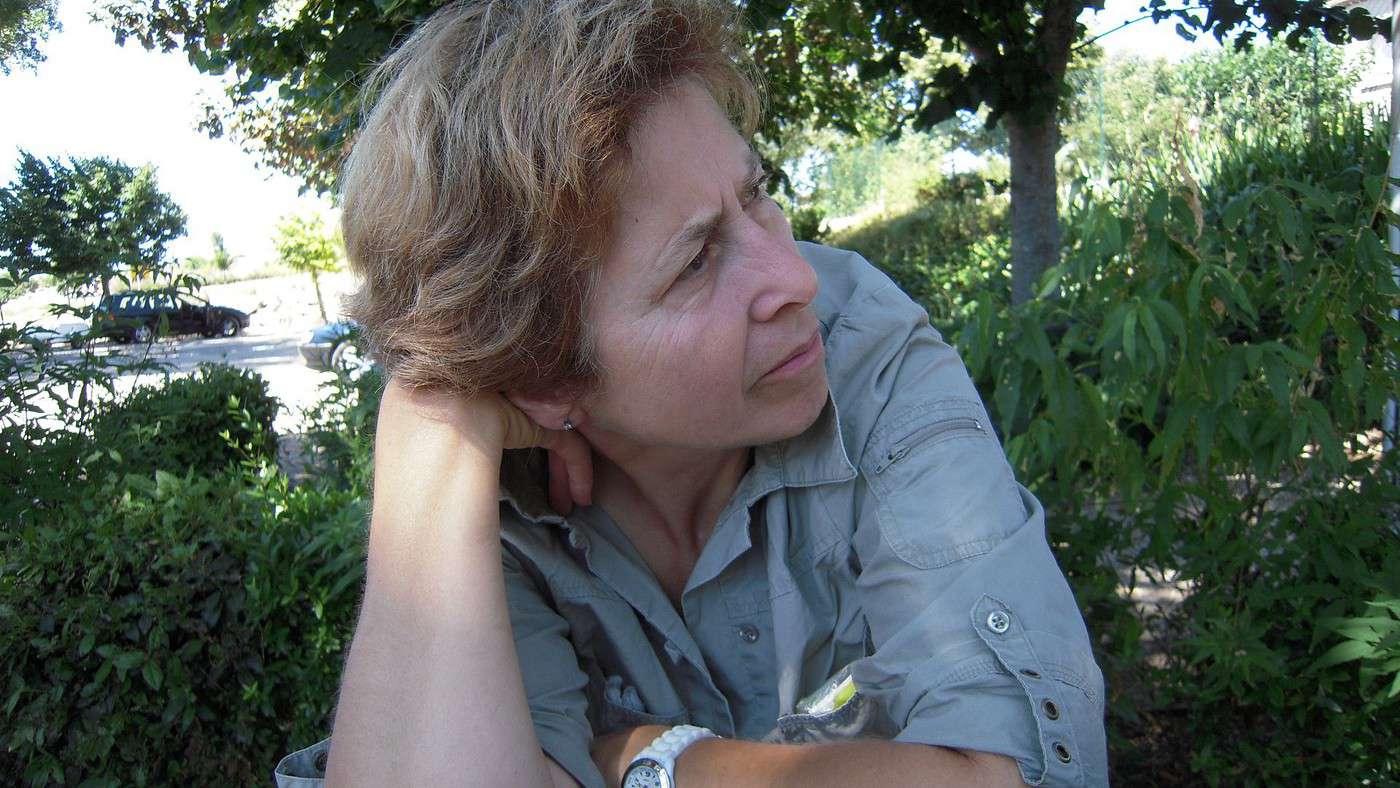
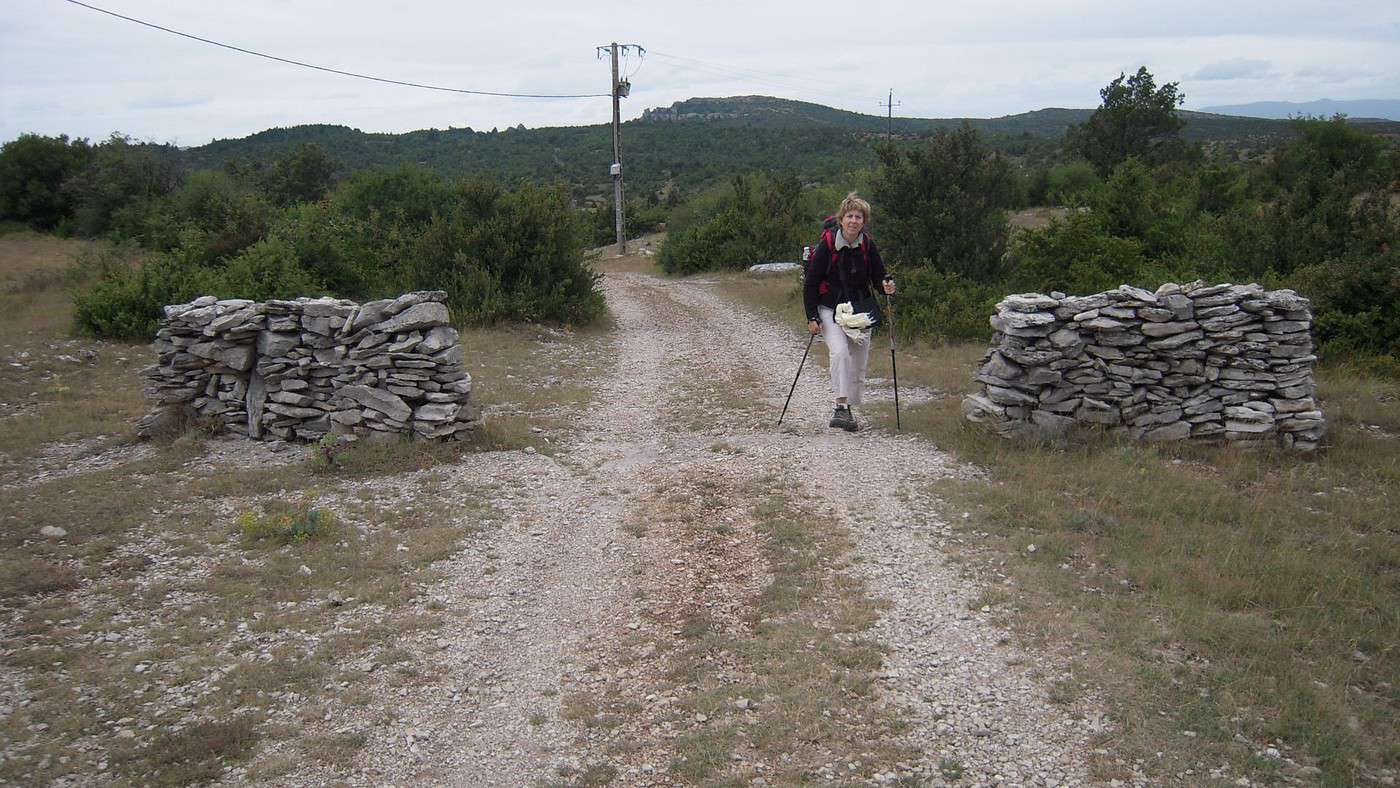
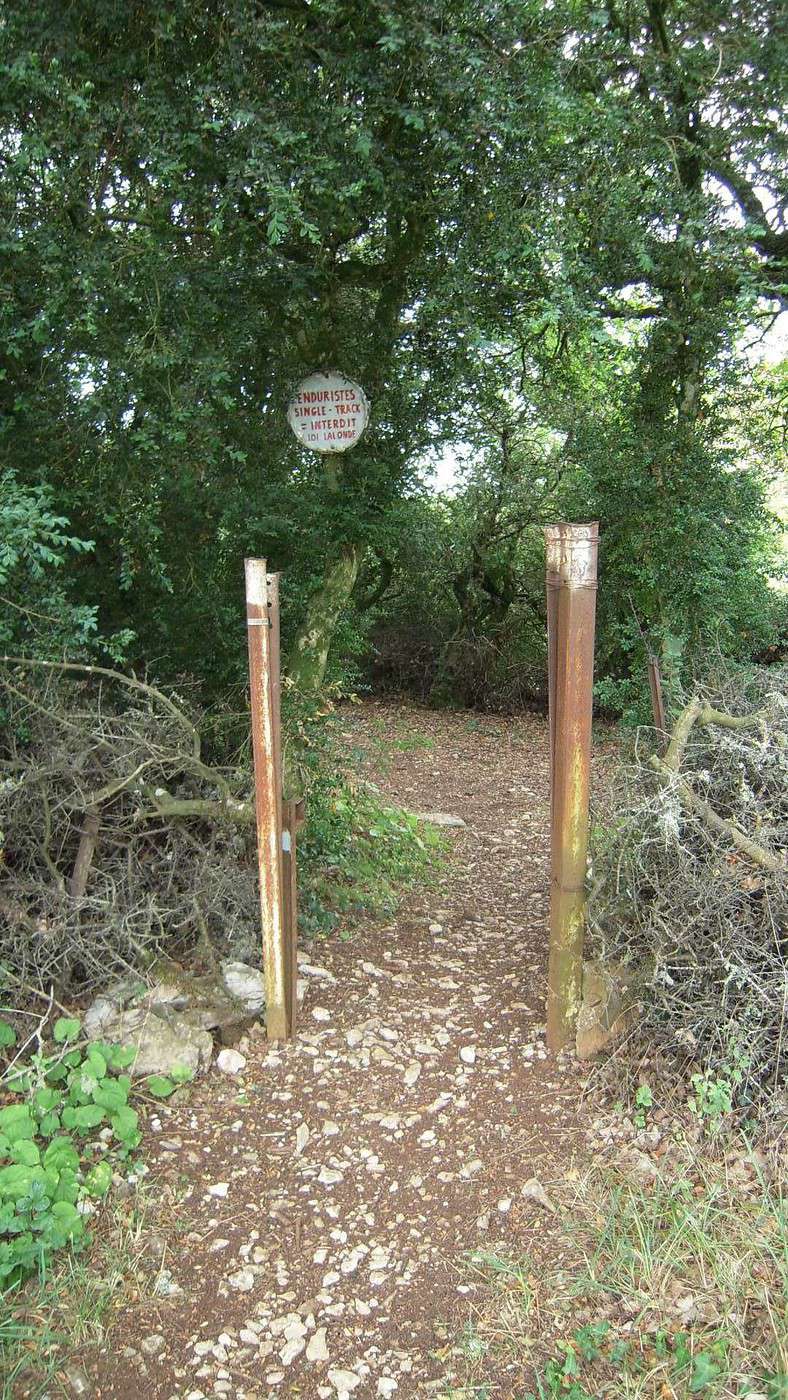
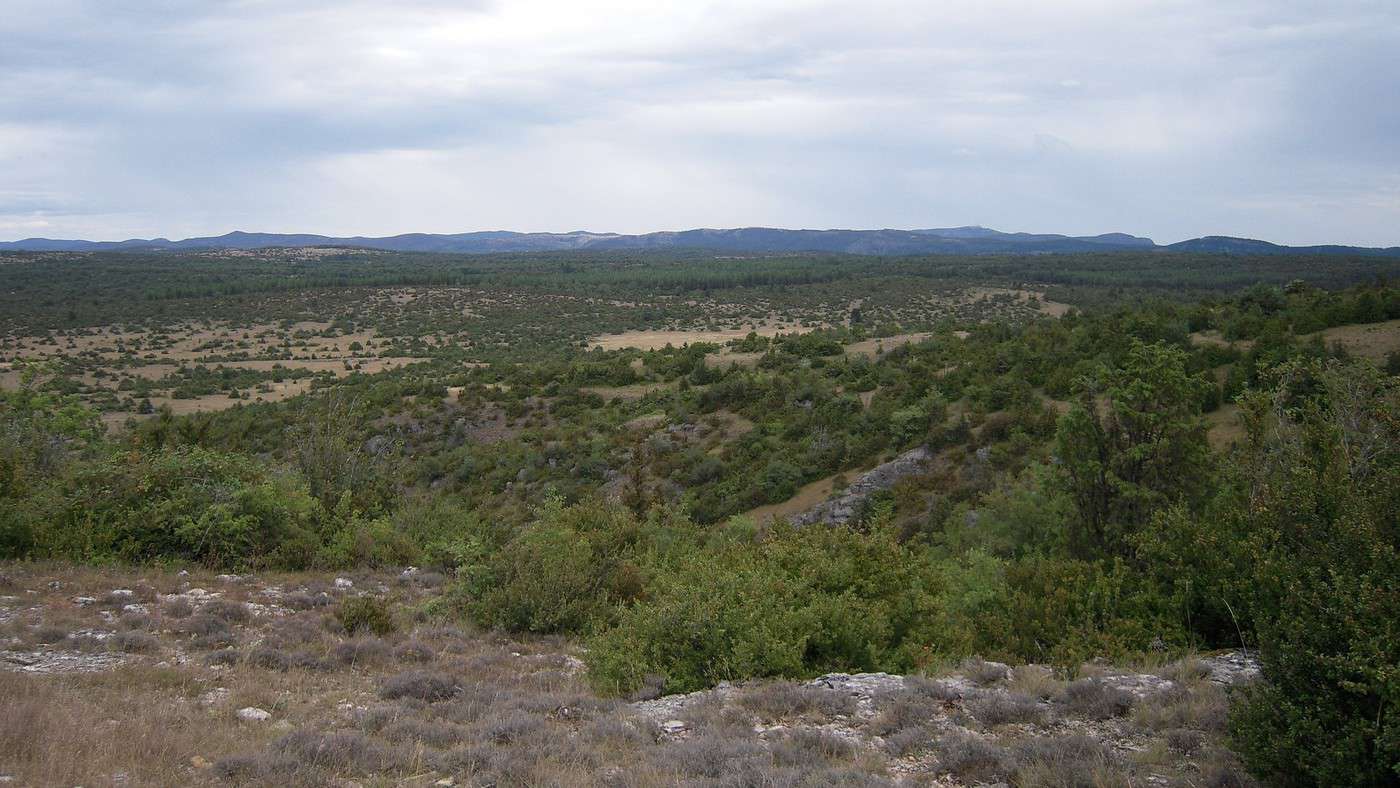

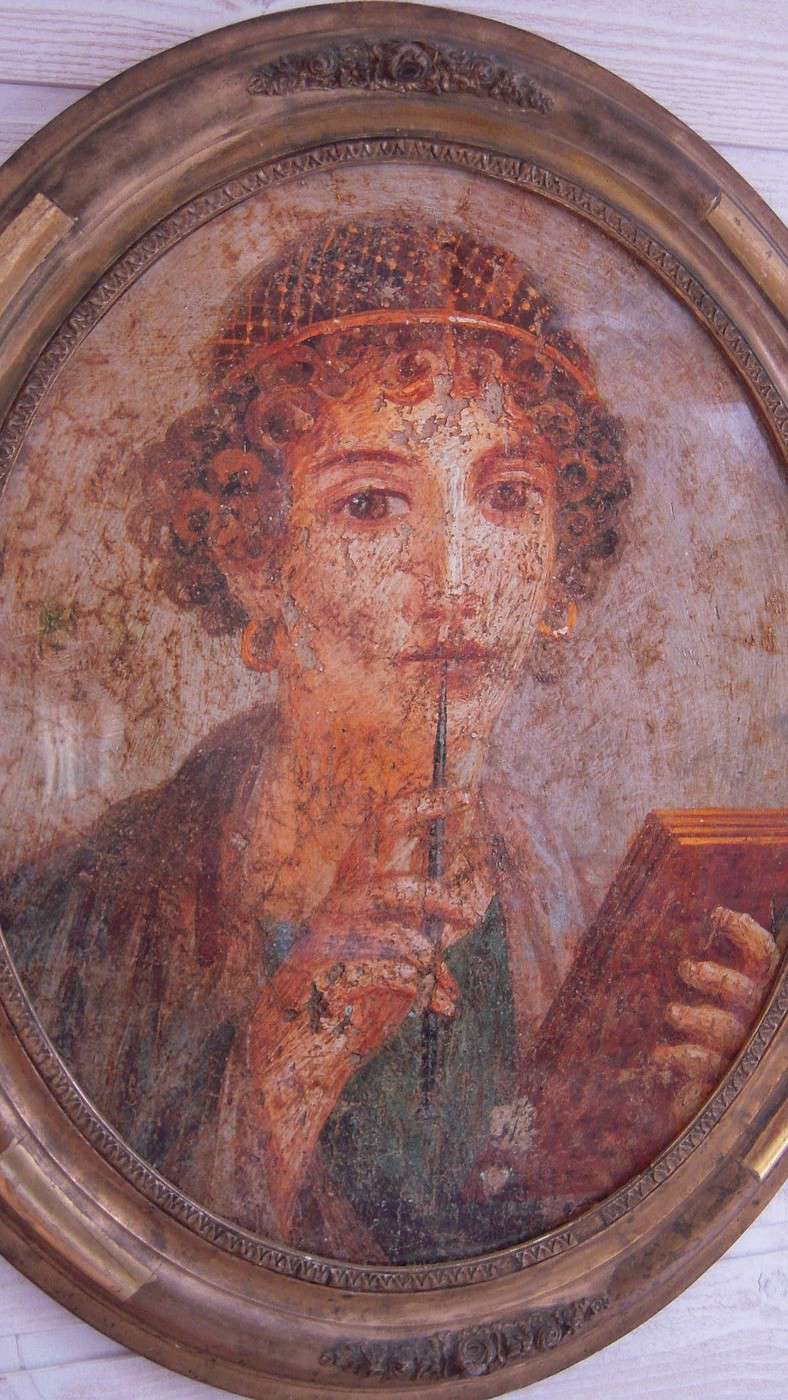
 A Persian painting by Mahmud Farshchian , showing Hafez Une peinture persane par Mahmud Farshchian,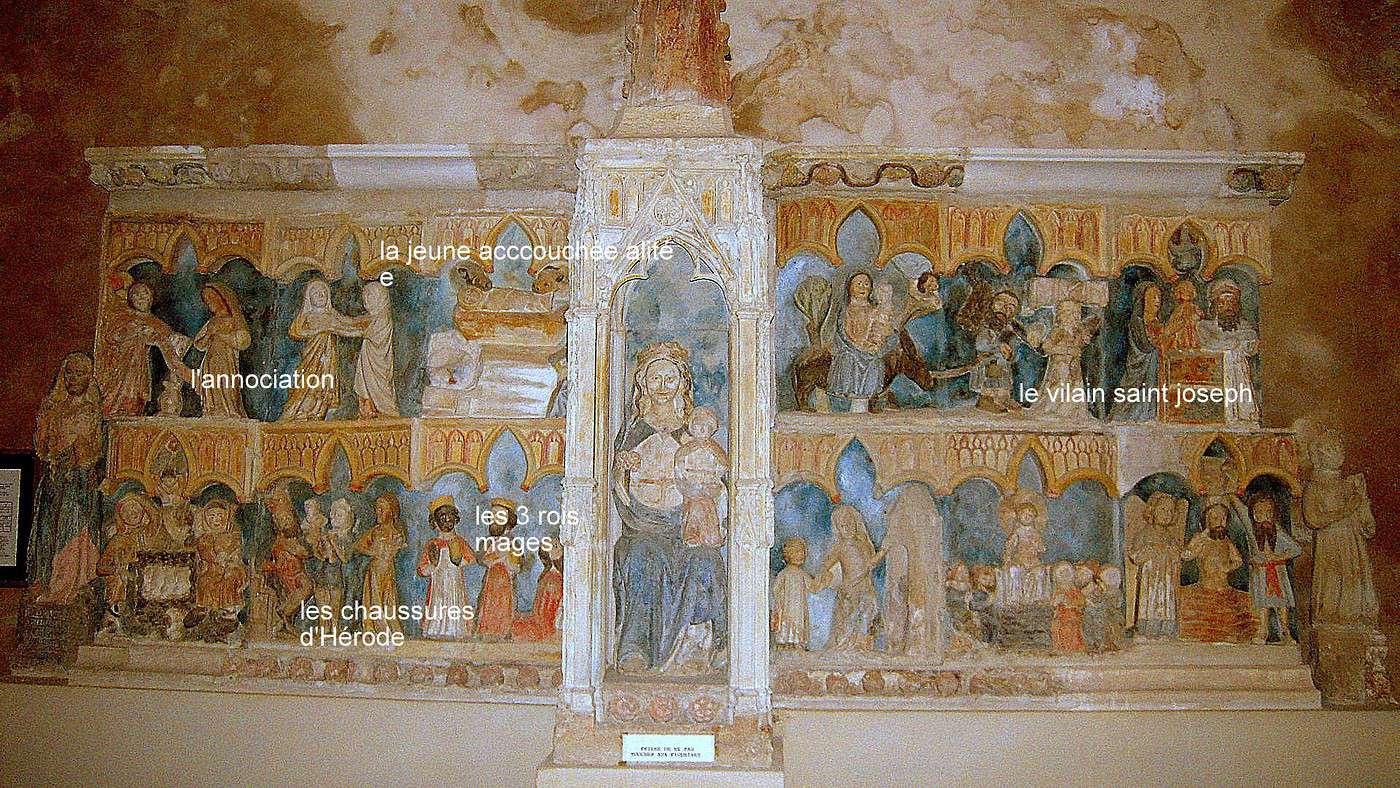
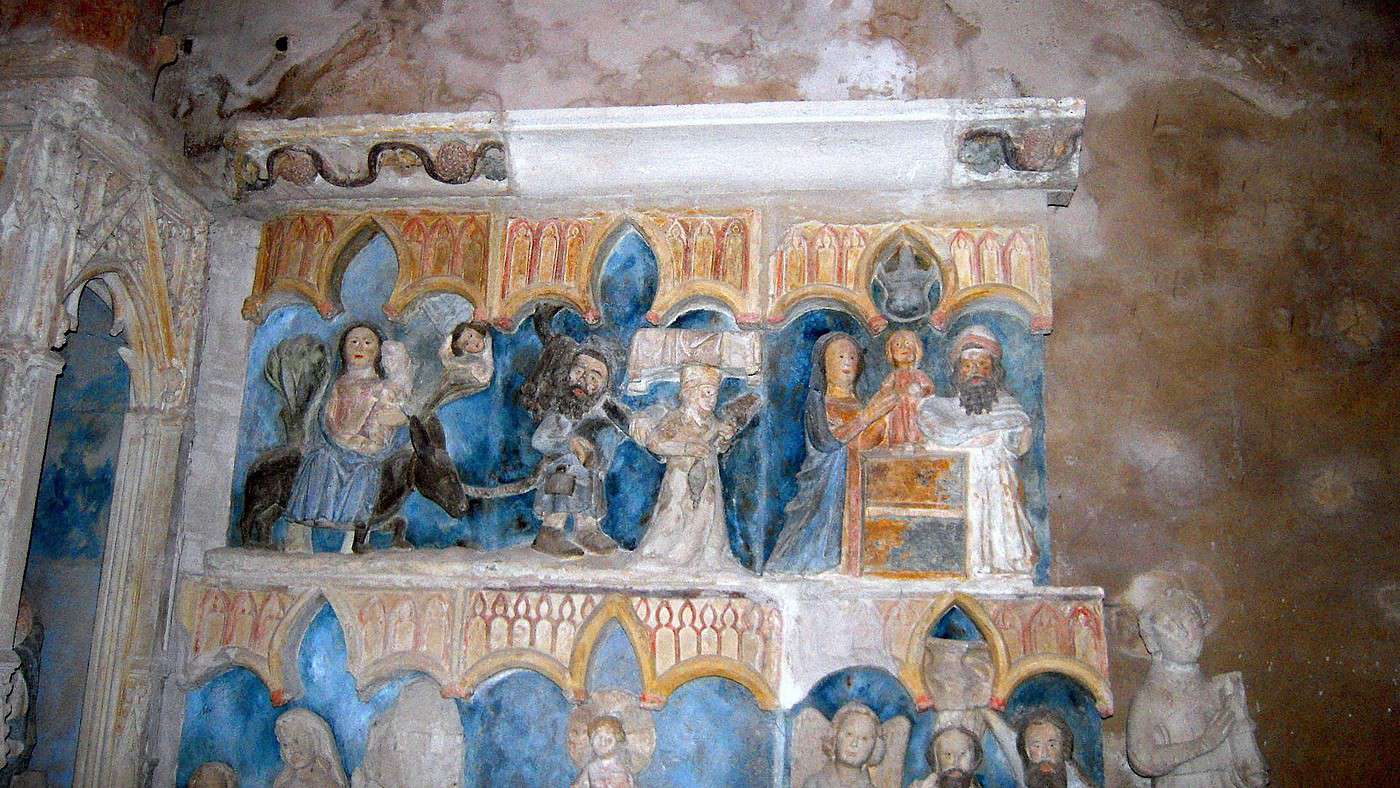
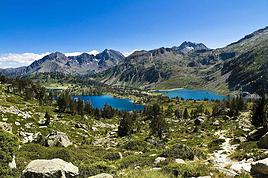
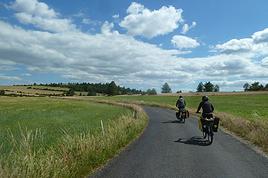
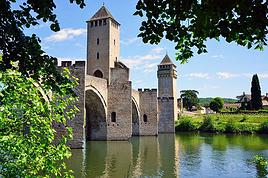
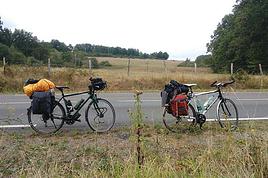
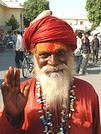
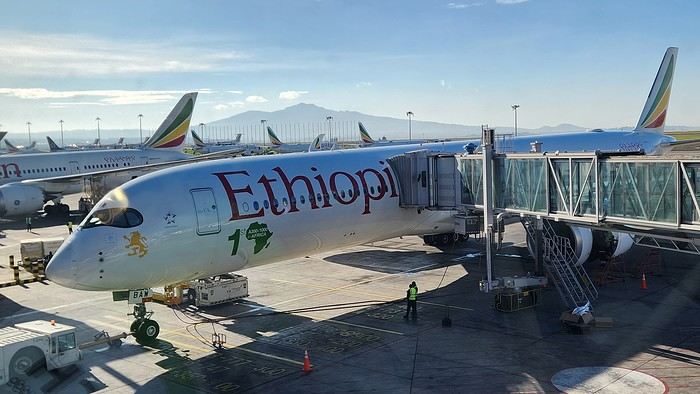
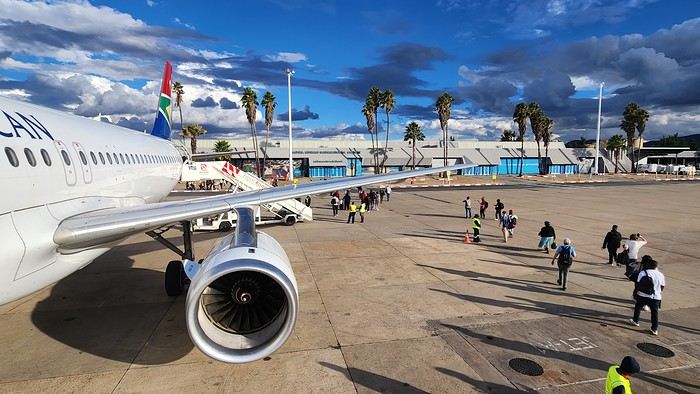
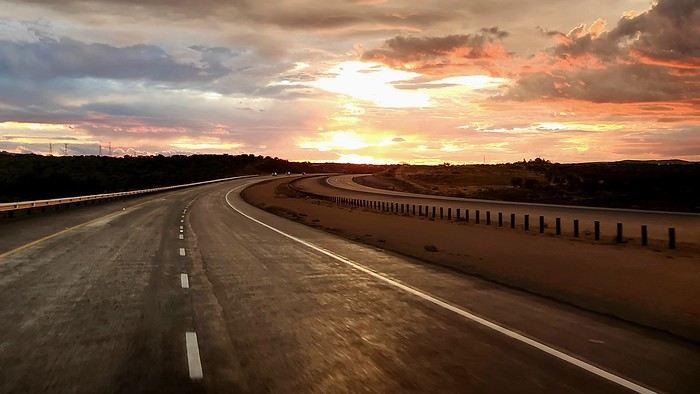
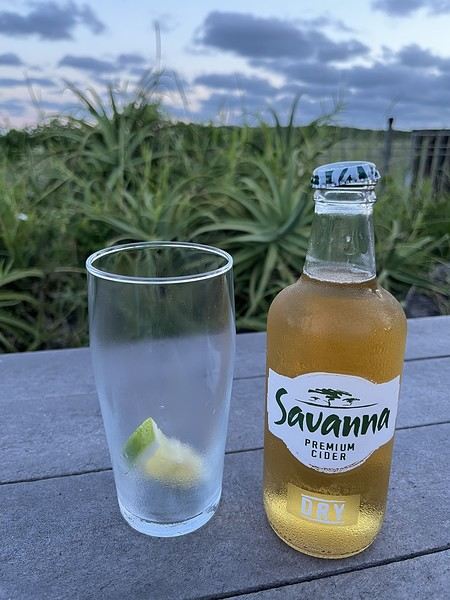

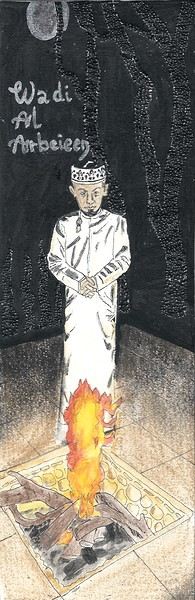
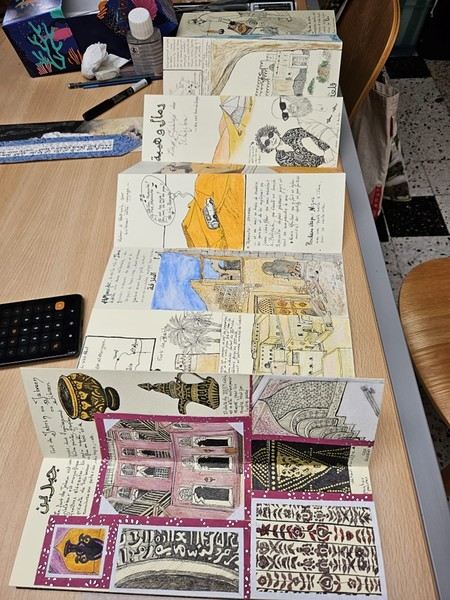
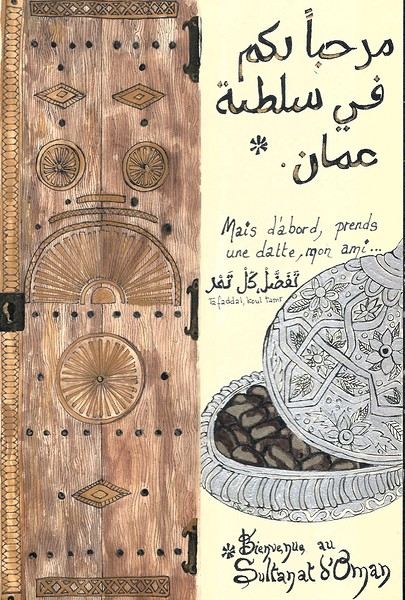 A droite, le "marqueur" de l'accueil, ces dattes qu'on vous offre partout en signe d'hospitalité. A gauche, un hommage à ces sublimes portes usées par les temps, qu'on admire un peu partout dans les quartiers anciens, y compris ceux qui sont abandonnés.
 L'hospitalité vous conduira à accepter aussi souvent un petit café, un "omani café", très léger, parfumé subtilement avec de la cardamome, pourquoi pas un peu de safran, et éventuellement un peu d'eau de rose.
J'ai ici représenté un homme dans l'habit commun usuel de tous les omanais : la dishdasha, majoritairement blanche (en semaine, en journée, la couleur est davantage pour le soir ou le vendredi et le samedi). Même si l'on voit des hommes habillés à l'occidentale, ils sont très peu nombreux. La dishdasha blanche est vraiment l'habit commun partagé par tous les hommes. La dishdasha, qui n'a pas de capuche, se distingue par un petit pompon accroché au col, la furakha, qu'on imbibe de parfum. Et croyez moi, les omanais en abusent! "ça sent le pompon" est une expression qui est maintenant passée dans notre langage commun, à mon mari et moi.
Autre incontournable de la tenue masculine, la kuma, ce petit couvre-chef rond, la plupart du temps blanc rehaussé de motifs aux couleurs vives. Le keffieh est aussi porté (mais sans le cordon appelé agal dans les pays arabes), et il est plutôt arboré par ceux dont les racines sont dans le désert, de ce que j'en ai compris.
Et les femmes, me direz vous? Voilées, pour certaines en noir intégral (mais pas la burka, plutôt le chador + Abaya), du fait de l'influence de l'Arabie et des émirats arabes unis, alors que le vêtement traditionnel était auparavant plutôt une superposition de robes très colorées. La plupart des femmes que nous avons vues portaient plutôt une tenue neutre, un voile uni sur les cheveux, mais le visage découvert. Nous avons vu aussi beaucoup de saris et de voiles colorés, il ne faut pas oublier que 40% de la population est constituée d'immigrants indiens, népalais, bengalais, qui travaillent beaucoup dans le tourisme, l'hôtellerie et la restauration, les services, mais aussi tous les travaux ouvriers.
Je précise qu'en tant que touriste il n'y a aucune pression pour porter un voile, jamais de regards désapprobateurs d'aucune sorte. Bien sûr, on gardera pour la terrasse de l'hôtel les mini shorts, les décolletés plongeants, les épaules et ventres dénudés, mais j'ai envie de dire que c'est pareil pour les hommes et les femmes et que le soleil étant vif c'est aussi meilleur pour la peau.
Voici pour cette introduction ! Au prochain post, je vous parlerai de mon itinéraire et on pourra se lancer!
L'hospitalité vous conduira à accepter aussi souvent un petit café, un "omani café", très léger, parfumé subtilement avec de la cardamome, pourquoi pas un peu de safran, et éventuellement un peu d'eau de rose.
J'ai ici représenté un homme dans l'habit commun usuel de tous les omanais : la dishdasha, majoritairement blanche (en semaine, en journée, la couleur est davantage pour le soir ou le vendredi et le samedi). Même si l'on voit des hommes habillés à l'occidentale, ils sont très peu nombreux. La dishdasha blanche est vraiment l'habit commun partagé par tous les hommes. La dishdasha, qui n'a pas de capuche, se distingue par un petit pompon accroché au col, la furakha, qu'on imbibe de parfum. Et croyez moi, les omanais en abusent! "ça sent le pompon" est une expression qui est maintenant passée dans notre langage commun, à mon mari et moi.
Autre incontournable de la tenue masculine, la kuma, ce petit couvre-chef rond, la plupart du temps blanc rehaussé de motifs aux couleurs vives. Le keffieh est aussi porté (mais sans le cordon appelé agal dans les pays arabes), et il est plutôt arboré par ceux dont les racines sont dans le désert, de ce que j'en ai compris.
Et les femmes, me direz vous? Voilées, pour certaines en noir intégral (mais pas la burka, plutôt le chador + Abaya), du fait de l'influence de l'Arabie et des émirats arabes unis, alors que le vêtement traditionnel était auparavant plutôt une superposition de robes très colorées. La plupart des femmes que nous avons vues portaient plutôt une tenue neutre, un voile uni sur les cheveux, mais le visage découvert. Nous avons vu aussi beaucoup de saris et de voiles colorés, il ne faut pas oublier que 40% de la population est constituée d'immigrants indiens, népalais, bengalais, qui travaillent beaucoup dans le tourisme, l'hôtellerie et la restauration, les services, mais aussi tous les travaux ouvriers.
Je précise qu'en tant que touriste il n'y a aucune pression pour porter un voile, jamais de regards désapprobateurs d'aucune sorte. Bien sûr, on gardera pour la terrasse de l'hôtel les mini shorts, les décolletés plongeants, les épaules et ventres dénudés, mais j'ai envie de dire que c'est pareil pour les hommes et les femmes et que le soleil étant vif c'est aussi meilleur pour la peau.
Voici pour cette introduction ! Au prochain post, je vous parlerai de mon itinéraire et on pourra se lancer! Come along, I'm taking you to this country where it's so nice to wander and slow down...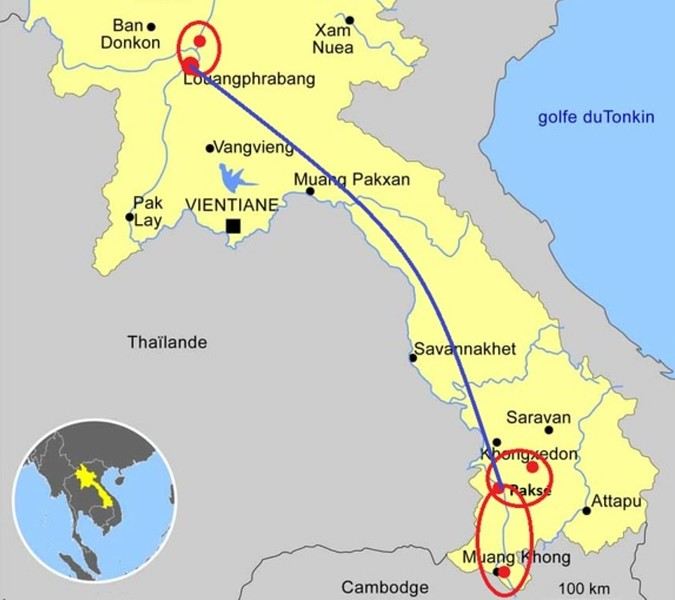
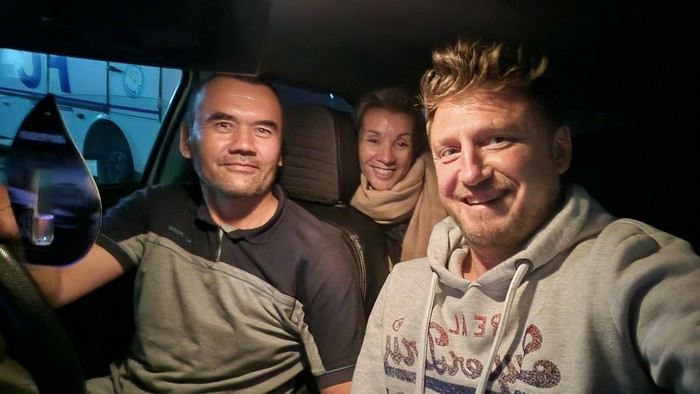
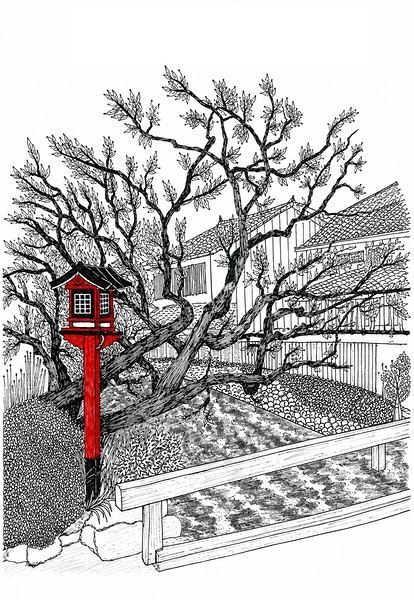 I’m inviting you on a stroll through my drawings—a completely subjective, far from exhaustive, and totally personal take, since it’s based on my own sketches. I put this travel journal together after returning in late 2024, mostly using felt-tip pens and pencils, with a few collages thrown in. I worked from our personal photos.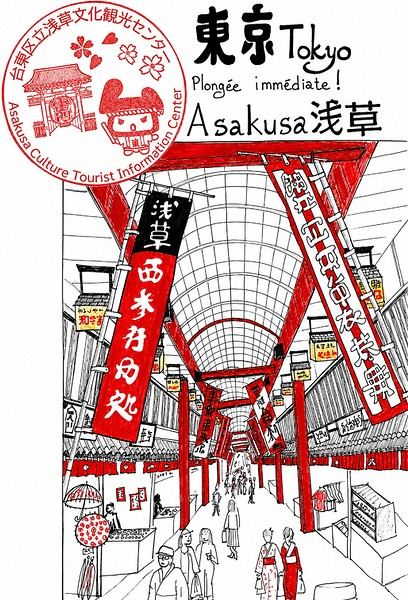
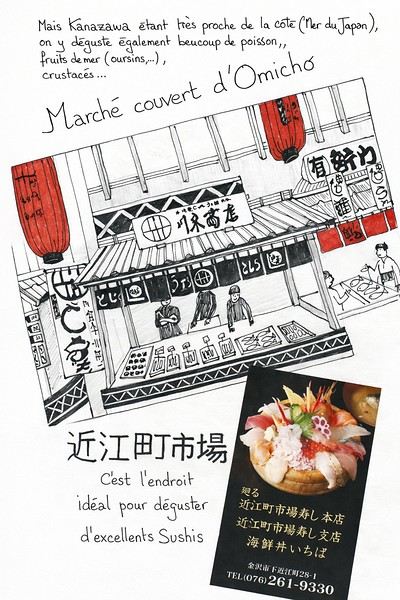 And in Kyoto, Nishiki Market:
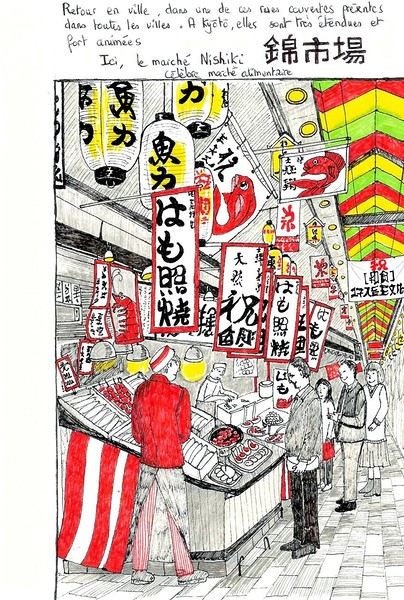
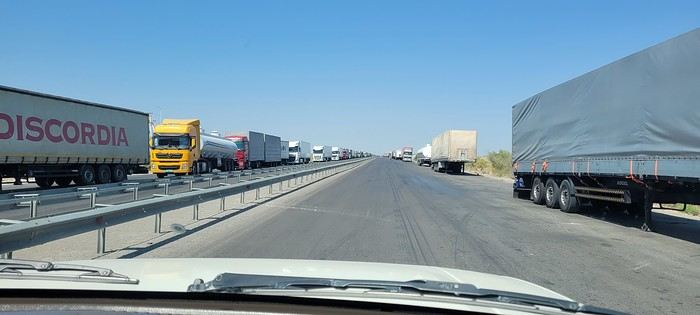
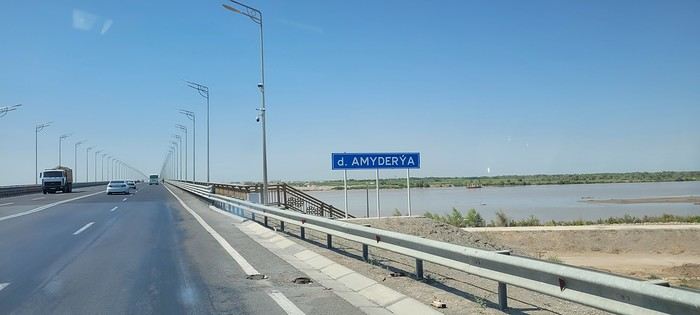
 Les ronds-points sont particulièrement intéressants puisqu'on y retrouve des emblèmes de la culture turkmène, soit le chien, soit un tapis, soit le cheval Ahal Teke soit des symboles musulmans, même si la présence d'artefacts islamiques est assez réduite.

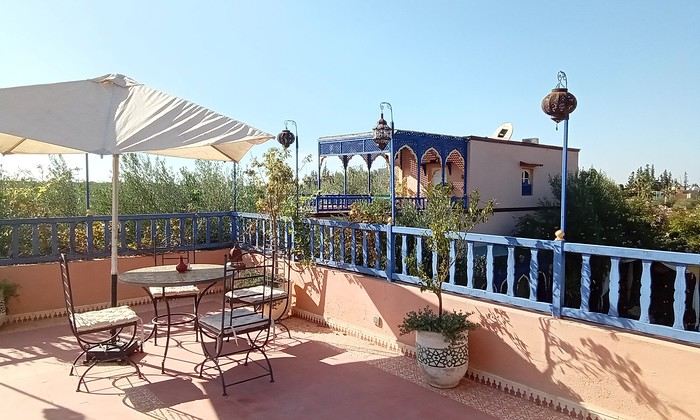
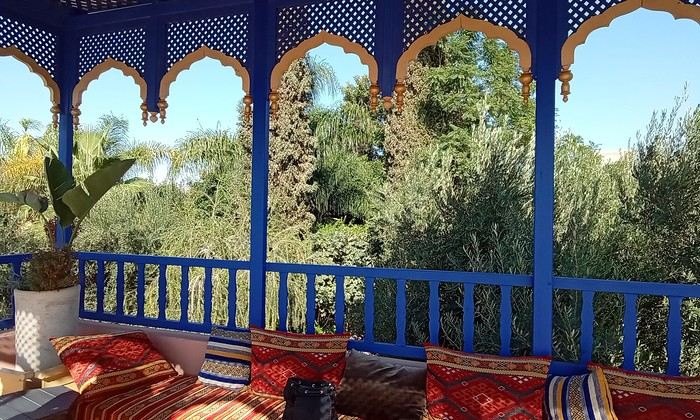 Last October, we landed in Marrakech to spend a few days with family exploring Morocco’s roads.
Transport: a rented Dacia.
Accommodations: small guesthouses.
Last October, we landed in Marrakech to spend a few days with family exploring Morocco’s roads.
Transport: a rented Dacia.
Accommodations: small guesthouses.
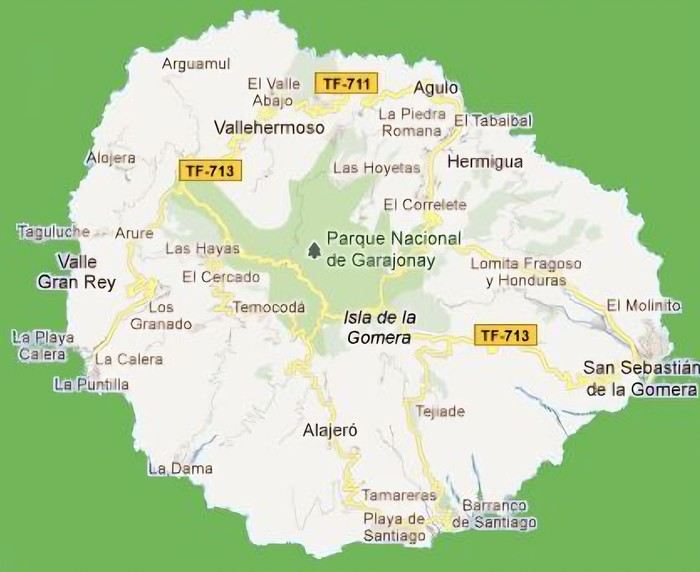 The large solidified magma massifs that shape the heart of the island have created a large depression more protected from the sun at its center, allowing the growth of a vast laurel forest, today grouped within the Garajonay National Park, La Gomera’s green lung, which has earned it the status of a World Biosphere Reserve. Its completely European appearance contrasts sharply with the rocky and tropical landscapes of the rest of the island. Thus, the climate varies greatly from one point to another on the island: in summer, you can quickly go from a dry and sunny valley at 35°C to a humid forest area at altitude at 18°C.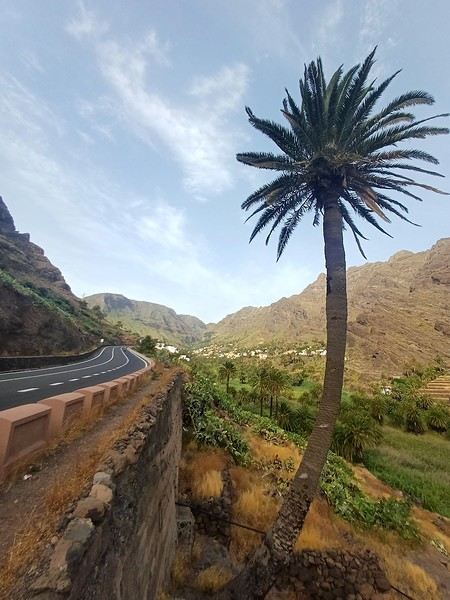
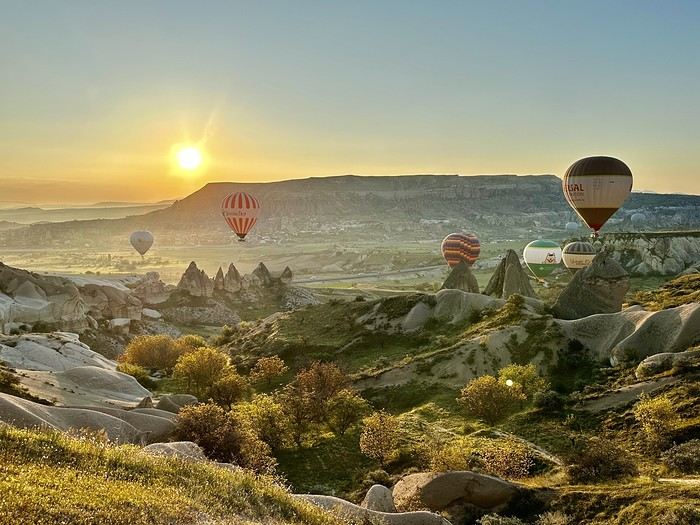 A little sneak peek?

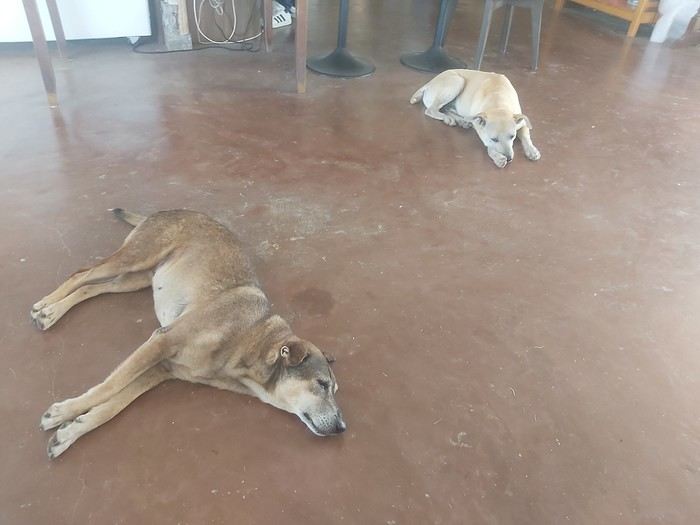
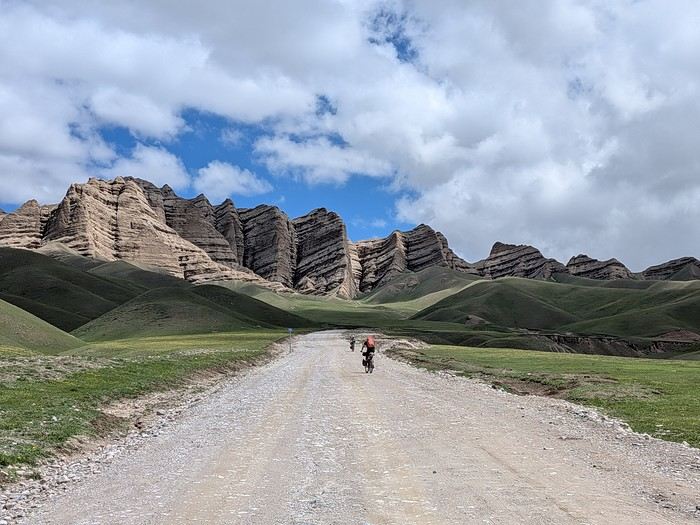
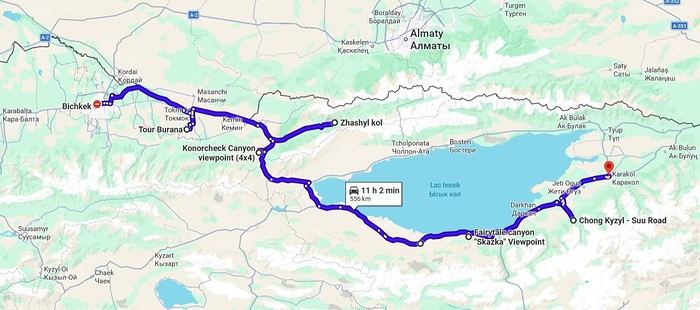

 The karst site:
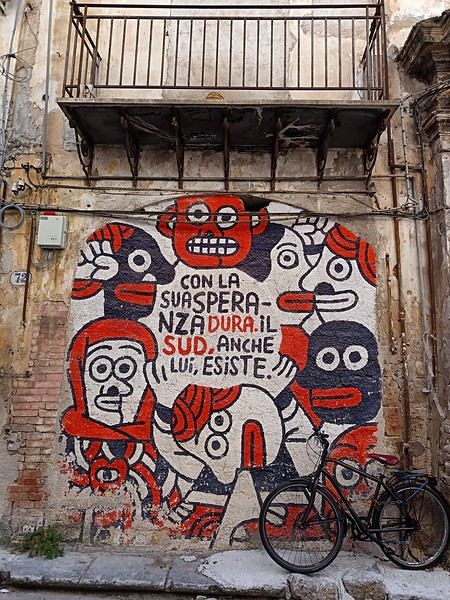 (In the heart of Albergheria, on a street every visitor walks down—lovely message from an unidentified artist)
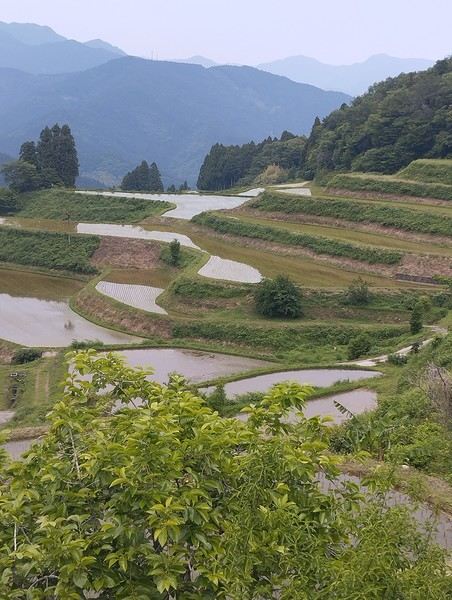
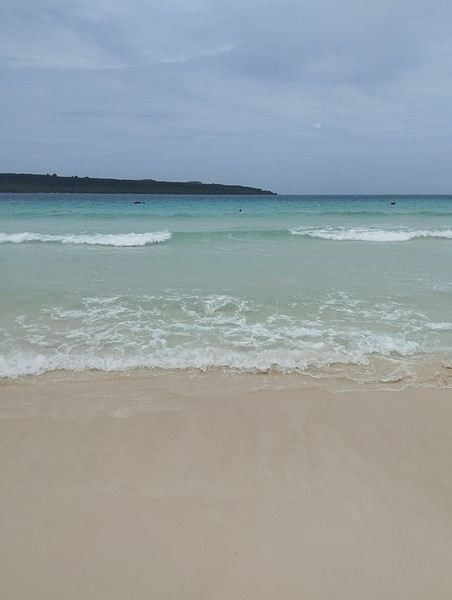


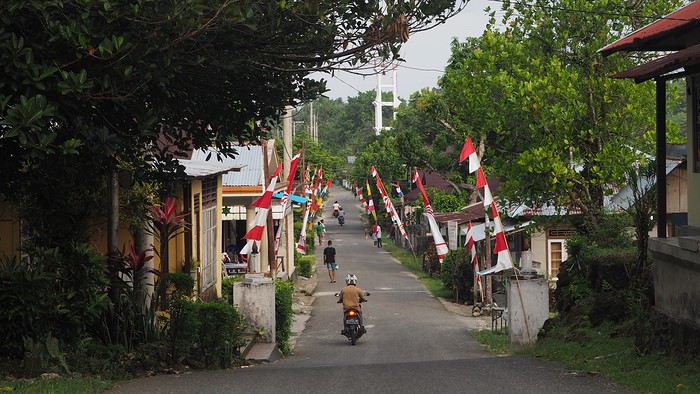
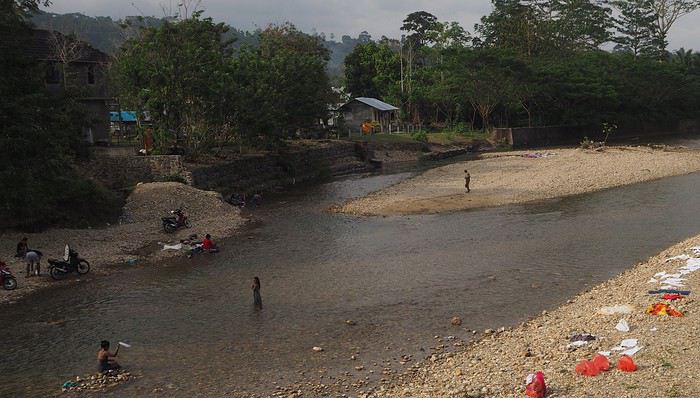 Laundry and trucks washed in the same stream.
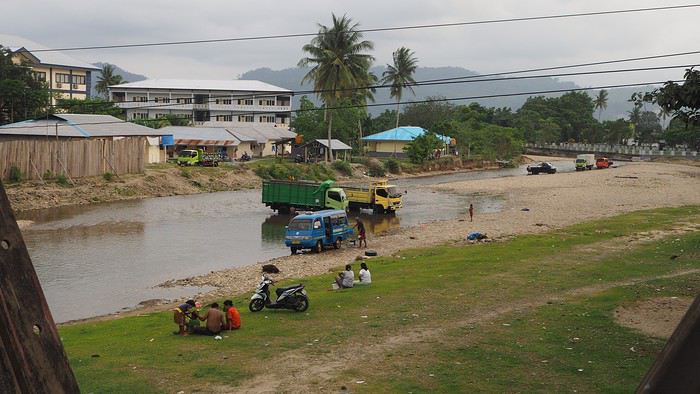
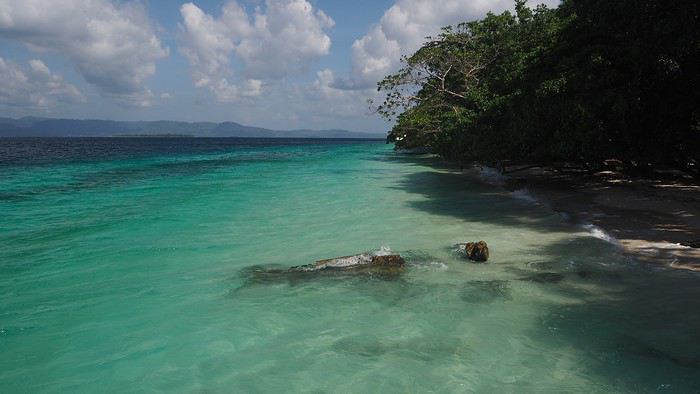
 We’re greeted dozens of times with “Hello Mister”—a daily routine in the Moluccas. Every time we stop, we pose for photos to be saved on locals’ smartphones. They don’t see tourists often.