Skip to content
Eastern Cuba

Travel guide · Cuba

Eastern Cuba

★ 3 · last edited Dec 20, 2019 · 2 versions

Eastern Cuba is the eastern part of the country. Economically underdeveloped and rarely visited, it nonetheless offers stunning landscapes, including the "famous" Sierra Maestra, beautiful beaches like those north of Holguín at Guardalavaca, and above all, a side of Cuba quite different from the rest of the country.

Overview

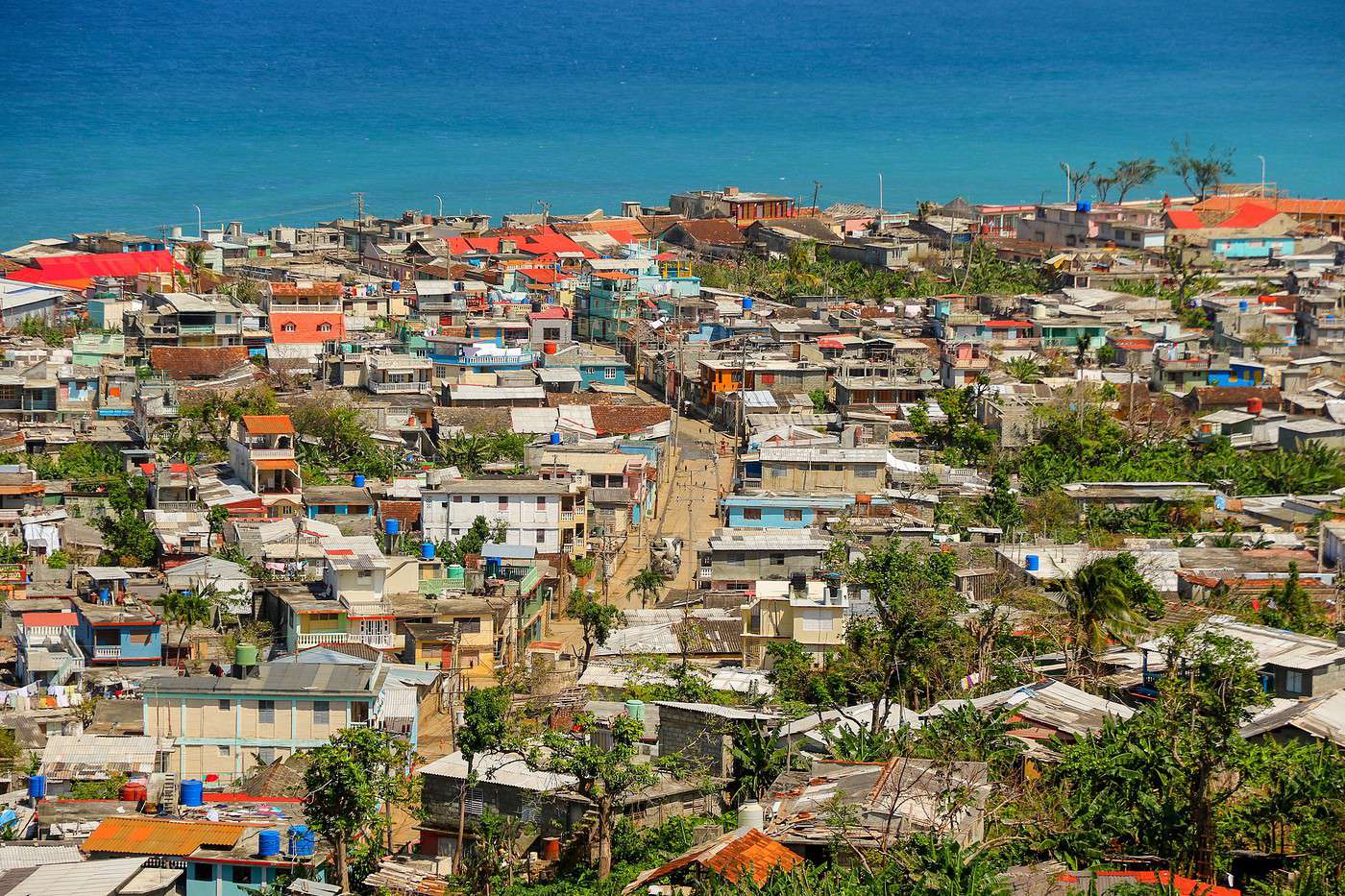
Baracoa, Cuba
Baracoa, Cuba · © VoyageForum

Eastern Cuba is the eastern part of the country, encompassing the provinces of Las Tunas, Granma, Holguín, Santiago de Cuba, and Guantánamo. Economically underdeveloped and rarely visited, it nonetheless offers stunning landscapes, including the "famous" Sierra Maestra, beautiful beaches like those north of Holguín at Guardalavaca, and above all, a side of Cuba quite different from the rest of the country...

Main cities

Alongside Santiago de Cuba, Eastern Cuba is home to the country’s second-largest urban area, as well as other towns like Holguin, Bayamo, and Baracoa, which vary in their level of tourist recognition.

Tourist attractions

Eastern Cuba strikes a good balance between beaches, heritage, and nature.

Cities and their heritage

Santiago, Bayamo, and Baracoa are all must-visit destinations for their architectural testimonies from the colonial era.

Beaches and coastline

The main beach resort area in this part of the country lies north of Holguín. At Guardalavaca and its surroundings, you can enjoy beautiful beaches, activities like diving, and the region’s many resorts.

Nature and outdoor activities

With the Sierra Maestra, Eastern Cuba boasts one of the country’s most beautiful natural sites. Once Castro’s hideout during the early days of the Revolution, it offers scenic landscapes and opportunities for hiking or other outdoor activities.
Climate and weather

Santiago de Cuba

It is the island's second-largest city. Santiago boasts numerous architectural landmarks from its past, and its castle, Castillo de San Pedro de la Roca, is a UNESCO World Heritage Site. This is also where Fidel Castro is buried. Overview of Santiago de Cuba Climate and Weather in Santiago de Cuba What to See in Santiago de Cuba Things to Do in Santiago de Cuba Flying to Santiago de Cuba Getting to Santiago de Cuba by Land or Sea Getting Around Santiago de Cuba Sleeping and Eating in Santiago de Cuba Living in Santiago de Cuba

Further reading

View guide page: Santiago de Cuba

Overview of Santiago de Cuba

Overview of Santiago de Cuba

Santiago is the island’s second-largest city. It boasts numerous architectural landmarks from its past, and its castle, the Castillo de San Pedro de la Roca, is a UNESCO World Heritage site. This is where Fidel Castro is buried.

Key Facts

  • Type of place: large city.
  • Tourist interest: (recommended).
  • Location:
  • Distances:
  • Local time: Heure : 3053.
  • Population: 431,272 (2012).
  • Area: 1,023.8 km².
  • Altitude: sea level.

History of Santiago de Cuba

Precautions

Useful Addresses

  • Tourist Office:

Services

  • Local agencies:
  • Banks:
  • Hospital:
  • Internet:
  • Laundries:
  • Vehicle rental:
  • Post office:
View guide page: Overview of Santiago de Cuba

Climate and Weather in Santiago de Cuba

Climate Overview

Best Time to Visit Santiago de Cuba

Jan.Feb.Mar.Apr.MayJun.Jul.Aug.Sep.Oct.Nov.Dec.
Climate

Climate and Forecast

Additional Information

View guide page: Climate and Weather in Santiago de Cuba

What to See in Santiago de Cuba

Overview

UNESCO Heritage

Château de San Pedro de la Roca, Santiago, Cuba
Castillo de San Pedro de la Roca
Overlooking Santiago de Cuba Bay, this 17th-century Spanish fortress is a UNESCO World Heritage site.

Neighborhoods

Sites, Monuments, and Architectural Ensembles

Religious Buildings

Museums

Parks and Gardens

In the Surrounding Area

Further Reading

View guide page: What to See in Santiago de Cuba

Castillo de San Pedro de la Roca

Overlooking Santiago de Cuba Bay, this 17th-century Spanish fortress is a UNESCO World Heritage site.

Overview of Castillo de San Pedro de la Roca

Overlooking Santiago de Cuba Bay, this 17th-century Spanish fortress is a UNESCO World Heritage site.

  • Tourist interest: (worth seeing).

History of the castle

What to see and do

Practical information

  • Location:
  • Local time: Heure : 25056.
  • Opening hours:
  • Price:

Transport

Sleeping and eating

Nearby attractions

  1. == In addition
View guide page: Castillo de San Pedro de la Roca

Flying to Santiago de Cuba

Santiago de Cuba Airport

Airport details

  • Name: Antonio Maceo y Grajales International Airport.
  • IATA code: SCU
  • Hub: no.
  • Number of terminals: 1.
  • Passenger capacity/year:
  • Passenger traffic:
  • Distance from city centre:
  • Website:

Services

Sleeping at the airport

Transport to the city centre

Other nearby airports

From the rest of Cuba and the Caribbean

From North America

From Europe

Additional information

View guide page: Flying to Santiago de Cuba

Alejandro de Humboldt National Park

The site has been a UNESCO World Heritage Site since 2001 for its biological and geological wealth.

Overview of Alejandro de Humboldt National Park

The site has been a UNESCO World Heritage Site since 2001 for its biological and geological wealth.

Key Facts

  • Type of place: national park.
  • Tourist interest: (worth seeing).
  • Features:
  • Local time: Heure : 3055
  • Annual visitors:
  • Area: 711.38 km².
  • Altitude: sea level.

Environment

Site Physiognomy

Wildlife and Flora

Climate

Precautions

What to See

What to Do

Practical Information

  • Location:
  • Distances:
  • Opening period:
  • Rates:

Getting There

Getting Around

Accommodation and Dining

Nearby Attractions

  1. == Further Information
View guide page: Alejandro de Humboldt National Park

Desembarco del Granma National Park

Another UNESCO-listed park known for its biological and geological diversity, particularly its coastal cliffs.

Overview of Desembarco del Granma Park

This is one of Cuba’s UNESCO-listed parks, recognized for its biological and geological diversity, particularly its coastal cliffs.

Key Facts

  • Type of place: national park.
  • Tourist interest: (worth seeing).
  • Features:
  • Local time: Heure : 3056
  • Annual visitors:
  • Area: 325.76 km².
  • Altitude: sea level.

Environment

Landscape of the Park

Wildlife and Flora

Climate

Precautions

What to See

What to Do

Practical Information

  • Location:
  • Distances:
  • Opening period:
  • Rates:

Getting There

Getting Around

Accommodation and Dining

Nearby Attractions

  1. == En complément
View guide page: Desembarco del Granma National Park

Baracoa

Until a road was built in the 1960s, this small coastal town was cut off from the rest of the country. It’s "thanks" to this isolation that it has preserved its colonial charm, which makes it a major tourist attraction.

Introduction to Baracoa

Until a road was built in the 1960s, this small coastal town was cut off from the rest of the country. It’s "thanks" to this isolation that it has preserved its colonial charm, which makes it a major tourist attraction.

Key Facts

  • Type of place: city.
  • Tourist interest: (recommended).
  • Location:
  • Distances:
  • Local time: Heure : 3081.
  • Population: 82,000 (2012).
  • Area: 977 km².
  • Altitude: sea level.

History of Baracoa

What to See and Do in Baracoa

In the Surrounding Area

Climate and Weather in Baracoa

Transportation

Getting There

Getting Around

Accommodation

Eating Out

Useful Addresses

  1. == Additional Information
View guide page: Baracoa

Holguin

The city is especially appealing for its surroundings, with mountains, the sea, and resorts like Guardalavaca just a few kilometers away.

Overview of Holguin

The city is especially appealing for its surroundings, with mountains, the sea, and resorts like Guardalavaca just a few kilometers away.

Key Facts

  • Type of place: city.
  • Tourist interest: (worth a stop if you are in the area).
  • Location:
  • Distances:
  • Local time: Heure : 3085.
  • Population: 346,191 inhabitants (2011).
  • Area: 655.9 km².
  • Altitude: 150 m.

History of Holguin

What to See and Do in Holguin

In the Surroundings

Climate and Weather in Holguin

Transportation

Getting There

Getting Around

Accommodation

Dining

Useful Addresses

Additional Information

View guide page: Holguin

Sierra Maestra

This mountain range in southern Cuba is known for being home to the island’s highest peak (Pico Turquino: 1,974 m), as well as serving as Castro’s refuge during the Revolution. The area, also called Turquino National Park, offers stunning landscapes and hiking opportunities.

Overview of the Sierra Maestra

This mountain range in southern Cuba is known for being home to the island’s highest peak (Pico Turquino: 1,974 m), as well as serving as Castro’s refuge during the Revolution. The area, also called Turquino National Park, offers stunning landscapes and hiking opportunities.

Key facts

  • Type of place: mountain range.
  • Tourist interest: (worth seeing).
  • Features:
  • Range:
  • Length: 240 km.
  • Width: 30 km.
  • Summit: Pico Turquino (1,974 m).

Sierra Maestra’s environment

Wildlife and flora

Population and economic activity

Climate

Precautions

What to see

What to do

Practical information

  • Location:
  • Distances:

Getting there

Getting around

Accommodation and dining

Nearby attractions

Further reading

View guide page: Sierra Maestra

Bayamo

The city center features several beautiful buildings from the 19th century or earlier.

Overview of Bayamo

The city center features several beautiful buildings from the 19th century or earlier.

Key Facts

  • Type of place: city.
  • Tourist interest: (worth a stop if you are in the area).
  • Location:
  • Distances:
  • Local time: Heure : 3087.
  • Population: 147,563 (2010).
  • Area: 918 km².
  • Altitude: 55 m.

History of Bayamo

What to See and Do in Bayamo

In the Surrounding Area

Climate and Weather in Bayamo

Transportation

Getting There

Getting Around

Accommodation

Dining

Useful Addresses

Further Information

View guide page: Bayamo

Guardalavaca

It’s the main beach resort on the northeast coast of Holguín, known for its all-inclusive hotels among other things.

Overview of Guardalavaca

It’s the main beach resort on the northeast coast of Holguin, known for its all-inclusive hotels among other things.

Key Facts

  • Type of place: small town.
  • Tourist interest: (worth seeing).
  • Location:
  • Distances:
  • Local time: Heure : 3094.
  • Population:
  • Area:
  • Altitude: sea level.
  • Website:

History of Guardalavaca

What to See and Do in Guardalavaca

In the Surrounding Area

Climate and Weather in Guardalavaca

Transportation

Getting There

Getting Around

Accommodation

Dining

Useful Addresses

Additional Information

View guide page: Guardalavaca

Coffee Plantations of Southeastern Cuba

Located in the Sierra Maestra, this is the region where coffee production once thrived. Though it features a dedicated museum (Museo Isabelica), its value is primarily symbolic, which hasn’t stopped it from being listed as a UNESCO World Heritage site.

Overview of the Region

Located in the Sierra Maestra, east of Santiago de Cuba, this is the region where coffee production once thrived. Though it features a dedicated museum (Museo Isabelica), its value is primarily symbolic, which hasn’t stopped it from being listed as a UNESCO World Heritage site.

Key Facts

  • Type of place: secondary tourist region.
  • Tourist interest: (worth a stop if you are in the area).
  • Location:
  • Local time: Heure : 25055
  • Main town:
  • Population:
  • Area: 814 km².
  • Highest point:
  • Lowest point: sea level.
  • Coastline:

Climate and Weather

Tourist Attractions

Towns and Heritage

Beaches and Coastal Areas

Nature and Activities

Transportation

Getting There

Getting Around

Accommodation

Dining

  1. == Additional Information
View guide page: Coffee Plantations of Southeastern Cuba

Something wrong or out of date? Report this page