Skip to content
Western Cuba

Travel guide · Cuba

Western Cuba

★ 3 · last edited Dec 11, 2019

The west is the region stretching from the outskirts of Havana to the tip facing Mexico. Touristically, it’s a mix of heavily frequented areas (the capital, Varadero, and secondarily Viñales) and others nearly forgotten by tourists, like Guanahacabibes or the Isla de la Juventud.

Overview

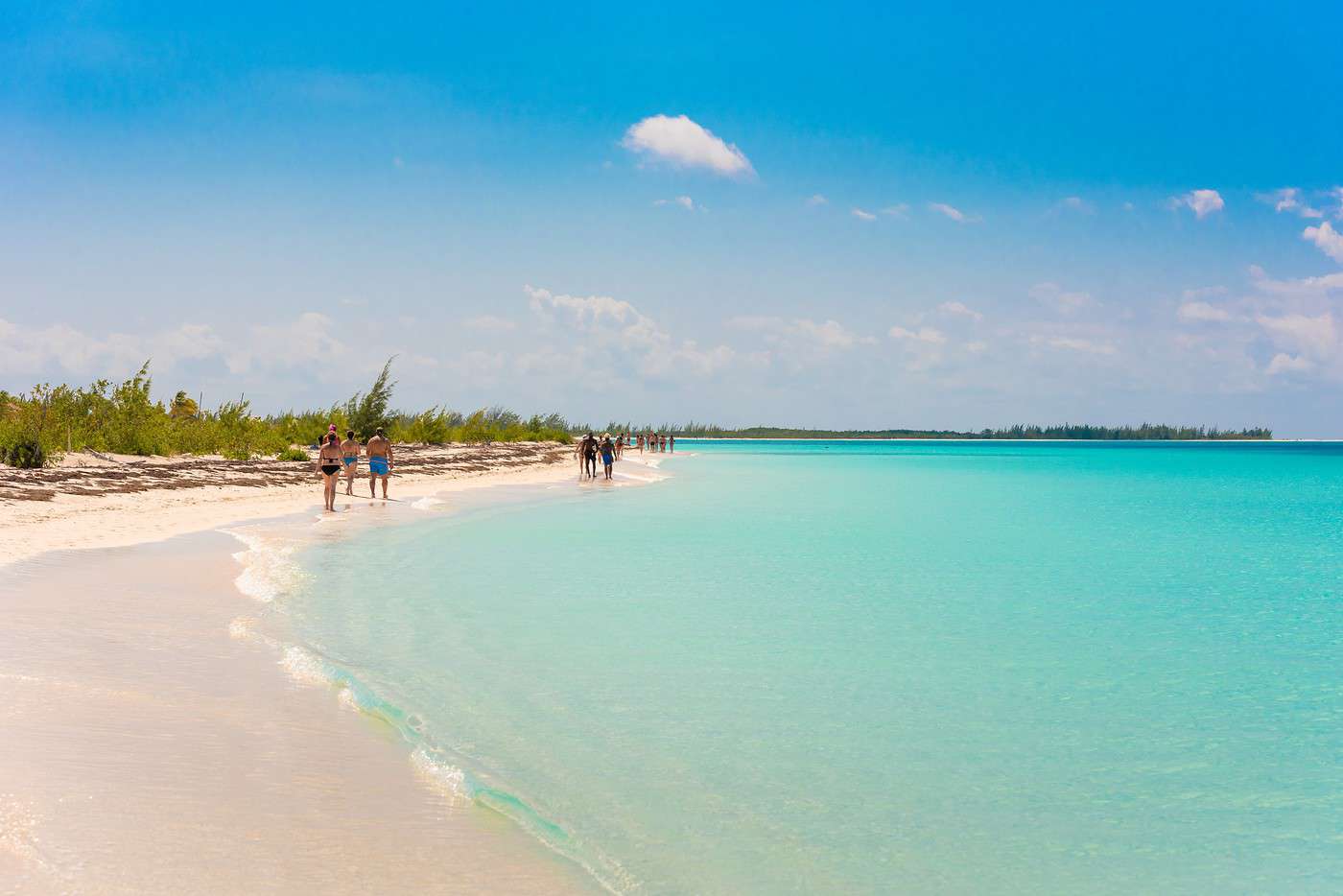
Cayo Largo del Sur, Cuba
Cayo Largo del Sur, Cuba · © VoyageForum

The West is the region stretching from the outskirts of Havana to the tip facing Mexico. It encompasses the provinces of Pinar del Río, Artemisa, La Habana, Mayabeque, Matanzas, plus the Isla de la Juventud. Touristically, it’s a mix of heavily frequented areas (the capital, Varadero, and secondarily Viñales) and others nearly forgotten by tourists, like Guanahacabibes or the Isla de la Juventud.

Main cities

This is the region of the capital, Havana, with its 2 million inhabitants, as well as other more or less significant cities like Pinar del Río or Matanzas, to name just a few tourist spots.

Tourist attractions

Cities and their heritage

Above all, the capital draws attention—logically a must-see for any trip to Cuba. This is especially true for its rich heritage from the Spanish era, with its historic center even being a UNESCO World Heritage site. A few kilometers away, Matanzas is also worth a detour for its colonial-era buildings and the Necrópolis de San Carlos Borromeo.

Beaches and coastline

Near the capital lies Varadero, the ultimate beach resort, with its beaches, water activities, and countless all-inclusive hotels. The area alone accounts for a third of the country’s tourist traffic. For a quieter experience, the Colorados Archipelago and the Canarreos archipelago, with the Isla de la Juventud and Cayo Largo del Sur, offer a change of scenery with far fewer crowds.

Nature and activities

The region boasts several natural highlights, though they don’t always draw large crowds. Viñales and its valley, the Guanahacabibes National Park, and the Ciénaga de Zapata—also known for being home to the Bay of Pigs—are all worth exploring.
Climate

Havana

Both the capital and the country’s economic and cultural hub, Havana is a must-visit on any trip to the island, if only for its incredibly rich heritage from its Spanish era. Its historic centre is also a UNESCO World Heritage site. Overview of Havana History, Culture, and Society of Havana Havana's Cuisine Climate and Weather in Havana What to See in Havana Things to Do in Havana Suggestions for Havana Flying to Havana Getting to Havana by Land or Sea Getting Around Havana Accommodation in Havana Other Practical Information for Havana Living in Havana

Further information

View guide page: Havana

Overview of Havana

Overview of Havana

As both the capital and the economic and cultural heart of the country, Havana is a must-visit on any trip to the island, if only for its incredibly rich heritage from its Spanish period. Its historic center is also a UNESCO World Heritage site.

Key Facts

  • Type of place: main city.
  • Tourist interest: (must-see or highly recommended).
  • Location:
  • Latitude/longitude: 23°08' N, 82°23' W.
  • Distances:
  • Local time: Heure : 3052.
  • Population: 2,106,146 (2012).
  • Area: 721.01 km².
  • Density: 2,921 inhabitants/km².
  • Altitude: sea level.

Tourism

Travel Essentials

  • Tourist interest: (must-see or highly recommended).
  • By air:
  • Backpacker daily budget:
  • Best for accommodation:
  • Best for getting around:
  • Best time for climate/crowds/prices:

Additional Information

View guide page: Overview of Havana

Climate and Weather in Havana

Climate Overview

Best Time to Visit Havana

Jan.Feb.Mar.Apr.MayJun.Jul.Aug.Sep.Oct.Nov.Dec.
Climate

Climate and Forecast

Additional Information

View guide page: Climate and Weather in Havana

What to See in Havana

Overview

UNESCO World Heritage

Vieille ville de La Havane, La Havane, Cuba
Old Havana
It is the largest colonial city center in Latin America, with numerous historic buildings and monuments. Currently under restoration, it offers unique architecture that has earned it a place on the UNESCO World Heritage list.

Neighborhoods

Tourist Spots and Areas

Monuments and Architectural Ensembles

Religious Buildings

Museums

Parks and Gardens

Further Reading

View guide page: What to See in Havana

Old Havana

It is the largest colonial city center in Latin America, with numerous historic buildings and monuments. Currently under restoration, it offers unique architecture that has earned it a place on the UNESCO World Heritage list.

Overview of the old city

It is the largest colonial city center in Latin America, with numerous historic buildings and monuments. Currently under restoration, it offers unique architecture that has earned it a place on the UNESCO World Heritage list.

  • Tourist interest: (must-see or highly recommended).

History of Old Havana

What to see

What to do

Events and entertainment

Practical information

  • Location:
  • How to get there:
  • How to get around:

Eat

Sleep

What to see nearby

  1. == As a supplement
View guide page: Old Havana

Flying to Havana

Havana Airport

Airport details

  • Name: Aeropuerto Internacional José Martí.
  • IATA code: HAV
  • Hub:
  • Number of terminals: 3.
  • Passenger capacity/year:
  • Passenger traffic: 5,300,000 (2016).
  • Distance from city centre: 18 km south/south-west of the city.
  • Website:

Services

Sleeping at the airport

Transport to the city centre

  • Public transport:
  • Taxis:

Other nearby airports

From the rest of Cuba

From the rest of the continent

From Canada

From elsewhere

From Europe

From elsewhere

Additional information

View guide page: Flying to Havana

Viñales Valley

This fertile valley, where a large portion of Cuban tobacco is produced, is part of the national park of the same name and is a UNESCO World Heritage site. It is surrounded by mountains with numerous caves. You can hike and go climbing here.

Overview of Viñales Valley

This fertile valley, where a large portion of Cuban tobacco is produced, is part of the national park of the same name and is a UNESCO World Heritage site. It is surrounded by mountains with numerous caves. You can hike and go climbing here.

Key details

  • Type de lieu: valley.
  • Intérêt touristique: (worth seeing).
  • Caractéristiques:
  • Longueur:
  • Altitude:

Valley environment

Wildlife and vegetation

Climate

Precautions

What to see

What to do

Practical information

  • Localisation:
  • Distances:
  • Site internet:

Getting there

Getting around

Accommodation and dining

Nearby attractions

Further reading

View guide page: Viñales Valley

Colorados Archipelago

This group of islands, located between Viñales and the western tip of Cuba, has become a tourist destination, notably featuring Cayo Levisa. The area is prized for its birdlife, but above all for its stunning beaches and excellent diving opportunities.

Overview of the Colorados Archipelago

This group of islands, located between the Viñales region and the western tip of Cuba over roughly a hundred kilometers, has become a tourist destination, notably featuring Cayo Levisa. The area is prized for its birdlife, but above all for its stunning beaches and excellent diving opportunities.

Key Facts

  • Type of place: archipelago.
  • Tourist interest: (recommended).
  • Location:
  • Local time: Heure : 3062
  • Number of islands:
  • Main locality:
  • Population:
  • Area:
  • Highest point:
  • Coastline:
  • Website:

History of the Colorados Archipelago

Environment of the Archipelago

Wildlife and Flora

Precautions

What to See and Do in the Colorados Archipelago

In the Surrounding Area

Climate and Weather in the Colorados Archipelago

Transportation

Getting There

Getting Around

Accommodation

Dining

Useful Addresses

Further Information

View guide page: Colorados Archipelago

Cayo Largo del Sur

Near Isla de la Juventud, Cayo Largo has several hotels and is known for its beaches (including Sirena and Playo Paraiso) and diving opportunities.

Overview of Cayo Largo del Sur

Near Isla de la Juventud, Cayo Largo has several hotels, including all-inclusive options, and is known for its beaches (including Sirena and Playo Paraiso) and diving opportunities.

Key Details

  • Type of place: island.
  • Tourist interest: (worth seeing).
  • Location:
  • Local time: Heure : 3069
  • Main locality:
  • Population:
  • Area: 37.5 km².
  • Highest point:
  • Coastline:

History of Cayo Largo

Environment

Wildlife and flora

Precautions

What to see and do in Cayo Largo

In the surrounding area

Climate and weather in Cayo Largo

Transportation

Getting there

Getting around

Accommodation

Dining

Useful addresses

Additional information

View guide page: Cayo Largo del Sur

Isla de la Juventud

This is the main island of the Canarreos Archipelago and the largest in the country. For tourism, it hosts several hotels and is known for its beaches and diving. The southern part is home to the Ciénaga de Lanier National Park (birds, turtles, crocodiles).

Overview of Isla de la Juventud

This is the main island of the Canarreos Archipelago and the largest in the country. For tourism, it hosts several hotels and is known for its beaches and diving. The southern part is home to the Ciénaga de Lanier National Park (birds, turtles, crocodiles).

Key Facts

  • Type of place: island.
  • Tourist interest: (worth seeing).
  • Location:
  • Local time: Heure : 3070
  • Main town: Nueva Gerona.
  • Population: 84,263 inhabitants (2012).
  • Area: 2,419.27 km².
  • Highest point: 303 m.
  • Coastline:

History of Isla de la Juventud

Island Environment

Wildlife and Flora

Precautions

What to See and Do on Isla de la Juventud

In the Surrounding Area

Climate and Weather on Isla de la Juventud

Transportation

Getting There

Getting Around

Accommodation

Dining

Useful Addresses

Further Information

View guide page: Isla de la Juventud

Bay of Pigs

This bay, named after a species of fish rather than the mammal, is world-famous for being the site of the 1961 attempted landing by Cuban opponents of Castro’s regime. A museum at Playa Girón commemorates the events.

Overview of the Bay of Pigs

This bay, named after a species of fish rather than the mammal, is world-famous for being the site of the 1961 attempted landing by Cuban opponents of Castro’s regime. A museum at Playa Girón commemorates the events.

For another experience, you can also go diving and observe the local wildlife near Cienaga de Zapata National Park.

Key Details

  • Type of place: bay.
  • Tourist interest: (worth a stop if you are in the area).
  • Features:
  • Location:
  • Area:
  • Website:

Surroundings of the Bay

Wildlife and Flora

What to See and Do

Nearby Attractions

Climate

Precautions

Getting There

Sleeping and Eating

Further Information

View guide page: Bay of Pigs

Cienaga de Zapata National Park

This vast wetland area near the Bay of Pigs is renowned for its birdlife and the endemic presence of crocodiles.

Overview of Cienaga de Zapata National Park

This vast wetland area near Bay of Pigs is renowned for its birdlife and the endemic presence of crocodiles.

Key Facts

  • Type of place: national park.
  • Tourist interest: (worth seeing).
  • Features:
  • Local time: Heure : 3072
  • Annual visitors:
  • Area: 4,354.3 km².
  • Altitude: sea level.

Environment

Landscape

Wildlife and vegetation

Climate

Precautions

What to see and do

Practical information

  • Location:
  • Distances:
  • Opening period:
  • Rates:
  • Website:

Getting there

Getting around

Accommodation and dining

What to see nearby

Further reading

View guide page: Cienaga de Zapata National Park

Guanahacabibes National Park

The park is known for its birds and sea turtles, as well as for being home to over a hundred sites bearing witness to the region’s earliest inhabitants, the Guanahacabibes. Several beaches in the park, such as María la Gorda, also attract many visitors and diving enthusiasts.

Overview of Guanahacabibes National Park

The park is known for its birds and sea turtles, as well as for being home to over a hundred sites bearing witness to the region’s earliest inhabitants, the Guanahacabibes. Several beaches in the park, such as María la Gorda, also attract many visitors and diving enthusiasts.

Key details

  • Type of place: national park.
  • Tourist interest: (worth seeing).
  • Features:
  • Local time: Heure : 3073
  • Annual visitors:
  • Area: 398.26 km².
  • Altitude: sea level.

Environment

Landscape of the reserve

Wildlife and flora

Climate

Precautions

What to see

What to do

Practical information

  • Location:
  • Distances:
  • Opening period:
  • Rates:
  • Website:

Getting there

Getting around

Sleeping and eating

What to see nearby

Further reading

View guide page: Guanahacabibes National Park

Matanzas

The city has several buildings dating from the colonial era as well as the San Carlos Borromeo Necropolis. You can also explore the Bellamar Cave, the birds of the Yumuri Valley, or navigate the Canimar River in its surroundings.

Overview of Matanzas

The city, which is close to Varadero, has several buildings dating from the colonial era as well as the San Carlos Borromeo Necropolis. You can also explore the Bellamar Cave, the birds of the Yumuri Valley, or navigate the Canimar River in its surroundings.

Key Facts

  • Type of place: city.
  • Tourist interest: (worth seeing).
  • Location:
  • Distances:
  • Local time: Heure : 3074.
  • Population: 145,246 (2012).
  • Area: 317 km².
  • Altitude: sea level.

History of Matanzas

What to See and Do in Matanzas

In the Surroundings

Climate and Weather in Matanzas

Transportation

Getting There

Getting Around

Accommodation

Dining

Useful Addresses

Further Information

View guide page: Matanzas

Pinar del Río

Though the city itself has limited tourist appeal, it remains a great base for visiting nearby national parks (Viñales, Guanahacabibes, La Güira). Pinar del Río is also at the heart of Cuba’s tobacco-growing region, where the country’s famous cigars are made.

Overview of Pinar del Río

Though the city itself has limited tourist appeal, it remains a great base for visiting nearby national parks (Viñales, Guanahacabibes, La Güira). Pinar del Río is also at the heart of Cuba’s tobacco-growing region, where the country’s famous cigars are made.

Key facts

  • Type of place: city.
  • Tourist appeal: (worth a stop if you are in the area).
  • Location:
  • Distances:
  • Local time: Heure : 3078.
  • Population: 190,532 (2012).
  • Area: 8,884.51 km².
  • Altitude: 61 m.

History of Pinar del Río

What to see and do in Pinar del Río

In the area

Climate and weather in Pinar del Río

Getting around

Getting there

Getting around

Where to stay

Where to eat

Useful addresses

Further reading

View guide page: Pinar del Río

Varadero

One of the largest beach resorts in the Caribbean, known for its all-inclusive packages. Varadero is famous for its beautiful beaches, water activities, and diving. It’s also a place completely separate from the rest of Cuba, with a purely tourist-focused purpose. Overview of Varadero Climate and Weather in Varadero What to See in Varadero Things to Do in Varadero Flying to Varadero Getting to Varadero by Land or Sea Getting Around Varadero Sleeping and Eating in Varadero Living in Varadero

Additional Information

View guide page: Varadero

Overview of Varadero

Overview of Varadero

One of the largest beach resorts in the Caribbean, Varadero is "specialised" in all-inclusive stays. It’s renowned for its beautiful beaches, water activities, and diving. It’s also a place completely separate from the rest of Cuba, with a purely tourist-focused purpose.

Key facts

  • Type of place: large city.
  • Tourist interest: (worth seeing).
  • Location:
  • Distances:
  • Local time: Heure : 3079.
  • Population: 21,170 (2010).
  • Area: 48 km².
  • Altitude: sea level.

History of Varadero

Precautions

Useful addresses

  • Tourist office:

Services

  • Local agencies:
  • Banks:
  • Hospital:
  • Internet:
  • Laundries:
  • Vehicle rental:
  • Post office:
View guide page: Overview of Varadero

Climate and Weather in Varadero

Climate Overview

Best Time to Visit Varadero

Jan.Feb.Mar.Apr.MayJun.Jul.Aug.Sep.Oct.Nov.Dec.
Climate

Climate and Forecast

Additional Information

View guide page: Climate and Weather in Varadero

Flying to Varadero

Varadero Airport

Airport details

  • Name: Aeropuerto Juan Gualberto Gomez.
  • IATA code: VRA
  • Hub: no.
  • Number of terminals:
  • Passenger capacity/year:
  • Passenger traffic:
  • Distance to city centre:

Services

Sleeping at the airport

Transport to the city centre

Other nearby airports

From the rest of the continent

From Canada

From elsewhere

From Europe

From elsewhere

Additional information

View guide page: Flying to Varadero

Viñales

Although the small town has several museums, its main attraction is being the gateway to the valley of the same name, a UNESCO World Heritage site.

Overview of Viñales

Although the small town has several museums, its main attraction is being the gateway to the valley of the same name, a UNESCO World Heritage site.

Key Facts

  • Type of place: small town.
  • Tourist interest: (worth a stop if you are in the area).
  • Location:
  • Distances:
  • Local time: Heure : 3080.
  • Population:
  • Area: 704 km².
  • Altitude: 135 m.
  • Website:

History of Viñales

What to See and Do in Viñales

In the Surrounding Area

Climate and Weather in Viñales

Transportation

Getting There

Getting Around

Accommodation

Dining

Useful Addresses

Further Information

View guide page: Viñales

La Guira National Park

Forests, streams, lakes, and gardens surrounded by beautiful mountainous landscapes between Pinar del Rio and Havana.

Overview of La Guira National Park

Forests, streams, lakes, and gardens surrounded by beautiful mountainous landscapes between Pinar del Rio and Havana.

Key details

  • Type de lieu: national park.
  • Intérêt touristique: (worth a stop if you are in the area).
  • Caractéristiques:
  • Heure locale: Heure : 3082
  • Fréquentation annuelle:
  • Superficie:
  • Altitude:

Environment

Landscape of the park

Wildlife and flora

Climate

Precautions

What to see

What to do

Practical information

  • Localisation:
  • Distances:
  • Période d'ouverture:
  • Tarifs:
  • Site internet:

Getting there

Getting around

Sleeping and eating

Nearby attractions

  1. == En complément
View guide page: La Guira National Park

Sierra del Rosario

Hiking opportunities in this mid-mountain nature reserve at the western tip of the island.

Overview of Sierra del Rosario

Hiking opportunities can be found in this mid-mountain nature reserve located at the western tip of the island.

Key Details

  • Type of place: nature reserve.
  • Tourist interest: (worth seeing).
  • Features:
  • Local time: Heure : 3083
  • Annual visitors:
  • Area: 266.86 km².
  • Altitude: Pan de Guajaibon (692 m).

Environment

Landscape of the Reserve

Wildlife and Flora

Climate

Precautions

What to See

What to Do

Practical Information

  • Location:
  • Distances:
  • Opening period:
  • Rates:
  • Website:

Getting There

Getting Around

Accommodation and Dining

Nearby Attractions

  1. == In Addition
View guide page: Sierra del Rosario

Something wrong or out of date? Report this page