Some trips are born twice - Peru April - May 2025
FR

Translated into English.

TI Ticapi Globetrotter ·
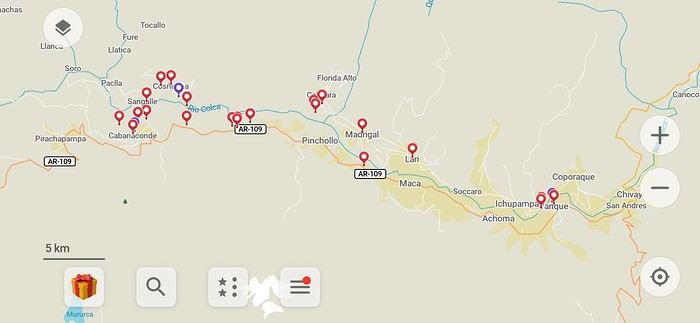
Here are two screenshots.

Here you can see the Colca Canyon with our stops. In red are the visits and hikes, and in purple are the hotels.
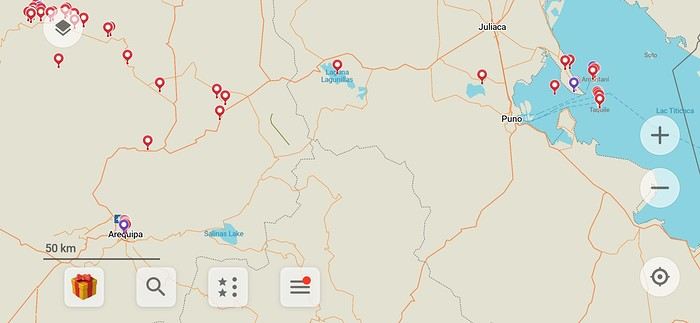

Here, the red dots mark the places we visited between Colca Canyon and Lake Titicaca. On the left, you can see the different points of the Colca Canyon from the first photo. The Sillustani site is the small lake near Titicaca.
MU Muriel18 Globetrotter ·
Thanks Carmen, I can picture your route better now 😉.
Si tu diffères de moi, mon frère, loin de me léser, tu m'enrichis (Saint Exupéry)
GI Girardinpho Veteran ·
Hi Carmen,

Just finished reading the start of your story. A really lovely travel journal and some gorgeous photos. The landscapes are absolutely stunning! !
Nathalie

Photos et carnets de voyage : http://www.girardinphoto.net
MO Montagnard74 Globetrotter ·
Wednesday, April 23 We finally discover the beautiful waterfall. Joel, who wanted to come with us, seems really happy to see this place he didn’t know about.

Carmen prepared so much for her trip that she’s guiding the guide!! 😎

Because of time—and by choice—I’d skipped this area, going straight from Arequipa to Puno, then Amantani and Taquile... Looks like I’ll have to go back! Gorgeous hike!
"Le véritable voyage de découverte ne consiste pas à chercher de nouveaux paysages, mais à avoir de nouveaux yeux." Marcel Proust
TI Ticapi Globetrotter ·
Carmen prepared her trip so well she ended up guiding the guide!! Cool

No guide, just a driver.😛

Due to lack of time, and by choice, I skipped this area, going straight from Arequipa to Puno, then Amantani and Taquile... Looks like I’ll have to go back! Gorgeous hike!

If you’re talking about the waterfall, I’ve got to disappoint you. It wasn’t a hike—you just had to go down, pass the end with the ropes, and walk a short stretch along the river.

On the other hand, at Sillustani, you do have to walk more to explore the site.

For some great hikes, you’ve got to head to Colca Canyon. If you don’t want to go down into the canyon, the hike to Chimpa Fortress is awesome. We had the place all to ourselves.
FA FamilleUS Veteran ·
Good evening,

Really nice travel journal. It's amazing to see the difference in colors and vegetation compared to summer. The Altiplano between Arequipa, Colca, and Puno remains an incredible memory !
Nos escapades : Le Maroc, l'Egypte, la Mauritanie, la Tunisie, l'Afrique du Sud, Lanzarote, les Etats-Unis (3 ans), le Canada, le Mexique, la Colombie, le Pérou, la Guadeloupe, la Martinique, l'Indonésie, la Thaïlande, Israël, Dubaï, la Jordanie, la Turquie, et Tahiti... pour l'instant !
TI Ticapi Globetrotter ·
Hi Manu,

I just looked at your photos in your travel journal again. Indeed, the difference is striking. In August, everything looks so dry.

Later on, you’ll see—on the islands of Lake Titicaca, in Pisac, at Moray, and also at Machu Picchu—the difference is amazing.
TI Ticapi Globetrotter ·
Thursday, April 24

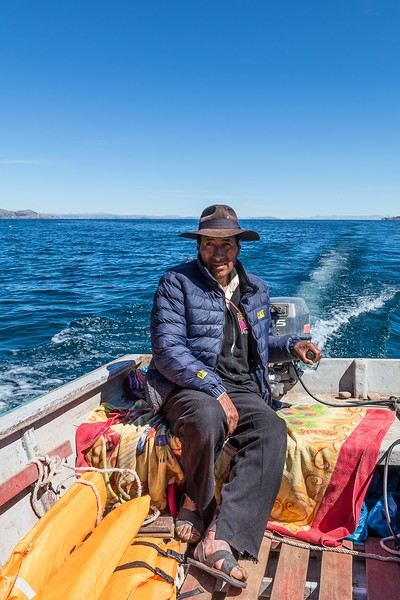
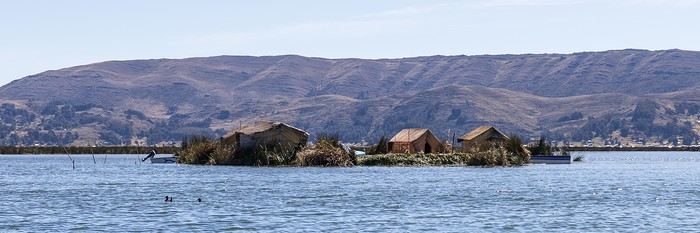
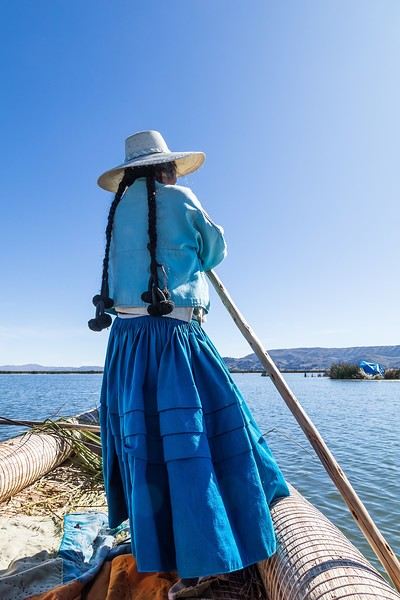
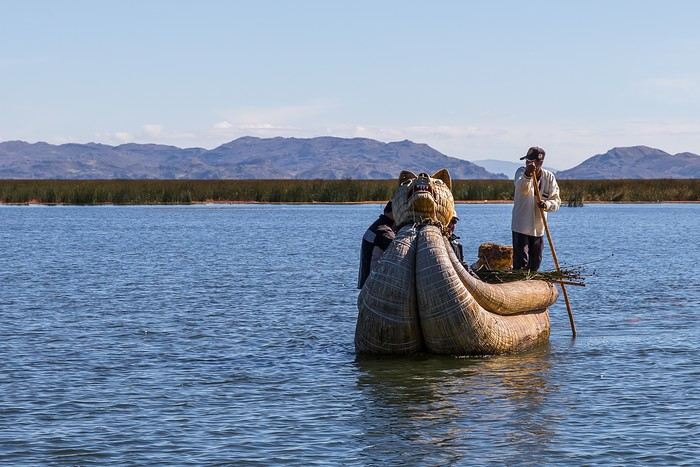
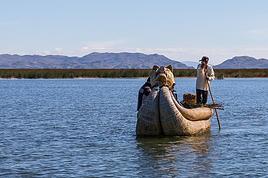
We leave at 8:00 AM with Ismaël and his small wooden boat to reach one of the Uros Titinos islands. These islands are much less touristy than the Uros near Puno.


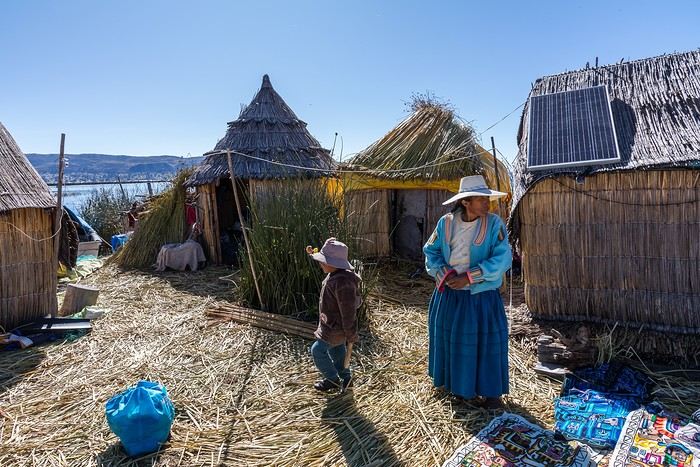
After a 35-minute boat ride, we dock on a small island where we’re greeted by a woman in traditional clothing. She explains how these floating islands are made.

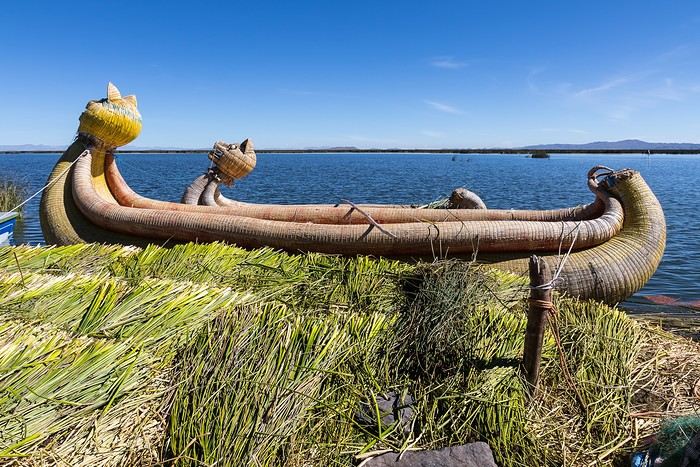
We take a short ride in a traditional boat. We’d rather help them earn a little money with this tour than buy necklaces or other handmade trinkets. After 45 minutes of visiting, we leave the island and head toward Taquile.


TI Ticapi Globetrotter ·
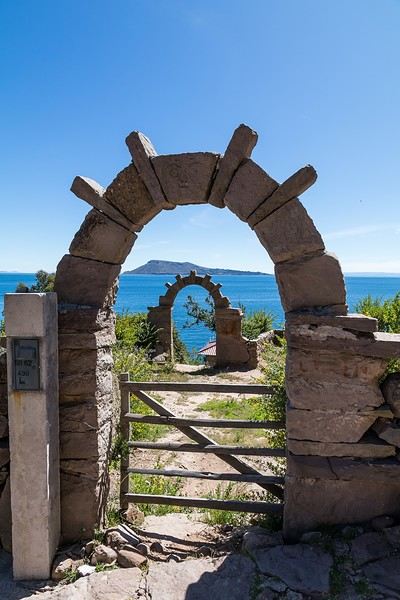
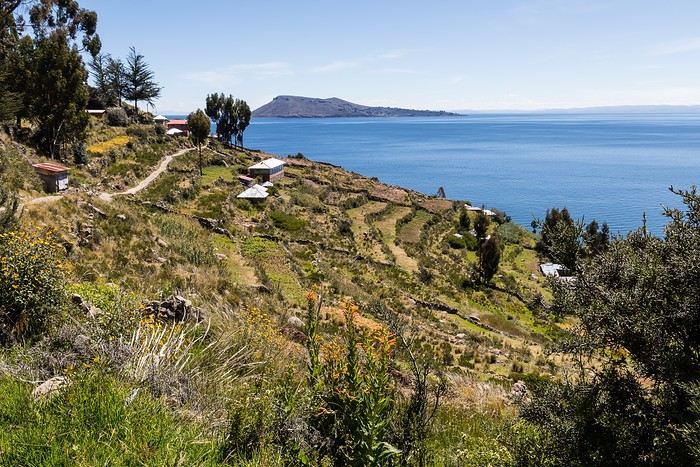
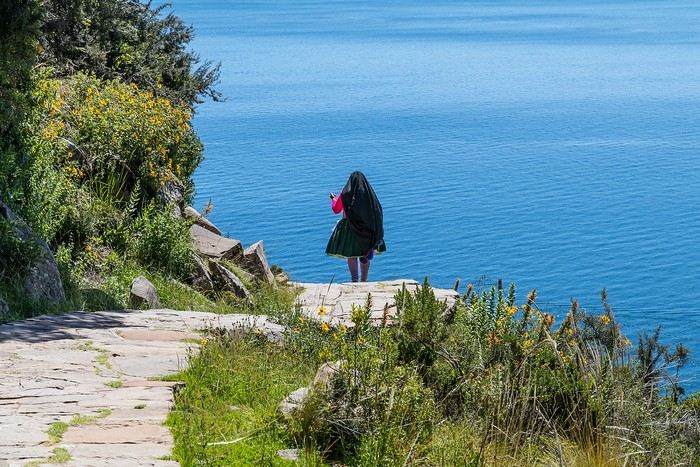
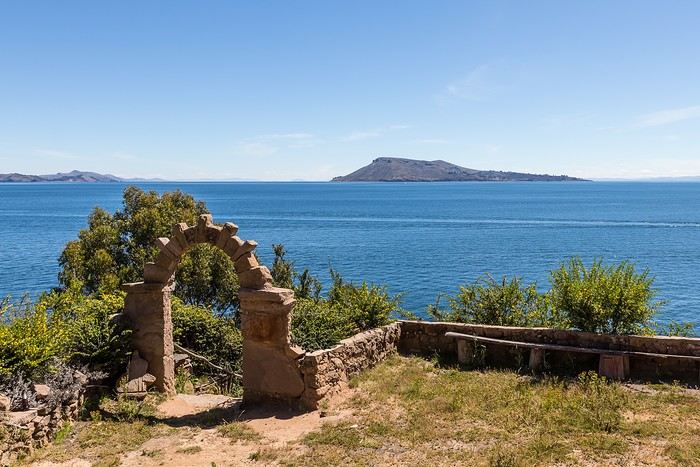
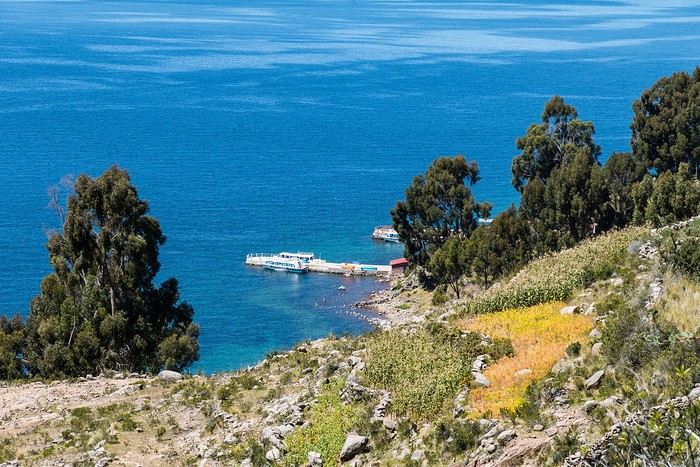
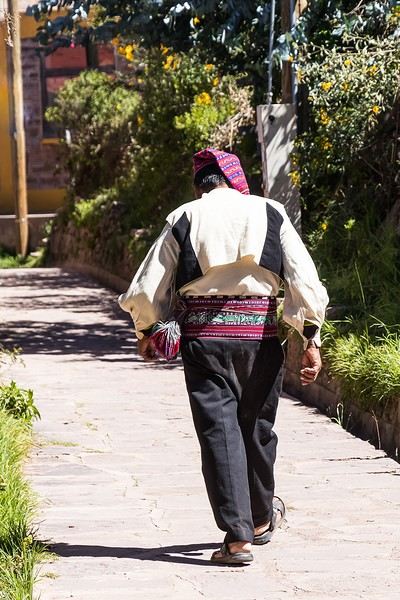
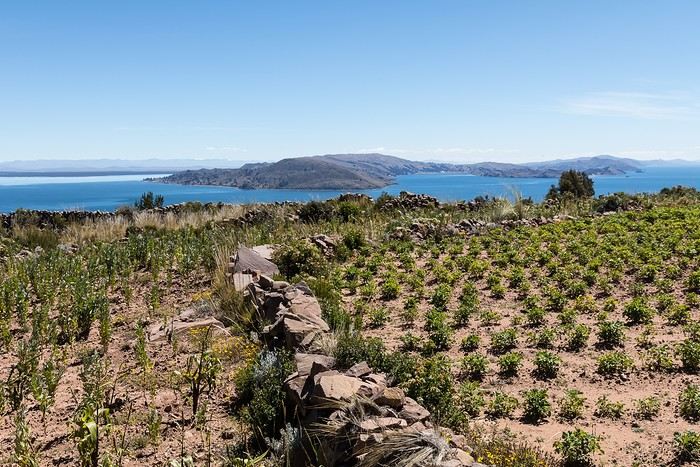
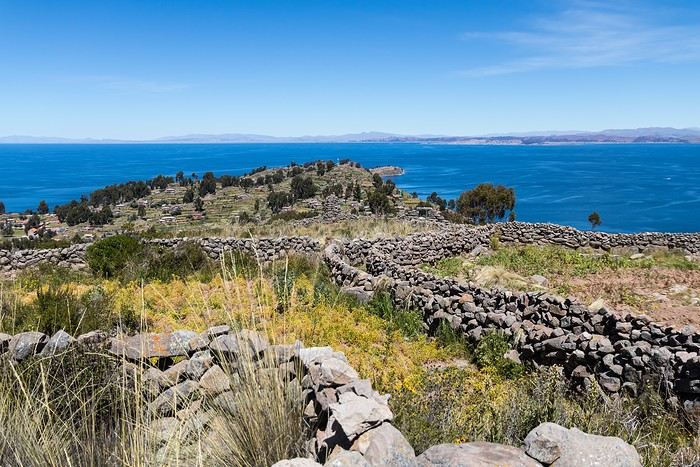
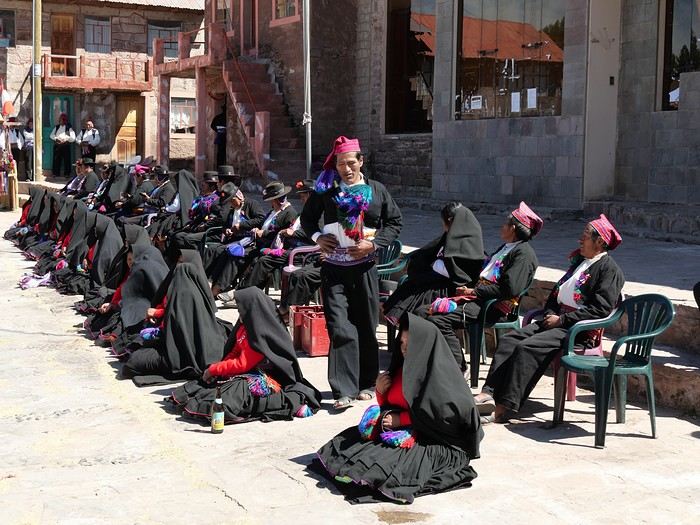
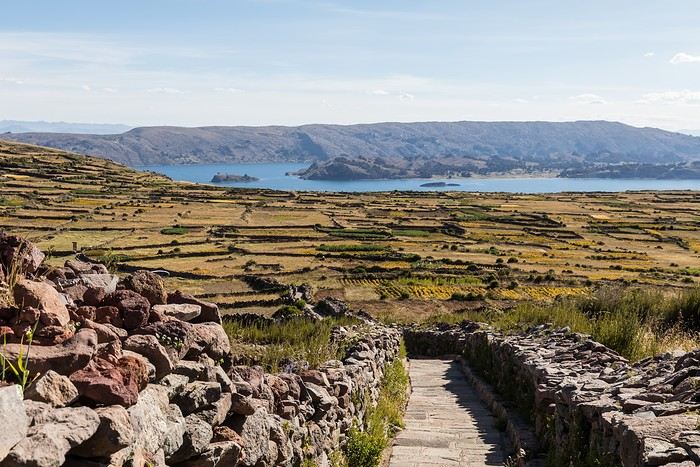
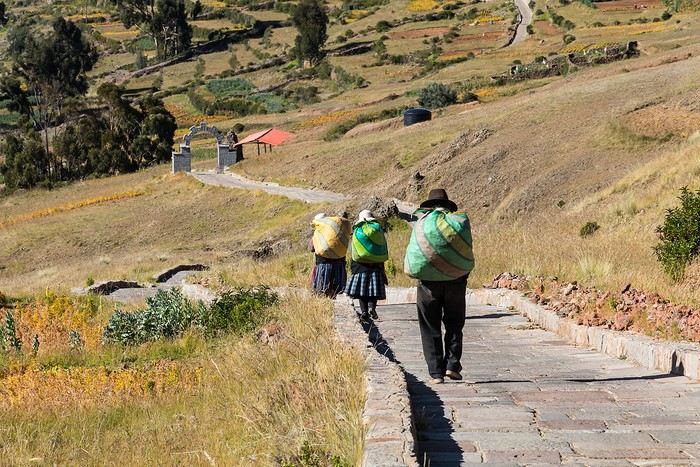
An hour later, we arrive at the port of Alsuno on Taquile Island. We agree with Ismaël to stay for four hours on the island. We take the path that circles the island. The landscapes are stunning: the lake water is a deep blue, and the colors of the terraced crops and flowers are gorgeous. We don’t encounter any tourists and are completely enchanted by this island.


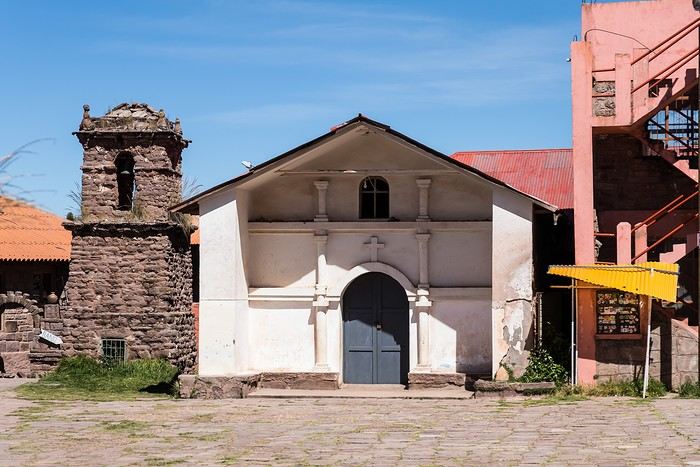
We reach the village square just as the first groups of tourists, arriving by boat from Puno, start gathering. They disembarked at the main port and went straight up to the square.

We buy our picnic at a small shop, then climb up to the highest point on the island, Mulsina, located at 4,070 m above sea level. We’re alone, the view is breathtaking, and the landscape is splendid.


We slowly make our way back down from the Mulsina viewpoint and take a break at a restaurant for a drink before heading back to the port, where Ismaël is waiting for us. He explains that the boats from Puno always arrive at the main port. The tourists then head up to the village, the guides take them to one of the many restaurants, and then they leave. We finally understand why we didn’t run into anyone on the path circling the island or at the Mulsina viewpoint. So, it’s really important to choose the right excursion.

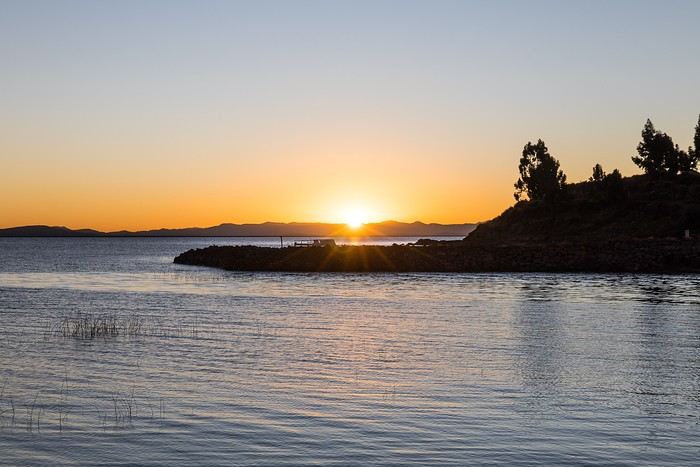
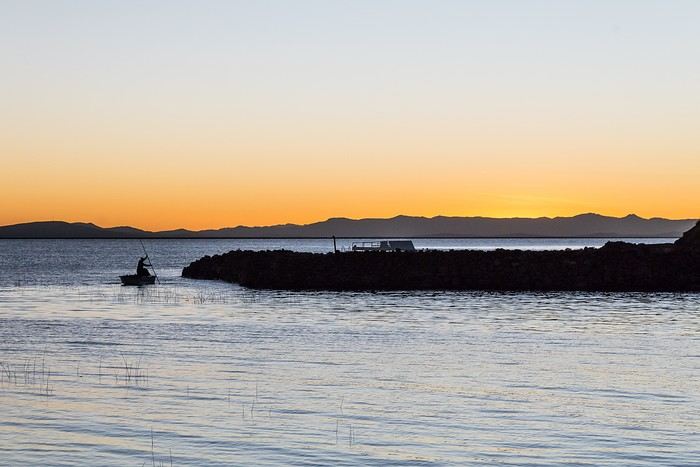
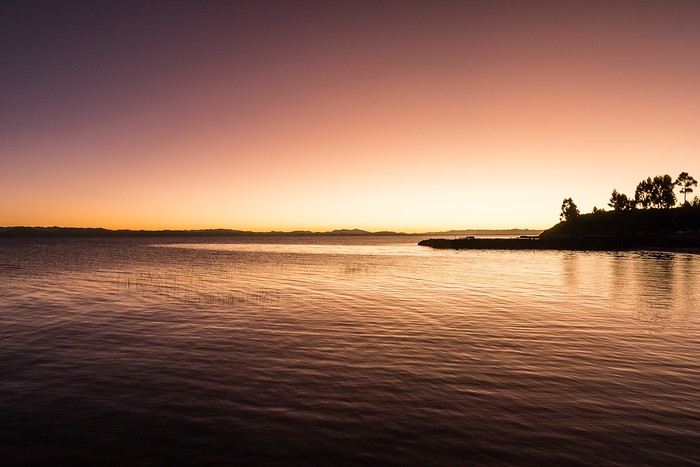
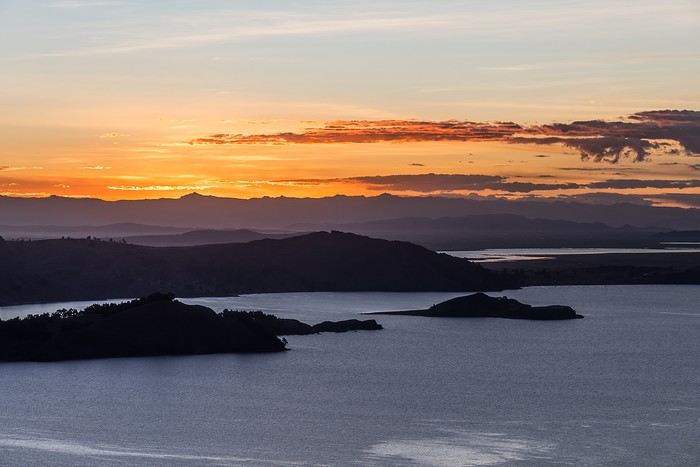
We leave Taquile, and forty minutes later, we dock at the small pier below Casa Valentin. We do a little laundry, then head to the beach to watch the sunset.
TI Ticapi Globetrotter ·


The rest of the travel journal is here: https://voyageforum.com/v.f?post=11462968;a=11462968
MO Montagnard74 Globetrotter ·
An hour later, we arrive at the port of Alsuno on the island of Taquile.


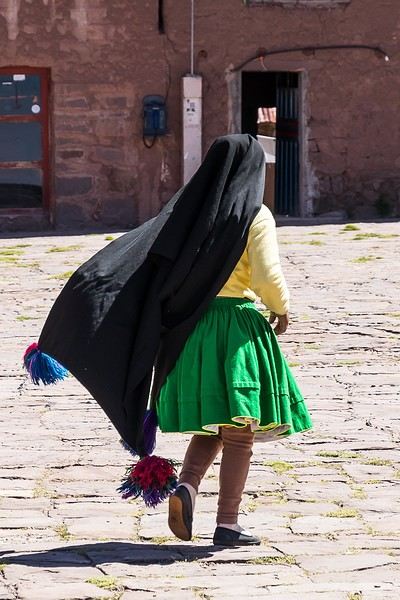
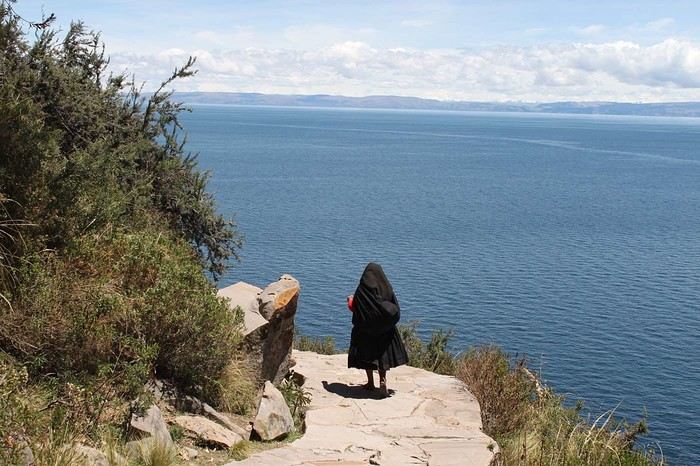
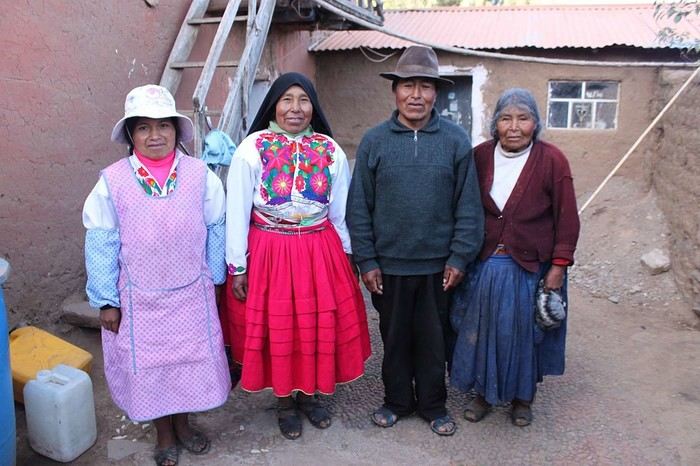
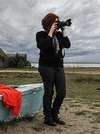
When I see your photo, I fall off my chair! What are the odds you took this photo while I took that one 7 years ago on the same island! Is the lady waiting for photographers?


For proof:

https://voyageforum.com/v.f?post=7784082;a=7784082.
"Le véritable voyage de découverte ne consiste pas à chercher de nouveaux paysages, mais à avoir de nouveaux yeux." Marcel Proust
LA Larri Regular ·
Weird, in just a few years she’s taken two steps back! Really surprising. She still has that same red mark on her left arm! I’ll be there in 4 months—I’ll try to see if she’s still around. Larri
SI Sinforosa Veteran ·
Hello,

The photos are gorgeous!

You didn’t run into any tourists on the islands of Lake Titicaca, yet these islands are very touristy and haven’t been authentic for a long time.

I went there about fifteen years ago and came away with mixed feelings. I saw the women start making their textiles as soon as they spotted tourists arriving, and they’d stop as soon as the tourists left—it was like they were extras in a staged scene.

I also spent a night with a local family through a local agency. A Portuguese tourist and I were placed with a widowed woman, but there was no interaction at all. We ate separately, and as soon as we arrived, she pulled out textiles for us to buy.

I ended up spending a night alone on one of these islands, and in the afternoon when there were no more tourists, many of the locals—especially the men—would take off their traditional clothes and put on more modern ones.

Fifteen years ago, these islands were already tourist traps—it was very commercial.
" Celui qui voyage sans rencontrer l'autre ne voyage pas , il se déplace " ( Alexandra David-Néel )

" Ahora todos quieren ser latinos , no , ey , pero les falta sazon , bateria y reggaeton " ( Bad Bunny )
DJ Djalma Globetrotter ·
What are the odds you’d take this photo when I took that one 7 years earlier on the same island! Is the lady waiting for photographers?

She’s still wearing the same red sweater under her black costume; it’s wild! Actually, it’s a statue.
https://www.youtube.com/watch?v=-XCOyB7WStI https://www.youtube.com/watch?v=g2eI67iCbKY
TI Ticapi Globetrotter ·
When I see your photo, I fall off my chair! What are the odds you took this photo when I took that one 7 years ago on the same island! Is the lady waiting for photographers?

That’s incredible… But in the end, a lot of women walk along these paths, and mine isn’t wearing the same tights. 😉 I also think it’s not the same spot. We could compare the GPS coordinates of the photo.

Yours is wearing a black skirt, mine has a skirt with a green trim. So she changed her clothes… Well, that’s not surprising after seven years.
DJ Djalma Globetrotter ·
The branches of the bush are arranged the same way—it hasn’t changed much in 7 years😏
https://www.youtube.com/watch?v=-XCOyB7WStI https://www.youtube.com/watch?v=g2eI67iCbKY
TI Ticapi Globetrotter ·
The photos are gorgeous!

Thanks!

You didn’t run into any tourists on the islands of Lake Titicaca, yet those islands are very touristy and haven’t been authentic for a long time.

We did see tourists in the village. The fact that we didn’t arrive through the main port of the island definitely worked in our favor. Plus, April doesn’t seem to be a very busy month, and as soon as you walk a little farther, you find yourself alone pretty quickly.

I also spent a night with a local family through an agency, and with a Portuguese tourist, they put us with a widow, and there was no interaction—we ate separately, and as soon as we arrived, she pulled out textiles for us to buy.

That’s really too bad when it goes like that. Our night with a local family on Amantani Island was booked by Laurent, and it turned out to be a very natural and lovely encounter. You’ll see later… I think you really need to go through someone who knows someone on the island to get a good address.

I ended up spending a night alone on one of these islands, and in the afternoon, when there were no more tourists, many locals, especially the men, took off their traditional clothes to put on more modern ones.

On Amantani Island, our hosts were dressed simply but not in traditional attire. For Taquile, I don’t know, but I find it hard to believe they put on the clothes we see in my photos just to please tourists. Where we crossed paths with them, there was no one else around, and they didn’t seem to be looking to be photographed at all.

Oh, we did run into a family—a group of tourists—with their host. Even the family members were wearing traditional clothes. That kind of costume show isn’t our cup of tea.

I think it’s totally possible to visit the islands and enjoy their beautiful landscapes without being surrounded by too many tourists, as long as you adapt your visit. Choose the right season, the right times, the right arrival port, and the activities once you’re there.
MO Montagnard74 Globetrotter ·
Of course these islands are tourist spots. It’s even one of the main sources of income for Amantani. The island’s four communities take turns hosting tourists to distribute the earnings fairly.

And it’s not like I live in Haute-Savoie and would tell you tourism doesn’t bring in substantial income...

That said, it doesn’t stop the exchanges from being sincere and friendly. The family that hosted us was indeed "dressed up" when we arrived—more out of respect than folklore, I think. And they changed clothes in the evening. After dinner, the whole village (hosts and tourists) gathered in the "community hall" for an evening of folk dancing, and some tourists even put on traditional clothes. Totally cheesy, but you get into it...

My wife speaks Spanish really well (I’m more of an English guy), and we were able to chat at length with the family—a couple living with their youngest daughter (who stayed to take care of them) and the husband’s mother. Their interest in our lives wasn’t fake, just like our interest in theirs.

I have great memories of that evening. It can be touristy without being a "tourist trap."


3 generations of islanders
"Le véritable voyage de découverte ne consiste pas à chercher de nouveaux paysages, mais à avoir de nouveaux yeux." Marcel Proust
MA Marati Globetrotter ·
Hi Carmen,

I’m finally catching up, thanks to your message—what lovely memories, still so fresh!

After following (part of) your footsteps a few months later, I realize that Peru in spring for you and summer for us means two different seasons, two different vibes. A bit like in South Africa, April is green and July is "crimson yellow"...

You took a flight to Arequipa the day after your long-haul arrival in Lima, with very little buffer time! That was bold! We planned to do the same… but only on paper

I’m really sorry about your fall during the canyon descent—hope all your issues have resolved by now ! What courage, given the diagnosis afterward ! I assume you did the loop clockwise, starting with the steep downhill section that passes the cross.
FA FamilleUS Veteran ·
What are the odds you’d take this photo when I took that one 7 years ago on the same island! Is the lady waiting for photographers?

She’s still wearing the same red sweater under her black costume; it’s wild! Actually, it’s a statue.

The thing is, they take turns posing on this path to get the Forum photographers talking 😉

Nos escapades : Le Maroc, l'Egypte, la Mauritanie, la Tunisie, l'Afrique du Sud, Lanzarote, les Etats-Unis (3 ans), le Canada, le Mexique, la Colombie, le Pérou, la Guadeloupe, la Martinique, l'Indonésie, la Thaïlande, Israël, Dubaï, la Jordanie, la Turquie, et Tahiti... pour l'instant !
TI Ticapi Globetrotter ·
Hi Guillaume,

After following (part of) your footsteps a few months later, I realize that Peru in spring for you and in summer for us is two different seasons, two different vibes. A bit like in South Africa, April is green and July is "crimson yellow"...

Indeed, in April, everything is lush and green, and flowers are everywhere. I didn’t post the photos of the many varieties I took on Taquile Island, but there were really a lot of them.

You took the flight to Arequipa the day after your long-haul arrival in Lima, with very little safety margin! That was bold! We did the same thing... but only on paper

It seemed to us that with one night there, it wasn’t too bad. But you’re never safe from a flight cancellation. It’s much more annoying if the next flight is the international one.

For you, the vacation started at full speed!

I assume you did the loop clockwise, starting with the very steep descent that passes the cross.

Yes, we went straight down to Sangalle via the steep descent. It’s shorter than the Malata side, but much steeper. In our opinion, it’s more beautiful because you have the colorful rocks of Sangalle right in front of you. The big advantage of doing the loop clockwise is that you avoid tourist groups. When we started the descent, the groups were already arriving at the top. In the canyon, we were almost alone, and for the climb back the next day, we only crossed the first group when we were almost at the top.
TI Ticapi Globetrotter ·
After dinner, the whole village (hosts and tourists) had gathered in the "festival hall" for an evening of folk dancing, and some tourists had even put on traditional clothes. Totally kitsch, but you get into the spirit...

I’ve read about this in so many travel journals and blogs. For us in April, none of that happened. I think there just weren’t enough tourists around.

We were actually told that tourism in Peru is still below pre-Covid levels.
MO Montagnard74 Globetrotter ·
So that’s the explanation 😄
"Le véritable voyage de découverte ne consiste pas à chercher de nouveaux paysages, mais à avoir de nouveaux yeux." Marcel Proust
DJ Djalma Globetrotter ·
I’ve been to the islands of Lake Titicaca twice, 25 years apart... the second time (August 2009) was with my family—my wife and daughter. We were on the Bolivian side, on Isla del Sol I think, and we had pretty much the same experience you described: they even dressed us up to dance with the family hosting us! It wasn’t exactly "authentic" (they got tourists every day), but it wasn’t a tourist trap either. We had a really nice evening
https://www.youtube.com/watch?v=-XCOyB7WStI https://www.youtube.com/watch?v=g2eI67iCbKY
SI Sinforosa Veteran ·
We had pretty much the same experience as you describe: we were even dressed up to dance with the family hosting us!

I had the same experience about fifteen years ago!

As for the widowed lady I stayed with, it was impossible to communicate with her since she didn’t speak Spanish—only Quechua.

Families who host tourists do it on a rotating basis. If you end up with someone who only speaks Quechua, tough luck... There are plenty of tourists who speak Spanish, but tourists who speak Quechua? Much rarer.
" Celui qui voyage sans rencontrer l'autre ne voyage pas , il se déplace " ( Alexandra David-Néel )

" Ahora todos quieren ser latinos , no , ey , pero les falta sazon , bateria y reggaeton " ( Bad Bunny )
DJ Djalma Globetrotter ·
Luckily we spoke Quechua fluently... Just kidding ;)
https://www.youtube.com/watch?v=-XCOyB7WStI https://www.youtube.com/watch?v=g2eI67iCbKY
PA Patbill Regular ·
hi Carmen I’m just jumping in now... I’m in the middle of planning, which is taking time for my second trip to Japan in May
Ouest USA 2010: https://voyageforum.com/v.f?post=3986097;a=3986097; Ouest USA 2011: https://voyageforum.com/v.f?post=4436035;a=4436035; Bolivie Perou 2017: https://voyageforum.com/discussion/mois-dingue-en-bolivie-perou-d9829402/ Myanmar 2018: https://voyageforum.com/v.f?post=10306039;#10306039
TI Ticapi Globetrotter ·
Friday, April 25

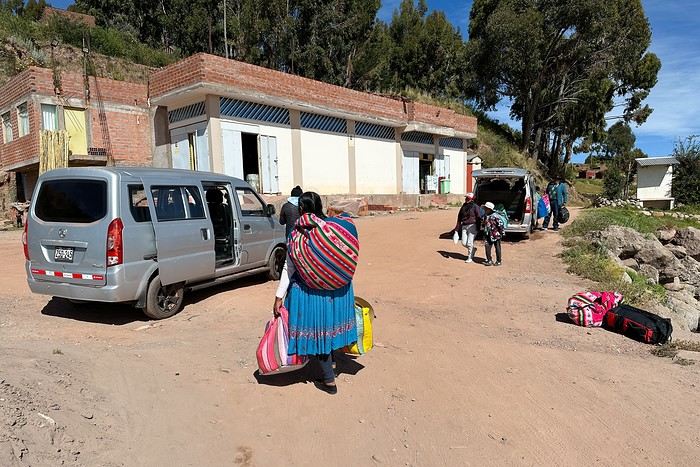
We leave Casa Valentin at 9:30 AM and take a colectivo to the small town of Capachica. Traveling in a colectivo is really pleasant. With us, there are only locals—men heading to work and women going to the market.

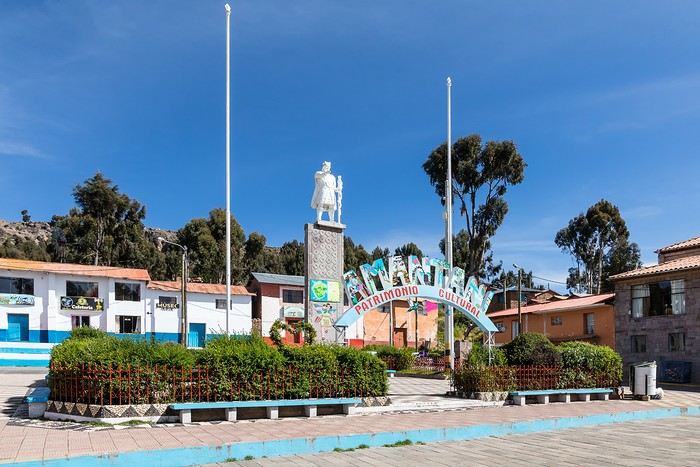
In Capachica, we take a tuk-tuk to reach the small port of Chifron, where we board the ferry to Amantani Island. Our host, Ivan, is waiting for us at the port. We walk up to the village and reach his house. The small room is very clean, even with a bathroom including a toilet and sink. From the terrace, the view is beautiful.

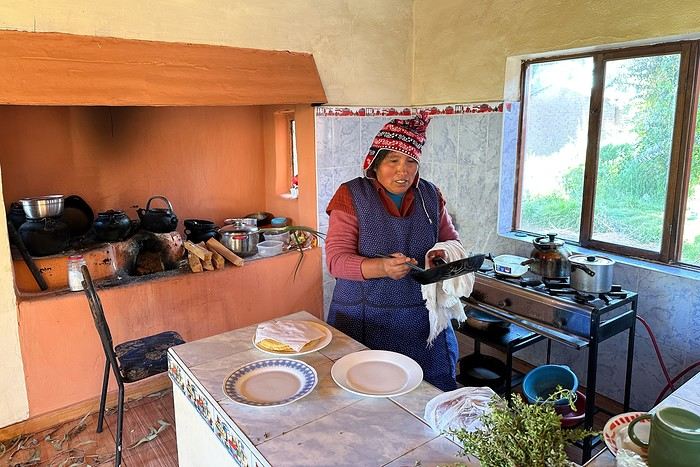
Flavia, Ivan’s wife, calls us to come eat. She’s prepared a vegetable soup for starters and a trout per person, served with different types of potatoes and ocas. Flavia is very friendly and goes out of her way to communicate with us.

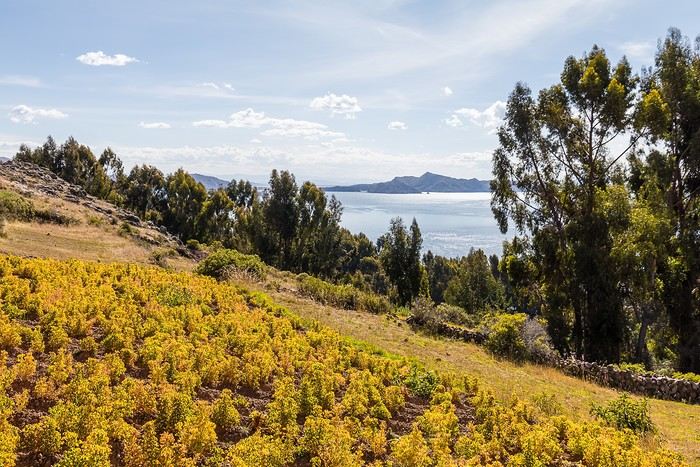
Full, we set off to explore the island and hike up to the Pachatata viewpoint. The landscape is stunning, with different terraced crops, especially quinoa. Then we head back down before climbing up the other side to reach the highest point on the island, Pachamama, at 4,120 meters above sea level. We settle on a rock to watch the sunset.


It’s already dark when we come down from Pachamama. Our headlamps are really useful because the night is pitch black, and without their light, we’d have a hard time finding the right path.

Flavia, Ivan, and their daughter are waiting for us for dinner. The Easter chocolate eggs we brought are a huge hit. We spend a lovely evening with the family, and thanks to our translation app on the iPhone, we manage to chat.

At night, it’s cold—I’ve brought my sleeping bag, and Benoît sleeps under five warm blankets.

You can find the rest of the travel journal here: https://voyageforum.com/v.f?post=11462988;a=11462988
LA Larri Regular ·
Hi there,

We’re going to the same family. Your description reassures us. Only question: you mentioned a cold night. Are 5 blankets enough? I’ll keep following you—our itineraries are similar (except for the treks we’re no longer up for), and your travel journal is really interesting and clear. Plus, the photos are gorgeous. Thanks again! Looking forward to the next update.
TI Ticapi Globetrotter ·
Hi Jean-Claude,

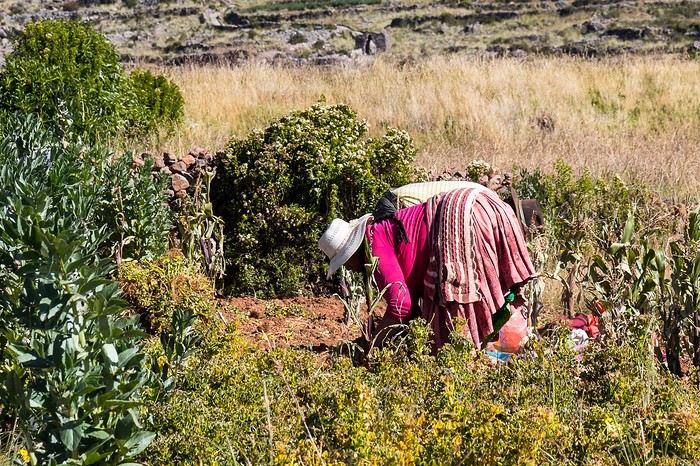
The family is really nice, and we never felt like they were putting on an act. Everything was natural—Ivan went to work in the fields, his mom took care of the house, and their little girl went to school.

Laurent knows this family well; he always stays with them. Normally, on Amantani Island, families take turns hosting guests so everyone can earn a little money. But that’s not always the case, especially when someone knows a family there, like Laurent does with Ivan.

Yes, five blankets are more than enough. But the wool blankets are *super* heavy—you can barely move! With my back issues, I preferred sleeping in my sleeping bag. We brought our sleeping bags for the Ausangate trek anyway.

I’d recommend bringing a light puffer jacket for the evenings and a warm sweater. For sleeping, pajamas or warm underwear work well. Especially since you’ll be there in winter.
TI Ticapi Globetrotter ·
Saturday, April 26

The alarm goes off early this morning. At 7:30 AM, we meet up for breakfast. Flavia has made delicious pancakes drizzled with caramel. Ivan then accompanies us to the port, where we board a boat to Chifron.


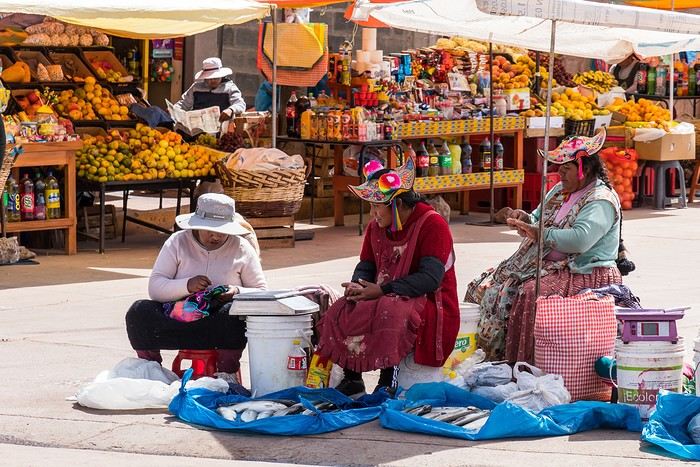
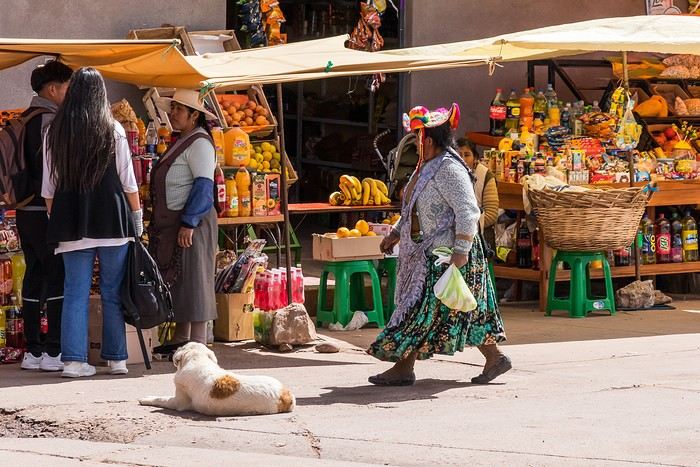
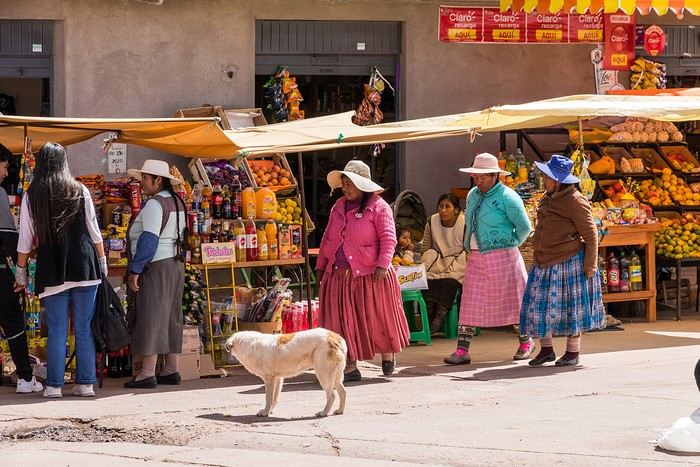
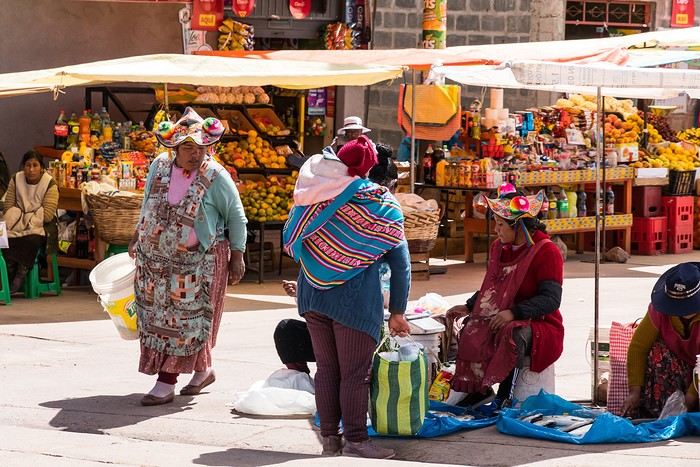
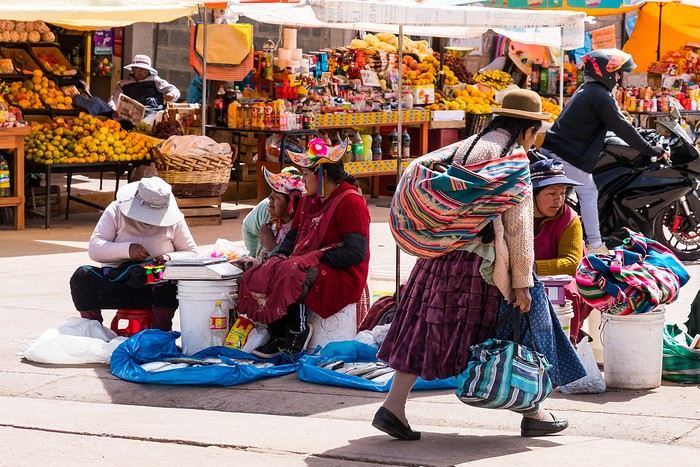
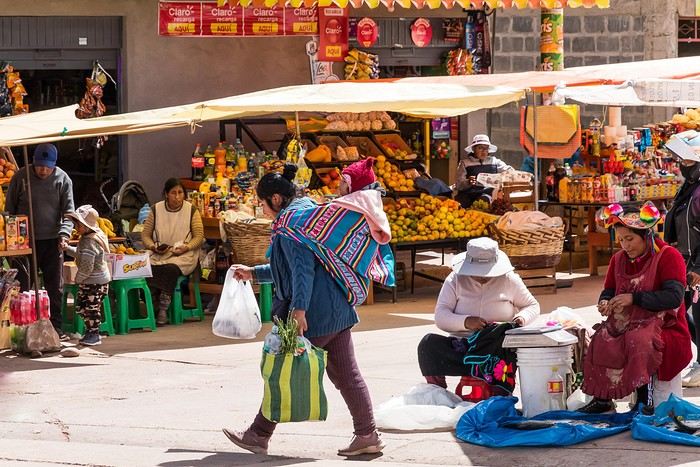
From the port, a minibus takes us to Capachica, where we stroll through the market. The place is lively and colorful, with stalls overflowing with fruits and vegetables. Some women offer freshly caught fish, while others sell household utensils.
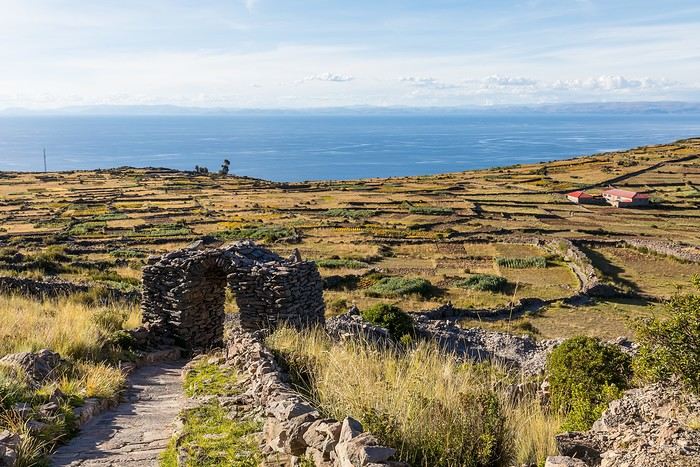


In a small shop, we look for a hat for Benoît. The encounter with the two young guys running the store quickly turns into a fun moment. They’re so happy to see visitors that they ask if they can film a short video for their social media to show that Europeans are shopping at their place. Their enthusiasm is contagious, and we happily play along. We have a really great time with them.

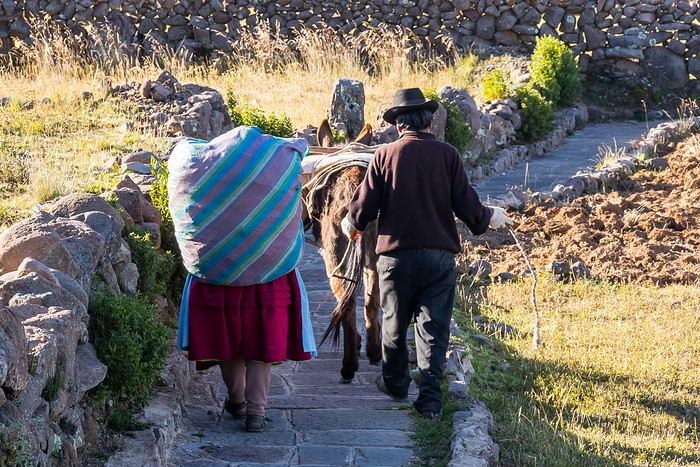
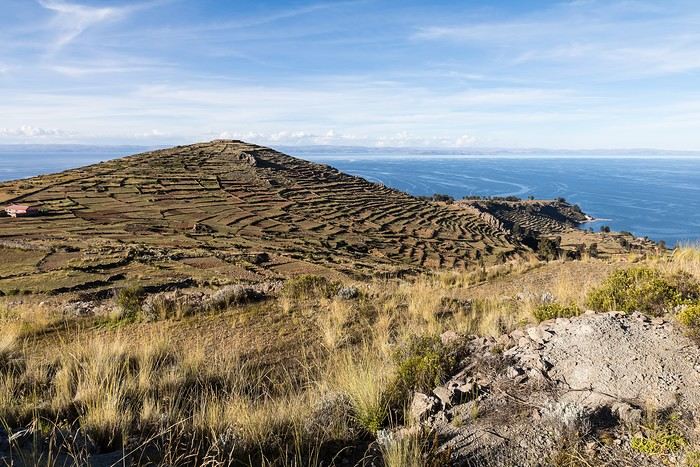
Afterward, we take a *colectivo* to Llachon. It stops on request and drops us off in front of the small path leading down to Casa Valentin. We eat our picnic in the garden, in the sun, with a stunning view of Lake Titicaca. In the afternoon, we head down to the beach and walk for a few kilometers. Then we take another path back up, which brings us to Casa Valentin from above.
You can find the rest of the travel journal here: https://voyageforum.com/v.f?post=11463112;a=11463112
GA Gaura Veteran ·
This trip, so well told and photographed, makes me dream. Thanks!
gaura
TI Ticapi Globetrotter ·
Sunday, April 27th

Reynaldo, our driver, picks us up at 7:00 AM. To reach Lampa, we have to cross the city of Juliaca. A few kilometers before arriving, it feels like an open-air dump: waste piles up along the roadside, disfiguring the landscape.

Crossing Juliaca is tough—the traffic is heavy, and no one except our driver seems to follow the traffic rules. The city is dirty, dusty, and shrouded in a haze of pollution. Locals are stopped along the road, where many stalls offer freshly cooked breakfasts.

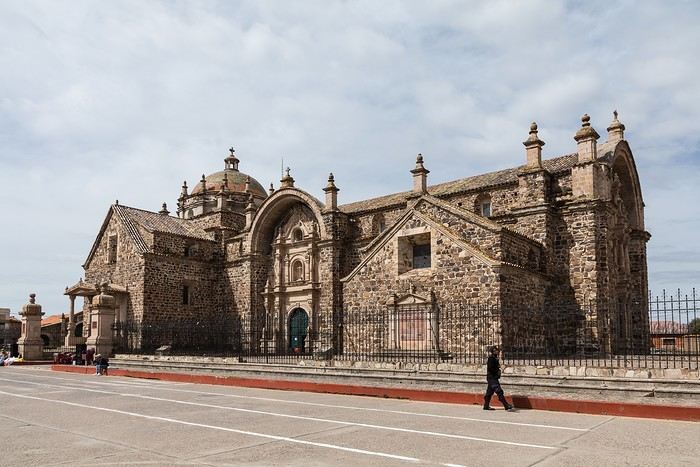
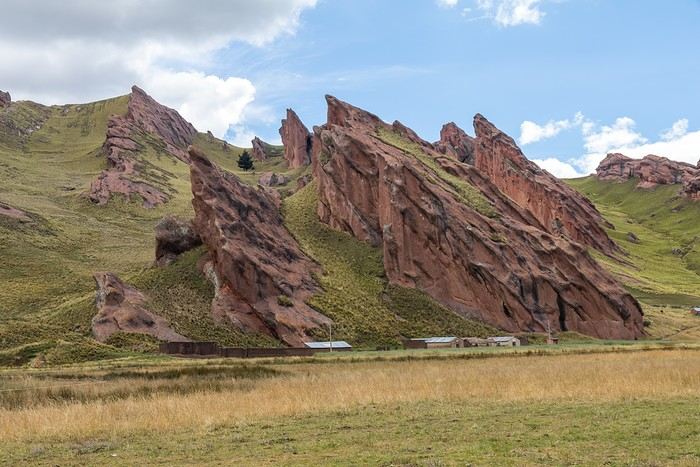
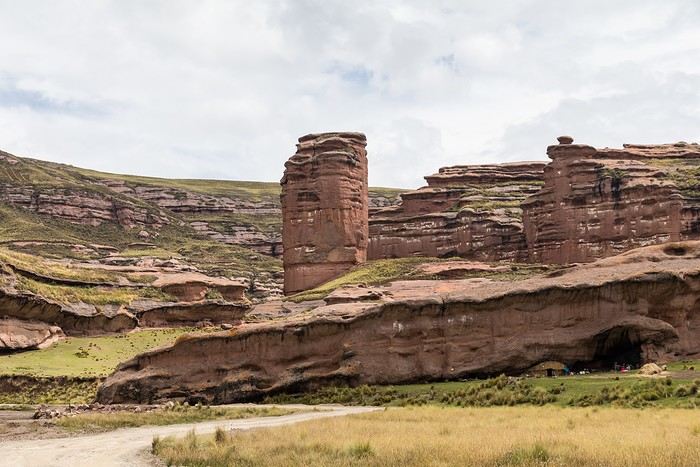
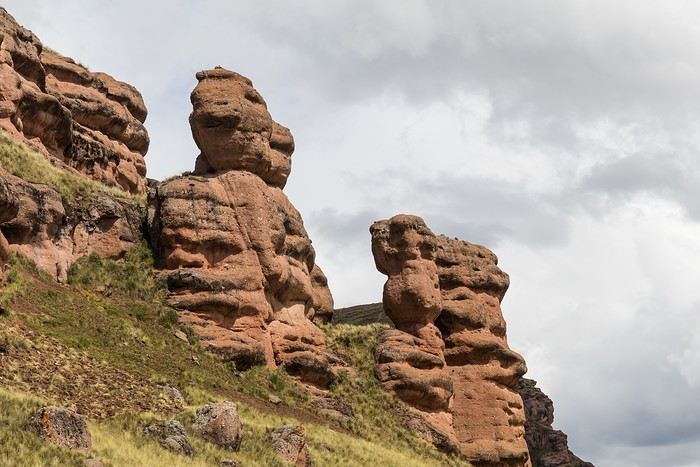
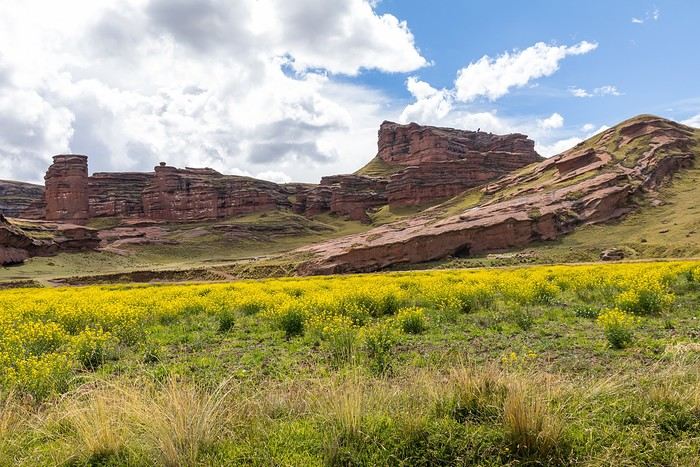
The Santiago Apóstol church in Lampa is stunning. Lampa is also much cleaner than Juliaca and, above all, less polluted. We were supposed to take a track a little further on, but recent rains made it impassable. So, we head to the Tinajani Canyon via Ayaviri, then take a track to reach the Puya Raimondii forest.

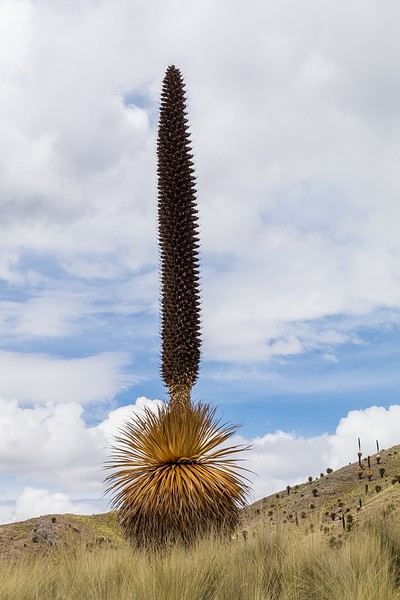
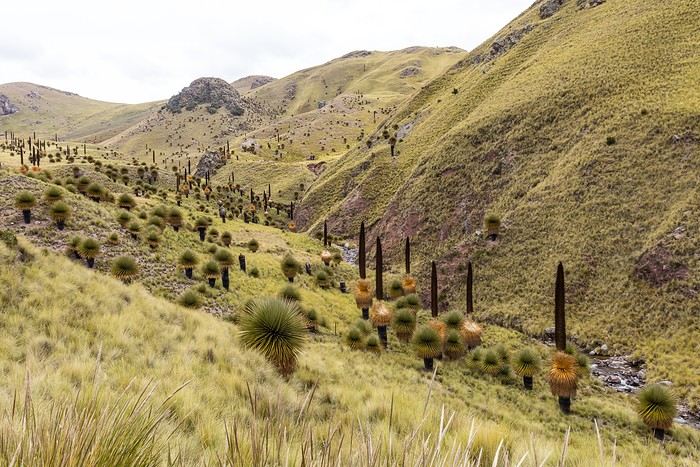
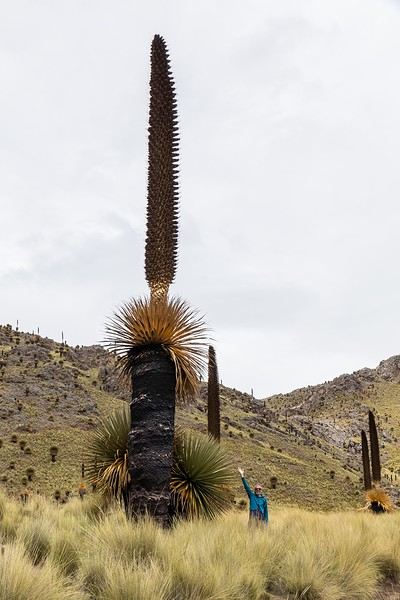
This Andean bromeliad is truly impressive. It grows between 5 and 10 meters tall when fully mature, can live for 60 to 100 years, and flowers only once in its lifetime before dying.


We’re alone there—the place isn’t touristy yet, thankfully. The Puya Raimondii forest is absolutely breathtaking! After this visit, we get back on the track and cross several fords, but the water isn’t too deep. We then return to the Tinajani Canyon to take a few photos. Afterward, we head to Ayaviri and try the local specialty, Kankacho—a dish made with potatoes and mutton. Reynaldo picked the right restaurant: it’s packed, and we’re the only tourists.


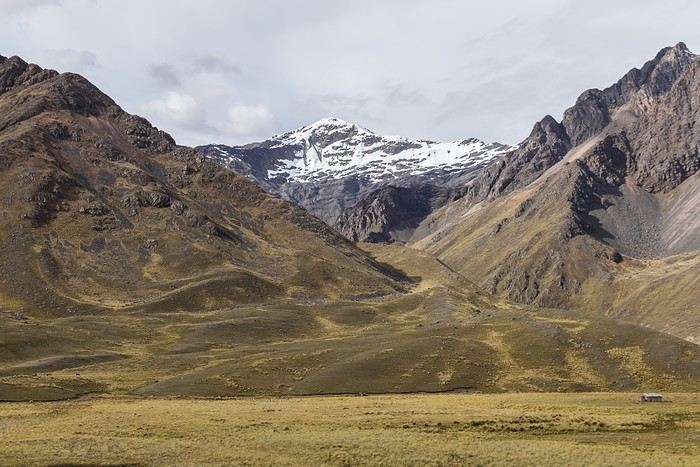
We hit the road again for San Pedro, with a stop at La Raya Pass at 4,319 meters above sea level. We arrive at the Inca Hotel at 4:30 PM and drop our bags in our room on the 5th floor. There’s no elevator here, but sleeping up high means we get a great view of the village and the surrounding mountains.


We take a walk around the village and buy some fruit and snacks for the next day. In the evening, we have dinner at the hotel and meet a Polish couple we’d already run into at Colca Canyon.

For the rest of the travel journal, click here: https://voyageforum.com/v.f?post=11463507;a=11463507
MA Marati Globetrotter ·
What a beautiful discovery the Tinajani Canyon and the Puya Raimondii forest are! It’s the first time I’ve heard of them despite my thorough research back then!

I couldn’t locate the forest between Juliaca and San Pedro out of curiosity, though. Is it on the road heading due south from Ayaviri?

We stayed at the same hotel in San Pedro to be as close as possible to Palcoyo. I can guess what’s coming next in the itinerary—it’s bound to be memorable! !
HO Holigirl Veteran ·
So glad you finally took the plunge and started writing this Peruvian travel journal, Carmen! The photos are stunning—the trek looks amazing.

Hope your back isn’t bothering you anymore.
TI Ticapi Globetrotter ·
What a beautiful discovery the Tinajani Canyon and the Puya Raimondii forest are! It's the first time I've heard of them despite my thorough research back then!

Couldn't locate the forest between Juliaca and San Pedro out of curiosity, though... Is it on the road heading due south from Ayaviri?

We loved the Puya Raimondii forest. To get there, you have to take a track from the Tinajani Canyon. If you ever return to Peru, I'll give you the GPS coordinates. I have to be honest, I won't be putting the GPS points in my travel journal. This place is truly impressive and still preserved from mass tourism for now. I hope it stays that way.
TI Ticapi Globetrotter ·
So glad you finally got around to writing this Peruvian travel journal, Carmen. The photos are stunning—the trek looks amazing.

Hi Pascale,

Yeah, I got motivated! 🙂 That said, there are quite a few issues with the site. For my last post, I had to try three times.😕
FA FamilleUS Veteran ·
Same here, I’m discovering Puya Raimondii and the Tinajani Canyon. Really nice.

Staying in San Pedro is definitely a good option. It lets you do Palcoyo in the morning when the weather often clouds over in the early afternoon, according to our guide.

We arrived around 2:00 PM coming from Puno, and the blue sky had disappeared by the time we climbed up. But we were the only two "tourists" there on August 6th.
Nos escapades : Le Maroc, l'Egypte, la Mauritanie, la Tunisie, l'Afrique du Sud, Lanzarote, les Etats-Unis (3 ans), le Canada, le Mexique, la Colombie, le Pérou, la Guadeloupe, la Martinique, l'Indonésie, la Thaïlande, Israël, Dubaï, la Jordanie, la Turquie, et Tahiti... pour l'instant !
TI Ticapi Globetrotter ·
Same here, I just discovered Puya Raimondii and the Tinajani canyon.

Both places are barely known to tourists. I actually struggled to find info on the Puya Raimondii forest.

Staying in San Pedro is probably a good option.

Yes, but you need your own vehicle or a driver.

Most people go straight from Puno to Cusco. It’s a shame to stay overnight in Puno, though. I think the Capachica peninsula is way nicer.

It lets you visit Palcoyo in the morning when the weather often clouds over in the early afternoon, according to our guide.

You’ll see, the sky can be overcast in the morning too. ;) A photographer told us it was better for the colors… I’m not sure, it was still beautiful, but with the sun it must be even better. Unless the sun isn’t positioned well relative to the site.

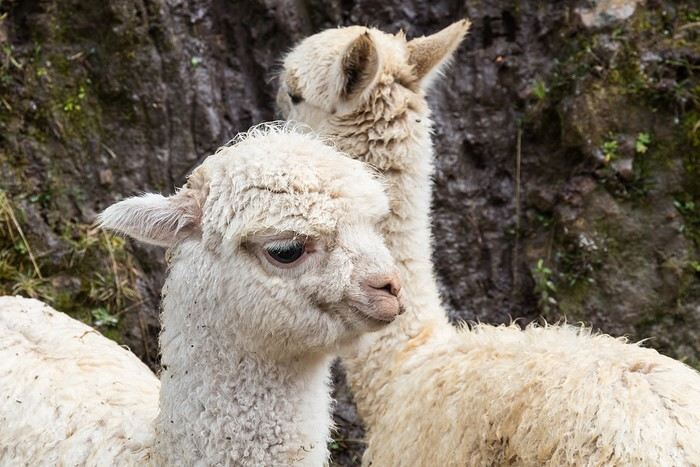
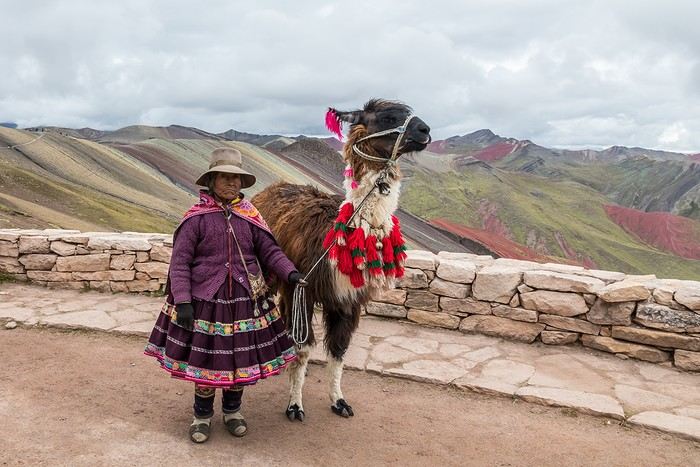
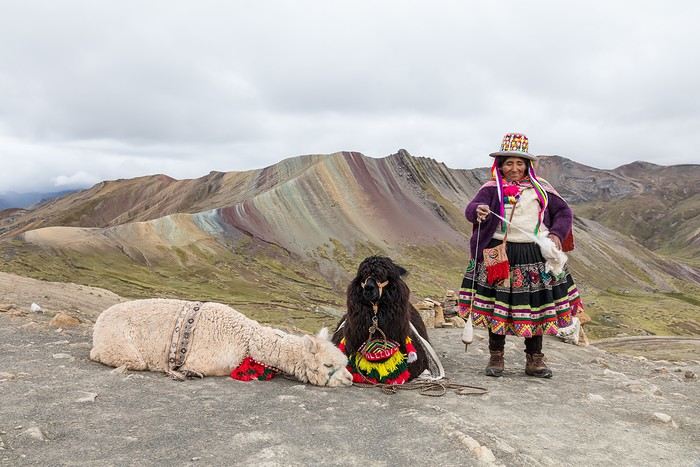
When we were there, there were very few tourists. At one point, maybe a dozen or so. You just had to wait a bit to be completely alone with the Peruvians and the alpacas waiting for tourists to take a photo.

But during high season, it might be better to go in the afternoon.
BL Blancond Regular ·
Hi Carmen, Your itinerary is such a refreshing change from the usual trips—so many places I’d never even heard of! As always, your photos are stunning, and April seems like a great compromise. Sure, there were a few clouds here and there, but way fewer tourists than in summer. Keep up the great work! Jacques
MO Montagnard74 Globetrotter ·
That’s what I love about these travel journals. The chance to discover hidden gems! Thanks for the trip!
"Le véritable voyage de découverte ne consiste pas à chercher de nouveaux paysages, mais à avoir de nouveaux yeux." Marcel Proust
TI Ticapi Globetrotter ·
Monday, April 28

Breakfast on the hotel rooftop, then Roberto, our driver, picks us up at 8:30 AM. We drive for about twenty minutes to Combapata before taking the track leading to the Palcoyo mountain parking lot.

Roberto knows the track by heart—he takes it two or three times a month. We pass through small villages and stop several times to photograph the many alpacas. The landscape is stunning, with numerous cultivated terraces stretching along the mountainside. Everything is lush and in bloom. After about an hour and a half of climbing, we reach the parking lot.


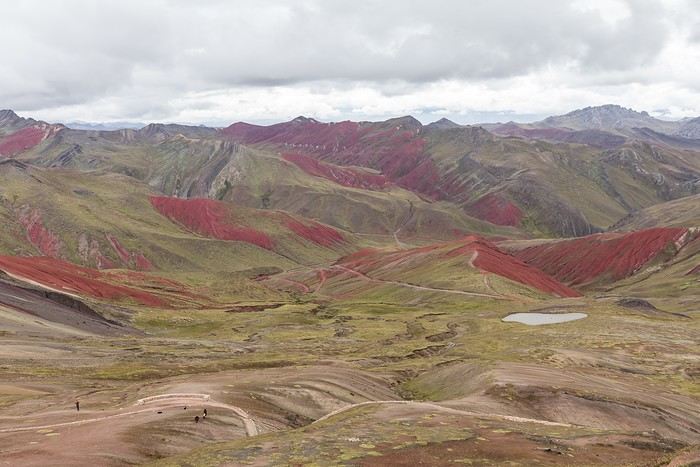
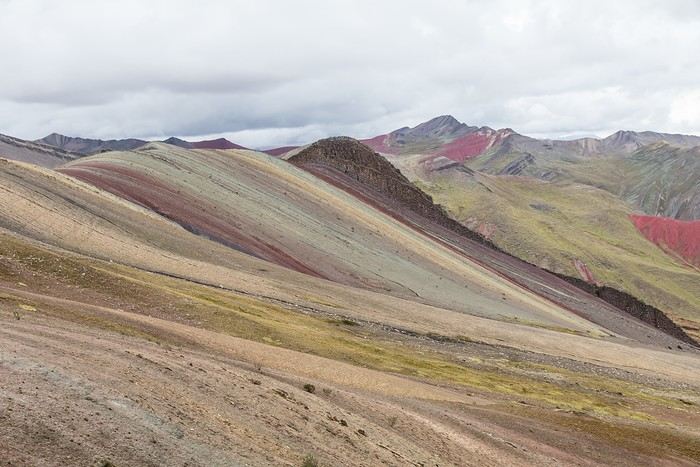
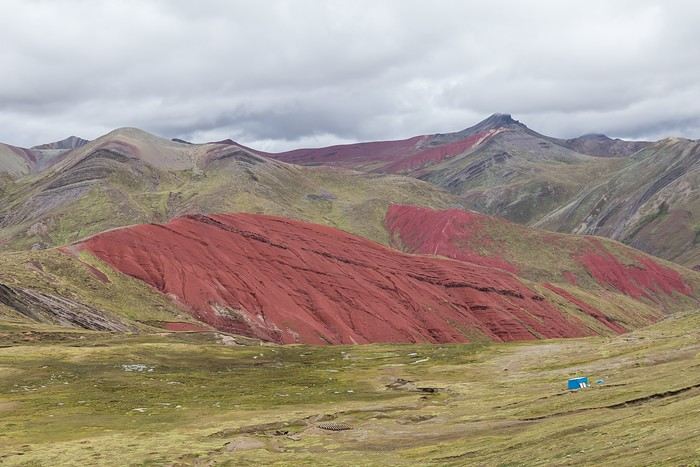
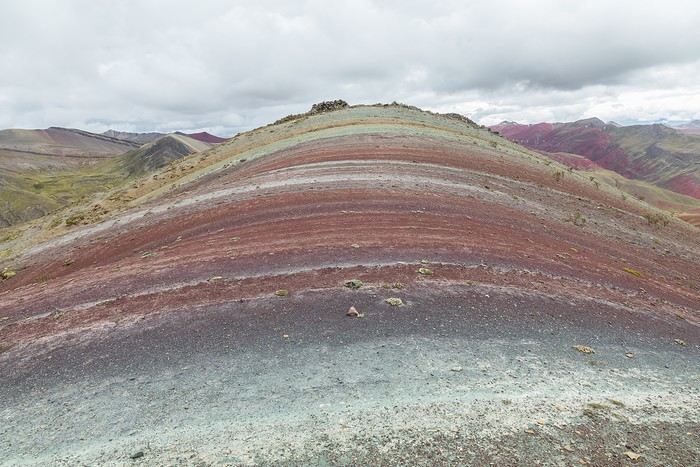
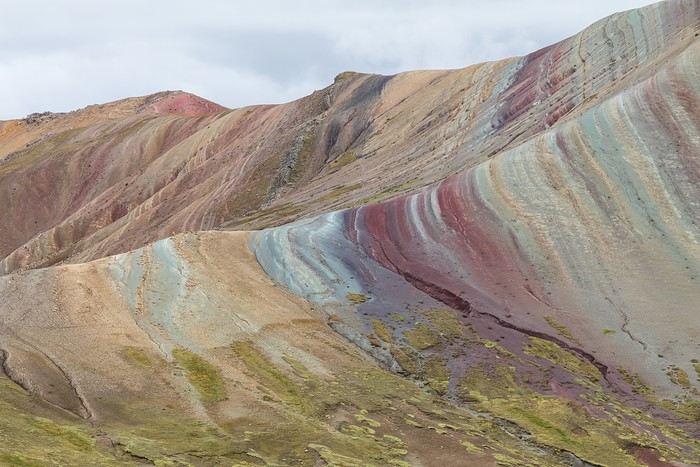
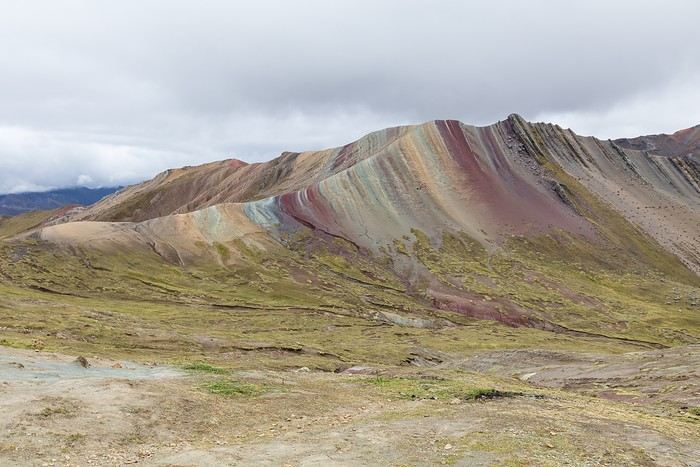
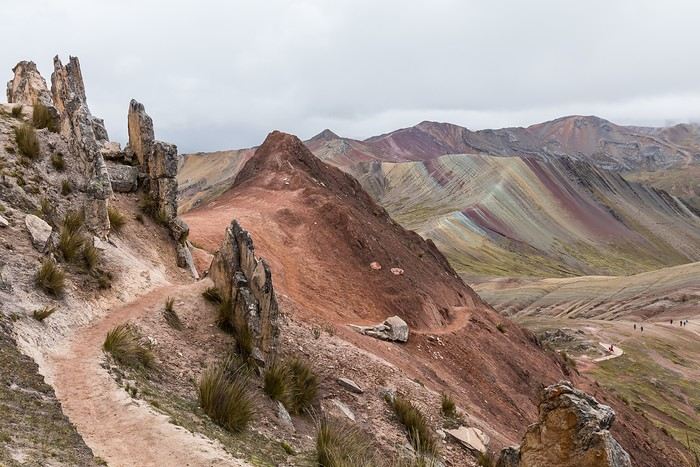
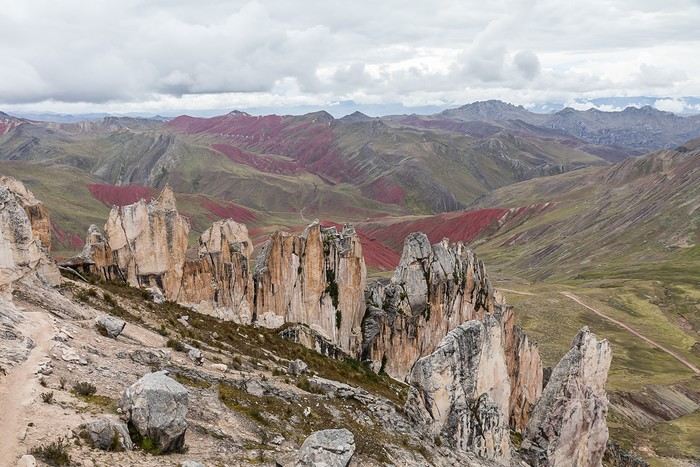
The hike up is easy. Palcoyo Mountain, located at 4,900 meters (16,076 feet) above sea level, is really beautiful. Despite the clouds, the colors remain vibrant. Fortunately, there are very few visitors, allowing us to fully enjoy the site. To descend back to the parking lot, we take another trail that passes through the Palcoyo Stone Forest. The place is gorgeous, with stunning views of the valley and the mountain’s colorful rocks.


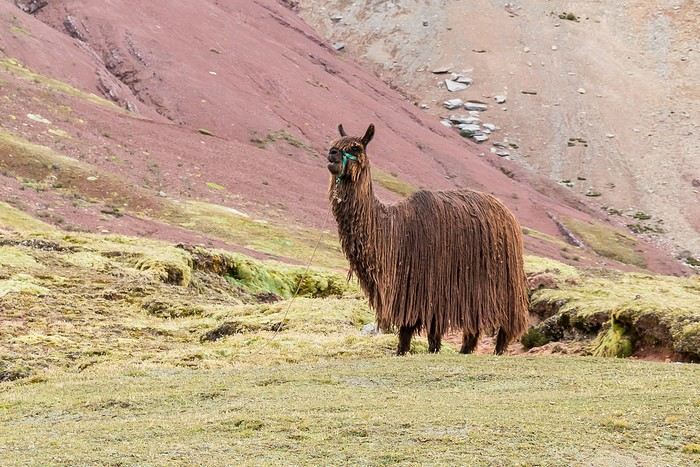
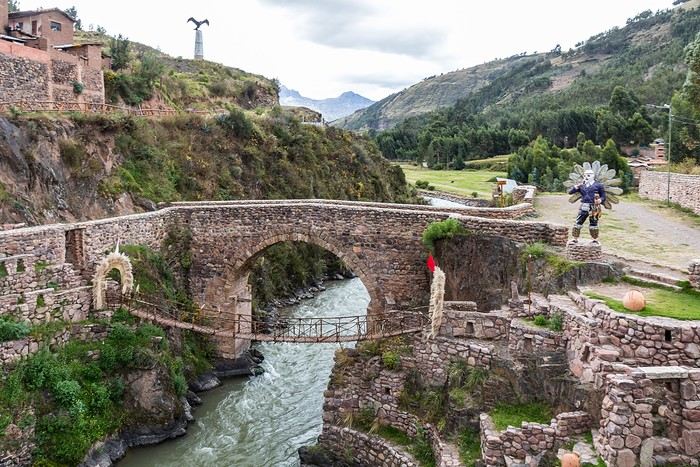
Roberto sleeps in the car but wakes up when he hears us talking. We head back toward Cusco. Along the way, we spot a suri, a rare breed of alpaca with long, straight fleece that hangs in locks, unlike the huacaya, which is curly. We then stop to see the Inca bridge at Checacupe and visit the church in Andahuaylillas, nicknamed the "Sistine Chapel of the Andes."

The famous suri

We arrive in Cusco around 5:00 PM. Traffic is heavy—horns blare constantly, and overtaking is pretty chaotic. It’s a bit of a survival of the fittest. Fortunately, Roberto drives carefully.

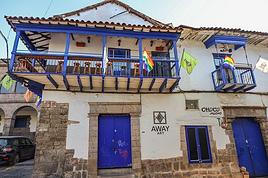
We settle into the lovely room at Hotel Casa Esmeralda by Katari. I’m glad I booked a superior room: the view of the city is amazing, and the room is very comfortable. The agency we’re doing the trek with recommended choosing a hotel that’s easily accessible by car. Casa Esmeralda by Katari fits the bill. Plus, staying outside the old town lets us discover neighborhoods we might not have visited otherwise.

Once we’re settled, we head out on foot to explore Plaza de Armas before dinner at Rucula restaurant. An excellent choice—the food is delicious, and the service is impeccable.

You can find the rest of the travel journal here: https://voyageforum.com/v.f?post=11463772;a=11463772
TI Ticapi Globetrotter ·
A few more photos...


The Inca bridge at Checacupe (that’s the rope bridge in front of the stone bridge)
You can find the rest of the travel journal here: https://voyageforum.com/v.f?post=11463772;a=11463772
GI Girardinpho Veteran ·
Hi Carmen,

The photos are gorgeous. I love all these colors.
Nathalie

Photos et carnets de voyage : http://www.girardinphoto.net
KA Kate Globetrotter ·
Hi there

These landscapes are absolutely incredible!
Mes photos sur Flickr: https://www.flickr.com/photos/153304262@N05/albums "Le Temps nous égare. Le Temps nous étreint. Le Temps nous est gare. Le Temps nous est train".
MU Muriel18 Globetrotter ·
Yes, this site is amazing! (I know, not very original 😎 ... but it really is so beautiful).
Si tu diffères de moi, mon frère, loin de me léser, tu m'enrichis (Saint Exupéry)
DJ Djalma Globetrotter ·
I’ve been following this travel journal in silence (or almost) and I find it particularly interesting. It stands out with its original route—off the beaten path and not the usual itinerary... Filled with treks (my main interest), it is! I really loved Peru, and this story makes me want to go back.
https://www.youtube.com/watch?v=-XCOyB7WStI https://www.youtube.com/watch?v=g2eI67iCbKY
TI Ticapi Globetrotter ·
Your itinerary really stands out from the classic circuits with sites I’d never heard of before. As usual, the photos are stunning, and April—despite a few clouds in some places—seems like a great compromise with way fewer tourists than in summer.

Yeah, April does seem like a good compromise. According to our drivers, it gets *much* busier in July, August, and September.

True, there were a few clouds, but nothing bothersome. Sometimes, they even make for better photos. Anyway, in the high mountains, the weather changes often—just like back home in the Alps. During the trek, we even experienced all four seasons in a single day.
TI Ticapi Globetrotter ·
Hi Kate, thanks for stopping by my travel journal! 🙂
TI Ticapi Globetrotter ·
I followed this travel journal in silence (or almost) and found it particularly interesting. It stands out with its choice of an original route that breaks away from the usual beaten path... Filled with treks (my main interest). I really enjoyed Peru, and this account makes me want to go back.

Thanks, Jean-Michel, for your message. We love walking and do quite a few hikes near home. Peru is perfect for walkers. 🙂

Similar discussions

You might also like