
Our return flight is scheduled for 2 a.m., so we’ve got a long day ahead of us. Since the start of our trip, I’ve been looking to buy my son a Buddha statue that isn’t too common. It’s become a habit on every trip to bring him back an object or figurine that evokes the spirituality of the country we’ve visited—a Shiva from India, a dervish from Istanbul…
In Bangkok, there’s an area travelers casually call “Buddha Street,” while locals know it better as the “Amulet Market.” It’s about a 30-minute walk from our hotel. The morning is beautiful, the air still fresh, so we decide to go on foot. The neighborhood is quiet and well-kept. The main avenue and side streets are lined with shops specializing in religious items: statues, amulets, prayer beads, portable bells, ritual candles… There are also higher-end stores with elaborate collectibles, some antique and certainly very expensive. It’s a bit of a hybrid place—reminiscent of Paris’s antique district and the Vatican’s shops, though I’m not pushing the comparison. Our purchases are more modest; we’re neither art collectors nor Buddhist devotees. It’s just about bringing back souvenirs. After browsing several stalls, we pick one with a great collection of Buddha statues in different poses. Each of us chooses “their” Buddha, guided by the young saleswoman who speaks French fluently.
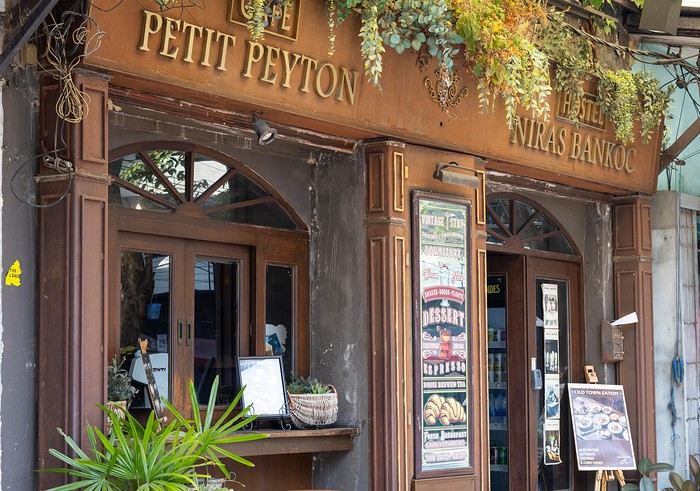
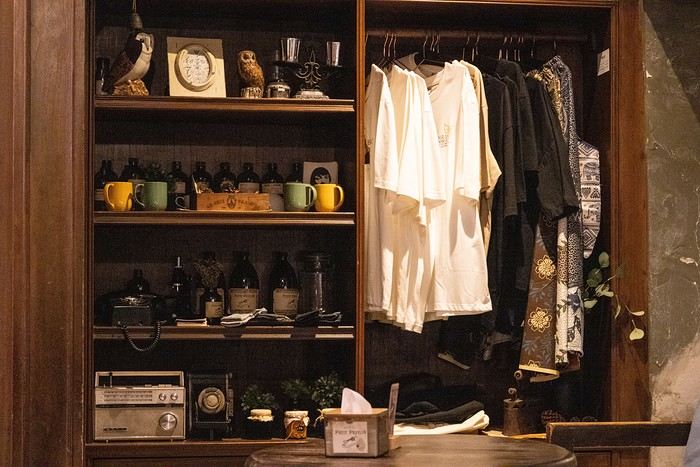
With our shopping done, we look for a place to take a break. Around a corner, we spot a chocolate-brown wooden storefront with a sign in French: “Café. Le Petit Peyton.” Inside, it’s a vintage space recreating the atmosphere of a 1950s Parisian café—Édith Piaf’s music, old posters, postcards, and all sorts of knickknacks. Charming and cozy.
After this delightful retro detour, Kate suggests we fast-forward to the future. We head to the new Emquartier mall in the heart of the business district. The place is impressive with its futuristic architecture. Inside, soft lighting bathes five levels blending luxury boutiques, restaurants, cinemas, and winter gardens. Despite the crowds rushing in every direction along helical ramps and escalators, the atmosphere is hushed. The subtly regulated air conditioning keeps the temperature perfect. Everything is flawless. Sterile. Outside, terraced gardens are seamlessly integrated into the urban landscape, offering views of the skyline reflected in the large glass windows. It’s a bold, contemporary beauty—an architectural and aesthetic success. But at this late stage of our trip, I’m already nostalgic for the landscapes of Don Det, the shimmering Mekong, and the red dust of the Bolaven Plateau.
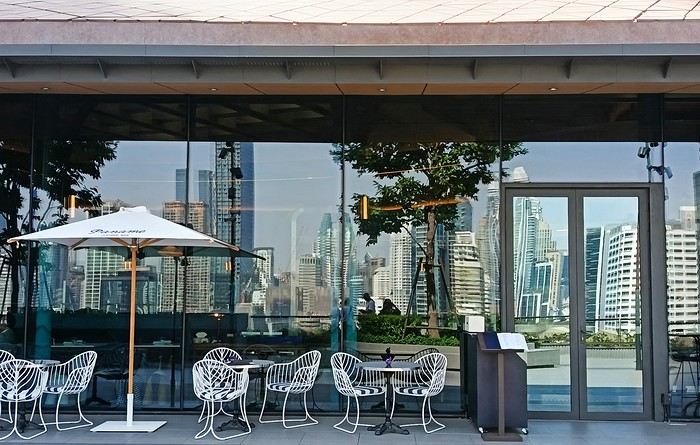
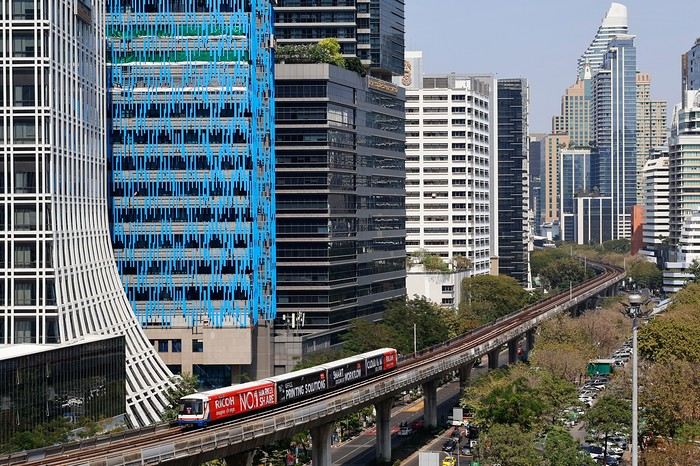
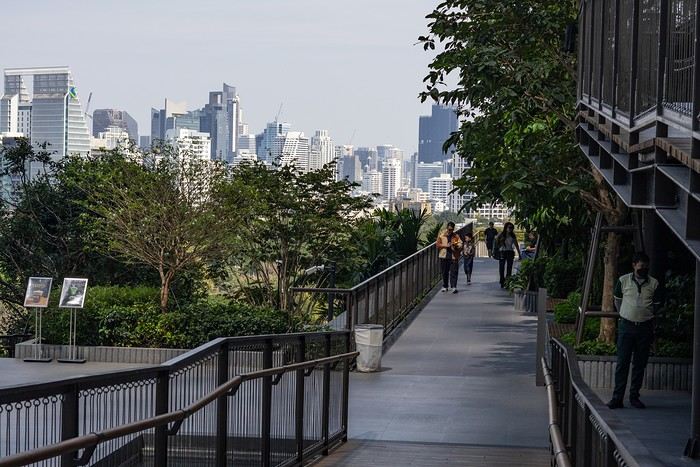
We return to the hotel by metro. Since India, Nathalie and I have loved these moments of navigating, figuring out routes, finding the right information. It’s like a game for us—Station X, Line Y, get off at…
Evening begins to fall, the day is winding down, and the countdown has started, but we still have time. Time for one last drink on the hotel’s rooftop, for example. One last look at the glowing horizon and the skyline lighting up little by little. We head down for dinner. On the deserted street, only a tiny street-side eatery—two tables and four plastic chairs—remains open. Behind her stall, a cheerful woman calls out, “Porridge, porridge!” Porridge? We immediately think of an English dish rather than an Asian one. She shows us her preparation: a rice porridge with minced chicken, a soft-boiled egg, onions, fried garlic, and ginger. It’s a popular Thai dish called “jok.” Bruno pulls a face, unconvinced by the somewhat “baby food” look of the recipe, but in the end, everyone enjoys this last typically Thai meal, savored under the amused gaze of the two women who served us.
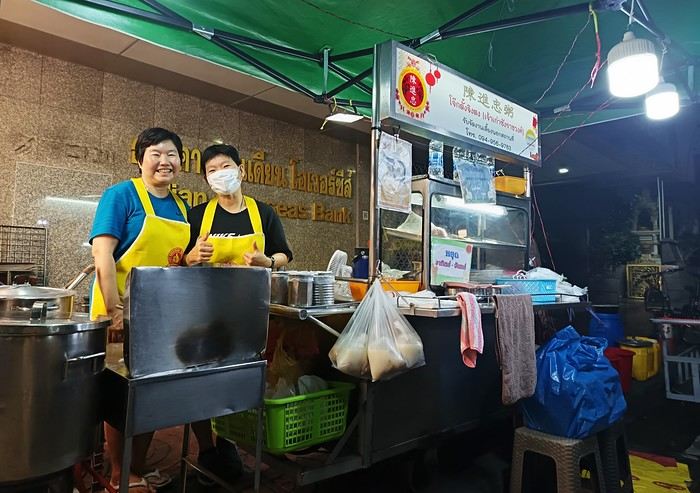
Then, as always when preparing to leave after such a long stay, time speeds up and contracts. We go back to our rooms to pack, each in our own bubble, focused. Flight tickets, passport, money? Okay, everything’s there. The taxi is waiting downstairs. “Sawatdi.” Before getting in, Nathalie double-checks the destination: “Suvarnabhumi Airport?” “Yes.” In the taxi speeding along the ring road, we stay silent. It’s not quite time for nostalgia yet—just the slight apprehension of a traveler about to take a late-night flight. The airport, bright and vast like a city, emerges from the Thai night. It’s 11 p.m…














































 Roundabouts are particularly interesting because they feature emblems of Turkmen culture, like the dog, a carpet, the Ahal Teke horse, or Muslim symbols, even though the presence of Islamic artifacts is quite limited.





 Why this country?
After visiting Hungary, Slovenia, Romania, and Poland in recent years, I’ve fallen in love with Eastern European countries. I adore the Slavic soul, its Austro-Hungarian villages, the gentle landscapes, the Carpathian Mountains, and that slightly mysterious atmosphere.
Slovakia evokes a certain imagination with its deep forests, medieval castles, and cobbled villages.
After seeing photos of the High Tatras—especially Lake Štrbské Pleso and Spiš Castle—I thought, "Let’s do it! We’re going!"
So, will Slovakia live up to what I imagine?
We’ll find out together.
We decided to travel as a group of six (five adults and a six-year-old child), by car (we needed two).
Here’s the day-by-day itinerary for this family trip, which started with a 3-day stay in Vienna (see the dedicated travel journal):















 When it comes to the Caribbean island of Saint-Martin, it's customary to praise its coastline and dreamy beaches—and they certainly deserve it.
But in this story, I’d like to highlight other memories, aspects, and impressions for a slightly different change of scenery.
Enjoy the read—some text and, above all, lots of photos.
« Byenveni sou zile Sen Maten! » (Welcome to the island of Saint-Martin)














































 Come along, I'm taking you to this country where it's so nice to wander and slow down...












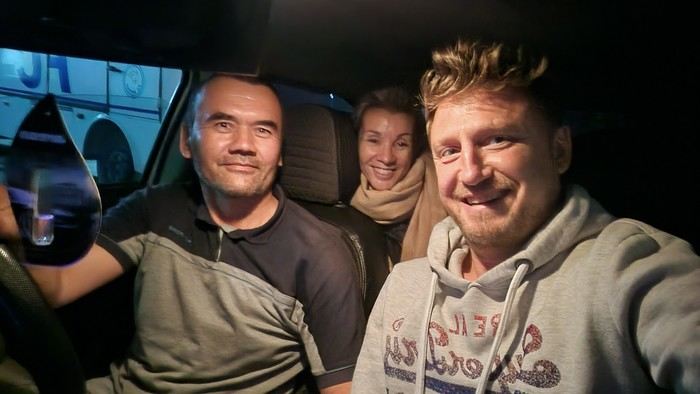
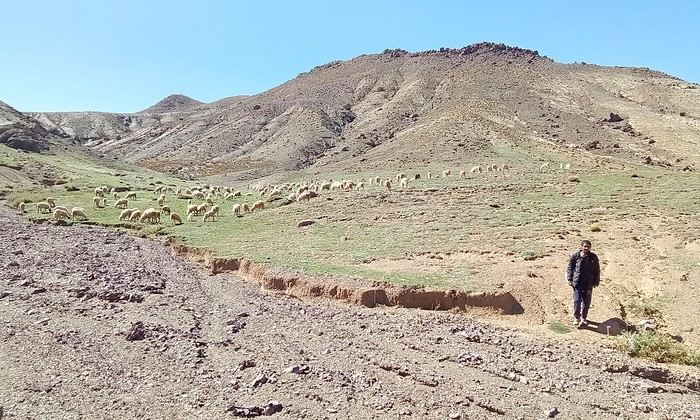
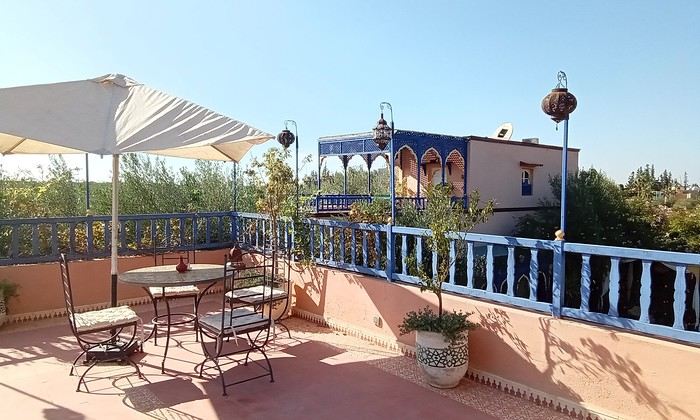
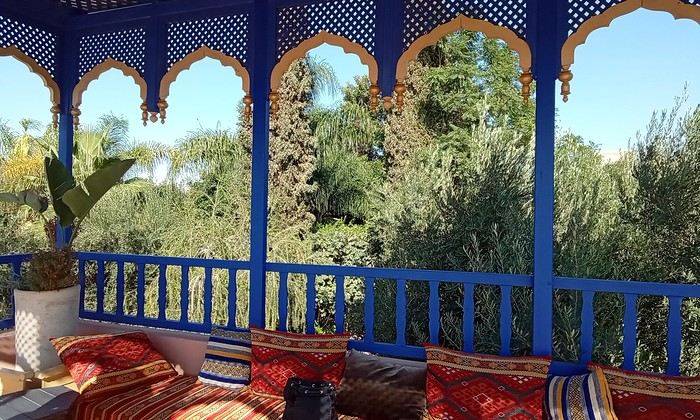 Last October, we landed in Marrakech to spend a few days with family exploring Morocco’s roads.
Transport: a rented Dacia.
Accommodations: small guesthouses.