De retour après sept semaines partagées principalement entre les îles Toggians (Sulawesi) et Derawan/Sangalaki (Kalimantan), si ça vous intérèsse, je peux donner des infos fraîches sur ces deux destinations.
Déjà, avant les questions, voici quelques éclairages:
CHANGE : Bien meilleur à l'aéroport de Manado (guichet juste à la sortie, avant même le contrôle des passeports, je crois) qu'à Palu ou Balikpapan.
A l'aéroport de Manado: 1 Euro=12500 Rps
Au money changer de Palu (je vous dit pas le plaisir de devoir aller jusqu'à Palu pour changer des euros quand on est au îles Toggians! A Ampana, le directeur de la banque aurait pu me "dépanner" à titre personnel mais pas pour la somme souhaîtée et surtout à un taux très au-dessous. Et l'ATM n'acceptait pas les cartes de crédits VISA. J'avais pas envie de repartir jusqu'à Gorontalo pour voir si leur ATM acceptait les VISA, donc, un petit tour à Palu, seulement 8 heures de route et quelques check-points autour de Poso...) donc, au "Haji La Tunrung authorised money changer" de Palu: 1 Euro= 11460
Sur Kalimantan, ça tournait autour de 1 Euro= 11300.
TRANSPORTS AVIONS:
Pas cool, la liaison Palu-Balikpapan par Bouraq a été supprimée! Donc, en venant des Toggians, deux possibilités:
1 vol de Merpati Palu/Makassar/ Balikpapan (deux vols, donc deux fois plus cher!!!) environ = 1 million de rps
1 vol de Gorontalo pour Makassar sur Lion Air+ 1 vol de Merpati Makassar/Balikpapan pour aller plus vite et pour le même prix: j'y ai pensé, mais c'est pas possible, le vol de Lion arrive à l'heure où celui de la Merpati s'envole; il n'y a pas de correspondance possible!!! Faut soit attendre le lendemaion soit...à supposer que...pour ceux qui ont envie de balancer leurs roupies par les fenêtres...y'a bien un vol...
1 vol de Lion air Gorontalo/Makassar puis, toujours avec Lion Air, un vol de Makassar à Balikpapan...oui, oui...mais qui passe par Surabaya!!!! Donc, là c'est trois fois plus cher!
Ils sont rigolos!
Ensuite, à Balikpapan, pas d'avion pour Berau (=Tanjung Redeb) avant deux jours...autant remonter jusqu'à Samarinda en bus (bus 20 000 Rps pour deux heures de route) et de là, c'est plus facile pour trouver de la place sur un vol. Ceci dit, le vol Samarinda-Berau est quasiment au même prix que le Balikpapan-Berau (377000 avec Das au lieu de 500000). La compagnie Das est un peu moins cher que la Kal star. Surprise: en vol intérieur, il y a aussi des taxes d'aéroport à payer, entre 9000 et 14000 Rps.
TRANSPORTS BATEAUX-BUS TOGGIANS:
Manado-Gorontalo (Bus Veronica): 50 000 Rps . Plus de départ de bus après 15H.
Entrée du port : 300 Rps
Ferry Gorontalo-Pagaimana (tous les soirs): 41 500 Rps ...en places assises (on peut louer des matelas sur le bâteau, s'installer à l'intérieur ou même sur le pont). Les cabines, c'est plus cher.
Pagaimana-Ampana: minibus partagé avec des locaux; j'ai oublié le prix.
Ferry Ampana-Malenge: 65 000 à deux
Ferry Katupat-Bomba: 50 000 à deux mais c'était spécial. Notre arrêt n'était pas vinclus dans le trajet du bâteau. Il n'a pas vraiment dévié de sa route mais il a stoppé les machines au large (pas assez de fond pour s'approcher davantage) pendant qu'un ami indonésien faisait des moulinets avec un pull à la main pour attirer l'attention des gens sur la côte, qui ont fini par tirer une embarcation à l'eau et sont venus nous chercher. On a donc sauté d'un bâteau à l'autre en mer; c'était plutôt marrant.
Bus Ampana-Palu (Divina): 100 000 Rps
Bus Palu-Ampana (Super Armada): 110 000 Rps . Bien plus confortable que le Divina.
TRANSPORTS BATEAUX DERAWAN:
Berau-Derawan en speed boat: on m'a réclamé 1 000 000 Rps. j'ai rgolé et j'ai dit non merci.
Il y a des taxis-4X4 qui partent pour Tanjung Batu le matin devant l'hotel Central Graha, devant le port: compter 50 000 Rps et 4 h de trajet. La jungle (ce qui n'a été ni brûlé ni coupé) rend le voyage agréable. la première partie de la route est nickel, super bien goudronée et on se demande pourquoi y'a pas de bus régulier. Mais d'un coup, on passe à une piste, et c'est plus cahotique; on comprend finalement pourquoi c'est encore impraticable.
A Tanjung Batu, un mec va vous sauter dessus pour vous proposer de vous amener en speed boat. Negociez. 250 000 Rps c'est sans dicuter (bon, d'accord, y'a les prix du carburant qui flambent).
Ensuite, de Derawan, pour les déplacements...Faut toujours négocier. Speed boat ou sortie avec un pêcheur, c'est pas les même prix. Perso, j'aime pas trop le speed boat. C'est rapide, mais c'est pour la sécurité, surtout si on plonge, ça peut être limite. J'en connais deux qui se sont retrouvés à attendre 1 H 1/4 à la remontée, avant que le bâteau les repère et puisse les repêcher! Le temps avait brusquement tourné à l'orage et la mer était un peu démontée! Ils ont quand même pensé à se prendre en photo : on l'aurait dit extraite d'un film catastrophe!
Bon...je continuerais plus tard...
J'ai encore un peu de décalage horaire à récupérer les amis...
Original post


 A little sneak peek?

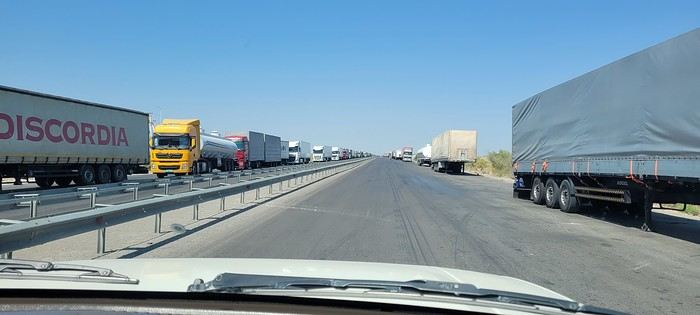
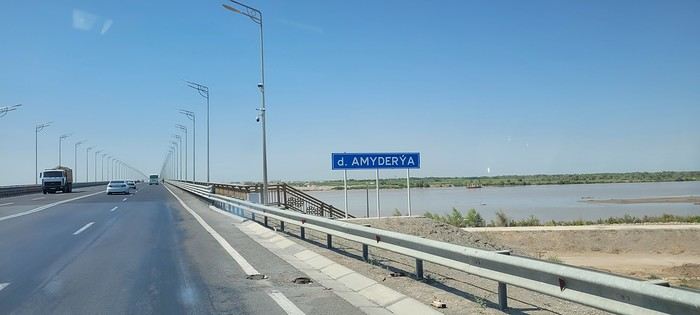
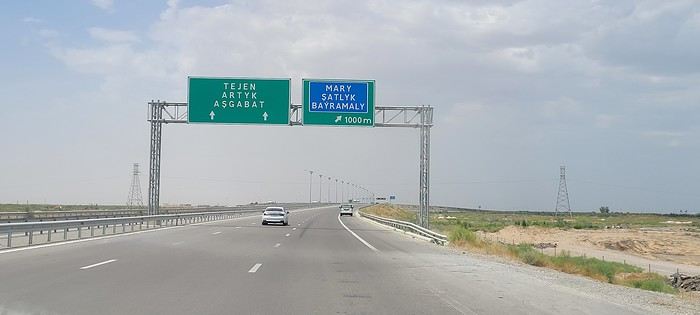
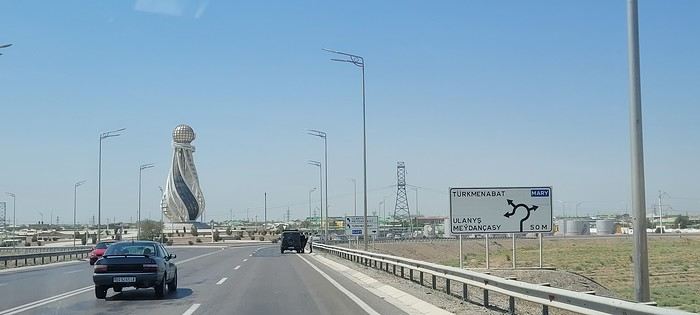
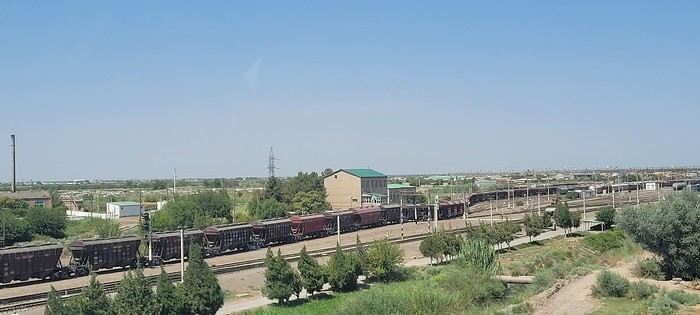
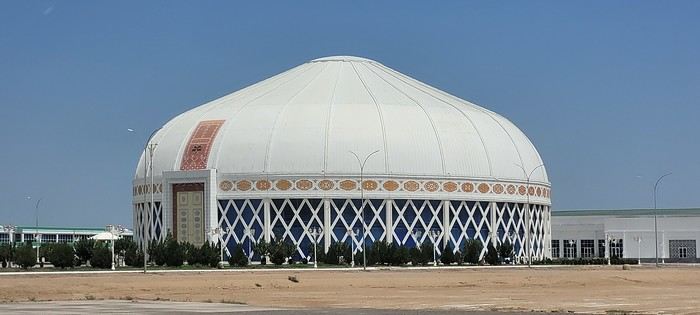
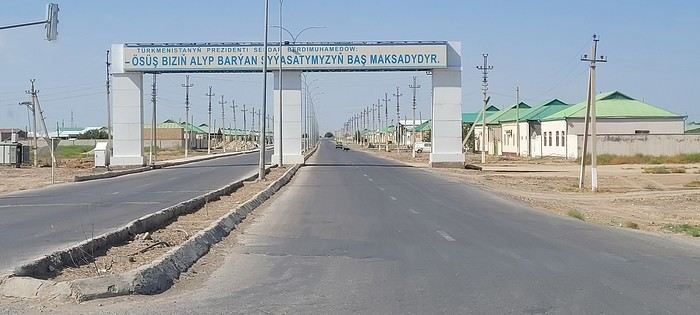
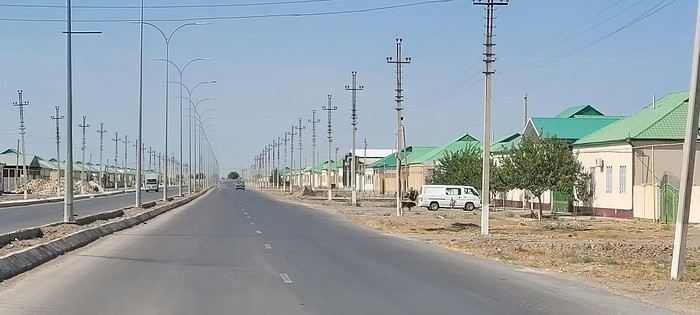 Roundabouts are particularly interesting because they feature emblems of Turkmen culture, like the dog, a carpet, the Ahal Teke horse, or Muslim symbols, even though the presence of Islamic artifacts is quite limited.

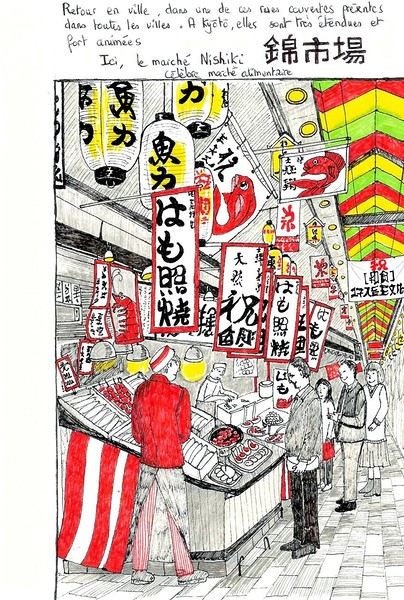
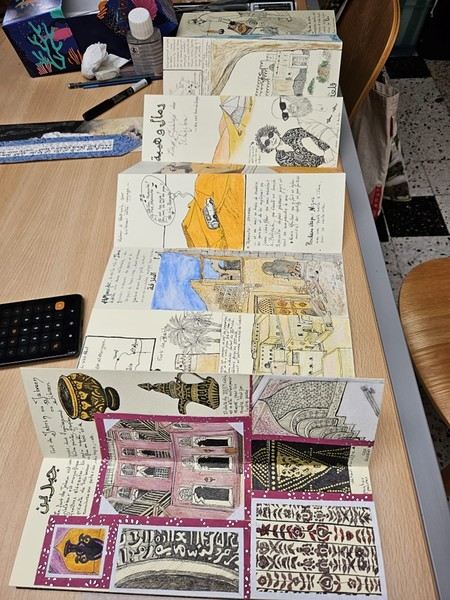
 I’m inviting you on a stroll through my drawings—a completely subjective, far from exhaustive, and totally personal take, since it’s based on my own sketches. I put this travel journal together after returning in late 2024, mostly using felt-tip pens and pencils, with a few collages thrown in. I worked from our personal photos.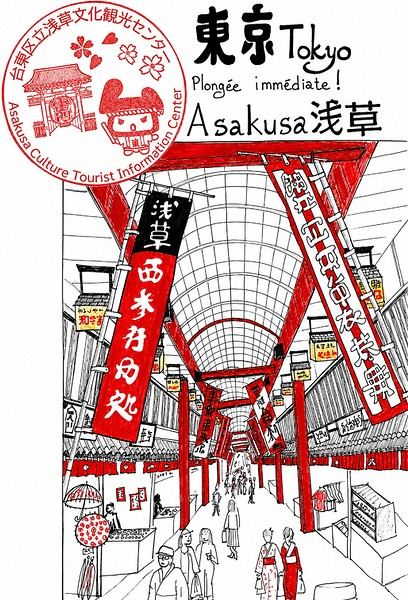
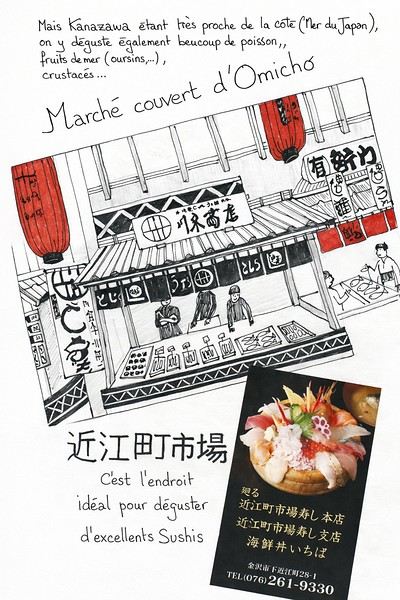 And in Kyoto, Nishiki Market:

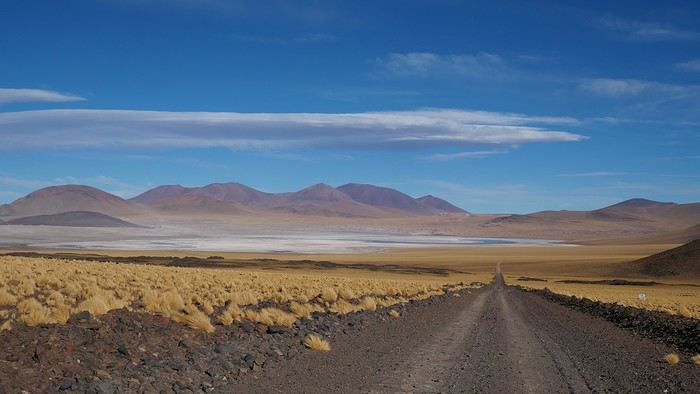
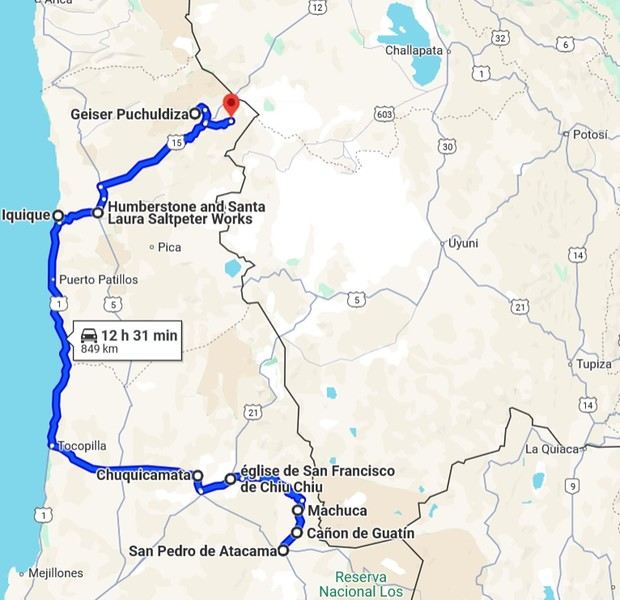
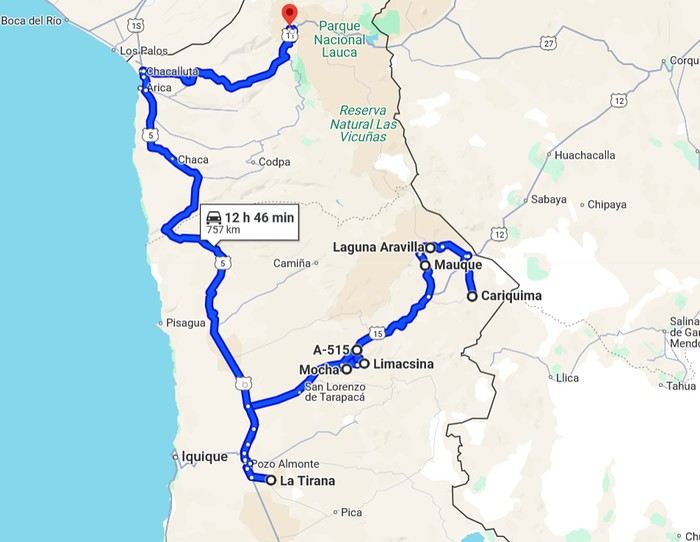
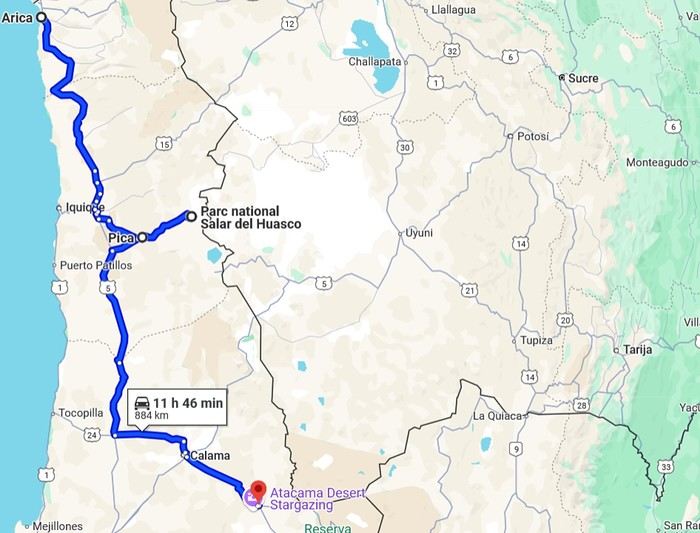 2- Around San Pedro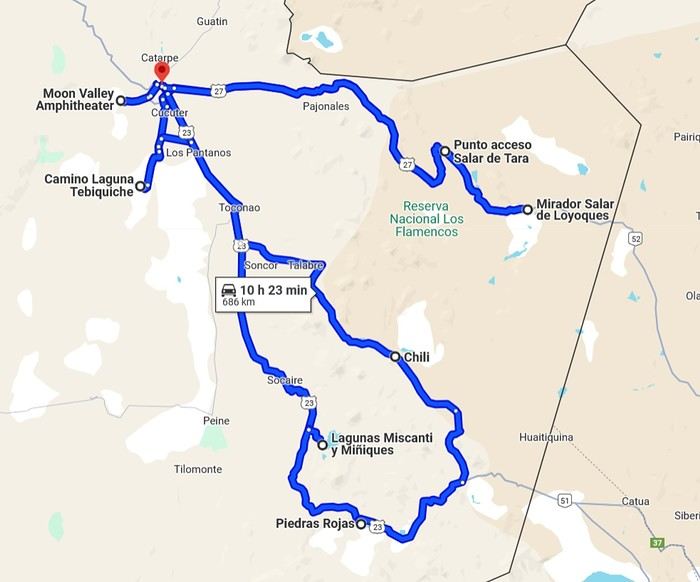
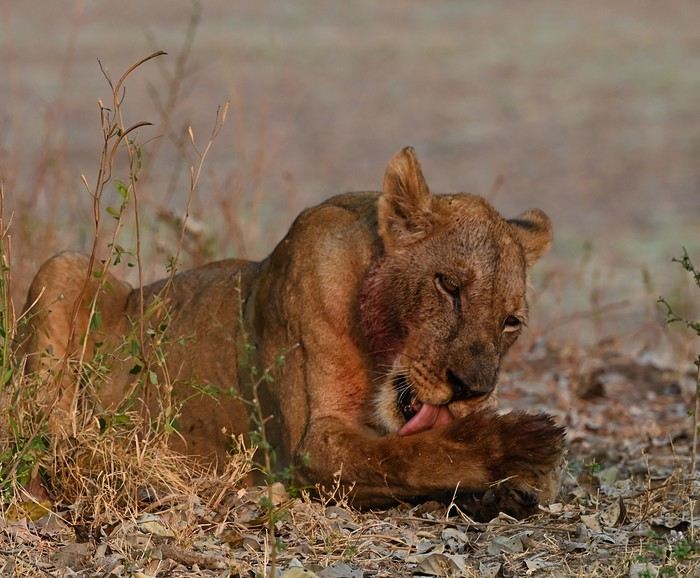

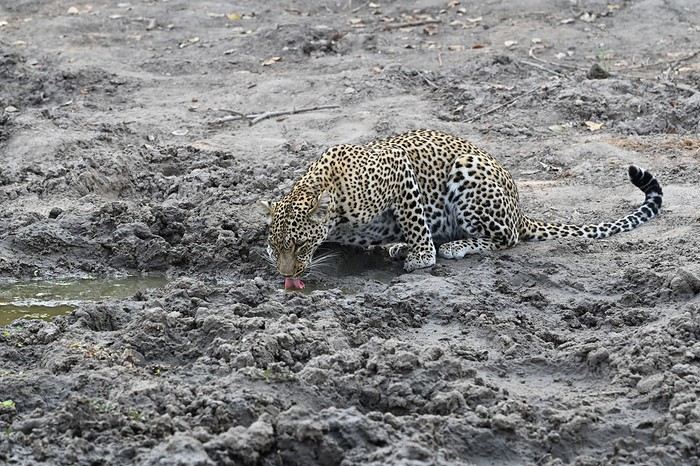
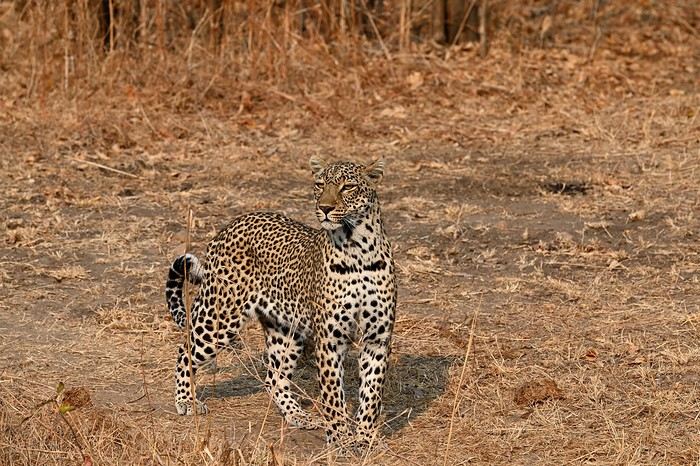
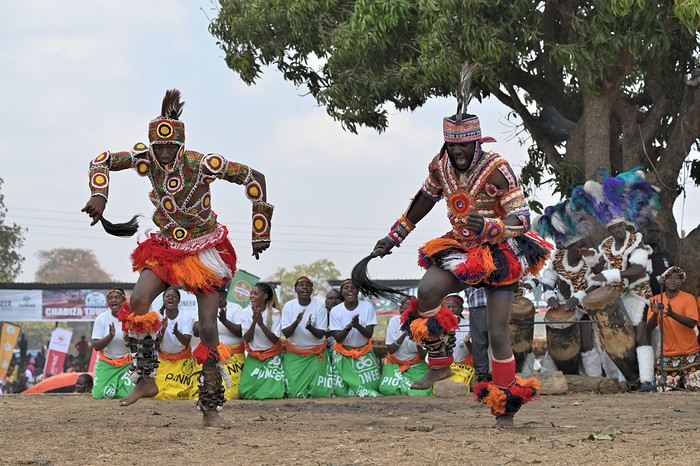
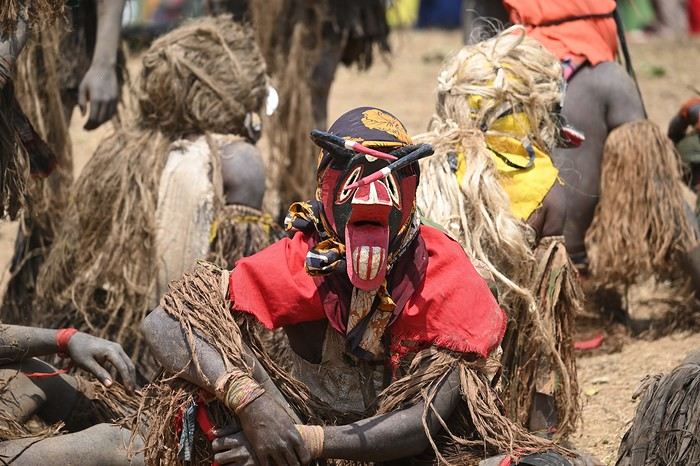
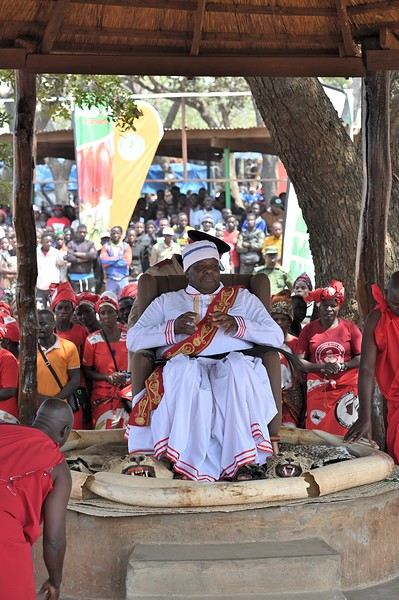
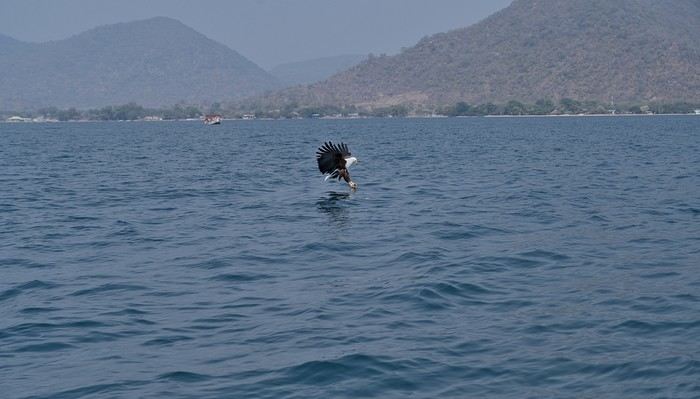
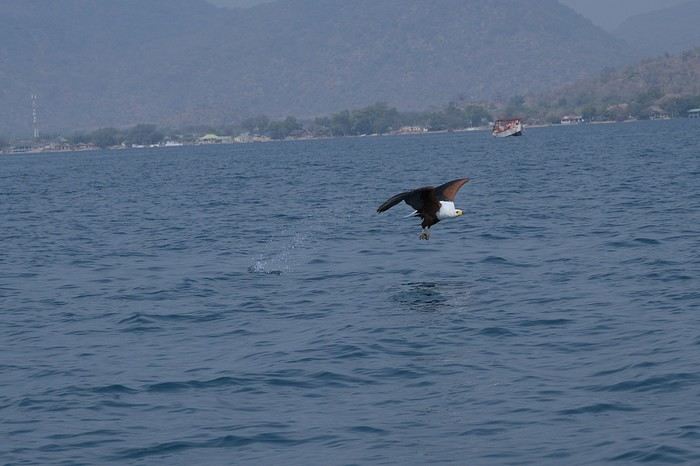
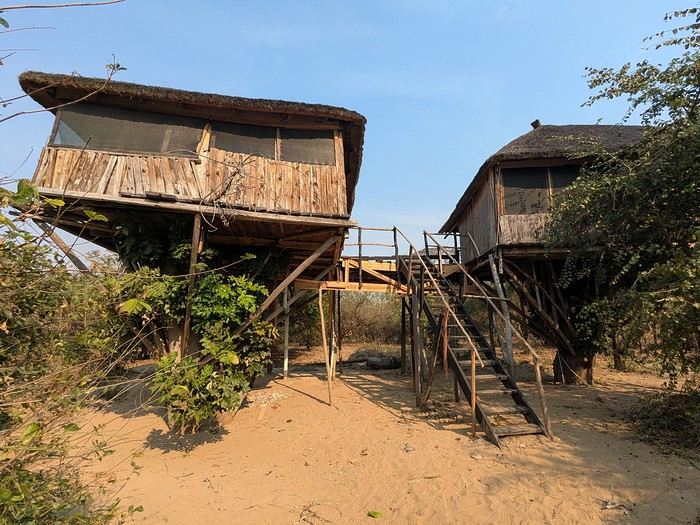
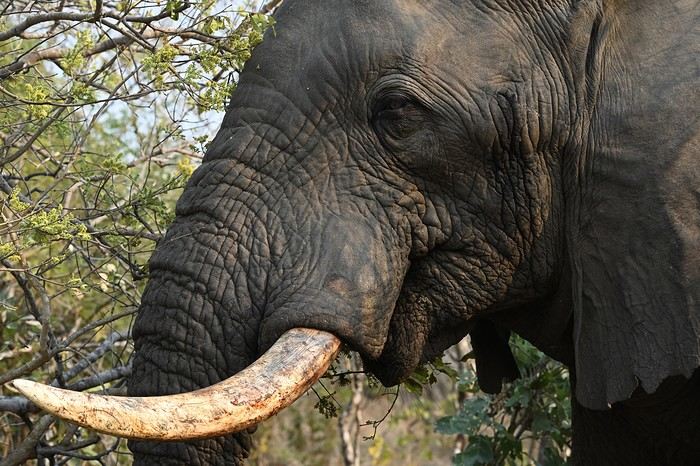 We were trapped, and even our guide looked nervous. After what felt like an eternity (though it was only a few minutes), the herd finally moved on, freeing the track. That afternoon, we did a self-drive safari and—you guessed it—we had zero interest in running into elephants again.
The next day, we headed back to Lilongwe for our flight home. It was a fantastic, varied trip with some intense moments (sometimes *too* intense). Malawi offers amazing opportunities for those who want more than just wildlife reserves.
We were trapped, and even our guide looked nervous. After what felt like an eternity (though it was only a few minutes), the herd finally moved on, freeing the track. That afternoon, we did a self-drive safari and—you guessed it—we had zero interest in running into elephants again.
The next day, we headed back to Lilongwe for our flight home. It was a fantastic, varied trip with some intense moments (sometimes *too* intense). Malawi offers amazing opportunities for those who want more than just wildlife reserves.

 Vila beach
 Sunset behind Santiago
 The rocks and sea at Ponta Preta
 At the summit of Monte Batalha
 Calheta
 Calheta de Baixo
 The beaches just keep coming...
 The dunes
 The 3 coconut trees, a landmark to find the track
 Boca da Ribeira beach
 The hills on our right
 Ribeira Dom João
 Barreiro
 The old track
 The church in Vila do Maio
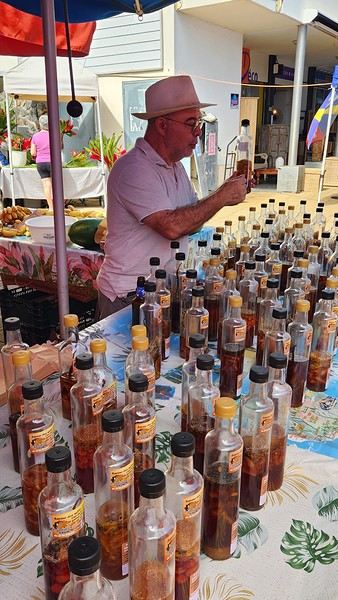
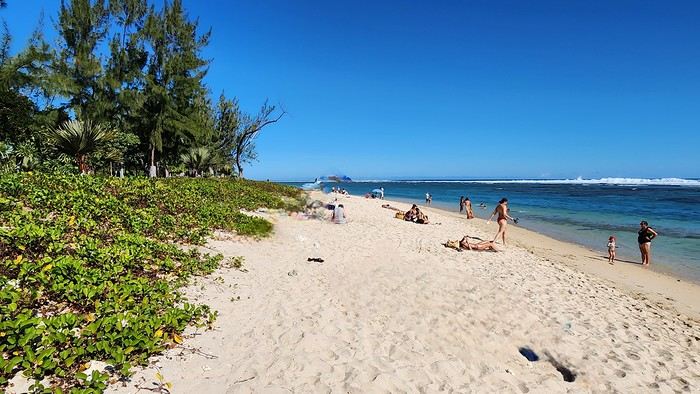
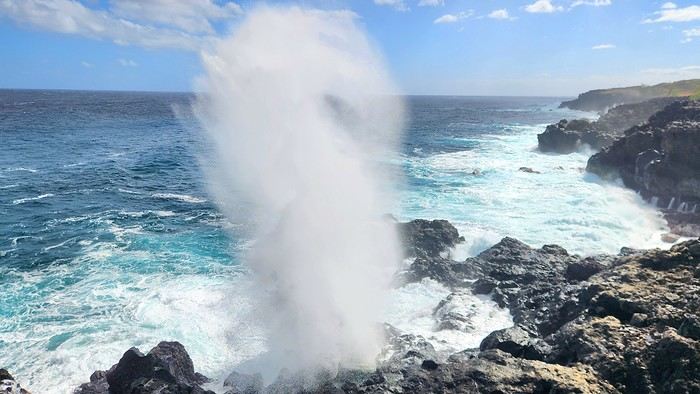
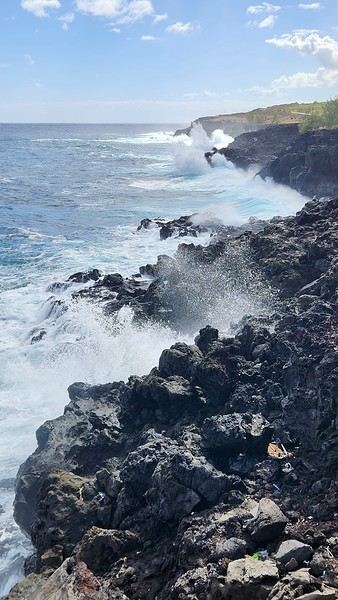
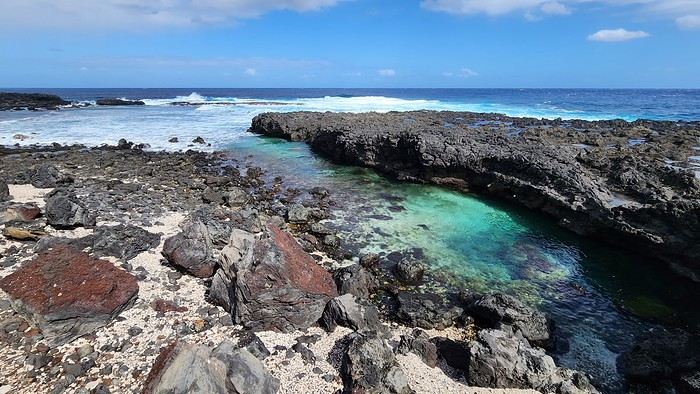
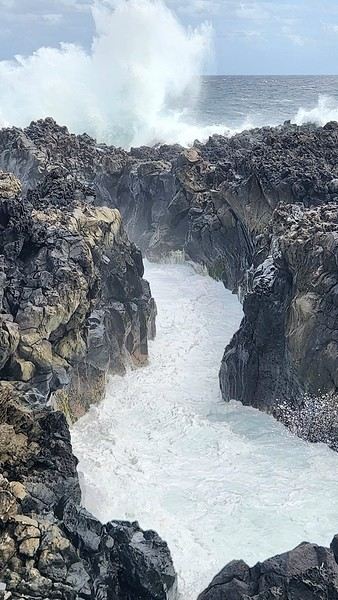
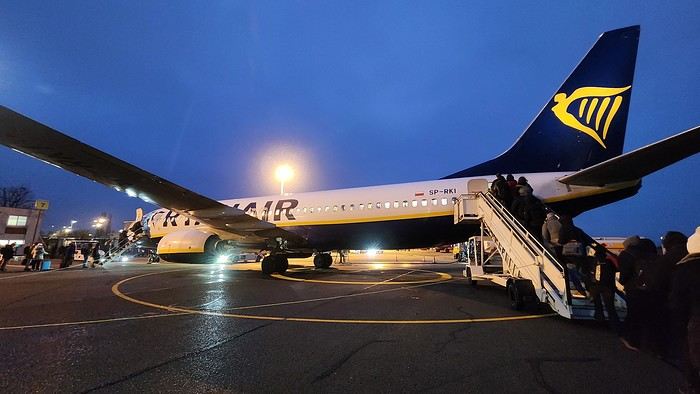
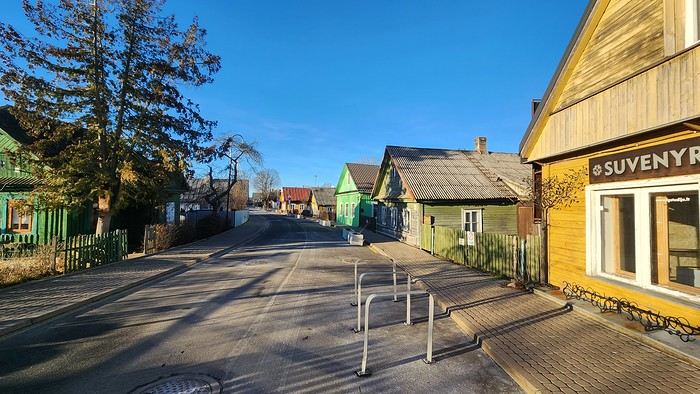
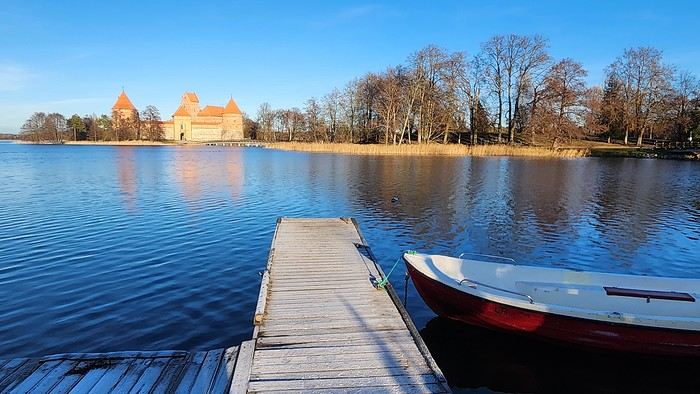
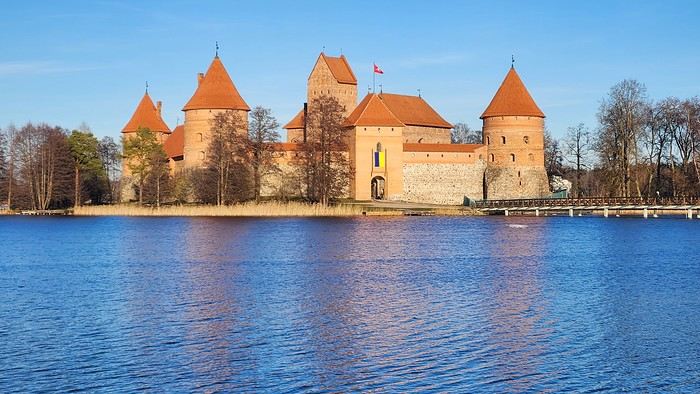
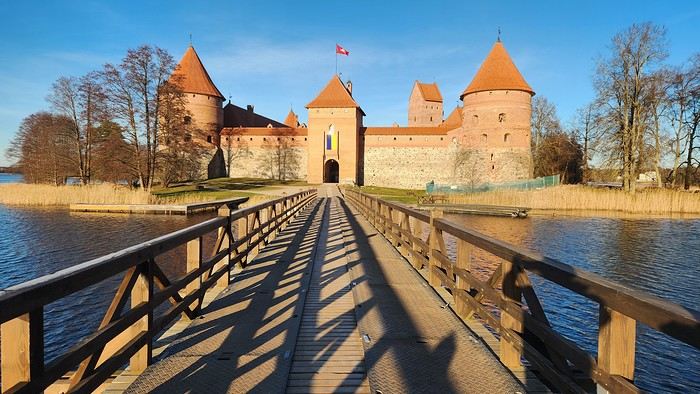
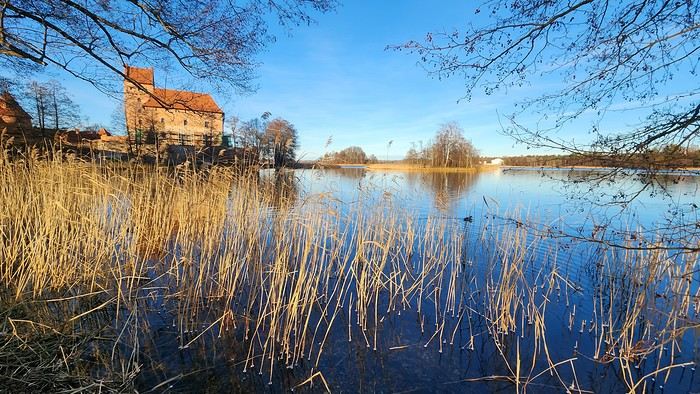
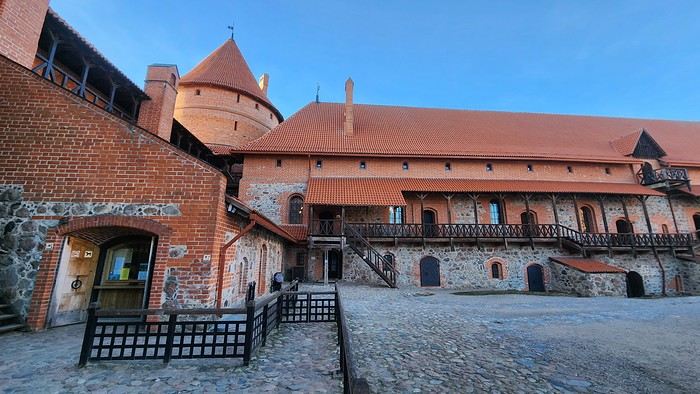
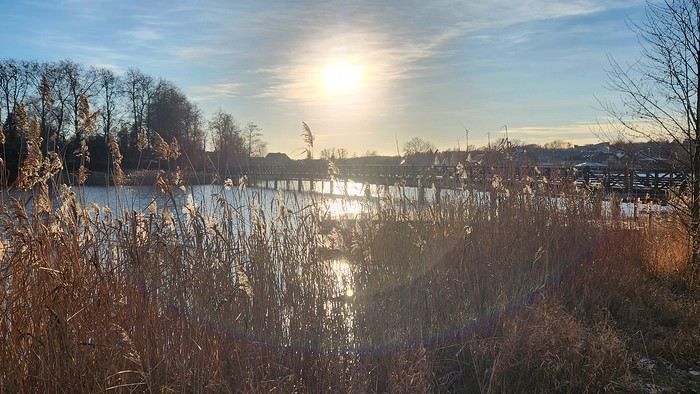
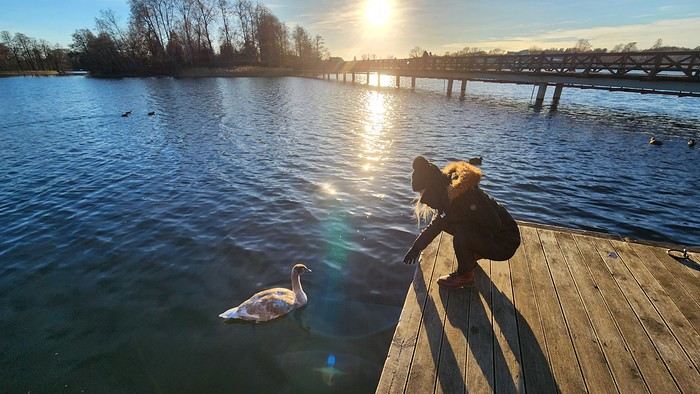
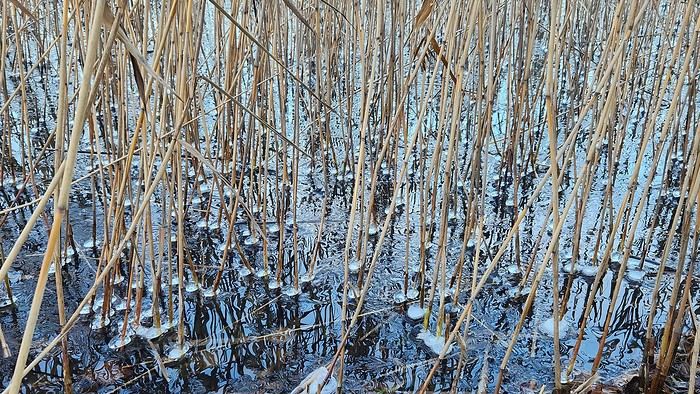
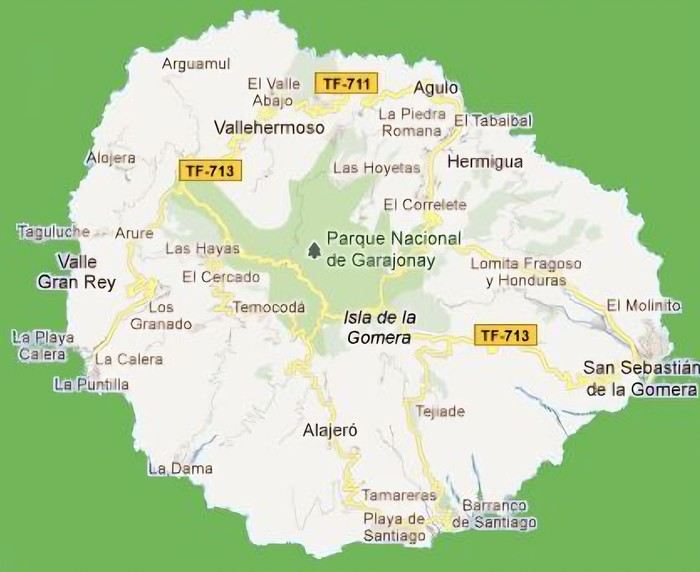 The large solidified magma massifs that shape the heart of the island have created a large depression more protected from the sun at its center, allowing the growth of a vast laurel forest, today grouped within the Garajonay National Park, La Gomera’s green lung, which has earned it the status of a World Biosphere Reserve. Its completely European appearance contrasts sharply with the rocky and tropical landscapes of the rest of the island. Thus, the climate varies greatly from one point to another on the island: in summer, you can quickly go from a dry and sunny valley at 35°C to a humid forest area at altitude at 18°C.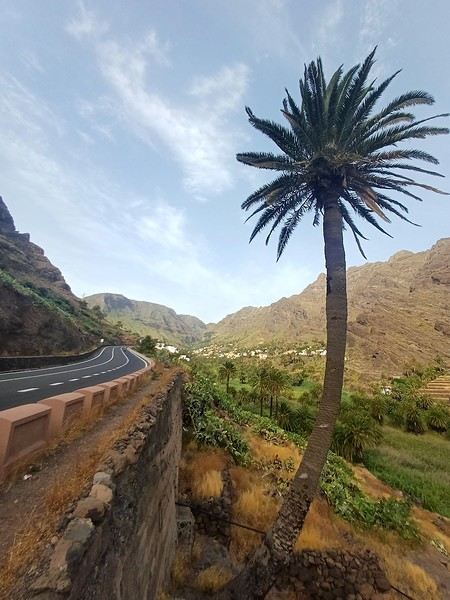

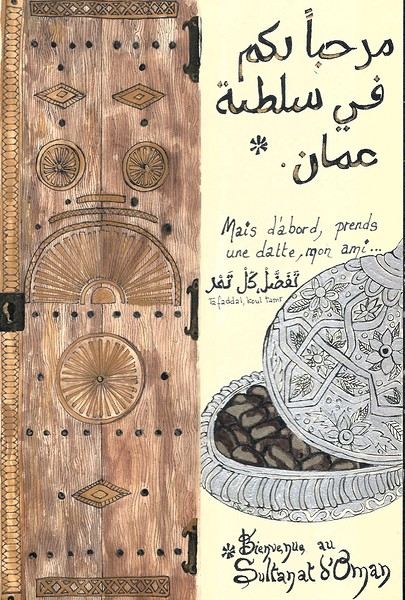 On the right, the "welcome marker"—those dates offered everywhere as a sign of hospitality. On the left, a tribute to those stunning doors worn by time, admired all over the old quarters, including the abandoned ones.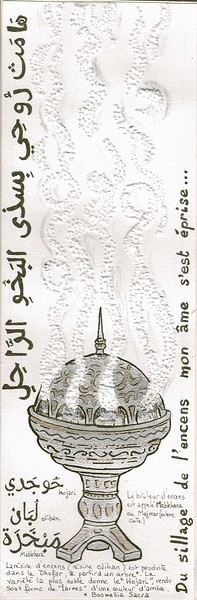
 Hospitality will often lead you to accept a small coffee, an "Omani coffee," very light, subtly flavored with cardamom, maybe a touch of saffron, and occasionally rosewater.
Here, I’ve depicted a man in the common everyday attire of Omanis: the dishdasha, mostly white (during the week and daytime; colors are more common in the evening or on Fridays and Saturdays). While you’ll see some men dressed in Western clothes, they’re very few. The white dishdasha is truly the shared attire of all men. The dishdasha, which has no hood, is distinguished by a small pom-pom attached to the collar, the furakha, which is soaked in perfume. And believe me, Omanis go overboard with it! "It smells like the pom-pom" is an expression that’s now part of our shared language, my husband and I.
Another must of men’s attire is the kuma, a small round head covering, usually white with brightly colored patterns. The keffiyeh is also worn (but without the cord called an agal in Arab countries), and it’s mostly worn by those with roots in the desert, from what I understood.
And what about the women, you might ask? Some are veiled, some in full black (but not a burka—more like a chador + abaya), due to the influence of Saudi Arabia and the United Arab Emirates, whereas the traditional outfit used to be a layering of very colorful dresses. Most of the women we saw wore neutral clothing, a plain veil over their hair, but with their faces uncovered. We also saw many saris and colorful veils—don’t forget that 40% of the population consists of Indian, Nepalese, and Bangladeshi immigrants, who work a lot in tourism, hospitality, restaurants, services, and construction.
Just to clarify, as a tourist, there’s no pressure to wear a veil, and never any disapproving looks. Of course, you’ll save the mini shorts, plunging necklines, bare shoulders, and midriffs for the hotel terrace—but I’d say that’s the same for men and women, and with the sun being strong, it’s better for your skin too.
Here’s the introduction! In the next post, I’ll tell you about my itinerary, and we can dive in!
Hospitality will often lead you to accept a small coffee, an "Omani coffee," very light, subtly flavored with cardamom, maybe a touch of saffron, and occasionally rosewater.
Here, I’ve depicted a man in the common everyday attire of Omanis: the dishdasha, mostly white (during the week and daytime; colors are more common in the evening or on Fridays and Saturdays). While you’ll see some men dressed in Western clothes, they’re very few. The white dishdasha is truly the shared attire of all men. The dishdasha, which has no hood, is distinguished by a small pom-pom attached to the collar, the furakha, which is soaked in perfume. And believe me, Omanis go overboard with it! "It smells like the pom-pom" is an expression that’s now part of our shared language, my husband and I.
Another must of men’s attire is the kuma, a small round head covering, usually white with brightly colored patterns. The keffiyeh is also worn (but without the cord called an agal in Arab countries), and it’s mostly worn by those with roots in the desert, from what I understood.
And what about the women, you might ask? Some are veiled, some in full black (but not a burka—more like a chador + abaya), due to the influence of Saudi Arabia and the United Arab Emirates, whereas the traditional outfit used to be a layering of very colorful dresses. Most of the women we saw wore neutral clothing, a plain veil over their hair, but with their faces uncovered. We also saw many saris and colorful veils—don’t forget that 40% of the population consists of Indian, Nepalese, and Bangladeshi immigrants, who work a lot in tourism, hospitality, restaurants, services, and construction.
Just to clarify, as a tourist, there’s no pressure to wear a veil, and never any disapproving looks. Of course, you’ll save the mini shorts, plunging necklines, bare shoulders, and midriffs for the hotel terrace—but I’d say that’s the same for men and women, and with the sun being strong, it’s better for your skin too.
Here’s the introduction! In the next post, I’ll tell you about my itinerary, and we can dive in!