En lisant ton dernier post, j'ai eu la même réaction que Lepiaf, sans réagir plus sur Vf, mais puisque Lepiaf intervient, je l'appui dans sa thèse "Thé vert meilleur que Thé noir" !!!
Tu devrais te mettre au Thé vert, et crois moi, le Thé à la menthe, je connais bien!😛😊, et c'est toujours du vert !!! :
Thé et Santé dans la littérature
Les Chinois considèrent que boire du thé est bon pour la santé. Depuis toujours ils l'ont considéré comme une boisson "rafraîchissante". A la lecture des textes anciens, on peut se rendre compte que les principaux effets curatifs, toniques et prophylactiques attribués au thé vert sont les suivants :
Activer la circulation du sang dans toutes les parties du corps.
Stimuler la pensée claire et la vivacité d'esprit. 😉
Accélérer l'élimination de l'alcool et d'autres substances nocives (graisses et nicotine par exemple) des organes du corps. 😛😉
Augmenter le pouvoir qu'a le corp de résister à de nombreuses maladies.
Accélérer le métabolisme et l'oxygénation des organes du corps.
Empêcher la carie dentaire.
avoir un effet purificateur et fortifiant sur la peau, ce qui aide à garder un air de jeunesse.
Prévenir ou atténuer les attaques d'anémie.
Clarifier les urines et faciliter la diurèse.
Faire du bien aux yeux et les rendre brillants. 😮
Combattre les effets de la chaleur en l'été.
Faciliter la digestion.
Soulager les douleurs des membres et des articulations.
Diminuer la sécrétion de mucosités pernicieuses.
Apaiser la soif.
Chasser la fatigue ou des crises de dépréssion en remontant le moral et en procurant un sentiment général de bien-être. 🙂😉😮😏
Prolonger le durée de la vie de l'individu. 🙂🙂🙂
Toutes ces propriétés bénéfiques attribuées au thé vert ont été confirmées par des recherches médicales. Elles sont moins fortes dans le cas du thé noir car celui-ci subit une fermentation totale.
Le thé contient des antioxydantes, polyphénols, vitamines, des dérivés du thé, des huiles essentielles et du fluor. Les Chinois se réfèrent à des recherches scientifiques japonaises pour montrer combien le thé peut être bon pour la santé. Les Japonais auraient un secret pour vivre plus longtemps: ils boivent beaucoup de thé vert. C'est un médicament efficace. Le thé protège contre les maladies contagieuses, le diabète sucré et les caries. Il fait baisser le taux de choléstérol et la tension. Il renforce la fonction des vaisseaux capillaires, limite la prise de poids et permet de mieux uriner. Le thé est utilisé pour lutter contre la leucémie, les feuilles de thé ont des propriétés qui permettent d'empêcher le développement de la leucémie et du sida. Selon eux, la théine a des propriétés similaires à l'AZT (substance que l'on utilise aujourd'hui dans les traitements contre le sida).
Le thé vert est le meilleur des antidotes naturels contre le cancer. Dans la banlieue de Jinggang, les gens boivent tous les jours du thé. D'après des enquêtes faites en 1982 et 1987, le cancer de l'estomac apparait beaucoup moins dans cette région que n'importe où ailleurs.
Suis-je assez convaincante ? Merci Onc' Lepiaf de dire tout haut, ce que je pense tout bas 🙂.
Biz à vous. Ma' Nawal.
Ps : C'est que l'on veille à ta santé nous !!!!!!!!!!!!!!!!!!!!










Here we go with this second travel journal dedicated to the American West! It’s a must when you love it! 😊
We had left off in the charming town of Bisbee, which once thrived thanks to its copper mines. Today, mining is a thing of the past, and the town seems a bit sleepy.
Unfortunately, I didn’t dig deep enough on-site to answer all the questions my observations raised. Guess I’ll have to *dig* into the subject a bit more... no pun intended! 😊
Let’s hop back in the car and head a little further south to check out the esplanade that offers a view—if you can call it that—of the impressive open-pit mine. Then, it’s off to the Lowell neighborhood.
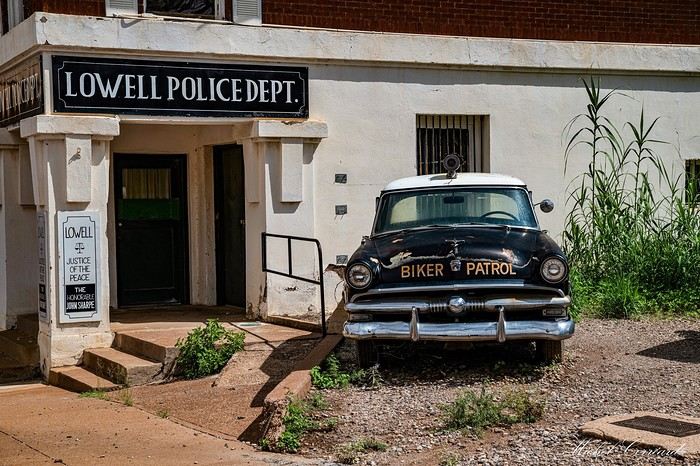
Preserved almost exactly as it was, this area must’ve been bustling in its heyday. The vintage cars are still around, storefronts and signs look like they’re straight out of another era, and the whole place has a pretty amazing vibe. You’d almost think you were on Route 66!
Here, we’re not just discovering an old neighborhood—it’s a little slice of American history. And, a detail that’s great for my physical health: the area isn’t too spread out. Lucky me! 😊
I won’t post too many photos here since I think I can turn them into a future photo exhibit. Between these and some shots from Route 66, I should have more than enough material! So, let’s keep a few under wraps... to preserve the surprise. 😊
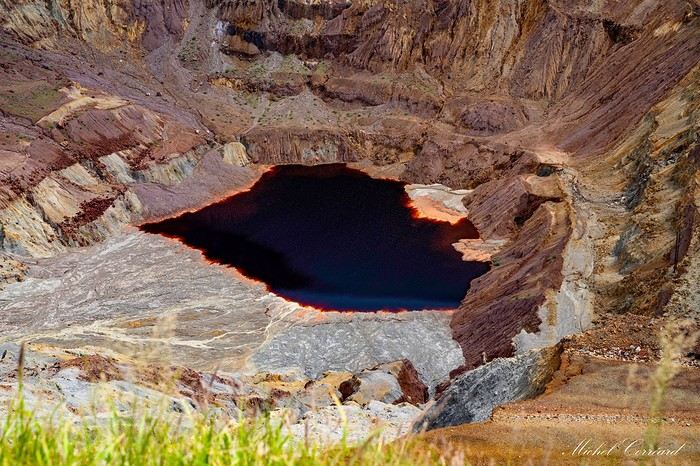
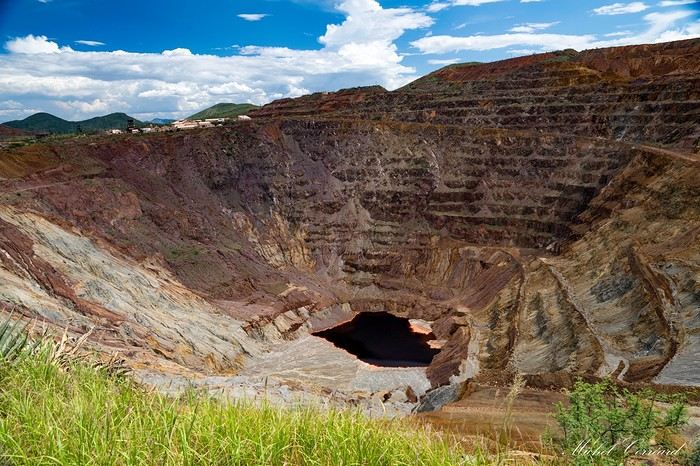
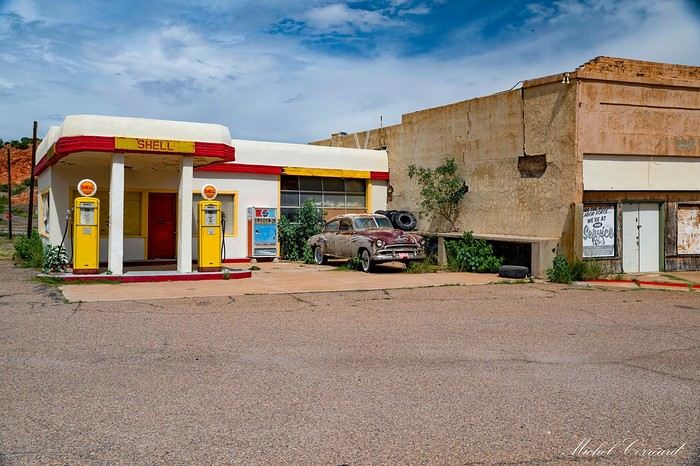
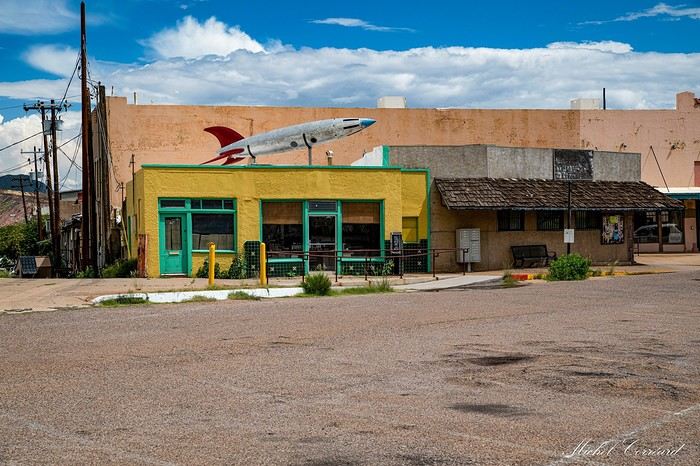
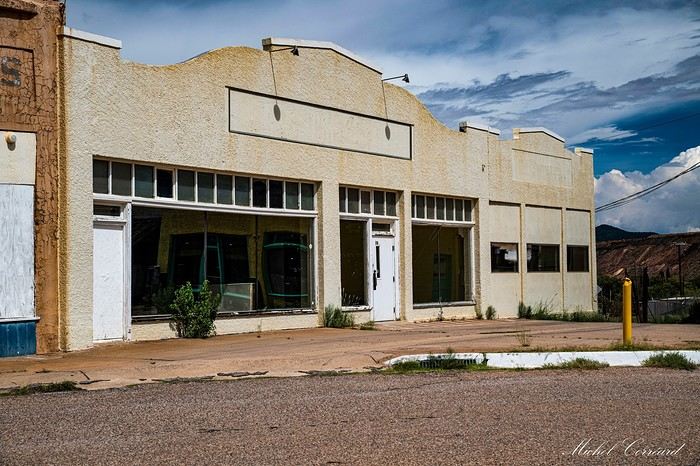

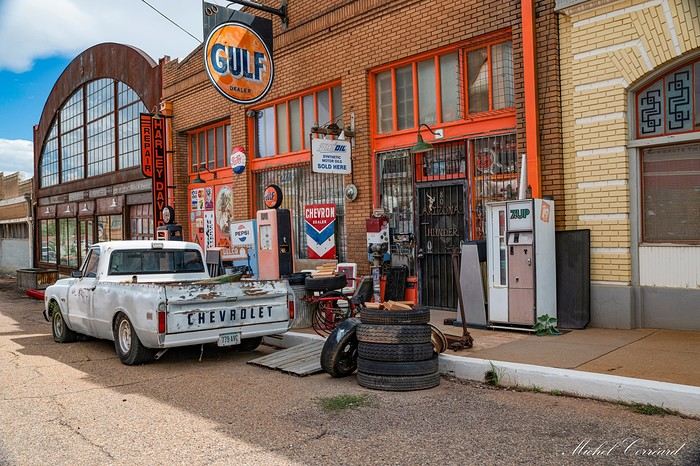
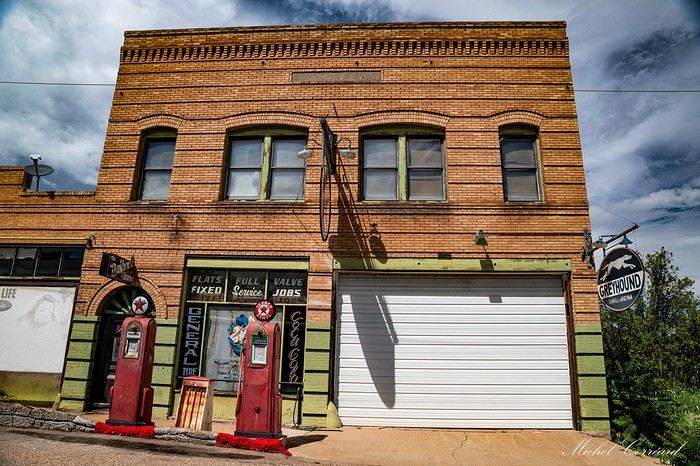
We had left off in the charming town of Bisbee, which once thrived thanks to its copper mines. Today, mining is a thing of the past, and the town seems a bit sleepy.
Unfortunately, I didn’t dig deep enough on-site to answer all the questions my observations raised. Guess I’ll have to *dig* into the subject a bit more... no pun intended! 😊
Let’s hop back in the car and head a little further south to check out the esplanade that offers a view—if you can call it that—of the impressive open-pit mine. Then, it’s off to the Lowell neighborhood.
Preserved almost exactly as it was, this area must’ve been bustling in its heyday. The vintage cars are still around, storefronts and signs look like they’re straight out of another era, and the whole place has a pretty amazing vibe. You’d almost think you were on Route 66!
Here, we’re not just discovering an old neighborhood—it’s a little slice of American history. And, a detail that’s great for my physical health: the area isn’t too spread out. Lucky me! 😊
I won’t post too many photos here since I think I can turn them into a future photo exhibit. Between these and some shots from Route 66, I should have more than enough material! So, let’s keep a few under wraps... to preserve the surprise. 😊



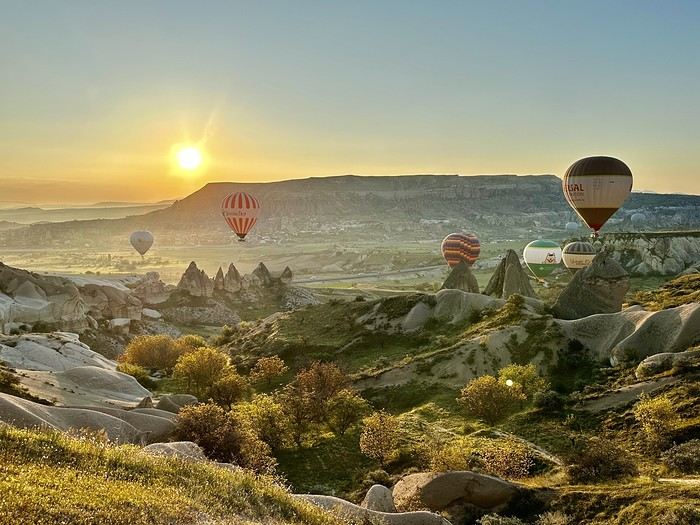 A little sneak peek?


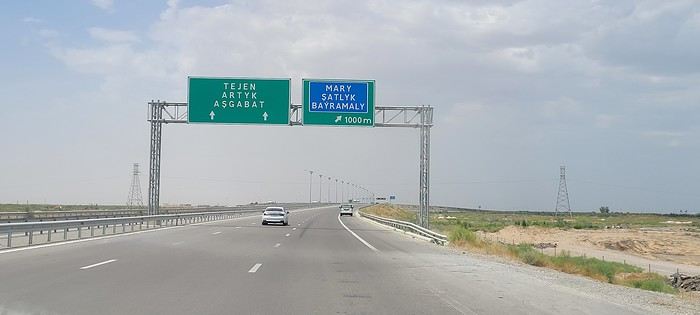

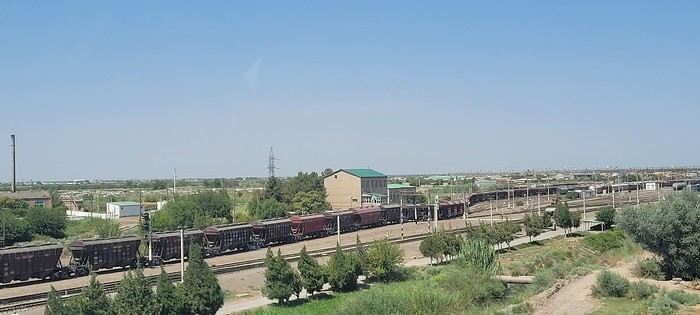
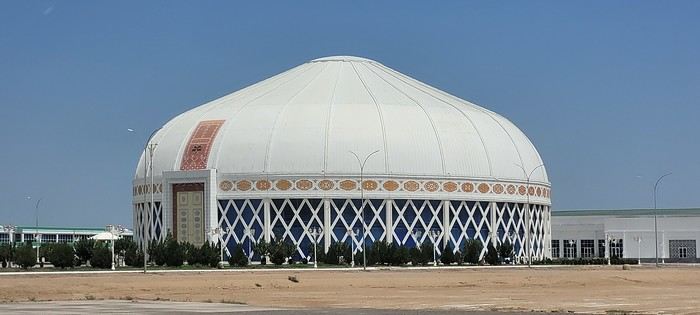
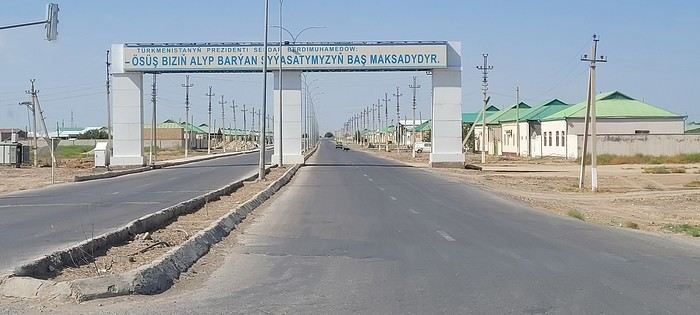
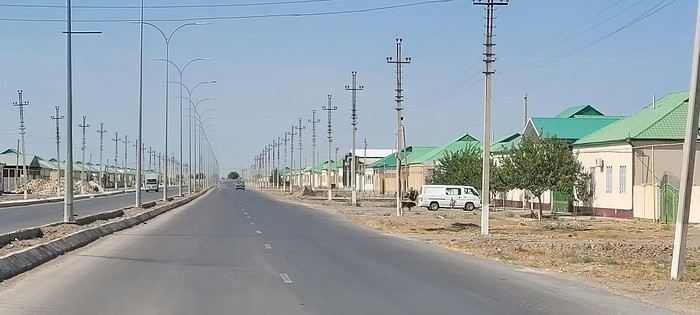 Roundabouts are particularly interesting because they feature emblems of Turkmen culture, like the dog, a carpet, the Ahal Teke horse, or Muslim symbols, even though the presence of Islamic artifacts is quite limited.

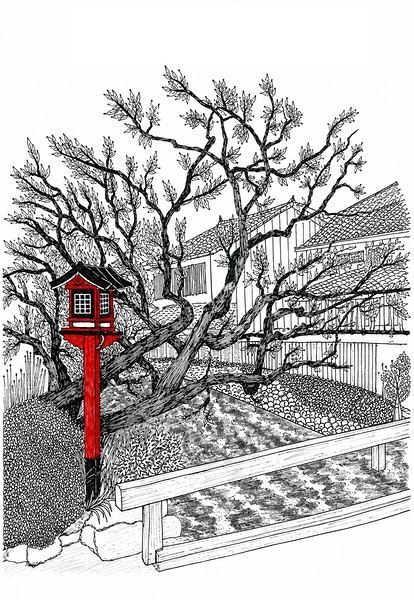 I’m inviting you on a stroll through my drawings—a completely subjective, far from exhaustive, and totally personal take, since it’s based on my own sketches. I put this travel journal together after returning in late 2024, mostly using felt-tip pens and pencils, with a few collages thrown in. I worked from our personal photos.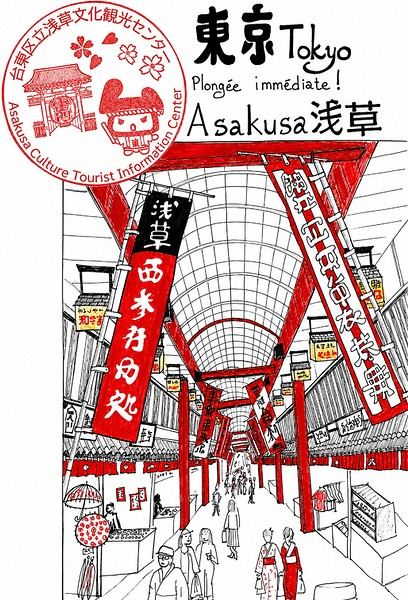
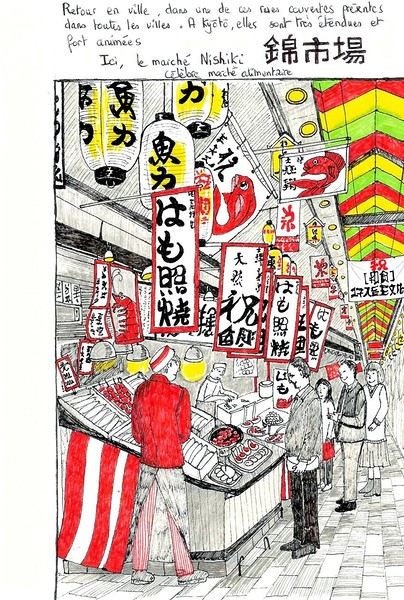
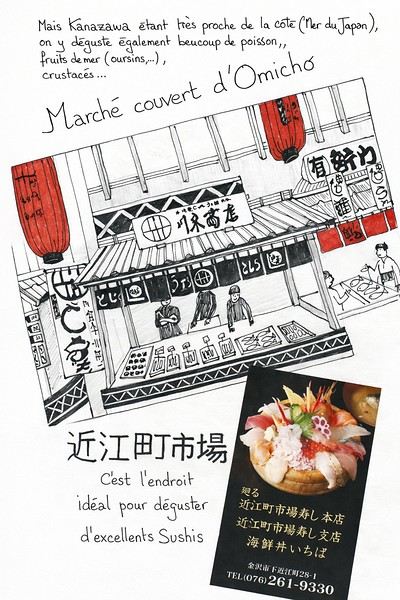 And in Kyoto, Nishiki Market:


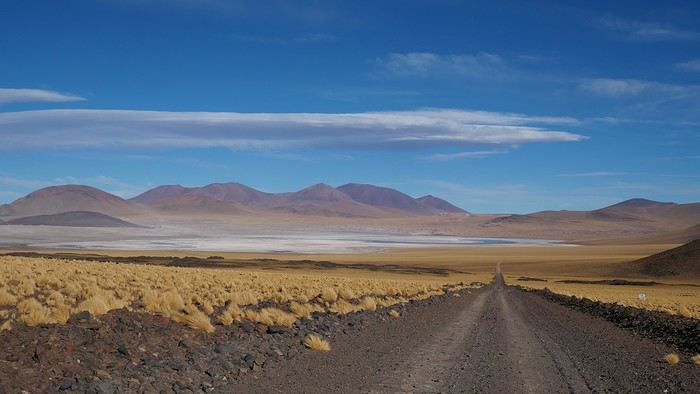
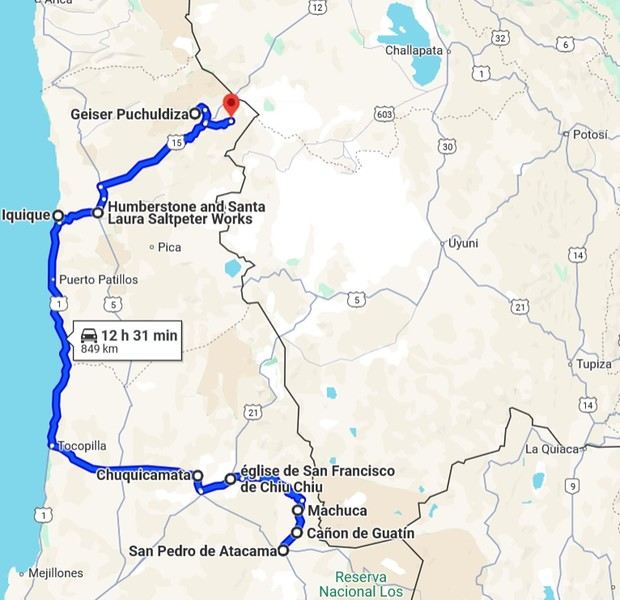
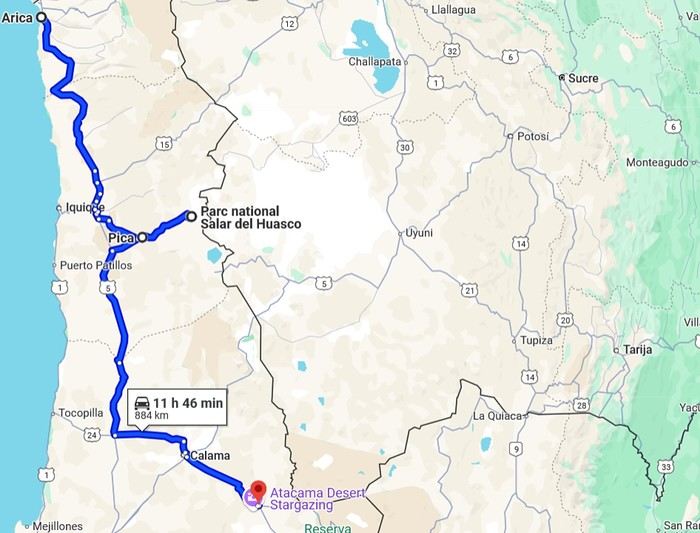 2- Around San Pedro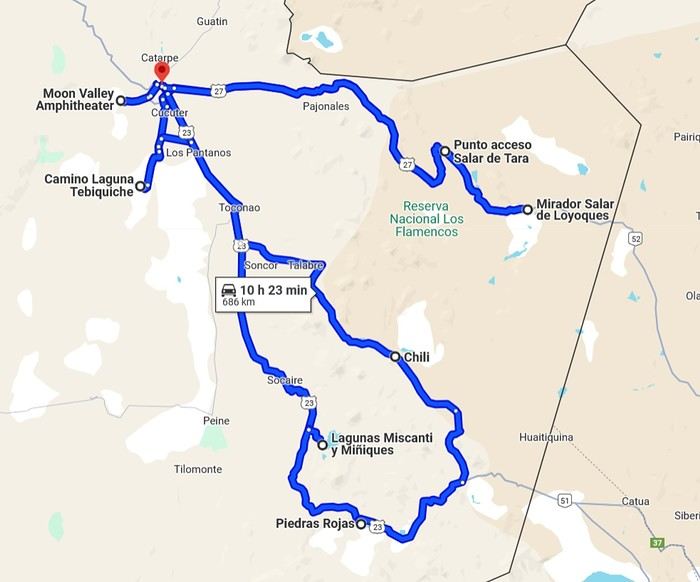




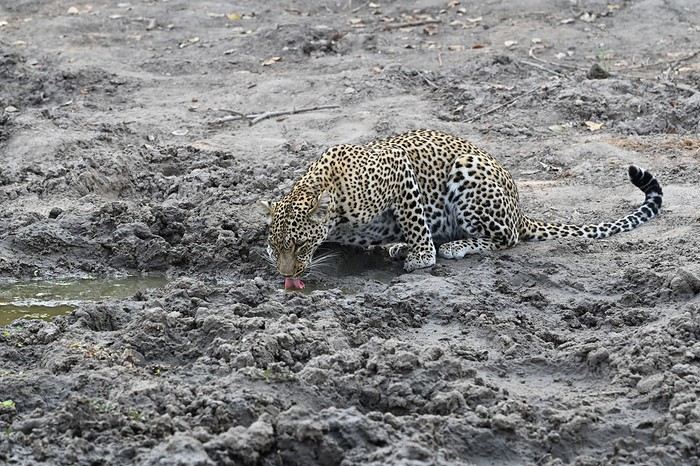
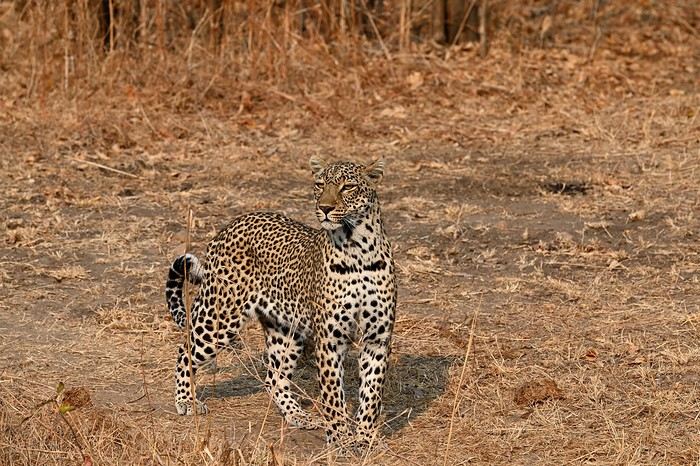
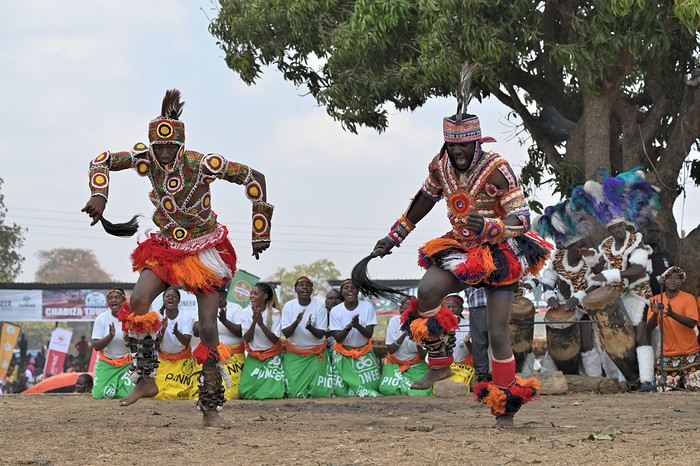
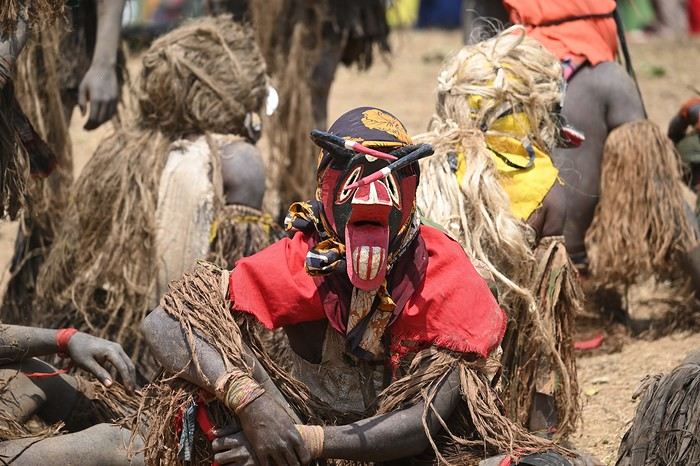
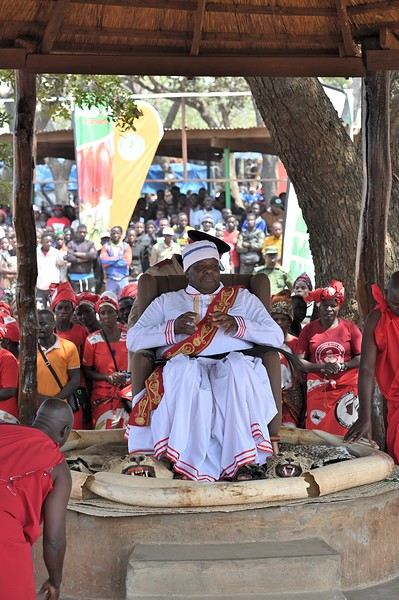
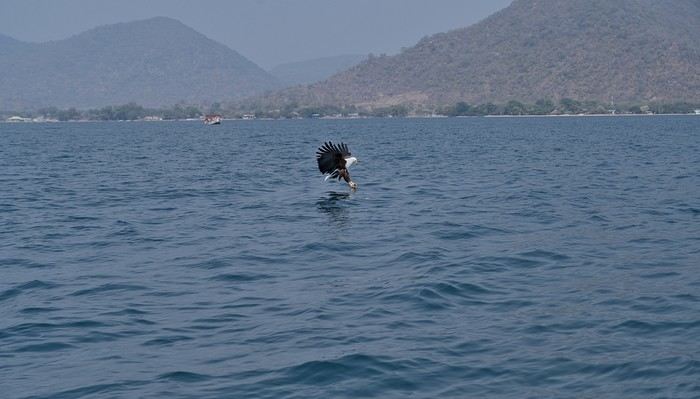

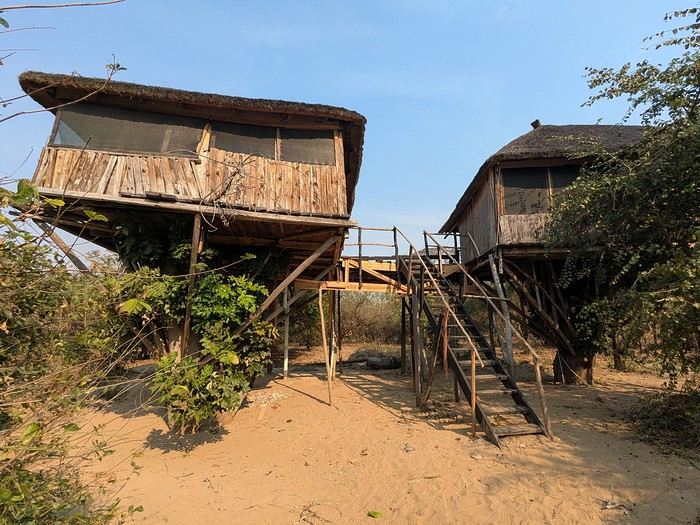
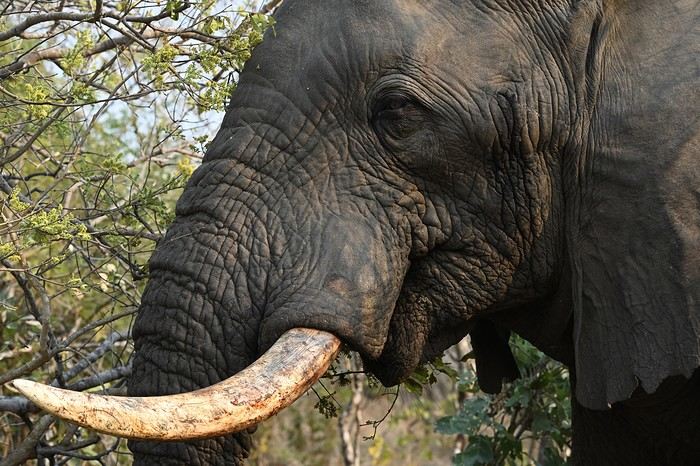 We were trapped, and even our guide looked nervous. After what felt like an eternity (though it was only a few minutes), the herd finally moved on, freeing the track. That afternoon, we did a self-drive safari and—you guessed it—we had zero interest in running into elephants again.
The next day, we headed back to Lilongwe for our flight home. It was a fantastic, varied trip with some intense moments (sometimes *too* intense). Malawi offers amazing opportunities for those who want more than just wildlife reserves.
We were trapped, and even our guide looked nervous. After what felt like an eternity (though it was only a few minutes), the herd finally moved on, freeing the track. That afternoon, we did a self-drive safari and—you guessed it—we had zero interest in running into elephants again.
The next day, we headed back to Lilongwe for our flight home. It was a fantastic, varied trip with some intense moments (sometimes *too* intense). Malawi offers amazing opportunities for those who want more than just wildlife reserves.


 Vila beach
 Sunset behind Santiago
 The rocks and sea at Ponta Preta
 At the summit of Monte Batalha
 Calheta
 Calheta de Baixo
 The beaches just keep coming...
 The dunes
 The 3 coconut trees, a landmark to find the track
 Boca da Ribeira beach
 The hills on our right
 Ribeira Dom João
 Barreiro
 The old track
 The church in Vila do Maio
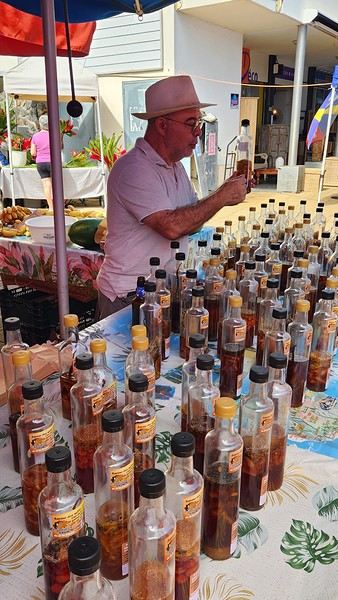
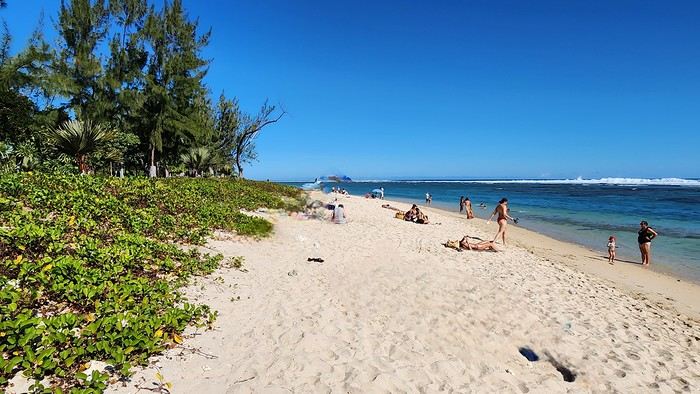
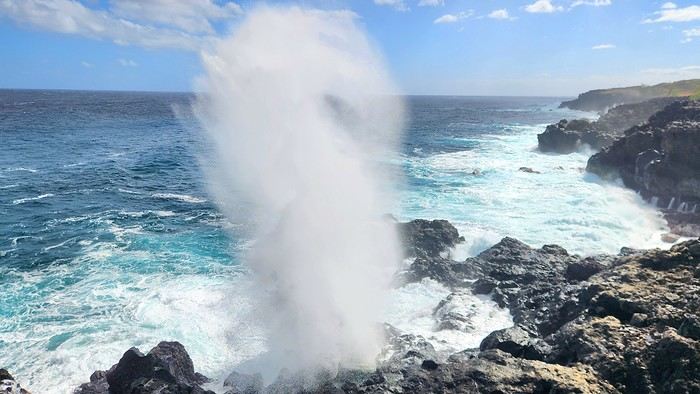
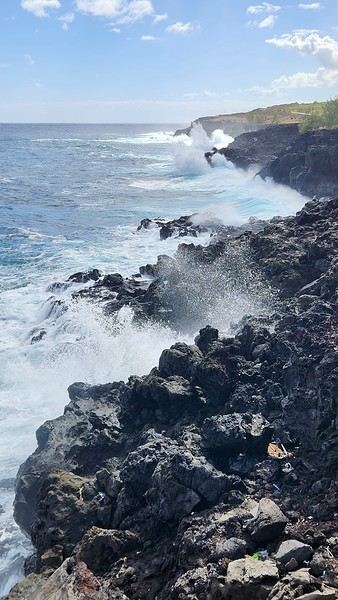
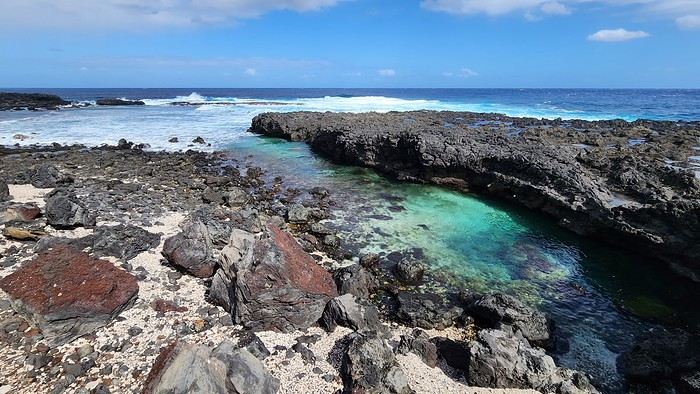
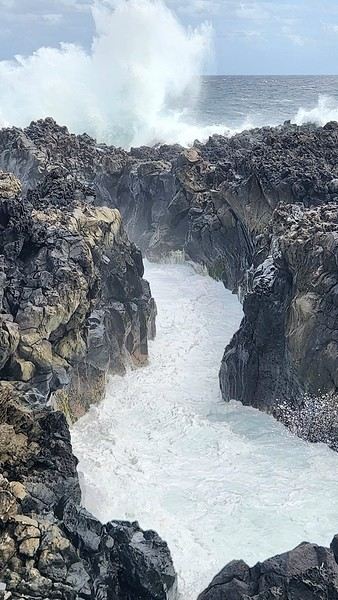

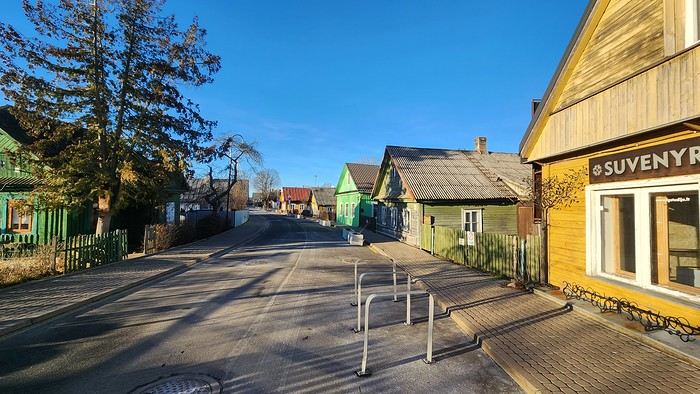
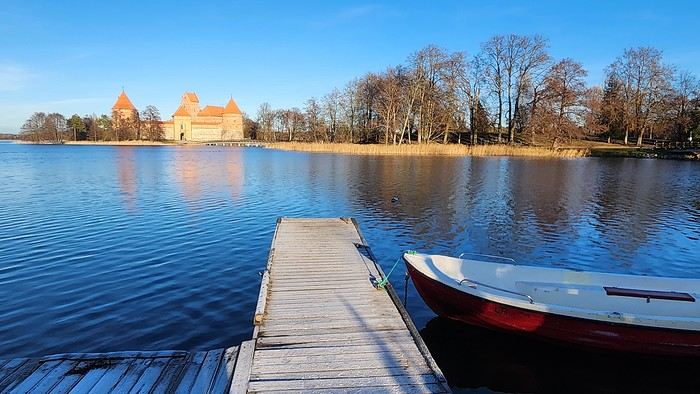

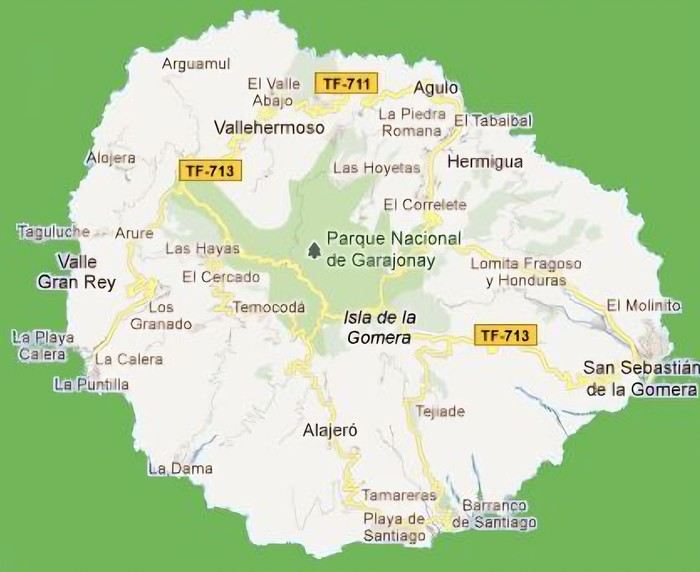 The large solidified magma massifs that shape the heart of the island have created a large depression more protected from the sun at its center, allowing the growth of a vast laurel forest, today grouped within the Garajonay National Park, La Gomera’s green lung, which has earned it the status of a World Biosphere Reserve. Its completely European appearance contrasts sharply with the rocky and tropical landscapes of the rest of the island. Thus, the climate varies greatly from one point to another on the island: in summer, you can quickly go from a dry and sunny valley at 35°C to a humid forest area at altitude at 18°C.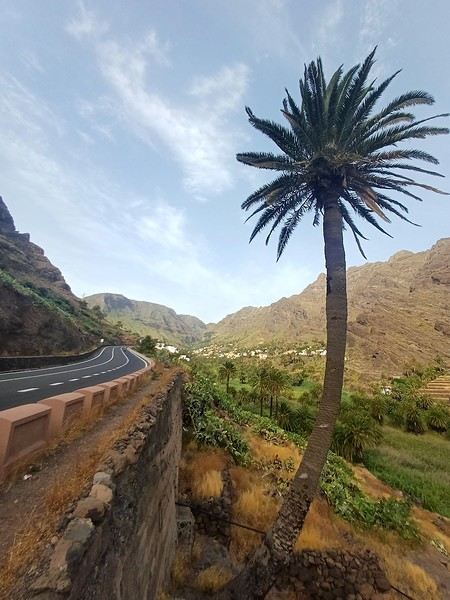

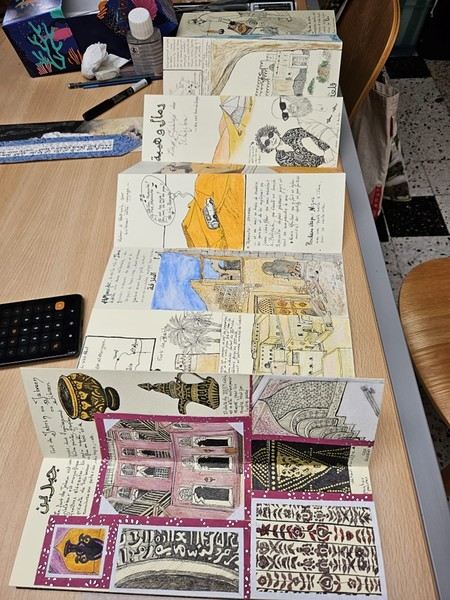
 On the right, the "welcome marker"—those dates offered everywhere as a sign of hospitality. On the left, a tribute to those stunning doors worn by time, admired all over the old quarters, including the abandoned ones.
 Hospitality will often lead you to accept a small coffee, an "Omani coffee," very light, subtly flavored with cardamom, maybe a touch of saffron, and occasionally rosewater.
Here, I’ve depicted a man in the common everyday attire of Omanis: the dishdasha, mostly white (during the week and daytime; colors are more common in the evening or on Fridays and Saturdays). While you’ll see some men dressed in Western clothes, they’re very few. The white dishdasha is truly the shared attire of all men. The dishdasha, which has no hood, is distinguished by a small pom-pom attached to the collar, the furakha, which is soaked in perfume. And believe me, Omanis go overboard with it! "It smells like the pom-pom" is an expression that’s now part of our shared language, my husband and I.
Another must of men’s attire is the kuma, a small round head covering, usually white with brightly colored patterns. The keffiyeh is also worn (but without the cord called an agal in Arab countries), and it’s mostly worn by those with roots in the desert, from what I understood.
And what about the women, you might ask? Some are veiled, some in full black (but not a burka—more like a chador + abaya), due to the influence of Saudi Arabia and the United Arab Emirates, whereas the traditional outfit used to be a layering of very colorful dresses. Most of the women we saw wore neutral clothing, a plain veil over their hair, but with their faces uncovered. We also saw many saris and colorful veils—don’t forget that 40% of the population consists of Indian, Nepalese, and Bangladeshi immigrants, who work a lot in tourism, hospitality, restaurants, services, and construction.
Just to clarify, as a tourist, there’s no pressure to wear a veil, and never any disapproving looks. Of course, you’ll save the mini shorts, plunging necklines, bare shoulders, and midriffs for the hotel terrace—but I’d say that’s the same for men and women, and with the sun being strong, it’s better for your skin too.
Here’s the introduction! In the next post, I’ll tell you about my itinerary, and we can dive in!
Hospitality will often lead you to accept a small coffee, an "Omani coffee," very light, subtly flavored with cardamom, maybe a touch of saffron, and occasionally rosewater.
Here, I’ve depicted a man in the common everyday attire of Omanis: the dishdasha, mostly white (during the week and daytime; colors are more common in the evening or on Fridays and Saturdays). While you’ll see some men dressed in Western clothes, they’re very few. The white dishdasha is truly the shared attire of all men. The dishdasha, which has no hood, is distinguished by a small pom-pom attached to the collar, the furakha, which is soaked in perfume. And believe me, Omanis go overboard with it! "It smells like the pom-pom" is an expression that’s now part of our shared language, my husband and I.
Another must of men’s attire is the kuma, a small round head covering, usually white with brightly colored patterns. The keffiyeh is also worn (but without the cord called an agal in Arab countries), and it’s mostly worn by those with roots in the desert, from what I understood.
And what about the women, you might ask? Some are veiled, some in full black (but not a burka—more like a chador + abaya), due to the influence of Saudi Arabia and the United Arab Emirates, whereas the traditional outfit used to be a layering of very colorful dresses. Most of the women we saw wore neutral clothing, a plain veil over their hair, but with their faces uncovered. We also saw many saris and colorful veils—don’t forget that 40% of the population consists of Indian, Nepalese, and Bangladeshi immigrants, who work a lot in tourism, hospitality, restaurants, services, and construction.
Just to clarify, as a tourist, there’s no pressure to wear a veil, and never any disapproving looks. Of course, you’ll save the mini shorts, plunging necklines, bare shoulders, and midriffs for the hotel terrace—but I’d say that’s the same for men and women, and with the sun being strong, it’s better for your skin too.
Here’s the introduction! In the next post, I’ll tell you about my itinerary, and we can dive in!