In the year 2562 of the Buddhist calendar, the sun keeps shining over Chiang Rai. Truth be told, it’s been shining for quite a while now. So much so that the rainy season hasn’t really shown up yet, even though it’s been long-awaited and even hoped for over the past few weeks. When you bring it up, locals’ first reaction is to lament that many fields can’t be properly irrigated for rice cultivation. And you can totally understand why, knowing how important this staple food is in Asia.
For our part, after an excessively cool and wet spring, we’re relieved to be doing most of our sightseeing under a sky that’s often kind and offers plenty of brightness. Sure, it’s not always the bluest at this time of year, but we barely even noticed.
Our first day is spent exploring the countryside and visiting two waterfalls at different sites. Admittedly, the flow isn’t the most spectacular, but we still find some refreshment and that tropical environment our eyes never tire of.


We only explored a few of the 9 levels of the second waterfall, both because of the low flow and to save our energy for later.


We did take precautions, though, by buying 3 kilos of mangoes for 50 baht (less than 2 €). Mango season runs from January to early July, and if you’re arriving at the end of it, you might as well go all out.

It’s really best to buy fruit from roadside stands because local producers sell good-quality products at low prices. It’s even more enjoyable because you get to share friendly moments with simple, down-to-earth people. Just one smile can light up the whole exchange.
When a number is displayed, it’s the price per kilo in baht or sometimes the price for a bunch of bananas or a pineapple. When two numbers are shown, one is the price in baht, and the other is the number of kilos you get for that amount.
Don’t bite off more than you can chew: while mangoes keep well for a few days, bananas and pineapples spoil quickly, even in the fridge. Over time, we’ve learned to prefer small bunches of ripe little bananas and pre-cut pineapple for almost immediate consumption.
And here are the first (but not the last) promised flowers:


















































 Roundabouts are particularly interesting because they feature emblems of Turkmen culture, like the dog, a carpet, the Ahal Teke horse, or Muslim symbols, even though the presence of Islamic artifacts is quite limited.



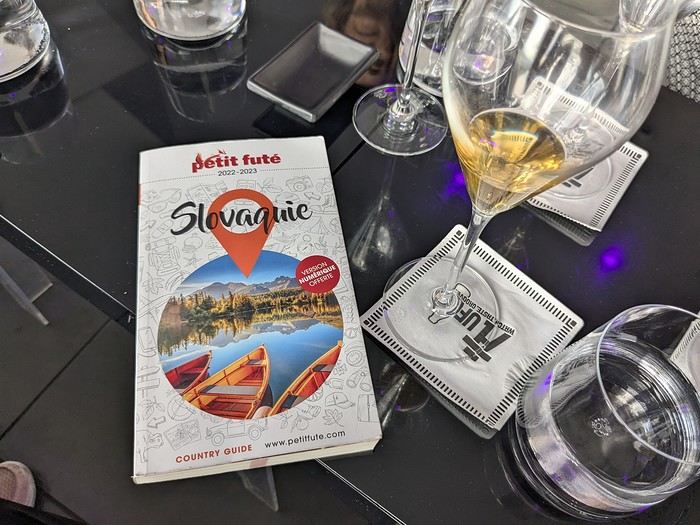 Why this country?
After visiting Hungary, Slovenia, Romania, and Poland in recent years, I’ve fallen in love with Eastern European countries. I adore the Slavic soul, its Austro-Hungarian villages, the gentle landscapes, the Carpathian Mountains, and that slightly mysterious atmosphere.
Slovakia evokes a certain imagination with its deep forests, medieval castles, and cobbled villages.
After seeing photos of the High Tatras—especially Lake Štrbské Pleso and Spiš Castle—I thought, "Let’s do it! We’re going!"
So, will Slovakia live up to what I imagine?
We’ll find out together.
We decided to travel as a group of six (five adults and a six-year-old child), by car (we needed two).
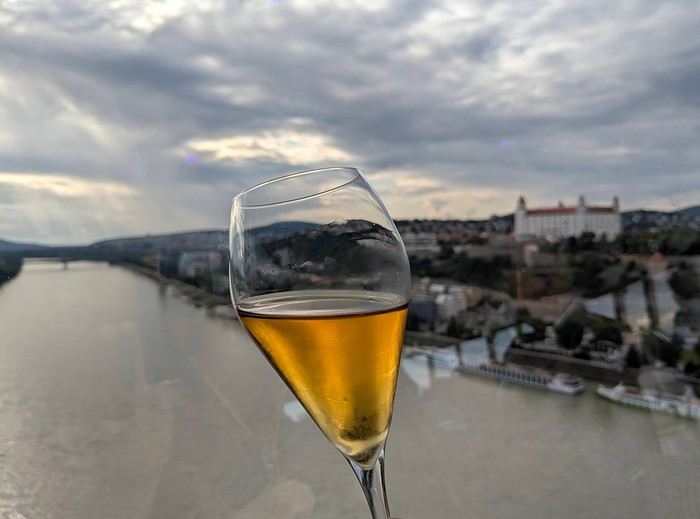
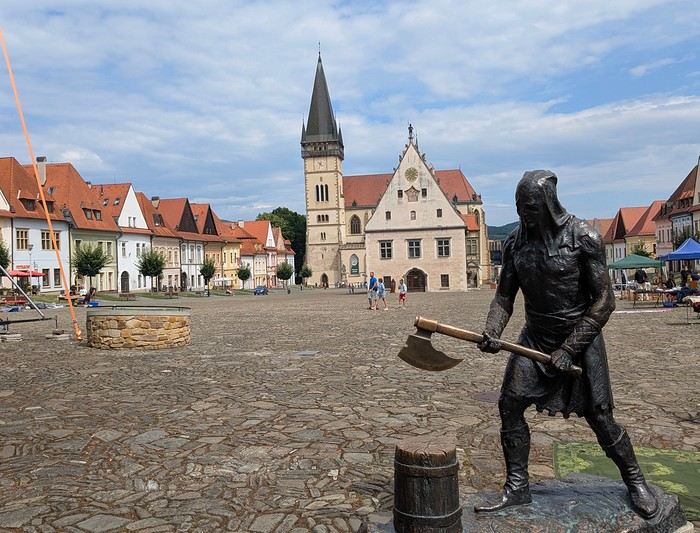
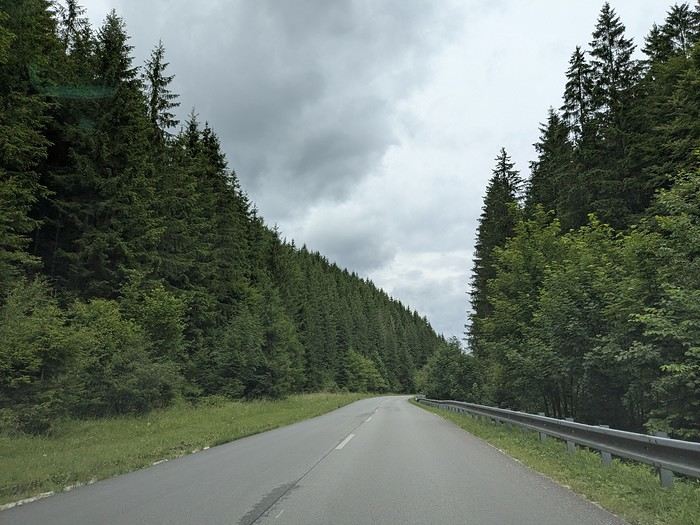
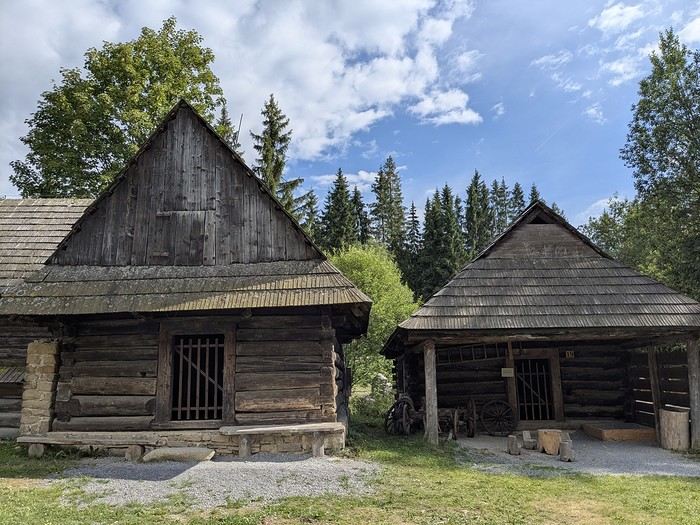
Here’s the day-by-day itinerary for this family trip, which started with a 3-day stay in Vienna (see the dedicated travel journal):











 When it comes to the Caribbean island of Saint-Martin, it's customary to praise its coastline and dreamy beaches—and they certainly deserve it.
But in this story, I’d like to highlight other memories, aspects, and impressions for a slightly different change of scenery.
Enjoy the read—some text and, above all, lots of photos.
« Byenveni sou zile Sen Maten! » (Welcome to the island of Saint-Martin)






















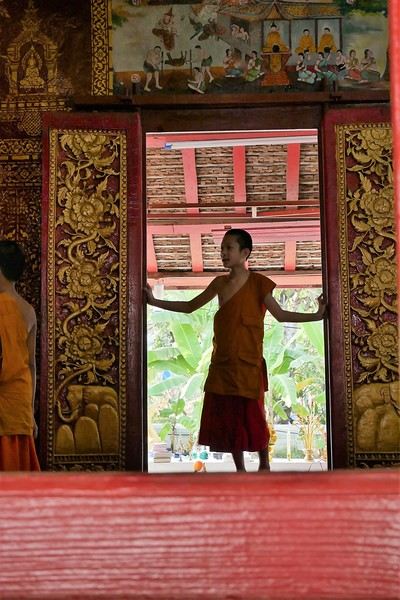 Come along, I'm taking you to this country where it's so nice to wander and slow down...