Palenque
The evening we arrived in Palenque, we ate at the restaurant Aluxes, 200 meters from the Parque Central. The Parque Central isn’t ugly, but it’s not as atmospheric as the usual central parks or zócalos. But like I’ve already said, Palenque isn’t a city to visit for its own sake. The meal cost us 320 pesos, which is pricier than usual, but Y was happy—I think she managed to find something she liked (just so you know, Thais are extremely picky when eating out, and little pleases them once they’re away from Thai food).
Getting to the ruins is easy—there are plenty of colectivos on the main street. The fare is 20 pesos per person, and it takes about twenty minutes. You have to pay twice to see the ruins: first, 36 pesos to enter the Parque Nacional, then 75 pesos to enter the Parque Arqueológico. All in all, around 5 euros per person—no big deal for ruins as famous as Palenque’s.
We went in the morning. It wasn’t too hot yet, and there weren’t too many people. Vendors at the entrance offered sunscreen and mosquito repellent. No need—there wasn’t a single mosquito or fly! The park is really well maintained; the grass is neatly trimmed everywhere. It’d be impressive if we hadn’t gotten used to this level of cleanliness after three weeks in the country.
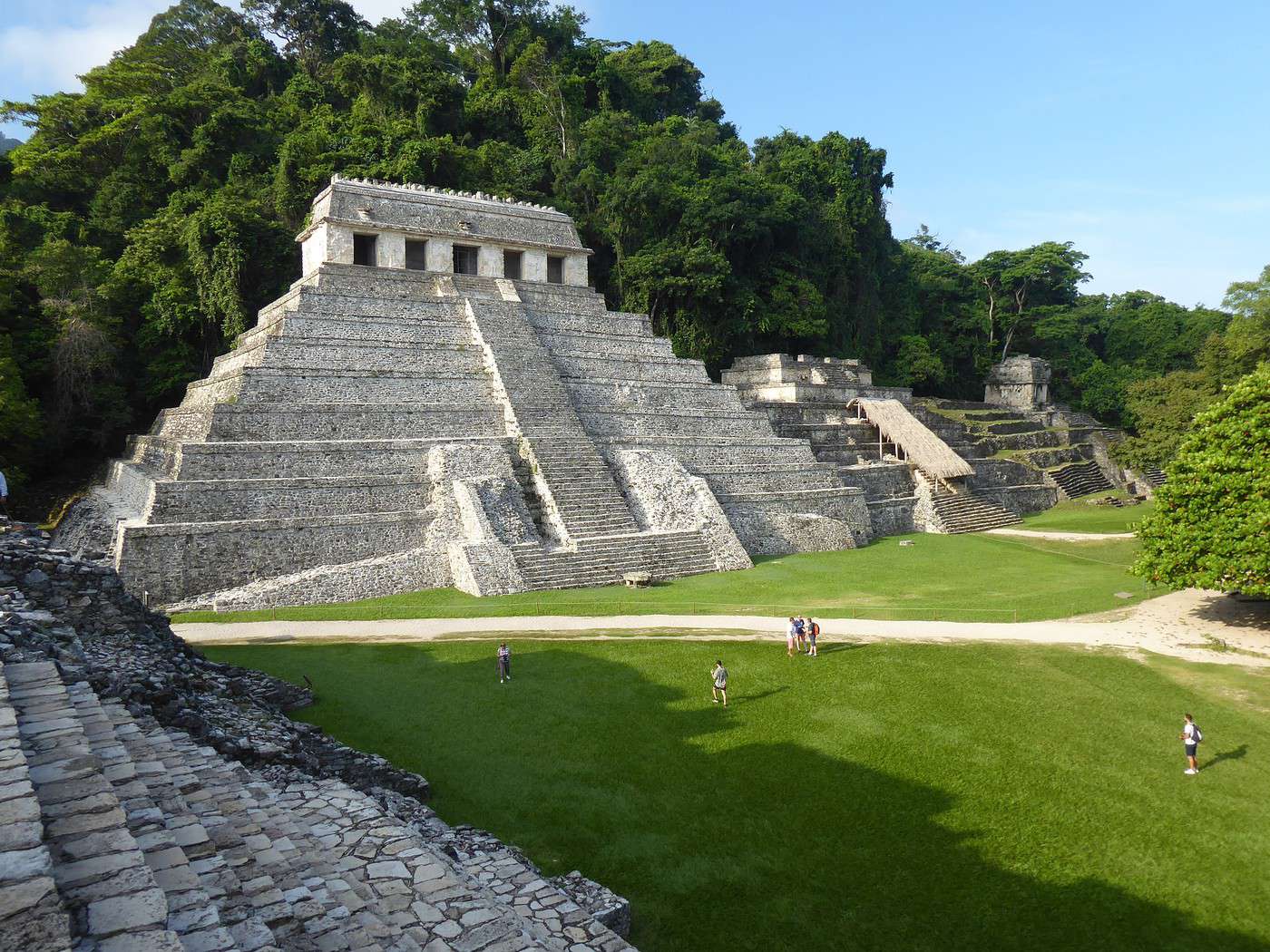
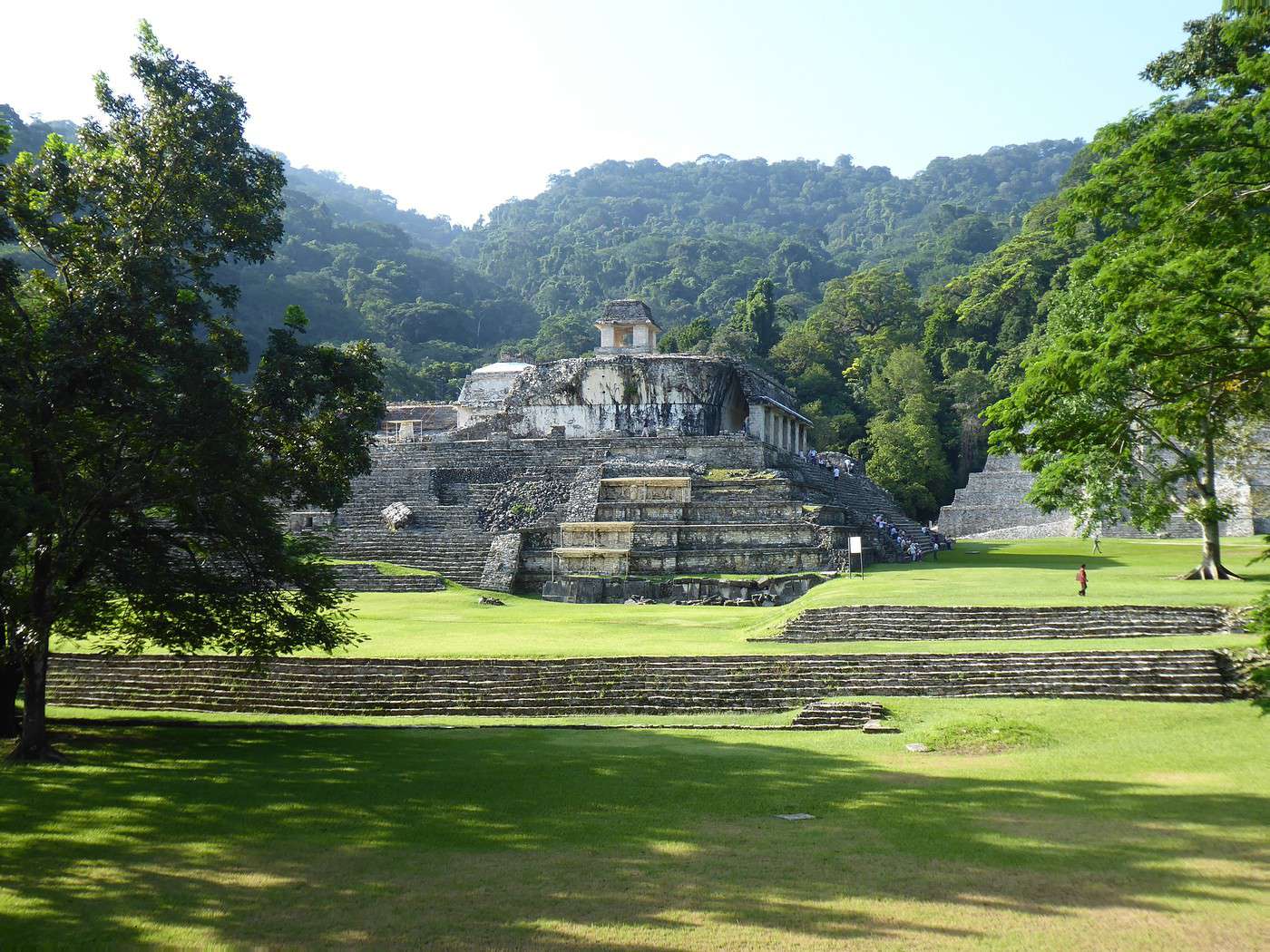
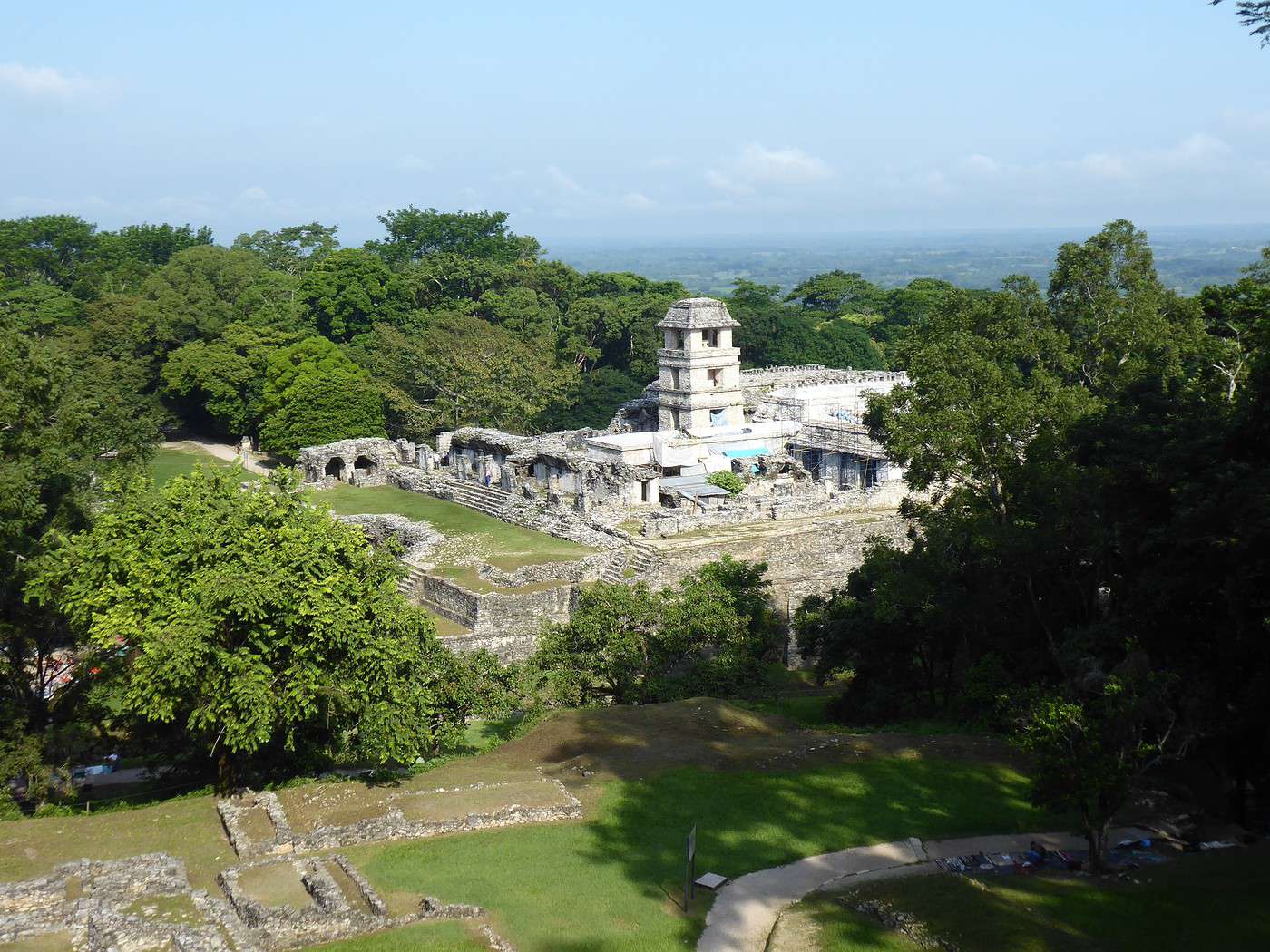
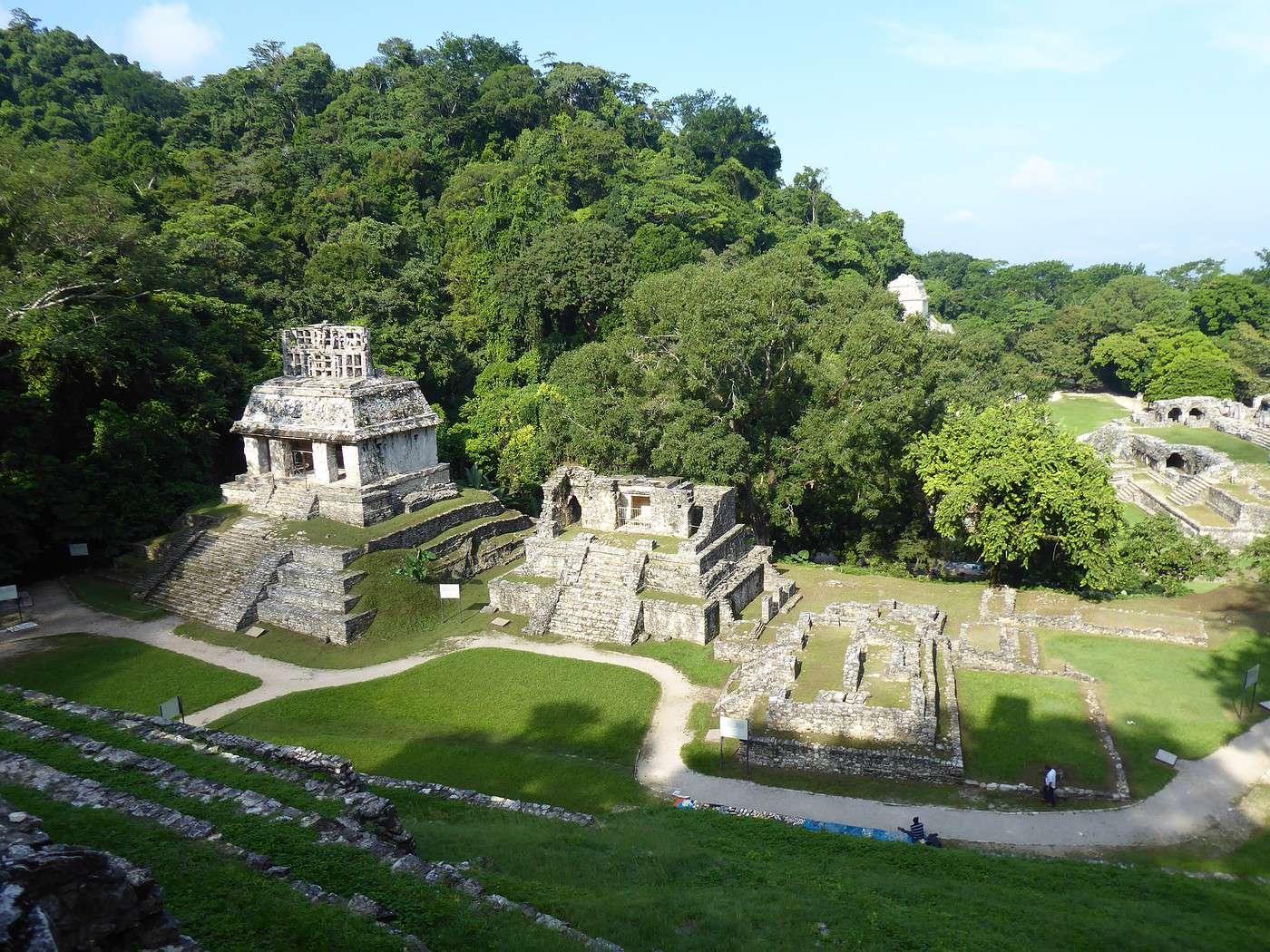
The ruins are, of course, magnificent. They date roughly from the first millennium AD. They’re on a plateau overlooking the lowlands, so it’s less stifling than in the city below. The site isn’t as huge as Teotihuacán, but you can tell there’s probably a lot more to uncover—maybe even discover—in the thick jungle surrounding it. We’re not clock-watchers (I think I’ve mentioned that before), but in two hours, I had time to climb most of what’s accessible.
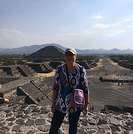
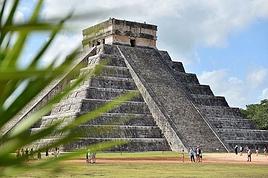
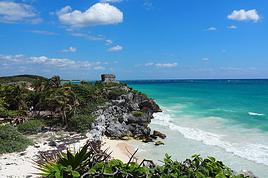
I don’t remember the names given to the different monuments. A few photos will give you an idea of what they look like. I’m almost hesitant to show them—not because they’re bad (there are better, but they cost more), but because there must be millions of similar photos taken by the hordes of tourists who’ve flooded the place.
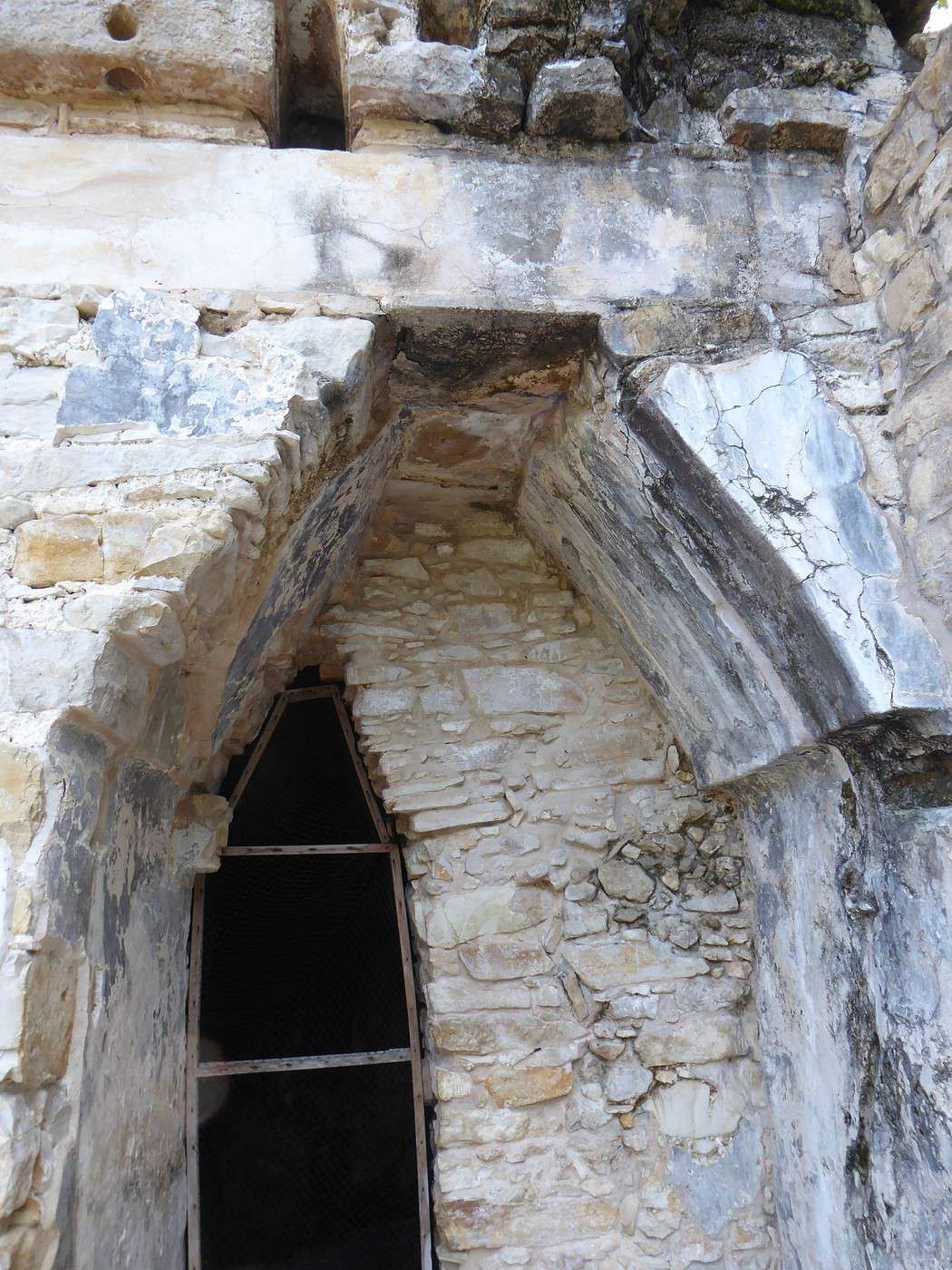
One thing caught my attention: the Maya—at least those who built these monuments—didn’t seem to have mastered the vault technique. A photo clearly shows some awkwardness in this regard: the triangular ascent toward the lintel is just a rough approximation of a real vault, with a clean, well-drawn arch. Okay, I’ll admit you could call it a corbelled vault, but it’s far from a well-developed technique.
If I sound a bit too critical, it’s because I’m getting tired of the tendency to find everything magnificent and extraordinary everywhere… That doesn’t take away from the beauty of the ruins. Besides, the Greeks didn’t know about vaults either, as far as I recall, and that didn’t stop them from leaving behind extraordinary ruins.
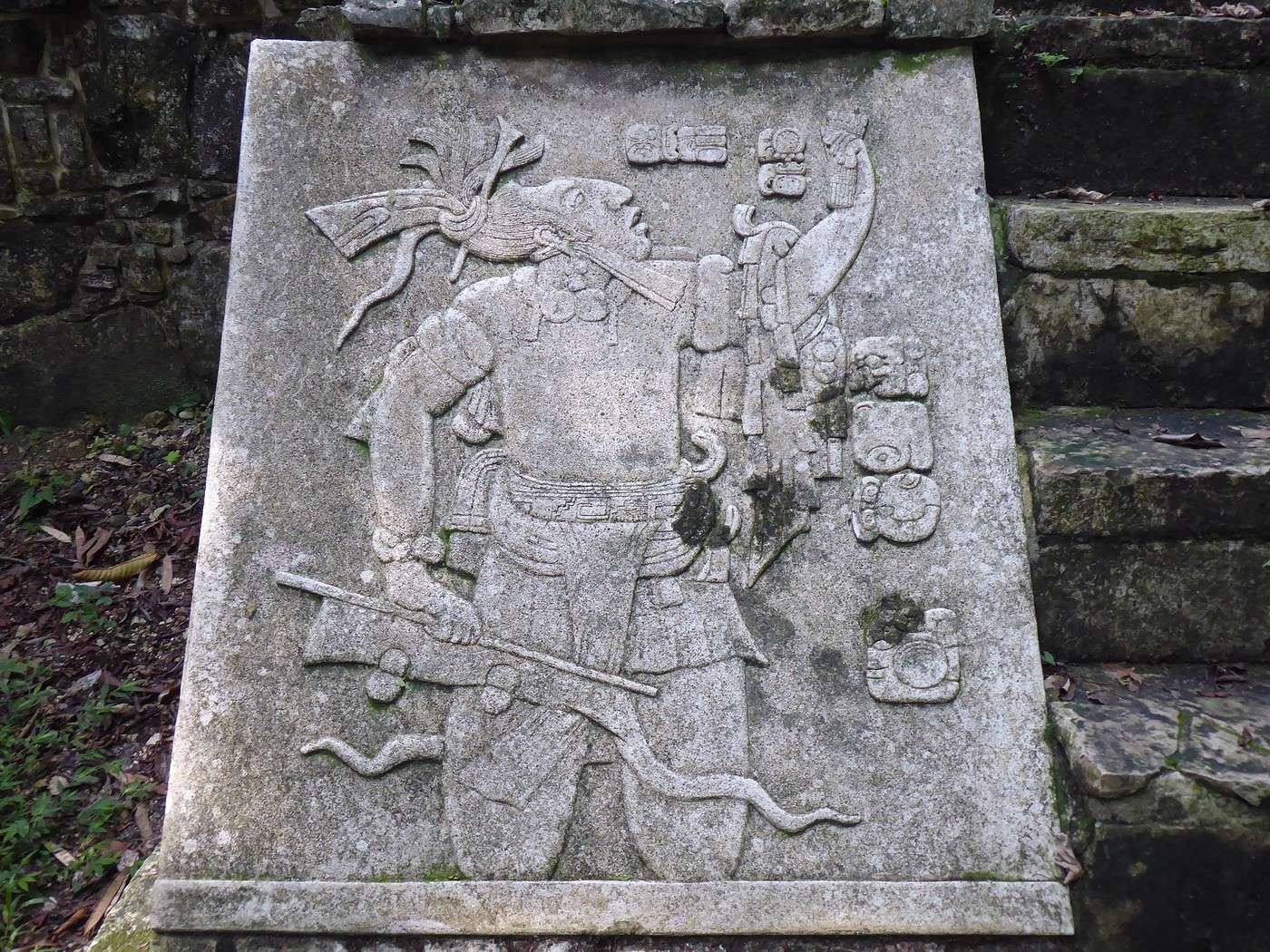
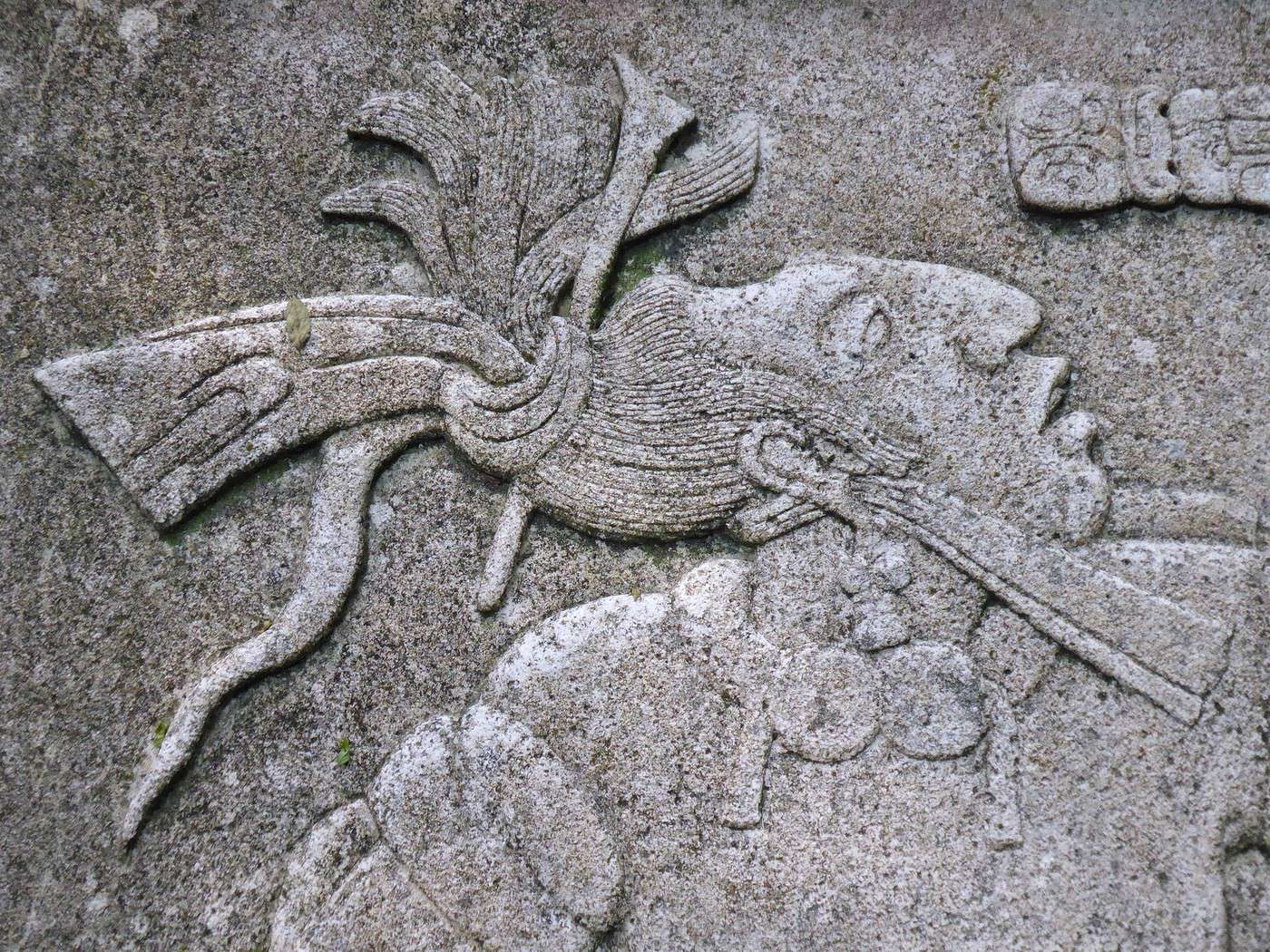
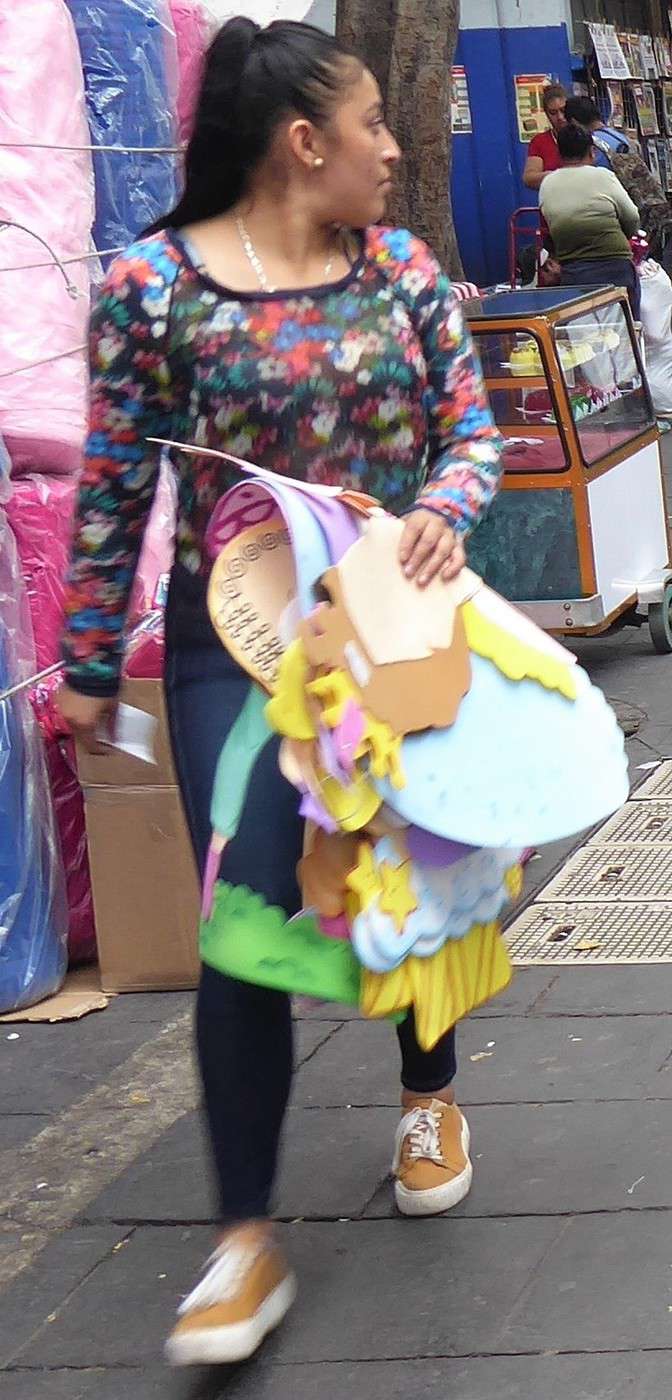
Palenque has some interesting panels depicting Maya warriors or nobles, as we imagine them—with extravagant feather headdresses, those strangely elongated heads deformed since childhood, hooked noses, and generous lips slightly protruding. Curiously, in a photo I took in the market streets around the Mercado de la Merced in Mexico City, I found a woman whose profile isn’t unlike those Maya heads. Indigenous blood is very present in Mexico…



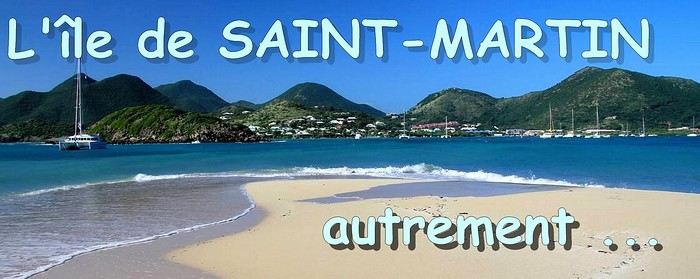 When it comes to the Caribbean island of Saint-Martin, it's customary to praise its coastline and dreamy beaches—and they certainly deserve it.
But in this story, I’d like to highlight other memories, aspects, and impressions for a slightly different change of scenery.
Enjoy the read—some text and, above all, lots of photos.
« Byenveni sou zile Sen Maten! » (Welcome to the island of Saint-Martin)
When it comes to the Caribbean island of Saint-Martin, it's customary to praise its coastline and dreamy beaches—and they certainly deserve it.
But in this story, I’d like to highlight other memories, aspects, and impressions for a slightly different change of scenery.
Enjoy the read—some text and, above all, lots of photos.
« Byenveni sou zile Sen Maten! » (Welcome to the island of Saint-Martin)-- -- Full and luminous To avoid seeming too conventional at the start of this alternative take on Saint-Martin... here’s not a stunning sunrise over the sea but rather a moonrise—a less "typical" choice. And when you get to witness it, it’s a truly unique moment of contemplation. However, three conditions are essential for this spectacle: a full moon phase, a cloud-free horizon, and—most importantly—a moonrise at twilight. That early evening, all the conditions aligned—lucky us! Just above the sea, a strange glow gradually appeared. A huge moon was about to shine against a deep blue night sky.
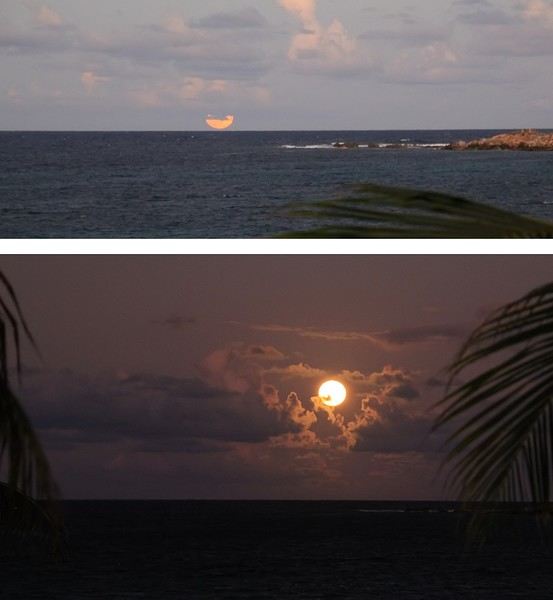
What’s more, its light sparkled on the water’s surface—gorgeous! But so fleeting. We’re on the east coast of the island, by the wide stretch of light sand at Baie Orientale, Saint-Martin’s own. Now, just because I wanted to start with something a little different doesn’t mean we should overlook the bright sunrises you can see on this bay. They’re far more common than a beautiful full moonrise, but they also require two things: being an early riser and a clear horizon without misty clouds. Views to soak in without restraint...
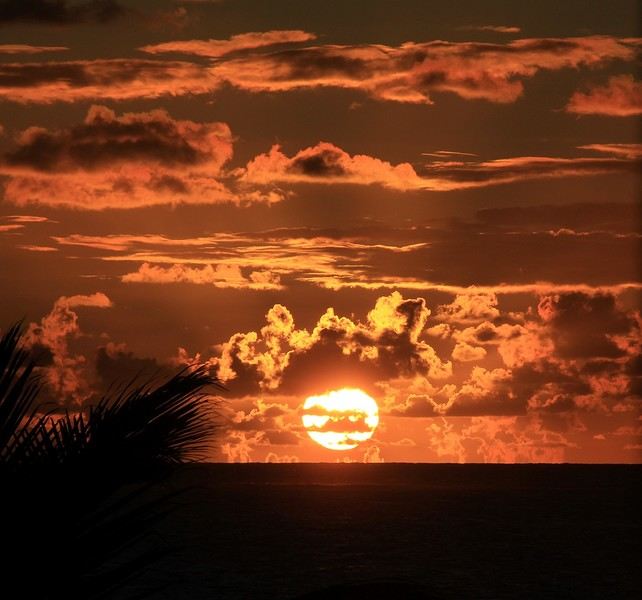
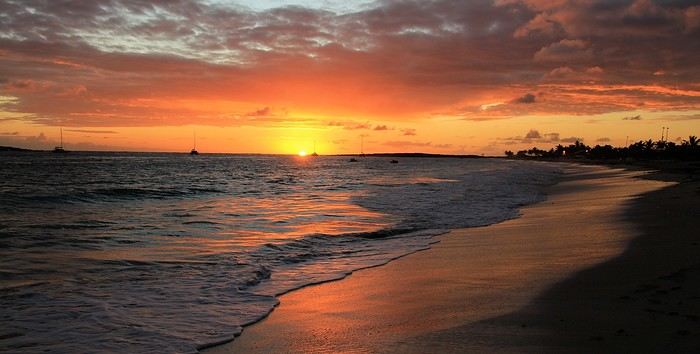
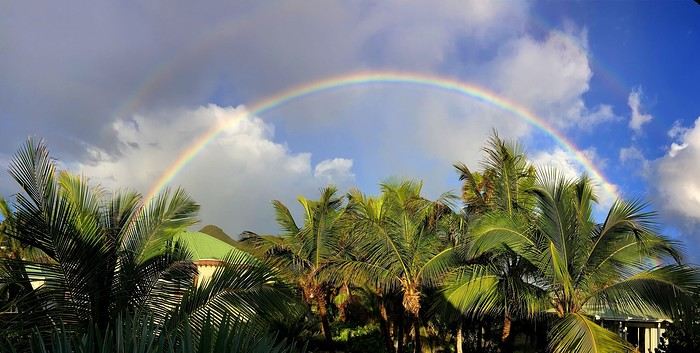
Other memories of beautiful lights and lovely colors—a morning when the sun had a brief meet-up with the rain, creating a stunning rainbow.
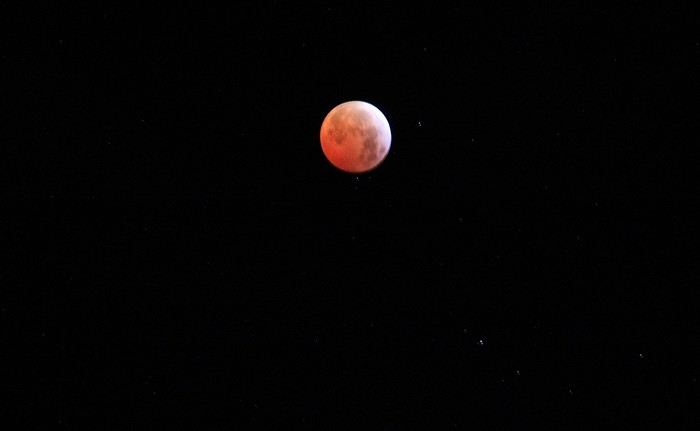
And let’s talk about the moon again... On a clear night, a "blood moon," the result of a lunar eclipse that had turned our familiar satellite red.
-- --
A butterfly with golden wings! In the tropics, swarms of butterflies flutter everywhere, from flower to flower. They sip the sweet nectar from stamens and blooming corollas with delight.
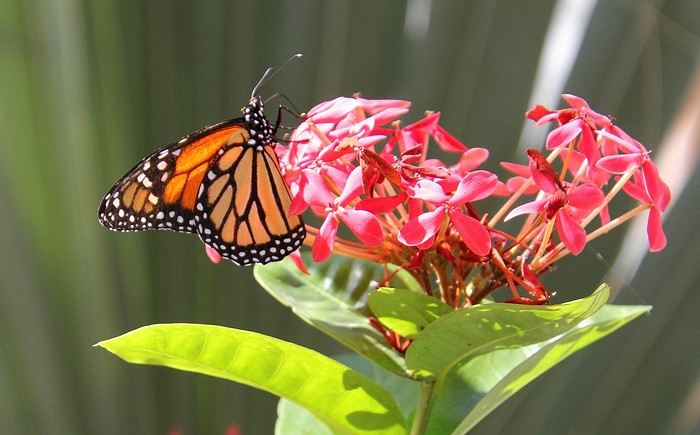
Here, a monarch, one of the great migratory butterflies, taking its time to enjoy the pollen of this Ixora coccinea—or Japanese hydrangea, but let’s stick to Saint-Martin.
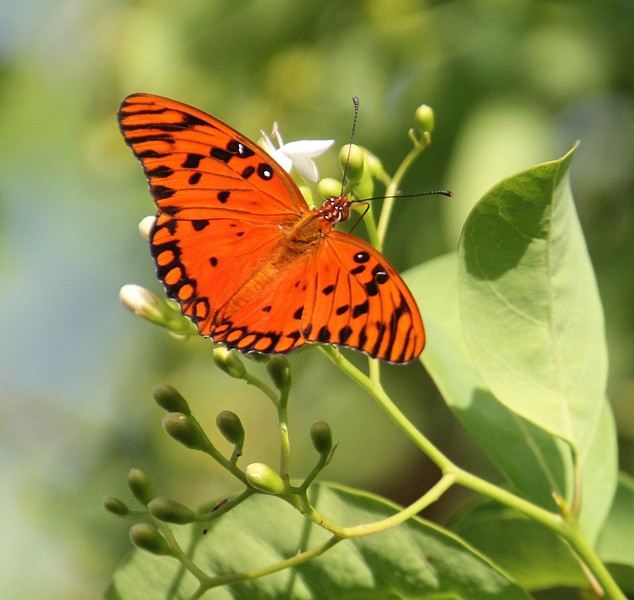
This one is an *Agraulis vanillae*, to be precise—and thanks to the internet for the ID. Photographing them isn’t always easy; these fearless butterflies often fly off before you can get a good focus, challenging both the framing eye and the autofocus! But on the island, I noticed some butterflies were much easier to shoot—those decorating a few murals. ;)
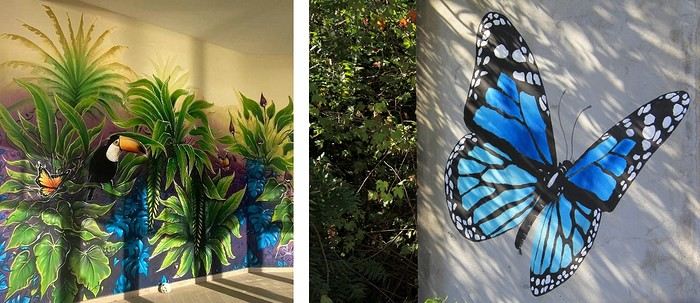
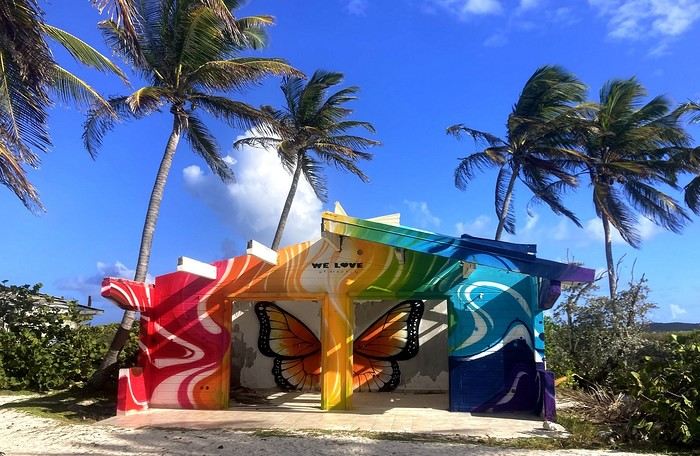
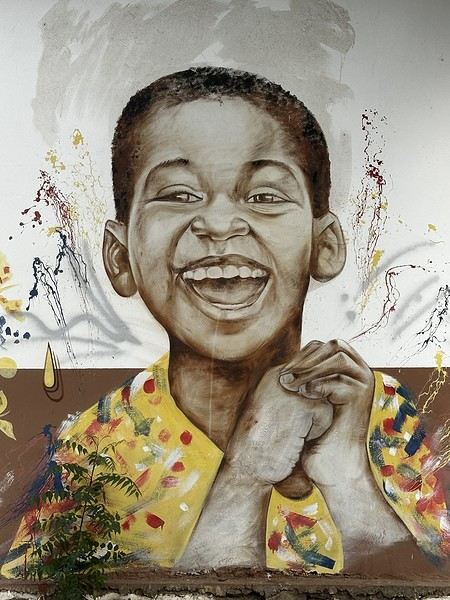
One of the graffiti artists behind several Saint-Martin murals has made it his signature. The talented Jimmy Sheik slips a little butterfly into each of his works, even if it’s not the main subject. It’s a nod to his home island, Guadeloupe, whose territory—with Basse-Terre and Grande-Terre—looks uncannily like a giant butterfly. In the photo above, a great initiative: turning this beach bungalow, abandoned after Hurricane Irma’s (2017) devastation, into a mural canvas—it’s a real success. Well done, artist!
To be continued >>>>>>



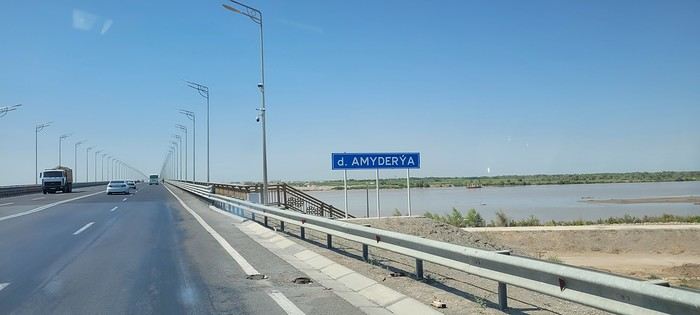
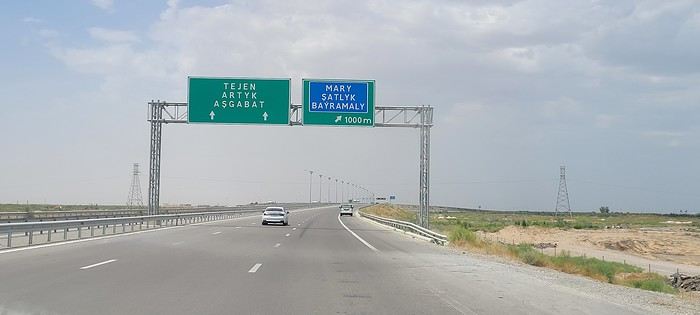

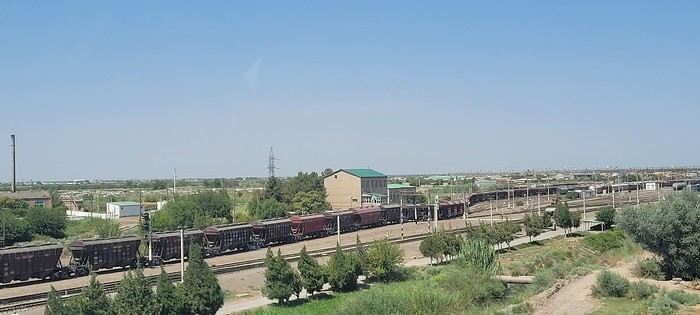

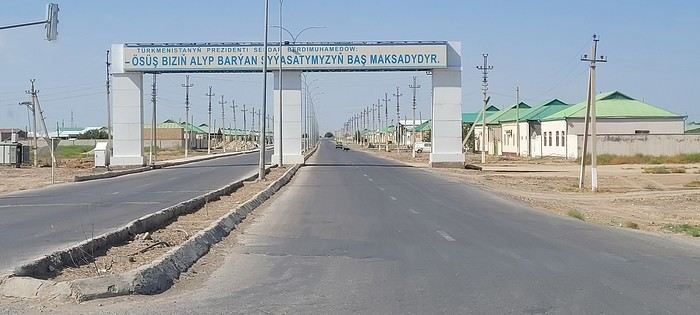
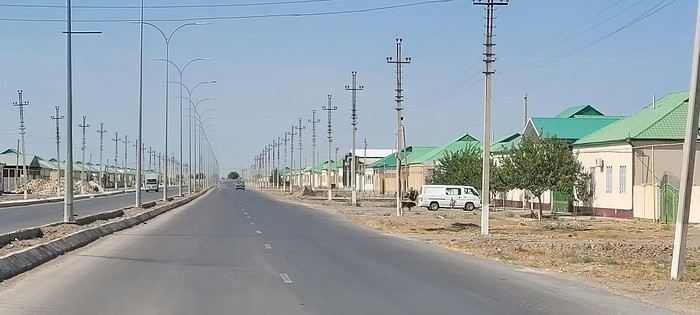 Roundabouts are particularly interesting because they feature emblems of Turkmen culture, like the dog, a carpet, the Ahal Teke horse, or Muslim symbols, even though the presence of Islamic artifacts is quite limited.




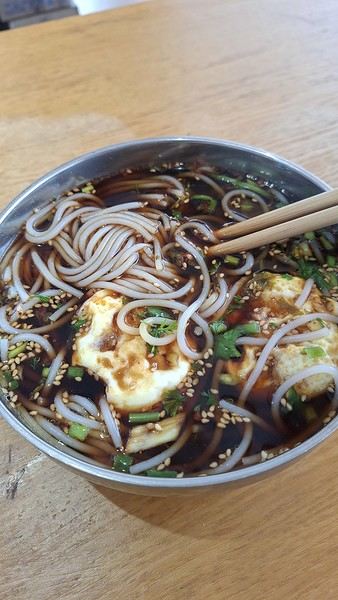


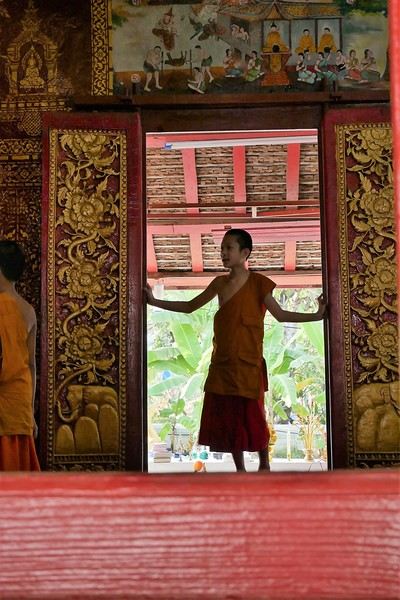 Come along, I'm taking you to this country where it's so nice to wander and slow down...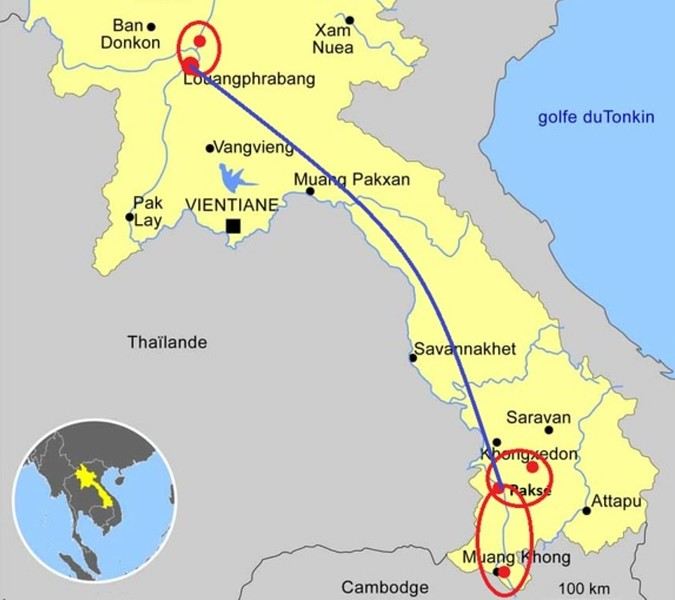




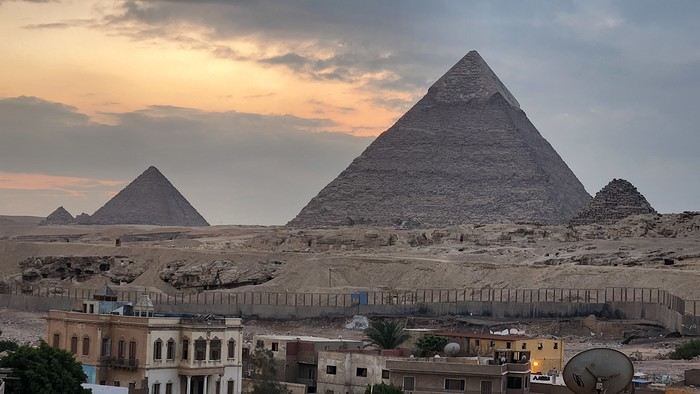
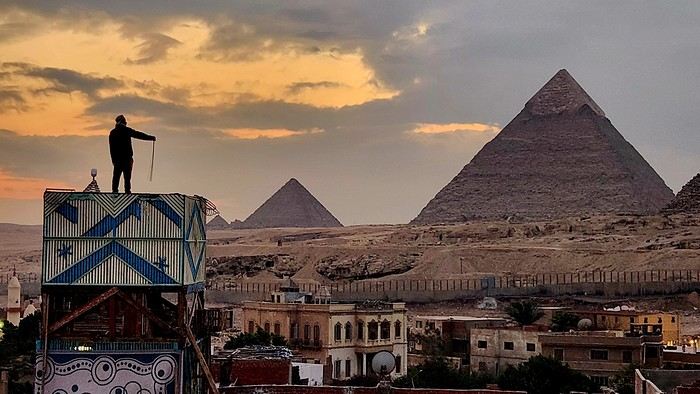
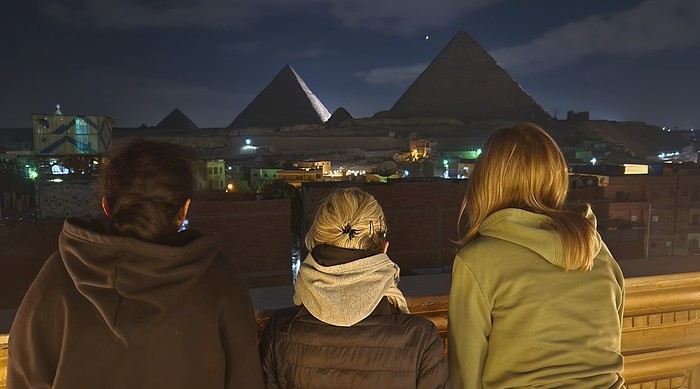
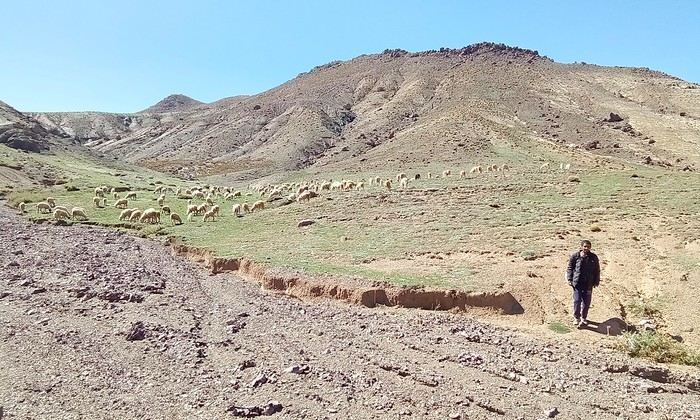
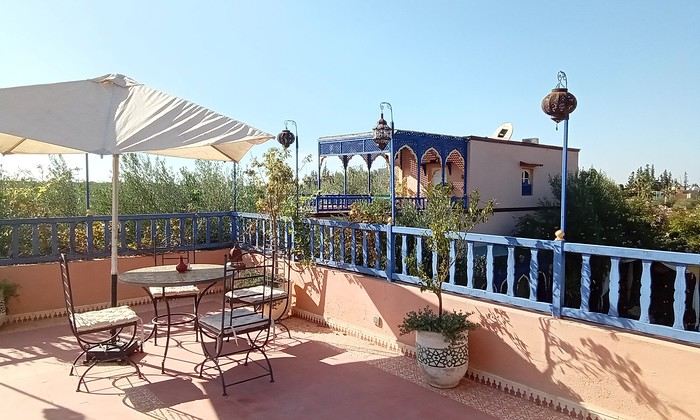
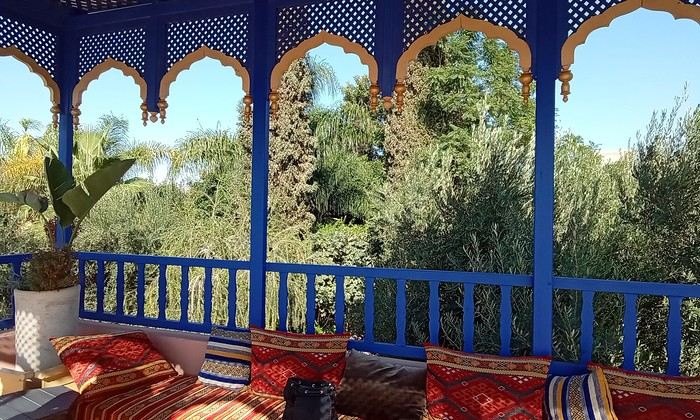 Last October, we landed in Marrakech to spend a few days with family exploring Morocco’s roads.
Transport: a rented Dacia.
Accommodations: small guesthouses.
Last October, we landed in Marrakech to spend a few days with family exploring Morocco’s roads.
Transport: a rented Dacia.
Accommodations: small guesthouses.
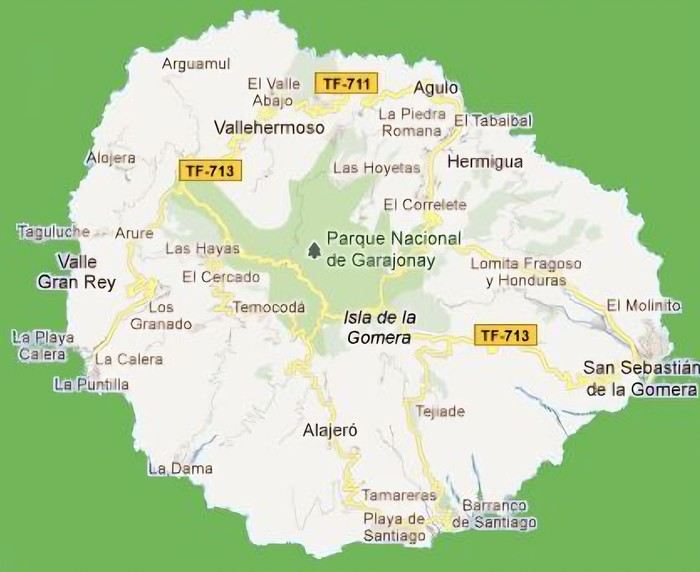 The large solidified magma massifs that shape the heart of the island have created a large depression more protected from the sun at its center, allowing the growth of a vast laurel forest, today grouped within the Garajonay National Park, La Gomera’s green lung, which has earned it the status of a World Biosphere Reserve. Its completely European appearance contrasts sharply with the rocky and tropical landscapes of the rest of the island. Thus, the climate varies greatly from one point to another on the island: in summer, you can quickly go from a dry and sunny valley at 35°C to a humid forest area at altitude at 18°C.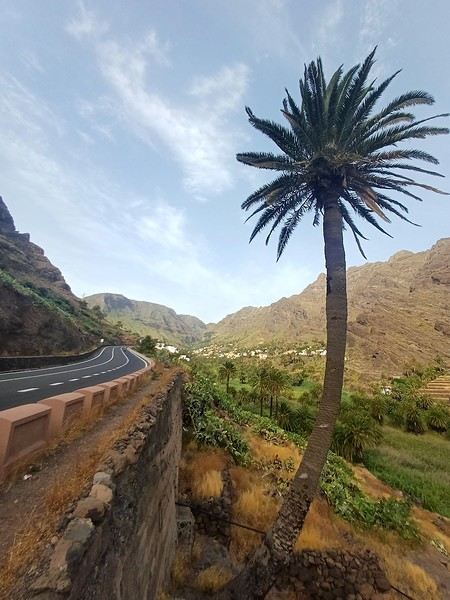
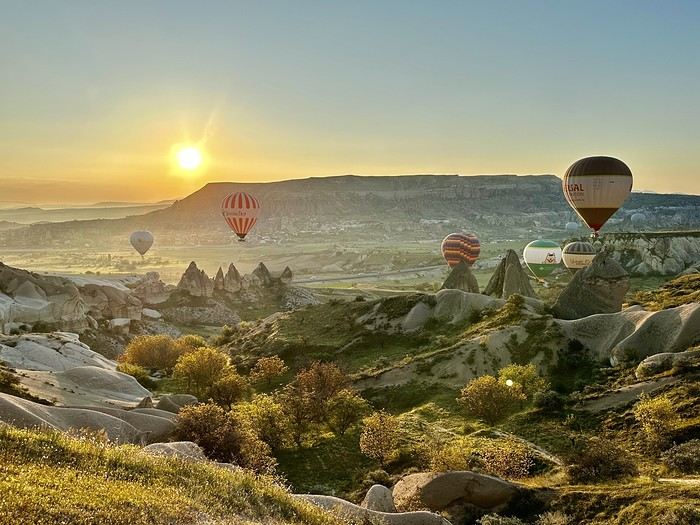 A little sneak peek?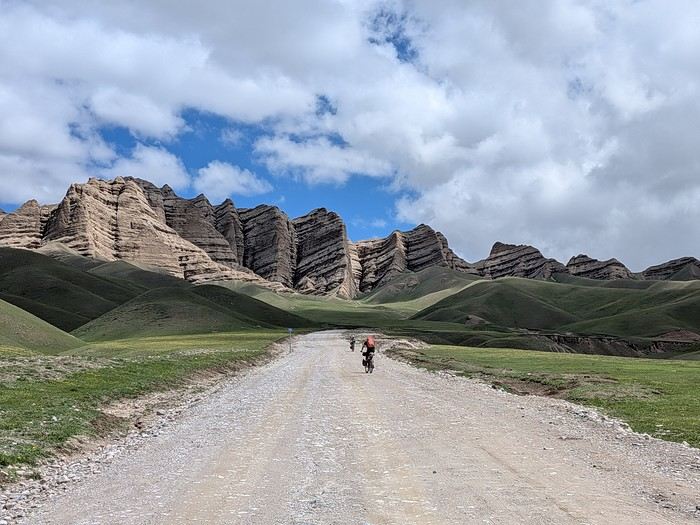
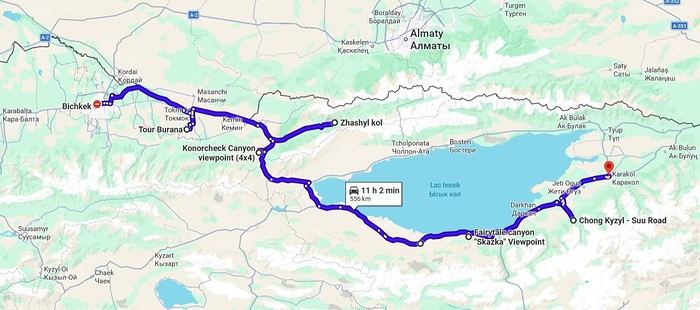
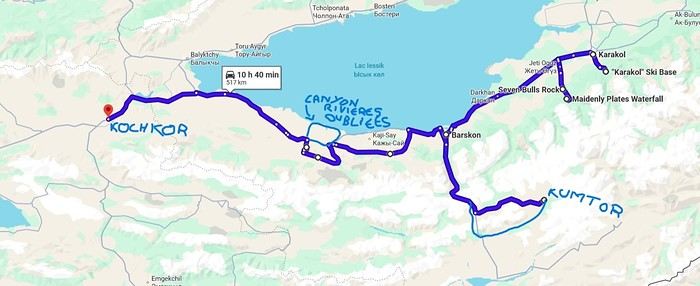
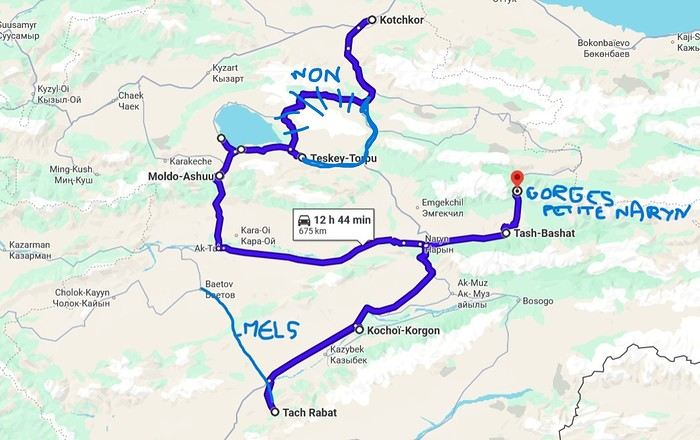
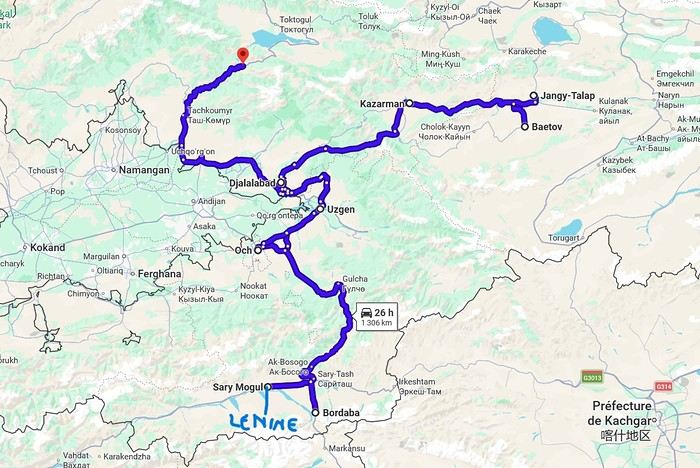
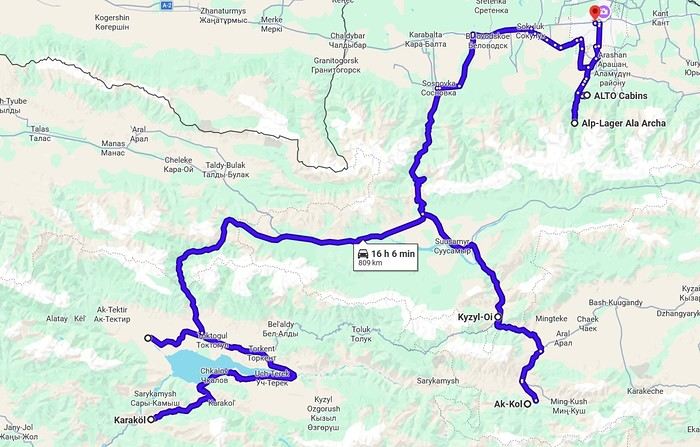



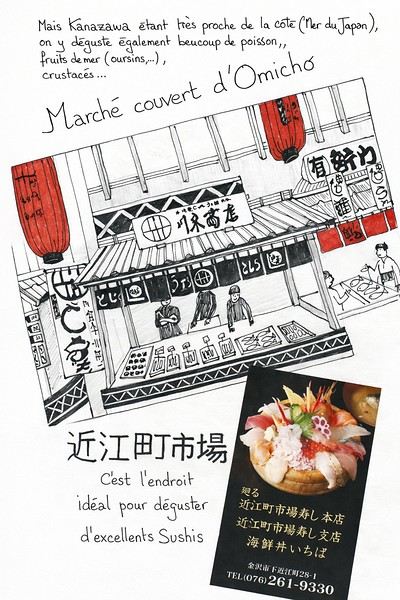
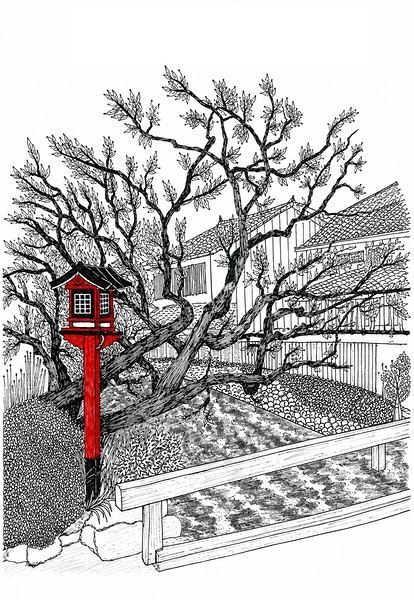 I’m inviting you on a stroll through my drawings—a completely subjective, far from exhaustive, and totally personal take, since it’s based on my own sketches. I put this travel journal together after returning in late 2024, mostly using felt-tip pens and pencils, with a few collages thrown in. I worked from our personal photos.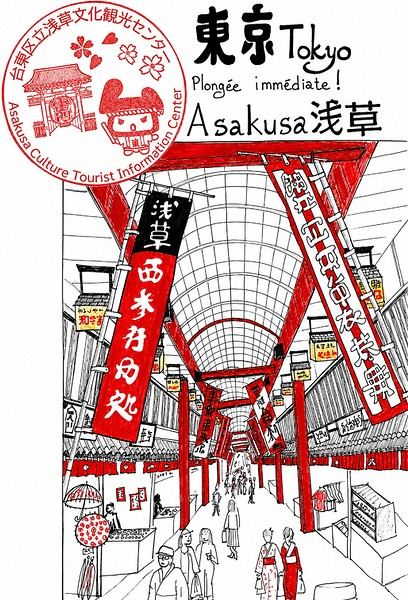
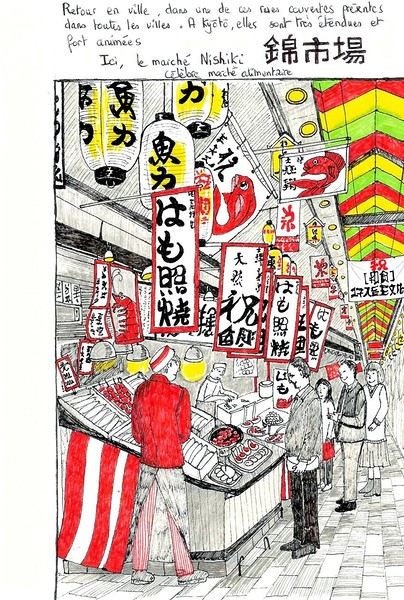
 And in Kyoto, Nishiki Market:
 2- Around San Pedro