Results for "France+événement"
About 174,633 results.
More options
Many results are in French, the community’s main language. English translations are added over time.
Search results
Travailler en Argentine
Si tu veux bien bien entendu.
En fait je cherche juste des infos sur les secteurs ou travailler ou investir en argentine. (suis informaticien)
Ai croisé quelqu'un qui a vécu plus de 20 ans à Buenos Aires et qui me déconseillait vivement de tenter ma chance à BA mais plutot du coté de Mendoza, Bariloche, Salta ou Cordoba.
Maintenant toi tu es sur place tandis que lui a quitté peu avant la crise et tu possèdes donc une vision plus récente des évenements, de la situation et comme je préfère avoir plusieurs avis...
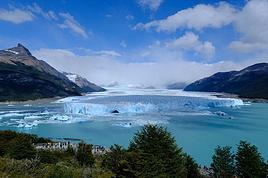
Merci d'avance, et si tu ne peux m'aider merci tout de même pour les différents posts toujours interressants (le logement à BA ou ce glacier grandissant dans un monde ou partout cela fond...).
A+
un chti bruxellois avec l'Argentine en maîtresse
En fait je cherche juste des infos sur les secteurs ou travailler ou investir en argentine. (suis informaticien)
Ai croisé quelqu'un qui a vécu plus de 20 ans à Buenos Aires et qui me déconseillait vivement de tenter ma chance à BA mais plutot du coté de Mendoza, Bariloche, Salta ou Cordoba.
Maintenant toi tu es sur place tandis que lui a quitté peu avant la crise et tu possèdes donc une vision plus récente des évenements, de la situation et comme je préfère avoir plusieurs avis...
Merci d'avance, et si tu ne peux m'aider merci tout de même pour les différents posts toujours interressants (le logement à BA ou ce glacier grandissant dans un monde ou partout cela fond...).
A+
un chti bruxellois avec l'Argentine en maîtresse
Elève infirmiere cherche stage en Asie
Bonjour, je suis eleve infirmiere en 2e année j'ai 21 ans et je cherche un stage pour juillet eventuellement début aout pour une durée de 4 semaine.
je gherche un stage dans un dispensaire, plutot en asie du sud ou asie du sud-est.
Si vous avez la moindre info écrivez moi c'est urgent
milles mercis d'avance Magali
je gherche un stage dans un dispensaire, plutot en asie du sud ou asie du sud-est.
Si vous avez la moindre info écrivez moi c'est urgent
milles mercis d'avance Magali
Vos expériences sur le Rajasthan en Inde
Nous allons passer 3 semaines au Rajasthan. Alors bien sur j'ai envie de voir de belles choses mais ce que j'aime surtout c'est pouvoir m'immerger dans un lieu et ressentir les choses sans forcément tout comprendre. (ce serait bien présomptueux). Pouvez vous me parler de vos expériences dans les endroits qui ne sont souvent décrits qu'en deux lignes dans les guides.
Et puis, juste avant que nous quittions l'inde, la foire de Pushkar va commencer. Est ce que cela vaut le coup d'y être ou est ce un de ces evenements magnifiés dans les guides qui ne sont soit pas réellement interressants ou, pire, fréquentés en majorité par des ordres de touristes?
Merci de votre aide
Iran Pakistan en camion
Salut les travellers
Nous souhaitons rejoindre l'inde par la route en camion (fourgon) . Aprés avoir espionné vos conversations sur le forum, nous avons choisi de prendre un visas transit en turquie pour Iran, puis visas tourisme en france pour pakistan et inde, Nous souhaitons principalement nous rendre au rajasthan et kerala ... puis retour ! Nous avons 6 mois devant nous: italy, grece, turquie, iran, pakistan;- par Turbat Hyderabad - ou Quetta Sukkur Hyderabad ( peut être au retour ? )
deux grandes questions a cette heure :
😕pensez-vous que ce voyage soit réalisable en décembre ?
😛peut on trouver sur la toile des cartes gratuites de ces pays ?
Nous sommes ouverts a tous vos conseils et suggestions concernant ce periple !
merci a tous !
Nous souhaitons rejoindre l'inde par la route en camion (fourgon) . Aprés avoir espionné vos conversations sur le forum, nous avons choisi de prendre un visas transit en turquie pour Iran, puis visas tourisme en france pour pakistan et inde, Nous souhaitons principalement nous rendre au rajasthan et kerala ... puis retour ! Nous avons 6 mois devant nous: italy, grece, turquie, iran, pakistan;- par Turbat Hyderabad - ou Quetta Sukkur Hyderabad ( peut être au retour ? )
deux grandes questions a cette heure :
😕pensez-vous que ce voyage soit réalisable en décembre ?
😛peut on trouver sur la toile des cartes gratuites de ces pays ?
Nous sommes ouverts a tous vos conseils et suggestions concernant ce periple !
merci a tous !
Retour du Népal
quelques nouvelles fraiches en provenance du népal.
nous sommes rentrés d'un séjour de 3 semaines au népal (trek pokhara-muktinah, chitwan, vallée de katmandou) nous sommes passés par l'agence "LES PORTES DE L'AVENTURE" avec 1 guide et 1 porteur pour le trek. aucun problème, pas de maoistes mais beaucoup de barrages de police.
pas beaucoup de touristes mais c'était pas la bonne pèriode à cause de la mousson.
nous sommes rentrés d'un séjour de 3 semaines au népal (trek pokhara-muktinah, chitwan, vallée de katmandou) nous sommes passés par l'agence "LES PORTES DE L'AVENTURE" avec 1 guide et 1 porteur pour le trek. aucun problème, pas de maoistes mais beaucoup de barrages de police.
pas beaucoup de touristes mais c'était pas la bonne pèriode à cause de la mousson.
Esperanto: enfin une langue facile et utile
Saluton !
L'esperanto, à quoi ça sert, qui le parle, ... des questions que l'on entend souvent, alors je vais leur apporter quelques réponses...
Qui le parle ? Plusieurs millions de personnes. 3 millions d'après esperanto-france, 6 millions d'après le livre des records, certains vont même jusqu'à dire 15 millions. Le nombre exact est très dur à savoir, d'autant qu'il y a actellement un développement important de la langue en Afrique, Asie, ...
A quoi ça sert ? A vous de choisir ! Moi ce qui me plait le plus, c'est de pouvoir parler très rapidement avec des personnes du monde entier, beaucoup plus facilement qu'avec l'anglais par exemple. Un aspect que les utilisateurs de ce site apprécieront surement c'est la possibilité de voyager un peu partout. Il y a de nombreuses rencontres qui ont lieu un peu partout dans le monde à tout instant, et qui réunissent des centaines, voire des milliers de participants des quatre coins du globe.
Je viens par exemple de rentrer d'une petite rencontre organisée par des français d'une semaine à Orléans où nous étions 57 participants, dont des russes, des roumaines, des italiens, une anglaise, des allemands, un belge, un danois, ... Mais il y a aussi eu IJK (Internacia Junulara Kongreso : congrès international jeunes) en Russie, UK (Universala Kongreso) à Pékin, ... A UK par exemple à Varsovie il y avait plus de 5000 participants ("partoprenantoj" en esperanto). Il y a de nombreuses grandes rencontres tous les ans (IJS, IS en Allemagne, KISO, ...) qui permettent de voir du pays et des gens. Le programme classique d'une rencontre c'est le matin des ateliers (a FESTO par exemple on avait dessin, théatre, faire un petit film, ...), l'après midi du sport, de la découverte de la région (à FESTO on a fait du canoë, de l'accrobranche, on a visité le château de Chambord, ...), après des "prelegoj" (exposés ou débats, ... à FESTO un mathématicien nous a présenté la 4ème dimension, on a eu un exposé sur les MST, un débat sur le totalitarisme, des cours de dessin, un exposé sur l'Ido, ...), et le soir de la fête (à FESTO on a eu deux concerts, du théatre fait par des pros, ... le tout en esperanto bien sûr !)... Plutôt pas aml quand on sait que FESTO a été préparé par une bande de jeunes et que le sigle lui-même veut dire "Franca Esperanta Semajno Terure Organizita" : Semaine française esperantiste horriblement organisée :)
Un autre aspect apprécié des voyageurs est le "pasporta servo" : allez sur le site http://www.tejo.org/ps/, choisissez un pays, et vous aurez une liste d'esperantistes proposant de vous héberger gratuitement pendant plusieurs nuits ! Vous voulez vous faire un tour du monde ? Vous aurez des contacts et un logement à toutes vos étapes ! Une façon agréable de prendre contact et de voir la vie véritable des gens du pays visité !
C'est long à apprendre ce truc ? D'après l'institut de cybernétique de paderborn, il faut environ 1500h d'anglais pour le niveau Bac, 150h pour l'esperanto... Juste un petit exemple que j'ai vu la semaine dernière durant la rencontre : trois jeunes italiennes qui ne parlaient pas du tout esperanto en arrivant à FESTO, au bout d'une journée elles commençaient à comprendre la langue car la grammaire est évidente (par exemple les verbes au présent se termine par -as, les noms par -o, les adjectifs par -a, donc on comprend vite la phrase "la floro estas bela"), et au bout d'une semaine elles comprenaient très bien et pouvaient participer activement à une conversation ! En apprenant cette langue 4 ans au collége 1h par semaine je la parle et après avoir du l'arréter pendant 6 ans je la comprend et parle mieux que l'anglais que j'étudie depuis 10 ans ! Et truc non négligeable les cours sont dans 99% des cas gratuits ! Contactez moi à maxmanseb2@aol.com pour plus d'infos sur les cours dans votre région !
Ca a une culture ce machin ? Eh oui ! et même une histoire très mouvementée : combattue par les régimes fascites et totalitaires, avec remaniements, ... Une littérature ? 33000 ouvrages traduits, une littérature originale importante ! De la musique ? Du rock, de la techno, ... et même brassens traduit en esperanto ! Ce qui est intéressant c'est que ça donne beaucoup plus un contact culturel que l'anglais (enfin c'est ce que j'ai personnellement éprouvé), parce qu'on apprend cette langue pour le plaisir et le contact, pas parcequ'on nous l'impose.
Voilà, j'espère que certains d'entre vous seront intéressés par cette manière très agréable de découvrir le monde et les pays étrangers, et sachez que si vous avez moins de 30 ans et adhérez à Esperanto-jeunes france vous avez droit à une aide de 100 euros pour votre première rencontre internationale (je pense qu'ils font pareil à esperanto france). Le site d'informations est http://esperanto-jeunes.org .
Et si vous cherchez des correspondants (pas forcément par l'esperanto), jetez un oeil à http://www.esperantomondo.net, il y a déjà plus de 230 inscrits et le site est trilingue !
Voilà une petite liste de rencontres à venir en 2004, je vous laisse deviner les traductions des descriptions... Comme vous le voyez, il y en a un peu partout dans le monde !
9 -15. augusto 43-a Somerlernejo en Barlaston. Inf: Esperanto-House, Wedgwood Memorial College, Barlaston, Stoke-on-trent, Britio, ST12 9DG. Tel: 01782-372105. Rete: arturo@signalprent.demon.co.uk
12 - 22. augusto Somera renkontigo "Nigramara baseno en Batumi, Kartvelujo". Inf: Kartvela Esperanta Asocio, Tbilisi, Str. Ketevan Camebuli 25, korp.2 ap.29 Avtandil Abuladze, Karvelujo (Georgia), rete: Tea Turmanidze nh_eo@posta.ge au teako1@mail.ge, telefonoj: +7-893-604257 Nana H^izambareli, prezidanto de Kartvela E-Ao; +7-893-600338 Ia Kakulia; +7-893- 997116 Tea Turmanidze
13 - 15. augusto 6-a Balkana Esperanto-konferenco en Nis, Serbio kaj Montenegro. Inf: rete: slumpy@baknerinter.net au esperanto@bankerinter.net
14 - 15. augusto 27-a Somera Kunveno de Pakistana Esperanto-Asocio en Abbotabad. Inf: Pakistana Esperanto-Asocio, Esperanto Markaz, Chowk Shahidan, Multan, Pakistano. Rete ?en. Sekretario Jawaid Eahsan
14 - 21. augusto Seminario por la trejnado de kulturaj manageroj (kunlabore kun TEJO) parte en Caudefono. Inf: Kultura Centro Esperantista, C.P. 311, Postiers 27, CH-2301 La Chaux-de-Fonds, Svisio. Tel/fakso: +41-32-9267407. Rete: kce.esperanto@bluewin.ch
14 - 21. augusto 8-aj Bretonaj Renkontigoj de Plouëzec. Inf: Jean-Pierre Ducloyer, 8, Rue de Montauban, FR-35750 Iffendic, Francio. Tel/fakso: +33-(0)2 99 09 71 92. Retadreso:jeanpierre-ducloyer@club-internet.fr
14 - 21. augusto 37-a ILEI-Konferenco en Bratislava, Slovakio. Inf: Sekretario
14 - 21. augusto 77-a SAT-Kongreso en Bratislava, Slovakio. Inf: Petro Chrdle, CZ-25229 Anglická 878, Dobrichovice, Cehio. Rete: Petro Hrdle
14- 21. augusto Malkovru la regionon bicikle au ripozu en Grezijono. Inf: Kulturdomo de Esperanto, Kastelo Grezijono, FR-49150 Baugé, Francio. Tel : +33-(0)241891034, Fakso: +33-(0)241825522. Rete: Kulturdomo de Esperanto, Kastelo Grezijono
14 - 22. augusto Rusiaj Esperanto-Tagoj RET-04 en Tihvin, Rusio. Temo: "Nia kulturo - nia espero". Inf: Viktor Kandinskij, Pk. 2, RU-187556 Tihvin, Rusio. Rete: Mikaelo Bron?tejn, tel: +7-812-6726093 kaj Garik Kokolija, tel: +7-095-5677007
15. augusto Unua Visbadena Esperanto-Tago en Wiesbaden (Germanio) kun prelegetoj, migrado kaj urbovizitado. Inf: Ulrich Matthias
16 - 27. augusto 38-a Internacia Esperanto Feriado kun lingvaj kursoj, en Kudowa Zdrój. Inf.: Silezia Esperanto-Asocio, str. Dubois 3/1, , PL-50-208 Wroc?aw, Pollando. tel: +48-71-3296954, rete: vroclavo@poczta.onet.pl
17 - 22. augusto Malkovro de romanika arto en Piktavio (Poitou) en Bouresse. Inf: Kvinpetalo Esperanto-Centro, Rue du Lavoir, FR-86410 Bouresse, Francio. Tel/fakso: +33-(0)549428074. Rete: kvinpetalo@club-internet.fr
21 - 28. augusto Verda biciklaumdo en Grezijono. Inf: Kastelo Grezijono, FR-49150 Baugé, Francio. Tel: +33-0241891034. Rete: grezijono.kastelo@free.fr
21 - 28. augusto 30-a Internacia Semajno de Esperanto en Sèete apud Montpellier. Inf: Esperanto Kulturo kaj Progreso, 5 rie de D-ro Roux, FR-34090 Montpellier, Francio. Tel/fakso: +33-(0)467541543. Rete: jf.passarella@free.fr
22 - 31. augusto Busvojago al 6-a Europunia Esperanto-Kongreso en Bilbao. Inf: Internacia Klubo "Esperantotur", str. M.Sklodowskiej-Curie 10, PL-85-094 Bydgoszcz, Polio. Tel/fakso +48-52-3461151. Rete: turismo@bydg.pdi.net
24 - 29. augusto Internacia Renkontigo kun Jarkonferenco de AEH-IKEH kaj tradicia XV-a Esperanto - Tago en Rybitvi ce Pardubice. Inf: Asocio de Esperantistoj-Handikapuloj kaj Esperanto-klubo de doktoro Schulhof, Na Okrouhliku 953/ 21, CZ-530 03 Pardubice, Ceha Respubliko. Tel: +420-46-6611941. Rete: aeh-ikeh@volny.cz
25 - 29. augusto 6-a Esperanta Europ-Unia Kongreso (EEU-Kongreso) kaj 63-a Hispana Esperanto-Kongreso en Bilbao (Vaskio-Hispanio). Inf: Grupo Esperantista de Bilbao, Barrencalle Barrena 7 - 1 D, ES-48005 Bilbao, Hispanio. Tel: +34-944-164492 (automata respondilo) Rete: esperantobilbao@terra.com
27 - 29. augusto Montopintoj de Altaj Tatroj, Liptovký Hrádok, Slovakio. Inf: Surov?ek Vlado, tel: +421-(0)908-218680, +421-(0)44-5222402
29. augusto - 4. septembro SUS 27 de AIS San-Marino en Komárno (SK), Studadsesio de la Akademio Internacia de la Sciencoj. Inf: Reinhard Fössmeier, Rahel-Straus-Weg 19, DE-81673 München, Germanio
30. augusto - 6. septembro Sud-Nigramara Fotofiesto en Bulgario. Inf: Lasto Nikov, BG-1000 Sofio, P.K.497, Bulgario. Tel.:+359-2-9835084, +359-2-318840, posxtelefono: +359-887-303427. Rete: lasto@mail.bg au lasto11@yahoo.co.uk
3 - 7. septembro 72-a Itala Kongreso de Esperanto - en Treviso. Inf: Itala Esperanto-Federacio, Flavia Del Zilio, via Capella 17/2, IT-31059 Zero Branco (TV), Italio. Rete: kuniklo@tiscali.it
4 - 5. septembro 3-aj Someraj Dialogoj en Esperanto-Restadejo Monistrol de Monserrat, Barcelono, Hispanio
9 - 16. septembro Apud beletro en Esperanto - biografioj - taglibroj - vojagrakontoj - leterkolektoj en Bouresse. Inf: Kvinpetalo Esperanto-Centro, Rue du Lavoir, FR-86410 Bouresse, Francio. Tel/fakso: +33-(0)549428074. Rete: kvinpetalo@club-internet.fr
10 - 12. septembro NOREK (Nord-Okcidenta Regiona Esperanto-Konferenco) en urbo Boise, ?tato Idaho, Usono. info@terpomuloj.org
10 - 12. septembro Dua Benina Esperanto-Kongreso en Cotonou, cefurbo de Benino. Temo: Estonteco de Benina E-movado. Inf: BEF, BP 226, Lokossa-Mono, Bénin. Tel: +229-965124, rete: esperantobenin@yahoo.fr au hounfranc@yahoo.fr
10 - 22. septembro 22-a Cina Templa Foiro en Jiuhua monto, Sanktejo de Budhismo, Ritaro por Ksitigarbha Bodisatvo, Sankta Naskigtago por Ksitigarbha Bodisatvo en Jiuhua monto, Sanktejo de Budhismo kun Esperanto kiel pontlingvo en Guichi urbo de Anhui provinco, Cinio. Inf: s-ro Liu Jianguo direktoro, Hefei Verdstelo Esplora Instituto pri Turismo, Langyashan Lu, Changhuai Xincun, B-Qu 3-105#, CN-230011, Hefei, Cinio. Tel.: +86-551-4484370, fakso: +86-551-4210414, rete: yjs00815@mail.hf.ah.cn
11 - 19. septembro Internacia Arta Esperanto-Festivalo "Velura Sezono-2004" - en Jalta, Ukrainio. Inf: Loka organiza omitato, UA-98612 Jalta, a/k 74, Esperanto, Ukrainio. Tel. +38-0654-231651 Jefim Zajdman, rete: espero@yalta.crimea.ua au tero@yalta.us vidu ankau alian hejmpagon
15 - 18. septembro 11-a Cina Internacia Kultura Festivalo de Toufuo/Veterajo, 4-a Huainan Bagongshan Turisma Festivalo de Chinio kun E-o kiel laborlingvo, okazigota en Huainan urbo de Anhui provinco. Inf: s-ro Liu Jianguo direktoro, Hefei Verdstelo Esplora Instituto pri Turismo, Langyashan Lu, Changhuai Xincun, B-Qu 3-105#, CN-230011, Hefei, Cinio. Tel.: +86-551-4484370, fakso: +86-551-4210414, rete: yjs00815@mail.hf.ah.cn
18 - 19. septembro 20-a Renkontigo de Portugalaj Esperantistoj en urbeto Tábua (45 km nordoriente de Coimbra). Inf: Portugala Esperanto-Asocio
19. septembro 7-a Esperanta Renkontigo de Taguatinga. Temo: "Esperanto - ilo por solidara tutmondigo". Renkontigejo: Auditorio de administrejo de Taguatinga. Inf: Taguatinga Esperanto-Klubo (C 12, Ed. Paranoá Center, sala 112, Taguatinga, BR-72010-120 Brasilia, DF - Brazilio. Rete: tek.esperanto@ig.com.br
23 - 26. septembro 15-a MKR (MontKabana Renkontigo), Pliskovica apud Se¸ana, Slovenio. Inf: Informoj rete: vanja.radovanovic@ericsson.com kaj telefone: +385-(0)91-3654626
24 - 28. septembro 30-a Internacia Forumo pri Turismo, Edukado kaj Kulturo en Bydgoszcz kaj 5-a BUS de AIS kaj 26-a AKB-Sesio. Inf: Internacia Klubo "Esperantotur", str. M.Sklodowskiej-Curie 10, PL-85-094 Bydgoszcz, Polio. Tel/fakso +48-52-3461151. Rete: turismo@bydg.pdi.net
25 - 26. septembro Kultura Semajnfino pri muziko, prelegos (kaj kantos) Georg Roessler kaj Jean-Thierry von Bueren en Caudefono (provizora). Inf: Kultura Centro Esperantista, C.P. 311, Postiers 27, CH-2301 La Chaux-de-Fonds, Svisio. Tel/fakso: +41-32-9267407. Rete: kce.esperanto@bluewin.ch
26. septembro - 26. oktobro Hefei Internacia Akrobata kaj Cirka Festivalo de Cinio kun E-o kiel pontlingvo, okazigota en Hefei urbo. Inf: s-ro Liu Jianguo direktoro, Hefei Verdstelo Esplora Instituto pri Turismo, Langyashan Lu, Changhuai Xincun, B-Qu 3-105#, CN-230011, Hefei, Cinio. Tel.: +86-551-4484370, fakso: +86-551-4210414, rete: yjs00815@mail.hf.ah.cn
1 - 3. oktobro 4-a KoKoLoRES (kafokla?o- kaj ludosemajnfino) en Herne, Germanio. Samtempe okazos Esperanto-kurso por komencantoj. Inf.: Petra Dückershoff petra.dueckershoff@web.de
1 - 3. oktobro XX-aj Artaj Konfrontoj en Esperanto ARKONES 2004 en Pozna? Inf: Pawe? Janowczyk, ul. Zawady 2/7, PL-61-002 Pozna?, Polio. Tel. +48-(61)8755879, tel. +48-(602)283242, rete: janowczykpawel@poczta.onet.pl
1 - 3. oktobro Ora autuno en ´ilina, Slovakio. Inf: Juraj Gondzur
1 - 3. oktobro 17-a Intenacia Kultura Festivalo en Ústi nad Labem, Cehio. Inf: Miroslav Smy?ka, Kojetická 90, CZ-40003 Ústi Nad Labem, Cehio. Tel: +420-721851502, rete: j_kriz@volny.cz au m.smyczka@seznam.cz
1 - 7. oktobro 55-a Nacia Festo de Cina Popola Respubliko, Hefei Internacia Wushu/Kongfuo Festivalo de Cinio (2004.10.01-05) kaj 5-a Hefei Konkurso pri Drakboatado (2004.10.01-02) kun Esperanto kiel laborlingvo au pontlingvo, okazigota en Hefei urbo. Inf: s-ro Liu Jianguo direktoro, Hefei Verdstelo Esplora Instituto pri Turismo, Langyashan Lu, Changhuai Xincun, B-Qu 3-105#, CN-230011, Hefei, Cinio. Tel.: +86-551-4484370, fakso: +86-551-4210414, rete: yjs00815@mail.hf.ah.cn
2 - 9. oktobro 12-a Internacia Esperanto-Semajno de la Kulturo kaj Turismo en Salou (Tarragona). Inf: Luis Serrano Pérez, Apartat 423, ES-08200 Sabadell, Hispanio. Tel: +34-93-7275021, fakso: +34-93-7314111. Rete: luis_serrano@mixmail.com
7 - 10. oktobro "Teslica Alvoko Movigi al Europa Nacieco" seminario apud Teslic, Bosnio por junuloj (gis 40-jaraj) el Kroatujo, Bosnio/Hercegovino, Serbio/Montenegro, Makedonio kaj Albanujo. Inf: est@teol.net Küld?: Johan Derks
8 - 9. oktobro Internacia Esperanto-Simpozio en la Austria Nacia Biblioteko: Esperanto en la Uragano de Ideologioj en Vieno. Inf: Internacia Esperanto-Muzeo, Hofburg, Michaelerkuppel, AT-1010 Wien, Austrio. Rete: Helga Farukuoye
8 - 10. oktobro 21-a Studadsesio en Herzberg am Harz. Inf: Esperanto-Centro, DE-37412 Herzberg am Harz, Grubenhagenstr. 8, Germanio. Tel/fakso: +49-(0)5521-1363, +49-(0)5521-71123, rete: zilvar@t-online.de
8 - 10. oktobro Bavelo/Bavelido-renkontigo sur la kastelo Teck, supre de la Leninga Valo, 40 kilometroj sudoriente de Stuttgart. Temo: "?ancoj kaj riskoj de pligrandigo de Europa Unio" . Inf: Janek Bender
9. oktobro Kalocsay memortago en Fels?pakony, Hungario. Inf: Telefon: s-ino Elizabeta L?rentei-Szabó: +36(06)-29-317873, rete: brila-stelo@freemail.hu au szazo@vipmail.hu
9 - 11.oktobro Internacia Semajnfino Esperantista en Okemo, Vermont, Usono
22 - 24. oktobro Maanshan-a Internacia Recitversa Festivalo de Cinio kaj Cina Festo de Duobla Nauo, festo por Respektata Maljunulo kun Esperanto kiel laborlingvo, okazigota en Maanshan urbo de Anhui provinco. Inf: s-ro Liu Jianguo direktoro, Hefei Verdstelo Esplora Instituto pri Turismo, Langyashan Lu, Changhuai Xincun, B-Qu 3-105#, CN-230011, Hefei, Cinio. Tel.: +86-551-4484370, fakso: +86-551-4210414, rete: yjs00815@mail.hf.ah.cn
22 - 24. oktobro Kurso en Barlaston, Britio. Inf: Wedgwood Memorial College, Station Road Barlaston, Stroke on Trent, ST12 9DG, Britio. Tel: +44-(0)1782-372105, fakso: +44-(0)1782-372393. Rete: wedgwood.college@staffordshire.gov.uk
22 - 24. oktobro 91-a Japana Esperanto-Kongreso en turisma urbo Inuyama (apud Nagoya), Japanio. Temo: ?oju kaj kunvivu esperante. Inf: rete: salikojp@ybb.ne.jp
22 - 24. oktobro Maanshan-a Internacia Versrecita Festivalo de Cinio kaj Cina Festo de Duobla Nauo, festo por Respektata Maljunulo kun Esperanto kiel laborlingvo en Maanshan de Anhui-provinco. Inf: s-ro Liu Jianguo direktoro, Hefei Verdstelo Esplora Instituto pri Turismo, Langyashan Lu, Changhuai Xincun, B-Qu 3-105#, CN-230011, Hefei, Cinio. Tel.: +86-551-4484370, fakso: +86-551-4210414, rete: yjs00815@mail.hf.ah.cn
22 - 24. oktobro 41-a Faulhaber Semajnfino en la feriejo Mennorode, Apeldoornseweg 185 Elspeet, Nederlando. La temo estas Kiom granda estas Europo? Inf: Esperanto Nederland, R.Balk, van IJsendijkstraat 271, NL-1442 CM Purmerend, Nederlando. Rete: r.balk@wanadoo.nl
26 - 30. oktobro Praktikado de la lingvo kun Manette Bernardin kaj Marie-Hélène Désert en Bouresse, Francio. Inf: Kvinpetalo Esperanto-Centro, Rue du Lavoir, FR-86410 Bouresse, Francio. Tel/fakso: +33-(0)549428074. Rete: kvinpetalo@club-internet.fr
30. oktobro - 1. novembro 32-a Kataluna Kongreso de Esperanto en Ceret, Nord-Katalunio
5 - 8. novembro STRIGO-10 en Ni¸nij Novgorod, Rusio. Temo: Nirvano. Inf: Irina Gon?arova au rbolsxakov@mail.hu
6 - 7. novembro Studsemajnfino (Pluraj nivelaj) en Hoek van Holland (Nederlando). Inf: Jeannette Bosse, Veldm. Montgomerylaan 361, NL-5612 BH Eindhoven, Nederlando. Tel. +41-(0)40-2113344. Rete: hj.bosse@wxs.nl
12 - 14. novembro Konferenco pri Scienca Aplikado de Esperanto, KAEST-2004 en Dobrichovice (je c. 20 km-oj apud Prago. Inf: KAVA-PECH, Petro Chrdle, Anglická 878, CZ-252 29 Dobichovice, Cehio. Tel.: +420-257-712201; fakso: +420-257-712126. Rete: info@kava-pech.cz
20. novembro 6-a Festivalo de Esperantaj Filmoj en Bratislava. Inf: Natasa ¦ándorová Tel: +421-(0)905-138769
29. novembro - 5. decembro Lernu Esperanton en Cehio kun francaj fervojistoj kun turisma kaj plezura programo. Inf: Petro Chrdle, CZ-25229 Anglická 878, Dobrichovice, Cehio. Rete: Petro Hrdle
10 - 11. decembro Antau-Kristnaskaj vesperoj en Bratislava. Inf: Alica Komlósiová
10 - 12. decembro 22-a Studadsesio en Herzberg am Harz. Inf: Esperanto-Centro, DE-37412 Herzberg am Harz, Grubenhagenstr. 8, Germanio. Tel/fakso: +49-(0)5521-1363, +49-(0)5521-71123, rete: zilvar@t-online.de
11. decembro Ceha-saksa tago en Ústi nad Labem, Cehio. Inf: Miroslav Smy?ka, Kojetická 90, CZ-40003 Ústi Nad Labem, Cehio. Tel: +420-721851502, rete: j_kriz@volny.cz au m.smyczka@seznam.cz
25 - 26. decembro 27-a Jara Kongreso de Pakistana Esperanto-Asocio en Multan. Inf: centra oficejo de la asocio, Esperanto Markaz, Chowk Shahidan, Multan, Pakistano. Rete: ?en. Sekretario Jawaid Eahsan
27. decembro - 2. januaro Ago-semajno en Zakopane, Pollando. Inf: Irek Bobrzak, Toru?ska 82/133, Pollando, Tel: +48-508-779097, rete: viavento@poczta.onet.pl
27. decembro - 3. januaro 21-a Internacia Festivalo (arango por familioj kaj personoj 25 - 55 jaragaj) en germana Magdeburg. Kadra temo: "Tradicioj". Inf: Hans-Dieter Platz (HDP), Postfach 1148, DE-34303 Niedenstein, Germanio. Tel/fakso: +49-5624-8007, portebla +49-171-4964558. Rete: HDP@internacia-festivalo.de
27. decembro - 3. januaro 3-a Novjara Renkontigo Komune festi la Novan Jaron en la kastelo Marienburg ce Mozelo (inter Koblenz kaj Trier). Inf: EsperantoLand e. V., Lu Wunsch-Rolshoven, Wiclefstr. 9, DE-10551 Berlin, Germanio. Tel: +49-30-6855831. Rete: Lu@EsperantoLand.org
Lars Forman, professeur de langues : "Comme professeur de langues, j'étais très sceptique à propos de l'espéranto jusqu'à ce que je me trouve, il y a quelques années, devant un groupe de professeurs d'espéranto afin de faire une conférence sur la pédagogie des langues. Je constatais alors que cette langue que l'on dit "artificielle" était utilisée avec élégance par les participants entre eux et aujourd'hui -- après avoir été professeur depuis quatre ans à l'École Supérieure Populaire de Karlskoga, dans la section Espéranto --, je sais qu'elle fonctionne aussi bien que toute autre langue."
Genevoix (Maurice), écrivain français, Académie française en 1946 : "Ce que je souhaite, et ce que je souhaite vivement, ce que je souhaite de tout mon c½ur, c'est que les nations se soucient d'abord de tout ce qui peut les rapprocher, de tout ce qui peut les amener à une compréhension et à une tolérance mutuelle - et dans ce domaine-là une seconde langue, vraiment internationale et commune, peut être - cela va de soi - d'extrême conséquence, d'une bienfaisance sans prix, pour les générations à venir. L'espéranto n'est pas du tout une langue uniforme, une langue robot, mais, au contraire, une langue naturelle et souple. Je sais qui est Zamenhof, je sais que vous avez traduit des ½uvres qui appartiennent au patrimoine de la littérature universelle et d'ailleurs vous devriez continuer dans cette voie. L'espéranto est en mesure d'exprimer les nuances les plus subtiles de la pensée et du sentiment, elle est propre à permettre, par conséquent, l'expression la plus juste, la plus littéraire, la plus esthétique et de nature à satisfaire les esprits les plus ombrageux et les plus particularistes, et il ne peut pas porter ombrage aux fidèles des langues nationales."
Inazo Nitobe, scientifique, membre de l'Académie Impériale du Japon : "On peut affirmer avec une certitude absolue que l'Espéranto est de huit à dix fois plus facile que n'importe quelle langue étrangère et qu'il est possible d'acquérir une parfaite élocution sans quitter son propre pays. Ceci est en soi un résultat très appréciable."
Serge Tchakhotine, dans son ouvrage Le viol des foules par la propagande politique : "Il est clair que la nation dont la langue serait reconnue comme universelle, acquerrait des avantages économiques, culturels et politiques sur les autres. Mais l'inertie et l'esprit conservateur des gouvernants de presque tous les pays empêche encore que l'espéranto puisse devenir la langue auxiliaire mondiale"
Albert Einstein, Baden-Powell, Barbusse, Maryse Bastié, Belin Édouard, Léon Blum, Brandt (Prix Nobel de la paix 1971), De Broglie, Caï Yuanpei, Fidel Castro, Rudolf Diesel, Georges Duhamel, Auguste Forel, Lars Forsman, Gandhi (dit le Mahatma, "la Grande Âme"), Alexeï Maximovitch Pechkov, Edouard Herriot, André Honnorat, Jean XXIII, Jean-Paul II, Franz Jonas, Robert Francis Kennedy (!!), Paul Langevin, Louis Lumière, Paul VI, Pelé, Pie X, Pie XII, Romain Rolland, Jean Rostand, Rollet de l'Isle, Berthe Von Suttner, Léon Tolstoï, Umberto Eco, Jules Verne, ... se sont également prononcés pour l'esperanto...
L'esperanto, à quoi ça sert, qui le parle, ... des questions que l'on entend souvent, alors je vais leur apporter quelques réponses...
Qui le parle ? Plusieurs millions de personnes. 3 millions d'après esperanto-france, 6 millions d'après le livre des records, certains vont même jusqu'à dire 15 millions. Le nombre exact est très dur à savoir, d'autant qu'il y a actellement un développement important de la langue en Afrique, Asie, ...
A quoi ça sert ? A vous de choisir ! Moi ce qui me plait le plus, c'est de pouvoir parler très rapidement avec des personnes du monde entier, beaucoup plus facilement qu'avec l'anglais par exemple. Un aspect que les utilisateurs de ce site apprécieront surement c'est la possibilité de voyager un peu partout. Il y a de nombreuses rencontres qui ont lieu un peu partout dans le monde à tout instant, et qui réunissent des centaines, voire des milliers de participants des quatre coins du globe.
Je viens par exemple de rentrer d'une petite rencontre organisée par des français d'une semaine à Orléans où nous étions 57 participants, dont des russes, des roumaines, des italiens, une anglaise, des allemands, un belge, un danois, ... Mais il y a aussi eu IJK (Internacia Junulara Kongreso : congrès international jeunes) en Russie, UK (Universala Kongreso) à Pékin, ... A UK par exemple à Varsovie il y avait plus de 5000 participants ("partoprenantoj" en esperanto). Il y a de nombreuses grandes rencontres tous les ans (IJS, IS en Allemagne, KISO, ...) qui permettent de voir du pays et des gens. Le programme classique d'une rencontre c'est le matin des ateliers (a FESTO par exemple on avait dessin, théatre, faire un petit film, ...), l'après midi du sport, de la découverte de la région (à FESTO on a fait du canoë, de l'accrobranche, on a visité le château de Chambord, ...), après des "prelegoj" (exposés ou débats, ... à FESTO un mathématicien nous a présenté la 4ème dimension, on a eu un exposé sur les MST, un débat sur le totalitarisme, des cours de dessin, un exposé sur l'Ido, ...), et le soir de la fête (à FESTO on a eu deux concerts, du théatre fait par des pros, ... le tout en esperanto bien sûr !)... Plutôt pas aml quand on sait que FESTO a été préparé par une bande de jeunes et que le sigle lui-même veut dire "Franca Esperanta Semajno Terure Organizita" : Semaine française esperantiste horriblement organisée :)
Un autre aspect apprécié des voyageurs est le "pasporta servo" : allez sur le site http://www.tejo.org/ps/, choisissez un pays, et vous aurez une liste d'esperantistes proposant de vous héberger gratuitement pendant plusieurs nuits ! Vous voulez vous faire un tour du monde ? Vous aurez des contacts et un logement à toutes vos étapes ! Une façon agréable de prendre contact et de voir la vie véritable des gens du pays visité !
C'est long à apprendre ce truc ? D'après l'institut de cybernétique de paderborn, il faut environ 1500h d'anglais pour le niveau Bac, 150h pour l'esperanto... Juste un petit exemple que j'ai vu la semaine dernière durant la rencontre : trois jeunes italiennes qui ne parlaient pas du tout esperanto en arrivant à FESTO, au bout d'une journée elles commençaient à comprendre la langue car la grammaire est évidente (par exemple les verbes au présent se termine par -as, les noms par -o, les adjectifs par -a, donc on comprend vite la phrase "la floro estas bela"), et au bout d'une semaine elles comprenaient très bien et pouvaient participer activement à une conversation ! En apprenant cette langue 4 ans au collége 1h par semaine je la parle et après avoir du l'arréter pendant 6 ans je la comprend et parle mieux que l'anglais que j'étudie depuis 10 ans ! Et truc non négligeable les cours sont dans 99% des cas gratuits ! Contactez moi à maxmanseb2@aol.com pour plus d'infos sur les cours dans votre région !
Ca a une culture ce machin ? Eh oui ! et même une histoire très mouvementée : combattue par les régimes fascites et totalitaires, avec remaniements, ... Une littérature ? 33000 ouvrages traduits, une littérature originale importante ! De la musique ? Du rock, de la techno, ... et même brassens traduit en esperanto ! Ce qui est intéressant c'est que ça donne beaucoup plus un contact culturel que l'anglais (enfin c'est ce que j'ai personnellement éprouvé), parce qu'on apprend cette langue pour le plaisir et le contact, pas parcequ'on nous l'impose.
Voilà, j'espère que certains d'entre vous seront intéressés par cette manière très agréable de découvrir le monde et les pays étrangers, et sachez que si vous avez moins de 30 ans et adhérez à Esperanto-jeunes france vous avez droit à une aide de 100 euros pour votre première rencontre internationale (je pense qu'ils font pareil à esperanto france). Le site d'informations est http://esperanto-jeunes.org .
Et si vous cherchez des correspondants (pas forcément par l'esperanto), jetez un oeil à http://www.esperantomondo.net, il y a déjà plus de 230 inscrits et le site est trilingue !
Voilà une petite liste de rencontres à venir en 2004, je vous laisse deviner les traductions des descriptions... Comme vous le voyez, il y en a un peu partout dans le monde !
9 -15. augusto 43-a Somerlernejo en Barlaston. Inf: Esperanto-House, Wedgwood Memorial College, Barlaston, Stoke-on-trent, Britio, ST12 9DG. Tel: 01782-372105. Rete: arturo@signalprent.demon.co.uk
12 - 22. augusto Somera renkontigo "Nigramara baseno en Batumi, Kartvelujo". Inf: Kartvela Esperanta Asocio, Tbilisi, Str. Ketevan Camebuli 25, korp.2 ap.29 Avtandil Abuladze, Karvelujo (Georgia), rete: Tea Turmanidze nh_eo@posta.ge au teako1@mail.ge, telefonoj: +7-893-604257 Nana H^izambareli, prezidanto de Kartvela E-Ao; +7-893-600338 Ia Kakulia; +7-893- 997116 Tea Turmanidze
13 - 15. augusto 6-a Balkana Esperanto-konferenco en Nis, Serbio kaj Montenegro. Inf: rete: slumpy@baknerinter.net au esperanto@bankerinter.net
14 - 15. augusto 27-a Somera Kunveno de Pakistana Esperanto-Asocio en Abbotabad. Inf: Pakistana Esperanto-Asocio, Esperanto Markaz, Chowk Shahidan, Multan, Pakistano. Rete ?en. Sekretario Jawaid Eahsan
14 - 21. augusto Seminario por la trejnado de kulturaj manageroj (kunlabore kun TEJO) parte en Caudefono. Inf: Kultura Centro Esperantista, C.P. 311, Postiers 27, CH-2301 La Chaux-de-Fonds, Svisio. Tel/fakso: +41-32-9267407. Rete: kce.esperanto@bluewin.ch
14 - 21. augusto 8-aj Bretonaj Renkontigoj de Plouëzec. Inf: Jean-Pierre Ducloyer, 8, Rue de Montauban, FR-35750 Iffendic, Francio. Tel/fakso: +33-(0)2 99 09 71 92. Retadreso:jeanpierre-ducloyer@club-internet.fr
14 - 21. augusto 37-a ILEI-Konferenco en Bratislava, Slovakio. Inf: Sekretario
14 - 21. augusto 77-a SAT-Kongreso en Bratislava, Slovakio. Inf: Petro Chrdle, CZ-25229 Anglická 878, Dobrichovice, Cehio. Rete: Petro Hrdle
14- 21. augusto Malkovru la regionon bicikle au ripozu en Grezijono. Inf: Kulturdomo de Esperanto, Kastelo Grezijono, FR-49150 Baugé, Francio. Tel : +33-(0)241891034, Fakso: +33-(0)241825522. Rete: Kulturdomo de Esperanto, Kastelo Grezijono
14 - 22. augusto Rusiaj Esperanto-Tagoj RET-04 en Tihvin, Rusio. Temo: "Nia kulturo - nia espero". Inf: Viktor Kandinskij, Pk. 2, RU-187556 Tihvin, Rusio. Rete: Mikaelo Bron?tejn, tel: +7-812-6726093 kaj Garik Kokolija, tel: +7-095-5677007
15. augusto Unua Visbadena Esperanto-Tago en Wiesbaden (Germanio) kun prelegetoj, migrado kaj urbovizitado. Inf: Ulrich Matthias
16 - 27. augusto 38-a Internacia Esperanto Feriado kun lingvaj kursoj, en Kudowa Zdrój. Inf.: Silezia Esperanto-Asocio, str. Dubois 3/1, , PL-50-208 Wroc?aw, Pollando. tel: +48-71-3296954, rete: vroclavo@poczta.onet.pl
17 - 22. augusto Malkovro de romanika arto en Piktavio (Poitou) en Bouresse. Inf: Kvinpetalo Esperanto-Centro, Rue du Lavoir, FR-86410 Bouresse, Francio. Tel/fakso: +33-(0)549428074. Rete: kvinpetalo@club-internet.fr
21 - 28. augusto Verda biciklaumdo en Grezijono. Inf: Kastelo Grezijono, FR-49150 Baugé, Francio. Tel: +33-0241891034. Rete: grezijono.kastelo@free.fr
21 - 28. augusto 30-a Internacia Semajno de Esperanto en Sèete apud Montpellier. Inf: Esperanto Kulturo kaj Progreso, 5 rie de D-ro Roux, FR-34090 Montpellier, Francio. Tel/fakso: +33-(0)467541543. Rete: jf.passarella@free.fr
22 - 31. augusto Busvojago al 6-a Europunia Esperanto-Kongreso en Bilbao. Inf: Internacia Klubo "Esperantotur", str. M.Sklodowskiej-Curie 10, PL-85-094 Bydgoszcz, Polio. Tel/fakso +48-52-3461151. Rete: turismo@bydg.pdi.net
24 - 29. augusto Internacia Renkontigo kun Jarkonferenco de AEH-IKEH kaj tradicia XV-a Esperanto - Tago en Rybitvi ce Pardubice. Inf: Asocio de Esperantistoj-Handikapuloj kaj Esperanto-klubo de doktoro Schulhof, Na Okrouhliku 953/ 21, CZ-530 03 Pardubice, Ceha Respubliko. Tel: +420-46-6611941. Rete: aeh-ikeh@volny.cz
25 - 29. augusto 6-a Esperanta Europ-Unia Kongreso (EEU-Kongreso) kaj 63-a Hispana Esperanto-Kongreso en Bilbao (Vaskio-Hispanio). Inf: Grupo Esperantista de Bilbao, Barrencalle Barrena 7 - 1 D, ES-48005 Bilbao, Hispanio. Tel: +34-944-164492 (automata respondilo) Rete: esperantobilbao@terra.com
27 - 29. augusto Montopintoj de Altaj Tatroj, Liptovký Hrádok, Slovakio. Inf: Surov?ek Vlado, tel: +421-(0)908-218680, +421-(0)44-5222402
29. augusto - 4. septembro SUS 27 de AIS San-Marino en Komárno (SK), Studadsesio de la Akademio Internacia de la Sciencoj. Inf: Reinhard Fössmeier, Rahel-Straus-Weg 19, DE-81673 München, Germanio
30. augusto - 6. septembro Sud-Nigramara Fotofiesto en Bulgario. Inf: Lasto Nikov, BG-1000 Sofio, P.K.497, Bulgario. Tel.:+359-2-9835084, +359-2-318840, posxtelefono: +359-887-303427. Rete: lasto@mail.bg au lasto11@yahoo.co.uk
3 - 7. septembro 72-a Itala Kongreso de Esperanto - en Treviso. Inf: Itala Esperanto-Federacio, Flavia Del Zilio, via Capella 17/2, IT-31059 Zero Branco (TV), Italio. Rete: kuniklo@tiscali.it
4 - 5. septembro 3-aj Someraj Dialogoj en Esperanto-Restadejo Monistrol de Monserrat, Barcelono, Hispanio
9 - 16. septembro Apud beletro en Esperanto - biografioj - taglibroj - vojagrakontoj - leterkolektoj en Bouresse. Inf: Kvinpetalo Esperanto-Centro, Rue du Lavoir, FR-86410 Bouresse, Francio. Tel/fakso: +33-(0)549428074. Rete: kvinpetalo@club-internet.fr
10 - 12. septembro NOREK (Nord-Okcidenta Regiona Esperanto-Konferenco) en urbo Boise, ?tato Idaho, Usono. info@terpomuloj.org
10 - 12. septembro Dua Benina Esperanto-Kongreso en Cotonou, cefurbo de Benino. Temo: Estonteco de Benina E-movado. Inf: BEF, BP 226, Lokossa-Mono, Bénin. Tel: +229-965124, rete: esperantobenin@yahoo.fr au hounfranc@yahoo.fr
10 - 22. septembro 22-a Cina Templa Foiro en Jiuhua monto, Sanktejo de Budhismo, Ritaro por Ksitigarbha Bodisatvo, Sankta Naskigtago por Ksitigarbha Bodisatvo en Jiuhua monto, Sanktejo de Budhismo kun Esperanto kiel pontlingvo en Guichi urbo de Anhui provinco, Cinio. Inf: s-ro Liu Jianguo direktoro, Hefei Verdstelo Esplora Instituto pri Turismo, Langyashan Lu, Changhuai Xincun, B-Qu 3-105#, CN-230011, Hefei, Cinio. Tel.: +86-551-4484370, fakso: +86-551-4210414, rete: yjs00815@mail.hf.ah.cn
11 - 19. septembro Internacia Arta Esperanto-Festivalo "Velura Sezono-2004" - en Jalta, Ukrainio. Inf: Loka organiza omitato, UA-98612 Jalta, a/k 74, Esperanto, Ukrainio. Tel. +38-0654-231651 Jefim Zajdman, rete: espero@yalta.crimea.ua au tero@yalta.us vidu ankau alian hejmpagon
15 - 18. septembro 11-a Cina Internacia Kultura Festivalo de Toufuo/Veterajo, 4-a Huainan Bagongshan Turisma Festivalo de Chinio kun E-o kiel laborlingvo, okazigota en Huainan urbo de Anhui provinco. Inf: s-ro Liu Jianguo direktoro, Hefei Verdstelo Esplora Instituto pri Turismo, Langyashan Lu, Changhuai Xincun, B-Qu 3-105#, CN-230011, Hefei, Cinio. Tel.: +86-551-4484370, fakso: +86-551-4210414, rete: yjs00815@mail.hf.ah.cn
18 - 19. septembro 20-a Renkontigo de Portugalaj Esperantistoj en urbeto Tábua (45 km nordoriente de Coimbra). Inf: Portugala Esperanto-Asocio
19. septembro 7-a Esperanta Renkontigo de Taguatinga. Temo: "Esperanto - ilo por solidara tutmondigo". Renkontigejo: Auditorio de administrejo de Taguatinga. Inf: Taguatinga Esperanto-Klubo (C 12, Ed. Paranoá Center, sala 112, Taguatinga, BR-72010-120 Brasilia, DF - Brazilio. Rete: tek.esperanto@ig.com.br
23 - 26. septembro 15-a MKR (MontKabana Renkontigo), Pliskovica apud Se¸ana, Slovenio. Inf: Informoj rete: vanja.radovanovic@ericsson.com kaj telefone: +385-(0)91-3654626
24 - 28. septembro 30-a Internacia Forumo pri Turismo, Edukado kaj Kulturo en Bydgoszcz kaj 5-a BUS de AIS kaj 26-a AKB-Sesio. Inf: Internacia Klubo "Esperantotur", str. M.Sklodowskiej-Curie 10, PL-85-094 Bydgoszcz, Polio. Tel/fakso +48-52-3461151. Rete: turismo@bydg.pdi.net
25 - 26. septembro Kultura Semajnfino pri muziko, prelegos (kaj kantos) Georg Roessler kaj Jean-Thierry von Bueren en Caudefono (provizora). Inf: Kultura Centro Esperantista, C.P. 311, Postiers 27, CH-2301 La Chaux-de-Fonds, Svisio. Tel/fakso: +41-32-9267407. Rete: kce.esperanto@bluewin.ch
26. septembro - 26. oktobro Hefei Internacia Akrobata kaj Cirka Festivalo de Cinio kun E-o kiel pontlingvo, okazigota en Hefei urbo. Inf: s-ro Liu Jianguo direktoro, Hefei Verdstelo Esplora Instituto pri Turismo, Langyashan Lu, Changhuai Xincun, B-Qu 3-105#, CN-230011, Hefei, Cinio. Tel.: +86-551-4484370, fakso: +86-551-4210414, rete: yjs00815@mail.hf.ah.cn
1 - 3. oktobro 4-a KoKoLoRES (kafokla?o- kaj ludosemajnfino) en Herne, Germanio. Samtempe okazos Esperanto-kurso por komencantoj. Inf.: Petra Dückershoff petra.dueckershoff@web.de
1 - 3. oktobro XX-aj Artaj Konfrontoj en Esperanto ARKONES 2004 en Pozna? Inf: Pawe? Janowczyk, ul. Zawady 2/7, PL-61-002 Pozna?, Polio. Tel. +48-(61)8755879, tel. +48-(602)283242, rete: janowczykpawel@poczta.onet.pl
1 - 3. oktobro Ora autuno en ´ilina, Slovakio. Inf: Juraj Gondzur
1 - 3. oktobro 17-a Intenacia Kultura Festivalo en Ústi nad Labem, Cehio. Inf: Miroslav Smy?ka, Kojetická 90, CZ-40003 Ústi Nad Labem, Cehio. Tel: +420-721851502, rete: j_kriz@volny.cz au m.smyczka@seznam.cz
1 - 7. oktobro 55-a Nacia Festo de Cina Popola Respubliko, Hefei Internacia Wushu/Kongfuo Festivalo de Cinio (2004.10.01-05) kaj 5-a Hefei Konkurso pri Drakboatado (2004.10.01-02) kun Esperanto kiel laborlingvo au pontlingvo, okazigota en Hefei urbo. Inf: s-ro Liu Jianguo direktoro, Hefei Verdstelo Esplora Instituto pri Turismo, Langyashan Lu, Changhuai Xincun, B-Qu 3-105#, CN-230011, Hefei, Cinio. Tel.: +86-551-4484370, fakso: +86-551-4210414, rete: yjs00815@mail.hf.ah.cn
2 - 9. oktobro 12-a Internacia Esperanto-Semajno de la Kulturo kaj Turismo en Salou (Tarragona). Inf: Luis Serrano Pérez, Apartat 423, ES-08200 Sabadell, Hispanio. Tel: +34-93-7275021, fakso: +34-93-7314111. Rete: luis_serrano@mixmail.com
7 - 10. oktobro "Teslica Alvoko Movigi al Europa Nacieco" seminario apud Teslic, Bosnio por junuloj (gis 40-jaraj) el Kroatujo, Bosnio/Hercegovino, Serbio/Montenegro, Makedonio kaj Albanujo. Inf: est@teol.net Küld?: Johan Derks
8 - 9. oktobro Internacia Esperanto-Simpozio en la Austria Nacia Biblioteko: Esperanto en la Uragano de Ideologioj en Vieno. Inf: Internacia Esperanto-Muzeo, Hofburg, Michaelerkuppel, AT-1010 Wien, Austrio. Rete: Helga Farukuoye
8 - 10. oktobro 21-a Studadsesio en Herzberg am Harz. Inf: Esperanto-Centro, DE-37412 Herzberg am Harz, Grubenhagenstr. 8, Germanio. Tel/fakso: +49-(0)5521-1363, +49-(0)5521-71123, rete: zilvar@t-online.de
8 - 10. oktobro Bavelo/Bavelido-renkontigo sur la kastelo Teck, supre de la Leninga Valo, 40 kilometroj sudoriente de Stuttgart. Temo: "?ancoj kaj riskoj de pligrandigo de Europa Unio" . Inf: Janek Bender
9. oktobro Kalocsay memortago en Fels?pakony, Hungario. Inf: Telefon: s-ino Elizabeta L?rentei-Szabó: +36(06)-29-317873, rete: brila-stelo@freemail.hu au szazo@vipmail.hu
9 - 11.oktobro Internacia Semajnfino Esperantista en Okemo, Vermont, Usono
22 - 24. oktobro Maanshan-a Internacia Recitversa Festivalo de Cinio kaj Cina Festo de Duobla Nauo, festo por Respektata Maljunulo kun Esperanto kiel laborlingvo, okazigota en Maanshan urbo de Anhui provinco. Inf: s-ro Liu Jianguo direktoro, Hefei Verdstelo Esplora Instituto pri Turismo, Langyashan Lu, Changhuai Xincun, B-Qu 3-105#, CN-230011, Hefei, Cinio. Tel.: +86-551-4484370, fakso: +86-551-4210414, rete: yjs00815@mail.hf.ah.cn
22 - 24. oktobro Kurso en Barlaston, Britio. Inf: Wedgwood Memorial College, Station Road Barlaston, Stroke on Trent, ST12 9DG, Britio. Tel: +44-(0)1782-372105, fakso: +44-(0)1782-372393. Rete: wedgwood.college@staffordshire.gov.uk
22 - 24. oktobro 91-a Japana Esperanto-Kongreso en turisma urbo Inuyama (apud Nagoya), Japanio. Temo: ?oju kaj kunvivu esperante. Inf: rete: salikojp@ybb.ne.jp
22 - 24. oktobro Maanshan-a Internacia Versrecita Festivalo de Cinio kaj Cina Festo de Duobla Nauo, festo por Respektata Maljunulo kun Esperanto kiel laborlingvo en Maanshan de Anhui-provinco. Inf: s-ro Liu Jianguo direktoro, Hefei Verdstelo Esplora Instituto pri Turismo, Langyashan Lu, Changhuai Xincun, B-Qu 3-105#, CN-230011, Hefei, Cinio. Tel.: +86-551-4484370, fakso: +86-551-4210414, rete: yjs00815@mail.hf.ah.cn
22 - 24. oktobro 41-a Faulhaber Semajnfino en la feriejo Mennorode, Apeldoornseweg 185 Elspeet, Nederlando. La temo estas Kiom granda estas Europo? Inf: Esperanto Nederland, R.Balk, van IJsendijkstraat 271, NL-1442 CM Purmerend, Nederlando. Rete: r.balk@wanadoo.nl
26 - 30. oktobro Praktikado de la lingvo kun Manette Bernardin kaj Marie-Hélène Désert en Bouresse, Francio. Inf: Kvinpetalo Esperanto-Centro, Rue du Lavoir, FR-86410 Bouresse, Francio. Tel/fakso: +33-(0)549428074. Rete: kvinpetalo@club-internet.fr
30. oktobro - 1. novembro 32-a Kataluna Kongreso de Esperanto en Ceret, Nord-Katalunio
5 - 8. novembro STRIGO-10 en Ni¸nij Novgorod, Rusio. Temo: Nirvano. Inf: Irina Gon?arova au rbolsxakov@mail.hu
6 - 7. novembro Studsemajnfino (Pluraj nivelaj) en Hoek van Holland (Nederlando). Inf: Jeannette Bosse, Veldm. Montgomerylaan 361, NL-5612 BH Eindhoven, Nederlando. Tel. +41-(0)40-2113344. Rete: hj.bosse@wxs.nl
12 - 14. novembro Konferenco pri Scienca Aplikado de Esperanto, KAEST-2004 en Dobrichovice (je c. 20 km-oj apud Prago. Inf: KAVA-PECH, Petro Chrdle, Anglická 878, CZ-252 29 Dobichovice, Cehio. Tel.: +420-257-712201; fakso: +420-257-712126. Rete: info@kava-pech.cz
20. novembro 6-a Festivalo de Esperantaj Filmoj en Bratislava. Inf: Natasa ¦ándorová Tel: +421-(0)905-138769
29. novembro - 5. decembro Lernu Esperanton en Cehio kun francaj fervojistoj kun turisma kaj plezura programo. Inf: Petro Chrdle, CZ-25229 Anglická 878, Dobrichovice, Cehio. Rete: Petro Hrdle
10 - 11. decembro Antau-Kristnaskaj vesperoj en Bratislava. Inf: Alica Komlósiová
10 - 12. decembro 22-a Studadsesio en Herzberg am Harz. Inf: Esperanto-Centro, DE-37412 Herzberg am Harz, Grubenhagenstr. 8, Germanio. Tel/fakso: +49-(0)5521-1363, +49-(0)5521-71123, rete: zilvar@t-online.de
11. decembro Ceha-saksa tago en Ústi nad Labem, Cehio. Inf: Miroslav Smy?ka, Kojetická 90, CZ-40003 Ústi Nad Labem, Cehio. Tel: +420-721851502, rete: j_kriz@volny.cz au m.smyczka@seznam.cz
25 - 26. decembro 27-a Jara Kongreso de Pakistana Esperanto-Asocio en Multan. Inf: centra oficejo de la asocio, Esperanto Markaz, Chowk Shahidan, Multan, Pakistano. Rete: ?en. Sekretario Jawaid Eahsan
27. decembro - 2. januaro Ago-semajno en Zakopane, Pollando. Inf: Irek Bobrzak, Toru?ska 82/133, Pollando, Tel: +48-508-779097, rete: viavento@poczta.onet.pl
27. decembro - 3. januaro 21-a Internacia Festivalo (arango por familioj kaj personoj 25 - 55 jaragaj) en germana Magdeburg. Kadra temo: "Tradicioj". Inf: Hans-Dieter Platz (HDP), Postfach 1148, DE-34303 Niedenstein, Germanio. Tel/fakso: +49-5624-8007, portebla +49-171-4964558. Rete: HDP@internacia-festivalo.de
27. decembro - 3. januaro 3-a Novjara Renkontigo Komune festi la Novan Jaron en la kastelo Marienburg ce Mozelo (inter Koblenz kaj Trier). Inf: EsperantoLand e. V., Lu Wunsch-Rolshoven, Wiclefstr. 9, DE-10551 Berlin, Germanio. Tel: +49-30-6855831. Rete: Lu@EsperantoLand.org
Lars Forman, professeur de langues : "Comme professeur de langues, j'étais très sceptique à propos de l'espéranto jusqu'à ce que je me trouve, il y a quelques années, devant un groupe de professeurs d'espéranto afin de faire une conférence sur la pédagogie des langues. Je constatais alors que cette langue que l'on dit "artificielle" était utilisée avec élégance par les participants entre eux et aujourd'hui -- après avoir été professeur depuis quatre ans à l'École Supérieure Populaire de Karlskoga, dans la section Espéranto --, je sais qu'elle fonctionne aussi bien que toute autre langue."
Genevoix (Maurice), écrivain français, Académie française en 1946 : "Ce que je souhaite, et ce que je souhaite vivement, ce que je souhaite de tout mon c½ur, c'est que les nations se soucient d'abord de tout ce qui peut les rapprocher, de tout ce qui peut les amener à une compréhension et à une tolérance mutuelle - et dans ce domaine-là une seconde langue, vraiment internationale et commune, peut être - cela va de soi - d'extrême conséquence, d'une bienfaisance sans prix, pour les générations à venir. L'espéranto n'est pas du tout une langue uniforme, une langue robot, mais, au contraire, une langue naturelle et souple. Je sais qui est Zamenhof, je sais que vous avez traduit des ½uvres qui appartiennent au patrimoine de la littérature universelle et d'ailleurs vous devriez continuer dans cette voie. L'espéranto est en mesure d'exprimer les nuances les plus subtiles de la pensée et du sentiment, elle est propre à permettre, par conséquent, l'expression la plus juste, la plus littéraire, la plus esthétique et de nature à satisfaire les esprits les plus ombrageux et les plus particularistes, et il ne peut pas porter ombrage aux fidèles des langues nationales."
Inazo Nitobe, scientifique, membre de l'Académie Impériale du Japon : "On peut affirmer avec une certitude absolue que l'Espéranto est de huit à dix fois plus facile que n'importe quelle langue étrangère et qu'il est possible d'acquérir une parfaite élocution sans quitter son propre pays. Ceci est en soi un résultat très appréciable."
Serge Tchakhotine, dans son ouvrage Le viol des foules par la propagande politique : "Il est clair que la nation dont la langue serait reconnue comme universelle, acquerrait des avantages économiques, culturels et politiques sur les autres. Mais l'inertie et l'esprit conservateur des gouvernants de presque tous les pays empêche encore que l'espéranto puisse devenir la langue auxiliaire mondiale"
Albert Einstein, Baden-Powell, Barbusse, Maryse Bastié, Belin Édouard, Léon Blum, Brandt (Prix Nobel de la paix 1971), De Broglie, Caï Yuanpei, Fidel Castro, Rudolf Diesel, Georges Duhamel, Auguste Forel, Lars Forsman, Gandhi (dit le Mahatma, "la Grande Âme"), Alexeï Maximovitch Pechkov, Edouard Herriot, André Honnorat, Jean XXIII, Jean-Paul II, Franz Jonas, Robert Francis Kennedy (!!), Paul Langevin, Louis Lumière, Paul VI, Pelé, Pie X, Pie XII, Romain Rolland, Jean Rostand, Rollet de l'Isle, Berthe Von Suttner, Léon Tolstoï, Umberto Eco, Jules Verne, ... se sont également prononcés pour l'esperanto...
What a wonderful world... hommage posthume
Juste petite pensée pour ce Géant de la musique qui s'est éteint hier...je viens juste de l'apprendre...
Le grand Rey nous a ébloui de ses chansons et comme il le disait si bien, malgré tout ce qui ne tourne pas rond sur notre globe.....
"what a wonderful world..."
et c'est ce qui nous fait continuer à voyager encore et encore...
Dernières nouvelles de République Dominicaine (février 2004)
🙂Bonjour, je rentre ce -jour. Suis à votre disposition pour les questions d'actualités. Par ex, j'ai vécu la grande huelga de la semaine dernière et ses morts malheureusement!
Le taux de change s'est effondré. USD: 0, 50 pesos, Euros, 0, 56 pesos.
Je retourne fin avril pour régler des détails administratifs.
Je peut vous donner des astuces comme: comment aller de Bayahibe à Santo Domingo pour moins de 150 Pesos ( 3 Euros) alors que le même voyage est proposé pour 30 USD par les grands hôtels!
Le taux de change s'est effondré. USD: 0, 50 pesos, Euros, 0, 56 pesos.
Je retourne fin avril pour régler des détails administratifs.
Je peut vous donner des astuces comme: comment aller de Bayahibe à Santo Domingo pour moins de 150 Pesos ( 3 Euros) alors que le même voyage est proposé pour 30 USD par les grands hôtels!
Je vais aller vivre pendant 1 an au....
Hello!!
Je suis en train de me préparer (eh oui, ce n'est pas rien de quitter travail, appart, tout quoi....) pour aller 1 an en Bolivie ou Mexique, dans le cadre d'un programme de bénévolat (tout est à ma charge bien sûr). Je voudrais connaître les expériences des uns et des autres qui ont vecus dans ces deux pays ou qui comptent y aller. Je vais y être à partir du mois d'août 2004 pendant 1 an, d'abord il faut que je décide dans quel pays. Voulez-vous m'y aider ?
Je suis en train de me préparer (eh oui, ce n'est pas rien de quitter travail, appart, tout quoi....) pour aller 1 an en Bolivie ou Mexique, dans le cadre d'un programme de bénévolat (tout est à ma charge bien sûr). Je voudrais connaître les expériences des uns et des autres qui ont vecus dans ces deux pays ou qui comptent y aller. Je vais y être à partir du mois d'août 2004 pendant 1 an, d'abord il faut que je décide dans quel pays. Voulez-vous m'y aider ?
Tour d'Europe de trois mois
Bonjour à tous et à toutes,
Pour l'été prochain nous avons un projet de tour d'Europe de trois mois passant par la Belgique, la Hollande, l'Allemagne (Brême, Hambourg), le Danemark, la Suède, la Finlande, la Russie (St Pétersbourg), les pays baltes, la Pologne, la slovaquie, la Hongrie, la Roumanie, Belgrade, la Croatie, la Slovénie, l'Italie du nord, la Suisse (Sion, Lausanne).
Donc si dans ces régions vous pensez qu'il y a des évènements, des lieux a voir absolument n'hésitez pas ) nous répondre.
Guillaud
Guillaud
Départ en Bolivie, adresses d'associations humanitaires
Bonjour,
Me préparant à partir seule en Bolivie (le 8 octobre 2003) pour une durée d'un mois, je souhaiterai avoir des conseils (et adresses d'associations humanitaires françaises présentes en Bolivie) de personnes ayant voyagé seul en Bolivie.
Je vous remercie d'avance pour toute l'aide que vous pourrez m'apporter.
Marcia
Me préparant à partir seule en Bolivie (le 8 octobre 2003) pour une durée d'un mois, je souhaiterai avoir des conseils (et adresses d'associations humanitaires françaises présentes en Bolivie) de personnes ayant voyagé seul en Bolivie.
Je vous remercie d'avance pour toute l'aide que vous pourrez m'apporter.
Marcia
Quel pays d'Afrique pour une ethnomusicienne?
Bonjour!
Je suis étudiante en ethnomusicologie, et prévois faire un voyage en Afrique pour étudier les instruments et la musique d'une communauté.
Je suis aux premières planifications de mon voyage et j'hésite entre quelques pays africains. Si quelques uns d'entre vous aviez des suggestions de pays intéressants, ça me serait très utile. Je cherche bien sûr un pays riche au plan musical, mais aussi un pays où le français est assez répandu...
Merci beaucoup!
Sarah
Je suis étudiante en ethnomusicologie, et prévois faire un voyage en Afrique pour étudier les instruments et la musique d'une communauté.
Je suis aux premières planifications de mon voyage et j'hésite entre quelques pays africains. Si quelques uns d'entre vous aviez des suggestions de pays intéressants, ça me serait très utile. Je cherche bien sûr un pays riche au plan musical, mais aussi un pays où le français est assez répandu...
Merci beaucoup!
Sarah
Maroc au mois d'août, oui ou non?
Bonjour,
J envisage de partir un peu a l aventure au maroc au mois d aout mais on m a deconseille cette periode a cause de la chaleur...est ce aussi terrible ke ca??
J ai vu quelques site ki propose l hebergement chez l habitant...ca me tente mais n aurais je pas de mauvaise surprise???
De plus avec les derniers evenements est ce raisonnable???
Je n ai pas un gros budjet donc si vous connaissais des bons plans je suis tout ouï...
Il me serait sympatique de rencontrer des contacts sur places.....
Merci de me donner des informations graces a vos experiences...;-)
J envisage de partir un peu a l aventure au maroc au mois d aout mais on m a deconseille cette periode a cause de la chaleur...est ce aussi terrible ke ca??
J ai vu quelques site ki propose l hebergement chez l habitant...ca me tente mais n aurais je pas de mauvaise surprise???
De plus avec les derniers evenements est ce raisonnable???
Je n ai pas un gros budjet donc si vous connaissais des bons plans je suis tout ouï...
Il me serait sympatique de rencontrer des contacts sur places.....
Merci de me donner des informations graces a vos experiences...;-)
Aller vivre et travailler au Liban
Nous projettons de nous installer au LIBAN. Nous avons contacté l'association franco libannaise de notre région (PERPIGNAN).
Nous aimerions avoir d'autre renseignement sur les conditions d'installation et les possibilitées d'emploi. Mon mari est technicien administratif, et il entretien le reseaux, je suis formatrice en insertion sociaux professionnel auprés de publics en difficultés social et familiale et de jeunes delinquants.
J'ai travaillé sur l'insertion de personnes handicapés physiques et mentales.
Notre projet nous tient à coeur, j'ai connu le LIBAN avant les évenements et mon coeur en garde d'excellent souvenir. Nous nous y rendons courrant aout en éclaireur.
Amicalement stelyves.p
Nous aimerions avoir d'autre renseignement sur les conditions d'installation et les possibilitées d'emploi. Mon mari est technicien administratif, et il entretien le reseaux, je suis formatrice en insertion sociaux professionnel auprés de publics en difficultés social et familiale et de jeunes delinquants.
J'ai travaillé sur l'insertion de personnes handicapés physiques et mentales.
Notre projet nous tient à coeur, j'ai connu le LIBAN avant les évenements et mon coeur en garde d'excellent souvenir. Nous nous y rendons courrant aout en éclaireur.
Amicalement stelyves.p
Voyage en Europe ou Amérique Centrale?
Je projette partir cet été, environ deux ou trois semaines, et j'aimerais faire un voyage en Europe ou en Amérique centrale. Seule ombre au tableau, je n'ai pas vraiment beaucoup d'argent à mettre dans ce voyage. Quel serait les destinations qui pourraient s'avérer peu coûteuses. Je serai aussi probablement seule. 😛
Onur Air + hotel tarhan didim
Bonjour
Comme l'autre personne, je pars fin juin à l'hôtel Tarhan Didim en Turquie qui nous a été chaudement recommandé par plusieurs agences de voyages. Si vous avez des infos et/ou conseils, cela me ferait très plaisir. J'aurais souhaité partir en formule "all In" mais pas possible dans cet hôtel. Avez-vous une idée des prix pratiqués sur place pour les boissons ? Nous sommes 5: 2 ad + 3 enf et je voudrais avoir une idée du budget à prévoir. Je suis un peu inquiète au sujet du vol qui sera effectué par Onur Air, surtout au niveau sécurité... J'ai entendu dire par des personnes qualifiées et de confiance que Turkich Airlines "oubliait" souvent les entretiens et "rafistolait" ses engins... J'espère que ce n'est pas le cas pour la compagnie charter Onur...
La mongolie en hiver?
J'aimerais savoir s'il est possible d'envisager un voyage en Mongolie pendant les mois de septembre, oct., nov., déc., janvier, bref en plein hiver. Les températures sont elles les mêmes dans toute la Mongolie?
Reliability of Malaysia Airlines
Hi,
I’m thinking of heading to Malaysia soon.
I’ve seen some great prices and direct flights from Paris with Malaysia Airlines.
Is it a reliable airline?
Thanks for your feedback!
Africa: A Heartfelt Love for a Continent
“When the Whites came to Africa, we had the land and they had the Bible. They taught us to pray with our eyes closed: when we opened them, the Whites had the land and we had the Bible.” Jomo Kenyatta (p.7)
The Maggi cube, an unchallenged hegemony, and so much more
“The hopeless continent,” headlined The Economist, a British magazine, in July 2000 about Africa. Eleven years later, the same magazine headlined “Africa rising” instead. Images of Africa in the prosperous North constantly oscillate between apocalyptic scenarios and enthusiastic projections. A key issue with such images lies in the generalization they entail. If you look at the continent, considerable contrasts emerge depending on space and time. It’s no surprise that a region of the world encompassing such diverse ecological zones, maintaining such varied ties with other continents, comprising nearly fifty nation-states in sub-Saharan Africa alone, and characterized by a great diversity of languages, belief systems, and historical paths, doesn’t share a single destiny.
And yet, for many people outside Africa, as well as for many Africans, the continent constitutes a single entity, defined by criteria such as skin color, a colonial past, poverty, and the art of survival. Until now, these perspectives were generally accompanied by the idea that Africa had to—or should have—followed a single path together, sometimes called development, sometimes modernization, sometimes liberation, then a market economy. None of these paths delivered on their promises.
The two writers Alain Mabanckou and Abdourahman Waberi—one from Congo, the other raised in Djibouti, both long settled in France and now professors at renowned North American universities (Los Angeles, Washington)—have had enough of pessimistic scenarios: “We are aware that Africa is in the world and the world is in Africa. The same goes for all other continents, as our destinies are inextricably linked for better or worse. We refuse to see Africa as a reservoir of misfortunes or a continent cursed by atavistic misfortune and characterized by ethnic conflicts. [...] It’s this passionate flame we wanted to capture in a book [...] a kind of stroll through African cultures, without any demands, each letter of the alphabet leading us to a notion, a practice, a concept, a moment in history, literature, painting, politics, economics, cuisine, etc.” (p.10-11). Africa, they write, is on the verge of “imposing a signature, a style, a way of being in the world and in relation to the rest of the world.” (p.11) To put words to the continent’s diversity and dynamism, the two authors created a “rambling ABC,” a kind of portrait—or more precisely, a mythography—that lets you see and feel the pulse of a vast continent whose cultural power is unfolding before our eyes. Once marginalized or even mocked, the voice and importance of the Continent in global affairs are now undeniable” (p.11), containing over a hundred entries, mostly concise, written in a relaxed and casual style. The optimistic, even exuberant tone is set from the brief introduction. The duo of authors wants to “sing a love song to the cultures of our continent, to its inhabitants past and present, to its exceptional resources and its spectacular globalization despite a certain pollution that still clouds our skies due to the unmatched duration of dictatorships in some of our regions.” (p.12) In doing so, they don’t want to be too distracted by today’s Afewerki-Biya-Bongo-Déby & Co. ...
Of course, you’ll find tributes to great precursors like Frantz Fanon (“[...] it was a love story and admiration that wasn’t dimmed by the four decades separating his birth from ours. Let’s add that we were born while the native of Fort-de-France had left the world’s stage four years earlier, in the prime of life” p.141), Mongo Beti (“You must read and reread Mongo Beti, a genius who used his fame to support often just causes in Africa, like defending oppressed groups. His place is already in History. His oppressors, like the dictators Ahmadou Ahidjo and Paul Biya, can’t compete in the same category” p.64), the Malian Amadou Hampâté Bâ
(“Posterity remembers him mainly as an tireless defender of African cultures. His plea for the collection and preservation of traditional African knowledge remains a major event for all men and women of good will. One day in 1960, at the UNESCO podium, the native of Bandiagara sounded the alarm: ‘[...] Since we’ve admitted that the humanity of each people is the heritage of all humanity, if African traditions aren’t collected in time and written down, they’ll one day be missing from the universal archives of humanity.’” p.51),
Kwame Nkrumah, “one of the founders of Pan-Africanism, father of Ghana’s independence” (p.239), as well as the historian Cheikh Anta Diop, the writer, poet, and politician Aimé Césaire, and the economist and thinker Samir Amin, but also very warm tributes to certain contemporary African intellectuals like Souleymane Bachir Diagne and Achille Mbembe
(“A few years ago, in dominant economic circles, a rumor often resurfaced, usually disguised as a cold and scientifically proven analysis: Africa is useless. It’s a burden for the rest of the human community. With its 2% share in world trade, it would disappear from stock market radars without anyone noticing. So? Maybe it’ll be pulled up by other continents. Wanting to surpass itself is a crazy bet for Africans, they concluded. Arrogant or clueless, President Nicolas Sarkozy declared before an audience of students and teachers at Cheikh Anta Diop University in Dakar: ‘The African man hasn’t entered history enough [...] He only knows the eternal repetition of time marked by the endless repetition of the same gestures and words.’ That was in 2007. For decades, armed only with reason, an intellectual often steps up to debunk prejudices, lazy readings, and dishonest frameworks used as false fronts by those who, like Nicolas Sarkozy or former journalist Stephen Smith, out of ignorance, contempt, or condescension, distort African reality. This intellectual is none other than the historian and political scientist Achille Mbembe. This heir of Frantz Fanon, Amílcar Cabral, Jean-Marc Ela, and Fabien Eboussi-Boulaga was born in 1957 in Cameroon, in the Bassa region. Marked early by the upheavals of a fratricidal war, Achille Mbembe became the guardian of the memory of martyrs. After brilliant studies in Paris, he went on to teach at the best American universities, but the call of the Continent was stronger than anything else. In Dakar, he once directed CODESRIA (Council for the Development of Social Science Research in Africa) before joining the University of the Witwatersrand in Johannesburg, South Africa. Even though the author of *Critique of Black Reason* (Éditions La Découverte, 2015) spends a few months at Duke University in North Carolina, his observation post remains South Africa. From Johannesburg, Achille Mbembe scrutinizes Africa and the whole world. A lucid observer with an elegant and generous pen, Achille Mbembe knows how to blend big and small history: ‘I was born one day in July, as the month was drawing to a close. It was 1957, in that part of Africa recently named ‘Cameroon,’ a memory of the wonder that seized Portuguese sailors in the 15th century when, sailing up the river near Douala, they couldn’t help but note the presence of a multitude of crustaceans, and named it *Rio dos Camarões*, meaning ‘River of Shrimp.’ I grew up in the shadow of this nameless land, since, in a way, the name it bears is only the product of someone else’s astonishment: a lexical mistake, if you will.’ From this mistake or wound, he made leaven, a springboard to compose a rich work, recognized worldwide. To denounce barriers and barbarians too. But that’s not enough. Among his peers in circles of thought and action, Achille Mbembe passionately and consistently defends human dignity and the beauty of the world. In doing so, he fulfills the mission Frantz Fanon entrusted to him.” (p.227-229),
as well as entries dedicated to lesser-known artists and intellectuals, like the French journalist and activist Rokhaya Diallo, daughter of Senegalese and Gambian parents, or the Ethiopian filmmaker Haile Gerima, who has long lived in the United States. Other names from politics, sports, music, art, and literature: Kofi Annan, p.36; Barack Obama, p.243; Thomas Sankara, p.277; Ousmane Sow, p.285; Yambo Ouologuem, p.250; Léopold Sédar Senghor, p.282; Muhammad Ali, p.30; Nuruddin Farah, p.146; Salif Keita, p.203; Ahmadou Kourouma, p.206; Ngũgĩ wa Thiong’o, p.236; Winnie Mandela, p.224; Kylian Mbappé, p.226 ...
The authors, who resolutely commit to a “mythography” (p.11) of Africa, also pay special attention to local social movements, cultural events, and aspects of daily life. *Y’en a marre*, “which also meant ‘we’re fed up with sitting on our hands’” (p.320-321), emerged about a decade ago in Senegal as a citizen movement of peaceful resistance and symbolizes, the authors emphasize, the fact that African youth are increasingly fed up “with the political circus deployed in Africa since independence, as our parents would say, ‘since the White man left’...” (p.321). A full entry is dedicated to the Maggi bouillon cube, which has flooded African markets for about forty years and enjoys immense popularity (“It’s everywhere in Africa, from Dakar to Djibouti, and from Tangier to Cape Town. It’s in every pot, every stew. Little hands put it in every sauce, every local or adapted dish. An unchallenged hegemony! You’ll find it in diasporas too. The culinary strolls in Paris, in the [...] neighborhood” p.90). Critics blame it not only for impoverishing the aromatic diversity of local dishes but also for being harmful to health. And yet, “he poorest Africans, those who eat only once a day, a few spoonfuls of white beans and a ball of *foufou*, for example, are the most fervent users of the magic cube.” (p.92-93)
For *fonio*, “the new trendy cereal. [...] From the millet family, fonio is probably the oldest cereal cultivated in West Africa, and mainly in its sub-Saharan part, for millennia. [...] Easy to grow, water-efficient, fonio grows everywhere except on clay soils. Long neglected because it was considered the poor man’s crop, fonio is now a source of pride for the farmers who cultivate it and cherish it like the apple of their eye” (p.156-157), the authors immediately offer a detailed recipe, letting the reader know that “e can’t resist sharing this fonio with chicken recipe from Mali with you:
Ingredients: 1 chicken 3 large ripe red tomatoes 4 tbsp tomato paste 4 large onions 1 garlic clove 1/2 cup oil 2 Maggi cubes or salt 2 large carrots 1 turnip 1 large cabbage 2 large potatoes 1 celery stalk 1 packet pre-cooked fonio 4 okra (or okra powder) salt, pepper
Preparation: 1. Prepare the sauce: wash and cut the chicken. Peel the onions, garlic, and vegetables. 2. In a pot, fry the chicken pieces. 3. Dice the onions, tomatoes, carrots, and turnip very small and add them to the pot. 4. Add the tomato paste, salt, and pepper. 5. Simmer for 15 min, then add 2 L of water and the cooked chicken pieces. 6. Simmer for 30 min, then add the crushed garlic and celery, plus the cabbage cut into 4 and the potatoes cut in half. 7. Prepare the fonio: cover it with warm water, let it rest for 15 min, and cook it over low heat. 8. In a small pot, boil the okra and crush them. 9. Mix the crushed okra with the cooked fonio, then salt. Serve hot.” (p.158-159)
The comedy *Black Mic Mac*, released in French theaters in 1986 and addressing France’s increasingly restrictive immigration policy at the time, also gets an entry, as do *Tintin in the Congo*, the popular comic, and *Jip’s Café* (“[...] a little Africa in the heart of Paris, with passersby stopping to admire the ‘ambianceurs’ on the dance floor or attend the cultural events offered by the place” (p.194), an African establishment in Paris that Alain Mabanckou already immortalized in one of his novels.
The duo of authors also tackles thorny subjects like jihadism (p.119), the Rwandan genocide (p.272), the CFA franc (p.82), and dictatorship (p.110). While the two strike the right tone here, many entries leave a slightly bitter taste. Two examples: why doesn’t the text on Barack Obama mention the great disappointment of many people in Africa, who expected more from the African policy of the first U.S. president with African roots than just occasional warm words? Why do the comments on Winnie Mandela gloss over the fact that she was a highly controversial icon of the anti-apartheid movement due to her involvement in kidnappings, acts of torture, and murders of alleged apartheid collaborators? Instead, there’s a compassion that brings tears to the eyes: “She was often reduced to a secondary role, the wife of a great man” or “When victory came, she didn’t taste its fruits. Divorced, isolated. She would never be a ‘first lady’ in an evening gown, posing before a bed of chrysanthemums. They’d keep her far from the circles of power” (p.224-225). At this point, I would’ve liked the authors to take a slightly more critical stance...
That said, these “weaknesses” (if you can call them that) shouldn’t overshadow the book as a whole. It remains an informative, sometimes very entertaining, and often even original work in its own way.
Book information (the original French and the German translation):
Alain Mabanckou/Abdourahman Waberi. Dictionnaire enjoué des cultures africaines. Fayard, 2019. Alain Mabanckou/Abdourahman Waberi. Der Puls Afrikas. Eine Liebeserklärung von A bis Z. Reclam, 2022.
Hery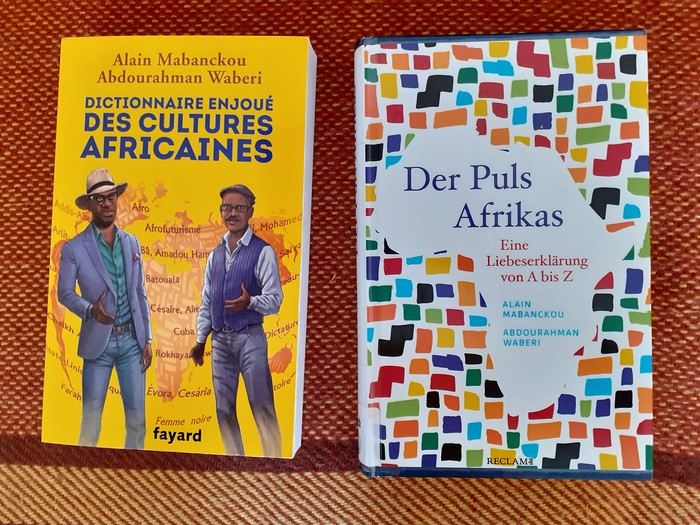
The Maggi cube, an unchallenged hegemony, and so much more
“The hopeless continent,” headlined The Economist, a British magazine, in July 2000 about Africa. Eleven years later, the same magazine headlined “Africa rising” instead. Images of Africa in the prosperous North constantly oscillate between apocalyptic scenarios and enthusiastic projections. A key issue with such images lies in the generalization they entail. If you look at the continent, considerable contrasts emerge depending on space and time. It’s no surprise that a region of the world encompassing such diverse ecological zones, maintaining such varied ties with other continents, comprising nearly fifty nation-states in sub-Saharan Africa alone, and characterized by a great diversity of languages, belief systems, and historical paths, doesn’t share a single destiny.
And yet, for many people outside Africa, as well as for many Africans, the continent constitutes a single entity, defined by criteria such as skin color, a colonial past, poverty, and the art of survival. Until now, these perspectives were generally accompanied by the idea that Africa had to—or should have—followed a single path together, sometimes called development, sometimes modernization, sometimes liberation, then a market economy. None of these paths delivered on their promises.
The two writers Alain Mabanckou and Abdourahman Waberi—one from Congo, the other raised in Djibouti, both long settled in France and now professors at renowned North American universities (Los Angeles, Washington)—have had enough of pessimistic scenarios: “We are aware that Africa is in the world and the world is in Africa. The same goes for all other continents, as our destinies are inextricably linked for better or worse. We refuse to see Africa as a reservoir of misfortunes or a continent cursed by atavistic misfortune and characterized by ethnic conflicts. [...] It’s this passionate flame we wanted to capture in a book [...] a kind of stroll through African cultures, without any demands, each letter of the alphabet leading us to a notion, a practice, a concept, a moment in history, literature, painting, politics, economics, cuisine, etc.” (p.10-11). Africa, they write, is on the verge of “imposing a signature, a style, a way of being in the world and in relation to the rest of the world.” (p.11) To put words to the continent’s diversity and dynamism, the two authors created a “rambling ABC,” a kind of portrait—or more precisely, a mythography—that lets you see and feel the pulse of a vast continent whose cultural power is unfolding before our eyes. Once marginalized or even mocked, the voice and importance of the Continent in global affairs are now undeniable” (p.11), containing over a hundred entries, mostly concise, written in a relaxed and casual style. The optimistic, even exuberant tone is set from the brief introduction. The duo of authors wants to “sing a love song to the cultures of our continent, to its inhabitants past and present, to its exceptional resources and its spectacular globalization despite a certain pollution that still clouds our skies due to the unmatched duration of dictatorships in some of our regions.” (p.12) In doing so, they don’t want to be too distracted by today’s Afewerki-Biya-Bongo-Déby & Co. ...
Of course, you’ll find tributes to great precursors like Frantz Fanon (“[...] it was a love story and admiration that wasn’t dimmed by the four decades separating his birth from ours. Let’s add that we were born while the native of Fort-de-France had left the world’s stage four years earlier, in the prime of life” p.141), Mongo Beti (“You must read and reread Mongo Beti, a genius who used his fame to support often just causes in Africa, like defending oppressed groups. His place is already in History. His oppressors, like the dictators Ahmadou Ahidjo and Paul Biya, can’t compete in the same category” p.64), the Malian Amadou Hampâté Bâ
(“Posterity remembers him mainly as an tireless defender of African cultures. His plea for the collection and preservation of traditional African knowledge remains a major event for all men and women of good will. One day in 1960, at the UNESCO podium, the native of Bandiagara sounded the alarm: ‘[...] Since we’ve admitted that the humanity of each people is the heritage of all humanity, if African traditions aren’t collected in time and written down, they’ll one day be missing from the universal archives of humanity.’” p.51),
Kwame Nkrumah, “one of the founders of Pan-Africanism, father of Ghana’s independence” (p.239), as well as the historian Cheikh Anta Diop, the writer, poet, and politician Aimé Césaire, and the economist and thinker Samir Amin, but also very warm tributes to certain contemporary African intellectuals like Souleymane Bachir Diagne and Achille Mbembe
(“A few years ago, in dominant economic circles, a rumor often resurfaced, usually disguised as a cold and scientifically proven analysis: Africa is useless. It’s a burden for the rest of the human community. With its 2% share in world trade, it would disappear from stock market radars without anyone noticing. So? Maybe it’ll be pulled up by other continents. Wanting to surpass itself is a crazy bet for Africans, they concluded. Arrogant or clueless, President Nicolas Sarkozy declared before an audience of students and teachers at Cheikh Anta Diop University in Dakar: ‘The African man hasn’t entered history enough [...] He only knows the eternal repetition of time marked by the endless repetition of the same gestures and words.’ That was in 2007. For decades, armed only with reason, an intellectual often steps up to debunk prejudices, lazy readings, and dishonest frameworks used as false fronts by those who, like Nicolas Sarkozy or former journalist Stephen Smith, out of ignorance, contempt, or condescension, distort African reality. This intellectual is none other than the historian and political scientist Achille Mbembe. This heir of Frantz Fanon, Amílcar Cabral, Jean-Marc Ela, and Fabien Eboussi-Boulaga was born in 1957 in Cameroon, in the Bassa region. Marked early by the upheavals of a fratricidal war, Achille Mbembe became the guardian of the memory of martyrs. After brilliant studies in Paris, he went on to teach at the best American universities, but the call of the Continent was stronger than anything else. In Dakar, he once directed CODESRIA (Council for the Development of Social Science Research in Africa) before joining the University of the Witwatersrand in Johannesburg, South Africa. Even though the author of *Critique of Black Reason* (Éditions La Découverte, 2015) spends a few months at Duke University in North Carolina, his observation post remains South Africa. From Johannesburg, Achille Mbembe scrutinizes Africa and the whole world. A lucid observer with an elegant and generous pen, Achille Mbembe knows how to blend big and small history: ‘I was born one day in July, as the month was drawing to a close. It was 1957, in that part of Africa recently named ‘Cameroon,’ a memory of the wonder that seized Portuguese sailors in the 15th century when, sailing up the river near Douala, they couldn’t help but note the presence of a multitude of crustaceans, and named it *Rio dos Camarões*, meaning ‘River of Shrimp.’ I grew up in the shadow of this nameless land, since, in a way, the name it bears is only the product of someone else’s astonishment: a lexical mistake, if you will.’ From this mistake or wound, he made leaven, a springboard to compose a rich work, recognized worldwide. To denounce barriers and barbarians too. But that’s not enough. Among his peers in circles of thought and action, Achille Mbembe passionately and consistently defends human dignity and the beauty of the world. In doing so, he fulfills the mission Frantz Fanon entrusted to him.” (p.227-229),
as well as entries dedicated to lesser-known artists and intellectuals, like the French journalist and activist Rokhaya Diallo, daughter of Senegalese and Gambian parents, or the Ethiopian filmmaker Haile Gerima, who has long lived in the United States. Other names from politics, sports, music, art, and literature: Kofi Annan, p.36; Barack Obama, p.243; Thomas Sankara, p.277; Ousmane Sow, p.285; Yambo Ouologuem, p.250; Léopold Sédar Senghor, p.282; Muhammad Ali, p.30; Nuruddin Farah, p.146; Salif Keita, p.203; Ahmadou Kourouma, p.206; Ngũgĩ wa Thiong’o, p.236; Winnie Mandela, p.224; Kylian Mbappé, p.226 ...
The authors, who resolutely commit to a “mythography” (p.11) of Africa, also pay special attention to local social movements, cultural events, and aspects of daily life. *Y’en a marre*, “which also meant ‘we’re fed up with sitting on our hands’” (p.320-321), emerged about a decade ago in Senegal as a citizen movement of peaceful resistance and symbolizes, the authors emphasize, the fact that African youth are increasingly fed up “with the political circus deployed in Africa since independence, as our parents would say, ‘since the White man left’...” (p.321). A full entry is dedicated to the Maggi bouillon cube, which has flooded African markets for about forty years and enjoys immense popularity (“It’s everywhere in Africa, from Dakar to Djibouti, and from Tangier to Cape Town. It’s in every pot, every stew. Little hands put it in every sauce, every local or adapted dish. An unchallenged hegemony! You’ll find it in diasporas too. The culinary strolls in Paris, in the [...] neighborhood” p.90). Critics blame it not only for impoverishing the aromatic diversity of local dishes but also for being harmful to health. And yet, “he poorest Africans, those who eat only once a day, a few spoonfuls of white beans and a ball of *foufou*, for example, are the most fervent users of the magic cube.” (p.92-93)
For *fonio*, “the new trendy cereal. [...] From the millet family, fonio is probably the oldest cereal cultivated in West Africa, and mainly in its sub-Saharan part, for millennia. [...] Easy to grow, water-efficient, fonio grows everywhere except on clay soils. Long neglected because it was considered the poor man’s crop, fonio is now a source of pride for the farmers who cultivate it and cherish it like the apple of their eye” (p.156-157), the authors immediately offer a detailed recipe, letting the reader know that “e can’t resist sharing this fonio with chicken recipe from Mali with you:
Ingredients: 1 chicken 3 large ripe red tomatoes 4 tbsp tomato paste 4 large onions 1 garlic clove 1/2 cup oil 2 Maggi cubes or salt 2 large carrots 1 turnip 1 large cabbage 2 large potatoes 1 celery stalk 1 packet pre-cooked fonio 4 okra (or okra powder) salt, pepper
Preparation: 1. Prepare the sauce: wash and cut the chicken. Peel the onions, garlic, and vegetables. 2. In a pot, fry the chicken pieces. 3. Dice the onions, tomatoes, carrots, and turnip very small and add them to the pot. 4. Add the tomato paste, salt, and pepper. 5. Simmer for 15 min, then add 2 L of water and the cooked chicken pieces. 6. Simmer for 30 min, then add the crushed garlic and celery, plus the cabbage cut into 4 and the potatoes cut in half. 7. Prepare the fonio: cover it with warm water, let it rest for 15 min, and cook it over low heat. 8. In a small pot, boil the okra and crush them. 9. Mix the crushed okra with the cooked fonio, then salt. Serve hot.” (p.158-159)
The comedy *Black Mic Mac*, released in French theaters in 1986 and addressing France’s increasingly restrictive immigration policy at the time, also gets an entry, as do *Tintin in the Congo*, the popular comic, and *Jip’s Café* (“[...] a little Africa in the heart of Paris, with passersby stopping to admire the ‘ambianceurs’ on the dance floor or attend the cultural events offered by the place” (p.194), an African establishment in Paris that Alain Mabanckou already immortalized in one of his novels.
The duo of authors also tackles thorny subjects like jihadism (p.119), the Rwandan genocide (p.272), the CFA franc (p.82), and dictatorship (p.110). While the two strike the right tone here, many entries leave a slightly bitter taste. Two examples: why doesn’t the text on Barack Obama mention the great disappointment of many people in Africa, who expected more from the African policy of the first U.S. president with African roots than just occasional warm words? Why do the comments on Winnie Mandela gloss over the fact that she was a highly controversial icon of the anti-apartheid movement due to her involvement in kidnappings, acts of torture, and murders of alleged apartheid collaborators? Instead, there’s a compassion that brings tears to the eyes: “She was often reduced to a secondary role, the wife of a great man” or “When victory came, she didn’t taste its fruits. Divorced, isolated. She would never be a ‘first lady’ in an evening gown, posing before a bed of chrysanthemums. They’d keep her far from the circles of power” (p.224-225). At this point, I would’ve liked the authors to take a slightly more critical stance...
That said, these “weaknesses” (if you can call them that) shouldn’t overshadow the book as a whole. It remains an informative, sometimes very entertaining, and often even original work in its own way.
Book information (the original French and the German translation):
Alain Mabanckou/Abdourahman Waberi. Dictionnaire enjoué des cultures africaines. Fayard, 2019. Alain Mabanckou/Abdourahman Waberi. Der Puls Afrikas. Eine Liebeserklärung von A bis Z. Reclam, 2022.
Hery
Short stay in Montreal for the Road Cycling World Championships
Hi everyone, as a regular in the "bike travel" section, I’m reaching out for some info since I’m planning to come to Montreal at the end of September 2026 for the Road Cycling World Championships. If I get the time off and manage to gather the details, I’ll arrive on Wednesday the 23rd and leave on Tuesday the 29th. Traveling solo with just my backpack, I need answers to:
1°) Do you know of any youth hostels (or similar) within walking distance (less than 3 km) of the finish circuit on Mount Royal?
2°) What’s the best way to get to this accommodation from the airport—metro, bus, etc.?
I’m just starting my research and counting on you all for any tips. My goal is to watch the road races and explore Montreal afterward—restaurants, bars, and more.
Looking forward to your replies, cheers.
I’m just starting my research and counting on you all for any tips. My goal is to watch the road races and explore Montreal afterward—restaurants, bars, and more.
Looking forward to your replies, cheers.