Results for "Espagne+souvenir+artisanat"
About 23,576 results.
More options
Many results are in French, the community’s main language. English translations are added over time.
Search results
Danger Turquie = prison pour les touristes
c’est en réponse à une certaine Anne vivant en Turquie et qui considère que c’est une affabulation que de dire que l’on peux aller en prison pour un simple fossile d’oursin acheté légalement dans une boutique à touriste.
Je suis désolé de la contrarier, je m’appel Marc et c’est à moi que cette histoire est arrivée. Je viens de sortir de prison grâce à une caution de 6000 euros que m’on père à du payer pour m’a libération.
Vous allez croire peut-être, que j’avais acheté une véritable antiquité d’une valeur inestimable et bien non c’était un simple fossile d’oursin qui se vend par centaines pour une valeur entre 1 et 5 millions de livres turque. Notre guide ne nous a rien dit, pourtant il en connaissait les conséquence. La vente est interdite, pourtant les commerçants non jamais été inquiété. La seul chose que je sais, s’est qu’a l’aéroport d’Antalya on a fouillé mes bagages, que l’on a sorti mon fossile et que l’on m’a arrêté.
La première nuit j’ai dormi sur une planche en bois. Le lendemain j’ai du subir tout se que l’on fait subir aux pires criminels. Après quoi on m’a jeté dans la prison D’Antalya. Nous étions 15 dans la cellules que des étranger. C’est là que j’ai appris qu’il était monnaie courante que d’arrêter de temps en temps un touriste pour ces raisons. Une centaine par an pas plus n’y moins.
J’encourais une peine de prison allant de 5 à 10 ans et que seul mon jugement déterminerait si l’on m’accorderai de sortir ou pas en payant une caution de 6000 euros.Vous devinerez les angoisses que j’ai du subir pendant les 43 jours que j’ai attendu avant d’être jugé. Pas le droit de téléphoner pas le droit d’écrir sauf en Turc un isolement total accompagné de malnutrition, racket, la douche tout les 10 jours il fallait tout payer même son électricité.
Un Allemand de 37 ans s’est pendu dans la cellule. Il avait ramassé un caillou, non, pas une pierre antique, non un caillou et s’était là, la raison de son incarcération.
Mon avocat sur place a fait un très bon travail, il a rassemblé beaucoup de preuves, il est même retourné en Cappadoce prendre des photos des étalages des commerçants. Accompagné de la police et d’un arquéologue il a fait faire une déposition au vendeur qui m’avait vendu le fossile.
Mais tout ça n’a servi a rien.Le but final de se complot était de me soutirer 6000 euros. Mais cette histoire m’a coûté bien plus, 12000 euros, un casier judiciaire et un préjudice morale et physique du au condition de tétention.
Marc
Marc
Recherche hébergements abordables au Maroc
salut,
je cherche à me loger au Maroc (itinéraire non définitif mais nous passerons d'office par les sites et villes incontournables) pour environ 10 euros (à 5 euros près). Nous ( 3 ou 4 personnes) ferons un séjour de 3 à 4 semaines au Maroc.😛🙂
Connaissez-vous des hotels, chambres d'hôtes et riads sympas et traditionnels pas "usine à touristes" à des prix abordables ? Toutes vos expériences sont bonnes à prendre... Des bons plans pour manger local dans des sites sympas (sans trop de risque de tourista) ?
Avez-vous des activités autres que les visites habituelles à nous conseiller? Des conseils pour ramener des souvenirs (style objets artisanaux) sans trop se faire avoir ?
SVP donnez moi une idée des prix pratiqués car je n'en ai aucune idée (objets, transports, logement, activités, ...) MERCI !!!!! 😉😉
je cherche à me loger au Maroc (itinéraire non définitif mais nous passerons d'office par les sites et villes incontournables) pour environ 10 euros (à 5 euros près). Nous ( 3 ou 4 personnes) ferons un séjour de 3 à 4 semaines au Maroc.😛🙂
Connaissez-vous des hotels, chambres d'hôtes et riads sympas et traditionnels pas "usine à touristes" à des prix abordables ? Toutes vos expériences sont bonnes à prendre... Des bons plans pour manger local dans des sites sympas (sans trop de risque de tourista) ?
Avez-vous des activités autres que les visites habituelles à nous conseiller? Des conseils pour ramener des souvenirs (style objets artisanaux) sans trop se faire avoir ?
SVP donnez moi une idée des prix pratiqués car je n'en ai aucune idée (objets, transports, logement, activités, ...) MERCI !!!!! 😉😉
Où acheter de l'huile d'Olive à Séville? (Espagne)
Bonjour,
Je pars pour le WE à Séville 😎 J'aimerais beaucoup ramener de l'huile d'olive. Est-ce que connait un endroit où en acheter de bonne qualité ? Je cherche de l'huile extra vierge, évidemment, si possible artisanale ou directement du producteur, et qui soit vendu en petites quantités (je ne compte pas ramener plus de 10l, ça doit tenir dans ma valise !!!!) mais néanmoins dans des bidons bien étanche.
J'en avais ramené de Barcelone, car j'étais en voiture, j'avais trouvé de l'huile pas mal et bio en bidons de 5l en supermarché (je crois que c'était Auchan !). Là, je ne sais pas du tout car je serai en avion et en centre ville, donc à pied uniquement.
Merci d'avance !
Je pars pour le WE à Séville 😎 J'aimerais beaucoup ramener de l'huile d'olive. Est-ce que connait un endroit où en acheter de bonne qualité ? Je cherche de l'huile extra vierge, évidemment, si possible artisanale ou directement du producteur, et qui soit vendu en petites quantités (je ne compte pas ramener plus de 10l, ça doit tenir dans ma valise !!!!) mais néanmoins dans des bidons bien étanche.
J'en avais ramené de Barcelone, car j'étais en voiture, j'avais trouvé de l'huile pas mal et bio en bidons de 5l en supermarché (je crois que c'était Auchan !). Là, je ne sais pas du tout car je serai en avion et en centre ville, donc à pied uniquement.
Merci d'avance !
Authentic Spain: Immersing Yourself in Regional Diversity
Beyond the traditional tourist circuits, Spain reveals its true essence through its lesser-known regions and preserved traditions. For a unique and authentic experience, we invite you to explore the hidden facets of this fascinating country. You can check out FairMoove’s offers, an eco-responsible and authentic travel agency.
The Hidden Gems of Rural Andalusia
Far from the well-trodden paths of Seville and Granada, the white villages of Andalusia transport you to a timeless Spain. In Ronda, perched on its vertiginous cliffs, the cobbled streets tell centuries of history. In the intimacy of Mijas, artisans keep age-old traditions alive in their workshops, open to curious visitors.
Master potters introduce you to their ancestral craft, sharing techniques passed down through generations. In family-run taverns, tapas are enjoyed to the rhythm of conversations with locals, revealing jealously guarded recipes. Come evening, local flamenco schools open their doors, letting you discover the deep soul of Andalusia through its traditional dances. A Sensory Journey: The Wine Route
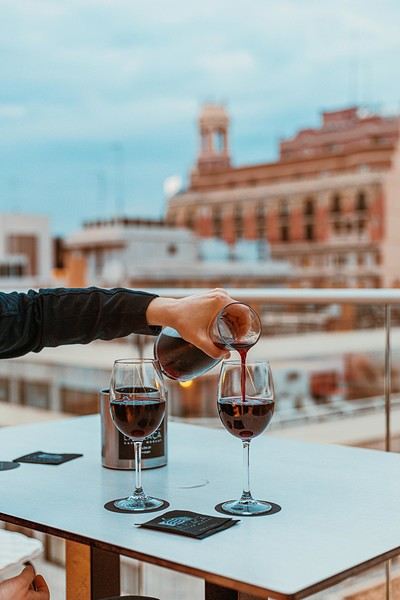
The wine regions of Rioja and Ribera del Duero invite you to a truly "non-touristy" authentic experience. In these family-run estates, often centuries old, winemakers share their passion with characteristic generosity. Tours of historic cellars reveal the secrets of traditional winemaking, while guided tastings awaken your senses to the subtleties of local grape varieties.
During harvest season, you can join in the grape picking alongside local families, continuing age-old traditions. Meals shared in the vineyards become moments of conviviality where the wine tells the story of the terroir. Some estates even offer blending workshops where you create your own cuvée under the expert guidance of enologists. From Lively Markets to Traditional Farms: Authentic Gastronomy
In Catalonia, local markets are true theaters of daily life. Beyond Barcelona’s La Boqueria, the markets in Catalan villages offer a more intimate experience. Producers share the stories behind their products—organic vegetables, artisanal cheeses, and traditional cured meats.
In the Balearic Islands, *fincas* turned into agritourism spots keep centuries-old agricultural traditions alive. In Mallorca, join the olive harvest and oil production using ancestral methods. In Menorca, cheesemakers introduce you to the crafting of the famous Mahón-Menorca PDO cheese, a skill passed down through generations.
The Vibrant Soul of Spain’s Autonomous Regions
Each of Spain’s autonomous regions proudly cultivates its unique identity. In Galicia, Celtic traditions blend harmoniously with age-old pilgrimages. Traditional fishing ports welcome you to discover the secrets of sustainable fishing, while local festivities celebrate ancestral legends.
The Basque Country surprises with its ancient language and world-renowned gastronomy. In *txokos*—traditional gastronomic societies—you’ll explore Basque cuisine alongside locals. Local festivals, like Valencia’s Fallas or Seville’s Feria de Abril, immerse you in the excitement of Spanish popular traditions. Community-Based Tourism: A Rewarding Human Experience
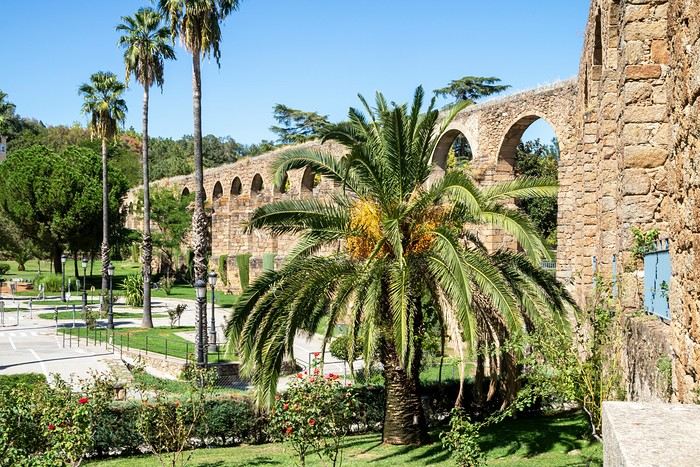
Extremadura, a pioneer in community-based tourism, offers homestays that redefine travel. These initiatives not only support the local economy directly but also create authentic connections with communities. You’ll take part in seasonal agricultural work, learn traditional farming and livestock techniques, and share daily life with the families hosting you.
Community-based tourism projects also extend to preserving cultural heritage. Join efforts to restore historic monuments, rehabilitate traditional hiking trails, or pass on endangered artisanal skills.
Responsible Travel to Preserve Authenticity
This immersive approach to travel in Spain helps preserve local traditions and promote sustainable development in communities. By choosing these authentic experiences, you actively contribute to keeping Spain’s cultural heritage alive while enjoying unique moments far from mass tourism. The income generated directly supports local preservation initiatives and the passing down of traditional knowledge. Positive Impact on Local Communities
Authentic tourism allows communities to keep their traditions alive while adapting to modern challenges. Younger generations find new opportunities to carry on ancestral skills, while visitors leave enriched by unforgettable experiences and encounters.
Spain’s regions invite you to discover their differences and similarities, creating a fascinating cultural mosaic where every stone tells a unique story. Each trip becomes an opportunity to learn, share, and support local initiatives that keep authentic Spain alive while preserving its heritage for future generations.
The Hidden Gems of Rural Andalusia
Far from the well-trodden paths of Seville and Granada, the white villages of Andalusia transport you to a timeless Spain. In Ronda, perched on its vertiginous cliffs, the cobbled streets tell centuries of history. In the intimacy of Mijas, artisans keep age-old traditions alive in their workshops, open to curious visitors.
Master potters introduce you to their ancestral craft, sharing techniques passed down through generations. In family-run taverns, tapas are enjoyed to the rhythm of conversations with locals, revealing jealously guarded recipes. Come evening, local flamenco schools open their doors, letting you discover the deep soul of Andalusia through its traditional dances. A Sensory Journey: The Wine Route
The wine regions of Rioja and Ribera del Duero invite you to a truly "non-touristy" authentic experience. In these family-run estates, often centuries old, winemakers share their passion with characteristic generosity. Tours of historic cellars reveal the secrets of traditional winemaking, while guided tastings awaken your senses to the subtleties of local grape varieties.
During harvest season, you can join in the grape picking alongside local families, continuing age-old traditions. Meals shared in the vineyards become moments of conviviality where the wine tells the story of the terroir. Some estates even offer blending workshops where you create your own cuvée under the expert guidance of enologists. From Lively Markets to Traditional Farms: Authentic Gastronomy
In Catalonia, local markets are true theaters of daily life. Beyond Barcelona’s La Boqueria, the markets in Catalan villages offer a more intimate experience. Producers share the stories behind their products—organic vegetables, artisanal cheeses, and traditional cured meats.
In the Balearic Islands, *fincas* turned into agritourism spots keep centuries-old agricultural traditions alive. In Mallorca, join the olive harvest and oil production using ancestral methods. In Menorca, cheesemakers introduce you to the crafting of the famous Mahón-Menorca PDO cheese, a skill passed down through generations.
The Vibrant Soul of Spain’s Autonomous Regions
Each of Spain’s autonomous regions proudly cultivates its unique identity. In Galicia, Celtic traditions blend harmoniously with age-old pilgrimages. Traditional fishing ports welcome you to discover the secrets of sustainable fishing, while local festivities celebrate ancestral legends.
The Basque Country surprises with its ancient language and world-renowned gastronomy. In *txokos*—traditional gastronomic societies—you’ll explore Basque cuisine alongside locals. Local festivals, like Valencia’s Fallas or Seville’s Feria de Abril, immerse you in the excitement of Spanish popular traditions. Community-Based Tourism: A Rewarding Human Experience
Extremadura, a pioneer in community-based tourism, offers homestays that redefine travel. These initiatives not only support the local economy directly but also create authentic connections with communities. You’ll take part in seasonal agricultural work, learn traditional farming and livestock techniques, and share daily life with the families hosting you.
Community-based tourism projects also extend to preserving cultural heritage. Join efforts to restore historic monuments, rehabilitate traditional hiking trails, or pass on endangered artisanal skills.
Responsible Travel to Preserve Authenticity
This immersive approach to travel in Spain helps preserve local traditions and promote sustainable development in communities. By choosing these authentic experiences, you actively contribute to keeping Spain’s cultural heritage alive while enjoying unique moments far from mass tourism. The income generated directly supports local preservation initiatives and the passing down of traditional knowledge. Positive Impact on Local Communities
Authentic tourism allows communities to keep their traditions alive while adapting to modern challenges. Younger generations find new opportunities to carry on ancestral skills, while visitors leave enriched by unforgettable experiences and encounters.
Spain’s regions invite you to discover their differences and similarities, creating a fascinating cultural mosaic where every stone tells a unique story. Each trip becomes an opportunity to learn, share, and support local initiatives that keep authentic Spain alive while preserving its heritage for future generations.
Hôtel Mercury à Santa Susanna? (Espagne)
Bonjour
Pouvez vous me donner des infos sur cet hotel?
J'ai vu qu'il etait pres d'une voie ferrée, pouvez vous me dire si il y a beaucoup de trains qui passent, et si cela n'est pas trop bruyant MErci
J'ai vu qu'il etait pres d'une voie ferrée, pouvez vous me dire si il y a beaucoup de trains qui passent, et si cela n'est pas trop bruyant MErci
VTT ou VTC pour le chemin de Compostelle à vélo?
Sans être remontée très loin dans la lecture des forums sur ce même sujet (excusez-moi si le sujet a déjà été traité ) j'ai lu beaucoup de discussions sur le VTT pour faire l'un de ces chemins, mais je ne vois pas grand chose sur le VTC.
Or, je suis en pleine réflexion : je possède un VTT bas de gamme de chez Décathlon, roues de 26", fourche suspendue, mais je demande si je n'ai pas intérêt à acheter un bon VTC. C'est-à-dire, un vélo avec des roues plus fines, de 28 " (dites aussi 700), une fourche suspendue blocable, un pédalier et un dérailleur de meilleure qualité, etc.... J'en vois tellement chez lez vélocistes et sur internet que je ne sais plus vers quelle marque et quel type me diriger ! (Marques en vue : Orbea, specialized, Giant..)
Je me doute que vous allez me dire que ça dépend par quel type de chemins je compte passer. Or, voilà, je ne sais pas trop, faisant confiance pour le parcours aux amis qui étudient la question, mais je sais qu'il est prévu de faire le chemin de la Plata (Séville-Compostelle) soit environ 1 000 km, en évitant les portions vraiment déconseillées aux vélos, mais je m'attends à ce qu'il y ait tout de même beaucoup de chemins (roulants?) .
Que pensez-vous de la problématique : VTT ou VTC ? Merci de vos conseils!
Or, je suis en pleine réflexion : je possède un VTT bas de gamme de chez Décathlon, roues de 26", fourche suspendue, mais je demande si je n'ai pas intérêt à acheter un bon VTC. C'est-à-dire, un vélo avec des roues plus fines, de 28 " (dites aussi 700), une fourche suspendue blocable, un pédalier et un dérailleur de meilleure qualité, etc.... J'en vois tellement chez lez vélocistes et sur internet que je ne sais plus vers quelle marque et quel type me diriger ! (Marques en vue : Orbea, specialized, Giant..)
Je me doute que vous allez me dire que ça dépend par quel type de chemins je compte passer. Or, voilà, je ne sais pas trop, faisant confiance pour le parcours aux amis qui étudient la question, mais je sais qu'il est prévu de faire le chemin de la Plata (Séville-Compostelle) soit environ 1 000 km, en évitant les portions vraiment déconseillées aux vélos, mais je m'attends à ce qu'il y ait tout de même beaucoup de chemins (roulants?) .
Que pensez-vous de la problématique : VTT ou VTC ? Merci de vos conseils!
Croisière MSC "Romances Latines" Italie, Espagne, France
Bonjour,
Ce message s’adresse aux croisiéristes de voyage forum qui vont faire la croisière en méditerranée sur le MSC Divina à partir de fin mars, au départ de Marseille et qui pourront remontée des informations sur le déroulements de cette croisière, que voir et que faire lors des escales sans passer par les excursions MSC à Gênes, Civitavecchia (Rome), Palerme, Cagliari, Palma de Majorque et Valence. Nous partons le 20 avril 2018 de Marseille, Cagliari et Valence m’intéresse tout particulièrement étant donnés que nous avons jamais fait ces escales. En ce qui concerne la vie à bord, le ressenti sur la qualité des spectacles, le jour des repas à thème (soirée italienne, soirée de gala etc.…) bref tout ce qui permet de juger le niveau des prestations. Merci à tous les croisiéristes qui voudront collaborer et bonne croisière.
Risque de tensions à Barcelone et en Catalogne
Hola 😉
Ne souhaitant pas rentrer dans un débat concernant les développements de la situation politique en Catalogne, débat qui n'a pas sa place dans ce forum, et espérant être clair et concis dans ce qui suit, il me paraît utile d'informer les voyageurs ayant prévu de se rendre dans les prochains jours et prochaines semaines, en Catalogne en général et à Barcelone en particulier, de la situation particulière que vit cette région, et des tensions résultant de la confrontation en cours entre Madrid et les autorités catalanes, tensions qui ne peuvent que s'amplifier dans les heures et jours à venir !!
Difficile de résumer cette situation en quelques mots... Les parlementaires nationalistes-indépendantistes catalans (majoritaires en sièges, mais minoritaires en voix) ont approuvé ces dernières 48 heures, "à la hussarde" (doux euphémisme au vu de la manière dont ont été menés les "débats"), sans information préalable sur les textes qui seraient débattus, sans possibilités pour l'opposition d'amender ces textes, sans tenir compte des avertissements des propres juristes du parlement quant à l'illégalité des procédures employée et des textes proposés, etc..., donc, dans ce contexte, le parlement autonome de la région, a approuvé deux textes. Le premier prévoit l'organisation d'un référendum sur l'indépendance de la Catalogne (prévu le 1er Octobre), et le second organisant dés le 2 Octobre la "déconnection" d'avec Madrid.
Alors que la procédure normale du Parlement de Catalogne, prévoit, comme dans tout parlement au fonctionnement démocratique, un débat contradictoire, puis avant la publication des textes adoptés, leur passage par divers filtres administratifs et juridiques pour en vérifier la légalité et la conformité, dans ce cas précis, ces dispositions conflictuelles ont été adoptées, ratifiées et publiées en 48 heures, au cours de sessions ininterrompues de plus de seize heures, sans laisser aucune possibilité de recours ou d'amendement, que ce soit aux parlementaires d'opposition ou aux juristes du propre parlement? Les débats ont été réduits au strict minimum en flagrante contradiction avec le règlement du Parlement catalan. Les partis opposés aux textes n'ayant eu la faculté que d'une seule et unique intervention, limitée en temps (d'une minute à 15 minutes selon le parti) et sans aucune possibilité d'amendement des textes ou de remise en cause de la procédure appliquée !!!
En dehors des seuls partis nationalistes et indépendantistes catalans, toutes les autres formations politiques, de gauche comme de droite, les corps constitués, le système judiciaire catalan, le système judiciaire espagnol, le gouvernement espagnol et surtout le Conseil Constitutionnel, donc toutes ces entités, chacune dans leur domaine, considèrent les décisions votées en ces circonstances, comme étant illégales et anti-constitutionnelles.
Le choc politique est d'envergure puisque les autorités politiques catalanes qui ont enclenché ce processus, sont en charge de l'autonomie (très large) de la Catalogne, au nom du "peuple espagnol dans son ensemble" et ont juré fidélité à la Constitution espagnole dont aujourd'hui ils disent ne plus reconnaître la légitimité. En "clair" et en résumé, c'est l'éclatement de l'Espagne dans sa forme actuelle qui a été voté !!
Le pouvoir central espagnol, ainsi défié, ne peut ni politiquement, ni légalement rester inactif et d'ores et déjà, moins de 24 heures après ces décisions, le Tribunal Constitutionnel espagnol a déclaré illégaux les textes adoptés par le parlement catalan, et précise que les promoteurs et signataires de ces textes visant à la "déconnection" d'avec Madrid et l'Espagne, seront poursuivis judiciairement, selon les modalités prévues dans la Constitution, pouvant aller jusqu'à la suspension de l'autonomie de la Catalogne et la "mise sous tutelle" de son administration par le pouvoir central, sans préjuger des poursuites et condamnations encourues par les promoteurs et signataires de ces dispositions inconstitutionnelles.
Devant cette menace clairement exprimée, les acteurs de la déconnection ont déclaré qu'ils n'hésiteraient pas à déplacer, "dans la rue", le débat politique en cas de veto madrilène.
Pour situer la dimension de cet imbroglio politico-social, le mouvement nationaliste-indépendantiste représente, au mieux, 50% de la population catalane. Les "autres" 50% se déclarant ouvertement unionistes. La fracture dans la société catalane est nette entre ces deux philosophie politiques, et cette donnée aura son importance dans les jours et semaines à venir.
Illustration de cette situation exceptionnellement compliquée : le Govern catalan dispose d'une force de police "autonome", placée sous son autorité, ce sont "Los Mossos D'squadra". A l'heure d'un éventuel référendum, c'est ce corps de police qui sera chargé, à la demande du Govern catalan, de la sécurité publique et du maintien de l'ordre pour en assurer le bon déroulement. Mais dans le même temps, ce même corps de police autonome fait partie intégrante des forces de sécurité nationale, dépendant directement du Ministère de l'intérieur espagnol, au même titre que la Guardia Civil ou la Policia Nacional. Tous les policiers catalans servant dans le corps des Mossos ont juré fidélité à la Constitution espagnole et obéissance aux autorités chargées de la faire respecter. Même si leur autorité de tutelle directe est le Govern catalan, qui vient par ailleurs de placer à leur tête, en tant que "Conseiller à l'Intérieur", un nationaliste-indépendantiste des plus intégristes, in fine ils sont placés sous l'autorité du Ministère de l'Intérieur espagnol (qui assure, entre autres, leurs salaires)
Il est facile d'imaginer le dilemme qui se posera à ces fonctionnaires de police, qui recevront, le même jour, l'ordre, de la part du Ministère de l'intérieur de Madrid, de prendre toutes les mesures pour empêcher le déroulement du référendum (retrait des urnes, saisies des listes et bulletins, fermetures des bureaux de vote), et dans le même temps, un autre ordre, émanant du Govern catalan, afin qu'ils prennent les dispositions pour que le référendum puisse se dérouler dans la "normalité", en assurant la sécurité des bureaux de vote, des scrutateurs et des électeurs !!
Enfin il est remarquable de constater la présence "côte à côte", dans ce mouvement nationaliste-indépendantiste, de partis politiques que tout oppose par ailleurs, comme JxSI (Juntos por si) regroupement de conservateurs libéraux et du parti ERC, parti de gauche anti-libéral et républicain (dans l'acception espagnole) et, de plus, à ce "joint-venture" et afin d'obtenir la majorité parlementaire, est venue s'ajouter la CUP, parti anti-système et anti-capitaliste de l'ultra gauche. C'est l'alliance de l'eau et du feu sous la banière sécessionniste.
Pour compléter le tableau, le 11 Septembre, comme tous les ans, sera célébrée, en Catalogne, la DIADA, qui est la "fête nationale" de cette région. Traditionnellement, l'acte le plus important de cette journée se déroule à Barcelone et rassemble plusieurs centaines de milliers de personnes. A l'origine, la DIADA est un acte commémoratif et festif, mais depuis quelques années il est clairement devenu une manifestation revendicative, une démonstration politique nationaliste et ouvertement anti-espagnole. Mais cette manifestation est toujours restée pacifique et festive. Par contre, dans trois jours se déroulera la Diada 2017 dans ce climat de confrontation entre nationaliste catalans et catalans unionistes, alors que les premières mesures "anti-référendum" auront été prises et pour certaines appliquées !!!
Après la manifestation de condamnation des attentats de Barcelone, le 27 Août, manifestation qui a été détournée de son objet par les nationalistes radicaux qui en ont fait un acte revendicatif anti-espagnol, et devant la réaction du gouvernement central dont les premières mesures visent à empêcher le déroulement de ce référendum du 1er Octobre, déclaré illégal, on peut espérer que les "pros" et les "antis" ne se retrouvent face à face dans la rue à l'occasion de la DIADA du 11 Septembre... Bien malin celui ou celle qui peut prévoir ce qui pourrait se passer !!!
D'ores et déjà, les injonctions contradictoires arrivent aux autorités administratives et judiciaires en ce qui concerne l'organisation de cet hypothétique référendum du 1er Octobre. Le Govern catalan ordonnant la mise à disposition des moyens nécessaires pour cette consultation (bureaux de vote, scrutateurs, listes électorales...) les autorités espagnoles et la justice (catalane et espagnole) avisant ces mêmes personnes qu'elles commettraient un délit en fournissant ces moyens pour l'organisation d'une consultation illégale !!!
L'information sur le sujet m'ayant paru très "discrète" et pour le moins "parcellaire" hors d'Espagne, il m'a paru intéressant de donner (modestement) à d'éventuels voyageurs vers la Catalogne et Barcelone, ce résumé de l'actualité politique dans la région, en espérant qu'il pourra, le cas échéant, leur permettre de mieux comprendre des situations ou évènements auxquels ils pourraient assister durant leur séjour.
Hasta luego 😎
Ne souhaitant pas rentrer dans un débat concernant les développements de la situation politique en Catalogne, débat qui n'a pas sa place dans ce forum, et espérant être clair et concis dans ce qui suit, il me paraît utile d'informer les voyageurs ayant prévu de se rendre dans les prochains jours et prochaines semaines, en Catalogne en général et à Barcelone en particulier, de la situation particulière que vit cette région, et des tensions résultant de la confrontation en cours entre Madrid et les autorités catalanes, tensions qui ne peuvent que s'amplifier dans les heures et jours à venir !!
Difficile de résumer cette situation en quelques mots... Les parlementaires nationalistes-indépendantistes catalans (majoritaires en sièges, mais minoritaires en voix) ont approuvé ces dernières 48 heures, "à la hussarde" (doux euphémisme au vu de la manière dont ont été menés les "débats"), sans information préalable sur les textes qui seraient débattus, sans possibilités pour l'opposition d'amender ces textes, sans tenir compte des avertissements des propres juristes du parlement quant à l'illégalité des procédures employée et des textes proposés, etc..., donc, dans ce contexte, le parlement autonome de la région, a approuvé deux textes. Le premier prévoit l'organisation d'un référendum sur l'indépendance de la Catalogne (prévu le 1er Octobre), et le second organisant dés le 2 Octobre la "déconnection" d'avec Madrid.
Alors que la procédure normale du Parlement de Catalogne, prévoit, comme dans tout parlement au fonctionnement démocratique, un débat contradictoire, puis avant la publication des textes adoptés, leur passage par divers filtres administratifs et juridiques pour en vérifier la légalité et la conformité, dans ce cas précis, ces dispositions conflictuelles ont été adoptées, ratifiées et publiées en 48 heures, au cours de sessions ininterrompues de plus de seize heures, sans laisser aucune possibilité de recours ou d'amendement, que ce soit aux parlementaires d'opposition ou aux juristes du propre parlement? Les débats ont été réduits au strict minimum en flagrante contradiction avec le règlement du Parlement catalan. Les partis opposés aux textes n'ayant eu la faculté que d'une seule et unique intervention, limitée en temps (d'une minute à 15 minutes selon le parti) et sans aucune possibilité d'amendement des textes ou de remise en cause de la procédure appliquée !!!
En dehors des seuls partis nationalistes et indépendantistes catalans, toutes les autres formations politiques, de gauche comme de droite, les corps constitués, le système judiciaire catalan, le système judiciaire espagnol, le gouvernement espagnol et surtout le Conseil Constitutionnel, donc toutes ces entités, chacune dans leur domaine, considèrent les décisions votées en ces circonstances, comme étant illégales et anti-constitutionnelles.
Le choc politique est d'envergure puisque les autorités politiques catalanes qui ont enclenché ce processus, sont en charge de l'autonomie (très large) de la Catalogne, au nom du "peuple espagnol dans son ensemble" et ont juré fidélité à la Constitution espagnole dont aujourd'hui ils disent ne plus reconnaître la légitimité. En "clair" et en résumé, c'est l'éclatement de l'Espagne dans sa forme actuelle qui a été voté !!
Le pouvoir central espagnol, ainsi défié, ne peut ni politiquement, ni légalement rester inactif et d'ores et déjà, moins de 24 heures après ces décisions, le Tribunal Constitutionnel espagnol a déclaré illégaux les textes adoptés par le parlement catalan, et précise que les promoteurs et signataires de ces textes visant à la "déconnection" d'avec Madrid et l'Espagne, seront poursuivis judiciairement, selon les modalités prévues dans la Constitution, pouvant aller jusqu'à la suspension de l'autonomie de la Catalogne et la "mise sous tutelle" de son administration par le pouvoir central, sans préjuger des poursuites et condamnations encourues par les promoteurs et signataires de ces dispositions inconstitutionnelles.
Devant cette menace clairement exprimée, les acteurs de la déconnection ont déclaré qu'ils n'hésiteraient pas à déplacer, "dans la rue", le débat politique en cas de veto madrilène.
Pour situer la dimension de cet imbroglio politico-social, le mouvement nationaliste-indépendantiste représente, au mieux, 50% de la population catalane. Les "autres" 50% se déclarant ouvertement unionistes. La fracture dans la société catalane est nette entre ces deux philosophie politiques, et cette donnée aura son importance dans les jours et semaines à venir.
Illustration de cette situation exceptionnellement compliquée : le Govern catalan dispose d'une force de police "autonome", placée sous son autorité, ce sont "Los Mossos D'squadra". A l'heure d'un éventuel référendum, c'est ce corps de police qui sera chargé, à la demande du Govern catalan, de la sécurité publique et du maintien de l'ordre pour en assurer le bon déroulement. Mais dans le même temps, ce même corps de police autonome fait partie intégrante des forces de sécurité nationale, dépendant directement du Ministère de l'intérieur espagnol, au même titre que la Guardia Civil ou la Policia Nacional. Tous les policiers catalans servant dans le corps des Mossos ont juré fidélité à la Constitution espagnole et obéissance aux autorités chargées de la faire respecter. Même si leur autorité de tutelle directe est le Govern catalan, qui vient par ailleurs de placer à leur tête, en tant que "Conseiller à l'Intérieur", un nationaliste-indépendantiste des plus intégristes, in fine ils sont placés sous l'autorité du Ministère de l'Intérieur espagnol (qui assure, entre autres, leurs salaires)
Il est facile d'imaginer le dilemme qui se posera à ces fonctionnaires de police, qui recevront, le même jour, l'ordre, de la part du Ministère de l'intérieur de Madrid, de prendre toutes les mesures pour empêcher le déroulement du référendum (retrait des urnes, saisies des listes et bulletins, fermetures des bureaux de vote), et dans le même temps, un autre ordre, émanant du Govern catalan, afin qu'ils prennent les dispositions pour que le référendum puisse se dérouler dans la "normalité", en assurant la sécurité des bureaux de vote, des scrutateurs et des électeurs !!
Enfin il est remarquable de constater la présence "côte à côte", dans ce mouvement nationaliste-indépendantiste, de partis politiques que tout oppose par ailleurs, comme JxSI (Juntos por si) regroupement de conservateurs libéraux et du parti ERC, parti de gauche anti-libéral et républicain (dans l'acception espagnole) et, de plus, à ce "joint-venture" et afin d'obtenir la majorité parlementaire, est venue s'ajouter la CUP, parti anti-système et anti-capitaliste de l'ultra gauche. C'est l'alliance de l'eau et du feu sous la banière sécessionniste.
Pour compléter le tableau, le 11 Septembre, comme tous les ans, sera célébrée, en Catalogne, la DIADA, qui est la "fête nationale" de cette région. Traditionnellement, l'acte le plus important de cette journée se déroule à Barcelone et rassemble plusieurs centaines de milliers de personnes. A l'origine, la DIADA est un acte commémoratif et festif, mais depuis quelques années il est clairement devenu une manifestation revendicative, une démonstration politique nationaliste et ouvertement anti-espagnole. Mais cette manifestation est toujours restée pacifique et festive. Par contre, dans trois jours se déroulera la Diada 2017 dans ce climat de confrontation entre nationaliste catalans et catalans unionistes, alors que les premières mesures "anti-référendum" auront été prises et pour certaines appliquées !!!
Après la manifestation de condamnation des attentats de Barcelone, le 27 Août, manifestation qui a été détournée de son objet par les nationalistes radicaux qui en ont fait un acte revendicatif anti-espagnol, et devant la réaction du gouvernement central dont les premières mesures visent à empêcher le déroulement de ce référendum du 1er Octobre, déclaré illégal, on peut espérer que les "pros" et les "antis" ne se retrouvent face à face dans la rue à l'occasion de la DIADA du 11 Septembre... Bien malin celui ou celle qui peut prévoir ce qui pourrait se passer !!!
D'ores et déjà, les injonctions contradictoires arrivent aux autorités administratives et judiciaires en ce qui concerne l'organisation de cet hypothétique référendum du 1er Octobre. Le Govern catalan ordonnant la mise à disposition des moyens nécessaires pour cette consultation (bureaux de vote, scrutateurs, listes électorales...) les autorités espagnoles et la justice (catalane et espagnole) avisant ces mêmes personnes qu'elles commettraient un délit en fournissant ces moyens pour l'organisation d'une consultation illégale !!!
L'information sur le sujet m'ayant paru très "discrète" et pour le moins "parcellaire" hors d'Espagne, il m'a paru intéressant de donner (modestement) à d'éventuels voyageurs vers la Catalogne et Barcelone, ce résumé de l'actualité politique dans la région, en espérant qu'il pourra, le cas échéant, leur permettre de mieux comprendre des situations ou évènements auxquels ils pourraient assister durant leur séjour.
Hasta luego 😎
Retour de croisière Trésors de l'histoire
bonjour a vous
c'est fini pour nous, mais avec pleins de super souvenirs
un gros bisous a nos voisin de table et a pierre et a catetgilles
comme ghiz je suis a votre dispositions pour répondre aux questions que vous vous posez alors n'hésiter pas :
nous avons fait des escursions avec costa, dés que j'aurai tous rangé je vous ferais un commentaire pour chaque excursions
par contre pour ceux qui partent bientot un seul conseil faites attention au prix qui vous sont proposer pendant les arrêt boutique "" costa"" remise !!!!
nous sommes arrivé en voiture a savonne, a ce sujet
je le repete comme ghiz n'hésiter pas a poser vos questions
Cellule amovible sur 4*4
😎😉je recherche toute documentation sur les cellules amovibles : fabrication artisanale ou constructeur professionnel, mais aussi toutes les spécifités techniques relatives au véhicule.
Quel est le meilleur porteur?
Merci à tous ceux qui me repondront
C.T
Une véritable tentative en Nouvelle-Calédonie!
Bonjour a tous ;
je m'apelle cedric j'ai 37 ans , marié, deux enfants (5et 8 ans )
Je suis artisan dans les milieux de l'eau (puissatier, pompage, arrosage, bassin...)
Mon affaire marche bien ...mais j'arrive a une periode de ma vie ou je recherche de l'authenticité....et toute cette vie folle et cette course au fric m'indispose de plus en plus....
Bref j'ai decidé de venir voir chez vous comment cela se passait ....
Pas pour repartir a travailler comme un fou a noumea ...non ...mais plutot d'essayer de couper ....d'apprendre des caldoches...leur mode de vie leur culture....etc...
Alors es-ce possible de se faire un minimum integré en faisant de gros effort ?
Je pars debut novembre pour minimum un mois .....seul sans mes enfants ni ma femme ....(sans ma famille ce seras le plus dur !!!!)
Je ne suis jamais sorti de france, je n'ai jamais pris l'avion...
Je pars contre l'avis de ma famille , mes amis qui me traite de fou....
J'ai peur aussi de l'eventuel solitude ...si quelq'un pars sur la meme periode pourquoi pas un rapprochement ....
Si quelqu'un veut m'acceuillir en toute simplicité pour une courte periode afin d'echanger...je suis preneur (je suis courageux, je partage les frais, bref pas profiteur reglo quoi...)
Alors vous qui etes la bas ....suis-je fou ....ou l'aventure vaut le coup d'etre tenté ????
Que peut-on ramener de Djerba
que peut on ramener de djerba?
Compte rendu MSC Orchestra
Voilà nous sommes rentrés depuis déjà une semaine et la je vais faire mon premier compte rendu.
La Guadeloupe on a fait une escursion avec msc GUA 17 super un très bon guide et bonne organisations. Je te la conseille. après carnaval avec de très beaux costumes et une super ambiance. Le wifi est dispo dans le hall de Costa.
sainte Lucie on a pris le taxi pour Rodney bay avec le centre pour 7 dollars aller retour , le jet ski 50 dollars la demi heure, banane à vendre sur la plage dans un petit bateau sur l'eau. 3 pour 1 dollars. on avez déjà fait l'année passée le tour avec volcan , les deux pitons ici c'était 30 dollars etc....wifi dans le pavillon à l'entrée du port , cela dépend où se que Le bateau accoste car l'année passée on a été de l'autre côté et la pas de wifi.
Brigestown pris le taxi pour la plage de carliste bay 5 dollars le trajet belle tortue bateau pour 20 dollars pour aller voir tortue et jet ski ici 40 dollars la demi heure. on est revenu à pied très facile fait un tour dans le centre très chouette et agréable.
Le port d'Espagne un peu déçu notre escursion a été annulé puis on voulais faire le Jeep safari mais la dame msc nous a proposé un tour de ville POS03 c'était nul à notre goût de l'arnaque rien vue de spéciale quelques maisons , jardin botanique en 5 minutes fait vite vite le guide et la danse de calypso, on nous dirige dans un style de discothèque, très nul rien de bien terrible qui ne vaut le prix. grosse ville bien se préparer car pas grand chose à faire. pour le wifi au bout du bateau tu sais avoir une Connection grâce au hôtel nous on aller au pont 14 il a même dès transat super endroit au calme tu ne croirai pas qu'il a temps de monde.
Roseau très belle endroit forêt tropicale titou gorge à faire absolument l'eau est très froide mais super agréable obligé de mettre une ceinture bouée chute de trafalgar falls nous on avez pris escursion msc RSU07 on a eu punch chausson au coco un super guide un petit cours sur les chenilles les fleurs panorama etc...... C'était une super journee ici pas de wifi sauf près des chutes d'eau de trafalgar si tu veux faire avec un local en sortant du bateau tu suis le pont en bois et tout droit il a plein de vendeur pour 20 ou 30 dollars il te propose des super tours et il a plein de petit marchands artisanaux.
saint Georges on a pris le taxi pour aller voir chute d'eau, singe , volcan , 2h 30 de tour et 2 h de plage à celle de grand anse 20 dollars par personne si non taxi bateau 5 dollars je pense par trajet et wifi dans le hall et petite ville à la sortie
Martinique déjà visité , cette fois ci on a été voir la plage de la française on a vue des énormes crabes, le fort puis le marché au épices punch fruits souvenirs, en plein centre facile à trouver c'est indiqué pour la direction en face centre commercial avec wifi. au port wifi aussi.
Pour le retour on quitte la chambre à midi comme d'habitude ,13h45 rassemblement tout vas bien jusque là puis on nous conduit à l'aéroport, enregistrement de nos bagages puis on nous fait reprendre une navette pour nous conduire dans une salle à 100 m c'est du n'importe quoi soit disant parce que c' est organisé par msc y compris le vol complet msc. Ensuite contrôle dans une autre salle attente 30 minutes puis on prend le bus pour retourner dans l'aéroport et la nous avons seulement décoller à 19h 50 très très long pourquoi ??????restons zen comme eux des gens qui avez fait une excursion sont arrivés à 17h00 eux pourquoi plus tard que nous ??? mauvaise organisation parce que il avez 9 vols alors trop de monde on nous a dit sa le vol 7h50 pour le retour et après plus de 2h pour passer la douane plein de monde 3 guichet douanier ouvert et une personne à la fois génial.
Si non très beau bateau tous très agréable très bien manger beau spectacle, de très bon cocktail et nous avons pris le forfait allegrissimo qui coûte un peu cher mais au final est intéressant car ce sont les vacances et on peut bien en profiterLe massage au bougie est à faire et toujours un ou deux jours de promo massage à 50% et le wifi du bateau été lui aussi en promo à 50%. Nous nous étions inscrit à la salle de sport gratuitement mais nous y avons seulement été pour nous y inscrire et pour les photos nous avons un iPhone la pochette étanche fonctionne parfaitement
La Guadeloupe on a fait une escursion avec msc GUA 17 super un très bon guide et bonne organisations. Je te la conseille. après carnaval avec de très beaux costumes et une super ambiance. Le wifi est dispo dans le hall de Costa.
sainte Lucie on a pris le taxi pour Rodney bay avec le centre pour 7 dollars aller retour , le jet ski 50 dollars la demi heure, banane à vendre sur la plage dans un petit bateau sur l'eau. 3 pour 1 dollars. on avez déjà fait l'année passée le tour avec volcan , les deux pitons ici c'était 30 dollars etc....wifi dans le pavillon à l'entrée du port , cela dépend où se que Le bateau accoste car l'année passée on a été de l'autre côté et la pas de wifi.
Brigestown pris le taxi pour la plage de carliste bay 5 dollars le trajet belle tortue bateau pour 20 dollars pour aller voir tortue et jet ski ici 40 dollars la demi heure. on est revenu à pied très facile fait un tour dans le centre très chouette et agréable.
Le port d'Espagne un peu déçu notre escursion a été annulé puis on voulais faire le Jeep safari mais la dame msc nous a proposé un tour de ville POS03 c'était nul à notre goût de l'arnaque rien vue de spéciale quelques maisons , jardin botanique en 5 minutes fait vite vite le guide et la danse de calypso, on nous dirige dans un style de discothèque, très nul rien de bien terrible qui ne vaut le prix. grosse ville bien se préparer car pas grand chose à faire. pour le wifi au bout du bateau tu sais avoir une Connection grâce au hôtel nous on aller au pont 14 il a même dès transat super endroit au calme tu ne croirai pas qu'il a temps de monde.
Roseau très belle endroit forêt tropicale titou gorge à faire absolument l'eau est très froide mais super agréable obligé de mettre une ceinture bouée chute de trafalgar falls nous on avez pris escursion msc RSU07 on a eu punch chausson au coco un super guide un petit cours sur les chenilles les fleurs panorama etc...... C'était une super journee ici pas de wifi sauf près des chutes d'eau de trafalgar si tu veux faire avec un local en sortant du bateau tu suis le pont en bois et tout droit il a plein de vendeur pour 20 ou 30 dollars il te propose des super tours et il a plein de petit marchands artisanaux.
saint Georges on a pris le taxi pour aller voir chute d'eau, singe , volcan , 2h 30 de tour et 2 h de plage à celle de grand anse 20 dollars par personne si non taxi bateau 5 dollars je pense par trajet et wifi dans le hall et petite ville à la sortie
Martinique déjà visité , cette fois ci on a été voir la plage de la française on a vue des énormes crabes, le fort puis le marché au épices punch fruits souvenirs, en plein centre facile à trouver c'est indiqué pour la direction en face centre commercial avec wifi. au port wifi aussi.
Pour le retour on quitte la chambre à midi comme d'habitude ,13h45 rassemblement tout vas bien jusque là puis on nous conduit à l'aéroport, enregistrement de nos bagages puis on nous fait reprendre une navette pour nous conduire dans une salle à 100 m c'est du n'importe quoi soit disant parce que c' est organisé par msc y compris le vol complet msc. Ensuite contrôle dans une autre salle attente 30 minutes puis on prend le bus pour retourner dans l'aéroport et la nous avons seulement décoller à 19h 50 très très long pourquoi ??????restons zen comme eux des gens qui avez fait une excursion sont arrivés à 17h00 eux pourquoi plus tard que nous ??? mauvaise organisation parce que il avez 9 vols alors trop de monde on nous a dit sa le vol 7h50 pour le retour et après plus de 2h pour passer la douane plein de monde 3 guichet douanier ouvert et une personne à la fois génial.
Si non très beau bateau tous très agréable très bien manger beau spectacle, de très bon cocktail et nous avons pris le forfait allegrissimo qui coûte un peu cher mais au final est intéressant car ce sont les vacances et on peut bien en profiterLe massage au bougie est à faire et toujours un ou deux jours de promo massage à 50% et le wifi du bateau été lui aussi en promo à 50%. Nous nous étions inscrit à la salle de sport gratuitement mais nous y avons seulement été pour nous y inscrire et pour les photos nous avons un iPhone la pochette étanche fonctionne parfaitement
Hitchhiking in the 70s-80s
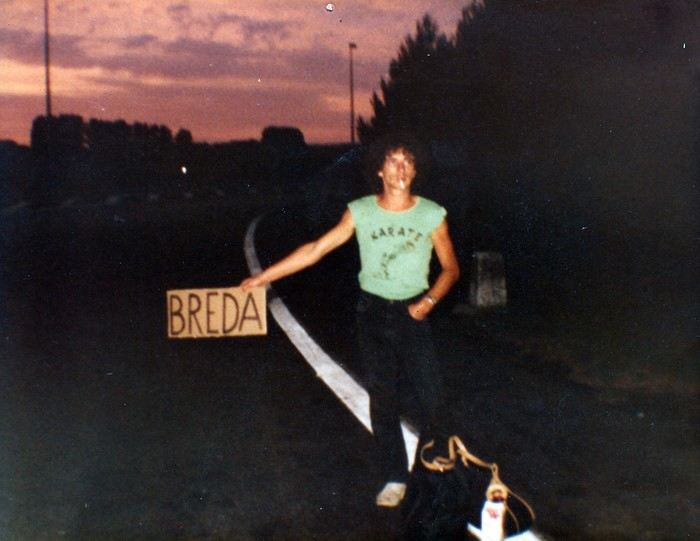
“Hey, your Marker... - My Marker? - The one you used to make hitchhiking signs.”
The marker in question is sitting proudly on the kitchen table. Marielle found it at the bottom of a moving box.
I’ve been meaning to tell the long story of my love affair with hitchhiking for years. Here we go.
To be honest, I’m not quite sure when it started. My earliest memory goes back to a fair with a bike race in my maternal grandparents’ village. I was with my cousin, my little sister, and three girl cousins. There were six of us, ages ranging from six or seven to thirteen or fourteen. Our parents stayed at the fair, and we’d had enough. So we decided to walk home. Only it was four kilometers away. So we hitchhiked. A guy driving an old car picked us all up and dropped us off at the farm. He probably found it amusing to see us thumbing a ride by the side of the road, but maybe it also worried him a bit. With everything you read in the papers...
Around fifteen or sixteen, I started hitchhiking regularly, alone or with a friend, to go to the nearby town. But it was especially when I started boarding school in Orléans that it became more regular. The first year, I’d leave Monday morning and come back Saturday noon by bus. It was an old, uncomfortable bus where we froze in winter. To make matters worse, I often got motion sickness if, as was too often the case, I ended up sitting in the back. In the spring, a high school friend suggested I hitchhike back. It meant a slight detour, but the advantage was taking only national roads.
So that’s how, from the end of tenth grade to twelfth grade, I’d thumb a ride every Saturday on the Pont de Bourgogne. Drivers were used to seeing young people hitchhiking, and it worked pretty well. Our biggest fear? Soldiers! At that time, military service was still mandatory, and on weekends, it wasn’t rare to see them competing with us. They’d keep their uniforms on to go home. That gave people confidence—with everything you read in the papers—and they’d rarely wait more than five minutes. We, with our long hair, were definitely less popular. From time to time, three big red-faced guys in a van coming back from a construction site would flip us off, yelling things like “go get a haircut, you bums!” Those were the good old days.
We still had a good laugh, though. Patrice, the friend I’d hitchhike back from school with on Saturdays, is a musician—I’d later discover he’s an excellent composer. A die-hard Beatles fan, he knows their repertoire by heart and spends his time singing at the top of his lungs while we thumb a ride. One Saturday late morning, we’d been waiting for a while at the exit of Châteauneuf-sur-Loire when a little lady came up to him and asked if he could please sing a little quieter: a baby was sleeping in the house. He put on the most sorry face: “Oh, sorry ma’am, we didn’t realize.” No sooner had the lady gone back inside than he started again. Luckily, a car stopped just then, sparing me the embarrassment of seeing the lady come back out.
Saturday was also the day when the cigarette pack was dangerously low. So before leaving, we’d go buy some “Parisiennes,” the “P4s” as we called them back then. They were slightly thinner cigarettes with a mix of tobacco scraps. Sometimes they tasted like light tobacco, sometimes like dark. Not great, but by the end of the week, our pocket money was gone. They were sold in small packs of four, hence the name P4. We’d only pay 20 centimes. On Saturdays, it was rare for the two of us to manage to scrape together 1.50 F to buy a whole pack of Gauloises...
The last twenty kilometers, I’d usually do alone, Patrice having reached his destination. From time to time, luck would smile on me: an acquaintance would just happen to pass by and stop. One January Saturday, at the exit of Gien, I ran into another guy from Argenton whom I knew a little. That day, the weather was nice, but the temperature was well below zero. It was around noon, and it was the off-peak hour. We were shivering, stamping our feet by the side of the road, when a Citroën “Tube” arrived: it was his father’s boss’s, a mason. They were both sitting in the front, but since they were obese, they had us climb onto the open back. Even though we huddled against the cab to shelter from the wind, the twenty kilometers felt very long, especially since we were only going sixty kilometers an hour. Our hands and cheeks were blue when we finally arrived.
The year I took my baccalaureate, a friend with a 2CV would take me Monday mornings with one or two others we’d pick up in nearby villages. We’d share the gas costs, but it was still cheaper than the bus. And in winter, the bus was my nightmare. You had to get up at five to catch it at six. Not enough sleep, and outside it was freezing or raining—or both. The 2CV was luxury. Plus, Philippe would pick me up at home. On the other hand, since I didn’t have class Saturday mornings—well, I did, but we only had PE the first two hours and nothing after—I’d skip class and slip out right after breakfast to thumb a ride at the Pont de Bourgogne.
Those three high school years were formative in this optional subject that was hitchhiking. Little by little, I learned the rules of the game. First, you shouldn’t walk along the road while thumbing. Cars go too fast and can’t stop easily. Accepting a ride that’s too short is also a no-go. The guy who offers to take you a little way but drops you off at some vague crossroads in the middle of nowhere? No thanks. You need to get dropped off in a town. If it’s a fairly big city, you often have to cross it from one end to the other, but it’s better. At the exit, you have to choose your spot well. Actually, you have to put yourself in the driver’s shoes: they need to see you early enough, not be going too fast, and be able to stop easily without risking an accident. So when leaving a city, it’s better not to go too far. It’s wiser to find a spot where cars go slowly and can stop easily. And preferably near a café. The café is for when you still have a few coins for a coffee and need to warm up. From time to time, you’d run into someone nice who’d make a detour to drop you off at a better spot to start again. Finally, if possible, avoid hitchhiking on Sundays. Cars are packed with whole families who, most of the time, aren’t going far. And then there’s the little worry of those people who rarely leave home: with everything you read in the papers...
During those high school years, it was only short trips, rarely exceeding a hundred kilometers. Later, I aimed bigger, and things were a bit different. In 1973-74, I crossed part of France for the first time on two or three occasions, coming back from the German border or returning to Bordeaux, where we lived briefly. Since there weren’t many highways back then, we took national roads. It was during these trips that I realized it was better to leave in the evening. As I said earlier, Sunday is to be avoided, but on weekdays, there’s another problem: if you leave in the morning, you only make short hops. First, it often takes longer to get going because drivers are people going to work nearby. Which brings us back to those who drop you off in a bad spot, far from everything. There, you have to know how to refuse. You thank the driver for stopping—oh, if only everyone could be like you—while explaining why you’d rather stay put. People don’t take offense, by the way. Those who pick up hitchhikers often hitchhiked themselves when they were in the military or before they had a car. In the late afternoon, you’d often run into salespeople or truckers, in other words, people who drive a lot. At that time, salespeople no longer had appointments and were more relaxed. They wanted to talk about something other than the merits of their products. On the radio, it was time for *Les Grosses Têtes*. You’d also quite often run into small business owners, professionals, or even hippies. The conversations were pleasant and often enriching. A little later in the evening, truckers would take over. They’d already driven a few hundred kilometers, and the depot or customs was still far away. So they’d gladly take a hitchhiker to stay awake at the wheel and chat. The radio with Max Ménier’s show *Les routiers sont sympas*, you’d eventually get tired of it. So a hitchhiker was a change. Others, who’d hit the road at midnight to be at their destination by morning, were nice and offered to let you lie down on the bunk while they drove. When you’d been hitchhiking since six in the evening, freezing in the wind between two vehicles, you weren’t unhappy to take a little nap.
Speaking of Max Ménier, he’d often make announcements for hitchhikers. One evening, I called him. It was getting late, and I still had quite a way to go. No luck: the show had ended for good the day before!
In short, it’s better not to rush, sleep in, and leave after lunch, or better yet, in the late afternoon. Obviously, I’m talking about when you have several hundred kilometers to cover. That’s when you have to play it pro.
First thing, especially at night, but it also applies in the middle of summer when the light is blinding: dress to be seen from far away. I’ll admit I have an advantage over most other hitchhikers: I’m small and don’t scare people. To balance that out, racist drivers often take me for an Arab and are less likely to pick me up, but overall, the balance tips in my favor. Back to the need to be seen: at night, I wear light-colored clothes. In headlights, you can see me from far away.
Second thing: travel light. Forget the big backpack with a frame. Drivers don’t always have room in the trunk or on the back seat, especially if it’s rained and the ground is wet. Plus, it forces them to get out of the car. If they’re nice enough to pick up a hitchhiker, you shouldn’t ask for too much either.
Third thing: bring a cardboard sign and a big marker—like the ones in the photo at the start of this post—to write the name of your destination. In the early 80s, I ran a tourist house in the Cher, but I lived in the Netherlands. In the off-season, it was only open on weekends. On Fridays, I’d leave Holland and return on Mondays. 1200 km round trip. On the way there, in Paris, I’d stand at Porte de la Chapelle. At that spot, the road is very wide, and drivers could stop easily. Obviously, on the sign, I didn’t write Eindhoven, which not everyone knows, and even less Amsterdam because of its seedy reputation. In that case, you’d expect to see a police car stop and two officers in kepis ask for your papers. So as a first destination, I’d write Compiègne. We were well out of Paris, and since it wasn’t too far, a trucker or salesperson was less reluctant to stop. Once past Compiègne, I’d take out my Lille sign. Once in Belgium, it wasn’t really necessary to use a sign anymore, since everyone was going in the same direction. Usually, the guy who picked me up at Porte de la Chapelle would say he wasn’t going far but could take me a little way. Before that, I’d still ask if there was a gas station on the highway where he could drop me off before exiting. While talking, the guy would realize he wasn’t dealing with a dangerous criminal. He’d pretend to check his watch, think for a moment, then say that actually, he was going to Belgium and could take me to the border or a little beyond. To leave Paris on the way back, I’d take the train to Melun, where it was easier to hitchhike than at Porte d’Italie.
Over all those years, I think I was pretty lucky. Or maybe philosophical enough not to imagine a car would stop after a few minutes. An hour’s wait was average. Sure, I sometimes waited three, four, or five hours. Most often at odd hours and in terrible weather. When it doesn’t work, it doesn’t work. But there’s always a moment when things pick up. Sure, when you’re soaked in freezing rain in the early morning after a sleepless night, you’re less philosophical than when I’m writing these lines comfortably at my computer, but it still holds true.
Earlier, I mentioned clothing and the importance of being well-rested before leaving. When you’ve eaten well and just gotten out of the shower, shaved, you’re in a better mood. And somehow, drivers sense it. Or at least, that’s the impression I’ve always had. It’s better to look in shape than disgusted at standing there, half-heartedly thumbing a ride. In short, when I’d start to get fed up with waiting, I’d go into the first café I saw for a coffee. Coming back out, I’d be refreshed, and most of the time, a car would stop within minutes. I’ve often said that when I stood by the side of the road thumbing a ride, I felt a bit like a gambler in front of a slot machine. It was a matter of giving luck a chance. And well, it worked out pretty well.
Then, there are countries where hitchhiking works really well and others where it’s harder. In the 70s-80s, it worked best in Germany and England. In the late afternoon, it wasn’t rare to be invited for tea. Well, that was in England. Tea meant being offered room and board. In Germany, they’d offer you coffee. Once there, they’d first show you the guest room and point out the bathroom before sitting you down in front of a big plate of cold cuts. In the evening, they’d go out in town, and the next morning, they’d usually drop you off at a good spot for hitchhiking. On the other hand, in Mediterranean and Scandinavian countries, you’d better be patient. In Spain or Italy, it’s better to take the train, which was dirt cheap back then. However, if you’re a couple traveling light, it’s already easier in most countries.
In 1982, I went on a trip around Turkey with my girlfriend. We only had two small bags, which was plenty. It was November-December, and we wore our warm, bulky clothes. Leaving Eindhoven at nine in the morning, we arrived in Graz, near the Yugoslav border, at eleven at night. 1300 km in a day! In just four or five vehicles. One to the German border, about fifty kilometers from Eindhoven, the second to Hagen in the Ruhr, the third to Salzburg, and the last to Graz at the Yugoslav border. Record broken. During the night crossing of Yugoslavia, we ran into a trucker close to retirement who lent us the truck’s bunk. So we arrived fresh and rested near Skopje the next morning. We continued to Thessaloniki in northern Greece before taking the train to Istanbul. In Turkey, we traveled a good part of the country by hitchhiking too. With truckers in old, overloaded, slow trucks that climbed hills at fifteen kilometers an hour, but also in cars where five or six people were already crammed in. And every time, we were invited for tea. Once, we were even picked up by a big shot in his Mercedes with a chauffeur. Until then, the average speed was around fifty kilometers an hour. There, we were going two hundred. On a national road, not a nice European highway.
I’ve also hitchhiked in Nepal, from Lumbini, Buddha’s birthplace, to a village on the way to Pokhara. It must have been midday. No bus until the next day. I gave it a try. A small truck overloaded with rice sacks, with two or three young people already perched on top, stopped. I rode on the roof of the cab. At fifty kilometers an hour when it was going well, with a breathtaking view. Coming back from India, I also crossed part of Iran by hitchhiking, from Tehran to the Turkish border. I did this trip with an Austrian I met at the hotel who, like me, had to watch his pennies. We gave it a shot. There was almost no traffic, but to our great surprise, the first car that passed in the area would always stop. They’d just ask for a modest contribution for gas, and it cost next to nothing.
Sometimes, you get scared too. After leaving Turkey in early December 82, we spent about two weeks in the southern Peloponnese harvesting olives. A few days before Christmas, we hitchhiked back to Holland. A girl picked us up in her little Fiat 500. We were driving on a mountain road, and that morning there was a bit of black ice. After crossing a pass, we saw the old Ford Taunus ahead of us at fifty meters start to skid. The driver let out a “heeee!” while grabbing my knees. I reflexively grabbed the wheel. Finally, the Taunus got back on track. And we didn’t swerve. But those few seconds felt very long.
In January 77, while I’d been living in Germany for a few months, I decided to spend a few days in Italy. By hitchhiking, of course. I left in the early afternoon, and by ten at night, I wasn’t far from Frankfurt. I saw a big Mercedes stop. The four or five young people crammed inside were listening to Schlager at full volume. Beer cans littered the floor. They didn’t have a precise destination, and as long as they were going south, that was fine with me. They’d finished their military service that very day and had clearly already celebrated their discharge. The driver was going 160, zigzagging dangerously from one side of the highway to the other. I should have realized he wasn’t entirely sober either. Luckily, there was almost no traffic. Finally, I managed to get dropped off at a gas station just before Frankfurt, relieved. I hope their trip didn’t end tragically.
Another time, coming back from Holland with my wife, we were picked up early in the morning near Senlis by two guys from Lille. They were going to work near Tours and could drop us off at Porte d’Italie. Apparently, they were coworkers but barely knew each other. The driver offered us a beer—at six in the morning, sure!—before opening another can for himself. He was clearly having trouble staying in the right lane. We politely declined, the passenger too. Everyone was tense. Luckily, it was rush hour on the ring road, and we were going slowly. When we got out of the car, the passenger said goodbye with the look of a guy being offered the condemned man’s rum and cigarette.
Finally, there are the annoying remarks from drivers who are either gay when you’re alone or turned on by the sight of your girlfriend when you’re a couple. In those cases, I’d get in the back so the guy wouldn’t feel too confident. And if the conversation got a little too suggestive, we’d deflect until we got dropped off.
And luckily, there are the times, not so rare after all, when you run into really nice people who invite you to eat and sleep at their place and drive you to a good spot the next morning. In Germany and England, that was common. And then there are the big strokes of luck, like during our trip to Turkey when we crossed most of Germany in one car, or that other time when some Germans drove me from the exit of Geneva all the way to the Costa Brava.
Going back to “with everything you read in the papers” and its variant “with everything you see on TV”—and now on the internet—it’s always left me perplexed. Personally, I’ve never heard of hitchhikers assaulting drivers, even if it may have happened. On the other hand, what was most common were hitchhikers being assaulted, especially girls. Anyway, even armed, it seems a bit stupid to assault the driver—wouldn’t that risk causing an accident?
Finally, since that time, I’ve occasionally wanted to hitchhike somewhere far away in France. Most often, too busy with work, it never happened, but the nostalgia hasn’t completely disappeared.
* * *
Other Hitchhikers
And then one day, I... settled down to become a driver myself. Ten years had passed, and you saw fewer and fewer hitchhikers. Or maybe I saw fewer because I had a regular job and wasn’t traveling the same way. And then I understood a few things.
Several times, I was tempted to pick up a hitchhiker, but they didn’t meet the required conditions. They were walking along the road instead of staying at the exit of the previous town. Hard to stop without risking an accident. Or the guy looked really scruffy. Or he was sulking, if not both. Then you think of that famous “with everything you read in the papers.” Not that I was scared, but unfortunately, the few hitchhikers I did pick up later were rarely interesting.
A few years ago, we picked up a young guy at the exit of a small town in Sologne. Not an easy spot for hitchhiking. Bad luck, he was a pretentious little jerk. He was barely 20 or 25 and talked like a bitter old man. He was a waiter in a restaurant. According to him, it was lucky he was there, otherwise the boss would have closed up shop long ago. You’d think he had thirty or forty years of professional experience behind him. As we approached Blois, he started ranting about Arabs, blaming them for all evils. And he laid it on thick. That morning, we were going to a teenager’s funeral who had just committed suicide, so he really got on our nerves, Mr. Know-It-All. Out of anger, I dropped him off next to a shopping center a few kilometers from downtown. Not nice, but it felt good.
Some time ago, we were driving around the Limousin on a Sunday to try out the used Twingo we’d just bought. We picked up a guy in his forties. A German who spoke French well. He started talking about the environment. He was a green Khmer. He got worked up all by himself with his pseudo-eco rant and, after a few kilometers, was almost yelling at us. As we were about to leave the main road for a small one, I dropped him off at a crossroads in the middle of nowhere. Normally, I would have made a little detour to take him to a better spot, but this time, I didn’t feel like doing the... eco-warrior a favor.
On the other hand, I’ve still done my good deed a few times. One June morning, coming back from Orléans, I saw a man in his sixties hitchhiking. The poor guy had had a rough time. He was from Montpellier and was coming back from Caen, where he’d been promised a job. Once there, they bluntly told him the position was already taken, and he had to go back. Except he didn’t have enough money left for the train. He’d spent the night hitchhiking without success. I could only take him as far as Lamotte-Beuvron, where I dropped him off near the fire station. Apparently, there was some vague shelter there or something, but it only opened a few hours later. In the meantime, he settled on the grass in a corner to sleep a little. While he was doing that, I quickly went to the train station to check the price of a ticket to Montpellier. It was within my means. Since he was sound asleep, I slipped the train ticket and 100 francs into his pocket. I couldn’t imagine him continuing to hitchhike all the way to Montpellier. And I bet he didn’t even have a piece of cardboard and a marker!
When we go to Brazil, we usually rent a small car. One day, we were coming back from Paracuru to Fortaleza when we saw a whole family hitchhiking. Two adults and two or three small children. Here near the equator, the sun sets very quickly, and it would soon be night. There was little traffic, and trucks wouldn’t stop because there was no room in the cab. As for the rich people driving big 4x4s, they wouldn’t stoop to picking up the lower classes. The only hope for this kind of family was usually a farmer or artisan who’d let them ride in the back of his pickup. Obviously, they were a bit surprised to see us. Everyone crammed in as best they could in the back of our little car. When we dropped them off, we got a whole string of “Deus lhes abençõe”—God bless you.
Still in Brazil, we were on the road from Barreirinhas to São Luís do Maranhão. About 150 km of deserted road with an isolated mud house here and there. A young woman flagged us down. She was very pregnant and had to get to the clinic twenty or thirty kilometers away to give birth. Someone was supposed to drive her, but the first signs of labor started earlier than expected, and the driver was unavailable. Even driving fast, we weren’t feeling great: it would be just our luck if she gave birth in the car!
Today, we’re in the age of smartphones and carpooling apps. Safety. With everything you see on TV... Three or four years ago, we signed up on a platform. Our first, and only, “client” was a little jerk who didn’t say a word the whole trip. No hello, no goodbye, and certainly no thank you. The next day, we found his Ray-Bans in the car. We didn’t run after him to give them back. Ha!
From Avignon to Casamance Without Flying
Hi there,
Last February, I made a trip using "public transport" from France to southern Senegal via Spain, Morocco, Western Sahara, and Mauritania.
It’s a journey of about 5,000 km, where I took trains (as far as Marrakech), ferries (to cross Gibraltar and then to reach Casamance from Dakar), and mostly buses on the long desert straightaways. I hadn’t planned any stops in advance or booked any hotels, except for the very first train to Spain, which left plenty of room for the unexpected. Why travel by land and sea? In recent years, flight-free travel has been gaining popularity. On social media, posts explaining how to cross Europe by train as quickly as possible go viral. Traveling without flying—and making sure people know about it—has become a great way to earn a badge of eco-responsibility: an essential totem for anyone wanting to prove both their dedication to the ecological cause and the wisdom of slow travel. I haven’t flown in years, and this journey to West Africa could easily be filed under "responsible travel." But it wouldn’t be honest to say that: in reality, it wasn’t really my aversion to flying that motivated this long trek. I see overland travel primarily as a way to experience the world’s geography at a grounded, earthly pace—the pace of the locals. Besides, I’ll be flying back, which disqualifies any claim to being a model of sustainability. So no eco-badge, and no adventurer’s badge either: you won’t find any heroic tales of camel rides in lost lands or mineral train wagons in this account (popular with influencers, the Mauritania iron ore train now attracts tourists from all over the world, turning "the experience" into something you "have to do at least once in your life"). This five-part story, written on the road, has no other ambition than to recount a journey through places and people, and to share the thoughts they inspire in me. As simply and, I hope, as humbly as possible.
I’m posting the episodes here, which you can also find on my blog (with more photos) at the following links:
Episode 1: Spain, from Avignon to Algeciras
Episode 2: Morocco, from Tangier to Tarfaya
Episode 3: Western Sahara, from Tarfaya to Guerguerat
Episode 4: Mauritania, from Guerguerat to Nouakchott
Episode 5: Senegal, from Rosso to Saloulou
To help those who might want to make the same trip, I’ve also put together a summary of the route with recommendations—you can read it at the end of the story and on the blog: From France to Senegal Without Flying: Route and Itinerary Recommendations
Happy reading, and safe travels!
Last February, I made a trip using "public transport" from France to southern Senegal via Spain, Morocco, Western Sahara, and Mauritania.
It’s a journey of about 5,000 km, where I took trains (as far as Marrakech), ferries (to cross Gibraltar and then to reach Casamance from Dakar), and mostly buses on the long desert straightaways. I hadn’t planned any stops in advance or booked any hotels, except for the very first train to Spain, which left plenty of room for the unexpected. Why travel by land and sea? In recent years, flight-free travel has been gaining popularity. On social media, posts explaining how to cross Europe by train as quickly as possible go viral. Traveling without flying—and making sure people know about it—has become a great way to earn a badge of eco-responsibility: an essential totem for anyone wanting to prove both their dedication to the ecological cause and the wisdom of slow travel. I haven’t flown in years, and this journey to West Africa could easily be filed under "responsible travel." But it wouldn’t be honest to say that: in reality, it wasn’t really my aversion to flying that motivated this long trek. I see overland travel primarily as a way to experience the world’s geography at a grounded, earthly pace—the pace of the locals. Besides, I’ll be flying back, which disqualifies any claim to being a model of sustainability. So no eco-badge, and no adventurer’s badge either: you won’t find any heroic tales of camel rides in lost lands or mineral train wagons in this account (popular with influencers, the Mauritania iron ore train now attracts tourists from all over the world, turning "the experience" into something you "have to do at least once in your life"). This five-part story, written on the road, has no other ambition than to recount a journey through places and people, and to share the thoughts they inspire in me. As simply and, I hope, as humbly as possible.
I’m posting the episodes here, which you can also find on my blog (with more photos) at the following links:
Episode 1: Spain, from Avignon to Algeciras
Episode 2: Morocco, from Tangier to Tarfaya
Episode 3: Western Sahara, from Tarfaya to Guerguerat
Episode 4: Mauritania, from Guerguerat to Nouakchott
Episode 5: Senegal, from Rosso to Saloulou
To help those who might want to make the same trip, I’ve also put together a summary of the route with recommendations—you can read it at the end of the story and on the blog: From France to Senegal Without Flying: Route and Itinerary Recommendations
Happy reading, and safe travels!
Voyage en Thaïlande du 25 février au 8 mars: quel budget prévoir?
Bonjour! Je pars en groupe (amicale copains de classe) en février en thailande (du 25 février au 8 mars 2009).Il est prévu un circuit de 8 jrs et 2 jrs en balnéo .Le voyage en avion et le circuit avec petit déj et diner le soir (ss boissons)+ hotel sont règlé.
Quel budget prévoir pour un couple, pour les repas de midi, les boissons, et les dépenses diverses( ballade éléphants, temple, souvenirs ???) pour les 8 jrs de circuit + 4 repas et boissons à l'hotel les 2 derniers jours ???
Pour Noël on nous a offert, des dollars ( en coupure de 50, 20, 10 et 5)...dois je faire le change ici en euros ou puis je faire le change en baths directement sur place ???
Ex: si j'ai bien vu ....380 dollars = 271 euros = 13167 baths...
Nous sommes un peu juste niveau budget, mais nous ne voudrions pas nous retrouver "coincé"...nous comptions 500 euros pour 2....pour les 12 jrs ???? Nous avons également une cb master carte.....qui a des conseils ou expérience....Merci pour vos infos ....
Nous sommes un peu juste niveau budget, mais nous ne voudrions pas nous retrouver "coincé"...nous comptions 500 euros pour 2....pour les 12 jrs ???? Nous avons également une cb master carte.....qui a des conseils ou expérience....Merci pour vos infos ....
Remorque pour moto?
Bonjour à tous,
Question aux rares motards à trainer une remorque derrière leur moto, pouvez-vous donner quelques conseils sur l'opportunité (comparée aux valises latérales...), le choix, le pilotage de l'ensemble ? Quelles sont les limites à respecter, de poids ou autre? Est-ce dangereux ? Cela convient-il à tout type de moto ?
Merci par avance
Croisière "Îles et terres du soleil" du 2 mars 2012
Ouverture d'une discutions concernant la croisière "Iles et terres du soleil" du 02 Mars 2012 croisière déjà effectuée en 2009
La fascination des frontières
J'ai toujours été fasciné par les zones frontalières et à vrai dire je ne sais pas pourquoi. Ou plutot si, chez moi ça évoque l'idée de voyages à l'étranger ou dans une autre région se traduit par un passage obligatoire par ce trait qui sépare 2 pays. Ces zones où en quelques metres on passe d'une culture à une autre, où d'un coup on oublie tous ces soucis alors qu'on va se plonger dans une autre ambiance ou une autre atmosphère. Mais surtout j'envie les gens qui habitent ces frontières qui leur permet parfois de trouver moins cher à l'étranger (alors que c'est à quelques mètres de chez eux), de partager avec le pays voisin une autre langue ou une autre culture, d'autres paysages aussi. D'ailleurs j'invite les frontaliers du forum à me faire partager leur sentiment là-dessus. Finalement ne deviennent-ils pas sédentaires à force de voir "le pays étranger et leur cohorte de touristes" défiler sous leur nez, par lassitude ? N'est-ce pas un inconvénient au final ?
Pour info, je vous aurais bien conseillé un site internet sur ce sujet avec plein de photos étonnantes mais il serait infecté par un virus ("des frontières en Europe").
Températures, confort, limite et risque d'un sac de couchage?
Salut, j'hésite sur le sac de couchage à me prendre pour un grand voyage à vélo qui ne devrait pas m'emmener en dessous des 0°C. J'hésite sur le sac de couchage. Est-ce que les températures indiquées sont raisonnables (je pense en particuliers aux produits de la marque à la grande enseigne bleu " a fond la forme"). En gros quand on est a la temperature limite comment se sent-on ? Peut-on passer une bonne nuit à la température limite ou vraiment pas ?
Désolé si c'est pas assez clair ! Antoine.
Désolé si c'est pas assez clair ! Antoine.