Results for "San+Andres+|+4+>+128"
43839 results found.
Questions sur notre itinéraire au Pérou English translation pending
bonjour,
quelques question en vrac qui traverse l'espris de ma copine(christine)...
"- SI on fait Lima - Pucallpa en bus puis bateau jusqu'à Iquitos (descente du fleuve) Pas de liaison Iquitos -> Cuzco ? on doit obligatoirement passer par Lima ? Peut-on alors le faire en une journée ? Doit-on réserver les vol avant ou bien à notre arrivée à Iquitos çà suffit ? SI on fait Lima - Iquitos en avion puis bateau jusqu'à Pucallpa (remontée du fleuve) Pour rejoindre Cuzco de Pucallpa : est-ce qu'il est vraiment déconseillé de prendre le bus (je parle effectivement de la partie Huancayo -Ayacucho) et doit-on donc passer par Lima également...
=> quel itinéraire est le mieux ? .... le moins long est le 1er ? Randonnées à Cuzco : Machu picchu, Choquequirau Peut-on vraiment avoir qch sur mesure suivant difficulté et durée du treck ou nous propose-t-on que qq parcours standard ? Puno : Quel sont les lieux de ballades autour de Puno à part les iles ? Arequipa : Quel sont les lieux de ballades autour d'Arequipa à part le canyon de la colca ? Doit-on passer aussi par une agence pour le canyon de la colca ou bien peut-on louer une voiture pour faire une boucle (le bus ne vont pas trés loin ?"
sinon, nous cherchons des coins moins touristique. le genre de lieu ou on peut faire des rencontres sympa; meme s'il n'y a pas beaucoup d'echange a cause de la langue. meme s'il n'y a rien de culturel ou historique a voir..
ou une randonnée ou l'on croise des villages qui ne vivent pas essencielement pour et grace au touriste.
ma derniere demande est peut etre utopique, j'en sais rien mais si vous avez des idées ou vecu quelques chose dans le genre, n'hesitez pas a m'ecrire ou a repondre a ce message.
Merci
cyril
quelques question en vrac qui traverse l'espris de ma copine(christine)...
"- SI on fait Lima - Pucallpa en bus puis bateau jusqu'à Iquitos (descente du fleuve) Pas de liaison Iquitos -> Cuzco ? on doit obligatoirement passer par Lima ? Peut-on alors le faire en une journée ? Doit-on réserver les vol avant ou bien à notre arrivée à Iquitos çà suffit ? SI on fait Lima - Iquitos en avion puis bateau jusqu'à Pucallpa (remontée du fleuve) Pour rejoindre Cuzco de Pucallpa : est-ce qu'il est vraiment déconseillé de prendre le bus (je parle effectivement de la partie Huancayo -Ayacucho) et doit-on donc passer par Lima également...
=> quel itinéraire est le mieux ? .... le moins long est le 1er ? Randonnées à Cuzco : Machu picchu, Choquequirau Peut-on vraiment avoir qch sur mesure suivant difficulté et durée du treck ou nous propose-t-on que qq parcours standard ? Puno : Quel sont les lieux de ballades autour de Puno à part les iles ? Arequipa : Quel sont les lieux de ballades autour d'Arequipa à part le canyon de la colca ? Doit-on passer aussi par une agence pour le canyon de la colca ou bien peut-on louer une voiture pour faire une boucle (le bus ne vont pas trés loin ?"
sinon, nous cherchons des coins moins touristique. le genre de lieu ou on peut faire des rencontres sympa; meme s'il n'y a pas beaucoup d'echange a cause de la langue. meme s'il n'y a rien de culturel ou historique a voir..
ou une randonnée ou l'on croise des villages qui ne vivent pas essencielement pour et grace au touriste.
ma derniere demande est peut etre utopique, j'en sais rien mais si vous avez des idées ou vecu quelques chose dans le genre, n'hesitez pas a m'ecrire ou a repondre a ce message.
Merci
cyril
Préparer un long périple en Amérique du Sud English translation pending
bjr et bonne annee a tous et a toutes! je prevois de partir seul fin 2004 debut 2005 pr une duree de 9 a 12 mois, en amerique du sud et centrale. ce sera ma premiere experience en la matiere, j ai attendu 44a pour enfin me decider. j aimerais savoir si les (on dit) concernant certain de ces pays sont a prendre au serieux ou trop exagere:enlevement, meurtre, disparition, etc etc. d autres part quel guides selon vos propes experience sont les plus fiables concernant tte adresses resto et hotels et autres a bon marche.pensez vous qu il soit preferable de planifier a l avance tt ce que je veus voir ou le faire une fois sur place . pour l equipement que me conseille vous de prendre qui selon votre experience soit primordial;bref comme vous l avez compris je serais ravi d avoir les conseils en tout genre de personnes ayant deja fait ce genre de periple de longue dure.
merci d avance a vous et au plaisir!
jacques
merci d avance a vous et au plaisir!
jacques
Tour du monde avec 1 ou 2 euros par jour, est-ce possible? English translation pending
Depuis mon plus jeune age, je ne pense qu'à une chose : partir.
Le plus important pour moi c'est la philosophie de voyage. Je veu partir dans un ou 2 ans, avec le moins de budget possible. Vivre avec 1 ou 2 euros par jours.
Je cherche des témoignages de gens qui sont partis ou on envie de partir, sans argent ou presque.
Je cherche des témoignages de gens qui sont partis ou on envie de partir, sans argent ou presque.
Peru: A Childhood Dream Finally Fulfilled
Preamble
I could have titled my travel journal like Carmen: "Some trips are born twice." Indeed, we had considered this destination back in February 2020. However, an honest tour operator advised us against traveling at that time due to the climate. So, we gave up and opted for Guatemala instead (see "On the Mayan Lands" on this site).
So, why this title? When I was in primary school, over 65 years ago, the illustrations in my history books (Machu Picchu) and geography books (Lake Titicaca) made me dream, and those images stayed in my mind. It took until 2026 to finally make this dream come true!
We prepared our trip with Tout Pérou, a French-speaking "agency." Everything was handled via email and WhatsApp exchanges with our contact: Laurent, who was both competent, friendly, and full of good advice. For 200 €, Tout Pérou provided us with drivers and guides whenever we wanted, helped us buy our domestic flights (cheaper when purchased in Peru), booked shuttles between airports and hotels, and got us a discount on the train ride to Aguas Calientes, as well as on the buses between Chivay and Puno and between Puno and Cusco. In short, Laurent took care of all the logistics and the Machu Picchu tickets. It was up to us to book our hotels. Tout Pérou provided a list, but we weren’t obliged to follow it. Another advantage of the package: we didn’t have to pay in advance; we paid the service providers directly day by day.
We didn’t meet Laurent in person because he was on vacation in Europe. Before his departure, he gave us a briefing, provided a summary table with the entire program, the service providers, their phone numbers, their fees, the schedules, and gave us plenty of advice (money, exchange, safety, etc.). After returning at the end of our stay, he kept checking in on us.
Lastly, we had also gathered information from Arnaud Lagadec, who runs a hotel in Cusco and offers tours of the region. He gave us a lot of useful information. Another contact: Thomas Montaigne, very friendly, who runs an agency in Arequipa (Agence Pérou Exclusif).
Day 1 – Paris to Lima
Foreword I’ll share our trip without any pretension—I don’t have the talent of some contributors on this forum—and I’ll illustrate it with a few photos (taken with an ordinary smartphone). My comments are personal and only reflect my own views. So, please be kind! Feel free to comment on my story as you like, but let’s avoid pointless debates.
Even though we live in the south of the Paris region, true to our habits when the flight is in the morning, we chose to spend the night before our departure in a hotel near CDG and parked our car in a parking lot in Garches. This way, we avoid the stress that often comes with traveling around Paris (accidents, roadworks, traffic jams, etc.).
Check-in and border control went smoothly on that Sunday morning. Our Air France flight was uneventful. In Lima, border control took a particularly long time, and for the first time, we didn’t get an entry visa stamped in our passports.
As planned, a driver took us to the Miraflores district, where our hotel was located. We were surprised by the numerous signs about possible tsunamis, having forgotten that Peru is prone to such events and regularly experiences earthquakes. We’d see the consequences of these during our journey.
Exhausted from the early wake-up, the 13-hour flight, and the 7-hour time difference, we had dinner at the hotel before a restful night.
Note that this day was Peru’s presidential election day. As a result, we weren’t served beer—the sale of alcohol was banned that Sunday.
I could have titled my travel journal like Carmen: "Some trips are born twice." Indeed, we had considered this destination back in February 2020. However, an honest tour operator advised us against traveling at that time due to the climate. So, we gave up and opted for Guatemala instead (see "On the Mayan Lands" on this site).
So, why this title? When I was in primary school, over 65 years ago, the illustrations in my history books (Machu Picchu) and geography books (Lake Titicaca) made me dream, and those images stayed in my mind. It took until 2026 to finally make this dream come true!
We prepared our trip with Tout Pérou, a French-speaking "agency." Everything was handled via email and WhatsApp exchanges with our contact: Laurent, who was both competent, friendly, and full of good advice. For 200 €, Tout Pérou provided us with drivers and guides whenever we wanted, helped us buy our domestic flights (cheaper when purchased in Peru), booked shuttles between airports and hotels, and got us a discount on the train ride to Aguas Calientes, as well as on the buses between Chivay and Puno and between Puno and Cusco. In short, Laurent took care of all the logistics and the Machu Picchu tickets. It was up to us to book our hotels. Tout Pérou provided a list, but we weren’t obliged to follow it. Another advantage of the package: we didn’t have to pay in advance; we paid the service providers directly day by day.
We didn’t meet Laurent in person because he was on vacation in Europe. Before his departure, he gave us a briefing, provided a summary table with the entire program, the service providers, their phone numbers, their fees, the schedules, and gave us plenty of advice (money, exchange, safety, etc.). After returning at the end of our stay, he kept checking in on us.
Lastly, we had also gathered information from Arnaud Lagadec, who runs a hotel in Cusco and offers tours of the region. He gave us a lot of useful information. Another contact: Thomas Montaigne, very friendly, who runs an agency in Arequipa (Agence Pérou Exclusif).
Day 1 – Paris to Lima
Foreword I’ll share our trip without any pretension—I don’t have the talent of some contributors on this forum—and I’ll illustrate it with a few photos (taken with an ordinary smartphone). My comments are personal and only reflect my own views. So, please be kind! Feel free to comment on my story as you like, but let’s avoid pointless debates.
Even though we live in the south of the Paris region, true to our habits when the flight is in the morning, we chose to spend the night before our departure in a hotel near CDG and parked our car in a parking lot in Garches. This way, we avoid the stress that often comes with traveling around Paris (accidents, roadworks, traffic jams, etc.).
Check-in and border control went smoothly on that Sunday morning. Our Air France flight was uneventful. In Lima, border control took a particularly long time, and for the first time, we didn’t get an entry visa stamped in our passports.
As planned, a driver took us to the Miraflores district, where our hotel was located. We were surprised by the numerous signs about possible tsunamis, having forgotten that Peru is prone to such events and regularly experiences earthquakes. We’d see the consequences of these during our journey.
Exhausted from the early wake-up, the 13-hour flight, and the 7-hour time difference, we had dinner at the hotel before a restful night.
Note that this day was Peru’s presidential election day. As a result, we weren’t served beer—the sale of alcohol was banned that Sunday.
Africa: A Heartfelt Love for a Continent
“When the Whites came to Africa, we had the land and they had the Bible. They taught us to pray with our eyes closed: when we opened them, the Whites had the land and we had the Bible.” Jomo Kenyatta (p.7)
The Maggi cube, an unchallenged hegemony, and so much more
“The hopeless continent,” headlined The Economist, a British magazine, in July 2000 about Africa. Eleven years later, the same magazine headlined “Africa rising” instead. Images of Africa in the prosperous North constantly oscillate between apocalyptic scenarios and enthusiastic projections. A key issue with such images lies in the generalization they entail. If you look at the continent, considerable contrasts emerge depending on space and time. It’s no surprise that a region of the world encompassing such diverse ecological zones, maintaining such varied ties with other continents, comprising nearly fifty nation-states in sub-Saharan Africa alone, and characterized by a great diversity of languages, belief systems, and historical paths, doesn’t share a single destiny.
And yet, for many people outside Africa, as well as for many Africans, the continent constitutes a single entity, defined by criteria such as skin color, a colonial past, poverty, and the art of survival. Until now, these perspectives were generally accompanied by the idea that Africa had to—or should have—followed a single path together, sometimes called development, sometimes modernization, sometimes liberation, then a market economy. None of these paths delivered on their promises.
The two writers Alain Mabanckou and Abdourahman Waberi—one from Congo, the other raised in Djibouti, both long settled in France and now professors at renowned North American universities (Los Angeles, Washington)—have had enough of pessimistic scenarios: “We are aware that Africa is in the world and the world is in Africa. The same goes for all other continents, as our destinies are inextricably linked for better or worse. We refuse to see Africa as a reservoir of misfortunes or a continent cursed by atavistic misfortune and characterized by ethnic conflicts. [...] It’s this passionate flame we wanted to capture in a book [...] a kind of stroll through African cultures, without any demands, each letter of the alphabet leading us to a notion, a practice, a concept, a moment in history, literature, painting, politics, economics, cuisine, etc.” (p.10-11). Africa, they write, is on the verge of “imposing a signature, a style, a way of being in the world and in relation to the rest of the world.” (p.11) To put words to the continent’s diversity and dynamism, the two authors created a “rambling ABC,” a kind of portrait—or more precisely, a mythography—that lets you see and feel the pulse of a vast continent whose cultural power is unfolding before our eyes. Once marginalized or even mocked, the voice and importance of the Continent in global affairs are now undeniable” (p.11), containing over a hundred entries, mostly concise, written in a relaxed and casual style. The optimistic, even exuberant tone is set from the brief introduction. The duo of authors wants to “sing a love song to the cultures of our continent, to its inhabitants past and present, to its exceptional resources and its spectacular globalization despite a certain pollution that still clouds our skies due to the unmatched duration of dictatorships in some of our regions.” (p.12) In doing so, they don’t want to be too distracted by today’s Afewerki-Biya-Bongo-Déby & Co. ...
Of course, you’ll find tributes to great precursors like Frantz Fanon (“[...] it was a love story and admiration that wasn’t dimmed by the four decades separating his birth from ours. Let’s add that we were born while the native of Fort-de-France had left the world’s stage four years earlier, in the prime of life” p.141), Mongo Beti (“You must read and reread Mongo Beti, a genius who used his fame to support often just causes in Africa, like defending oppressed groups. His place is already in History. His oppressors, like the dictators Ahmadou Ahidjo and Paul Biya, can’t compete in the same category” p.64), the Malian Amadou Hampâté Bâ
(“Posterity remembers him mainly as an tireless defender of African cultures. His plea for the collection and preservation of traditional African knowledge remains a major event for all men and women of good will. One day in 1960, at the UNESCO podium, the native of Bandiagara sounded the alarm: ‘[...] Since we’ve admitted that the humanity of each people is the heritage of all humanity, if African traditions aren’t collected in time and written down, they’ll one day be missing from the universal archives of humanity.’” p.51),
Kwame Nkrumah, “one of the founders of Pan-Africanism, father of Ghana’s independence” (p.239), as well as the historian Cheikh Anta Diop, the writer, poet, and politician Aimé Césaire, and the economist and thinker Samir Amin, but also very warm tributes to certain contemporary African intellectuals like Souleymane Bachir Diagne and Achille Mbembe
(“A few years ago, in dominant economic circles, a rumor often resurfaced, usually disguised as a cold and scientifically proven analysis: Africa is useless. It’s a burden for the rest of the human community. With its 2% share in world trade, it would disappear from stock market radars without anyone noticing. So? Maybe it’ll be pulled up by other continents. Wanting to surpass itself is a crazy bet for Africans, they concluded. Arrogant or clueless, President Nicolas Sarkozy declared before an audience of students and teachers at Cheikh Anta Diop University in Dakar: ‘The African man hasn’t entered history enough [...] He only knows the eternal repetition of time marked by the endless repetition of the same gestures and words.’ That was in 2007. For decades, armed only with reason, an intellectual often steps up to debunk prejudices, lazy readings, and dishonest frameworks used as false fronts by those who, like Nicolas Sarkozy or former journalist Stephen Smith, out of ignorance, contempt, or condescension, distort African reality. This intellectual is none other than the historian and political scientist Achille Mbembe. This heir of Frantz Fanon, Amílcar Cabral, Jean-Marc Ela, and Fabien Eboussi-Boulaga was born in 1957 in Cameroon, in the Bassa region. Marked early by the upheavals of a fratricidal war, Achille Mbembe became the guardian of the memory of martyrs. After brilliant studies in Paris, he went on to teach at the best American universities, but the call of the Continent was stronger than anything else. In Dakar, he once directed CODESRIA (Council for the Development of Social Science Research in Africa) before joining the University of the Witwatersrand in Johannesburg, South Africa. Even though the author of *Critique of Black Reason* (Éditions La Découverte, 2015) spends a few months at Duke University in North Carolina, his observation post remains South Africa. From Johannesburg, Achille Mbembe scrutinizes Africa and the whole world. A lucid observer with an elegant and generous pen, Achille Mbembe knows how to blend big and small history: ‘I was born one day in July, as the month was drawing to a close. It was 1957, in that part of Africa recently named ‘Cameroon,’ a memory of the wonder that seized Portuguese sailors in the 15th century when, sailing up the river near Douala, they couldn’t help but note the presence of a multitude of crustaceans, and named it *Rio dos Camarões*, meaning ‘River of Shrimp.’ I grew up in the shadow of this nameless land, since, in a way, the name it bears is only the product of someone else’s astonishment: a lexical mistake, if you will.’ From this mistake or wound, he made leaven, a springboard to compose a rich work, recognized worldwide. To denounce barriers and barbarians too. But that’s not enough. Among his peers in circles of thought and action, Achille Mbembe passionately and consistently defends human dignity and the beauty of the world. In doing so, he fulfills the mission Frantz Fanon entrusted to him.” (p.227-229),
as well as entries dedicated to lesser-known artists and intellectuals, like the French journalist and activist Rokhaya Diallo, daughter of Senegalese and Gambian parents, or the Ethiopian filmmaker Haile Gerima, who has long lived in the United States. Other names from politics, sports, music, art, and literature: Kofi Annan, p.36; Barack Obama, p.243; Thomas Sankara, p.277; Ousmane Sow, p.285; Yambo Ouologuem, p.250; Léopold Sédar Senghor, p.282; Muhammad Ali, p.30; Nuruddin Farah, p.146; Salif Keita, p.203; Ahmadou Kourouma, p.206; Ngũgĩ wa Thiong’o, p.236; Winnie Mandela, p.224; Kylian Mbappé, p.226 ...
The authors, who resolutely commit to a “mythography” (p.11) of Africa, also pay special attention to local social movements, cultural events, and aspects of daily life. *Y’en a marre*, “which also meant ‘we’re fed up with sitting on our hands’” (p.320-321), emerged about a decade ago in Senegal as a citizen movement of peaceful resistance and symbolizes, the authors emphasize, the fact that African youth are increasingly fed up “with the political circus deployed in Africa since independence, as our parents would say, ‘since the White man left’...” (p.321). A full entry is dedicated to the Maggi bouillon cube, which has flooded African markets for about forty years and enjoys immense popularity (“It’s everywhere in Africa, from Dakar to Djibouti, and from Tangier to Cape Town. It’s in every pot, every stew. Little hands put it in every sauce, every local or adapted dish. An unchallenged hegemony! You’ll find it in diasporas too. The culinary strolls in Paris, in the [...] neighborhood” p.90). Critics blame it not only for impoverishing the aromatic diversity of local dishes but also for being harmful to health. And yet, “he poorest Africans, those who eat only once a day, a few spoonfuls of white beans and a ball of *foufou*, for example, are the most fervent users of the magic cube.” (p.92-93)
For *fonio*, “the new trendy cereal. [...] From the millet family, fonio is probably the oldest cereal cultivated in West Africa, and mainly in its sub-Saharan part, for millennia. [...] Easy to grow, water-efficient, fonio grows everywhere except on clay soils. Long neglected because it was considered the poor man’s crop, fonio is now a source of pride for the farmers who cultivate it and cherish it like the apple of their eye” (p.156-157), the authors immediately offer a detailed recipe, letting the reader know that “e can’t resist sharing this fonio with chicken recipe from Mali with you:
Ingredients: 1 chicken 3 large ripe red tomatoes 4 tbsp tomato paste 4 large onions 1 garlic clove 1/2 cup oil 2 Maggi cubes or salt 2 large carrots 1 turnip 1 large cabbage 2 large potatoes 1 celery stalk 1 packet pre-cooked fonio 4 okra (or okra powder) salt, pepper
Preparation: 1. Prepare the sauce: wash and cut the chicken. Peel the onions, garlic, and vegetables. 2. In a pot, fry the chicken pieces. 3. Dice the onions, tomatoes, carrots, and turnip very small and add them to the pot. 4. Add the tomato paste, salt, and pepper. 5. Simmer for 15 min, then add 2 L of water and the cooked chicken pieces. 6. Simmer for 30 min, then add the crushed garlic and celery, plus the cabbage cut into 4 and the potatoes cut in half. 7. Prepare the fonio: cover it with warm water, let it rest for 15 min, and cook it over low heat. 8. In a small pot, boil the okra and crush them. 9. Mix the crushed okra with the cooked fonio, then salt. Serve hot.” (p.158-159)
The comedy *Black Mic Mac*, released in French theaters in 1986 and addressing France’s increasingly restrictive immigration policy at the time, also gets an entry, as do *Tintin in the Congo*, the popular comic, and *Jip’s Café* (“[...] a little Africa in the heart of Paris, with passersby stopping to admire the ‘ambianceurs’ on the dance floor or attend the cultural events offered by the place” (p.194), an African establishment in Paris that Alain Mabanckou already immortalized in one of his novels.
The duo of authors also tackles thorny subjects like jihadism (p.119), the Rwandan genocide (p.272), the CFA franc (p.82), and dictatorship (p.110). While the two strike the right tone here, many entries leave a slightly bitter taste. Two examples: why doesn’t the text on Barack Obama mention the great disappointment of many people in Africa, who expected more from the African policy of the first U.S. president with African roots than just occasional warm words? Why do the comments on Winnie Mandela gloss over the fact that she was a highly controversial icon of the anti-apartheid movement due to her involvement in kidnappings, acts of torture, and murders of alleged apartheid collaborators? Instead, there’s a compassion that brings tears to the eyes: “She was often reduced to a secondary role, the wife of a great man” or “When victory came, she didn’t taste its fruits. Divorced, isolated. She would never be a ‘first lady’ in an evening gown, posing before a bed of chrysanthemums. They’d keep her far from the circles of power” (p.224-225). At this point, I would’ve liked the authors to take a slightly more critical stance...
That said, these “weaknesses” (if you can call them that) shouldn’t overshadow the book as a whole. It remains an informative, sometimes very entertaining, and often even original work in its own way.
Book information (the original French and the German translation):
Alain Mabanckou/Abdourahman Waberi. Dictionnaire enjoué des cultures africaines. Fayard, 2019. Alain Mabanckou/Abdourahman Waberi. Der Puls Afrikas. Eine Liebeserklärung von A bis Z. Reclam, 2022.
Hery
The Maggi cube, an unchallenged hegemony, and so much more
“The hopeless continent,” headlined The Economist, a British magazine, in July 2000 about Africa. Eleven years later, the same magazine headlined “Africa rising” instead. Images of Africa in the prosperous North constantly oscillate between apocalyptic scenarios and enthusiastic projections. A key issue with such images lies in the generalization they entail. If you look at the continent, considerable contrasts emerge depending on space and time. It’s no surprise that a region of the world encompassing such diverse ecological zones, maintaining such varied ties with other continents, comprising nearly fifty nation-states in sub-Saharan Africa alone, and characterized by a great diversity of languages, belief systems, and historical paths, doesn’t share a single destiny.
And yet, for many people outside Africa, as well as for many Africans, the continent constitutes a single entity, defined by criteria such as skin color, a colonial past, poverty, and the art of survival. Until now, these perspectives were generally accompanied by the idea that Africa had to—or should have—followed a single path together, sometimes called development, sometimes modernization, sometimes liberation, then a market economy. None of these paths delivered on their promises.
The two writers Alain Mabanckou and Abdourahman Waberi—one from Congo, the other raised in Djibouti, both long settled in France and now professors at renowned North American universities (Los Angeles, Washington)—have had enough of pessimistic scenarios: “We are aware that Africa is in the world and the world is in Africa. The same goes for all other continents, as our destinies are inextricably linked for better or worse. We refuse to see Africa as a reservoir of misfortunes or a continent cursed by atavistic misfortune and characterized by ethnic conflicts. [...] It’s this passionate flame we wanted to capture in a book [...] a kind of stroll through African cultures, without any demands, each letter of the alphabet leading us to a notion, a practice, a concept, a moment in history, literature, painting, politics, economics, cuisine, etc.” (p.10-11). Africa, they write, is on the verge of “imposing a signature, a style, a way of being in the world and in relation to the rest of the world.” (p.11) To put words to the continent’s diversity and dynamism, the two authors created a “rambling ABC,” a kind of portrait—or more precisely, a mythography—that lets you see and feel the pulse of a vast continent whose cultural power is unfolding before our eyes. Once marginalized or even mocked, the voice and importance of the Continent in global affairs are now undeniable” (p.11), containing over a hundred entries, mostly concise, written in a relaxed and casual style. The optimistic, even exuberant tone is set from the brief introduction. The duo of authors wants to “sing a love song to the cultures of our continent, to its inhabitants past and present, to its exceptional resources and its spectacular globalization despite a certain pollution that still clouds our skies due to the unmatched duration of dictatorships in some of our regions.” (p.12) In doing so, they don’t want to be too distracted by today’s Afewerki-Biya-Bongo-Déby & Co. ...
Of course, you’ll find tributes to great precursors like Frantz Fanon (“[...] it was a love story and admiration that wasn’t dimmed by the four decades separating his birth from ours. Let’s add that we were born while the native of Fort-de-France had left the world’s stage four years earlier, in the prime of life” p.141), Mongo Beti (“You must read and reread Mongo Beti, a genius who used his fame to support often just causes in Africa, like defending oppressed groups. His place is already in History. His oppressors, like the dictators Ahmadou Ahidjo and Paul Biya, can’t compete in the same category” p.64), the Malian Amadou Hampâté Bâ
(“Posterity remembers him mainly as an tireless defender of African cultures. His plea for the collection and preservation of traditional African knowledge remains a major event for all men and women of good will. One day in 1960, at the UNESCO podium, the native of Bandiagara sounded the alarm: ‘[...] Since we’ve admitted that the humanity of each people is the heritage of all humanity, if African traditions aren’t collected in time and written down, they’ll one day be missing from the universal archives of humanity.’” p.51),
Kwame Nkrumah, “one of the founders of Pan-Africanism, father of Ghana’s independence” (p.239), as well as the historian Cheikh Anta Diop, the writer, poet, and politician Aimé Césaire, and the economist and thinker Samir Amin, but also very warm tributes to certain contemporary African intellectuals like Souleymane Bachir Diagne and Achille Mbembe
(“A few years ago, in dominant economic circles, a rumor often resurfaced, usually disguised as a cold and scientifically proven analysis: Africa is useless. It’s a burden for the rest of the human community. With its 2% share in world trade, it would disappear from stock market radars without anyone noticing. So? Maybe it’ll be pulled up by other continents. Wanting to surpass itself is a crazy bet for Africans, they concluded. Arrogant or clueless, President Nicolas Sarkozy declared before an audience of students and teachers at Cheikh Anta Diop University in Dakar: ‘The African man hasn’t entered history enough [...] He only knows the eternal repetition of time marked by the endless repetition of the same gestures and words.’ That was in 2007. For decades, armed only with reason, an intellectual often steps up to debunk prejudices, lazy readings, and dishonest frameworks used as false fronts by those who, like Nicolas Sarkozy or former journalist Stephen Smith, out of ignorance, contempt, or condescension, distort African reality. This intellectual is none other than the historian and political scientist Achille Mbembe. This heir of Frantz Fanon, Amílcar Cabral, Jean-Marc Ela, and Fabien Eboussi-Boulaga was born in 1957 in Cameroon, in the Bassa region. Marked early by the upheavals of a fratricidal war, Achille Mbembe became the guardian of the memory of martyrs. After brilliant studies in Paris, he went on to teach at the best American universities, but the call of the Continent was stronger than anything else. In Dakar, he once directed CODESRIA (Council for the Development of Social Science Research in Africa) before joining the University of the Witwatersrand in Johannesburg, South Africa. Even though the author of *Critique of Black Reason* (Éditions La Découverte, 2015) spends a few months at Duke University in North Carolina, his observation post remains South Africa. From Johannesburg, Achille Mbembe scrutinizes Africa and the whole world. A lucid observer with an elegant and generous pen, Achille Mbembe knows how to blend big and small history: ‘I was born one day in July, as the month was drawing to a close. It was 1957, in that part of Africa recently named ‘Cameroon,’ a memory of the wonder that seized Portuguese sailors in the 15th century when, sailing up the river near Douala, they couldn’t help but note the presence of a multitude of crustaceans, and named it *Rio dos Camarões*, meaning ‘River of Shrimp.’ I grew up in the shadow of this nameless land, since, in a way, the name it bears is only the product of someone else’s astonishment: a lexical mistake, if you will.’ From this mistake or wound, he made leaven, a springboard to compose a rich work, recognized worldwide. To denounce barriers and barbarians too. But that’s not enough. Among his peers in circles of thought and action, Achille Mbembe passionately and consistently defends human dignity and the beauty of the world. In doing so, he fulfills the mission Frantz Fanon entrusted to him.” (p.227-229),
as well as entries dedicated to lesser-known artists and intellectuals, like the French journalist and activist Rokhaya Diallo, daughter of Senegalese and Gambian parents, or the Ethiopian filmmaker Haile Gerima, who has long lived in the United States. Other names from politics, sports, music, art, and literature: Kofi Annan, p.36; Barack Obama, p.243; Thomas Sankara, p.277; Ousmane Sow, p.285; Yambo Ouologuem, p.250; Léopold Sédar Senghor, p.282; Muhammad Ali, p.30; Nuruddin Farah, p.146; Salif Keita, p.203; Ahmadou Kourouma, p.206; Ngũgĩ wa Thiong’o, p.236; Winnie Mandela, p.224; Kylian Mbappé, p.226 ...
The authors, who resolutely commit to a “mythography” (p.11) of Africa, also pay special attention to local social movements, cultural events, and aspects of daily life. *Y’en a marre*, “which also meant ‘we’re fed up with sitting on our hands’” (p.320-321), emerged about a decade ago in Senegal as a citizen movement of peaceful resistance and symbolizes, the authors emphasize, the fact that African youth are increasingly fed up “with the political circus deployed in Africa since independence, as our parents would say, ‘since the White man left’...” (p.321). A full entry is dedicated to the Maggi bouillon cube, which has flooded African markets for about forty years and enjoys immense popularity (“It’s everywhere in Africa, from Dakar to Djibouti, and from Tangier to Cape Town. It’s in every pot, every stew. Little hands put it in every sauce, every local or adapted dish. An unchallenged hegemony! You’ll find it in diasporas too. The culinary strolls in Paris, in the [...] neighborhood” p.90). Critics blame it not only for impoverishing the aromatic diversity of local dishes but also for being harmful to health. And yet, “he poorest Africans, those who eat only once a day, a few spoonfuls of white beans and a ball of *foufou*, for example, are the most fervent users of the magic cube.” (p.92-93)
For *fonio*, “the new trendy cereal. [...] From the millet family, fonio is probably the oldest cereal cultivated in West Africa, and mainly in its sub-Saharan part, for millennia. [...] Easy to grow, water-efficient, fonio grows everywhere except on clay soils. Long neglected because it was considered the poor man’s crop, fonio is now a source of pride for the farmers who cultivate it and cherish it like the apple of their eye” (p.156-157), the authors immediately offer a detailed recipe, letting the reader know that “e can’t resist sharing this fonio with chicken recipe from Mali with you:
Ingredients: 1 chicken 3 large ripe red tomatoes 4 tbsp tomato paste 4 large onions 1 garlic clove 1/2 cup oil 2 Maggi cubes or salt 2 large carrots 1 turnip 1 large cabbage 2 large potatoes 1 celery stalk 1 packet pre-cooked fonio 4 okra (or okra powder) salt, pepper
Preparation: 1. Prepare the sauce: wash and cut the chicken. Peel the onions, garlic, and vegetables. 2. In a pot, fry the chicken pieces. 3. Dice the onions, tomatoes, carrots, and turnip very small and add them to the pot. 4. Add the tomato paste, salt, and pepper. 5. Simmer for 15 min, then add 2 L of water and the cooked chicken pieces. 6. Simmer for 30 min, then add the crushed garlic and celery, plus the cabbage cut into 4 and the potatoes cut in half. 7. Prepare the fonio: cover it with warm water, let it rest for 15 min, and cook it over low heat. 8. In a small pot, boil the okra and crush them. 9. Mix the crushed okra with the cooked fonio, then salt. Serve hot.” (p.158-159)
The comedy *Black Mic Mac*, released in French theaters in 1986 and addressing France’s increasingly restrictive immigration policy at the time, also gets an entry, as do *Tintin in the Congo*, the popular comic, and *Jip’s Café* (“[...] a little Africa in the heart of Paris, with passersby stopping to admire the ‘ambianceurs’ on the dance floor or attend the cultural events offered by the place” (p.194), an African establishment in Paris that Alain Mabanckou already immortalized in one of his novels.
The duo of authors also tackles thorny subjects like jihadism (p.119), the Rwandan genocide (p.272), the CFA franc (p.82), and dictatorship (p.110). While the two strike the right tone here, many entries leave a slightly bitter taste. Two examples: why doesn’t the text on Barack Obama mention the great disappointment of many people in Africa, who expected more from the African policy of the first U.S. president with African roots than just occasional warm words? Why do the comments on Winnie Mandela gloss over the fact that she was a highly controversial icon of the anti-apartheid movement due to her involvement in kidnappings, acts of torture, and murders of alleged apartheid collaborators? Instead, there’s a compassion that brings tears to the eyes: “She was often reduced to a secondary role, the wife of a great man” or “When victory came, she didn’t taste its fruits. Divorced, isolated. She would never be a ‘first lady’ in an evening gown, posing before a bed of chrysanthemums. They’d keep her far from the circles of power” (p.224-225). At this point, I would’ve liked the authors to take a slightly more critical stance...
That said, these “weaknesses” (if you can call them that) shouldn’t overshadow the book as a whole. It remains an informative, sometimes very entertaining, and often even original work in its own way.
Book information (the original French and the German translation):
Alain Mabanckou/Abdourahman Waberi. Dictionnaire enjoué des cultures africaines. Fayard, 2019. Alain Mabanckou/Abdourahman Waberi. Der Puls Afrikas. Eine Liebeserklärung von A bis Z. Reclam, 2022.
Hery
Discussion around March 2026's Theme: Metal, Metallic
This is where we share stories (or post extra photos) around March’s theme Metal, Metallic.
Back to the March 2026 contest: HERE
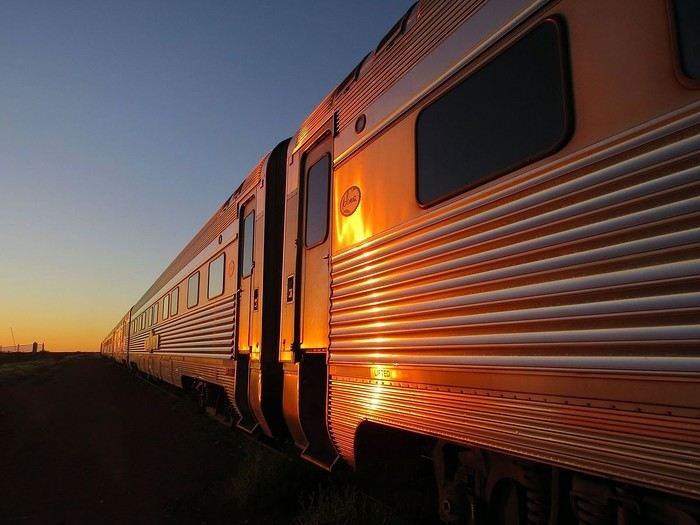
The Ghan (train connecting Adelaide to Darwin), at dawn.
Back to the March 2026 contest: HERE
The Ghan (train connecting Adelaide to Darwin), at dawn.
Some trips are born twice - Peru April - May 2025
Some trips are born twice.
Ours was supposed to happen in 2020. Everything was ready: the itinerary, the flight tickets, hotel reservations and Machu Picchu, the rental car, dreams of high altitudes and wide-open spaces. And then the world stopped.
Like so many other plans, our trip to Peru was put on hold. Disappointment was followed by a more concrete reality: paperwork, endless back-and-forth, and battles to recover some of the costs we’d already paid.
The years went by. Life moved on, with its shifting priorities and unexpected twists. Rescheduling this trip wasn’t possible until 2025.
The itinerary stayed mostly true to what we’d imagined five years earlier. One major difference, though—in 2020, we’d planned to rent a car and explore the roads completely independently. Most importantly, we hadn’t included the three-day Ausangate trek, due to lack of time.
For 2025, our plans evolved. 4x4 rental prices had skyrocketed, and when we looked at our schedule more closely, we realized quite a few days didn’t actually need a vehicle. So we made a different choice and opted for private drivers instead. A decision we never regretted. Always punctual, thoughtful, and available... they were so much more than just drivers.
All our reservations were made in January, except for the trek, which we booked in February.
Finding reliable drivers on our own was tough, so we asked Laurent from Tout Pérou to handle it for us. Going through Tout Pérou also gave us a discount on the train ride to Aguas Calientes, so Laurent booked those tickets too. He also bought our Machu Picchu entrance tickets at the same price we would’ve paid on the official website. When comparing domestic flight prices, we found it was cheaper to book from Peru, so Laurent took care of those as well.
This time, nothing was going to stop us. Peru was waiting. And we were ready. 🙂
Ours was supposed to happen in 2020. Everything was ready: the itinerary, the flight tickets, hotel reservations and Machu Picchu, the rental car, dreams of high altitudes and wide-open spaces. And then the world stopped.
Like so many other plans, our trip to Peru was put on hold. Disappointment was followed by a more concrete reality: paperwork, endless back-and-forth, and battles to recover some of the costs we’d already paid.
The years went by. Life moved on, with its shifting priorities and unexpected twists. Rescheduling this trip wasn’t possible until 2025.
The itinerary stayed mostly true to what we’d imagined five years earlier. One major difference, though—in 2020, we’d planned to rent a car and explore the roads completely independently. Most importantly, we hadn’t included the three-day Ausangate trek, due to lack of time.
For 2025, our plans evolved. 4x4 rental prices had skyrocketed, and when we looked at our schedule more closely, we realized quite a few days didn’t actually need a vehicle. So we made a different choice and opted for private drivers instead. A decision we never regretted. Always punctual, thoughtful, and available... they were so much more than just drivers.
All our reservations were made in January, except for the trek, which we booked in February.
Finding reliable drivers on our own was tough, so we asked Laurent from Tout Pérou to handle it for us. Going through Tout Pérou also gave us a discount on the train ride to Aguas Calientes, so Laurent booked those tickets too. He also bought our Machu Picchu entrance tickets at the same price we would’ve paid on the official website. When comparing domestic flight prices, we found it was cheaper to book from Peru, so Laurent took care of those as well.
This time, nothing was going to stop us. Peru was waiting. And we were ready. 🙂
Chatting by the water
For those who want to chat quietly by the riverbanks, this is the place!
Veneto: Dolomites and Opera
I'm starting a new travel journal in Italy.
It's about a month-long trip (from September 3, 2025, to October 4, 2025), or rather a part of it. This section matches the title: an opera festival in Verona (one evening) and the Dolomites in the Veneto region.
I'm posting the part of the trip I think will interest French-speaking readers the most (since this is where I saw the most French travelers).
Here’s a quick summary:
- Trip in September 2025
- Solo travel with camping (caravan)
- Small geographic area: besides Verona, the surroundings of the Marmolada massif and Cortina d'Ampezzo.
- Main but not exclusive activity: hiking.
Since I have limited internet access where I am now, I’ll be writing slowly. Here we go!
Day 1: Thursday, September 4, 2025
I arrived in Veneto under the sun and with warm weather. I drove to Verona and tried to find a spot at the campsite (Verona Village) located south of the city. Unfortunately, it was full. Booking on the website was mandatory, but when I tried to reserve a few days ago, the site never moved from the "reservation" step to the "payment" step (I don’t know why—it’s always like that in these cases). I found another solution over the phone; the drive from southern Verona to the northeast was a bit long, but I finally settled at the "Oro Verde" campsite. It’s an "agricampeggio" (farm camping or rural campsite) on the outskirts of the city, and its name (green gold) suggests they produce olives there. Since it wasn’t late, I biked to the Adige River, following the recommended route into the city.
Since I have limited internet access where I am now, I’ll be writing slowly. Here we go!
Day 1: Thursday, September 4, 2025
I arrived in Veneto under the sun and with warm weather. I drove to Verona and tried to find a spot at the campsite (Verona Village) located south of the city. Unfortunately, it was full. Booking on the website was mandatory, but when I tried to reserve a few days ago, the site never moved from the "reservation" step to the "payment" step (I don’t know why—it’s always like that in these cases). I found another solution over the phone; the drive from southern Verona to the northeast was a bit long, but I finally settled at the "Oro Verde" campsite. It’s an "agricampeggio" (farm camping or rural campsite) on the outskirts of the city, and its name (green gold) suggests they produce olives there. Since it wasn’t late, I biked to the Adige River, following the recommended route into the city.
Off we go on an adventure in Puglia!
Hey there, VF crew!
After wrapping up our travel journal on Java (link below), we’re now diving into our recent adventure in Puglia! Happy reading... Off we go on an adventure in Java (and a bit of Bali) | Travel journal > Indonesia | Voyage Forum
Day 1 - October 19
When you tell your friends and family you’re itching to escape to the other side of the planet to mingle with the Mongols, you can usually expect a barrage of questionable jokes and terrible puns. For this new adventure, it’s a different destination but the same old story—this time, we’re visiting the "pouilleux" (the "scruffy" ones). We’re taking off straight for Puglia! If you need a cheat sheet to remember where this oddly named place is on a world map, just think of it this way: Puglia is the maiden name on the ID card of the heel of the Italian boot! Personally, I prefer to remember it as the land of creamy burrata, the smell of focaccia fresh from the oven, orecchiette shaped by mamas, golden olive oil that shines like the sun (which beams down here 300 days a year), amaretto that makes you happy, and those famous trulli—those little hobbit-like dry-stone houses straight out of a movie set...
But I’ll stop spoiling the rest of our trip and focus on a factual rundown of this first Puglian day. So, are you joining us on this new adventure beyond our Gallic borders? Either way, Sasha (my youngest) and Luna (Flo’s daughter) didn’t need much convincing to stick with us and keep up the pace!
Our plane drops our little crew in Bari, the site of a famously tragic battle lost in 1991. But revenge is sweet! After renting a motorized carriage, we escape the landing zone and head to our military base of operations: Ostuni, a strategic little town where we’ll set up camp for the next four days. Why Ostuni? First, for its central location, which lets us explore a region packed with must-see gems. Second, for its vibe and beauty, which have earned it quite the reputation. Perched high on a hill, the *città bianca* (the "White City") lives up to its nickname. It literally dazzles visitors. The reason? The whitewashed facades of its houses, a testament to the region’s rich architectural heritage.
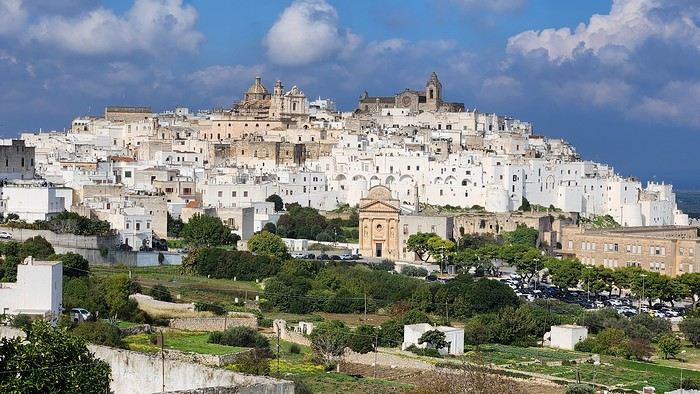
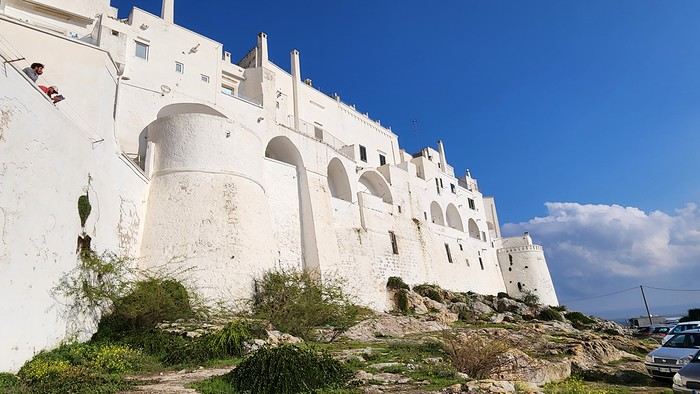
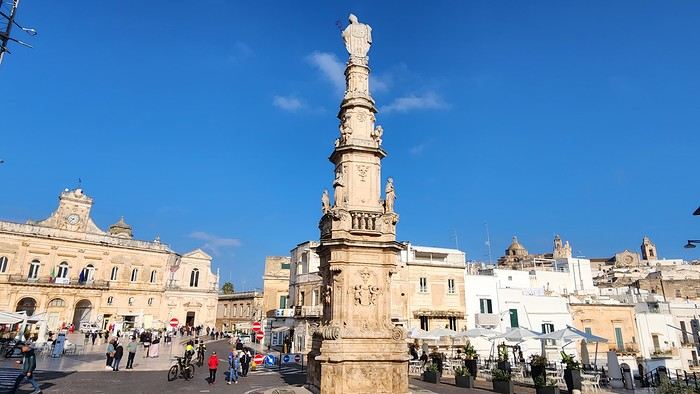
We arrived late last night, so only the two bravest soldiers volunteered to scout ahead at dawn, while the younger recruits stayed behind—for now. But not for long! After the first wave of streets and the next round of exploration, headquarters made the inevitable call to retreat. Reinforcements were needed! A few strategic errands, a breakfast ration, and our battalion marched in tight formation, flag held high, to conquer Ostuni the White! *Charge!* In my squadron leader’s memoirs, I’ll write that I didn’t expect Ostuni to put up such a fight. What I thought would take two hours to conquer turned into a humbling experience—we could only bow in respect to its beauty, its relentless charm. The alleys are whiter, more labyrinthine, narrower, and more photogenic than the last. *Veni, vidi, vici*—but what an entrance, my troops!
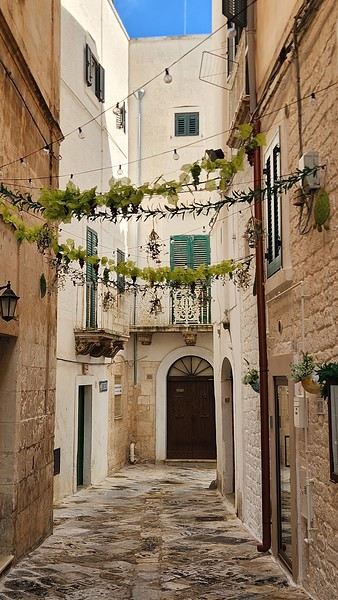
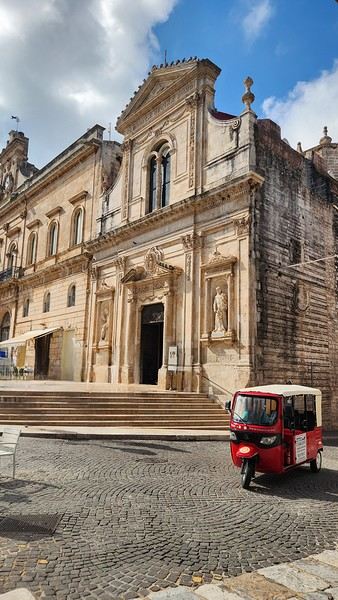
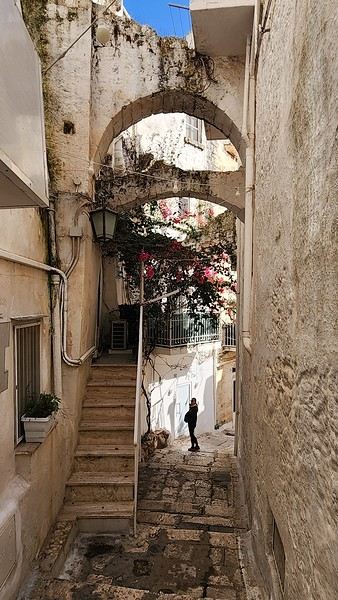
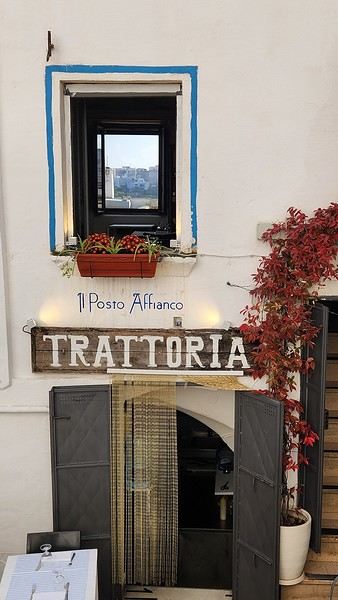
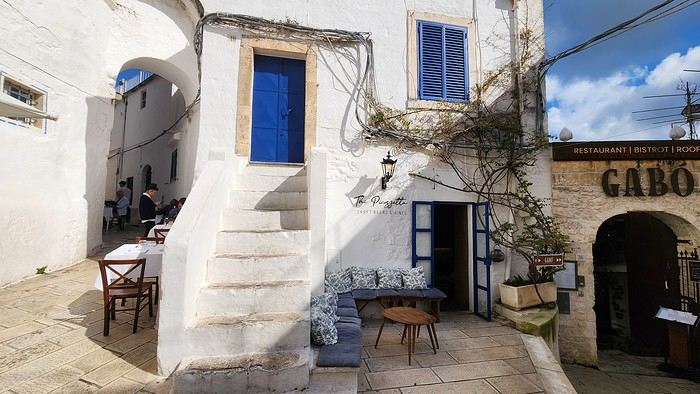
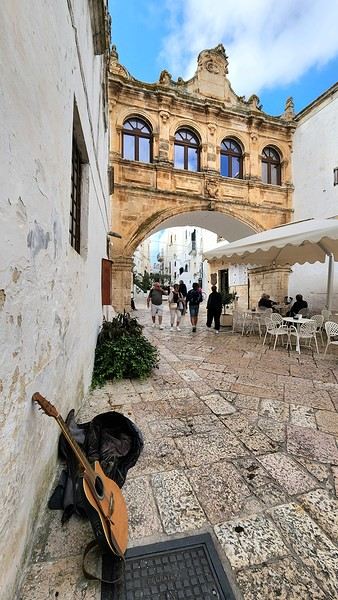
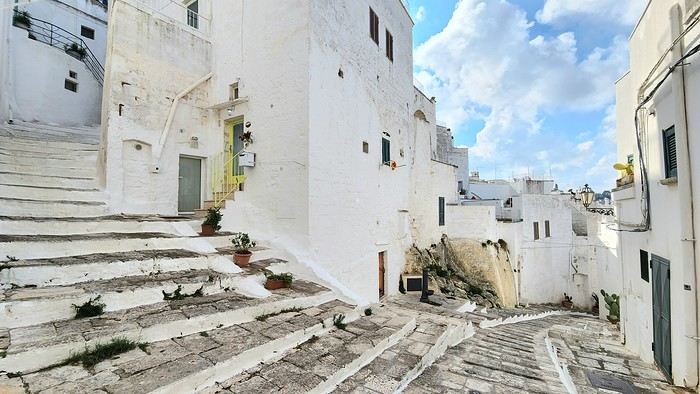
After wrapping up our travel journal on Java (link below), we’re now diving into our recent adventure in Puglia! Happy reading... Off we go on an adventure in Java (and a bit of Bali) | Travel journal > Indonesia | Voyage Forum
Day 1 - October 19
When you tell your friends and family you’re itching to escape to the other side of the planet to mingle with the Mongols, you can usually expect a barrage of questionable jokes and terrible puns. For this new adventure, it’s a different destination but the same old story—this time, we’re visiting the "pouilleux" (the "scruffy" ones). We’re taking off straight for Puglia! If you need a cheat sheet to remember where this oddly named place is on a world map, just think of it this way: Puglia is the maiden name on the ID card of the heel of the Italian boot! Personally, I prefer to remember it as the land of creamy burrata, the smell of focaccia fresh from the oven, orecchiette shaped by mamas, golden olive oil that shines like the sun (which beams down here 300 days a year), amaretto that makes you happy, and those famous trulli—those little hobbit-like dry-stone houses straight out of a movie set...
But I’ll stop spoiling the rest of our trip and focus on a factual rundown of this first Puglian day. So, are you joining us on this new adventure beyond our Gallic borders? Either way, Sasha (my youngest) and Luna (Flo’s daughter) didn’t need much convincing to stick with us and keep up the pace!
Our plane drops our little crew in Bari, the site of a famously tragic battle lost in 1991. But revenge is sweet! After renting a motorized carriage, we escape the landing zone and head to our military base of operations: Ostuni, a strategic little town where we’ll set up camp for the next four days. Why Ostuni? First, for its central location, which lets us explore a region packed with must-see gems. Second, for its vibe and beauty, which have earned it quite the reputation. Perched high on a hill, the *città bianca* (the "White City") lives up to its nickname. It literally dazzles visitors. The reason? The whitewashed facades of its houses, a testament to the region’s rich architectural heritage.
We arrived late last night, so only the two bravest soldiers volunteered to scout ahead at dawn, while the younger recruits stayed behind—for now. But not for long! After the first wave of streets and the next round of exploration, headquarters made the inevitable call to retreat. Reinforcements were needed! A few strategic errands, a breakfast ration, and our battalion marched in tight formation, flag held high, to conquer Ostuni the White! *Charge!* In my squadron leader’s memoirs, I’ll write that I didn’t expect Ostuni to put up such a fight. What I thought would take two hours to conquer turned into a humbling experience—we could only bow in respect to its beauty, its relentless charm. The alleys are whiter, more labyrinthine, narrower, and more photogenic than the last. *Veni, vidi, vici*—but what an entrance, my troops!
USA 2022 Road Trip
During our first road trip across the United States, we covered 23,000 km and crossed 28 states in 53 days.
Originally, we had planned to drive Route 66 all the way to Oatman in Arizona and visit various national parks in the American West over a two-month period.
This itinerary was planned before our departure, and all the relevant information had been gathered to stick to the schedule.
Everything went so smoothly that we finished visiting the national parks well ahead of our planned return date.
It helped that having a bed, a portable toilet, and a cooler in our vehicle gave us some autonomy since we didn’t have to worry about accommodation.
So, we decided to extend our road trip to the cities of Nashville and Memphis in Tennessee.
We then headed to Louisiana to visit Baton Rouge and New Orleans.
We crossed Mississippi and Alabama before driving along Florida’s west coast all the way to Key West.
We returned via Florida’s east coast and then crossed the eastern U.S. states to get back to Quebec through the Jackman border crossing in Maine.
So, I invite you to keep reading this long recap, which will let you discover the different attractions we visited throughout this amazing journey.
Videos are included throughout the recap. Click on the image to start the video.
To jump to a specific post, here are the relevant links:
Route 66 - Illinois & Missouri Route 66 - St. Louis (Missouri) - Gateway Arch National Park Route 66 - Cuba (Missouri) - City Murals Route 66 - Springfield (Missouri) - Fantastic Caverns Route 66 - Kansas & Oklahoma Route 66 - Texas & Arizona Route 66 - Texas - The Stations of the Cross in Groom Route 66 - Texas - Panhandle - VW Slug Bug Ranch Texas - Palo Duro Canyon State Park - Juniper Trails Texas - Palo Duro Canyon State Park - The Lighthouse Trail Route 66 - Texas - Amarillo - Cadillac Ranch Route 66 - New Mexico - Santa Rosa Blue Hole New Mexico - Bandelier National Monument - Alcove House Trail via Main Loop Trail New Mexico - Bandelier National Monument - Tsankawi Ruins Trail New Mexico - White Rock Overlook Route 66 - New Mexico - Albuquerque - Old Town New Mexico - White Sands National Park New Mexico - White Sands National Park - Dune Life Nature Trail New Mexico - White Sands National Park - Playa Trail New Mexico - White Sands National Park - Interdune Boardwalk New Mexico - Gila Cliff Dwellings National Monument New Mexico - Grants - Ice Cave & Bandera Volcano New Mexico - Gallup - Pyramide Rock Trail & Church Rock Trail Arizona - Holbrook - Painted Desert Arizona - Petrified Forest National Park - Puerco Pueblo & Newspaper Rock Viewpoint Arizona - Petrified Forest National Park - Blue Mesa Arizona - Petrified Forest National Park - The Teepees, Agate Bridge & Jasper Forest Overlook Arizona - Petrified Forest National Park - Crystal Forest Trail Arizona - Petrified Forest National Park - Giant Logs Trail Arizona - Winslow - Two Guns Ghost Town Arizona - Cameron - Little Colorado River Gorge Overlooks Arizona - Grand Canyon National Park - Shoshone Point Trail Arizona - Grand Canyon National Park - Desert View Drive Arizona - Grand Canyon National Park - Rim Route (Orange) & Village Route (Blue) Arizona - Grand Canyon National Park - Hermit Route (Red Line) Route 66 - Arizona - Historic Town of Oatman Arizona - Bullhead City Community Park Nevada - Red Rock Canyon - Calico I & II & Sandstone Quarry Nevada - Red Rock Canyon - Willow Springs Nevada - Red Rock Canyon Lookouts Nevada - Valley of Fire State Park - White Domes Trail Nevada - Valley of Fire State Park - Seven Wonders Trail, Pink Canyon, Fire Wave Nevada - Valley of Fire State Park - Rainbow Vista Trail Nevada - Valley of Fire State Park - Mouse's Tank Trail Nevada - Valley of Fire State Park - Rock Formations Nevada - Valley of Fire State Park - Scenic Routes Nevada - Cathedral Gorge State Park - Slot Canyons Nevada - Cathedral Gorge State Park - Eagle Point & Miller Point Utah - Bryce Canyon National Park - Mossy Cave & Tropic Ditch Waterfall Trail Utah - Bryce Canyon National Park - Scenic Drive Utah - Zion National Park - Pa'rus Trail Utah - Zion National Park - Sand Bench Trail Utah - Zion National Park - Emerald Pools Trail Utah - Zion National Park - West Rim Trail (Trail connecting to Angels Landing) Utah - Zion National Park - Riverside Walk Utah - Zion National Park - Court of The Patriarchs & Big Bend Utah - Zion National Park - Mount Carmel Highway Scenic Drive Utah - Kanab - Jackson Flat Reservoir Utah - Toadstools Trail in Grand Staircase-Escalante National Monument Arizona - Page - Glen Canyon Dam Overlook Arizona - Page - Glen Canyon National Recreation Area Arizona - Page - Horseshoe Bend Overlook Arizona - Page - Upper Antelope Canyon Arizona - Page - Navajo Canyon Boat Tour at Lake Powell Arizona - Page - Antelope Canyon X Arizona - Canyon de Chelly National Monument - Chelly Canyon Arizona - Canyon de Chelly National Monument - Canyon del Muerto Arizona - Monument Valley Navajo Tribal Park Utah - Mexican Hat Utah - Mexican Hat - Goosenecks State Park Utah - Mexican Hat - Valley of the Gods Utah - The Moki Dugway Scenic Backway Utah - Blanding - Natural Bridges National Monument Utah - Lake Powell - Hite Crossing Bridge Utah - Lake Powell - Glen Canyon National Recreation Area - Hite Overlook Utah - Capitol Reef National Park - Chimney Rock Loop Trail Utah - Capitol Reef National Park - Hickman Bridge Trail Utah - Capitol Reef National Park - Grand Wash Trail Utah - Capitol Reef National Park - Sunset Point Trail Utah - Capitol Reef National Park - Goosenecks Trail Utah - Capitol Reef National Park - Viewpoints - Fruita Area Utah - Capitol Reef National Park - Viewpoints - Scenic Drive Utah - Capitol Reef National Park - Cassidy Arch Trail Utah - Capitol Reef National Park - On the way to Capitol Gorge Trailhead Utah - Capitol Reef National Park - Capitol Gorge Trailhead Utah - Monroe - Mystic Hot Springs Utah - Scenic Overlooks on UT-24, UT-119 & I-70 Utah - Arches National Park - Park Avenue Trail Utah - Arches National Park - Courthouse Towers Section's Viewpoints Utah - Arches National Park - Balanced Rock, Pothole Arch, Ham Rock & Garden of Eden Utah - Arches National Park - Double Arch Trail, Cove Arch, Cove of Caves & Panorama Point Utah - Arches National Park - Windows Loop & Turret Arch Trail Utah - Arches National Park - Delicate Arch Trail Utah - Arches National Park - Upper Delicate Arch Viewpoint Trail Utah - Arches National Park - Fiery Furnace Section - Viewpoints Utah - Arches National Park - Sand Dune Arch Trail Utah - Arches National Park - Skyline Arch Trail Utah - Arches National Park - Devils Garden Trail Utah - Dead Horse Point State Park - West Rim Trail Utah - Dead Horse Point State Park - East Rim Trail Utah - Moab - Utah State Route 279 (Potash Road) Utah - Moab - Shafer Trail - Potash Evaporation Ponds Utah - Moab - Potash Road Dinosaur Tracks and Petroglyphs Utah - Moab - Potash Road - Corona, Bowtie & Pinto Arches Trail Utah - Moab - Potash Road - Wall Street Climbing Area Utah - Moab - Kane Springs Road Utah - Moab - Kane Springs Road - Side By Side Adventure Utah - Moab - Kane Springs Road to Moab Utah - Canyonlands National Park - Island in the Sky - Mesa Arch Trail Utah - Canyonlands National Park - Island in the Sky - Aztec Butte Trail Utah - Canyonlands National Park - Island in the Sky - Whale Rock Trail Utah - Canyonlands National Park - Island in the Sky - Upheaval Dome Trail Utah - Canyonlands National Park - Island in the Sky - Grand View Point Overlook Trail Utah - Canyonlands National Park - Island in the Sky - White Rim Overlook Trail Utah - Canyonlands National Park - Island in the Sky - Overlooks Utah - Moab - Wilson Arch Utah - Monticello - Newspaper Rock State Historical Monument Utah - Canyonlands National Park - The Needles - Road Side Ruin Trail Utah - Canyonlands National Park - The Needles - Cave Spring Trail Utah - Canyonlands National Park - The Needles - Pothole Point Trail Utah - Canyonlands National Park - The Needles - Big Spring Canyon Overlook Trail Utah - Canyonlands National Park - The Needles - Overlooks Colorado - Mesa Verde National Park - Mesa Top Ruins Road Colorado - Mesa Verde National Park - Chapin Mesa Road Colorado - Mesa Verde National Park - Mesa Top Loop Colorado - Mesa Verde National Park - Wetherill Mesa Road Colorado - Great Sand Dunes National Park Colorado - Mosca - Zapata Falls Colorado - Colorado Springs - Garden of the Gods Colorado - Black Canyon of the Gunnison National Park Colorado - Gunnison - Curecanti National Recreation Area Colorado - Gunnison - Blue Mesa Dam & Reservoir Colorado - Lake Pueblo State Park (Pueblo Reservoir) Kentucky - Mayfield, 5 months after an EF4 tornado Tennessee - Nashville - Downtown Walking Tour Tennessee - Graceland Mansion - Home of Elvis Presley Tennessee - Graceland - Lisa Marie & Hound Dog II Jets Tennessee - Graceland - Elvis Presley Automobile Museum & Exhibits Tennessee - Exploring Memphis Louisiana - Exploring Baton Rouge Louisiana - Exploring Lafayette Louisiana - Exploring Houma Louisiana - New Orleans - French Quarter Tour Louisiana - New Orleans - Garden District Tour Louisiana - New Orleans - Creole Queen Mississippi River Cruise Florida - Clearwater Beach Florida - Sanibel Island - Bowman's Beach Florida - Siesta Key Beach Florida - Captiva Island - Turner Beach Florida - Key Largo - Sunset Florida - Key West - Smathers Beach Florida - Miami Beach - Art Deco District Florida - Miami Beach South Carolina - Myrtle Beach Virginia - Virginia Beach Maine - Scarborough - Pine Point Beach
Originally, we had planned to drive Route 66 all the way to Oatman in Arizona and visit various national parks in the American West over a two-month period.
This itinerary was planned before our departure, and all the relevant information had been gathered to stick to the schedule.
Everything went so smoothly that we finished visiting the national parks well ahead of our planned return date.
It helped that having a bed, a portable toilet, and a cooler in our vehicle gave us some autonomy since we didn’t have to worry about accommodation.
So, we decided to extend our road trip to the cities of Nashville and Memphis in Tennessee.
We then headed to Louisiana to visit Baton Rouge and New Orleans.
We crossed Mississippi and Alabama before driving along Florida’s west coast all the way to Key West.
We returned via Florida’s east coast and then crossed the eastern U.S. states to get back to Quebec through the Jackman border crossing in Maine.
So, I invite you to keep reading this long recap, which will let you discover the different attractions we visited throughout this amazing journey.
Videos are included throughout the recap. Click on the image to start the video.
To jump to a specific post, here are the relevant links:
Route 66 - Illinois & Missouri Route 66 - St. Louis (Missouri) - Gateway Arch National Park Route 66 - Cuba (Missouri) - City Murals Route 66 - Springfield (Missouri) - Fantastic Caverns Route 66 - Kansas & Oklahoma Route 66 - Texas & Arizona Route 66 - Texas - The Stations of the Cross in Groom Route 66 - Texas - Panhandle - VW Slug Bug Ranch Texas - Palo Duro Canyon State Park - Juniper Trails Texas - Palo Duro Canyon State Park - The Lighthouse Trail Route 66 - Texas - Amarillo - Cadillac Ranch Route 66 - New Mexico - Santa Rosa Blue Hole New Mexico - Bandelier National Monument - Alcove House Trail via Main Loop Trail New Mexico - Bandelier National Monument - Tsankawi Ruins Trail New Mexico - White Rock Overlook Route 66 - New Mexico - Albuquerque - Old Town New Mexico - White Sands National Park New Mexico - White Sands National Park - Dune Life Nature Trail New Mexico - White Sands National Park - Playa Trail New Mexico - White Sands National Park - Interdune Boardwalk New Mexico - Gila Cliff Dwellings National Monument New Mexico - Grants - Ice Cave & Bandera Volcano New Mexico - Gallup - Pyramide Rock Trail & Church Rock Trail Arizona - Holbrook - Painted Desert Arizona - Petrified Forest National Park - Puerco Pueblo & Newspaper Rock Viewpoint Arizona - Petrified Forest National Park - Blue Mesa Arizona - Petrified Forest National Park - The Teepees, Agate Bridge & Jasper Forest Overlook Arizona - Petrified Forest National Park - Crystal Forest Trail Arizona - Petrified Forest National Park - Giant Logs Trail Arizona - Winslow - Two Guns Ghost Town Arizona - Cameron - Little Colorado River Gorge Overlooks Arizona - Grand Canyon National Park - Shoshone Point Trail Arizona - Grand Canyon National Park - Desert View Drive Arizona - Grand Canyon National Park - Rim Route (Orange) & Village Route (Blue) Arizona - Grand Canyon National Park - Hermit Route (Red Line) Route 66 - Arizona - Historic Town of Oatman Arizona - Bullhead City Community Park Nevada - Red Rock Canyon - Calico I & II & Sandstone Quarry Nevada - Red Rock Canyon - Willow Springs Nevada - Red Rock Canyon Lookouts Nevada - Valley of Fire State Park - White Domes Trail Nevada - Valley of Fire State Park - Seven Wonders Trail, Pink Canyon, Fire Wave Nevada - Valley of Fire State Park - Rainbow Vista Trail Nevada - Valley of Fire State Park - Mouse's Tank Trail Nevada - Valley of Fire State Park - Rock Formations Nevada - Valley of Fire State Park - Scenic Routes Nevada - Cathedral Gorge State Park - Slot Canyons Nevada - Cathedral Gorge State Park - Eagle Point & Miller Point Utah - Bryce Canyon National Park - Mossy Cave & Tropic Ditch Waterfall Trail Utah - Bryce Canyon National Park - Scenic Drive Utah - Zion National Park - Pa'rus Trail Utah - Zion National Park - Sand Bench Trail Utah - Zion National Park - Emerald Pools Trail Utah - Zion National Park - West Rim Trail (Trail connecting to Angels Landing) Utah - Zion National Park - Riverside Walk Utah - Zion National Park - Court of The Patriarchs & Big Bend Utah - Zion National Park - Mount Carmel Highway Scenic Drive Utah - Kanab - Jackson Flat Reservoir Utah - Toadstools Trail in Grand Staircase-Escalante National Monument Arizona - Page - Glen Canyon Dam Overlook Arizona - Page - Glen Canyon National Recreation Area Arizona - Page - Horseshoe Bend Overlook Arizona - Page - Upper Antelope Canyon Arizona - Page - Navajo Canyon Boat Tour at Lake Powell Arizona - Page - Antelope Canyon X Arizona - Canyon de Chelly National Monument - Chelly Canyon Arizona - Canyon de Chelly National Monument - Canyon del Muerto Arizona - Monument Valley Navajo Tribal Park Utah - Mexican Hat Utah - Mexican Hat - Goosenecks State Park Utah - Mexican Hat - Valley of the Gods Utah - The Moki Dugway Scenic Backway Utah - Blanding - Natural Bridges National Monument Utah - Lake Powell - Hite Crossing Bridge Utah - Lake Powell - Glen Canyon National Recreation Area - Hite Overlook Utah - Capitol Reef National Park - Chimney Rock Loop Trail Utah - Capitol Reef National Park - Hickman Bridge Trail Utah - Capitol Reef National Park - Grand Wash Trail Utah - Capitol Reef National Park - Sunset Point Trail Utah - Capitol Reef National Park - Goosenecks Trail Utah - Capitol Reef National Park - Viewpoints - Fruita Area Utah - Capitol Reef National Park - Viewpoints - Scenic Drive Utah - Capitol Reef National Park - Cassidy Arch Trail Utah - Capitol Reef National Park - On the way to Capitol Gorge Trailhead Utah - Capitol Reef National Park - Capitol Gorge Trailhead Utah - Monroe - Mystic Hot Springs Utah - Scenic Overlooks on UT-24, UT-119 & I-70 Utah - Arches National Park - Park Avenue Trail Utah - Arches National Park - Courthouse Towers Section's Viewpoints Utah - Arches National Park - Balanced Rock, Pothole Arch, Ham Rock & Garden of Eden Utah - Arches National Park - Double Arch Trail, Cove Arch, Cove of Caves & Panorama Point Utah - Arches National Park - Windows Loop & Turret Arch Trail Utah - Arches National Park - Delicate Arch Trail Utah - Arches National Park - Upper Delicate Arch Viewpoint Trail Utah - Arches National Park - Fiery Furnace Section - Viewpoints Utah - Arches National Park - Sand Dune Arch Trail Utah - Arches National Park - Skyline Arch Trail Utah - Arches National Park - Devils Garden Trail Utah - Dead Horse Point State Park - West Rim Trail Utah - Dead Horse Point State Park - East Rim Trail Utah - Moab - Utah State Route 279 (Potash Road) Utah - Moab - Shafer Trail - Potash Evaporation Ponds Utah - Moab - Potash Road Dinosaur Tracks and Petroglyphs Utah - Moab - Potash Road - Corona, Bowtie & Pinto Arches Trail Utah - Moab - Potash Road - Wall Street Climbing Area Utah - Moab - Kane Springs Road Utah - Moab - Kane Springs Road - Side By Side Adventure Utah - Moab - Kane Springs Road to Moab Utah - Canyonlands National Park - Island in the Sky - Mesa Arch Trail Utah - Canyonlands National Park - Island in the Sky - Aztec Butte Trail Utah - Canyonlands National Park - Island in the Sky - Whale Rock Trail Utah - Canyonlands National Park - Island in the Sky - Upheaval Dome Trail Utah - Canyonlands National Park - Island in the Sky - Grand View Point Overlook Trail Utah - Canyonlands National Park - Island in the Sky - White Rim Overlook Trail Utah - Canyonlands National Park - Island in the Sky - Overlooks Utah - Moab - Wilson Arch Utah - Monticello - Newspaper Rock State Historical Monument Utah - Canyonlands National Park - The Needles - Road Side Ruin Trail Utah - Canyonlands National Park - The Needles - Cave Spring Trail Utah - Canyonlands National Park - The Needles - Pothole Point Trail Utah - Canyonlands National Park - The Needles - Big Spring Canyon Overlook Trail Utah - Canyonlands National Park - The Needles - Overlooks Colorado - Mesa Verde National Park - Mesa Top Ruins Road Colorado - Mesa Verde National Park - Chapin Mesa Road Colorado - Mesa Verde National Park - Mesa Top Loop Colorado - Mesa Verde National Park - Wetherill Mesa Road Colorado - Great Sand Dunes National Park Colorado - Mosca - Zapata Falls Colorado - Colorado Springs - Garden of the Gods Colorado - Black Canyon of the Gunnison National Park Colorado - Gunnison - Curecanti National Recreation Area Colorado - Gunnison - Blue Mesa Dam & Reservoir Colorado - Lake Pueblo State Park (Pueblo Reservoir) Kentucky - Mayfield, 5 months after an EF4 tornado Tennessee - Nashville - Downtown Walking Tour Tennessee - Graceland Mansion - Home of Elvis Presley Tennessee - Graceland - Lisa Marie & Hound Dog II Jets Tennessee - Graceland - Elvis Presley Automobile Museum & Exhibits Tennessee - Exploring Memphis Louisiana - Exploring Baton Rouge Louisiana - Exploring Lafayette Louisiana - Exploring Houma Louisiana - New Orleans - French Quarter Tour Louisiana - New Orleans - Garden District Tour Louisiana - New Orleans - Creole Queen Mississippi River Cruise Florida - Clearwater Beach Florida - Sanibel Island - Bowman's Beach Florida - Siesta Key Beach Florida - Captiva Island - Turner Beach Florida - Key Largo - Sunset Florida - Key West - Smathers Beach Florida - Miami Beach - Art Deco District Florida - Miami Beach South Carolina - Myrtle Beach Virginia - Virginia Beach Maine - Scarborough - Pine Point Beach
Martine and DD in Colorado and Utah
Hello everyone! 🙂
So many silent months, and now Voyage Forum is accessible again. That’s cool because we can pick up our discussions for our mutual enjoyment.
I hope everyone is doing well and that you’ve been able to take some great trips, whether to the USA or elsewhere.
In September 2020, we had planned a round trip to explore Colorado, but unfortunately, a nasty virus messed up our plans, closing borders and keeping us stuck at home. Luckily for us, canceling the car, flights, and accommodations didn’t cost us a thing—everything was refunded.
In 2023, a loop from Las Vegas let us revisit places we’d seen in 2017 and discover new ones, this time spending more time at each stop with some lovely hikes.
In 2024, we finally revisited the 2020 plan, and I’ll start with that.
However, unforeseen circumstances mean I have much less time than before, so I’ll keep my trip reports shorter (ha ha ha—you’ll have less of my prose to endure).
Another change: for those who remember the "Gang of Four crazy sixty-somethings," it was just DD and me this time. Our dear Mimi and Maumau left the Var to focus on raising horses and can’t leave their little green paradise to join us anymore. We were unfortunately much tamer without them.
We traveled from September 11 to October 3.
The itinerary
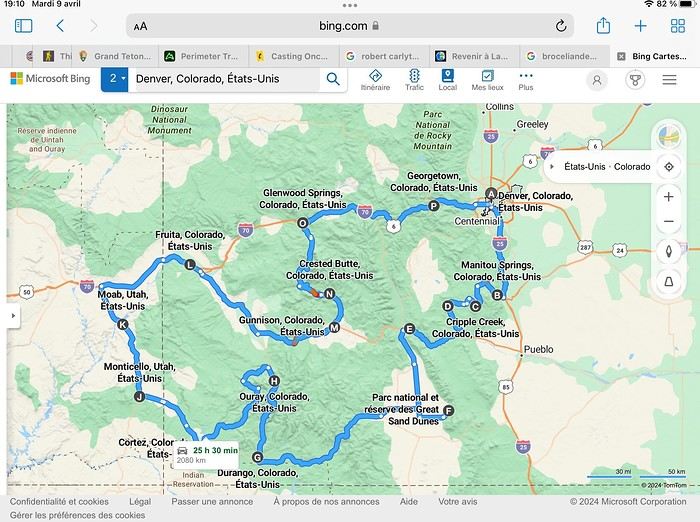
Day 1: Flight Marseille-Paris-Denver, then Manitou Springs (133 km) Day 2: Manitou Springs (49 km) Day 3: Cripple Creek (104 km) Day 4: Salida (254 km) Day 5: Great Sand Dunes (231 km) Day 6: Durango (283 km) Day 7: Durango (Durango-Silverton train) Day 8: Ouray (121 km) Day 9: Ouray (Perimeter Trail hike) Day 10: Cortez (213 km) Day 11: Cortez (Mesa Verde National Park, 134 km) Day 12: Monticello (268 km, detour to Chesler Park) Day 13: Moab (171 km, Delicate Arch) Day 14: Moab (98 km, Fisher Towers) Day 15: Moab (171 km, Canyonlands) Day 16: Fruita (210 km, Colorado National Monument) Day 17: Crested Butte (224 km via Kebler Pass) Day 18: Crested Butte (57 km) Day 19: Glenwood Springs (150 km) Day 20: Glenwood Springs (118 km, Rifle State Park) Day 21: Georgetown (258 km via Independence Pass) Day 22: Denver (123 km), then return flight
We speak very little English. We spent 21 nights there and covered a 3,400 km loop by car and 160 km on foot (we’re still trying to hike while we’re in shape) from Denver in September 2024. We wanted this road trip to help us explore Colorado a bit more—we’d only spent 6 nights there in 2019—and to see it during the fall foliage season. We also wanted to return to Utah (we love Moab) to enjoy its red rocks, which we adore.
In the prices you see (some in euros, others in dollars), I’ve included bank fees and exchange charges. The flights, car, and parking were paid by credit card when we booked in February. Usually, we book around November, but some obligations kept us from doing it earlier. We downloaded the MPC (Mobile Passport Control) app on our phone, which saved us time at immigration.
📊 **Budget: just under 8,500 € for both of us, all included**
📊 **Flights** Marseille-Paris (CDG)-Denver: 2,152 € for both of us, with one checked bag each
📊 **ESTA and America the Beautiful Pass** The ones from our 2023 road trip were still valid
📊 **Parking at Marseille airport: 122 €**
📊 **Car: Nissan Rogue (the French X-Trail) from Hertz: 1,165 €** By booking through Air France (and earning miles), we got a 15% discount. Hertz offers a free Hertz Gold Plus Rewards program, which gives us priority counter service.
📊 **Accommodation: 3,050 €** We stayed in motels and hotels of various ranges (from 100 € to 270 € per night, depending on the city), all booked through Hotels.com or Booking. Booking sometimes offers cheaper rates if you book via the "Booking mobile" app. We also got some preferential rates thanks to our Genius 2 status. Out of 21 nights, only one place didn’t include breakfast.
📊 **Other expenses (activities booked by credit card before leaving)** Durango-Silverton train: 210 € (we booked the enclosed vintage coach in March) Mesa Verde: Balcony House: 15.15 € (booked 14 days before the visit) Timed-entry passes for Arches National Park: 6 € for 3 days (booked June 1 for September entries via http://récreation.gov/). We booked three different days to play with the weather.
📊 **Supplementary insurance with AVA: 204 €** (due to our age 😅 and the high cost of medical consultations in the USA)
📊 **Cash: 1,540 €** We left with 1,000 € exchanged before departure and made two withdrawals (500 $ and 200 $). This cash was used to pay for: - Evening restaurants and tips (between 70 $ and 95 $ for two meals and two drinks) - Two state parks: Dead Horse State Park (20 $) and Rifle State Park (10 $) - The Monarch Pass gondola (24 $) - Midday picnics - Gas (slightly cheaper with cash): 204 $ for 3,400 km - Personal souvenirs and little treats.
Like in our previous road trips, we didn’t rent a GPS. We used the offline GPS app Here We Go, for which we’d downloaded maps of Colorado and Utah from France, as well as a new offline app called Organic Maps as a backup—though we didn’t end up needing it.
❤️❤️❤️ **Highlights (there are so many!)** 📍 The stunning landscapes of Colorado, especially with the fall colors 📍 A step back in time at the old farm in Florissant Fossil Beds National Monument 📍 The prairies of Cripple Creek and the mining remnants of the Vindicator Trail 📍 The cheeky chipmunks in the ghost town of St. Elmo 📍 Great Sand Dunes and its soft sand 📍 The steam train between Durango and Silverton: we’re glad we chose the round-trip because it rained heavily on the way there, but we got to enjoy the scenery on the way back when the sun came out 📍 The unexpected meet-up with Michèle from the group outside a restaurant in Durango 📍 The hot springs in Ouray 📍 Mesa Verde and its still-vibrant past 📍 The red rocks of Moab and Delicate Arch at sunset 📍 The lace-like Fisher Towers and the view from the end of the trail 📍 The gorgeous Route 128 leading to Colorado National Monument—small, easy to visit, and so beautiful 📍 The colors of the fabulous Kebler Pass, Crested Butte, and especially the hike through the golden aspens (Lower and Upper Loop) 📍 The waterfalls at Rifle State Park 📍 The tundra of Independence Pass 📍 The Halloween decorations in Georgetown and Idaho Springs
😞😞 **Flops (there are very few!)** 📍 The viewpoints we missed because they weren’t well-marked or we didn’t see the signs 📍 The closure of some hiking trails (Hanging Lake and parts of Canyonlands) and the Sal Mountain Loop road, which kept us from accessing it 📍😢 The Chesler Park hike we had to cut short due to poor time management—180 km between our stop in Cortez meant we didn’t arrive until 10:30 AM, way too late for a 17 km hike.
Hope this helps! Have a great evening, everyone, and see you soon! 😊
The itinerary
Day 1: Flight Marseille-Paris-Denver, then Manitou Springs (133 km) Day 2: Manitou Springs (49 km) Day 3: Cripple Creek (104 km) Day 4: Salida (254 km) Day 5: Great Sand Dunes (231 km) Day 6: Durango (283 km) Day 7: Durango (Durango-Silverton train) Day 8: Ouray (121 km) Day 9: Ouray (Perimeter Trail hike) Day 10: Cortez (213 km) Day 11: Cortez (Mesa Verde National Park, 134 km) Day 12: Monticello (268 km, detour to Chesler Park) Day 13: Moab (171 km, Delicate Arch) Day 14: Moab (98 km, Fisher Towers) Day 15: Moab (171 km, Canyonlands) Day 16: Fruita (210 km, Colorado National Monument) Day 17: Crested Butte (224 km via Kebler Pass) Day 18: Crested Butte (57 km) Day 19: Glenwood Springs (150 km) Day 20: Glenwood Springs (118 km, Rifle State Park) Day 21: Georgetown (258 km via Independence Pass) Day 22: Denver (123 km), then return flight
We speak very little English. We spent 21 nights there and covered a 3,400 km loop by car and 160 km on foot (we’re still trying to hike while we’re in shape) from Denver in September 2024. We wanted this road trip to help us explore Colorado a bit more—we’d only spent 6 nights there in 2019—and to see it during the fall foliage season. We also wanted to return to Utah (we love Moab) to enjoy its red rocks, which we adore.
In the prices you see (some in euros, others in dollars), I’ve included bank fees and exchange charges. The flights, car, and parking were paid by credit card when we booked in February. Usually, we book around November, but some obligations kept us from doing it earlier. We downloaded the MPC (Mobile Passport Control) app on our phone, which saved us time at immigration.
📊 **Budget: just under 8,500 € for both of us, all included**
📊 **Flights** Marseille-Paris (CDG)-Denver: 2,152 € for both of us, with one checked bag each
📊 **ESTA and America the Beautiful Pass** The ones from our 2023 road trip were still valid
📊 **Parking at Marseille airport: 122 €**
📊 **Car: Nissan Rogue (the French X-Trail) from Hertz: 1,165 €** By booking through Air France (and earning miles), we got a 15% discount. Hertz offers a free Hertz Gold Plus Rewards program, which gives us priority counter service.
📊 **Accommodation: 3,050 €** We stayed in motels and hotels of various ranges (from 100 € to 270 € per night, depending on the city), all booked through Hotels.com or Booking. Booking sometimes offers cheaper rates if you book via the "Booking mobile" app. We also got some preferential rates thanks to our Genius 2 status. Out of 21 nights, only one place didn’t include breakfast.
📊 **Other expenses (activities booked by credit card before leaving)** Durango-Silverton train: 210 € (we booked the enclosed vintage coach in March) Mesa Verde: Balcony House: 15.15 € (booked 14 days before the visit) Timed-entry passes for Arches National Park: 6 € for 3 days (booked June 1 for September entries via http://récreation.gov/). We booked three different days to play with the weather.
📊 **Supplementary insurance with AVA: 204 €** (due to our age 😅 and the high cost of medical consultations in the USA)
📊 **Cash: 1,540 €** We left with 1,000 € exchanged before departure and made two withdrawals (500 $ and 200 $). This cash was used to pay for: - Evening restaurants and tips (between 70 $ and 95 $ for two meals and two drinks) - Two state parks: Dead Horse State Park (20 $) and Rifle State Park (10 $) - The Monarch Pass gondola (24 $) - Midday picnics - Gas (slightly cheaper with cash): 204 $ for 3,400 km - Personal souvenirs and little treats.
Like in our previous road trips, we didn’t rent a GPS. We used the offline GPS app Here We Go, for which we’d downloaded maps of Colorado and Utah from France, as well as a new offline app called Organic Maps as a backup—though we didn’t end up needing it.
❤️❤️❤️ **Highlights (there are so many!)** 📍 The stunning landscapes of Colorado, especially with the fall colors 📍 A step back in time at the old farm in Florissant Fossil Beds National Monument 📍 The prairies of Cripple Creek and the mining remnants of the Vindicator Trail 📍 The cheeky chipmunks in the ghost town of St. Elmo 📍 Great Sand Dunes and its soft sand 📍 The steam train between Durango and Silverton: we’re glad we chose the round-trip because it rained heavily on the way there, but we got to enjoy the scenery on the way back when the sun came out 📍 The unexpected meet-up with Michèle from the group outside a restaurant in Durango 📍 The hot springs in Ouray 📍 Mesa Verde and its still-vibrant past 📍 The red rocks of Moab and Delicate Arch at sunset 📍 The lace-like Fisher Towers and the view from the end of the trail 📍 The gorgeous Route 128 leading to Colorado National Monument—small, easy to visit, and so beautiful 📍 The colors of the fabulous Kebler Pass, Crested Butte, and especially the hike through the golden aspens (Lower and Upper Loop) 📍 The waterfalls at Rifle State Park 📍 The tundra of Independence Pass 📍 The Halloween decorations in Georgetown and Idaho Springs
😞😞 **Flops (there are very few!)** 📍 The viewpoints we missed because they weren’t well-marked or we didn’t see the signs 📍 The closure of some hiking trails (Hanging Lake and parts of Canyonlands) and the Sal Mountain Loop road, which kept us from accessing it 📍😢 The Chesler Park hike we had to cut short due to poor time management—180 km between our stop in Cortez meant we didn’t arrive until 10:30 AM, way too late for a 17 km hike.
Hope this helps! Have a great evening, everyone, and see you soon! 😊
Discussion Embracing Dawn: December 2024 Photo Contest
Hey there,
This is where we chat and share photos outside the contest.
Good night! 😛
This is where we chat and share photos outside the contest.
Good night! 😛
Les Cyclades en juillet: Anafi, Amorgos, Astypaléa English translation pending
GENESE
Comme tous, le COVID a chamboulé nos plans. Normalement nous devions aller à Madagascar pendant un mois, projet reporté à l’année prochaine. Seulement, n’ayant jamais arrêté de travailler, malgré le confinement et le Covid j’avais réellement besoin de faire une « pause ».
Souhaitant limiter les risques de restrictions de déplacements nous ne quitterons pas l’Europe en nous centrant sur des endroits que nous avons toujours voulu visiter, mais habituellement trop fréquentés pour nous. Il y avait la Suisse avec ses montagnes et ses trains de légende, l’Islande et les îles Grecques.
Au final c’est l’attrait du soleil qui l’a emporté … enfin surtout auprès de madame ! Nous avions « entrevu » Santorin et Myconos lors d’une croisière en méditerranée en 2007 avec les enfants. Nous avions adoré … sauf la fréquentation !
Le premier élément à choisir est le point d’entrée, accessible en avion. Il y a Santorin et Myconos dans les Cyclades. Comme je rêvais de revoir la caldera de Santorin, le choix fut rapide. Ensuite je voulais des îles peu fréquentées ne nécessitant pas de trop long trajet en ferry. Sur 2 semaines 3 îles m’a paru être le bon choix. Avec le recul je confirme que c’est un bon dosage. Je me suis beaucoup servi du site Hellenica et Cycladen.be, qui sont très bien, pour faire mes choix.
La première sera Anafi, dans la catégorie « peu fréquentée » elle est très bien placée, en plus elle est petite, montagneuse et avec de belles plages. Une des raisons de sa faible fréquentation est le peu de liaison maritimes, ce sera donc à partir de cette contrainte que s’articulera le voyage.
Le second choix sera Astypalea car il y a un aéroport pour repartir, en plus c’est aussi une île peu fréquentée par les étrangers. Elle fait partie des Dodécanèse mais géographique se trouve proche des Cyclades.
Amorgos se glissera très naturellement entre les deux.
Une fois le planning établi j’ai réservé les vols chez Volotea qui a le bon goût de partir de Strasbourg … mauvais choix car les vols seront annulés 2 semaines plus tard.🏴☠️ Je me suis retourné vers Easy Jet qui part de Bâle Mulhouse, finalement tout aussi proche de chez nous que Strasbourg. Il faut dire qu’en Alsace nous avons la chance d’avoir pas mal d’aéroports dans un rayon de 3 heures autour de chez nous (en plus des deux précités il y a surtout Zurich et Frankfurt). Nous ferons donc BSL – Athènes – Santorin puis Astypalea – Athènes – BSL.
J’ai réservé par internet en direct les pensions : Villa Kalamiotissa pour Anafi Emprostiada Traditional Guest House et Pano Gitonia pour Amorgos Studio Killindra pour Astypalea Je réserve aussi une voiture à Amorgos puisque l’île est assez grande … et au final, suite à un échange avec mon logeur, également à Anafi.
Le roadbook sera assez rapide à établir … tant mieux car je n’ai que très peu de temps disponible, relancer mon entreprise suite au Covid-19 a accaparé tout mon temps.
En voiture ... pour ceux qui veulent 🙂
Comme tous, le COVID a chamboulé nos plans. Normalement nous devions aller à Madagascar pendant un mois, projet reporté à l’année prochaine. Seulement, n’ayant jamais arrêté de travailler, malgré le confinement et le Covid j’avais réellement besoin de faire une « pause ».
Souhaitant limiter les risques de restrictions de déplacements nous ne quitterons pas l’Europe en nous centrant sur des endroits que nous avons toujours voulu visiter, mais habituellement trop fréquentés pour nous. Il y avait la Suisse avec ses montagnes et ses trains de légende, l’Islande et les îles Grecques.
Au final c’est l’attrait du soleil qui l’a emporté … enfin surtout auprès de madame ! Nous avions « entrevu » Santorin et Myconos lors d’une croisière en méditerranée en 2007 avec les enfants. Nous avions adoré … sauf la fréquentation !
Le premier élément à choisir est le point d’entrée, accessible en avion. Il y a Santorin et Myconos dans les Cyclades. Comme je rêvais de revoir la caldera de Santorin, le choix fut rapide. Ensuite je voulais des îles peu fréquentées ne nécessitant pas de trop long trajet en ferry. Sur 2 semaines 3 îles m’a paru être le bon choix. Avec le recul je confirme que c’est un bon dosage. Je me suis beaucoup servi du site Hellenica et Cycladen.be, qui sont très bien, pour faire mes choix.
La première sera Anafi, dans la catégorie « peu fréquentée » elle est très bien placée, en plus elle est petite, montagneuse et avec de belles plages. Une des raisons de sa faible fréquentation est le peu de liaison maritimes, ce sera donc à partir de cette contrainte que s’articulera le voyage.
Le second choix sera Astypalea car il y a un aéroport pour repartir, en plus c’est aussi une île peu fréquentée par les étrangers. Elle fait partie des Dodécanèse mais géographique se trouve proche des Cyclades.
Amorgos se glissera très naturellement entre les deux.
Une fois le planning établi j’ai réservé les vols chez Volotea qui a le bon goût de partir de Strasbourg … mauvais choix car les vols seront annulés 2 semaines plus tard.🏴☠️ Je me suis retourné vers Easy Jet qui part de Bâle Mulhouse, finalement tout aussi proche de chez nous que Strasbourg. Il faut dire qu’en Alsace nous avons la chance d’avoir pas mal d’aéroports dans un rayon de 3 heures autour de chez nous (en plus des deux précités il y a surtout Zurich et Frankfurt). Nous ferons donc BSL – Athènes – Santorin puis Astypalea – Athènes – BSL.
J’ai réservé par internet en direct les pensions : Villa Kalamiotissa pour Anafi Emprostiada Traditional Guest House et Pano Gitonia pour Amorgos Studio Killindra pour Astypalea Je réserve aussi une voiture à Amorgos puisque l’île est assez grande … et au final, suite à un échange avec mon logeur, également à Anafi.
Le roadbook sera assez rapide à établir … tant mieux car je n’ai que très peu de temps disponible, relancer mon entreprise suite au Covid-19 a accaparé tout mon temps.
En voiture ... pour ceux qui veulent 🙂
Dans quel pays aimeriez-vous vous expatrier? English translation pending
Je saisis au vol cette remarque d'Attila (que je partage!)
Franchement, je serais le gouvernement, je demanderais l'asile en ...?... et dirais aux français, démerdez vous.
et cette autre :
On fait le coucou dans les discussions mais jamais on n'en entame une...
pour proposer un nouveau post sur un mode très différent de voyager.
Où aimeriez-vous partir vivre?
Bien sûr vous choisissez votre pays ou région d'accueil, on part du principe que ce n'est pas une obligation que l'on vous fait.
Et vous avez besoin de vous éloigner momentanément de votre lieu de vie habituel, pour quelque raison que ce soit.
Quels seraient les atouts locaux importants pour vous de cette nouvelle installation : population, climat, paysages, archéologie, autres .... ?
Franchement, je serais le gouvernement, je demanderais l'asile en ...?... et dirais aux français, démerdez vous.
et cette autre :
On fait le coucou dans les discussions mais jamais on n'en entame une...
pour proposer un nouveau post sur un mode très différent de voyager.
Où aimeriez-vous partir vivre?
Bien sûr vous choisissez votre pays ou région d'accueil, on part du principe que ce n'est pas une obligation que l'on vous fait.
Et vous avez besoin de vous éloigner momentanément de votre lieu de vie habituel, pour quelque raison que ce soit.
Quels seraient les atouts locaux importants pour vous de cette nouvelle installation : population, climat, paysages, archéologie, autres .... ?
Camp de base Nord de l'Annapurna, boucle Thorung/Tilicho English translation pending
Allez, je me lance aussi dans un petit CR du trek réalisé du 4 au 24 septembre 2019.
2 parties distinctes dans l'itinéraire :
1. Le Camp de base Nord de l'Annapurna
Un projet prévu depuis longtemps, je souhaitais voir de mes yeux l'itinéraire emprunté par l'expédition française de 1950. En ajoutant la difficulté d'une reconnaissance sur un itinéraire imaginé par Pierre Martin via la Kalte Danda, une large crête qui remonte de la Kali Gandaki et qui poursuit sur l'arête SW des Nilgiris).
2. La boucle des 2(3) cols entre Manang et Jomsom
Un itinéraire sur un sentier classique mais qui n'est pas ou peu fait car l'acclimatation est indispensable avant de s'engager directement vers le plus haut-col du secteur. Le Mesokanto La (2e col) est plus sauvage et moins emprunté, mais y étant déjà passé 3 fois, je le connais assez bien. Ce 2e itinéraire me permettait d'allonger un peu mon séjour dans les Annapurnas en établissant une boucle intéressante.
L'itinéraire suivi fut celui-ci :
Première partie (Camp de base N de l'Annapurna)
Jour 1 : Transfert en bus de Pokhara à Tatopani Jour 2 : Tatopani (1250) - Kalte Danda Camp 1 (2500) Jour 3 : Kalte Danda Camp 1 - Kalte Danda Camp 2 (4000) Jour 4 : Kalte Danda Camp 2 - Thulobugin Pass (4450) - Nilgiri BC (4230) Jour 5 : Nilgiri BC - North Annapurna BC (4050) Jour 6 : North Annapurna BC - Miristi Khola Camp (3560) Jour 7 : Miristi Khola Camp - Nilgiri BC (4230) Jour 8 : Nilgiri BC - Thulobugin Pass - Kalopani (2520) Jour 9 : Kalopani - Jomsom (2740)
Séparation avec l'équipe. La première partie dédiée au camp de base N est réalisée, je n'ai donc plus besoin de l'équipe. Je poursuis seul sur des sentiers bien tracés, évidents et "relativement safe".
Deuxième Partie (boucle des 2 cols du Tour des Annapurnas)
Jour 10 : Jomsom - Jharkot (3520) en bus Jour 11 : Jharkot - Thorung La Camp (5000) Jour 12 : Thorung La Camp - Thorung La - Ledar (4220) Jour 13 : Ledar - Manang - Khangsar (3750) Jour 14 : Khangsar - Tilicho BC (4150) Jour 15 : Tilicho BC - Tilicho Lake Teahouse (5000) Jour 16 : Tilicho Lake Teahouse - Eastern Pass - Mesokanto La - Thinigaon (2870) Jour 17 : Thinigaon - Kagbeni (2840) Jour 18 : Kagbeni - Lupra - Kagbeni Jour 19 : Kagbeni - Jomsom Jour 20 : Vol Jomsom - Pokhara

2 parties distinctes dans l'itinéraire :
1. Le Camp de base Nord de l'Annapurna
Un projet prévu depuis longtemps, je souhaitais voir de mes yeux l'itinéraire emprunté par l'expédition française de 1950. En ajoutant la difficulté d'une reconnaissance sur un itinéraire imaginé par Pierre Martin via la Kalte Danda, une large crête qui remonte de la Kali Gandaki et qui poursuit sur l'arête SW des Nilgiris).
2. La boucle des 2(3) cols entre Manang et Jomsom
Un itinéraire sur un sentier classique mais qui n'est pas ou peu fait car l'acclimatation est indispensable avant de s'engager directement vers le plus haut-col du secteur. Le Mesokanto La (2e col) est plus sauvage et moins emprunté, mais y étant déjà passé 3 fois, je le connais assez bien. Ce 2e itinéraire me permettait d'allonger un peu mon séjour dans les Annapurnas en établissant une boucle intéressante.
L'itinéraire suivi fut celui-ci :
Première partie (Camp de base N de l'Annapurna)
Jour 1 : Transfert en bus de Pokhara à Tatopani Jour 2 : Tatopani (1250) - Kalte Danda Camp 1 (2500) Jour 3 : Kalte Danda Camp 1 - Kalte Danda Camp 2 (4000) Jour 4 : Kalte Danda Camp 2 - Thulobugin Pass (4450) - Nilgiri BC (4230) Jour 5 : Nilgiri BC - North Annapurna BC (4050) Jour 6 : North Annapurna BC - Miristi Khola Camp (3560) Jour 7 : Miristi Khola Camp - Nilgiri BC (4230) Jour 8 : Nilgiri BC - Thulobugin Pass - Kalopani (2520) Jour 9 : Kalopani - Jomsom (2740)
Séparation avec l'équipe. La première partie dédiée au camp de base N est réalisée, je n'ai donc plus besoin de l'équipe. Je poursuis seul sur des sentiers bien tracés, évidents et "relativement safe".
Deuxième Partie (boucle des 2 cols du Tour des Annapurnas)
Jour 10 : Jomsom - Jharkot (3520) en bus Jour 11 : Jharkot - Thorung La Camp (5000) Jour 12 : Thorung La Camp - Thorung La - Ledar (4220) Jour 13 : Ledar - Manang - Khangsar (3750) Jour 14 : Khangsar - Tilicho BC (4150) Jour 15 : Tilicho BC - Tilicho Lake Teahouse (5000) Jour 16 : Tilicho Lake Teahouse - Eastern Pass - Mesokanto La - Thinigaon (2870) Jour 17 : Thinigaon - Kagbeni (2840) Jour 18 : Kagbeni - Lupra - Kagbeni Jour 19 : Kagbeni - Jomsom Jour 20 : Vol Jomsom - Pokhara
Voyage 5 mois et 3 semaines en Amérique du Sud English translation pending
Bonjour,
Il n'est jamais trop tard pour rendre compte de son voyage. Le confinement me laisse enfin du temps pour le faire.
Je suis parti le 17 août 2017 et je suis rentré le 7 février 2018. Entre temps, je suis allé en Argentine par cargo puis une fois sur ce continent, j'ai visité l'Uruguay, l'Argentine et le Chili.
Durant tout ce voyage, j'ai tenu un carnet journalier.
Je me propose de vous le livrer.
Un petit tour au bout du monde: Ushuaïa English translation pending
Un libro como un viaje se comienza con inquietud y se termina con melancolía. José Vasconcelos Calderón
CHAPITRE 1 : USHUAÏA
Me voici à Londres, où m’attends une journée d’escale. Située assez loin dans ma liste personnelle des lieux à visiter, je suis quand même heureuse de pouvoir découvrir une nouvelle ville, pour le peu de temps que j’ai à y passer. Elle me fait penser à un Paris version Britannique. Je visite le British Museum : c’est une mine d’or historique et culturelle ( en plus on m’offre le guide audio ) ! Je vois Big Ben en travaux de loin, ainsi que Buckingham Palace. Je monte dans un des fameux bus rouge à étages, et m’arrête boire une bière locale dans un pub : en bref, je fais ma touriste de base.
Je comprends que l’on puisse aimer les grandes villes ( diversité et abondance culturelle, ambiance, tout à disposition, animation.. ), mais il m’est compliqué de faire abstraction du brouhaha incessant, des bruits de voitures, du mauvais temps, du stress qui pourrait se couper au couteau, et du béton omniprésent.
Je me dirige vers l’aéroport, et, 13h de vol, la sympathisation avec une française, 3h d’escale à Buenos Aires, et 4h de vol plus tard, me voici enfin à Ushuaïa ! Je suis heureuse d’avoir un pied sur le continent, et de pouvoir enfin démarrer mon voyage.
À l’atterrissage, je peux distinguer la Terre de Feu sous les nuages, avec ses îles et ses sommets enneigés. Ushuaïa est une petite ville dont le centre compte de petits chalets mignons, même si j’avoue, il y plane une odeur pesante de machine à fric. Le soir, je regarde la ville s’endormir avec le soleil, spectacle que je dois avouer très agréable.
Le lendemain, je me réveille tôt, auberge de jeunesse tmtc, on paie moins cher car on offre sa promiscuité. Je vais me faire tamponner le passeport à l’Office du tourisme, après avoir dégusté le petit déjeuner copieux de l’auberge ( avec du pain fait maison ! ).
Dans la matinée, je vais au Musée Maritime de l’Antarctique dans l’ancienne prison d’Ushuaia. Un prisonnier avait dessiné son portrait sur les murs de sa cellule. Toute une aile du musée est dédiée à l’entreprise Total, dont l’apologie est faite ( ils sauveraient les pingouins en Antarctique, et contribueraient à leur protection ). Je ris jaune très fort dans ma tête.
Dans l’après-midi, je teste l’Icebar. Le concept : un congélateur géant à -18 degrés, orné de sculptures de glace ( maintenues telles quelles depuis deux ans ), de la musique, et un vrai bar avec boissons à volonté. Je me bois trois cocktails dans des verres de glace, en papotant avec le barman. Je ne vois pas le temps passer, à part mes doigts qui commencent à se congeler : je reste en tout 40min, grand maximum pour la santé.
Je rentre à l’auberge frigorifiée, en pensant prendre une douche brûlante avant de dormir. Que Neni, je tombe sur une Suisse dans mon dortoir, paniquée car elle venait de se rendre compte qu’elle s’était faite voler sa carte bleue ! On accroche de suite et je me prends d’une envie de l’aider. On part donc en ville pour essayer de régler son problème, alors qu’on se connaît depuis à peine dix minutes. On va dans différentes institutions, réussit à appeler sa banque aux Etats Unis, et finalement, après quelques montagnes russes, on réussit à régler son problème. On va donc boire un coup pour se détendre, dans un bar Irlandais, où je recroise un français avec qui j’avais papoté. On parle durant des heures. Cette fille est incroyable, elle a une vie hors du commun. Elle me raconte ses péripéties, et on part dans de grandes conversations. Je passe une très bonne soirée.
Le lendemain, je pars pour la Estancia Tunel. Le colectivo ( minibus, ( attend d’être plein avant de partir selon les endroits )) n’accepte que la carte » Sube « , et pas le liquide. La conductrice, adorable, me laisse passer gratuitement. Je marche environ 45 minutes, avant d’arriver à la balise qui est malheureusement en travaux; on ne peut pas accéder à la forêt. Tant pis, je trouve un coin isolé et désert, entre la forêt et le bord du canal. Les pics enneigés, la verdure, les lacs : c’est magnifique et très agréable. Je pique-nique et me pose toute l’après-midi avant de rentrer. Un local très gentil passe sa carte Sube pour moi, et refuse que je le rembourse en liquide.
À l’auberge, je retrouve la Suisse qui a passé une sale journée. On fait le tour des hostals, pour qu’elle puisse trouver un volontariat afin de rester, seulement, on est entre deux périodes touristiques, et aucune auberge ne recherche de volontaires. On se boit une bouteille de vin au bord du lac, et rentre assez éméchées. Nos rires ont l’air d’agacer les deux autres personnes du dortoir, qui écoutent leurs telenovelas sans écouteurs H24 : ça leur fait les pieds un peu.
Le lendemain, incroyable en Amérique latine : le car arrive en avance. Je pars dans le parc national Tierra del Fuego. Cela fait trois jours que ma cheville droite me fait souffrir et a doublé de volume: après 1h30 de marche je fais du stop pour aller sur mon lieu de campement. J’avais prévu de faire le trek du Hito XXIV, le seul qui n’est pas enseveli sous la neige, mais ça ne sera pas possible pour aujourd’hui. En montant ma tente, je me rend compte que le problème vient de mes chaussures, qui sont devenues bien trop petites pour moi, et que l’os de mon pied creuse le cuir de la chaussure haha, c’est pour ça que ma cheville a autant gonflé.
Il y a un petit ruisseau, le coin est très agréable, et une fois tous les touristes partis, sachant que je suis la seule campeuse du parc, personne à des kilomètres, j’en profite pour chanter à tue-tête.
Je dors à peine ( des rafales de vent à 100km/h ça fait du bruit contre une tente ), mais je n’ai pas froid, mon sac de couchage a une température maximale de -5°.
Je fais le Hito XXIV en chaussettes, et 2h30 de marche plus tard, j’arrive à à la frontière officielle Chilienne, délimitée par un simple panneau et la fin du sentier. Avec la fonte des neiges, je suis trempée, mais bon, j’aurai vu le joli lac. Je croise deux magnifiques chevaux dans la forêt. Il y a un petit restau à côté de l’arrêt de bus, où le patron m’offre un thé, sûrement car j’ai été la seule idiote à camper par ce temps haha.
En rentrant, j’achète des baskets de piètre qualité, mais qui tiendront tous mes treks des quatre prochains mois.
En rentrant à l’auberge, j’apprends que la Suisse a pu trouver un couchsurfing. Je suis contente pour elle, même si on a pas échangé nos contacts.
Le lendemain, je me fais réveiller par une brésilienne, paniquée car des clients nous avaient enfermées à clé sans faire exprès. J’appelle mes proches, le lendemain je pars pour le Chili.
J'alimente régulièrement mon blog de mes récits de voyage également ! Si ça peut vous intéresser : lacobayeailee.com
CHAPITRE 1 : USHUAÏA
Me voici à Londres, où m’attends une journée d’escale. Située assez loin dans ma liste personnelle des lieux à visiter, je suis quand même heureuse de pouvoir découvrir une nouvelle ville, pour le peu de temps que j’ai à y passer. Elle me fait penser à un Paris version Britannique. Je visite le British Museum : c’est une mine d’or historique et culturelle ( en plus on m’offre le guide audio ) ! Je vois Big Ben en travaux de loin, ainsi que Buckingham Palace. Je monte dans un des fameux bus rouge à étages, et m’arrête boire une bière locale dans un pub : en bref, je fais ma touriste de base.
Je comprends que l’on puisse aimer les grandes villes ( diversité et abondance culturelle, ambiance, tout à disposition, animation.. ), mais il m’est compliqué de faire abstraction du brouhaha incessant, des bruits de voitures, du mauvais temps, du stress qui pourrait se couper au couteau, et du béton omniprésent.
Je me dirige vers l’aéroport, et, 13h de vol, la sympathisation avec une française, 3h d’escale à Buenos Aires, et 4h de vol plus tard, me voici enfin à Ushuaïa ! Je suis heureuse d’avoir un pied sur le continent, et de pouvoir enfin démarrer mon voyage.
À l’atterrissage, je peux distinguer la Terre de Feu sous les nuages, avec ses îles et ses sommets enneigés. Ushuaïa est une petite ville dont le centre compte de petits chalets mignons, même si j’avoue, il y plane une odeur pesante de machine à fric. Le soir, je regarde la ville s’endormir avec le soleil, spectacle que je dois avouer très agréable.
Le lendemain, je me réveille tôt, auberge de jeunesse tmtc, on paie moins cher car on offre sa promiscuité. Je vais me faire tamponner le passeport à l’Office du tourisme, après avoir dégusté le petit déjeuner copieux de l’auberge ( avec du pain fait maison ! ).
Dans la matinée, je vais au Musée Maritime de l’Antarctique dans l’ancienne prison d’Ushuaia. Un prisonnier avait dessiné son portrait sur les murs de sa cellule. Toute une aile du musée est dédiée à l’entreprise Total, dont l’apologie est faite ( ils sauveraient les pingouins en Antarctique, et contribueraient à leur protection ). Je ris jaune très fort dans ma tête.
Dans l’après-midi, je teste l’Icebar. Le concept : un congélateur géant à -18 degrés, orné de sculptures de glace ( maintenues telles quelles depuis deux ans ), de la musique, et un vrai bar avec boissons à volonté. Je me bois trois cocktails dans des verres de glace, en papotant avec le barman. Je ne vois pas le temps passer, à part mes doigts qui commencent à se congeler : je reste en tout 40min, grand maximum pour la santé.
Je rentre à l’auberge frigorifiée, en pensant prendre une douche brûlante avant de dormir. Que Neni, je tombe sur une Suisse dans mon dortoir, paniquée car elle venait de se rendre compte qu’elle s’était faite voler sa carte bleue ! On accroche de suite et je me prends d’une envie de l’aider. On part donc en ville pour essayer de régler son problème, alors qu’on se connaît depuis à peine dix minutes. On va dans différentes institutions, réussit à appeler sa banque aux Etats Unis, et finalement, après quelques montagnes russes, on réussit à régler son problème. On va donc boire un coup pour se détendre, dans un bar Irlandais, où je recroise un français avec qui j’avais papoté. On parle durant des heures. Cette fille est incroyable, elle a une vie hors du commun. Elle me raconte ses péripéties, et on part dans de grandes conversations. Je passe une très bonne soirée.
Le lendemain, je pars pour la Estancia Tunel. Le colectivo ( minibus, ( attend d’être plein avant de partir selon les endroits )) n’accepte que la carte » Sube « , et pas le liquide. La conductrice, adorable, me laisse passer gratuitement. Je marche environ 45 minutes, avant d’arriver à la balise qui est malheureusement en travaux; on ne peut pas accéder à la forêt. Tant pis, je trouve un coin isolé et désert, entre la forêt et le bord du canal. Les pics enneigés, la verdure, les lacs : c’est magnifique et très agréable. Je pique-nique et me pose toute l’après-midi avant de rentrer. Un local très gentil passe sa carte Sube pour moi, et refuse que je le rembourse en liquide.
À l’auberge, je retrouve la Suisse qui a passé une sale journée. On fait le tour des hostals, pour qu’elle puisse trouver un volontariat afin de rester, seulement, on est entre deux périodes touristiques, et aucune auberge ne recherche de volontaires. On se boit une bouteille de vin au bord du lac, et rentre assez éméchées. Nos rires ont l’air d’agacer les deux autres personnes du dortoir, qui écoutent leurs telenovelas sans écouteurs H24 : ça leur fait les pieds un peu.
Le lendemain, incroyable en Amérique latine : le car arrive en avance. Je pars dans le parc national Tierra del Fuego. Cela fait trois jours que ma cheville droite me fait souffrir et a doublé de volume: après 1h30 de marche je fais du stop pour aller sur mon lieu de campement. J’avais prévu de faire le trek du Hito XXIV, le seul qui n’est pas enseveli sous la neige, mais ça ne sera pas possible pour aujourd’hui. En montant ma tente, je me rend compte que le problème vient de mes chaussures, qui sont devenues bien trop petites pour moi, et que l’os de mon pied creuse le cuir de la chaussure haha, c’est pour ça que ma cheville a autant gonflé.
Il y a un petit ruisseau, le coin est très agréable, et une fois tous les touristes partis, sachant que je suis la seule campeuse du parc, personne à des kilomètres, j’en profite pour chanter à tue-tête.
Je dors à peine ( des rafales de vent à 100km/h ça fait du bruit contre une tente ), mais je n’ai pas froid, mon sac de couchage a une température maximale de -5°.
Je fais le Hito XXIV en chaussettes, et 2h30 de marche plus tard, j’arrive à à la frontière officielle Chilienne, délimitée par un simple panneau et la fin du sentier. Avec la fonte des neiges, je suis trempée, mais bon, j’aurai vu le joli lac. Je croise deux magnifiques chevaux dans la forêt. Il y a un petit restau à côté de l’arrêt de bus, où le patron m’offre un thé, sûrement car j’ai été la seule idiote à camper par ce temps haha.
En rentrant, j’achète des baskets de piètre qualité, mais qui tiendront tous mes treks des quatre prochains mois.
En rentrant à l’auberge, j’apprends que la Suisse a pu trouver un couchsurfing. Je suis contente pour elle, même si on a pas échangé nos contacts.
Le lendemain, je me fais réveiller par une brésilienne, paniquée car des clients nous avaient enfermées à clé sans faire exprès. J’appelle mes proches, le lendemain je pars pour le Chili.
J'alimente régulièrement mon blog de mes récits de voyage également ! Si ça peut vous intéresser : lacobayeailee.com
Du nord au sud de l'archipel philippin avec un détour par Singapour English translation pending
Bonjour,
Ce carnet qu'en principe je n'aurais pas du faire, il m'a été soufflé par certains membres de VF et en ces temps troublés de Covid-19, nous en avons justement du temps, quoi que pour certains pour une fois ils croulent sous le travail (il se reconnaîtra 😇)
Je vais vous conter (un bien grand mot pour moi, vu que je ne suis pas très à l'aise avec les mots) ce périple vous amènera à Banaue et ses magnifiques rizière en terrasses, au sud sur l'île de Siargao et au centre à sur l'île de Panglao
Il n'y aura pas d'animaux pétrifiés, de rochers à perte de vue et de champignons hallucinogènes (elle se reconnaitra)
Il a commencé par un vol à destination de Manilles via Doha,
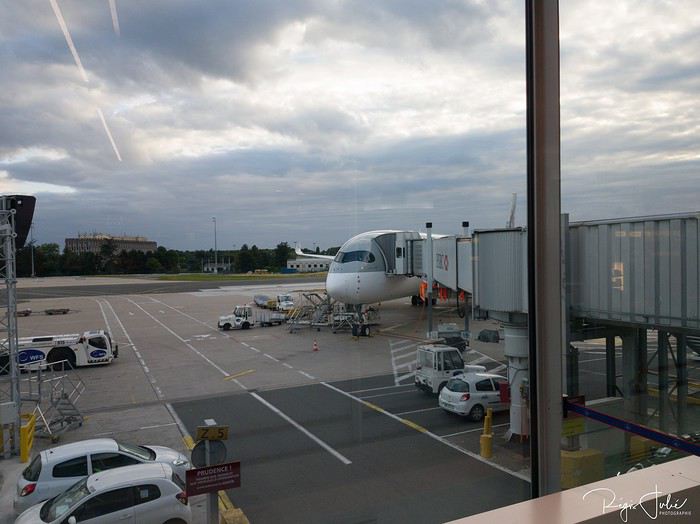
Une photo qui aurait eu sa place sur sans problème sur passenger shaming, ils nous a fait une très grande prestation jusqu'à Doha
On se retrouve bientôt à Manille 🙂
Ce carnet qu'en principe je n'aurais pas du faire, il m'a été soufflé par certains membres de VF et en ces temps troublés de Covid-19, nous en avons justement du temps, quoi que pour certains pour une fois ils croulent sous le travail (il se reconnaîtra 😇)
Je vais vous conter (un bien grand mot pour moi, vu que je ne suis pas très à l'aise avec les mots) ce périple vous amènera à Banaue et ses magnifiques rizière en terrasses, au sud sur l'île de Siargao et au centre à sur l'île de Panglao
Il n'y aura pas d'animaux pétrifiés, de rochers à perte de vue et de champignons hallucinogènes (elle se reconnaitra)
Il a commencé par un vol à destination de Manilles via Doha,
Une photo qui aurait eu sa place sur sans problème sur passenger shaming, ils nous a fait une très grande prestation jusqu'à Doha
On se retrouve bientôt à Manille 🙂
Bolivia: Exploring the South Lipez by Self-Drive
Hi everyone,
The idea of traveling to Bolivia came to me after seeing Jean-François (Max68)’s photos on his website. I thought we *had* to see those stunning landscapes with the colorful lagoons for ourselves. But a self-drive trip didn’t seem doable at first. A few years ago, everyone advised against going to the South Lipez with just one car.
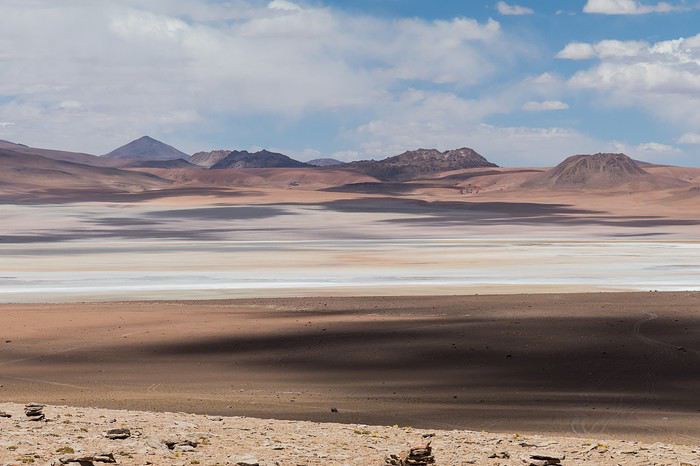 Laguna Kara
It was only after reading Laurent (Lolobe) and Pascal (Pepe874)’s travel journals—who explored the South Lipez solo with a car from Biz Rent a Car—that I thought we might be able to do the same. Meanwhile, we’d already contacted a local agency to organize a trip with a driver and guide. But the idea of a self-drive adventure really appealed to us. With encouragement and tips from Thierry (Tbernay) and Jean-François (Max68), we decided to plan our own self-drive trip. I’d like to thank them for their advice—it was *super* helpful. And a big thanks to all the other forum members for the info shared during our prep!
 Laguna Colorada
Planning this trip happened during a tough time for our family. My mother-in-law’s illness and passing, plus a few health issues of my own, made us doubt the trip multiple times and nearly scrap the whole thing.
We booked our international flights in February with Swiss. They offered the best balance of travel time and price from Switzerland. Swiss operates Zurich–São Paulo with their own fleet, and São Paulo–Santa Cruz with GOL. In June, GOL canceled the Saturday flight and rebooked us on Sunday. Spending over 24 hours in that huge Brazilian city didn’t work for us at all, so we asked Swiss to put us on the next Zurich–São Paulo flight. Too bad—we lost a day in Bolivia and had to skip the Tarabucco market on Sunday.
Right after, we also booked the car in February. After contacting Imbex and Biz, we went with Biz. Not speaking Spanish, we were relieved to communicate with Alejandra in French. The contact was great—she answered all our questions patiently. Sometimes it took a few days to get a reply, but we could also reach her on WhatsApp. After our trip, we can *only* recommend Biz for rentals in Bolivia. The cars are well-prepped for the South Lipez tracks. The agency is reliable, and the vehicles are new and well-maintained.
 “Our” car, a Toyota Hilux
While planning, we realized the presidential elections would happen while we were in Bolivia. The risk of *bloqueos* (roadblocks and protests) was very real. But in Bolivia, *bloqueos* seem common—you always have to account for that kind of hassle. In late August/early September, Uyuni and the Salar region were blocked for days, leading to food, fuel, and cash shortages. Worried about a blockade in Uyuni and missing the Salar, we decided to visit it first *just in case*.
On election day, the whole country shut down. Planes were grounded, buses and taxis couldn’t circulate, and private cars were banned. There were a few exceptions—ambulances, police, or certain professions—but as tourists, we couldn’t get permission to drive. We asked the embassy, and Biz even requested a permit from the electoral office. So we had to plan to be somewhere with things to do *without* the car.
We decided not to book any accommodations in advance—a first for us. Usually, we plan our stops and reserve lodges, hotels, or campgrounds well ahead. This time, only the room in Sucre was booked, so we’d have a base when we arrived.
In July, Alex (Delhenry) reached out to propose joining part of the trip. He didn’t realize we were leaving in October. Still, we got fresh updates when he returned from the South Lipez. Thanks, Alex—your tips, especially about the Guadalupe–Tupiza stretch, were *super* useful.
In September, we connected with Jean-Louis (Avx) and Anne (Xeta), who were also heading to Bolivia in October, one and two weeks after us. We had dinner with Jean-Louis and his friend after our South Lipez trip and stayed in touch with Anne. It was great to chat with them! Unfortunately, Anne and her husband had a much rockier trip—they got hit hard by post-election issues.
 Climbing Volcán Tunupa
Our itinerary wasn’t set in stone—we decided to wing it on the spot. Two weeks before departure, I reconnected with Alejandra at Biz to move the car rental up by a day. With the elections, we wanted to leave Sucre ASAP and focus on the South Lipez. Outside Uyuni and Tupiza, the risk of blockades was zero. We also planned a two-night buffer in Sucre before our flights, just in case. It might sound overcautious, but in hindsight, we made the right call. If we’d left Sucre a day later, we wouldn’t have made it to Potosí—it was completely blocked. On the way back, we *just* dodged blockades in Potosí and elsewhere. Sometimes, you’ve gotta trust your gut.
Here’s our route—only the first two nights in Sucre were booked ahead:
D1 Departure from Switzerland
D2 Sucre (La Selenita)
D3 Sucre (La Selenita)
D4 Colchani (Hotel de Sal Luna Salada)
D5 Jirira (Auberge Doña Lupe)
D6 On the Salar (in the car)
D7 A few kilometers from Estancia Catal (in the car)
D8 Laguna Hedionda (Hotel Los Flamencos)
D9 Laguna Colorada (Lodge by the lagoon)
D10 Middle of nowhere, en route Laguna Verde–Mina Horsu–Quetena Chico (in the car)
D11 Quetena Chico (Lamphaya Lodge Andino)
D12 Quetena Chico (Lamphaya Lodge Andino)
D13 Guadalupe (Guest room at Celia’s)
D14 Along the Rio Grande (in the car)
D15 Tupiza (Hotel Mitru)
D16 Tupiza (Hotel Mitru)
D17 Sucre (La Selenita)
D18 Sucre (La Selenita)
D19 Santa Cruz (Hotel Sun)
D20 Departure from Santa Cruz
D21 Arrival in Switzerland
As you can see, we spent 13 nights in the South Lipez. Initially, we’d planned for nine, but Jean-François (Max68) suggested staying longer. Great advice—we didn’t regret it one bit. We could’ve even added 2–3 more days without getting bored.
Self-driving in the South Lipez takes some prep and a good GPS. We kept it simple and used maps.me to navigate. It’s a solid app—just save your waypoints ahead of time. For some stretches, I used Google Earth to visualize the tracks and sites. If you stick to the tour operator routes, you *almost* can’t get lost. But we often veered off the beaten path and took different routes. Some days, we didn’t see another car. So in case of a breakdown, it’s key to have water and food for several days. In some spots, there’s *zero* signal—your phone won’t work. Another must: it gets *cold* in the South Lipez, and a good sleeping bag is essential. We brought down sleeping bags rated for -10°C and didn’t regret it during our car nights.
 The Dalí Desert
Some tracks are *super* rocky—flat tires are a real risk. On those stretches, maps.me’s estimated travel time was way off. Some sections barely let us go over 15 km/h.
Lots of forum members recommend doing the South Lipez “loop” from Tupiza to Uyuni—ending with the Salar—to avoid Uyuni’s crowds. That might work for organized tours, but for self-drive, the direction *doesn’t* matter. I’ll say this: the few vehicles we saw mostly came from Tupiza and Chile, not Uyuni. So if starting from Uyuni works better for you, go for it! Ending in Tupiza means heading toward warmer weather. For our planned stops and climbs, starting in Uyuni helped with acclimatization. Spending a few nights between 3,600–3,800 m before going over 4,000 m is a smart move.
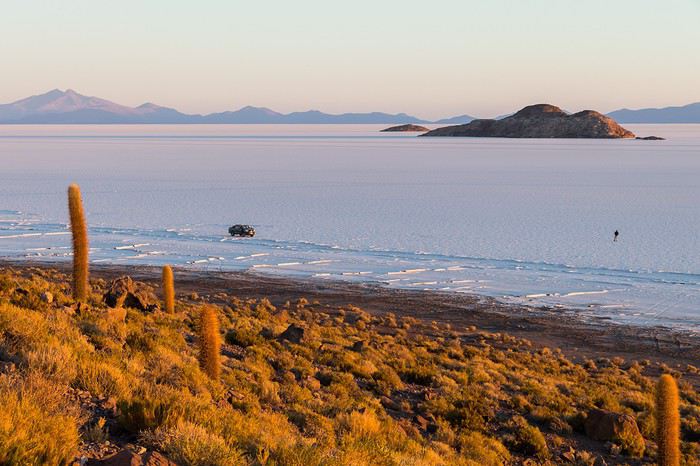 Uyuni Salt Flats in the morning
Overall, we barely saw anyone—except at Laguna Hedionda and Chalviri. There were several tour groups at Hotel Los Flamencos (Laguna Hedionda), but we didn’t cross paths during the day. Hardly anyone on the Salar, on the roads, or at the lodges in the evenings. The *only* place that shocked us was Chalviri. We’d planned to stay there, but it was fully booked—and we counted *forty* tour jeeps on-site. This was around noon! At the Polques hot springs (Chalviri), it was *packed*—we quickly nixed the idea of a dip. Plus, the vibe wasn’t great: soaking right by the road with lodges and restaurants in the background? Meh. Still, lots of tourists love it, so it’s up to you.
For the photos, I kept the colors and mood we saw. The lagoons’ hues are often stunning, but some online photos are *way* over-edited and oversaturated. The South Lipez’s landscapes are breathtaking—no need for excessive retouching.
If you don’t want to read all the details, the start of the travel journal is here: https://voyageforum.com/v.f?post=9888761;a=9888761
The idea of traveling to Bolivia came to me after seeing Jean-François (Max68)’s photos on his website. I thought we *had* to see those stunning landscapes with the colorful lagoons for ourselves. But a self-drive trip didn’t seem doable at first. A few years ago, everyone advised against going to the South Lipez with just one car.
Laguna KaraIt was only after reading Laurent (Lolobe) and Pascal (Pepe874)’s travel journals—who explored the South Lipez solo with a car from Biz Rent a Car—that I thought we might be able to do the same. Meanwhile, we’d already contacted a local agency to organize a trip with a driver and guide. But the idea of a self-drive adventure really appealed to us. With encouragement and tips from Thierry (Tbernay) and Jean-François (Max68), we decided to plan our own self-drive trip. I’d like to thank them for their advice—it was *super* helpful. And a big thanks to all the other forum members for the info shared during our prep!
Laguna ColoradaPlanning this trip happened during a tough time for our family. My mother-in-law’s illness and passing, plus a few health issues of my own, made us doubt the trip multiple times and nearly scrap the whole thing.
We booked our international flights in February with Swiss. They offered the best balance of travel time and price from Switzerland. Swiss operates Zurich–São Paulo with their own fleet, and São Paulo–Santa Cruz with GOL. In June, GOL canceled the Saturday flight and rebooked us on Sunday. Spending over 24 hours in that huge Brazilian city didn’t work for us at all, so we asked Swiss to put us on the next Zurich–São Paulo flight. Too bad—we lost a day in Bolivia and had to skip the Tarabucco market on Sunday.
Right after, we also booked the car in February. After contacting Imbex and Biz, we went with Biz. Not speaking Spanish, we were relieved to communicate with Alejandra in French. The contact was great—she answered all our questions patiently. Sometimes it took a few days to get a reply, but we could also reach her on WhatsApp. After our trip, we can *only* recommend Biz for rentals in Bolivia. The cars are well-prepped for the South Lipez tracks. The agency is reliable, and the vehicles are new and well-maintained.
“Our” car, a Toyota HiluxWhile planning, we realized the presidential elections would happen while we were in Bolivia. The risk of *bloqueos* (roadblocks and protests) was very real. But in Bolivia, *bloqueos* seem common—you always have to account for that kind of hassle. In late August/early September, Uyuni and the Salar region were blocked for days, leading to food, fuel, and cash shortages. Worried about a blockade in Uyuni and missing the Salar, we decided to visit it first *just in case*.
On election day, the whole country shut down. Planes were grounded, buses and taxis couldn’t circulate, and private cars were banned. There were a few exceptions—ambulances, police, or certain professions—but as tourists, we couldn’t get permission to drive. We asked the embassy, and Biz even requested a permit from the electoral office. So we had to plan to be somewhere with things to do *without* the car.
We decided not to book any accommodations in advance—a first for us. Usually, we plan our stops and reserve lodges, hotels, or campgrounds well ahead. This time, only the room in Sucre was booked, so we’d have a base when we arrived.
In July, Alex (Delhenry) reached out to propose joining part of the trip. He didn’t realize we were leaving in October. Still, we got fresh updates when he returned from the South Lipez. Thanks, Alex—your tips, especially about the Guadalupe–Tupiza stretch, were *super* useful.
In September, we connected with Jean-Louis (Avx) and Anne (Xeta), who were also heading to Bolivia in October, one and two weeks after us. We had dinner with Jean-Louis and his friend after our South Lipez trip and stayed in touch with Anne. It was great to chat with them! Unfortunately, Anne and her husband had a much rockier trip—they got hit hard by post-election issues.
Climbing Volcán TunupaOur itinerary wasn’t set in stone—we decided to wing it on the spot. Two weeks before departure, I reconnected with Alejandra at Biz to move the car rental up by a day. With the elections, we wanted to leave Sucre ASAP and focus on the South Lipez. Outside Uyuni and Tupiza, the risk of blockades was zero. We also planned a two-night buffer in Sucre before our flights, just in case. It might sound overcautious, but in hindsight, we made the right call. If we’d left Sucre a day later, we wouldn’t have made it to Potosí—it was completely blocked. On the way back, we *just* dodged blockades in Potosí and elsewhere. Sometimes, you’ve gotta trust your gut.
Here’s our route—only the first two nights in Sucre were booked ahead:
D1 Departure from Switzerland
D2 Sucre (La Selenita)
D3 Sucre (La Selenita)
D4 Colchani (Hotel de Sal Luna Salada)
D5 Jirira (Auberge Doña Lupe)
D6 On the Salar (in the car)
D7 A few kilometers from Estancia Catal (in the car)
D8 Laguna Hedionda (Hotel Los Flamencos)
D9 Laguna Colorada (Lodge by the lagoon)
D10 Middle of nowhere, en route Laguna Verde–Mina Horsu–Quetena Chico (in the car)
D11 Quetena Chico (Lamphaya Lodge Andino)
D12 Quetena Chico (Lamphaya Lodge Andino)
D13 Guadalupe (Guest room at Celia’s)
D14 Along the Rio Grande (in the car)
D15 Tupiza (Hotel Mitru)
D16 Tupiza (Hotel Mitru)
D17 Sucre (La Selenita)
D18 Sucre (La Selenita)
D19 Santa Cruz (Hotel Sun)
D20 Departure from Santa Cruz
D21 Arrival in Switzerland
As you can see, we spent 13 nights in the South Lipez. Initially, we’d planned for nine, but Jean-François (Max68) suggested staying longer. Great advice—we didn’t regret it one bit. We could’ve even added 2–3 more days without getting bored.
Self-driving in the South Lipez takes some prep and a good GPS. We kept it simple and used maps.me to navigate. It’s a solid app—just save your waypoints ahead of time. For some stretches, I used Google Earth to visualize the tracks and sites. If you stick to the tour operator routes, you *almost* can’t get lost. But we often veered off the beaten path and took different routes. Some days, we didn’t see another car. So in case of a breakdown, it’s key to have water and food for several days. In some spots, there’s *zero* signal—your phone won’t work. Another must: it gets *cold* in the South Lipez, and a good sleeping bag is essential. We brought down sleeping bags rated for -10°C and didn’t regret it during our car nights.
The Dalí DesertSome tracks are *super* rocky—flat tires are a real risk. On those stretches, maps.me’s estimated travel time was way off. Some sections barely let us go over 15 km/h.
Lots of forum members recommend doing the South Lipez “loop” from Tupiza to Uyuni—ending with the Salar—to avoid Uyuni’s crowds. That might work for organized tours, but for self-drive, the direction *doesn’t* matter. I’ll say this: the few vehicles we saw mostly came from Tupiza and Chile, not Uyuni. So if starting from Uyuni works better for you, go for it! Ending in Tupiza means heading toward warmer weather. For our planned stops and climbs, starting in Uyuni helped with acclimatization. Spending a few nights between 3,600–3,800 m before going over 4,000 m is a smart move.
Uyuni Salt Flats in the morningOverall, we barely saw anyone—except at Laguna Hedionda and Chalviri. There were several tour groups at Hotel Los Flamencos (Laguna Hedionda), but we didn’t cross paths during the day. Hardly anyone on the Salar, on the roads, or at the lodges in the evenings. The *only* place that shocked us was Chalviri. We’d planned to stay there, but it was fully booked—and we counted *forty* tour jeeps on-site. This was around noon! At the Polques hot springs (Chalviri), it was *packed*—we quickly nixed the idea of a dip. Plus, the vibe wasn’t great: soaking right by the road with lodges and restaurants in the background? Meh. Still, lots of tourists love it, so it’s up to you.
For the photos, I kept the colors and mood we saw. The lagoons’ hues are often stunning, but some online photos are *way* over-edited and oversaturated. The South Lipez’s landscapes are breathtaking—no need for excessive retouching.
If you don’t want to read all the details, the start of the travel journal is here: https://voyageforum.com/v.f?post=9888761;a=9888761
Autumn trip from Puglia to Naples via Basilicata...
Hi everyone!!!
I’m finally getting around to writing about this 20-day trip to southern Italy: we didn’t travel this summer, and luckily, we found beautiful light and dreamy weather there at the end of September.
First, here’s the context of the trip: we’re both "confirmed seniors" but still curious and alert enough to enjoy the itinerary we’d imagined! We wanted a mix of discoveries—culture, cities, and nature—with guaranteed sunshine and the occasional short hike... We’re flying to Naples, round-trip, because the flight times work better for us. We rented a car online, picked it up at the airport (details to come... and it won’t be the highlight of the trip!), and booked our hotels in advance.
A quick overview of the itinerary: leaving Naples on September 15th, early in the morning, we’ll drive straight across the boot of Italy to Bari. After 11 days in Puglia, we’ll head back toward our starting point, taking our time: Matera in Basilicata, Maratea by the sea, and finally Paestum with its incredible temples.
Day 1: Brussels-Naples flight (Brussels Airlines) went smoothly; it landed an hour early, and we were thrilled, thinking we could use that time for a quick visit or two... Everything went well until we left the airport. We took the shuttle to the car rental offices, and at first glance, we realized this wouldn’t be smooth sailing!!! In front of every office (they’re side by side), there were already lines and kids sitting on suitcases—everyone looked exhausted... We resigned ourselves to waiting: nothing moved until tempers flared at the counters, and two people nearly came to blows. Things sped up a little, and after 2 (two...) hours of waiting, we finally got our chariot: a black Fiat Tipo, dirty, with a few dents and scratches that we made sure to note in the contract... but it ran!
Off to Bari, then: no time for sightseeing along the way! From there, we headed straight to our hotel in the countryside near Polignano a Mare.
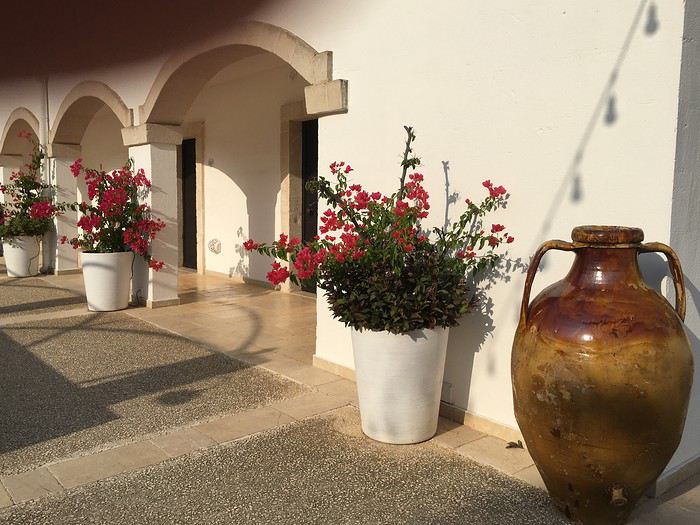
A recurring detail: this happened constantly during our travels. We’d installed our own GPS, fully updated... In recent years, many dirt roads have become drivable, and lots of hotels and hostels have opened in the outskirts of towns. It was extremely rare for our ‘guide’ to recognize the street—let alone the number—we entered. Often, we got by calling the hotel reception: it might seem like a small thing, but it happened so often it became frustrating. In hindsight, it seems like without Google Maps, we’d have been lost!
Anyway, we were beautifully settled, with a terrace overlooking olive groves and the sea in the distance: all was well.
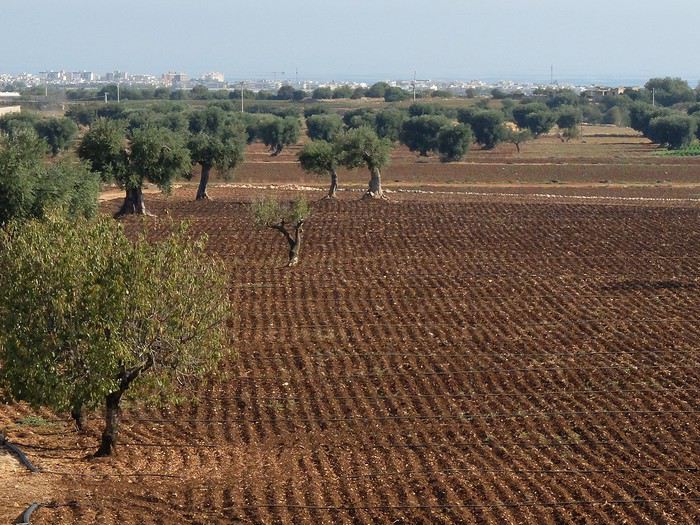
To be continued...
I’m finally getting around to writing about this 20-day trip to southern Italy: we didn’t travel this summer, and luckily, we found beautiful light and dreamy weather there at the end of September.
First, here’s the context of the trip: we’re both "confirmed seniors" but still curious and alert enough to enjoy the itinerary we’d imagined! We wanted a mix of discoveries—culture, cities, and nature—with guaranteed sunshine and the occasional short hike... We’re flying to Naples, round-trip, because the flight times work better for us. We rented a car online, picked it up at the airport (details to come... and it won’t be the highlight of the trip!), and booked our hotels in advance.
A quick overview of the itinerary: leaving Naples on September 15th, early in the morning, we’ll drive straight across the boot of Italy to Bari. After 11 days in Puglia, we’ll head back toward our starting point, taking our time: Matera in Basilicata, Maratea by the sea, and finally Paestum with its incredible temples.
Day 1: Brussels-Naples flight (Brussels Airlines) went smoothly; it landed an hour early, and we were thrilled, thinking we could use that time for a quick visit or two... Everything went well until we left the airport. We took the shuttle to the car rental offices, and at first glance, we realized this wouldn’t be smooth sailing!!! In front of every office (they’re side by side), there were already lines and kids sitting on suitcases—everyone looked exhausted... We resigned ourselves to waiting: nothing moved until tempers flared at the counters, and two people nearly came to blows. Things sped up a little, and after 2 (two...) hours of waiting, we finally got our chariot: a black Fiat Tipo, dirty, with a few dents and scratches that we made sure to note in the contract... but it ran!
Off to Bari, then: no time for sightseeing along the way! From there, we headed straight to our hotel in the countryside near Polignano a Mare.
A recurring detail: this happened constantly during our travels. We’d installed our own GPS, fully updated... In recent years, many dirt roads have become drivable, and lots of hotels and hostels have opened in the outskirts of towns. It was extremely rare for our ‘guide’ to recognize the street—let alone the number—we entered. Often, we got by calling the hotel reception: it might seem like a small thing, but it happened so often it became frustrating. In hindsight, it seems like without Google Maps, we’d have been lost!
Anyway, we were beautifully settled, with a terrace overlooking olive groves and the sea in the distance: all was well.
To be continued...
Croisière tour monde MSC 2021 English translation pending
Bonjour
Nous avons réservé une croisière tour du monde en...2021. Je reconnais qu.il y a encore plusieurs mois avant le départ mais j.aimerais échanger avec d.autres croisiéristes faisant le même voyage (navire Poesia et trajet passant par Panama).
La Great Divide Mountain Bike road English translation pending
Présentation et préparation du voyage
Bonjour a tous,
Tout juste de retour de 6 semaines de voyage a VTT sur les sentiers Canadiens et surtout Américains de la Great divide mountain bike road, je tenais a faire un topo sur ce sentier car on n'en trouve encore aucun sur ce site, ni sur un autre site Français a ma connaissance.
Tout d'abord la Great divide qu'est ce que c'est ? La Great divide c'est le pendant cycliste du trek appelé la Continental divide, c'est a dire que c'est un itinéraire cycliste suivant au plus près la ligne de partage des eaux Américaines. En gros dans le sens Nord-Sud comme la plus majorité des gens le parcours, si une goutte d'eau tombe a notre gauche elle terminera sa course dans l'océan Atlantique et a notre droite elle terminera dans le Pacifique. Le point de départ normal de la Great divide est situé à Banff au Canada et se termine 4400 km et 60000 de d+ plus loin à Anteloppe Wells qui est à la frontière Mexicaine.
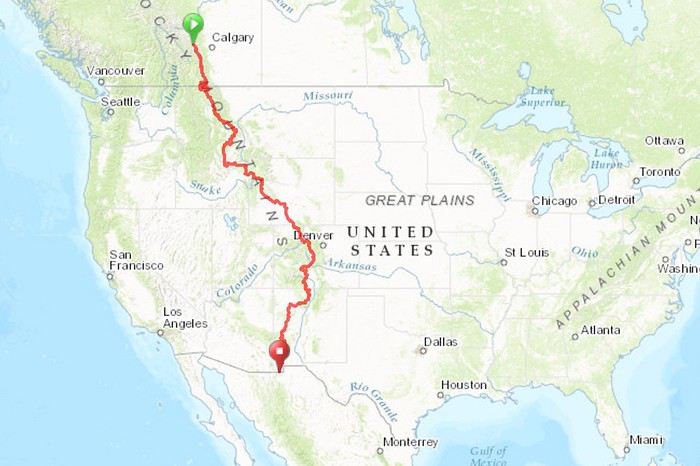
L'itinéraire est vendu comme la plus longue piste de VTT au monde. Ce n'est pas a proprement parler du VTT, plutôt du gravel car la trace emprunte a 75% les fameuses gravel road Américaines, a 23% des routes et a 2% des single track. Au niveau des états on démarre au Canada en Alberta puis en Colombie-Britanique avant de passer aux Etats-Unis dans le Montana, un micro passage en Idaho, puis le Wyoming, le Colorado et enfin le Nouveau-Mexique. L'itinéraire oblige a être en totale autonomie car il arrive de ne pas croiser une ville pour se ravitailler pendant 3 jours, voir beaucoup plus selon sa distance journalière. Il nécéssite en revanche d'être très léger, contradiction même a l'origine du courant très à la mode du bikepacking.
Si la Great divide est si connue c'est car une course la parcoure, le tour divide. Cette course a une telle renommée que c'est carrément elle qui a lancée les bikepacking races. Tout les ans a la mi-Juin une poignée d'ultra cycliste s'élance de Banff pour une course jusqu'à la frontière Mexicaine en une étape en autonomie complète avec juste des trackers GPS et une liste des endroits où se ravitailler tout au long du parcours. Le record est détenu par Mike Hall dans le temps astronomique de 14 jours et 11 heures. Certains beaucoup trop facile se lance des défis comme parcourir le Tour divide en single speed (?).
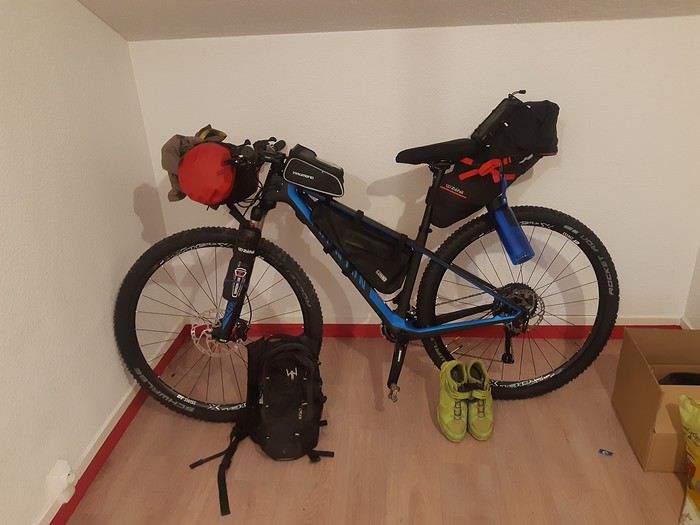
Pour faire cette traversée j'ai choisit de ne pas partir avec mon vélo habituel, un Lapierre tout suspendu. Je me suis donc commandé un Canyon semi rigide 29 pouces en carbone, ce qui fut le meilleur rapport poids-confort dans ces pistes, plus que ceux aperçus qui étaient en tout-suspendus, en gravel bike ou encore pire en vélo de voyage. Pour suivre l'itinéraire j'ai acheté le livre Cycling the great divide, véritable bible du parcours détaillant l'itinéraire, sa distance, sa difficulté, où dormir et se ravitailler, et les étapes conseillées. Son seul défaut étant qu'il date déja de 2013, quelques retouches ayant été faite au parcours et que la trace chargée dans mon téléphone date elle de 2011. Il décrit la Great divide en 70 étapes. En ayant posé quasiment tout mes congés de l'année dans ce voyage je ne disposerais sur place que de 40 jours. Je choisis donc de doubler quotidiennement toutes les étapes du livre. Le vélo paré, l'argent changé, tout semble prêt pour prendre l'avion.
Bonjour a tous,
Tout juste de retour de 6 semaines de voyage a VTT sur les sentiers Canadiens et surtout Américains de la Great divide mountain bike road, je tenais a faire un topo sur ce sentier car on n'en trouve encore aucun sur ce site, ni sur un autre site Français a ma connaissance.
Tout d'abord la Great divide qu'est ce que c'est ? La Great divide c'est le pendant cycliste du trek appelé la Continental divide, c'est a dire que c'est un itinéraire cycliste suivant au plus près la ligne de partage des eaux Américaines. En gros dans le sens Nord-Sud comme la plus majorité des gens le parcours, si une goutte d'eau tombe a notre gauche elle terminera sa course dans l'océan Atlantique et a notre droite elle terminera dans le Pacifique. Le point de départ normal de la Great divide est situé à Banff au Canada et se termine 4400 km et 60000 de d+ plus loin à Anteloppe Wells qui est à la frontière Mexicaine.
L'itinéraire est vendu comme la plus longue piste de VTT au monde. Ce n'est pas a proprement parler du VTT, plutôt du gravel car la trace emprunte a 75% les fameuses gravel road Américaines, a 23% des routes et a 2% des single track. Au niveau des états on démarre au Canada en Alberta puis en Colombie-Britanique avant de passer aux Etats-Unis dans le Montana, un micro passage en Idaho, puis le Wyoming, le Colorado et enfin le Nouveau-Mexique. L'itinéraire oblige a être en totale autonomie car il arrive de ne pas croiser une ville pour se ravitailler pendant 3 jours, voir beaucoup plus selon sa distance journalière. Il nécéssite en revanche d'être très léger, contradiction même a l'origine du courant très à la mode du bikepacking.
Si la Great divide est si connue c'est car une course la parcoure, le tour divide. Cette course a une telle renommée que c'est carrément elle qui a lancée les bikepacking races. Tout les ans a la mi-Juin une poignée d'ultra cycliste s'élance de Banff pour une course jusqu'à la frontière Mexicaine en une étape en autonomie complète avec juste des trackers GPS et une liste des endroits où se ravitailler tout au long du parcours. Le record est détenu par Mike Hall dans le temps astronomique de 14 jours et 11 heures. Certains beaucoup trop facile se lance des défis comme parcourir le Tour divide en single speed (?).
Pour faire cette traversée j'ai choisit de ne pas partir avec mon vélo habituel, un Lapierre tout suspendu. Je me suis donc commandé un Canyon semi rigide 29 pouces en carbone, ce qui fut le meilleur rapport poids-confort dans ces pistes, plus que ceux aperçus qui étaient en tout-suspendus, en gravel bike ou encore pire en vélo de voyage. Pour suivre l'itinéraire j'ai acheté le livre Cycling the great divide, véritable bible du parcours détaillant l'itinéraire, sa distance, sa difficulté, où dormir et se ravitailler, et les étapes conseillées. Son seul défaut étant qu'il date déja de 2013, quelques retouches ayant été faite au parcours et que la trace chargée dans mon téléphone date elle de 2011. Il décrit la Great divide en 70 étapes. En ayant posé quasiment tout mes congés de l'année dans ce voyage je ne disposerais sur place que de 40 jours. Je choisis donc de doubler quotidiennement toutes les étapes du livre. Le vélo paré, l'argent changé, tout semble prêt pour prendre l'avion.
Juillet 2019: le Northwest, cet autre ouest English translation pending
Après 7 voyages aux États-Unis, dont 5 voyages dans le Southwest, nous nous sommes décidés à visiter l’état de Washington et l’Oregon. Nous avons découvert un autre Ouest, tout aussi intéressant et envoûtant... deux états sauvages et aux multiples facettes.
Nous avons aimé les forêts parfois brumeuses, les plages aux récifs si particuliers, les nombreuses cascades, les hauts sommets visibles de loin, les volcans, la route qui nous a enchantés de nombreuses fois et nous avons même eu droit à des petits airs de Southwest par moment...
Si le cœur vous en dit, je vous emmène pour ce voyage de 24 jours, réalisé à deux pour une fois.
Les réservations : - Une fois décidé le fait que nous partirions sans les enfants (parce que Calista avait été un peu pénible lors de certaines randos en avril 2018 et aussi parce qu’il faut toujours les secouer le matin au réveil...), nous avons pris nos billets d’avion dès que le prix nous a convenu (une manière de ne pas revenir sur notre décision !). Nous avons pris des vols directs Paris-Vancouver chez Air Transat au prix de 724 € par personne. - Nous avons réservé la voiture chez Hertz. Nous avons loué une Ford Fusion au prix de 700 € pour 24 jours. - Comme à mon habitude, j’ai privilégié les réservations d’hôtels par Hotels.com pour cumuler des nuits, mais j’en ai aussi réservé l’un ou l’autre directement et nous avons loué sur Airbnb. - Nous avons aussi rempli notre formulaire pour l’AVE il y a quelques mois et notre ESTA est toujours valable, cela sera peut-être utile au passage de la frontière.
Le programme :
J1 : Jeudi 11 juillet – le voyage et le passage aux États-Unis J2 : Vendredi 12 juillet – autour d’Anacortes et le Deception Pass SP J3 : Samedi 13 juillet – Port Townsend et Olympic NP (Hurricane Ridge et Lake Crescent) J4 : Dimanche 14 juillet – Cape Flattery et Shi Shi Beach J5 : Lundi 15 juillet – des plages et la Hoh Rain Forest J6 : Mardi 16 juillet – Lake Quinault et route J7 : Mercredi 17 juillet – Astoria et route sous la pluie J8 : Jeudi 18 juillet - Cannon Beach, Ecola SP, cascades et route vers Bend J9 : Vendredi 19 juillet – rando aux Green Lakes J10 : Samedi 20 juillet – Newberry National Volcanic Monument J11 : Dimanche 21 juillet – Crater Lake NP J12 : Lundi 22 juillet – Smith Rock SP J13 : Mardi 23 juillet – John Day Fossil Beds NM (Painted Hills et Sheep Rock) J14 : Mercredi 24 juillet – Leslie Gulch et route vers Boise J15 : Jeudi 25 juillet – Boise et ses environs J16 : Vendredi 26 juillet – Hells Canyon J17 : Samedi 27 juillet – Hells Canyon Overlook et Joseph J18 : Dimanche 28 juillet – route vers la Columbia River et le Mt Hood J19 : Lundi 29 juillet – des cascades et encore des cascades... J20 : Mardi 30 juillet – Mt St Helens J21 : Mercredi 31 juillet – Mt Rainier (secteur Paradise) J22 : Jeudi 1er août – Mt Rainier J23 : Vendredi 2 août – sites de Twin Peaks J24 : Samedi 3 août – La Conner et route
Nous avons aimé les forêts parfois brumeuses, les plages aux récifs si particuliers, les nombreuses cascades, les hauts sommets visibles de loin, les volcans, la route qui nous a enchantés de nombreuses fois et nous avons même eu droit à des petits airs de Southwest par moment...
Si le cœur vous en dit, je vous emmène pour ce voyage de 24 jours, réalisé à deux pour une fois.
Les réservations : - Une fois décidé le fait que nous partirions sans les enfants (parce que Calista avait été un peu pénible lors de certaines randos en avril 2018 et aussi parce qu’il faut toujours les secouer le matin au réveil...), nous avons pris nos billets d’avion dès que le prix nous a convenu (une manière de ne pas revenir sur notre décision !). Nous avons pris des vols directs Paris-Vancouver chez Air Transat au prix de 724 € par personne. - Nous avons réservé la voiture chez Hertz. Nous avons loué une Ford Fusion au prix de 700 € pour 24 jours. - Comme à mon habitude, j’ai privilégié les réservations d’hôtels par Hotels.com pour cumuler des nuits, mais j’en ai aussi réservé l’un ou l’autre directement et nous avons loué sur Airbnb. - Nous avons aussi rempli notre formulaire pour l’AVE il y a quelques mois et notre ESTA est toujours valable, cela sera peut-être utile au passage de la frontière.
Le programme :
J1 : Jeudi 11 juillet – le voyage et le passage aux États-Unis J2 : Vendredi 12 juillet – autour d’Anacortes et le Deception Pass SP J3 : Samedi 13 juillet – Port Townsend et Olympic NP (Hurricane Ridge et Lake Crescent) J4 : Dimanche 14 juillet – Cape Flattery et Shi Shi Beach J5 : Lundi 15 juillet – des plages et la Hoh Rain Forest J6 : Mardi 16 juillet – Lake Quinault et route J7 : Mercredi 17 juillet – Astoria et route sous la pluie J8 : Jeudi 18 juillet - Cannon Beach, Ecola SP, cascades et route vers Bend J9 : Vendredi 19 juillet – rando aux Green Lakes J10 : Samedi 20 juillet – Newberry National Volcanic Monument J11 : Dimanche 21 juillet – Crater Lake NP J12 : Lundi 22 juillet – Smith Rock SP J13 : Mardi 23 juillet – John Day Fossil Beds NM (Painted Hills et Sheep Rock) J14 : Mercredi 24 juillet – Leslie Gulch et route vers Boise J15 : Jeudi 25 juillet – Boise et ses environs J16 : Vendredi 26 juillet – Hells Canyon J17 : Samedi 27 juillet – Hells Canyon Overlook et Joseph J18 : Dimanche 28 juillet – route vers la Columbia River et le Mt Hood J19 : Lundi 29 juillet – des cascades et encore des cascades... J20 : Mardi 30 juillet – Mt St Helens J21 : Mercredi 31 juillet – Mt Rainier (secteur Paradise) J22 : Jeudi 1er août – Mt Rainier J23 : Vendredi 2 août – sites de Twin Peaks J24 : Samedi 3 août – La Conner et route
L'improvisation en voyage, de plus en plus difficile English translation pending
Avec la multiplication des Expedia/Booking/Agoda etc., la prolifération des téléphones cellulaires et l'explosion du nombre de touristes, je trouve qu'il devient de plus en plus difficile de voyager sans avoir à tout, tout, tout planifier des mois à l'avance.
Quand je partais en voyage, J'avais l'habitude de réserver quelques nuits au lieu d'arrivée pour me remettre du décalage puis y aller au pif par la suite. Mais depuis quelques années, c'est devenu plus compliqué. Une réceptionniste d'hôtel m'a même déjà dit de réserver par Booking pour la nuit même!
Je me demande si nous ne sommes pas en train de perdre notre sens de l'improvisation, le plaisir de découvrir des lieux sans savoir à quoi nous attendre. Est-ce encore possible de partir en voyage sans avoir tout prévu?
Quand je partais en voyage, J'avais l'habitude de réserver quelques nuits au lieu d'arrivée pour me remettre du décalage puis y aller au pif par la suite. Mais depuis quelques années, c'est devenu plus compliqué. Une réceptionniste d'hôtel m'a même déjà dit de réserver par Booking pour la nuit même!
Je me demande si nous ne sommes pas en train de perdre notre sens de l'improvisation, le plaisir de découvrir des lieux sans savoir à quoi nous attendre. Est-ce encore possible de partir en voyage sans avoir tout prévu?
L'Abruzzo, une région qui mérite d'être découverte English translation pending
Jour1 : dimanche 25 août 2019
Introduction
J'avais pensé appeler ce carnet "l'Abruzzo, une région qui gagne à être connue", mais ce titre est déjà pris par un carnet sur la région voisine "les Marches" (le Marche) rédigé il y a quelques années ; ce sera donc "l'Abruzzo, une région qui mérite d'être découverte".
L'Abruzzo, nous n'en entendons parler que quand un malheur (tremblement de terre) est arrivé. C'est une région d'Italie centrale avec une façade sur l'Adriatique, la région où l'Apennin est le plus haut.
J'y ai voyagé du 25 août 2019 (arrivée dans la région) au 28 septembre 2019 (départ de la région) en caravane.
Pour les personnes tentées par le voyage de septembre en camping, il y a une seule précaution à prendre ; les campings commencent à fermer dès les premiers jours de septembre, peu sont ouverts après le 15 Septembre. Renseignez-vous sur les dates de fermeture de façon à bien savoir ce qui sera ouvert la seconde quinzaine du mois.
Je n'établis pas de programme journalier à l'avance ; je prépare le voyage à l'aide d'internet en constituant une liste de points d'intérêt ; sur place, je vais dans les offices de tourisme (IAT : Informazioni e Accoglienza Turistiche), en général assez bien signalés en Italie, pour me documenter. Je décide le soir le programme du lendemain (forme d'improvisation).
Première demi-journée Je suis la "via adriatica" (SS16) qui longe toute la côte et je vais aller jusqu'à Pineto (20 kms au nord de Pescara) au camping "Pineto beach" (un nom pas très italien). J'arrive juste à temps pour m'installer avant l'heure de la sieste, moment de la journée pendant lequel il est interdit de s'installer sur les emplacements. Ayant beaucoup roulé, ce sera une demi-journée de récupération. Je vais trouver la piscine,

tester la plage.
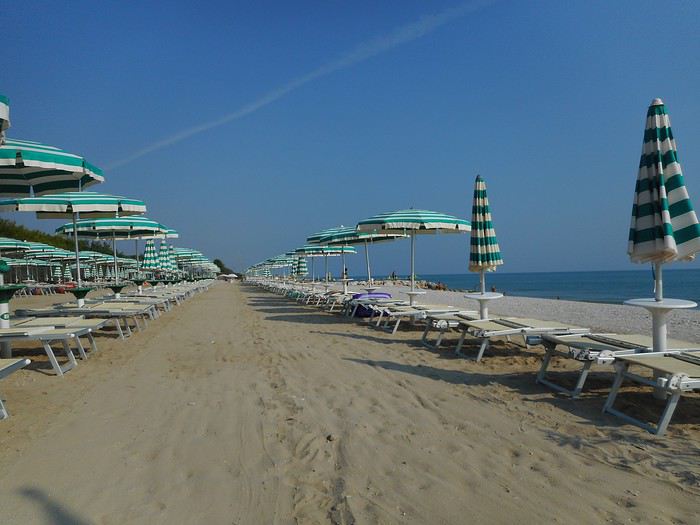
Puis je vais aller en vélo jusqu'au pays (Pineto) pour une promenade (plage : "lidi", "Via D'Annunzio" : la rue commerçante) et des courses ; ce sera tout pour la journée. Je posterai un message par jour de voyage ; j'utiliserai beaucoup la fonction "modifier" pour ne pas perdre, pour compléter et pour corriger ce que j'aurai fait. Les photos seront celles prises le jour du récit ; je tricherai pour quelques unes (endroits où je suis allé plusieurs fois, meilleures conditions). Exemple : les 2 photos ci-dessus prises un matin quelques jours plus tard.
Première demi-journée Je suis la "via adriatica" (SS16) qui longe toute la côte et je vais aller jusqu'à Pineto (20 kms au nord de Pescara) au camping "Pineto beach" (un nom pas très italien). J'arrive juste à temps pour m'installer avant l'heure de la sieste, moment de la journée pendant lequel il est interdit de s'installer sur les emplacements. Ayant beaucoup roulé, ce sera une demi-journée de récupération. Je vais trouver la piscine,
tester la plage.
Puis je vais aller en vélo jusqu'au pays (Pineto) pour une promenade (plage : "lidi", "Via D'Annunzio" : la rue commerçante) et des courses ; ce sera tout pour la journée. Je posterai un message par jour de voyage ; j'utiliserai beaucoup la fonction "modifier" pour ne pas perdre, pour compléter et pour corriger ce que j'aurai fait. Les photos seront celles prises le jour du récit ; je tricherai pour quelques unes (endroits où je suis allé plusieurs fois, meilleures conditions). Exemple : les 2 photos ci-dessus prises un matin quelques jours plus tard.
Récit de 28 jours en Namibie English translation pending
Nous sommes de retour de 28 jours en Namibie.
Nous sommes partis à deux 4X4 avec des amis marseillais en majorité en camping. Il faut reconnaître que lorsqu'on prévoit 80 à 90% de pistes, il est toujours très sécurisant de savoir qu'on a un deuxième véhicule en cas de pépin. D'autant plus que, sur certaines pistes, nous n'avons pas croisé énormément de monde.
Sur base d'un itinéraire concocté par nos soins, nous sommes passés via la société Namvic pour confirmer que tout tenait la route et pour la location des véhicules ainsi que pour les réservations de camping.
Namvic a un contact à Paris, Pascal, ce qui est bien entendu plus simple pour les échanges.
Le véhicule était un 4X4 de deuxième catégorie, c'est-à-dire un véhicule qui avait déjà pas mal baroudé. Cela fait sans doute moins "standing" mais le portefeuille s'en porte mieux et finalement il sera aussi poussiéreux et sâle qu'un neuf. La vraie différence est dans l'agencement du coffre. Pour nous, il fallait vider le coffre chaque jour pour accéder au matériel, ou au frigo alors que les nouveaux véhicules sont mieux pensés et donc plus pratiques.
Pour le camping, nous disposions de deux tentes sur le toit qui se montaient en 5 minutes et se repliaient en 10 jusqu'à la troisième semaine où, avec la poussière et l'âge les tirettes devenaient difficiles à refermer et les jurons commencaient à fuser. En humidifant les tirettes avec de l'eau ou avec du liquide vaisselle, on vient à bout de se repliage. J'ai été assez étonnée du confort de ces tentes. Pas mal de place, un matelas finalement confortable, oreillers et sacs de couchage fournis. Nous avions un téléphone satellite et un petit GSM avec un peu de forfait afin de pouvoir appeler si nécessaire. Deux roues de secours mais que nous n'utiliserons heureusement pas. Les assurances sont compliquées en Namibie, il n' y a pas grand chose de couvert. Nous étions assurés pour un accident avec un tiers, un animal mais il fallait pouvoir prouver par des photos notre bonne foi, le bris du pare-brise et un pneu, tout le reste était à notre charge. Cela paraît assez complet mais quand on tente de compter le nombre de cailoux qui tapent la voiture, les animaux qui traversent inopinément et l'état de certaines pistes, la prudence est de mise.
Aussi si un couvercle de casserole est perdu, et bien il faut payer la casserole soit une vingtaine d'euros, tout doit revenir en l'état sous peine de frais supplémentaires lorsqu'on rend le véhicule. Le véhicule doit être également nettoyé afin que la société puisse aisément vérifier l'état du véhicule, sinon de nouveau c'est facturé. Nous avons de notre côté profité d'un des derniers campings pour donner un coup de chiffon car il y avait un tuyau, ce qui n'est pas forcément possible en lodge.
Pour le trajet, nous avons resigné avec Qatar en passant par Doha, Johannesburg puis Windhoek via South Africa Airlines. Namvic nous avait déconseillé de passer par Johannesburg, apparemment connu pour ses problèmes de bagages. Les compagnies aériennes l'ont bien compris car les vols évitant l'Afrique du Sud étaient hors de prix.
Pour nous tout s'est bien passé mais nos amis qui voyageaient de Marseile avec Turkish ont eu des soucis avec le dernier vol assuré par Namibian Airlines. Ils ont perdu une journée, bloqués à Johannesburg, et ils ont du courir après leurs bagages. J'ai rencontré pas mal de gens qui avaient un à deux jours de retard sur leur itinéraire à cause de bagages perdus.
Cuba... à la recherche du temps passé English translation pending
4 juillet : Arrivée à La Havane
Partis ce matin de Marseille, nous sommes arrivés à Cuba ce même jour grâce au décalage horaire. A l'aéroport les formalités n'ont pris que 5 minutes. Pour les bagages nous avons patienté une quarantaine de minutes. Sortis de l'aéroport nous voyons notre nom sur une pancarte. C'est bon le taxi commandé auprès de la casa est bien là. Climatisé OUF! il est 22 h une chaleur écrasante pire que notre canicule du départ. Nous sommes plongés dans l'ambiance direct ! une vieille voiture, il fait nuit, je n'ai pas vu la marque. Nous circulons sur des axes peu éclairés et une trentaine de minutes plus tard nous arrivons chez nos hôtes Maria et Javier. Très bonne impression ce couple est charmant. Notre chambre est spacieuse. Climatisation + ventilateur. Une douche avec peu de pression mais ça il faudra que l'on s'y habitue car c'est souvent à Cuba. Nous nous mettons au lit vers 23h00 soit 4h00 du matin à Marseille à J+1. Le sommeil est long a venir mais finira par nous prendre.
Partis ce matin de Marseille, nous sommes arrivés à Cuba ce même jour grâce au décalage horaire. A l'aéroport les formalités n'ont pris que 5 minutes. Pour les bagages nous avons patienté une quarantaine de minutes. Sortis de l'aéroport nous voyons notre nom sur une pancarte. C'est bon le taxi commandé auprès de la casa est bien là. Climatisé OUF! il est 22 h une chaleur écrasante pire que notre canicule du départ. Nous sommes plongés dans l'ambiance direct ! une vieille voiture, il fait nuit, je n'ai pas vu la marque. Nous circulons sur des axes peu éclairés et une trentaine de minutes plus tard nous arrivons chez nos hôtes Maria et Javier. Très bonne impression ce couple est charmant. Notre chambre est spacieuse. Climatisation + ventilateur. Une douche avec peu de pression mais ça il faudra que l'on s'y habitue car c'est souvent à Cuba. Nous nous mettons au lit vers 23h00 soit 4h00 du matin à Marseille à J+1. Le sommeil est long a venir mais finira par nous prendre.
Elles voyagent seules... English translation pending
Elles voyagent seules .
Pour le plaisir pour certaines , par obligation pour d’autres .
Vous les avez peut être rencontrées au cours de vos voyages .
Un homme qui voyage seul ça se fond dans le paysage , une femme ça intrigue souvent , ça interroge , en avez vous rencontré ? Quelles interrogations , envie , peur , perplexité ont émergé de ces rencontres .
Si vous voyagez seule quelles sont vos motifs , vos expériences , vos conseils , vos motivations . Précision , je voyage seule et en couple chaque année . Le voyage en solitaire est pour moi source de plaisir et de liberté depuis plus de quarante ans et je ne saurais m’en passer .
A vos claviers d’ete 😎😎😎
Si vous voyagez seule quelles sont vos motifs , vos expériences , vos conseils , vos motivations . Précision , je voyage seule et en couple chaque année . Le voyage en solitaire est pour moi source de plaisir et de liberté depuis plus de quarante ans et je ne saurais m’en passer .
A vos claviers d’ete 😎😎😎
Mal des montagnes au Pérou English translation pending
Bonjour,
j'ai démarré une discussion pour un mois au Pérou,
mais voici ma question
je commence à m'inquiéter pour le mal des montagnes,
Avez-vous eu ce problème lors de votre voyage
merci de votre retour