Results for "Washington+|+59+>+99"
5602 results found.
Partir un an aux Etats-Unis English translation pending
bonjour, je suis en terminal S et j'ai 17 ans a la fin de l'année je devrais avoir (je l'espere) le bac.Et j'aimerais passer un an aux USA pour apprendre l'anglais (car je suis mediocre dans cette langue) donc par consequent je vous demande si vous connaissez des agences serieuses qui propse ce genre de choses(c'est a dire qu'elle nous donne des cours d'anglais sur place et s'occupe de nous trouver un logement).
Merci d'avance.
Violence et risques à Rio English translation pending
après avoir passé 1an de bonheur à Rio, en échange universitaire, j'apprend que mon école souhaite fermer l'échange, car risques trop élevés, trop de violence.
j'aimerai que cet échange universitaire se poursuive, et pour ce faire, j'ai besoin d'infos, statistiques, montrant que l'étudiant etranger au Brésil, ne risque pas sa vie et n'est pas vraiment une cible de cette violence.
si vous avez des adresses de sites, infos... me confirmant cela, je vous en serait très reconnaissant
merci beaucoup
merci beaucoup
Taxes aux États-Unis English translation pending
bonsoir à tous
comment savoir grosso modo à l'avance le montant des taxes à rajouter au prix d'un motel, d'un resto ou de courses au supermarché. J'imagine que cela varie selon les états? Quelle est la fourchette?
Autre question, la location d'un minivan pour 3 semaines est à 1300 USD environs à Salt Lake City et 750 à Billings chez le même loueur (Avis) hors assurances. Les taxes sufisent-elles à expliquer une telle différence?
Faites-moi partager vos expériences.
Merci
marie
Air France - classe alizée English translation pending
Bonjour,
Je voyage sur AIR FRANCE pour la réunion du 23 nov. au 4 déc. en classe alizé. Je sais que sur cette ligne AF à mis en service un B747.400.
Comment sont les sièges dans cette classe et les prestations? Je n'ai trouvé que peu d'information sur le site d'Air France.
Merci
Obtention et validité du visa indonésien English translation pending
bonjour aux spécialistes du problème récurrent des visas..
les visas c complexes, j'ai des infos différentes sur le meme visa : indonésie.
J'ai donc besoin de vos témoignages pour savoir que/comment/ou faire.
En fait on va avoir besoin de les faire pendant un TDM, donc où le faire ? quelle ville est la plus aventageuse pour le visa indonésien?
1ere info que j'ai trouvé : le visa est valable 60j sur place, coute 50$, valable pendant 3 mois avant l'arrivée dans le pays. Mais je ne sais pas où trouver ce précieux visa ? a l'arivée a l'aeroport?
2eme info, j'ai écrit au consulat a hong kong et là, ils me disent que le visa n'est valable que 30j sur place, mais 6 mois avant l'arrivée dans le pays, et coute 280HK$.
Comme je voudrais le beurre et l'argent du beurre, j'aimerais savoir où le prendre facilement, pas exorbitant et valable 60j sur place!!😛 Sinon est-il renouvelable facilement sur place ??
merci de votre savoir!!
a bientot
les visas c complexes, j'ai des infos différentes sur le meme visa : indonésie.
J'ai donc besoin de vos témoignages pour savoir que/comment/ou faire.
En fait on va avoir besoin de les faire pendant un TDM, donc où le faire ? quelle ville est la plus aventageuse pour le visa indonésien?
1ere info que j'ai trouvé : le visa est valable 60j sur place, coute 50$, valable pendant 3 mois avant l'arrivée dans le pays. Mais je ne sais pas où trouver ce précieux visa ? a l'arivée a l'aeroport?
2eme info, j'ai écrit au consulat a hong kong et là, ils me disent que le visa n'est valable que 30j sur place, mais 6 mois avant l'arrivée dans le pays, et coute 280HK$.
Comme je voudrais le beurre et l'argent du beurre, j'aimerais savoir où le prendre facilement, pas exorbitant et valable 60j sur place!!😛 Sinon est-il renouvelable facilement sur place ??
merci de votre savoir!!
a bientot
Que choisir entre Pittsburgh, Cleveland et Indianapolis aux Etats Unis English translation pending
🙂 Salut à tous et à toute😎
Voila je fais un road trip sur la cote est au mois d'aout et je dois passer par une de ces trois villes.
Si qqn peut m'indiquer la meilleur de ces trois villes ce serait sympa, j'ai bo chercher sur le net qq infos : je ne trouve rien d'interressant.
Merci d'avance pour vos réponses
Attentats en Turquie English translation pending
suite aux infos je pense qu'il est préférable de renoncer à partir pour la turquie
quelque soi la destination. nous sommes tous pére de famille et responsable, il est inutile de prendre des risques pour quelques jours de plaisir, malgré la perte de quelques euros; la vie est plus importante que l' argent qu'importe le fric quant on a une famille..... le plus dur est pour ceux qui restent...prenons soin de ceux qui restent...
pourtant nous étions vraiment partant pour le joy kiris world palace à kemer; nous avons payer depuis 1 mois dans le forum certains savent que grace à eux on étaient sûr de passer un bon moment, c'est le coeur lourd que nous rernonçons à partir tant pis pour eux notre argent on le dépenseras ailleurs...
pourtant nous étions vraiment partant pour le joy kiris world palace à kemer; nous avons payer depuis 1 mois dans le forum certains savent que grace à eux on étaient sûr de passer un bon moment, c'est le coeur lourd que nous rernonçons à partir tant pis pour eux notre argent on le dépenseras ailleurs...
Emmerdes à Bangkok English translation pending
Ça passe ou ça casse. (ou l’art de se mettre les pieds dans les plats)
En Thaïlande, comme partout ailleurs, on ne badine pas avec les visas. En janvier 1999 je l’ai appris à mes dépends. Après avoir traversé la frontière Cambodge-Thaïlande (voir De Kompong Som à Klong Hay en ti-batô) mes neuf premiers jours au pays le furent sans visa. Quatre entre la frontière et Bangkok, cinq dans la mégapole à poireauter pour l’obtenir, non sans une certaine inquiétude.
J’aime le brouhaha des passages frontaliers, la recherche de combines légales et honnêtes, le négoce pour la conversion des monnaies, d’où mon butinage de quatre jours avant de rejoindre Bangkok, histoire de prendre le pouls du pays qui m’accueille. Donc pas de tampon-visa à la frontière? Ni de bureau d’immigration à Trat? No problemo me dis-je! Je vais remonter molo jusqu’à Bangkok et régulariser ma situation sur place. Ils vont me recevoir avec une tape dans le dos et ce sourire tellement imprimé dans le Lonely Planet. Ce fut d’une naïveté et d’une insouciance sans bornes de ma part! Fallait le faire! Et je l’ai fait.
Bangkok, 9 heures 30 le matin, direction Bureau des visas. Dans la file je remarque que par osmose tous nous avons la même attitude; cœur allègre, légère, très légère impatience d’attendre son tour et sourire d’une ou d’un ‘’tamponé’’ quittant le guichet, le passeport collé sur le cœur et la Thaïlande devant soi.
- SUIVANT!
Justement le suivant c’est moi (et pas Jacques Brel!). Je tends le passeport. Miss Sourire feuillette et recherche je ne sais quoi. Page après page son sourire se fane. Elle tente une explication.
- Ils ont oubliés le tampon à l’aéroport?
Moi le con au lieu de sauter sur l’occasion je réponds doublement con.
- Euh! Pas du tout!
Je lui explique le no man’s land juridique que j’ai traversé. Là je n’aime pas mais alors pas du tout ce regard soupçonneux qu’elle pose sur moi. J’aggrave la situation.
- Ya un problème?
La ‘’Demoiselle sourire perdu’’ me scanne du premier cheveux gris jusqu’à l’ongle du petit orteil puis disparaît dans les dédales de l’arrière guichet, mon passeport à la main. Le temps de me retourner pour faire la moue interrogative en guise d’excuse à la file, elle revient précédée de deux gardes en uniforme brun chocolat et casquettes astiquées. Elle ajoute :
- Vous allez devoir suivre les policiers au 9e étage dans l’édifice derrière.
- SUIVANT!
Dans l’ascenseur vers le 7e ciel du 9e étage commence à trottiner un spaghetti de points d’interrogations entre mes neurones. Long corridor avec bancs de bois près de chaque porte close d’un coté et de l’autre, fenêtres entre ouvertes à mi-hauteur d’où parviennent de grands pans des rumeurs de Bangkok. Un des policiers me désigne poliment un des bancs: You here! Attente d’une quinzaine de minutes. Ça me donne le temps d’observer que toutes les femmes cèdent le passage en saluant celui ou ceux qu’elles croisent dans le corridor. Plus haut est le gradé plus haut se fait le salut Thaï! Nous les occidentaux devrions adapter cette politesse élémentaire; serrer la main au niveau du genoux pour un subalterne et au niveau des épaules pour le patron! Le niveau de la taille étant réservé aux confrères de même rang.
À deux portes du banc où je converse avec ma maman sort un civil au regard sévère. Chemise blanche immaculée, manches courtes, cheveux noir jais coupés courts, pantalon gris bleu et souliers vernis schuischuitant sur les carreaux céramiques. Monsieur Sévère m’ordonne de demeurer assis avant même d’avoir le temps de le saluer. Mon petit doigt me dit d’écouter sans interrompre.
- You illegal in Thailand. Maybe you go in jail!
Puis il déboule question sur question; où je crèche à Bangkok, la durée de mon séjour en Thaïlande, si j’ai un billet de retour, combien d’argent j’ai en poche et surtout, surtout, pourquoi j’ai franchi la frontière thaïlandaise dans une zone de conflits armés potentiels.
Bon écoutes Chose! Pour l’instant je n’ai pas d’hôtel attitrée, je veux visiter votre beau pays environ un mois ou deux, je n’ai pas de billet de retour en avion because je voyage par les routes, j’ai une carte de crédit Visa, une carte débit de ma banque, près de quatre cent dollars au porteur émis par l’oncle Sam, mille deux cent dollars en chèques de voyage Thomas Cook à l’effigie de Georges Washington… et un petit grain de beauté en haut de la fesse gauche. Quand à la Province de Trat je n’ai pas vu l’ombre d’un canon de fusil ni de panneaux indiquant ‘’No trepassing’’ ou ‘’Stay away. War in progress’’. Alors? Tu me le fais le visa?
Ma dernière question fut suffisante pour ouvrir un dossier à mon nom au 9e étage de l’édifice, derrière le guichet de Miss Sourire. Cinq jours plus tard ce dossier avait deux centimètres d’épaisseur; résultat des rendez-vous de l’avant midi et de l’après midi de chaque jour où je devais me présenter à Monsieur Sévère.
Entre-temps j’allais quotidiennement à l’ambassade canadienne où une employée Thaïe, d’une gentillesse exemplaire et d’un français impeccable, s’inquiéta de mon sort en me suppliant de l’informer régulièrement de l’évolution du dossier.
Au cinquième jour dans l’après-midi Monsieur Sévère me remit mon passeport estampillé d’un joli visa à la page 11, suivi d’une note signée et rédigée en Thaï sur la moitié de la page 12. Je le remerciai d’un salut Thaï à la hauteur du front qu’il ne m’a pas retourné. Dans le corridor vers l’ascenseur je me disais ‘’Mamounet tu peux retourner prendre le thé avec St Pierre. Je te fais signe si j’ai besoin de toi à nouveau’’
Dernière visite à l’ambassade canadienne pour remercier Mademoiselle Gentille et lui annoncer que j’avais récupéré mon passeport. Une question, que je n’ai pas osé lui demander, me rongeait l’esprit : ‘’Vous ne seriez pas ma maman réincarnée à Bangkok par hasard?’’
Bangkok, 15 heures 20, direction gare de Hualamphong pour le train de nuit de Surat Thani. J’ai mon passeport collé sur le cœur et la Thaïlande devant moi! Ne bouge pas Ko Samui! J’arrive!
Épilogue : De Ko Samui j’ai du faire un voyage-visa vers la Malaisie, un aller retour éclair de dernière minute. Ne lisant pas le Thaï j’ignorais ne posséder que 21 jours de visa dans mon passeport (30-9 jours illégaux. Merci au policier du poste de Na Thon!) Je suis d’une nonchalance!...En même temps je me dis que j’ai sûrement les ailes diaphanes d’un ange gardien greffées dans le dos…Incorrigible Marcel!
DeCléricy
Notes de voyage en Thaïlande, cahier no. 3, janvier 1999.
En Thaïlande, comme partout ailleurs, on ne badine pas avec les visas. En janvier 1999 je l’ai appris à mes dépends. Après avoir traversé la frontière Cambodge-Thaïlande (voir De Kompong Som à Klong Hay en ti-batô) mes neuf premiers jours au pays le furent sans visa. Quatre entre la frontière et Bangkok, cinq dans la mégapole à poireauter pour l’obtenir, non sans une certaine inquiétude.
J’aime le brouhaha des passages frontaliers, la recherche de combines légales et honnêtes, le négoce pour la conversion des monnaies, d’où mon butinage de quatre jours avant de rejoindre Bangkok, histoire de prendre le pouls du pays qui m’accueille. Donc pas de tampon-visa à la frontière? Ni de bureau d’immigration à Trat? No problemo me dis-je! Je vais remonter molo jusqu’à Bangkok et régulariser ma situation sur place. Ils vont me recevoir avec une tape dans le dos et ce sourire tellement imprimé dans le Lonely Planet. Ce fut d’une naïveté et d’une insouciance sans bornes de ma part! Fallait le faire! Et je l’ai fait.
Bangkok, 9 heures 30 le matin, direction Bureau des visas. Dans la file je remarque que par osmose tous nous avons la même attitude; cœur allègre, légère, très légère impatience d’attendre son tour et sourire d’une ou d’un ‘’tamponé’’ quittant le guichet, le passeport collé sur le cœur et la Thaïlande devant soi.
- SUIVANT!
Justement le suivant c’est moi (et pas Jacques Brel!). Je tends le passeport. Miss Sourire feuillette et recherche je ne sais quoi. Page après page son sourire se fane. Elle tente une explication.
- Ils ont oubliés le tampon à l’aéroport?
Moi le con au lieu de sauter sur l’occasion je réponds doublement con.
- Euh! Pas du tout!
Je lui explique le no man’s land juridique que j’ai traversé. Là je n’aime pas mais alors pas du tout ce regard soupçonneux qu’elle pose sur moi. J’aggrave la situation.
- Ya un problème?
La ‘’Demoiselle sourire perdu’’ me scanne du premier cheveux gris jusqu’à l’ongle du petit orteil puis disparaît dans les dédales de l’arrière guichet, mon passeport à la main. Le temps de me retourner pour faire la moue interrogative en guise d’excuse à la file, elle revient précédée de deux gardes en uniforme brun chocolat et casquettes astiquées. Elle ajoute :
- Vous allez devoir suivre les policiers au 9e étage dans l’édifice derrière.
- SUIVANT!
Dans l’ascenseur vers le 7e ciel du 9e étage commence à trottiner un spaghetti de points d’interrogations entre mes neurones. Long corridor avec bancs de bois près de chaque porte close d’un coté et de l’autre, fenêtres entre ouvertes à mi-hauteur d’où parviennent de grands pans des rumeurs de Bangkok. Un des policiers me désigne poliment un des bancs: You here! Attente d’une quinzaine de minutes. Ça me donne le temps d’observer que toutes les femmes cèdent le passage en saluant celui ou ceux qu’elles croisent dans le corridor. Plus haut est le gradé plus haut se fait le salut Thaï! Nous les occidentaux devrions adapter cette politesse élémentaire; serrer la main au niveau du genoux pour un subalterne et au niveau des épaules pour le patron! Le niveau de la taille étant réservé aux confrères de même rang.
À deux portes du banc où je converse avec ma maman sort un civil au regard sévère. Chemise blanche immaculée, manches courtes, cheveux noir jais coupés courts, pantalon gris bleu et souliers vernis schuischuitant sur les carreaux céramiques. Monsieur Sévère m’ordonne de demeurer assis avant même d’avoir le temps de le saluer. Mon petit doigt me dit d’écouter sans interrompre.
- You illegal in Thailand. Maybe you go in jail!
Puis il déboule question sur question; où je crèche à Bangkok, la durée de mon séjour en Thaïlande, si j’ai un billet de retour, combien d’argent j’ai en poche et surtout, surtout, pourquoi j’ai franchi la frontière thaïlandaise dans une zone de conflits armés potentiels.
Bon écoutes Chose! Pour l’instant je n’ai pas d’hôtel attitrée, je veux visiter votre beau pays environ un mois ou deux, je n’ai pas de billet de retour en avion because je voyage par les routes, j’ai une carte de crédit Visa, une carte débit de ma banque, près de quatre cent dollars au porteur émis par l’oncle Sam, mille deux cent dollars en chèques de voyage Thomas Cook à l’effigie de Georges Washington… et un petit grain de beauté en haut de la fesse gauche. Quand à la Province de Trat je n’ai pas vu l’ombre d’un canon de fusil ni de panneaux indiquant ‘’No trepassing’’ ou ‘’Stay away. War in progress’’. Alors? Tu me le fais le visa?
Ma dernière question fut suffisante pour ouvrir un dossier à mon nom au 9e étage de l’édifice, derrière le guichet de Miss Sourire. Cinq jours plus tard ce dossier avait deux centimètres d’épaisseur; résultat des rendez-vous de l’avant midi et de l’après midi de chaque jour où je devais me présenter à Monsieur Sévère.
Entre-temps j’allais quotidiennement à l’ambassade canadienne où une employée Thaïe, d’une gentillesse exemplaire et d’un français impeccable, s’inquiéta de mon sort en me suppliant de l’informer régulièrement de l’évolution du dossier.
Au cinquième jour dans l’après-midi Monsieur Sévère me remit mon passeport estampillé d’un joli visa à la page 11, suivi d’une note signée et rédigée en Thaï sur la moitié de la page 12. Je le remerciai d’un salut Thaï à la hauteur du front qu’il ne m’a pas retourné. Dans le corridor vers l’ascenseur je me disais ‘’Mamounet tu peux retourner prendre le thé avec St Pierre. Je te fais signe si j’ai besoin de toi à nouveau’’
Dernière visite à l’ambassade canadienne pour remercier Mademoiselle Gentille et lui annoncer que j’avais récupéré mon passeport. Une question, que je n’ai pas osé lui demander, me rongeait l’esprit : ‘’Vous ne seriez pas ma maman réincarnée à Bangkok par hasard?’’
Bangkok, 15 heures 20, direction gare de Hualamphong pour le train de nuit de Surat Thani. J’ai mon passeport collé sur le cœur et la Thaïlande devant moi! Ne bouge pas Ko Samui! J’arrive!
Épilogue : De Ko Samui j’ai du faire un voyage-visa vers la Malaisie, un aller retour éclair de dernière minute. Ne lisant pas le Thaï j’ignorais ne posséder que 21 jours de visa dans mon passeport (30-9 jours illégaux. Merci au policier du poste de Na Thon!) Je suis d’une nonchalance!...En même temps je me dis que j’ai sûrement les ailes diaphanes d’un ange gardien greffées dans le dos…Incorrigible Marcel!
DeCléricy
Notes de voyage en Thaïlande, cahier no. 3, janvier 1999.
Politique de surclassement d'Air France English translation pending
Quelqu'un a t'il des details sur la politique de surclassement d'Air France sur les longs courriers.
J'ai compris que la tendance etait à surclasser les bons clients (FP Rouge, Club 2000 etc ...) lorsqu'on avait besoin de leur fauteuil pour faire rentrer plus de monde dans un avion survendu, mais quelqu'un a t'il plus de detail quant aux règles de priorité appliquées et au libre arbitre de la personne qui fait l'enregistrement ?????
7 jours à New York English translation pending
Bonjour à tous et à toutes...
Bon, c'est la première fois que je me présente sur un forum, mais de ce que j'en ai lu... les infos sont plutôt de bonnes qualités...
Voilà, dans une dizaine de jours, je pars avec un ami à NYC gracieusement hébergé dans Upper East Side.
Nous sommes de bons marcheurs et on voudrait découvrir (parce que c'est la première fois!!!) New York...
J'imagine que certain(e)s ont dû déjà en parler, mais est-ce que quelqu'un aurait un planning calé sur 7 jours pour visiter la ville...
Surtout pour savoir ce qui est faisable en une demie journée, journée etc...
Outre le fait de voir les grands incontournables... j'aurai aimé avoir une base de travail pour faire mon planning, car je ne sais pas encore dans quelle direction partir, bien que je bouffe des guides sur guides...
En vous remerciant de votre aide (bien précieuse) Dinoo
En vous remerciant de votre aide (bien précieuse) Dinoo
Billet "Prime Fréquence Plus" avec plusieurs arrêts? English translation pending
Pouvez-vous me dire si lors de la réservation d'un billet prime ( France - USA ; par exemple ), un ou plusieurs stops sont autorisés ?
Plus précisément, est-il possible en échange de 50 000 miles, peut-on, par exemple, obtenir un CDG - IAD - JFK à l'aller, et un JFK - BOS - CDG au retour ?
Merci de vos réponses.
suntrek, vous connaissez? English translation pending
bonsoir
je pense partir avec suntrek en septembre... connaissez-vous cette formule? qu'en pensez-vous, ??
Merci
@+
je pense partir avec suntrek en septembre... connaissez-vous cette formule? qu'en pensez-vous, ??
Merci
@+
Itinéraire Nord-Ouest Américain English translation pending
bonjour,
j'envisage un circuit de 3 semaines en auto, en famille, dans le nord-ouest des état-unis. J'ai déjà visité l'ouest (Arizona, le Colorado, l'Utah, le Nevada et la Californie cf mon récit de voyage pour ceux que cela intéresse http://vdisanzo.free.fr/usa/usa.html).
J'aimerais bien sur avoir votre avis et conseils sur les étapes choisies et les endroits sympa à visiter. Cette première ébauche (inspirée d'un catalogue) fait apparaitre des étapes un peu longue à mon goût, c'est pourquoi j'ai posé des étapes de repos comme Boise où à priori il n'y a pas peut-être pas grand chose à voir.
Merci d'avance pour les infos ..
1 - Paris-Seattle 2 - Seattle 3 - Seattle-Cœur d'Alene 505km 4 - Cœur d'Alene-Kalispell 328km - Glacier NP 5 - Glacier NP 6 - Kalispell-Great Falls 370km 7 - Great Falls-Yellowstone 430km 8 - Yellowstone 9 - Yellowstone 10 - Yellowstone-Jackson Hole 213km - Grand Teton NP 11 - Grand Teton NP 12 - Jackson Hole-Boise 600km (Crater of the moon sur la route) 13 - Boise (repos) 14 - Boise-Bend 530km 15 - Bend-Crater Lake NP 170km - Crater Lake NP 16 - Crater Lake NP-Coos Bay 265km 17 - Coos Bay-Portland 370km - Portland 18 - Portland-Mount Rainier 245km - Mount Rainier 19 - Mount Rainier 20 - Mount Rainier-Seattle 120km 21 - Seattle-Paris
j'envisage un circuit de 3 semaines en auto, en famille, dans le nord-ouest des état-unis. J'ai déjà visité l'ouest (Arizona, le Colorado, l'Utah, le Nevada et la Californie cf mon récit de voyage pour ceux que cela intéresse http://vdisanzo.free.fr/usa/usa.html).
J'aimerais bien sur avoir votre avis et conseils sur les étapes choisies et les endroits sympa à visiter. Cette première ébauche (inspirée d'un catalogue) fait apparaitre des étapes un peu longue à mon goût, c'est pourquoi j'ai posé des étapes de repos comme Boise où à priori il n'y a pas peut-être pas grand chose à voir.
Merci d'avance pour les infos ..
1 - Paris-Seattle 2 - Seattle 3 - Seattle-Cœur d'Alene 505km 4 - Cœur d'Alene-Kalispell 328km - Glacier NP 5 - Glacier NP 6 - Kalispell-Great Falls 370km 7 - Great Falls-Yellowstone 430km 8 - Yellowstone 9 - Yellowstone 10 - Yellowstone-Jackson Hole 213km - Grand Teton NP 11 - Grand Teton NP 12 - Jackson Hole-Boise 600km (Crater of the moon sur la route) 13 - Boise (repos) 14 - Boise-Bend 530km 15 - Bend-Crater Lake NP 170km - Crater Lake NP 16 - Crater Lake NP-Coos Bay 265km 17 - Coos Bay-Portland 370km - Portland 18 - Portland-Mount Rainier 245km - Mount Rainier 19 - Mount Rainier 20 - Mount Rainier-Seattle 120km 21 - Seattle-Paris
Poids autorisé pour les bagages avec Delta Air Lines English translation pending
Bonjour,
Je dois aller en Inde avec un vol Delta Air Lines. Si vous avez déjà voyagé avec cette compagnie, pouvez-vous me dire quel est les poids maxi autorisés pour le bagage en soute et le bagage à main.
Merci
Je dois aller en Inde avec un vol Delta Air Lines. Si vous avez déjà voyagé avec cette compagnie, pouvez-vous me dire quel est les poids maxi autorisés pour le bagage en soute et le bagage à main.
Merci
Nouvelles du Népal (la presse) English translation pending
KATMANDOU, 9 fév (AFP)
Première fronde de la justice contre le roi du Népal
Le roi du Népal a fait face mercredi à une première fronde, la justice ayant interpellé son gouvernement sur une des nombreuses arrestations depuis l'instauration de l'état d'urgence alors que des défenseurs des droits de l'Homme se préparaient à protester jeudi.
Dans une première décision de justice depuis que le roi Gyanendra a pris les pleins pouvoirs et instauré l'état d'urgence, un juge de la Cour Suprême a ordonné au nouveau gouvernement présidé par le souverain de s'expliquer sur l'arrestation d'un ancien président de l'Association du barreau du Népal.
La Cour suprême a pris cette décision après qu'une requête eut été déposée en vertu de l'Habeas Corpus par le président de l'Association du barreau, Shambhu Thapa, selon une source judiciaire. Le roi, en vertu de l'état d'urgence, a suspendu tous les droits fondamentaux sauf l'Habeas Corpus. De ce fait les dossiers portant sur la détention illégale peuvent encore être déposés devant la Cour Suprême et la cour d'appel.
L'ancien président de cette association de juristes, Sindhunath Pyakurel, avait été arrêté le 1er février, jour où le roi a limogé son gouvernement.
Selon des partis politiques et organisations de défense des droits de l'Homme, des centaines de dirigeants et militants politiques, syndicaux, étudiants, journalistes ont été arrêtés depuis dans tout le pays.
Un porte-parole de l'armée a estimé mardi qu'il n'y en avait qu'une centaine et a indiqué qu'ils pouvaient être détenus pour une durée d'au moins trois mois.
Les défenseurs des droits de l'Homme qui ont échappé à cette vague d'arrestation ont mis la dernière touche à l'organisation d'une action de protestation contre le roi et pour la démocratie, prévue jeudi à Katmandou, la première depuis le coup de force royal. Comme le droit d'expression, les rassemblements publics ont été interdits.
Krishna Pahadi, ancien président de Human Rights and Peace Societya indiqué à l'AFP qu'une vingtaine d'organisations seraient représentées et a dit s'attendre à ce que tous les participants soient arrêtés. "Il est certain que ceux qui participeront au meeting seront arrêtés", a-t-il déclaré.
M. Pahadi a insisté sur le fait que le nombre de personnes qui participeraient à cette action était moins important que le message symbolique qu'elle permettrait de faire passer.
"Demain, même s'il y a peu de monde, la présence des différentes organisations permettra de délivrer un message symbolique, (...) un message clair selon lequel nous sommes contre la décision du roi, qu'il n'y a pas de compromis sur le dos de la démocratie", a-t-il dit.
M. Pahadi, un des instigateurs de cette action, a espéré que cela ne serait qu'un "début" qui permettrait de mobiliser dans la foulée les mouvements politiques et étudiants.
Peu après une réunion clandestine, M. Pahadi a été arrêté, a indiqué l'HURPES qui a précisé que l'action de protestation était toujours à l'ordre du jour.
De nombreux militants politiques et associatifs sont passés dans la clandestinité depuis une semaine tandis que d'autres ont fui le pays, notamment des dirigeants du Congrès népalais, a indiqué un porte-parole de ce parti.
Les autres se réunissent clandestinement et "préparent une stratégie (pour organiser) des protestations de rue pacifiques contre la décision du roi", a dit Arjun Narsingha.
Le roi a limogé le gouvernement de Sher Bahadur Deuba notamment parce qu'il lui reprochait de n'avoir pas réussi à entamer des négociations avec les maoïstes en guerre contre le pouvoir depuis 1996. Il s'est donné trois ans pour ramener la paix et restaurer la démocratie.
kms-ss-dp/jhl
Le roi du Népal a fait face mercredi à une première fronde, la justice ayant interpellé son gouvernement sur une des nombreuses arrestations depuis l'instauration de l'état d'urgence alors que des défenseurs des droits de l'Homme se préparaient à protester jeudi.
Dans une première décision de justice depuis que le roi Gyanendra a pris les pleins pouvoirs et instauré l'état d'urgence, un juge de la Cour Suprême a ordonné au nouveau gouvernement présidé par le souverain de s'expliquer sur l'arrestation d'un ancien président de l'Association du barreau du Népal.
La Cour suprême a pris cette décision après qu'une requête eut été déposée en vertu de l'Habeas Corpus par le président de l'Association du barreau, Shambhu Thapa, selon une source judiciaire. Le roi, en vertu de l'état d'urgence, a suspendu tous les droits fondamentaux sauf l'Habeas Corpus. De ce fait les dossiers portant sur la détention illégale peuvent encore être déposés devant la Cour Suprême et la cour d'appel.
L'ancien président de cette association de juristes, Sindhunath Pyakurel, avait été arrêté le 1er février, jour où le roi a limogé son gouvernement.
Selon des partis politiques et organisations de défense des droits de l'Homme, des centaines de dirigeants et militants politiques, syndicaux, étudiants, journalistes ont été arrêtés depuis dans tout le pays.
Un porte-parole de l'armée a estimé mardi qu'il n'y en avait qu'une centaine et a indiqué qu'ils pouvaient être détenus pour une durée d'au moins trois mois.
Les défenseurs des droits de l'Homme qui ont échappé à cette vague d'arrestation ont mis la dernière touche à l'organisation d'une action de protestation contre le roi et pour la démocratie, prévue jeudi à Katmandou, la première depuis le coup de force royal. Comme le droit d'expression, les rassemblements publics ont été interdits.
Krishna Pahadi, ancien président de Human Rights and Peace Societya indiqué à l'AFP qu'une vingtaine d'organisations seraient représentées et a dit s'attendre à ce que tous les participants soient arrêtés. "Il est certain que ceux qui participeront au meeting seront arrêtés", a-t-il déclaré.
M. Pahadi a insisté sur le fait que le nombre de personnes qui participeraient à cette action était moins important que le message symbolique qu'elle permettrait de faire passer.
"Demain, même s'il y a peu de monde, la présence des différentes organisations permettra de délivrer un message symbolique, (...) un message clair selon lequel nous sommes contre la décision du roi, qu'il n'y a pas de compromis sur le dos de la démocratie", a-t-il dit.
M. Pahadi, un des instigateurs de cette action, a espéré que cela ne serait qu'un "début" qui permettrait de mobiliser dans la foulée les mouvements politiques et étudiants.
Peu après une réunion clandestine, M. Pahadi a été arrêté, a indiqué l'HURPES qui a précisé que l'action de protestation était toujours à l'ordre du jour.
De nombreux militants politiques et associatifs sont passés dans la clandestinité depuis une semaine tandis que d'autres ont fui le pays, notamment des dirigeants du Congrès népalais, a indiqué un porte-parole de ce parti.
Les autres se réunissent clandestinement et "préparent une stratégie (pour organiser) des protestations de rue pacifiques contre la décision du roi", a dit Arjun Narsingha.
Le roi a limogé le gouvernement de Sher Bahadur Deuba notamment parce qu'il lui reprochait de n'avoir pas réussi à entamer des négociations avec les maoïstes en guerre contre le pouvoir depuis 1996. Il s'est donné trois ans pour ramener la paix et restaurer la démocratie.
kms-ss-dp/jhl
Bons plans à Seattle English translation pending
Salut!
Je compte aller rendre visite a un ami a seattle au mois de fevrier et jaimerais avoir des infos sur cette ville........
Alors si vous savez quoi que ce soit, nhésiter pas a m'en parler !!!!!!
Ce sera vraiment tres apprécié !!!!
Merci beaucoup a l'avance !!!!
Jen😛
Merci beaucoup a l'avance !!!!
Jen😛
Navette bateau Cancun- la Havane? English translation pending
Salut,
je voudrais savoir s'il est possible d'aller en bateau de cancun à la havanne ou un autre port de cuba?
je voudrais savoir s'il est possible d'aller en bateau de cancun à la havanne ou un autre port de cuba?
New York: visites sur deux jours? English translation pending
Bonjour!!!
Je vais faire une escale de 2 jours a NY, puis après je part pour l'Equateur.
C'est ma toute première fois aux Etats Unis.
Je souhaiterais savoir l'essentiel à visiter, les bons plans transport, logement.... j'ai un petit budget!!!
Je vais arriver à l'aéroport de Newark, c'est loin de NY??? Quel est le meilleur moyen et le moins cher pour aller à NY??
Merci
Je vais faire une escale de 2 jours a NY, puis après je part pour l'Equateur.
C'est ma toute première fois aux Etats Unis.
Je souhaiterais savoir l'essentiel à visiter, les bons plans transport, logement.... j'ai un petit budget!!!
Je vais arriver à l'aéroport de Newark, c'est loin de NY??? Quel est le meilleur moyen et le moins cher pour aller à NY??
Merci
Suggestions de circuits aux USA? English translation pending
Salut à tous,
je souhaiterais me planifier un circuit pour les U.S.A. pour août 2005 mais SANS passer par une agence....par où commencer!!!!?????😕
je souhaiterais me planifier un circuit pour les U.S.A. pour août 2005 mais SANS passer par une agence....par où commencer!!!!?????😕
Népal, Maoïstes et éthique personnelle English translation pending
Bonjour à tous,
Je tenais à apporter ma contribution au débat sur la situation au Népal. En tant que voyageur quelle position adopter, quelles questions peut-on se poser en dehors de ses préoccupations personnelles (sécurité, désagréments divers…), comment s’intéresser au drame vécu par le peuple népalais et dont très peu semblent se soucier.
J’apprécie beaucoup ce pays et ses habitants que j’ai eu la chance de côtoyer lors de multiples voyages en individuel. J’avais prévu d’y retourner avec ma famille en octobre prochain pour un trek vers le camp de base des Annapurnas.
C’est la raison pour laquelle je suis de très près l’actualité de ce pays dont la situation se dégrade de manière constante, en particulier depuis les évènements du 20 mars 2004 à Béni (attaque maoïste ayant fait des centaines de victimes).
Le peuple népalais vit actuellement une terrible guerre civile et il faut bien avouer que l’information subit un quasi embargo soit par désintérêt des médias, soit par calcul économique (faites l’exercice de questionner les agences qui vivent du voyage, pour la plupart ils répondront qu’il n’y a pas de problèmes sérieux…).
Pourtant l’information est disponible, les sources sont multiples sur le Web et se recoupent malheureusement fort bien : Les Népalais sont pris en tenaille par cette guerre civile et ses atrocités. Peut-on passer sous silence – ou se désintéresser - des terribles exactions des groupes Maoïstes (ou de l’armée officielle) qui semblent dans une véritable dérive de type Khmer Rouge ?
Les informations existent sur divers sites accessibles à qui le souhaite. Pour faciliter ces recherches, je joins ci-après quelques liens Web qui permettent un suivi de l’actualité du Népal au quotidien.
A titre d’introduction, lire absolument le remarquable article « Trekkers' paradise is Nepalis' hell » du journaliste Julian Gearing paru fin Janvier dernier dans Asia Times. Il met en perspective le conflit et son histoire, les parties prenantes, la personnalité, les méthodes et la « philosophie » du top leader maoïste Prachanda, les terribles exactions…et l’attitude des touristes occidentaux. http://www.atimes.com/atimes/South_Asia/FA30Df03.html
Prachanda est un grand admirateur de Mao et de ses méthodes, il pense que « la guerre tue des gens…mais les gens ne comprennent pas que la guerre est un grand processus de construction. La guerre a un très grand effet de nettoyage »…
Les voyageurs se sentent actuellement protégés, mais pouvons-nous en toute conscience verser une contribution financière (qui donne droit à un reçu que certains sont fiers d’exhiber) à des groupes qui enlèvent, torturent, assassinent et enrôlent de force les enfants pour les faire massacrer dans les attaques des postes militaires ?
Pour ma part je n’irai donc pas au Népal en octobre prochain.
Bon trek à tous, au Népal …ou ailleurs
Patrice
Sites d’information sur la situation politique au Népal
RA Online Actualités et infos sur le conflit avec les Maoïstes au Nepal (site suisse très complet et actualisé avec de nombreux liens - Incontournable) http://www.raonline.ch/rao_promonp2.html
Liens avec les sites d’info :
- CNN
- Time Asia
- Washington Post
- CBS
- Asia Times (Hong Kong)
- Himal South Asia
- Nepal Newslook Online
Liens avec des sites sur les droits de l’homme:
- Amnesty International
- Reporters sans frontières
Nepalnews.com Actualités sur le Népal (site népalais indépendant – critique aussi bien vis à vis du gouvernement népalais que des Maoïstes - édition hebdomadaire, nombreux reportages – liens avec d’autres sites d’infos et d’actualités sur le Népal).http://www.nepalnews.com.np/ntimes/issue199/
Asia Times Online
Article: Trekkers' paradise is Nepalis' hell (remarquable article du journalisteJulian Gearing que tout trekker devrait lire pour s’éclairer sur la situation du Népal et se questionner sur sa propre démarche). http://www.atimes.com/atimes/South_Asia/FA30Df03.html
Je tenais à apporter ma contribution au débat sur la situation au Népal. En tant que voyageur quelle position adopter, quelles questions peut-on se poser en dehors de ses préoccupations personnelles (sécurité, désagréments divers…), comment s’intéresser au drame vécu par le peuple népalais et dont très peu semblent se soucier.
J’apprécie beaucoup ce pays et ses habitants que j’ai eu la chance de côtoyer lors de multiples voyages en individuel. J’avais prévu d’y retourner avec ma famille en octobre prochain pour un trek vers le camp de base des Annapurnas.
C’est la raison pour laquelle je suis de très près l’actualité de ce pays dont la situation se dégrade de manière constante, en particulier depuis les évènements du 20 mars 2004 à Béni (attaque maoïste ayant fait des centaines de victimes).
Le peuple népalais vit actuellement une terrible guerre civile et il faut bien avouer que l’information subit un quasi embargo soit par désintérêt des médias, soit par calcul économique (faites l’exercice de questionner les agences qui vivent du voyage, pour la plupart ils répondront qu’il n’y a pas de problèmes sérieux…).
Pourtant l’information est disponible, les sources sont multiples sur le Web et se recoupent malheureusement fort bien : Les Népalais sont pris en tenaille par cette guerre civile et ses atrocités. Peut-on passer sous silence – ou se désintéresser - des terribles exactions des groupes Maoïstes (ou de l’armée officielle) qui semblent dans une véritable dérive de type Khmer Rouge ?
Les informations existent sur divers sites accessibles à qui le souhaite. Pour faciliter ces recherches, je joins ci-après quelques liens Web qui permettent un suivi de l’actualité du Népal au quotidien.
A titre d’introduction, lire absolument le remarquable article « Trekkers' paradise is Nepalis' hell » du journaliste Julian Gearing paru fin Janvier dernier dans Asia Times. Il met en perspective le conflit et son histoire, les parties prenantes, la personnalité, les méthodes et la « philosophie » du top leader maoïste Prachanda, les terribles exactions…et l’attitude des touristes occidentaux. http://www.atimes.com/atimes/South_Asia/FA30Df03.html
Prachanda est un grand admirateur de Mao et de ses méthodes, il pense que « la guerre tue des gens…mais les gens ne comprennent pas que la guerre est un grand processus de construction. La guerre a un très grand effet de nettoyage »…
Les voyageurs se sentent actuellement protégés, mais pouvons-nous en toute conscience verser une contribution financière (qui donne droit à un reçu que certains sont fiers d’exhiber) à des groupes qui enlèvent, torturent, assassinent et enrôlent de force les enfants pour les faire massacrer dans les attaques des postes militaires ?
Pour ma part je n’irai donc pas au Népal en octobre prochain.
Bon trek à tous, au Népal …ou ailleurs
Patrice
Sites d’information sur la situation politique au Népal
RA Online Actualités et infos sur le conflit avec les Maoïstes au Nepal (site suisse très complet et actualisé avec de nombreux liens - Incontournable) http://www.raonline.ch/rao_promonp2.html
Liens avec les sites d’info :
- CNN
- Time Asia
- Washington Post
- CBS
- Asia Times (Hong Kong)
- Himal South Asia
- Nepal Newslook Online
Liens avec des sites sur les droits de l’homme:
- Amnesty International
- Reporters sans frontières
Nepalnews.com Actualités sur le Népal (site népalais indépendant – critique aussi bien vis à vis du gouvernement népalais que des Maoïstes - édition hebdomadaire, nombreux reportages – liens avec d’autres sites d’infos et d’actualités sur le Népal).http://www.nepalnews.com.np/ntimes/issue199/
Asia Times Online
Article: Trekkers' paradise is Nepalis' hell (remarquable article du journalisteJulian Gearing que tout trekker devrait lire pour s’éclairer sur la situation du Népal et se questionner sur sa propre démarche). http://www.atimes.com/atimes/South_Asia/FA30Df03.html
Ramener une tortue du Maroc English translation pending
bonjour je vais aller au maroc on ma dit que je peut remmener une tortue... possible ou pas ???🙂
Demande de visas pour l'Asie Sud Est à l'avance? English translation pending
Salut à tous,
On est 2 nanas qui partons un an découvrir l'asie du sud est le 8.10, pour nous faciliter la tâche, il serait cool de pouvoir faire des visas d'entrée dans les différents pays dès notre arrivée à BKK, le 8 octobre, mais est-ce que celà est possible?
Je ne sais pas si ma question est claire, pour prendre un ex je suis allée à l'ambassade de Thai le 18 septembre pour demander le visa, elle m'a dit de repasser la veille de mon départ parce qu'il ne leur est pas possible de mettre une date d'entrée différente de la date du jour où on demande le visa. Du coup on aurait bien eu un visa valable 2 mois, mais valable dès le 18 sept alors qu'on ne franchit la frontière que le 8 octobre, on aurait perdu 3 semaine de Thailande.
Voilà j'espère que ma formulation est assez claire, vu l'heure très matinale qu'il est 😉
On est 2 nanas qui partons un an découvrir l'asie du sud est le 8.10, pour nous faciliter la tâche, il serait cool de pouvoir faire des visas d'entrée dans les différents pays dès notre arrivée à BKK, le 8 octobre, mais est-ce que celà est possible?
Je ne sais pas si ma question est claire, pour prendre un ex je suis allée à l'ambassade de Thai le 18 septembre pour demander le visa, elle m'a dit de repasser la veille de mon départ parce qu'il ne leur est pas possible de mettre une date d'entrée différente de la date du jour où on demande le visa. Du coup on aurait bien eu un visa valable 2 mois, mais valable dès le 18 sept alors qu'on ne franchit la frontière que le 8 octobre, on aurait perdu 3 semaine de Thailande.
Voilà j'espère que ma formulation est assez claire, vu l'heure très matinale qu'il est 😉
Where to stay in Tokyo and Osaka?
Hi there,
My girlfriend (23) and I (24) are heading to Japan for the first time from October 20th to November 6th. Here’s our itinerary:
6 nights in Tokyo 1 night in Hakone (ryokan already booked) 4 nights in Kyoto (hotel already booked) 2 nights in Osaka 4 nights back in Tokyo I’d like to book hotels for Tokyo (both stays) and Osaka, but I’ve gotten so many different recommendations.
I’ve read that Shinjuku is the place to be for its huge hub, accessibility, and things to do, but I’ve also heard about Shibuya, Asakusa, and Ueno. I’ve looked at hotels, and first off, I’m surprised by the prices compared to what I’ve seen on forums (I guess inflation’s hit here too… and maybe I’m late to the booking game?). I’m feeling a bit overwhelmed with all the options.
For our first stay in Tokyo, I’d prefer a hotel (not a residence or Airbnb) since we’ll be arriving at night, and it’s our first time in Japan. It’d be great to have a place with a reception, staff who speak at least a little English, and can give us some guidance. For the second stay, we could consider other options if it’s better. Budget-wise, we can go up to 150–180 € per night, but if we can save some money to spend elsewhere, that’d be amazing!
I’m open to all recommendations, hotel suggestions, or any other tips for Tokyo (first stay), Osaka, and Tokyo (second stay).
Thanks so much!
6 nights in Tokyo 1 night in Hakone (ryokan already booked) 4 nights in Kyoto (hotel already booked) 2 nights in Osaka 4 nights back in Tokyo I’d like to book hotels for Tokyo (both stays) and Osaka, but I’ve gotten so many different recommendations.
I’ve read that Shinjuku is the place to be for its huge hub, accessibility, and things to do, but I’ve also heard about Shibuya, Asakusa, and Ueno. I’ve looked at hotels, and first off, I’m surprised by the prices compared to what I’ve seen on forums (I guess inflation’s hit here too… and maybe I’m late to the booking game?). I’m feeling a bit overwhelmed with all the options.
For our first stay in Tokyo, I’d prefer a hotel (not a residence or Airbnb) since we’ll be arriving at night, and it’s our first time in Japan. It’d be great to have a place with a reception, staff who speak at least a little English, and can give us some guidance. For the second stay, we could consider other options if it’s better. Budget-wise, we can go up to 150–180 € per night, but if we can save some money to spend elsewhere, that’d be amazing!
I’m open to all recommendations, hotel suggestions, or any other tips for Tokyo (first stay), Osaka, and Tokyo (second stay).
Thanks so much!
Tips for a 20-day family itinerary in the American West in 2028
Hello everyone,
After our first trip as a young couple to the West in 2007 (yes, that doesn’t make us any younger!), we’re planning to go back in 2028, but this time as a family of four! (We have two boys who’ll be 5½ and 13 years old in the summer of 2028.)
Our plan is to combine a few big cities (SF and LA, maybe San Diego) with national parks and state parks, mostly! Ideally, we’d like to leave at the end of June and head back to France around July 19–20, so we can enjoy the first week of the Olympic Games in Los Angeles.
Since we already did the "loop" in 2007, there are must-see places we absolutely want to revisit—and especially share with our kids: Bryce Canyon, Yosemite, and above all, the Grand Canyon, which is still the most incredible thing I’ve ever seen on Earth!
On the other hand, some places didn’t leave a big impression on us for various reasons, so we’re not making them a priority: Antelope Canyon, Monument Valley, for example.
We’re planning ahead, but might as well be smart about it😏
Do you have any tips for a fun and doable itinerary over about 20–25 days with kids, without rushing?
Thanks in advance for your feedback😉
After our first trip as a young couple to the West in 2007 (yes, that doesn’t make us any younger!), we’re planning to go back in 2028, but this time as a family of four! (We have two boys who’ll be 5½ and 13 years old in the summer of 2028.)
Our plan is to combine a few big cities (SF and LA, maybe San Diego) with national parks and state parks, mostly! Ideally, we’d like to leave at the end of June and head back to France around July 19–20, so we can enjoy the first week of the Olympic Games in Los Angeles.
Since we already did the "loop" in 2007, there are must-see places we absolutely want to revisit—and especially share with our kids: Bryce Canyon, Yosemite, and above all, the Grand Canyon, which is still the most incredible thing I’ve ever seen on Earth!
On the other hand, some places didn’t leave a big impression on us for various reasons, so we’re not making them a priority: Antelope Canyon, Monument Valley, for example.
We’re planning ahead, but might as well be smart about it😏
Do you have any tips for a fun and doable itinerary over about 20–25 days with kids, without rushing?
Thanks in advance for your feedback😉
Naha & Osaka, Japan - June 2025
It’s an understatement to say that Japan is a world apart. All around me, people exclaim: "How lucky you are to be able to go there! I’ve always dreamed of visiting, of finding myself in that culture blending tradition and technology!" Yes, they’re right. Until the moment their dreams become reality and things appear as they truly are, without the filter of fantasized preconceptions. Because in the collective unconscious, Japan indeed seems like a civilization—if not neutral—at least stripped of any social maturation. As if it had emerged all at once from its canonical ages, offering only the best of its traditions, and as if those traditions were undoubtedly the foundation of its extraordinary discipline. Yet, as always, the truth is far more complex. Modern Japan is likely shaped by its millennia-old traditions. But that Japan is also the result of its own uncertainties and contradictions. I’ve always been wary. I’ve never understood why the cleaning women on the platform bow when the train arrives. At some point, too much discipline, too much deference—it makes you smile, it raises questions.
Finally, thanks to F., a dream is coming true! Not the dream of going to Japan—a country I’ve visited more than any other, except for Réunion and the UK—but the dream of completing the fastest round-the-world trip of my career. Indeed, due to the restrictions imposed by the Russians*, the plane flies over the Caucasus and China on the way there; on the return, it gracefully heads toward the Arctic after skirting the Aleutian Islands, Alaska, and Greenland. So, in nearly 26 hours of flight, I complete my 6th round-the-world trip. A round-the-world trip with just one stopover. Or two, if you count our impromptu detour to Okinawa.
(* In response to Western sanctions, Russia closed its airspace to Western airlines on February 28, 2022, except for Air Serbia, Turkish Airlines, Pegasus, and Belavia. This decision adds 2 to 3 hours to flight times and, incidentally, increases operating costs.)
The empire of noise. The empire that dazzles. In Japan, the auditory and visual space is constantly fed. No respite. You have to be strong. Navigating public transport feels like playing the most advanced video game: moving between language barriers and a different organization, the hero tries to ignore the numerous visual and auditory distractions. Mostly auditory, though. Because in Japan, there’s a culture of noise that has undoubtedly inspired our national railways. Everything must be announced. So, here and there, all along the route, we find agents whose sole role is to endlessly repeat safety messages through megaphones more or less suited to the situation. The result is a constant murmur, a kind of tinnitus, a subtle but incessant buzz that fades only at bedtime and returns with a vengeance at first light, when we descend back into the supposedly sterile depths of Osaka’s subway. "To go right, please turn right, kudasaï. When descending the stairs, please mind the steps, kudasaï. To go straight, please take the left corridor, kudasaï." That *kudasaï* ("please" in Japanese), I assure you, has permanently lodged itself in my auditory cells.
Screens are no exception; the brain is constantly stimulated. But paradoxically, passengers massively retreat into their own worlds via their screens. Literally glued to their phones, earbuds firmly in place, people escape into the virtual aisles of a furniture store, a game, a movie... In the train cars, raised voices are rare. The field is clear for announcements and other jingles. Each stop is announced by a little tune unique to each station. Simply incredible.
If we usually judge a country by the welcome its inhabitants offer, in Japan, we’re left wanting. Indeed, the Lost in Translation* spirit doesn’t just apply to verbal exchanges—it applies to everything, especially non-verbal communication. In Japan, me, the slightly North African Corsican, I’m at a loss. I speak loudly, I gesture, in front of a hotel concierge just as lost. Each for our own reasons. Yes, he speaks some English, but we can’t seem to connect. It’s a losing battle trying to find a bit of compassion from a local who’s far from familiar with Western concerns. I try to buy tickets for the World Expo? I run into a systematization as rigid as it is abrupt, which the concierge can’t seem to navigate. While we might still have a shred of common sense, here in Japan, everything is digitized. Soon, no one will be surprised that a QR code becomes essential just to go to the bathroom.
(* Film by Sofia Coppola, released in 2003, which explores isolation, unease, Japanese culture, and language through the experiences of two protagonists.)
In the end, we get that ticket for the Expo. After providing personal information on yet another account created for the occasion, we buy electronic tickets—a QR code, then—to regulate the comings and goings, the souls and aspirations of all these wandering beings scattered across the globe. And it’s probably for the best... Because we’ll be tens of thousands of visitors—100,000 to 150,000 per day—walking the aisles of this enormous improvised amusement park, a kind of delirious superstructure surrounded by the Grand Ring, the largest wooden construction in the world. Inside the park, the pavilions, flagship vessels of their respective countries, compete in ingenuity, proportionate to their GDP, to attract visitors. But you have to wait up to two hours to visit the most popular ones! Fortunately, about a hundred countries can be explored without waiting in shared, more spacious areas. What will I remember from this adventure? The beauty of that wooden structure, despite any environmental or financial considerations—200M € for barely renewable elements; a certain poetry, even magic, in the expression of this event—conversing with Juliette Petit, the splendid representative of Vanuatu, had something indescribable; a close-up experience of Japanese discipline when it came time to return to the subway after that epic evening—thousands upon thousands of people converging at the same time toward a single place without any interruption in the flow.
But my real passion is the countryside. So, I’ll especially remember that brief escape, on the very first day, to the Mino-o waterfall, where the journey itself was already enchanting. Quickly leaving the underground lines, our train speeds through the city’s endless expanse and drops us at the foot of a hill, the abrupt edge of the urban sprawl. The slope was too steep to build anything? We leave behind an impressive hotel, a capitalist eyesore defying the laws of elevation to tackle the climb toward the waterfall. A bucolic walk where the stroller can choose between a paved path or more epic trails. Here and there, stalls, temples, everywhere, a certain serenity. The city’s pulse gives way to a magnificent spectacle magnified by giant sequoias. From the depths of a ravine, we try to glimpse the sky beyond the foliage. Everything is oversized. Here, you can breathe.
***
In reality, Japan has never undertaken any real work of memory. Aside from a few feeble gestures to appease Washington in its choice of Asian partners, one wonders if the Japanese have ever truly grasped the horror they were forced to participate in. While our Judeo-Christian society has more or less assimilated the notions of forgiveness and self-questioning, where does Japanese society stand, juggling a millennia-old Zen philosophy and the unabashed Machiavellianism of an emperor utterly possessed? Is it just me, or does there float in the atmosphere a kind of unease, a malaise, an awkward relationship with reality? For me, bowing to a train as it enters the station is just the result of a poorly directed moral dilemma...
Ah, how distant is the time of sakoku, that closure of the country—both concrete and ideological—that was in vogue for two centuries. Because if no one could enter, no one could leave either! A boon for neighboring countries. But from 1854, following the skirmishes of Commodore Matthew Perry, who demanded Japan’s participation in trade, the country suddenly became aware of the disparities separating it from the West. Bring Japan up to the level of other nations? Industrialization, competition, search for raw materials... Hirohito (1901–1989) emerges on the scene, a bit expansionist and willing to stop at nothing to achieve his goals. Above all, he knew how to use, in his own way, the incredible capacity for self-sacrifice of his people...
We protest, we condemn, we all rally behind an acceptable discourse when it comes to discussing the use of the atomic bomb. Yet, we forget one essential thing: Hiroshima wasn’t enough to make Hirohito yield. While we’re bombarded with anti-fascist elements, as if the sole purpose of school curricula were to prevent us from voting for the National Rally, we completely overlook those events of rare cruelty that took place on the other side of the globe at a time contemporary with Nazi atrocities. Why? Because it was farther away, on the other side of the world? Because we must both condemn the use of nuclear weapons and Nazism? What a dangerous game. Killing civilians is beyond comprehension, everyone agrees on that. But hasn’t Japan ever been guilty of such atrocities? Our empathy is legitimate; it won’t, however, remove from my mind the idea that there was no other solution. Nagasaki is the most telling proof of that.
At least in France, in school textbooks, Hitler will have completely overshadowed the existence of people crueler and more abject than him. Certainly, Adolf was a deeply disturbed man whom events propelled to power. But I’m justified in believing that his approach was probably more humane than that of Joseph Stalin at the height of his art*. And if Hirohito followed the same line as Hitler, in the sense that he represented the superior race, he would apply with conviction what was Stalin’s credo: contempt for his own people when sending them to slaughter, and an even fiercer contempt for the human race when it didn’t have the good fortune to be Japanese. Just look at how China was invaded and by what means millions of Chinese were annihilated, burned, deported, buried alive! Operation Scorched Earth or Three Alls Policy for kill all, burn all, loot all? No comment. Even today, the Japanese are convinced they waged a patriotic war, when clearly, that war served only vague ideological (and certainly economic) interests.
(* "In many ways, Hitler’s National Socialism was far more humane than Communism: it wasn’t unthinkable to speak to the SS or the Gestapo, and dissuading them from sending you to a prison camp wasn’t utopian. To some extent (compared to the Communists), you could still expect a semblance of justice. All those who lived under Hitler and under Communism will tell you: as the front lines shifted, they always managed to end up in Germany, where, though it was a strange place ruled by a madman, life went on. Under Communism, there was no life; totalitarianism was absolute. Probably, Hitler’s conservatism prevented him from fully imitating Bolshevism." Seraphim Rose in The Revolutions of the 19th and 20th Centuries (circa 1970))
In Naha, we visit two strategic sites: the Imperial Navy headquarters and Maeda Escarpment, in Urasoe, better known as Hacksaw Ridge. I love this confrontation with history. In the hand-dug tunnels of the headquarters, we meet Japanese people seeking information. They’re not responsible for this tragedy. Neither are we. I would have liked to tell them that, to hug them, to move on. To finally believe in those peace messages displayed here and there. Yes, it’s curious to read those calls for peace* when no real work of memory** has been undertaken. Two civilizations, two perspectives, a profound misunderstanding. When I analyze the waste of that war—and particularly the waste of those Pacific battles—like Peleliu in autumn 1944 and Okinawa in spring 1945—I can’t bring myself to share in the pathological patriotism that reigns within these walls. There, the room where the last message of Admiral Minoru Ōta was transmitted in Morse, praising the merits of the archipelago’s people. A tangled mix that, yes, is charged with positive emotions but, no, won’t remove from my mind the idea that this people was completely conditioned, completely disconnected from reality. Allying with the Axis powers? Invading the South Pacific? And finding that noble! Everyone sees things through their own lens.
(* Peace Declaration by Denny Tamaki, Governor of Okinawa, June 2020. ** "Recognizing the atrocities committed by one’s country requires a mix of democratic culture and self-confidence that is more the exception than the rule." Dominique Moïsi in Les Échos, April 30, 2015)
Okinawa. 200,000 dead. Stemming from bushido, the way of the warrior, this conditioning reached its peak with the kamikaze philosophy in particular and suicide in general. So, schematically, here’s how things went: as the island was encircled—Peleliu, Iwo Jima, Okinawa—and all hope was lost, the order was given to kill ten American soldiers before taking one’s own life. The deceit of this system, where surrender is synonymous with dishonor, involves creating tunnels and secret pockets where Japanese soldiers hide and from which they emerge. Long before the atomic bomb, the knell of their war had sounded. Hiroshima and Nagasaki are just the result of human pride, of which Hirohito’s reign is the finest example. Why was this henchman of Satan left in place until his death? I don’t understand. While the humiliation inflicted on Germany repeatedly was abject, especially for its people, the absence of any real and pressing accountability for Hirohito in this large-scale carnage he instigated leaves room for the wildest interpretations. As if to underscore my point, Emperor Naruhito visited Okinawa the same day we did, paying his respects to the inhabitants who fell in battle. I looked at the faces in the monorail serving the south of the island. There were elderly people who undoubtedly lost their parents eighty years ago. To what extent can they blame this tragedy on the delusional visions of their leaders?
On Maeda Escarpment, I salute the courage of Desmond Doss, that conscientious objector who fought to serve his country while refusing to ever carry a weapon. There, at the top of a steep ridge, you can see to the north the Allies’ advance, while to the south, the slope is gentler down to Shuri, in front of the headquarters. The underground is a Swiss cheese filled with enemies. Desmond works as a medic. He manages to save 75 wounded from certain death by evacuating them at night from the battlefield using makeshift ropes. Back in Osaka, far from the somewhat dilapidated tropical islands, I rediscover the splendor and grandeur of Japan’s second-largest city. To tell the truth, and this applies to Okinawa too, the density is so insane on this archipelago that you sometimes wonder if it’s not just one giant city spread across the vast territory. Because between Tokyo and Osaka, while there are some mountains and forests, it’s the city that dominates; during rush hour, a rapid train connects the two cities every five minutes. We get lost in rather quiet alleys parallel to the main streets, only to find ourselves in the covered and lively galleries of Dōtonbori. We’re looking for a place to eat—above all, we’re trying to navigate the unlimited options stretching endlessly along the sidewalks. It’s absolutely mind-blowing. And while I introduce F. to a part of history that our Western societies have quickly forgotten, he initiates me into Japanese gastronomy despite my well-known aversion to Asian food. But nothing beats having a master in the field! We feast on okonomiyaki, Japanese pancakes expertly prepared and served on a teppan embedded in our table.
Night falls on Japan, and I still haven’t found the answer. Like in Singapore, one can praise the calm and serenity of human relationships, the delicacy that may just be hypocrisy, the politeness, the discipline. But above all, we notice that in the absence of freedom, in the absence of madness, poetry struggles to take root, boredom looms, as does real madness. Bushido still exists, honor is there and must be preserved. But the youth drowns in electronics and in willingly sterile cults (otaku), unable to discern what’s essential, failing to believe in their dreams. You have to succeed? Young people commit suicide because of school bullying, the slightly older ones because of work-related difficulties or marital problems. Nothing exceptional, we might say—average*—but you’d expect better from a country so well-organized, a country that makes so many Westerners dream. Yes, night falls on Japan. Empire of noise, empire of the senses, a very strange land where you find clean toilets in subway corridors but where the very meaning of life seems stifled by the mirages of technology. Above all, a civilization deprived of a penance that would prove salutary. We’re caught between two waters. Those of a shallow modernity without depth or anchor; those of a past that was majestic but irreparably tainted by the demonic madness of an overly adored emperor.
How can one fully thrive when guilt has no outlet?
(* France and Japan share a common statistic of 17 suicides per 100,000 inhabitants, which, depending on density, means 30 per day in France and 70 in Japan...)
Finally, thanks to F., a dream is coming true! Not the dream of going to Japan—a country I’ve visited more than any other, except for Réunion and the UK—but the dream of completing the fastest round-the-world trip of my career. Indeed, due to the restrictions imposed by the Russians*, the plane flies over the Caucasus and China on the way there; on the return, it gracefully heads toward the Arctic after skirting the Aleutian Islands, Alaska, and Greenland. So, in nearly 26 hours of flight, I complete my 6th round-the-world trip. A round-the-world trip with just one stopover. Or two, if you count our impromptu detour to Okinawa.
(* In response to Western sanctions, Russia closed its airspace to Western airlines on February 28, 2022, except for Air Serbia, Turkish Airlines, Pegasus, and Belavia. This decision adds 2 to 3 hours to flight times and, incidentally, increases operating costs.)
The empire of noise. The empire that dazzles. In Japan, the auditory and visual space is constantly fed. No respite. You have to be strong. Navigating public transport feels like playing the most advanced video game: moving between language barriers and a different organization, the hero tries to ignore the numerous visual and auditory distractions. Mostly auditory, though. Because in Japan, there’s a culture of noise that has undoubtedly inspired our national railways. Everything must be announced. So, here and there, all along the route, we find agents whose sole role is to endlessly repeat safety messages through megaphones more or less suited to the situation. The result is a constant murmur, a kind of tinnitus, a subtle but incessant buzz that fades only at bedtime and returns with a vengeance at first light, when we descend back into the supposedly sterile depths of Osaka’s subway. "To go right, please turn right, kudasaï. When descending the stairs, please mind the steps, kudasaï. To go straight, please take the left corridor, kudasaï." That *kudasaï* ("please" in Japanese), I assure you, has permanently lodged itself in my auditory cells.
Screens are no exception; the brain is constantly stimulated. But paradoxically, passengers massively retreat into their own worlds via their screens. Literally glued to their phones, earbuds firmly in place, people escape into the virtual aisles of a furniture store, a game, a movie... In the train cars, raised voices are rare. The field is clear for announcements and other jingles. Each stop is announced by a little tune unique to each station. Simply incredible.
If we usually judge a country by the welcome its inhabitants offer, in Japan, we’re left wanting. Indeed, the Lost in Translation* spirit doesn’t just apply to verbal exchanges—it applies to everything, especially non-verbal communication. In Japan, me, the slightly North African Corsican, I’m at a loss. I speak loudly, I gesture, in front of a hotel concierge just as lost. Each for our own reasons. Yes, he speaks some English, but we can’t seem to connect. It’s a losing battle trying to find a bit of compassion from a local who’s far from familiar with Western concerns. I try to buy tickets for the World Expo? I run into a systematization as rigid as it is abrupt, which the concierge can’t seem to navigate. While we might still have a shred of common sense, here in Japan, everything is digitized. Soon, no one will be surprised that a QR code becomes essential just to go to the bathroom.
(* Film by Sofia Coppola, released in 2003, which explores isolation, unease, Japanese culture, and language through the experiences of two protagonists.)
In the end, we get that ticket for the Expo. After providing personal information on yet another account created for the occasion, we buy electronic tickets—a QR code, then—to regulate the comings and goings, the souls and aspirations of all these wandering beings scattered across the globe. And it’s probably for the best... Because we’ll be tens of thousands of visitors—100,000 to 150,000 per day—walking the aisles of this enormous improvised amusement park, a kind of delirious superstructure surrounded by the Grand Ring, the largest wooden construction in the world. Inside the park, the pavilions, flagship vessels of their respective countries, compete in ingenuity, proportionate to their GDP, to attract visitors. But you have to wait up to two hours to visit the most popular ones! Fortunately, about a hundred countries can be explored without waiting in shared, more spacious areas. What will I remember from this adventure? The beauty of that wooden structure, despite any environmental or financial considerations—200M € for barely renewable elements; a certain poetry, even magic, in the expression of this event—conversing with Juliette Petit, the splendid representative of Vanuatu, had something indescribable; a close-up experience of Japanese discipline when it came time to return to the subway after that epic evening—thousands upon thousands of people converging at the same time toward a single place without any interruption in the flow.
But my real passion is the countryside. So, I’ll especially remember that brief escape, on the very first day, to the Mino-o waterfall, where the journey itself was already enchanting. Quickly leaving the underground lines, our train speeds through the city’s endless expanse and drops us at the foot of a hill, the abrupt edge of the urban sprawl. The slope was too steep to build anything? We leave behind an impressive hotel, a capitalist eyesore defying the laws of elevation to tackle the climb toward the waterfall. A bucolic walk where the stroller can choose between a paved path or more epic trails. Here and there, stalls, temples, everywhere, a certain serenity. The city’s pulse gives way to a magnificent spectacle magnified by giant sequoias. From the depths of a ravine, we try to glimpse the sky beyond the foliage. Everything is oversized. Here, you can breathe.
***
In reality, Japan has never undertaken any real work of memory. Aside from a few feeble gestures to appease Washington in its choice of Asian partners, one wonders if the Japanese have ever truly grasped the horror they were forced to participate in. While our Judeo-Christian society has more or less assimilated the notions of forgiveness and self-questioning, where does Japanese society stand, juggling a millennia-old Zen philosophy and the unabashed Machiavellianism of an emperor utterly possessed? Is it just me, or does there float in the atmosphere a kind of unease, a malaise, an awkward relationship with reality? For me, bowing to a train as it enters the station is just the result of a poorly directed moral dilemma...
Ah, how distant is the time of sakoku, that closure of the country—both concrete and ideological—that was in vogue for two centuries. Because if no one could enter, no one could leave either! A boon for neighboring countries. But from 1854, following the skirmishes of Commodore Matthew Perry, who demanded Japan’s participation in trade, the country suddenly became aware of the disparities separating it from the West. Bring Japan up to the level of other nations? Industrialization, competition, search for raw materials... Hirohito (1901–1989) emerges on the scene, a bit expansionist and willing to stop at nothing to achieve his goals. Above all, he knew how to use, in his own way, the incredible capacity for self-sacrifice of his people...
We protest, we condemn, we all rally behind an acceptable discourse when it comes to discussing the use of the atomic bomb. Yet, we forget one essential thing: Hiroshima wasn’t enough to make Hirohito yield. While we’re bombarded with anti-fascist elements, as if the sole purpose of school curricula were to prevent us from voting for the National Rally, we completely overlook those events of rare cruelty that took place on the other side of the globe at a time contemporary with Nazi atrocities. Why? Because it was farther away, on the other side of the world? Because we must both condemn the use of nuclear weapons and Nazism? What a dangerous game. Killing civilians is beyond comprehension, everyone agrees on that. But hasn’t Japan ever been guilty of such atrocities? Our empathy is legitimate; it won’t, however, remove from my mind the idea that there was no other solution. Nagasaki is the most telling proof of that.
At least in France, in school textbooks, Hitler will have completely overshadowed the existence of people crueler and more abject than him. Certainly, Adolf was a deeply disturbed man whom events propelled to power. But I’m justified in believing that his approach was probably more humane than that of Joseph Stalin at the height of his art*. And if Hirohito followed the same line as Hitler, in the sense that he represented the superior race, he would apply with conviction what was Stalin’s credo: contempt for his own people when sending them to slaughter, and an even fiercer contempt for the human race when it didn’t have the good fortune to be Japanese. Just look at how China was invaded and by what means millions of Chinese were annihilated, burned, deported, buried alive! Operation Scorched Earth or Three Alls Policy for kill all, burn all, loot all? No comment. Even today, the Japanese are convinced they waged a patriotic war, when clearly, that war served only vague ideological (and certainly economic) interests.
(* "In many ways, Hitler’s National Socialism was far more humane than Communism: it wasn’t unthinkable to speak to the SS or the Gestapo, and dissuading them from sending you to a prison camp wasn’t utopian. To some extent (compared to the Communists), you could still expect a semblance of justice. All those who lived under Hitler and under Communism will tell you: as the front lines shifted, they always managed to end up in Germany, where, though it was a strange place ruled by a madman, life went on. Under Communism, there was no life; totalitarianism was absolute. Probably, Hitler’s conservatism prevented him from fully imitating Bolshevism." Seraphim Rose in The Revolutions of the 19th and 20th Centuries (circa 1970))
In Naha, we visit two strategic sites: the Imperial Navy headquarters and Maeda Escarpment, in Urasoe, better known as Hacksaw Ridge. I love this confrontation with history. In the hand-dug tunnels of the headquarters, we meet Japanese people seeking information. They’re not responsible for this tragedy. Neither are we. I would have liked to tell them that, to hug them, to move on. To finally believe in those peace messages displayed here and there. Yes, it’s curious to read those calls for peace* when no real work of memory** has been undertaken. Two civilizations, two perspectives, a profound misunderstanding. When I analyze the waste of that war—and particularly the waste of those Pacific battles—like Peleliu in autumn 1944 and Okinawa in spring 1945—I can’t bring myself to share in the pathological patriotism that reigns within these walls. There, the room where the last message of Admiral Minoru Ōta was transmitted in Morse, praising the merits of the archipelago’s people. A tangled mix that, yes, is charged with positive emotions but, no, won’t remove from my mind the idea that this people was completely conditioned, completely disconnected from reality. Allying with the Axis powers? Invading the South Pacific? And finding that noble! Everyone sees things through their own lens.
(* Peace Declaration by Denny Tamaki, Governor of Okinawa, June 2020. ** "Recognizing the atrocities committed by one’s country requires a mix of democratic culture and self-confidence that is more the exception than the rule." Dominique Moïsi in Les Échos, April 30, 2015)
Okinawa. 200,000 dead. Stemming from bushido, the way of the warrior, this conditioning reached its peak with the kamikaze philosophy in particular and suicide in general. So, schematically, here’s how things went: as the island was encircled—Peleliu, Iwo Jima, Okinawa—and all hope was lost, the order was given to kill ten American soldiers before taking one’s own life. The deceit of this system, where surrender is synonymous with dishonor, involves creating tunnels and secret pockets where Japanese soldiers hide and from which they emerge. Long before the atomic bomb, the knell of their war had sounded. Hiroshima and Nagasaki are just the result of human pride, of which Hirohito’s reign is the finest example. Why was this henchman of Satan left in place until his death? I don’t understand. While the humiliation inflicted on Germany repeatedly was abject, especially for its people, the absence of any real and pressing accountability for Hirohito in this large-scale carnage he instigated leaves room for the wildest interpretations. As if to underscore my point, Emperor Naruhito visited Okinawa the same day we did, paying his respects to the inhabitants who fell in battle. I looked at the faces in the monorail serving the south of the island. There were elderly people who undoubtedly lost their parents eighty years ago. To what extent can they blame this tragedy on the delusional visions of their leaders?
On Maeda Escarpment, I salute the courage of Desmond Doss, that conscientious objector who fought to serve his country while refusing to ever carry a weapon. There, at the top of a steep ridge, you can see to the north the Allies’ advance, while to the south, the slope is gentler down to Shuri, in front of the headquarters. The underground is a Swiss cheese filled with enemies. Desmond works as a medic. He manages to save 75 wounded from certain death by evacuating them at night from the battlefield using makeshift ropes. Back in Osaka, far from the somewhat dilapidated tropical islands, I rediscover the splendor and grandeur of Japan’s second-largest city. To tell the truth, and this applies to Okinawa too, the density is so insane on this archipelago that you sometimes wonder if it’s not just one giant city spread across the vast territory. Because between Tokyo and Osaka, while there are some mountains and forests, it’s the city that dominates; during rush hour, a rapid train connects the two cities every five minutes. We get lost in rather quiet alleys parallel to the main streets, only to find ourselves in the covered and lively galleries of Dōtonbori. We’re looking for a place to eat—above all, we’re trying to navigate the unlimited options stretching endlessly along the sidewalks. It’s absolutely mind-blowing. And while I introduce F. to a part of history that our Western societies have quickly forgotten, he initiates me into Japanese gastronomy despite my well-known aversion to Asian food. But nothing beats having a master in the field! We feast on okonomiyaki, Japanese pancakes expertly prepared and served on a teppan embedded in our table.
Night falls on Japan, and I still haven’t found the answer. Like in Singapore, one can praise the calm and serenity of human relationships, the delicacy that may just be hypocrisy, the politeness, the discipline. But above all, we notice that in the absence of freedom, in the absence of madness, poetry struggles to take root, boredom looms, as does real madness. Bushido still exists, honor is there and must be preserved. But the youth drowns in electronics and in willingly sterile cults (otaku), unable to discern what’s essential, failing to believe in their dreams. You have to succeed? Young people commit suicide because of school bullying, the slightly older ones because of work-related difficulties or marital problems. Nothing exceptional, we might say—average*—but you’d expect better from a country so well-organized, a country that makes so many Westerners dream. Yes, night falls on Japan. Empire of noise, empire of the senses, a very strange land where you find clean toilets in subway corridors but where the very meaning of life seems stifled by the mirages of technology. Above all, a civilization deprived of a penance that would prove salutary. We’re caught between two waters. Those of a shallow modernity without depth or anchor; those of a past that was majestic but irreparably tainted by the demonic madness of an overly adored emperor.
How can one fully thrive when guilt has no outlet?
(* France and Japan share a common statistic of 17 suicides per 100,000 inhabitants, which, depending on density, means 30 per day in France and 70 in Japan...)
Road Trip USA 2023 - Part 2
HIGHWAY 1
Highway 1 runs along the Pacific coast of California from Leggett in the north to Dana Point in the south. It's the longest state route in California, stretching 1,050 km.
It's famous for its breathtaking ocean views. That’s actually why it’s become such a popular route for road trips, with tons of attractions and points of interest all along the way.
After crossing the U.S. interior on our way out (see Road Trip USA 2023 - Part 1), we’re starting our return trip along this route from Leggett.
Videos are embedded throughout the summary. Please click on the image to start the video. To jump to a specific post, here are the appropriate links:
CALIFORNIA:
Scenic Overlooks on Route 1 Between Leggett and Fort Bragg The Pudding Creek Trestle Bridge in Fort Bragg Glass Beach - Fort Bragg Jenner Lookout Point - Highway 1 Goat Rock Beach - Sonoma Coast State Park - Jenner Point Reyes National Seashore - White House Pool Trail Point Reyes National Seashore - Limantour Beach Point Reyes National Seashore - Point Reyes Shipwreck Point Reyes National Seashore - Kehoe Beach Trail Point Reyes National Seashore - McClures Beach Trail Point Reyes National Seashore - Cypress Tree Tunnel Point Reyes National Seashore - Point Reyes Beach North Point Reyes National Seashore - Elephant Seals on Drakes Beach Point Reyes National Seashore - Point Reyes Beach South Point Reyes National Seashore – Elephant Seals Overlooks Point Reyes National Seashore - Chimney Rock Trail Point Reyes National Seashore - Point Reyes Lighthouse Trail Point Reyes National Seashore – Tule Elk Observation Point Bonita Lighthouse Trail - Sausalito Hawk Hill - Sausalito Battery Spencer Trail - Sausalito Rodeo Beach - Sausalito Point Cavallo - Golden Gate View - Sausalito Exploring Downtown Sausalito Visiting Sausalito’s Houseboats Crossing the Golden Gate Bridge - San Francisco Golden Gate Bridge Viewpoints - San Francisco Cruise to Alcatraz Island - San Francisco Visiting Alcatraz Island - San Francisco Civic Center - Downtown San Francisco Market Street & Yerba Buena Gardens - Downtown San Francisco Union Square & Financial District - Downtown San Francisco Fisherman's Wharf, Pier 39 & Embarcadero - San Francisco Sea Lion Observation - Pier 39 - San Francisco Lombard Street & Cable Car - Russian Hill - San Francisco Macondray Lane Historic District - Russian Hill - San Francisco Grace Cathedral & Huntington Park - Nob Hill - San Francisco Telegraph Hill - San Francisco Chinatown - San Francisco Alamo Square & Painted Ladies - Western Addition - San Francisco Palace of Fine Arts - Marina District - San Francisco Presidio of San Francisco California Coastal Trail - Lincoln Park - San Francisco California Palace of the Legion of Honor - Lincoln Park - San Francisco Sutro Baths - Lincoln Park - San Francisco Queen Wilhelmina Garden - Golden Gate Park - San Francisco Bison Paddock - Golden Gate Park - San Francisco Portals of the Past - Golden Gate Park - San Francisco Strawberry Hill - Golden Gate Park – San Francisco Prayerbook Cross & Robin Williams Meadow - Golden Gate Park - San Francisco Hidden Garden Steps & 16th Avenue Tiled Steps - San Francisco Grandview Park - San Francisco Hike - Twin Peaks Three Summits - San Francisco Longboarding Down Twin Peaks Blvd in San Francisco Haight-Ashbury - San Francisco Corona Heights Park - San Francisco Mission Dolores - San Francisco Mural Frescoes (Part 1) - Mission District - San Francisco Mural Frescoes (Part 2) - Mission District - San Francisco Devil's Slide Bunker - Pacifica Mavericks Beach - Half Moon Bay Martins Beach - Half Moon Bay Pigeon Point Lighthouse State Historic Park - Pescadero What to See in Santa Cruz Visiting Capitola What to See in Monterey Carmel-by-the-Sea Lovers Point Park - Pacific Grove Castle Rock, Hurricane Point & Little Sur River Viewpoints Pfeiffer Falls Trail Julia Pfeiffer Burns State Park Vista Point & McWay Falls Highway 1 - Big Sur Viewpoints Salmon Creek Falls San Carpoforo Creek Trail Elephant Seal Vista Point - San Simeon San Simeon Pier Moonstone Beach Boardwalk Shipwreck - Estero Bluffs State Park Surfing Competition in Morro Bay Port San Luis Pier - San Luis Obispo Pismo Beach Monarch Butterfly Grove - Pismo State Beach Nojoqui Falls Park - Solvang Arroyo Hondo Vista Point Solvang, a Charming Danish Town in California Chumash Painted Cave - Santa Barbara Goleta San Marcos Rd & Cachuma Lake Vista Points - Santa Barbara Old Santa Barbara Mission Walking Tour of Santa Barbara’s Historic Downtown West Beach - Santa Barbara What to See in Ventura Paradise Falls - Wildwood Regional Park - Thousand Oaks Sandy Dune & El Matador State Beach - Malibu Point Dume Nature Reserve - Malibu Malibu Pier Road Trip in the Malibu Mountains Los Liones Trail - Santa Monica Santa Monica Pier Rodeo Drive - Beverly Hills Greystone Mansion - Beverly Hills Hollywood Walk of Fame - Los Angeles Griffith Observatory - Los Angeles Hollywood Forever Cemetery - Los Angeles What to See in Venice Beach Venice Beach Skatepark ShoreLine Aquatic Park - Long Beach Alamitos Beach - Long Beach Naples Island - Long Beach Crescent Bay Point Park & Helser Park Kiosk - Laguna Beach Shell Beach at Twin Points - Laguna Beach Prairie Dogs at Agra Vista Point Top Gun House & Oceanside Pier Annie's Canyon Trail - Solana Beach (Via North Rios Trailhead Loop) Old Town San Diego La Jolla Coastal Trail - San Diego Balboa Park - San Diego Pacific Beach - San Diego Mission Beach - San Diego Ocean Beach Tide Pools - San Diego Sunset Cliffs Natural Park - San Diego Tuna Harbor Park - San Diego Seaport Village & Embarcadero Marina Park - San Diego Gaslamp Quarter - Downtown San Diego Coronado Island - San Diego Dead Dolly Lane - Alpine Galleta Meadows Metal Sculptures - Borrego Springs What to See in Palm Springs Robolights - Palm Springs Andreas Canyon Trail - Indian Canyons - Palm Springs Palm Canyon Trail - Indian Canyons - Palm Springs West Fork Falls Trail - Indian Canyons - Palm Springs Tahquitz Canyon Loop Trail - Indian Canyons - Palm Springs Desert Christ Park - Yucca Valley Pioneertown Salvation Mountain - Niland Slab City - Niland
Highway 1 runs along the Pacific coast of California from Leggett in the north to Dana Point in the south. It's the longest state route in California, stretching 1,050 km.
It's famous for its breathtaking ocean views. That’s actually why it’s become such a popular route for road trips, with tons of attractions and points of interest all along the way.
After crossing the U.S. interior on our way out (see Road Trip USA 2023 - Part 1), we’re starting our return trip along this route from Leggett.
Videos are embedded throughout the summary. Please click on the image to start the video. To jump to a specific post, here are the appropriate links:
CALIFORNIA:
Scenic Overlooks on Route 1 Between Leggett and Fort Bragg The Pudding Creek Trestle Bridge in Fort Bragg Glass Beach - Fort Bragg Jenner Lookout Point - Highway 1 Goat Rock Beach - Sonoma Coast State Park - Jenner Point Reyes National Seashore - White House Pool Trail Point Reyes National Seashore - Limantour Beach Point Reyes National Seashore - Point Reyes Shipwreck Point Reyes National Seashore - Kehoe Beach Trail Point Reyes National Seashore - McClures Beach Trail Point Reyes National Seashore - Cypress Tree Tunnel Point Reyes National Seashore - Point Reyes Beach North Point Reyes National Seashore - Elephant Seals on Drakes Beach Point Reyes National Seashore - Point Reyes Beach South Point Reyes National Seashore – Elephant Seals Overlooks Point Reyes National Seashore - Chimney Rock Trail Point Reyes National Seashore - Point Reyes Lighthouse Trail Point Reyes National Seashore – Tule Elk Observation Point Bonita Lighthouse Trail - Sausalito Hawk Hill - Sausalito Battery Spencer Trail - Sausalito Rodeo Beach - Sausalito Point Cavallo - Golden Gate View - Sausalito Exploring Downtown Sausalito Visiting Sausalito’s Houseboats Crossing the Golden Gate Bridge - San Francisco Golden Gate Bridge Viewpoints - San Francisco Cruise to Alcatraz Island - San Francisco Visiting Alcatraz Island - San Francisco Civic Center - Downtown San Francisco Market Street & Yerba Buena Gardens - Downtown San Francisco Union Square & Financial District - Downtown San Francisco Fisherman's Wharf, Pier 39 & Embarcadero - San Francisco Sea Lion Observation - Pier 39 - San Francisco Lombard Street & Cable Car - Russian Hill - San Francisco Macondray Lane Historic District - Russian Hill - San Francisco Grace Cathedral & Huntington Park - Nob Hill - San Francisco Telegraph Hill - San Francisco Chinatown - San Francisco Alamo Square & Painted Ladies - Western Addition - San Francisco Palace of Fine Arts - Marina District - San Francisco Presidio of San Francisco California Coastal Trail - Lincoln Park - San Francisco California Palace of the Legion of Honor - Lincoln Park - San Francisco Sutro Baths - Lincoln Park - San Francisco Queen Wilhelmina Garden - Golden Gate Park - San Francisco Bison Paddock - Golden Gate Park - San Francisco Portals of the Past - Golden Gate Park - San Francisco Strawberry Hill - Golden Gate Park – San Francisco Prayerbook Cross & Robin Williams Meadow - Golden Gate Park - San Francisco Hidden Garden Steps & 16th Avenue Tiled Steps - San Francisco Grandview Park - San Francisco Hike - Twin Peaks Three Summits - San Francisco Longboarding Down Twin Peaks Blvd in San Francisco Haight-Ashbury - San Francisco Corona Heights Park - San Francisco Mission Dolores - San Francisco Mural Frescoes (Part 1) - Mission District - San Francisco Mural Frescoes (Part 2) - Mission District - San Francisco Devil's Slide Bunker - Pacifica Mavericks Beach - Half Moon Bay Martins Beach - Half Moon Bay Pigeon Point Lighthouse State Historic Park - Pescadero What to See in Santa Cruz Visiting Capitola What to See in Monterey Carmel-by-the-Sea Lovers Point Park - Pacific Grove Castle Rock, Hurricane Point & Little Sur River Viewpoints Pfeiffer Falls Trail Julia Pfeiffer Burns State Park Vista Point & McWay Falls Highway 1 - Big Sur Viewpoints Salmon Creek Falls San Carpoforo Creek Trail Elephant Seal Vista Point - San Simeon San Simeon Pier Moonstone Beach Boardwalk Shipwreck - Estero Bluffs State Park Surfing Competition in Morro Bay Port San Luis Pier - San Luis Obispo Pismo Beach Monarch Butterfly Grove - Pismo State Beach Nojoqui Falls Park - Solvang Arroyo Hondo Vista Point Solvang, a Charming Danish Town in California Chumash Painted Cave - Santa Barbara Goleta San Marcos Rd & Cachuma Lake Vista Points - Santa Barbara Old Santa Barbara Mission Walking Tour of Santa Barbara’s Historic Downtown West Beach - Santa Barbara What to See in Ventura Paradise Falls - Wildwood Regional Park - Thousand Oaks Sandy Dune & El Matador State Beach - Malibu Point Dume Nature Reserve - Malibu Malibu Pier Road Trip in the Malibu Mountains Los Liones Trail - Santa Monica Santa Monica Pier Rodeo Drive - Beverly Hills Greystone Mansion - Beverly Hills Hollywood Walk of Fame - Los Angeles Griffith Observatory - Los Angeles Hollywood Forever Cemetery - Los Angeles What to See in Venice Beach Venice Beach Skatepark ShoreLine Aquatic Park - Long Beach Alamitos Beach - Long Beach Naples Island - Long Beach Crescent Bay Point Park & Helser Park Kiosk - Laguna Beach Shell Beach at Twin Points - Laguna Beach Prairie Dogs at Agra Vista Point Top Gun House & Oceanside Pier Annie's Canyon Trail - Solana Beach (Via North Rios Trailhead Loop) Old Town San Diego La Jolla Coastal Trail - San Diego Balboa Park - San Diego Pacific Beach - San Diego Mission Beach - San Diego Ocean Beach Tide Pools - San Diego Sunset Cliffs Natural Park - San Diego Tuna Harbor Park - San Diego Seaport Village & Embarcadero Marina Park - San Diego Gaslamp Quarter - Downtown San Diego Coronado Island - San Diego Dead Dolly Lane - Alpine Galleta Meadows Metal Sculptures - Borrego Springs What to See in Palm Springs Robolights - Palm Springs Andreas Canyon Trail - Indian Canyons - Palm Springs Palm Canyon Trail - Indian Canyons - Palm Springs West Fork Falls Trail - Indian Canyons - Palm Springs Tahquitz Canyon Loop Trail - Indian Canyons - Palm Springs Desert Christ Park - Yucca Valley Pioneertown Salvation Mountain - Niland Slab City - Niland
USA Road Trip 2023 - Part 1
In January 2023, we started our second road trip across the United States. We stayed from January to mid-March, which gave us plenty of time to visit several cities, attractions, and parks in multiple states.
This travel journal will be split into two parts due to the considerable number of places we visited.
This first journal covers the following states: Ohio, Indiana, Missouri, Oklahoma, Texas, New Mexico, Arizona, Nevada, and California, and takes you through the outbound leg of our road trip.
The second journal will showcase the attractions we visited on the return trip, which mainly follows the famous Highway 1 along the Pacific coast.
So, I invite you to keep reading this first journal, which serves as a long recap to help you discover the various attractions we explored throughout this road trip.
Videos are included throughout the recap. Please click on the image to start the video.
Here are the links to jump to a specific post:
OHIO:
WinterLand - Christmas Lights at Cleveland Public Square Lake View Cemetery - Cleveland - Part 1 Lake View Cemetery - Cleveland - Part 2 Stroll through Columbus Upper Falls to Lower Falls via Buckeye Trail - Hocking Hills State Park – Logan Cedar Falls & Whispering Falls Hiking Trail - Hocking Hills State Park – Logan Ash Cave Hiking Trail - Hocking Hills State Park – Logan Exploring Cincinnati
INDIANA:
Visiting Indianapolis
MISSOURI:
Exploring St. Louis
OKLAHOMA:
Catoosa Blue Whale Discovering Tulsa Exploring Oklahoma City
TEXAS:
Exploring Shamrock Discovering McLean Exploring Amarillo
NEW MEXICO:
Ancestral Sites Trail - Pecos National Historical Park Discovering Santa Fe The Santuario de Chimayó Stroll through Los Cerrillos Walk through the village of Madrid San Francisco de Asis Catholic Church & The Bottle House - Golden Albuquerque Murals 66 Diner - Albuquerque Stroll through Old Town (Albuquerque) Rinconada Canyon Trail - Petroglyph National Monument Mesa Point Trail - Boca Negra Canyon - Petroglyph National Monument Macaw Trail - Boca Negra Canyon - Petroglyph National Monument Cliff Base Trail - Boca Negra Canyon - Petroglyph National Monument Piedras Marcadas Canyon - Petroglyph National Monument Sandstone Bluffs & Ventana Natural Arch - El Malpais National Monument
ARIZONA:
Stewart's Petrified Wood Shop – Holbrook Stroll through Holbrook Discovering Joseph City Exploring Winslow Grand Falls (The "Chocolate Falls") – Leupp Island Trail - Walnut Canyon National Monument Rim Trail - Walnut Canyon National Monument Wukoki Pueblo Trail – Wupatki National Monument Wupatki Pueblo Trail – Wupatki National Monument Doney Mountain Trail – Wupatki National Monument Citadel & Nalakihu Pueblos Trail – Wupatki National Monument Lomaki & Box Canyon Pueblos Trail – Wupatki National Monument Discovering Flagstaff On the way to Sedona Slide Rock State Park – Sedona Midgley Bridge Trail – Wilson Canyon – Sedona Tlaquepaque Arts & Shopping Village Walking Tour - Sedona Chapel of the Holy Cross - Sedona Hiking at Cathedral Rock - Sedona Hiking the Bell Rock Trail - Sedona Hiking the Airport Loop Trail - Sedona Amitabha Stupa and Peace Park - Sedona Hiking the Boynton Canyon Vortex Trail - Sedona Hiking the Devil's Bridge Trail - Sedona Hiking the Birthing Cave Trail - Sedona Bell Rock Inn - Sedona On the roads of Sedona - Part 1 On the roads of Sedona - Part 2 Keyhole Sink Hiking Trail - Kaibab National Forest Discovering Williams Exploring Ash Fork Discovering Kingman Ramada by Wyndham Kingman Davis Camp Park - Bullhead City Discovering Yucca Lake Havasu Boardwalk Tour A duck catches a lobster – Lake Havasu Boardwalk
CALIFORNIA:
Exploring Needles Discovering Goffs Discovering Amboy Visiting the famous Bagdad Cafe - Newberry Springs Exploring Barstow Vehicles from Hell (Mad Max Cars) - Barstow Peggy Sue's 50's Diner - Yermo Liberty Sculpture Park - Yermo Lake Dolores Water Park - Newberry Springs ZZYZX Road - Mojave National Preserve Alien Fresh Jerky - Baker Kelso Dunes Trail - Mojave National Preserve Hole-in-the-Wall Rings Trail - Mojave National Preserve Visiting Mitchell Caverns - Mojave National Preserve Dante's View - Death Valley National Park Zabriskie Point - Death Valley National Park Golden Canyon - Death Valley National Park Artists Drive & Artists Palette - Death Valley National Park Devil's Golf Course - Death Valley National Park Natural Bridge Trail - Death Valley National Park Badwater Basin - Death Valley National Park Harmony Borax Works - Death Valley National Park Devil's Cornfield - Death Valley National Park Mesquite Flat Sand Dunes - Death Valley National Park Mosaic Canyon Trail - Death Valley National Park On the road - Death Valley National Park
NEVADA:
Cleveland Clinic Lou Ruvo Center for Brain Health - Las Vegas Exploring Downtown Las Vegas SlotZilla Zipline - Fremont Street Experience – Downtown Las Vegas Viva Vision Light Show 1 - Fremont Street Experience - Downtown Las Vegas Viva Vision Light Show 2 - Fremont Street Experience - Downtown Las Vegas Viva Vision Light Show 3 - Fremont Street Experience - Downtown Las Vegas Viva Vision Light Show 4 - Fremont Street Experience - Downtown Las Vegas Free Live Music – Fremont Street Experience - Downtown Las Vegas Chucky – Fremont Street Experience - Downtown Las Vegas Las Vegas Strip - Part 1 Las Vegas Strip - Part 2 Las Vegas Strip - Part 3 Las Vegas Strip - Part 4 Las Vegas Strip - Part 5 Tom Devlin's Monster Museum - Boulder City Hoover Dam Lake Mead - Lakeview Overlook - Boulder City Nelson Ghost Town - Searchlight
CALIFORNIA:
Scenic Route through Joshua Tree National Park via the North Entrance Hidden Valley Trail - Joshua Tree National Park Barker Dam Trail - Joshua Tree National Park Cap Rock Trail - Joshua Tree National Park Keys View Trail - Joshua Tree National Park Hall of Horrors Trail - Joshua Tree National Park Skull Rock Trail - Joshua Tree National Park Arch Rock Trail - Joshua Tree National Park Cholla Cactus Garden Trail - Joshua Tree National Park Lone Pine - Owens Valley Miss Alabama & Shark Fin - Alabama Hills - Owens Valley Lone Ranger Canyon - Alabama Hills - Owens Valley Mobius Arch Loop Trail (Heart Arch & Lathe Arch) - Alabama Hills - Owens Valley Eye of the Alabama Hills Arch - Alabama Hills - Owens Valley Boot & Cyclops Arches - Alabama Hills - Owens Valley One Mile Arch, Bowling Ball and Pins & Gunga Din Area - Alabama Hills - Owens Valley Whitney Portal Arch Trailhead - Alabama Hills - Owens Valley Fish Rocks & Trona Pinnacles - Mojave Desert Red Cliffs Trail - Red Rock Canyon State Park Hagen Canyon Nature Trail - Red Rock Canyon State Park Tour of Historic Downtown Tehachapi View of the Tehachapi Loop – Monolith César E. Chávez National Monument – Keene Discovering Bakersfield Kern County Museum – Bakersfield Bravo Farms, Tree House & Petting Zoo - Traver Walking Tour of Kingsburg Exploring Fresno Simonian Farms & Soul Consoling Japanese Internment Tower - Fresno Duncan Ceramic Products (iLoveToCreate) - Fresno Walking Tour of Modesto Wat Dhammararam Buddhist Temple - Stockton Walking Tour of Stockton Discovering Stockton University of the Pacific - Stockton Visiting Lodi Sutter's Fort State Historic Park - Sacramento California State Capitol - Sacramento Walking Tour - Sacramento Walking Tour - Winters Walking Tour - Napa The Chandelier Tree In Drive-Thru Tree Park - Leggett One Log House - Garberville Grandfather Tree - Piercy The Living Chimney Tree - Avenue of the Giants Stephens Grove Loop Trail - Avenue of the Giants Gould Grove Nature Loop Trail - Avenue of the Giants Fleishmann Grove Trail - Avenue of the Giants Mahan Plaque Trail - Avenue of the Giants Founders Grove Nature Loop Trail - Avenue of the Giants Eternal Tree House & Immortal Tree - Avenue of the Giants Drury-Chaney Loop Trail - Avenue of the Giants Walking Tour - Redcrest
COMING UP NEXT:
USA Road Trip 2023 - Part 2
This travel journal will be split into two parts due to the considerable number of places we visited.
This first journal covers the following states: Ohio, Indiana, Missouri, Oklahoma, Texas, New Mexico, Arizona, Nevada, and California, and takes you through the outbound leg of our road trip.
The second journal will showcase the attractions we visited on the return trip, which mainly follows the famous Highway 1 along the Pacific coast.
So, I invite you to keep reading this first journal, which serves as a long recap to help you discover the various attractions we explored throughout this road trip.
Videos are included throughout the recap. Please click on the image to start the video.
Here are the links to jump to a specific post:
OHIO:
WinterLand - Christmas Lights at Cleveland Public Square Lake View Cemetery - Cleveland - Part 1 Lake View Cemetery - Cleveland - Part 2 Stroll through Columbus Upper Falls to Lower Falls via Buckeye Trail - Hocking Hills State Park – Logan Cedar Falls & Whispering Falls Hiking Trail - Hocking Hills State Park – Logan Ash Cave Hiking Trail - Hocking Hills State Park – Logan Exploring Cincinnati
INDIANA:
Visiting Indianapolis
MISSOURI:
Exploring St. Louis
OKLAHOMA:
Catoosa Blue Whale Discovering Tulsa Exploring Oklahoma City
TEXAS:
Exploring Shamrock Discovering McLean Exploring Amarillo
NEW MEXICO:
Ancestral Sites Trail - Pecos National Historical Park Discovering Santa Fe The Santuario de Chimayó Stroll through Los Cerrillos Walk through the village of Madrid San Francisco de Asis Catholic Church & The Bottle House - Golden Albuquerque Murals 66 Diner - Albuquerque Stroll through Old Town (Albuquerque) Rinconada Canyon Trail - Petroglyph National Monument Mesa Point Trail - Boca Negra Canyon - Petroglyph National Monument Macaw Trail - Boca Negra Canyon - Petroglyph National Monument Cliff Base Trail - Boca Negra Canyon - Petroglyph National Monument Piedras Marcadas Canyon - Petroglyph National Monument Sandstone Bluffs & Ventana Natural Arch - El Malpais National Monument
ARIZONA:
Stewart's Petrified Wood Shop – Holbrook Stroll through Holbrook Discovering Joseph City Exploring Winslow Grand Falls (The "Chocolate Falls") – Leupp Island Trail - Walnut Canyon National Monument Rim Trail - Walnut Canyon National Monument Wukoki Pueblo Trail – Wupatki National Monument Wupatki Pueblo Trail – Wupatki National Monument Doney Mountain Trail – Wupatki National Monument Citadel & Nalakihu Pueblos Trail – Wupatki National Monument Lomaki & Box Canyon Pueblos Trail – Wupatki National Monument Discovering Flagstaff On the way to Sedona Slide Rock State Park – Sedona Midgley Bridge Trail – Wilson Canyon – Sedona Tlaquepaque Arts & Shopping Village Walking Tour - Sedona Chapel of the Holy Cross - Sedona Hiking at Cathedral Rock - Sedona Hiking the Bell Rock Trail - Sedona Hiking the Airport Loop Trail - Sedona Amitabha Stupa and Peace Park - Sedona Hiking the Boynton Canyon Vortex Trail - Sedona Hiking the Devil's Bridge Trail - Sedona Hiking the Birthing Cave Trail - Sedona Bell Rock Inn - Sedona On the roads of Sedona - Part 1 On the roads of Sedona - Part 2 Keyhole Sink Hiking Trail - Kaibab National Forest Discovering Williams Exploring Ash Fork Discovering Kingman Ramada by Wyndham Kingman Davis Camp Park - Bullhead City Discovering Yucca Lake Havasu Boardwalk Tour A duck catches a lobster – Lake Havasu Boardwalk
CALIFORNIA:
Exploring Needles Discovering Goffs Discovering Amboy Visiting the famous Bagdad Cafe - Newberry Springs Exploring Barstow Vehicles from Hell (Mad Max Cars) - Barstow Peggy Sue's 50's Diner - Yermo Liberty Sculpture Park - Yermo Lake Dolores Water Park - Newberry Springs ZZYZX Road - Mojave National Preserve Alien Fresh Jerky - Baker Kelso Dunes Trail - Mojave National Preserve Hole-in-the-Wall Rings Trail - Mojave National Preserve Visiting Mitchell Caverns - Mojave National Preserve Dante's View - Death Valley National Park Zabriskie Point - Death Valley National Park Golden Canyon - Death Valley National Park Artists Drive & Artists Palette - Death Valley National Park Devil's Golf Course - Death Valley National Park Natural Bridge Trail - Death Valley National Park Badwater Basin - Death Valley National Park Harmony Borax Works - Death Valley National Park Devil's Cornfield - Death Valley National Park Mesquite Flat Sand Dunes - Death Valley National Park Mosaic Canyon Trail - Death Valley National Park On the road - Death Valley National Park
NEVADA:
Cleveland Clinic Lou Ruvo Center for Brain Health - Las Vegas Exploring Downtown Las Vegas SlotZilla Zipline - Fremont Street Experience – Downtown Las Vegas Viva Vision Light Show 1 - Fremont Street Experience - Downtown Las Vegas Viva Vision Light Show 2 - Fremont Street Experience - Downtown Las Vegas Viva Vision Light Show 3 - Fremont Street Experience - Downtown Las Vegas Viva Vision Light Show 4 - Fremont Street Experience - Downtown Las Vegas Free Live Music – Fremont Street Experience - Downtown Las Vegas Chucky – Fremont Street Experience - Downtown Las Vegas Las Vegas Strip - Part 1 Las Vegas Strip - Part 2 Las Vegas Strip - Part 3 Las Vegas Strip - Part 4 Las Vegas Strip - Part 5 Tom Devlin's Monster Museum - Boulder City Hoover Dam Lake Mead - Lakeview Overlook - Boulder City Nelson Ghost Town - Searchlight
CALIFORNIA:
Scenic Route through Joshua Tree National Park via the North Entrance Hidden Valley Trail - Joshua Tree National Park Barker Dam Trail - Joshua Tree National Park Cap Rock Trail - Joshua Tree National Park Keys View Trail - Joshua Tree National Park Hall of Horrors Trail - Joshua Tree National Park Skull Rock Trail - Joshua Tree National Park Arch Rock Trail - Joshua Tree National Park Cholla Cactus Garden Trail - Joshua Tree National Park Lone Pine - Owens Valley Miss Alabama & Shark Fin - Alabama Hills - Owens Valley Lone Ranger Canyon - Alabama Hills - Owens Valley Mobius Arch Loop Trail (Heart Arch & Lathe Arch) - Alabama Hills - Owens Valley Eye of the Alabama Hills Arch - Alabama Hills - Owens Valley Boot & Cyclops Arches - Alabama Hills - Owens Valley One Mile Arch, Bowling Ball and Pins & Gunga Din Area - Alabama Hills - Owens Valley Whitney Portal Arch Trailhead - Alabama Hills - Owens Valley Fish Rocks & Trona Pinnacles - Mojave Desert Red Cliffs Trail - Red Rock Canyon State Park Hagen Canyon Nature Trail - Red Rock Canyon State Park Tour of Historic Downtown Tehachapi View of the Tehachapi Loop – Monolith César E. Chávez National Monument – Keene Discovering Bakersfield Kern County Museum – Bakersfield Bravo Farms, Tree House & Petting Zoo - Traver Walking Tour of Kingsburg Exploring Fresno Simonian Farms & Soul Consoling Japanese Internment Tower - Fresno Duncan Ceramic Products (iLoveToCreate) - Fresno Walking Tour of Modesto Wat Dhammararam Buddhist Temple - Stockton Walking Tour of Stockton Discovering Stockton University of the Pacific - Stockton Visiting Lodi Sutter's Fort State Historic Park - Sacramento California State Capitol - Sacramento Walking Tour - Sacramento Walking Tour - Winters Walking Tour - Napa The Chandelier Tree In Drive-Thru Tree Park - Leggett One Log House - Garberville Grandfather Tree - Piercy The Living Chimney Tree - Avenue of the Giants Stephens Grove Loop Trail - Avenue of the Giants Gould Grove Nature Loop Trail - Avenue of the Giants Fleishmann Grove Trail - Avenue of the Giants Mahan Plaque Trail - Avenue of the Giants Founders Grove Nature Loop Trail - Avenue of the Giants Eternal Tree House & Immortal Tree - Avenue of the Giants Drury-Chaney Loop Trail - Avenue of the Giants Walking Tour - Redcrest
COMING UP NEXT:
USA Road Trip 2023 - Part 2
Grand Teton National Park
Every day, I look back at my 2022 trip to Wyoming. And every day, I tell myself I need to start getting ready to go back. Don’t agree? 😎
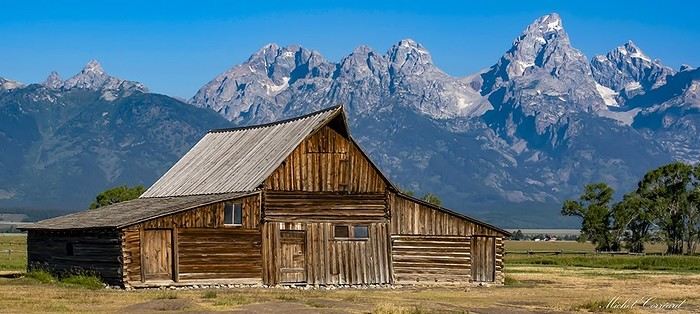
Louisiana - Mississippi - Tennessee - Arkansas - April 2024
The context:
The urge to return to the USA, to explore a new part of the country. I don’t need much convincing to go back to Uncle Sam’s land. My wife’s on board too.
So, off we go for my 9th trip to the USA! (I didn’t take notes, so this is from memory)
Day 1: The departure: Flight with two layovers. I usually avoid layovers in the US before the final destination because of immigration. This time, my flight was Lyon/Munich, then Munich/Chicago, and finally Chicago/New Orleans. The layover in Chicago was 3 hours, and since I’d been through this airport twice before and found it super efficient both times, I wasn’t too worried when I booked my tickets—especially with Lufthansa. Unfortunately, there were several flight changes before departure, the last one leaving us with only a 2h14 layover in Chicago. I called Lufthansa to check if that would be enough, and they told me immigration in Chicago takes about an hour and 45 minutes (according to their calculations). So, I left feeling confident. A 15-minute delay leaving Lyon, then a 1-hour delay leaving Munich—now I’m starting to worry. When we arrived in Chicago, we rushed, cut in line, and made it to immigration. And then—an impossible queue. Game over, we missed our last flight. Of course, Lufthansa rebooked us for the next morning, arriving around 10 AM, and booked us a hotel. I found someone to call Alamo in New Orleans to make sure my rental car would still be there. Everything’s sorted—except our luggage, which we have no idea where it is! My little worry is that we land at 9:45 AM the next morning, and we’ve booked a tour at 11 AM at Laura Plantation, which is about an hour’s drive away! Wait and see…
The +: We're back in the USA The -: Once again, flight delays
Day 1: The departure: Flight with two layovers. I usually avoid layovers in the US before the final destination because of immigration. This time, my flight was Lyon/Munich, then Munich/Chicago, and finally Chicago/New Orleans. The layover in Chicago was 3 hours, and since I’d been through this airport twice before and found it super efficient both times, I wasn’t too worried when I booked my tickets—especially with Lufthansa. Unfortunately, there were several flight changes before departure, the last one leaving us with only a 2h14 layover in Chicago. I called Lufthansa to check if that would be enough, and they told me immigration in Chicago takes about an hour and 45 minutes (according to their calculations). So, I left feeling confident. A 15-minute delay leaving Lyon, then a 1-hour delay leaving Munich—now I’m starting to worry. When we arrived in Chicago, we rushed, cut in line, and made it to immigration. And then—an impossible queue. Game over, we missed our last flight. Of course, Lufthansa rebooked us for the next morning, arriving around 10 AM, and booked us a hotel. I found someone to call Alamo in New Orleans to make sure my rental car would still be there. Everything’s sorted—except our luggage, which we have no idea where it is! My little worry is that we land at 9:45 AM the next morning, and we’ve booked a tour at 11 AM at Laura Plantation, which is about an hour’s drive away! Wait and see…
The +: We're back in the USA The -: Once again, flight delays
15 days in Texas in October 2022
Ah! This trip to Texas, postponed so many times because of Covid. I wanted to discover this state, but not in the summer due to the temperatures.
I’ll try to dig into my memories since I didn’t take any notes.
Day 1: Departure
Early morning flight from Lyon to Frankfurt (I often fly with Lufthansa). We only have a 50-minute layover, but I trust German organization—it’s not just talk, since it took us only 30 minutes to get to the boarding gate. Arriving in Houston, we’re excited because it’s been 3 years since we last visited the USA, and we’ve missed it.
Everything goes smoothly with the formalities and the car rental, so 1.5 hours after landing, I park near Sam Houston Park to start our discovery. The park is pretty, clean, and has the unique feature of housing some well-preserved Victorian houses. The sun is shining, and it’s always fun to see old wooden houses surrounded by gleaming skyscrapers. A quick drive to the Rothko Chapel, which is dedicated to all faiths. There are also modern artworks in an annex building and outside. Then we head to Pasadena to reach our hotel and go to bed since we’ve been awake for a while!
Hotel: A classic Days Inn. It’s standard, but the beds are comfortable, and it’s a quiet place. The + of the day: We're back in the USA The -: Nothing
Day 2: NASA and then Galveston
Of course, we wake up super early. A quick trip to the nearby Walmart for the usual small purchases. Surprise—I can’t buy a bottle of California white wine because in Texas, there are set hours for buying alcohol. Talk about a bummer for my apéro! Next, we head to Kemah, a small, hyper-touristy port where everything is kitschy but clean and nice. It’s a bit overdone, but since NASA doesn’t open until 10 AM and it’s still early, we might as well enjoy the good weather in a pleasant spot.
We arrive at the NASA Houston center without any issues. It’s smaller than the one in Florida and organized a bit differently. There are trains that take passengers to the different sites, but you need to get tickets (included in the price), and once you’ve finished visiting one site, you have to return to the center to get a ticket for another. Not very practical.
We choose to visit the training center and the rockets, skipping the control room, which, based on the photos, looks like the one at Cape Canaveral. The training center is a cool place because it’s still in use. Engineers are working on machines and computers. We don’t see any astronauts training, but we see the space chair, the shuttle’s robotic arm, and lots of gadgets—this hangar is like Gyro Gearloose’s or Doc’s domain!
Next, we head to the rocket hangar, featuring the Saturn V, the same one as at Cape Canaveral. Finally, we wrap up our tour by returning to the center, where a Boeing 747 with a shuttle attached to its back dominates the outside. We can visit the shuttle, and we don’t miss the chance.
A few exhibits inside complete the experience and satisfy our thirst for knowledge. I love the space exploration era, and gotta say, the Americans do it right. Then we drive to Galveston, about 100 km away. Why Galveston? It’s by the sea, so swimming in late October isn’t unpleasant, and there’s a neighborhood called East End Historic District filled with stunning Victorian houses, each more beautiful than the last. Plus, it’s Halloween season, so the decorations are over the top! They really go all out!
Madame takes a swim, but I find the water too cold for my taste. Apéro (they didn’t trick me twice—I had time to go back to another Walmart!) Dinner + bedtime
Hotel: A classic Quality Inn. No issues. The +: NASA, even if it’s smaller than Cape Canaveral The -: I would’ve preferred the water in the Gulf of Mexico to be a bit warmer
Day 1: Departure
Early morning flight from Lyon to Frankfurt (I often fly with Lufthansa). We only have a 50-minute layover, but I trust German organization—it’s not just talk, since it took us only 30 minutes to get to the boarding gate. Arriving in Houston, we’re excited because it’s been 3 years since we last visited the USA, and we’ve missed it.
Everything goes smoothly with the formalities and the car rental, so 1.5 hours after landing, I park near Sam Houston Park to start our discovery. The park is pretty, clean, and has the unique feature of housing some well-preserved Victorian houses. The sun is shining, and it’s always fun to see old wooden houses surrounded by gleaming skyscrapers. A quick drive to the Rothko Chapel, which is dedicated to all faiths. There are also modern artworks in an annex building and outside. Then we head to Pasadena to reach our hotel and go to bed since we’ve been awake for a while!
Hotel: A classic Days Inn. It’s standard, but the beds are comfortable, and it’s a quiet place. The + of the day: We're back in the USA The -: Nothing
Day 2: NASA and then Galveston
Of course, we wake up super early. A quick trip to the nearby Walmart for the usual small purchases. Surprise—I can’t buy a bottle of California white wine because in Texas, there are set hours for buying alcohol. Talk about a bummer for my apéro! Next, we head to Kemah, a small, hyper-touristy port where everything is kitschy but clean and nice. It’s a bit overdone, but since NASA doesn’t open until 10 AM and it’s still early, we might as well enjoy the good weather in a pleasant spot.
We arrive at the NASA Houston center without any issues. It’s smaller than the one in Florida and organized a bit differently. There are trains that take passengers to the different sites, but you need to get tickets (included in the price), and once you’ve finished visiting one site, you have to return to the center to get a ticket for another. Not very practical.
We choose to visit the training center and the rockets, skipping the control room, which, based on the photos, looks like the one at Cape Canaveral. The training center is a cool place because it’s still in use. Engineers are working on machines and computers. We don’t see any astronauts training, but we see the space chair, the shuttle’s robotic arm, and lots of gadgets—this hangar is like Gyro Gearloose’s or Doc’s domain!
Next, we head to the rocket hangar, featuring the Saturn V, the same one as at Cape Canaveral. Finally, we wrap up our tour by returning to the center, where a Boeing 747 with a shuttle attached to its back dominates the outside. We can visit the shuttle, and we don’t miss the chance.
A few exhibits inside complete the experience and satisfy our thirst for knowledge. I love the space exploration era, and gotta say, the Americans do it right. Then we drive to Galveston, about 100 km away. Why Galveston? It’s by the sea, so swimming in late October isn’t unpleasant, and there’s a neighborhood called East End Historic District filled with stunning Victorian houses, each more beautiful than the last. Plus, it’s Halloween season, so the decorations are over the top! They really go all out!
Madame takes a swim, but I find the water too cold for my taste. Apéro (they didn’t trick me twice—I had time to go back to another Walmart!) Dinner + bedtime
Hotel: A classic Quality Inn. No issues. The +: NASA, even if it’s smaller than Cape Canaveral The -: I would’ve preferred the water in the Gulf of Mexico to be a bit warmer