Results for "Sucre+|+4+>+125"
47285 results found.
7 weeks and 150 years between us on a southern Morocco road trip
We arrive in the evening in Marrakesh, and a taxi arranged by our friendly Riad is waiting for us. The driver takes us to the door, where we’re briefly greeted by our hosts. The room is heated—phew—because it’s really cold on this January 17th for our arrival. Riad Alisma, where we’re staying for 2 nights. The next morning, it’s pouring rain when we wake up, but after a good breakfast, the rain has calmed down. Off we go to the medersa, which allows for a relatively sheltered visit. We’d visited this palace 15 years ago—it’s been renovated since then.
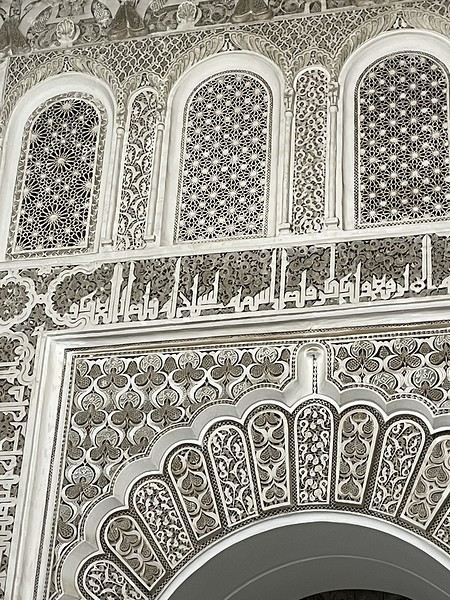
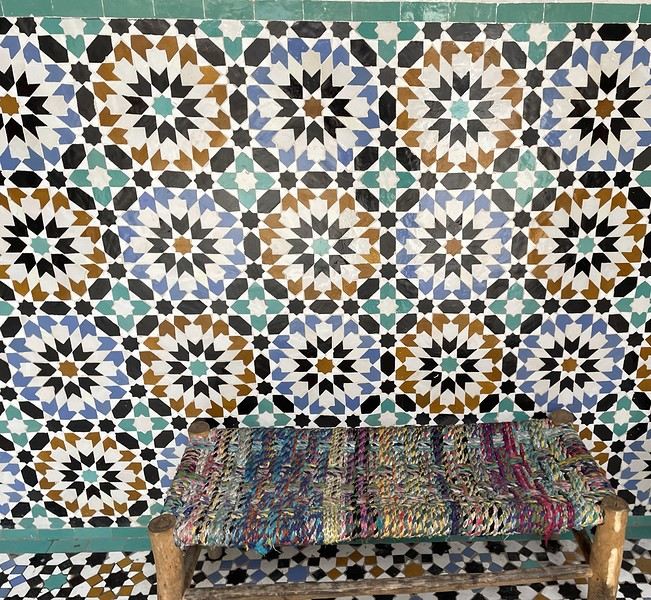
From there, without the rain, we wander aimlessly and eventually end up near the tanneries, but it’s Sunday, and there’s very little activity. Of course, we get hassled by a tout.
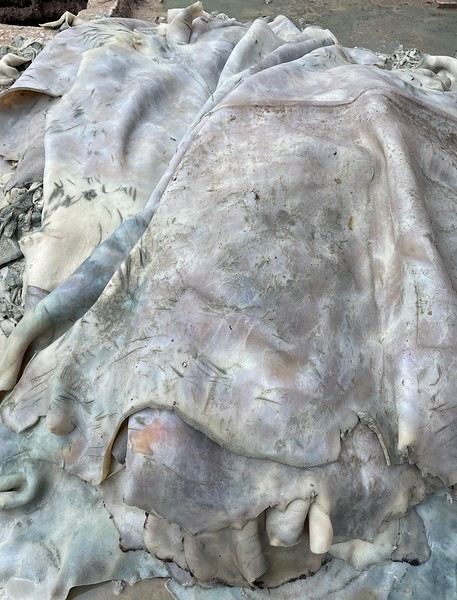
Here, the hides after being treated with lime—I love the colors.
We part ways a bit annoyed. He gets a little revenge by giving us bad directions, and we end up outside the city walls. We decide to take a taxi to the new modern art museum—60 dirhams for the 5 km, which is nothing when you think about it. That tout, who we didn’t ask for anything and made it clear we weren’t buying anything, dragged us into a shop supposedly only open that day and demanded 50 dirhams for his "services"! Let’s forget that bad moment and enjoy the exhibition at the MACAL.
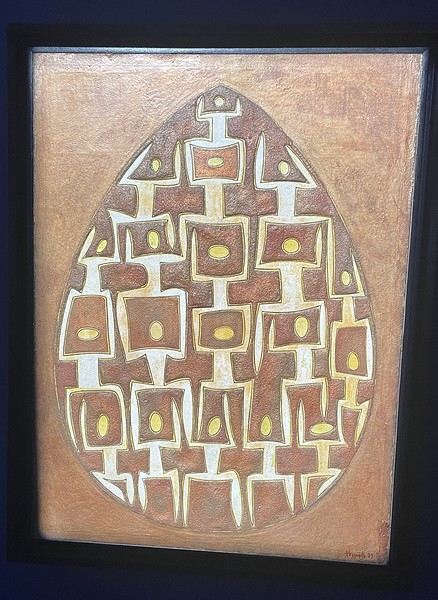
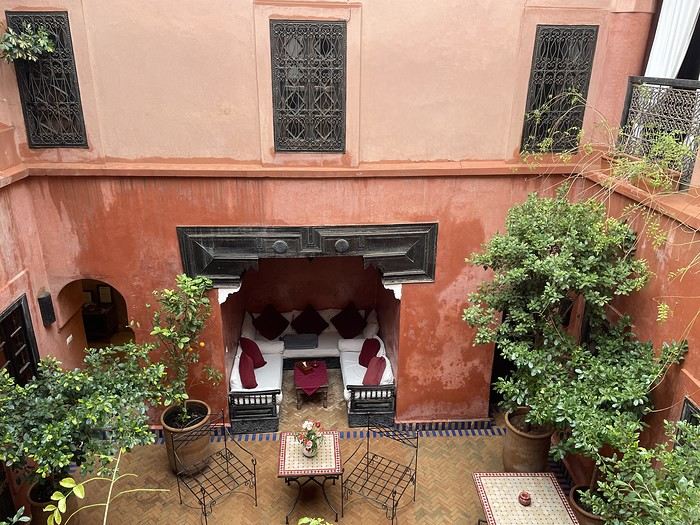
The taxi on the way back drops us off at Place des Ferblantiers, not far from our Riad. We’re a little peckish—it’s worth mentioning that at lunchtime, we only ate a plate of beans from a street vendor. So, we buy a bunch of little sweets, each more delicious than the last, at Ajar. We snack while sipping mint tea and watching life go by around us. A final visit to the Museum of Moroccan Cuisine on our way back helps us dodge a few more showers. Then it’s back to the Riad. The atmosphere in the city is heating up—it’s the AFCON final tonight. The temperatures, though? Not so much. We ordered a meal at the Riad, and it was a good call—not only was it really tasty, but the rain also picked up again. Our day in Marrakesh ends under the covers with a good book and some photo sorting. Still, we managed 10,750 steps. View of our Riad
Tomorrow, we’ll pick up our rental car from Medloc and head to Essaouira.
From there, without the rain, we wander aimlessly and eventually end up near the tanneries, but it’s Sunday, and there’s very little activity. Of course, we get hassled by a tout.
Here, the hides after being treated with lime—I love the colors.
We part ways a bit annoyed. He gets a little revenge by giving us bad directions, and we end up outside the city walls. We decide to take a taxi to the new modern art museum—60 dirhams for the 5 km, which is nothing when you think about it. That tout, who we didn’t ask for anything and made it clear we weren’t buying anything, dragged us into a shop supposedly only open that day and demanded 50 dirhams for his "services"! Let’s forget that bad moment and enjoy the exhibition at the MACAL.
The taxi on the way back drops us off at Place des Ferblantiers, not far from our Riad. We’re a little peckish—it’s worth mentioning that at lunchtime, we only ate a plate of beans from a street vendor. So, we buy a bunch of little sweets, each more delicious than the last, at Ajar. We snack while sipping mint tea and watching life go by around us. A final visit to the Museum of Moroccan Cuisine on our way back helps us dodge a few more showers. Then it’s back to the Riad. The atmosphere in the city is heating up—it’s the AFCON final tonight. The temperatures, though? Not so much. We ordered a meal at the Riad, and it was a good call—not only was it really tasty, but the rain also picked up again. Our day in Marrakesh ends under the covers with a good book and some photo sorting. Still, we managed 10,750 steps. View of our Riad
Tomorrow, we’ll pick up our rental car from Medloc and head to Essaouira.
Your tips and recommendations for a trip through southern Morocco
Hello VF friends!
We’re planning to leave Marrakesh by rental car—this will be our second trip to Morocco. While we want to revisit some places, we also hope to explore new regions. Here’s the start of our itinerary, which could take 2 to 3 weeks. We don’t want to cover too many kilometers each day.
- Depart Marrakech for Essaouira, stopping to visit the Inzerki beehive. We’ll stay 3 nights in Essaouira to explore the city and the surrounding area. - Head toward Tamanar or that region for another 3 nights, exploring on a star-shaped route. We’d like to see the Paradise Valley and the coast. Not really keen on stopping in Agadir.
We’ve been to Tafraoute before, but I’d love to see some *greniers* (granaries) again, so we’re considering 1 or 2 nights there.
- Tiznit for 2 nights, making our way to Plage Blanche. - Guelmin and the Tighmert oasis for 2 nights. - Tata for 2 nights, visiting Akka Iguane and other villages.
After that, we’ll head east.
We’d love to hear about your experiences, great tips, and recommendations!
Thanks so much, and happy holidays!
- Depart Marrakech for Essaouira, stopping to visit the Inzerki beehive. We’ll stay 3 nights in Essaouira to explore the city and the surrounding area. - Head toward Tamanar or that region for another 3 nights, exploring on a star-shaped route. We’d like to see the Paradise Valley and the coast. Not really keen on stopping in Agadir.
We’ve been to Tafraoute before, but I’d love to see some *greniers* (granaries) again, so we’re considering 1 or 2 nights there.
- Tiznit for 2 nights, making our way to Plage Blanche. - Guelmin and the Tighmert oasis for 2 nights. - Tata for 2 nights, visiting Akka Iguane and other villages.
After that, we’ll head east.
We’d love to hear about your experiences, great tips, and recommendations!
Thanks so much, and happy holidays!
My first trip to Iceland, over 50 years ago.
My first trip to Iceland, in 1974.
Yes, you might be surprised: my first trip to Iceland dates back to July 1974. It’s been a little over 50 years since I first set foot on Icelandic soil. I was 23 years old. At the time, I was a geography student. I had just earned my bachelor’s degree and was finishing my master’s (what we’d now call a "master’s 2") in physical geography, with two specialties: glaciology and volcanology. In both fields, professors showed us slides of Iceland—glaciers and volcanoes—and in tutorials, we worked on maps and documents related to the physical geography of Iceland. So there you have it: ice and fire, in Icelandic « ís og eldur », I learned that year that it was Iceland’s national motto, and that’s what drew me there for my first big trip.
Iceland in 1974 was very different from today. It wasn’t a common destination. There were practically no tourists or tourist infrastructure. Some sites now famous and overcrowded were only accessible after hours of hiking on rough, unmarked trails. GPS didn’t exist, but I had managed to get local 1:100,000 maps that were pretty well done. I took my time to circle the entire island, camping in the wild. Most of my meager budget went toward the flight ticket and renting a Volkswagen "Beetle."
There were no paved roads in the country except in central Reykjavík and the main street of Akureyri. What’s now called Route 1 was everywhere dirt and gravel, pretty bumpy in places. According to my maps, this road didn’t allow for a full loop around Iceland: a section of about a hundred kilometers was missing on the south coast. But when I arrived in that area, I learned at a gas station that the last missing section had just been completed, finally allowing a full loop without backtracking. It was the section crossing the vast Skeiðarársandur, southwest of Vatnajökull. The new road was just a bulldozer track through this black ash desert. We crossed the multiple channels of the sandur on long single-lane wooden bridges. On these long pilings, the road was made of roughly nailed thick planks that made an awful racket when the car drove over them.
A nasty surprise: the cost of living. The difference with France seemed huge—everything was two to three times more expensive than back home. Prices were way beyond my tiny budget, and I wondered how I’d manage to get by.
The Icelanders back then were very different from today. From the start, I felt like a real outsider, ostracized, even outright rejected. Several times, when I asked for permission to pitch my small tent near a farm, the door would slam shut as soon as I asked (in English). Without a word… *Bam!*
So I struggled to feed myself, lacking money. I mostly bought loaves of sliced bread and corn flakes (unknown in France at the time), which I ate with cold, sugary milk. It was the cheapest and most filling thing I could find.
In Reykjavík, my only luxury was daring to enter a snack bar. There, I’d treat myself to a coffee or tea, having quickly learned that after paying for a cup once, you could go back to the counter and have it refilled as much as you wanted. I dreaded being asked if I wanted something to eat because I couldn’t afford it. Luckily, no one asked. So, alone in my corner, I’d pull out my loaf of sliced bread from my backpack and make sandwiches with the contents of the two plastic bottles on every table—one red, one yellow: ketchup and sweet mustard. I avoided the sideways glances from other customers. I’d eat my sandwiches and leave, both full and warmed up.
One time, near Selfoss, I saw a truck stop by the road and pick up two large aluminum cans left at the end of a farm track. A little further down the road, two more similar cans. I realized these cans were there to be collected by… well, I didn’t know who. No one in sight for miles. So, I’ll admit it: I stopped and opened one of those large cans, which contained a dairy product—a kind of very dense, compact white cheese (I later learned it was skyr). I scooped a nice layer from the top, smoothed the surface with my spoon, and carefully closed the can again. Yes, I know it wasn’t right, but that was over fifty years ago, and I can admit it now since the statute of limitations has surely passed, right? Another time, I boiled a piece of dried fish, hard as wood, for a long time on my camping stove—fish I’d taken from huge outdoor drying racks by the side of the road. On the road heading north from Reykjavík, the Akranes underwater tunnel didn’t exist yet. To get to Borgarnes and Snæfellsnes, you had to go around Hvalfjörður. Following the shore of this long fjord, I stumbled upon a whaling station in full operation. Intrigued by the plumes of steam and the sounds of machinery from the road, I stopped, and surprisingly, no one stopped me from entering the vast platform where workers were butchering a large whale. I’ll never forget the acrid smell of those huge piles of meat and bones, fat and guts, the screams of saws and winches, the steam from the boilers… A monstrous, hallucinatory sight that would shape a major interest for the rest of my life: whales.
At the end of my journey, I spent three days in the Westman Islands. The famous eruption of the Eldfell volcano had happened just months earlier, in 1973, and was barely over. Visiting Heimaey was one of the goals of my trip to Iceland, given my volcanology studies. Part of the fishing port was filled in by lava flows, and the entrance channel was reduced to just a few meters wide. Most of the village was covered by a layer of black, hot ash eight to ten meters thick. I walked on the roofs of houses—every now and then, a chimney or skylight would stick out. In the rain, this hot ash released intense steam; you couldn’t see twenty meters ahead. It felt like being in a giant outdoor sauna. The entire population had been evacuated during the eruption, but some residents were starting to return. Bulldozers and excavators were gradually clearing this gigantic mass of ash, street by street, layer by layer, avoiding demolishing the buried houses. A constant stream of trucks dumped these millions of tons of ash into the sea from a cliff. To finish clearing the houses, it was done with shovels and wheelbarrows, and this task was left to the homeowners. One day, I had the chance to lend a hand (or rather, a shovel) to a couple finishing clearing their house. They offered to let me pitch my tent near their place, on a thick layer of warm ash (I’d never experienced such comfort through my sleeping mat), and I’ll never forget that they gave me a big bowl of delicious soup they’d just made. The best meal I had during that trip. The next day, climbing the volcano, which was still smoking and spewing furiously, I nearly suffocated from sulfur dioxide and almost melted the soles of my shoes. So it was during this initiatory trip, 50 years ago, that my addiction to Iceland was born. The following year in Paris, by sheer chance—and perhaps helped by the magic of my amazing Kodachrome slides—I met a young woman who would become my wife. Very quickly, she became as hooked as I was on "the island of the world’s creation" (as I called it back then), and later, it was often her who’d say, "So… how about going back to Iceland this year?" We went back many times, in every season, summer and winter, and in every region of the country. And every time, when the plane starts its descent toward Keflavík Airport, we look at each other like kids invited to a birthday party, discovering the cake buffet… "Here we are… we’re back!"
Our travel conditions changed a lot afterward. With a better budget but still traveling independently, renting well-equipped 4x4s that let us go almost anywhere, at our own pace, including the highlands of the country’s interior. But always taking our time, dedicating each trip to fully exploring one region rather than rushing through kilometers. And leaving time for beautiful hikes or simply doing nothing—sitting at a viewpoint and just watching, observing the wild nature, in contemplative mode… Always staying with locals in the countryside, preferably on real farms with animals, thanks to an association of farmers offering accommodations. We speak fluent English and have learned a few common Icelandic phrases and expressions over time. With a bit of experience, we developed our little techniques for starting interesting conversations with Icelanders… who, thankfully, are no longer as distant as they were in 1974! We even made friends there.
We particularly loved the rugged, wild Iceland—not necessarily the desolate highlands of the interior, but rather the isolated regions where a few very old families still cling to their land and roots. With a soft spot for the Snæfellsnes Peninsula and especially the Westfjords, the "Vestfirðir," as the Icelanders call them. But we also love the Northeast, and even the far Northeast, so remote and where almost no one goes. Over time, we’ve done a lot of reading. We’ve learned a great deal about Iceland—its painful history, its tormented geography, its economy, its incredible medieval literature (the Sagas), and some quirks of its culture. And we greatly appreciate its contemporary authors, whose books fill several shelves in our library.
In 2008, on a return trip to Iceland, we went to the Westman Islands, to Heimaey. I hadn’t been back since my first trip in 1974, right after the Eldfell eruption. It was a pilgrimage for me, so many years later! An emotional moment seeing the huge frozen lava flow again. On the trails now set up to explore this vast chaos, people have put up signs indicating the names of the streets buried under the lava and the nature of the crushed buildings fifteen meters below. Plaques mark the locations of public buildings—here was the school, down there was the hospital… The part of the town that was under ash has been cleared, but not entirely—two streets were left partially buried, probably to show tourists. The volcano is still hot at the top. We climbed it, but this time I didn’t melt my soles.
We often talk about Iceland. We still call it "the island of the world’s creation" and tell our traveler friends how much this country fascinated and enchanted us. Those who’ve never been find it a bit odd, but everyone who’s been there understands.
You may have noticed I’m talking about it in the past tense… Indeed, I’ll admit that for several years now, we haven’t been back to Iceland, and I don’t think we’ll return. What we see on social media and in the news puts us off a bit. Mass tourism has arrived, and many developments have been made—not always for the best. Now, with two and a half million visitors a year, Iceland welcomes nearly six times its population. Tourism has become a key source of income for Icelanders. Good for them, maybe, but we don’t like it at all. We’re a bit wild, perhaps. And besides… the world is vast… We loved Iceland passionately, but we’ve always been inveterate travelers in general. So over the past fifty years, we’ve certainly explored all of Iceland’s regions, but also in the North Atlantic—the beautiful Norway, the stunning Lofoten Islands, the Shetland archipelago, the rugged and grand Faroe Islands, and then further north in the Arctic—the icy Greenland, Svalbard at the edge of the world, and even the Sjuøyane, the last islands before the North Pole, with small groups of enthusiasts and scientists on expedition ships. And many other regions of the world, but always with a taste for slightly offbeat places, both in terms of landscapes and nature and ways of life. Central Asia, the Azores, Peru, Bolivia, the Andes, Chile, Argentina, the vast Patagonia, Tierra del Fuego… and other little secret gems we won’t reveal. Not even on Voyage Forum.
But everywhere—yes, I mean everywhere—wherever you are, wherever you go, there’s always a moment when you think of Iceland…
Chris 51 - November 2025.
Yes, you might be surprised: my first trip to Iceland dates back to July 1974. It’s been a little over 50 years since I first set foot on Icelandic soil. I was 23 years old. At the time, I was a geography student. I had just earned my bachelor’s degree and was finishing my master’s (what we’d now call a "master’s 2") in physical geography, with two specialties: glaciology and volcanology. In both fields, professors showed us slides of Iceland—glaciers and volcanoes—and in tutorials, we worked on maps and documents related to the physical geography of Iceland. So there you have it: ice and fire, in Icelandic « ís og eldur », I learned that year that it was Iceland’s national motto, and that’s what drew me there for my first big trip.
Iceland in 1974 was very different from today. It wasn’t a common destination. There were practically no tourists or tourist infrastructure. Some sites now famous and overcrowded were only accessible after hours of hiking on rough, unmarked trails. GPS didn’t exist, but I had managed to get local 1:100,000 maps that were pretty well done. I took my time to circle the entire island, camping in the wild. Most of my meager budget went toward the flight ticket and renting a Volkswagen "Beetle."
There were no paved roads in the country except in central Reykjavík and the main street of Akureyri. What’s now called Route 1 was everywhere dirt and gravel, pretty bumpy in places. According to my maps, this road didn’t allow for a full loop around Iceland: a section of about a hundred kilometers was missing on the south coast. But when I arrived in that area, I learned at a gas station that the last missing section had just been completed, finally allowing a full loop without backtracking. It was the section crossing the vast Skeiðarársandur, southwest of Vatnajökull. The new road was just a bulldozer track through this black ash desert. We crossed the multiple channels of the sandur on long single-lane wooden bridges. On these long pilings, the road was made of roughly nailed thick planks that made an awful racket when the car drove over them.
A nasty surprise: the cost of living. The difference with France seemed huge—everything was two to three times more expensive than back home. Prices were way beyond my tiny budget, and I wondered how I’d manage to get by.
The Icelanders back then were very different from today. From the start, I felt like a real outsider, ostracized, even outright rejected. Several times, when I asked for permission to pitch my small tent near a farm, the door would slam shut as soon as I asked (in English). Without a word… *Bam!*
So I struggled to feed myself, lacking money. I mostly bought loaves of sliced bread and corn flakes (unknown in France at the time), which I ate with cold, sugary milk. It was the cheapest and most filling thing I could find.
In Reykjavík, my only luxury was daring to enter a snack bar. There, I’d treat myself to a coffee or tea, having quickly learned that after paying for a cup once, you could go back to the counter and have it refilled as much as you wanted. I dreaded being asked if I wanted something to eat because I couldn’t afford it. Luckily, no one asked. So, alone in my corner, I’d pull out my loaf of sliced bread from my backpack and make sandwiches with the contents of the two plastic bottles on every table—one red, one yellow: ketchup and sweet mustard. I avoided the sideways glances from other customers. I’d eat my sandwiches and leave, both full and warmed up.
One time, near Selfoss, I saw a truck stop by the road and pick up two large aluminum cans left at the end of a farm track. A little further down the road, two more similar cans. I realized these cans were there to be collected by… well, I didn’t know who. No one in sight for miles. So, I’ll admit it: I stopped and opened one of those large cans, which contained a dairy product—a kind of very dense, compact white cheese (I later learned it was skyr). I scooped a nice layer from the top, smoothed the surface with my spoon, and carefully closed the can again. Yes, I know it wasn’t right, but that was over fifty years ago, and I can admit it now since the statute of limitations has surely passed, right? Another time, I boiled a piece of dried fish, hard as wood, for a long time on my camping stove—fish I’d taken from huge outdoor drying racks by the side of the road. On the road heading north from Reykjavík, the Akranes underwater tunnel didn’t exist yet. To get to Borgarnes and Snæfellsnes, you had to go around Hvalfjörður. Following the shore of this long fjord, I stumbled upon a whaling station in full operation. Intrigued by the plumes of steam and the sounds of machinery from the road, I stopped, and surprisingly, no one stopped me from entering the vast platform where workers were butchering a large whale. I’ll never forget the acrid smell of those huge piles of meat and bones, fat and guts, the screams of saws and winches, the steam from the boilers… A monstrous, hallucinatory sight that would shape a major interest for the rest of my life: whales.
At the end of my journey, I spent three days in the Westman Islands. The famous eruption of the Eldfell volcano had happened just months earlier, in 1973, and was barely over. Visiting Heimaey was one of the goals of my trip to Iceland, given my volcanology studies. Part of the fishing port was filled in by lava flows, and the entrance channel was reduced to just a few meters wide. Most of the village was covered by a layer of black, hot ash eight to ten meters thick. I walked on the roofs of houses—every now and then, a chimney or skylight would stick out. In the rain, this hot ash released intense steam; you couldn’t see twenty meters ahead. It felt like being in a giant outdoor sauna. The entire population had been evacuated during the eruption, but some residents were starting to return. Bulldozers and excavators were gradually clearing this gigantic mass of ash, street by street, layer by layer, avoiding demolishing the buried houses. A constant stream of trucks dumped these millions of tons of ash into the sea from a cliff. To finish clearing the houses, it was done with shovels and wheelbarrows, and this task was left to the homeowners. One day, I had the chance to lend a hand (or rather, a shovel) to a couple finishing clearing their house. They offered to let me pitch my tent near their place, on a thick layer of warm ash (I’d never experienced such comfort through my sleeping mat), and I’ll never forget that they gave me a big bowl of delicious soup they’d just made. The best meal I had during that trip. The next day, climbing the volcano, which was still smoking and spewing furiously, I nearly suffocated from sulfur dioxide and almost melted the soles of my shoes. So it was during this initiatory trip, 50 years ago, that my addiction to Iceland was born. The following year in Paris, by sheer chance—and perhaps helped by the magic of my amazing Kodachrome slides—I met a young woman who would become my wife. Very quickly, she became as hooked as I was on "the island of the world’s creation" (as I called it back then), and later, it was often her who’d say, "So… how about going back to Iceland this year?" We went back many times, in every season, summer and winter, and in every region of the country. And every time, when the plane starts its descent toward Keflavík Airport, we look at each other like kids invited to a birthday party, discovering the cake buffet… "Here we are… we’re back!"
Our travel conditions changed a lot afterward. With a better budget but still traveling independently, renting well-equipped 4x4s that let us go almost anywhere, at our own pace, including the highlands of the country’s interior. But always taking our time, dedicating each trip to fully exploring one region rather than rushing through kilometers. And leaving time for beautiful hikes or simply doing nothing—sitting at a viewpoint and just watching, observing the wild nature, in contemplative mode… Always staying with locals in the countryside, preferably on real farms with animals, thanks to an association of farmers offering accommodations. We speak fluent English and have learned a few common Icelandic phrases and expressions over time. With a bit of experience, we developed our little techniques for starting interesting conversations with Icelanders… who, thankfully, are no longer as distant as they were in 1974! We even made friends there.
We particularly loved the rugged, wild Iceland—not necessarily the desolate highlands of the interior, but rather the isolated regions where a few very old families still cling to their land and roots. With a soft spot for the Snæfellsnes Peninsula and especially the Westfjords, the "Vestfirðir," as the Icelanders call them. But we also love the Northeast, and even the far Northeast, so remote and where almost no one goes. Over time, we’ve done a lot of reading. We’ve learned a great deal about Iceland—its painful history, its tormented geography, its economy, its incredible medieval literature (the Sagas), and some quirks of its culture. And we greatly appreciate its contemporary authors, whose books fill several shelves in our library.
In 2008, on a return trip to Iceland, we went to the Westman Islands, to Heimaey. I hadn’t been back since my first trip in 1974, right after the Eldfell eruption. It was a pilgrimage for me, so many years later! An emotional moment seeing the huge frozen lava flow again. On the trails now set up to explore this vast chaos, people have put up signs indicating the names of the streets buried under the lava and the nature of the crushed buildings fifteen meters below. Plaques mark the locations of public buildings—here was the school, down there was the hospital… The part of the town that was under ash has been cleared, but not entirely—two streets were left partially buried, probably to show tourists. The volcano is still hot at the top. We climbed it, but this time I didn’t melt my soles.
We often talk about Iceland. We still call it "the island of the world’s creation" and tell our traveler friends how much this country fascinated and enchanted us. Those who’ve never been find it a bit odd, but everyone who’s been there understands.
You may have noticed I’m talking about it in the past tense… Indeed, I’ll admit that for several years now, we haven’t been back to Iceland, and I don’t think we’ll return. What we see on social media and in the news puts us off a bit. Mass tourism has arrived, and many developments have been made—not always for the best. Now, with two and a half million visitors a year, Iceland welcomes nearly six times its population. Tourism has become a key source of income for Icelanders. Good for them, maybe, but we don’t like it at all. We’re a bit wild, perhaps. And besides… the world is vast… We loved Iceland passionately, but we’ve always been inveterate travelers in general. So over the past fifty years, we’ve certainly explored all of Iceland’s regions, but also in the North Atlantic—the beautiful Norway, the stunning Lofoten Islands, the Shetland archipelago, the rugged and grand Faroe Islands, and then further north in the Arctic—the icy Greenland, Svalbard at the edge of the world, and even the Sjuøyane, the last islands before the North Pole, with small groups of enthusiasts and scientists on expedition ships. And many other regions of the world, but always with a taste for slightly offbeat places, both in terms of landscapes and nature and ways of life. Central Asia, the Azores, Peru, Bolivia, the Andes, Chile, Argentina, the vast Patagonia, Tierra del Fuego… and other little secret gems we won’t reveal. Not even on Voyage Forum.
But everywhere—yes, I mean everywhere—wherever you are, wherever you go, there’s always a moment when you think of Iceland…
Chris 51 - November 2025.
Transport, accommodation, and great spots for a month in Cambodia
Hello!
We’re heading to Cambodia for a month in March. We’re planning to visit Phnom Penh, Battambang, Siem Reap, the Angkor temples, Kompong Luong, then head down to Kampot, Kep, and finish our trip on the islands of Koh Rong. Has anyone done this trip recently?
Any great spots to recommend? Neighborhoods to stay in Phnom Penh (lively but not too touristy)?
Tips for getting around between the major cities—bus, train, boat, motorbike?
Thanks for all the advice!
Fabienne
Feedback on a 20-day Quebec road trip plan
Hi everyone,
I’m planning a trip to Quebec at the end of June/beginning of July 2026 for 20 days.
We’re a family of 4, with two kids aged 7 and 4 at that time.
I’ve already started drafting our itinerary but I’m open to all suggestions and ideas.
We plan to land in Montreal and stay a few days to recover from the trip.
Here’s my first draft of the itinerary:
-Day 1 to 4: Exploring Montreal:
-Day 5: Sucrerie de la Montagne in Rigaud.
-Day 6/7: Parc Omega (staying in Pods)
-Day 8-10: Saint-Alexis-des-Monts (staying at Pourvoirie du Lac Blanc)
-Day 9/10: Heading toward Lac Saint-Jean: I’m still looking for accommodation halfway to La Tuque. I’ve noticed Pourvoirie du Triton or Domaine Le Bostonnais.
-Day 10/11: Zoo Sauvage de Saint-Félicien: I’m also looking for accommodation near the lake for this stop + visiting Village historique de Val-Jalbert?
-Day 12-13-14: Stop in Sacré-Cœur at Ferme 5 Étoiles. (I also saw the Canopée Lit accommodations in the area—something to consider).
-Day 15-16: Tadoussac: Whale-watching excursion. Should we do it by Zodiac given my kids’ ages?
I’m also looking for accommodation in the area (Hotel Tadoussac is out of budget).
On the way back from Tadoussac to Quebec City, I’m considering an intermediate stop if there’s a spot worth the detour (Malbaie??).
-Day 17-18-19: Exploring Quebec City (Montmorency Falls / Old Town / Wendake).
-Day 20-21: Return to Montreal and flight home.
I’d love recommendations for activities for young kids along this route.
Thanks
Cambodia and Indonesia in summer: ideal itinerary with kids?
Hi everyone,
After letting our backpacks gather dust for several years, we’ve decided to set off on another adventure—this time as a family, with our 10- and 12-year-old kids! We’re planning a trip from mid-June to the end of July, with two stops: Cambodia (2 weeks) and Indonesia (4 weeks). But before diving into the details, we’ve got quite a few questions and doubts.
About Cambodia: We know this period is the rainy season. Is it really a good idea to go then? And if so, is it better to start with Cambodia and then move on to Indonesia, or does the order not matter from a climate perspective? Here are the activities and sites we’ve shortlisted: · The Mekong and Irrawaddy dolphins: do we actually have a chance of seeing them? · The Mondulkiri Project (elephant sanctuary): is this an ethical project? We want to avoid any form of animal exploitation. · The temples of Angkor: are 2 or 3 days enough to fully enjoy them? · Floating villages: where should we go for an authentic experience? Is it possible to spend the night there? · Hikes with waterfalls, lakes, etc.: are there any must-do treks? · And most importantly, what activities or sites would appeal to kids?
For Indonesia: We were there 15 years ago and loved our itinerary: Yogyakarta / Borobudur → Bromo → Kawah Ijen → Bali → Gili Trawangan. This time, we’re torn: · Retracing part of that route to share it with our kids (even if revisiting the same places isn’t super appealing), · Or exploring new regions. What’s almost certain is that we’d like to spend about two weeks in Raja Ampat. For the other two weeks, we’re undecided. We’re looking for kid-friendly ideas for places and activities, while avoiding too many connections for budget and environmental reasons. Since we’ll already see temples in Cambodia, we’d like to mix things up.
And finally… On our last trip to the region, we traveled without kids and went super free-spirited: only the round-trip tickets were booked, and we improvised the rest day by day without any major issues finding accommodation, food, or accessing the activities we’d spotted. Do you think this style of travel is still doable with two kids? Or has it become too risky or stressful? Are there regions where the "backpacker" approach is still possible, and others where it’s better to book in advance? And for certain activities or sites, is it recommended to hire guides?
Thanks in advance for your tips and experiences!
After letting our backpacks gather dust for several years, we’ve decided to set off on another adventure—this time as a family, with our 10- and 12-year-old kids! We’re planning a trip from mid-June to the end of July, with two stops: Cambodia (2 weeks) and Indonesia (4 weeks). But before diving into the details, we’ve got quite a few questions and doubts.
About Cambodia: We know this period is the rainy season. Is it really a good idea to go then? And if so, is it better to start with Cambodia and then move on to Indonesia, or does the order not matter from a climate perspective? Here are the activities and sites we’ve shortlisted: · The Mekong and Irrawaddy dolphins: do we actually have a chance of seeing them? · The Mondulkiri Project (elephant sanctuary): is this an ethical project? We want to avoid any form of animal exploitation. · The temples of Angkor: are 2 or 3 days enough to fully enjoy them? · Floating villages: where should we go for an authentic experience? Is it possible to spend the night there? · Hikes with waterfalls, lakes, etc.: are there any must-do treks? · And most importantly, what activities or sites would appeal to kids?
For Indonesia: We were there 15 years ago and loved our itinerary: Yogyakarta / Borobudur → Bromo → Kawah Ijen → Bali → Gili Trawangan. This time, we’re torn: · Retracing part of that route to share it with our kids (even if revisiting the same places isn’t super appealing), · Or exploring new regions. What’s almost certain is that we’d like to spend about two weeks in Raja Ampat. For the other two weeks, we’re undecided. We’re looking for kid-friendly ideas for places and activities, while avoiding too many connections for budget and environmental reasons. Since we’ll already see temples in Cambodia, we’d like to mix things up.
And finally… On our last trip to the region, we traveled without kids and went super free-spirited: only the round-trip tickets were booked, and we improvised the rest day by day without any major issues finding accommodation, food, or accessing the activities we’d spotted. Do you think this style of travel is still doable with two kids? Or has it become too risky or stressful? Are there regions where the "backpacker" approach is still possible, and others where it’s better to book in advance? And for certain activities or sites, is it recommended to hire guides?
Thanks in advance for your tips and experiences!
15 days in La Palma, a hidden gem with a thousand contrasts
Hello,
First attempt at a travel journal for me and first post after 7 years away from this forum. 😮 I went to the island of La Palma for 15 days in September 2025. After visiting Lanzarote in February, I was looking for a different and greener island. Well, I wasn’t disappointed. 😎
We stayed in Breña Baja on the east coast of the island, 5 minutes from the airport. This choice was mainly motivated by the desire not to change accommodation during the stay and to be in a "central" location close to amenities. It worked out well, but if I were to do it again, I’d split the stay in two by getting another place in the north of the island to explore that area, which really appeals to me. Note that the island is "climatically divided in two": the west coast is sunnier and drier, while the east coast is often foggy or cloudy. It’s quite impressive when you come out of the LP-3 road tunnel connecting the two sides—you feel like you’ve changed regions even though it’s less than 3 km apart.
Flight options weren’t plentiful (no direct flights from France), so I went with Iberia, connecting in Madrid for 250 € round-trip per person excluding checked baggage (80 € round-trip for one 23 kg suitcase on this route). Make sure to buy the checked baggage at the same time as your flight, as it’ll cost about 15 € more if you add it later. I booked the tickets 5 months in advance directly on Iberia’s website. You could also take a low-cost airline to Tenerife or Gran Canaria and then a flight with a Canarian carrier, but in my opinion, that only makes sense if you’re visiting one of those islands first, as the connection isn’t "guaranteed." The ferry is an option from Tenerife (about 2.5 hours crossing).
Our departure from Lyon was initially scheduled for 6 AM but took off at 9 AM so the crew could rest after the late arrival of the previous flight. This let us grab breakfast on the airline’s dime—thanks, EU Regulation (EC) No 261/2004. 😉 Iberia took a week to reimburse me after I submitted my passport, receipts, and bank details via their online claim form.
Our small but spacious CRJ-1000 Air Nostrum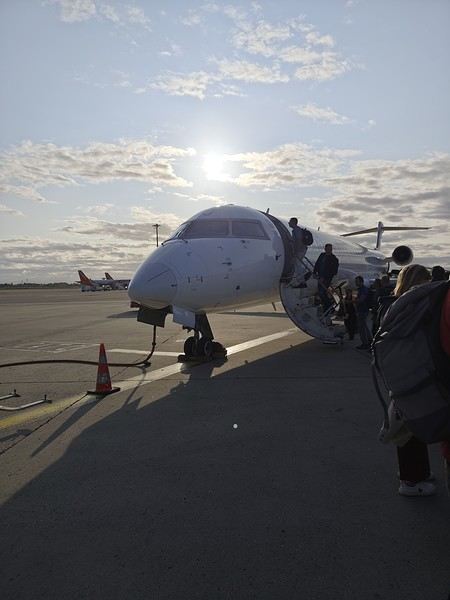 Bye-bye, Bugey nuclear plant
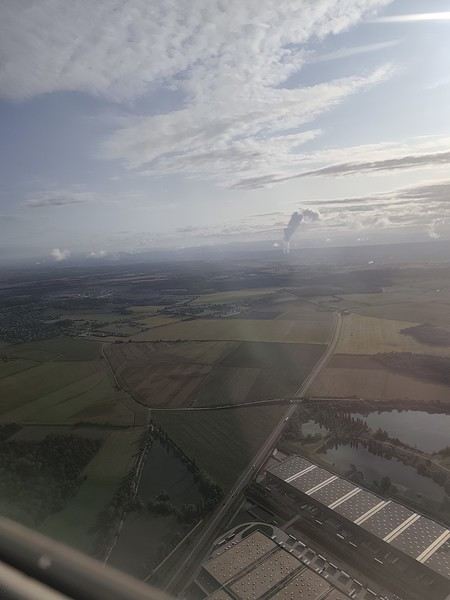 And hello, Madrid—or rather, its very dry region.
Our layover was initially 4 hours but shrank to 1 hour due to the previous flight’s delay. That worked out for us because Terminal 4 at Barajas is way less comfortable for resting than Lyon’s T1.
And hello, Madrid—or rather, its very dry region.
Our layover was initially 4 hours but shrank to 1 hour due to the previous flight’s delay. That worked out for us because Terminal 4 at Barajas is way less comfortable for resting than Lyon’s T1.
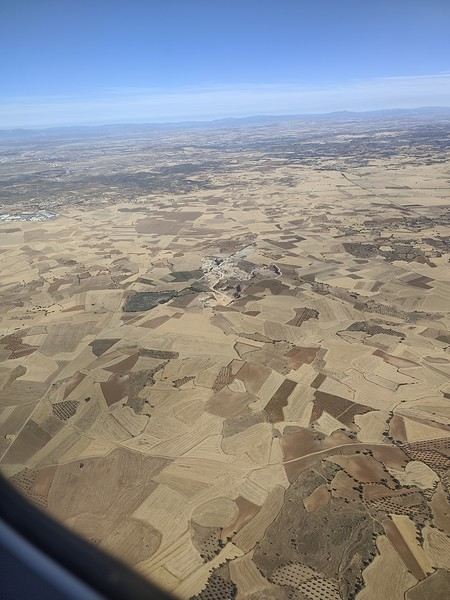
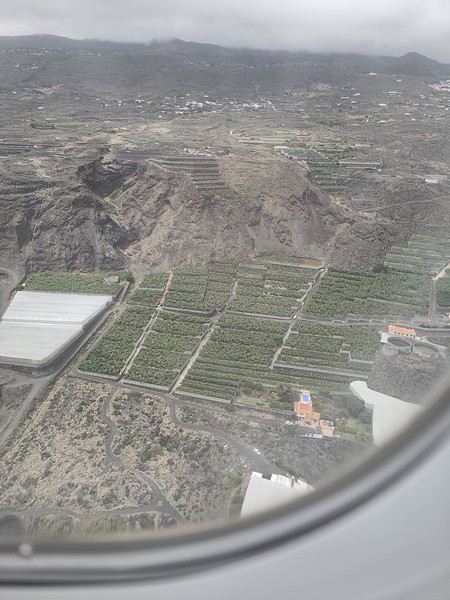
Landing with a view of Playa de la Cangrejera and del Pozo. When I say the east coast is often cloudy... 😇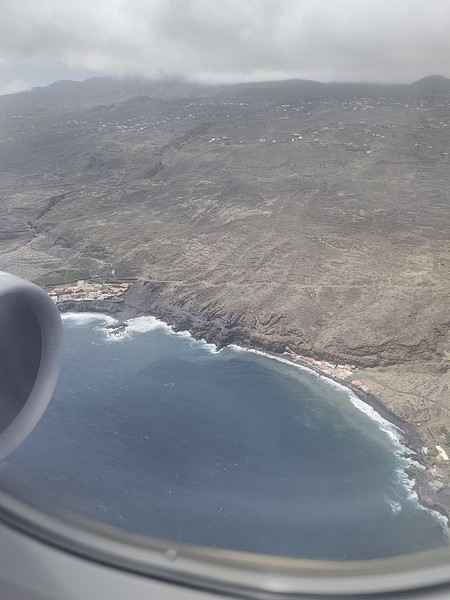 First sight of "plátano" plantations. Banana farming makes up 50% of the island’s GDP!
More to come soon. [;]
First attempt at a travel journal for me and first post after 7 years away from this forum. 😮 I went to the island of La Palma for 15 days in September 2025. After visiting Lanzarote in February, I was looking for a different and greener island. Well, I wasn’t disappointed. 😎
We stayed in Breña Baja on the east coast of the island, 5 minutes from the airport. This choice was mainly motivated by the desire not to change accommodation during the stay and to be in a "central" location close to amenities. It worked out well, but if I were to do it again, I’d split the stay in two by getting another place in the north of the island to explore that area, which really appeals to me. Note that the island is "climatically divided in two": the west coast is sunnier and drier, while the east coast is often foggy or cloudy. It’s quite impressive when you come out of the LP-3 road tunnel connecting the two sides—you feel like you’ve changed regions even though it’s less than 3 km apart.
Flight options weren’t plentiful (no direct flights from France), so I went with Iberia, connecting in Madrid for 250 € round-trip per person excluding checked baggage (80 € round-trip for one 23 kg suitcase on this route). Make sure to buy the checked baggage at the same time as your flight, as it’ll cost about 15 € more if you add it later. I booked the tickets 5 months in advance directly on Iberia’s website. You could also take a low-cost airline to Tenerife or Gran Canaria and then a flight with a Canarian carrier, but in my opinion, that only makes sense if you’re visiting one of those islands first, as the connection isn’t "guaranteed." The ferry is an option from Tenerife (about 2.5 hours crossing).
Our departure from Lyon was initially scheduled for 6 AM but took off at 9 AM so the crew could rest after the late arrival of the previous flight. This let us grab breakfast on the airline’s dime—thanks, EU Regulation (EC) No 261/2004. 😉 Iberia took a week to reimburse me after I submitted my passport, receipts, and bank details via their online claim form.
Our small but spacious CRJ-1000 Air Nostrum
Bye-bye, Bugey nuclear plant
And hello, Madrid—or rather, its very dry region.
Our layover was initially 4 hours but shrank to 1 hour due to the previous flight’s delay. That worked out for us because Terminal 4 at Barajas is way less comfortable for resting than Lyon’s T1.
Landing with a view of Playa de la Cangrejera and del Pozo. When I say the east coast is often cloudy... 😇
First sight of "plátano" plantations. Banana farming makes up 50% of the island’s GDP!
More to come soon. [;]
24 Days in Réunion/Mauritius: Feedback on My Itinerary
Hello!
My wife and I (Quebecers, 63 years old, retired, celebrating our 45 years together this year, including 20 years of marriage) have chosen to mark the occasion with a trip to Dubai, Réunion, and Mauritius (4 days in Dubai, then 24 days on the islands).
We have a lot of experience planning road trips (scouting routes, visits, hotels, and restaurants of interest), but we travel without reservations to keep the freedom to follow our instincts and tips we get on the spot. We’re moderately active physically and prefer the countryside and beaches over big cities. Our only fixed dates: arrival in Réunion on October 5th and departure from Mauritius on October 29th.
After lots of reading and with the help of an AI (super useful for drafting a first outline!), here’s a possible itinerary framework. Nothing is set in stone—I’d love your suggestions, comments, and thoughts on what’s worth adding or avoiding. Are the proposed bases optimal? Also, if you have recommendations for hotels (mid-range budget of 100–200 euros per night), restaurants, etc., I’m all ears! ;-)
Thanks! 😊
🌴 Réunion (October 5–13, 9 days) Base 1 – Saint-Gilles / L’Hermitage (October 5–8, 3 nights) Oct 5 (Sun): Settle in, relax at L’Hermitage beach. Oct 6 (Mon): Saint-Paul market (morning), beach + sunset at Boucan Canot. Oct 7 (Tue): Excursion to Maïdo (view of Mafate), return via Saint-Leu (Stella Matutina). Oct 8 (Wed): Beach + dolphin/whale-watching boat trip.
Base 2 – Cilaos (October 8–10, 2 nights) Oct 9 (Thu): Route des 400 virages, stroll through the village and Roche Merveilleuse. Oct 10 (Fri): Hike to Bras Rouge (3–4h) or the Chapelle canyon. Creole inn evening.
Base 3 – Plaine des Cafres / Bourg-Murat (October 10–13, 3 nights) Oct 11 (Sat): Road to the volcano → Plaine des Sables → Piton de la Fournaise. Oct 12 (Sun): Wild south coast at Cap Méchant, lava flows, Jardin Parfums, Grande Anse beach. Oct 13 (Mon): Relaxed morning, flight from Réunion to Mauritius.
🏝️ Mauritius (October 13–29, 16 days) Base 1 – Grand Baie / Pereybère (October 13–18, 5 nights) Oct 13 (Mon): Settle in, swim at Mont Choisy. Oct 14 (Tue): Boat excursion to Île Plate & Coin de Mire. Oct 15 (Wed): Pamplemousses Garden + L’Aventure du Sucre. Evening in Grand Baie. Oct 16 (Thu): Trou aux Biches beach, snorkeling. Oct 17 (Fri): Free day, relaxation/shopping.
Base 2 – Flic-en-Flac / Tamarin (October 18–23, 5 nights) Oct 18 (Sat): Drive to the west, settle in, beach. Oct 19 (Sun): Dolphin excursion in Tamarin, relax in the afternoon. Oct 20 (Mon): Chamarel: Terres 7 Couleurs + rum distillery. Oct 21 (Tue): Black River Gorges (hike + waterfalls). Oct 22 (Wed): Snorkeling + sunset.
Base 3 – Belle Mare / Trou d’Eau Douce (October 23–26, 3 nights) Oct 23 (Thu): Settle in, Belle Mare beach. Oct 24 (Fri): Catamaran excursion to Île aux Cerfs. Oct 25 (Sat): Flacq market (morning), beach in the afternoon.
Base 4 – Mahébourg / Blue Bay (October 26–29, 3 nights) Oct 26 (Sun): Settle in, snorkeling at Blue Bay Marine Park. Oct 27 (Mon): Pointe d’Esny + Île aux Aigrettes. Oct 28 (Tue): Free beach day + Mahébourg village. Oct 29 (Wed): Morning swim, return flight at 4 PM (airport is 15 min away).
My wife and I (Quebecers, 63 years old, retired, celebrating our 45 years together this year, including 20 years of marriage) have chosen to mark the occasion with a trip to Dubai, Réunion, and Mauritius (4 days in Dubai, then 24 days on the islands).
We have a lot of experience planning road trips (scouting routes, visits, hotels, and restaurants of interest), but we travel without reservations to keep the freedom to follow our instincts and tips we get on the spot. We’re moderately active physically and prefer the countryside and beaches over big cities. Our only fixed dates: arrival in Réunion on October 5th and departure from Mauritius on October 29th.
After lots of reading and with the help of an AI (super useful for drafting a first outline!), here’s a possible itinerary framework. Nothing is set in stone—I’d love your suggestions, comments, and thoughts on what’s worth adding or avoiding. Are the proposed bases optimal? Also, if you have recommendations for hotels (mid-range budget of 100–200 euros per night), restaurants, etc., I’m all ears! ;-)
Thanks! 😊
🌴 Réunion (October 5–13, 9 days) Base 1 – Saint-Gilles / L’Hermitage (October 5–8, 3 nights) Oct 5 (Sun): Settle in, relax at L’Hermitage beach. Oct 6 (Mon): Saint-Paul market (morning), beach + sunset at Boucan Canot. Oct 7 (Tue): Excursion to Maïdo (view of Mafate), return via Saint-Leu (Stella Matutina). Oct 8 (Wed): Beach + dolphin/whale-watching boat trip.
Base 2 – Cilaos (October 8–10, 2 nights) Oct 9 (Thu): Route des 400 virages, stroll through the village and Roche Merveilleuse. Oct 10 (Fri): Hike to Bras Rouge (3–4h) or the Chapelle canyon. Creole inn evening.
Base 3 – Plaine des Cafres / Bourg-Murat (October 10–13, 3 nights) Oct 11 (Sat): Road to the volcano → Plaine des Sables → Piton de la Fournaise. Oct 12 (Sun): Wild south coast at Cap Méchant, lava flows, Jardin Parfums, Grande Anse beach. Oct 13 (Mon): Relaxed morning, flight from Réunion to Mauritius.
🏝️ Mauritius (October 13–29, 16 days) Base 1 – Grand Baie / Pereybère (October 13–18, 5 nights) Oct 13 (Mon): Settle in, swim at Mont Choisy. Oct 14 (Tue): Boat excursion to Île Plate & Coin de Mire. Oct 15 (Wed): Pamplemousses Garden + L’Aventure du Sucre. Evening in Grand Baie. Oct 16 (Thu): Trou aux Biches beach, snorkeling. Oct 17 (Fri): Free day, relaxation/shopping.
Base 2 – Flic-en-Flac / Tamarin (October 18–23, 5 nights) Oct 18 (Sat): Drive to the west, settle in, beach. Oct 19 (Sun): Dolphin excursion in Tamarin, relax in the afternoon. Oct 20 (Mon): Chamarel: Terres 7 Couleurs + rum distillery. Oct 21 (Tue): Black River Gorges (hike + waterfalls). Oct 22 (Wed): Snorkeling + sunset.
Base 3 – Belle Mare / Trou d’Eau Douce (October 23–26, 3 nights) Oct 23 (Thu): Settle in, Belle Mare beach. Oct 24 (Fri): Catamaran excursion to Île aux Cerfs. Oct 25 (Sat): Flacq market (morning), beach in the afternoon.
Base 4 – Mahébourg / Blue Bay (October 26–29, 3 nights) Oct 26 (Sun): Settle in, snorkeling at Blue Bay Marine Park. Oct 27 (Mon): Pointe d’Esny + Île aux Aigrettes. Oct 28 (Tue): Free beach day + Mahébourg village. Oct 29 (Wed): Morning swim, return flight at 4 PM (airport is 15 min away).
The Extraordinary Painted Houses Village of Tam Thanh near Hoi An
Not sure if I’ve already posted this, so here it is again!
https://hiddenhoian.com/travel/tam-thanh-mural-village/
Imagine a peaceful coastal fishing village completely transformed by artists who worked their magic on the walls of 100 residential houses. That’s the remarkable story of the Tam Thanh mural village in Quang Nam province. Once similar to many other coastal villages in the area, it now firmly stands out on the tourist map for day trips from Hoi An. In the summer of 2016, Tam Thanh was selected by a joint Korean-Vietnamese project called “Art For A Better Community.” The village was chosen to be their blank canvas, inspired by the success of mural villages in Korea. The project aimed to make Tam Thanh the first painted village of its kind in Vietnam. The team included five Korean artists and seven Vietnamese artists, along with local volunteers. Their goal was to show Vietnamese people that art could be part of everyday life, no matter their place in society. The effort began with about three weeks of wall washing, followed by painting the walls of over 100 residents’ homes. The project was a success, and the village came alive with the paintings. The entire village is now a breathtaking gallery just waiting to be explored. The murals capture the life and soul of the village, from young children playing to fishermen in the ocean. A mix of fantastic pieces offers stunning backdrops for photos. The painted art around the town hasn’t just had a visual impact—it’s also had a social one. The village was chosen not only for the layout of the houses but also to contribute to economic development opportunities in Tam Thanh. Tourists now visit the once-overlooked village, creating more income for locals and making it a successful “art for a cause” project. For example, one entrepreneurial resident who owned a small local café invested 000,000 VND (390 USD) in a sugarcane press a week before the paintings were completed. Sugarcane juice vendors then multiplied with the growth of tourism (5,000 VND - 0.20 USD). Walking down the village’s single street, it’s common to find locals selling refreshments and handmade crafts. In one house in particular, a tailor and his family are painted on an outer wall with incredible detail. The family started selling tote bags decorated by their young daughter. The price for the bags is 100,000 VND (4 USD). If you’re looking for a way to support the village’s economy, this is it. Since there’s no middleman here, you can be sure your money goes directly to the community. You can have lunch at a house with a terrace right by the beach at the edge of the village.
How to Get There Route No. 1: Cross the large Cua Đai bridge. Once you’ve crossed it, continue toward Duong 129/Duong Ven Bien. Stay on this road for 33 kilometers. Upside: this route has light traffic, no traffic lights, and no trucks or buses. It’s a great direct route to the village but offers little to see along the way. You’ll eventually reach a crossroads. Turn right toward Tam Ky town, while the left will take you toward the Tam Thanh mural village. Stay on Route 608 as it turns twice before reaching a bridge. Cross the bridge, and you’ll arrive at Thanh Nien Road. Finally, turn right to reach the village. This route takes about an hour. Use your best judgment. For reference, it costs about 5,000 VND (0.20 USD) to park a motorbike.
Route #2: Cross the large Cua Đai bridge. Once you’ve crossed it, continue toward Duong 129/Duong Ven Bien. Stay on this road for 12 kilometers, then turn left onto Route 613, where you’ll continue for 1.5 kilometers until you reach Thanh Nien Road. Finally, turn right and drive 23 kilometers to the painted village. For most of the trip, taking Thanh Nien Road will take you through a much more local part of the region. The journey takes about an hour and a half.
https://hiddenhoian.com/travel/tam-thanh-mural-village/
Imagine a peaceful coastal fishing village completely transformed by artists who worked their magic on the walls of 100 residential houses. That’s the remarkable story of the Tam Thanh mural village in Quang Nam province. Once similar to many other coastal villages in the area, it now firmly stands out on the tourist map for day trips from Hoi An. In the summer of 2016, Tam Thanh was selected by a joint Korean-Vietnamese project called “Art For A Better Community.” The village was chosen to be their blank canvas, inspired by the success of mural villages in Korea. The project aimed to make Tam Thanh the first painted village of its kind in Vietnam. The team included five Korean artists and seven Vietnamese artists, along with local volunteers. Their goal was to show Vietnamese people that art could be part of everyday life, no matter their place in society. The effort began with about three weeks of wall washing, followed by painting the walls of over 100 residents’ homes. The project was a success, and the village came alive with the paintings. The entire village is now a breathtaking gallery just waiting to be explored. The murals capture the life and soul of the village, from young children playing to fishermen in the ocean. A mix of fantastic pieces offers stunning backdrops for photos. The painted art around the town hasn’t just had a visual impact—it’s also had a social one. The village was chosen not only for the layout of the houses but also to contribute to economic development opportunities in Tam Thanh. Tourists now visit the once-overlooked village, creating more income for locals and making it a successful “art for a cause” project. For example, one entrepreneurial resident who owned a small local café invested 000,000 VND (390 USD) in a sugarcane press a week before the paintings were completed. Sugarcane juice vendors then multiplied with the growth of tourism (5,000 VND - 0.20 USD). Walking down the village’s single street, it’s common to find locals selling refreshments and handmade crafts. In one house in particular, a tailor and his family are painted on an outer wall with incredible detail. The family started selling tote bags decorated by their young daughter. The price for the bags is 100,000 VND (4 USD). If you’re looking for a way to support the village’s economy, this is it. Since there’s no middleman here, you can be sure your money goes directly to the community. You can have lunch at a house with a terrace right by the beach at the edge of the village.
How to Get There Route No. 1: Cross the large Cua Đai bridge. Once you’ve crossed it, continue toward Duong 129/Duong Ven Bien. Stay on this road for 33 kilometers. Upside: this route has light traffic, no traffic lights, and no trucks or buses. It’s a great direct route to the village but offers little to see along the way. You’ll eventually reach a crossroads. Turn right toward Tam Ky town, while the left will take you toward the Tam Thanh mural village. Stay on Route 608 as it turns twice before reaching a bridge. Cross the bridge, and you’ll arrive at Thanh Nien Road. Finally, turn right to reach the village. This route takes about an hour. Use your best judgment. For reference, it costs about 5,000 VND (0.20 USD) to park a motorbike.
Route #2: Cross the large Cua Đai bridge. Once you’ve crossed it, continue toward Duong 129/Duong Ven Bien. Stay on this road for 12 kilometers, then turn left onto Route 613, where you’ll continue for 1.5 kilometers until you reach Thanh Nien Road. Finally, turn right and drive 23 kilometers to the painted village. For most of the trip, taking Thanh Nien Road will take you through a much more local part of the region. The journey takes about an hour and a half.
A Series: June 2025 Photo Contest Theme
The theme for June is: A SERIES
"A series is a set of coherent images that share several common points while still being different from one another."
In 3 photos, posted simultaneously in the same message, I’d like you to tell me a little story with a few words. You’re allowed 2 series.
They can be narrative or thematic. For example: 3 shots representing 3 professions, 3 places of worship, 3 market stalls, 3 trains... the ideas are endless—whether in the same place or in different countries... or 3 images of the same place, photographed from 3 different angles, under 3 different lights... or 3 images where the predominant color is the same... Narrative and theme can, of course, overlap.
Practical details:
Participation Each VF member can submit up to 2 series, until Saturday, June 21 at 11:59 PM Paris time. Each series of 3 photos must be presented in a single message, with its number indicated (series 1, series 2).
Voting: Each VF member can vote for the 3 series they consider the best, based on their own criteria and the theme.
Voting will take place from Saturday, June 21 at midnight until Saturday, June 28 at 11:59 PM Paris time.
The selected series will be ranked in order of preference: - 1st series: 3 points - 2nd: 2 points - 3rd: 1 point
The winner is the author of the series with the most points.
Results will be published on June 29 during the day. In case of a tie, the number of first-place votes will decide. The winner will have the honor of organizing July 2025’s contest.
Photos that have won (1st, 2nd, or 3rd place) in another VF contest are not eligible for this one.
This thread is exclusively for series submitted to the contest. All discussions, comments, and other chatter should take place in this thread.
...................................................................
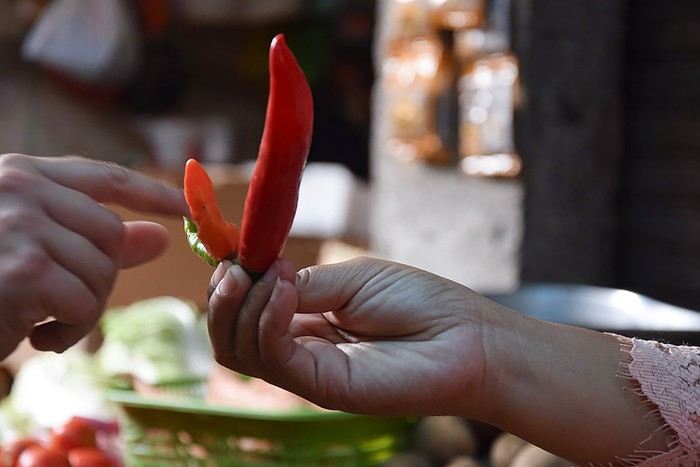
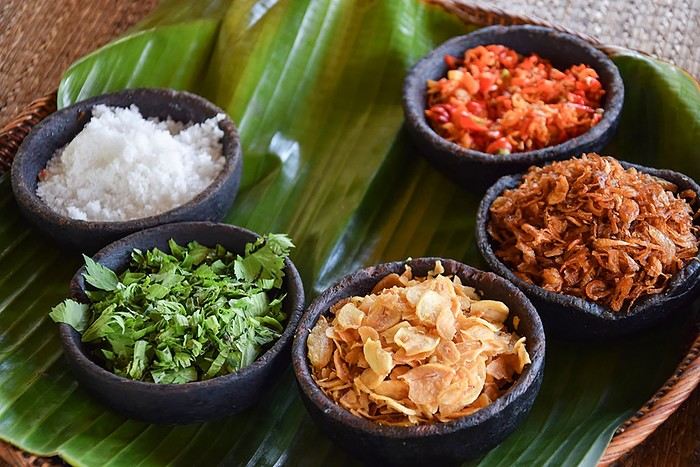
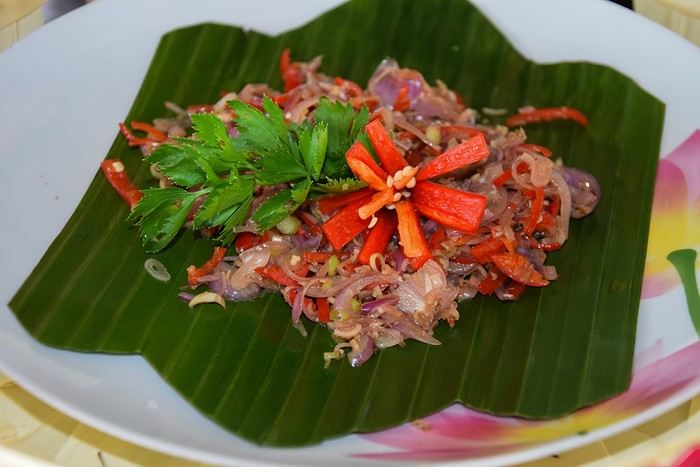
Narrative: In Bali, I took a cooking class. We went to the market to shop with the teacher. We cleaned and prepped the ingredients to make, among other things, a lovely salad.
...........................................................................
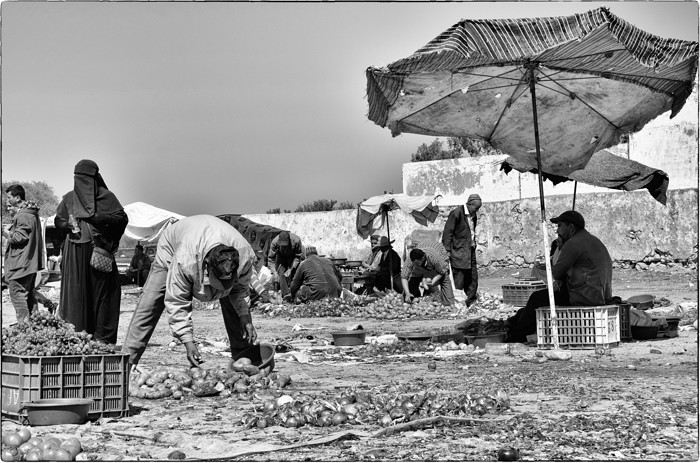
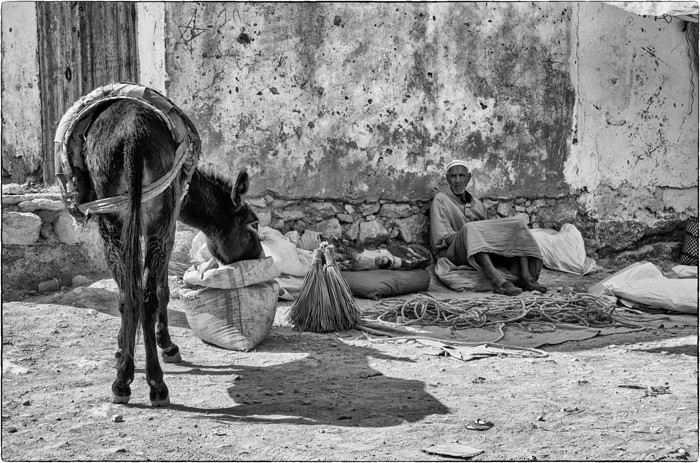
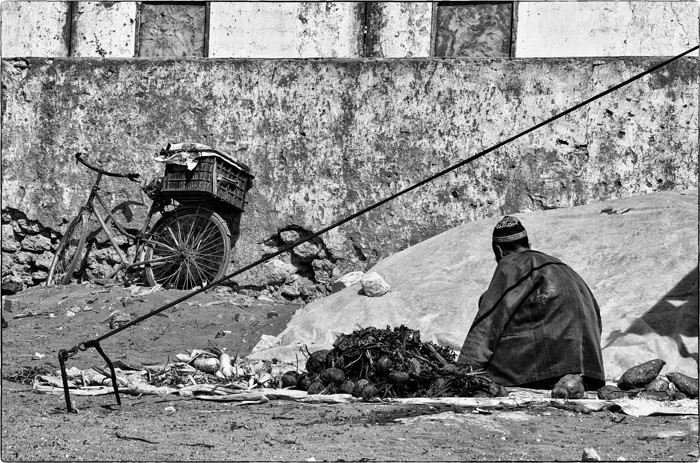
Narrative and thematic: I really loved this place 30 km from Essaouira. A little souk "just as it is," as they say. The souk of Ida Ougourd.
...........................................................................
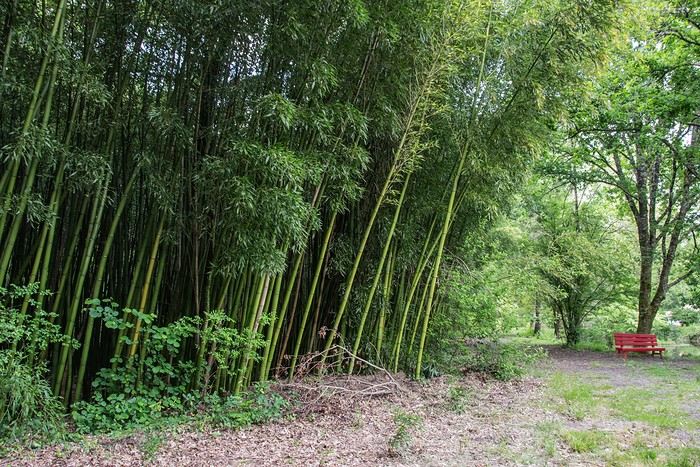
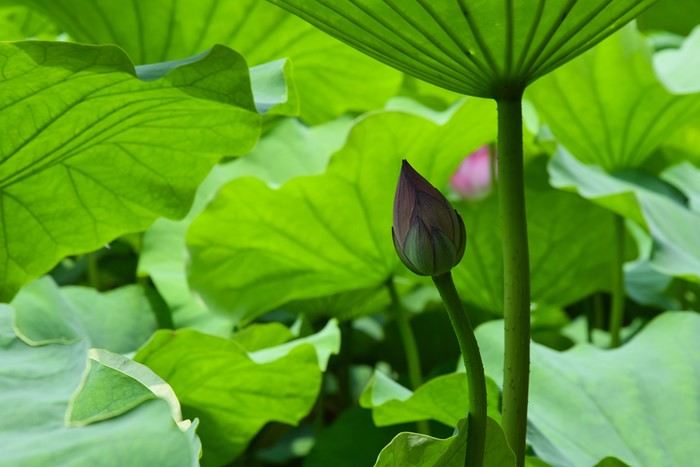
Thematic: Green in nature. The green of tea plantations in Munnar, a bamboo forest in Les Landes, and a park in Tokyo.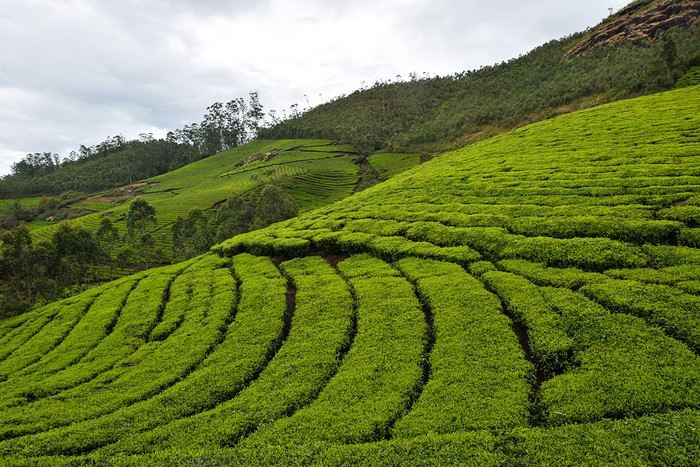
In 3 photos, posted simultaneously in the same message, I’d like you to tell me a little story with a few words. You’re allowed 2 series.
They can be narrative or thematic. For example: 3 shots representing 3 professions, 3 places of worship, 3 market stalls, 3 trains... the ideas are endless—whether in the same place or in different countries... or 3 images of the same place, photographed from 3 different angles, under 3 different lights... or 3 images where the predominant color is the same... Narrative and theme can, of course, overlap.
Practical details:
Participation Each VF member can submit up to 2 series, until Saturday, June 21 at 11:59 PM Paris time. Each series of 3 photos must be presented in a single message, with its number indicated (series 1, series 2).
Voting: Each VF member can vote for the 3 series they consider the best, based on their own criteria and the theme.
Voting will take place from Saturday, June 21 at midnight until Saturday, June 28 at 11:59 PM Paris time.
The selected series will be ranked in order of preference: - 1st series: 3 points - 2nd: 2 points - 3rd: 1 point
The winner is the author of the series with the most points.
Results will be published on June 29 during the day. In case of a tie, the number of first-place votes will decide. The winner will have the honor of organizing July 2025’s contest.
Photos that have won (1st, 2nd, or 3rd place) in another VF contest are not eligible for this one.
This thread is exclusively for series submitted to the contest. All discussions, comments, and other chatter should take place in this thread.
...................................................................
Narrative: In Bali, I took a cooking class. We went to the market to shop with the teacher. We cleaned and prepped the ingredients to make, among other things, a lovely salad.
...........................................................................
Narrative and thematic: I really loved this place 30 km from Essaouira. A little souk "just as it is," as they say. The souk of Ida Ougourd.
...........................................................................
Thematic: Green in nature. The green of tea plantations in Munnar, a bamboo forest in Les Landes, and a park in Tokyo.
Uzbek notes
The Afrosiyob races through a premature twilight, lashed by a blizzard of thick snow. In the endless gray, a monumental industrial complex occasionally emerges, ghostly. Here and there, in the middle of nowhere, a human silhouette appears (a soldier?), standing motionless by the tracks. On the screen mounted in the middle of the ceiling, a dashing Bollywood cat in vibrant colors writhes in all directions, throwing smoldering glances at a dancer on the verge of fainting. A server moves down the central aisle, offering crepes for sale—ones I suspect are stuffed with ground beef. I’m in Central Asia, in Uzbekistan, somewhere between Bukhara and Samarkand.
I chose the title "notes"—scattered thoughts, rough drafts. I’m not sure what I’ll write, but one thing’s certain: this won’t be a linear travel journal.
And a photo... there must be a photo, so here:
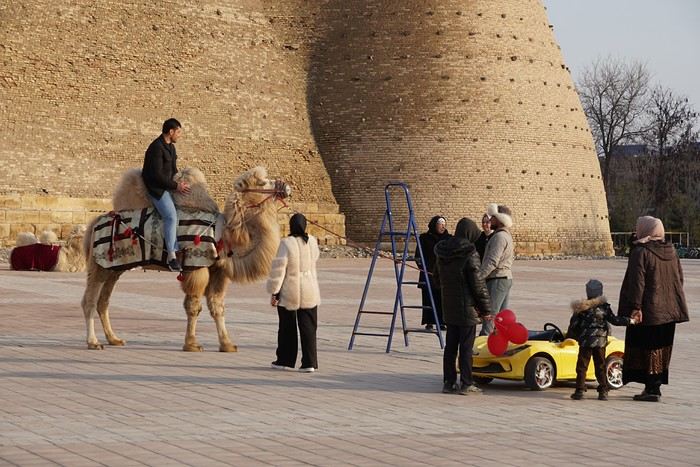
Local tourists between a Bactrian camel and an electric car, in front of ancient walls—it’ll do.
I chose the title "notes"—scattered thoughts, rough drafts. I’m not sure what I’ll write, but one thing’s certain: this won’t be a linear travel journal.
And a photo... there must be a photo, so here:
Local tourists between a Bactrian camel and an electric car, in front of ancient walls—it’ll do.
The Verb That Guides
It’s nighttime and 3 degrees in Tashkent.
Hi there,
Reflection: an act of thought that revisits an object to examine it. The object here is travel (or tourist movement, it doesn’t really matter) and the desire to examine it from the particular angle of the verb that drives it came from reading a sentence by Xrctn in the introduction to his travel journal about Turkmenistan.
Part of that strange category of travelers who like ticking boxes...
Ticking I have no idea how strange that is—I actually get the impression it might be pretty common when I see the diverse mix of trips some people here take. But maybe it’s a different approach that drives these compulsive travelers.
Still, it wouldn’t even occur to me. What does it add?
Connecting Or chaining, assembling, linking. These are my verbs. If I can’t do it—either because finances are tight (I live in one of Europe’s pigsties—a PIIGS country, where the virtuous northern barbarians sent the G&S troika to "nurse us back to health" through austerity, making it all the more pleasant to spend every summer among civilized folks on the terrace of my little white house in Kalymnos overlooking the Aegean), or because I’ve chosen a tricky, unstable direction (Lebanon had to be canceled in summer 2006, Syria too, and Iran right now)—I don’t really feel like traveling. I might just tag along to be nice, but it doesn’t mean anything to me.
If I think about the need behind my verbs—this continuous, meticulous, patient way of traveling—it’s about stripping away sudden, artificial exoticism, weaving small, successive changes, and feeling the presence of the knots too. About understanding, integrating something a little different from the image on a screen.
And you? What’s your guiding verb?
Catherine
Hi there,
Reflection: an act of thought that revisits an object to examine it. The object here is travel (or tourist movement, it doesn’t really matter) and the desire to examine it from the particular angle of the verb that drives it came from reading a sentence by Xrctn in the introduction to his travel journal about Turkmenistan.
Part of that strange category of travelers who like ticking boxes...
Ticking I have no idea how strange that is—I actually get the impression it might be pretty common when I see the diverse mix of trips some people here take. But maybe it’s a different approach that drives these compulsive travelers.
Still, it wouldn’t even occur to me. What does it add?
Connecting Or chaining, assembling, linking. These are my verbs. If I can’t do it—either because finances are tight (I live in one of Europe’s pigsties—a PIIGS country, where the virtuous northern barbarians sent the G&S troika to "nurse us back to health" through austerity, making it all the more pleasant to spend every summer among civilized folks on the terrace of my little white house in Kalymnos overlooking the Aegean), or because I’ve chosen a tricky, unstable direction (Lebanon had to be canceled in summer 2006, Syria too, and Iran right now)—I don’t really feel like traveling. I might just tag along to be nice, but it doesn’t mean anything to me.
If I think about the need behind my verbs—this continuous, meticulous, patient way of traveling—it’s about stripping away sudden, artificial exoticism, weaving small, successive changes, and feeling the presence of the knots too. About understanding, integrating something a little different from the image on a screen.
And you? What’s your guiding verb?
Catherine
St. Lucia and iSimangaliso: Stories from Different Trips
Hello there,

As mentioned in the title, this is a travel journal focused on St. Lucia and iSimangaliso ("this place is miraculous" in Zulu) over various trips spanning about twenty years.
The Elephant Coast stretches from Hluhluwe Umfolozi, through St. Lucia and iSimangaliso, all the way to the Mozambique border near Kosi Bay and Tembe. This region was conquered by the Zulus (for context, in the 19th century, the Zulus were just one Bantu group among many—it was a local Napoleon, Shaka, who was both cruel and inventive, conquering and subjugating all other groups to form the Zulu nation). The Tonga were the big losers in this area, and a certain "animosity" is still very noticeable... With our two guides (one Zulu and the other Tonga), we ran into some Tonga folks—definitely not a warm atmosphere. The Tonga were pushed back into the marshes. Fish traps are their main source of wealth. (iSimangaliso is a lagoon and marshland area with several interconnected lakes—it used to be called Vetland Park, and for good reason.) So, lakes, fishing with fish traps...
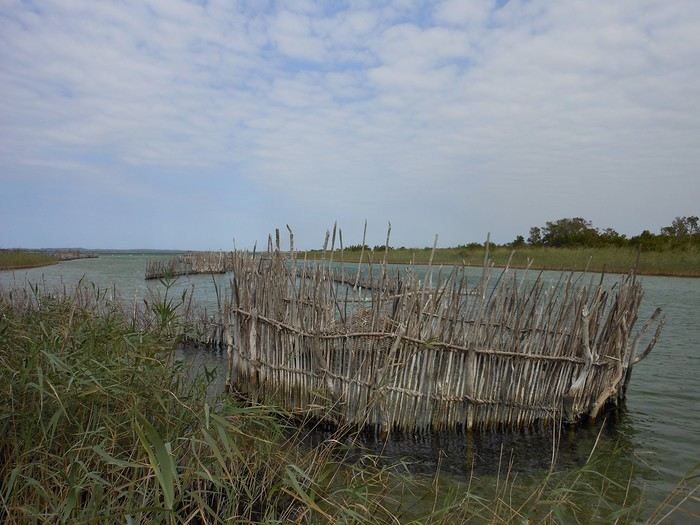
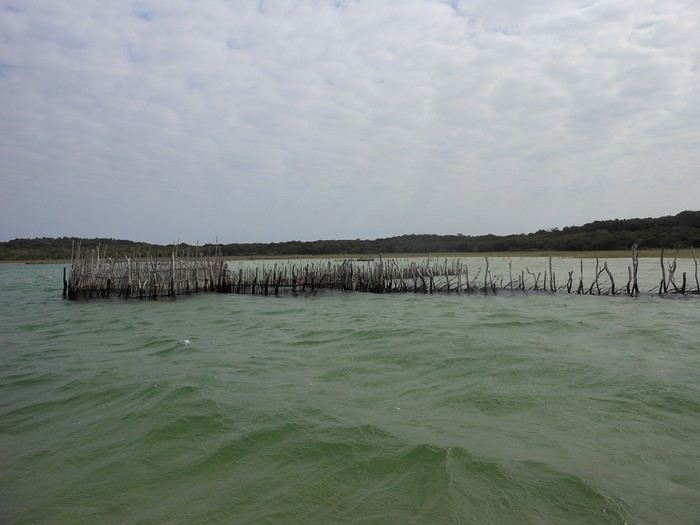
Traditionally done with raffia boats
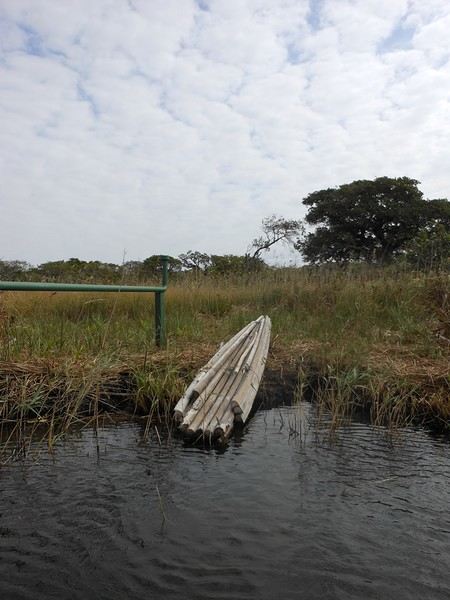
Made from forest raffia
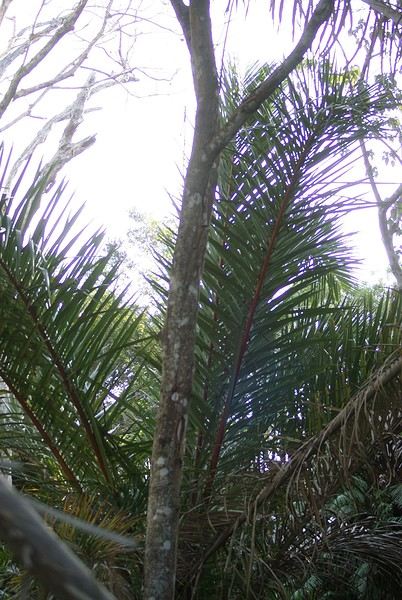
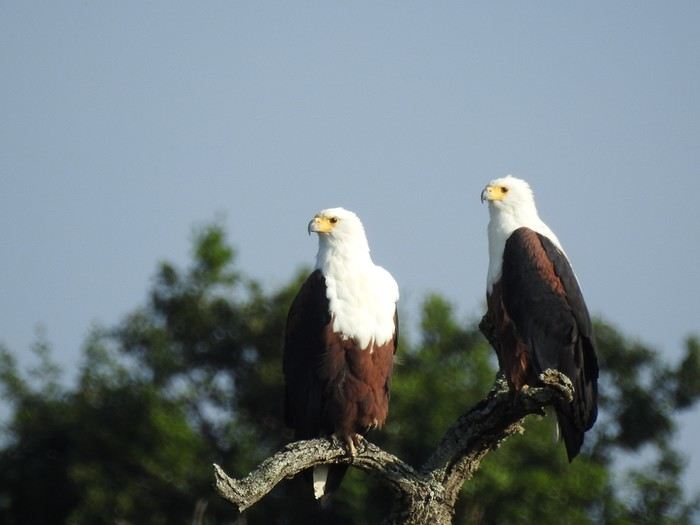
Where we spotted a particularly rare and endemic bird (whose name I can’t remember... and I can’t be bothered to dig through my notes)
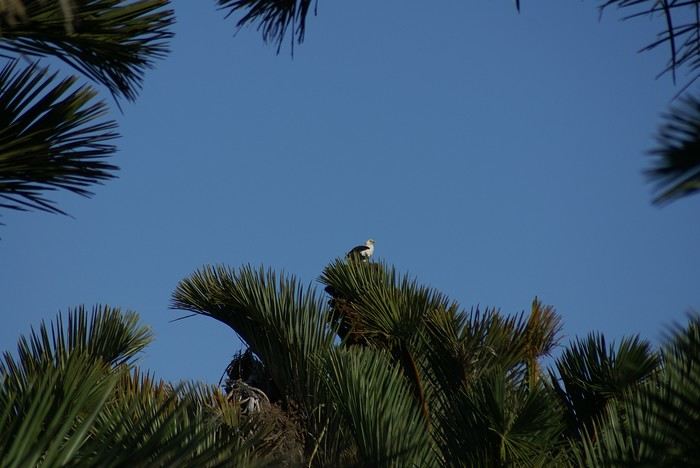 Here, those are eagles
And they’re pretty brave because... they’re not far away...
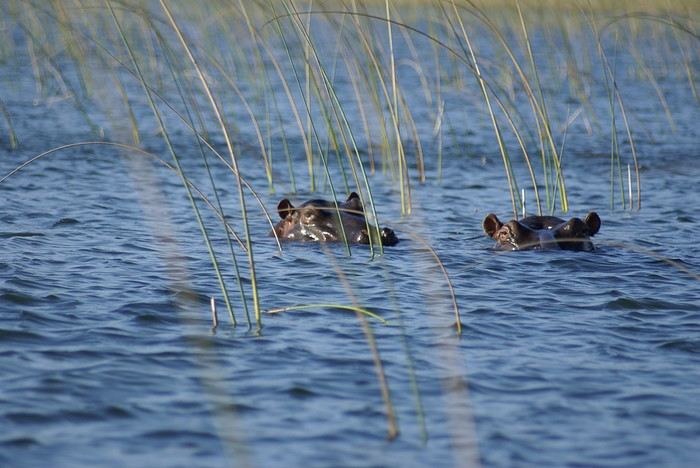
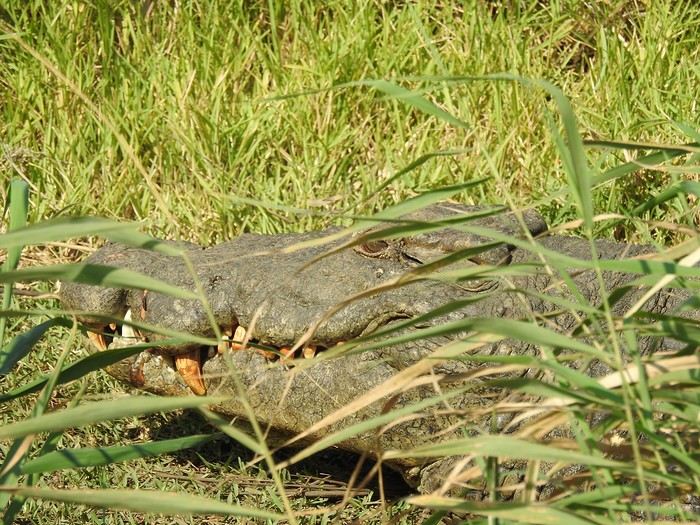
Yet we still swim there... with supervision...
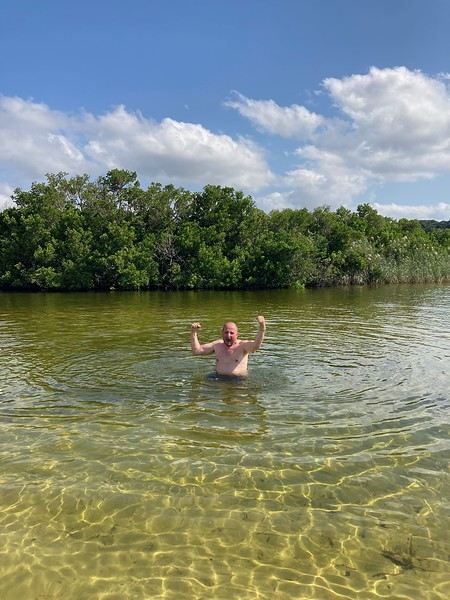
So, between St. Lucia and Mozambique, you’ll find marshes, lagoons, lakes, and coastline, with our Tonga friends, Zulu friends, and—just a bit further up—the Tembe... and their king. (I’m showing off a bit because I got to see a king up close, ate in the same room as him, and even talked to him!)
Originally, the Boers tried to farm there... including sugarcane...
But... between the hippos, snakes, crocs, and malaria-carrying mosquitoes... They lost count of the deaths and disappearances.
The story goes that when Madiba (Mandela) came to power, he passed through the area and convinced them to turn it into a natural space that would attract tourists—and that’s when the big change happened.
And it’s pretty incredible to see how this place has evolved, going from extreme poverty to a certain level of gentrification... How this once "chaotic" area saw shops, roads, and housing spring up (I’m mainly talking about Mtubatuba, the nearby Black town). In fact, in St. Lucia now, the homes that aren’t tourist accommodations can be counted on one hand.
St. Lucia has become a "seaside resort"... very busy during school holidays and certain weekends, increasingly cosmopolitan (20 years ago, speaking French was exotic—now it’s completely ordinary).
As mentioned in the title, this is a travel journal focused on St. Lucia and iSimangaliso ("this place is miraculous" in Zulu) over various trips spanning about twenty years.
The Elephant Coast stretches from Hluhluwe Umfolozi, through St. Lucia and iSimangaliso, all the way to the Mozambique border near Kosi Bay and Tembe. This region was conquered by the Zulus (for context, in the 19th century, the Zulus were just one Bantu group among many—it was a local Napoleon, Shaka, who was both cruel and inventive, conquering and subjugating all other groups to form the Zulu nation). The Tonga were the big losers in this area, and a certain "animosity" is still very noticeable... With our two guides (one Zulu and the other Tonga), we ran into some Tonga folks—definitely not a warm atmosphere. The Tonga were pushed back into the marshes. Fish traps are their main source of wealth. (iSimangaliso is a lagoon and marshland area with several interconnected lakes—it used to be called Vetland Park, and for good reason.) So, lakes, fishing with fish traps...
Traditionally done with raffia boats
Made from forest raffia
Where we spotted a particularly rare and endemic bird (whose name I can’t remember... and I can’t be bothered to dig through my notes)
Here, those are eagles
And they’re pretty brave because... they’re not far away...
Yet we still swim there... with supervision...
So, between St. Lucia and Mozambique, you’ll find marshes, lagoons, lakes, and coastline, with our Tonga friends, Zulu friends, and—just a bit further up—the Tembe... and their king. (I’m showing off a bit because I got to see a king up close, ate in the same room as him, and even talked to him!)
Originally, the Boers tried to farm there... including sugarcane...
But... between the hippos, snakes, crocs, and malaria-carrying mosquitoes... They lost count of the deaths and disappearances.
The story goes that when Madiba (Mandela) came to power, he passed through the area and convinced them to turn it into a natural space that would attract tourists—and that’s when the big change happened.
And it’s pretty incredible to see how this place has evolved, going from extreme poverty to a certain level of gentrification... How this once "chaotic" area saw shops, roads, and housing spring up (I’m mainly talking about Mtubatuba, the nearby Black town). In fact, in St. Lucia now, the homes that aren’t tourist accommodations can be counted on one hand.
St. Lucia has become a "seaside resort"... very busy during school holidays and certain weekends, increasingly cosmopolitan (20 years ago, speaking French was exotic—now it’s completely ordinary).
Visiting Martinique and Guadeloupe in 15 days
Hi everyone,
I bought tickets for Martinique in April 2025 for 15 days, without really looking into what there was to do, and with the idea in my head that we could: hike, do water activities, swim, visit rum distilleries...
But... I’m worried I’ll get bored over 15 days and I’m considering maybe spending 1 week in Guadeloupe and 1 week in Martinique. For example, I don’t know how to spend a whole afternoon at the beach. 2 hours, max.
I know it’s a personal question and depends on how you travel, but I’d love to hear your thoughts if you’ve done it: - Did you feel too rushed? - Is it reasonable to do? - How much time would you spend on each island?
I’m open to all your comments.
Thanks so much.
Have a lovely afternoon! :)
I bought tickets for Martinique in April 2025 for 15 days, without really looking into what there was to do, and with the idea in my head that we could: hike, do water activities, swim, visit rum distilleries...
But... I’m worried I’ll get bored over 15 days and I’m considering maybe spending 1 week in Guadeloupe and 1 week in Martinique. For example, I don’t know how to spend a whole afternoon at the beach. 2 hours, max.
I know it’s a personal question and depends on how you travel, but I’d love to hear your thoughts if you’ve done it: - Did you feel too rushed? - Is it reasonable to do? - How much time would you spend on each island?
I’m open to all your comments.
Thanks so much.
Have a lovely afternoon! :)
The Extraordinary Painted-House Village of Tam Thanh near Hoi An
Imagine a peaceful fishing village, completely transformed by artists who worked their magic on the walls of 100 residential houses. That’s the remarkable story of the Tam Thanh mural village in Quang Nam province. Once similar to many other coastal villages in the area, it now firmly stands out on the tourist map for a day trip from Hoi An.
In the summer of 2016, Tam Thanh was selected by a Korean-Vietnamese joint project called Art For A Better Community. The village was chosen to be their blank canvas, inspired by the success of mural villages in Korea. The project aimed to make Tam Thanh the first painted village of its kind in Vietnam.
The joint project included five Korean artists and seven Vietnamese artists, along with local volunteers. They aimed to show Vietnamese people that art could be part of everyday life, no matter where you stand in society. The effort began with about three weeks of wall washing, followed by painting the walls of over 100 residents' houses.
The project was a success, and the village came alive with the paintings. The entire village is now a breathtaking gallery just waiting to be explored. The murals capture the life and soul of the village—from young children playing to fishermen in the ocean. A mix of fantastic pieces offers stunning backdrops for photos.
The painted art around the town didn’t just have a visual impact; it also had a social one. The village itself was chosen not only for the layout of the houses but also to contribute to economic development opportunities in Tam Thanh. Tourists now visit the once-overlooked village, creating more income for locals and making it a successful "art for a cause" project. For example, an entrepreneurial resident who owned a small local café invested 1,000,000 VND ($390 USD) in a sugarcane press a week before the paintings were completed. Sugarcane juice vendors then multiplied with the growth of tourism (5,000 VND - $0.20 USD).
Walking down the village’s single street, it’s common to find locals selling refreshments and handmade crafts. In one house in particular, a tailor and his family are painted on an outer wall with incredible detail. The family started selling tote bags decorated by their young daughter. The asking price for the bags is 100,000 VND ($4 USD). If you’re looking for a way to support the village’s economy, this is it. Since there’s no middleman here, you can be sure your money goes directly to the community.
Since the project’s completion, two other villages in the province have now been painted. The new mural villages were created with different local Vietnamese artists to raise awareness about each community’s issues. Tam Hai Island was redecorated to highlight the serious waste problem the population faces due to the lack of treatment plants. Another village on An Binh Island was painted to raise awareness among locals and tourists about the importance of environmental protection.
How to get there
Route No. 1: Cross the large Cua Dai bridge. Once you’ve crossed it, continue onto Duong 129/Duong Ven Bien. Stay on this road for 33 kilometers. Upside: this route has light traffic, no traffic lights, and no trucks or buses. It’s a great direct route to the village but offers little to see. You’ll eventually reach a crossroads. Turn right toward Tam Ky town, while the left will take you toward the mural village; stay on Road 608 as it turns twice before reaching a bridge. Cross the bridge, and you’ll arrive at Thanh Nien Road. Finally, turn right to reach the village. This route takes about an hour.
Route #2: Cross the large Cua Dai bridge. Once you’ve crossed it, continue onto Duong 129/Duong Ven Bien. Stay on this road for 12 kilometers, then turn left onto Road 613, where you’ll continue for 1.5 kilometers until you reach Thanh Nien Road. Finally, turn right and drive 23 kilometers to the painted village. For most of the trip, taking Thanh Nien Road will take you through a much more local part of the region. The journey takes about an hour and a half.
Naples, à moitié déçu... English translation pending
Bonjour à tous,
Me voilà revenu de Naples. Je ne savais pas où partager mon ressenti, les forums de Tripadvisor et du Routard semblent morts. J'espère qu'ici j'aurais des retours.
Grand amoureux de l'Italie, et surtout grand lecteur, je me suis rendu cette année à Naples pour la première fois. Autant vous dire que de Stendhal, à Goethe, en passant par Lamartine, Dumas ou plus récemment Jean-Noël Schifano, Naples me faisait "littéralement" rêver.
En ce qui me concerne, je suis un jeune qui tend vers la trentaine. Je parle encore mal l'italien, mais suffisamment assez pour maintenir de petites discussions, manger au restaurant, commander, ou comprendre ce qu'on me dit.
J'ai longtemps hésité avant d'aller à Naples avec tout ce qu'on pouvait lire sur Internet et dans les guides. Je ne suis pas du genre à m'habiller touriste. J'aime les beaux vêtements, même à l'étranger. Et emporter mon appareil photo ne me rassurait guère.
Arrivé sur place je me suis rendu compte que sur ce point tout était faux. Les jeunes napolitains aiment d'autant plus les beaux vêtements. Je n'ai pas compté le nombre de Balenciaga aux pieds des jeunes filles du Quartier Espagnol. Naples n'est pas plus, ni moins dangereuse que Paris. J'y rentrai tard le soir (avant minuit tout de même) entre les courses nocturnes de scooters sans que je sois embêté. J'ai néanmoins trouvé le centre historique et les alentours de la gare un peu plus suspects le soir. Certainement car ce sont des passages touristiques dans lesquels il est plus facile d'y repérer le touriste
Sur la question de l'insalubrité, même constat que le point précédent. Les Quartiers Espagnols et Rione Sanità sont étonnement propres comparés au centre historique, aux alentours de la gare, ou encore du Longomare qui pour le coup était vraiment sale. Mais ayant voyagé dans d'autres pays, ce n'est pas ce qui a retenu mon attention. De toute façon, j'étais prévenu. A titre de comparaison, Rome est une réelle déchetterie ! J'ai visité des capitales pauvres, et pourtant impeccables. Mais ce n'est pas le sujet
Nous arrivons aux points qui m'ont déçus. Mes amis m'ont vendu Naples comme "la ville la plus chaleureuse d'Italie" dans laquelle "Je me ferai des amis". J'ai personnellement jamais été aussi mal accueilli dans cette ville. Je pensais qu'après un confinement qui a fait du mal à l'Italie, et qu'en l'absence de plus de la moitié des touristes extra-européens, ils seraient "heureux" de me recevoir au restaurant. Pourtant, à chaque fois j'avais l'impression de déranger. On me poussait vers la sortie alors que le restaurant était vide à 12h, on ne faisait pas l'effort de me parler ni de me comprendre. J'étais souvent servi en dernier après les locaux
De même, en ce qui concerne l'amabilité générale, c'est l'unique ville d'Italie où je n'ai rencontré personne. J'ai été perdu une fois au début de mon voyage, j'ai du demander 5 fois avant que quelqu'un m'indique le chemin. Par chance, c'était une française expatriée ! Les autres se détournaient, et pourtant je demandais en Italien.
J'ai longtemps rêvé de Naples, d'y rencontrer ses gens, de pratiquer mon italien, de partager un café, de parler à un pêcheur, de faire le tour de la ville avec un local. Et me voilà rentré bredouille
J'ai certainement généralisé, mais sur toutes les villes que j'ai visité, c'est la première fois que ça m'arrive. J'aimerais y retourner néanmoins, j'ai beaucoup aimé l’atmosphère, les paysages, et surtout essayer de rencontrer 1 ou 2 napolitains. Je ne sais pas s'il existe des associations de bénévolat ou des choses similaires où je pourrai rencontrer du monde, je vais essayer de me renseigner
Que pensez-vous des napolitains, pour ceux qui y sont allés ? Peut-être que des gens y vivent ? Ou mieux, des napolitains seraient présents sur ce forum ?
Peut être que je n'ai juste pas eu de chance cette fois-ci, mais le ressenti était général, l'ambiance était "froide"...
Me voilà revenu de Naples. Je ne savais pas où partager mon ressenti, les forums de Tripadvisor et du Routard semblent morts. J'espère qu'ici j'aurais des retours.
Grand amoureux de l'Italie, et surtout grand lecteur, je me suis rendu cette année à Naples pour la première fois. Autant vous dire que de Stendhal, à Goethe, en passant par Lamartine, Dumas ou plus récemment Jean-Noël Schifano, Naples me faisait "littéralement" rêver.
En ce qui me concerne, je suis un jeune qui tend vers la trentaine. Je parle encore mal l'italien, mais suffisamment assez pour maintenir de petites discussions, manger au restaurant, commander, ou comprendre ce qu'on me dit.
J'ai longtemps hésité avant d'aller à Naples avec tout ce qu'on pouvait lire sur Internet et dans les guides. Je ne suis pas du genre à m'habiller touriste. J'aime les beaux vêtements, même à l'étranger. Et emporter mon appareil photo ne me rassurait guère.
Arrivé sur place je me suis rendu compte que sur ce point tout était faux. Les jeunes napolitains aiment d'autant plus les beaux vêtements. Je n'ai pas compté le nombre de Balenciaga aux pieds des jeunes filles du Quartier Espagnol. Naples n'est pas plus, ni moins dangereuse que Paris. J'y rentrai tard le soir (avant minuit tout de même) entre les courses nocturnes de scooters sans que je sois embêté. J'ai néanmoins trouvé le centre historique et les alentours de la gare un peu plus suspects le soir. Certainement car ce sont des passages touristiques dans lesquels il est plus facile d'y repérer le touriste
Sur la question de l'insalubrité, même constat que le point précédent. Les Quartiers Espagnols et Rione Sanità sont étonnement propres comparés au centre historique, aux alentours de la gare, ou encore du Longomare qui pour le coup était vraiment sale. Mais ayant voyagé dans d'autres pays, ce n'est pas ce qui a retenu mon attention. De toute façon, j'étais prévenu. A titre de comparaison, Rome est une réelle déchetterie ! J'ai visité des capitales pauvres, et pourtant impeccables. Mais ce n'est pas le sujet
Nous arrivons aux points qui m'ont déçus. Mes amis m'ont vendu Naples comme "la ville la plus chaleureuse d'Italie" dans laquelle "Je me ferai des amis". J'ai personnellement jamais été aussi mal accueilli dans cette ville. Je pensais qu'après un confinement qui a fait du mal à l'Italie, et qu'en l'absence de plus de la moitié des touristes extra-européens, ils seraient "heureux" de me recevoir au restaurant. Pourtant, à chaque fois j'avais l'impression de déranger. On me poussait vers la sortie alors que le restaurant était vide à 12h, on ne faisait pas l'effort de me parler ni de me comprendre. J'étais souvent servi en dernier après les locaux
De même, en ce qui concerne l'amabilité générale, c'est l'unique ville d'Italie où je n'ai rencontré personne. J'ai été perdu une fois au début de mon voyage, j'ai du demander 5 fois avant que quelqu'un m'indique le chemin. Par chance, c'était une française expatriée ! Les autres se détournaient, et pourtant je demandais en Italien.
J'ai longtemps rêvé de Naples, d'y rencontrer ses gens, de pratiquer mon italien, de partager un café, de parler à un pêcheur, de faire le tour de la ville avec un local. Et me voilà rentré bredouille
J'ai certainement généralisé, mais sur toutes les villes que j'ai visité, c'est la première fois que ça m'arrive. J'aimerais y retourner néanmoins, j'ai beaucoup aimé l’atmosphère, les paysages, et surtout essayer de rencontrer 1 ou 2 napolitains. Je ne sais pas s'il existe des associations de bénévolat ou des choses similaires où je pourrai rencontrer du monde, je vais essayer de me renseigner
Que pensez-vous des napolitains, pour ceux qui y sont allés ? Peut-être que des gens y vivent ? Ou mieux, des napolitains seraient présents sur ce forum ?
Peut être que je n'ai juste pas eu de chance cette fois-ci, mais le ressenti était général, l'ambiance était "froide"...
"Bashing" sur Cuba English translation pending
Depuis plusieurs mois on assiste sur les réseaux sociaux, les guides de voyage à une attaques politiques systématiques de CUBA. Cela correspond à une stratégie menée par les US contre Cuba.
Le forum Cuba d'un guide de voyage français bien connu a été envahi par un quarteron d'internautes avec la création de plusieurs pseudos qui publient tous les jours des traductions de textes édités à Miami par des Opposants. La dérive de ce forum a fait fuir les internautes se connectant pour obtenir des informations de voyage. Il ne tourne plus qu'avec 4 interlocuteurs
Notre forum semble pour l'instant est à l'abri de ce Bashing , mais soyons vigilant pour garder son rôle d'informations touristiques
Notre forum semble pour l'instant est à l'abri de ce Bashing , mais soyons vigilant pour garder son rôle d'informations touristiques
Société très fiable pour nous faire découvrir l'île Maurice English translation pending
bonjour nous allons a flic en flac en janvier
nous cherchons une societe tres fiable et de confiance pour nous faire decouvrir l ile maurice sans etre arnaque
La route des Grandes Alpes à vélo English translation pending
Bonjour a tous
Voici le récit et quelques photos du pari fou (mais réussi) d'un Breton dans les Alpes.
Réaliser la traversée des Alpes de Thonon les Bains à Nice sur 780 kilomètres et 17000 mètres de dénivelé positif en vélo de voyage et en semi-autonomie !
Il s'agit de la route officielle de la traversée des Grandes Alpes que j'ai suivie avec un guide papier et en 11 jours.
https://deconcarneauavelobiensur.blogspot.com/p/voyage-sur-la-route-des-grandes-alpes.html
https://deconcarneauavelobiensur.blogspot.com/p/voyage-sur-la-route-des-grandes-alpes.html
La Bolivie, un voyage riche en émotions! English translation pending
Bonjour à tous,
Ce carnet, je ne pensais pas le rédiger, à mon retour de Bolivie. Certains d’entre vous le savent d’ailleurs. Trop amère, trop choquée.
Et puis heureusement, le temps fait son affaire et estompe les mauvais souvenirs pour laisser principalement les bons. Rédiger ce carnet m’aide aussi je pense à tourner la page sur certains (très) mauvais moments, quand bien même ils datent déjà de huit mois. Certains épisodes auront été riches en émotions….
La Bolivie, j’en rêvais depuis plusieurs années. Envie de grands espaces, de nature, de kaléidoscope coloré. Envie de voir des lamas, des viscaches, des vigognes, des condors. Envie de voir les lagunes, LE salar, les couleurs du désert de Dali. Envie de découvrir l’Amérique du Sud et ce pays encore peu prisé des touristes. Envie de réaliser ce voyage tel que nous le pouvons sans nos enfants : peu de réservations d’hôtels, du camping sauvage et un itinéraire décidé pour les grandes étapes mais ajusté au jour le jour selon nos coups de cœur.
Les carnets lus au fil des mois confirmaient que le Sud Lipez reste accessible en individuel et autonome, même s’il est évidemment préférable de voyager à deux voitures. Mes beaux-parents acceptant de venir garder nos fils quelques jours avant le début des vacances scolaires de la Toussaint, je commence à organiser dès le mois de mai un périple de 16 jours entiers sur place. Depuis plusieurs mois, je m’étais forgé un début d’itinéraire selon ces différents critères :
J’exclus La Paz. Nous visiterons la capitale lors d’un futur voyage au Pérou où nous ajouterons quelques étapes nord-boliviennes. Je choisis d’atterrir à Santa Cruz de la Sierra avant de reprendre dans la foulée un avion pour Sucre. En effet, notre loueur de voiture, Biz Rent a Car, est situé à Sucre et a bonne réputation sur forum, notamment grâce à l’une des employées, Alejandra et sa maîtrise du français. Je prévois la majorité de notre temps dans le Sud Lipez afin de pouvoir admirer notamment les lagunes et le salar. Le carnet d’AirOne me donne envie de découvrir Tajira, région viticole et par conséquent plus verdoyante que le Sud Lipez désertique. Je réserve auprès de Vicente deux nuits dans sa ferme-auberge à Rosillas et un trek d’une journée permettant d’observer les condors Difficultés d’acclimatation liées à l’altitude : ne pas atterrir à La Paz permet déjà d’éviter une mise dans le bain d’entrée à 3600 mètres. Il sera plus aisé d’atterrir à Santa Cruz (416 mètres) et même Sucre (2750 mètres), d’autant que nous prévoyons de partir rapidement sur la région de Tajira (1900 mètres).
L’Amérique du Sud offrant plusieurs pays nous attirant depuis quelques années, mon mari a commencé à apprendre l’espagnol deux ans auparavant. Heureusement, car nous n’avons rencontré que très peu de Boliviens parlant (un peu) l’anglais. Comme beaucoup de voyageurs, nous avions téléchargé des cartes sous Maps.me qui une fois stockées sur les téléphones permettent de circuler sans accès au réseau.
J’apprends dans le courant de l’été 2019 que les élections présidentielles auront lieu pendant notre séjour. Soit ! Ce ne sera pas notre premier voyage en pleine campagne présidentielle. Au départ, je n’y prête pas tellement attention. Et puis fin août, Carmen (Ticapi) m’apprend qu’il sera interdit de circuler lors du premier tour des élections, le dimanche 20 octobre. Après consultation de mon ébauche d’itinéraire, nous avions justement prévu de repartir ce jour-là de Rosillas pour rejoindre Tupiza avant d’enchaîner sur le Sud Lipez. Avec seize jours sur place, nous n’avions pas envie de « perdre » une journée à Rosillas et reporter notre départ d’une journée. Il était également difficile de prévoir le trek le dimanche 20 car Vincent nous a précisé qu’en raison des élections, les villageois ne seraient pas disponibles pour faire office de guide dans la montagne. Il nous fallait trouver un endroit où nous pourrions passer la journée entière sans utiliser la voiture. Pas si simple. Alors finalement, plutôt qu’entamer notre séjour par Rosillas, cette étape sera la dernière de notre voyage. Nous devons atterrir à Sucre le matin du mercredi 17 et je prévois d’y séjourner deux jours. Direction ensuite Tupiza puis Guadalupe et enfin la laguna Celeste où nous resterons la fameuse journée des élections présidentielles à randonner dans les environs. Ça, c’était le programme initial. Ça ne s’est pas tout à fait déroulé ainsi !
Allez, quelques photos pour, peut-être, vous donner envie de poursuivre la lecture de ce carnet 🙂
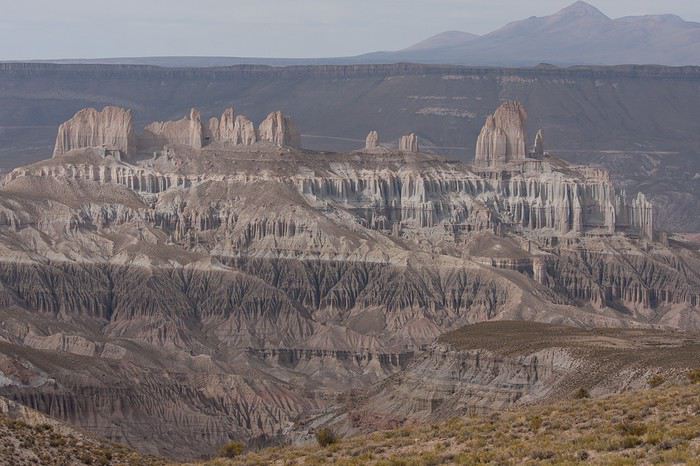
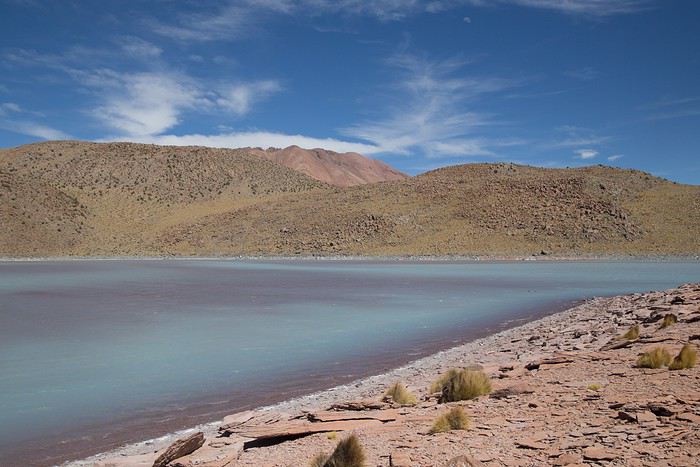
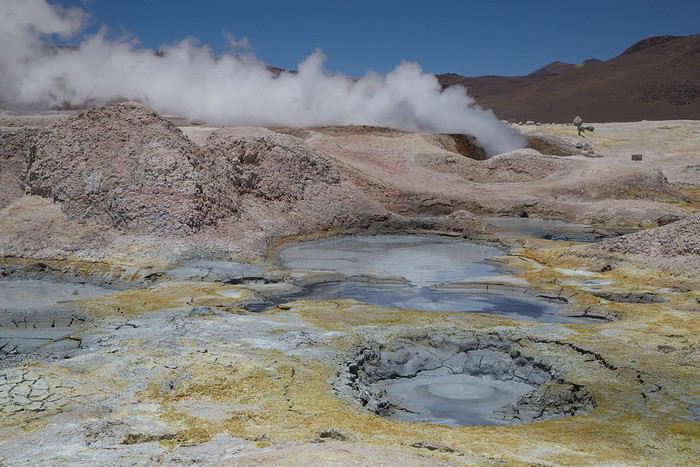
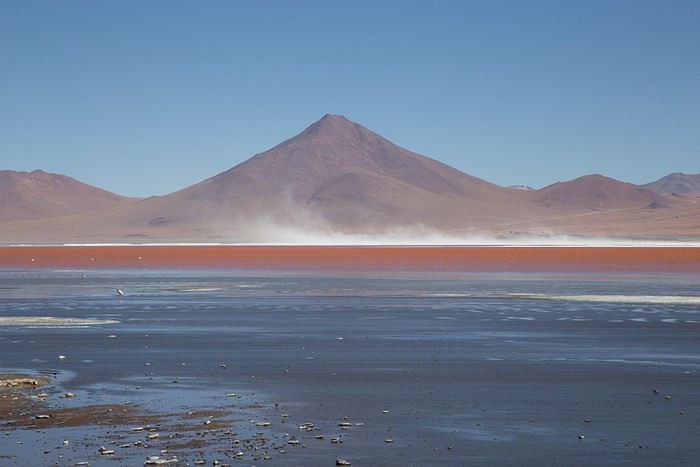
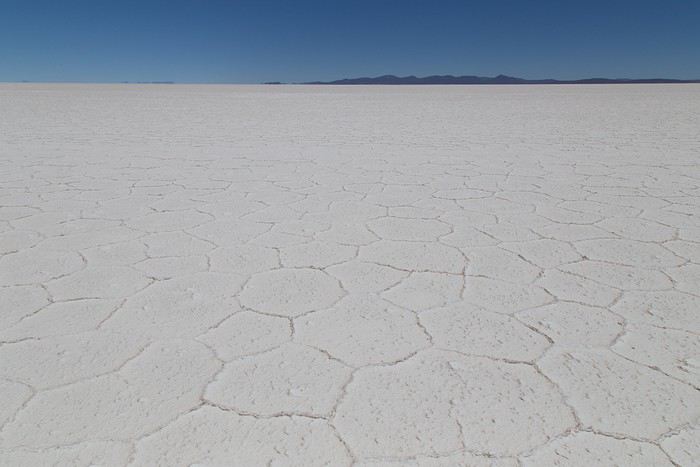
Et puis heureusement, le temps fait son affaire et estompe les mauvais souvenirs pour laisser principalement les bons. Rédiger ce carnet m’aide aussi je pense à tourner la page sur certains (très) mauvais moments, quand bien même ils datent déjà de huit mois. Certains épisodes auront été riches en émotions….
La Bolivie, j’en rêvais depuis plusieurs années. Envie de grands espaces, de nature, de kaléidoscope coloré. Envie de voir des lamas, des viscaches, des vigognes, des condors. Envie de voir les lagunes, LE salar, les couleurs du désert de Dali. Envie de découvrir l’Amérique du Sud et ce pays encore peu prisé des touristes. Envie de réaliser ce voyage tel que nous le pouvons sans nos enfants : peu de réservations d’hôtels, du camping sauvage et un itinéraire décidé pour les grandes étapes mais ajusté au jour le jour selon nos coups de cœur.
Les carnets lus au fil des mois confirmaient que le Sud Lipez reste accessible en individuel et autonome, même s’il est évidemment préférable de voyager à deux voitures. Mes beaux-parents acceptant de venir garder nos fils quelques jours avant le début des vacances scolaires de la Toussaint, je commence à organiser dès le mois de mai un périple de 16 jours entiers sur place. Depuis plusieurs mois, je m’étais forgé un début d’itinéraire selon ces différents critères :
J’exclus La Paz. Nous visiterons la capitale lors d’un futur voyage au Pérou où nous ajouterons quelques étapes nord-boliviennes. Je choisis d’atterrir à Santa Cruz de la Sierra avant de reprendre dans la foulée un avion pour Sucre. En effet, notre loueur de voiture, Biz Rent a Car, est situé à Sucre et a bonne réputation sur forum, notamment grâce à l’une des employées, Alejandra et sa maîtrise du français. Je prévois la majorité de notre temps dans le Sud Lipez afin de pouvoir admirer notamment les lagunes et le salar. Le carnet d’AirOne me donne envie de découvrir Tajira, région viticole et par conséquent plus verdoyante que le Sud Lipez désertique. Je réserve auprès de Vicente deux nuits dans sa ferme-auberge à Rosillas et un trek d’une journée permettant d’observer les condors Difficultés d’acclimatation liées à l’altitude : ne pas atterrir à La Paz permet déjà d’éviter une mise dans le bain d’entrée à 3600 mètres. Il sera plus aisé d’atterrir à Santa Cruz (416 mètres) et même Sucre (2750 mètres), d’autant que nous prévoyons de partir rapidement sur la région de Tajira (1900 mètres).
L’Amérique du Sud offrant plusieurs pays nous attirant depuis quelques années, mon mari a commencé à apprendre l’espagnol deux ans auparavant. Heureusement, car nous n’avons rencontré que très peu de Boliviens parlant (un peu) l’anglais. Comme beaucoup de voyageurs, nous avions téléchargé des cartes sous Maps.me qui une fois stockées sur les téléphones permettent de circuler sans accès au réseau.
J’apprends dans le courant de l’été 2019 que les élections présidentielles auront lieu pendant notre séjour. Soit ! Ce ne sera pas notre premier voyage en pleine campagne présidentielle. Au départ, je n’y prête pas tellement attention. Et puis fin août, Carmen (Ticapi) m’apprend qu’il sera interdit de circuler lors du premier tour des élections, le dimanche 20 octobre. Après consultation de mon ébauche d’itinéraire, nous avions justement prévu de repartir ce jour-là de Rosillas pour rejoindre Tupiza avant d’enchaîner sur le Sud Lipez. Avec seize jours sur place, nous n’avions pas envie de « perdre » une journée à Rosillas et reporter notre départ d’une journée. Il était également difficile de prévoir le trek le dimanche 20 car Vincent nous a précisé qu’en raison des élections, les villageois ne seraient pas disponibles pour faire office de guide dans la montagne. Il nous fallait trouver un endroit où nous pourrions passer la journée entière sans utiliser la voiture. Pas si simple. Alors finalement, plutôt qu’entamer notre séjour par Rosillas, cette étape sera la dernière de notre voyage. Nous devons atterrir à Sucre le matin du mercredi 17 et je prévois d’y séjourner deux jours. Direction ensuite Tupiza puis Guadalupe et enfin la laguna Celeste où nous resterons la fameuse journée des élections présidentielles à randonner dans les environs. Ça, c’était le programme initial. Ça ne s’est pas tout à fait déroulé ainsi !
Allez, quelques photos pour, peut-être, vous donner envie de poursuivre la lecture de ce carnet 🙂
Myanmar un beau voyage au pays des pagodes English translation pending
Un voyage organisé en 16 jours, effectué à une belle période au Myanmar cad janvier-février 2018.
Circuit somme toute classique: Yangoon, lac inle, Bagan, Mandalay
Circuit somme toute classique: Yangoon, lac inle, Bagan, Mandalay
Recette du Mie Goreng à Bali English translation pending
Aujourd'hui, je vous emmène dans les cuisines de Bali pour apprendre à cuisiner le Mie Goreng.
Une recette simple à base de nouilles sautées accompagnées de légumes, d'une petite omelette coupée en lamelles et de morceaux de poulet ou de crevettes.
Le Mie Goreng (Mie signifie nouille) et le Nasi Goreng (Nasi signifie riz) sont deux plats incontournables durant un séjour à Bali.
Bon appétit !
https://www.heleneetlacledeschamps.fr/a-table/mie-goreng-bali/
L'Himalaya indien à vélo et en famille (film 50') English translation pending
Bonjour à tous,
Certains ont peut être déjà vu notre film lors de festivals, ou en version courte. Dans le contexte actuel de confinement, nous venons de mettre en ligne la version longue de ce film relatant notre traversée de l'Himalaya indien, du Spiti au Zanskar (Ladakh), à vélo (en les mettant quelquefois sur des chevaux😉), et avec nos 3 enfants de 5, 9 et 12 ans.
https://youtu.be/ZZZy8ol8Abc
N'hésitez pas, si vous avez des remarques ou des questions. A vos popcorns et bonne visualisation !
Ariane et Seb tsagaventure.com
Certains ont peut être déjà vu notre film lors de festivals, ou en version courte. Dans le contexte actuel de confinement, nous venons de mettre en ligne la version longue de ce film relatant notre traversée de l'Himalaya indien, du Spiti au Zanskar (Ladakh), à vélo (en les mettant quelquefois sur des chevaux😉), et avec nos 3 enfants de 5, 9 et 12 ans.
https://youtu.be/ZZZy8ol8Abc
N'hésitez pas, si vous avez des remarques ou des questions. A vos popcorns et bonne visualisation !
Ariane et Seb tsagaventure.com
Si je vous dis Toulouse, vous pensez à quoi en premier? English translation pending
Bonjour
Suite au succès du fil de Nilsou sur Nantes, ma curiosité me commande de poser la même question pour ma ville natale :
Qu'est ce qu'évoque spontanément Toulouse pour vous ?
Ce petit sondage m'aidera aussi à la préparation d'un site perso sur la ville rose.
Merci d'avance à tous ;)
Voyage de deux mois en Amérique du Sud English translation pending
Bonjour à tous, aficionados du voyage !
Après avoir arpenté 90% de l'europe, je compte partir pour 2 mois en Amérique latine avec ma compagne en 2021.
Je commence à m'intéresser petit à petit à des lieux à visiter et j'aurai comme première ébauche le trajet suivant : Arrivée en Argentine, Buenos Aires passage par Santiago de Chile, remontée jusqu'en Bolivie pour la Paz, finir par le titicaca, Cuzco, Macchu Picchu et retour en France par Lima.
Plusieurs interrogations se posent : Est ce un itinéraire viable sur 2 mois ? 1 mois ? Sur quel tranche de budget devrais je partir hors billets d'avion sur la base de 2 personnes ? Des immanquables a voir sur cette feuille de route ? Des coins insolites ? Quelle période serait la plus propice ? Sur un précédent échange, on m'a dit d'éviter de janvier à mars. Est ce que mars avril mai serait une bonne période ?
On a tout les deux 28 ans, pas fada d'auberges de jeunesse mais on se fiche royalement de dormir dans du super hôtel Vip. On préfère largement le contact local !
Merci par avance pour vos retours !
Après avoir arpenté 90% de l'europe, je compte partir pour 2 mois en Amérique latine avec ma compagne en 2021.
Je commence à m'intéresser petit à petit à des lieux à visiter et j'aurai comme première ébauche le trajet suivant : Arrivée en Argentine, Buenos Aires passage par Santiago de Chile, remontée jusqu'en Bolivie pour la Paz, finir par le titicaca, Cuzco, Macchu Picchu et retour en France par Lima.
Plusieurs interrogations se posent : Est ce un itinéraire viable sur 2 mois ? 1 mois ? Sur quel tranche de budget devrais je partir hors billets d'avion sur la base de 2 personnes ? Des immanquables a voir sur cette feuille de route ? Des coins insolites ? Quelle période serait la plus propice ? Sur un précédent échange, on m'a dit d'éviter de janvier à mars. Est ce que mars avril mai serait une bonne période ?
On a tout les deux 28 ans, pas fada d'auberges de jeunesse mais on se fiche royalement de dormir dans du super hôtel Vip. On préfère largement le contact local !
Merci par avance pour vos retours !
Le voyage culinaire English translation pending
En ces temps de confinement, il devient assez difficile de voyager.
Mais il nous reste encore cependant une façon de voyager : la table !
C'est pourquoi j'ai eu l'idée de cette nouvelle discussion. Vous qui avez voyagé, vous avez très certainement ramené de vos voyages des recettes qui vous ont plu et qu'il vous arrive de refaire chez vous, avec les moyens du bord, parce qu'elles ont ce petit goût inimitable de voyage.
Amis internautes, je vous invite ici à nous faire partager vos meilleures recettes. A vos claviers !
Sur le fleuve (Bénin et Niger) English translation pending
Un petit recit pour essayer de s s'évader un peu
Février 2012
Le bateau avance, silencieux sur le grand fleuve. (s'oubliait très vite le ronron du moteur) . Debout sur la poupe se tient le navigateur. Silencieux lui aussi. Le soleil est déjà bas sur l horizon et au dessus des arbres le ciel devient rose. Sur les berges on devine les villages : par-delà les hautes herbes on aperçoit les toits de chaume des cases, les feux commencent à s allumer et s s'élèvent des fumées blafardes : les femmes cuisinent. Le tout dans une sorte de halo crépusculaire. Nous parvient aussi le murmure des conversations et des rires d d'enfant.
Bien plus tôt dans l après-midi on avait chargé la profonde pirogue, des heures durant. Les sacs de riz s'étaient ajoutés aux sacs de farine et de haricots, puis des planches et tôles ondulées, des moteurs., des générateurs, de l outillage. des moulins électriques.... Les passagers étaient enfin montés . De la berge sur le bateau au moyen d une simple planche, ensuite chacun selon sa forme physique s est trouvé une place. Qui sur les quelques plateformes de bois, passerelles au dessus de la cale. Qui sur les sacs de farine et de grain accumulés jusqu'au plat bord. Chacun jouait le chat agile ou l ours empoté. Voyager sur une pirogue marchande, c'est sportif. Agnès et moi, ourses empotees avons joué la carte du confort en nous coinçant sur les réserves de riz : sièges et dossiers improvisés. Au fur et à mesure des déchargement successifs nous nous retrouverons, au terme du voyage, en fond d d'embarcation.. Comme tous les voyageurs nous avions acheté au marché du ravitaillement..du pain, des œufs durs, des yaourts à boire, des gâteaux, des fruits, des bonbons. On avait mit tout ca dans des seaux colorés à couvercles. Comme tout le monde. Des sachets de "piavatta" aussi , mot béninois pour nommer de la "purewater" . De l eau stérile en sachets souples.
Puis, le bateau chargé, matériel et gens, Il est parti. De longues perches nous ont éloignés du "port", le moteur a été mis en route et vogue la pirogue.
Tres rapidement le petit embarcadère de Malanville a disparu. Le Niger alors nous est apparu . Solide, large, lent. Comme le bateau. Un fleuve en qui on peut faire confiance. Comme au bateau, dirigé par des gens solides et compétents, emportant des marchandises indispensables aux gens des villages du fleuve. Emmenant des passagers gentils, civiques, bien élevés, organisés.
Quelle satisfaction profonde d etre la, après nos hésitations et un ridicule retour à l hotel.... nous hésitions devant cette petite équipée totalement improvisée, juste un nom sur une carte ... et puis nos regards se sont croisés qui disaient la même chose : quels regrets aurions nous, si, ... ? Alors on a bourré notre petit sac de ville de nos papiers, d un slip, d un pull, , d une brosse a dents et d un peigne et hop c'etait parti.
Bonheur total de se retrouver la, glissant sur le Niger, vers cette petite ville écrite en lettres grasses noires sur la carte : karimama. Etre parmi tous ces gens dont nous allions partager un petit bout de vie..
Entre chien et loup la pirogue s est arrêté plusieurs fois, sur une berge ou sur l autre, d un pays a l autre, du Niger au Benin, déchargeant marchandises et voyageurs. Des douaniers bonnasses, avachis sur des fauteuils de camping en plastique, surveillaient du coin de l œil ces déchargements et le petit commerce des femmes qui guettaient la clientèle : Qui vendaient des beignets, qui proposaient des fruits..mangues, cannes a sucre coupées en petits morceaux.
La nuit tombe vite en afrique. Apres quelques minutes d une flamboyance rouge orange violette le soleil d un coup s'est couché .. c est la nuit noire. Nous longeons tantôt la berge béninoise tantôt la berge nigérienne. Toujours en silence la pirogue avance sous un ciel étoilé que nous ne cessons d admirer. Une heureuse conjonction nous fait admirer en même temps la lune et Vénus, le premier astre. Puis les autres apparaissent peu à peu. Noir est le fleuve, noires sont les très hautes herbes des berges, noir est le ciel étincelant d d'étoiles : nous prenons un bain de voie lactée. Dire l'émotion, l impression de paix intérieure, la joie profonde d etre là, sans souci, sans problème, sans rien qui nous dissocie de cette atmosphère pour nous inconnue. Nous nous laissons comme couler sans retenue dans ce bain d d'émotions nouvelles .
A un signal que nous n avons pas perçu, la pirogue change de route et pique vers une des berges. Rien ne se voit ni ne s entend. tout d un coup les herbes noires s'écartent devant le bateau et s ouvrent sur une petite plage ou nous attendent quelques villageois. Certains avec une carriole tirée par un vélo, pour d autres le port de la marchanfise se fera sur la tête. Puis arrive un bel attelage : une carriole tirée par deux beaux zebus. C est au cœur de la nuit une vision irréelle. C est alors de vigoureux échanges entre notre équipage et les villageois. Dans les herbes , à la lueur des lampes électriques, chacun cherche son bien. On se trompe, on réclame, on cherche, on compte et.l on recompte les colis. on s entraide. C est un moment rapide, efficace, musclé (poids des charges) mais joyeux. Puis chacun repart sur un invisible chemin. Les bœufs en tête. Tous sont engloutis dans la végétation brune. Le silence retombe. La pirogue recule et repart .Les herbes se referment sur cette scène surréaliste et la nuit nous happe de nouveau sur le fleuve. Comme si rien ne s s'était passé.
Il est une heure du matin. Dans une heure nous serons à karimama. Nous sommes deja bien descendues dans notre cale.
Il a commencé à faire froid et les minces pull casés à la va vite dans nos sacs ne nous protègent pas bien. Sur l eau... c est bien frais. Nous arrivons enfin.
Karimama : un gros village sur le fleuve indiquait la carte. Hum hum Pas une lumière en vue. Pas de ponton Une simple berge herbeuse.
Moment de vague à l âme... qu est ce que nous sommes venues faire la ? Quelle est cette galère ? Fret déchargé et nous même hissées du fin fond de la pirogue, nous nous enquêrrons du village. "A trois km, suivez les deux mamas, elles vous indiqueront"
Il est plus de deux heures du matin. Nuit toujours noire, malgré un croissant de lune, et les deux mémés filent à un train d enfer. Nous cavalons derrière...
Nous avons eu plus d une fois envie de nous laisser choir comme des sacs au pied d un palmier et de dormir là. Je crois que la frousse de certains animaux de brousse nous a seule retenu.
Finalement nous arrivons, mais ce n est pas fini pour nous..
Nos deux guides réveillent un propriétaire de vélomoteur.
Trois heures du matin
Le vélomoteur nous charge tous les trois Le conducteur conduit Je suis assise derrière lui avec une lampe torche et j essaie d éclairer le sentier Agnès en troisième position essaie de ne pas tomber de la mob.
Voila qui nous remet les pieds et l esprit sur terre après notre poetique remontee du Niger.
Cahin caha on arrive en bonne santé près d une maison dont il faut réveiller le gardien . Malgré l heure il est charmant. Cette maison est l auberge communautaire du village destinée à héberger passants occasionnels (nous cette nuit), voyageurs de commerce etc Pas d eau pas d'électricité. Pas de soucis non plus : :notre hôte nous gâte avec chacune une lampe de camping et des bidons de 20 l d eau. 40 l chacune et des bouteilles d eau potable. Contre toute attente dans ce lieu improbable les chambres et lits sont nickels, les draps plus blancs que blancs. Une douche au seau, eau froide bien sur, et hop dodo. Nous nous endormons comme des bienheureuses. Demain sera un autre jour.
Le bateau avance, silencieux sur le grand fleuve. (s'oubliait très vite le ronron du moteur) . Debout sur la poupe se tient le navigateur. Silencieux lui aussi. Le soleil est déjà bas sur l horizon et au dessus des arbres le ciel devient rose. Sur les berges on devine les villages : par-delà les hautes herbes on aperçoit les toits de chaume des cases, les feux commencent à s allumer et s s'élèvent des fumées blafardes : les femmes cuisinent. Le tout dans une sorte de halo crépusculaire. Nous parvient aussi le murmure des conversations et des rires d d'enfant.
Bien plus tôt dans l après-midi on avait chargé la profonde pirogue, des heures durant. Les sacs de riz s'étaient ajoutés aux sacs de farine et de haricots, puis des planches et tôles ondulées, des moteurs., des générateurs, de l outillage. des moulins électriques.... Les passagers étaient enfin montés . De la berge sur le bateau au moyen d une simple planche, ensuite chacun selon sa forme physique s est trouvé une place. Qui sur les quelques plateformes de bois, passerelles au dessus de la cale. Qui sur les sacs de farine et de grain accumulés jusqu'au plat bord. Chacun jouait le chat agile ou l ours empoté. Voyager sur une pirogue marchande, c'est sportif. Agnès et moi, ourses empotees avons joué la carte du confort en nous coinçant sur les réserves de riz : sièges et dossiers improvisés. Au fur et à mesure des déchargement successifs nous nous retrouverons, au terme du voyage, en fond d d'embarcation.. Comme tous les voyageurs nous avions acheté au marché du ravitaillement..du pain, des œufs durs, des yaourts à boire, des gâteaux, des fruits, des bonbons. On avait mit tout ca dans des seaux colorés à couvercles. Comme tout le monde. Des sachets de "piavatta" aussi , mot béninois pour nommer de la "purewater" . De l eau stérile en sachets souples.
Puis, le bateau chargé, matériel et gens, Il est parti. De longues perches nous ont éloignés du "port", le moteur a été mis en route et vogue la pirogue.
Tres rapidement le petit embarcadère de Malanville a disparu. Le Niger alors nous est apparu . Solide, large, lent. Comme le bateau. Un fleuve en qui on peut faire confiance. Comme au bateau, dirigé par des gens solides et compétents, emportant des marchandises indispensables aux gens des villages du fleuve. Emmenant des passagers gentils, civiques, bien élevés, organisés.
Quelle satisfaction profonde d etre la, après nos hésitations et un ridicule retour à l hotel.... nous hésitions devant cette petite équipée totalement improvisée, juste un nom sur une carte ... et puis nos regards se sont croisés qui disaient la même chose : quels regrets aurions nous, si, ... ? Alors on a bourré notre petit sac de ville de nos papiers, d un slip, d un pull, , d une brosse a dents et d un peigne et hop c'etait parti.
Bonheur total de se retrouver la, glissant sur le Niger, vers cette petite ville écrite en lettres grasses noires sur la carte : karimama. Etre parmi tous ces gens dont nous allions partager un petit bout de vie..
Entre chien et loup la pirogue s est arrêté plusieurs fois, sur une berge ou sur l autre, d un pays a l autre, du Niger au Benin, déchargeant marchandises et voyageurs. Des douaniers bonnasses, avachis sur des fauteuils de camping en plastique, surveillaient du coin de l œil ces déchargements et le petit commerce des femmes qui guettaient la clientèle : Qui vendaient des beignets, qui proposaient des fruits..mangues, cannes a sucre coupées en petits morceaux.
La nuit tombe vite en afrique. Apres quelques minutes d une flamboyance rouge orange violette le soleil d un coup s'est couché .. c est la nuit noire. Nous longeons tantôt la berge béninoise tantôt la berge nigérienne. Toujours en silence la pirogue avance sous un ciel étoilé que nous ne cessons d admirer. Une heureuse conjonction nous fait admirer en même temps la lune et Vénus, le premier astre. Puis les autres apparaissent peu à peu. Noir est le fleuve, noires sont les très hautes herbes des berges, noir est le ciel étincelant d d'étoiles : nous prenons un bain de voie lactée. Dire l'émotion, l impression de paix intérieure, la joie profonde d etre là, sans souci, sans problème, sans rien qui nous dissocie de cette atmosphère pour nous inconnue. Nous nous laissons comme couler sans retenue dans ce bain d d'émotions nouvelles .
A un signal que nous n avons pas perçu, la pirogue change de route et pique vers une des berges. Rien ne se voit ni ne s entend. tout d un coup les herbes noires s'écartent devant le bateau et s ouvrent sur une petite plage ou nous attendent quelques villageois. Certains avec une carriole tirée par un vélo, pour d autres le port de la marchanfise se fera sur la tête. Puis arrive un bel attelage : une carriole tirée par deux beaux zebus. C est au cœur de la nuit une vision irréelle. C est alors de vigoureux échanges entre notre équipage et les villageois. Dans les herbes , à la lueur des lampes électriques, chacun cherche son bien. On se trompe, on réclame, on cherche, on compte et.l on recompte les colis. on s entraide. C est un moment rapide, efficace, musclé (poids des charges) mais joyeux. Puis chacun repart sur un invisible chemin. Les bœufs en tête. Tous sont engloutis dans la végétation brune. Le silence retombe. La pirogue recule et repart .Les herbes se referment sur cette scène surréaliste et la nuit nous happe de nouveau sur le fleuve. Comme si rien ne s s'était passé.
Il est une heure du matin. Dans une heure nous serons à karimama. Nous sommes deja bien descendues dans notre cale.
Il a commencé à faire froid et les minces pull casés à la va vite dans nos sacs ne nous protègent pas bien. Sur l eau... c est bien frais. Nous arrivons enfin.
Karimama : un gros village sur le fleuve indiquait la carte. Hum hum Pas une lumière en vue. Pas de ponton Une simple berge herbeuse.
Moment de vague à l âme... qu est ce que nous sommes venues faire la ? Quelle est cette galère ? Fret déchargé et nous même hissées du fin fond de la pirogue, nous nous enquêrrons du village. "A trois km, suivez les deux mamas, elles vous indiqueront"
Il est plus de deux heures du matin. Nuit toujours noire, malgré un croissant de lune, et les deux mémés filent à un train d enfer. Nous cavalons derrière...
Nous avons eu plus d une fois envie de nous laisser choir comme des sacs au pied d un palmier et de dormir là. Je crois que la frousse de certains animaux de brousse nous a seule retenu.
Finalement nous arrivons, mais ce n est pas fini pour nous..
Nos deux guides réveillent un propriétaire de vélomoteur.
Trois heures du matin
Le vélomoteur nous charge tous les trois Le conducteur conduit Je suis assise derrière lui avec une lampe torche et j essaie d éclairer le sentier Agnès en troisième position essaie de ne pas tomber de la mob.
Voila qui nous remet les pieds et l esprit sur terre après notre poetique remontee du Niger.
Cahin caha on arrive en bonne santé près d une maison dont il faut réveiller le gardien . Malgré l heure il est charmant. Cette maison est l auberge communautaire du village destinée à héberger passants occasionnels (nous cette nuit), voyageurs de commerce etc Pas d eau pas d'électricité. Pas de soucis non plus : :notre hôte nous gâte avec chacune une lampe de camping et des bidons de 20 l d eau. 40 l chacune et des bouteilles d eau potable. Contre toute attente dans ce lieu improbable les chambres et lits sont nickels, les draps plus blancs que blancs. Une douche au seau, eau froide bien sur, et hop dodo. Nous nous endormons comme des bienheureuses. Demain sera un autre jour.
Au sud d'Essaouira au départ de Marrakech et visites intéressantes English translation pending
Actuellement nous manquons cruellement de soleil dans l'ouest atlantique. Aussi avons nous décidé de mettre le cap sur le Maroc, toujours sur l'Atlantique, au sud d'Essaouira. Atterrissage prévu à Marrakech et départ aussitôt pour Essaouira pour profiter de la mer et descendre tranquillement le long de la côte. Lézarder au soleil, traîner en terrasse prendre le temps de savourer chaque instant. Si vous avez des idées de visites intéressantes à faire et de découvertes à partager, on est preneurs. On compte sur vous. Merci beaucoup.
Itinéraire trek dans le parc Simien (Éthiopie) English translation pending
Bonjour à tous,
Après avoir lu de nombreux blogs et messages sur le forum, certaines de mes questions demeurent sans réponse. Tout d’abord, nous voulons faire le trek du parc Simien en avril en indépendant (avec le scout obligatoire..)
Nous itinéraire serait le suivant :
Jour 1 : Gondar (ou Debark) vers Sankaber Jour 2 : Sankaber à Geech + Imet Gogo aller-retour (dormir à Geecher) Jour 3 : Geech vers Chennek Jour 4 : Chennek vers Sona (en passant par la Bwahit pass et Askwasiye) Jour 5 : Sona vers Mulit Jour 6 : Mulit vers Adi Arkay (route principale) puis vers Debarq avec un peu de chance
1- Les guides récents mentionnent un bus local qui part à 6h le matin de Debarq pour le parc alors que certains blogs précisent qu’ils n’acceptent pas les étrangers, car concurrence déloyale pour les mafieux, ….. Quelqu’un a-t-il tenté le bus local récemment? 2- Est-ce que la partie Sankaber vers Geech vaut le coup ? Ou bien tant qu’à payer un transport, serait-il préférable de se rendre directement sur Geech et profiter plus longtemps des alentours entre Geech et Adi Arkay ?
3- Je n’ai pas trouvé d’infos précisément sur la partie Chennek à Sona (en passant par Arkasiye), puisque tous semblent partir de Chennek et font ensuite la montée du Ras Dashen, en passant par Ambiko, etc. Bref, la partie Chennek à Sona directe (sans Ras Deshen bien sur) est-elle faisable en 1 jour ? Nous sommes 2 gars mi- trentaine en forme physique. 4- Nous voulons ensuite terminer à Adi Arkay qui rejoindre la route principale entre Debarq et Axum. Rendu à Adi Arkay, est-ce facile de trouver un transport (ou payer un local) pour retourner sur Debarq ? Est-ce que ce sera encore la même histoire de la mafia des taxis qui tenteront de nous charger des prix exorbitants comme c’est le cas pour les départs de Debarq vers le parc ?
Je vous remercie à l’avance, vos conseils et suggestions me seront très précieux.
Je me ferai un plaisir de vous répondre à mon tour au retour du voyage!
Après avoir lu de nombreux blogs et messages sur le forum, certaines de mes questions demeurent sans réponse. Tout d’abord, nous voulons faire le trek du parc Simien en avril en indépendant (avec le scout obligatoire..)
Nous itinéraire serait le suivant :
Jour 1 : Gondar (ou Debark) vers Sankaber Jour 2 : Sankaber à Geech + Imet Gogo aller-retour (dormir à Geecher) Jour 3 : Geech vers Chennek Jour 4 : Chennek vers Sona (en passant par la Bwahit pass et Askwasiye) Jour 5 : Sona vers Mulit Jour 6 : Mulit vers Adi Arkay (route principale) puis vers Debarq avec un peu de chance
1- Les guides récents mentionnent un bus local qui part à 6h le matin de Debarq pour le parc alors que certains blogs précisent qu’ils n’acceptent pas les étrangers, car concurrence déloyale pour les mafieux, ….. Quelqu’un a-t-il tenté le bus local récemment? 2- Est-ce que la partie Sankaber vers Geech vaut le coup ? Ou bien tant qu’à payer un transport, serait-il préférable de se rendre directement sur Geech et profiter plus longtemps des alentours entre Geech et Adi Arkay ?
3- Je n’ai pas trouvé d’infos précisément sur la partie Chennek à Sona (en passant par Arkasiye), puisque tous semblent partir de Chennek et font ensuite la montée du Ras Dashen, en passant par Ambiko, etc. Bref, la partie Chennek à Sona directe (sans Ras Deshen bien sur) est-elle faisable en 1 jour ? Nous sommes 2 gars mi- trentaine en forme physique. 4- Nous voulons ensuite terminer à Adi Arkay qui rejoindre la route principale entre Debarq et Axum. Rendu à Adi Arkay, est-ce facile de trouver un transport (ou payer un local) pour retourner sur Debarq ? Est-ce que ce sera encore la même histoire de la mafia des taxis qui tenteront de nous charger des prix exorbitants comme c’est le cas pour les départs de Debarq vers le parc ?
Je vous remercie à l’avance, vos conseils et suggestions me seront très précieux.
Je me ferai un plaisir de vous répondre à mon tour au retour du voyage!
Programme 23 jours entre le nord de l’Argentine, le sud de la Bolivie et Cuzco au Pérou English translation pending
Bonjour tout le monde,
Je planifie un voyage de 23 jours en septembre prochain qui comprendrait, dans l’idéal, des visites autour de Salta en Argentine, un tour dans la région du sud de la Bolivie pour finir avec la visite de Cuzco au Pérou. La question est de savoir si c’est envisageable, surtout en matière de liaisons entre les différents lieux. Voici le programme un peu plus en détails:
2 jours de voyage 7 premiers jours pour faire la boucle nord et la boucle sud autour de Salta en self drive. 1 jour pour rejoindre la frontière avec la Bolivie et rejoindre Tupiza 4 jours dans le Sud Lipez et le Salar d’Uyuni 1 jour pour relier Uyuni à Cuzco (en avion) 6 jours autour de Cuzco, dont le Machu Picchu 1 jour pour rejoindre Lima depuis Cuzco 2 jours de voyage retour
Possibilité de rajouter une journée dans le programme. Pour ceux qui connaissent le coin, pensez-vous qu’un tel projet soit réalisable? Merci pour vos retours et belle journée à tous :)
Marc
Je planifie un voyage de 23 jours en septembre prochain qui comprendrait, dans l’idéal, des visites autour de Salta en Argentine, un tour dans la région du sud de la Bolivie pour finir avec la visite de Cuzco au Pérou. La question est de savoir si c’est envisageable, surtout en matière de liaisons entre les différents lieux. Voici le programme un peu plus en détails:
2 jours de voyage 7 premiers jours pour faire la boucle nord et la boucle sud autour de Salta en self drive. 1 jour pour rejoindre la frontière avec la Bolivie et rejoindre Tupiza 4 jours dans le Sud Lipez et le Salar d’Uyuni 1 jour pour relier Uyuni à Cuzco (en avion) 6 jours autour de Cuzco, dont le Machu Picchu 1 jour pour rejoindre Lima depuis Cuzco 2 jours de voyage retour
Possibilité de rajouter une journée dans le programme. Pour ceux qui connaissent le coin, pensez-vous qu’un tel projet soit réalisable? Merci pour vos retours et belle journée à tous :)
Marc