Results for "frontière+|+50+>+145"
51251 results found.
Itinéraire Bangkok-Cambodge? English translation pending
bonjour,
pour rejoindre le Cambodge à partir de Bangkok :
2 solutions se presentent à moi : rejoindre par la route Siem reap, et ensuite rejoindre phnom pen (par route ou par le fleuve ??) et revenir par avion ou route sur BKK.
ou avion jusqu a phnom pen et rejoindre Siem reap (par route ou par le fleuve ??) et ensuite par la route retourner à BKK
1/ Quel est le sens le + sympa ?
2/ par voie fluviale on peut relier Siem reap et Phnom pen ? quelle duree?
3/ combien de jours faut il prevoir sur ces 2 sites ?
merci😉
pour rejoindre le Cambodge à partir de Bangkok :
2 solutions se presentent à moi : rejoindre par la route Siem reap, et ensuite rejoindre phnom pen (par route ou par le fleuve ??) et revenir par avion ou route sur BKK.
ou avion jusqu a phnom pen et rejoindre Siem reap (par route ou par le fleuve ??) et ensuite par la route retourner à BKK
1/ Quel est le sens le + sympa ?
2/ par voie fluviale on peut relier Siem reap et Phnom pen ? quelle duree?
3/ combien de jours faut il prevoir sur ces 2 sites ?
merci😉
Laos: Houeisay - Luang Prabang par la route? English translation pending
Je cherche des infos sur le trajet Houeisay - Luang Prabang via Louang Namtha et Oudom Sai par la route.
Durée nécessaire, liaison entre les villes (bus, taxi, tuk-tuk, pick-up ....ect..), intéret (plutot que par le Mekong)
Si quelqu'un à déjà fait l'expérience merci de me donner des info
Durée nécessaire, liaison entre les villes (bus, taxi, tuk-tuk, pick-up ....ect..), intéret (plutot que par le Mekong)
Si quelqu'un à déjà fait l'expérience merci de me donner des info
Transsibérien Moscou-Pékin: obtention des visas English translation pending
salut
Je dois me rendre chez un ami à Taian en Chine ( 500 kms de Pékin)
Je ferais la liaison Paris-Moscou par autocar
Ensuite, je souhaite emprunter le transsibérien Moscou-Pékin
Le but de mon voyage n’est pas pour l'instant de faire des stops en divers endroits, mais d’enquiller d’une traite les 9000 kms qui mènent à Pékin
J’ai déjà pas mal voyagé en Europe, mais je ne suis pas familier des procédures de visa Première question d’ingénu : lorsqu’on ne séjourne pas dans un pays, mais que l’on se contente de le traverser en quelques heures ou quelques jours quelque soit le moyen de transport, doit-on tout autant se munir d’un visa ? est-ce ce que l’on appelle le « visa de transit » ? 2eme question : de France, à combien s’élèvent environ les frais de visa si l’on cumule le visa pour entrer en Biélorussie vers Moscou, le visa russe, le visa mongol, et enfin le visa chinois ? il me semble qu’il existe la possibilité de prendre un visa à l’arrivée à la frontière mongole, non ? 3eme question : les délais d’obtention sont-ils longs ? y’a-t-il des difficultés d’obtention particulières, je pense surtout au visa russe ? 4eme question : où et comment acheter son billet transsibérien à Moscou ? Moscou-Irkoutsk, puis Irkoutsk-Pékin, c’est ça ? le fait de ne parler que l’anglais, et pas un mot de russe, peut-il poser problème ? combien y’a t-il de départ hebdomadaire à partir de Moscou ?
bon je sais, toutes ces questions, c’est un peu lourd mes amis... merci de votre aide
à bientôt
J’ai déjà pas mal voyagé en Europe, mais je ne suis pas familier des procédures de visa Première question d’ingénu : lorsqu’on ne séjourne pas dans un pays, mais que l’on se contente de le traverser en quelques heures ou quelques jours quelque soit le moyen de transport, doit-on tout autant se munir d’un visa ? est-ce ce que l’on appelle le « visa de transit » ? 2eme question : de France, à combien s’élèvent environ les frais de visa si l’on cumule le visa pour entrer en Biélorussie vers Moscou, le visa russe, le visa mongol, et enfin le visa chinois ? il me semble qu’il existe la possibilité de prendre un visa à l’arrivée à la frontière mongole, non ? 3eme question : les délais d’obtention sont-ils longs ? y’a-t-il des difficultés d’obtention particulières, je pense surtout au visa russe ? 4eme question : où et comment acheter son billet transsibérien à Moscou ? Moscou-Irkoutsk, puis Irkoutsk-Pékin, c’est ça ? le fait de ne parler que l’anglais, et pas un mot de russe, peut-il poser problème ? combien y’a t-il de départ hebdomadaire à partir de Moscou ?
bon je sais, toutes ces questions, c’est un peu lourd mes amis... merci de votre aide
à bientôt
Traversée de l'Algérie à dos de chameau English translation pending
Salut!!!
Nous voudrions, mon ami et moi faire la traversée de la Tunisie au Burkina Faso... à pied, en chameau, en bus... mais sur terre!!!!
L´idée de traverser le désert du Sahara Algérien à dos de dromadaire nous séduit beaucoup... mais au delà des problèmes de visa, de moyens... je me demandais si quelqun pouvait me donner une estimation du temps ke metraient nos charmants dromadaires??
Ca marche à quelle allure ces grosses bêtes Lá??
Merci d´avance!!!
Nous voudrions, mon ami et moi faire la traversée de la Tunisie au Burkina Faso... à pied, en chameau, en bus... mais sur terre!!!!
L´idée de traverser le désert du Sahara Algérien à dos de dromadaire nous séduit beaucoup... mais au delà des problèmes de visa, de moyens... je me demandais si quelqun pouvait me donner une estimation du temps ke metraient nos charmants dromadaires??
Ca marche à quelle allure ces grosses bêtes Lá??
Merci d´avance!!!
Voyage en Ouzbékistan et racket? English translation pending
j'ai bien lu vos différents messages, je m'inquiète un peu du racket possible ?? est-il possible d'aller dans les B&B avec un visa touristique ou bien faut-il un visa de voyage privé ? est-il possible de passer au KIRGHISTAN? en individuel ?
Les Survivants English translation pending
😄 Message personnel à tous ceux nés avant le 3éme millénaire. Les autres ne pourront pas comprendre ! 😄
L'enfance des années 50, 60, voire 70.
En regardant en arriére, c'est dur de croire qu'on ait réussi à survivre si longtemps. Lorsque nous étions enfants, nous nous promenions en voiture sans ceinture de sécurité ou d'airbags pour nous protéger. Nos chambres étaient peintes de couleurs vibrantes au plomb et nos maisons étaient isolées à l'amiante. Il n'y avait pas de couvercles de sécurité sur les bouteilles de médicaments et de produits toxiques ni de serrures sécuritaires sur les armoires. Et lorsque nous partions faire un tour de vélo, on le faisait sans casque.
On allait seul en ville chercher le pain, le lait dans un broc en aluminium à peine fermé et on le buvait comme cela. On buvait même de l'eau directement des tuyaux d'arrosage. Quelle horreur !
On se faisait des petites voitures(caisse à savon) avec des vieux patins à roulettes et des planches en bois pleines d'échardes et on se laissait aller dans les descentes, sur le trottoir bordant la nationale, pour s'apercevoir trop tard qu'on avait oublié de mettre des freins. Aprés être rentrés dans les buissons ou les clôtures à quelques reprises, on solutionait le probléme. On quittait seul la maison tot le matin pour aller à pied à l'école et on revenait souvent au moment où les lampadaires des rues s'allumaient. Imaginez donc, pas de téléphones portables, personne ne pouvait nous joindre de la journée.
On mangeait des gâteaux secs, du pain et du beurre et nous n'étions pas obéses........., il faut dire que nous jouions presque toujours à l'extérieur. On buvait souvent à quete ou cinq dans la même bouteille et il n'y a jamais eu de décés à cause de cela.
On jouait à des jeux dangereux et souvent, on se faisait mal. On grimpait dans les arbres, on enjambait les murs des voisins. Parfois, il y avait des chutes, avec des coupures et des os cassés mais personne n'était blamé. C'était l'apprentissage de la vie. Parfois, on se battait entre nous, on avait des bleus mais on apprenait à passer par-dessus. On n'avait pas de Nintendo 64, de Playstation 2 ou de X Box, sans compter les jeux video ou même les 99 canaux de la télévision, les magnetoscopes, les ordinateurs personnels, etc, etc .....
Mais nous avions des amis et si nous voulions les voir, tout ce qu'on avait à faire, c'était de sortir et se rendre chez eux, sonner et entrer pour pouvoir leur parler. Imaginez ça, sans même demander la permission à nos parents !!!
Comment faisait- on tout ça, sans gardien, dans ce monde cruel ? On inventait des jeux, avec des bâtons et des balles de tennis, on mangeait toutes sortes de choses mais contrairement à ce qu'on nous disait, rarement quelqu'un perdait un oeil ou était infecté d'un virus. Certains écoliers n'étaient pas aussi futés que les autres. Parfois, ils manquaient leur année et devaient redoubler. Les classes et les examens n'étaient pas ajustés pour compenser ces différences qu'elle qu'en soit la raison.
Nos actions étaient les nôtres. Nous en supportions personnellement les conséquences. Personne pour nous cacher. L'idée de se faire protéger par nos parents si nous commettions une infraction était impensable. D'ailleurs, nos parents étaient du coté de l'autorité, c'est t'y pas effrayant ?
Mais cette génération a produit les meilleurs preneurs de risque, solutionneurs et inventeurs. Les derniéres 50 années ont été une explosion d'innovations et d'idées nouvelles. On avait la liberté, la responsabilité de nos succés, ainsi que celle de nos défaites.
Le plus important, c'est qu'on a appris à vivre avec tout ça. Et on a eu la chance de grandir avant que les avocats et les gouvernements se mettent à réglementer nos vies.......pour notre bien "
L'enfance des années 50, 60, voire 70.
En regardant en arriére, c'est dur de croire qu'on ait réussi à survivre si longtemps. Lorsque nous étions enfants, nous nous promenions en voiture sans ceinture de sécurité ou d'airbags pour nous protéger. Nos chambres étaient peintes de couleurs vibrantes au plomb et nos maisons étaient isolées à l'amiante. Il n'y avait pas de couvercles de sécurité sur les bouteilles de médicaments et de produits toxiques ni de serrures sécuritaires sur les armoires. Et lorsque nous partions faire un tour de vélo, on le faisait sans casque.
On allait seul en ville chercher le pain, le lait dans un broc en aluminium à peine fermé et on le buvait comme cela. On buvait même de l'eau directement des tuyaux d'arrosage. Quelle horreur !
On se faisait des petites voitures(caisse à savon) avec des vieux patins à roulettes et des planches en bois pleines d'échardes et on se laissait aller dans les descentes, sur le trottoir bordant la nationale, pour s'apercevoir trop tard qu'on avait oublié de mettre des freins. Aprés être rentrés dans les buissons ou les clôtures à quelques reprises, on solutionait le probléme. On quittait seul la maison tot le matin pour aller à pied à l'école et on revenait souvent au moment où les lampadaires des rues s'allumaient. Imaginez donc, pas de téléphones portables, personne ne pouvait nous joindre de la journée.
On mangeait des gâteaux secs, du pain et du beurre et nous n'étions pas obéses........., il faut dire que nous jouions presque toujours à l'extérieur. On buvait souvent à quete ou cinq dans la même bouteille et il n'y a jamais eu de décés à cause de cela.
On jouait à des jeux dangereux et souvent, on se faisait mal. On grimpait dans les arbres, on enjambait les murs des voisins. Parfois, il y avait des chutes, avec des coupures et des os cassés mais personne n'était blamé. C'était l'apprentissage de la vie. Parfois, on se battait entre nous, on avait des bleus mais on apprenait à passer par-dessus. On n'avait pas de Nintendo 64, de Playstation 2 ou de X Box, sans compter les jeux video ou même les 99 canaux de la télévision, les magnetoscopes, les ordinateurs personnels, etc, etc .....
Mais nous avions des amis et si nous voulions les voir, tout ce qu'on avait à faire, c'était de sortir et se rendre chez eux, sonner et entrer pour pouvoir leur parler. Imaginez ça, sans même demander la permission à nos parents !!!
Comment faisait- on tout ça, sans gardien, dans ce monde cruel ? On inventait des jeux, avec des bâtons et des balles de tennis, on mangeait toutes sortes de choses mais contrairement à ce qu'on nous disait, rarement quelqu'un perdait un oeil ou était infecté d'un virus. Certains écoliers n'étaient pas aussi futés que les autres. Parfois, ils manquaient leur année et devaient redoubler. Les classes et les examens n'étaient pas ajustés pour compenser ces différences qu'elle qu'en soit la raison.
Nos actions étaient les nôtres. Nous en supportions personnellement les conséquences. Personne pour nous cacher. L'idée de se faire protéger par nos parents si nous commettions une infraction était impensable. D'ailleurs, nos parents étaient du coté de l'autorité, c'est t'y pas effrayant ?
Mais cette génération a produit les meilleurs preneurs de risque, solutionneurs et inventeurs. Les derniéres 50 années ont été une explosion d'innovations et d'idées nouvelles. On avait la liberté, la responsabilité de nos succés, ainsi que celle de nos défaites.
Le plus important, c'est qu'on a appris à vivre avec tout ça. Et on a eu la chance de grandir avant que les avocats et les gouvernements se mettent à réglementer nos vies.......pour notre bien "
Prix de l'essence au Moyen Orient English translation pending
Salut tout le monde,
je prépare un voyage d'un an en voiture autour de la Méditerranée, et j'aimerais avoir une idée plus précise des tarifs de l'essence (diesel) dans les pays suivants : Israel, Jordanie, Syrie, Liban, Turquie. Si l'un d'entre vous peut m'indiquer une fourchette, ça m'aiderait à faire mon budget !
Merci.
Julie.
je prépare un voyage d'un an en voiture autour de la Méditerranée, et j'aimerais avoir une idée plus précise des tarifs de l'essence (diesel) dans les pays suivants : Israel, Jordanie, Syrie, Liban, Turquie. Si l'un d'entre vous peut m'indiquer une fourchette, ça m'aiderait à faire mon budget !
Merci.
Julie.
Tous a Chachapoyas English translation pending
Bonjour tout le monde. Je me fais un devoir de rendre public l existence et la qualite de vie exceptionelle de la petite ville de Chachapoyas au nord du Perou qui est assez peu connue.
Coincee entre le fleuve Marañon (qui donne naissance au fleuve Amazone) et le rio Utcubamba, la ville beneficie d un climat privilegie de part sa situation geographique. Elle se trouve sur le dernier versant andin, frontiere geographique avec la plaine amazonienne. Les paysages environants ce composent de forets tropicales d altitudes (entre 1500 et 3000m. s. n. m.), ou rain forest ou cloud forest, de cascades, de nombreux sites archeologiques gratuits (certains comme Gran Vilaya au coeur de la foret) mis a part l impressionant site de Cuelap dont la muraille exterieure mesure environ 580m de long pour 20m de haut.
Les gens y sont adorables et se font un devoir d accueuillir l etranger de la meilleure facon possible. La ville est assez jeune car il y a une petite universite. Le climat est tempere, il ne fait pas moins de 10 degres en hiver et en ete c est assez courant de tourner autour de 35 degres.
De plus de Chachapoyas on peut se rendre facilement a Yurimaguas (un des deux principaux ports d embarcation pour rejoindre Iquitos) via Moyobamba et Tarapoto. Il y a aussi une route menant a Vilcabamba en Equateur.
Si vous voulez des infos sur toute cette partie nord du Perou n hesitez pas a m ecrire je la connais bien, je l ai parcouru de nombreuses fois et ne cesse de la parcourir dans sa diversite et sa richesse.
Transport et sécurité en Amérique centrale English translation pending
Bonsoir chèrs menbres,
je planifie un voyage debut janvier en Amerique centrale et j' aimerais savoir si je peus voyager par voie de terre(Bus)du Costa Rica au Guatemala. Combien de jour ais-je besoin? est-ce que la securité est difficile? Si le voyage par voie de terre n' est pas possible, est-ce que les vols sont chèrs du Costa Rica au Guatemala? Je serai très reconnaissant si vous me donnez ces informations.
Merci, david
je planifie un voyage debut janvier en Amerique centrale et j' aimerais savoir si je peus voyager par voie de terre(Bus)du Costa Rica au Guatemala. Combien de jour ais-je besoin? est-ce que la securité est difficile? Si le voyage par voie de terre n' est pas possible, est-ce que les vols sont chèrs du Costa Rica au Guatemala? Je serai très reconnaissant si vous me donnez ces informations.
Merci, david
Préparer un tour d'Europe English translation pending
Salut à tous!🙂
Nous sommes 2 étudiantes bien décidées à découvrir l'Europe(Pays-bas, italie, allemagne, pologne....et pourquoi pas jusqu'à Moscou)!😊
Nous avons commencé à nous informer, mais ayant peu d'experience, il y a des questions non élucidées : papiers, péages, essence...🤪
Si quelqu'un peut nous renseigner(experience, liens internet, connaissances, astuces...), ce serait super sympa de nous en faire profiter!!!😉
Merci d'avance!!!!!🙂
2 étudiantes super motivées!!!!!!!😉
Nous sommes 2 étudiantes bien décidées à découvrir l'Europe(Pays-bas, italie, allemagne, pologne....et pourquoi pas jusqu'à Moscou)!😊
Nous avons commencé à nous informer, mais ayant peu d'experience, il y a des questions non élucidées : papiers, péages, essence...🤪
Si quelqu'un peut nous renseigner(experience, liens internet, connaissances, astuces...), ce serait super sympa de nous en faire profiter!!!😉
Merci d'avance!!!!!🙂
2 étudiantes super motivées!!!!!!!😉
Los Angeles - Baja California English translation pending
Salut tout le monde,
Je suis actuellement sur Los Angeles et dans une semaine je descends sur Baja California.
Je compte me ballader et descendre sur Cabo San Lucas rejoindre un ami.
Si il y a du monde dans le coin envoyer un mail pour voir si on a des infos a echanger ou tout simplement des bons moments a passer.
A+ francois kykylx@hotmail.com
Voyage de noces en Thaïlande, quel TO et quel circuit? English translation pending
Bonjour à tous!
Je viens de parcourir le forum sur les sujets concernant la thailande et je le trouve très interesant. En effet, je dois partir en THAILANDE au mois de novembre (voyage de noce) et je souhaiterais opter pour une formule de type circuit proposer par les TOURS OPERATOR de type JET TOURS, ASIA, FRAM ou encore KUONI. Néanmoins, je ne vois pas trop de différence à part les prestations d'hôtels aussi, je souhaiterais avoir votre avis sur ce genre de circuit et vers qui dois-je m'orienter afin de faire un voyage inoubliable. Je me doute que ce genre de circuit est un peu conventionnel et assez touristique et qu'il vaut mieux partir seul. Néanmoins, je recherche également le comfort.
N'hésitez pas à me donner votre opinion sur ces circuits (organisations, prestations, visites, interet) car je ne sais pas vers qui m'orienter? Que faut t'il visiter impérativement? Y-a t'il des circuits mieux que d'autres?
Merci de vos réponses!
Je viens de parcourir le forum sur les sujets concernant la thailande et je le trouve très interesant. En effet, je dois partir en THAILANDE au mois de novembre (voyage de noce) et je souhaiterais opter pour une formule de type circuit proposer par les TOURS OPERATOR de type JET TOURS, ASIA, FRAM ou encore KUONI. Néanmoins, je ne vois pas trop de différence à part les prestations d'hôtels aussi, je souhaiterais avoir votre avis sur ce genre de circuit et vers qui dois-je m'orienter afin de faire un voyage inoubliable. Je me doute que ce genre de circuit est un peu conventionnel et assez touristique et qu'il vaut mieux partir seul. Néanmoins, je recherche également le comfort.
N'hésitez pas à me donner votre opinion sur ces circuits (organisations, prestations, visites, interet) car je ne sais pas vers qui m'orienter? Que faut t'il visiter impérativement? Y-a t'il des circuits mieux que d'autres?
Merci de vos réponses!
Itinéraire pour le Tibet en individuel English translation pending
je suis un petit nouveau sur le site...alors bonjour a tous
je compte passer au tibet ds qques mois, en individuel, de pekin a new delhi. et je ne veux utiliser le moins possible des agences. Bien evidemment je voudrai passer par la terre! ....arriver en avion a Lhassa diminue fortement l'interet du voyage!
je suis en train de me renseigner, et il semble que le tourisme individuel soit enfin autorisé au tibet. l'ambassade de chine a Paris m'explique que j'ai besoin d'un visa individuel delivré par le bureau des affaires etrangeres de la T.A.R à Lhassa
je voudrais savoir si ce visa peut m'etre delivré à l'entrée au tibet?, ou a Lhassa?, voire a Pekin?
est-il possible de passer outre? ou est-ce que je vais me faire refoulé ilico a la frontiere de la T.A.R? ou bien jeté au cachot dés le premier controle de police sans mon autorisation?
et si qqu'un avait l'adresse exacte du bureau a lhassa....? vu qu'ils ne la donnent pas a l'ambassade chinoise de Paris!!
si qqu'un avais un bout de reponse (ou tooooutes les reponses?)....merci beaucoup
je compte passer au tibet ds qques mois, en individuel, de pekin a new delhi. et je ne veux utiliser le moins possible des agences. Bien evidemment je voudrai passer par la terre! ....arriver en avion a Lhassa diminue fortement l'interet du voyage!
je suis en train de me renseigner, et il semble que le tourisme individuel soit enfin autorisé au tibet. l'ambassade de chine a Paris m'explique que j'ai besoin d'un visa individuel delivré par le bureau des affaires etrangeres de la T.A.R à Lhassa
je voudrais savoir si ce visa peut m'etre delivré à l'entrée au tibet?, ou a Lhassa?, voire a Pekin?
est-il possible de passer outre? ou est-ce que je vais me faire refoulé ilico a la frontiere de la T.A.R? ou bien jeté au cachot dés le premier controle de police sans mon autorisation?
et si qqu'un avait l'adresse exacte du bureau a lhassa....? vu qu'ils ne la donnent pas a l'ambassade chinoise de Paris!!
si qqu'un avais un bout de reponse (ou tooooutes les reponses?)....merci beaucoup
Trek en Amérique du Sud (Bolivie) English translation pending
Bonjour,
Je souhaite organiser un trek en amérique du Sud, de préférence en Bolivie et suis à la recherche de tous bons conseils sur le pays, les combines, les gens .....bref des personnes d'expérience qui pourraient m'aider dans mes recherches
Merci d'avance.
Fabienne
Je souhaite organiser un trek en amérique du Sud, de préférence en Bolivie et suis à la recherche de tous bons conseils sur le pays, les combines, les gens .....bref des personnes d'expérience qui pourraient m'aider dans mes recherches
Merci d'avance.
Fabienne
Guatemala et Belize English translation pending
Hello, nous serons 5 pour un voyage de trois semaines entre le Guatemala et le Belize. On décrit souvent le Guatemala comme une région à risque. Qu'en est-il exactement?
Nous sommes également à la recherche de la zone balnéaire idéale pour passer quelques jours de repos au Belize...nous n'avons pas encore trouvé notre bonheur. Une suggestion?
Nous sommes également à la recherche de la zone balnéaire idéale pour passer quelques jours de repos au Belize...nous n'avons pas encore trouvé notre bonheur. Une suggestion?
Single Russia-Belarus visa and new train routes
Since last year, the unification of the Russian visa with Belarus has been in effect.
For reference, EU citizens haven’t needed a visa for Belarus for two years. However, it wasn’t possible to travel to Russia. Only Belarusian and Russian citizens could move freely within the union.
With the unified system, if you enter one of the two countries with a visa from either, you can now travel between them freely.
In the case of a Russian visa, it must be a paper visa glued into your passport—not an electronic visa.
This opens up the possibility of traveling to Russia from Lithuania via Minsk, for example, starting from Vilnius.
It also allows for travel circuits that would otherwise be difficult, despite the proximity of the cities.
So, I’m leaving on June 12th for Vilnius. A one-hour flight for around thirty euros with a carry-on bag, and from Vilnius Airport, there’s a bus to Minsk. My planned route for now is Vilnius-Minsk-Smolensk-Vitebsk-Polotsk-Pskov-Riga.
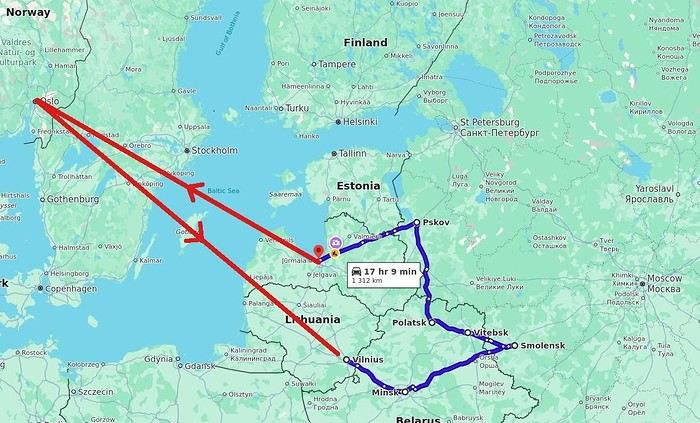
This crosses the Belarus-Russia border three times: from Minsk to Smolensk, then from Smolensk to Vitebsk, and finally from Polotsk to Pskov.
The region of this itinerary was, a thousand years ago, essentially that of the Krivichs, a local Slavic political entity. The term comes from "blood," *krew* in Polish, *krov* in Russian—basically "blood brothers." In Latvian, the word for Russians is *krievu*, by the way. Historically, the region corresponds to some of the old Russian principalities. Later, what marks Belarusian regions in general is, after the Great Schism of 1054, the division between Catholic and Orthodox zones, particularly as the Polish-Lithuanian Commonwealth expanded and contracted. In architecture, this corresponds to variations in Baroque styles, for example.
Vitebsk is known in France as the birthplace of Chagall. Born Russian, he first trained at the art school in Vitebsk, which was also attended by Malevich and Lissitzky, before completing his studies in Saint Petersburg, then moving to Berlin and later Paris. In Paris, Chagall met Cendrars, who had spent three years in Russia before and spoke enough Russian to help the newcomer get by a bit.
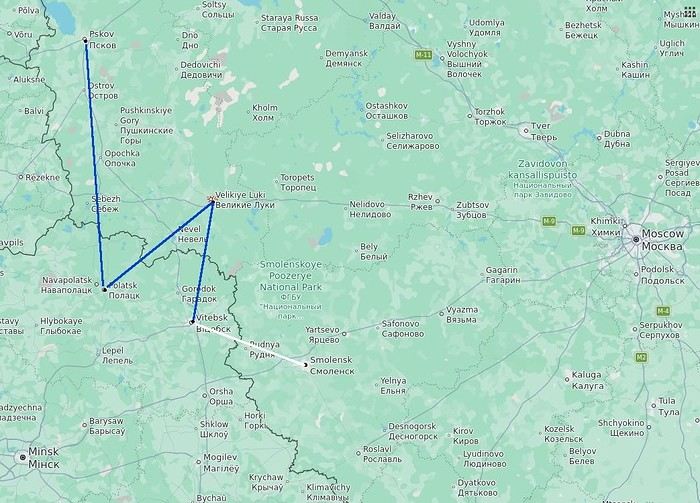
Back to the practical travel aspects: a local Pskov newspaper mentions that the Russian and Belarusian governments have a project for a Pskov-Polotsk train line. Previously, there were also plans for lines between Veliky Luki and Vitebsk, and Polotsk. A recently launched railway is Smolensk-Vitebsk, shown in white on the map, with projected lines in blue. https://pln-pskov.ru/society/583817.html https://pln-pskov.ru/society/578335.html
These will likely be "Hirondelle"—that is, *Lastochka*—the fast, spacious regional trains in Russia. Currently, all of this is done by bus, so the train is a very appealing and comfortable option. We’ll see how it goes.
With the unified system, if you enter one of the two countries with a visa from either, you can now travel between them freely.
In the case of a Russian visa, it must be a paper visa glued into your passport—not an electronic visa.
This opens up the possibility of traveling to Russia from Lithuania via Minsk, for example, starting from Vilnius.
It also allows for travel circuits that would otherwise be difficult, despite the proximity of the cities.
So, I’m leaving on June 12th for Vilnius. A one-hour flight for around thirty euros with a carry-on bag, and from Vilnius Airport, there’s a bus to Minsk. My planned route for now is Vilnius-Minsk-Smolensk-Vitebsk-Polotsk-Pskov-Riga.
This crosses the Belarus-Russia border three times: from Minsk to Smolensk, then from Smolensk to Vitebsk, and finally from Polotsk to Pskov.
The region of this itinerary was, a thousand years ago, essentially that of the Krivichs, a local Slavic political entity. The term comes from "blood," *krew* in Polish, *krov* in Russian—basically "blood brothers." In Latvian, the word for Russians is *krievu*, by the way. Historically, the region corresponds to some of the old Russian principalities. Later, what marks Belarusian regions in general is, after the Great Schism of 1054, the division between Catholic and Orthodox zones, particularly as the Polish-Lithuanian Commonwealth expanded and contracted. In architecture, this corresponds to variations in Baroque styles, for example.
Vitebsk is known in France as the birthplace of Chagall. Born Russian, he first trained at the art school in Vitebsk, which was also attended by Malevich and Lissitzky, before completing his studies in Saint Petersburg, then moving to Berlin and later Paris. In Paris, Chagall met Cendrars, who had spent three years in Russia before and spoke enough Russian to help the newcomer get by a bit.
Back to the practical travel aspects: a local Pskov newspaper mentions that the Russian and Belarusian governments have a project for a Pskov-Polotsk train line. Previously, there were also plans for lines between Veliky Luki and Vitebsk, and Polotsk. A recently launched railway is Smolensk-Vitebsk, shown in white on the map, with projected lines in blue. https://pln-pskov.ru/society/583817.html https://pln-pskov.ru/society/578335.html
These will likely be "Hirondelle"—that is, *Lastochka*—the fast, spacious regional trains in Russia. Currently, all of this is done by bus, so the train is a very appealing and comfortable option. We’ll see how it goes.
Thailand trip: What to do if visa-free stay drops from 60 to 30 days?
Hey everyone, hope you're doing well! :)
I’m planning to go back to Thailand at the start of next year—once just wasn’t enough 😅
I’ve seen that nothing’s official yet, but they’re considering reducing the visa-free stay from 60 to 30 days. If I book for 58 days like last time and they change the rules last minute, what happens?
It takes forever to get a visa—I saw you have to prove you have enough funds to cover your stay. How much money do you need in your account?
Thanks!
Thai Countryside Scenes
Hi there,
Yesterday in the Thailand section, 100% of the new threads were just about beach destinations 😕...
So here’s the counterattack in the form of this photo thread, dedicated solely to the countryside: the locals, their livestock, fields, farms, rice paddies, small rivers, and agricultural machinery. If you’ve got any pictures that fit these categories, feel free to add them!
Comments welcome.
For each photo, I’ll (or you can) indicate the area where it was taken.
Kanchanaburi: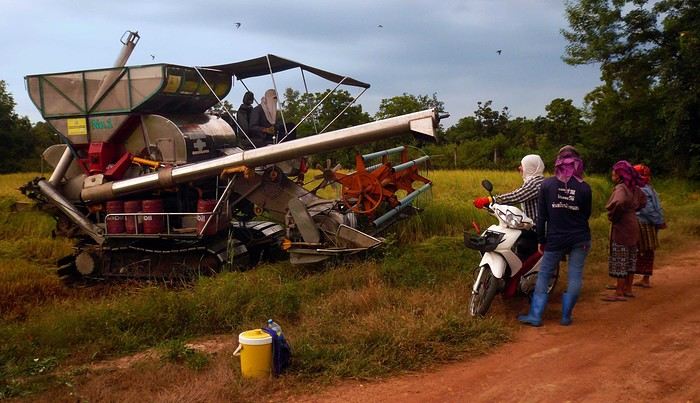
Kanchanaburi: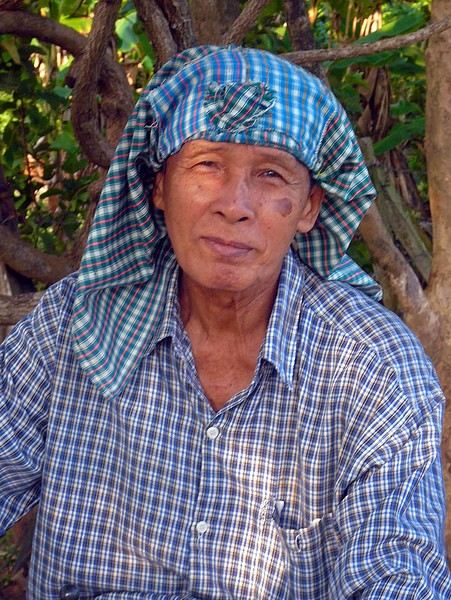
Sri Chiangmai: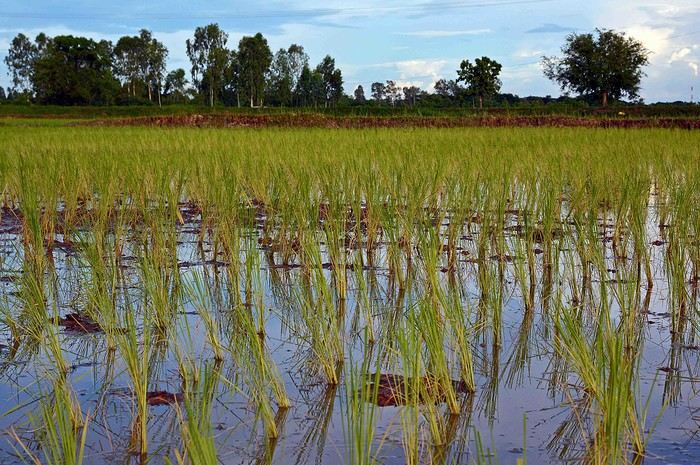
Soppong: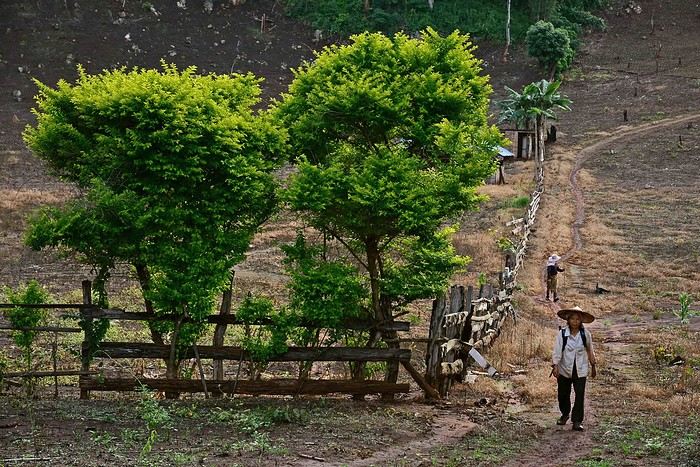
Tha Wang Pha: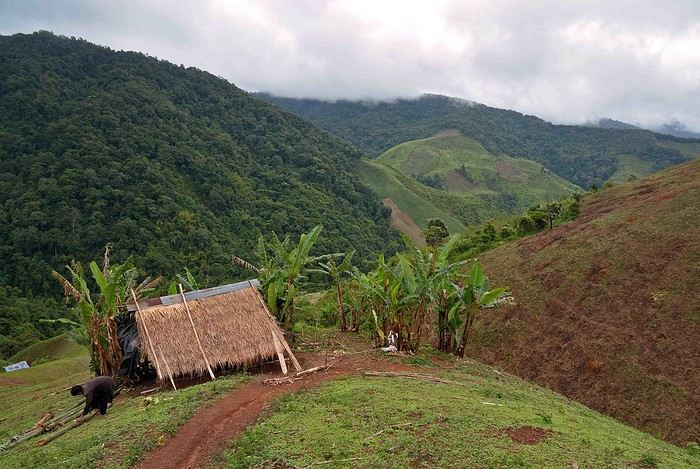
Kanchanaburi:
Kanchanaburi:
Sri Chiangmai:
Soppong:
Tha Wang Pha:
Join me in discovering Gran Canaria
Introduction
We stayed on the island of Gran Canaria during the first three months of 2024. It’s the third Canary Island we’ve visited, after Tenerife and Lanzarote.
We rented an apartment in Temisas. By staying in the same place for such a long period, the total price dropped by 50%.
We also rented a vehicle to make getting around the island easier.
Why the Canary Islands, and Gran Canaria in particular? For its pleasant climate, the nature and diversity of its landscapes, the charming villages, and especially the beauty of its many beaches.
In this travel journal, you’ll find a list of the many activities we did during our stay to explore the different attractions of this island.
These attractions are categorized to make it easier to find what interests you.
Videos are included throughout the summary. Click on the image to start the video.
To jump to a specific post, here are the relevant links:
HIKES:
Roque Nublo Maspalomas Dunes - Part 1 Maspalomas Dunes - Part 2 Los Azulejos de Veneguera Barranco de Las Vacas Ventana del Bentayga (Arco del Aserrador) Caves of the King Ventana de Morro (Ventana de la Ganifa) The Dog of Bentayga Cave of the Four Doors Ventana del Nublo Artenera - Caves of Acusa Seca Temisas - El Gigante Cave Fortress of Ansite Puerto de Las Nieves - Roque de Las Nieves Temisas - Cuevas de la Audiencia Roque Bentayga Guayadeque Ravine (Guayadeque Hermitage) Guayadeque Ravine (Cueva de Bartalo) El Zumacal - Barranco Tauco Casablanca Dam (Los Dolores Dam) Ayagaures - La Angostura Dam & Gambuesa Dam Santa Brígida - Alonso Ravine & Centennial Dragon Tree Pino Santo Hike in the Azuaje Ravine Gáldar - Red Lands of Samarrita Tejeda - Charco de La Paloma Bandama Boiler (Camino Borde de Caldera Bandama) Teror - Alamo Ravine Trail – SL-4 Telde - Calasio Caves Special Natural Reserve of Los Tilos de Moya Los Azulejos - Charco de Las Aneas Fataga Ravine Arinaga Military Battery Trail Maspalomas - Las Fuentes and del Canizo Ravines Mogán - Tauro Mountain Trail Tamabada - Llanos de La Mimbre & Sobre la Cueva Viewpoints Trail Hike to the Coronadero Arch via Barranco Hondo Barranco de Silva - Hike to the Jerez Caves Gáldar - Samson Cave - La Atalaya Peak Agaete - Roque Guayedra and Guayedra Ravine Artenara - Caballero Caves Arucas - Bufadero Salt Flats Barranco de Pino Gordo - Natural Pools Telde - Los Cernícalos Ravine Las Cruces - Toba Caves & Picón Puerto de Las Nieves - Moro Cave Agüimes - Morros de Ávila Caves Juncalillo del Sur - Laguna & Salinas de Abajo Caves of Camino de San Felipe Cruz de Tejeda, Cruz Chico and Degollada Viewpoint Hike on the Patalavaca Circuit Motor Grande - Puerto Rico Arch El Montañón - Los Hornos Dam Seafront Walk - Amadores Beach – Puerto Rico Beach Las Niñas Dam El Hornillo - Omega & Omicron Caves Arteara Necropolis Mogán - El Mulato Dam Las Garzas - El Regante Dam La Plata Route - Cho Flores Dam & El Charco Hondo Vega de Acusa - La Candelaria Dam Candelaria Hermitage – Acusa Seca Viewpoint Valsequillo de Gran Canaria – Roque La Vela Ayagaures Dam – GC-602 Lomo del Palo - Monte Pavón Trail Lugar La Laguna - Levada Fataga Dam & Ravine
BEACHES:
Mogán Beach Taurito Beach Tauro Beach Amadores Beach Puerto Rico Beach Anfi del Mar Beach Patalavaca Beach Meloneras Beach Maspalomas Beach English Beach (Playa del Inglés) Las Burras Beach San Agustin Beach Las Alcaravaneras Beach Las Canteras Beach (La Cicer) Las Canteras Beach (La Puntilla) Las Canteras Beach (Santa Catalina) Aquamarina Beach El Agujero - Bocabarranco Beach Hoya Del Pozo Beach Hoya Del Pozo Beach - Lizard with amputated tail El Cabron Beach Ojos de Garza Beach El Burrero Beach
NATURAL POOLS:
Charco Azul - El Risco Agaete Salt Flats Charco de Los Espejos - Sardina del Norte Natural Pools of Punta de Gáldar Snorkeling in the natural pool of Punta de Gáldar Natural Pool La Furnia o El Clavo - Gáldar Natural Pool of Los Dos Roques Emiliano Natural Pool - El Agujero Natural Pool of El Agujero Natural Pools of Roque Prieto Natural Pool El Altillo Los Charcones de Bañaderos – Arucas Natural Pools of El Charco de Las Palomas – Arucas Natural Pools of La Laja - Las Palmas de Gran Canaria Cueva de la Reina Mora - La Garita Natural Pools of Castillo del Romeral
TOWNS:
Center
Santa Brigida Vega de San Mateo Tejeda Artenara Vallesco Teror
Southwest
Santa Lucia de Tirajana Fataga San Bartolomé de Tirajana Puerto de Mogán La Aldea de San Nicolas
North
Arucas Firgas Moya Santa Maria de Guia Gáldar Agaete Puerto de Las Nieves
East
Vegueta - Las Palmas de Gran Canaria Triana - Las Palmas de Gran Canaria Ciudad Jardin - Las Palmas de Gran Canaria Canteras - Las Palmas de Gran Canaria Telde Valsequillo de Gran Canaria Ingenio Agüimes Temisas
VIEWPOINTS:
GC-60 Route (or nearby) GC-210 Route (or nearby) GC-210 Route between the tunnel and La Aldea de San Nicolás GC-215 & GC-65 Routes (or nearby) GC-200 Route (or nearby) GC-130 Route (or nearby) & GC-605 GC-70 Route (or nearby) & GC-21 Sheep herd on GC-70 Route GC-150, GC-240, GC-305, GC-350 & GC-301 Routes GC-606, GC-295, GC-231 and GC-41 Routes (or nearby) Viewpoints – GC-1 Route (or nearby) Viewpoints - Las Palmas de Gran Canaria Viewpoints - GC-2, GC-21, GC-15, GC-216 and GC-132 Routes (or nearby) Viewpoints - GC-503 & GC-217 Routes Viewpoints - GC-604, GC-505, GC-132, GC-42 and GC-802 Routes
MISCELLANEOUS:
San Rafael Aqueduct - Telde Abandoned San Rafael Estate - La Higuera Cenobio de Valerón La Cesta - Tejeda Puerto de la Aldea Scenic Route GC-671 to El Espinillo Scenic Route GC-607 to El Chorrillo The Galdar Cube (Santiago Quarry) Scenic Route GC-504 to Ayagaures Abandoned seaside resort in the Azuaje Ravine El Bufadero de La Garita – Telde GC-505 Route Abandoned Finca Las Haciendas (Los Mocanes) – Las Vegas de Valsequillo Ruins of San Juan Battery - Las Palmas de Gran Canaria Viera y Clavijo Canarian Botanical Garden - Las Palmas de Gran Canaria Tenefé Salt Flats Los Pérez, Lugarejos & Las Hoyas Dams Monte Pavón, Gran Canaria’s little Ireland Valleseco Lagoon Recreational Area Climbing - Fataga Ravine Surfing – El Agujero El Cairete Restaurant - Carrizal de Tejeda Paragliding flight observation - Los Giles La Cuevita Ayagaures Restaurant Statues and Murals - Cruce de Arinaga Aviation Monument (Las Majoreras) & Murals – Carrizal Artistic recycling by Antonio Peñita - Ojos de Garza Rainbows
We stayed on the island of Gran Canaria during the first three months of 2024. It’s the third Canary Island we’ve visited, after Tenerife and Lanzarote.
We rented an apartment in Temisas. By staying in the same place for such a long period, the total price dropped by 50%.
We also rented a vehicle to make getting around the island easier.
Why the Canary Islands, and Gran Canaria in particular? For its pleasant climate, the nature and diversity of its landscapes, the charming villages, and especially the beauty of its many beaches.
In this travel journal, you’ll find a list of the many activities we did during our stay to explore the different attractions of this island.
These attractions are categorized to make it easier to find what interests you.
Videos are included throughout the summary. Click on the image to start the video.
To jump to a specific post, here are the relevant links:
HIKES:
Roque Nublo Maspalomas Dunes - Part 1 Maspalomas Dunes - Part 2 Los Azulejos de Veneguera Barranco de Las Vacas Ventana del Bentayga (Arco del Aserrador) Caves of the King Ventana de Morro (Ventana de la Ganifa) The Dog of Bentayga Cave of the Four Doors Ventana del Nublo Artenera - Caves of Acusa Seca Temisas - El Gigante Cave Fortress of Ansite Puerto de Las Nieves - Roque de Las Nieves Temisas - Cuevas de la Audiencia Roque Bentayga Guayadeque Ravine (Guayadeque Hermitage) Guayadeque Ravine (Cueva de Bartalo) El Zumacal - Barranco Tauco Casablanca Dam (Los Dolores Dam) Ayagaures - La Angostura Dam & Gambuesa Dam Santa Brígida - Alonso Ravine & Centennial Dragon Tree Pino Santo Hike in the Azuaje Ravine Gáldar - Red Lands of Samarrita Tejeda - Charco de La Paloma Bandama Boiler (Camino Borde de Caldera Bandama) Teror - Alamo Ravine Trail – SL-4 Telde - Calasio Caves Special Natural Reserve of Los Tilos de Moya Los Azulejos - Charco de Las Aneas Fataga Ravine Arinaga Military Battery Trail Maspalomas - Las Fuentes and del Canizo Ravines Mogán - Tauro Mountain Trail Tamabada - Llanos de La Mimbre & Sobre la Cueva Viewpoints Trail Hike to the Coronadero Arch via Barranco Hondo Barranco de Silva - Hike to the Jerez Caves Gáldar - Samson Cave - La Atalaya Peak Agaete - Roque Guayedra and Guayedra Ravine Artenara - Caballero Caves Arucas - Bufadero Salt Flats Barranco de Pino Gordo - Natural Pools Telde - Los Cernícalos Ravine Las Cruces - Toba Caves & Picón Puerto de Las Nieves - Moro Cave Agüimes - Morros de Ávila Caves Juncalillo del Sur - Laguna & Salinas de Abajo Caves of Camino de San Felipe Cruz de Tejeda, Cruz Chico and Degollada Viewpoint Hike on the Patalavaca Circuit Motor Grande - Puerto Rico Arch El Montañón - Los Hornos Dam Seafront Walk - Amadores Beach – Puerto Rico Beach Las Niñas Dam El Hornillo - Omega & Omicron Caves Arteara Necropolis Mogán - El Mulato Dam Las Garzas - El Regante Dam La Plata Route - Cho Flores Dam & El Charco Hondo Vega de Acusa - La Candelaria Dam Candelaria Hermitage – Acusa Seca Viewpoint Valsequillo de Gran Canaria – Roque La Vela Ayagaures Dam – GC-602 Lomo del Palo - Monte Pavón Trail Lugar La Laguna - Levada Fataga Dam & Ravine
BEACHES:
Mogán Beach Taurito Beach Tauro Beach Amadores Beach Puerto Rico Beach Anfi del Mar Beach Patalavaca Beach Meloneras Beach Maspalomas Beach English Beach (Playa del Inglés) Las Burras Beach San Agustin Beach Las Alcaravaneras Beach Las Canteras Beach (La Cicer) Las Canteras Beach (La Puntilla) Las Canteras Beach (Santa Catalina) Aquamarina Beach El Agujero - Bocabarranco Beach Hoya Del Pozo Beach Hoya Del Pozo Beach - Lizard with amputated tail El Cabron Beach Ojos de Garza Beach El Burrero Beach
NATURAL POOLS:
Charco Azul - El Risco Agaete Salt Flats Charco de Los Espejos - Sardina del Norte Natural Pools of Punta de Gáldar Snorkeling in the natural pool of Punta de Gáldar Natural Pool La Furnia o El Clavo - Gáldar Natural Pool of Los Dos Roques Emiliano Natural Pool - El Agujero Natural Pool of El Agujero Natural Pools of Roque Prieto Natural Pool El Altillo Los Charcones de Bañaderos – Arucas Natural Pools of El Charco de Las Palomas – Arucas Natural Pools of La Laja - Las Palmas de Gran Canaria Cueva de la Reina Mora - La Garita Natural Pools of Castillo del Romeral
TOWNS:
Center
Santa Brigida Vega de San Mateo Tejeda Artenara Vallesco Teror
Southwest
Santa Lucia de Tirajana Fataga San Bartolomé de Tirajana Puerto de Mogán La Aldea de San Nicolas
North
Arucas Firgas Moya Santa Maria de Guia Gáldar Agaete Puerto de Las Nieves
East
Vegueta - Las Palmas de Gran Canaria Triana - Las Palmas de Gran Canaria Ciudad Jardin - Las Palmas de Gran Canaria Canteras - Las Palmas de Gran Canaria Telde Valsequillo de Gran Canaria Ingenio Agüimes Temisas
VIEWPOINTS:
GC-60 Route (or nearby) GC-210 Route (or nearby) GC-210 Route between the tunnel and La Aldea de San Nicolás GC-215 & GC-65 Routes (or nearby) GC-200 Route (or nearby) GC-130 Route (or nearby) & GC-605 GC-70 Route (or nearby) & GC-21 Sheep herd on GC-70 Route GC-150, GC-240, GC-305, GC-350 & GC-301 Routes GC-606, GC-295, GC-231 and GC-41 Routes (or nearby) Viewpoints – GC-1 Route (or nearby) Viewpoints - Las Palmas de Gran Canaria Viewpoints - GC-2, GC-21, GC-15, GC-216 and GC-132 Routes (or nearby) Viewpoints - GC-503 & GC-217 Routes Viewpoints - GC-604, GC-505, GC-132, GC-42 and GC-802 Routes
MISCELLANEOUS:
San Rafael Aqueduct - Telde Abandoned San Rafael Estate - La Higuera Cenobio de Valerón La Cesta - Tejeda Puerto de la Aldea Scenic Route GC-671 to El Espinillo Scenic Route GC-607 to El Chorrillo The Galdar Cube (Santiago Quarry) Scenic Route GC-504 to Ayagaures Abandoned seaside resort in the Azuaje Ravine El Bufadero de La Garita – Telde GC-505 Route Abandoned Finca Las Haciendas (Los Mocanes) – Las Vegas de Valsequillo Ruins of San Juan Battery - Las Palmas de Gran Canaria Viera y Clavijo Canarian Botanical Garden - Las Palmas de Gran Canaria Tenefé Salt Flats Los Pérez, Lugarejos & Las Hoyas Dams Monte Pavón, Gran Canaria’s little Ireland Valleseco Lagoon Recreational Area Climbing - Fataga Ravine Surfing – El Agujero El Cairete Restaurant - Carrizal de Tejeda Paragliding flight observation - Los Giles La Cuevita Ayagaures Restaurant Statues and Murals - Cruce de Arinaga Aviation Monument (Las Majoreras) & Murals – Carrizal Artistic recycling by Antonio Peñita - Ojos de Garza Rainbows
Ban on using foreign currencies for payments in Tanzania
Hi,
This is new—just announced!:
The Tanzanian government has recently implemented a new regulation banning the use of foreign currencies for domestic transactions. The Bank of Tanzania issued a notice requiring all local payments to be made exclusively in Tanzanian shillings (TZS).
More info:
https://www.agenceecofin.com/actualites/0505-128083-tanzanie-interdiction-de-lusage-des-devises-etrangeres-dans-les-transactions-locales
https://partir.ouest-france.fr/magazine/it-is-now-impossible-to-pay-in-foreign-currency-in-tanzania/
...
This is new—just announced!:
The Tanzanian government has recently implemented a new regulation banning the use of foreign currencies for domestic transactions. The Bank of Tanzania issued a notice requiring all local payments to be made exclusively in Tanzanian shillings (TZS).
More info:
https://www.agenceecofin.com/actualites/0505-128083-tanzanie-interdiction-de-lusage-des-devises-etrangeres-dans-les-transactions-locales
https://partir.ouest-france.fr/magazine/it-is-now-impossible-to-pay-in-foreign-currency-in-tanzania/
...
The North Cape by 4x4 in the Snow
Our trip lasted a month, from March 10 to April 10, 2024, and was done aboard our Land Rover Defender 110. For those interested, our 4x4 is equipped with mountain-approved 3PMFSF all-terrain tires (non-studded), a removable electric winch that can be attached to either the front or rear of the vehicle, two sand recovery boards, and we bring two pairs of snow chains. We sleep in our Land Rover, which is equipped with a diesel-powered independent heater, a small fridge, and has a layout that allows the dinette to be converted into a bed.
Starting from the Paris region, we crossed Belgium and Germany, took the ferry from Travemünde in northern Germany to Helsinki, followed the Russian border up to northern Finland, then headed into Norway all the way to the North Cape before returning via Norway, taking the ferry from Larvik in Norway to Hirtshals in Denmark, then passing through Germany and Belgium on our way back to France.
Tonight, March 10, 2024, we’ll be sleeping at our daughter’s place in the North.
Tuesday, March 11, we’ll cross Belgium and then enter Germany, where we’ll camp in Bremen.
Wednesday, March 12, we’ll have a quick visit to Bremen in the morning. We had planned to visit Lübeck, but some electrical issues with the car delayed us, so we head straight to the German port of Travemünde, where we’re set to embark at 11:30 PM to cross the Baltic Sea and arrive in Helsinki after 31 hours of sailing (one-way cabin ticket cost: 850 €—quite expensive since we booked last minute).
On the ferry, there are mostly semi-trucks and only a few campervans and passenger cars. The boat is quiet, and the Baltic Sea is calm.
About two hours before arriving in Helsinki, we hear noise along the hull. Surprise—looking out the porthole, we realize we’re sailing on frozen sea ice!
Thursday, March 14, we arrive at the port of Helsinki at 9:30 AM. Disembarking takes a while. As soon as we’re out, we head straight to Rastila Camping (cost: 27 €), about ten kilometers east of Helsinki. Then we go to a Land Rover garage to fix our headlight switch, which stopped working (a real hassle in Finland since you have to drive with low beams on at all times).
After the repair, we visit the stunning Temppeliaukio Church, which is built underground.
On our way back to the campsite, we stop at the supermarket for supplies. Prices are similar to France, except for imported products.
We settle into our snowy campsite spot.
Starting from the Paris region, we crossed Belgium and Germany, took the ferry from Travemünde in northern Germany to Helsinki, followed the Russian border up to northern Finland, then headed into Norway all the way to the North Cape before returning via Norway, taking the ferry from Larvik in Norway to Hirtshals in Denmark, then passing through Germany and Belgium on our way back to France.
Tonight, March 10, 2024, we’ll be sleeping at our daughter’s place in the North.
Tuesday, March 11, we’ll cross Belgium and then enter Germany, where we’ll camp in Bremen.
Wednesday, March 12, we’ll have a quick visit to Bremen in the morning. We had planned to visit Lübeck, but some electrical issues with the car delayed us, so we head straight to the German port of Travemünde, where we’re set to embark at 11:30 PM to cross the Baltic Sea and arrive in Helsinki after 31 hours of sailing (one-way cabin ticket cost: 850 €—quite expensive since we booked last minute).
On the ferry, there are mostly semi-trucks and only a few campervans and passenger cars. The boat is quiet, and the Baltic Sea is calm.
About two hours before arriving in Helsinki, we hear noise along the hull. Surprise—looking out the porthole, we realize we’re sailing on frozen sea ice!
Thursday, March 14, we arrive at the port of Helsinki at 9:30 AM. Disembarking takes a while. As soon as we’re out, we head straight to Rastila Camping (cost: 27 €), about ten kilometers east of Helsinki. Then we go to a Land Rover garage to fix our headlight switch, which stopped working (a real hassle in Finland since you have to drive with low beams on at all times).
After the repair, we visit the stunning Temppeliaukio Church, which is built underground.
On our way back to the campsite, we stop at the supermarket for supplies. Prices are similar to France, except for imported products.
We settle into our snowy campsite spot.
A trip to Australia: the Northern Territory.
Thursday, November 2, 2023
Lake Argyle – Katherine
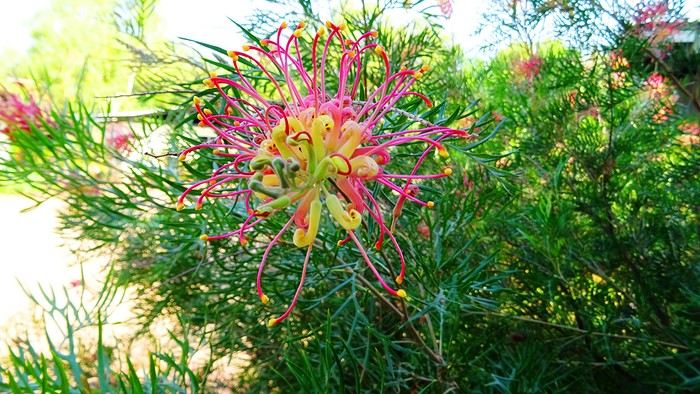
We had a great time. Now we’ve got to pay the price. We’re down one stop before Katherine. Gotta do the whole trip in one go—6 hours of driving. Let’s go! We’re a bit low on fuel with only 300 kilometers of range. The only station at the lake doesn’t open until 9 a.m., and the next (and only) one is 227 kilometers away… Should we risk it? Except for a magnificent frilled-neck lizard darting across the road on its big hind legs and an emu quickly disappearing into the bush, we didn’t see much. Oh—there was also a donkey, lost and panicked in the middle of the road… A quiet road with some beautiful scenery,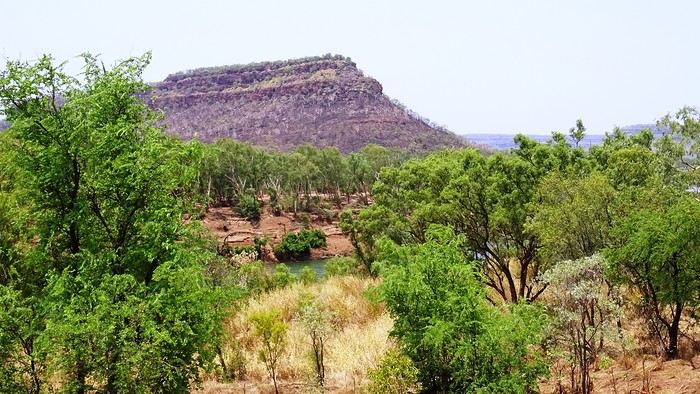 some worrying bushfires
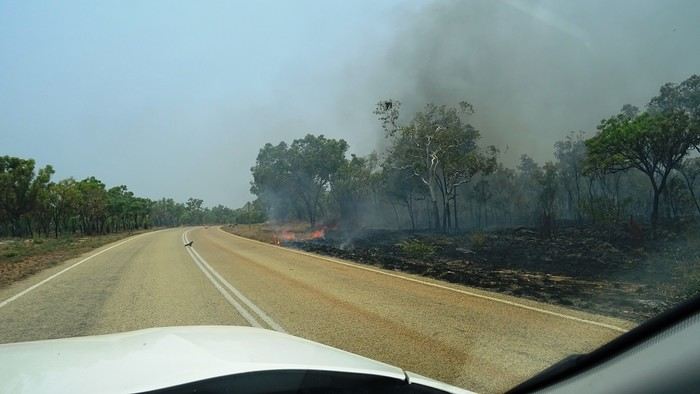
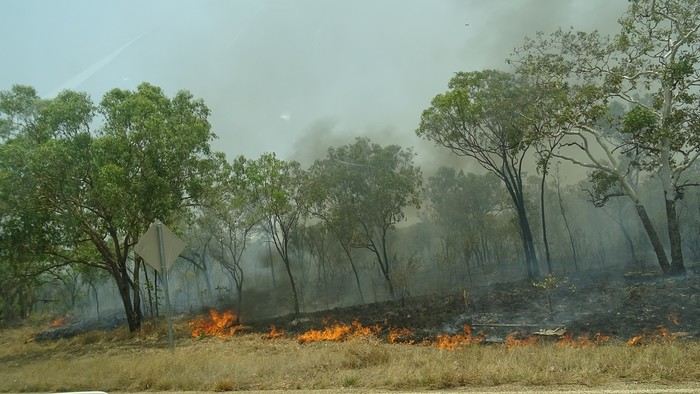 and a few opportunities to stop for a "warrior’s rest" (never go beyond the first second of the thought that starts drifting off the road…)
We cross an invisible border as we enter the Northern Territory, which comes with consequences—we immediately lose an hour and a half by changing time zones. The speed limit goes from 110 to 130.
and a few opportunities to stop for a "warrior’s rest" (never go beyond the first second of the thought that starts drifting off the road…)
We cross an invisible border as we enter the Northern Territory, which comes with consequences—we immediately lose an hour and a half by changing time zones. The speed limit goes from 110 to 130.
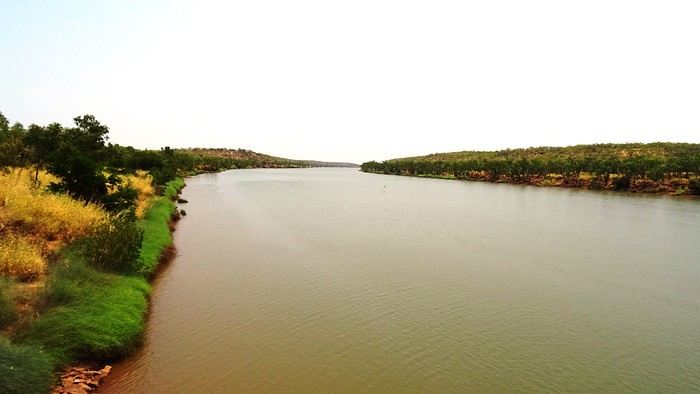
We arrive at the self check-in in Katherine. As usual, we’re a little taken aback at first. The noise, for starters. There’s a group rehearsing, it seems. We go check it out. We pass through the doors separating "The Stuart" from the adjoining bar and stumble upon what feels like collective hysteria. Turns out, it’s a concert. Aboriginal musicians completely fired up by some incredible music! There are just three of them, but they’re delivering a wall of sound that reminds us of South Africa’s finest neo-techno with a trance-like vibe. The crowd is wild! They’re singing in unison, screaming with joy. We get gently kicked out by security because we’re carrying our groceries, and they’re not having it. We promise ourselves we’ll come back once we’ve put them away in our little fridge.
Then we land. We end up finding plenty of nice things. It’s very possible we’ll like this place!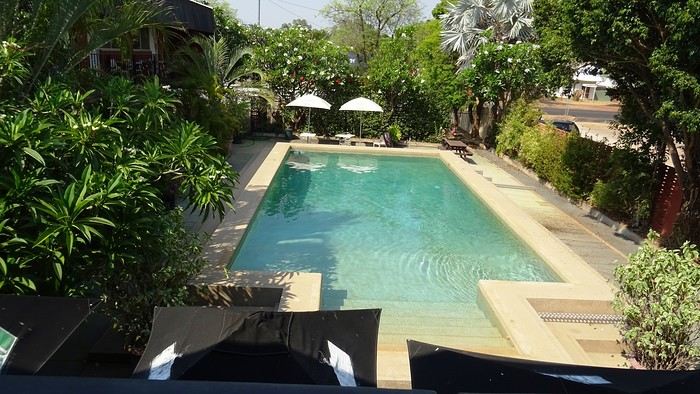
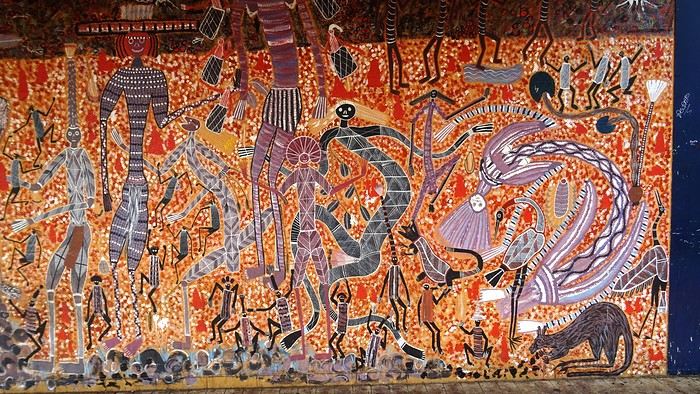 We head back to enjoy our post-battle Happy Hour.
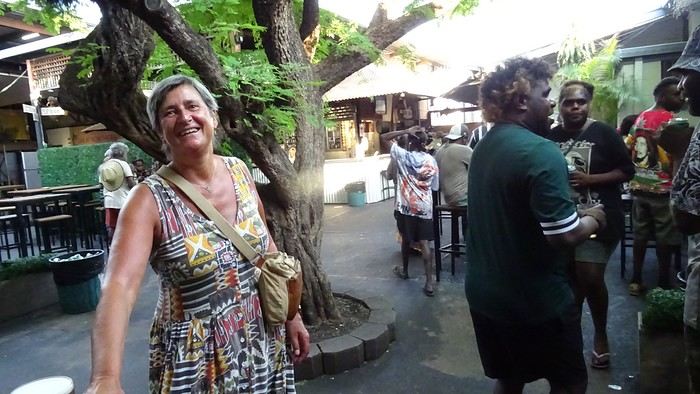 The concert’s over, but the crowd’s still riding the high. It’s indescribable. People are shouting across the room, screaming just for the fun of it—men and women alike. There’s pool, some beat-up arcade games being shaken like coconut trees. Dom and I feel like anthropologists. We’re pretty blown away. It’s epic! And the beer’s half the price it is elsewhere! We’ll definitely be back—that’s for sure!
We give up on finding a restaurant. Not sure they even exist, at least not this season. So, we’ve got a microwave—we eat at home on our little terrace, with a musical accompaniment from a massive orchestra of birds.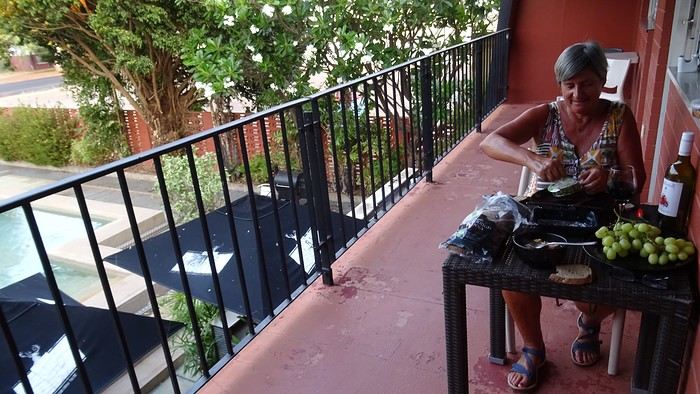 It sounds amazing!
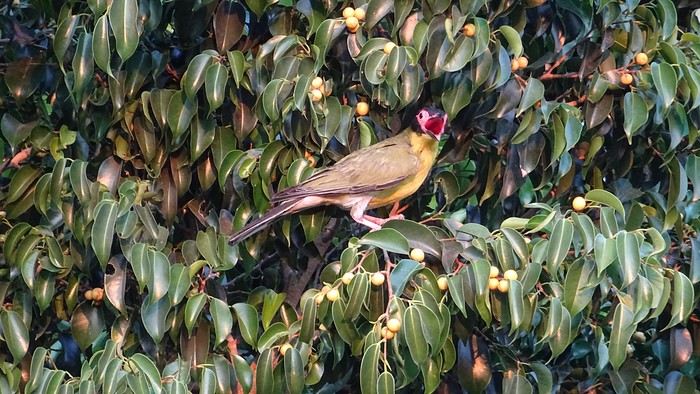
We had a great time. Now we’ve got to pay the price. We’re down one stop before Katherine. Gotta do the whole trip in one go—6 hours of driving. Let’s go! We’re a bit low on fuel with only 300 kilometers of range. The only station at the lake doesn’t open until 9 a.m., and the next (and only) one is 227 kilometers away… Should we risk it? Except for a magnificent frilled-neck lizard darting across the road on its big hind legs and an emu quickly disappearing into the bush, we didn’t see much. Oh—there was also a donkey, lost and panicked in the middle of the road… A quiet road with some beautiful scenery,
some worrying bushfires
and a few opportunities to stop for a "warrior’s rest" (never go beyond the first second of the thought that starts drifting off the road…)
We cross an invisible border as we enter the Northern Territory, which comes with consequences—we immediately lose an hour and a half by changing time zones. The speed limit goes from 110 to 130.
We arrive at the self check-in in Katherine. As usual, we’re a little taken aback at first. The noise, for starters. There’s a group rehearsing, it seems. We go check it out. We pass through the doors separating "The Stuart" from the adjoining bar and stumble upon what feels like collective hysteria. Turns out, it’s a concert. Aboriginal musicians completely fired up by some incredible music! There are just three of them, but they’re delivering a wall of sound that reminds us of South Africa’s finest neo-techno with a trance-like vibe. The crowd is wild! They’re singing in unison, screaming with joy. We get gently kicked out by security because we’re carrying our groceries, and they’re not having it. We promise ourselves we’ll come back once we’ve put them away in our little fridge.
Then we land. We end up finding plenty of nice things. It’s very possible we’ll like this place!
We head back to enjoy our post-battle Happy Hour.
The concert’s over, but the crowd’s still riding the high. It’s indescribable. People are shouting across the room, screaming just for the fun of it—men and women alike. There’s pool, some beat-up arcade games being shaken like coconut trees. Dom and I feel like anthropologists. We’re pretty blown away. It’s epic! And the beer’s half the price it is elsewhere! We’ll definitely be back—that’s for sure!We give up on finding a restaurant. Not sure they even exist, at least not this season. So, we’ve got a microwave—we eat at home on our little terrace, with a musical accompaniment from a massive orchestra of birds.
It sounds amazing!
Review of my visit to Angkor
SIEM REAP
You can now rent scooters just about everywhere in Siem Reap, but at rip-off prices—$15–18 a day instead of $5–10 like everywhere else in Indochina. The best options are tuk-tuks or, even better, electric bikes ($12, but with a 50 km range, so they won’t let you go to Banteay Srei or the River of a Thousand Lingas in the Kulen Massif, which are too far). **WARNING:** Wear a helmet, or they *will* catch you. Scooters are banned from going from SR to the stunning temple of Koh Ker in the northeast and continuing to Battambang; no idea why!
My favorite little hotel in Siem Reap? The Neth Socheata, tucked in an alley off Thnou St near the market—lovely rooms, and the owner speaks great English. Then there’s the Ivy Guesthouse with its little garden, but it’s “always full,” according to the owner. For something upscale but still affordable, a fantastic spot is the Pavillon Indochine, tucked away on a quiet side street on the way to the airport—elegant, with incredible attention to decor, a terrace restaurant, garden, pool, etc. Everything you’d want for $70 including breakfast. I also spotted a hostel for backpackers, the Angkor Thom Hostel, with small 6-bed dorms for $4 with a fan or $6 with AC (18 Wat Bo St).
Food-wise, it’s all amazing! Pub Street has turned into a noise nightmare, with speakers blasting what’s supposed to be music but is just *boom, boom, boom, boom, boom*—run away, even though the pizzas at the Italian place Il Forno are really good. The famous and excellent Tigre de Papier has changed its name to Paper Tiger and is still just as good (lunch only, though, because across the street there’s a huge bar blasting *boom boom boom*, so you won’t be able to hear each other during dinner). On the other hand, the Italian-Cambodian El Toro on Pub Street is perfect, with fantastic pizzas and divine lasagna (go to the first-floor dining room—there’s a big bar across the street blasting *boom boom boom*, but at least you can still talk). Due to the lack of customers during COVID, all the French restaurants—Barrio (three times alas!), Les Deux Sœurs, Le Bel Air, and Le Mozart—have closed. The only one left is L’Olivier, which is pricey. I also discovered a great Moroccan restaurant (though run by a Sudanese man and his French wife), Le Tajine, on Strung Thmei St, 09 68 89 78 27. **WARNING:** For tagines and couscous, you need to order at least in the morning; wine and beer are fine. To get there, turn at the corner of the Cineplex behind the big market at the start of Sivatha Boulevard.
I finally went to the Khmer dance show. Beautiful dancers and dances, but **EAT BEFORE OR AFTER**—the meal is so awful that most Westerners leave it on their plates.
THE ANGKOR TEMPLES Use the excellent *Routard Cambodia* guide. Just a few tips: - Start with the pre-Angkorian Roluos group, 15 km before Siem Reap on the road to PP—it’s the “ancestor” of the temples.
- To avoid the big crowds at Angkor Wat, Bayon, and Ta Prohm, go between noon and 2 PM when everyone’s having lunch. - Speaking of lunch, the crowds flock to the hundred or so mediocre food stalls on the left side of Angkor Wat. Instead, head to Angkor Thom after the stunning Pre Rup temples, all the way to the small Sras Srang basin. Along the basin, there are several restaurants with terraces offering first-floor views of the water, and no crowds. Afterward, cross to the other side of the basin—you’ll end up in the countryside with charming villages where locals seem to live as they did during the temples’ golden age (at its peak, the population was estimated at 600,000–800,000, making it the largest city in the world. The theory for the abandonment is water shortages caused by overpopulation).
- I climbed Phnom Bakheng for the famous sunset, but the crowd was so ridiculous that instead of seeing the temple at sunset, you just see the heads and shoulders around you.
- There are tons of small temples that most people skip, and they’re missing out. My favorites: Thommanon, Neak Pean, Ta Som, and especially Pre Rup, an amazing brick complex with 14 towers.
**Big disappointment:** You can no longer climb to the first floor of Bayon, where you used to stand magically among the giant head statues. So, admire the beautiful bas-reliefs on the outside, but there’s no point going inside—you’ll just see a dark, square corridor with nothing interesting.
ANGKOR FURTHER AFIELD The wonderful Banteay Srei temple. A gem! I couldn’t find the bas-relief stolen by Malraux in the 1920s (fun fact: what he was doing in Indochina—stealing a bas-relief to sell for a fortune in France to cover his massive gambling debts on the stock market, where he ruined his very wealthy American wife—was an open secret. But the French authorities in Saigon, who hated him for his leftist views, decided to let him do it and catch him red-handed, which worked perfectly. He avoided jail only because all the leftist intellectuals in Saint-Germain, Sartre, Beauvoir, and co. cried scandal—though the real scandal was the looting).
30 km of excellent paved road further north, a great spot: the Kulen Massif and the River of a Thousand Lingas (at one point, you’ll come to a T-junction—turn left). Along the road at the foot of the massif, on your right, there’s a great restaurant, Bourey Sovann (where the food is excellent). The trail to the river starts just before it on the left. **Warning:** There are two sites for the River of a Thousand Lingas. One is accessible via a private road, so there’s a $20 toll, and you need to arrive before 11 AM because the road is narrow and traffic flows downhill after that. You’ll end up in a site full of shops, snack stalls, and two good restaurants, including one by a beautiful waterfall. However, the thousand lingas aren’t as spectacular there.
Banteay Srei + the River of a Thousand Lingas makes for a fantastic day. **WARNING:** You used to be able to go to the river and waterfall by scooter or tuk-tuk, but it’s now forbidden. So **go by taxi**—otherwise, you’ll be hiking 12 km round trip up a steep trail.
If you leave Siem Reap early, you can even add Beng Mealea temple on the way back, making a triangular route: SR-BS-Khulen-BM-SR (or the reverse).
If you have time, visit Banteay Samré temple, 10 km west of the Angkor Thom complex. A lovely site with very few visitors.
I’ve never been to the famous Preah Khan on a hill overlooking Thailand. There’s a big dispute between the two countries—the Thais insist the temple belongs to them because the entrance is in their country. There have been serious clashes in the recent past, and landmines are still abundant off the marked paths. They even claim the entire Siem Reap province is theirs and should be returned, arguing it was Thai in the past. It takes two days (6–7 hours each way), with an overnight stay in the nearby village (small hotels and one luxury option with a garden and pool, but it’s expensive).
TONLE SAP People talk about “floating villages,” but that’s a big mistake—these are actually villages of astonishing stilt houses, 4 meters high or more, due to the lake’s major floods. The most famous is Chong Khneas, which I skipped because it’s packed with tourists. Instead, I really liked Kampong Phluk, which is much quieter. To get there, continue on the road past the Roluos group until you reach a parking lot with pirogues lined up. They’ll take you down the river, stop at this amazing village for a walk, and then take you to the Tonle Sap, a true inland sea. At one point, you’ll pass through a flooded forest that you can explore by small boat. At the junction of the river and the Tonle Sap, and on the lake itself, there are floating restaurants where the food is great. Note that in the dry season, you can reach the village by scooter.
BACK TO PHNOM PENH AND ON TO SOUTHERN VIETNAM Since I’d planned at least 15 days in the Mekong Delta between Chau Doc and Saigon, I skipped Battambang, etc. With no desire to endure the dusty road from SR to PP again, I simply loaded my bike onto a bus with the great company Rith Monty (book at their office in SR on the small square at the start of Sivatha Boulevard—$10 for the bike and $6 for me), also known as Paramount. Their buses stop on 136 St right in the middle of PP. I’ll also mention the excellent Giant Ibis, with big modern buses that always leave on time—unlike the others.
I spent the night in PP, and the next morning took the fast boat from PP to Chau Doc with Hang Chau Tourist (buying the ticket the day before is recommended—$25—either at your hotel or the port, and they’ll pick you up at your hotel by tuk-tuk to take you to the port). Departure from PP at noon, arrival in Chau Doc around 4 PM. The boat is great—comfortable and fast. A crew member takes your passports for Cambodian exit formalities, and you handle Vietnamese immigration yourself—it all takes 15–20 minutes. The route isn’t on the Mekong but on the Bassac River to the border, then a wide north-south canal to Chau Doc (the arrival is really nice). In the Chau Doc-PP direction, the boat leaves Chau Doc at 7:30 AM.
My favorite little hotel in Siem Reap? The Neth Socheata, tucked in an alley off Thnou St near the market—lovely rooms, and the owner speaks great English. Then there’s the Ivy Guesthouse with its little garden, but it’s “always full,” according to the owner. For something upscale but still affordable, a fantastic spot is the Pavillon Indochine, tucked away on a quiet side street on the way to the airport—elegant, with incredible attention to decor, a terrace restaurant, garden, pool, etc. Everything you’d want for $70 including breakfast. I also spotted a hostel for backpackers, the Angkor Thom Hostel, with small 6-bed dorms for $4 with a fan or $6 with AC (18 Wat Bo St).
Food-wise, it’s all amazing! Pub Street has turned into a noise nightmare, with speakers blasting what’s supposed to be music but is just *boom, boom, boom, boom, boom*—run away, even though the pizzas at the Italian place Il Forno are really good. The famous and excellent Tigre de Papier has changed its name to Paper Tiger and is still just as good (lunch only, though, because across the street there’s a huge bar blasting *boom boom boom*, so you won’t be able to hear each other during dinner). On the other hand, the Italian-Cambodian El Toro on Pub Street is perfect, with fantastic pizzas and divine lasagna (go to the first-floor dining room—there’s a big bar across the street blasting *boom boom boom*, but at least you can still talk). Due to the lack of customers during COVID, all the French restaurants—Barrio (three times alas!), Les Deux Sœurs, Le Bel Air, and Le Mozart—have closed. The only one left is L’Olivier, which is pricey. I also discovered a great Moroccan restaurant (though run by a Sudanese man and his French wife), Le Tajine, on Strung Thmei St, 09 68 89 78 27. **WARNING:** For tagines and couscous, you need to order at least in the morning; wine and beer are fine. To get there, turn at the corner of the Cineplex behind the big market at the start of Sivatha Boulevard.
I finally went to the Khmer dance show. Beautiful dancers and dances, but **EAT BEFORE OR AFTER**—the meal is so awful that most Westerners leave it on their plates.
THE ANGKOR TEMPLES Use the excellent *Routard Cambodia* guide. Just a few tips: - Start with the pre-Angkorian Roluos group, 15 km before Siem Reap on the road to PP—it’s the “ancestor” of the temples.
- To avoid the big crowds at Angkor Wat, Bayon, and Ta Prohm, go between noon and 2 PM when everyone’s having lunch. - Speaking of lunch, the crowds flock to the hundred or so mediocre food stalls on the left side of Angkor Wat. Instead, head to Angkor Thom after the stunning Pre Rup temples, all the way to the small Sras Srang basin. Along the basin, there are several restaurants with terraces offering first-floor views of the water, and no crowds. Afterward, cross to the other side of the basin—you’ll end up in the countryside with charming villages where locals seem to live as they did during the temples’ golden age (at its peak, the population was estimated at 600,000–800,000, making it the largest city in the world. The theory for the abandonment is water shortages caused by overpopulation).
- I climbed Phnom Bakheng for the famous sunset, but the crowd was so ridiculous that instead of seeing the temple at sunset, you just see the heads and shoulders around you.
- There are tons of small temples that most people skip, and they’re missing out. My favorites: Thommanon, Neak Pean, Ta Som, and especially Pre Rup, an amazing brick complex with 14 towers.
**Big disappointment:** You can no longer climb to the first floor of Bayon, where you used to stand magically among the giant head statues. So, admire the beautiful bas-reliefs on the outside, but there’s no point going inside—you’ll just see a dark, square corridor with nothing interesting.
ANGKOR FURTHER AFIELD The wonderful Banteay Srei temple. A gem! I couldn’t find the bas-relief stolen by Malraux in the 1920s (fun fact: what he was doing in Indochina—stealing a bas-relief to sell for a fortune in France to cover his massive gambling debts on the stock market, where he ruined his very wealthy American wife—was an open secret. But the French authorities in Saigon, who hated him for his leftist views, decided to let him do it and catch him red-handed, which worked perfectly. He avoided jail only because all the leftist intellectuals in Saint-Germain, Sartre, Beauvoir, and co. cried scandal—though the real scandal was the looting).
30 km of excellent paved road further north, a great spot: the Kulen Massif and the River of a Thousand Lingas (at one point, you’ll come to a T-junction—turn left). Along the road at the foot of the massif, on your right, there’s a great restaurant, Bourey Sovann (where the food is excellent). The trail to the river starts just before it on the left. **Warning:** There are two sites for the River of a Thousand Lingas. One is accessible via a private road, so there’s a $20 toll, and you need to arrive before 11 AM because the road is narrow and traffic flows downhill after that. You’ll end up in a site full of shops, snack stalls, and two good restaurants, including one by a beautiful waterfall. However, the thousand lingas aren’t as spectacular there.
Banteay Srei + the River of a Thousand Lingas makes for a fantastic day. **WARNING:** You used to be able to go to the river and waterfall by scooter or tuk-tuk, but it’s now forbidden. So **go by taxi**—otherwise, you’ll be hiking 12 km round trip up a steep trail.
If you leave Siem Reap early, you can even add Beng Mealea temple on the way back, making a triangular route: SR-BS-Khulen-BM-SR (or the reverse).
If you have time, visit Banteay Samré temple, 10 km west of the Angkor Thom complex. A lovely site with very few visitors.
I’ve never been to the famous Preah Khan on a hill overlooking Thailand. There’s a big dispute between the two countries—the Thais insist the temple belongs to them because the entrance is in their country. There have been serious clashes in the recent past, and landmines are still abundant off the marked paths. They even claim the entire Siem Reap province is theirs and should be returned, arguing it was Thai in the past. It takes two days (6–7 hours each way), with an overnight stay in the nearby village (small hotels and one luxury option with a garden and pool, but it’s expensive).
TONLE SAP People talk about “floating villages,” but that’s a big mistake—these are actually villages of astonishing stilt houses, 4 meters high or more, due to the lake’s major floods. The most famous is Chong Khneas, which I skipped because it’s packed with tourists. Instead, I really liked Kampong Phluk, which is much quieter. To get there, continue on the road past the Roluos group until you reach a parking lot with pirogues lined up. They’ll take you down the river, stop at this amazing village for a walk, and then take you to the Tonle Sap, a true inland sea. At one point, you’ll pass through a flooded forest that you can explore by small boat. At the junction of the river and the Tonle Sap, and on the lake itself, there are floating restaurants where the food is great. Note that in the dry season, you can reach the village by scooter.
BACK TO PHNOM PENH AND ON TO SOUTHERN VIETNAM Since I’d planned at least 15 days in the Mekong Delta between Chau Doc and Saigon, I skipped Battambang, etc. With no desire to endure the dusty road from SR to PP again, I simply loaded my bike onto a bus with the great company Rith Monty (book at their office in SR on the small square at the start of Sivatha Boulevard—$10 for the bike and $6 for me), also known as Paramount. Their buses stop on 136 St right in the middle of PP. I’ll also mention the excellent Giant Ibis, with big modern buses that always leave on time—unlike the others.
I spent the night in PP, and the next morning took the fast boat from PP to Chau Doc with Hang Chau Tourist (buying the ticket the day before is recommended—$25—either at your hotel or the port, and they’ll pick you up at your hotel by tuk-tuk to take you to the port). Departure from PP at noon, arrival in Chau Doc around 4 PM. The boat is great—comfortable and fast. A crew member takes your passports for Cambodian exit formalities, and you handle Vietnamese immigration yourself—it all takes 15–20 minutes. The route isn’t on the Mekong but on the Bassac River to the border, then a wide north-south canal to Chau Doc (the arrival is really nice). In the Chau Doc-PP direction, the boat leaves Chau Doc at 7:30 AM.
Trans-Mongolian Railway trip, post-2022 info?
Hi,
I’m supposed to be going on a university exchange in Shanghai from February to June 2025, and I’d love to return to Europe afterward via the Trans-Mongolian Railway. My plan was to fly from China to Mongolia’s capital and maybe spend 3-4 days exploring the country. Then, I could take the train, with a stop in Irkutsk before heading to Moscow for a two-day visit, followed by two days in Saint Petersburg. After that, I’d take a bus to Tallinn and possibly fly home from there due to time constraints. I was thinking this whole trip would take about two weeks. This site: Russian Train Tickets - Online Booking for Russian Train Tickets seems useful for buying tickets (though the ones that go through Mongolia need to be booked via a form or on tutu.travel), and this one for the bus from Russia to Estonia: St. Petersburg - Tallinn buses and tickets.
From what I’ve gathered, Russia now offers an e-visa, and Mongolia has suspended visas for Europeans until the end of next year.
Would anyone have any info or advice? Given the current situation in Russia, everything is pretty complicated to research, and most of the information is outdated.
Thanks in advance, Alicia
I’m supposed to be going on a university exchange in Shanghai from February to June 2025, and I’d love to return to Europe afterward via the Trans-Mongolian Railway. My plan was to fly from China to Mongolia’s capital and maybe spend 3-4 days exploring the country. Then, I could take the train, with a stop in Irkutsk before heading to Moscow for a two-day visit, followed by two days in Saint Petersburg. After that, I’d take a bus to Tallinn and possibly fly home from there due to time constraints. I was thinking this whole trip would take about two weeks. This site: Russian Train Tickets - Online Booking for Russian Train Tickets seems useful for buying tickets (though the ones that go through Mongolia need to be booked via a form or on tutu.travel), and this one for the bus from Russia to Estonia: St. Petersburg - Tallinn buses and tickets.
From what I’ve gathered, Russia now offers an e-visa, and Mongolia has suspended visas for Europeans until the end of next year.
Would anyone have any info or advice? Given the current situation in Russia, everything is pretty complicated to research, and most of the information is outdated.
Thanks in advance, Alicia
From Costa Rica to Suriname, a travel report
Hi everyone, I’m restarting my travel reports with my 2023 trip that took me from Costa Rica to Suriname over a month and a half.
First stop: Costa Rica. I arrived in late September in San José, a city I know well and never linger in. As soon as I got off the early-morning flight, I headed to the domestic airport—just a 5-minute walk away—to catch a 45-minute flight to Puerto Limón on the Caribbean coast. The 40-minute flight in a small Cessna was fun, especially since we landed on a tiny airstrip right by the sea—it felt like landing on the beach, which immediately set the mood. Plus, I wasn’t keen on enduring the 4–5-hour bus ride to Cahuita, especially since large sections of the road were under renovation. In Cahuita (where I’ve been going every year since 2015), I stayed at Kenaki Lodge on Playa Grande. It’s a great lodge, about a 45-minute walk from Cahuita’s center, but you’re just 50 meters from the beach and usually have it all to yourself. The lodge is run by Béa, a Frenchwoman, and depending on the season, you can help release baby turtles on the beach. The room was 55 €, very spacious, and you can use the outdoor kitchen. I’d recommend it for anyone looking for peace and quiet and a private beach.
After 5 days there, I flew to Cartagena but didn’t stay overnight. Instead, I headed straight to Rincón del Mar, a 3-hour bus ride from CTG. I’d mostly heard about it from a friend who lives there and runs El Ché, a beachfront restaurant. Rincón del Mar is a tiny seaside village, very peaceful, with a pretty nice beach. There are lots of small hotels and restaurants, and it’s a spot that’s likely to grow quickly in the coming years. Note: there’s no ATM there, so you’ll need to withdraw cash in San Onofre, about 30 minutes away by moto-taxi. The round trip costs around 25,000 COP. That’s also where you catch the bus to Cartagena. For accommodations, rooms were roughly 70,000–90,000 COP, with a so-so value for the price. As for things to do, I’d recommend the tour that takes you to watch the sunset in front of Bird Island, followed by a swim in a lagoon with bioluminescent plankton. The excursion (if I remember correctly) cost around 90,000 COP.
After a week in Rincón del Mar, I headed back to Cartagena and decided to fly to Yopal to visit the Río Meta. In Yopal, you’ll need to go to the bus terminal (10 minutes by taxi from the airport). From there, I took a bus to Orocué (50,000 COP) for about a 4-hour trip—it felt endless because the road was in terrible condition. Orocué is a tiny town on the banks of the Río Meta, but it has all the essentials (hotels, restaurants, ATMs). It’s lovely to stroll along the river at sunset. There are a few small bars, the area is very natural, the sunsets are stunning, and when there are distant storms, it’s just breathtaking. For lodging, I stayed at Hotel Brisas de San Miguel. It wasn’t bad—fan-cooled room for 70,000 COP. There were quite a few mosquitoes. I spent 3 days in Orocué. If you want to swim, head to the bridge (the only one), Cano San Miguel, and on the right, there’s a swimming spot. With the heat, it’s a great way to cool off.
From Orocué, I took a fast *lancha* (boat) up the Río Meta to Puerto Carreño, in the Vichada department at the far end of Colombia. This brings you to the majestic Orinoco River, right across from Venezuela. The boat ride is long—10 hours—and costs about 60 €. We left around 6 AM, with a few stops for bathroom breaks and meals along the way. But you *must* book your spot 1–2 days in advance. To do that, go to the small square above the dock—there’s a "navigation office" there. The trip was long but enjoyable. I never get tired of river journeys.
I was happy to finally arrive in Puerto Carreño, a small border town with Venezuela. No surprise that half the population was Venezuelan. In Puerto Carreño, I stayed at Hotel Delfines del Orinoco. The room was 80,000 COP, decent, with A/C, and the best part was the pool. I spent 2 nights there. One thing you *must* do—morning and evening—is hike to the top of Cerro de la Bandera (the *cerros* are huge rock formations typical of the Orinoco region, and there are many in the area). From the summit, you get amazing 360° views of the savanna and jungle. Sunrise is especially incredible. The trail is well-marked—from downtown Puerto Carreño, it takes about 20 minutes.
Next, I spent 3 nights at Rancho Barú. About an hour by boat from Puerto Carreño, you get off at Casuarito, and someone from the lodge picks you up by motorcycle for a 30-minute ride. The ranch is in the middle of the savanna, with a river/rapids beach just a 5-minute walk away. You can also fish—bites come quickly. For the lodge, one night (room or hammock) with shared bathrooms, three meals included, one excursion, plus the round-trip motorcycle ride costs 245,000 COP. An extra night without an excursion is around 100,000 COP, but you need to let the lodge know in advance so they can prepare enough food—there’s absolutely nothing for miles around.
After those 3 great days at the ranch, I took a canoe to cross into Venezuela, since Casuarito is right across from Puerto Ayacucho. The crossing costs 10,000 COP, but I got shaken down by Venezuelan immigration, who invented a violation and made me pay $40 USD. Puerto Ayacucho didn’t inspire me much. The city felt sketchy, with many hotels closed. Dealing with currency exchange was the hardest part—you *must* bring cash (USD or Colombian pesos), know the exchange rate, and find someone with enough money to exchange with you. It took me at least 2 hours. I stayed in a decent hotel downtown for $20 USD a night, but I’ll admit that going out at night—even in Puerto Ayacucho—felt pretty dodgy. All the buildings have bars on the windows, and there weren’t many people outside. I didn’t linger and found my plans to continue south too complicated. The next day, I took a bus across the country to the Brazilian border at Santa Elena de Uairén. The trip took a day and a night, with countless military checkpoints where they made everyone get off, unload all the luggage, etc. Not exactly a fun ride.
Photos: - 2 sunrises near the Orocué dock - Storm over the savanna at Rancho Barú - View of the savanna and Orinoco near Casuarito - Photo taken during the Río Meta boat trip
First stop: Costa Rica. I arrived in late September in San José, a city I know well and never linger in. As soon as I got off the early-morning flight, I headed to the domestic airport—just a 5-minute walk away—to catch a 45-minute flight to Puerto Limón on the Caribbean coast. The 40-minute flight in a small Cessna was fun, especially since we landed on a tiny airstrip right by the sea—it felt like landing on the beach, which immediately set the mood. Plus, I wasn’t keen on enduring the 4–5-hour bus ride to Cahuita, especially since large sections of the road were under renovation. In Cahuita (where I’ve been going every year since 2015), I stayed at Kenaki Lodge on Playa Grande. It’s a great lodge, about a 45-minute walk from Cahuita’s center, but you’re just 50 meters from the beach and usually have it all to yourself. The lodge is run by Béa, a Frenchwoman, and depending on the season, you can help release baby turtles on the beach. The room was 55 €, very spacious, and you can use the outdoor kitchen. I’d recommend it for anyone looking for peace and quiet and a private beach.
After 5 days there, I flew to Cartagena but didn’t stay overnight. Instead, I headed straight to Rincón del Mar, a 3-hour bus ride from CTG. I’d mostly heard about it from a friend who lives there and runs El Ché, a beachfront restaurant. Rincón del Mar is a tiny seaside village, very peaceful, with a pretty nice beach. There are lots of small hotels and restaurants, and it’s a spot that’s likely to grow quickly in the coming years. Note: there’s no ATM there, so you’ll need to withdraw cash in San Onofre, about 30 minutes away by moto-taxi. The round trip costs around 25,000 COP. That’s also where you catch the bus to Cartagena. For accommodations, rooms were roughly 70,000–90,000 COP, with a so-so value for the price. As for things to do, I’d recommend the tour that takes you to watch the sunset in front of Bird Island, followed by a swim in a lagoon with bioluminescent plankton. The excursion (if I remember correctly) cost around 90,000 COP.
After a week in Rincón del Mar, I headed back to Cartagena and decided to fly to Yopal to visit the Río Meta. In Yopal, you’ll need to go to the bus terminal (10 minutes by taxi from the airport). From there, I took a bus to Orocué (50,000 COP) for about a 4-hour trip—it felt endless because the road was in terrible condition. Orocué is a tiny town on the banks of the Río Meta, but it has all the essentials (hotels, restaurants, ATMs). It’s lovely to stroll along the river at sunset. There are a few small bars, the area is very natural, the sunsets are stunning, and when there are distant storms, it’s just breathtaking. For lodging, I stayed at Hotel Brisas de San Miguel. It wasn’t bad—fan-cooled room for 70,000 COP. There were quite a few mosquitoes. I spent 3 days in Orocué. If you want to swim, head to the bridge (the only one), Cano San Miguel, and on the right, there’s a swimming spot. With the heat, it’s a great way to cool off.
From Orocué, I took a fast *lancha* (boat) up the Río Meta to Puerto Carreño, in the Vichada department at the far end of Colombia. This brings you to the majestic Orinoco River, right across from Venezuela. The boat ride is long—10 hours—and costs about 60 €. We left around 6 AM, with a few stops for bathroom breaks and meals along the way. But you *must* book your spot 1–2 days in advance. To do that, go to the small square above the dock—there’s a "navigation office" there. The trip was long but enjoyable. I never get tired of river journeys.
I was happy to finally arrive in Puerto Carreño, a small border town with Venezuela. No surprise that half the population was Venezuelan. In Puerto Carreño, I stayed at Hotel Delfines del Orinoco. The room was 80,000 COP, decent, with A/C, and the best part was the pool. I spent 2 nights there. One thing you *must* do—morning and evening—is hike to the top of Cerro de la Bandera (the *cerros* are huge rock formations typical of the Orinoco region, and there are many in the area). From the summit, you get amazing 360° views of the savanna and jungle. Sunrise is especially incredible. The trail is well-marked—from downtown Puerto Carreño, it takes about 20 minutes.
Next, I spent 3 nights at Rancho Barú. About an hour by boat from Puerto Carreño, you get off at Casuarito, and someone from the lodge picks you up by motorcycle for a 30-minute ride. The ranch is in the middle of the savanna, with a river/rapids beach just a 5-minute walk away. You can also fish—bites come quickly. For the lodge, one night (room or hammock) with shared bathrooms, three meals included, one excursion, plus the round-trip motorcycle ride costs 245,000 COP. An extra night without an excursion is around 100,000 COP, but you need to let the lodge know in advance so they can prepare enough food—there’s absolutely nothing for miles around.
After those 3 great days at the ranch, I took a canoe to cross into Venezuela, since Casuarito is right across from Puerto Ayacucho. The crossing costs 10,000 COP, but I got shaken down by Venezuelan immigration, who invented a violation and made me pay $40 USD. Puerto Ayacucho didn’t inspire me much. The city felt sketchy, with many hotels closed. Dealing with currency exchange was the hardest part—you *must* bring cash (USD or Colombian pesos), know the exchange rate, and find someone with enough money to exchange with you. It took me at least 2 hours. I stayed in a decent hotel downtown for $20 USD a night, but I’ll admit that going out at night—even in Puerto Ayacucho—felt pretty dodgy. All the buildings have bars on the windows, and there weren’t many people outside. I didn’t linger and found my plans to continue south too complicated. The next day, I took a bus across the country to the Brazilian border at Santa Elena de Uairén. The trip took a day and a night, with countless military checkpoints where they made everyone get off, unload all the luggage, etc. Not exactly a fun ride.
Photos: - 2 sunrises near the Orocué dock - Storm over the savanna at Rancho Barú - View of the savanna and Orinoco near Casuarito - Photo taken during the Río Meta boat trip
Traveling to Nepal in the summer
Hello,
It’s so great to be able to write on this site again—it was such a valuable resource during my travels in the past! We’re planning a 6-week trip (as a couple) to Nepal in July and August. It’s not the ideal time, I know, but you’ve probably guessed we don’t really have a choice. I’ve read briefly that it’s doable, that it limits some options (but hey, we always have to make choices anyway), but at least there’s the advantage of not being there during peak season. Do any of you have experience or advice to share about this? Any tips or opinions?
Thanks, and welcome back to everyone on Voyage Forum! Thérèse
It’s so great to be able to write on this site again—it was such a valuable resource during my travels in the past! We’re planning a 6-week trip (as a couple) to Nepal in July and August. It’s not the ideal time, I know, but you’ve probably guessed we don’t really have a choice. I’ve read briefly that it’s doable, that it limits some options (but hey, we always have to make choices anyway), but at least there’s the advantage of not being there during peak season. Do any of you have experience or advice to share about this? Any tips or opinions?
Thanks, and welcome back to everyone on Voyage Forum! Thérèse
First trips after...
A turbulent period came to an end around 2022.
Many of us have returned to big trips after making only very small ones—or none at all. For a little anecdote, my dentist told me that due to the lack of travel, a lot of clients treated themselves to implants they would’ve otherwise skipped. The joy of traveling again probably gave some vacationers smiles they hadn’t dared to show before!
Here, you can share what’s on your mind: Have these new, real trips disappointed you, rejuvenated you, or just relieved a long frustration?
For my part, not being so young anymore, there was definitely relief but no explosion of joy. I just had the feeling of picking up the thread of life after a foggy pause, with the bitter taste that 2 or 3 years of my life had been partly stolen from me.
Many of us have returned to big trips after making only very small ones—or none at all. For a little anecdote, my dentist told me that due to the lack of travel, a lot of clients treated themselves to implants they would’ve otherwise skipped. The joy of traveling again probably gave some vacationers smiles they hadn’t dared to show before!
Here, you can share what’s on your mind: Have these new, real trips disappointed you, rejuvenated you, or just relieved a long frustration?
For my part, not being so young anymore, there was definitely relief but no explosion of joy. I just had the feeling of picking up the thread of life after a foggy pause, with the bitter taste that 2 or 3 years of my life had been partly stolen from me.
Conseil pour taille cadre Surly LHT grande taille English translation pending
Bonjour à tous,
J’aimerai m’équiper d’un vélo me permettant un usage quotidien et des randonnées bivouac sur quelques jours comme j’aime le faire. J’ai également l’envie de faire le tour de la Méditerranée avec ce vélo. Je pense donc acheter un vélo robuste et fiable.
Mon choix s’oriente vers le Surly LHT, surtout que j’ai trouvé une belle occasion sur LBC. Je vais l’essayer mais vu la distance, j’aimerai bien avoir un avis avant. Le vélo est un cadre 62 roue 26’. J’ai peur que le cadre soit trop grand pour moi. Avez-vous des conseils à ce sujet ?
Je mesure 1m91 avec un entrejambe de …( je le mesure ce soir 😊) Le dernier vélo sur lequel je me suis senti à l’aise était un Trek FX3 XL
Dans l’attente de votre retour, belle journée à tous.
J’aimerai m’équiper d’un vélo me permettant un usage quotidien et des randonnées bivouac sur quelques jours comme j’aime le faire. J’ai également l’envie de faire le tour de la Méditerranée avec ce vélo. Je pense donc acheter un vélo robuste et fiable.
Mon choix s’oriente vers le Surly LHT, surtout que j’ai trouvé une belle occasion sur LBC. Je vais l’essayer mais vu la distance, j’aimerai bien avoir un avis avant. Le vélo est un cadre 62 roue 26’. J’ai peur que le cadre soit trop grand pour moi. Avez-vous des conseils à ce sujet ?
Je mesure 1m91 avec un entrejambe de …( je le mesure ce soir 😊) Le dernier vélo sur lequel je me suis senti à l’aise était un Trek FX3 XL
Dans l’attente de votre retour, belle journée à tous.
Projet de voyage en Patagonie pour 3 semaines en famille en juillet/août 2021 English translation pending
Bonjour
je déterre un vieux sujet....
Je souhaite partir visiter la Patagonie des deux côtés avec une famille ayant des enfants de 7 et 9 ans pour trois semaines vers Juillet/ Août 2021.
j'aimerais voir
-les chutes d'iguazu - passez un ou deux jours dans une ferme pour voir les gauchos et manger les fameux bbq - le désert d'atacama, et l'endroit où l'on peut voir les grues - le lac avec la cave en marbre? -el Calafate, el chaiten le perito morino notamment - le parc torres del paine
Je suis amateur en photographie donc j'aimerais rester au moins 2 jours sur chaque endroit.
Pouvez-vous nous conseiller un ìtinéraire, les moyens de transport, hébergements confortables mais pas nécessairement des 4 étoiles etc
et le budget moyen
d'avance merci pour vos conseils
je déterre un vieux sujet....
Je souhaite partir visiter la Patagonie des deux côtés avec une famille ayant des enfants de 7 et 9 ans pour trois semaines vers Juillet/ Août 2021.
j'aimerais voir
-les chutes d'iguazu - passez un ou deux jours dans une ferme pour voir les gauchos et manger les fameux bbq - le désert d'atacama, et l'endroit où l'on peut voir les grues - le lac avec la cave en marbre? -el Calafate, el chaiten le perito morino notamment - le parc torres del paine
Je suis amateur en photographie donc j'aimerais rester au moins 2 jours sur chaque endroit.
Pouvez-vous nous conseiller un ìtinéraire, les moyens de transport, hébergements confortables mais pas nécessairement des 4 étoiles etc
et le budget moyen
d'avance merci pour vos conseils
Croisières: difficile reprise! English translation pending
Bonjour,
je viens d'être averti par VoyageForum que la précédente discussion sur le même sujet est clôturée pour cause d'encombrement des serveurs...
https://voyageforum.com/discussion/croisieres-quand-reprise-d10011245-71/
J'en rouvre donc une autre car il y aura encore certainement beaucoup de choses à dire !
Le post d'ouverture du 9 avril se terminait par :
"On peut rêver, mais il faut aussi parfois revenir sur terre à défaut d'être en mer. Pour moi il y aura extrêmement peu de départs avant l'automne en étant très optimiste !!! Je prépare déjà un plan B pour notre départ du 17/10 depuis le Japon Nous avons heureusement des vols reportables. Qui vivra verra.... Qu'en pensez-vous ?"
Nous y sommes bientôt. Je regrette d'avoir vu juste même si j'ai fait l'objet de pas mal de quolibets, voire pire, d'interprétations malveillantes de mes propos mais c'est la vie !
En tout cas merci à toutes et à tous pour vos participations très actives, je pense que la majorité d'entre nous a appris beaucoup de choses intéressantes grâce à elles. On continue ?
Bonne journée.
je viens d'être averti par VoyageForum que la précédente discussion sur le même sujet est clôturée pour cause d'encombrement des serveurs...
https://voyageforum.com/discussion/croisieres-quand-reprise-d10011245-71/
J'en rouvre donc une autre car il y aura encore certainement beaucoup de choses à dire !
Le post d'ouverture du 9 avril se terminait par :
"On peut rêver, mais il faut aussi parfois revenir sur terre à défaut d'être en mer. Pour moi il y aura extrêmement peu de départs avant l'automne en étant très optimiste !!! Je prépare déjà un plan B pour notre départ du 17/10 depuis le Japon Nous avons heureusement des vols reportables. Qui vivra verra.... Qu'en pensez-vous ?"
Nous y sommes bientôt. Je regrette d'avoir vu juste même si j'ai fait l'objet de pas mal de quolibets, voire pire, d'interprétations malveillantes de mes propos mais c'est la vie !
En tout cas merci à toutes et à tous pour vos participations très actives, je pense que la majorité d'entre nous a appris beaucoup de choses intéressantes grâce à elles. On continue ?
Bonne journée.