La première fois que j’ai entendu parler de la Colombie – comme destination touristique, j’entends –, c’était lors de notre voyage en Equateur au cours de notre hâlte à La Rana canto(que je recommande chaleureusement d’ailleurs pour qui voudrait faire un stop à la campagne. C’est vraiment très bien). Nadine et Pascal nous ont dit qu’ils commençaient à accueillir des backpackers venant de Colombie et que ces derniers trouvaient cela vraiment super.
Puis un podcast de Voyageurs du Monde m’a persuadée que la Colombie était le pays à visiter rapidement.
Ma fille (19 ans à l’époque) n’a pas été difficile à convaincre. Elle adore l’Amérique latine et une de ses meilleures amies a passé de nombreuses années en Colombie. Les garçons (mon tendre et cher, et notre fils - 17 ans) étaient loin d’être convaincus. Il faut dire que le site du ministère des affaires étrangères était tout sauf rassurant avec plein de rouge partout et un peu de jaune. Mais grâce à un travail de lobbying acharné et astucieux des filles, la promesse de bien rester dans les zones jaunes, ils ont fini par se laisser entraîner. (Entre notre décision et le voyage, le rouge du MAE a été largement réduit).
Restait à établir le parcours. La Colombie c’est grand, très grand. Et les routes sont lentes, très lentes. Pas question de vouloir trop en faire. Notre choix s’est porté sur la région du café, Medellin, Carthagène - parce que Carthagène a beau être très touristique, il nous paraissait difficilement envisageable de passer outre – et la Santander (avec Saint-Gil) que nous avons privilégié au parc de Tayrona (qui nous paraissait davantage semblable à ce que nous avions pu découvrir au cours de nos précédents voyages).
J’ai été guidée dans mes choix par les posts de Intothetrees -merci mille fois à lui- et le blog de Mars56 - merci aussi mille fois. Quelques blogs de voyageurs en tour du monde aussi (peu de sites évoquaient la Colombie à l’époque et j’ai découvert que les blogs de TDM étaient une bonne source d’information dans ce cas).
Pour optimiser les trajets, j’ai choisi une arrivée dans la région du café et un départ de Bogota. Trouver les billets au meilleur prix a été un peu compliqué et j’ai dû me résoudre à passer par un site de grossiste, chose que je ne fais jamais, en croisant les doigts pour ne pas avoir de problèmes. Deux vols intérieurs (Medellin – Carthagène et Carthagène – Bucaramanga) ont permis d’alléger les trajets.
Pour les hôtels, je n’ai pas eu le temps de potasser et puis à vrai dire, il n’y avait pas vraiment de quoi potasser. Je les ai choisis quelques jours à l’avance sur Booking en fonction des différents commentaires. Bien m’en a pris : en réservant depuis l’étranger – et Booking fait partie de « réserver depuis l’étranger », même nous étions déjà en Colombie lors de la réservation – on ne paye pas la TVA.
Au final, le trajet a donné cela.
5 août : trajet Paris - Perreira
6 août : Trajet pour Salamina – Salamina
7 août : Salamina - Balade aux alentours
8 août : Salamina - San Felix-vallée de Samaria
9 août : en route pour Jardin de Antoquia
10 août : Jardin de Antoquia
11 août : Jardin de Antoquia
12 août : trajet pour Medellín - musée de Antoquia
13 août : Guatape
14 août : Medellín - Free tour- Metrocable et Comuna 13
15 août : trajet pour Carthagène - Carthagène
16 août : Carthagène
17 août : Carthagène – les îles de Rosaire
18 août : Carthagène – La Boquhttp://illa
19 août : En route pour San Gil. Non ! pour Bogota !
20 août : San Gil
21 août : Barichara- Guane
22 août : Rafting à San Gil
23 août : San Gil- Guadalupe
24 août : Guadalupe
25 août : Trajet pour Bogotá
26 août : Bogotá – bike tour – La calendelaria- musée de l’or
27 août : Bogotá - Montserrat- retour sur Paris
Tant pis pour la carte que j'ai faite sur Google earth : je ne peux pas la télécharger, pas assez de pixels!!
Nous avons donc adopté un rythme cool, nous laissant le temps de la découverte mais aussi du repos entre des trajets qui ont été souvent chaotiques voire complétement chamboulés. J’y reviendrai.
Un petit bilan, avant de passer au détail du récit : nous avons tout quatre bien apprécié la Colombie et les Colombiens. Le très bon espagnol de notre fille nous a beaucoup aidé à la fois pour nous débrouiller – mais nous aurions pu faire sans – mais aussi pour échanger avec les gens, notamment dans le bus. Le Colombie est un pays vraiment très chouette et mon seul regret, partagé par au moins un autre membre de la famille (je vous laisse deviner lequel), est de ne pas avoir eu plus de temps pour, par exemple, aller à Mompox ou encore Mongi.
Quant à la sécurité, souvent source d’interrogations, jamais nous ne nous sommes sentis menacés. Bien sûr nous avons pris les précautions d’usage et, dans les villes, Medellín et Bogotá, j’avais choisi pour nous loger les quartiers les plus sécures, peut-être moins typiques mais plus simples à gérer. Evidemment, cela ne veut pas dire qu’il n’y pas de problèmes, mais nous n’avons pas eu de soucis pour voyager. Dans la région du café, nous avons croisé maints militaires dûment armés, un peu impressionnant quand même.
Trajet sans histoire, si ce n’est l’escale à Panama City un peu spéciale : les passagers doivent sortir de la zone d’embarquement – je dirais bien la salle mais il n’y a pas de murs, seulement des barrières amovibles – quelques temps avant le départ et repasser les procédures de sécurité, portique pour les passagers et scan pour les bagages, avant de pouvoir réintégrer la zone. Nous y aurons le droit à l’aller et au retour. Cela surprend.
Arrivée à Pereira, le passage de frontière est sans histoires et rapide. On ne peut pas dire que les touristes, du moins européens et encore moins nord-américains, se bousculent. Nous récupérons les bagages, passons la douane toujours sans histoires… et là, grand désarroi, nous sortons dans une sorte de grand hall…avec rien, mais vraiment rien …pas de bureau de change, pas d’ATM, pas de magasin. Il est tard ; il fait nuit ; nous avons largement plus de 10 heures de vol dans les pattes ; nous sommes dans un pays pas vraiment réputé pour son aspect sécuritaire. Nous ne la sentons pas bien cette histoire. Heureusement, sans doute à cause de notre air hagard, une Colombienne s’approche de nous et nous vient en aide : elle nous emmène dans l’autre hall, nous trouve un ATM, nous met dans le taxi… et donne même l’adresse de notre hôtel au chauffeur. Première rencontre avec la grande sollicitude des Colombiens.
Hello
Un peu comme toi (avant d'y aller), la Colombie m'intrigue et m'attire... Je vais donc suivre vos aventures afin de déterminer si cette destination a bien sa place dans ma wish-list (je pars au Guatemala en fin d'année, peut-être une intro à la Colombie ?)
Et bien, voilà un carnet que je vais suivre goulument et assidument, la Colombie me tente vraiment pour… 2021 !
Je commençais juste à regarder quoi, où, comment, visiter ce pays apparemment très attachant.
Je serai donc un lecteur attentif !
La Colombie, n'hésite pas. Si j'en crois tes carnets - merci au passage pour ces bons moments de rigolade et pour les bons plans- cela devrait te plaire.
La Guatemela, j'en rêve. "Les filles" avaient très envie d'y aller l'année dernière mais n'ont pas réussi cette fois à convaincre les garçons. Nous sommes allés en Argentine. Pas mal non plus ;) Nous avions bon espoir de parvenir à nos fins pour cet été, mais.... Tant pis ! Comme cela je pourrai profiter des bons plans de ton carnet.
Bienvenu sur ce carnet. La Colombie c'est vraiment super. Et plein de photos à faire..
Si tu as des questions, n'hésite pas.
Le truc à ne surtout pas manquer pour moi : la région du café. J'ai, nous avons, beaucoup aimé.
La nuit a été rude. Malgré les boules-kies, la circulation sur l’avenue en contre-bas de l’hôtel combinée au décalage horaire m’a tenue éveillée une bonne partie de la nuit. Au levée, tout le monde est encore un peu flappy. Nous renonçons au bus (avec un changement à Mazinales) et décidons de la jouer confort en demandant à l’hôtel s’il possible d’avoir un transport privé. Et dire, que j’avais choisi cet hôtel pour sa proximité avec la station de bus ! (Au passage pour les futurs voyageurs que cela intéresserait : pour quatre, d’une façon générale, le recours à un transport privé n’est pas beaucoup plus cher que le bus - de mémoire 1,2/1,4 fois).
La route est vraiment superbe, mais que notre chauffer conduit mal !! Première rencontre avec la conduite colombienne, du moins celle de la région du café, vraiment terrible. Enfin, après de plusieurs heures de virages mal négociés, nous arrivons à Salamina.
Salamina, c’est un des 17 villages dits patrimoniaux de Colombie. Comme posé sur une colline, il s’étend de chaque côté à l’image d’un nappage de chocolat. Ses rues sont pentues, ses maisons colorées, ses balcons ouvragés. Il y fait bon vivre et se promener.
Nos premiers pas sont pour la place centrale, qui comme (presque ?) toutes les places centrales que nous croiserons, s’appelle la place Simon Bolivar. Né au Venezuela, Simon Bolivar a été un acteur majeur de l’indépendance de la Colombie (et de l’Equateur, de la Bolivie, du Venezuela et du Pérou). En Argentine, objet de notre voyage estival de 2020, ces places centrales s’appelleront place du 9 juillet, jour de l’indépendance de l’Argentine.
Avec ses marchands de glace et son petit-train
Sa basilique de l’Immaculée conception, fermée lors de notre passage
Nous poursuivons notre promenade dans les rues alentours
Retour sur la rue principale avec son centre commercial, ses deux superettes et ses balcons ouvragés.
… qui conduit au centre névralgique où le marché côtoie l’arrêt des bus.
Les fameuses Jeepy, typiques de la région.
Alignés le long de la route, les cafés crachent à plein ampli leurs décibels des chansons, aussi typiques de la région. Avec leur musicalité très caractéristique et aux paroles non moins caractéristiques (en général des chansons d’amour ou assimilées), elles ont fait notre bonheur pendant notre séjour en Antioquia. Le moindre café, le moindre restaurant, le moindre bus les serinent en boucles ininterrompues. Pour nous, elles sont devenues indissociables de la région du café. Malgré des recherches approfondies, je ne suis pas arrivée à en trouver sur internet. Quel dommage !
Aujourd’hui, c’est découverte des environs du village avec une balade à pieds à la rencontre du café et des fincas. Mauricio, le responsable deLola Garcia House Hotel Boutique - que je recommande au passage, nous accompagne. Au fait, au sujet de l’hôtel, ne faîtes pas comme nous : la cuisine, bien que largement ouverte, n’est pas à la disposition des clients. Nous nous en sommes servie sans le moindre doute pour préparer nos deux premiers dîners et ce n’est que le troisième jour que nous avons appris qu’elle était réservée.
A défaut de bus pour aller jusqu’au point de départ, la promenade commence à pieds le long de la route. Chouette vue sur le village. Rapidement une jeepy de passage nous embarque pour nous déposer un peu plus loin. Nous nous enfonçons dans la montagne. Végétation luxuriante s’il en est.
Les plans de café se succèdent. Les explications de Mauricio, que ce soit sur le café ou la région sont intéressantes. Où l’on apprend que l’Antoquia a servi de refuge aux communauté juive et basque.
Le toit coulissant sert à protéger le café en cas de pluie.
Nous marquons un premier arrêt dans une finca où notre fille fait la joie du gamin de la maison. « Chouette une touriste qui parle espagnol et qui est prête à répondre à toutes mes questions saugrenues ! et en plus qui me laisse jouer avec son appareil photo !» Quant à moi je suis flattée, la maisonnée a l’air toute surprise quand elle réalise que je suis la mère des deux grands galapiats. Enfin, depuis je me demande bien ce qu’ils imaginaient.
Nous poursuivons. Cela grimpe, la vue se dégage. Nouvelle finca, nouvel arrêt sous son auvent pour admirer Salamina.
Encore un effort et voilà l’arrêt du bus juste à côté d’un restaurant…. à musique donc.
La vallée avec palmiers à cire que les touristes visitent d’habitude, la vallée de Cocora, se trouve dans les environs de Salento. C’est grâce au blog de Mars56 - que je remercie encore une fois - que j’ai découvert qu’il existait une deuxième vallée, la vallée de Samaria, au départ de San Félix, moins connue et plus tranquille donc. Pour s’y rendre, deux options : un bus, mais il part une fois par jour à six heures du matin – retour 16 heures, je crois - ou un transport privé. J’avoue qu’une fois de plus, nous l'avons joué feignant. Pas le courage de se lever si tôt !
C’est parti pour un tour en Jeepy.
Un arrêt. La vue doit être belle, mais là c’est bien bouché. Euh, monsieur, pourquoi on ne s’y arrête pas plutôt au retour quand ce sera dégagé ?
Et hop ! Nous voilà arrivés sur la place de San Felix où le chauffeur nous dépose. Rendez-vous est pris pour 17 heures. Il est quand même surpris, le chauffeur : apparemment, quand on vient en transport privé, on va jusqu’au bout en voiture. Mais nous nous préférons délaisser la Jeepy et découvrir la vallée pas à pas, humer l’air du temps, nous imprégner de l’atmosphère. …et nous avons bien fait. C’est vraiment très chouette. Nous sortons du village et le paysage se transforme peu à peu. Bosselée de partout, la vallée est d’un grand calme. Les palmiers apparaissent. Les verts se nuancent à l’infini. Notre copain, le chien qui nous accompagne tout le long la balade, assure l’attraction en emmerdant (désolée, c’est le terme) chaque vache que nous croisons.
Au bout de chemin, il y a une finca, la finca del mirador, qui théoriquement « organise » une visite commentée. Occupés par d’autres touristes, les propriétaires ne sont pas disponibles. Tant pis !
Pique-nique. Contre toute attente, notre nouveau copain ne réclame pas à manger et se couche sagement à nos pieds.
Demi-tour.
D’autres vaches pour s’amuser, mais là devant le nombre le chien fait moins le malin.
Beurk !
Sur le chemin vers Salamina, le ciel s’est dégagé et le retour se fait dans un paysage vraiment magnifique.
Allez-un dernier tour de Salamina avant de partir vers d‘autres contrées. Les bottes et chapeaux de cow-boys sont légion et nombreux sont les hommes qui portent le poncho plié sur l’épaule.
Notre prochaine destination est Jardin de Antoquia. Pour s’y rendre, deux options : la première avec changement à la Pintada, la seconde avec un changement à la Feliza. Dans les deux cas, un long trajet qui prend plus d’une demi-journée.
Pour nous, c’est passage par la Pintada avec départ vers 10 heures. Passage par la Pintada, oui… sauf que le bus est en panne ce jour. Il partira. Peut-être. Mais dans l’après- midi. Retour donc à l’hôtel où Mauricio nous dépatouille le truc. Ce sera finalement départ à midi avec passage par la Feliza où nous sommes censés prendre un chivas (sorte de bus en bois ouvert) via Rio Sucio.
Pour aller à La Feliza, la route est superbe mais tortueuse. Notre fils, assez sensible à ce genre de choses, est malade. Les autres profitent du paysage …. et de la musique que crachent les haut-parleurs du bus.
Bon, à travers les vitres du bus, c’est un peu compliqué.
L’arrêt à la Feliza, c’est trois/quatre restaurants alignés le long du gros axe qui relie Manizales à Medellin. Les va-et-vient sont permanents. Il y fait chaud. L’atmosphère est poussiéreuse. Les camions et autres Jeepy s’y arrêtent dans une odeur d’huile chaude et de graillon. En deux mots : un carrefour routier.
Nous trouvons refuge dans l’un des restaurants où une assiette de frites nous permet de nous sustenter et d’attendre notre prochain transport …que nous craignons bien de manquer. Je crois que nous avons fait craquer la préposée au bus à force de lui demander confirmation que le nôtre n’était pas encore passé. Enfin, après un long moment d’attente le voilà, notre chivas. En fait de chivas, c’est un mini bus, qui ne passe pas par Rio Sucio mais par le nord et la Pintada. On prend quand même. Et, c’est là que commence un long calvaire. Notre conducteur conduit comme un fou. Il freine sec et au tout dernier moment. Le mini-bus frôle littéralement tout ce qu’il double. Il ne fait pas bon d’être cycliste sur cette route quand nous y passons. La route devient plus étroite et plus tortueuse. Le conducteur prend les virages à pleine vitesse. Ma voisine devient de plus en plus blanche. Je la surveille du coin de l’œil tout en essayant de rester concentrée sur la route pour ne pas être malade à mon tour. Ouf, elle sort. Me voilà en partie rassurée. D’autres passagers descendent : je peux m’avancer et trouver une place plus confortable.
Mais la route continue et ce trajet ne semble ne pas avoir de fin. Mais si, tout a une fin : nous arrivons à Jardin. La nuit tombée. Une peu fatigués.
Jardin (prononcer rrad-i-n) est un village à trois heures de bus de Medellín. Son atmosphère tranquille, ses maisons colorées, sa grand’ place aux chaises bariolées en font une halte absolument charmante. Nombreuses sont les balades possibles, de la plus simple à des plus engagées. Il suffit de quelques minutes pour se retrouver en pleine nature. Jardin vaut bien quelques jours. Pour ne rien gâcher, sa proximité avec Medellín a fait apparaître quelques restaurants plus, dirons-nous, internationaux, voire bobos, en tous les cas plus au goût de nos enfants qui n’apprécient guère la nourriture païsa. Cela dit, je dois avouer que celle-ci n’est pas des plus légères et qu’elle ne m’enthousiasme pas non plus particulièrement.
Mais l’heure est au petit-déjeuner. Nous nous rendons au Café Macandas recommandé sur internet. C’est bon, le cadre est agréable, le service est sympa. Je recommande aussi. Nous en ferons notre café à petits-déjeuners. Enfin, quand c’est ouvert car les horaires sont assez aléatoires.
Le ventre rempli, nous commençons notre exploration. D’abord, la Basilica de l’Immaculada Conception, voisine du café et désertée en ce matin de semaine. Elle a un joli plafond peint en bleu.
Nous poursuivons à travers la Plaza El libertadores, autre façon de désigner Simon Bolivar, je suppose. Malgré l’heure matinale, les clients attablés sirotent leur tinto : cela discute, cela papote, cela observe. Là aussi, foison de chapeaux, de bottes et de ponchos.
Allons explorer les rues alentour.
D’abord les petites rues.
Le billard est très répandu et nombreux sont les cafés qui en disposent.
La rue qui remonte vers la place, avec ses nombreux balcons assez ouvragés, est plus fastueuse.
Euh…les mecs, si plutôt que mettre la Sainte-Vierge, vous faisiez attention à la façon dont vous conduisez.
Après un arrêt aux Dulces de Jardin – dont l’achalandage ne se limite pas aux desserts – pour faire des provisions pour ce midi, la balade se poursuit dans la campagne. Nous empruntons le chemin classique, celui qui est partout recommandé.
Un petit coup de garrucha nous élève au-dessus du village. Nous sommes seuls. Le chemin est à nous.
Ah ! un oiseau ! Un des fameux « gallitos de roca » (coqs de roche). Nous y reviendrons.
Et le rio…
Le Charco Carozon faisant piscine naturelle est le bienvenu le temps d’une trempette rafraîchissante. J’adore me baigner dans l’eau froide des rivières. Je suis servie. Nous y sommes seuls et pouvons pleinement en profiter. Trois jeunes du village y viendront faire des ploufs juste au moment où nous partons. Timing parfait.
Le long du chemin, la cascade de l’amour, pas vraiment spectaculaire.
Et nous voilà au Camino de la Herrera. Bien mignon et aménagé. Mais au moment où nous passons, il semble s’y tramer des choses étranges (mais qui ne nous ont pas dérangés).
Nous pique-niquons sur la table extérieure de notre logement et c’est reparti. Cette fois nous prenons un chemin, presque, au hasard, celui qui part non loin de notre maison et qui passe devant les trucheras (élevages de truites faisant restaurant ou l’inverse, je ne sais pas bien). Notre but : le mirador Cristo Rey qui surplombe la ville depuis l’autre flanc. Les paysages sont toujours aussi chouettes et en effet, le point de vue depuis le mirador vaut le coup d’œil.
Mais il est tard et le soleil est déjà bien bas. Pour gagner du temps, nous prenons pour rentrer un raccourci qui s’avère être en fait un chemin à chevaux. Pas très cool – le sol a dû être un moment un magma de boue qui a été labouré par les chevaux et de profondes marques entaillent les parties les plus pentues. Attention aux chevilles ! Le chemin débouche dans une truchera qu’à mon grand désarroi il faut traverser avec des chiens grognant et montrant des crocs.
Ce soir, c’est un restaurant thaïlandais qui nous accueillera (si, si, on ne recule devant rien).
Le long de la place, les cafés poussent leur musique à fond. C’est à qui prendra le dessus sur l’autre. Et je me réjouis tout en marchant de passer d’une musique à l’autre avec à chaque fois cet indicible air de famille. Ni tout à fait le même, ni tout à fait un autre.
Effectivement Jardin à l’air vraiment super ! J’adore les couleurs et l’ambiance à l’air tranquille. Et la nature à côté ! Tu avais raison je pense que je vais aimer 🤗. Les photos font vraiment envie merci
Merci du message. Je suis bien contente que cela te plaise. N'hésite pas à programmer plusieurs jours à Jardin.
je continue.
11 août : Jardin de Antoquia
Nous avons encore une journée à Jardin. Mon tendre et cher ne veut pas faire de balades à cheval, nous avons déjà plus ou moins visité une finca et la journée annoncée comme pluvieuse nous invite à une certaine prudence : nous continuons nos petits tours autour de Jardin. Notre choix se porte sur le sentier de l’hôpital qui l’a emporté grâce à son petit pont de bois couvert.
Mais avant, un passage par le Plaza El Libertadores où des festivités battent leur plein nous retient un petit moment.
La balade qui démarre après l’hôpital débute par un chemin bien pentu.
Le petit pont (le pont de la Reine, rien que cela) nous permet de traverser le rio malgré un trou en son milieu.
Les stops à chevaux se multiplient…
.. et un dernier petit chemin soigneusement pavé nous ramène jusqu’au cimetière. Il ne nous reste plus qu’à emprunter la grand’ route pour rentrer.
Le ciel se couvrant, nous préférons rester proches d’un abri. Pendant que nous visitons la Casa Museo Clara Rojas Pelaez, le ciel s’assombrit pour finir par s’abattre sur nos têtes. Ce musée, sans être un incontournable de Jardin, constitue une halte agréable – en particulier en cas de mauvais temps – et permet de mieux appréhender ce qu’est une maison de maîtres.
La fin de journée est consacrée au Parque Natural Jardin de Roquas pour voir les gallitos de roca (à voir en fin de journée, ou tôt le matin, si on veut avoir une chance de croiser les bestioles). La pluie a eu le bon goût de cesser et nous y passons un long moment d’abord à attendre les oiseaux, puis à les observer et chercher à les photographier malgré le manque de lumière.
Ce sont nos toutes dernières heures à Jardin. Avant de prendre notre bus pour Medellin, nous nous installons avec armes et bagages au café de Los andes. Nous avons une vue imprenable sur les terrasses alentours. Le café nous sert d’observatoire et nous permet de nous imprégner une dernière fois de cette place. Il y a plus de monde en ce samedi matin, plus de familles surtout.
Le trajet jusqu’à Medellin n’est pas sans rappeler le précédent : paysages superbes, conduite déplorable, musique à fond, numéro deux patraque…Le bus met bien les trois heures annoncées. Nous voilà arrivés à destination.
Après avoir déposé nos bagages à notre hôtel, nous avons assez de temps de faire un tour par le Musée d’Antoquia. Nous y découvrons nombreuses œuvres de Botero, sculptures et peintures, mais aussi d’autres artistes. Juste à côté, sur la Place Botero, une fête bat son plein. Musique à fond et nombreuses personnes, il est difficile de profiter du parc des sculptures. Tant pis, après un rapide tour, nous rentrons à notre hôtel.
Pour nous loger, j’ai retenu le quartier d’El Poblado, celui que les touristes choisissent en général. Ce n’est pas le plus typique, mais avec sa végétation luxuriante, il est bien agréable. Il est surtout réputé pour être sécure. Et sa multitude de restaurants auxquels il est possible de se rendre à pieds sans crainte nous permettra de trouver notre bonheur facilement malgré des enfants exigeants. La clientèle est jeune. Nous n’entendons plus la musique traditionnelle qui nous a accompagnés depuis le début de notre voyage. Les tubes internationaux la remplacent. Changement complet de décor donc.
A la demande de notre aînée qui y tenait beaucoup, nous avons prévu pour ce jour une excursion à Guatape. Il faut compter environ deux heures de bus pour s’y rendre. Comme c’est un lieu de villégiature prisé par les Medellinenses (merci wikipédia) et que nous sommes dimanche, il est conseillé de partir de bonne heure pour ne pas être noyé par la foule. Nous arrivons à peu près à relever ce défi.
Deux heures de route, nous nous apprêtons à vivre deux heures de coups de frein et de ballotages en tous sens. Mais non ! C’est un bus qui est conduit normalement. Chouette !
Nous nous arrêtons d’abord au Peñón (ou Piedra del Peñol), situé un peu avant Guatape. Haut de 220 mètres, le Peñón permet, après une grimpette de quelques 700 marches, d’admirer un superbe paysage fait d’eau et de monticules. Il s’agit en fait d’un lac artificiel dû à la construction d’un barrage (un peu à l’image du lac Powell et du barrage de Page aux Etats-Unis d’Amérique).
Un petit coup de motocarros, tuk-tuk à la sauce colombienne, et nous voilà à Guatape en moins de temps qu’il ne faut pour le dire. Nous y attendent les fameux zocalos, ces bas-reliefs colorés qui représentent qui des objets de la vie quotidienne, qui des scènes de vie, qui de simples formes géométriques….
Mais faisons d’abord un tour par la grand’ place pour admirer son hôtel de ville, sa fontaine, sans oublier son église. Une messe s’y déroule à ma grande joie. Les messes en Colombie seront pour moi une source de réjouissance toujours renouvelée, assez peu partagée par le reste de la famille je dois dire. D’abord les fidèles sont nombreux et puis la messe se passe en chansons dans une sorte de bonne humeur joyeuse. Bref, je kiffe.
Allez c’est parti pour un tour du village et ses zocalos.
« L’histoire raconte que Guatapé est devenu ce qu’il est aujourd’hui grâce à un artiste du village, José Maria Parra, qui dans les années 1920 a commencé à peindre l’intérieur de sa maison pour Pâques, puis l’envie lui ait venue de décorer la devanture de sa maison. Les voisins ont trouvé ça tellement beau qu’ils lui ont demandé de venir peindre leur maison également. À cette époque seulement quelques maisons étaient donc décorées.
Dans les années 1970, en réaction à la construction du barrage et à l’inondation d’une partie du village, il a été décidé de sauver les zocalos qui allaient être détruits par les eaux. Il a été décidé de les replacer ailleurs dans le village et c’est à ce moment-là que la fameuse « Calle del recuerdo » a vu le jour et est devenue l’emblème du village ! C’est enfin dans les années 2000, à l’occasion du bicentenaire du village, que le maire a décidé de demander à tous les habitants de décorer leur maison d’un zocalo. Et depuis Guatapé est devenue l’attraction touristique que l’on connaît aujourd’hui. »
(Source :monvoyageencolombie.com)
Pour en savoir plus : ici . Je recommande au demeurant le site, voyage-et-liberte.fr, pour qui voudrait prendre le temps de découvrir l’Antoquia et Medellín ou plus généralement la Colombie.
Y’a pas à dire, cela flashe.
C’est dimanche et les familles sont de sortie.
Pas trop de monde dans l’eau en revanche.
Je craignais que Guatape soit un village hyper-touristique et avais peur d’être déçue. C’est bien un endroit très touristique mais en ne partant pas trop tard, nous avons évité le gros du flux et pu profiter du Peñón et des rues de Guatape encore relativement désertes. Finalement, Guatape nous a bien plu.
Bonsoir,
avec un peu de retard j'embarque à bord de votre carnet qui me rappelle une partie de nos beaux souvenirs de notre voyage 2018.
Jardin ! J'ai l'impression de revoir les mêmes personnes aux terrasses des cafés !
Un soir, en passant devant le stade, attirés par les cris, nous sommes passés voir. Installés dans les tribunes on a pu assister à un match de foot local sur la moitié du terrain et on a bien rigolé !
Merci pour ce partage !
Ph.
Comme je vous comprends ! La Colombie est vraiment à voir, les colombiens sont adorables.
En fait, le plus difficile est de choisir son itinéraire car impossible de tout voir !
Quitte à y revenir plusieurs fois... ce que nous ferons peut-être... après avoir visité d'autres pays.
Ph.
Bonsoir,
pour ma part je suis attiré par le Guatemala après avoir passé un mois en Colombie en 2018...
Mais ce sera pour plus tard, nous avons une autre destination qui était prévue cette année que nous avons reporté à l'an prochain...
Je lirai donc ton futur carnet avec beaucoup d'attention !
Ph.
En fait, le plus difficile est de choisir son itinéraire car impossible de tout voir !
Quitte à y revenir plusieurs fois... ce que nous ferons peut-être... après avoir visité d'autres pays.
Ph.
C'est le bon résumé concernant la Colombie qu'il n'est pas difficile de visiter pendant plusieurs mois. L'itinéraire est une question de temps et d'intérêts.
Il y en a bien plus qu'un seul possible.
Bonsoir,
pour ma part je suis attiré par le Guatemala après avoir passé un mois en Colombie en 2018...
Mais ce sera pour plus tard, nous avons une autre destination qui était prévue cette année que nous avons reporté à l'an prochain...
Je lirai donc ton futur carnet avec beaucoup d'attention !
Ph.
En espérant que je pourrai y aller... C'est prévu pour octobre et pour l'instant, rien ne dit que le Guatemala sera ouvert aux européens...
A+
Franck
Merci pour ton passage par ce carnet et ton gentil commentaire.
Je continue
14 août : Medellin - Free walking tour- Metrocable- Comuna 13
Medellin, deuxième ville de Colombie, est tristement connue pour avoir été le fief de Pablo Escobar. Elle a aussi été longtemps réputée comme la ville la plus dangereuse du monde (jusqu’à 390 homicides pour 100 000 habitants en 1991). Un important travail de désenclavement, d’insertion, de lutte contre la pauvreté et de réduction des inégalités a complétement transformé la ville. Dotée à présent des transports en commun modernes et de nombreux centres culturels, Medellin est devenue une ville agréable. Elle est, d’ailleurs, fort prisée par les digital nomads.
Notre découverte de Medellin commence par le free walking tour de Real city tour découvert grâce à un des blogs de TDM. D’une durée d’environ quatre heures, il peut être réservé en ligne 48 heures à l’avance. Attention il est pris d’assaut et les places partent (très) rapidement.
Rendez-vous est donné à la station de métro Poblado. Nous voilà répartis par petits groupes. Notre guide est une actrice qui a vécu plusieurs années aux Etats-Unis. Elle parle parfaitement anglais et nous allons passer avec elle quatre heures passionnantes. D’une énergie incroyable, elle assurera le spectacle tout le long des quatre heures n’hésitant pas, lorsque l’occasion se présente, à nous faire assoir sur le sol ou sur des marches pour plus de confort. Avec elle, nous allons découvrir la ville mais aussi son histoire récente, celle de la Colombie et plus généralement les Colombiens. Maintes fois, il sera fait allusion à Pablo Escobar mais jamais son nom ne sera prononcé, pour éviter toute polémique avec les passants, nous dit-elle. Nombreux sont en effet ceux qui le considèrent comme un héros, une sorte de Robin des bois des temps modernes. Chiquet ou réalité ? Je ne sais. Mais elle tient parole et son nom n’est pas prononcé.
Un petit coup de métro, d’une propreté impeccable. Il parait que les Medellinenses en prennent un soin jaloux. Et nous voilà à el Centro.
El centro était jusqu’à un passé récent un lieu de violence et de chaos. Le choix a été d’en faire un lieu de rencontre et de culture.
Je vous laisse découvrir
Alapujara
Le parque de las Luces à côté de la bibliothèque.
En contre plongée, si l’on peut dire.
La palacio national, ancien palais de justice devenu centre commercial.
Comme souvent en Amérique latine, des rues grouillent de marchands.
On n’oublie pas de tester quelques spécialités culinaires.
Le jardin des sculptures, plus accessible que la veille.
L’iglésia métroplitana et leparque Bolivar, où, parait-il, il ne fait pas vraiment pas bon traîner à partir d’une certaine heure. D’ailleurs, d’une manière générale, el Centro largement fréquentable le jour se vide de toute activité le soir et devient plus craignos.
Et, sur la Plaza San Antonio, l’oiseau de Botero, porteur des stigmates d’un attentat perpétré en 1995 au beau milieu d’une fête. Bilan : 30 morts. Le maire voulait enlever la statue mais Botero a demandé à ce qu’elle reste ; pour qu’on se souvienne.
A côté le nouvel oiseau, don de Botero à la ville. Tout un symbole.
Voilà le tour se termine. Passionnant. Je recommande vivement.
Merci pour avoir pris la peine de laisser un message. Contente si ce carnet vous rappelle de bon souvenir.
La suite
Après un rapide repas dans un des snacks du métro, nous partons maintenant à la découverte du metrocable – enfin, d’une des lignes du metrocable - le téléphérique qui a permis de désenclaver des quartiers entiers en épargnant à leurs habitants des longs trajets fastidieux en bus ou à pieds. Impressionnant.
La journée n’est pas terminée : notre prochaine exploration est la comuna 13. Située en un lieu stratégique pour le contrôle du trafic d’armes et de drogue (grâce notamment à la présence proche d’une voie rapide), la comuna 13 a, elle aussi, été longtemps réputée le quartier le plus violent de Medellin, la ville la plus violente du monde donc. Bastion historique des FARC, elle a été le terrain d’affrontements entre les différents groupes armés. L’épisode le plus emblématique, marqué au fer rouge dans la mémoire des habitants, en est l’opération Orion en 2002. Ce jour, les forces de l’ordre assistées de groupes paramilitaires encerclent le quartier et donnent l’assaut, hélicoptères et véhicules blindés à l’appui. Les affrontements ont duré trois jours. Si le bilan officiel est 11 morts, de très nombreux habitants ont également disparu.
Depuis, après plusieurs rebondissements, la comuna trece s’est apaisée. Las escaleras, les escalators extérieurs - en six tronçons-, ont permis d’améliorer le quotidien de ce quartier dans lequel il était difficile de circuler. Dispensant les habitants des marches éreintantes, Las escaleras apportent aussi davantage de sécurité. Parallèlement, des programmes culturels centrés sur la culture de rue, rap, street-art et hip-hop, ont vu le jour. Et les fresques de street-art ont fleuri un peu partout. La conséquence, involontaire, en est que la comuna 13 est devenue un lieu touristique. Nous y passons un agréable moment à la découverte des escaleras et des fresques. Dans les hauteurs, des artistes continuent à peindre de nouvelles œuvres ; la rue à flanc de colline offre une vue imprenable sur la ville. Et les toboggans, hommage à un enfant tué d’une balle perdue, nous offrent un moment de détente. C’est remplis d’une certaine admiration que nous quittons le quartier, non sans un pincement au cœur. Car au-delà de la qualité indéniable des fresques, c’est aussi et surtout une leçon de résilience que nous offre la comuna trece.
Pour ceux qui seraient intéressés, sachez que pour visiter le quartier, il est possible de s’y rendre seul, comme nous l’avons fait, ou avec un tour. Depuis notre retour, j’ai lu quelques très bons commentaires sur certains d’entre eux. J’ai aussi lu que le quartier s’était ré-embrasé avant de revenir au calme. J’ai encore lu que de nombreux militaires y patrouillaient désormais. Nous n’en avons pas croisé un seul lors de notre passage. J’ai enfin lu que la comuna 13 s’était mercantilisée perdant une partie de son charme. A suivre donc.
Ainsi s’achève notre séjour à Medellin : nous partons demain pour Carthagène. En une journée nous avons fait beaucoup de découvertes et nous aurions facilement pu passer un ou deux jours de plus dans cette ville assez fascinante.
Aujourd’hui, nous partons donc à Carthagène. A peine plus d’une heure de vol mais une perte d’altitude de près de 1500 mètre. Le changement de climat est brutal : à l’arrivée, une chaleur un peu humide nous accueille et nous assomme un peu.
Bocagrande, la partie moderne de la ville, là où nous n’irons pas… et où les touristes vont rarement (enfin, ce n’est pas tout à fait vrai car il y a des hôtels et des plages).
Là où les touristes vont, c’est dans le centre historique, la citée ceinte de remparts. Ancien comptoir espagnol fondé au XVIème siècle, ce centre historique est connu pour ses ��glises, ses bâtiments coloniaux et ses balcons ouvragés.
Mais pour nous loger, j’ai choisi le quartier mitoyen, Getsemani, réputé plus populaire, plus décontracté et nettement moins cher aussi. En fait, Getsemani se gentrifie à grande vitesse. Nombreuses sont les maisons retapées ou en cours de travaux pour accueillir des touristes. Mais il est vrai que la pression touristique y est moins forte. Moins de touristes. Plus de calme. Pas de rabatteurs et de vendeurs à la sauvette. Les habitants restent bien présents. (Mais pour combien de temps encore ?) Le quartier est aussi moins policé avec une vie de rue animée et le street-art y est fortement présent.
Le choix de notre hôtel a été vite fait. J’ai retenu, la casa portal de Getsemani, un des seuls hôtels encore disponibles de bonne qualité sans être à un prix trop délirant. Bonne pioche : avec seulement trois chambres, il dispose néanmoins d’une mini-piscine et nos deux chambres sont précisément celles qui donnent sur la courette l’accueillant. Nous avons l’impression de l’avoir pour nous tout seuls. Ce petit bassin sera fort apprécié après des visites au soleil.
Pour l’instant, nous reprenons des forces dans la fraîcheur des chambres. La différence de température est un peu rude à encaisser. Les enfants piquent même un petit somme.
Allez ! Il est temps d’aller manger. C’est l’occasion de découvrir le quartier.
Tout à côté, l’iglésia de la Trinidad. Si, pour l’instant, la place est quasi déserte, elle se peuple à la nuit tombée. Habitants et touristes viennent y prendre un verre. Ou suivre un cours de zumba ou tout simplement y trainer dans la fraicheur relative du soir. Ah ! Il y a aussi la messe qui m’occupera un petit moment 😉
Un peu plus loin.
Le ventre rempli, c’est direction le centre historique.
La place qui fait la jonction entre le centre et Getsemani
Et voici dans le quartier de Calamari, l’hyper-centre avec ses balcons ouvragés et son flot de touristes. Car des touristes, il y en a beaucoup, itinérants et croisiéristes. Petites robes, mini-shorts et sandalettes sont de sortie ! Je m’étonne toujours de la capacité de certains à amener leur garde-robe en voyage. Avec mes sandales decath et mon bête T-shirt doublé d’un bas encore plus basique, sans oublier mon sac-à-dos de rando, je me sens bien pequenaude. Les trois autres ont à peine meilleure allure. On ne peut pas vraiment dire que nous soyons dans le ton. L’avantage : nous ne sommes pas la cible favorite des rabatteurs.
La place
Quelques sculptures rigolotes.
Et l’église Saint- Pierre Clavere
Euh ! C’est vraiment les pigeons qui intéressent ces policiers ?
Bonsoir,
Bravo et merci pour ce passionnant compte rendu. J'ai hate de lire (et voir) la suite.
3 mois prévus cet hiver en Colombie ! Je peaufine l'itinéraire.
Ne pensez vous pas par exemple que Guatape mérite d'y passer une nuit ? Plutot que de faire l'aller /retour dans la journée ?
Bonsoir et merci pour votre réponse.
Vous connaissez bien la Colombie ?
Pensez vous que 3 mois, ça risque de faire un peu trop ?
Nous voyagerons en bus, train (?), taxi. Peut-on louer facilement un scooter pour visiter à chaque étape ?
Bien est prétentieux car je n'y ai été qu'un mois mais comme le pays est vaste et qu'il y a une grande diversité de régions et beaucoup à découvrir, vous aurez de quoi occuper votre temps.
Malheureusement, je ne peux pas prendre plus d'un mois de congés annuels à la fois. Comme ce n'est pas votre cas, profitez-en.
Bonsoir,
pour ma part je suis attiré par le Guatemala après avoir passé un mois en Colombie en 2018...
Mais ce sera pour plus tard, nous avons une autre destination qui était prévue cette année que nous avons reporté à l'an prochain...
Je lirai donc ton futur carnet avec beaucoup d'attention !
Ph.
Bonjour Philippe ,
Le Guatemala est encore plus coloré que la Colombie ! tu ne vas pas regretter ...
Merci. Mais comme dit dans message précédent, ce ne sera pas pour tout de suite. Il y aura en premier le voyage de cette année reporté en 2021 (Ouzbékistan), suivi en 2022 de l'Iran si la situation dans le pays le permet. Sinon pourquoi pas cette année là...
L'année va être longue sans voyage !
Pourtant il y a des millions de touristes étrangers qui y viennent et qui y trouvent leur bonheur.
Une partie sont des européens pour lesquels la France est loin d'être exotique...
La France est belle et nous la sillonnons régulièrement. Avec mon job, nous avons aussi beaucoup déménagé des Landes à la Normandie, puis Paris, Bordeaux, Marseille, et Toulouse. Nous en avons profité pour visiter toutes les régions autour. Avec mon boulot, j'ai pu aussi faire plusieurs fois le tour de France ( Nantes, Rennes, Orleans, Rouen, Dunkerque, Lille, Chalons, Nancy, Strasbourg, Dijon, Clermont, Lyon, Grenoble, Montpellier, Ajaccio et même 4 DOM (jamais Mayotte). Nous adorons la Bretagne et la Dordogne, l'Ariege et l'Aveyron, mais aussi le Luberon et la Camargue. Bien sûr les Pyrénées. Mais notre cœur reste aux Landes et au Pays Basque, notre coin à nous, où nous irons nous reposer cette année et visiter qqs endroits qu'il nous reste encore à découvrir. Mais c'est à 2h30 de route de notre maison...
Les voyages... parler une autre langue.. perdre ses repères. Prendre les bus ou taxis collectifs. Découvrir d'autres cultures. D'autres architectures. D'autres saveurs.
Donc oui la France a plein de charme et une variété de paysages fantastique. Mais voyager.... que voulez vous, nous n'avons pas le wadi rum, les temples égyptiens, les tombes de Tierradentro, le site de Bagan, le musée de l'or de Bogota, le street art de la Comuna 13 à Medelin, le site de Petra, etc, etc... c'est quand même extraordinaire tous ces endroits et les voir autrement qu'en photo ou à la télé....
Donc oui la France c'est super... où il y a plein de beaux sites à visiter...mais voyager ailleurs c'est bien aussi.... et puis il en faut pour tous les goûts !
Pourtant il y a des millions de touristes étrangers qui y viennent et qui y trouvent leur bonheur.
Une partie sont des européens pour lesquels la France est loin d'être exotique...
Michel
Je leur laisse bien volontiers ce plaisir 😉
Chacun son deal ...😏 et tout le monde sera content !
J’ai enfin réalisé un vieux rêve, celui de visiter la Colombie. Jusqu’ici, le seul pays d’Amérique du Sud que j’avais visité, quelques 4 ou 5 fois, était le…
4 mois que nous sommes rentrés de notre tour d'amérique latine... c'est pas tous les jours facile et un carnet finalement ça permettra de revivre et de…
Extrait de notre blog: pleinlesmirettesjccn... Change:éviter l'aéroport 2750 cop pour 1 euro; 2950 en ville et 3100 pour des retraits CB Pas de frais avec…
Carnets de voyage › Panama / Colombie · 30 replies
Séjour du 17 juillet 2017 au 14 aout 2017.Vol avec Iberia Lyon/Madrid/Panama City. Vol Panama City/Bogota (A/R) avec Avianca. 3 vols intérieurs en Colombie…
Cet été, nous avons passé 3 semaines dans le Nord de la Colombie. Un voyage haut en couleurs et très complémentaire avec le Sud du Pérou que nous avions fait…
Voici à notre tour notre récit de notre voyage en Malaisie du 11 au 27 septembre.
J'espère que nos infos pourrons aider des personnes autant que ce forum nous aura aidé!
Jour 0 :
Décollage de Nantes avec transfert à Amsterdam par KLM (720 euros).
Jour 1 :
Nous arrivons à KLIA1 en début d’après-midi.
Première difficulté : trouver où récupérer nos bagages. Finalement la réponse est sous notre nez : il faut prendre le métro interne à l’aéroport !
Une fois les bagages réceptionnés, nous retirons de l’argent sur un distributeur automatique de la maybank qui se trouve là.
Ensuite, opération carte sim ! Devant la sortie du rez de chaussée, plusieurs kiosques en proposent. Nous nous décidons pour une carte celcom 5 go (70 RM).
Puis c’est opération taxi pour nous rendre à KL, dans le quartier de Bukit Bintang : environ 85 RM dans un taxi un peu vieillot à la climatisation poussive.
Nous prenons possession de notre appartement airbnb, propre et plus vaste qu’une chambre d’hôtel… et surtout possédant un charmant balcon avec une très jolie vue de nuit !
Nous squattons d’ailleurs ce balcon en révisant nos plans pour le lendemain. A la nuit tombée, nous prenons le monorail à deux pas pour savourer notre première soirée sur un toit au 34ème étage : l’Hélipad (station raja chulan, il faut entrer dans la tour Ménara qui est au pied de la station) avec vue panoramique sur la ville et les différentes tours mythiques.
Enfin, direction Jalan Alor pour manger un bout dans cette rue hyper fréquentée.
Gros dodo !
March 2nd — Departure by bus from Latour at 6:50 AM. The journey isn’t direct: we pass through Elne then Corneilla. In Perpignan, I switch to a BlablaBus heading to Barcelona’s northern bus station. Before reaching Le Perthus, French police stop us to check IDs. Several people aren’t in order, but after about fifteen minutes, we’re on our way again. We’re checked again at La Jonquera: this time, the wait lasts almost forty-five minutes while police identify those in violation and wait for a vehicle to pick them up. The driver then tries to make up for lost time; we finally arrive at our destination half an hour late.
I quickly head to the Arc de Triomphe metro station, located 200 meters away: you have to cross the bridge along the bus parking lot, then walk through a large garden; the station is on the right before the garden entrance. The trip to the airport isn’t direct: I have to change at Tomasso and take the line to the airport, where I arrive at 1 PM.
At the Emirates counter, I learn my flight was just canceled due to the war in Iran; they offer me another flight for the next day. I have to wait at the airport until 7 PM before being taken to a hotel; the next morning, I’ll take a flight to Vienna (with an 8-hour layover), then an Air India flight to Delhi, and finally a flight to Kolkata. I agree: I don’t know Vienna, so it’ll be an unexpected discovery.
At 7 PM, a small group is taken to the hotel, 35 minutes from the airport, where we’re served a light dinner upon arrival.
March 3rd — A taxi picks me up at 6:30 AM; the flight to Vienna takes off at 9:30 AM and arrives at noon. I’m free until 7 PM; the metro is direct to the city center. The weather is pleasant and not too cold, luckily, since my clothes are light.
When I exit the metro, I spot the St. Stephen’s Cathedral tower in the distance and approach it: the roof, made of glazed tiles, is remarkable.
Entry is free, and the interior, a mix of Gothic and Baroque styles in the center, is stunning.
Not far from there is St. Anne’s Church
, also Baroque, adorned with beautiful frescoes
—a music concert adds an enchanting atmosphere to the visit.
I continue my walk at random through the pedestrian streets lined with magnificent buildings: I’m charmed by the city.
Before heading back to the airport, I stop at a lovely tea salon. My flight will eventually leave with a delay.
Wednesday, March 4th — Delhi and a little luggage scare
We arrive in Delhi shortly after noon. Immigration is quick, and good news: my bag was checked through from Barcelona to Kolkata. I head to the connecting terminal and arrive half an hour before boarding: the flight goes smoothly. Upon arrival, the luggage comes out quickly… except mine. After filing a report, I’m told my bag is in Delhi—I have to retrieve it before taking another flight. I didn’t know (or had forgotten): with the delays, I wouldn’t have had time to pick it up and make the connection.
I take a taxi to the Ichamati Hotel. The welcome is warm, and the room is clean but very small. Without my bag, I feel a bit lost—I have nothing to change into.
Tonight, I’m dining with Raja and his friends at a beautiful restaurant, an old colonial house turned into a hotel.
We’re happy to see each other and have a comforting evening together.
This trip had been on my mind for about fifteen years.
But the discomfort of overnight stays, the difficulty of communication, and the prices of the few car rentals kept making me postpone the project.
And then, everything fell into place—I told myself, now’s the time!
Preparations took longer than usual; the destination is still far from mainstream.
A bit of Kazakhstan?
Not in the end.
The south or not?
Yes, in the end.
Pre-book or play it by ear?
Only two stops were a leap into the unknown.
To help me find the ideal route, I made great use of this forum (thanks to everyone for patiently answering my questions!), pored over travel journals and blogs (Christian, Jeff), zoomed in on Google Maps and Yandex, and bought the guide published by OunTravela on this destination (the guide has been updated since).
---/---
You’ve got your passport, international driver’s license, bank cards, and euros?
Off we go to Lyon—just one night left before our early morning flight.
Tomorrow night, we’ll be sleeping in Bishkek!
(‘Beefsteak’ for my partner’s mischievous nephews...)
This travel journal summarizes a trip I took in March to Argentine and Chilean Patagonia. It starts in El Calafate and ends in Ushuaia. During my planning, I considered looking into the Australis cruise from Punta Arenas to Ushuaia, as well as the W trek in Torres del Paine National Park. In both cases, I was put off by the prices. Instead of the cruise, I found two interesting wildlife excursions from Punta Arenas: whale watching in the Strait of Magellan and observing king penguins in Tierra del Fuego. The journey to Ushuaia was by bus. For Torres del Paine, things were a bit confusing, so I reached out to two agencies. In the end, I went with a rental car option, overnight stays on-site, and day hikes. I shared my full itinerary with the agency and ended up being taken care of by a local Argentine agency and a Chilean one.
So, here we go...
After the summer of 2022 left me with a sense of unfinished business, here I am back in Swedish Lapland for the summer of 2024, ready to attempt the Sarek crossing again—and this time, tackle part of the Kungsleden too.
After much hesitation, my companion Jean Marie and I decided to start with the Kungsleden, which, from what we’ve read, is stunning but very crowded (and it really is!!), and finish with the wilder option: SAREK! This park is known as Europe’s last wild space—I think it’s incredibly inspiring!!
The downside of this choice is that there are no resupply options in Sarek, and the Kungsleden isn’t exactly set up for long treks either, so we’ll have to carry a lot of food for the first part with Sarek in mind.
But hey, we’re motivated!
Our plan is to start in Abisko (classic), head to Vakkotavare (also classic, but with some variations to avoid the official route and the crowds), then continue the Kungsleden from Saltoluokta. Before Aktse, we’ll set off on an east-to-west crossing of Sarek (weather-dependent, since aside from the Skarja hut in the center of the park, there’s no shelter if conditions turn bad).
At least we’ll be on the right side of the park to climb Skierfe and enjoy the jaw-dropping view of Rappaladen if we have to abandon the Sarek crossing.
That adds up to 17 days of trekking, including 1 rest day + 1 buffer day for weather delays.
So if you’re interested, I invite you to follow our overstuffed backpacks!
08/03 - Abisko – 5km before Abiskojaure
Some info (guides used for prep, SFT map, sending food to Saltoluokta)
08/04 – 5km before Abiskojaure - on the east shore of Lake Alisjavri
08/05 – East shore of Lake Alisjavri – just before Tjaktja
08/06 – Just before Tjaktja – above the Salka hut via Nallo
08/07 - Salka – just past Singi + side trip to Djalson Lake
08/08 - Singi – Teusajaure
08/09 - Teusajaure - Vakkotavare (end of the first section of the Kungsleden)
08/10 – rest day in Saltoluokta + round trip to the Sámi village of Pietjaure
08/11 – Saltoluokta – Sitojaure
08/12 - Sitojaure - Skierfe - So, Sarek or no Sarek?
08/13 – Skierfe – somewhere above Rapadalen
08/14 – Somewhere above Rapadalen – above the Skarki hut
Coming up:
08/15 – Above the Skarki hut - Skarja
June 2024.
While hiking with my brother on the GR 36 Tour du Morvan, I catch sight now and then of strange rectangular markers fixed to tree trunks. Against a bright orange background, a deep black Greek tau topped with a white dove. My first encounter with the Assisi Way.
The Way of St. Francis: a pilgrimage route linking Vézelay in Burgundy to Assisi in Italy, covering nearly 1,800 km.
It felt like an obvious next step—I immediately knew I’d take it on, attempt the adventure solo.
In the months that followed, I talked about my project to everyone—family, friends, my partner. An avalanche of comments, more or less the same but varying depending on each person’s character and life experiences. But deep down, it all boiled down to one legitimate question: why?
And the answers?
Hesitant, awkward, partial, even confused. I quickly realized they weren’t so easy to find. It was as if my project seemed more like a whim, a kind of intimate caprice, rather than a well-thought-out plan.
Of course, I knew the reasons that pushed me to leave—you always have to give some. Loved ones need to understand to feel reassured, and that’s understandable.
But I fear that when I list them, they’ll sound like the same old checklist anyone embarking on this kind of journey might give.
Of all the reasons I could mention, I’ll highlight just one here: the call of the road, the solo adventure that brings a powerful sense of freedom.
A bit like Monsieur Seguin’s goat, who from her comfortable pen gazes longingly at the unconstrained horizon of the mountain.
But if I’m being honest, I think I didn’t really know what I was looking for—or, more importantly, what I’d find. Deep down, when I reflect on it, one word keeps coming up that explains nothing and everything at once: desire.
Now well past sixty, I know that when I ask myself who I am or where I’m going, two things bring me fully back to myself: hiking and writing.
And my intention was also to anchor this adventure through words, day by day. Writing down my feelings, emotions, discoveries, and reflections each evening. The famous travel journal that grounds the daily experience in reality.
When I discovered the app "Polarstep," which was initially just meant to keep my loved ones updated and reassured, inform them of my progress, and maintain a connection, I found an opportunity to do it a little differently than usual.
No retrospective notes polished up after returning, but spontaneous writing—recounting everything that crossed my mind during the day and publishing it immediately. A journey lived in real time.
This text is the exact transcription of my daily writings. Rereading them, I didn’t change a thing—just corrected a few mistakes and tweaked some awkward phrasing here and there. Short texts, fitting the format imposed by this kind of app. Writing as if addressing others.
Now, all that was left was to walk.
April 18, 2026 – Vézelay.
After a pretty disastrous weather-wise trip to Gran Canaria, we’re hoping this time the sun will shine in Puglia.
It’s not a sure thing, though—the weather’s been awful all over Europe in early May.
For those who’d like to (re)read the story without the digressions, it’s here.
Saturday, May 16:
This time we’re flying out of Charleroi (Brussels South): the ticket prices, flight times, and proximity all worked for us.
The airport (Ryanair) was recently renovated... but it’s still not very well organized. There are hardly any seats in the boarding areas, and... the restrooms cost money!!!
The flight goes smoothly, though, and we land in Bari a little late.
We quickly pick up our rental car, a very local-looking Pandina (even more so than the Fiat 500 in this region), and hit the Italian roads... and their unique driving quirks (like the fact that the countless road signs along the streets and in towns are purely decorative 😏, and that Italian cars don’t have turn signals 😮... except for rental cars).
About an hour later, we arrive at our first accommodation, right in the middle of the countryside near Monopoli.
The owner isn’t there, but they’ve left us a ton of info via messages and even turned on the space heater, which is a nice touch.
We explore the property:
And the next morning before breakfast, its immediate surroundings:
Sunday, May 17:
After our "seaside" experience in Gran Canaria last weekend (packed with people and locals), we decide to start inland.
After a hearty breakfast,
we head toward Alberobello, a super touristy village famous for its trulli—those stone houses with conical roofs.
We easily find a free parking spot on a street near the Aia Piccola district, where some trulli are still lived in year-round.
We almost immediately come across the Trullo Sovrano (the only two-story one), which you can visit (but we skip it—it’s opening time, and there’s already a line).
From there, we head down toward the Basilica of Cosma e Damiano... but we don’t go in because there’s a mass.
Now we’re on the main Piazza del Popolo, which connects the two districts of Alberobello: Rione Aia Piccola and Rione Monti, the more touristy one.
Come along, I'm taking you to this country where it's so nice to wander and slow down...
This trip was in 2023, but when I wanted to write my travel journal, VF was still closed to contributions...
So, now that I've just finished my Japan travel journal here, I figured it was high time to honor this destination we came back from so enchanted.
Disclaimer 1: This is a written travel journal. There’ll be text! Too much, for some!
Disclaimer 2: This is an illustrated travel journal. There’ll be photos! Too many, for some!
I have to say, every time I try to discipline myself, to keep it shorter, to include fewer photos... I end up adding more. It feels like my dear Aunt Nicole, who exhausted us with her slide-show evenings in the 70s/80s, decided to take her revenge. The upside for you, readers, is that you can slip away anytime without offending Aunt Nicole. I won’t even notice!
Anyway, since I love maps, here’s one to give you an idea of where I’m taking you. As you can see, we only saw a tiny part of Laos (the areas circled in red); we only had 3 weeks for ourselves (my husband’s newly retired, I still work), and we prefer taking our time over rushing around like crazy.
In broad strokes, it was very classic:
First, we “settled in” at Luang Prabang (8 days), because we wanted and needed to.
From there, we took three days to venture a little further north—not far in kilometers, but as we know, distances aren’t just about km!
Then we flew south to Paksé, letting ourselves drift down to the 4,000 Islands while stopping by the pre-Angkorian archaeological sites.
We wrapped up with the Bolaven Plateau.
A few practical notes: We arrived via Bangkok, then took a Bangkok-Luang Prabang flight, having picked up our luggage in Bangkok to check it in for Luang Prabang. No issues—the Bangkok airport, which many of you know, is very well organized.
We got our visas on arrival in Luang Prabang. Quick, but to be fair, we were on a “small” plane, and the big flights had arrived earlier, so we weren’t too crowded in line!
At the end of our trip, we didn’t fly out of Paksé but from the nearby airport in Thailand, Ubon Ratchathani (a 2.5-hour drive from Paksé), then Bangkok and Paris.
You’ll notice we skipped Vientiane to stay longer in Luang Prabang. That said, there’s now a high-speed train between Vientiane and Luang Prabang—good to know—and soon the (Chinese) train will go all the way to Bangkok and even Kuala Lumpur!
With that intro out of the way, let’s dive into the heart of the matter.
To be continued: Slowing down the pace... in Luang Prabang
Here’s a little story about my first trip to Japan with my partner.
We went for our first visit from October 29 to November 13, 2024.
I had planned this entire trip back in November 2020, but given the health situation at the time, I had to cancel...
Here’s the classic route we took:
We booked everything ourselves and got a regional pass for the area from Kyoto to Hiroshima.
The hotels were reserved 3 months in advance on Book... and Agod... (1030 € for 2 people for 13 nights = 80 €/night).
For the flight, we chose a Qatar Airways flight with a layover to break up the long journey (950 € per person).
We also got a pass on the same site (Japan-Experience) to take the train connecting Narita Airport to Shibuya Station (the N'EX Narita Express).
Since the airport is 75 km from central Tokyo, we opted for this mode of transport, even though there are cheaper alternatives.
After reading various posts on VoyageForum, I understood how important it was to have a Welcome Suica card to pay for public transport (subway, tram, bus, boat throughout the country), and we were able to buy one at Narita Airport.
It turned out to be super useful!
After a long but smooth journey, we found ourselves at Narita Airport in the evening.
Even though we had a pass for the Narita Express, we had to go to a counter to make a reservation for the train (mandatory).
Then, once we arrived at Shibuya Station, we took the subway for 2 stops and finally reached our hotel, exhausted (Hotel Asia Center of Japan – 270 € for 3 nights with breakfast included).
I’m inviting you on a stroll through my drawings—a completely subjective, far-from-exhaustive, and totally personal take, since it’s based on my own sketches. I put this travel journal together after returning in late 2024, mostly using felt-tip pens and pencils, with a few collages thrown in. I worked from our personal photos.
Let’s start with the shotengai...
Our first "wow" moment came as we stepped out of the subway in Asakusa, the Tokyo neighborhood where we’d booked our hotel for our first five nights. Exhausted after our long flight, we finally arrived and took an exit that led straight into a shotengai—one of those covered shopping streets that dot city centers and flourished between the 1950s and 1980s.
It was an instant aesthetic shock, like a close encounter of the third kind between the modern city, a typical Asian market with its street stalls, the "vintage" vibe of the arcade, the sheer abundance of goods, and the bustling crowd—a colorful mix of tourists, pilgrims (thanks to the nearby Asakusa Temple), and locals (it’s a very working-class area).
In the end, it set the tone for a feeling we’d experience throughout the trip. Wherever we went, shotengai turned out to be fantastic spots for finding little restaurants, shops, or even fresh produce. Some are real mazes, like in Kyoto, where we spent ages trying to relocate a restaurant we’d loved ;-)
In Kanazawa, the Omicho Market:
And in Kyoto, the Nishiki Market:
With my girlfriend Christelle, we’ve chosen South Africa for our first trip to Southern Africa, focusing on safaris—after a long debate with a Cape Town/Kruger combo.
But that would’ve meant cutting out St Lucia, which would’ve been harder to fit into another trip.
And St Lucia—thanks to Michel and all those travel journals—we really wanted to go there.
So our 11-night itinerary ended up like this, mostly shaped by school holidays:
- 3 nights in St Lucia
- 1 night in Hluhluwe
- 1 night at Mkhaya Game Reserve (Eswatini)
- 1 night at Hlane Royal National Park (Eswatini)
- 3 nights in Kruger (Berg en Dal / Satara / Tamboti)
- 1 night at Shindzela Tented Camp in the Timbavati private reserve
- 1 final night in Kruger at Lower Sabie
All of this in the off-season and rainy season, just a month after catastrophic floods that killed over 150 people and seriously damaged Kruger’s infrastructure.
I’ll jump straight to St Lucia and skip the loooong journey to get there (with a layover in Frankfurt, landing in Johannesburg, a domestic flight to Durban, and the rest by rental SUV—First Car Rental, perfect, no complaints).
To motivate readers—especially some familiar faces here—I’ll drop in a first photo.
If you're looking for great tips and offbeat spots, if you love exploring uncharted parts of a country, if the exotic is your adrenaline, then move along!
Our 15 days in early May in this part of Turkey (a country I first discovered during a city trip to Istanbul in 2017) will only tread well-worn paths and revisit popular routes. Simply because I kept hoping until the very end that our flight to Jordan wouldn’t be canceled. Events in the Gulf proved me wrong, so we left with:
Zero preparation.
Not a single hotel booked (well, except the first one), no visits planned, just a flight ticket bought three weeks earlier. No guidebook, no app—just the desire to explore southern Turkey and Cappadocia, whose images and the chance to stretch our legs had caught my eye.
Oh, wait—I did bring along a new guide: Gemini! Yes, my friends, generative AI was my chief advisor throughout the trip for sites to visit, accommodations, routes, and even restaurants! An experiment I wanted to try to form my own opinion on using this new technology. And what better way to test it than a Turkish getaway?
The verdict? You’ll have to wait for the trip recap to find out!
The main idea of the trip is also relaxation.
So, the plan is Antalya for a few days, the Turkish Riviera for a few more, Cappadocia as the highlight, and a return via Antalya to wrap up the trip. And it was all planned by AI!
So, if you're ready, fasten your seatbelts—cabin crew, doors to automatic and cross check—boarding for Turkey now!
We went to Albania in August 2025.
Our itinerary included adventure (sporty activities, site visits), naps on the beach interspersed with swims, incredible natural sites, and a bit of culture.
I booked all our accommodations on Booking.com. Note: almost all places ask to be paid in cash!! You can obviously withdraw from banks, but the fees are pretty high. Luckily, we had plenty of cash, and the country is very safe. You can pay in euros most of the time, which avoids exchange fees.
We started in Tirana. I’d read a really interesting post about Albania’s bunkers (link in my profile). We chose to visit Bunk’Art with a guide from the agency that wrote the post. It was fascinating—not only to better understand the country’s history but also because her grandfather was repressed by the regime, and she shared her family’s experience with us.
Bunkers are everywhere! In Tirana, Bunk’Art is the most interesting and largest. You’ll see the dictator Enver Hoxha’s office, where he would’ve taken refuge in case of an attack on the country. Bring a sweater—it’s really cold in the underground tunnels and their huge corridors.
You can visit other bunkers around the country, in Tirana and elsewhere. Almost all are just abandoned.
The cable car up Mount Dajti is right next to Bunk’Art. The view is stunning—you realize Tirana is so close to the mountains and the sea... But otherwise, it’s not that exciting for older teens (17 and 19) and their parents.
We picked up a rental car in Tirana—it’d be ours for the next three weeks. We used Goalbania’s agency to avoid any hassles. First, there aren’t many cars available in Albania in summer. Second, French credit cards can be a nightmare abroad. So we preferred to sort that out in advance.
After Tirana, we headed to Permet. Just a heads-up: the roads are in great condition except in the mountains. And Albanian drivers aren’t stressful to deal with. Though you might suddenly encounter a herd of goats crossing the road—haha—but if you’re not going too fast, it’s fine.
In Permet, I’d been dreaming of rafting on the Vjosa, one of Europe’s last wild rivers. And we did it with a local agency! It’s beautiful, accessible to everyone, not too physical but still a bit lively—just how we like it. You can even jump into the river in some spots.
In Permet, we also hiked through a canyon and visited a lovely little church.
And we took a workshop to make their local culinary pride: gliko. It’s a jam with whole fruits inside. We’d seen it on Goalbania’s site, and it was really fun. We were with a family where the secret to making gliko has been passed down for generations...
Next, we headed to Gjirokastër. A city we loved: its old traditional houses (Skendulli and Zekate), its grand castle, the Ali Pasha Bridge. Along the way, we stopped for artisanal ice cream at a little shop run by a grandmother who’s been making it herself for ages.
One afternoon, my husband *had* to go to the coast in the south, to Ksamil (he’d read it was better than Sarandë). Verdict: we didn’t like it. Parking is a nightmare, the beaches are super noisy and crowded. The sea is packed with jet skis, boats, pedalos, and ropes. Avoid it.
On the other hand, we really liked Himarë, where we went next. We stayed at a campsite where we rented tents with mattresses and sheets inside. Right by the sea, on a low cliff (about 2 meters high). You can hear the waves at night... Magical!! To swim, you either jump straight into the sea (almost from the tent) or climb down a ladder, which you’ll need to climb back up to get out.
I was a little worried the campsite wouldn’t be very comfortable, so afterward, I’d booked a small place in Gjilek. Turns out, the place was really tiny (one room for four, no kitchen) and pretty expensive (over 100 € a night). We’d drive to the beach or restaurants—it’s on a steep slope, so not very accessible. Parking near the sea is tricky. But the (private) beaches were nice—we’d rent an umbrella not too close to the music and spend the day there. We also went to a wilder beach, harder to reach, via a long path. Behind the beach, there’s an amazing canyon where we’d sometimes climb using ropes (already in place, no need to bring your own) over big boulders rolled around by the stream, which must swell a lot in spring.
So, the sea in Albania: it’s nice if you like swimming and relaxing, but it’s not the most interesting part of the country. There are so many other amazing things to see and discover—so many stunning sites! Maybe an agency could’ve helped us find more practical accommodations and avoid Ksamil and its surroundings.
We left the coast to head to the beautiful city of Berat and its "thousand windows." We explored the city, its fortress, and its icon museum.
Then we discovered the Osum Canyon—it’s incredible. The view from the top is breathtaking. And at the bottom, it’s magical. There’s little water in summer, so rafting isn’t an option. We weren’t tempted by the big-tube descent offered by an agency—it looked fun, but the group had 40 people. We preferred hiking on our own as a family of four. We scouted the area on Google Maps... and found where to descend. We walked in the water, then it rose to our waists, then our shoulders... We weren’t moving fast. And how to get back up?? Eventually, we followed a group with a guide—the path was hard to find.
After that unforgettable hike, we visited the Bogovë Waterfalls. It’s pretty, and we swam, but the water was *really* cold.
We passed through Tirana again and then headed to Shkodër. We explored a bit—its charming little streets, the Rozafa Fortress. There’s a tiny museum where you can see *huge* Ottoman stone cannonballs. And they tell you the (charming) story of the young woman who was walled alive in the castle’s foundations to ensure its strength...
Shkodër is mostly a stopover to head into the mountains and discover Theth. Our goal: hiking in the Valbona Valley, from Valbona to Theth. We organized the trip ourselves, without an agency, but it took some time to figure everything out. So I’ll save you the trouble—haha. Book your tickets on the Komanilakeferry website. The ticket includes:
🙂 minibus transfer from downtown Shkodër to Koman
🙂 ferry ticket from Koman to Fierze. This ferry ride is *gorgeous*—between mountain slopes covered in pine trees, and sometimes a little house with a few fields...
🙂 minibus ticket from Fierze to Valbona. Now you’re in the mountains! The minibus drops you off near your accommodation—pick one as close as possible to the start of the hike (if that’s your goal!). The ones at the far end of the village add up to 1.5 hours of walking. Our choice: Guesthouse Dioni. The host is really lovely, it’s in the woods, and it’s basic but great.
After a day of hiking, we arrived in Theth. What beautiful mountains! Then we explored Theth and the surrounding area. It’s pretty busy, but you can still enjoy the Blue Eye of Theth and its swim. It’s *so* cold! But so beautiful!
🙂 minibus ticket from Theth back to Shkodër.
After a night in Shkodër, we drove to Kepi i Rodonit. A guidebook (I forget which one) raved about its beauty. And it *is* beautiful!
But the view is ruined by plastic bottles and other trash in the bushes, along the paths, and of course on the beaches. The only peaceful spot: the private beach at Kepi i Rodonit, which is cleaned. You can rent an umbrella and have lunch there. That’s where we spent our last few days—very relaxing.
In short... Albania turned out to be perfect for us and our teens!
I’m diving into a recap of our loop—pretty classic, really—Denver-Yellowstone-Denver this past summer, from July 24 to August 17. Given the sheer number of trip reports already out there (or in the works), and since I don’t have the writing chops or the photography skills of many of you, I’ll keep it practical—well, I’ll try, at least—to share our take on some of the less-visited parks and spots.
First off, a huge thank you to everyone whose trip reports, blogs, websites, comments, and more helped us put together this itinerary. Looking back, it could’ve been even better optimized: a few disappointments when we missed out on some great discoveries, often because we were short on time. Plenty of reasons to come back to the area!
We’re traveling with our four (almost) teens—18, 16, 14, and nearly 12 years old. To keep the trip enjoyable for everyone, we had to make compromises on both sides: cutting a visit short to spend more time swimming, waking up at dawn, and so on. But logistics also played a big role—things like laundry, grocery shopping, and keeping luggage organized could’ve quickly become time-consuming without a little planning.
And honestly, I think we visited every Walmart along the way! Blame it on the lack of fridges in some accommodations and, more importantly, the *very* limited space in the car, which made it impossible to bring a proper cooler. I’ll come back to the car saga later.
For accommodations, this year we alternated between basic cabins in KOA campgrounds and Yellowstone (when staying more than one night in the same place) and hotels. Always with a pool (except in Yellowstone, of course), which let the kids burn off energy—because they always have reserves, even after packed days!—and, let’s be honest, gave us a chance to relax. No Wi-Fi issues either; we all had plans with 25 GB of data (a big thanks to Gilles for the amazing deal at 0.99 €). It worked perfectly, even for texts and calls between phones—no extra charges.
Now, onto our route: as I mentioned, a classic Denver-Yellowstone-Denver loop. To avoid rushing through the parks or spending all our time on the road, we prioritized staying as close to them as possible, with at least two nights in each place. And I’ve got to say, it’s really nice to settle in, even if it’s just for two nights. It also helped us deal with the weather, which wasn’t always great during this trip. The trade-off? With vacation time being limited, some driving days ended up being long. We knew that going in, but since we kept a relaxed pace with no time constraints (don’t ask me for timings—I don’t keep track of the clock on vacation, except in the morning to get everyone up before noon!), we sometimes ended up with marathon days.
With that said, I’ll dive into the trip itself in the next post.
We all have two lives. And the second one kicks off the day you realize you only have one, with the determination to spend the time you have left on what truly adds sparkle to your life, Kevin! I like to elegantly introduce a trip with a philosophical quote. First, it gives you the illusion that I’m some kind of deep thinker, and second, it lets me fill up the first few lines of my blank page when I don’t know how to tell you I’m diving back into what really lights up my life: another adventure beyond the horizon! And nearly every other year, like a toxic relationship, my horizon tends to take shape in Uncle Sam’s backyard. And this, despite his cousin Donald calling the shots. Speaking of which, it was partly that impulsive guy who pushed us to be just as impulsive and snag our four flight tickets at a ridiculously low price—a direct result of foreign tourism taking a hit from BetaMax’s repeated antics... Four tickets? Who are the other lucky ones? In this case, our lucky ones are actually lucky ladies: My Flo, always up for exploring the world with me on foot, camelback, or scooter, is obviously in on the fun. The other two seats went to our daughters, Sasha and Luna, both thrilled to be part of this new American adventure...
But what’s the American West like in February?... A gamble. Let’s call it Russian roulette since we’re not landing during peak weather season. That’s why we encouraged our transportation and accommodation to get cozy and produce a little camper van, so we can stay ultra-flexible in the face of any weather tantrums. We’ll be roaming in Kara the van with the motto "Follow the sun!" Bad weather? We bolt. Snow? We speed up. Sunny? We act like it was the plan all along and soak it up.
"Okay, but why keep coming back to the same corner of the globe? After ten American adventures, you must be tired of seeing the same things, right?" But I’m not crazy, you know!... The American West is like making love to your gorgeous wife over and over, always enjoying it just as much. And contrary to what you might think, the American West isn’t just the Grand Canyon, Monument Valley, Las Vegas, and Bryce Canyon. Proof is, after ten trips to the U.S., my retinas are still untouched by three-quarters of the places I scribbled on a napkin for this adventure... Oh, and add to that my wife, who I’ve easily converted to my religion, and boom... relapse is even easier! Because yes, we’ve landed in Los Angeles after a sunny flight over Greenland, still under Danish flag for now. And we’re already heading east through the XXL traffic of L.A.’s eight-lane highways, eager to dive into our first discoveries. But first, night is taking over the sky, and second, we’ve been officially awake for 24 hours, so I suggest wrapping up this intro. I’ll tell you more tomorrow morning. Sound good?
And we still haven’t seen everything!
Before setting off for new horizons at the end of this year, it’s time for me to share my trip to Cape Verde this summer 2025.
I particularly love these spontaneous trips, and our stay in Cape Verde is one of those because it was only at the beginning of April that we decided on this getaway, which had been catching our eye for a while, given our love for the mountains.
As always—well, when it’s open—I turned to VF, and I want to immediately thank Marie, aka ptitortue, who helped me a lot in planning this trip through her travel journals and our exchanges!
Because Cape Verde is both small and vast! We decided not to rush from one airport to another, to enjoy the places and the people, but also to relax, since the work backlog from being stuck in May (see my previous travel journal 😅) had to be caught up on in June.
So, 4 islands will be our winners from 06/28 to 07/19:
Santiago first for logistical reasons, as round-trip flights from the capital Praia were the cheapest (650 €/person from Lyon via Lisbon with TAP, still!)
São Vicente, because it’s the gateway to the next one but ultimately more than that...
Santo Antão, pretty much the main goal of the trip since Marie (and the photos) had really sold it to me.
And finally, Sal Island, for some rest—a non-negotiable condition for my other half—and we’ll see that I should’ve listened to Marie...
That said, what a chatterbox I am—buckle up, flight attendants at the doors, off we go on new beautiful escapes! (Thanks to Sophie for the easy loan)
Last note for my eager fan club 😏: yes, there will be alcohol—how could there not be in the land of grogue!
Hello,
Since I enjoy not only the countryside but also everything related to rail travel, I’m starting this photo thread dedicated to trains in Thailand (I’d guess most of us have taken one at some point...).
Feel free to post your pictures here as long as they fit the theme: rolling stock**, stations**, platforms, tracks (even without a train on them), technical equipment, engineering structures (bridges, viaducts), etc.—all in Thailand.
For each photo, I’ll (or you can) note the station or line where it was taken.
Comments and questions are welcome.
As I’ve mentioned elsewhere, I inherited my love of travel from my parents and some of my grandparents. A strong passion, but one that was unfortunately limited by our family’s modest resources. Back then, living in northern Alsace, a simple trip to the southern part of the region—with the Wine Route as our destination—felt like an extraordinary journey to a land of plenty for the little boy I was in the late 60s and early 70s.
Everything seemed so huge when you were still just a kid.
Back then, I was overwhelmed by countless sensations—I was already highly sensitive, with a keen mind and a nose and taste buds that were developing like a pro’s. Which, as I’d later realize, wasn’t always an advantage.
Those magical days always began with a gentle late-spring or midsummer morning. The interior of the white Peugeot 404, license plate 210 LZ 67, had already soaked up the sun before the engine purred to life, and the cabin gave off a scent I could still recognize today—a fragrance I found so pleasant. Back then, I had no idea it was just the smell of warm plastic from the car’s interior.
Yes, the scents of the 404 on sunny days became my madeleine de Proust...
What’s more, the whole family was unusually cheerful because those moments of relaxation and leisure were rare. Everyone worked, and no one had an easy job or was well paid. Without the *Trente Glorieuses*, these experiences might never have happened.
Once we crossed the canton’s borders, I felt like I was light-years away from my everyday surroundings, and every kilometer plunged me deeper into *terra incognita*. It was thrilling. Far from my so-called "medium-sized" town, wheat fields, cornfields, and cabbage patches stretched out, punctuated by tall poles connected by long wires and topped with vegetation—like giant clotheslines without laundry, where magical beanstalks might grow to touch the sky. Back then, I was still far from tasting their product, which was simply beer. At the time, there was still a significant local hop production. Fun fact: it wasn’t until 2002 that Anglo-Saxon scientists proved hops and cannabis belong to the same biological family.
After the fields, the landscape took another step up as it rolled past the little boy’s eyes, often glued to the windows. First came modest hills, then a succession of rolling slopes that soon formed an unbroken chain. Their 700 meters in altitude felt like Himalayan peaks to me—impressive, inert giants, a whole new world. Gazing at them, an intense emotion welled up somewhere between my stomach and lungs, nearly taking my breath away. What mysteries, what treasures did these heights hold?
And then there were the cherries on top—the crowning touch that made the scene even more magical: proud, majestic castles perched on the summits like impassive sentinels. Monuments from the past, yet firmly rooted in the present on their rocky spurs.
The little boy’s eyes sparkled—he’d been given a castle for Christmas, complete with battlements, towers, a drawbridge, and fully armed knights. He’d watched and lived *Ivanhoe* on the only French TV channel that existed back then.
Only once did my paternal grandfather join us on one of these trips. A tall, intelligent man with a face that could shift from stern to mischievous, clearly full of humor and charisma. Sadly, his relationship with alcohol had taken a toll on his life and, by extension, those of his loved ones. He had a strong personality—if his boss crossed the line, he wouldn’t hesitate to punch him, which meant he went through a lot of different jobs. Back then, you could quit one job and easily find another. It was quite something to see him in his final stages, hallucinating pink elephants and even drinking perfume when he had nothing else left. The last time I saw him, he’d slipped away from the doctors and nurses while hospitalized in pretty bad shape—at least, I assume his liver was the issue. We were sitting down for a family lunch when the door burst open, and there he stood in his pajamas, eyes twinkling with mischief, clearly pleased with the dramatic entrance. That theatrical moment didn’t spare us from burying him a few months later at the age of 71. One day, my mother told me the family doctor had quietly remarked that it was a shame—with his robust constitution, he could’ve lived to be a hundred. Yes, the family doctor—this was the man who’d come treat you any day, at almost any hour, just for a phone call. It really existed, it’s not a myth!
That day, his wife—my paternal grandmother—was also along for the ride. Everyone agreed that Jeannette was a good woman. She worked as a waitress at *Le Tigre*, the biggest brasserie in town, right in the center. Most customers preferred to be served by her, including local dignitaries and even the mayor. As a kid, I didn’t find her very fun, open, or warm—she seemed a bit stern. Back then, women in their fifties already had the face and build of grandmothers. Same went for men, don’t get me wrong. I had no idea about the struggles she faced because of her husband. I didn’t know that 30 years earlier, she’d had to flee Alsace while pregnant, under threat from Nazi fighter-bombers. I didn’t know she’d had several miscarriages, and that my father—her only surviving child, born prematurely in March 1940 at the other end of France—weighed less than a kilo at birth and was so tiny he could fit in a shoebox. Hard to imagine he’d grow into a strapping man nearly 1.80 meters tall, tipping the scales at 100 kilos.
When you come back from summer camp in early August and ask why she didn’t pick you up with your parents, and they gently tell you she’s "in heaven," you don’t realize she passed away at 54 after suffering greatly from stomach cancer that had spread.
Back to that family outing, that enchanted parenthesis. I even remembered where we’d had lunch when I passed through Dambach-la-Ville decades later. One of those charming, flower-filled towns Alsace produces in abundance—and preserves so well. This one sits high on a hill, and I was a bit stunned on the parking lot because the view stretched far, revealing the Alsace plain below—its fields, villages, hills, and forests. The world seemed so vast and enticing that day, even though I was only glimpsing a tiny fraction of it.
The region was already very touristy, but I wouldn’t notice the downsides until much later. That Sunday noon, I discovered a large restaurant filled with diners. I can still see the enormous piece of meat they served me, decorated with a little wooden skewer topped with a flag. I kept that one for a long time. Those were the golden days of rich, flowing, thick sauces—so flavorful—and the era of the world’s best fries, made on the spot with the best potatoes. To top it off, I was *exceptionally* allowed a small bottle of apple juice, Orangina, or—even better if possible—Sinalco. Yes, Sinalco—like Orangina, but better. A brand that must’ve disappeared in the 70s, but why, and what a shame! Since then, Orangina’s little bubbles have taken the brand to the other side of the planet—it’s now Japanese.
Year after year, I’d eagerly await that ecstatic moment when the most beautiful castle in Alsace, the Haut-Koenigsbourg, appeared in my field of vision. The perfect model, the archetype that blended into the landscape at the height of a child’s dreams.
The trip home always felt like a reality check—less jarring than an alarm clock, but more diffuse and melancholic. From then on, there was only one wish: *When do we leave again?*
Hi there,
Here’s a recap of a trek through the Balkans covering three countries: Albania, Montenegro, and Kosovo. I was with a friend, and we didn’t do the full route (only one day in Kosovo).
It was a wonderful trek through snow-capped mountains and vast flower-filled meadows, meeting incredibly welcoming people.
At the end of the travel journal, I’ll share what I loved and what I liked less.
Day 1: Flight from Paris-Beauvais to Tirana with Wizz Air.
Since Albania isn’t part of Europe when it comes to phone service (at least not yet! :-)), we had to buy a physical SIM card—otherwise, the bill would’ve been sky-high if we’d used our French plan! We got one from Vodafone AL at the airport. You can buy online before leaving with a virtual SIM (e-SIM) for compatible phones, so you don’t have to swap cards. But given the uncertainty about choosing a plan online, we preferred buying one directly at Tirana Airport. Cost: 31 € for 100 GB. That’s way too much—100 GB is overkill. For 40 GB, it’s 27 €, and the plan lasts 21 days. The price difference isn’t huge, and it was cheaper than online. This plan covers all the countries along the Balkan range.
Money tip: All guesthouses and accommodations accept euros. The local currency in Albania is the LEK. In Montenegro, it’s the euro. Bank fees for withdrawing money from an ATM in Albania are pretty steep: 8 € for a withdrawal of 600–700 LEK (about 200 €)! So it’s better to withdraw cash (euros) in France. Oh, and we booked all our accommodations before leaving, but payment is always in cash. Budget around 400–500 € for 9 days of trekking.
Then, a transfer the same day to Shköder, about a 2-hour bus ride. Cost: 10 € per person. Tickets bought directly on the bus. We spent the night in Shköder at a very clean guesthouse, Open Doors B&B. It had a small balcony overlooking the city.
I really liked Shköder, especially its pedestrian street lined with restaurants and lit up at night. It’s a great place to stroll and eat. The food isn’t expensive—two big salads and two beers: 14 € :-) . Fruit prices are also very reasonable: 3 € for a kilo of cherries, compared to 9–10 € in France.
Religions coexist peacefully in these countries—Catholics and Muslims. From our balcony, my friend heard the call to prayer for the first time, coming from one of the city’s mosques.
Day 2: Bus ride to Theth, about 1,100 meters in elevation gain, the starting point for our hike the next day.
The trip took 2 hours and 40 minutes with a break in the middle. The bus was affordable, but taxis also make the trip—though they’re very expensive.
We slept in the heights of Theth at a new guesthouse, "Mountain Vista Shkafi," with an amazing view.
The family was adorable. The husband is a handyman and built almost everything himself. Their baby is named "Sky"—such a cute name, right? :-) Throughout the trek, I found the guesthouses very clean, and the hosts think of everything—no need to bring soap or shampoo; they provide it.
Lunch in Theth at a traditional restaurant on the main road. We tried "Tave Dheu," an Albanian dish with beef, cabbage (very common), and cottage cheese. Delicious but not quite filling enough. For dessert, a honey cake that was perfectly moist—such a treat! Desserts like this are rare; sometimes they serve watermelon instead.
We took a small private bus for 5 € to the "Blue Eye" parking lot, then walked for about 45 minutes to reach a stunning natural site—a kind of lagoon with incredibly blue water. The bravest can swim, but the water’s freezing!
That evening, we dined at "La Montagne Blanche"—excellent! A delightful mix of grilled meats with potatoes and grilled peppers. Some watermelon slices (which I’m not a fan of) and the famous Raki, a brandy served in Turkey and the Balkans! It was my first time drinking brandy "bottoms up." 😉
I’d like to share my family trip to Colombia with kids aged 8. After spending hours browsing the forum and only having two weeks there, we decided to focus on two regions: the Coffee Zone for one week and the Caribbean coast for another. We traveled from August 8 to 23.
Day 1 – First stop: Bogotá
We arrived in Bogotá in the evening on an Air France flight—nothing to complain about, decent service, comfortable, and on time. However, the first night was a miss. We’d booked a hotel near the airport (Abitel Prime) for convenience, but the soundproofing was almost nonexistent; we heard planes as if we were on the runway. Luckily, exhaustion helped us sleep well anyway.
Day 2 – Off to the Coffee Zone and Salento
The next morning, we headed to the airport for a domestic flight to Pereira with LATAM. No issues: punctual and efficient, and in 30 minutes, we landed in Pereira. The landing already set a different mood: lush valleys, endless plantations, and humid air.
We picked up our rental car from Localiza. Unfortunately, the experience wasn’t smooth—the paperwork took forever, and the wait tested our patience. Finally free, we hit the road to Salento, one of Quindío’s gems.
We arrived in the late afternoon and discovered a colorful village bustling with artisan shops and cafés. Our first stroll helped us soak in the atmosphere before dinner at Bambú restaurant—a great surprise with careful cooking and local flavors. We spent the night at Casa Serafín, a charming little hotel, nicely decorated and well-located… but unfortunately very noisy.
Day 3 – The magic of Cocora Valley
This was one of the trip’s highlights. We set off early for Cocora Valley, famous for its giant wax palms, Colombia’s emblem. We chose the 12 km loop recommended by the *Routard*. The landscapes were spectacular: towering palms, rivers, suspension bridges. It felt like walking through a postcard. The weather was perfect.
That evening, we dined at Barnabé restaurant—pleasant setting, decent food, but the bill was a bit steep for what it was. Back to Casa Serafín.
Day 4 – Coffee and panoramic views
The plan was a visit to Finca El Ocaso. For 1.5 hours, we followed a passionate guide who explained the entire coffee process, from harvest to cup. Very educational, accessible for both kids and adults, all in a stunning setting. The tour was in English for us, and we translated for our kids, who aren’t bilingual yet.
In the afternoon, we climbed to Salento’s viewpoint. The valley view was superb. That evening, we ate at Veggie Garden, a simple and pleasant spot that was a nice change from the heavier meals of previous days.
Day 5 – Horseback ride to Santa Rita Waterfall
We booked a horseback ride with Cocora Magic. It was a real success: calm horses, a beautiful trail, mountain and meadow landscapes, and finally the refreshing and wild Santa Rita Waterfall. Without a doubt, one of the best moments of our time in the region. We even got a bonus ride up a 300-meter hill.
We then headed to Filandia, less known than Salento but just as charming. We spent the late afternoon enjoying the pool at MuchoSur Filandia. The hotel is beautiful, in an idyllic setting. However, we also had soundproofing issues and could hear our neighbors.
Day 6 – Rainy detour through Filandia and Manizales
Rain caught up with us in the early morning: torrents of water made it impossible to go out. We stayed at the hotel, reading quietly. By noon, the rain let up: a quick walk in Filandia, a quick lunch, then off to Manizales. We chose to stay at El Otoño hot springs. Great choice: as soon as we arrived, we plunged into the hot pools, perfect after hours on the road.
Day 7 – Hiking and hot springs
In the morning, we hiked the Camino de Super Coco (found somewhat randomly on Google). A pleasant trail with mountain views and a peaceful atmosphere. The afternoon was spent in the hotel’s thermal pools, with a short marked hike down to the river. Dinner on-site at the hot springs’ restaurant. A simple but very relaxing day.
Day 8 – Rain, jacuzzi, and games
We continued to Finca Los Alpes. The rain greeted us again, but this time it turned into an asset: nothing like a steaming jacuzzi with a view of the misty mountains. The kids enjoyed the facilities too: mini-golf, ping-pong, billiards. Dinner and night at the hotel, cozy vibes.
Day 9 – Off to the Caribbean coast
Back to the airport to return the car (still a bit long). Flight to Cartagena with Avianca: punctual and comfortable. Upon arrival, we picked up another car and headed straight to the Hyatt Regency, a modern hotel with a pool. That evening, we dined at the hotel—practical after a travel day.
Day 10 – Colonial Cartagena
We set off to explore Cartagena’s old town. It was enchanting: colorful facades, flowered balconies, colonial charm—just magical. However, the heat was stifling and very humid. Afternoon relaxation by the pool. Dinner at Gestlani, a good restaurant in town.
Day 11 – Road to Barú
A hearty breakfast, then one last swim in the pool before heading to Barú. We checked into Las Islas Hotel. The setting was enchanting: wooden cabins nestled in the vegetation, a private beach, turquoise sea, impeccable service. Dinner at the hotel’s restaurant.
Day 12 – Beach and relaxation
A full beach day in Barú. Warm water, white sand, coconut trees, peace and quiet. A real postcard scene with iguanas and birds.
Day 13 – On to Santa Marta
Another morning at the beach before hitting the road to Santa Marta. The drive was a bit long (6 hours), especially with traffic jams in Barranquilla. It was the longest car ride of the trip. We spent the night at Villa María Tayrona, a beautiful place near the park.
Day 14 – Tayrona Park
We left early for Tayrona Park. We entered through **El Zaino**, parked the car, and set off on a hike to La Piscina (about 2 hours). We stopped along the way at Playa Arenilla, a stunning little beach, to rest. Lunch on-site, a swim, then back by 4 PM. The hike was a bit tiring, but the nature was spectacular: dense jungle, the sound of waves, and even a monkey encounter along the way. Evening and dinner at the hotel.
Day 15 – Last swim and return flight to Bogotá
Our last morning was split between the pool and the beach (the hotel has direct access via a 7-minute trail through vegetation and flowers)—hard to leave this paradise. We drove to Santa Marta’s airport to return the car, then flew back to Bogotá. We spent the night at Casa Dann Carlton, a comfortable hotel. We simply ordered room service, arriving too late to go out.
Day 16 – Bogotá and the end of the trip
Our last day in Colombia. After a good breakfast, we explored La Candelaria. Its cobbled streets and colorful houses were worth the visit. We visited the Botero Museum (free) and the Gold Museum, both fascinating. Back to the airport for our 11:55 PM Air France flight.
That’s a wrap on a varied trip—lush mountains, colorful villages, dream beaches, and tropical jungle.
The pace was pretty relaxed, well-suited for our kids. They absolutely loved the trip to Colombia.
Driving in Colombia was very easy, and we didn’t regret renting a car at all—it gave us more freedom to get around.
If I were to do it again, here’s what I’d change:
- I’d spend less time in the Coffee Zone to stay a bit longer on the Caribbean coast, which was more relaxing for the kids. Or I’d head to Medellín, but I didn’t think the city was very kid-friendly.
- Bogotá is a city that deserves a day’s visit, but it’s not a must-see. Maybe I’d have taken the KLM flight from Cartagena to Amsterdam instead.
Since I didn’t have time to write a proper travel journal, I thought I’d share a few photos of Bologna—a really lovely city I discovered in 2017 while stopping on my way to Tuscany.
Around Piazza Maggiore, which was packed with a stage and chairs for a show, stands the Basilica of San Petronio, massive and Gothic in style, with an unfinished façade (a common sight in Italy).
Another building near the square:
But Bologna’s real charm lies in its porticoes, which were added to the UNESCO World Heritage list in 2021: 62 km of arcades running along buildings, letting you walk sheltered from the sun or rain. Back in 1288, the city required houses to include private arcades for public use. In the city center, you can stroll under 32 km of porticoes in all sorts of styles—some plain, some ornate—with a strong presence of red tones.
Okay, it wasn’t a total disaster either. Actually, I hesitated before starting this travel journal: is it even worth writing about a holiday that won’t leave an unforgettable memory?
In the end, I went for it (there aren’t many recent travel journals about this destination).
So, read on... or don’t .
Every time we’ve been to the Canary Islands, it’s been by default (basically: where can we go in winter or early spring when we only have a week—so not too far, not too much jet lag, but with decent weather?).
This time, we had two weeks, but the winter plan kept changing: first Thailand (dropped for personal reasons), then Martinique (dropped because of work leave dates that weren’t up to me), and finally, the Canary Islands.
We’ve already been to Tenerife (which we really liked) and Lanzarote (which we liked a little less).
This year, two options: Gran Canaria or one of the smaller islands west of Tenerife (La Palma, or even La Gomera or El Hierro).
We chose Gran Canaria... not sure it was the right call!
Whose fault is it?
Storm Thérèse’s!
Yes, Storm Thérèse followed us on arrival, and its effects lasted quite a while. We had to adapt, cancel visits, change activities...
But even without Thérèse...
Saturday 21/03
Departure from Orly at 6:10 AM with Transavia.
The plane took off on time and landed a little early, tossed around by strong winds before touching down.
It had just rained, but it was (almost) no longer raining.
We quickly picked up our luggage and then the car at the Cicar counter.
We got a Seat Arona instead of the Corsa we’d booked. Well, while the driving position didn’t feel great at first (I got used to it), the engine’s smoothness and power were much appreciated on the island’s winding and sometimes steep roads.
It was only 10 AM, and we couldn’t theoretically check into our accommodation until 3 PM (the owner promised to message me if it was ready earlier).
So, we headed to the (big) *Jardín Botánico Viera y Clavijo*, where we planned to spend a few hours.
We found a huge parking lot... empty.
The passenger in the car in front of us (yes, we weren’t the only ones at the closed gate—there was a car in front and one behind) went to ask for info: it was closed due to the storm 😕.
So, we calmly headed toward Puerto de las Nieves, on the northwest coast of the island.
The plan: go to a restaurant, visit the village, and do some shopping while waiting for early afternoon.
As soon as we got out of the car, it started raining... we took shelter under the awning of a shop, waiting for it to pass. But the rain turned into a downpour, and within minutes, awning or not, Gore-Tex or not, we were soaked!
Since we were already wet, we might as well go to the restaurant—they weren’t far! But here’s the thing: contrary to what Google Maps said, they all opened at 1 PM, not noon!
Back to the car, wading through 5 cm of water because all the village streets were flooded .
The rain let up, we did some shopping, went to eat, and I got a message from the owner saying the accommodation was ready 🙂.
So, off we went to La Suerte, a few kilometers north of Agaete.
The downside of the place, especially with luggage, is that you have to climb several flights of stairs via an outdoor staircase (after parking more or less far away on a steep street) to get there 😛).
Of course, on the way from the car to the apartment, it started pouring again—the bags got soaked!
Enough rain for today! We settled in quietly, and by late afternoon, we could (finally!) go admire the view from the terrace.
Trip Planning
My partner and I are heading to the Canary Islands for a week at the end of September, specifically to Lanzarote. We chose this island over the more crowded ones for its volcanic landscape and the variety of hikes it offers.
I booked everything through Expedia: our hotel stay, car rental, and Ryanair flight tickets departing from Marseille. It was the only way to get a direct flight. To make getting around easier during our stay, I picked a hotel located in the center of the island from the wide selection available. It’s part of the Barceló chain, specifically the "Barceló Teguise Beach Adults Only" in Teguise Beach, which turned out to be an excellent choice.
The Trip
Sunday, September 21 - Monday, September 22
Departure
It’s 2:15 PM, and we’re at the Avignon TGV station. Danielle picked us up earlier due to the weather—thunderstorms and heavy rain all the way to the station. The TGV was on time, and it only took 30 minutes to reach Marseille Saint-Charles. The shuttle to the airport is quick and convenient, right behind the station.
The bus leaves for the airport in the middle of the storm, with flooded roads and cars stuck in some spots.
We get soaked making our way to the terminal. Two hours to wait before the flight. The plane finally takes off at midnight, but just before landing, the pilot announces that the destination airport is closed, and we’re being diverted to Tenerife. Ryanair will re-route us as soon as possible.
We end up waiting 2 hours, and Ryanair kindly gives us a 4 € voucher.
We re-board around 5:15 AM and take off at 6:00 AM. About 45 minutes to reach Lanzarote. After collecting our luggage, we head to the car rental desk. The counter in the terminal is closed, and we’re directed to parking lot P4—it takes us a while to find it.
I’m a bit worried about the rental company’s reaction since the car was supposed to be picked up 7 hours earlier, but it’s not a problem. A woman next to us is furious because she’s in the same situation, and her rental was canceled. Anne-Marie translates for her, but nothing changes.
We pick up a brand-new Toyota Aigo and head to the hotel.
After checking in, we cross the garden, walking alongside the large pool to reach our room.
A lovely first-floor room with a jacuzzi and a sea view.
It’s early, so we head to breakfast—a generously stocked and varied buffet with everything you could want.
Afterward, we drive to Cueva de los Verdes, but it’s packed with people and a long wait. We decide to come back another day.
Next, we visit Mirador Del Rio. This rocky viewpoint at the edge of the island has breathtaking cliffs plunging 500 meters into the ocean. The view is stunning and impressive.
A panoramic bar lets you cool off while enjoying the scenery.
We return to the hotel for a short walk around the neighborhood and enjoy the beautiful pool with its pleasant water temperature. Relaxing by the pool, sun loungers, and all.
In the evening, a very varied buffet at the restaurant. Then early to bed to recover from the sleepless night before.
Tuesday, September 23
After a restful night, we enjoy another varied and hearty breakfast. The terrace seating is very pleasant. We take an inland road leading to Timanfaya National Park.
The road near the park runs alongside vineyards where the vines are surrounded by lava stone walls to protect them from the prevailing winds.
Our first stop is at the visitor center, where the island’s volcanic activity is well-documented. Next, we stop at an area where you can take a short camel ride—two seats are installed on either side of the camel’s hump. This little ride offers a great view of the volcanic landscape from a higher vantage point. A fair price of 11 € per seat for a 20-minute ride.
We then head to the park entrance via the road leading to the parking lot, where only authorized buses can take the winding route inside the park.
It’s crowded, and we wait about 45 minutes with several stops before reaching the parking lot.
We board the bus, and the route offers beautiful views of this volcanic area and its many craters. The journey is very interesting, with several stops for photos.
At the parking lot, a guide shows us how the heat from the rocks beneath the surface can ignite dry vegetation. Water poured into holes in the ground immediately creates geysers and jets of steam.
The building next to the parking lot has a restaurant where meat is cooked using the heat from a well dug into the volcanic rock.
On our way back, we drive to Playa Blanca, a seaside town with a small sandy beach.
Back at the hotel in the late afternoon for dinner.
Wednesday, September 24
We wake up early and have a quick breakfast—few people are around at this hour. Two days ago, we booked a 10:00 AM visit to Los Verdes, lava tunnels created by eruptions and lava flows from the La Corona volcano, which extended all the way to the coast.
When the lava came into contact with the air, it solidified on the surface while continuing to flow underneath. The lava tunnels stretch for 8 kilometers to the volcano, but we only walk one kilometer.
The inside of the tunnel is impressive, with narrow passages and larger chambers.
You can see traces left by the flowing liquid lava—varied colors and twisted shapes.
At the end of the path, a large chamber has been turned into a concert hall with perfect acoustics.
Next, we visit Jameo Del Agua.
This is a continuation of the lava tunnel, developed by Manrique.
There are beautifully designed bar and restaurant areas, as well as an underground lake where you can see small blind white crabs—a protected species in this very pure water.
Higher up, there’s a lovely space with a central pool that could double as a swimming area, surrounded by beautifully designed white pathways that contrast with the blue water.
Further on, you reach a large space inside the lava tunnel, set up as a performance hall with perfect acoustics.
Stairs let you view this beautiful space from above. A gap in the lava landscape reveals the ocean on the horizon.
We head back toward the village of Yé, at the foot of the La Corona volcano.
A 160-meter walk from the church, a path crosses vineyard plots and then climbs to the top of the volcano’s crater in about 30 minutes. It’s the island’s highest volcano.
When you reach the edge of the crater, you see how deep it is, with steep slopes inside forming a large circular opening. The place is breathtaking and awe-inspiring.
We drive back to the hotel via a road that climbs quickly, offering a beautiful view of the island’s northern part.
Thursday, September 25
After another enjoyable and varied breakfast, we head to the center of the island toward the volcano park and stop at a roadside parking lot where a path leads to the Montana Cuervo volcano.
This is a crater that opened on one side. During an eruption, an explosion created a breach in the crater.
Huge blocks of rock were thrown dozens of meters away. The path goes through the breach and descends into the crater, allowing you to walk around it. It’s impressive, and you really feel small and fragile in this environment.
The crater walls, with their different colors, highlight the rock formations. The crater is surrounded by a sea of lava with sharp, jagged rocks.
You can walk around the outside of the crater, but it’s not very interesting. We then head to the west coast, stopping at a spot with a small green lake next to a beautiful black sand beach.
Next, we stop at Salinas de Janubio, a lovely viewpoint overlooking the salt marshes with different water colors. A small shop sells various local products.
We then head to the famous Papagayo beach.
The road ends at a booth where they charge 3 € to continue.
From here, the land is private, and you have to pay to drive down a 3-kilometer rocky dirt road.
Quite a few cars are driving along it, kicking up clouds of dust. The car gets a dusty makeover.
We arrive at a large parking area, with several paths leading to different small beaches.
We go to Papagayo, a small blonde sand beach surrounded by red rocks.
The beach slopes gently into the water, which is a pleasant temperature. The setting is charming and peaceful.
We stay for a while before heading back to the hotel.
Friday, September 26
We start with a visit to the César Manrique Foundation in Tahiche. This was originally one of his homes. The modern construction spans several levels and is integrated into the lava flow, using the gaps to create living spaces. Large windows make the rooms bright and open to the scenery. The place is pleasant, with flower-filled gardens outside. It’s well worth a visit.
Next, we drive to Las Grietas, where a path leads to a narrow crack in the volcanic rock, forming a tight passage where only one person can walk at a time.
The passage isn’t very long, but progress is slow due to the endless selfies being taken here.
We then stop at Casa Del Camposino, a renovated farm that houses several artisan shops.
We taste a local wine recommended by a charming woman and buy two bottles of Lanzarote red wine on her advice.
Now, we head to Tamara beach, a beautiful and wide beach at the foot of high cliffs. There are always great waves here, making it a surfer’s paradise.
On the way back to the hotel, we stop at the cactus garden, César Manrique’s final creation. Designed with a great sense of aesthetics around an old windmill, it features 4,500 varieties of cacti in various shapes, all in a beautiful setting.
We return to the hotel in the late afternoon for the evening.
Saturday, September 27
After another hearty breakfast, we head north to Haria. We stumble upon another of César Manrique’s homes, where he lived for a long time. This house is more traditional than the previous one but still has large, modern, and very pleasant rooms. At the back of the garden is his large studio, where he created his works.
Next, we visit the craft market—this was our original plan. Various stalls offer local items, and it’s very crowded. No room at the café terraces to sit down.
We then return to Famara beach for a long stay. There are always great waves here, much to the surfers’ delight. The water temperature is pleasant, and we enjoy it.
On the way back to the hotel, we stop at a gas station to refill the car, which has been very fuel-efficient. Gas is also much cheaper here than in France—1.16 € per liter of SP95.
We also wash the car, which was very dusty after the long dirt road to Papagayo beach.
At the hotel, we enjoy a farewell cocktail before dinner.
Sunday, September 28
We spend the morning by the hotel pool before checking out at noon. For lunch, we go to a restaurant called "Dona Lola," near the hotel, with a terrace offering a view of the coast. We order tuna carpaccio, which is delicious.
We then head to the airport, just 15 minutes away.
We return the rental car and go to the airport.
A long line to check in our luggage.
The return flight is on time.
A shuttle bus takes us to Saint-Charles station.
We then head to our overnight rental. The boulevard slopes down, making it easier with the suitcases.
The rental is between the old port and the train station.
Once there, we pick up the keys and make one last effort to carry the luggage up to the third floor.
The studio is nice, clean, and simply equipped—perfect for one night.
This travel journal is therefore intended solely for my photos, to present a consistent style.
All the shots were taken with a simple Samsung Galaxy smartphone and with whatever was at hand.
All stays combined, I’ve spent the equivalent of a year at most in Thailand, and I’m no great expert.
However, after many trips, lots of reading on VoyageForum and other sites, and conversations with many locals as well as expats, my view of the country is becoming clearer, though it’s constantly evolving. You never stop discovering and learning.
I guess I wanted to deliver a puzzle, mainly for those who want to get an idea of the country here and for those who feel nostalgic about it.
I don’t know if this minimalist sharing will interest anyone, but it’ll do me good to put it together. After so many months without traveling and then these other long months with VF closed, there’s plenty of material available.
There’ll be a mix of places, periods, and subjects, but it might well be intentional.
I suspect many Thais have dogs because they make excellent guardians for the home. Nothing better to deter burglars or to signal the presence of a snake. You’ll often see Thais tapping the top of their dog’s head, but don’t be fooled: it’s a sign of affection from them. Judging by the dogs’ reactions, they’re used to it.
Thailand is one of the countries on the planet where rabies is still present, so keep that in mind. It’s not just bites that can be dangerous, so don’t let just any dog lick you. Especially on a wound, of course.
Even though dogs often fear humans—this dangerous and unpredictable predator—we still need to stay cautious.
Be careful when walking into alleys because the dog will defend its master’s big yard. Be careful at night, and be careful when they’re in packs.
It sometimes crosses our minds that Thailand isn’t all that made for walking around, and dogs are one of the reasons.
That said, it’s not uncommon to see them chasing bikes or scooters. Cars, though? Much rarer—they’re too big.
It seems Thais prefer to give their dogs freedom by not locking them behind gates. Though sometimes the gate is closed, the little side door is wide open. Oh, and sometimes there’s no gate in front of the property, or it’s been full of holes for years.
You’ll often see dogs sleeping on the roadside, sometimes right on the road. When you approach, they move aside nonchalantly—or not at all. It’s less funny when they suddenly appear from thick vegetation, reminding visitors not to drive too fast. As a result, you’ll notice that dogs with injuries or missing legs aren’t that rare.
Since they believe in reincarnation and respect for all forms of life, they don’t chase dog packs away too much, and they don’t sterilize them enough. When you see a small pack roaming freely in the countryside, you think twice about running into them at the edge of a field.
A darker side of this is that euthanasia isn’t often practiced. Twice, we saw dogs at death’s door in temples, enduring terrible suffering with no one to help. The image (and the smell) of one of them, agonizing and exuding the stench of death, still comes back to me sometimes.
Some of you may have seen the YouTube vlog of a French woman living in Phuket who was given a little pig by her Thai friends. The animal, well-fed, quickly became a happy and enormous beast with its own garden. Yet it didn’t take long for it to fall seriously ill and become incurable. In her video, the French woman described how difficult it was to find a vet willing to perform euthanasia.
You’ll often see bowls by the side of the road. Thais leave food and water there for stray cats and dogs. Overall, they have a big heart for animals.
If you ever pop into a shopping mall, you might see people pushing their small dogs in strollers. It’s not just for fun—these strollers are provided for customers to put their pets in, otherwise you can’t bring them inside. It looks a bit odd when you expect to see a baby.
I’m a newbie to this forum, passionate about wildlife, the landscapes of East Africa, and Tanzania in particular.
This June 2024 trip/safari is our 7th visit to Tanzania and our 5th in the south, which has drawn us more than the north ever since we discovered it in 2015.
In 2024, the entrance fees for the reserves and services have gone up again since our last visit.
I chose to return first to Mikumi Reserve, which was the very first one we visited in the south. Then, we’ll head to Selous (J. Nyerere N. P.) as usual.
Initially, we wanted to spend 2/3 days on Mafia Island at the end of the trip, but it made the total cost too high, so we gave up...
We usually go to Ruaha and Selous, but I wanted to mix it up a bit—also to save some money...
As for the timing, June is a new experience for us. I thought it might be interesting to come just after the lodges reopen... hoping for some great wildlife encounters??
The trip starts in Marseille with our first flight on Ethiopian Airlines to Addis Ababa, then continues to Dar es Salaam, where we’ll finally set foot on Tanzanian soil again.
In Addis... "our" A-350.
.....
After arriving in Dar, we spent one night at a hotel near the airport. The next morning, we headed to the domestic flights terminal, which hasn’t changed in years.
By mid-morning, we boarded a Cessna 208B Caravan with Safari Air Link, heading to the Kikoboga bush airstrip in Mikumi, which we reached 45 minutes later.
Fun fact: the pilot was the same one as on our return flight two years ago.
Welcome on board:
Of course, a driver/guide team from our chosen lodge was waiting for us upon arrival:
I was surprised to see so many aircraft parked there... even twin-engine Embraer Brasilias??
As a fan of vintage planes, I loved it...
On the other hand, the light was incredibly harsh.....!!
Our guides only speak English. We knew that in advance. In the south, it’s very rare to find someone who speaks French. This’ll force us to dig into our high school English memories... from 60 years ago... at least.
It’s noon, and we head toward the lodge.
Near the airstrip, next to the Mikumi rangers’ base, there are quite a few herbivores. They find a bit more peace here—the big cats don’t venture this way...
Our first encounter was a group of Masai giraffes.
Rarer (for us), a savanna monitor lizard basking in the sun right in the middle of the track...??
A large gathering of impalas (mostly males) along with a few blue wildebeest:
Also unusual: a African crowned hornbill taking a dust bath in the middle of the track...!!
When it comes to identifying mammals or birds, I don’t know everything... so I might make mistakes. Please forgive me.
I’m counting on my friend Blesl’s active participation... 😉
Last February, I made a trip using "public transport" from France to southern Senegal via Spain, Morocco, Western Sahara, and Mauritania.
It’s a journey of about 5,000 km, where I took trains (as far as Marrakech), ferries (to cross Gibraltar and then to reach Casamance from Dakar), and mostly buses on the long desert straightaways. I hadn’t planned any stops in advance or booked any hotels, except for the very first train to Spain, which left plenty of room for the unexpected.
Why travel by land and sea? In recent years, flight-free travel has been gaining popularity. On social media, posts explaining how to cross Europe by train as quickly as possible go viral. Traveling without flying—and making sure people know about it—has become a great way to earn a badge of eco-responsibility: an essential totem for anyone wanting to prove both their dedication to the ecological cause and the wisdom of slow travel.
I haven’t flown in years, and this journey to West Africa could easily be filed under "responsible travel." But it wouldn’t be honest to say that: in reality, it wasn’t really my aversion to flying that motivated this long trek. I see overland travel primarily as a way to experience the world’s geography at a grounded, earthly pace—the pace of the locals. Besides, I’ll be flying back, which disqualifies any claim to being a model of sustainability.
So no eco-badge, and no adventurer’s badge either: you won’t find any heroic tales of camel rides in lost lands or mineral train wagons in this account (popular with influencers, the Mauritania iron ore train now attracts tourists from all over the world, turning "the experience" into something you "have to do at least once in your life"). This five-part story, written on the road, has no other ambition than to recount a journey through places and people, and to share the thoughts they inspire in me. As simply and, I hope, as humbly as possible.
I’m posting the episodes here, which you can also find on my blog (with more photos) at the following links:
Episode 1: Spain, from Avignon to Algeciras
Episode 2: Morocco, from Tangier to Tarfaya
Episode 3: Western Sahara, from Tarfaya to Guerguerat
Episode 4: Mauritania, from Guerguerat to Nouakchott
Episode 5: Senegal, from Rosso to Saloulou
To help those who might want to make the same trip, I’ve also put together a summary of the route with recommendations—you can read it at the end of the story and on the blog:
From France to Senegal Without Flying: Route and Itinerary Recommendations
This time, I landed in Monastir on a direct flight from Nice, again with Tunisair. We left about ten minutes late, and the flight lasted around 1 hour 30 minutes. A meal was served on board (cucumber salad with Edam-like cheese, carrots, and two small portions of dishes I couldn’t identify—semolina with peppers, olives, and parsley, two small rolls, a square of processed cheese, and a chocolate cake). It’s worth noting because it’s not common on flights this short.
In February, France and Tunisia were in the same time zone, but now Tunisia is one hour behind. This time difference and the flight duration work perfectly for a short 15-day trip since it takes me a few days to adjust to jet lag.
Luckily, I’d asked my hotel about the taxi fare from the airport because the drivers (there were several around me) didn’t hesitate to quote outrageous prices. The actual fare is 20 dinars, but one asked for 120 dinars. I refused, and another offered 60 dinars. I replied, "That’s too expensive—I’ll take the metro!" (Having tried the Tunis metro, I had no desire to repeat the experience in Monastir with a suitcase!). I started walking toward the metro, and one of the drivers caught up with me, saying, "20 dinars is fine!" I’ll skip the details, but the negotiation took a little while.
When I arrived at the hotel, I told the receptionist someone had asked for 120 dinars. He put his hands to his head and said, "They’re awful!" He remembered our phone call two days earlier when I’d booked (he’s the one who told me I could take the metro).
The Mezri Hotel isn’t expensive. I got a sea-view room for 75 dinars (22 €). (I’d booked a balcony room for 90 dinars but wouldn’t have had time to enjoy it.) It’s well-located but noisy because there’s no double glazing.
The receptionist is a very kind older gentleman. He called a friend whose wife is from Tozeur to find out if I should take a bus or a *louage* tomorrow and what time.
I arrived at the hotel around 7:00 PM and had time to stroll along the corniche to the ribat. Despite some run-down buildings, the seaside seemed livelier and cheerier than Sousse’s.
Monastir is the hometown of former president Bourguiba. I passed his mausoleum by taxi. There are Tunisian flags along the avenue by the sea because every year on April 6—the anniversary of Habib Bourguiba’s death—the president of the Republic visits the Bourguiba Mausoleum in Monastir to pay respects.
The taxi driver mentioned other Tunisian presidents. He complained about rising prices and insecurity, blaming President Kaïs Saïed (I’d already heard that security was better under Ben Ali).
At the end of my stay, I’ll take time to explore Monastir, but tomorrow morning, I’m off to Tozeur—a long bus ride awaits me.
Just back from two weeks in Andalusia, and I wanted to share this experience with you—maybe it’ll help with planning a trip. I’ll start with a quick recap in this post and try to add photos and day-by-day details later (still sorting through them). Hope I don’t bore you too much! 😎
Trip details:
April 20 to May 4, 2019:
7 days on the Costa de la Luz (El Puerto de Santa María) in an Airbnb,
4 days at the junction of the Costa del Sol and Costa Tropical (Salobreña) in an Airbnb,
3 days at Cabo de Gata for some rest at a campsite in Los Escullos.
Two families of four, each with our own car: three 9-year-old boys and a 6-year-old girl. One family was more into city exploration (not us, but we’re working on it), and the other preferred relaxation and nature (that’s us). We speak a little Spanish.
Over 5,000 km, including 2,500 km for the round trip from Carcassonne.
The weather: Variable, but we expected better for this region in late April. The first week on the Costa de la Luz was sometimes chilly (< 20°C), and the second week was warmer but not excessive (< 25°C). At least we didn’t get much rain!
Our budget: Around 2600 € per family:
700 € for accommodations, about 50 € per night,
1000 € for meals and restaurants. We usually spent around 50 € per family at restaurants—we ate out for lunch (except for 2–3 picnics) and cooked at home in the evenings, trying to be back by 6 PM.
600 € for activities: Río Tinto, a flamenco show, visits to the Alhambra, Giralda, and Alcázar, Oasis Park with meals, and a kayaking trip.
300 € for gas and tolls.
Preparation: A few months ahead with bookings for accommodations and tickets for the Alhambra, Giralda, and Alcázar. We used a few travel guides—I like the *Évasion* guide for initial planning. *Géoguide* was okay, but our friends’ *Routard* was the most useful. We also spent three months brushing up on Spanish with Mosalingua (a great spaced-repetition method, max 10 minutes a day). Downloaded Maps.me and the Andalusia map in advance—essential. And we used Tricount to track shared expenses with friends—super handy.
What we did/saw:
3 city visits (Seville, Granada, and Cádiz) + Málaga for our friends (we vetoed Córdoba—too many cities for us).
4 white villages (Vejer de la Frontera, Arcos de la Frontera, Grazalema, Ronda) + Tarifa for our friends.
Beaches (Tarifa and Bolonia, Matalascañas, Nerja, Cabo de Gata).
Nature and fun moments: Doñana National Park, a kayaking trip along the rocky coast near Nerja, and the Wild West/animal park in the Tabernas Desert.
A little culture: Río Tinto mines, the archaeological site of Itálica, Columbus’s caravels, Nerja Cave for us, and the Picasso Museum in Málaga for our friends. Plus, seeing the ham-drying process in the Alpujarras (for our friends).
Our highlights
Nerja and the surrounding villages: The rocky coast was amazing, and we loved the kayaking trip, even if the water was freezing for snorkeling. The beaches are sheltered from the wind, the town is charming, and the cave is incredible.
El Rocío and Doñana National Park. El Rocío has a timeless, almost Wild West vibe—we could’ve stayed a day or two. The quiet and pine scents reminded us of the Landes region.
What we didn’t love as much:
Río Tinto mines: Not super exciting, and the guides’ nonstop chatter kind of ruined the "nature" experience.
Our little regrets (for next time):
Forgetting our passports and missing a day trip to Tangier from Tarifa.
Not having an extra day around Nerja to go snowboarding in the Sierra Nevada—just 1.5 hours away (the kayak guide suggested it).
Not spending at least one night in El Rocío to explore Doñana National Park at dawn.
Antequera with the Guadalhorce reservoir and the Caminito del Rey (but it would’ve meant 2 more hours of driving, and we didn’t have the energy).
My general impressions of Andalusia and Spain
Landscapes: A feeling of extreme concentration of a single activity in some areas—endless olive groves, wind farms on the Costa de la Luz (which I thought were well-integrated), rows of buildings along the Costa del Sol (yikes, glad we didn’t stop there), greenhouses around Almería (a shame to have frozen the coast for so many kilometers), and the massive industrial port of Huelva.
What surprised us compared to France was the lack of small hamlets—villages are clearly defined, and people cluster there, leaving vast landscapes without human presence. In France, you find houses scattered everywhere.
Roads: Relatively few tolls. Sure, rest areas aren’t as nice as in France, but the roads are in good condition, and our wallet was happy. The roads are pretty straight with countless bridges and tunnels—the upside (besides fast travel) is that there aren’t many secondary roads disrupting the scenery.
Tourism and activities: A huge variety and richness. Feels like everyone can find something they like, and 15 days barely scratched the surface. It’s amazing how quickly you go from the coast to snow-capped peaks (Sierra Nevada) or from farmland to desert (Tabernas). And the mix of European and Arabic architecture in the same city is really special.
One small regret: Not interacting more with locals. We didn’t luck out with our Airbnbs. But shopkeepers were great—very patient with my broken Spanish! :-)
Overall, I think our choice to stay on the Costa de la Luz and then near Nerja worked well. We could explore pretty easily (even if we logged a lot of kilometers), and the settings were fantastic. The 3 days of total relaxation at Cabo de Gata were perfect.
If you prefer shorter stops, you could try staying in El Rocío (easy access to Seville and great for an early visit to Doñana National Park) or maybe Grazalema for a hike in the mountains (weather-dependent). And of course, Tarifa for a day trip to Tangier or Gibraltar.
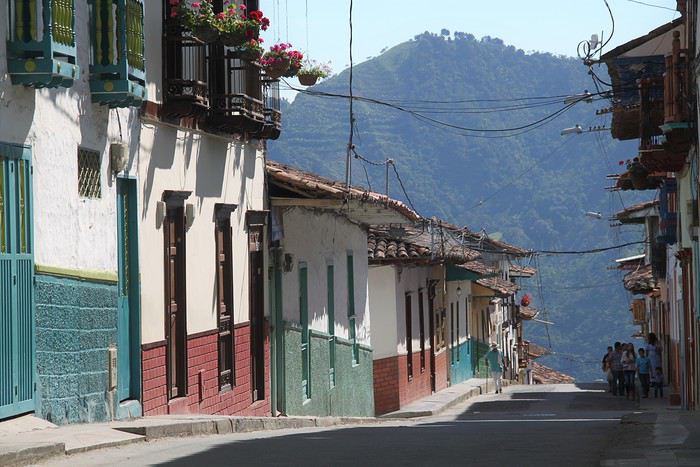

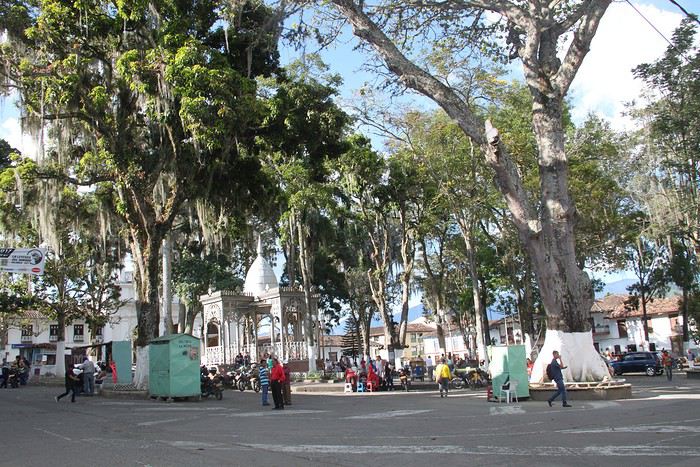
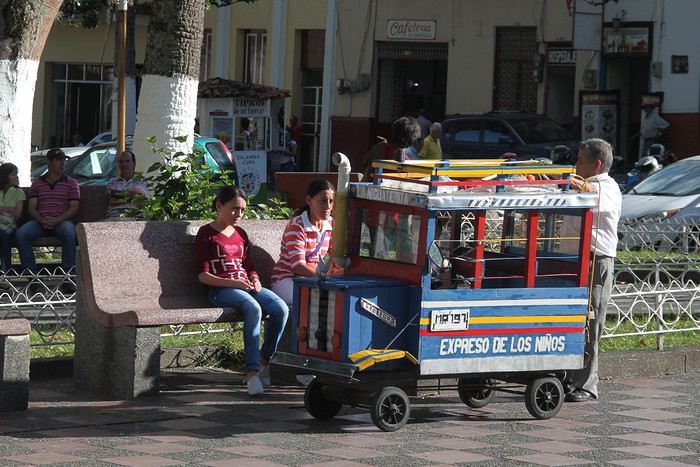
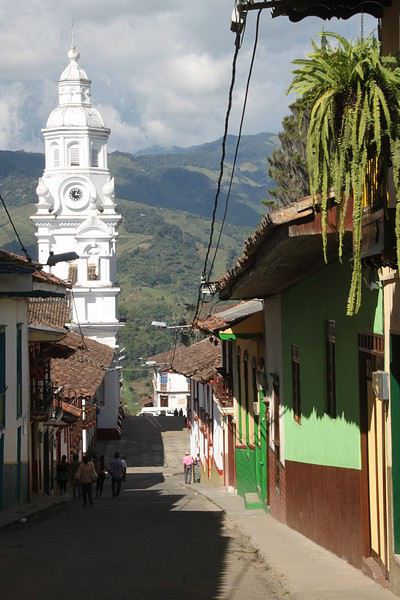
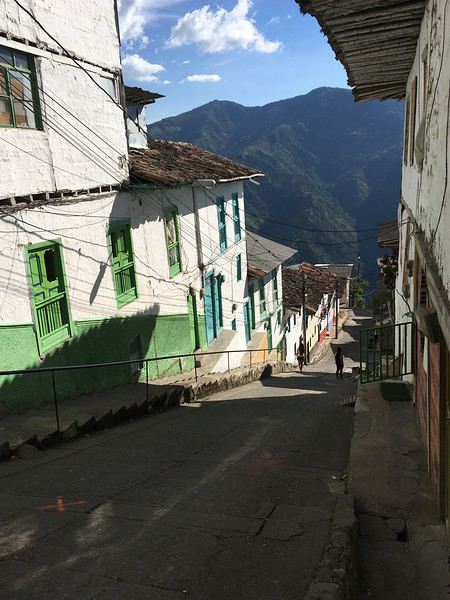
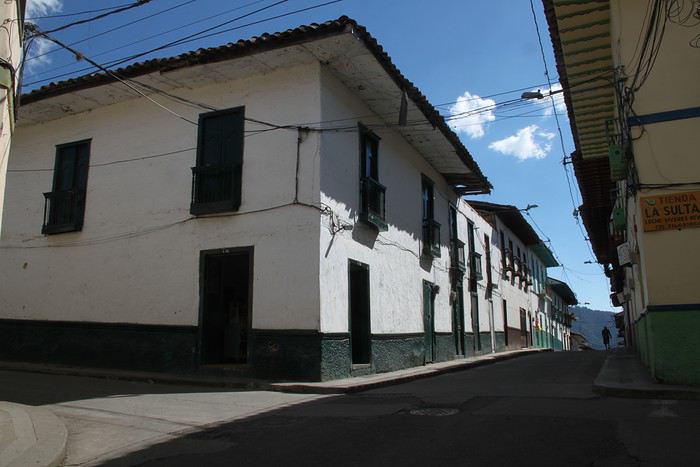
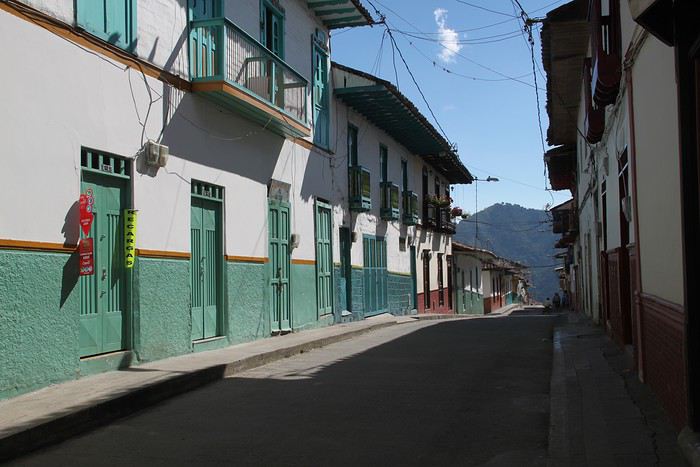
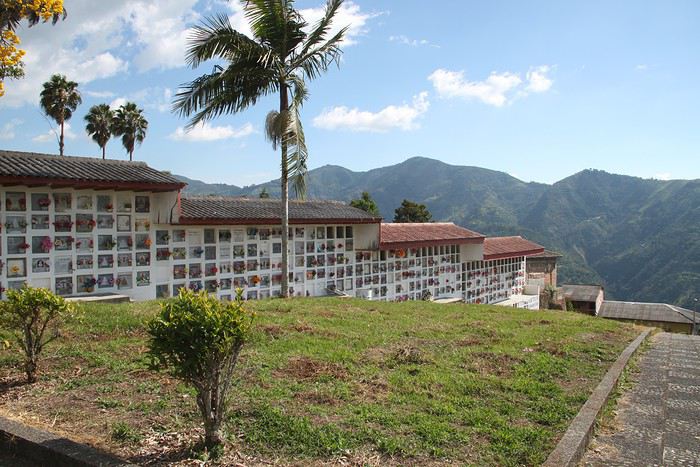
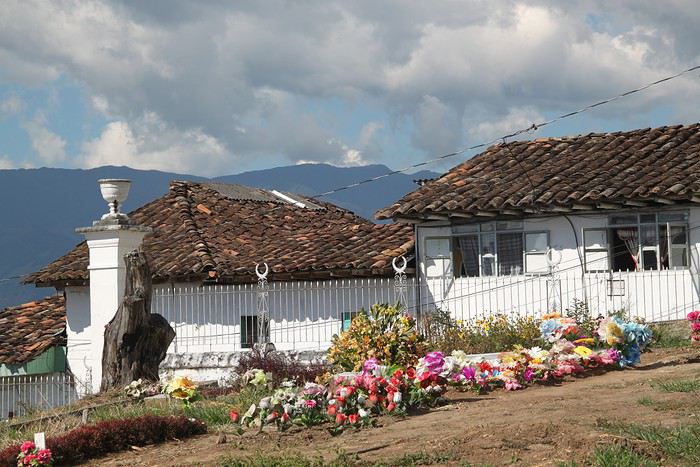
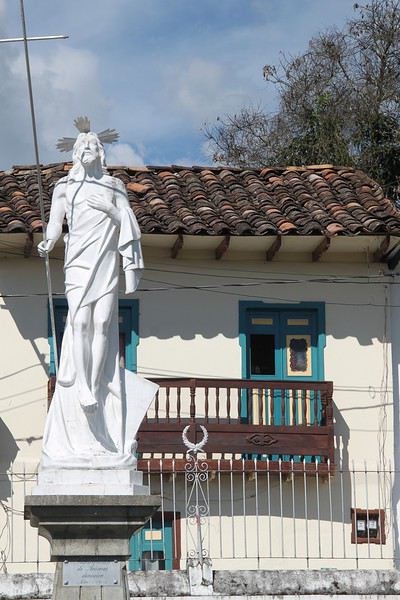
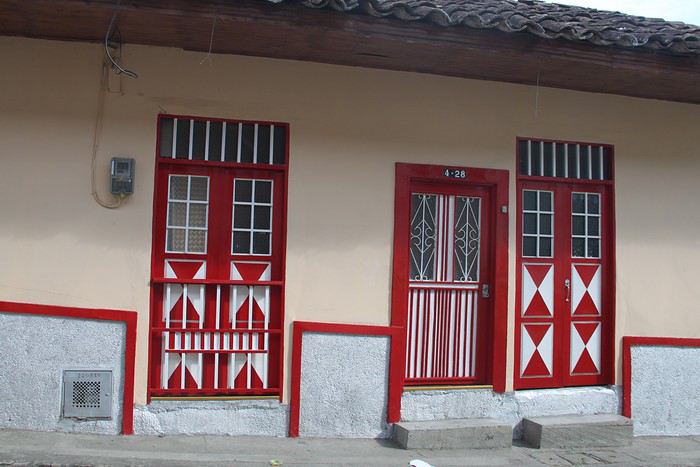
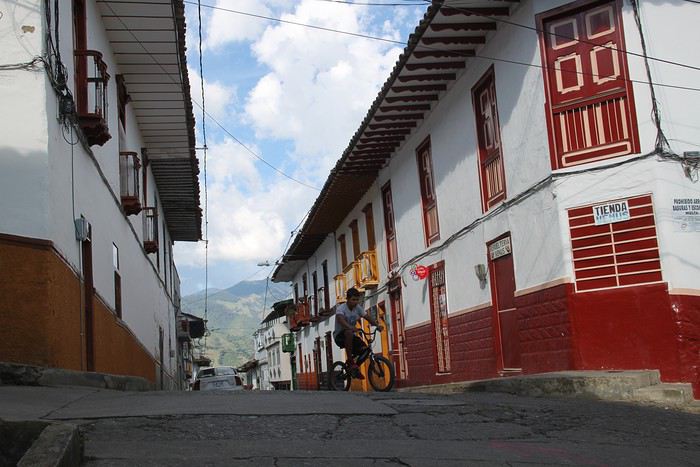
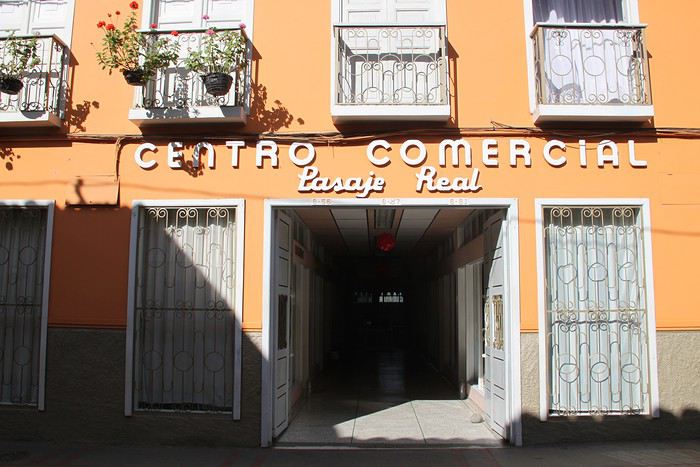
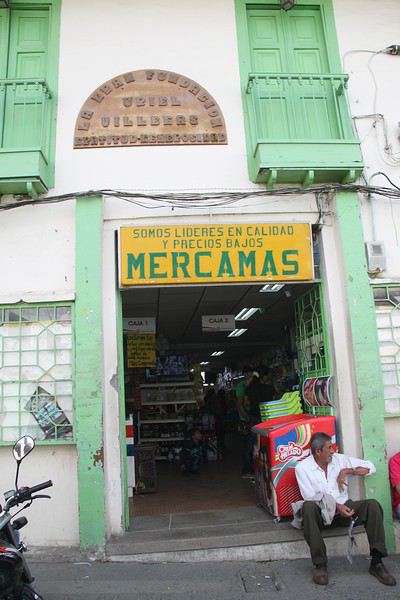
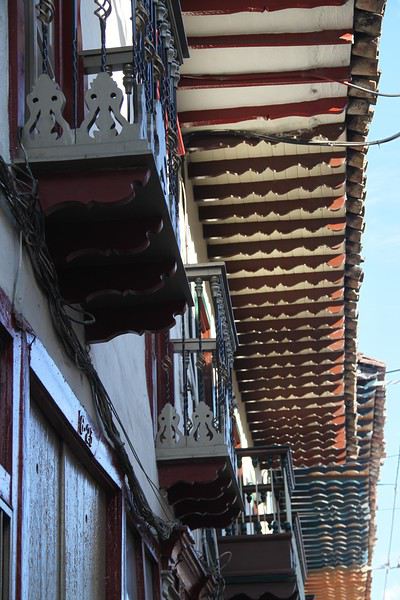
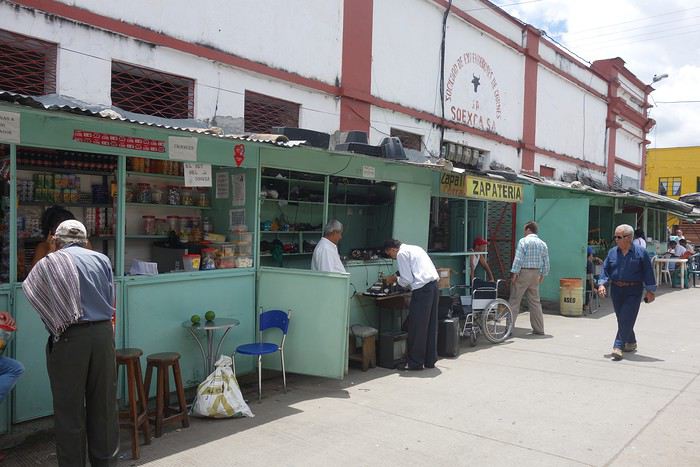
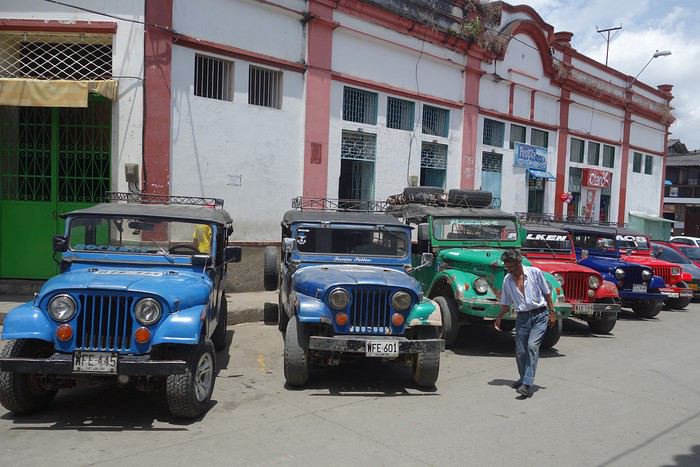
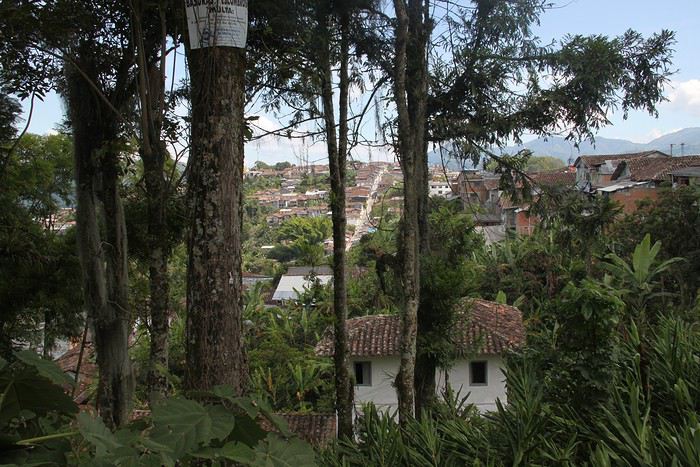
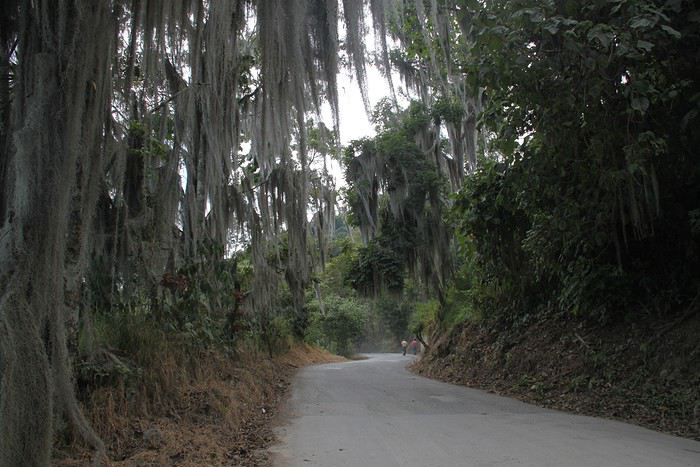
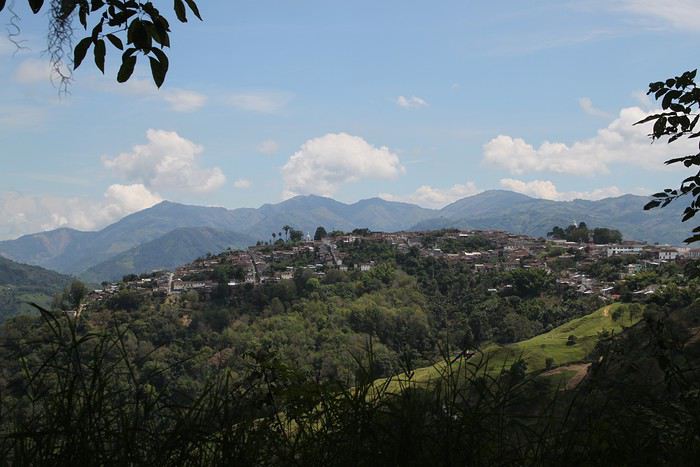
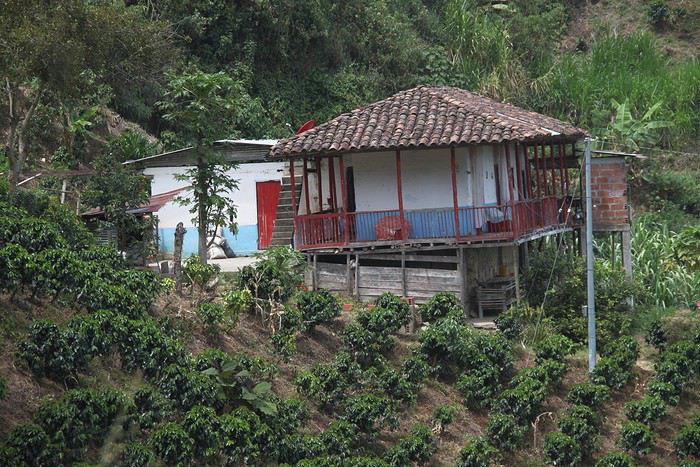
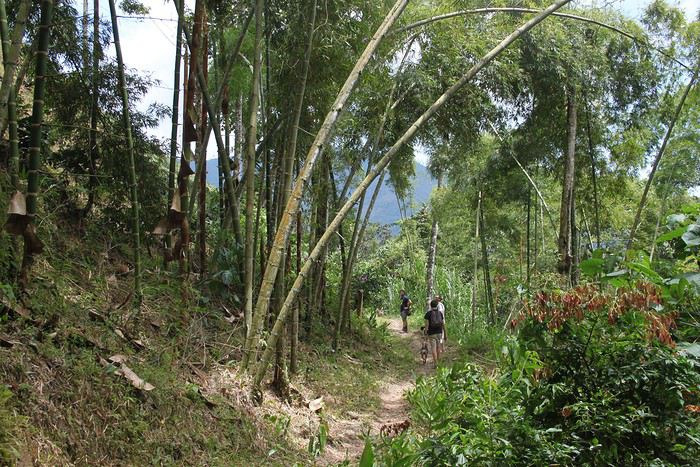
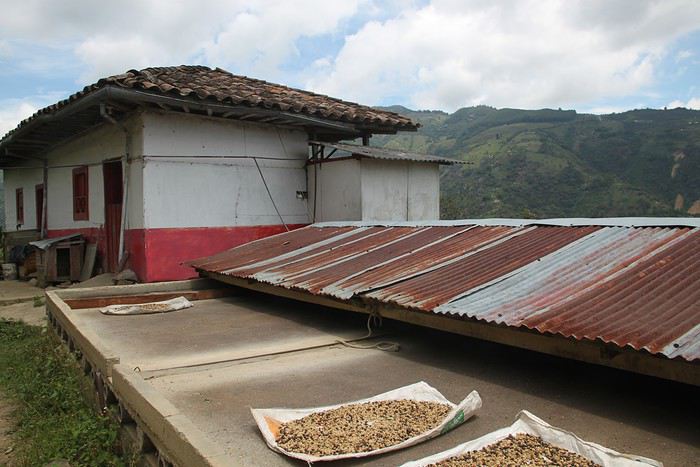
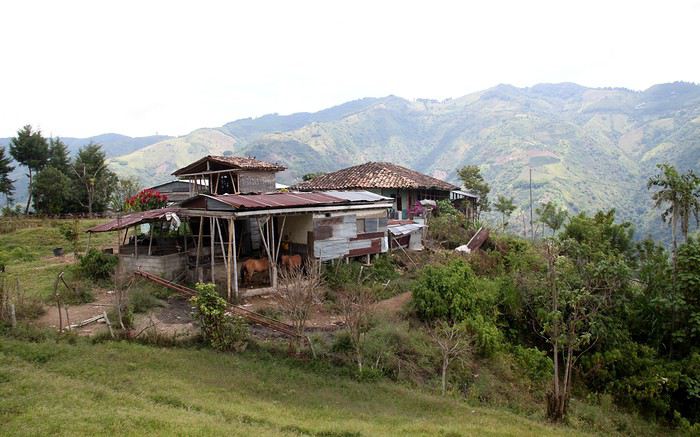
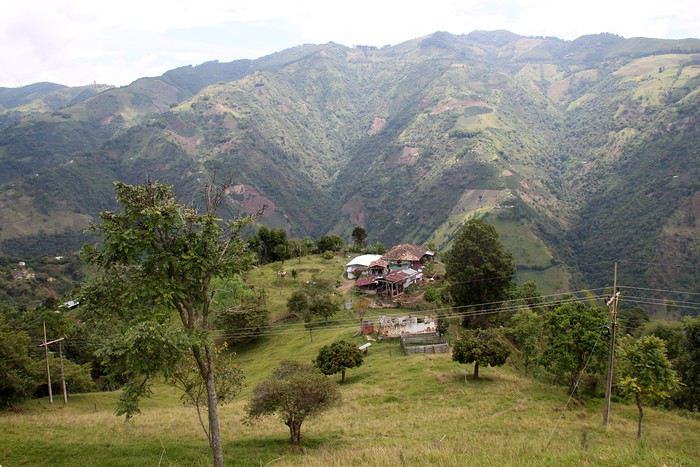
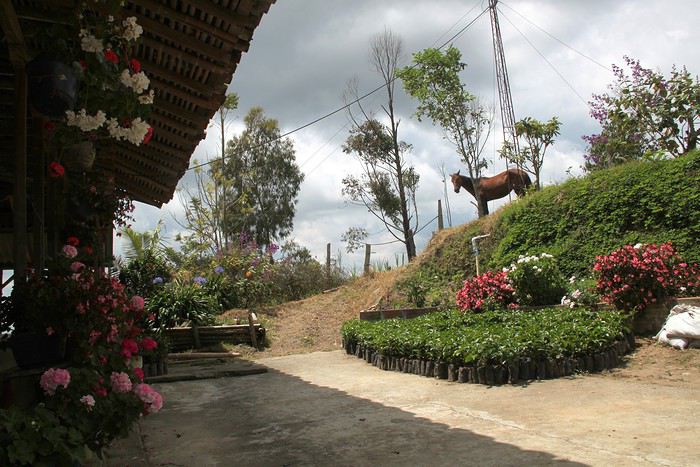
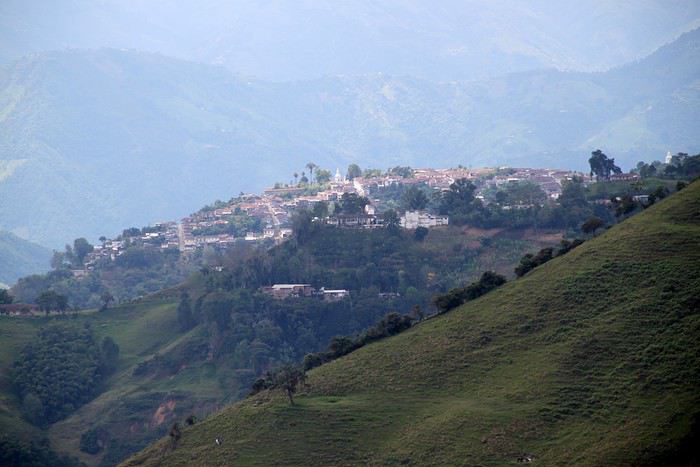
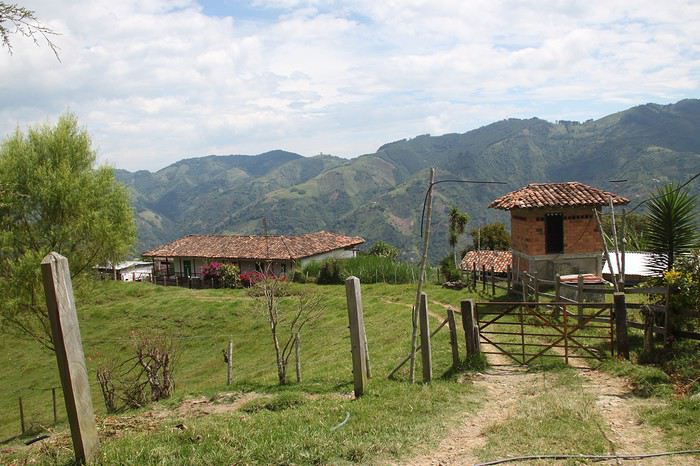
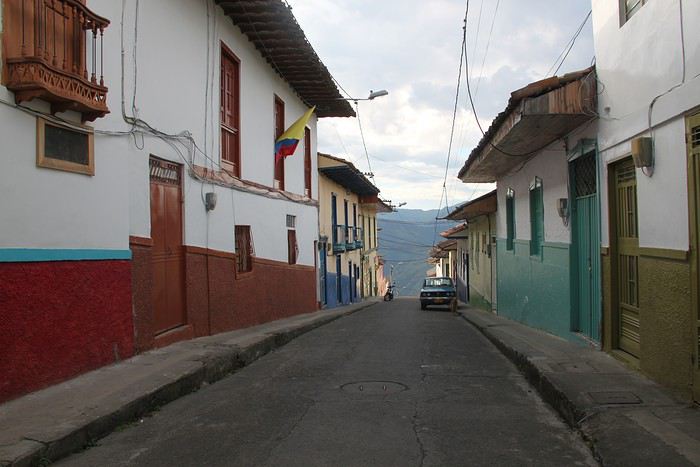
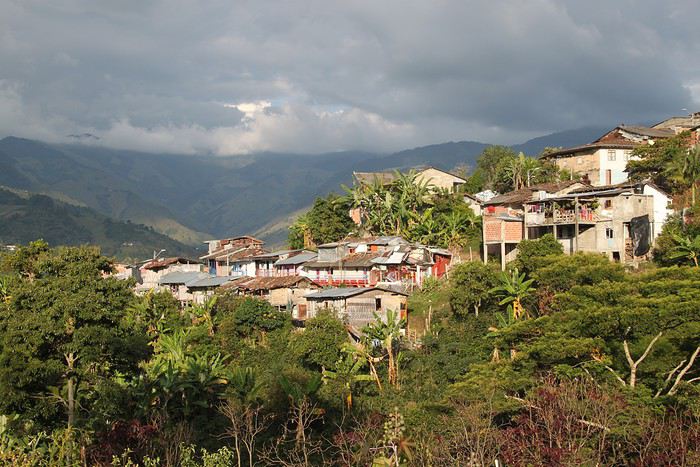
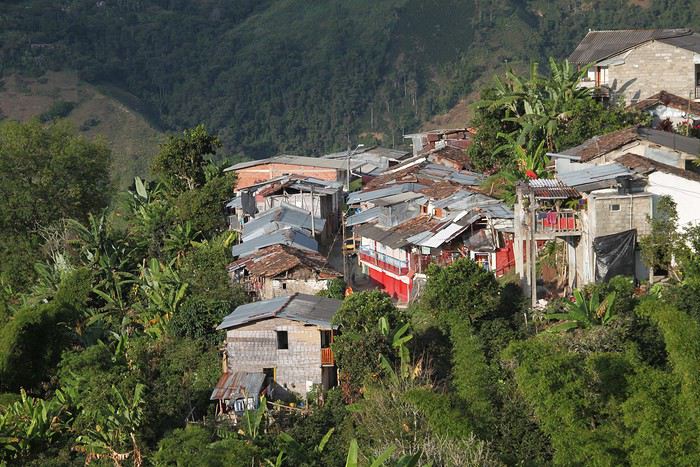
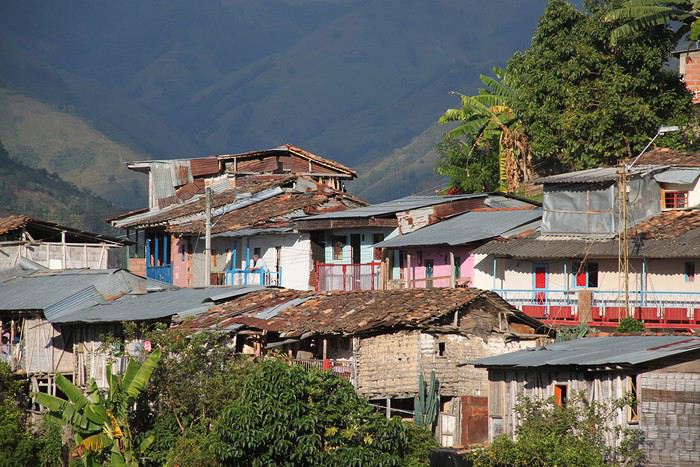
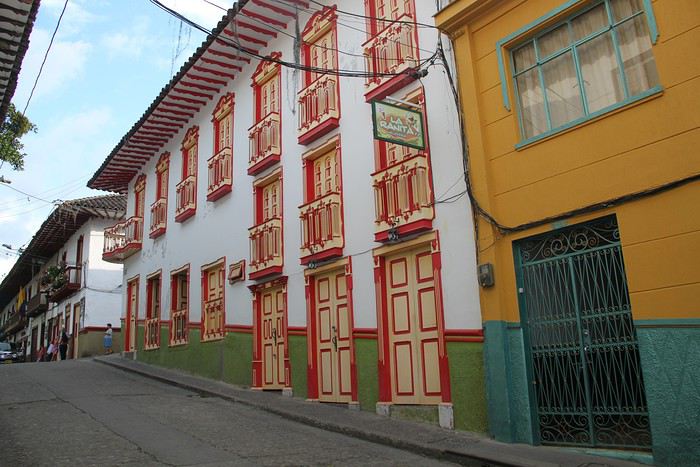
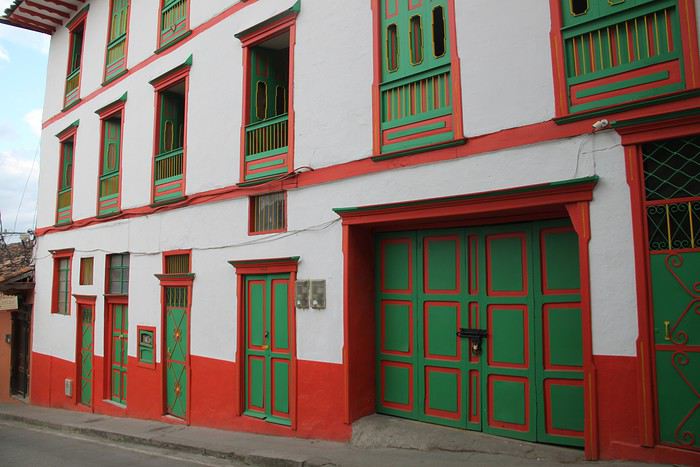
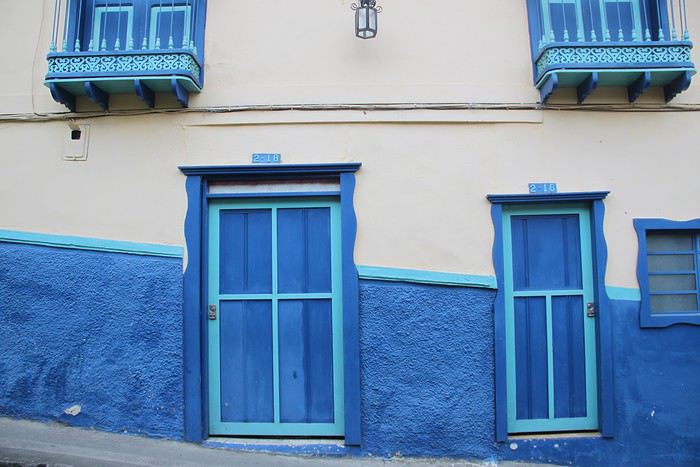
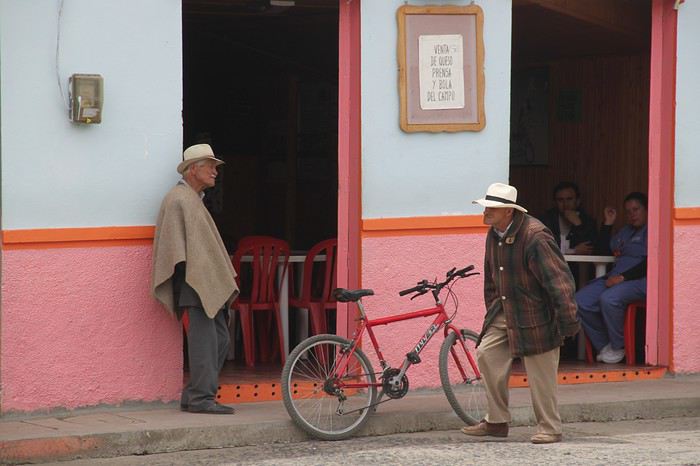
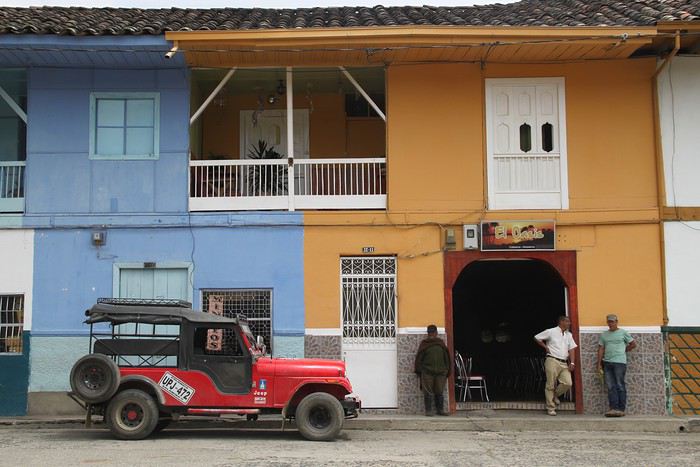
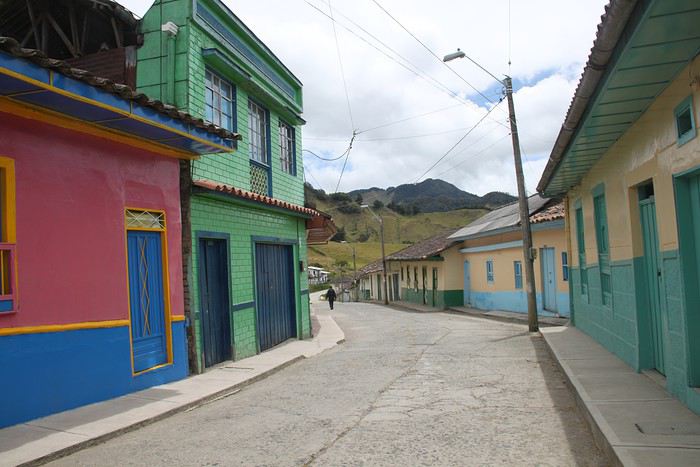

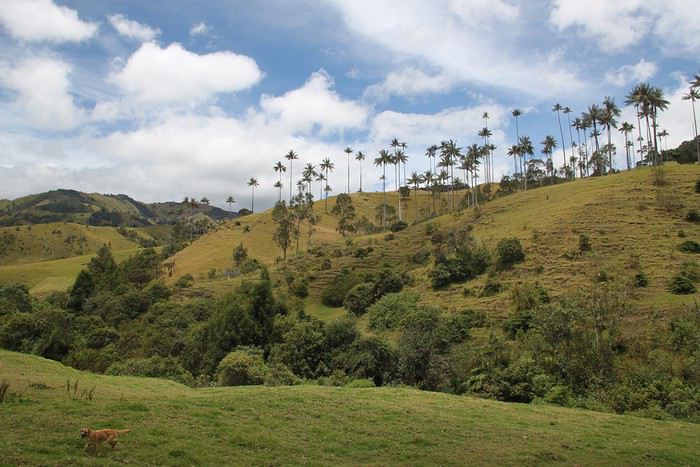

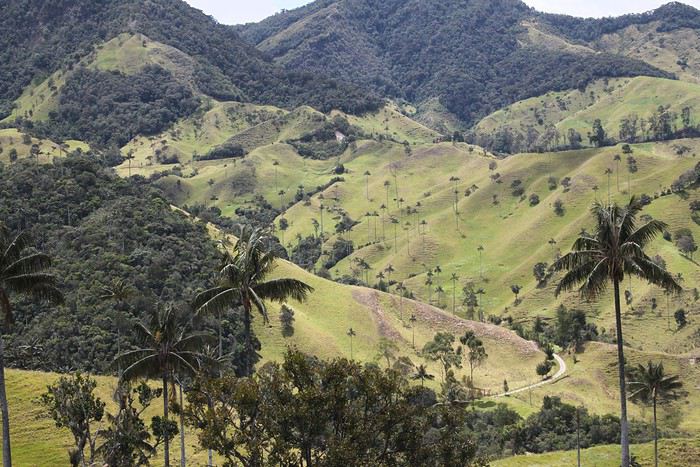
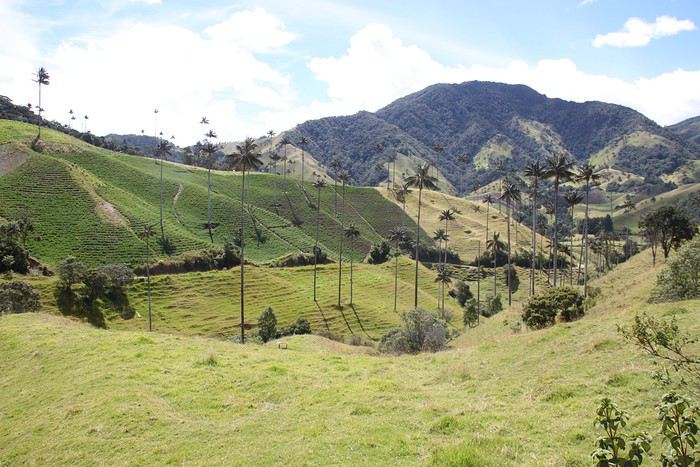
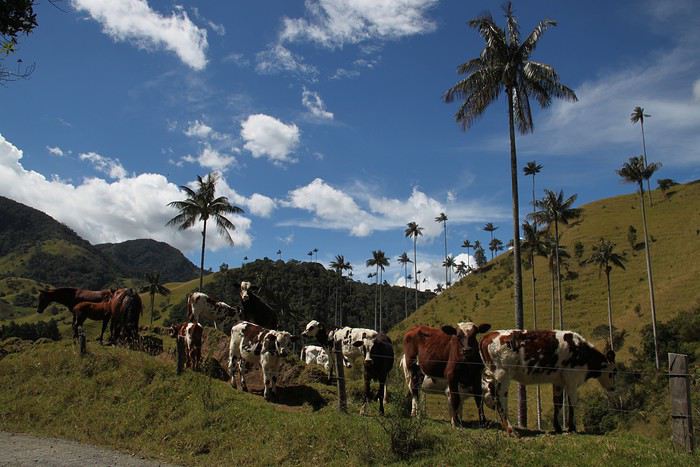
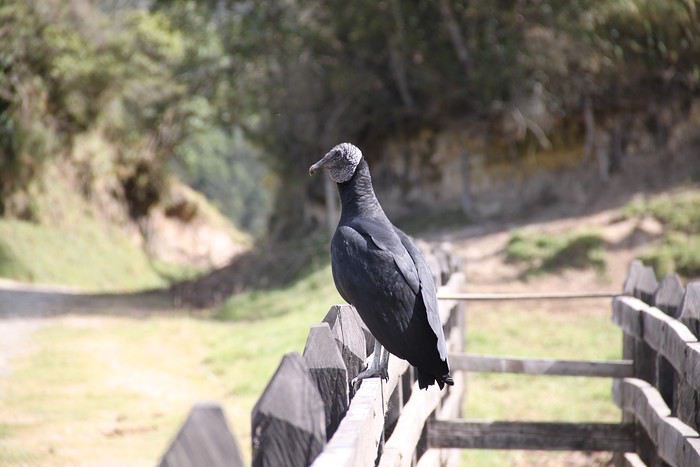
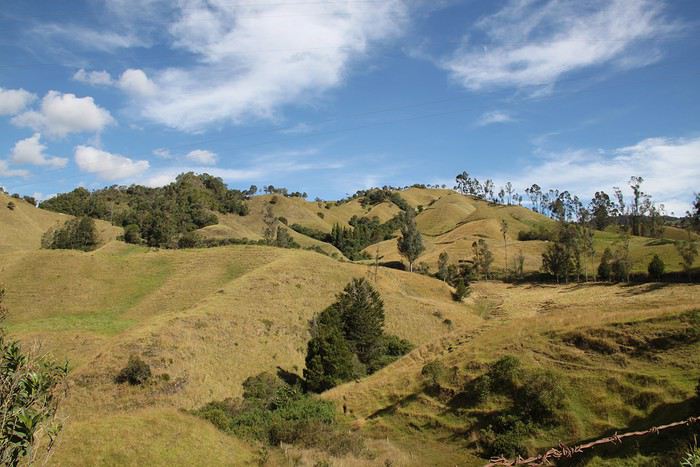
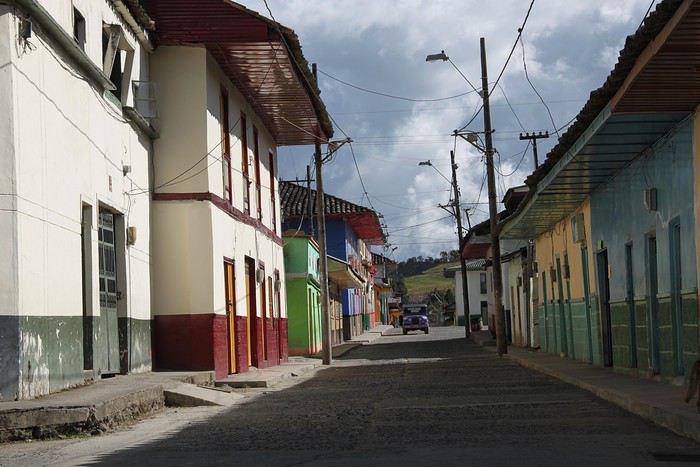
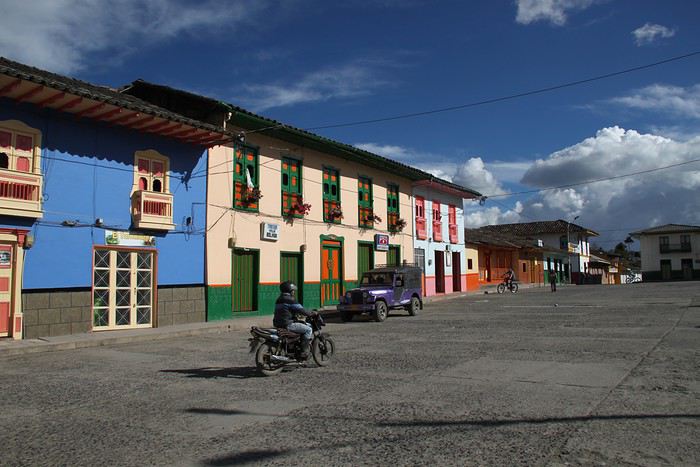
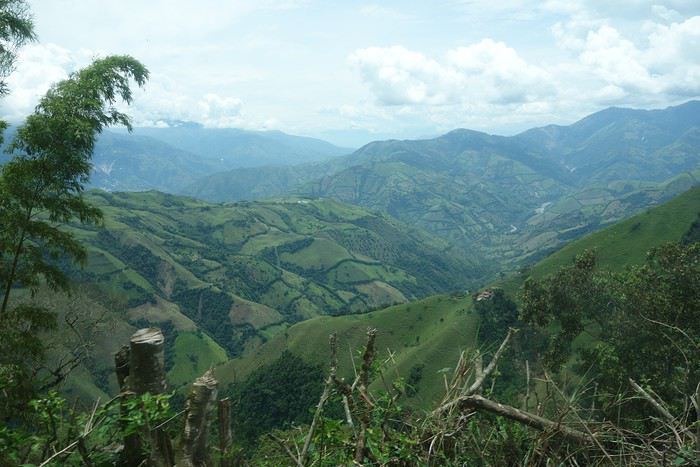
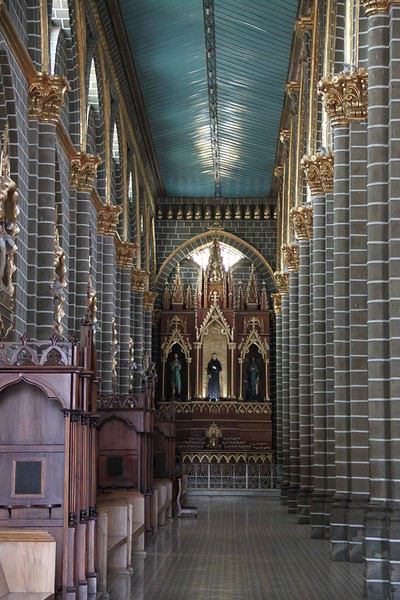
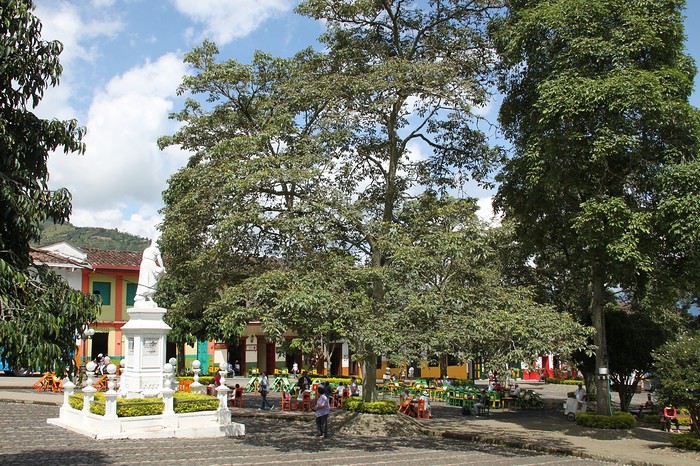
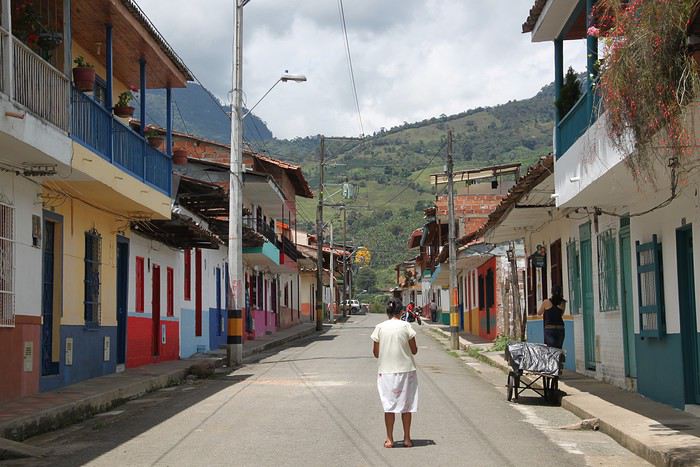
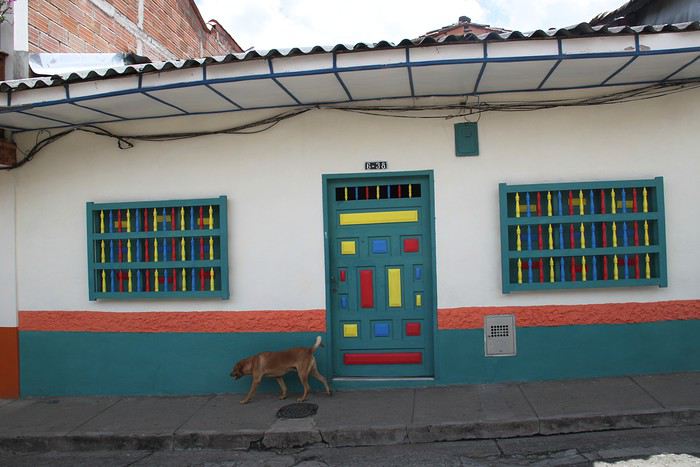
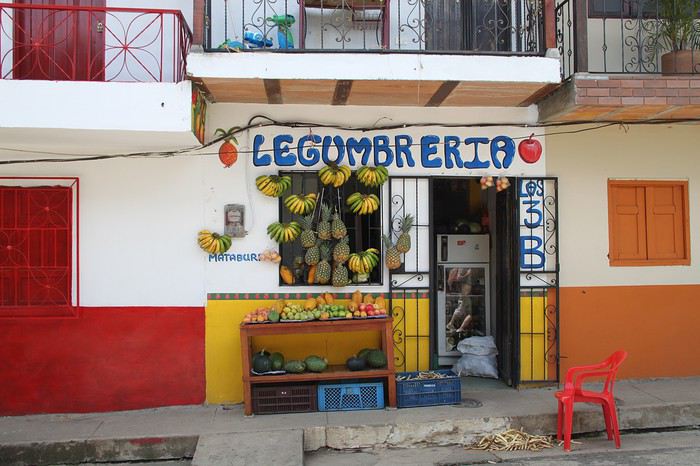
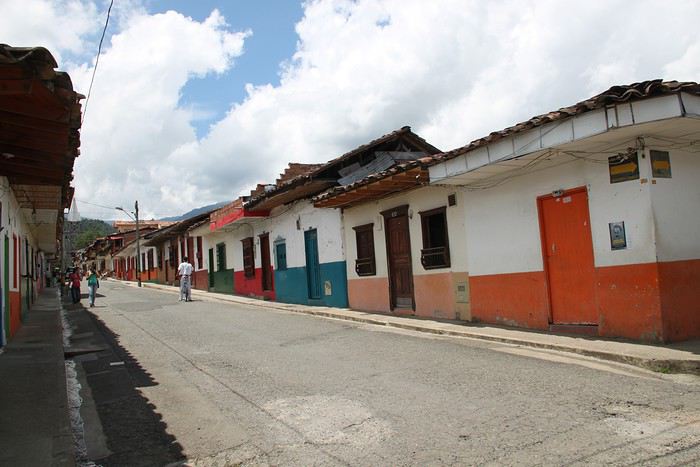
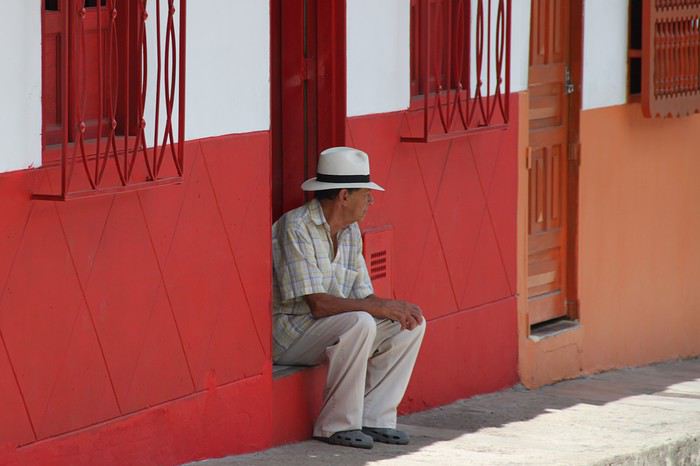
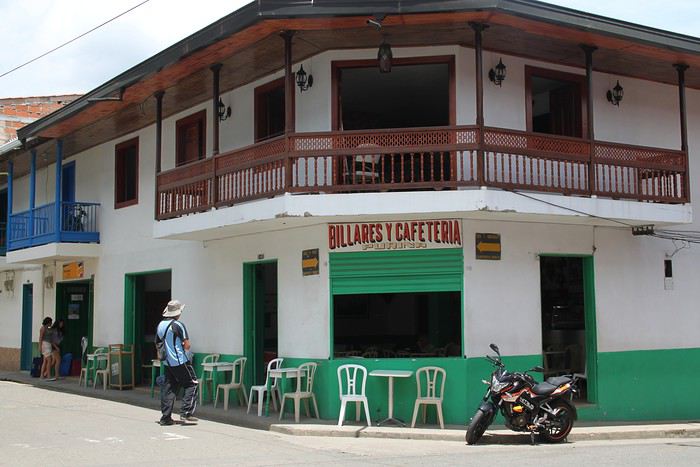
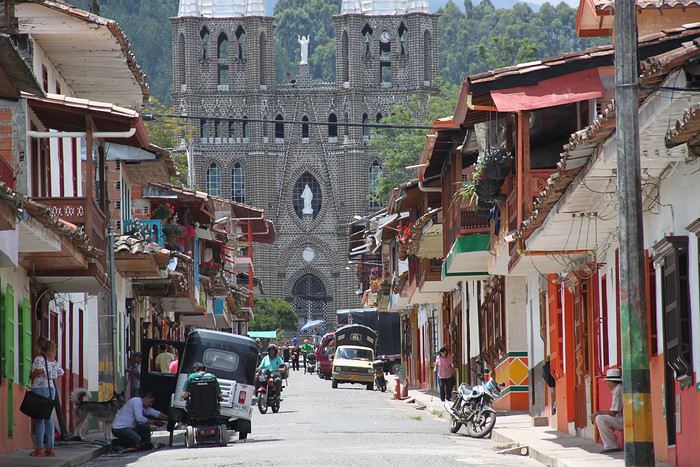
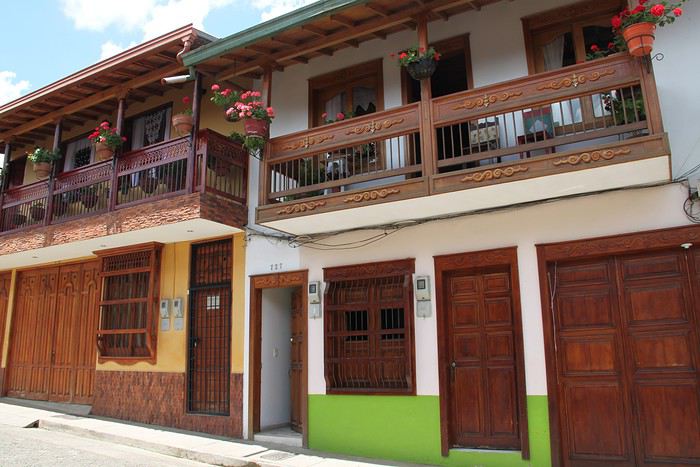
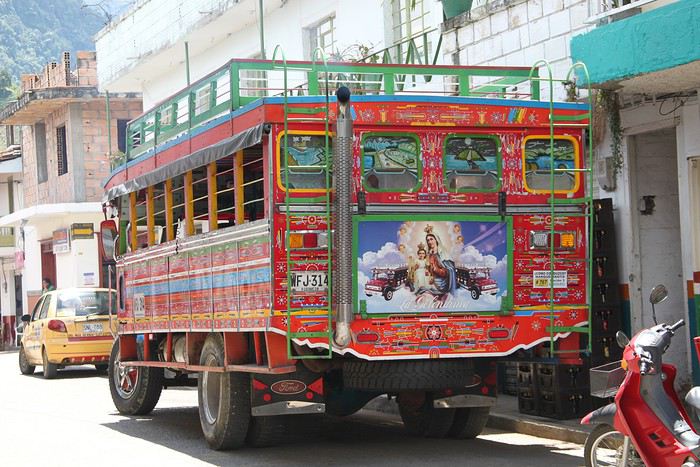
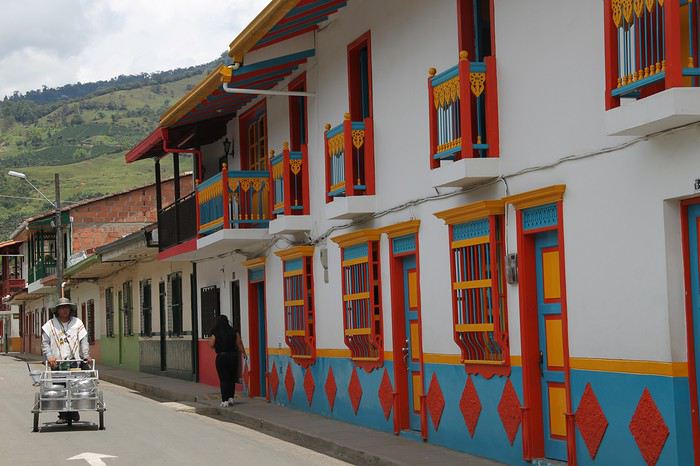
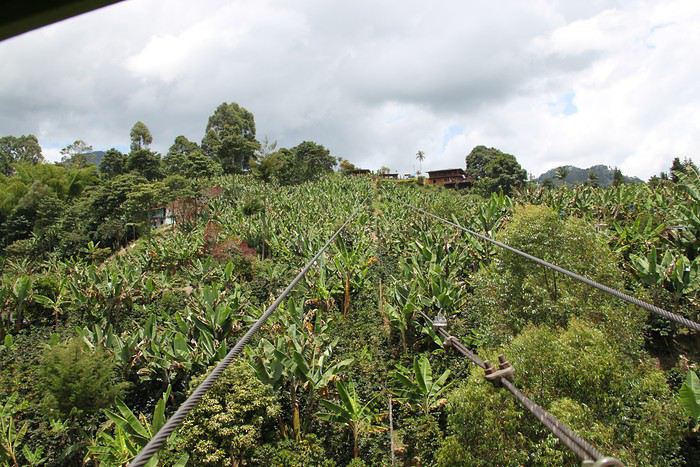
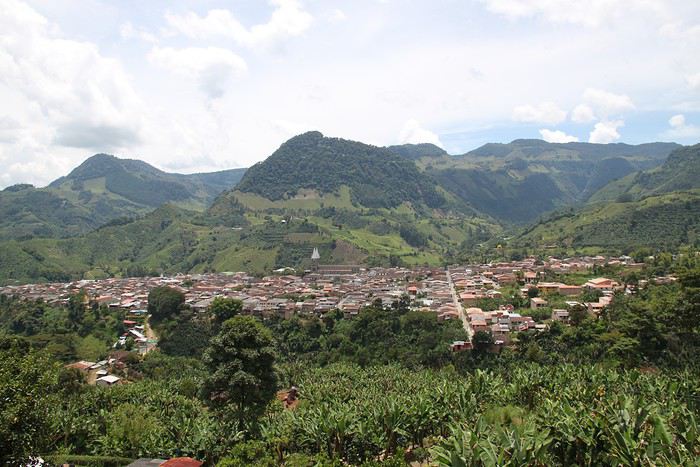
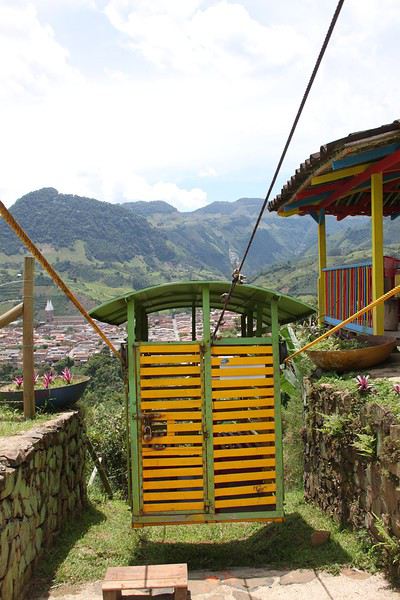
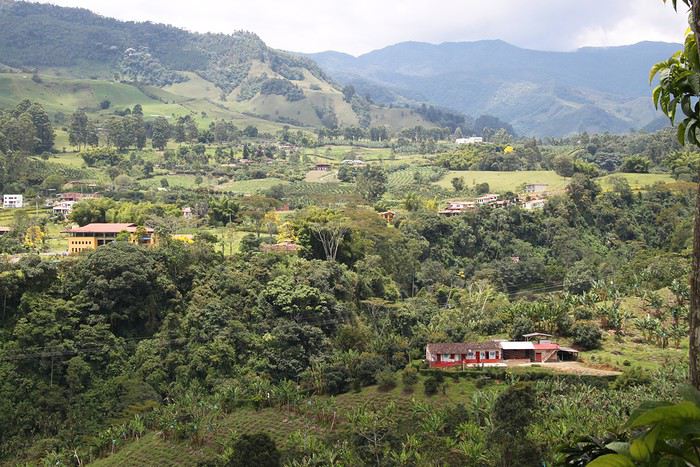
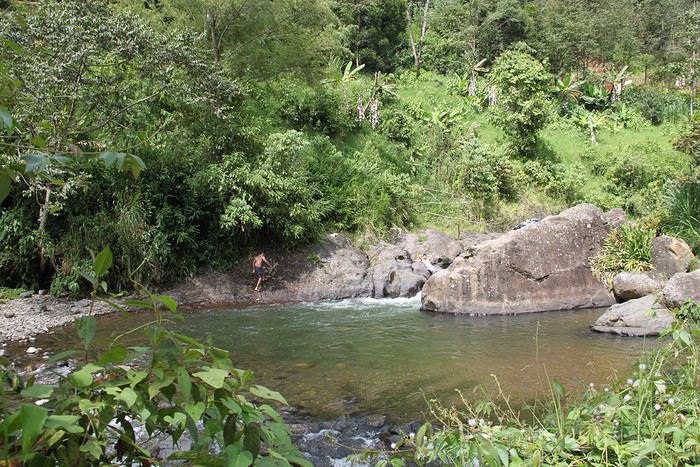
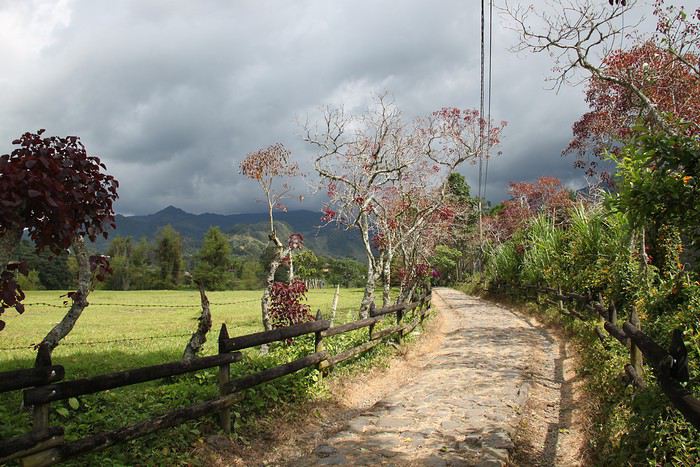
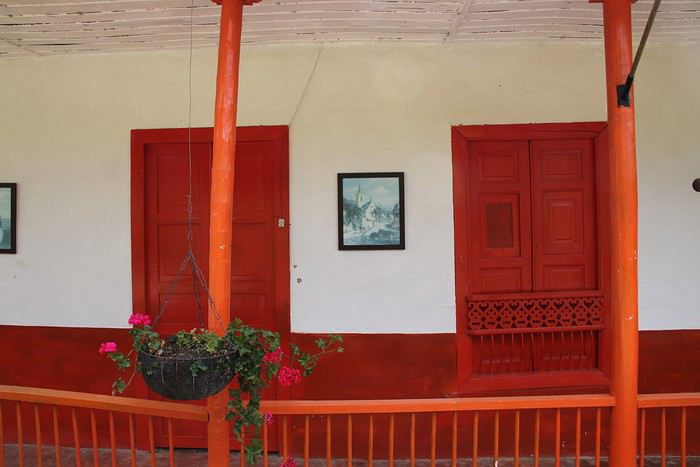
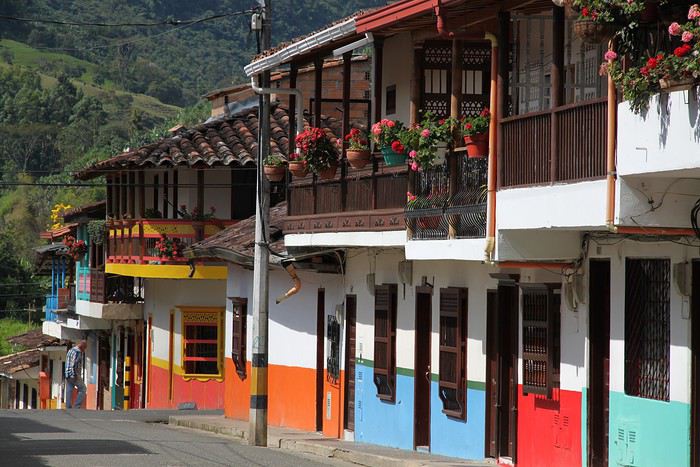
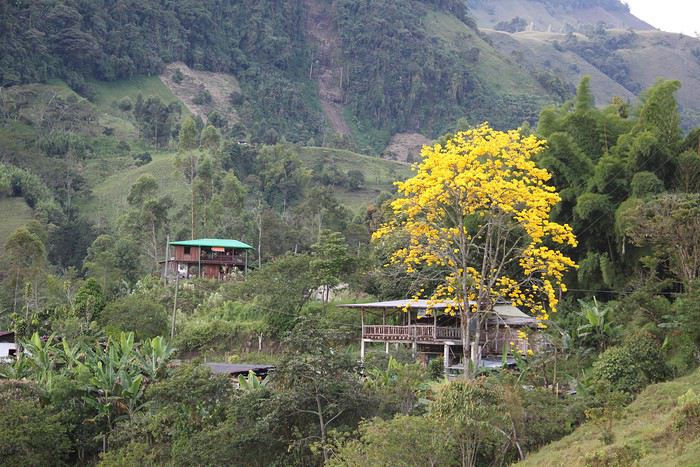
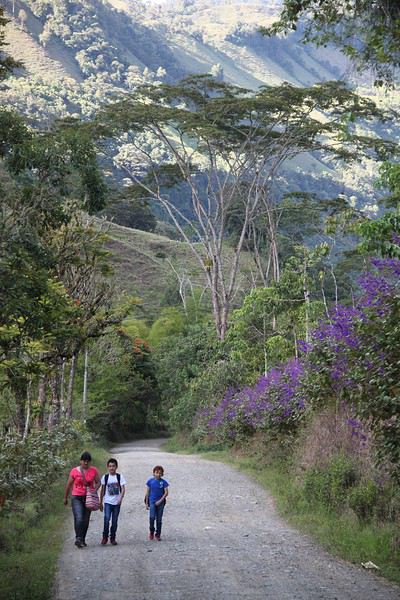
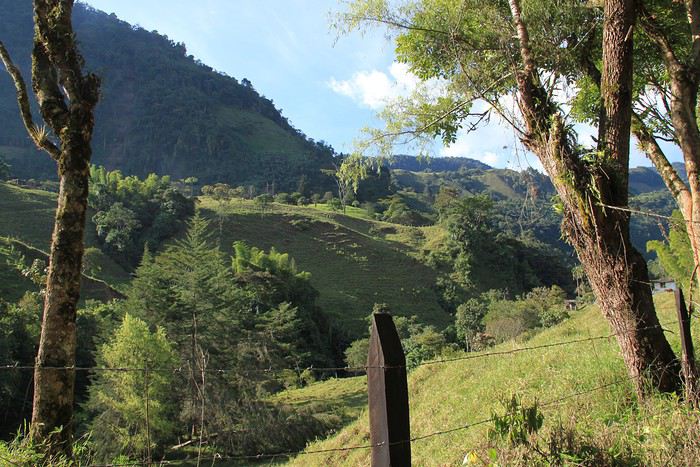
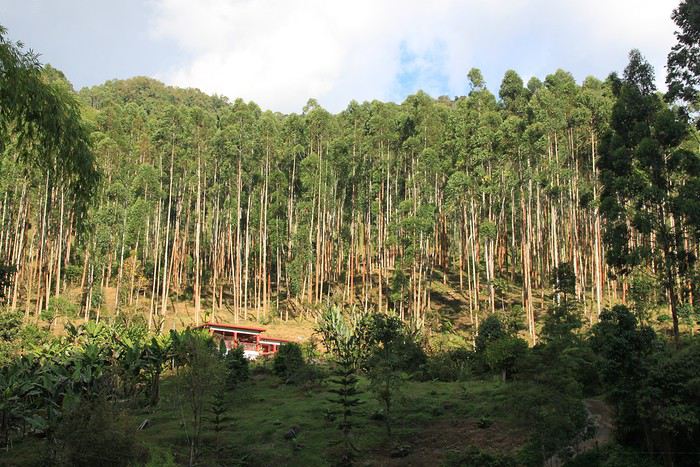
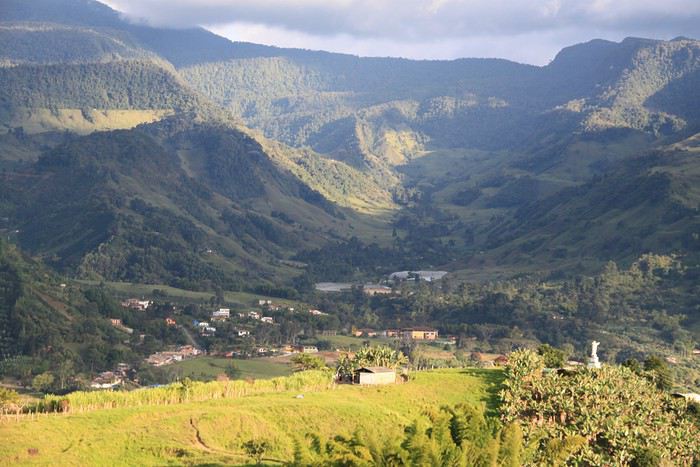
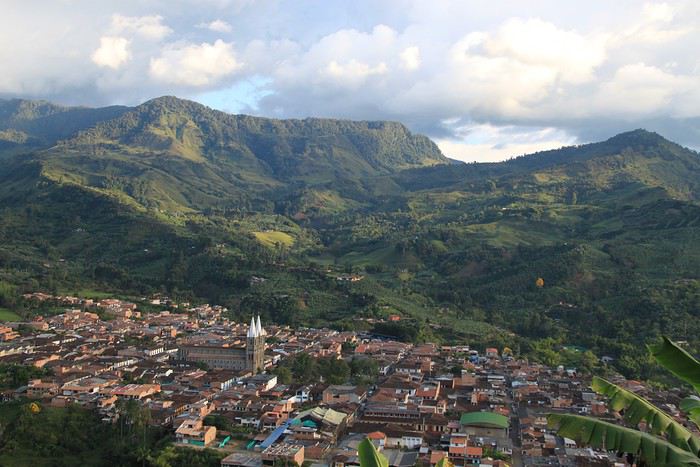
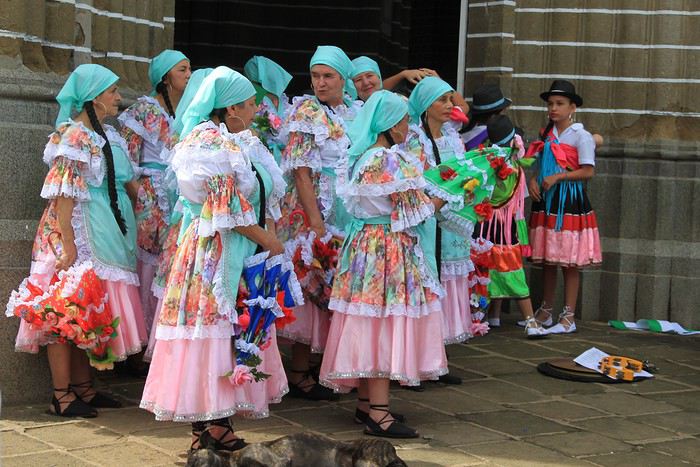
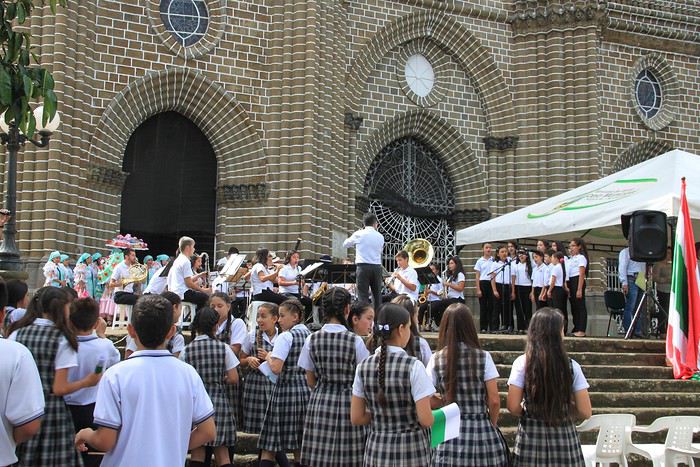
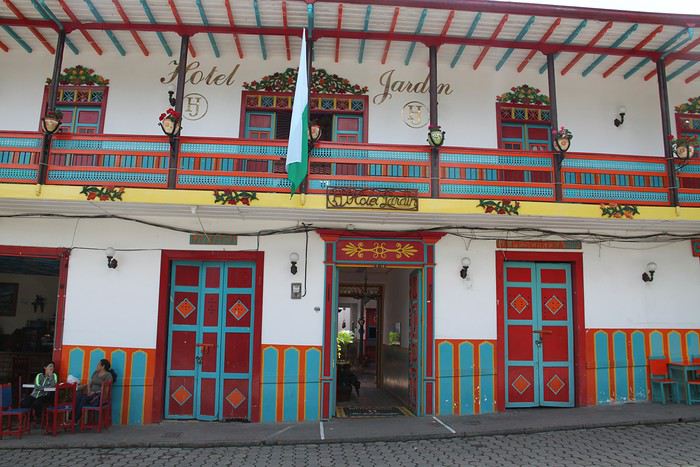
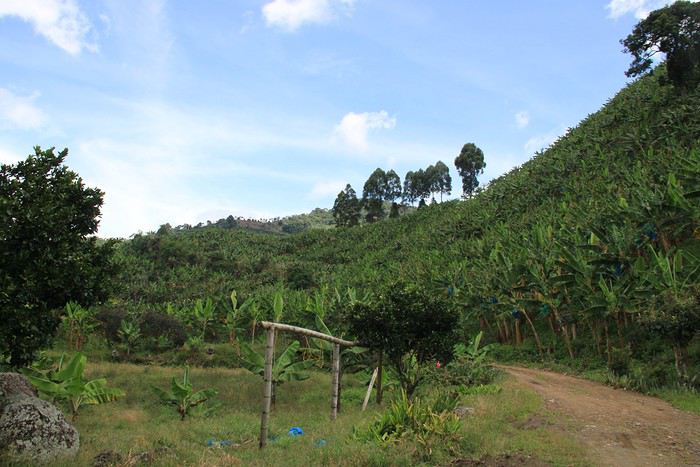
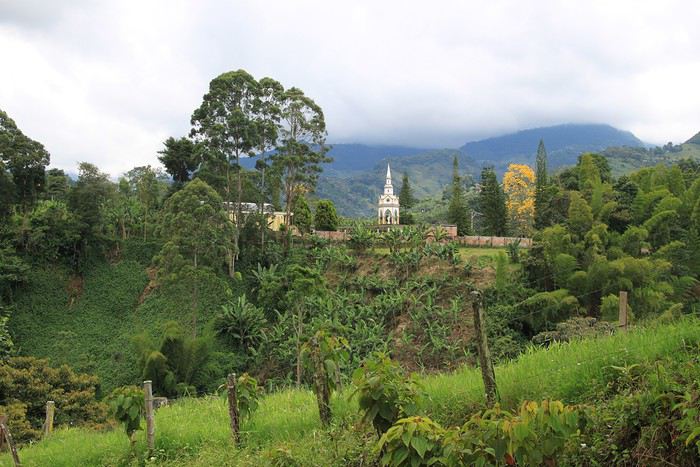
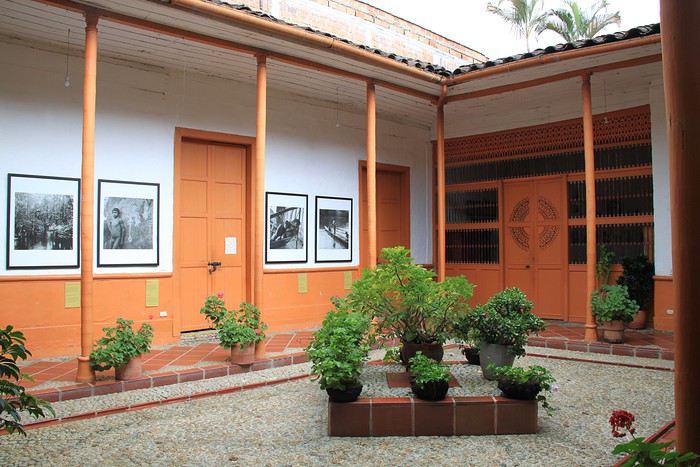
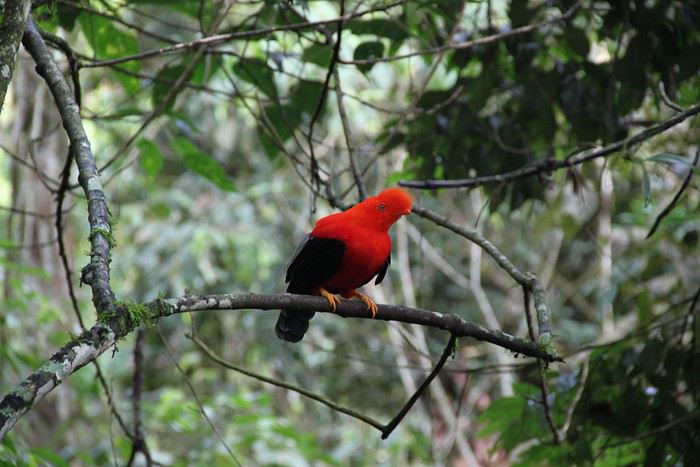
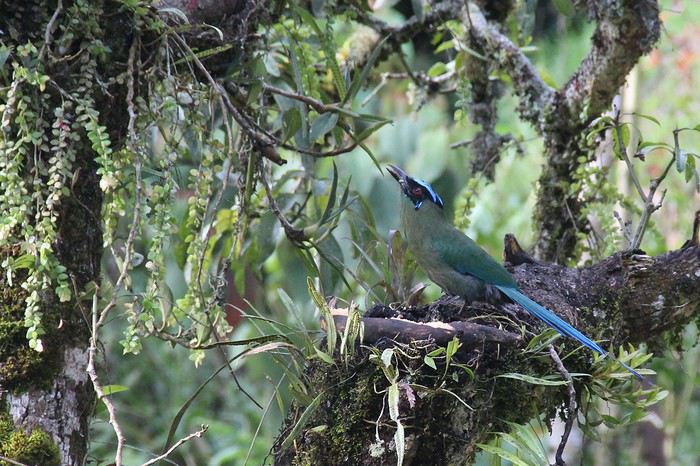
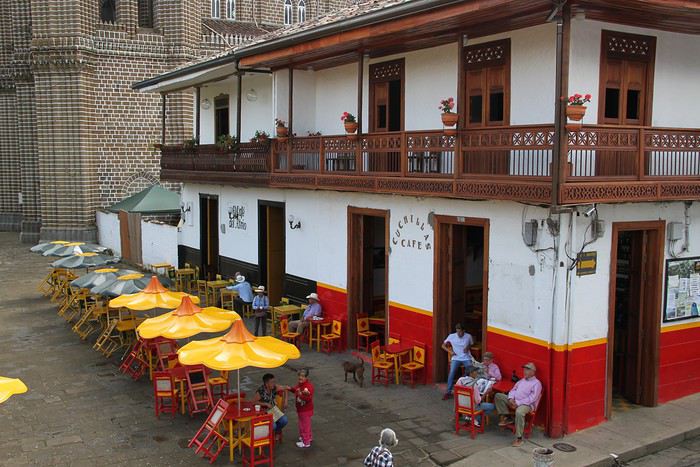
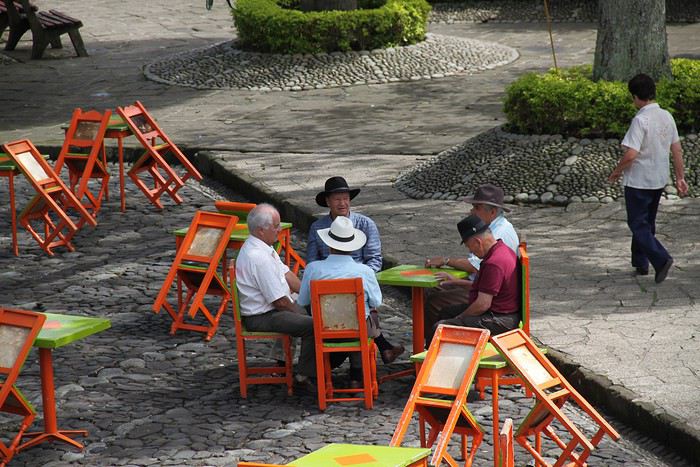
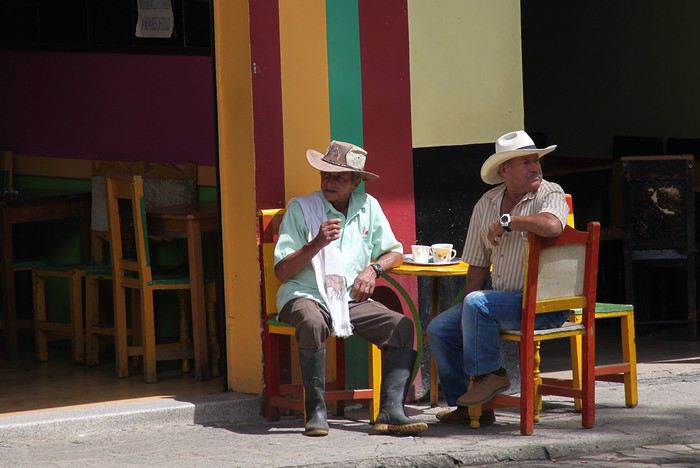
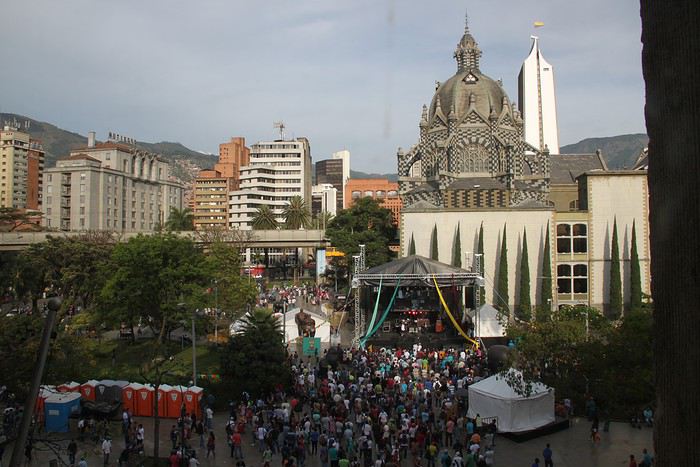
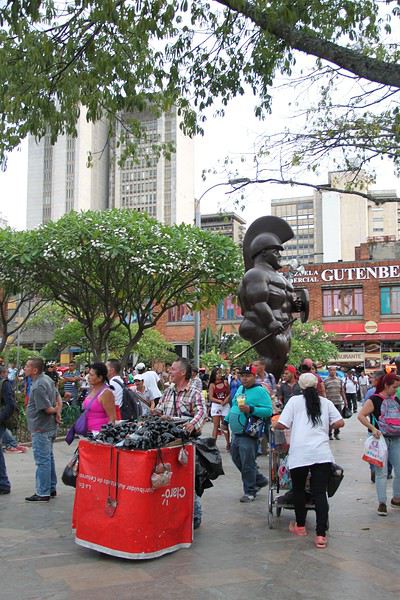
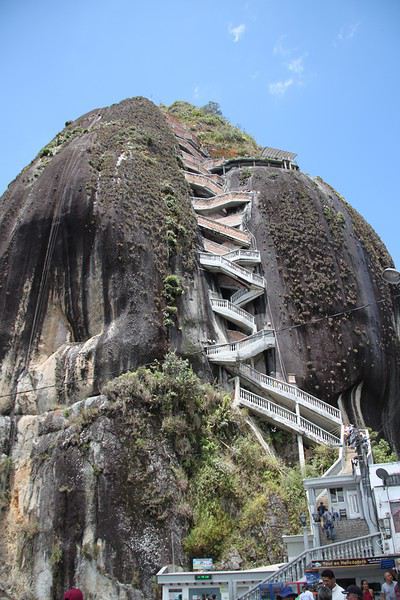
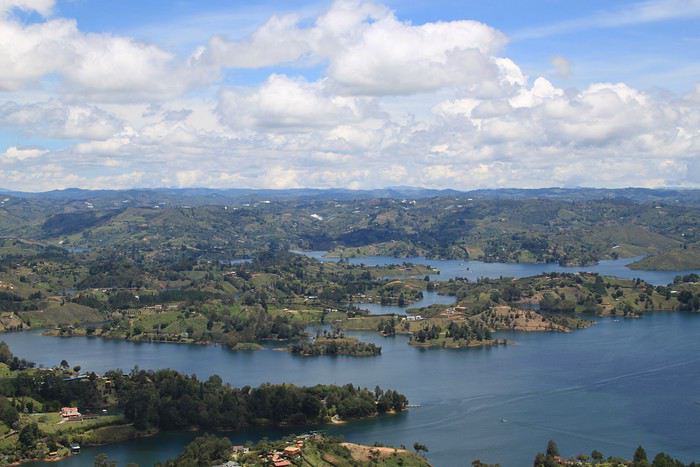
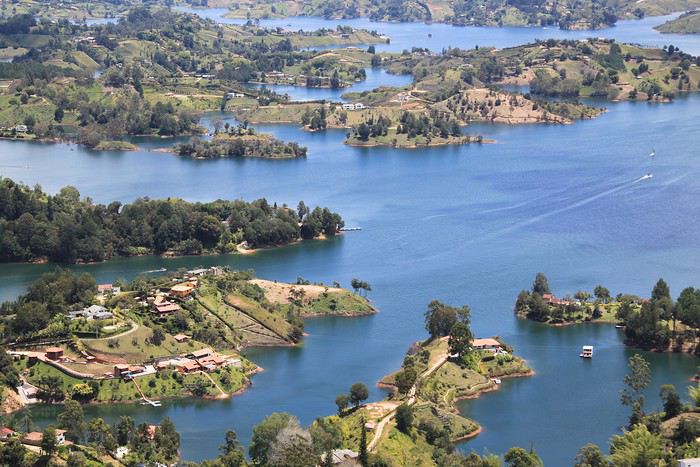
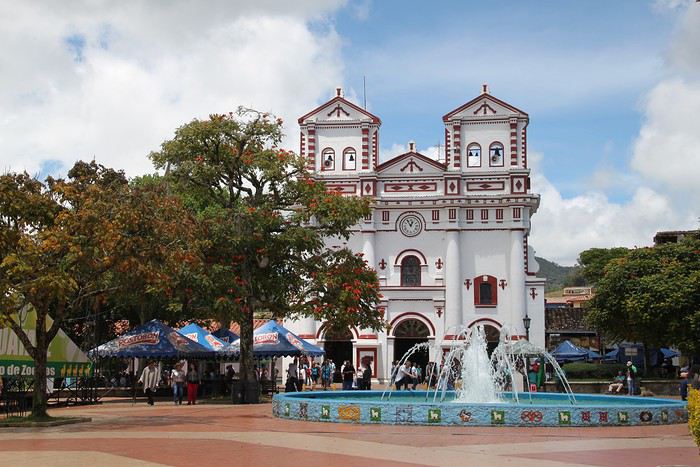
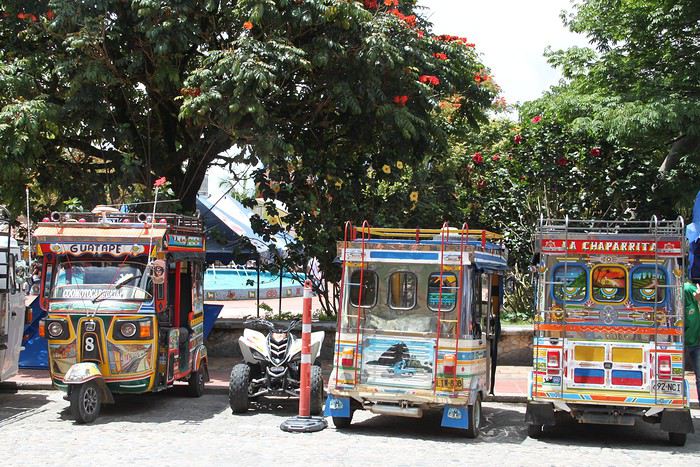
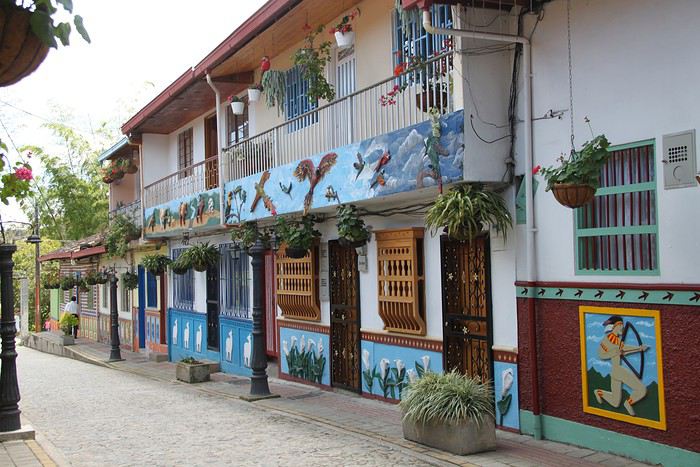
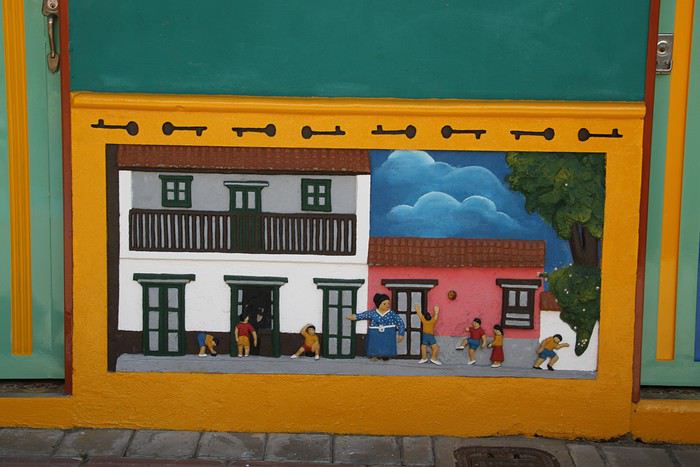
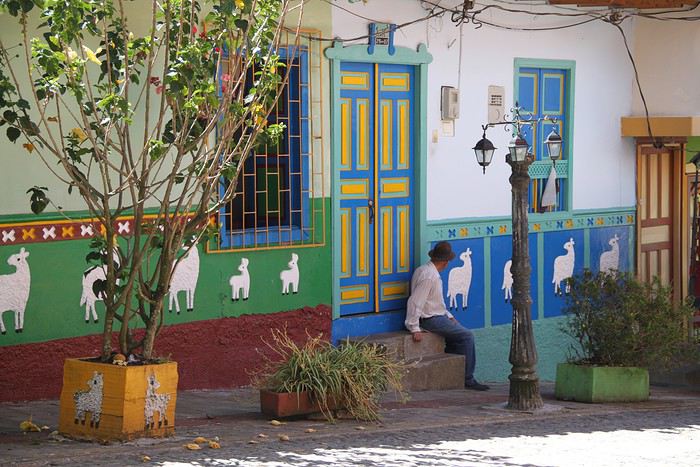
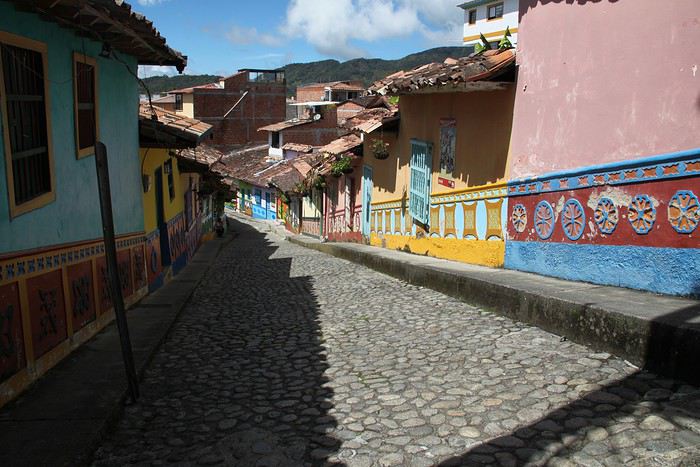
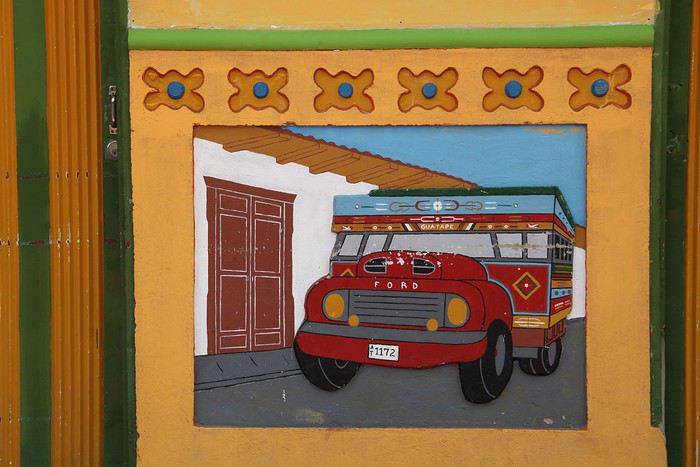
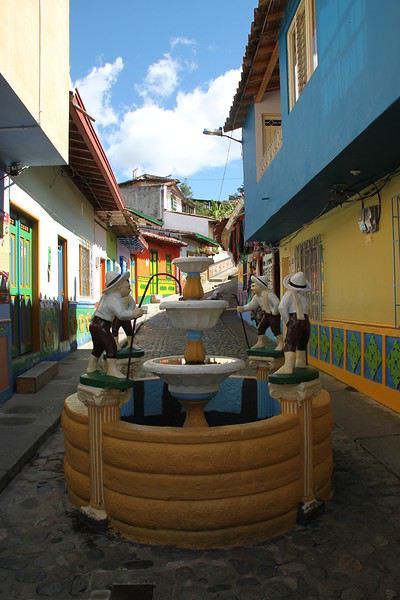
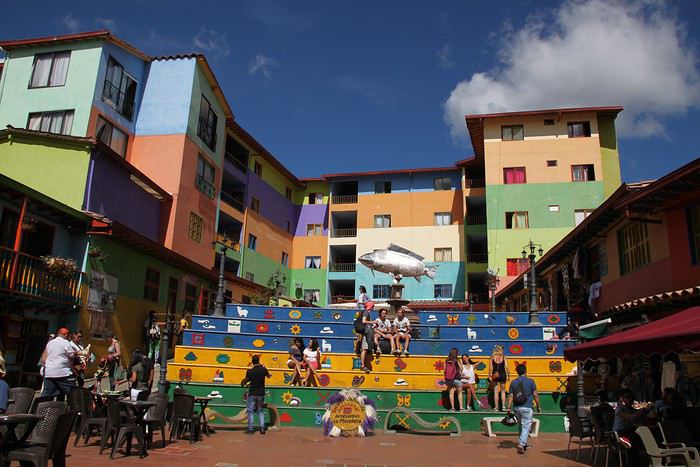
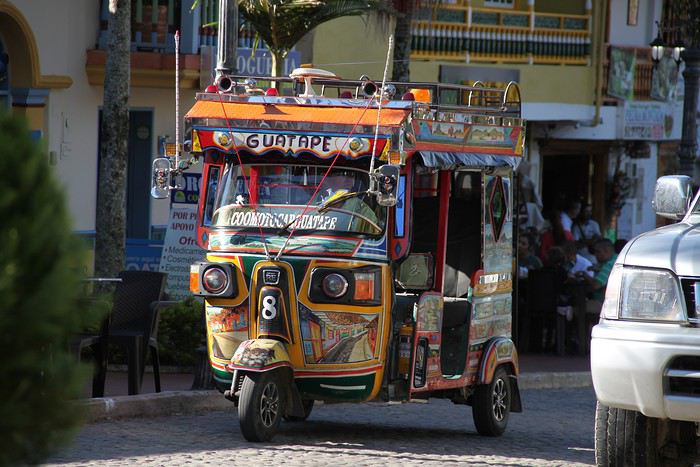

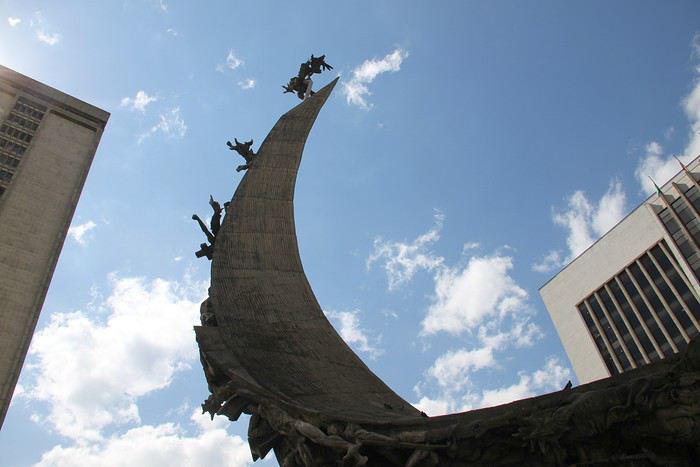
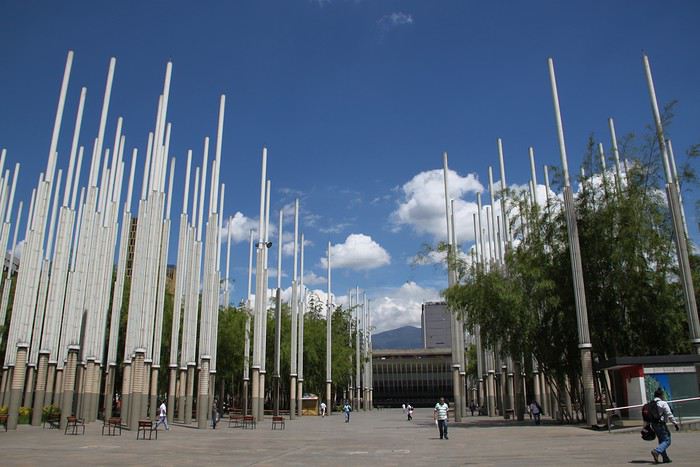
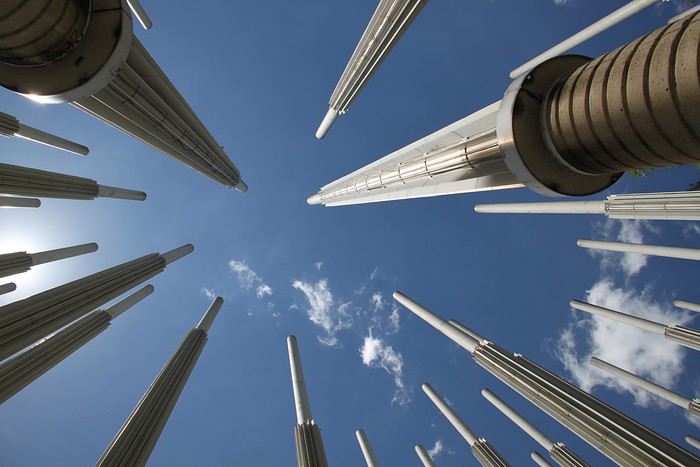
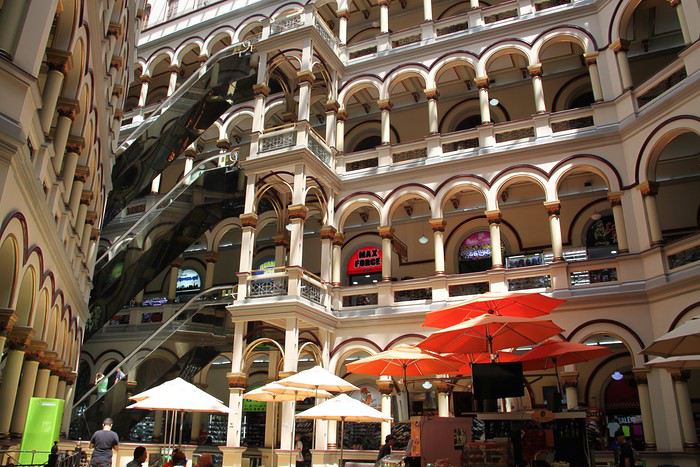
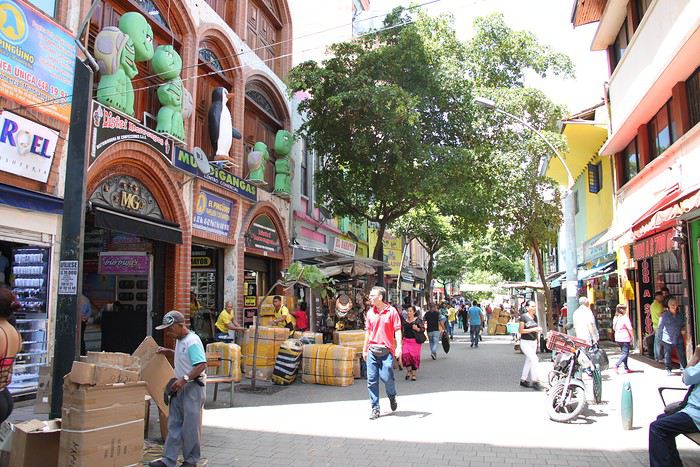
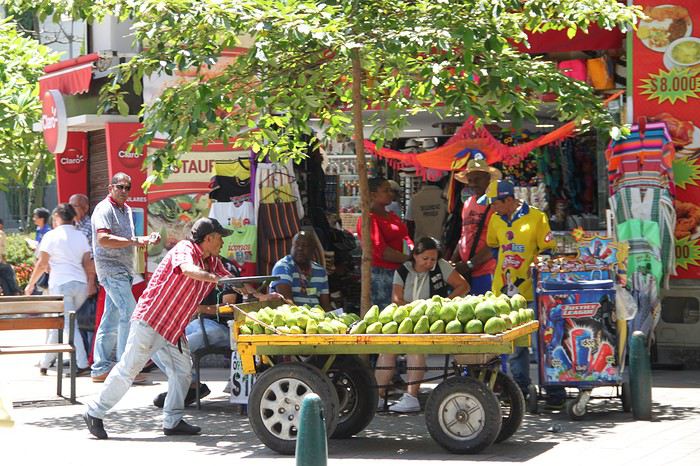
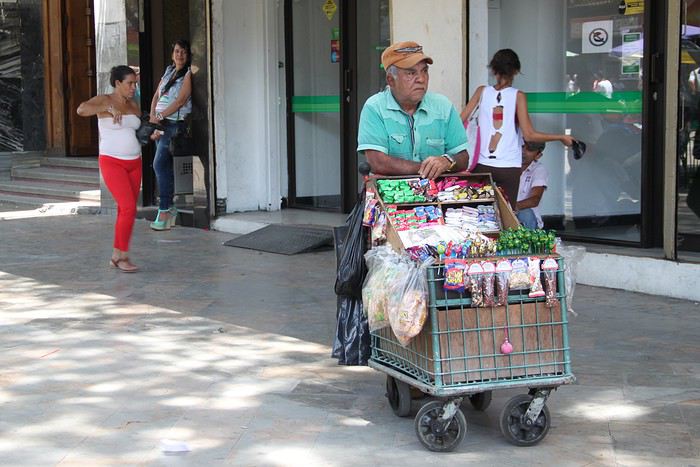
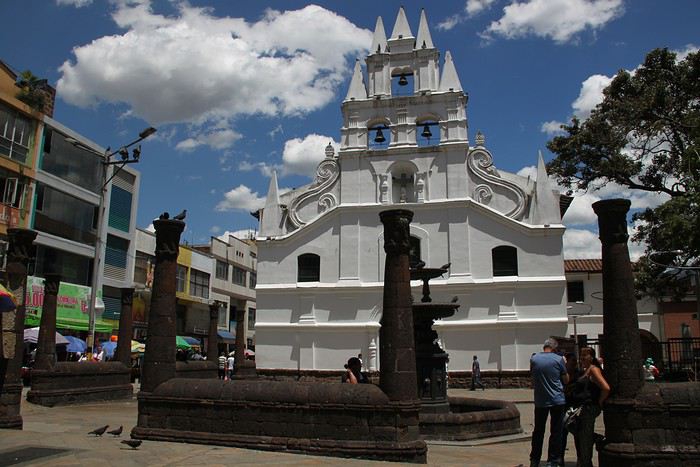
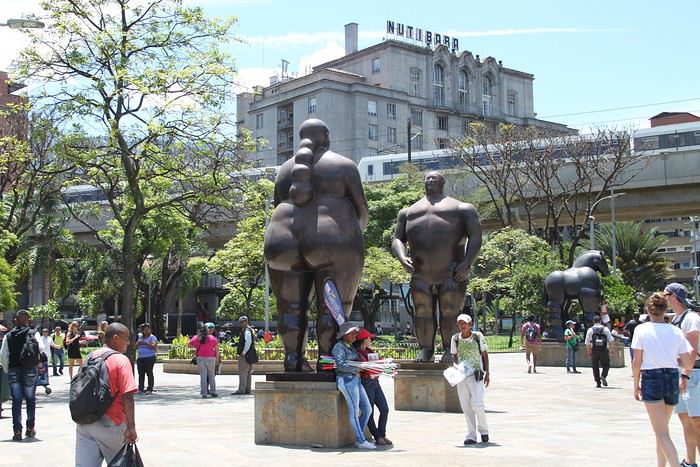
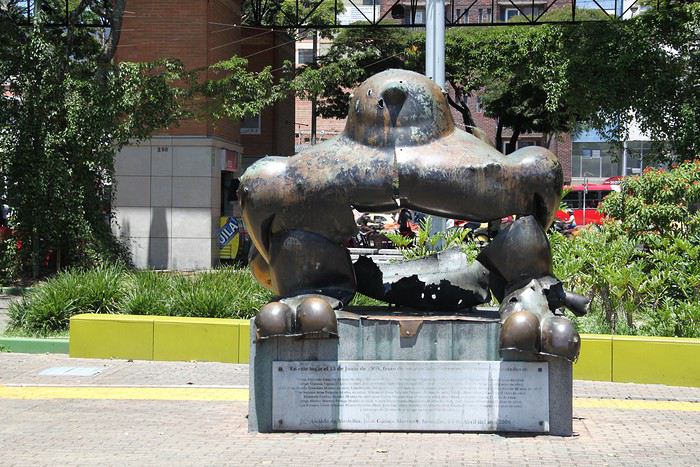
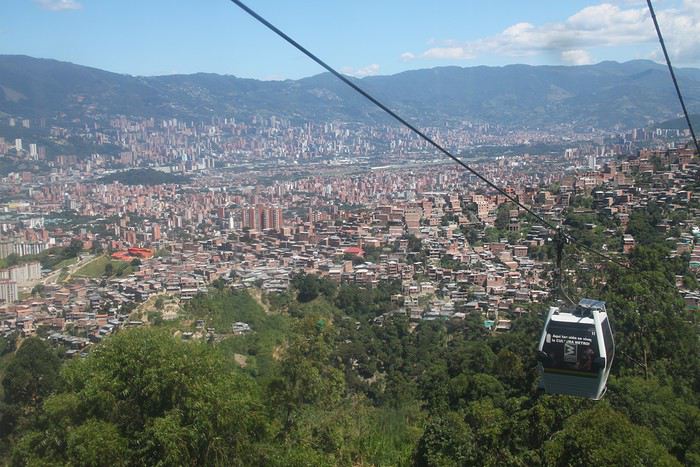
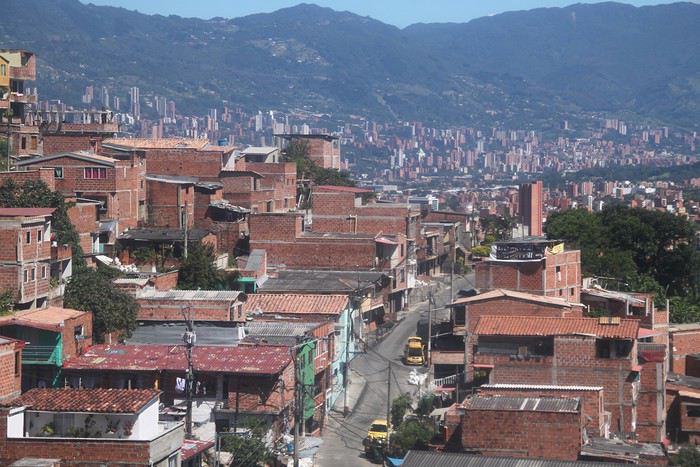
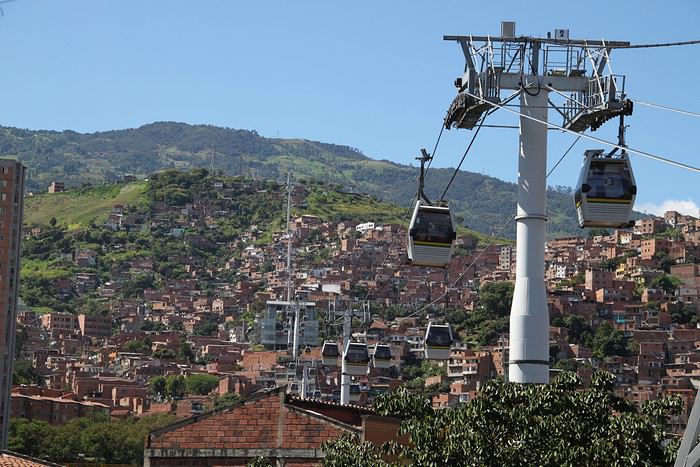
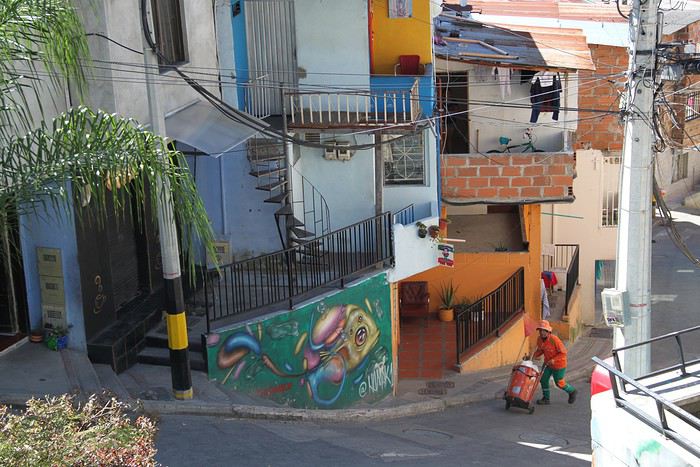
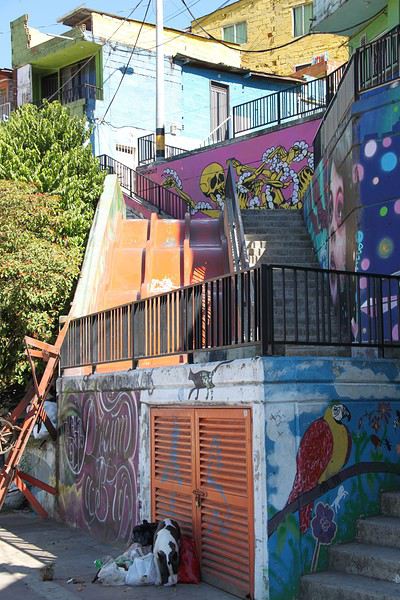
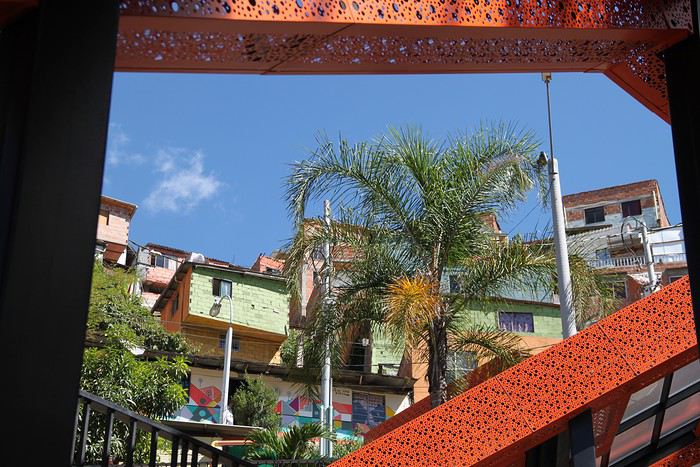
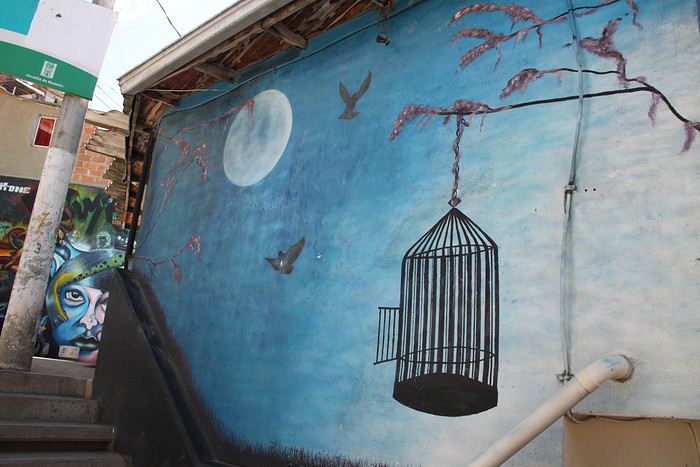
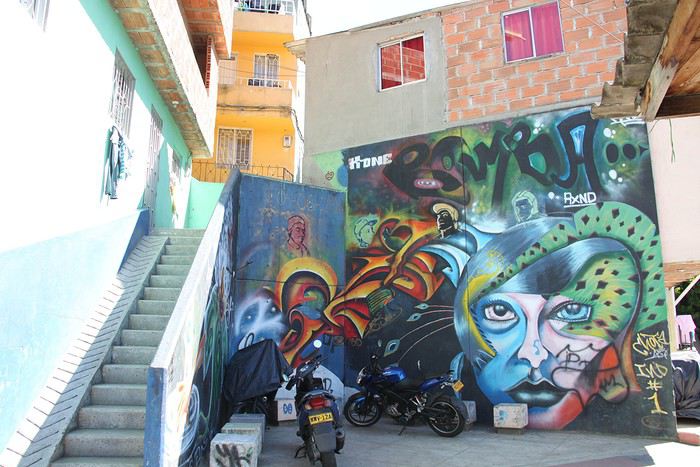
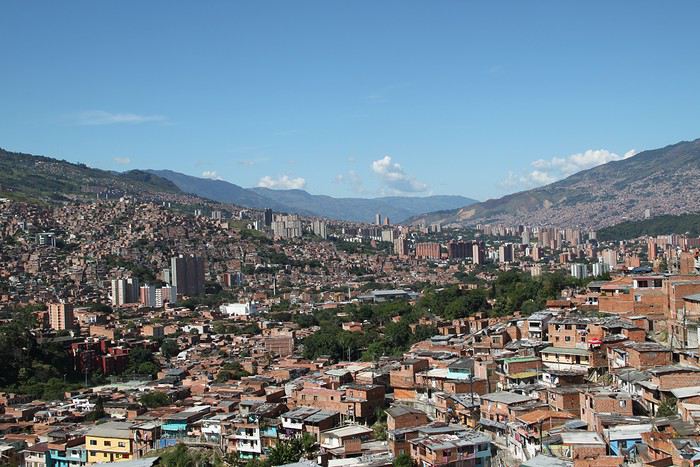
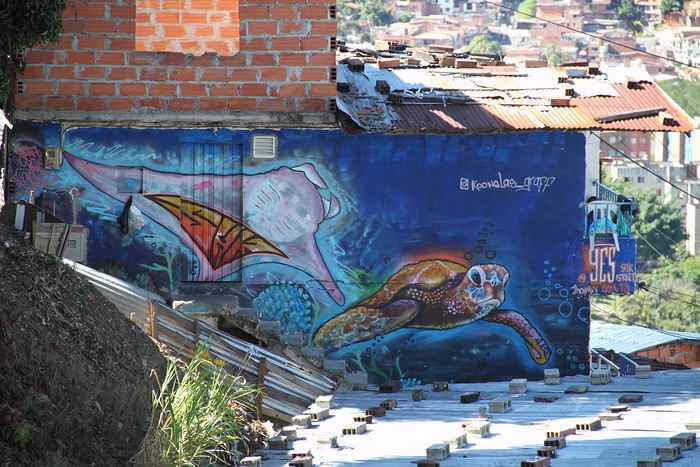
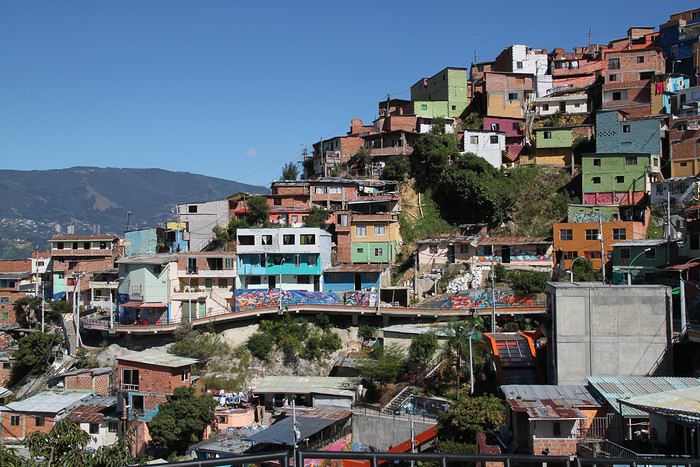
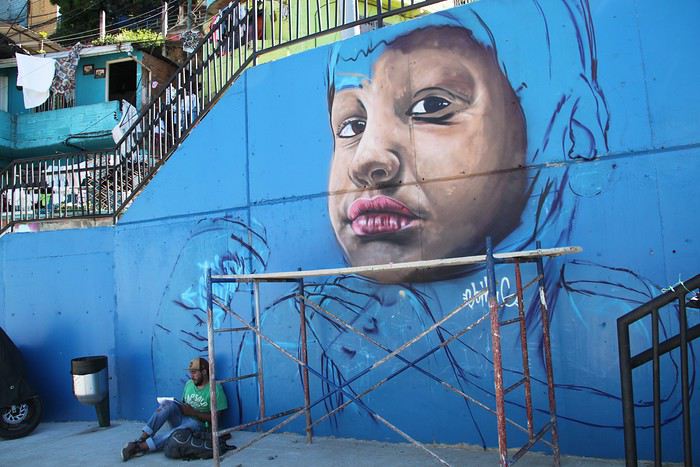
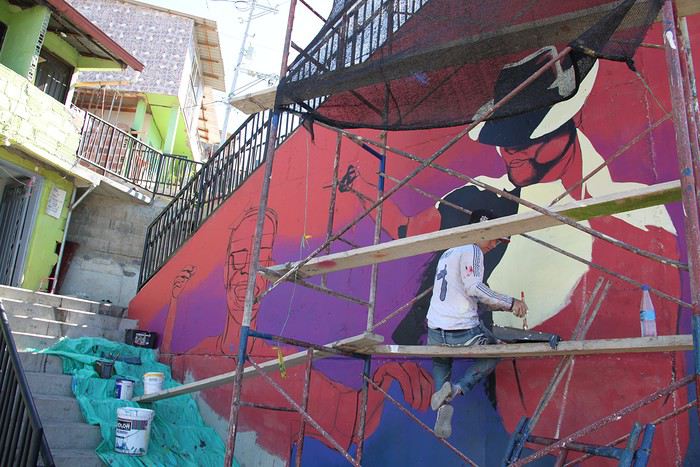
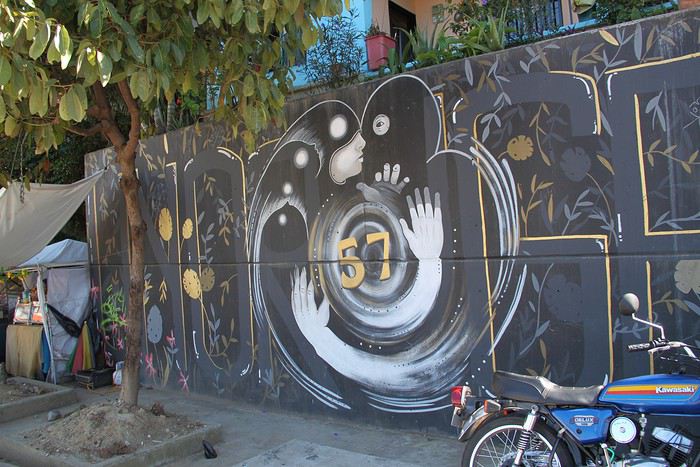
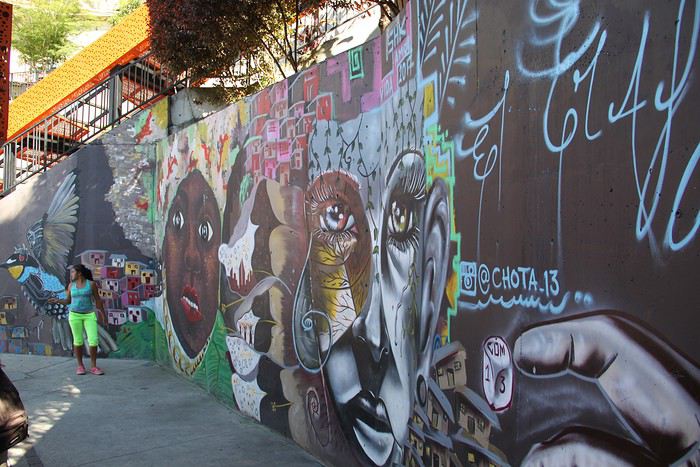
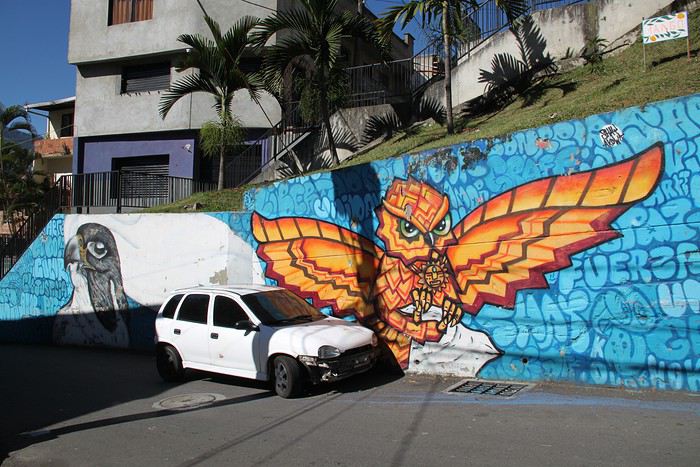
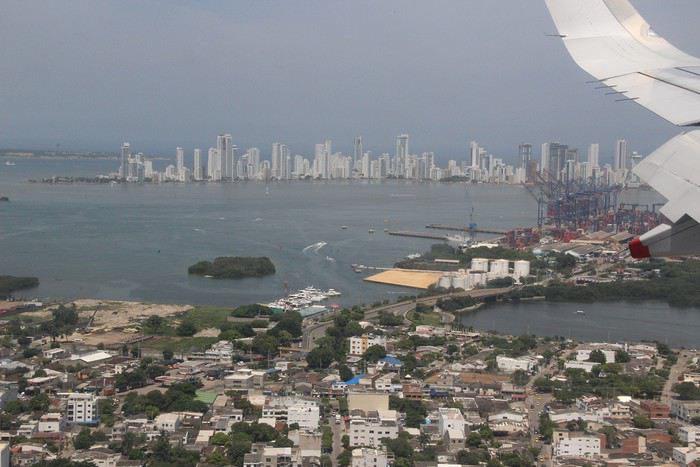
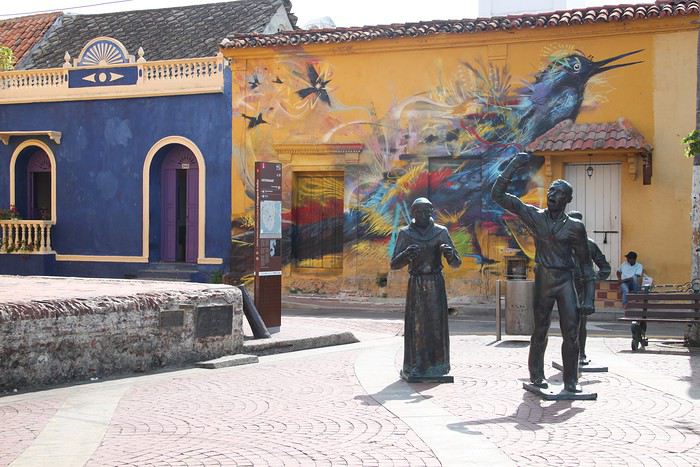
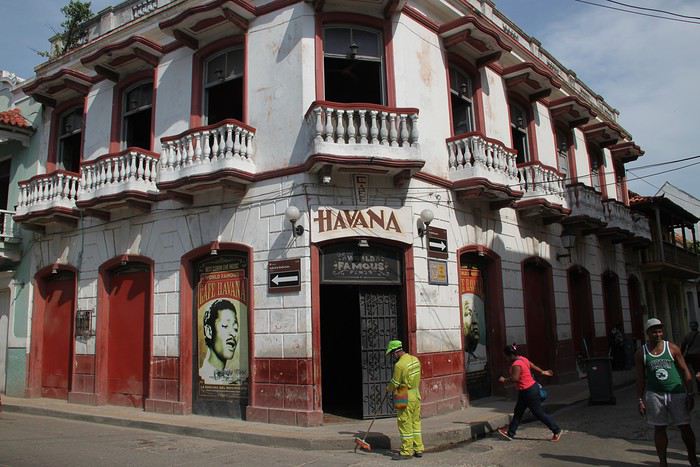
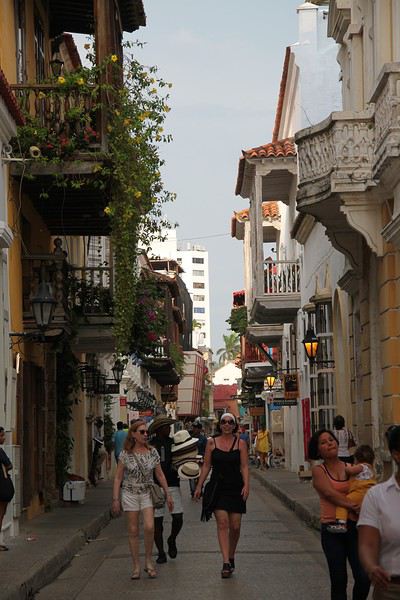
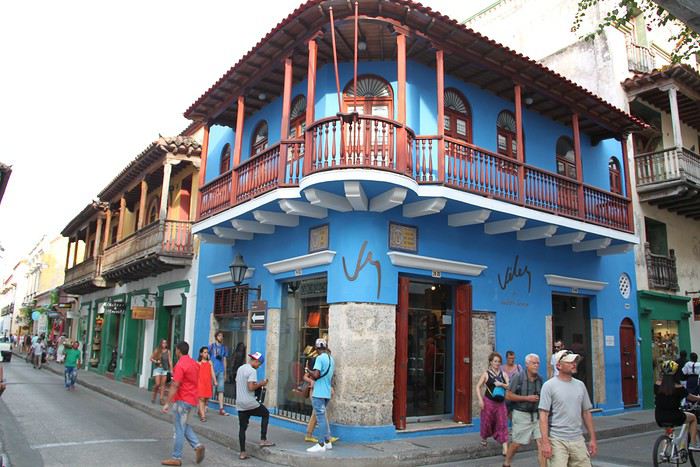
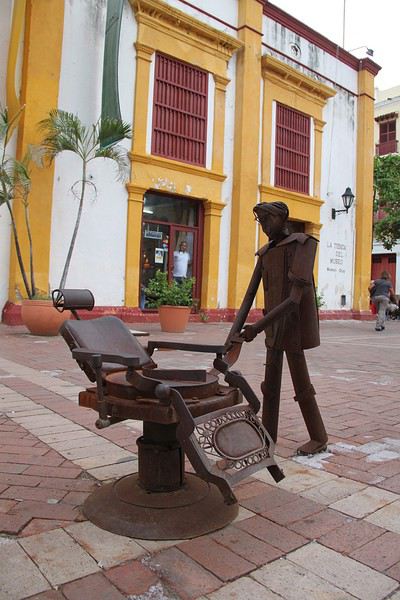
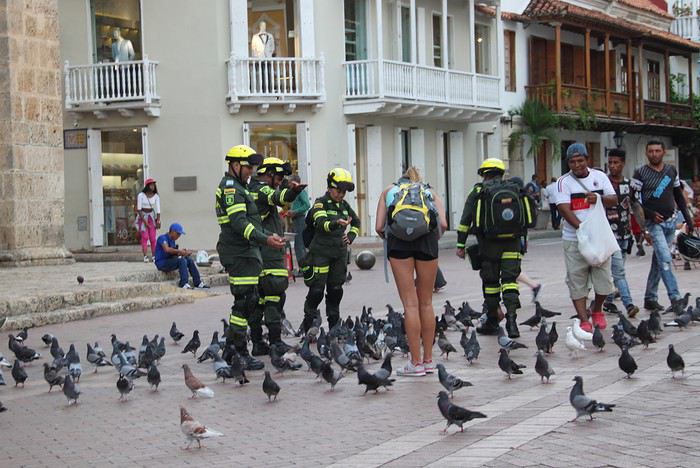
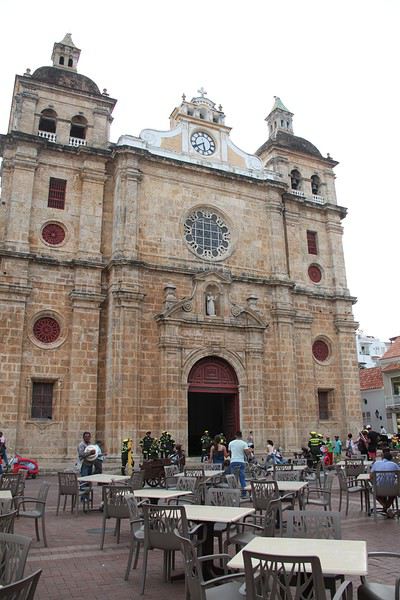
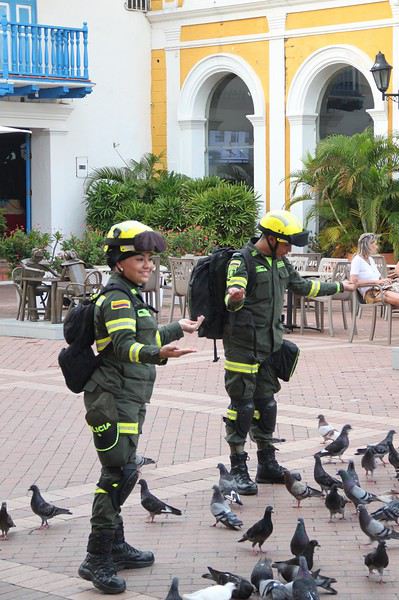
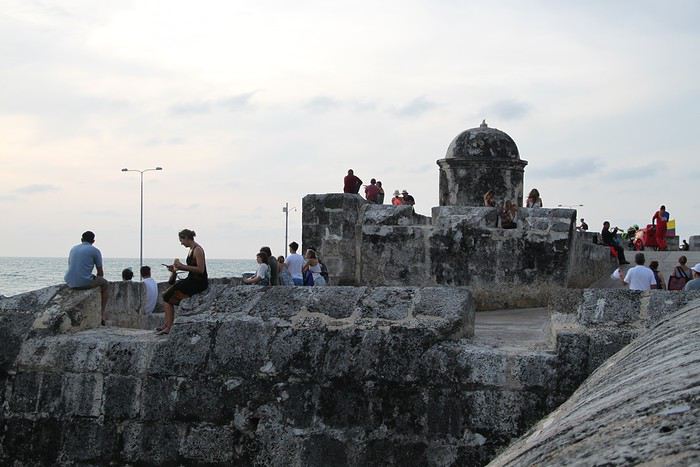
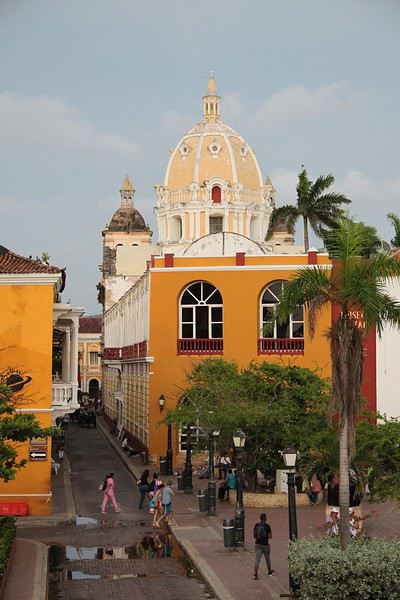
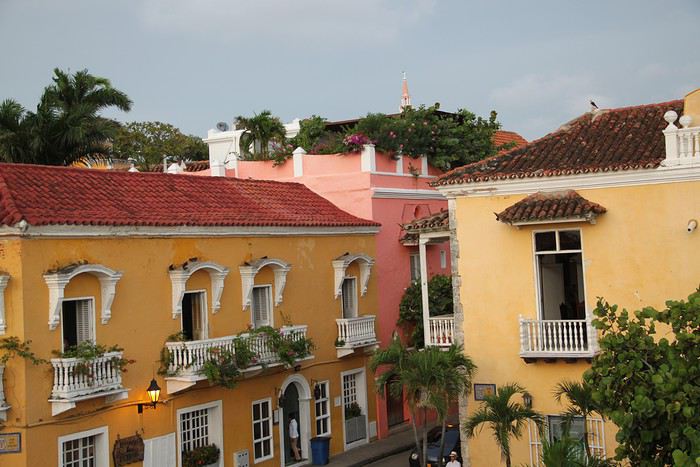
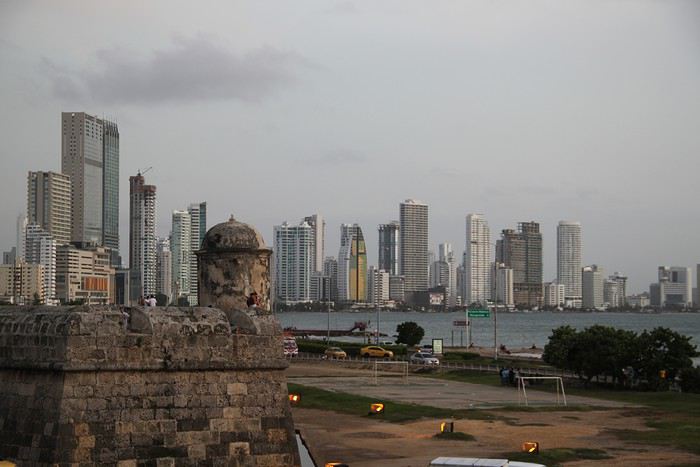
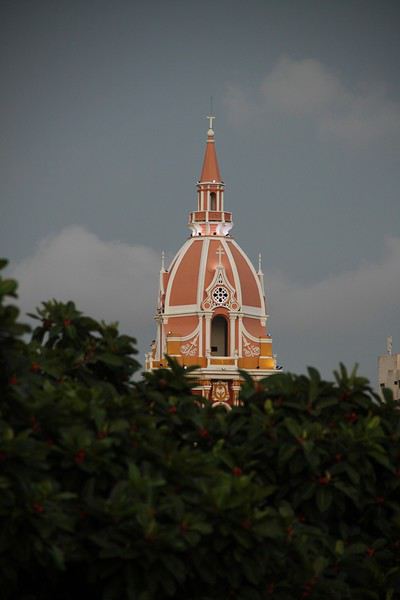
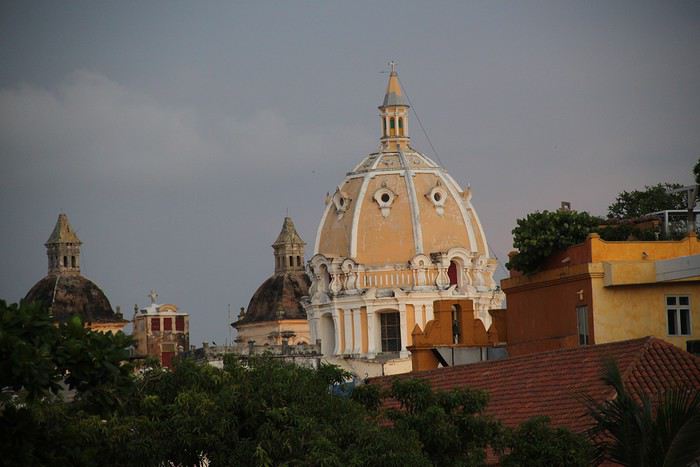
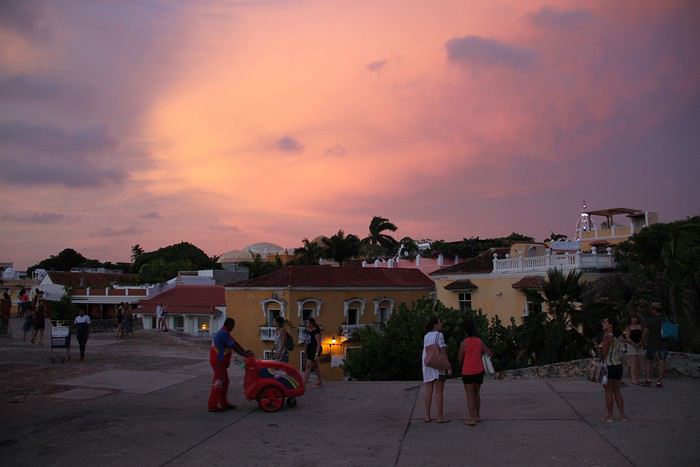
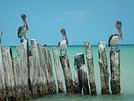
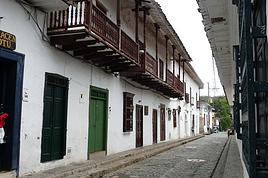
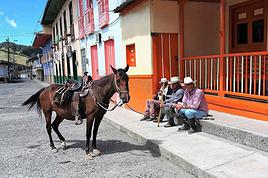
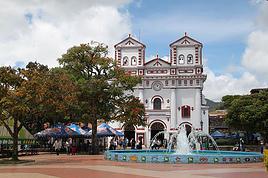
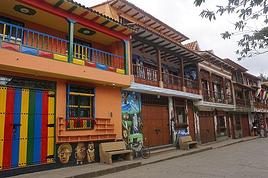
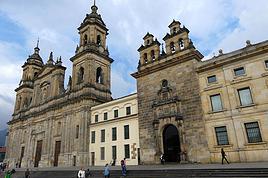
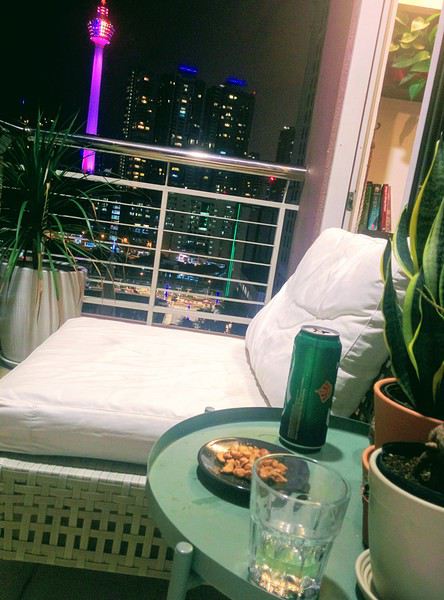
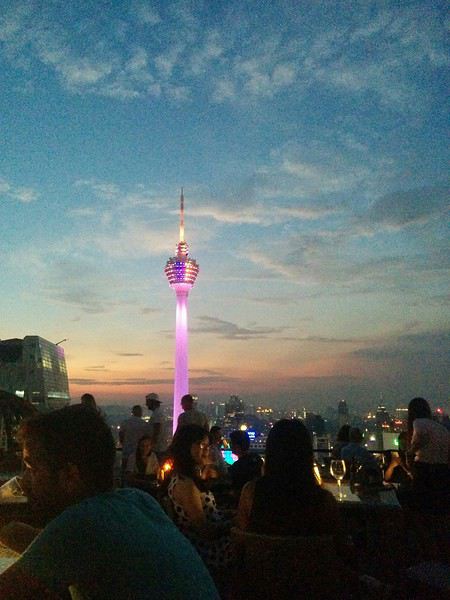
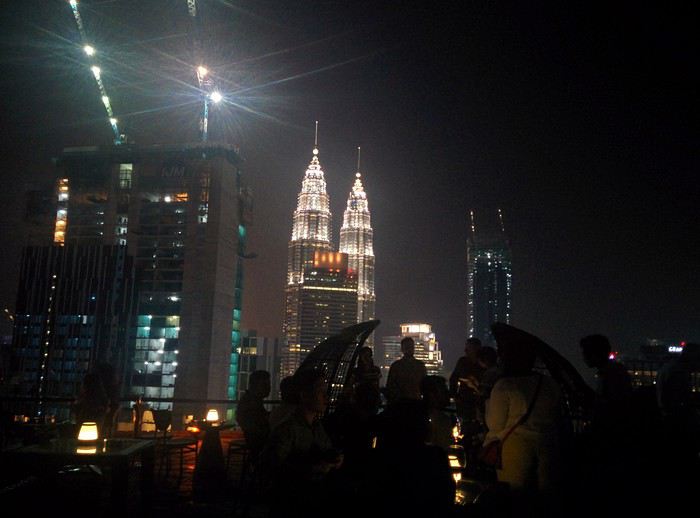

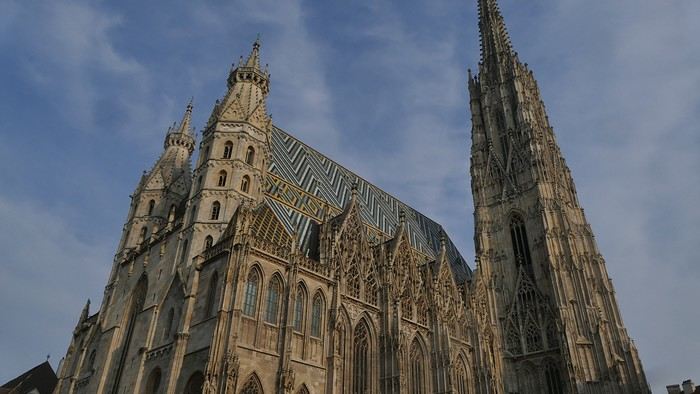
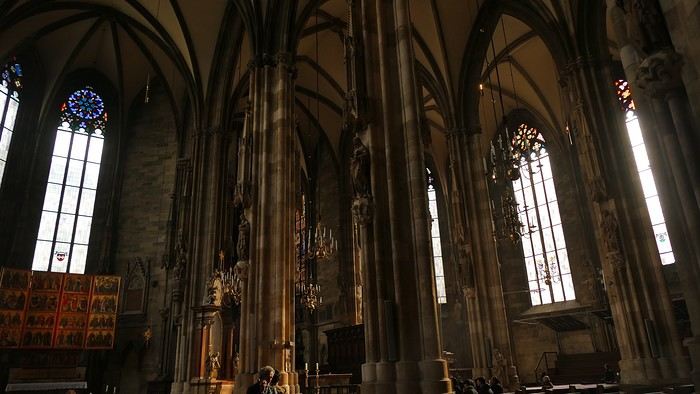
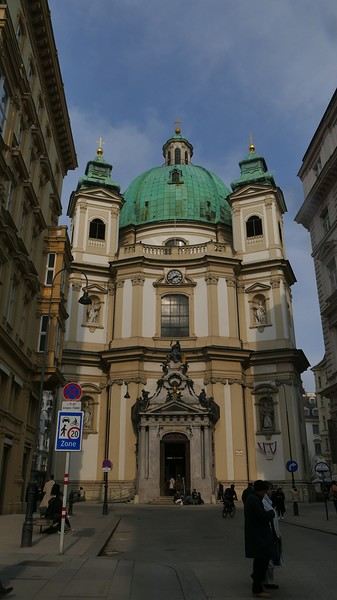
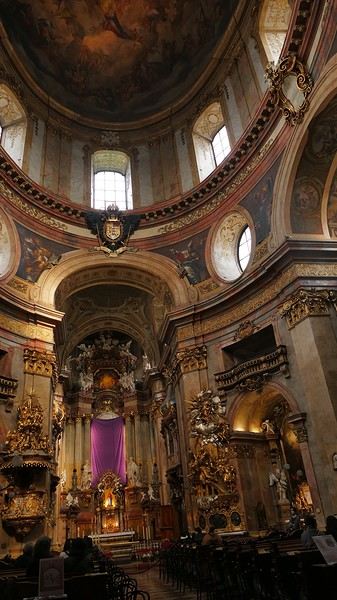
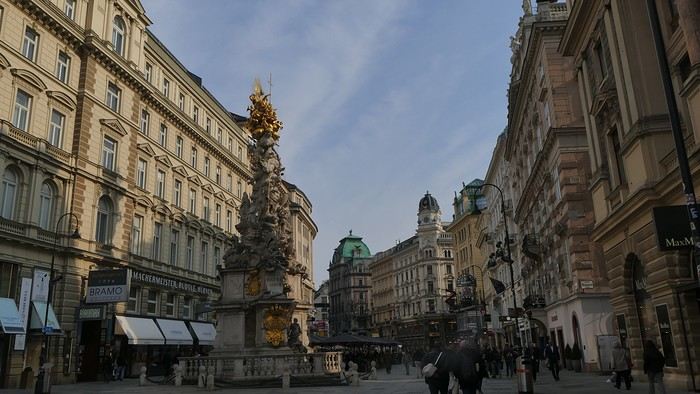
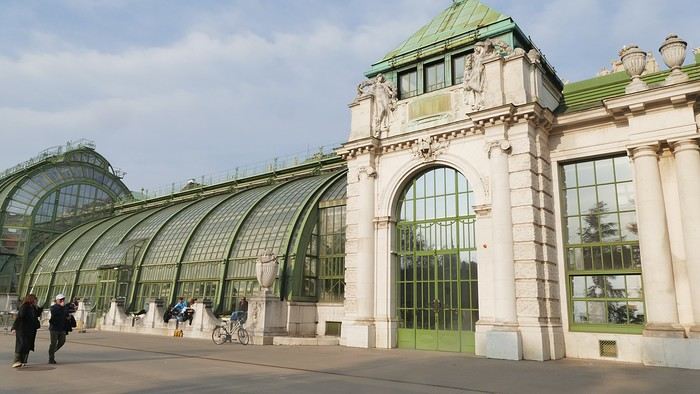
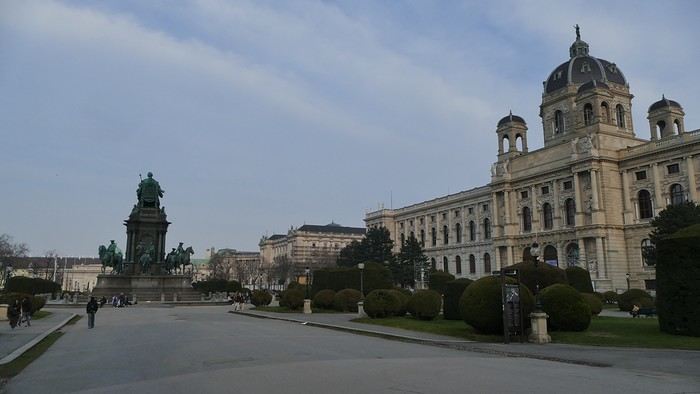
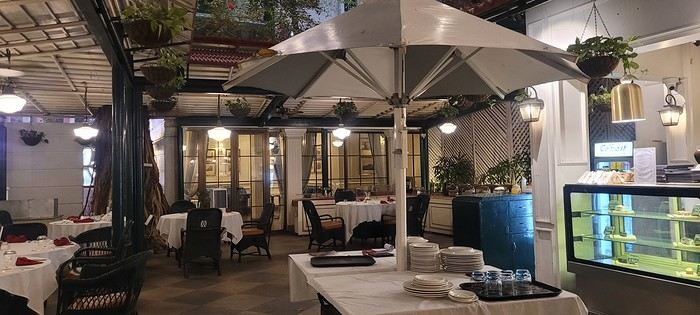
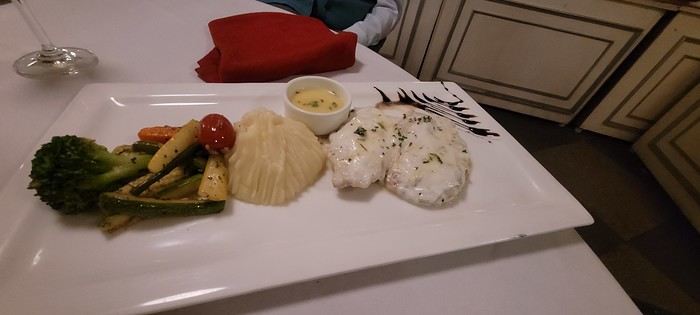
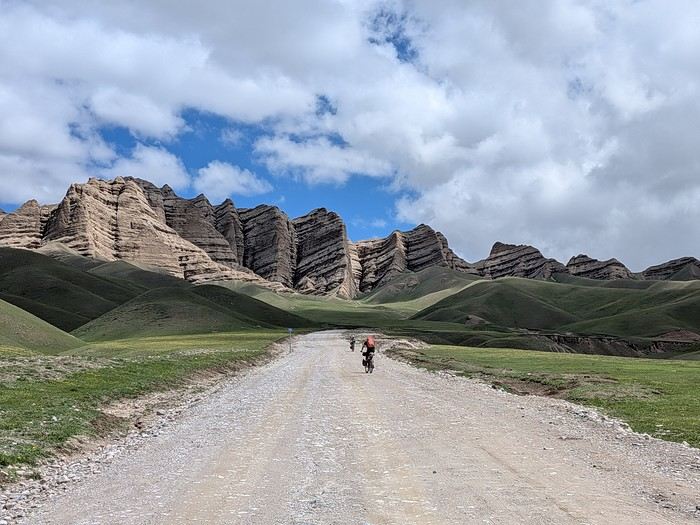



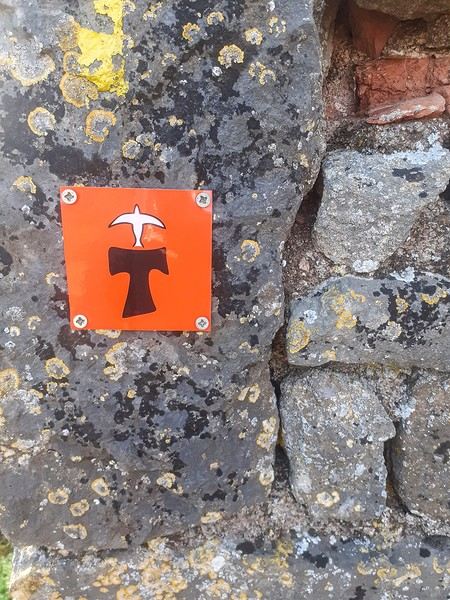
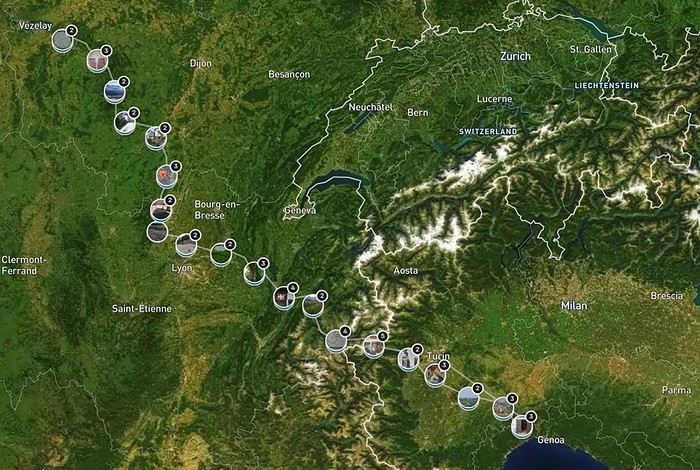
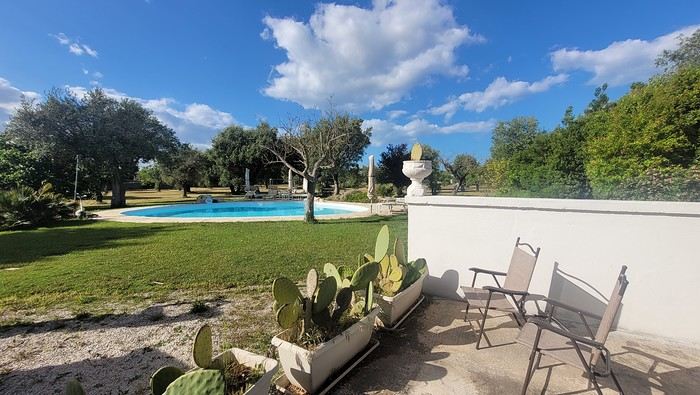
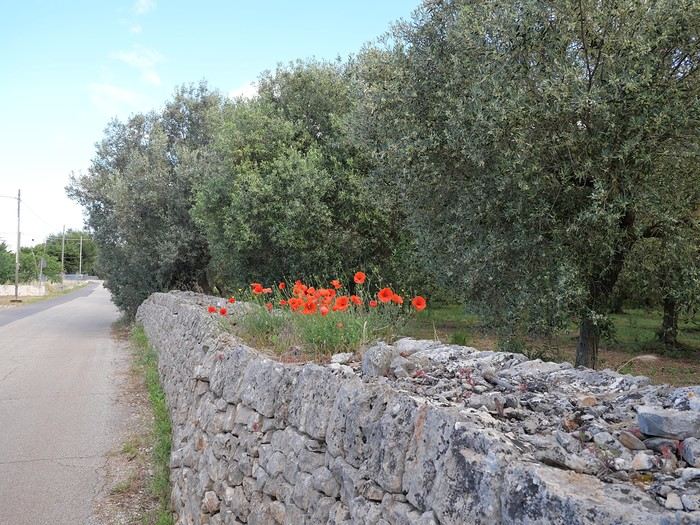
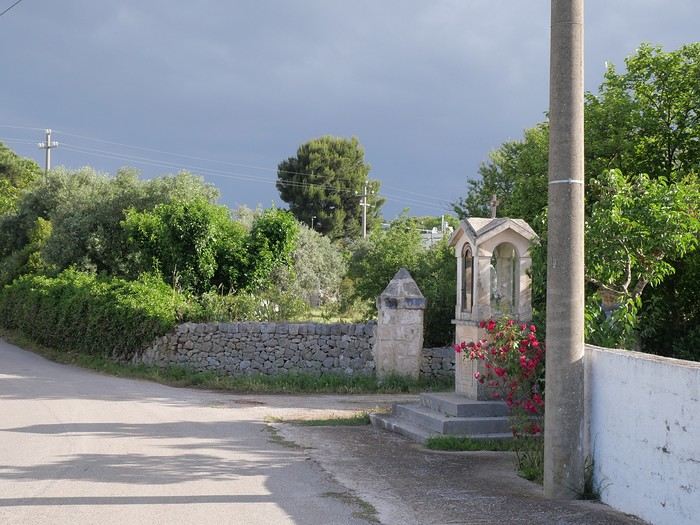
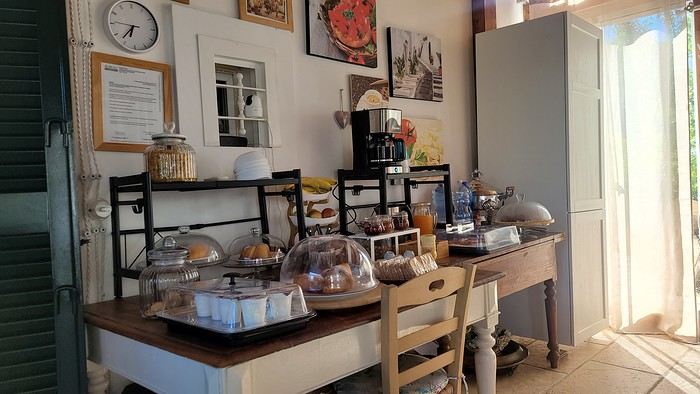
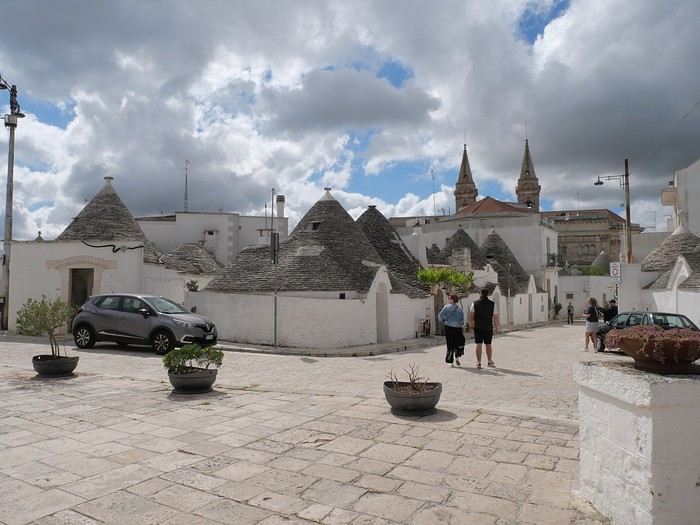
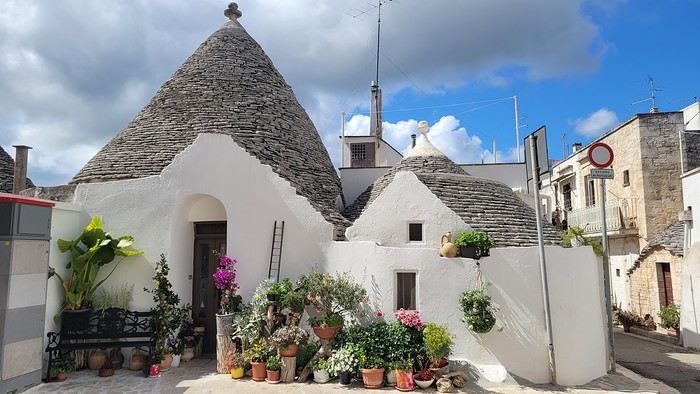
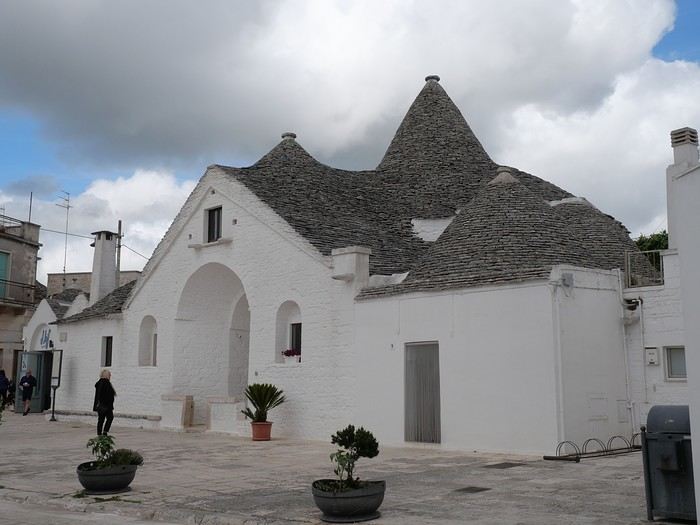
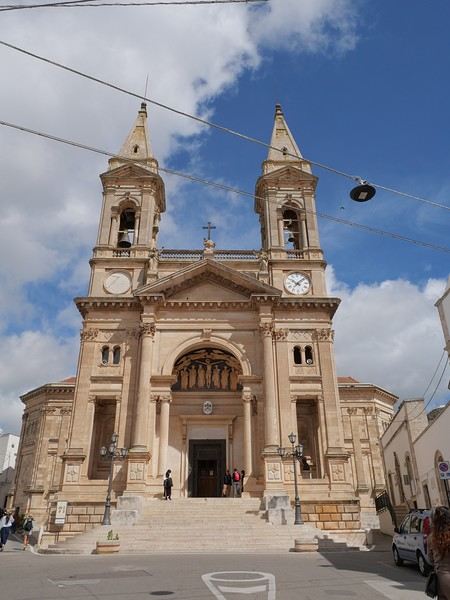
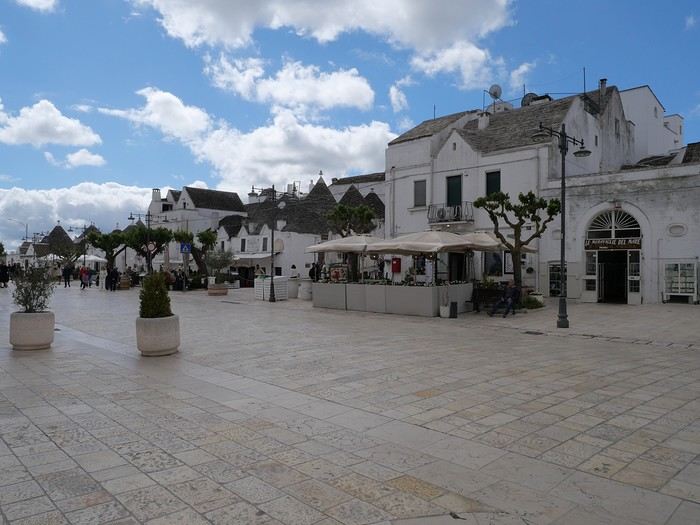
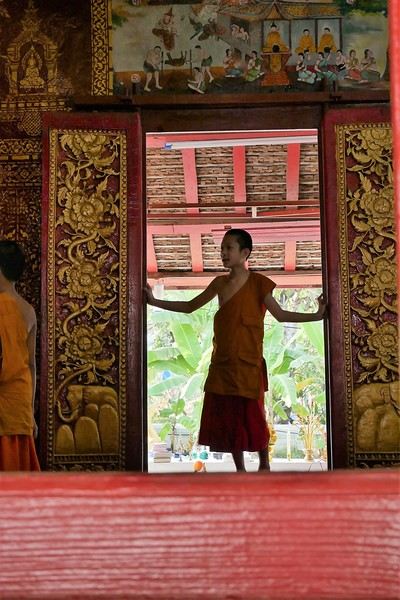 Come along, I'm taking you to this country where it's so nice to wander and slow down...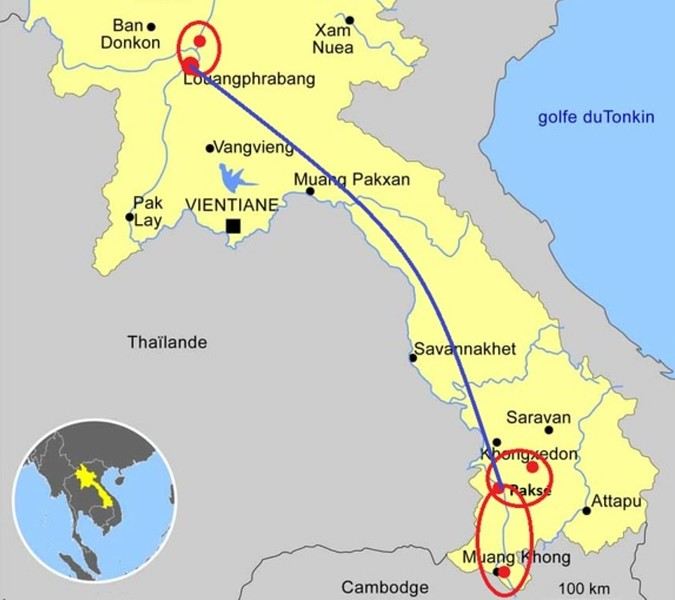
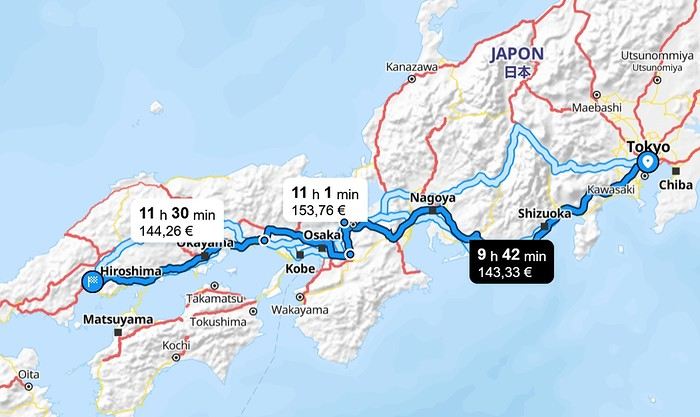
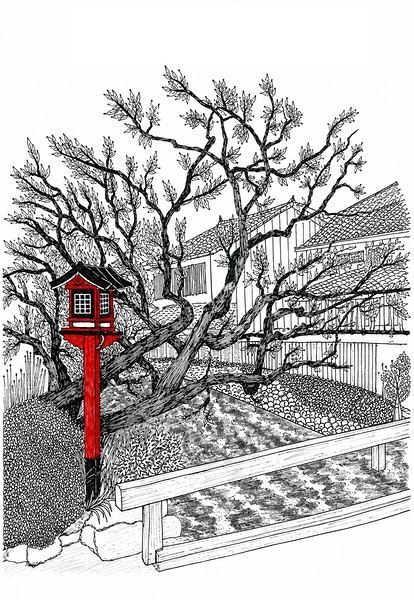 I’m inviting you on a stroll through my drawings—a completely subjective, far-from-exhaustive, and totally personal take, since it’s based on my own sketches. I put this travel journal together after returning in late 2024, mostly using felt-tip pens and pencils, with a few collages thrown in. I worked from our personal photos.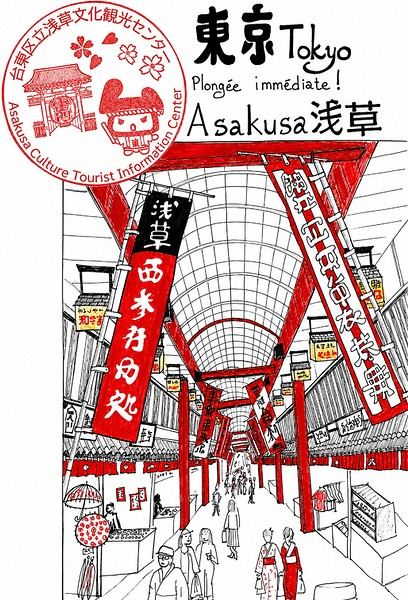
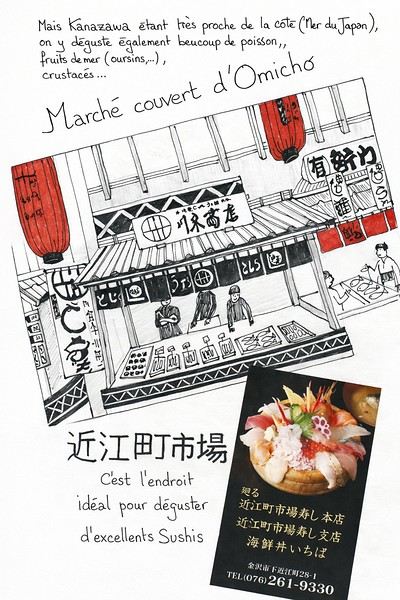 And in Kyoto, the Nishiki Market:
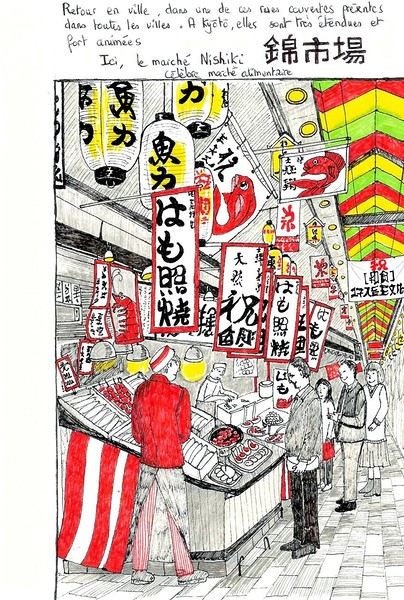
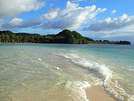
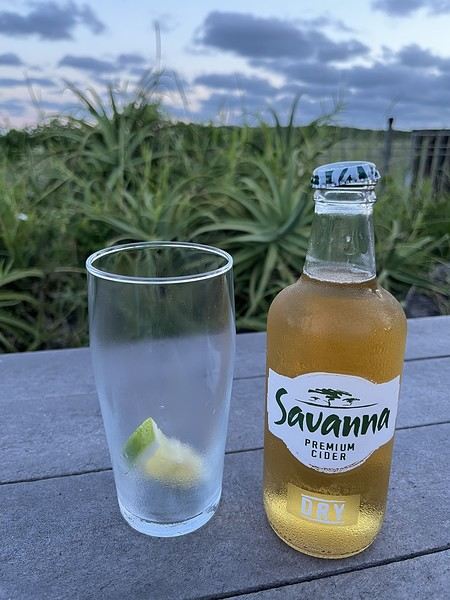
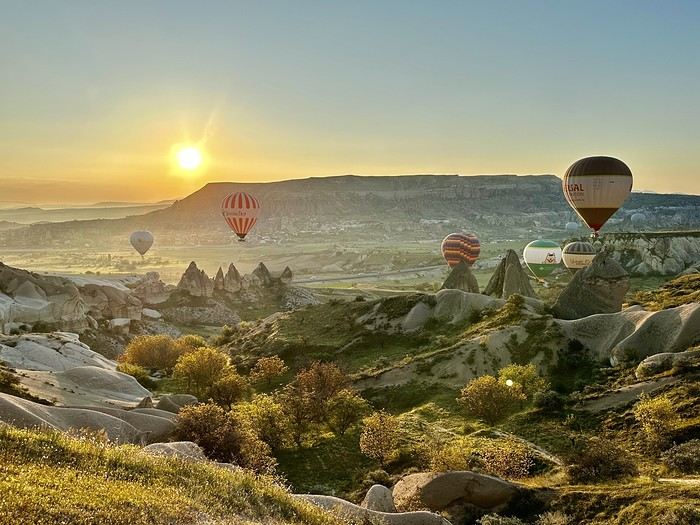 A little sneak peek?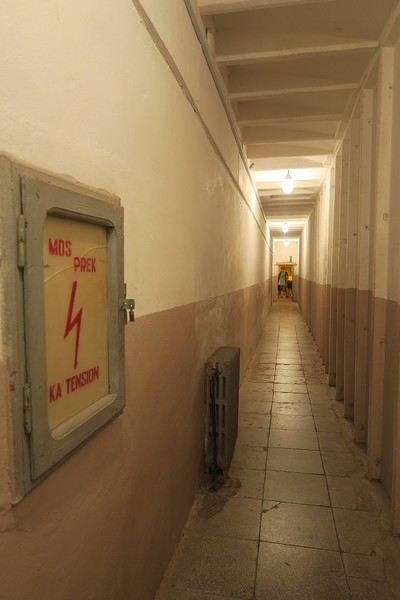
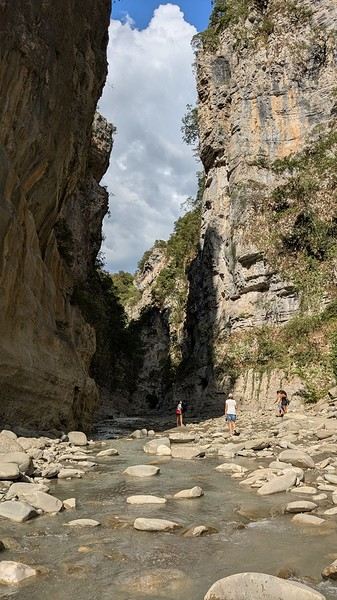
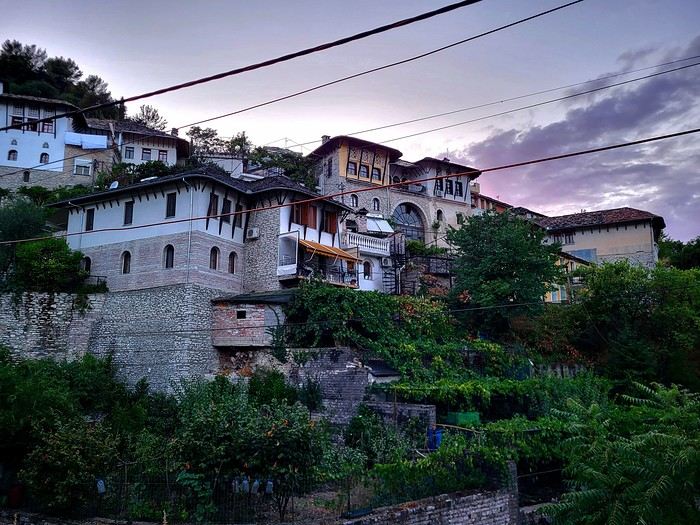
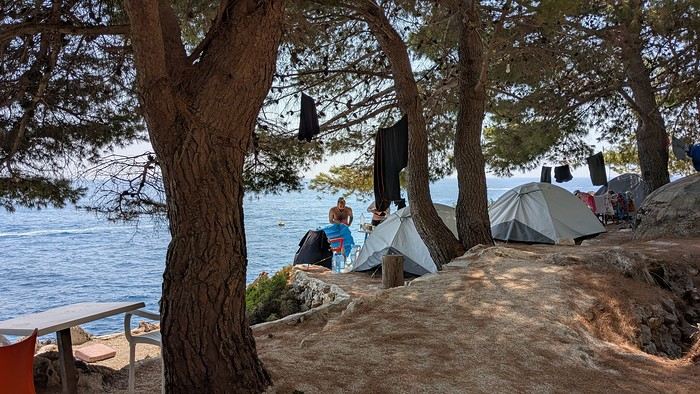
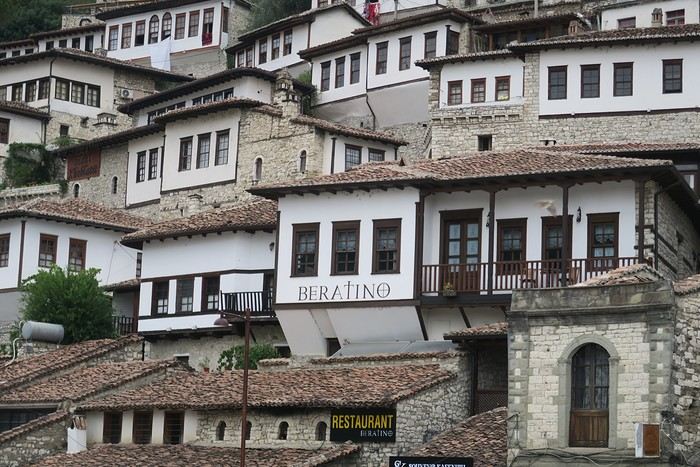
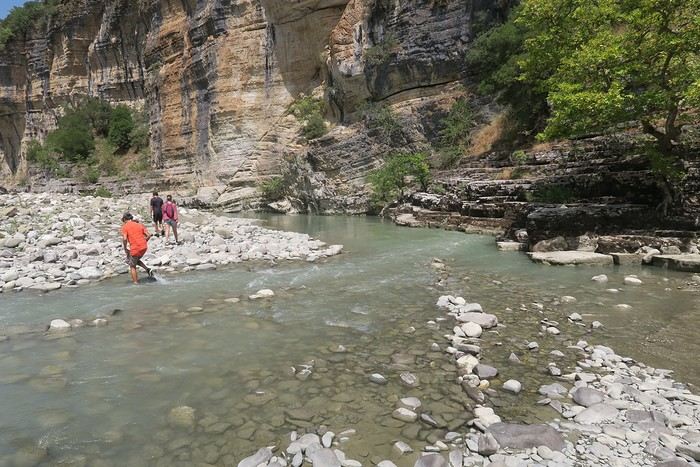
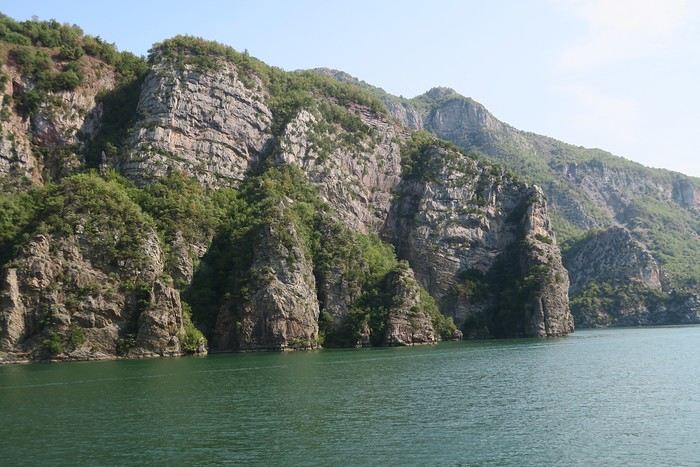
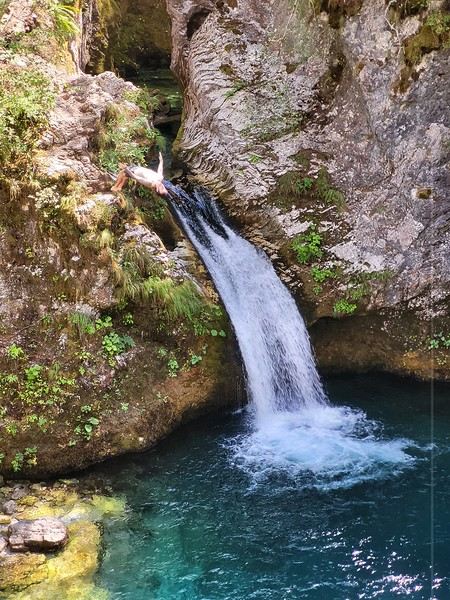
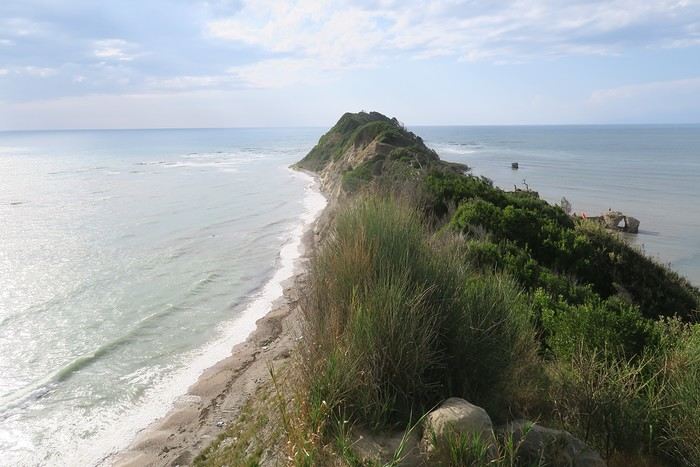
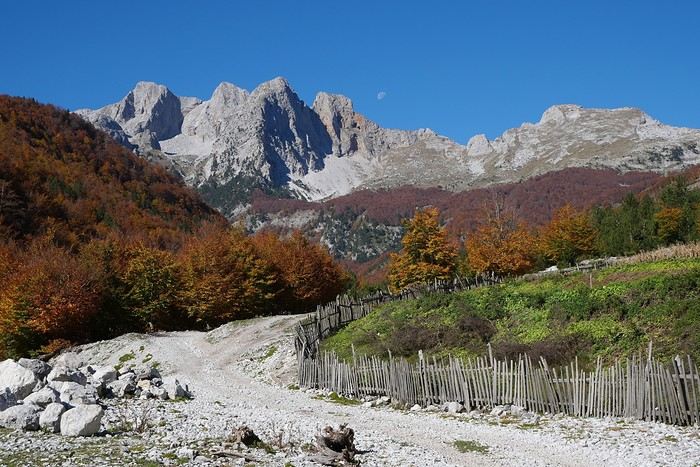
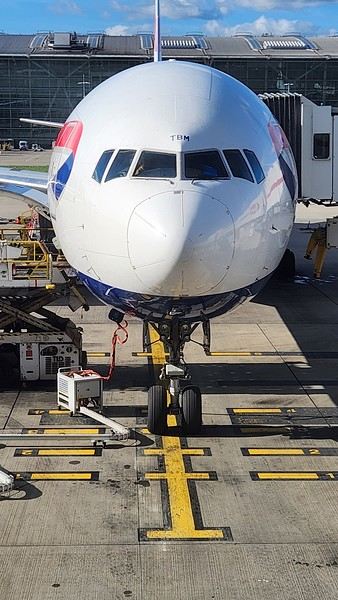

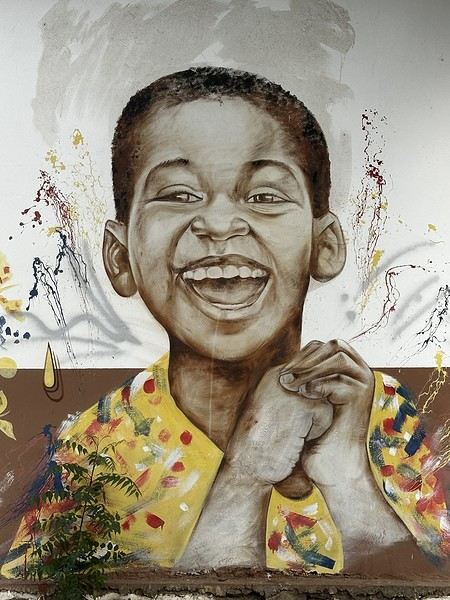

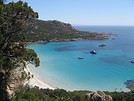
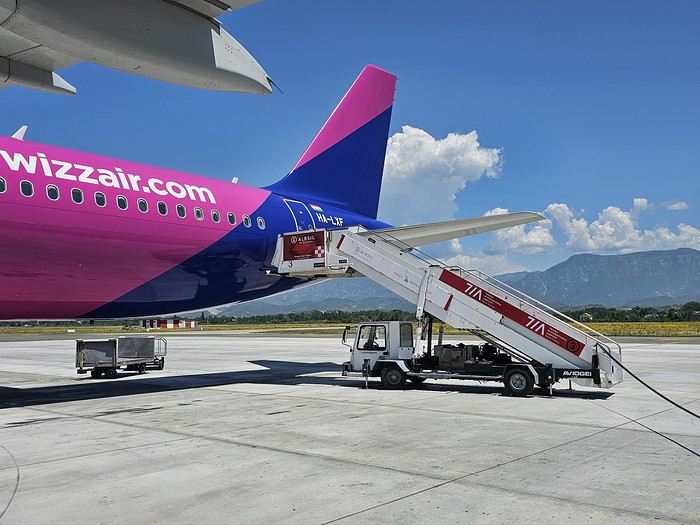 Since Albania isn’t part of Europe when it comes to phone service (at least not yet! :-)), we had to buy a physical SIM card—otherwise, the bill would’ve been sky-high if we’d used our French plan! We got one from Vodafone AL at the airport. You can buy online before leaving with a virtual SIM (e-SIM) for compatible phones, so you don’t have to swap cards. But given the uncertainty about choosing a plan online, we preferred buying one directly at Tirana Airport. Cost: 31 € for 100 GB. That’s way too much—100 GB is overkill. For 40 GB, it’s 27 €, and the plan lasts 21 days. The price difference isn’t huge, and it was cheaper than online. This plan covers all the countries along the Balkan range.
Money tip: All guesthouses and accommodations accept euros. The local currency in Albania is the LEK. In Montenegro, it’s the euro. Bank fees for withdrawing money from an ATM in Albania are pretty steep: 8 € for a withdrawal of 600–700 LEK (about 200 €)! So it’s better to withdraw cash (euros) in France. Oh, and we booked all our accommodations before leaving, but payment is always in cash. Budget around 400–500 € for 9 days of trekking.
Since Albania isn’t part of Europe when it comes to phone service (at least not yet! :-)), we had to buy a physical SIM card—otherwise, the bill would’ve been sky-high if we’d used our French plan! We got one from Vodafone AL at the airport. You can buy online before leaving with a virtual SIM (e-SIM) for compatible phones, so you don’t have to swap cards. But given the uncertainty about choosing a plan online, we preferred buying one directly at Tirana Airport. Cost: 31 € for 100 GB. That’s way too much—100 GB is overkill. For 40 GB, it’s 27 €, and the plan lasts 21 days. The price difference isn’t huge, and it was cheaper than online. This plan covers all the countries along the Balkan range.
Money tip: All guesthouses and accommodations accept euros. The local currency in Albania is the LEK. In Montenegro, it’s the euro. Bank fees for withdrawing money from an ATM in Albania are pretty steep: 8 € for a withdrawal of 600–700 LEK (about 200 €)! So it’s better to withdraw cash (euros) in France. Oh, and we booked all our accommodations before leaving, but payment is always in cash. Budget around 400–500 € for 9 days of trekking.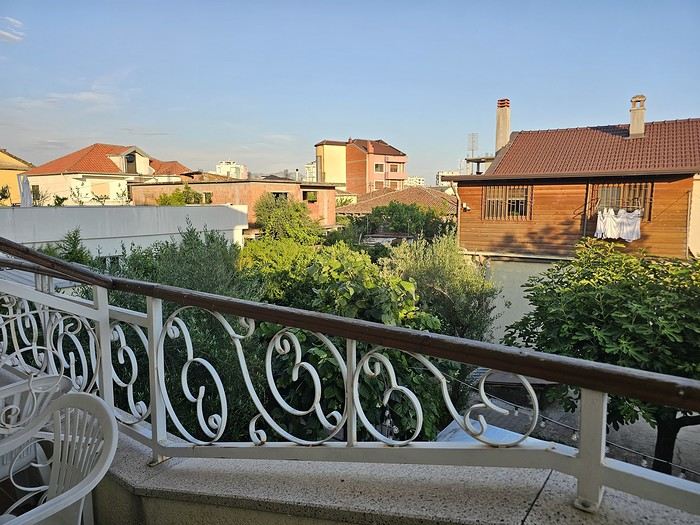 I really liked Shköder, especially its pedestrian street lined with restaurants and lit up at night. It’s a great place to stroll and eat. The food isn’t expensive—two big salads and two beers: 14 € :-) . Fruit prices are also very reasonable: 3 € for a kilo of cherries, compared to 9–10 € in France.
Religions coexist peacefully in these countries—Catholics and Muslims. From our balcony, my friend heard the call to prayer for the first time, coming from one of the city’s mosques.
I really liked Shköder, especially its pedestrian street lined with restaurants and lit up at night. It’s a great place to stroll and eat. The food isn’t expensive—two big salads and two beers: 14 € :-) . Fruit prices are also very reasonable: 3 € for a kilo of cherries, compared to 9–10 € in France.
Religions coexist peacefully in these countries—Catholics and Muslims. From our balcony, my friend heard the call to prayer for the first time, coming from one of the city’s mosques.
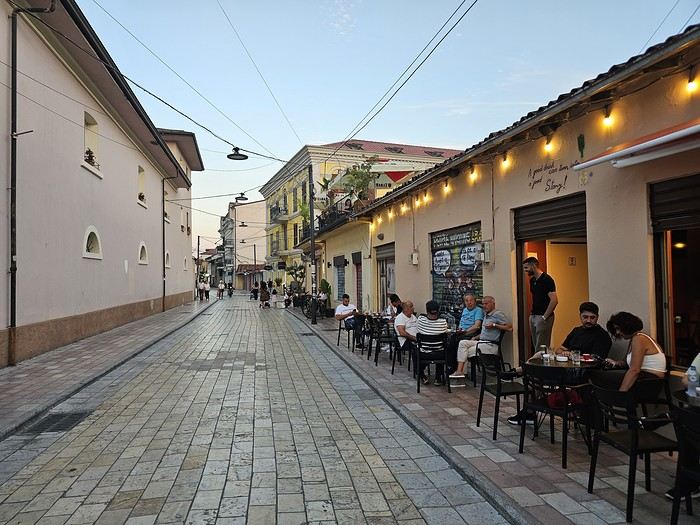
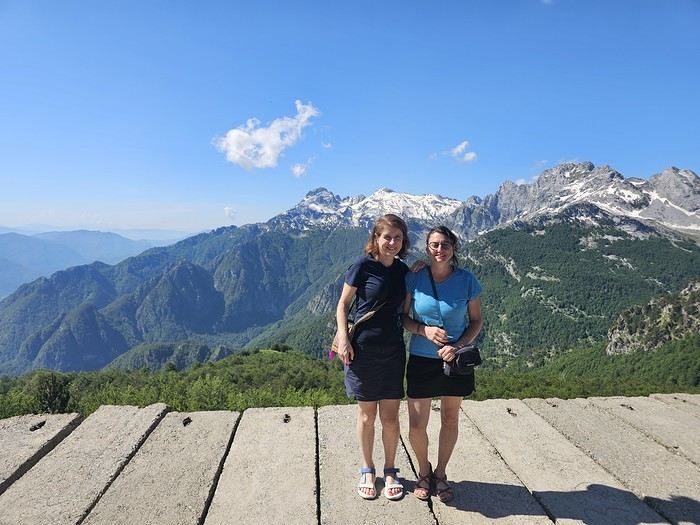
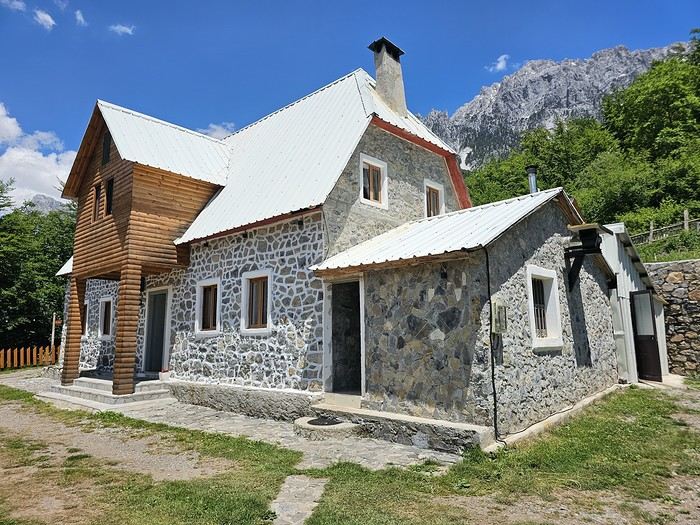 We slept in the heights of Theth at a new guesthouse, "Mountain Vista Shkafi," with an amazing view.
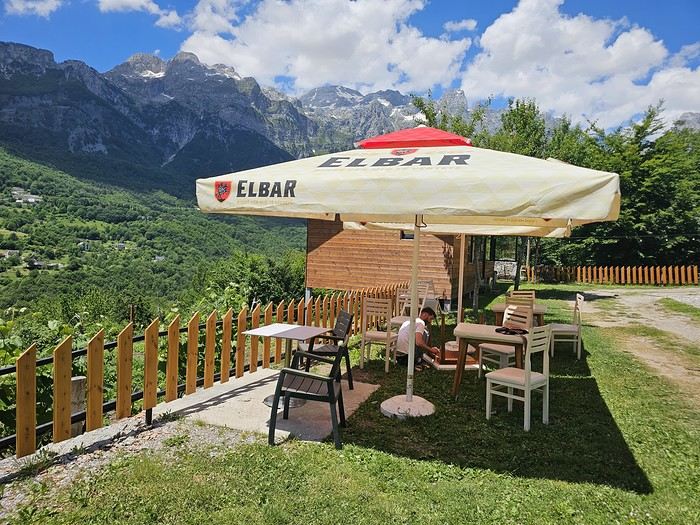
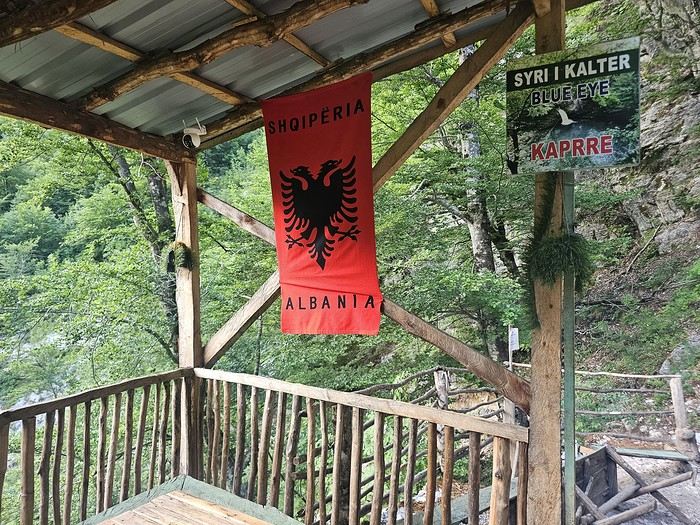
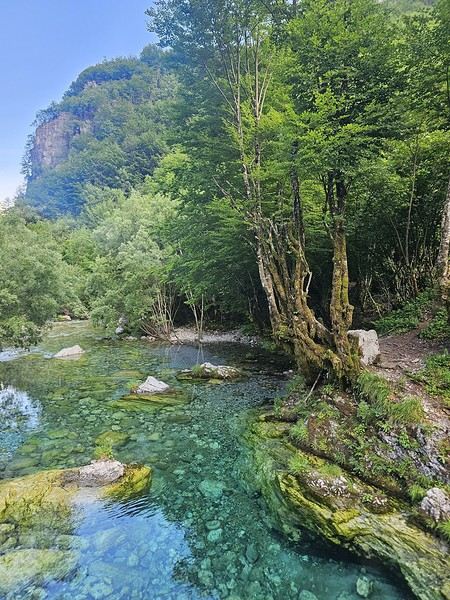
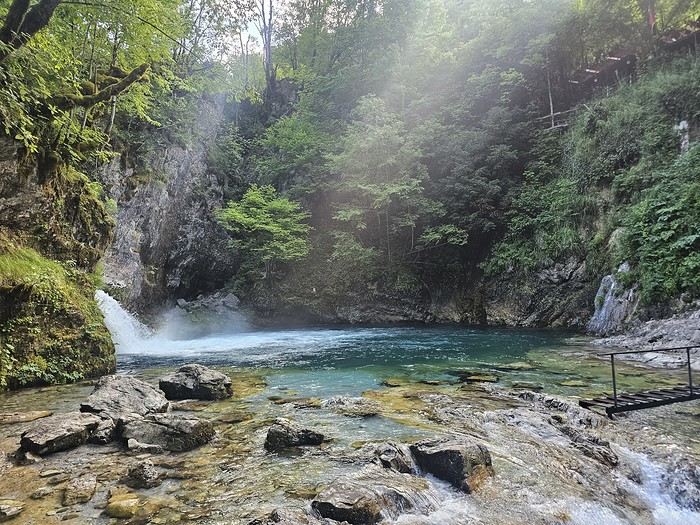


 But Bologna’s real charm lies in its porticoes, which were added to the UNESCO World Heritage list in 2021: 62 km of arcades running along buildings, letting you walk sheltered from the sun or rain. Back in 1288, the city required houses to include private arcades for public use. In the city center, you can stroll under 32 km of porticoes in all sorts of styles—some plain, some ornate—with a strong presence of red tones.