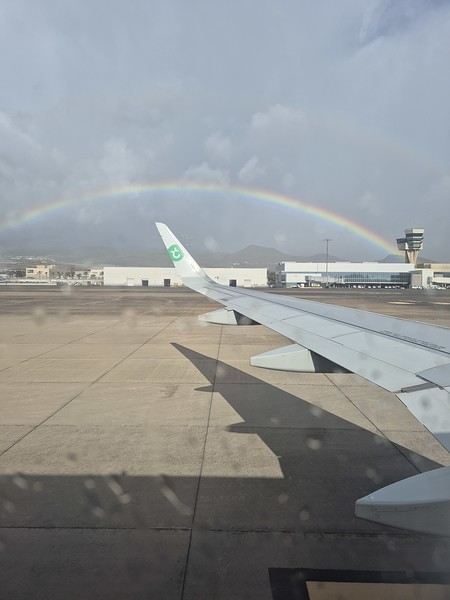
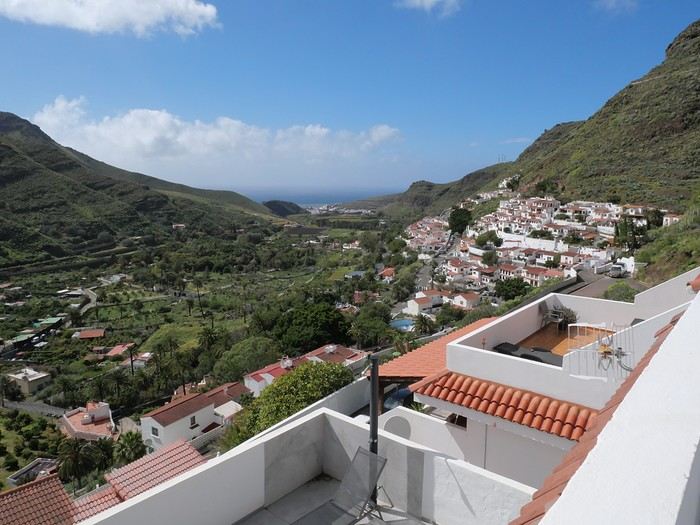
Day 0 - Wednesday - From Paris to Kochi in 24 hours
2:30 PM, Dad just dropped us off at terminal 2 or 1 (I can’t quite remember) at Charles de Gaulle Étoile Airport. We’re really early—our flight isn’t until 7:20 PM tonight. We can take our time and not rush from one step to another just to board the plane.
For some, the airport is a stressful transit place and/or synonymous with discomfort. My partner definitely falls into that camp. For me, though, the airport is a source of joy. I’m as excited as a teenager in the throes of a passionate love affair. The airport, for me, means an imminent trip filled with discoveries, encounters, languages, adventures, and the unexpected. It’s also the last moments when you can imagine, hope, dream, doubt, ask questions, and gather info before facing reality in a country that will, in turn, bring its own set of emotions.
Today, we’re about to take off for Japan for the 4th time. It still feels incredible, and the happiness it brings can only be understood by someone who’s wanted to return to the same country multiple times. That’s what I tell myself when I think back to some reactions when we announced this 4th trip—"again," almost a bit jaded, or sometimes just a wordless laugh.
Still, I don’t have time to dwell on this blissful happiness. I want to finish as much work as possible before takeoff. So, once we’ve found the check-in area—right where we arrived, perfect—we settle onto some benches. Like I said, I’m acting like a teenager: a Japanese woman is sitting on the bench, and that makes me happy. It’s a little visual taste of Japan. With my phones charging, I focus on getting work done. Then, a group of Japanese travelers arrives with a Japanese guide giving them explanations in Japanese, and I’m suddenly *in* Japan even though I haven’t taken off yet. Hearing Japanese spoken is an endless pleasure. I move to make room for a few people from the group. The little bows to say thank you and the delicacy of their gestures are also elements that contribute to this Japanese projection.
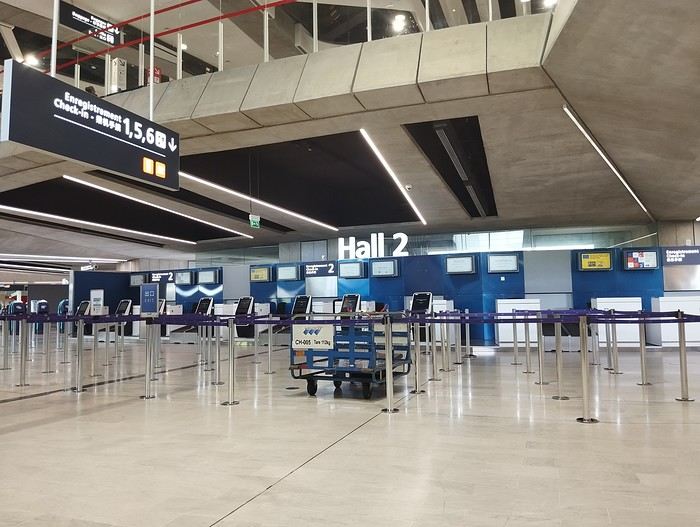
Check-in time arrives. I’m a little disappointed because even ANA is replacing humans with machines. Yep, self-service kiosks where you print your own baggage tags and stick them on your bag yourself. Once you’ve done part of the staff’s job, you can go to the counter to finalize your check-in.
With our tickets in hand, we walk to the security gates. Strangely, the airport seems really quiet today, almost deserted. And I don’t know if it’s cause and effect, but everyone we’ve encountered has been charming. The ground staff seem relaxed, smiling, friendly, and helpful. Am I in some kind of fantasized virtual world? What’s going on? It’s crazy that in 2025, being surprised by such simple, kind politeness feels so good! I wonder if it’s because we’re traveling on a weekday, a Wednesday, with an early evening flight. If that’s the case, I think next time, if possible, I’ll prioritize traveling on weekdays and at these times. Have any of you noticed differences in service depending on flight times or days?
In the boarding area, it’s the same—almost deserted, with a peaceful vibe.
This time, we’re sitting in light brown leather seats. I can keep working while occasionally looking up to watch the Roland Garros tennis match on the TV screen right in front of me or just to see what’s happening around me.
With my head down, I wrap up my workday at 6 PM. I can finally let go and relax a little.
Funny enough, I got a message from a friend asking how I am. Just like last year, I tell her—at the exact same moment, in the waiting area before boarding—that we’re flying to Japan again. Life’s little coincidences. (A little shout-out to you, L—you’ll recognize yourself.)
This year, no administrative hassles, so here we are, finally on the plane in seats 29J and 28J. My partner hopes to ask someone to swap seats. I tell him, "Who’d want to take a middle seat?" If these were the only seats left at booking, it’s because no one likes them. Or so I thought—turns out the young woman to his right, who I’ll call Cécile (and who has the dream window seat, right?), is totally willing to switch if needed. I’m almost stunned by her generosity. But it won’t be necessary because when the doors close, we realize the plane has *tons* of empty seats. Lots of people will be able to stretch out. I don’t get why these seats weren’t available at booking. Cécile doesn’t even have to move—the seat to my partner’s left is free.
Before this, my only neighbor in row 28, a Japanese woman, settled in by folding her legs and balancing on her seat with her feet and butt. Her incredible flexibility will always amaze me.
The flight from Paris to Tokyo flies by. We end up chatting a lot with our friendly neighbor Cécile during the flight, taking time to watch a few movies and get some sleep.
Cécile is also smitten with Japan. Surprising, right?! This is her 3rd trip to Japan.
She’s done the classics—"Tokyo-Kyoto-Miyajima"—but also Okayama, whose black castle is supposedly stunning. For this trip, she only had a few days off and is flying for 12 days. She’s meeting friends who are already on vacation there. The plan: Kinosaki Onsen, Osaka, Okinawa, and Zamami.
For her airfare, she bought a Paris-Tokyo-Osaka ticket for 1,400 €. This, along with the plane’s low occupancy, confirms that our ticket—bought 15 days before—was probably a "promo," and the price we saw and paid was "good" for the period.
Throughout the flight, since it was our first with ANA, we tried to observe the differences compared to other airlines we’ve taken to the same destination in economy. Here’s a little unordered list of what we noticed:
Much more legroom—the seat in front seems almost far away
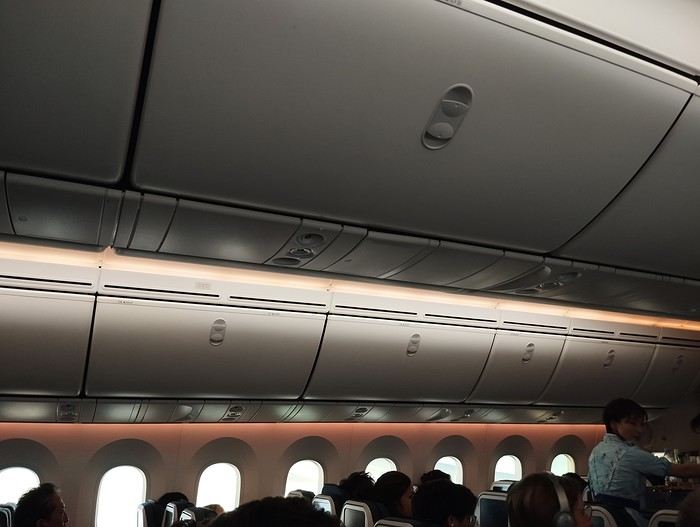
Much more overhead space—Cécile tells us it’s thanks to the clever curved (not straight) cabin baggage storage system,
Real headphones, not those tiny earbuds,
Windows where you can adjust the brightness by choosing the opacity of the shade,
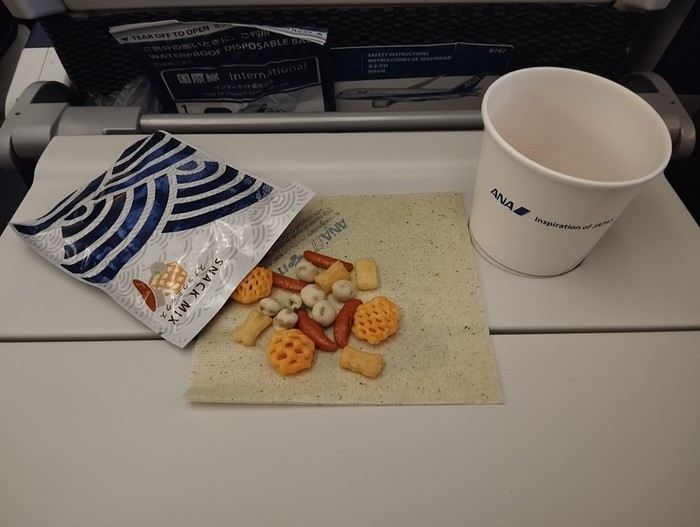
Pretty generous meals
Neighbors’ screens are blurred for privacy, so you can’t see what they’re watching
Paper napkins made from tea leaves that smell like green tea, plus cold green tea bottles
Refreshing towels
Thicker cardboard cups with a hole on the tray to set them in
Lots of alcohol choices—wine, whiskey, gin, beer—but no champagne (only in higher classes)
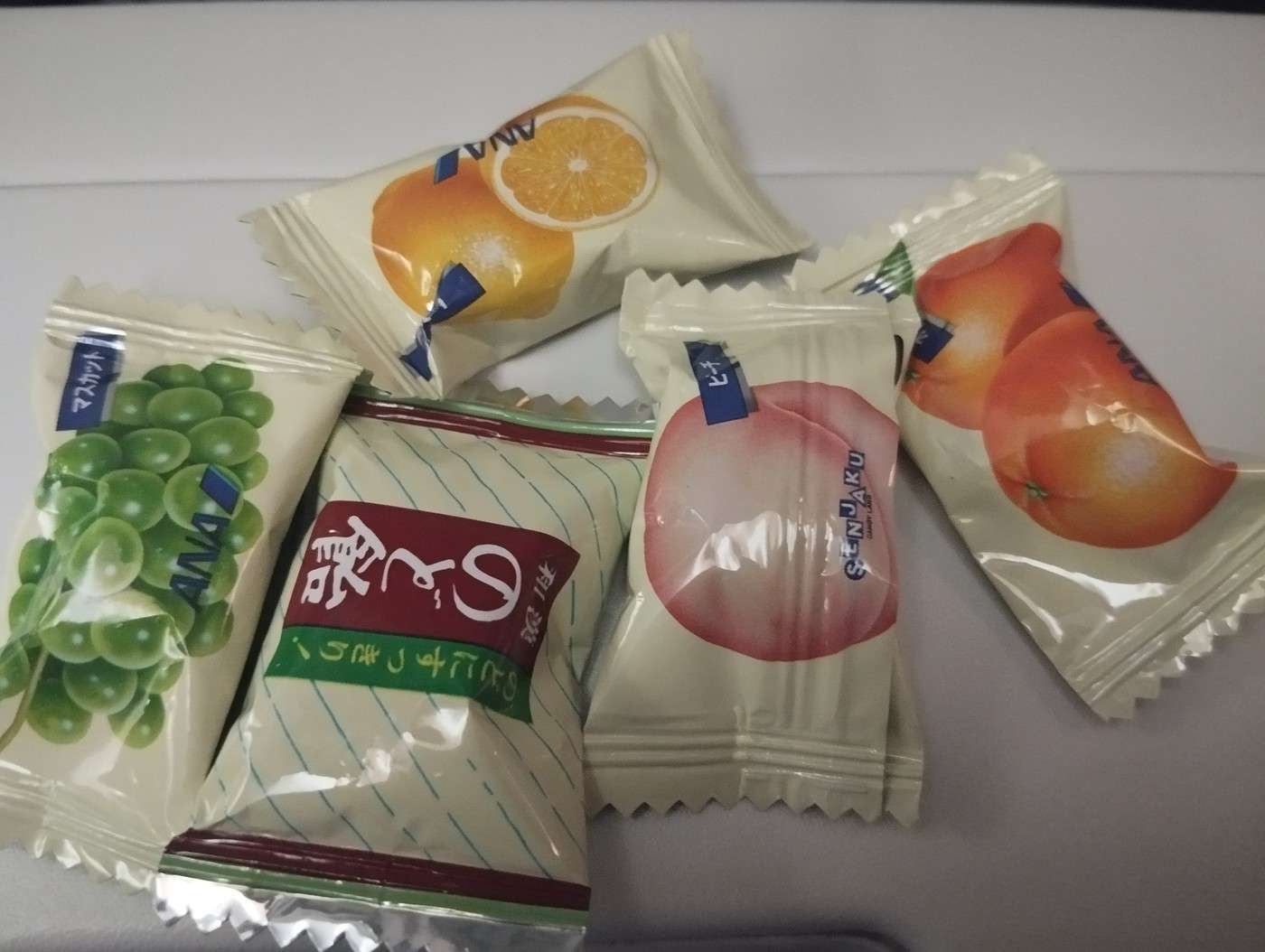
Free candy
We arrive in Tokyo without a hitch. It’s around 4 PM. We have a 3-hour, 15-minute layover.
We need to pick up our luggage. We’re a little confused because our layover is with the same airline, but switching from an international to a domestic flight requires this step. Still, the process is simplified—once we’ve gone through security, customs, and retrieved our bags, there’s a dedicated transit counter. The staff comes to us, scans the baggage tag, and takes the bags. Done in 3 minutes flat.
Cécile’s flight to Osaka leaves before ours, so it’s time to say goodbye and wish her a great trip.
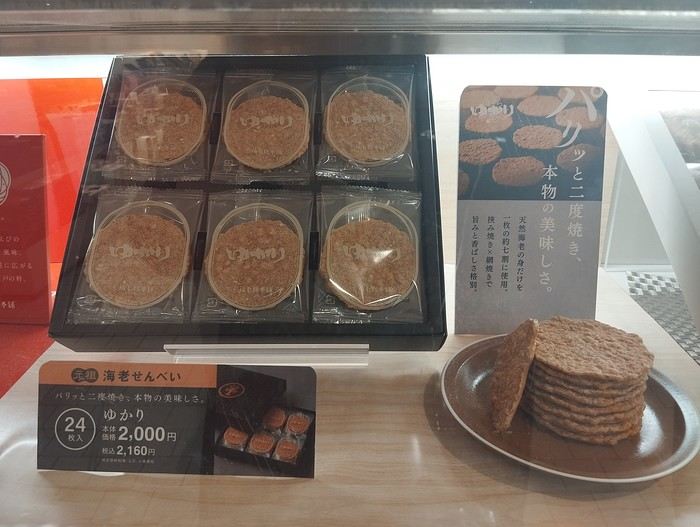
Before heading to the boarding area, we take a quick stroll through a store selling local products. We spot lobster chips—just like the ones a Japanese friend gave our family during her trip to Hokkaido in early 2025. The taste is incredible: you really get that briny lobster flavor, and the chips aren’t greasy at all—just a concentrated taste of the sea.
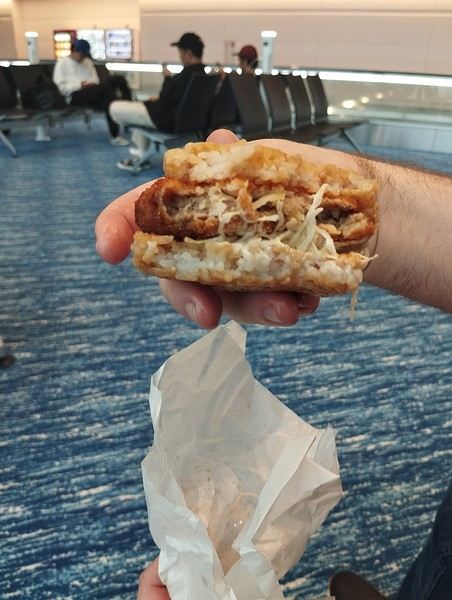
Craving a taste of Japan, we buy rice burgers. We recently discovered them in a TV report but had never seen them before, so we can’t resist trying them while we wait for our next flight.
We savor our delicious burgers—pork with ginger for me, breaded beef with 7-Eleven fried chicken for my partner—along with a cold drink, some tea.
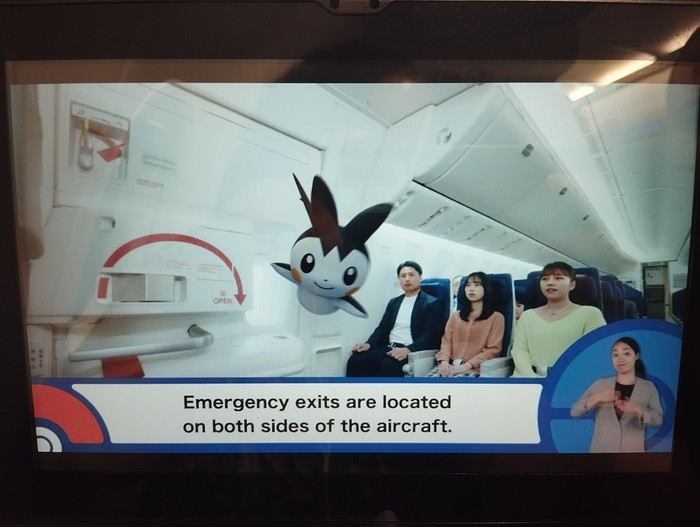
The flight to Kochi is super short—1 hour, 20 minutes—and it goes by fast. We’re on an A321, and the seats are wider. The in-flight safety demo is done with animated characters in ads. It’s quirky but so Japanese. It always amuses me, I think.
In the blink of an eye, we’re at Kochi Airport. I love small local airports—everything’s so much quicker. Our flight is the last to land. We easily grab our bags. The fun, propaganda-style Japanese touch: transparent lockers with giant fake bonito pieces—a local specialty—mixed in with the luggage.
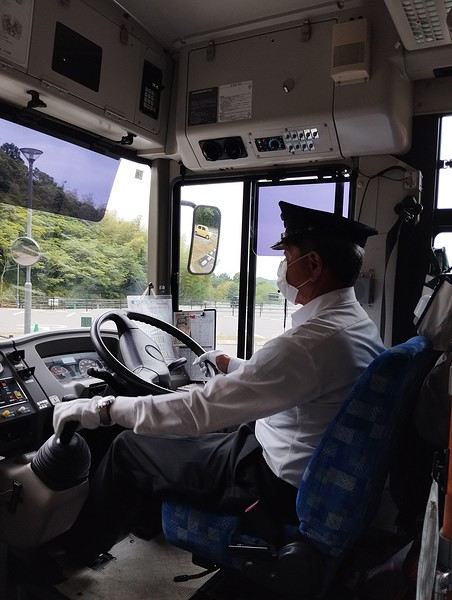
Right next to it, there’s a stand with tourist brochures and a tourist office. We quickly grab a few. The Kochi tourist office had mentioned a connecting bus after the flight—logical, since we’re in Japan. I barely have time to tell my partner that the airport’s probably about to close when the lights start turning off. You don’t mess around with time in Japan. We hurry outside, and sure enough, the bus to Kochi City is waiting for travelers. The driver, wearing white gloves, is outside keeping an eye out. He helps us buy tickets from the machine (1,700 yen for 2 people, just under 11 €), takes our suitcases to stow them, and we board. The bus is delightfully retro with its vintage-patterned carpet, seat doilies, and the red button to ring for a stop.
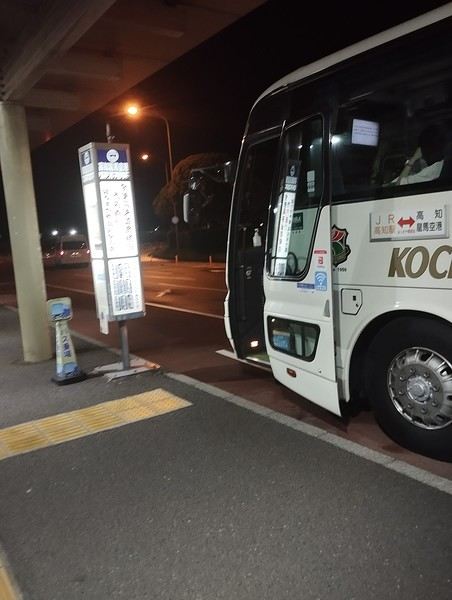
Everything happens so fast, and we’re on our way to Kochi City. It’s dark, so it’s hard to see the city. The bus isn’t full—no Westerners, just Japanese people. The ride is short, 25-30 minutes. We let ourselves be lulled by the Japanese conversations nearby while looking out the window, catching glimpses of a bridge hinting at a river or distant lights.
The bus stop isn’t far from our hotel—about a 5-minute walk.
The sound of the pedestrian crossings—a kind of high-pitched bird chirp—makes us smile. Welcome to Japan.
The street is wide, a big avenue. It’s dark, but the lights reflect off the damp sidewalk, suggesting it rained today... Ahhh, I keep praying that the rainy season won’t drench us nonstop.
We pass a restaurant with a sliding door that opens and closes, letting the customers’ laughter spill out to our ears. It’s pleasant but not too hot. We’ll drop off our stuff and then head to the konbini we spotted nearby.
Check-in is quick—it’s done at kiosks, but there’s staff nearby to help.
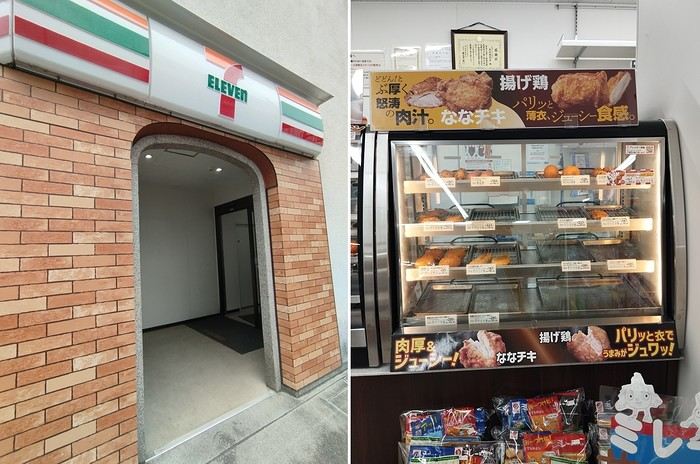
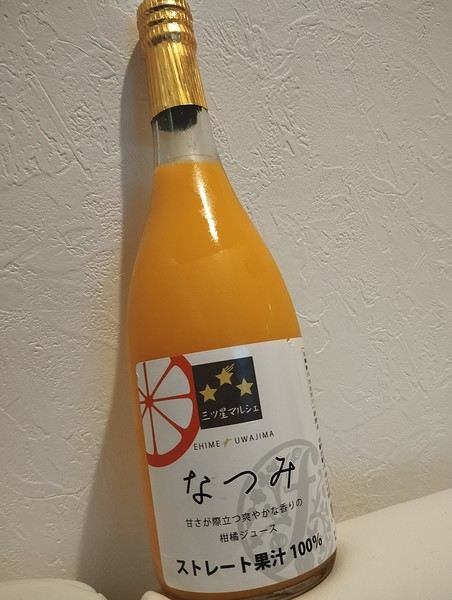
As I said earlier, we head to the konbini to grab some supplies for tonight and the next few days. We find a drink that seems local, made with yuzu and another green fruit. We grab one to try.
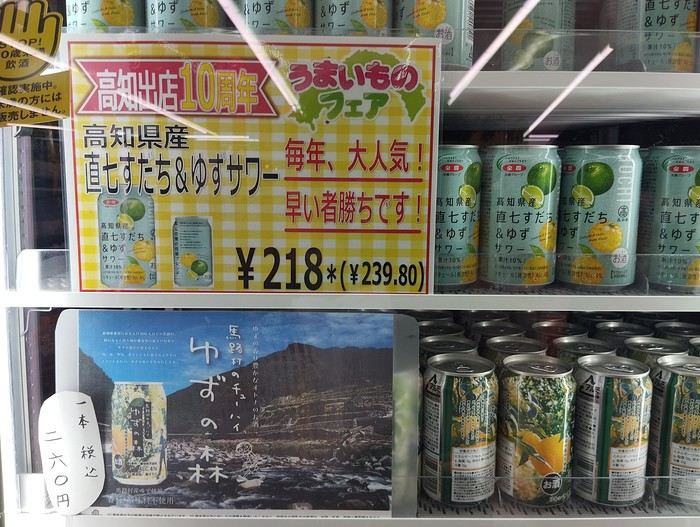
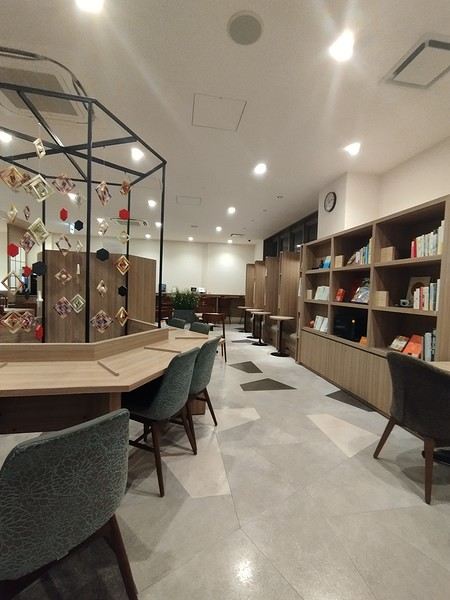
Back at the hotel, we settle into the common room, which is open until 11 PM with free hot and cold drinks. The room isn’t very big, but it’s cozy and clean. There are books available too.
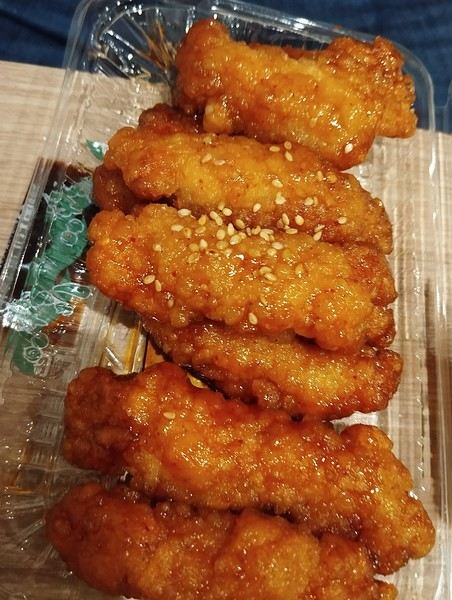
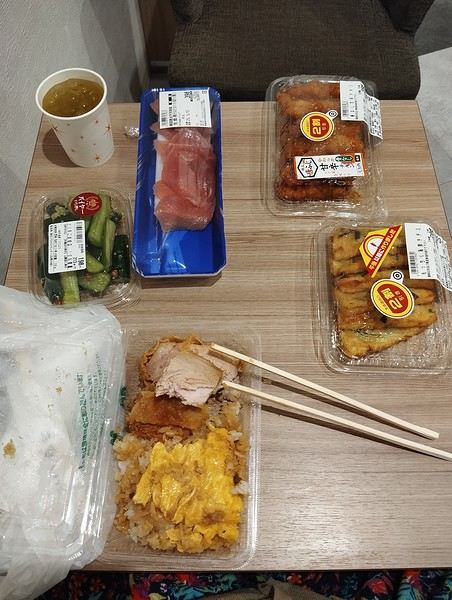
Quick, unbalanced dinner: curry pan (a fried bun stuffed with curry), fried chicken, egg cake, green tea, and the yuzu drink. Google Translate says it’s a drink with yuzu and sudachi, another local citrus fruit that’s more bitter. The drink is really nice and refreshing.
A few sweet and savory treats for the next few days in case we need a snack:
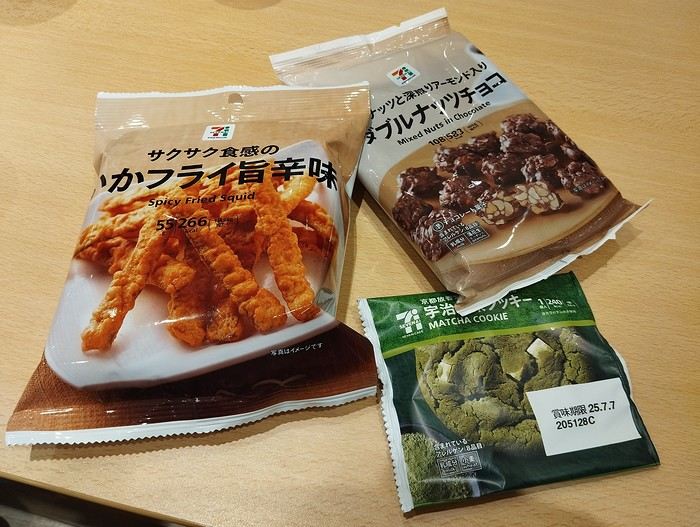
11 PM—we finally head up to our room. In France, it’s already 4 PM the next day. It took us 24 hours to get from Paris to Kochi.
One of the pleasures of staying in Japanese hotels is the free access to certain amenities—cotton swabs, razors, cotton, etc. We take what we need and head to our room. As soon as we open the door, a pleasant scent fills our noses.
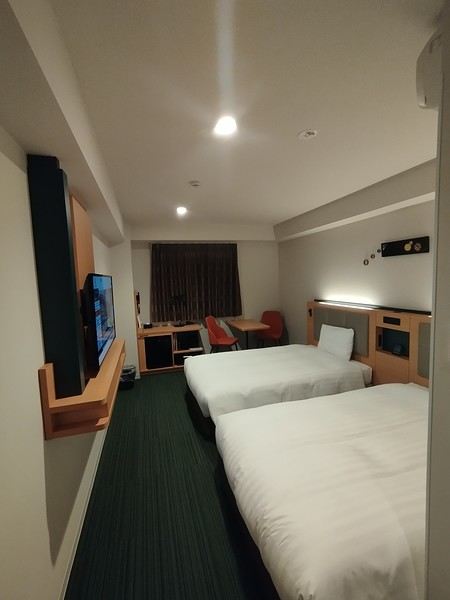
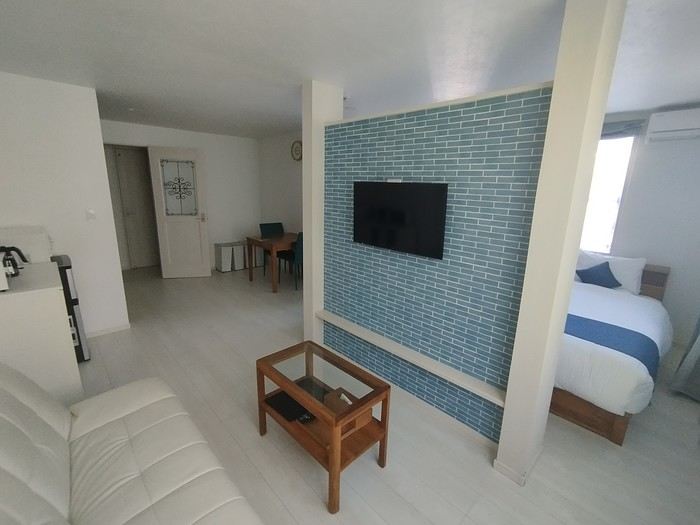
Our room is standard for this type of hotel, so nothing to complain about. Time to sleep before starting the real first day of the trip.
To those who’ve made it this far—since details matter in my travel journal—bravo, and see you next time if you’re not too discouraged!
The next part will take place in Kochi City.




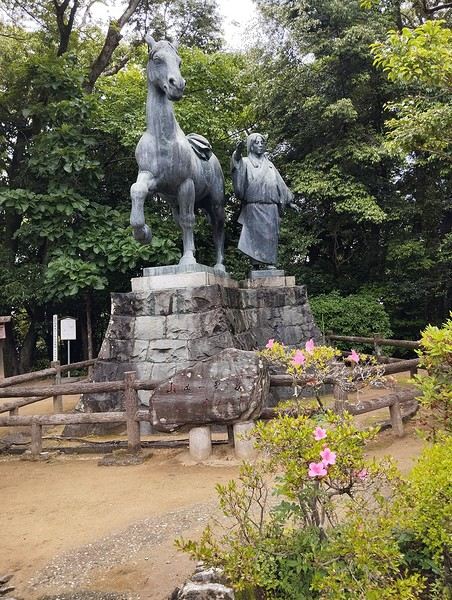
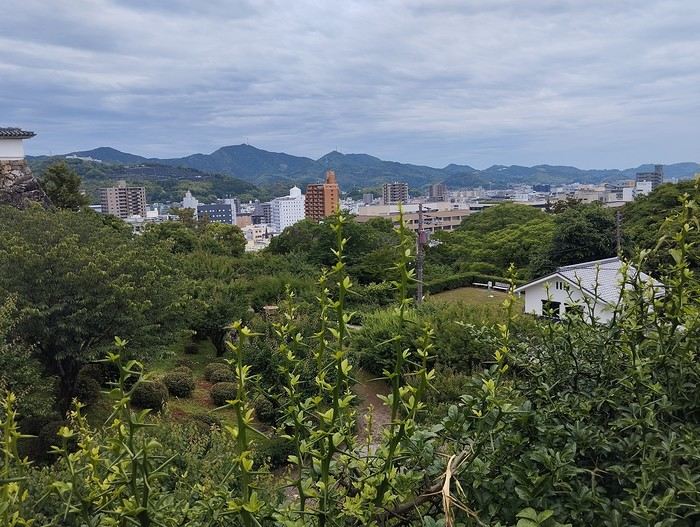
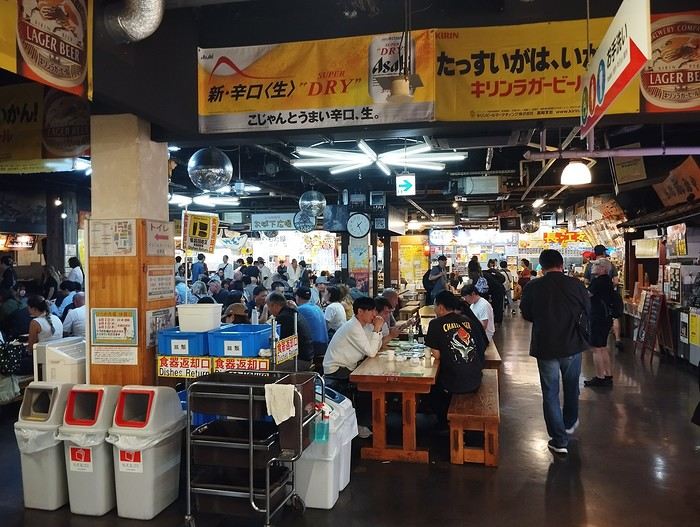
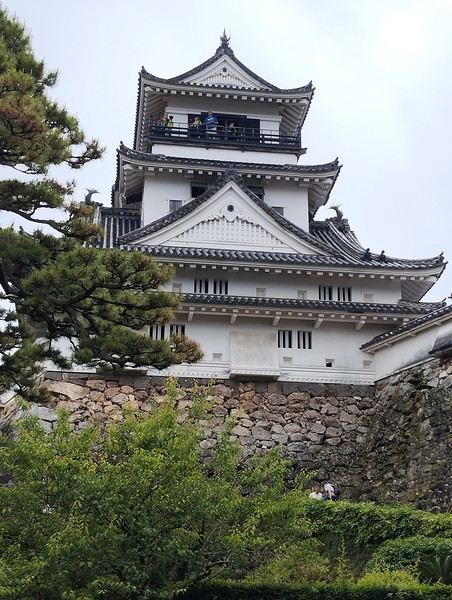 However, we’re surprised by the crowd—especially since a large part of it is foreign. The usual zen atmosphere isn’t quite there; instead, it’s a bit of a cacophony. We get the impression that some of the Western foreigners are from a cruise ship.
To visit the castle, we have to take off our shoes and put them in lockers outside, which we lock with a key. It’s free.
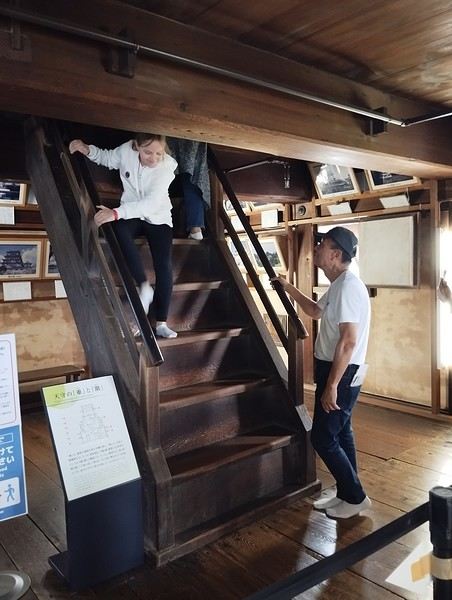
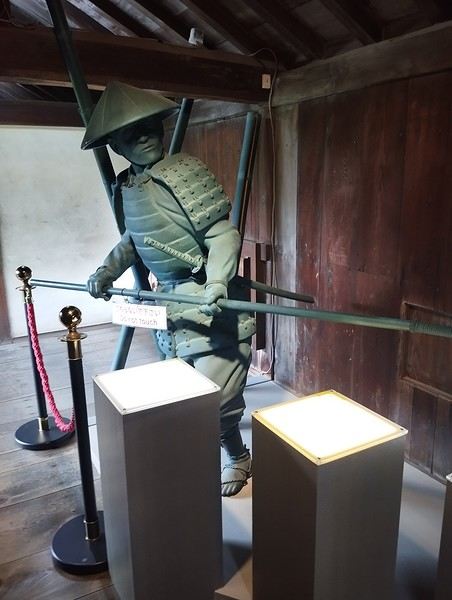
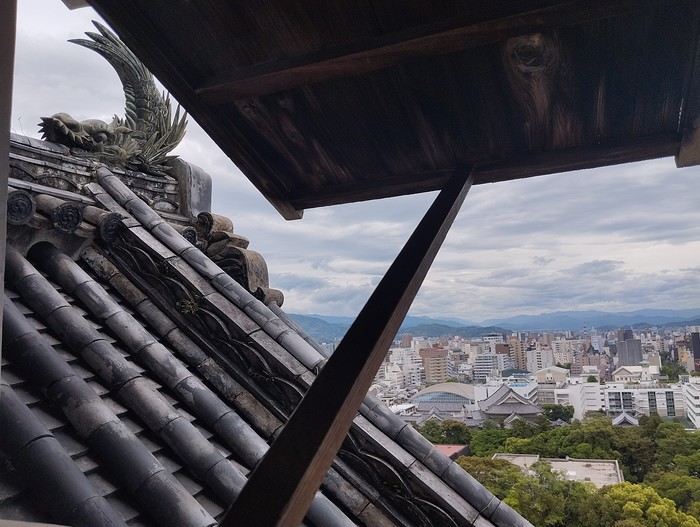
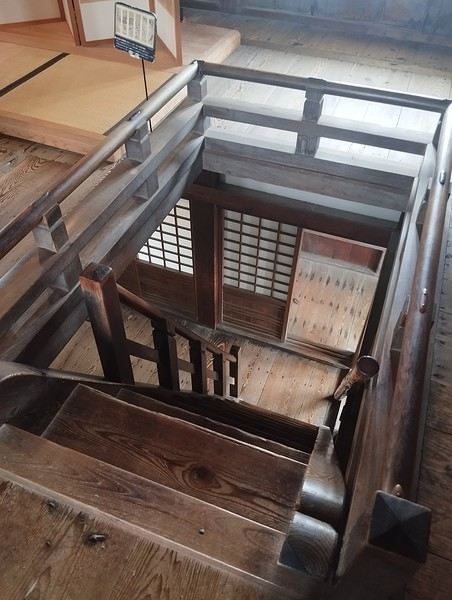
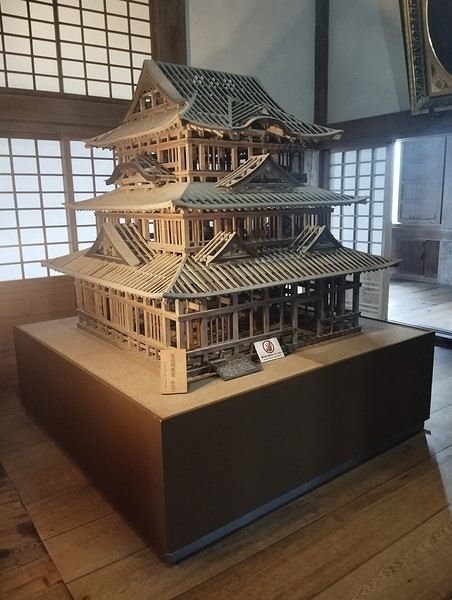
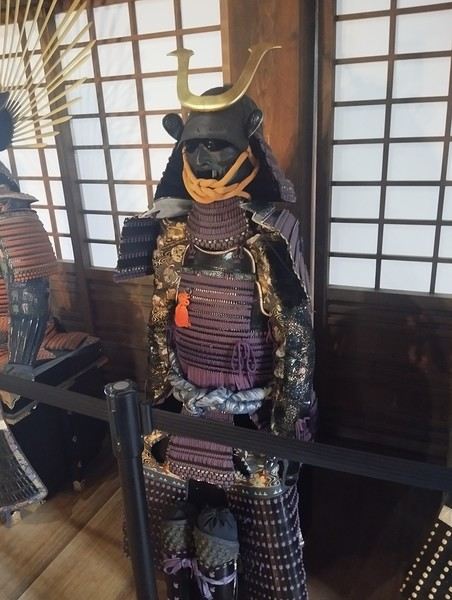
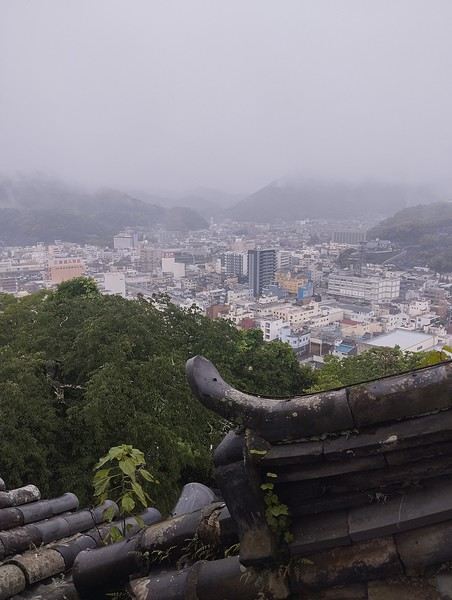
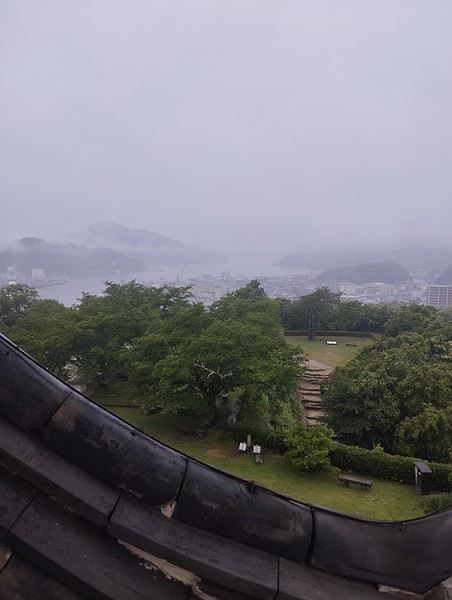
With our entry ticket in hand (paid), the visit is done in socks, walking sometimes on rice mats and sometimes on wooden floors. Since the castle isn’t large, it’s hard to escape the crowd, as there’s a set route to follow. Still, the visit is interesting, with various objects on display, models, and viewpoints from the castle’s five floors. To reach each floor, we queue up to climb the steep stairs at every level.
However, we’re surprised by the crowd—especially since a large part of it is foreign. The usual zen atmosphere isn’t quite there; instead, it’s a bit of a cacophony. We get the impression that some of the Western foreigners are from a cruise ship.
To visit the castle, we have to take off our shoes and put them in lockers outside, which we lock with a key. It’s free.
With our entry ticket in hand (paid), the visit is done in socks, walking sometimes on rice mats and sometimes on wooden floors. Since the castle isn’t large, it’s hard to escape the crowd, as there’s a set route to follow. Still, the visit is interesting, with various objects on display, models, and viewpoints from the castle’s five floors. To reach each floor, we queue up to climb the steep stairs at every level.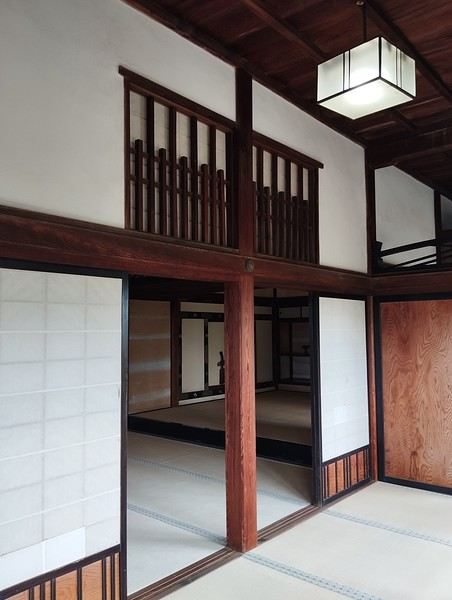

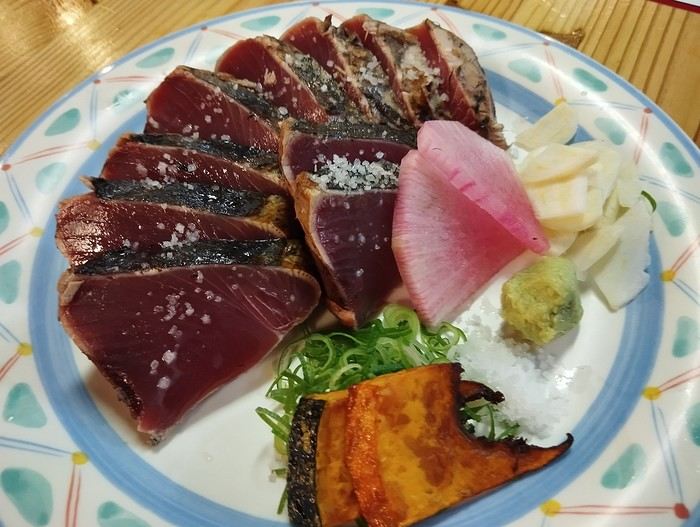
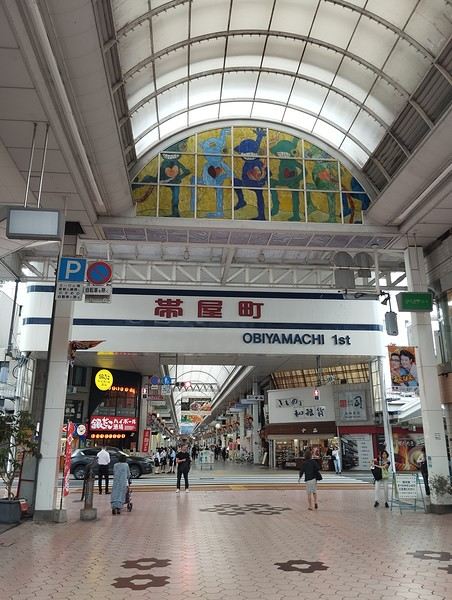
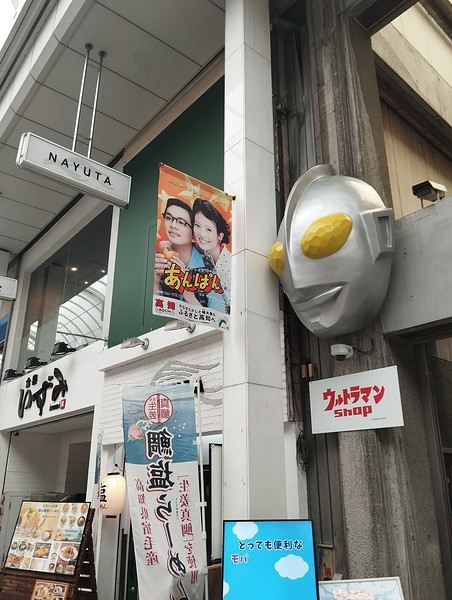
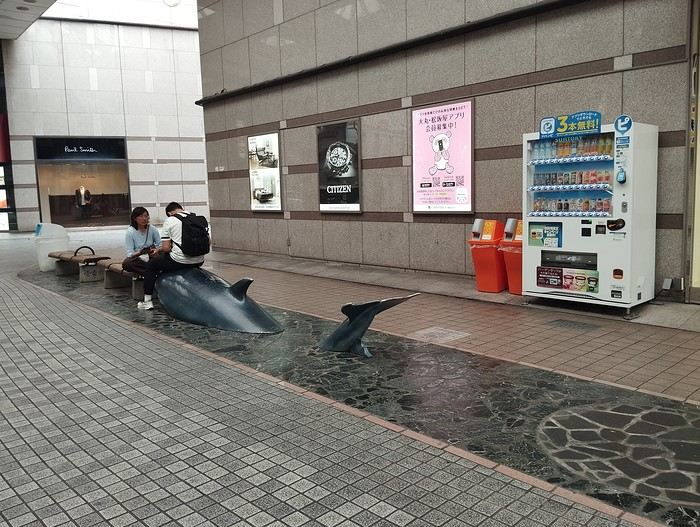
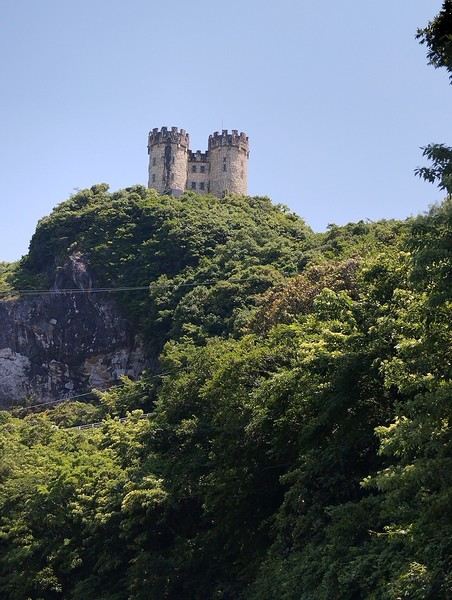
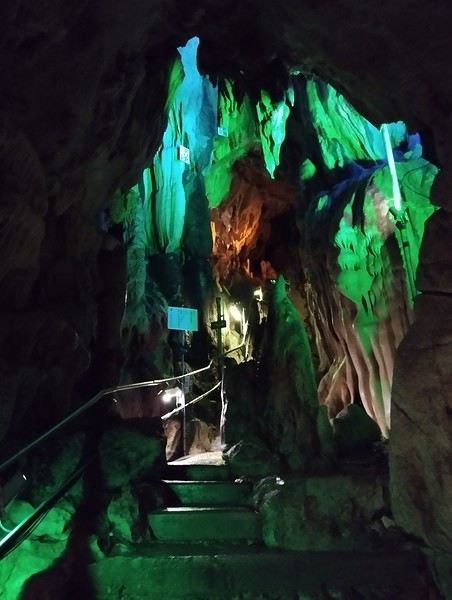
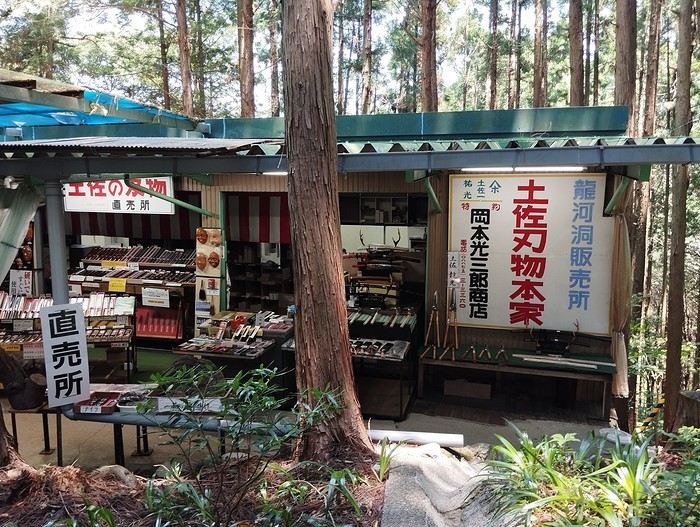
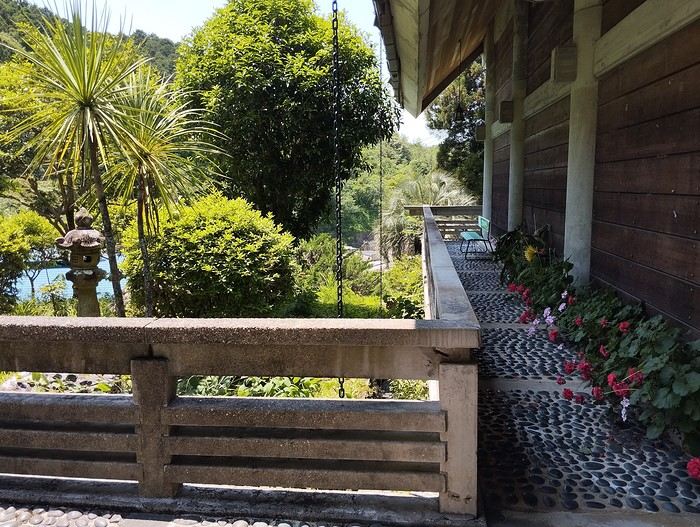
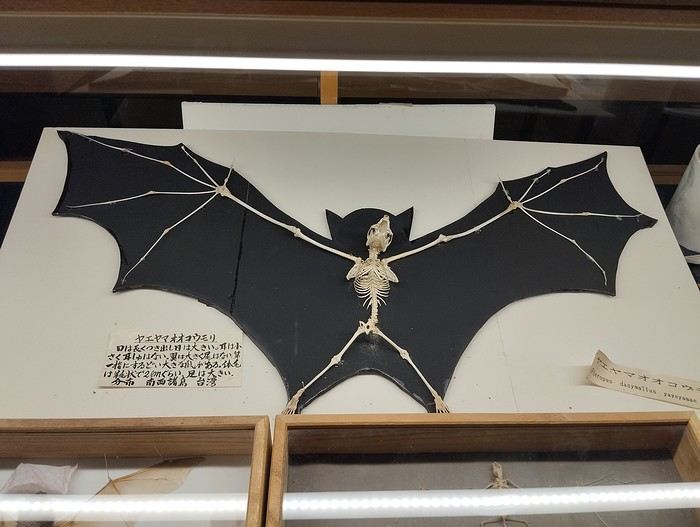
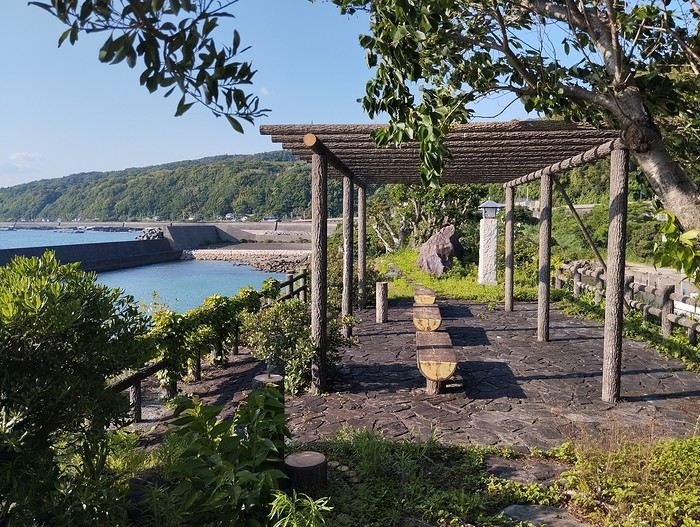
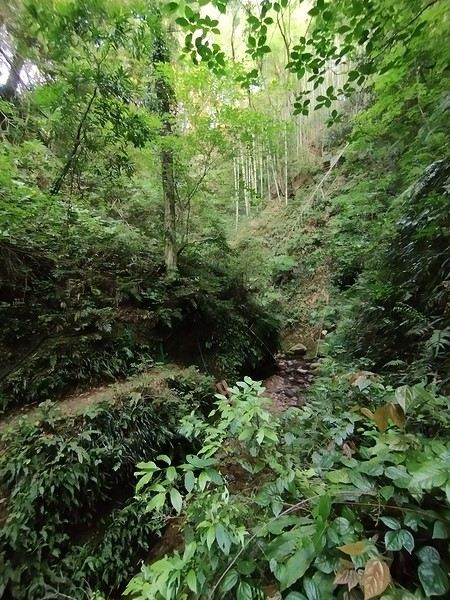
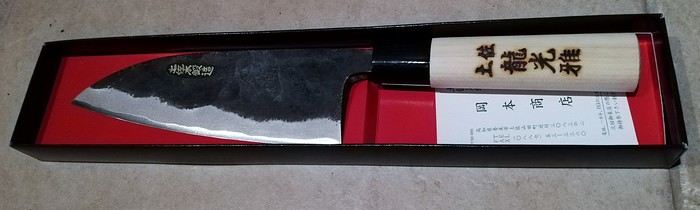
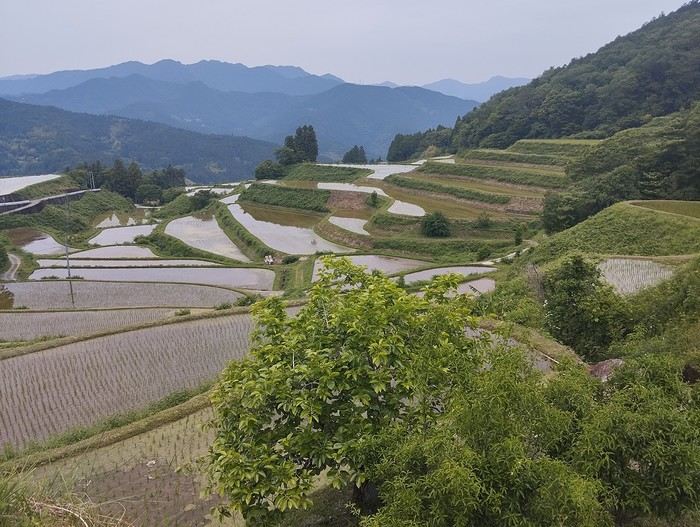
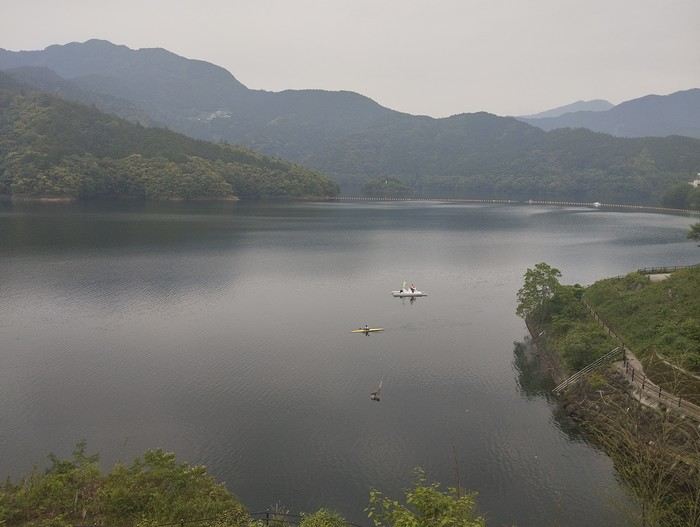
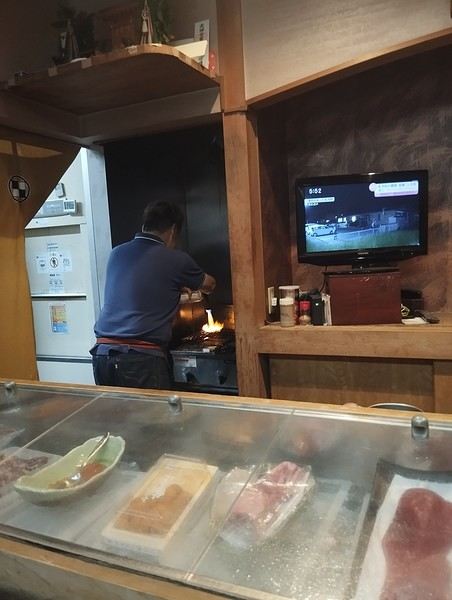
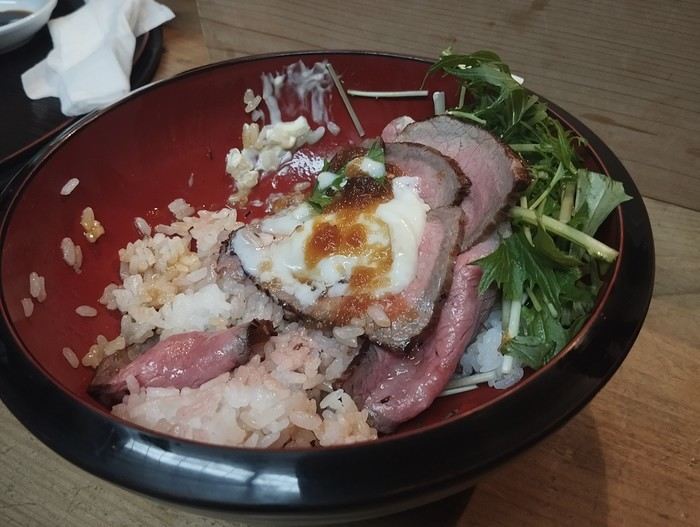
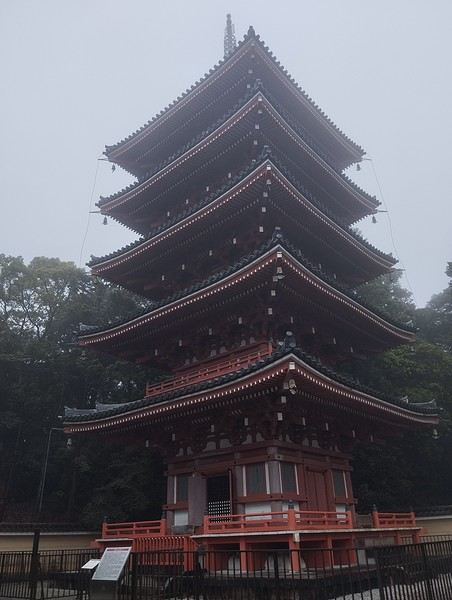
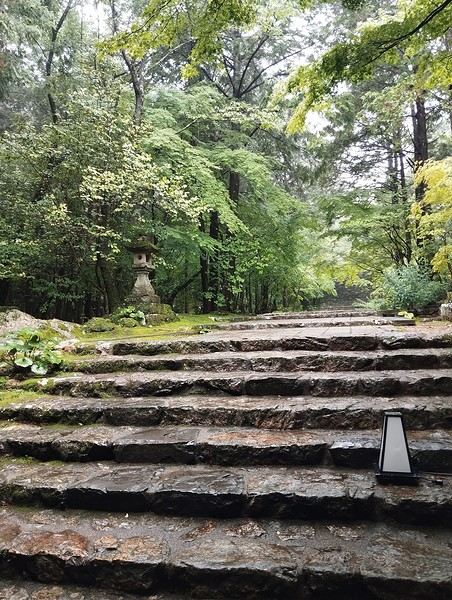
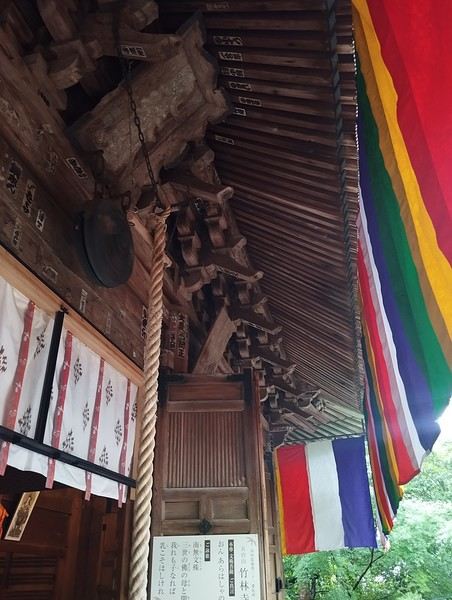
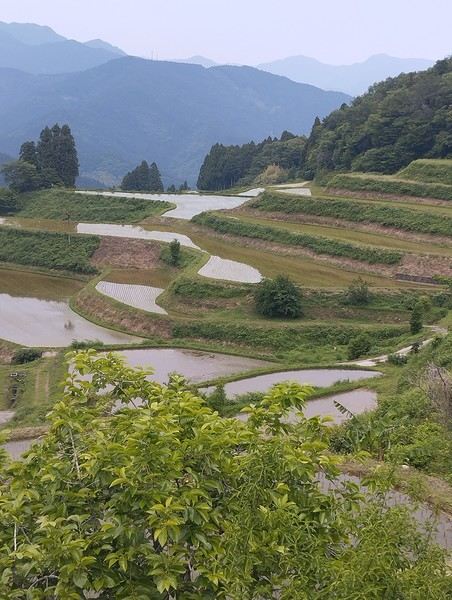
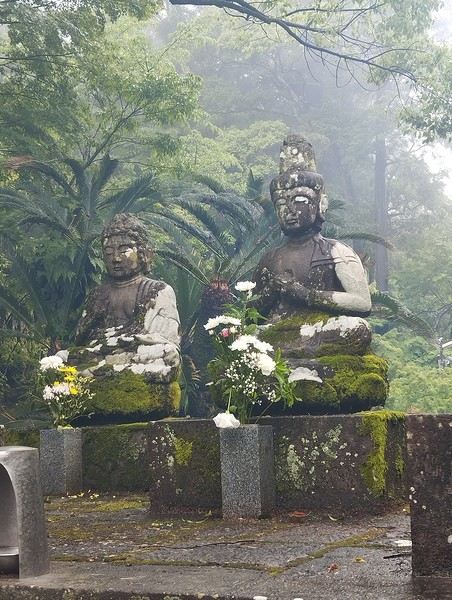 Now, we’re on our way to Shimanto.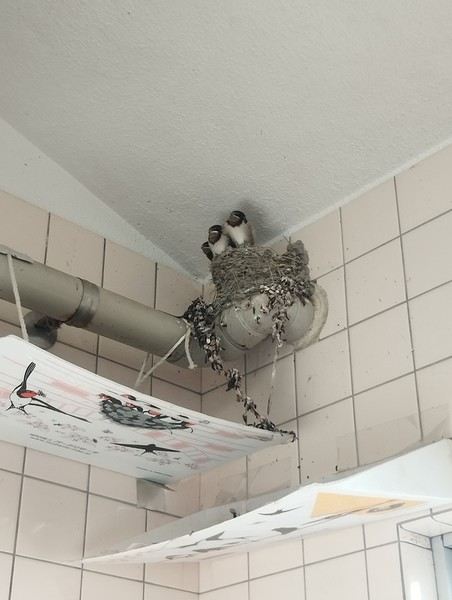
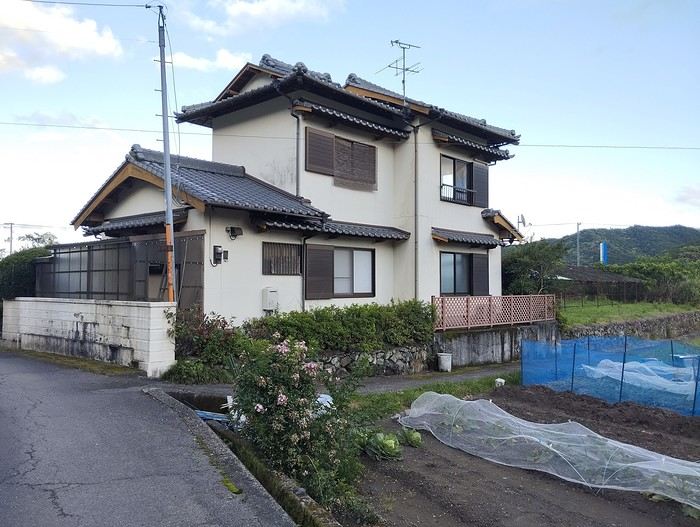
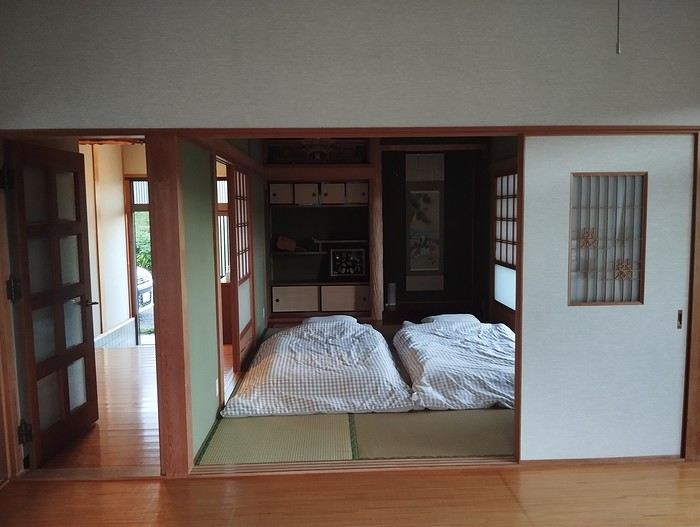
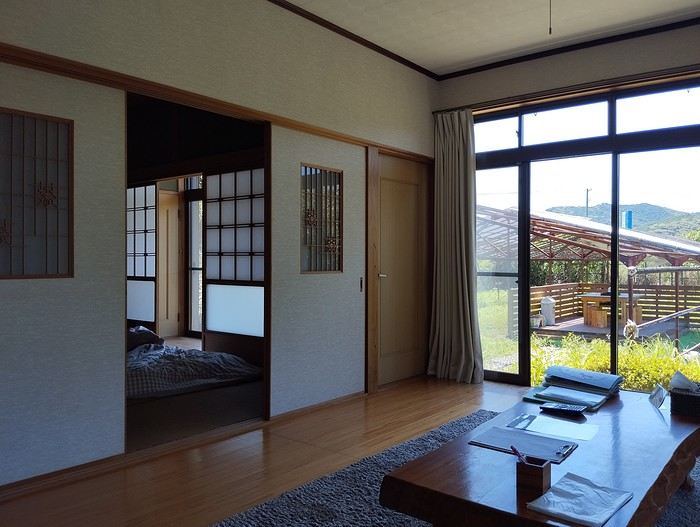
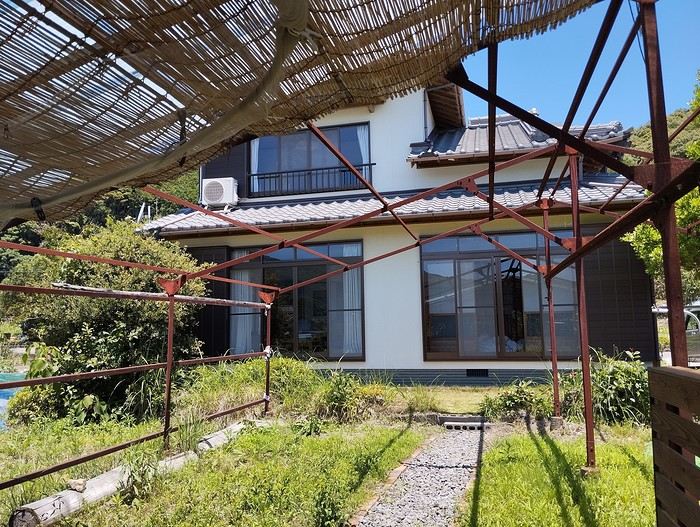

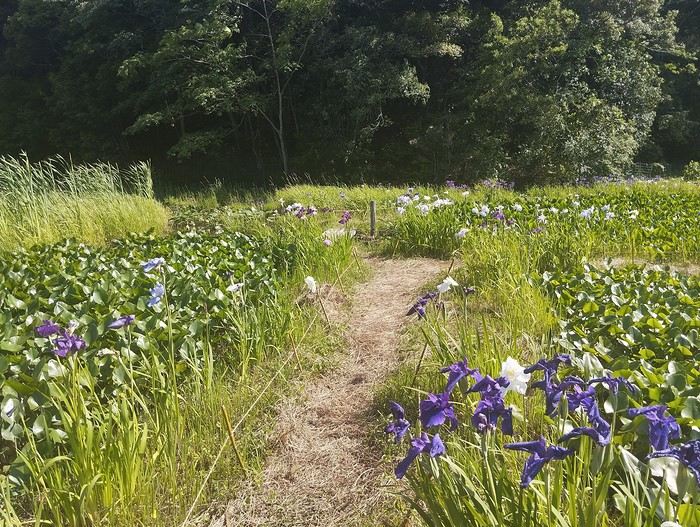

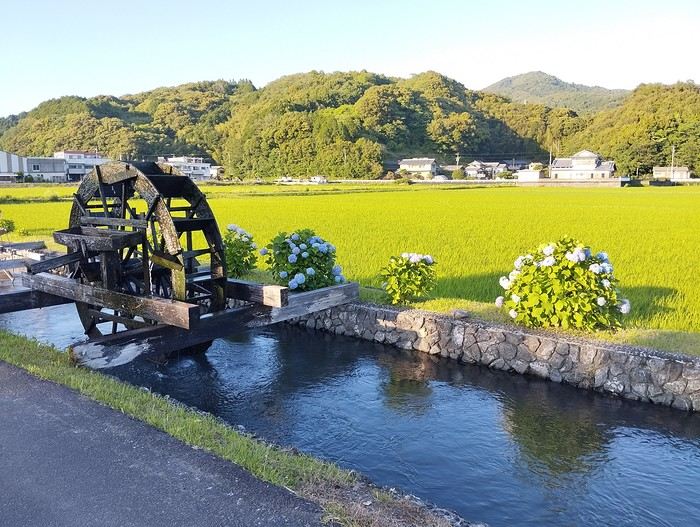
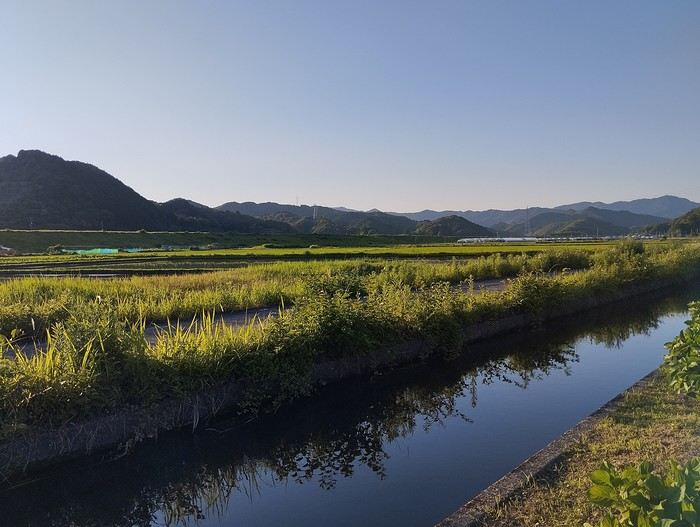
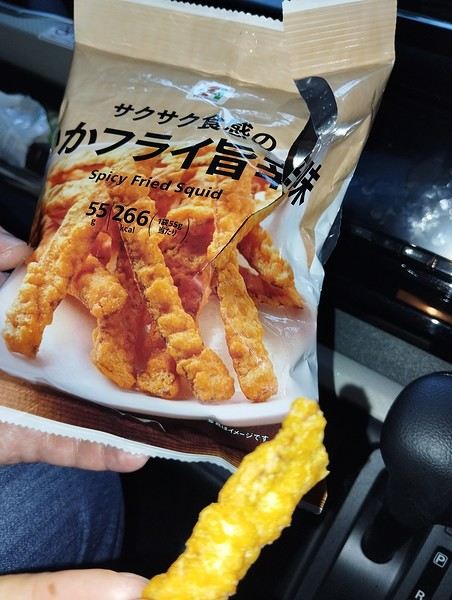
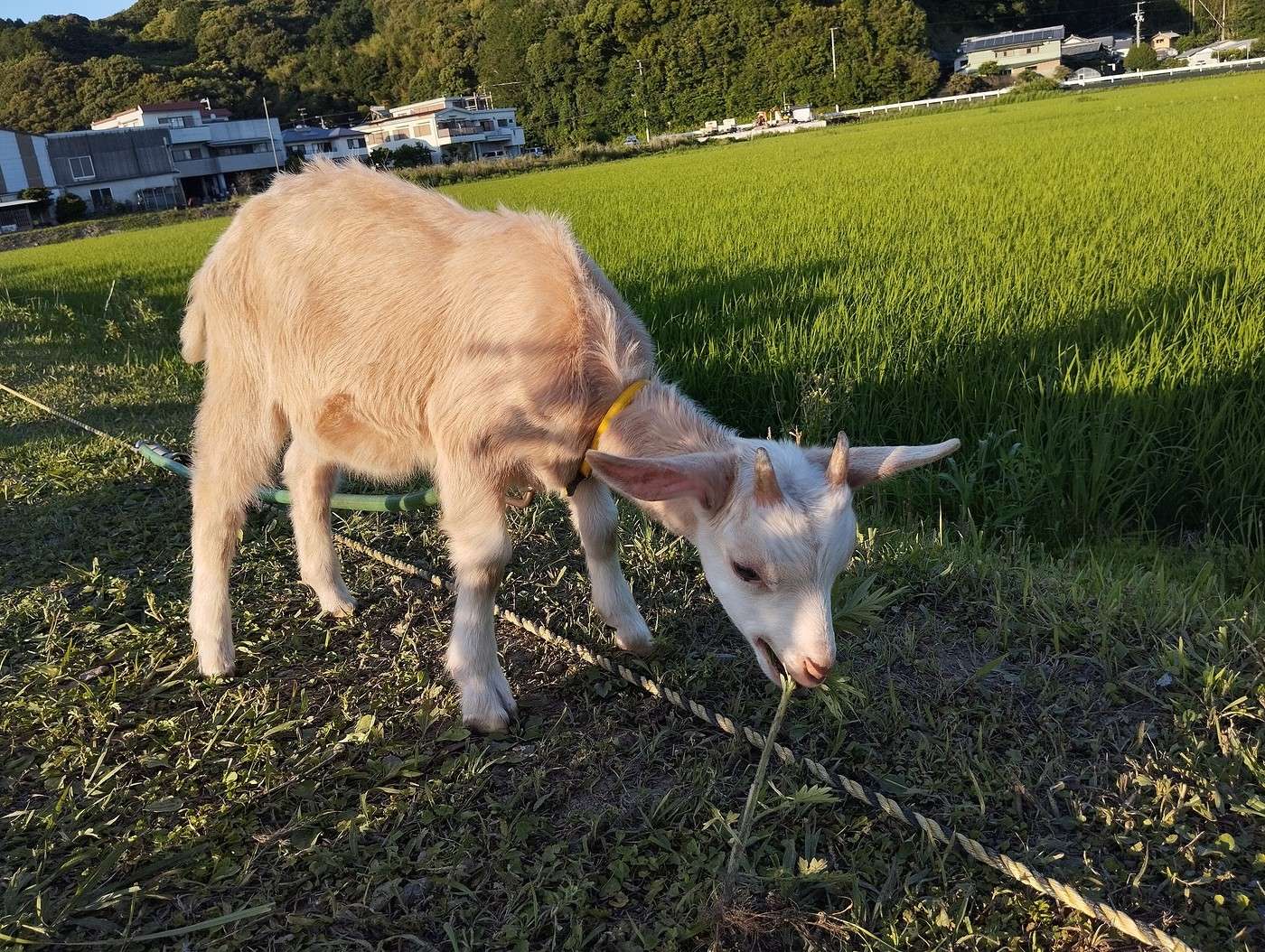
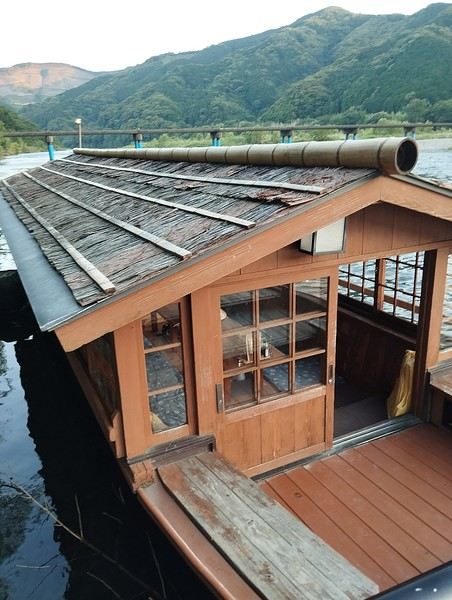
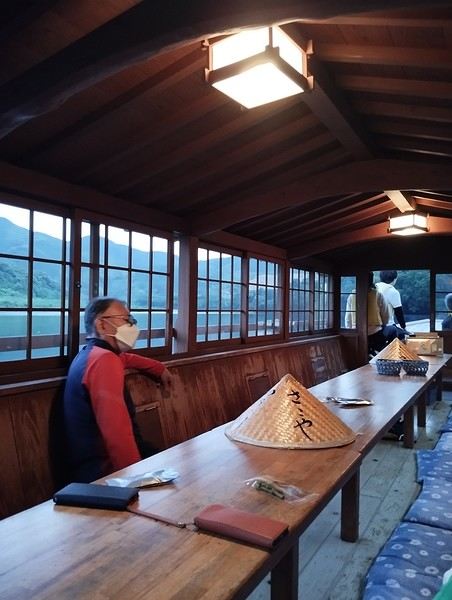
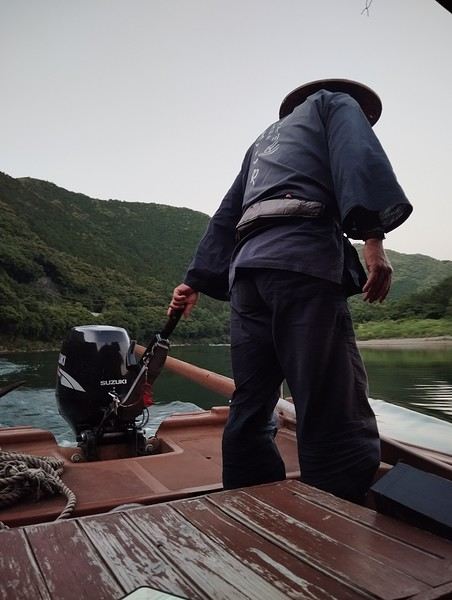
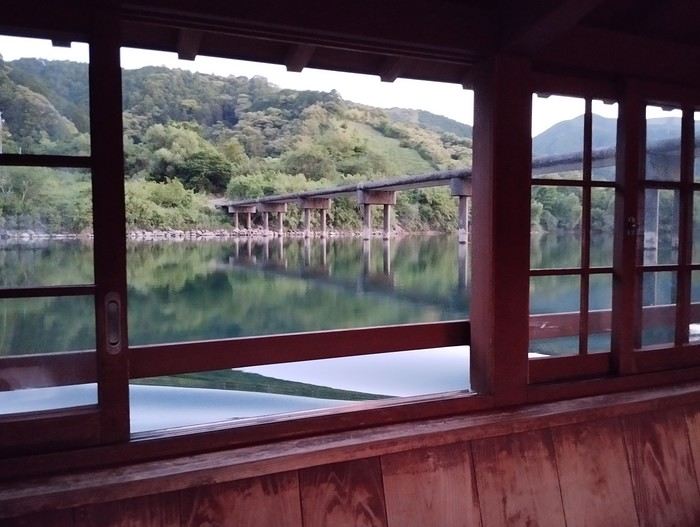
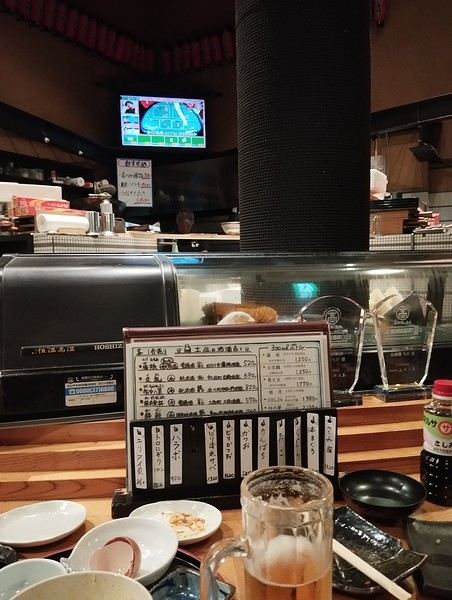
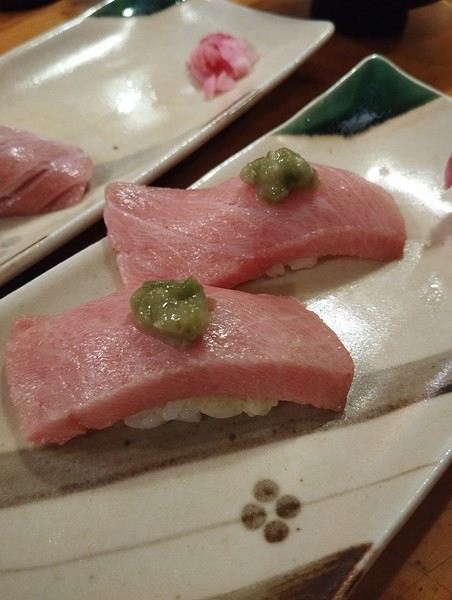
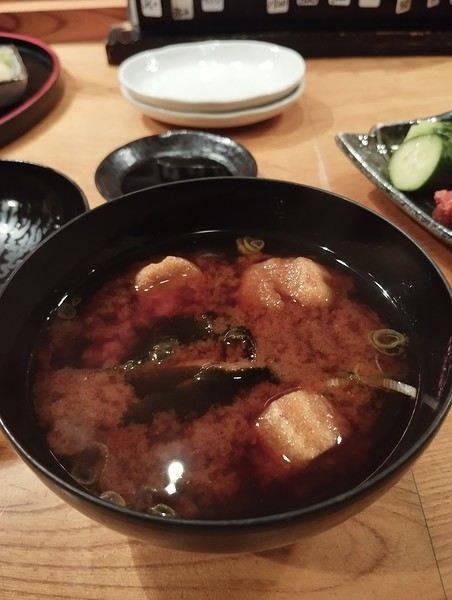
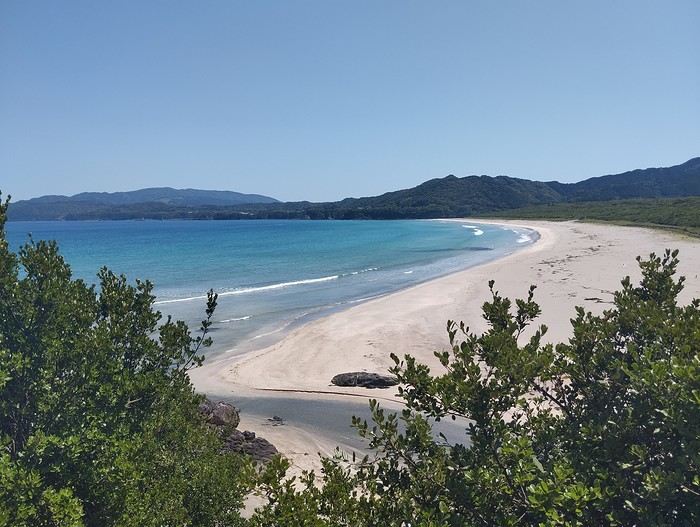
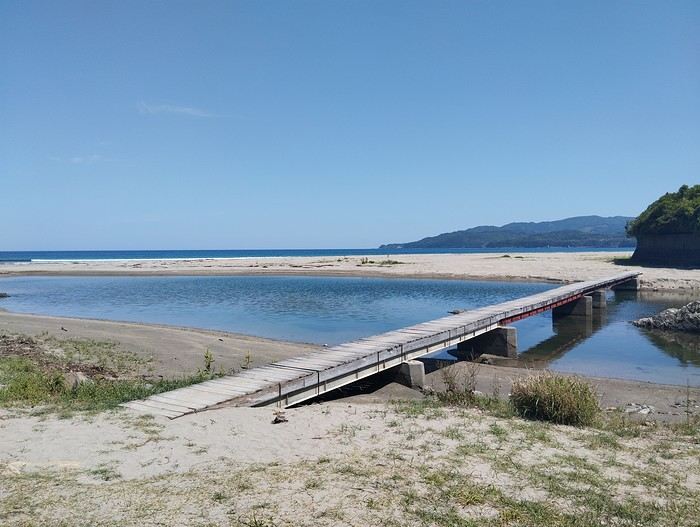
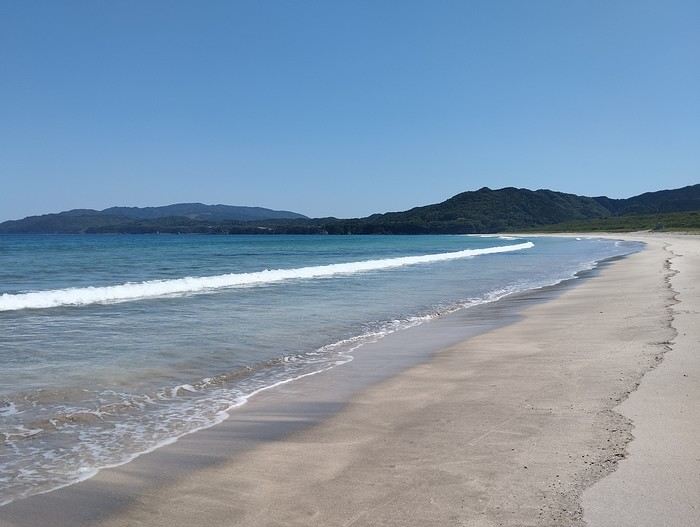
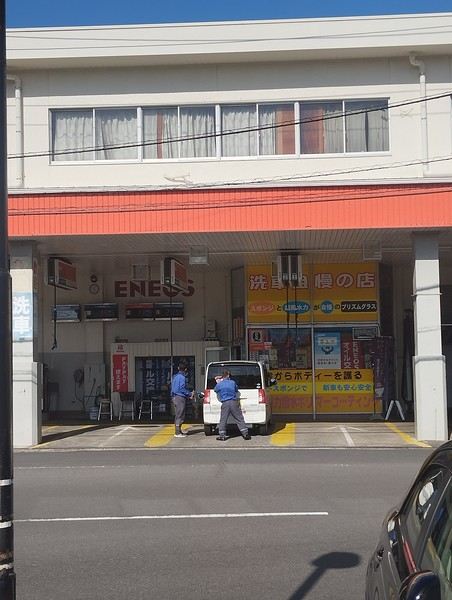
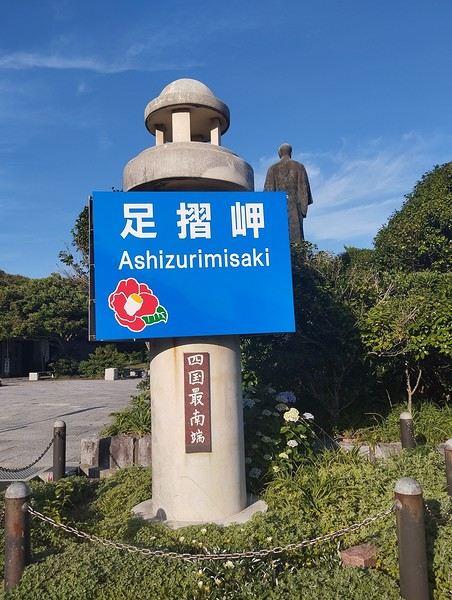
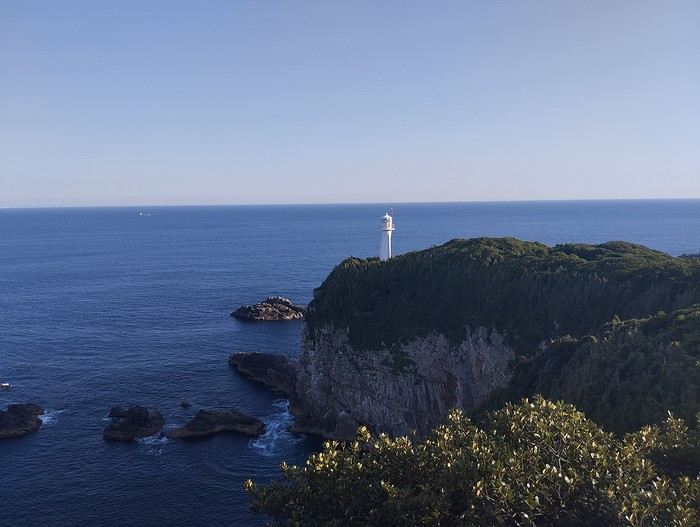
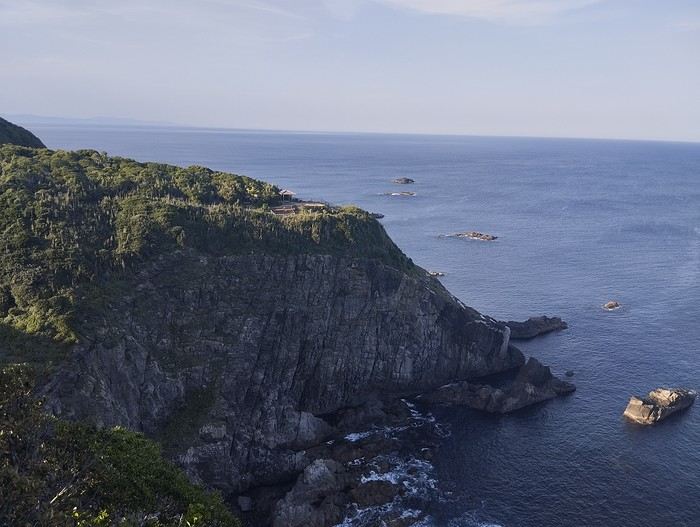
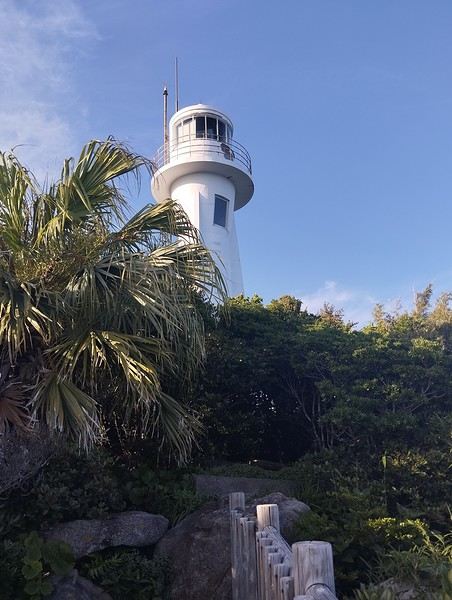
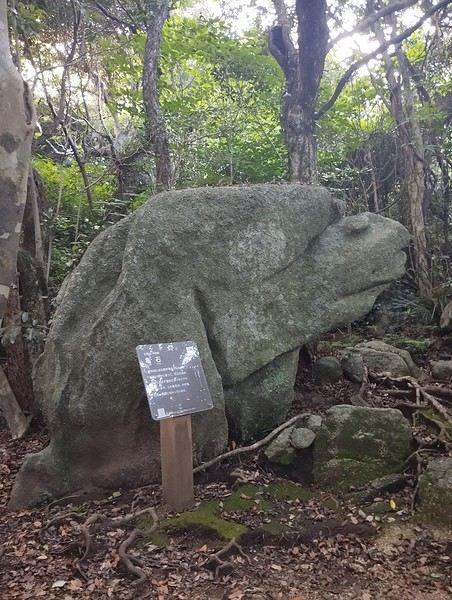
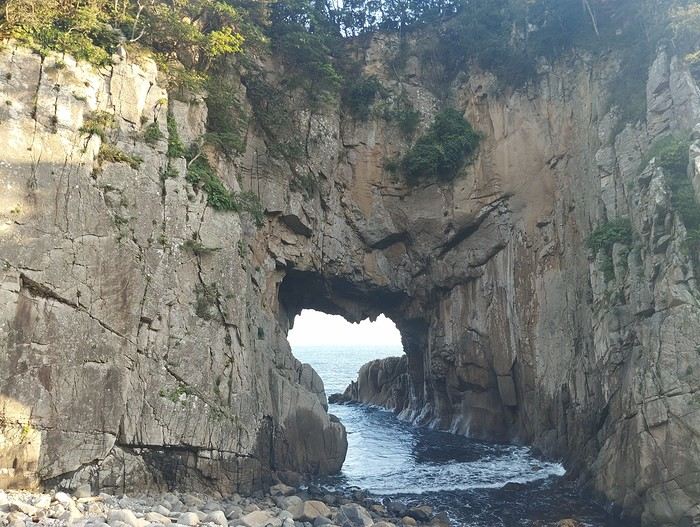
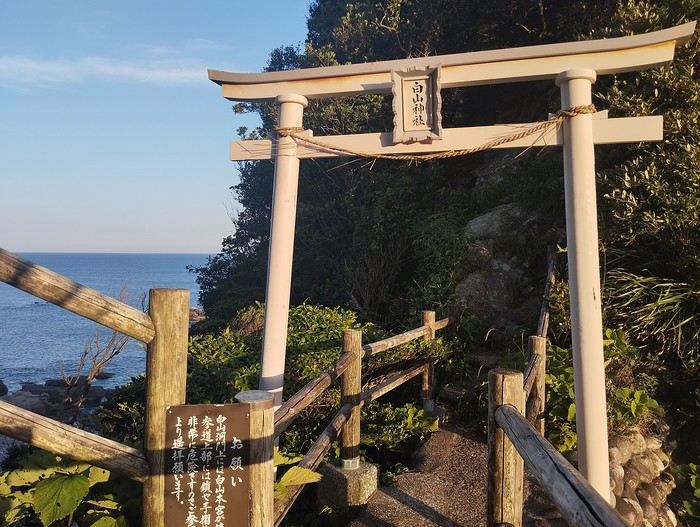
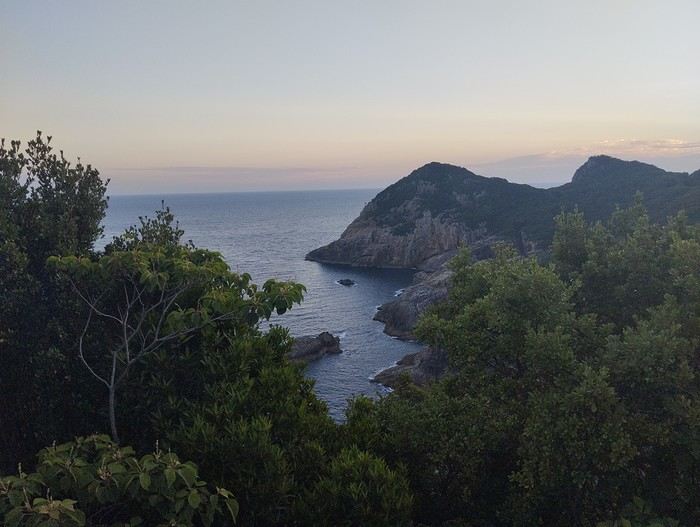
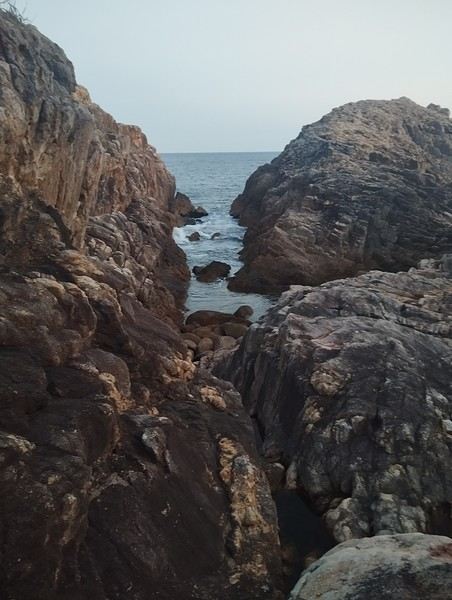
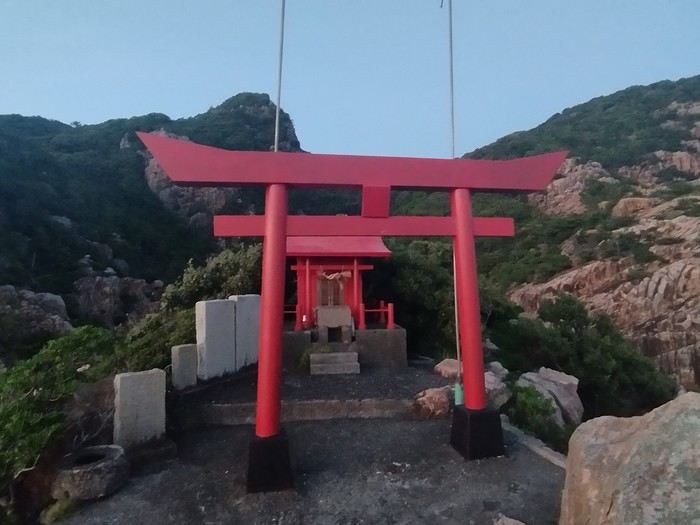
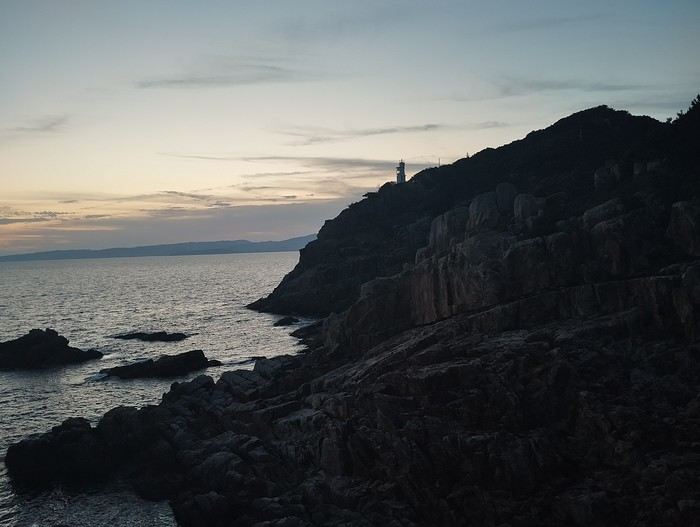
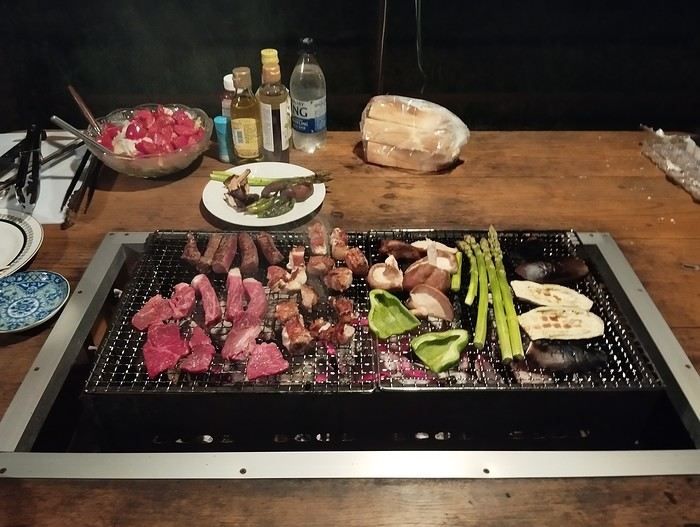
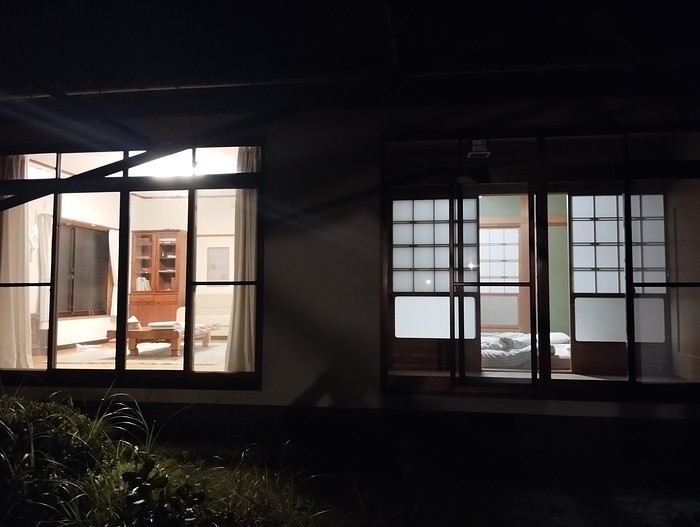
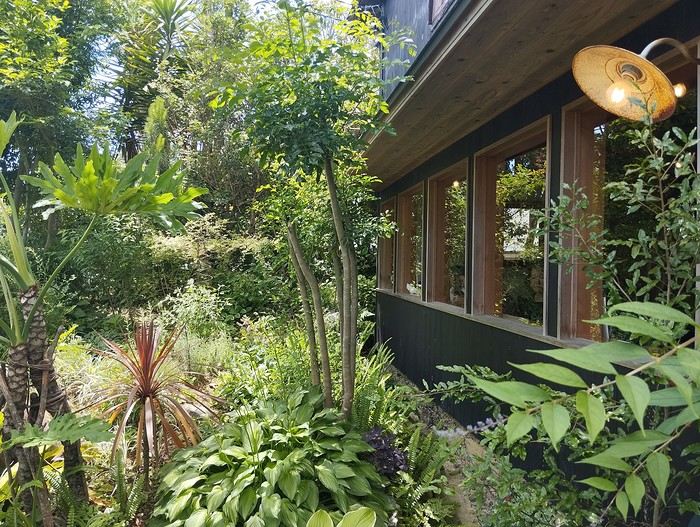
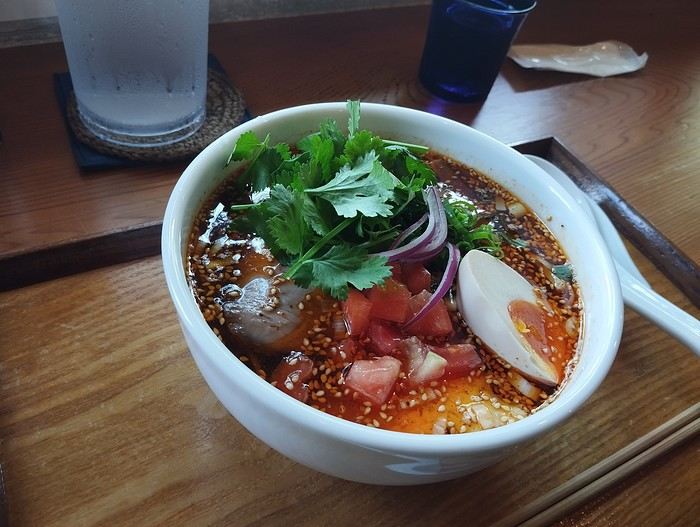
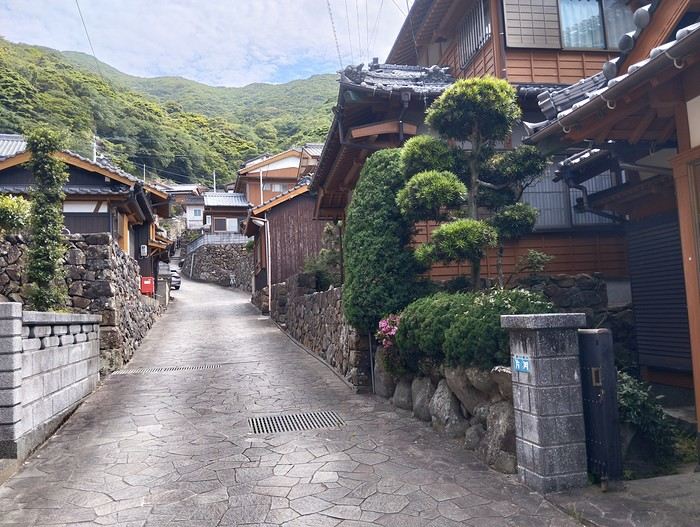
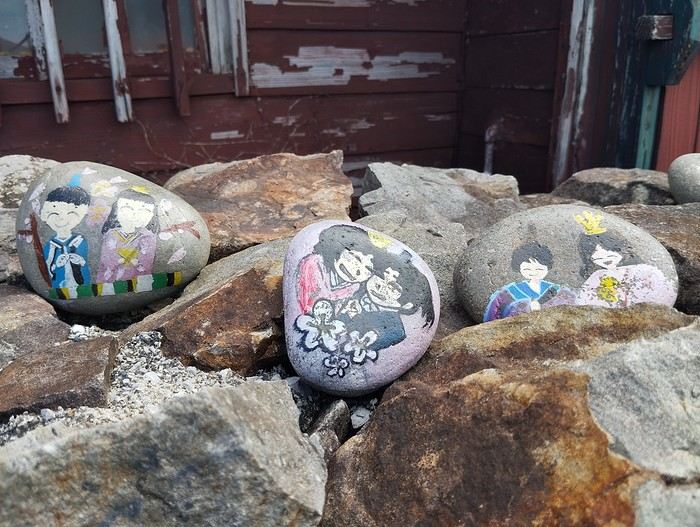
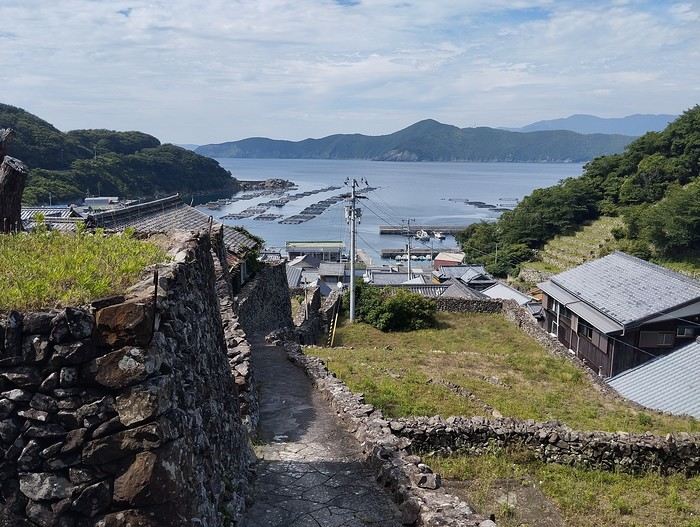
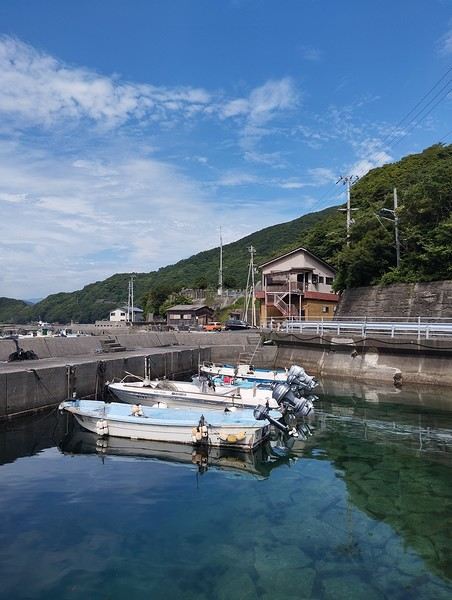
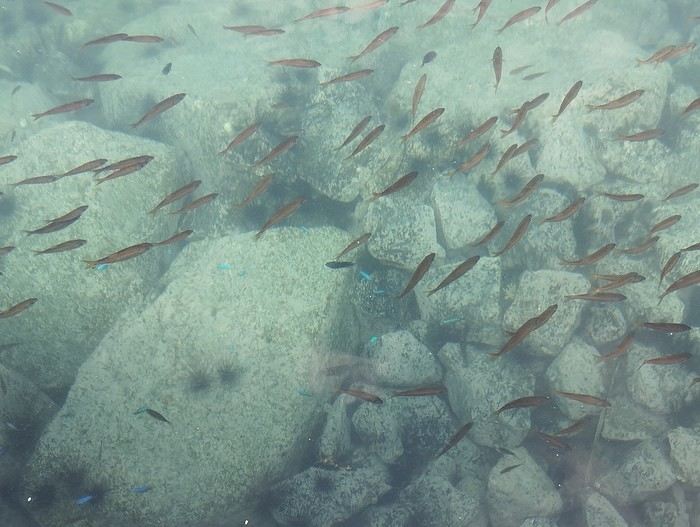
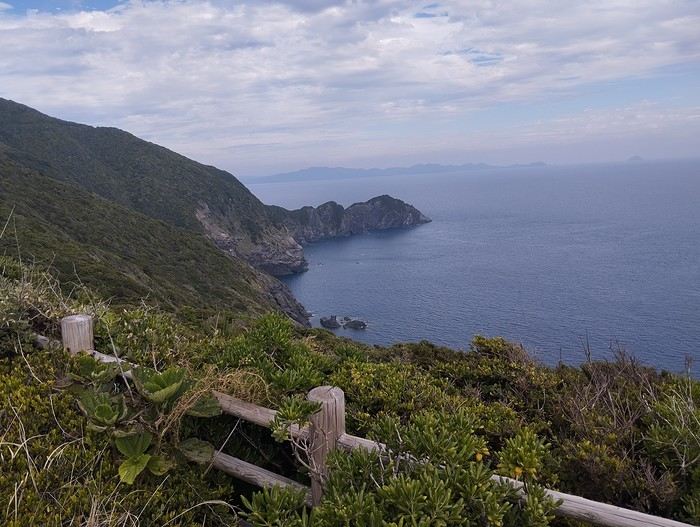
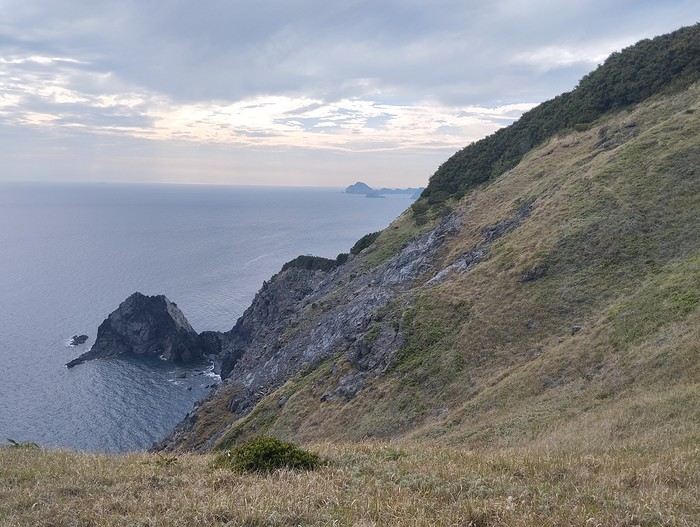
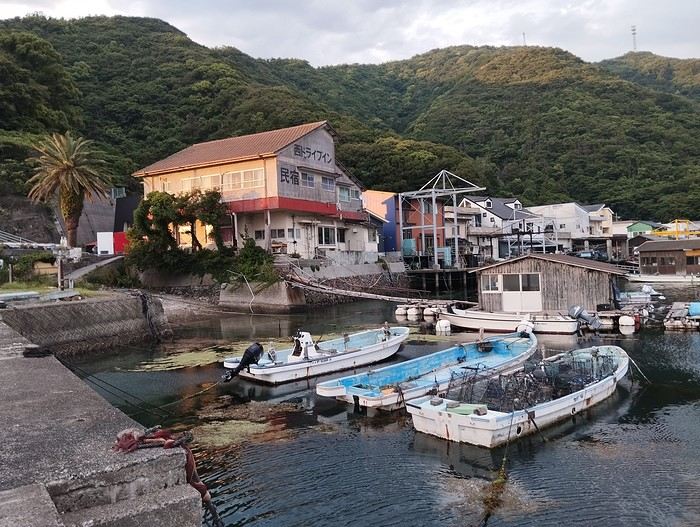
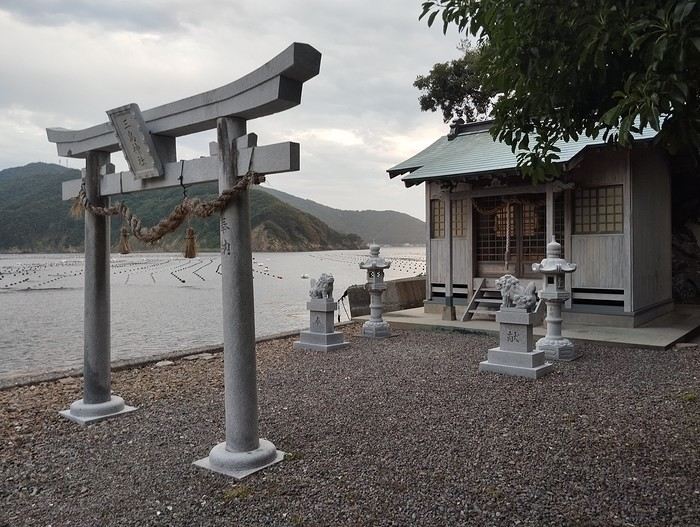
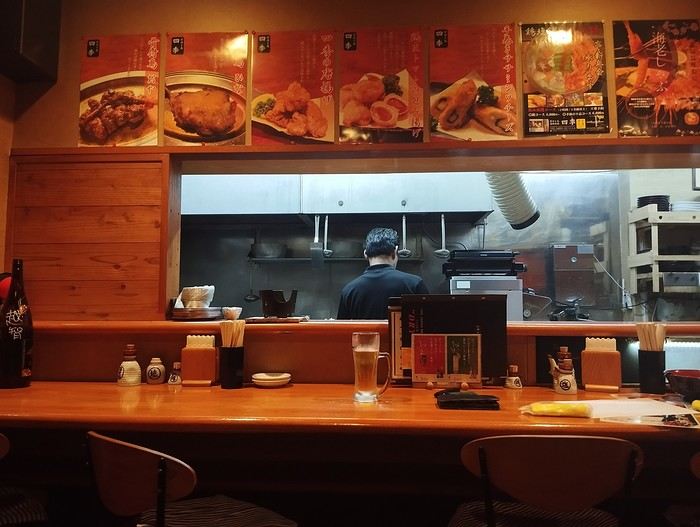
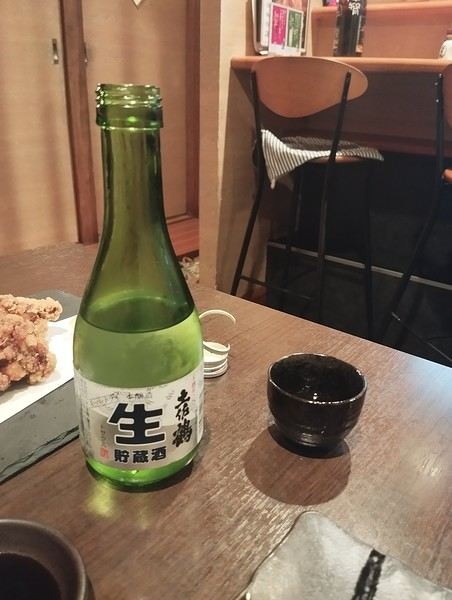
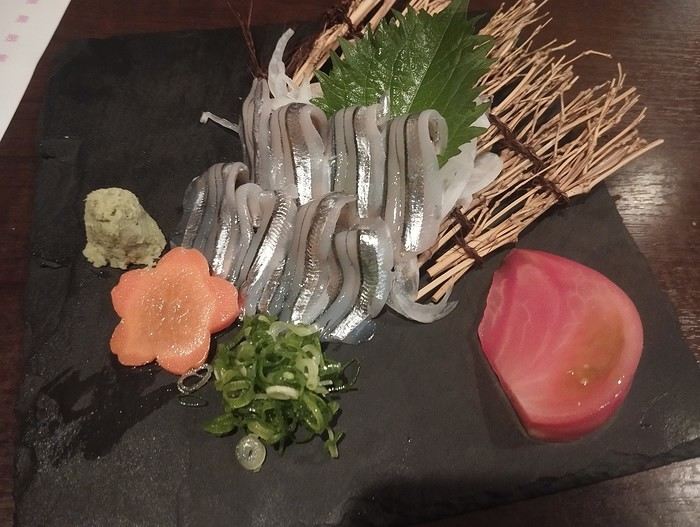
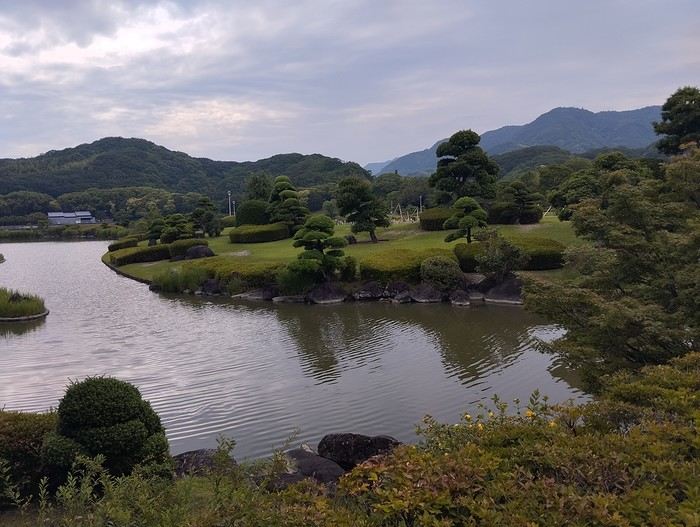
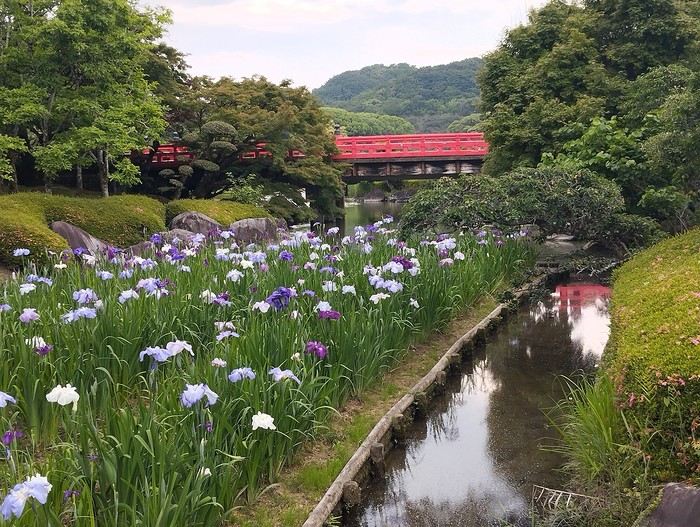
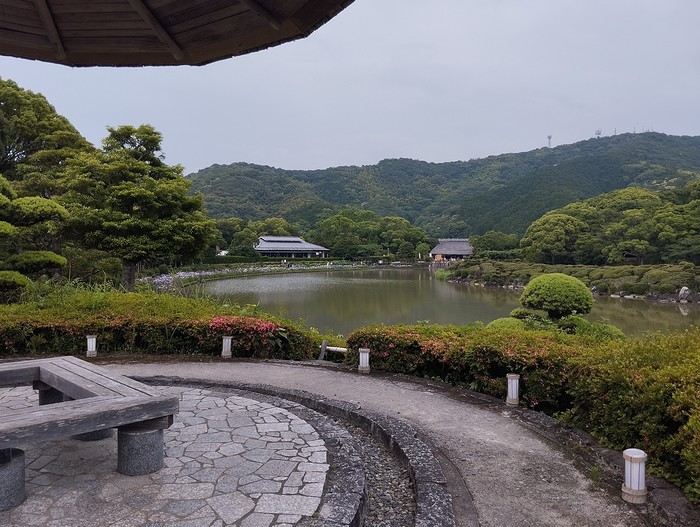
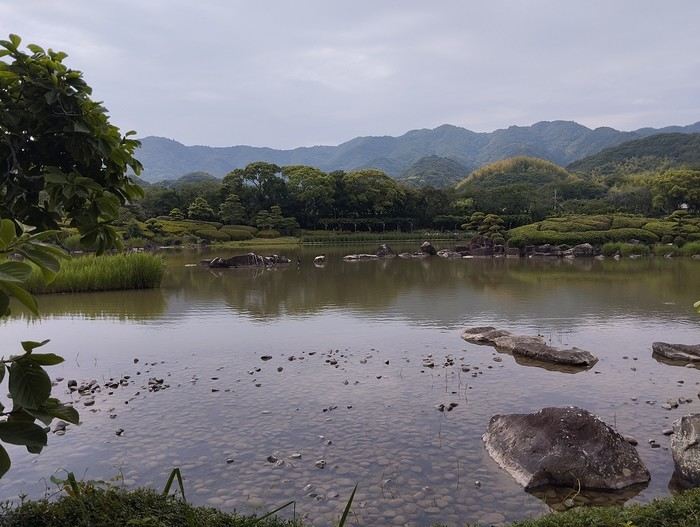
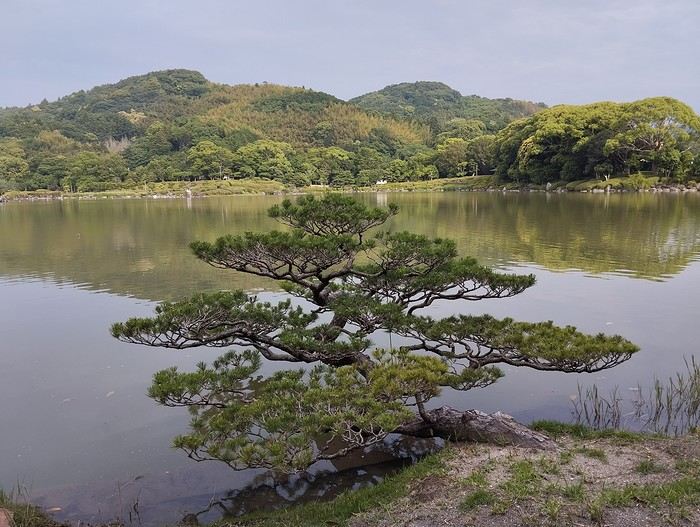
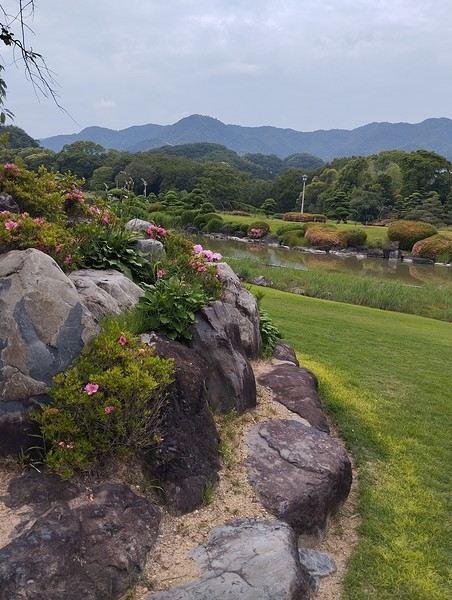
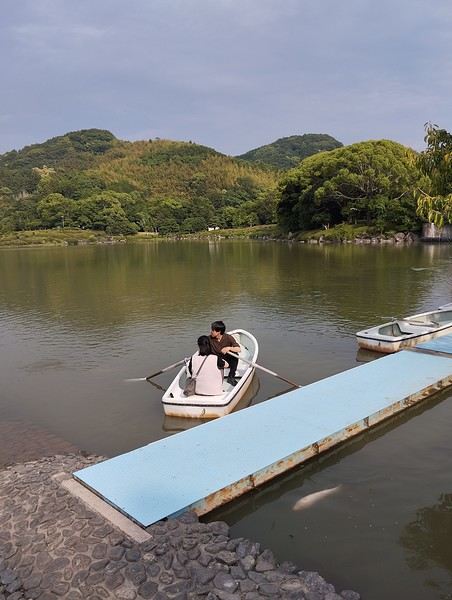
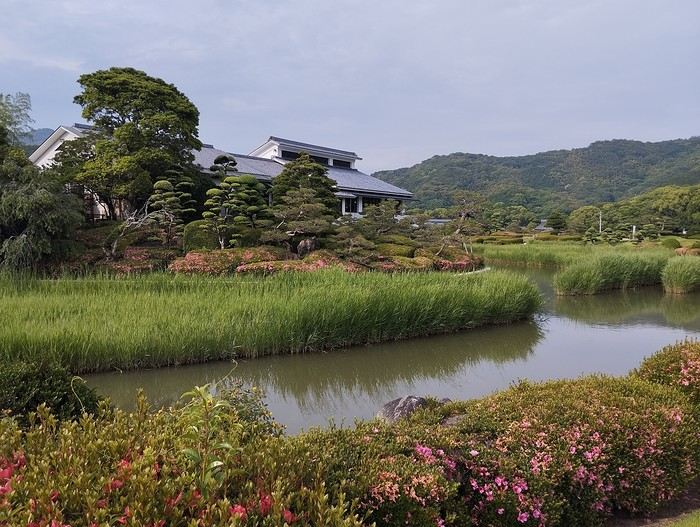
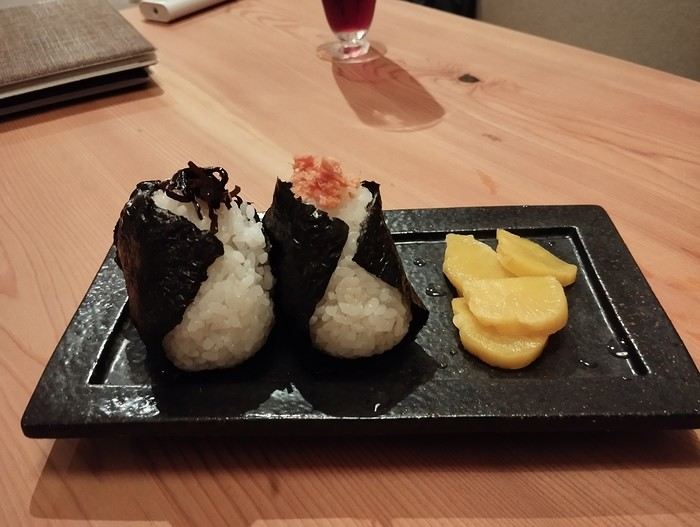
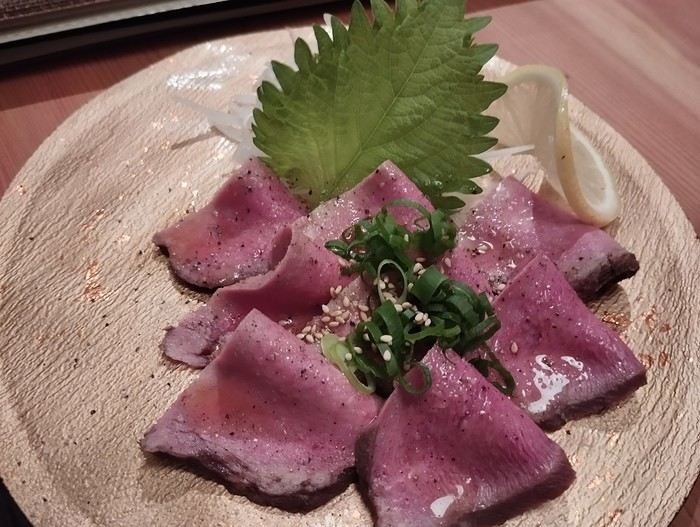
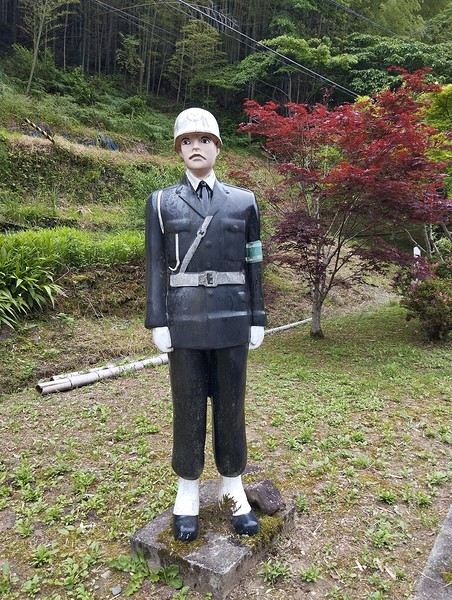
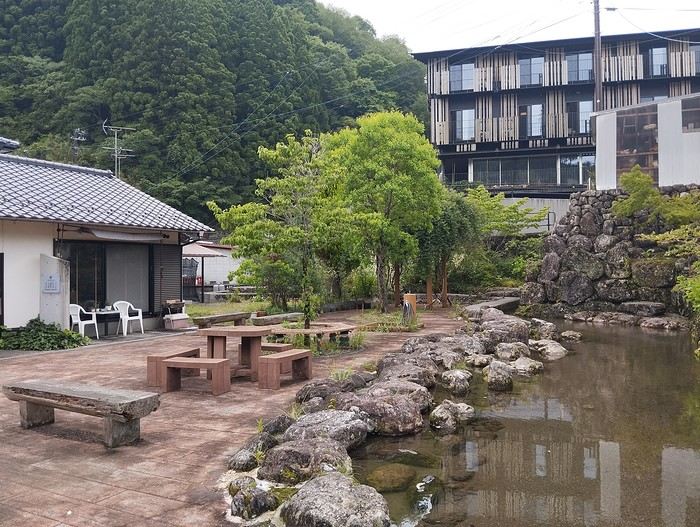
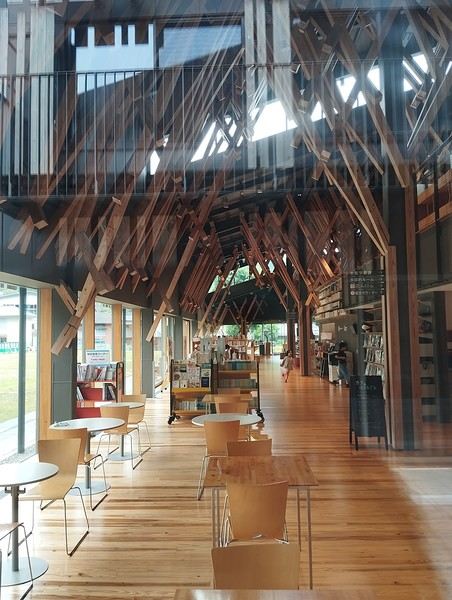
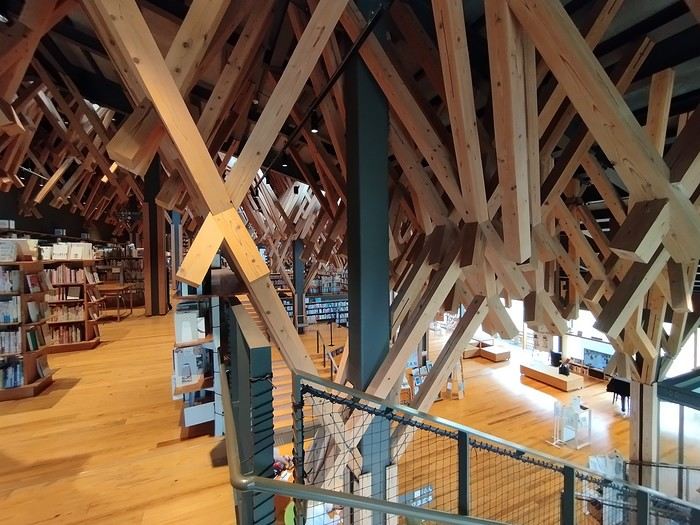
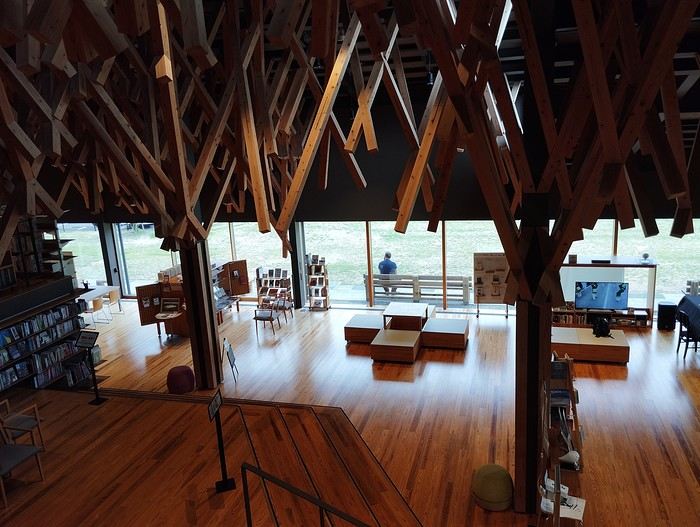
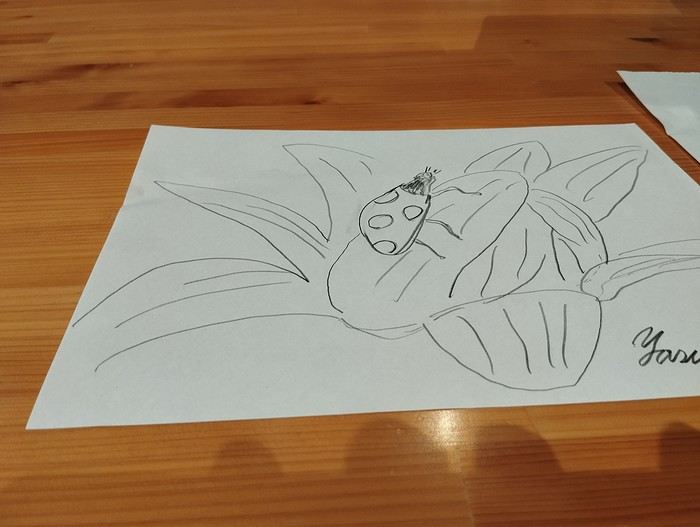
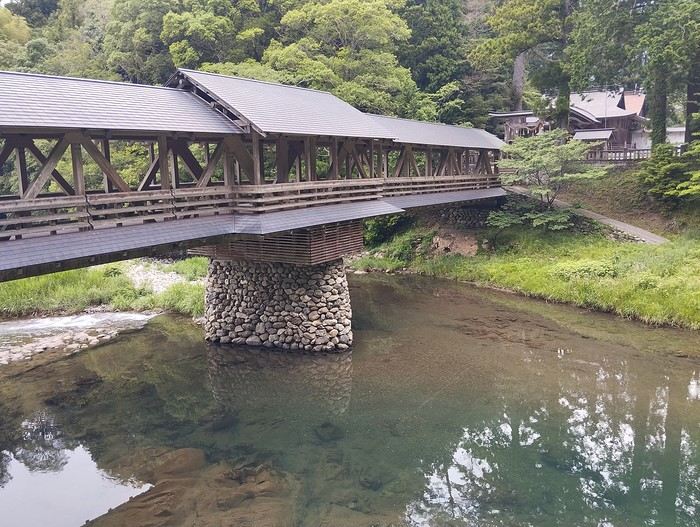
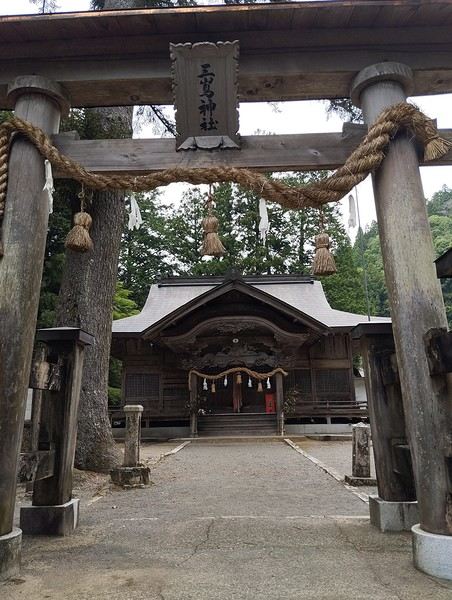
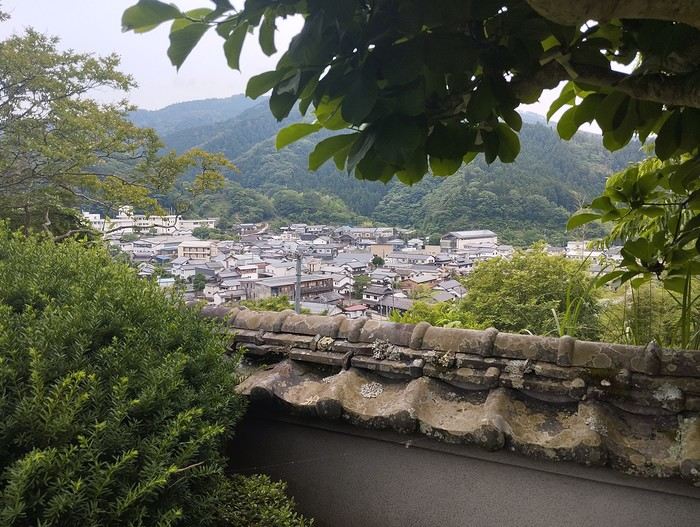
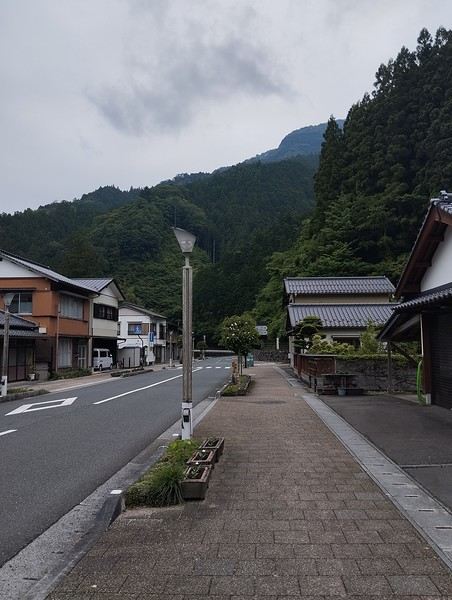
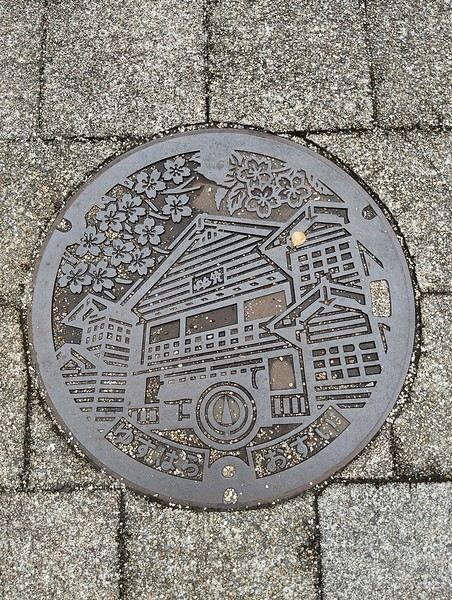
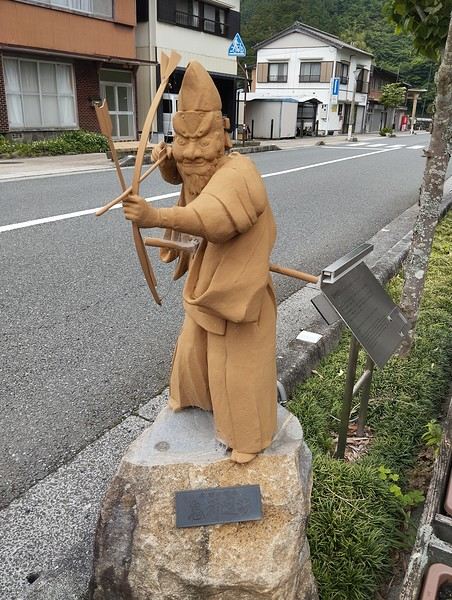
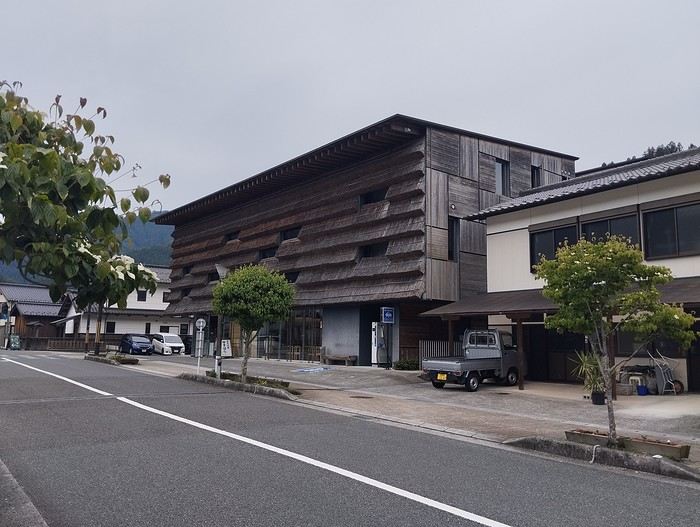
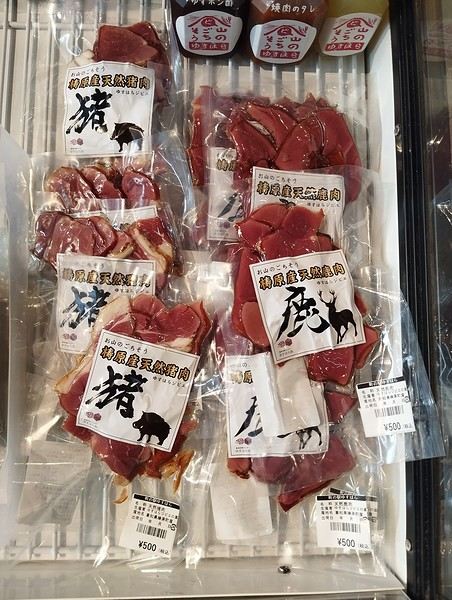
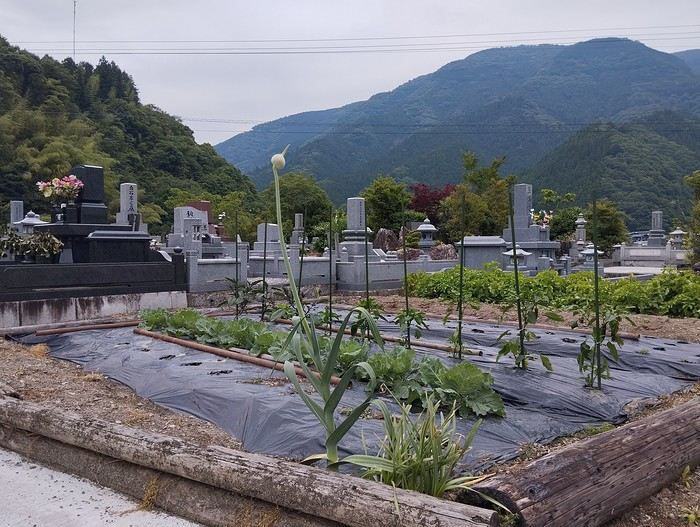
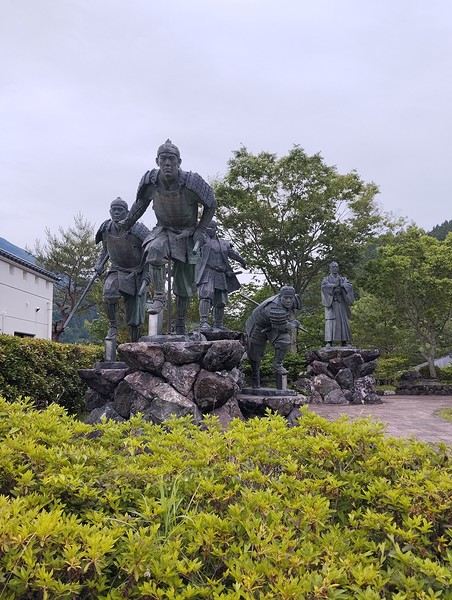
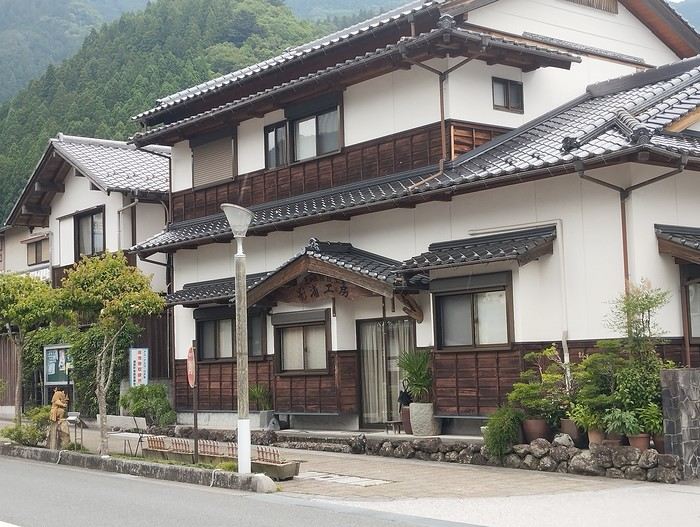
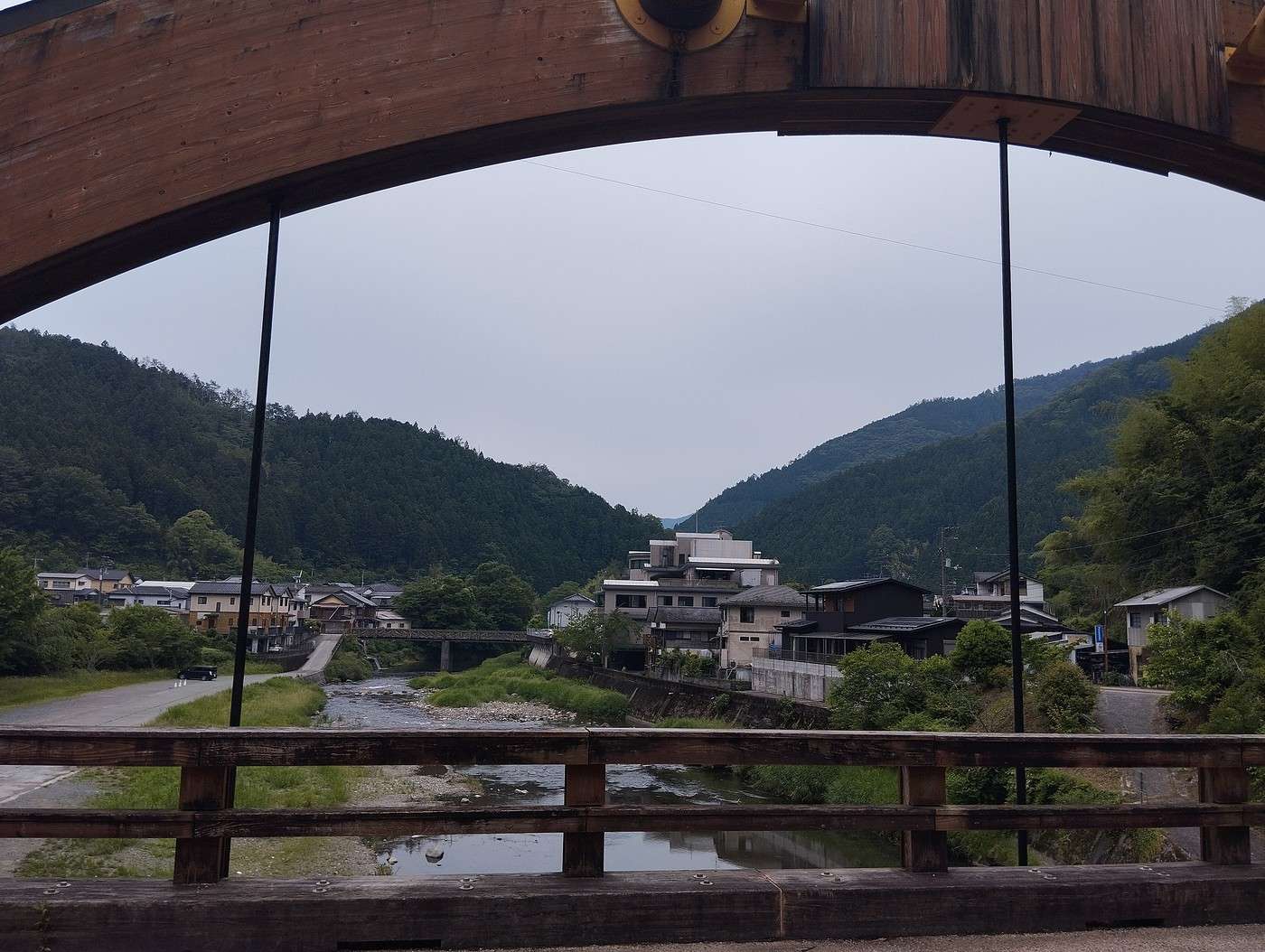
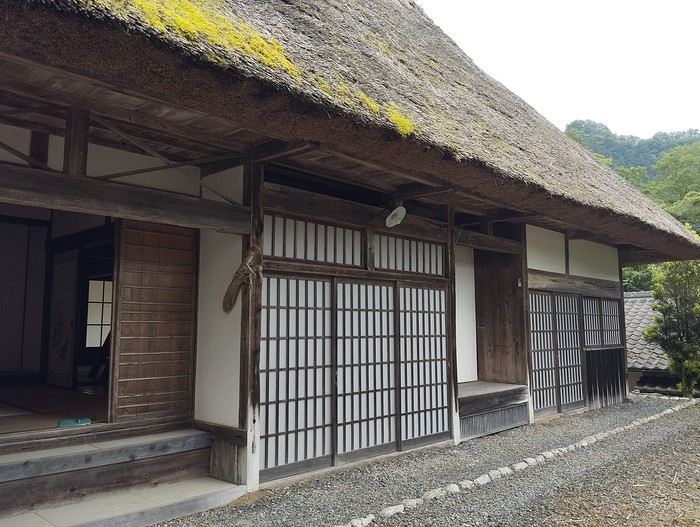
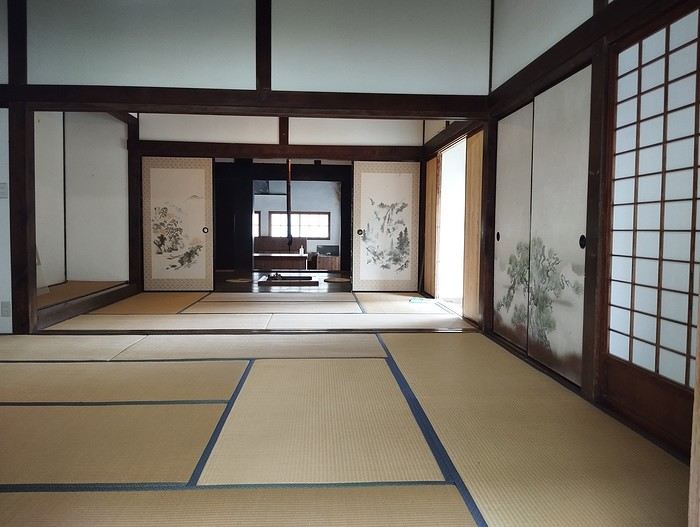
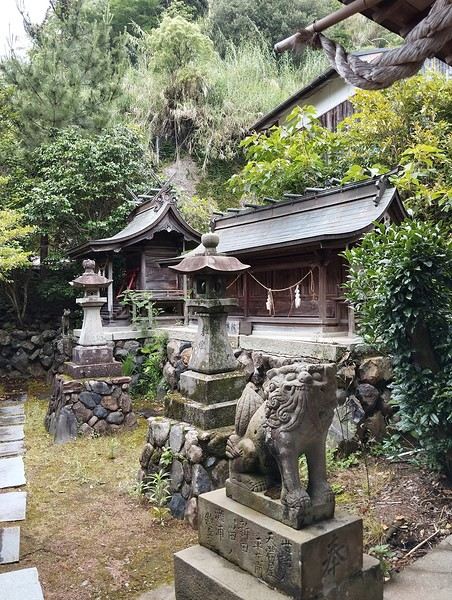
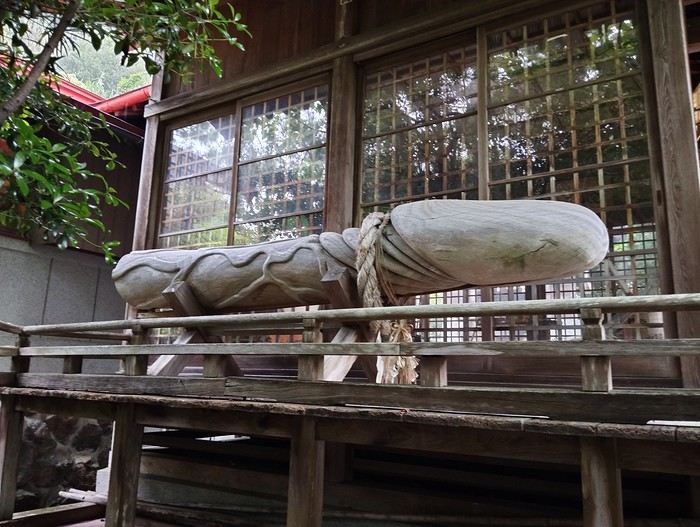
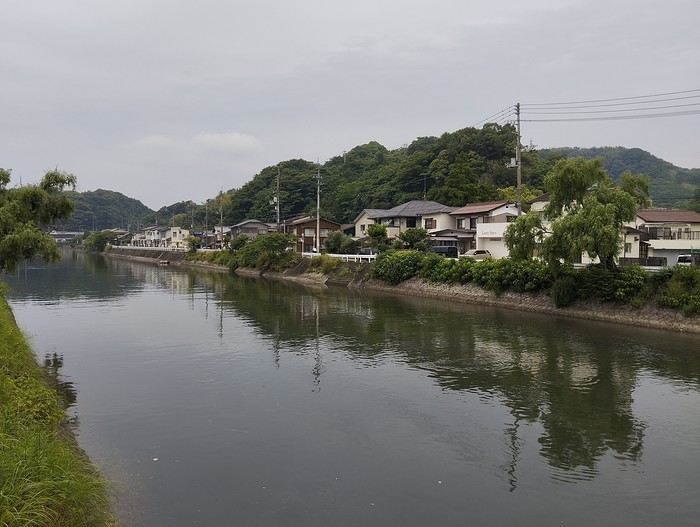
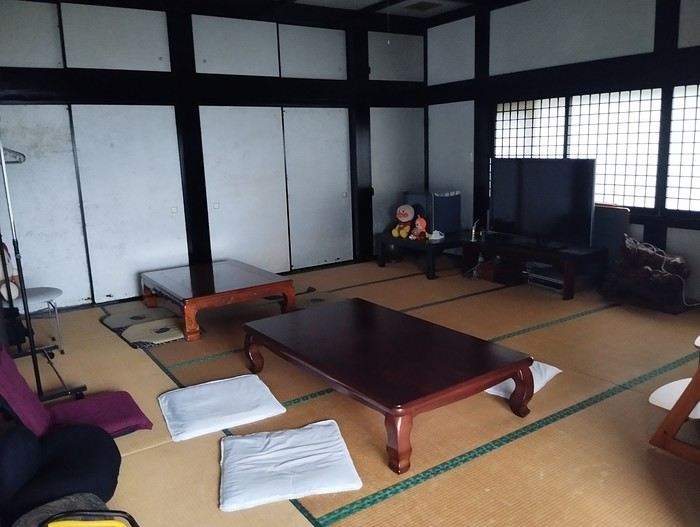
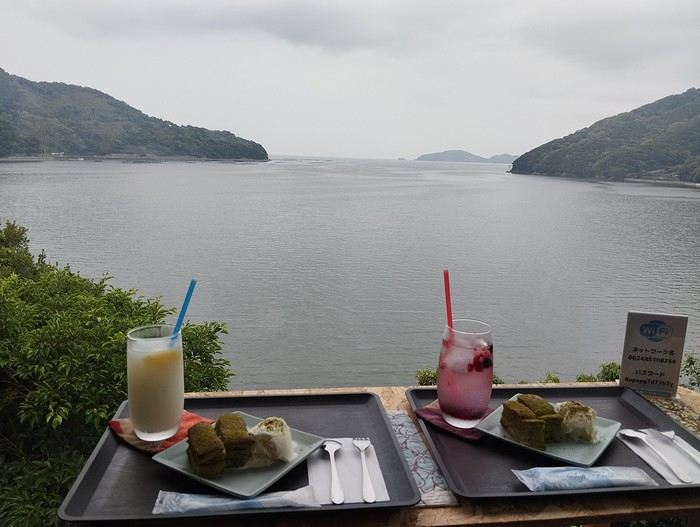
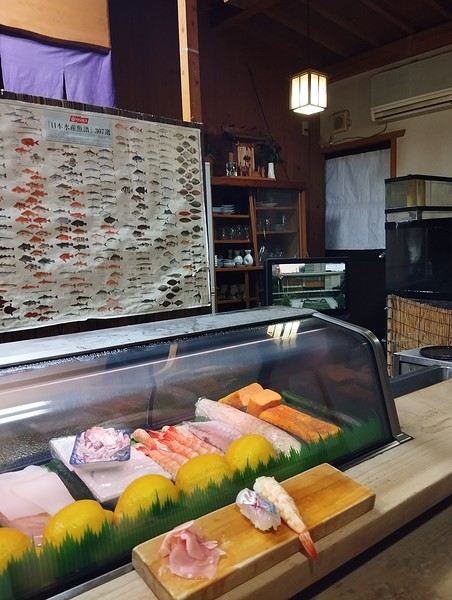
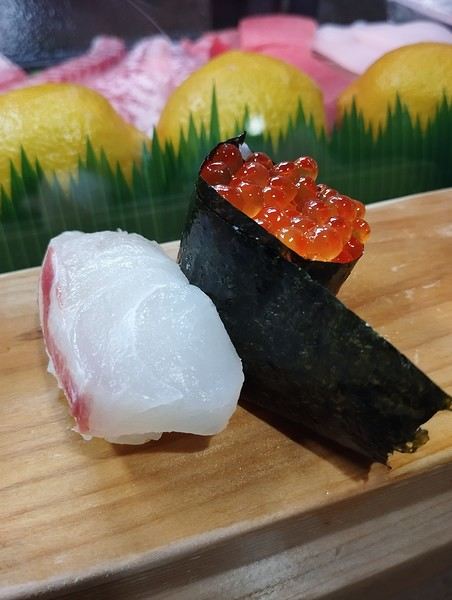
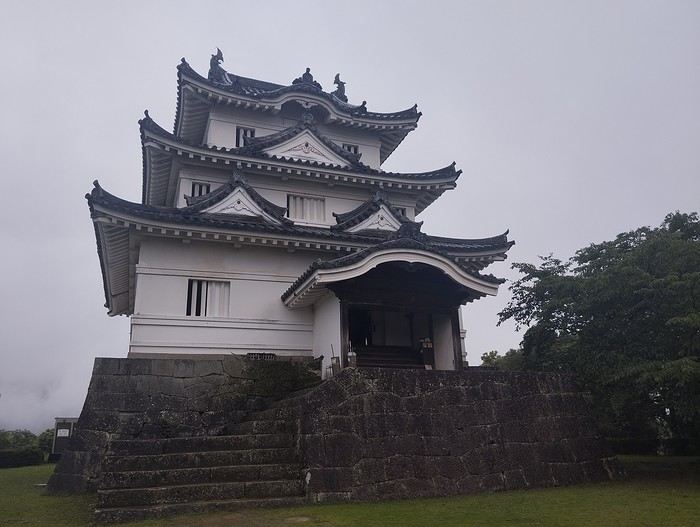
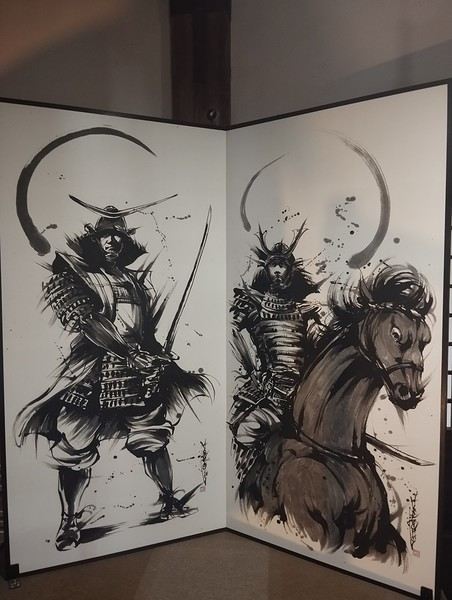
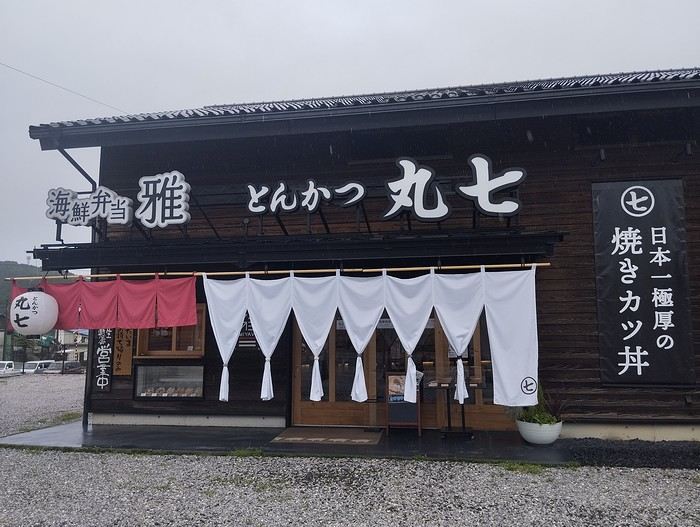
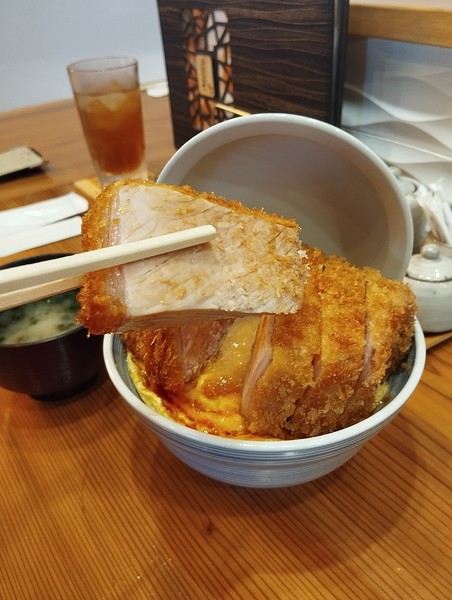
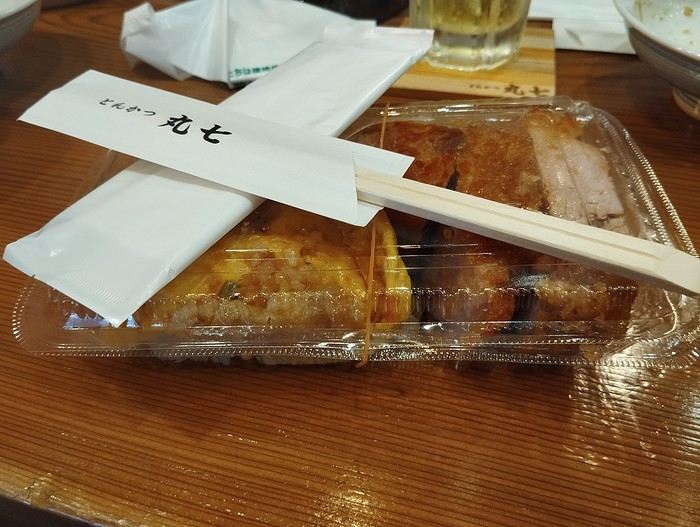
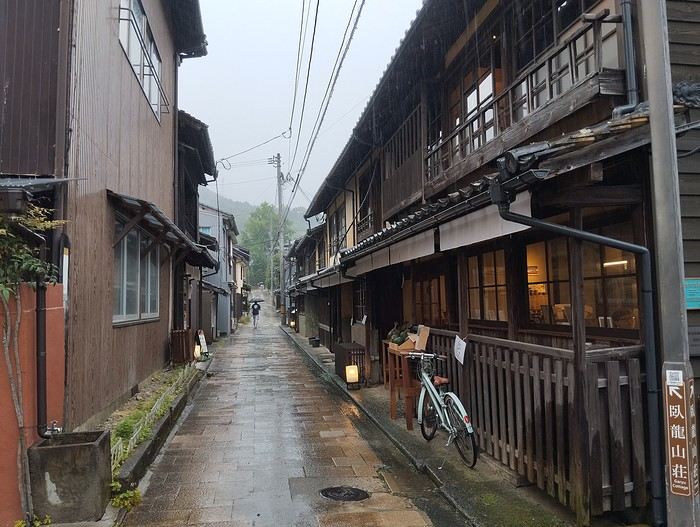
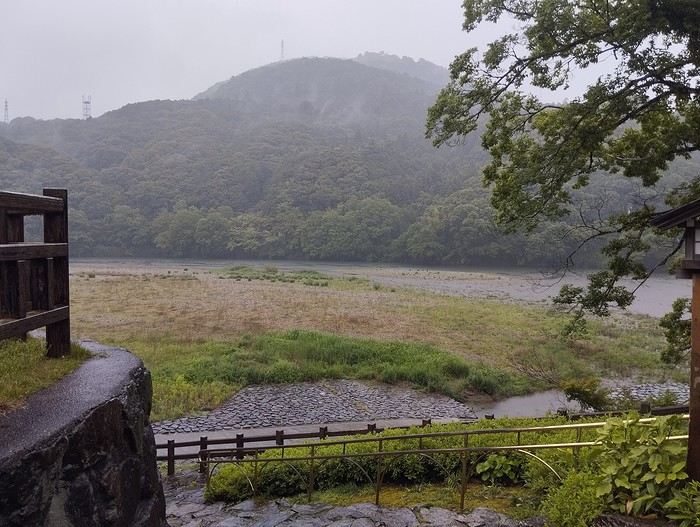
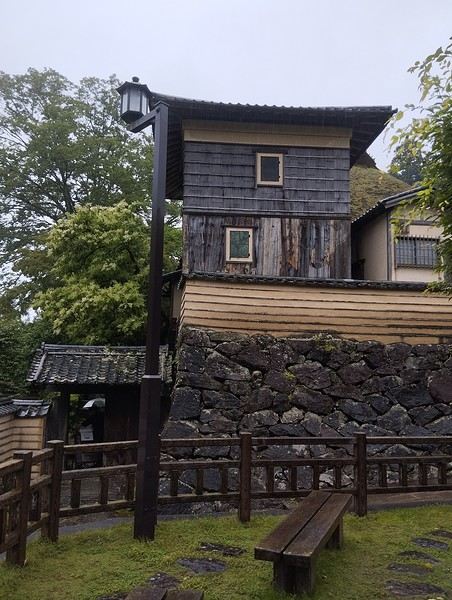
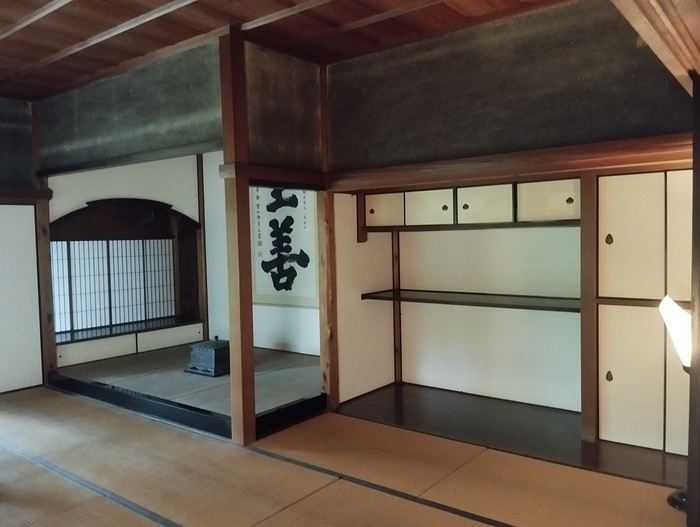
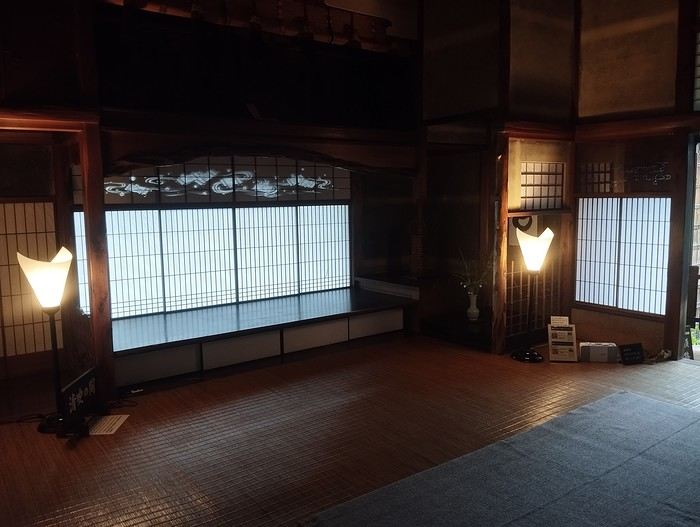
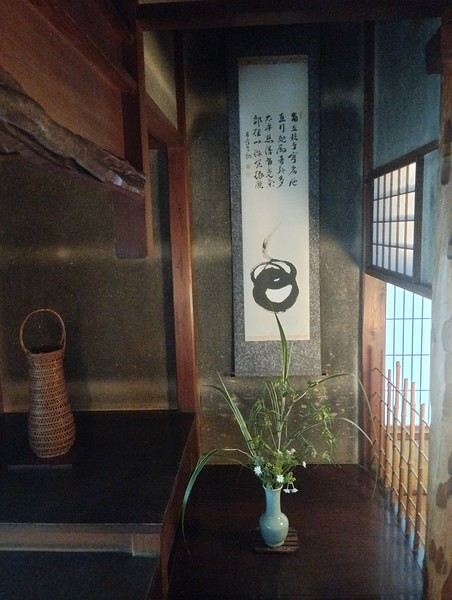
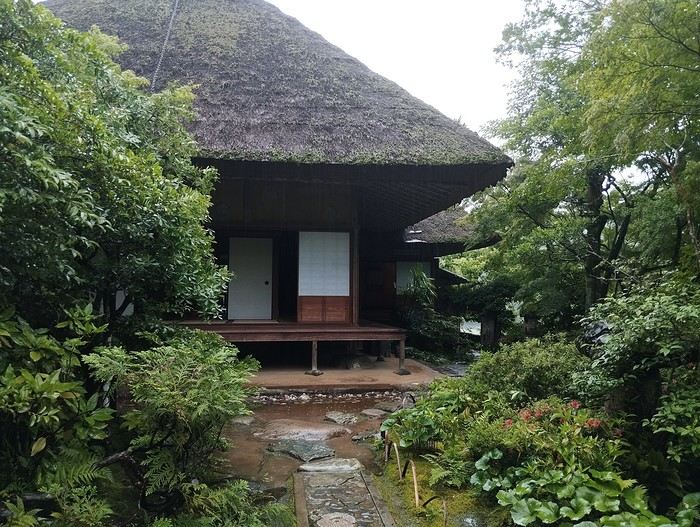
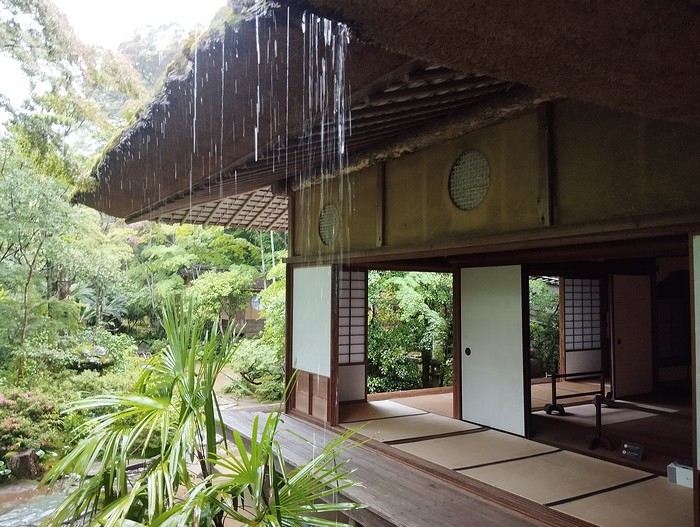
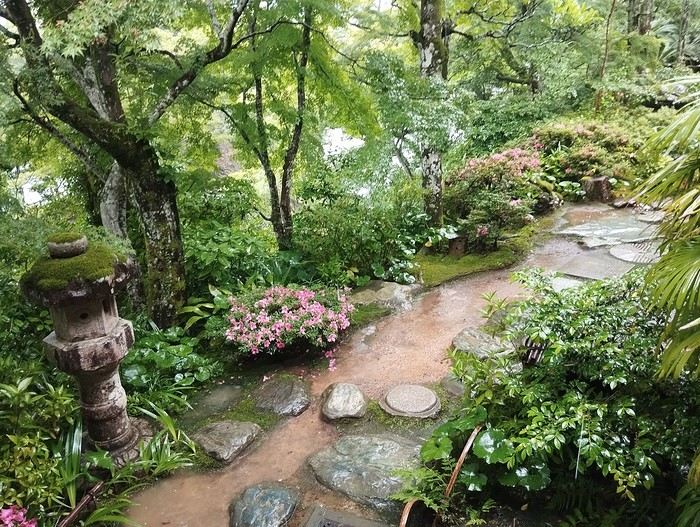
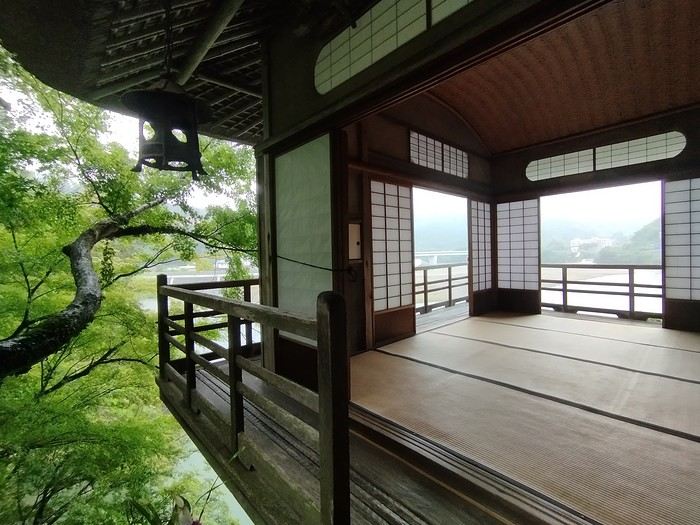
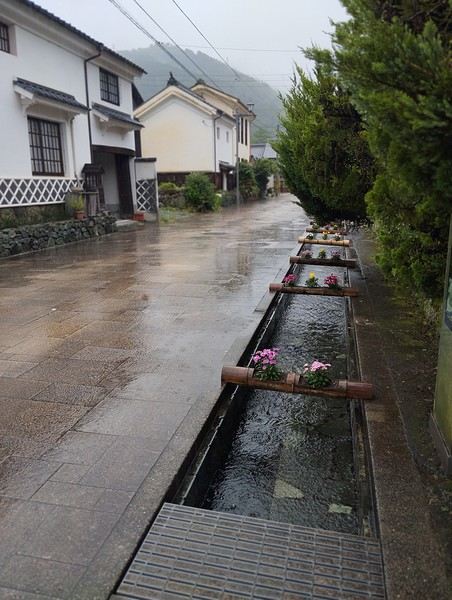
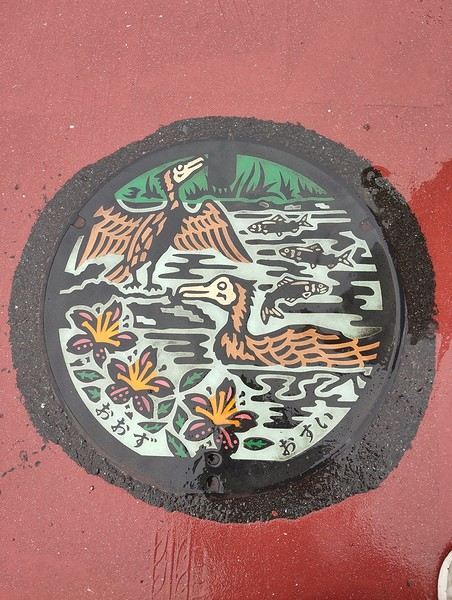
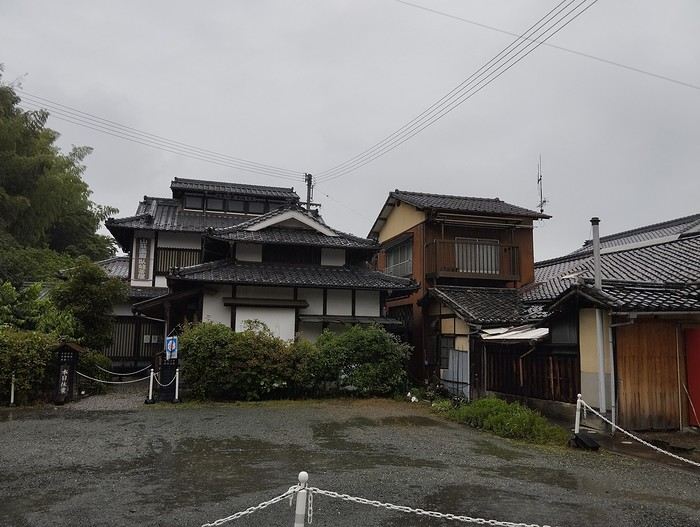
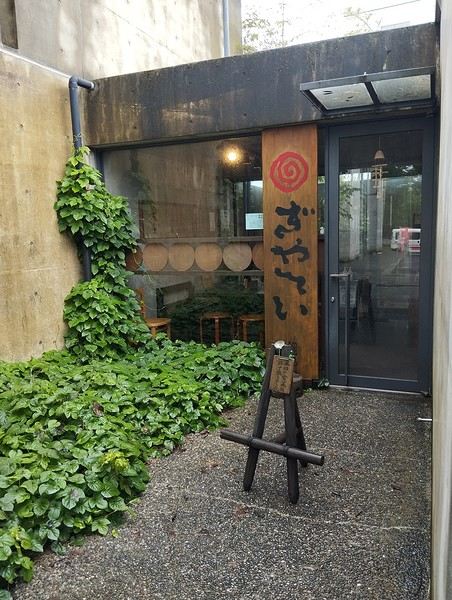
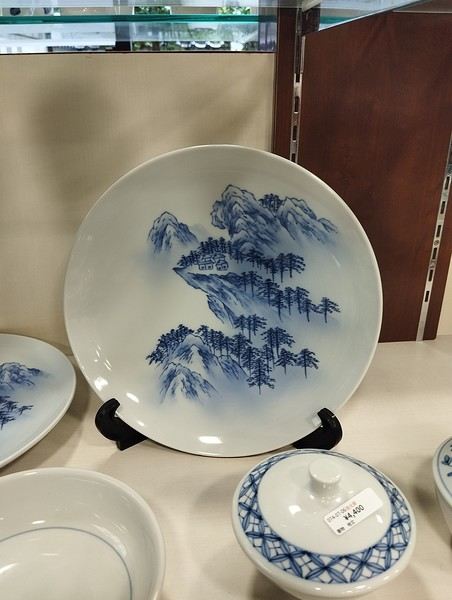
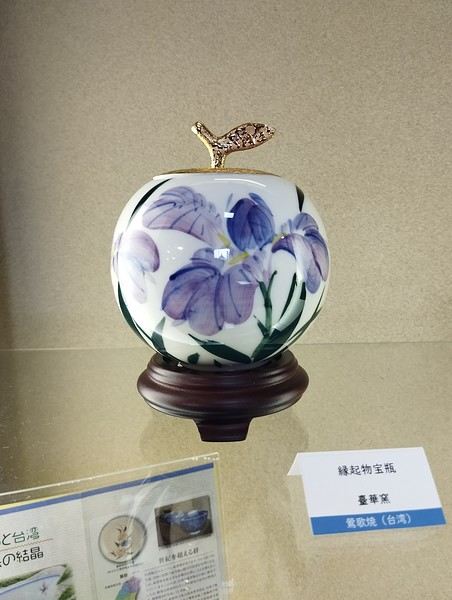
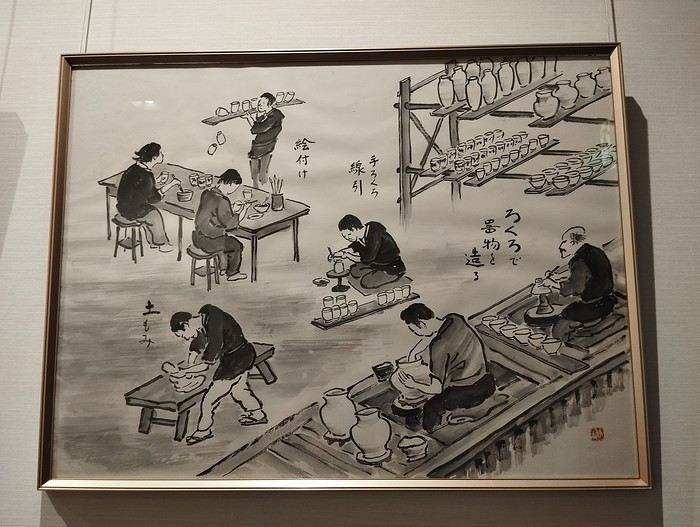

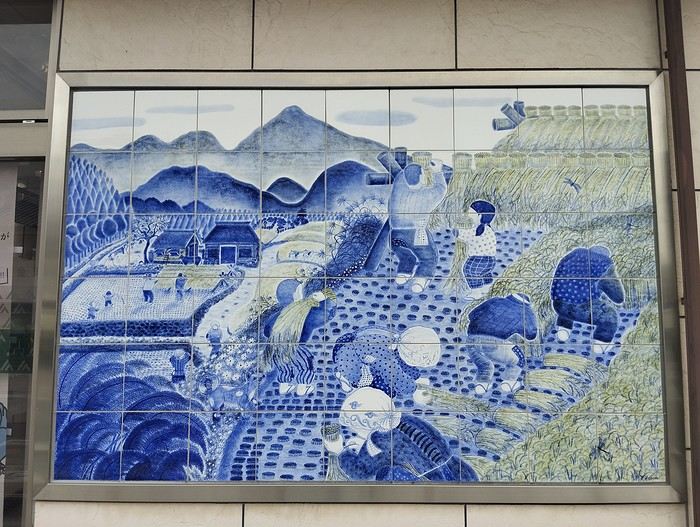
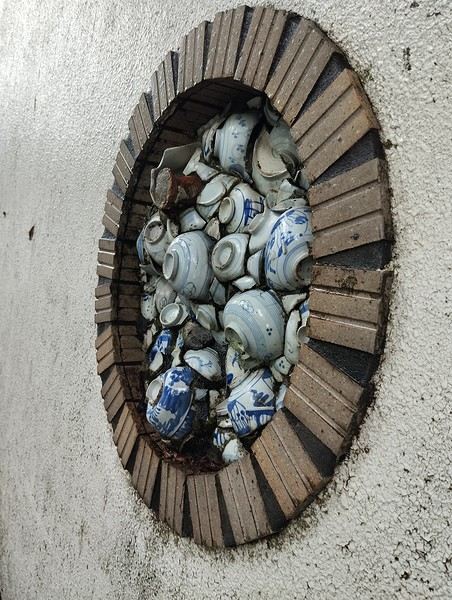
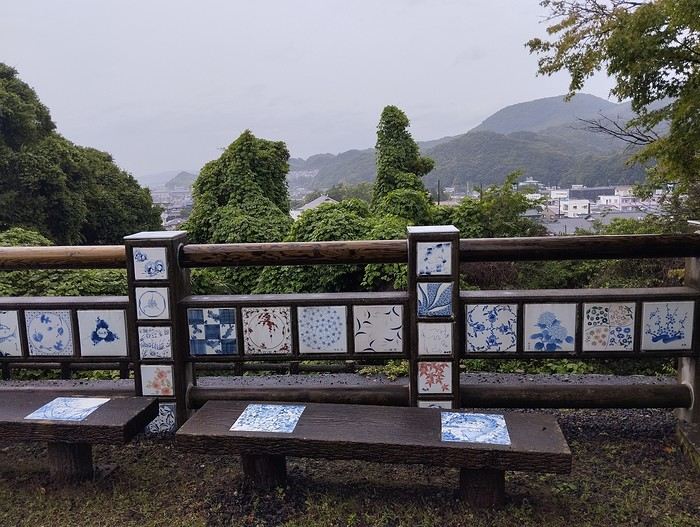
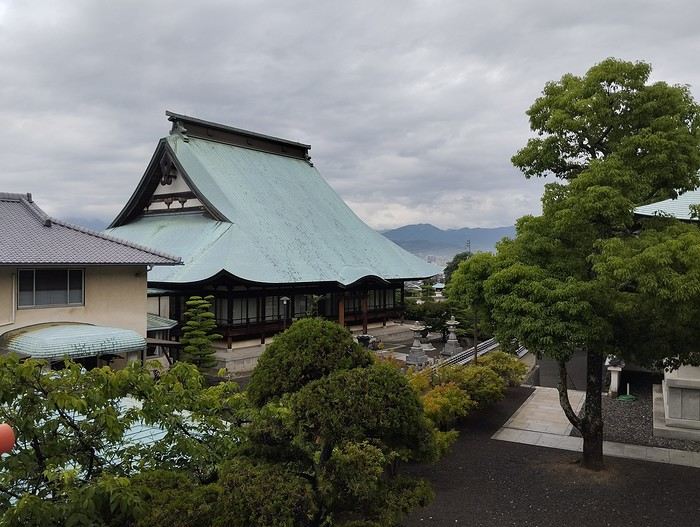
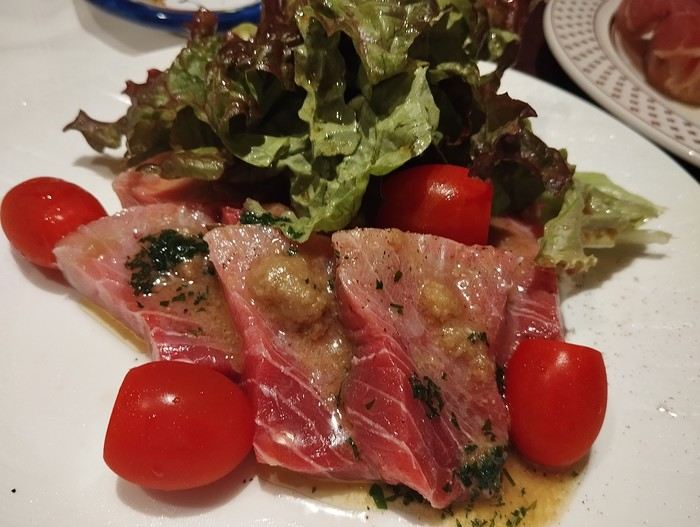
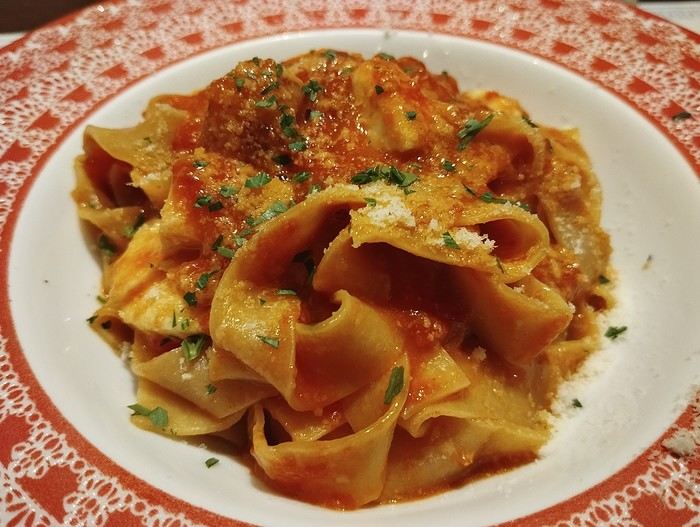
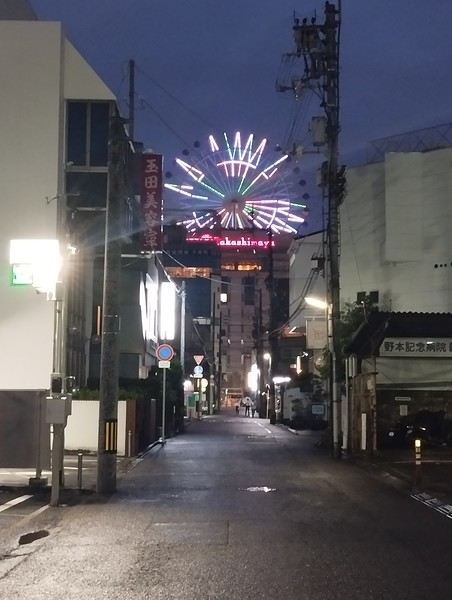
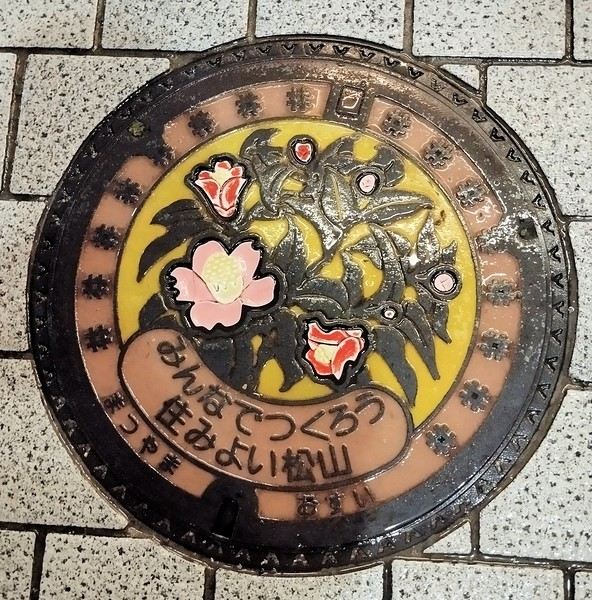
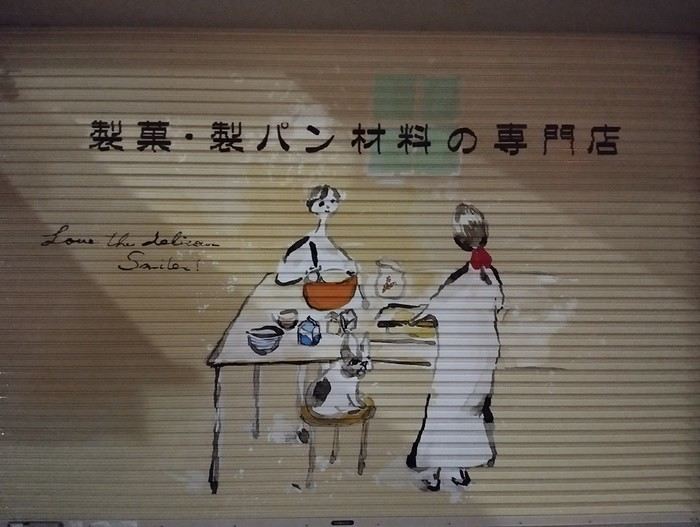
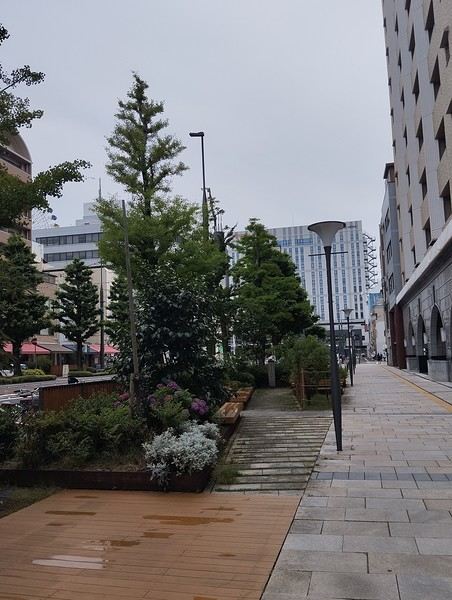
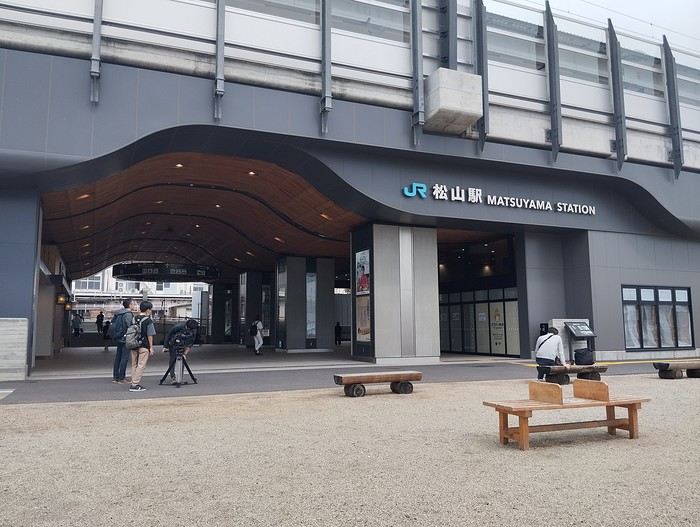
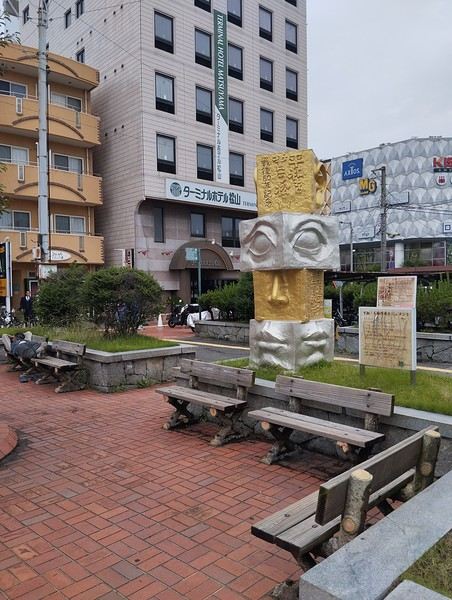
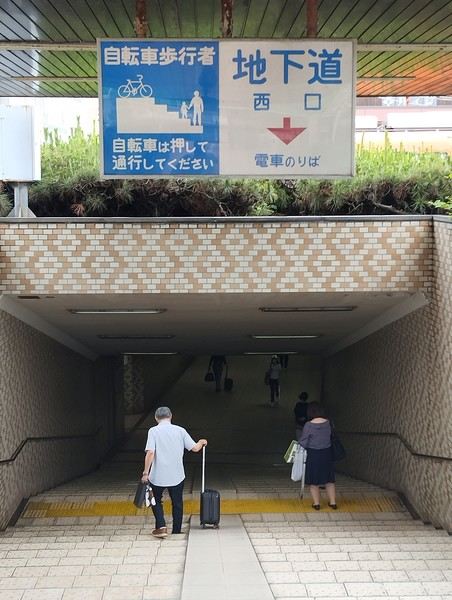
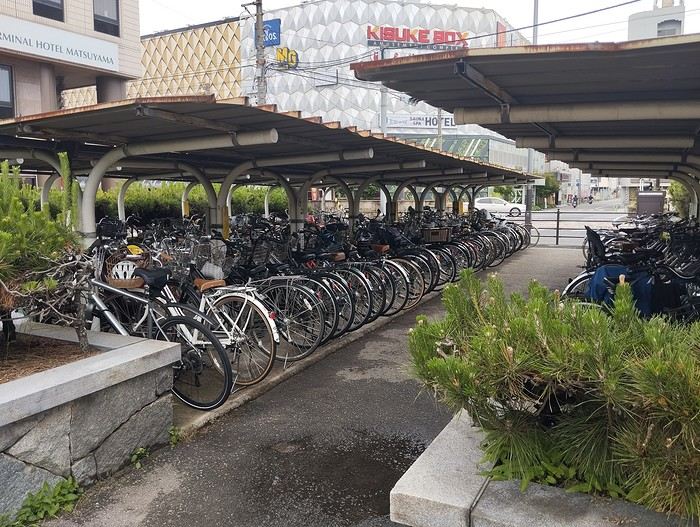
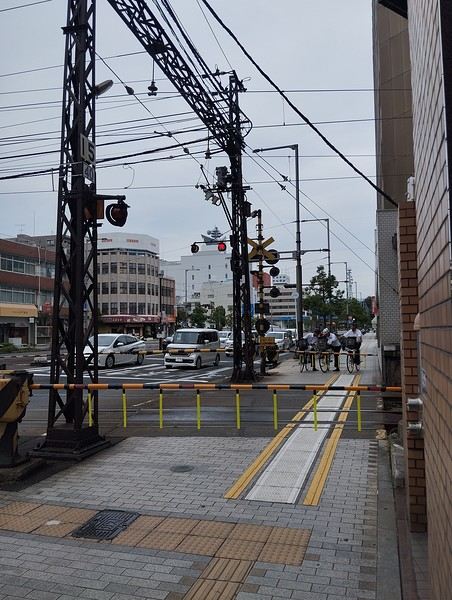
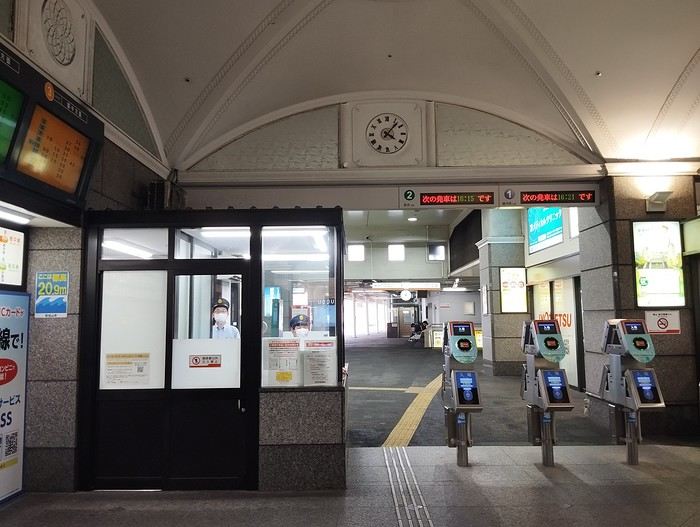
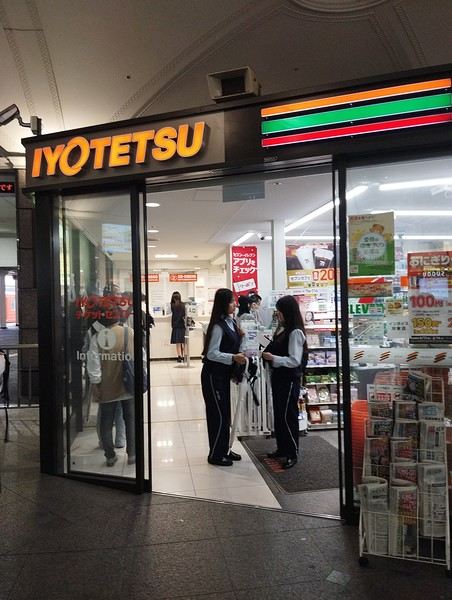
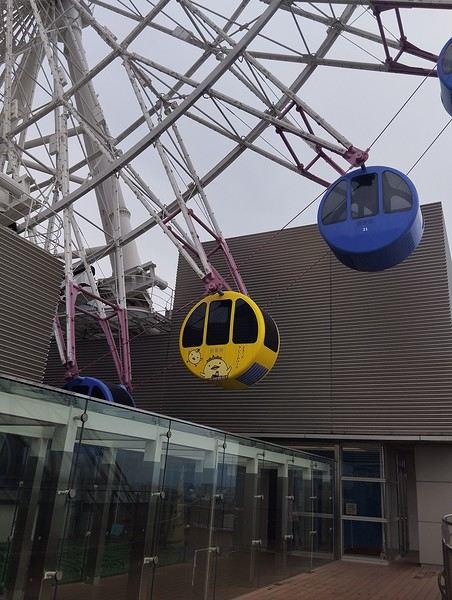
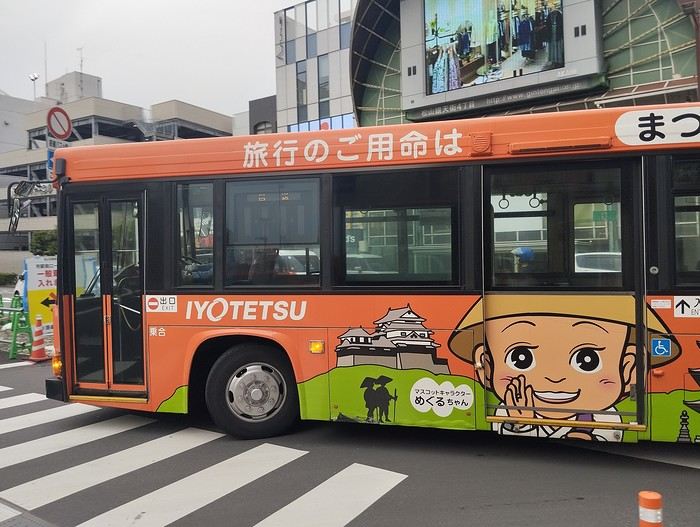
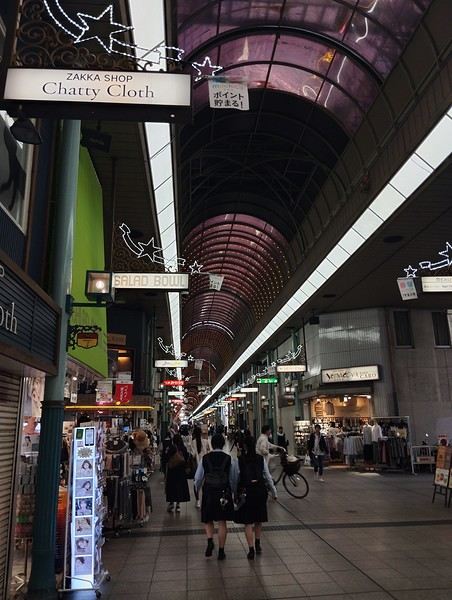
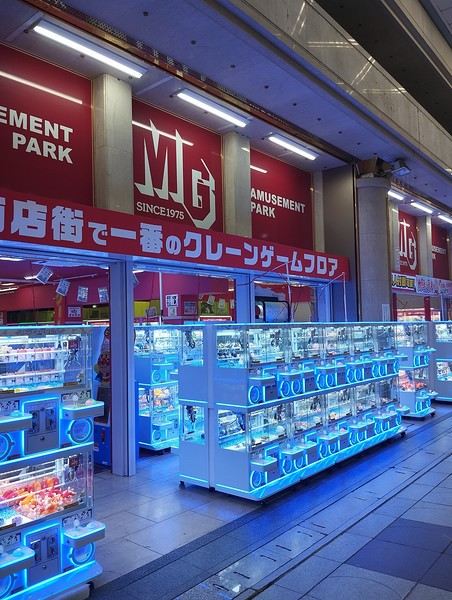
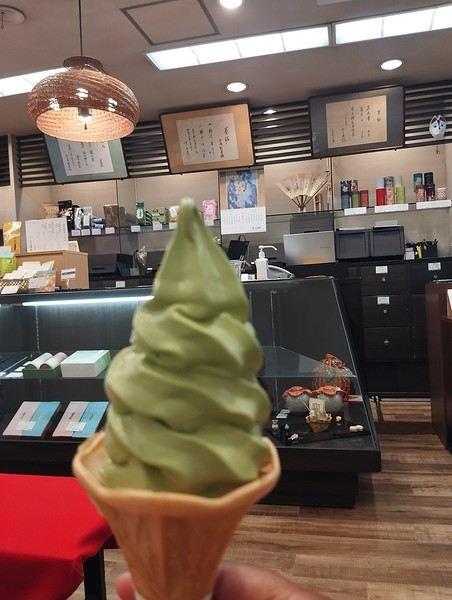
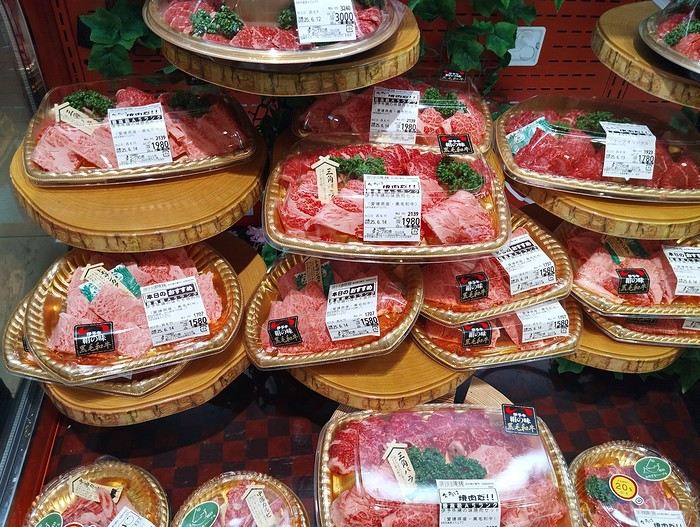
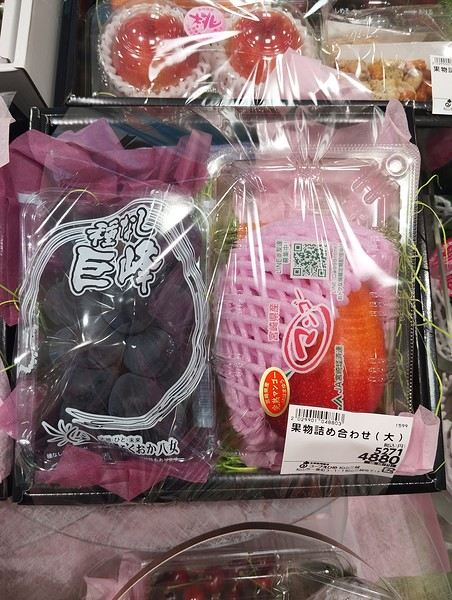
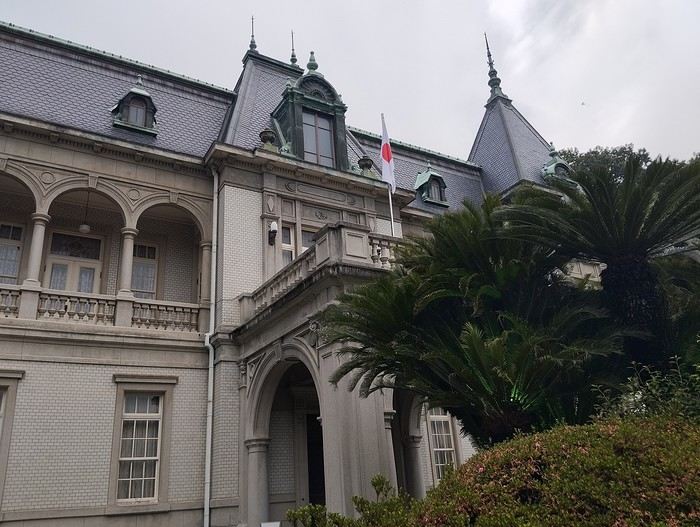
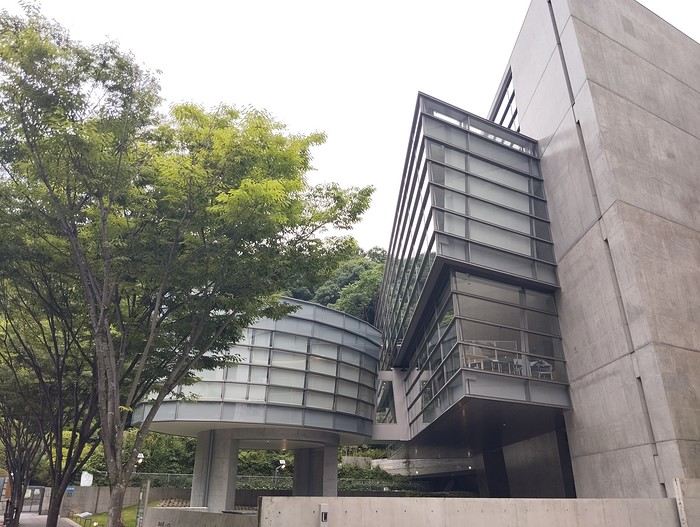
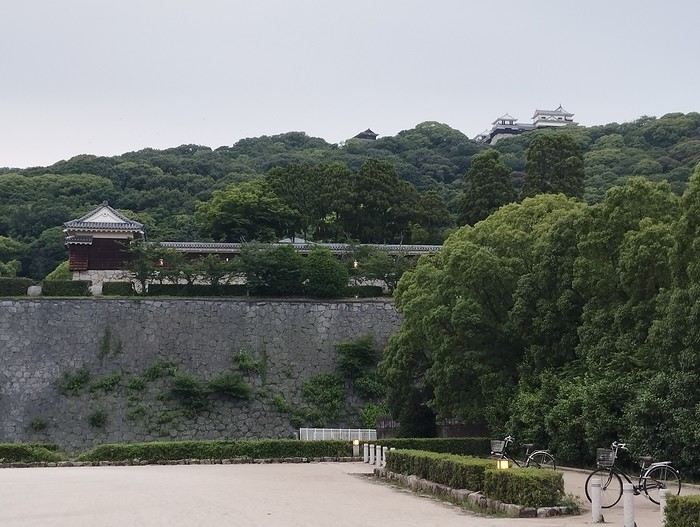
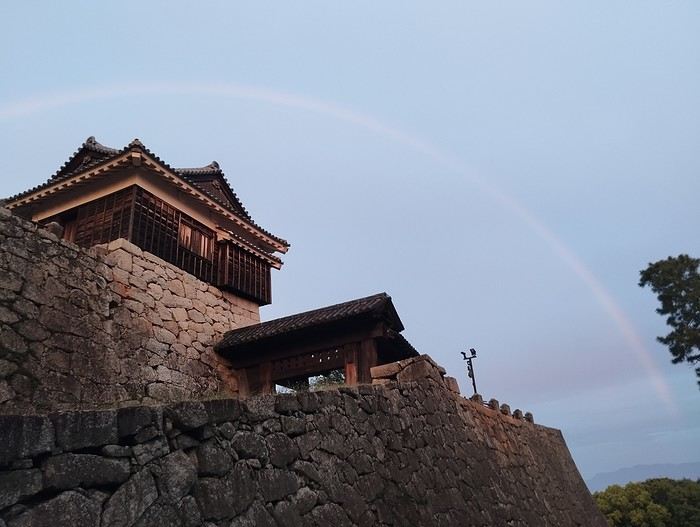
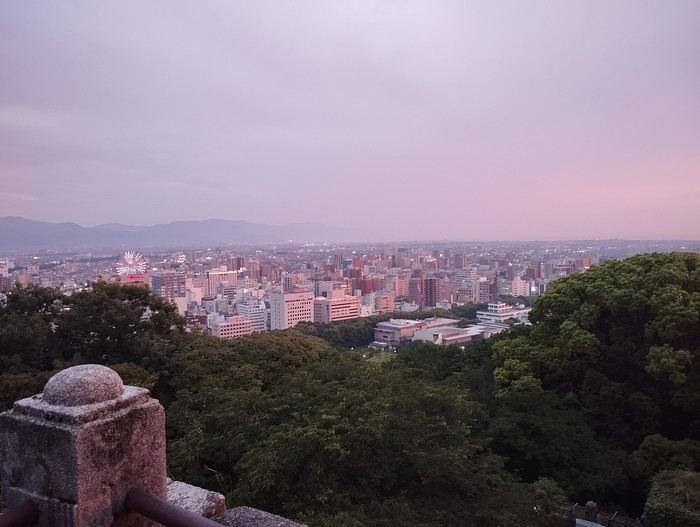
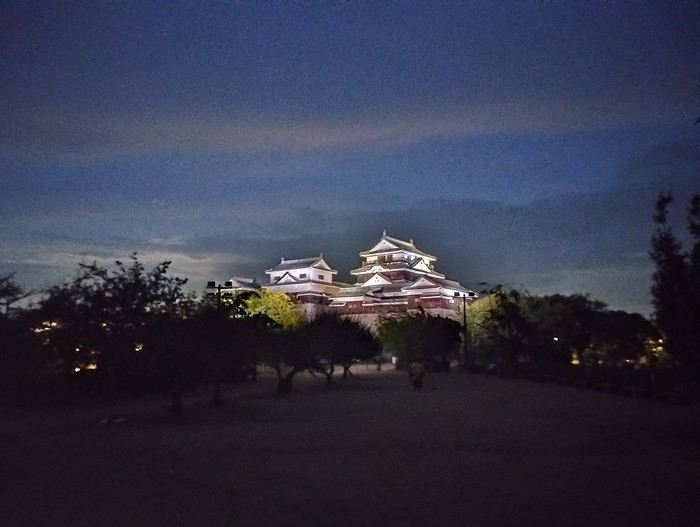
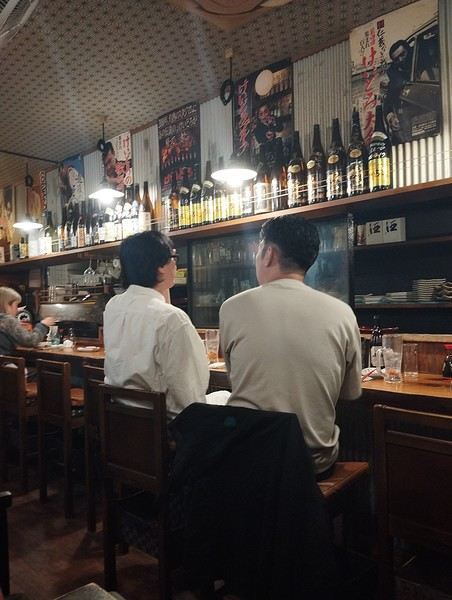
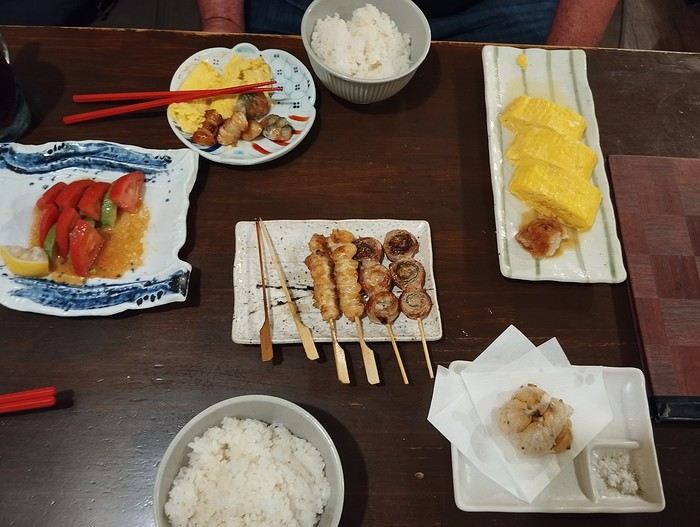
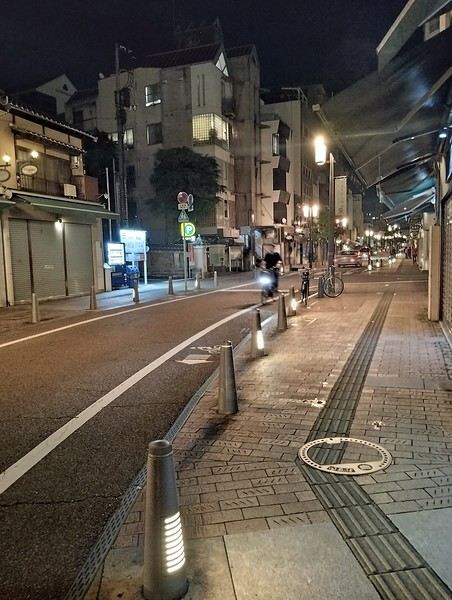
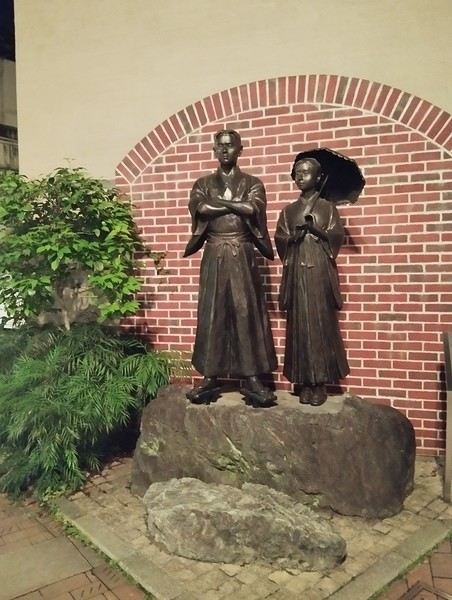
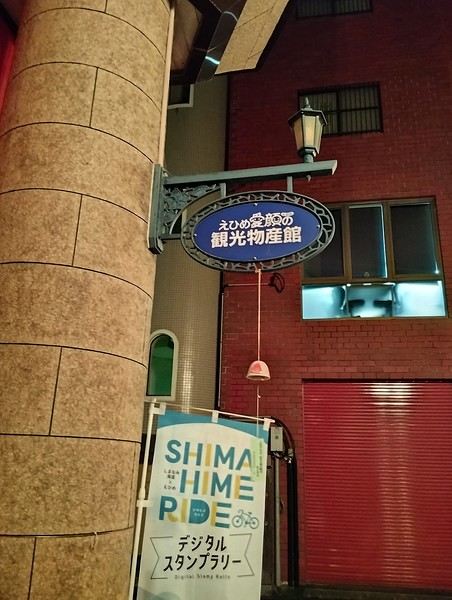
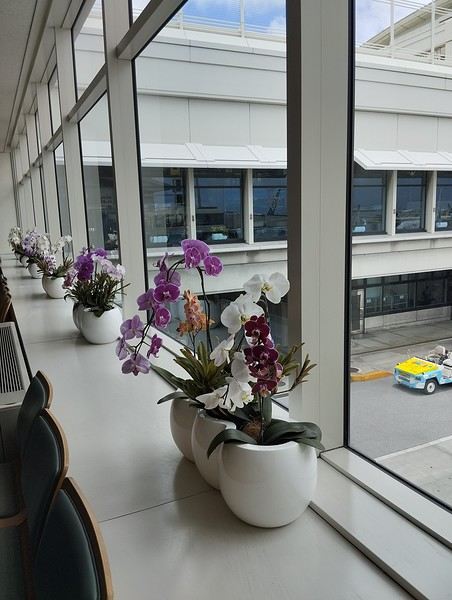
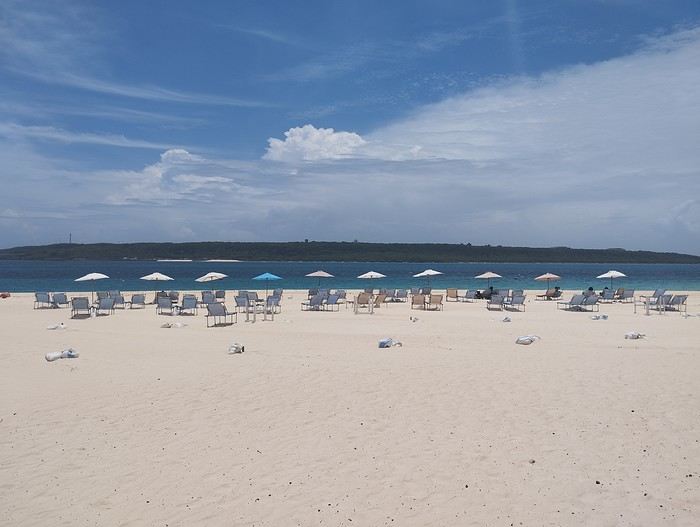
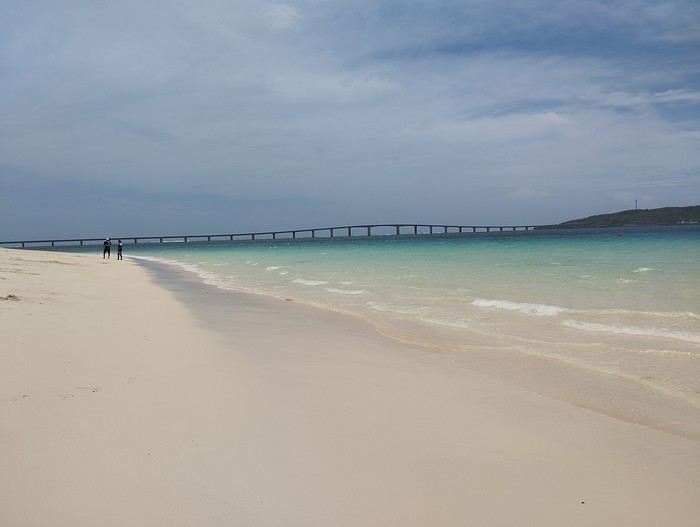
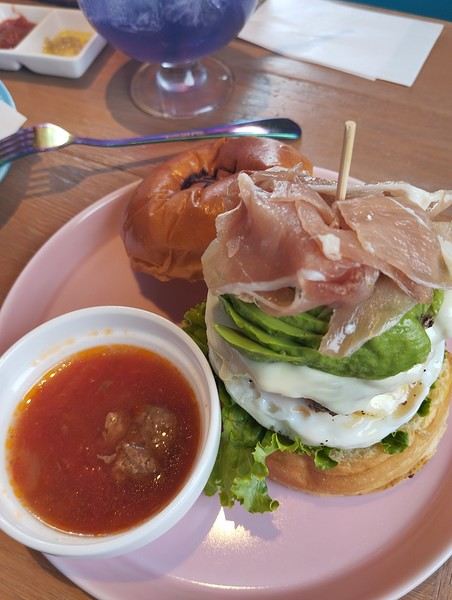
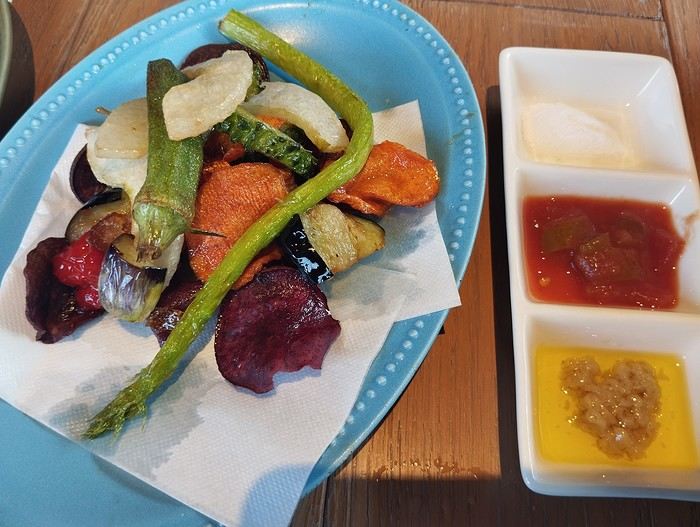
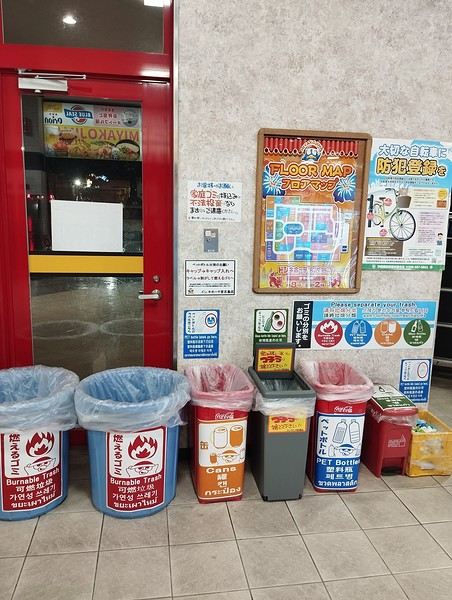

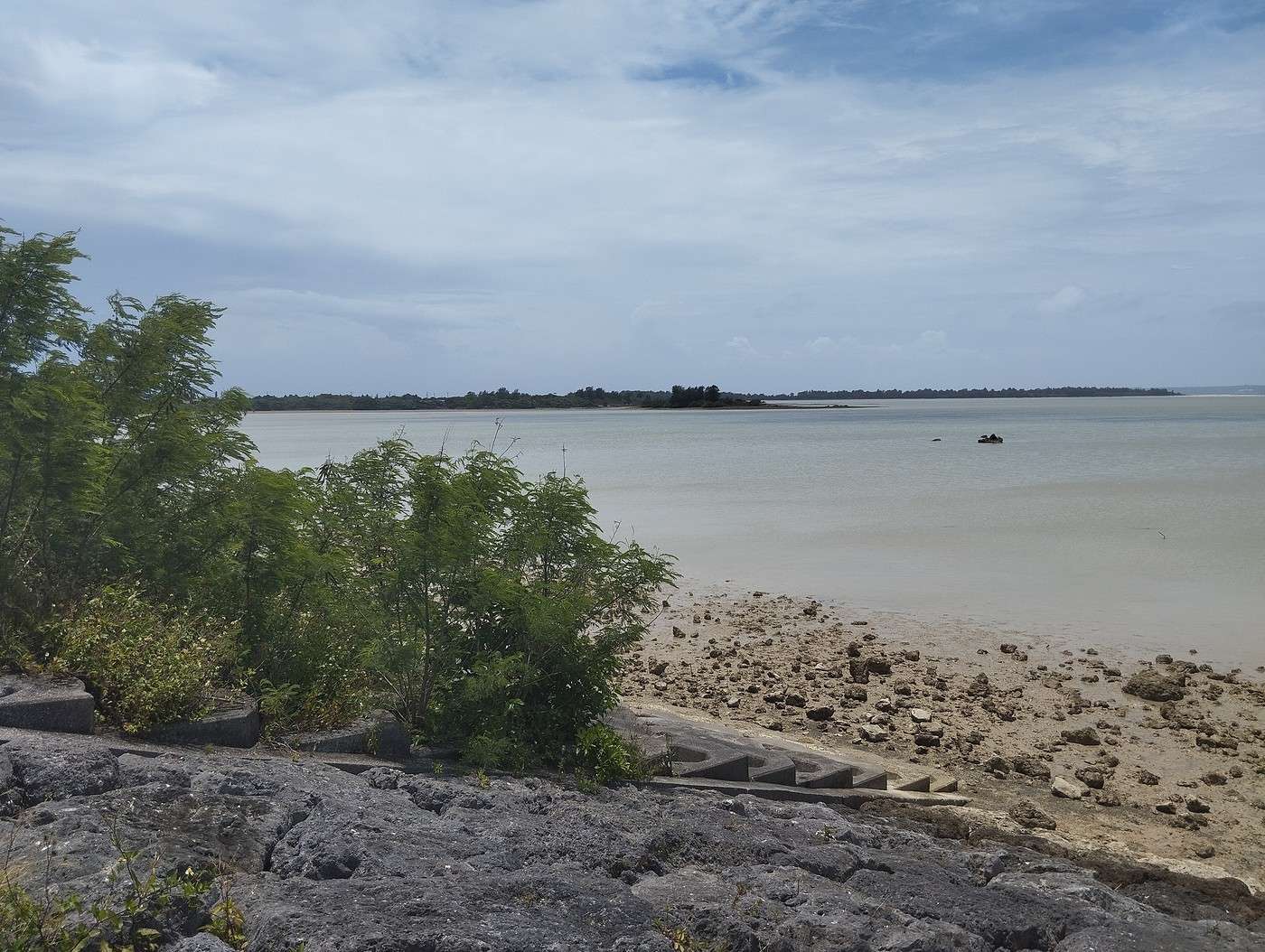
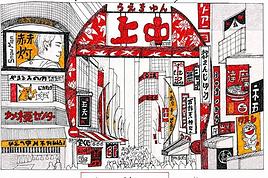
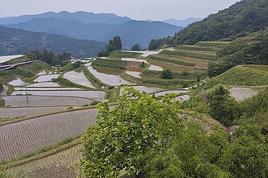
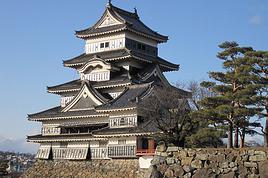
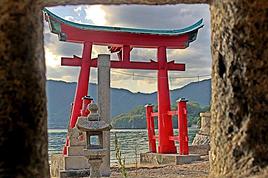
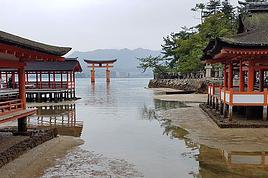
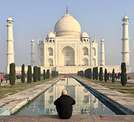
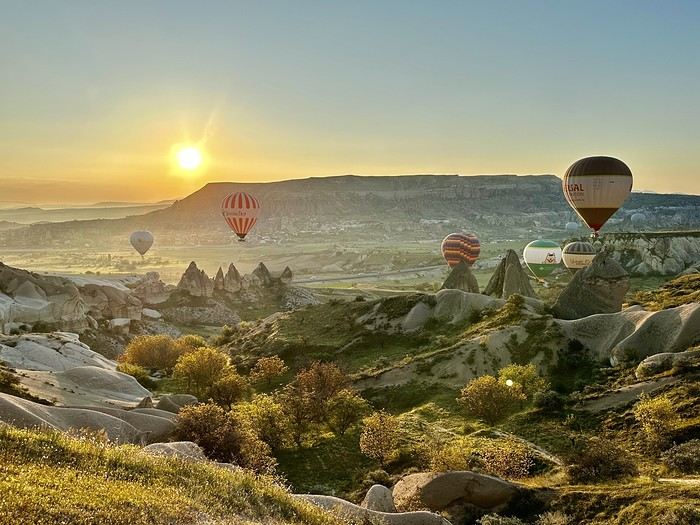 A little sneak peek?

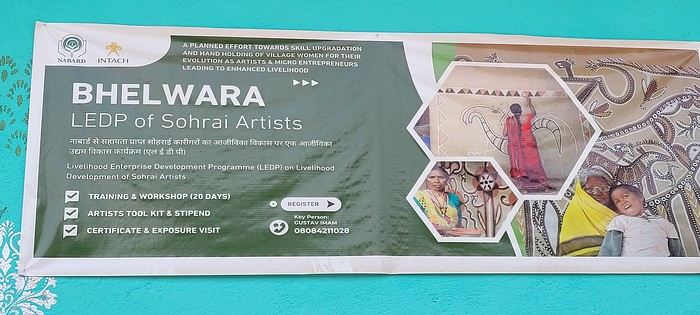
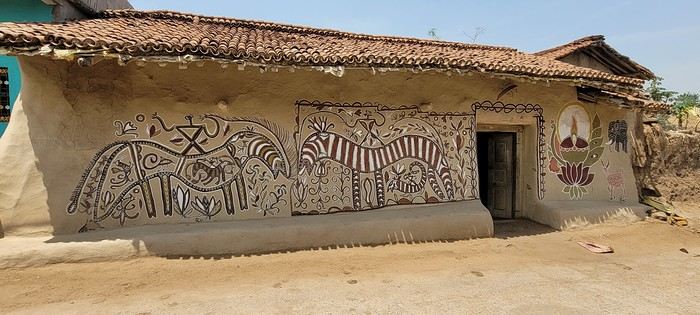
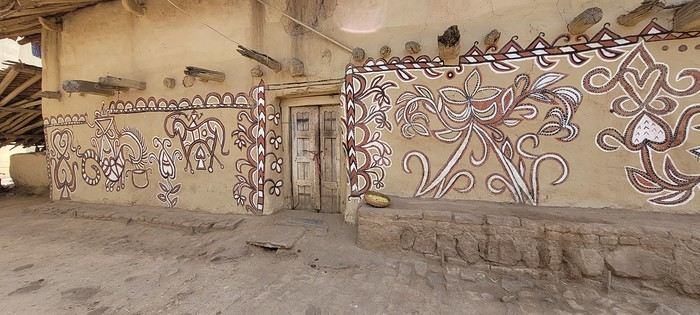
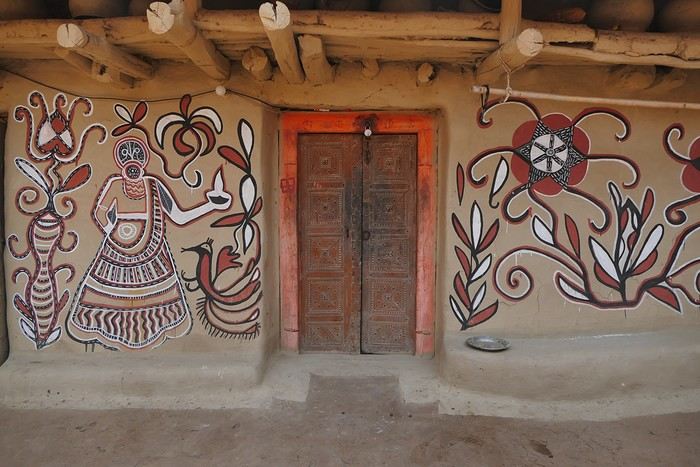
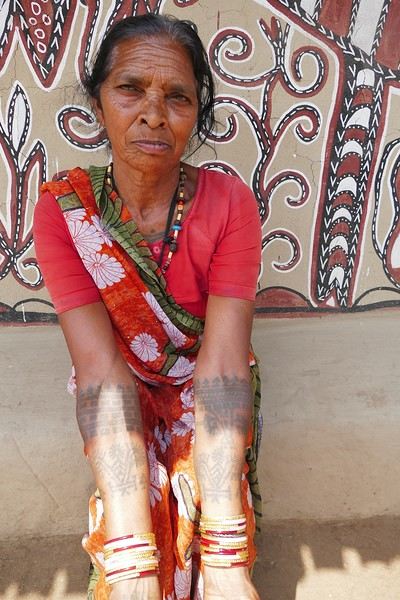
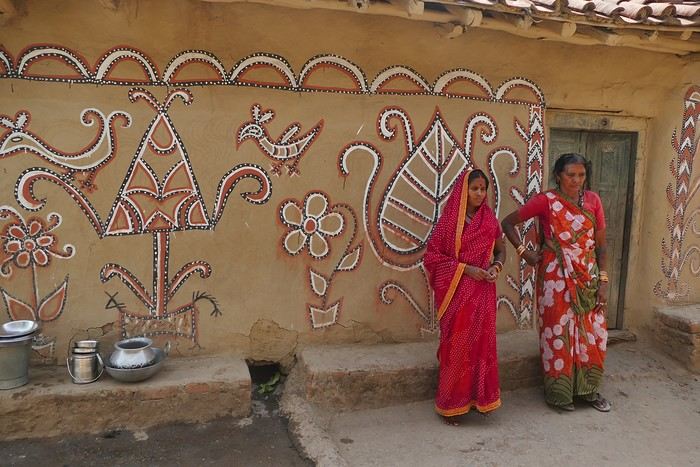
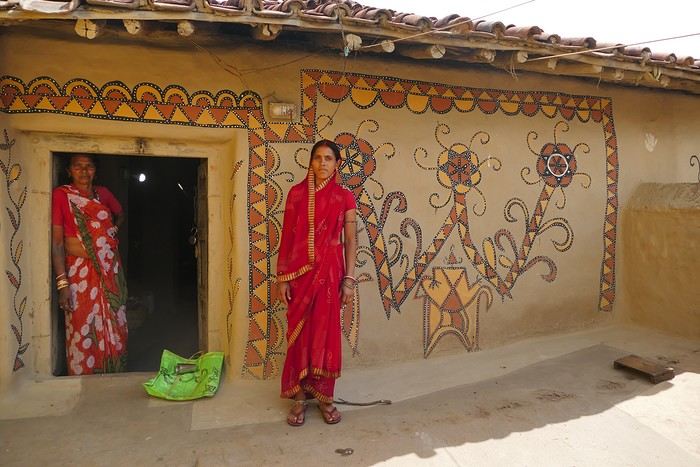
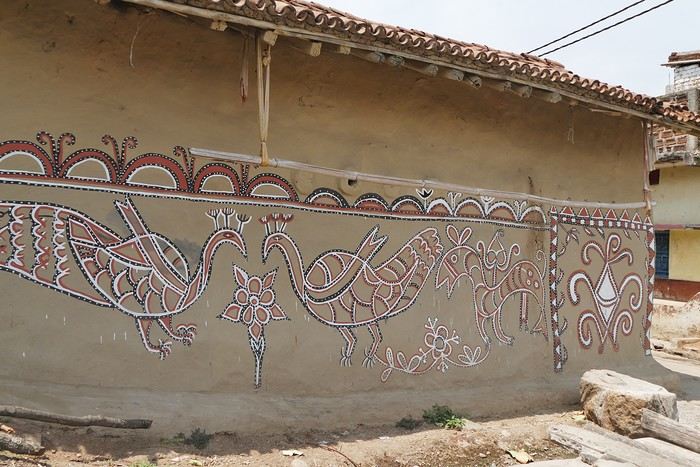 Sur certaines peintures, les scènes deviennent presque narratives : on devine des personnages, des gestes du quotidien, comme une mémoire du village inscrite dans les murs. Les encadrements décoratifs autour des portes ne sont pas laissés au hasard non plus : ils protègent symboliquement la maison, comme une frontière entre l’intérieur et le monde extérieur.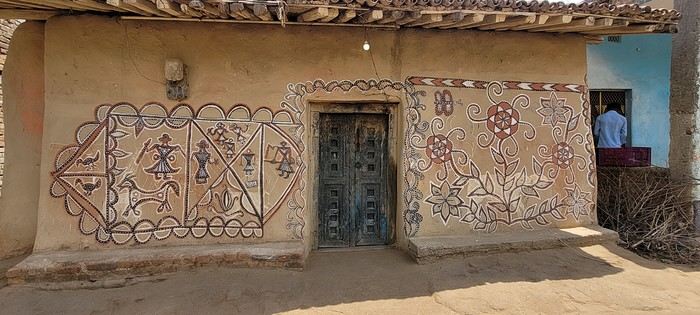



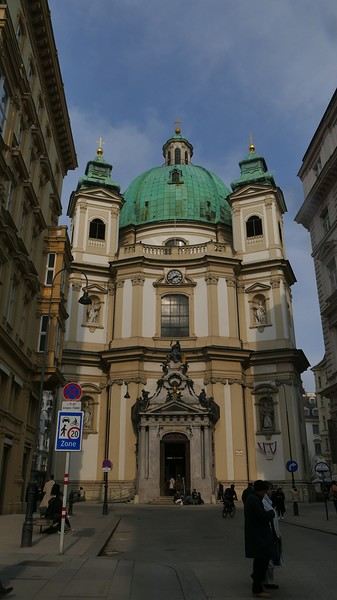
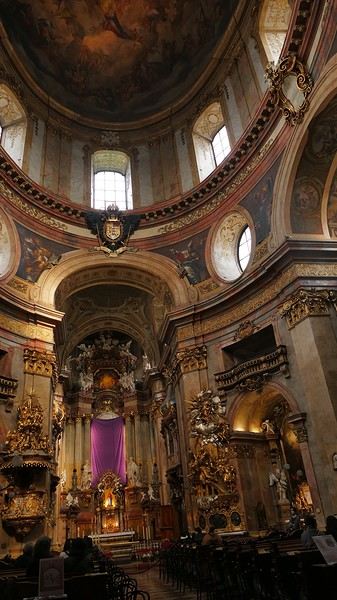
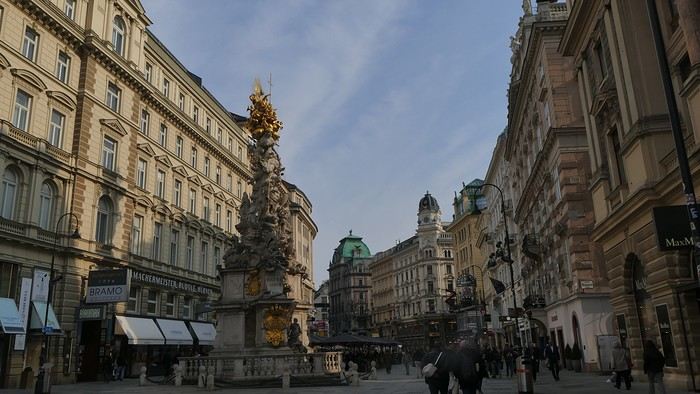
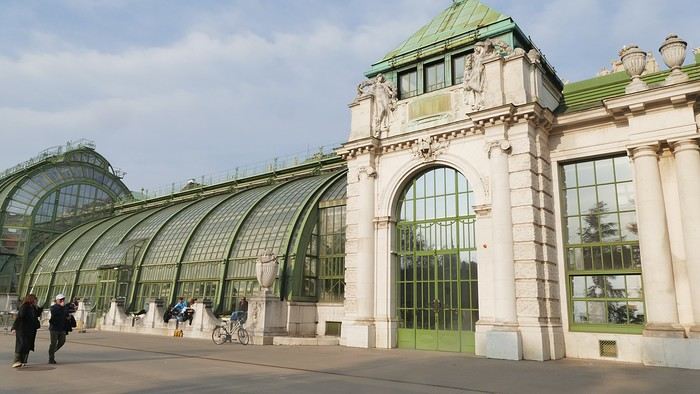



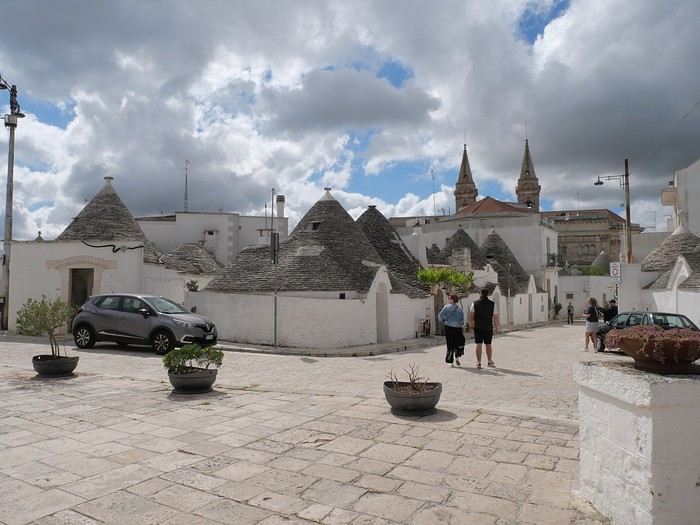
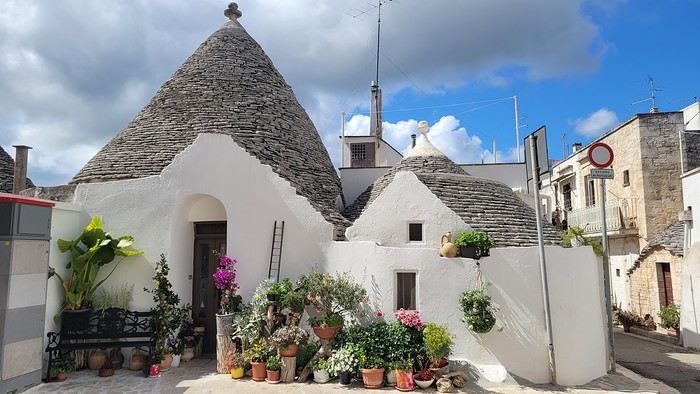
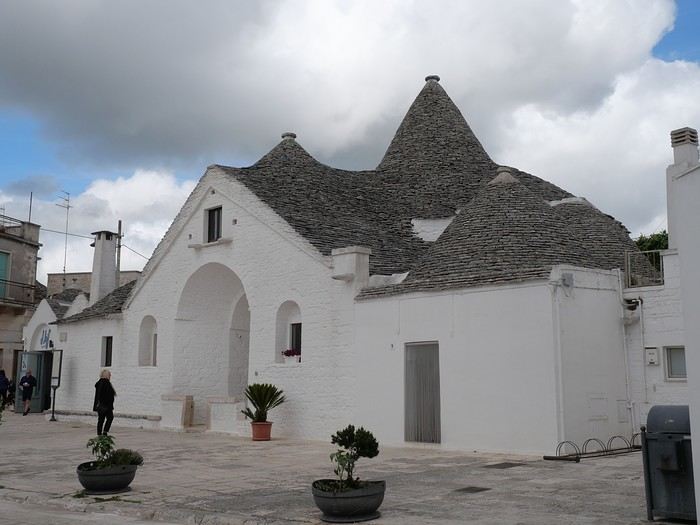
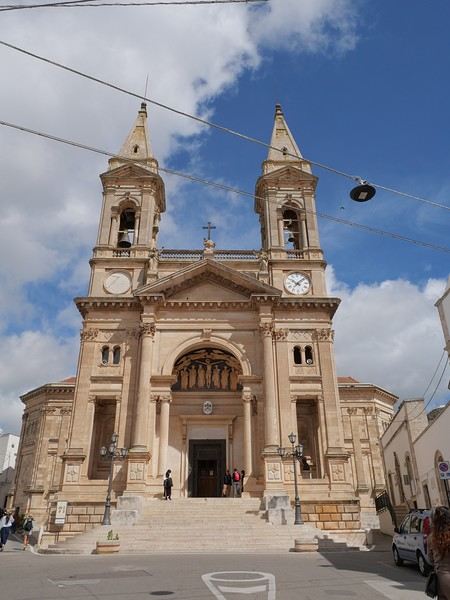
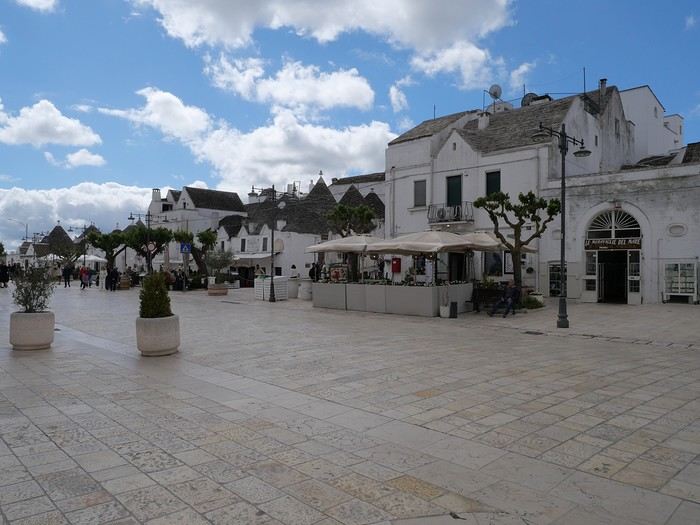
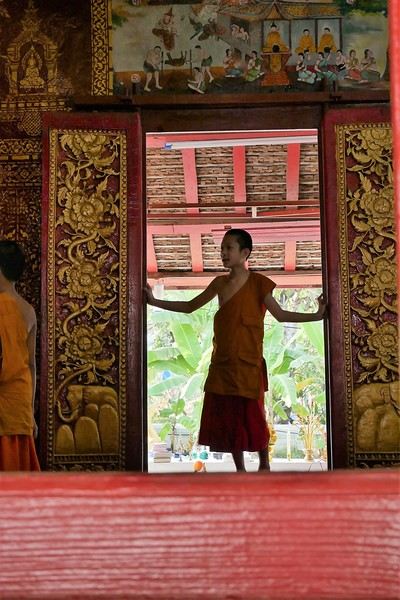 Come along, I'm taking you to this country where it's so nice to wander and slow down...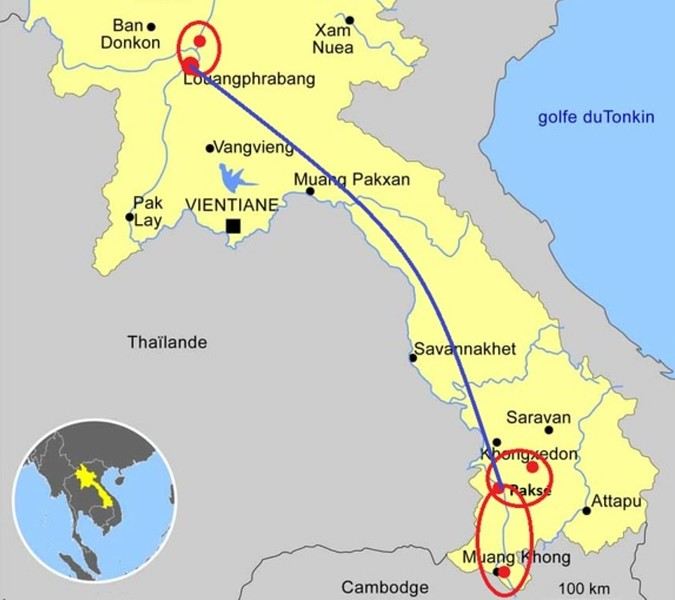
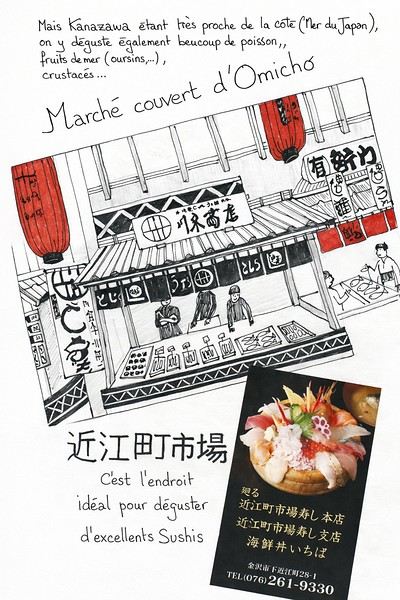
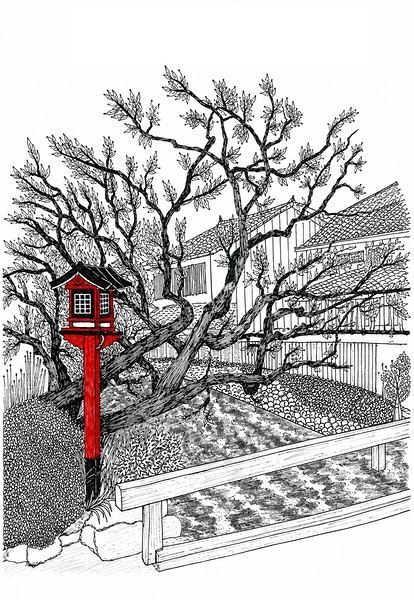 I’m inviting you on a stroll through my drawings—a completely subjective, far from exhaustive, and totally personal take, since it’s based on my own sketches. I put this travel journal together after returning in late 2024, mostly using felt-tip pens and pencils, with a few collages thrown in. I worked from our personal photos.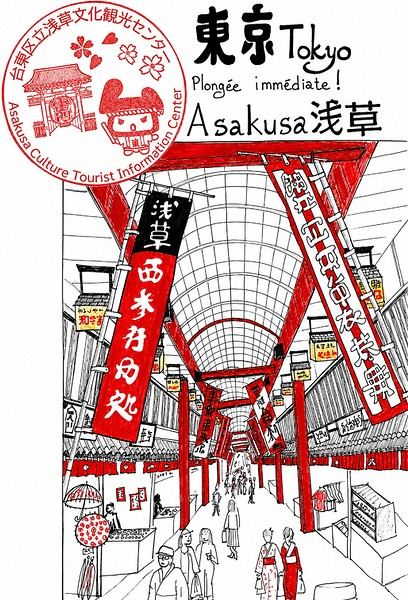
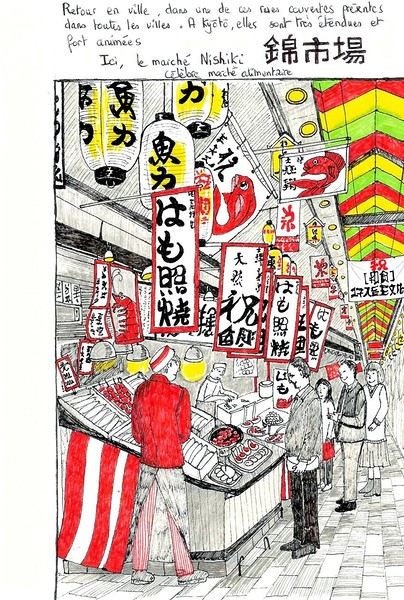
 And in Kyoto, Nishiki Market:
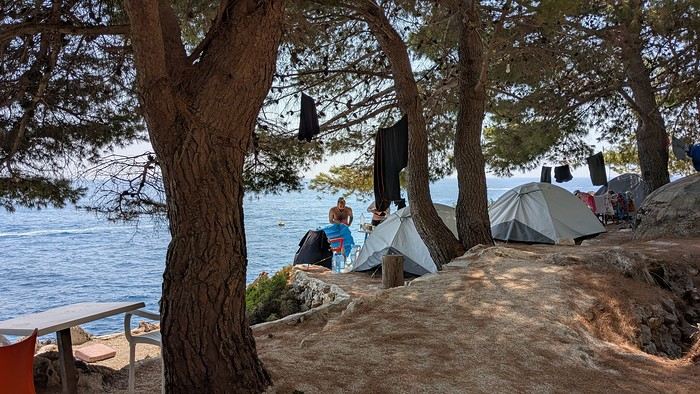
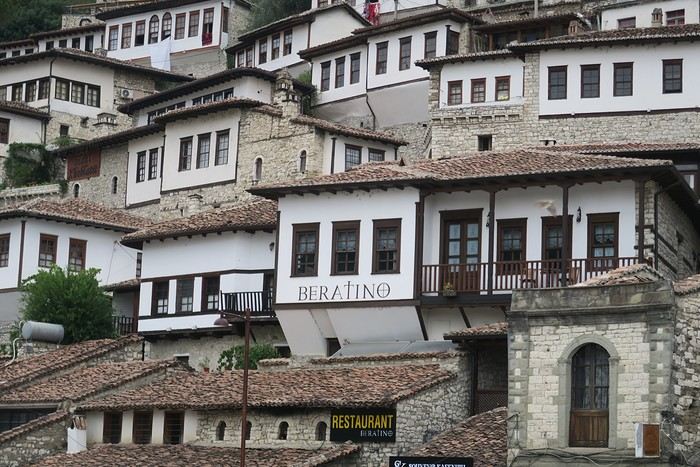
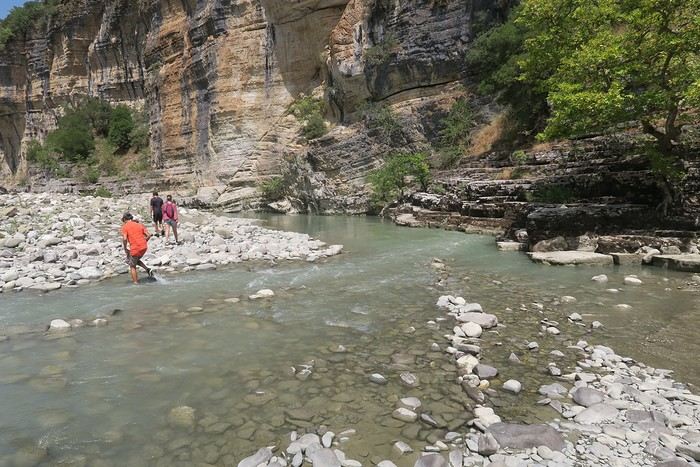
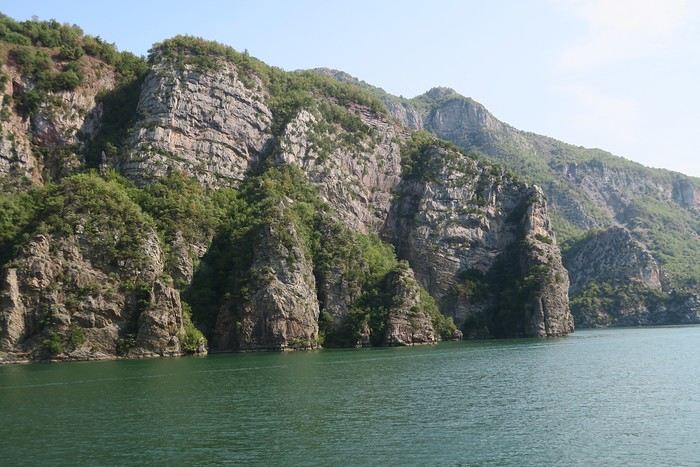
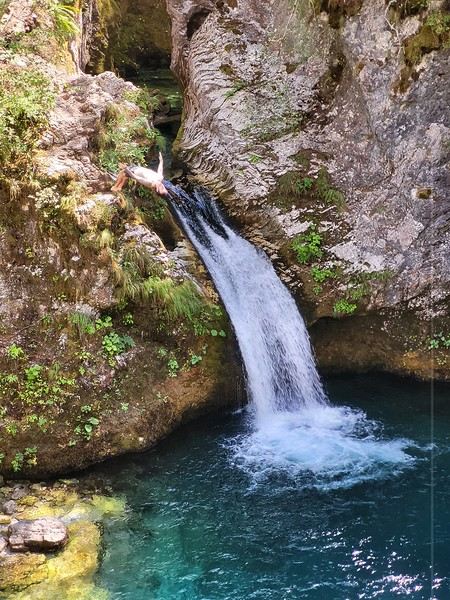
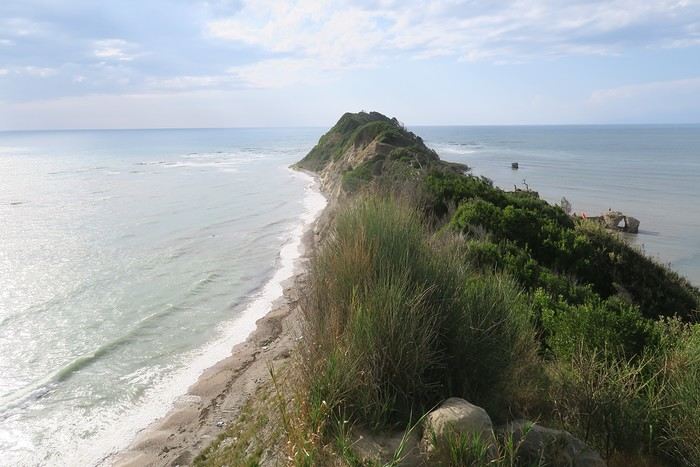
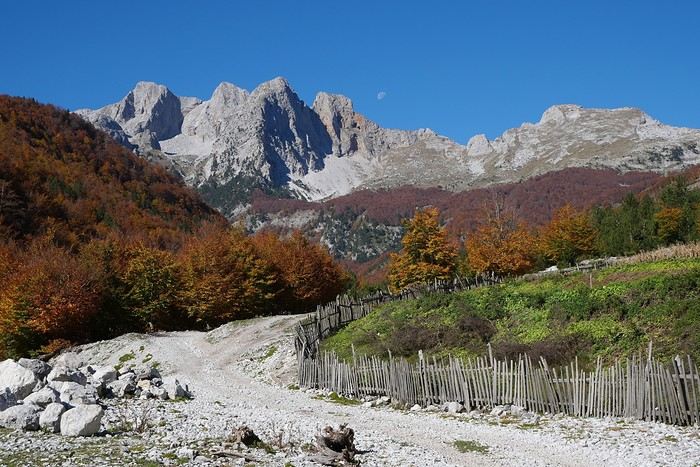

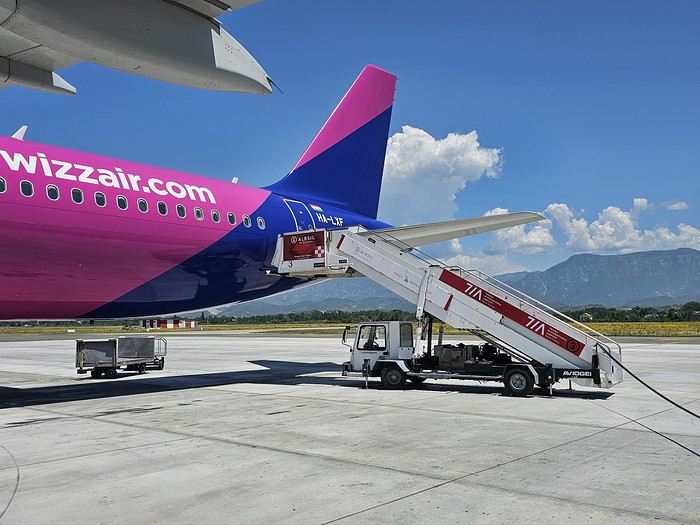 Since Albania isn’t part of Europe when it comes to phone service (at least not yet! :-)), we had to buy a physical SIM card—otherwise, the bill would’ve been sky-high if we’d used our French plan! We got one from Vodafone AL at the airport. You can buy online before leaving with a virtual SIM (e-SIM) for compatible phones, so you don’t have to swap cards. But given the uncertainty about choosing a plan online, we preferred buying one directly at Tirana Airport. Cost: 31 € for 100 GB. That’s way too much—100 GB is overkill. For 40 GB, it’s 27 €, and the plan lasts 21 days. The price difference isn’t huge, and it was cheaper than online. This plan covers all the countries along the Balkan range.
Money tip: All guesthouses and accommodations accept euros. The local currency in Albania is the LEK. In Montenegro, it’s the euro. Bank fees for withdrawing money from an ATM in Albania are pretty steep: 8 € for a withdrawal of 600–700 LEK (about 200 €)! So it’s better to withdraw cash (euros) in France. Oh, and we booked all our accommodations before leaving, but payment is always in cash. Budget around 400–500 € for 9 days of trekking.
Since Albania isn’t part of Europe when it comes to phone service (at least not yet! :-)), we had to buy a physical SIM card—otherwise, the bill would’ve been sky-high if we’d used our French plan! We got one from Vodafone AL at the airport. You can buy online before leaving with a virtual SIM (e-SIM) for compatible phones, so you don’t have to swap cards. But given the uncertainty about choosing a plan online, we preferred buying one directly at Tirana Airport. Cost: 31 € for 100 GB. That’s way too much—100 GB is overkill. For 40 GB, it’s 27 €, and the plan lasts 21 days. The price difference isn’t huge, and it was cheaper than online. This plan covers all the countries along the Balkan range.
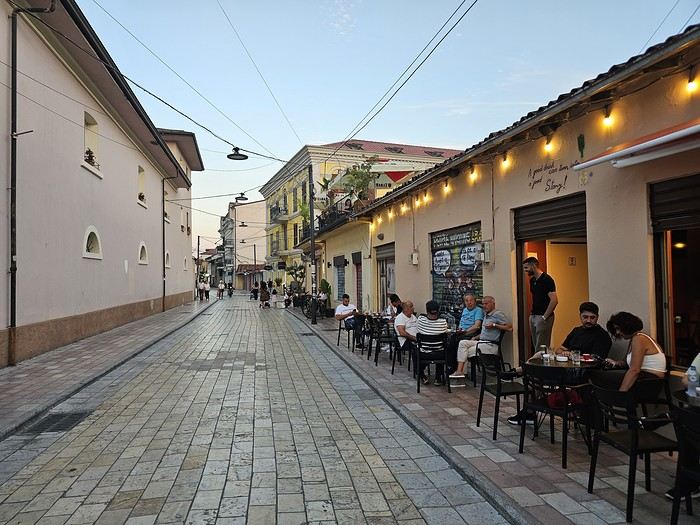
Money tip: All guesthouses and accommodations accept euros. The local currency in Albania is the LEK. In Montenegro, it’s the euro. Bank fees for withdrawing money from an ATM in Albania are pretty steep: 8 € for a withdrawal of 600–700 LEK (about 200 €)! So it’s better to withdraw cash (euros) in France. Oh, and we booked all our accommodations before leaving, but payment is always in cash. Budget around 400–500 € for 9 days of trekking.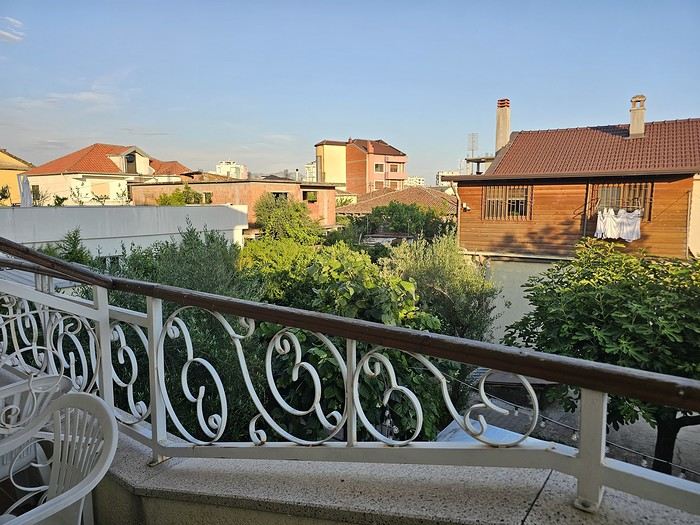 I really liked Shköder, especially its pedestrian street lined with restaurants and lit up at night. It’s a great place to stroll and eat. The food isn’t expensive—two big salads and two beers: 14 € :-) . Fruit prices are also very reasonable: 3 € for a kilo of cherries, compared to 9–10 € in France.
Religions coexist peacefully in these countries—Catholics and Muslims. From our balcony, my friend heard the call to prayer for the first time, coming from one of the city’s mosques.
I really liked Shköder, especially its pedestrian street lined with restaurants and lit up at night. It’s a great place to stroll and eat. The food isn’t expensive—two big salads and two beers: 14 € :-) . Fruit prices are also very reasonable: 3 € for a kilo of cherries, compared to 9–10 € in France.
Religions coexist peacefully in these countries—Catholics and Muslims. From our balcony, my friend heard the call to prayer for the first time, coming from one of the city’s mosques.
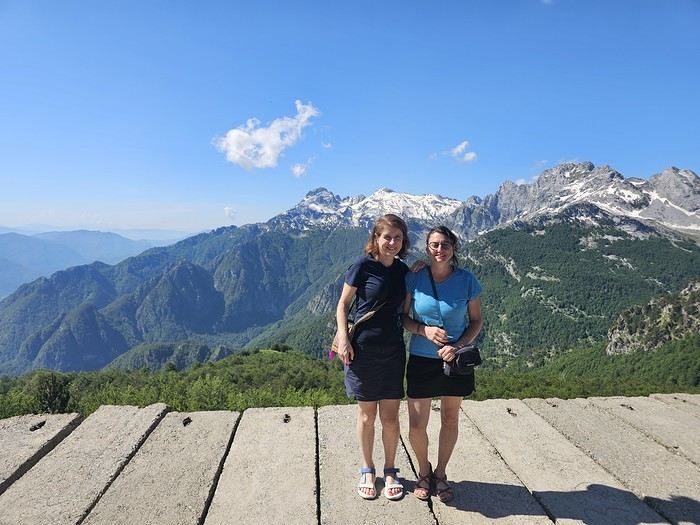
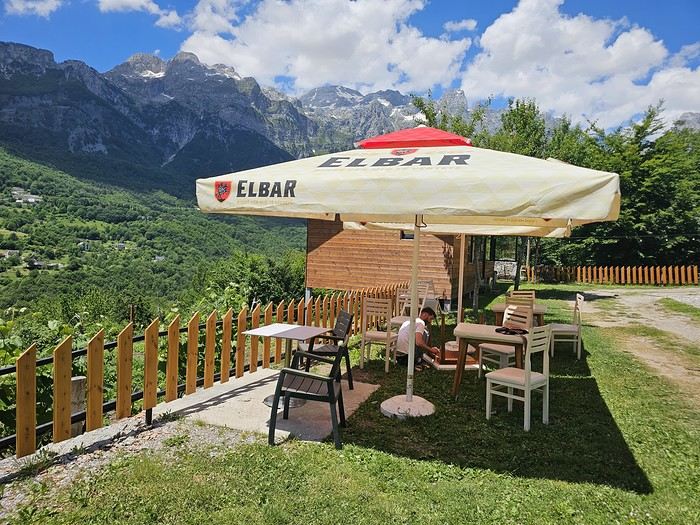
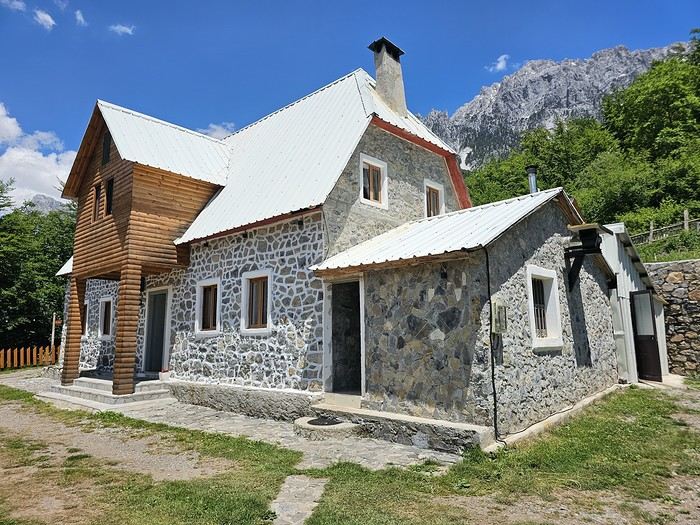 We slept in the heights of Theth at a new guesthouse, "Mountain Vista Shkafi," with an amazing view.


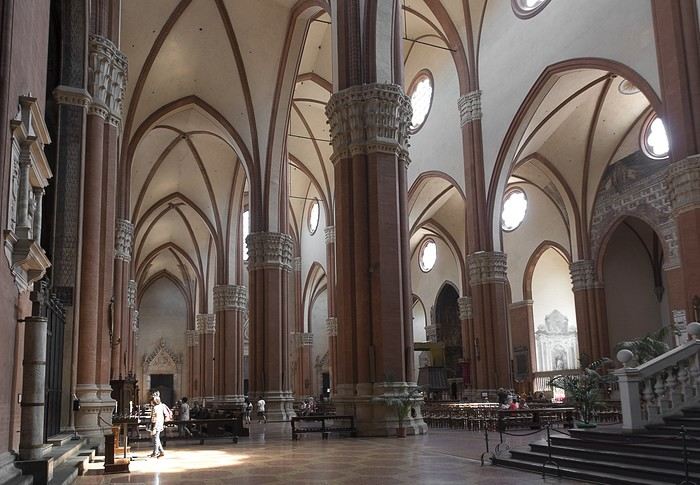
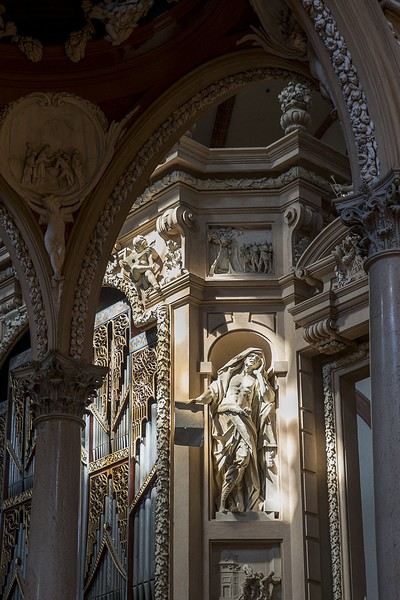
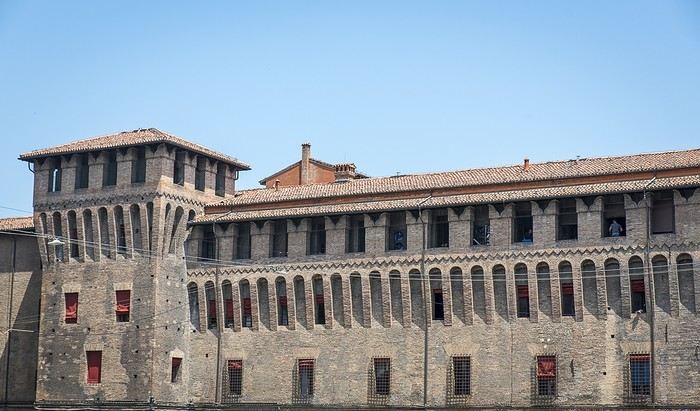 But Bologna’s real charm lies in its porticoes, which were added to the UNESCO World Heritage list in 2021: 62 km of arcades running along buildings, letting you walk sheltered from the sun or rain. Back in 1288, the city required houses to include private arcades for public use. In the city center, you can stroll under 32 km of porticoes in all sorts of styles—some plain, some ornate—with a strong presence of red tones.