Bonjour,
j'ai besoin d'aide pour trouver une nuit d'hôtel à Shanghai.
Je ne sais pas à quel emplacement poser mes valises pour optimiser mon temps et mon argent, à l'aéroport ou au centre ville ?
J'arrive à l'aéroport de pudong à Shanghai via un bus en fin de matinée ou en début d'après mdi.
Je souhaite déposer les valises à l'hôtel pour ensuite visiter shanghai avant de reprendre l'avion le lendemain (décollage 12H40)
est-il préférable de prendre une chambre près de l'aéroport, prendre le maglev pour aller visiter, rentrer avant 21H40 (car dernier départ) et le lendemain matin , etre sur place sans rien à faire
ou
prendre le maglev avec tout les bagages pour trouver un hôtel proche du centre , visiter le soir et le matin et reprendre le maglev avec les valises jusqu'à l'aéroport ?
Merci pour votre aide précieuse ;-)
Valérie
Bonjour,
Je suis sur le point de books un hotel pour mes 2 jours à Hong-Kong du côté de Mong Kok, à côté de la station MRT Prince Edward (lignes vert et rouge). Ca a pas l'air du tout direct depuis l'aéroport quand je regarde la carte du MRT, pas de correspondance directe entre ces lignes et celle de l'aéroport. Est-ce bien le cas ?
Nous voyageons à 4 (2 enfants), avec 3 valises. Bref, on n'a pas envie d'une mission galère dans le métro...
J'imagine que le taxi est la meilleur option, mais il nous faudrait un van... Y a-t-il un comptoir dédié ?
Merci 😉
Je suis sur le point de books un hotel pour mes 2 jours à Hong-Kong du côté de Mong Kok, à côté de la station MRT Prince Edward (lignes vert et rouge). Ca a pas l'air du tout direct depuis l'aéroport quand je regarde la carte du MRT, pas de correspondance directe entre ces lignes et celle de l'aéroport. Est-ce bien le cas ?
Nous voyageons à 4 (2 enfants), avec 3 valises. Bref, on n'a pas envie d'une mission galère dans le métro...
J'imagine que le taxi est la meilleur option, mais il nous faudrait un van... Y a-t-il un comptoir dédié ?
Merci 😉
Hi everyone,
I’ve traveled a lot outside Europe before Covid, usually organizing my trips myself. In recent years, I’ve focused on Europe, which I’d neglected before. Now, I’d like to get back to long-haul trips and fill in some gaps on my world map.
At the moment, I’m considering a route in China—I’ve only been to Hong Kong (which isn’t really China)—for late April/early May 2026. Here’s a first draft:
D1: Departure D2: Arrive in Beijing in the morning – hutongs – night in Beijing D3: Forbidden City – Temple of Heaven – night in Beijing D4: Great Wall – night in Beijing D5: Summer Palace – (Ming Tombs?) – night in Beijing D6: Train to Datong – Yungang Grottoes – night in Datong D7: Train to Pingyao – visit – night in Pingyao D8: Train to Xi’an – Wild Goose Pagoda – night in Xi’an D9: Terracotta Army – Xi’an city walls – night in Xi’an D10: Flight to Zhangjiajie (or the night before) – Tianzi Mountain – night in Wulingyuan D11: National park – night in Wulingyuan D12: National park – night in Wulingyuan D13: Train to Chongqing – night in Chongqing D14: Explore Chongqing – night in Chongqing D15: Return flight
I know it’s tight, but what do you think? For the Great Wall section, what do you recommend? Jinshanling seems like the best option, or Simatai, but it’s far. For the budget, I’m planning on 2,500 € per person. Thanks for your feedback! Phil
I’ve traveled a lot outside Europe before Covid, usually organizing my trips myself. In recent years, I’ve focused on Europe, which I’d neglected before. Now, I’d like to get back to long-haul trips and fill in some gaps on my world map.
At the moment, I’m considering a route in China—I’ve only been to Hong Kong (which isn’t really China)—for late April/early May 2026. Here’s a first draft:
D1: Departure D2: Arrive in Beijing in the morning – hutongs – night in Beijing D3: Forbidden City – Temple of Heaven – night in Beijing D4: Great Wall – night in Beijing D5: Summer Palace – (Ming Tombs?) – night in Beijing D6: Train to Datong – Yungang Grottoes – night in Datong D7: Train to Pingyao – visit – night in Pingyao D8: Train to Xi’an – Wild Goose Pagoda – night in Xi’an D9: Terracotta Army – Xi’an city walls – night in Xi’an D10: Flight to Zhangjiajie (or the night before) – Tianzi Mountain – night in Wulingyuan D11: National park – night in Wulingyuan D12: National park – night in Wulingyuan D13: Train to Chongqing – night in Chongqing D14: Explore Chongqing – night in Chongqing D15: Return flight
I know it’s tight, but what do you think? For the Great Wall section, what do you recommend? Jinshanling seems like the best option, or Simatai, but it’s far. For the budget, I’m planning on 2,500 € per person. Thanks for your feedback! Phil
Bonjour à tous, ayant été rapatriée de Chine suite au coronavirus, j’ai du laisser toutes mes affaires là bas. Je souhaiterais les faire rapatrier en France, un ami chinois se propose de les envoyer mais je souhaiterais connaître les coûts. J’ai cru comprendre qu’il était possible de faire un envoi par bateau..
Je cherche le moyen le moins cher pour envoyer mes affaires si quelqu’un connaît les tarifs..
merci beaucoup!
Hi there, we’re planning to visit part of Zhangjiajie Park in one day soon. We’re staying in Wellington the night before. My question is about which entrance ticket to get on trip.com. They offer either just the ticket or a combo with the ticket, elevator, and cable car for Tianzi Mountain—not just the entrance and elevator. I’m a bit lost. :)
We want to make the most of the day, starting right when the park opens. If you have a recommended route, that’d be great. I’ve also heard to double-check the shuttle buses inside the park. Anyway, I’m not sure whether to start with the cable car or the elevator.
Thanks for your help, and if you have a map, that’d be awesome too.
Cheers, Olivier
We want to make the most of the day, starting right when the park opens. If you have a recommended route, that’d be great. I’ve also heard to double-check the shuttle buses inside the park. Anyway, I’m not sure whether to start with the cable car or the elevator.
Thanks for your help, and if you have a map, that’d be awesome too.
Cheers, Olivier
Hi there,
I’m planning a route through China from Hong Kong to Chengdu.
Here’s the draft:
Hong Kong + Macau (4 nights) Shenzhen (1 night) Guangzhou (2 nights) Yangshuo (3 nights) Sanjiang (1 night) Longji Rice Terraces (1 night) Guilin then head north (1 night) Zhangjiajie (3 nights) Chongqing (1 night) Chengdu (2 nights)
I’d love your thoughts. Can I cut nights from some spots and add them elsewhere?
Quick note—I’ve got a lot of travel experience and I’m pretty fast and efficient (early riser, etc.). So I usually pack in more than the average traveler...
Thanks for your help!
I’m planning a route through China from Hong Kong to Chengdu.
Here’s the draft:
Hong Kong + Macau (4 nights) Shenzhen (1 night) Guangzhou (2 nights) Yangshuo (3 nights) Sanjiang (1 night) Longji Rice Terraces (1 night) Guilin then head north (1 night) Zhangjiajie (3 nights) Chongqing (1 night) Chengdu (2 nights)
I’d love your thoughts. Can I cut nights from some spots and add them elsewhere?
Quick note—I’ve got a lot of travel experience and I’m pretty fast and efficient (early riser, etc.). So I usually pack in more than the average traveler...
Thanks for your help!
hi, I’ll be staying a few days in Chengdu or nearby and it wasn’t planned, so I don’t have much time to figure things out. Could someone suggest some nice places to visit that I can organize on my own, preferably using local transport? I know China has changed a lot since my last visit in 2000... thanks and have a great day, Aichatou
Hi there,
I’m getting ready for a classic tourist trip to China in May 2026.
The "Terres Lointaines" itinerary looks good to me, and the price is interesting.
Has anyone traveled with them before? Any feedback?
Is there a better option?
Thanks so much for sharing your experiences on this!
Michel
Hi,
Well, I think the title says it all! I'm currently in Sapa and want to get to the Lao Cai border to head toward Kunming. For this route, I only see trains—one at 8:20 AM and the other at 9 AM. Are there any other means of transport to get to Kunming or go directly to Dali or Lijiang? Thanks for your quick replies since I'm leaving soon! Magos
Well, I think the title says it all! I'm currently in Sapa and want to get to the Lao Cai border to head toward Kunming. For this route, I only see trains—one at 8:20 AM and the other at 9 AM. Are there any other means of transport to get to Kunming or go directly to Dali or Lijiang? Thanks for your quick replies since I'm leaving soon! Magos
Hi there,
I’m planning a backpacking trip to China at the end of April, and I’ve got two key questions.
1. Money: where to exchange it?
My usual approach is to carry cash for the whole trip, so the question is: where can I get a decent rate? Airport, exchange bureau, bank, hotel, or jewelry store? The answer varies a lot depending on the country. What’s the best option for China? Extra detail: I might arrive on a Saturday.
2. Booking hotels day-by-day: how to do it?
Until 2022, I’d just show up at places I’d spotted and negotiate. Now, I bring a smartphone and use Booking or Agoda, but these sites now require an OTP sent by email to log in, and I won’t have access to my ProtonMail account in China (even with a VPN, it’s uncertain).
Can anyone tell me how to handle this? Worst case, by setting up a dedicated email account that works in China—but with which provider? Or maybe using a different booking platform?
Thanks.
Hi there,
I’m planning a trip to China.
Which sites do you use to book accommodation—specifically for apartments? Thanks for your tips!
Hi there,
We’re planning a trip to China from May 5th to June 3rd, 2025.
We’re traveling independently using local transport—this will be our third trip to China since the 15-day visa exemption and our first since the 30-day visa exemption in 2025. We’ve drafted an itinerary and would love to hear your thoughts on the destinations and the length of our stops. We’re also looking for hotel recommendations.
Day 1: Montpellier to Beijing with Air France, Beijing – 6 days, including a trip to the Great Wall at Badaling, Beijing to Datong, Datong – 2 days, Datong to Pingyao, Pingyao – 2 days, Pingyao to Xi’an, Xi’an – 3 days, Xi’an to Chengdu, Chengdu – 2 days, Chengdu to Chongqing, Chongqing – 2 days, Chongqing to Changsha, Changsha to Zhangjiajie – 2 days, Changsha to Shanghai, Shanghai – 2 days (we’ve already been to Shanghai in May 2024). Shanghai to Montpellier.
Thanks for your feedback and tips! Alod
We’re traveling independently using local transport—this will be our third trip to China since the 15-day visa exemption and our first since the 30-day visa exemption in 2025. We’ve drafted an itinerary and would love to hear your thoughts on the destinations and the length of our stops. We’re also looking for hotel recommendations.
Day 1: Montpellier to Beijing with Air France, Beijing – 6 days, including a trip to the Great Wall at Badaling, Beijing to Datong, Datong – 2 days, Datong to Pingyao, Pingyao – 2 days, Pingyao to Xi’an, Xi’an – 3 days, Xi’an to Chengdu, Chengdu – 2 days, Chengdu to Chongqing, Chongqing – 2 days, Chongqing to Changsha, Changsha to Zhangjiajie – 2 days, Changsha to Shanghai, Shanghai – 2 days (we’ve already been to Shanghai in May 2024). Shanghai to Montpellier.
Thanks for your feedback and tips! Alod
Bonjour à tous
L'un d'entre vous saurait-il comment rallier Pingyao après avoir visité le temple Shaolin ?
Faut-il revenir à Xian (que j'aurais au préalable visité) ?
L'idée est de rejoindre ensuite Datong puis Pékin.
Merci à tous ceux qui pourront m'aider
Christine
Hello everyone,
I’m planning a 5-week trip between Yunnan and Sichuan from mid-October to the end of November 2026: Arriving in Kunming, I’ll do a loop in the far south of Yunnan via Thonghai, Jhiansu, Zhemi, Yuanyang, Nafa, Jinping, Mengzi, and Shilin (visiting markets, villages, and hiking), then head to northern Yunnan/southern Sichuan on the same theme (passing through Kunming again) via Dongchuan, Huize, Qiaojia, Puge, Xichang, Lanba, Butuo, Huolie, Dimo, Riha, Niuniuba, Meigu, Mabian, and Leshan, before arriving in Chengdu (where I’ll take my return flight to Paris). This would be a trip with a strong ethnic/rural focus. Since I’ve never traveled in China, I’d love to hear your thoughts on doing this solo. Are there public transport options in the region? What tips do you have for traveling through this area as smoothly and enjoyably as possible? I’ve done quite a bit of backpacking in the mountains of northern Vietnam and really enjoyed using local motorbike drivers. Is something like that available in this region (through local tourist agencies or hotels)?
What should I be cautious about? Are local tourist agencies (or hotels) offering tours and guides reliable? If you know of any specialized sites sharing tips or experiences, or names of local agencies, hotels, etc., please don’t hesitate to share them! :)
In short, all your advice (on any topic that comes to mind!) is very welcome. Thanks so much!
I’m planning a 5-week trip between Yunnan and Sichuan from mid-October to the end of November 2026: Arriving in Kunming, I’ll do a loop in the far south of Yunnan via Thonghai, Jhiansu, Zhemi, Yuanyang, Nafa, Jinping, Mengzi, and Shilin (visiting markets, villages, and hiking), then head to northern Yunnan/southern Sichuan on the same theme (passing through Kunming again) via Dongchuan, Huize, Qiaojia, Puge, Xichang, Lanba, Butuo, Huolie, Dimo, Riha, Niuniuba, Meigu, Mabian, and Leshan, before arriving in Chengdu (where I’ll take my return flight to Paris). This would be a trip with a strong ethnic/rural focus. Since I’ve never traveled in China, I’d love to hear your thoughts on doing this solo. Are there public transport options in the region? What tips do you have for traveling through this area as smoothly and enjoyably as possible? I’ve done quite a bit of backpacking in the mountains of northern Vietnam and really enjoyed using local motorbike drivers. Is something like that available in this region (through local tourist agencies or hotels)?
What should I be cautious about? Are local tourist agencies (or hotels) offering tours and guides reliable? If you know of any specialized sites sharing tips or experiences, or names of local agencies, hotels, etc., please don’t hesitate to share them! :)
In short, all your advice (on any topic that comes to mind!) is very welcome. Thanks so much!
Hello everyone,
Like Cedric13600, I’ve booked a flight ticket for 30 days / 29 nights in September 2026, from Beijing to Shanghai. We’re a couple in our sixties who love independent road trips.
I’d like to draw inspiration from the following private itinerary suggested by a travel agency:
Day 1: Arrival in Beijing Day 2 to 4: Beijing Day 5: Datong Day 6 & 7: Pingyao Day 8 to 10: Xi'an Day 11: Luoyang Day 12: Dengfeng flight Day 13 & 14: Chongqing flight Day 15 & 16: Lijiang Day 17: Dali Day 18: Kunming Day 19: Jianshui Day 20 & 21: Yuanyang Day 22: Travel via Guilin Day 23 & 24: Yangshuo Day 25: Guilin Day 26 & 27: Zhangjiajie flight Day 28 & 29: Shanghai Day 30: Departure from Shanghai
But to do this itinerary independently: 1. This schedule seems very ambitious to me—what do you think? 2. If it’s too packed, what would you remove as a priority? Thanks so much in advance for your help.
Day 1: Arrival in Beijing Day 2 to 4: Beijing Day 5: Datong Day 6 & 7: Pingyao Day 8 to 10: Xi'an Day 11: Luoyang Day 12: Dengfeng flight Day 13 & 14: Chongqing flight Day 15 & 16: Lijiang Day 17: Dali Day 18: Kunming Day 19: Jianshui Day 20 & 21: Yuanyang Day 22: Travel via Guilin Day 23 & 24: Yangshuo Day 25: Guilin Day 26 & 27: Zhangjiajie flight Day 28 & 29: Shanghai Day 30: Departure from Shanghai
But to do this itinerary independently: 1. This schedule seems very ambitious to me—what do you think? 2. If it’s too packed, what would you remove as a priority? Thanks so much in advance for your help.
Hi there,
We just got back from a 2-week trip to China as a couple, and before we left, the budget was the hardest thing to picture concretely. We found plenty of info on visas, apps, transport, and itineraries, but way fewer detailed breakdowns of what you *actually* spend on the ground.
So, we took the time to share our real budget for 14 days. In our case, we spent around 1,800 € per person, with a big chunk of that going toward round-trip flights at about 600 € per person. We were also pretty surprised by how affordable China can be once you’re there—transport is often cheap, and a lot of everyday expenses stay reasonable.
The trickiest part, in the end, was figuring out how to pay while you’re there, since it’s not always obvious if you’re not prepared. But once everything’s set up and you get the hang of it, it’s really smooth.
If this can help other travelers get a better idea before they go, we’ve broken it all down here:
https://aventures-sans-mesaventure.com/budget-2-semaines-de-voyage-en-chine/
Happy travels and enjoy your adventure! Hélia
Happy travels and enjoy your adventure! Hélia
Hi there,
We’re thinking of spending 3 weeks in Asia this fall to visit some of the major capitals on this vast continent. We’d like to get a (very rough) sense of just how fast Asia is moving compared to what we see in the West (we’re from Quebec). For now, our very preliminary list includes Tokyo, Hong Kong, and Singapore. There are obviously plenty of other options—Seoul, Shanghai, etc.
What do you think? Thanks in advance!
We’re thinking of spending 3 weeks in Asia this fall to visit some of the major capitals on this vast continent. We’d like to get a (very rough) sense of just how fast Asia is moving compared to what we see in the West (we’re from Quebec). For now, our very preliminary list includes Tokyo, Hong Kong, and Singapore. There are obviously plenty of other options—Seoul, Shanghai, etc.
What do you think? Thanks in advance!
We’re a retired French couple.
We’ve just spent 4 weeks in China:
- 1. Exploring Yunnan in a group (12 people); a journey that took us from the Vietnamese border in the south to the edges of Tibet in the north.
- 2. A private trip to Guizhou with just a driver.
We’re absolutely delighted with what we discovered: a modern country with excellent infrastructure (especially the low level of urban pollution thanks to the high number of electric vehicles, the absence of diesel, and no noisy motorbikes in these two less industrialized provinces), friendly Chinese people who were always ready to help us when we had difficulties or questions, and a rich natural and cultural heritage.
The language barrier remains the biggest challenge, despite instant translation tools.
For both trips, we booked through the agency CIELCHINE, which we highly recommend.
The value for money is unbeatable.
The services were luxurious, especially for us since we usually travel alone on a tight budget for accommodation and food.
The agency’s staff were perfectly competent and, what’s more, warm and welcoming.
For Yunnan, our guide SEBASTIEN, who was experienced and knowledgeable, won everyone over.
In Guizhou, our driver HUANG was professionally flawless and guided us through villages he knows well. Friendly and full of humor, he’d spontaneously talk to people he met, which made us be treated with much more kindness and allowed us to exchange a few basic words.
As you can see, I haven’t ticked anything negative—not because I’m hiding anything or have any ulterior motive, but because I’m completely satisfied and the experience even exceeded all my expectations.
Bonjour
J’ai réservé un voyage d’une semaine fin mai dans la ville de hong kong Quels seraient les lieux à ne manquer sans courrir en 1 semaine Merci
Nb avez vous un hôtel moyenne gamme à me conseiller
J’ai réservé un voyage d’une semaine fin mai dans la ville de hong kong Quels seraient les lieux à ne manquer sans courrir en 1 semaine Merci
Nb avez vous un hôtel moyenne gamme à me conseiller
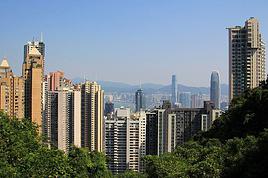
Hong Kong est une mégalopole étonnante avec ses gratte-ciels qui semblent défier les lois de l'apesanteur, ses temples tranquilles au milieu de la frénésie urbaine et ses artères débordantes de vie où commerçants et visiteurs s'agitent.
Mais Hong Kong , n 'est pas que cette image de la ville à la densité de population vertigineuse et son horizon saturé de buildings. C'est aussi des paysages de moyennes montagnes tapissées de jungle, des treks en pleine nature, des plages presque exotiques et des villages perdus, à une heure du centre-ville.
Savant mélange de culture britannique et asiatique, Hong Kong est surprenant.
Souvent, on s'y arrête le temps d'une escale avant une autre destination asiatique. Alors les heures sont comptées pour visiter la ville. Dans notre cas, nous y sommes restés 2 jours / 2 nuits. Voici un programme que l'on a optimisé au maximum afin de bien en profiter :
Jour 1 : - VICTORIA PEAK : le plus haut sommet de l'ile de Hong Kong qui offre des vues magnifiques sur la ville - TEMPLE MAN MO : un temple coup de cœur avec ses photogéniques spirales d'encens - SHEUNG WAN : un quartier sur l'ile de Hong Kong qui a su garder son authenticité. Notre quartier préféré à Hong Kong ! - FERRY ET PROMENADE SUR KOWLOON : le "must" de Hong Kong ? La traversée en bateau de la baie victoria, qui pourrait presque s'apparenter à une mini-croisière, est fabuleuse. Le quartier tout au sur de Kowloon très animé, touristique et commerçant. C'est aussi le cœur culturel de la ville avec musées et opéra.
JOUR 2 : - ÎLE LANTAU : un coin de verdure à 1h en transport en commun de Hong Kong. Une mise au vert bien sympa où on en profite pour admirer le fameux "Bouddha assis" - TEMPLE DE WONG TAI SIN : un temple magnifique de couleurs et d'harmonie, tant dans ses jardins qu'à l'intérieur des batiments. - LE MARCHÉ DE TEMPLE STREET : un immense bazar de nuit à ciel ouvert pour acheter de tout et manger sur le pouce…
Si tu veux en savoir davantage sur notre itinéraire, nos émerveillements, nos déceptions, tu peux aller voir notre article et guide complet sur Hong Kong en 2 jours.
Jour 1 : - VICTORIA PEAK : le plus haut sommet de l'ile de Hong Kong qui offre des vues magnifiques sur la ville - TEMPLE MAN MO : un temple coup de cœur avec ses photogéniques spirales d'encens - SHEUNG WAN : un quartier sur l'ile de Hong Kong qui a su garder son authenticité. Notre quartier préféré à Hong Kong ! - FERRY ET PROMENADE SUR KOWLOON : le "must" de Hong Kong ? La traversée en bateau de la baie victoria, qui pourrait presque s'apparenter à une mini-croisière, est fabuleuse. Le quartier tout au sur de Kowloon très animé, touristique et commerçant. C'est aussi le cœur culturel de la ville avec musées et opéra.
JOUR 2 : - ÎLE LANTAU : un coin de verdure à 1h en transport en commun de Hong Kong. Une mise au vert bien sympa où on en profite pour admirer le fameux "Bouddha assis" - TEMPLE DE WONG TAI SIN : un temple magnifique de couleurs et d'harmonie, tant dans ses jardins qu'à l'intérieur des batiments. - LE MARCHÉ DE TEMPLE STREET : un immense bazar de nuit à ciel ouvert pour acheter de tout et manger sur le pouce…
Si tu veux en savoir davantage sur notre itinéraire, nos émerveillements, nos déceptions, tu peux aller voir notre article et guide complet sur Hong Kong en 2 jours.
Bonjour à tou.te.s
Nous souhaitons partir en mai pour 25 jours, en Asie ou Amérique latine. Et après avoir regardé les destinations possibles en cette période de l’année. Nous nous sommes orientés vers la Chine mais depuis de nombreuse personnes nous ont déconseillé d’y aller pour les raisons suivantes (trop de monde sur les sites touristiques, les chinois sont pas avenants, bruyants et pas les plus civilisés, etc.). Nous ne savons plus quoi faire. Nous souhaitions partir dans un voyage avec un dépaysement culturel et naturel. Mixer paysage et jolis villages et villes, loin des foules touristiques. Il nous a semblé en regardant les forums que la Chine en mai (basse saison) et hors des sentiers battus pouvait être merveilleuse. On nous avait conseillé la région du Yunnan (Kunming, Yuanyang, Jianshui, Xizhou, Dali, Lijiang, Chengdu, Shaxi) et Pekin et Shanghai. Nous aurions aimé connaître vos avis. Une Chine sans trop de touristes et authentique est-elle possible ? Devrions-nous changer de destination ? Avez-vous des conseils ? Merci beaucoup
Nous souhaitons partir en mai pour 25 jours, en Asie ou Amérique latine. Et après avoir regardé les destinations possibles en cette période de l’année. Nous nous sommes orientés vers la Chine mais depuis de nombreuse personnes nous ont déconseillé d’y aller pour les raisons suivantes (trop de monde sur les sites touristiques, les chinois sont pas avenants, bruyants et pas les plus civilisés, etc.). Nous ne savons plus quoi faire. Nous souhaitions partir dans un voyage avec un dépaysement culturel et naturel. Mixer paysage et jolis villages et villes, loin des foules touristiques. Il nous a semblé en regardant les forums que la Chine en mai (basse saison) et hors des sentiers battus pouvait être merveilleuse. On nous avait conseillé la région du Yunnan (Kunming, Yuanyang, Jianshui, Xizhou, Dali, Lijiang, Chengdu, Shaxi) et Pekin et Shanghai. Nous aurions aimé connaître vos avis. Une Chine sans trop de touristes et authentique est-elle possible ? Devrions-nous changer de destination ? Avez-vous des conseils ? Merci beaucoup
Bonjour
Nous partons en Chine 3 semaines, en août prochain.
C'est notre 2ème voyage, nous avions déjà parcouru en 2012 (au pas de course il est vrai) les grandes attractions de ce pays BEJING - DATONG - PINGYAO - XIAN - LUOYANG - ZHENGZHOU SUZHOU - SHANGHAI - GUILIN - LONGSHENG - YANGSHUO CANTON - HONGKONG
Nous sommes 4 (avec 2 grands ados) nous avons parcouru pas mal de pays (une quarantaine), par nos propres moyens à chaque fois.
Mais là, on sèche un peu.....que faire ?
Seuls impératifs AR depuis Beijing, du temps à ZHANGJIAJIE pour le reste, je sollicite humblement le forum et ses initiés.
Nous partons en Chine 3 semaines, en août prochain.
C'est notre 2ème voyage, nous avions déjà parcouru en 2012 (au pas de course il est vrai) les grandes attractions de ce pays BEJING - DATONG - PINGYAO - XIAN - LUOYANG - ZHENGZHOU SUZHOU - SHANGHAI - GUILIN - LONGSHENG - YANGSHUO CANTON - HONGKONG
Nous sommes 4 (avec 2 grands ados) nous avons parcouru pas mal de pays (une quarantaine), par nos propres moyens à chaque fois.
Mais là, on sèche un peu.....que faire ?
Seuls impératifs AR depuis Beijing, du temps à ZHANGJIAJIE pour le reste, je sollicite humblement le forum et ses initiés.
bonjour, j'ai l'intention de me rendre prochainement à Xian afin de visiter outre l'armée de terre cuite, les divers tombeaux impériaux (quinling, maoling, zhaoling, etc). ainsi que le temple de famen. Pour des raisons de timing et notamment pour arriver à la première heure à l'armée de terre cuite avant l'arrivée de la foule, j'envisage d'utiliser le taxi plutot que le bus. Mais j'ai cru comprendre qu'il y avait pénurie de taxi à Xian et qu'il était difficile d'en reserver. Quelqu'un peut il m'éclairer? Merci
Bonjour à tous,
Mon fils compte se rendre à Hong Kong et ensuite aller en Chine. Je voudrais vous demander si la situation à Hong Kong n'est pas un peu risquée, avec tout ce qu'on entend. Et pour la Chine, est-ce qu'il pourra facilement utiliser sa messagerie (il a un compte gmail).
Merci de vos réponses,
Momo
Mon fils compte se rendre à Hong Kong et ensuite aller en Chine. Je voudrais vous demander si la situation à Hong Kong n'est pas un peu risquée, avec tout ce qu'on entend. Et pour la Chine, est-ce qu'il pourra facilement utiliser sa messagerie (il a un compte gmail).
Merci de vos réponses,
Momo
Bonjour,
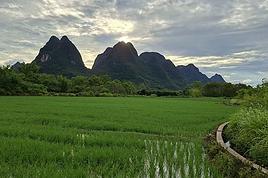
Pour notre 3e séjour en Chine, j'aimerais visiter le sud, où je ne suis jamais allée .... Je pensais combiner une semaine dans la région des rizières de Longsheng (et Yanghsuo ?) et deux semaines dans la r��gion de Kunming.
Je n'ai pas d'autre choix que de partir pendant les mois de juillet et août et je me demandais si un mois était préférable à l'autre ?? ou bien est-ce à peu près la même chose ?
Autre question : je lis beaucoup de choses qui me refroidissent un peu sur Dali et Lijiang, qui semblent extrêmement touristiques. Est-ce qu'il est possible de visiter cette région en étant un peu à l'écart de la foule, avez-vous des conseils à donner ? Je précise que je ne parle pas un mot de mandarin ...
Merci d'avance pour les suggestions.
Pour notre 3e séjour en Chine, j'aimerais visiter le sud, où je ne suis jamais allée .... Je pensais combiner une semaine dans la région des rizières de Longsheng (et Yanghsuo ?) et deux semaines dans la r��gion de Kunming.
Je n'ai pas d'autre choix que de partir pendant les mois de juillet et août et je me demandais si un mois était préférable à l'autre ?? ou bien est-ce à peu près la même chose ?
Autre question : je lis beaucoup de choses qui me refroidissent un peu sur Dali et Lijiang, qui semblent extrêmement touristiques. Est-ce qu'il est possible de visiter cette région en étant un peu à l'écart de la foule, avez-vous des conseils à donner ? Je précise que je ne parle pas un mot de mandarin ...
Merci d'avance pour les suggestions.
Bonjour
Nous voyageons à Hong kong du 10 au 17 septembre: 5 jours Hong Kong, 2 jours Macao
et nous souhaitons connaitre l’appréciation de voyageurs sur place en ce moment, notamment sur les quartiers en tension.
Merci également de nous informer sur vos impressions relatives aux événements en cours
Cordialement
Jean-François
Bonjour à tous
Je voudrais me rendre à Leshan depuis Chengdu en train TGV un jour de la semaine du 25 au 29 septembre, jour pas encore fixé. J'ai vu qu'il y avait environ chaque jour 3 ou 4 trains dans la matinée.Ma question:dois-je réserver d'avance par internet(10 jours avant) ou puis-je me rendre à la gare la veille pour le lendemain? Le billet est-il (comme pour les bus de ville ou le métro) valable pour n'importe quelle heure ou bien est-ce vraiment pour une heure bien déterminée?Par ailleurs Nous serons deux.
Merci!
Hi everyone,
This trip report covers a journey along the Silk Road in China (see detailed description below) undertaken in October 2025. The goal isn’t to recount the trip but to provide information that might help those who want to take a similar journey. Much of the information is valid for any trip to China.
Who we are: a retired couple, aged 63 and 65 (age gives discounts on entry to various sites and museums in China, which is why I won’t list prices here—I don’t know them, but you can easily find them online). We’re used to traveling independently. We speak English, which is the only foreign language spoken in China, though by very few people. I speak and read a little Chinese, which helped, but you can easily get by without it (without any English at all, I think it would be more difficult).
Period: We arrived just after "Golden Week," when all of China is on vacation, and after the summer, when schools are out, so we encountered very few tourists (99.99% of whom were Chinese). Our experience with booking visits in advance (which we didn’t need to do) isn’t representative for those who want to travel in the summer! The October-November period was perfect for our trip—it wasn’t too hot or too cold (one day of snow on the Tibetan Plateau), though it was only a few degrees on the Tibetan part, with altitudes between 2,000 and 3,000 meters. The trees were beautifully colored.
General remarks: Everyone we dealt with was very kind and perfectly honest. If you order a meal without really understanding what to do and the person modifies your order, trust them—the result is what you need. If a taxi driver signals that they’ll wait for you to finish your visit and pick you up afterward, trust them. It means there aren’t many taxis where you are, and it’ll be more convenient. For prices at street vendors, we always found the right ballpark, and sometimes they even added a little extra to please us. A taxi driver treated us to lunch, and an employee drove us back to the hotel after a visit because there were no taxis. If you struggle to buy a ticket online because there’s no counter, someone will come to help. People even spontaneously ask if everything’s okay and if you need anything.
Everywhere we went was very clean, including restrooms (trains, stations, hotels, museums, tourist sites) and streets. The old stereotypes about this no longer apply.
The trip can be challenging for those who have difficulty walking. The distances to cover on foot in stations, to access sites, and within the sites themselves can sometimes be really long.
We used the Lonely Planet guide in English (published at the end of August 2025) a little for preparation, but mostly relied on the internet.
Before leaving: No visa is needed for French citizens for stays under 30 days. You get a stamp on your passport upon arrival and departure, and the formalities themselves are very quick in both directions (excluding any potential queues). Just a photo and fingerprints upon arrival, and welcome to China’s facial recognition system.
Money: All your payments (see below) will go through your Visa card—there will be hundreds, including many payments of 20 cents to a few euros. So, you need an international option that allows unlimited card transactions. Since cash is rarely needed, the allowed number of ATM withdrawals can be low. We made 3 withdrawals totaling 800 € for a month and could have managed with just 2. The exchange rate charged on our Visa card was 12 € for 100 RMB (yuan).
Install the following apps on your smartphone before leaving (otherwise, you’ll only have access to the Chinese versions, if available): - Alipay, which is used to pay everywhere in China (details below). You need to link it to your credit card, then provide proof of identity by uploading a passport photo and completing a facial recognition session. Alipay gives access to Didi (China’s Uber), public transport (metro/bus), and can also translate phrases. - WeChat (Weixin in Chinese, pronounced *weishin*), which is also used for payments but also replaces WhatsApp. Unfortunately, to activate your account, you need someone who already has WeChat to sponsor you (preferably a Chinese person). We asked someone at our first accommodations to do this—no problem. By sharing your WeChat number with accommodations, they can send you messages that are automatically translated, and you can communicate with people thanks to the translation (translation to French is very poor; it’s much better in English, but unfortunately, WeChat detects your phone’s language). Alipay and WeChat are accepted almost everywhere, but some places only accept WeChat. - Amap, the international version of Baidu Maps, which replaces Google Maps (not at all up-to-date in China). The English names of hotels often have little to do with the Chinese names except for a phonetic resemblance. To find them on Amap, it’s best to copy the Chinese name found on your Trip reservation under "show address in Chinese." - A VPN. We had CyberGhost, which didn’t work, but according to other travelers, NordVPN and Windscribe do. Without a VPN, you can’t access Google services, on WhatsApp you can send and receive text but not photos, and you can’t send or receive emails on Gmail addresses. We managed without a VPN by using Firefox as a browser and Bing as a search engine. - Trip, for booking trains and accommodations, and buying some tickets. It’s the equivalent of Booking for accommodations, but Booking has very few listings in China, while Trip has hundreds in every city. Most hotels and trains are exchangeable and refundable until the day before, with no or minimal fees.
You don’t need contactless (NFC) payment on your phone. Either you scan a barcode and enter the amount to pay, or you display a barcode, and they scan it with a scanner, and the amount is deducted directly.
Upon arrival: - Buy a Chinese SIM card: 100 RMB for 300 GB of data and several hours of talk time (we didn’t use it). Set the Chinese number as a reference on Alipay, WeChat, and Amap. - Find someone to sponsor you on WeChat.
Transportation: - **Plane**: China Eastern, Paris-Canton then Canton-Urumqi on the way out, and Xian-Canton then Canton-Paris on the way back. International flights were smooth, but the schedules for the two domestic flights were changed. It was fine on the way out because we had some leeway, but on the way back, we were notified the morning of that our flight was canceled and replaced with one that didn’t allow for the connection. We called and changed to an earlier flight (I think we were lucky to find available seats). - **Train**: Most long distances were covered by high-speed trains (called D or G in China) at 240 or 300 km/h. Second class is perfect—just as comfortable and clean as our TGVs. The only advantage of first class is the wider seats for larger people, but the downside is that seats are often booked in advance and thus less available. You can book trains long in advance on Trip, but they only go on sale in China 15 days before departure, so that’s when you’ll know if you have a ticket. Initially, we booked first class, but there were no seats available on the day, so we ended up booking everything in second class, which was perfect. There’s no paper ticket—if you’ve bought one, you go to the station, show your passport, and enter. You do the same to access the platform 15 minutes before the train, and that’s it. Our train was canceled twice, but no problem—we went to the ticket counter, got a refund, and were offered a replacement. It didn’t delay us by more than an hour (maybe it would be harder in peak season). For prices, check Trip.com, but it’s significantly cheaper than in France. - **Bus**: We took the bus between Xining and Tongren, Tongren to Xiahe, and Hezuo to Lanzhou—about 3 hours each time for 200 km, 6 € per person, and departures were right on time. - **Taxi**: For trips between the station and hotel, or hotel and visits. If you take a Didi via the Alipay app, you activate your location, enter your destination, and it offers several taxis. You accept, and you get the car’s license plate and its real-time position on the map. When you get in, the driver often asks for the last four digits of your phone number to confirm. Otherwise, you go to the taxi stand outside the station. The price per kilometer is around 20 cents, so for a 30 km trip from the station to the hotel, you’ll pay about 6 €. We never tried to save more by taking local buses, but since the metro in Xian costs 25 cents per trip, it’s probably in the same ballpark. Amap provides public transport routes like Google Maps. - **Driver**: We hired a taxi/driver for the day several times for sightseeing. Prices ranged from 350 to 1,000 RMB (the most expensive was arranged through the Sofitel Xining concierge) for trips ranging from a few hours to a full day, sometimes covering over 300 km (see the detailed trip description).
Accommodations: All booked in advance on Trip, but several were changed during the trip. Off-season, there were no issues. We mostly stayed in upscale places, but in China, that means 50 to 60 € per night in the most central or convenient neighborhood. Note: Almost all hotels have a 5/5 rating on Trip, but it seems the Chinese avoid giving lower ratings to be polite. So, you have to read the comments to realize that in France, we might have given a 2 or 3!
Food: At the table, you’re served hot water or a hot infusion, presumably made with purified water. We never got sick from drinking it, but don’t drink tap water. Purified or mineral water is easy to find.
In restaurants, you can manage by pointing to the dish you want from another diner, on the wall where there are photos, or on the menu with pictures. The food in the region isn’t often spicy, and people usually ask or signal before adding the red spicy sauce, so you should be able to handle it if you don’t like chili at all.
The "fake old quarters" in several cities are great places to find all kinds of restaurants (see detailed trip below).
Like Google Maps, Amap can show you nearby restaurants.
Shopping: For dried fruits, buy them in Turfan—you won’t find the same variety and quality even in Xian. Generally, if you like something, buy it. If you wait, you might not find it outside the region where you are.
In Xian, there’s a "Tea City" where you can find all kinds of tea (from cheap to very expensive).
The trip in more detail: I won’t dwell on the beauty or interest of the sites here since that’s a matter of personal taste. However, I will do so for lesser-known places to give an idea to those who might be interested.
For many sites, there are shuttles (sometimes not included in the ticket price but costing around 1 €) that take you to the interesting spots. We always took them—it saves you from walking past countless shops or along uninteresting paths.
- **Urumqi**: We spent only one night there, arriving in the middle of the afternoon and leaving the next morning. We stayed at the Dana Hotel in the bazaar. Given the size of the city, it’s a good option because I don’t think there are many other interesting places. The bazaar is brand new and not at all "typical" (Turfan’s bazaar is infinitely more interesting), but the dining area is very nice.
- **Turfan**: Stayed at the New Dap Hostel, which was great. The neighborhood is nice, not far from the city, and easy to find food. The museum is closed until 2026 (Amap provides museum hours and closures). We took a day trip (for the two of us) with a driver to the Bezeklik Caves, Flaming Mountains, the abandoned city of Gaochang, the Tuyuk Village Museum, and the Emin Minaret for 500 RMB from 9 AM to 8 PM (arranged by the hostel). The landscape during the excursion was quite fabulous. We also visited the Karez Museum and the abandoned city of Jiaohe on our own the next day. At this time of year, the sun sets around 6 PM, and there’s often haze after 5 PM, so for Jiaohe, for example, which takes about 3 hours to visit, it’s best to be there by 1 or 2 PM at the latest.
The Dahua Market area is perfect for dried fruits (including the famous grapes), and you can eat there among locals in their traditional costumes. Next to it, there are buildings full of shops selling made-in-China items—it kept us busy for a good half-day, if not more.
- **Dunhuang**: Stayed in a guesthouse near the dunes—the city center isn’t far but seems quite artificial. Visited the dunes, with a ticket valid for 3 days. Lots of Chinese tourists—very typical and interesting from an ethnological perspective 😊. We got up early one morning to climb the highest dune, just beyond the one everyone goes to. It’s a bit long and tiring, but the view is worth it. Visited the Mogao Caves, buying the ticket on-site (no chance in season without booking in advance). We met two other French people and got a French-speaking guide (by pretending not to understand English). It was really worth it—a group of 4 instead of 20, and they took their time (2 hours) for the visit. We took a day trip to the Yulin Caves (2.5 hours by road and 160 km one way) with a driver for 350 RMB. We liked it a lot, but if the Mogao Caves are enough for you, it’s not very different.
- **Jiayuguan**: Stayed in a city-center hotel. Visited the Wei and Jin tombs (actually just one)—that’s where we were told the taxi should wait to take us back to the city. We went down into a crypt with lots of decorated bricks from the 3rd century. We really liked it, but it’s not as spectacular as the fort if you’re not a fan. Visited the Jiayuguan Fort and, with the same ticket, climbed a small section of the Great Wall 10 km away. Plan at least 3 good hours for all this—there’s plenty to see.
- **Zhangye**: Stayed at The Silk Road Travelers Hostel, rustic but very nice and organizes excursions. Visited the Danxia (colored mountains)—just as spectacular as the photos. You can easily spend 3 hours there, so plan to finish before sunset to avoid the haze (you can always stay longer for the sunset if the weather’s nice). The next day, visited the Mati Si Temple in the cliff. The 10,000 Buddha Caves are under renovation, but the setting and the main temple are well worth the visit (the paths through the cliff tunnels must be hellish in peak season). You can probably organize these two excursions yourself by asking any taxi driver. Also visited the Giant Buddha Temple in the city center—really worth it.
- **Xining**: Stayed in a city-center hotel. Visited the Tibetan Medicine Museum to see the world’s largest thangka (1 km long), made over 40 years by renowned artists. It’s absolutely magnificent, on par with the virtuosity (but over 1 km) of the thangkas painted by famous artists in Xiahe (see below). Hired a female taxi driver for the day to visit Kumbum Monastery (Ta’er Si in Chinese) and the Danxia area in Guide, 50 km beyond the monastery. It’s less spectacular than Zhangye’s Danxia, but we really liked it (including the journey’s landscape). The next day, visited the old Ming-era Qutan Monastery—no visitors, with beautiful murals (half under renovation). Accessible by train to Haidong or Ledu, then a taxi. Xining’s mosque is of no interest, but there’s a pedestrian street with food stalls nearby that’s very nice.
- **Tongren**: Stayed near the main monastery. Visited Longwu Monastery (several hours), with lots of nice shops along the street leading to it. Then visited Wutun Monastery, which is less lively but beautiful and close to thangka workshops. You can go in and watch the painters at work. For a thangka made by a renowned artist, count about a year of work for 1 m² and around 10,000 €.
- **Xiahe**: Stayed in a city-center hotel. Visited Labrang Monastery—very nice but not as much as Tongren’s because many halls were closed. I think it’s better to go in season and take an English-guided tour (but it’s still worth the trip, even off-season).
- **Langmusi**: Took a taxi, but you can also take a bus (though very early in the morning and longer). Particularly beautiful for us because we woke up to bright sunshine and 5 cm of snow everywhere. Visited the two temples (really nice) and did the classic hike in the gorges starting at the Fairy Cave. For those interested, we continued along the canyon path, and after the meadow where marmots are clearly visible in summer, we climbed toward a pass on the left at 3,800 meters. The view of Langmusi and, above all, the vast grasslands and distant mountains was fabulous (3 hours round trip from the temple). You could probably reach the 4,000-meter summit by continuing up the valley instead of turning left, but according to guides, it’s better to count 7 hours round trip (no technical difficulty). You can leave Langmusi by bus, but off-season, you first have to take a taxi to a stop outside the city and wait for the bus. We didn’t try and took a taxi to Hezuo instead.
Note on this region: A high-speed train is under construction from Xining to Langmusi and beyond (never seen such an impressive construction site!). When it’s operational (in one or two years, I think), access to the area will be revolutionized, and perhaps some of the charm will be lost.
- **Hezuo**: Stopped on the way from Langmusi to Lanzhou. Visited the Milarepa Pagoda, entirely destroyed during the Cultural Revolution and since rebuilt. We liked it since we were passing through, but it doesn’t necessarily justify a long detour.
- **Lanzhou**: Reached by one of the many buses from Hezuo. Stayed in the "fake old quarter," which is extremely pleasant, especially in the evening with restaurants, groups of Chinese women dancing to loud music, etc. Visited Bingling Si with a driver, 120 km away—the landscape and site are absolutely magnificent, with no one around at our time of year. Visited the Gansu Museum (where the famous Flying Horse is, but it’s a replica). We bought the ticket on entry, but in season, you probably need to book in advance.
- **Yinchuan**: Stayed in the city center. A city we discovered by chance in the Lonely Planet—worth it if you have time. On the way, we stopped for a few hours in Zhongwei, where there’s an incredible Taoist temple (I’ll let you be surprised). Visited the Western Xia tombs—we took the short option, which visits Tomb 3. We think the others are similar but less impressive. The surrounding landscape and site are quite spectacular. Visited the film sets (really fun if you like Chinese movies), the short but interesting Ningxia Museum, and finally the modern art museum. The architecture is avant-garde, and there are some beautiful works (we like it, but it’s far from the center—hire a driver who waits, or you might have to wait for an employee to offer a ride back).
- **Tianshui**: Stayed in the suburbs, but you should find a hotel near the "fake old quarter" between the Fu Xi Temples and the Taoist temple—it’s a very nice area, and the two temples (especially the Taoist one) are within walking distance. Visited the Maijishan Caves—the ticket includes the shuttle to get there. Took a taxi from Lanzhou for about 10 € in 45 minutes. We found these caves fabulous.
- **Xi’an**: Stayed 500 meters from the Bell Tower at Hantang Inn—very convenient. We’d been before, so we didn’t revisit the Terracotta Army. The calligraphy district is worth it, as is the Muslim Quarter, though it’s very touristy. The area indicated on the Lonely Planet’s walking tour near the old fruit and vegetable market isn’t very interesting. To buy tea, you can go to the Northwest International Tea City, with dozens of shops. We chose one at random, tasted, and bought various teas. There’s everything from cheap to extremely expensive, but you can find reasonable prices even in seemingly luxurious shops. Along the street north of this area, there are large stores with tons of Chinese goods selling dishes, wedding items, etc. We spent hours there. In the city center, there are only malls with more or less international brands.
- **Longmen Grottoes**: Visited as a round trip by high-speed train from Xian—1 hour 15 minutes to Longmen’s high-speed train station, and the site entrance is 15 minutes by taxi.
We didn’t go to Mount Hua Shan, but there’s a high-speed train station nearby, and there were people on the train who were clearly going there. So, you can probably do this excursion in a day from Xian as well.
Conclusion: We hope this report makes you want to go or helps you if you’re already planning to. If you have questions that you can’t find the answer to by searching properly online and we can answer, don’t hesitate.
This trip report covers a journey along the Silk Road in China (see detailed description below) undertaken in October 2025. The goal isn’t to recount the trip but to provide information that might help those who want to take a similar journey. Much of the information is valid for any trip to China.
Who we are: a retired couple, aged 63 and 65 (age gives discounts on entry to various sites and museums in China, which is why I won’t list prices here—I don’t know them, but you can easily find them online). We’re used to traveling independently. We speak English, which is the only foreign language spoken in China, though by very few people. I speak and read a little Chinese, which helped, but you can easily get by without it (without any English at all, I think it would be more difficult).
Period: We arrived just after "Golden Week," when all of China is on vacation, and after the summer, when schools are out, so we encountered very few tourists (99.99% of whom were Chinese). Our experience with booking visits in advance (which we didn’t need to do) isn’t representative for those who want to travel in the summer! The October-November period was perfect for our trip—it wasn’t too hot or too cold (one day of snow on the Tibetan Plateau), though it was only a few degrees on the Tibetan part, with altitudes between 2,000 and 3,000 meters. The trees were beautifully colored.
General remarks: Everyone we dealt with was very kind and perfectly honest. If you order a meal without really understanding what to do and the person modifies your order, trust them—the result is what you need. If a taxi driver signals that they’ll wait for you to finish your visit and pick you up afterward, trust them. It means there aren’t many taxis where you are, and it’ll be more convenient. For prices at street vendors, we always found the right ballpark, and sometimes they even added a little extra to please us. A taxi driver treated us to lunch, and an employee drove us back to the hotel after a visit because there were no taxis. If you struggle to buy a ticket online because there’s no counter, someone will come to help. People even spontaneously ask if everything’s okay and if you need anything.
Everywhere we went was very clean, including restrooms (trains, stations, hotels, museums, tourist sites) and streets. The old stereotypes about this no longer apply.
The trip can be challenging for those who have difficulty walking. The distances to cover on foot in stations, to access sites, and within the sites themselves can sometimes be really long.
We used the Lonely Planet guide in English (published at the end of August 2025) a little for preparation, but mostly relied on the internet.
Before leaving: No visa is needed for French citizens for stays under 30 days. You get a stamp on your passport upon arrival and departure, and the formalities themselves are very quick in both directions (excluding any potential queues). Just a photo and fingerprints upon arrival, and welcome to China’s facial recognition system.
Money: All your payments (see below) will go through your Visa card—there will be hundreds, including many payments of 20 cents to a few euros. So, you need an international option that allows unlimited card transactions. Since cash is rarely needed, the allowed number of ATM withdrawals can be low. We made 3 withdrawals totaling 800 € for a month and could have managed with just 2. The exchange rate charged on our Visa card was 12 € for 100 RMB (yuan).
Install the following apps on your smartphone before leaving (otherwise, you’ll only have access to the Chinese versions, if available): - Alipay, which is used to pay everywhere in China (details below). You need to link it to your credit card, then provide proof of identity by uploading a passport photo and completing a facial recognition session. Alipay gives access to Didi (China’s Uber), public transport (metro/bus), and can also translate phrases. - WeChat (Weixin in Chinese, pronounced *weishin*), which is also used for payments but also replaces WhatsApp. Unfortunately, to activate your account, you need someone who already has WeChat to sponsor you (preferably a Chinese person). We asked someone at our first accommodations to do this—no problem. By sharing your WeChat number with accommodations, they can send you messages that are automatically translated, and you can communicate with people thanks to the translation (translation to French is very poor; it’s much better in English, but unfortunately, WeChat detects your phone’s language). Alipay and WeChat are accepted almost everywhere, but some places only accept WeChat. - Amap, the international version of Baidu Maps, which replaces Google Maps (not at all up-to-date in China). The English names of hotels often have little to do with the Chinese names except for a phonetic resemblance. To find them on Amap, it’s best to copy the Chinese name found on your Trip reservation under "show address in Chinese." - A VPN. We had CyberGhost, which didn’t work, but according to other travelers, NordVPN and Windscribe do. Without a VPN, you can’t access Google services, on WhatsApp you can send and receive text but not photos, and you can’t send or receive emails on Gmail addresses. We managed without a VPN by using Firefox as a browser and Bing as a search engine. - Trip, for booking trains and accommodations, and buying some tickets. It’s the equivalent of Booking for accommodations, but Booking has very few listings in China, while Trip has hundreds in every city. Most hotels and trains are exchangeable and refundable until the day before, with no or minimal fees.
You don’t need contactless (NFC) payment on your phone. Either you scan a barcode and enter the amount to pay, or you display a barcode, and they scan it with a scanner, and the amount is deducted directly.
Upon arrival: - Buy a Chinese SIM card: 100 RMB for 300 GB of data and several hours of talk time (we didn’t use it). Set the Chinese number as a reference on Alipay, WeChat, and Amap. - Find someone to sponsor you on WeChat.
Transportation: - **Plane**: China Eastern, Paris-Canton then Canton-Urumqi on the way out, and Xian-Canton then Canton-Paris on the way back. International flights were smooth, but the schedules for the two domestic flights were changed. It was fine on the way out because we had some leeway, but on the way back, we were notified the morning of that our flight was canceled and replaced with one that didn’t allow for the connection. We called and changed to an earlier flight (I think we were lucky to find available seats). - **Train**: Most long distances were covered by high-speed trains (called D or G in China) at 240 or 300 km/h. Second class is perfect—just as comfortable and clean as our TGVs. The only advantage of first class is the wider seats for larger people, but the downside is that seats are often booked in advance and thus less available. You can book trains long in advance on Trip, but they only go on sale in China 15 days before departure, so that’s when you’ll know if you have a ticket. Initially, we booked first class, but there were no seats available on the day, so we ended up booking everything in second class, which was perfect. There’s no paper ticket—if you’ve bought one, you go to the station, show your passport, and enter. You do the same to access the platform 15 minutes before the train, and that’s it. Our train was canceled twice, but no problem—we went to the ticket counter, got a refund, and were offered a replacement. It didn’t delay us by more than an hour (maybe it would be harder in peak season). For prices, check Trip.com, but it’s significantly cheaper than in France. - **Bus**: We took the bus between Xining and Tongren, Tongren to Xiahe, and Hezuo to Lanzhou—about 3 hours each time for 200 km, 6 € per person, and departures were right on time. - **Taxi**: For trips between the station and hotel, or hotel and visits. If you take a Didi via the Alipay app, you activate your location, enter your destination, and it offers several taxis. You accept, and you get the car’s license plate and its real-time position on the map. When you get in, the driver often asks for the last four digits of your phone number to confirm. Otherwise, you go to the taxi stand outside the station. The price per kilometer is around 20 cents, so for a 30 km trip from the station to the hotel, you’ll pay about 6 €. We never tried to save more by taking local buses, but since the metro in Xian costs 25 cents per trip, it’s probably in the same ballpark. Amap provides public transport routes like Google Maps. - **Driver**: We hired a taxi/driver for the day several times for sightseeing. Prices ranged from 350 to 1,000 RMB (the most expensive was arranged through the Sofitel Xining concierge) for trips ranging from a few hours to a full day, sometimes covering over 300 km (see the detailed trip description).
Accommodations: All booked in advance on Trip, but several were changed during the trip. Off-season, there were no issues. We mostly stayed in upscale places, but in China, that means 50 to 60 € per night in the most central or convenient neighborhood. Note: Almost all hotels have a 5/5 rating on Trip, but it seems the Chinese avoid giving lower ratings to be polite. So, you have to read the comments to realize that in France, we might have given a 2 or 3!
Food: At the table, you’re served hot water or a hot infusion, presumably made with purified water. We never got sick from drinking it, but don’t drink tap water. Purified or mineral water is easy to find.
In restaurants, you can manage by pointing to the dish you want from another diner, on the wall where there are photos, or on the menu with pictures. The food in the region isn’t often spicy, and people usually ask or signal before adding the red spicy sauce, so you should be able to handle it if you don’t like chili at all.
The "fake old quarters" in several cities are great places to find all kinds of restaurants (see detailed trip below).
Like Google Maps, Amap can show you nearby restaurants.
Shopping: For dried fruits, buy them in Turfan—you won’t find the same variety and quality even in Xian. Generally, if you like something, buy it. If you wait, you might not find it outside the region where you are.
In Xian, there’s a "Tea City" where you can find all kinds of tea (from cheap to very expensive).
The trip in more detail: I won’t dwell on the beauty or interest of the sites here since that’s a matter of personal taste. However, I will do so for lesser-known places to give an idea to those who might be interested.
For many sites, there are shuttles (sometimes not included in the ticket price but costing around 1 €) that take you to the interesting spots. We always took them—it saves you from walking past countless shops or along uninteresting paths.
- **Urumqi**: We spent only one night there, arriving in the middle of the afternoon and leaving the next morning. We stayed at the Dana Hotel in the bazaar. Given the size of the city, it’s a good option because I don’t think there are many other interesting places. The bazaar is brand new and not at all "typical" (Turfan’s bazaar is infinitely more interesting), but the dining area is very nice.
- **Turfan**: Stayed at the New Dap Hostel, which was great. The neighborhood is nice, not far from the city, and easy to find food. The museum is closed until 2026 (Amap provides museum hours and closures). We took a day trip (for the two of us) with a driver to the Bezeklik Caves, Flaming Mountains, the abandoned city of Gaochang, the Tuyuk Village Museum, and the Emin Minaret for 500 RMB from 9 AM to 8 PM (arranged by the hostel). The landscape during the excursion was quite fabulous. We also visited the Karez Museum and the abandoned city of Jiaohe on our own the next day. At this time of year, the sun sets around 6 PM, and there’s often haze after 5 PM, so for Jiaohe, for example, which takes about 3 hours to visit, it’s best to be there by 1 or 2 PM at the latest.
The Dahua Market area is perfect for dried fruits (including the famous grapes), and you can eat there among locals in their traditional costumes. Next to it, there are buildings full of shops selling made-in-China items—it kept us busy for a good half-day, if not more.
- **Dunhuang**: Stayed in a guesthouse near the dunes—the city center isn’t far but seems quite artificial. Visited the dunes, with a ticket valid for 3 days. Lots of Chinese tourists—very typical and interesting from an ethnological perspective 😊. We got up early one morning to climb the highest dune, just beyond the one everyone goes to. It’s a bit long and tiring, but the view is worth it. Visited the Mogao Caves, buying the ticket on-site (no chance in season without booking in advance). We met two other French people and got a French-speaking guide (by pretending not to understand English). It was really worth it—a group of 4 instead of 20, and they took their time (2 hours) for the visit. We took a day trip to the Yulin Caves (2.5 hours by road and 160 km one way) with a driver for 350 RMB. We liked it a lot, but if the Mogao Caves are enough for you, it’s not very different.
- **Jiayuguan**: Stayed in a city-center hotel. Visited the Wei and Jin tombs (actually just one)—that’s where we were told the taxi should wait to take us back to the city. We went down into a crypt with lots of decorated bricks from the 3rd century. We really liked it, but it’s not as spectacular as the fort if you’re not a fan. Visited the Jiayuguan Fort and, with the same ticket, climbed a small section of the Great Wall 10 km away. Plan at least 3 good hours for all this—there’s plenty to see.
- **Zhangye**: Stayed at The Silk Road Travelers Hostel, rustic but very nice and organizes excursions. Visited the Danxia (colored mountains)—just as spectacular as the photos. You can easily spend 3 hours there, so plan to finish before sunset to avoid the haze (you can always stay longer for the sunset if the weather’s nice). The next day, visited the Mati Si Temple in the cliff. The 10,000 Buddha Caves are under renovation, but the setting and the main temple are well worth the visit (the paths through the cliff tunnels must be hellish in peak season). You can probably organize these two excursions yourself by asking any taxi driver. Also visited the Giant Buddha Temple in the city center—really worth it.
- **Xining**: Stayed in a city-center hotel. Visited the Tibetan Medicine Museum to see the world’s largest thangka (1 km long), made over 40 years by renowned artists. It’s absolutely magnificent, on par with the virtuosity (but over 1 km) of the thangkas painted by famous artists in Xiahe (see below). Hired a female taxi driver for the day to visit Kumbum Monastery (Ta’er Si in Chinese) and the Danxia area in Guide, 50 km beyond the monastery. It’s less spectacular than Zhangye’s Danxia, but we really liked it (including the journey’s landscape). The next day, visited the old Ming-era Qutan Monastery—no visitors, with beautiful murals (half under renovation). Accessible by train to Haidong or Ledu, then a taxi. Xining’s mosque is of no interest, but there’s a pedestrian street with food stalls nearby that’s very nice.
- **Tongren**: Stayed near the main monastery. Visited Longwu Monastery (several hours), with lots of nice shops along the street leading to it. Then visited Wutun Monastery, which is less lively but beautiful and close to thangka workshops. You can go in and watch the painters at work. For a thangka made by a renowned artist, count about a year of work for 1 m² and around 10,000 €.
- **Xiahe**: Stayed in a city-center hotel. Visited Labrang Monastery—very nice but not as much as Tongren’s because many halls were closed. I think it’s better to go in season and take an English-guided tour (but it’s still worth the trip, even off-season).
- **Langmusi**: Took a taxi, but you can also take a bus (though very early in the morning and longer). Particularly beautiful for us because we woke up to bright sunshine and 5 cm of snow everywhere. Visited the two temples (really nice) and did the classic hike in the gorges starting at the Fairy Cave. For those interested, we continued along the canyon path, and after the meadow where marmots are clearly visible in summer, we climbed toward a pass on the left at 3,800 meters. The view of Langmusi and, above all, the vast grasslands and distant mountains was fabulous (3 hours round trip from the temple). You could probably reach the 4,000-meter summit by continuing up the valley instead of turning left, but according to guides, it’s better to count 7 hours round trip (no technical difficulty). You can leave Langmusi by bus, but off-season, you first have to take a taxi to a stop outside the city and wait for the bus. We didn’t try and took a taxi to Hezuo instead.
Note on this region: A high-speed train is under construction from Xining to Langmusi and beyond (never seen such an impressive construction site!). When it’s operational (in one or two years, I think), access to the area will be revolutionized, and perhaps some of the charm will be lost.
- **Hezuo**: Stopped on the way from Langmusi to Lanzhou. Visited the Milarepa Pagoda, entirely destroyed during the Cultural Revolution and since rebuilt. We liked it since we were passing through, but it doesn’t necessarily justify a long detour.
- **Lanzhou**: Reached by one of the many buses from Hezuo. Stayed in the "fake old quarter," which is extremely pleasant, especially in the evening with restaurants, groups of Chinese women dancing to loud music, etc. Visited Bingling Si with a driver, 120 km away—the landscape and site are absolutely magnificent, with no one around at our time of year. Visited the Gansu Museum (where the famous Flying Horse is, but it’s a replica). We bought the ticket on entry, but in season, you probably need to book in advance.
- **Yinchuan**: Stayed in the city center. A city we discovered by chance in the Lonely Planet—worth it if you have time. On the way, we stopped for a few hours in Zhongwei, where there’s an incredible Taoist temple (I’ll let you be surprised). Visited the Western Xia tombs—we took the short option, which visits Tomb 3. We think the others are similar but less impressive. The surrounding landscape and site are quite spectacular. Visited the film sets (really fun if you like Chinese movies), the short but interesting Ningxia Museum, and finally the modern art museum. The architecture is avant-garde, and there are some beautiful works (we like it, but it’s far from the center—hire a driver who waits, or you might have to wait for an employee to offer a ride back).
- **Tianshui**: Stayed in the suburbs, but you should find a hotel near the "fake old quarter" between the Fu Xi Temples and the Taoist temple—it’s a very nice area, and the two temples (especially the Taoist one) are within walking distance. Visited the Maijishan Caves—the ticket includes the shuttle to get there. Took a taxi from Lanzhou for about 10 € in 45 minutes. We found these caves fabulous.
- **Xi’an**: Stayed 500 meters from the Bell Tower at Hantang Inn—very convenient. We’d been before, so we didn’t revisit the Terracotta Army. The calligraphy district is worth it, as is the Muslim Quarter, though it’s very touristy. The area indicated on the Lonely Planet’s walking tour near the old fruit and vegetable market isn’t very interesting. To buy tea, you can go to the Northwest International Tea City, with dozens of shops. We chose one at random, tasted, and bought various teas. There’s everything from cheap to extremely expensive, but you can find reasonable prices even in seemingly luxurious shops. Along the street north of this area, there are large stores with tons of Chinese goods selling dishes, wedding items, etc. We spent hours there. In the city center, there are only malls with more or less international brands.
- **Longmen Grottoes**: Visited as a round trip by high-speed train from Xian—1 hour 15 minutes to Longmen’s high-speed train station, and the site entrance is 15 minutes by taxi.
We didn’t go to Mount Hua Shan, but there’s a high-speed train station nearby, and there were people on the train who were clearly going there. So, you can probably do this excursion in a day from Xian as well.
Conclusion: We hope this report makes you want to go or helps you if you’re already planning to. If you have questions that you can’t find the answer to by searching properly online and we can answer, don’t hesitate.
We just spent three weeks in Yunnan.
I’ve started writing up a travel journal about the trip.
Bonjour à tous
Voici le récit d'un voyage de 15 jours au Xinjiang, une région très particulière en raison de la très forte pression mise depuis quelques années par le pouvoir chinois sur la population locale ouïghoure, et la très forte présence policière qui l'accompagne. J'avais trouvé assez peu d'informations sur cette région au moment de préparer mon voyage. Il me semble donc intéressant de raconter ce que moi j'en ai vu, et ce que j'y ai ressenti.
J'avais fait le choix d'arriver à Urumqi en avion depuis le Kazakhstan, où je me trouvais. L'idée consistait à éviter les contrôles poussées aux frontières terrestres avec le Xinjiang. Pendant un certain temps, les policiers chinois installaient des logiciels espions sur les téléphones des voyageurs qui s'y présentaient... Je ne sais donc pas ce qu'aurait donné un passage à la frontière terrestre Kazakhstan-Chine. En revanche, à l'aéroport, tout s'est super bien passé, et très vite : j'ai passé à peine 5mn à la douane, où je n'ai eu besoin que de montrer ma réservation d'hôtel et de répondre à une ou deux questions basiques. Outre que les douaniers n'ont probablement pas le temps de passer une demi-heure par étranger à l'aéroport, le fait qu'il ne s'agissait pas de mon premier voyage en Chine a peut-être joué. Le douanier m'a bien posé la question "how long do you plan to stay this time ?". Je suppose que si, pour un premier voyage en Chine, vous choisissez le Xinjiang, ils seront un peu plus suspicieux. Quoiqu'il en soit, c'est donc allé vite, et j'ai ensuite rejoint mon hôtel en taxi (pour 38 yuans) : le Bestay Hotel Express (149 yuans). Très peu d'hôtels acceptent les étrangers à Urumqi, et je n'avais pas trop le choix si je ne voulais pas dépenser beaucoup d'argent. J'étais un peu méfiant en arrivant, craignant le truc vraiment pourri, mais en fait pas du tout : ce n'était évidemment pas du grand luxe, mais c'était tout à fait acceptable, suffisamment propre et très bien situé. Si vous voulez éviter les hôtels à 400 yuans la nuit, je recommande.
J'étais déjà venu à Urumqi il y a 6 ans, à une époque où on pouvait se balader partout tranquillement. On peut encore se balader partout, mais les contrôles sont très nombreux (à l'entrée des parcs, des centres commerciaux, des gares, du bazar...) et les policiers très présents. Parfaite introduction pour le reste du Xinjiang. Je suis allé me balader dans les quartiers ouïghours du sud-ouest : si le bazar est toujours là, il est évidemment très surveillé, et les quartiers alentours sont en voie de disparition. Des tours d'habitation "à la chinoise" (c'est-à-dire immenses) prennent peu à peu la place des quartiers plus traditionnels. Urumqi était déjà une ville han depuis très longtemps, et cela se renforce.
D'Urumqi, je me suis rendu à Turpan en train. Attention, il y a deux gares à Urumqi et deux à Turpan. A Urumqi, il y a la gare sud (urumqinan) et la gare plus moderne, simplement appelée Urumqi. A Turpan, il y a la gare moderne (turpanbei pour Turpan north) et une autre très lointain, à des dizaines de kilomètres. Il ne faut donc surtout pas se tromper et prendre un billet pour Turpan north. A mon arrivée, j'ai eu droit à ma première interception par la police locale.C'est une chose commune à toutes les gares du Xinjiang : des policiers scrutent les passagers qui arrivent et en arrêtent quelques-uns pour des vérifications. Si vous êtes étranger, il n'y a aucune chance que vous y échappiez. En l'occurrence, le policier était tout jeune et bredouillait à peine quelques mots d'anglais. C'est passé en 5mn. De la gare à mon hostel, j'ai pris le taxi (pour environ 30 yuans je crois). La gare est au milieu de nulle part, il n'y a donc pas d'autre option (peut-être un bus, mais je n'ai pas cherché). J'ai logé au Dap Youth Hostel, qui est très bien, dans une jolie chambre bien décorée avec matelas posé au sol (façon Asie centrale). Turpan est certainement l'une des rares possibilités de rencontrer d'autres voyageurs au Xinjiang dans un cadre agréable. Il n'y avait pas pléthore d'étrangers, mais suffisamment pour organiser des visites groupées en taxi.
Le premier jour je suis allé seul aux ruines de Jiahoé, un site très intéressant. J'ai d'abord tenté le coup en bus avec le 101, mais après plus de 40mn à l'attendre, j'ai arrêté un taxi (pour une trentaine de yuans). Le site est très exposé au soleil et il n'y a pas quasiment pas un coin à l'ombre. Prenez donc de l'eau, beaucoup d'eau, surtout si vous aimez vous balader et prendre votre temps. N'oubliez jamais qu'avec les Chinois, même s'ils sont nombreux à l'entrée, vous en verrez de moins en moins à mesure que vous vous éloignerez dans les ruines. Pour rentrer, comme j'en avais marre de toujours payer (le taxi, l'entrée, la petite voiture pour arriver aux ruines, etc.), j'ai d'abord commencé à pied pour profiter des alentours, puis j'ai commencé le stop. Un premier tuk-tuk (ou l'équivalent) s'arrêta, m'amena sur quelques kilomètres, pareil avec un second... qui m'arrêta juste devant le fameux bus 101, qui existe donc bel et bien !
Le second jour, avec d'autres étrangers de l'hostel, on a organisé un taxi (100 euros par tête pour la journée) pour un tour des environs, avec notamment les grottes de Bezeklik et les ruines de Gaochang. L'intérêt est inégal, à chacun de se faire son idée.
Entre Urumqi et Turpan, même si les contrôles sont assez fréquents et la police bien visible, ça reste supportable. La suite s'annonçait plus corsée puisque mon plan consistait à traverser le Xinjiang vers le sud jusqu'à la frontière avec le Tadjikistan.
Mon arrêt suivant était Korla. Je n'avais aucune idée de ce que je pouvais y trouver, mon intention consistait simplement à y dormir une nuit pour casser le trajet vers Kuqa. Comme attendu, les contrôles ont été plus longs. J'avais sympathisé avec un Chinois dans le train. Je me demande ce qu'il a pensé lorsqu'il a vu un policier me demander de le suivre à l'arrivée en gare... J'avais essayé de lui expliquer que les contrôles étaient longs pour les étrangers au Xinjiang, mais je ne suis pas sûr qu'il s'attendait à ça ! Bref, je me suis retrouvé avec 7 ou 8 policiers dans une petite salle, dont aucun qui parlait vraiment anglais. Heureusement que le chef est arrivé avec son appli de traduction. Après 15mn j'ai pu sortir de la gare et rejoindre mon hôtel : le Korla Xin Lv Super 8, pour 148 yuans (chambre sans fenêtre). L'une des membres du staff parlait un peu anglais, ce qui a facilité les échanges. Il n'y a pas grand chose à faire en une soirée à Korla. Je suis allé déambuler dans la partie animée de la ville, autour de Renmin dong lu (accessible par le bus 9 depuis mon hôtel) et sur les rives du fleuve Kongque. La présence policière n'était pas particulièrement pesante. Le lendemain, après avoir récupéré mon billet de train en 5mn chrono, je partais pour Kuqa, qui s'annonçait un peu plus délicat... et je n'ai pas été déçu.
Pourtant, le premier contact avec la police à la descente du train s'est très bien passé, mais je me doutais que ce n'était pas terminé. Un autre contrôle m'attendait, un peu plus long car le responsable n'était pas là (preuve que les informations ne circulent pas entre les polices des différentes villes). J'ai donc patienté dans le cagibi qui sert à la fois de point de contrôle et de chambre aux policiers : un petit réduit pour deux de peut-être 5 mètres carrés, avec des lits hors d'âge superposés, des cendriers pleins à ras bord... et la clim' ! Les policiers étaient très sympas, le chef (car il parlait quelques mots d'anglais) encore plus, et en quelques minutes c'était plié, je pouvais me lancer.
N'ayant rien pu réserver par avance (ni sur Booking, ni sur Trip), je suis allé au Kuche Binguan, sur Jiefang North Roard. J'ai eu une superbe chambre pour 230 yuans, avec salle de bains et petit déjeuner (100% chinois évidemment). Je n'ai pas cherché à négocier, mais il y a certainement moyen d'obtenir moins cher. L'hôtel est très bien entretenu (malgré la façade qui n'inspire pas confiance) et très bien situé, car il faut savoir que Kuqa est une ville assez étendue, en tout cas plus que je ne l'imaginais. Du Kuche Binguan, il est possible d'aller à pied vers la ville ancienne (= ouïghoure) comme vers la ville nouvelle (= han), qui mort de plus en plus sur les quartiers ouïghours.
Comme attendu, la police était omniprésente, bien plus que dans mes étapes précédentes : à chaque carrefour, devant chaque hôtel, chaque centre commercial, chaque station service, chaque bâtiment officiel, en voiture ou à deux sur une moto. J'ai même vu des femmes avec casques, boucliers... et d'immenses battes de baseball (!).
Le premier soir, je me suis rendu au marché ouïghour, à l'angle de tianshan zhong lu et de youyi lu : c'est une cage. On y entre par des portiques de sécurité et on y déambule entouré de barrières et de caméras. Il faut le voir pour le croire. Malgré cela, il y a du monde, et les étals donnent envie. Il suffit juste de se lancer. J'ai opté pour des brochettes avec du pain cuit sur les braises : excellent ! Pour la première fois depuis mon arrivée au Xinjiang, j'ai été accosté par un type, ouïghour parlant un peu anglais. On n'est évidemment resté très superficiels dans nos échanges, d'une part en raison de la barrière de la langue, d'autre part en raison de la barrière mentale : je ne serais jamais le premier à aborder des sujets politiques là-bas.
Après ce bon repas, je me suis décidé à marcher un peu en direction de la vieille ville ouïghoure (ou ce qu'il en reste), qui s'étend au nord de renmin lu, puis au-delà de la rivière qui traverse la ville. La vieille ville est évidemment quadrillée par la police. Je suis entré en passant un petit barrage où le policier de faction ne m'a rien demandé et avait l'air de s'ennuyer profondément. J'ai ensuite déambulé tranquillement, pris quelques photos et été suivi par des enfants, puis en arrivant vers la sortie j'ai aperçu une mosquée assez ancienne. Je m'en suis approché, ai sorti mon téléphone... ERREUR FATALE !! Un type circulant à moto m'a fait signe que c'était interdit. J'ai donc rangé mon téléphone et me suis tourné vers la sortie toute proche... où un groupe de policiers marchait déjà dans ma direction. C'était parti pour le premier contrôle. Passeport, hôtel, téléphone. Ils ont effacé toutes les photos que j'avais faites de la vieille ville. J'ai tout de même demandé au chef "mosque photo no ?" Il m'a montré fermement la sortie et je n'ai pas insisté. Chose amusante (ou pas) : sur toute la route jusqu'à mon hôtel, que j'ai faite à pied, j'ai été suivi par une voiture de police.
Le lendemain matin, retour dans la vieille ville ouïghoure, cette fois pour visiter la mosquée, censée être la plus importante du Xinjiang après l'Id Kah de Kasghar. Il n'est pas interdit de s'y rendre. Par contre, quel choc : cette mosquée est totalement vide, elle ressemble maintenant à un hangar désaffecté. Il n'y a plus de musée, plus de tapis de prière, plus rien. Une famille gère les entrées, qui se résument à des touristes hans venus faire des selfies. Cette négation de l'histoire par les autorités chinoises est absolument scandaleuse. Cette mosquée, et le quartier qui l'entoure, finira probablement comme le quartier qui entourait jadis le marché ouïghour : rasée pour laisser place à des tours de 50 étages. A noter que je ne suis pas non plus reparti de la mosquée seul puisqu'un faux touriste han me suivait à mesure que je me baladais dans la vieille ville. Je me demande ce qu'il faisait là : il y a tellement de policiers dans les parages que je n'allais pas me risquer à une photo interdite. Conseil d'ami : si vous voulez un café et ce qui ressemble le plus à une pâtisserie à Kuqa, fuyez le Xintian Coffee, mentionné par le LP, car le service y est déplorable. Allez plutôt chez Aili, juste en face. Sur le chemin du retour vers mon hôtel, voyant un carrefour assez marrant avec un monument très étrange au milieu, je me décide à le prendre en photo... SECONDE ERREUR FATALE !! 2 mn plus tard, alors que je ne me doutais de rien, une voiture de police m'a fait signe de m'arrêter et m'a conduit au poste le plus proche pour de nouvelles vérifications. Passeport, hôtel, téléphone. Ouf, ils n'ont rien effacé, même pas la photo du fameux carrefour (que j'ai effacée moi-même tellement elle n'avait aucun intérêt).
J'ai passé l'après-midi aux grottes de Kizil (250 yuans en taxi depuis mon hôtel). Très peu de grottes sont ouvertes, mais la visite reste intéressante. Dommage que les informations données en anglais soient si sommaires, mais je n'avais qu'à me documenter moi-même avant d'y aller. En tout cas, la route qui mène au site est magnifique (et bien évidemment parsemée de checkpoints).
Un long trajet en train plus tard (avec une bonne heure de retard, comme quasiment chacun de mes trajets en train au Xinjiang), j'arrivais à Kashgar, une ville que je connaissais pour m'y être déjà arrêté en 2013. La ville est évidemment quadrillée par la police, mais moins que ce que j'attendais. La vieille ville a gagné en propreté (ce qu'elle a perdu en authenticité ? à chacun de juger). La mosquée Id Kah ressemble davantage à un jardin qu'on visite qu'à un lieu de prières, même si elle est théoriquement encore en activité. Un pakistanais rencontré un peu plus tard m'a affirmé qu'on lui avait interdit l'accès à l'Id Kah au motif qu'il est... musulman.
A Kashgar, j'ai séjourné au Lihao, qui est très bien situé, pour environ 210 yuans par nuit. C'était tout juste passable, mais une réceptionniste parlait un excellent anglais et m'a été d'une grande aide pour organiser la suite de mon voyage, notamment en appelant des hôtels à Hotan. Si je conseille cet hôtel, c'est vraiment juste pour ça, et certainement pas pour le rat que j'ai vu gentiment gambader à mon étage le soir de mon arrivée. De plus, comme partout ailleurs au Xinjiang, peu d'hôtels acceptent les étrangers à Kashgar. Pour rejoindre le Lihao depuis la gare, c'est 20 yuans en taxi, et les taxis remplissent leurs voitures avant de partir. J'ai vérifié : tout le monde a bien payé 20 yuans dans mon taxi. J'ai fait le trajet ville-gare un autre jour en pleine journée, ça m'a coûté 19 yuans au compteur, donc les 20 yuans sont corrects. Détail amusant : l'arrivée en gare de Kasghar a été très rapide : un simple contrôle de mon passeport, pas de questions en plus et pas de détour par le poste le plus proche pour des vérifications supplémentaires.
Je me suis pas mal baladé dans la ville. En fin de journée il faut aller au parc renmin (derrière la statue de Mao) pour admirer les danses ouïghoures. Evidemment le parc est grillagé et l'accès contrôlé, ce qui n'était pas le cas il y a 6 ans. Le marché de nuit dans la vieille ville est une bonne occasion de tester plein de choses (après avoir là aussi passé les barrages). A propos de nourriture, j'ai essayé le Altun Orda, mis en avant dans mon vieux LP. C'est à fuir !! Je n'ai pas trouvé la nourriture excellente, mais on ne peut pas juger un restaurant sur un repas. En revanche, l'attitude du personnel justifie à elle seule de ne pas y aller : service minable, dédain prononcé... Si j'étais dans la restauration, j'aurais vraiment honte pour eux.
Après Kashgar, qui malgré les patrouilles bruyantes du soir ne s'est pas révélé si horrible d'un point de vue sécuritaire, Hotan promettait d'être différente. J'ai longuement hésité avant d'y aller, ne sachant pas si les étrangers étaient autorisés, et j'ai même demandé à une réceptionniste de mon hôtel de Kashgar d'appeler quelques hôtels à Hotan pour savoir s'ils m'accepteraient. Avec deux noms en poche, je pouvais y aller. A ma descente du train, j'ai évidemment été intercepté par la police, qui m'a amené vers son poste de garde. Après une demi-heure d'attente à l'extérieur et sans qu'aucune question ne me soit posée, j'étais autorisé à me rendre en ville. J'ai logé au Xi Ju pour 230 yuans la nuit avec petit déjeuner (chinois). Il existe au moins une autre solution pour les étrangers : le Muztag Hôtel.
Certes, j'ai été assez surpris qu'on me demande mon passeport le premier soir quand je suis allé au... restaurant, mais à part ça la pression sécuritaire n'a pas été très intense à Hotan, et tant mieux. J'ai pu me balader tranquillement dans le très moderne (donc très chinois) centre-ville, ainsi que dans les quartiers ouïghours périphériques, probablement promis à une démolition imminente. Une partie de la vieille ville a déjà été reconstruite, avec devant chaque bâtiment une photo de ce qu'il était avant et de ce qu'il est maintenant, histoire de convaincre tout le monde du bienfait de ces démolitions. Je ne peux pas dire que le résultat soit déplaisant, mais quel est l'avis de la population locale ? Sont-ils ravis que l'on puisse à présent manger un burger et des frites dans leur quartier historique ? En parlant de manger, le marché de nuit est une expérience sympa, même s'il a pour lieu un hangar surcontrôlé et qu'il n'a franchement plus grand chose de ouïghour. Pour finir avec Hotan, je n'ai pas essayé de me rendre au mausolée d'Imam Asim. Je n'étais pas très motivé pour me retrouver une nouvelle fois fois confronté à la police, et de toute manière ce mausolée a été grandement détruit.
Après un bref passage par Kashgar et un long trajet en bus, j'arrivais à Tashkurgan, dernière étape de mon voyage au Xinjiang. Je suis allé au K2 Youth International Hostel (198 yuans la double), principalement dans l'espoir de trouver d'autres voyageurs pour franchir la frontière Chine/Tadjikistan avec moi. L'endroit est pas mal, notamment le super lobby avec une table de billard, mais alors le staff... Le gars qui tenait l'accueil quand je suis arrivé m'a d'abord affirmé que tout était plein, jusqu'à ce que je lui mette sous le nez l'état des réservations sur Trip.com. Il a alors consenti à nous filer une double (j'étais avec un pakistanais rencontré dans le bus). Peut-être qu'il n'avait pas envie de se taper la paperasse qui accompagne l'hébergement d'étrangers... Je suis resté 2 nuits sur place, le temps de faire une lessive, de me poser un peu et de faire le tour de la très sympathique ville de Tashkurgan, seul endroit où quelqu'un d'une ethnie « minoritaire » s'est ouvert à moi des restrictions qu'il subit...
Il était ensuite temps de quitter la Chine pour rejoindre le Tadjikistan. De Tashkurgan, j'ai pris le bus de 10h pour Kashgar... qui est parti à 11h15. Même si je descendais 1h30 plus loin au poste frontière, j'ai dû payer plein pot (65 yuans je crois). Le poste frontière est extrêmement moderne côté chinois, et grand. Sauf que personne n'y passe. Quand je m'y suis présenté, j'avais donc tous les policiers pour moi ! Concrètement, j'ai d'abord passé un premier contrôle assez sommaire de mes bagages, puis un second plus poussé, agrémenté d'un contrôle de chacun de mes appareils électroniques : toutes les photos ont été vérifiées (aucune n'a été effacée, j'avais pris mes précautions) et tous mes films aussi (heureusement que je n'avais rien de trop embarrassant !!). J'ai également eu droit à un petit entretien privé avec une policière : où êtes-vous allé, pourquoi, blabla... Tout ça m'a bien pris 45mn. Les policiers m'ont ensuite invité à patienter dans un petit local... dans l'attente qu'un poids lourd passe la frontière pour m'installer dedans ! En effet, la frontière proprement dit est située 10km plus loin, en haut d'un col d'où la vue sur le Muztag Ata est absolument sublime, et il est interdit de les parcourir à pied ou en vélo. C'est poids lourd obligatoire pour tout le monde ! Une fois arrivés en haut du col, il a fallu attendre que les douaniers chinois finissent leur pause déjeuner. Après une ultime vérification de leur part, je m'avançais vers le poste tadjik, beaucoup plus modeste et beaucoup plus détendu également !
En synthèse, je ne regrette absolument pas ces 2 semaines au Xinjiang, où j'ai vu que ce que je voulais voir. La police chinoise a toujours été très aimable, même si je les ai vus beaucoup plus que ce que j'aurais aimé. En revanche, s'il y a des gens que je n'ai pas vus, ce sont bien les Ouïghours : alors qu'il y a 6 ans, il n'était pas rare que des gens viennent me parler, y compris de politique, cette fois-ci ce fût le néant total. Les gens ne me retournaient même pas mes regards ou mes tentatives de sourire. On a vraiment l'impression qu'une chape de plomb règne sur cette région. Est-ce durable ? Peut-être. Qu'en pense la majorité de la population ? Je n'en ai strictement aucune idée, et c'est bien dommage.
Voici le récit d'un voyage de 15 jours au Xinjiang, une région très particulière en raison de la très forte pression mise depuis quelques années par le pouvoir chinois sur la population locale ouïghoure, et la très forte présence policière qui l'accompagne. J'avais trouvé assez peu d'informations sur cette région au moment de préparer mon voyage. Il me semble donc intéressant de raconter ce que moi j'en ai vu, et ce que j'y ai ressenti.
J'avais fait le choix d'arriver à Urumqi en avion depuis le Kazakhstan, où je me trouvais. L'idée consistait à éviter les contrôles poussées aux frontières terrestres avec le Xinjiang. Pendant un certain temps, les policiers chinois installaient des logiciels espions sur les téléphones des voyageurs qui s'y présentaient... Je ne sais donc pas ce qu'aurait donné un passage à la frontière terrestre Kazakhstan-Chine. En revanche, à l'aéroport, tout s'est super bien passé, et très vite : j'ai passé à peine 5mn à la douane, où je n'ai eu besoin que de montrer ma réservation d'hôtel et de répondre à une ou deux questions basiques. Outre que les douaniers n'ont probablement pas le temps de passer une demi-heure par étranger à l'aéroport, le fait qu'il ne s'agissait pas de mon premier voyage en Chine a peut-être joué. Le douanier m'a bien posé la question "how long do you plan to stay this time ?". Je suppose que si, pour un premier voyage en Chine, vous choisissez le Xinjiang, ils seront un peu plus suspicieux. Quoiqu'il en soit, c'est donc allé vite, et j'ai ensuite rejoint mon hôtel en taxi (pour 38 yuans) : le Bestay Hotel Express (149 yuans). Très peu d'hôtels acceptent les étrangers à Urumqi, et je n'avais pas trop le choix si je ne voulais pas dépenser beaucoup d'argent. J'étais un peu méfiant en arrivant, craignant le truc vraiment pourri, mais en fait pas du tout : ce n'était évidemment pas du grand luxe, mais c'était tout à fait acceptable, suffisamment propre et très bien situé. Si vous voulez éviter les hôtels à 400 yuans la nuit, je recommande.
J'étais déjà venu à Urumqi il y a 6 ans, à une époque où on pouvait se balader partout tranquillement. On peut encore se balader partout, mais les contrôles sont très nombreux (à l'entrée des parcs, des centres commerciaux, des gares, du bazar...) et les policiers très présents. Parfaite introduction pour le reste du Xinjiang. Je suis allé me balader dans les quartiers ouïghours du sud-ouest : si le bazar est toujours là, il est évidemment très surveillé, et les quartiers alentours sont en voie de disparition. Des tours d'habitation "à la chinoise" (c'est-à-dire immenses) prennent peu à peu la place des quartiers plus traditionnels. Urumqi était déjà une ville han depuis très longtemps, et cela se renforce.
D'Urumqi, je me suis rendu à Turpan en train. Attention, il y a deux gares à Urumqi et deux à Turpan. A Urumqi, il y a la gare sud (urumqinan) et la gare plus moderne, simplement appelée Urumqi. A Turpan, il y a la gare moderne (turpanbei pour Turpan north) et une autre très lointain, à des dizaines de kilomètres. Il ne faut donc surtout pas se tromper et prendre un billet pour Turpan north. A mon arrivée, j'ai eu droit à ma première interception par la police locale.C'est une chose commune à toutes les gares du Xinjiang : des policiers scrutent les passagers qui arrivent et en arrêtent quelques-uns pour des vérifications. Si vous êtes étranger, il n'y a aucune chance que vous y échappiez. En l'occurrence, le policier était tout jeune et bredouillait à peine quelques mots d'anglais. C'est passé en 5mn. De la gare à mon hostel, j'ai pris le taxi (pour environ 30 yuans je crois). La gare est au milieu de nulle part, il n'y a donc pas d'autre option (peut-être un bus, mais je n'ai pas cherché). J'ai logé au Dap Youth Hostel, qui est très bien, dans une jolie chambre bien décorée avec matelas posé au sol (façon Asie centrale). Turpan est certainement l'une des rares possibilités de rencontrer d'autres voyageurs au Xinjiang dans un cadre agréable. Il n'y avait pas pléthore d'étrangers, mais suffisamment pour organiser des visites groupées en taxi.
Le premier jour je suis allé seul aux ruines de Jiahoé, un site très intéressant. J'ai d'abord tenté le coup en bus avec le 101, mais après plus de 40mn à l'attendre, j'ai arrêté un taxi (pour une trentaine de yuans). Le site est très exposé au soleil et il n'y a pas quasiment pas un coin à l'ombre. Prenez donc de l'eau, beaucoup d'eau, surtout si vous aimez vous balader et prendre votre temps. N'oubliez jamais qu'avec les Chinois, même s'ils sont nombreux à l'entrée, vous en verrez de moins en moins à mesure que vous vous éloignerez dans les ruines. Pour rentrer, comme j'en avais marre de toujours payer (le taxi, l'entrée, la petite voiture pour arriver aux ruines, etc.), j'ai d'abord commencé à pied pour profiter des alentours, puis j'ai commencé le stop. Un premier tuk-tuk (ou l'équivalent) s'arrêta, m'amena sur quelques kilomètres, pareil avec un second... qui m'arrêta juste devant le fameux bus 101, qui existe donc bel et bien !
Le second jour, avec d'autres étrangers de l'hostel, on a organisé un taxi (100 euros par tête pour la journée) pour un tour des environs, avec notamment les grottes de Bezeklik et les ruines de Gaochang. L'intérêt est inégal, à chacun de se faire son idée.
Entre Urumqi et Turpan, même si les contrôles sont assez fréquents et la police bien visible, ça reste supportable. La suite s'annonçait plus corsée puisque mon plan consistait à traverser le Xinjiang vers le sud jusqu'à la frontière avec le Tadjikistan.
Mon arrêt suivant était Korla. Je n'avais aucune idée de ce que je pouvais y trouver, mon intention consistait simplement à y dormir une nuit pour casser le trajet vers Kuqa. Comme attendu, les contrôles ont été plus longs. J'avais sympathisé avec un Chinois dans le train. Je me demande ce qu'il a pensé lorsqu'il a vu un policier me demander de le suivre à l'arrivée en gare... J'avais essayé de lui expliquer que les contrôles étaient longs pour les étrangers au Xinjiang, mais je ne suis pas sûr qu'il s'attendait à ça ! Bref, je me suis retrouvé avec 7 ou 8 policiers dans une petite salle, dont aucun qui parlait vraiment anglais. Heureusement que le chef est arrivé avec son appli de traduction. Après 15mn j'ai pu sortir de la gare et rejoindre mon hôtel : le Korla Xin Lv Super 8, pour 148 yuans (chambre sans fenêtre). L'une des membres du staff parlait un peu anglais, ce qui a facilité les échanges. Il n'y a pas grand chose à faire en une soirée à Korla. Je suis allé déambuler dans la partie animée de la ville, autour de Renmin dong lu (accessible par le bus 9 depuis mon hôtel) et sur les rives du fleuve Kongque. La présence policière n'était pas particulièrement pesante. Le lendemain, après avoir récupéré mon billet de train en 5mn chrono, je partais pour Kuqa, qui s'annonçait un peu plus délicat... et je n'ai pas été déçu.
Pourtant, le premier contact avec la police à la descente du train s'est très bien passé, mais je me doutais que ce n'était pas terminé. Un autre contrôle m'attendait, un peu plus long car le responsable n'était pas là (preuve que les informations ne circulent pas entre les polices des différentes villes). J'ai donc patienté dans le cagibi qui sert à la fois de point de contrôle et de chambre aux policiers : un petit réduit pour deux de peut-être 5 mètres carrés, avec des lits hors d'âge superposés, des cendriers pleins à ras bord... et la clim' ! Les policiers étaient très sympas, le chef (car il parlait quelques mots d'anglais) encore plus, et en quelques minutes c'était plié, je pouvais me lancer.
N'ayant rien pu réserver par avance (ni sur Booking, ni sur Trip), je suis allé au Kuche Binguan, sur Jiefang North Roard. J'ai eu une superbe chambre pour 230 yuans, avec salle de bains et petit déjeuner (100% chinois évidemment). Je n'ai pas cherché à négocier, mais il y a certainement moyen d'obtenir moins cher. L'hôtel est très bien entretenu (malgré la façade qui n'inspire pas confiance) et très bien situé, car il faut savoir que Kuqa est une ville assez étendue, en tout cas plus que je ne l'imaginais. Du Kuche Binguan, il est possible d'aller à pied vers la ville ancienne (= ouïghoure) comme vers la ville nouvelle (= han), qui mort de plus en plus sur les quartiers ouïghours.
Comme attendu, la police était omniprésente, bien plus que dans mes étapes précédentes : à chaque carrefour, devant chaque hôtel, chaque centre commercial, chaque station service, chaque bâtiment officiel, en voiture ou à deux sur une moto. J'ai même vu des femmes avec casques, boucliers... et d'immenses battes de baseball (!).
Le premier soir, je me suis rendu au marché ouïghour, à l'angle de tianshan zhong lu et de youyi lu : c'est une cage. On y entre par des portiques de sécurité et on y déambule entouré de barrières et de caméras. Il faut le voir pour le croire. Malgré cela, il y a du monde, et les étals donnent envie. Il suffit juste de se lancer. J'ai opté pour des brochettes avec du pain cuit sur les braises : excellent ! Pour la première fois depuis mon arrivée au Xinjiang, j'ai été accosté par un type, ouïghour parlant un peu anglais. On n'est évidemment resté très superficiels dans nos échanges, d'une part en raison de la barrière de la langue, d'autre part en raison de la barrière mentale : je ne serais jamais le premier à aborder des sujets politiques là-bas.
Après ce bon repas, je me suis décidé à marcher un peu en direction de la vieille ville ouïghoure (ou ce qu'il en reste), qui s'étend au nord de renmin lu, puis au-delà de la rivière qui traverse la ville. La vieille ville est évidemment quadrillée par la police. Je suis entré en passant un petit barrage où le policier de faction ne m'a rien demandé et avait l'air de s'ennuyer profondément. J'ai ensuite déambulé tranquillement, pris quelques photos et été suivi par des enfants, puis en arrivant vers la sortie j'ai aperçu une mosquée assez ancienne. Je m'en suis approché, ai sorti mon téléphone... ERREUR FATALE !! Un type circulant à moto m'a fait signe que c'était interdit. J'ai donc rangé mon téléphone et me suis tourné vers la sortie toute proche... où un groupe de policiers marchait déjà dans ma direction. C'était parti pour le premier contrôle. Passeport, hôtel, téléphone. Ils ont effacé toutes les photos que j'avais faites de la vieille ville. J'ai tout de même demandé au chef "mosque photo no ?" Il m'a montré fermement la sortie et je n'ai pas insisté. Chose amusante (ou pas) : sur toute la route jusqu'à mon hôtel, que j'ai faite à pied, j'ai été suivi par une voiture de police.
Le lendemain matin, retour dans la vieille ville ouïghoure, cette fois pour visiter la mosquée, censée être la plus importante du Xinjiang après l'Id Kah de Kasghar. Il n'est pas interdit de s'y rendre. Par contre, quel choc : cette mosquée est totalement vide, elle ressemble maintenant à un hangar désaffecté. Il n'y a plus de musée, plus de tapis de prière, plus rien. Une famille gère les entrées, qui se résument à des touristes hans venus faire des selfies. Cette négation de l'histoire par les autorités chinoises est absolument scandaleuse. Cette mosquée, et le quartier qui l'entoure, finira probablement comme le quartier qui entourait jadis le marché ouïghour : rasée pour laisser place à des tours de 50 étages. A noter que je ne suis pas non plus reparti de la mosquée seul puisqu'un faux touriste han me suivait à mesure que je me baladais dans la vieille ville. Je me demande ce qu'il faisait là : il y a tellement de policiers dans les parages que je n'allais pas me risquer à une photo interdite. Conseil d'ami : si vous voulez un café et ce qui ressemble le plus à une pâtisserie à Kuqa, fuyez le Xintian Coffee, mentionné par le LP, car le service y est déplorable. Allez plutôt chez Aili, juste en face. Sur le chemin du retour vers mon hôtel, voyant un carrefour assez marrant avec un monument très étrange au milieu, je me décide à le prendre en photo... SECONDE ERREUR FATALE !! 2 mn plus tard, alors que je ne me doutais de rien, une voiture de police m'a fait signe de m'arrêter et m'a conduit au poste le plus proche pour de nouvelles vérifications. Passeport, hôtel, téléphone. Ouf, ils n'ont rien effacé, même pas la photo du fameux carrefour (que j'ai effacée moi-même tellement elle n'avait aucun intérêt).
J'ai passé l'après-midi aux grottes de Kizil (250 yuans en taxi depuis mon hôtel). Très peu de grottes sont ouvertes, mais la visite reste intéressante. Dommage que les informations données en anglais soient si sommaires, mais je n'avais qu'à me documenter moi-même avant d'y aller. En tout cas, la route qui mène au site est magnifique (et bien évidemment parsemée de checkpoints).
Un long trajet en train plus tard (avec une bonne heure de retard, comme quasiment chacun de mes trajets en train au Xinjiang), j'arrivais à Kashgar, une ville que je connaissais pour m'y être déjà arrêté en 2013. La ville est évidemment quadrillée par la police, mais moins que ce que j'attendais. La vieille ville a gagné en propreté (ce qu'elle a perdu en authenticité ? à chacun de juger). La mosquée Id Kah ressemble davantage à un jardin qu'on visite qu'à un lieu de prières, même si elle est théoriquement encore en activité. Un pakistanais rencontré un peu plus tard m'a affirmé qu'on lui avait interdit l'accès à l'Id Kah au motif qu'il est... musulman.
A Kashgar, j'ai séjourné au Lihao, qui est très bien situé, pour environ 210 yuans par nuit. C'était tout juste passable, mais une réceptionniste parlait un excellent anglais et m'a été d'une grande aide pour organiser la suite de mon voyage, notamment en appelant des hôtels à Hotan. Si je conseille cet hôtel, c'est vraiment juste pour ça, et certainement pas pour le rat que j'ai vu gentiment gambader à mon étage le soir de mon arrivée. De plus, comme partout ailleurs au Xinjiang, peu d'hôtels acceptent les étrangers à Kashgar. Pour rejoindre le Lihao depuis la gare, c'est 20 yuans en taxi, et les taxis remplissent leurs voitures avant de partir. J'ai vérifié : tout le monde a bien payé 20 yuans dans mon taxi. J'ai fait le trajet ville-gare un autre jour en pleine journée, ça m'a coûté 19 yuans au compteur, donc les 20 yuans sont corrects. Détail amusant : l'arrivée en gare de Kasghar a été très rapide : un simple contrôle de mon passeport, pas de questions en plus et pas de détour par le poste le plus proche pour des vérifications supplémentaires.
Je me suis pas mal baladé dans la ville. En fin de journée il faut aller au parc renmin (derrière la statue de Mao) pour admirer les danses ouïghoures. Evidemment le parc est grillagé et l'accès contrôlé, ce qui n'était pas le cas il y a 6 ans. Le marché de nuit dans la vieille ville est une bonne occasion de tester plein de choses (après avoir là aussi passé les barrages). A propos de nourriture, j'ai essayé le Altun Orda, mis en avant dans mon vieux LP. C'est à fuir !! Je n'ai pas trouvé la nourriture excellente, mais on ne peut pas juger un restaurant sur un repas. En revanche, l'attitude du personnel justifie à elle seule de ne pas y aller : service minable, dédain prononcé... Si j'étais dans la restauration, j'aurais vraiment honte pour eux.
Après Kashgar, qui malgré les patrouilles bruyantes du soir ne s'est pas révélé si horrible d'un point de vue sécuritaire, Hotan promettait d'être différente. J'ai longuement hésité avant d'y aller, ne sachant pas si les étrangers étaient autorisés, et j'ai même demandé à une réceptionniste de mon hôtel de Kashgar d'appeler quelques hôtels à Hotan pour savoir s'ils m'accepteraient. Avec deux noms en poche, je pouvais y aller. A ma descente du train, j'ai évidemment été intercepté par la police, qui m'a amené vers son poste de garde. Après une demi-heure d'attente à l'extérieur et sans qu'aucune question ne me soit posée, j'étais autorisé à me rendre en ville. J'ai logé au Xi Ju pour 230 yuans la nuit avec petit déjeuner (chinois). Il existe au moins une autre solution pour les étrangers : le Muztag Hôtel.
Certes, j'ai été assez surpris qu'on me demande mon passeport le premier soir quand je suis allé au... restaurant, mais à part ça la pression sécuritaire n'a pas été très intense à Hotan, et tant mieux. J'ai pu me balader tranquillement dans le très moderne (donc très chinois) centre-ville, ainsi que dans les quartiers ouïghours périphériques, probablement promis à une démolition imminente. Une partie de la vieille ville a déjà été reconstruite, avec devant chaque bâtiment une photo de ce qu'il était avant et de ce qu'il est maintenant, histoire de convaincre tout le monde du bienfait de ces démolitions. Je ne peux pas dire que le résultat soit déplaisant, mais quel est l'avis de la population locale ? Sont-ils ravis que l'on puisse à présent manger un burger et des frites dans leur quartier historique ? En parlant de manger, le marché de nuit est une expérience sympa, même s'il a pour lieu un hangar surcontrôlé et qu'il n'a franchement plus grand chose de ouïghour. Pour finir avec Hotan, je n'ai pas essayé de me rendre au mausolée d'Imam Asim. Je n'étais pas très motivé pour me retrouver une nouvelle fois fois confronté à la police, et de toute manière ce mausolée a été grandement détruit.
Après un bref passage par Kashgar et un long trajet en bus, j'arrivais à Tashkurgan, dernière étape de mon voyage au Xinjiang. Je suis allé au K2 Youth International Hostel (198 yuans la double), principalement dans l'espoir de trouver d'autres voyageurs pour franchir la frontière Chine/Tadjikistan avec moi. L'endroit est pas mal, notamment le super lobby avec une table de billard, mais alors le staff... Le gars qui tenait l'accueil quand je suis arrivé m'a d'abord affirmé que tout était plein, jusqu'à ce que je lui mette sous le nez l'état des réservations sur Trip.com. Il a alors consenti à nous filer une double (j'étais avec un pakistanais rencontré dans le bus). Peut-être qu'il n'avait pas envie de se taper la paperasse qui accompagne l'hébergement d'étrangers... Je suis resté 2 nuits sur place, le temps de faire une lessive, de me poser un peu et de faire le tour de la très sympathique ville de Tashkurgan, seul endroit où quelqu'un d'une ethnie « minoritaire » s'est ouvert à moi des restrictions qu'il subit...
Il était ensuite temps de quitter la Chine pour rejoindre le Tadjikistan. De Tashkurgan, j'ai pris le bus de 10h pour Kashgar... qui est parti à 11h15. Même si je descendais 1h30 plus loin au poste frontière, j'ai dû payer plein pot (65 yuans je crois). Le poste frontière est extrêmement moderne côté chinois, et grand. Sauf que personne n'y passe. Quand je m'y suis présenté, j'avais donc tous les policiers pour moi ! Concrètement, j'ai d'abord passé un premier contrôle assez sommaire de mes bagages, puis un second plus poussé, agrémenté d'un contrôle de chacun de mes appareils électroniques : toutes les photos ont été vérifiées (aucune n'a été effacée, j'avais pris mes précautions) et tous mes films aussi (heureusement que je n'avais rien de trop embarrassant !!). J'ai également eu droit à un petit entretien privé avec une policière : où êtes-vous allé, pourquoi, blabla... Tout ça m'a bien pris 45mn. Les policiers m'ont ensuite invité à patienter dans un petit local... dans l'attente qu'un poids lourd passe la frontière pour m'installer dedans ! En effet, la frontière proprement dit est située 10km plus loin, en haut d'un col d'où la vue sur le Muztag Ata est absolument sublime, et il est interdit de les parcourir à pied ou en vélo. C'est poids lourd obligatoire pour tout le monde ! Une fois arrivés en haut du col, il a fallu attendre que les douaniers chinois finissent leur pause déjeuner. Après une ultime vérification de leur part, je m'avançais vers le poste tadjik, beaucoup plus modeste et beaucoup plus détendu également !
En synthèse, je ne regrette absolument pas ces 2 semaines au Xinjiang, où j'ai vu que ce que je voulais voir. La police chinoise a toujours été très aimable, même si je les ai vus beaucoup plus que ce que j'aurais aimé. En revanche, s'il y a des gens que je n'ai pas vus, ce sont bien les Ouïghours : alors qu'il y a 6 ans, il n'était pas rare que des gens viennent me parler, y compris de politique, cette fois-ci ce fût le néant total. Les gens ne me retournaient même pas mes regards ou mes tentatives de sourire. On a vraiment l'impression qu'une chape de plomb règne sur cette région. Est-ce durable ? Peut-être. Qu'en pense la majorité de la population ? Je n'en ai strictement aucune idée, et c'est bien dommage.