Bonjour, Je vais partir pour le Vietnam prochainement. J'aimerai avoir des conseils de personnes qui ont effectué un séjour, fait des excursions. Je me pose trois questions :
- la monnaie = je vais emmener des euros, quelles coupures faut-il prendre de préférence pour faire du change sur place (50€ ou 100€) ? J'ai lu qu'il fallait présenter des billets neufs, est-ce vrai ?
- Les pourboires : comment cela fonctionne au Vietnam ? est-ce obligatoire, etc .. ?
- Il me semble qu'en novembre il fait beau et chaud au Vietnam. Quelle tenue vestimentaire adopter ? Est-ce que les shorts, les jupes et les bermudas (pour les hommes) sont autorisés ?
- Au cours de mon voyage nous serons logés pour une nuitée chez l'habitant. Quelle est la coutume, faut-il amener de France un cadeau de bienvenue ? Dans l'affirmative, que faut-il prévoir ?
Le départ approche et je me pose ces questions restées sans réponses.
Je remercie par avance les personnes qui ont effectué un séjour au Vietnam et qui auront la gentillesse de me donner des conseils et répondront à mes questions.
Cordialement
I really loved Thailand, but it was too touristy for my taste. So I'm hesitating about going back and wondering if Cambodia or Vietnam would be less crowded with tourists...
Hi, just a quick note mainly for Samsong, even if he’s still giving me the silent treatment.
I’ve been in Nan since yesterday and... I love it! So thanks, Thierry. It’s exactly the kind of place I’d been dreaming of... Even if communication is a bit tough, it’s not impossible. They don’t even know the most basic English words! Everyone laughs and they’re the first to pull out their phones to... translate. They’re even quicker on the uptake than I am.
And then there’s the time I say Nan (pronounced "Nane"). They don’t understand me. After a while (sometimes a long one), they reply: "Ah, Nan?" (pronounced "Nane") 😵🤳😃
The town is exactly how you described it back in 2022. Though I’m surprised to find so many trendy, slightly intellectual "Cafés." Apparently, coffee—excellent everywhere—is king in Nan. It feels like a university town. And it seems pretty lively at night! But for now, I’m going to bed early. I caught a nasty cold, which didn’t stop me from walking 12 km this morning. But I came back to my accommodation by 3 PM (gorgeous and luxurious with top-notch service for 800 baht—even a cute local welcome gift this morning, plus other unexpected touches like a bottle of honey and chrysanthemum flowers for tea. The lady must’ve guessed I was coming down with something yesterday). I thought about going out for dinner but didn’t have the energy. I think I’ve got at least 39°C fever...
Anyway, I’m sending you this message, Thierry, because you mentioned a daily bus to Chiang Rai, so I didn’t look into it. But now it’s a real problem—no buses to Chiang Rai, only taxis. At least 2,500 baht for the cheapest one! I’ll check the bus station directly tomorrow. Online, it’s all taxis, no buses. I’d like to explore the countryside/mountains if I can find an affordable driver. Any ideas for destinations or itineraries? Thanks.
The town is exactly how you described it back in 2022. Though I’m surprised to find so many trendy, slightly intellectual "Cafés." Apparently, coffee—excellent everywhere—is king in Nan. It feels like a university town. And it seems pretty lively at night! But for now, I’m going to bed early. I caught a nasty cold, which didn’t stop me from walking 12 km this morning. But I came back to my accommodation by 3 PM (gorgeous and luxurious with top-notch service for 800 baht—even a cute local welcome gift this morning, plus other unexpected touches like a bottle of honey and chrysanthemum flowers for tea. The lady must’ve guessed I was coming down with something yesterday). I thought about going out for dinner but didn’t have the energy. I think I’ve got at least 39°C fever...
Anyway, I’m sending you this message, Thierry, because you mentioned a daily bus to Chiang Rai, so I didn’t look into it. But now it’s a real problem—no buses to Chiang Rai, only taxis. At least 2,500 baht for the cheapest one! I’ll check the bus station directly tomorrow. Online, it’s all taxis, no buses. I’d like to explore the countryside/mountains if I can find an affordable driver. Any ideas for destinations or itineraries? Thanks.
Est-ce quelqu'un peut me dire pourquoi ils manque de franchise à ce point ?
J'ai fait 2 voyages, j'y ai passé plusieurs mois, j'en ai jamais rencontré un seul d'honnête, j'en viens à me demander si ils connaissent ce terme.
Souvent c'est bête. Dernier exemple en date. Je demande à une copine ou plutôt pas en tout cas je ne doit pas être son ami malgré que sa mère me dise qu'elle aime m'avoir en ami si un n° est son Zalo. C'est pas dur de me dire oui ou non ou oui mais je ne m'en sert plus (vrai ou pas) et bien non elle a lu mais pas répondu, sa mère pareil.Elles utilisent les mêmes compte, c'est compliqué de savoir à qui je parle. Elle veux pas m'ajouter sur Zalo mais en même temps elle ne veux pas me mentir donc elle ne réponds pas.
J'ai pris cette exemple car c'est le plus récent mais en gros c'est ça : ne pas répondre, ne pas être honnête pour ne pas blesser. Ça part peut-être d'un bon sentiment mais c'est flagrant qu'ils ne sont pas honnête, ça me blesse encore plus.
J'ai fait 2 voyages, j'y ai passé plusieurs mois, j'en ai jamais rencontré un seul d'honnête, j'en viens à me demander si ils connaissent ce terme.
Souvent c'est bête. Dernier exemple en date. Je demande à une copine ou plutôt pas en tout cas je ne doit pas être son ami malgré que sa mère me dise qu'elle aime m'avoir en ami si un n° est son Zalo. C'est pas dur de me dire oui ou non ou oui mais je ne m'en sert plus (vrai ou pas) et bien non elle a lu mais pas répondu, sa mère pareil.Elles utilisent les mêmes compte, c'est compliqué de savoir à qui je parle. Elle veux pas m'ajouter sur Zalo mais en même temps elle ne veux pas me mentir donc elle ne réponds pas.
J'ai pris cette exemple car c'est le plus récent mais en gros c'est ça : ne pas répondre, ne pas être honnête pour ne pas blesser. Ça part peut-être d'un bon sentiment mais c'est flagrant qu'ils ne sont pas honnête, ça me blesse encore plus.
Bonjour,
Nous partons à Da nang le 4 février à 2 pour 30 jours de visites, découvertes, ballades et repos tranquillou !
Nous avons de ne faire que le centre de façon à réserver le nord pour une autre saison et le sud pour une autre année (donc on ne descendrait pas jusqu' Dalat) !
Nous avons épluché le routard et le lonely et parcouru le forum qui regorge d'informations passionnantes ........et c'est le pb car nous ne savons plus comment orienter notre séjour. Aussi je pose les questions en vrac .
1/ ce qui est fixé :
arrivé à Danang et direct à Hoi An = 7 jours pour rayonner
puis Hué = 4 ou 5 jours ?? (nous aimons prendre notre temps)
2/ Ensuite reste donc 17 ou 18 jours pour faire Kontum, Buon Ma Thuot et remonter vers Da nang en faisant une ou 2 escales sur des plages : Doc let ? Qui Nhon (bai Xep ?)
Que pensez vous de la faisabilité en fonction des temps de transport ? Quelles sont les durées de transports ? N'est-ce pas "redondant" de faire une étape à Kontum et à BMT sachant que nous n'aimons pas faire des escales de moins de 2 jours ? Est-ce possible d'aller en louant une moto visiter seul les villages à la journée ? et les campagnes environnantes ?
Pour la remontée et escale plage (avant retour dans froid et grisaille parisienne) vos avis ?
Désolé, je sais que tout çà a déjà été énoncé dans des carnets de voyage (j'en ai 6 pages de notes!) mais je n'arrive pas à synthétiser et "essentialiser"
merci pour vos avis
Que pensez vous de la faisabilité en fonction des temps de transport ? Quelles sont les durées de transports ? N'est-ce pas "redondant" de faire une étape à Kontum et à BMT sachant que nous n'aimons pas faire des escales de moins de 2 jours ? Est-ce possible d'aller en louant une moto visiter seul les villages à la journée ? et les campagnes environnantes ?
Pour la remontée et escale plage (avant retour dans froid et grisaille parisienne) vos avis ?
Désolé, je sais que tout çà a déjà été énoncé dans des carnets de voyage (j'en ai 6 pages de notes!) mais je n'arrive pas à synthétiser et "essentialiser"
merci pour vos avis
Bonjour!
Nous envisageons de retourner au Vietnam fin janvier début février pour 15 jours.
Nous avons déjà vu la boucle du nord: Hanoï - Sapa - Baie d'Ha Long - Ninh Binh puis Hoï An.
Nous voulons retourner à Hanoï, passer plus de temps à Ninh Binh puis découvrir Hue et retourner quelques heures à Hoï An car le temps sera peut-être meilleur à cette époque.
Pourquoi pas continuer à descendre jusqu'à HCM pour rentrer en France.
Hate de vous lire
Nous voulons retourner à Hanoï, passer plus de temps à Ninh Binh puis découvrir Hue et retourner quelques heures à Hoï An car le temps sera peut-être meilleur à cette époque.
Pourquoi pas continuer à descendre jusqu'à HCM pour rentrer en France.
Hate de vous lire
Bonjour à toutes et tous,
Si - pour un circuit d'une dizaine de jours au mois de février - vous aviez à choisir entre le Vietnam et la Malaisie (la partie continentale) ... vers quelle destination pencheriez-vous ? Merci de vos conseils.
Je vous donne mon avis sincère de voyageur sur le Vietnam sachant que j'ai voyagé là-bas en février et que je ne suis pas allé au nord de Hanoï ni au sud de Nha Trang.
Pour juger un voyage, j'ai l'habitude de séparer l'aspect pratique d'un côté et l'intérêt des sites de l'autre.
Du côté « pratique », le Vietnam obtient un 19/20. Je n'entre pas dans le détail mais il est incroyablement facile et bon marché de voyager dans ce pays. Et avec des standards occidentaux voire meilleurs. Enormément de moyens de transport, hôtels d'excellente qualité et vraiment pas chers...
Entre l'aspect pratique et l'intérêt des sites, je mets la cuisine et le climat. Je ne vais pas écrire des lignes sur la cuisine qui fait tout simplement partie des tops mondiaux. Juste 2 bémols : les prix sont très élevés dans les restaus raffinés par rapport aux prix du pays. Et contrairement à la Chine, on peut tomber sur des restaus où on se moque des touristes. Résultat : un repas perdu alors que chaque repas peut se transformer en souvenir de rêve au Vietnam. Donc attention. Les guides touristiques écrits sont ici très utiles.
On est averti qu'au Vietnam le temps peu être gris. Et selon les sources, on peut reprendre espoir et se dire que finalement cette saison n'a pas l'air si mal. Pour ma part, je n'ai peut-être pas eu de chance mais alors j'en ai eu beaucoup dans les nombreux autres pays où je suis allé. Le ciel est souvent gris. Au nord, ça peut même être une attraction pour curieux de voir cette grisaille prête à vous tomber sur la tête. D'autre part, j'ai rarement vu une telle fraîcheur à une telle lattitude.
Les gens sont très sympas. Certains parlent anglais et il est très intéressant d'échanger avec les vietnamiens mais il faut savoir qu'ils ont un caractère trempé dans l'acier...
Les sites sont d'un intérêt limité. Le pays est surpeuplé et avide de développement. L'aspect traditionnel et religieux est quasi absent notamment par rapport à la Thaïlande. La nature est très très abîmée. Quand vous lisez les guides, vous vous dîtes que vous allez vous régaler à explorer les côtes ou qu'il y a des animaux à voir. C'est le problèmes des guides écrits qui ne comparent pas les pays entre eux. Ils vont utiliser les même adjectifs pour un pays moyen et pour les plus beaux pays. Oui, il y a des pays beaucoup mieux que d'autres ! En fait les côtes vietnamiennes ne sont pas terribles. Selon un guide les îles Cham sont un « époustouflant archipel ». Peut-être que si le Vietnam était le seul pays sur terre ce serait vrai mais il n'en est rien et il y a beaucoup mieux ailleurs. Les grottes de Phong Nha ouvertes au grand public sont d'un intérêt très limité et les autres sont vraiment très très chères d'accès et nécessitent souvent des réservations.
Mon but n'est pas de dénigrer le Vietnam mais d'éclairer les voyageurs car les guides ne le font pas. Je pense que le Vietnam est un pays idéal pour un retraité ou pour vivre quelques mois. Par contre si vous souhaitez découvrir ce qu'il y a de mieux en Asie du sud-est et que vous n'avez que quelques semaines par an, ne commencez pas par le Vietnam.
Pour juger un voyage, j'ai l'habitude de séparer l'aspect pratique d'un côté et l'intérêt des sites de l'autre.
Du côté « pratique », le Vietnam obtient un 19/20. Je n'entre pas dans le détail mais il est incroyablement facile et bon marché de voyager dans ce pays. Et avec des standards occidentaux voire meilleurs. Enormément de moyens de transport, hôtels d'excellente qualité et vraiment pas chers...
Entre l'aspect pratique et l'intérêt des sites, je mets la cuisine et le climat. Je ne vais pas écrire des lignes sur la cuisine qui fait tout simplement partie des tops mondiaux. Juste 2 bémols : les prix sont très élevés dans les restaus raffinés par rapport aux prix du pays. Et contrairement à la Chine, on peut tomber sur des restaus où on se moque des touristes. Résultat : un repas perdu alors que chaque repas peut se transformer en souvenir de rêve au Vietnam. Donc attention. Les guides touristiques écrits sont ici très utiles.
On est averti qu'au Vietnam le temps peu être gris. Et selon les sources, on peut reprendre espoir et se dire que finalement cette saison n'a pas l'air si mal. Pour ma part, je n'ai peut-être pas eu de chance mais alors j'en ai eu beaucoup dans les nombreux autres pays où je suis allé. Le ciel est souvent gris. Au nord, ça peut même être une attraction pour curieux de voir cette grisaille prête à vous tomber sur la tête. D'autre part, j'ai rarement vu une telle fraîcheur à une telle lattitude.
Les gens sont très sympas. Certains parlent anglais et il est très intéressant d'échanger avec les vietnamiens mais il faut savoir qu'ils ont un caractère trempé dans l'acier...
Les sites sont d'un intérêt limité. Le pays est surpeuplé et avide de développement. L'aspect traditionnel et religieux est quasi absent notamment par rapport à la Thaïlande. La nature est très très abîmée. Quand vous lisez les guides, vous vous dîtes que vous allez vous régaler à explorer les côtes ou qu'il y a des animaux à voir. C'est le problèmes des guides écrits qui ne comparent pas les pays entre eux. Ils vont utiliser les même adjectifs pour un pays moyen et pour les plus beaux pays. Oui, il y a des pays beaucoup mieux que d'autres ! En fait les côtes vietnamiennes ne sont pas terribles. Selon un guide les îles Cham sont un « époustouflant archipel ». Peut-être que si le Vietnam était le seul pays sur terre ce serait vrai mais il n'en est rien et il y a beaucoup mieux ailleurs. Les grottes de Phong Nha ouvertes au grand public sont d'un intérêt très limité et les autres sont vraiment très très chères d'accès et nécessitent souvent des réservations.
Mon but n'est pas de dénigrer le Vietnam mais d'éclairer les voyageurs car les guides ne le font pas. Je pense que le Vietnam est un pays idéal pour un retraité ou pour vivre quelques mois. Par contre si vous souhaitez découvrir ce qu'il y a de mieux en Asie du sud-est et que vous n'avez que quelques semaines par an, ne commencez pas par le Vietnam.
Bonjour
Petite question vestimentaire...
Est il gênant de porter un pantalon style treillis camouflage lors d'un voyage au Vietnam, Laos et Cambodge, tant en ville qu'à la campagne (et éventuellement visiter des temples vêtus ainsi)?
Cela peut il être mal interprété par les populations locales ?
Merci d'avance pour vos réponses.
Hi there,
Here’s the itinerary I’ve planned for May with my partner—what do you think? I’m not entirely sure if my choices are the best. We’re traveling independently, no guide, no agency, and using public transport.
- Hanoi: Arrival at 10 AM – 1 day (05/09) - Mai Chau: 2 days (including visits to the Pa Co and Mai Chau markets) (05/10 and 05/11) - Pu Luong (Lang Bang): 2 days (05/12 and 05/13) - Tam Coc: 2 days (05/14 and 05/15) - Tu Long Bay: 2 days (05/16 and 05/17) - Hanoi: 1 day – Night train (05/18) - Hue: 2 days (05/19 and 05/20) - Hoi An: 2 days (05/21 and 05/22) - Da Nang: 1 day (05/23) - Flight from Da Nang to Can Tho (05/24 and 05/25) - Ben Tre: 2 days (05/26 and 05/27) - Ho Chi Minh City: 2 days (05/28 and 05/29)
Thanks for your feedback! Have a great day.
Here’s the itinerary I’ve planned for May with my partner—what do you think? I’m not entirely sure if my choices are the best. We’re traveling independently, no guide, no agency, and using public transport.
- Hanoi: Arrival at 10 AM – 1 day (05/09) - Mai Chau: 2 days (including visits to the Pa Co and Mai Chau markets) (05/10 and 05/11) - Pu Luong (Lang Bang): 2 days (05/12 and 05/13) - Tam Coc: 2 days (05/14 and 05/15) - Tu Long Bay: 2 days (05/16 and 05/17) - Hanoi: 1 day – Night train (05/18) - Hue: 2 days (05/19 and 05/20) - Hoi An: 2 days (05/21 and 05/22) - Da Nang: 1 day (05/23) - Flight from Da Nang to Can Tho (05/24 and 05/25) - Ben Tre: 2 days (05/26 and 05/27) - Ho Chi Minh City: 2 days (05/28 and 05/29)
Thanks for your feedback! Have a great day.
Bonjour,
En fin d'année je pense partir 3 mois en road trip et la fin de mon road trip devrait coincider avec mon anniversaire (mes 35 ans). J'ai envie de fêter cela comme il se doit et j'aimerais faire quelque chose dont je me souviendrais longtemps mais je ne sais pas quoi ...
Je n'ai pas envie d'une immense fête, ni de quelque chose comme un saut en parachute (par exemple) parce que je ne trouve pas ça original et en plus j'ai peur du vide.
Je pense faire 1 mois par pays (ou peut-être plus, on verra) mais donc sur le principe je ne suis pas encore décidé sur le 3ème pays. Je n'ai pas un budget "luxe" donc ça veut dire que soit je reste plus longtemps au Vietnam ou aux philippines ou alors je vais dans un pays où je ne vais pas payer 300e (pour l'exemple) le billet.
Auriez vous une idée d'un pays dans le coin où l'on peut faire quelque chose de vraiment unique et mémorable ?
D'avance merci beaucoup pour votre aide ;)
En fin d'année je pense partir 3 mois en road trip et la fin de mon road trip devrait coincider avec mon anniversaire (mes 35 ans). J'ai envie de fêter cela comme il se doit et j'aimerais faire quelque chose dont je me souviendrais longtemps mais je ne sais pas quoi ...
Je n'ai pas envie d'une immense fête, ni de quelque chose comme un saut en parachute (par exemple) parce que je ne trouve pas ça original et en plus j'ai peur du vide.
Je pense faire 1 mois par pays (ou peut-être plus, on verra) mais donc sur le principe je ne suis pas encore décidé sur le 3ème pays. Je n'ai pas un budget "luxe" donc ça veut dire que soit je reste plus longtemps au Vietnam ou aux philippines ou alors je vais dans un pays où je ne vais pas payer 300e (pour l'exemple) le billet.
Auriez vous une idée d'un pays dans le coin où l'on peut faire quelque chose de vraiment unique et mémorable ?
D'avance merci beaucoup pour votre aide ;)
Hello,
I’ve been to Thailand three times a long time ago, and I’d love to visit neighboring countries too: Laos, Vietnam, Cambodia (while returning to Thailand 😛).
The catch is that I’d like to go at the beginning of the year, but I’ve heard that’s peak tourist season for these countries. Ideally, I’d prefer to avoid peak season to save money (I’m not exactly rolling in it) and to be able to travel without reservations—without being forced to take a room in the local "palace" that still has availability because of its exorbitant prices.
From my distant memories of Thailand, I usually paid around the equivalent of 20 € per night (with a hearty breakfast) for a hotel room with a mini-bar.
What are the average prices for this type of accommodation in Thailand and its neighbors during "peak" season these days? Do prices fluctuate a lot depending on the season, or is tourist demand not that different from one season to another, keeping prices relatively stable? Are the chances of finding a "budget" room without a reservation still high, no matter the season, in this part of the world? 😇
From my distant memories of Thailand, I usually paid around the equivalent of 20 € per night (with a hearty breakfast) for a hotel room with a mini-bar.
What are the average prices for this type of accommodation in Thailand and its neighbors during "peak" season these days? Do prices fluctuate a lot depending on the season, or is tourist demand not that different from one season to another, keeping prices relatively stable? Are the chances of finding a "budget" room without a reservation still high, no matter the season, in this part of the world? 😇
Nous arrivons au Vietnam et voulons passer 1semaine à 10 jours à la plage question de relaxer avant notre long voyage de trois mois!
Nous regardons trois destinations plage: Phu Quoc , ou l’ile De Con Dao et aussi l’ile De Cham ?
Que pensez vous de c’est îles ? Nous hésitons pour aller à Phu Quoc car nous craignions que ce soit trop touristique!!
Nous regardons trois destinations plage: Phu Quoc , ou l’ile De Con Dao et aussi l’ile De Cham ?
Que pensez vous de c’est îles ? Nous hésitons pour aller à Phu Quoc car nous craignions que ce soit trop touristique!!
hi everyone,
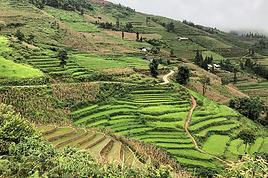
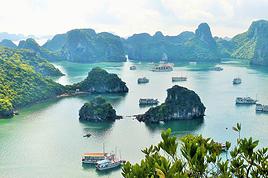
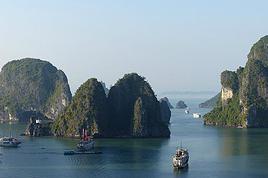
I want to travel in the north for 3 weeks in September-October 2026 to meet ethnic minorities, photograph mountain rice terraces and their harvest, and revisit Halong Bay—but maybe Lan Ha Bay instead. Can you recommend one or more local agencies?
Thanks, and happy holidays!
DANANG
A big city in the midst of an economic boom. The setting is stunning, with its large bay, the Son Tra Peninsula, and the Annamite Mountains on the horizon.
Where to stay and eat? Da Nang is a bustling business hub, so hotels are pricier and often fully booked. I was lucky to find a motorbike taxi driver who, after six full hotels, took me to Mai Son Hotel, 113 Nguyen Van Linh, a spotless 2-star place. Plus, right next door, there’s a great restaurant that seems popular with locals, and a good Chinese restaurant just a 5-minute walk away, Phi Lu (178 Nguyen Van Linh), recommended by the *Guide du Routard*. So, I’d definitely recommend this hotel. For a pricier option, the very Christian Dai A Hotel, near the tiny pink cathedral, is nice, but why pay more?
Actually, why stay in Da Nang when the gorgeous Hoi An is just 34 km to the south?
What to see? - The lovely Cham Museum (small, takes at most an hour) - The climb up Son Tra Peninsula (great views of the whole area) - The “tour” of the peninsula—quotation marks because the road stops two-thirds of the way. There’s an interesting little museum on the left before reaching the base of the huge statue, the Đong Đinh (large entrance on the left side of the hill), with traditional houses in the jungle holding artifacts over 2,000 years old (Sa Huynh culture; if you’re interested, check out the small Sa Huynh Museum in Hoi An, just before the Japanese Bridge). However, the big Linh Ung Pagoda is just colorful concrete! A beautiful resort, the Son Tra Beach Resort and Spa, sits on a pristine beach and isn’t too expensive: $120 for a garden room and $200–$270 for duplexes with a pool, where you can sleep six. Before reaching the resort, you’ll find two excellent seafood restaurants with large beachfront terraces on your right. - On the way to Hoi An, Marble Mountain, where I loved the village of marble sculpture workshops, the pretty pagodas and caves, and the stunning view from the top of the last promontory (the stairs are steep!). However, you can skip the famous China Beach and its resorts—all pretentious and expensive, not to mention the ones under construction on both sides of the road (they’re multiplying like crazy!). So, when traveling from Da Nang to Hoi An, I recommend two stops: the Cham Museum and Marble Mountain. - The beautiful drive to the Hai Van Pass (there weren’t any clouds!), offering spectacular views of the Da Nang region to the south and the coast to the north. The descent leads to the fishing village and beach of Lang Co, which is lovely but destined for rampant resort development, judging by the huge projects advertised on billboards along the road after the village. - Some affordable guesthouses ($15) and big resorts, including the lovely Lang Co Beach Resort, with a large pool and great value given the beautiful gardens and elegant bungalows. Recommended in Lang Co: lunch at one of the two stilt restaurants over the lagoon—great views and fresh seafood.
The public bus to Hoi An, 34 km south of Da Nang, takes 45 minutes for 50,000 dong. There’s one every half hour.
HOI AN This is a “must-see” for so many reasons: stunning old houses, temples, and pagodas; a colorful daily open-air and covered market near the bridge; charming little streets in the old quarter—especially at night, with all the multicolored lanterns and riverside restaurant terraces, it’s very romantic. The local food is delicious, the people are friendly and kind, there are two beautiful beaches, and attractions like the Cham ruins of My Son. Some say Hoi An is overrun with tourists and should be avoided. That’s true for the historic center and An Bang Beach, but not at all once you step outside.
WHERE TO STAY For a 2-star option, I recommend Ngo House Villa (99 Nguyen Phuc Tan St), very quiet on the island just across from the Old Quarter: 3-star rooms + suites, a large “Family” room, and a nice pool, all for $20 ($40 for the “Family” room). The same charming owner has a second hotel 20 meters away (No. 74), Phan Ngô, which is older but has a large terrace and a small pool—I prefer this one. For 3 stars, Thuy Duong 3 (92 Ba Trieu) is perfect, with a pool and garden ($40–$60). A bit pricier but great is A Han on Phan Bai Chau, with a large garden and terrace restaurant.
For those with a bigger budget, I recommend two riverside spots with rooms, suites, and pools, priced at $200–$350: the secluded Coco River Resort (formerly Ancient House River, with a large wooden terrace for romantic dinners by the river) and Anantara, (formerly Heritage), with bungalows close to the old town—but pricey.
Outside the city, my favorite hotel is Villa Loan, the new place from the famous Loan of Tam Coc, very quiet in the countryside, 15 minutes by bike from Old Hoi An and An Bang Beach. Beautiful rooms ($35), a Family room with two double beds ($55), two 65 m² twins that can sleep six (two large beds + two single beds—$80), a terrace restaurant, and a lovely pool. Prices include a buffet breakfast and a bike.
Also great is Daisy Anbang on An Bang Beach, elegant with a pool and beach just 50 meters away (skip the Aira next door—too expensive).
WHERE TO EAT Hoi An is Vietnam’s culinary capital. For Vietnamese food, I recommend Dao Tien, 21 Phan Bai Chau. No surprise—the chef is a former chef at the luxury 4-star Victoria Hoi An, a solid reference. The restaurant now has a beautiful terrace by the river (take the alley on the right side of the main street Dao Tien). Plus, you’re doing a good deed: a large part of the profits goes toward educating underprivileged children—one year of free hospitality, cooking, and English training, followed by job placement in local establishments. Madame Hien Hoi An (formerly Co Mai), 2 Nguyen Thai Hoc (left of the market), is another great spot—the chef is Didier Corlou, formerly of the famous *Porte d’Annam* and *Madame Hien* in Hanoi (closed in March 2022 due to COVID, so foreign tourists are still scarce). Also worth checking out is Secret Garden, in the Phuong Minh An alley (entrance at 60 Le Loi), set in a beautiful space. One of my favorites is Madam Kieu, 43 Nguyen Phuc Chu, right on the river across from the little bridge—very elegant with excellent Vietnamese cuisine. Unfortunately, all the restaurants on this esplanade blast “music” (boom boom boom yeah yeah yeah) in the evenings, so it’s impossible to talk—go for lunch instead.
For a break from Vietnamese food, try Good Morning Vietnam, a ridiculous name for an excellent Italian restaurant (11 Le Loi). The cheerful chef is from Bologna, the “Lyon of Italy”: lasagna like an Italian *mama*’s, delicious tagliatelle ai porcini (porcini mushrooms imported from Italy), and a divine homemade tiramisu (pro tip: order a grappa and drizzle a few drops on the tiramisu). It’s also one of the few places where you can get an excellent bottle of red wine for 350,000 dong instead of the usual 600,000–800,000 dong (South African Robertson Chapel). Another gem: the Japanese restaurant Samurai Kitchen (no sushi, but divine gyoza), 21 Phan Chau Trinh—the street on the right side of the market when you turn your back to the river. Finally, Ganesh, which I consider the best Indian restaurant in Vietnam (99 Tran Hung Dao St).
At An Bang, there are plenty of beachfront restaurants. The two best are the large one at the far right of the parking lot (huge seafood selection) and the fantastic La Luna d’Autumno, owned by the same person as the Italian restaurant of the same name, once considered the best in Vietnam but closed in 2020 due to COVID. Divine pizzas, including the vegetariana.
WHAT TO VISIT The Japanese Bridge and all the old Chinese houses, temples, and pagodas in the three historic streets. Don’t miss the extraordinary gallery-museum of the great French photographer Réhahn, the Precious Heritage Museum at 26 Phan Boi Chau. His remarkable photo collection—including the famous shot of the little Cham girl with clear blue eyes—has graced the covers of many magazines. His Montagnard Museum is a wonder, with a larger collection of tribal women’s costumes than the Museum of Ethnology in Hanoi. Free entry.
THE BEACHES Cua Dai Beach has mostly disappeared, a victim of the waves, except in a few spots. The beautiful An Bang Beach remains, with great beachfront restaurants, or you can head to Cham Island.
MY SON A beautiful complex of Cham ruins surrounded by mountains, 50 km southwest of Hoi An via a scenic road. You can rent a motorbike, take a motorbike taxi, or join a half-day organized tour. It’s best to go in the afternoon—less crowded than in the morning.
CHAM ISLANDS (Cu Lao Cham) Wow, I loved it! It reminded me of St. Barts 35 years ago. The archipelago, 19 km from Hoi An, consists of eight small islands within the Cu Lao Cham Marine Reserve, declared a “Biosphere Reserve” by UNESCO. The largest and only inhabited island, Hon Lao (Pearl Island), covers 1,317 hectares, and its highest peak reaches 517 meters. Hon Lao has two villages: Bai Lang, where the boats from Hoi An dock, and the charming little fishing port of Bai Huong. Part of the island is a military zone, so only the east coast is accessible to tourists.
To get there, you have three options: - The public boat (100,000 dong) that leaves from in front of Café des Amis at 7:30 AM. The catch is it returns to Hoi An at noon, so to enjoy the charm of the place, you’ll need to spend a night on the island (which I highly recommend). - Organized tours by Cham Diving Club, with two options: diving or snorkeling only. - A private speedboat, but it’s not cheap: $200 for the day!
Note: Even if the weather seems fine, the large public boat won’t leave if the sea is too rough. The only solution is to go to the port around 7:30 AM and check (easy, since it brings all the supplies for the island’s locals—if it’s leaving, it’ll be loading up). Avoid weekends—it gets swarmed with locals.
Small coves with dreamy beaches, as they say. Two are very close to Bai Lang: one to the left (facing the village), Bai Ong, lined with restaurants, and a tiny one to the right of the village. The other two beaches, including Bai Chong and the little fishing port of Bai Huong, are accessible by motorbike or boat. I recommend renting a motorbike (biking is tough due to steep hills) and taking the road that overlooks the coast—it’s stunning.
Great diving. The Cham Diving Club is superbly organized by a very friendly Italian, Lodovico, and two French guys (www.chamislanddiving.com).
When you arrive at Bai Lang’s pier, they’ll offer you TWO family-run guesthouses in the village. There are also homestays, but they’re really basic (usually bamboo mats on wooden planks as beds), no English or French is spoken, and locals speak a dialect that’s hard to understand even if you’re decent at Vietnamese. Anyway, I don’t recommend staying in Bai Lang because of the public loudspeakers. Two options if you want a quiet night: - A small guesthouse facing the tiny rice field on the way to Bai Ong Beach. Very clean rooms and a large terrace overlooking the “rice field.” 300,000 dong, with meals available on the terrace. Nha Nghi Vu Truong Tel: 235 386 4783 Mobile: 01 67 76 63 110. - Homestays in the little fishing port of Bai Huong.
Where to stay and eat? Da Nang is a bustling business hub, so hotels are pricier and often fully booked. I was lucky to find a motorbike taxi driver who, after six full hotels, took me to Mai Son Hotel, 113 Nguyen Van Linh, a spotless 2-star place. Plus, right next door, there’s a great restaurant that seems popular with locals, and a good Chinese restaurant just a 5-minute walk away, Phi Lu (178 Nguyen Van Linh), recommended by the *Guide du Routard*. So, I’d definitely recommend this hotel. For a pricier option, the very Christian Dai A Hotel, near the tiny pink cathedral, is nice, but why pay more?
Actually, why stay in Da Nang when the gorgeous Hoi An is just 34 km to the south?
What to see? - The lovely Cham Museum (small, takes at most an hour) - The climb up Son Tra Peninsula (great views of the whole area) - The “tour” of the peninsula—quotation marks because the road stops two-thirds of the way. There’s an interesting little museum on the left before reaching the base of the huge statue, the Đong Đinh (large entrance on the left side of the hill), with traditional houses in the jungle holding artifacts over 2,000 years old (Sa Huynh culture; if you’re interested, check out the small Sa Huynh Museum in Hoi An, just before the Japanese Bridge). However, the big Linh Ung Pagoda is just colorful concrete! A beautiful resort, the Son Tra Beach Resort and Spa, sits on a pristine beach and isn’t too expensive: $120 for a garden room and $200–$270 for duplexes with a pool, where you can sleep six. Before reaching the resort, you’ll find two excellent seafood restaurants with large beachfront terraces on your right. - On the way to Hoi An, Marble Mountain, where I loved the village of marble sculpture workshops, the pretty pagodas and caves, and the stunning view from the top of the last promontory (the stairs are steep!). However, you can skip the famous China Beach and its resorts—all pretentious and expensive, not to mention the ones under construction on both sides of the road (they’re multiplying like crazy!). So, when traveling from Da Nang to Hoi An, I recommend two stops: the Cham Museum and Marble Mountain. - The beautiful drive to the Hai Van Pass (there weren’t any clouds!), offering spectacular views of the Da Nang region to the south and the coast to the north. The descent leads to the fishing village and beach of Lang Co, which is lovely but destined for rampant resort development, judging by the huge projects advertised on billboards along the road after the village. - Some affordable guesthouses ($15) and big resorts, including the lovely Lang Co Beach Resort, with a large pool and great value given the beautiful gardens and elegant bungalows. Recommended in Lang Co: lunch at one of the two stilt restaurants over the lagoon—great views and fresh seafood.
The public bus to Hoi An, 34 km south of Da Nang, takes 45 minutes for 50,000 dong. There’s one every half hour.
HOI AN This is a “must-see” for so many reasons: stunning old houses, temples, and pagodas; a colorful daily open-air and covered market near the bridge; charming little streets in the old quarter—especially at night, with all the multicolored lanterns and riverside restaurant terraces, it’s very romantic. The local food is delicious, the people are friendly and kind, there are two beautiful beaches, and attractions like the Cham ruins of My Son. Some say Hoi An is overrun with tourists and should be avoided. That’s true for the historic center and An Bang Beach, but not at all once you step outside.
WHERE TO STAY For a 2-star option, I recommend Ngo House Villa (99 Nguyen Phuc Tan St), very quiet on the island just across from the Old Quarter: 3-star rooms + suites, a large “Family” room, and a nice pool, all for $20 ($40 for the “Family” room). The same charming owner has a second hotel 20 meters away (No. 74), Phan Ngô, which is older but has a large terrace and a small pool—I prefer this one. For 3 stars, Thuy Duong 3 (92 Ba Trieu) is perfect, with a pool and garden ($40–$60). A bit pricier but great is A Han on Phan Bai Chau, with a large garden and terrace restaurant.
For those with a bigger budget, I recommend two riverside spots with rooms, suites, and pools, priced at $200–$350: the secluded Coco River Resort (formerly Ancient House River, with a large wooden terrace for romantic dinners by the river) and Anantara, (formerly Heritage), with bungalows close to the old town—but pricey.
Outside the city, my favorite hotel is Villa Loan, the new place from the famous Loan of Tam Coc, very quiet in the countryside, 15 minutes by bike from Old Hoi An and An Bang Beach. Beautiful rooms ($35), a Family room with two double beds ($55), two 65 m² twins that can sleep six (two large beds + two single beds—$80), a terrace restaurant, and a lovely pool. Prices include a buffet breakfast and a bike.
Also great is Daisy Anbang on An Bang Beach, elegant with a pool and beach just 50 meters away (skip the Aira next door—too expensive).
WHERE TO EAT Hoi An is Vietnam’s culinary capital. For Vietnamese food, I recommend Dao Tien, 21 Phan Bai Chau. No surprise—the chef is a former chef at the luxury 4-star Victoria Hoi An, a solid reference. The restaurant now has a beautiful terrace by the river (take the alley on the right side of the main street Dao Tien). Plus, you’re doing a good deed: a large part of the profits goes toward educating underprivileged children—one year of free hospitality, cooking, and English training, followed by job placement in local establishments. Madame Hien Hoi An (formerly Co Mai), 2 Nguyen Thai Hoc (left of the market), is another great spot—the chef is Didier Corlou, formerly of the famous *Porte d’Annam* and *Madame Hien* in Hanoi (closed in March 2022 due to COVID, so foreign tourists are still scarce). Also worth checking out is Secret Garden, in the Phuong Minh An alley (entrance at 60 Le Loi), set in a beautiful space. One of my favorites is Madam Kieu, 43 Nguyen Phuc Chu, right on the river across from the little bridge—very elegant with excellent Vietnamese cuisine. Unfortunately, all the restaurants on this esplanade blast “music” (boom boom boom yeah yeah yeah) in the evenings, so it’s impossible to talk—go for lunch instead.
For a break from Vietnamese food, try Good Morning Vietnam, a ridiculous name for an excellent Italian restaurant (11 Le Loi). The cheerful chef is from Bologna, the “Lyon of Italy”: lasagna like an Italian *mama*’s, delicious tagliatelle ai porcini (porcini mushrooms imported from Italy), and a divine homemade tiramisu (pro tip: order a grappa and drizzle a few drops on the tiramisu). It’s also one of the few places where you can get an excellent bottle of red wine for 350,000 dong instead of the usual 600,000–800,000 dong (South African Robertson Chapel). Another gem: the Japanese restaurant Samurai Kitchen (no sushi, but divine gyoza), 21 Phan Chau Trinh—the street on the right side of the market when you turn your back to the river. Finally, Ganesh, which I consider the best Indian restaurant in Vietnam (99 Tran Hung Dao St).
At An Bang, there are plenty of beachfront restaurants. The two best are the large one at the far right of the parking lot (huge seafood selection) and the fantastic La Luna d’Autumno, owned by the same person as the Italian restaurant of the same name, once considered the best in Vietnam but closed in 2020 due to COVID. Divine pizzas, including the vegetariana.
WHAT TO VISIT The Japanese Bridge and all the old Chinese houses, temples, and pagodas in the three historic streets. Don’t miss the extraordinary gallery-museum of the great French photographer Réhahn, the Precious Heritage Museum at 26 Phan Boi Chau. His remarkable photo collection—including the famous shot of the little Cham girl with clear blue eyes—has graced the covers of many magazines. His Montagnard Museum is a wonder, with a larger collection of tribal women’s costumes than the Museum of Ethnology in Hanoi. Free entry.
THE BEACHES Cua Dai Beach has mostly disappeared, a victim of the waves, except in a few spots. The beautiful An Bang Beach remains, with great beachfront restaurants, or you can head to Cham Island.
MY SON A beautiful complex of Cham ruins surrounded by mountains, 50 km southwest of Hoi An via a scenic road. You can rent a motorbike, take a motorbike taxi, or join a half-day organized tour. It’s best to go in the afternoon—less crowded than in the morning.
CHAM ISLANDS (Cu Lao Cham) Wow, I loved it! It reminded me of St. Barts 35 years ago. The archipelago, 19 km from Hoi An, consists of eight small islands within the Cu Lao Cham Marine Reserve, declared a “Biosphere Reserve” by UNESCO. The largest and only inhabited island, Hon Lao (Pearl Island), covers 1,317 hectares, and its highest peak reaches 517 meters. Hon Lao has two villages: Bai Lang, where the boats from Hoi An dock, and the charming little fishing port of Bai Huong. Part of the island is a military zone, so only the east coast is accessible to tourists.
To get there, you have three options: - The public boat (100,000 dong) that leaves from in front of Café des Amis at 7:30 AM. The catch is it returns to Hoi An at noon, so to enjoy the charm of the place, you’ll need to spend a night on the island (which I highly recommend). - Organized tours by Cham Diving Club, with two options: diving or snorkeling only. - A private speedboat, but it’s not cheap: $200 for the day!
Note: Even if the weather seems fine, the large public boat won’t leave if the sea is too rough. The only solution is to go to the port around 7:30 AM and check (easy, since it brings all the supplies for the island’s locals—if it’s leaving, it’ll be loading up). Avoid weekends—it gets swarmed with locals.
Small coves with dreamy beaches, as they say. Two are very close to Bai Lang: one to the left (facing the village), Bai Ong, lined with restaurants, and a tiny one to the right of the village. The other two beaches, including Bai Chong and the little fishing port of Bai Huong, are accessible by motorbike or boat. I recommend renting a motorbike (biking is tough due to steep hills) and taking the road that overlooks the coast—it’s stunning.
Great diving. The Cham Diving Club is superbly organized by a very friendly Italian, Lodovico, and two French guys (www.chamislanddiving.com).
When you arrive at Bai Lang’s pier, they’ll offer you TWO family-run guesthouses in the village. There are also homestays, but they’re really basic (usually bamboo mats on wooden planks as beds), no English or French is spoken, and locals speak a dialect that’s hard to understand even if you’re decent at Vietnamese. Anyway, I don’t recommend staying in Bai Lang because of the public loudspeakers. Two options if you want a quiet night: - A small guesthouse facing the tiny rice field on the way to Bai Ong Beach. Very clean rooms and a large terrace overlooking the “rice field.” 300,000 dong, with meals available on the terrace. Nha Nghi Vu Truong Tel: 235 386 4783 Mobile: 01 67 76 63 110. - Homestays in the little fishing port of Bai Huong.
Bonjour
Je cherche des informations pour voyager sur mesure (auto, taxi ou moto) du nord au sud.
On est deux en sac à dos mais avec un budget confortable.
J’hésite entre à faire appel à un taxi une voiture avec chauffeur ou louer moi même....?
Avez vous des infos svp ?
Bonjour à tous.
Voila on part à 2 amies 3 mois en Asie du sud est dès le 6 février
Tout d abord Thaïlande, Cambodge assez rapidement et ensuite on arrive au Vietnam par le delta du Mékong vers le 6 Mars. J avais pensé faire ( vous pouvez me corriger si les étapes sont trop courtes ou trop longues)😂😘 :
-5 ou 6 jours dans ce delta ainsi que le sud
-Puis environ 10 jours dans le centre
-Et remonter environ 13 jours pour le nord
On y sera aux alentours du 20 Mars
On souhaite bien sûr faire l excursion 1 nuit/2 jours dans la baie de Lan HA mais mon dilemme est pour le Nord..
Nous souhaiterions voir des ethnies mais aussi si Possible des rizieres vertes.. Il y en a t il quelque part vers la fin Mars?
Si la réponse est négative vers quel coin se diriger pour les plus magnifiques vues à cette période de l année ?
Est il préférable d aller vers Sapa ou vers la province de Ha Giang
Merci infiniment de m avoir lu
Voila on part à 2 amies 3 mois en Asie du sud est dès le 6 février
Tout d abord Thaïlande, Cambodge assez rapidement et ensuite on arrive au Vietnam par le delta du Mékong vers le 6 Mars. J avais pensé faire ( vous pouvez me corriger si les étapes sont trop courtes ou trop longues)😂😘 :
-5 ou 6 jours dans ce delta ainsi que le sud
-Puis environ 10 jours dans le centre
-Et remonter environ 13 jours pour le nord
On y sera aux alentours du 20 Mars
On souhaite bien sûr faire l excursion 1 nuit/2 jours dans la baie de Lan HA mais mon dilemme est pour le Nord..
Nous souhaiterions voir des ethnies mais aussi si Possible des rizieres vertes.. Il y en a t il quelque part vers la fin Mars?
Si la réponse est négative vers quel coin se diriger pour les plus magnifiques vues à cette période de l année ?
Est il préférable d aller vers Sapa ou vers la province de Ha Giang
Merci infiniment de m avoir lu
Bonjour
J'habite depuis peu à HCM et je voudrais rejoindre, pendant mes vacances, Phnom Penh via le Mékong. Combien de jours faut-il prévoir ? Le prix ? La traversée est-elle belle ?
Merci par avance de vos réponses.
Bien cordialement
Myriam
Hi there,
It’s been a while since I last logged in. Living in Vietnam, my parents just returned from a trip organized by an agency. I rarely praise agencies, but this one deserves a shout-out. They put together a tailor-made trip off the beaten path at a very reasonable price. My parents discovered a place I didn’t even know about—it’s stunning in Bai Tu Long Bay.
If you have any questions about their trip or Vietnam in general, don’t hesitate to ask. I’ve been living here for several years.
Have a great evening!
Bonjour,
Je souhaitais passer une seule nuit à Can Tho pour visiter les marchés le lendemain matin et tout de suite après vers 13h partir pour Ben Tre, mais il y aurait un bus seulement à 8h le lendemain matin pour Ben Tre donc je suis obligée de passer deux nuits à Can Tho ce qui décale toutes mes réservation de mon voyage.
Pouvez-vous me dire comment me rendre à Ben Tre de Can Tho avec un moyen de transport qui partirait après 12h30 de Can Tho ? y a t'il des shuttles ? Merci pour vos réponses c'est urgent car les hôtels que j'ai choisi (pas chers et biens) commencent à être complets.
Carole
Bonjour,
Je prévois le Vietnam fin mars, début avril 2020. Normalement, nous voyageons en solo (duo, en fait). Location de voiture et de logement, itinéraire et etc. Là j’hésite. À tort ou à raison ? Le Vietnam fait partie de mes rêves, Marguerite oblige. Mais, sans prévoir tout par une agence, quelqu’un a des conseils pour moi ?
Je prévois le Vietnam fin mars, début avril 2020. Normalement, nous voyageons en solo (duo, en fait). Location de voiture et de logement, itinéraire et etc. Là j’hésite. À tort ou à raison ? Le Vietnam fait partie de mes rêves, Marguerite oblige. Mais, sans prévoir tout par une agence, quelqu’un a des conseils pour moi ?
Bonjour,
Je souhaite partir du 12 au 24 avril 2020 pour un premier voyage solo.
J'hésite entre 2 destinations qui sont la Thaïlande ou le Vietnam. J'aimerai savoir lequel des 2 me conseillez-vous svp. Merci beaucoup pour vos réponses.
Bonjour,
Nous allons effectuer un voyage au Vietnam fin octobre à mi novembre.
Nous arrivons au Nord et descendons vers le sud.
Nous souhaitons pour finir le voyage ce poser sur une île 4 à 5 jour. Nous hésitons entre koh rong et phu quoc.
Phu quoc semble plus accessible étant déjà dans le sud du Vietnam mais selon mes commentaires lu cette ile s'est très devellope et donc a perdu du charme, beaucoup de saletés... contrairement à l'île de koh rong qui semble plus paisible et avec de très belle plage.
Si des personnes sont aller à l'un ou les deux, je suis preneuse d'avis...
Merci
Nous allons effectuer un voyage au Vietnam fin octobre à mi novembre.
Nous arrivons au Nord et descendons vers le sud.
Nous souhaitons pour finir le voyage ce poser sur une île 4 à 5 jour. Nous hésitons entre koh rong et phu quoc.
Phu quoc semble plus accessible étant déjà dans le sud du Vietnam mais selon mes commentaires lu cette ile s'est très devellope et donc a perdu du charme, beaucoup de saletés... contrairement à l'île de koh rong qui semble plus paisible et avec de très belle plage.
Si des personnes sont aller à l'un ou les deux, je suis preneuse d'avis...
Merci
Bonjour a tous,
Nous partons au Vietnam en Janvier (du 2 au 24) et je sais qu'il y a une culture de l'indigo la bas. Comme je pratique la teinture naturelle je suis très intéressée a faire un atelier teinture naturelle ou indigo mais pour le moment mes recherches font chou blanc. Auriez vous des pistes a me fournir?
Merci et belle journée (j’espère pour vous moins pluvieuse qu'ici en Irlande!)
Nous partons au Vietnam en Janvier (du 2 au 24) et je sais qu'il y a une culture de l'indigo la bas. Comme je pratique la teinture naturelle je suis très intéressée a faire un atelier teinture naturelle ou indigo mais pour le moment mes recherches font chou blanc. Auriez vous des pistes a me fournir?
Merci et belle journée (j’espère pour vous moins pluvieuse qu'ici en Irlande!)
Bonjour!
Bon, commençons par un mea culpa... J'ai voulu faire sourire 😉, et qui sais même: faire rire😊, mais sans doute que certains lecteurs de ce forum riront... jaune😠 en lisant le titre.
Faudrait me brider les yeux, les jambes, et sans doute aussi ma vilaine langue fourchue... Je présente mes excuses à tous ceux et celles qui sont bouche bée😮 devant de tels propos. Je ne recommencerai plus, juré.
En prévision d'un séjour touristique de 3 mois au Vietnam, j'essaie non sans difficultés, de me faire une idée de ce qui m'attend en terme d'argent tout chaud sorti d'un DAB vietnamien.
J'apporterai quelques billets u.s neufs, mais sans plus car je déteste transporter trop d'argent liquide sur ma personne. Je devrais donc m'approvisionner souvent en liquide dans un DAB.
Je n'arrive pas à trouver des infos me disant si oui ou non on peut trouver des DAB directement exploités par des banques étrangères faisant affaire au Vietnam genre: BNP Paribas, Deutsche Bank, HSBC ou autres. Je veux précisément dire: des DAB physiquement à l'intérieur d'une telle succursale ou alors situés à proximité de celles-ci.
Si des banques étrangères établies au Vietnam exploitent des DAB, tant mieux pour moi. Dans la même veine: certains banques étrangères ayant pignon sur rue au Vietnam possèdent-elles un réseau de DAB plus étendu que d'autres?
Si oui, alors tant mieux. Si non, devrais-je me rabattre sur des DAB appartenant à des banques vietnamiennes?
Ma banque canadienne fait partie des réseaux Cirrus et Alliance GAB mondiale.
M'ayant un jour fait gobé ma carte-client bancaire par un DAB n'appartenant pas à une banque établie mais à un particulier? une entreprise? j'ai eu toutes les misères du monde à me la faire remettre, et je veux donc que retirer de l'argent dans des DAB physiquement près ou encore mieux, intégrés à un établissement bancaire reconnu.
J'ai lu dans un message plus ancien que les bijouteries peuvent échanger des devises étrangères contre la monnaie locale. Est-ce toujours le cas? Ça serait comme je l'ai vécu au Myanmar en 2008, non?
Mon conjoint est beaucoup moins réticent que moi à transporter une bonne somme d'argent liquide sur lui, et cette info lui sera précieuse.
Bon, si je m'en fait trop avec les DAB au Vietnam, faut me le dire... Mais encore une fois: je veux que des DAB physiquement intégré ou près d'une succursale bancaire étrangère ou vietnamienne.
Merci bien!
Marc Lamarre Stukely-sud Québec, CANADA
Bon, commençons par un mea culpa... J'ai voulu faire sourire 😉, et qui sais même: faire rire😊, mais sans doute que certains lecteurs de ce forum riront... jaune😠 en lisant le titre.
Faudrait me brider les yeux, les jambes, et sans doute aussi ma vilaine langue fourchue... Je présente mes excuses à tous ceux et celles qui sont bouche bée😮 devant de tels propos. Je ne recommencerai plus, juré.
En prévision d'un séjour touristique de 3 mois au Vietnam, j'essaie non sans difficultés, de me faire une idée de ce qui m'attend en terme d'argent tout chaud sorti d'un DAB vietnamien.
J'apporterai quelques billets u.s neufs, mais sans plus car je déteste transporter trop d'argent liquide sur ma personne. Je devrais donc m'approvisionner souvent en liquide dans un DAB.
Je n'arrive pas à trouver des infos me disant si oui ou non on peut trouver des DAB directement exploités par des banques étrangères faisant affaire au Vietnam genre: BNP Paribas, Deutsche Bank, HSBC ou autres. Je veux précisément dire: des DAB physiquement à l'intérieur d'une telle succursale ou alors situés à proximité de celles-ci.
Si des banques étrangères établies au Vietnam exploitent des DAB, tant mieux pour moi. Dans la même veine: certains banques étrangères ayant pignon sur rue au Vietnam possèdent-elles un réseau de DAB plus étendu que d'autres?
Si oui, alors tant mieux. Si non, devrais-je me rabattre sur des DAB appartenant à des banques vietnamiennes?
Ma banque canadienne fait partie des réseaux Cirrus et Alliance GAB mondiale.
M'ayant un jour fait gobé ma carte-client bancaire par un DAB n'appartenant pas à une banque établie mais à un particulier? une entreprise? j'ai eu toutes les misères du monde à me la faire remettre, et je veux donc que retirer de l'argent dans des DAB physiquement près ou encore mieux, intégrés à un établissement bancaire reconnu.
J'ai lu dans un message plus ancien que les bijouteries peuvent échanger des devises étrangères contre la monnaie locale. Est-ce toujours le cas? Ça serait comme je l'ai vécu au Myanmar en 2008, non?
Mon conjoint est beaucoup moins réticent que moi à transporter une bonne somme d'argent liquide sur lui, et cette info lui sera précieuse.
Bon, si je m'en fait trop avec les DAB au Vietnam, faut me le dire... Mais encore une fois: je veux que des DAB physiquement intégré ou près d'une succursale bancaire étrangère ou vietnamienne.
Merci bien!
Marc Lamarre Stukely-sud Québec, CANADA
Hi everyone! ☺️
In early February, we’ll be in Phu Quoc. We’re looking to stay in a hotel or resort near the beach—ideally beachfront—but most importantly, close to shops, little restaurants, and bars. Which area should we pick? The island seems so different from one spot to another... Thanks so much!
I'm looking to rent a scooter in Saigon and be able to return it in Hoi An. If anyone knows an agency that does this
Hi there,
I’m currently in Hoi An—I hadn’t set foot here for 8 years. The city has already changed a lot, with lots of construction, and even in the old town, along one side of the riverbank, there are huge residential buildings going up that take away some of the charm of this place. But the worst part is the overtourism—it’s impossible to walk across the famous bridge in the middle of the canal in the evening because it’s so packed with people. There’s also a new trend: massage parlors have opened in the old town and around the city. I was shocked—people call out to you or even grab your arm on the sidewalk, and it’s everywhere. Bangkok and Phuket might start shaking—Hanoi’s the same way.
Anyway, let’s talk about the dual pricing specifically for non-Vietnamese tourists. We went to a restaurant near our hotel last night, and they gave us an English menu—okay, fine! But I noticed the table next to us, where Vietnamese tourists had a different menu. Weird! I asked to see the same menu as my neighbors, but the waitress refused, saying it was in Vietnamese and we wouldn’t understand. I insisted, and she finally agreed. Surprise!!! The prices on the two menus were different, with the English one up to 50% more expensive. I asked why, and she got flustered, telling me to just order from the Vietnamese menu, which I translated with my phone to see the local prices. I mentioned this to the hotel this morning, and the receptionist told me to go to restaurants where prices are displayed at the entrance to avoid getting ripped off. I just bought fresh bread this morning, and it was the same thing—the little loaf costs 4000 dong for Vietnamese people and 5000 dong for non-Vietnamese. It’s not a huge difference, but this way of doing things isn’t right. At supermarkets like VinMart+, prices are displayed, so there’s no surprise or dual pricing there.
I’m currently in Hoi An—I hadn’t set foot here for 8 years. The city has already changed a lot, with lots of construction, and even in the old town, along one side of the riverbank, there are huge residential buildings going up that take away some of the charm of this place. But the worst part is the overtourism—it’s impossible to walk across the famous bridge in the middle of the canal in the evening because it’s so packed with people. There’s also a new trend: massage parlors have opened in the old town and around the city. I was shocked—people call out to you or even grab your arm on the sidewalk, and it’s everywhere. Bangkok and Phuket might start shaking—Hanoi’s the same way.
Anyway, let’s talk about the dual pricing specifically for non-Vietnamese tourists. We went to a restaurant near our hotel last night, and they gave us an English menu—okay, fine! But I noticed the table next to us, where Vietnamese tourists had a different menu. Weird! I asked to see the same menu as my neighbors, but the waitress refused, saying it was in Vietnamese and we wouldn’t understand. I insisted, and she finally agreed. Surprise!!! The prices on the two menus were different, with the English one up to 50% more expensive. I asked why, and she got flustered, telling me to just order from the Vietnamese menu, which I translated with my phone to see the local prices. I mentioned this to the hotel this morning, and the receptionist told me to go to restaurants where prices are displayed at the entrance to avoid getting ripped off. I just bought fresh bread this morning, and it was the same thing—the little loaf costs 4000 dong for Vietnamese people and 5000 dong for non-Vietnamese. It’s not a huge difference, but this way of doing things isn’t right. At supermarkets like VinMart+, prices are displayed, so there’s no surprise or dual pricing there.
Hi everyone,
I’ve got a big project in northern Vietnam—discovering the most beautiful rice terraces before the harvest...
I’m planning to leave around September 15th until October 15th, then spend 15 days exploring the two bays, Lan Ha and Ha Long. In total, 45 days without a visa...
I’m traveling solo and very independent.
But is it possible to do this kind of trip using local trains and buses?
My plan is to leave Hanoi for Nghia Lo (2 days), then Mu Cang Chai (4 days), Sapa (4 days), Bac Ha (2 days), Ha Giang... Hoang Su Phi, then do the Meo Vac loop, Dong Van, etc., to see those stunning karst peaks before heading back to Hanoi.
In my research, I haven’t found any buses or vans going from Hanoi to Nghia Lo, even though it’s super popular for its rice terrace landscapes....
I don’t want a daily driver, but I’m thinking I could use moto-taxis to get around locally once I’m there....
What do you think?
These rice terraces are a dream for me, along with the markets and all the different ethnic groups, not to mention those spectacular rocky peaks...
Is the itinerary too ambitious? I’ve got time on my side.
Do you have any solutions? I’ve browsed the forum a lot, but the discussions are 5 or 6 years old, and I think things have changed since then.
Thanks for your help planning this adventure!
Hi there,
We’re traveling as a family of three adults for the holidays. After several iterations, here’s the itinerary we’re considering. We’d thought about including Bac Ha or Mai Chau, but in the end, we wanted to avoid excessive travel and rushing around. That’s not our style—we’d rather see less but have time to enjoy what we visit at a relaxed pace. We’ll definitely be back (in a better season) to see some of what we’ll miss this time. Just to note: we’re not motorbike riders, and we’re not the type to start our days at dawn and keep going until nightfall. We go at the pace of the day’s mood and energy. My questions: - Thoughts on the itinerary? - Ninh Binh: where’s the best place to stay to explore mostly on foot, by bike, or by taxi? - Cat Ba to Ninh Binh route: is it better to arrange it through one of our accommodations (departure or arrival) or handle it ourselves? - For the return day between Ninh Binh and Hanoi, I’d like to visit some sights rather than make a direct trip, since we’ll already spend enough time in Ninh Binh and Hanoi. I was thinking of the Perfume Pagoda and possibly Quang Phu Cau. But we’d need a car for the day. Is it better to organize in advance or on the spot? In Hanoi or Ninh Binh? Any driver recommendations? Price ideas? Other suggestions for things to see along the way?
Proposed itinerary:
### Day 1: **Monday, December 23, 2024** - Arrival in Hanoi in the late afternoon. ### Day 2: **Tuesday, December 24 – Hanoi** ### Day 3: **Wednesday, December 25 – Hanoi – Lan Ha Bay** 2-day, 1-night cruise ### Day 4: **Thursday, December 26 – Lan Ha Bay – Cat Ba** - Overnight on Cat Ba Island. ### Day 5: **Friday, December 27 – Cat Ba – Ninh Binh** ### Day 6: **Saturday, December 28 – Ninh Binh** ### Day 7: **Sunday, December 29 – Ninh Binh** ### Day 8: **Monday, December 30 – Ninh Binh – Return to Hanoi** - Stop by the Perfume Pagoda? Possibly add Quang Phu Cau? ### Day 9-10-11: **Tuesday, December 31 – Thursday, January 2** Hanoi – New Year’s Eve ### Day 12: **Friday, January 3 – Departure**
That’s a lot of text and questions... Thanks in advance if anyone has answers or ideas. Happy travels to everyone!
Yuri
We’re traveling as a family of three adults for the holidays. After several iterations, here’s the itinerary we’re considering. We’d thought about including Bac Ha or Mai Chau, but in the end, we wanted to avoid excessive travel and rushing around. That’s not our style—we’d rather see less but have time to enjoy what we visit at a relaxed pace. We’ll definitely be back (in a better season) to see some of what we’ll miss this time. Just to note: we’re not motorbike riders, and we’re not the type to start our days at dawn and keep going until nightfall. We go at the pace of the day’s mood and energy. My questions: - Thoughts on the itinerary? - Ninh Binh: where’s the best place to stay to explore mostly on foot, by bike, or by taxi? - Cat Ba to Ninh Binh route: is it better to arrange it through one of our accommodations (departure or arrival) or handle it ourselves? - For the return day between Ninh Binh and Hanoi, I’d like to visit some sights rather than make a direct trip, since we’ll already spend enough time in Ninh Binh and Hanoi. I was thinking of the Perfume Pagoda and possibly Quang Phu Cau. But we’d need a car for the day. Is it better to organize in advance or on the spot? In Hanoi or Ninh Binh? Any driver recommendations? Price ideas? Other suggestions for things to see along the way?
Proposed itinerary:
### Day 1: **Monday, December 23, 2024** - Arrival in Hanoi in the late afternoon. ### Day 2: **Tuesday, December 24 – Hanoi** ### Day 3: **Wednesday, December 25 – Hanoi – Lan Ha Bay** 2-day, 1-night cruise ### Day 4: **Thursday, December 26 – Lan Ha Bay – Cat Ba** - Overnight on Cat Ba Island. ### Day 5: **Friday, December 27 – Cat Ba – Ninh Binh** ### Day 6: **Saturday, December 28 – Ninh Binh** ### Day 7: **Sunday, December 29 – Ninh Binh** ### Day 8: **Monday, December 30 – Ninh Binh – Return to Hanoi** - Stop by the Perfume Pagoda? Possibly add Quang Phu Cau? ### Day 9-10-11: **Tuesday, December 31 – Thursday, January 2** Hanoi – New Year’s Eve ### Day 12: **Friday, January 3 – Departure**
That’s a lot of text and questions... Thanks in advance if anyone has answers or ideas. Happy travels to everyone!
Yuri