My Cuba trip experience

Translated into English.

Original post
MO
Hi everyone.

Here’s my personal account (just my own opinion, of course):

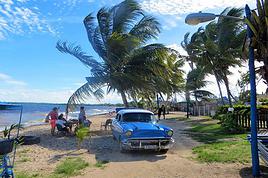
My trip lasted 2 months (January to March 2025). Backpacking, solo, and on a very tight budget (15 € per day on average). I traveled from Havana to: Viñales, Santa Marta/Varadero, Cienfuegos, Trinidad, Sancti Spíritus, Camagüey, Bayamo, Santiago de Cuba, Guantánamo, Baracoa, Moa, Holguín, Santa Clara, Cienfuegos, and back to Havana.

In Cuba, if you stay in *casas particulares*, you’ll have plenty of options. They’re everywhere. When I did door-to-door, I negotiated prices based on my small budget. Not always accepted, but I still managed to find families willing to host me. The island has fewer and fewer tourists each year, so many now prefer to rent a room at a low price rather than leave it empty. Inflation is insane, and Cubans struggle to get by day to day.

Door-to-door works really well (look for the blue logo of a roof on the house, which means it’s licensed to rent to foreigners)—you’ll see them everywhere. If it makes you feel more secure, you can also book through Airb’n’b, but you won’t be able to negotiate there. Important: make sure to get a VPN subscription on your phone, otherwise you won’t be able to book anything (since Airbnb is a U.S. site).

Now, for the West:

- Viñales: very pretty but *super* touristy! So, food prices are a bit high… but it’s the cheapest place to stay I found in the whole country (3 €-4 per night!!!), because there’s so much competition with *casas* (you’ll find them on every street!).

- Cienfuegos: a human-scale city, I really liked it because it’s so peaceful. Waterfront, pretty square, good prices, wide and well-lit streets—very pleasant…

- Trinidad: very expensive and very touristy. Pretty (cobblestone streets, historic center, natural surroundings), but packed with people…

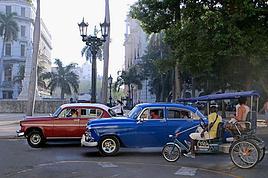
- Havana: easy to find cheap accommodation if you look in Chinatown. However, you shouldn’t mind the noise and street prostitution (getting approached every 10 meters)… Central Havana is the only well-maintained and upscale part of the city (so very expensive, for tourists with money). Outside of that, everything is run-down, in ruins, or very poor (and cheap as a result).

- Varadero: no interest at all. Very expensive, superficial, and ultra-touristy. Absolutely nothing Cuban about the place. If you still want to go, stay 3 km before in Santa Marta—it’s cheaper, and you can easily walk there.

- Santa Clara: a very pretty small city with its central square. Hard to find a good place to eat with electricity—if you can afford it, go to *El Sol* restaurant, no hesitation! Great welcome and a charming spot to enjoy a meal. For accommodation, I recommend a wonderful person, Juan Carlos. *Casa San Lorenzo* on Calle Martí! Always attentive, a great spirit, and good advice…

For the Center:

- Sancti Spíritus: nothing special… just a stopover city.

- Camagüey: a nice city with welcoming people (like everywhere else), but nothing particularly noteworthy.

For the Southeast:

- Bayamo: very small, nothing special.

- Santiago de Cuba: I loved it! It felt like San Francisco with its hilly layout! Lots of street life, musicians, affordable *casas*, easy to make friendly connections, quiet spots by the water, and lively areas downtown (despite the downside of being approached every 2 minutes). And always, a warm welcome from locals (shoutout to the adorable Erika, Souleydis, and her partner—I’m giving a shoutout to *Casa San Pedro* on Calle Princesa!).

- Guantánamo: no interest. Hard to find accommodation or even food. Nothing special and not very pretty either…

- Baracoa: very pretty, though! Kept in its own juice, very typical, authentic, a peaceful waterfront, and stunning natural surroundings… Easy to find cheap accommodation.

- Moa: the only small town where I stayed 3 days and couldn’t find bottled water… Not much interest, except to rest before hitting the road again.

- Holguín: one of the cities I loved! I stayed over 10 days. Human-scale, lots of places to stay and sleep. No one bothers you in the street (except money changers). It’s a great place to live, and the people are very friendly.

Overall positives: no need to worry—Cuba is ultra-safe, no aggression, no risks. Cubans are very welcoming, smiling, and always ready to help. Public transport everywhere—buses, trucks, *collectivos*, *taxi wha-wha*… The ice cream is to die for (just watch out for power outages and freezers). Great breakfasts in *casas*—hearty and delicious… Movie theaters are practically free (in Cuban pesos), so cheap it’d be a shame to skip them (they’re often empty, by the way). Chess clubs in every city, open to everyone and free (they’re really good!). The general vibe is warm and joyful despite the hardships…

Overall negatives: lots of scams, theft, and prostitution. Except in Havana, the rest of the island has no electricity for most of the day. Hard to find good cheap food (without going to big restaurants or hotels). Often mediocre: pasta or pizza usually have no taste. Paranoia among many people who fear crime, even though the country is very safe… Inflation is so bad that many Cubans struggle to eat or get healthcare (medicine is rare and expensive).

That’s a lot to say, but that’s the gist of it… 😊
MO Montagnard74 Globetrotter ·
Hi there, Thanks for this update and the recent news about this country I loved during my all-too-short stay. I absolutely loved the Cubans! 😊
"Le véritable voyage de découverte ne consiste pas à chercher de nouveaux paysages, mais à avoir de nouveaux yeux." Marcel Proust
BA Babouandco ·
Hello,

Thanks for this feedback! Cuba was one of our favorite countries—full of music and dance, everything we love! And how lucky to have been able to travel there for two months! We’d love to go back, but this time exploring the Oriente (from Salvador to Baracoa). Unfortunately, it won’t be happening anytime soon since we’re limited to two weeks in February for now. There are no longer any flights from France to Salvador, and landing in Havana and traveling to Baracoa in a 15-day round trip just isn’t feasible. So, this trip will have to wait until retirement...

Anyway, your account has reignited our wanderlust—thanks! !
Babou
GE Georgie1 Veteran ·
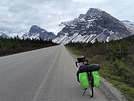
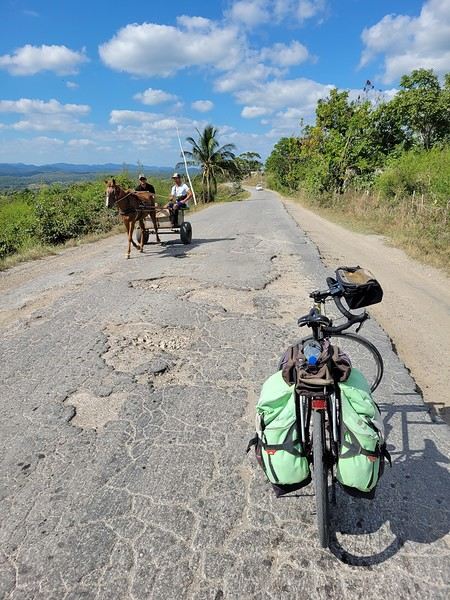
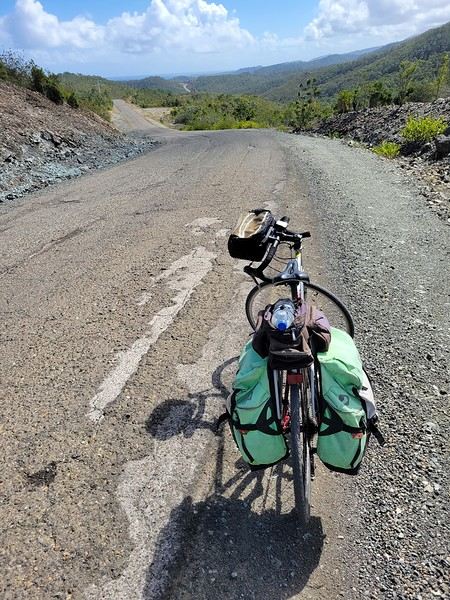
Thanks for this up-to-date info. I’ve biked around Cuba four times. The last trip was in 2023. Apart from the highways and main roads near tourist spots, road conditions had become terrible—especially between Moa and Baracoa, along the coast between Santiago and Pilón, and along the coast between Havana and Viñales, heading toward Cayo Jutías (Santa Lucía).

My partner and I are thinking of spending two weeks in Cuba this winter, traveling by various modes of transport. We’re a bit hesitant, mainly because of how to get from one city to another. I know Viazul has irregular schedules and has cut some routes due to the fuel shortage.

Could you tell me how easy it is to find transport in *collectivos*, *guaguas* (wawas), or trucks? That’s what’s making us hesitate. Your answer could help us decide.

A general idea of *collectivo* prices, for example between Havana and Viñales, Cienfuegos and Trinidad, or Santa Clara? I’d really appreciate it.

Glad you enjoyed Holguín. I have friends there who I send boxes with medicine, hygiene products, etc. It was my home base for my bike trips. Thanks in advance for your answers. Georges
MO Mondusthan Regular ·
Hi Georgie,

I rarely took Viazul buses because they were quite expensive and often could only be paid in dollars (or even euros). So, it wasn’t worth it. For example, from Havana to Viñales, the Viazul bus fare was 15 €. A rip-off. The same went for shared taxis...

Instead, I took *Wha-Wha* buses, which were much cheaper since I paid in Cuban pesos. For Havana to Viñales, I paid around 500/600 pesos (the exchange rate in January was 340/360 CUP/€. You can see the difference right away...)

That said, I didn’t struggle much to find a truck to take me there. There were a lot of offers for shared taxis on that route...

Wha-whas are hard to find on this side of the island. They’re more common in the south, toward Santiago, where you have to walk through the city for a good 20 minutes to find the truck departure station. Whatever you do, don’t ask travel agencies downtown—they’re outrageously expensive (a trip from Santiago to Baracoa can cost over 100 €!!!). So, the trucks all the way on the other side of Santiago (Omnibus terminal, Calle 4) are really cheap (in pesos), but you have to get there early to grab a seat...

Same deal in Baracoa, which is a tiny town. Lots of trucks leave for cheap. Packed like sardines, but that’s part of the fun! In Guantánamo, the truck station is also on the outskirts of town, so expect a bit of a walk... Anyway, all these short city-to-city trips usually cost between 400/500 and 1,000 pesos max.

Another easy and alternative option is hitchhiking. Not everyone stops, but I found it works pretty well. Though, they’ll always ask for a few pesos for a ride in the back of a pickup with other people (usually 4/6 people max)... 😄
GE Georgie1 Veteran ·
Thanks so much for your quick reply. Really appreciate it. The info will help us decide whether to visit the island. I know that the guagua/truck terminals are a good walk from the city centers. Baracoa was one of my favorite spots in Cuba, especially for its local cuisine, often made with coconut milk. The octopus (pulpo) is a real treat.

For two weeks, we’d focus more on the Havana, Cienfuegos, Trinidad, and Sancti Spíritus areas—I love the latter because it’s less touristy—Santa Clara, and Varadero for its beaches. If the weather cooperates, Viñales too. Still planning the itinerary. Matanzas is great, but I’ve read that they’ve had a lot of sanitation issues lately. Probably not the only place with that problem. Thanks again. Georges

SA Salles2008 ·
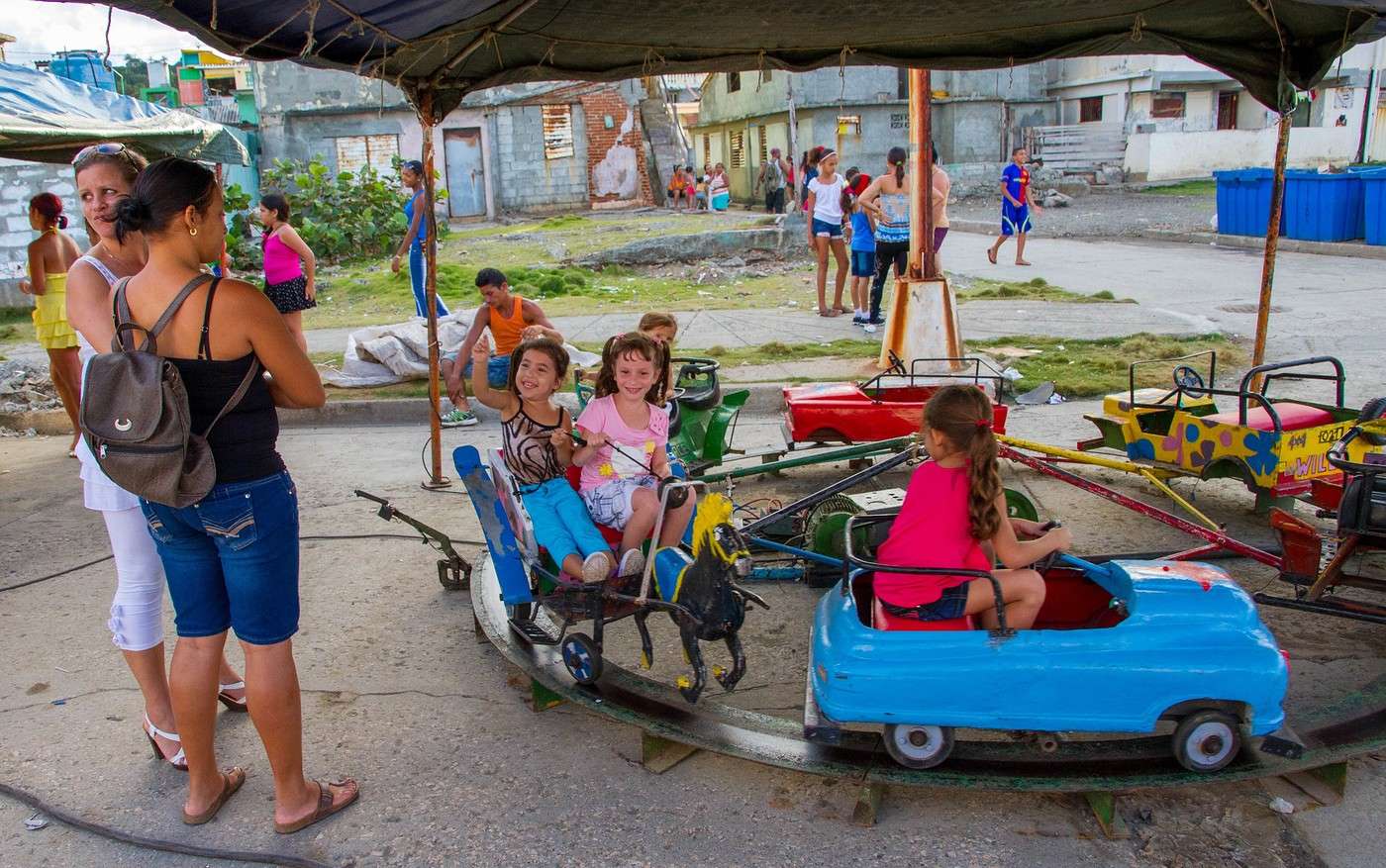
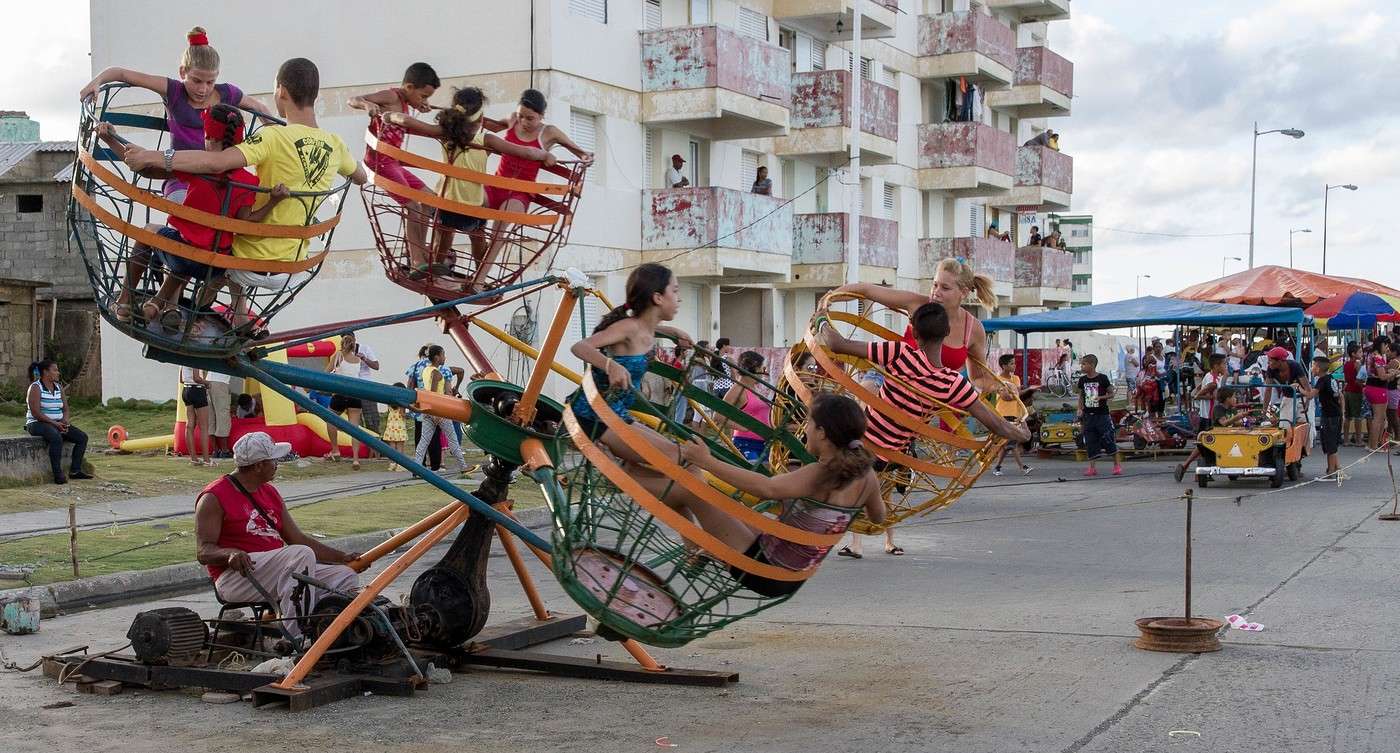
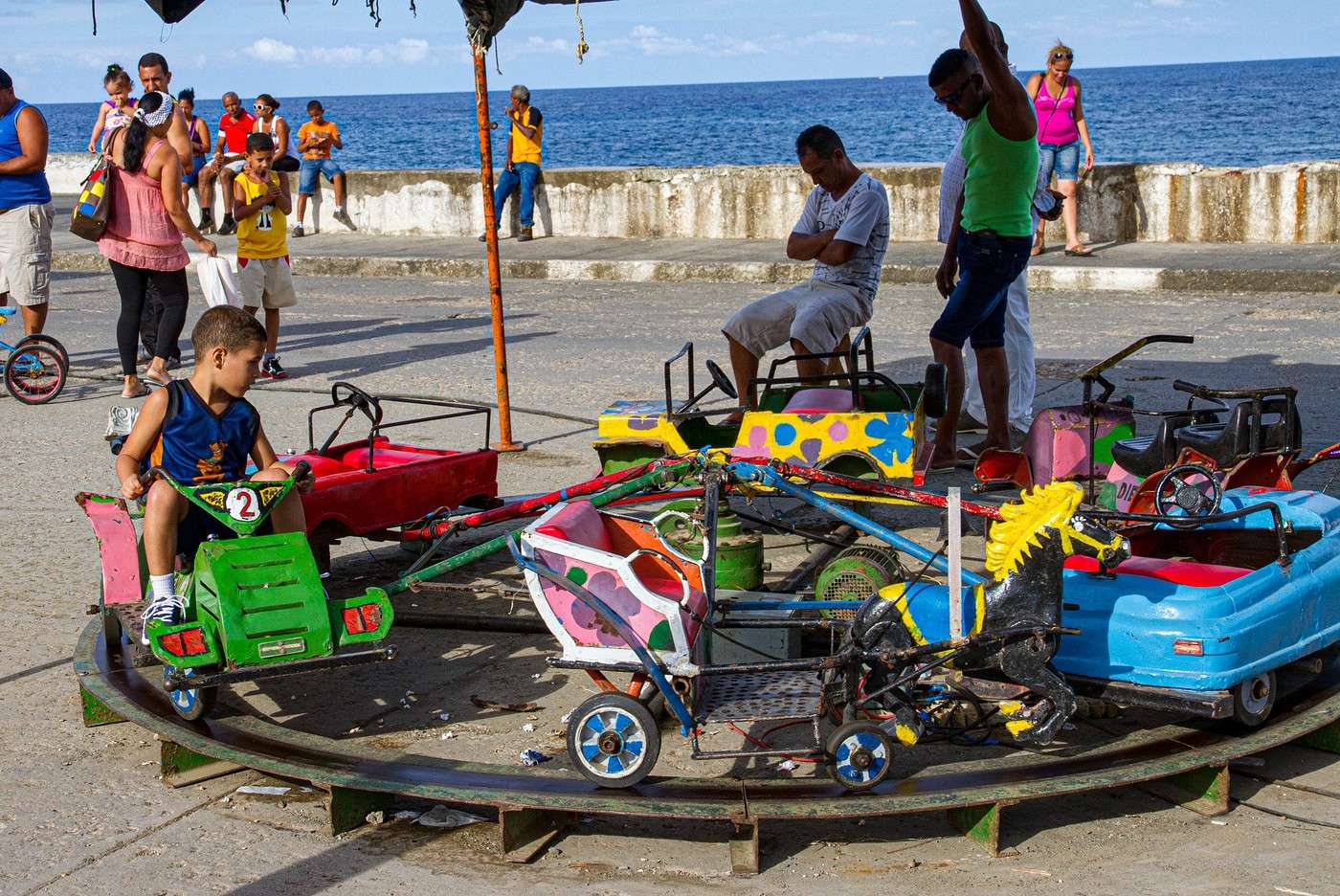
Baracoa is one of my best memories from Cuba. It's one of the most authentic cities we visited. We enjoyed a funfair on the Malecón that really captured the essence of Cuba—between the "homemade" feel of the rides and the kids' joy. This was back in 2015.
SI Sinforosa Veteran ·
Hi Mondusthan,

Thanks for sharing your experience about your trip to Cuba—there are fewer and fewer of these accounts these days. I went to Cuba in 2015 for two months and traveled by bus. Some friends want to go now and do the same, but it seems like it’s gotten really complicated...
" Celui qui voyage sans rencontrer l'autre ne voyage pas , il se déplace " ( Alexandra David-Néel )

" Ahora todos quieren ser latinos , no , ey , pero les falta sazon , bateria y reggaeton " ( Bad Bunny )
GE Georgie1 Veteran ·
Hi there! Traveling to Cuba has become a bit more complicated lately due to several issues: mosquito bites that can cause health problems. Several regions are affected by this. Food shortages. Gas shortages affecting transportation. Power outages lasting several hours. But thankfully, the kindness of the Cuban people is still there. There are still many travelers who go. It requires good preparation before leaving, especially if you plan to move around the island a lot.
SI Sinforosa Veteran ·
Thanks Georges for your reply. I think my friends are going to change their destination—they like a certain level of comfort.
" Celui qui voyage sans rencontrer l'autre ne voyage pas , il se déplace " ( Alexandra David-Néel )

" Ahora todos quieren ser latinos , no , ey , pero les falta sazon , bateria y reggaeton " ( Bad Bunny )
MO Mondusthan Regular ·
Hello,

The kindness of Cubans, yes! And their hospitality, their good cheer... It really makes up for all the material shortages the country is experiencing. When I was there for 2 months, I hadn’t prepared or organized anything at all. Just me with my backpack and the desire to explore the country while meeting the locals.

I can understand that the difficulties might deter some people. As you said, Georges, daily power outages, fuel shortages, lack of medicine, incredible inflation, water shortages (in some places like Moa, there was only cola, soda, or beer!), etc... All of that can be quite inconvenient.

But in reality, it all depends on how you travel and how you approach the journey. Of course, if you want to maintain a certain level of comfort throughout your stay, these issues can be a bit annoying. But to get around that, if you have the financial means, you can stay in hotels (where there’s almost always electricity, water, medicine, good food, etc.) and get around by taxi (which avoids the hassles of *wha-wha* and other uncomfortable truck-buses, though you won’t escape fuel supply problems).

Personally, as I mentioned at the start of the conversation, I chose to travel solo, with just a backpack and very limited funds. At every stage of my trip, I had to find great tips for getting around, finding accommodation, etc. Honestly, my only real issue was food. I was often hungry, and when I did find something to eat (within my tiny budget, of course), it wasn’t usually very good—except for a few rare exceptional spots. Beyond that, everything else seemed secondary and didn’t bother me much. I was fully aware that all these "problems," for me—a European tourist only there for two months—were trivial compared to what Cubans endure daily, permanently, with a currency that’s nearly worthless and entire families to support.

Cuba is worth visiting, and Cubans show remarkable courage and dignity. The situation on the island, under a dictatorial regime, is deeply concerning. Not a single day went by without one of them sharing their distress over a reality that keeps getting worse day after day.
SI Sinforosa Veteran ·
Hi Mondusthan,

Back in 2015, there wasn’t much in the shops, so I can’t even imagine what it’s like today...

Otherwise, I agree with you—one of the main draws of a trip to Cuba, and for me *the* main draw, is its people. That said, as a solo woman, it wasn’t always easy. There was a lot of attention, and after two months, I was mentally exhausted.

Even back then, some Cubans—especially those running *casas particulares*—complained about their economic situation. Retirees who had been doctors were now driving taxis or hosting tourists just to get by. (They also had to attend pro-Party rallies, even if they didn’t want to.) I can’t imagine how tough things must be for them now.

For me, it was one of the most humanly enriching trips I’ve ever taken.
" Celui qui voyage sans rencontrer l'autre ne voyage pas , il se déplace " ( Alexandra David-Néel )

" Ahora todos quieren ser latinos , no , ey , pero les falta sazon , bateria y reggaeton " ( Bad Bunny )
GE Georgie1 Veteran ·
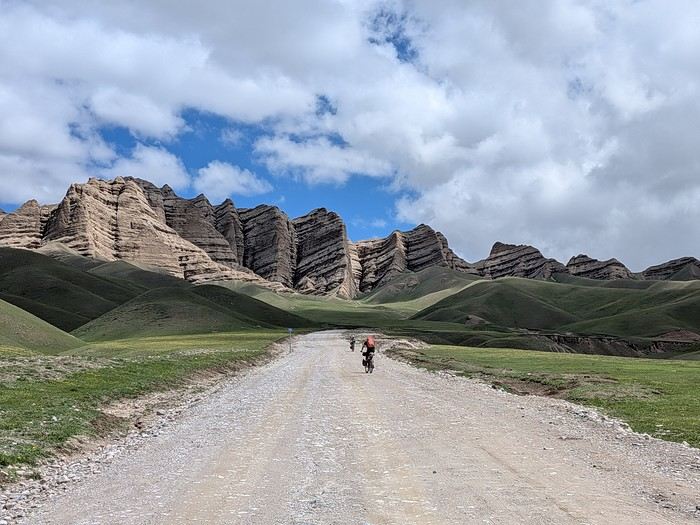
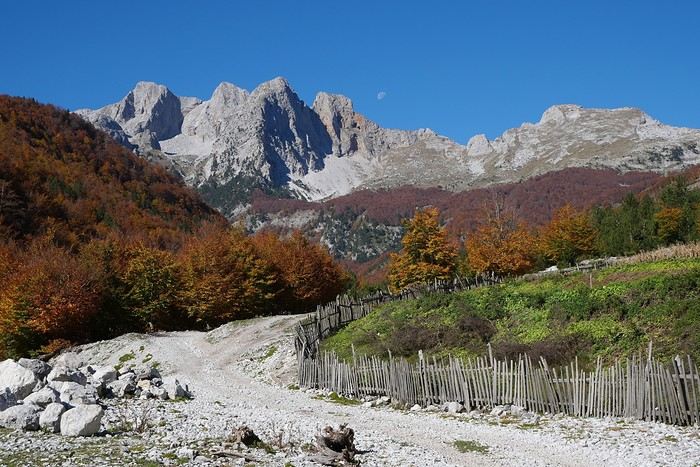
Totally agree with you. If you're going to Cuba for a stay of several weeks, it's easier to organize things on the go and deal with little hiccups. I've biked around Cuba four times. It was easier to adapt because I had time on my hands. For those who want to travel there for 2-3 weeks, their time is precious and they don’t want to waste too much of it looking for transport and casas. I totally get that, and I’m sure you do too. Personally, I’m planning our trip to Cuba at the end of February for 2 weeks—not by bike. I already have my contacts for the casas. The main thing left is to organize transport. Photo on the road between Moa and Baracoa.

You might also like