Ah, Iceland and us—it’s quite the story, or rather, a long wait... The first time we considered going was already 7-8 years ago, after reading travel journals describing breathtaking landscapes, countless active and dormant volcanoes, glaciers, and waterfalls with extraordinary flows. In short, this island, made of fire and ice, right at Europe’s doorstep with its own unique culture, had nothing but advantages, and it was urgent to visit without delay 😇
My *Routard* guidebook is actually from 2016. So why did Iceland make us wait so long before we finally gave in to its charms? Yes, why indeed?
Simply because reading other travel journals revealed the cost of living there—and especially the harsh climate, even in the middle of July 🤪! Some journals described entire weeks of rain and foggy weather, making it tricky to explore the island. The budget wasn’t spared either, because in the most touristy areas, especially in the south and around Myvatn, accommodation prices are downright indecent—even outright robbery. 😕
Plus, in the Highlands, there’s literally no permanent lodging, and the only way to spend several nights there is to camp. And camping in winter conditions wasn’t exactly part of our plans... 😄
So, year after year, this trip kept getting postponed...
until August 2023, when prices for Southern Africa, North or South America, or even Asia were all way too high for summer 2024!
That’s when I turned my attention back to the Land of Fire and Ice and scoured all the comparison sites for the best accommodation deals across the country. Planning for 20 nights, I found 13 nights in "proper" lodging for 5 people at an average cost of under 200 €! A miracle, considering that in the southern glacier region, around Vik or Myvatn, prices range from 300 to 1000 € per night 😮 😮!
Still, that means we’ll have to camp for 7 nights, mostly in the Highlands, near Askja or Landmannalaugar. 😎
For once, I built the daily itinerary entirely around the decently priced lodgings I found 11 months in advance! The shortage of places to stay in some areas forced me to plan a few long transition days and make some tough choices. No big deal, though—there’s so much to do on this island 🙂!
Once the main itinerary was set, everyone agreed to the plan: 2/3 in proper lodging and 1/3 camping, even the most camping-averse among us! *Follow my gaze...*
By the time we bought the flight tickets, I had to tweak the itinerary a bit because one or two places were already booked! Plus, it was impossible to wait for a more refined plan to adjust reservations, since almost all bookings are non-refundable!!
The harsh law of supply and demand...
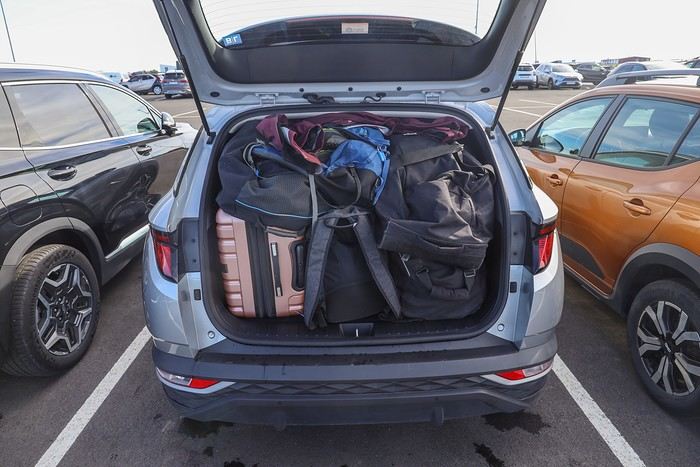
For the car rental, we booked a Hyundai Tucson, approved for the Highlands, from Lava Car Rental—a company I’d read good reviews about in a Facebook group—for a cool 2500 € with full insurance. A real 4x4, like a Defender, would’ve been more than double...! Welcome to Iceland 😕...
Activities and excursions also required some tough choices. We had two must-dos: whale watching in Húsavík (60 € pp on Getyourguide) and a Glacier and Summer Treasure Glacier Walk with BlueIceland (165 € pp with discount codes on Getyourguide).
For the baths, we skipped the Blue Lagoon—too expensive—in favor of the Secret Lagoon and the Myvatn Baths, the Blue Lagoon’s equivalent but half the price.
Two baths for the price of one... and even more, since I spotted several free hot-water swimming spots.
Itinerary:
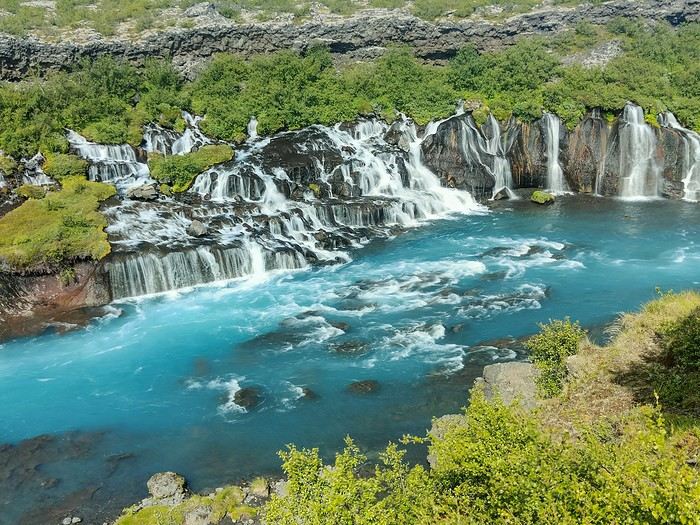
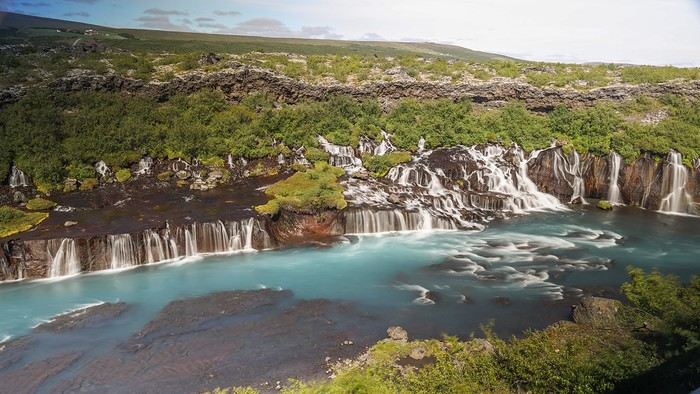
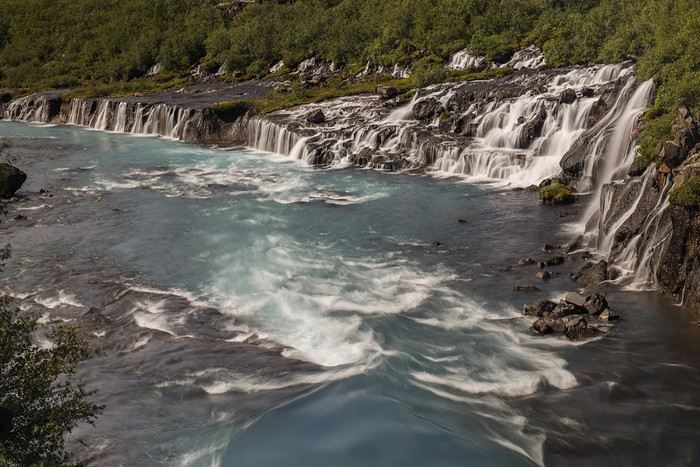
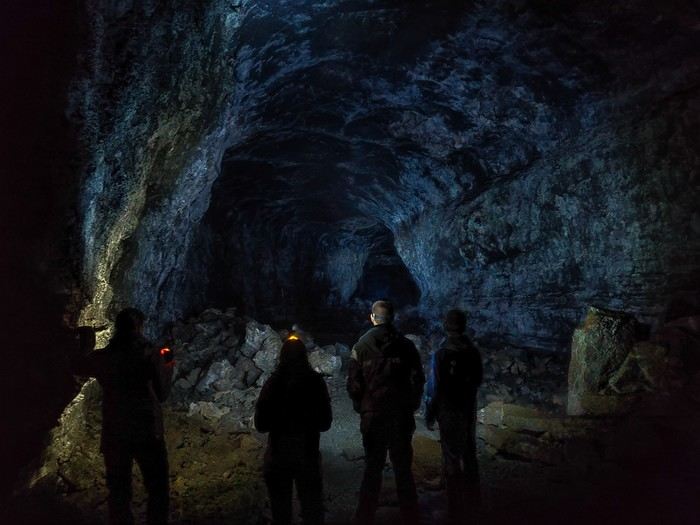
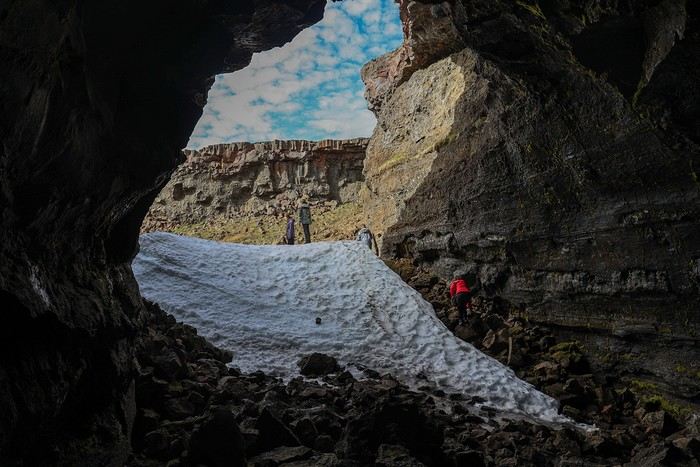
Day 1: Arrival in Reykjavik - Hraunfossar Waterfall - Surtshellir Cave
Day 2: Grábrók Crater - Snæfellsnes Peninsula
Day 3: Stykkishólmur - Sturlungalaug Hot Springs
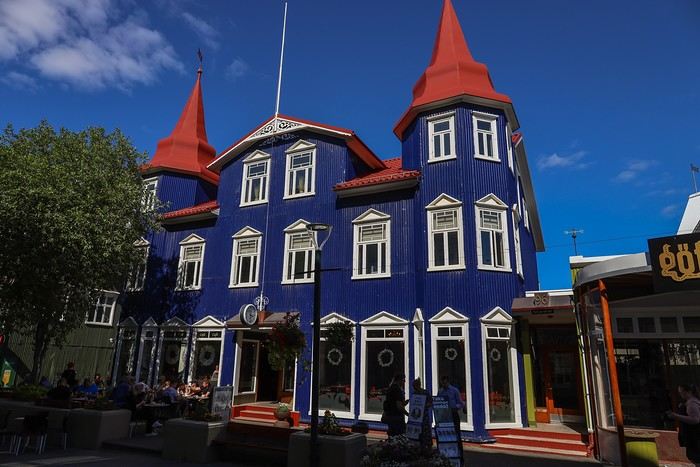
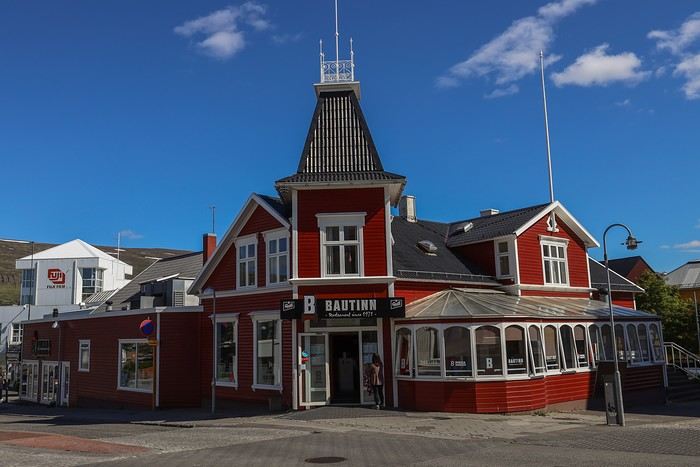
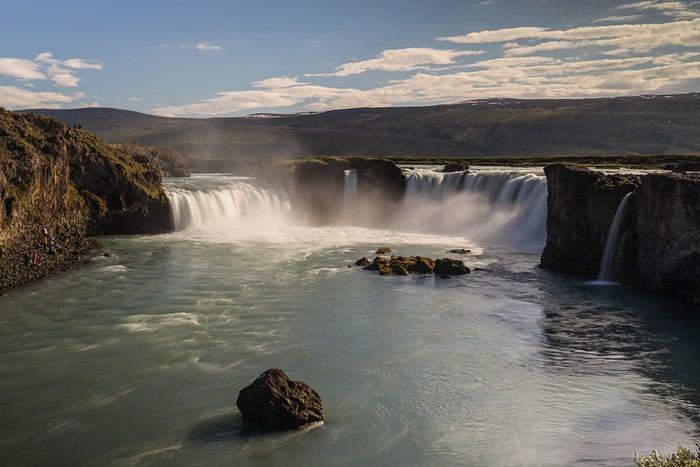
Day 4: Northwest Coast - Akureyri - Goðafoss
Day 5: Myvatn
Day 6: Myvatn - Dettifoss - Selfoss - Rauðhólar
Day 7: Húsavík Whale Watching - Dettifoss - Selfoss
Day 8: Stuðlagil Canyon - Seyðisfjörður
Day 9: Puffin colony - Störurð Hike
Day 10: Hengifoss - East Fjords, Mjóifjörður
Day 11: Viking Village - Jökulsárlón - Fjallsárlón
Day 12: Glacier Excursion - Svartifoss
Day 13: Fjaðrárgljúfur Canyon - Vík
Day 14: Þakgil - Lava Show Vík
Day 15: Southern Waterfalls Day
Day 16: Landmannalaugar - Skalli Hike
Day 17: Landmannalaugar - Bláhnjúkur - Brennisteinsalda
Day 18: Secret Lagoon, Kerlingarfjöll, and Gullfoss
Day 19: Geysir - Reykjavik
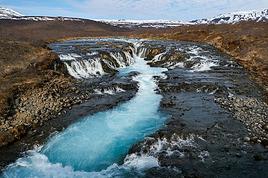
Day 20: Bruarfoss - Þingvellir - Kerid Crater - Krýsuvík Geothermal Area
Day 21: Reykjanes Peninsula
Friday, July 5, 2024, is our last workday before driving up to Alsace overnight to leave the cockers at Grandpa’s for boarding. Then, at 1:30 AM, we’ll head to Frankfurt, where a direct flight to Iceland awaits.
We arrive at 4 AM. Since we leave at 7 AM, the "night" will only last the equivalent of a 30-minute nap 🤪... just enough to get us in the road-trip mood 😏!!
Original post
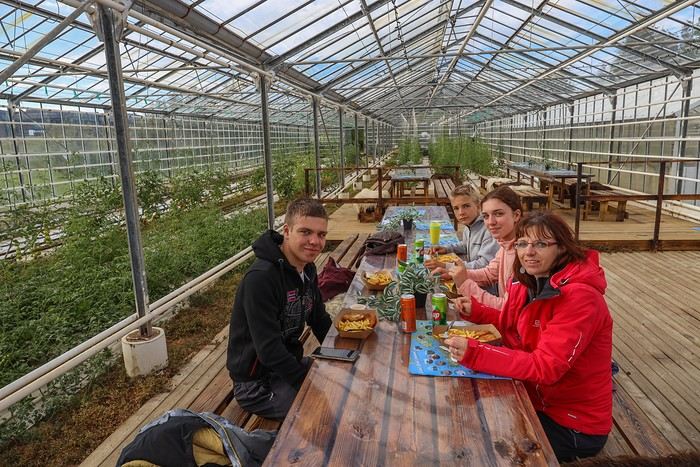
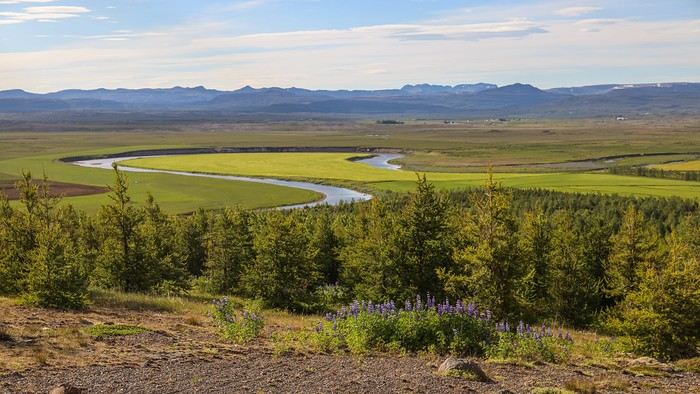
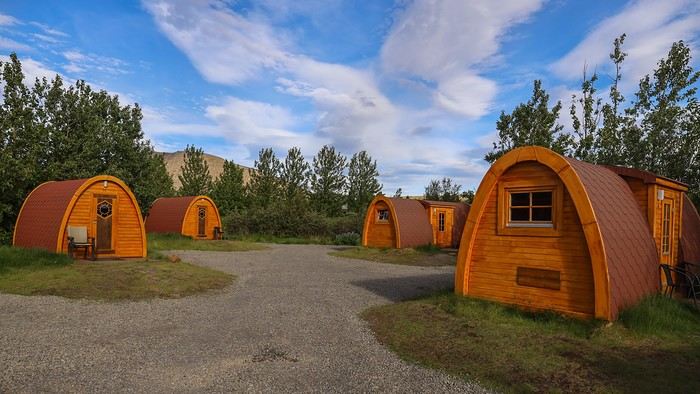
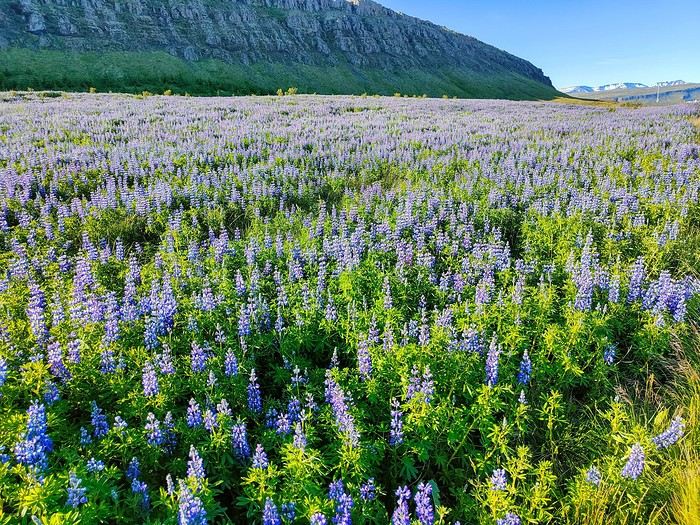
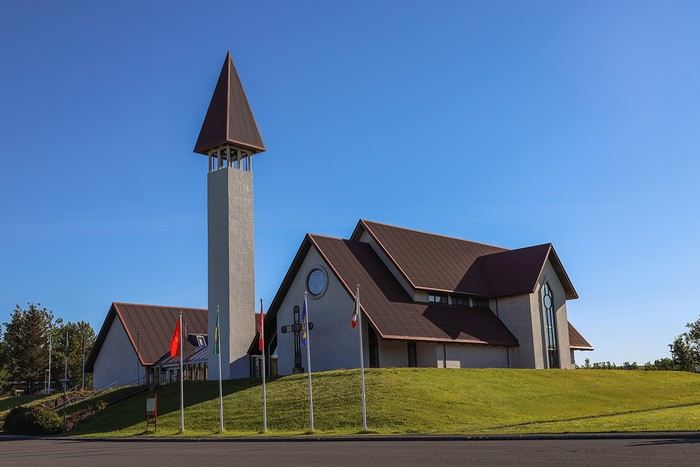
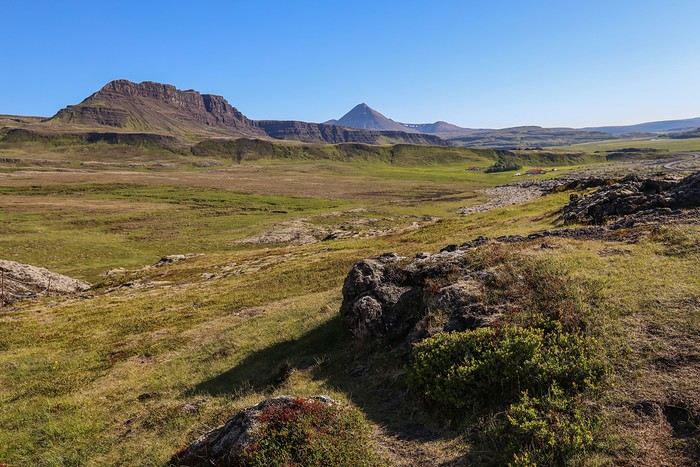
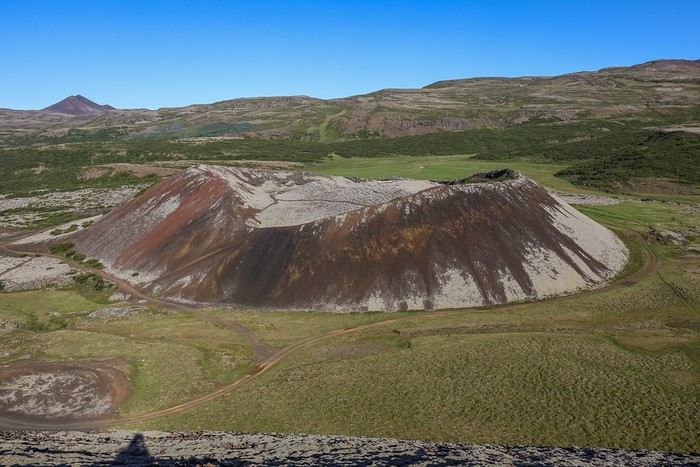
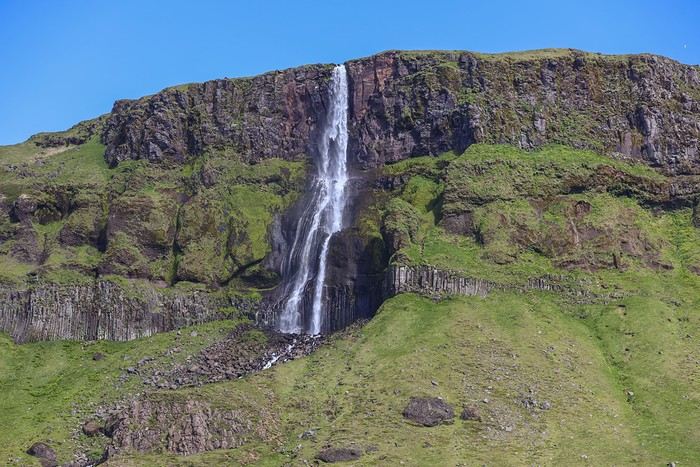
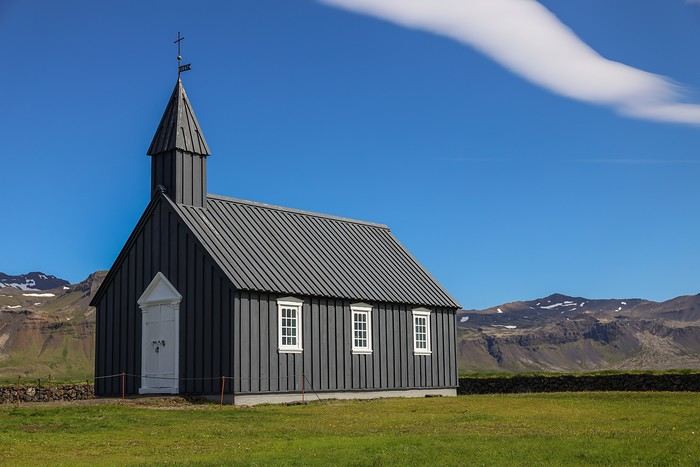
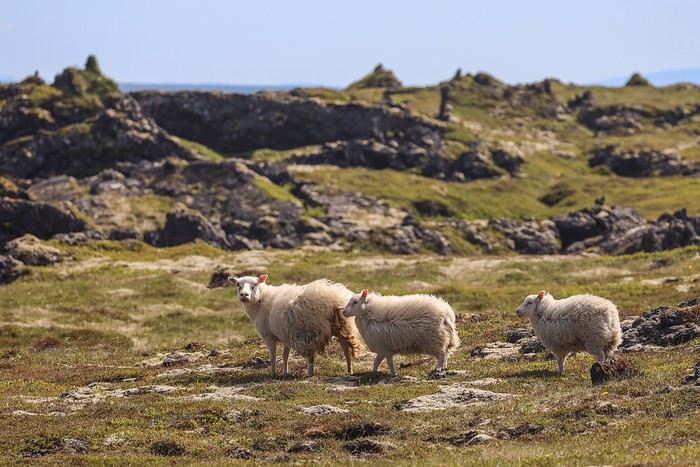
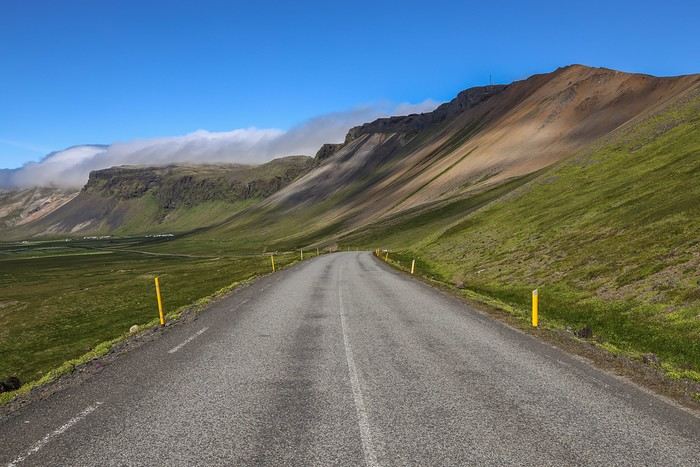
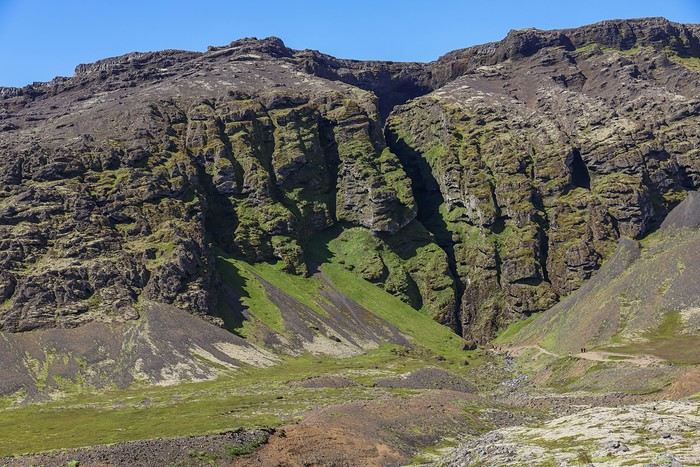
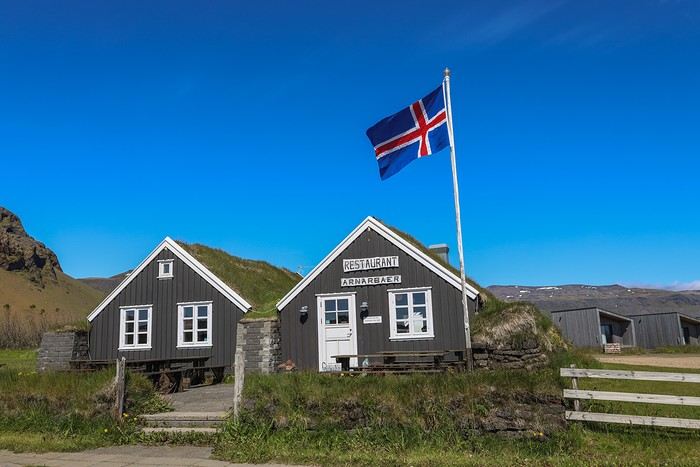
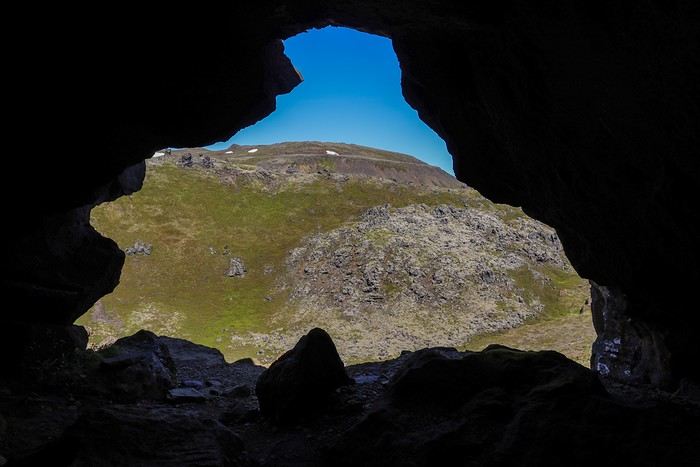
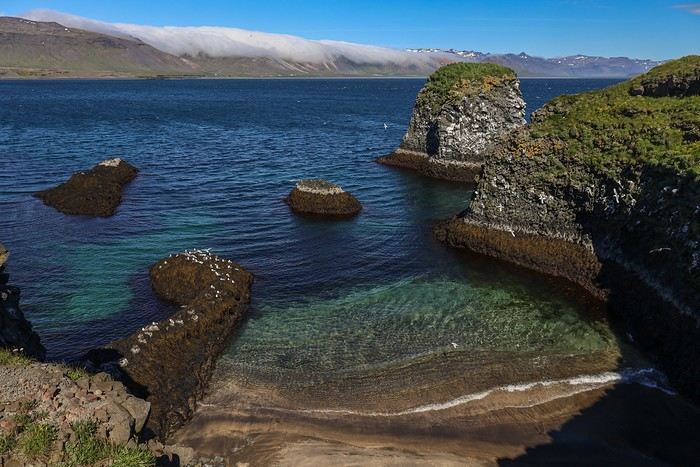
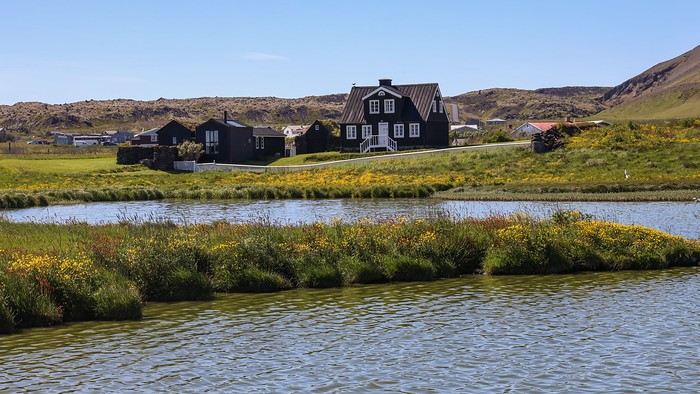
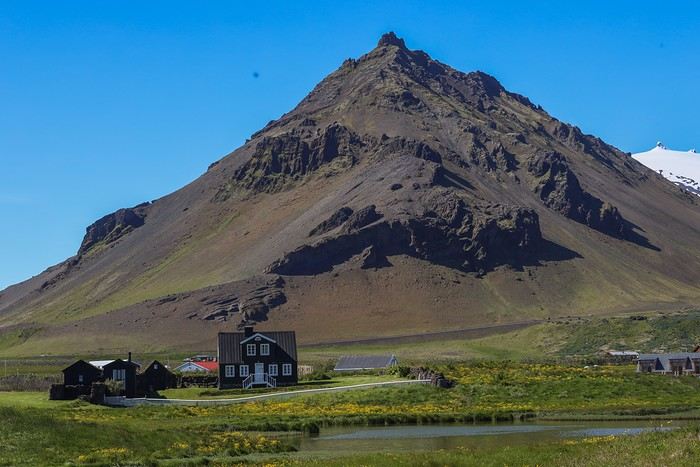
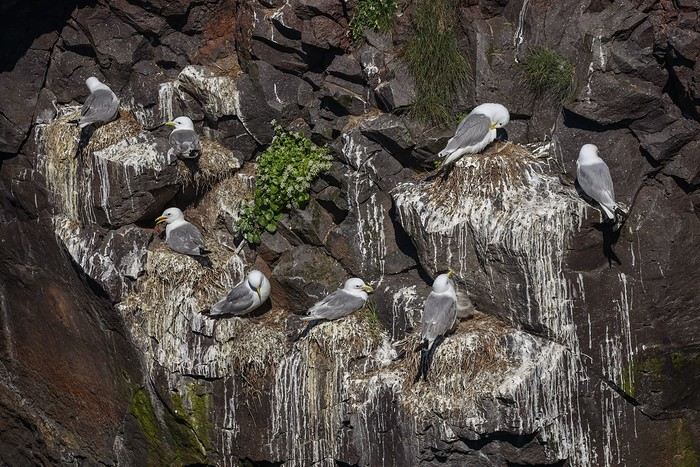
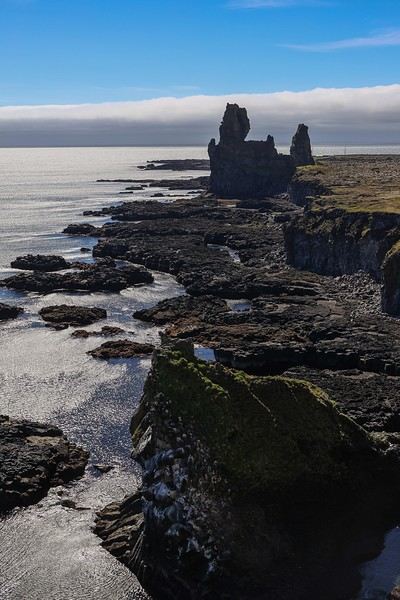
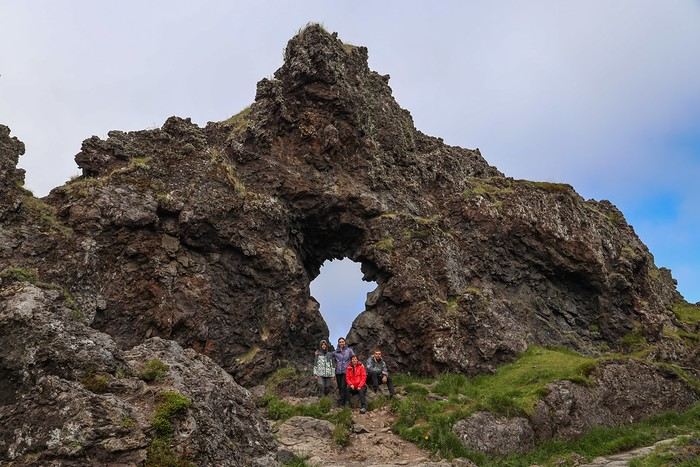
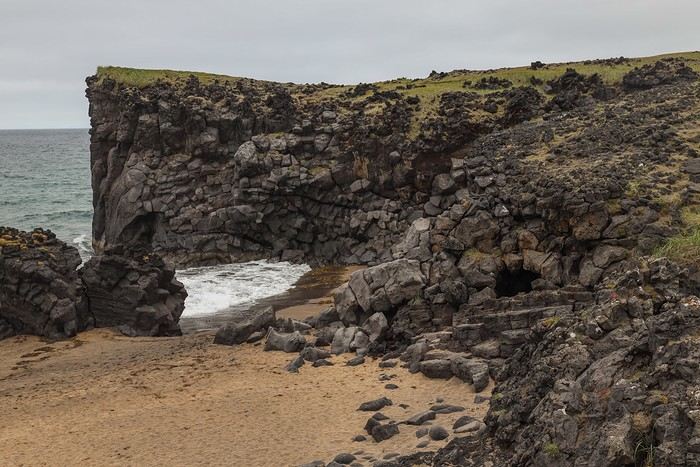
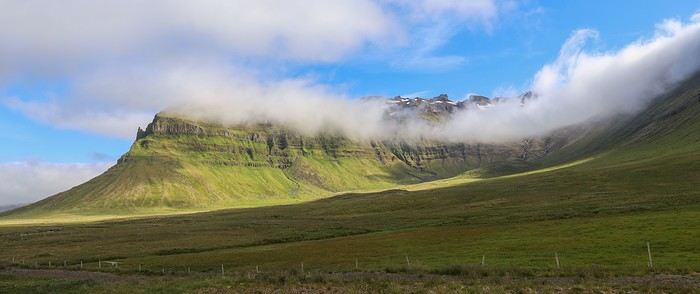
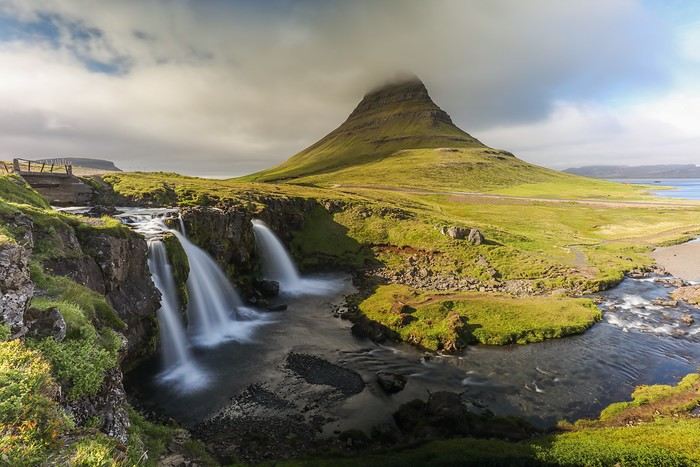
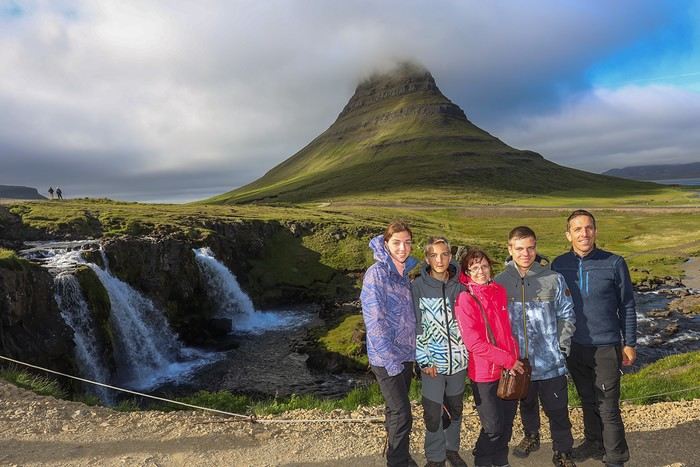
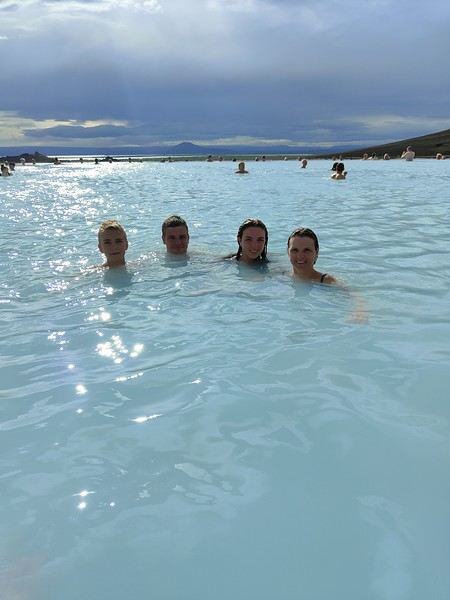
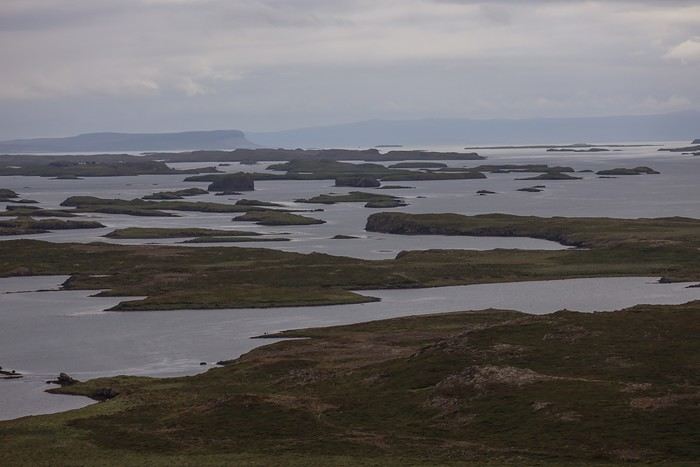 Now, time for a hot-water soak—one of Iceland’s treasures!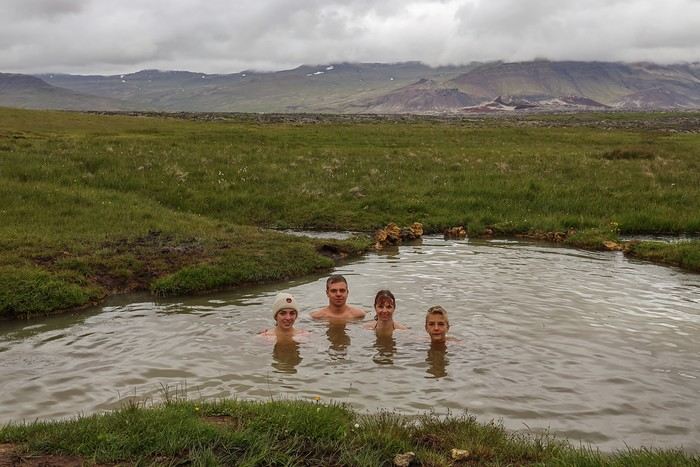
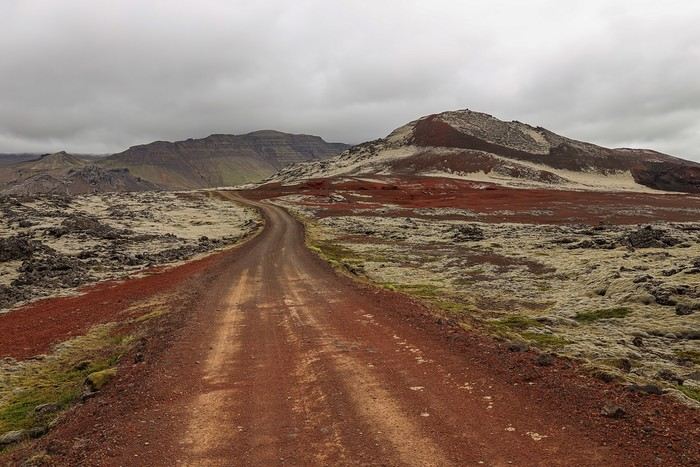
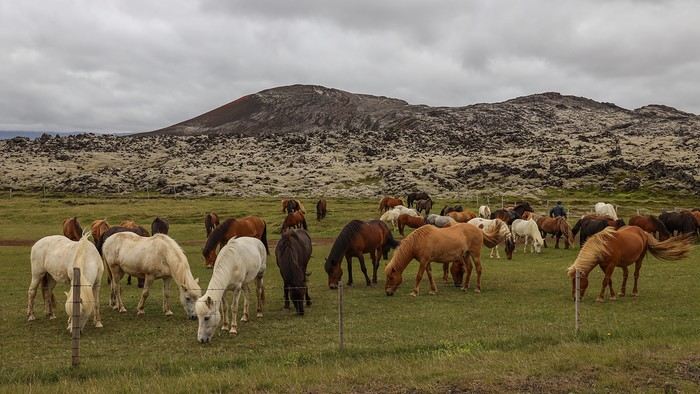
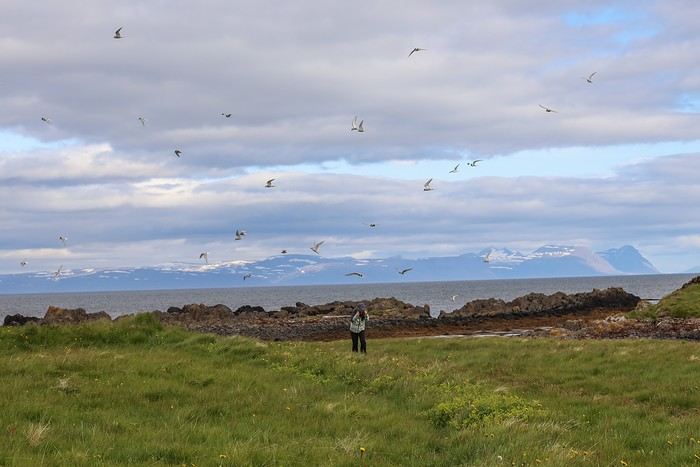
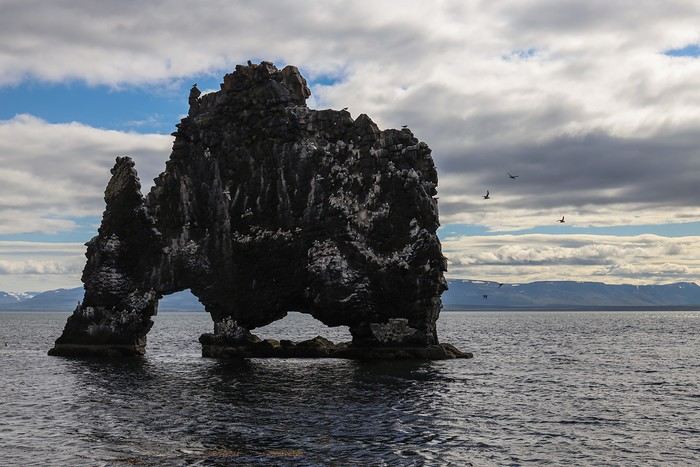
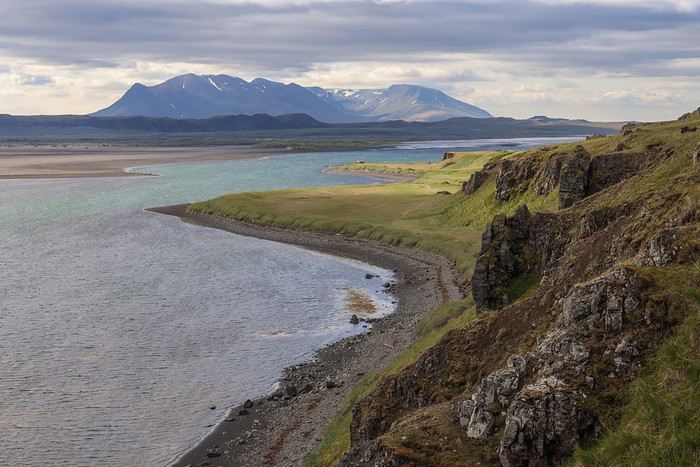
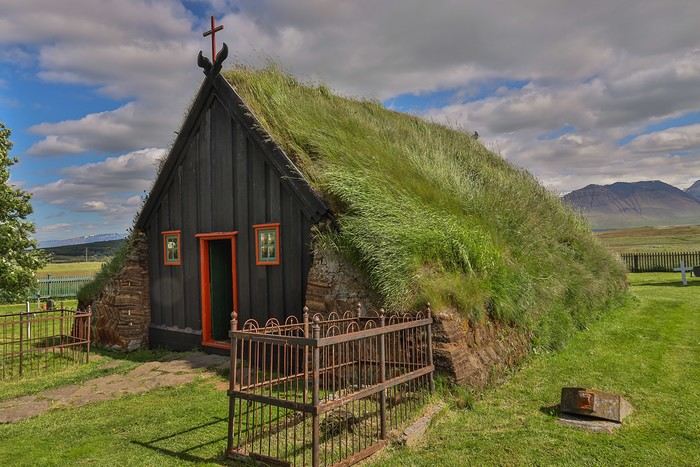
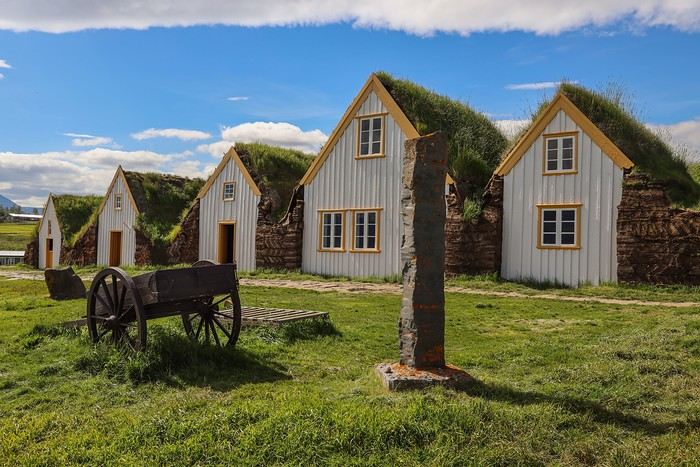
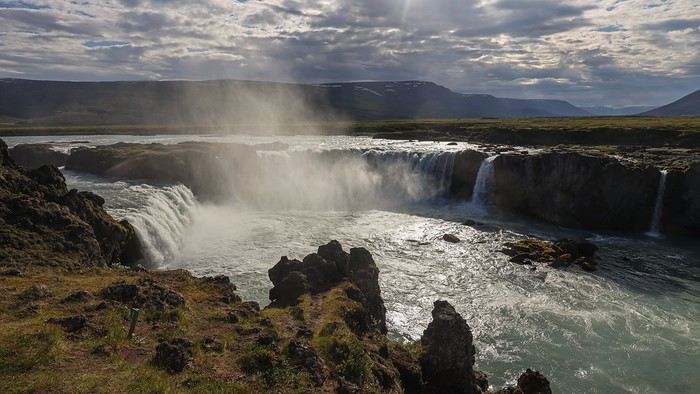
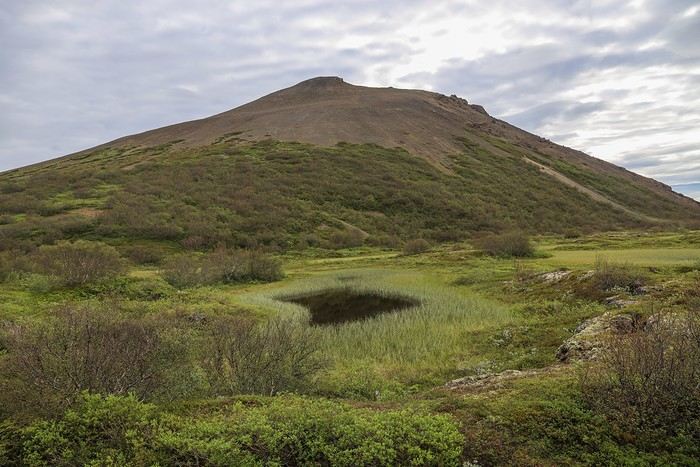
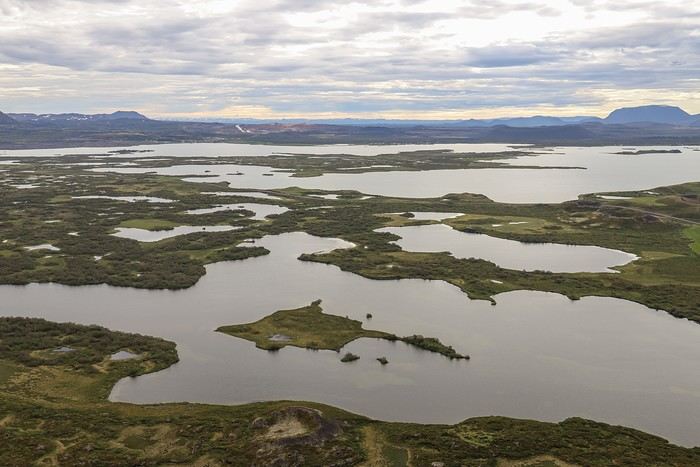
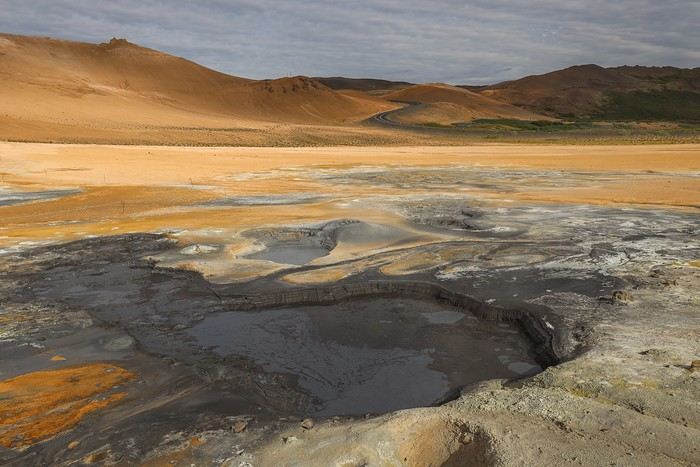
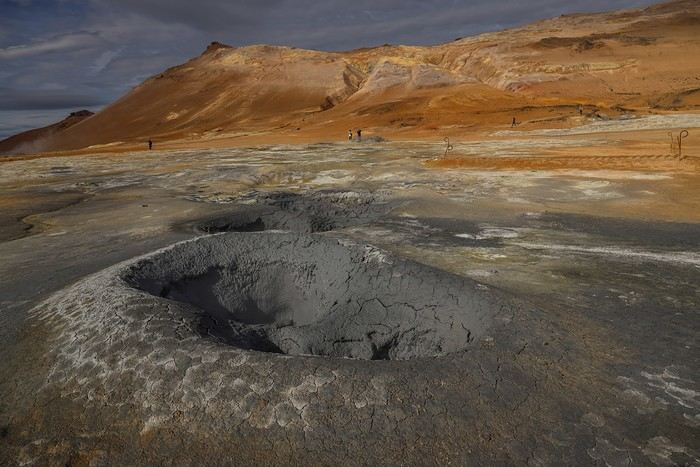
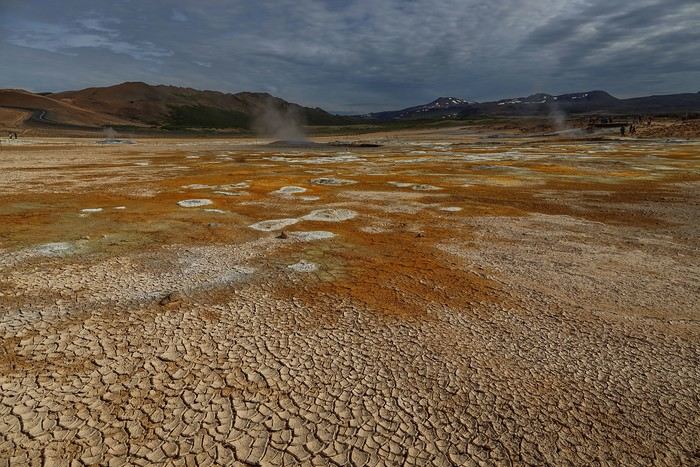
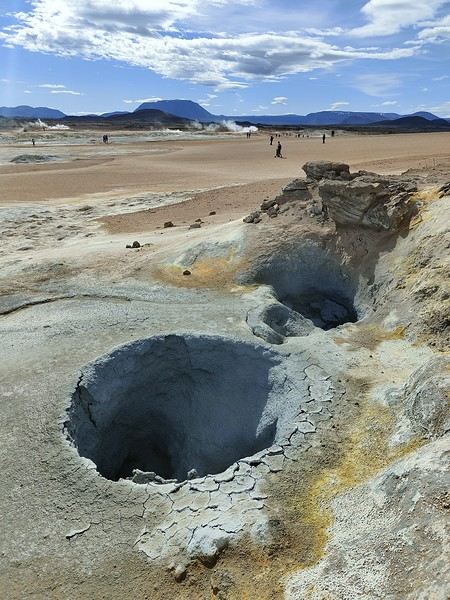
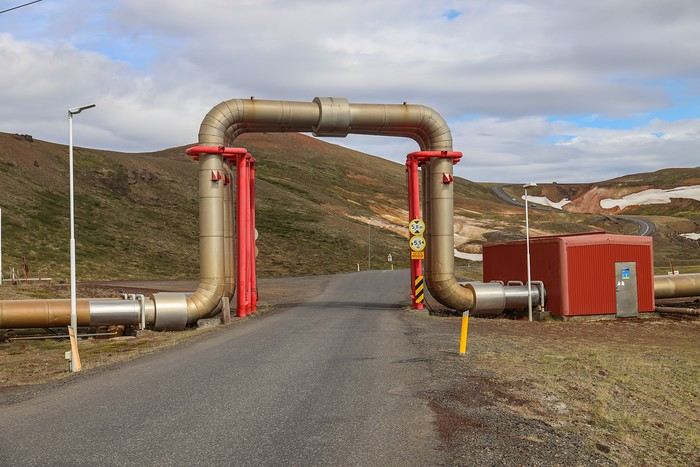
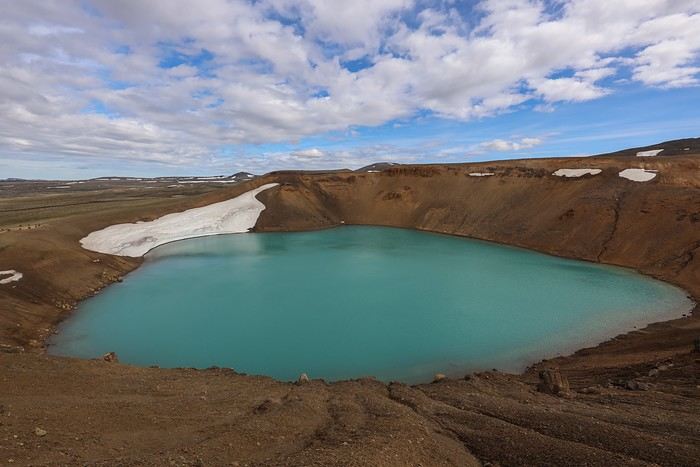
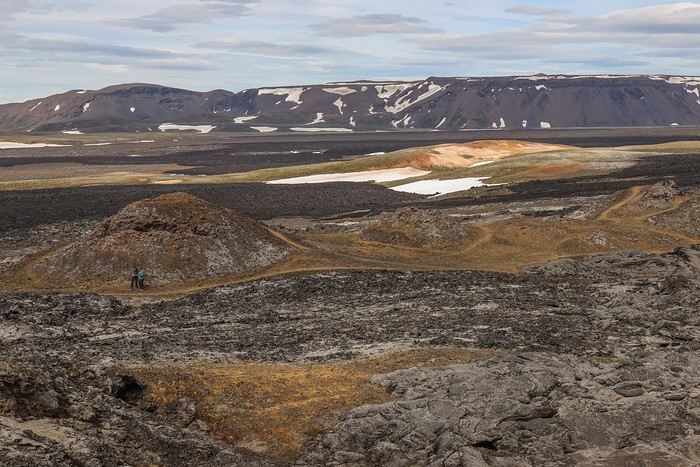
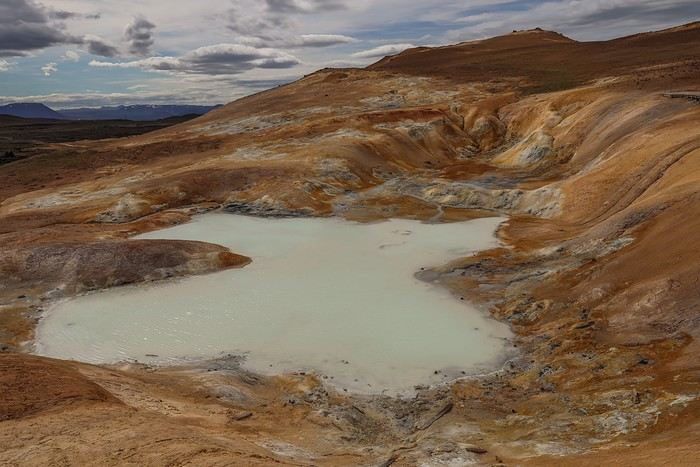
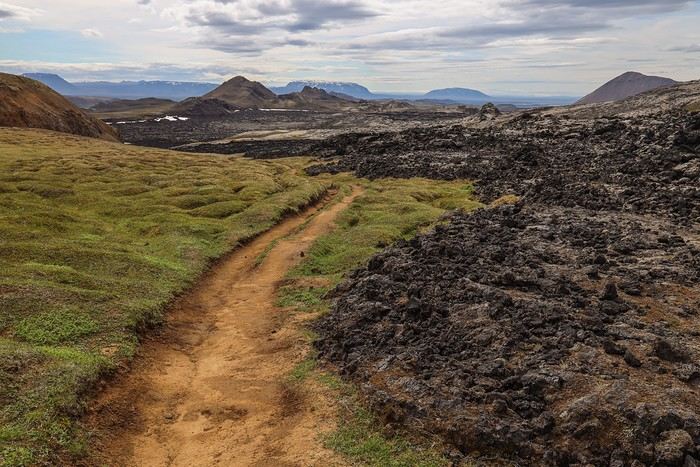
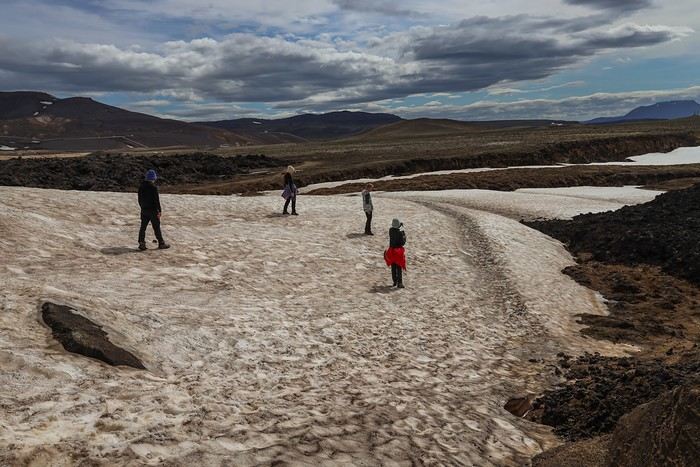
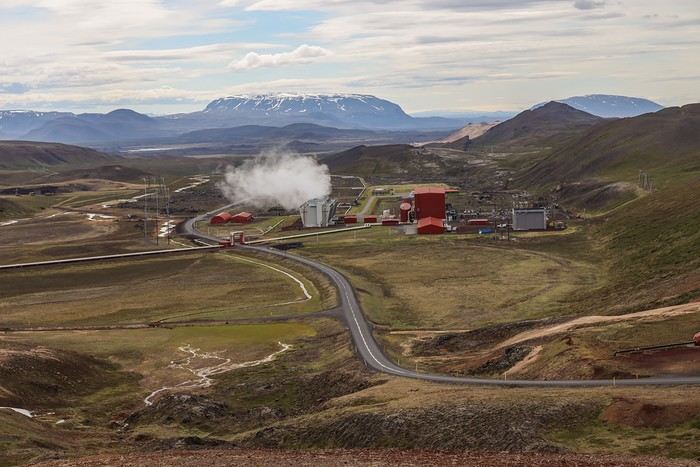
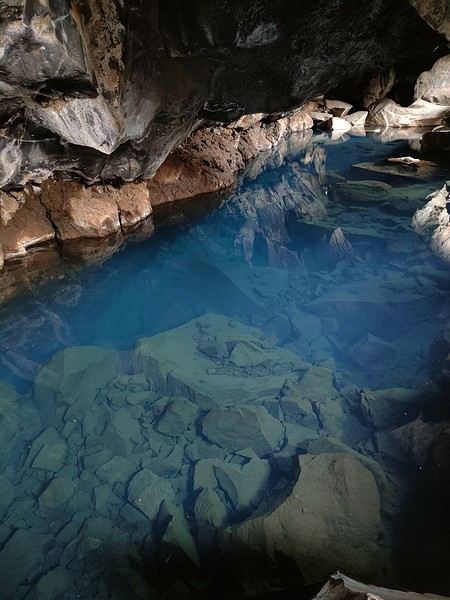
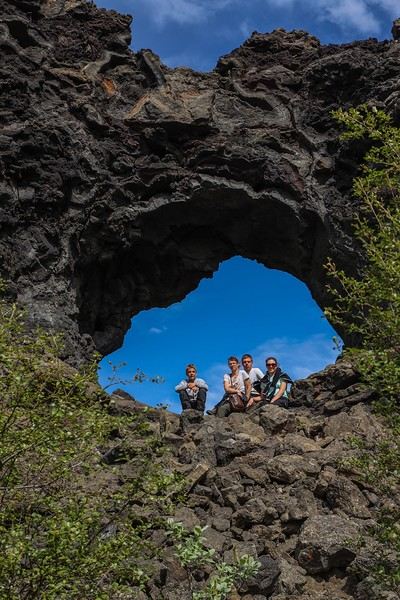
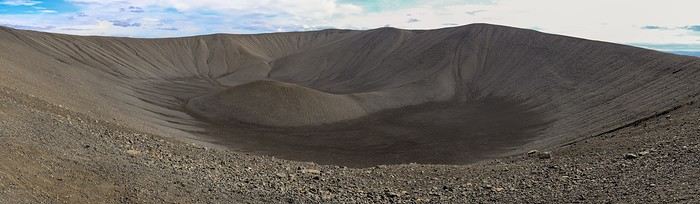
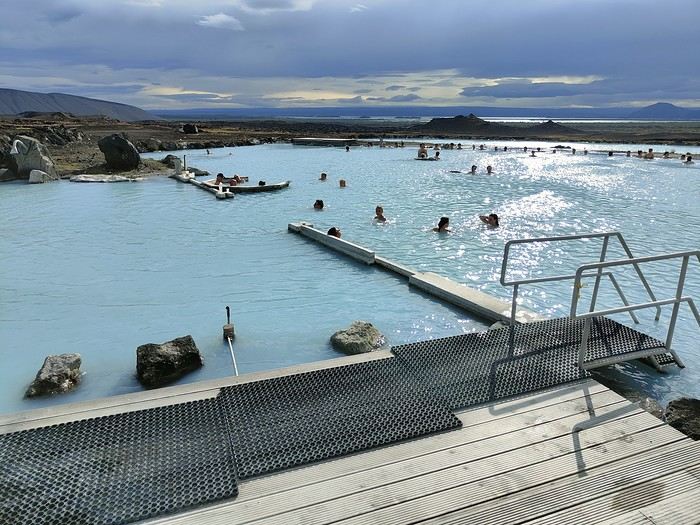
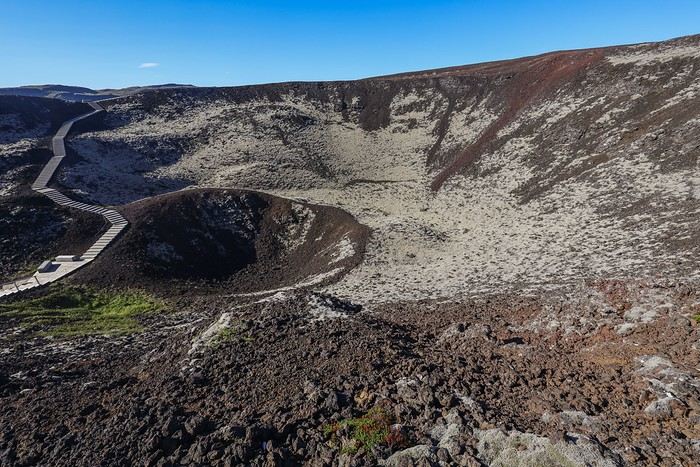
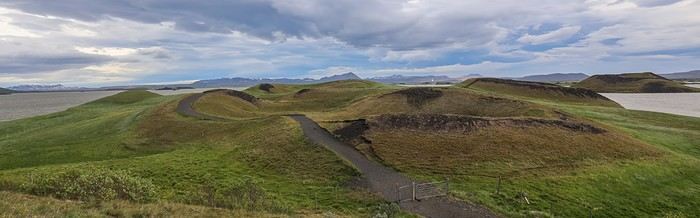 You could have fun climbing up and down these pseudo-craters covered in moss, but the wind blowing so hard it could knock the horns off a bull doesn’t exactly encourage us to linger!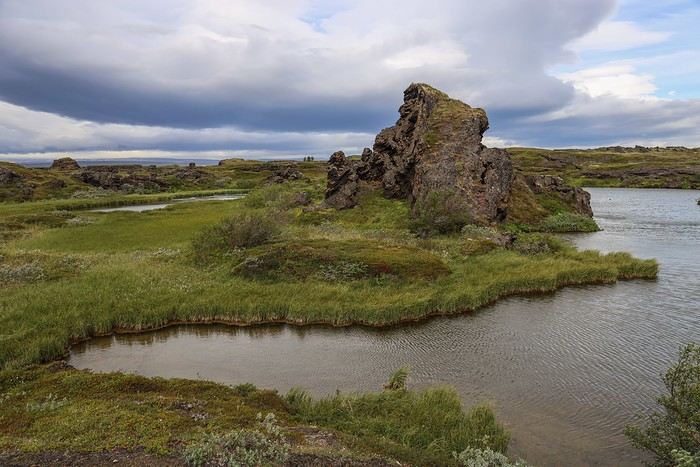
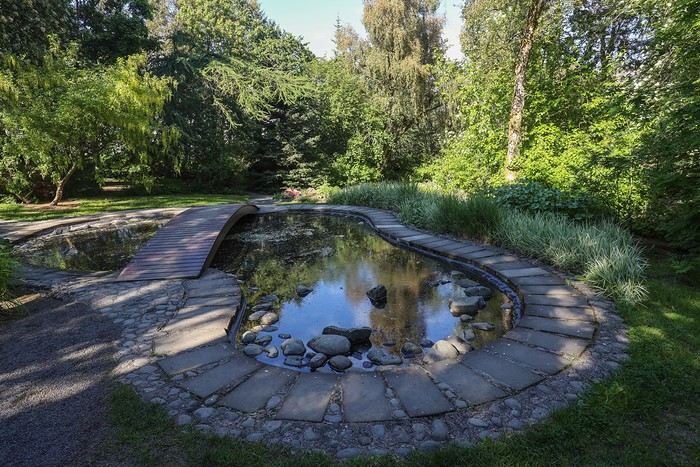
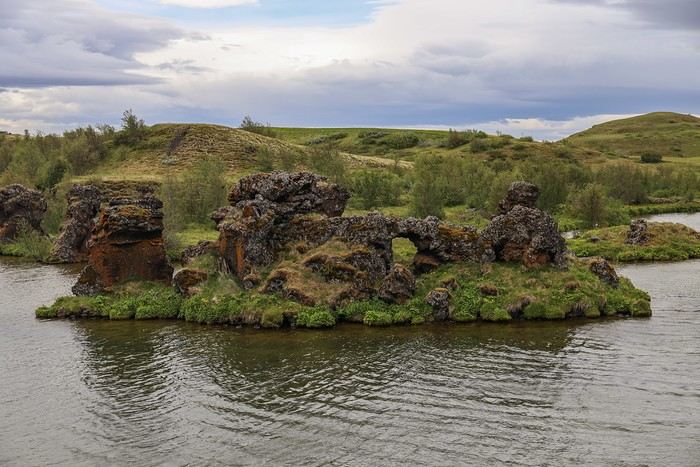 It’s possible to walk around the peninsula via a small hiking trail. Even though this might seem common in Europe, seeing trees in Iceland is actually pretty rare!
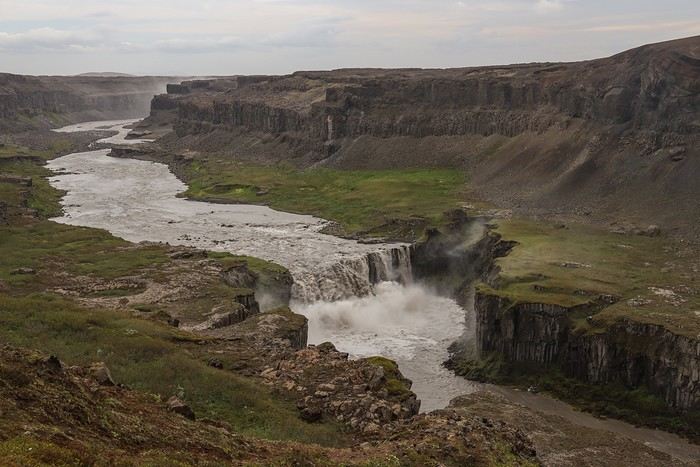
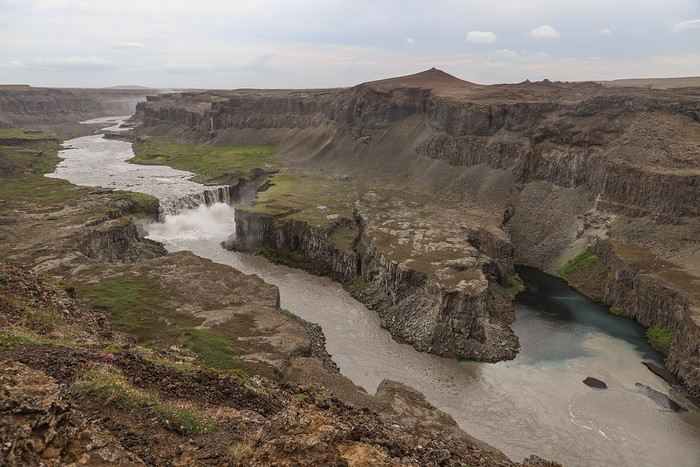
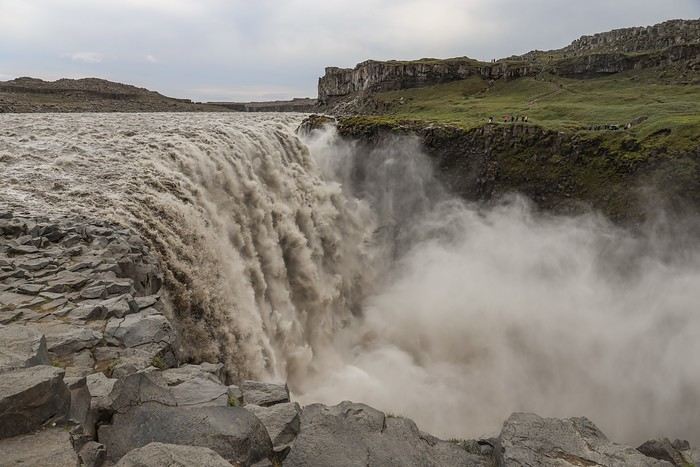
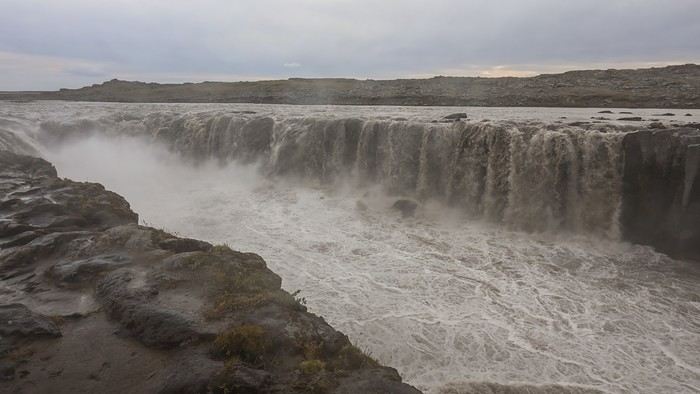
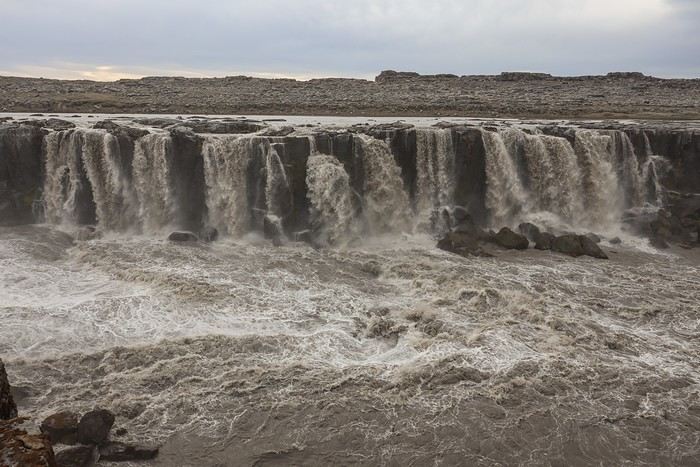
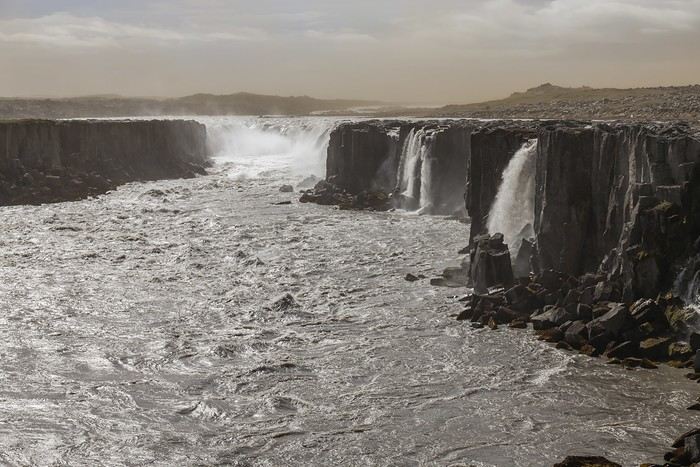 We’re all tempted to head straight to the majestic Dettifoss, known as Iceland’s—and even Europe’s—most powerful waterfall. At 44 meters high and 100 meters wide, the falls have a flow rate of 500 m³ per second in summer, when the flow is at its strongest.
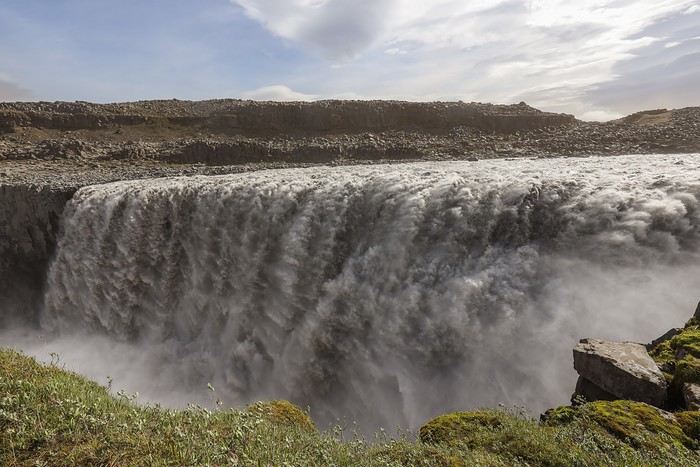 Following the trail south towards Selfoss, the wind doesn’t let up... we’re eating sand over and over, and woe to those without sunglasses. Even squinting, the poor souls end up in tears...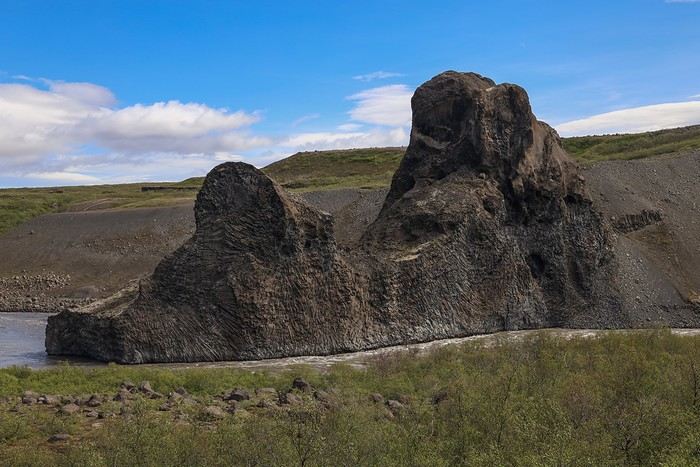
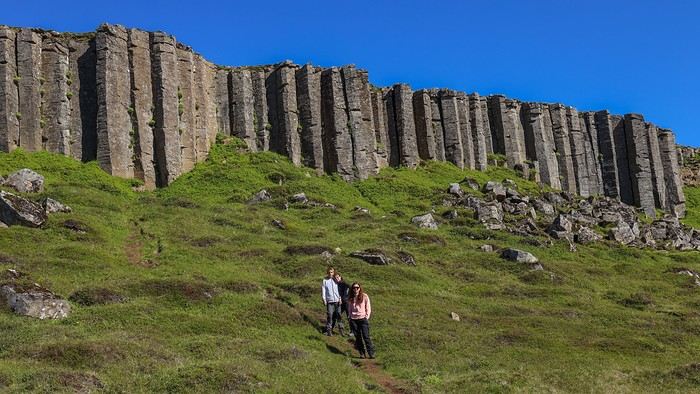
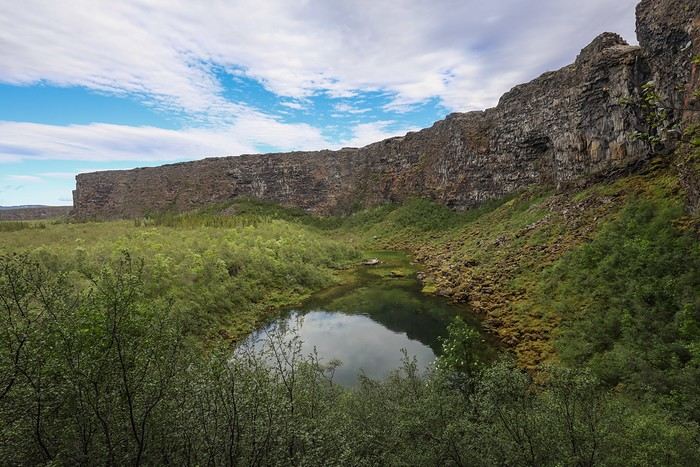
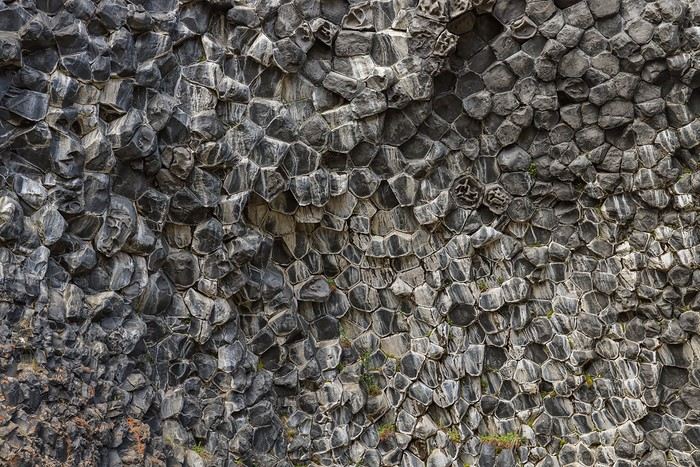 Volcanic chimneys and other basalt columns follow one after another
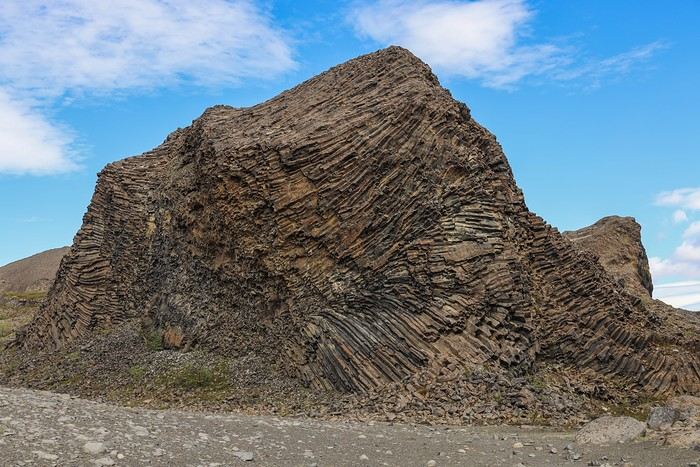 until we reach Kirkjan in Hljóðaklettar, a cave-like formation and the main highlight of the hike. You can just imagine the pressure that caused this lava flow to lift...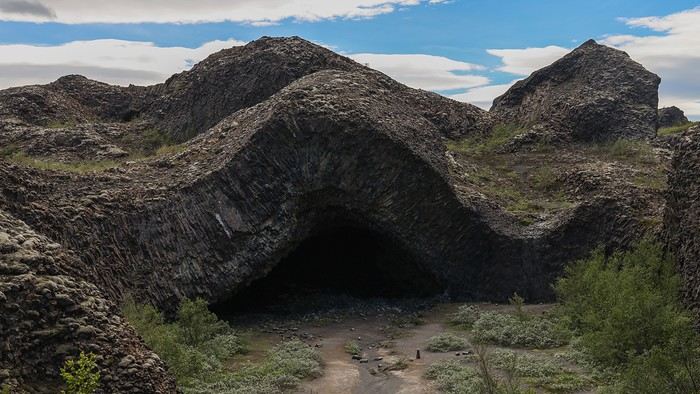
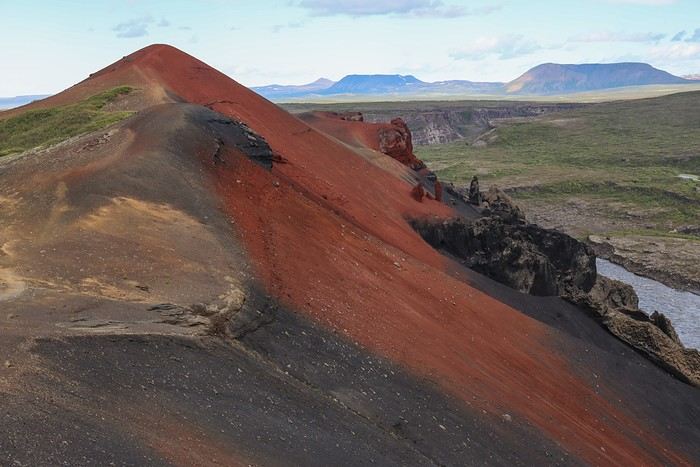 It’s now forbidden to venture further to avoid damaging the site and keep the slopes free of footprints.
The return is via another path, much less steep and quicker.
It’s now forbidden to venture further to avoid damaging the site and keep the slopes free of footprints.
The return is via another path, much less steep and quicker.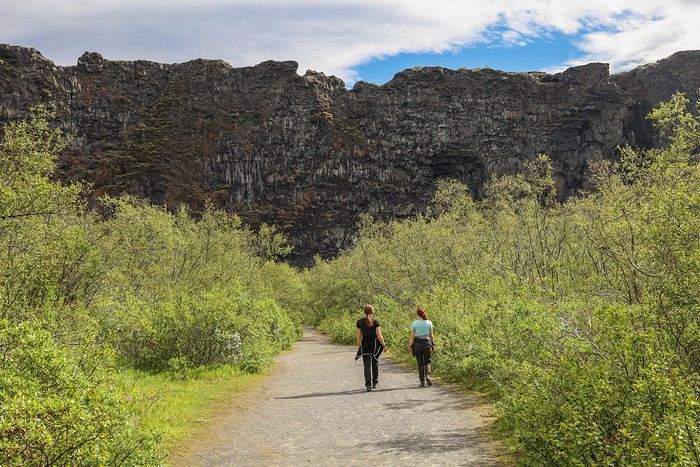
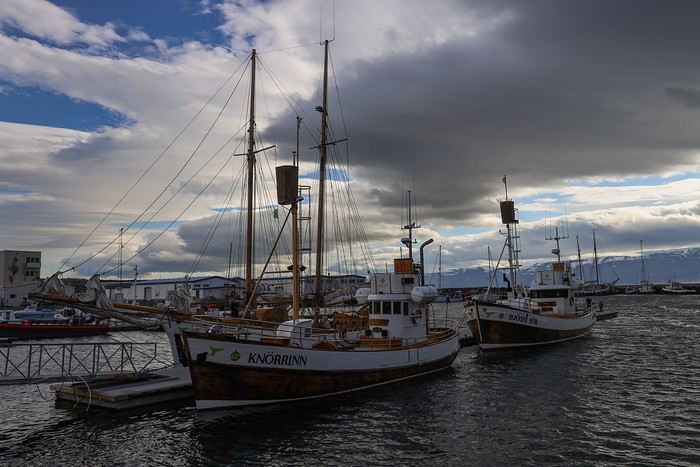
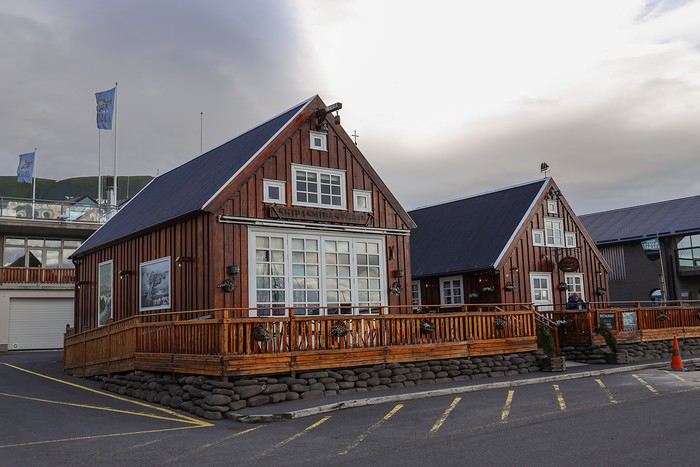
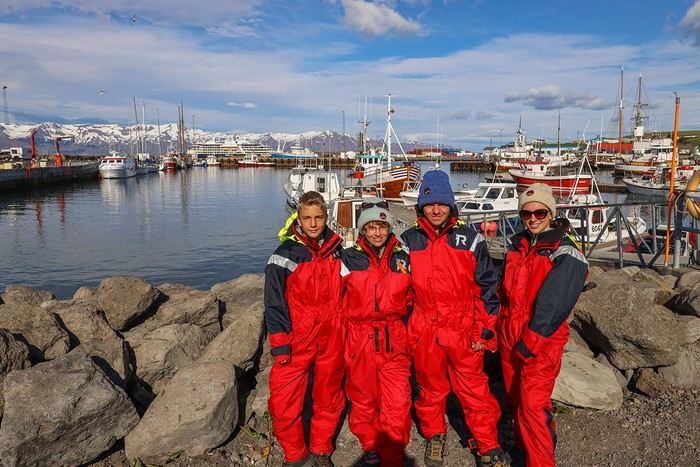
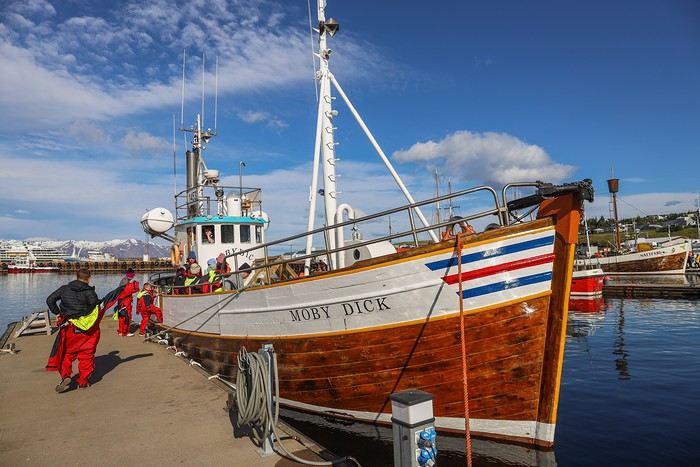 As the boat’s name suggests, we chose the tour operator "Friends of Moby Dick."
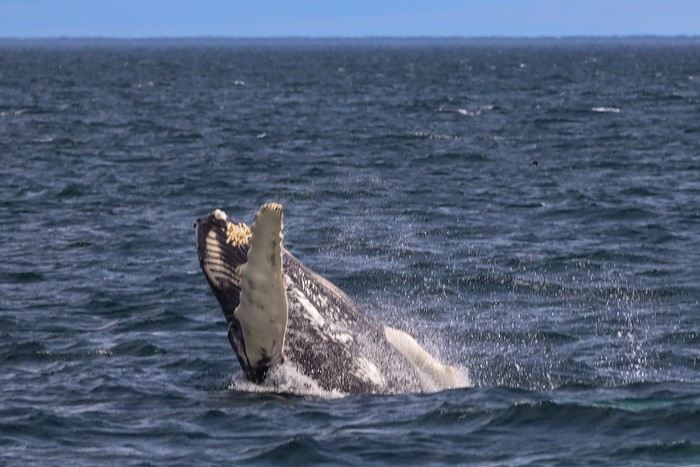 The whale treats us to several jumps out of the water. I just manage to capture it—😇 😇!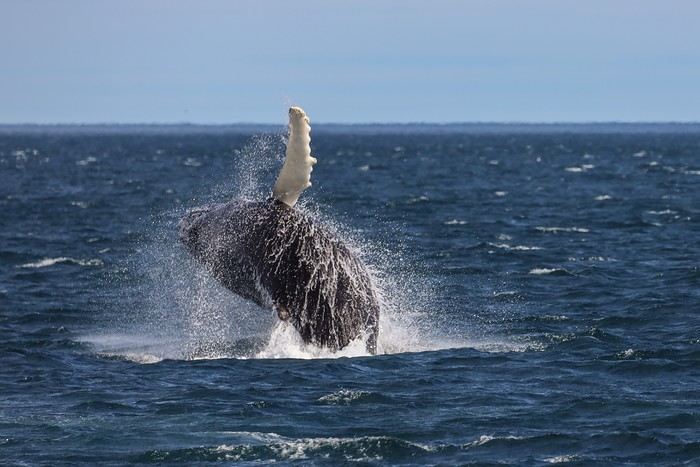
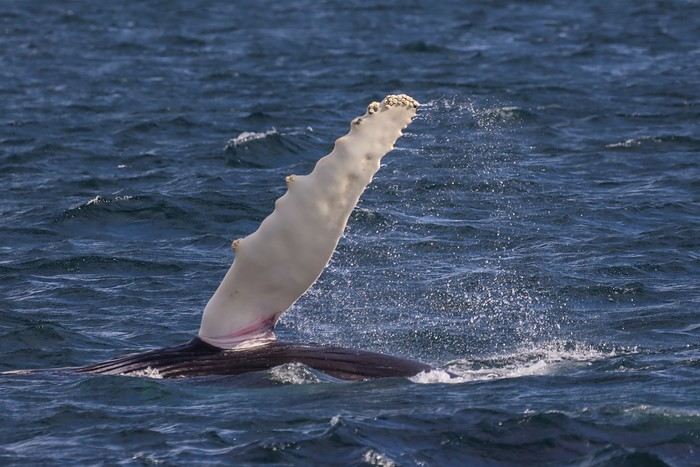
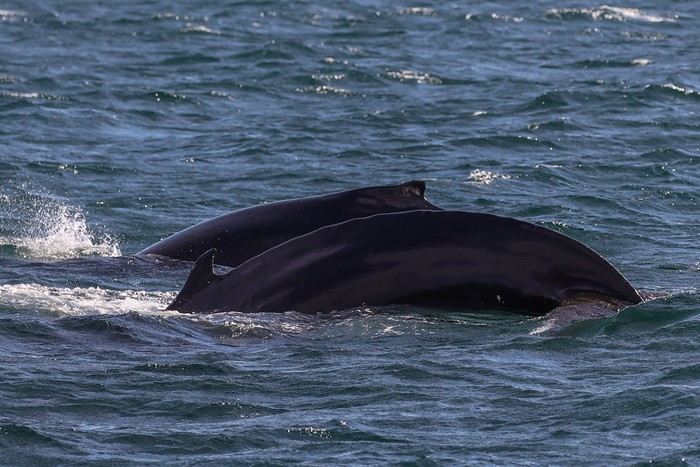
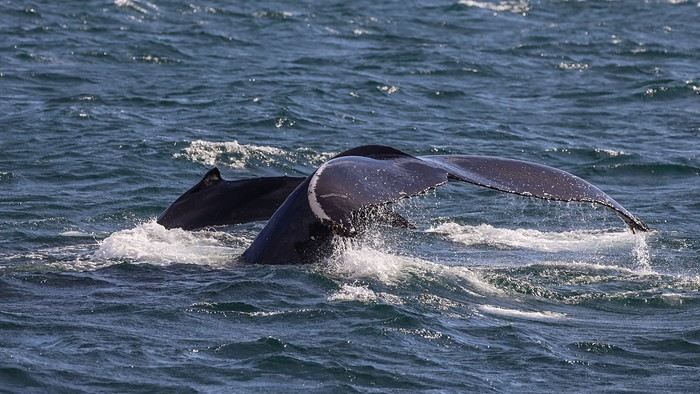 After about an hour spent with this pair, with the guide’s excited exclamations keeping everyone’s attention, we think we spot a huge shape in the distance. The boat’s captain hurries to approach another boat.
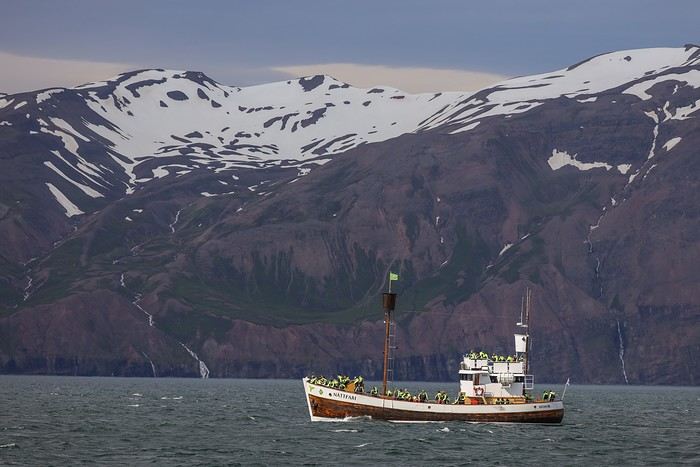 A few minutes later, we see a massive blue-gray shape emerge from the water. No doubt about it—it’s a blue whale, the largest mammal on the planet!
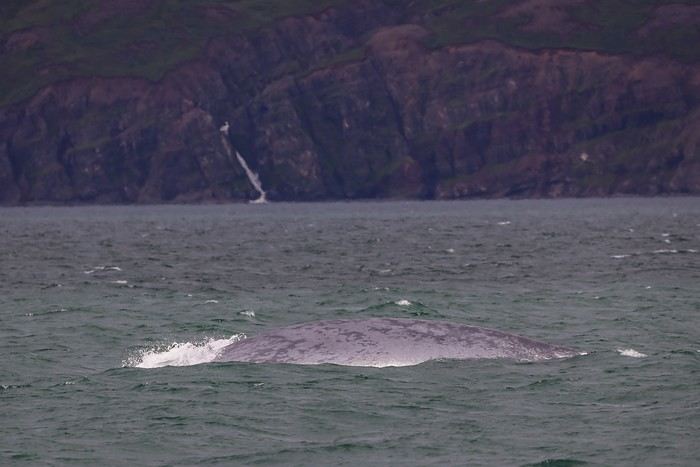 The big challenge with blue whales is that they stay underwater for a good 15 minutes without coming up for air. So it’s a bit of a lottery to be near the spot where they’ll resurface. Every time they come up, there’s a big cheer from the crowd, the captain guns the engine to get closer, a few mediocre zoom shots are taken from too far away, and then another 10-15 minute wait...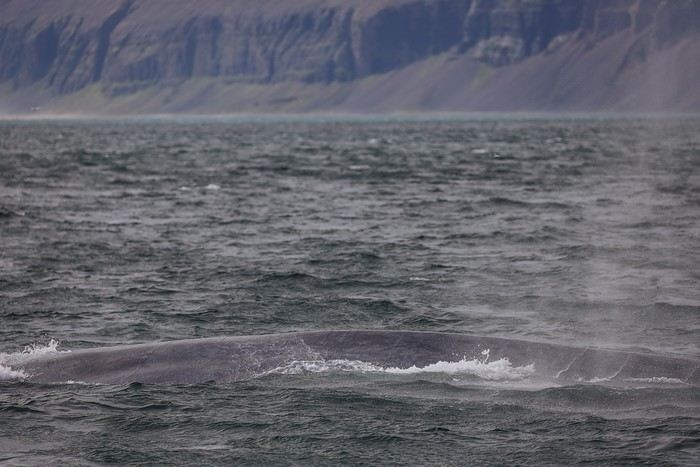
 to take the F910. We drive at a reasonable distance behind a Landcruiser that lets us pass to snap a few photos.
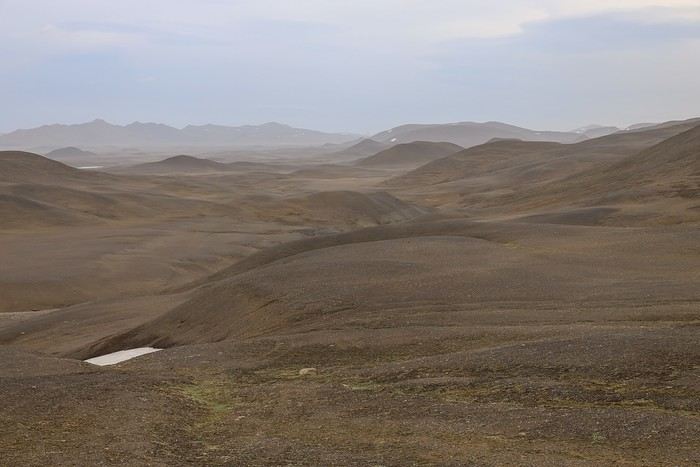 The first river crossing is a simple formality. However, the second one, about 30 km from the campsite at the start of the track, is deeper.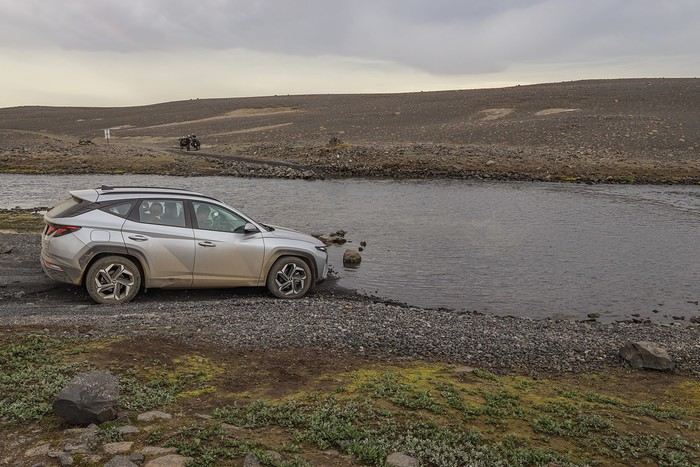
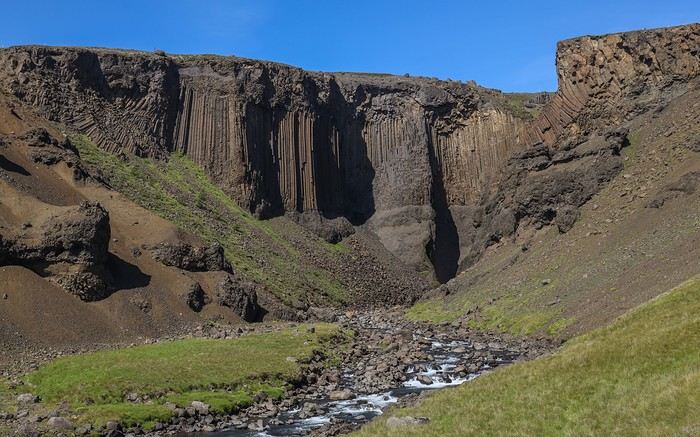
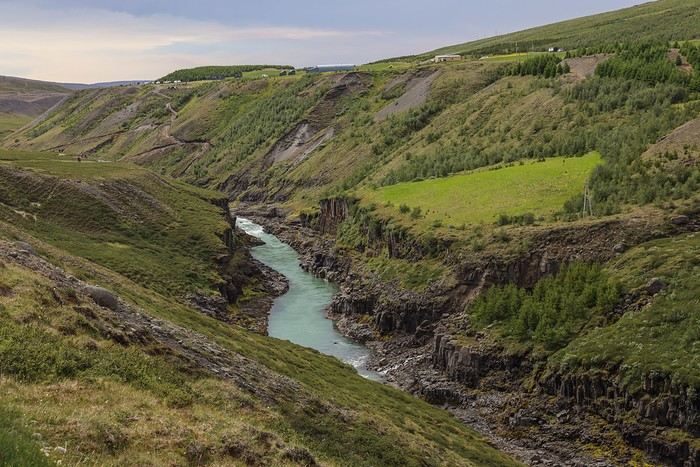 Here are the first basalt columns lining the turquoise-blue waters of the Jökla River!
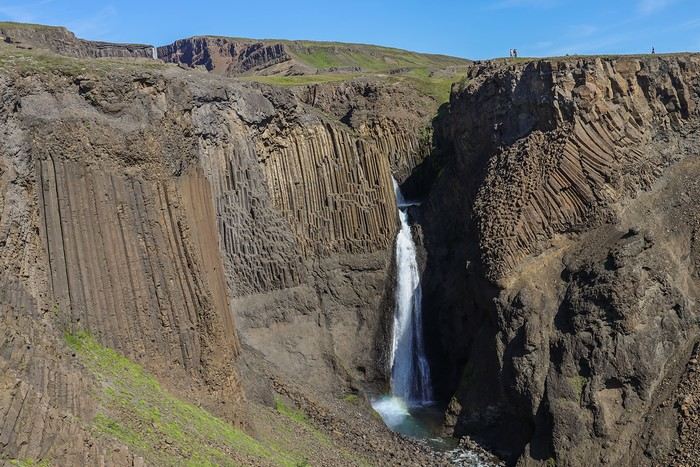
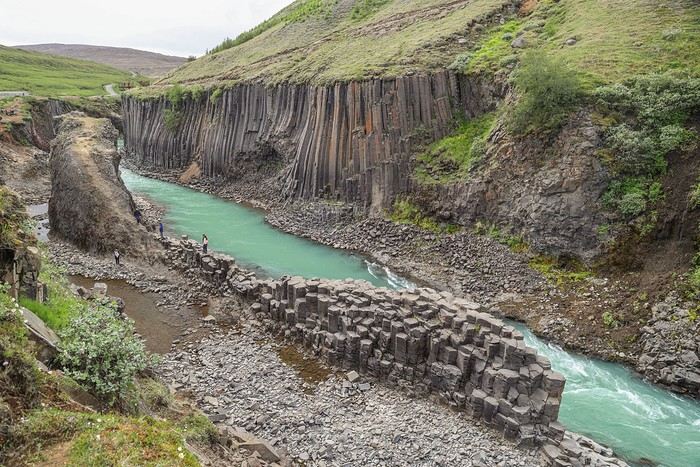 The most incredible part? This canyon was completely unknown in 2017... It was only after the 2009 construction of the Hálslón reservoir and the massive Kárahnjúkar hydroelectric plant further south that the basalt columns, previously underwater, were revealed!
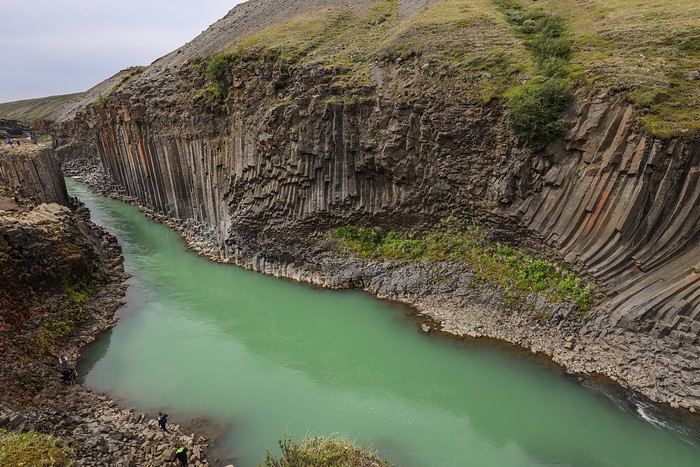 We can’t get enough of these basalt columns from every possible angle!
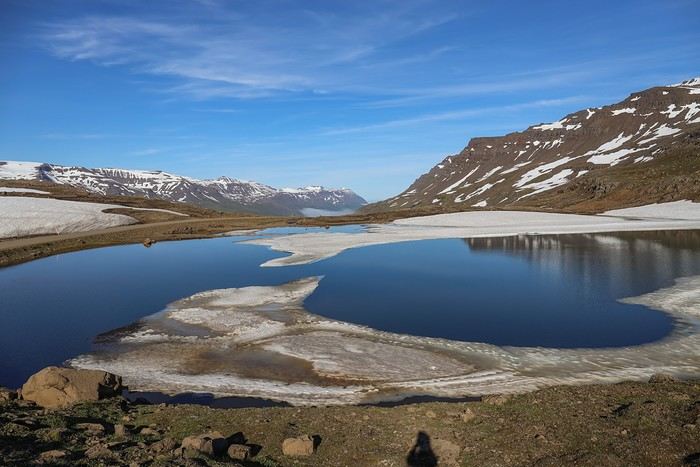
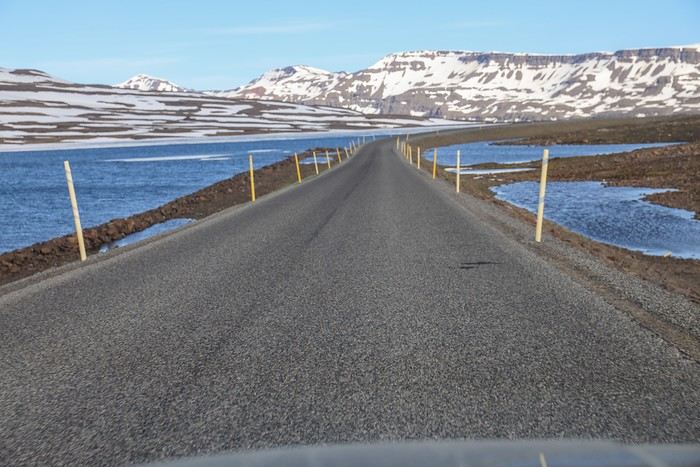 While most drivers speed along the road, we prefer to wander near a lake still partially frozen and covered in ice sheets. What a country!!
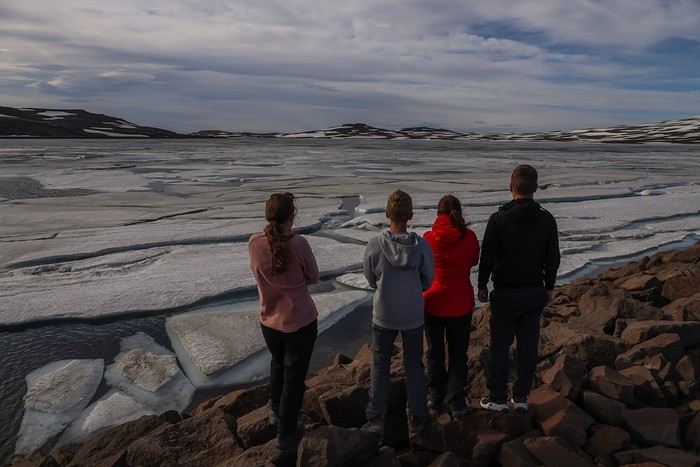 A little further, another lake, another scene!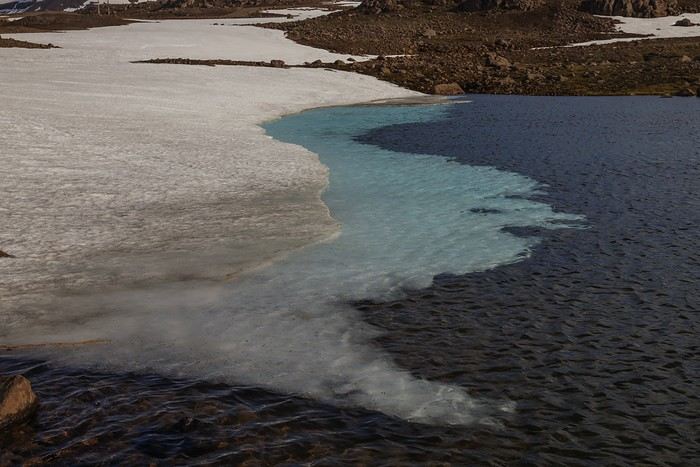
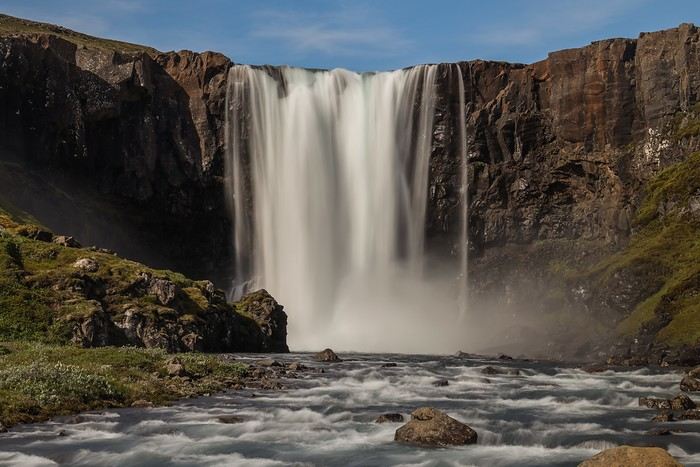
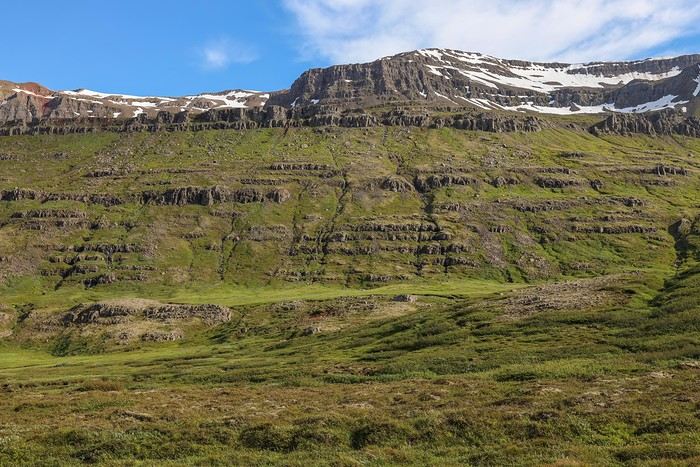 but especially to the stunning Gufufoss waterfall, sending up its plume of mist amid the greenery!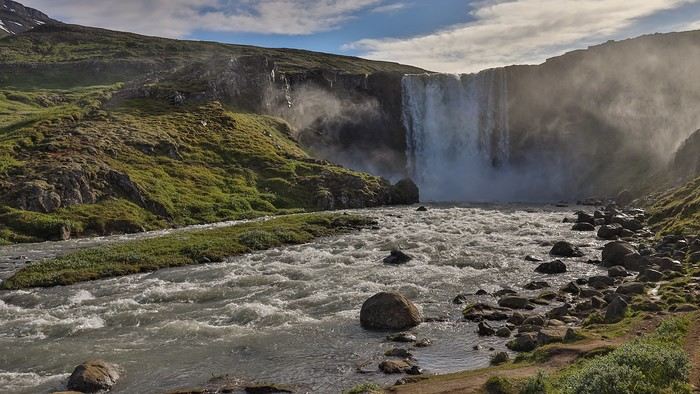
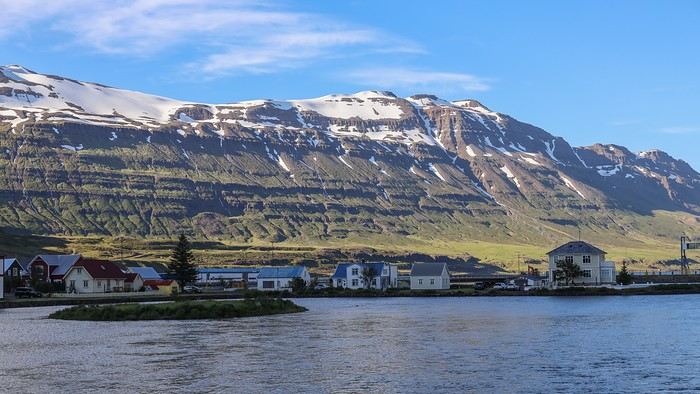 Tourists were sitting at outdoor terraces enjoying a drink, kids were playing in the green spaces, and Icelanders were having fun canoeing on the Lónið, a small lake that connects the river to the ocean...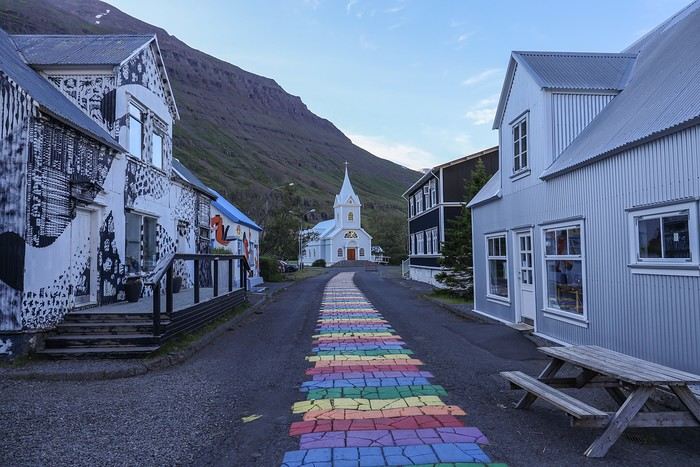
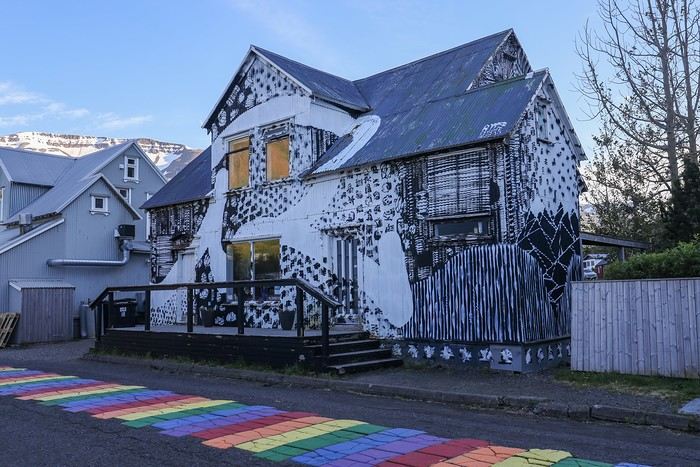 What to say about this end of the day... We were supposed to camp by Lake Askja and would have likely slept under a gray, overcast sky. But Iceland’s incredible variety in scenery, atmosphere, and landscapes made this backup evening in such a charming spot so enjoyable—almost making us forget the missed rendezvous with the volcano...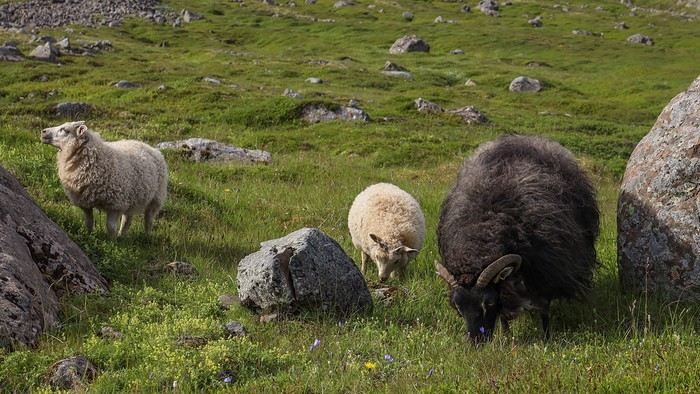
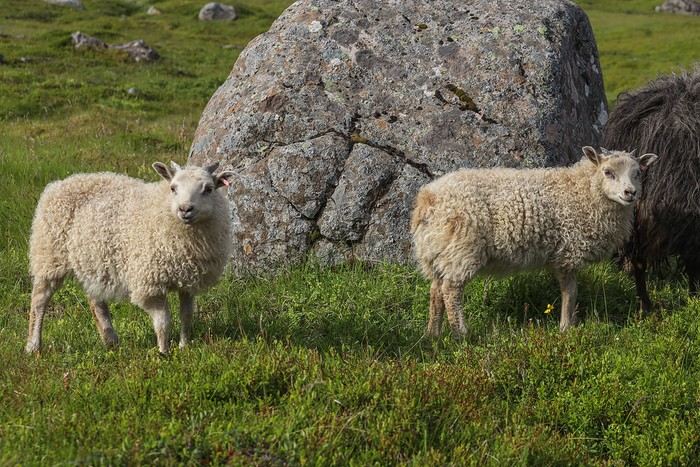 Then we decide not to risk crossing a ford just a short distance from the end of the track, and turn back promptly—today, we’re hoping to spot our first puffins of the trip!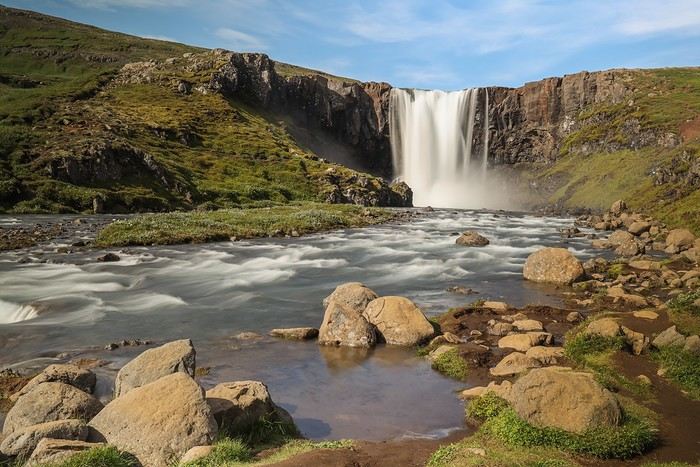
 One last glance at the fjord,
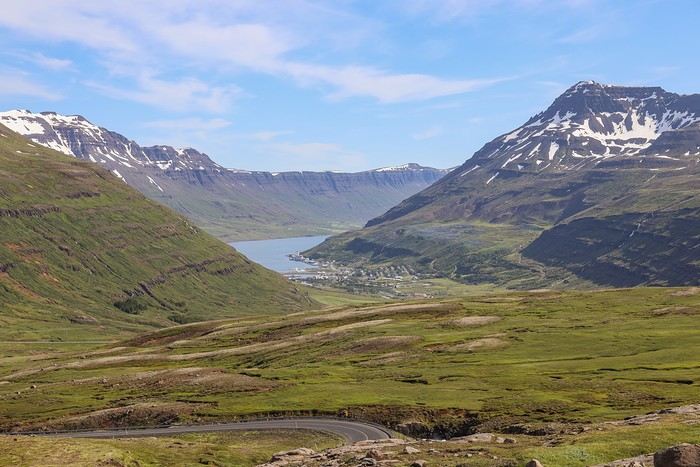 and we head back to Egilsstadir, pass the garage again, and take the road north.
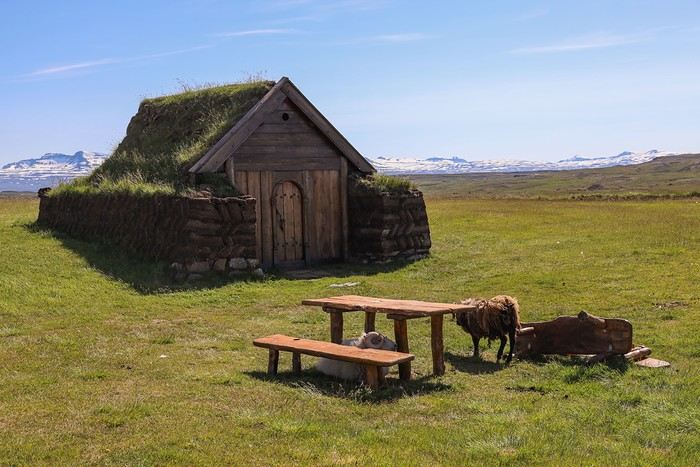 The second is Kirkjubæjarkirkja, a black-painted church with a red tin roof, completely isolated in the middle of nowhere. There’s not a soul for miles around.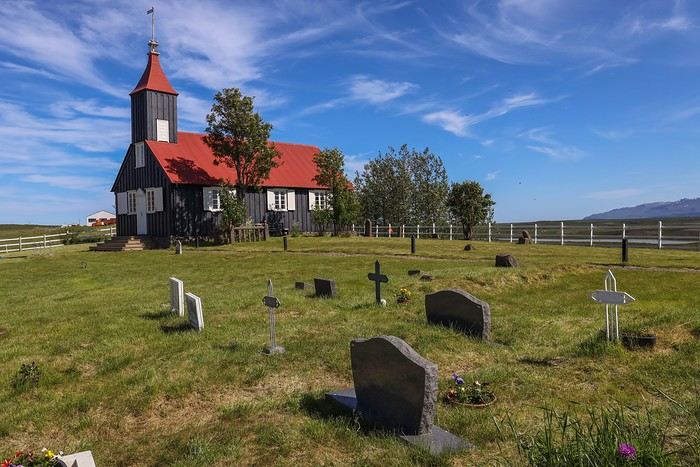
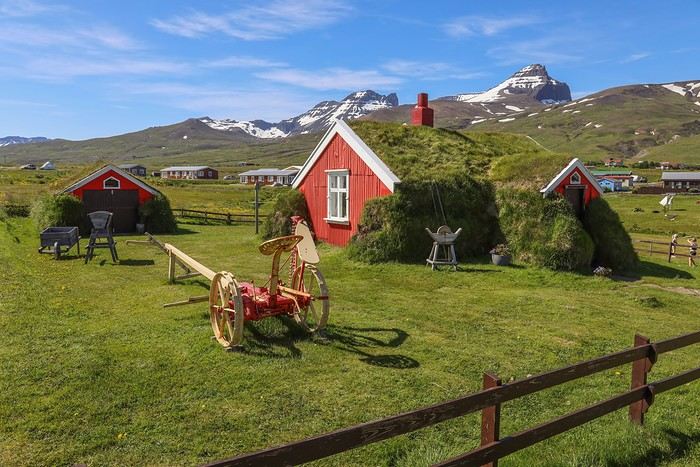 And here we are at Borgarfjarðarhöfn harbor,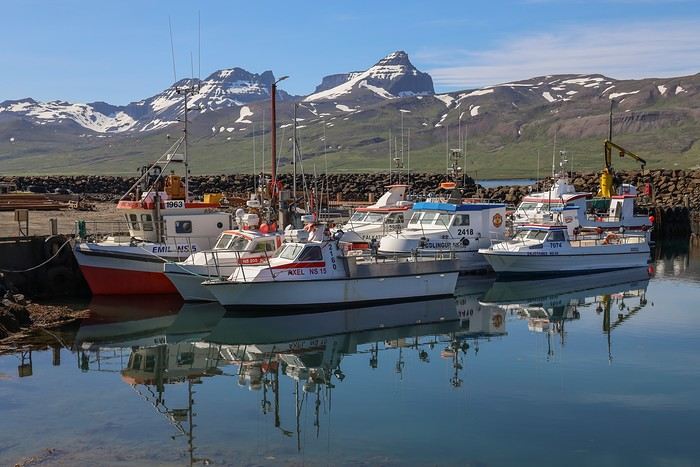
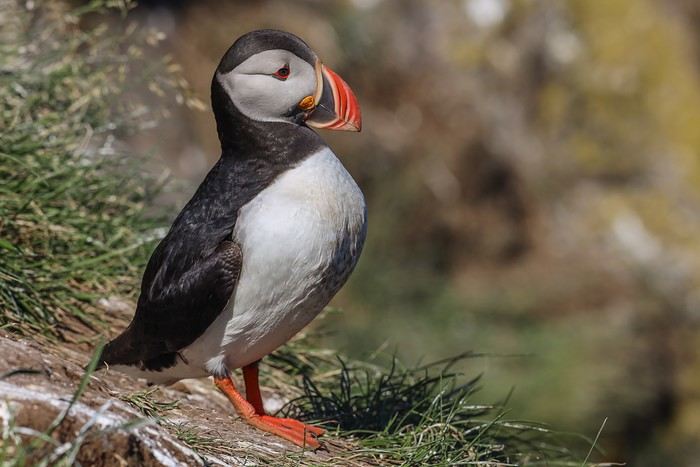
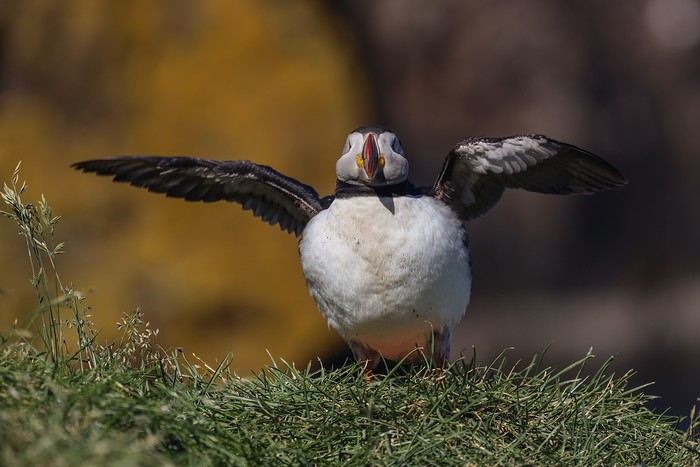
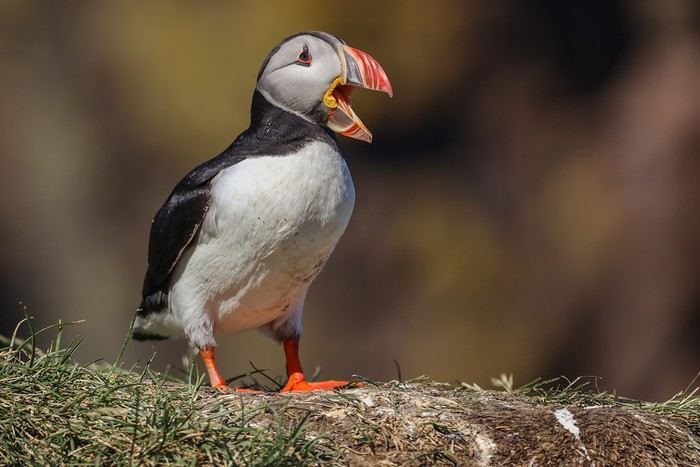 These birds are hilarious and not at all shy—some even come within a few dozen centimeters of us without fear.
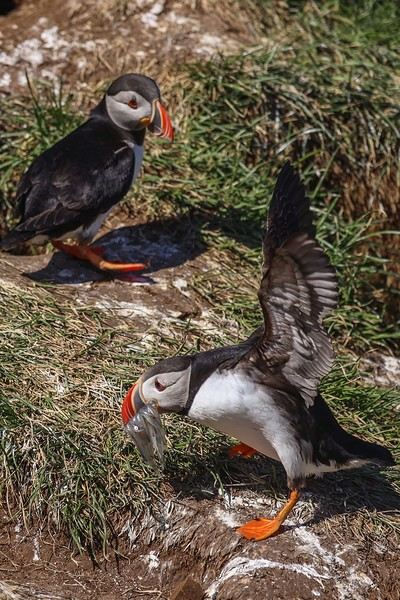 This was the first time I realized how limited my camera is. I don’t know if it’s the body or the speed of the lens’s autofocus, but I could barely get a sharp shot. Oh well, let’s just say the puffins are too hyper... 🏴☠️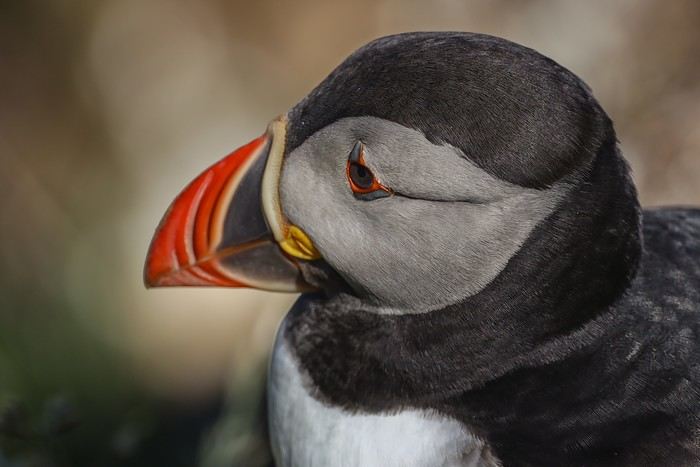
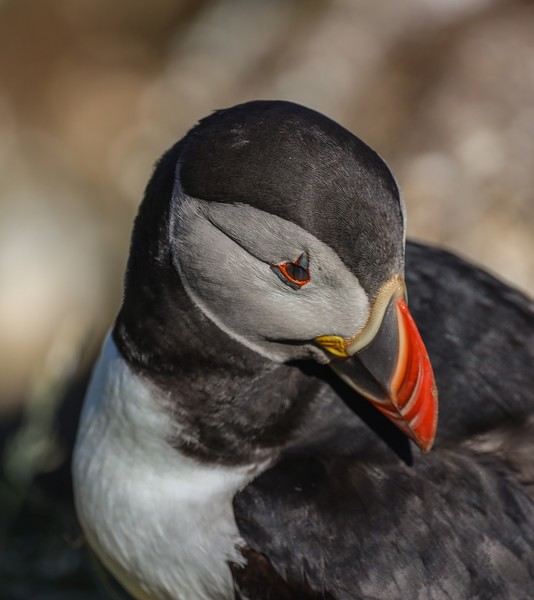
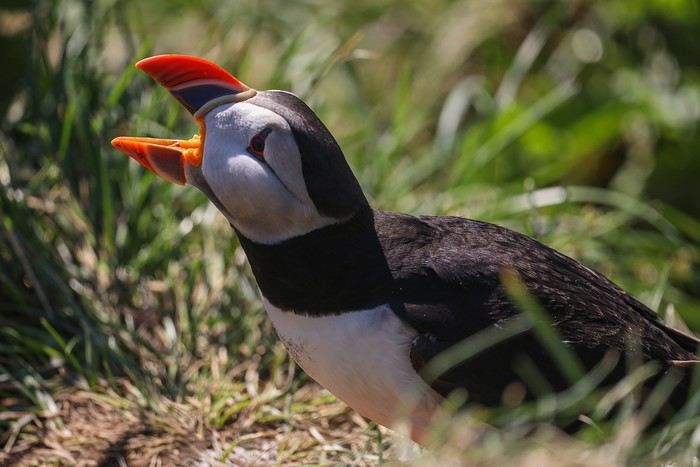
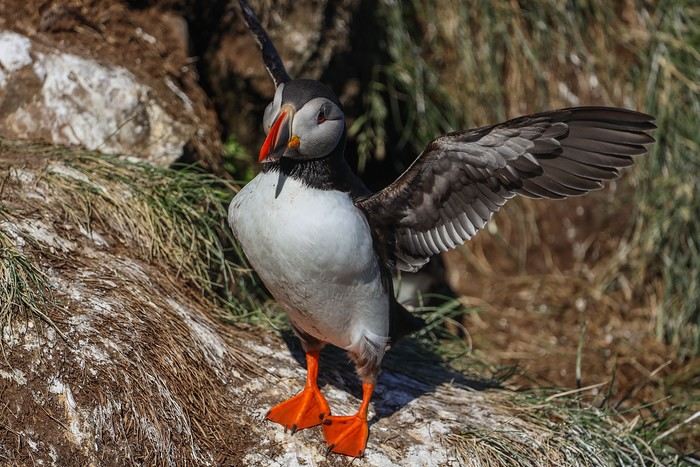 After an hour and a half of observation, we tear ourselves away from this magical place—definitely one of our best travel memories! !
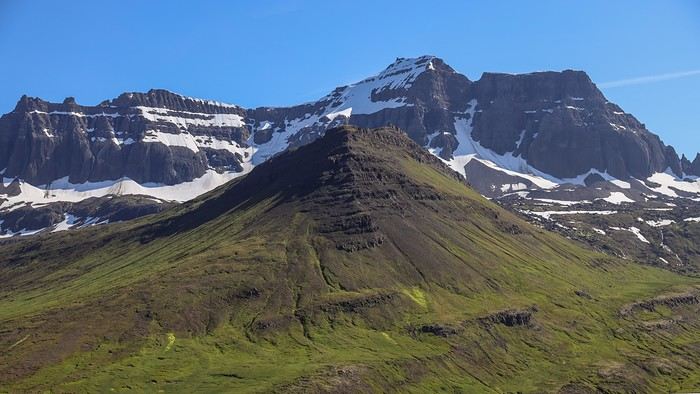 What a view of the coast!
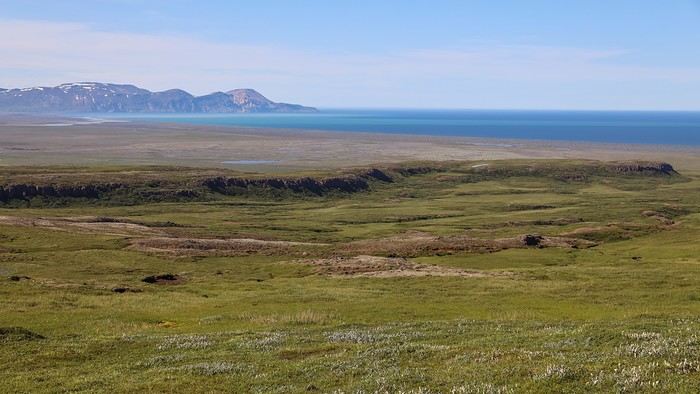 Some waterfalls have a stronger flow and are trickier to cross.
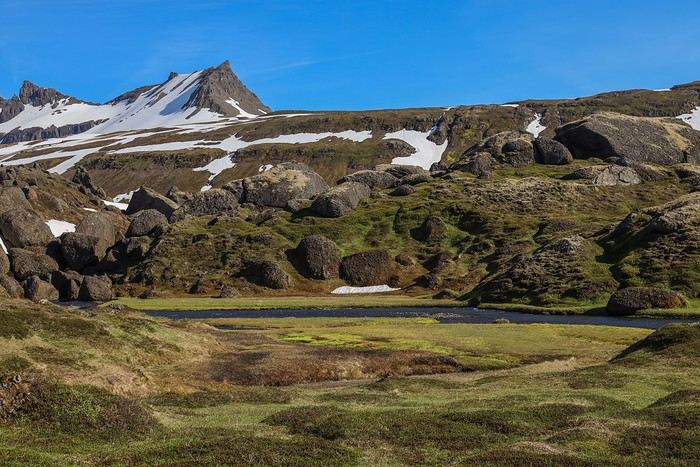 Once there, the loop winding around the lakes and mountain rivers with its meanders is just breathtaking!
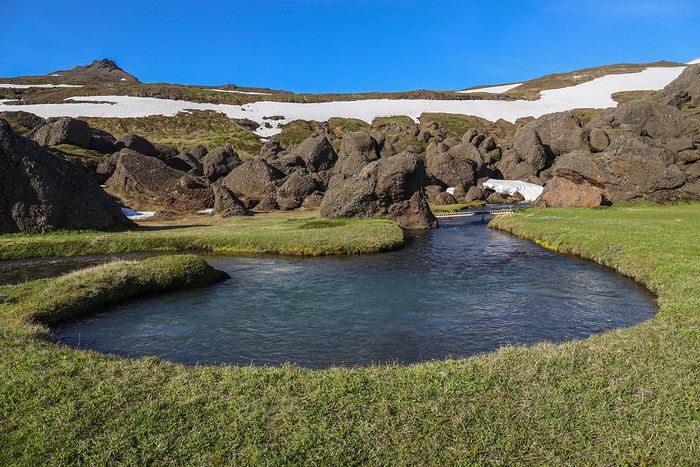 The last few hundred meters to reach Stórurð Lake feel really long—our legs are already tired. Some areas are still quite snowy.
The huge rock formations become more and more frequent; we’re almost there 🙂
The last few hundred meters to reach Stórurð Lake feel really long—our legs are already tired. Some areas are still quite snowy.
The huge rock formations become more and more frequent; we’re almost there 🙂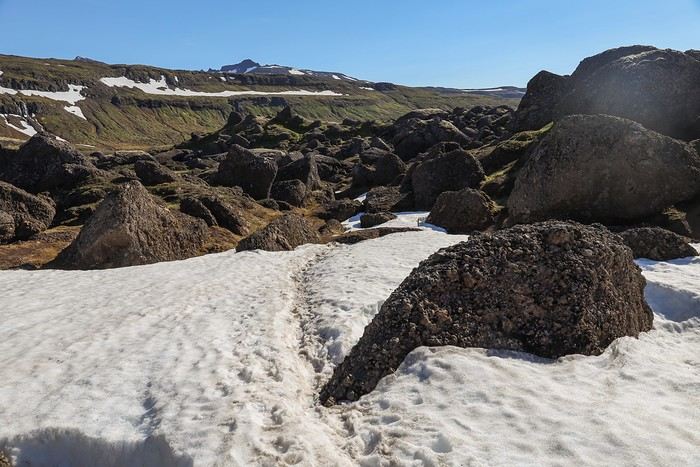
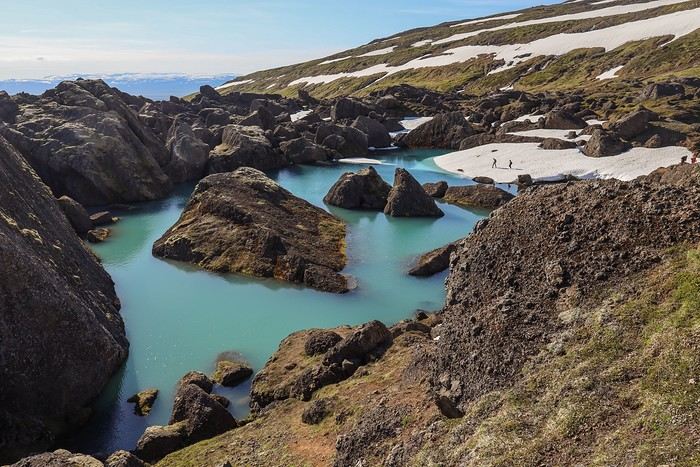 The view is stunning 😎, leaving us speechless. Stórurð is undoubtedly one of the hidden gems of the Eastfjords, and we know we’re incredibly lucky to enjoy it under a clear blue sky and in T-shirts !!
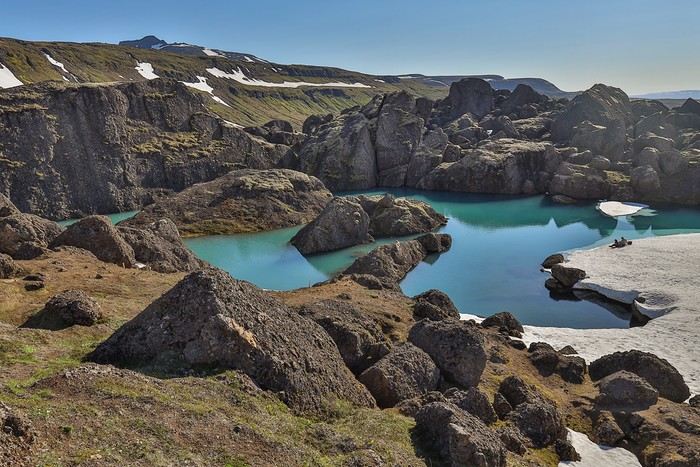 The light and color of the lake change as we get closer.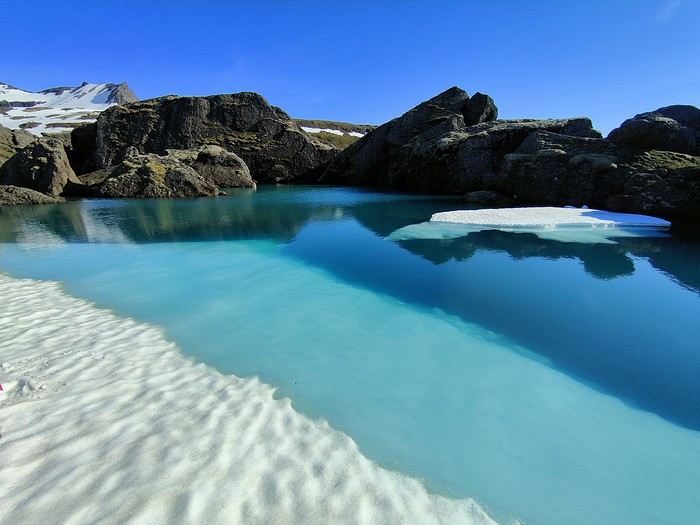
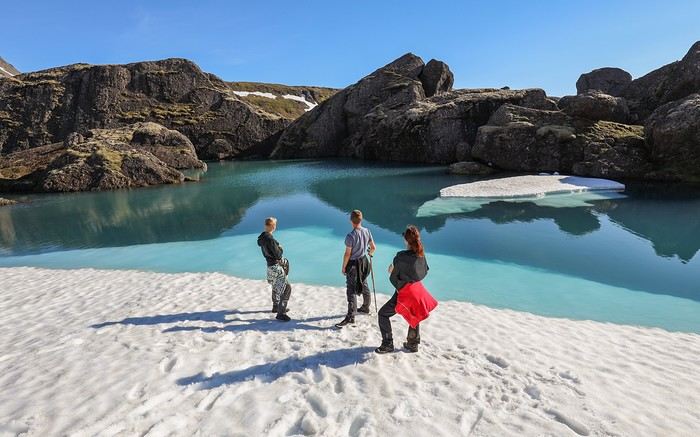 We could easily spend hours just gazing, but it’s 6:10 PM, and if we want to have dinner at a pizzeria in Egilsstaðir, we’d better get moving on the way back...
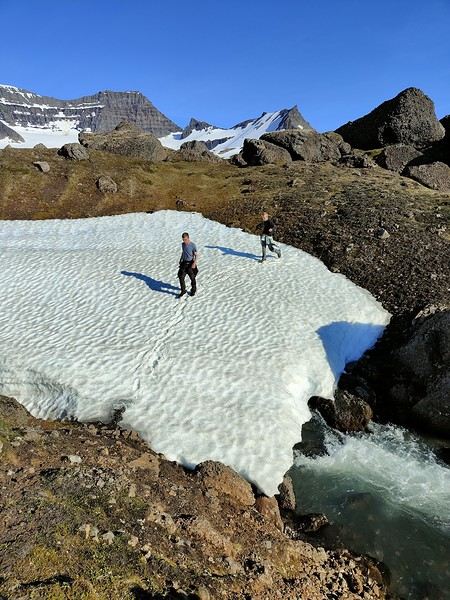 On the way down, the same green meadows, marshy areas, small ponds, and waterfalls, but we don’t take much time to stop—our stomachs are growling.
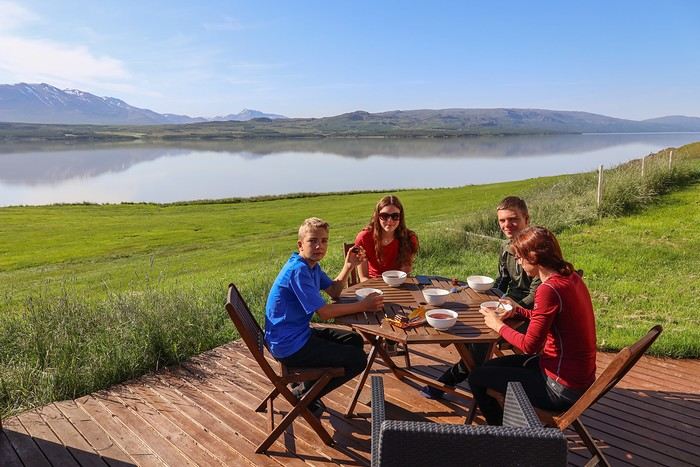 In the area, there are two remarkable waterfalls: Hengifoss, which faces east (so best in the morning), and Strutsfoss, which faces west (planned for this evening if we feel like it).
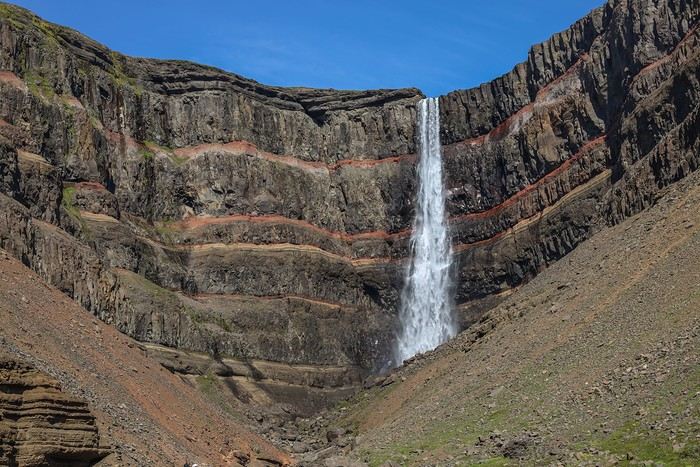
 Then, after a steady and easy climb, Hengifoss revealed itself—a 120-meter waterfall set in an amphitheater of red and black rock strata!
 The descent gave us a chance to enjoy some gorgeous views!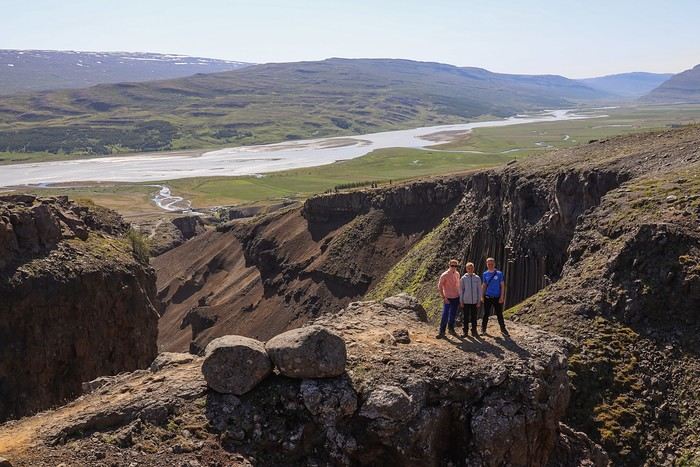
 After Seyðisfjörður Fjord, the second fjord I absolutely wanted to visit was Mjóifjörður—a remote, little-known, and therefore barely visited spot!
 As soon as we crossed to the other side, we were treated to an absolutely breathtaking panorama of the fjord!!
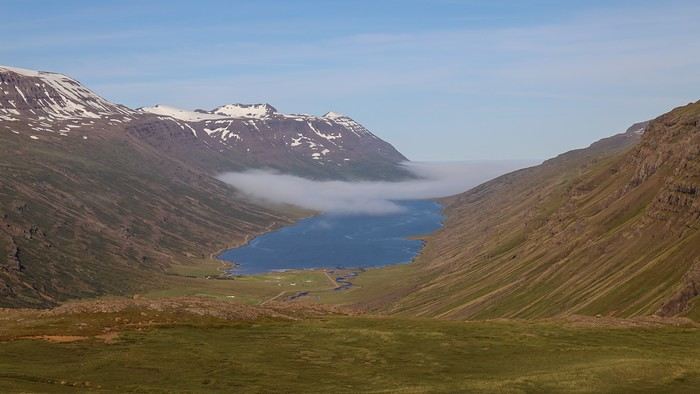 We drove through beautiful meadows, with lingering snow patches and several waterfalls cascading down the mountains. The narrow dirt road wound down the pass into the fjord after an impressive number of switchbacks.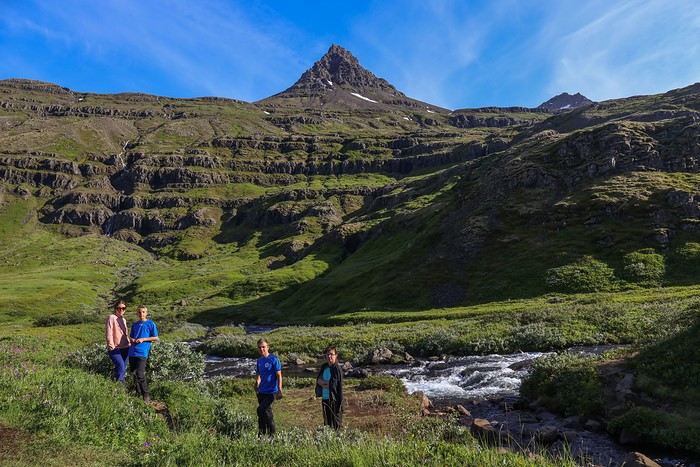
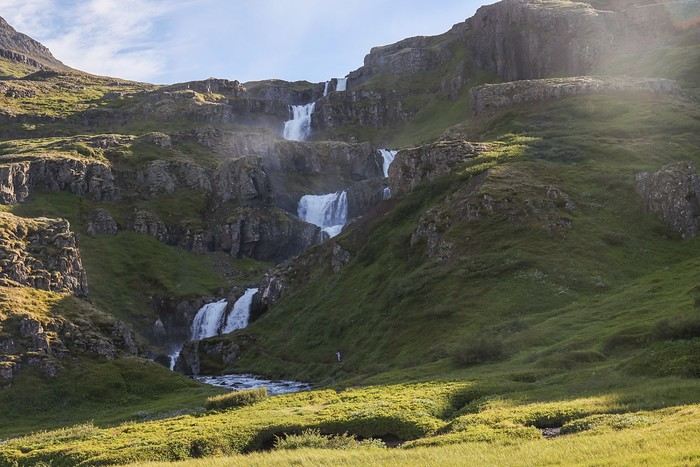 Once we reached the edge of the fjord, we easily spotted the wreck of an old boat that’s been stranded since 1966 and rusting ever since.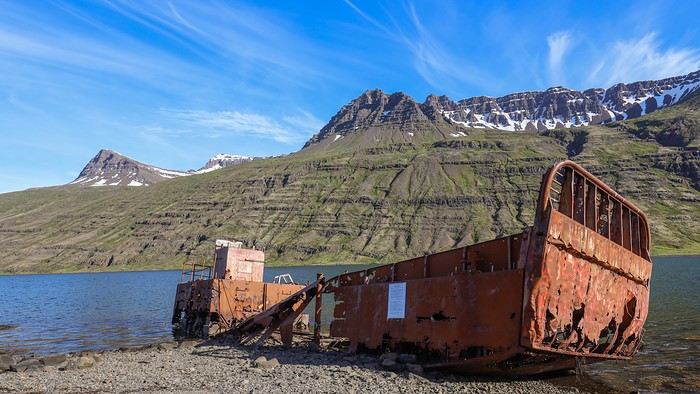
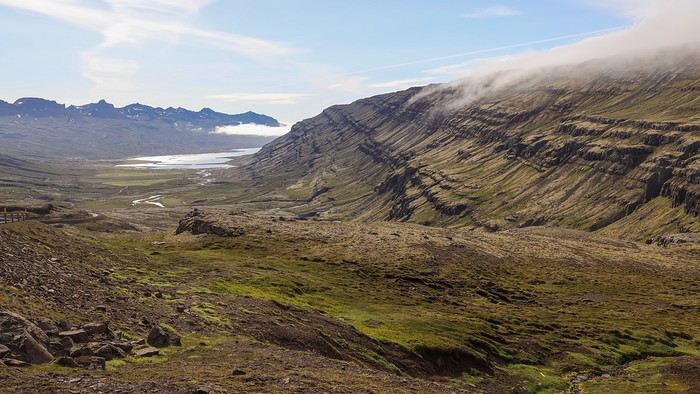
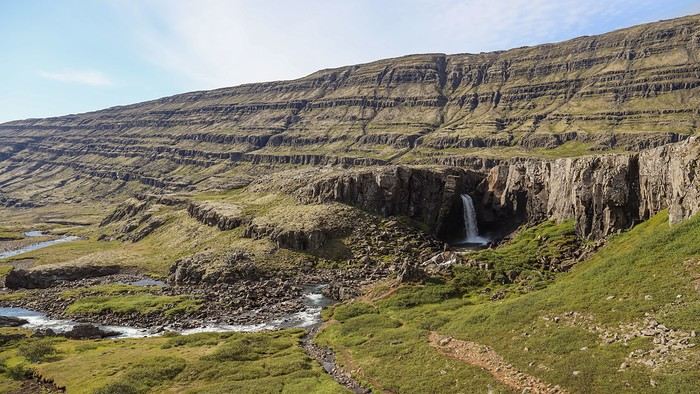
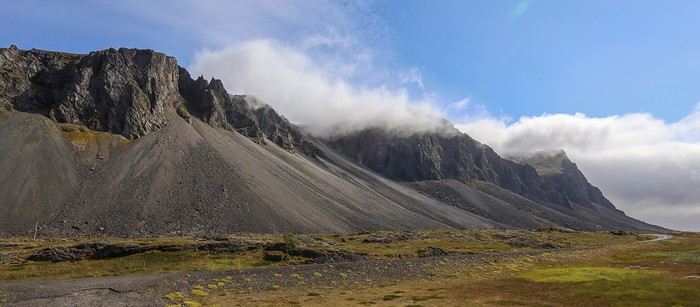
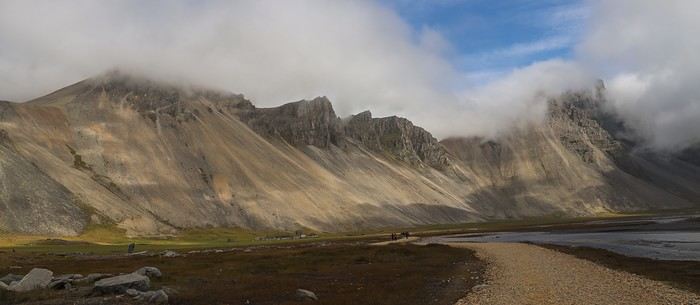
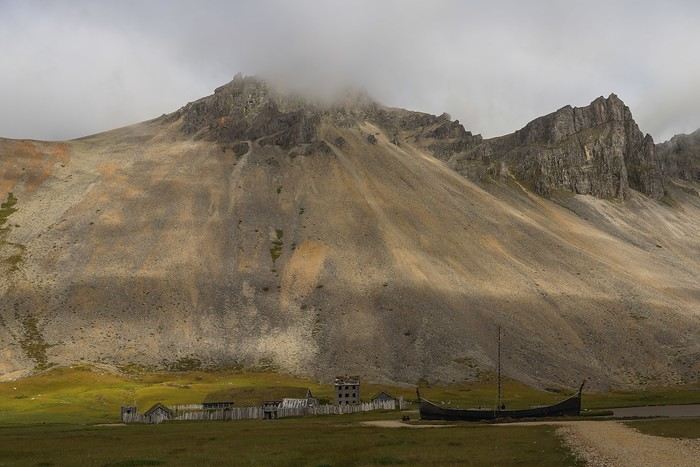
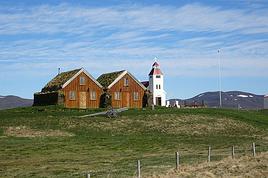
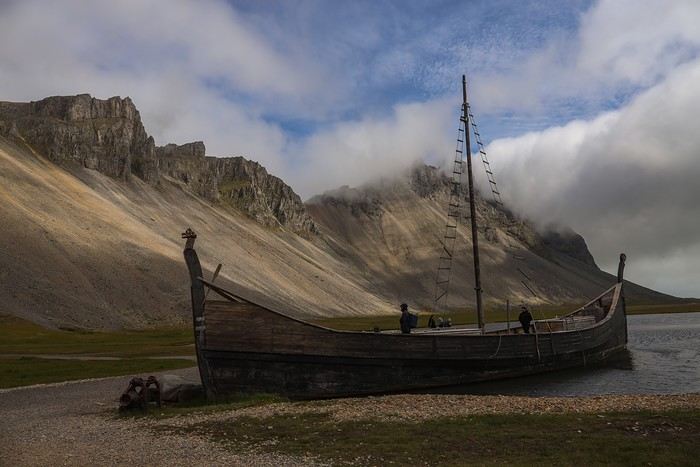 The visit is pretty quick—all the Viking village buildings are, logically, still in great condition.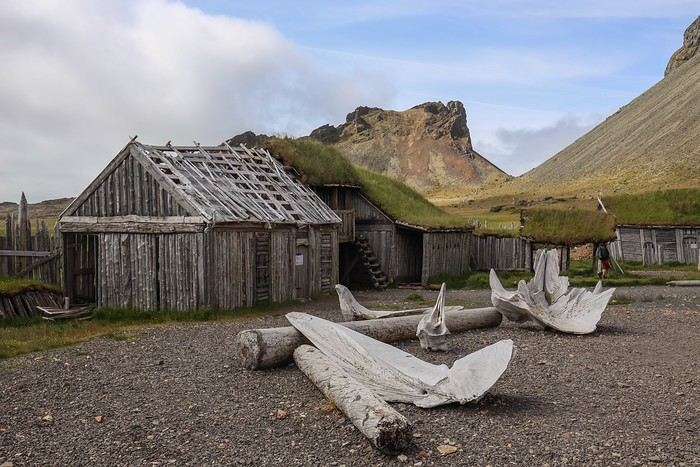
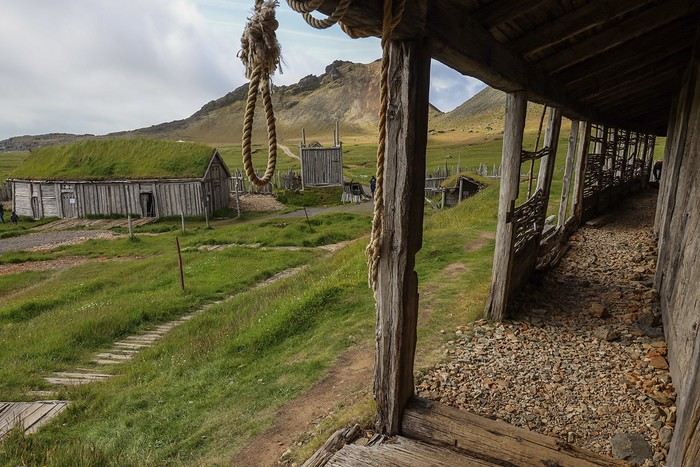 Next, we head toward Stokksnes Beach, one of Iceland’s most beautiful, with its black sand dunes.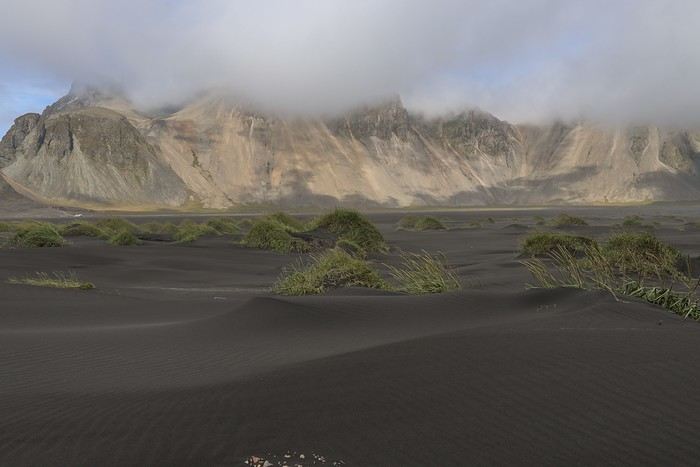
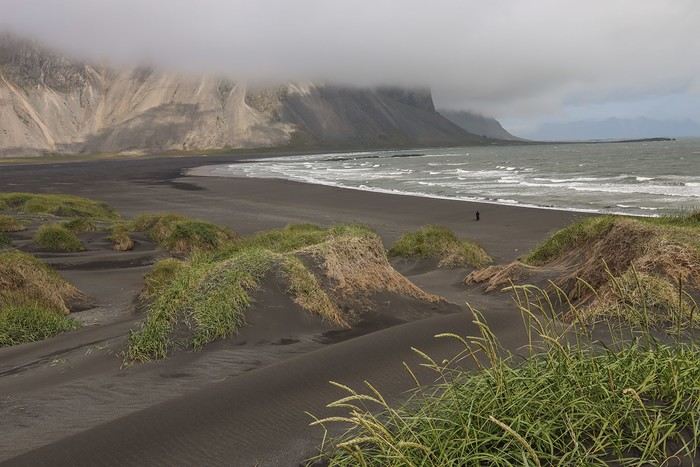 There are several hiking trails that offer different angles of Stokksnes with Vestrahorn Mountain in the background. But the wind is strong and cold, making the walk less enjoyable.
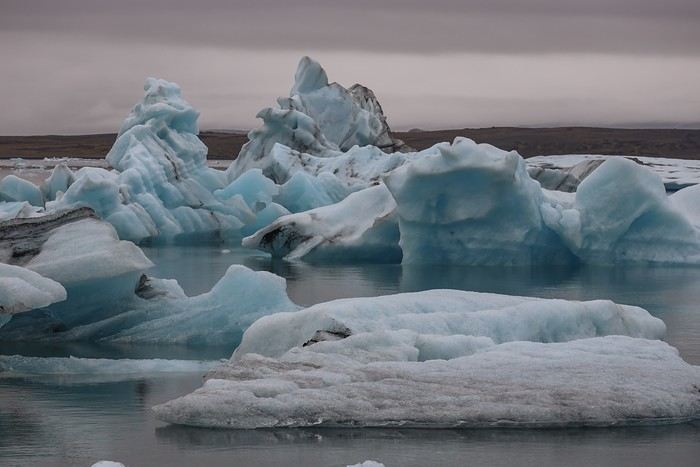
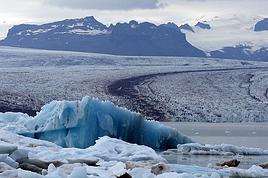
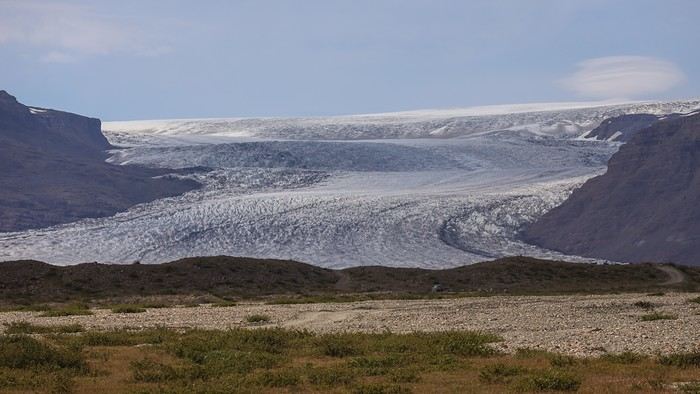 Then, the highlight of the day is Jökulsárlón, a lagoon filled with ice blocks that come from the immense ice cap of the Vatnajökull glacier, moving very slowly in the lagoon.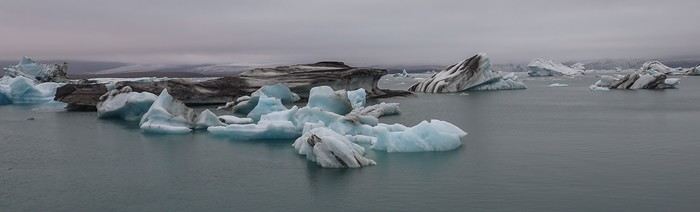
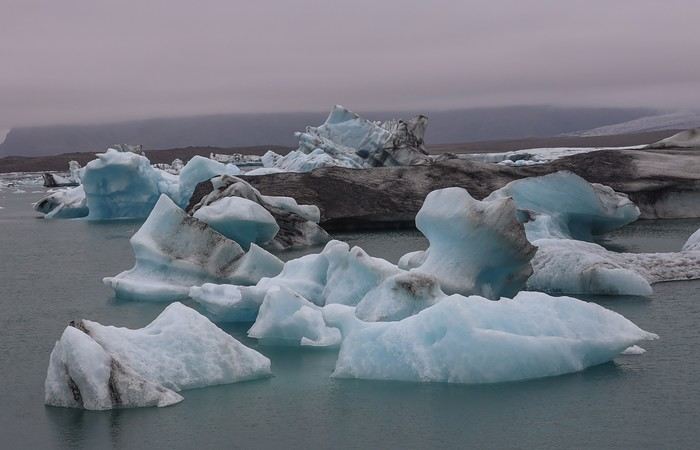 On the other hand, the rest of the family, who’s discovering the site both virtually and in person, is loving it!!
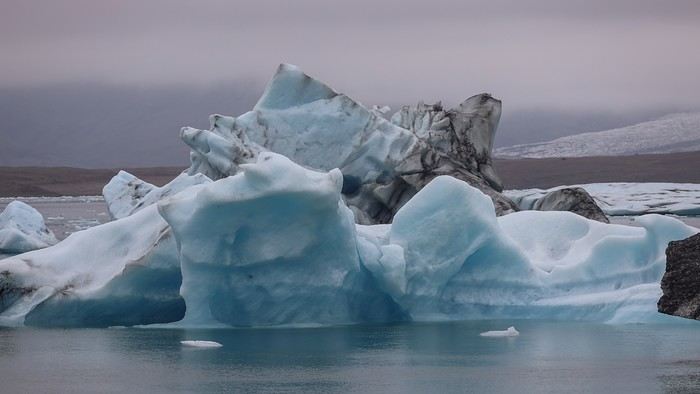 It’s chilly, hats are out, and so is the zoom lens to capture the details of the icebergs floating and inexorably heading toward the sea.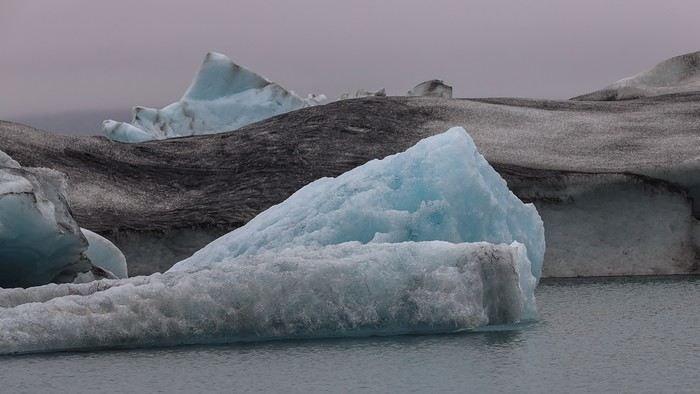
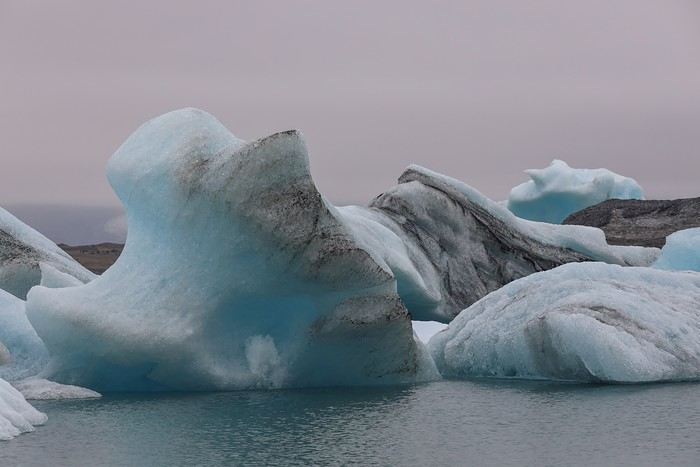
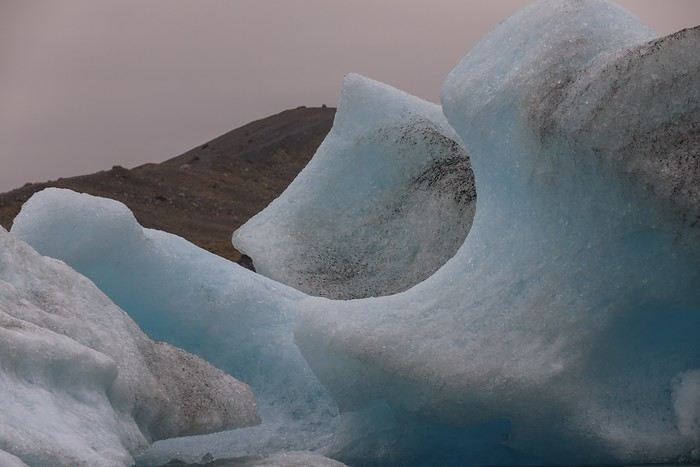
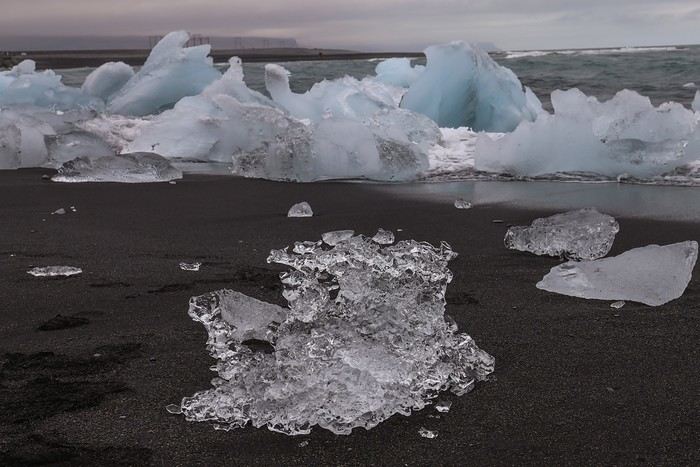
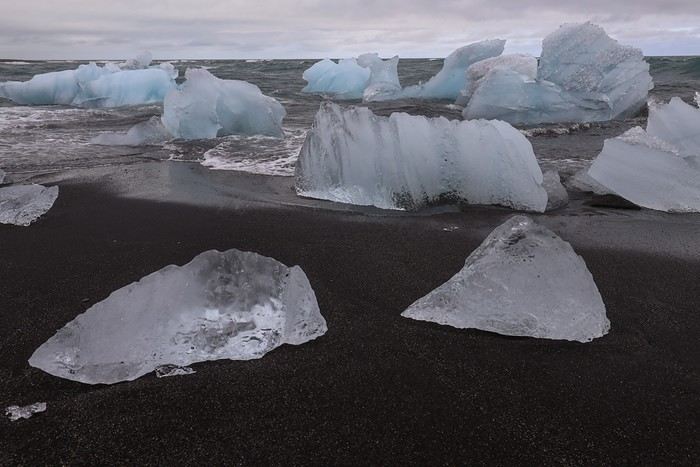 The last stop of the day is Fjallsárlón, another glacial lake about ten kilometers west of Jökulsárlón, and much less crowded than its famous neighbor!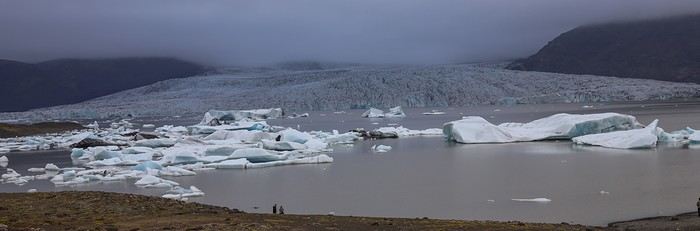
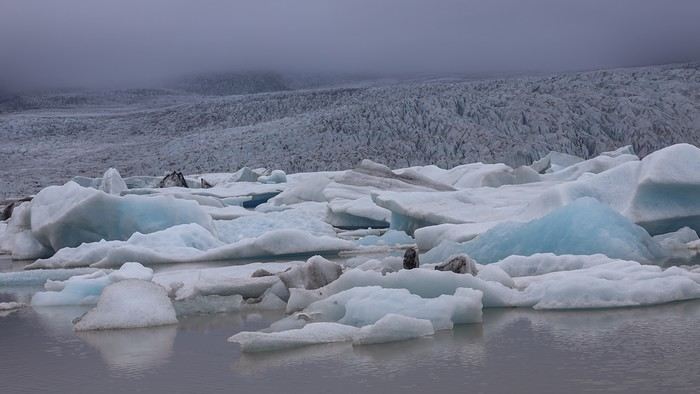 We hit the Ring Road 1 again until we reach the Svinafell campsite, with a complete change in atmosphere and lighting!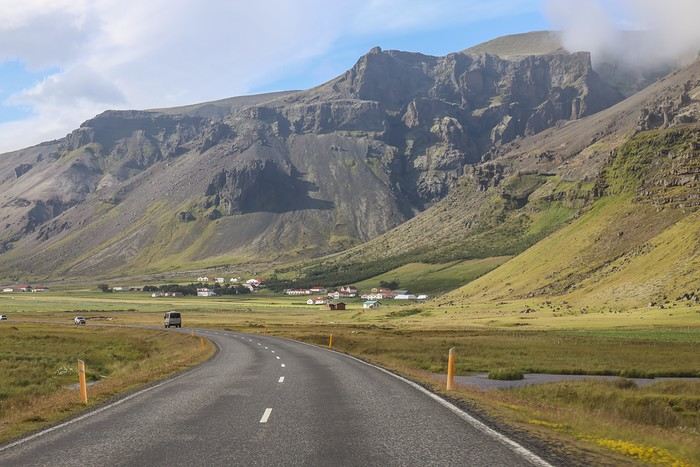
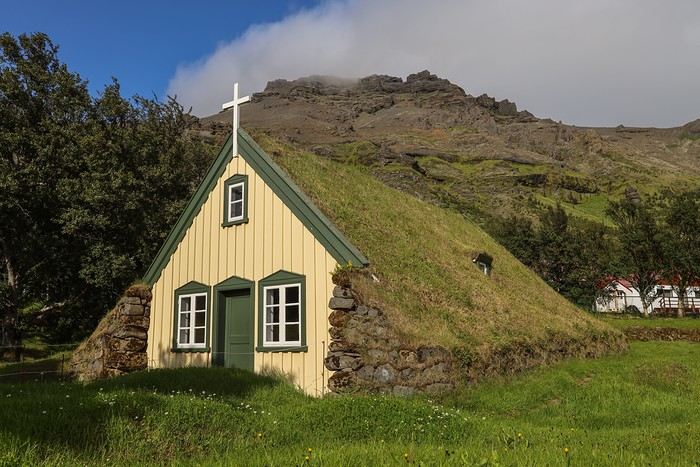
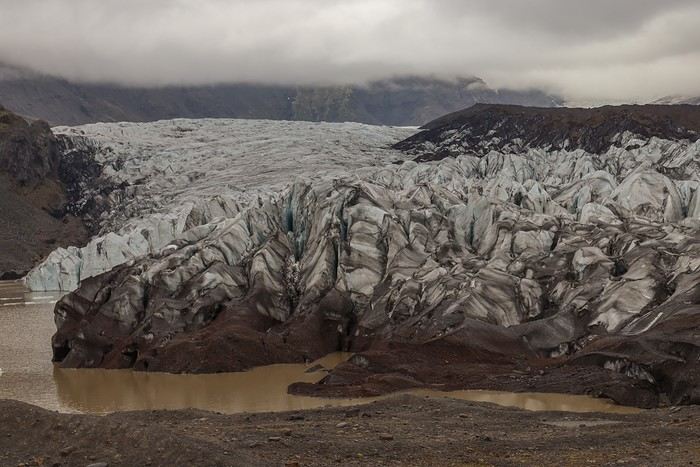 Then, we headed back to Jökulsárlón, the meeting point for our excursion, where the icebergs had shifted quite a bit since the day before.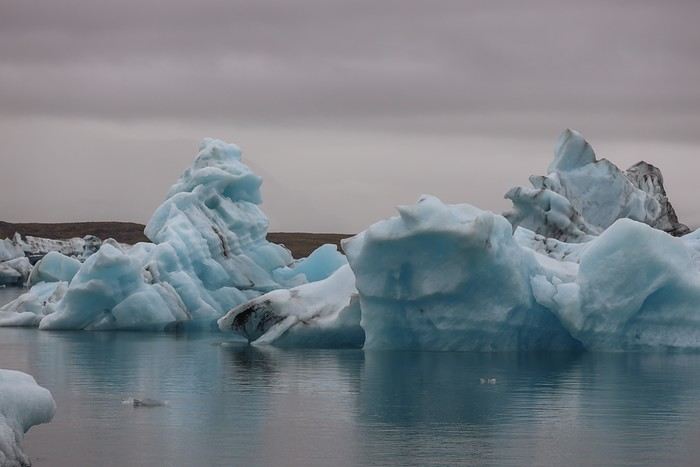
 At 9:45 AM, we returned to the parking lot and started looking for a sign from the Blue Iceland tour operator: a truck, a stall, a logo, etc. But we came up empty. We finally asked the other tour operators set up there, and none of them knew who we were talking about... 🤪
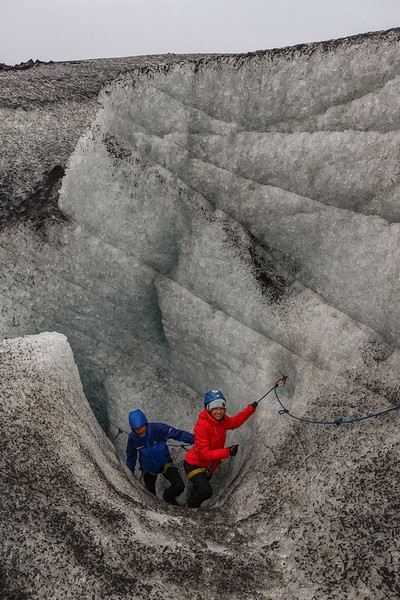 Even though it wasn’t really on the program, we were lucky enough to get to explore an ice cave. It’s melting, of course, but it’s amazing!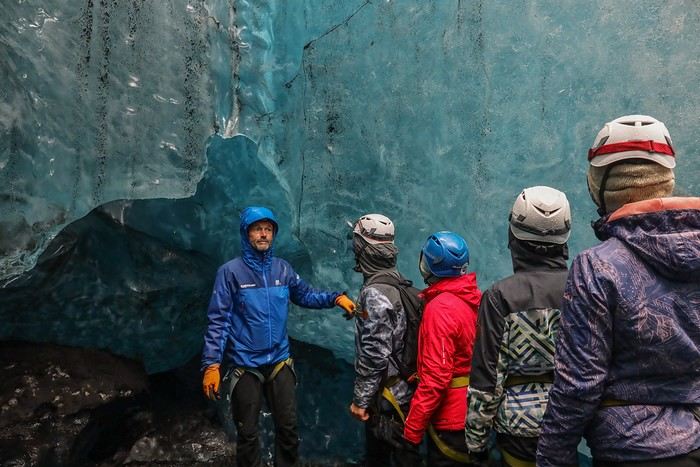
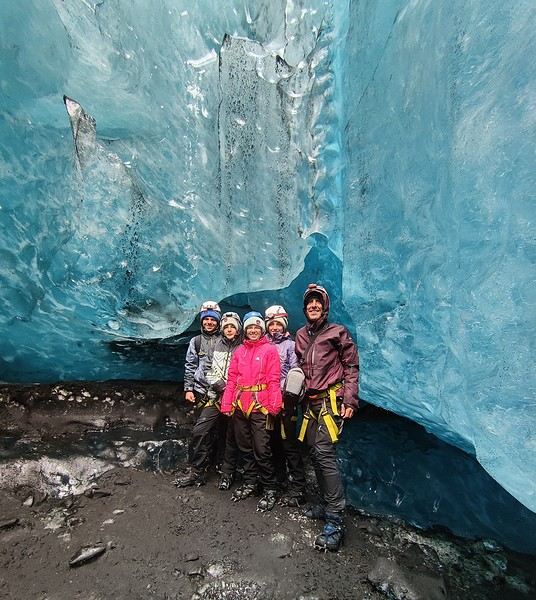
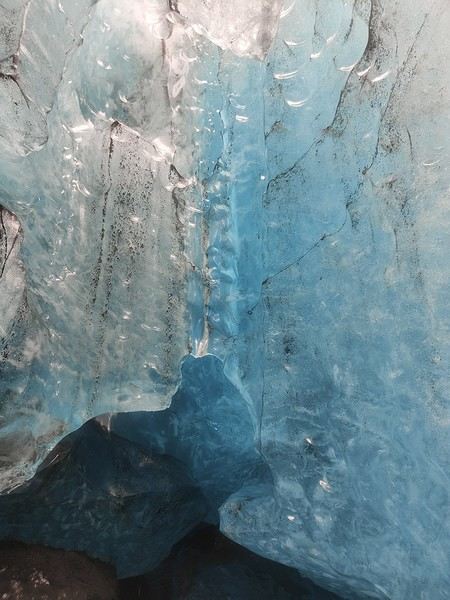
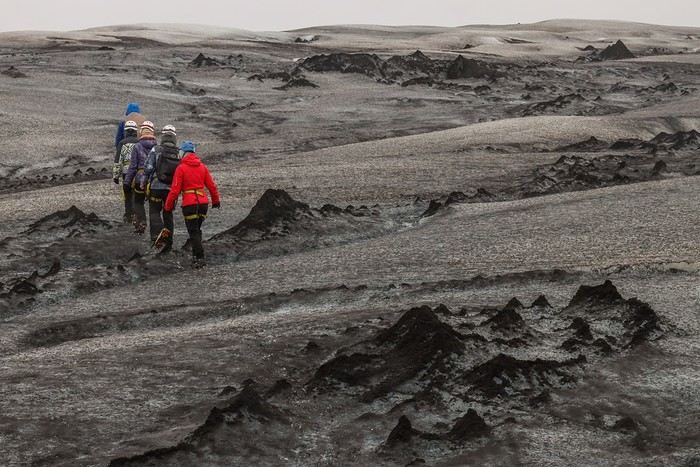
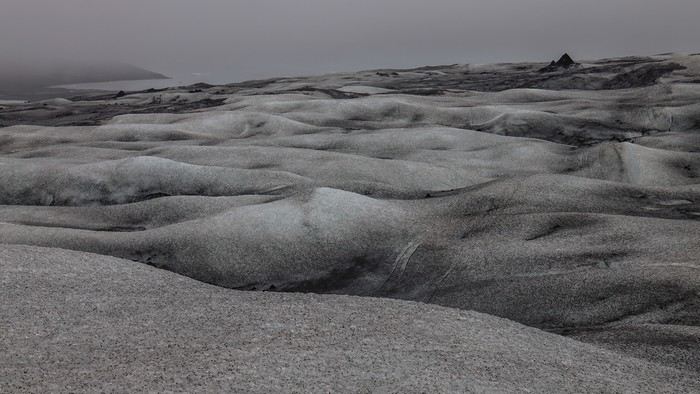
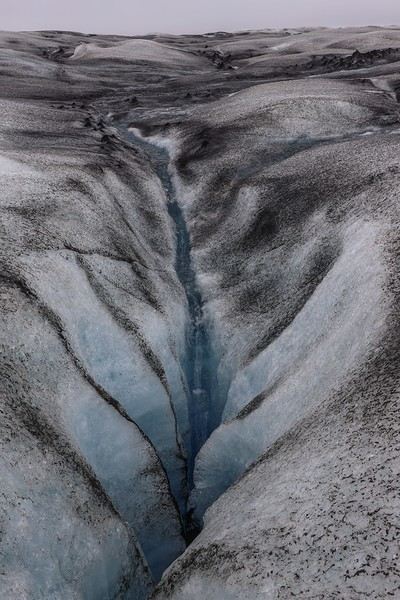
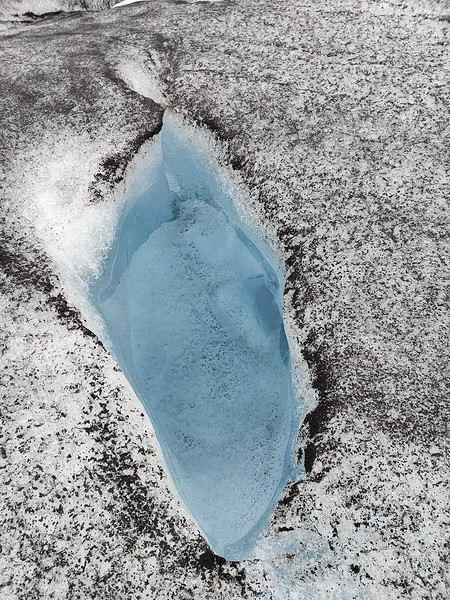
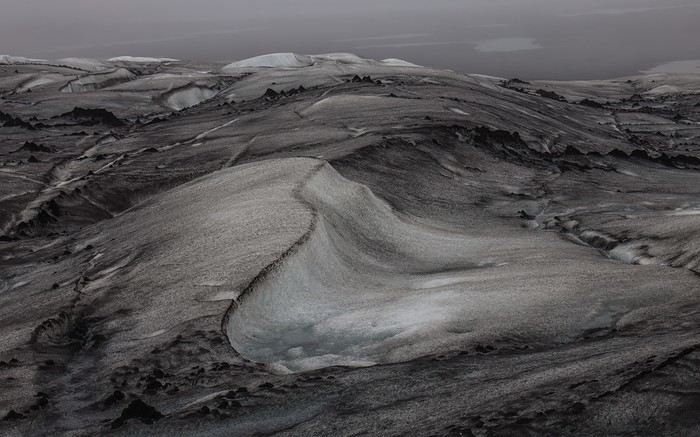
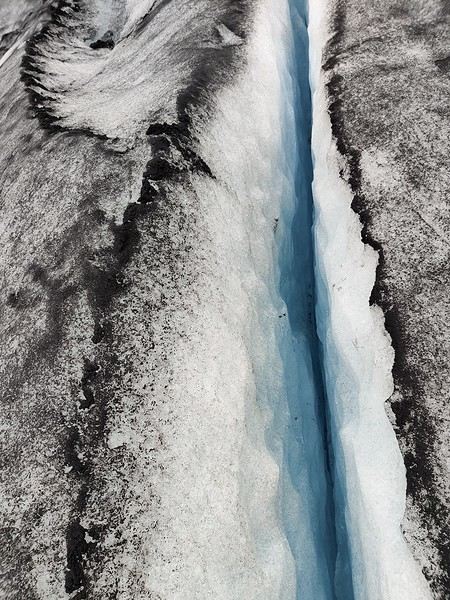
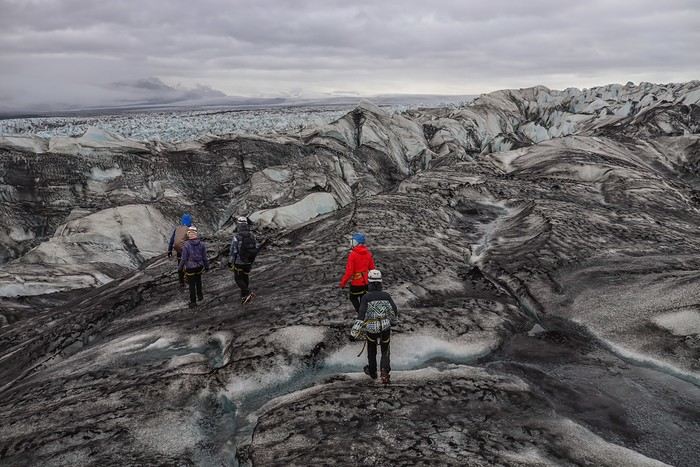 We’re almost at the end with a breathtaking view of the glacier and the ice blocks breaking off into the glacial lagoon of Jökulsárlón. Yann always goes ahead to test the path, validate the route, then comes back to lead us along his tracks...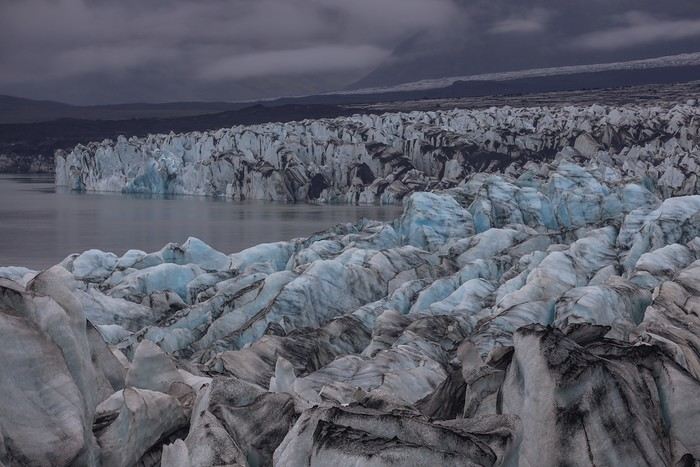
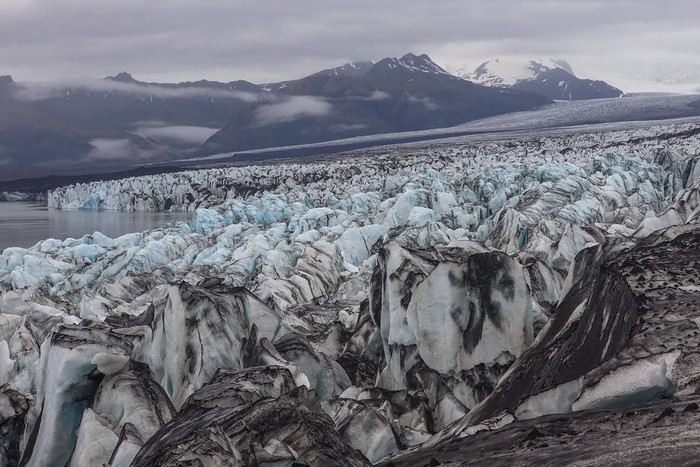
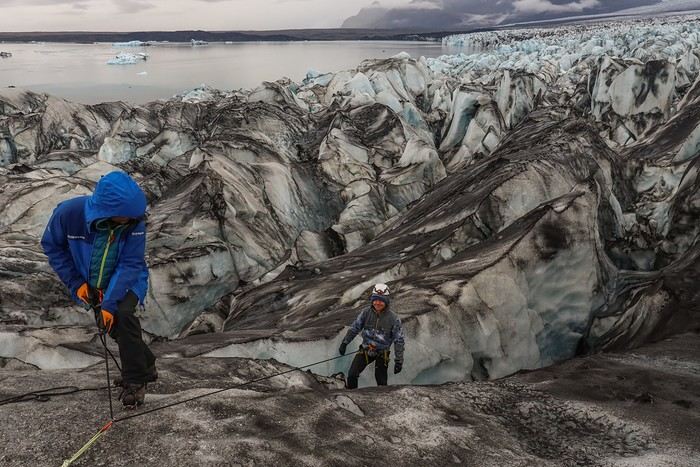
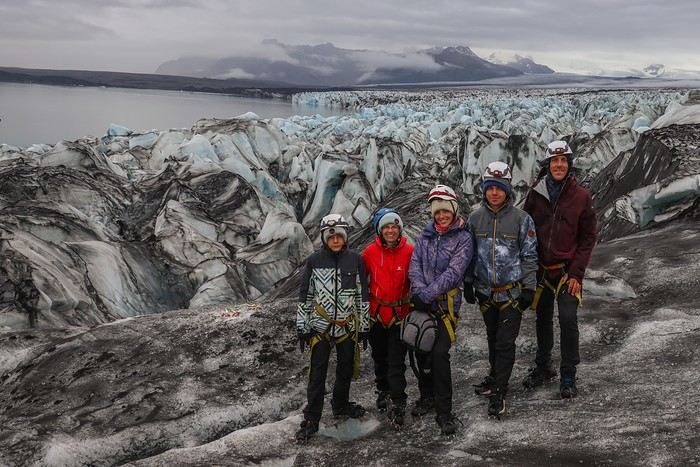
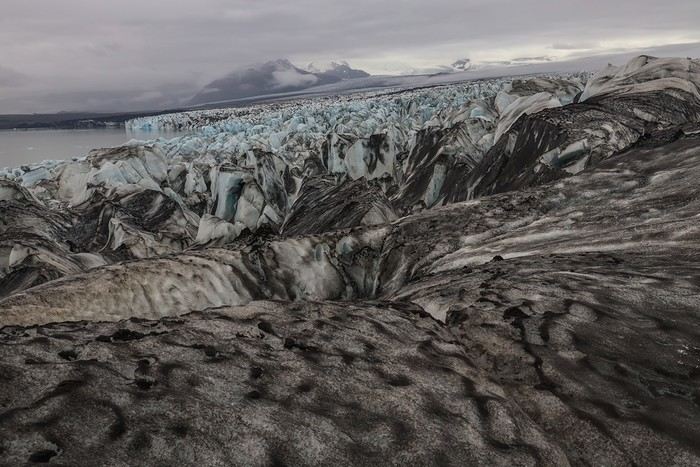
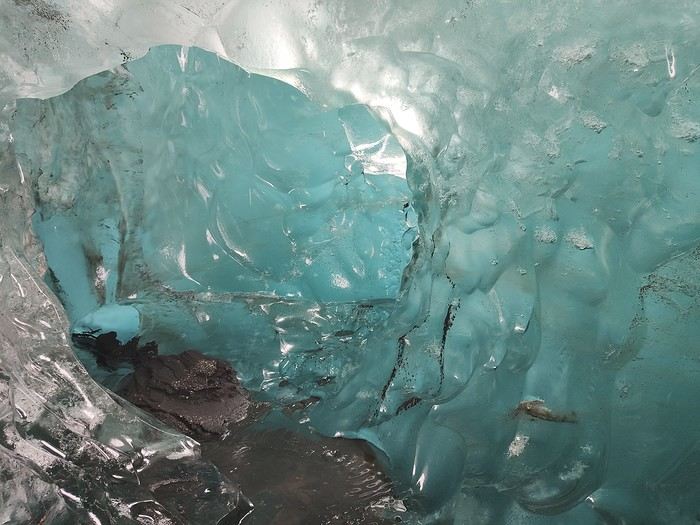
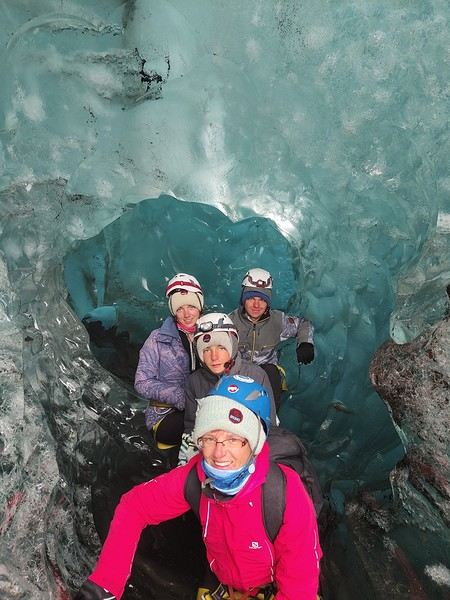
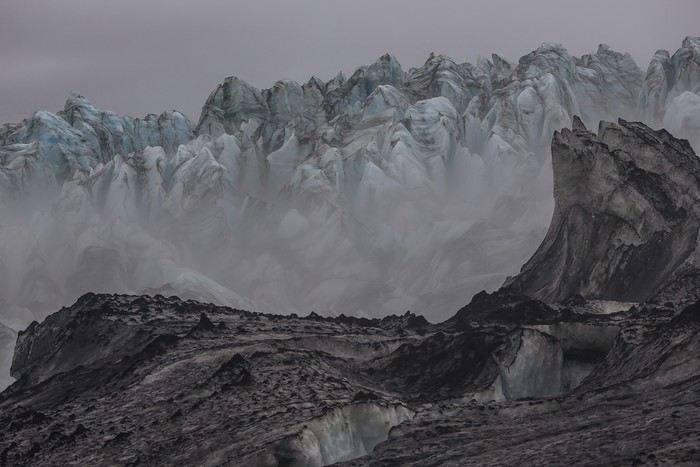 and we make a quick return to the 4x4.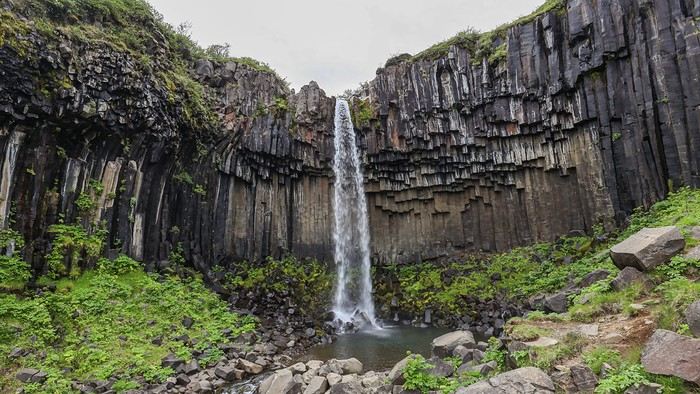
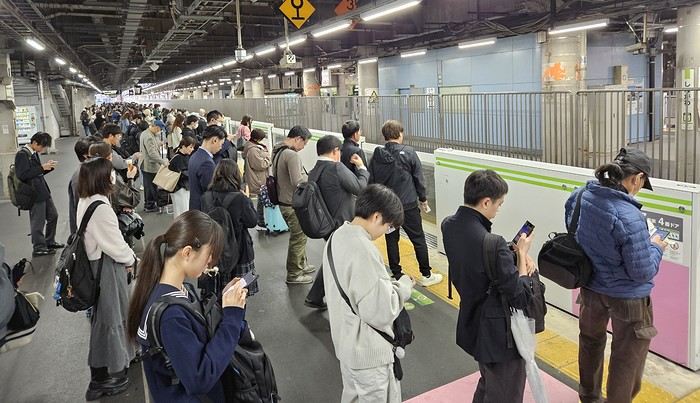
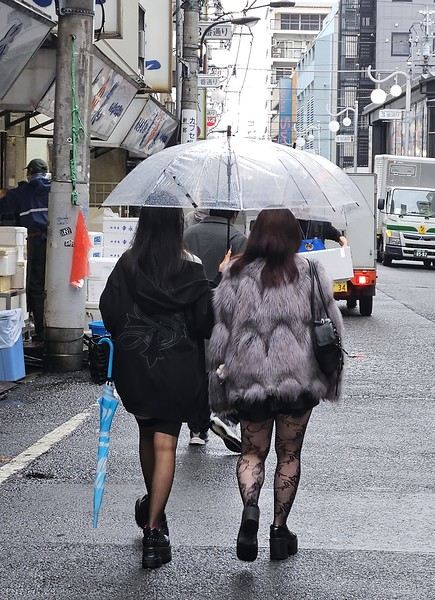
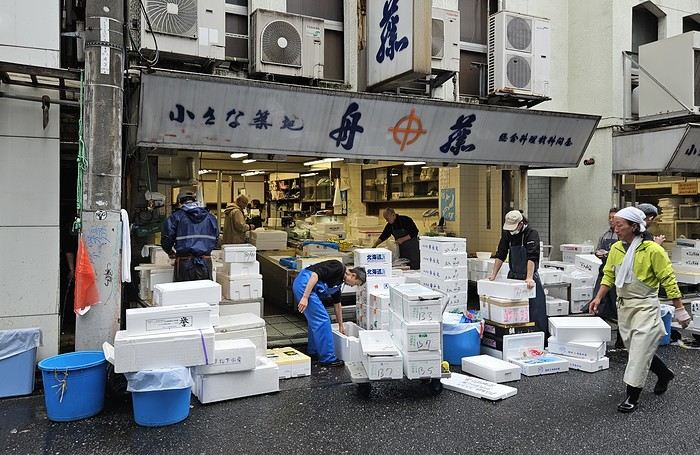 It was 15°C, but it rained—and kept raining on and off all day. Belgian weather, basically.
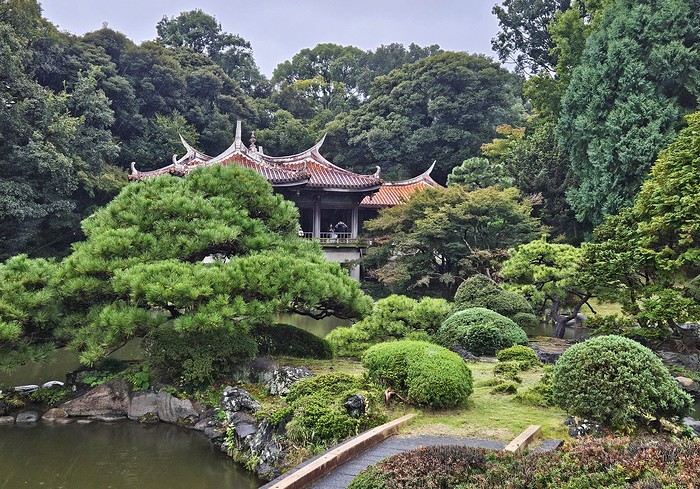
We went for a walk in Shinjuku Gyoen Park. Not as pretty in the rain, but the big greenhouse was interesting.
It was 15°C, but it rained—and kept raining on and off all day. Belgian weather, basically.
We went for a walk in Shinjuku Gyoen Park. Not as pretty in the rain, but the big greenhouse was interesting.

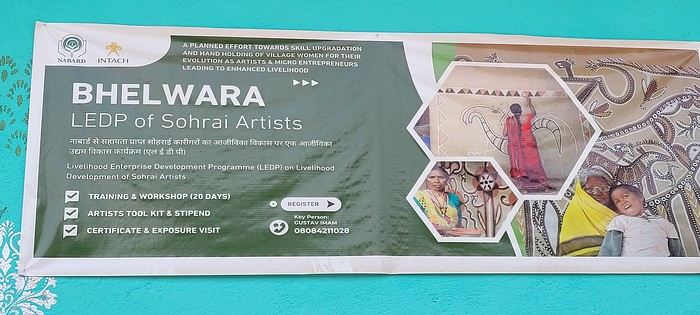
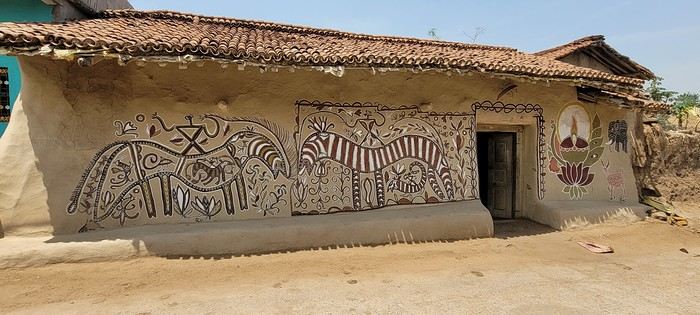
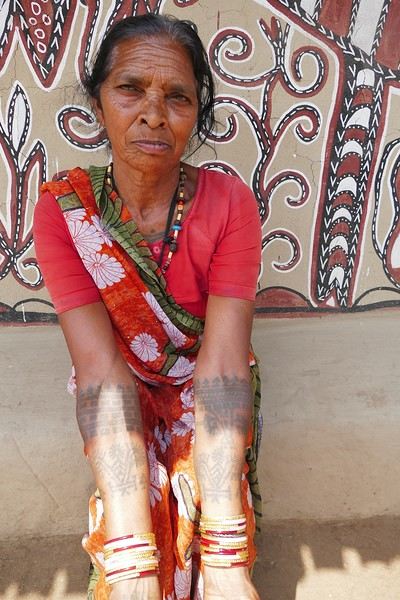
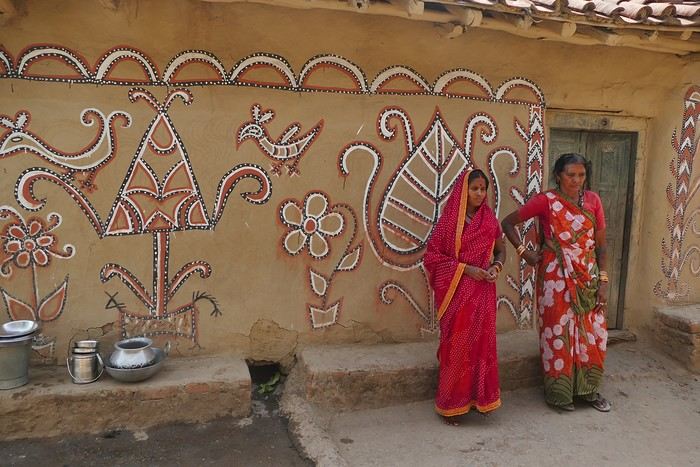
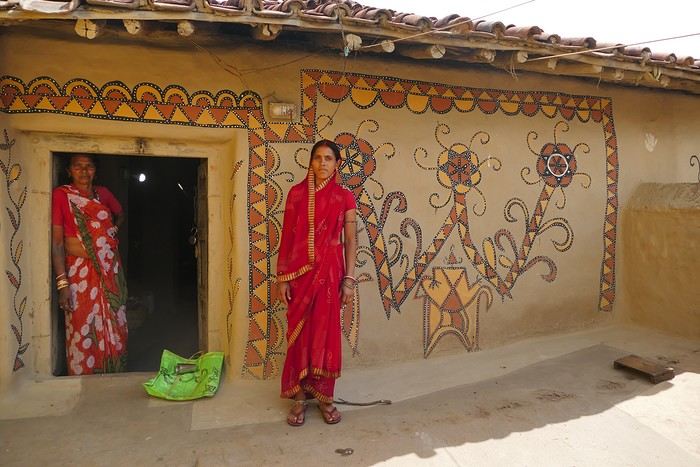
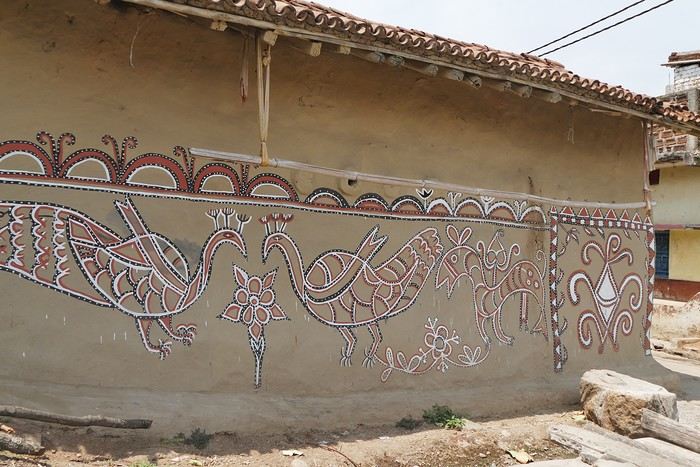 On some paintings, the scenes become almost narrative: you can make out figures, everyday gestures, like a memory of the village inscribed in the walls. The decorative frames around the doors aren’t left to chance either—they symbolically protect the house, like a boundary between the inside and the outside world.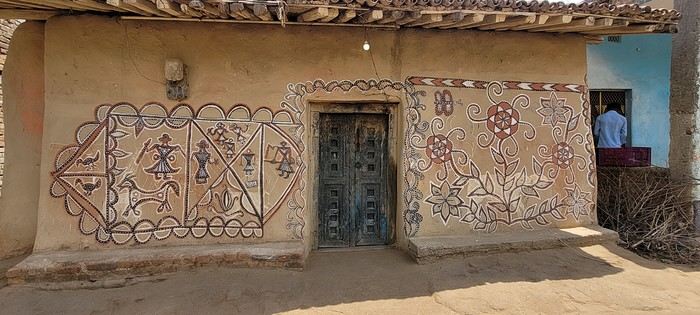
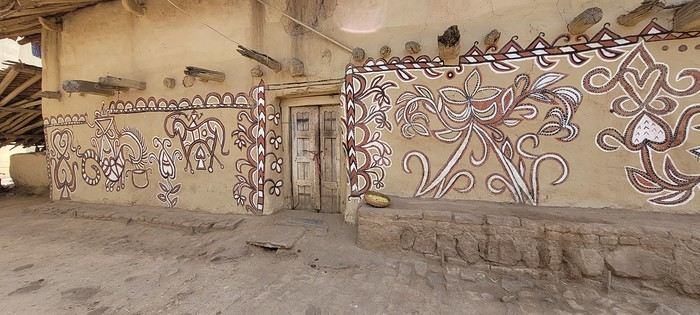
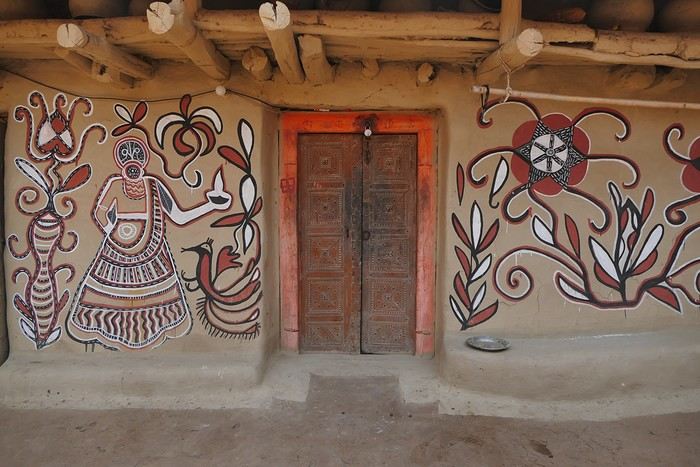

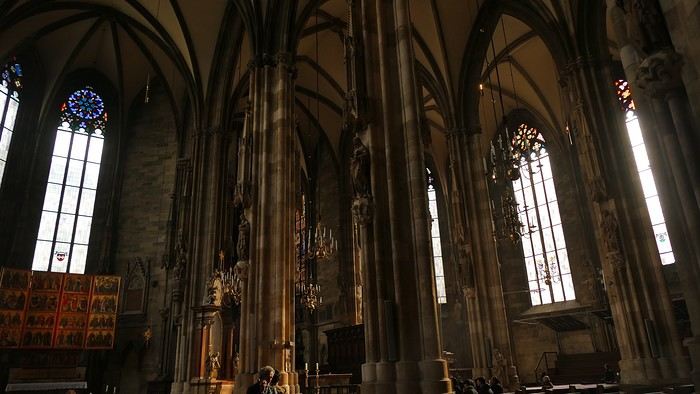
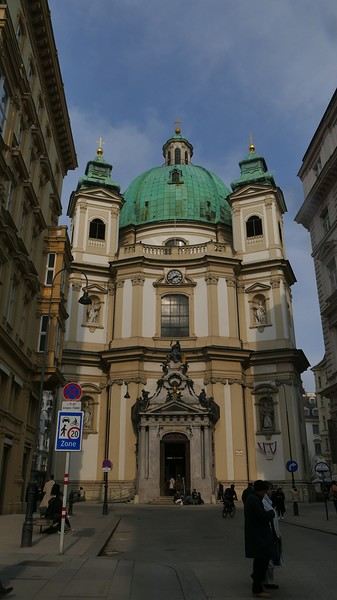
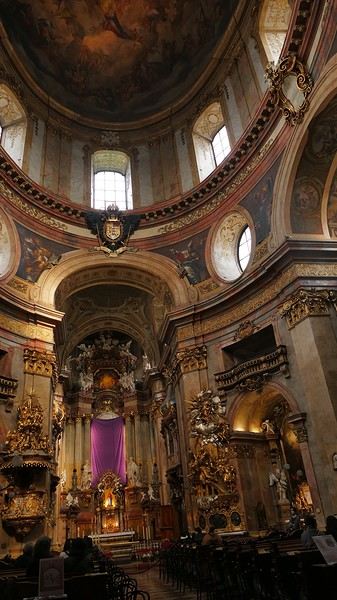
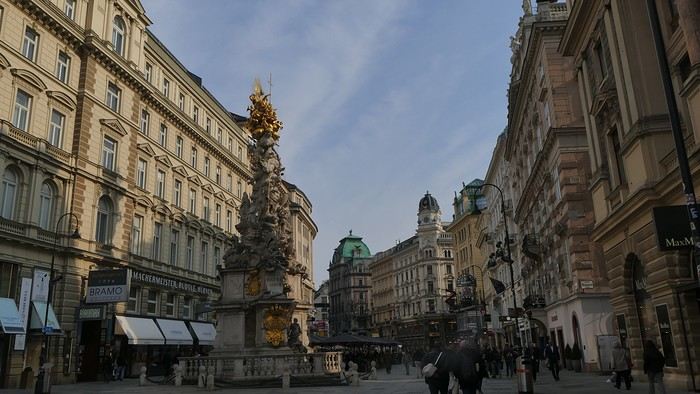
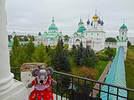
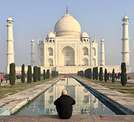
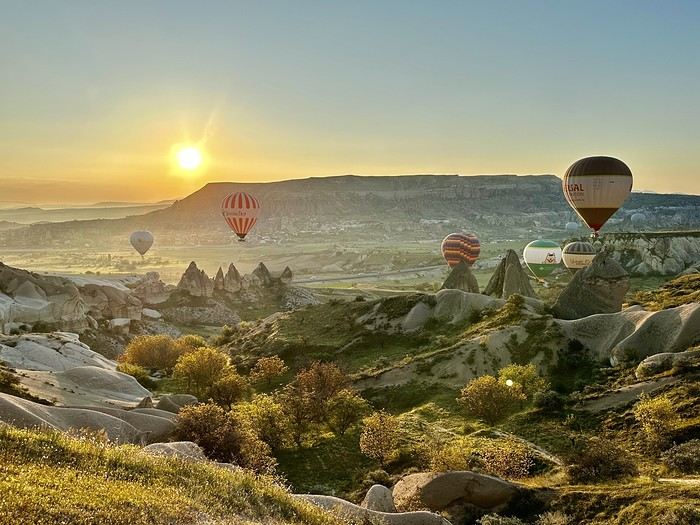 A little sneak peek?

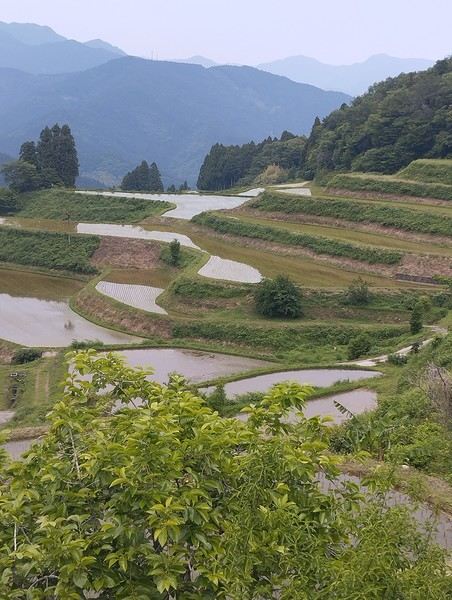
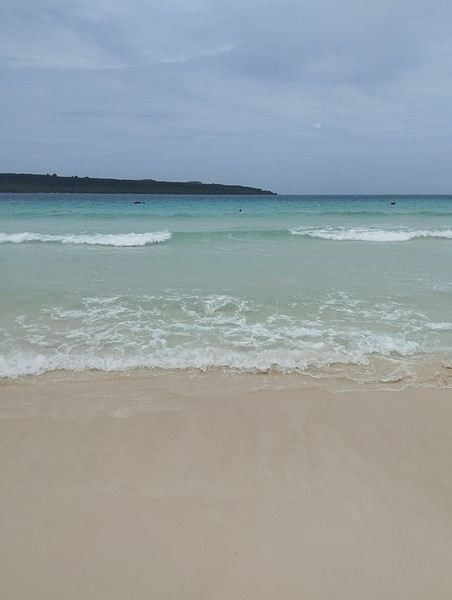
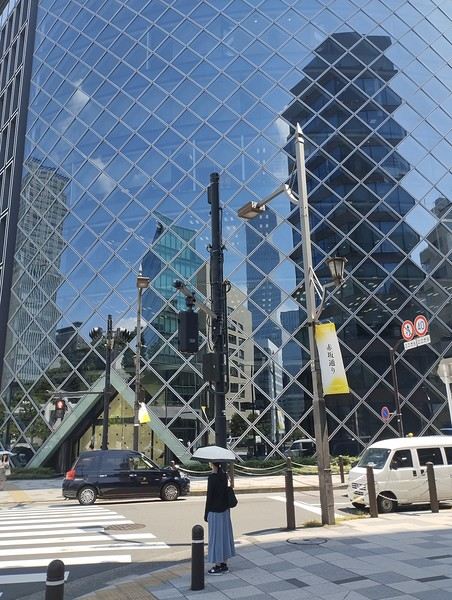
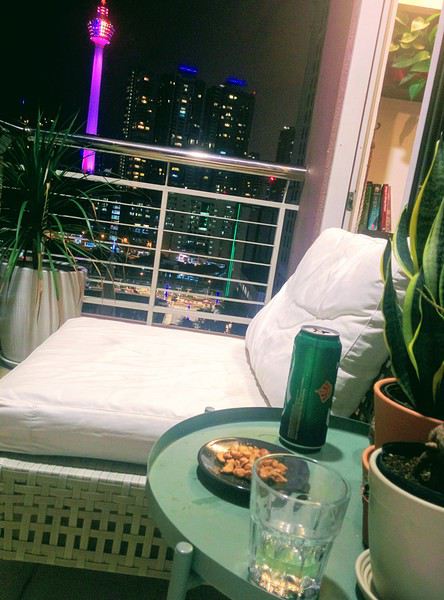
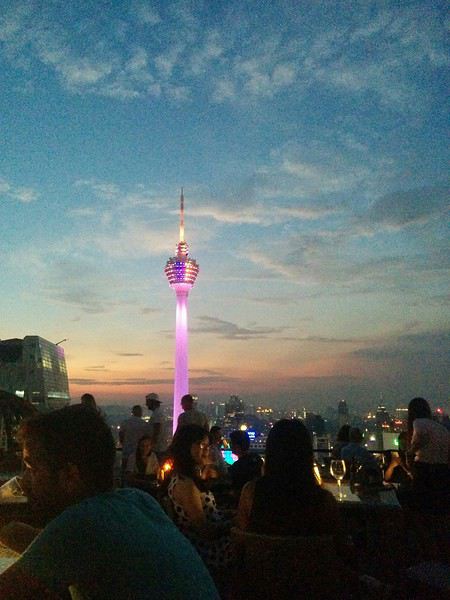
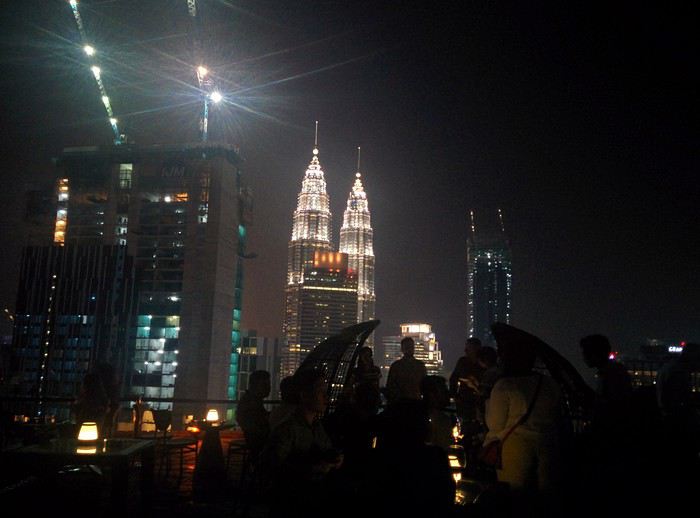
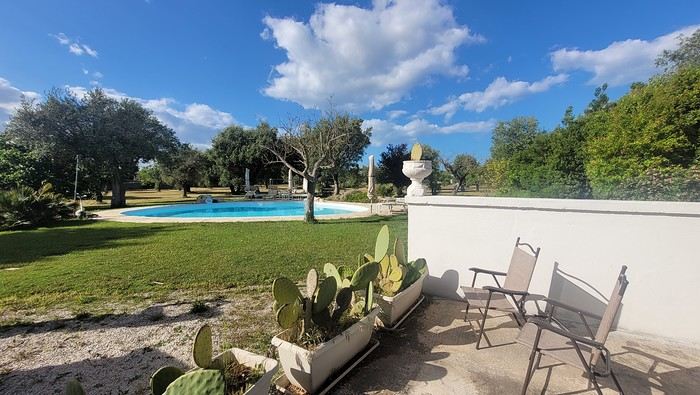
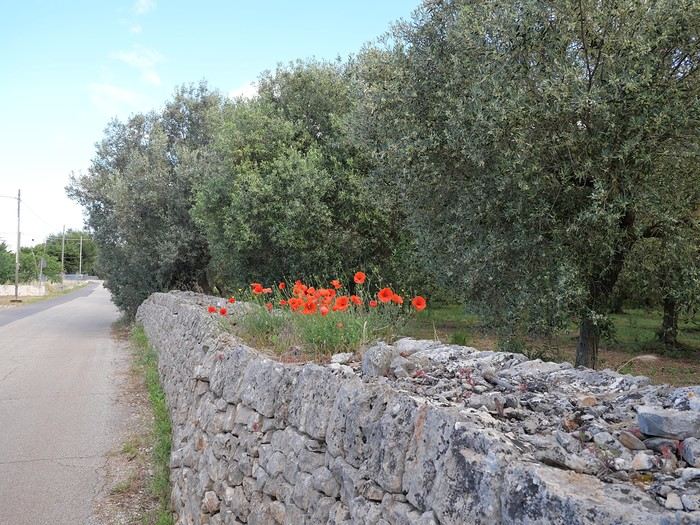
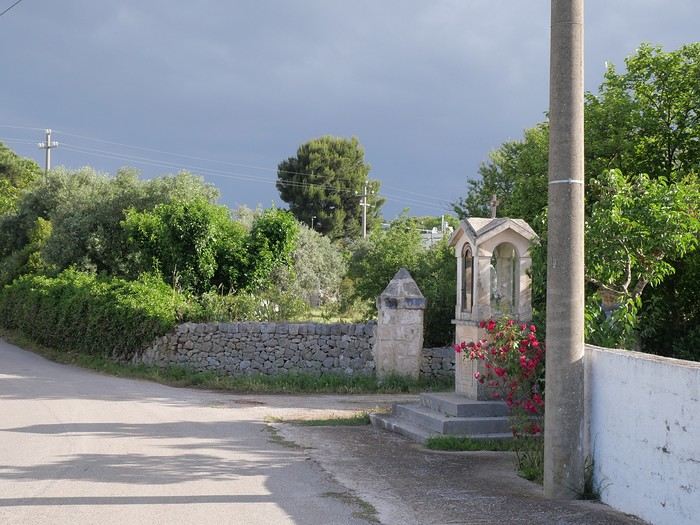
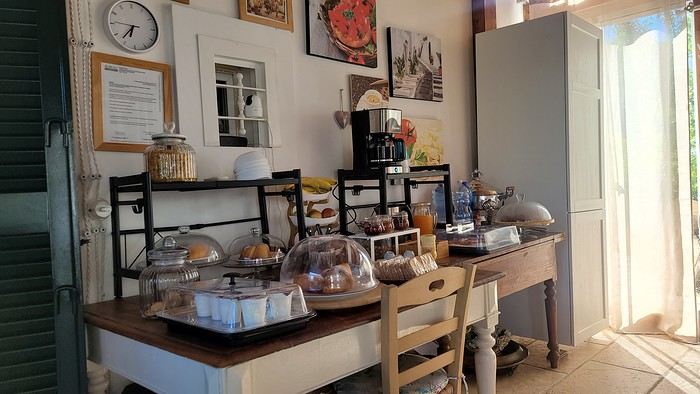
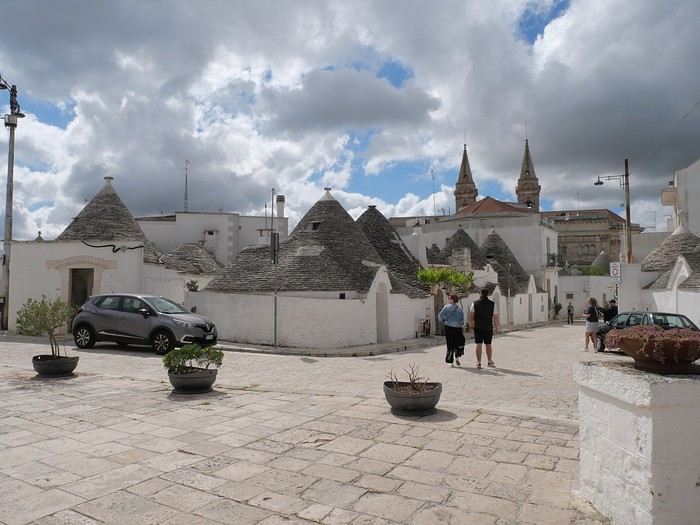
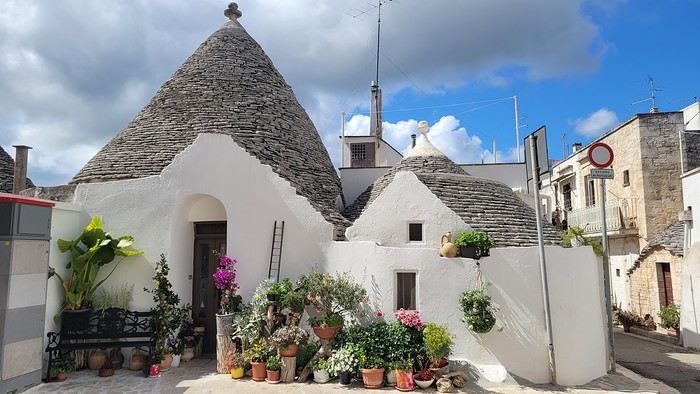
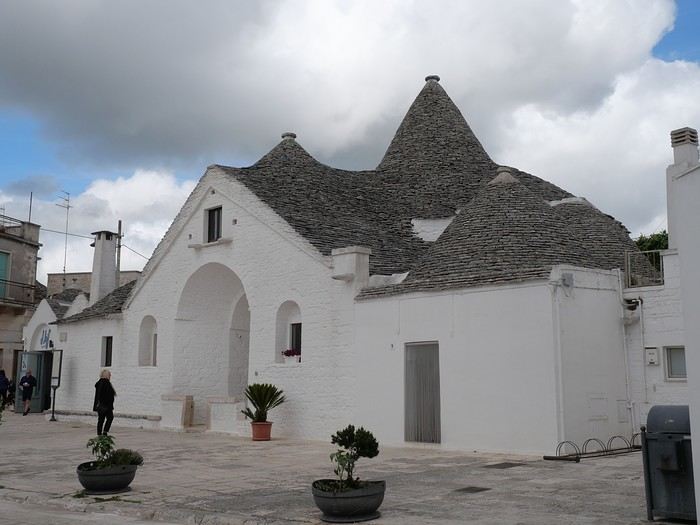
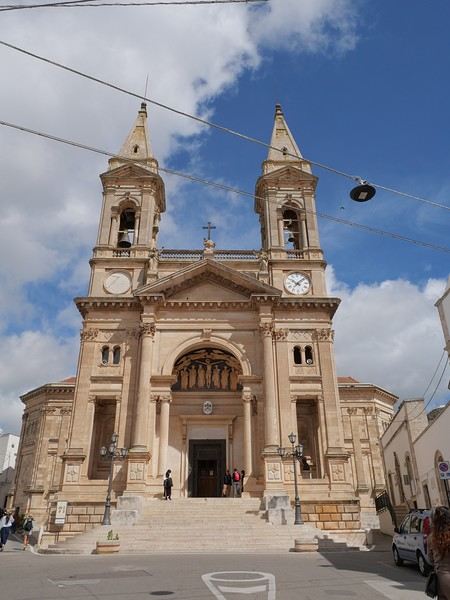
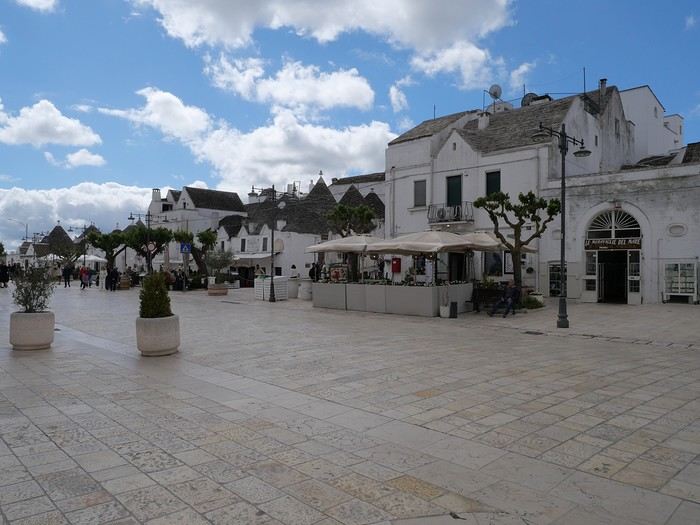
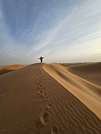
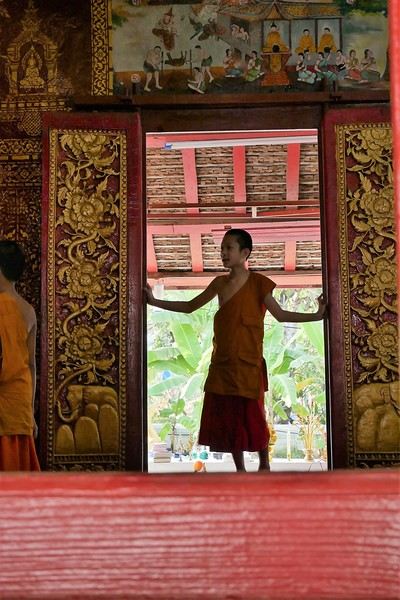 Come along, I'm taking you to this country where it's so nice to wander and slow down...
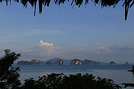
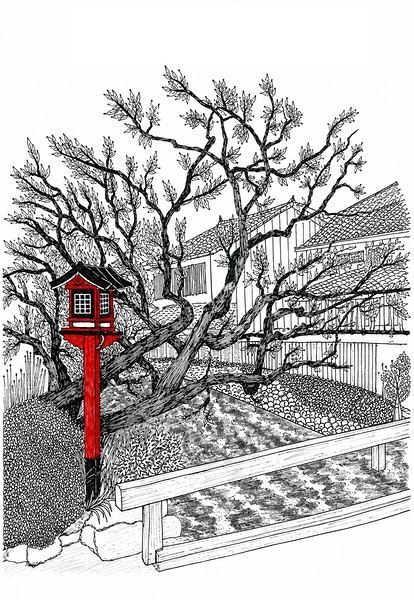 I’m inviting you on a stroll through my drawings—a completely subjective, far from exhaustive, and totally personal take, since it’s based on my own sketches. I put this travel journal together after returning in late 2024, mostly using felt-tip pens and pencils, with a few collages thrown in. I worked from our personal photos.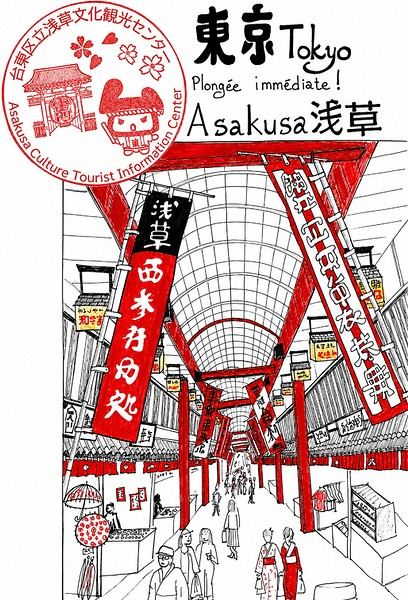
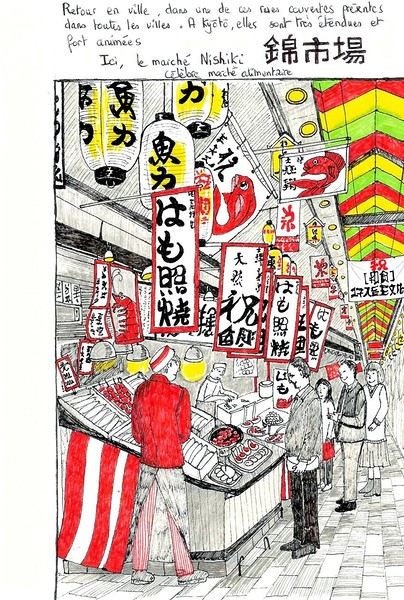
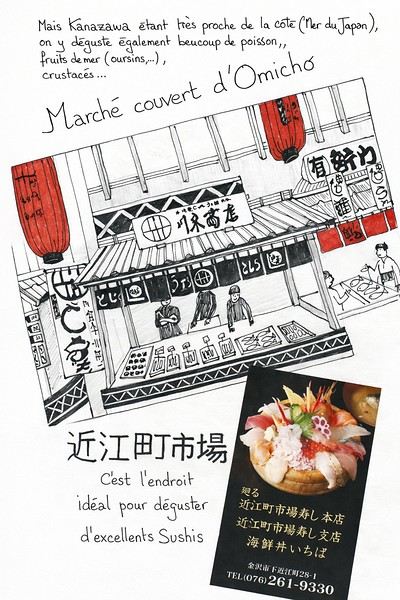 And in Kyoto, Nishiki Market:
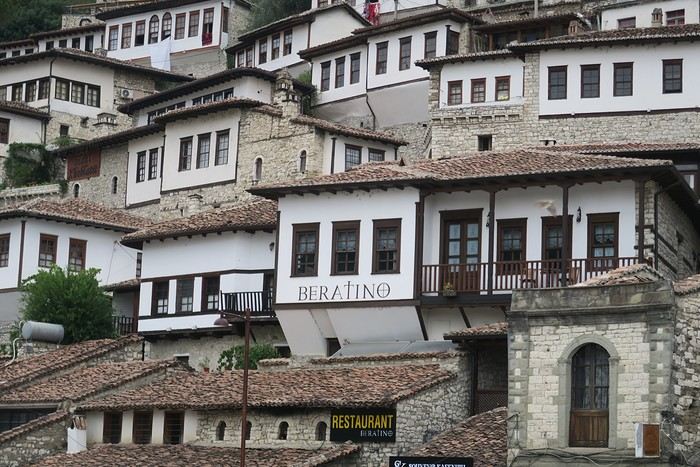
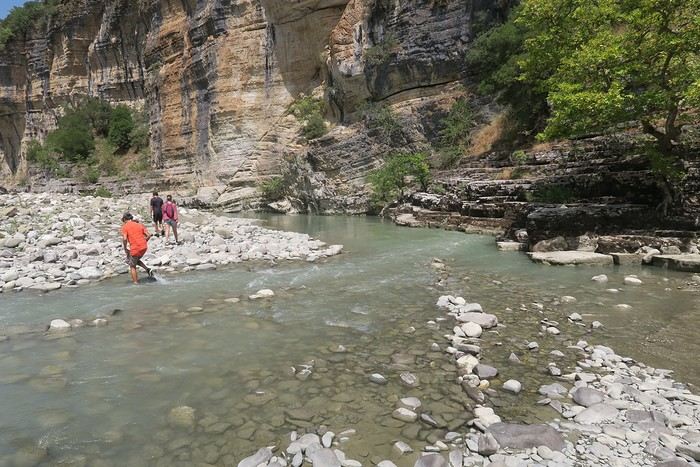
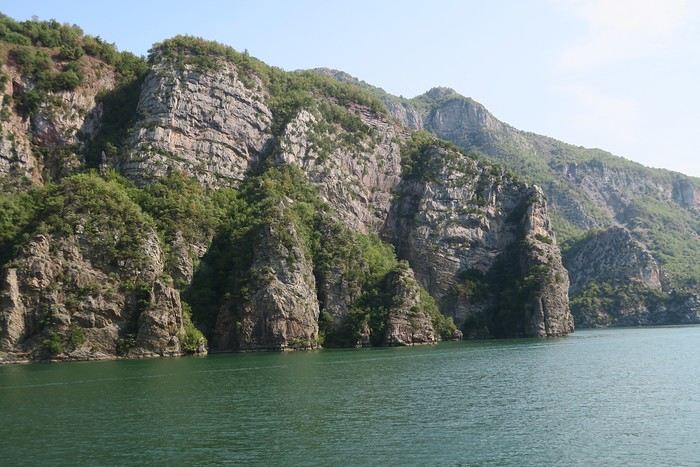
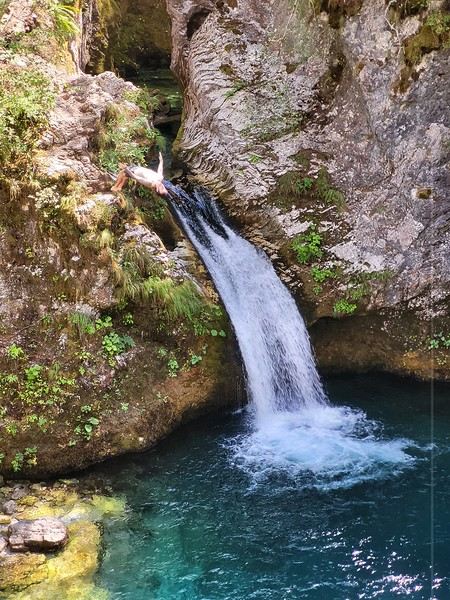
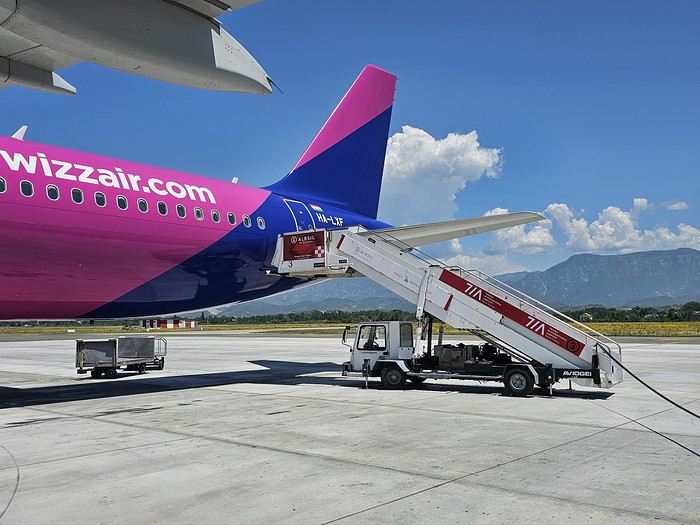 Since Albania isn’t part of Europe when it comes to phone service (at least not yet! :-)), we had to buy a physical SIM card—otherwise, the bill would’ve been sky-high if we’d used our French plan! We got one from Vodafone AL at the airport. You can buy online before leaving with a virtual SIM (e-SIM) for compatible phones, so you don’t have to swap cards. But given the uncertainty about choosing a plan online, we preferred buying one directly at Tirana Airport. Cost: 31 € for 100 GB. That’s way too much—100 GB is overkill. For 40 GB, it’s 27 €, and the plan lasts 21 days. The price difference isn’t huge, and it was cheaper than online. This plan covers all the countries along the Balkan range.
Money tip: All guesthouses and accommodations accept euros. The local currency in Albania is the LEK. In Montenegro, it’s the euro. Bank fees for withdrawing money from an ATM in Albania are pretty steep: 8 € for a withdrawal of 600–700 LEK (about 200 €)! So it’s better to withdraw cash (euros) in France. Oh, and we booked all our accommodations before leaving, but payment is always in cash. Budget around 400–500 € for 9 days of trekking.
Since Albania isn’t part of Europe when it comes to phone service (at least not yet! :-)), we had to buy a physical SIM card—otherwise, the bill would’ve been sky-high if we’d used our French plan! We got one from Vodafone AL at the airport. You can buy online before leaving with a virtual SIM (e-SIM) for compatible phones, so you don’t have to swap cards. But given the uncertainty about choosing a plan online, we preferred buying one directly at Tirana Airport. Cost: 31 € for 100 GB. That’s way too much—100 GB is overkill. For 40 GB, it’s 27 €, and the plan lasts 21 days. The price difference isn’t huge, and it was cheaper than online. This plan covers all the countries along the Balkan range.
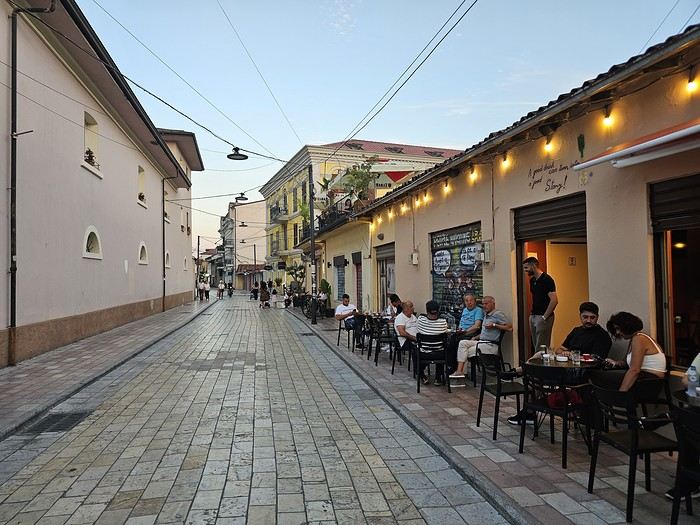
Money tip: All guesthouses and accommodations accept euros. The local currency in Albania is the LEK. In Montenegro, it’s the euro. Bank fees for withdrawing money from an ATM in Albania are pretty steep: 8 € for a withdrawal of 600–700 LEK (about 200 €)! So it’s better to withdraw cash (euros) in France. Oh, and we booked all our accommodations before leaving, but payment is always in cash. Budget around 400–500 € for 9 days of trekking.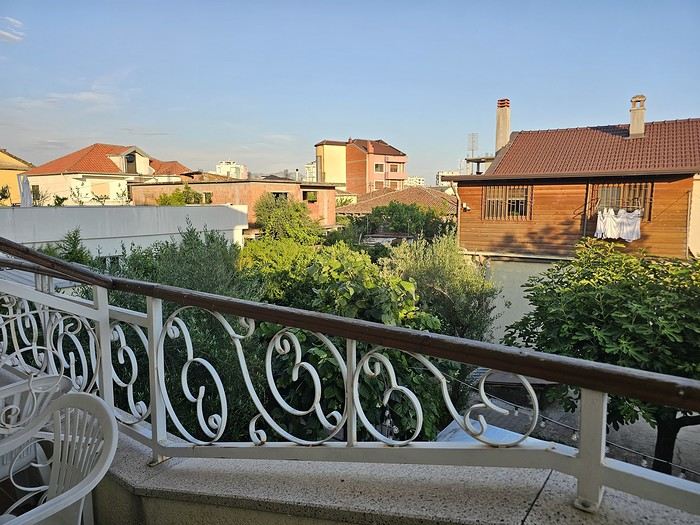 I really liked Shköder, especially its pedestrian street lined with restaurants and lit up at night. It’s a great place to stroll and eat. The food isn’t expensive—two big salads and two beers: 14 € :-) . Fruit prices are also very reasonable: 3 € for a kilo of cherries, compared to 9–10 € in France.
Religions coexist peacefully in these countries—Catholics and Muslims. From our balcony, my friend heard the call to prayer for the first time, coming from one of the city’s mosques.
I really liked Shköder, especially its pedestrian street lined with restaurants and lit up at night. It’s a great place to stroll and eat. The food isn’t expensive—two big salads and two beers: 14 € :-) . Fruit prices are also very reasonable: 3 € for a kilo of cherries, compared to 9–10 € in France.
Religions coexist peacefully in these countries—Catholics and Muslims. From our balcony, my friend heard the call to prayer for the first time, coming from one of the city’s mosques.
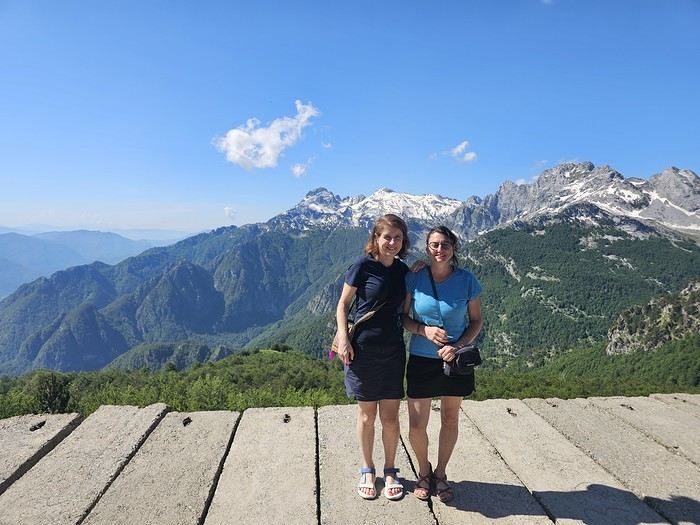
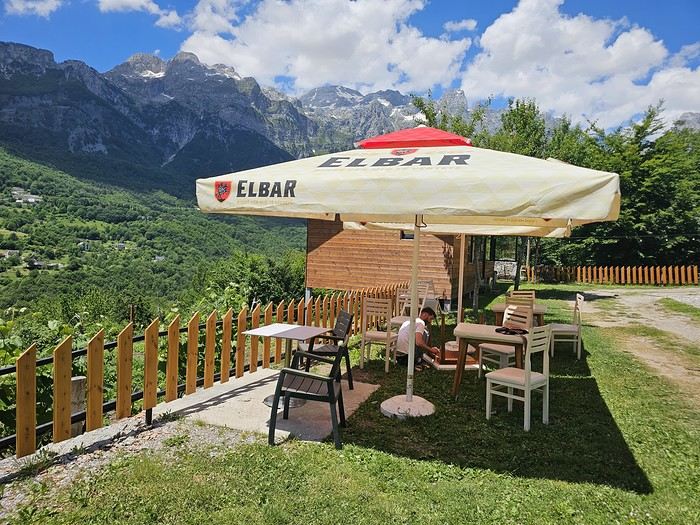
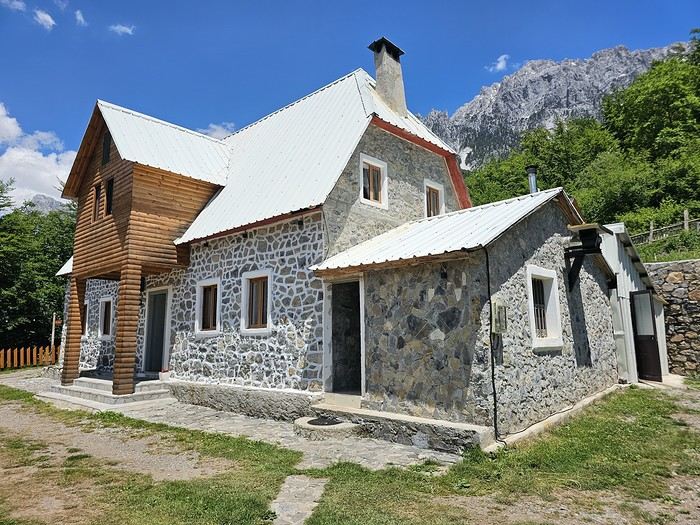 We slept in the heights of Theth at a new guesthouse, "Mountain Vista Shkafi," with an amazing view.