Biking (MTB) along the Canal between the Two Seas (France)
FR

Translated into English.

FA Facteur4 Regular ·
Sunday, 05/30/10 – 28 + 60 km by bike and 485 km by train

Hello friends,

Here I am again on my favorite Greenway. It's always so pleasant to ride along the former towpath of the lateral canal to the Garonne, now turned into a bike path. Maybe a bit less so when you went to bed at 2 AM (to celebrate a birthday) and got up at 6.

It's already 7:30 AM, and the 2 hours I'd planned to get from my home in Valence d'Agen to Agen train station suddenly seem a bit short. Still, 2 hours to cover 28 km, even with a loaded MTB, should've been more than enough. That was without counting on the northwesterly wind (the dominant wind that blows up the Garonne Valley). As I leave town, I almost turn back and ask my wife to drive me (which she'd offered and would've let me sleep an extra 1.5 hours, but goes against my principles) because, as usual, I overdressed and already wasted time removing a layer.

But the headwind isn't that strong, and by pedaling harder, I arrive early after leaving the canal a bit sooner to save 1 km and avoid the pedestrian bridge over the train tracks at Agen station. I even have time to drink a tea and eat a hot apple turnover at the buffet.

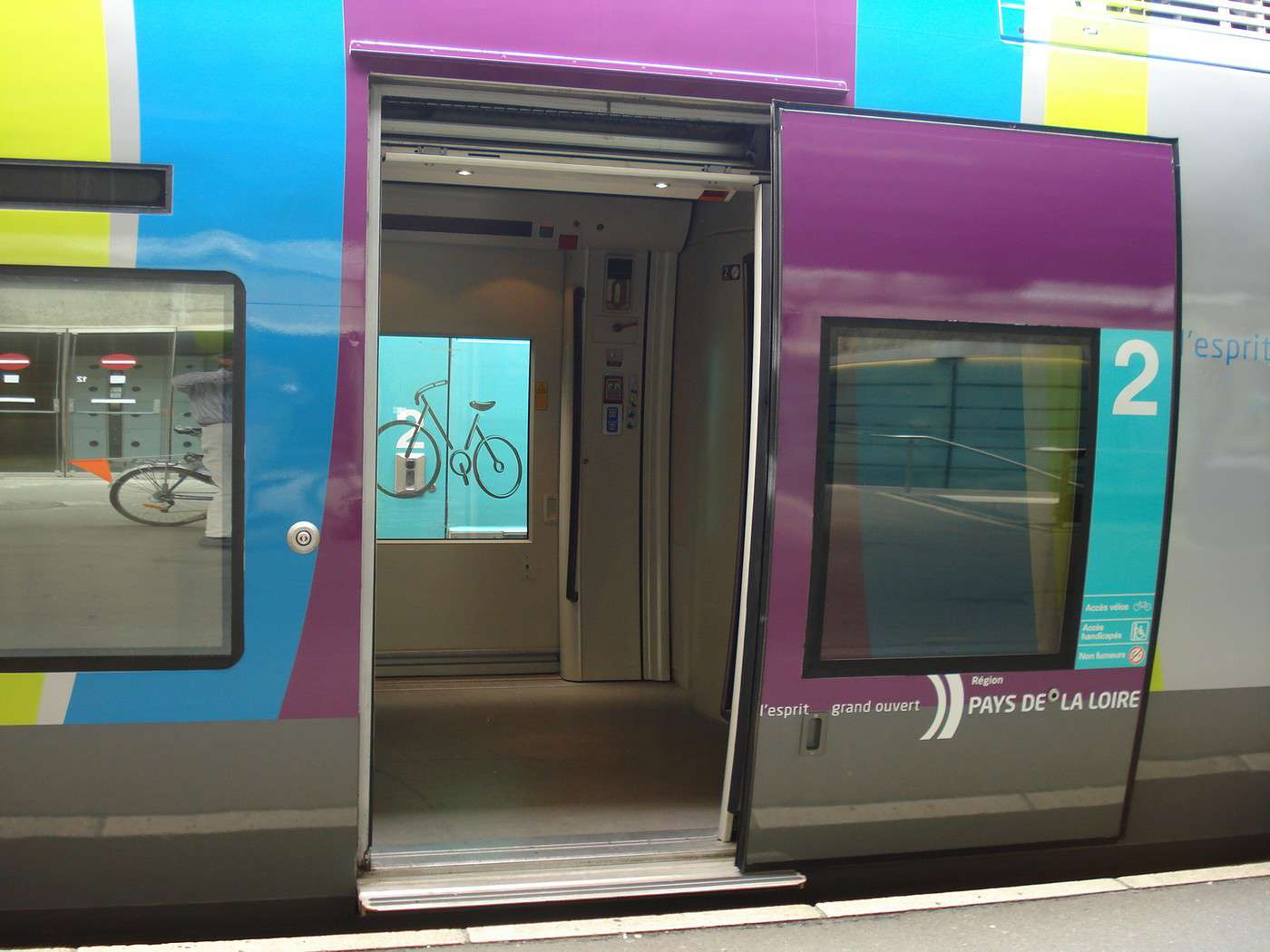
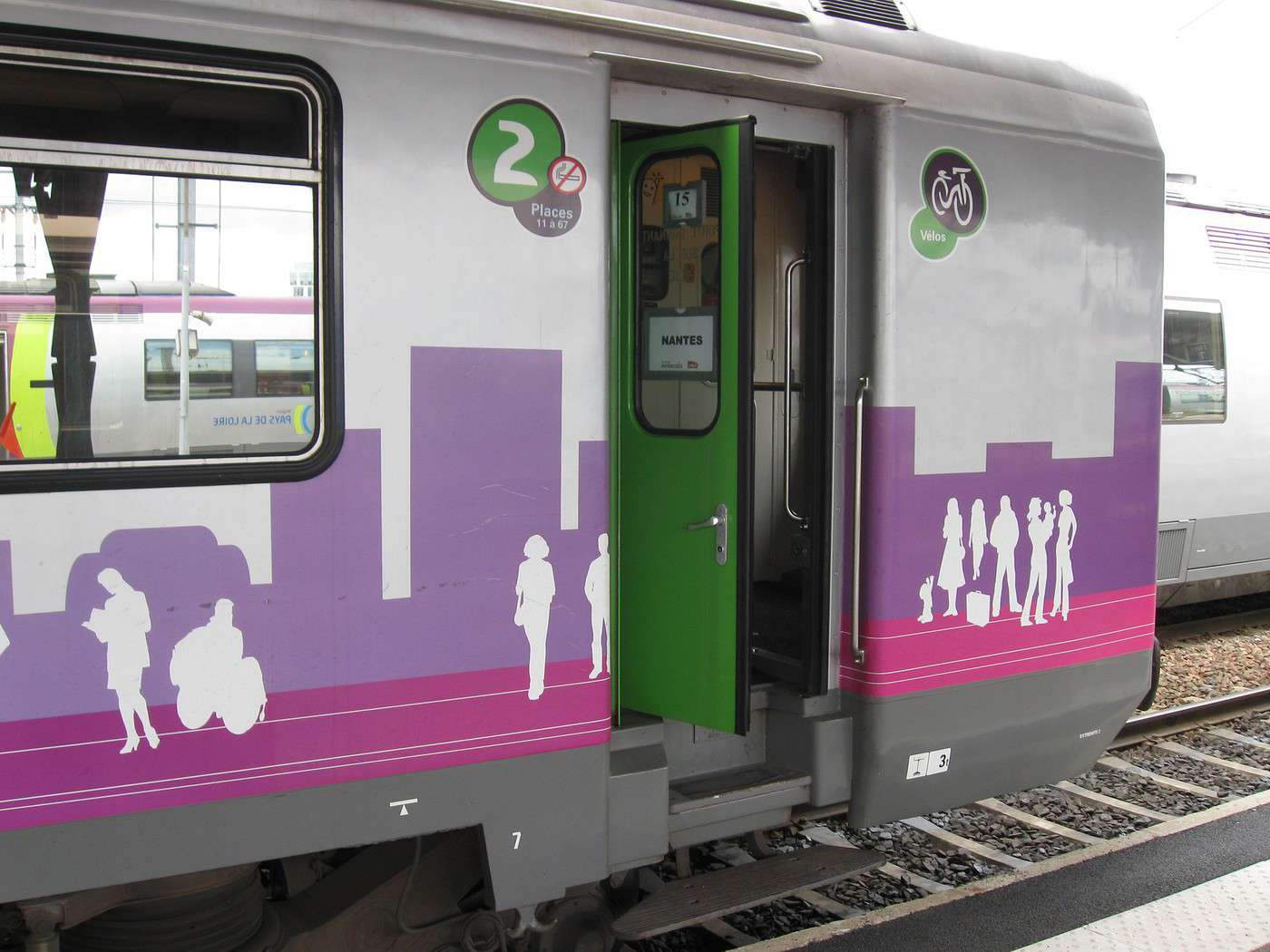
I ask the SNCF staff where the bike car is as the train arrives and I don't see it. The large white bike symbols have been replaced with small ones on a blue background!

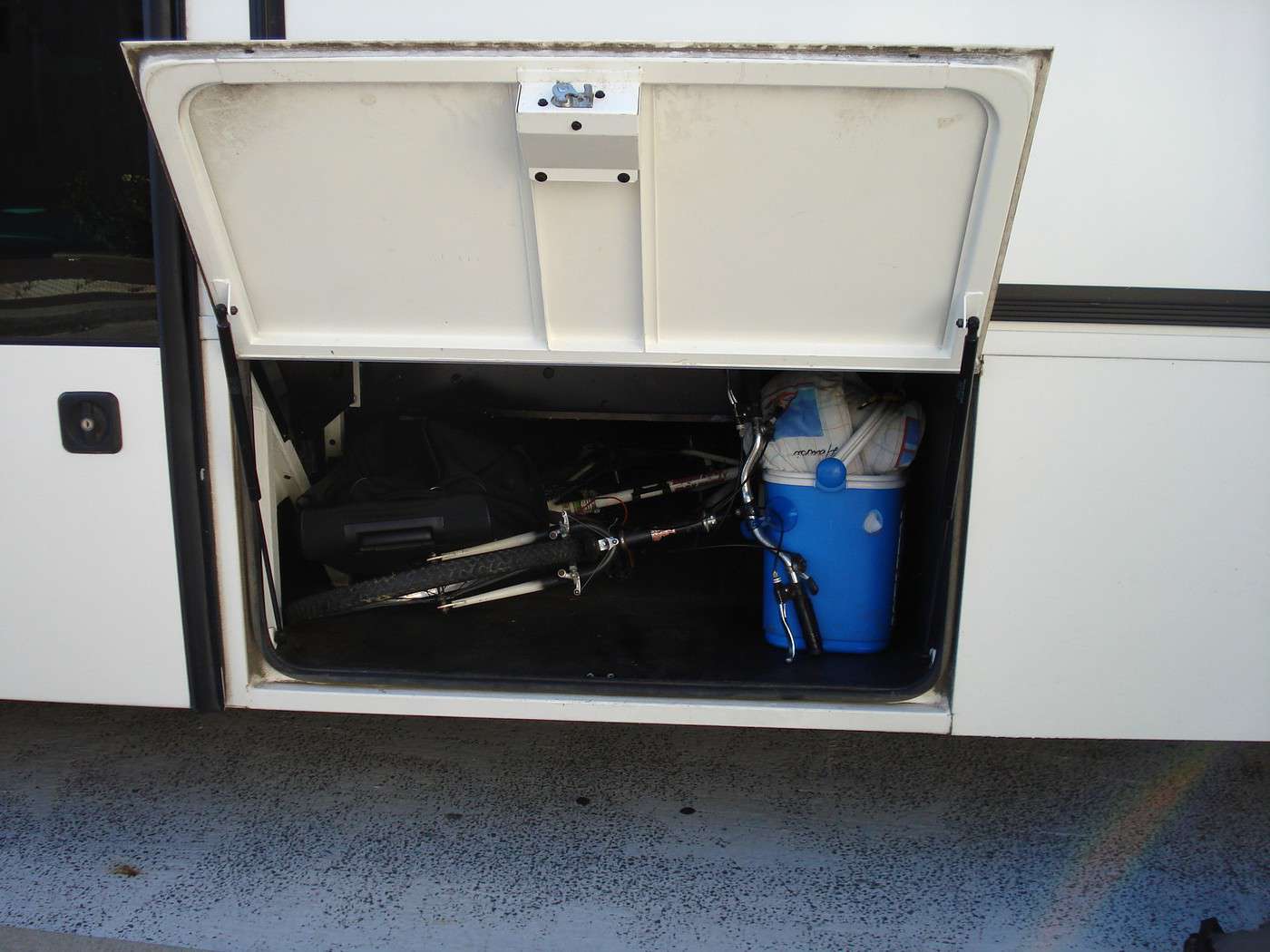
It's still just as tricky to board an old Corail car (narrow door and high steps). Luckily, an agent helps me when the panniers get stuck and I struggle with the two steps.

The TER (free for bikes) takes me to Bordeaux, where my MTB boards the TGV more easily for 10 €. Is it a coincidence? The only other cyclist has the seat next to mine. This lets us chat. He's a young Belgian who just came down from Spain and is used to traveling across Europe. I feel like asking how he funds such long trips but don't dare. Maybe the language barrier? Because his French isn't perfect.

Having left Agen at 9 AM, here I am at 1:30 PM in Saint-Pierre-des-Corps (Tours) after 485 km by train.

I quickly find the Loire, which I'll follow to Blois where I've booked a night. On this early Sunday afternoon, this little road isn't too busy, and I discover Europe's last wild river. Amazing how these sandbanks form and shift with the floods, and the vegetation and birds that settle on these islands.

However, dikes called *levées* have been built along much of its course to prevent flooding in villages by channeling rising waters to strategically placed spillways on the *levée*. Here, they fear oceanic floods (long rainy periods from the west) and Mediterranean or Cévennes floods (water evaporated over the Mediterranean causing heavy rainfall on the Massif Central). But especially mixed floods (a combination of both, possible in spring or autumn). Like in 1866, when it reached 7 m on the flood gauge (a graduated rule fixed to a riverbank or bridge pier, calibrated from the normal water level, like a thermometer from zero).

Near Amboise, the first châteaux and wine cellars appear. I don't intend to buy wine (by bike) or even taste it. But I stop without hesitation before Mosnes at a cellar carved into *tuffeau* (the limestone rock the Loire has cut into to make its bed, appearing like a small cliff) that offers goat cheese. The sandwich and beer I bought at Bordeaux station are already a distant memory. I ask if they can sell me some cheese and a glass of wine.

The winemaker lets me taste two and serves me cheese without accepting payment.

Traveling by bicycle allows for such friendly encounters—this will be my first great memory.

For 9 €, I visit the Château de Chaumont-sur-Loire. What a full first day, thanks to an early start.

After 60 km, I reach Blois. That's where my EVADEO GPS (from the National Geographic Institute) in bike mode comes into play. I can hardly believe it when it tells me to take a very steep path that looks like a private road. But since it insists, I climb the *Sente aux Ânes*. A local confirms I'm close to the Regional Youth and Sports Center:

http://www.creps-crjs-centre.fr/...on.html?s=6&r=48

Since I booked by phone (without paying), I received the quote and the gate code, as well as the building access code by email, which lets me get to my room even though reception isn't open yet. Brilliant!

For 31 €, I get dinner, a room, and breakfast. Whereas at a hotel, it costs 40 or 50 € just to sleep.

The CRJS in Blois hosts groups for sports training but also for château visits.

Tonight at the canteen, there will only be three couples, like me, enjoying this pleasant center as part of the *Loire à Vélo* route. I meet them again at breakfast and tell them their two-wheeled trailer wouldn't be very practical on the paths of the Canal du Midi, which I invite them to discover, handing my map to the woman organizing their trips.

"Ah! It's you, *Facteur 4*," she says, having followed the discussions I participate in on Voyage Forum.
Facteur4 : Objectif pour 2050 de diviser par 4 l'émission de gaz à effet de serre.
FA Facteur4 Regular ·
Monday, 31/05 Blois 9 AM – Orléans 4 PM, 76 km + 22 km on site

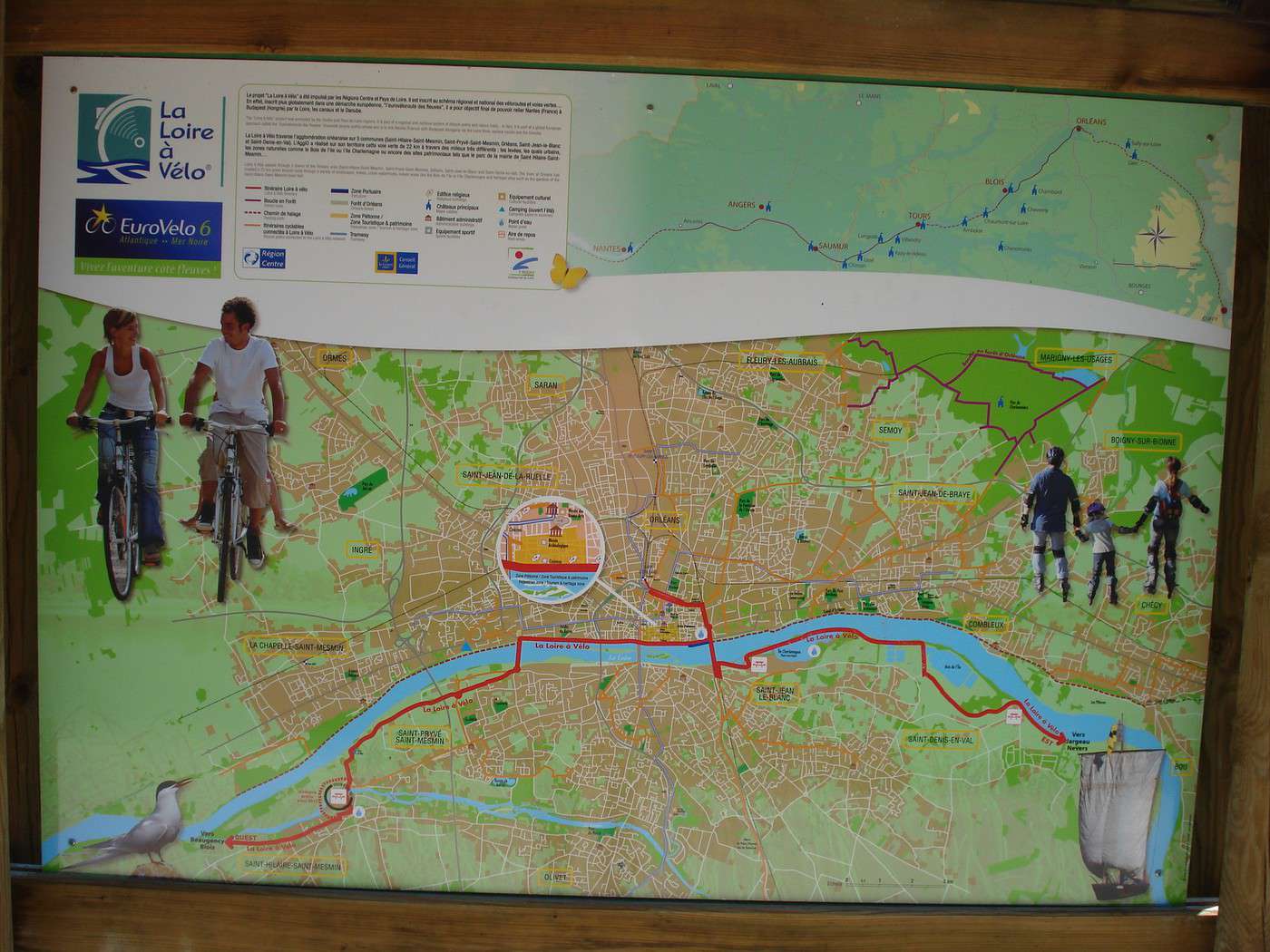
After breakfast at the CRJS, I cross Blois to join the Loire à Vélo routes: http://www.loireavelo.fr/...r-les-brochures.aspx

Download Loire à Vélo itineraries in Loir-et-Cher

The signs here are clear, and I just have to follow the CHAMBORD signs since I want to visit before heading to Orléans, where I’d planned to start my Loire descent but which wasn’t easy to reach by train (I’d have had to go through Montauban, which I’d considered reaching via the lateral canal to the Garonne and then the Montech canal—see page 1 of this travel journal, August 08—which would’ve meant getting up even earlier).

I offer to take a photo of a Japanese couple, and they return the favor (pun intended) in front of the signs, the Loire, and Blois in the background.

Right from the first kilometers, I feel an unpleasant wobble in the pedals (though I don’t find any play in them), but not with every rotation. I inspect my derailleur in vain. I follow the signs with the Loire à Vélo logo and end up in front of *Les Palets Solognots*. This biscuit factory offers bags of its specialties and sells by weight. After tasting a few, I’d love to get an assortment, but mixed-weight sales don’t exist. Too bad—I pick a bag of dried-fruit palets instead.

That wobble keeps coming and going while pedaling, and I realize it’s not enough to follow the little signs. You have to take the right route because there are several, each with just a number. Turns out there are multiple loops, and I could’ve gone in circles for ages. The directional signs help me reach Chambord Park, but while the car route seems to go straight to the château, the bike route sends me around the park. I ride several kilometers around it, only encountering access points for residents or staff. I can photograph the château from every angle but never get close. That’s when I discover a link in my chain is broken.

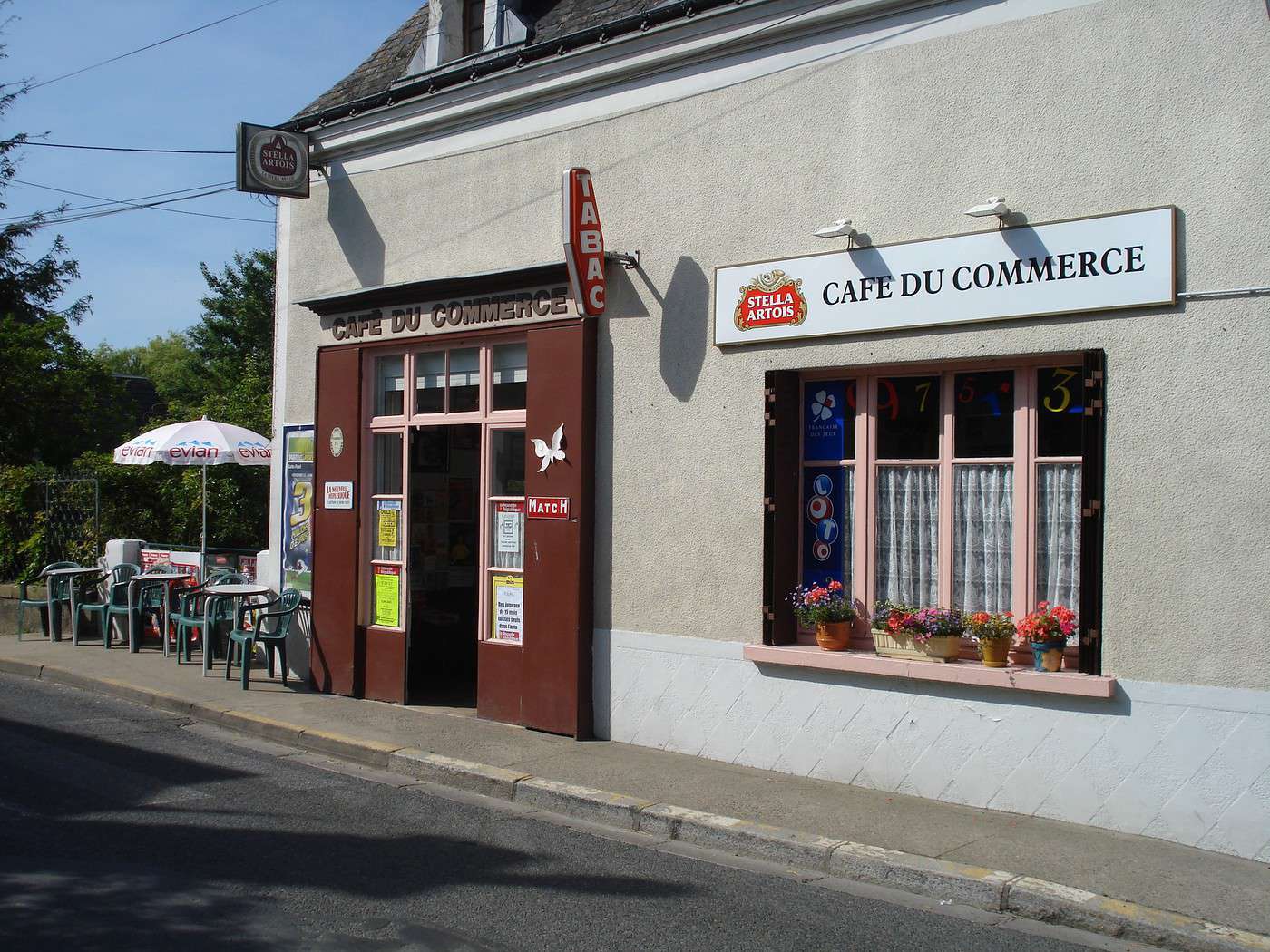
Luckily, the link is only broken on one side, so I can make it to Orléans without straining the remaining 40 km. Before activating the GPS for the shortest route avoiding major roads, I’m tempted by a sign for a *Brasserie* outside a café-grocery in a small village. But they don’t serve food. I order a draft beer and grab some applesauce from the grocery to go with my biscuits. The bar’s only other customer downs his three regulation pastis (he pours the last one himself from a bottle hanging above the bar) to recover from his morning fixing things for VEOLIA.

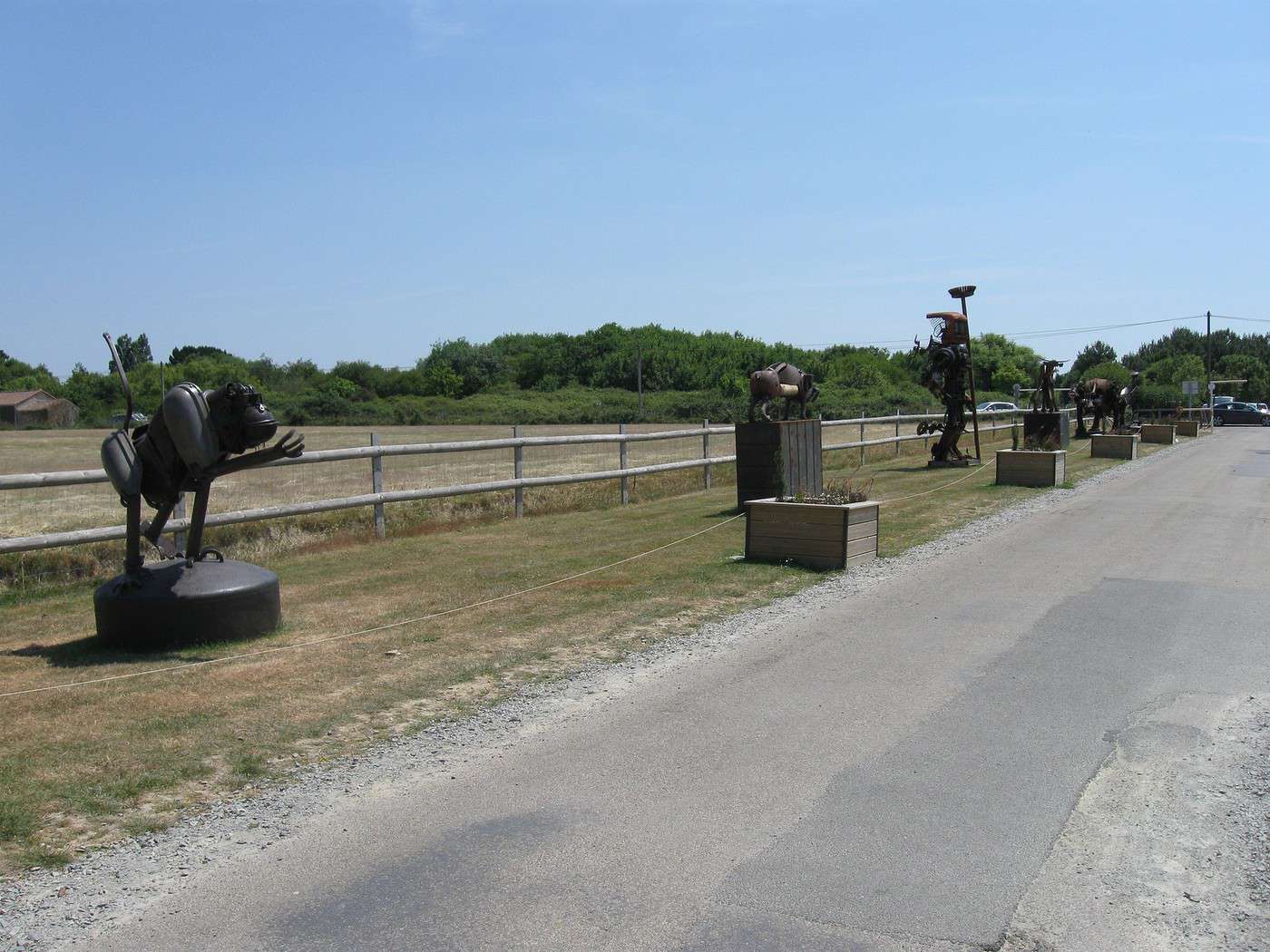
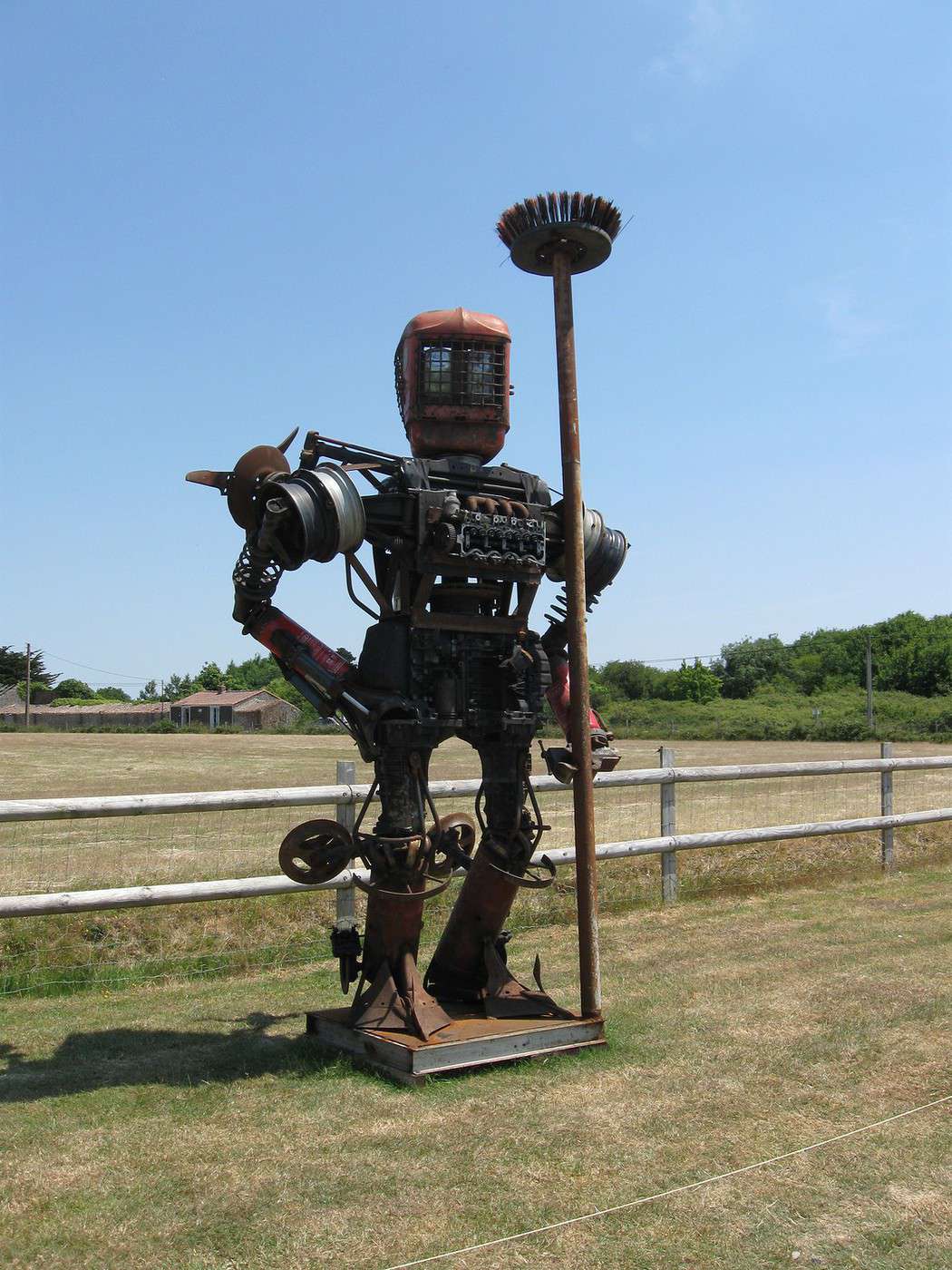
I let the GPS guide me through the countryside. Even the houses look like little châteaux. Here’s Ardon and its *peuple du silence* (see photos).

Arriving at Orléans’ CRJS, I enter through the stadium’s small open gate.

The youth hostel receptionist gives me a room key and I ask where the DECATHLON is. Since it’s Monday, I’m hoping they can fix my bike.

She tells me it’s near the Zénith, which I picture at Orléans’ south entrance since I’ve driven by often on the N20. She clarifies we’re in Olivet, so it’s pretty far.

Despite the map she gives me (showing Olivet and Orléans but not the route between them), I’m not sure if I should follow the N20 signs. I ask a young guy, who says following the tram will take me to the Zénith. So I do, first crossing the university district, then villages separated by countryside. I didn’t realize the tram took such a scenic route. Luckily, there are roads and sometimes bike paths alongside it. After a few confirmations and 13 km, I reach my destination. Only one other customer is at the bike stand. The mechanic, using a chain-stretch measuring tool, tells me my chain is dead and my sprockets are worn (at least the one I use most). I’m shocked—I replaced both just over a year ago. When he asks, I say I’ve ridden 4,000 km. He replies that’s normal. How, then, did I ride 25,000 km in 20 years with the original ones?

Nowadays, to save weight, the metal is super thin. I later learn that the more gears you have, the thinner the links, and the shorter the chain’s lifespan. Good thing I only have 7. I pay 42.80 € for a new chain and cassette—certainly *Made in China*, which destroys our jobs and sells us junk on top of it.

To return to the CRJS (whose address I know), my GPS only makes me do 8 km.

The facilities here are much less pleasant than in Blois, and there’s no meal option except breakfast. For 21 €, a shower and a bed are all a cyclist asks for.

I’m under the stadium stands—a paradox for someone like me, who’s against competition, sleeping under the bleachers where so much fan fervor is unleashed. Especially now, with the World Cup starting to annoy everyone. A real scandal: South Africa has plunged itself into debt for decades by spending 4 billion to prepare for the competition. Cities went overboard, each wanting the most beautiful setting for matches. Instead of building 2 stadiums as planned, the country built 5. 40,000 or 90,000 seats—it’s ridiculous when you know the South African league doesn’t exceed 8,000 spectators. FIFA will rake in 1.7 billion, while street vendors won’t be allowed near the stadiums. Not a single cent for the little people, from whom any unofficial merchandise is confiscated unless they pay their tithe to FIFA. We may not worship the same gods anymore, but we still fatten their clergy. It could’ve been Africa’s triumph, but the winner will be *Fric* (Money).
Facteur4 : Objectif pour 2050 de diviser par 4 l'émission de gaz à effet de serre.
FA Facteur4 Regular ·
Tuesday 01/06 Orléans 8 AM - Montargis 6 PM, 94 km

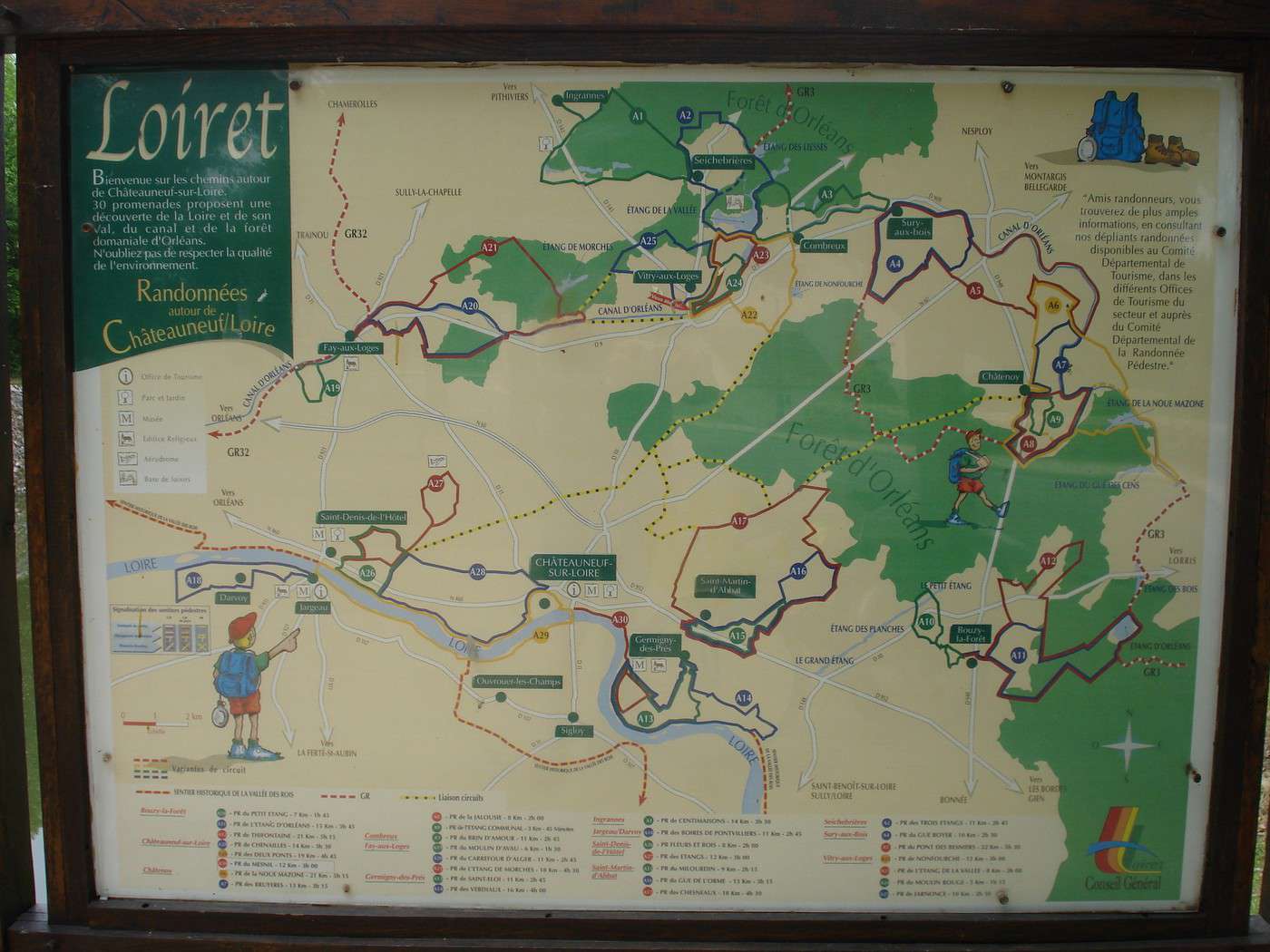
Among the brochures available at the youth hostel, a tourist map of Loiret caught my eye. I discovered there’s a Canal d’Orléans. Just the thought of a towpath gives me wings. I’ve got plenty of time to start the descent of the Loire. My parents won’t arrive at the holiday center in Pornichet until Saturday. Since they live in Normandy and I rarely see them, that’s what made me decide to set off on the Loire à Vélo, a route I had saved in my favorites:

http://www.loireavelo.fr/...ut-l-itineraire.aspx

After 13 km, I reach the city center and wait until 10 AM for the Orléans tourist office to open. I offer to take photos of two young people with their cameras. They’re Quebecers who are tackling French cycle routes before enjoying Quebec’s Route Verte.

I ask if it’s possible to follow the canal, and like in similar situations in Sète (see 03/09), the hostess has no idea. They’re ready to help you find accommodation to sell you the "Loire à Vélo" experience but know little about the region or cycling routes.

I easily find the canal since it flows into the Loire, and I cross paths with a few cyclists.

I ask a woman if I can follow it. She says she does it often. And if I can go all the way to Montargis. She replies she’s never gone that far.

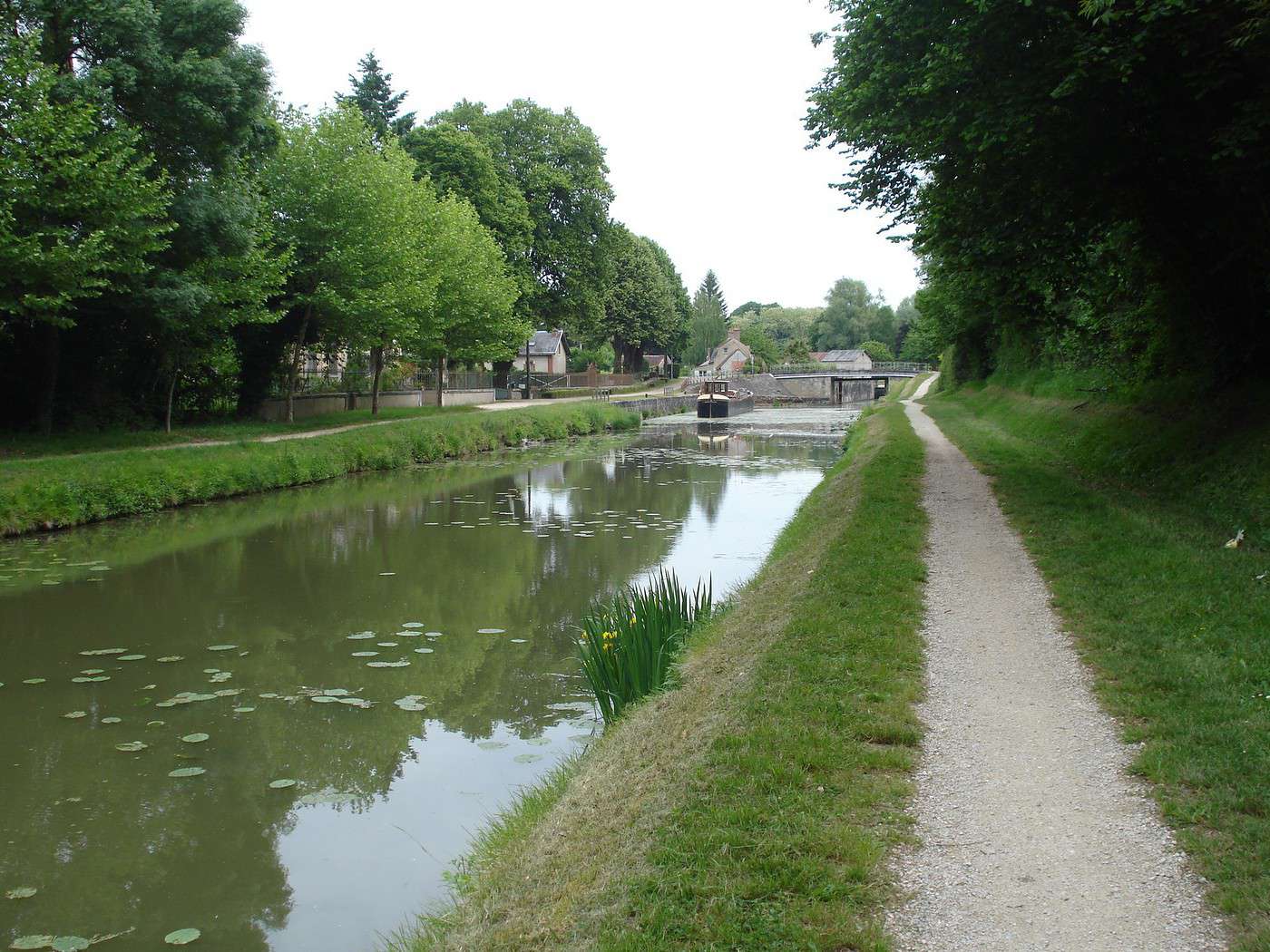
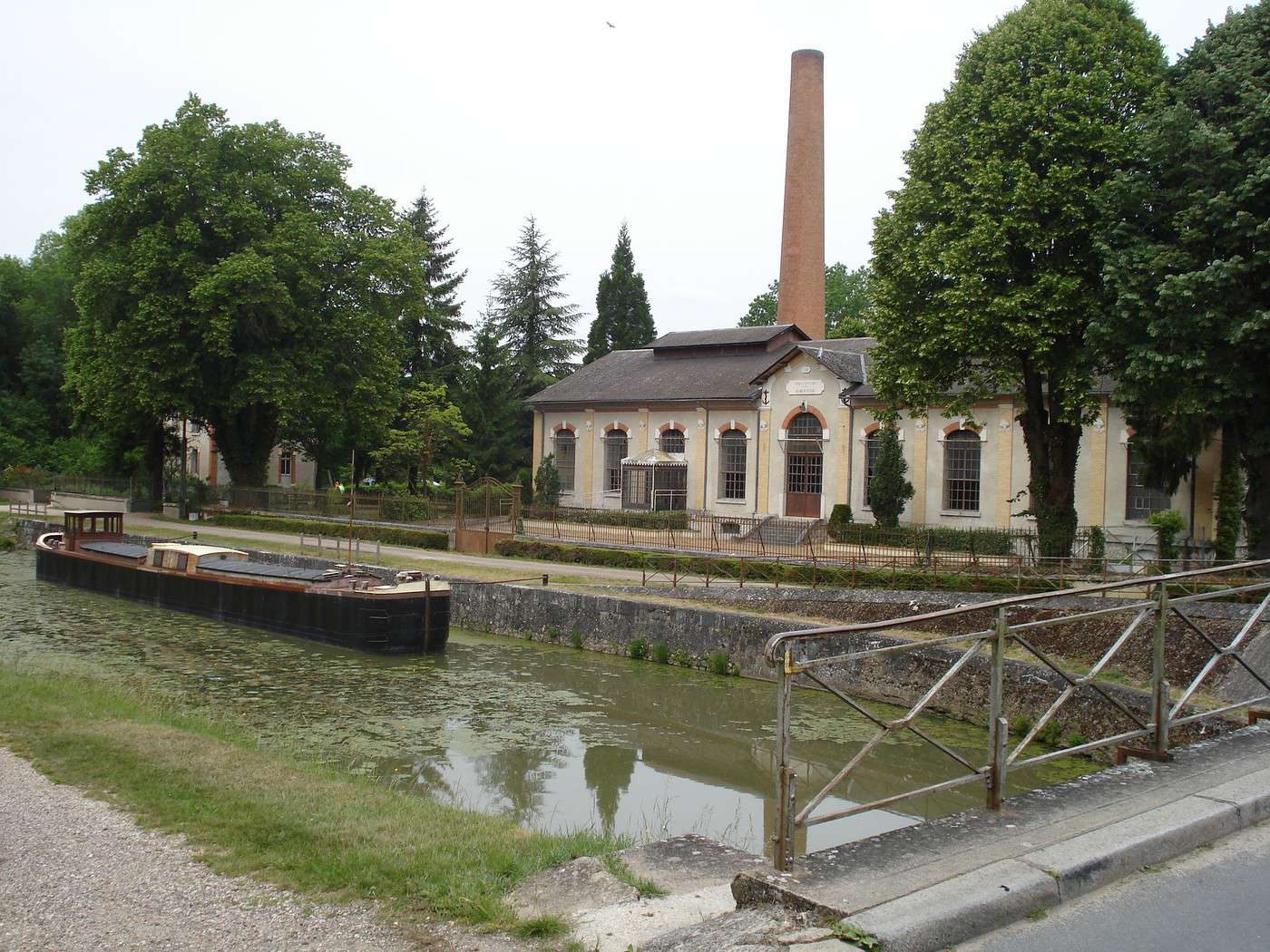
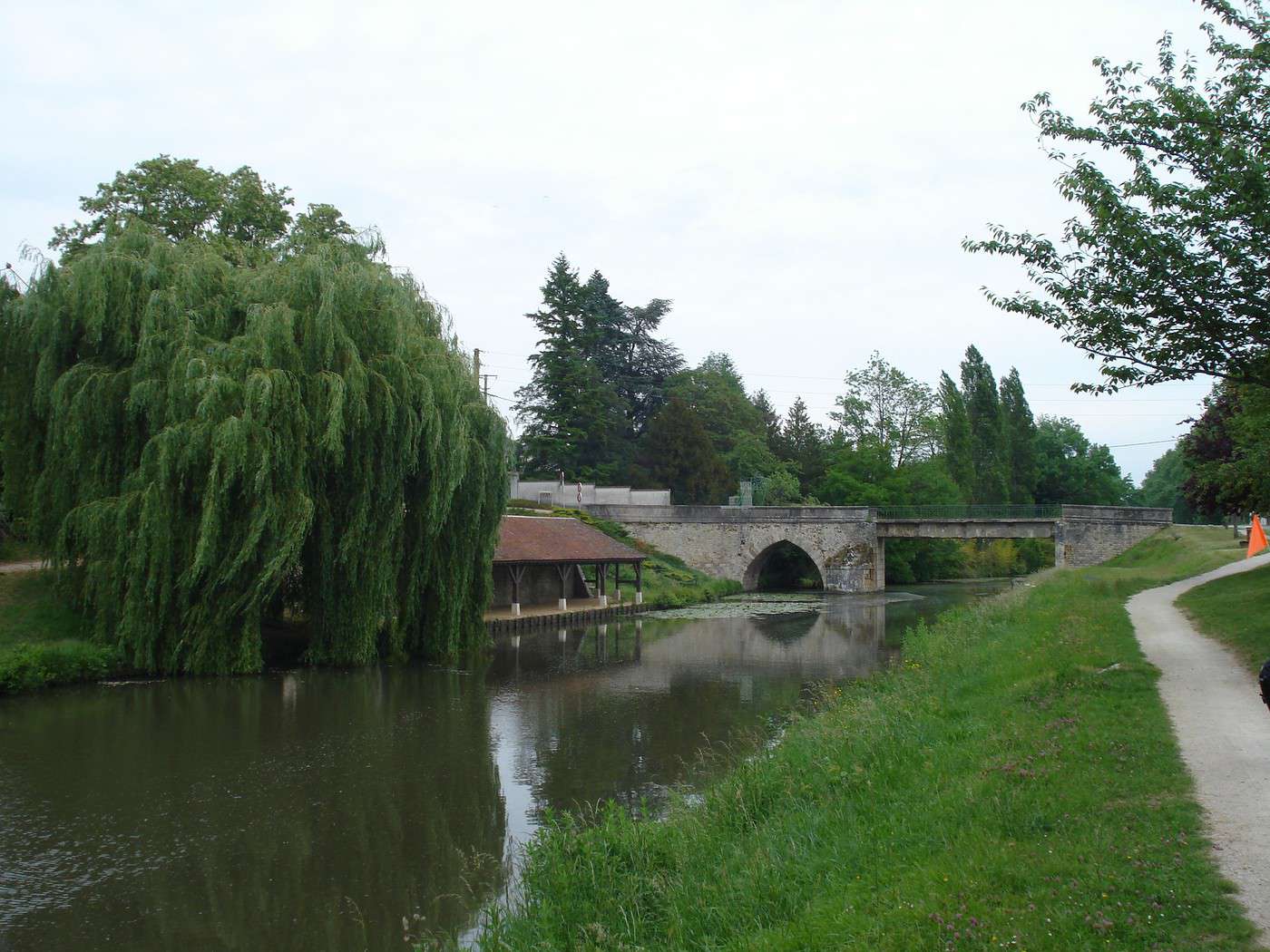
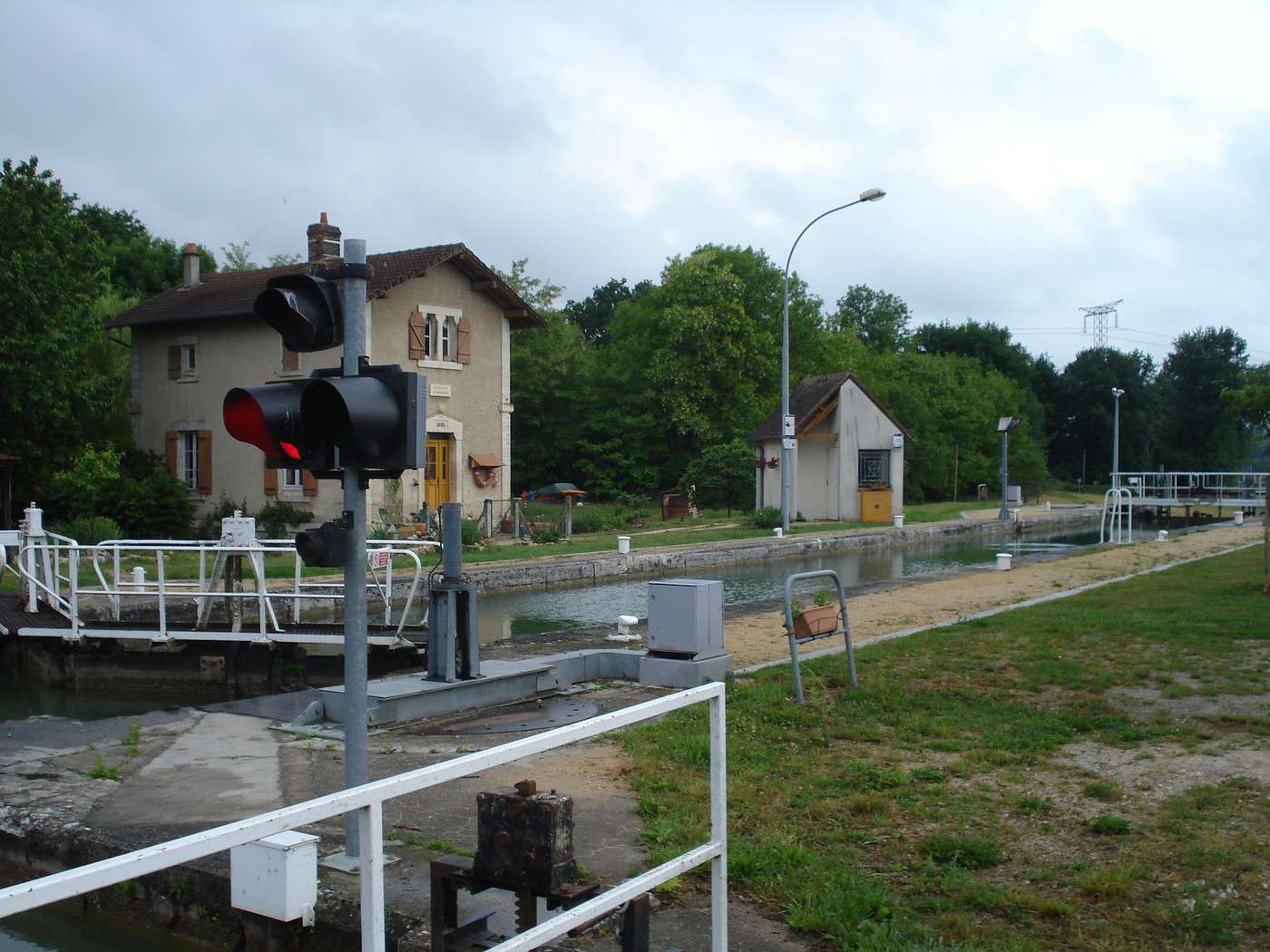
The Canal d’Orléans is no longer used for navigation, but its towpath has been turned into a GR (long-distance hiking trail). This almost smooth ribbon of earth is a joy to ride. I thank whoever leveled it. It’s a paradise of water, greenery, and silence, with a few historical panels about the attempt to adapt it to the Freycinet gauge and the construction of a coal-powered electricity plant to pump water between the locks.

After lunch at the restaurant "La Jeune France" for 11.50 €, I meet the only two cyclists I’ll encounter far from cities. They’re coming from Épinal (where I did my military service), have faced bad weather, and are heading to the Marais Poitevin.

I recommend they stop for lunch in Fay-aux-Loges if there are any dishes left, given its popularity.

The canal is often overgrown with vegetation, except in the area where a boat offers tourist excursions. This spring (a bit shy) has brought lots of aquatic and terrestrial flowers. Too bad that around 4 PM, after the water-sharing lock (which reminds me of the Canal du Midi), it starts raining. I take shelter in a café where they serve me a mediocre hot chocolate without much friendliness.

I gear up under the tree where I parked my MTB and decide to continue by road. These will be the only two hours of rain during my 9-day trip.

In Montargis, I stay at the Hôtel Central for 49 €, plus 7 € for a very hearty breakfast with a wide selection of fruits, cereals, etc. A new packaging for powdered sugar makes me mistake it for milk (no harm done since I don’t want to consume either).

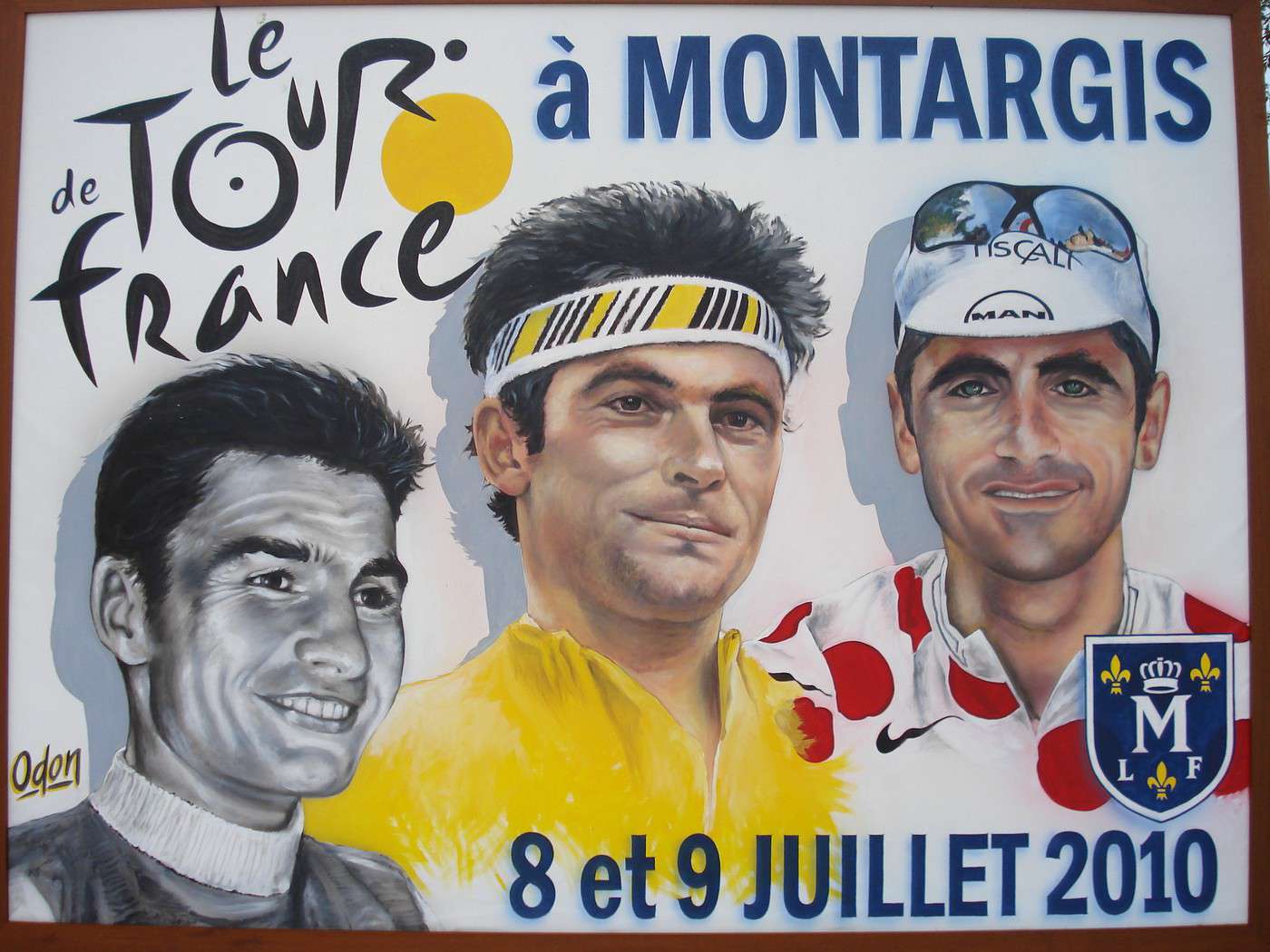
The town is excited to host the Tour de France. While the latest cheating scandal among cyclists—a small motor hidden in the frame—has just been uncovered, it’s high time the French stopped being lulled by all these competitions.
Facteur4 : Objectif pour 2050 de diviser par 4 l'émission de gaz à effet de serre.
FA Facteur4 Regular ·
Wednesday 02/06 Montargis 8 AM to Sully-sur-Loire 4 PM, 89 km

I had planned to head back down to the Loire by following the Briare canal, which connects with the Orléans canal north of Montargis. I came across a small dam and thought I was going the wrong way. After crossing the town while following the canal, I started doubting when I saw road signs. A moped rider, just as unsure, also thought I was heading in the wrong direction. Indeed, after retracing my steps down a slope, I found the towpath and the local offices of Voies Navigables de France. The staff confirmed I could go as far as Briare, adding that their canal is prettier than the Orléans one.

The difference is that the Briare canal is open to navigation. VNF vehicles drive on the towpath, which is sometimes paved. But most of the time, it’s a gravel path with grass and ruts competing for space. Since it had rained the day before, I gave up halfway after passing a pleasure boat. The road to Gien took me right past the Auberge d’Adon just before noon. I had time to change in the restroom and could have lunch while some traveling workers did the same.

In Gien, I found the Loire again. The bar terraces were starting to liven up under the sun.

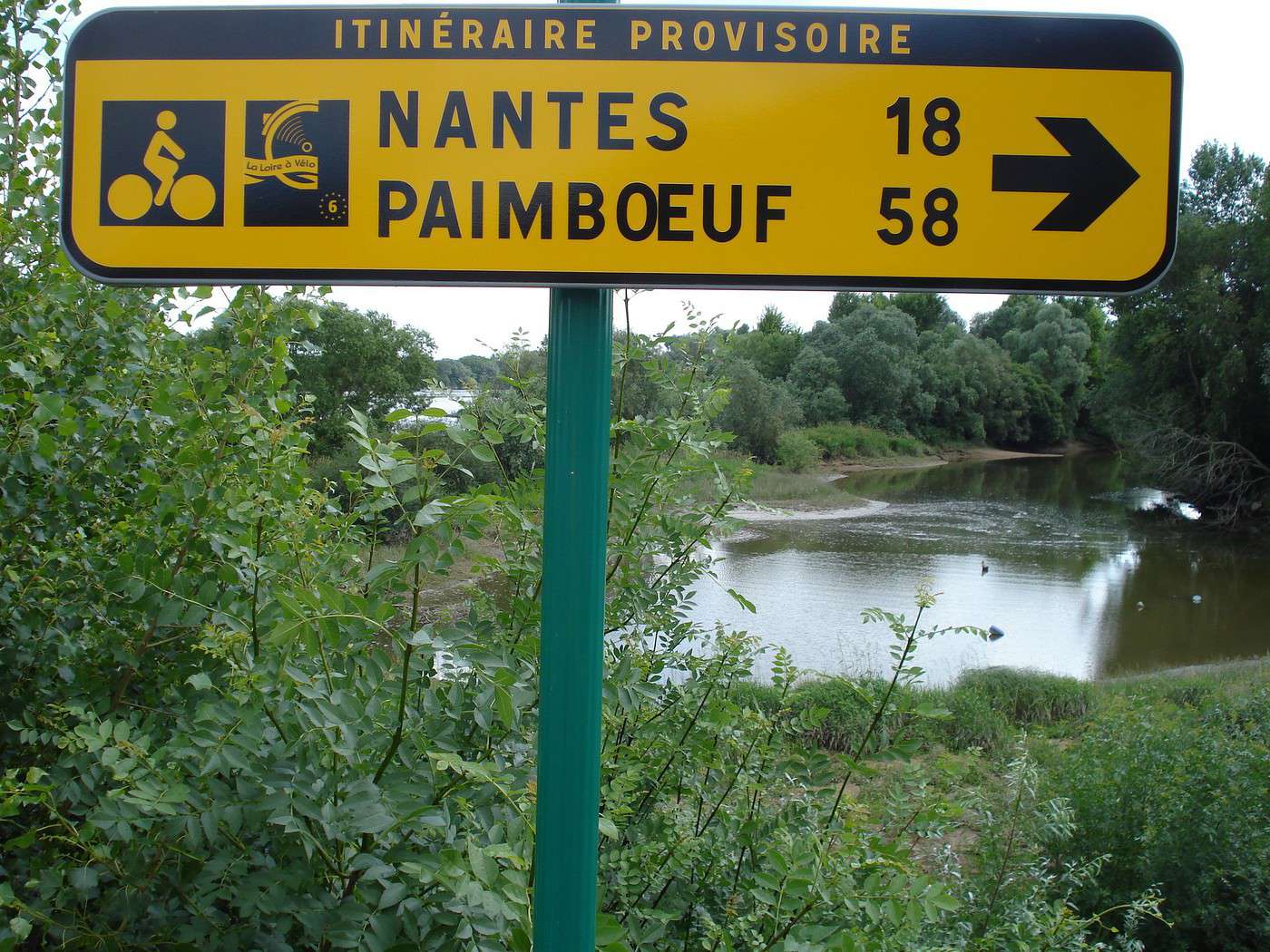
I crossed to follow the left bank on the temporary route because the "Loire à Vélo" developments are far from finished. Yet this is also part of the EuroVelo 6, which will run from the Atlantic to the Black Sea: http://www.eurovelo6.org/

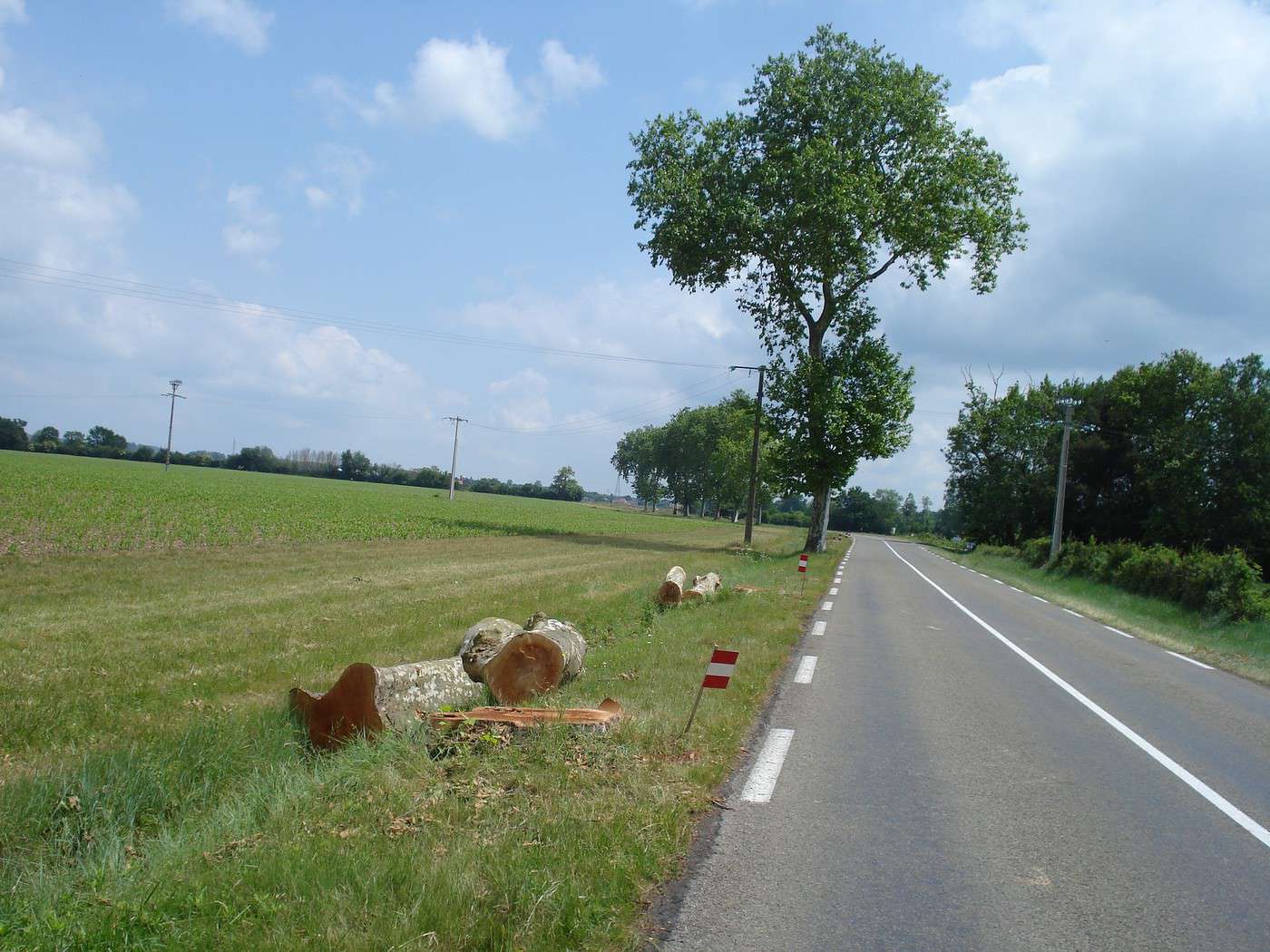
After a few kilometers, the road was closed to traffic for construction. I hesitated for a long time about following the detour like the cars. Then I took the risk, fearing I might have to turn back. After 1 km, a worker forced the cars to take a final detour. Luckily, he let me continue straight. I’d just have to wait for permission to pass at the construction site. What I discovered was grim. Beautiful plane trees had been cut down. The crew, busy shredding branches, let me through.

I asked the supervisor redirecting traffic from the other direction why this was happening (wondering if a future bike path was the reason). He told me the plane trees were being cut down because too many people crash into them (by car). Even though my son had just fractured his sternum hitting one of these trees (his friend, who was driving, had swerved to avoid a deer), I don’t think destroying this heritage of our departmental roads is the solution.

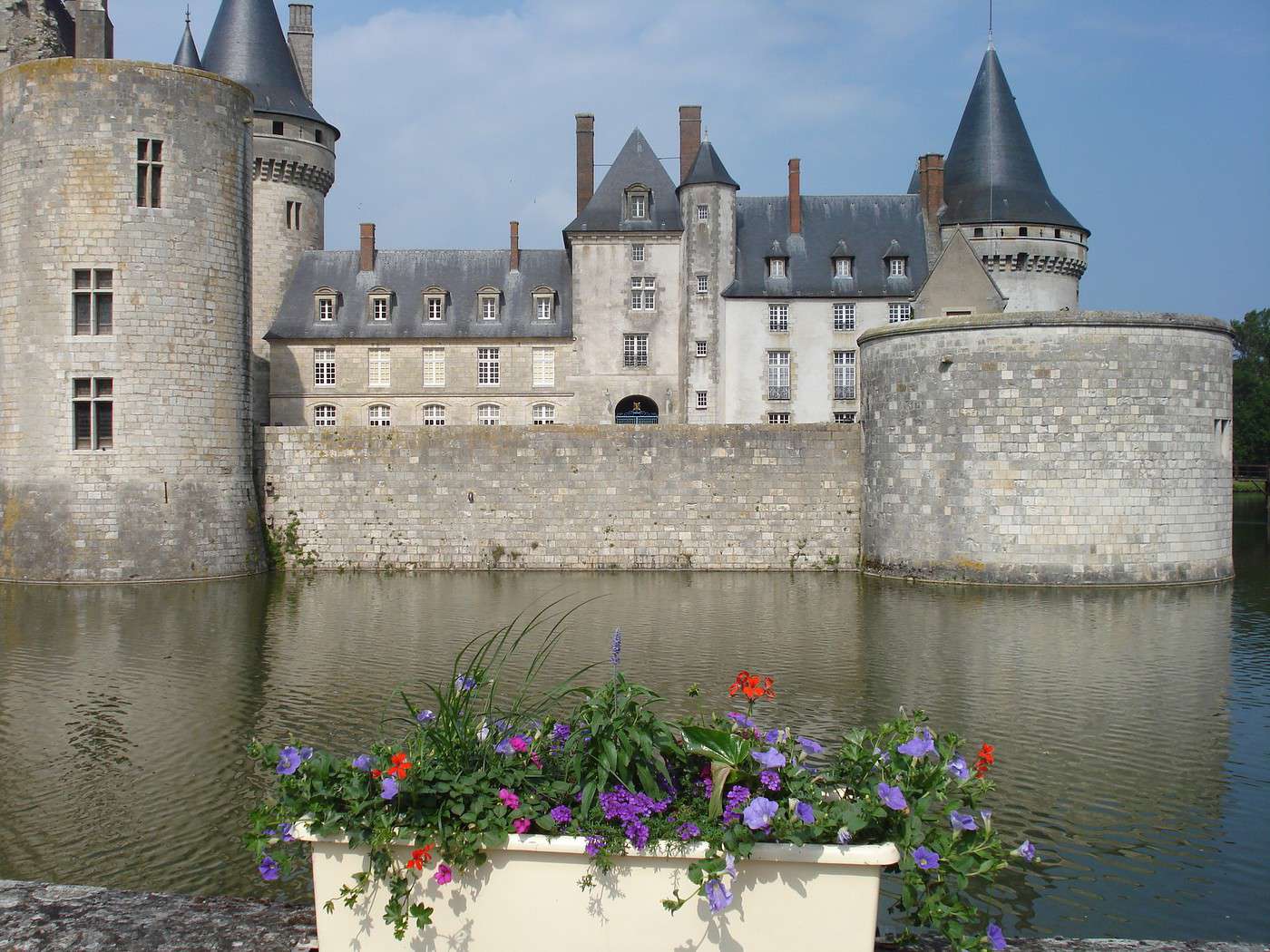
I reached Sully-sur-Loire and its magnificent château. I chose the Hôtel de la Tour for 40 € + 6 € for breakfast (nothing special). No internet access in town for someone like me without a computer—the tourist office suggested I go to a computer store in a shopping center. An hour and a half for 3.50 € got me there by closing time at 7 PM, just enough to download photos from my camera and send a few illustrated emails.
Facteur4 : Objectif pour 2050 de diviser par 4 l'émission de gaz à effet de serre.
FA Facteur4 Regular ·
Thursday 03/06 Sully 8 AM – Blois 6 PM, 122 km

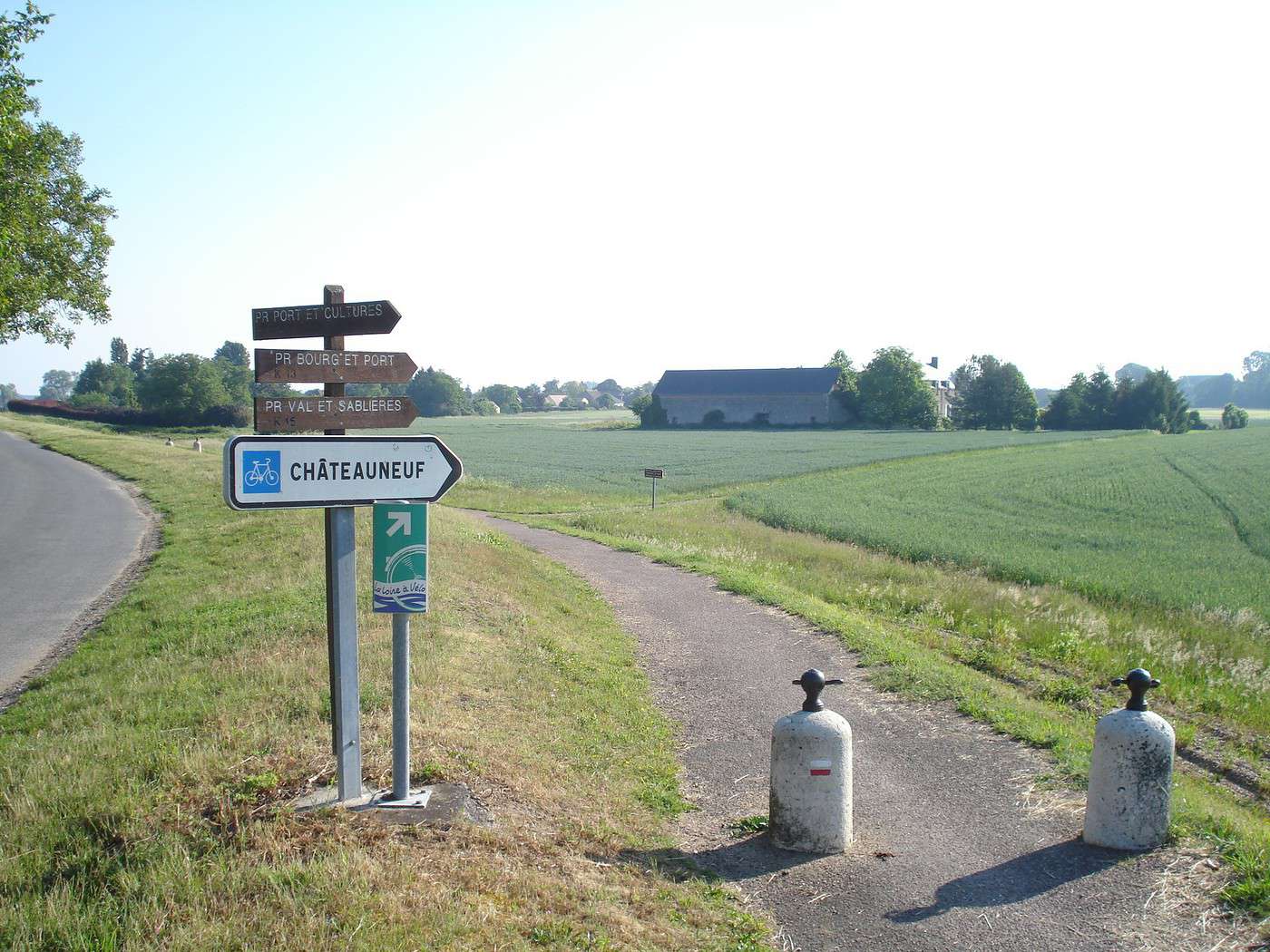
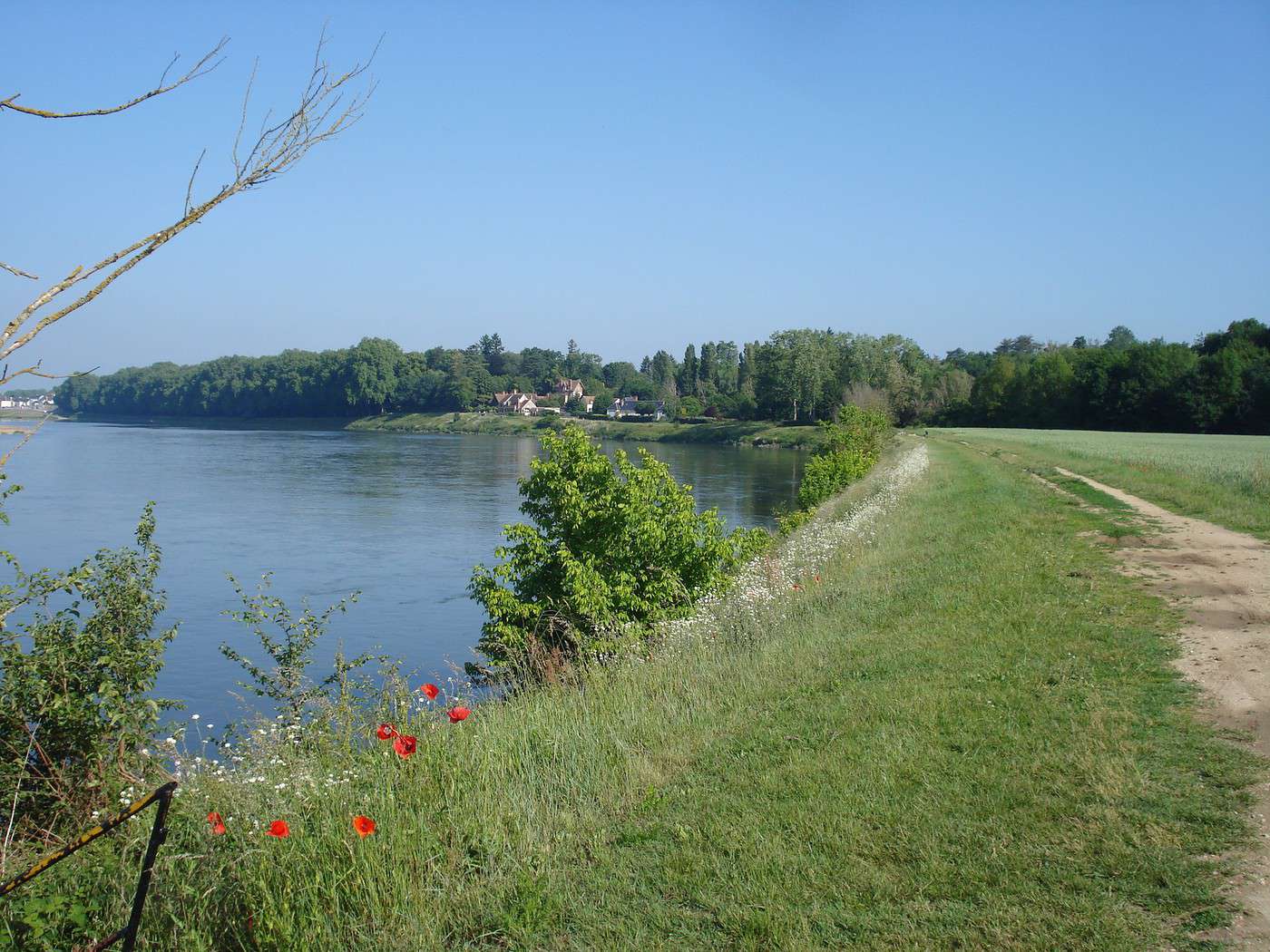
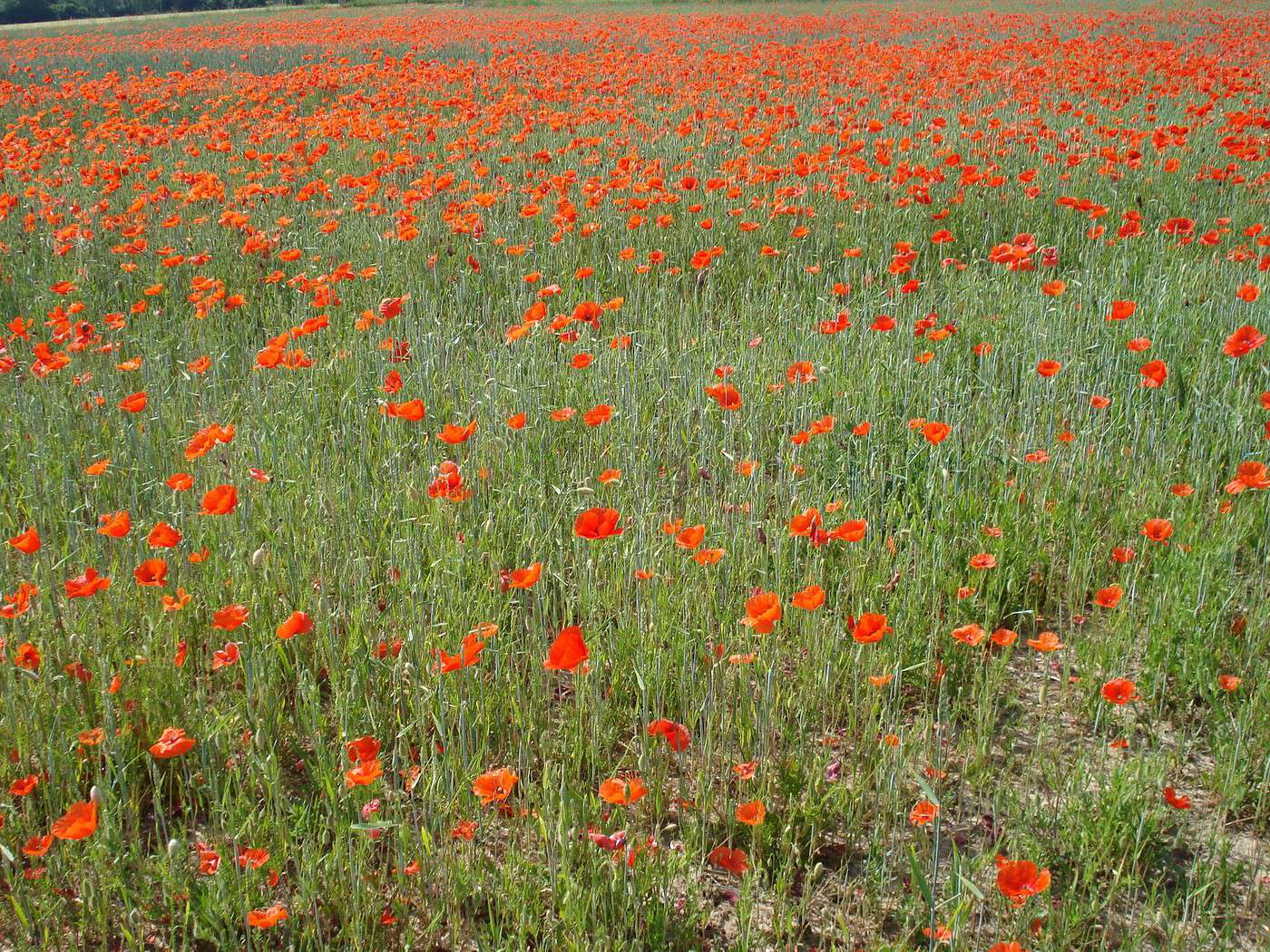
I start on a welcoming Loire à Vélo route that leaves the road in front of cherry and walnut trees, winding through the countryside while pretending to be a cycle path for a few hundred meters. Until I reach a village where the priest greets me as I admire the church steeple. I continue following signs for Châteauneuf on a small bike. These little roads through fields of poppies, market gardens, and small woods are pleasant—until a sign indicates the end of the route. Now, figure it out yourself! No more Châteauneuf or anything else. (I’ve already covered 24 km for the 18 expected by road and ended up nowhere.) Wanting to head west, I keep going right, but the road turns into a dirt track, and I hesitate to turn back. I ask a jogger who tells me he’s coming from Châteauneuf, so I continue on the dirt path along the Loire. I cross back to the right bank on a bridge that offers a view with the sun’s reflections on the river.

After 50 km, I arrive in Orléans, and it’s amusing—my odometer already shows 420 km. That’s the distance announced by the Loire à Vélo between Orléans and the estuary (my initial goal). Let’s just say this was the warm-up for now. On the quays, a restaurant barge tempts me despite the wind, but since it’s only 11:30 AM, they’re not serving yet. I take refuge in the city center, where I’m no luckier. It’s nice to be able to refuse a customer (in Quebec, for example, they’d welcome you and ask if you want *déjeuner* or *dîner*—meaning breakfast or lunch, so in this case, you’d answer *dîner* because dinner is *souper* in the evening). I buy a sandwich, a beer, and a cake, which I eat sheltered from the wind in partial shade. I hesitate to find a way to refill my water (always the trade-off between autonomy and weight)—in a restaurant, I could’ve used the restrooms or asked someone to fill my bottle.

A lovely cycle path on the Orléans quay, but does it even stretch a kilometer?

Signs invite cyclists to cross and continue the (still temporary) route on the left bank. I want to return to Blois, where I’ve booked again at the CRJS. The distance is only 50 km, but via the cycle route, I’ll do seventy. Thirst kicks in, and in Beaugency, the terrace near the château is very popular. I ask if they have orgeat syrup and order a mint syrup on top. After sending two postcards, the waitress comes to wipe my table and says, *"You mixed the two."* I reply that yes, the combination of mint’s strength and almond’s sweetness is very pleasant. It’s called a *glacial*. She says she’ll try it.

This will be my longest stage, and I’m starting to struggle. Suddenly, the cycle route turns into a billiard table—thanks to the financial fallout from the Saint-Laurent-des-Eaux nuclear plant. Coincidence or not, I encounter more cyclists on this path.

All along the Loire, you can’t miss these modern-day fortresses. Impregnable strongholds with security checks that annoy the people who work there year-round and the contractors who intervene during outages—but they won’t stop human bombs or other kamikazes.

Unfortunately, the road surface quickly deteriorates, forcing me back onto the usual small roads.

Arriving in Blois, I buy sunscreen. My tube must’ve fallen out of my handlebar bag’s net—I lost it. I take advantage of a deal with after-sun lotion, which will come in handy. This time at the CRJS, there’s a school group visiting Amboise the next day. I’ll be the only adult besides the teachers and the bus driver. Given by the director, I listen to the safety instructions and recommendations for managing the group.
Facteur4 : Objectif pour 2050 de diviser par 4 l'émission de gaz à effet de serre.
FA Facteur4 Regular ·
Friday 06/04 Blois 8 AM – Villandry 5 PM, 92 km

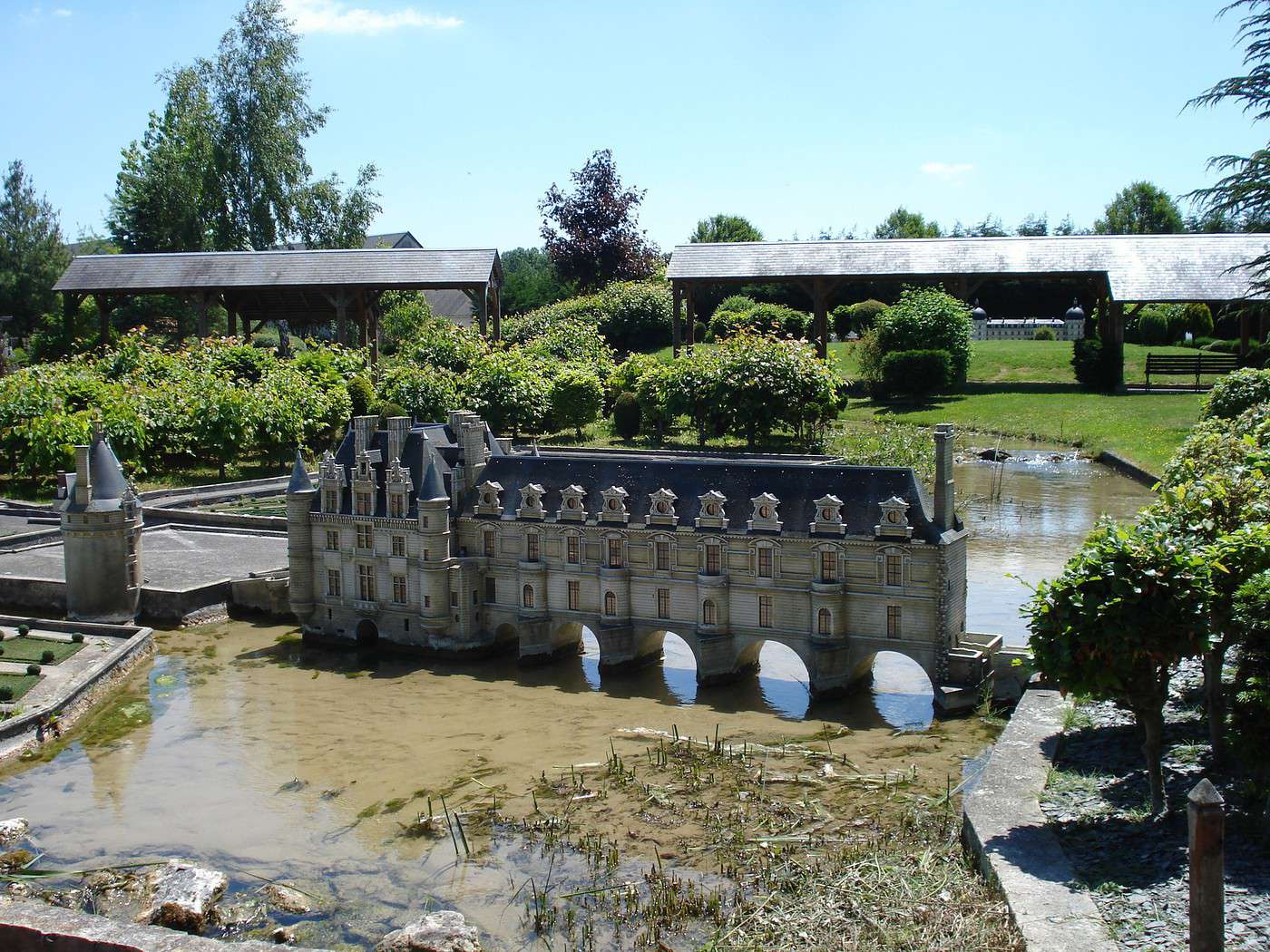
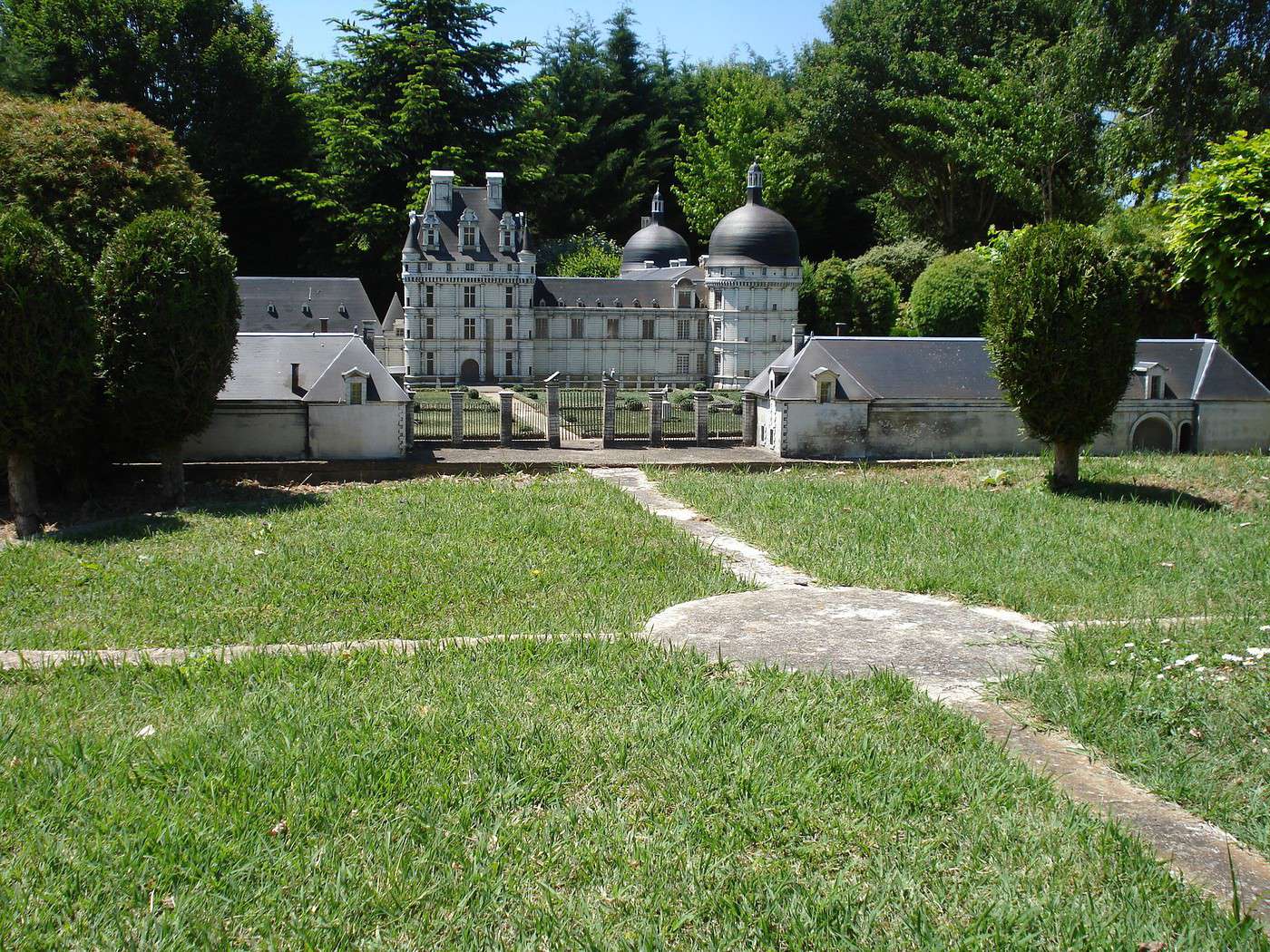
To leave the CRJS this time, I take the Donkey Path. I first come across a couple of hikers. The man is pushing a cart equipped with a crossbar at hand height. What an original way to carry camping gear. I immediately regret not taking their picture. The bike route zigzags too much north to south, with even small uphills and downhills. Then I retrace part of the route I took on the first day, in the opposite direction. This time, I want to visit the Mini Châteaux Park in Amboise. I figure this way, I’ll see all the castles at once, even those far from the Loire. I also grabbed an extra roll at breakfast to visit my favorite wine merchant. It’s 10:20 AM when I reach Mosnes, and the shop is closed. A handwritten sign says it opens at 10 AM. It would be silly to leave and have it open just a few minutes later. I call the number listed, and the son answers, telling me his father was delayed and is on his way. Despite my insistence, he refuses to let me pay for the tasting. I leave with his business card.

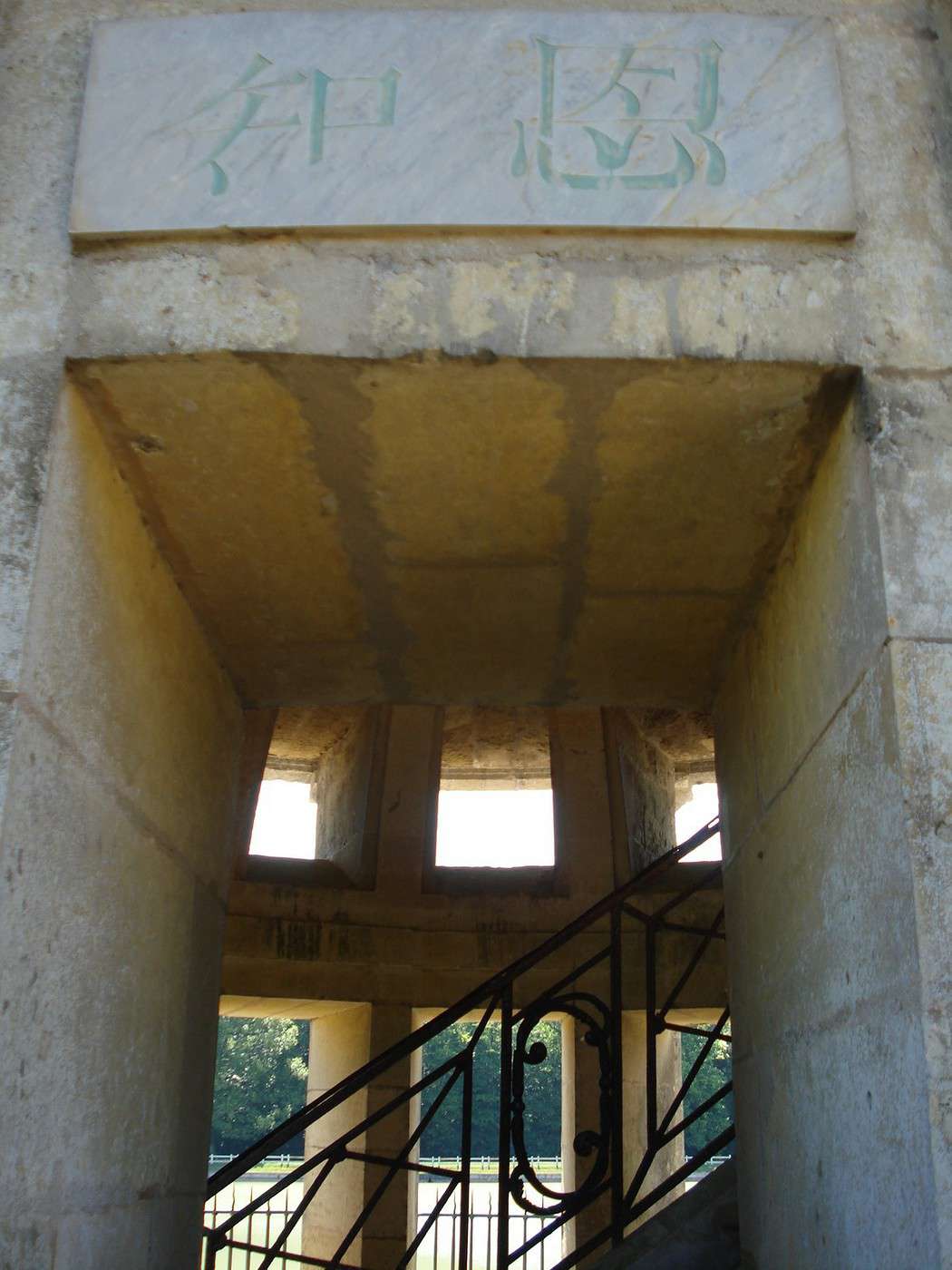
In Amboise, a road with chicanes that only lets cars pass alternately takes me to the mini park. A passerby tells me that in the summer, this causes long traffic jams in both directions. One person even died in an ambulance that couldn’t move forward. A brilliant idea to put an end to car culture! He advises me to check out the Chinese pagoda while I’m at it.

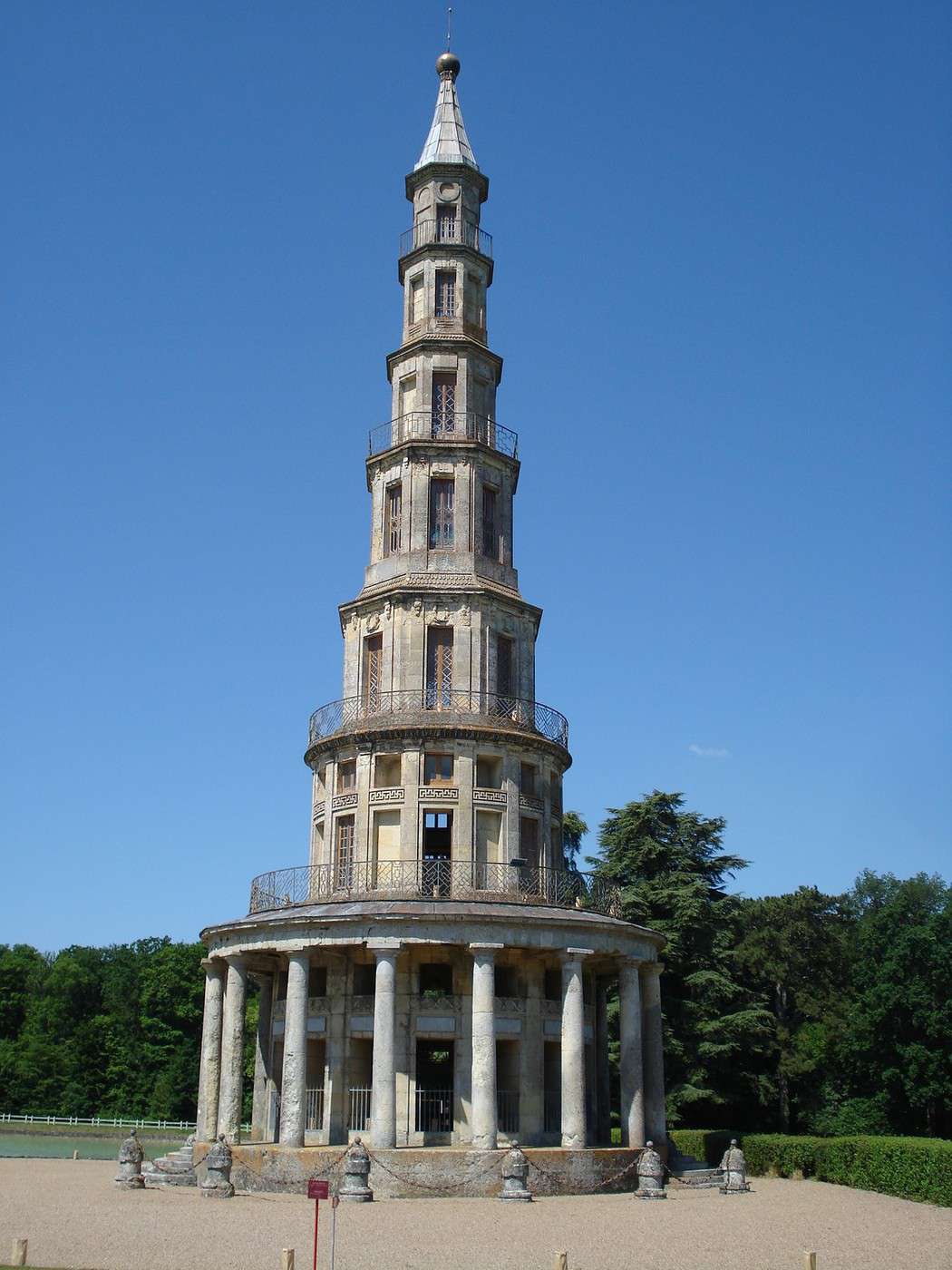
I pay 8.50 € to enter the Pagoda of Chanteloup park and can ride my bike along the access path. I wasn’t expecting such a Chinese moment. It was built by the Duke of Choiseul in 1775. Prime Minister under Louis XV, he was disgraced and exiled to Chanteloup.

Since I’m tired from the previous day’s ride and had noted the coordinates of a reasonably priced guest room (Les Roses Trémières) in Joué-lès-Tours, only 25 km away, I decide to call since it’s already past noon. My fear was justified—it’s already booked for the weekend. The lady is very kind and gives me the number for the Tours tourist office, and even suggests one in Villandry if I want to go a bit further (she must have telepathic gifts! No, it’s just her experience talking, based on the time and where I am). I wouldn’t have settled for a short ride unless I was certain of having accommodation and a guest table.

The Villandry tourist office can’t give me availability but provides two phone numbers for guest rooms. The first owner answers. When I insist on getting the exact address (to enter into my GPS), he asks if I’m joking. Quite a change from the welcome at Les Roses Trémières. I’m relieved to have a bed for Friday but curious about his reaction.

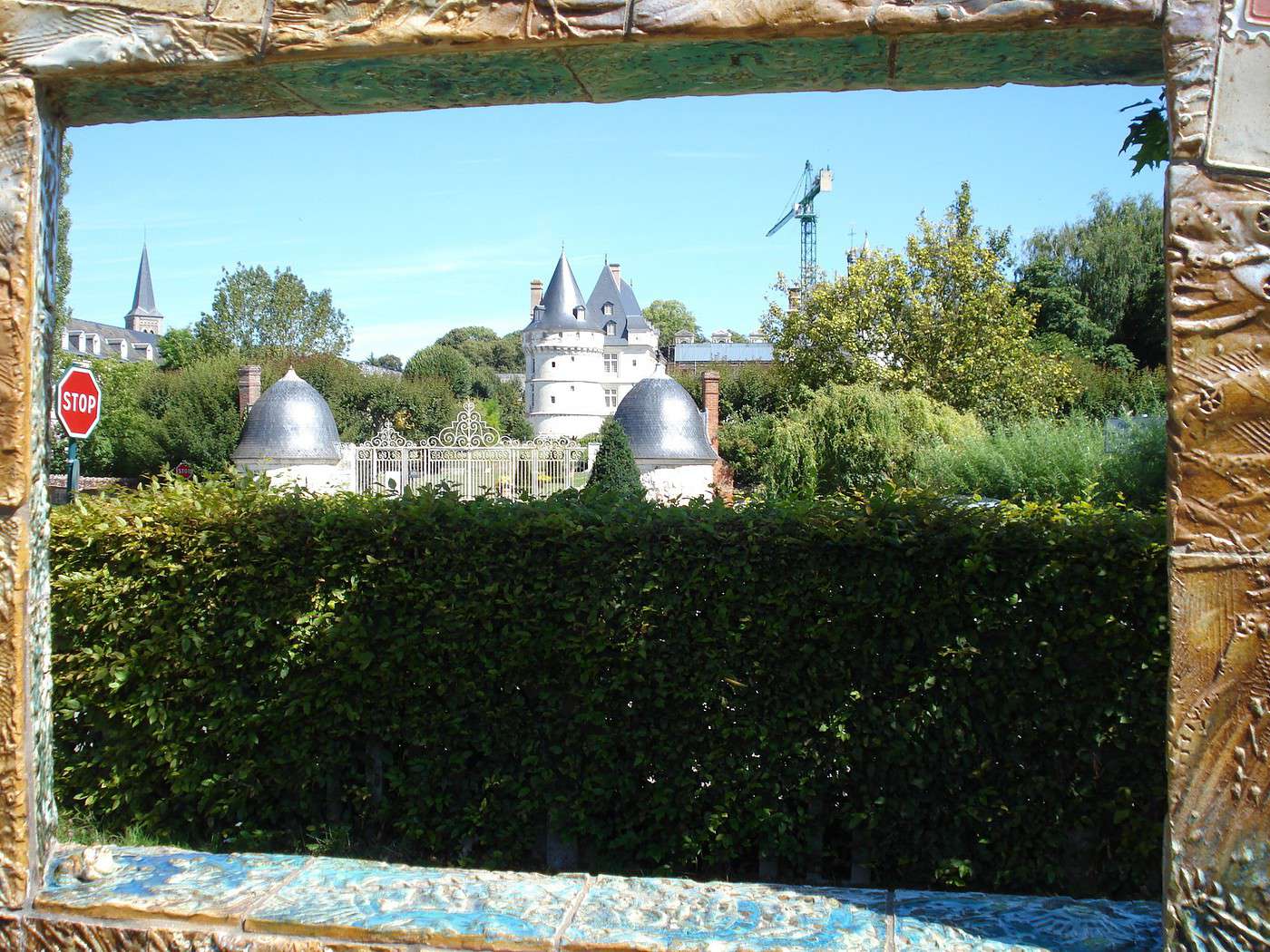
I find the Mini Châteaux Park awful (13.50 €). It’s really only interesting for kids, and the sets are starting to look worn. Plus, this time of year, you can’t even eat there. I take advantage of a nice leafy arbor to enjoy the shade while tasting the organic chocolate-hazelnut cookies I’ve been carrying since Valence d’Agen. Luckily, there’s cold water available in the restrooms.

It’s very hot, so I cool off at the Loire House in Montlouis. The visit is free, but the lady warns me that the exhibits are a bit disrupted by school groups.

For someone born in Rouen, it’s a surprise to learn that 20 million years ago, the Loire and Seine flowed in muddy streams into the English Channel. Ten million years ago, the regions west of Orléans subsided, and a sea arm advanced as far as the Blois area. The muddy river was swallowed up...

After crossing Tours without encountering any bike paths, I finish the route through a small wooded area with a flower-lined stream. I arrive early at 2 bis Rue de la Caillarderie at the guest room:

http://www.villandry-tourisme.com/...bres_dhotes_2010.pdf

There’s no one there. I leave my bike in the garden and walk back down to Villandry. I don’t have the energy to bike back up.

In front of the gourmet grocery store/tea salon/restaurant, the menu features apple crumble and crème brûlée. I ask if they still have both and order one of each with Russian tea. I make up for lunch and consider dining here: http://www.epiceriegourmande.com/

I stop by to say hello to the tourist office hosts, who give me the owner’s mobile number in case he still isn’t there. They tell me I’ll have access to a computer with internet.

He admits he failed in his duties by not being there when I arrived and especially by being unpleasant on the phone. He’d been the victim of a fake reservation from his “friends,” who only confessed to the “joke” the next day. When I called, he feared it was happening again. In reality, he’s a very kind man who lost his wife and son. I assume he then decided to open a guest room. The house has a very large bedroom upstairs. He also offers his living room/office (with his computer) on the mezzanine to guests. There’s no real separation from the dining room/kitchen due to the open layout. I’m surprised Americans haven’t gotten stuck in the narrow spiral staircase leading to the first floor. However, he tells me they can spend three days glued to the computer without visiting the castle.

I realize I could do the same at home with the upstairs, currently occupied by our three kids. I thought our house wasn’t suited for it.

However, the job isn’t that easy. Some no-show guests admitted to booking in multiple places! So in the summer, he doesn’t take any reservations and welcomes the first cyclists who show up (there are always some). Otherwise, he doesn’t want to bother updating his availability with the tourist office (that’s why they didn’t have the info).

Surprise—the Gourmet Grocery is closed in the evening. I order a gourmet plate on the terrace of the restaurant Le Colombien and am disappointed.
Facteur4 : Objectif pour 2050 de diviser par 4 l'émission de gaz à effet de serre.
FA Facteur4 Regular ·
Saturday 05/06 Villandry 8 AM – Angers 6 PM, 102 km

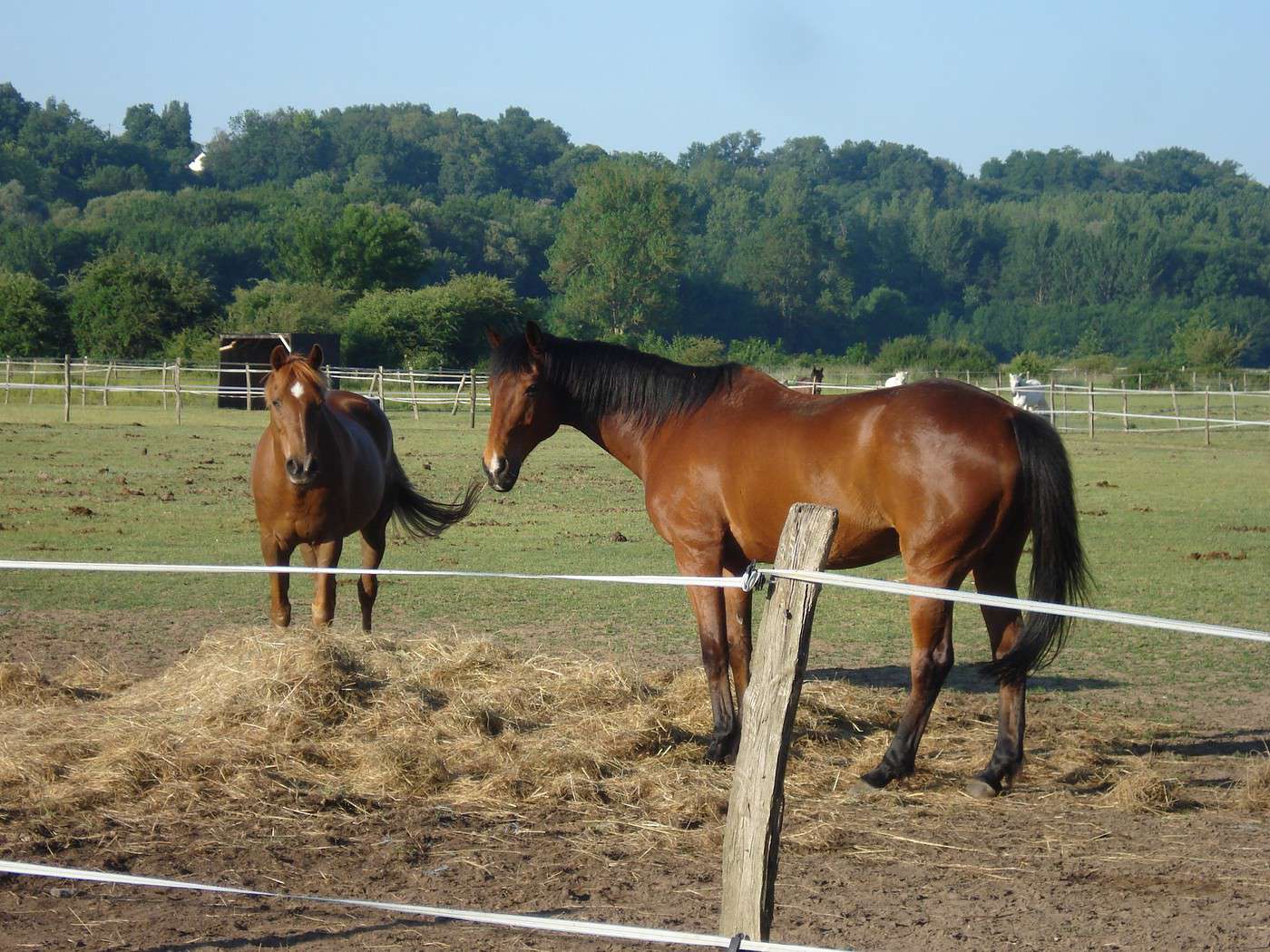
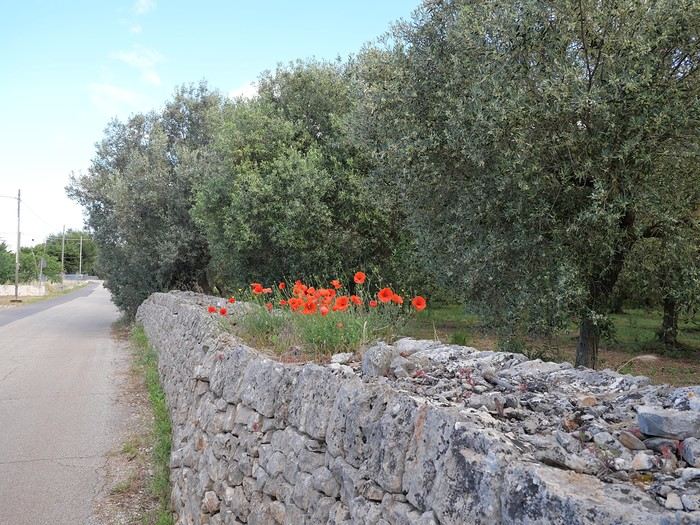
Through the countryside, I enjoy the morning pleasures. Magnificent bay horses are already gleaming under the sun. Honeysuckle intensely releases its scent, concentrated by its petals that stayed closed all night. A roe deer crosses in front of me and, panicking at my arrival, slips on the tarmac. Its hooves make an almost metallic sound.

While I try for the umpteenth time to photograph a field of poppies, my camera gets stuck (despite several on/off attempts, it only works again later).

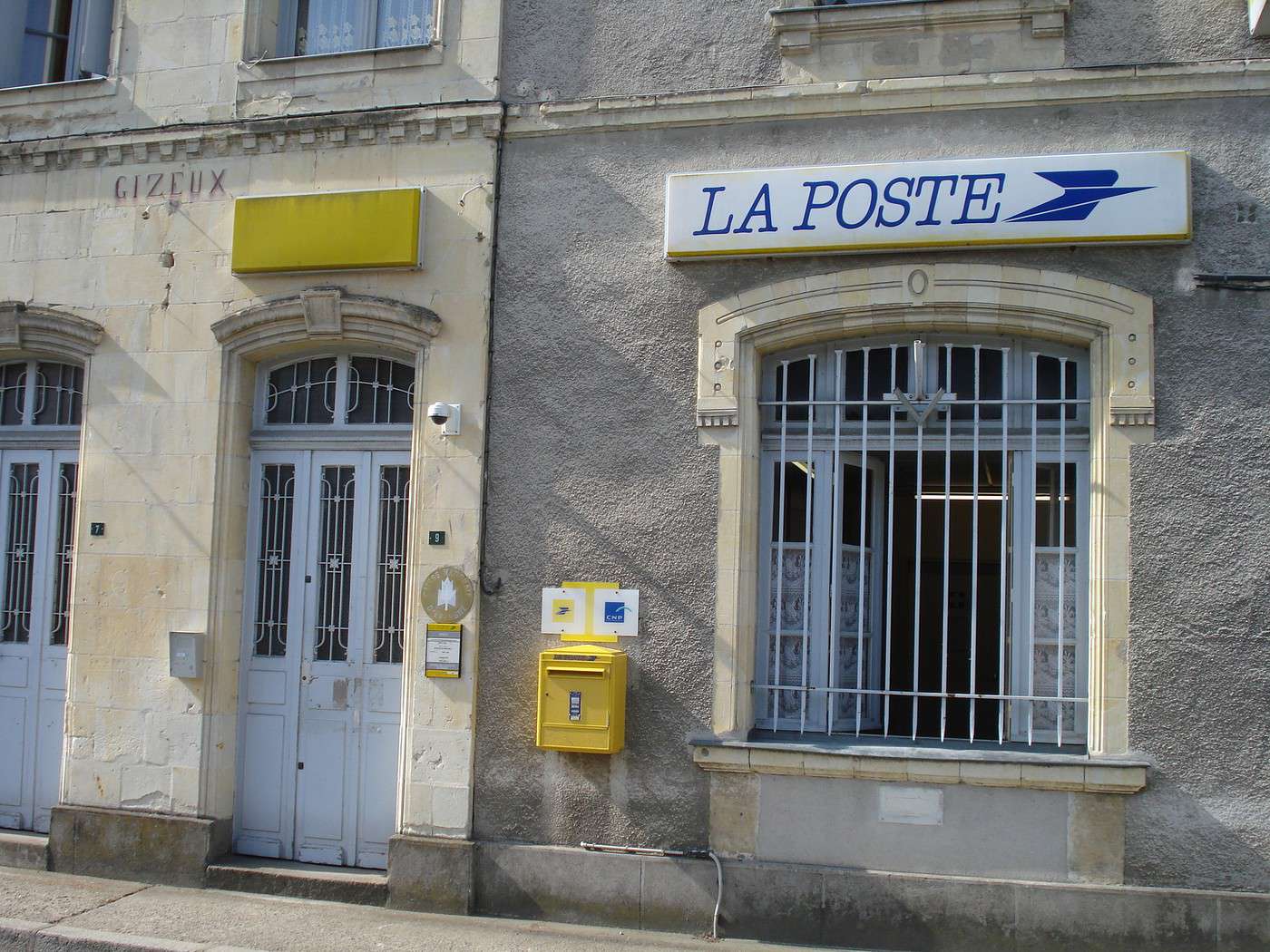
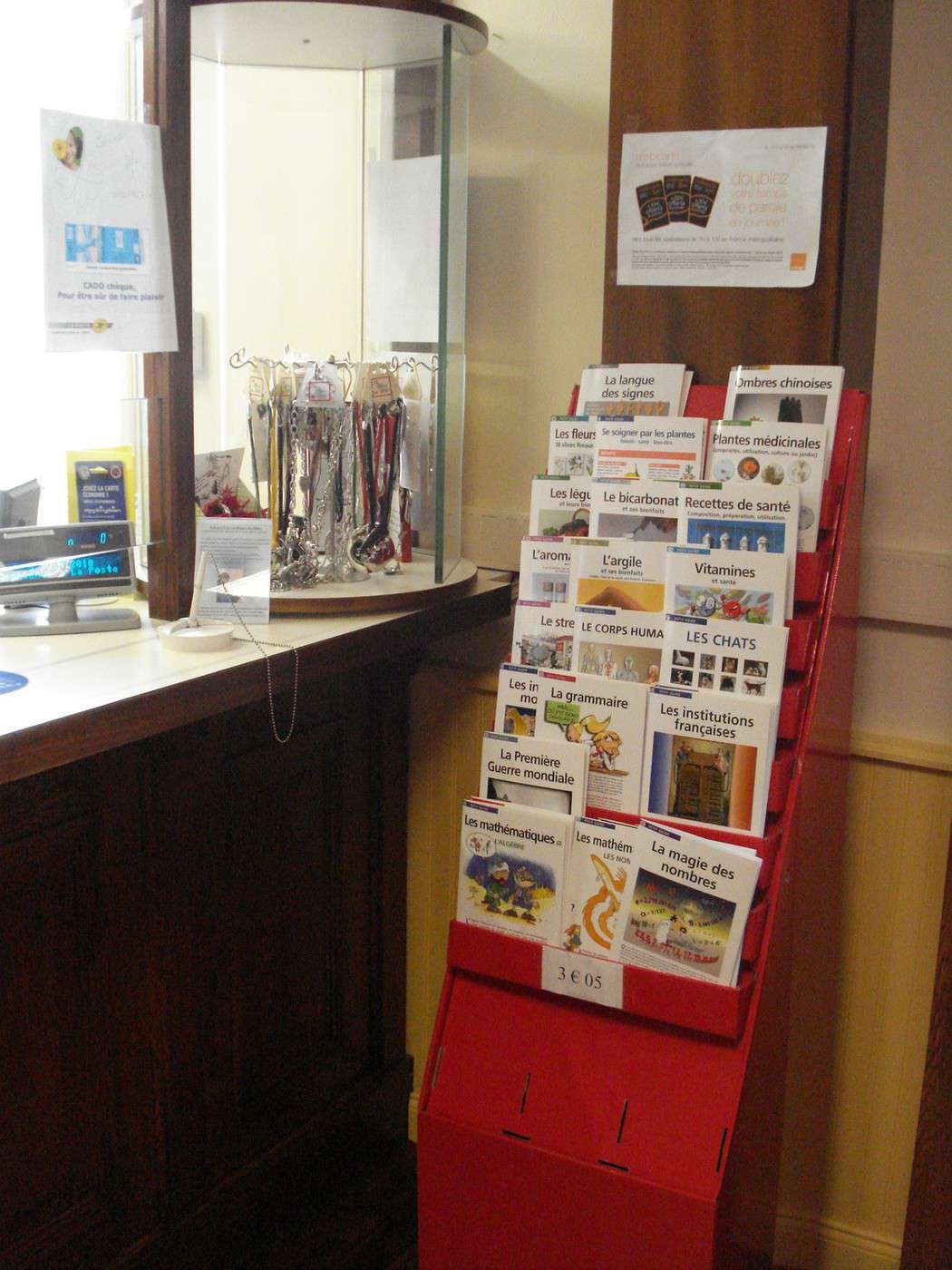
I decided to surprise some distant family (in both senses of the word) by heading to Saint-Philbert-du-Peuple. Located near Saumur, this village evokes an old poplar grove. This makes me leave the Loire and avoid Chinon. I only catch sight of a small cloud of steam released by the cooling towers of its power plant. I pass by the Château de Gizeux and decide to support the local post office by making a withdrawal here rather than at an ATM in a big city. It’s really something we should do as a civic duty because, while I could have paid or gotten cash just with my debit card elsewhere, here I have to show my ID even though I’m a Banque Postale customer. In any case, selling books or jewelry at the counter won’t be enough to keep this public service running.

Odd for such a small village, the entrance door is equipped with an electric strike controlled by the postmistress, who saw me outside via a camera.

I continue my good deeds by ordering a hot chocolate to go with my croissant (which the B&B owner insisted I take) at the bar.

My efforts aren’t rewarded. It’s no longer raining. This is the first time I’ve had a beer with a pastry. I might regret it as the temperature rises. The bartender kindly rinses my bottle and fills it with ice-cold water.

In Longué, I’ll be the only customer at a Chinese restaurant, having a chicken salad and frog legs with lemongrass.

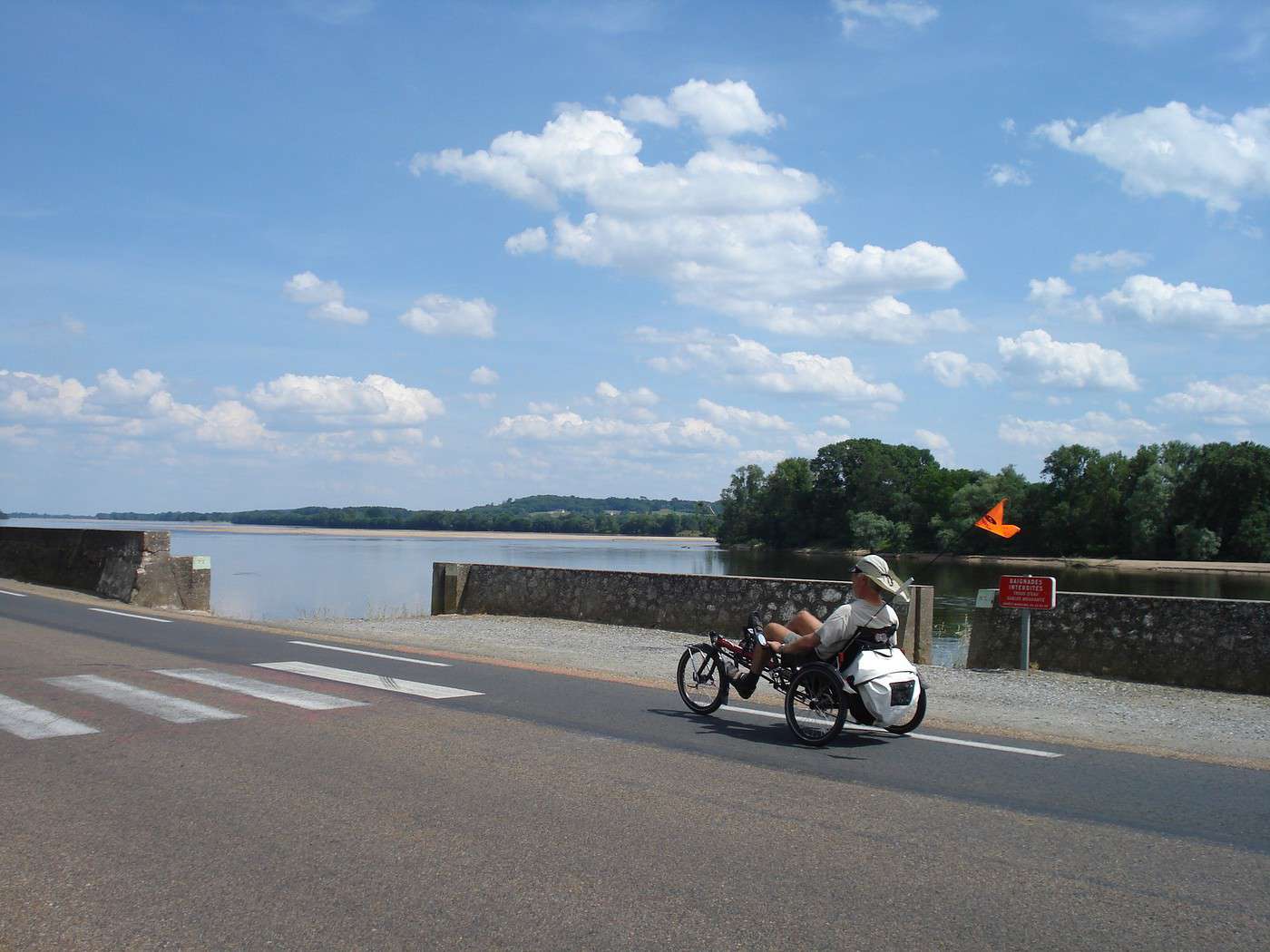
With some difficulty, I find the Loire à Vélo route again but quickly decide not to follow it when it indicates 30 km to Angers, while sticking to the Loire River cuts it down to 20 km. I then come across a recumbent tricycle that probably doesn’t feel safe on these narrow roads.

It’s hot, and I appreciate the bottle of cold water I’ve wrapped in my beanie.

Weekends mean fully booked hotels in Angers. I circle around for a while before ending up at the Ibis Hotel, which is less popular with tourists and luckily lowers its prices on Saturdays. For just 69.40 €, I get an impersonal room. My bike, meanwhile, will sleep in the seminar room.

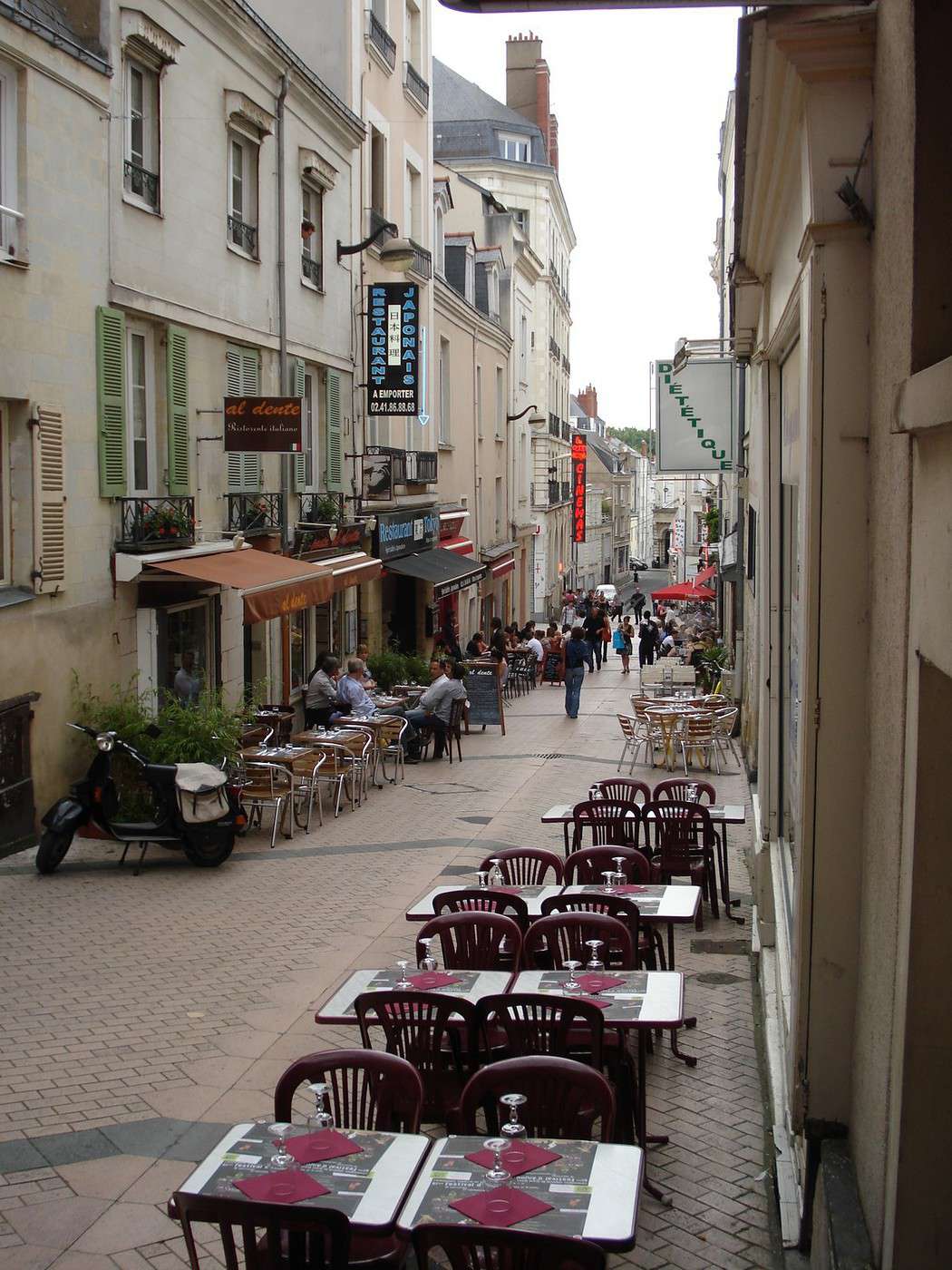
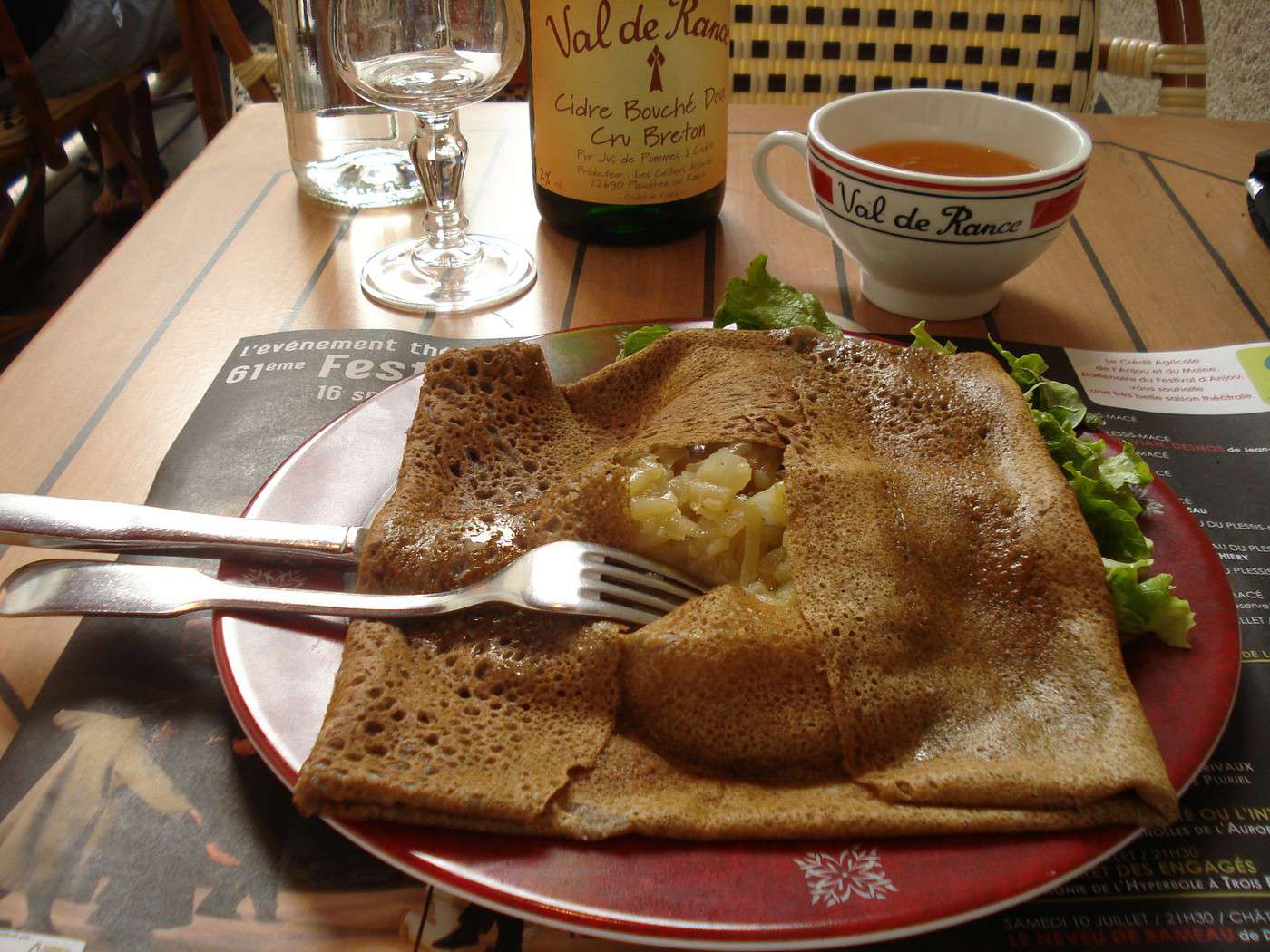
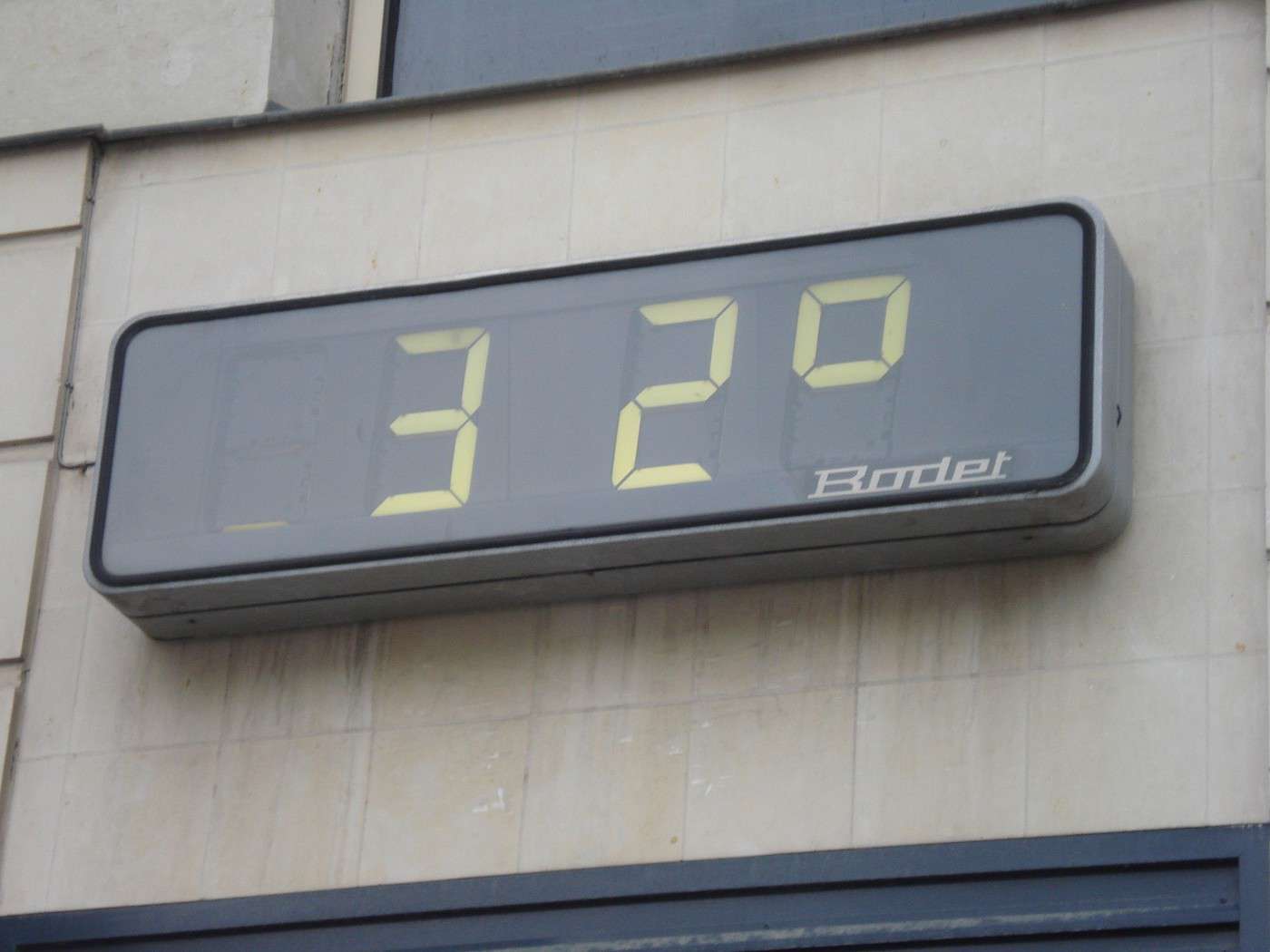
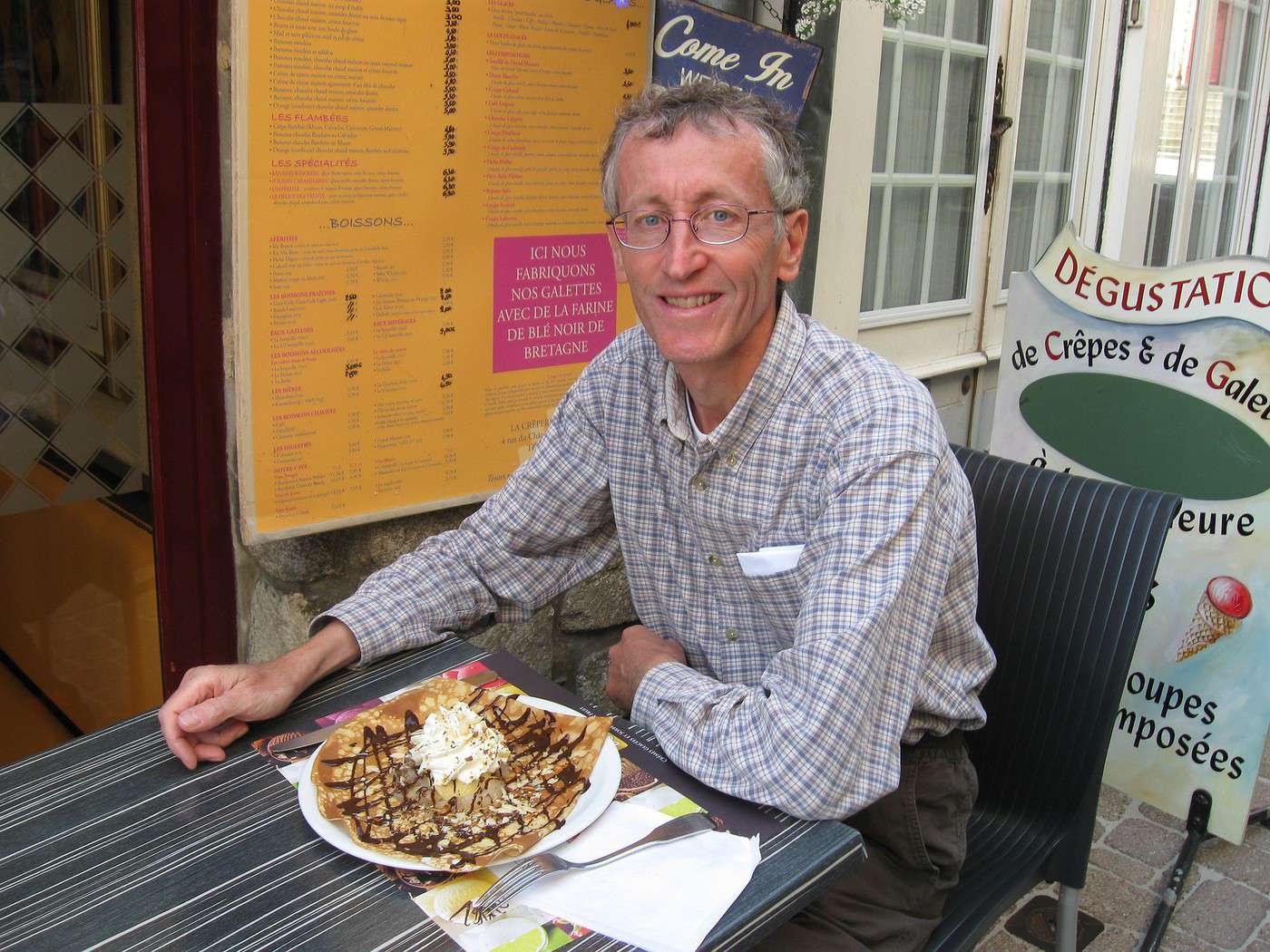
I dine on a terrace in a pedestrian street, enjoying a buckwheat pancake with andouille sausage, a chocolate fondant, and a bottle of cider, a glass of which I offer to my German neighbors. At 9 PM, it’s still 32°C!
Facteur4 : Objectif pour 2050 de diviser par 4 l'émission de gaz à effet de serre.
FA Facteur4 Regular ·
Sunday 06/06 Angers 09:00 Nantes 18:00 101 km

I got a late start because there was a light drizzle and for 7.50 € the breakfast buffet was really filling.

It stopped raining before I finished crossing the city. I decided to stay on the right bank, which makes more sense for heading to Pornichet, located north of the estuary, and to avoid having to cross the Saint-Nazaire bridge. However, I could no longer follow the bike route.

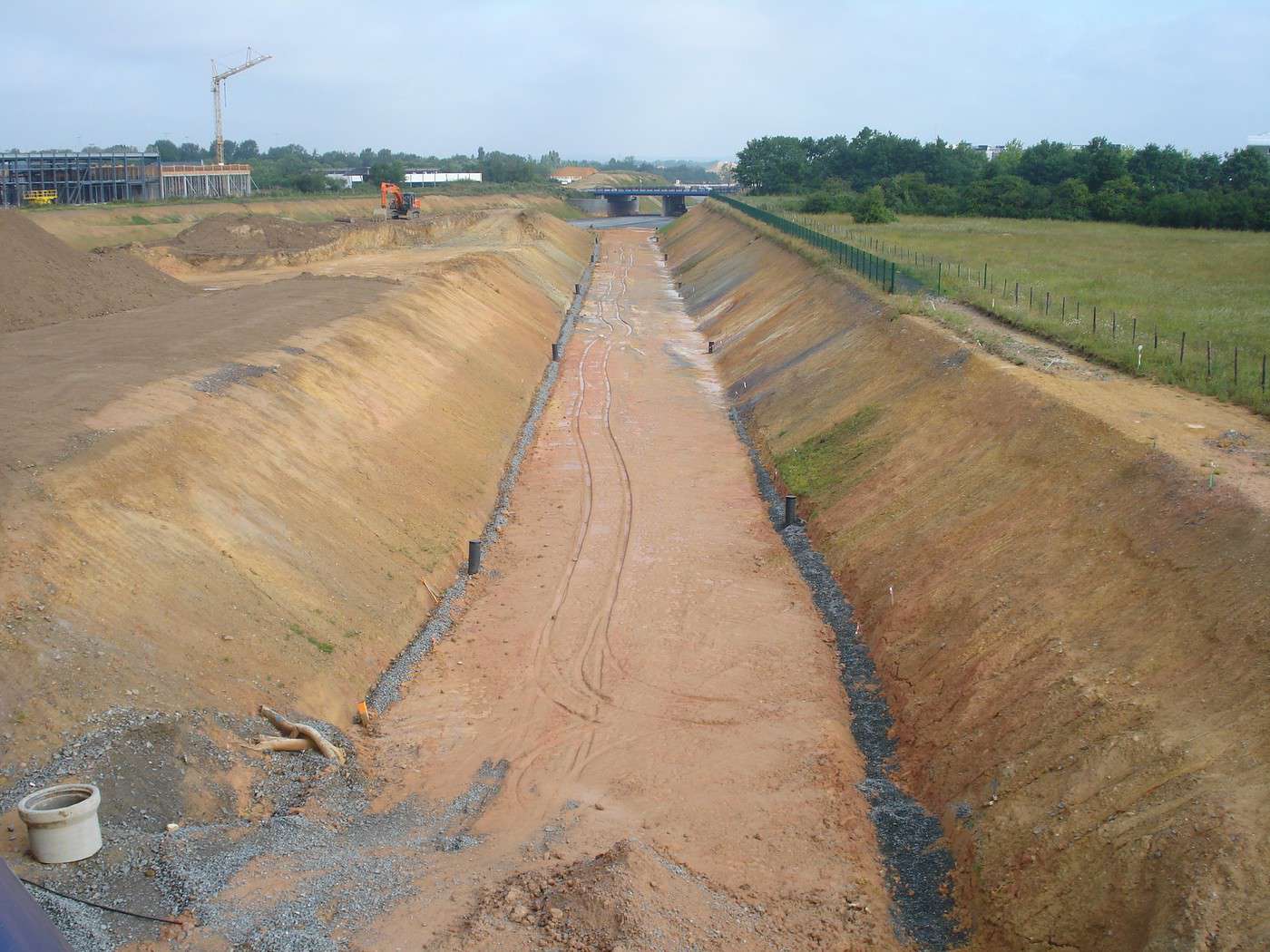
Despite all my efforts to avoid it, I ended up on the N23 due to roadworks where I would have gotten stuck in the mud (see photos). On the expressway, cars honked at me, and I responded with big waves and hellos since I hadn’t seen any signs prohibiting bikes.

On top of that, I had a headwind all day. That’s why it’s recommended to do the Loire à Vélo route against the current.

I then took the D18. I cheered myself up in Montrelais with the Sunday menu for 18.50 €: fish terrine, blood sausage skewers, and chocolate fondant. I told the waitress I probably wouldn’t be back since I’m from Agen, but I really enjoyed it.

Go figure, the temperature dropped by at least 10°C compared to yesterday.

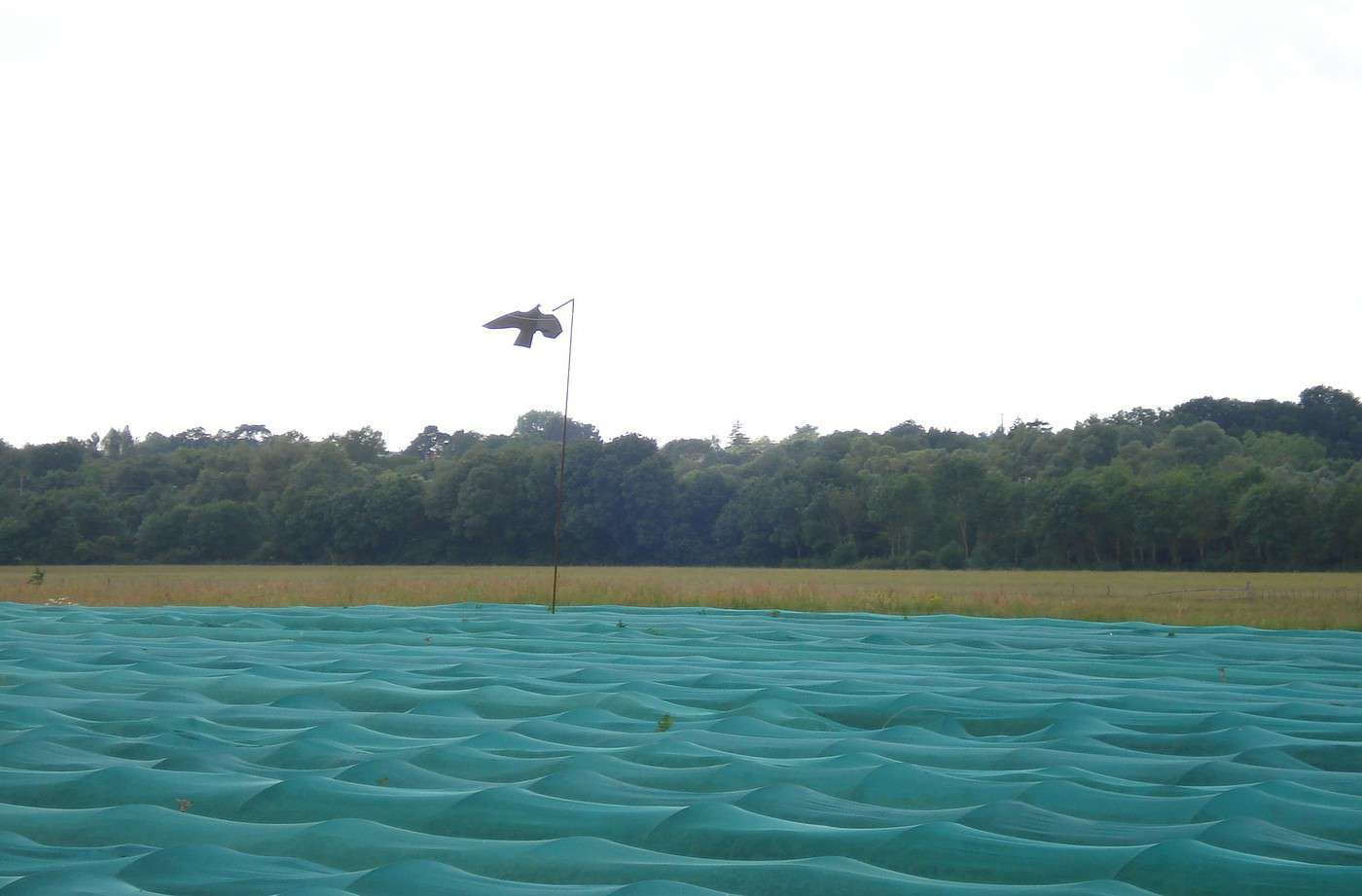
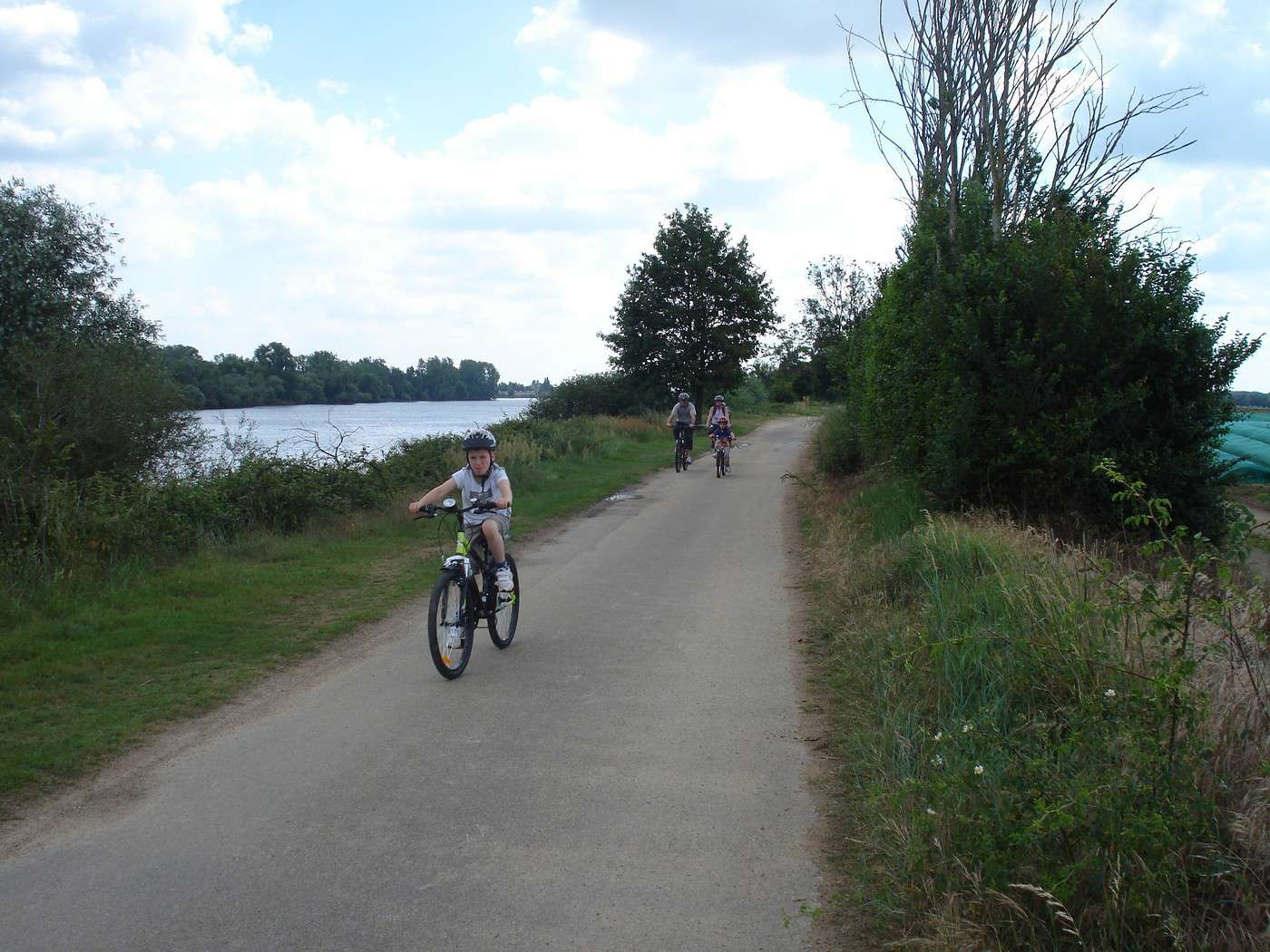
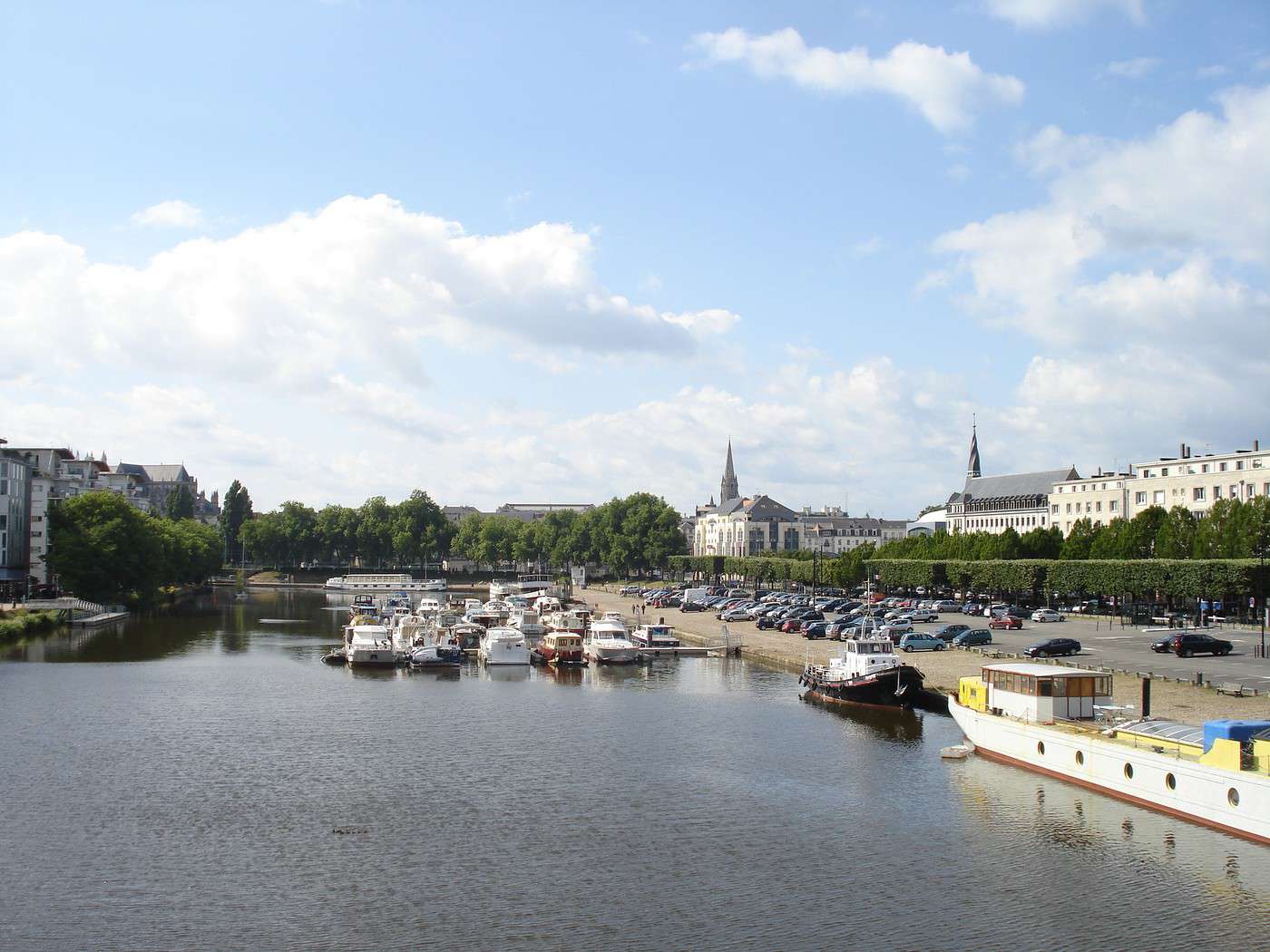
A bike sign for Nantes once again gave me hope for a bike path. But it was just a small road along the Loire. Fortunately, it was only open to local drivers. It was the perfect spot for Sunday family walks. I passed lots of strollers and cyclists. A fake hawk, moved by the wind, protected the crops from rodents. Near the city, a man with a woman and a stroller told me I wasn’t on a bike path. That’s the problem—there’s a lack of infrastructure. I found a bike lane on the boulevard. That’s why he wasn’t happy (though I couldn’t have guessed). I also struggled to find a hotel in Nantes. As usual, the tourist office was closed on Sunday afternoon, and there was no information nearby.

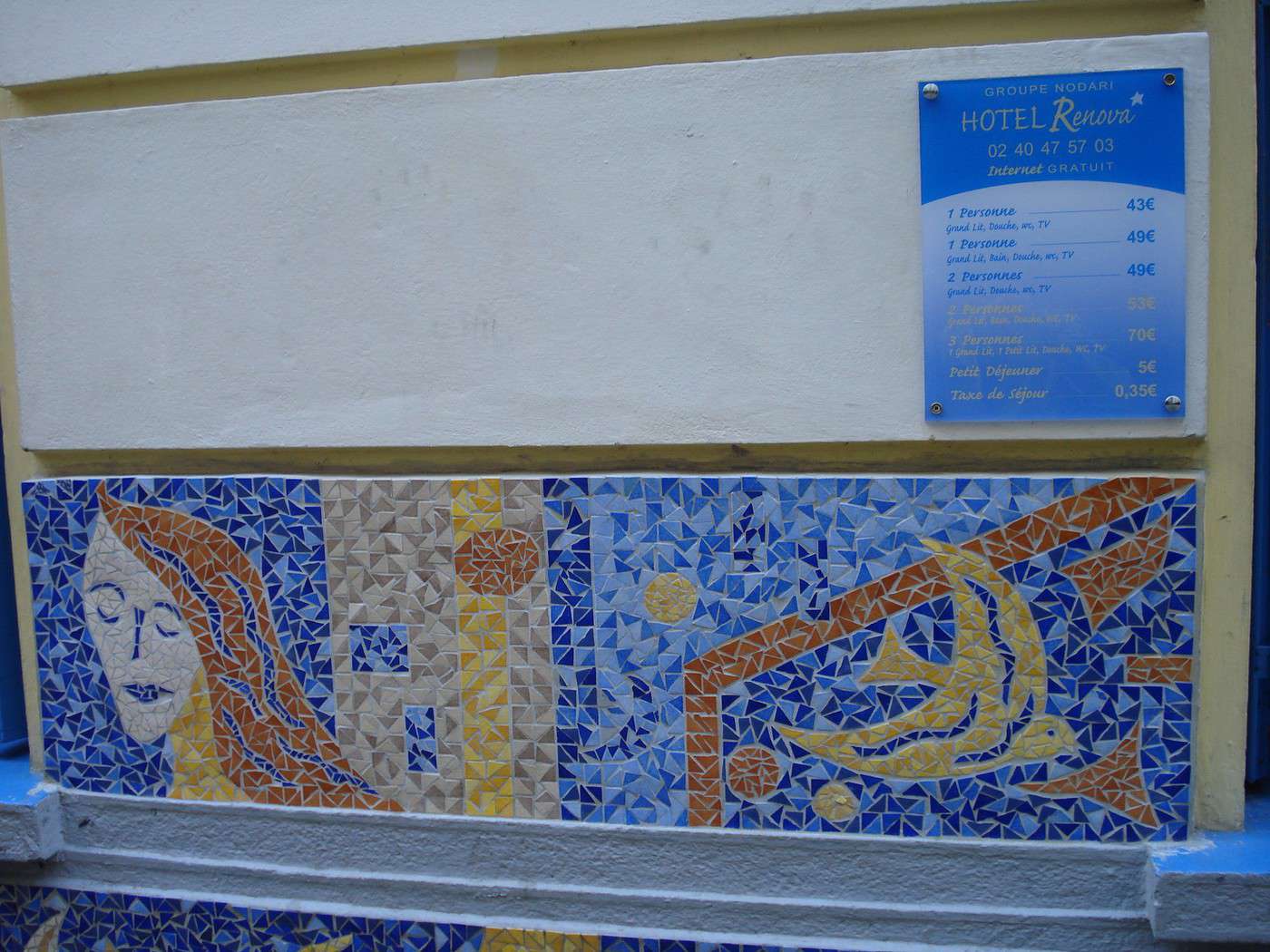
I finally found a small room at the Hôtel RENOVA. Only the mosaic on the facade seemed renovated. The owner had cracked ribs and was struggling to work. I could store my bike safely and access the internet on the computer available for guests.
Facteur4 : Objectif pour 2050 de diviser par 4 l'émission de gaz à effet de serre.
OL Olivier3171 ·
Thanks so much for all these great stories—they’ve really inspired me to bike from Bordeaux to Agde via the greenway. I’m setting off on August 8, 2010. Thanks again!
FA Facteur4 Regular ·
The goal is really to inspire. Unfortunately, it takes me longer to write about trips than to actually do them, which sometimes causes a bit of family tension.

You’re in for a treat. Safe travels!

By the Loire, I strayed a bit from my favorite Greenway. I need to finish the story soon (by heading back home via the lateral canal) and explain in the conclusion why I posted it here.

See you soon, maybe—Toulouse is just a day’s bike ride away.
Facteur4 : Objectif pour 2050 de diviser par 4 l'émission de gaz à effet de serre.
FA Facteur4 Regular ·
Monday 07/06 Nantes 08:30 AM Pornichet 5:00 PM 84 km

My little packet of butter is salted. That smells like Brittany. My GPS helps me leave the city. I also have a slight headwind.

In Savenay for 13 € I treat myself to an endive salad with blue cheese and walnuts, pork ribs with potatoes en papillote, and a crème brûlée.

According to the news on TV, 56% of French people are interested in the World Cup. I guess the others couldn’t care less about soccer. That reminds me of the Malpolis concert I really enjoyed: http://www.lesmalpolis.com/ They’re engaged singers and caricaturists. When a spectator shouted “Allez!” like fans do to encourage them to sing the next song, one of them said: “Oh no! No idiots here. For idiots, there are stadiums.” And the other added: “And they’re building more and more of them.”

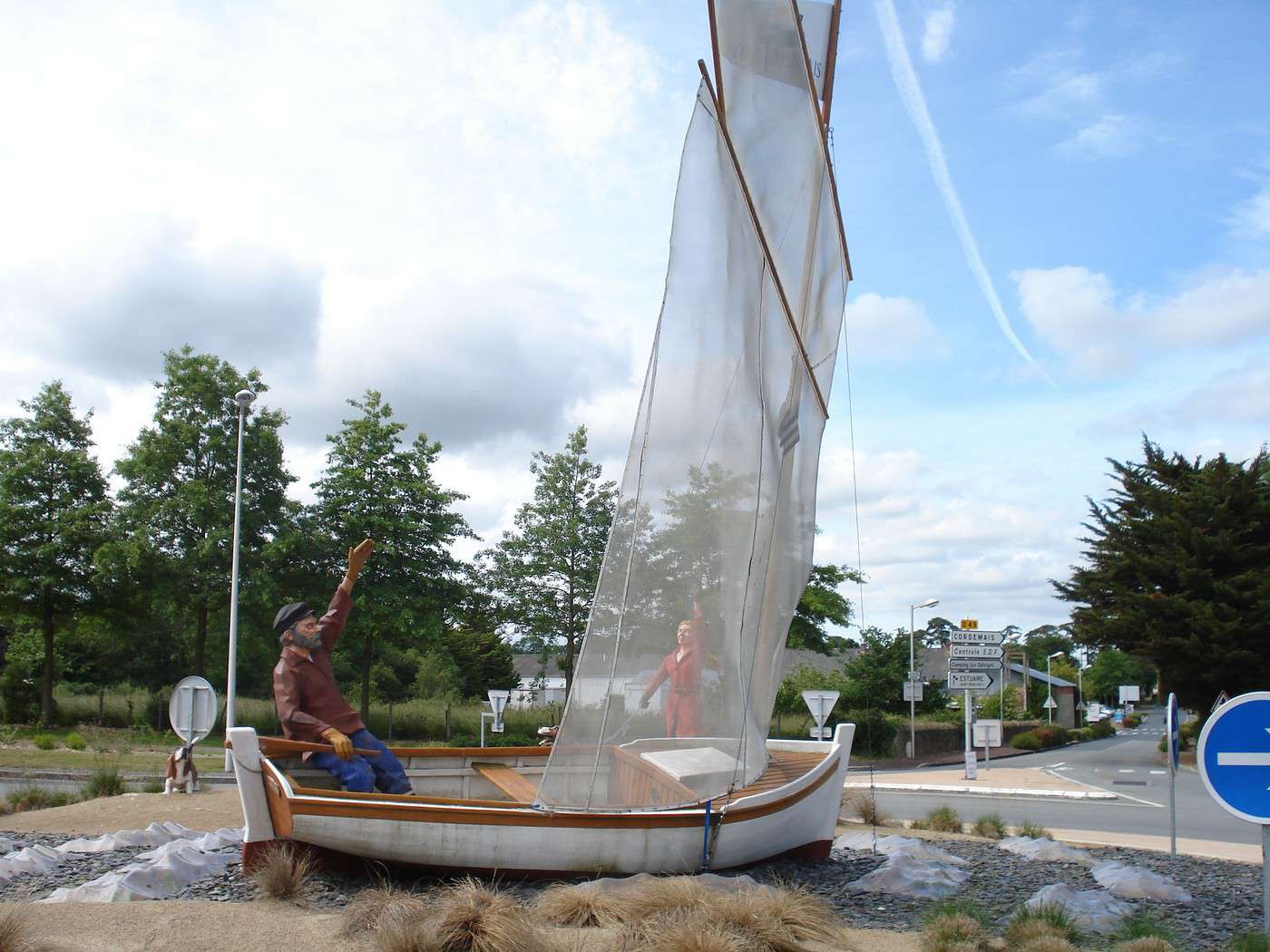
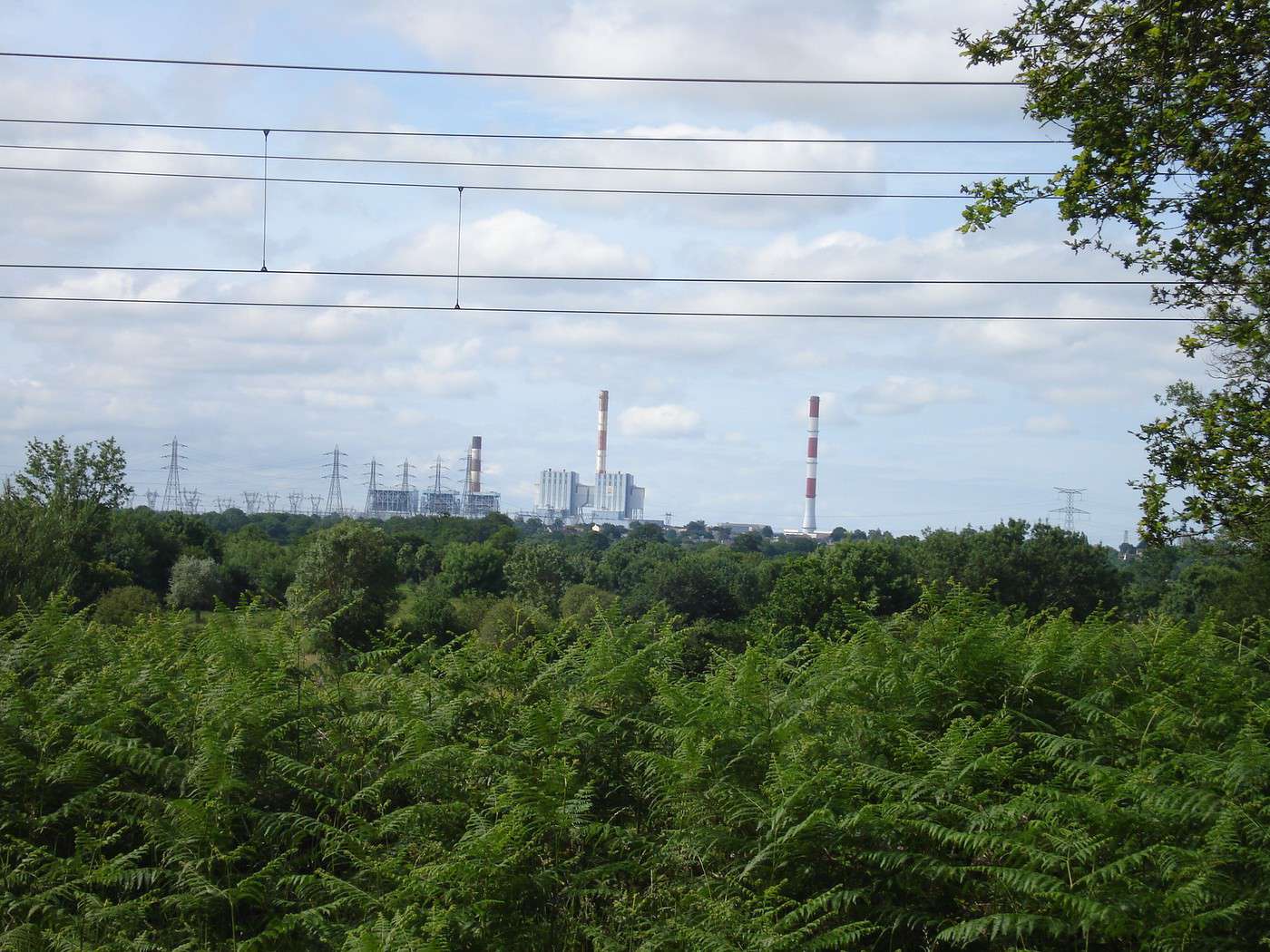
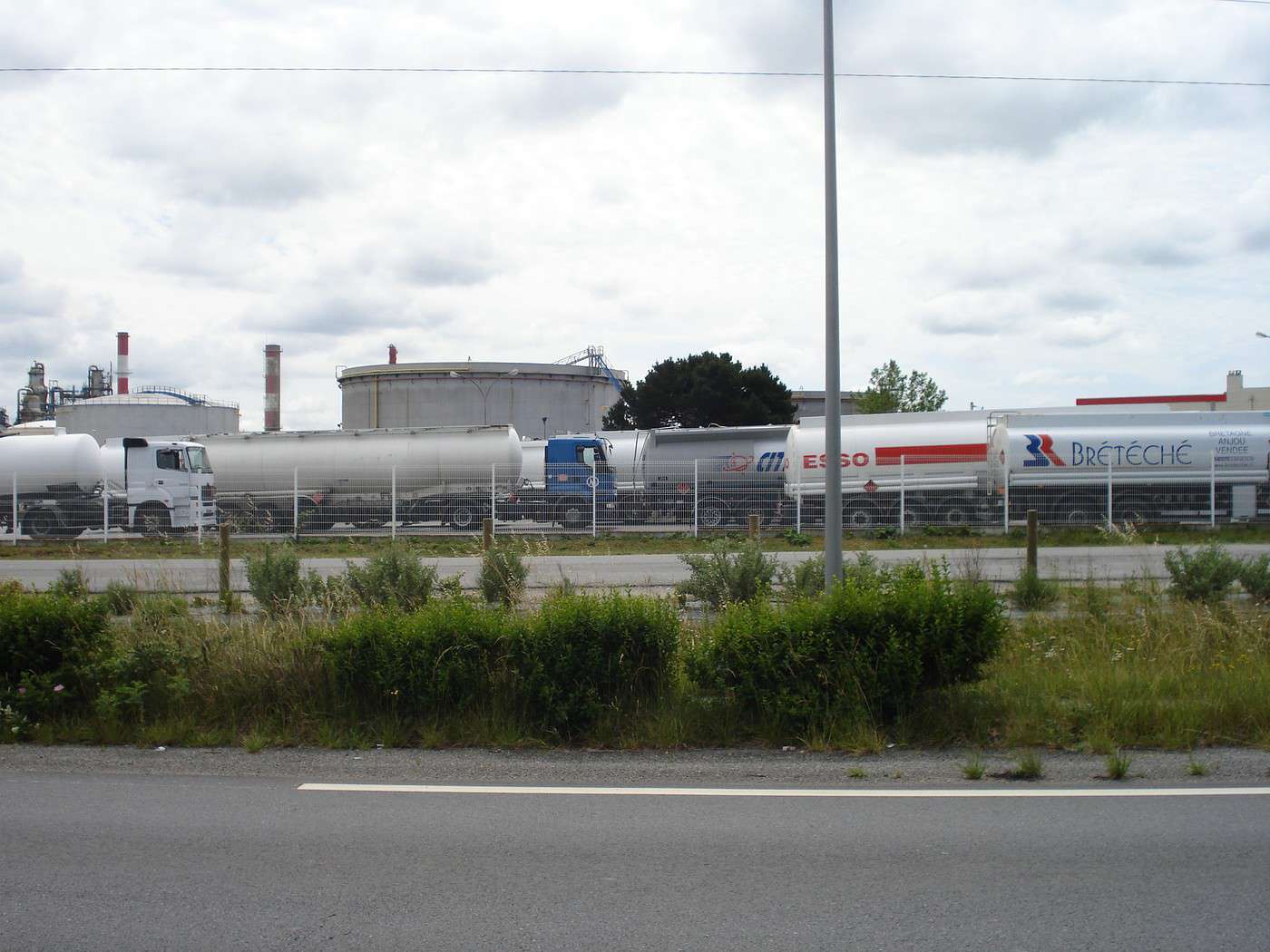
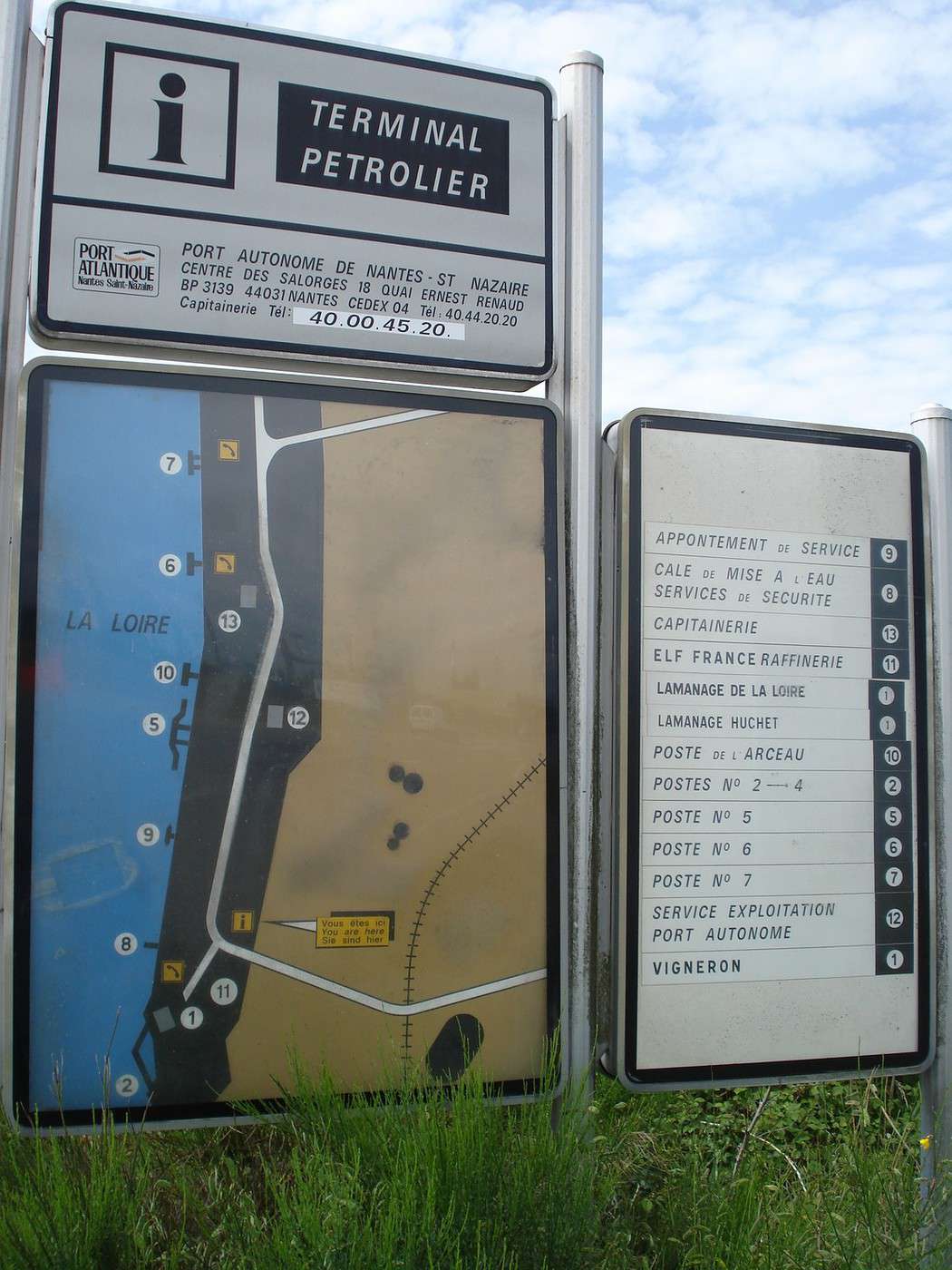
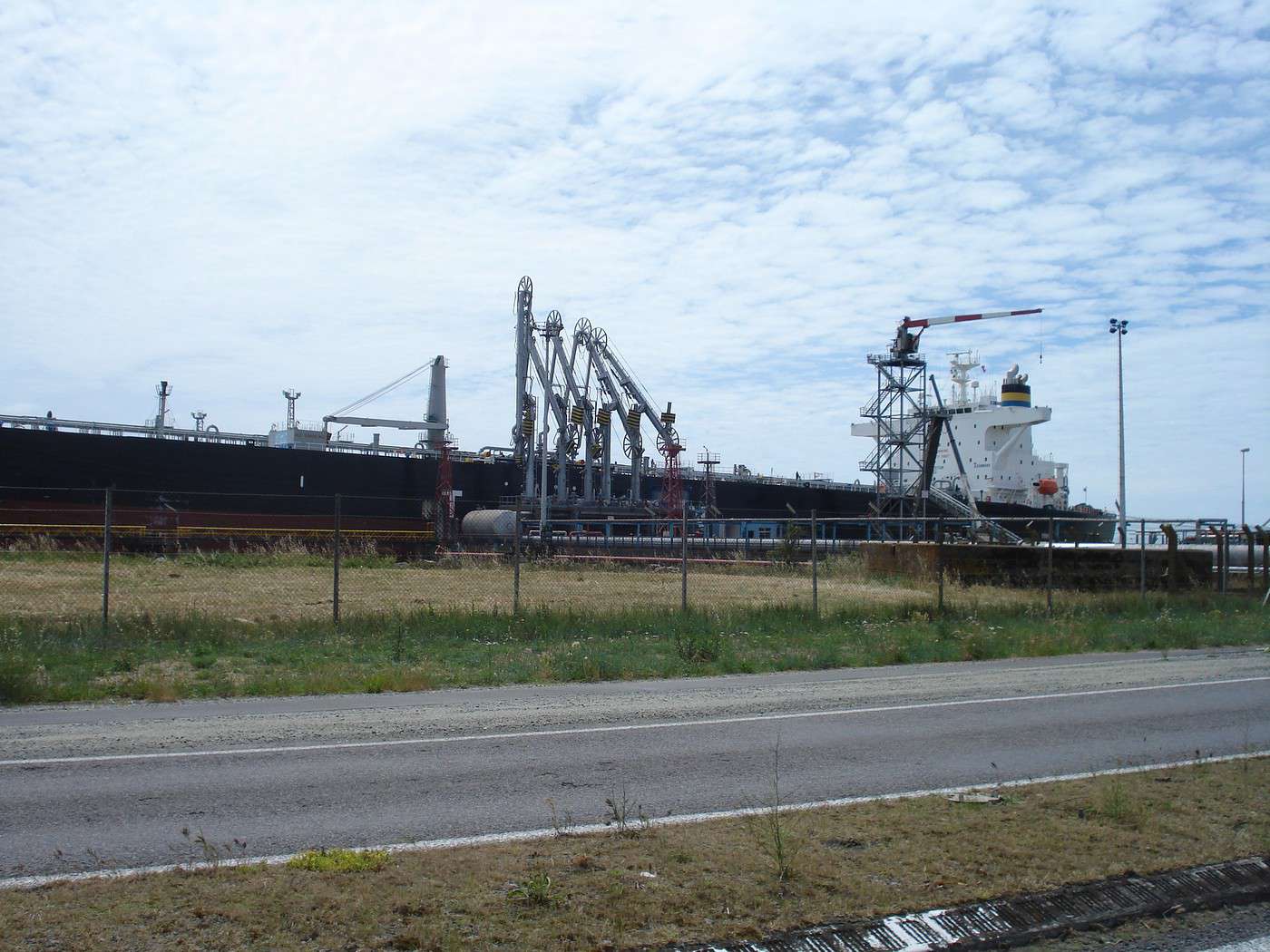
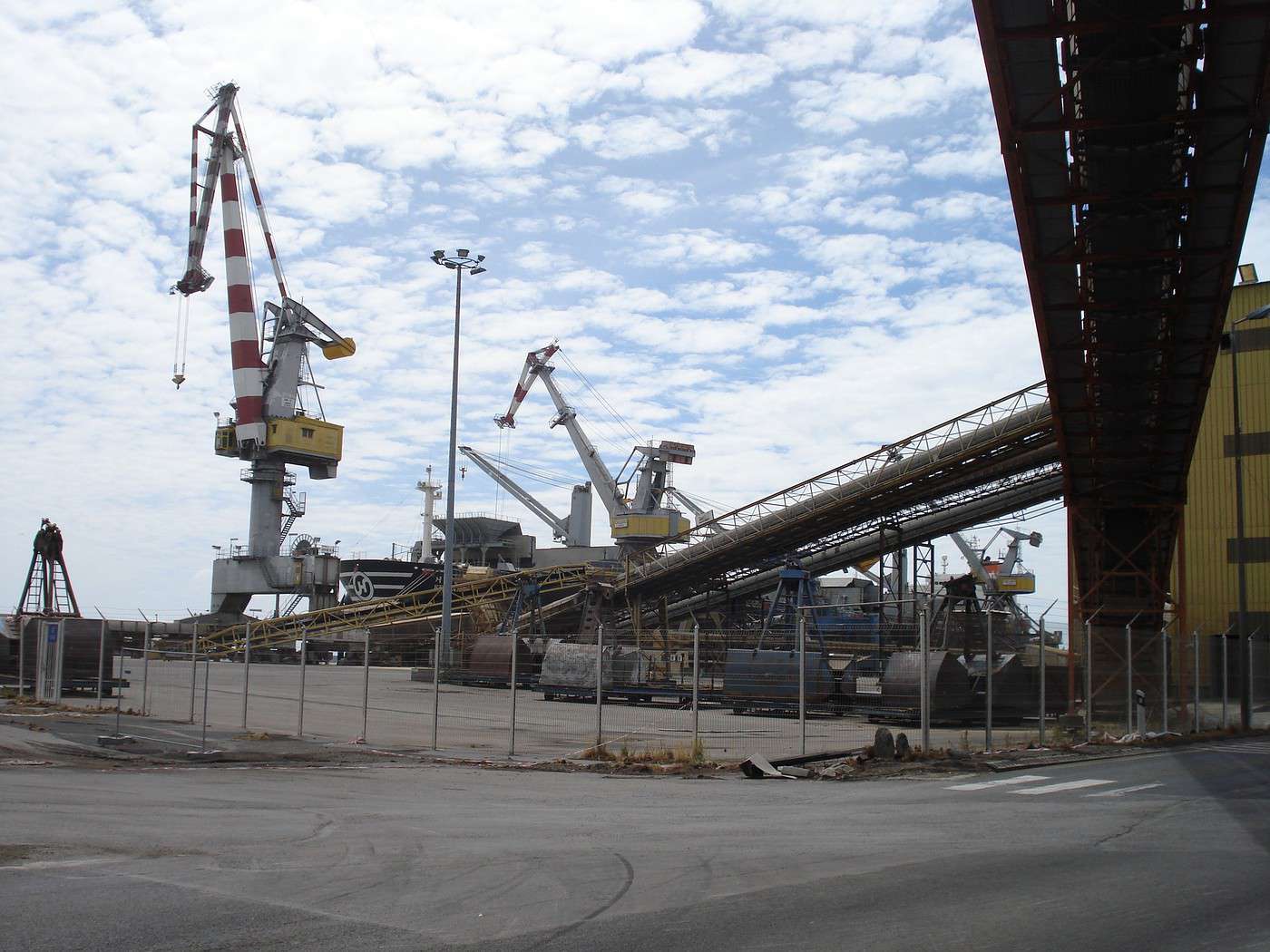
After the EDF power plant in Cordemais, I reach the Donges refinery. Following the Loire, I’ll cross the entire industrial zone and the autonomous port of Saint-Nazaire. Huge cargo ships unload their oil through pipelines or coal via conveyor belts. That’s the Loire too.

This is one of the last places where you can still see river traffic. Around 1845, the Loire’s navigation peaked with 400,000 tons/year. It was then necessary every year to redefine the thalweg (the position of the fastest-moving water stream where the depth is greatest) or navigation channel. The arrival of the railroad put an end to navigation on the wild part of the river.

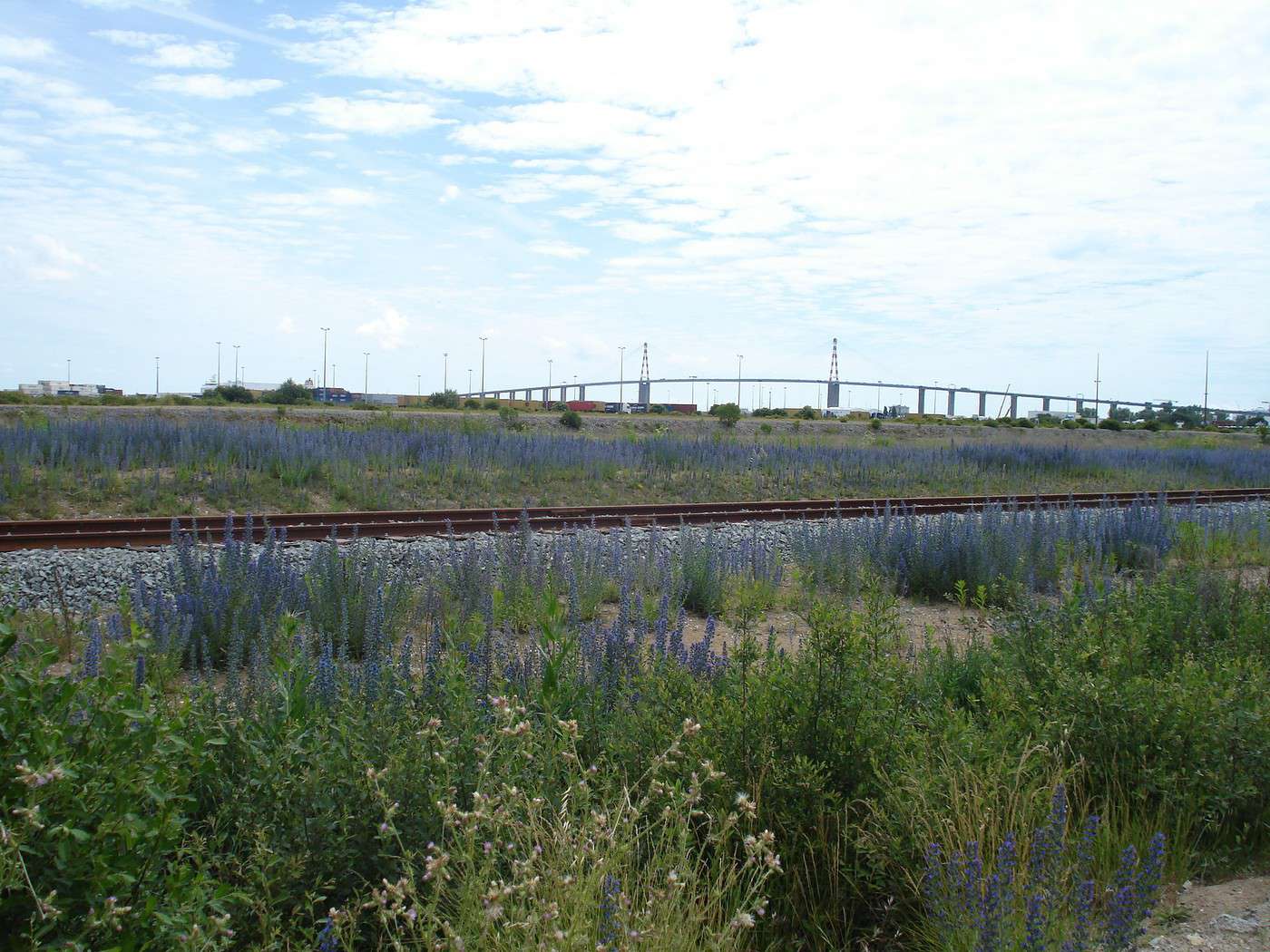
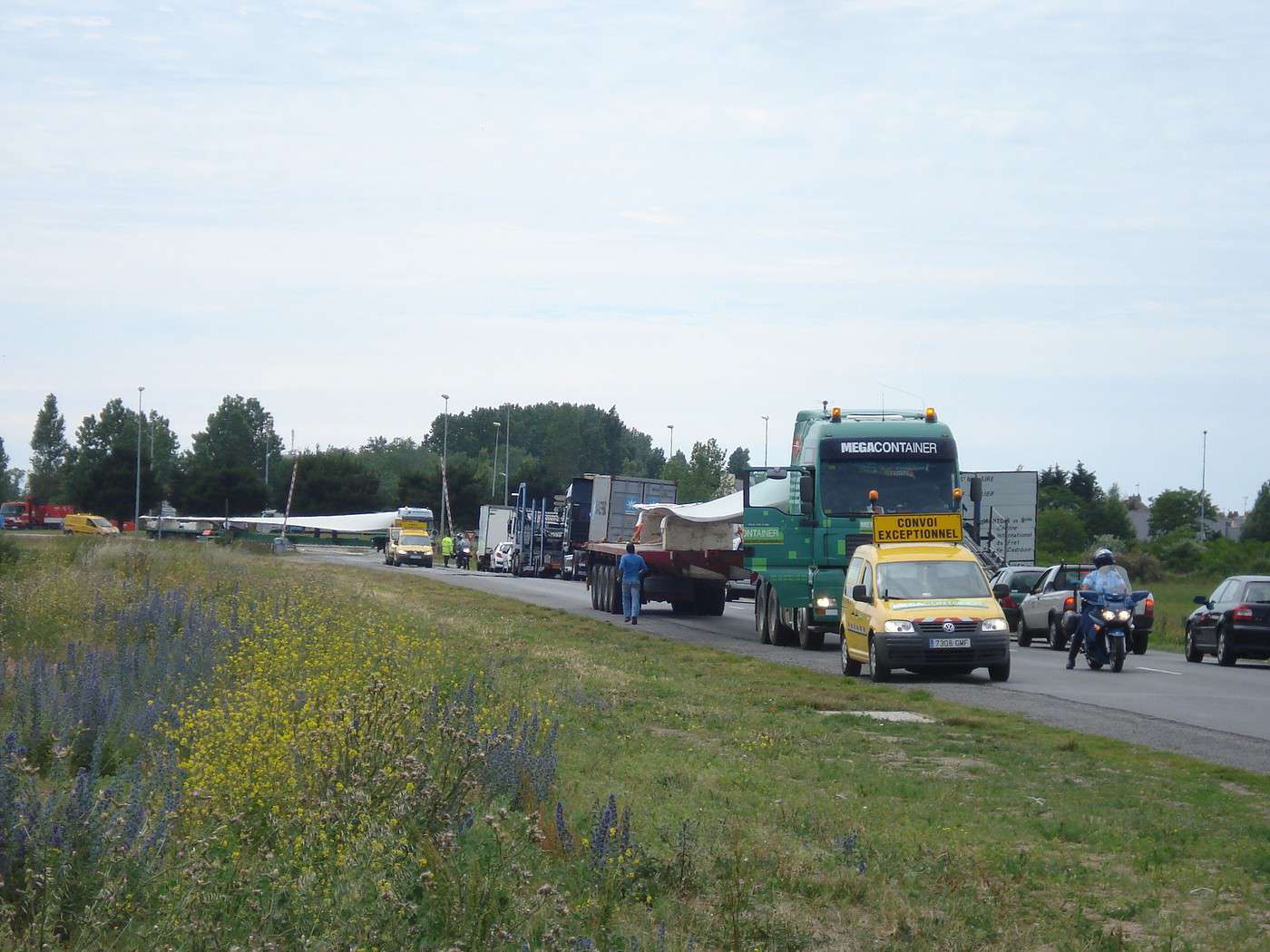
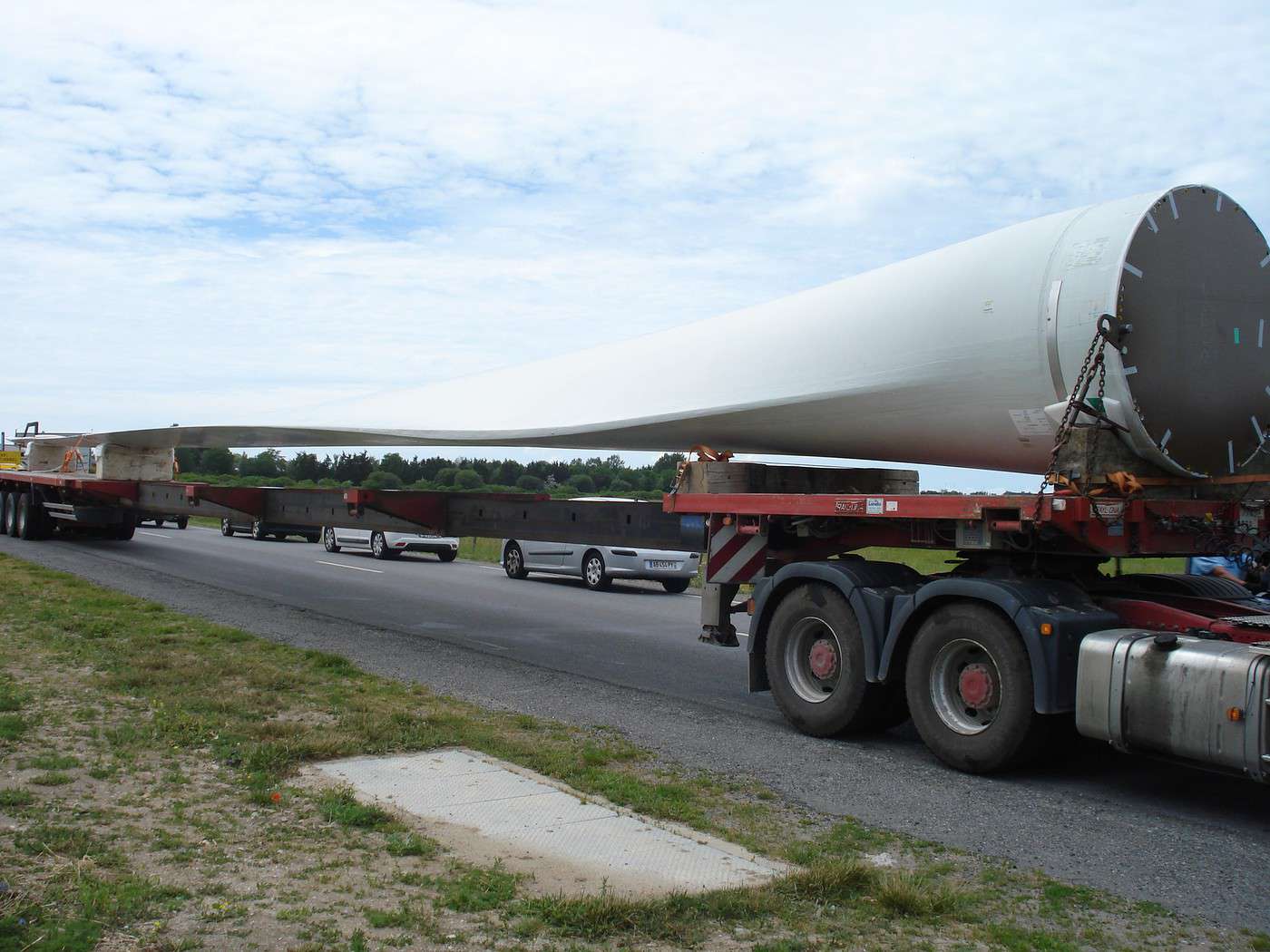
Before the massive Saint-Nazaire bridge, I come across an impressive oversized convoy. On the extended truck beds, horizontal wind turbines reveal their full length. It’s tough here too to avoid ending up on the expressway. I’m happy to find a Pornichet bike sign, but at the next roundabout, I’m lost. Near a highway, I pull out my cookies, my map, and finally flag down a cyclist who’s out for a ride in the area and offers to guide me. I gladly accept, as long as I’m not holding him up too much—him on a road bike and me on a loaded MTB. Especially since I’ve already got 800 km in my legs. He’s interested in my trip because he’ll be retiring soon (the lucky guy).

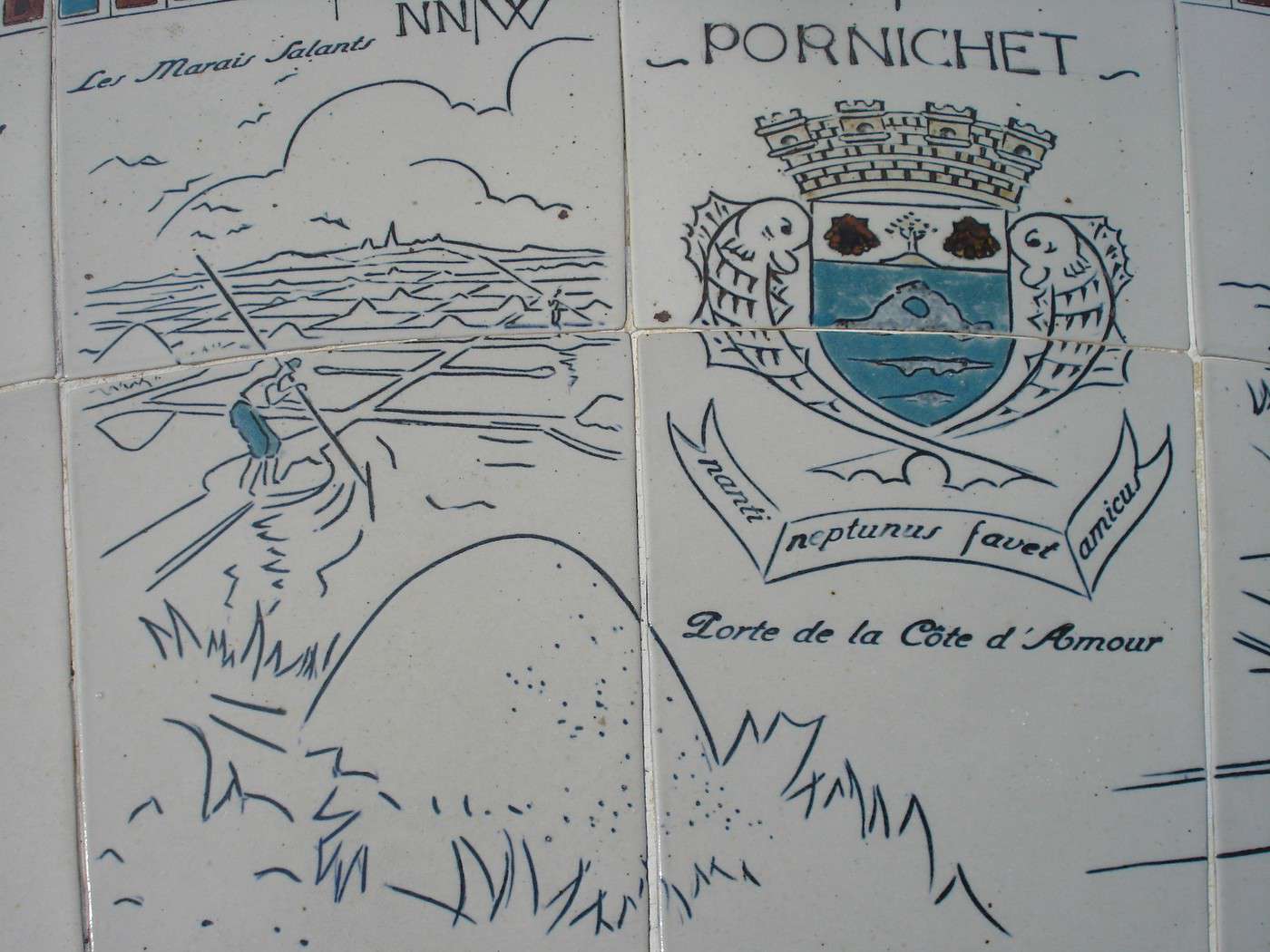
I reunite with my parents, with whom I spend 2 days.
Facteur4 : Objectif pour 2050 de diviser par 4 l'émission de gaz à effet de serre.
FA Facteur4 Regular ·
Wednesday 09/06 – 589 km by train, 34 by bike

Since I found out there’s a direct train from Nantes to Agen every day, I’m going to take advantage of it.

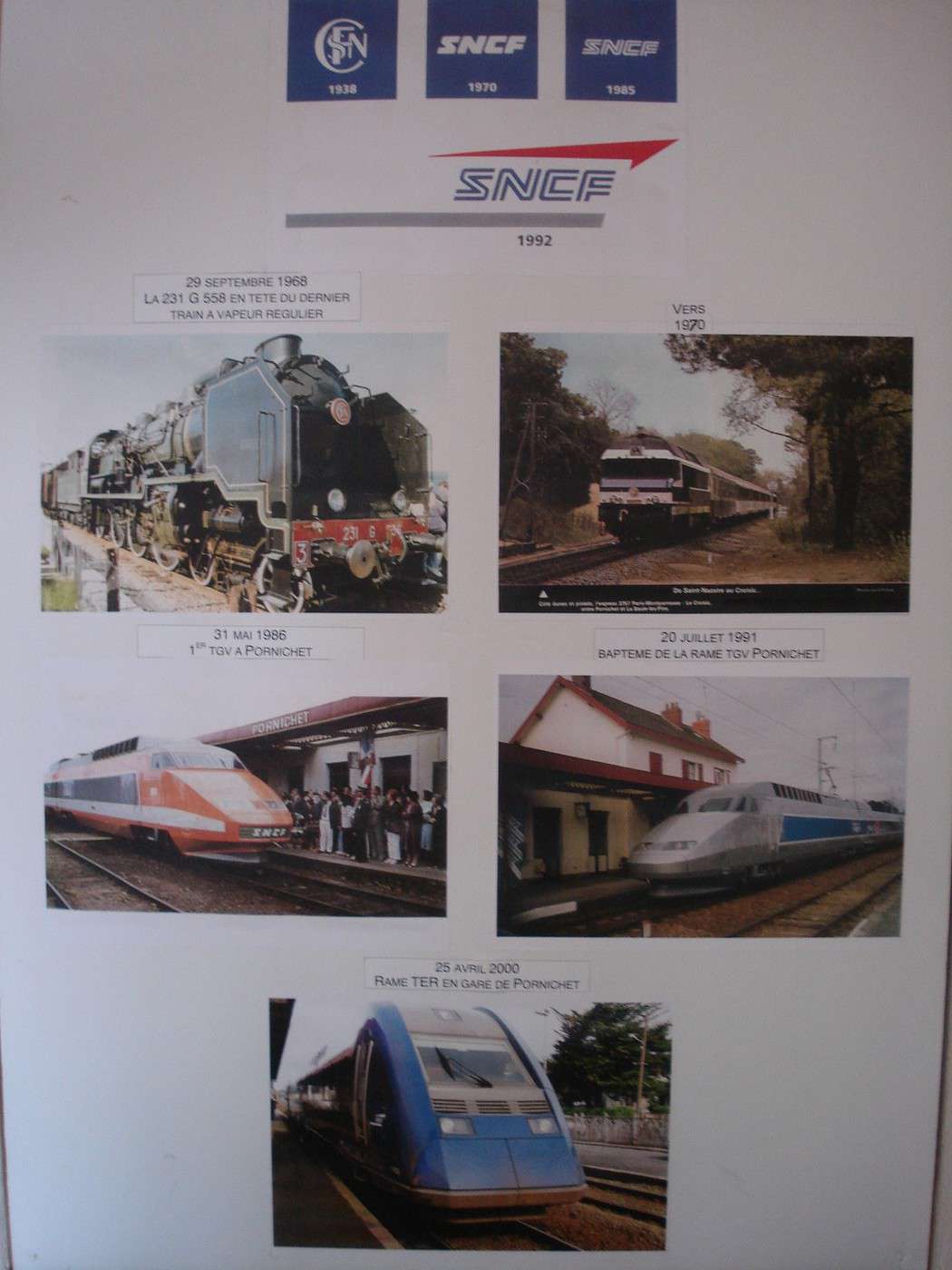
In Pornichet, the TGV has stopped there since May 31, 1986 (funny! That’s the day I got married), but it’s a TER that’ll take me to Nantes. I board easily, and a little girl sitting next to her mom, facing the door, seems upset seeing me get on with my bike and says, “Bikes aren’t allowed.” She’s wrong—there are hooks to hang them. An hour and a half of waiting at Nantes station is a chance to chat with a little Parisian lady who has a second home in Pornichet. Usually so reserved, she’s surprised at how chatty she’s being. Another bike phenomenon!

The Intercités train isn’t very fast, and it’s the first time I’ve seen a heavily armed railway police team. Too bad for that friendly Maghrebi guy (shame he’s a bit loud in the compartment) who rushes to help a large Black mom stuck with her stroller in the aisle, about to miss her stop. He gets severely scolded for preventing the automatic door from closing as the train was about to leave. He barely avoids a fine.

Arriving in Agen, I find the Voie Verte along the lateral canal to the Garonne, but I don’t escape the rain before reaching home just before nightfall. I’d considered calling my wife to pick me up if the weather got too bad, but it wasn’t raining before Agen, and a few drops won’t stop me. It would’ve been different in a violent storm.

No trains run between Agen and Valence d’Agen after 8 PM—only a coach at 9:40 PM.

For example, there’s only one direct train per day from Valence d’Agen to Bordeaux. I’d dreamed of a system that lets you board a moving train without delaying other passengers—a catapulted module to pick up a few people at a small station. The Chinese are invited to create something more realistic: http://www.terra-economica.info/...ete-jamais,9938.html, based on the idea of a clever Taiwanese engineer. Though I’d tweak it a bit: it seems to me the train should only stop in big cities but serve all stations.
Facteur4 : Objectif pour 2050 de diviser par 4 l'émission de gaz à effet de serre.
FA Facteur4 Regular ·
I take my bike to my grandfather’s place—he still runs the only bike shop in Valence d’Agen—and have him do the maintenance. He replaced the cones that hold the ball bearings; the old ones were really worn. The technician at DECATHLON Orléans was right when he said I had an issue with the front wheel. The bearings had play and were making noise, but it wasn’t necessary to replace the whole wheel like he claimed.

I gave up tracking my MTB maintenance costs, thinking it wouldn’t add up to much. Yet I log every cent spent on my car. Since I just sold it, I was able to calculate its final cost per kilometer: 26 cents per km. (Can’t paste the calculation table here.) I’m well below the government’s official rate of 40 cents/km. That said, the official rate includes things I avoided, like a credit purchase, full-coverage insurance with a 20% bonus (I’m insured at the minimum with 50%), and garage parking fees, which I don’t count.

Maybe I should’ve done the same calculation for my bike. For example, a rear tire cost me 15 € for 10,000 km, which works out to 15 cents per 100 km. For my car, tires cost me between 19 and 23 cents per 100 km *per tire*. Almost comparable, except a car has twice as many tires.

Anyway, it’s too late to calculate the cost per km for my MTB. I didn’t log everything, and I don’t know how many kilometers I’ve ridden in 20 years.

But you might ask—what does this story about the Loire à Vélo have to do with my travel journal focused on the canal between the Two Seas? I could say I took that route to get there and back. But more importantly, it really answers the initial question I posed on 03/17/07:

Why cycle (MTB) along the canal between the Two Seas: the lateral canal of the Garonne from Bordeaux to Toulouse, and the Canal du Midi from Toulouse to the Mediterranean?

Because a *Voie Verte* (Greenway) is much better than a *Véloroute* (Cycle Route). The Loire à Vélo only follows the Loire itself very rarely and adds extra kilometers—sometimes pointless ones—just to avoid the main road. Not only is its route provisional, but the signage isn’t continuous. Sure, it’s just a first impression, and I didn’t stick to it strictly. Maybe I should’ve bought the EuroVelo 6 maps. I’ll wait until the route is more developed. Why not go all the way to the Black Sea when I retire? Though given the signage here, I’m skeptical about Eastern Europe.

The glossy brochure for the Loire à Vélo that the Orléans tourist office sent me after I requested it made me dream. It’s a shame, but the best moments I had were off the official route, on the towpath of the Orléans canal—no signage, no publicity.

Of course, the Loire and its châteaux have huge tourist potential. But for someone like me who wants to enjoy it off-season, I’d almost recommend *not* following the bike route and instead taking the roads that run alongside the Loire when possible. In July and August, it’s more reasonable to stick to the route.

Now that I know there’s a direct train from Agen to Nantes every day, I’ll definitely follow the Nantes-Brest canal. I also discovered there’s a lateral canal to the Loire…
Facteur4 : Objectif pour 2050 de diviser par 4 l'émission de gaz à effet de serre.
BA Bartabas33 Regular ·
Hey Facteur, I didn’t check in but I passed through the canal this summer in two stages: Toulouse–Golfech and Golfech–Castet-en-Dorthe before heading home. These two stages were part of a 12-stage journey across the southwest that crosses Gironde, Landes, Gers, the Pyrénées, Haute-Garonne, Tarn-et-Garonne, Lot-et-Garonne... Okay, the canal stretch didn’t thrill me, but since you partly inspired me to hit the road on a bike trek, I wanted to say thanks.

I’m (briefly) recounting my little 931 km trip on this blog for anyone interested, plus a second one right after that goes from Gironde to Charente. Cheers.

http://merdomoteurs.centerblog.net
FA Facteur4 Regular ·
Congrats on your trip that starts like a vacation with 30 or 60 km a day and finishes strong with 192! But even more kudos for giving up the car. I just avoid using it. I’m heading on a work trip to Talence next week with my bike on the train. Hopefully, I’ll get to enjoy the weekend on the bike paths around the Arcachon Basin. Then bike back along the canal after my second week in Bordeaux. Thanks for the info on your blog about the path between Carcans and Hourtin. I’ve been wanting to go all the way to Pointe de la Grave for a while. Maybe this’ll be the time!
Facteur4 : Objectif pour 2050 de diviser par 4 l'émission de gaz à effet de serre.
BA Bartabas33 Regular ·
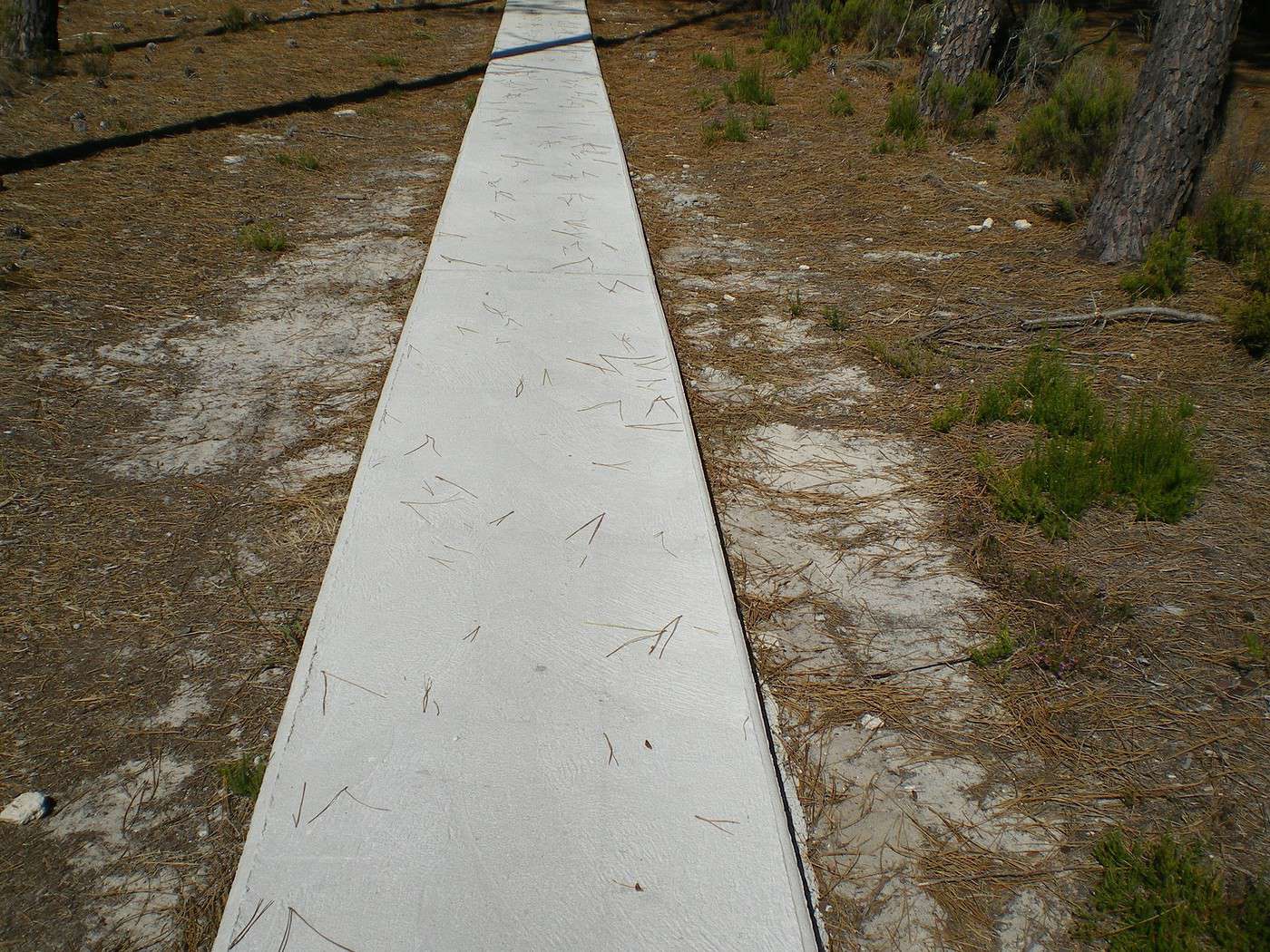
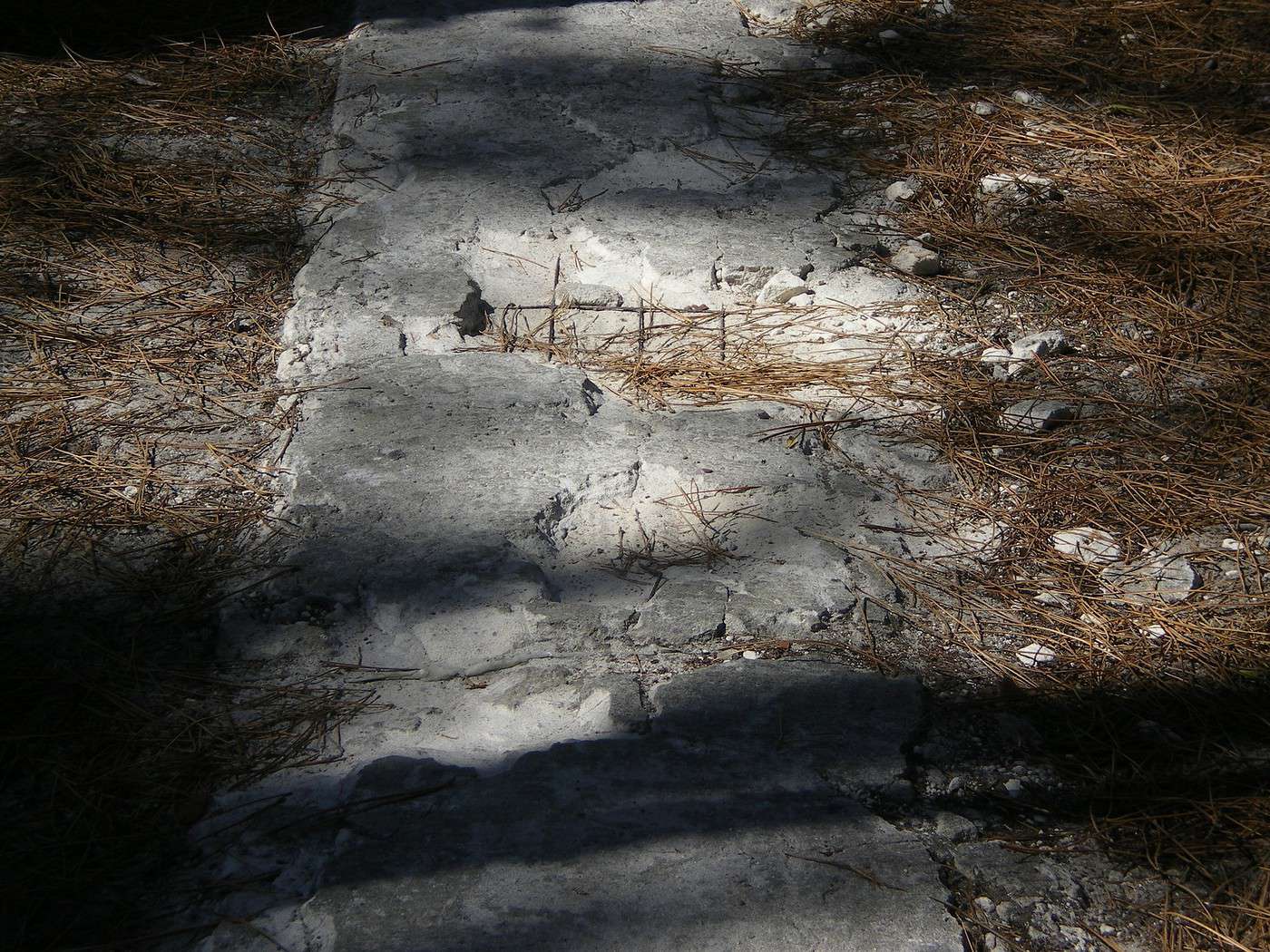
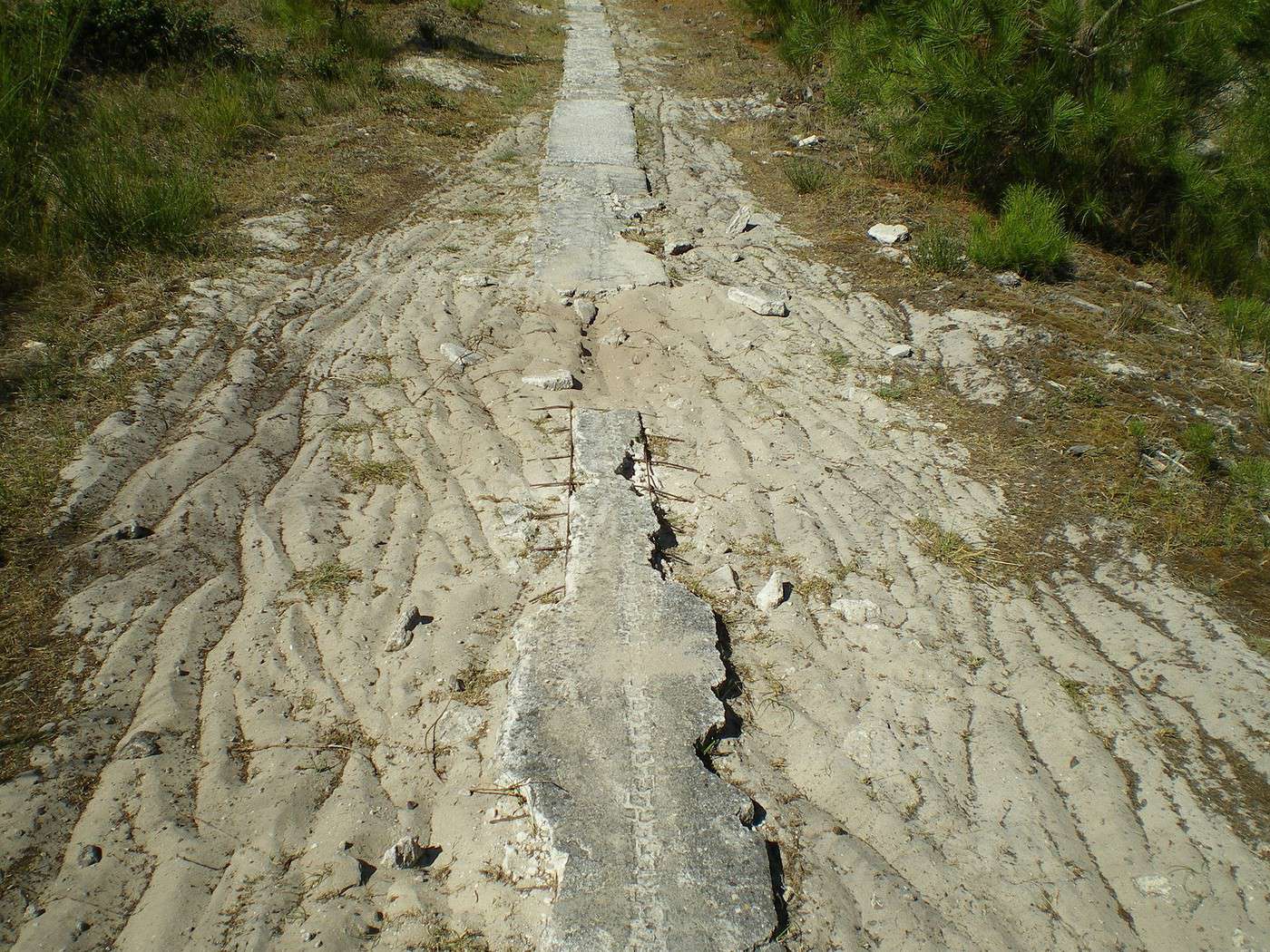
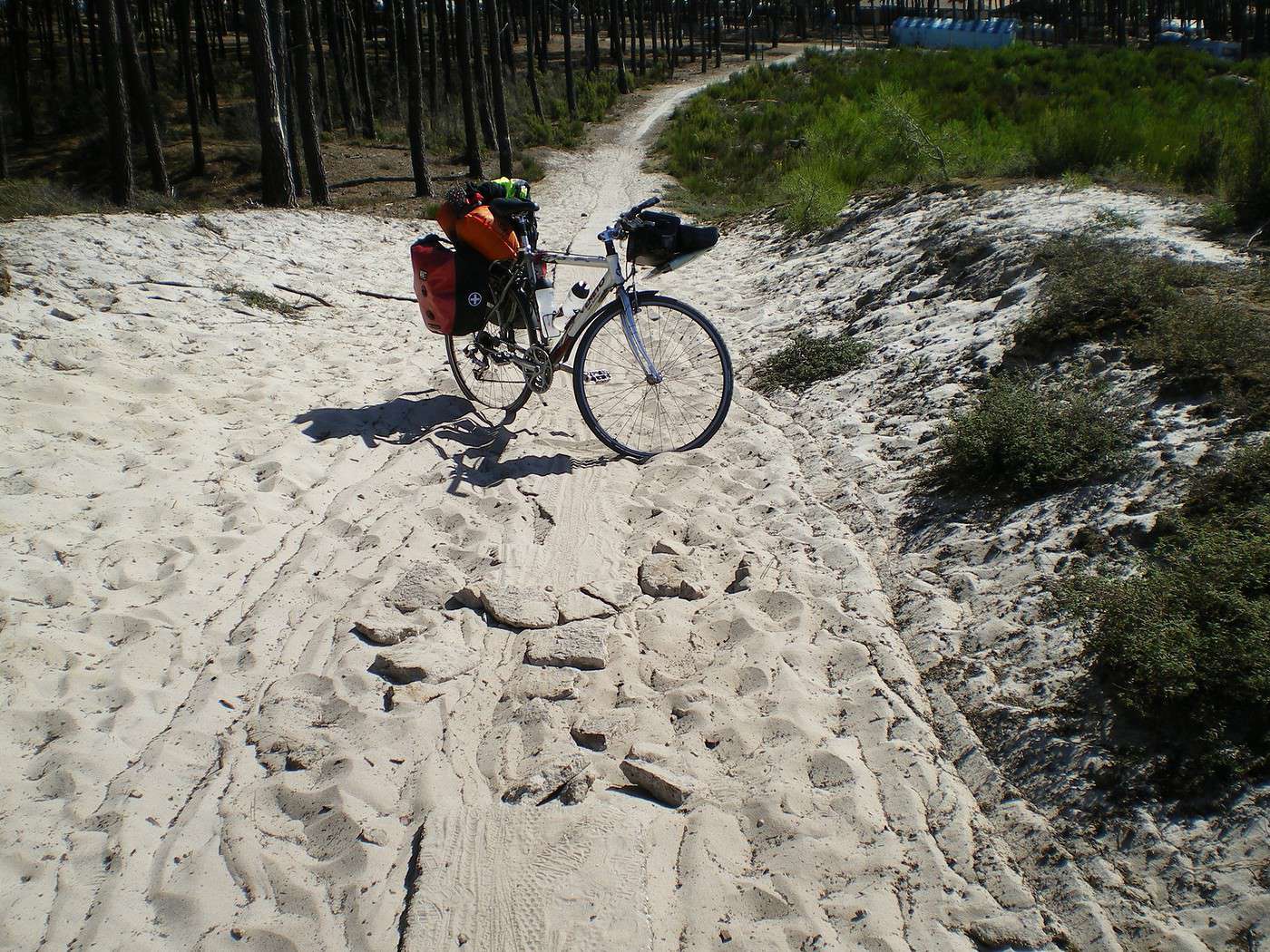
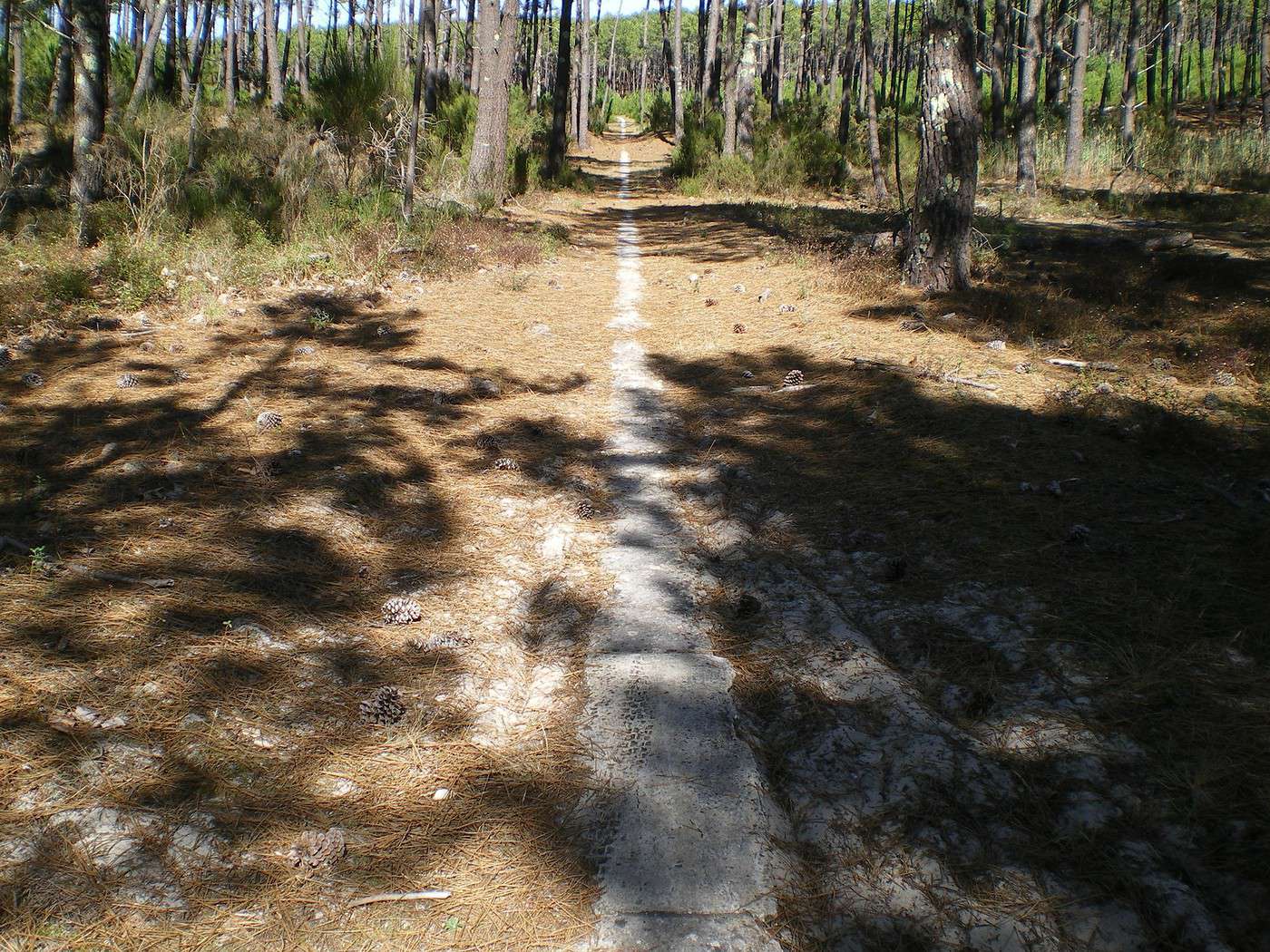
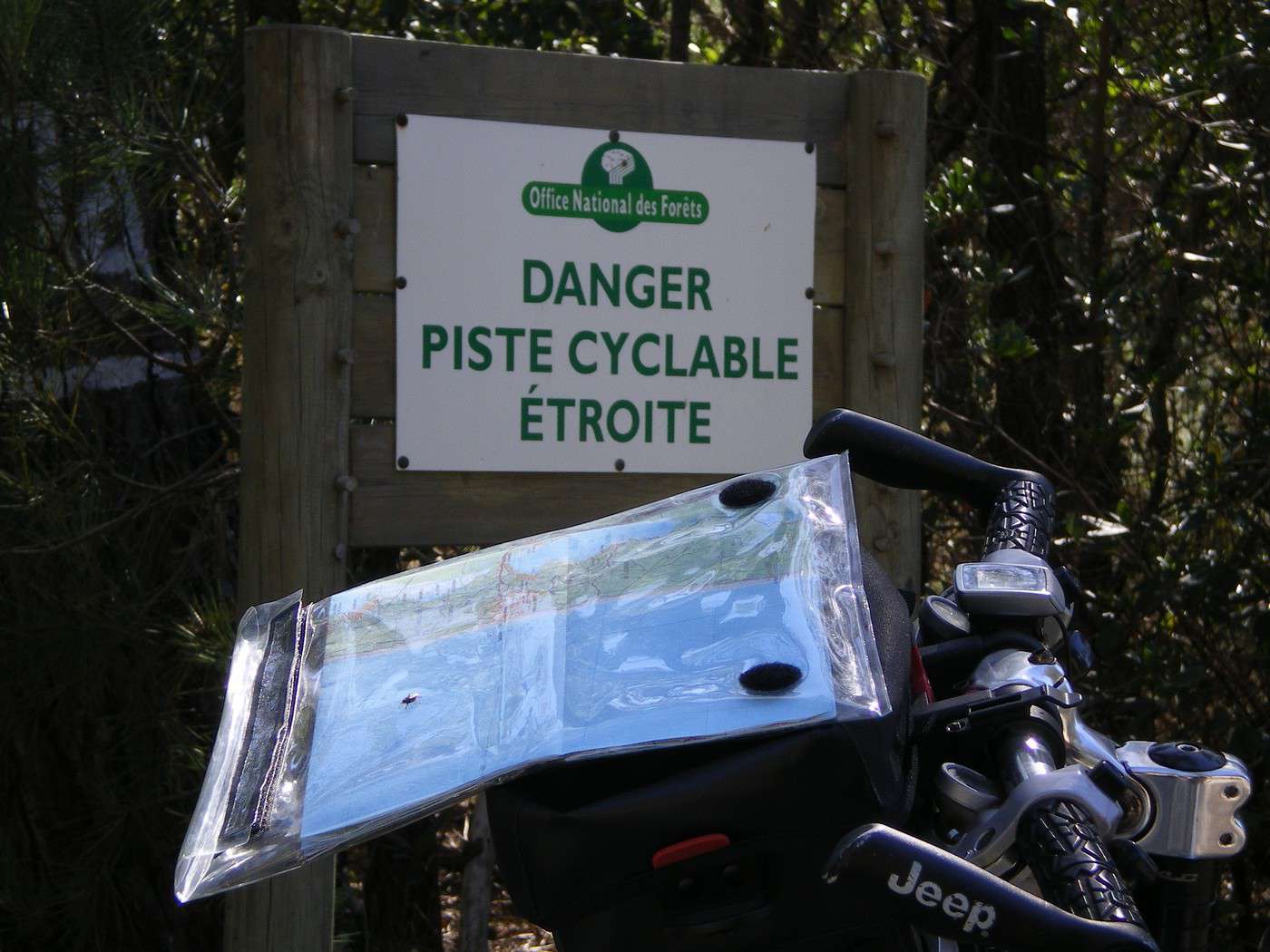
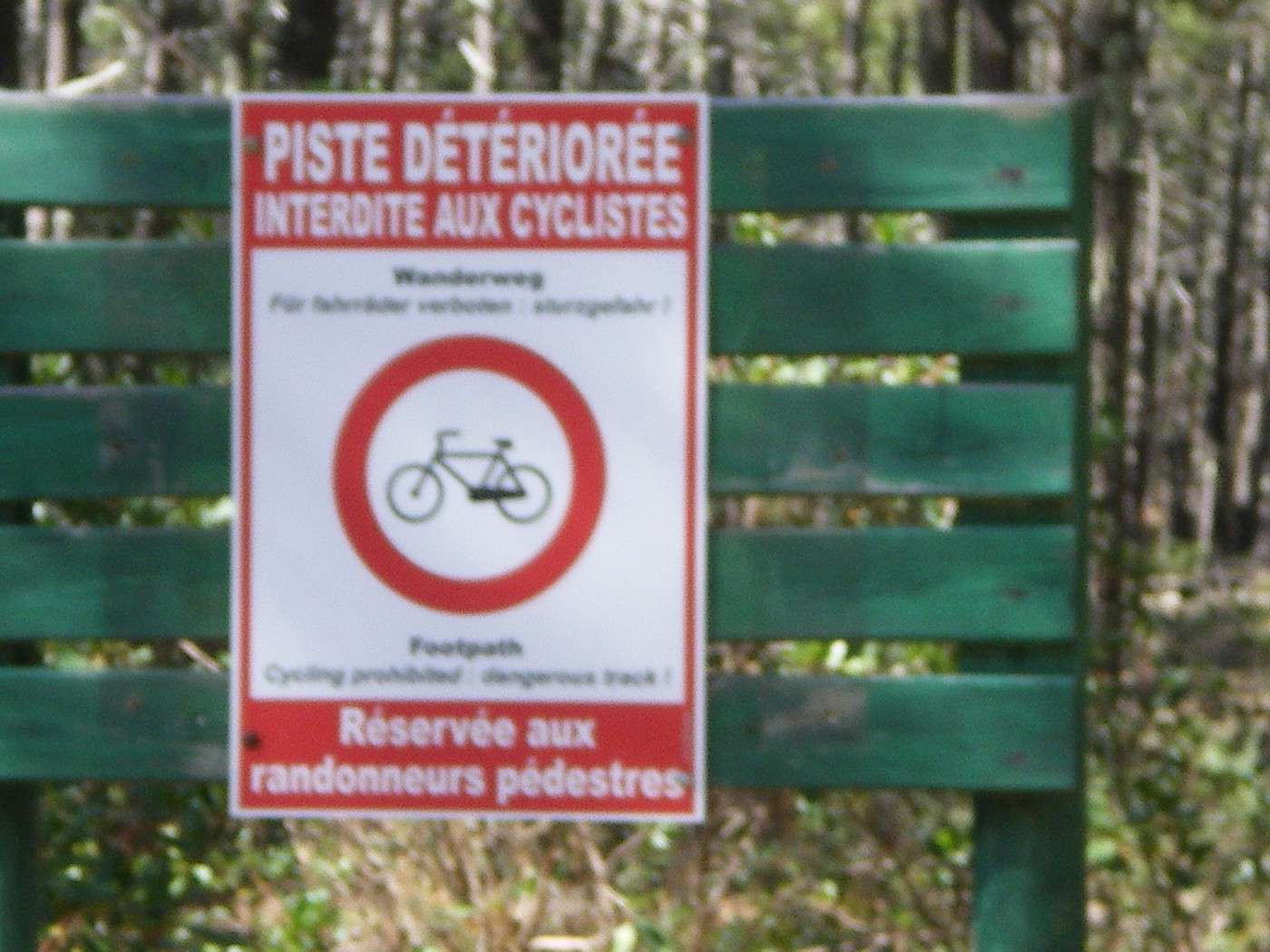
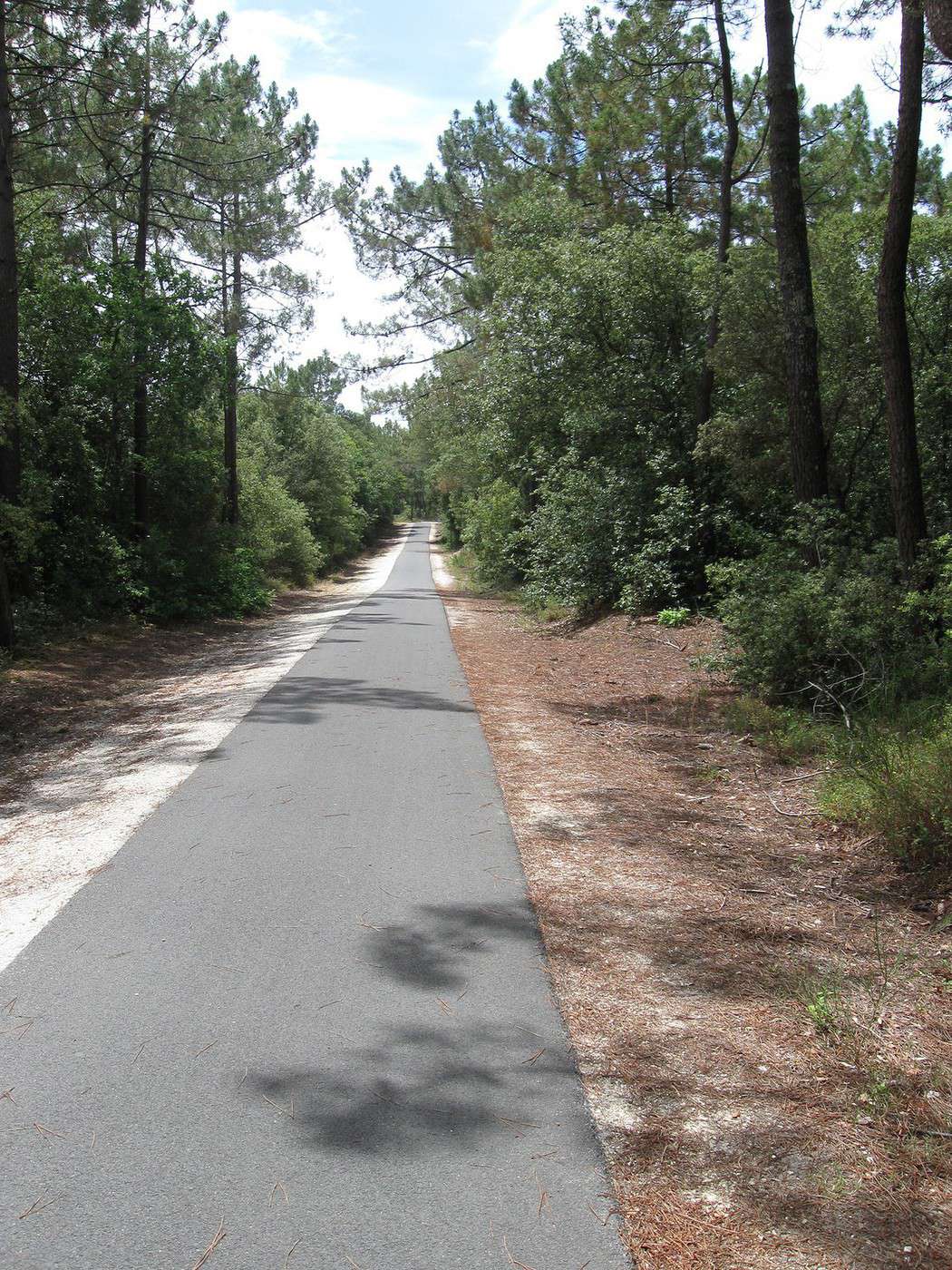
A few photos of the Lacanau–Carcans–Hourtin trail (I don’t know the one further inland). It’s not too bad up to Carcans, but it’s very narrow—you can’t pass anyone—and there are even a few short sections that have been redone. After that, it’s a disaster: sometimes the trail disappears completely, it’s totally sandy and broken into little bits (two Dutch guys punctured their MTB tires at the same time near a hole). The holes are hard to see because of the light and shadow effects from the pine trees and the sun. It’s really treacherous. You can pick up a quiet road from Carcans.

As for parking the car, I have to say that not being far from work, having plenty of places to stock up (there are at least five supermarkets within a 2 km radius—how do they even stay in business?), and not having kids helps. I hardly ever use public transport, and if I go to the Bassin d’Arcachon, I just take my bike. Oh, and I got rid of the TV too—though that was even longer ago...
CH Christoof59 ·
Hi there, I also tried this trail between Hourtin and Lacanau during a trip between La Rochelle and Biarritz. With a trailer, it was even less doable—even on the renovated sections—because the trailer was wider than the path. So, with one wheel in the sand and a 40 kg trailer, it was the worst day of the trip!!!

For next year, my partner and I are thinking of going from Bordeaux to the Mediterranean via the greenway and the Canal du Midi. Still with panniers and a trailer, probably on a tandem this time. Do you think it’s doable? Are the paths manageable with a trailer in tow?? Thanks.
BA Bartabas33 Regular ·
Hi; for the section from Castets to Toulouse—so, the lateral canal alongside the Garonne—there’s no problem, the path is nice and wide. Beyond that, I’m not familiar.
FA Facteur4 Regular ·
Indeed, from Castets-en-Dorthe (start of the lateral canal to the Garonne) to Toulouse, it's practically a highway for bikes. If you'd like, you can start with the Roger Lapébie trail (from Bordeaux to Sauveterre-de-Guyenne). Unfortunately, the connection with the Voie Verte between the Two Seas still hasn't been completed.

From Toulouse, you'll follow the Canal du Midi. 50 km of paved trail to Port Lauragais. Then, as soon as you enter the Aude (which still refuses to fund the bike path), it's the towpath with dirt, rocks, roots, and branches. It's uncomfortable with a loaded MTB and becomes impassable with a trailer. If the bike wheels are in the least bad track, the trailer wheels end up in the grass or roots. I've already met people who preferred taking the parallel road or investing in a single-wheel trailer.

For more details, you'll have time to read all my previous travel journals (start on page 1) with the different sections I've ridden several times.

In any case, lucky you traveling as a couple—you're going to love this magnificent route.
Facteur4 : Objectif pour 2050 de diviser par 4 l'émission de gaz à effet de serre.
FA Facteur4 Regular ·
I was lucky enough to be assigned to another mission in Talence from 07 to 10/09/10 and from 14 to 17/09/10.

On Monday, 06/09, finishing my usual work at 5 PM, I was able to catch the only direct daily train from Valence d’Agen to Bordeaux at 5:54 PM.

This train allows bikes on board for free, but upon arrival at the platform, I was quite lost when I didn’t see any bicycle logo. Luckily, a man got off with his bike. I unhooked my panniers and placed them inside the carriage, went back down, and struggled to lift my bike up the two large steps of the narrow door of the old Corail carriage just before the train departed. There were two hooks at the end of this carriage, which, to my great surprise, was first class. I secured my bike with a lock and decided to leave the pump and toolkit on it. I settled into a compartment in the next carriage, which was second class. Since I was wearing shorts and a T-shirt, I discreetly turned up the thermostat for the air conditioning, which, as usual, had been set to maximum. Several small adjustments to halfway between hot and cold weren’t enough to get rid of the unpleasant chill, though I suppose it was comfortable for the other passengers.

When I got off at Bordeaux station after 162 km, I noticed that the word "vélo" was written very small on the carriage, as if SNCF offered this service reluctantly.

I turned on my GPS, which guided me to the TENEO Suites hotel in Talence, where I had booked for 8 nights.

The next day, I only had 3 km to bike to get to work. I experienced the same feelings and doubts on the avenue shared between the tramway, cars, bikes, and pedestrians, then on the bike path. See my first professional trip report from May 2009 (page 2).

Friday, 10/09: Talence to Arès, 96 km

After three rainy days, the sun was out for the weekend, reinforcing my decision to spend it on the Arcachon Basin. For a week, my calls to my works council’s vacation centers hadn’t secured me any accommodation—both the one in Arès and the one in Arcachon were fully booked. It wasn’t until I was about to leave Bordeaux that I learned a room had become available due to an early departure.

Since Talence is south of Bordeaux, I had to cross the city to reach the bike path to Lacanau, located north at Bordeaux-Lac:

http://www.tourisme-gironde.fr/...ordeaux-lacanau.aspx

Here I was again on Cours de la Libération, then Cours Gambetta.

The tramway occupies the central part in both directions, leaving only one lane on each side. Sometimes the road is wide enough for cars to overtake bikes. When it’s too narrow, cars are allowed to drive with two wheels on the tramway’s central reservation to pass bicycles. The transition from wide to narrow is what I dread the most. Cars want to overtake me before the narrowing, so I sometimes brake to let them pass. This time, I slowed down before the "funnel" to let a small truck pass. It had a lift platform raised against the container, but between the vertical platform and the van, two planks were sticking out through the gap. The driver must have noticed them in his rearview mirror after passing me because he suddenly turned right. I realized I might have only ridden a few hundred meters for my bike weekend. If the plank, sticking out 1 meter horizontally, had hit me hard on the back of the head, I would have gone straight to the hospital…

It was hard to find the bike path while crossing the city center (I should have taken the quays). At Bordeaux-Lac, some people were enjoying the small sandy beach while others were putting away their sailboats. Here, you find the first pine trees characteristic of the Gironde department. The General Council welcomes me to the Bordeaux-Lacanau bike path. Strangely, on the way back from Lacanau, it’s called the same thing (probably to save on sign design for Lacanau-Bordeaux). Too bad, because the directions are quite limited. Even more curious, the rare directional signs are blue like highway signs. But the surface is very pleasant.

I stopped for a while at a picnic area. Two young people had started eating bread and sausage, but the boy’s hands were covered in grease. A flat tire followed by a burst inner tube. Bad luck at the start of their trip, which would take them to Brittany along the Atlantic. I admitted I’d never had a flat on my few thousand kilometers of travel (so I carry a repair kit and a spare inner tube for nothing).

A smell of wood immersed me further in the atmosphere as I passed a sawmill. But dust irritated my eye despite my Ray-Ban-style sunglasses, bought in the 80s and almost back in fashion. I prefer them for their large lenses, which protect me from the wind, and because, in addition to being corrective, they’re photochromic and not too dark in shaded areas (a little wink to all nearsighted people to say that nearsightedness delays presbyopia, and at 50, I can still read small print without correction as long as I have my frame).

Strangely, this time, it was my left knee that hurt (actually, it’s reassuring that the pain doesn’t always appear on the same side).

The bike path continues north to Lacanau, but I left it at Saumos to reach Le Porge via the RD 5. There, I found the path to the Arcachon Basin. In Arès, the basin shimmered under the sun. After getting the keys to my cottage, I swam in the lagoon of the vacation village. After enjoying the cooked meal service, I attended a slideshow about the maritime pine forest and the dune protecting it from the wind, presented by a local enthusiast.

Saturday, 11/09: Arès, 8:30 AM–7:30 PM, 141 km I set my phone alarm for 7 AM to enjoy the beautiful day ahead. For a few years, I’ve dreamed of going all the way to Pointe de Grave, taking advantage of the bike path along the coast:

http://www.tourisme-gironde.fr/...e-cyclable_cote.aspx

But since I’m tied to the basin to benefit from my works council’s rates, I’ve never managed it. I would have to go far north to enjoy the impressive estuary, whose width requires a 30-minute ferry crossing. For the outbound trip, I decided to stay inland, passing east of the Lacanau and Hourtin lakes. First stop at the Lège market, where I chose a punnet of strawberries from the Dordogne. They held up well during the trip in my pannier, thanks to clothes lining the bottom, bubble wrap they rested on, and the morning coolness, offering their aroma at every break. I left the path at Lacanau for the RD 3, waiting for the parallel bike path in the works to be completed. When I reached Carcans, traffic increased on this long straight road. At noon, after 57 km, I arrived at Hourtin Port, where I had lunch on the terrace: mussels marinière and fries. This is where my childhood friend (from Rouen like me) used to send me a postcard every summer. Hourtin combines the joys of the tumultuous ocean waters with the calm of the lake and forest.

Before leaving, I reapplied the sunscreen I bought the day before. I hadn’t dared bring the one from home for fear of scaring off the sun, and the pharmacist in Arès was happy to sell me his last tube for 15.90 € (negotiated price due to a display error, otherwise 16.60 €) and wish me a good time at the beach. I told him it would be more like biking.

I don’t regret my investment today because this Roche-Posay cream can also protect lips since it doesn’t have a horrible taste (for a stick, I would have had to add 10 to 15 €).

On my brochure, there’s a bike path between Hourtin village and the port and another leading to Hourtin beach. But between the two, there’s a gap of about 3 km. After the charming Île aux Enfants

http://www.hourtin-medoc.com/fr/enfants.html

and a few bungalows scattered around a channel to the lake, I was forced to progress through the sand until a stream cut off my path. I tried to go around it by following a forest path that still showed traces of the previous days’ rain. Then, returning toward the lake where I hoped to find the path, near fishermen’s huts, I stumbled upon another stream. Let’s remember that it rains more here than in Brittany, and before, there were only marshes.

With this new detour and lost time, I saw the chance to reach the estuary slip away. I would have had to travel light. That’s what I had planned if I hadn’t gotten a place in Arès. But it would have cost me up to 100 € per night on this beautiful weekend.

I finally found the path to Hourtin beach. I arrived at 3 PM, and my odometer showed 74 km.

I locked my bike to a tree and hid my pump and first-aid kit in the pannier. My wallet and phone under my shorts, T-shirt on the beach sand. There were nice waves and many surfers. The temptation to swim was great, but I didn’t really feel at ease.

Was it the distance from my accommodation? My cash, checks, cards, and phone left a few dozen meters away? Were they rip currents? Even though I know that if caught in one, you shouldn’t resist and that surfers use them to get back out to sea. To avoid getting trapped, you should swim where there are big waves (which push you toward the beach—where there aren’t any, the current leads out to sea). I contented myself with wetting my knees, enjoying a pleasant feeling of freshness.

Now, I thought about the return trip. I avoided following the coast since Bartabas33 mentioned that the coastal path was damaged. No surprise, since it was built on the old concrete road the Germans had constructed to monitor the coast during World War II. I chose the forest path parallel to it, only 1 or 2 km inland. To my great surprise, it had been turned into a road, and vehicles were using it.

Here, all means of polluting are good. First, I was overtaken by two black mopeds and a blue one (I’ve never been attracted to this type of vehicle with roller drive). Then by others in small groups, accompanied by a 1960s moped. I crossed paths with two large 4x4s looking for thrills or game.

Cars passed at high speed while I had my snack on the side of this wide strip of asphalt. It wasn’t until I arrived at Carcans beach, where this former forest path crosses a road, that I realized it wasn’t closed to traffic. It wasn’t meant to replace the coastal bike path but had become an extension of the road from Lacanau Océan. Fortunately, I could take the Maubuisson path, then the one leading to Lacanau Lake. Finally, the bike path winds and has some elevation. A cyclist I met at an intersection invited me to stop at the top of a dune to discover the ocean to the east and the Cousseau reserve pond to the left. I thanked him, saying I would have passed by without noticing the viewpoint. He confirmed that along all these bike paths, there’s never any drinking water. Mine, though refilled at the restaurant, was lukewarm.

In fact, it wasn’t until after more than 100 km, arriving at Lacanau Lake where the path skirts it, that I found restrooms at a leisure base where I could refill my water bottle.

I found the path to Bordeaux again, then left it for the one to the basin.

Bartabas33, if you found the Voie Verte along the Garonne lateral canal monotonous, the paths here, all straight through the pines, are even more so.

Despite this day spent in the sun and fresh air and these 141 km, I couldn’t wait to get to bed and participated in the pétanque tournament organized by a guest.

Sunday, 12/09: 53 km

The Arcachon Basin is magnificent under the sun, and I regret not bringing a camera (again, for weight reasons, this time I brought my scientific calculator but left it at work for the weekend). Especially while admiring a group of seven swans gliding between the boats of the oyster farmers in Arès. Their huts had recently been repainted in blue, red, green, or yellow to distinguish the different producers.

But for today, the weather forecast predicted overcast skies and wind. It took me a little over an hour to reach Grand Crohot (the closest beach, 15 km away), while a good half-hour was enough for the return trip with the wind at my back. The pleasant bike path leading there was also frequented by joggers and rollerbladers on this Sunday morning. It was the regret of not swimming yesterday that pushed me toward the ocean. I easily climbed the gray dune covered with low plants, thanks to the boardwalk installed to withstand the passage of crowds. It was hot out of the wind. But descending the white dune covered with marram grass holding the sand, I realized I wouldn’t even set foot in the water today.

In the afternoon, I headed toward Andernos (always via the bike path, of course). For a few years, I knew there was a recumbent bike shop there, and I regretted not taking advantage of it. Even though it’s closed on Sundays, I wanted to know where it was this time. I only found this address online: AIRODIN Sports, ZA 33150 Andernos. On the large panel displaying the map before the roundabout at the entrance to the city, there was no Business Zone or Industrial Zone. It’s not very appealing for tourism. But looking closely, I saw a sector where the plots were larger and the street names evocative (Eiffel, Gutenberg). I had to go a few kilometers toward Bordeaux, and a bike path stopped at the sports fields just before the ZA. I saw many signs and small businesses, asked the few people there that day, but they didn’t know AIRODIN. In an auto workshop, a man knew the bike shop had moved but didn’t know where. Even on the ZA map I finally found (it’s at the entrance coming from Bordeaux), there was no AIRODIN.

After an hour of searching, I asked another handyman. He told me it was right next door. I had just passed an anonymous hangar, half of which was the bike shop. I went back and discovered a simple logo, not even stylized as a bike. They must follow the motto: "To live happily, live hidden."

Monday, 13/09: Arès to Talence, 62 km

My mission started again on Tuesday, so I took a day off to avoid having to return to my usual work. While waiting my turn to pay for my stay at the reception (open at 9 AM), I called (outside) AIRODIN on my cell phone. He told me he was in town (where his shop used to be) and could only see me at 10:30 AM. I told him I was passing through on my bike and really wanted to see these recumbent tricycle models. Though I was a bit pressed for time, I agreed to wait until then. Before hanging up, he added: "But you don’t know where the shop is." I replied that it took me an hour, but I finally found it. (Later, he cited discretion to avoid bike thefts, with his German Shepherd staying with him in town).

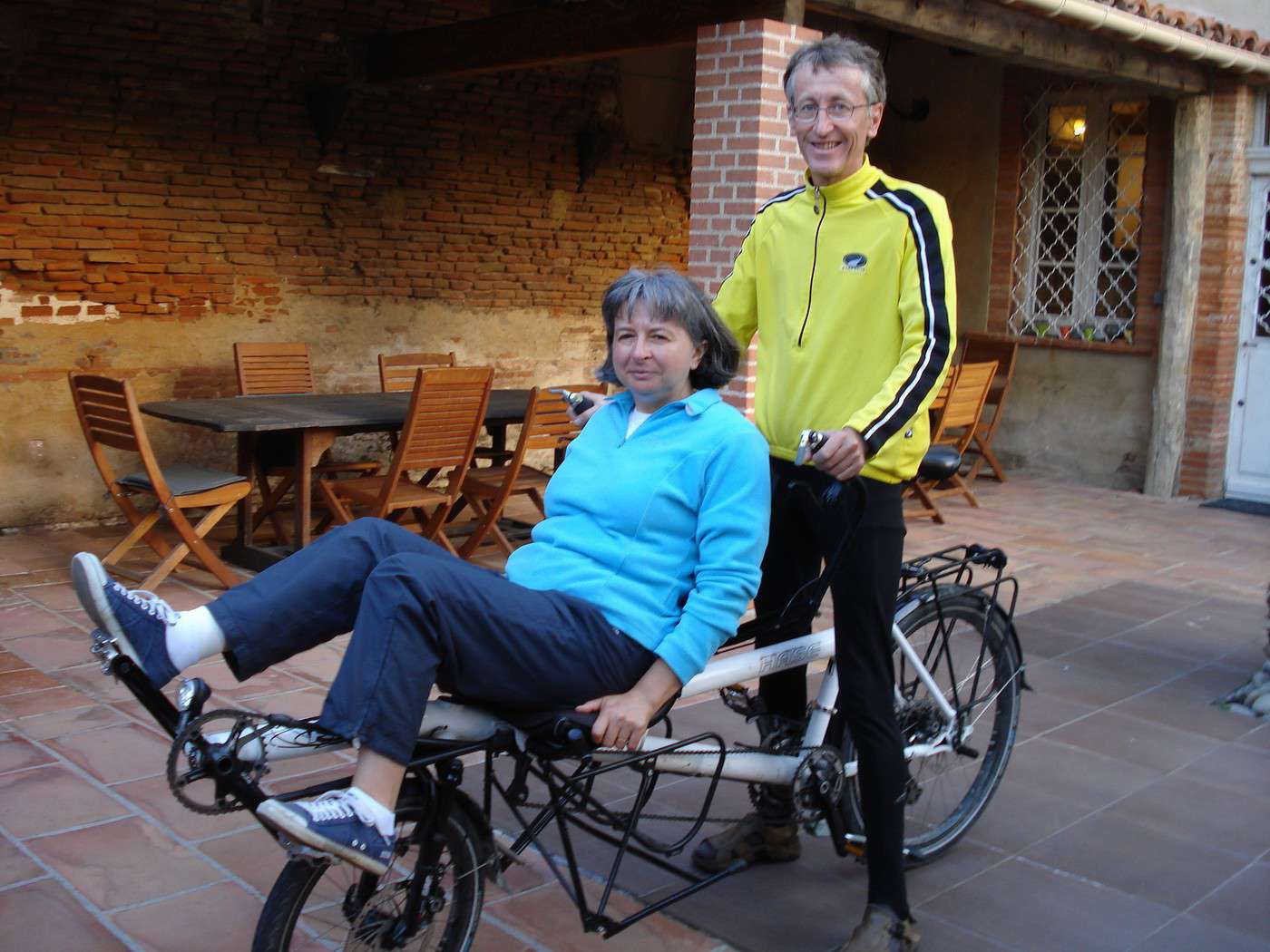
Luckily, the couple who own the Hase Pino appeared at the reception:

http://www.cyclable.com/....php?products_id=610

which I had seen in front of a cottage. At my request, the man praised the qualities of this tandem, where the front passenger is lying down and the rear driver is seated. He told me it was also them I had seen passing through the camp on a recumbent tricycle with an astonishingly short turning radius (a feature of the Hase tricycle designed for the city). He owns several types of bikes and admitted that each has advantages and disadvantages. He told me that in Angers, Cycle Zen: http://www.cycleszen.com/VC.htm also keeps a low profile to avoid being swarmed by the curious. He didn’t know AIRODIN but had heard he was special (a Dutchman who has been in Andernos for 15 years).

With all that, after 10 km, I almost arrived late for the meeting in front of the hangar. But still before the owner’s car, accompanied by his dog. He suggested I try a recumbent bike first, specifying that the first time, it takes about 15 minutes to get going. Though he lent me a model where you’re lying very close to the ground, reducing the risk of falling, I didn’t feel comfortable taking off and putting my feet on the pedals. He invited me to use the slight slope between his land and the road to start, but the few times I managed to take off, I couldn’t keep my balance. The most disconcerting thing was this articulated handlebar you bring to your chest, which doesn’t really allow you to lean on it. Not wanting to take up too much of his time, I returned the bike after ten unsuccessful minutes.

I then tried a Dutch recumbent tricycle, on which I felt immediately at ease, and took off with a quick acceleration, accompanied by the German Shepherd at the same level. I was surprised to lock the rear wheel when braking. The SCORPION I had tried in Toulouse (see 02/10) only had two disc brakes at the front. Like the Australian model I tried next, which reminded me of it but was less sophisticated.

I thanked him for the test rides. He confirmed I could find these models on his website. But it’s not that obvious:

http://www.airodinsports.com/index1.php

Having already progressed toward Bordeaux, I didn’t feel like retaking the long loop of the bike path. I continued on the RD 215, which leads to the RD 106 expressway, which I decided to take on the shoulder. For the first time, I tried the fluorescent vest as my only T-shirt. It proved ideal in this nice weather as a windbreaker and sunshade, just ventilated enough. I discovered I felt safer here than on an ordinary road. Unlike on 11/06/08 (see page 1), where unfavorable weather conditions added to my fears as I took this D 106 in the opposite direction, making me advise against it. Today, I appreciated this shortest route between the basin and Bordeaux. Especially since when the two-lane road ends, a bike path appears in places, leading me to St Jean d’Illac, where I had lunch at the bakery: tomato and cheese bread just out of the oven, with a salad.

Instead of asking my GPS to take me directly to Talence, I had it guide me to the Wine Trade Museum at 41 Rue Borie, inaugurated by Juppé in October 2009: http://www.mvnb.fr/multimedia.php

I asked to park my bike and luggage under the porch between the wide doors of the street and the access to the old wine cellar. For 7 € (1 € off with the discount voucher from the hotel display), the visit helps better understand the difference between a winegrower and a merchant who only ages wine in barrels and then bottles. The merchant sometimes makes blends from various origins but always from the Bordeaux appellation and the same vintage. For a long time, wines from other terroirs were refused entry to the city. In the 19th century, Louis Gaspard d’Estournel, owner of Château Cos d’Estournel, started a new trend: "wine returned from the Indies." Some châteaux send their wine on voyages to age it faster thanks to the heat and rolling effects.

Travel broadens the mind and improves wine. I hope it doesn’t sour adults, because I wouldn’t want to turn into vinegar when I’m a retired cyclist.

My visit ended with a tasting of a white and then a red. I didn’t find them great, luckily I had cookies to go with them.

I discovered that the Entre-Deux-Mers appellation refers to vineyards located between the Garonne and the Dordogne. As a little Norman on vacation, lulled by my parents’ car, I had always thought this term described what connects the Atlantic to the Mediterranean, like the Autoroute des Deux Mers.

I dropped off my luggage at the apartment hotel and headed to the CASINO to buy supplies for 4 breakfasts and dinners. Wisely staying to the right on the boulevard, knowing the bike path on the sidewalk would start in a few hundred meters, I waited behind the line of cars stopped at the red light. The young cyclist stopped next to me on my left didn’t seem to accept it. He decided to go up on the tramway’s central reservation to overtake. I shouted, "WATCH OUT!" but he didn’t seem to hear me or the tram driver’s desperate bell ringing. His head hit the completely shattered windshield, his bike went under the tram, which stopped quickly. Fortunately, he got up, and people invited him to lie down on the sidewalk, where someone quickly placed a synthetic mattress. He was bleeding a little from the head and had knee pain but was worried about his bike, which was rather reassuring. The driver got out, blocking all passengers in the tram, then changed his mind and let them out. I tried to reassure him, saying I was a witness because he was shaken by the event. I gave him my contact details as well as to the police, who arrived quickly. In a few minutes, Cours de la Libération was filled with pedestrians because tram traffic was interrupted in both directions.

Maybe it’s no coincidence that I only covered 32 km in Bordeaux for the rest of the week. But in the evening, leaving the computer, I enjoyed the Gironde warmth to go to the Thouars Park pool, where the outdoor basin was in its last days of opening.

While in May 2009 I had written that I was as happy as a clam, I discovered the disadvantages of the TENEO SUITE, especially for rooms facing full south. I wonder how a building permit can be granted without requiring shutters to protect from cold, heat, light, and noise. Given the heat in the rooms, the fridge struggled to keep food cold and thus heated up, further increasing the temperature, especially since the freezer was completely iced up, making heat exchange difficult (in two weeks, I would have defrosted 3 fridges: 2 at the hotel and one at the works council). Moreover, the water heater, set to maximum and not insulated, contributed to this sauna effect (just close the door of the room where it is to notice it). I don’t know if energy management can get any worse? Oh yes, just add air conditioning!

I remind you that the advantage of this well-located hotel is having a kitchenette, but what’s really missing is maintenance. Since the apartments have different owners, TENEO manages them. The first week, in my room on the 4th floor, there was no toilet paper when I arrived. I used my bike toolkit to tighten the door handle and barrel, the saucepan handle. The second week, in the apartment on the 3rd floor, the cable didn’t match the phone handset. The hostess gave me another one, as well as a large saucepan I didn’t have to cook my pasta, and a bulb to replace the burned-out one in the bathroom. In summary, be wary of my initial enthusiasm or my criticisms (for example, of the D106), which can reverse with a second experience. Last year, I found the hostess (of West Indian origin) unpleasant with men; this time, I found her nice...

Friday, 17/09: Talence to Fourques-sur-Garonne, 93 km

Mission accomplished. To return home, the goal was to reach the Voie Verte along the Garonne lateral canal. My GPS indicated 52 km to Castets-en-Dorthe, where it begins. I did 58 to avoid part of the D1113 and enjoy the Garonne banks at Cadaujac. This allowed me to cross paths with two coypus walking in the grass, only fleeing at the last moment. The females of this aquatic mammal have their teats on their sides to allow the young to nurse in the water. Then, two black sows and their litters escaped from the exotic farm that "contains" 1,000 animals.

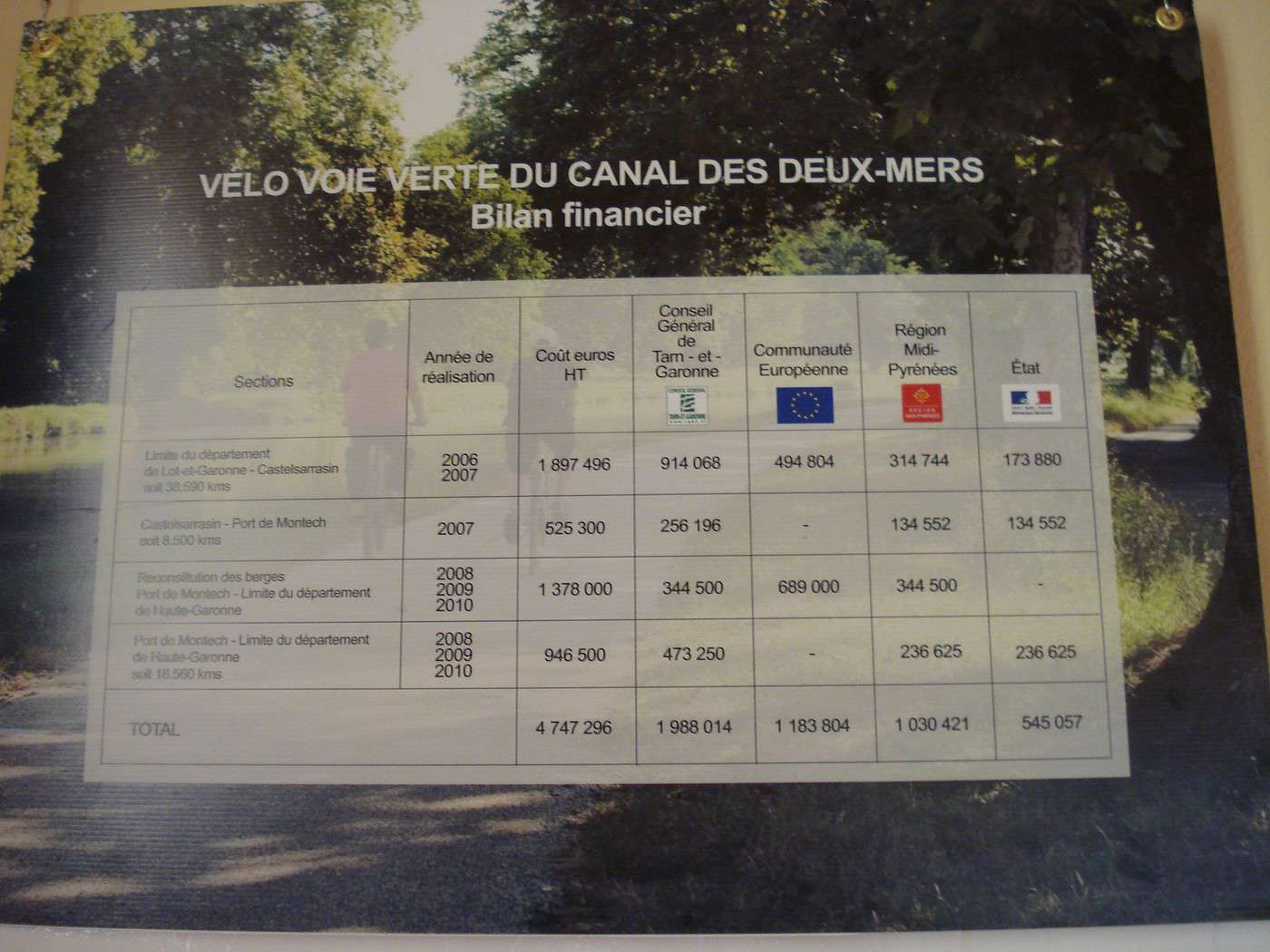
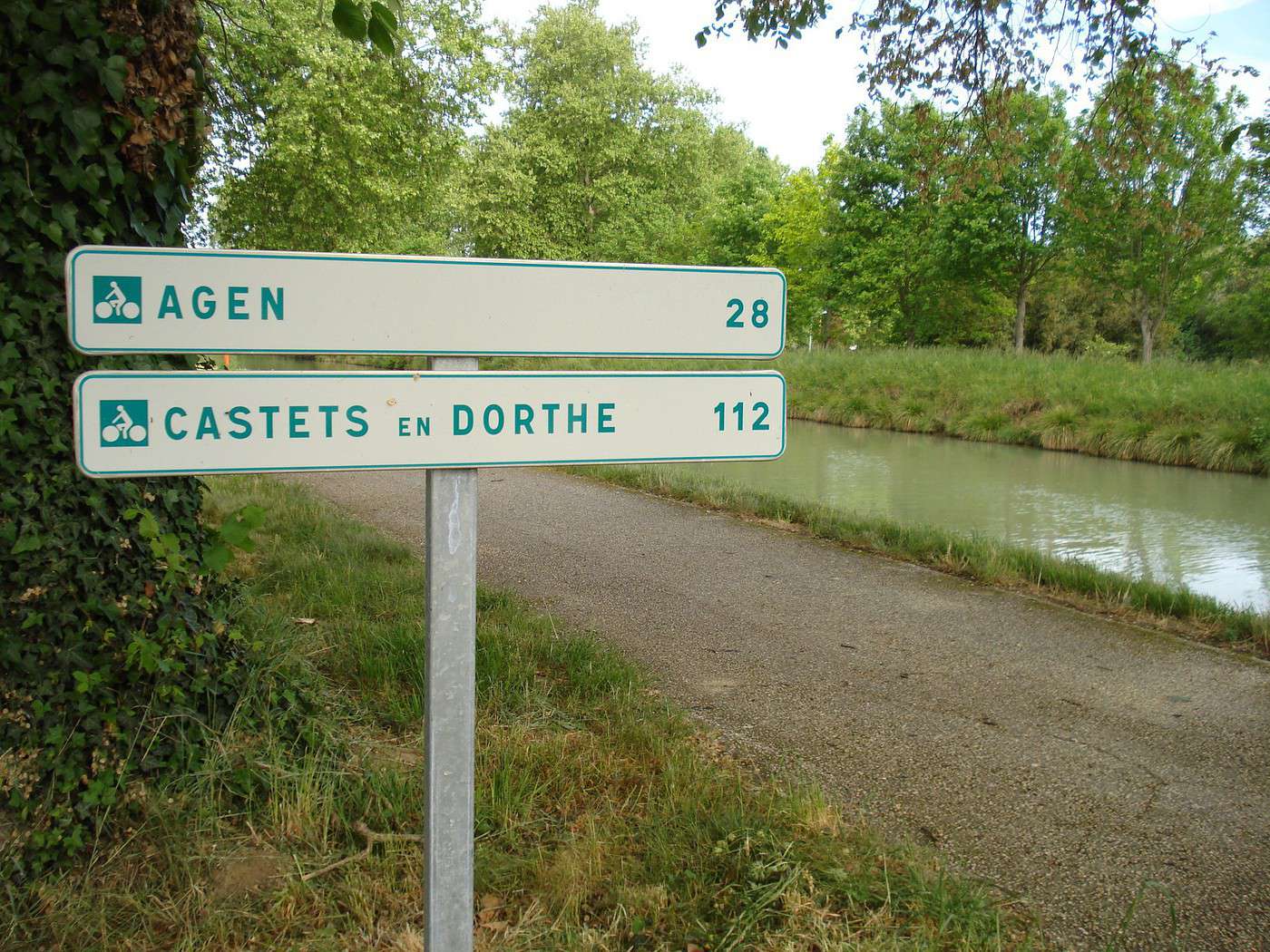
Where the canal flows into the river begins the bike path, but these are my last kilometers in the Gironde department. You can tell because there’s no enthusiasm in announcing this route, which could yet lead all the way to the Mediterranean. Only the next villages are indicated by small signs. You have to enter Lot-et-Garonne to find beautiful signs evoking the superb Voie Verte between the Two Seas.

I even just learned that Gironde is giving up on building the bike path that was supposed to connect the Lapébie path to the canal path, putting an end to the project of a continuous greenway between Bordeaux and Toulouse. No need to keep dreaming of reaching Bordeaux to Sète without encountering a car. Gironde will content itself with marking a cycling route between Sauveterre-de-Guyenne and the canal.

Will there ever be someone at the national level who measures the interest of such a project for international tourism? In any case, without this Voie Verte, I would never have gone on a professional trip by bike.

Although this is the third time I’m staying at Fiona’s B&B, I always hesitate about which bridge to take to cross the canal and go too far to the one leading to the cemetery in Fourques-sur-Garonne. U-turn and a few unnecessary kilometers to return to the center. The welcome is always very pleasant, but each time the price increases by 5 €. This time, I had the pleasure of meeting her mother, who came from Scotland to enjoy the Southwest sun for a month. In the guestbook, I found the passage of the two young Quebecers I had invited to eat and sleep in Valence d’Agen before accompanying them the next day on part of their Toulouse-Bordeaux trip, advising them: http://www.fionas-bb.com/fr/

Saturday, 18/09: Fourques to Valence d’Agen, 85 km

I escaped the rain on this return home on this familiar route. Satisfied with this trip combining work and leisure, which fulfilled my desire for a bike tour, I can set aside the bike for a while to tackle the hedge trimming in the garden…
Facteur4 : Objectif pour 2050 de diviser par 4 l'émission de gaz à effet de serre.
FA Facteur4 Regular ·
My latest challenge was convincing my wife to join me on a two-day bike trip.

It took quite a coincidence of circumstances:

First, for my 50th birthday last year, some friends gave me a SMARTBOX gift set: http://www.smartbox.com/...ittoresque-t014.html

Of course, it was a gift meant to be enjoyed as a couple. Since it was set to expire in spring 2011, I suggested we use it at the beginning of October when I had a few days off. Luckily, she was able to take Thursday, October 7th, and Friday, October 8th off from her job as a childcare assistant.

I then suggested we stay near the Canal du Midi and rent a tandem bike in Toulouse. She said, “Ah! You’ve already planned everything.” I replied that it was for my birthday (I just turned 51 this week). So, she agreed to make me happy.

I booked the Hase Pino tandem over the phone at Cyclable in Toulouse (see link from a previous story). I was surprised to learn that the rental cost was 75 € per day. I had rented a recumbent tricycle for 40 €/day in July 2009, which was worth the same (3000 €). The seller explained that the rental model had options that increased its value to 5000 €. I later realized that the 75 € price was meant to deter rentals. If it were more affordable, it would be constantly in demand. Their goal isn’t to rent but to sell. They calculate the cost as if you were buying it, which also discourages requests for free test rides.

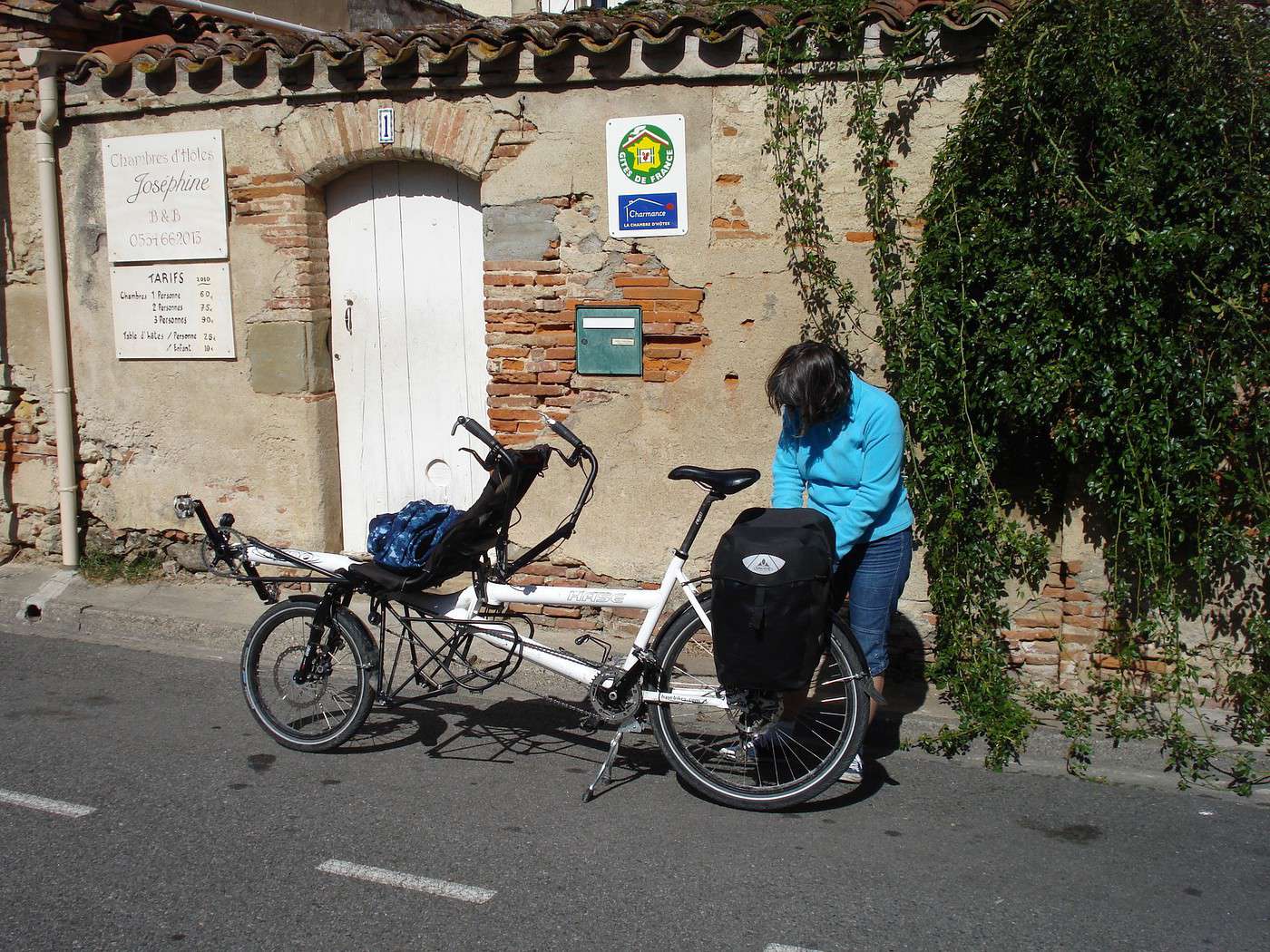
I booked the guest room at Maison Joséphine in Villenouvelle through the Smartbox website: http://www.maisonjosephine.fr/index.php?option=com_content&view=article&id=48&Itemid=54&lang=fr

Since bike rental was included in the gift set and we were arriving by tandem, I negotiated a discount on the dinner via email.

As fate would have it, my wife attended her first-ever Ju-jitsu class (a martial art focused on flexibility and soft techniques) on Wednesday, October 6th.

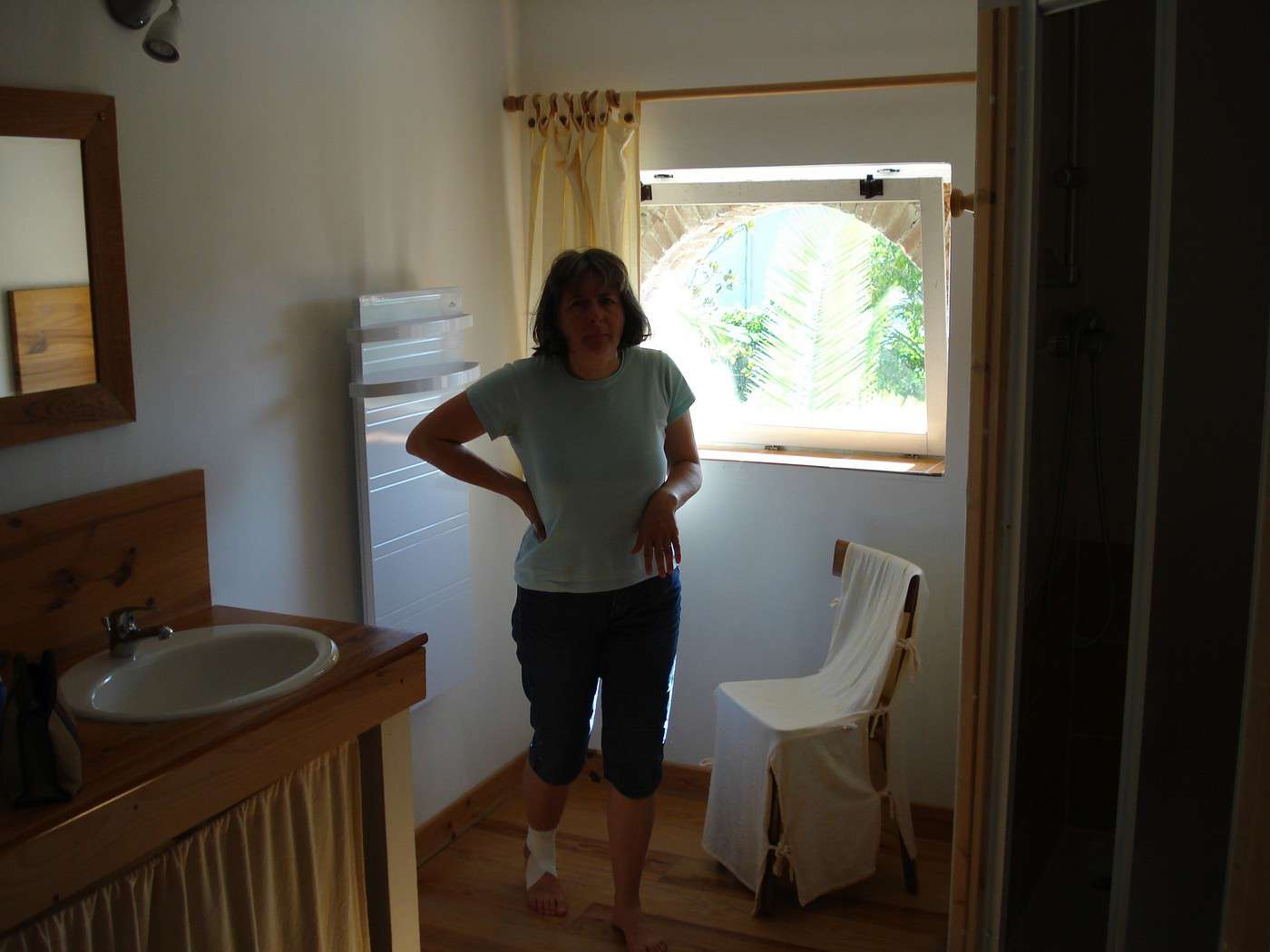
At the end of an exercise, while stepping back on the mat, she twisted her ankle.

Thursday, October 7, 2010

Faced with my wife’s swollen ankle, I suggested canceling the tandem ride and driving to Maison Joséphine for some sightseeing instead. She insisted she could pedal with a strapping: http://www.linternaute.com/...pping/en-video.shtml

Of course, I had planned for us to cover the 90 km from Valence d’Agen to Toulouse by train. I don’t like starting a bike trip by car. We had to walk 1.5 km to the station, even though it’s only 500 m from our home. A fence blocks access from the north. Walking 1.5 km isn’t much, but with luggage or a sprained ankle, it’s less fun (especially the extra kilometer).

“It’s up to us to make you prefer the train,” but not to make access easier. Yet, north of Valence d’Agen, there’s a middle school and high school, and young people regularly climb over the fence. My letters to the town hall and SNCF about building a footbridge or improving access went unanswered. Meanwhile, from the city center, south of the tracks, you can access the platform as easily as walking into a mill.

To get from Toulouse station to the bike shop, we took the metro. Each station’s name is announced in French and Occitan (useless), but it would be better if they told travelers that the Marengo SNCF station serves Gare Matabiau, the only name on SNCF schedules.

On the other hand, platform access is very secure. Until the train arrives, sliding glass doors block access to the tracks.

Since the metro was faster than walking, we waited until 10 AM for Cyclable to open, sipping apricot juice. Oddly, many Toulouse women were already wearing the new collection’s boots, despite the warm forecast.

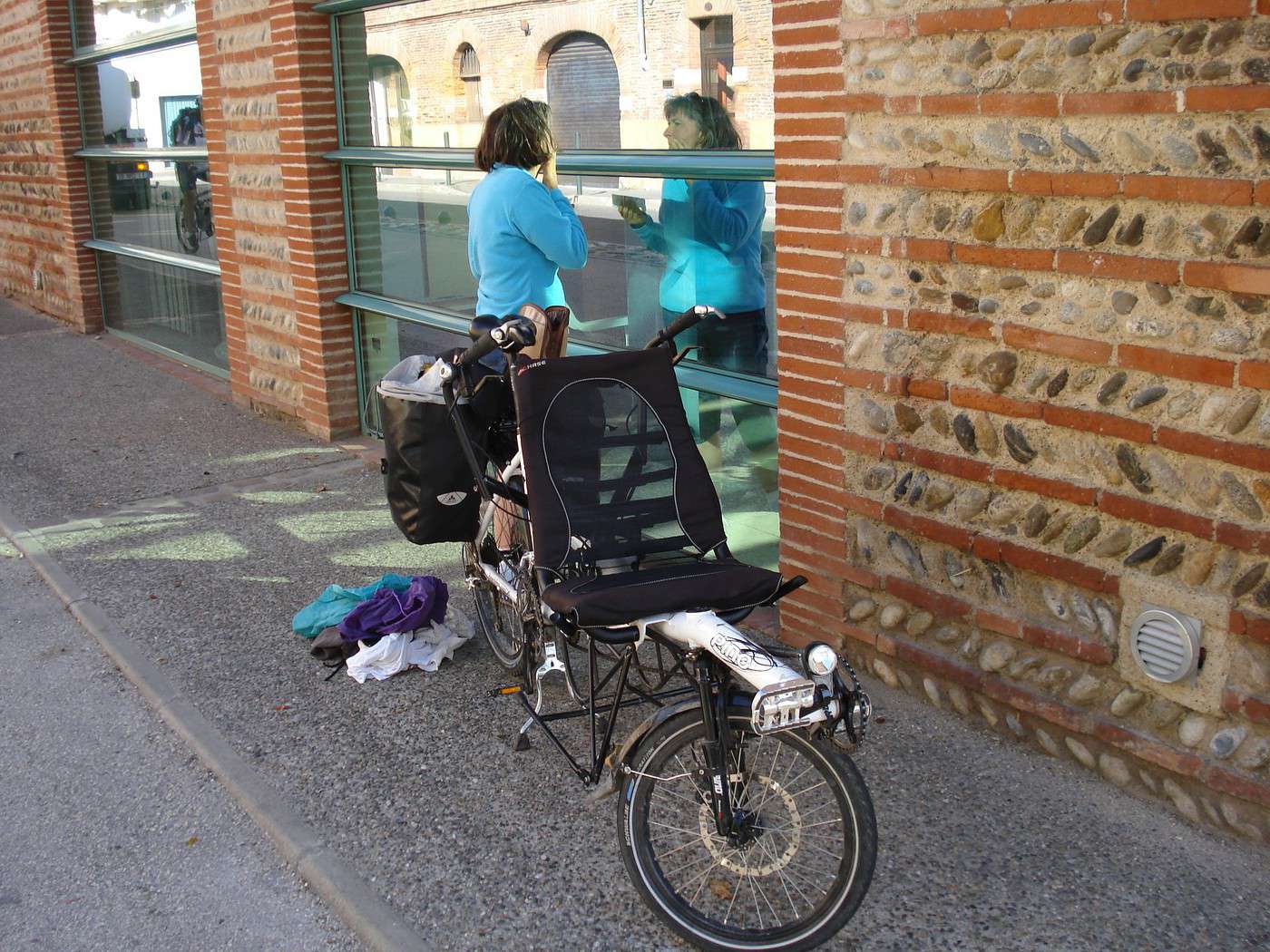
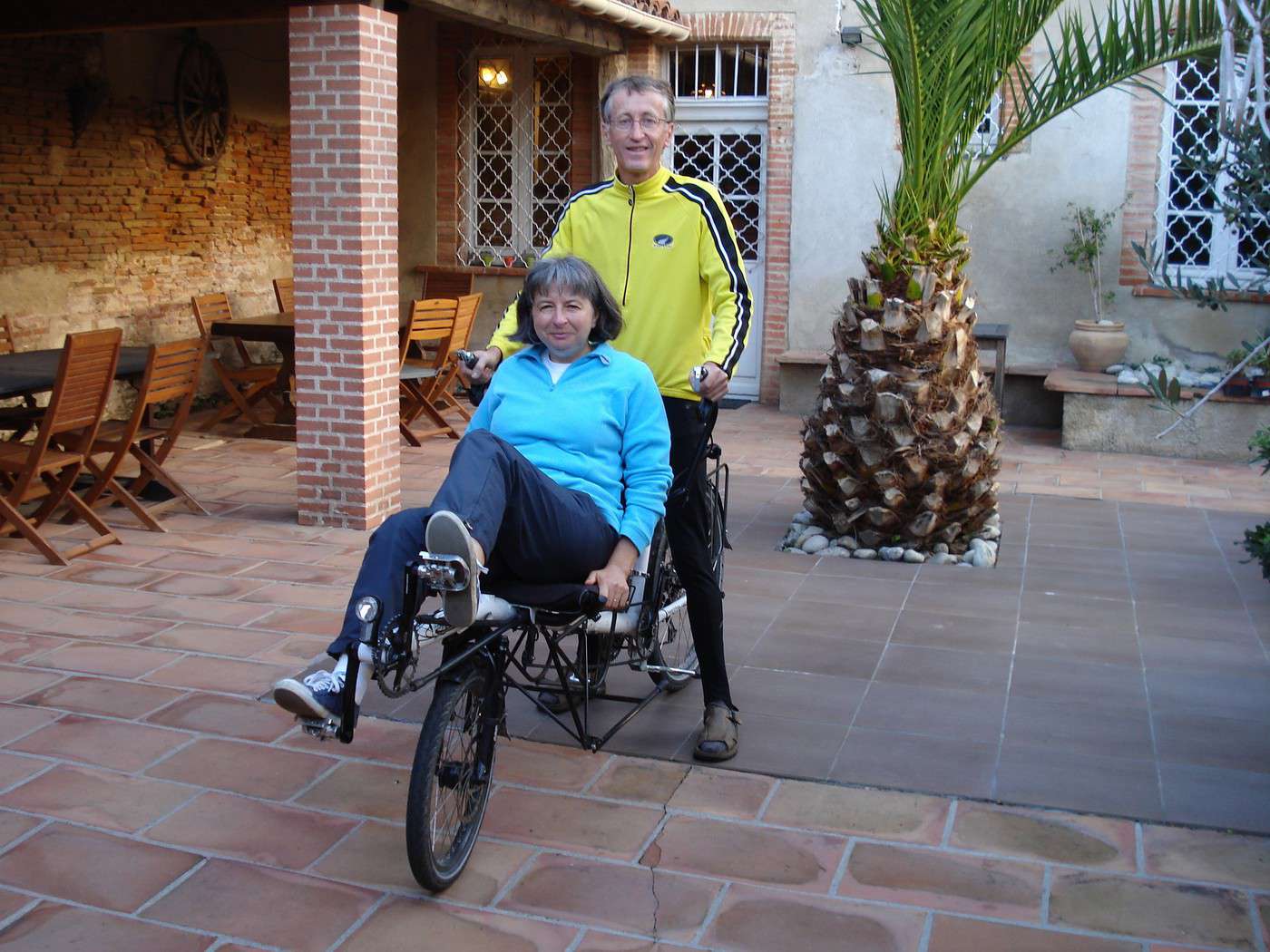
Our luggage—my two VAUDE panniers—took the place of the rented ones. We kept a few tools. The seller shortened the chain after adjusting the front pedal boom to fit my wife’s small size. This tandem has the unique feature of the front passenger lying down while the rear rider sits upright. It also has two desynchronized pedals, allowing the rear rider to start the bike alone and the front passenger to avoid catching the pedals mid-air.

But with the very large handlebars, it was quite intimidating, and I preferred to take the first few laps alone, especially since we had to start in the city center.

Once in traffic, we wobbled a bit for the first few hundred meters. Luckily, bikes are allowed in bus lanes.

We quickly reached the Canal du Midi and its lifesaving bike path.

But in the city center, it was crowded with pedestrians and cyclists who sometimes crossed or overtook on the right or left. Every approaching vehicle or obstacle made the front passenger nervous—they’re very exposed and have no brakes or steering.

After the Rangueil university, the number of users dropped significantly. I didn’t dare tackle the tight spiral ramp, so I crossed the port workshop and, to avoid a small step, had to pass very close to a concrete bollard, which scared my passenger, who wondered if she’d hit it. The smell of resin for fiberglass was our last contact with industry. Now, calm and greenery took over, only disturbed by the nearby highway.

As the weather forecast predicted, the sun was out, but so was the Autan wind, which we faced head-on as we followed the canal southeast. The total rolling weight was heavy, and I had to put in a lot of effort. The front passenger never had to pedal, which is a plus when it’s a child. Strapped in, they could almost sleep comfortably. Though my wife pedaled the whole time, we felt like she couldn’t contribute much to the propulsion, even if she tried. I felt like I was producing 70% of the power. I was hot, while my wife was rather cold, though we were both facing the wind—she didn’t shield me much given our positions.

The sandwiches we bought in Toulouse were welcome, as were the water points and restrooms along the route. I didn’t expect the restaurant at the Castanet-Tolosan lock to be open on a weekday, or I would’ve chosen to eat there.

In the afternoon, the wind strengthened, and I gave up on the idea of enjoying the 50 km of paved path to Port Lauragais. I was disappointed that the only accommodation available was 30 km from Toulouse (the next one on the site was in Carcassonne), but now I was glad it was so close. At the Negra lock, we left the canal for the 3 km to Villenouvelle.

On the bridge over the highway, we were very exposed to the crosswind.

The few climbs away from the canal confirmed that we couldn’t use the two lowest gears—the chain kept slipping on the smallest gears. It was just a cable tension issue, which the seller fixed in a second upon our return. I was disappointed by the front chainring shifter, which required constant adjustment, forcing me to take my eyes off the road to see where the chain was. On my MTB, a simple click of the trigger shifts the chain between chainrings. According to the seller, it’s impossible to install that system due to the handlebar’s unique shape and grips.

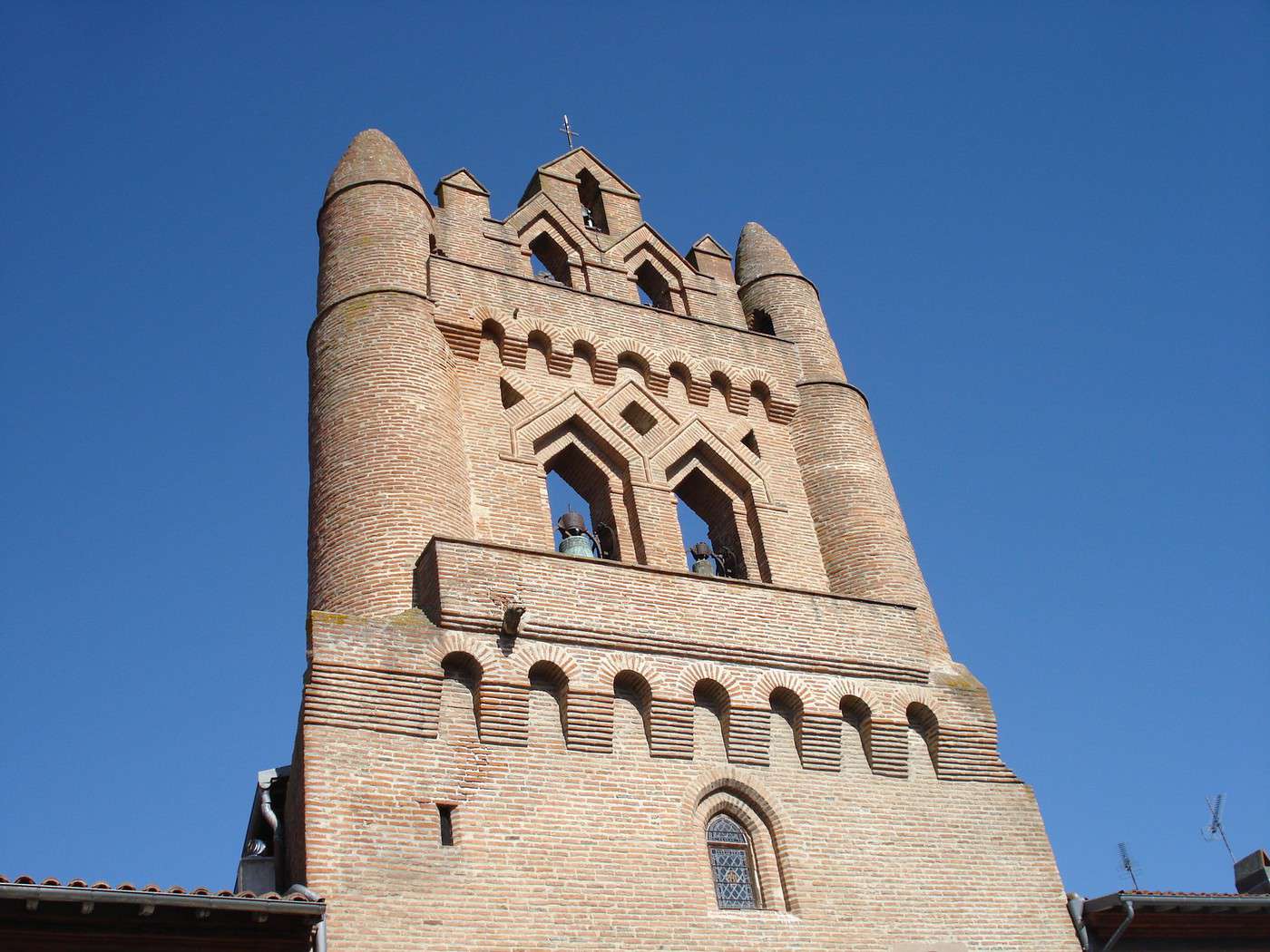
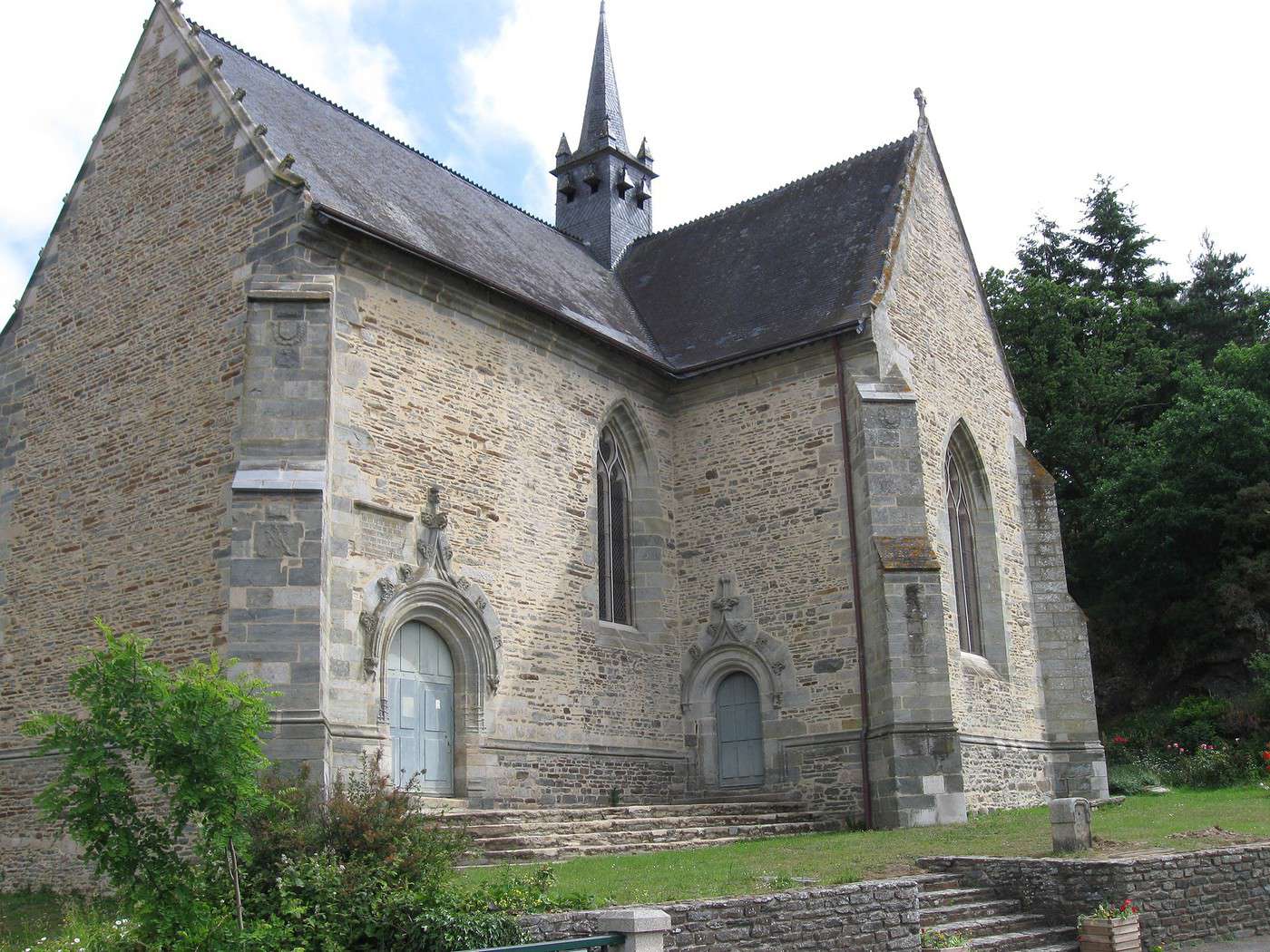
It was 3 PM, and we found the door to Maison Joséphine locked. We weren’t expected until after 5 PM, and the owner had gone shopping. Using the mobile number displayed, she told us her mother would come open the door soon. While waiting, we visited the church, which has one of the most beautiful *clocher-murs* (designed to withstand wind) in the Lauragais, and the lovely little park in Villenouvelle.

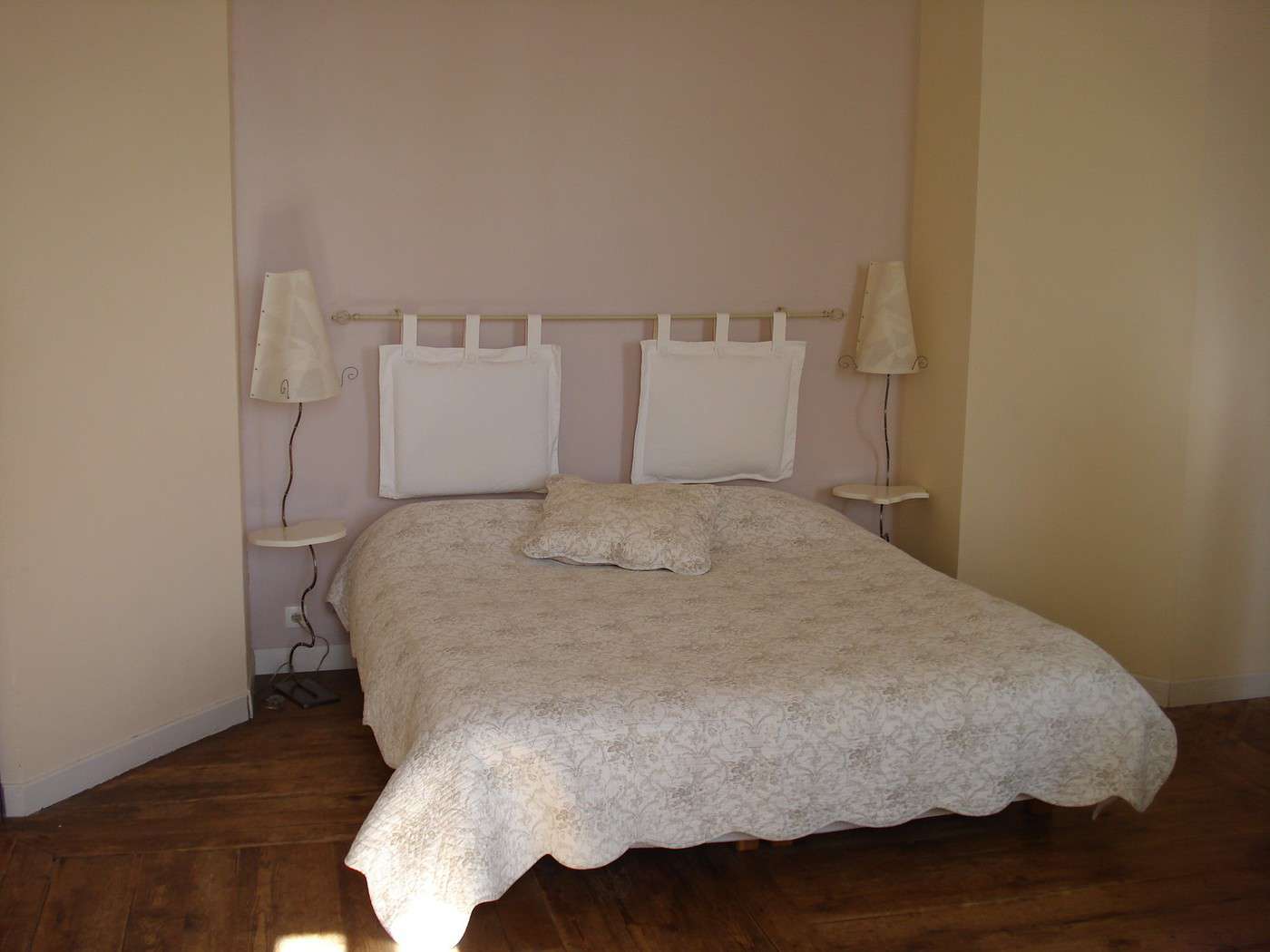
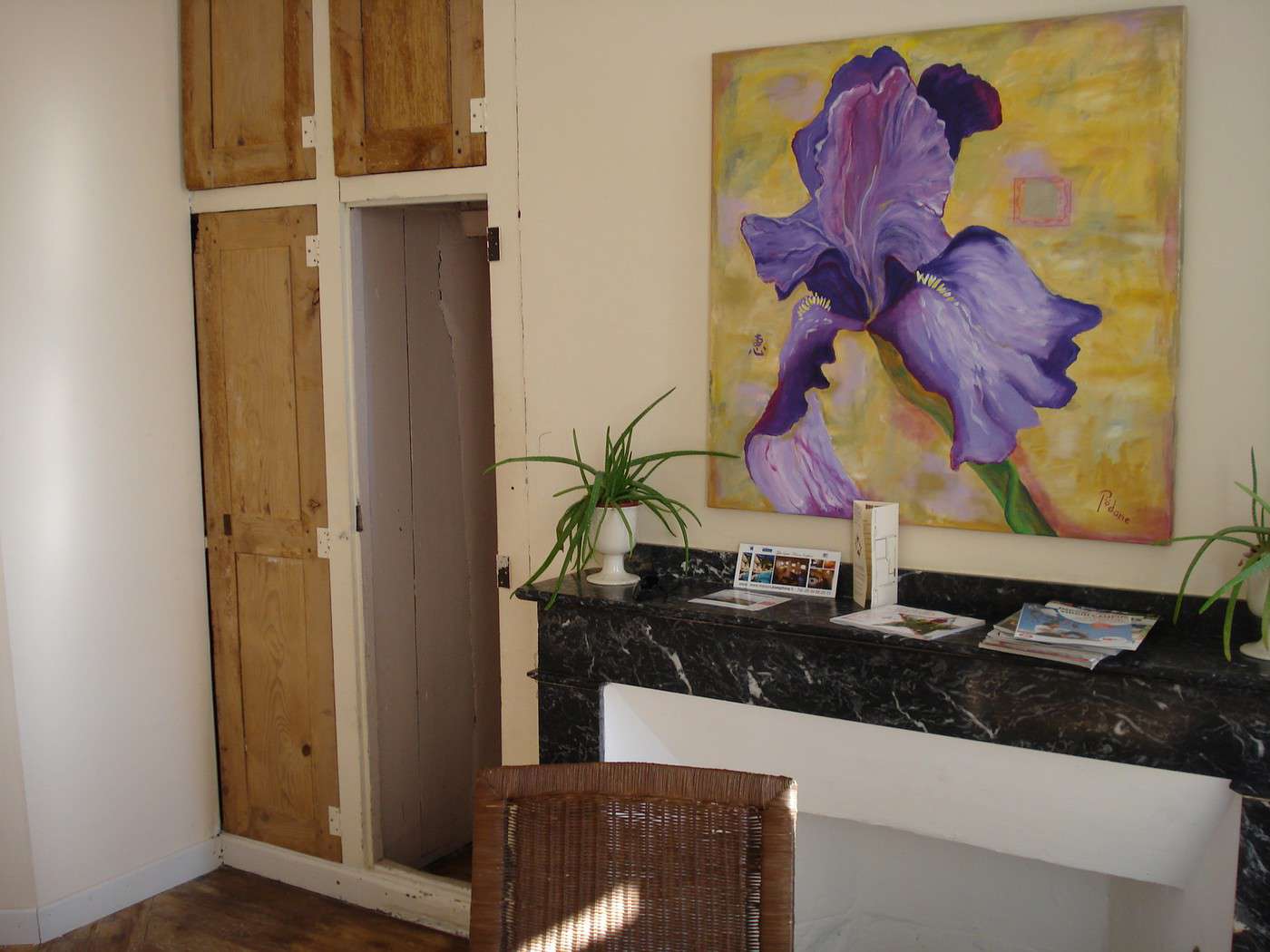
After showing us the room and the secret passage (an old closet leading to the bathroom), the owner left us alone in the large 1780s building. High ceilings and creaky floorboards at will.

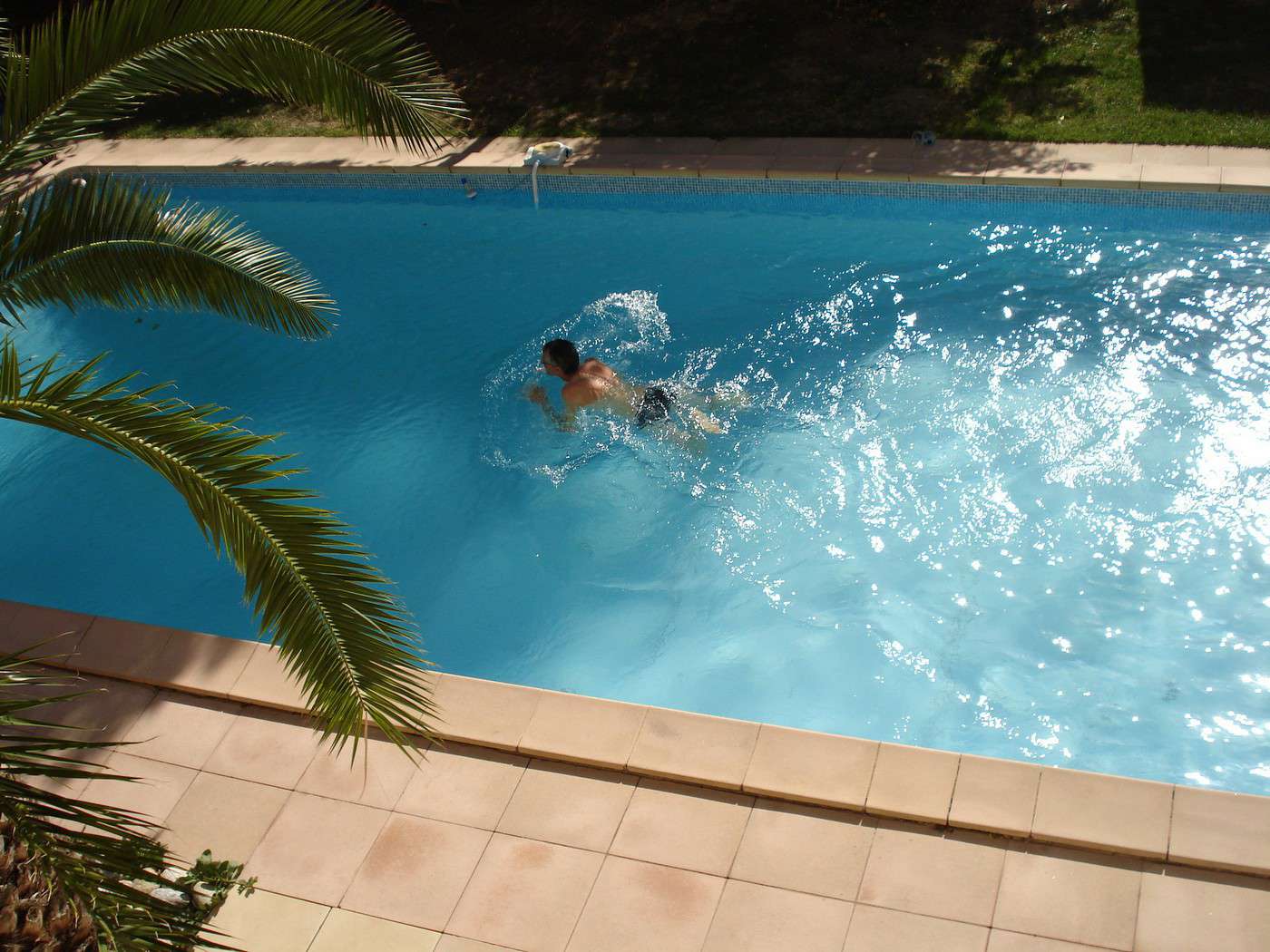
We appreciated finding a kettle and herbal teas in our room. We had access to the pool table and swimming pool, though the thermometer read only 18 °C. The Autan wind acted like a stimulant, and after getting warm, I found the courage to swim after a shower.

Luckily, the garden wall sheltered us. The owner admitted that this wind, which blows nonstop for 3, 6, or 9 days, drives her crazy, getting into everything and making beams and roof creak. Fortunately, it only happens once or twice in spring and autumn.

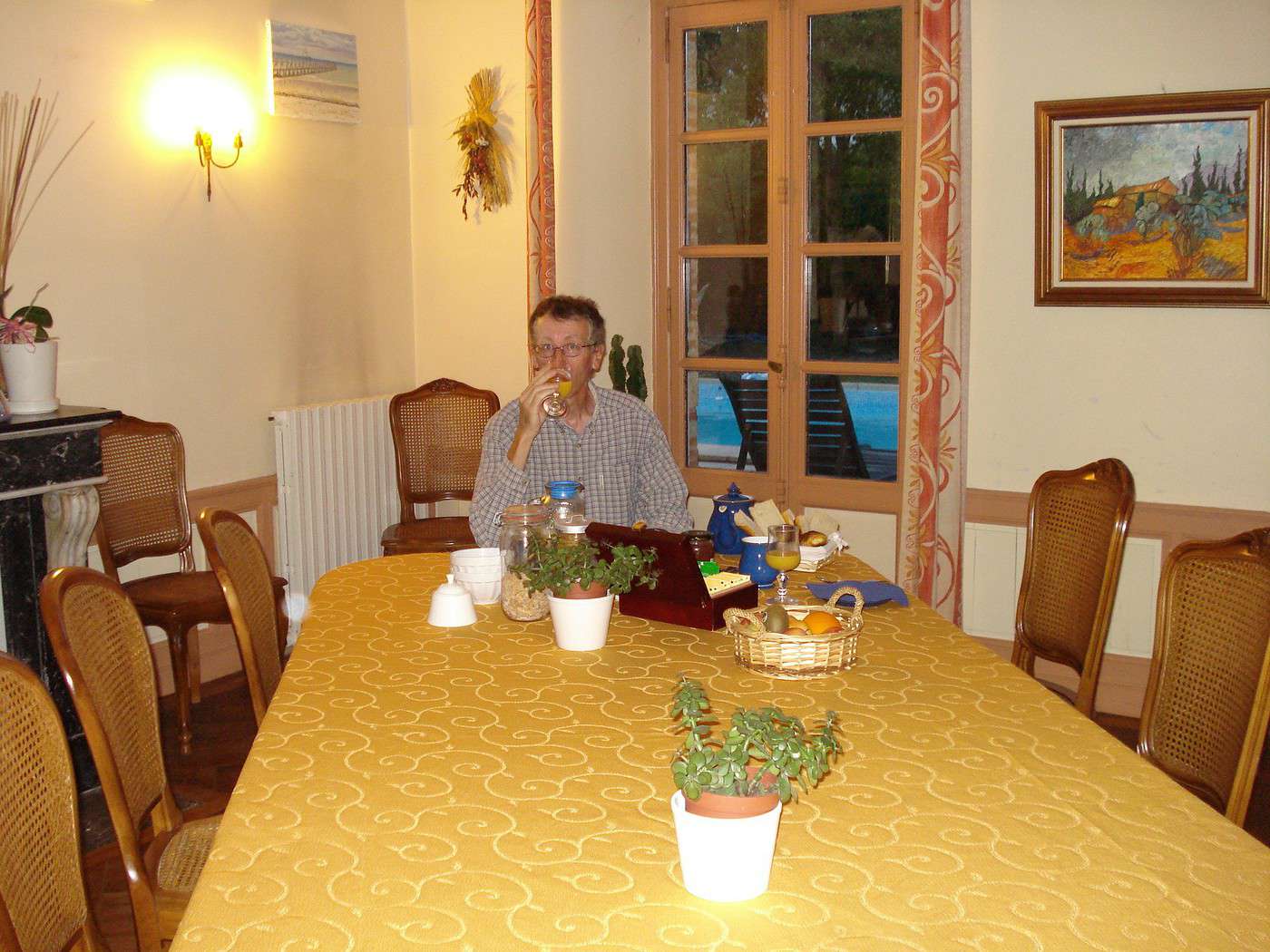
We were only two at the dinner table. The night before, there were 10 people, as some prefer this charming house over hotels when traveling to Toulouse. That’s why the rate is the same year-round. After an aperitif around the pool table, the hostess and her Irish husband served us in turns while they ate in the kitchen with their two daughters. In the living room and dining room, we enjoyed the musical scents from an iPod on its pink pig dock: http://www.newsdegeek.com/...k-ipod-100-pur-porc/

Apple is always at the forefront of innovation—I bought my first computer in 1984: an APPLE IIc made in Ireland. Our host praised RYANAIR for allowing him to visit his country quickly and cheaply.

Personally, I’d prefer to see this airline leave our territory, knowing that airport fees are covered by the *Conseils Généraux* and that French staff are subject to Irish law:

http://www.guide-irlande.com/...p;idactu=288&num=

http://www.lemeilleurdulowcost.fr/...aeroport-dangouleme/

Friday, October 8, 2010

I had thought about continuing in the same direction to show my wife the Naurouze threshold and the water divide before returning to Toulouse. But the wind had other plans. Given the circumstances, I preferred to return the tandem before 11 AM to avoid the 75 € second-day rental fee, as I had discussed with the seller given my wife’s ankle condition.

After a pleasant breakfast, the hostess kindly agreed to take a photo of our tandem setup. The return trip, with the wind at our backs, was much easier. Arriving at Rangueil, while the bike path ran along a wide sidewalk, I saw the gap between the two levels too late in our momentum. I warned that it would be bumpy, but the front wheel’s suspension did its job well.

We continued a bit too far along the canal, and to get back to Cyclable, we had to cross part of the city center. Not very comfortable navigating intersections or slipping into traffic, we arrived just in time for 11 AM.

I told the seller my thoughts on the traction distribution. No one had mentioned it before, but he noticed there were fewer teeth on the front chainring. It’s true that many women must appreciate contributing less to the pedaling effort, since the front seat is almost reserved for them. Thanks to Hase Pino tandem owners for sharing their experiences.

My wife found the little trip enjoyable but isn’t ready to go hiking (not even on foot, due to the backpack weight).

At least we tried. I regret not being able to take her along the *rigole de la plaine*. I hope we can go another time with our three kids. I’d even be willing to make an exception and drive to Port Lauragais via the highway to transport our five bikes (another effect of the Autan wind).
Facteur4 : Objectif pour 2050 de diviser par 4 l'émission de gaz à effet de serre.
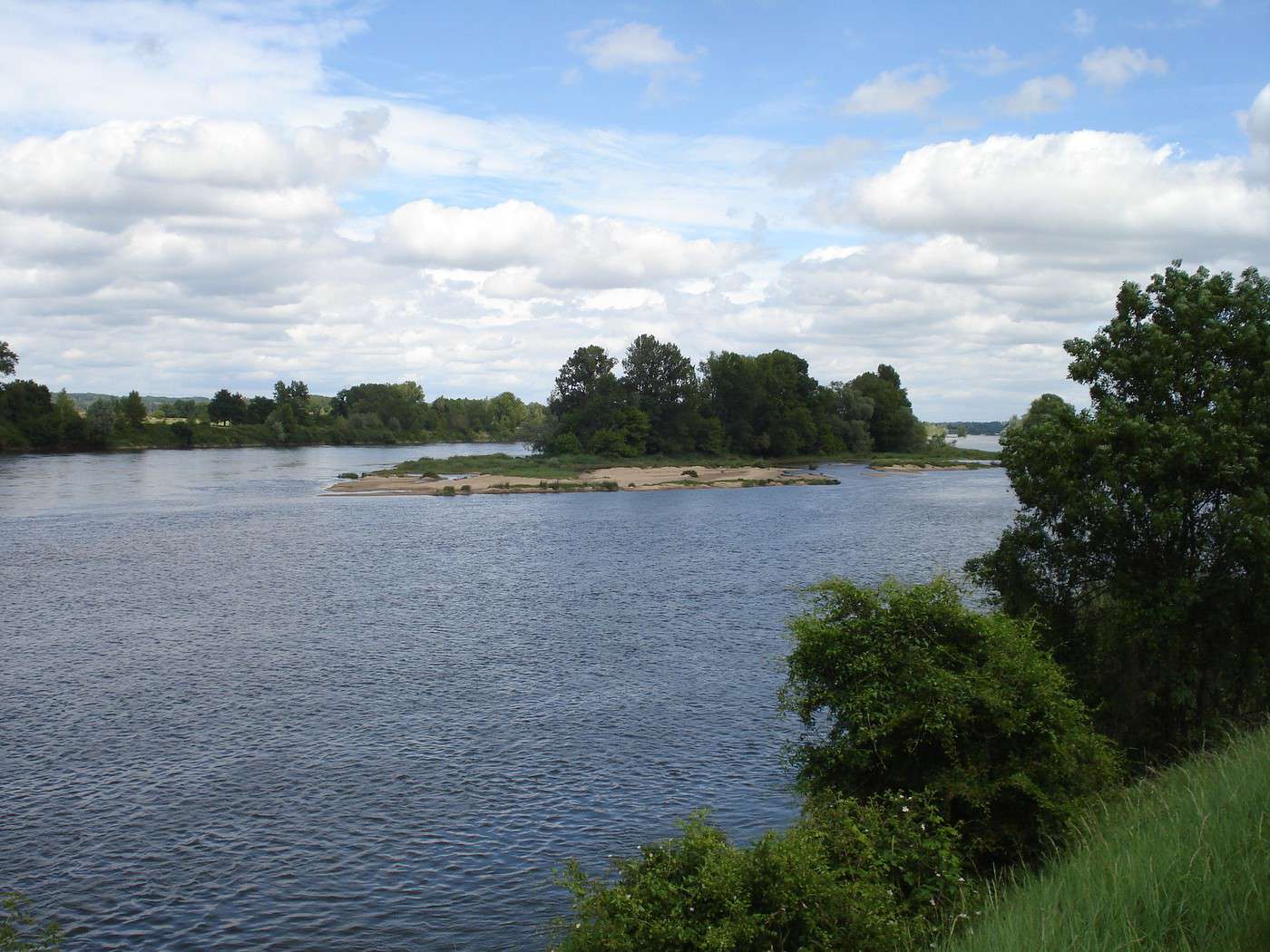
RA Ralevy ·
Great job, Gilles, on this lovely ride!

Keep in mind that in a recumbent position, different muscles are engaged. That could also explain your wife’s lack of propulsion.

If you’d like her to try a recumbent tricycle, drop by our place.

Best,

Philippe

www.as3r.fr
Philippe LASNIER Aventures sur 3 roues
FA Facteur4 Regular ·
Since we’re from Normandy, my wife and I regularly return to visit our families. So, during a walk in Dieppe three years ago, I discovered the existence of a Greenway at the tourist office. But I’d never had the chance to try it out because we always go by car with our three kids and never bring our bikes. My in-laws live in Veules-les-Roses, so in the summer, our activities revolve around the beach: http://www.veules-les-roses.fr/

This year, the heat hasn’t been on our side, and with no swimming after our walk and a bit of rock pooling, I decide to borrow my brother-in-law’s MTB to explore the Avenue Verte. It stretches for 50 km between Dieppe and Forges-les-Eaux along the route of an old railway line. This project, carried out by Seine-Maritime, is part of an ambitious plan to cycle from Paris to London by taking the ferries that connect Dieppe to Newhaven: http://www.caradisiac.com/...dres-a-velo-6077.htm http://isabelleetlevelo.20minutes-blogs.fr/...-ou-faux-depart.html http://www.youtube.com/watch?v=wHD_IbSUwY4 They’re promising a temporary route to let Parisians who missed out on the 2010 Olympics attend them in London instead. For now, let’s focus on the dedicated section in France.

Veules-les-Roses is 30 km from Dieppe, so I don’t plan to bike the round trip in addition to the Greenway. Luckily, there are bus lines that the regional council had the great idea to set at 2 € no matter the distance: http://reseaux-normands.forumactif.com/...rmandie-pour-2-euros I ask a bus driver, who confirms that bikes are allowed in the luggage compartment.

20/08/10 – “Avenue Verte, here I come for 2 euros!” I arrive at the Veules-les-Roses bus stop for the 9:47 am bus. The driver gets out to remove her cooler, which is strapped to the middle of the luggage compartment with a bungee cord (the other compartments are accessible from the roadside). We cross the Norman countryside, stopping at villages along the way. Then the road winds down toward a beach. The driver calls out to me, stopping to let me know my bike is about to fall out of the bus. We can’t remember who didn’t close the compartment properly. At 11 am, we arrive in Dieppe, but no one at the bus station knows about the Avenue Verte. I flag down a cyclist in sports gear. He tells me the bike path doesn’t start in Dieppe but in Arques (7 km away) and offers to show me the way. I gladly accept and follow him through the industrial zone, where ALPINE (Renault’s sports division) has its workshops. After thanking my guide, I start by photographing the information sign. I give directions to some cyclists who’ve just left the Avenue Verte and want to go to the town center or Dieppe beach. The Greenway begins near the Château d’Arques-la-Bataille with a lovely tree-lined path, then winds along a few ponds. A section of the old railway has been preserved as a historical marker. It’s always a joy to ride a dedicated bike path (closed to motorized traffic), but it’s also bittersweet knowing it’s the result of a closed railway line. The kilometer markers are well-maintained and based on the distance to Paris. The high-quality surface lets me enjoy the Norman landscape in peace, especially since the only intersections are former level crossings where I have to yield.

It’s already past noon, and the beautiful Château de Mesnières-en-Bray, which houses a horticultural school, tempts me to leave the bike path. Unfortunately, it was damaged by a fire in 2004: http://www.seinemaritime.net/...de-Mesnieres-en-Bray I follow the road alongside this Catholic institution to reach the main street. I don’t find a restaurant in the village, so I get back on the path after admiring the small Ceres castle and the photographer’s studio.

After 33 km, I arrive in Neufchâtel-en-Bray and ask a couple walking their dog where to find a restaurant. They’re foreigners and point me toward the center, where I’ll have options. Coincidentally, they end up having lunch at the Chapeau Rouge, where I’m seated. A Belgian recommends the HOEGAARDEN white beer (light and refreshing) to go with my Brayonne plate. I decide not to continue all the way to Forges-les-Eaux to make sure I don’t miss my bus. But I have time to check out the Parc et Jardin de Saint-Aubin-le-Cauf, which offers bike rentals on this stop: http://parcguyweber.free.fr/index_fr.php. About fifteen kilometers from the sea, I feel the chill and dampness, though that doesn’t stop the cows from bathing in the river.

The return to Veules-les-Roses goes smoothly. I congratulate Seine-Maritime for these 50 km of safe cycling routes and hope to soon connect Paris to London under the same conditions. It would be great motivation for me—I’ve lived in Normandy for 33 years and never set foot in England!
Facteur4 : Objectif pour 2050 de diviser par 4 l'émission de gaz à effet de serre.
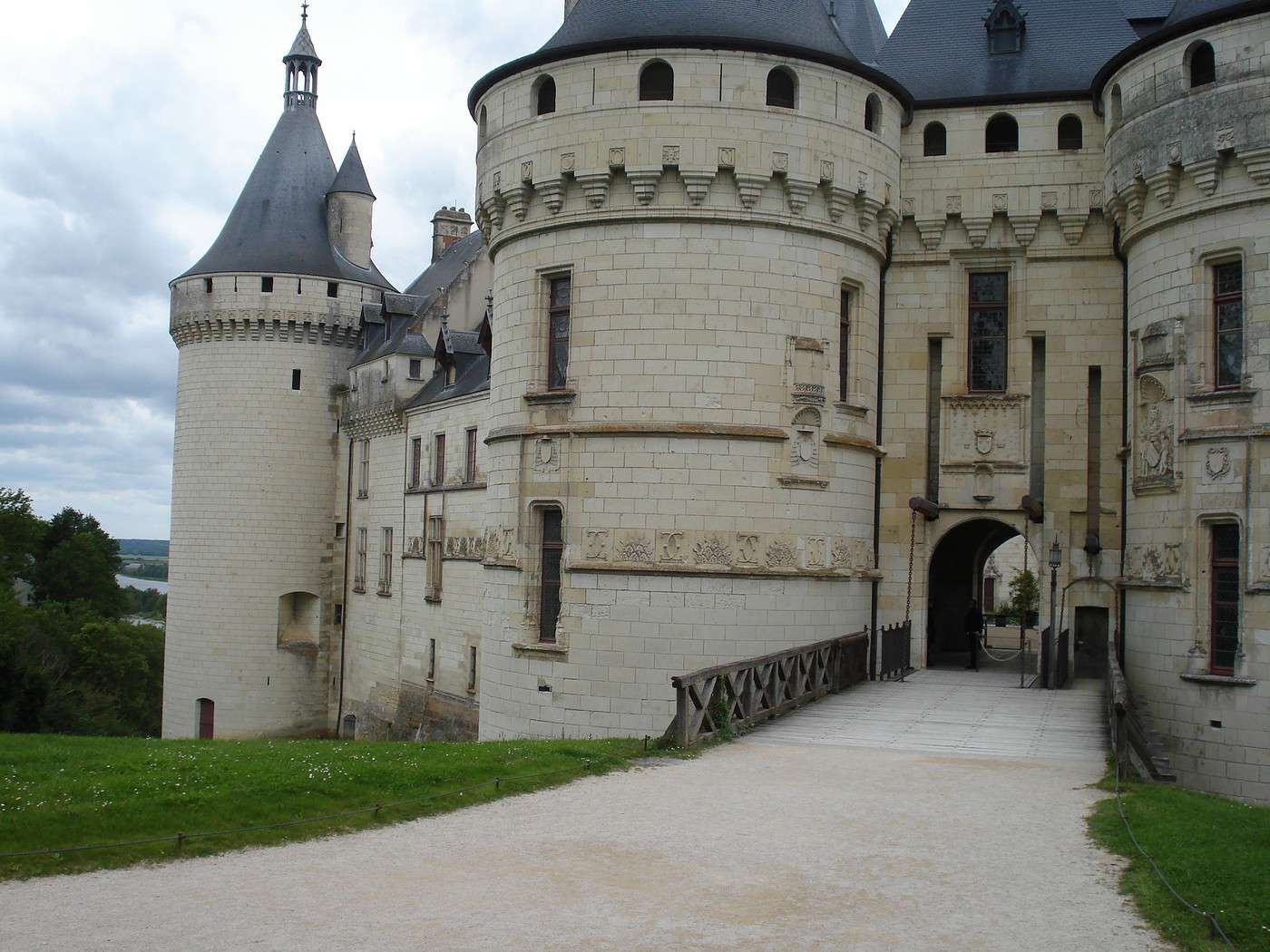
FA Facteur4 Regular ·
Facteur4 : Objectif pour 2050 de diviser par 4 l'émission de gaz à effet de serre.
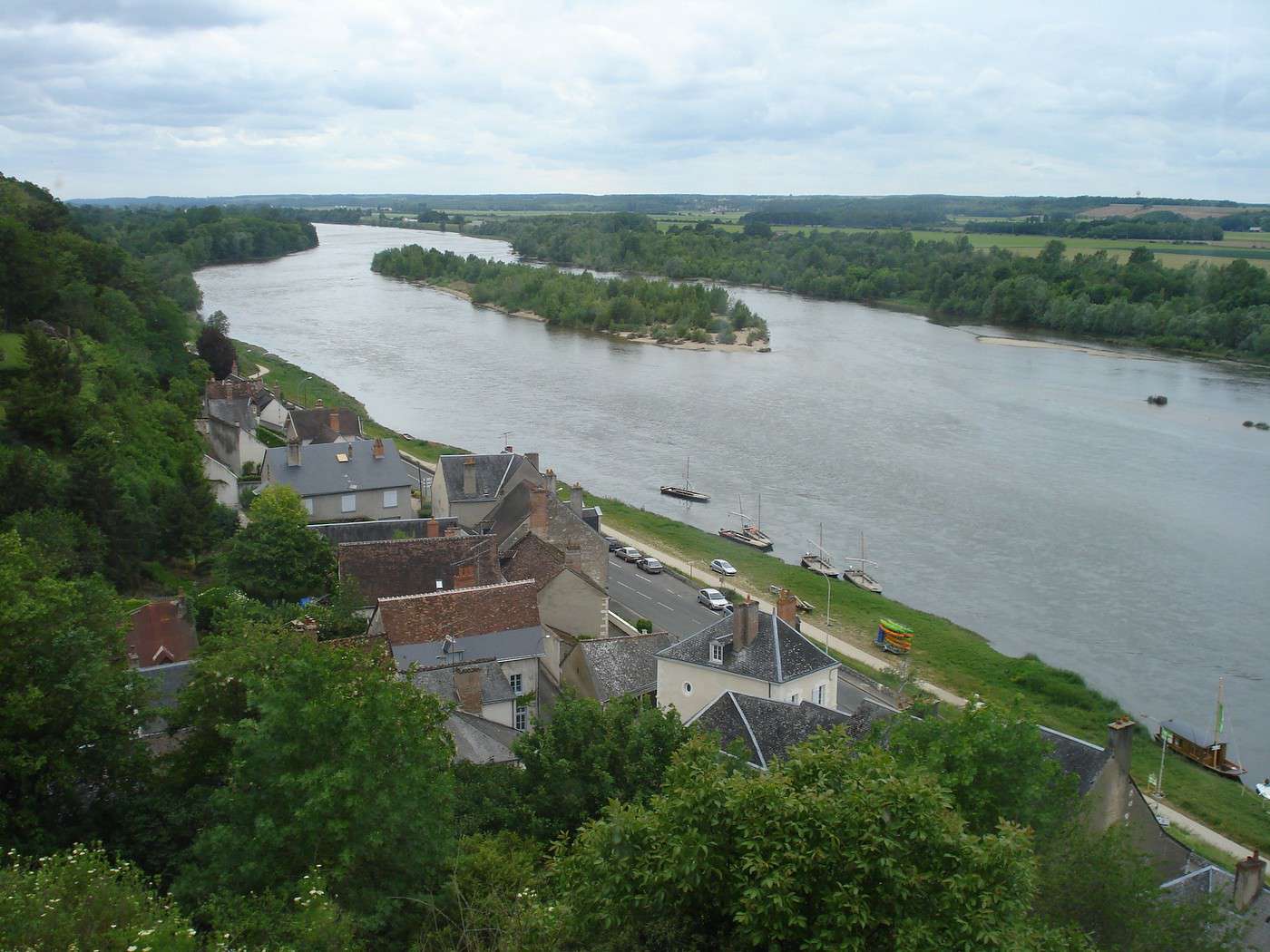
KI Kitouetremi Regular ·
Hello, Yes, the extended pedaling position doesn’t engage the muscles in the same way. It took my wife about 1,000 km to adapt her muscles. But after that break-in period, we now have intense moments of shared effort. Also, I honestly don’t know why Hase has a policy of giving the front passenger a different gear ratio than the pilot. On our old steel Pino model, the number of teeth on the chainrings was the same, but the front cranks were longer, which made the passenger feel like they were spinning more than the pilot. I replaced those cranks so we now have cranks of equal length front and back.

In conclusion, we really enjoy sharing the effort on a tandem. Communication on this bike is also excellent. And my wife says the front position is unbeatably comfortable. On the other hand, the pilot’s position isn’t very orthodox—it’s upright (you need a good saddle), and depending on the handlebar position, your wrists can be bent, sometimes causing tingling in the fingers. Finally, it’s a relatively heavy bike and slow uphill anyway. It suits our touring/camping pace just fine, pulling the kids’ trailer... But it’s definitely not a lightweight, responsive racing machine!

Cheers,
La vie est plus belle à Vélo
KI Kitouetremi Regular ·
Oh, and I almost forgot: - When it comes to effort, it always seems like the front passenger is putting in less effort because, due to their position, their heart rate is naturally lower. After all, the heart doesn’t have to pump blood back up from the legs, so it works less. This is especially noticeable on climbs where the rider will be out of breath while the passenger can still talk without any sign of breathlessness... Sometimes frustrating for the rider, but that doesn’t mean the passenger isn’t putting in effort or doesn’t have sore legs!

- Because of their position, the passenger is more exposed to the cold than the rider. They’ll need to dress a bit warmer, and apparently, this is a common observation among Pino users...

That’s all!

Remi
La vie est plus belle à Vélo
FA Facteur4 Regular ·
Thanks for sharing your experience with us. It confirms my first impressions. Happy New Year to you, lucky folks traveling as a couple and even with family.
Facteur4 : Objectif pour 2050 de diviser par 4 l'émission de gaz à effet de serre.
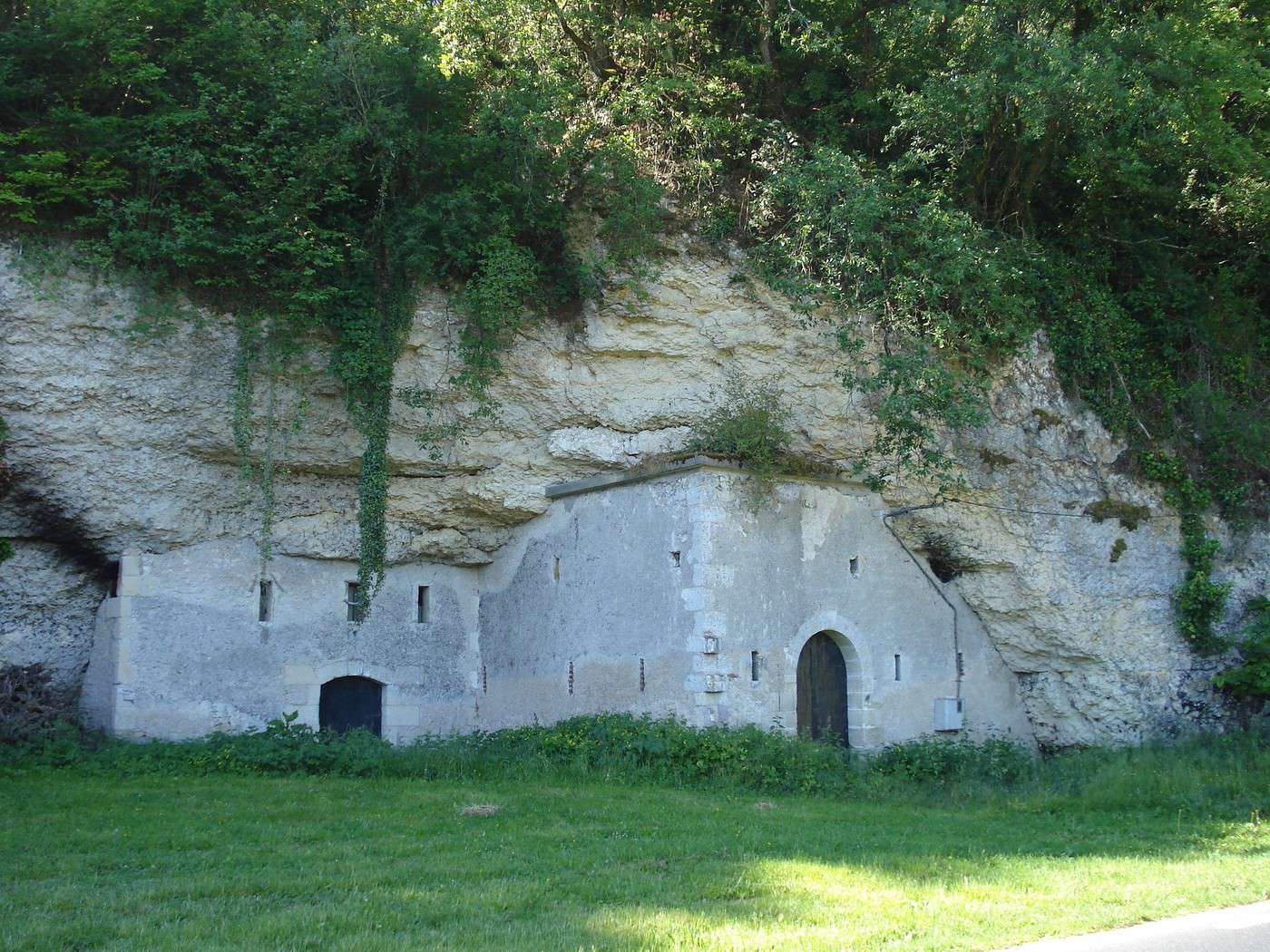
FA Facteur4 Regular ·
After learning that Gironde has abandoned plans to build a cycle path between the Roger Lapébie route and the Voie Verte along the lateral canal to the Garonne—opting instead to mark out a cycle route (much simpler)—here’s some news that’s no better for the Canal du Midi. It seems our elected officials consider email a minor means of communication, since my message sent to the General Council of Aude on 12/18/10 went unanswered (same for the General Councils of Lot and Garonne). I had to rewrite the same thing in a letter:

To the President of the General Council of Aude

Subject: Cycle paths and cycle routes

I use my bicycle every day of the year to commute from home to work. It’s not much of a feat since the trip is only 6 km in pleasant riding conditions.

I also go on cycling vacations. To inspire others and show how easy it is to travel hundreds of kilometers, I’ve documented my various trips on VoyageForum: http://voyageforum.com/...post=1000920#1000920 I’ve cycled along the Canal Latéral à la Garonne and the Canal du Midi several times. I know how different it is to ride a loaded bike (30 kg) on a dirt towpath with stones and roots compared to a paved path. That’s why I was pleased to hear that your department has committed to developing cycle routes and Voies Vertes. I hope you can contribute to the fantastic Voie Verte between the Two Seas, offering the chance to travel from Bordeaux to Sète through a stunning landscape of greenery and water without exposure to cars. It’s a shame to welcome foreign cyclists discovering the magnificent city of Carcassonne in the mud of the towpath in the lower town.

I took it a step further by using my bike for a work trip. I wouldn’t have considered it without such infrastructure. http://voyageforum.com/...post=2799841#2799841 So I urge you to launch major cycle route and Voie Verte projects in your department. Not just for local cyclists, French and international tourists, but also for an unexpected impact on work-related travel.

Looking forward to your response and hoping you can support the development of sustainable transport. Best regards.

to get this reply: https://docs.google.com/...amp;authkey=CKuhp7AL (page 2): https://docs.google.com/...amp;authkey=CKeLz6wH It’s clear that a cycle path along the Canal du Midi won’t happen anytime soon. That’s why I reaffirm that for cycling routes of national or even international interest, state intervention is needed. I wrote to Monsieur Vélo about this in November 2010:

Hello,

I just learned that Gironde has abandoned the cycle path that was supposed to connect the Lapébie route to the canal, ending the dream of a continuous Voie Verte between Bordeaux and Toulouse. There’s no point in dreaming of traveling from Bordeaux to Sète without encountering a car. Gironde will settle for marking a cycle route between Sauveterre-de-Guyenne and the canal.

Will there ever be someone at the national level who recognizes the value of such a project for French and international tourism?

I only see Monsieur Vélo as someone who could push for major routes like the Canal du Midi, where Aude still refuses to contribute to building the path. It’s a disgrace to welcome foreigners in the mud of the towpath in the lower town of Carcassonne, a city they’ve come to admire.

I also want to say that without the Voie Verte along the lateral canal to the Garonne, I never would’ve considered using my bike for work trips.

Here’s the story of my first work trip by bike: http://voyageforum.com/v.f?post=2799841#2799841 and my second: http://voyageforum.com/v.f?post=3804254#3804254

I’m also thinking of people who’d never dare to travel on roads but would feel reassured by a continuous cycle path. Those who want to travel with a recumbent trike, a trailer, on rollerblades, in a wheelchair, or families with kids. A Voie Verte also means silence and no exhaust fumes. It could boost tourism with bike rentals at either end—like from Bordeaux to Sète. Why not from Soulac to the Rhône if safety and tranquility are guaranteed?

Voies Vertes are incredibly reassuring and make adventure possible. In September 2009, I visited my daughter in Quebec, where she was studying for four months at the University of Sherbrooke. I wouldn’t have put my bike in the plane’s hold if Quebec’s Route Verte didn’t exist. It includes stretches on old railway lines, cycle paths winding through the countryside, sometimes a bike lane alongside roads, and even roads without infrastructure (that’s where I bought an orange flag given the size of the trucks). See photos here: http://picasaweb.google.com/GillesROULAND I wouldn’t have embarked on this 1,570 km journey without the promise of infrastructure. In April, I cycled part of the Loire à Vélo: http://voyageforum.com/...post=3525348#3525348 I was really disappointed by the infrastructure and signage of this cycle route. I still believe that for welcoming inexperienced travelers, nothing beats a Voie Verte. You can’t expect foreigners to navigate our small roads searching for village names with unfamiliar sounds...

Looking forward to your response. Best regards.

I never got a reply. It seems the title of Monsieur Vélo is purely decorative...
Facteur4 : Objectif pour 2050 de diviser par 4 l'émission de gaz à effet de serre.
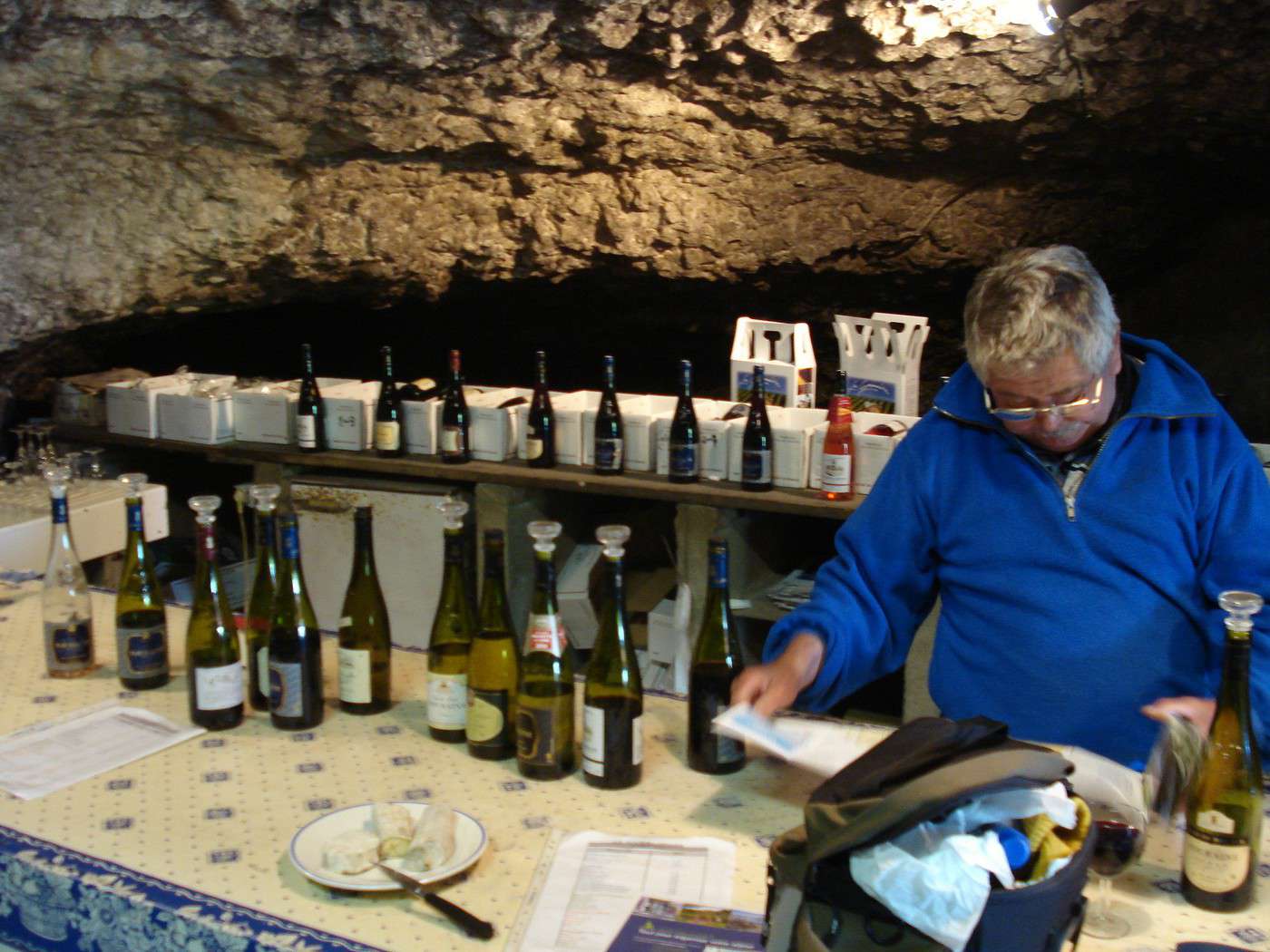
FA Facteur4 Regular ·
The General Councils all behave the same way. No response to my email for Lot-et-Garonne either, and a month’s wait for a reply to my letter, just like for Aude:

To the President of the General Council of Lot-et-Garonne

Subject: Cycle paths and greenways

I use my bicycle every day of the year to get from home to work. It’s not much of a feat since the trip is only 6 km in pleasant riding conditions. I also go on vacation by bike. To inspire others and show how easy it is to travel hundreds of kilometers, I’ve documented my various trips on VoyageForum: http://voyageforum.com/v.f?post=1000920#1000920 I’ve ridden along the Canal de Garonne and the Canal du Midi several times. I know how different it is to ride a loaded bike (30 kg) on a dirt towpath with stones and roots compared to a paved path. That’s why I want to commend your department for its contribution to the fantastic Voie Verte between the Two Seas, which allows you to travel from Bordeaux to Toulouse through a stunning landscape of greenery and water without being exposed to cars. I took it a step further by using my bike for a work trip. I wouldn’t have considered it without such infrastructure. During my last assignment: http://voyageforum.com/v.f?post=3804254#3804254 I noticed that you’re continuing your commitment with the installation of informative panels highlighting the Canal between the Two Seas in a beautiful way, directional signs, and ongoing maintenance of the cycle path. It seems wise to keep this momentum going by creating a cycling link between the Voie Verte along the Canal de Garonne and the greenway in the Lot Valley. This would be of great interest not only to local cyclists and French and international tourists but also could have an unexpected impact on commuting for work. Looking forward to your response and hoping you’ll continue to support the development of sustainable transportation, please accept my respectful regards.

I just received their reply:

https://docs.google.com/leaf?id=0B5Wo-jFYctQfYmExODk0MWEtNWIwZS00ODI1LTk2N2YtNWZjMzM5NGM1N2Zh&hl=en&authkey=COvY5YMJ

Here too, we’re waiting for state involvement. Could someone tell me who I should contact to encourage government funding or at least get a response on the current and future position of our ministries?
Facteur4 : Objectif pour 2050 de diviser par 4 l'émission de gaz à effet de serre.
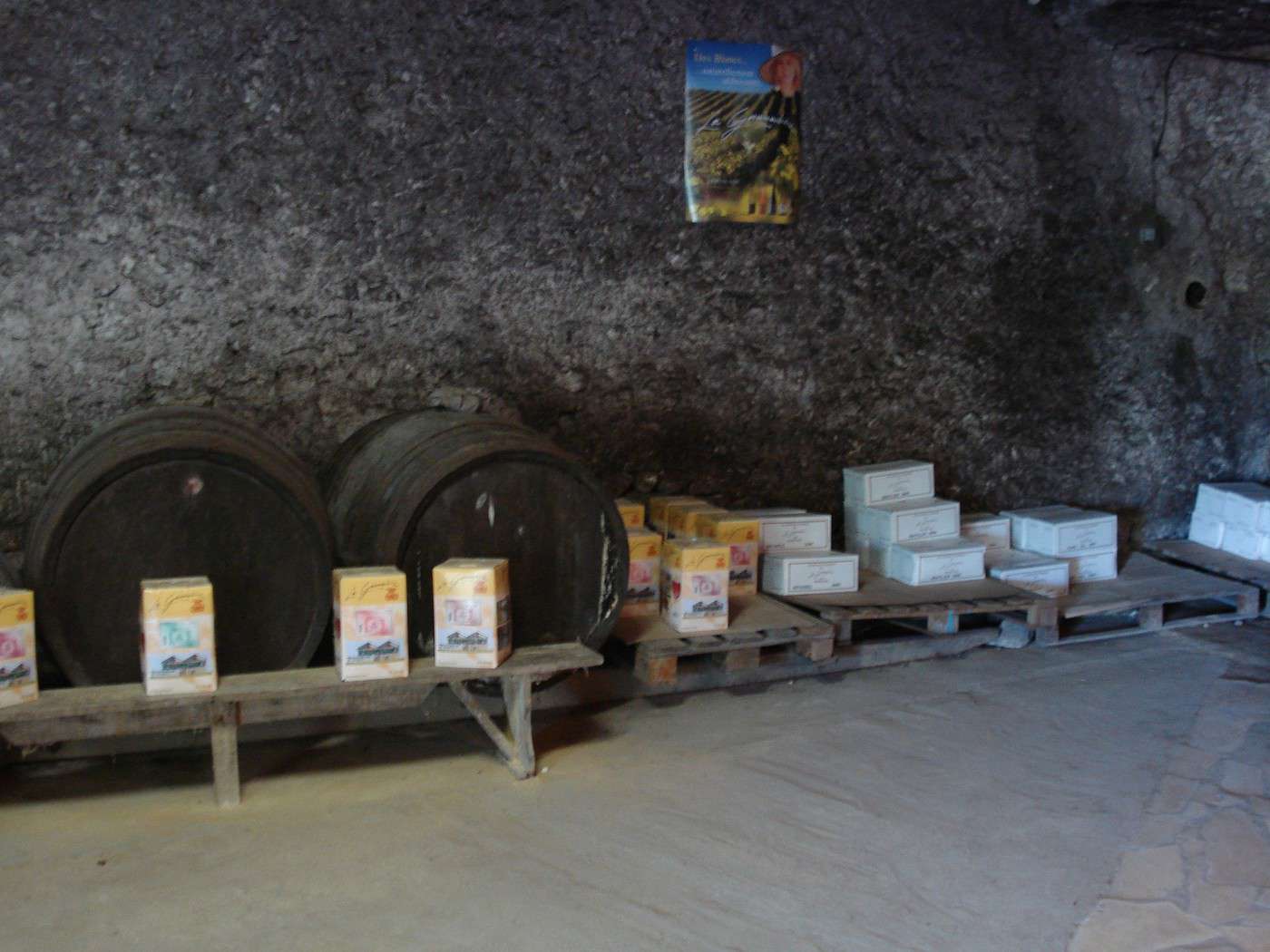
FA Facteur4 Regular ·
With the arrival of warmer weather, many of us are planning bike trips. To answer the frequent questions about the VéloRoute between the Two Seas, I’d like to remind everyone that there are brochures available: http://www.canal-et-voie-verte.com/...spots%2Fhotspots.xml http://www.canal-et-voie-verte.com/

And guides published by the Vélo Toulouse association: http://toulousevelo.free.fr/spip.php?article326 http://toulousevelo.free.fr/spip.php?article325

The Greenway from Toulouse to Bordeaux is fully paved all the way to Castet-en-Dorthe, where the lateral canal flows into the Garonne. For the Canal du Midi, only 50 km are paved from Toulouse to Port Lauragais, and 15 km from Béziers to Portiragnes. The rest is a towpath made of dirt with rocks and roots—best avoided if you’re pulling a two-wheeled trailer.
Facteur4 : Objectif pour 2050 de diviser par 4 l'émission de gaz à effet de serre.
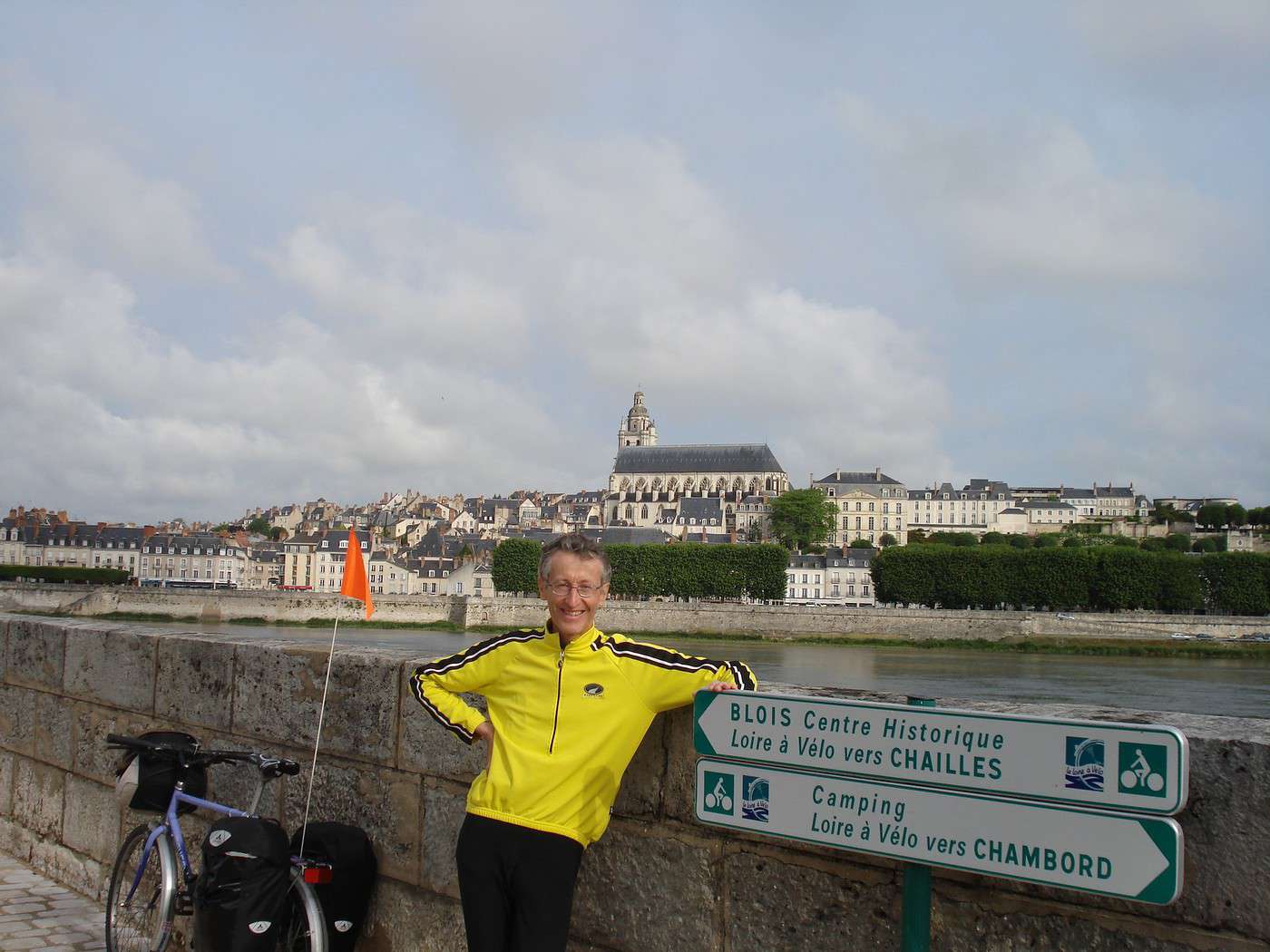
FA Facteur4 Regular ·
I’m proud to announce the opening of the first rest stop for hikers along the Green Way of the Garonne lateral canal in my town!

Located by the canal just before the port of Valence on the way from Agen, it will open to the public for Easter. Well-equipped for picnics with a barbecue and cooking plate, it’ll offer a pleasant break and information spot. You’ll also be able to take a shower and nap in the bunks—but unfortunately, no overnight stays. (Photos to come.)

My dream of turning old lock-keeper houses into stage lodgings along the route isn’t close to becoming a reality. The downside of bike travel, when you’re like me and don’t have the energy to carry a tent, is that it gets really expensive.

With its 5,000 residents, Valence d’Agen offers:

http://www.valence-dagen.com/hebergement.php

As well as its municipal campsite, where renting a bungalow might be a good deal for a group: http://valencedagen.fr/tourisme/logement.htm It’s right next to the swimming pool, the equestrian center, and the rugby stadium—unavoidable in the Southwest. Even more unique is the roller-skating speed ring, where my town has already hosted European and World championships.

You know my dislike for competition, but I have to admit there’s something appealing about inline speed skating. A certain elegance and a rush of speed when the skaters, in single file for better aerodynamics, pass close to the crowd—evoking a train with the sound of the wheels and the draft they create.

For the 25th year in a row, Southwest France will host the International 3-Track Trophy, the world’s biggest inline speed skating race on a track, on April 23, 24, and 25. A thousand skaters from all over the world will gather in Pibrac, Valence d’Agen, and Gujan-Mestras.

Footage from last year’s event:

http://www.vodemotion.com/video/8385-trophee-international-des-3-pistes-1ere-journee-a-pibrac
Facteur4 : Objectif pour 2050 de diviser par 4 l'émission de gaz à effet de serre.
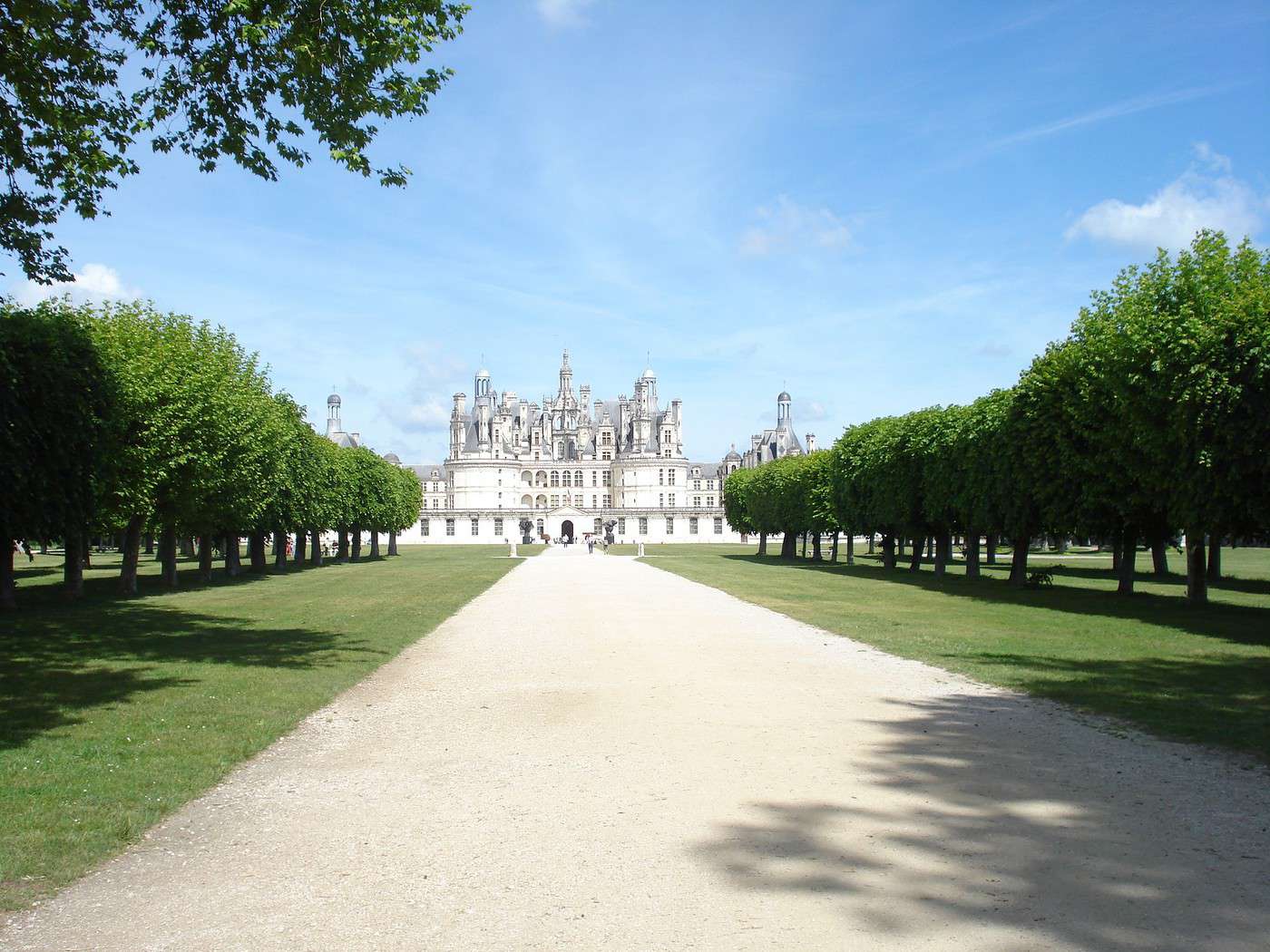
BA Bartabas33 Regular ·
Hi, I’m taking the opportunity of your last email to agree with your statement that the greenway from Bordeaux to Lacanau is indeed pretty tedious; I also found the greenway along the canal quite monotonous. The difference is that the canal route is longer.

As for Valence d’Agen, I also agree that it’s a charming little town, especially since it’s only a few kilometers away from our fantastic nuclear power plant—which, as everyone knows, is super secure and spotless, given that we in France are the best and there are never any accidents here (except for AZF, the Mediator scandal—our drug safety is just as strong as our nuclear safety—and so on), but that has nothing to do with cycling, though...

But seriously, Valence is cute.
RA Ralevy ·
...My dream of old lock-keeper houses turned into stage lodgings along the route isn’t about to come true anytime soon. The downside of bike travel when you, like me, don’t have the courage to carry a tent is that it gets really expensive. ...

Your dream might become reality with time. In fact, there’s already an example not far from Valence d'Agen. In Saint-Jean de Thurac, there’s a hostel called "La Poule à Vélo" set up in a lock-keeper’s house by the canal. It serves as a bar, restaurant, gourmet grocery, and lodging. Of course, you’ll need to book ahead.

http://www.servimg.com/image_preview.php?i=265&u=11455007

Philippe
Philippe LASNIER Aventures sur 3 roues
FA Facteur4 Regular ·
Thanks, Philippe, for sharing this lovely spot. I’d already noticed it and hope to take my wife there for lunch since the distance from our home to La Poule à Vélo matches her round-trip range.

Unfortunately, it doesn’t quite match my dream of stage lodgings all along the Canal des Deux Mers in the old lock-keeper houses. Because it *is* a dream: Sleeping accommodations and sanitary facilities available on a self-service basis for 5 to 10 € per person, left before departure in a wall niche. A bit like some municipal campgrounds open off-season without staff. When you leave, you drop your payment with a little thank-you note in the mailbox.

Here are the promised photos from the opening weekend of the rest stop in VALENCE D'AGEN. Congratulations to the municipal team.
Facteur4 : Objectif pour 2050 de diviser par 4 l'émission de gaz à effet de serre.
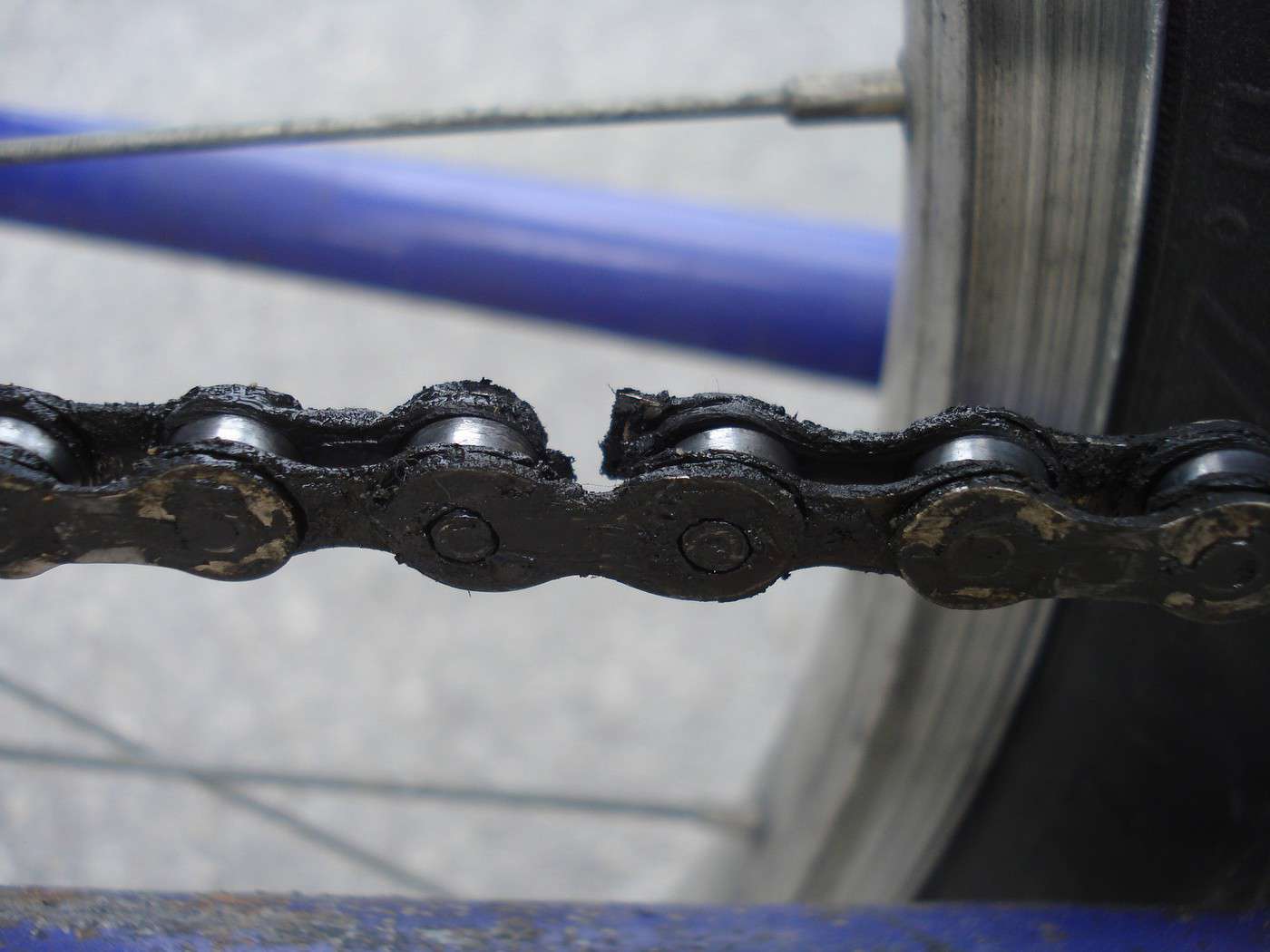
FA Facteur4 Regular ·
Day 1 – 26/05/11

Hello friends, here I am again on my favorite Greenway. You’re probably thinking: "Here he goes again, see page 3 30/05/10." Yet it’s the same scenario: a north-westerly wind as I head toward Agen train station, following the lateral canal of the Garonne. But this time, I left a quarter of an hour earlier (forgetting my jacket, scarf, hat, and gloves, which might’ve come in handy).

I left Valence d’Agen at 6:45 AM. After 9 km, I left the Tarn-et-Garonne department for Lot-et-Garonne. Just 13 km in, my right knee reminded me I was riding into the wind and that my MTB was heavily loaded. The handlebar bag alone weighed 4 kg, carrying not just my phone, camera, and GPS, but also—for the first time—a 10-inch netbook (1.3 kg) plus its charger, which stupidly added another 300 g (we could do without its 16 A plug and bulky 220 V cable). Two VAUDE panniers (known for being waterproof) were also loaded to 4 kg each.

That’s 12 kg, plus the bike’s 17 kg and my water bottle, bringing the total to 30 kg—without even camping! Luckily, at 1.82 m, I only weigh 55 kg, making the total rolling weight (which might make some people laugh) 85 kg—still reasonable, all things considered.

I reached the station at 8:15 AM after 27 km, not a drop of rain despite the storms forecast for the Southwest. Having avoided the stress of missing the only daily Agen–Nantes train at 8:57 AM, I had time to grab a sandwich, drink, and dessert before facing the dreaded climb into the Corail carriage. Thanks to SNCF for equipping this Intercité with 3 bike-friendly wagons (only 2 hooks per carriage, though), despite the train’s short length.

It was the last carriage that stopped in front of me, and I chose to board it because of the small white bike logo on a blue background. Unfortunately, many passengers had the same idea, as it was parked right by the platform entrance. This infuriated the conductor, who had to delay the train’s departure. I squeezed through the crowd with my handlebar bag slung over my shoulder to load my two panniers. Then I went back down against the flow and waited for everyone to board before hoisting my bike through the narrow door and up the two large steps. Once the bottleneck cleared, the train started moving while I was still struggling to hang the front wheel—the hook’s opening was too narrow. I had to force it, lifting the MTB with all my strength. Thankfully, my panniers weren’t attached to the rack like on my first trips. I managed to hang it, but I think it’d be impossible with knobby tires.

Now I’m on the rails toward Brittany’s canals: http://www.canaux-bretons.net/pages/presentation.htm It was Francis I who, in 1539, authorized the canalization of the Vilaine, which crosses Rennes and meets the Ille there. Already used by the Saint-Sauveur Abbey of Redon in 830 as a commercial trade route, the Vilaine made Redon a river-maritime port. The works faced resistance from fishing weirs and mill dams. Locks with chambers and double gates didn’t exist yet. Boats that ventured through the single-gate maritime doors took great risks. But in 1542, the first wine-laden boat was welcomed with great fanfare in Rennes. The Vilaine is temperamental, and its destructive mood swings caused many entrepreneurs from Flanders and Italy to fail in succession. It wasn’t until 1575 that the first chamber locks appeared. In 1784, a massive project began on the Vilaine between Redon and Rennes, with a regiment of 800 men deployed. To escape poverty, just as many men volunteered, including salt workers used to digging canals. They were fed only grains, replaced by chestnut or acorn porridge during famine.

In 1804, work began on the Ille-et-Rance Canal, linking Rennes to Dinan, with navigation continuing along the Rance to Saint-Malo. River navigation between the English Channel and the Atlantic became operational in 1832.

Hence the origin of the riddle: Mr. and Mrs. *Sinmaloalanagesépadelatarte* have a son—Ferdinand. After that, I’d better take a nap. I used my eye mask and earplugs. So effective that I only noticed the conductor’s presence when I saw a small hole in my ticket, which I’d clipped to the seat tray’s closure. 20 € for 512 km—that’s a steal thanks to a PREM’S ticket. Especially compared to the 0.27 €/km final cost of my previous car. Even if the trip took nearly 6 hours due to a 20-minute stop in Bordeaux (to lengthen the train). It was during this interval that I heard the *toot-toot* of the horn attached to my frame as passengers boarded.

At 3 PM, I left Nantes station after restarting my GPS, which still struggled to locate me after a long (very long) stop. I managed to program it for Nort-sur-Erdre (30 km), where I’d booked a spot at the Vault gîte. Leaving Nantes was tough—I couldn’t always hear the GPS instructions due to traffic and because I’d given up looking at the screen in the bright sun (see page 1 09/06/08 for the pros and cons of my EVADEO). The route continued on a departmental road that briefly became off-limits to bicycles—something my GPS (in bike mode) didn’t know. Luckily, I treated myself to a gourmet break with a view of the Sucé-sur-Erdre marina. After 39 km and a detour to Intermarché (tabbouleh, gray shrimp, tomato, and 2 Norman tarts for breakfast), I arrived at an old converted mill with 8 bunk beds on the ground floor and 10 in the mezzanine, complete with restrooms, a kitchen, and a bike garage. For 8.45 € a night, the welcome was friendly, the comfort sufficient, and the equipment very complete. Only a public service could offer such a great value for money. I’ll keep fond memories of my first night in a *gîte d’étape*, especially since I was the only one sleeping upstairs, with just two people on the ground floor (luckily, because the metal beds creaked and there was already a snorer).
Facteur4 : Objectif pour 2050 de diviser par 4 l'émission de gaz à effet de serre.
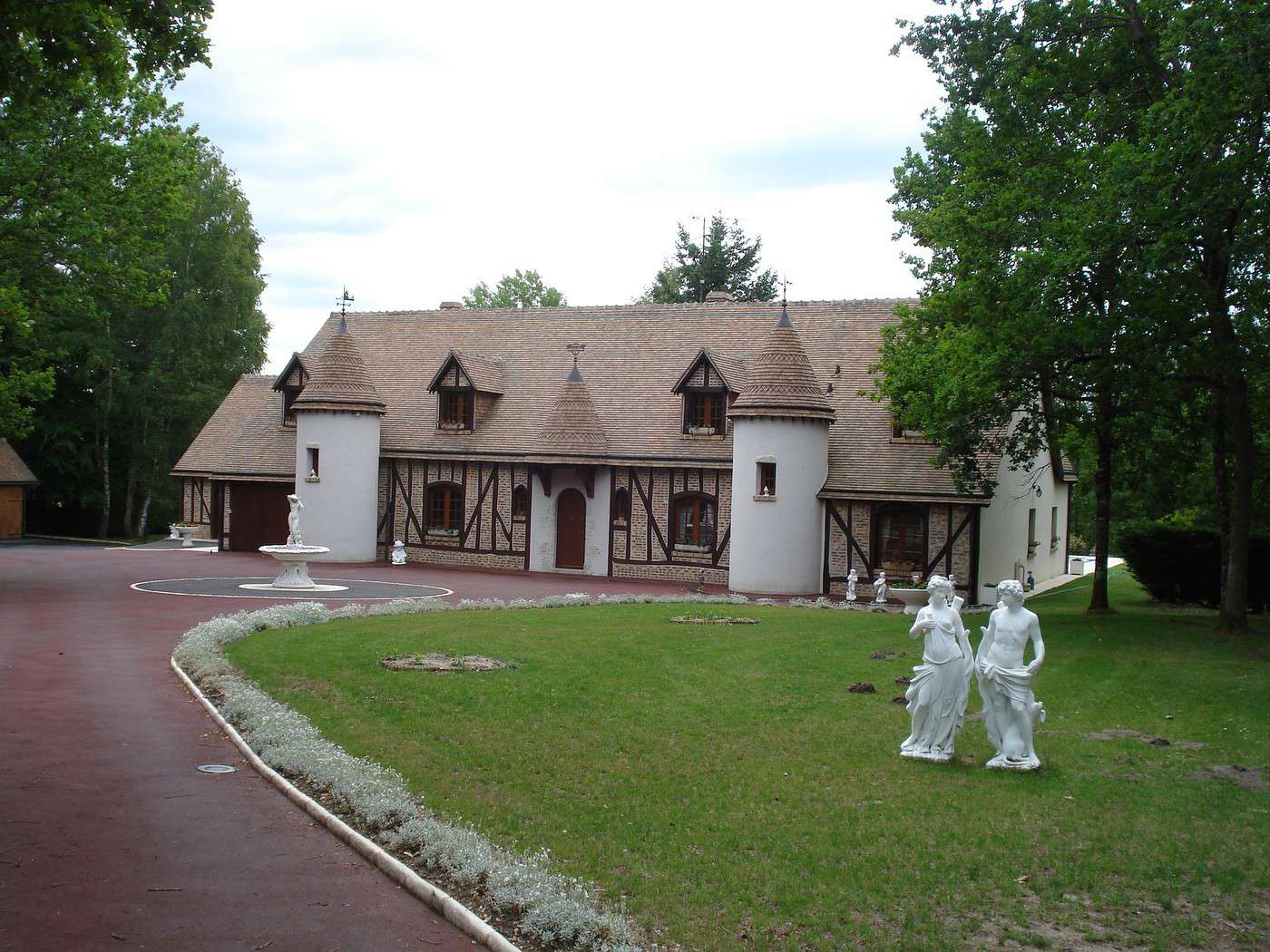
FA Facteur4 Regular ·
Day 2, Friday 27/05/11: Vault 7:30 AM – Redon 3:30 PM, 76 km.

I wake up early to the sound of birdsong. Not that they sing louder at dawn than the rest of the day, but the atmospheric turbulence is still very low, making the air more conducive to sound propagation. At 6:15 AM, after scraping off some leftovers from yesterday’s meal with my fingernail, I try to boil water for my tea in a saucepan on the electric stove. But the warped bottom heats the air more than the water. In the chilly early morning, it’s not a big deal. In summer, it’d be ridiculous. I prefer to place my headlamp and GPS at the bottom of a bag to lighten the load on the handlebars. I won’t need either. My goal is to follow the Nantes-Brest canal, and the superb guide I got from the Rennes tourist office will be more than enough: http://fr.calameo.com/...00001315a4af9c366225 Actually, the canal doesn’t start in Nantes, nor does it end in Brest. Boats first sail on the Erdre (which you can’t follow by bike—no towpath ever existed, and a towing service was set up as early as the late 19th century). The canal only begins at Quiheix. To get there, I have to cross Nort-sur-Erdre again. You might’ve noticed I took a first photo of the canal yesterday. I couldn’t resist the temptation while passing over it on the road to the guesthouse.

Quickly, I come across a stop sign with no direction indicated. I take a chance and go left, but after 3 km without any signs, I start missing my EVADEO. I catch up with a young man on a bike who’s just turned onto the road. Before he starts his phone conversation, I ask if I’m on the way to Nort. He confirms it, and we soon enter the town. It’s 10°C, and he’s in a T-shirt. Maybe that’s what normally constituted people wear, but having forgotten my jacket, I’m layered in three synthetic long-sleeve tops, including a turtleneck I’m glad I brought since I forgot my scarf. One thing still surprises me: why don’t people dress warmer in summer when, at the same temperature, they would in winter? Of course, I know why—they’re waiting for it to warm up during the day. For me, when it’s cold, I bundle up, and vice versa. Others crank the AC to max in summer while blasting the heat in winter. It’s beyond me!

After biking 7 km toward Blain, I reach Lock No. 4 of the Nantes-Brest canal. Indeed, Lock No. 1, St. Félix, is in Nantes, on the Erdre. The towpath is sandy yellow with small gravel. It’s pleasant to ride, and the route is marked with nice wooden posts. There’s even a sign to switch banks. But after passing a few fishermen and only one cyclist, I find the surface less smooth and am surprised the canal has a drivable path on both sides. Of course, the grass is always greener on the other side—I get the impression the opposite bank is better. Thanks to the signs, I learn that one side is reserved for cyclists and pedestrians, the other for horses. The landscape really evokes the countryside, with lots of greenery and cows. After 22 km, the steeple of La Chevillais village catches my eye with its steep slate roofs, like those of the houses. The stone walls remind me that the Armorican Massif is nearby. At the foot of the church, I find, of course, the bar and bakery. I savor two croissants and a *large* hot chocolate, the only customer on the terrace. Farther on, I stop to photograph a stone spillway for draining excess water. A Dutchman arrives, and we exchange a few words in English. He’s heading to Roscoff to catch a boat to Ireland, doing 140 km a day. He rides off at about 20 km/h, while 18 km/h is enough for me on this stretch. He’s relatively bundled up, which reassures me. It’s not until 11 AM that I shed one of my three layers because a headwind has started blowing, canceling out the warming air.

After spotting my first grey heron and first crêperie (too early to try it—or two croissants too late), I stop in Guenrouet.

The buckwheat galette with Guéméné andouille is made too acidic for my taste by the mustard and crème fraîche. Even as a kid, I loved andouille, and I remember ordering it with my parents at a restaurant in Boos (Rouen airfield). When the waitress brought the plate and asked, *‘The andouille?’* I said, *‘That’s me!’* Not just my tastes haven’t changed.

I call a group guesthouse near Redon, using the number from the canal guide. The man tells me he won’t host me alone—it would disrupt his setup for the group arriving Saturday. Far from public service, I’m not profitable. He teaches me that it’s *Guenrouet*, not *Guenroué*, while yesterday, when I asked for the road to Vault, they said *Vau*. Go figure! I reach Redon against a strengthening wind but still with the sun. In front of a city map, I can’t locate myself because the town is at the crossroads of the canal and the Vilaine River. Two teenagers can’t figure it out either. The *‘You are here’* marker is nowhere to be found (as usual). The girl adds that, on top of that, she’s a girl. That motivates the boy, who manages to point me toward the city center. The tourist office tells me there are only three hotels nearby. At my request, they give me a brochure for the Inland Waterways Museum without mentioning it’s only open on weekends this season.

I choose the Hôtel de France, which, for 39 € + (6 € breakfast), offers a pleasant welcome, a cellar for my bike, Wi-Fi, comfort, and cleanliness. http://www.hotellefrance.com/index.htm The pedestrian street lets me stop at a pastry shop/tea room. Later, I buy a slice of fisherman’s terrine and some piémontaise. Redon still bears the marks of its river past. A tidal basin was built to accommodate many boats sheltered from the tides. Unfortunately, it was quickly oversized with the advent of the railway. The old buildings bear witness, like the salt granaries sometimes threatened when the Vilaine River was too *vilaine* (nasty). The town’s name comes from a young girl of modest condition who, desperate not to win the favors of a young lord, gave birth to it through her tears. I’m surprised by the number of young people in the streets and café terraces and ask if there’s a university. I’m told it’s only due to the Catholic high school at the Abbey of St. Sauveur. Having lost its economic aura, it retains the intellectual one—I doubt the religious one. I once knew someone who, after an accident, had his nose redone at Redon Hospital. He developed an allergic reaction to the feathers coming out of his nose.
Facteur4 : Objectif pour 2050 de diviser par 4 l'émission de gaz à effet de serre.
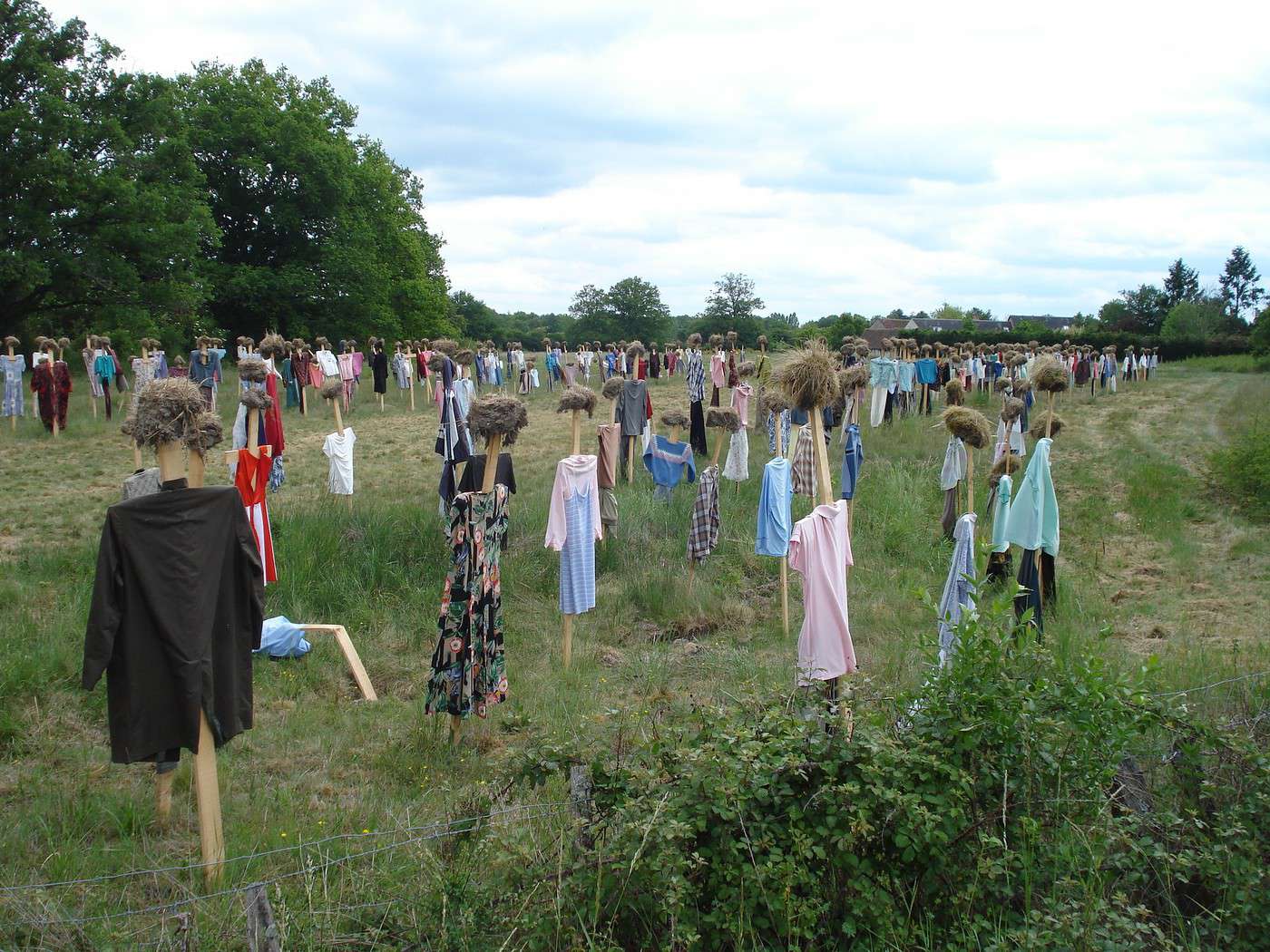
FA Facteur4 Regular ·
It was in 1804 that the project to create a navigation route from Nantes to Brest was launched. The goal was to connect four river basins (Loire, Vilaine, Blavet, Aulne) and link eight rivers (Erdre, Isac, Oust, Blavet, Kergoat, Doré, Hyères, and Aulne) via three water-divide points—a real challenge for the time. Despite the difficulties, the project was completed. Spanish war prisoners and deserters from the Brest penal colony, along with the local impoverished population, were put to work on it. Many paid a heavy price. But in 1842, the 360 km waterway, complete with its 236 locks, was opened to navigation. The Nantes-Brest Canal flows in every direction. It’s like a water staircase you climb, descend, climb again, and descend once more, with as many steps as there are locks and reaches.

Day 3 – Saturday, 28th: Redon 9 AM to Josselin 3:30 PM – 68 km

No offense to the Bretons who’d claim Nantes and Mont Saint-Michel, but when I set my wheels in Redon, I’d only just entered Brittany—and only for a few kilometers in Ille-et-Vilaine before crossing into Morbihan. A change in region means a change in road surface: the ochre turns gray, and the signage shifts. A little white bike on a green background now reads *Canal Vilaine* in my direction, and the opposite way for the return. That doesn’t reassure me at all. In fact, it makes me think I might be heading the wrong way (I’ve made that mistake before, like when I took the Briare Canal toward Montargis instead of coming from the Orléans Canal—see page 3, 13/07/10). I pull out my keychain whistle-thermometer-compass from Québec, which confirms I’m indeed heading north. I already miss the beautiful wooden posts of Loire-Atlantique. Then the towpath disappears, forcing me onto the road for a bit. Back on the path, a sign showing the tangled waterways—a testament to the Herculean labor of the time—doesn’t inspire confidence. The Oust and Aff rivers connect to the canal. Soon after, I find myself in a field that dead-ends (on the wrong bank). Forced to turn around and backtrack 3 km to the bridge. On the other side, I meet fishermen, one of whom is on a bike almost as loaded as mine, with all his gear. A regular has rigged a handcart with a trailer hitch head to drive his car to the canal, then roll his equipment along the towpath. http://www.google.fr/...sp=14&ved=1t:429 A jogger passing by tells me, “Wrong side.” I don’t go unnoticed with my orange flag. Facing the kilometers of rock carved by convicts, Alain’s song (under his pile of curls) comes to mind: *“So many days, days, days of hardship…”* It matches the rhythm of my pedaling. The wind is still moderate but unfavorable. If I hadn’t been so foolish, I’d have ridden in the opposite direction. It’s obvious you should follow the canal from Brest to Nantes—the prevailing winds are northwesterly. To have the wind at my back, I could’ve taken a connection from Nantes to Lorient. Then I’d have been in *“Panic for the Lorient Express.”* The lockkeepers compete in beautifying their little domains. I pass my first boat. The ground has been recently scraped to level it. I ride past an assortment of materials used to stabilize it. A thick layer of gravel slows me down. After 42 km, I reach Malestroit at 12:30 PM. A typical village where I lunch on snail pasta. Then a change of bank brings me onto the EV1. The EuroVelo Route No. 1 http://www.departements-cyclables.org/...2ea392855cd5eb4c2f88 The surface improves. Don’t confuse it with the EV1 electric cars designed and scrapped by General Motors after a three-year lease because they were too successful with users: http://fr.wikipedia.org/wiki/General_Motors_EV1 I use my horn to warn walkers, who hate being surprised by a bike coming up behind them. But getting the *pouêt-pouêt* just right isn’t easy. You have to anticipate so as not to disturb the walker’s reverie with too loud a sound, while accounting for the wind, which can muffle it. The result? I squeeze the bulb too hard, it falls to the ground, and I have to loosen the clamp holding the horn to the stem. Given its conical shape, the tighter I fasten it, the more the bulb gets pushed toward the end. 67.62 – 45.53 = 25.09 km. That confirms my new odometer after the sign for Josselin (25 km) welcomes me with its charming château. (I had to replace it after breaking the old one by forcing in a slightly too-thick battery instead of buying a new one and leaving this one unused—against my principles.) Josselin is so popular that, of course, the *gîte d’étape* is full. I’d heard as much by phone but still knocked on the door—only to close it quickly when I saw a young girl asleep on the couch. At the tourist office, I learn the hotel is also full and have to settle for a *chambre d’hôtes*. After choosing based on price and Wi-Fi, and confirming availability by phone, I hand the brochure back to the employee, asking her to just note the details on the map she gives me. She’s touched by the gesture, used to seeing people take brochures only to abandon them. I offer to drop off the map and city guide when I leave. (For those who think I’m doing it for her pretty eyes, I’ll remind you I did the same thing spontaneously in Agde.) http://www.le14stmichel.com/ As often happens in large buildings—here, a *maison de maître*—hot water takes forever to arrive, so I do my laundry before showering. It’ll dry on the balcony with the wind and sun. The village is lovely, and the pretty Basilica of Notre-Dame du Roncier offers its spiral staircase to reach the bell tower. From up there, you get a view of the rooftops, the gargoyles, and the château as a whole. On the other bank, a neighborhood has been restored by the English. Why is it always foreigners who rediscover our heritage? At the supermarket, where I buy a pre-made salad since there’s no deli, I’m given a rose for Mother’s Day. I offer it to the hostess, explaining where it came from, and warn her that with Wi-Fi, you can directly access one of her Orange email addresses, which could cause problems.
Facteur4 : Objectif pour 2050 de diviser par 4 l'émission de gaz à effet de serre.
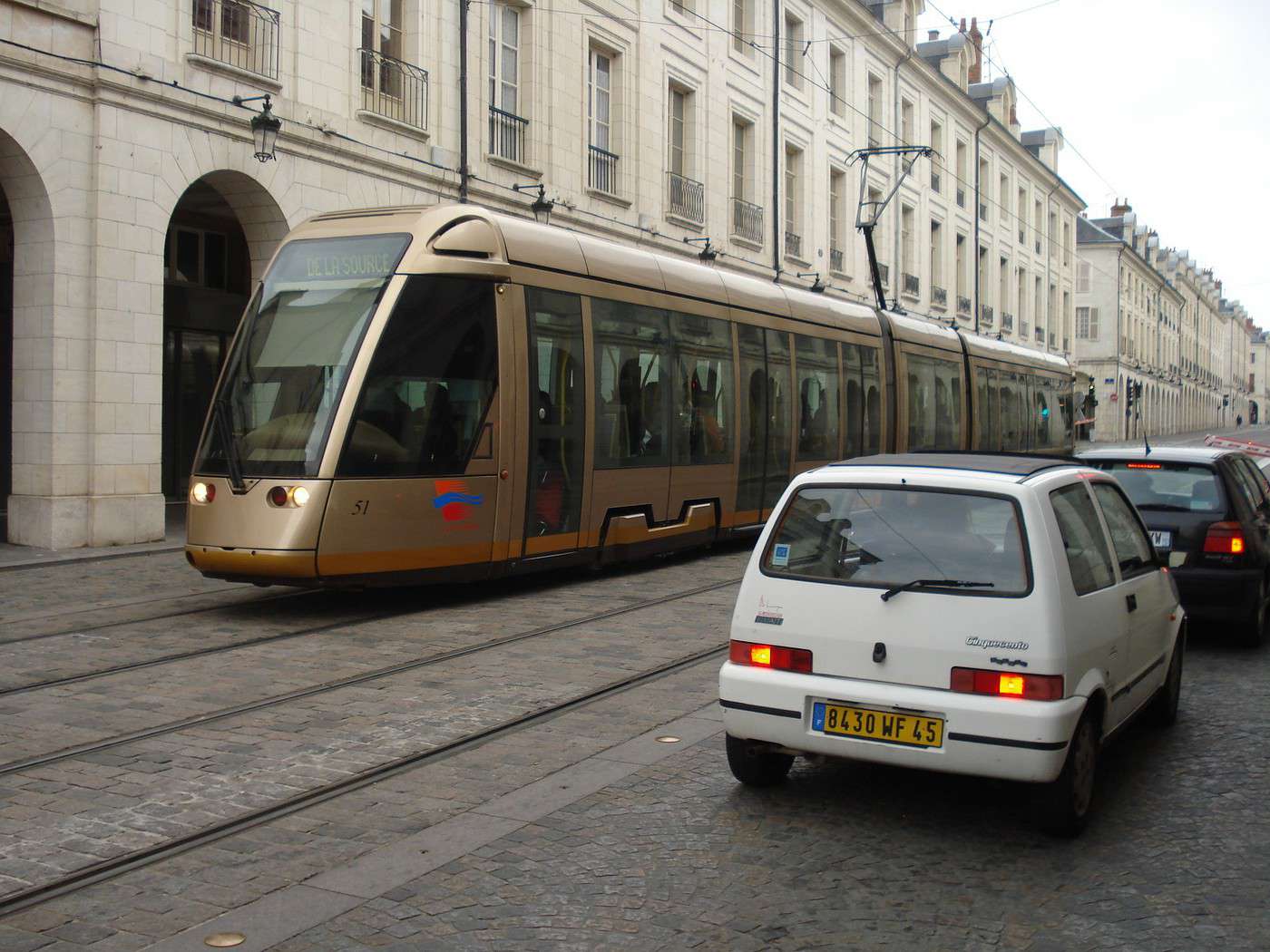
FA Facteur4 Regular ·
Day 4 Sunday 25/05/11 Josselin 9:30 AM Pontivy 3:30 PM 56 km Since the towpath is paved, I wipe the sand off the chainrings and chain with paper napkins saved from meals and add a few drops of oil. Before leaving this charming village, a flowerbed invites me to take one last photo of the castle. It’s overcast and the wind is chilly. The fleece gloves worn by an elderly man I pass on his bike remind me of the ones I forgot. They aren’t essential, but wearing them for a few hours in the morning would’ve saved my hands. The leaned-forward position of a mountain biker puts pressure on the wrists and hands, which adds to the shocks from uneven paths all day. That’s one reason my wife doesn’t use her MTB (same as mine, but feminine) and prefers our daughter’s hybrid bike (when she’s not using it in Toulouse). In 25 km, I reach Rohan by 11:30 AM. A small market catches my eye, especially a roasted half-chicken. But it’s reserved. The vendor offers to carve the young chicken I buy and invites me to use the only table on the nearby bar’s terrace. I think I’ll be pressured to order something. Despite the modest temperature, I’ll give in to a draft beer. No one seems to be serving outside. Some young people, still recovering from their night out, are setting up tables themselves. Their order finally arrives with a crash of glass on the floor. I end up fetching my beer at the bar and drink it with two English guys who join me at my little table. Michka the clown arrives on his trike to announce the bread festival in the next village. Along the way, he says he’s going to Rouen (Rohan) with his tricycle. I tell him I was actually born there and tackle a good kilometer-long hill to take him up on his invitation. I arrive just in time for the bread unloading. The loaves with the Breton symbol of the white ermine look tempting but are too bulky.

On the way back to the canal, I hit 44 km/h. The lock ladders (series of closely spaced locks) also indicate a bit of elevation on the towpath. The lock-keeper’s houses are abandoned, and I operate the lock myself just long enough to take a self-timer photo (an amazing digital camera you can trigger without counting. Something I couldn’t stand with expensive film—costly both financially and chemically. However, my son’s camera doesn’t work with rechargeable batteries because they only provide 1.2 V, while regular batteries are 1.5 V. Fortunately, I discovered lithium batteries in Canada that last six times longer and are lighter. I hesitated a long time about taking my wife’s mini camera, but like all SONYs, it has a proprietary memory card and a unique connector, requiring you to carry the video cable with the USB output. So, with its charger, it weighs 375 g—exactly like the CANON with its two batteries. But since the latter has a standard USB cable, it lets me charge my GPS from the computer, avoiding the need to bring its charger).

Between Rohan and Pontivy, no fewer than 54 locks follow one another over a distance of 20 km. Here, the Hilvern watershed (water divide) connects the Oust and Blavet valleys to the Roz ponds. A few dozen meters separate the locks. This alignment of cascades (weirs) offers a stunning spectacle.

A homemade wooden directional sign for the "Maison de l’Environnement" 2 km away encourages me to leave the canal. Finding myself both uphill and sheltered from the wind among the trees, I take off my jacket to climb the gravel path. I continue until I cut across a road marked "usine" (factory). I keep going for 2.5 km toward a nature reserve, but there’s no Maison de l’Environnement. Just the characteristic smell of a waste sorting center. Turning back, I ask a couple in a camper van who also saw the sign but not the house. Another person tells me it *is* there. I spot an exhibition building and its poor prehistoric animal. It endorses SUEZ’s commitment to Sustainable Development. I’m at the Gueltas recycling center, which, of course, is closed on Sundays. Sure, why not let a company profit from our waste—we produce so much of it! Me first, with my addiction to new technology. But that it passes for environmental protection? Don’t be fooled. "Green is green," as the Americans say (translation: ecology is dollars). Translating the translation: sustainable development is just business. This oxymoron combining two incompatible words is the scam of the century. I really got worked up following that rustic, "sustainable" sign (I’ll remember it for a long time).

My company also uses this mask (to grow better) by being a Sustainable Development sponsor for the London 2012 Olympics. To make it look good, they organized sports meet-ups for employees. Me, who hates competition, I signed up for table tennis. As Pierre said, the important thing is to participate—and that’s my "favorite sport." For Coluche, "sportif" was an insult. He mocked Jacques Secrétin (23 French championship titles; in 1976, he was voted the best French ping-pong player of the century) by saying his friends called him "the sausage." Well, during these meet-ups at the CREPS in Toulouse, with a garden party lunch under the beautiful park’s trees, Sustainable Development didn’t even provide recycling bins. Like most events, don’t do collectively what you’re asked to do at home.

My other "favorite sport"—boules courts line the canal, but signs ban playing there. I ask a couple of cyclists and learn they’re reserved for Breton boules. Once made of boxwood, they’re now synthetic (thanks, Sustainable Development). So no plombing or carreaux here.

At the junction of the Blavet and the Nantes-Brest canal, I discover the Île des Récollets. The former convent garden houses a playground and picnic tables. Next to the old mill is the youth hostel: http://www.hihostels.com/dba/hostel020138.fr.htm

“The rooms are available,” the answering machine message said, and while waiting for reception to open, I lock my bike out front. Since I don’t want to explore Pontivy loaded like a mule, I lighten my handbag into the panniers, leaving a pair of socks visible on top. On this Sunday, the city—formerly called Napoléonville due to the work ordered by Napoleon—is very quiet, and the castle visit is dull because some exhibition rooms are closed for renovations. The immense Place de l’Empereur is deserted. He chose Pontivy as a river communication hub to bypass the seas then dominated by the English fleet. A monument commemorates the 1794 union of Brittany and Anjou. The youth hostel staff is very friendly. They give me a two-bed room. I also have to buy a 15 € membership card, but I don’t mind supporting such an organization.
Facteur4 : Objectif pour 2050 de diviser par 4 l'émission de gaz à effet de serre.
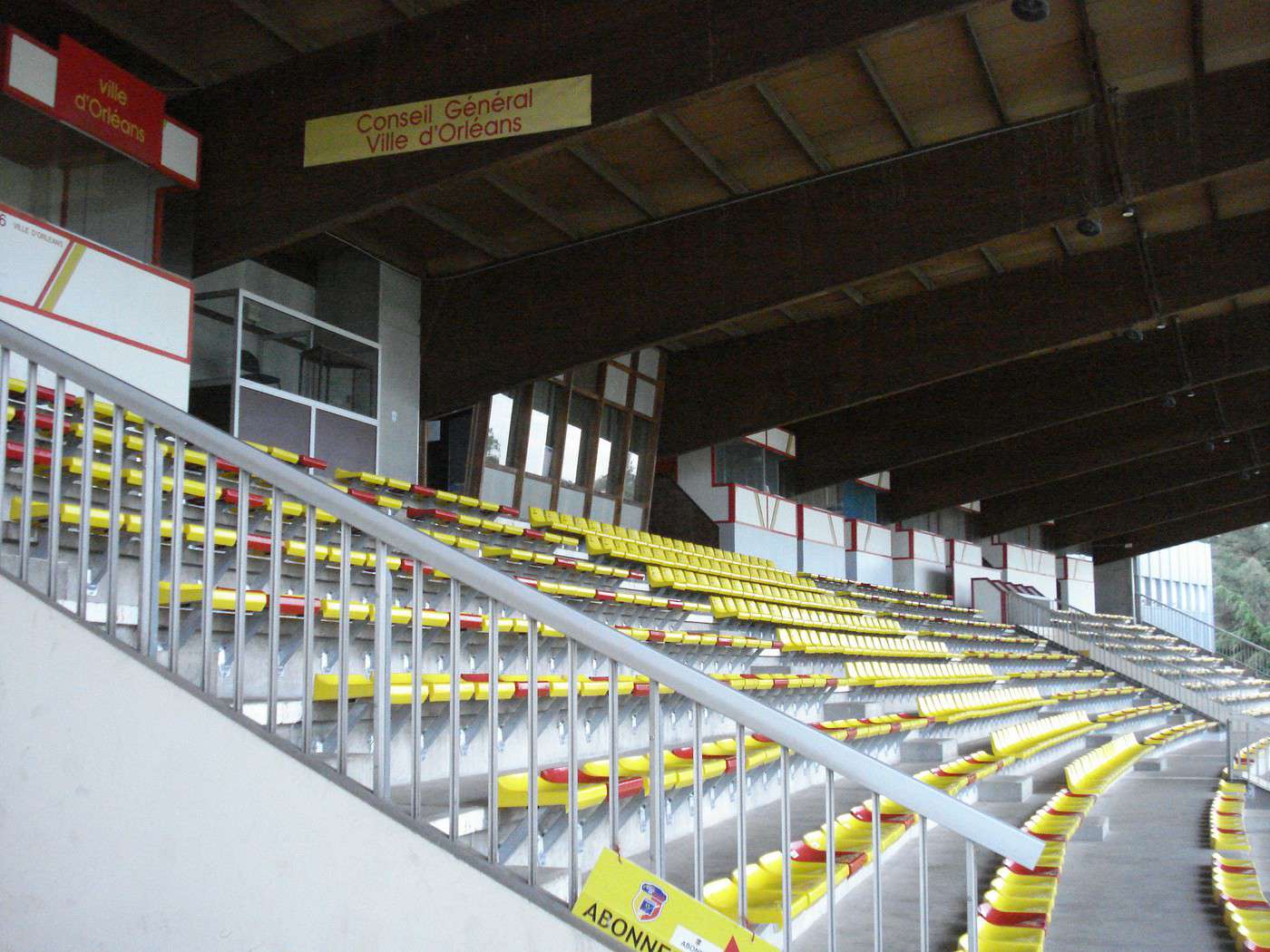
FA Facteur4 Regular ·
Day 5 Monday 30/05/11 Pontivy 9:00 AM - Inzinzac-Lochrist 4:30 PM 62 km

Tired of having the wind in my face (and irritated from constantly blowing my nose with cotton tissues), I give up on continuing to Brest, saving that goal for retirement. After 265 km, I turn off toward Lorient—or rather, I keep going straight along the Blavet Canal. That’s the one to Brest that bends past the windows of the youth hostel.

The towpath is less smooth, with a few ruts. The first jolt from the plane tree roots reminds me of the Canal du Midi (see page 1, 09/07). Aside from lockkeepers and fishermen, I only pass one jogger and a woman walking her dog. I manage to time my bell right. It takes 30 km before I come across two couples of cycle tourists. The locks are much less flowery. Yet, there are activities for tourists, like canoeing and kayaking, taking advantage of the current created by the drop from several small dams attached to the locks and operated by EDF. At Pont-Augan, a sightseeing boat is loaded with retirees. A hiker with his dog watches the maneuver. I wouldn’t want to carry such a heavy backpack all day. The lockkeeper confirms she works year-round, maintaining the canal. She advises me to switch banks right away to go to Poul-Fétan: http://sagemorw.alias.domicile.fr/poulfetan/index.php3

She kindly tells me about a nearby workers’ restaurant. As I enjoy the contents of my scallop shell, the conversations bring me back down from my little eco-cloud. Since there are only men at the bar and in the dining room, the removal of speed camera alerts is a hot topic. With the andouillette, fries, peas, and carrots—served piping hot—it’s all about soccer, kids’ training, and parents’ attitudes. Then it’s back to fines for overdue vehicle inspections, weekend cannabis detected on Monday leading to point deductions, or speeding. All of which can result in job loss without unemployment benefits due to license suspension. I quickly swallow the two pieces of cheese wrapped in a paper napkin. They’ll go well with the bread offered by the hostel (the young people there for restaurant exams in Pontivy hadn’t eaten any).

As always, when leaving the canal, the roads go uphill, and it’s time to use the big gears (on the 7-speed cassette, I always wear out the 4th and 5th). Around lunchtime, there’s a bit of traffic, and a car overtakes me just as another is coming the other way. If everyone cooperates, it works, but it’s not as nice as the canal! I didn’t check the odometer, but it’s nearly 10 km to reach the reconstructed village. When paying for entry, the cashier confirms there’s no other road except the hiking trail and the footbridge to get back to the towpath. The footbridge turns at a right angle, as the lockkeeper warned me, which isn’t easy with a bike. I tell her I could take off my panniers but don’t really enjoy the visit. I’m too preoccupied with the route and the worsening weather. Even the activity schedules aren’t being followed—maybe because of a group of schoolchildren.

At the exit, I program my GPS for Inzinzac-Lochrist, where there’s a hiking lodge listed in my guide. I called and left a message on the answering machine. As soon as I leave the dead-end, the screen shows no road. The only directions are north and the destination. I’m in front of the path and try to venture in with 85 kg on two wheels. Quickly, the path slopes, and I descend slowly on the dirt, dead leaves, and stones. I’m relieved it hasn’t rained in a while when a water flow forces me to step into the mud. As usual, this little stream cuts across the trail, which winds along the hillside, and I end up with both feet wet, unable to stay on the pedals to cross the flow. Further on, a tree trunk blocks my way. Luckily, I’d heard the sound of a 2-stroke engine and thought of chainsaws. The crew is on break, and I ask them if they plan to remove the obstacle. They say they’ll mention it to the town hall. I ask for their help lifting my bike over the trunk and realize, seeing their brush cutters (like Rotofil), that they can’t tackle the tree.

As it starts to rain, I decide to continue on the road on the opposite bank from the towpath. I won’t attempt the footbridge or see the beach. As soon as I hit the pavement, the GPS finds the route. I then ask a group of elderly people chatting after a forest walk. The rates are posted, but there’s no one at the lodge. http://be-at-home.fr/

However, the gate isn’t locked, and I enter the courtyard. The reception office is empty. I dial the posted number, which is the same one I already called in vain. I settle at a table on the terrace and can access the internet with my 3G dongle. I could wait comfortably if my feet weren’t soaked. Which I really don’t like (what *don’t* I find unbearable?), and on top of that, it starts raining. I pack up my laptop and discover that the kitchen door, meant for guests, is open. I call again before transferring the day’s photos. Finally, I boil water, always having tea bags in my pannier. With each call, I specify I’m in front of the reception, then inside, giving my number—still no answer.

Finally, a car with Dutch plates parks in front of the barrier. Opening it, I say good evening, ladies, thinking they’re guests. But it’s the owner and her sister, whom she just picked up. She seems annoyed that I’m there and even more surprised that I waited 1.5 hours. I ask about the lack of response and the missing mobile number. With so much work managing a lodge that can host 30 people, she doesn’t want to be constantly bothered. She thought she wouldn’t have any guests and is surprised I didn’t book. I understand it’s absolutely necessary in July and August, but I can’t say where I’ll stop tomorrow. It depends on the weather, especially the wind direction, visits, and unexpected muddy patches.

She can still accommodate me after tidying up. The lodge was rented for a wedding this weekend. She adds that I could’ve showered. I didn’t dare without a response. After washing my socks and myself, and once her sister is settled, she shows me the main building where I can use the Wi-Fi and asks if I want to use the pool. I say not now, regretting that this offer—which I hadn’t dared dream of—didn’t come earlier. I ask if I can eat the leftover crêpes from the wedding with all the toppings. No problem, she doesn’t eat sweets. She entrusts me with the entire property, built on the site of an old farm. The whole place, modernized and expanded, is eco-friendly.

She only prepares breakfasts for groups, but when I wake up, I find an impressive selection of herbal teas. I put my tea bag in the bio-bucket because here, biodegradable waste is collected separately. Next time, I’ll book to make sure I don’t miss anything.
Facteur4 : Objectif pour 2050 de diviser par 4 l'émission de gaz à effet de serre.
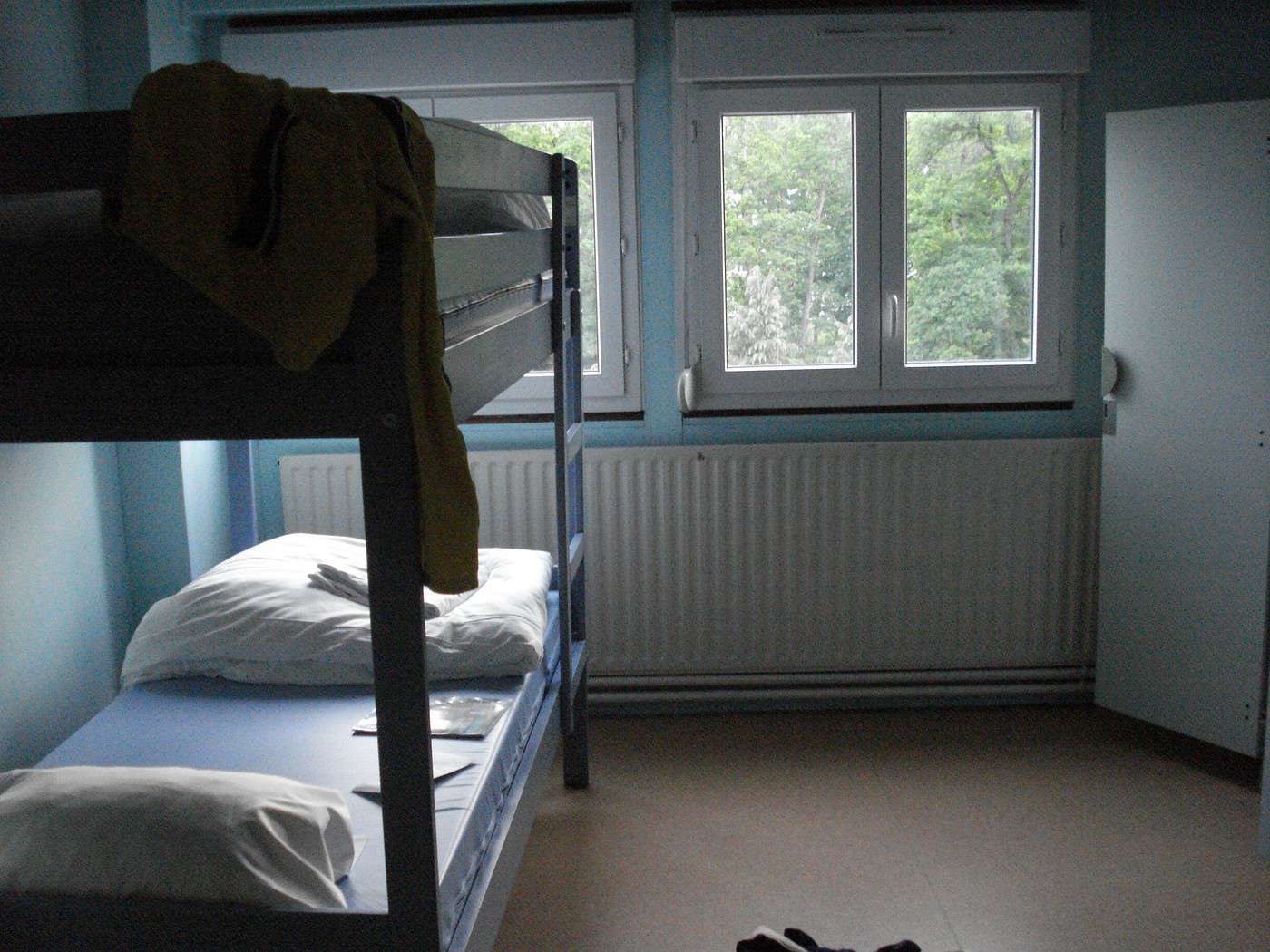
FA Facteur4 Regular ·
Day 6, Tuesday 31/05/11 – Inzinzac-Lochrist 9:15 AM to St Pierre-Quiberon 6:00 PM, 84 km

Before leaving the village, I drop off at the post office the envelope I had stamped to return a book carefully wrapped in bubble wrap. A superb work by Kader Benferhat: *La Bretagne des canaux* (West-France editions), which a colleague’s wife lent me. As a child, she used to swim in the Ille-et-Rance canal. I add the canal guide. I won’t need it anymore. My goal now is to follow the Atlantic coast to get back home. I lighten my load by nearly 1 kg of unnecessary weight. Ideally, I’d like to shed about that much every 300 km. I could send my dirty laundry to my wife—she’d be thrilled. Just kidding. Today, my love, on our 25th wedding anniversary, it’s tenderness I’d like to send you. I hope you’ll see the big heart I drew on the free newspaper I picked up on the train to use as extra padding, where I crossed out *Métro Boulot* to leave only *Cadeau*. Either way, my wish might come true if I lose some weight (yes, it’s possible!).

I reach the old forges of Hennebont. Founded in 1860 for the production of black, white, and printed iron for Breton canneries, they expanded in the early 20th century but couldn’t compete with the large industrial sites in the North and East (which would later struggle themselves). The closure decree came in 1966. At this early hour, I’m the only one visiting the ecomuseum. What’s the point of my hard work If Petit Navire white tuna Is canned in China. Do we really want everything to capsize? Yet we must take action If we want to save the bluefin tuna. The Earth will never run smoothly As long as man is at the helm. I then head in search of the boat graveyard of Kerhervy but get blocked several times by the Lorient business park and have to ask for directions. I decide to picnic there, saying goodbye to the Blavet River as it flows toward the ocean. I’ll end my pleasant journey along the Breton canals in Lorient, where so many sailors and captains set off into the unknown, making my adventures seem small. Bad luck—I arrive at 1 PM, and the tourist office is closed. Though it has a large glass facade, no city map is displayed—just information about the surrounding area. So I wander around Lorient for a while, looking for an old fortified town I’d imagined. I pass by navy buildings, step into a few courtyards, and when a squall hits, I decide to leave, having completely missed my visit. All I saw was the floating basin, like so many others, and the *Thalassa*. In Lorient, kenavo Since I’m leaving soon I’ll have the wind at my back Goodbye to all its sailors But I’ll be back soon To admire Brittany by bike Following all its canals I arrive in Port-Louis just before a ferry I assume would’ve made for a pleasant crossing. Missed again! I write a postcard to my colleagues, telling them that after 300 km of warm-up, I’m tackling the 1,000 km (along the coast) of the return trip, worried I won’t make it back in time to join them at work. Then I head toward Plouharnel to enjoy the Youth Hostel: http://www.fuaj.org/Plouharnel Thinking I’ve arrived, I stop by the tourist office to say hello. There, I learn the youth hostel is 7 km away, and a greenway leads to it—one I could’ve taken earlier. The director is very eco-friendly, and with my key, I’m given a trash bag and recycling instructions to slip into the bed pocket and return upon departure. In the two-bed room, there’s already a pair of pajamas and a towel in the bathroom. I think it’s a mistake and go back to the front desk. No! Yet the center is far from full. Not knowing who I’ll be sharing the room with, I take my laptop to go have dinner at *Le Petit Marinier* nearby. I can get a meal negotiated by the hostel, whose restaurant is closed tonight. But it’s charcuterie and meat—a bummer! I opt for mussels *marinière*, beer, and finish the evening with an herbal tea and Wi-Fi, happy I was forced to bring my laptop. I share the room with a man who admits to snoring and has already been unable to sleep because of a loud snorer in a neighboring room. I tell him my wife sometimes snores, but it doesn’t bother me because I think kindly that she’s very tired and needs deep sleep. I can’t imagine feeling the same about a stranger. Luckily, he uses a very effective anti-snoring spray. We have breakfast together over a friendly chat. Here, the milk is organic, and there’s no individual packaging—you’re invited to squeeze your own orange, and leftover bread goes to the director’s chickens. My bike didn’t sleep alone either. It shared its space with an electric-assist bicycle. At the Pontivy youth hostel, a woman told me she uses one effectively for all her trips in Rennes.
Facteur4 : Objectif pour 2050 de diviser par 4 l'émission de gaz à effet de serre.
FA Facteur4 Regular ·
J7 Wednesday 01/06/11 9:00 AM Auray (moving north in latitude) 3:00 PM 59 km

I want to take advantage of the peninsula’s location to visit the Pointe de Quiberon. The greenway ends at the Youth Hostel, but there are bike paths I take heading south. Actually, there are tons of them, probably used by summer visitors, but with no signs. Choosing at random, I end up in the dead end of a vegetable garden and can’t manage to follow the coastline, even though it’s so close. I eventually go back to the road to return to my starting point. I’ve ridden 20 km when I find myself back at the hostel where I could’ve left my panniers, without having seen anything picturesque except for a swallow and the souvenir shop where I buy a gift for my wife (I can’t reveal what it is here to keep it a surprise, but I promise it’s very light).

Since the V5 La Littorale isn’t described on the AF3V website (French Association for the Development of Greenways and Cycle Routes, of which I’m a benefactor member): http://www.af3v.org/index.php I take the time to describe and photograph it: Departure from Étel with the option, from June 1st to September 30th, to take the ferry from Plouhinec. A 15 km route between the Étel River and Penthièvre, part of Saint-Pierre-Quiberon. This temporary endpoint (waiting to reach the tip) drops you off at the youth hostel in Plouharnel, though it’s actually 7 km away. Not knowing about this greenway before visiting the Plouharnel tourist office, I can only describe the southern half. Its main role is to run parallel to the D786, the unavoidable axis of the Quiberon peninsula and thus very busy. It’s well isolated from the road, even though it touches it at points where they had to create a refuge for a car that might stop. It also offers a few detours inland and sometimes under trees. The surface, made of macadam squares, is good, but the expansion joints created can lead to cracking, some of which have already been patched. The section between Plouharnel and Erdeven isn’t paved. It’s dirt and small gravel, which might only deter road bikes. And to pass this information on to Julien Savary, the tireless manager of the site.

You might think that on a bike, you can stop anywhere, anytime. In reality, for the MTB to stay on its kickstand, you have to turn the handlebars to the right if there’s a slight inward slope and to the left if it’s outward. If the slope is steeper, don’t even try. It’s better to choose a post or a tree, as long as it’s thick enough. Otherwise, the bike will use it as a pivot and end up on the ground, pulled by gravity. Despite constant precautions, it takes its first fall of the trip without any damage. I’m especially careful because of the mirror at the end of the handlebars, which I’d now struggle to do without.

The greenway doesn’t pass through Plouharnel, so I have to backtrack a bit, and I arrive there at noon, only 7 km from my starting point (the hostel). I’m drawn to the unique position of a crêperie’s terrace, right in front of the house, where I have a salad for lunch. The owner confirms that this setup was done gradually, with a craftsman’s help at the end. He tells me that in the area, there isn’t a single mobile home left available for this weekend. But on this Wednesday, it feels far away, and I shouldn’t have any trouble finding a place to sleep in Vannes. It’s only when I pass through a village advertising a festival for Ascension Thursday that I realize it’s a long weekend. Biking through Breton landscapes, out of time, I’d lost track of this long weekend, which was obvious when I requested the time off. These long weekends create crowds and boost the economy. In my opinion, it’s a mistake to remove a public holiday to make France more productive. Contributing more to support the elderly is fine, but not if, at the same time, the 2007 TEPA law exempts overtime from charges. How can we favor people who work more when so many don’t have jobs? If such an idea had crossed my mind, I wouldn’t brag about it—I’d bury it deep. Even though I benefit from this law (I work one weekend a month), I find it unfair. Instead of getting paid for them, I choose to take back some of my overtime hours (earn less to live more). That’s what allows me to take trips on two wheels (soon three). Of course, it’s easy to say because my wife works, so we have enough income.

After finding the Carnac menhirs and stopping by La Trinité, I visit the La Trinitaine factory store. The stacks of cookie boxes are impressive, but I can’t buy any. I have a beer and a prune far at the bar. Then I head straight to the Auray tourist office, which is in an old chapel. Being slightly inland and arriving early lets me find a reasonably priced hotel, though it’s outside the center. This time, my laundry won’t dry. My room faces north, and even with the window open, the heat doesn’t come in. I end up turning on a little heat for the night, placing my few clothes nearby. Nuclear power plants have to keep running at night. With some factories closed, they need to lower the output, which strains the equipment and wears it out prematurely. Ideally, if all French people charged an electric car, there’d be no need to reduce the load at night. But in Brittany, there are no nuclear power plants. The Bretons didn’t want them. They’re right—after all, they’re sold electricity produced elsewhere. In France, many national roads have been renamed departmental roads and are now the responsibility of the general councils. In Brittany, they remain national roads. They didn’t want toll highways, so they got free expressways instead. Those Bretons are clever; we could learn a thing or two from them.

http://www.hotel-auray.fr/fr/

Not wanting to scramble for accommodation, thanks to the internet and my credit card, I book a hotel for Thursday of this long weekend, which could get busy. I choose Saint-Nazaire, a nearly unavoidable stop for crossing the Loire.
Facteur4 : Objectif pour 2050 de diviser par 4 l'émission de gaz à effet de serre.
FA Facteur4 Regular ·
J8 Thursday 02/06/11 Auray 8:00 AM – Saint-Nazaire 5:00 PM 108 km

The advantage of the hotel is that it serves breakfast from 7:00 AM and the buffet is overflowing with choices. The D781 is practically all mine. A young rabbit hops along before jumping into the ditch as I arrive. On the parallel N165, cars glide by. At this hour, I find them almost friendly since they’re far enough away—though by the end of the day, they’d drive me crazy. Three lines from ViaMichelin are enough to guide me. Luckily, I copied down "traverser Ploeren" because it makes me take a Lorient sign I would’ve struggled to follow without that detail. Then the D127 takes me to Vannes in 19 km as planned. All I have to do is follow a couple of cyclists who confirm they’re heading to the port.

As a colleague’s father used to say: "A worker earns his bread in the morning." For a cyclist, just remove the *c*. At 9:15 AM, I can enjoy the festivities of the Semaine du Golfe du Morbihan without the crowds: http://www.semainedugolfe.asso.fr/ Next to the old rigs, rowers struggle to synchronize as they try to exit the tidal basin. The swing bridge is closed until 11:00 AM to let the entire flotilla out. I can’t go see the bagpipes whose sound has been drawing me from the other shore.

Anyway, it’s time to fire up my GPS for the big stage. In bike mode, it guides me cleverly and via the shortest route, even taking me through a wooded path used by local cyclists and joggers. It leads me to the D104, where I put it on standby to save battery. I pass the MICHELIN depot where the Michelin Man offers air. A man offers help since the seal on his car’s valve connection didn’t hold (as often happens). He controls the pressure while I hold the connection on my rim. It’s the first time I’ve used a compressor to inflate a bike tire—usually a hand or foot pump is more than enough (even for inflating a car tire). But since I don’t have a pressure gauge, it lets me see that the pressure had dropped to nearly 2 bar, so we bring it back up to 3. Really, this day is starting off on the right foot. With this timely service (it’s much nicer to ride well-inflated on smooth pavement than on rough paths).

After filling up on air, I fill up on fluids at the local post office in Sulniac, which has a vending machine. However, just when I hoped I was done with headwinds, they’re back on the D104 heading east. An older cyclist on a road bike overtakes me, cursing the wind. In the opposite direction, a group zooms past. Plus, climbs and descents keep coming. The advantage is that when climbing, there’s no wind if it’s coming from the front. But it gets hot fast, and when descending, it gets cold. To make the most of the downhill, I lower myself by resting a thigh on the frame and sometimes even resting my chin on the handlebar bag. After 44 km, I walk a bit up a steep hill, and by 48 km, I arrive in Questembert at 12:00 PM. A quick calculation gives me 12 km/h, including the stop in Vannes. But this average might drop after lunch. Only two restaurants are open, plus a pétanque competition. Luckily, arriving early at 12:45 PM, I finish my Breton pizza (with andouille).

Heading toward La Roche-Bernard, a more favorable wind and rising temperatures let me pedal in shorts for the first time. A sign points to Branféré’s animal park and the Nicolas Hulot School. Our helicopter enthusiast chose to end his ties with TF1 to run in the presidential elections. If we’re going to make the French vote, we could have them pick the people who’ve polluted the planet the most. I think he’d rank pretty high, just like Yann Arthus-Bertrand.

Crossing the Vilaine, I take one last look at the waterway. My fascination with the Canal du Midi and bike trips led me to create this travel journal titled: "Why cycle (MTB) along the canal between two seas?" To my surprise, the Ille-et-Rance Canal and the Vilaine form a waterway with the same name: The Interdepartmental Institution for the Management of the Ille-et-Rance Canal took its current name in 1990: *Institution du Canal d’Ille et Rance Manche Océan Nord* (I.C.I.R.M.O.N). This Public Territorial Establishment is responsible for the maintenance, management, development, and tourism promotion of a remarkable heritage in Upper Brittany: the 140 km Rance-Ille-Vilaine navigable waterway. The Canal d’Ille-et-Rance, whose final project was approved in December 1803, was opened to navigation in 1837. Designed under the Ancien Régime, Brittany’s canals were largely built under the First Empire and completed under the July Monarchy. Their initial purpose was to ensure, during the Continental Blockade, the supply of the ports of Brest, Nantes, and the city of Rennes, as well as the ports of Redon, Saint-Malo, Hennebont, and Lorient. Later, the canals allowed Breton barge traffic to complement coastal shipping by transporting heavy materials in rural areas. Thus, Brittany’s canals formed a Manche-Océan link connecting the Rance to the maritime Vilaine. This stage is really long, and with the heat, the water in my insulated bottle—even though it’s supposed to keep drinks cold—no longer quenches my thirst. I bought it in preparation for my first group ride along the 540 km of the Lot in early July: http://www.zefal.com/...oduit.php?key=165001 At first, I thought it was leaking from the spout, then from the cap’s threading. Finally, I saw that water was stagnating in the double wall, where it gets in when you squeeze the bottle to drink. Since mold was developing and I had a bit of a stomachache, I stopped using it. I didn’t realize you could remove the inner container (it’s written online but not on the label) to clean it. When I did, I had to force it with a knife blade and ruined the aluminum shell. I emailed ZEFAL, who quickly replied and informed me they were working on welding the top of the two walls. Later, they offered me a prototype to test and, just before my departure for the Lot Valley, sent me an old model to replace my bottle and a new one to test. The bottle with the two welded shells worked well. At the bottom, it has two small holes to drain condensation between the two walls, which can no longer be separated. Kudos to ZEFAL for making their products in France, too. My GPS, choosing small roads, lets me enjoy the countryside, but I can’t find a bar to cool off. It even takes me down a rocky path. Luckily, it guides me onto the expressways around Saint-Nazaire. It’s tough to get on the ramp for La Baule, which is packed. Before it leads me to my hotel’s door, I stop at a café terrace. I never thought a simple mint water could feel so good.

http://chambre-hotel-soiree-etape.hotel-le-bretagne.com/
Facteur4 : Objectif pour 2050 de diviser par 4 l'émission de gaz à effet de serre.
FA Facteur4 Regular ·
J9 Friday 03/06/11 St Nazaire 8:45 AM Bourgneuf 3:00 PM 57 km + 15

Actually, it took me a while to wake up my GPS (I have to move around for it to locate me, and restart it because I accidentally turned it off by habitually pressing the button to reactivate the display while it was still in its one-minute startup phase), so I didn’t leave until 9:00 AM.

After 5 km through the city and, of course, the industrial zone, I see a white sign for St Brévin (the green ones are reserved for major roads), and I immediately spot the bridge. I could turn off the GPS then, but I prefer to leave it in standby so it reboots faster. Then begins a slow climb up the narrow bike lane. The wind is crosswise but moderate. Any awkwardness in my load becomes noticeable, and even more so on the descent with speed. I stop at the top to take 2 photos. My eyes aren’t wide enough to take in the vast estuary. I limit my descent speed to 30 km/h, especially since there are small bumps at the joints and traffic. On the ground, red or green lamps mark the traffic lanes.

I immediately turn right toward Mindi, a neighborhood in St Brévin that the GPS didn’t want as a destination. From there, I get a better view of the majestic structure. This is where the EuroVelo 6 route begins, connecting St Brévin-les-Pins to Constanta (Black Sea) over 3,800 km: http://www.eurovelo6.org/ I hope it’ll be ready by the time I retire. In the meantime, I’m a benefactor member of the association supporting the project. No big deal since 60% of this donation is tax-deductible. Every July, the Transeuropéenne organizes a ride on a section to encourage its completion: http://transeuropeenne.free.fr/index.html For next year, I’m tempted by Warsaw to Moscow, via the Baltic countries and St. Petersburg in June 2012.

With the hard part behind me, I look forward to a relaxed day with no time or distance constraints. Since my goal is to follow the Atlantic coast, I head southwest (using the sun’s position as a guide). This leads me through long residential streets, and it’s only in St Brévin Océan that I find the coast. I stop at a pharmacy to buy more sunscreen, which lets me generously apply some from the previous tube to protect my face and legs while sitting on a low wall by the beach. At the tourist office, the hostess gives me a brochure about the bike route while shooing away wasps.

The St Brévin–Bourgneuf bike route is just a series of small roads marked with green paint on the ground—sometimes faded or thick—and Vélocéan signs. You can only go wrong in 3 situations: - Going too fast to see either the arrows on the ground or the small Vélocéan signs. - Following a bike path that the route only uses briefly because it zigzags constantly. - Getting carried away down a gravel descent toward St Gildas. I didn’t miss the chance to do this, earning myself a hike back up under the already scorching sun. As a result, I don’t reach Pornic until 12:30 PM, just as many tourists arrive for lunch. I manage fine with my mussels, fries, and beer.

Heading toward La Bernerie, the bike route takes more detours through the countryside (reminding me of the Loire à Vélo—see page ¾), so I get the wind from different angles. Even though the forecast said it’d be from the north, it feels like it’s coming from the southeast. That’s why the temperature hits 29°C. On this route, it quickly becomes exhausting. I hummed a few notes from Laurent Voulzy’s song: “vélo, vélo, vélocéan” until I realized the scam. Over more than 30 km in over 2 hours, you only see the sea for a few minutes—and only if you stop. So when the bike route heads back inland and dives into a tunnel under the D13, I decide to take the D13 instead, which goes straight to Bourgneuf-en-Retz. I just have to check my mirror. When a car approaches, I move to the right onto the shoulder, which is less smooth but, given my slow speed due to the wind, it doesn’t shake me up too much.

My goal is to check at the tourist office for available beds. The hostess can’t help because it’s just an annex. However, she marks the 3 hotels on a map. When I ask about the rest of the bike route, she has to go to the storage room to get the brochure for nearby Vendée.

Even though we’re in Loire-Atlantique, this is the Breton marsh. “Brittany grows on you!”

I drop off my panniers at the family-run hotel La Bourrine and put on my swimsuit. The plan is to go back to the part of the bike route I skipped, which seems to follow the coast. I reach the port of Le Collet, but there’s only water upstream of the lock. Farther on, boats are lying on the bottom, and the *carrelets* (large square fishing nets) are suspended in the air. At the beach, the water might be 500 m out.

I’ll have to postpone my dream of coolness. This is a salt marsh and aquaculture zone. Bourgneuf gets its name from the fact that the town had to be rebuilt closer to the sea because the water no longer reached far enough inland via the *étier* (a narrow channel with seawater). The gulf, now called Bourgneuf, continues to silt up. Continuing toward Moutiers, I see a sign for Pornic via the coast. There you go—all the ocean views the bike route deprived me of. I’d advise against using it except on busy days. It’s worth noting that paths along the beach are off-limits to bikes to ensure peace for walkers. In Moutiers-en-Retz, the tide is high enough. The water isn’t clear, and you first step on pebbles, then seaweed, and finally mud. Even moving away from the shore, you can’t get water above your waist. But my efforts to move in these conditions are rewarded by the water temperature, warmed by the sun-exposed mud at low tide. So I swim in shallow, warm water. Back at Le Collet, the stilts of the *carrelet* fishing huts are already in the water, and the wind is still against me.

After a shower, I visit the Musée des Amis du Retz (you have to say *ré*). http://museepaysderetz.free.fr/HomePage.html In the hotel garden, I choose the eel for 15 €, and the owner suggests taking it in a menu for 18.50 € including dessert. That seems like a good deal, and it’s just as well if the portion is smaller. But I’m disappointed. It’s quite tough to cut, fairly firm, and doesn’t have much flavor. I make up for it with the chocolate crunch dessert. When I point out that she forgot to charge me for my tomato juice, the owner proudly tells me they kept the rooms cool because she suffered from the heat at noon. I reply that I find it too cold (it almost put me off going for a swim), but others will appreciate it. At 10:30 PM, I go out to better secure my bike to a roof drain in the courtyard. It’s so nice out that I could’ve slept outside if I hadn’t found accommodation, and I go back to freeze in my room, which I couldn’t warm up through the only window facing the street with constant traffic—and I couldn’t leave it open while I was out.
Facteur4 : Objectif pour 2050 de diviser par 4 l'émission de gaz à effet de serre.
FA Facteur4 Regular ·
Day 10 – Saturday 04/06/11 Bourgneuf-en-Retz 9:00 AM → Saint-Hilaire-de-Riez 3:00 PM – 59 km

I quickly realize it’s hot and slip into shorts, digging out the sunscreen. I could’ve saved a quarter-hour by picking the right outfit from the start. Vendée welcomes me with 24 °C in the morning and its network of bike circuits. But the right side of the road is in bad shape, and the signage disappears. I decide to head toward Boin via a better-paved road. Is Vendée still Brittany? The less steep tiled roofs confirm it’s not. In Boin, I should find 18 km of bike route, but with no signs, I take the direction of Noirmoutier. There are lots of cars from neighboring departments, from everywhere, even farther away. Already yesterday at the hotel, a man explained he’d given up on going to the island. Still, I’m riding on a billiard-table-smooth road at a cruising speed of 25 km/h. The wind is still from the east. In Beauvoir, few vehicles are heading toward the Passage du Gois (submersible) since the tide isn’t right. The closer we get to the island, the more the price of mussels and fries goes up. Now that I’m so close, I think about checking out the bridge, but with no distance signs and crossing the bike route, I give up and head toward Saint-Gilles-Croix-de-Vie. The path is sandy but pleasant to ride. It winds under the pines with a series of small ups and downs. This feeling is shared by many cyclists, with lots of families.

But we still can’t see the ocean, and a bike sign pointing to Plage de la Braie (0.6 km) tempts me. A little detour of 1.2 km—no big deal. But the descent is sandy, so I prefer to climb back up via the car road, which is also covered in sand, making progress slow and risky when the front wheel twists. It delays me enough to arrive at Notre-Dame-des-Monts just before noon. No need for GPS to turn onto Rue de l’Atlantique. I skip the packed beachside bistro to enjoy an *océan* salad on the terrace of the boulevard of the same name. The owner invites me to move a bit farther inside to avoid the storm bugs gathering on my orange jersey. She even moves my things and, seeing my empty water bottle (I’d just emptied it into the hedge), fills it with fresh water. She puts down a yellow towel (their favorite color), where insects start accumulating.

I never get tired of this path, but progress is slow. Even though the air cools occasionally with short cloudy spells hinting at a storm, I decide to switch to a T-shirt. Since it’s my first time, I don’t know which pannier it’s in. I start emptying both and forget, when I find it, that I’d protected my mouse inside. Luckily, it falls into the pannier, not the sand. I decided to buy a laptop for traveling so I can look up bike-friendly routes and accommodations online. I went for the smallest size: a 10-inch screen (1 inch = 2.54 cm). I picked a 1.1 kg Compaq, but all brands sell the same thing (same processor, same hard drive, etc.). Cdiscount and RueDuCommerce were selling it for 200 € on supplier order. I chose the first virtual store. After 3 weeks, I receive a big package and worry about the weight. It’s a laser epilator (very useful for biking) and a full skincare set. With the Colissimo tracking number, I’d received a woman’s order who’d also had a wrong delivery. I call Cdiscount, telling them I want my PC before returning the beauty items. No way—I accepted the terms when ordering! I hesitate to keep the items, which total 300 €, but neither my wife nor my daughter wants skin cancer. The return label Cdiscount sent me is just a return number, and I have to pay 12 € in shipping. They take several days to send me a 24 € credit for a future order. I think it’s a goodwill gesture, but I actually get another voucher for the full amount of my order, minus the 10 € shipping. They gave me a 2 € gift, and I still don’t have a computer, even though it’s available for 195 € on their site! Since I’m kind of forced to order, I pick an HP for 250 € with better battery life but weighing 1.3 kg. HP refunds 50 € if you buy an accessory at the same time. For example, a 15 € wireless mouse, which will be handy since the touchpad is tough for a fifty-something like me to master.

In Saint-Jean-de-Monts, on the seafront, a gorgeous surface is shared between cyclists and pedestrians over a wide area. The vast sandy beach is packed—no photo could capture it all except Yahn’s. Thanks to the sound system, I realize it’s a gathering of 5,000 young soccer players. Even *Le Monde* covered the event.

I plan to ask the Saint-Gilles-Croix-de-Vie tourist office for lodging, as it might be tough. But I try my luck in Saint-Hilaire-de-Riez. The Hôtel Frédéric, despite its shabby facade, is a 3-star. I ask if the 68 € room is still available. They offer to lower the price of a larger room to 80 €. I say I’ll think about it and head to the tourist office, which also doesn’t know real-time availability. Since I’m alone at the hotel, the *large* 50 € room is left to me for 42 €. It’s kept the 1970s style, with almost-original wallpaper. There’s even a bidet in the bathroom—a relic of past generations. The backyard, where I’m allowed to store my bike, is a dump. The only modern thing, besides the flat-screen TV, is a shop display in the lobby showing beach towels and toiletries. I have a balcony overlooking the beach, but the beauty of the landscape is hidden by poles and electrical wires.

Apart from a few tiny waves, a grandma getting out of the water, and a group of girls in short-sleeved and -legged wetsuits, people are just sunbathing. It’s much harder to get into the water than yesterday. Here, the *estran* (the part of the shore between high and low tide marks) is too narrow to warm the water, which I estimate at 13 °C. The news doesn’t mention it, even though millions of French people are on the coast. After 10 minutes of swimming, I walk back on the burning sand. Using my balcony, covered by the upper floor, I soap some clothes. But it faces north, so I’ll leave with damp laundry.

In the evening, a few drops fall. Locals say the storm turned to wind. But the forecast predicts rain all week. We can only hope for it, as many departments are already under water restrictions.
Facteur4 : Objectif pour 2050 de diviser par 4 l'émission de gaz à effet de serre.
FA Facteur4 Regular ·
Day 11, Sunday 05/06: Saint Hilaire de Riez to Longeville sur Mer – 70 km

As expected, the long-awaited rain finally arrived, but not in sufficient quantity since it only lasted a few hours. Still, it had the advantage of arriving gently, allowing the earth to absorb it. Vendée has made major improvements for cycling, but the trails are sometimes marked without direction signs, and since several bike routes intersect, I get lost.

I pass through St Gilles Croix de Vie, where I went to my first summer camp. I remember feeling a strange attraction toward the counselor.

I think I’ll easily find accommodation on this last day of the weekend, and I’m lucky to come across a digital information board when arriving in Jard sur Mer. But it shows that two hotels are located on Rue de l’Océan. I head toward the port, passing a first hotel that’s permanently closed, then a second one that’s fully booked, with no street name indicated. The receptionist advises me to go to the Chalet St Hubert in Saint Vincent sur Jard. Some pedestrians help me find the hotel-restaurant, but no one answers. I walk around the building. A room is being cleaned, which gives me hope it’ll be available. A machine is running in the laundry room, but there’s no one in sight. I wait while eating a few cookies. Suddenly, a cat comes out, and I hear a door or window closing. So there *is* someone, but still no response when I ring or knock. I decide to call the number painted on their catering van. A woman answers, telling me the hotel and restaurant are closed on Sundays. It would’ve been too simple to write that at the entrance! I continue toward La Tranche but suddenly change direction when I see a hotel sign in Longeville sur Mer. It’s exceptionally closed this Sunday (which is why it’s indicated). The tourist office is also closed, though it does display a list of accommodations, including homestays. I call a woman who just returned from the weekend. Her husband is parking the car in the garage. She gives me directions and just has time to finish preparing her daughter’s room. As the listing says: it’s a room in the house exactly as it was used (with furniture, knick-knacks, personal items) that’s made available. It’s actually this woman who asked the tourist office to post information. It seems tourist offices think you don’t need info when they’re closed—yet that’s precisely when it’s necessary. Some display city maps and hotel locations, but it’s quite rare. On this Sunday, I’m even stuck for dinner. Kindly, she calls the bakery to see if they can still make me a sandwich. A quick round trip, and I enjoy a sandwich, drink, and dessert in the garden. http://www.longevillesurmer.com/...rique=Craipeau-fiche
Facteur4 : Objectif pour 2050 de diviser par 4 l'émission de gaz à effet de serre.
FA Facteur4 Regular ·
J12 Monday 06/06/11 Longeville-sur-Mer 8:30 AM Ronce-les-Bains 6:30 PM 131 km

After packing my panniers, I show up at 8:00 AM as planned for breakfast.

I wonder why the traditional orange juice is always served ice-cold. It might be necessary to keep it in the fridge if the container’s been opened, but even when I break the tamper-evident seal, the carton is freezing. It’s because the juice is more refreshing and thirst-quenching when it’s cold! So why do we (in most cases) insist on having a hot drink to wake up and warm the body every morning?

With my route sheet to Rochefort tucked into the back pocket of my jersey—all the turn-by-turn directions copied early this morning from the ViaMichelin site—I tackle this very long stage without rain.

The coast is so jagged that it juts out into the sea to varying degrees. To follow the shortest route, I have to head east, where I run into a headwind. Even though the forecast still called for a northerly wind, I feel it coming from the east. It’s my own estimate based on the sun, which I can just make out like a moon through the clouds. I pass signs for guesthouses—we’re in the Poitevin Marshes. After just 1 hour and 18 km, I push my bike up a hill. Need to save my strength. At 10:30 AM and 30 km in, a light rain starts to fall. It’s no big deal (as the ad says), but I’ll end up soaked and start looking for a bus shelter. Under some trees, the far left edge of the road is dry. I stop there to check the map again. But the rain has stopped. Good thing I didn’t gear up.

Despite all the notes on my scrap of paper, I miss the turn for the D10a. Maybe out of reflex to avoid what looks like a highway.

It must be because it falls right at a page change on my road maps, and near the spirals, some names are hard to piece together. A little further on, I take the D10, which runs alongside the Clain Canal.

I end up back on the D10a, but at the yield sign, there’s no indication except for the bike path that runs alongside it for a while—nothing that looks promising. I call on a friend: my keychain compass.

There’s heavy traffic on the D10a, with Dutch, Belgian, and English drivers, as well as trucks. It narrows and becomes the D9 as it crosses the Sèvre Niortaise. I’ve just left Vendée for Charente-Maritime and Pays de la Loire for Poitou-Charentes.

By noon, I’ve almost hit the halfway mark of my goal, with 57 km in 3.5 hours. At Andilly, the bar-tabac-press doesn’t make sandwiches. At the COOP, I buy some tabbouleh, a slice of ham, a tomato, and a beer. I manage to eat on a bench without rain, but I can’t finish my beer, so I pour it into my water bottle, which I couldn’t refill. The result isn’t great at all, but I’m sure it’ll be more thirst-quenching than water, which always stops quenching my thirst by the afternoon, especially when it’s no longer cool. The restart is tough, and I’m sluggish. After 25 km of winding roads on the D112, the 20 km straight stretch of the D5 to Rochefort feels long. Coluche once said: "Cycling is tough—what an idiot you have to be to do it as a sport!" Luckily, two arched stone bridges that pass overhead echo the songs keeping me company. I stop for a moment to enjoy it, despite the passing cars.

A bakery doubles as a tea room before entering Rochefort. I hesitate in front of the pastries and go for a whole-grain chocolate-cranberry bread to go with my tea. The glass cup is way too small, so I ask for a refill. After rinsing and refilling my water bottle in the restroom, I’m ready to get back on the road after charging up the GPS. It’ll have enough battery to guide me to the finish (which wouldn’t have been the case for a full day).

It helps me cross Rochefort without having to think. I’m surprised to have to tackle the climb up the bridge over the Charente. I hadn’t looked at the route. The bridge is tall, and the river is narrow but surrounded by marshes. It turns into a highway, and a mandatory bike path runs alongside it for a few meters. As usual, the path doesn’t let me access the roundabout where the GPS lady tells me to take the second exit (go straight), and I end up taking the first exit (turn right). Instantly, the GPS recalculates a new route and tells me in 200 m to turn left. After riding a bit in this new direction, I think it’ll take me back to the D733. But following these directions, I go around the block twice (the second time to make sure I didn’t miss anything). I could’ve kept going like that all night, so I backtrack to the left turn where it finds the right route—which unfortunately sends me onto the highway. It’s not off-limits to bikes, but a car honks at me, and I ride to the right of the dashed line bordering the road. This goes on for a few kilometers, and I start to worry if my GPS is even in bike mode. Nothing changes, and I have to ride 5 km before switching to the D123, where cars are just as fast, and the shoulder is even more degraded. I have to ride on rough asphalt with gravel and other debris thrown up by the flow of vehicles. Since I’m getting jostled around, I slow down to 15 km/h, whereas when I use my mirror to move onto the smooth road, I cruise at 25 (with a northeast wind). If this is what cycling trips are like, I would’ve stopped a long time ago. The ordeal lasts another 12 km. It must be because the only alternatives are tiny roads through the marshes and then the oyster parks. Finally, in Marennes, the D728 has a bike path for La Tremblade. Now I have to cross the Seudre viaduct. What a day!

It’s only at 6:30 PM sharp, after 131 km, that the GPS says the magic words: "You’re close to your destination." Just as I spot my dad, whom I’d called 20 km earlier to say I’d arrive at 6:30 PM.
Facteur4 : Objectif pour 2050 de diviser par 4 l'émission de gaz à effet de serre.
FA Facteur4 Regular ·
Day 13 Tuesday 07/06/11 Ronces-les-Bains 0 km The AZUREVA reception is open all day. I’m given the key to a room at the very end of the holiday center, which is hard to assign to retirees who currently make up the majority of the clientele.

It’s a 3-star residence. The accommodations are recent, spacious, and very comfortable. The park is well-maintained and full of flowers. With full board, it’ll cost me 70 € per day.

It rained last night, and the temperature dropped. I appreciate that the heating is still on in my bathroom. This morning, a few raindrops are still falling, and I’m the only one in the outdoor heated pool at 26°C. After a few laps alternating breaststroke, crawl, and backstroke, my ears hurt from keeping my head above water. Diane de Poitiers suffered chronically from ear problems because she bathed in moat water to fight a skin disease. Her status as the official mistress of a King of France didn’t give her access to hot water. More than 10 years older than her lover, she wanted to stop the effects of time. Thinking that gold, an unalterable metal, could give her eternal life, she consumed it. This had no consequences as long as charlatans just ran water over gold leaves. But when one too honest added real gold to her potions, she slowly poisoned herself, weakening her bones. After falling off a horse, she suffered a fracture that Ambroise Paré treated. She later died with her kidneys blocked by the golden poison. It was through the analysis of her bones, resting in a tomb next to Henri II’s, that the cause of her death was understood. We too can make *Bones*-style deductions.

I also consume gold every day. A homeopath (the only doctor who’s managed to improve my health) prescribed me OLIGOSOL Copper, Gold, Silver: 2 ml under the tongue on an empty stomach. Over many years, I’ve noticed that this immune system stimulant helps me avoid pharyngitis, which replaced tonsillitis after my tonsils were removed at age 12. If I stop the treatment within a month, my throat hurts. Of course, I buy the product at the pharmacy without a prescription since I almost never see a doctor. In any case, it’s no longer reimbursed, considered either a comfort medication or ineffective. Yet I’m living proof of its effectiveness. You might say it doesn’t change anything for me. Well, it does! Since it’s no longer reimbursed, its price has tripled.

I don’t see doctors because in 30 years of work, I’ve only been off sick once, laid low by tonsillitis. In my entire working life, that’s the only time I told my boss I couldn’t come in and asked my wife to call a doctor to my bedside.

I only understood a few weeks later, when I discovered I had a tapeworm, that the parasite gobbling up my food was also depriving me of the precious trace elements my body needed.

What industrial agriculture ignores—by stuffing the soil with nitrogen, phosphorus, and potassium—is that it leaves plants deficient, forcing them to undergo horrific phytosanitary treatments to fight parasites and diseases.

So I continue to poison myself with 1 mg of Cu, 0.1 mg of Ag, and 0.002 mg of Au per day.

In the afternoon, we visit the Gardens of the World in Royan. Ten years ago, my father took beautiful photos there. This year, with the drought and obvious lack of maintenance, there are only bare slopes and a few sad flowers. In the greenhouse, 3 or 4 butterflies flutter about. Even the Zen garden, which is just mineral, is run-down. Only the Mediterranean landscape, with its thousand-year-old olive tree, has kept its charm. For 9.50 € (8.50 € with my AZUREVA keychain), it’s a scam.

At a CARREFOUR Market, I buy a VGA cable to show my travel photos to my parents. My PC’s N455 processor doesn’t support high definition, so it doesn’t have an HDMI output. I hesitated to buy a VGA cable to connect it to hotel room screens. I would’ve preferred 3 or 5 meters for the necessary distance, but this type of connection is heavy due to the plugs. I can’t use the screws to secure it because my laptop doesn’t have threading to hold them. Plus, it only transmits video. You end up with a big image and the sound coming from the PC’s tiny speakers. All this made me give up on buying one.

There’s only a 1.80 m cable, which I buy for 9.30 €. Luckily, before leaving, I realize it’s just a male/female extension, but I need two male VGA plugs. I get a refund. No more options at Super U either.

So I invite my parents (84 and 83 years old) to my room to look at the photos on my 10-inch screen, all three of us sitting on the two available chairs.
Facteur4 : Objectif pour 2050 de diviser par 4 l'émission de gaz à effet de serre.
FA Facteur4 Regular ·
Day 14 Wednesday 06/08/11 Ronces-les-Bains 0 km Visit to the Begonia Conservatory: http://www.begonia.rochefort.fr/default.htm and the Royal Rope Factory in Rochefort: http://www.corderie-royale.com/
Facteur4 : Objectif pour 2050 de diviser par 4 l'émission de gaz à effet de serre.
FA Facteur4 Regular ·
Day 15 Thursday 09/06/11 08:30 Ronces les Bains – Hourtin plage 18:30 102 km

I decide to head to Royan along the coast (36 km). Thanks to my 3G key, I know there’s a ferry to Soulac at 08:55, 10:25, and 11:55, so I’ve got time to enjoy the scenery before taking the last one. After 4 km, I find a bike path through the woods with a rougher surface than the road. It improves after the Spanish Point. It’s humid, and frogs are having a "choir practice" in a pond below. I make a quick stop at La Palmyre to withdraw some cash. Then the road and the path run parallel, but a sign warns: localized difficulties on the bike path. A series of 10 bumps follow one after another. "Dune one, dune two, dune three…" Sometimes the momentum from the previous one helps me climb the next without effort. Other times, I have to stand up on the pedals to finish.

I arrive in Royan at 11:05 after 38 km and see a ferry leaving. I immediately think there won’t be another one at noon given the schedule this time of year. I’d look pretty silly if my son gets bad grades on his exams while I missed my ferry. At the dock, I realize I read the schedule backward. The next ferry to Soulac is at 12:30. That leaves me almost an hour and a half. Having seen enough marinas, I don’t follow the sign pointing to one. I head toward the residential areas. I loop through administrative and residential neighborhoods without spotting any shops. Just past the marina sign, there’s a downtown marker and even a tourist office… I struggle to find it even after asking passersby. Since I didn’t bring any maps for the end of my trip (feeling almost home), I ask if they have the Gironde cycling paths guide (neighboring department). I’m worried the Soulac tourist office might be closed when I arrive. Before leaving empty-handed, I point out that the ferry schedule would be clearer if it said "departing from Royan" or "departing from Le Verdon" instead of just "departure Royan, Le Verdon."

All this doesn’t leave me enough time to enjoy my steak with fried eggs. I have to leave behind some perfectly crispy fries and wilted salad. At the ticket counter, I pay 4.80 € for the crossing, including 1.60 € for the bike. The employee confirms that 50% of people get it wrong! I’ll have to write to the Gironde General Council, which manages this public service. It’s much cheaper than building a bridge. Despite the Pointe de Grave narrowing the estuary by half, the crossing is still 6 km, and the Loire seems small compared to the Gironde.

I’ve barely secured my bike when the engines shake the ship. Many passengers are on deck admiring the view. I offer to take a photo of a couple posing in front of the waves. On board, there are restrooms, a comfortable lounge, and a buffet. I now know where the Cordouan Lighthouse is—celebrating its 400th anniversary—far out in the estuary. You have to take a boat to see it. For this anniversary, more boats are taking tourists out to admire it.

I finally get to explore the Pointe de Grave, which I’d tried to reach from the Arcachon Basin without success on a round trip from my base camp (see page 3, 11/09/10). I linger a bit to wait for the Soulac-sur-Mer tourist office to open. The Gironde welcomes me with a brand-new bike path at km 0 of the little train railway: http://www.sudouest.fr/...ogue-385458-2192.php Also parallel is the Camino de Santiago for English travelers fresh off the boat. But no bike path maps in Soulac—the hostess gives me a local route brochure. No luck in Montalivet-les-Bains either, where I learn Gironde hasn’t reprinted the precious document: http://www.cg33.fr/...pistes_cyclables.pdf It’s disappointing that a cyclist arriving in Gironde can’t be tempted to explore its amazing cycling network due to a lack of a reassuring guide. If needed, charging 1 or 2 euros for this small document could be the solution. Does the General Council realize the tourist impact? Others do it—like Brittany with its much richer canal guide, and no ads.

I pass a school group biking. Another class is trying out sand yachting. I think I’m lost because the bike path doesn’t follow the coast and cuts through other paths in the woods. I make it to Hourtin plage in light rain. Having been to its beach before, I’m worried there’s no hotel in Hourtin, and there are still 10 km to the town. After 102 km, I don’t have much energy left. Someone confirms that only the 5-star campsite I passed has hotel rooms. Luckily, the rooms are only 2-star rated for 55 € (72 € starting July 1st, with a bar playing music until 12:30 AM). I can store my bike in the room where they keep rental bikes for tourists, mostly foreigners. It’s impossible to leave the light on when leaving the room. The coded keycard is needed to power the lights. After paying an extra 5 € for Wi-Fi, I download the photos from the previous days. I’d given up at AZUREVA, where the free Wi-Fi was capped at 512 KB.

I’ll need three more days to get home, but I won’t recount that part—it’s already described in previous trips.

Friday 10/06 Hourtin 08:45 – Arès 14:00 68 km A nice downpour greets me in Arès—I hide under my poncho. Then, 200 m later, I spot a bus shelter and take refuge there for the next one.

Saturday 11/06 Arès 09:00 – Casteljaloux 21:00 140 km During this Pentecost weekend, I thought I’d end up sleeping on the street—everything was fully booked.

Sunday 12/06 Casteljaloux 09:00 – Valence d’Agen 79 km

Total: 1,311 km and still no flat tires…
Facteur4 : Objectif pour 2050 de diviser par 4 l'émission de gaz à effet de serre.
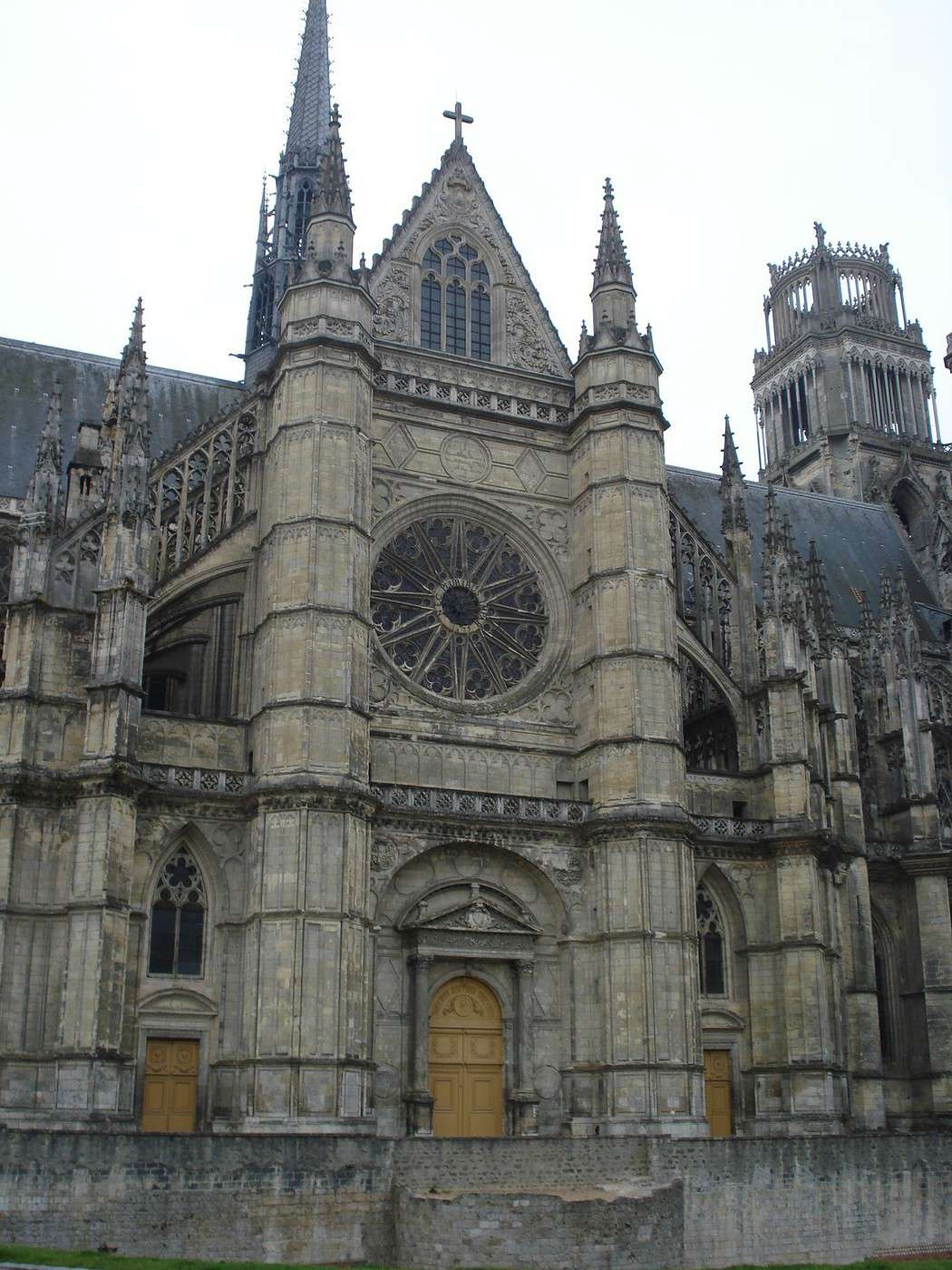
CA CanardFuté ·
Hi,

First off, thanks for all the super detailed info on the different sections of the canal—I’m prepping for the crossing from the Atlantic coast to the Mediterranean and really appreciate it!

I’m planning to head out this summer and bring a tent to camp near the canal, so I’m looking for anyone with experience to share their thoughts on wild camping options close to the direct route...
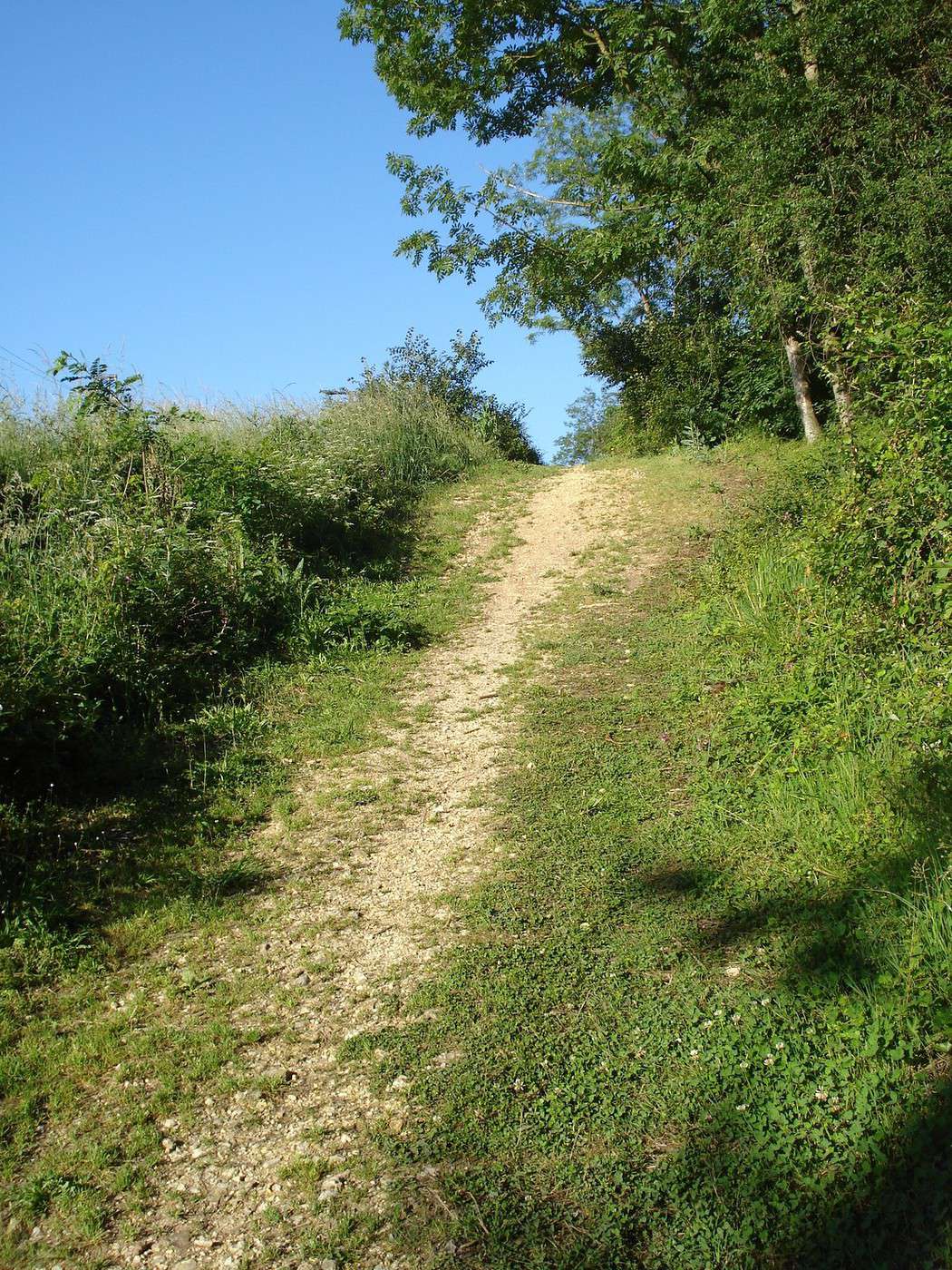
Do you think it’s doable, or is it necessary to stick to gîtes or hotels?

Thanks in advance!

Quack.
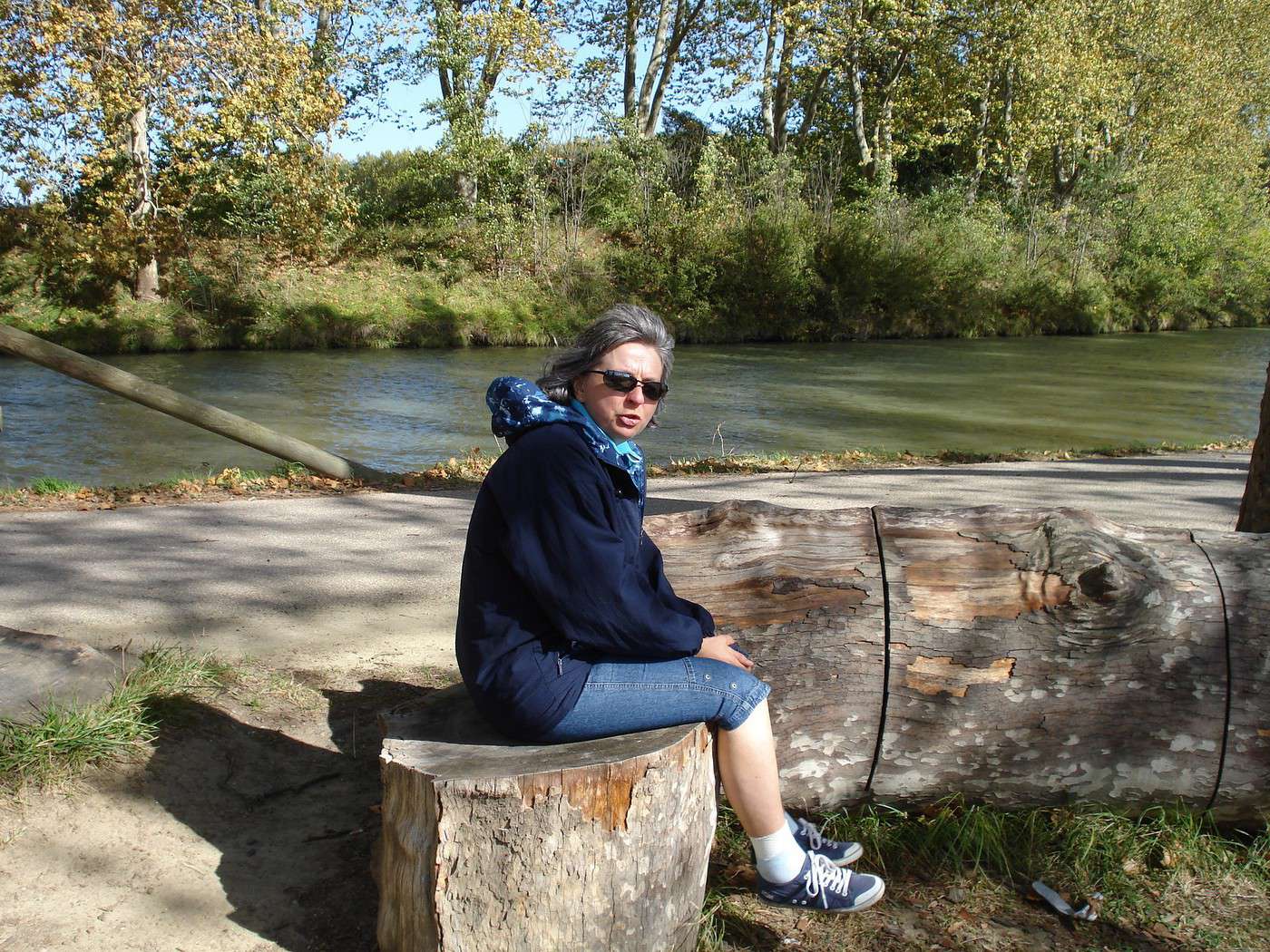
Similar discussions

You might also like