Day 16 - Under the blue sky, the birth of a meeting
On this particularly sunny morning, we head toward the eastern cape, one of the island’s remote points.
There isn’t much infrastructure in this part of Miyakojima, so we decide to eat early to have a relaxed rest of our day.
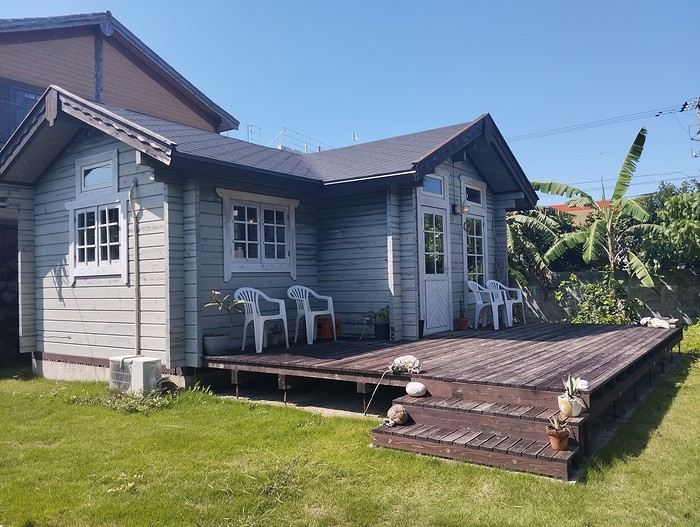
I’d spotted a restaurant online that was on the way to our destination. We head there and discover a place that looks very new—it wasn’t here during our previous visits.
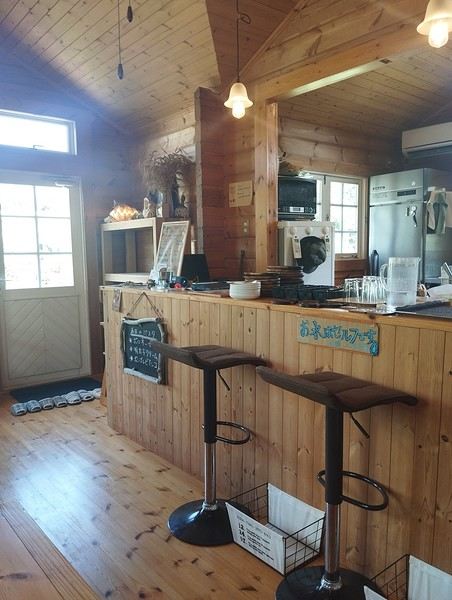
Inside, it’s a small but charming and very clean space. A bar with four stools and two tables seating four each.
A Japanese woman welcomes us with a smile and invites us to sit down.
While we look at the menu, we take in the room’s decor, which is filled with little objects scattered everywhere.
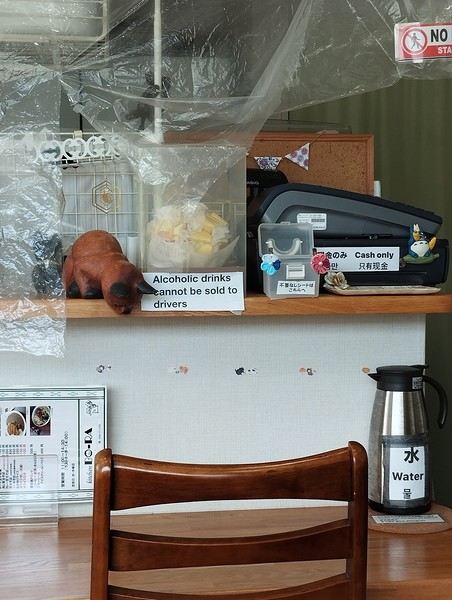
When the woman comes to take our order, we strike up a conversation by mentioning how much she loves cats. Indeed, cats are everywhere—in glasses, figurines, placemats, even in the restrooms. Just mentioning them brings a bright smile to her face and a happy look in her eyes.
Looking through the glass door, I spot a Japanese cyclist parking his bike. Our eyes meet. A few minutes later, he comes into the restaurant and sits at the bar in the middle. We smile and say hello.
Our food arrives. My hungry companion ordered two dishes, and the full table catches the cyclist’s attention—he can’t help teasing us with a laugh.
This starts a little conversation, and he moves closer, switching seats to sit nearer our table.
He speaks English, but we don’t speak it well, so we mix Japanese and English. We learn he’s traveling around the island for two weeks by bike. He once took a year-long trip around the world with his mother before starting his professional life, spending six months of that journey in Europe. He even cycled through France.
A cycling enthusiast, he’s ridden in the Alps. The Tour de France is his favorite race. He also visited Russia during his big trip and knows how to say *Je t’aime* in French. He thinks life is more pleasant in Japan, and his favorite spots are Miyakojima in summer and Hokkaido in winter.
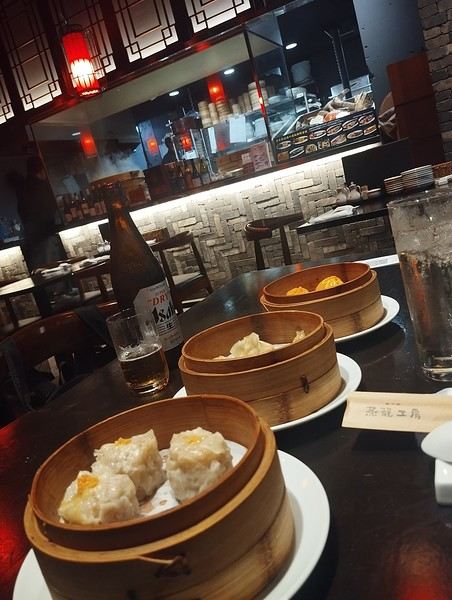
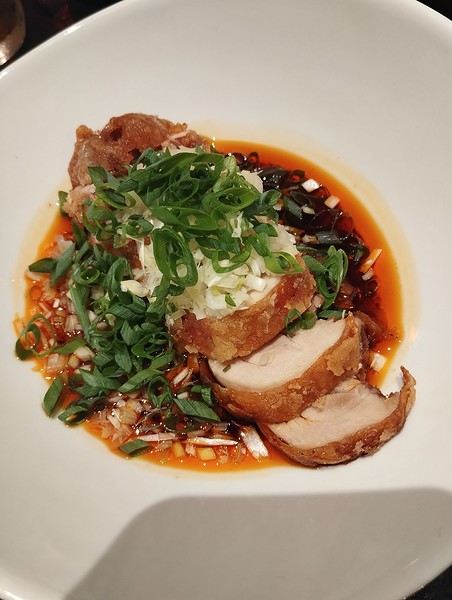
Our dishes today are pork curry and fried chicken. We also try Orion, Okinawa’s local beer, but honestly, we didn’t like it—it was too light, almost bland.
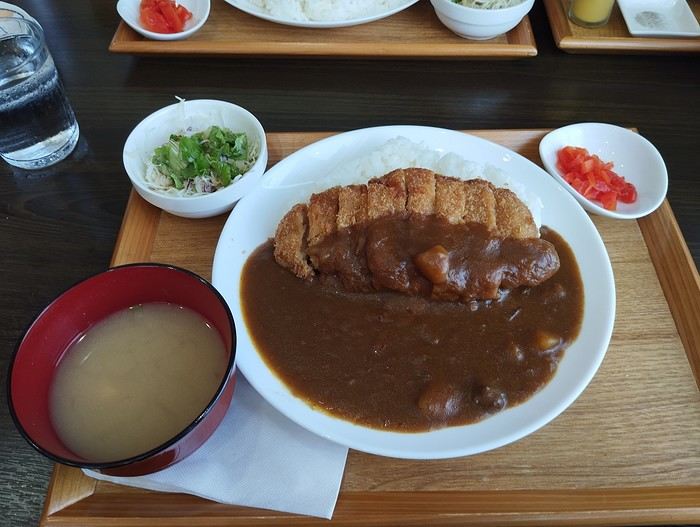
The cyclist leaves before us. We say goodbye, and we finish our meal.
We get back in the car, heading toward the eastern cape, but a sea viewpoint makes us stop. There’s also a shell museum nearby, but we skip it. Instead, we spot a tower in the distance and decide to find it by car. We navigate by sight—it’s not far. The area is very natural, with no real development.
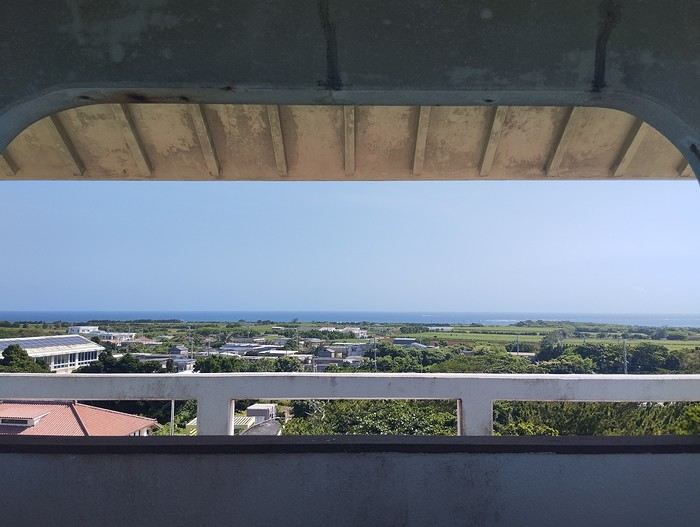
We drive through sugarcane fields, and suddenly, the hidden tower appears before us.
We climb it and enjoy the 360-degree view of the sea, the distant cape, and the sugarcane fields. A controlled burn is happening nearby. There’s a table at the top, so you could eat there if you wanted.
We have the place to ourselves for a while until a taxi arrives with a woman who stays just long enough to take a few photos. Meanwhile, we soak in the rural view, appreciating the calm and the shade from the sun.
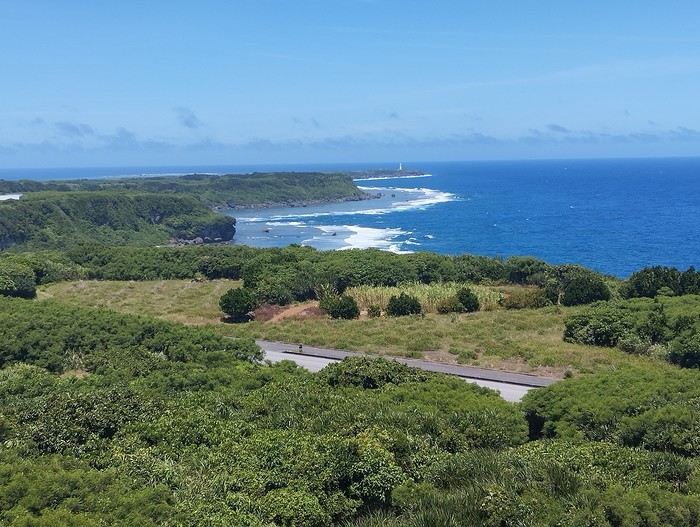
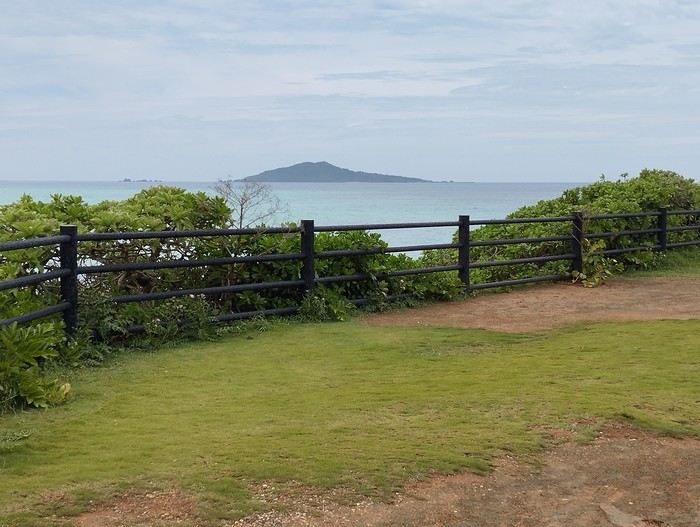
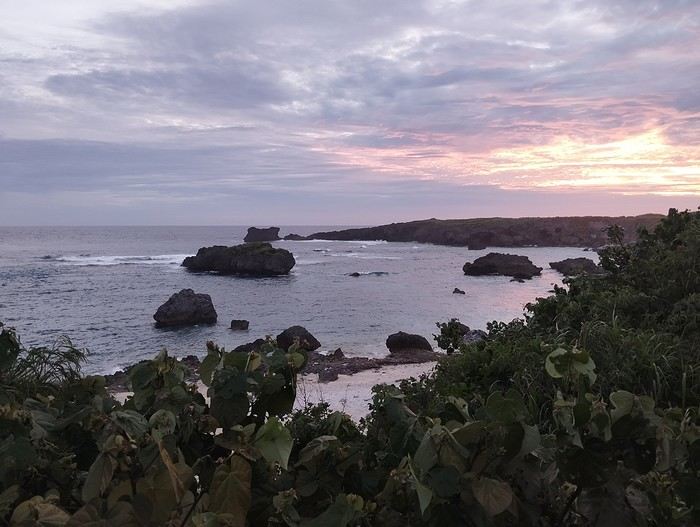
Back in the car, still heading toward the eastern cape, we make another stop for the funny "photo" sign set up by the police, as well as another sea viewpoint.
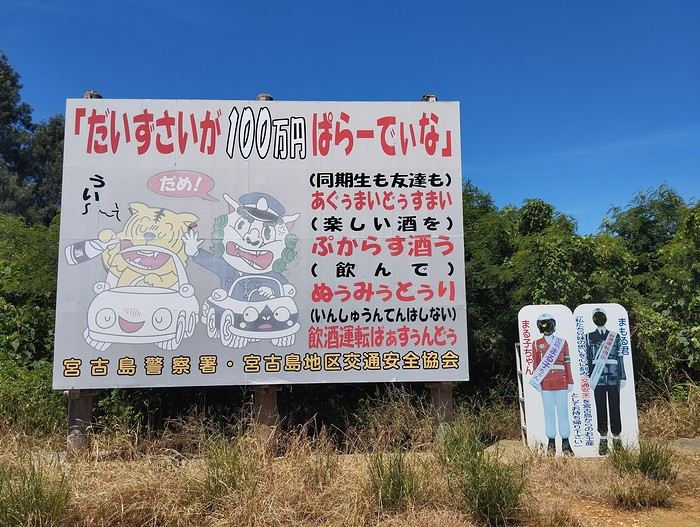
The sun is blazing down on us. Just as we’re about to leave, the cyclist from the restaurant arrives. He stops to chat again—he’s coming back from the cape we’re about to visit. One of his friends runs one of the food trucks selling ice cream.
For a keepsake, we take a few photos together. Since I don’t have internet, I tell him I’ll send them later when I’m connected. One thing leads to another, and we suggest meeting up for a drink before we leave the island.
With that plan in mind, we each go our separate ways.
Two minutes later, we finally park at the cape. There are a few food trucks selling snacks and drinks, and a few cars, but the parking lot isn’t full at all. That said, at this early afternoon hour, we’re melting in the heat—our sweaty bodies only find relief with the air conditioning.
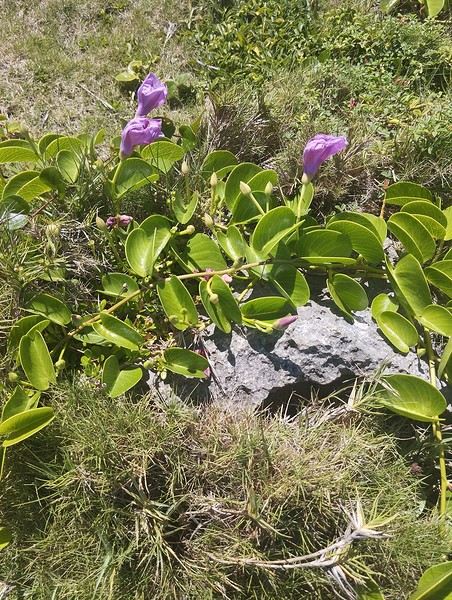
The cape is called Higashi-Hennazaki. It’s located at the very eastern tip of Miyakojima, a 2-kilometer promontory jutting into the sea. You can take a walk with stunning panoramic views of the ocean. You can see the waves from the East China Sea and the Pacific Ocean crashing together. There’s a lighthouse you can visit, and depending on the season, the walk can be quite floral.
The wind is strong in some spots.
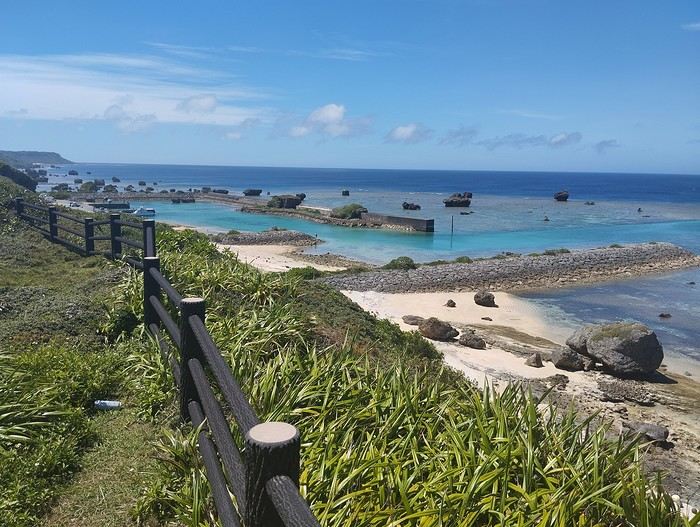
The place is lovely, but this time, we wanted to take a long walk—except the sun is too intense. We’re burning up despite wearing our loose, flowing outfits with headscarves and sarongs to cover our legs.
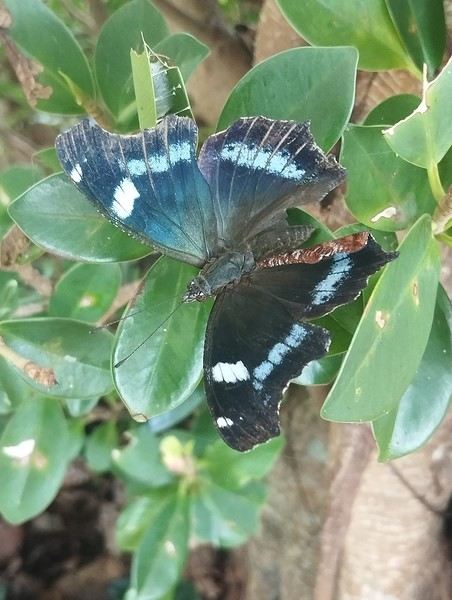
A pretty silver beetle lands on my companion and stays with him during the visit.
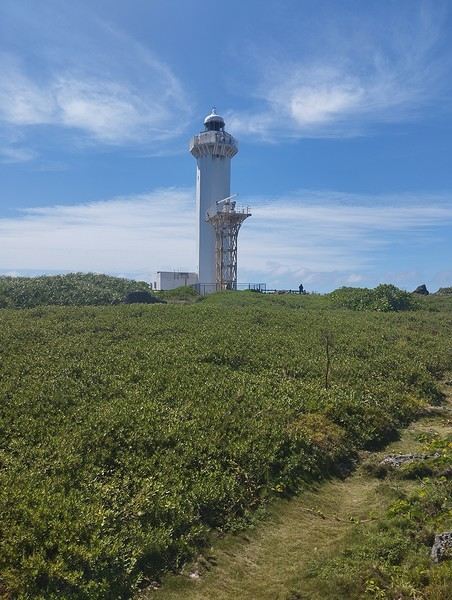
Our main goal for the day is snorkeling, so we get back in the car and head to Aragusu Beach, which is particularly famous for this activity.
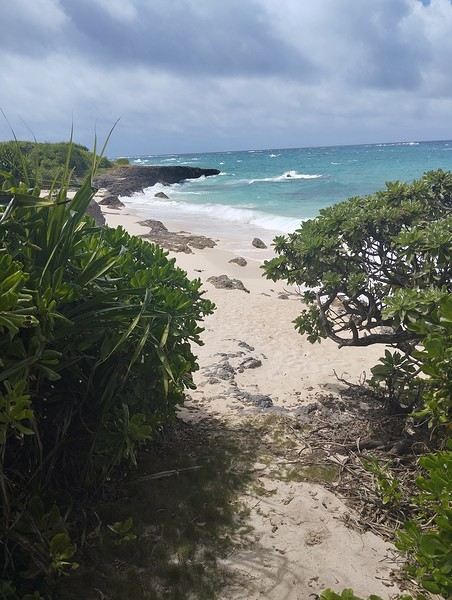
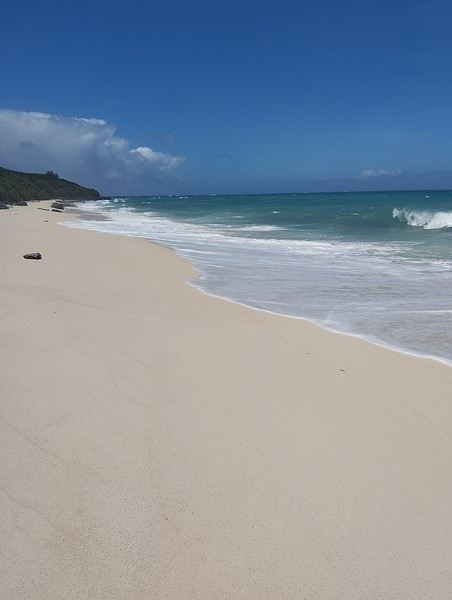
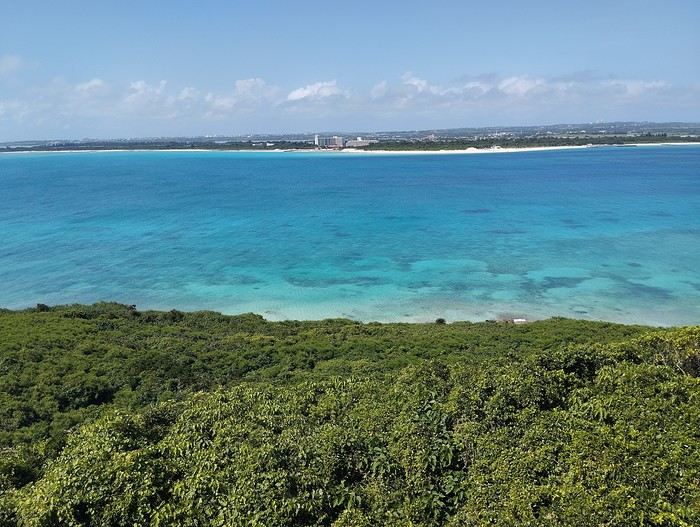
The approach to the beach is always stunning—the beach sits below a steep road, offering a breathtaking panoramic view of the ocean’s gradient blues. The "wow" effect is guaranteed every time.
At the bottom, we notice the parking lots are fuller than usual compared to our previous visits. But luck is on our side—the small free parking lot, which only has a few spaces, still has one for us. Otherwise, the larger lot next to it is paid.
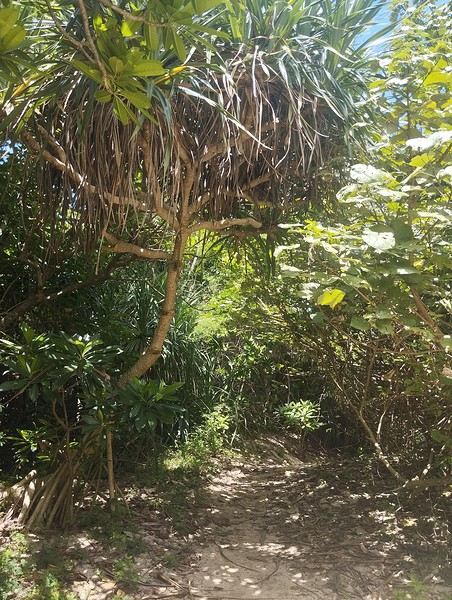
While the beach itself hasn’t changed, the setup has. Remnants of pink and blue tables are surrounded by vegetation. There’s a small wooden snack bar selling alcoholic drinks, and you can also rent tents for shade.
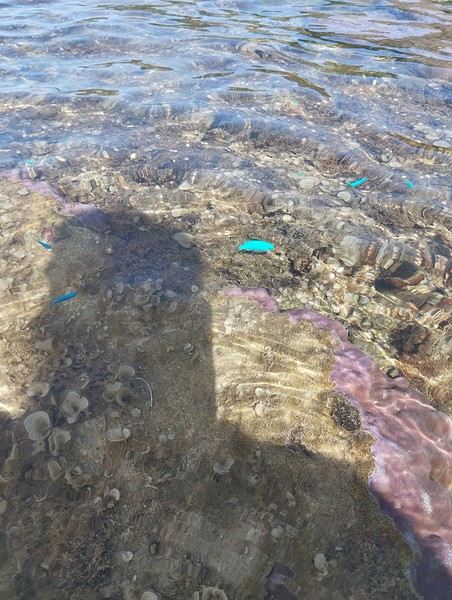
It’s low tide, so the water is shallow for a long way, making it trickier to move around the coral. The water is still crystal clear. With the naked eye, you can spot tiny electric-blue fish. There are plenty of fish, but no Nemo for us today. We really enjoy observing the underwater life.
My companion always stays in the water longer than I do, while I prefer lying on the sand, lulled by the wind, the sounds of swimmers and playing kids, watching the vegetation, and taking a little nap under the now more bearable sun.
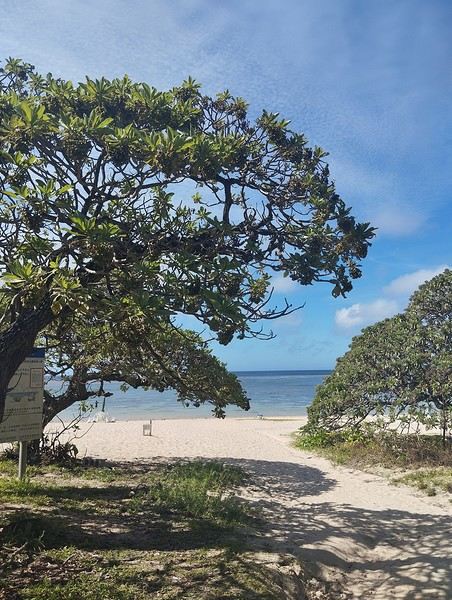
As always, by mid-afternoon (around 4:30 PM), the beach has already emptied out—especially since this one doesn’t offer a sunset view, being on the east side.
In fact, it even feels slightly cool when the sun is no longer shining on this side.
Today, we decided to visit just one beach but stay longer. That’s why the sunset accompanies us on the drive back.
For dinner, we choose an izakaya I found online that’s conveniently close to our place.
Parking in Japan, especially in cities, means finding the lot dedicated to each shop.
It’s written in kanji, so you really have to look carefully. But this time, we can’t find it, so we park in a random lot and go to the restaurant to ask. A charming young woman explains how to get to their parking lot, which is farther away. Luckily, we already know the area a bit—this restaurant is near the popular local ramen spot, Ramentonta. When we mention it, she’s both surprised and impressed that we know the place. Thanks to that, we understand a little better where to go, even if it’s not entirely clear. It must not be straightforward because she gives us a special parking sheet with a hand-drawn map and a QR code to find it.
We turn left a bit higher up the street, then continue down an unpaved, unlit alley. A large shared parking lot appears on the right. We park in one of the spots reserved for the izakaya, which we recognize by the signs with each shop’s name on the spaces. Without those, we never would’ve found it.
We walk back to the restaurant in about five minutes. The temperature is perfect.
In front of the izakaya, we wait for the young woman. The place seems busy. She apologizes because only the terrace is available, but as good French people, we’re thrilled. In France, terraces have heaters in winter—here, they have a fan.
We’re lucky to have the terrace all to ourselves for the whole evening.
Ordering is simple—there’s a photo album of each dish.
We order several things, following the izakaya style, as well as a drink we think is a shikwasa (Okinawa lemon) soda sour.
Everything was delicious and flavorful—here’s a non-exhaustive list of what we had:
- A small salad with raw fish and smoked/grilled eggplant
- Spicy chicken and vegetables, served in two rounds. When we ordered, the woman warned us it was *very* spicy. Wide-eyed, we confirmed anyway. Impressed that we managed to eat it all, she called the chef (her colleague) to come see us and tell her about it.
- Crispy truffle potatoes
- Fried octopus
The sea really whets your appetite, and when the food is this good, you want to try everything!
My companion, who was skeptical about izakayas until now, is officially converted!
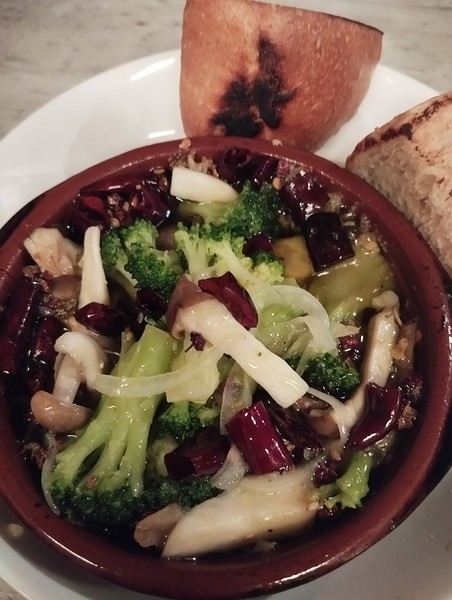
This izakaya offers contemporary, no-frills cuisine in a great atmosphere.
Even the restrooms are nice—accessible from the street, they run the length of the restaurant and have a warm, welcoming vibe with flowers, music, and a pleasant scent.
A new entry in our Miyakojima travel journal!
Back at the house, I send the Japanese man we met the photos we took together, along with our address and departure date from the island, as agreed.
End of the day.
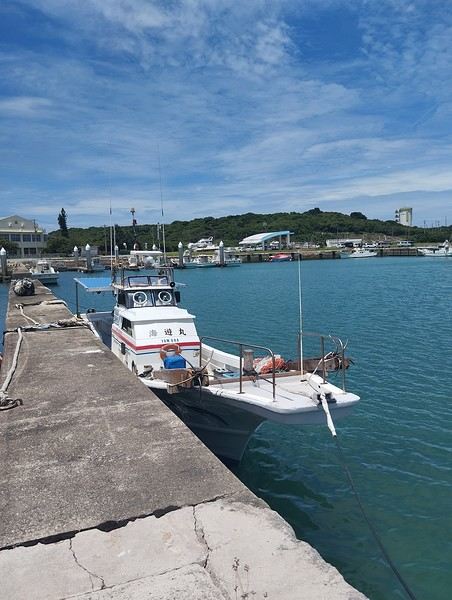
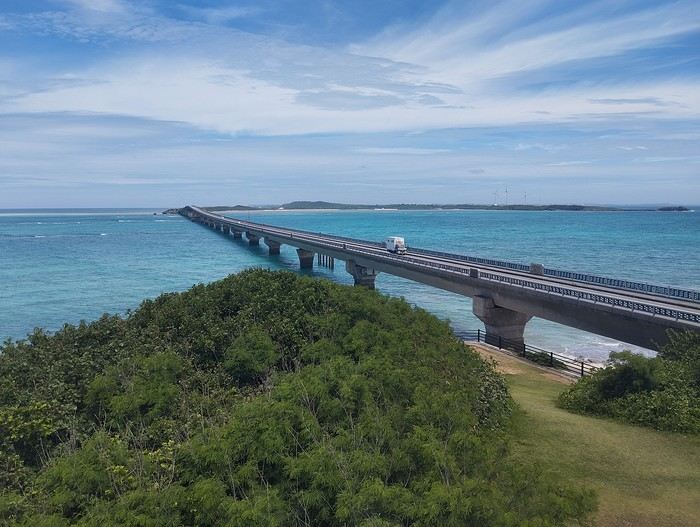
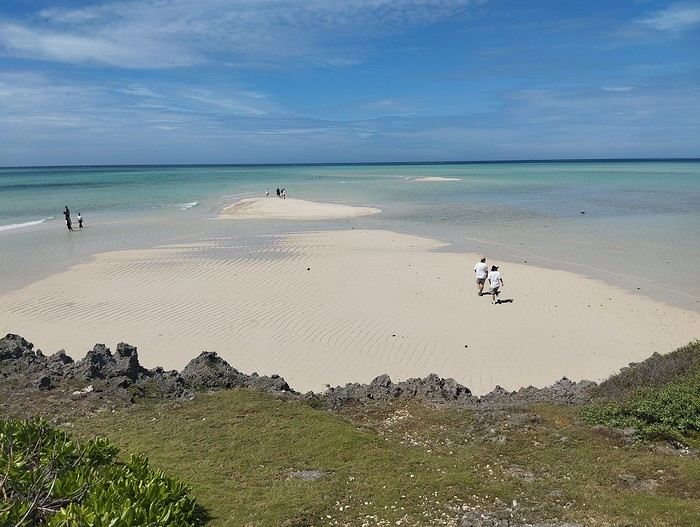
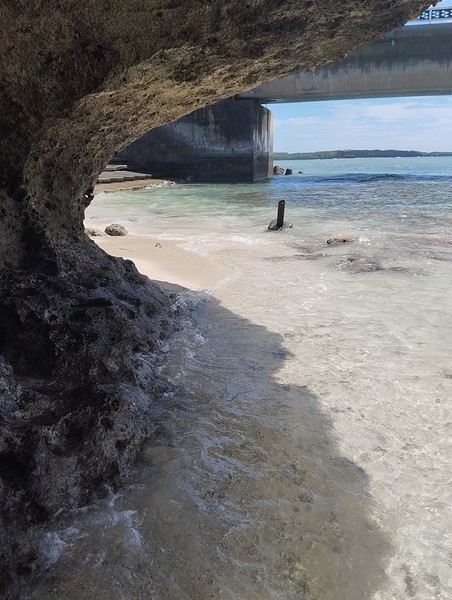
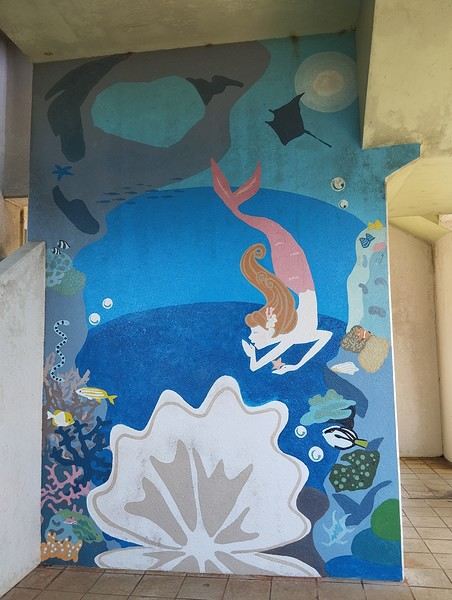
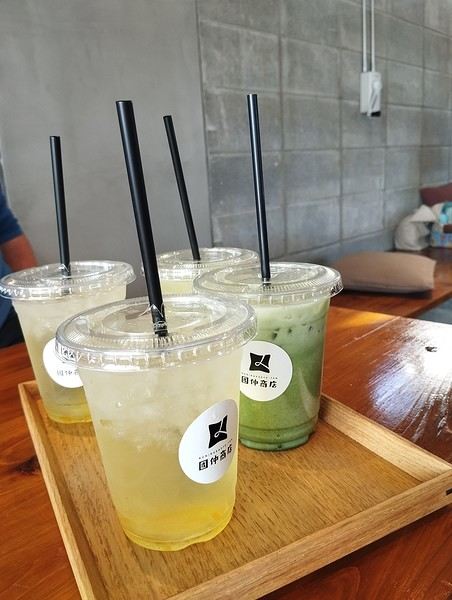
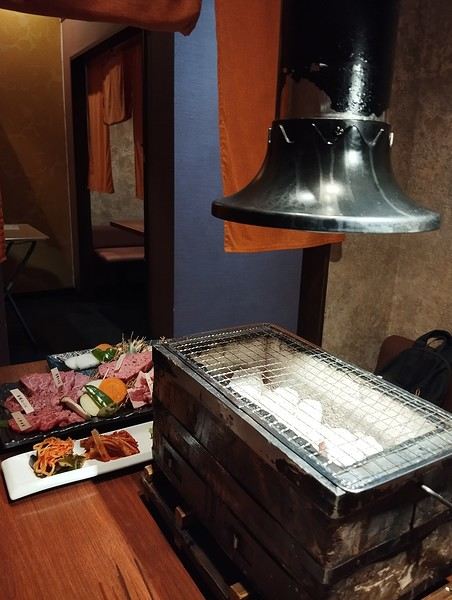
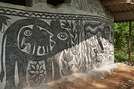
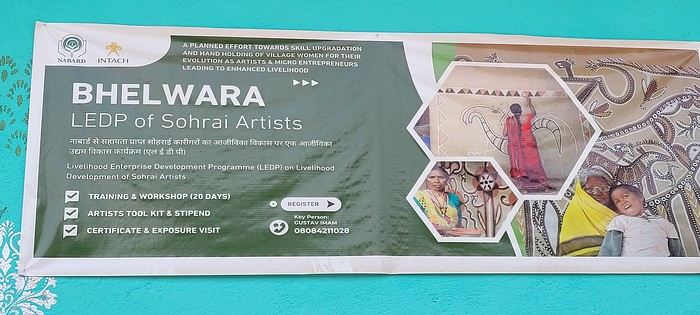
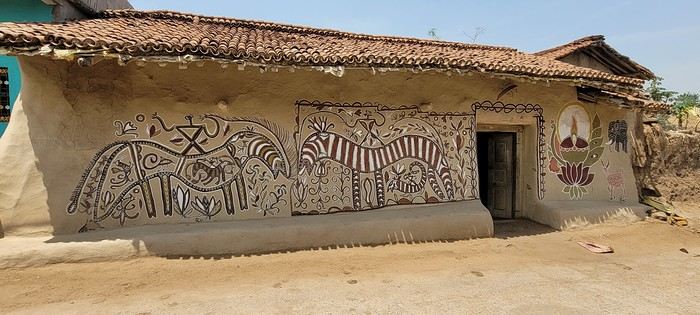
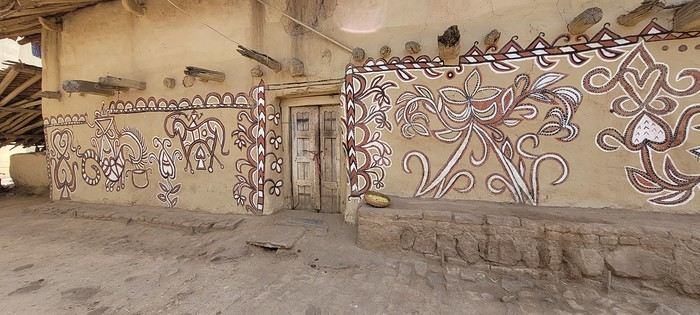
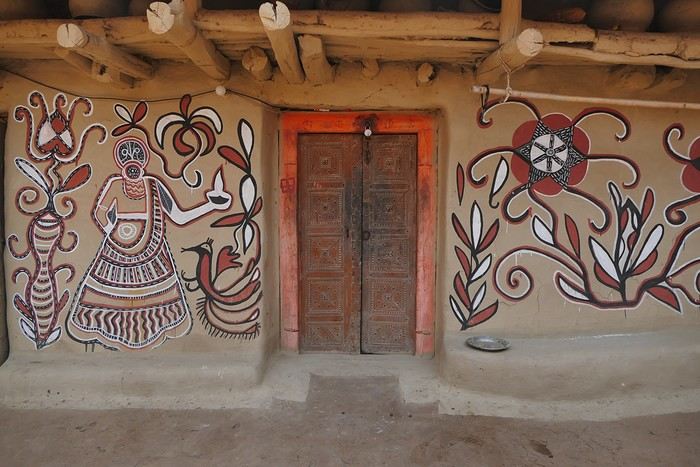
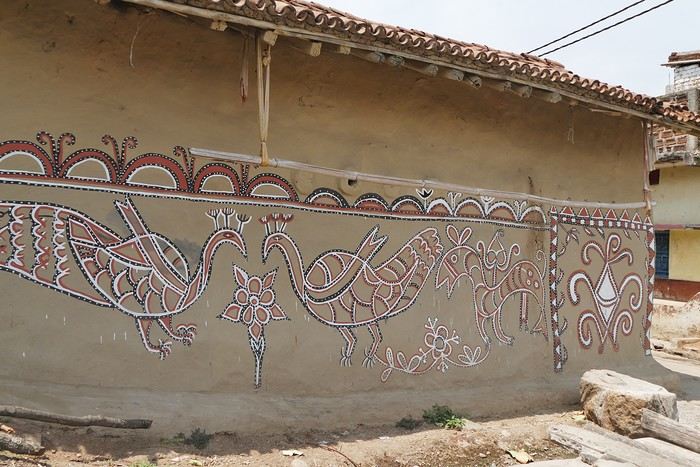 On some paintings, the scenes become almost narrative: you can make out figures, everyday gestures, like a memory of the village inscribed in the walls. The decorative frames around the doors aren’t left to chance either—they symbolically protect the house, like a boundary between the inside and the outside world.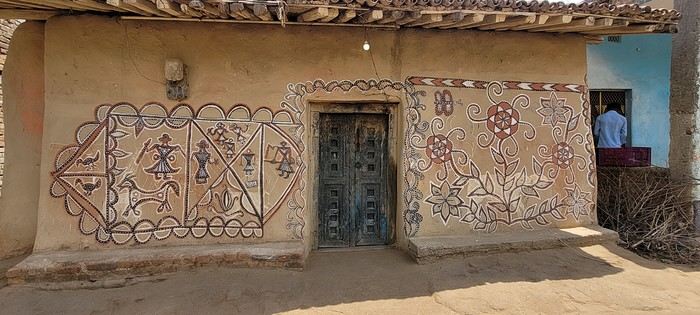
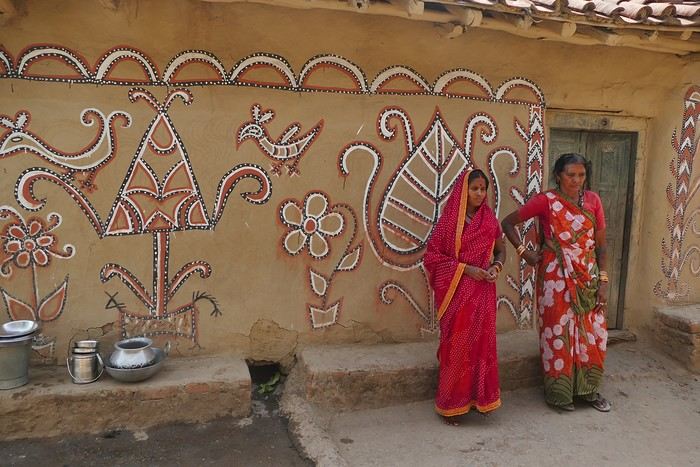
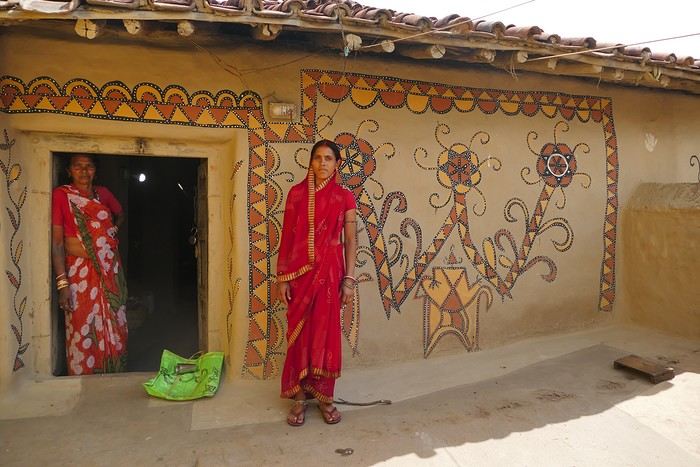
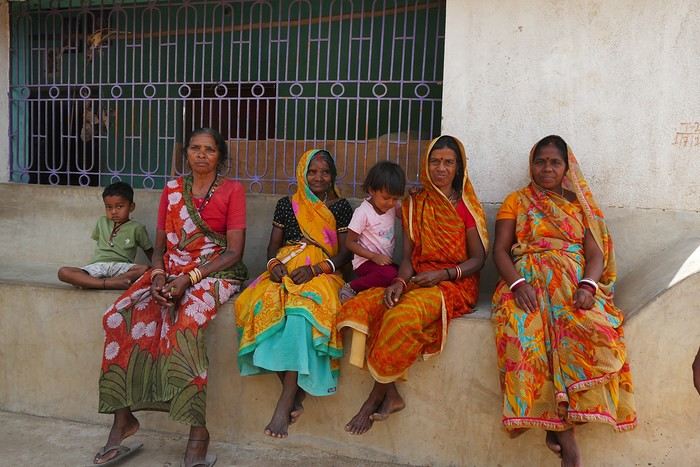
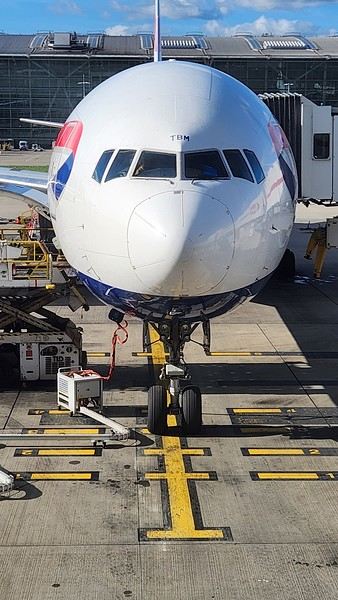

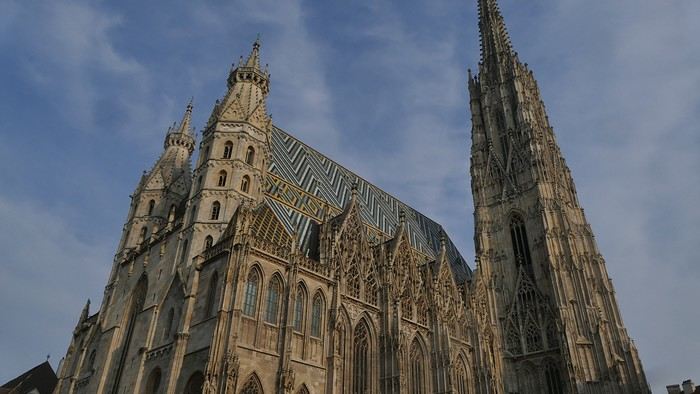
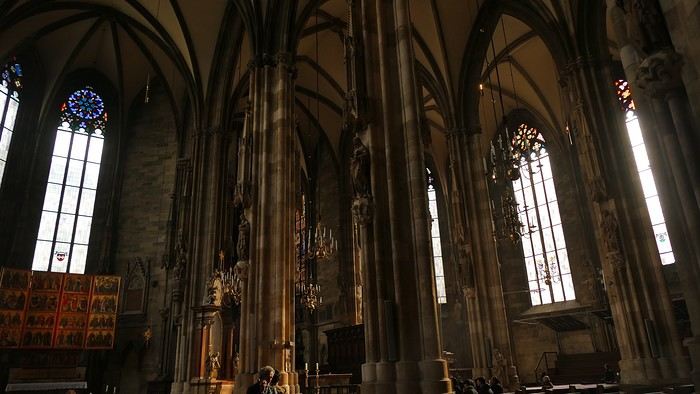
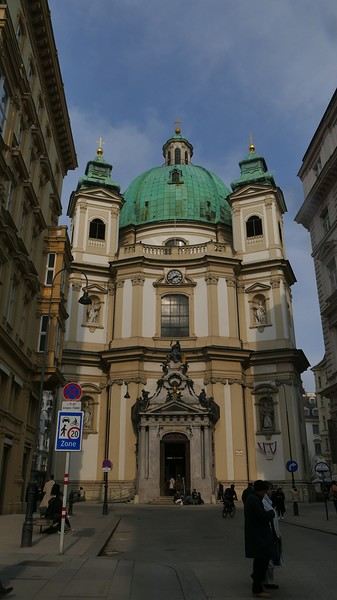
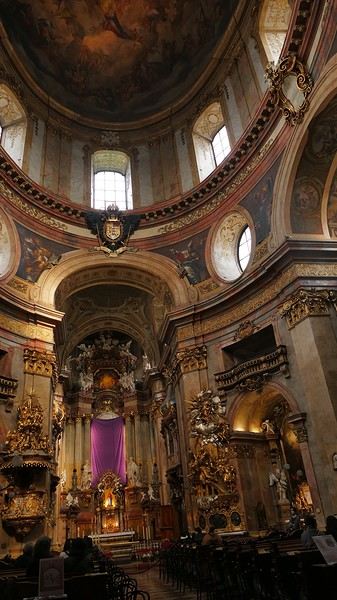
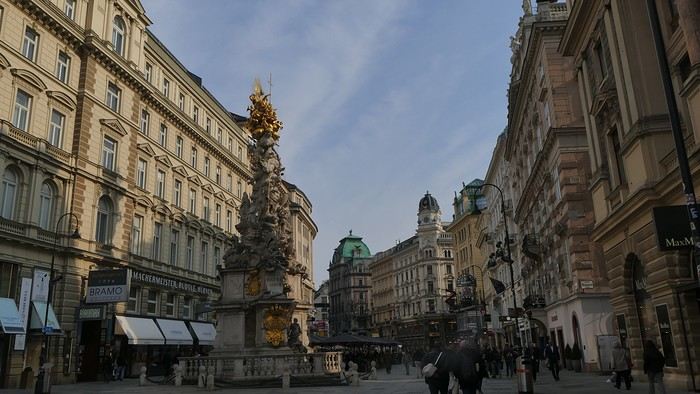
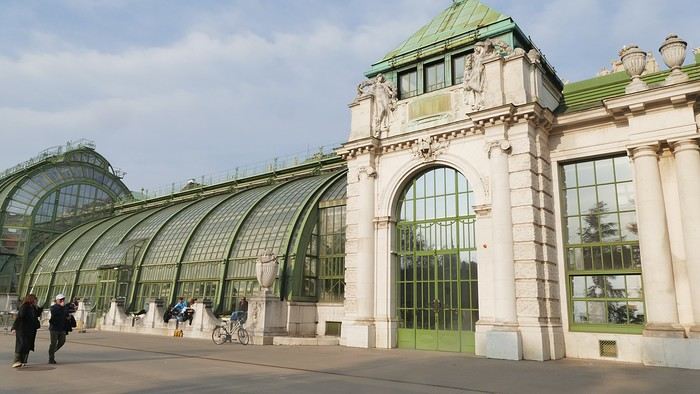
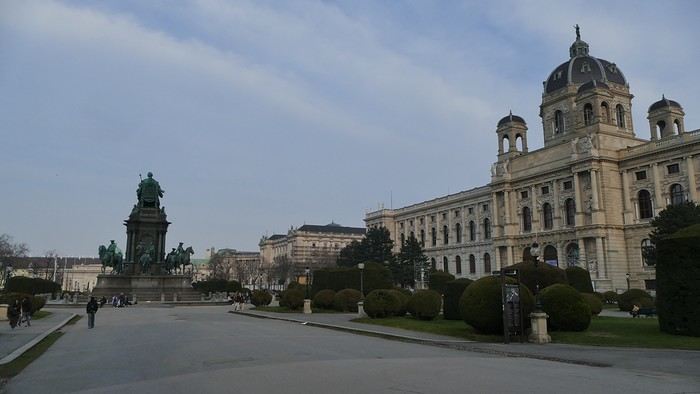
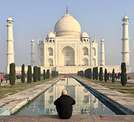
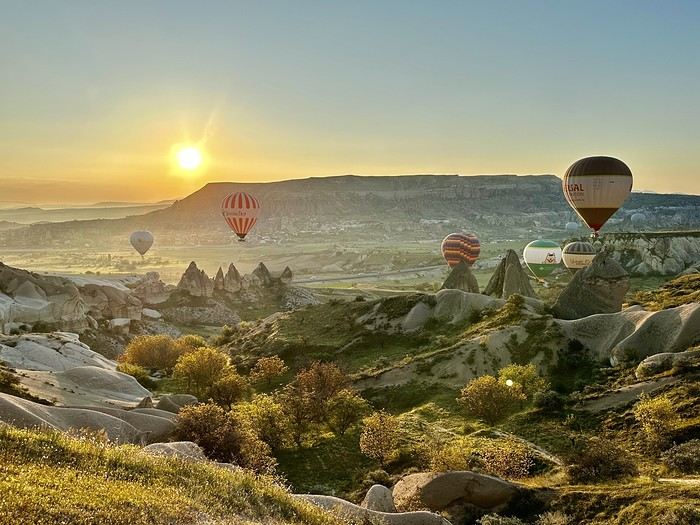 A little sneak peek?


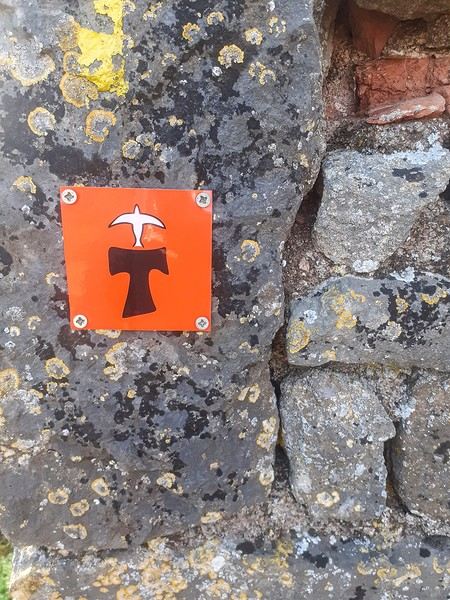
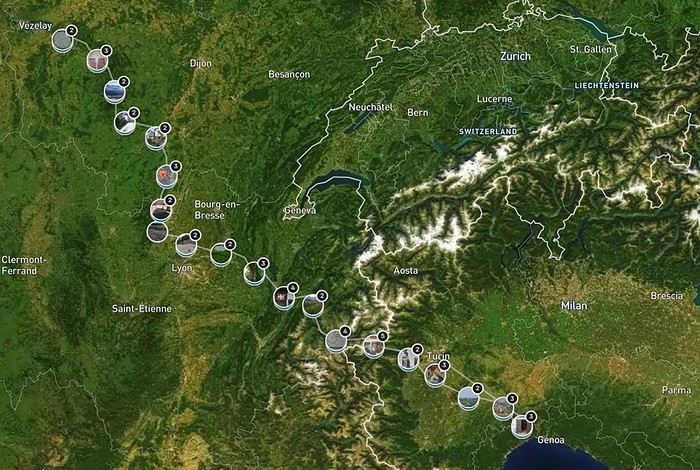



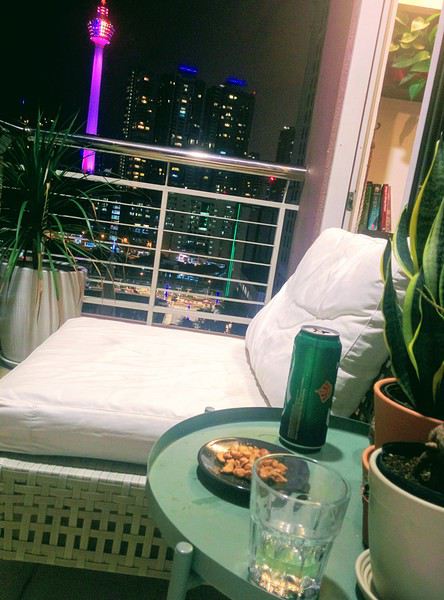
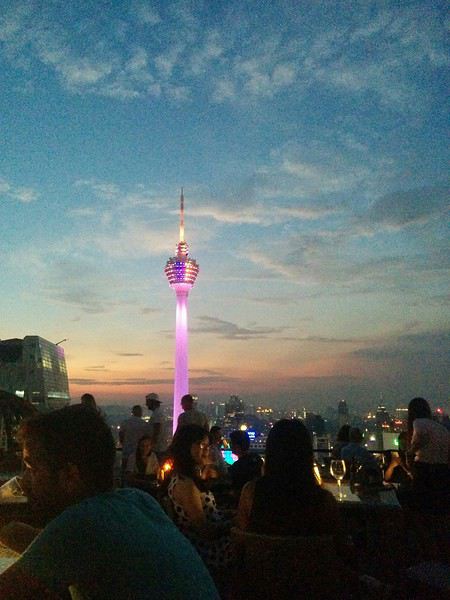
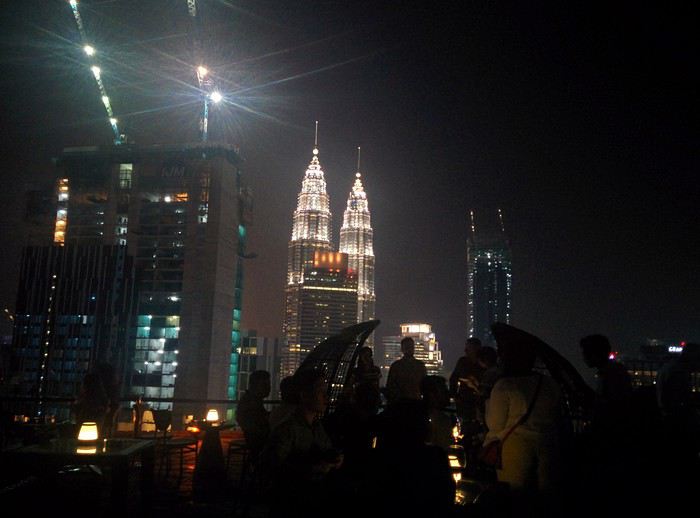
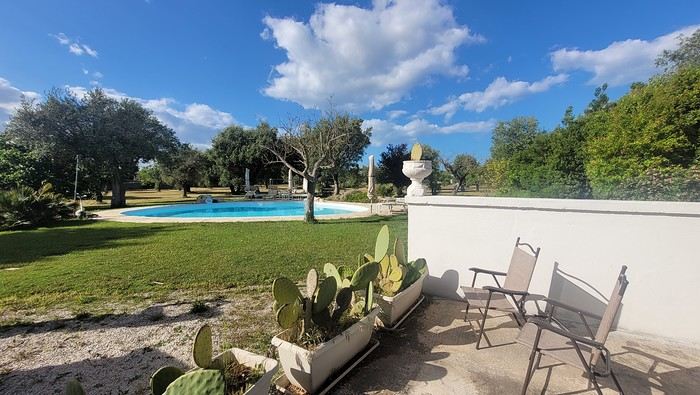
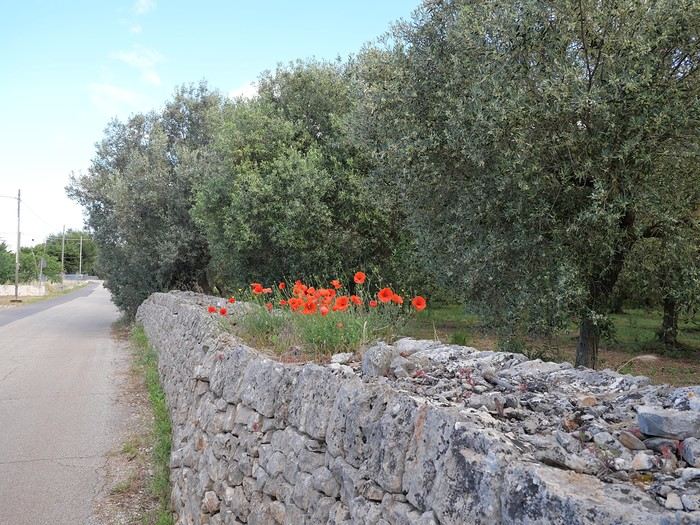
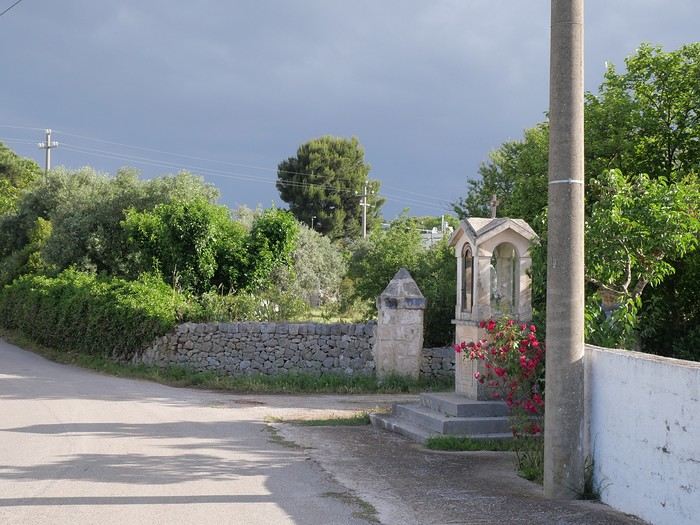
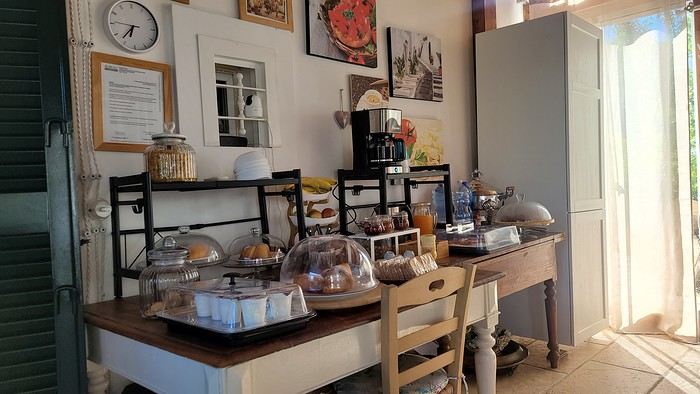
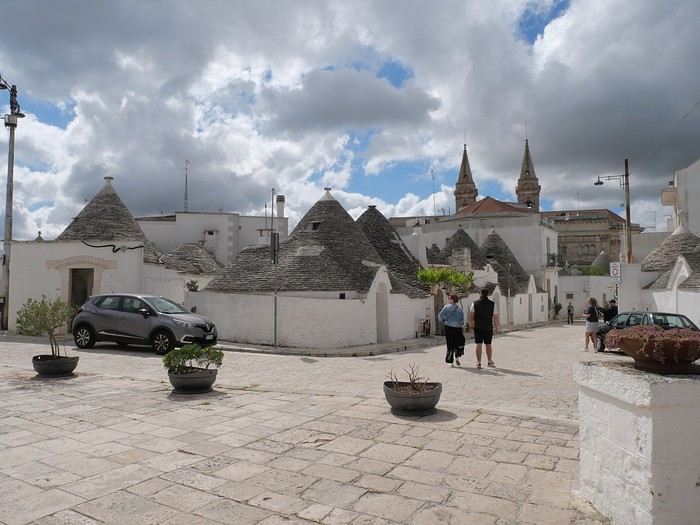
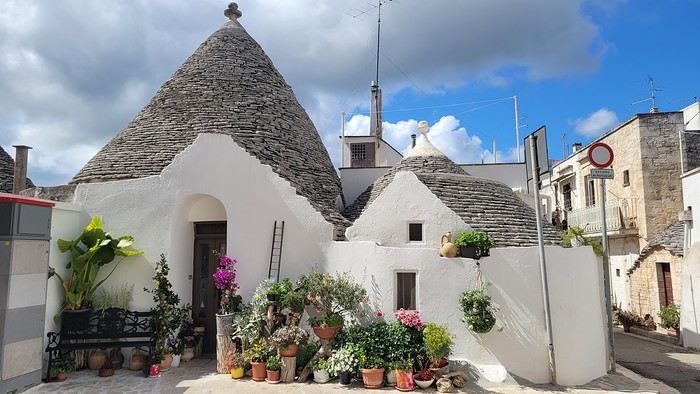
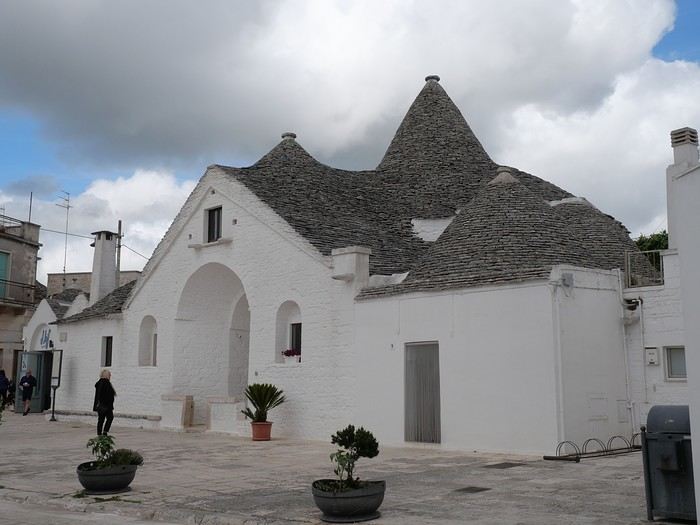
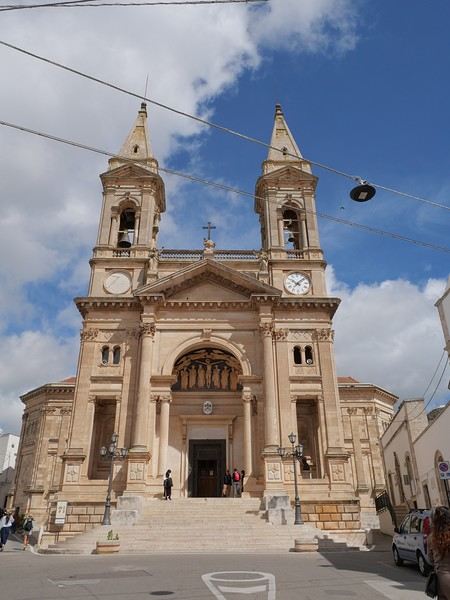
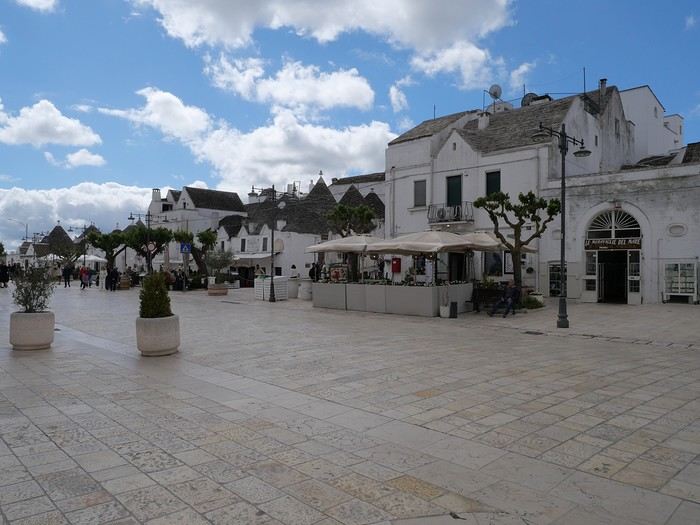
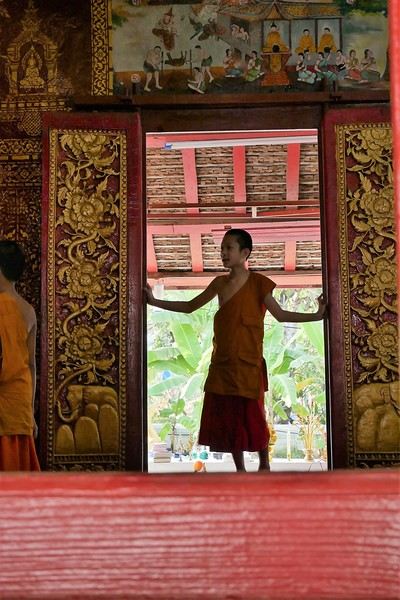 Come along, I'm taking you to this country where it's so nice to wander and slow down...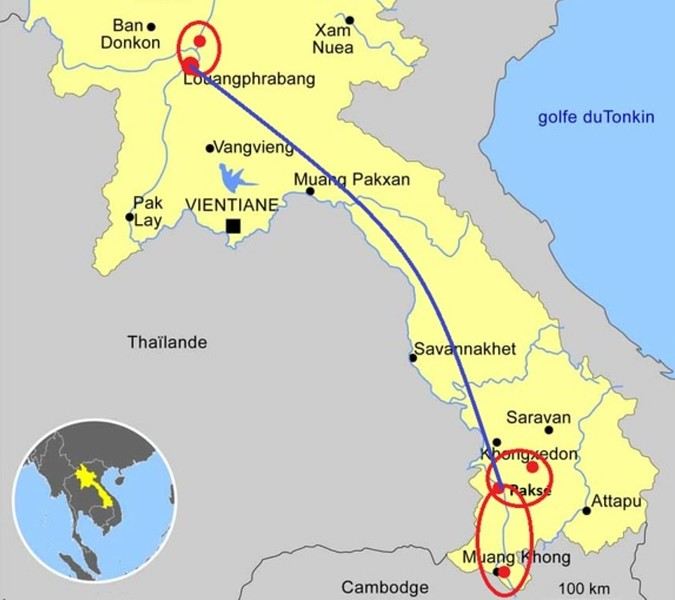
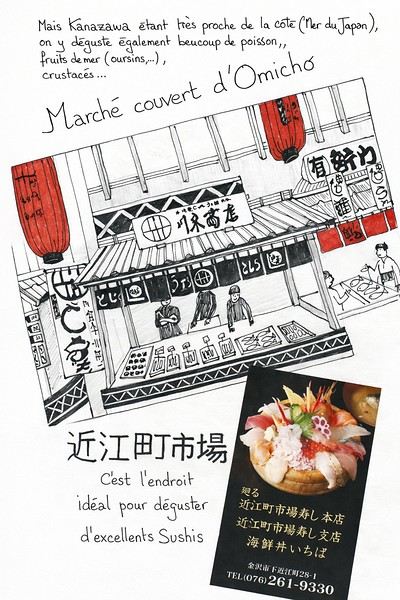
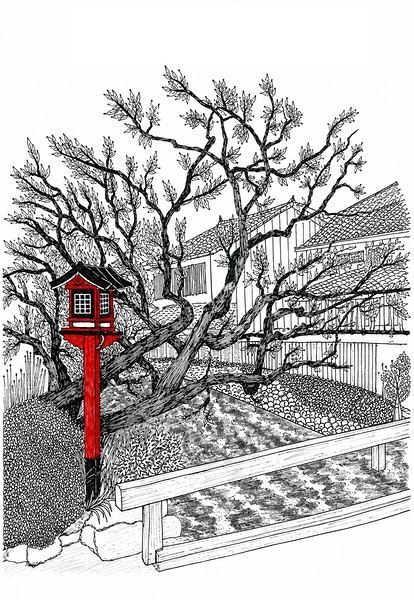 I’m inviting you on a stroll through my drawings—a completely subjective, far from exhaustive, and totally personal take, since it’s based on my own sketches. I put this travel journal together after returning in late 2024, mostly using felt-tip pens and pencils, with a few collages thrown in. I worked from our personal photos.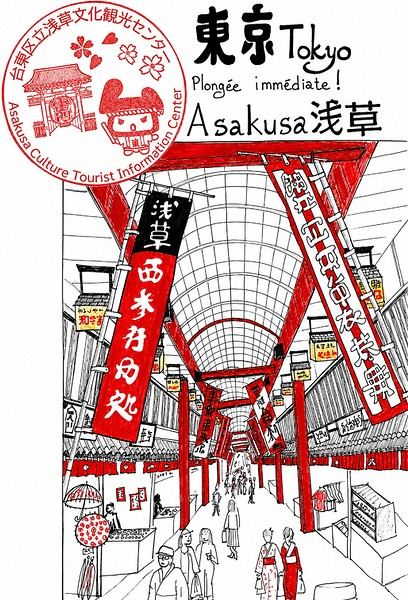
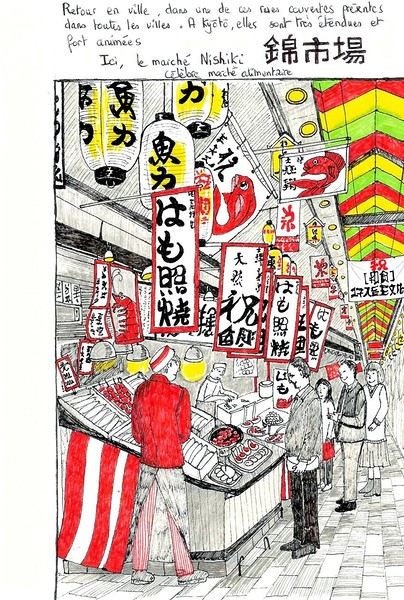
 And in Kyoto, Nishiki Market:
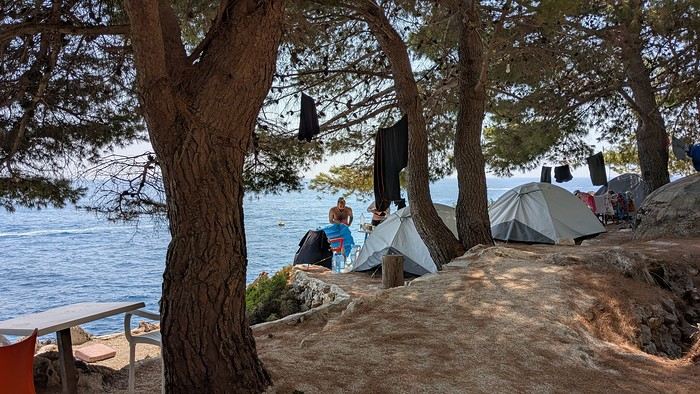
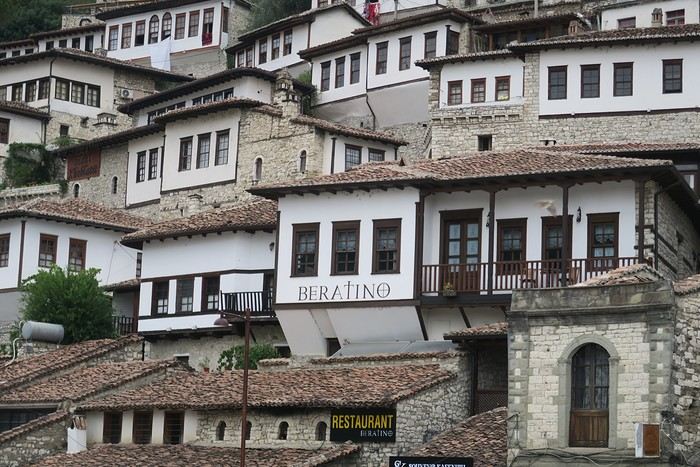
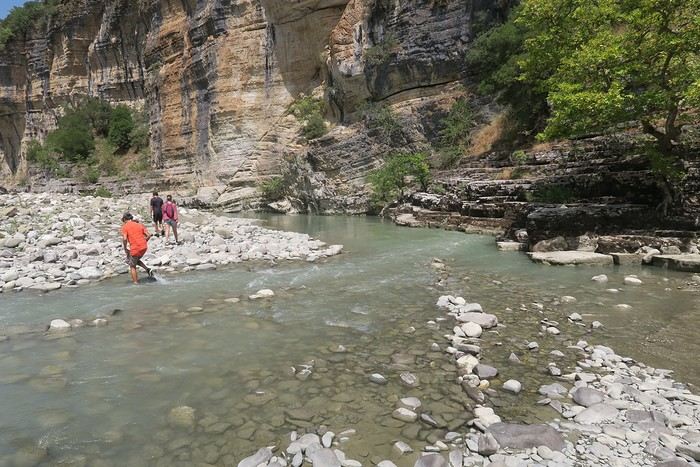
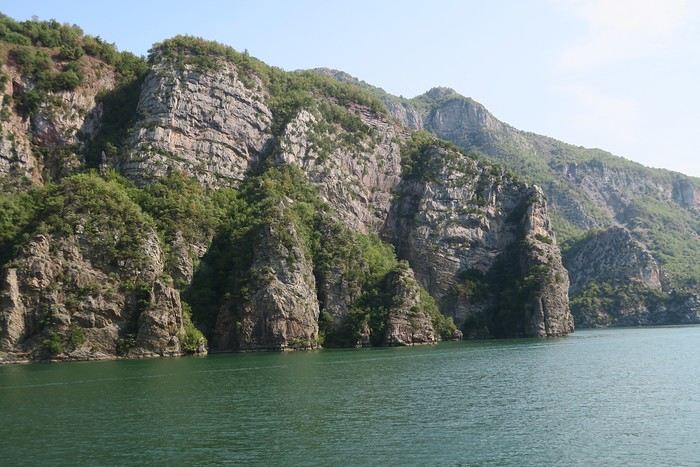

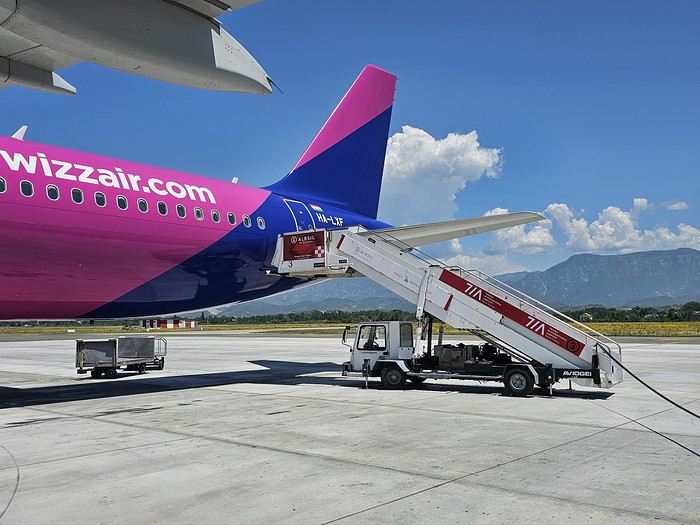 Since Albania isn’t part of Europe when it comes to phone service (at least not yet! :-)), we had to buy a physical SIM card—otherwise, the bill would’ve been sky-high if we’d used our French plan! We got one from Vodafone AL at the airport. You can buy online before leaving with a virtual SIM (e-SIM) for compatible phones, so you don’t have to swap cards. But given the uncertainty about choosing a plan online, we preferred buying one directly at Tirana Airport. Cost: 31 € for 100 GB. That’s way too much—100 GB is overkill. For 40 GB, it’s 27 €, and the plan lasts 21 days. The price difference isn’t huge, and it was cheaper than online. This plan covers all the countries along the Balkan range.
Money tip: All guesthouses and accommodations accept euros. The local currency in Albania is the LEK. In Montenegro, it’s the euro. Bank fees for withdrawing money from an ATM in Albania are pretty steep: 8 € for a withdrawal of 600–700 LEK (about 200 €)! So it’s better to withdraw cash (euros) in France. Oh, and we booked all our accommodations before leaving, but payment is always in cash. Budget around 400–500 € for 9 days of trekking.
Since Albania isn’t part of Europe when it comes to phone service (at least not yet! :-)), we had to buy a physical SIM card—otherwise, the bill would’ve been sky-high if we’d used our French plan! We got one from Vodafone AL at the airport. You can buy online before leaving with a virtual SIM (e-SIM) for compatible phones, so you don’t have to swap cards. But given the uncertainty about choosing a plan online, we preferred buying one directly at Tirana Airport. Cost: 31 € for 100 GB. That’s way too much—100 GB is overkill. For 40 GB, it’s 27 €, and the plan lasts 21 days. The price difference isn’t huge, and it was cheaper than online. This plan covers all the countries along the Balkan range.
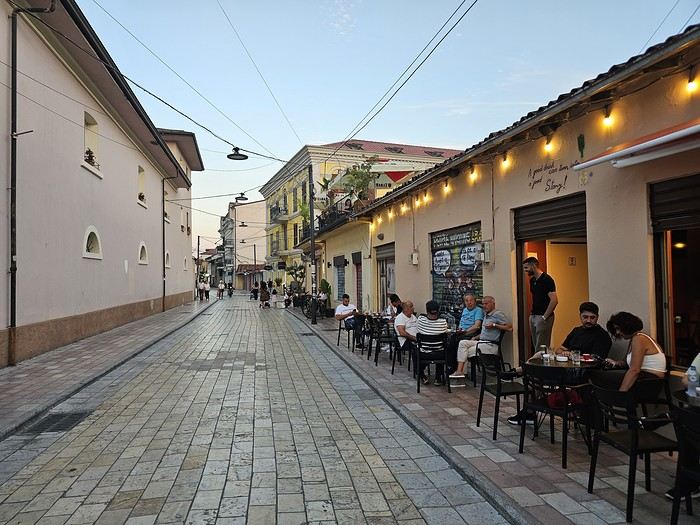
Money tip: All guesthouses and accommodations accept euros. The local currency in Albania is the LEK. In Montenegro, it’s the euro. Bank fees for withdrawing money from an ATM in Albania are pretty steep: 8 € for a withdrawal of 600–700 LEK (about 200 €)! So it’s better to withdraw cash (euros) in France. Oh, and we booked all our accommodations before leaving, but payment is always in cash. Budget around 400–500 € for 9 days of trekking.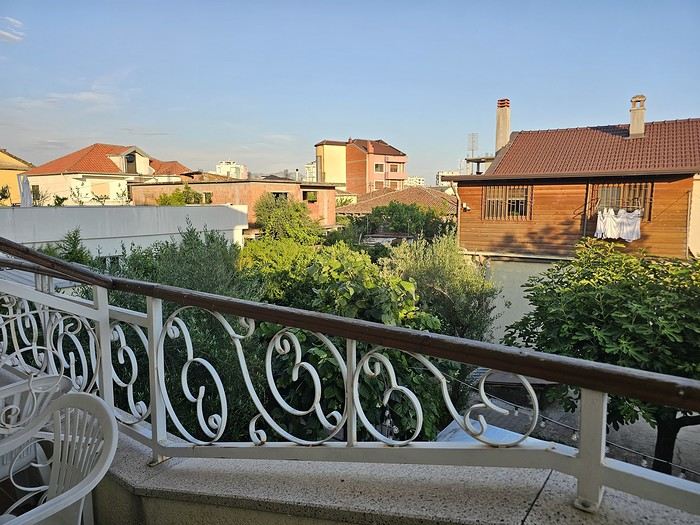 I really liked Shköder, especially its pedestrian street lined with restaurants and lit up at night. It’s a great place to stroll and eat. The food isn’t expensive—two big salads and two beers: 14 € :-) . Fruit prices are also very reasonable: 3 € for a kilo of cherries, compared to 9–10 € in France.
Religions coexist peacefully in these countries—Catholics and Muslims. From our balcony, my friend heard the call to prayer for the first time, coming from one of the city’s mosques.
I really liked Shköder, especially its pedestrian street lined with restaurants and lit up at night. It’s a great place to stroll and eat. The food isn’t expensive—two big salads and two beers: 14 € :-) . Fruit prices are also very reasonable: 3 € for a kilo of cherries, compared to 9–10 € in France.
Religions coexist peacefully in these countries—Catholics and Muslims. From our balcony, my friend heard the call to prayer for the first time, coming from one of the city’s mosques.
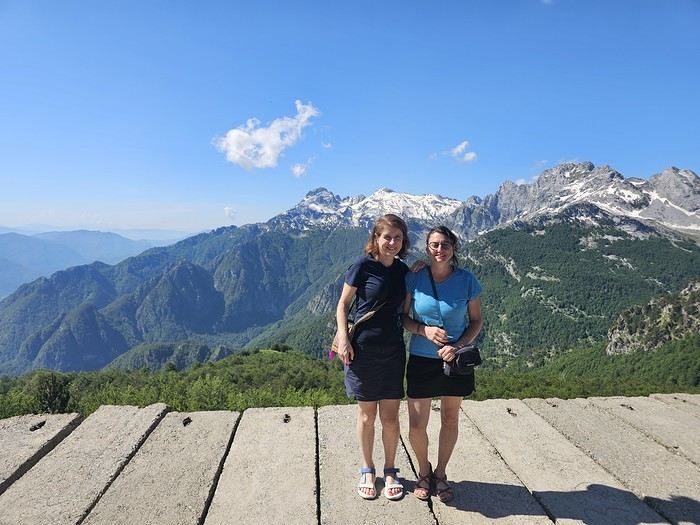
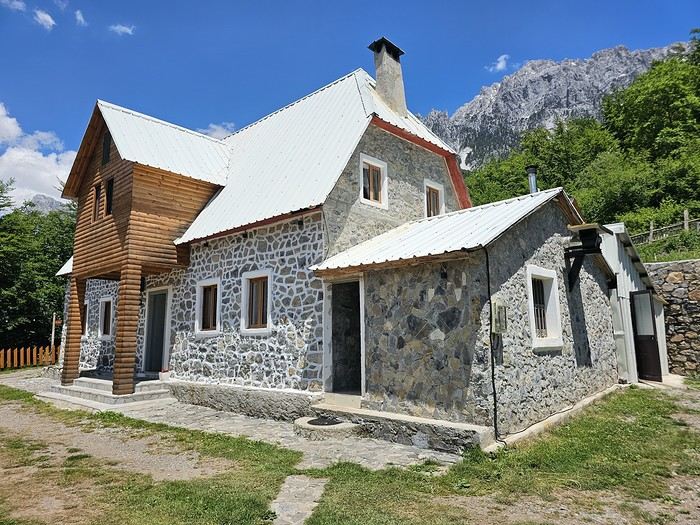 We slept in the heights of Theth at a new guesthouse, "Mountain Vista Shkafi," with an amazing view.

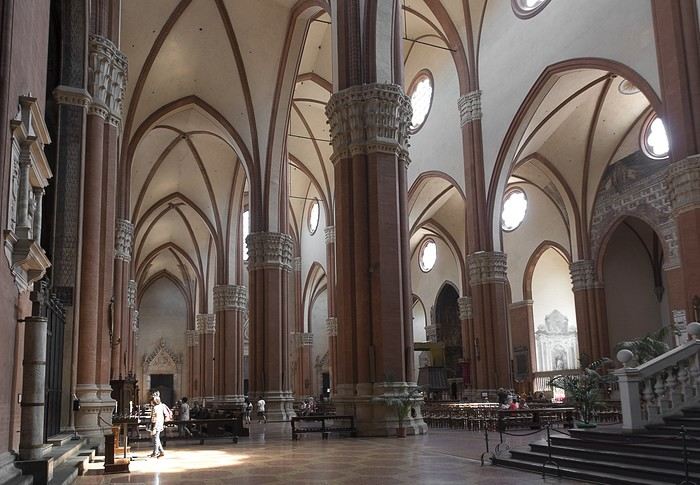
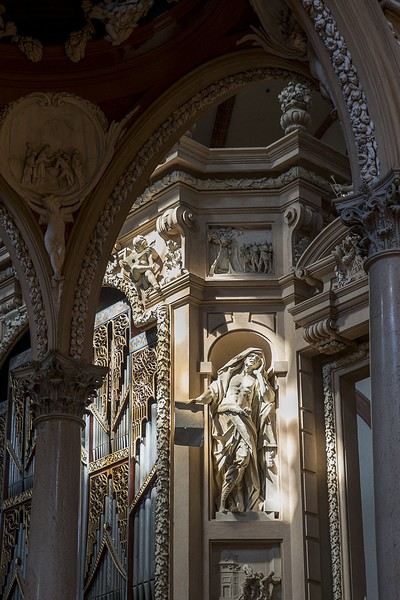
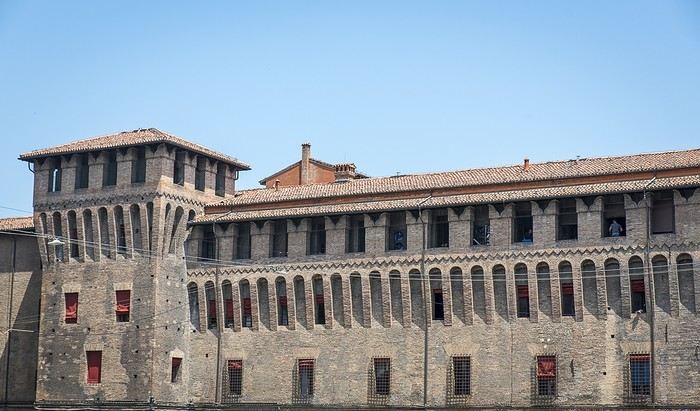 But Bologna’s real charm lies in its porticoes, which were added to the UNESCO World Heritage list in 2021: 62 km of arcades running along buildings, letting you walk sheltered from the sun or rain. Back in 1288, the city required houses to include private arcades for public use. In the city center, you can stroll under 32 km of porticoes in all sorts of styles—some plain, some ornate—with a strong presence of red tones.