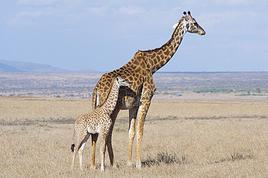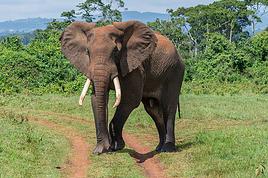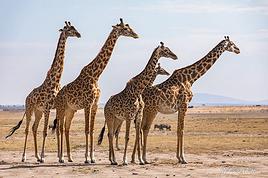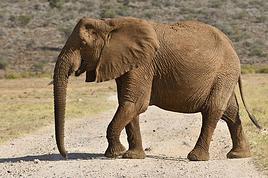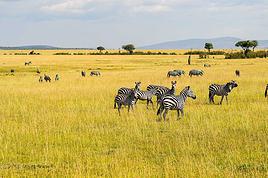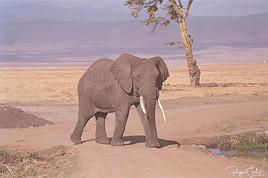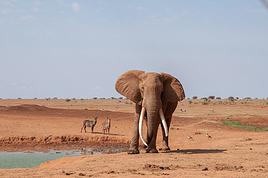
From Ol Pejeta to Tsavo West (Kenya)
FR

Translated into English.

PY Pygmalion19 Veteran ·
Hi Muriel,

I totally agree!!
pygmalion
RO Rouquine38 Globetrotter ·
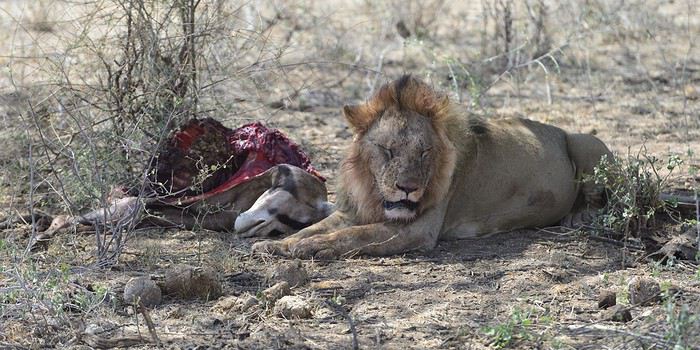
Me too! I’ve never seen a kill scene either, and I’m not sure I could handle seeing one 😅
"Voyager est un triple plaisir : l'attente, l'éblouissement et le souvenir." Ilka Chase
RJ Rjulie95 Globetrotter ·
Well, I obviously don’t agree 😇 What interests me about safaris is seeing the full life of the animals, from birth to death.

Just watching people put a collar on an animal—meh, unless I can chat with them about the why and how.
"Je suis africain, non pas parce que je suis né en Afrique, mais parce que l'Afrique est née en moi." Kwame Nkrumah.

"J'ai appris que le courage n'est pas l'absence de peur, mais la capacité de la vaincre." Nelson Mandela

https://www.en-voyages.fr
PY Pygmalion19 Veteran ·
Hi Régis,

Actually, I’ll qualify that a bit. Seeing a kill scene doesn’t bother me. There’s a certain beauty in the wildness😛, and obviously, that’s what interests me—the beauty and wildlife. That’s why, like you, I take photos to preserve the memory and the beauty.

Some observers get excited seeing an animal take a life to feed its own (the sadistic perverts😉). Others feel compassion seeing an animal suffer and its life end that way (the confused ones, which I’m part of). It all depends on the observer’s sensitivity, what they identify with (predator or prey), and in this area, there’s no neutrality. No matter what anyone says, things are divided like that. Hence the opposing viewpoints. Curiously, they don’t stop us from looking at the kill with a clinical (detached) eye, but there’s a big gap between that and freeing ourselves from our emotions! Paradox: it’s precisely because I’m one or the other (or both) that for a moment, I belong to the wild. That’s also the condition for a successful image.

A kill scene usually starts with a fight, followed by the death, then the butchering. Those last sequences, in the act of survival, disgust me. It’s not denial but revulsion with no added aesthetic value. I don’t close my eyes or look away because I recognize the useful, fundamental, primal, and revolting nature of the scene... Civilization has passed through here🙂!


It’s beautiful, isn’t it 🙁!
pygmalion
RJ Rjulie95 Globetrotter ·
So Eric, if I follow you correctly, I’m a sadistic pervert—maybe I should tone it down a bit. Do you have the same reaction when a bird kills an insect?

Anyway, all this is pretty funny because unless you’re vegetarian or vegan, it doesn’t bother you to do the same thing—you just outsource the killing to someone else. So we’re basically just hypocrites (and definitely not civilized).

But hey, we’re getting off topic 🤪
"Je suis africain, non pas parce que je suis né en Afrique, mais parce que l'Afrique est née en moi." Kwame Nkrumah.

"J'ai appris que le courage n'est pas l'absence de peur, mais la capacité de la vaincre." Nelson Mandela

https://www.en-voyages.fr
SY Sylvie56 Veteran ·
Hi everyone, Personally, it’s a scene (the collar fitting) I would’ve loved to see. We crossed paths with the "Born Free" foundation’s vehicle several times. It was created by the actors after the film of the same name, which tells the story of the Adamsons and their lioness Elsa. https://www.bornfree.org.uk/about-us

Scenes of kills don’t bother me—they’re part of life. I find them less disturbing than the daily discoveries of the atrocities humans invent against each other or nature to dominate the earth....

Meru is truly a park worth exploring. Don’t hesitate to spend several days there, and if possible, with a motivated guide 😉.
https://www.routard.com/forums/t/safari-au-kenya-en-quatuor-octobre-2025/481554/25?u=karen56 https://voyageforum.com/forum/kenya-hors-sentiers-battus-d9781073/ https://www.routard.com/forums/t/evasion-au-kenya-entre-deux-confinements/276792
PY Pygmalion19 Veteran ·
Hi Sylvie,

I’m not bothered by kill scenes—they’re part of life. They shock me less than the daily discovery of the atrocities humans invent against each other or nature to dominate the earth....

That’s too easy, this detached way of looking at things. In a kill scene, you can’t be neutral. Besides, that attitude belongs to the civilized mind, where distance silences the emotions that arise at the sight of a kill. In those moments, we’ll judge it more as strategy than horror. Prey or executioner, victim then predator. Never both at once, but in the succession of moments, one and the other. And when emotions fall silent, that detachment lets us accept life in its process—nothing more! What we call civilization is probably just the sum of layered structures that allow us to survive, even at the cost of blood. It’s another highly refined, sometimes sanitized version of the kill. There’s no contradiction in that. Going back to the essence of the Kill is also returning to what unites and sustains us.
pygmalion
PY Pygmalion19 Veteran ·
Re-

So Eric, if I follow you correctly, I’m a sadistic pervert—I think maybe that needs some nuance. Do you have the same reaction when a bird kills an insect?

Okay, I’m probably exaggerating a little, but if we weren’t like this, I doubt we’d be who we are: humans who survive, capable of the best and the worst. It’s not that the death of an insect doesn’t affect me—it’s that it’s indifferent to me, simply insignificant because I don’t see it and I don’t feel empathy toward it. But if I were to develop that kind of "concern" for it, I’d think differently. Besides, I *do* have empathy for bees...😛

Anyway, all this makes me laugh because unless you’re vegetarian or vegan, you’re not bothered by doing the same thing—except you delegate the killing to someone else. So we could say we’re just hypocritical (and certainly not civilized).

Not 100% carnivorous but flexitarian, and it does bother me when I think about it—unless I have no kind of consideration for the animal I’m eating. As for delegating the killing, it’s a collective strategy, not an individual one... a rational act (of organization) aimed at the survival of all.
pygmalion
BL Blesl Veteran ·
Hi Sylvie, Éric, Muriel, Régis, and everyone else,

Like Sylvie, kill scenes don’t shock me, but they don’t particularly appeal to me either. Predation is part of the system—death is essential to life as we know it, because without death, there’s no evolution. And a predation scene that doesn’t end with the predator feeding is a threat to its survival, especially for predators like cheetahs that expend so much energy hunting. I heard this ridiculous line in a documentary: "luckily, the gazelle got away"... Yeah, right—one or two more failures and it’s one less cheetah in an already dwindling population, while gazelles are a dime a dozen...

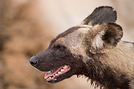
When it comes to collar-tagging scenes, I’m torn. The presence of a collar puts the animal at risk—first during the fitting, since tranquilization/anesthesia isn’t a harmless process. Afterward, wearing the collar itself can be dangerous, as studies (including documented cases with African wild dogs) have shown. Plus, the scientific value is often minimal, if not zero. That said, there are upsides: having people on the ground who care about wildlife, involving local communities with jobs tied to conservation, *some* scientific value (not always negligible), and better protection through population monitoring...

Best to all, and kisses to the rest,

BL

PS: One of the best things about your travel journal, Éric, is that it doesn’t just fuel birdwatching debates and nitpicking—it also sparks deeper reflections on wildlife, our habits, and how we perceive scenes of life (and death), e tutti quanti
safari photo en Tanzanie et ailleurs https://safari-tanzanie.fr WILIPI photographie animalière
MA Max68 Globetrotter ·
I see you've really thought about the kill issue 😉

I agree about our feelings shifting from victim to predator...

As Bernard wrote in that awesome travel journal that adds depth to the experience 😎... bravo
https://apprentisvoyageurs.com
PY Pygmalion19 Veteran ·
Hi Jean-François,

Thanks for your kind words... I'll get started on the next part! :)
pygmalion
PY Pygmalion19 Veteran ·
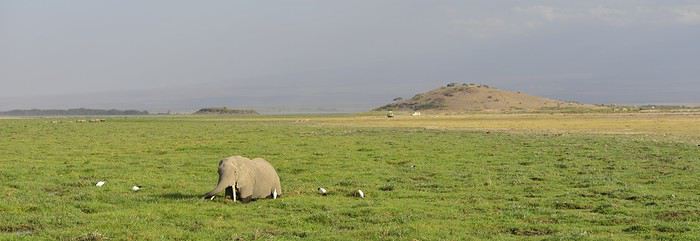
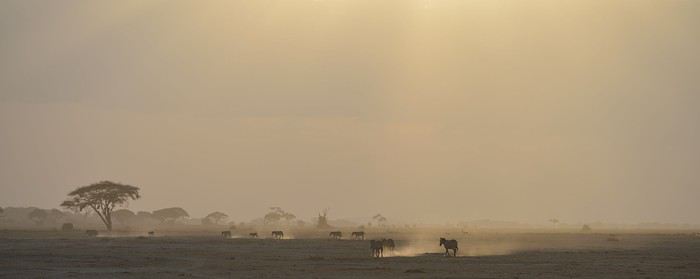
Here we are in Amboseli National Park at the foot of Kilimanjaro, which rises 5,895 meters above a vast 400 km² wildlife sanctuary. The park is a complex ecosystem of plains and marshes fed by glacier waters during the dry season. A lake swollen by seasonal rains floods part of the area for much of the year. There are also brackish waters forming large ponds where dozens of flamingos feed. Finally, a regenerating wooded area crowns this landscape. We didn’t see any giraffes, but we did spot elephants, hippos, zebras, wildebeest, buffalo, felines, canids, hyenas, birds, antelopes—and plenty of tourists!


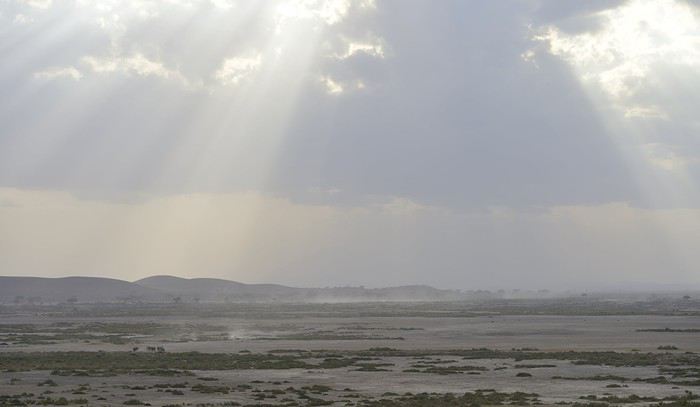
What struck us right away was the dust—swirling clouds of it kicked up by animals, cars, and local winds, forming mini tornadoes, much like in Samburu but even more intense. The air is thick with it, noticeably reducing visibility.

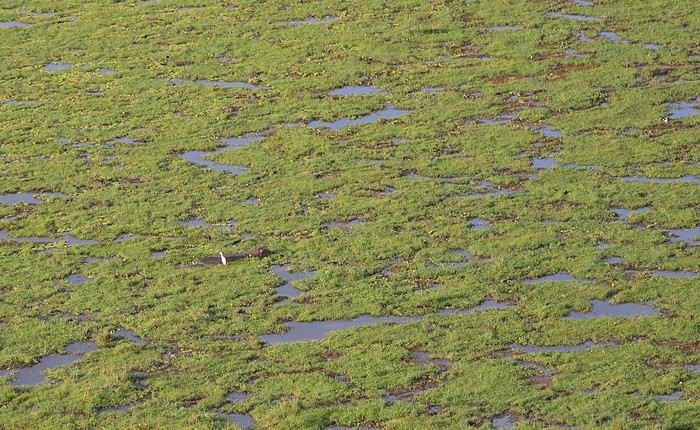
The animals we saw are mostly the same as elsewhere, with a few exceptions we’ll be sure to note. In the marshes, it’s bustling—animals are everywhere and active:


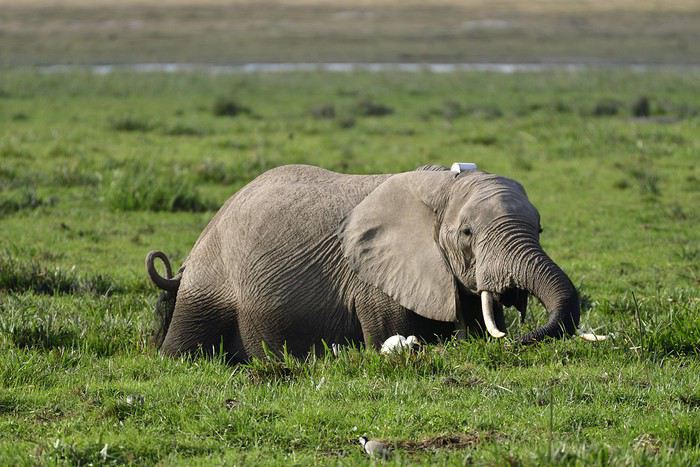
Savanna elephant, Loxodonta africana cyclotis


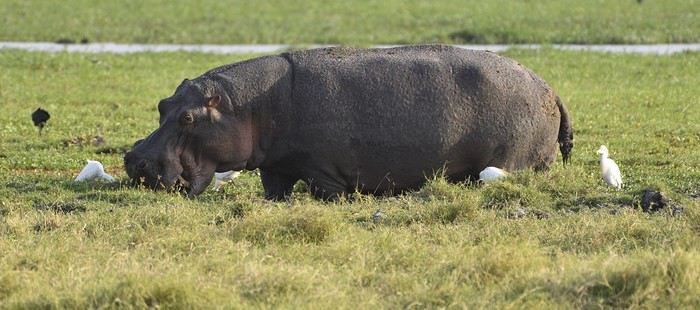
Hippopotamus, Common hippopotamus, Hippopotamus amphibius


pygmalion
PY Pygmalion19 Veteran ·
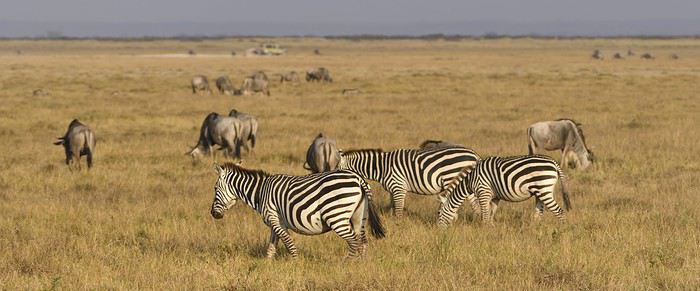
In the open areas, animals are scattered everywhere—zebras, wildebeest, antelopes, buffaloes—some resting, others active.

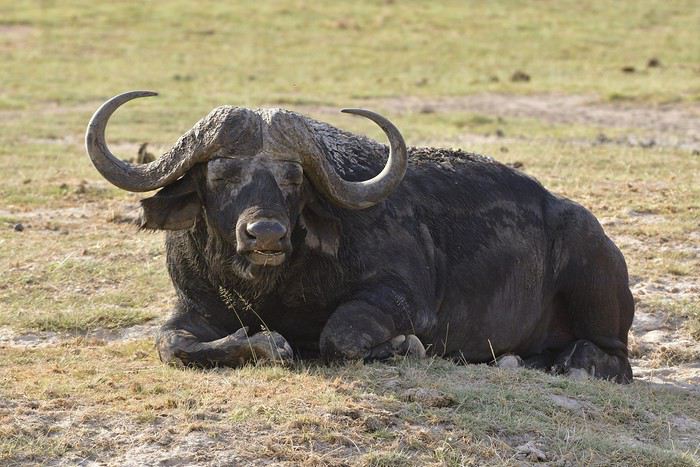
This buffalo (with its massive horns) is ruminating and dreaming of fresh grass.


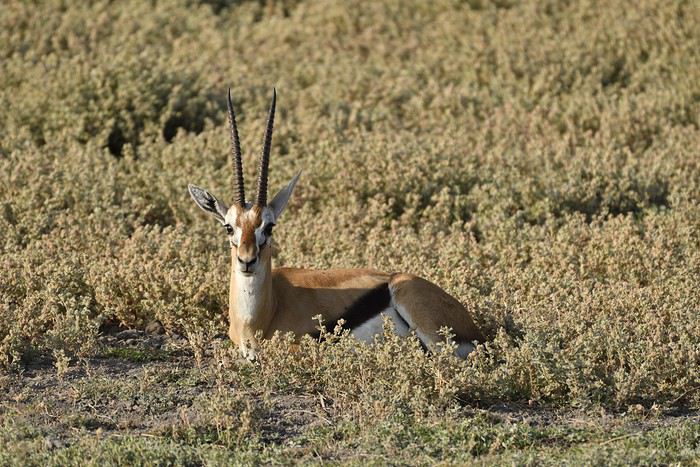
Thomson’s gazelle, *Gazella thomsoni*, at rest.


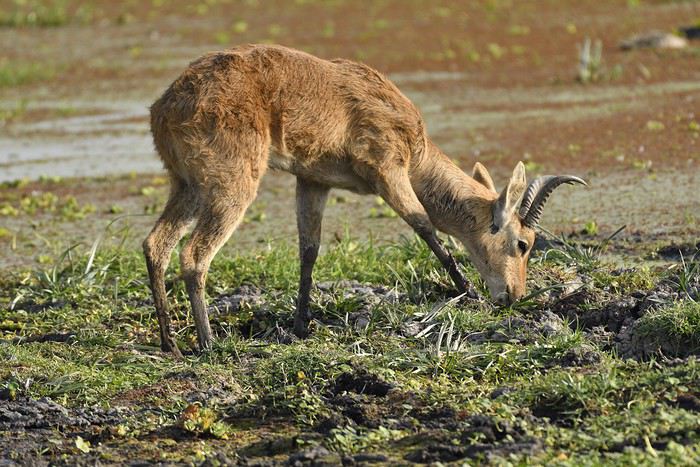
What’s this? A common reedbuck, *Redunca arundinum*, spotted in the Serengeti.


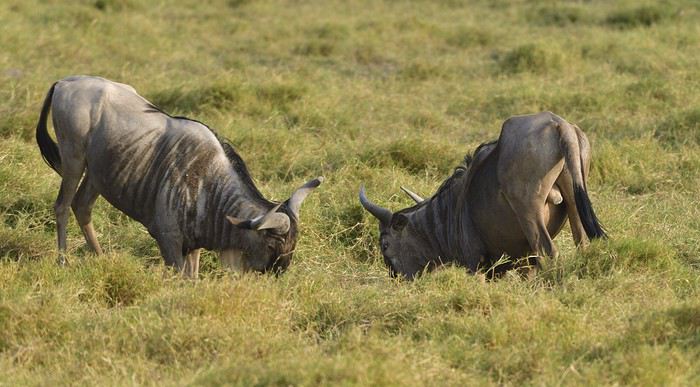
Blue wildebeest, *Connochaetes taurinus*—we hadn’t seen any in the previous parks.


A scene mixing zebras and wildebeest.

pygmalion
PY Pygmalion19 Veteran ·
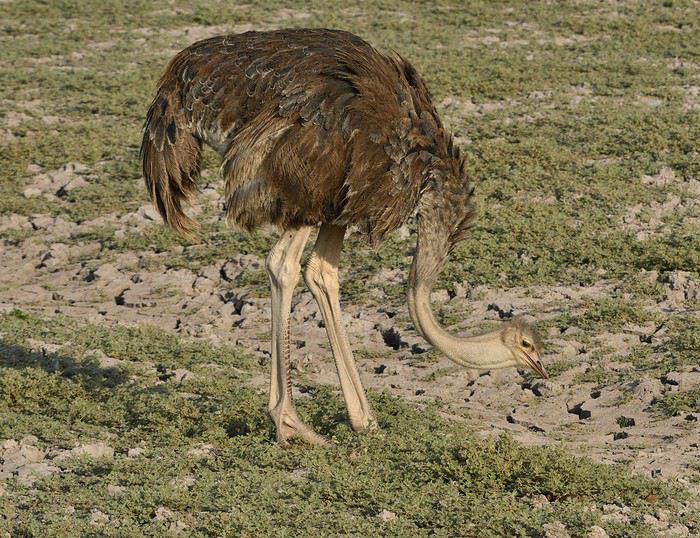
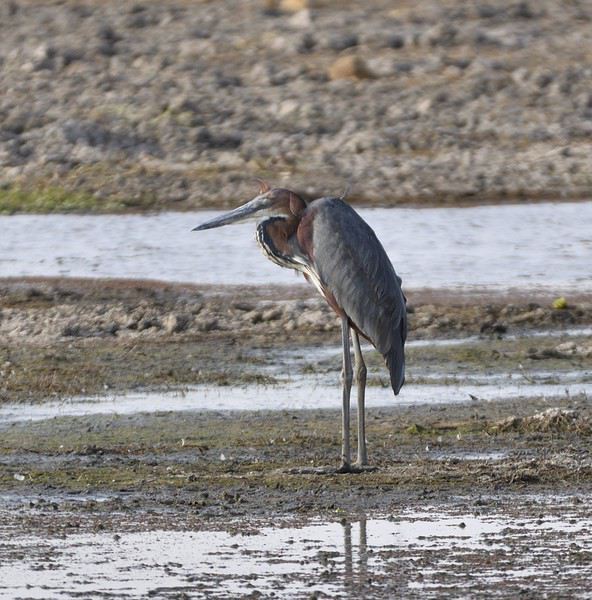
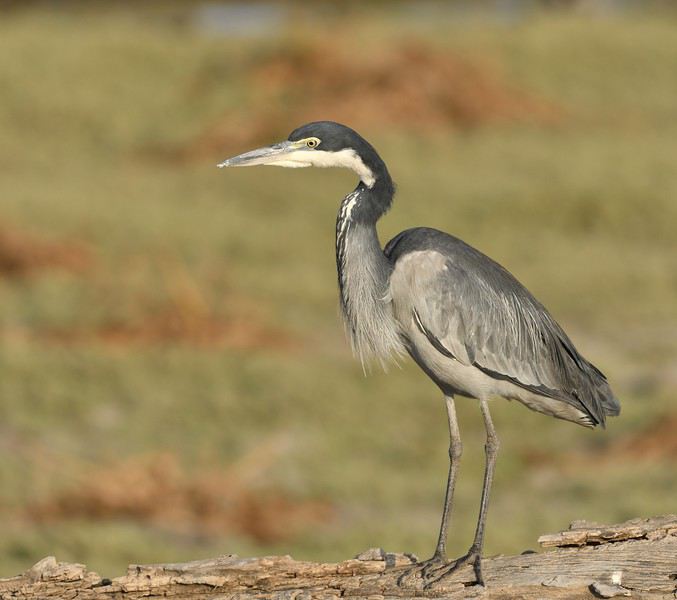
Birds are also incredibly abundant here, with over 450 recorded species. We only spotted a few, presented here from the largest to the smallest:

Common Ostrich, Struthio Camelus


Goliath Heron, Ardea goliath


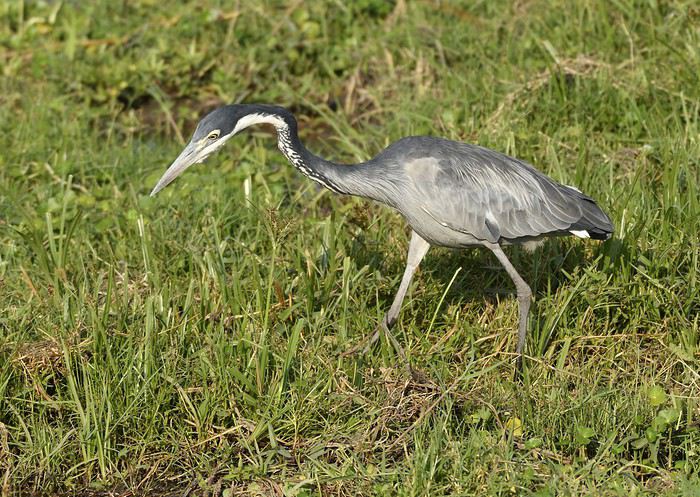
Black-headed Heron, Ardea melanocephala


Hunting


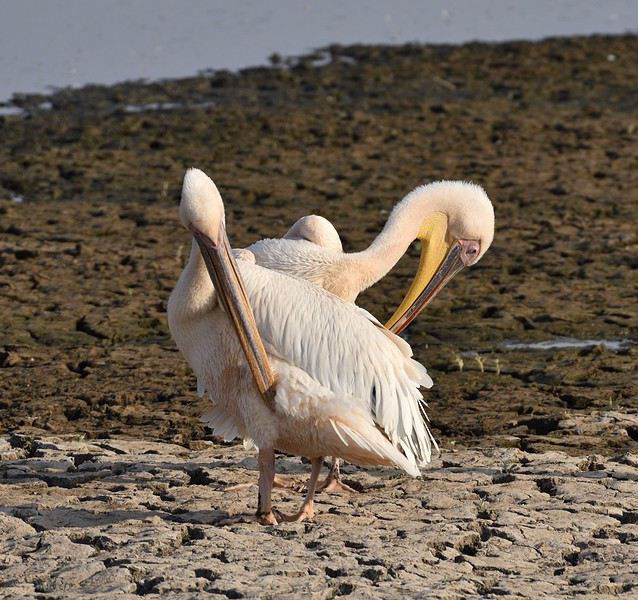
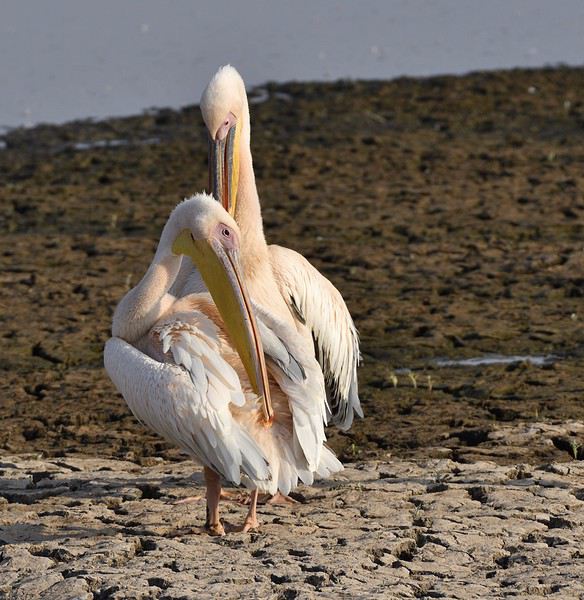
Great White Pelican, Pelecanus onocrotalus


One more little cutie 🙂


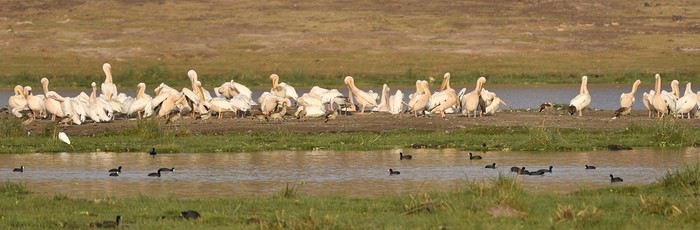
And the colony that comes with it


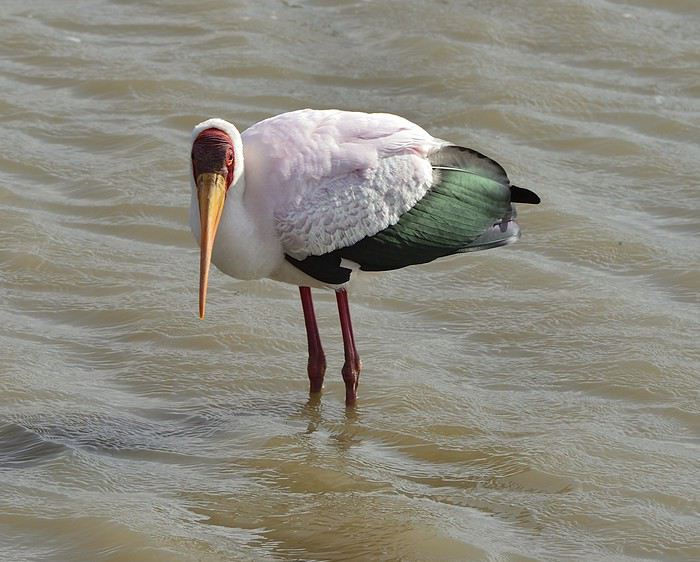
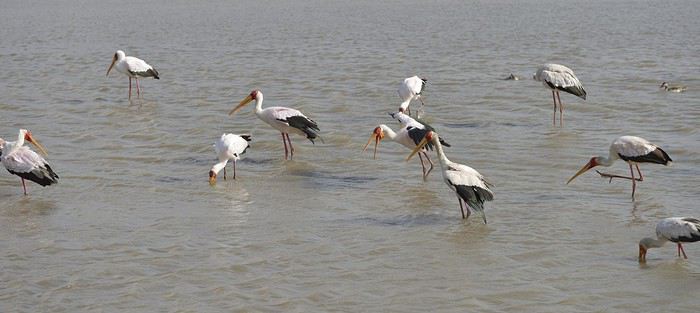
Yellow-billed Stork, Mycteria Ibis


And the colony that goes with it...

pygmalion
PY Pygmalion19 Veteran ·
The shores of Lake Amboseli are also very busy. Along its banks, you can easily spot ducks, waders, and geese:

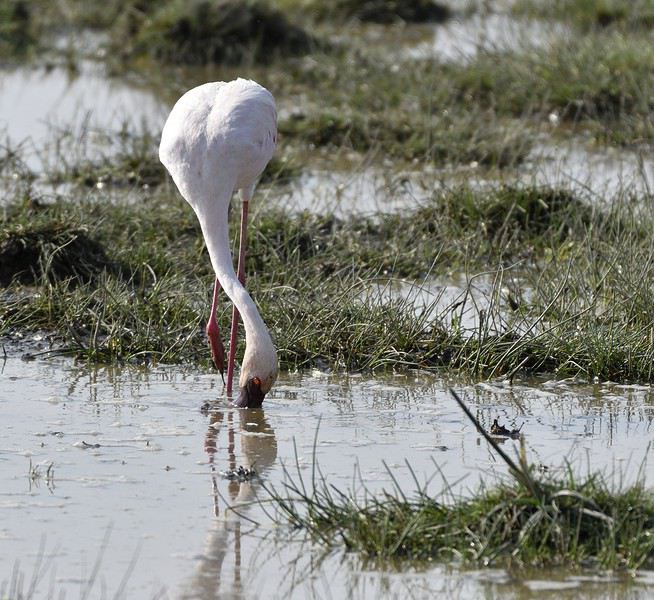
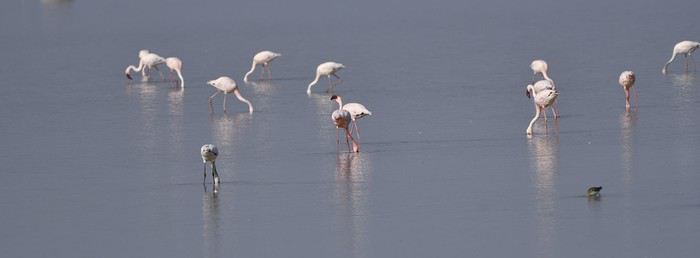
Lesser Flamingo, Lesser Flamingo, Phoeniconiais minor


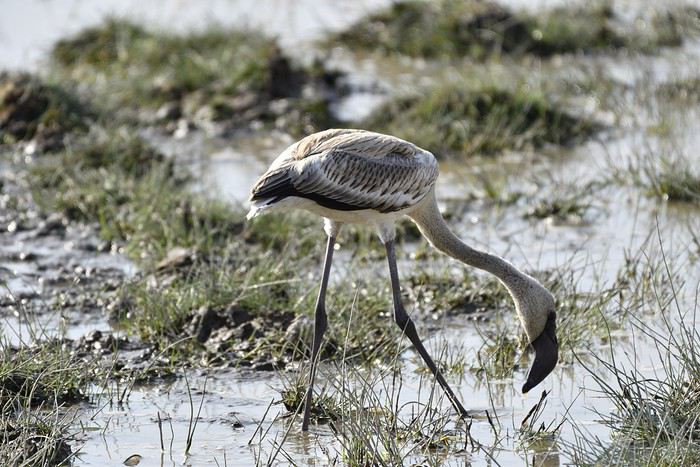
Immature Lesser Flamingo


And the colony that goes with it


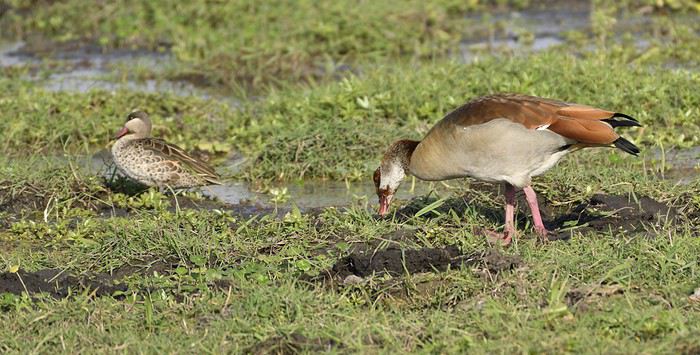
Egyptian Goose, Egyptian Goose, Alopochen aegyptiacus


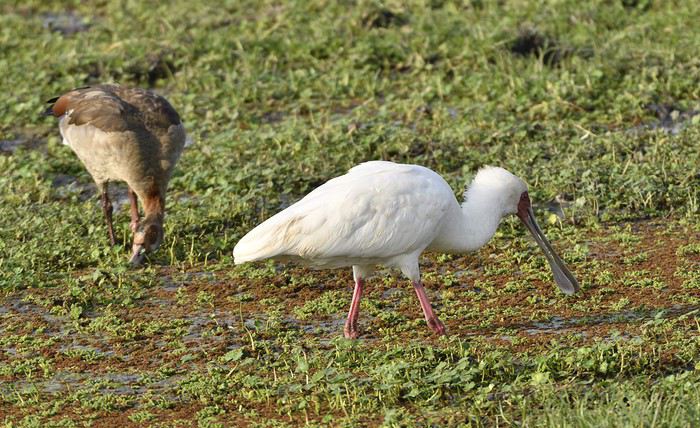
Adult African Spoonbill, African Spoonbill, Platalea alba


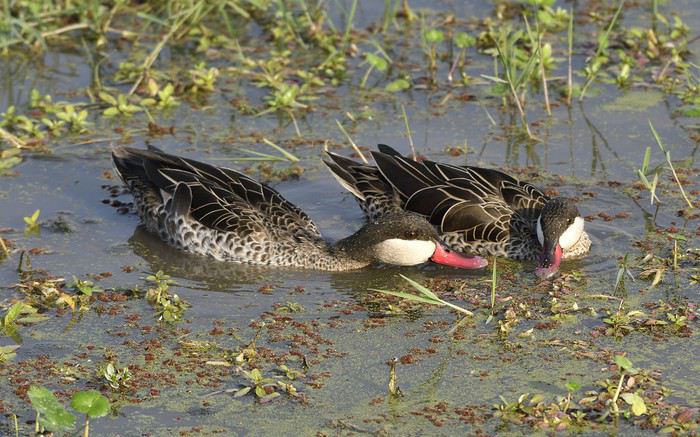
Red-billed Teal, Anas erythrorhyncha

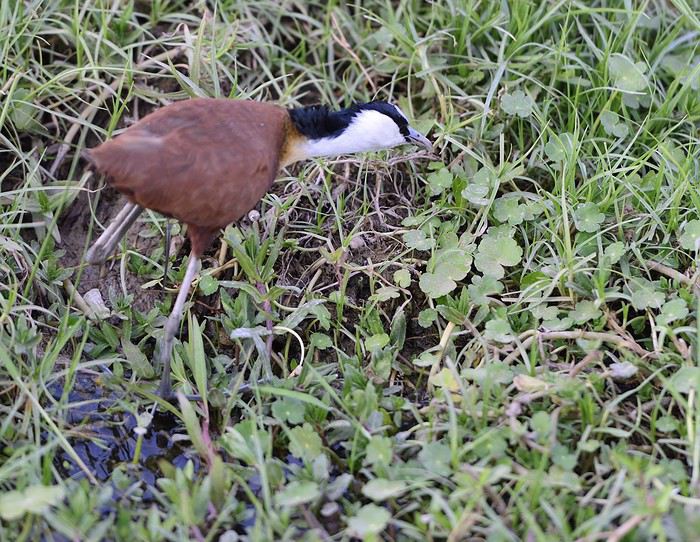
African Jacana, African Jacana, Actophilornis africanus


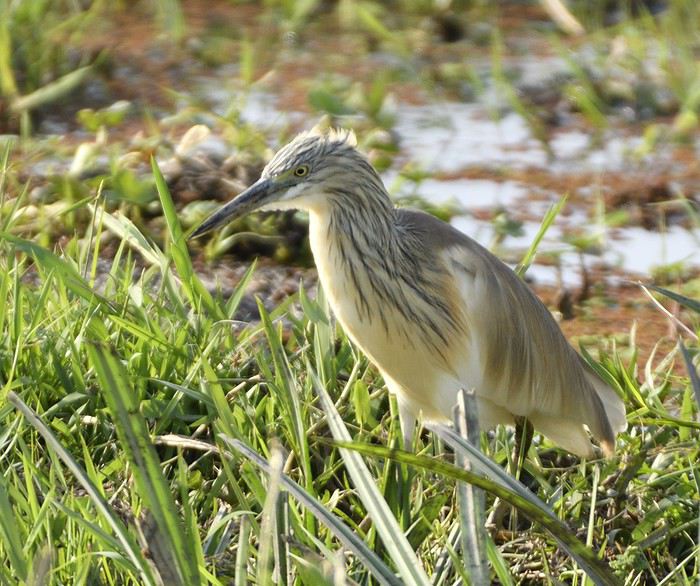
Squacco Heron, Common Squacco Heron, Ardeola ralloïdes
pygmalion
BL Blesl Veteran ·
Hi Éric,

So I’d say:

Lesser Flamingo, Phoeniconaias minor, Lesser Flamingo (not very pink, but the top of the beak is black)

Egyptian Goose, Alopochen aegyptiaca, Egyptian Goose

African Spoonbill, Platalea alba, African Spoonbill

Red-billed Teal, Anas erythrorhyncha, Red-billed Teal

African Jacana, Actophilornis africanus, African Jacana

Squacco Heron, Ardeola ralloides, Squacco Heron

Great shots, well done!

BL

PS: It’s Black-headed Heron, Goliath Heron (watch out for autocorrect adding an unwanted capital letter) and African Sacred Ibis
safari photo en Tanzanie et ailleurs https://safari-tanzanie.fr WILIPI photographie animalière
SA Safrou Regular ·
Hello, hello,

Love all these birds 😇

I have another translation for Yellow-billed Stork: Ibis Tantale??? Egyptian Goose: Egyptian Goose

For the flamingos, I’m not sure… Lesser… Greater???

African Spoonbill / Spatule d'Afrique, you found that one 🙂 Red-billed Teal / Red-billed Teal Common Squacco Heron / Squacco Heron, nice spot 🙂 African Jacana / African Jacana, good catch too 🙂

Wow, I’m still loving this!
On ne voit bien qu'avec le cœur. L'essentiel est invisible pour les yeux... Le Petit Prince https://safrounet.ch/2018/04/08/kgalagadi-novembre-decembre-2017-du-11-11-au-16-11-2017/
BL Blesl Veteran ·
Hello, hello,

Amazing all these birds 😇

Wow, I’m still loving it!

Mitou, mitou!

Shows how a great safari really gives the birds their due!

BL
safari photo en Tanzanie et ailleurs https://safari-tanzanie.fr WILIPI photographie animalière
BL Blesl Veteran ·
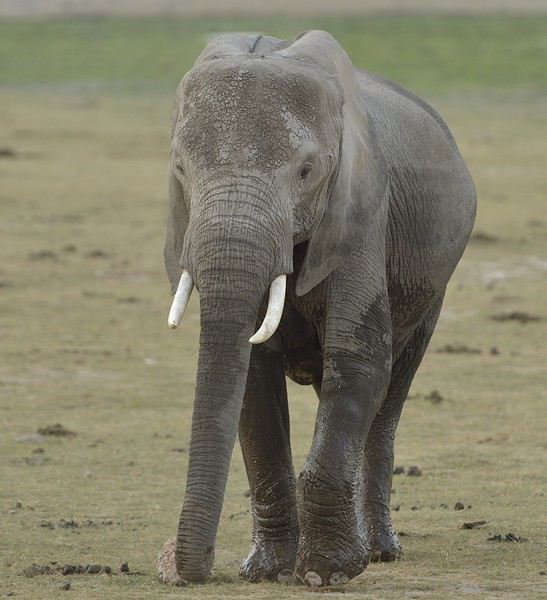
I forgot, among other things, the elephant photo at Amboseli is amazing! Great job, Éric!

Anne-Marie, regarding the flamingo, it’s certainly less pink than one might expect for a Lesser Flamingo, which we know is pinker (and smaller...) than the Greater Flamingo, but it’s its uniformly black beak that makes me lean toward it being a Lesser Flamingo.
safari photo en Tanzanie et ailleurs https://safari-tanzanie.fr WILIPI photographie animalière
SA Safrou Regular ·
yes Bernard, that’s also what I was thinking… thought, just 😉 , about the flamingos
On ne voit bien qu'avec le cœur. L'essentiel est invisible pour les yeux... Le Petit Prince https://safrounet.ch/2018/04/08/kgalagadi-novembre-decembre-2017-du-11-11-au-16-11-2017/
PY Pygmalion19 Veteran ·
Hello birding folks on VF,

You're quick... Didn't even have time to post the pictures before you already added details and corrections (brotherly ones, right!😕!). But don’t laugh too hard—I’m about to hit you with a tough one😎
pygmalion
PY Pygmalion19 Veteran ·
Hi Anne-Marie

For the flamingos… I’m not sure… Lesser… Greater ???

I’d say Lesser, but I prefer Phoenicinaiais 😉
pygmalion
PY Pygmalion19 Veteran ·
Re-

I have another translation for Yellow-billed Stork: Tantale Ibis ???

That seems possible according to Wiki, which cites other authorities like oiseaux.net😄
pygmalion
PY Pygmalion19 Veteran ·
Re-

I preferred the one with the reedbuck. It was such a joy to find it there. To each their own, as they say... Even John was amazed.
pygmalion
BL Blesl Veteran ·
Let's just say the elephant is inseparable from Amboseli, which makes for a more "typical" photo—but I get that you prefer one that's also excellent (hence the "among other things") and more original.
safari photo en Tanzanie et ailleurs https://safari-tanzanie.fr WILIPI photographie animalière
PY Pygmalion19 Veteran ·
Re-

Yes, the elephant, but with Kilimanjaro in the background under a beautiful blue sky (pretty rare, all the same)😉;

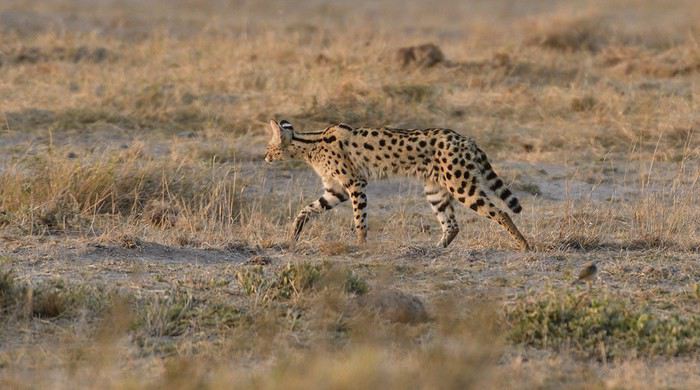
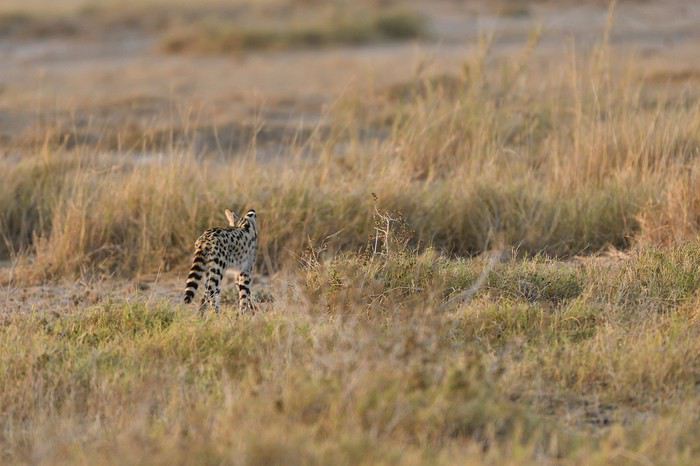
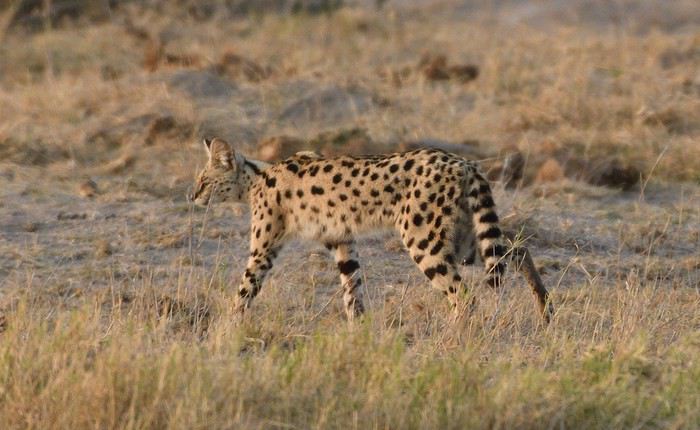
But there are also beautiful big cats, like this one:

Serval, Leptailurus serval


pygmalion
PY Pygmalion19 Veteran ·
Bernard, Anne-Marie, and the others

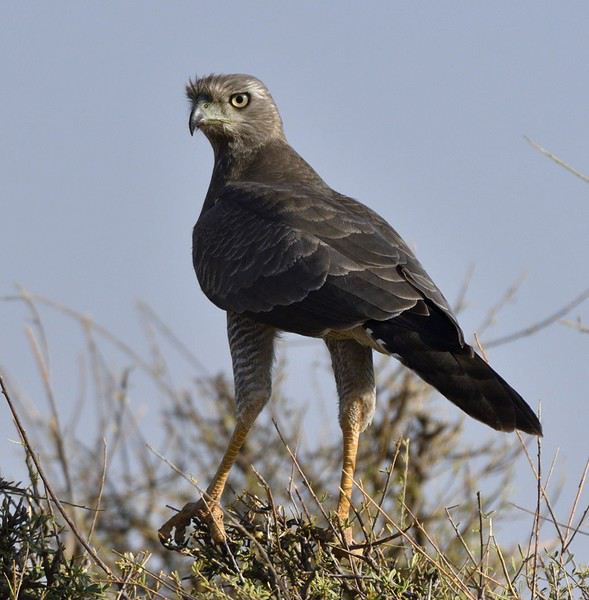
Could you possibly help me identify this bird?
pygmalion
SA Safrou Regular ·
I preferred the reedbuck one. It was such a joy to find it there. To each their own taste, as they say... Even John couldn’t believe it.

Yeah, you're right—I missed that one. It’s pretty rare and hard to spot in Kruger, but there are two. Which one is it? I’ll go look 😛

I think the bird is a Dark Chanting Goshawk, with its yellow legs, so probably a sub-adult.

EDIT: Redunca arundinum (the other being fulvorufula)
On ne voit bien qu'avec le cœur. L'essentiel est invisible pour les yeux... Le Petit Prince https://safrounet.ch/2018/04/08/kgalagadi-novembre-decembre-2017-du-11-11-au-16-11-2017/
BL Blesl Veteran ·
This seems to me to be nothing other than an immature goshawk, or Grey-winged Goshawk or Dark Chanting Goshawk. I’d lean toward the Grey-winged Goshawk because the beak of the Dark Chanting Goshawk becomes fairly quickly bicolored with age... I’m asking a higher authority on Oiseaux.net...

EDIT: The yellow legs aren’t diagnostic, Anne-Marie.
safari photo en Tanzanie et ailleurs https://safari-tanzanie.fr WILIPI photographie animalière
BL Blesl Veteran ·
HBW cards favor the poliopterus...
safari photo en Tanzanie et ailleurs https://safari-tanzanie.fr WILIPI photographie animalière
SA Safrou Regular ·
and I don’t have it in my books 🏴‍☠️😠 yeah, more gray based on your link 🙂
On ne voit bien qu'avec le cœur. L'essentiel est invisible pour les yeux... Le Petit Prince https://safrounet.ch/2018/04/08/kgalagadi-novembre-decembre-2017-du-11-11-au-16-11-2017/
PY Pygmalion19 Veteran ·
Re-

HBW plates favor the poliopterus...

https://www.oiseaux.net/oiseaux/autour.a.ailes.grises.html

Doesn’t look like it! And yet… yes, the oiseaux.net photo is lighter. Let’s go with Grey-winged Kestrel, Meliarax poliopterus—but only if it’s an immature! What do you think? There’s a huge "dimorphism" between the adult and the immature, right!
pygmalion
RJ Rjulie95 Globetrotter ·
EDIT: yellow legs aren’t diagnostic.

What exactly does that sentence mean?
"Je suis africain, non pas parce que je suis né en Afrique, mais parce que l'Afrique est née en moi." Kwame Nkrumah.

"J'ai appris que le courage n'est pas l'absence de peur, mais la capacité de la vaincre." Nelson Mandela

https://www.en-voyages.fr
SA Safrou Regular ·
the EDIT means I edited my message to take up as little space as possible in this lovely travel journal 😊
On ne voit bien qu'avec le cœur. L'essentiel est invisible pour les yeux... Le Petit Prince https://safrounet.ch/2018/04/08/kgalagadi-novembre-decembre-2017-du-11-11-au-16-11-2017/
PY Pygmalion19 Veteran ·
Hi Anne-Marie,

I think Régis is asking: "why isn't the color of this bird's legs a diagnostic identification feature?"
pygmalion
SA Safrou Regular ·
yes, he says it's not a diagram.
On ne voit bien qu'avec le cœur. L'essentiel est invisible pour les yeux... Le Petit Prince https://safrounet.ch/2018/04/08/kgalagadi-novembre-decembre-2017-du-11-11-au-16-11-2017/
RJ Rjulie95 Globetrotter ·
Yes, there you go—thanks!
"Je suis africain, non pas parce que je suis né en Afrique, mais parce que l'Afrique est née en moi." Kwame Nkrumah.

"J'ai appris que le courage n'est pas l'absence de peur, mais la capacité de la vaincre." Nelson Mandela

https://www.en-voyages.fr
RJ Rjulie95 Globetrotter ·
So basically, that means it's not relevant for identifying the bird?
"Je suis africain, non pas parce que je suis né en Afrique, mais parce que l'Afrique est née en moi." Kwame Nkrumah.

"J'ai appris que le courage n'est pas l'absence de peur, mais la capacité de la vaincre." Nelson Mandela

https://www.en-voyages.fr
SA Safrou Regular ·
Yeah, but not always 😛

Wow, a serval—you don’t see those every day! Amazing 🙂
On ne voit bien qu'avec le cœur. L'essentiel est invisible pour les yeux... Le Petit Prince https://safrounet.ch/2018/04/08/kgalagadi-novembre-decembre-2017-du-11-11-au-16-11-2017/
PY Pygmalion19 Veteran ·
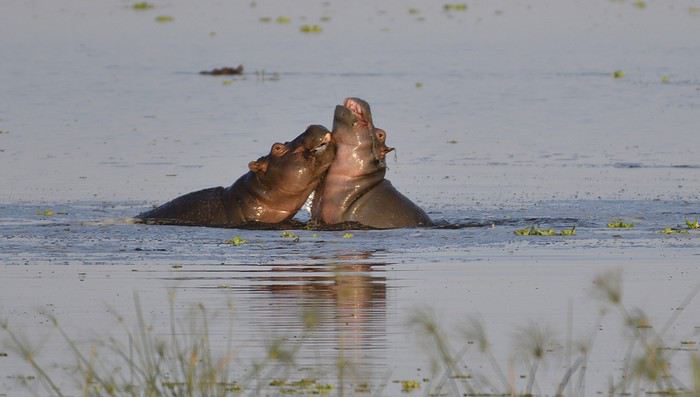
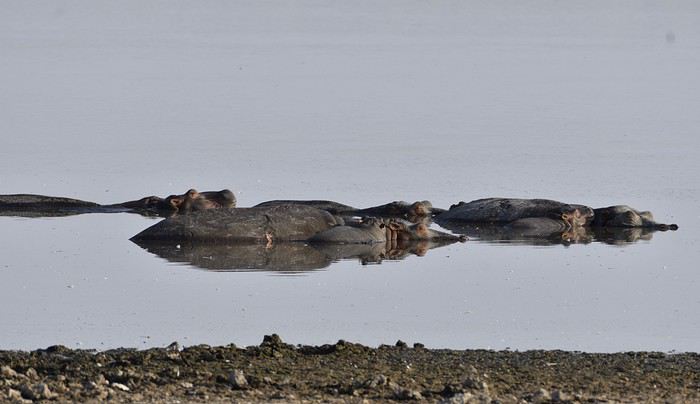
To get a better sense of this park, gain some elevation. Near the lake, there’s a small hill that overlooks the area. To get there, you’ll need to walk along one of the lake’s shores—might as well take the opportunity to see what’s on it:

Young hippos playing


More hippos napping with their family


But on the side of the road…


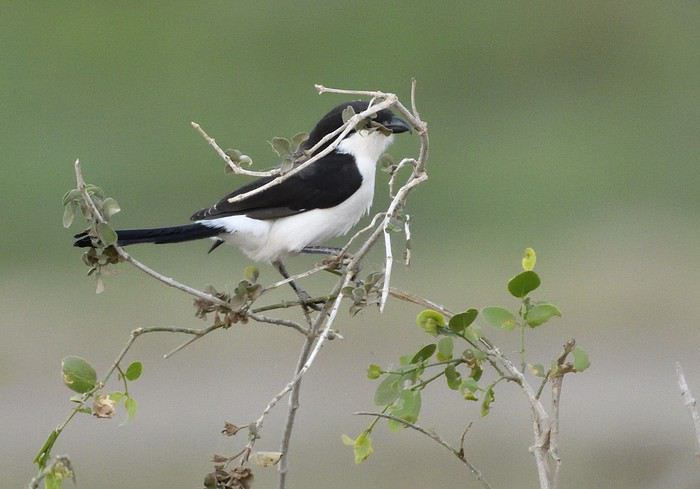
Northern fiscal (seen from another angle)


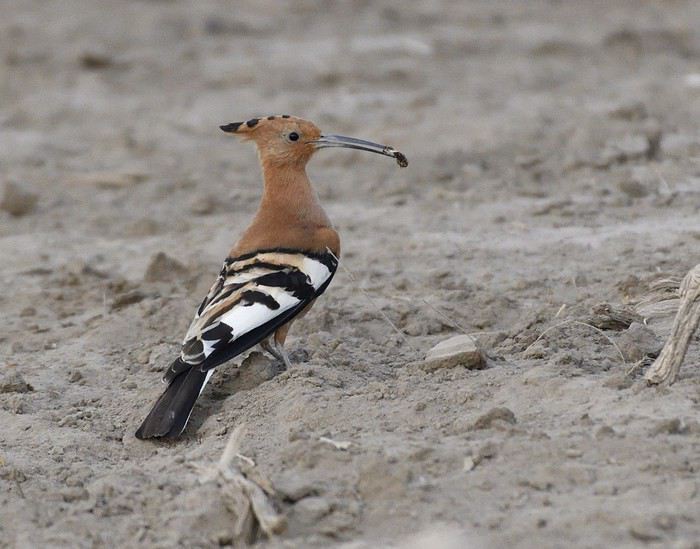
African hoopoe, *Hupupa africana*


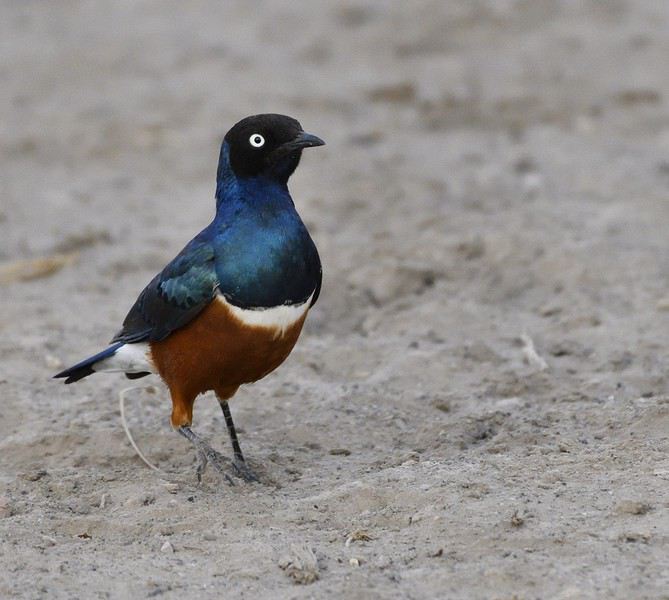
Superb starling, *Lamprotornis superbus*

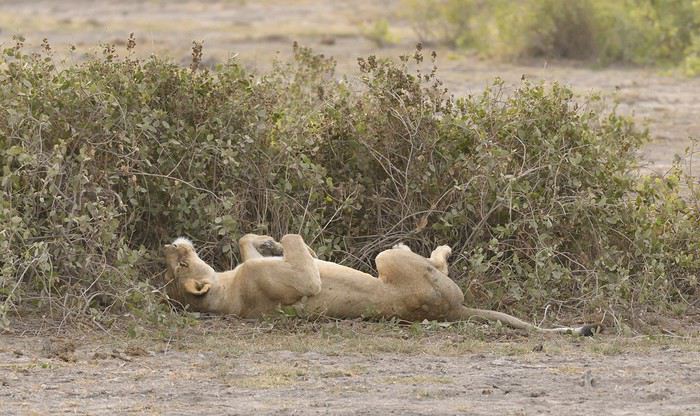
Not far from there, by the side of the track:

pygmalion
PY Pygmalion19 Veteran ·
Hi Sylvie,

The serval is gorgeous! With such great lighting too... beautiful shots

🙂. I’m blushing with pleasure😊
pygmalion
BL Blesl Veteran ·
EDIT: yellow legs are not diagnostic.

What exactly does this sentence mean?

It means you can’t base a differential species diagnosis between Dark Chanting Goshawk and Grey-winged Kestrel on the yellow color of the bird’s legs.

Have a good evening, Régis

BL

PS: I’ve got initial confirmation from my partner for an M. poliopterus, and I’m waiting for another (or a refutation?) from her mentor.
safari photo en Tanzanie et ailleurs https://safari-tanzanie.fr WILIPI photographie animalière
BL Blesl Veteran ·
A few friendly (or even fellow-birder 😉) details, Éric

Re-

HBW’s plates favor *poliopterus*...

https://www.oiseaux.net/oiseaux/autour.a.ailes.grises.html

That doesn’t look like it! And yet… yes, the oiseaux.net photo is lighter. Let’s go with Grey-winged Kestrel, Meliarax poliopterus, but only if it’s an immature! What do you think? There’s a huge "dimorphism" between the adult and the immature, isn’t there!

We’re on the same page—it can only be an immature. As for dimorphism, it’s pronounced, even if there are worse cases, whether between immature and adult, non-breeding and breeding (Ruff), or especially male and female (many widowbird species).

...


Eurasian Hoopoe, African Hoopoe, *Hupupa epops*

The Eurasian Hoopoe, Upupa epops, is the Common Hoopoe. The African Hoopoe, Upupa africana, is indeed considered a full species by the IOC, but remains a subspecies for HBW, which notes: "Race africana also considered by some to be a full species on the basis of varying amounts of white in the wing and other minor differences in color pattern (possibly also between sexes), but linked to race senegalensis by intermediate waibeli." Expert debates that go way over our heads, but we can’t mix the two names...


Superb Starling, *Lamprotornis superbus*

Now it’s Superb Starling (still Superb Starling, Lamprotornis superbus). It’s one of birders’ favorite games to "split" (divide) species, lump them in seemingly arbitrary ways, and finally change genus names that date back to Linnaeus himself...

Have a great evening,

Bernard
safari photo en Tanzanie et ailleurs https://safari-tanzanie.fr WILIPI photographie animalière
PY Pygmalion19 Veteran ·
Hi Bernard,

Now it’s Choucador superbe (still Superb Starling, *Lamprotornis superbus*). It’s one of birders’ favorite games to "split" (divide) species, group them in what seems like the most arbitrary way possible, and finally change genus names that go back to Linnaeus himself...
Birders are so quirky and complicated 🙂! Speaking of other things, what’s this acronym—HBW?
pygmalion
PY Pygmalion19 Veteran ·
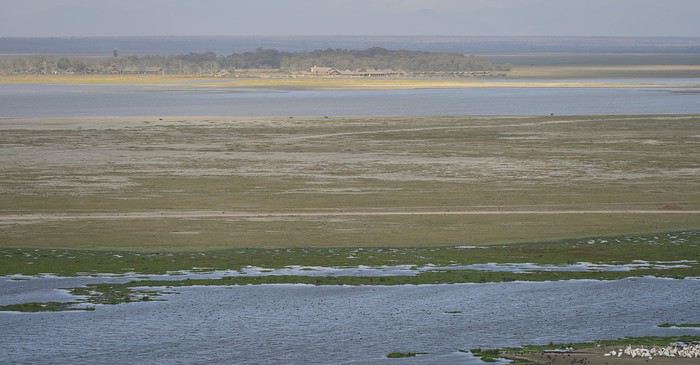
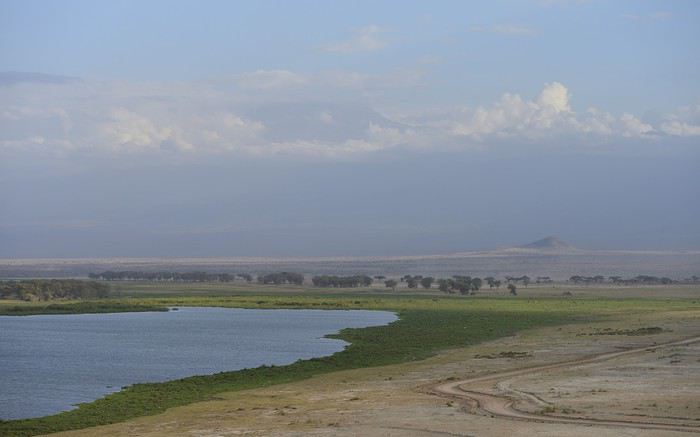
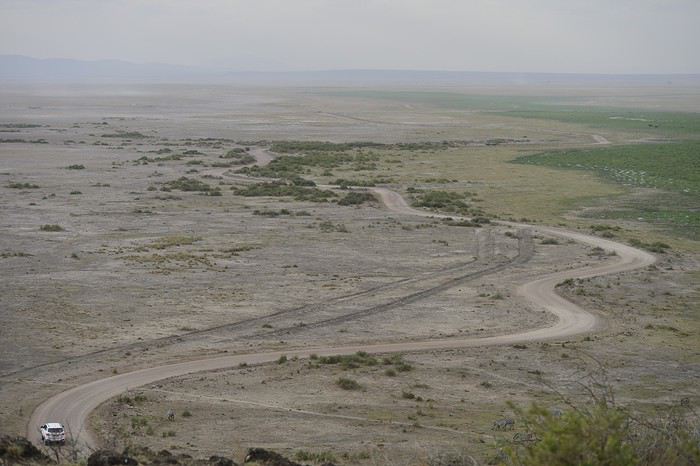
We arrive at this mound, actually a rocky formation I know nothing about except that it’ll serve as our vantage point for a series of views:

View of the marshes and the lake. In the background, Ol Tukaï and the accommodation where we stayed:


View of the lake and Kilimanjaro


View of the grasslands


View toward Arusha and Tanzania


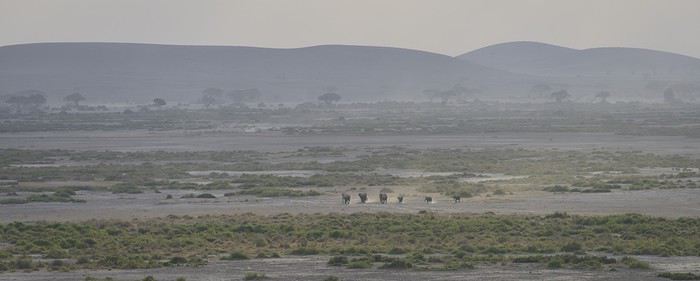
Animals move around a lot in this area, which seems to be a corridor. Here, elephants:


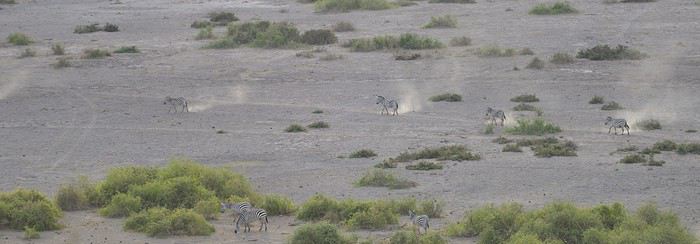
There, zebras


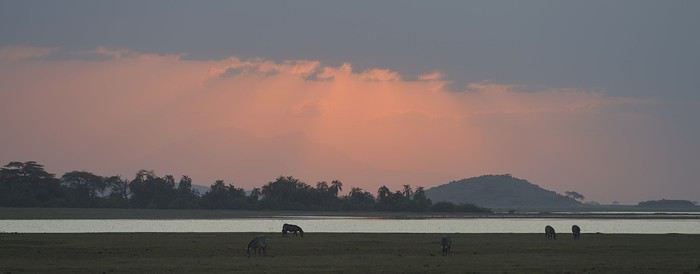
But the sun is sinking on the horizon. The light turns twilight as elephants emerge from the marsh and equids return to their sleeping quarters. The marshes empty of all animal presence for the night.


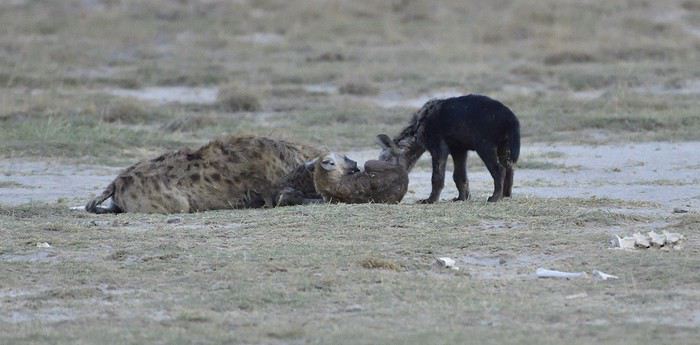
But predators shake off their lethargy for the night:


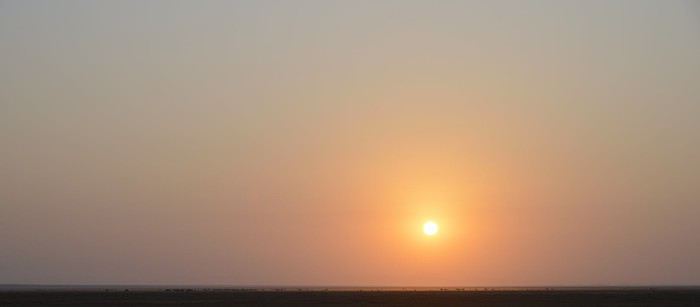
The sky ignites:


and the sun gradually disappears

pygmalion
RJ Rjulie95 Globetrotter ·
About other things, what does this acronym HBW stand for?

For once I know something—Handbook of the Birds of the World.

I’m having a hard time keeping up with all your bird names 🏴‍☠️
"Je suis africain, non pas parce que je suis né en Afrique, mais parce que l'Afrique est née en moi." Kwame Nkrumah.

"J'ai appris que le courage n'est pas l'absence de peur, mais la capacité de la vaincre." Nelson Mandela

https://www.en-voyages.fr
BL Blesl Veteran ·
Well, to wrap up the bird name mystery, I’ve been told it’s an immature Grey-winged Hawk—not based on morphological traits (since telling it apart from a Dark Chanting Goshawk at this stage would be tough, if not impossible), but rather on distribution patterns. The Dark Chanting Goshawk is generally less common in Kenya and Tanzania than the Grey-winged Hawk, and it’s said to be particularly absent from Amboseli.

Beautiful landscapes, Éric !
safari photo en Tanzanie et ailleurs https://safari-tanzanie.fr WILIPI photographie animalière
SA Safrou Regular ·
Got it, thanks! 🙂
On ne voit bien qu'avec le cœur. L'essentiel est invisible pour les yeux... Le Petit Prince https://safrounet.ch/2018/04/08/kgalagadi-novembre-decembre-2017-du-11-11-au-16-11-2017/
PY Pygmalion19 Veteran ·
Hi Régis,

Thanks for the info.
pygmalion

Similar discussions

You might also like