Even taking the shortest route, our hotel was 6 km away on foot and it was past 10 PM, so we didn’t bother negotiating the price—but we probably could have!
I know where your hotel was, and in the first nighttime photo of the monuments, I can see Wat Arun. On foot, the two aren’t 6 km apart—more like 3 km max—but anyway...
No, you don’t discuss the price beforehand, no matter the time: the car stops, the guy rolls down his window, you state your destination without mentioning the price, if he agrees on the destination you get in, say hello (though they don’t seem used to it), he starts the meter right away*, and he drives off. You only find out the price when you arrive** (which, in your case, would’ve been around 100 baht, including the pickup fee).
After all, 10 euros when you see the prices in France, and if it helped our driver’s daily life, it’s not the end of the world...
The argument might hold if you’d paid about 20% extra (a tip isn’t forbidden, though it’s not common), but four times the normal fare? Definitely not.
For reference, 400 baht is also, for example, the price of:
- more than a day’s wages for a farm or construction worker,
- a meal for 8 people in a simple restaurant,
- a meal for 3 people in a slightly nicer restaurant,
- 100 km in a first-class air-conditioned state bus for 3 people,
- 10 to 20 rides in an air-conditioned city bus (40 in a non-air-conditioned one),
- 15 bottles of 42cl Coca-Cola in a tourist restaurant (25 in a basic place), including ice,
- a room for 2 without AC and with a private bathroom in a non-touristy town,
- 2 to 10 haircuts, depending on the place,
- 10–12 kg of laundry done at a laundromat (no ironing, but dried and returned),
* Unlike Jojoone1, I’ve never had to ask for the meter to be turned on in over a hundred rides.
** The only case where you pay extra on top of the meter price is when the taxi is taken at an airport, especially in Bangkok.

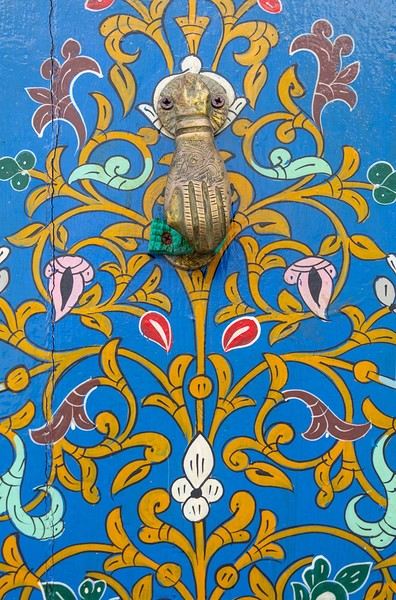
 As they say in Morocco: a feast for the eyes!
 While waiting for customers, a bit of exercise!


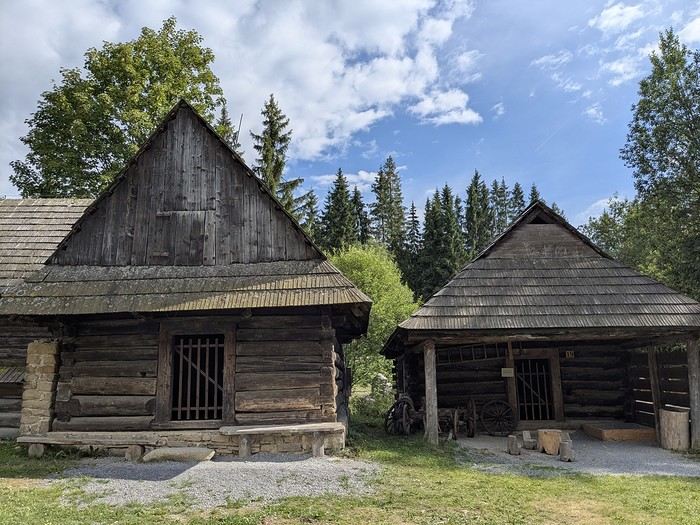
 From what I understood, the different houses come from various parts of Thailand where they were dismantled and then reassembled in Bangkok.
The exhibits are absolutely gorgeous.


 but it’s really lovely too.
 This place is timeless—you wouldn’t think you’re in Bangkok!




 Today, we’re staying in our neighborhood and venturing out to Khao San Road, known as Bangkok’s party street, with all the excesses that come with it.

 But right next to it, we discovered a beautiful temple (Wat Chana Songkhram).


 Then you have to climb to reach the chedi.


 We don’t regret our visit, and on the way back to our hotel on foot, we discover another beautiful temple: Wat Ratchanatdaram.





Hi everyone,
We're leaving on November 1st for five weeks, just the two of us, from north to south and then east: Santiago, Puerto Varas and the Lake District, Punta Arenas, Puerto Natales and Torres del Paine, El Calafate, El Chaltén, Ushuaïa, then Montevideo, José Ignacio, and Buenos Aires, returning on December 3rd. Everything is planned by us, without an agency, just like our previous trips. I’d like to thank everyone who shared their travel stories—they’ve been a huge inspiration. I’ll post an update here each week: first about the trip itself, with some great tips, and then a few lines about an experiment I’m running alongside it. Feel free to ask questions—I’ll answer as soon as I have signal.
The experiment is about the *method*. For twenty years, every trip started with a paper notebook, then the same Excel spreadsheet: one line per stop, dates, where we sleep, how we get there, what we do. But every time, the same limitations: paper gets messy, the spreadsheet doesn’t recalculate when a stop changes, neither tracks what’s left to book or by when, confirmations get buried in my inbox, tickets stay in a binder at home, and every evening, I’m juggling updates across three group chats.
So I built a tool that centralizes everything: the stops and their dates, which auto-update; what’s left to book, with deadlines and reminders; confirmations, organized by email forwarding; the planned and actual budget; the offline map on my phone; and the evening journal for my loved ones. This trip is the first I’m doing entirely with it, from planning to return—each update will share what worked and what didn’t. It’s already been a huge help in the planning phase, but now, let the adventure begin!
First update next Sunday from Puerto Natales.

























 Roundabouts are particularly interesting because they feature emblems of Turkmen culture, like the dog, a carpet, the Ahal Teke horse, or Muslim symbols, even though the presence of Islamic artifacts is quite limited.





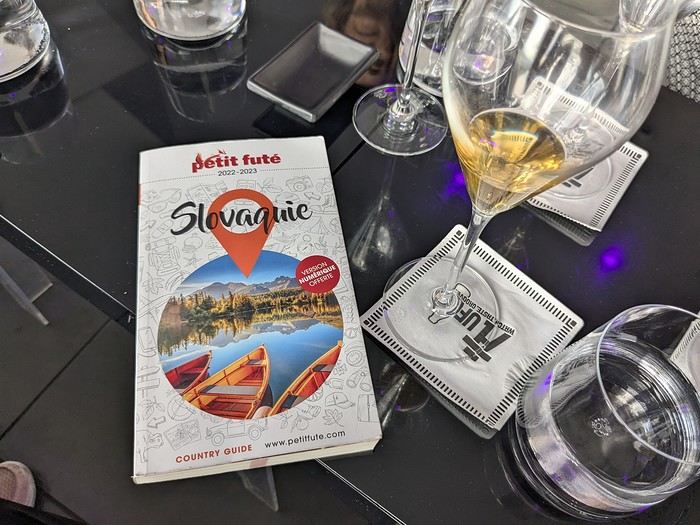 Why this country?
After visiting Hungary, Slovenia, Romania, and Poland in recent years, I’ve fallen in love with Eastern European countries. I adore the Slavic soul, its Austro-Hungarian villages, the gentle landscapes, the Carpathian Mountains, and that slightly mysterious atmosphere.
Slovakia evokes a certain imagination with its deep forests, medieval castles, and cobbled villages.
After seeing photos of the High Tatras—especially Lake Štrbské Pleso and Spiš Castle—I thought, "Let’s do it! We’re going!"
So, will Slovakia live up to what I imagine?
We’ll find out together.
We decided to travel as a group of six (five adults and a six-year-old child), by car (we needed two).
Here’s the day-by-day itinerary for this family trip, which started with a 3-day stay in Vienna (see the dedicated travel journal):
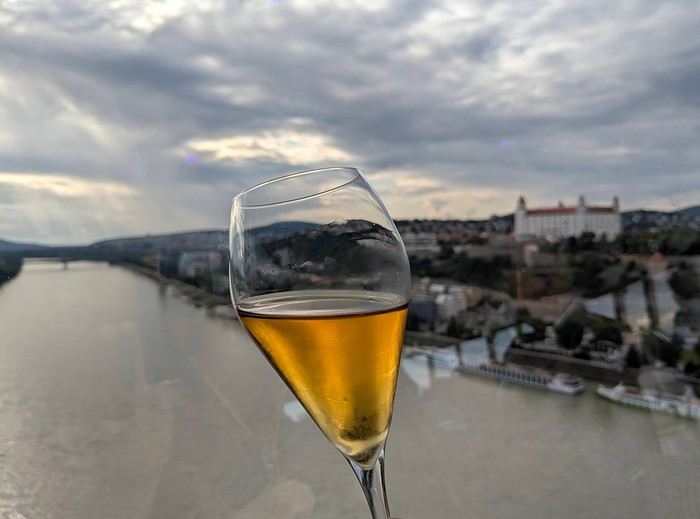
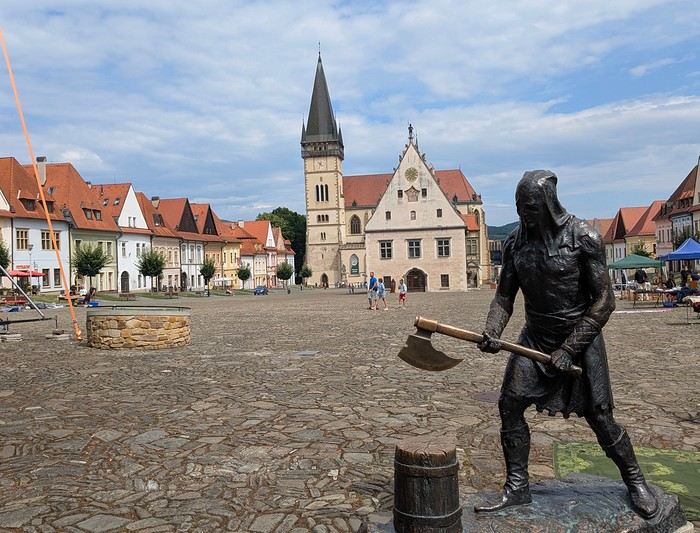
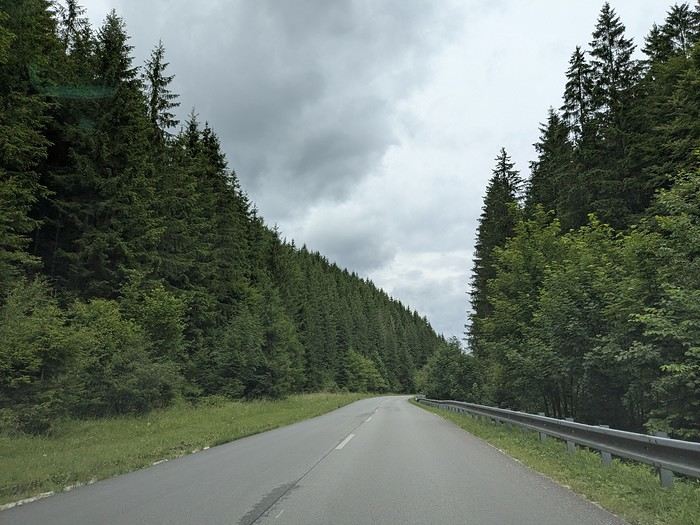











 When it comes to the Caribbean island of Saint-Martin, it's customary to praise its coastline and dreamy beaches—and they certainly deserve it.
But in this story, I’d like to highlight other memories, aspects, and impressions for a slightly different change of scenery.
Enjoy the read—some text and, above all, lots of photos.
« Byenveni sou zile Sen Maten! » (Welcome to the island of Saint-Martin)













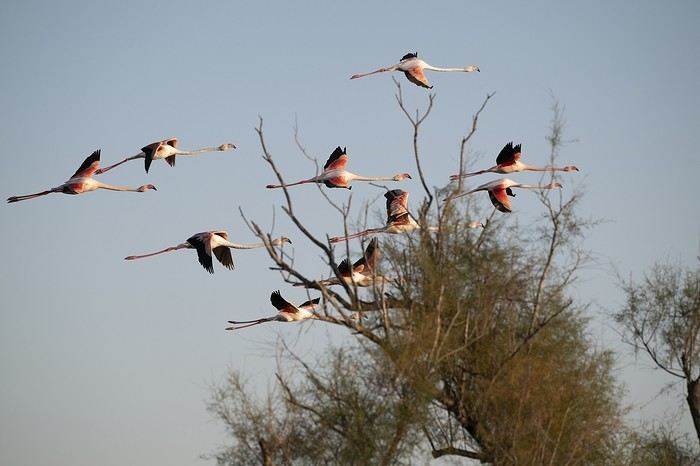



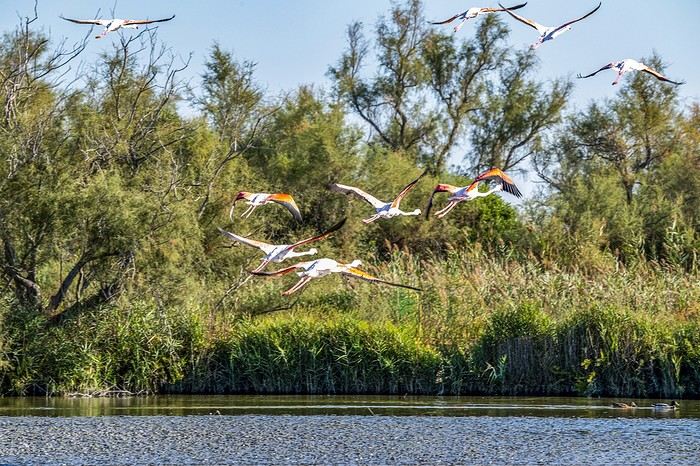
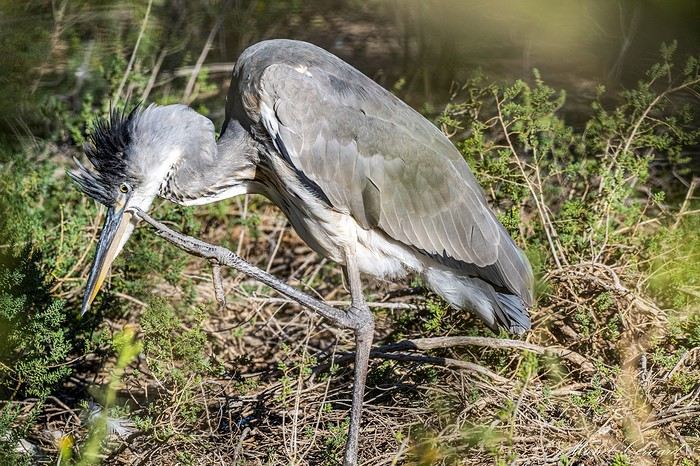
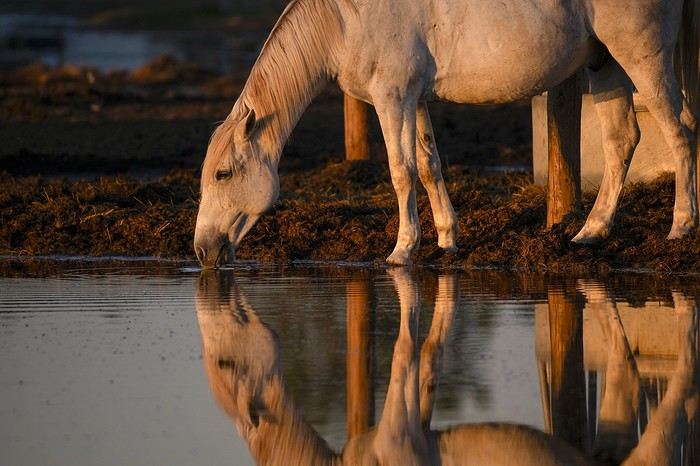














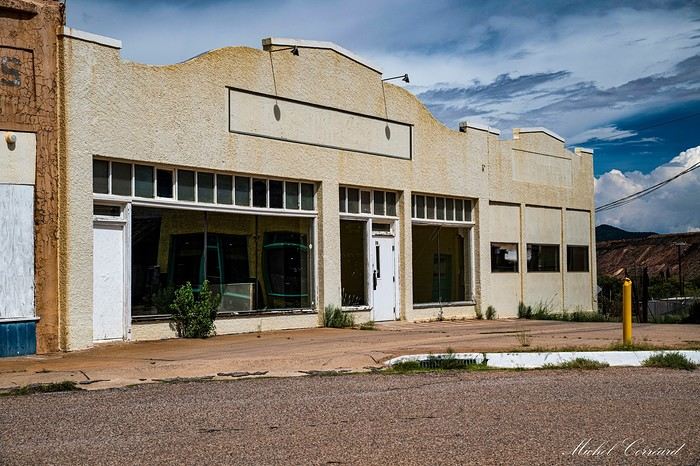
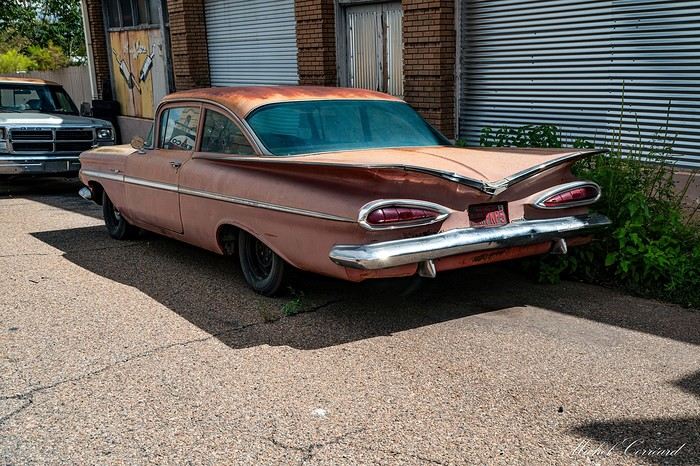
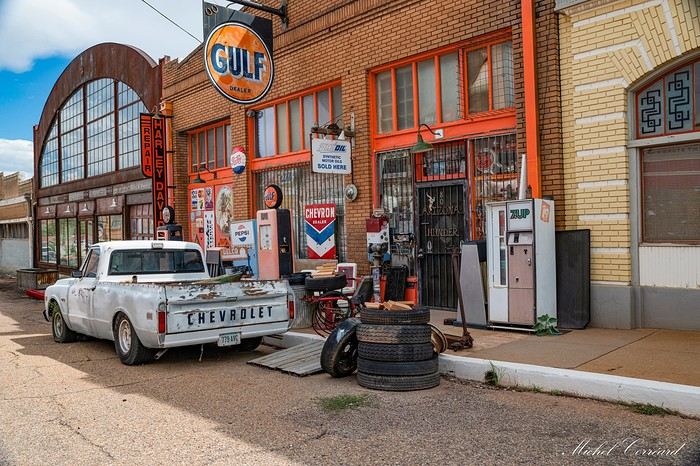
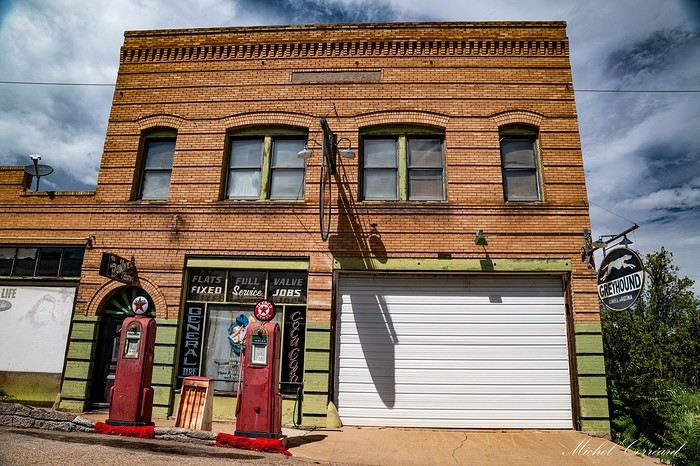
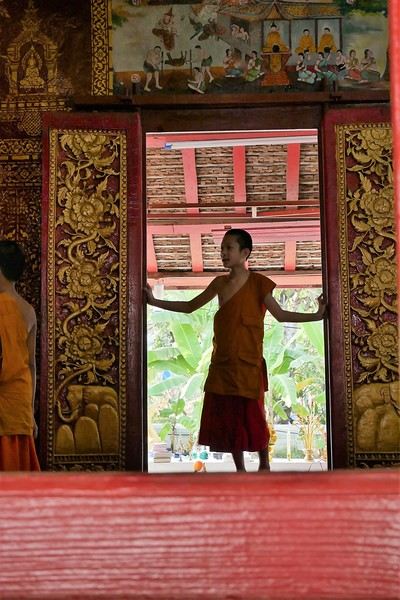 Come along, I'm taking you to this country where it's so nice to wander and slow down...