I got into music with the will
To light up many hearths like Che could do,
To circulate ideas, to advance utopia
Alternating barricades, sharp thought, and poetry.
Mc Solaar, Guérilla
Subscribing without a fight to the slightest line of my itinerary sometimes feels like an illusion. Because there are countries where, despite the fever and enthusiasm, despite the triumphant revolution, certain elements block my path. And if I had planned, for F. and me, a beautiful ascent up Tabouret Hill (Loma del Taburete, 453m), it was without accounting for vegetation as dense as it was thorny, which barred our way after just a few quarters of an hour of walking. Exhausted, I had to face the facts: we wouldn’t go any further. I needed to come up with some kind of Plan B.
But what is this country, an unwitting laboratory of the worst that white civilization has done during its reign? What is this magnificent place—yet another—entrusted to the care of oblivion, just 150 km from the land of freedom? According to Donald Trump, a country supporting terrorism; according to the locals, the vast battlefield of 20th-century ideologies; according to the average tourist, a hot country, a beautiful country, a country where the last illusions of a lost paradise are dying.
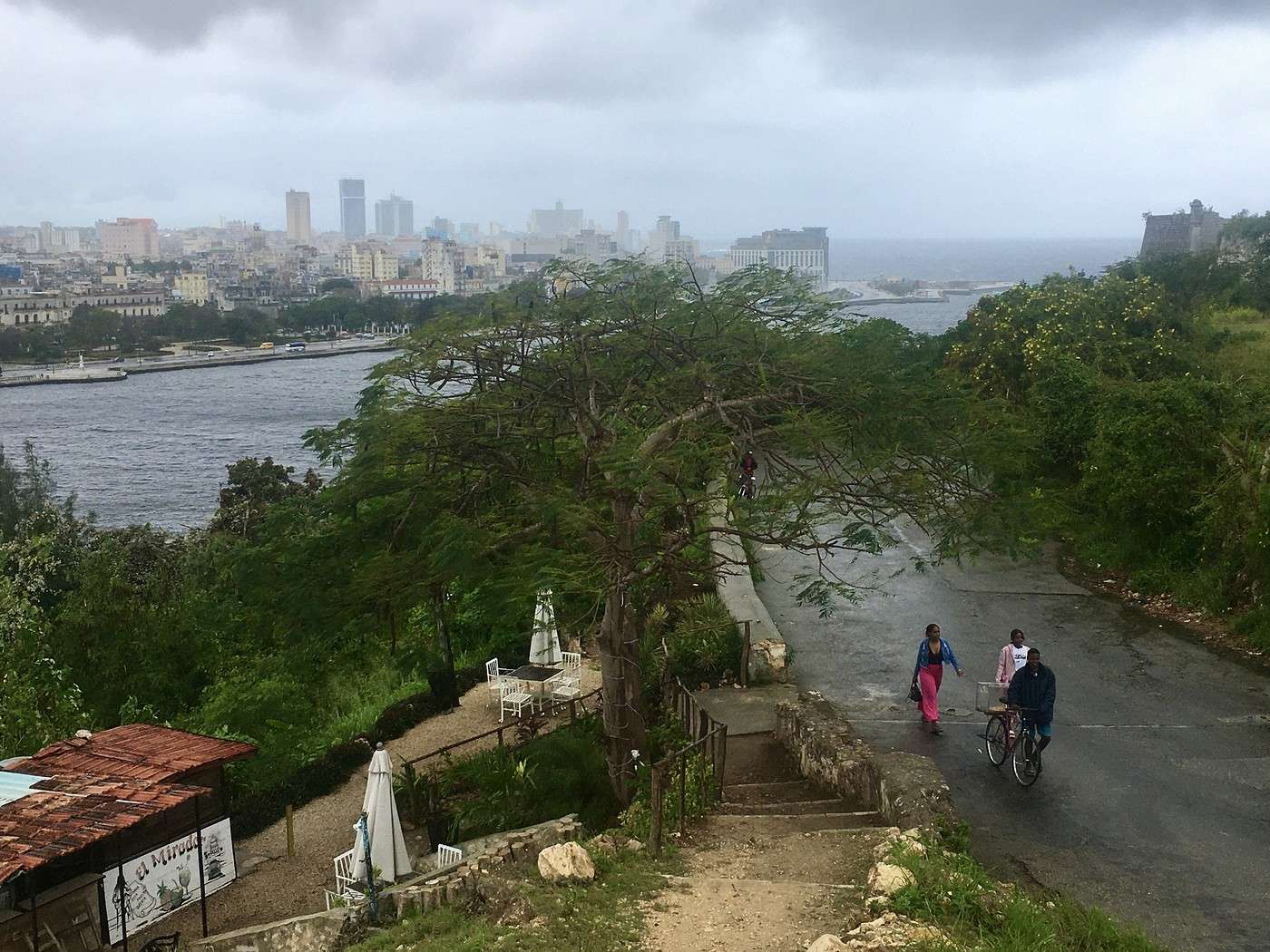
On the other side of Havana Bay, we love that statue of Christ blessing the city. There’s something gentle, soothing, in that patriarchal gesture. You’d almost be tempted to forget that at the dawn of the 16th century, those who claimed to represent the Church had no scruples about eradicating the Ciboney and Taíno populations. Worse, you’ll find magnificent this cathedral dedicated to the Virgin Mary, right in the heart of the old city. Under the guise of a civilizing necessity, Havana became, like so many other places, the gilded seat of European pretensions, at the expense of local populations doomed to extermination, then enslaved populations—more or less indigenous—who, you can imagine, didn’t often set foot in this holy place.
Lost in my thoughts, I try to push through this tangled vegetation. Nature reclaims its rights; nature abhors a vacuum. Yes, the well-trodden path of revolution couldn’t stay free of weeds! The road is buried. We give up and turn back, until that fork I’d noted before leaving, which would let us reach the top of the hill by skirting its northern slope.
So the white man arrives, settles, and gets rid of everything that bothers him. He has two unstoppable forces at his disposal: gunpowder and the spiritual certainty of being on the side of an all-powerful god. While the first gives him an unmatched material advantage over his new enemy, the second lets him use the first without feeling too guilty. That’s the magic of this supreme Church: it condemns all forms of pleasure—calling them impurity—while promoting plunder and crime under the cover of evangelization.
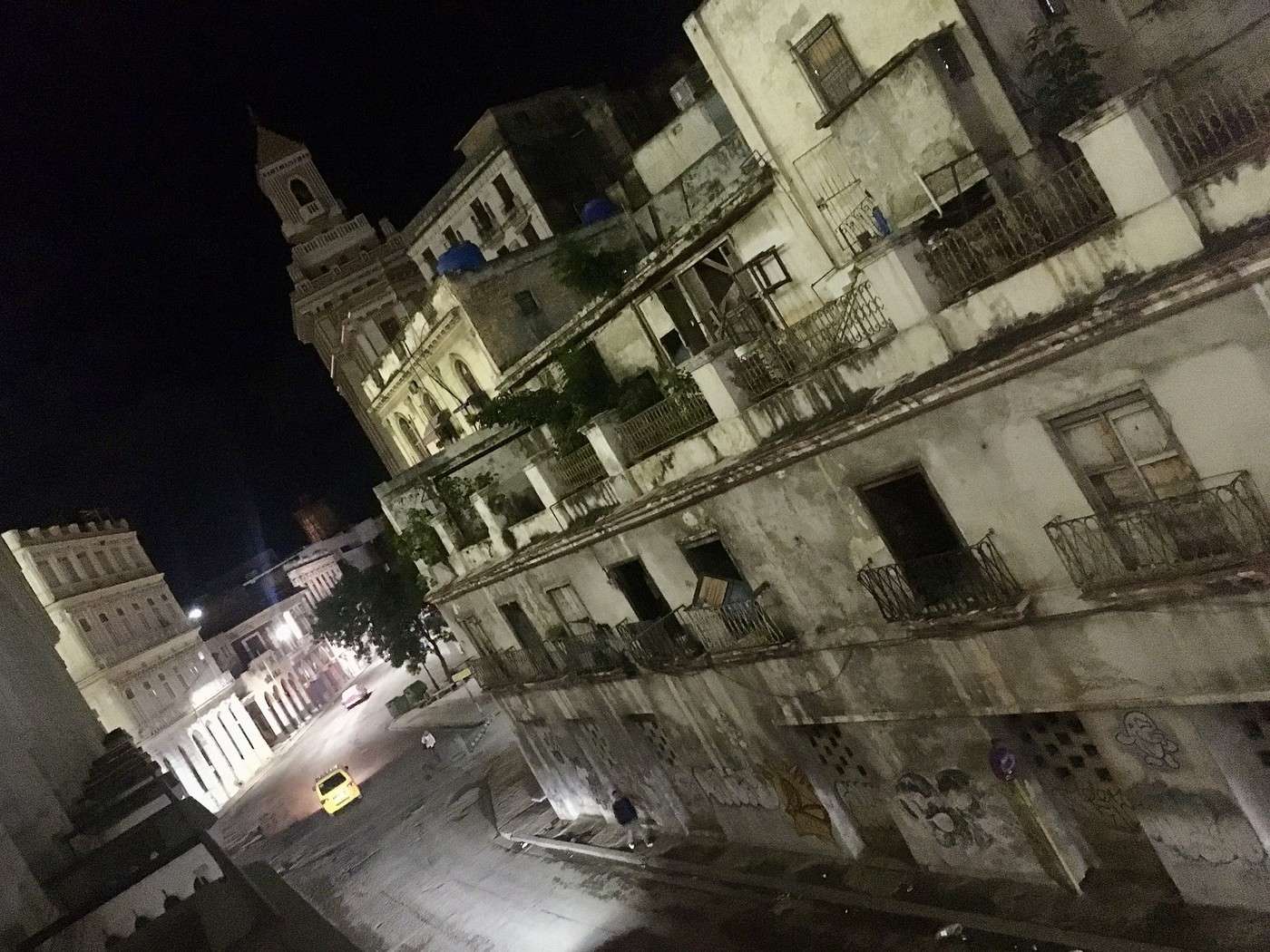
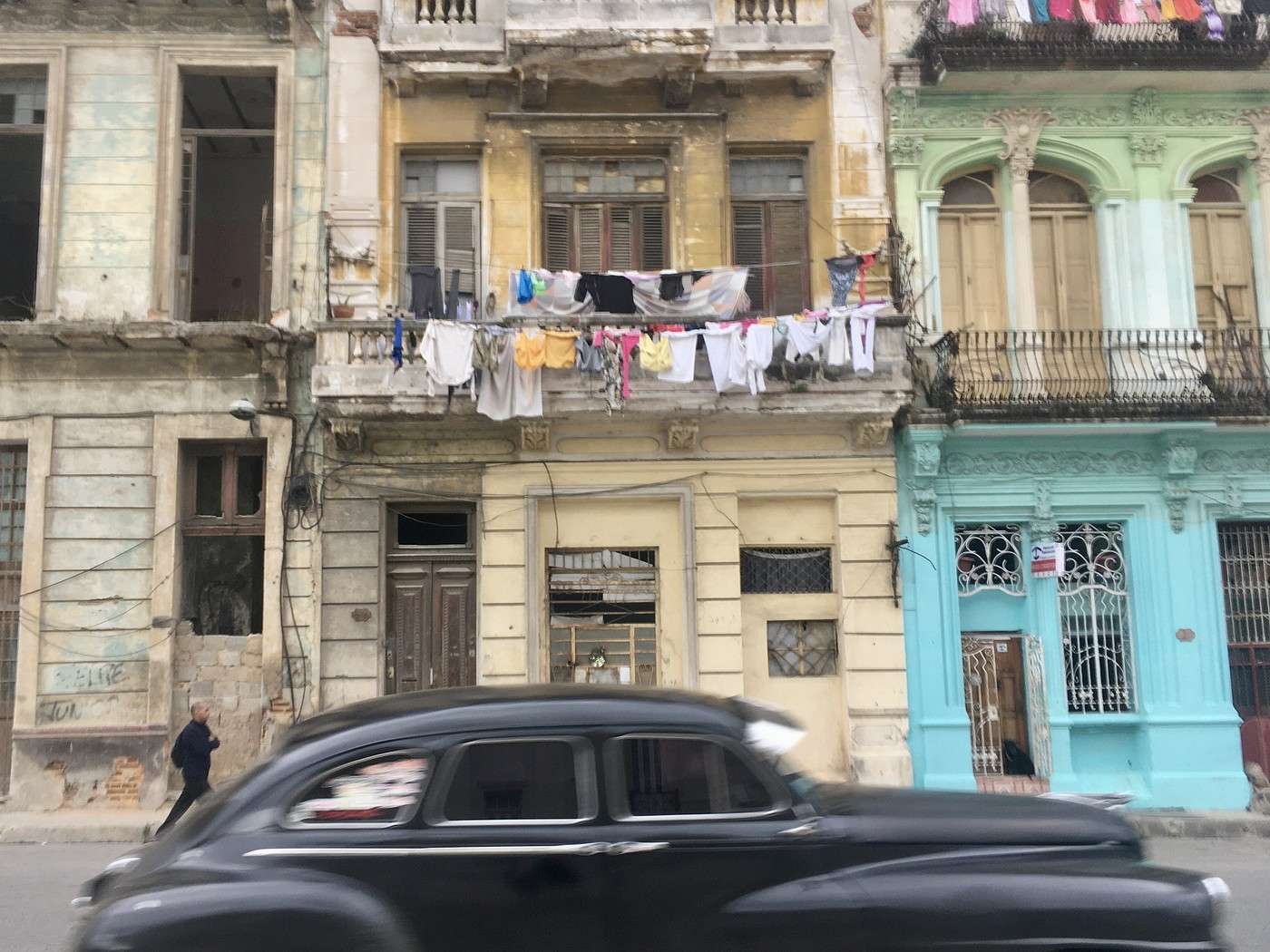
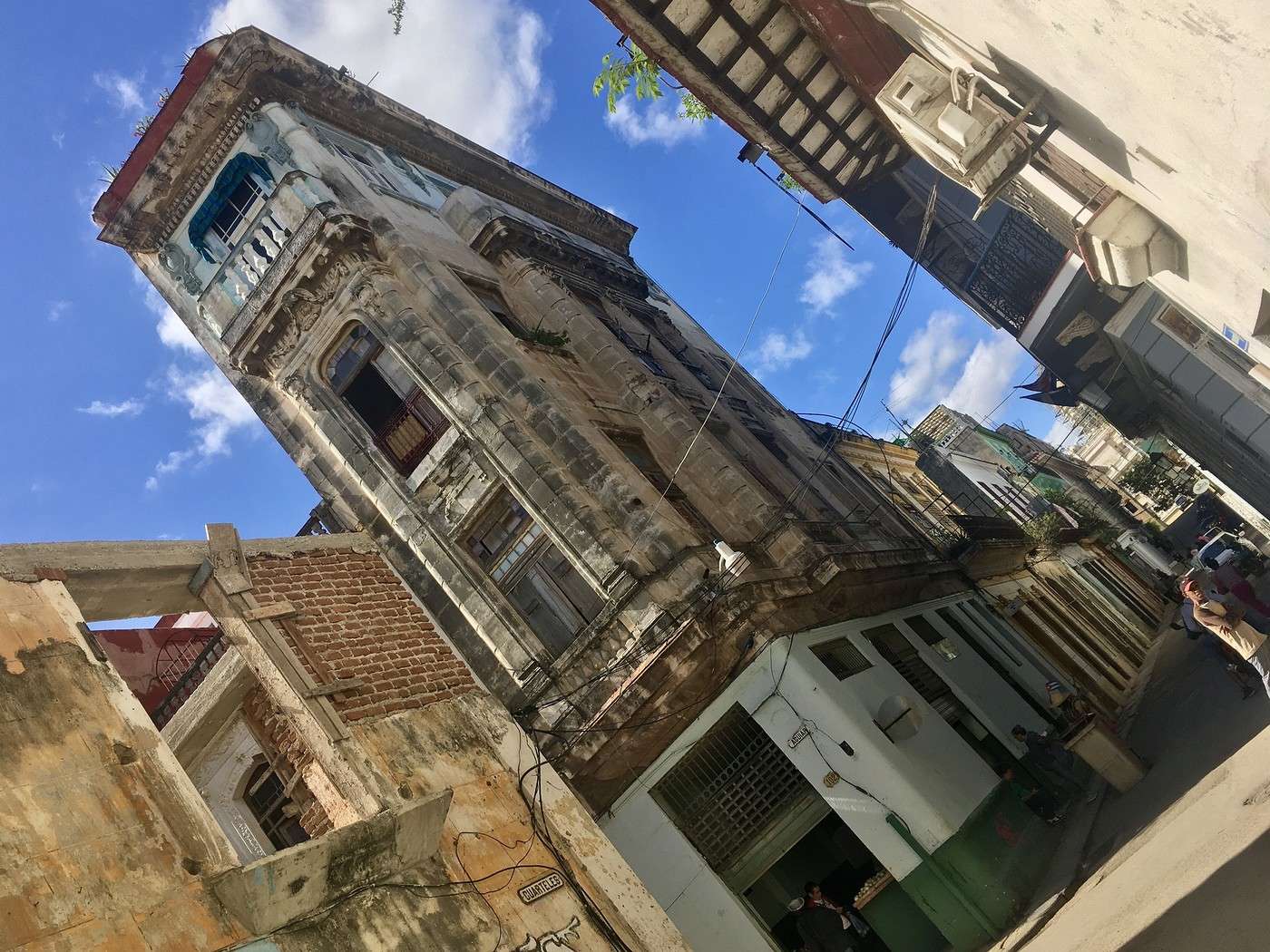
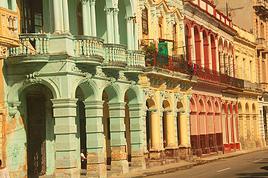
Walking through the city, you find a bit of Algiers, except that here, the decay is almost irreversible. You feel the splendor of the past, a disconcerting image of all vanity, from an era when men knew how to build beauty—especially if they didn’t have to share it. We’ll debate the benefits of colonialism for a long time, while glossing over the fact that those benefits often stopped at the city limits, limits all too obvious to the indigenous people. Havana isn’t just one or a few buildings; it’s an impressive collection of works of art built one after another, in what I think was a spirit of healthy competition. Yes, you find Algiers in this exuberance. As if these distant cities were the receptacle of everything that was best in the lands of origin. Atlantes and lintels, golds, blues, ogives, and monumental windows—exceptional architecture in an exceptional place.
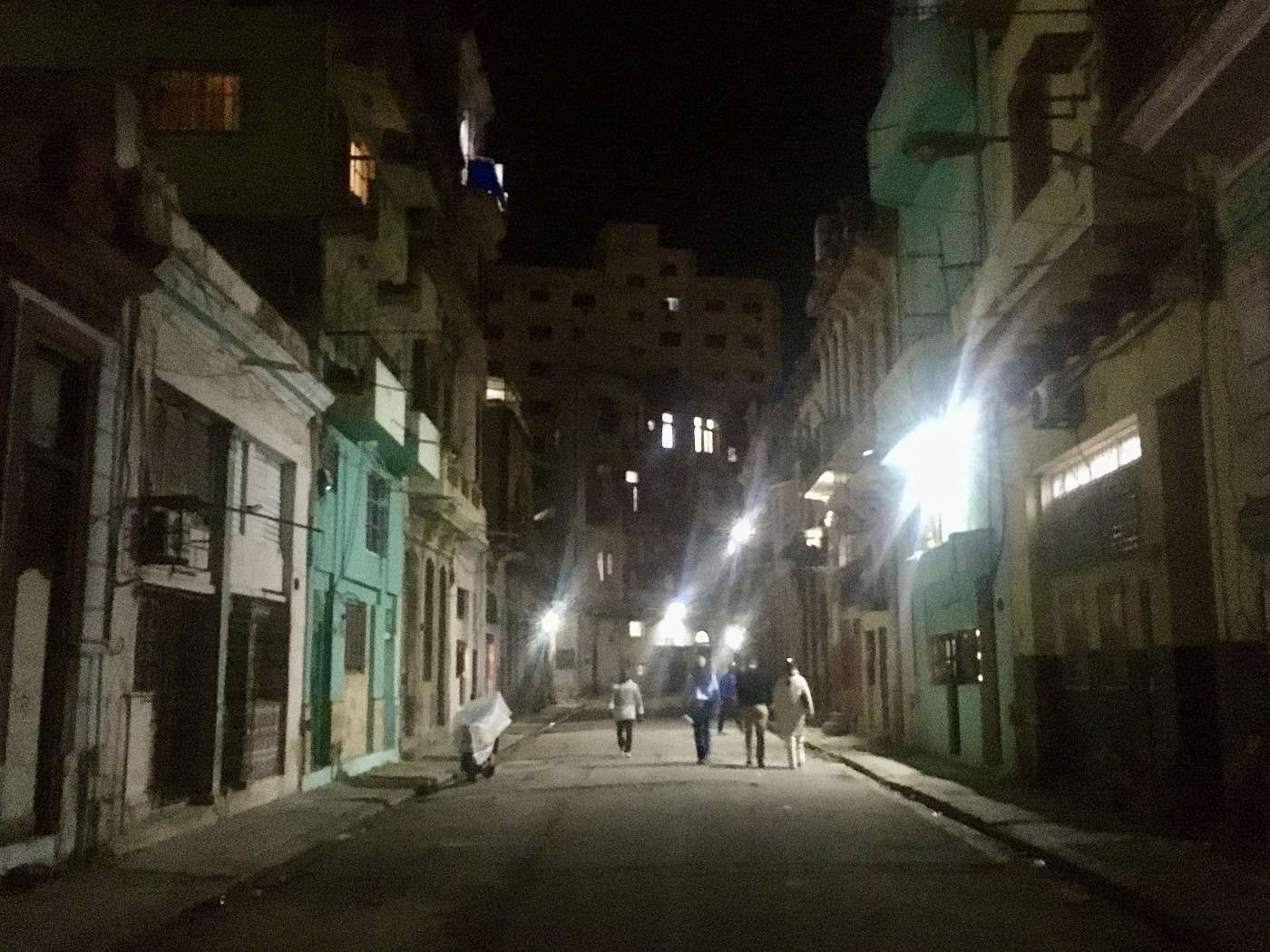
Some streets are clean, swept with care; others are not, scattered here and there with potholes filled with water. A rather persistent smell of urine invades us regularly. We move on. And we look up: Havana is visited with your nose in the air. Because the beauty is truly up there, on those magnificent balconies and terracotta arches. Also because it’s not impossible that a piece of that balcony might suddenly detach, hurling our ends into an overseas tragedy we’d rather avoid. On the ground, here and there, rubble. Inexorably, this city is returning to dust.
My Plan B turns out to be no more successful than the first attempt. After a cheerful progression of a few hundred meters, same outcome, same struggle—the vegetation opposes any revolution: impossible to go around the hill! Once again, we have to turn back. We’ll try Plan C. I reassure myself by convincing myself to stay in the logic of this country: Cuba has been searching for itself for five centuries.
Coffee, tobacco, and sugarcane—the green gold of the colonies—so that money could flow and Europe could enjoy itself. Cuba’s history isn’t original. In reality, all the hot lands at these latitudes suffer the same fate: to serve the white man. While waiting for the awakening of consciences, UN Resolution 1514 and more or less affirmed revolutionary desires. Except that—and this reflection is just my own—if the awakening of consciences and the revolutionary will don’t play into what Resolution 1514 hides, there’s a good chance the said state will become a pariah. Those who don’t follow the American doctrine risk a lot; those who decide to follow Moscow risk everything. Independence was only the barely discreet instrument of American views. Patrice Lumumba will gladly enlighten us on the subject.
Turning back is good. Setting up Plan C is better. I won’t deviate from my goal: we will reach the top of Tabouret, whatever the cost! Near a small country road, I hesitate to change the program. Time is ticking—is it really reasonable to attempt the ascent? Then a tricycle taxi appears, a kind of tuk-tuk powered by an electric moped. I take it as a sign from fate, and we board for the starting point of Plan C.
In Cuba, even before Resolution 1514, independence was assured by a pawn of the United States, Fulgencio Batista. There’s no need to go over the whole history here; we’ll just remember that if you know how to give without counting to your former masters, you can enjoy a facade of freedom. Fidel Castro, on the other hand, didn’t know how to give. It never even occurred to him. That’s why the United States harbors such terrible hatred for this rebellious state, opposed to capitalist values and political prostitution. From there to slowly killing its people for nearly seventy years, one can legitimately cry injustice. But there are other priorities. Oh yes! Greenland...
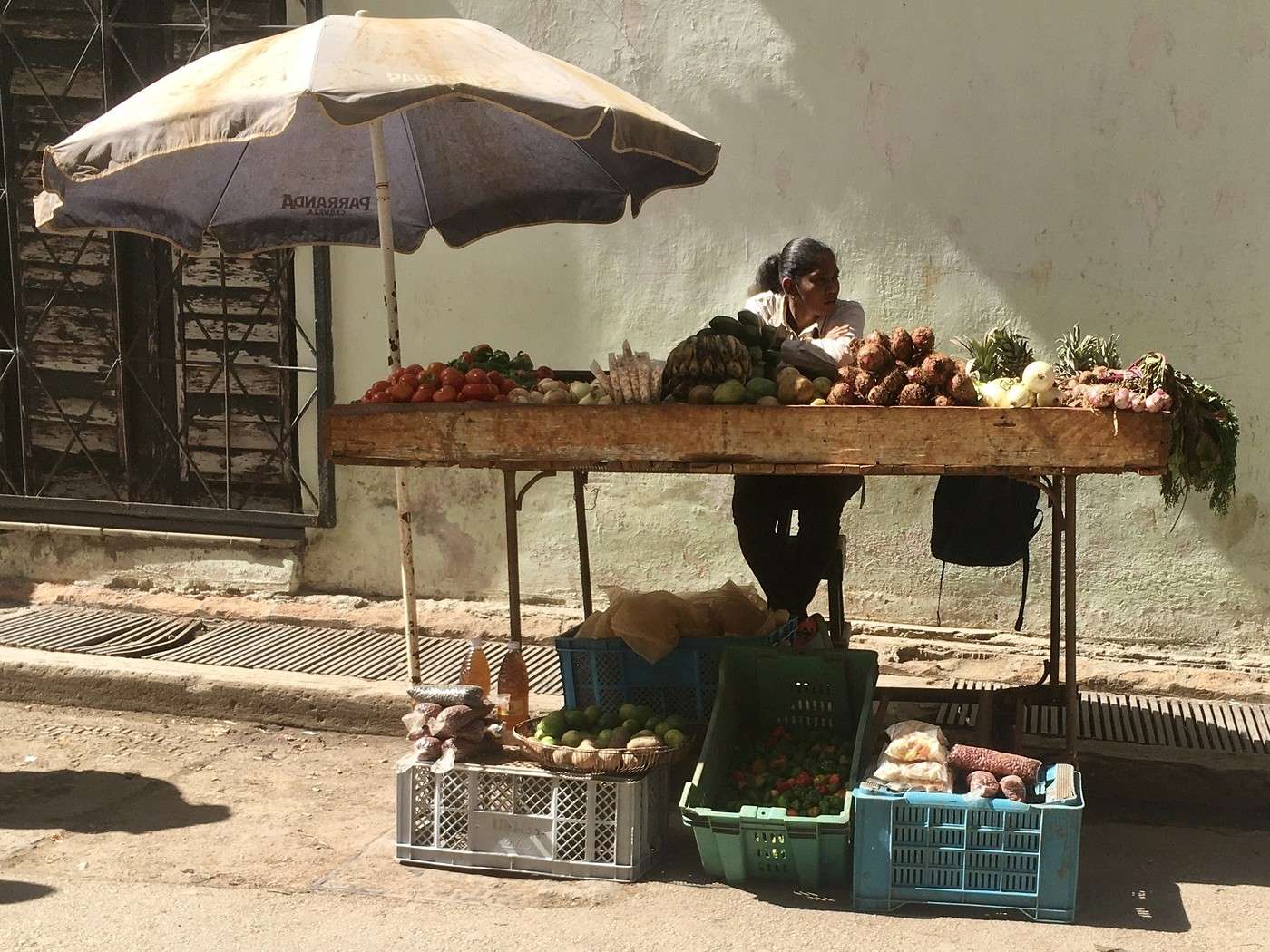
Do Cubans eat their fill? Does seeing overweight people mean opulence? Food grows, no doubt about it. The soil is fertile, the climate favorable. No, what shocks here is the absolute precarity, the feeling of a people living in survival mode, and the decay of both goods and hope. Where to go? What’s the point? The stubbornness of the United States in wanting to impose its views on the Cuban government is felt much more by an overwhelmed people than by those few elites—caricatures of communism—who instill their vision of happiness with a crowbar. The embargo imposed in 1960; the false-flag attacks—American planes flying the colors of the Cuban revolution during the Bay of Pigs invasion in 1961—the exasperation of placing Cuba on the list of countries supporting terrorism. More recently, Donald Trump decided to heavily tax countries supplying Cuba with fuel. The last time I saw such long lines near gas stations was during my first trip to Romania... in 1991. It’s not for me to judge whether Raúl and his clique are playing fair by thumbing their noses at the West. I don’t hold the ins and outs of this war of egos that keeps the world’s great powers awake. I only caught a glimpse of the poverty of an island in 2026, while we in Europe are buried under an avalanche of the useless and superficial.
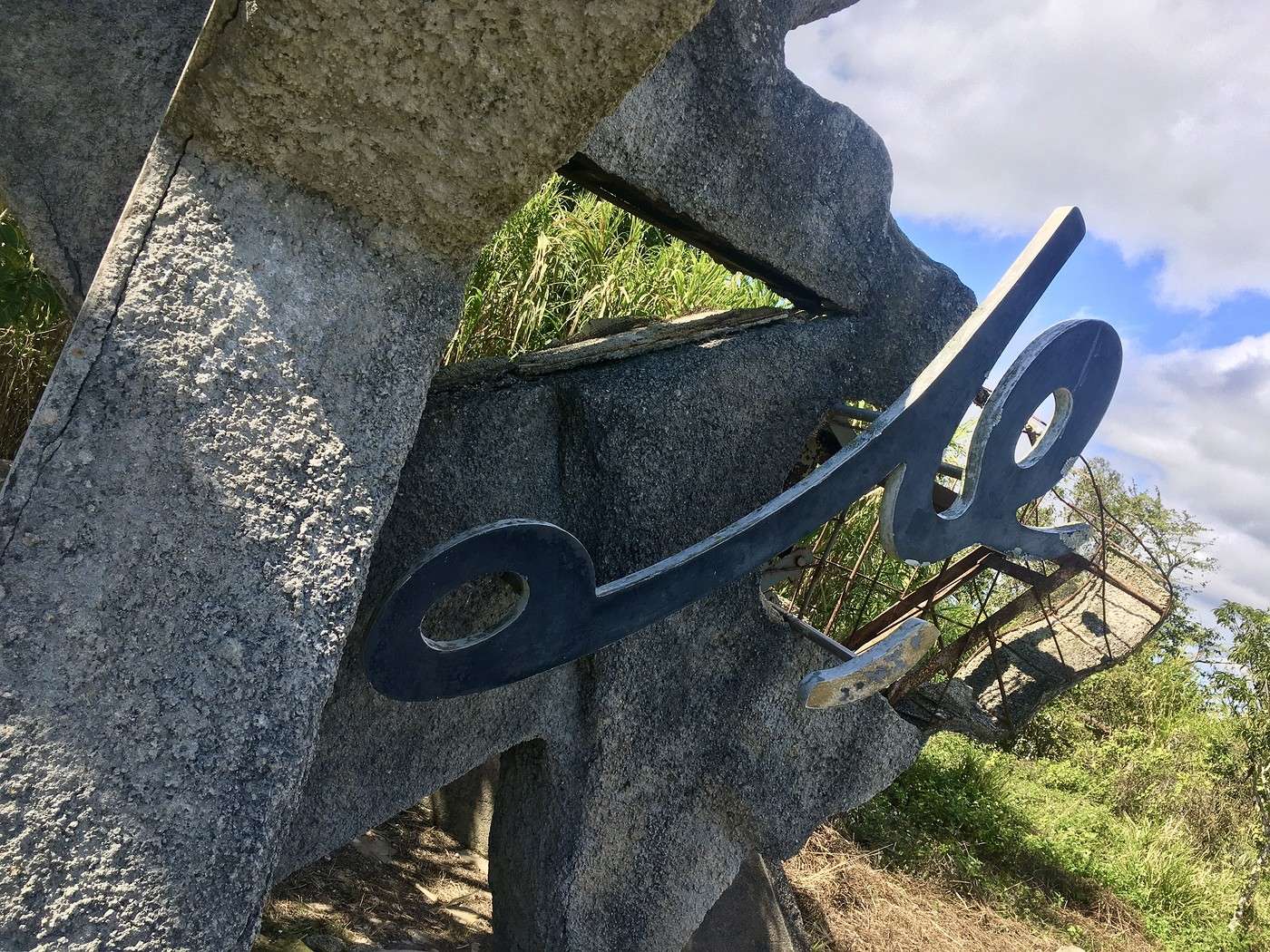
At the start of the San Juan baths, we find the trailhead. It climbs steeply. But the weather is relatively mild, thanks to a cold wave hitting higher up in the United States. Dallas is under snow; we’re walking in 16°C, a stroke of luck. We climb over rocks, under fairly decent vegetation, sometimes low but passable. And we succeed in the ascent in an hour. Up there, the top of the hill is somewhat maintained, at a minimum, but maintained, as if to honor Che through an awful monument erected in his glory—a stubborn specimen from those years when good taste was inversely proportional to the delusional ideas of those being honored. Birds of prey (raptors?) circle overhead; the monument is dying, crumbling, falling into ruin. *Hasta siempre*—forever—will be for the words. Nature, erosion, life itself will have the last word over all revolutions.
Back at the foot of the hill, just before a memorable swim, we talk with a family living there in miserable shacks whose stability wasn’t unlike that of the Leaning Tower of Pisa. The grandmother holds an animal, a rodent, by its feet. The grandfather has just killed it; she’s plucking its fur. A few steps away, water boils in a pot. She plunges the beast into the container. Tonight, the family will eat ragondin stew. Further on, another shack where, in a disorder rivaling the filth, a mother breastfeeds while sitting on the edge of a bed. Then, on the way down, we’ll meet a middle-aged man carrying a large jerrycan of water on his shoulder. Are these people happy here, far from the cities and their stakes? Is it too much to ask that they at least have access to electricity, running water, and decent, safe housing?
Outside the old city, Havana reveals wide avenues serving imposing institutions here and there. But whether in the colorful alleys of the old town or on the majestic and austere Plaza de la Revolución, the same feeling moves me: sadness. Seeing that only chaos has come from ideas crushes me. We praise, we sing the revolution—above all, we impose it in people’s minds as a necessity, when it’s nothing of the sort. Revolution is just the fruit of a few tortured minds who, once in power, do nothing better than all those before them. Enjoy power. Impose their views. It’s just a matter of color. Fidel saw red and knew how to persuade—or silence forever—his many detractors. The West sees everything in white, through the prism of human rights, and also knows how to persuade and silence its slightest detractors forever.
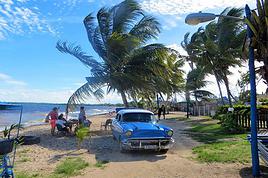
Paradoxically, Cuba survives largely thanks to tourism, a key element—let’s not be afraid to say it—of capitalism. And when a few players pick up the crumbs from transactions, the lion’s share and the foreign currency go to the government. So we won’t go to Varadero, the high place of relaxation overrun by Canadians. Instead, we’ll limit ourselves to crossing the ocean 30 minutes from the capital, at Santa María del Mar, to get an idea of cheaper tourism and to splash around for a few minutes in turquoise water invaded by sargassum. At the heart of the tourist season, we’ll meet few people. Like Havana, and according to its inhabitants, the high season is rather dead. But we won’t have come for nothing: we particularly love this return where, feverish, the taxi driver pushes his Moskvitch 2140 to the max on the highway, singing karaoke versions of hits at the top of his lungs from an onboard DVD player. East/West, the culture clash with a hint of Latino.
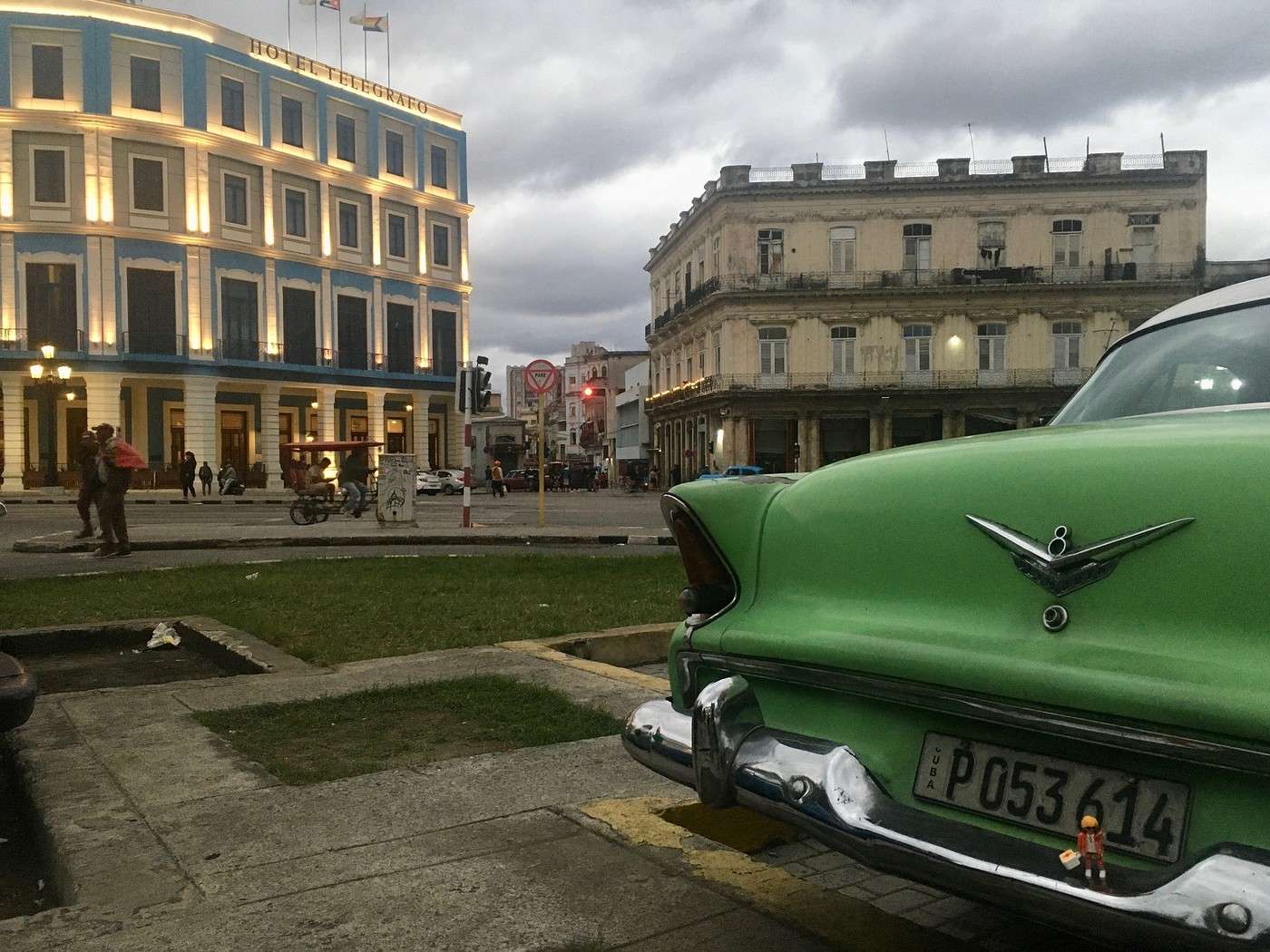
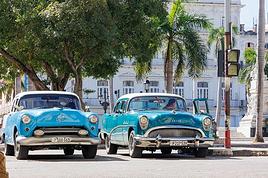
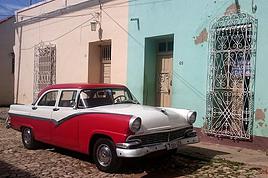
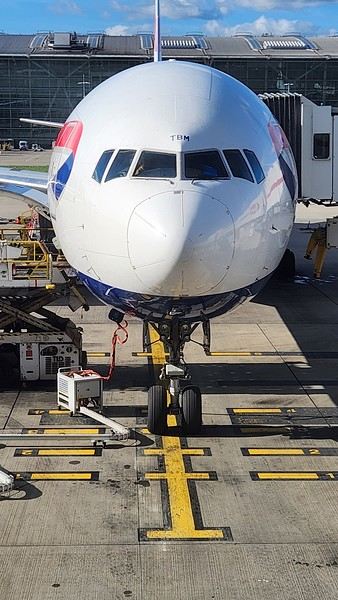
It’s time to leave this country of resourcefulness where extremes are very present. We’re leaving a 5-star hotel in front of yet another crumbling building. We’ve known restaurants at 40,000 pesos while in the street people eat for 400. We’ve seen those countless cars from another era and another culture—Pontiac, Lada, Chevrolet, Moskvitch—being overtaken by gleaming Mercedes and other Porsche Cayennes, the prerogative—if it still needed to be demonstrated—of the newly rich in search of recognition. Boarding the plane, we also understand that we’re not just traveling with tourists: there’s undoubtedly a rich and prosperous diaspora, just as there are relatively wealthy Cubans—well, wealthy enough to travel comfortably in the front of the aircraft. Meanwhile, on all the country’s roads, other Cubans try hitchhiking, their wives and children perched on a suitcase by the roadside. The father holds out his arm and holds a few bills in his hand like a card game. Where are they going? Who will pick them up?
Behind me, the gold of the Capitol. I’m told this gold comes from Russia. Like Marx and Lenin’s smoky theories? Like Stalin’s subtle and delicate paternalism? Let’s bet that, like the other buildings crumbling around it, the Capitol will also collapse one day, to avenge the Indians who perished from the diseases and guns of the whites, to avenge the Africans who obliterated their lives so Europeans could enjoy themselves, finally, to avenge all this abandoned people, left to the arbitrariness of democratic or non-democratic elections.
A sign in the street: We understand history. This is the revolution!
We understand history. That’s the revolution.
No comment.
Original post
 A little sneak peek?
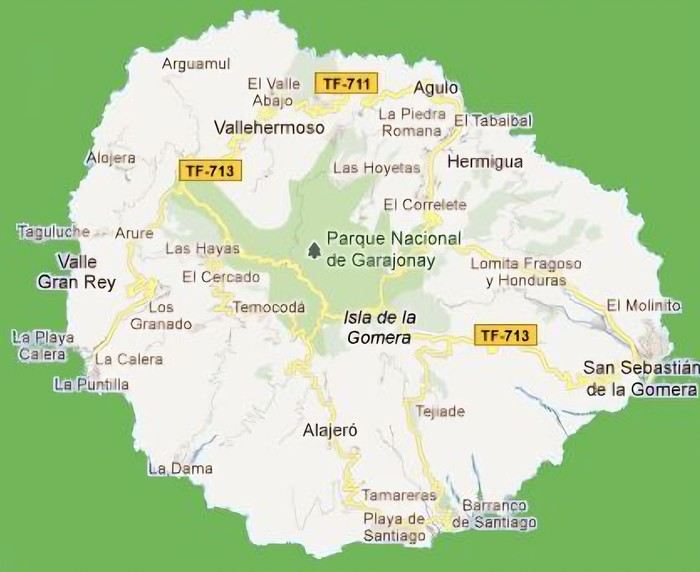 The large solidified magma massifs that shape the heart of the island have created a large depression more protected from the sun at its center, allowing the growth of a vast laurisilva, a forest mainly composed of laurels, now grouped within the Garajonay National Park, La Gomera’s green lung, which has earned it the status of a UNESCO World Biosphere Reserve. Its distinctly European appearance contrasts sharply with the rocky and tropical landscapes of the rest of the island. Thus, the climate varies greatly from one part of the island to another: in summer, you can quickly go from a dry, sunny valley at 35°C to a humid forest area at 18°C in the highlands.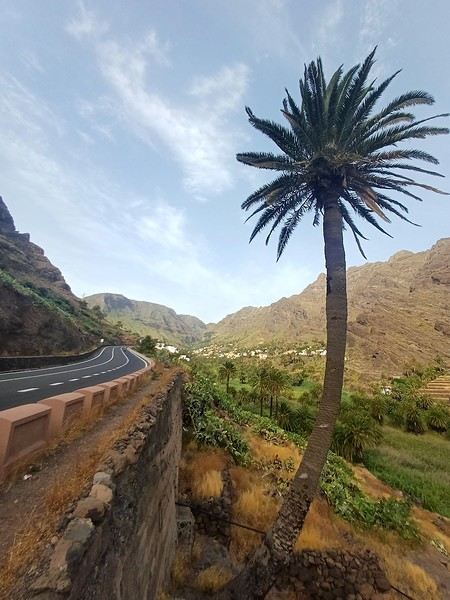


 Traversed and forgotten
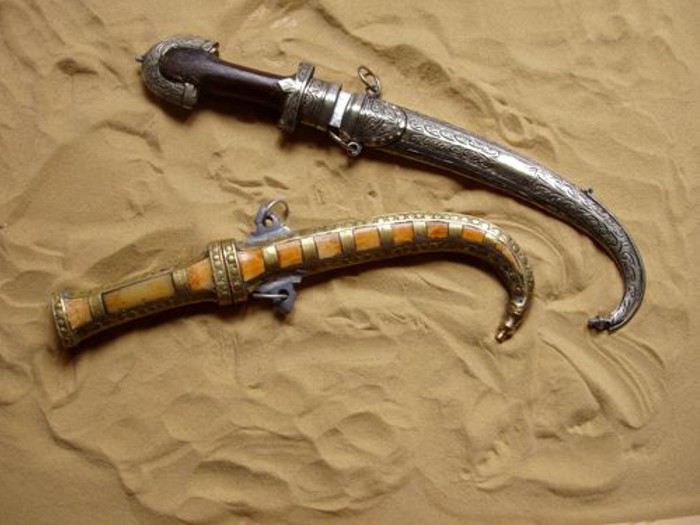 Dear daggers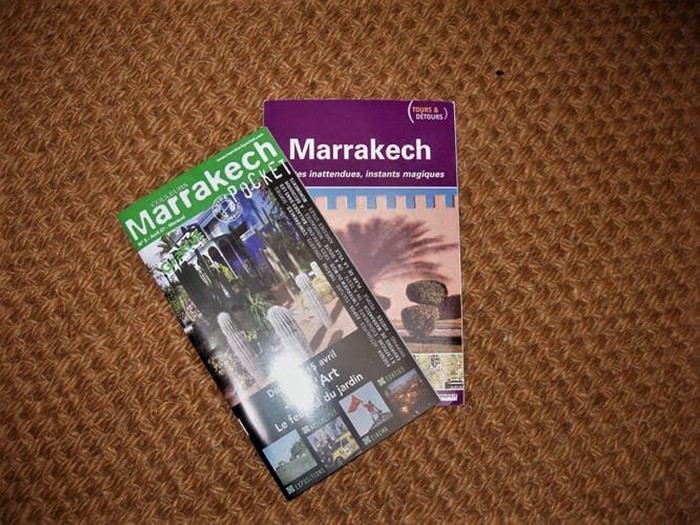
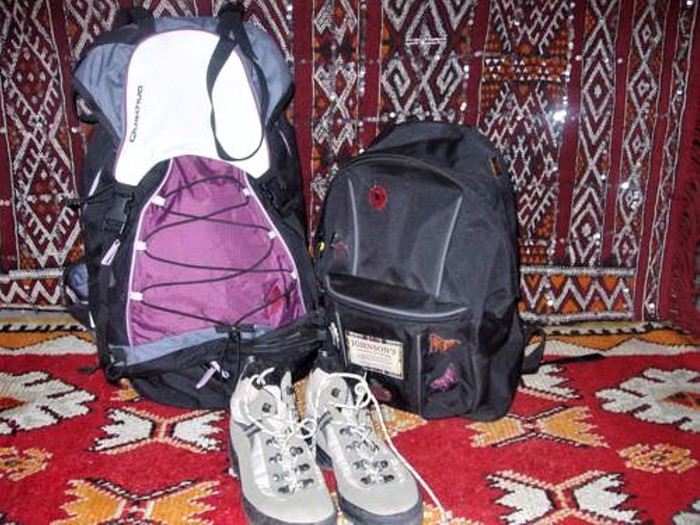
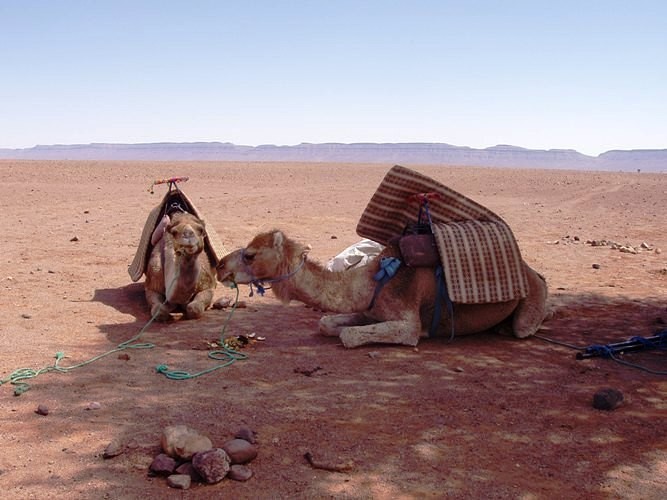
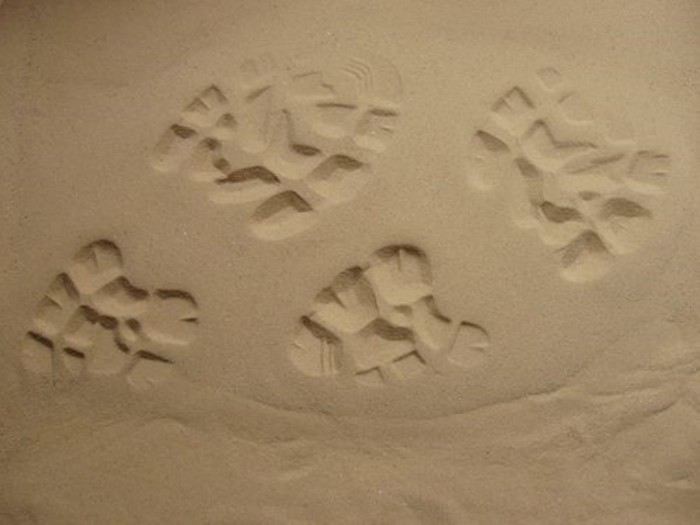 ... One foot in front of the other...
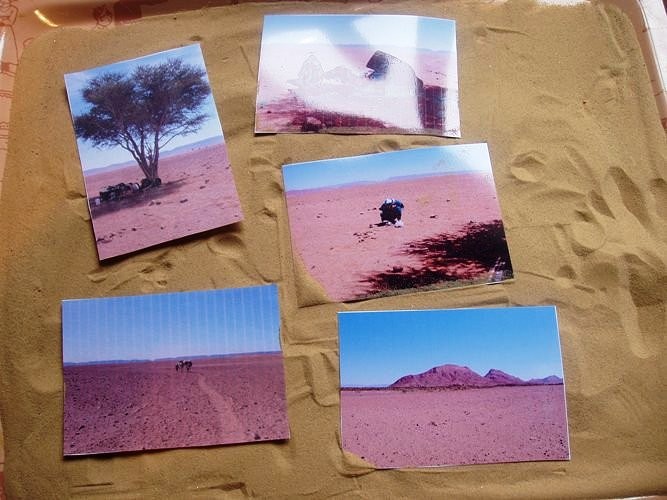 ... A few photos among the ten...
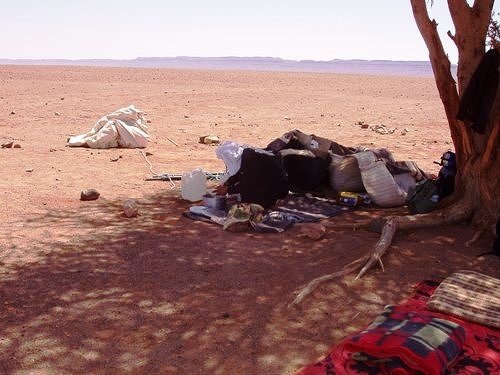
 ... Abdou and his teapot...
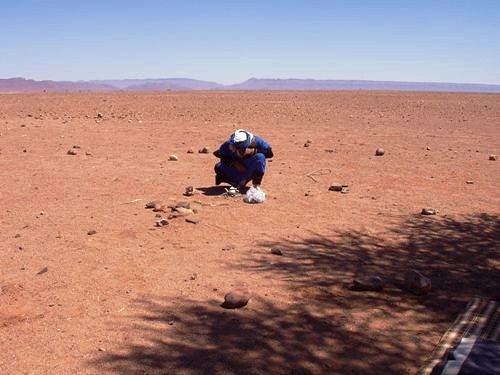
 ... Mohammed...
 ... Jebel
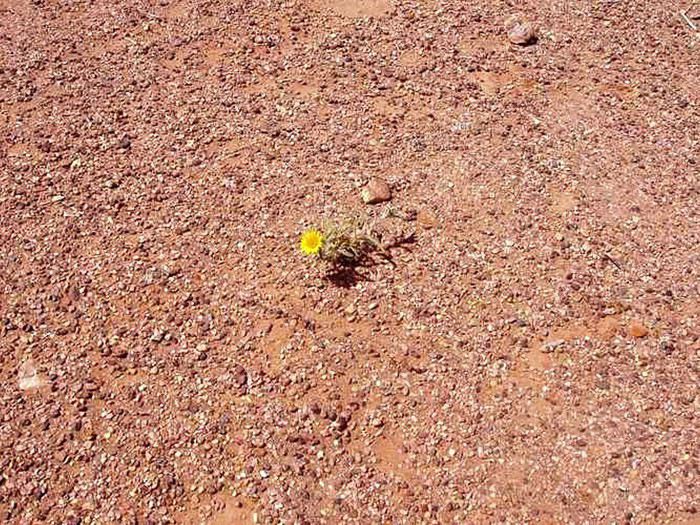
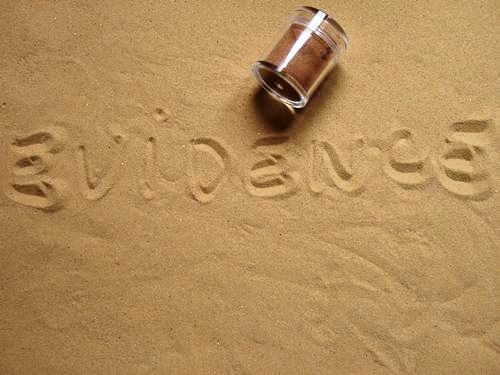 .. A secret in the desert...
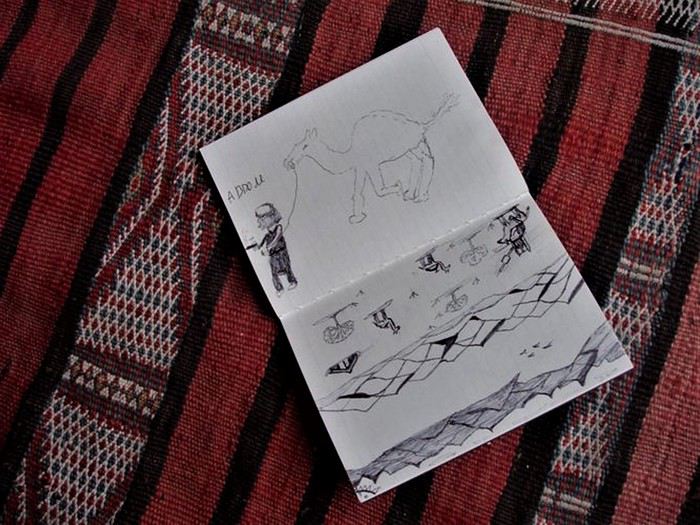 Desert drawings
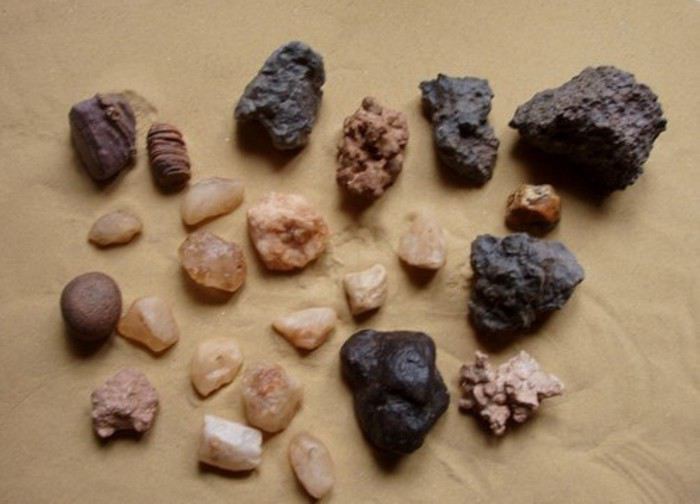 Pink pebbles, fossilized pebbles, sparkling pebbles, and a black stone
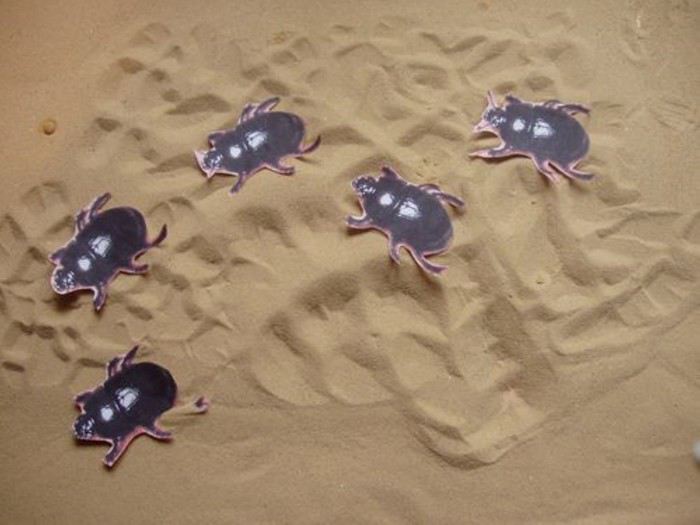 Memory of beetles
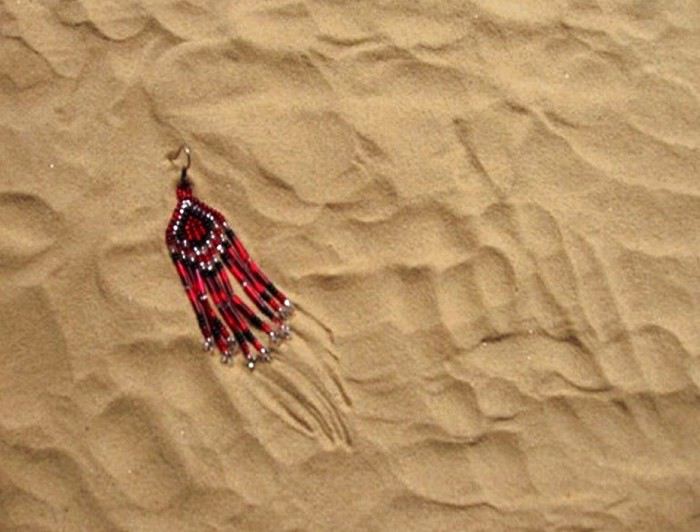 Gift from the desert, good luck charm?
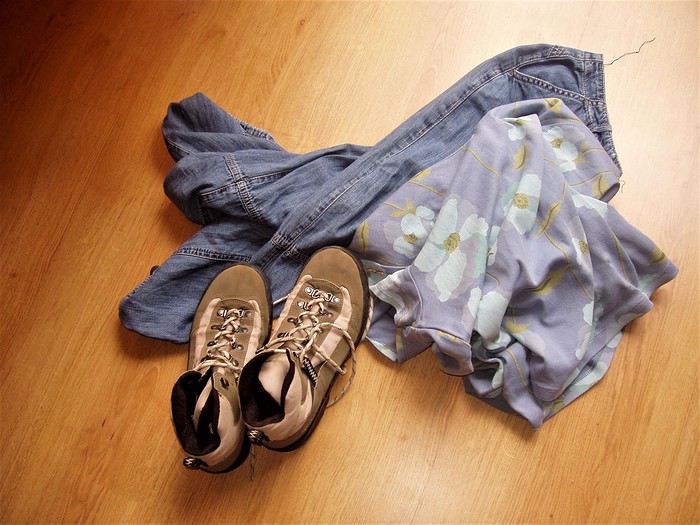 Clothes from 4 days...
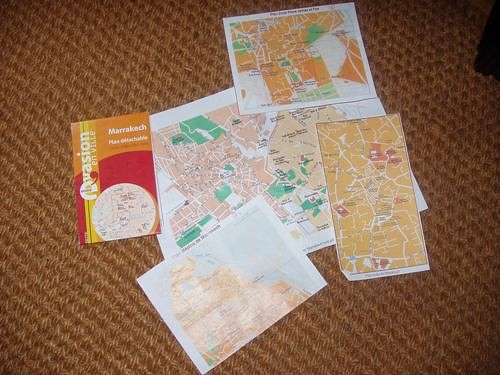 .. Still lost!...
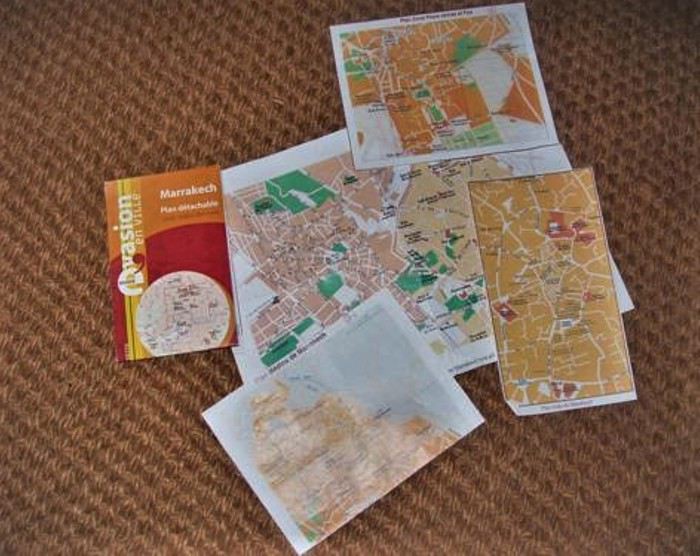
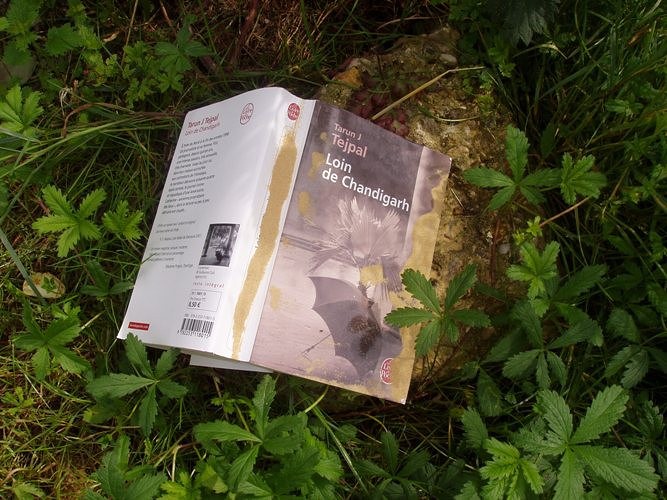 .. Started on the plane... read in the desert... finished in Marrakech...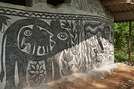
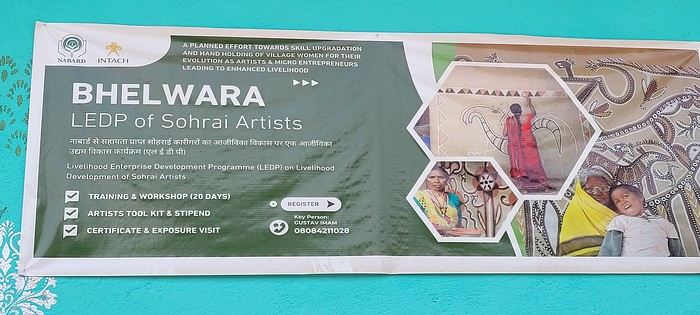
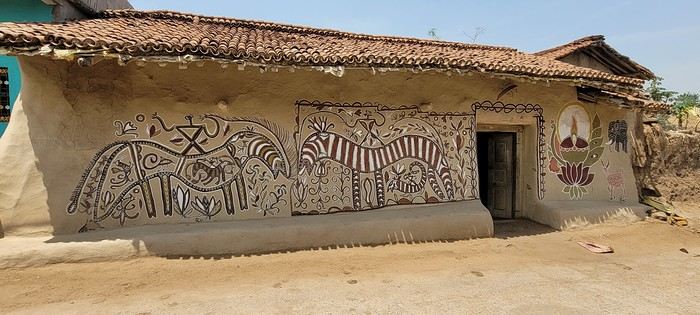
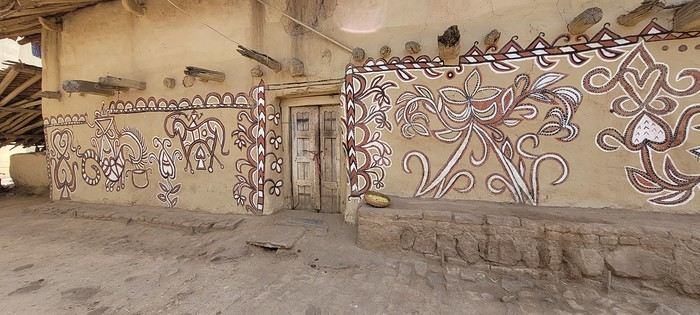
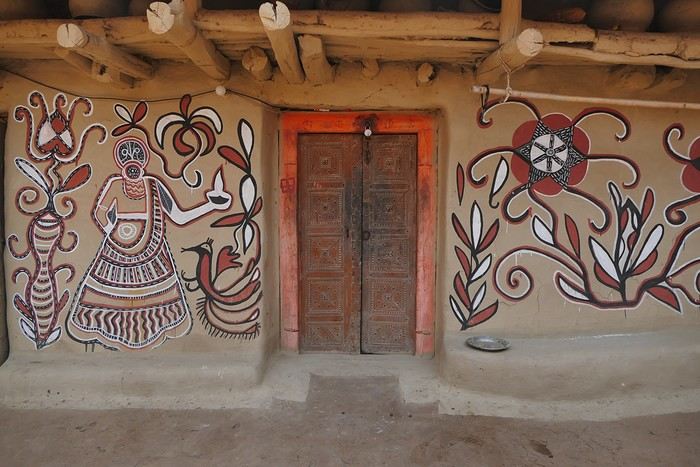
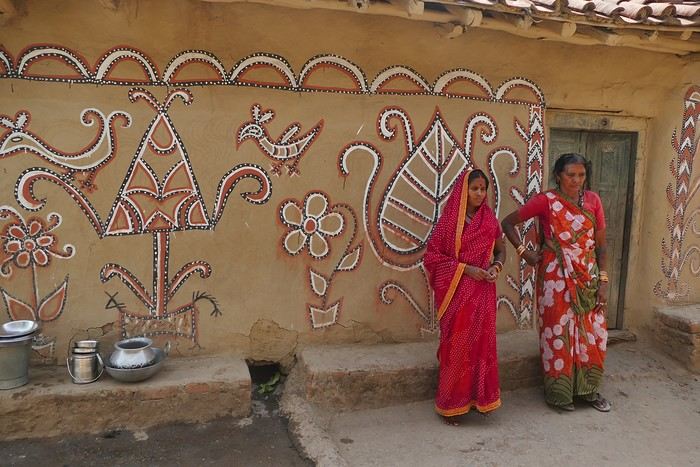
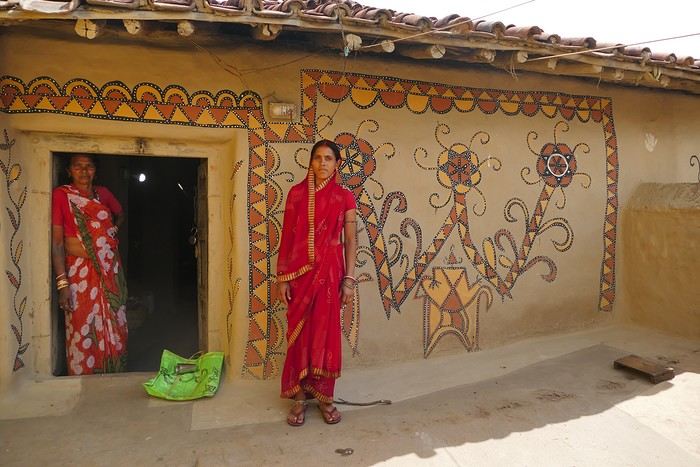
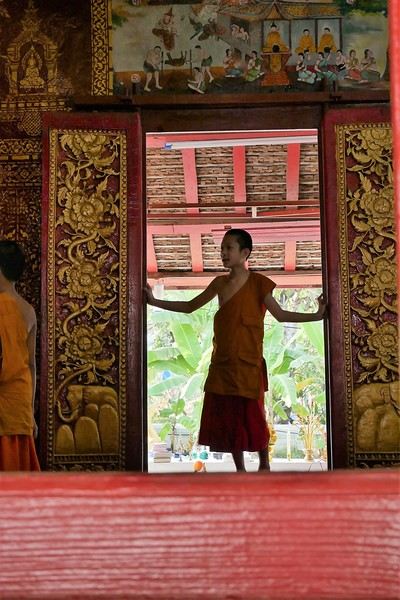
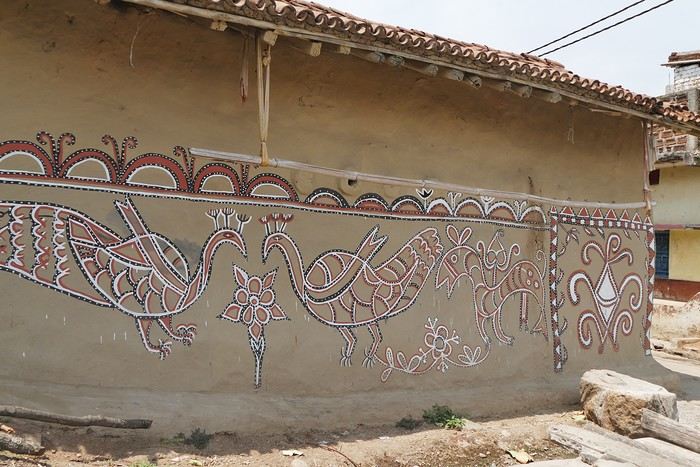 On some paintings, the scenes become almost narrative: you can make out figures, everyday gestures, like a memory of the village inscribed in the walls. The decorative frames around the doors aren’t left to chance either—they symbolically protect the house, like a boundary between the inside and the outside world.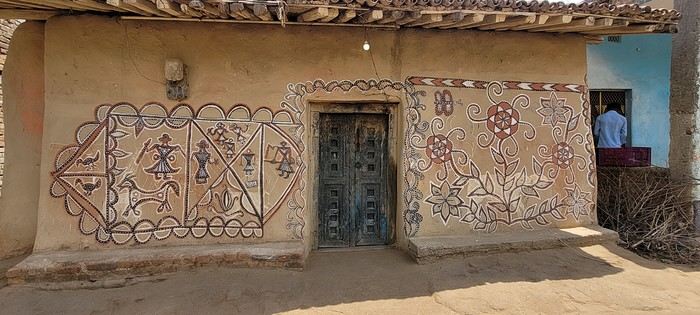

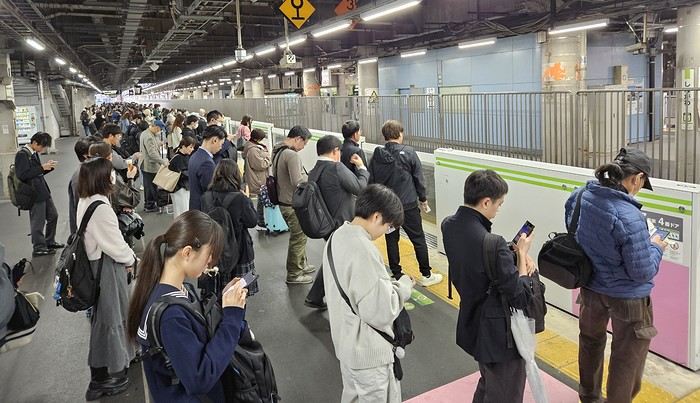
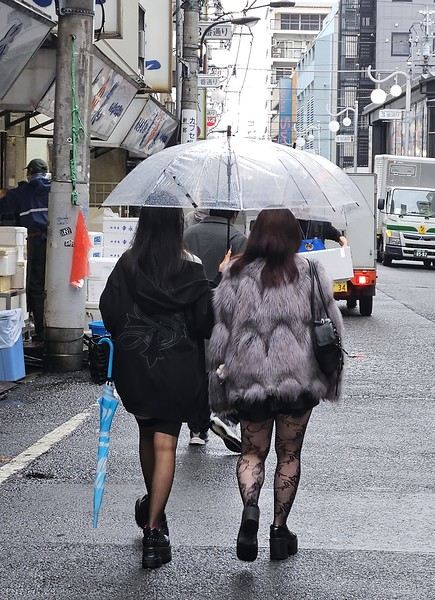
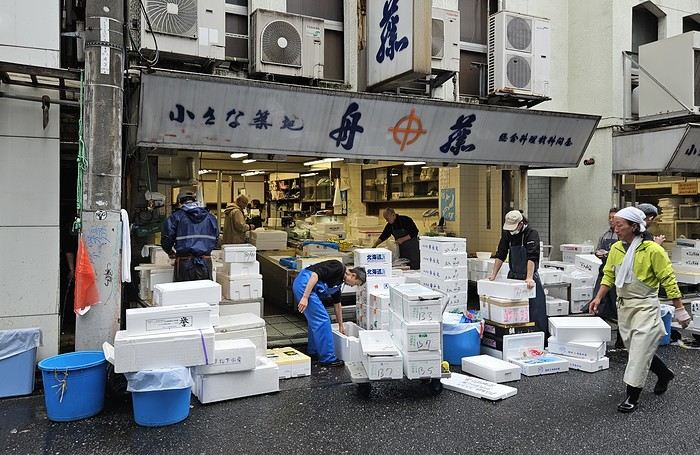 It was 15°C, but it rained—and kept raining on and off all day. Belgian weather, basically.
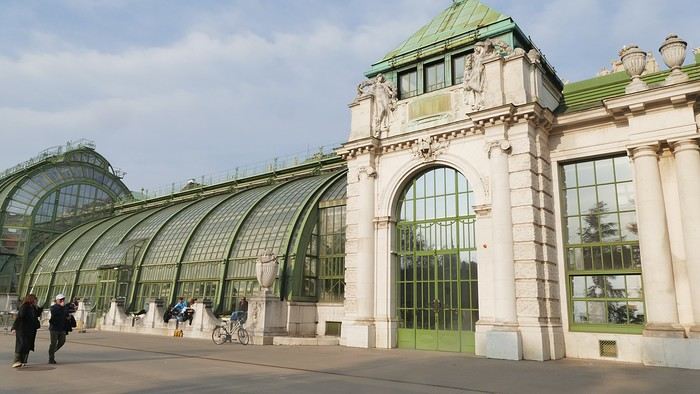
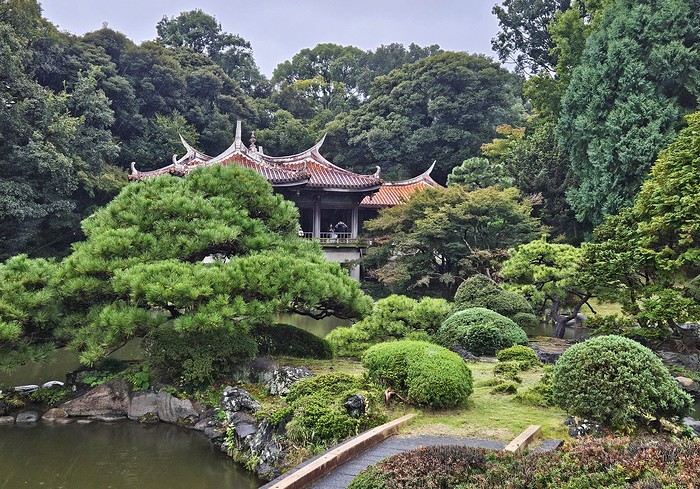
We went for a walk in Shinjuku Gyoen Park. Not as pretty in the rain, but the big greenhouse was interesting.
It was 15°C, but it rained—and kept raining on and off all day. Belgian weather, basically.
We went for a walk in Shinjuku Gyoen Park. Not as pretty in the rain, but the big greenhouse was interesting.

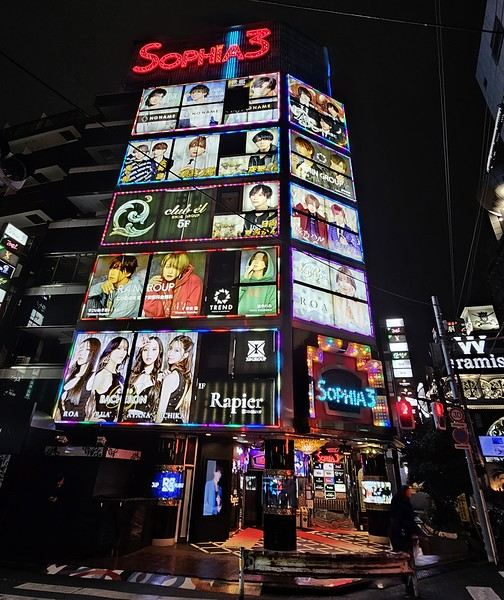
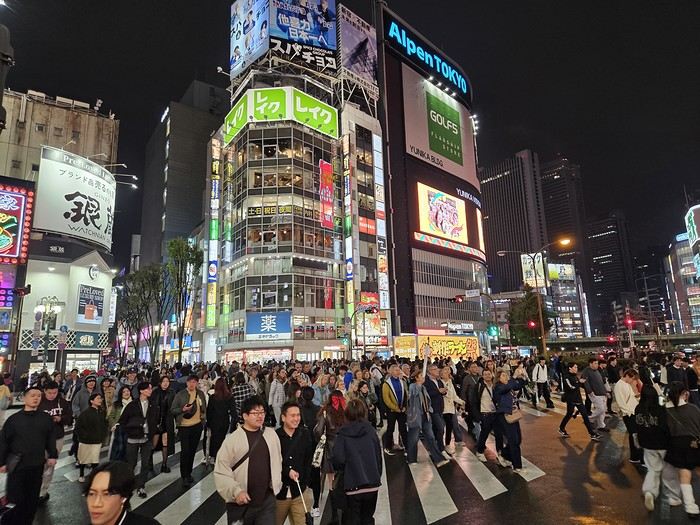



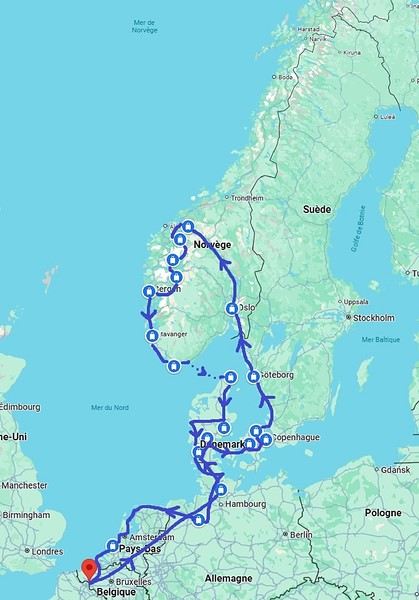
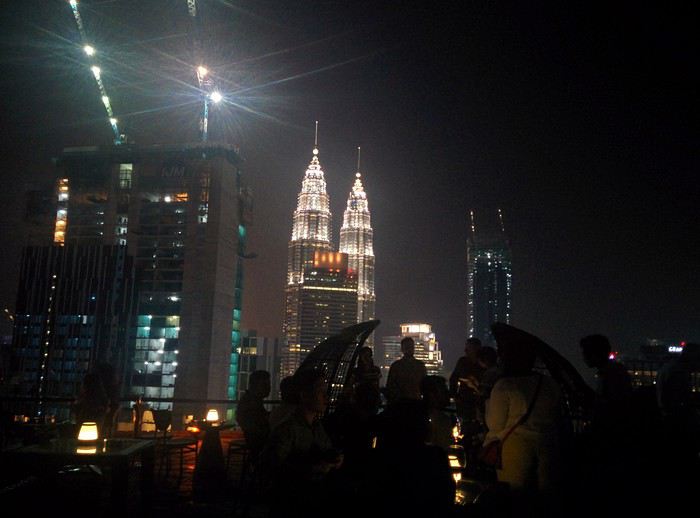
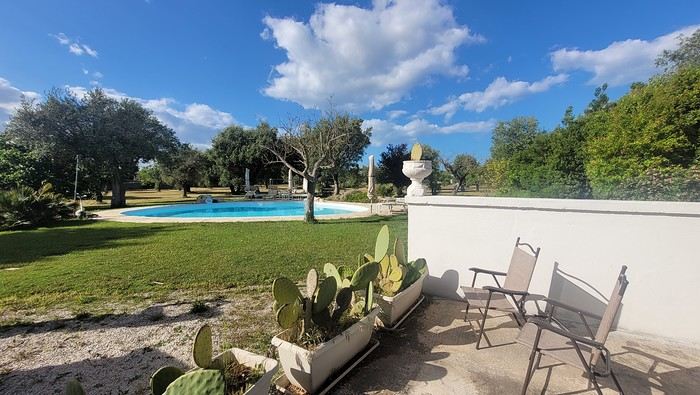
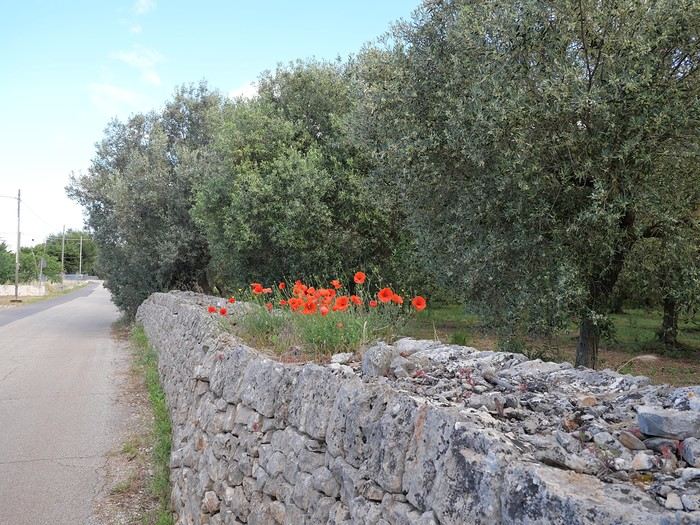
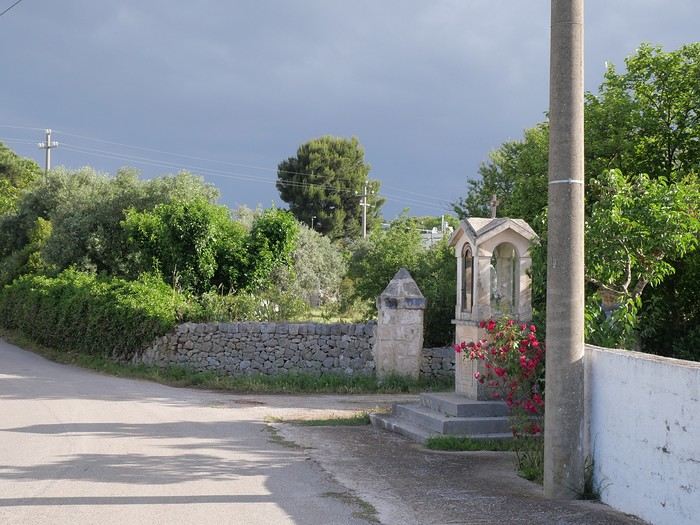
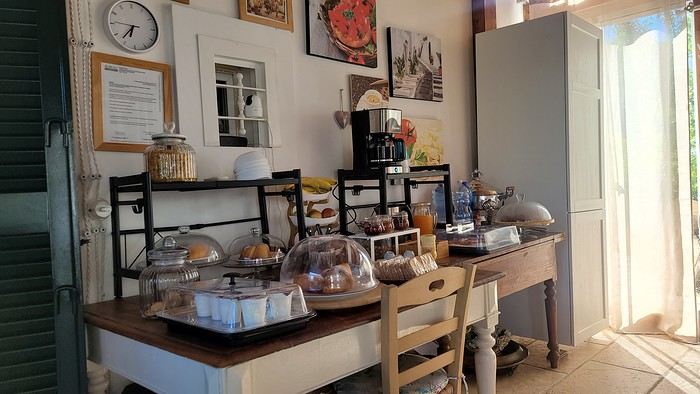
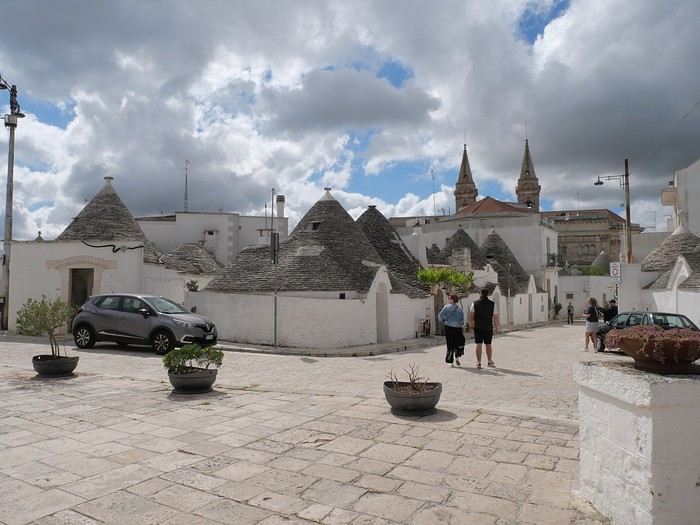
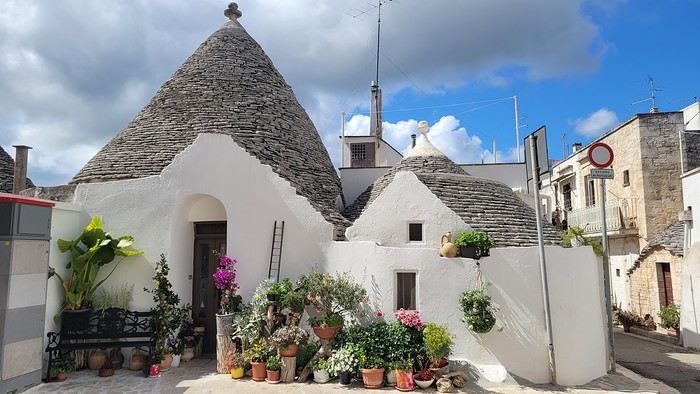
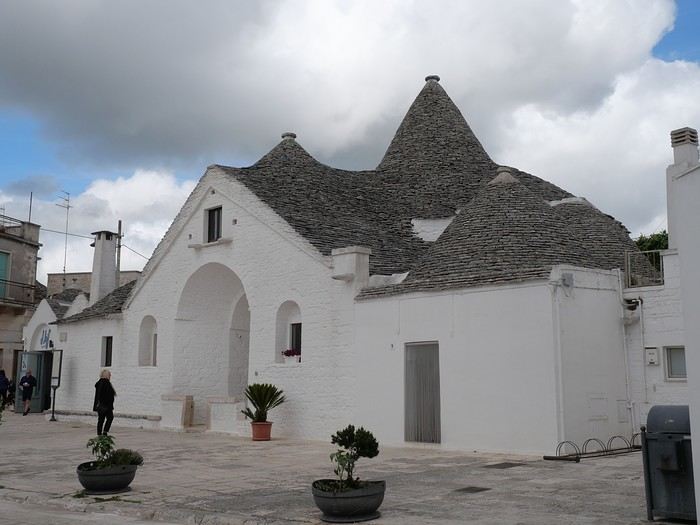
 Come along, I'm taking you to this country where it's so nice to wander and slow down...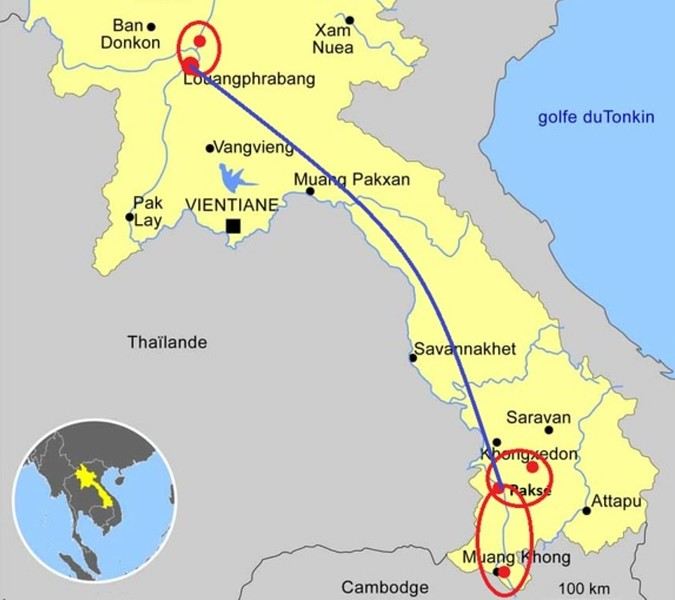
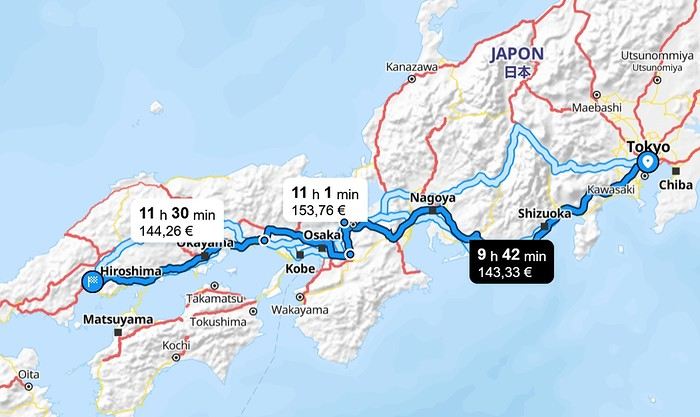
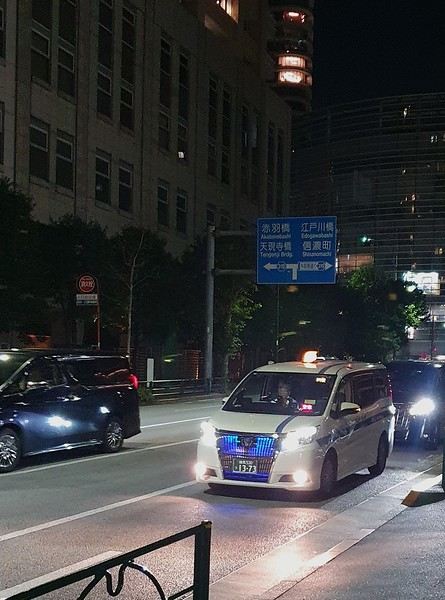
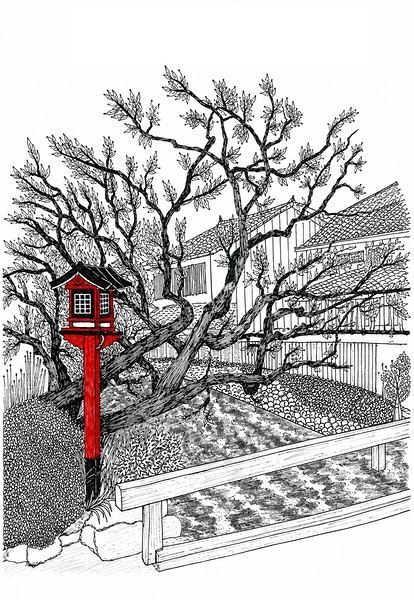 I’m inviting you on a stroll through my drawings—a completely subjective, far from exhaustive, and totally personal take, since it’s based on my own sketches. I put this travel journal together after returning in late 2024, mostly using felt-tip pens and pencils, with a few collages thrown in. I worked from our personal photos.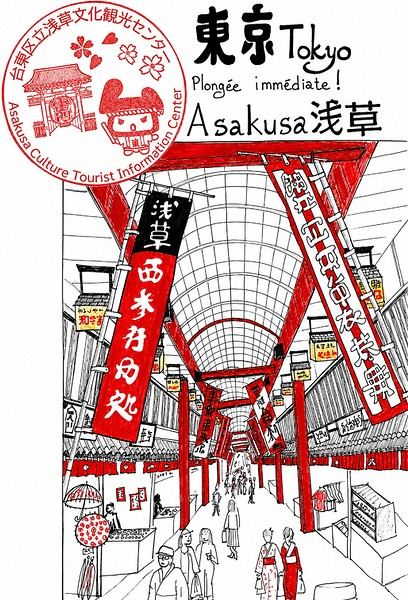
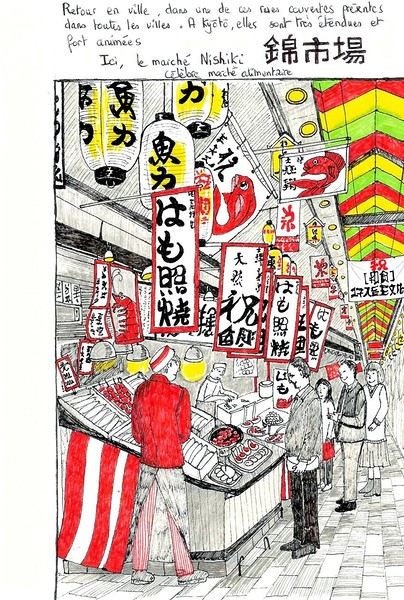
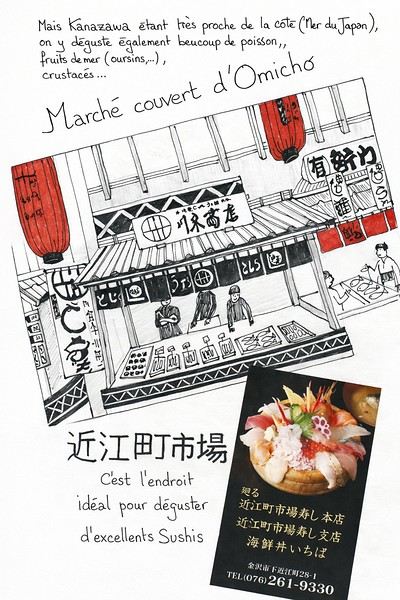 And in Kyoto, Nishiki Market: