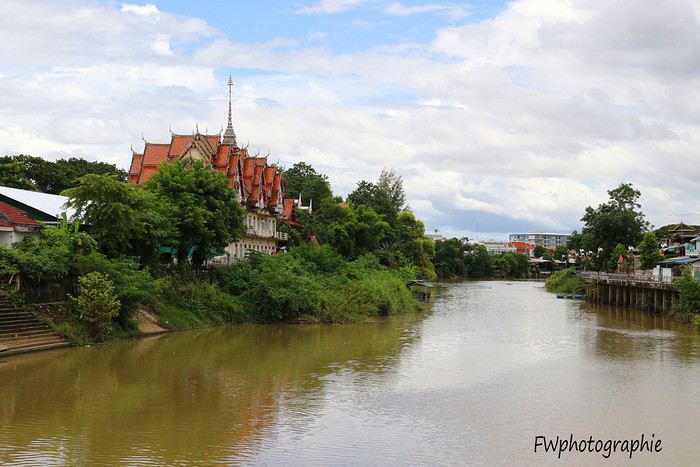
Thailand Travel Journal: From Chiang Mai to Bangkok, We Didn’t Buddha Our Fun
FR

Translated into English.

JO Jojoone1 Globetrotter ·
Hi Anne,

Thanks for your kindness. But all of this is relative—when I reread my posts later, I’m not as satisfied as I thought. Oh well, after all, a travel journal is something you share, and you shouldn’t be too picky about it. About the photos, I already partly answered someone else. When we see certain photos with that dull, white sky that does anything but highlight the subject, a shadow crosses our faces. The main thing is that when we’re there in person, the light is strong, and we experience it just fine. This year, we were lucky to have about ten days with a real blue sky toward the end of the trip, and we think that’ll show in the pictures.

Our directions are enough to find the café, which is tucked by the historic square. I think everyone can find it with the name using Google or TripAdvisor.

Preparations are for after the journal! Have a great day...
JO Jojoone1 Globetrotter ·
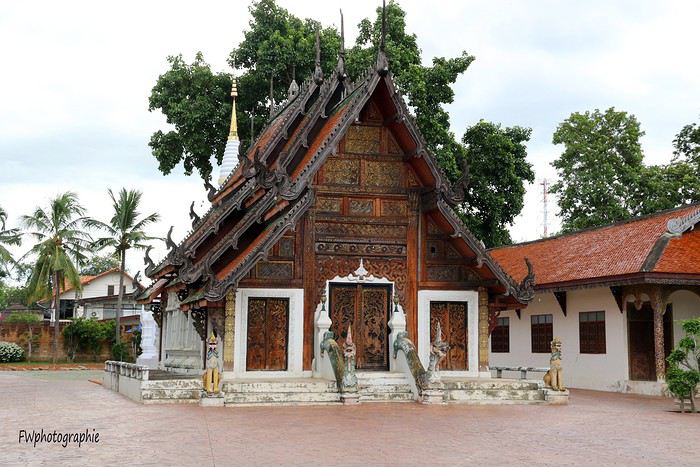
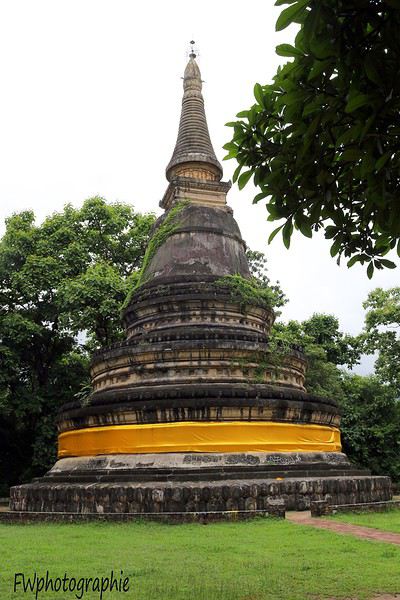
On returning to the edge of the city, you can still take a few steps to Wat U Mong, which was once isolated in the middle of the forest. Nothing better for quiet reflection. A temple restored following a monk’s suggestion, who rediscovered it during a meditation retreat. It’s worth knowing that this site has been active since the late 13th century.

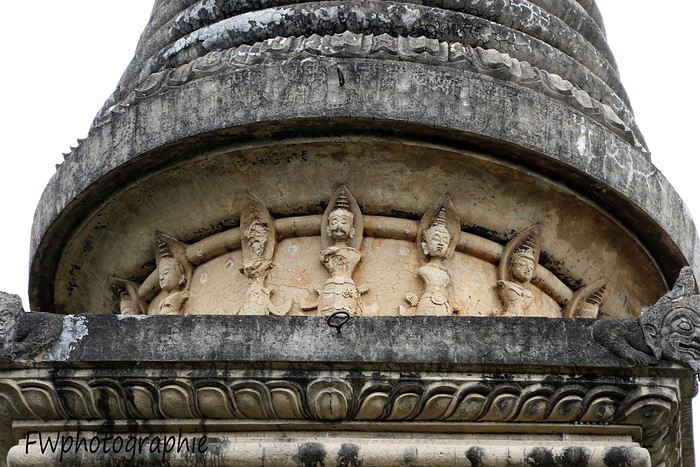
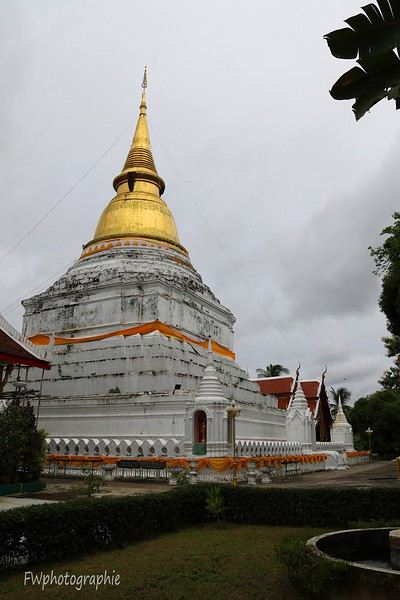
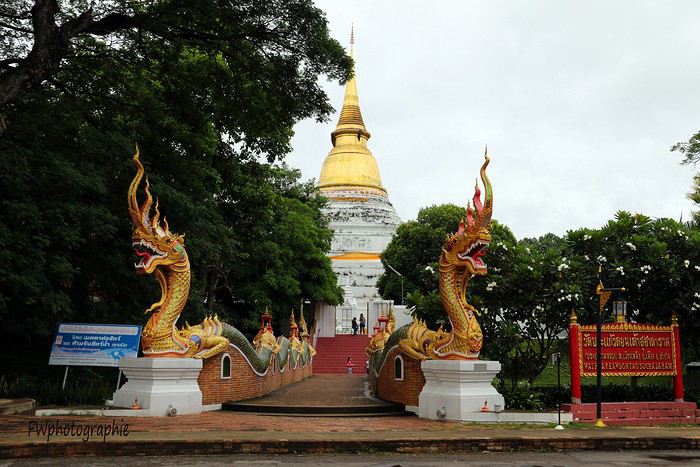
You can’t miss its imposing chedi, perched on a platform accessed by a staircase flanked by large nagas (serpents). The most original feature is the tunnels dug into an artificial mound, though sadly almost completely stripped of their original paintings.


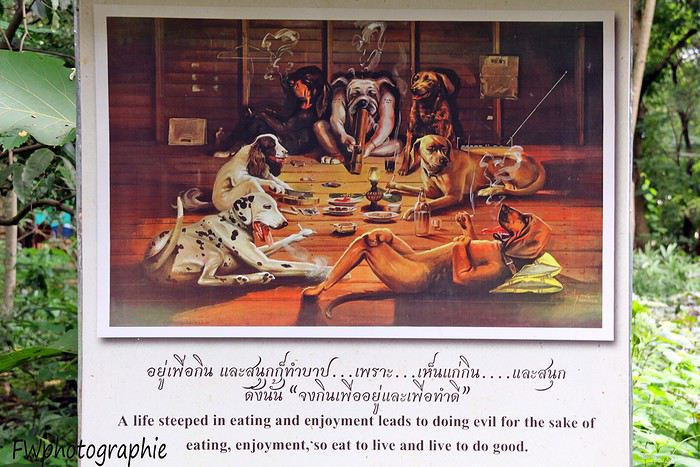
These days, the temple is open to everyone for meditation, which explains the many colorful signs explicitly listing all the vices to avoid if you want to get closer to nirvana. Reading them, some folks probably don’t feel too at ease...
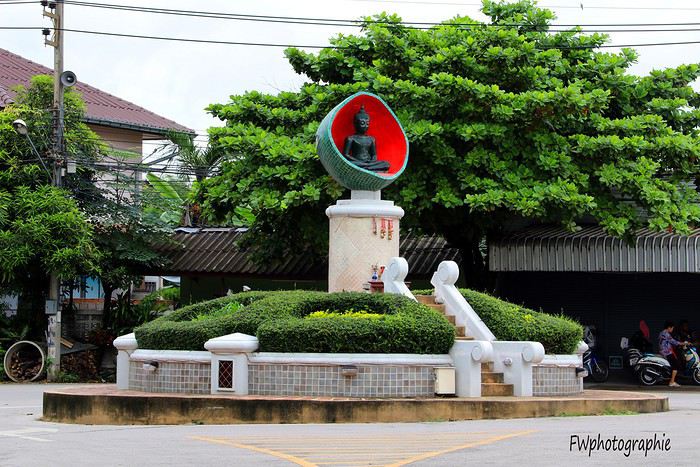


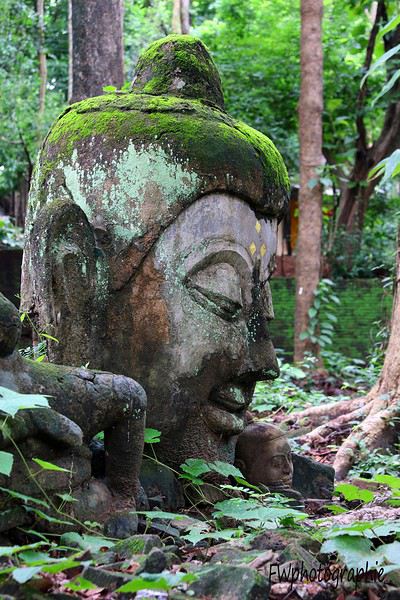
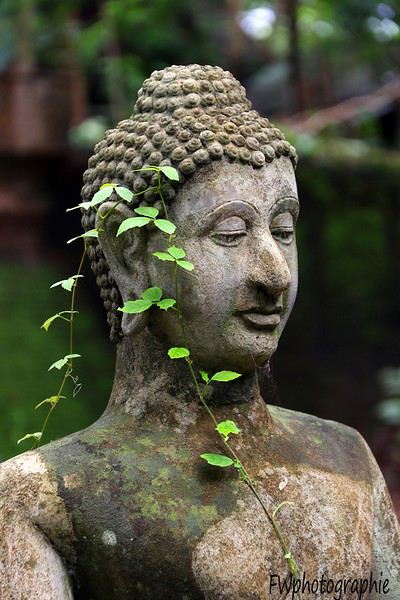
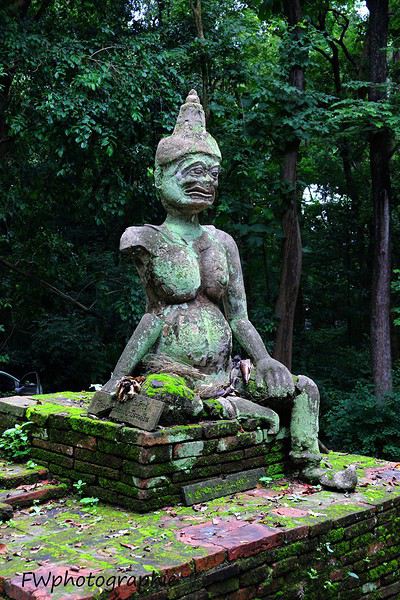
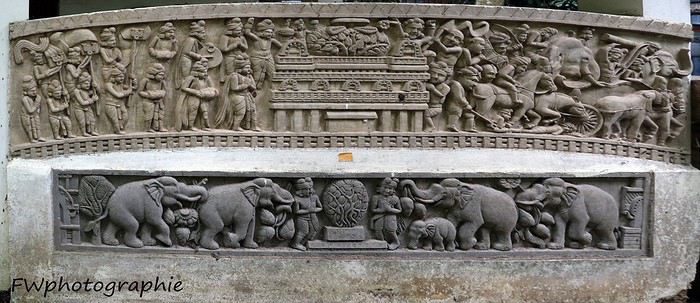
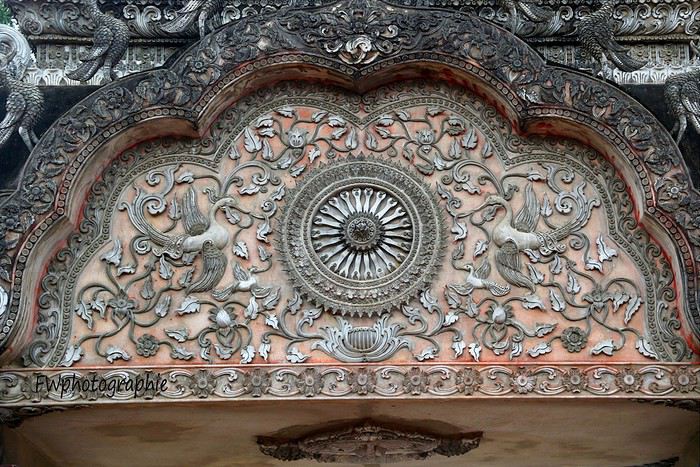
Beyond a few ancient moss-covered sculptures, a keen eye will spot numerous beautiful carved stone panels around one of the buildings—these could really use better protection and display.


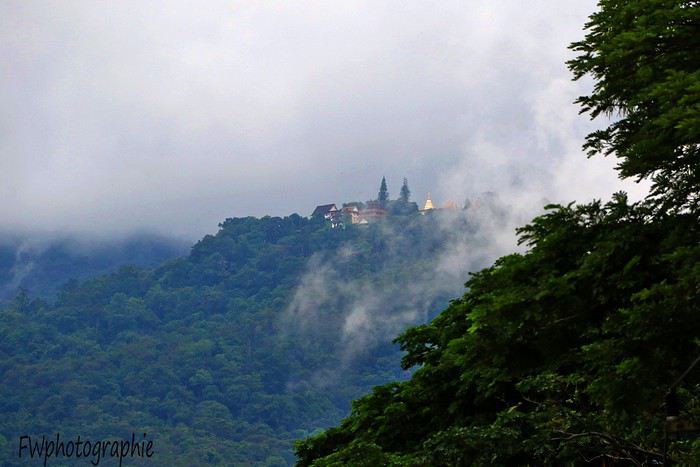
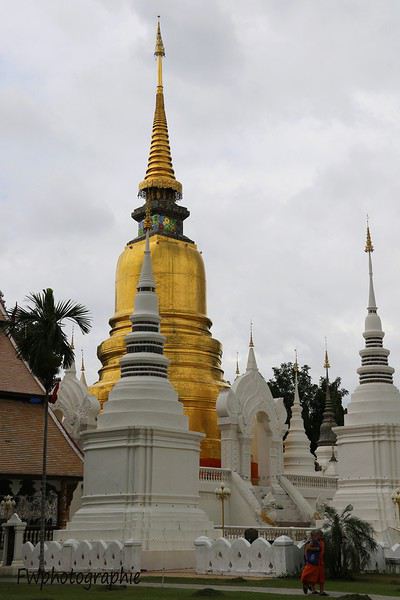
Back in the city, just west of the historic square with Doi Suthep in the distance, we stopped by Wat Suan Dok.


This is where you should recall the legend of Doi Suthep. To keep it short, a monk from Sukhothai had a dream that later led him to rediscover a priceless relic—the shoulder bone of Buddha.

After some twists and turns, the relic was placed on the back of a white elephant, which climbed Doi Suthep, trumpeted three times, and then died. This convinced the king at the time to build the famous chedi there.

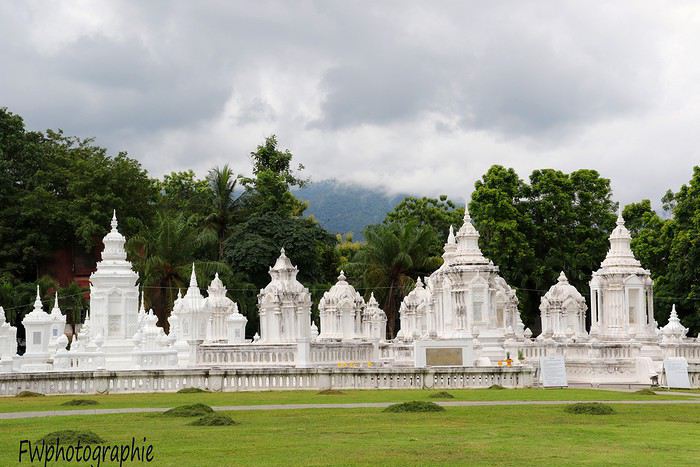
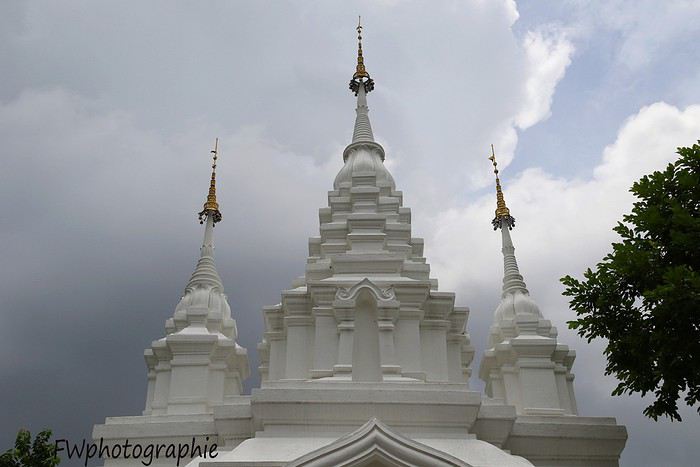
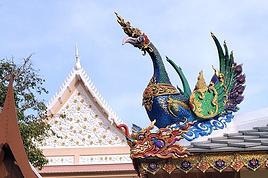
The same legend says the relic miraculously duplicated earlier into a smaller fragment, either lost along the way by the elephant or kept by followers, depending on the version. That’s why the most visible part of Wat Suan Dok consists of a uniform group of white mausoleums, dominated by the grand and majestic golden chedi housing the relic.


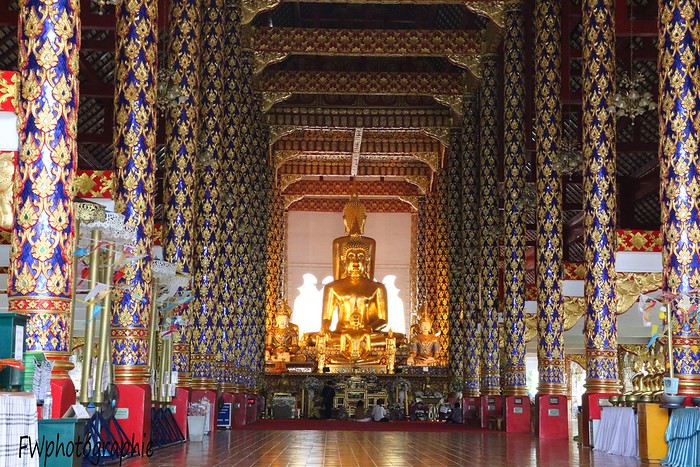
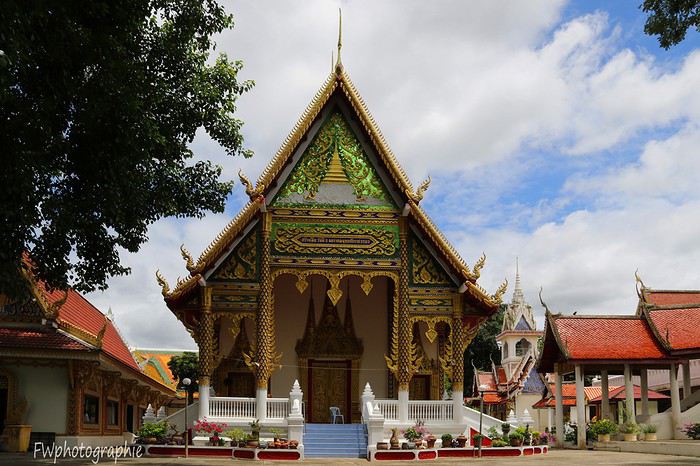
Right next door, a temple shaped like a large hall was built. It’s surprising that a 20 baht entry fee is charged. The whole thing is, by the way, pretty kitsch.


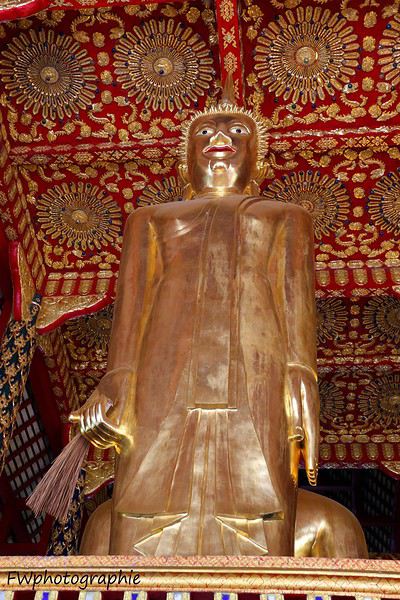
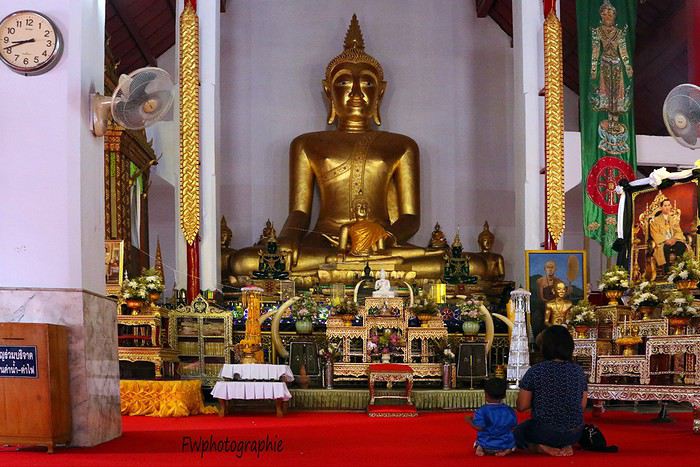
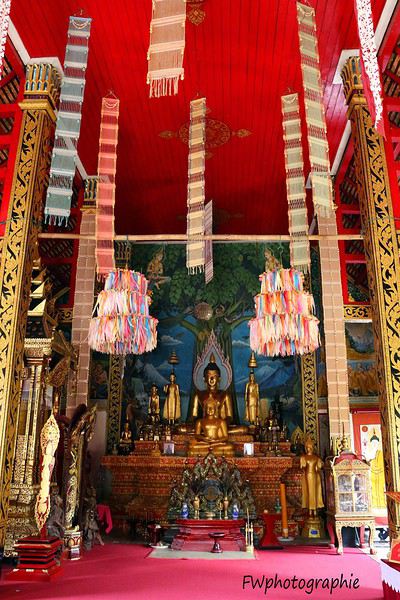
The ordination hall of the main temple contains a nearly five-meter-tall bronze Buddha, but we didn’t explore further. The temple was bustling—monks seemed very busy, and a swarm of school kids from several buses were fluttering around us. Plus, we’d already gone way over our planned schedule and didn’t want to test our kind driver’s patience. During our visits, hours fly by like minutes...
After an afternoon by the pool (gotta make the most of it) splashing around in the still-cool water, we kept our promise and met up with our friends again. All our precious music is stored on external drives, just in case. So one friend was able to download our personal 10-volume reggae best-of, and another got two groove-rock compilations—he’ll let us know what he thinks someday.
You should’ve seen the joy on those two guys’ faces when they saw us again, when they saw we’d kept our promise, laughing and chatting with us, and having access to music they’d have struggled to find otherwise. Of course, the speakers quickly blasted out the tunes, and out of the corner of our eye, we watched the cook, who was absolutely ecstatic, nodding his head to the beat. Unlike his colleague, he didn’t speak English, but when it was time to say goodbye, he suddenly handed us his phone. He’d translated from Thai to English, and we read on the screen: "I’m really happy to have met you."

Well, it might sound silly because there wasn’t any grand gesture involved, but we felt an enormous sense of satisfaction and intense emotion in that moment. It was all said in a few simple words—there are moments of grace where such small things lead to something so rewarding...
CA Calaf Regular ·
Hello,

Light, simple, and delightful style Well-chosen and beautiful illustrations Valuable info A touch of humor, tenderness, and generosity

In short, I’m happy and so grateful to you all

Best regards
SU SuisseChris Veteran ·
Well, it might sound silly because there wasn’t any grand achievement in all this, but we felt an enormous sense of satisfaction and intense emotion in that moment. Everything was said in a few simple words—there are moments of grace where such small things create such a rewarding outcome...

Sometimes, all it takes is a few seconds... A glance, a smile, or a few words. They can create moments of intense emotion and strong memories.

These "magical" moments still surprise me... I’m so different from these people, yet deep down, maybe not so much... 😉

Travel journals say more than the words they’re made of. They let you get to know the people who write them a little better.

Looking forward to reading yours. 🙂
JO Jojoone1 Globetrotter ·
Hello,

We're over the moon, especially since this comes from an experienced member of this site!

Needless to say, we’ve got plenty of stories and varied photos to share for quite a while—this travel journal is just getting started.

Warm regards...
VO Voyagejem ·
Thanks, your café recommendation is awesome! I’ve already been to that area but never noticed it… On my next trip, I’ll definitely check it out. That garden is so pretty…😎
JO Jojoone1 Globetrotter ·
Our initial research on Chiang Mai already promises new and unique activities for our next visit, and we’d happily return.

Our journey south begins here.

On departure day, a receptionist found us a car driver (yes, a car) for the same price as a tuk-tuk. The boyfriend, the brother, the uncle, or the boyfriend of the uncle’s brother? Who knows.

We’d made it clear from the start that we were heading to the Arcade bus station to get to Lampang. Once our bags were loaded, the young man pointed to a building. That’s where we tried to buy tickets for a big bus, but despite repeated attempts—including with someone who spoke a little English—we were always directed to minivans, told there were no big buses. Joel got annoyed: he went outside, found a guard in his booth, and was pointed to the same kind of building—but on the other side of the road. So we hauled ourselves and our luggage over and quickly realized it’s best to stick to our guns and persevere, or risk getting scammed. Within two minutes, we each had a ticket for 66 baht on a mid-sized air-conditioned bus. The trip took about 1.5 hours for just under 100 kilometers.

As soon as we arrived at Lampang’s bus terminal, a songthaew driver offered to take us to our hotel for 170 baht. We politely declined and quickly found another songthaew where people were already boarding. Sure enough, at 2 x 20 baht, the price was much more reasonable.

Lampang is famous for its horse-drawn carriage rides. The drivers have formed a union, which means fixed prices for set routes—but you can also negotiate a custom route. Currently, it costs around 400 baht for a one-hour ride. Though it sounded a bit romantic, we didn’t end up trying it.

For our short stay downtown, we chose the Pin Hotel, which offers an excellent value for money. Sure, there’s no pool, but the superior room with breakfast costs just 15.50 €. We were given a spacious room on a high floor (with an elevator). The balcony offered a great view. The mattresses weren’t top-tier—we noticed a hint of firmness—but they wouldn’t bother anyone except those with extreme sensitivity. We did note that the bathroom door could’ve been replaced at least 15 years ago. This hotel is perfect for budget travelers looking for a bit of comfort. As usual, there’s no need to eat at the hotel—the lunch is overpriced at 140 baht.

In the early afternoon, the heat was so intense that a nap with the curtains drawn was a must. We needed a little rest before tackling our planned walk.

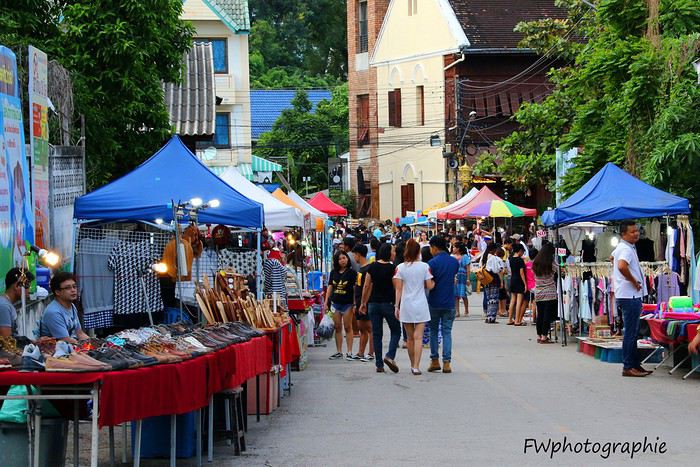
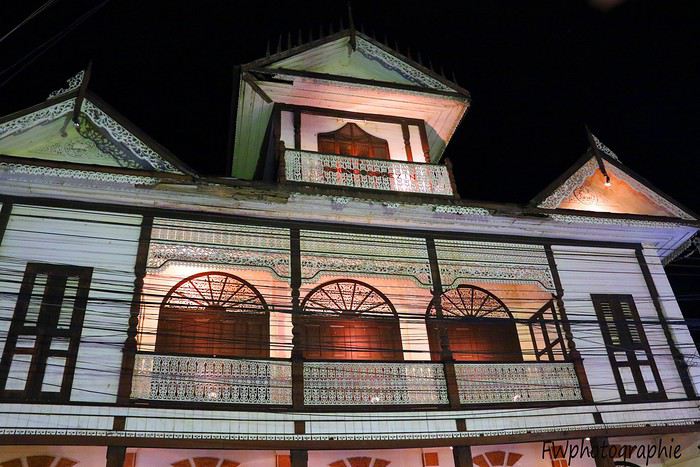
We headed north toward the river and soon found ourselves on Talad Gao Road, lined with beautiful Sino-European-style buildings. Before Chiang Mai rose to prominence, Lampang had its own golden age. Trade flourished here, peaking in the early 20th century. This street hosts the evening market, officially from 5 PM to 9 PM on Saturdays and Sundays.

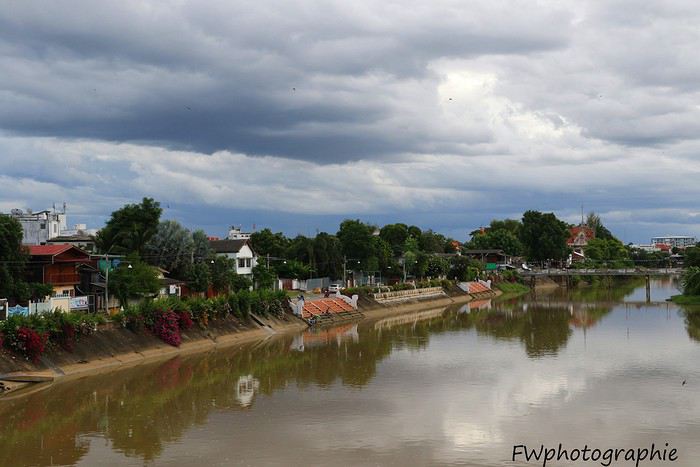
We quickly reached the Ratchadapisek Bridge, which spans the Wang River. It was once a wooden bridge, the longest in Thailand. The current version, made of iron and concrete with arches, looks like a railway bridge and dates back to 1917. Sure, traffic is heavy, but there are pedestrian paths on both sides. In the late afternoon, you can watch a large colony of swallows flying above and below the bridge in an endless, acrobatic dance as they feed.


Right after the bridge, on the right, is a covered market. In this sleepy provincial town, the scene is already as authentic as it gets—just a stone’s throw from Chiang Mai’s rock ‘n’ roll bars. Naturally, we lingered to soak it all in.


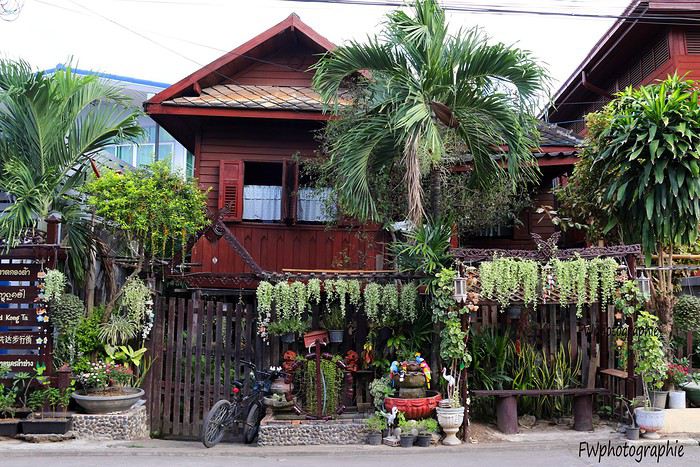
We strolled eastward. It’s nicer to take the alley along the river rather than the parallel street. Suddenly, it’s peaceful, with old traditional wooden houses appearing alongside newer ones—wooden upper floors and concrete ground floors, some with well-kept gardens.


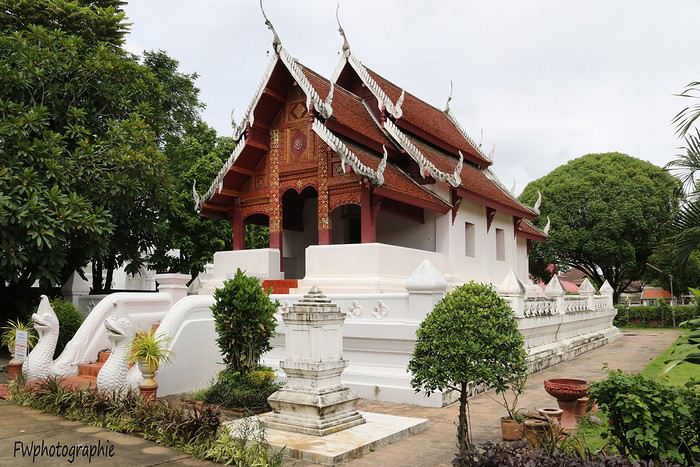
Further on, we came across the small Wat Pratu Pong, once located at one of the city’s gates. Though it’s one of the oldest temples in the province, officially dating back to 1577, it gleams like new after a clear and proper renovation. Given the time, there wasn’t a soul around—well, except maybe a cat. Still, we admired its beautiful entrance gate.


We kept wandering, and it wasn’t long before the looming storm broke. With no shelter nearby and our tiny umbrella, we looked for refuge. An open gate, two friendly guys chatting by a long-roofed hut—perfect. We invited ourselves in. Of course, we were warmly welcomed, and they even invited us to wait inside their hut. A sign indicated it was the provincial forestry office. Somehow, we managed a little conversation, and everyone had a good laugh. How many times has Thailand’s no-fuss attitude put us at ease?

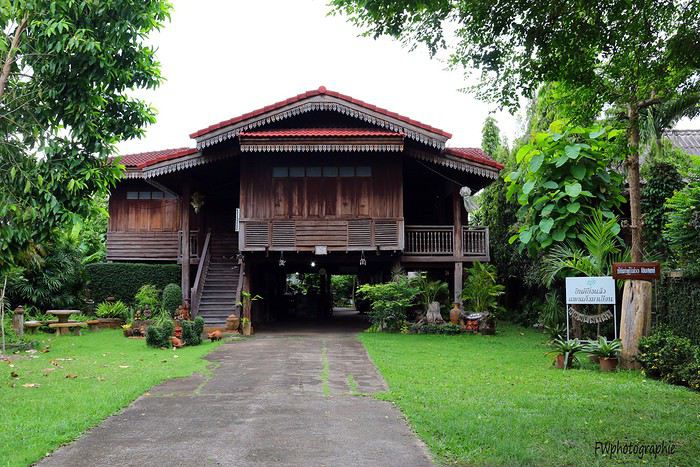
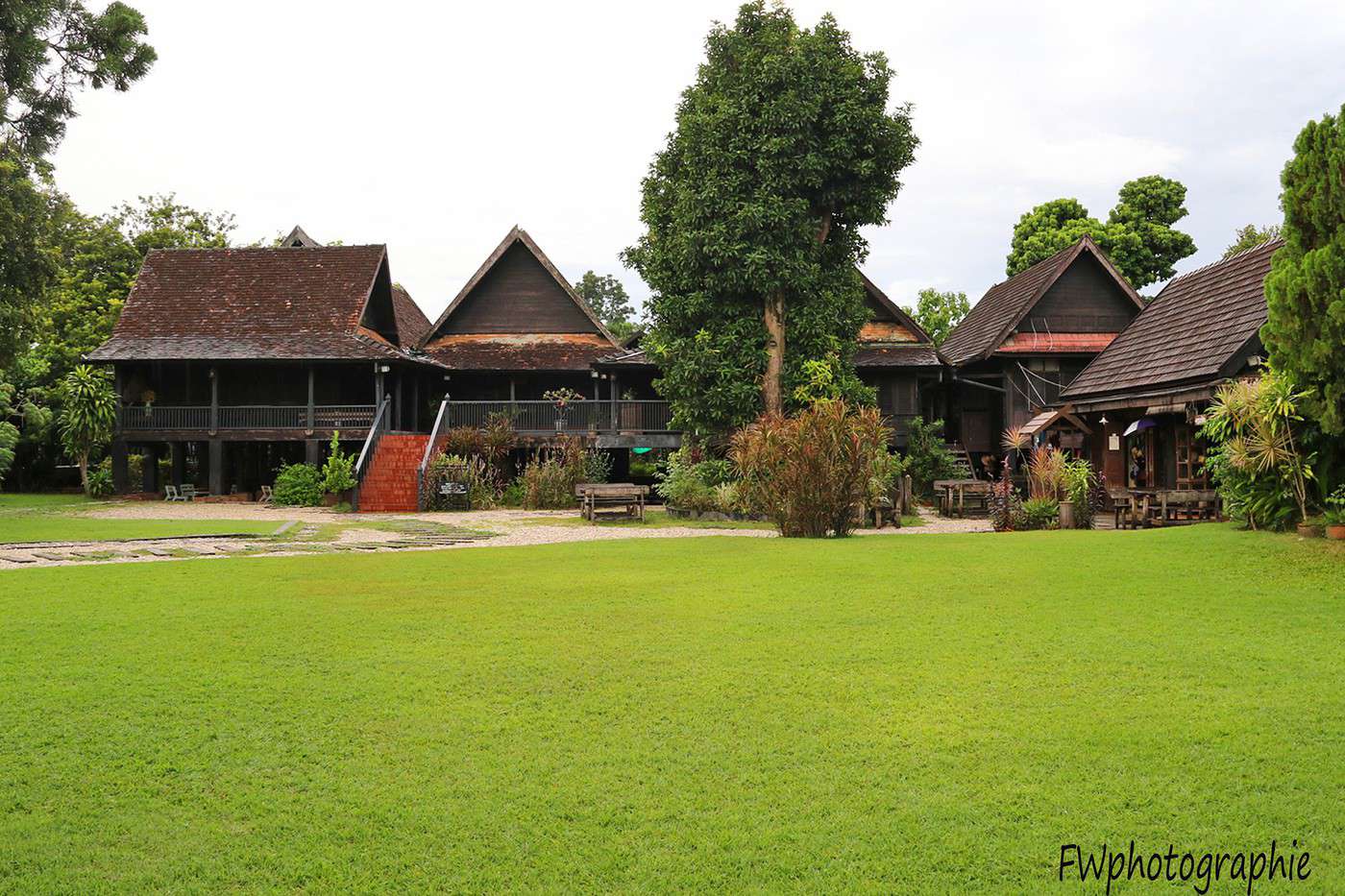
Luckily, the storm was brief. We pressed on to Ban Sao Nok on Ratwattana Road, where a group of beautiful teak houses stands on a large plot. Built in 1895 in a mix of Lanna and Burmese styles, they were once a reception hall for the municipality and are now a museum. Open from 10 AM to 5 PM, we didn’t get a chance to go inside. But when you start late and get lost in the joy of wandering, by the time evening rolls around and your legs are tired, you suddenly realize you still have to make it back. The last stretch was the least energetic, especially since Lampang was the hardest place to find a restaurant that suited us.

Our lucky star led us to the New Seafood Restaurant on Suan Dok Road. It’s a large open-air hall with another air-conditioned room at the back. There are also tables on the sidewalk. At one end of the main hall, the entire width is taken up by the kitchen, where you can watch the cooks at work—including one in a tall white chef’s hat with a curved tip. Yes, we saw the Thai white Smurf chef! On the sidewalk, a grill with shrimp, crabs, and clams completes the scene.

The first young waiter who tried to take our order quickly realized he was out of his depth and wisely gave up. It happens. Judging by the looks of the other servers, it wasn’t looking promising. But one of the "customers" wasn’t a customer—he was the owner. Suddenly, he was there, and not only did he understand a few words of English, but he got the gist. We were served quickly, and for 240 baht, you get—without a doubt—the best seafood curry in coconut milk in all of Thailand. In terms of price, quantity, and taste, you’d be hard-pressed to find better. And it’s *phet phet*—meaning the chili isn’t sanitized like in tourist spots. Not *too* spicy, but enough to give Joel a free sauna session for his forehead and nose. In every way, this place is a must-visit.

On our way back to the hotel, we spotted a street vendor and, for 20 baht, enjoyed a perfectly ripe pineapple. Long live small businesses!
68 68bass Regular ·
good evening after the lovely description, here’s the curry in coconut milk in person! As much greedy pleasure reading you as you had tasting this dish. So much wisdom in your comments about off-the-beaten-path travel—share all that with us in small bites... take your time, it’ll only be better that way. kop kun krap
HI Hiboujoli Regular ·
For Lampang, another illustrated post to complement it HERE 🙂
JO Jojoone1 Globetrotter ·


This morning, we planned to visit two temples in the city. Asking the hotel, they offered us a songthaew for 600 baht. It’s not that we’re stingy, but since we had time to spare, we flagged down a songthaew on the street and got a ride to the first temple for just 40 baht.

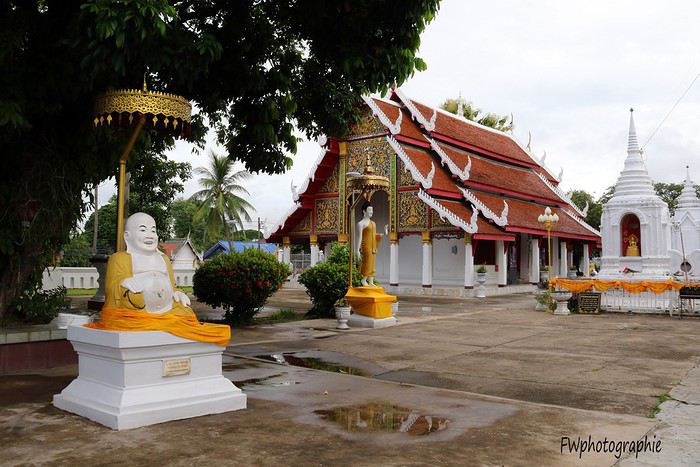
This was Wat Phra Kaeo Don Tao, which once housed the famous Emerald Buddha during its long journey from Laos to Bangkok. A massive sacred tree welcomed us in the courtyard. A kiosk decorated with glasswork and small figurines sheltered a few Buddhas. The central one was majestic and undeniably beautiful.


The main temple didn’t disappoint either, with many religious artifacts that weren’t exactly new. A small building housed lacquered wooden antiques. The temple also had its grand white chedi with a golden bulb and spire. Right next to it, a life-sized statue of an elephant carrying an Emerald Buddha on its back. A stunning complex, just how we like them.


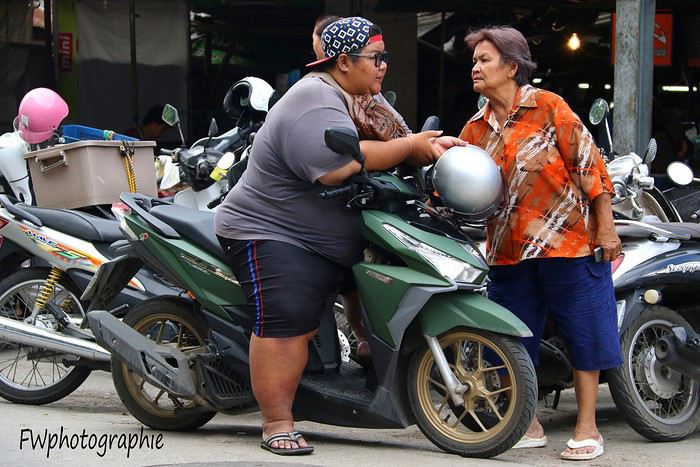
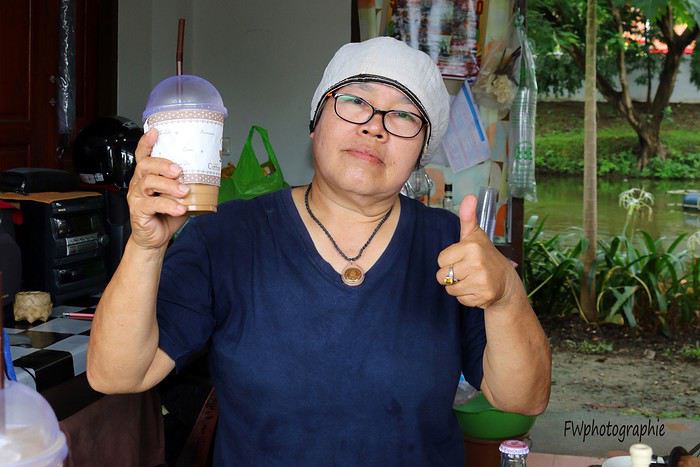
On our way out, we chatted with a drink vendor who ran her little stall. She’d just come back from the market, and without asking, Joel helped her carry her crates of bottles like he was her employee. She seemed amused and happy about it. Our iced frappés were only interrupted by the photos we took of each other at her suggestion. It’s one of many times Thais gleefully put us on their Facebook—whether we liked it or not. But it’s only fair, and we’re good sports.


After that, we headed to the second temple. Along the way, the courtyard of another wat revealed terrifying three-meter-tall figures—a convincing glimpse of demons and the torments of hell.

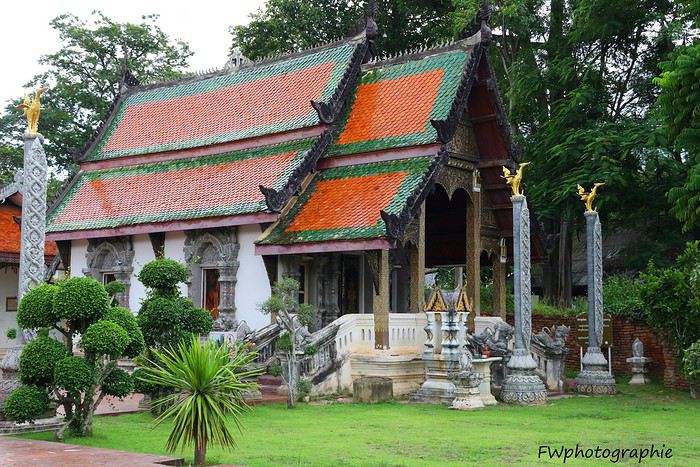
After a nice walk, we arrived at Wat Pongsanuk Tai (1886). As soon as we entered, we took in the sacred tree, several temples, the bell tower, and the golden chedi all at once. A burst of color after yesterday’s overcast sky. The 2008 restoration brought this complex back to its full glory. The upper building housed a reclining Buddha. The main temple was beautiful, with large murals, including behind the Buddhas.


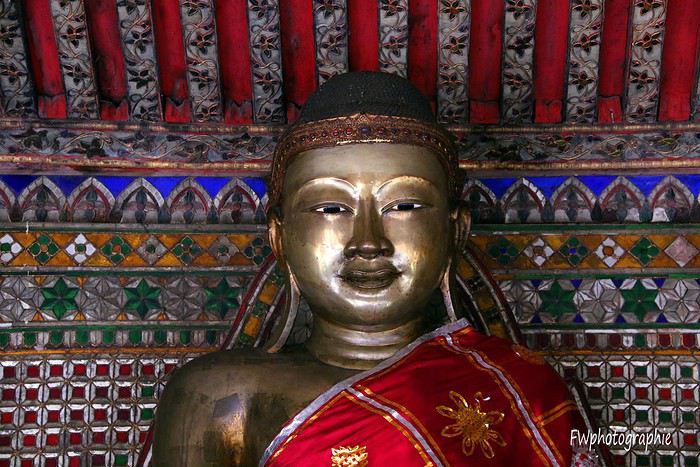
You can also visit a rich museum here, housing many works of art—some ancient and of great interest. We left with vivid memories of those stunning Buddhas safely behind their grilles, and especially, in the next room, of that magnificent golden smiling Buddha. For once, it was well-displayed, thanks to the panels behind it and the perfect lighting.

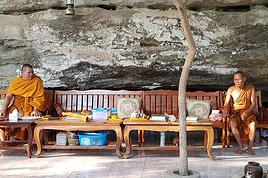
As we were leaving, we saw a monk and greeted him respectfully. He came over, eager to chat and give us a lesson. Throughout the conversation, he kept his lit cigarette hidden behind his back. We quickly realized his obsession was making sure we understood that you shouldn’t greet monks the same way you greet other people. At first, we thought we’d better not contradict him. He clearly repeated the proper phrase several times, then made each of us repeat it back to ensure we’d got it. We left a little wiser than we’d arrived, armed with a magical phrase that would prove useful later.

By late afternoon, the weekend market had set up while it was still daylight.


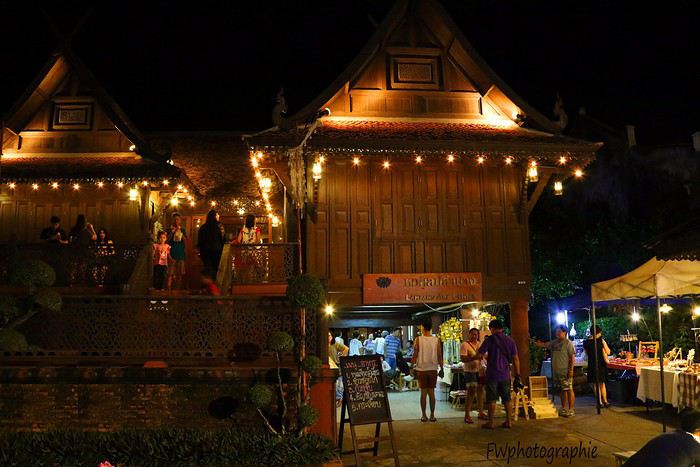
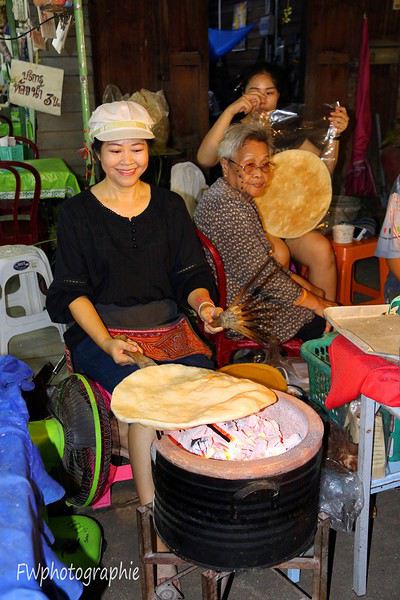
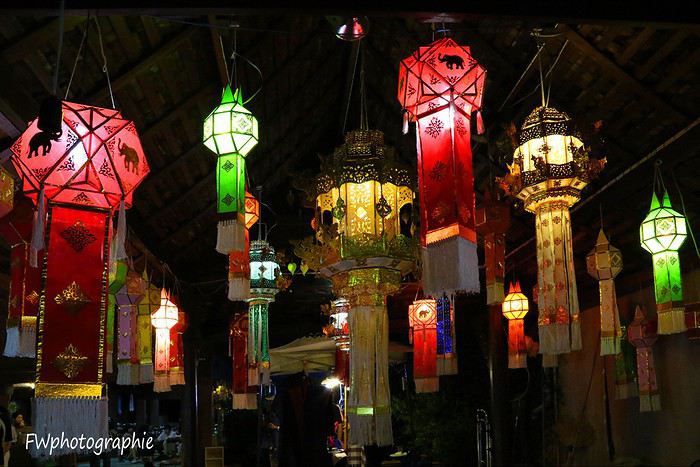
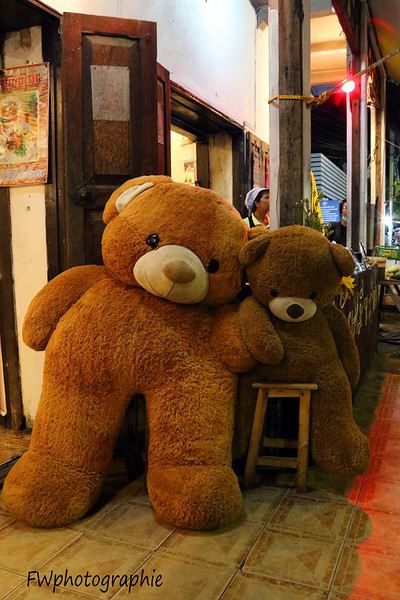
Not only did this market take over both sides of the long Talad Gao Road (the Chinese street we’d walked the day before), but it spilled beyond. Once night fell, the lights gave it a whole new look, highlighting the buildings. Needless to say, it was packed—clearly half the province was strolling around. Unlike some night markets, this one had everything. In various spots, groups of young people sang or played traditional music.


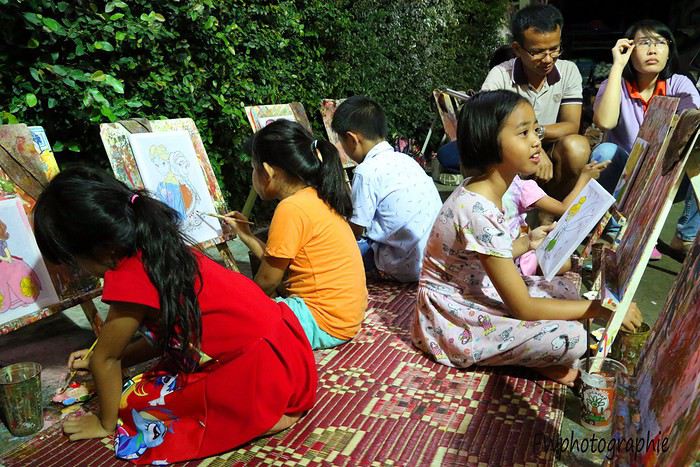
We especially loved the coloring workshop set up in an alley. For a few baht, parents could hand over their kids with all the painting supplies, and the little artists could fill in their pictures however they liked. It was absolutely adorable.

AN Annebleue Veteran ·
What a joy to read this! You really make us feel like we're there, and since this year I'm being unfaithful to Asia—where I usually spend 3 months (oh, the joys of retirement!!!)—by heading to South America, I feel even more connected to these stories. Once again, thank you for these perfect writings and the photos that immerse us in the Thai atmosphere we love so much. Keep up the great writing!

And BRAVISSSSSSSSSIMO for the syntax and humor! Annebleue
SU SuisseChris Veteran ·
Hi there,

Your travel journal is still such a pleasure to read.

I have a question for you:

We quickly realize that his obsession is to make us understand that, in fact, you shouldn’t greet monks the same way you greet other people.

Do you remember the phrase to use with a monk?

Thanks in advance for your reply, and looking forward to reading more. 🙂
JO Jojoone1 Globetrotter ·
Good evening,

So, you’re more of a gourmet than just a foodie! I promise you another culinary chapter in this travel journal, and it won’t be a minor one.

We only travel once a year, so the story might as well last. The upside—for those who enjoy it—is that they discover it at roughly the same pace we lived it. Thanks for checking in...
OB Obeoandpai Globetrotter ·
Good evening, Your travel journal is still such a pleasure to read. I have a question for you:

We quickly realize that his obsession is to make us understand that, in fact, you shouldn’t greet monks with the same words as other people.

Do you remember the phrase to use with a monk? Thanks in advance for your reply, and looking forward to reading more. 🙂

Hello,

I’m also reading along, but I’ve chosen the option of a possible wrap-up reply at the end so as not to disrupt the journal’s timeline.
However, regarding the phrase to use with a monk, I’ll admit that, being there in unfamiliar territory, I’m just as culturally unsure as you. Maybe this deserves a closer look from Joel?
JO Jojoone1 Globetrotter ·
Yeah, I remember the tip. But I never said I’d spill the beans 😎
OB Obeoandpai Globetrotter ·
Yes, I remember the formula. But I never said I’d reveal it 😎

A secret for the readers? Heh! Heh! Would we deprive them of an aspect of "social etiquette?" (smile) Personally, I don’t think there’s a single way to address a monk. For 13 years now, through my partner, I’ve had two uncles and a nephew who are monks (one is the abbot of a wat).

In the land of the Wai, it’s all about subtleties. He might’ve wanted to explain that you don’t just do any old wai to a monk. (The simplest thing for a tourist is to just say hello.)

"""For a monk, you bow your head until your middle finger touches your forehead. And if he’s seated, a wai isn’t appropriate.

Instead, you do a Krap three times: For men, the Krap is performed while sitting on your heels with your knees bent, feet straight, hands at chest level, and palms closed. The hands are raised to touch the forehead, then you bow forward, opening your palms so they touch the ground, and your forehead touches the ground between your palms, elbows touching your knees. You return to the starting position and repeat the Krap two more times. For women, the Krap differs slightly: They sit on the soles of their feet, and their elbows are spread when they touch the ground. The Krap must be << bengchang kha pradit = five-point prostration>>, meaning the knees, palms, and forehead touch the ground. A Krap is also performed as a sign of respect to Buddha statues.""" Excerpt from Mr. Pornpimol Senawong’s book "The Bonds That Unite Thais"

To spice up your travel journal, here’s a link for followers and the curious: Yesterday at PDS, it was Wan Pâ, making merit at the wat and visiting families to honor the deceased. We were there.
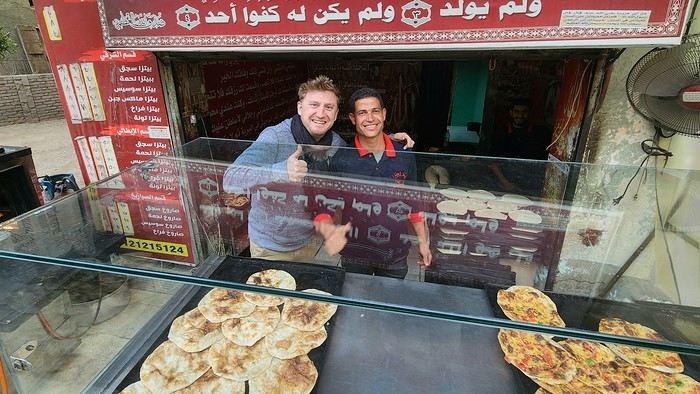
>> HERE <<

Just a few photos (a little timeless) later, a post with a video (as soon as I get time to read your journal properly).
TH Therat Veteran ·
hello, Maybe a "namaskan" or "namassakan" depending on pronunciation? Joël will confirm... or not.... :)

Philippe
OB Obeoandpai Globetrotter ·
hello, Maybe a "namaskan" or "namassakan" depending on pronunciation? Joël will confirm... or not.... :) Philippe

Sawadee krap,

Absolutely, but slightly different from "Krap" depending on the context,

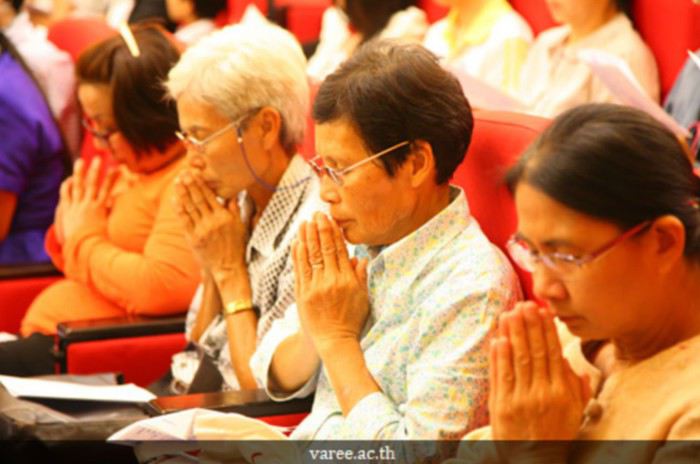
Possibly used for monks but especially respect for teachers and parents, and also on the Christian side: www.varee.ac.th/...ivities.php?head=352 and/or accompanied by songs: https://www.olozmp3.net/song_AmKDvlRE

The word "namaskan" is pronounced (na-mas-sa-kan). The spelling in Thai is "นมัสการ" and pronounced (นะ - มัด - สะ - กาน). The meaning: bringing the palms together to the face in greeting:
OB Obeoandpai Globetrotter ·
excerpt from the book by Monsieur Pornpimol Senawong "The Bonds That Unite Thais"

Poor thing...🤪

Thanks for this correction, which—aside from a little touch of humor (?)—doesn’t disrupt either the text or the cultural aspect of the thread

Similar discussions

You might also like