Discussions similar to: Retour 3 semaines Québec
FR

2,761 similar discussions in English

Kenya February 2020: From Tsavo to Samburu via Meru National Park
Good evening everyone, I hope you're all doing well despite this very unusual time… Here’s a new travel journal to get you back on the Kenyan trails.

It was a really great idea to buy those flight tickets to Nairobi back in December. When Benoit suggested this new safari in February, I hesitated a little (very little): it was the season with particularly high temperatures, and the short rainy season in November/December had been very heavy, raising concerns about the state of the tracks… Given the current situation, no regrets, of course… We quickly organized the safari with our usual guide, and we booked the accommodations ourselves directly. (If we’d waited just a few more weeks, we might’ve regretted it…)

For once, we were able to leave from the airport near where we live (Lorient - Lann Bihoué), which is really convenient: no driving, no parking… We left home at 2 PM on Tuesday, February 18th, and arrived in Nairobi at 6 AM the next morning—perfect. (With a layover in CDG, of course 😉) Upon arrival, after a forehead temperature check by airport staff, we got our visas very quickly (forms filled out before departure). The customs agents congratulated us on our passports full of Kenyan stamps… but we still had to pay the 40 € for the visa.

All that was left was to collect our luggage, and we’d be ready to leave the airport shortly after landing. But there was a small issue: the baggage conveyor belt was broken… Eventually, the suitcases and bags were brought out by hand… Hakuna Matata, as they say here—no problem, as long as they’re all there. Benoit sent a message to Félix, our guide, to come meet us in the airport parking lot. After catching up with our respective families, we set off toward the Mombasa road, heading to Voi.

Traffic in Nairobi is still as heavy as ever, and the pollution is very noticeable (cars, but also cement factories…). The current lockdown has changed things. On social media, Mount Kenya and Kilimanjaro seem visible from Nairobi now!…

The first stop on this safari was a place we hadn’t visited before: the LUMO Community Wildlife Conservancy lumoconservancy.com/. It’s a small reserve located west of Tsavo West and near the Taita Hills. The reserve is managed by the local community, and entry fees are lower than in Tsavo’s national parks. We had initially planned to spend three days in Tsavo East, but since the accommodation wasn’t available for that long, we ended up choosing this option, which turned out to be a great discovery. Since the reserve is small, I think it’s hard to spend more than two days there. The advantage is that, since it’s not a national park, activities like walks or night safaris can be offered.

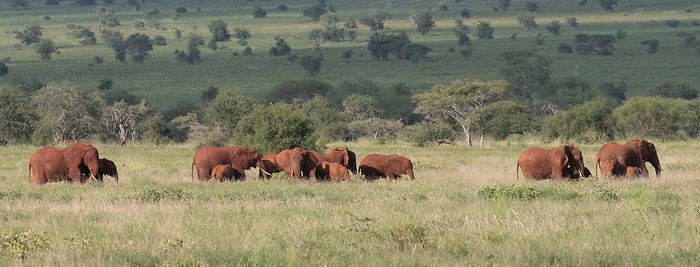
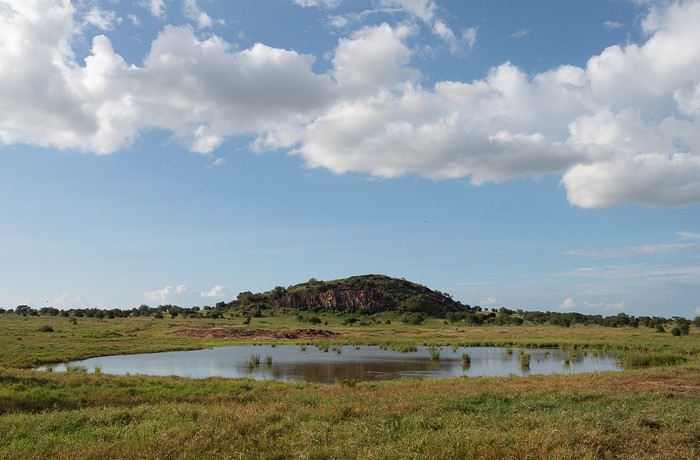
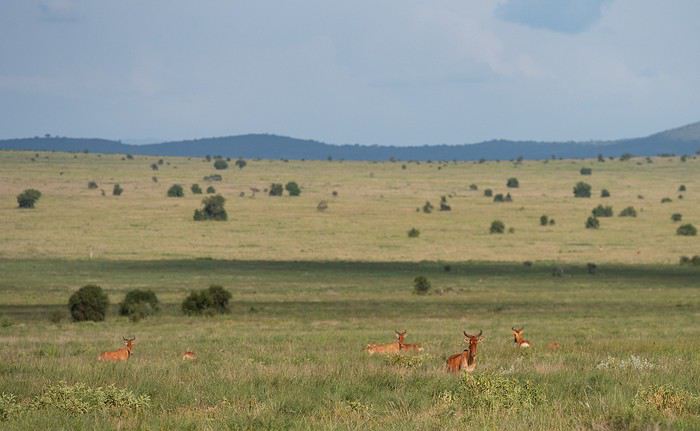
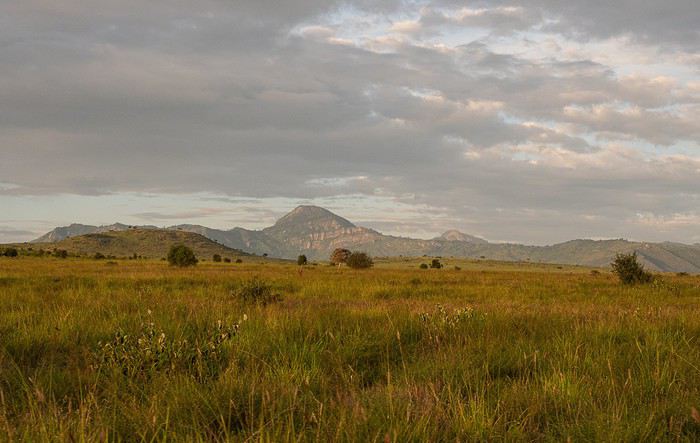
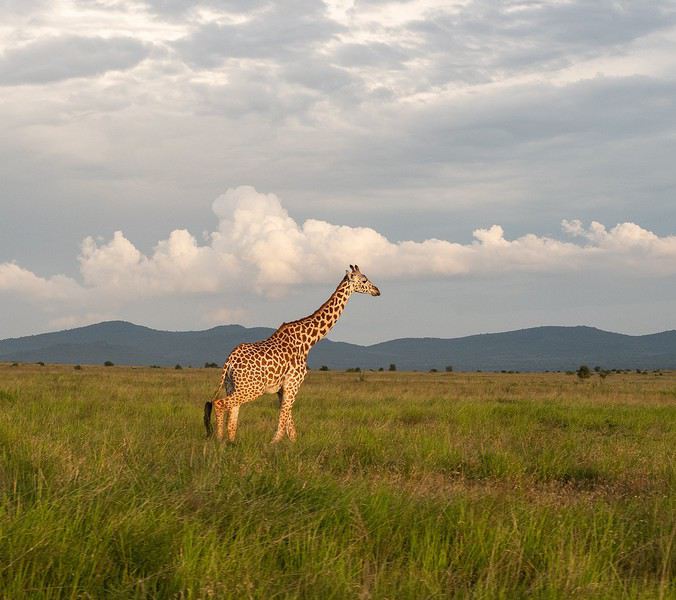
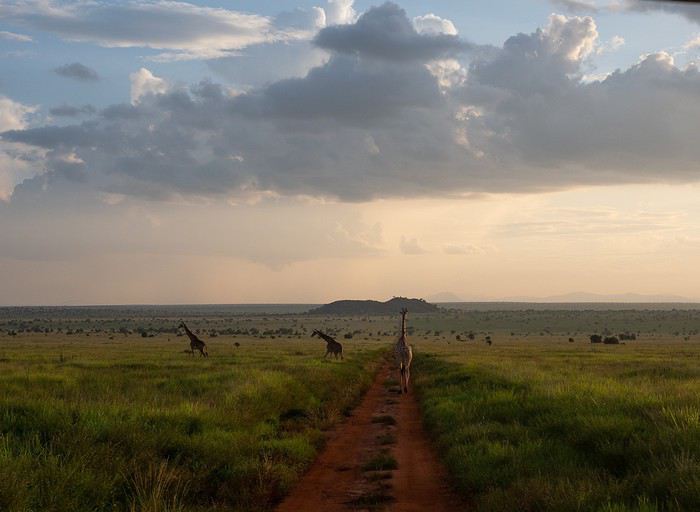
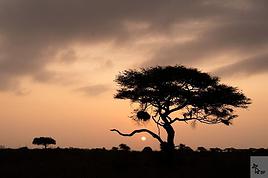
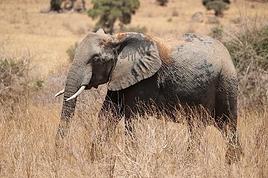
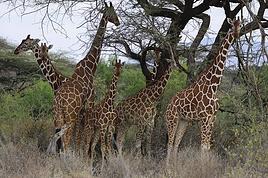
Alright, here are a few images to set the mood.


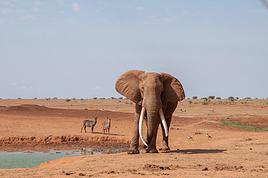
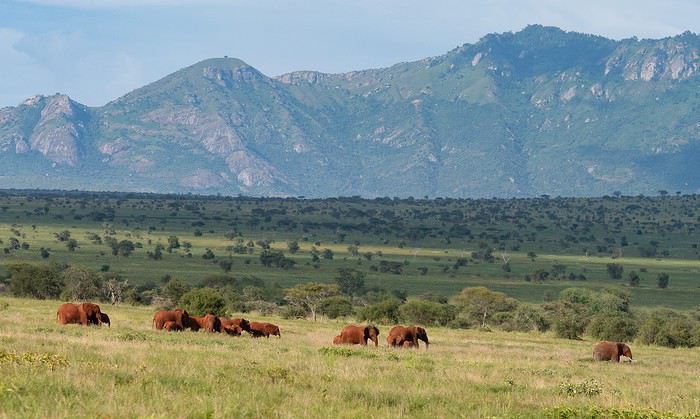
Elephants, but also hartebeests and lots of giraffes in a light we really liked.


Open
A Magnificent Loop in the Southern Rainbow Nation
Hello everyone, It’s been a little over a year and a half since we first set foot in South Africa, and ever since, we’ve been dreaming of returning to explore Southern Africa.

First of all, a big thank you to all the forum members—there are so many on this VoyageForum section, some of whom are unconditional and indispensable experts on the destination—for the amazing travel journals that only make you want one thing: to go and discover these stunning lands. The first journal I read was Bruno’s (Montagnard74), and I was completely captivated by the face in the colors of the rainbow nation.


Now it’s my turn to add my small contribution by recounting our two-week trip during the Christmas period in South Africa.

Even though Attila strongly advised against visiting South Africa during the South African summer holidays, we still gave it a try since my husband doesn’t have the option to choose his vacation dates.

So we went during the peak tourist season, with all its drawbacks: difficulties finding accommodations, crowds at certain sites... But on the bright side, it’s the beautiful season in South Africa while it’s gray and cold back home.

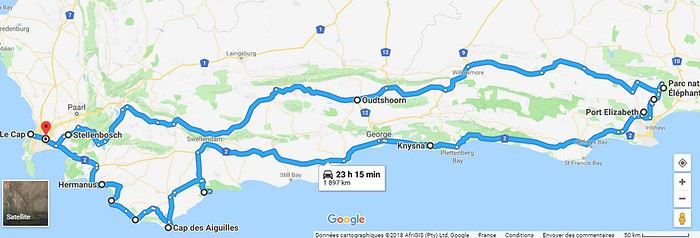
For this trip, we wanted to explore Cape Town and its surroundings, which are already packed with things to see. As a result, we didn’t have time to head north without rushing too much. So we planned the following itinerary, staying in the south:

J1: Lyon/Dubai J2: Dubai/Cape Town J3: Table Mountain – Cape Town J4: Botanic Garden - Robben Island J5: Cape Peninsula J6: Cape Agulhas - Gansbaai J7: De Hoop - Swellendam J8: Garden Route - Knysna J9: Garden Route - Addo NP J10: Addo NP J11: Oudtshoorn J12: Little Karoo J13: Wine Route - Cape Town/Dubai J14: Dubai/Lyon


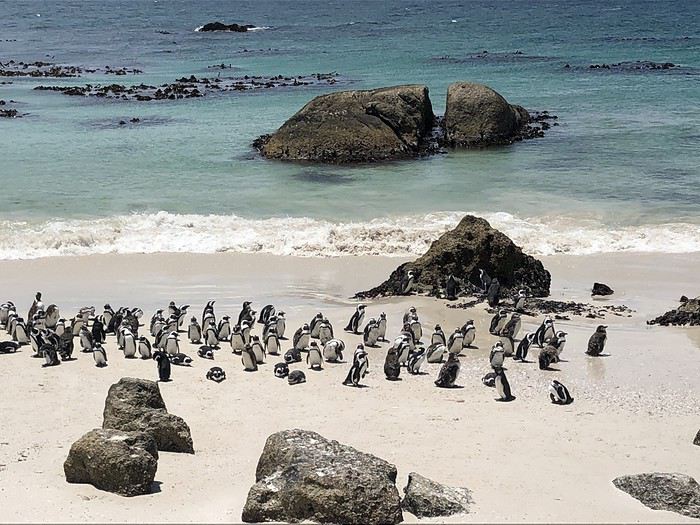
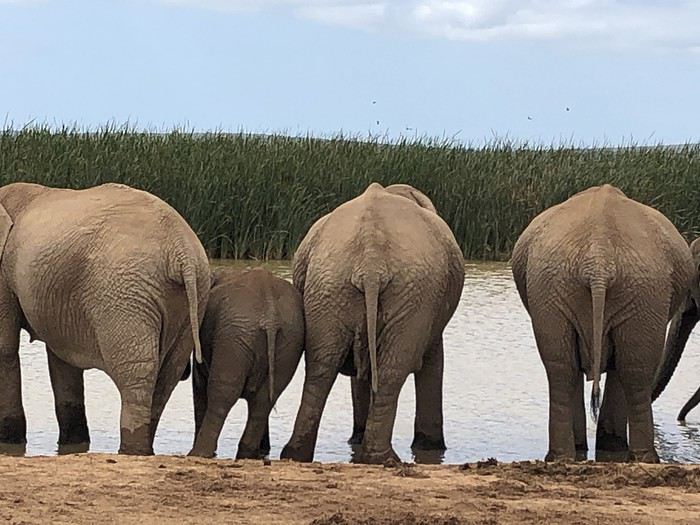
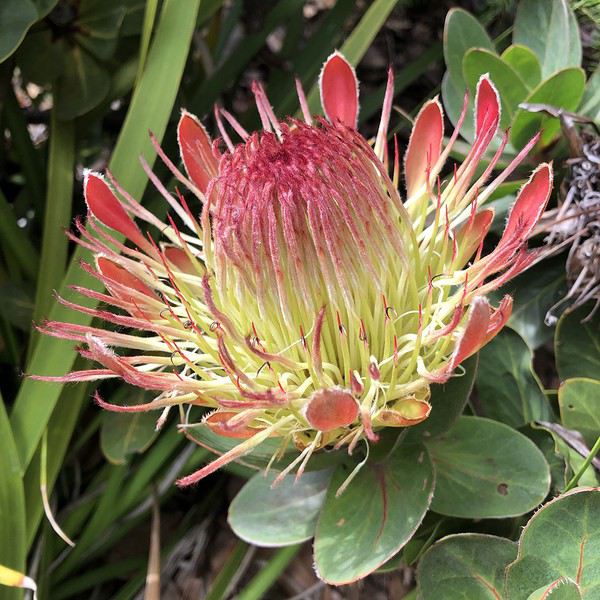
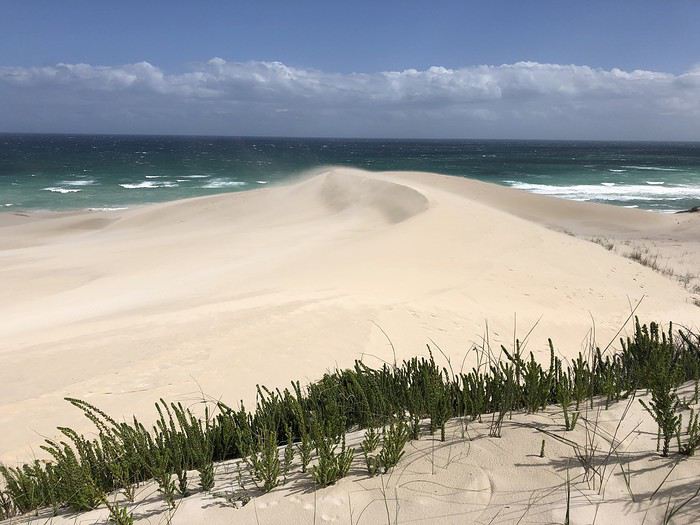
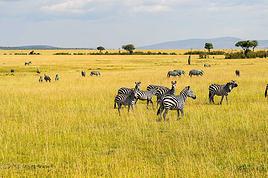
To give you a taste of what we experienced on the South African roads, here’s a little preview of the wildlife and flora we encountered, as well as the beaches and mountains we glimpsed.


The rest here
Open
Myanmar as we dreamed it
Hi there, This travel journal is to share our trip to Myanmar in January-February 2017 and relive the experience... Six stops: - the economic capital, Yangon, - the ethnic groups in the east around Kengtong, - Inle Lake - Mandalay - Bagan - the Golden Rock and Bago A trip for two, but organized with a local agency. Flight with Vietnam Airlines (Paris/Ho Chi Minh City/Yangon on the way out, Yangon/Hanoi/Paris on the way back)

First stop, Yangon

At last, we arrive! That moment of excitement and impatience we all know when we land in a country we don’t know but have been dreaming about for a while. Butterflies in our stomachs—not just from the long flight! It’s noon, everything goes smoothly (baggage, immigration, currency exchange, pre-booked taxi, ride to Yangon), and by 2:30 PM we check out of our hotel, tired from the journey but eager to explore the city and power through until evening to beat the jet lag. We’re driven by To-Wen. Traffic is pretty heavy, but strangely, no motorbikes or scooters... To-Wen explains that two-wheelers have been banned in Yangon for several years because they’d become too numerous and caused many injuries and fatalities. To compensate, a very developed public transport system has been put in place. Yangon, or Rangoon, isn’t Myanmar’s administrative capital. The official capital was moved to Naypyidaw in 2005 by government decision—some say to distance themselves from potential popular uprisings. Whatever the reason, it cost a fortune, and no one followed (only civil servants, who were forced to go), not even foreign embassies. This ghost capital makes all the Burmese we spoke to chuckle. Yangon is the economic, cultural, and diplomatic capital, and it’s the most populous city (4.5 million people).

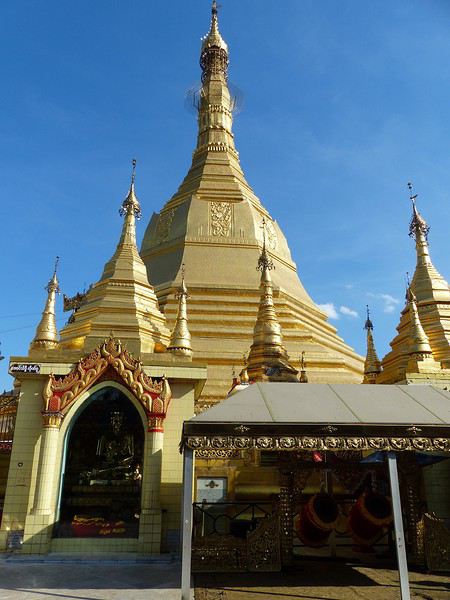
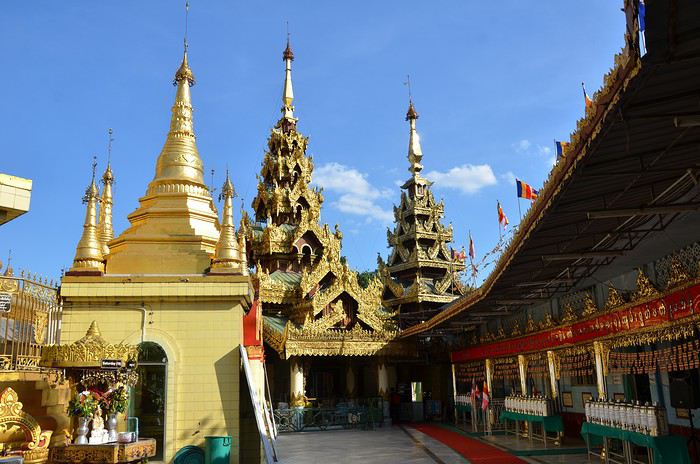
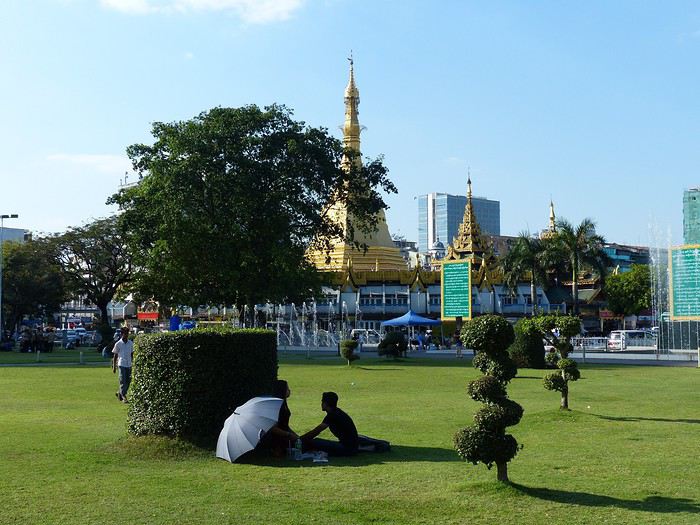
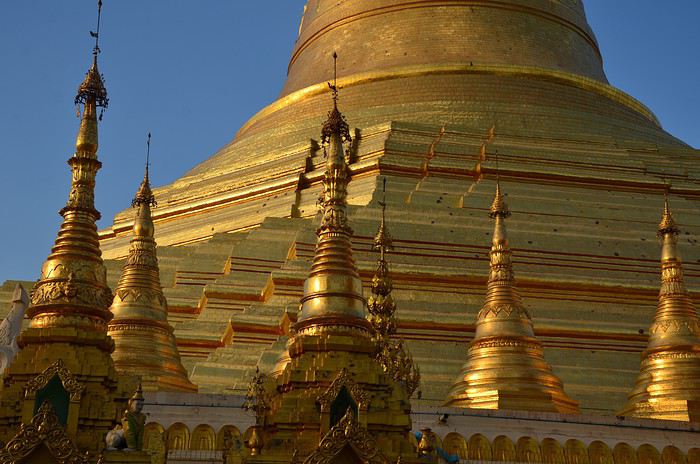
What did we see? Well, first we discovered the Sule Pagoda, a funny concept of a "roundabout pagoda" since it’s right in the middle of a busy intersection! Circular, its outer wall houses many tiny stalls. Then comes the miracle: the hustle and bustle of the street contrasts with the calm inside. You leave a noisy roundabout and suddenly find yourself in another world... flowers and fruit in front of the altars, the scent of jasmine mixed with incense... Actually, this pagoda is very old—it’s said to have been founded in 230 BC to enshrine a hair of the Buddha, but it was in the 15th century that the great zedi (a slender stupa) on top reached its current height of 44 meters (see photos). It’s a symbolic site in the fight for democracy, as it was the rallying point for monk protests in 2007.


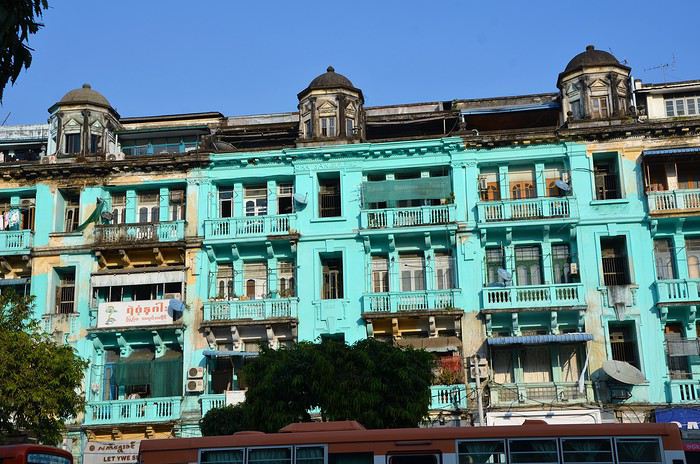
Next to the Sule Pagoda is Independence Park, which borders the colonial district (very run-down).


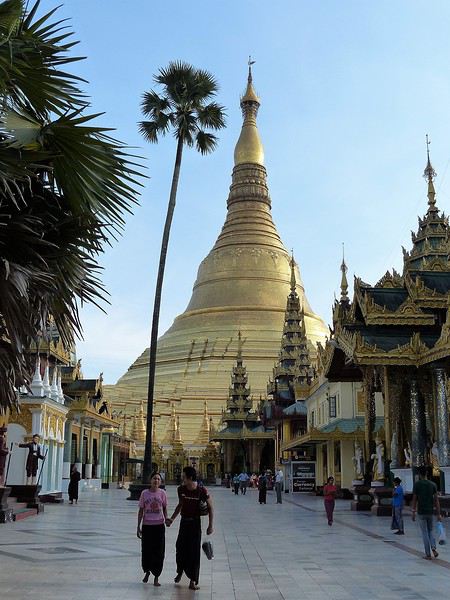
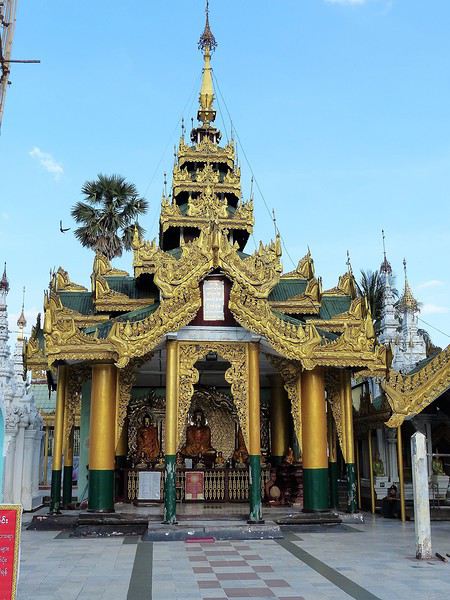
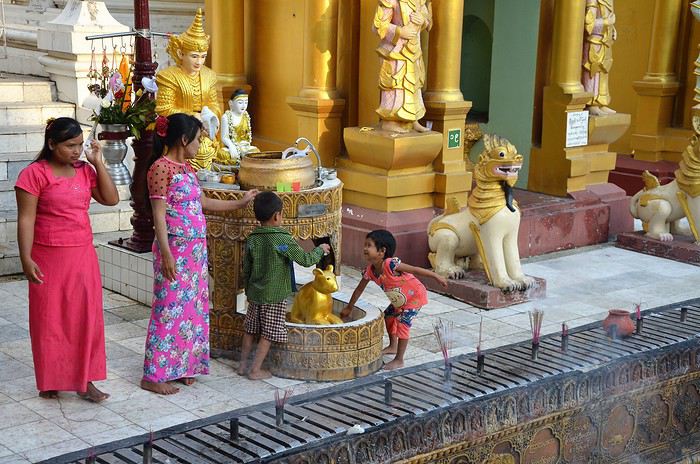
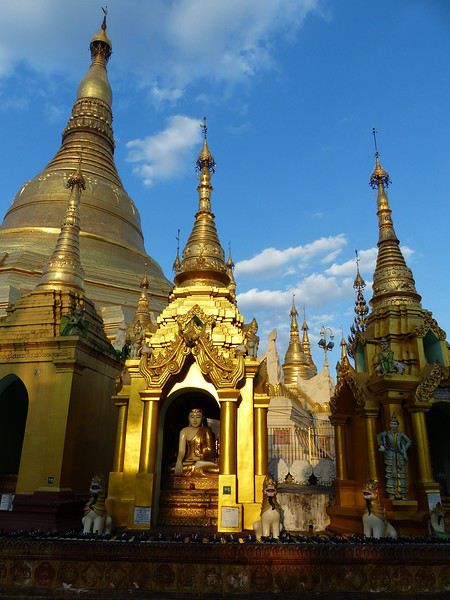
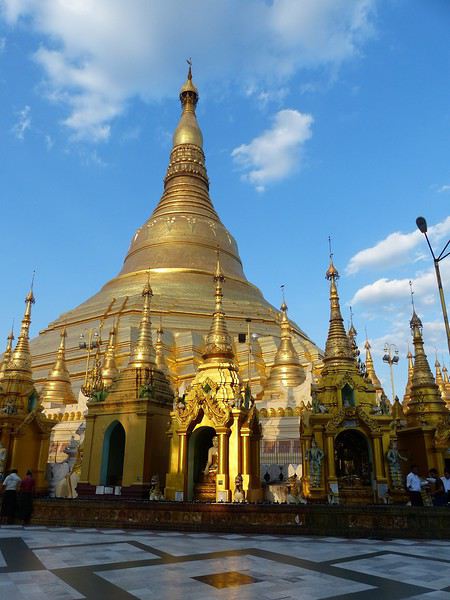
Then we had our first wow moment: the stunning Shwedagon Pagoda (see photos). It’s Myanmar’s most sacred Buddhist sanctuary, drawing crowds of devotees. Its stupa rises to 99 meters, surrounded by dozens of temples and zedis... It’s said that successive rulers have been embellishing and expanding it for over 1,500 years.


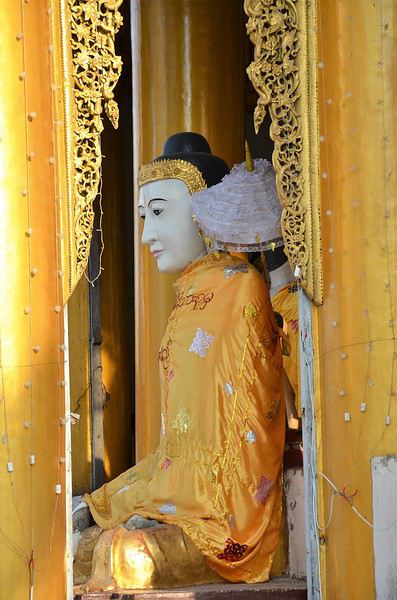
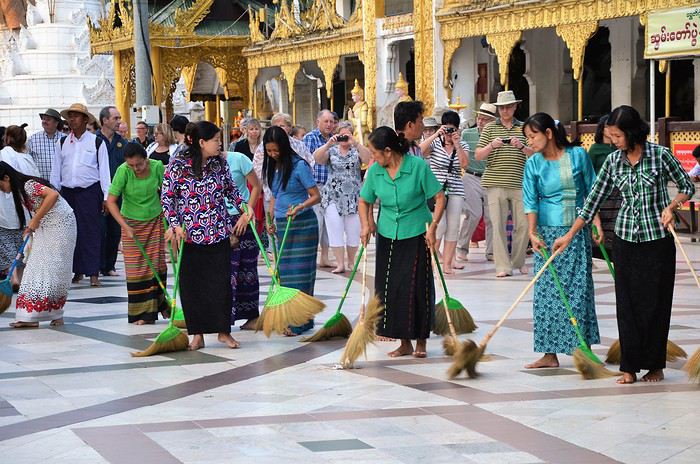
Believers gather in the many halls and circle the great golden stupa. Here, we encounter for the first time the incredible "quiet fervor" of the Burmese. A kind, open religiosity that doesn’t make us feel like intruders or nuisances—instead, it makes us want to understand their faith better.


If you go, make sure to be there in the late afternoon: the low rays of the setting sun bathe the site in gold and orange. The zedis glow... and everything becomes surreal.


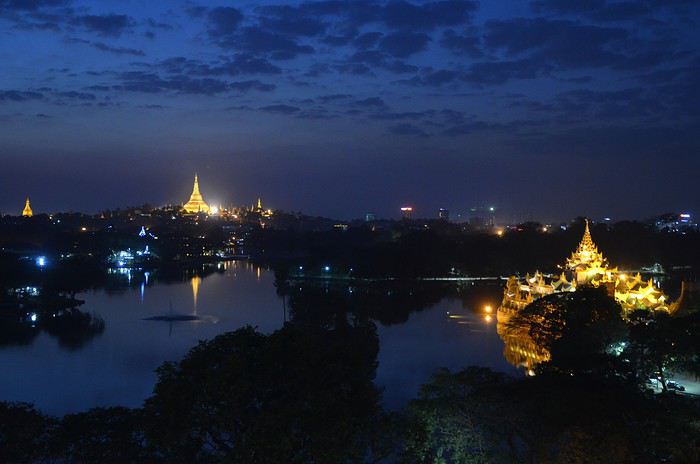
The sun sets early, so we head back to the hotel around 6:30 PM. Lucky for us, it has a stunning view of Yangon by night from the top floor. We settle in to sip our first vacation cocktail. In the foreground, the shadow of Kandawgyi Lake, and in the background, the illuminated Shwedagon Pagoda, which serves as a landmark for the whole city. (See photo.)

Tomorrow, we fly to Kengtung. We’ll be back in Yangon at the end of our trip to explore more.

Time for bed by 10 PM—we need a restful night to adjust to Myanmar time...

Next post: Kengtung and meeting the local ethnic groups.

Open
Peru-Bolivia 2017: A Month in the Andes
Here we go...

It’s been almost a month since we got back, and my head is still over there... Just like every time... For my own sake, I know travel journals are useful for travelers planning a trip to a country. But selfishly, they’re also helpful for me—to put the final stone on each journey and revisit it from time to time, just for the memories...

So, this trip won’t be any different, and I invite you to follow along on our Andean adventure, from Lima to the Southern Lipez, from December 16, 2016, to January 14, 2017. It’s a chronological journal because I don’t know how to approach it any other way. It doesn’t hold any absolute truths—just my experiences and feelings, which are obviously personal and not objective!

But if it inspires you to visit these magical countries (and I assume you’re already interested if you’re here) or gives you a couple of tips, then I’ll consider it a win!

So, let’s hit the road for the land of wide-open spaces!

Open
Franco-Malagasy wedding in France or Madagascar?
I’m currently looking into and especially thinking about getting married to my sweetheart, who has legally returned to Madagascar. I’d love to hear your thoughts. Should we have the wedding in Madagascar or in France during her legal visa period? Some people told me that if we get married in Madagascar, it takes a very long time to get approval for my wife to come back and live permanently in France with me. If we get married in France during her legal visa period, she can stay here afterward, provided we go to the prefecture for the family life declaration. Are there any folks who can give me precise information about these two options? Thanks in advance!
Open
Kyrgyzstan: Practical Information 2026
Recent information about this country is scarce, so I’m starting this post in addition to my travel journal to help fill the gap.

- Which airline from Europe?

Turkish Airlines seems like an excellent option. The price is very reasonable (just over 500 €), the layover isn’t too long, the in-flight comfort is decent (great movie selection), and the planes are modern. Plus, the price automatically includes 30 kilos of luggage, which is perfect for campers.

The downside: the outrageous prices at Istanbul Airport.

- Bishkek Airport

The airport is under full reconstruction. It’s chaotic. There are SIM card vendors upon arrival, but no currency exchange or ATMs in the baggage claim area. You’ll find those in the departures section, which means you have to exit and re-enter under the current setup.

Personally, I pre-booked a VTC with my hotel for the transfer to the city. (Prices vary depending on the hotel’s standard—1200 soms for mine.)

There are taxis and a bus available.

- Entry Requirements

No visa is required for French citizens for stays of up to 30 days.

- Currency

The currency is the som, and the conversion is easy—just divide by 100...

You can get soms by exchanging euros (dollars are useless) or by withdrawing from an ATM. Some ATMs charge fees. Those from Mbank and Optimabank are fee-free.

The maximum withdrawal is usually 20,000 soms.

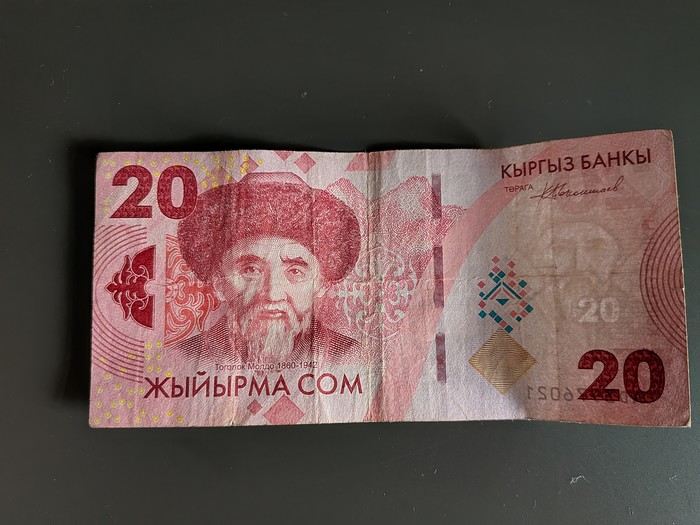
Bills come in 5000, 1000, 500, 200, 100, 50, and 20 soms.

Coins: 10, 5, 3, and 1 som.

- Paying

Card payments are accepted in supermarkets like Globus, some restaurants, gas stations of major chains (Bishkek Petroleum, Partner Neft, Red Petroleum), some hotels, national park entrances, tolls, etc.

But it doesn’t always work.

So always carry cash with you!

If the card works, great—otherwise, it’s back to the old days of wads of bills.

- Cost of Living

It’s really cheap (gas, affordable restaurants even at a decent standard, hotels, souvenirs, fruits, vegetables, water, bread...). For example, a lagman costs only 3.20 €, fixing a flat tire is 3.5 €, a full hour-long wash for a filthy 4x4 is 6 €, washing a big bag of laundry is 3 €, and a liter of 95-octane gas is 0.86 €...

On the pricier side: guesthouses and meals in guesthouses. The value for money is poor. I paid 40 € for a mediocre room with a very basic shared bathroom, while a double with AC, private bathroom, and fridge in a non-touristy hotel cost 20 €... Meals in guesthouses are the worst I’ve eaten and often the most expensive. Plus, they’re very light—don’t expect to fill up after a long day of hiking!

Car rentals are also quite expensive (70 $ per day for a RAV4 in my case).

In short, for two people, excluding accommodation and car rental, we spent an average of 45 € per day (groceries, restaurants, guesthouse dinners, souvenirs, paid activities, gas).

The trip cost us 2200 € per person all-inclusive for 3 weeks on the ground. Roughly 1/4 for the flight, 1/4 for the car, 1/4 for accommodation, and 1/4 for everything else.

- Getting Around

I’ve met cyclists, motorcyclists, people renting cars, those who drove their own vehicles from Europe, and others using public transport and taxis.

Personally, I chose to rent a car.

If you’re not planning long hikes or multi-day horse treks, it’s a great option for exploring the country.

Each car rental company has its own list of forbidden tracks. Make sure your planned route is allowed! Don’t think about ignoring this—vehicles are equipped with GPS trackers...

An international driver’s permit is required.

Police and speed cameras are everywhere, so it’s best to respect the signs (daytime running lights, seatbelts, 40-60 km/h in populated areas, 90 km/h on roads, zero tolerance for alcohol).

Locals have a unique driving style, and it can be dangerous on main roads (they overtake recklessly...). Like in Greece, South Africa, or Malta, a two-lane road is treated as a three-lane one. You pull over to let others pass or to let oncoming traffic overtake.

Without a car (at least a pseudo-4x4), you won’t be able to go everywhere. This country is a nature destination, but nature isn’t always accessible by public transport.

If a spot is near a road, great—the bus will get you almost to the door. Otherwise, you’ll need to hire an agency or take a taxi.

Cyclists will face steep climbs and dust. I’d advise avoiding main roads as much as possible—traffic isn’t on your side...

Motorcyclists will also eat a lot of dust and should research gas stations along their route (this advice also applies to vehicles running on 95-octane).

There’s a 95-octane pump in Kazarman and Gulcha.

Bikes and motorcycles have an advantage over cars, even 4x4s, as they can access some very remote tracks that other vehicles can’t (hikers and horses can obviously take them too!).

Be careful: some areas require a permit (border zones). Research this well in advance—the formalities don’t take an hour or even a day!

Be warned: Google Maps is completely unreliable (it shows roads that don’t exist, routes you through difficult tracks instead of paved roads, etc.). It’s essential to download Maps.me in advance. This app is much more reliable for this country, works offline, and is handy for hiking navigation.

A reminder: horseback riding is like cycling... If you’re not used to it or naturally padded in the right places, your backside will suffer in no time!

Think carefully before embarking on a multi-day trek!

Finally, this country is a kingdom of construction... The Chinese have taken over the market to improve truck circulation and are paving everywhere. (Good news: the Kazarman-Osh section via the tunnel is finally open in summer, even if the road isn’t quite finished.)

- Eating

I had prejudices about Kyrgyz food.

I was both wrong and right.

Supermarkets don’t offer much that’s appealing for picnics. It’s cheap, filling food, full of junk, and not gourmet. If you follow Yuka, I think you’ll be on a diet the whole trip. Bringing some pâté, sausages, or freeze-dried meals for certain nights is a good idea...

Guesthouse dinners consist of the eternal cucumber-tomato salad, a soup, and a light noodle or rice dish where you’ll be searching for the meat... Usually tough and unidentifiable. Beef? The bread is stale, and there’s no dessert or fruit.

Breakfasts always revolve around eggs or porridge... The homemade jam is usually good.

Tea is the number one drink, followed by kompot (a fruit-based drink), Coke, and Fanta.

If you want real coffee, bring your own—it’s very rare.

On the other hand, you eat well in restaurants. Lagman (homemade noodles, vegetables, spices, and usually beef), crispy eggplant, kuurdak (a kind of lamb stew with potatoes), kebabs, plov (pilaf rice with onions, carrots, and meat), and rainbow trout... For dessert? Nada!

And alcohol?

It’s available in all Globus stores: beer, wine, spirits, and you can consume your purchases in some guesthouses (depending on the owner’s religious tolerance). It’s also available in some restaurants (Bishkek, Karakol, Osh...).

The deadly specialty?

White fermented milk balls called kurut. If you think a raw-milk camembert is strong, steer clear! This is more like an old, dry, spicy goat cheese.

- Accommodation

In remote areas, it’s better to check availability on Booking a few days in advance rather than showing up last minute with high hopes.

Booking and Airbnb only offer a small portion of what’s available.

Not necessarily guesthouses, but mostly accommodations aimed at locals (business or leisure travel).

These places are generally more comfortable. There’s even some upscale options.

So it’s necessary to scour Google Maps or Yandex Maps... These accommodations are usually found on Instagram, and WhatsApp is handy for booking!

Prices are a bit of a lottery. So is the comfort. From 20 to 80 € for a double, usually with a private bathroom. (Average around 40 €). These rates are for mid-range options.

Otherwise, this country is a paradise for wild camping. In a camper van, rooftop tent, or ground tent... There are beautiful spots everywhere!

- Climate

I thought it would be quite cool/cold at altitude.

I packed too many warm clothes...

If you’re not doing high-altitude treks or sleeping in a tent, there’s no need to overload yourself with winter gear.

A good fleece, a windproof rain jacket, and technical base layers will be enough.

It only got really cold in the evenings at Song Kul Lake and Tash Rabat, and the yurts are equipped with thick blankets and a stove.

Elsewhere, temperatures ranged from 15 to 30 °C.

In short, I used the AC more than the heater! (It’s hard to drive with the windows open unless you want to be covered in dust in no time...)

- Communication

I bought an eSIM before the trip with a data plan for Kyrgyzstan (Beeline network). Perfect for communicating via WhatsApp right after landing, but this network isn’t the best in Kyrgyzstan.

We then got a physical SIM card with an unlimited one-month plan (less than 4 € including the SIM) at a Mega store downtown. This network is much better, and you get coverage in all cities and most villages. Usually in the mountain passes too.

To make yourself understood, it’s essential to download Google Translate with French, Kyrgyz, Russian, and English options.

Very useful for translating menus, signs, and communicating with locals.

Hosts and other tourism professionals will even pull out their phones to communicate with non-Russian speakers.

The police too...

- Religion

There’s a noticeable difference between the north and the southwest of the country.

In the north, it’s a bit like Albania. People are Muslim by culture but not really by religion.

In the southwest, radical Islam is growing. Mosques are more numerous and imposing. Men are more bearded, women more veiled.

For travelers, religion isn’t an issue except for the near-total absence of pork.

There’s Russian sausage, but reading the ingredient list, it’s more like a one-way ticket to cancer than an Auvergne dry sausage...


You can find the detailed account of the trip here.
Open
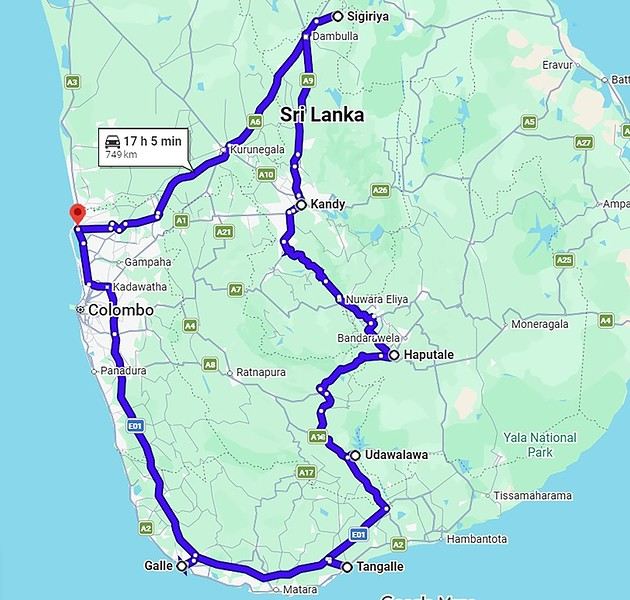
Looking for opinions and advice on Sri Lanka itinerary with Mumbai extension
Hi there! 🙂

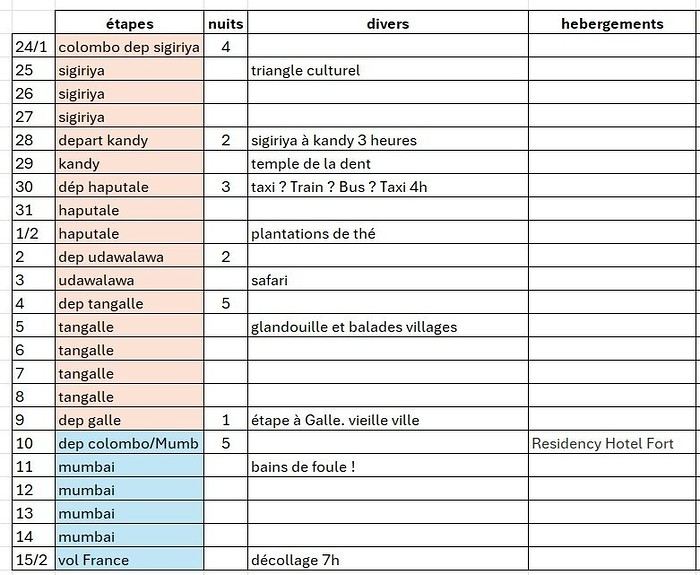
We’re heading to Sri Lanka for 23 days in January 2027—there are four of us—and we’ll wrap up the trip with 5 days in Mumbai. Our itinerary is coming together, but what do you think? (We can’t change the dates since our flights are already booked.)

We still have one night to slot in, and I’ve tentatively planned it in Tangalle, though it was a bit random. Would it make more sense to place it at a different stop? Or is there an intermediate stop I might be missing?

I’ve got accommodations sorted everywhere except Mumbai—it’s a nightmare (either way too expensive or really dodgy). By default, we’ve spotted the Residency Hotel Fort, but 70 € a night (with a discount) for a hotel that doesn’t offer anything special in India?!

Thanks so much for your help!


Open
Booking hotels more than 6 months in advance in South Korea
hi

I booked my trip from May 5 to 26, 2027. I’m starting to plan my itinerary and look for hotels (I know it’s early!). While I’ve found some in Seoul and Busan, I’m noticing that elsewhere—like Yeosu—most hotels aren’t available (on Booking.com, for example, almost all are unavailable). AI tells me not to worry because hotels in South Korea only open bookings 6 months in advance, so it’s normal to see most of them unavailable on booking sites.

Could you confirm this for me and, of course, reassure me (!)? Thanks so much. philippe
Open
Feedback on Cape Verde trip plan - Spring 2027
Hi, I’m planning to visit Cape Verde next April. I’ve seen there are quite a few experts here, so I’ll be asking them my questions.

I’d like to leave from Lyon airport, but the flight options aren’t great. The best scenario would be to fly into Praia (in terms of flights), even though I’ll have to spend a night in Lisbon on the way back.

However, based on the advice I’ve read, the best islands to visit (with 9 days there) are São Vicente and Santo Antão. We’re hikers, though lately health and other issues have slowed us down a bit (let’s just say age is catching up).

With all that in mind, I’m trying to put together a trip:

Dates | Comments | Night in ------------|-----------------------------------|---------- 14-Apr-27 | Arrival 11:15 PM | Santiago 15-Apr-27 | Visit Santiago | Santiago 16-Apr-27 | Visit Santiago | Santiago 17-Apr-27 | Flight to São Vicente 8 AM + | | boat to Santo Antão at 3 PM | Santo Antão 18-Apr-27 | Santo Antão | Santo Antão 19-Apr-27 | Santo Antão | Santo Antão 20-Apr-27 | Santo Antão | Santo Antão 21-Apr-27 | Ferry to São Vicente | São Vicente 22-Apr-27 | Visit São Vicente | São Vicente 23-Apr-27 | Departure at 12:20 PM | Lisbon 24-Apr-27 | Arrival in Lyon at 5:45 PM |

First question: Is this doable? Second question (there’ll probably be more): I like having my independence, so I’d prefer to rent a car, but I’ve read that many people use a driver’s services. What’s the price for a full day?

Thanks in advance! Cheers,
Open
Societal Evolution
Hello everyone,

It’s something we often notice in this forum—and many others—this behavioral shift.

A long-time member, or even a new one, asks a question. They get one or more answers, some brief, some detailed, and then... nothing???

Not even a simple thank you!!!

From what I’ve gathered, if the answers don’t align with what they wanted to hear, it seems natural for the asker to just disappear!! 😕 Unless—(and I fear this is the case)—basic politeness is no longer part of our society????

Please forgive my little rant.

Wishing everyone all the best. Cheers,

Puma2A


...
Open
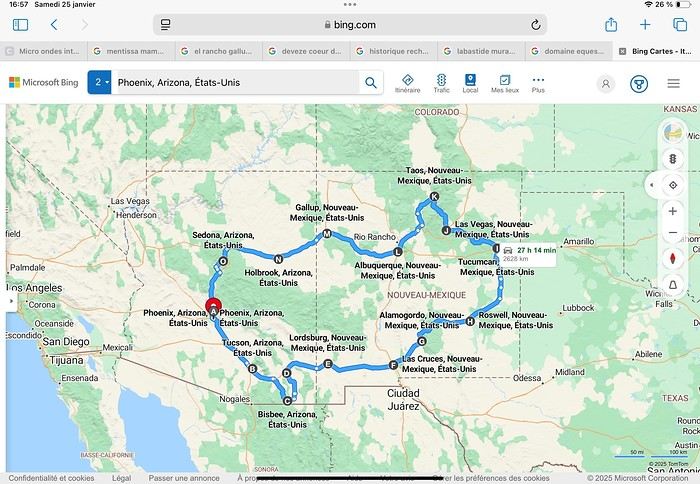
Martine from DD in Arizona and New Mexico
Good evening everyone! 🙂

We’re back from our September 2025 road trip, this time to explore Arizona and New Mexico, and it’s time for me to start my travel journal—especially since everything’s already booked for another trip in September 2026 (to California), and I need to get started on the planning.

I was a little worried this new visit to Uncle Sam’s country might not be as "wow" as the others, but we still discovered some incredible places.

For those who don’t know us, we’re a couple in our seventies who speak very little English, but that didn’t stop us from fully enjoying our stay.

For this 6th road trip in the U.S., we spent 21 nights there, drove 4,160 km by car, and walked nearly 160 km in a loop starting from Phoenix.

We’d been to Arizona before (but not this side) and never to New Mexico. This whole road trip was a huge discovery for us.

In the prices mentioned (some in euros, others in dollars), bank fees and exchange charges are included. The flights, car rental, and parking were all paid for in December 2024 when we booked.

We’d downloaded the MPC (Mobile Passport Control) app, but there wasn’t a dedicated line at Phoenix Airport. Still, we got through quickly with friendly, smiling agents.

I don’t drive at all (I hate it), so the stops were chosen based on activities but also, for some, to limit daily mileage for the sole driver. The kilometers listed in the itinerary are the daily distances.

We traveled from September 9th to 22nd, unfortunately once again without our dear friends Mimi and Maumau.

The itinerary


Day 1: Flight Marseille-Paris-Phoenix, then Gold Canyon (133 km) Day 2: Tucson (271 km) Lost Dutchman State Park Day 3: Tucson (155 km) Day 4: Tucson (34 km) Day 5: Bisbee (182 km) Day 6: Lordsburg (345 km) Day 7: Las Cruces (253 km) Day 8: Alamogordo (162 km) Day 9: Roswell (264 km) Day 10: Tucumcari (369 km) Day 11: Las Vegas (281 km) – the one in New Mexico Day 12: Taos (213 km) Day 13: Santa Fe (224 km) Day 14: Albuquerque (123 km) Day 15: Gallup (246 km) Day 16: Holbrook (224 km) Day 17: Flagstaff (179 km) Day 18: Sedona (118 km) Day 19: Sedona (48 km) Day 20: Sedona (41 km) Day 21: Phoenix (256 km) Day 22: Phoenix Airport (35 km)

📊 **Budget**: A little over 7,500 € for both of us, all included. The exchange rate was in our favor (1.17 dollars to 1 €). 📊 **Flights**: Marseille-Paris Charles de Gaulle-Phoenix: 1,787 € for two, with one checked bag each (Air France) 📊 **ESTA**: $42 📊 **America the Beautiful Pass**: $80 📊 **Parking**: 134 € (super eco at Marseille) 📊 **Car rental (Hertz)**: 865 €. Since there were no SUVs left in the reserved category (Nissan Rogue), we got an upgrade (4x4 Ford Explorer). We booked through Air France (15% discount). We’d originally reserved it in December for 1,140 €, but since prices dropped in March, we canceled and rebooked for 865 €. Hertz offers a free Hertz Gold Plus Rewards program, which gives you priority counter service when picking up the car. 📊 **Accommodation**: 2,400 € We stayed in hotels and motels of varying standards (from 60 to 203 € per night, depending on the city), all booked through Booking.com or Hotels.com. Out of 21 nights, only two didn’t include breakfast in the price. Booking.com sometimes offers slightly cheaper rates if you book by phone using the mobile app, and our Genius 3 status on the site also got us some preferential rates. 📊 **Supplementary insurance**: AVA 200 € for medical care if needed 📊 **Cash**: $2,078. We left with 1,000 € exchanged before departure and made two withdrawals of $500. This cash covered: - Evening restaurants and tips - Midday picnics - Gas: $298 for 4,160 km - Museum and private park entries (per person): - Lost Dutchman: $10 - Arizona-Sonora Desert Museum: $28 - Bird Cage Theater: $16 - Tombstone Shootout: $8 - New Mexico Farm & Ranch Museum: $12 - Roswell International UFO Museum: $5 - Billy the Kid Museum: $7 - Rancho de Taos: $22 - West Fork Oak Creek Trail entry: $15 We got a few discounts thanks to our senior age (+65). - Souvenirs and little treats

Like on our previous road trips, we didn’t rent a GPS. We got around using offline GPS apps Here WeGo and Organic Maps, with maps of the states we visited downloaded before we left (on our phones).

❤️❤️❤️ **Highlights** (there are so many!) 📍 Goldfield Ghost Town (even if it’s a reconstruction) 📍 The standing army of Saguaro cacti at Saguaro National Park West 📍 Diving into the cowboy universe of Tombstone 📍 The welcome from Rick and Henry at our guesthouse in Bisbee (Garden at Mile High Ranch) 📍 The tangled rocks of Chiricahua National Monument 📍 The flavored pistachios from Dwayne’s Fresh Jerky and Mac Ginnis Pistachioland 📍 Restaurants: La Posta (Las Cruces), Diner 66 (Albuquerque), and the Haunted Hamburger (Jerome) 📍 The old plazas of New Mexico 📍 The solitude and beauty of the white dunes at White Sands National Park 📍 Stepping back in time at the Billy the Kid Museum (Fort Stanton) 📍 Sections of historic Route 66 and the old motels of Tucumcari, especially at night when all the neon lights are on 📍 Taos Pueblo and diving into Native American culture 📍 After the Rio Grande Bridge, the descent via NM 567 to the very bottom of the Rio Grande Gorge, then the road along the riverbanks to Taos 📍 The tranquility of the Chimayo Sanctuary 📍 Discovering the ingenious native dwellings at Bandelier National Monument and Walnut Canyon National Park 📍 The small towns along the Turquoise Trail 📍 The red rocks of Red Rock Park and the Painted Desert 📍 The extraordinary colors of the petrified trees at Petrified Forest National Park 📍 Sedona, its red rocks, and the reward of the viewpoints at the end of hikes (Devil’s Bridge, The Subway, and West Fork Oak Creek) 📍 The immersion in Mexico when visiting Tlaquepaque 📍 The almost-ghost town of Jerome and its terraced streets 📍 The incredible kindness of Americans, always ready to help and up for a chat ❤️

☹️☹️☹️ **Flops** (there are very few) 📍 Several museums and churches being closed, so we couldn’t visit them 📍 Some museums and visitor centers opening late (10 AM) and closing early (4 PM) 📍 A 64 € phone roaming charge because we got near the Mexican border and picked up their cell tower 📍 The outrageous price ($5.99) for a gallon of gas at the Shell near Phoenix Airport

I hope this helps! Anyway, thanks for reading my long post. Don’t hesitate to reach out, even via PM, if you see I haven’t replied and you’d like more details. Have a great evening, everyone! 🙂
Open
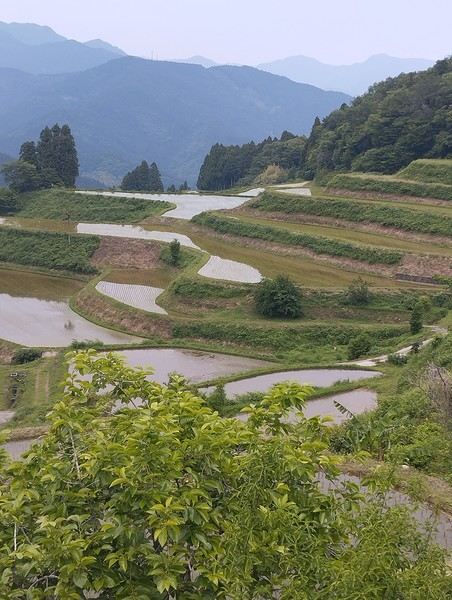
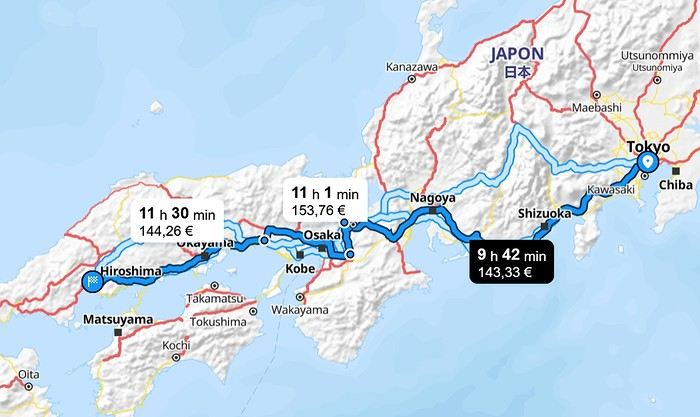
From Southern Shikoku, between land and sea, to the blue waters of Miyakojima and finally the Tokyo metropolis
From Southern Shikoku, between land and sea, to the blue waters of Miyakojima and finally Tokyo’s megacity

Hi everyone,

I have to admit, I really hesitated before deciding to write this travel journal... Writing one takes a lot of time and energy, and since this is my 4th trip, I wondered if it would actually interest anyone other than myself (both for the discovery and the writing). But after a few "Are you going to write a journal?" requests and especially the renewed pleasure from reading other travelers’ travel journals about Japan or elsewhere on this forum or elsewhere, I’ve decided to share this 4th installment in the Land of the Rising Sun here.
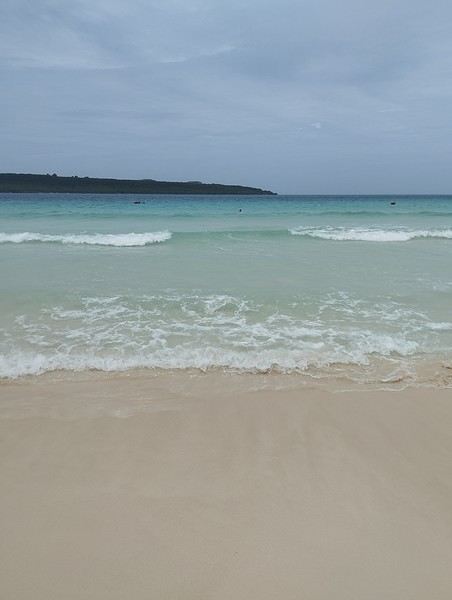
The itinerary: 27 full days, from late May to late June 2025, right in the middle of the rainy season, including:

-->13 days in Shikoku, from Kochi (Kochi Prefecture) to Matsuyama (Ehime Prefecture)


-->7 days in Miyakojima (Okinawa Prefecture)


-->7 days in Tokyo


The trip was decided on fairly last-minute this year, as usual.

I regularly check flight prices to track fluctuations for this destination, even without concrete plans. Finding a slightly cheaper direct flight (900 €) than what I’d seen in previous months (around 1,200–1,400 € on average) for a Paris-Tokyo route with Japanese airline ANA was too tempting to resist the urge to return to this enchanting country. After long hesitations between exploring the San’in region (Matsue, Tottori, Yamaguchi) and southern Shikoku, the decision was made—I took the plunge! The tickets are booked: Paris to Kochi with a layover in Tokyo, all with ANA, the airline I’d been dreaming of... for 1,120 € per person. Okay, it’s not cheap, but it’s still better than in 2023.

We leave in 2 weeks!! Now it’s just a matter of getting everything ready!

Intense work ahead in these 2 weeks to:

finalize a more precise itinerary and reach an agreement—yep, because even though we both love Japan, our preferences differ slightly, and we have to choose between exploring new places or taking time to revisit beloved spots... decide how much time to spend in each selected area without rushing while still exploring research places that might interest us and watch videos about Japan book accommodations: yes, it’s possible to do this on the spot as we go, but last year, we noticed that last-minute options were pretty expensive, so we’re booking ahead—even if it means keeping a few options open while we decide or see if better deals pop up later reserve rental cars order yen check the weather regularly and wonder if choosing the *tsuyu* (rainy season) was really a good idea—and whether we’ll be stuck in non-stop rain???

What a tough job, right? Traveling to Japan for a month—such a hard life! Despite this being my 4th trip, the excitement is just as intense as the first time.

The only small downside is that when we booked the flight tickets, there were only a few seats left, so we’re only sitting together on the international return flight. Plus, on the outbound flight, we’ve got the middle seats. Another lingering question: what French-language films will be available? According to the internet, the selection seems limited. Oh well, these are just minor details—it’s almost time to fly!

PS: I’ll be posting slowly and irregularly... so for those interested, be patient or maybe set an alert...
Open
Vaccines and treatments for Thailand
Hi there,

I’ve already visited quite a few countries across several continents, but I’m pretty new to Asia.

I’m planning a trip to Thailand in October or November, and I wanted to check about health precautions: malaria treatment, vaccinations (hepatitis A or others...). I’ll mostly be in the northern region, around Chiang Mai, where I’ll spend a lot of time in nature and the mountains. Then I’ll head south to Phuket or Krabi and visit Khao Sok National Park. I’ll finish up in Bangkok, with a likely detour to Kanchanaburi.

From what I understand, for a stay of less than 60 days, I don’t need a visa (I’m a French national)? I just need to fill out the TDAC form 3 to 5 days before arrival?

Thanks for your advice! Fred
Open
Australia 2025: Discovering the 5th Continent
Hi everyone. Because that’s also what sparks the desire in every traveler (well, at least for me) to set foot on Australian soil: discovering a new continent.

Right now, I’ve got some time on my hands—those who follow me know that. A nasty muscle tear (which really doesn’t want to heal) is keeping me grounded for another week, so I’ve decided to open a new travel journal, recounting my recent trip from December 14, 2024, to January 12, 2025, in Australia.

The origins of this trip started last May in Crete, an island I chose for a 10-day break. It’s really lovely, by the way, but that’s not the point… It’s around this time every year that we decide on our next winter destination, and Argentina was at the top of the list—Sydney wasn’t even on the radar… I’d been looking at flights to Buenos Aires for a while, and the prices were shocking… But by the pool one lazy afternoon, scrolling on my iPhone, a promo from Geneva to Sydney caught my eye. The deal ticked two boxes on my traveler’s bucket list: a flight to Australia and a flight with Singapore Airlines, often ranked as the world’s best airline. A quick chat with the missus (well, of course!) and the decision was made: off to the land of kangaroos! Now, once you add luggage and Economy Plus, it still comes to 1600 € per person, but that’s a reasonable price. Either way, we already know what we’re in for—Australia is a budget commitment!


Thanks to 123rf for the image loan 😛
Open
Local transport Marrakech - Ait Bou Oulli
Hi there, I’m planning to cross the Atlas M’Goun-Toubkal range at the end of March and I’m looking for info on how to get to Ait Bou Oulli from Marrakech via Demnate. Can anyone tell me if there’s a direct bus to Demnate and then a minibus (once it’s full) to Ait Bou Oulli? Is it doable in a day by bus or even a shared taxi?

Thanks in advance
Open
Martine and DD in Colorado and Utah
Hello everyone! 🙂 So many silent months, and now Voyage Forum is accessible again. That’s cool because we can pick up our discussions for our mutual enjoyment. I hope everyone is doing well and that you’ve been able to take some great trips, whether to the USA or elsewhere. In September 2020, we had planned a round trip to explore Colorado, but unfortunately, a nasty virus messed up our plans, closing borders and keeping us stuck at home. Luckily for us, canceling the car, flights, and accommodations didn’t cost us a thing—everything was refunded. In 2023, a loop from Las Vegas let us revisit places we’d seen in 2017 and discover new ones, this time spending more time at each stop with some lovely hikes. In 2024, we finally revisited the 2020 plan, and I’ll start with that. However, unforeseen circumstances mean I have much less time than before, so I’ll keep my trip reports shorter (ha ha ha—you’ll have less of my prose to endure). Another change: for those who remember the "Gang of Four crazy sixty-somethings," it was just DD and me this time. Our dear Mimi and Maumau left the Var to focus on raising horses and can’t leave their little green paradise to join us anymore. We were unfortunately much tamer without them. We traveled from September 11 to October 3.
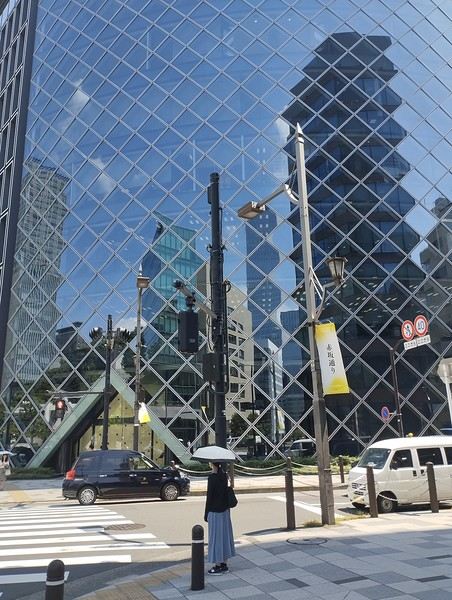
The itinerary


Day 1: Flight Marseille-Paris-Denver, then Manitou Springs (133 km) Day 2: Manitou Springs (49 km) Day 3: Cripple Creek (104 km) Day 4: Salida (254 km) Day 5: Great Sand Dunes (231 km) Day 6: Durango (283 km) Day 7: Durango (Durango-Silverton train) Day 8: Ouray (121 km) Day 9: Ouray (Perimeter Trail hike) Day 10: Cortez (213 km) Day 11: Cortez (Mesa Verde National Park, 134 km) Day 12: Monticello (268 km, detour to Chesler Park) Day 13: Moab (171 km, Delicate Arch) Day 14: Moab (98 km, Fisher Towers) Day 15: Moab (171 km, Canyonlands) Day 16: Fruita (210 km, Colorado National Monument) Day 17: Crested Butte (224 km via Kebler Pass) Day 18: Crested Butte (57 km) Day 19: Glenwood Springs (150 km) Day 20: Glenwood Springs (118 km, Rifle State Park) Day 21: Georgetown (258 km via Independence Pass) Day 22: Denver (123 km), then return flight

We speak very little English. We spent 21 nights there and covered a 3,400 km loop by car and 160 km on foot (we’re still trying to hike while we’re in shape) from Denver in September 2024. We wanted this road trip to help us explore Colorado a bit more—we’d only spent 6 nights there in 2019—and to see it during the fall foliage season. We also wanted to return to Utah (we love Moab) to enjoy its red rocks, which we adore.

In the prices you see (some in euros, others in dollars), I’ve included bank fees and exchange charges. The flights, car, and parking were paid by credit card when we booked in February. Usually, we book around November, but some obligations kept us from doing it earlier. We downloaded the MPC (Mobile Passport Control) app on our phone, which saved us time at immigration.

📊 **Budget: just under 8,500 € for both of us, all included**

📊 **Flights** Marseille-Paris (CDG)-Denver: 2,152 € for both of us, with one checked bag each

📊 **ESTA and America the Beautiful Pass** The ones from our 2023 road trip were still valid

📊 **Parking at Marseille airport: 122 €**

📊 **Car: Nissan Rogue (the French X-Trail) from Hertz: 1,165 €** By booking through Air France (and earning miles), we got a 15% discount. Hertz offers a free Hertz Gold Plus Rewards program, which gives us priority counter service.

📊 **Accommodation: 3,050 €** We stayed in motels and hotels of various ranges (from 100 € to 270 € per night, depending on the city), all booked through Hotels.com or Booking. Booking sometimes offers cheaper rates if you book via the "Booking mobile" app. We also got some preferential rates thanks to our Genius 2 status. Out of 21 nights, only one place didn’t include breakfast.

📊 **Other expenses (activities booked by credit card before leaving)** Durango-Silverton train: 210 € (we booked the enclosed vintage coach in March) Mesa Verde: Balcony House: 15.15 € (booked 14 days before the visit) Timed-entry passes for Arches National Park: 6 € for 3 days (booked June 1 for September entries via http://récreation.gov/). We booked three different days to play with the weather.

📊 **Supplementary insurance with AVA: 204 €** (due to our age 😅 and the high cost of medical consultations in the USA)

📊 **Cash: 1,540 €** We left with 1,000 € exchanged before departure and made two withdrawals (500 $ and 200 $). This cash was used to pay for: - Evening restaurants and tips (between 70 $ and 95 $ for two meals and two drinks) - Two state parks: Dead Horse State Park (20 $) and Rifle State Park (10 $) - The Monarch Pass gondola (24 $) - Midday picnics - Gas (slightly cheaper with cash): 204 $ for 3,400 km - Personal souvenirs and little treats.

Like in our previous road trips, we didn’t rent a GPS. We used the offline GPS app Here We Go, for which we’d downloaded maps of Colorado and Utah from France, as well as a new offline app called Organic Maps as a backup—though we didn’t end up needing it.

❤️❤️❤️ **Highlights (there are so many!)** 📍 The stunning landscapes of Colorado, especially with the fall colors 📍 A step back in time at the old farm in Florissant Fossil Beds National Monument 📍 The prairies of Cripple Creek and the mining remnants of the Vindicator Trail 📍 The cheeky chipmunks in the ghost town of St. Elmo 📍 Great Sand Dunes and its soft sand 📍 The steam train between Durango and Silverton: we’re glad we chose the round-trip because it rained heavily on the way there, but we got to enjoy the scenery on the way back when the sun came out 📍 The unexpected meet-up with Michèle from the group outside a restaurant in Durango 📍 The hot springs in Ouray 📍 Mesa Verde and its still-vibrant past 📍 The red rocks of Moab and Delicate Arch at sunset 📍 The lace-like Fisher Towers and the view from the end of the trail 📍 The gorgeous Route 128 leading to Colorado National Monument—small, easy to visit, and so beautiful 📍 The colors of the fabulous Kebler Pass, Crested Butte, and especially the hike through the golden aspens (Lower and Upper Loop) 📍 The waterfalls at Rifle State Park 📍 The tundra of Independence Pass 📍 The Halloween decorations in Georgetown and Idaho Springs

😞😞 **Flops (there are very few!)** 📍 The viewpoints we missed because they weren’t well-marked or we didn’t see the signs 📍 The closure of some hiking trails (Hanging Lake and parts of Canyonlands) and the Sal Mountain Loop road, which kept us from accessing it 📍😢 The Chesler Park hike we had to cut short due to poor time management—180 km between our stop in Cortez meant we didn’t arrive until 10:30 AM, way too late for a 17 km hike.

Hope this helps! Have a great evening, everyone, and see you soon! 😊
Open
Japan: First Discovery!
Here’s a little story about my first trip to Japan with my partner. We went for our first visit from October 29 to November 13, 2024.

I had planned this entire trip back in November 2020, but given the health situation at the time, I had to cancel...

Here’s the classic route we took:

We booked everything ourselves and got a regional pass for the area from Kyoto to Hiroshima. The hotels were reserved 3 months in advance on Book... and Agod... (1030 € for 2 people for 13 nights = 80 €/night). For the flight, we chose a Qatar Airways flight with a layover to break up the long journey (950 € per person). We also got a pass on the same site (Japan-Experience) to take the train connecting Narita Airport to Shibuya Station (the N'EX Narita Express). Since the airport is 75 km from central Tokyo, we opted for this mode of transport, even though there are cheaper alternatives. After reading various posts on VoyageForum, I understood how important it was to have a Welcome Suica card to pay for public transport (subway, tram, bus, boat throughout the country), and we were able to buy one at Narita Airport. It turned out to be super useful! After a long but smooth journey, we found ourselves at Narita Airport in the evening. Even though we had a pass for the Narita Express, we had to go to a counter to make a reservation for the train (mandatory). Then, once we arrived at Shibuya Station, we took the subway for 2 stops and finally reached our hotel, exhausted (Hotel Asia Center of Japan – 270 € for 3 nights with breakfast included).
Open
Solo, as a couple, or in a group?
I’ll admit, the hook is intentionally ambiguous 😉 but I really do want to talk about travel, inspired by a side discussion and a recent experience.

The topic is obviously about independent travel, in a closed group—not those hordes of tourists who step off a plane just to flop onto a beach (no judgment, I do it too… rarely).

Have you tried traveling with others? How did it feel? Never again? Always? Do you travel solo by choice (not due to constraints)? Why?

Your turn! !
Open
46-Day Itinerary in Thailand
Hi everyone, I’m a die-hard fan of India, but it’s time I discovered Thailand too to broaden my Asian horizons. I’m heading there on January 19, 2025, for a 46-day trip (no visa needed as I’m French). I’ve pored over a few guidebooks and travel blogs. Based on what caught my interest, I’ve put together a rough itinerary and list of sights. But since I know absolutely nothing about Thailand, I’m kind of flying blind here. Since I’m not exactly a spring chicken anymore, I’ve opted for a few bases where I’ll stay several days in the same place. That way, I won’t have to change locations and hotels every day or so, packing and unpacking my suitcase constantly. Instead, I plan to explore the surrounding area each day, within a maximum radius of 50 to 70 km. So, first question: Is that kind of round-trip distance manageable in a day in Thailand? In India, renting a car for a day—with a driver—currently costs around 35 to 40 € per day. Knowing that 1,300 to 1,500 THB would be my absolute max, and even then, only if I don’t rent a car every single day. Which brings me to my second question: Am I being unrealistic? Otherwise—third question—once I’m settled in the city I’ve chosen as my base, can I get around within that 50–70 km radius using public transport? I’ve already booked all my hotels—with free cancellation—on booking.com at an average price of 950/1,000 THB per night. Does that put me in a good range for value for money? Or am I dreaming?

Here’s my plan:

BANGKOK (13 days, 14 nights): 1 week for exploring Bangkok – Kanchanaburi/Erawan National Park? – Ayutthaya/Lopburi? – Muang Boran – Samut – Songkram/Amphawa

Bangkok -> Chiang Mai by overnight train in first-class sleeper

CHIANG MAI (6 days/6 nights): Mae Hong Son – Hot springs – Chiang Dao – caves – Lamphun – other places to be decided on the spot based on what’s worth seeing and transport options

Chiang Mai -> Chiang Rai

CHIANG RAI (7 days/8 nights): Fang – Tha Ton – Chiang Saen – Doi Tung – Chiang Khong – Doi Ang Khang, Phu Chi Fah, etc.

Chiang Rai -> Phrae

PHRAE (4 days/5 nights): Lampang and surrounding areas, depending on what’s interesting to see

Phrae -> Loei

LOEI (4 days/5 nights): Phu Kradung – Chiang Khan and surrounding areas, depending on what’s worth seeing

Loei -> Buriram

PHIMAI (Nakhon Ratchasima/Khorat) (5 days/6 nights): Phimai – Prasat Muang Tam – Phanom Rung – Prasat Phanom Wan

Phimai -> Khorat (airport or train station) -> Bangkok (overnight in Bangkok)

Day 46: BANGKOK -> KOCHI

Thanks in advance for your thoughts and advice!
Open
Harley Road Trip in the American West with West Forever
Hi there, I’m planning a road trip in the American West in July 2025 with West Forever, which was highly recommended to me. Has anyone done this route recently and could tell me a bit more about: - the stages (easy or not/the stops) - hotels - restaurants to recommend - things to prepare for - must-see spots This will be my first time in the U.S. and my first group road trip, so I have tons of questions, and your advice would be invaluable. Thanks in advance!
Open
Khiva to Bukhara: car or train?
Good evening,

The question on my mind is in the title: is it better to go from Khiva to Bukhara by train or by car?

I love traveling by train (though I’ll have the chance to take it between Bukhara and Samarkand, and then from there to the capital). I’m curious about Uzbek roads, but the excursions I’ve planned will let me satisfy that curiosity over shorter distances than the 500 km of this trip.

I’ve read on this forum that the road can be grueling, though those posts are a bit dated now. I’ve also read (on Advantour—reliable?) that the train connection isn’t daily. For the past few days, the national railway website has only shown me blank pages—I can’t check anything. I *did* spot a train leaving Khiva at 11 AM and arriving in Bukhara at 6 PM this summer, though...

Any recent experiences to share about either option?

Catherine
Open
The most beautiful mountain hikes in France?
Hi everyone,

I usually travel abroad in the summer, but given the circumstances, I think this year I’ll be staying in France. I’d love to know which places you’d recommend for the most stunning mountain landscapes and the best hikes.

Thanks in advance for your help!

😉
Open
Northern Thailand with a baby


Hi everyone,

In these dark times, and after two months of lockdown, I thought now would be a good moment to write up the travel journal of our last trip to Thailand, to (maybe) help some of you escape a little. The idea is also, and above all, to give back to this forum, and I hope my tips or ideas will help future travelers. Don’t hesitate to contact me via private message or in the comments if you have any questions.

Before I start this story, I must warmly thank the people who patiently informed, advised, and guided us. Jojoone, Jodelavega, Jungletrool, DearPatsy, Tarajellow, and the others—thank you so much. This trip wouldn’t have been as wonderful without your help.

We’re a couple in our thirties who love traveling (we did a round-the-world trip several years ago now), and we’re big fans of Thailand, where we’ve been multiple times. We’re used to backpacking and even have a bit of wanderlust! But this year, everything was different since we were traveling for the first time with our baby, who was just under 2 years old (22 months). This raised HUGE questions for us, as we usually travel pretty casually and intuitively. While I found some answers on this forum, there was still a lot of information I couldn’t find, so I apologize in advance to those who travel without young kids—I plan to address that with a dedicated section. Generally, I think preparation is the key to a successful trip with a little one. For us, lots of questions beforehand meant no stress during the trip—everything was simple, and there were no bad surprises.

For those in a hurry, here’s a summary: 3-week stay (09/30/19 to 10/18/2019) Flight tickets (2 adults, 1 baby without a seat): 1052 € Itinerary: Bangkok 5 days, Chiang Mai 5 days, Lampang 3 days, Kanchanaburi 3 days, Bangkok 2 days.

General info about traveling with babies:

Here are the topics that caused us the most concern, our choices, and our observations after the trip.

1- Choosing the itinerary / road safety

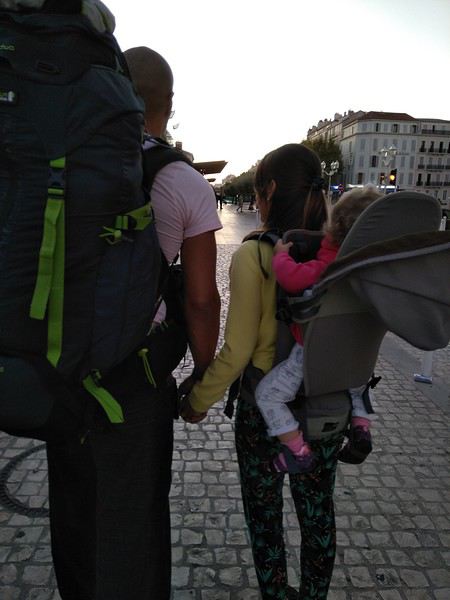
This was THE biggest concern for us. Living in France with a top-rated rear-facing car seat, we were terrified at the idea of putting our baby in a car, bus, or any vehicle without protection (not to mention Thailand’s terrible reputation for road safety). We ended up making a radical decision that removed all our stress and let us enjoy a fantastic trip: no road travel (though you’ll see later that we had to bend this rule once, and everything went fine). We decided to follow the railway route heading north (for safety reasons, we didn’t consider the south and its islands with a baby) and chose our stops based on that. The train is a super comfortable way to travel with a young child. Sure, it’s slow—we were warned—but the best advice I can give is to take your time with a little one. Thailand is hot, noisy, and crowded—everything is tiring. Taking it slow is the best way to enjoy your trip. And I think (this is just my opinion) trying to keep an adult’s pace would only lead to frustration and exhaustion for everyone. The only car trips we took were short transfers in the city, and for those, we brought a sling (like a pre-tied baby carrier) so the baby was strapped to one of us, and we were both buckled up with the seatbelt passing between the baby and the parent carrying them. In case of a crash, there was no risk of crushing the baby (though obviously, it wasn’t completely safe, but we figured at city speeds, it was manageable).

2- Gear / what to pack?

In everyday life, we already keep things simple, so for travel, it was obvious we wouldn’t overpack. Crib, stroller, car seat, etc.—we decided to bring almost nothing and didn’t regret it. In my opinion, a stroller isn’t useful in Thailand. The sidewalks are unusable, packed with people and stalls. In busy places like night markets, you’ll prefer having your child close to you, at adult height, rather than in the crowd. Of course, it depends on where you go, but generally, a stroller will be more of a hassle than a help. We opted for a small, non-bulky hiking backpack and a sling (which fit in the backpack’s pocket) made of thin fabric for car trips. In hindsight, I think this was the perfect choice.

For cribs, high chairs, etc., there’s no need to bring your own—every place finds solutions for babies, and you can even contact them beforehand to put your mind at ease. During our stay, we were offered a baby crib, a futon on the floor, a single bed (not suitable for a baby, though), and always a solution for seating at meals. Only one hotel in Chiang Mai refused to help and asked for an outrageous extra fee, but I think that’s unusual, and we generally have mixed memories of that place. We brought a small fabric seat that attaches to any chair—it takes up the space of a folded raincoat and was very useful (though you can manage just fine by having the baby eat on your lap).

For baby food, diapers, etc., we didn’t bring anything. Just enough to last two days while we got settled, and that was plenty—no need to overpack. You can easily find diapers at Tesco, Lotus, or even 7/11. For food, we’d gotten our daughter used to eating pieces a few months before the trip, and we ordered broths to “dilute” the dishes. She loved it, tried everything with pleasure, and never had any issues. That said, I don’t know about milk—my daughter doesn’t drink it.

Here’s our “packing list” for 3 weeks with a 22-month-old:


My partner: 1 travel backpack and a small empty (cabin-sized) rolling suitcase for shopping on the way back. For me: baby in a hiking backpack (with a sling and the small folded seat in the backpack’s pocket). It was simple for getting around, and I think if we’d packed more, we would’ve struggled without gaining any extra comfort.

3- Mosquitoes / Malaria / Dengue / Vaccines

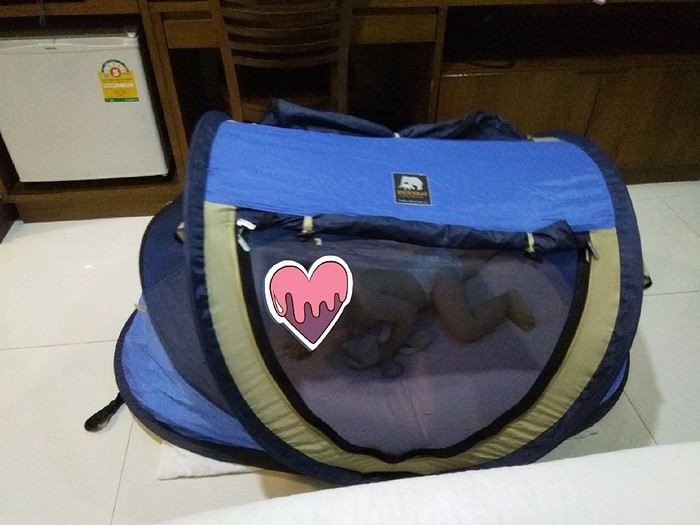
As if on purpose, just months before our trip, a flood of articles on the forum and online warned us that Thailand was in the middle of a dengue epidemic, and locals advised us to be careful. Not exactly reassuring when traveling with a baby…🤪 After much hesitation, we decided to bring a small mosquito net (recommended by a mom on the forum—shoutout to Popinette) that opens like a pop-up tent (and folds just as easily). For how little space it took up, we didn’t regret it. It was attached to the back of the travel backpack and let us sleep soundly :p If it helps anyone, here’s the one we had: Deryan Peuter model.


We also brought a mosquito net for ourselves but didn’t end up using it—with precautions, we didn’t have any mosquitoes at night.

For protection, we chose Insect Ecran (tropical version, the red one) because it doesn’t contain DEET but uses Icaridin, which is less toxic for little ones. We also pre-treated our clothes with Insect Ecran textile spray. We also decided to dress our daughter in light, long-sleeved outfits (covering arms and legs), and she wasn’t any hotter but was protected. It was a great choice, and we ended up dressing like her. Contrary to what I’d read, I didn’t find the smell strong—I actually thought it was quite discreet. My daughter and my partner didn’t get a single bite. As for me, I still got bites on exposed areas (I’m *very* prone to mosquito bites), so I switched to a local product—less well-formulated but apparently more effective for me.

We had our daughter vaccinated against Hepatitis A. We got conflicting advice on this: the pediatrician said it was unnecessary if she didn’t eat from street stalls (where dishes are washed in questionable water), but my GP said the opposite. We decided to book an appointment at a travel vaccination center, and the doctor was clear—she needed the vaccine.

4- Book in advance?

Finally, a question that had never crossed our minds before: should we book in advance? Again, this is just my opinion, but I think yes. It makes things much easier. Since we wanted to minimize road travel, it was much simpler to find well-located accommodations that let us do everything on foot (and with a baby, reducing travel and lightening the schedule is really helpful). Booking ahead meant no bad surprises, no fully booked places, and no hassle walking around with luggage and a baby. We booked everything in advance via Booking and Agoda, and by comparing with on-site prices, we didn’t pay more (we were traveling in the low season).

Here’s our feedback and observations. If they can help other parents prepare for their trip, I’d be thrilled.

With all that said, time for vacation!
Open
Bolivia: Exploring the South Lipez by Self-Drive
Hi everyone,

The idea of traveling to Bolivia came to me after seeing Jean-François (Max68)’s photos on his website. I thought we *had* to see those stunning landscapes with the colorful lagoons for ourselves. But a self-drive trip didn’t seem doable at first. A few years ago, everyone advised against going to the South Lipez with just one car.

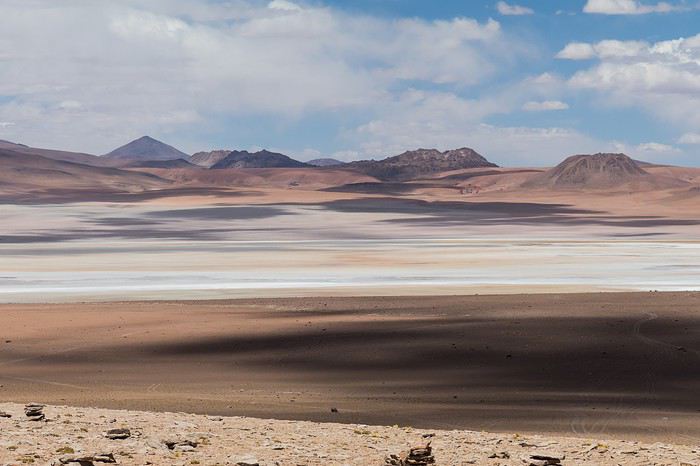
Laguna Kara

It was only after reading Laurent (Lolobe) and Pascal (Pepe874)’s travel journals—who explored the South Lipez solo with a car from Biz Rent a Car—that I thought we might be able to do the same. Meanwhile, we’d already contacted a local agency to organize a trip with a driver and guide. But the idea of a self-drive adventure really appealed to us. With encouragement and tips from Thierry (Tbernay) and Jean-François (Max68), we decided to plan our own self-drive trip. I’d like to thank them for their advice—it was *super* helpful. And a big thanks to all the other forum members for the info shared during our prep!

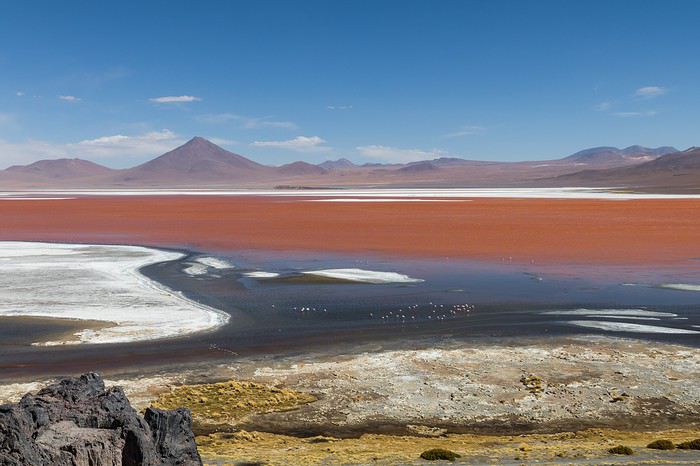
Laguna Colorada

Planning this trip happened during a tough time for our family. My mother-in-law’s illness and passing, plus a few health issues of my own, made us doubt the trip multiple times and nearly scrap the whole thing.

We booked our international flights in February with Swiss. They offered the best balance of travel time and price from Switzerland. Swiss operates Zurich–São Paulo with their own fleet, and São Paulo–Santa Cruz with GOL. In June, GOL canceled the Saturday flight and rebooked us on Sunday. Spending over 24 hours in that huge Brazilian city didn’t work for us at all, so we asked Swiss to put us on the next Zurich–São Paulo flight. Too bad—we lost a day in Bolivia and had to skip the Tarabucco market on Sunday.

Right after, we also booked the car in February. After contacting Imbex and Biz, we went with Biz. Not speaking Spanish, we were relieved to communicate with Alejandra in French. The contact was great—she answered all our questions patiently. Sometimes it took a few days to get a reply, but we could also reach her on WhatsApp. After our trip, we can *only* recommend Biz for rentals in Bolivia. The cars are well-prepped for the South Lipez tracks. The agency is reliable, and the vehicles are new and well-maintained.

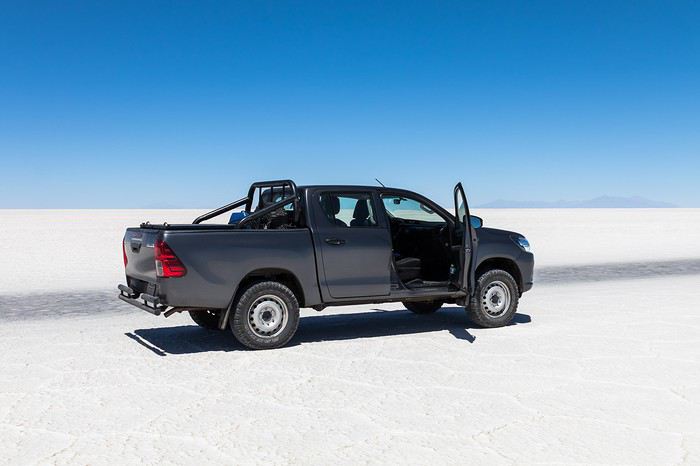
“Our” car, a Toyota Hilux

While planning, we realized the presidential elections would happen while we were in Bolivia. The risk of *bloqueos* (roadblocks and protests) was very real. But in Bolivia, *bloqueos* seem common—you always have to account for that kind of hassle. In late August/early September, Uyuni and the Salar region were blocked for days, leading to food, fuel, and cash shortages. Worried about a blockade in Uyuni and missing the Salar, we decided to visit it first *just in case*.

On election day, the whole country shut down. Planes were grounded, buses and taxis couldn’t circulate, and private cars were banned. There were a few exceptions—ambulances, police, or certain professions—but as tourists, we couldn’t get permission to drive. We asked the embassy, and Biz even requested a permit from the electoral office. So we had to plan to be somewhere with things to do *without* the car.

We decided not to book any accommodations in advance—a first for us. Usually, we plan our stops and reserve lodges, hotels, or campgrounds well ahead. This time, only the room in Sucre was booked, so we’d have a base when we arrived.

In July, Alex (Delhenry) reached out to propose joining part of the trip. He didn’t realize we were leaving in October. Still, we got fresh updates when he returned from the South Lipez. Thanks, Alex—your tips, especially about the Guadalupe–Tupiza stretch, were *super* useful.

In September, we connected with Jean-Louis (Avx) and Anne (Xeta), who were also heading to Bolivia in October, one and two weeks after us. We had dinner with Jean-Louis and his friend after our South Lipez trip and stayed in touch with Anne. It was great to chat with them! Unfortunately, Anne and her husband had a much rockier trip—they got hit hard by post-election issues.

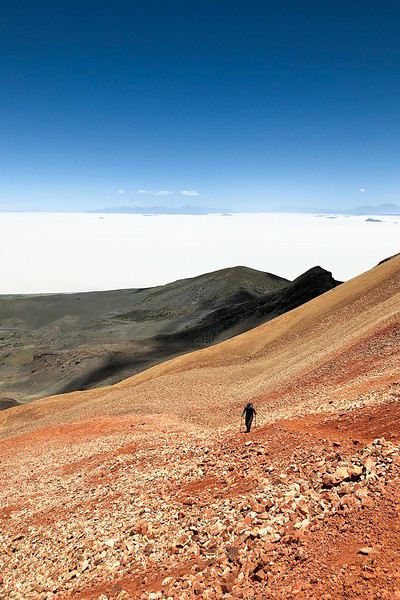
Climbing Volcán Tunupa

Our itinerary wasn’t set in stone—we decided to wing it on the spot. Two weeks before departure, I reconnected with Alejandra at Biz to move the car rental up by a day. With the elections, we wanted to leave Sucre ASAP and focus on the South Lipez. Outside Uyuni and Tupiza, the risk of blockades was zero. We also planned a two-night buffer in Sucre before our flights, just in case. It might sound overcautious, but in hindsight, we made the right call. If we’d left Sucre a day later, we wouldn’t have made it to Potosí—it was completely blocked. On the way back, we *just* dodged blockades in Potosí and elsewhere. Sometimes, you’ve gotta trust your gut.
Here’s our route—only the first two nights in Sucre were booked ahead:

D1 Departure from Switzerland

D2 Sucre (La Selenita)

D3 Sucre (La Selenita)

D4 Colchani (Hotel de Sal Luna Salada)

D5 Jirira (Auberge Doña Lupe)

D6 On the Salar (in the car)

D7 A few kilometers from Estancia Catal (in the car)

D8 Laguna Hedionda (Hotel Los Flamencos)

D9 Laguna Colorada (Lodge by the lagoon)

D10 Middle of nowhere, en route Laguna Verde–Mina Horsu–Quetena Chico (in the car)

D11 Quetena Chico (Lamphaya Lodge Andino)

D12 Quetena Chico (Lamphaya Lodge Andino)

D13 Guadalupe (Guest room at Celia’s)

D14 Along the Rio Grande (in the car)

D15 Tupiza (Hotel Mitru)

D16 Tupiza (Hotel Mitru)

D17 Sucre (La Selenita)

D18 Sucre (La Selenita)

D19 Santa Cruz (Hotel Sun)

D20 Departure from Santa Cruz

D21 Arrival in Switzerland

As you can see, we spent 13 nights in the South Lipez. Initially, we’d planned for nine, but Jean-François (Max68) suggested staying longer. Great advice—we didn’t regret it one bit. We could’ve even added 2–3 more days without getting bored.

Self-driving in the South Lipez takes some prep and a good GPS. We kept it simple and used maps.me to navigate. It’s a solid app—just save your waypoints ahead of time. For some stretches, I used Google Earth to visualize the tracks and sites. If you stick to the tour operator routes, you *almost* can’t get lost. But we often veered off the beaten path and took different routes. Some days, we didn’t see another car. So in case of a breakdown, it’s key to have water and food for several days. In some spots, there’s *zero* signal—your phone won’t work. Another must: it gets *cold* in the South Lipez, and a good sleeping bag is essential. We brought down sleeping bags rated for -10°C and didn’t regret it during our car nights.
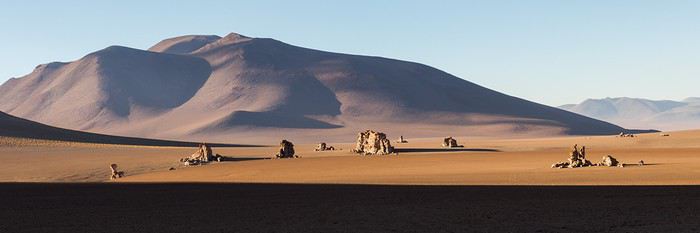
The Dalí Desert

Some tracks are *super* rocky—flat tires are a real risk. On those stretches, maps.me’s estimated travel time was way off. Some sections barely let us go over 15 km/h.

Lots of forum members recommend doing the South Lipez “loop” from Tupiza to Uyuni—ending with the Salar—to avoid Uyuni’s crowds. That might work for organized tours, but for self-drive, the direction *doesn’t* matter. I’ll say this: the few vehicles we saw mostly came from Tupiza and Chile, not Uyuni. So if starting from Uyuni works better for you, go for it! Ending in Tupiza means heading toward warmer weather. For our planned stops and climbs, starting in Uyuni helped with acclimatization. Spending a few nights between 3,600–3,800 m before going over 4,000 m is a smart move.

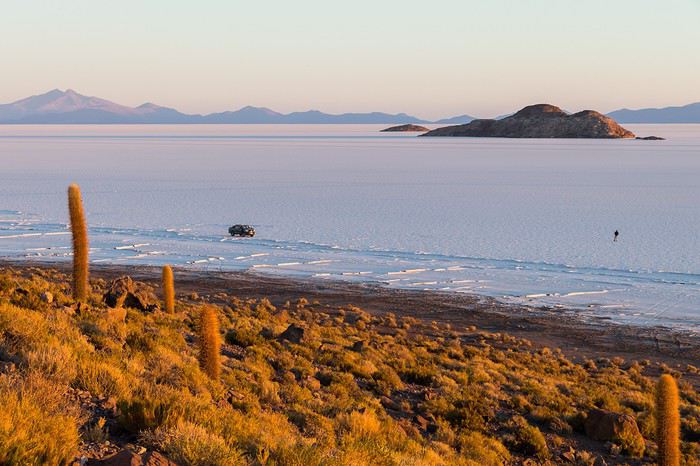
Uyuni Salt Flats in the morning
Overall, we barely saw anyone—except at Laguna Hedionda and Chalviri. There were several tour groups at Hotel Los Flamencos (Laguna Hedionda), but we didn’t cross paths during the day. Hardly anyone on the Salar, on the roads, or at the lodges in the evenings. The *only* place that shocked us was Chalviri. We’d planned to stay there, but it was fully booked—and we counted *forty* tour jeeps on-site. This was around noon! At the Polques hot springs (Chalviri), it was *packed*—we quickly nixed the idea of a dip. Plus, the vibe wasn’t great: soaking right by the road with lodges and restaurants in the background? Meh. Still, lots of tourists love it, so it’s up to you.

For the photos, I kept the colors and mood we saw. The lagoons’ hues are often stunning, but some online photos are *way* over-edited and oversaturated. The South Lipez’s landscapes are breathtaking—no need for excessive retouching.

If you don’t want to read all the details, the start of the travel journal is here: https://voyageforum.com/v.f?post=9888761;a=9888761
Open
Puglia in August (Locorontondo)
Hi there,

We’re heading to Puglia from July 30 to August 31, 2020. I’ve booked a rental with a pool in Locorontondo.

But the more I read guides and forums, the more I regret booking the flight to Bari. I can still cancel the other reservations, but I’d face penalties for the flight.

It’s packed, avoid August at all costs—traffic jams, stifling heat, price hikes… I’m really having second thoughts. Our goal isn’t necessarily to hit the beach. I’m thinking we’ll get up early to go where we want and head back during the hottest part of the day.

Is it *that* bad? Thanks for sharing your experiences.
Open
No, I Won’t Be Going Back to China
Hello forum,

Did any of you feel the same things we did in China?

We spent a good twenty days there in August. First, we traveled solo around Chengdu, then joined an organized tour for 12 days (Beijing, Pingyao, Xi'an, Guilin, Xingping, Yangshuo, Shanghai, Wuzhen) and extended our stay by 4 extra days to visit Zhangjiajie.

The landscapes were stunning, and we have unforgettable memories... but we were really disappointed by the following points:

- The food: way too spicy. Lacking in flavor, not much taste. I’m speaking "in general" because we did enjoy some good steamed dumplings, smoked pork, and other dumplings... But compared to Thailand, Cambodia, or India, Chinese cuisine didn’t impress us at all.

- The behavior of the Chinese: disrespectful, rushed, agitated. You constantly have to fight—people push, crowd, and overwhelm you... At the entrance to the Terracotta Army (and other sites), it’s a human tidal wave... and I mean that literally. We were carried by the crowd without even touching the ground. It was like a situation where you have one bowl of rice and 20,000 starving people diving for it...

You’re at a ticket counter, and they cut in front of you. You’re in line for boarding, suitcase ready to go on the conveyor belt, and someone shows up out of nowhere to put THEIR suitcase down... even though they have a flight ticket with THEIR seat number and won’t be leaving before you!!!! You’re getting on the bus, and someone shoves past you just so they don’t end up behind you.

It’s like these people only think about themselves. I didn’t see a single person let someone else go first or even ask—it’s as if politeness and respect are completely foreign to them.

It’s honestly exhausting and draining...

- Communication: In every other country we’ve visited, whether in Asia or Europe, we always manage—with English, a few words of Italian, French, or Spanish. In China, I’ll be blunt: if you don’t speak Chinese, you’re screwed. And yet, a pair of kids around ten or twelve years old asked us in English where we were from :)

- Understanding: Here’s the rule. Even if the person you’re talking to speaks a little English and says they understand you... make sure they *really* do, because 9 times out of 10, they don’t. Out of pride or just cluelessness, they’ll give you a big smile and nod, but in reality, they didn’t get what you were saying.

Several times with our group, in the evening at a restaurant, if we hadn’t been helped by someone at another table who spoke a little English, we’d still be there. The classic example: the waiter brings one menu (for 10 people at the table), and we’re all trying to explain that we need 4 or more menus. Five minutes later, he’s still staring at us with that same blank smile...

In 3* or 4* hotels, you go to the front desk for a hot water or AC issue. Three or four staff members just stand there beaming at you. You try to explain with photos or a translator, but in the end, you leave with the problem unresolved.

They don’t speak—they shout... on buses, in hotels...

We were also surprised to find that self-service laundromats were almost nonexistent. We got scammed once at a hotel with an astronomical bill!

As for flights, we flew Air China on the way there and Austrian Airlines on the way back—no comparison. Air China had zero service and food that was "baby food" quality. Austrian Airlines had multiple services, a decent meal, and smiling flight attendants.

I don’t know if any of you had the same experience in this country, but I’m definitely not eager to go back. Whereas if someone offered me India, Thailand, or Vietnam tomorrow, I’d be there in a heartbeat!!!
Open
Dubai, family vacation
After the wide-open spaces of the American West, we're off to a new destination: Dubai. Not just for a layover, but for a real family vacation!! The question that kept coming up was "why Dubai?" (after why Colorado this summer, people are going to think we're really weird 😅). So, why Dubai? First, because skiing isn’t really our thing anymore—so in winter, we want sunshine 😎. But not just any sunshine—warm enough to swim, which narrows things down a bit 😅. The second constraint this year: Franck can’t take more than a week off (and it’s unpaid), so we’re ruling out destinations with 12-hour flights and jet lag that knocks you out when you get back 😅. The options are getting tighter… So, against all odds, it’s me who ends up suggesting Dubai (my husband’s been nagging me for years about Atlantis and its mega water park—ah, the kids! 😉).

Actually, Dubai only has 2 days of rain a year (you’d have to be *really* unlucky!!), temperatures around 30°C in winter, the sea (oh yeah, I forgot—the sea was something we missed this summer, so it was on our list 😅), a 6/7-hour flight, just 3 hours of jet lag, reasonable family prices, and tons of activities for all tastes. Starting my research with a pretty negative bias, I’m now looking forward to this trip with excitement and impatience… and without spoiling the ending, I won’t be disappointed—our whole family will come back enthusiastic and ready to go back!!

So, I’m taking you along for a week in Dubai at the beginning of March.
Open
Road trip and cooler in the United States: buy locally or a foldable Decathlon one?
Hi, Just a little question, kinda "silly" but still important... The cooler for a road trip... Either buy a basic one when I arrive in SFO and leave it there... no idea about the price. Or take a foldable one like the Decathlon one I saw for 39.90 for 26 L. It seems like a good option since it weighs only 1 kg when folded... and supposedly keeps things cold for 11 hours without ice. So maybe more space and less "hassle" to get ice...

I’ll admit I’m not a pro at camping and don’t really know the differences between coolers...

Thanks to anyone who can help me out.
Open

You might also like