Results for "Pays-Bas+sécurité"
About 169,798 results.
More options
Many results are in French, the community’s main language. English translations are added over time.
Search results
De Montréal à Prague via un "low cost"?
Bonjour !
Je suis en train de regarder les possibilités de me rendre à Prague en septembre prochain. Or les prix des billets d'avion me semblent très chers (le moins cher que j'ai trouvé est 1000 euros !!!).
J'aimerais donc avoir votre avis sur la question suivante : pensez-vous que je puisse me dénicher un aller-retour pas trop cher en achetant des billets Montréal-Paris via Zoom Airlines puis ensuite en achetant des billets Paris-Prague via un low cost ?
Par exemple, j'ai trouvé Montréal-Paris pour 600$ tout inclus et Paris-Prague pour 121 euros, ce qui fait un aller-retour de 765 $ (560 euros).
Est-ce possible pour moi, qui est québécoise, d'acheter des billets via une compagnie low cost qui est française ? Est-ce que certains d'entres vous l'ont fait ?
Est-ce que les transferts de ce genre reviennent plus cher (taxes d'aéroport, frais divers, etc.) ?
Avez-vous d'autres suggestions ?
Merci !!
Alixia.
Je suis en train de regarder les possibilités de me rendre à Prague en septembre prochain. Or les prix des billets d'avion me semblent très chers (le moins cher que j'ai trouvé est 1000 euros !!!).
J'aimerais donc avoir votre avis sur la question suivante : pensez-vous que je puisse me dénicher un aller-retour pas trop cher en achetant des billets Montréal-Paris via Zoom Airlines puis ensuite en achetant des billets Paris-Prague via un low cost ?
Par exemple, j'ai trouvé Montréal-Paris pour 600$ tout inclus et Paris-Prague pour 121 euros, ce qui fait un aller-retour de 765 $ (560 euros).
Est-ce possible pour moi, qui est québécoise, d'acheter des billets via une compagnie low cost qui est française ? Est-ce que certains d'entres vous l'ont fait ?
Est-ce que les transferts de ce genre reviennent plus cher (taxes d'aéroport, frais divers, etc.) ?
Avez-vous d'autres suggestions ?
Merci !!
Alixia.
Se passer de la voiture et utiliser la bicyclette?
J'aimerais m'enrichir de votre avis suite à la hausse constante des produits pétroliers et la modification du climat qui entraîne des catastrophes naturelles tels que cyclones et autres suite à l'augmentation de la pollution. Actuellement, la plupart des cyclistes utilisent aussi la voiture comme moyen de déplacement:
- Etes-vous prêts à sortir les voitures des villes et changer de moyen de locomotion (vélo ou transports en communs)?
- Doit-on attendre la fin des ressources pétrolières (30 ou 40 ans)pour changer de carburant?
- Avec 70% de taxe sur le pétrole, il semble que nos gouvernements n'ont pas intérêt à changer quoique ce soit et sont assez immobiles sur la question de la recherche de carburants propres et la place de la voiture en ville.
- Doit-on accepter longtemps encore de voir notre terre se dégrader sans bouger?
- Si cela continue, qu'allons-nous laisser à nos enfants et petits enfants? D'ici 50 ans la population va doubler, de longues périodes de sécheresses l'été (le climat du sud de l'Espagne sera à nos portes)et de grosses inondations l'hiver accentuées par la fonte des glaces, 30 à 40% des espèces animales vont disparaître, une mer sans poisson remplie de déchets chimiques et nucléaires, une forêt dilapidée de 50%, une atmosphère irrespirable dans les zones urbaines. Voilà ce que l'on va laisser à nos descendants sous prétexte de la productivité et l'enrichissement des multinationales qui vous licencient pour plus de profit.
A vos plumes,
Thierryjean
Le tourisme en Algérie
Chalut tout le monde disait le marin pecheur..
desole pour les accents...deja que je ne suis pas tres fana de ces petites mouches..mais la j'ai un clavier anglophone (saxon pour les plus politises ;O) )
juste pour rajouter un petit grain de sel (ou de sable) dans l'industrie "normale" du tourisme... comment cela se fait-il qu'il y ait comme destination prisee "la tunisie", "le maroc" ..meme la libye et le mali...mais pas l'Algerie..la plupart des gens que je connais quand ils y sont alles..y ont ete soit pour le boulot soit dans les annees soixante dix, soit maintenant mais directement vers Tamenrasset... dernierement ma soeur et son mari sont alles passer trois semaines dans le nord de l'Algerie...parait qu'ils ont roule tout le long, de Tipaza jusqu'a Jijel..en passant par la casbah d'Alger...et que bon...c'est pas pire pour le moins qu'on puisse dire...le tourisme n'est pas institutionnel comme c'est le cas au maroc ou en tunisie mais pour peu qu'on sache se debrouiller..ben y a moyen de moyenner comme on dit au quebec :O) d'autres copains cienastes sont alles tourner un doc dernierement et on les a referes(meilleur moyen de voyager partout de toutes facons)...et ils sont revenus changes...oui oui..les voyages changent pour ceux qui ne se sentent pas trop fragiles pour laisser s'imprimer sur eux certaines couleurs du pays de transit...je pourrai continuer a ecrire...allez a vos questions...
bonne journee a tous
Samir
desole pour les accents...deja que je ne suis pas tres fana de ces petites mouches..mais la j'ai un clavier anglophone (saxon pour les plus politises ;O) )
juste pour rajouter un petit grain de sel (ou de sable) dans l'industrie "normale" du tourisme... comment cela se fait-il qu'il y ait comme destination prisee "la tunisie", "le maroc" ..meme la libye et le mali...mais pas l'Algerie..la plupart des gens que je connais quand ils y sont alles..y ont ete soit pour le boulot soit dans les annees soixante dix, soit maintenant mais directement vers Tamenrasset... dernierement ma soeur et son mari sont alles passer trois semaines dans le nord de l'Algerie...parait qu'ils ont roule tout le long, de Tipaza jusqu'a Jijel..en passant par la casbah d'Alger...et que bon...c'est pas pire pour le moins qu'on puisse dire...le tourisme n'est pas institutionnel comme c'est le cas au maroc ou en tunisie mais pour peu qu'on sache se debrouiller..ben y a moyen de moyenner comme on dit au quebec :O) d'autres copains cienastes sont alles tourner un doc dernierement et on les a referes(meilleur moyen de voyager partout de toutes facons)...et ils sont revenus changes...oui oui..les voyages changent pour ceux qui ne se sentent pas trop fragiles pour laisser s'imprimer sur eux certaines couleurs du pays de transit...je pourrai continuer a ecrire...allez a vos questions...
bonne journee a tous
Samir
Instantanés de voyage en Inde (Himachal et Ladakh)
Mercredi 6 juillet
Nous sommes arrivés à Keylong (Himachal Pradesh) sous la neige. Eric n'avait plus de fièvre ce matin, donc plus aucun malade. C'est la première fois depuis longtemps. La pluie a repris la nuit dernière et tombe dru sans discontinuer depuis. Nous sommes partis d'Udaïpur dès que possible, craignant pour l'état de la route. A juste titre. Par rapport à la veille, il y a beaucoup plus de pierres sur la route et l'eau qui dévale rend certains passages très délicats. Certaines portions sont franchies le plus vite possible par Romich qui craint des chutes de pierres. Nous rejoignons enfin la route Manali/Leh et sommes stoppés quelques km plus loin. Une vingtaine de camions sont rangés le long de la route. Il y a eu des éboulements et la route est coupée. Nous patientons une demi-heure, puis 2 jeeps tentent le coup, nous les suivons. Effectivement, les camions ne peuvent pas passer, mais nous si. Rapidement, car Romich est inquiet. 10 km plus loin, nous arrivons à Keylong.
Romich nous conduit à une GH amie. Nous prenons une suite de 2 grandes chambres avec télé et douche chaude ... si l'électricité revient. Nous sommes transis. On nous apporte un grand seau d'eau chaude et du thé. Nous nous réchauffons. Nous sommes à l'abri dans de belles chambres avec une moquette épaisse et propre. Quel luxe pour 800 RPS !
Nous sommes inquiets pour la route à venir. S'il neige ici à 3000 m, la neige doit tenir au dessus de 4000. Renseignements pris, la route est coupée vers Leh, mais aussi dans l'autre sens vers Manali. Il a tellement plu depuis 3 jours que ce n'est pas étonnant. Nous gardons espoir car la route Manali/Leh est stratégique pour l'armée.
18h30
La pluie tombe, rien d'autre à faire que d'attendre. Il est de plus en plus probable que nous ne pourrons partir demain. Excellent déjeuner au restaurant de l'hôtel, le meilleur repas depuis que nous sommes en Inde. L'hôtel s'appelle Snowland (même pas drôle). Après le repas, sieste, lecture et jeu de cartes. Vers 17h, Aurèl, Eric et moi descendons au village acheter des provisions pour les 2 jours de route à venir. Je m'offre un bonnet et des gants de laine tricotés main. C'est chaud, c'est bon. Quand je pense que c'est peut-être la canicule chez nous !
19h30
La nuit tombe, on nous apporte des bougies. L'espoir du retour de l'électricité s'évanouit. La soirée promet d'être longuette, sans lumière et sans musique. Lire à lueur d'une bougie ou d'une lampe torche n'est pas aisé. Il pleut toujours mais le moral reste bon. Nos conditions de vie sont confortables par rapport à celles dans les camps de tentes de Sarchu et Pang à plus de 4000 m.
21h
Il pleut toujours. Nous avons dîné à la chandelle près d'un brasero allumé pour réchauffer les clients. Il y a 2 autres clients que nous avons déjà vus au déjeuner. Ce sont des néerlandais dans la quarantaine qui passent 6 semaines en Inde sur leurs motos Enfield achetées d'occasion à Delhi. Ils sont passés par le Cachemire pour arriver au Ladakh et redescendent par l'Himachal. Comment ont-ils fait pour arriver de Leh dans ces conditions climatiques épouvantables ? Ils sont déjà venus une fois en Inde, en achetant des Enfield qu'ils ont ramenées ensuite jusqu'aux Pays-Bas en 6 semaines. Cette fois, ils vont les revendre à Delhi avant de repartir.
Marc, fatigué, est déjà couché. Soirée lecture pour les autres à la lumière de nos torches à friction achetées à Bangkok, grâce à Thuan. Pas besoin de pile. J'ai mis mon nouveau bonnet et coincé la torche dessous façon frontale, une couverture sur les genoux et les gants, ça vaut une photo. Pourvu que la pluie cesse ...
Nous sommes arrivés à Keylong (Himachal Pradesh) sous la neige. Eric n'avait plus de fièvre ce matin, donc plus aucun malade. C'est la première fois depuis longtemps. La pluie a repris la nuit dernière et tombe dru sans discontinuer depuis. Nous sommes partis d'Udaïpur dès que possible, craignant pour l'état de la route. A juste titre. Par rapport à la veille, il y a beaucoup plus de pierres sur la route et l'eau qui dévale rend certains passages très délicats. Certaines portions sont franchies le plus vite possible par Romich qui craint des chutes de pierres. Nous rejoignons enfin la route Manali/Leh et sommes stoppés quelques km plus loin. Une vingtaine de camions sont rangés le long de la route. Il y a eu des éboulements et la route est coupée. Nous patientons une demi-heure, puis 2 jeeps tentent le coup, nous les suivons. Effectivement, les camions ne peuvent pas passer, mais nous si. Rapidement, car Romich est inquiet. 10 km plus loin, nous arrivons à Keylong.
Romich nous conduit à une GH amie. Nous prenons une suite de 2 grandes chambres avec télé et douche chaude ... si l'électricité revient. Nous sommes transis. On nous apporte un grand seau d'eau chaude et du thé. Nous nous réchauffons. Nous sommes à l'abri dans de belles chambres avec une moquette épaisse et propre. Quel luxe pour 800 RPS !
Nous sommes inquiets pour la route à venir. S'il neige ici à 3000 m, la neige doit tenir au dessus de 4000. Renseignements pris, la route est coupée vers Leh, mais aussi dans l'autre sens vers Manali. Il a tellement plu depuis 3 jours que ce n'est pas étonnant. Nous gardons espoir car la route Manali/Leh est stratégique pour l'armée.
18h30
La pluie tombe, rien d'autre à faire que d'attendre. Il est de plus en plus probable que nous ne pourrons partir demain. Excellent déjeuner au restaurant de l'hôtel, le meilleur repas depuis que nous sommes en Inde. L'hôtel s'appelle Snowland (même pas drôle). Après le repas, sieste, lecture et jeu de cartes. Vers 17h, Aurèl, Eric et moi descendons au village acheter des provisions pour les 2 jours de route à venir. Je m'offre un bonnet et des gants de laine tricotés main. C'est chaud, c'est bon. Quand je pense que c'est peut-être la canicule chez nous !
19h30
La nuit tombe, on nous apporte des bougies. L'espoir du retour de l'électricité s'évanouit. La soirée promet d'être longuette, sans lumière et sans musique. Lire à lueur d'une bougie ou d'une lampe torche n'est pas aisé. Il pleut toujours mais le moral reste bon. Nos conditions de vie sont confortables par rapport à celles dans les camps de tentes de Sarchu et Pang à plus de 4000 m.
21h
Il pleut toujours. Nous avons dîné à la chandelle près d'un brasero allumé pour réchauffer les clients. Il y a 2 autres clients que nous avons déjà vus au déjeuner. Ce sont des néerlandais dans la quarantaine qui passent 6 semaines en Inde sur leurs motos Enfield achetées d'occasion à Delhi. Ils sont passés par le Cachemire pour arriver au Ladakh et redescendent par l'Himachal. Comment ont-ils fait pour arriver de Leh dans ces conditions climatiques épouvantables ? Ils sont déjà venus une fois en Inde, en achetant des Enfield qu'ils ont ramenées ensuite jusqu'aux Pays-Bas en 6 semaines. Cette fois, ils vont les revendre à Delhi avant de repartir.
Marc, fatigué, est déjà couché. Soirée lecture pour les autres à la lumière de nos torches à friction achetées à Bangkok, grâce à Thuan. Pas besoin de pile. J'ai mis mon nouveau bonnet et coincé la torche dessous façon frontale, une couverture sur les genoux et les gants, ça vaut une photo. Pourvu que la pluie cesse ...
Voyager seule
Bonjour à tous,
Suite à de nombreux commentaires sur ce forum et ceux d'amis, je me demande comme ça ce fait qu'en voyagant seule, on rencontre plein de gens, alors qu'on est incapable de le faire dans notre vie quotidienne? Est-ce qu'il y a des trucs ou c la vie? C'est la seule chose qui me fait douter de partir seule. C'est pas évident de tomber sur le compagnon de voyage idéal et je me dis que si j'attends ça, je risque de partir dans 40 ans.
Suite à de nombreux commentaires sur ce forum et ceux d'amis, je me demande comme ça ce fait qu'en voyagant seule, on rencontre plein de gens, alors qu'on est incapable de le faire dans notre vie quotidienne? Est-ce qu'il y a des trucs ou c la vie? C'est la seule chose qui me fait douter de partir seule. C'est pas évident de tomber sur le compagnon de voyage idéal et je me dis que si j'attends ça, je risque de partir dans 40 ans.
Euro ou dollar en Inde
Bonjour,
je pars prochainement en Inde (Rajasthan) quelle monaie emporter Euros ou Dollars. Merci
Jo😏
je pars prochainement en Inde (Rajasthan) quelle monaie emporter Euros ou Dollars. Merci
Jo😏
Hébergement au Portugal
Bonjour,
Ayant effectué le tour du Portugal l'année derniére, j'ai une adresse à communiquer à COIMBRA. C'est tres sympa, simple, pas cher du tout et très propre. Les 2 personnes qui ont cette pension sont tout le temps en train de laver !! Elles nous ont prete leur frigo et bien d'autres services!! Souriantes et acceuillantes.Elles parlent plusieurs langues.
Pensào Lorvanense Rua da Sota, 27 3000-392 Coimbra 239 823 481
A part ça evitez l'auberge de jeunesse de Lisbonne en aout qui n'est pas tres propre et bondé ! ou alors juste pour une nuit. La forêt de Busaco est tres belle mais il vaut mieux prendre une journée entiere pour la faire en entier et prevoir une carte et un casse croute !!! On peut y aller de Coimbra en bus depart tôt le matin retour tard le soir : c 'est une tres belle excursion.
Nous avons adoré Lisbonne et Porto. Il y a une fête de la biere à Porto en aôut avec une nourriture pas cher et excellente ! C'est aussi tres bien pour avoir un vrai contact avec la population.
Mention speciale pour l 'auberge de jeunesse de Porto qui est tres classe .Elle ressemble beaucoup plus à un hôtel qu'à une auberge!!! L'accueil y est aussi tres tres chaleureux. Leiria est une ville tres bien pour rayonner, flanner, se reposeret se sentir au portugal . La encore l'auberge de jeunesse est extra !
Pour la locaton de voiture :Leiria possede un loueur de voiture qui ne nous a meme pas demander de caution avant de nous louer une clio neuve climatisée à un prix record!!
Une derniere chose : la mer de la côte est glaciale, plus froide qu'en Bretagne. ...mais les plages sont magnifiques et desertes à certains endroits.( vous pouvez prendre des combi) Nous avons louer une chambre chez l'habitant dans un village de pecheur.Souvenir inoubliable! Bonnes vacances à tous !
Ayant effectué le tour du Portugal l'année derniére, j'ai une adresse à communiquer à COIMBRA. C'est tres sympa, simple, pas cher du tout et très propre. Les 2 personnes qui ont cette pension sont tout le temps en train de laver !! Elles nous ont prete leur frigo et bien d'autres services!! Souriantes et acceuillantes.Elles parlent plusieurs langues.
Pensào Lorvanense Rua da Sota, 27 3000-392 Coimbra 239 823 481
A part ça evitez l'auberge de jeunesse de Lisbonne en aout qui n'est pas tres propre et bondé ! ou alors juste pour une nuit. La forêt de Busaco est tres belle mais il vaut mieux prendre une journée entiere pour la faire en entier et prevoir une carte et un casse croute !!! On peut y aller de Coimbra en bus depart tôt le matin retour tard le soir : c 'est une tres belle excursion.
Nous avons adoré Lisbonne et Porto. Il y a une fête de la biere à Porto en aôut avec une nourriture pas cher et excellente ! C'est aussi tres bien pour avoir un vrai contact avec la population.
Mention speciale pour l 'auberge de jeunesse de Porto qui est tres classe .Elle ressemble beaucoup plus à un hôtel qu'à une auberge!!! L'accueil y est aussi tres tres chaleureux. Leiria est une ville tres bien pour rayonner, flanner, se reposeret se sentir au portugal . La encore l'auberge de jeunesse est extra !
Pour la locaton de voiture :Leiria possede un loueur de voiture qui ne nous a meme pas demander de caution avant de nous louer une clio neuve climatisée à un prix record!!
Une derniere chose : la mer de la côte est glaciale, plus froide qu'en Bretagne. ...mais les plages sont magnifiques et desertes à certains endroits.( vous pouvez prendre des combi) Nous avons louer une chambre chez l'habitant dans un village de pecheur.Souvenir inoubliable! Bonnes vacances à tous !
July 2026 Photo Contest Theme: Bridges of the World
The theme for this July’s photo contest is:
Bridges of the World
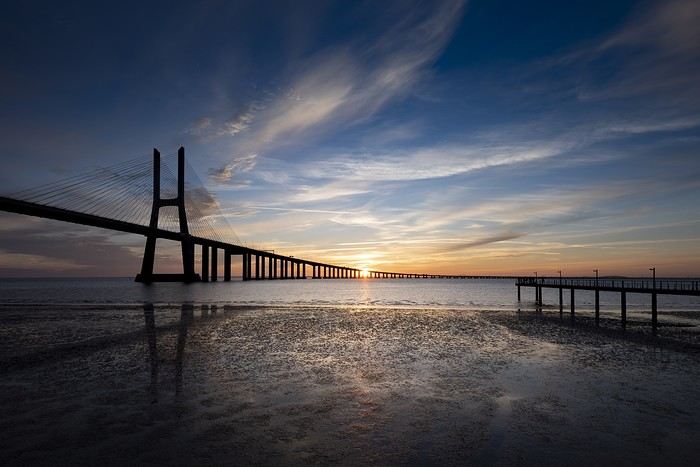 Vasco da Gama Bridge in Lisbon
Here’s the definition of a bridge: “A structure, typically made of stone, wood, or metal, that spans a depression or obstacle (such as a transportation route or waterway) by connecting the two sides or crossing over the obstacle.”
Viaducts, aqueducts, and footbridges will all be accepted.
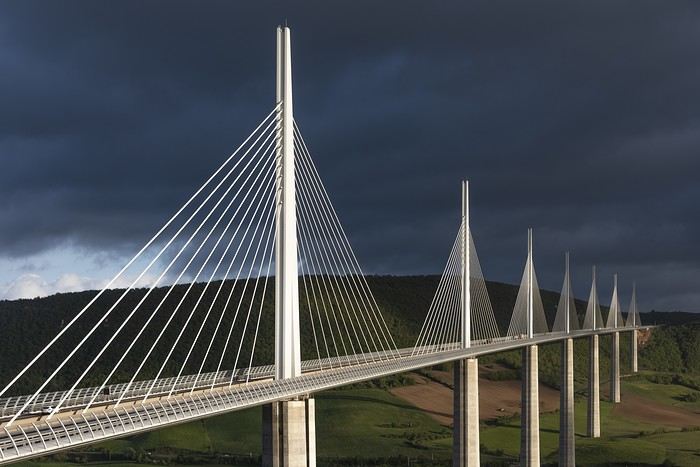 Millau Viaduct
To allow for as many original photos as possible, the bridge can be photographed from the side, below, or above—the main thing is that it’s the focal point of the image.
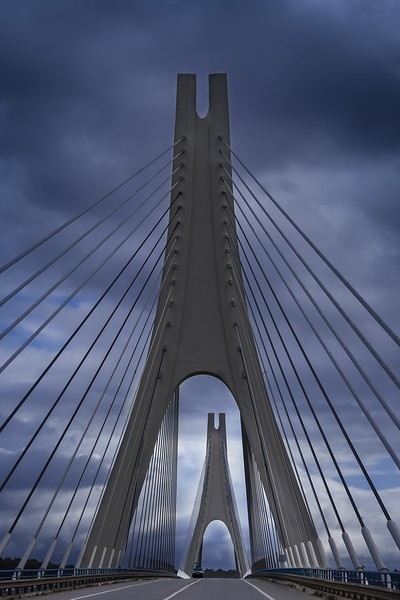 Bridge in the Algarve
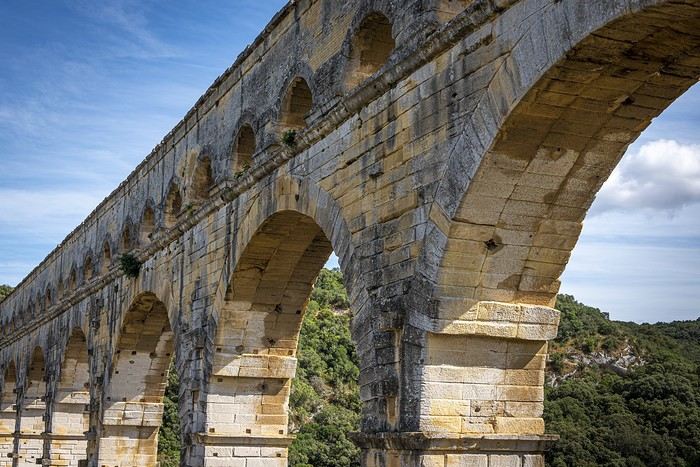 Pont du Gard from below
Details are also welcome, as long as you can still recognize it’s a bridge 😊
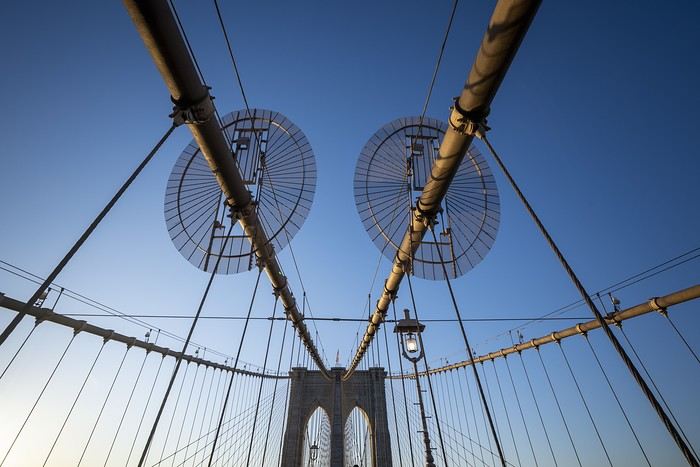 Brooklyn Bridge
Practical details:
Participation: Each VF member can submit up to 3 photos, until Sunday, 26/07 at 11:59 PM Paris time. Each photo must be posted in a separate message, with its number (1, 2, or 3). Don’t forget to add a little explanation (comment, location, etc.).
Voting: Each VF member can vote for the 3 photos they consider the best, based on their own criteria and the theme.
Voting will take place from Monday, 27/07 to Friday, 31/07 at 11:59 PM Paris time.
Selected photos should be listed in order of preference: - 1st photo: 3 points - 2nd photo: 2 points - 3rd photo: 1 point
The winner is the photographer whose photo receives the most points.
Results will be announced on 01/08. In case of a tie, the number of first-place votes will decide. The winner will have the honor of organizing August 2026’s contest.
Photos that have already been nominated (1st, 2nd, or 3rd place) in another contest are not eligible to participate in this one.
This thread is exclusively for contest submissions. Any discussions or comments should be posted in the following thread: Here
Vasco da Gama Bridge in LisbonHere’s the definition of a bridge: “A structure, typically made of stone, wood, or metal, that spans a depression or obstacle (such as a transportation route or waterway) by connecting the two sides or crossing over the obstacle.”
Viaducts, aqueducts, and footbridges will all be accepted.
Millau ViaductTo allow for as many original photos as possible, the bridge can be photographed from the side, below, or above—the main thing is that it’s the focal point of the image.
Bridge in the Algarve
Pont du Gard from belowDetails are also welcome, as long as you can still recognize it’s a bridge 😊
Brooklyn BridgePractical details:
Participation: Each VF member can submit up to 3 photos, until Sunday, 26/07 at 11:59 PM Paris time. Each photo must be posted in a separate message, with its number (1, 2, or 3). Don’t forget to add a little explanation (comment, location, etc.).
Voting: Each VF member can vote for the 3 photos they consider the best, based on their own criteria and the theme.
Voting will take place from Monday, 27/07 to Friday, 31/07 at 11:59 PM Paris time.
Selected photos should be listed in order of preference: - 1st photo: 3 points - 2nd photo: 2 points - 3rd photo: 1 point
The winner is the photographer whose photo receives the most points.
Results will be announced on 01/08. In case of a tie, the number of first-place votes will decide. The winner will have the honor of organizing August 2026’s contest.
Photos that have already been nominated (1st, 2nd, or 3rd place) in another contest are not eligible to participate in this one.
This thread is exclusively for contest submissions. Any discussions or comments should be posted in the following thread: Here
Compte rendu de la croisière "Dolce Vita" sur le Costa Concordia du 22 au 29 mai 2010
Bonjours à tous,
Nous rentrons à peine d'une magnifique croisière sur le Luminosa : Dubaï Savone du 10 au 28 avril ne voulant pas rompre le charme, notre agence nous indique une belle promotion sur le Concordia au départ de Marseille du 22 au 29 mai : 1er passager tarif prima, 2ème juste 140€ de taxes portuaire, nous consultons le circuit sur le catalogue et banco, nous prenons, il y a des B1 balcon "garantie" mais sur ce genre d'itinéraire où à chaque escales il y a des nouveaux arrivants qui remplacent les partants, chaque pays ayant son lot de cabines attribuées, même si le contingent Français est complet on vous prends et en cours de trajet on vous demande de changé de cabine pour vous en donner une autre d'un pays qui lui n'a pas fait le plein, imaginé le bazar pour déménagé, c'est une demie journée de perdue et du stress en plus (ça nous est presqu'arrivé chez MSC, malgré leurs insistance nous sommes resté dans notre cabine initiale), sur des croisières plus longues en cabine garantie vous pouvez éventuellement bénéficier d'un surclassement mais l'emplacement est aléatoire. Pour 50€ de plus nous prenons une B2 balcon n° 7261, tribord à l'avant, pont Irlanda : 1480€ pour deux.
En consultant les tarif TGV+taxi, pour une différence supérieure minime nous décidons de rejoindre Marseille en voiture malgré un prix prohibitif de parking sur le port : 13€ la journée; nous avons bien fait puisque quelques jours plus tard notre agence nous annonce qu'elle organise une visite du MSC Fantasia le 29 mai, jour de notre retour, et que nous pourrons, sans problème, nous joindre au groupe qui descend en bus de Lyon.
22 mai 2010 : MARSEILLE Beau temps, températures 16/26°, 10h nous partons en voiture de Lyon normalement il faut à peine 3h pour rejoindre le port croisière, mais comme c'est le week-end prolongé de Pentecôte nous avons mis 4h30 tellement il y avait de bouchons sur l'autoroute entre Vienne et Orange, on se serait crû au mois d'aôut ! 14h30 nous déposons la voiture sur le "parking croisière" nos bagages sur un charriot nous allons au terminal 100m plus loin, déposons nos valises, montons à l'étage pour l'enregistrement, petite boissons de bienvenue, pas grand monde, photo d'accueil, 500m a faire pour arriver au bateau, photo mais pour le scanner et l'on monte à notre cabine, nouveauté sur le lit : en plus des cartes Costa, du today, du tour magazine excursions, des prospectus du Spa, bristol 1er service (alors que nous avions demandé le 2ème, on réglera ça plus tard) il y a deux cartes rouges "emergency" (même format que les cartes Costa) qui seront à donner pour l'exercice d'évacuation du bateau, il est 15h nous allons "casser un petite croûte" au self-service, pont 9 Francia, ouvert jusqu'a 16h30, ensuite visite sommaire du bateau il nous plait moins que le Luminosa, le style de décoration est plutot veillot et assez sombre, mais les goûts et les couleurs !!! je trouve le maître d'hôtel au restaurant Roma pont 3, pour ce soir il n'y à plus de places au second service mais demain il y en aura, il me promet que je trouverais notre nouvelle affectation dans la boite à lettre, demain dans la journée (ce qui à été fait, merci). 17h45 reunion "importante" d'information au théatre "Atène" présenté par Géraldine l'assistante Francophone, un peu pince sans rire mais très sympa, rien de nouveau pour nous à part que nous sommes 580 Francophones sur 3200 passagers, on quitte la salle vers 18h10 pour voir le départ du bateau qui à appareillé à 18h00, il longe le chateau d'If, pour nous c'est l'heure du diner à 18h30 restaurant Milano, pour le rejoindre il faut monter au pont 5 pour redescendre pont 2 car les cuisines occupent le milieu du bateau entre les deux restaurants, ( çà, c'est mal foutu) table de 6 n°320: il y a 2 soeurs, 1 tante et sa nièce et nous, toutes sympa, nous sommes à l'arrière du bateau près d'une baie vitrée, il fait encore jour, c'est vraiment trop tôt pour nous. Nous remontons dans notre cabine pour défaire nos valises, le cabinier se présente : Arsen il est d'Ukraine, charmant, avec seulement quelques mots de Français et nous ouvre le frigo. 21h30 spectacle au théatre "Atène" présenté par Kiki Verdecchia, on l'entendra mais on ne le verra pratiquement jamais, : "Grand Variety Show" danseuses danseurs, chanteuse chanteur, un couple d'acrobates sur grand anneau et en bordure de scène, avec 2 toiles qui sont accrochées au cintres, ils font des figures accrobatiques. Un tour des boutiques, on regagne notre cabine le today de Savone est là avec un plan de la ville, le bristol pour le petit dèj. que nous manquerons pas, une fois rempli, d'accrocher à la poignée de porte à l'extérieur, les valises débarrassées nous les mettons sous le lit. Dodo il est 23h Pour information il y avait un autre spectacle au théatre à 23h15 "I Have a Dream" par l'équipe d'animation, pour les Italiens qui partent demain ( ils sont choyés !!!, on pouvais aussi y assister mais un spectable de l'au revoir le premier jour ça la fout mal !!!) A minuit surprise nocture : snacks au pont 5, déja remanger, nous n'y seront pas
Je joindrais quelques photos plus tard
22 mai 2010 : MARSEILLE Beau temps, températures 16/26°, 10h nous partons en voiture de Lyon normalement il faut à peine 3h pour rejoindre le port croisière, mais comme c'est le week-end prolongé de Pentecôte nous avons mis 4h30 tellement il y avait de bouchons sur l'autoroute entre Vienne et Orange, on se serait crû au mois d'aôut ! 14h30 nous déposons la voiture sur le "parking croisière" nos bagages sur un charriot nous allons au terminal 100m plus loin, déposons nos valises, montons à l'étage pour l'enregistrement, petite boissons de bienvenue, pas grand monde, photo d'accueil, 500m a faire pour arriver au bateau, photo mais pour le scanner et l'on monte à notre cabine, nouveauté sur le lit : en plus des cartes Costa, du today, du tour magazine excursions, des prospectus du Spa, bristol 1er service (alors que nous avions demandé le 2ème, on réglera ça plus tard) il y a deux cartes rouges "emergency" (même format que les cartes Costa) qui seront à donner pour l'exercice d'évacuation du bateau, il est 15h nous allons "casser un petite croûte" au self-service, pont 9 Francia, ouvert jusqu'a 16h30, ensuite visite sommaire du bateau il nous plait moins que le Luminosa, le style de décoration est plutot veillot et assez sombre, mais les goûts et les couleurs !!! je trouve le maître d'hôtel au restaurant Roma pont 3, pour ce soir il n'y à plus de places au second service mais demain il y en aura, il me promet que je trouverais notre nouvelle affectation dans la boite à lettre, demain dans la journée (ce qui à été fait, merci). 17h45 reunion "importante" d'information au théatre "Atène" présenté par Géraldine l'assistante Francophone, un peu pince sans rire mais très sympa, rien de nouveau pour nous à part que nous sommes 580 Francophones sur 3200 passagers, on quitte la salle vers 18h10 pour voir le départ du bateau qui à appareillé à 18h00, il longe le chateau d'If, pour nous c'est l'heure du diner à 18h30 restaurant Milano, pour le rejoindre il faut monter au pont 5 pour redescendre pont 2 car les cuisines occupent le milieu du bateau entre les deux restaurants, ( çà, c'est mal foutu) table de 6 n°320: il y a 2 soeurs, 1 tante et sa nièce et nous, toutes sympa, nous sommes à l'arrière du bateau près d'une baie vitrée, il fait encore jour, c'est vraiment trop tôt pour nous. Nous remontons dans notre cabine pour défaire nos valises, le cabinier se présente : Arsen il est d'Ukraine, charmant, avec seulement quelques mots de Français et nous ouvre le frigo. 21h30 spectacle au théatre "Atène" présenté par Kiki Verdecchia, on l'entendra mais on ne le verra pratiquement jamais, : "Grand Variety Show" danseuses danseurs, chanteuse chanteur, un couple d'acrobates sur grand anneau et en bordure de scène, avec 2 toiles qui sont accrochées au cintres, ils font des figures accrobatiques. Un tour des boutiques, on regagne notre cabine le today de Savone est là avec un plan de la ville, le bristol pour le petit dèj. que nous manquerons pas, une fois rempli, d'accrocher à la poignée de porte à l'extérieur, les valises débarrassées nous les mettons sous le lit. Dodo il est 23h Pour information il y avait un autre spectacle au théatre à 23h15 "I Have a Dream" par l'équipe d'animation, pour les Italiens qui partent demain ( ils sont choyés !!!, on pouvais aussi y assister mais un spectable de l'au revoir le premier jour ça la fout mal !!!) A minuit surprise nocture : snacks au pont 5, déja remanger, nous n'y seront pas
Je joindrais quelques photos plus tard
Travailler en tant que professeur en Suisse
Bonjour!
Je suis actuellement prof d'EPS en région parisienne et je souhaiterais pouvoir exercer ma profession en Suisse. Malheureusement, aucun site inetrnet ne m'a permis d'avoir de plus amples informations quant au mode de recrutement des enseignants en Suisse; c'est pourquoi je fais appel à vous!
SI vous avez une adresse postale ou bien un lien internet intéressant, merci de me le faire parvenir car ce serait pour la rentrée prochaine!
A bientôt
Bonne journée
Linsay
A bientôt
Bonne journée
Linsay
Practical aspects spring 2026: border to Murmansk, to Pskov, SIM cards, internet.
I took a few days to get some fresh air outside the Schengen-NATO prison. Between March 18, 2026, and March 25, 2026, as shown by the passport stamps:
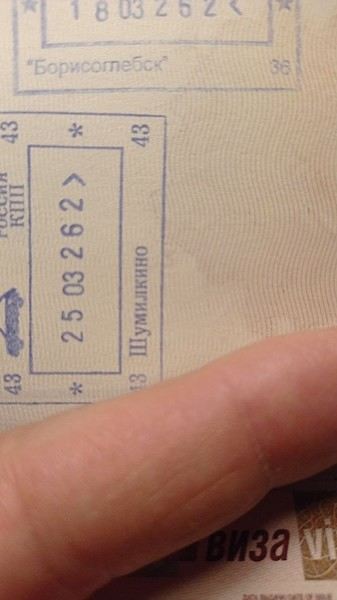
Borisoglebsk is the Russian border checkpoint after Kirkenes, on the road to Murmansk.
Kirkenes is a tiny town with a correspondingly small airport. Nothing has changed there: the minibuses to Murmansk wait on the right as you exit the airport. They’re synchronized with the two daily flights from Oslo—the SAS around 11:00 AM and Norwegian around 11:30 AM. They stop in Kirkenes at the corner of the Scandic for an hour, where other passengers can board, then head straight to the nearby border.
This is the least hassle Frontex/Schengen border. The Norwegian agent quickly scans your passport, and that’s it. No customs, since Norway is Schengen but not in the EU. On the Russian side, there’s a passport check and a quick customs inspection. All in all, crossing both the Norwegian and Russian checkpoints takes about 15 minutes.
A paper visa is required; e-visas aren’t accepted.
Two companies run the route: Avto Ekspress and Borodin: https://ae51.ru/routes/kirkenes-murmansk/ https://borodinbus.com/
The one-way fare is 5,500 ₽. You can either buy it online in rubles with a MIR card or make a formal reservation and pay in NOK cash to the driver. I took Borodin, and the price in NOK was much more expensive than in ₽.
=========================
On March 25, I left from Pskov via the Estonian border post at Luhaama. I spent three days in Murmansk, flew to St. Petersburg (SPB), stayed there for two days, then took an evening train to Pskov.
Since the end of February—and reportedly until the end of May—the Estonians have restricted the opening hours of the two border crossings near Pskov: Koidula (Pechory on the Russian side) and Luhaama (Izborsk on the Russian side). They’re closed at night between 7:00 PM and 7:00 AM. Right now, there’s a bus from Pskov at 7:00 AM to the border. It drops you off at the end of the road where truckers—many Kazakh and Serbian—are parked on the side. You finish the rest on foot to the barrier, where there’s a quick initial check for Ukrainian stamps in passports. Then you walk to the customs building, followed by passport control at the kiosk for motorists. After that, it’s a 500-meter walk to the Estonian checkpoint. At the moment, things seem calmer. Passport control is quick. The usual silly questions in English: "Where were you? Where are you going?" I just gave my most clueless smile: "Sorry, I don’t understand." Yeah, right—I don’t speak English, especially not at an Estonian border with a French passport. If they’re in a mood, though... A very quick bag inspection. Once you exit the Estonian post, walk to the bus stop sign by the road where another coach takes you to Riga.
The catch: in my case, last Wednesday, there were two passengers (Russians) with old Ukrainian stamps in their passports. The bus from the Estonian post to Riga was supposed to leave around 9:30 AM. We ended up leaving around noon after the two were grilled by the FSB. Since it was a weekday outside of holidays, the bus was half-empty. The fuller the bus and the more people with Ukrainian stamps, the worse the nightmare. Don’t book a same-day flight from Riga. I had a flight at 6:00 PM, so it worked out.
=============
The Kirkenes-Murmansk route is still clearly the easiest and fastest. But it’s not the most convenient since it’s way up north.
Next, I’d say the Gdansk-Kaliningrad route in the middle of the week. Avoid weekends and holiday departures/returns.
Avoid the Narva-Ivangorod route during Christmas, Easter, May 9, and *all* summer.
==============
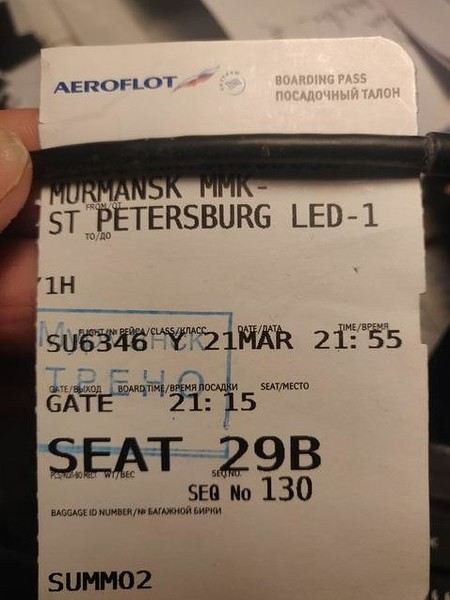
About flights from Murmansk to St. Petersburg: prices are good. I bought my ticket the day before departure on Rossiya for 7,500 ₽, including 10 kg of luggage + a handbag.
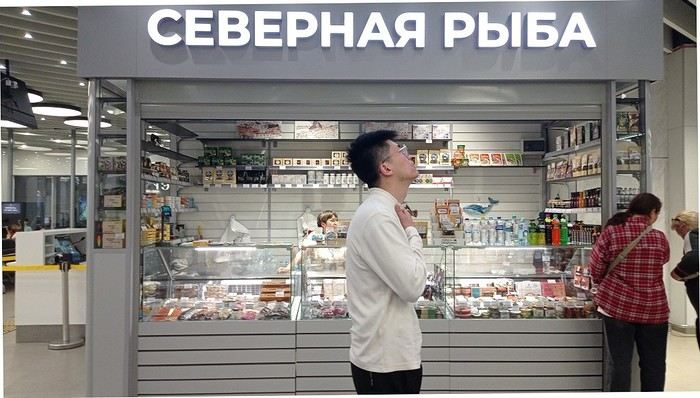
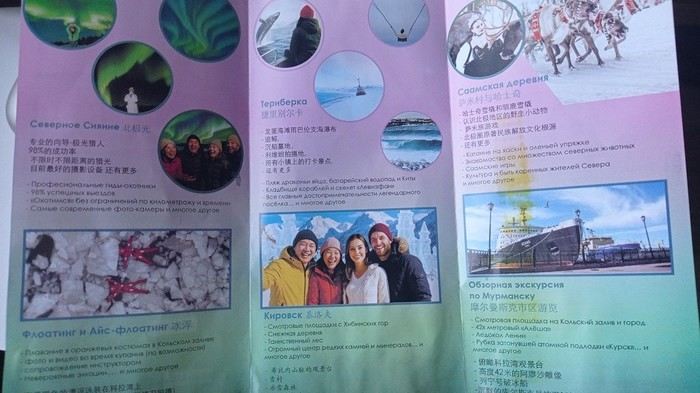
It’s the tail end of the northern lights season, and there were still crowds of Chinese tourists.
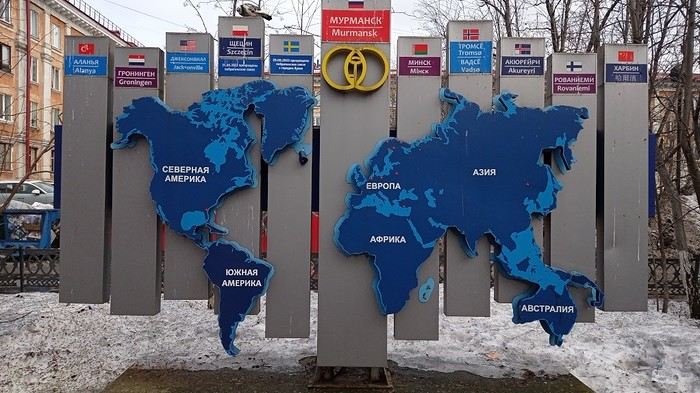
By the way, Murmansk is twinned with Harbin:
Chinese tourists are the largest foreign group, followed by Indians, then a mix of others from the Far East, Turks, Arabs, etc. Brochures are bilingual—Russian and Chinese:
============================
But let’s talk practical stuff. --
My domestic SIM card was restricted for SMS and internet for 24 hours. After that, if you want to keep using SMS, don’t turn off your phone—restarting triggers another 24-hour purgatory.
My Russian SIM cards (Megafon, MTS, Beeline) were activated as soon as I logged into their respective apps with my credentials.
Internet --
Telegram is heavily slowed down by authorities. To use it, you need to connect through proxy servers, which you load into the latest version of the app. Traffic is then rerouted internally within Telegram to servers outside Russia (Germany, Poland, Sweden, etc.). You can find these proxies on various channels. One is ChatVPN—check their website too.
For general internet use, like browsing the web, VPNs that work right now use the VLESS protocol. You can find several on Telegram by searching "VPN." A few free days, then payment in rubles or crypto.
Rozkomnadzor’s team are experts at this, so things can change. It’s a constant cat-and-mouse game.
Pskov is a special case. The city is near Estonia and has a large military base. Depending on NATO drone swarms launched from the Baltics, Wi-Fi can be completely suspended except for the most essential mobile apps. The drone swarms use the 4G network, and the powerful electronic jamming and drone suppression systems cause periods without Wi-Fi—including in hotels. Wired connections aren’t affected.
Borisoglebsk is the Russian border checkpoint after Kirkenes, on the road to Murmansk.
Kirkenes is a tiny town with a correspondingly small airport. Nothing has changed there: the minibuses to Murmansk wait on the right as you exit the airport. They’re synchronized with the two daily flights from Oslo—the SAS around 11:00 AM and Norwegian around 11:30 AM. They stop in Kirkenes at the corner of the Scandic for an hour, where other passengers can board, then head straight to the nearby border.
This is the least hassle Frontex/Schengen border. The Norwegian agent quickly scans your passport, and that’s it. No customs, since Norway is Schengen but not in the EU. On the Russian side, there’s a passport check and a quick customs inspection. All in all, crossing both the Norwegian and Russian checkpoints takes about 15 minutes.
A paper visa is required; e-visas aren’t accepted.
Two companies run the route: Avto Ekspress and Borodin: https://ae51.ru/routes/kirkenes-murmansk/ https://borodinbus.com/
The one-way fare is 5,500 ₽. You can either buy it online in rubles with a MIR card or make a formal reservation and pay in NOK cash to the driver. I took Borodin, and the price in NOK was much more expensive than in ₽.
=========================
On March 25, I left from Pskov via the Estonian border post at Luhaama. I spent three days in Murmansk, flew to St. Petersburg (SPB), stayed there for two days, then took an evening train to Pskov.
Since the end of February—and reportedly until the end of May—the Estonians have restricted the opening hours of the two border crossings near Pskov: Koidula (Pechory on the Russian side) and Luhaama (Izborsk on the Russian side). They’re closed at night between 7:00 PM and 7:00 AM. Right now, there’s a bus from Pskov at 7:00 AM to the border. It drops you off at the end of the road where truckers—many Kazakh and Serbian—are parked on the side. You finish the rest on foot to the barrier, where there’s a quick initial check for Ukrainian stamps in passports. Then you walk to the customs building, followed by passport control at the kiosk for motorists. After that, it’s a 500-meter walk to the Estonian checkpoint. At the moment, things seem calmer. Passport control is quick. The usual silly questions in English: "Where were you? Where are you going?" I just gave my most clueless smile: "Sorry, I don’t understand." Yeah, right—I don’t speak English, especially not at an Estonian border with a French passport. If they’re in a mood, though... A very quick bag inspection. Once you exit the Estonian post, walk to the bus stop sign by the road where another coach takes you to Riga.
The catch: in my case, last Wednesday, there were two passengers (Russians) with old Ukrainian stamps in their passports. The bus from the Estonian post to Riga was supposed to leave around 9:30 AM. We ended up leaving around noon after the two were grilled by the FSB. Since it was a weekday outside of holidays, the bus was half-empty. The fuller the bus and the more people with Ukrainian stamps, the worse the nightmare. Don’t book a same-day flight from Riga. I had a flight at 6:00 PM, so it worked out.
=============
The Kirkenes-Murmansk route is still clearly the easiest and fastest. But it’s not the most convenient since it’s way up north.
Next, I’d say the Gdansk-Kaliningrad route in the middle of the week. Avoid weekends and holiday departures/returns.
Avoid the Narva-Ivangorod route during Christmas, Easter, May 9, and *all* summer.
==============
About flights from Murmansk to St. Petersburg: prices are good. I bought my ticket the day before departure on Rossiya for 7,500 ₽, including 10 kg of luggage + a handbag.
It’s the tail end of the northern lights season, and there were still crowds of Chinese tourists.
By the way, Murmansk is twinned with Harbin:
Chinese tourists are the largest foreign group, followed by Indians, then a mix of others from the Far East, Turks, Arabs, etc. Brochures are bilingual—Russian and Chinese:
============================
But let’s talk practical stuff. --
My domestic SIM card was restricted for SMS and internet for 24 hours. After that, if you want to keep using SMS, don’t turn off your phone—restarting triggers another 24-hour purgatory.
My Russian SIM cards (Megafon, MTS, Beeline) were activated as soon as I logged into their respective apps with my credentials.
Internet --
Telegram is heavily slowed down by authorities. To use it, you need to connect through proxy servers, which you load into the latest version of the app. Traffic is then rerouted internally within Telegram to servers outside Russia (Germany, Poland, Sweden, etc.). You can find these proxies on various channels. One is ChatVPN—check their website too.
For general internet use, like browsing the web, VPNs that work right now use the VLESS protocol. You can find several on Telegram by searching "VPN." A few free days, then payment in rubles or crypto.
Rozkomnadzor’s team are experts at this, so things can change. It’s a constant cat-and-mouse game.
Pskov is a special case. The city is near Estonia and has a large military base. Depending on NATO drone swarms launched from the Baltics, Wi-Fi can be completely suspended except for the most essential mobile apps. The drone swarms use the 4G network, and the powerful electronic jamming and drone suppression systems cause periods without Wi-Fi—including in hotels. Wired connections aren’t affected.
Hitchhiking in the 70s-80s
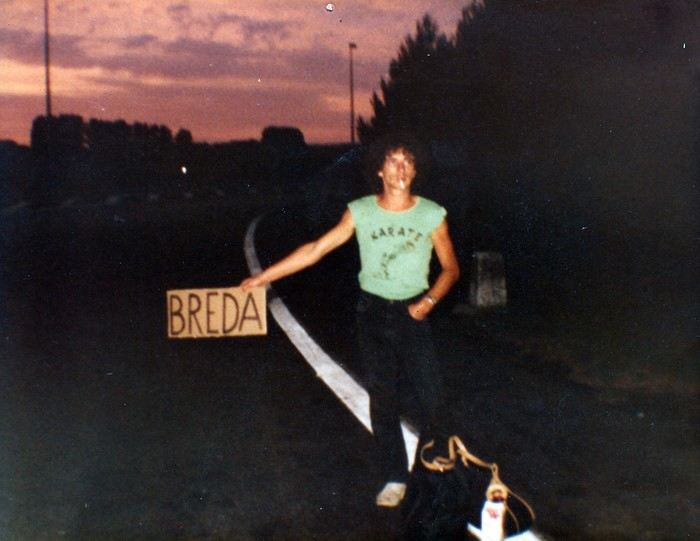
“Hey, your Marker... - My Marker? - The one you used to make hitchhiking signs.”
The marker in question is sitting proudly on the kitchen table. Marielle found it at the bottom of a moving box.
I’ve been meaning to tell the long story of my love affair with hitchhiking for years. Here we go.
To be honest, I’m not quite sure when it started. My earliest memory goes back to a fair with a bike race in my maternal grandparents’ village. I was with my cousin, my little sister, and three girl cousins. There were six of us, ages ranging from six or seven to thirteen or fourteen. Our parents stayed at the fair, and we’d had enough. So we decided to walk home. Only it was four kilometers away. So we hitchhiked. A guy driving an old car picked us all up and dropped us off at the farm. He probably found it amusing to see us thumbing a ride by the side of the road, but maybe it also worried him a bit. With everything you read in the papers...
Around fifteen or sixteen, I started hitchhiking regularly, alone or with a friend, to go to the nearby town. But it was especially when I started boarding school in Orléans that it became more regular. The first year, I’d leave Monday morning and come back Saturday noon by bus. It was an old, uncomfortable bus where we froze in winter. To make matters worse, I often got motion sickness if, as was too often the case, I ended up sitting in the back. In the spring, a high school friend suggested I hitchhike back. It meant a slight detour, but the advantage was taking only national roads.
So that’s how, from the end of tenth grade to twelfth grade, I’d thumb a ride every Saturday on the Pont de Bourgogne. Drivers were used to seeing young people hitchhiking, and it worked pretty well. Our biggest fear? Soldiers! At that time, military service was still mandatory, and on weekends, it wasn’t rare to see them competing with us. They’d keep their uniforms on to go home. That gave people confidence—with everything you read in the papers—and they’d rarely wait more than five minutes. We, with our long hair, were definitely less popular. From time to time, three big red-faced guys in a van coming back from a construction site would flip us off, yelling things like “go get a haircut, you bums!” Those were the good old days.
We still had a good laugh, though. Patrice, the friend I’d hitchhike back from school with on Saturdays, is a musician—I’d later discover he’s an excellent composer. A die-hard Beatles fan, he knows their repertoire by heart and spends his time singing at the top of his lungs while we thumb a ride. One Saturday late morning, we’d been waiting for a while at the exit of Châteauneuf-sur-Loire when a little lady came up to him and asked if he could please sing a little quieter: a baby was sleeping in the house. He put on the most sorry face: “Oh, sorry ma’am, we didn’t realize.” No sooner had the lady gone back inside than he started again. Luckily, a car stopped just then, sparing me the embarrassment of seeing the lady come back out.
Saturday was also the day when the cigarette pack was dangerously low. So before leaving, we’d go buy some “Parisiennes,” the “P4s” as we called them back then. They were slightly thinner cigarettes with a mix of tobacco scraps. Sometimes they tasted like light tobacco, sometimes like dark. Not great, but by the end of the week, our pocket money was gone. They were sold in small packs of four, hence the name P4. We’d only pay 20 centimes. On Saturdays, it was rare for the two of us to manage to scrape together 1.50 F to buy a whole pack of Gauloises...
The last twenty kilometers, I’d usually do alone, Patrice having reached his destination. From time to time, luck would smile on me: an acquaintance would just happen to pass by and stop. One January Saturday, at the exit of Gien, I ran into another guy from Argenton whom I knew a little. That day, the weather was nice, but the temperature was well below zero. It was around noon, and it was the off-peak hour. We were shivering, stamping our feet by the side of the road, when a Citroën “Tube” arrived: it was his father’s boss’s, a mason. They were both sitting in the front, but since they were obese, they had us climb onto the open back. Even though we huddled against the cab to shelter from the wind, the twenty kilometers felt very long, especially since we were only going sixty kilometers an hour. Our hands and cheeks were blue when we finally arrived.
The year I took my baccalaureate, a friend with a 2CV would take me Monday mornings with one or two others we’d pick up in nearby villages. We’d share the gas costs, but it was still cheaper than the bus. And in winter, the bus was my nightmare. You had to get up at five to catch it at six. Not enough sleep, and outside it was freezing or raining—or both. The 2CV was luxury. Plus, Philippe would pick me up at home. On the other hand, since I didn’t have class Saturday mornings—well, I did, but we only had PE the first two hours and nothing after—I’d skip class and slip out right after breakfast to thumb a ride at the Pont de Bourgogne.
Those three high school years were formative in this optional subject that was hitchhiking. Little by little, I learned the rules of the game. First, you shouldn’t walk along the road while thumbing. Cars go too fast and can’t stop easily. Accepting a ride that’s too short is also a no-go. The guy who offers to take you a little way but drops you off at some vague crossroads in the middle of nowhere? No thanks. You need to get dropped off in a town. If it’s a fairly big city, you often have to cross it from one end to the other, but it’s better. At the exit, you have to choose your spot well. Actually, you have to put yourself in the driver’s shoes: they need to see you early enough, not be going too fast, and be able to stop easily without risking an accident. So when leaving a city, it’s better not to go too far. It’s wiser to find a spot where cars go slowly and can stop easily. And preferably near a café. The café is for when you still have a few coins for a coffee and need to warm up. From time to time, you’d run into someone nice who’d make a detour to drop you off at a better spot to start again. Finally, if possible, avoid hitchhiking on Sundays. Cars are packed with whole families who, most of the time, aren’t going far. And then there’s the little worry of those people who rarely leave home: with everything you read in the papers...
During those high school years, it was only short trips, rarely exceeding a hundred kilometers. Later, I aimed bigger, and things were a bit different. In 1973-74, I crossed part of France for the first time on two or three occasions, coming back from the German border or returning to Bordeaux, where we lived briefly. Since there weren’t many highways back then, we took national roads. It was during these trips that I realized it was better to leave in the evening. As I said earlier, Sunday is to be avoided, but on weekdays, there’s another problem: if you leave in the morning, you only make short hops. First, it often takes longer to get going because drivers are people going to work nearby. Which brings us back to those who drop you off in a bad spot, far from everything. There, you have to know how to refuse. You thank the driver for stopping—oh, if only everyone could be like you—while explaining why you’d rather stay put. People don’t take offense, by the way. Those who pick up hitchhikers often hitchhiked themselves when they were in the military or before they had a car. In the late afternoon, you’d often run into salespeople or truckers, in other words, people who drive a lot. At that time, salespeople no longer had appointments and were more relaxed. They wanted to talk about something other than the merits of their products. On the radio, it was time for *Les Grosses Têtes*. You’d also quite often run into small business owners, professionals, or even hippies. The conversations were pleasant and often enriching. A little later in the evening, truckers would take over. They’d already driven a few hundred kilometers, and the depot or customs was still far away. So they’d gladly take a hitchhiker to stay awake at the wheel and chat. The radio with Max Ménier’s show *Les routiers sont sympas*, you’d eventually get tired of it. So a hitchhiker was a change. Others, who’d hit the road at midnight to be at their destination by morning, were nice and offered to let you lie down on the bunk while they drove. When you’d been hitchhiking since six in the evening, freezing in the wind between two vehicles, you weren’t unhappy to take a little nap.
Speaking of Max Ménier, he’d often make announcements for hitchhikers. One evening, I called him. It was getting late, and I still had quite a way to go. No luck: the show had ended for good the day before!
In short, it’s better not to rush, sleep in, and leave after lunch, or better yet, in the late afternoon. Obviously, I’m talking about when you have several hundred kilometers to cover. That’s when you have to play it pro.
First thing, especially at night, but it also applies in the middle of summer when the light is blinding: dress to be seen from far away. I’ll admit I have an advantage over most other hitchhikers: I’m small and don’t scare people. To balance that out, racist drivers often take me for an Arab and are less likely to pick me up, but overall, the balance tips in my favor. Back to the need to be seen: at night, I wear light-colored clothes. In headlights, you can see me from far away.
Second thing: travel light. Forget the big backpack with a frame. Drivers don’t always have room in the trunk or on the back seat, especially if it’s rained and the ground is wet. Plus, it forces them to get out of the car. If they’re nice enough to pick up a hitchhiker, you shouldn’t ask for too much either.
Third thing: bring a cardboard sign and a big marker—like the ones in the photo at the start of this post—to write the name of your destination. In the early 80s, I ran a tourist house in the Cher, but I lived in the Netherlands. In the off-season, it was only open on weekends. On Fridays, I’d leave Holland and return on Mondays. 1200 km round trip. On the way there, in Paris, I’d stand at Porte de la Chapelle. At that spot, the road is very wide, and drivers could stop easily. Obviously, on the sign, I didn’t write Eindhoven, which not everyone knows, and even less Amsterdam because of its seedy reputation. In that case, you’d expect to see a police car stop and two officers in kepis ask for your papers. So as a first destination, I’d write Compiègne. We were well out of Paris, and since it wasn’t too far, a trucker or salesperson was less reluctant to stop. Once past Compiègne, I’d take out my Lille sign. Once in Belgium, it wasn’t really necessary to use a sign anymore, since everyone was going in the same direction. Usually, the guy who picked me up at Porte de la Chapelle would say he wasn’t going far but could take me a little way. Before that, I’d still ask if there was a gas station on the highway where he could drop me off before exiting. While talking, the guy would realize he wasn’t dealing with a dangerous criminal. He’d pretend to check his watch, think for a moment, then say that actually, he was going to Belgium and could take me to the border or a little beyond. To leave Paris on the way back, I’d take the train to Melun, where it was easier to hitchhike than at Porte d’Italie.
Over all those years, I think I was pretty lucky. Or maybe philosophical enough not to imagine a car would stop after a few minutes. An hour’s wait was average. Sure, I sometimes waited three, four, or five hours. Most often at odd hours and in terrible weather. When it doesn’t work, it doesn’t work. But there’s always a moment when things pick up. Sure, when you’re soaked in freezing rain in the early morning after a sleepless night, you’re less philosophical than when I’m writing these lines comfortably at my computer, but it still holds true.
Earlier, I mentioned clothing and the importance of being well-rested before leaving. When you’ve eaten well and just gotten out of the shower, shaved, you’re in a better mood. And somehow, drivers sense it. Or at least, that’s the impression I’ve always had. It’s better to look in shape than disgusted at standing there, half-heartedly thumbing a ride. In short, when I’d start to get fed up with waiting, I’d go into the first café I saw for a coffee. Coming back out, I’d be refreshed, and most of the time, a car would stop within minutes. I’ve often said that when I stood by the side of the road thumbing a ride, I felt a bit like a gambler in front of a slot machine. It was a matter of giving luck a chance. And well, it worked out pretty well.
Then, there are countries where hitchhiking works really well and others where it’s harder. In the 70s-80s, it worked best in Germany and England. In the late afternoon, it wasn’t rare to be invited for tea. Well, that was in England. Tea meant being offered room and board. In Germany, they’d offer you coffee. Once there, they’d first show you the guest room and point out the bathroom before sitting you down in front of a big plate of cold cuts. In the evening, they’d go out in town, and the next morning, they’d usually drop you off at a good spot for hitchhiking. On the other hand, in Mediterranean and Scandinavian countries, you’d better be patient. In Spain or Italy, it’s better to take the train, which was dirt cheap back then. However, if you’re a couple traveling light, it’s already easier in most countries.
In 1982, I went on a trip around Turkey with my girlfriend. We only had two small bags, which was plenty. It was November-December, and we wore our warm, bulky clothes. Leaving Eindhoven at nine in the morning, we arrived in Graz, near the Yugoslav border, at eleven at night. 1300 km in a day! In just four or five vehicles. One to the German border, about fifty kilometers from Eindhoven, the second to Hagen in the Ruhr, the third to Salzburg, and the last to Graz at the Yugoslav border. Record broken. During the night crossing of Yugoslavia, we ran into a trucker close to retirement who lent us the truck’s bunk. So we arrived fresh and rested near Skopje the next morning. We continued to Thessaloniki in northern Greece before taking the train to Istanbul. In Turkey, we traveled a good part of the country by hitchhiking too. With truckers in old, overloaded, slow trucks that climbed hills at fifteen kilometers an hour, but also in cars where five or six people were already crammed in. And every time, we were invited for tea. Once, we were even picked up by a big shot in his Mercedes with a chauffeur. Until then, the average speed was around fifty kilometers an hour. There, we were going two hundred. On a national road, not a nice European highway.
I’ve also hitchhiked in Nepal, from Lumbini, Buddha’s birthplace, to a village on the way to Pokhara. It must have been midday. No bus until the next day. I gave it a try. A small truck overloaded with rice sacks, with two or three young people already perched on top, stopped. I rode on the roof of the cab. At fifty kilometers an hour when it was going well, with a breathtaking view. Coming back from India, I also crossed part of Iran by hitchhiking, from Tehran to the Turkish border. I did this trip with an Austrian I met at the hotel who, like me, had to watch his pennies. We gave it a shot. There was almost no traffic, but to our great surprise, the first car that passed in the area would always stop. They’d just ask for a modest contribution for gas, and it cost next to nothing.
Sometimes, you get scared too. After leaving Turkey in early December 82, we spent about two weeks in the southern Peloponnese harvesting olives. A few days before Christmas, we hitchhiked back to Holland. A girl picked us up in her little Fiat 500. We were driving on a mountain road, and that morning there was a bit of black ice. After crossing a pass, we saw the old Ford Taunus ahead of us at fifty meters start to skid. The driver let out a “heeee!” while grabbing my knees. I reflexively grabbed the wheel. Finally, the Taunus got back on track. And we didn’t swerve. But those few seconds felt very long.
In January 77, while I’d been living in Germany for a few months, I decided to spend a few days in Italy. By hitchhiking, of course. I left in the early afternoon, and by ten at night, I wasn’t far from Frankfurt. I saw a big Mercedes stop. The four or five young people crammed inside were listening to Schlager at full volume. Beer cans littered the floor. They didn’t have a precise destination, and as long as they were going south, that was fine with me. They’d finished their military service that very day and had clearly already celebrated their discharge. The driver was going 160, zigzagging dangerously from one side of the highway to the other. I should have realized he wasn’t entirely sober either. Luckily, there was almost no traffic. Finally, I managed to get dropped off at a gas station just before Frankfurt, relieved. I hope their trip didn’t end tragically.
Another time, coming back from Holland with my wife, we were picked up early in the morning near Senlis by two guys from Lille. They were going to work near Tours and could drop us off at Porte d’Italie. Apparently, they were coworkers but barely knew each other. The driver offered us a beer—at six in the morning, sure!—before opening another can for himself. He was clearly having trouble staying in the right lane. We politely declined, the passenger too. Everyone was tense. Luckily, it was rush hour on the ring road, and we were going slowly. When we got out of the car, the passenger said goodbye with the look of a guy being offered the condemned man’s rum and cigarette.
Finally, there are the annoying remarks from drivers who are either gay when you’re alone or turned on by the sight of your girlfriend when you’re a couple. In those cases, I’d get in the back so the guy wouldn’t feel too confident. And if the conversation got a little too suggestive, we’d deflect until we got dropped off.
And luckily, there are the times, not so rare after all, when you run into really nice people who invite you to eat and sleep at their place and drive you to a good spot the next morning. In Germany and England, that was common. And then there are the big strokes of luck, like during our trip to Turkey when we crossed most of Germany in one car, or that other time when some Germans drove me from the exit of Geneva all the way to the Costa Brava.
Going back to “with everything you read in the papers” and its variant “with everything you see on TV”—and now on the internet—it’s always left me perplexed. Personally, I’ve never heard of hitchhikers assaulting drivers, even if it may have happened. On the other hand, what was most common were hitchhikers being assaulted, especially girls. Anyway, even armed, it seems a bit stupid to assault the driver—wouldn’t that risk causing an accident?
Finally, since that time, I’ve occasionally wanted to hitchhike somewhere far away in France. Most often, too busy with work, it never happened, but the nostalgia hasn’t completely disappeared.
* * *
Other Hitchhikers
And then one day, I... settled down to become a driver myself. Ten years had passed, and you saw fewer and fewer hitchhikers. Or maybe I saw fewer because I had a regular job and wasn’t traveling the same way. And then I understood a few things.
Several times, I was tempted to pick up a hitchhiker, but they didn’t meet the required conditions. They were walking along the road instead of staying at the exit of the previous town. Hard to stop without risking an accident. Or the guy looked really scruffy. Or he was sulking, if not both. Then you think of that famous “with everything you read in the papers.” Not that I was scared, but unfortunately, the few hitchhikers I did pick up later were rarely interesting.
A few years ago, we picked up a young guy at the exit of a small town in Sologne. Not an easy spot for hitchhiking. Bad luck, he was a pretentious little jerk. He was barely 20 or 25 and talked like a bitter old man. He was a waiter in a restaurant. According to him, it was lucky he was there, otherwise the boss would have closed up shop long ago. You’d think he had thirty or forty years of professional experience behind him. As we approached Blois, he started ranting about Arabs, blaming them for all evils. And he laid it on thick. That morning, we were going to a teenager’s funeral who had just committed suicide, so he really got on our nerves, Mr. Know-It-All. Out of anger, I dropped him off next to a shopping center a few kilometers from downtown. Not nice, but it felt good.
Some time ago, we were driving around the Limousin on a Sunday to try out the used Twingo we’d just bought. We picked up a guy in his forties. A German who spoke French well. He started talking about the environment. He was a green Khmer. He got worked up all by himself with his pseudo-eco rant and, after a few kilometers, was almost yelling at us. As we were about to leave the main road for a small one, I dropped him off at a crossroads in the middle of nowhere. Normally, I would have made a little detour to take him to a better spot, but this time, I didn’t feel like doing the... eco-warrior a favor.
On the other hand, I’ve still done my good deed a few times. One June morning, coming back from Orléans, I saw a man in his sixties hitchhiking. The poor guy had had a rough time. He was from Montpellier and was coming back from Caen, where he’d been promised a job. Once there, they bluntly told him the position was already taken, and he had to go back. Except he didn’t have enough money left for the train. He’d spent the night hitchhiking without success. I could only take him as far as Lamotte-Beuvron, where I dropped him off near the fire station. Apparently, there was some vague shelter there or something, but it only opened a few hours later. In the meantime, he settled on the grass in a corner to sleep a little. While he was doing that, I quickly went to the train station to check the price of a ticket to Montpellier. It was within my means. Since he was sound asleep, I slipped the train ticket and 100 francs into his pocket. I couldn’t imagine him continuing to hitchhike all the way to Montpellier. And I bet he didn’t even have a piece of cardboard and a marker!
When we go to Brazil, we usually rent a small car. One day, we were coming back from Paracuru to Fortaleza when we saw a whole family hitchhiking. Two adults and two or three small children. Here near the equator, the sun sets very quickly, and it would soon be night. There was little traffic, and trucks wouldn’t stop because there was no room in the cab. As for the rich people driving big 4x4s, they wouldn’t stoop to picking up the lower classes. The only hope for this kind of family was usually a farmer or artisan who’d let them ride in the back of his pickup. Obviously, they were a bit surprised to see us. Everyone crammed in as best they could in the back of our little car. When we dropped them off, we got a whole string of “Deus lhes abençõe”—God bless you.
Still in Brazil, we were on the road from Barreirinhas to São Luís do Maranhão. About 150 km of deserted road with an isolated mud house here and there. A young woman flagged us down. She was very pregnant and had to get to the clinic twenty or thirty kilometers away to give birth. Someone was supposed to drive her, but the first signs of labor started earlier than expected, and the driver was unavailable. Even driving fast, we weren’t feeling great: it would be just our luck if she gave birth in the car!
Today, we’re in the age of smartphones and carpooling apps. Safety. With everything you see on TV... Three or four years ago, we signed up on a platform. Our first, and only, “client” was a little jerk who didn’t say a word the whole trip. No hello, no goodbye, and certainly no thank you. The next day, we found his Ray-Bans in the car. We didn’t run after him to give them back. Ha!
Yet Another Travel Journal in this (Too) Familiar Rajasthan, But with Family and Kids
Prologue
This journal recounts a trip to Rajasthan that’s already over a year old and that I’ve only now found the chance to write about. The summer of 2024 marked my return to India—my tenth trip—after six long years away since my last solo wanderings in Tamil Nadu in 2018 (the journal of which is published on this site). That absence was partly (but not only) due to the long COVID and post-COVID period, which saw a complete halt and then a major slowdown in global tourism. To top it off, Voyage Forum announced its closure in an end-of-the-world atmosphere. A sad time for our favorite social activity…
A few weeks after returning from Rajasthan, I tried to motivate myself to start writing a journal to publish on a forum claiming to be VF’s successor, which I’d eventually signed up for out of desperation. But I kept hesitating and putting the project off because, for one, I no longer have the time I used to. For another, the vibe wasn’t really taking off on that forum—it was overrun with ads and not very active, contrary to what its host’s name suggested. Despite its good intentions and commendable role as a stopgap, it also turned out to be very impractical to use, especially when you don’t have much time like me. I’ll admit I’d occasionally check back on VF to see if anything was happening. But all the discussions remained frozen in time, stuck in that fateful year, 2020. Then, rumors swirled online about shady reasons behind its closure, leaving little room for hope.
And then, one fine morning, I got a message at work from Marien informing me that VF had reopened. What a huge surprise! Even though the forum’s “end” had played out in a somewhat apocalyptic atmosphere, the memories of passionate and heated discussions, the frank debates, and the useful exchanges that made this site a traveler’s goldmine and a unique hub of conviviality all came rushing back to me like a breath of fresh air. I finally saw a sign and tried to motivate myself to find the time to publish the journal of this tenth trip to India and fifth to Rajasthan. But in the end, I got bogged down in professional and family obligations and never managed to find the time to get started. That’s now fixed, though, because I had two reasons for wanting to do it: I find that looking back on a trip to tell others about it is a highly beneficial introspective exercise. Also, I thought this journal could be useful to other travelers on a few points.
Because, “do we really need yet another journal about Rajasthan?” you might rightly ask! Especially in a time when so many journals about the “Land of Kings” have been published since VF’s return, not to mention the countless stories you can already find online about this region, one of India’s most touristy. And I’d add, why go back to Rajasthan for a fifth time, where I’ve already dragged my feet more than enough—through its forts, deserts, temples, cities, villages, bumpy roads, train stations, tasty street food stalls, cheap guesthouses, and more? Where some might see just another overhyped tourist destination full of the same old *Arabian Nights* clichés, worn to a thread, that I mentioned earlier, when there’s so much else to see in India? Well, first because it’s a magnificent country I never tire of, where I started an academic study and made so many connections. It’s also packed with places where you won’t find a single tourist (right, Marie-Jo?), even in the heart of well-trodden paths and classic itineraries. And most importantly, as I said earlier, things have changed in recent years. First, after six years without traveling far, the urge to go back to India was getting stronger. But this time, no more solo trips (often) or duo adventures (sometimes)—now it’s a team of four that has to come along! And even if you can argue with that, what better place than Rajasthan to introduce India to people who’ve never seen it? To kids you want to amaze? Plus, traveling with your new little family to your favorite country isn’t the same as going solo in often spartan conditions that only affect you. It’s a different challenge, but ultimately probably much harder. So, is it really reasonable to take two kids to India, including a two-year-old baby? That’s one of the main goals of this journal (but not the only one)—to try to answer that question.
As you can tell, it’s not so much the destination but the slightly unusual setup of this trip that, in my opinion, will make this journal interesting. Despite my experience and expertise (yes, I dare say it) in India, there were plenty of questions before we finalized the plan and said, “Alright, let’s go!” The questions were flying for us parents. Is it wise to travel to India with a two-year-old? What would we do (it happened) if the kids got very sick? Would they be able to handle a road trip on Rajasthan’s bumpy, dusty roads using public transport? Could they handle the shock of such a different world—the dirt, poverty, pollution, noise (…and the smell, as they say), the spicy food, monkeys, mosquitoes, snakes, tigers, leopards, and so on? In short, all the clichés that I usually joke about suddenly became potential realities. Another concern: as a mixed Franco-African family (not me, but my partner and her oldest), wouldn’t we risk not always being well received, given what you sometimes hear about that in India? How would Indians react to seeing a mixed-race family, the ultimate taboo in a country of purity and social segregation, which would undoubtedly raise many questions for them? Of course, not everything went as expected… Because, as you know, with India—and what makes it charming for some—there are always complications: sometimes where you don’t expect them… and sometimes where you do. I’ll go into detail about that in the journal to come (not right away) and in the final review (even later). These experiences could be useful to travelers who find themselves in similar situations and have the same questions we did before embarking on such a journey. And maybe it’ll spark the curiosity of those who aren’t concerned and will read yet another Rajasthan journal, but with its own unique twists.
Despite my unchanged constraints, which mean I have little time to write this, I don’t want to rush the story, so I’ll take my time. There will probably be lulls. I hope that won’t stop people from coming to react, debate, share their impressions, or ask for information.
This journal recounts a trip to Rajasthan that’s already over a year old and that I’ve only now found the chance to write about. The summer of 2024 marked my return to India—my tenth trip—after six long years away since my last solo wanderings in Tamil Nadu in 2018 (the journal of which is published on this site). That absence was partly (but not only) due to the long COVID and post-COVID period, which saw a complete halt and then a major slowdown in global tourism. To top it off, Voyage Forum announced its closure in an end-of-the-world atmosphere. A sad time for our favorite social activity…
A few weeks after returning from Rajasthan, I tried to motivate myself to start writing a journal to publish on a forum claiming to be VF’s successor, which I’d eventually signed up for out of desperation. But I kept hesitating and putting the project off because, for one, I no longer have the time I used to. For another, the vibe wasn’t really taking off on that forum—it was overrun with ads and not very active, contrary to what its host’s name suggested. Despite its good intentions and commendable role as a stopgap, it also turned out to be very impractical to use, especially when you don’t have much time like me. I’ll admit I’d occasionally check back on VF to see if anything was happening. But all the discussions remained frozen in time, stuck in that fateful year, 2020. Then, rumors swirled online about shady reasons behind its closure, leaving little room for hope.
And then, one fine morning, I got a message at work from Marien informing me that VF had reopened. What a huge surprise! Even though the forum’s “end” had played out in a somewhat apocalyptic atmosphere, the memories of passionate and heated discussions, the frank debates, and the useful exchanges that made this site a traveler’s goldmine and a unique hub of conviviality all came rushing back to me like a breath of fresh air. I finally saw a sign and tried to motivate myself to find the time to publish the journal of this tenth trip to India and fifth to Rajasthan. But in the end, I got bogged down in professional and family obligations and never managed to find the time to get started. That’s now fixed, though, because I had two reasons for wanting to do it: I find that looking back on a trip to tell others about it is a highly beneficial introspective exercise. Also, I thought this journal could be useful to other travelers on a few points.
Because, “do we really need yet another journal about Rajasthan?” you might rightly ask! Especially in a time when so many journals about the “Land of Kings” have been published since VF’s return, not to mention the countless stories you can already find online about this region, one of India’s most touristy. And I’d add, why go back to Rajasthan for a fifth time, where I’ve already dragged my feet more than enough—through its forts, deserts, temples, cities, villages, bumpy roads, train stations, tasty street food stalls, cheap guesthouses, and more? Where some might see just another overhyped tourist destination full of the same old *Arabian Nights* clichés, worn to a thread, that I mentioned earlier, when there’s so much else to see in India? Well, first because it’s a magnificent country I never tire of, where I started an academic study and made so many connections. It’s also packed with places where you won’t find a single tourist (right, Marie-Jo?), even in the heart of well-trodden paths and classic itineraries. And most importantly, as I said earlier, things have changed in recent years. First, after six years without traveling far, the urge to go back to India was getting stronger. But this time, no more solo trips (often) or duo adventures (sometimes)—now it’s a team of four that has to come along! And even if you can argue with that, what better place than Rajasthan to introduce India to people who’ve never seen it? To kids you want to amaze? Plus, traveling with your new little family to your favorite country isn’t the same as going solo in often spartan conditions that only affect you. It’s a different challenge, but ultimately probably much harder. So, is it really reasonable to take two kids to India, including a two-year-old baby? That’s one of the main goals of this journal (but not the only one)—to try to answer that question.
As you can tell, it’s not so much the destination but the slightly unusual setup of this trip that, in my opinion, will make this journal interesting. Despite my experience and expertise (yes, I dare say it) in India, there were plenty of questions before we finalized the plan and said, “Alright, let’s go!” The questions were flying for us parents. Is it wise to travel to India with a two-year-old? What would we do (it happened) if the kids got very sick? Would they be able to handle a road trip on Rajasthan’s bumpy, dusty roads using public transport? Could they handle the shock of such a different world—the dirt, poverty, pollution, noise (…and the smell, as they say), the spicy food, monkeys, mosquitoes, snakes, tigers, leopards, and so on? In short, all the clichés that I usually joke about suddenly became potential realities. Another concern: as a mixed Franco-African family (not me, but my partner and her oldest), wouldn’t we risk not always being well received, given what you sometimes hear about that in India? How would Indians react to seeing a mixed-race family, the ultimate taboo in a country of purity and social segregation, which would undoubtedly raise many questions for them? Of course, not everything went as expected… Because, as you know, with India—and what makes it charming for some—there are always complications: sometimes where you don’t expect them… and sometimes where you do. I’ll go into detail about that in the journal to come (not right away) and in the final review (even later). These experiences could be useful to travelers who find themselves in similar situations and have the same questions we did before embarking on such a journey. And maybe it’ll spark the curiosity of those who aren’t concerned and will read yet another Rajasthan journal, but with its own unique twists.
Despite my unchanged constraints, which mean I have little time to write this, I don’t want to rush the story, so I’ll take my time. There will probably be lulls. I hope that won’t stop people from coming to react, debate, share their impressions, or ask for information.
My Battle with Excess Weight (How I Lost 5 Kilos in 2 Days, by Bike)
New, seen on TV, you won't believe it. Click here.
During my recent trek, I found that my bike—and my luggage—were heavy. Until now, the weight of my gear hadn’t been an issue. Maybe I’m getting old, or maybe I just can’t handle the SNCF’s stairs anymore.
It hit me in Toulouse. A 3-minute stop turned into a 6-hour delay because of a fire that was hard to control between Toulouse and Montauban. Eventually, our train was canceled, and we were told to take another train that was also waiting for the same destination. It was my fourth train of the day. It was 9:30 PM, and I’d left at 9:30 AM that morning. Suddenly, exhaustion took over.
That’s when I met two bike-packers who, without hesitation, lifted their bikes with all their gear attached, carried them down the steps of the Corail train, and then down the stairs to the underground passage. They were young and fit (they smelled like warm sand), and I definitely wasn’t. It was in that scorching heat, struggling up and down all those stairs (Oh Toulouse, as Nougaro would say, may you be cursed for seven generations), that I decided to go on a diet.
It’s a diet anyone can do, it works, and it’s free. So I’m sharing it right away.
No need to exercise or restrict yourself. No, all you have to do is think and do some research. You need a chair, a table, a scale, a computer, and a spreadsheet. Make a list of everything you’ve brought and weigh it all. Set a goal based on the type of trek and your comfort level. Remove everything that doesn’t help you reach that goal.
My goal: - Trekking in France from May to September, in the plains or at most on a plateau like Mont Aubrac, where at 800 m altitude, it can drop to 10 °C at night even in the middle of summer.
- Sleeping in a tent on a good mattress in a sleeping bag (I’m not changing that). Someone suggested I could sleep under the stars on bubble wrap. No way, are you crazy?
- Not cooking. I buy lunch on the way in the morning and dinner on the way in the afternoon (I’m not changing that either). Someone suggested Ducasse delivers everywhere in France. Uh, have you been smoking lemon weed?
That’s how I lost 5 kg, going from 17.7 kg to 12.8 kg, including luggage but not food or water. But I also reduced the volume and quantity of my gear.
Here are the before photos:
https://photos.app.goo.gl/XDfKaoVvHFNxDXrq5
And after:
https://photos.app.goo.gl/STRVKaWuVcNVeCfS9
of my bike.
You can see that a duffel bag is gone, as well as the extra bags behind the panniers. I don’t even use the mesh pockets at the bottom of each pannier anymore. You can also see I’m still carrying my 1 kg U-lock. I know, it’s unforgivable. I’m on the verge of being banned.
So I might do another trek in September to validate my choices.
For the rear panniers, I can save between 1 and 1.5 kg depending on the solution: Arkel Dry-lites (28 L pair, 0.540 kg) or Vaude Aqua Light (38 L pair, 1.080 kg).
I also need to cut down on the tools I bring. I should be able to shave off about 0.5 kg.
And the bike? I’m thinking about it. Someone suggested the folding Savadeck Z2, which only weighs 10 kg. Carbon? Oh, don’t spread the word—it’s even more taboo than aluminum in some circles, and I won’t even mention the belt drive.
During my recent trek, I found that my bike—and my luggage—were heavy. Until now, the weight of my gear hadn’t been an issue. Maybe I’m getting old, or maybe I just can’t handle the SNCF’s stairs anymore.
It hit me in Toulouse. A 3-minute stop turned into a 6-hour delay because of a fire that was hard to control between Toulouse and Montauban. Eventually, our train was canceled, and we were told to take another train that was also waiting for the same destination. It was my fourth train of the day. It was 9:30 PM, and I’d left at 9:30 AM that morning. Suddenly, exhaustion took over.
That’s when I met two bike-packers who, without hesitation, lifted their bikes with all their gear attached, carried them down the steps of the Corail train, and then down the stairs to the underground passage. They were young and fit (they smelled like warm sand), and I definitely wasn’t. It was in that scorching heat, struggling up and down all those stairs (Oh Toulouse, as Nougaro would say, may you be cursed for seven generations), that I decided to go on a diet.
It’s a diet anyone can do, it works, and it’s free. So I’m sharing it right away.
No need to exercise or restrict yourself. No, all you have to do is think and do some research. You need a chair, a table, a scale, a computer, and a spreadsheet. Make a list of everything you’ve brought and weigh it all. Set a goal based on the type of trek and your comfort level. Remove everything that doesn’t help you reach that goal.
My goal: - Trekking in France from May to September, in the plains or at most on a plateau like Mont Aubrac, where at 800 m altitude, it can drop to 10 °C at night even in the middle of summer.
- Sleeping in a tent on a good mattress in a sleeping bag (I’m not changing that). Someone suggested I could sleep under the stars on bubble wrap. No way, are you crazy?
- Not cooking. I buy lunch on the way in the morning and dinner on the way in the afternoon (I’m not changing that either). Someone suggested Ducasse delivers everywhere in France. Uh, have you been smoking lemon weed?
That’s how I lost 5 kg, going from 17.7 kg to 12.8 kg, including luggage but not food or water. But I also reduced the volume and quantity of my gear.
Here are the before photos:
https://photos.app.goo.gl/XDfKaoVvHFNxDXrq5
And after:
https://photos.app.goo.gl/STRVKaWuVcNVeCfS9
of my bike.
You can see that a duffel bag is gone, as well as the extra bags behind the panniers. I don’t even use the mesh pockets at the bottom of each pannier anymore. You can also see I’m still carrying my 1 kg U-lock. I know, it’s unforgivable. I’m on the verge of being banned.
So I might do another trek in September to validate my choices.
For the rear panniers, I can save between 1 and 1.5 kg depending on the solution: Arkel Dry-lites (28 L pair, 0.540 kg) or Vaude Aqua Light (38 L pair, 1.080 kg).
I also need to cut down on the tools I bring. I should be able to shave off about 0.5 kg.
And the bike? I’m thinking about it. Someone suggested the folding Savadeck Z2, which only weighs 10 kg. Carbon? Oh, don’t spread the word—it’s even more taboo than aluminum in some circles, and I won’t even mention the belt drive.
Plan de reprise des croisières Costa
Bonjour
Voilà ce qui serait prévu à partir de la mi-août :
http://crew-center.com/costa-cruises-plans-re-start-voyages-7-ships-5-phases
Cordialement
Voilà ce qui serait prévu à partir de la mi-août :
http://crew-center.com/costa-cruises-plans-re-start-voyages-7-ships-5-phases
Cordialement
Un voyage... une étape inattendue!
Bonjour à tous,
Le voyage - pour ne pas trop sortir de VF - c'est bien sur la vie. L'étape inattendue, elle nous vient de l'orient et sans doute d' un Pangolin.
J'ai 72 ans, un peu d’hypertension, pas grand chose d'autre, alors, au delà du 11 mai je suis bon !
Bon pour continuer à voir mes petits enfants sur Skype, bon pour voir mes enfants masqués qui viennent nous voir de temps à autres à distance respectable, bon pour oublier les embrassades, les câlins, les gestes de tendresse, bon pour....un temps indéterminé à subir ces frustrations que portant je respecterait. Peu en parlent dans les médias, mais c'est une contrainte autre que de simplement porter un masque !!
Merci de m'avoir lu et belle journée confinée
Le voyage - pour ne pas trop sortir de VF - c'est bien sur la vie. L'étape inattendue, elle nous vient de l'orient et sans doute d' un Pangolin.
J'ai 72 ans, un peu d’hypertension, pas grand chose d'autre, alors, au delà du 11 mai je suis bon !
Bon pour continuer à voir mes petits enfants sur Skype, bon pour voir mes enfants masqués qui viennent nous voir de temps à autres à distance respectable, bon pour oublier les embrassades, les câlins, les gestes de tendresse, bon pour....un temps indéterminé à subir ces frustrations que portant je respecterait. Peu en parlent dans les médias, mais c'est une contrainte autre que de simplement porter un masque !!
Merci de m'avoir lu et belle journée confinée
Fjords à bord du Costa Mediterranea
J'ai décidé cette année de visiter les fjords de Norvège en croisière avec la compagnie Costa.
Départ le 26/05/2019 d'Amsterdam avec des escales prévues à Haugesund de 7h à 16h, à Geisanger de 8h à 15h, àHellesylt de 17h à 18h à Andalsner de 7h à 16h, à Flam de 9h à 18h, à Stavanger de 9h30 à19h.
Y aurait-il quelqu'un ayant déjà effectué cette croisière ou une similaire qui pourrait me dire si à chaque escale Costa a prévu de mettre en place une navette pour relier le port au centre ville.
Les escursions organisées par Costa sont toujours très chères aussi il faudra faire un choix. Quelles seraient les 3 escales indispensables à visiter ? J'imagine que la remontée du bateau dans les Fjords permet d'avoir déjà un bel aperçu de la nature et des cascades.
Ayant quelques difficultées à marcher je suis limité dans les circuits à organiser par moi-même.
Merci par avance pour les précisions que vous pourrez m'apporter
Nous vous souhaitons un agréable voyage en notre compagnie
Compagnie aérienne ? Carnet de voyage ? Pensée et réflexions ? Allez... compagnie aérienne, et aéroport.
Il est huit heures. Le vol est prévu à 13h50. L'app affirme que je peux faire le check-in online jusqu'à deux heures avant le départ, mais autant m'en débarrasser tout de suite. Ça bloque et il s'affiche un message d'erreur m'annonçant que je dois demander une assistance au comptoir de l'aéroport. Zut ! Cochonnerie de dysfonctionnement de site, je vais être obligée d'abréger le temps rare, précieux, qui me reste à passer avec ma centenaire grand-mère pour me farcir la queue des voyageurs à valises.
11h30. Comptoir d'enregistrement. Pas grand monde ne voyage avec une valise finalement, j'aurais pu arriver plus tard. Je pose ingénument souriante le smartphone avec le code de résa et la carte d'identité sur le comptoir et signale le dysfonctionnement du site à l’hôtesse. - Mais ? vous avez un siège ? m'entends-je dire. - Non, puisque je n'ai pas pu faire l'enregistrement, mais j'ai le billet. - Le vol est complet, madame. - Si le vol est complet sans que j'aie un siège, c'est que votre compagnie a vendu plus de places qu'il n'y en a dans l'avion. - Toutes les compagnies le font. Respire ma fille, et reste calme. - Bien... Et concrètement ? - Je vous fais une carte d'accès à la porte d'embarquement, vous vous y rendez à l'heure donnée, et on verra s'il reste des places. Sinon vous aurez un dédommagement de 500 € et on vous transfère sur le vol suivant. - Quand ? - Vendredi après-midi. On vous paie l’hôtel. Vous êtes 4ème sur liste d'attente. .....
48 h après. N'importe quoi ! Vite, trouver des solutions alternatives. Un vol AF à 18 heures avec escale à Lyon et arrivée en soirée. 800 €. Les avions demain, arrivée à Orly, départ de CDG, des heures de transit... Le train, départ demain à 6h49, changement à Paris, arrivée 13 heures plus tard. 250€. La voiture, ah zut, pas de location avec passage de frontière, donc la laisser à Nice et prendre le premier train le lendemain matin. Je gagne six bonnes heures par rapport au train, voilà la solution ! Sauf que mon cher et tendre consulté par téléphone m'interdit de conduire dans la région méditerranéenne où sont en cours des pluies diluviennes, que j'avais oubliées. Rien, rien de rien de vivable... me résoudre à souhaiter par téléphone un bon appétit aux êtres chers que j'avais promis d'accueillir le lendemain, annuler tous les rv de vendredi et profiter de ma centenaire grand-mère alors. Ceci dit, faut quand même que j'aille poireauter à la porte d'embarquement 51 inscrite sur ma carte jusqu'à l'heure du départ de l'avion. Avec beaucoup de chance, quatre enregistrés auront eu des pépins les empêchant de prendre leur vol.
Je franchis la large bande jaune au sol qui indique la limite interdite aux accompagnateurs, scanne la carte de non embarquement qui commande l'ouverture des portes automatiques, fais les cinq kilomètres de slalom, présente la carte à l'un des trois vigiles qui la scannérise à nouveau. - file 2 ! Ok, file 2. - place 5 ! Ok, place 5. C'est un box. Les bacs défilent dessous. On se croirait à la pêche aux canards : vous êtes chargés d'en attraper un avant qu'il glisse sous le box quatre, qui lui-même le fauchera s'il est réactif au box trois, pour le placer dans votre espace fixe de déshabillage, le remplir de vos effets, avant de le replacer dans le tapis roulant à l'arrière pour le contrôle aux rayons machins. Il y a dans le box de l'espace pour deux bacs. Je sors l'ordi et les produits cosmétiques, moins de 100 ml dans une pochette transparente de moins d'un litre, entasse tout dans un bac avec la ceinture, la montre, la doudoune, le foulard. Verrà la morte e avrà i tuoi occhi- questa morte che ci accompagna dal mattino alla sera, insonne, - Madame, sortez l'ordinateur de sa housse et mettez-le dans un bac à part avec les cosmétiques. sorda, come un vecchio rimorso o un vizio assurdo. I tuoi occhi saranno una vana parola, un grido taciuto, un silenzio. - Madame, vous ne pouvez pas poser votre valise directement sur le tapis, tout doit être dans un bac. Cosìli vedi ogni mattina quando su te sola ti pieghi nello specchio. O cara speranza, - Enlevez votre gilet, s'il vous plait. quel giorno sapremo anche noi che sei la vita e sei il nulla - Madame mettez votre pied droit sur l’empreinte. Per tutti la morte ha uno sguardo. Verrà la morte e avrà i tuoi occhi. Sarà come smettere un vizio, - Le pied gauche s'il vous plait. come vedere nello specchio riemergere un viso morto, come ascoltare un labbro chiuso. - Faites le tour s'il vous plait. Scenderemo nel gorgo muti. - A qui sont ces affaires ? La publicité orange de la compagnie de merde occulte le ciel que je devrais voir par l'immense baie vitrée. Et le poème est fini. Plonger dans un autre, ou m'incarner dans ce que je suis en train de vivre ? - A moi, Monsieur. Le type fait voltiger avec le plus grand sérieux une languette de papier sur mon gilet, mon foulard et ma housse d'ordinateur et le flanque avec le plus grand sérieux dans la fente d'un appareil. - Vous pouvez reprendre vos affaires, Madame. - Bien... Monsieur. - A qui est cette valise ? - Mais encore à moi... Monsieur. - Veuillez l'ouvrir s'il vous plait. Je l'ouvre. Il fait voltiger avec le plus grand sérieux une languette de papier sur les foulards, les pulls et les chaussettes sales à l'intérieur de la valise. - La France est devenue un pays incroyablement ridicule avec ces contrôles d'une méticulosité ostentatoire. - Vous ne savez même pas ce que je fais. - Je sais que j'ai passé à l'aller les contrôles à Milan et que l'on y épargne aux passagers ce genre de mascarade. - Milan, c'est pas sérieux. (il doit pas avoir la télé celui-là, ça fait deux jours que je vois la tronche de Salvini à toutes les infos qui annoncent que je vis dans un pays fasciste populiste, la trouille totale, l'orée du totalitarisme.) Il flanque son papelard dans sa boite. - Disons surtout qu'on y sait que le cirque grotesque dans lequel vous vous complaisez ici avec autant de sévérité ne sert à rien. - Vous verrez quand il y aura un attentat ! Ah voilà, l'attentat ! Formule gri-gri magique justifiant manifestement toute cette comédie à ses yeux. Je ferme la valise et me contente de lui sourire. Vaut mieux après tout que ce pauvre gars n'aie pas trop conscience de l'inutilité de ce qu'il fait quotidiennement.
Porte 51. Je m'adonne à des exercices respiratoires. Pense à des choses agréables. Et si j'allais manger avec une amie à Bordeaux ? L'oreille capte soudain ma chantante langue familière qui retentit dans le hall, le vol pour Milan en porte 55 est complet et les passagers sont priés de laisser leur valise pour un transport en soute. Porte 55 ?
Porte 55 à 60 c'est les vols extra nationaux, ce monde hostile qui entoure les Gaulois et pour lequel il faut forcément présenter patte blanche, y compris en sortie, au cas où vous auriez commis quelques méfaits pendant votre séjour.
Y a pas foule et le policier pianote sur son smartphone. Sans doute, vu le vent qui souffle dans l'hexagone, demande-t-il à sa douce si elle va le dénoncer pour harcèlement sexuel s'il a l'audace de lui poser le petit doigt sur la cuisse. Pfff ça dure... il doit lui demander de lui signer une autorisation écrite... je reprends ma carte d'identité et me dirige vers une file voisine. - Madame, venez ici ! Madame !!! Ah... Monsieur a fini, ou a été envoyé paitre.
La foule des passagers embarque. Ils semblent innombrables.
L'un d'entre eux n'avait pas sa carte d'identité. Je monte dans le vol pour Milan.
Il est huit heures. Le vol est prévu à 13h50. L'app affirme que je peux faire le check-in online jusqu'à deux heures avant le départ, mais autant m'en débarrasser tout de suite. Ça bloque et il s'affiche un message d'erreur m'annonçant que je dois demander une assistance au comptoir de l'aéroport. Zut ! Cochonnerie de dysfonctionnement de site, je vais être obligée d'abréger le temps rare, précieux, qui me reste à passer avec ma centenaire grand-mère pour me farcir la queue des voyageurs à valises.
11h30. Comptoir d'enregistrement. Pas grand monde ne voyage avec une valise finalement, j'aurais pu arriver plus tard. Je pose ingénument souriante le smartphone avec le code de résa et la carte d'identité sur le comptoir et signale le dysfonctionnement du site à l’hôtesse. - Mais ? vous avez un siège ? m'entends-je dire. - Non, puisque je n'ai pas pu faire l'enregistrement, mais j'ai le billet. - Le vol est complet, madame. - Si le vol est complet sans que j'aie un siège, c'est que votre compagnie a vendu plus de places qu'il n'y en a dans l'avion. - Toutes les compagnies le font. Respire ma fille, et reste calme. - Bien... Et concrètement ? - Je vous fais une carte d'accès à la porte d'embarquement, vous vous y rendez à l'heure donnée, et on verra s'il reste des places. Sinon vous aurez un dédommagement de 500 € et on vous transfère sur le vol suivant. - Quand ? - Vendredi après-midi. On vous paie l’hôtel. Vous êtes 4ème sur liste d'attente. .....
48 h après. N'importe quoi ! Vite, trouver des solutions alternatives. Un vol AF à 18 heures avec escale à Lyon et arrivée en soirée. 800 €. Les avions demain, arrivée à Orly, départ de CDG, des heures de transit... Le train, départ demain à 6h49, changement à Paris, arrivée 13 heures plus tard. 250€. La voiture, ah zut, pas de location avec passage de frontière, donc la laisser à Nice et prendre le premier train le lendemain matin. Je gagne six bonnes heures par rapport au train, voilà la solution ! Sauf que mon cher et tendre consulté par téléphone m'interdit de conduire dans la région méditerranéenne où sont en cours des pluies diluviennes, que j'avais oubliées. Rien, rien de rien de vivable... me résoudre à souhaiter par téléphone un bon appétit aux êtres chers que j'avais promis d'accueillir le lendemain, annuler tous les rv de vendredi et profiter de ma centenaire grand-mère alors. Ceci dit, faut quand même que j'aille poireauter à la porte d'embarquement 51 inscrite sur ma carte jusqu'à l'heure du départ de l'avion. Avec beaucoup de chance, quatre enregistrés auront eu des pépins les empêchant de prendre leur vol.
Je franchis la large bande jaune au sol qui indique la limite interdite aux accompagnateurs, scanne la carte de non embarquement qui commande l'ouverture des portes automatiques, fais les cinq kilomètres de slalom, présente la carte à l'un des trois vigiles qui la scannérise à nouveau. - file 2 ! Ok, file 2. - place 5 ! Ok, place 5. C'est un box. Les bacs défilent dessous. On se croirait à la pêche aux canards : vous êtes chargés d'en attraper un avant qu'il glisse sous le box quatre, qui lui-même le fauchera s'il est réactif au box trois, pour le placer dans votre espace fixe de déshabillage, le remplir de vos effets, avant de le replacer dans le tapis roulant à l'arrière pour le contrôle aux rayons machins. Il y a dans le box de l'espace pour deux bacs. Je sors l'ordi et les produits cosmétiques, moins de 100 ml dans une pochette transparente de moins d'un litre, entasse tout dans un bac avec la ceinture, la montre, la doudoune, le foulard. Verrà la morte e avrà i tuoi occhi- questa morte che ci accompagna dal mattino alla sera, insonne, - Madame, sortez l'ordinateur de sa housse et mettez-le dans un bac à part avec les cosmétiques. sorda, come un vecchio rimorso o un vizio assurdo. I tuoi occhi saranno una vana parola, un grido taciuto, un silenzio. - Madame, vous ne pouvez pas poser votre valise directement sur le tapis, tout doit être dans un bac. Cosìli vedi ogni mattina quando su te sola ti pieghi nello specchio. O cara speranza, - Enlevez votre gilet, s'il vous plait. quel giorno sapremo anche noi che sei la vita e sei il nulla - Madame mettez votre pied droit sur l’empreinte. Per tutti la morte ha uno sguardo. Verrà la morte e avrà i tuoi occhi. Sarà come smettere un vizio, - Le pied gauche s'il vous plait. come vedere nello specchio riemergere un viso morto, come ascoltare un labbro chiuso. - Faites le tour s'il vous plait. Scenderemo nel gorgo muti. - A qui sont ces affaires ? La publicité orange de la compagnie de merde occulte le ciel que je devrais voir par l'immense baie vitrée. Et le poème est fini. Plonger dans un autre, ou m'incarner dans ce que je suis en train de vivre ? - A moi, Monsieur. Le type fait voltiger avec le plus grand sérieux une languette de papier sur mon gilet, mon foulard et ma housse d'ordinateur et le flanque avec le plus grand sérieux dans la fente d'un appareil. - Vous pouvez reprendre vos affaires, Madame. - Bien... Monsieur. - A qui est cette valise ? - Mais encore à moi... Monsieur. - Veuillez l'ouvrir s'il vous plait. Je l'ouvre. Il fait voltiger avec le plus grand sérieux une languette de papier sur les foulards, les pulls et les chaussettes sales à l'intérieur de la valise. - La France est devenue un pays incroyablement ridicule avec ces contrôles d'une méticulosité ostentatoire. - Vous ne savez même pas ce que je fais. - Je sais que j'ai passé à l'aller les contrôles à Milan et que l'on y épargne aux passagers ce genre de mascarade. - Milan, c'est pas sérieux. (il doit pas avoir la télé celui-là, ça fait deux jours que je vois la tronche de Salvini à toutes les infos qui annoncent que je vis dans un pays fasciste populiste, la trouille totale, l'orée du totalitarisme.) Il flanque son papelard dans sa boite. - Disons surtout qu'on y sait que le cirque grotesque dans lequel vous vous complaisez ici avec autant de sévérité ne sert à rien. - Vous verrez quand il y aura un attentat ! Ah voilà, l'attentat ! Formule gri-gri magique justifiant manifestement toute cette comédie à ses yeux. Je ferme la valise et me contente de lui sourire. Vaut mieux après tout que ce pauvre gars n'aie pas trop conscience de l'inutilité de ce qu'il fait quotidiennement.
Porte 51. Je m'adonne à des exercices respiratoires. Pense à des choses agréables. Et si j'allais manger avec une amie à Bordeaux ? L'oreille capte soudain ma chantante langue familière qui retentit dans le hall, le vol pour Milan en porte 55 est complet et les passagers sont priés de laisser leur valise pour un transport en soute. Porte 55 ?
Porte 55 à 60 c'est les vols extra nationaux, ce monde hostile qui entoure les Gaulois et pour lequel il faut forcément présenter patte blanche, y compris en sortie, au cas où vous auriez commis quelques méfaits pendant votre séjour.
Y a pas foule et le policier pianote sur son smartphone. Sans doute, vu le vent qui souffle dans l'hexagone, demande-t-il à sa douce si elle va le dénoncer pour harcèlement sexuel s'il a l'audace de lui poser le petit doigt sur la cuisse. Pfff ça dure... il doit lui demander de lui signer une autorisation écrite... je reprends ma carte d'identité et me dirige vers une file voisine. - Madame, venez ici ! Madame !!! Ah... Monsieur a fini, ou a été envoyé paitre.
La foule des passagers embarque. Ils semblent innombrables.
L'un d'entre eux n'avait pas sa carte d'identité. Je monte dans le vol pour Milan.
Immatriculation obligatoire, infrastructures: ce que prévoit le plan vélo
Le gouvernement dévoile ce vendredi 25 mesures pour promouvoir l’usage de la petite reine, particulièrement lors des trajets domicile-travail.
La suite ici :
http://m.leparisien.fr/societe/forfait-deplacement-immatriculation-obligatoire-nouvelles-infrastructures-le-plan-velo-enfin-annonce-14-09-2018-7887993.php
🙂
La suite ici :
http://m.leparisien.fr/societe/forfait-deplacement-immatriculation-obligatoire-nouvelles-infrastructures-le-plan-velo-enfin-annonce-14-09-2018-7887993.php
🙂
No, I Won’t Be Going Back to China
Hello forum,
Did any of you feel the same things we did in China?
We spent a good twenty days there in August. First, we traveled solo around Chengdu, then joined an organized tour for 12 days (Beijing, Pingyao, Xi'an, Guilin, Xingping, Yangshuo, Shanghai, Wuzhen) and extended our stay by 4 extra days to visit Zhangjiajie.
The landscapes were stunning, and we have unforgettable memories... but we were really disappointed by the following points:
- The food: way too spicy. Lacking in flavor, not much taste. I’m speaking "in general" because we did enjoy some good steamed dumplings, smoked pork, and other dumplings... But compared to Thailand, Cambodia, or India, Chinese cuisine didn’t impress us at all.
- The behavior of the Chinese: disrespectful, rushed, agitated. You constantly have to fight—people push, crowd, and overwhelm you... At the entrance to the Terracotta Army (and other sites), it’s a human tidal wave... and I mean that literally. We were carried by the crowd without even touching the ground. It was like a situation where you have one bowl of rice and 20,000 starving people diving for it...
You’re at a ticket counter, and they cut in front of you. You’re in line for boarding, suitcase ready to go on the conveyor belt, and someone shows up out of nowhere to put THEIR suitcase down... even though they have a flight ticket with THEIR seat number and won’t be leaving before you!!!! You’re getting on the bus, and someone shoves past you just so they don’t end up behind you.
It’s like these people only think about themselves. I didn’t see a single person let someone else go first or even ask—it’s as if politeness and respect are completely foreign to them.
It’s honestly exhausting and draining...
- Communication: In every other country we’ve visited, whether in Asia or Europe, we always manage—with English, a few words of Italian, French, or Spanish. In China, I’ll be blunt: if you don’t speak Chinese, you’re screwed. And yet, a pair of kids around ten or twelve years old asked us in English where we were from :)
- Understanding: Here’s the rule. Even if the person you’re talking to speaks a little English and says they understand you... make sure they *really* do, because 9 times out of 10, they don’t. Out of pride or just cluelessness, they’ll give you a big smile and nod, but in reality, they didn’t get what you were saying.
Several times with our group, in the evening at a restaurant, if we hadn’t been helped by someone at another table who spoke a little English, we’d still be there. The classic example: the waiter brings one menu (for 10 people at the table), and we’re all trying to explain that we need 4 or more menus. Five minutes later, he’s still staring at us with that same blank smile...
In 3* or 4* hotels, you go to the front desk for a hot water or AC issue. Three or four staff members just stand there beaming at you. You try to explain with photos or a translator, but in the end, you leave with the problem unresolved.
They don’t speak—they shout... on buses, in hotels...
We were also surprised to find that self-service laundromats were almost nonexistent. We got scammed once at a hotel with an astronomical bill!
As for flights, we flew Air China on the way there and Austrian Airlines on the way back—no comparison. Air China had zero service and food that was "baby food" quality. Austrian Airlines had multiple services, a decent meal, and smiling flight attendants.
I don’t know if any of you had the same experience in this country, but I’m definitely not eager to go back. Whereas if someone offered me India, Thailand, or Vietnam tomorrow, I’d be there in a heartbeat!!!
Did any of you feel the same things we did in China?
We spent a good twenty days there in August. First, we traveled solo around Chengdu, then joined an organized tour for 12 days (Beijing, Pingyao, Xi'an, Guilin, Xingping, Yangshuo, Shanghai, Wuzhen) and extended our stay by 4 extra days to visit Zhangjiajie.
The landscapes were stunning, and we have unforgettable memories... but we were really disappointed by the following points:
- The food: way too spicy. Lacking in flavor, not much taste. I’m speaking "in general" because we did enjoy some good steamed dumplings, smoked pork, and other dumplings... But compared to Thailand, Cambodia, or India, Chinese cuisine didn’t impress us at all.
- The behavior of the Chinese: disrespectful, rushed, agitated. You constantly have to fight—people push, crowd, and overwhelm you... At the entrance to the Terracotta Army (and other sites), it’s a human tidal wave... and I mean that literally. We were carried by the crowd without even touching the ground. It was like a situation where you have one bowl of rice and 20,000 starving people diving for it...
You’re at a ticket counter, and they cut in front of you. You’re in line for boarding, suitcase ready to go on the conveyor belt, and someone shows up out of nowhere to put THEIR suitcase down... even though they have a flight ticket with THEIR seat number and won’t be leaving before you!!!! You’re getting on the bus, and someone shoves past you just so they don’t end up behind you.
It’s like these people only think about themselves. I didn’t see a single person let someone else go first or even ask—it’s as if politeness and respect are completely foreign to them.
It’s honestly exhausting and draining...
- Communication: In every other country we’ve visited, whether in Asia or Europe, we always manage—with English, a few words of Italian, French, or Spanish. In China, I’ll be blunt: if you don’t speak Chinese, you’re screwed. And yet, a pair of kids around ten or twelve years old asked us in English where we were from :)
- Understanding: Here’s the rule. Even if the person you’re talking to speaks a little English and says they understand you... make sure they *really* do, because 9 times out of 10, they don’t. Out of pride or just cluelessness, they’ll give you a big smile and nod, but in reality, they didn’t get what you were saying.
Several times with our group, in the evening at a restaurant, if we hadn’t been helped by someone at another table who spoke a little English, we’d still be there. The classic example: the waiter brings one menu (for 10 people at the table), and we’re all trying to explain that we need 4 or more menus. Five minutes later, he’s still staring at us with that same blank smile...
In 3* or 4* hotels, you go to the front desk for a hot water or AC issue. Three or four staff members just stand there beaming at you. You try to explain with photos or a translator, but in the end, you leave with the problem unresolved.
They don’t speak—they shout... on buses, in hotels...
We were also surprised to find that self-service laundromats were almost nonexistent. We got scammed once at a hotel with an astronomical bill!
As for flights, we flew Air China on the way there and Austrian Airlines on the way back—no comparison. Air China had zero service and food that was "baby food" quality. Austrian Airlines had multiple services, a decent meal, and smiling flight attendants.
I don’t know if any of you had the same experience in this country, but I’m definitely not eager to go back. Whereas if someone offered me India, Thailand, or Vietnam tomorrow, I’d be there in a heartbeat!!!