Results for "Batam+|+8+>+188"
1714 results found.
Mexique avec marsans English translation pending
🙂 bonjour
si l'un ou l'une d'entre vous s'est rendu au mexique via ce voyagiste, je souhaiterais connaitre ses impressions.
merci🙂
si l'un ou l'une d'entre vous s'est rendu au mexique via ce voyagiste, je souhaiterais connaitre ses impressions.
merci🙂
Bons plans à Oulan Bator en Mongolie English translation pending
bonjour,
je compte partir fin mars- début avril dans le cadre d'un association pour aider au fonctionnement d'un orphelinat à Oulan Bator (mongolie) pour 15 jours
après avoir visité le site du ministère des affaires étrangères, je me suis fait un peu peur (tuberculose, hépatite B, brucellose, fièver aphteuse...)
j'ai deux interrogations avant de me décider : quelqu'un pourrait il me renseigner sur les points suivants :
* tourisme à Oulan Bator : quel intérêt pour cette ville - je compte rester 4 à 5 jours de +, que faire dans les proches environs ?
* conditions sanitaires : celà craint-il vraiment ? pour ceux qui y sont restés quelles impressions générales ?
Je remercie d'avance tous ceux qui pourront m'éclairer sur le sujet - bons rêves et bonnes chevauchées lointaines à tous
ps : j'ai aussi la possibilité de travailler le même temps dans une ferme coopérativeau Népal(Pokhara ou Chitwan) - est-ce mieux de prendre ce choix (plus sûr ?!)
pollux
je compte partir fin mars- début avril dans le cadre d'un association pour aider au fonctionnement d'un orphelinat à Oulan Bator (mongolie) pour 15 jours
après avoir visité le site du ministère des affaires étrangères, je me suis fait un peu peur (tuberculose, hépatite B, brucellose, fièver aphteuse...)
j'ai deux interrogations avant de me décider : quelqu'un pourrait il me renseigner sur les points suivants :
* tourisme à Oulan Bator : quel intérêt pour cette ville - je compte rester 4 à 5 jours de +, que faire dans les proches environs ?
* conditions sanitaires : celà craint-il vraiment ? pour ceux qui y sont restés quelles impressions générales ?
Je remercie d'avance tous ceux qui pourront m'éclairer sur le sujet - bons rêves et bonnes chevauchées lointaines à tous
ps : j'ai aussi la possibilité de travailler le même temps dans une ferme coopérativeau Népal(Pokhara ou Chitwan) - est-ce mieux de prendre ce choix (plus sûr ?!)
pollux
Seule en Russie et dans le Transsibérien, de la folie pure?? English translation pending
Je recherche des conseils et des témoignages de voyageurs ou voyageuses ayant emprunté le transmongolien de Moscou à Pékin. Que pensez-vous du danger que cela pourrait représenter pour une fille voyageant seule et jeune de surcroît?
De plus, la Russie, la Mongolie et la Chine sont-ils des pays sûrs pour une voyageuse en solo??
Merci d'avance. Spassiba!
De plus, la Russie, la Mongolie et la Chine sont-ils des pays sûrs pour une voyageuse en solo??
Merci d'avance. Spassiba!
Are Taal Lake and Volcano worth the detour?
Hello.
At the end of my trip around northern Luzon, I’m thinking of checking out the Taal Volcano site:
- the lake
- the volcano
I plan to arrive in Tagaytay in the morning to explore the lake and volcano.
Should I stay in Talisay or Tagaytay?
And leave the next morning for Manila.
What do you think of this plan—are the lake and volcano worth the detour from Manila?
Is visiting the town of Taal before heading back to Manila of any interest?
Thanks in advance for your thoughts!
Which islands should we prioritize in the Philippines?
We’re planning a month there, and there are definitely some beautiful—*very* beautiful—islands, but which ones to choose? Can you point me to the must-sees, the ones that are easiest to reach by boat, bus, or flight if it saves a ton of time and isn’t too expensive? Also, which island should we start our loop on, given we’re coming from Vietnam and our return flight to Paris is already booked out of Manila?
Thanks in advance for all your tips. Philippe
Aide/choix de parcours 16 jours aux Philippines? English translation pending
Bonjour à tous,
je sais qu' il y a déjà eu plusieurs Post' sur les Philippines, mais .... dur dur de trancher. ;-(
Sans entrer des les détails à 100% des villes, si vous deviez m'orienter, en sachant qu'il y a des choix à faire pour 16 JOURS sur place (on ne peut pas tout faire!), que me conseillez -vous ?
J'ai envie de voir les rizières de Luzon, mais, avec tous les temps de route, j'ai peur de ne pas pouvoir faire bcp d'iles ensuite !?
Doit-on impérativement voir qq rizières sur Luzon ?
Faire une boucle sur CEBU & alentours + boucle sur Palawan + Coron = laisse du temps pour Luzon !?? j'ai un gros doute! ;-(
Si je termine le séjour à Coron, pour revenir sur Manille, des avions existent, ou faut retourner à Puerto ?
Un grand merci par avance pour votre aide. ;)
MERCI.
;)
je sais qu' il y a déjà eu plusieurs Post' sur les Philippines, mais .... dur dur de trancher. ;-(
Sans entrer des les détails à 100% des villes, si vous deviez m'orienter, en sachant qu'il y a des choix à faire pour 16 JOURS sur place (on ne peut pas tout faire!), que me conseillez -vous ?
J'ai envie de voir les rizières de Luzon, mais, avec tous les temps de route, j'ai peur de ne pas pouvoir faire bcp d'iles ensuite !?
Doit-on impérativement voir qq rizières sur Luzon ?
Faire une boucle sur CEBU & alentours + boucle sur Palawan + Coron = laisse du temps pour Luzon !?? j'ai un gros doute! ;-(
Si je termine le séjour à Coron, pour revenir sur Manille, des avions existent, ou faut retourner à Puerto ?
Un grand merci par avance pour votre aide. ;)
MERCI.
;)
Visiter Bohol, El Nido, Coron, Palawan, Siquijor en 12 jours English translation pending
Bonjour je pars aux Philippines du 7 au 21 mars je desirerai visiter Bohol, El Nido Coron Pallawan , Suiquijor auriez vous des infos je sais que c'est limite surtout en trajet nous atterissons a Manille dans quelle sens dois je m'organise quoi faire en premier ?merci
Visite du nord de Palawan avec enfants (autre que El Nido!) English translation pending
Bonjour,
En avril prochain nous finirons notre visite des Philippines par Palawan. J'ai déjà réservé 5 nuits à Coron. Il nous manque 3 nuits plutôt dans le nord je suppose (à voir) puis j'ai réservé 3 nuits à Port Barton. Je souhaite faire aussi 1 nuit à Sabang puis 1 nuit à Puerto avant de prendre l'avion pour notre prochain pays.
On m'a conseillé d'aller à Flower Island mais je trouve très cher (ce que j'ai vu en tout cas) et aussi Dumaran.
Je cherche - cherche et cherche encore un endroit ou passer ces 3 nuits du milieu. Nous voulons un endroit pas trop touristique mais quand même avec des choses à faire / voir. J'avais vu l'île de Modessa. Je ne sais plus trop quoi penser...
Si vous avez des bons plans - idées - suggestions, je suis preneuse !!!
Nous sommes avec 2 enfants de presque 7 et 5 ans.
Merciiiiii
Mam's Koala
En avril prochain nous finirons notre visite des Philippines par Palawan. J'ai déjà réservé 5 nuits à Coron. Il nous manque 3 nuits plutôt dans le nord je suppose (à voir) puis j'ai réservé 3 nuits à Port Barton. Je souhaite faire aussi 1 nuit à Sabang puis 1 nuit à Puerto avant de prendre l'avion pour notre prochain pays.
On m'a conseillé d'aller à Flower Island mais je trouve très cher (ce que j'ai vu en tout cas) et aussi Dumaran.
Je cherche - cherche et cherche encore un endroit ou passer ces 3 nuits du milieu. Nous voulons un endroit pas trop touristique mais quand même avec des choses à faire / voir. J'avais vu l'île de Modessa. Je ne sais plus trop quoi penser...
Si vous avez des bons plans - idées - suggestions, je suis preneuse !!!
Nous sommes avec 2 enfants de presque 7 et 5 ans.
Merciiiiii
Mam's Koala
Circuit 9 jours nord Vietnam en février English translation pending
Bonjour
Nous partons 9j dans le nord du vietnam du 11 au 20 février 2020 avec des enfants de 12 et 9ans et j'aurais voulu des conseils sur le circuit. J'ai bien conscience que ce n'est pas la meilleure période pour visiter le nord : froid et brume. J'avais pensé faire les classiques, sur 9j je vais avoir du mal à sortir des sentiers battus je pense : - 2j hanoi, - 2j baie d'along ; j'hésite à réserver avant de partir....vaut-il mieux que je m'adapte sur place en fonction du temps ? - 1j baie terrestre... - 2j sapa ? au vu de la période, est ce que ça vaut le coup ? je n'ai jamais vu de rizière ni les garçons...on m'a conseillé le topas eco lodge - 1j. montagne des parfums suis preneuse d'idées adaptées à cette saison. autre question : je suppose que la fête du têt sera terminée ?
merci
Nous partons 9j dans le nord du vietnam du 11 au 20 février 2020 avec des enfants de 12 et 9ans et j'aurais voulu des conseils sur le circuit. J'ai bien conscience que ce n'est pas la meilleure période pour visiter le nord : froid et brume. J'avais pensé faire les classiques, sur 9j je vais avoir du mal à sortir des sentiers battus je pense : - 2j hanoi, - 2j baie d'along ; j'hésite à réserver avant de partir....vaut-il mieux que je m'adapte sur place en fonction du temps ? - 1j baie terrestre... - 2j sapa ? au vu de la période, est ce que ça vaut le coup ? je n'ai jamais vu de rizière ni les garçons...on m'a conseillé le topas eco lodge - 1j. montagne des parfums suis preneuse d'idées adaptées à cette saison. autre question : je suppose que la fête du têt sera terminée ?
merci
Moustiquaires dans les logements de la région de Banaue et Sagada English translation pending
Est-il opportun d'emporter une moustiquaire en janvier (donc, hors mousson) pour l'île de Luzon, touchée par la recrudescence de la dengue (euronews vient de parler de centaines de morts depuis janvier 2019). Vend-on des répulsifs un peu partout?
Merci à vous.
Où demander ma copine en mariage aux Philippines? English translation pending
Bonjour à tous,
J'aimerais demander ma copine en mariage au philippine au mois de février j'ai bien quelques idées (luciole a bohol où coucher de soleil chocolate hill) mais n'arrive pas a me décider je serai vraiment reconnaissant de votre aide sur quelques lieux magique en sachant que je passerai part banaue, el nido, Cebu, bohol, siquijor, moalbol ou autre si bonne idée
En vous remerciant d'avance
Cordialement
J'aimerais demander ma copine en mariage au philippine au mois de février j'ai bien quelques idées (luciole a bohol où coucher de soleil chocolate hill) mais n'arrive pas a me décider je serai vraiment reconnaissant de votre aide sur quelques lieux magique en sachant que je passerai part banaue, el nido, Cebu, bohol, siquijor, moalbol ou autre si bonne idée
En vous remerciant d'avance
Cordialement
Concours photos du mois de septembre 2019: "Et si tu m'emmenais en randonnée" English translation pending
Hello les voyageurs, voyageuses,
Voici (enfin 😊) ouvert le 110e concours photo. J'ai essayé de trouver un thème qui n'avait pas encore été proposé. J'espère avoir réussi 😉
La randonnée est un moyen que j'apprécie particulièrement pour découvrir un endroit. Et je n'ai pas trop le temps de partir en balade ce mois-ci. Alors ce serait top si vous pouviez m'emmener à travers vos photos en randonnée.
Je n'aime pas trop donner des directives. Donc lâchez-vous, laissez aller votre imagination, partagez des photos qui pour vous évoque la randonnée et faites-nous voyager 😎 Petite définition de la randonnée : activité de plein air qui s'effectue à pied, à vélo, à cheval, à ski, .... en suivant un itinéraire, balisé ou non, seul ou en groupe. C'est à la fois un sport et un loisir de découverte et de contemplation.
Une photo qui pour moi évoque la randonnée, prise il y a près de 20 ans, dans les Alpes du Sud, à Peyresq PS: ne pas faire attention à la qualité, j'ai du traficoter la taille pour avoir les 2000 pixels imposés par VF 😕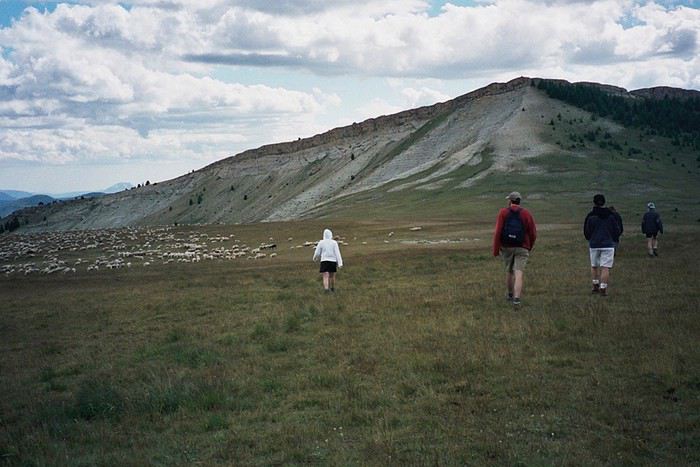
Pour participer : Dépôt des photos jusqu’au mercredi 25 septembre à 23h59 Vous pouvez poster jusqu’à 3 photos, numérotées et postées dans des messages différents. Prenez le temps d'y ajoutez un petit texte qui explique l'histoire de la photo, où elle a été prise, pourquoi elle vous évoque la randonnée, ..... Et si possible, évitez de publier des photos qui vous auriez déjà postées lors d'un des 109 concours précédents.
Pour voter : du jeudi 26 septembre 0h47 au lundi 30 septembre 17h23 Merci d’indiquer le numéro de la photo, le pseudo et le nombre de points attribués. Photo n°1 = 3 pts Photo n°2 = 2 pts Photo n°3 = 1 pt
Tous les membres de VF peuvent voter (même ceux qui n’ont pas déposé de photos). En cas d’égalité de points pour la première position, la photo gagnante sera celle ayant obtenu le plus grand nombre de 1ères places, puis de secondes places ! L’heureux gagnant pourra organiser le concours photo du mois de Septembre.
Ce topic n'est que pour poster des photos participantes au concours! Pour les discussions et les photos hors concours, c'est là : <>
Le diaporama, si une bonne âme pouvait soit le faire pour moi , soit m'expliquer comment on fait. Merci 🙂 Je promets au volontaire de voter pour ses photos (écrit avec doigts croisés dans le dos 😇)
A vos claviers!
Voici (enfin 😊) ouvert le 110e concours photo. J'ai essayé de trouver un thème qui n'avait pas encore été proposé. J'espère avoir réussi 😉
La randonnée est un moyen que j'apprécie particulièrement pour découvrir un endroit. Et je n'ai pas trop le temps de partir en balade ce mois-ci. Alors ce serait top si vous pouviez m'emmener à travers vos photos en randonnée.
Je n'aime pas trop donner des directives. Donc lâchez-vous, laissez aller votre imagination, partagez des photos qui pour vous évoque la randonnée et faites-nous voyager 😎 Petite définition de la randonnée : activité de plein air qui s'effectue à pied, à vélo, à cheval, à ski, .... en suivant un itinéraire, balisé ou non, seul ou en groupe. C'est à la fois un sport et un loisir de découverte et de contemplation.
Une photo qui pour moi évoque la randonnée, prise il y a près de 20 ans, dans les Alpes du Sud, à Peyresq PS: ne pas faire attention à la qualité, j'ai du traficoter la taille pour avoir les 2000 pixels imposés par VF 😕
Pour participer : Dépôt des photos jusqu’au mercredi 25 septembre à 23h59 Vous pouvez poster jusqu’à 3 photos, numérotées et postées dans des messages différents. Prenez le temps d'y ajoutez un petit texte qui explique l'histoire de la photo, où elle a été prise, pourquoi elle vous évoque la randonnée, ..... Et si possible, évitez de publier des photos qui vous auriez déjà postées lors d'un des 109 concours précédents.
Pour voter : du jeudi 26 septembre 0h47 au lundi 30 septembre 17h23 Merci d’indiquer le numéro de la photo, le pseudo et le nombre de points attribués. Photo n°1 = 3 pts Photo n°2 = 2 pts Photo n°3 = 1 pt
Tous les membres de VF peuvent voter (même ceux qui n’ont pas déposé de photos). En cas d’égalité de points pour la première position, la photo gagnante sera celle ayant obtenu le plus grand nombre de 1ères places, puis de secondes places ! L’heureux gagnant pourra organiser le concours photo du mois de Septembre.
Ce topic n'est que pour poster des photos participantes au concours! Pour les discussions et les photos hors concours, c'est là : <>
Le diaporama, si une bonne âme pouvait soit le faire pour moi , soit m'expliquer comment on fait. Merci 🙂 Je promets au volontaire de voter pour ses photos (écrit avec doigts croisés dans le dos 😇)
A vos claviers!
Atelier d'indigo au Vietnam English translation pending
Bonjour a tous,
Nous partons au Vietnam en Janvier (du 2 au 24) et je sais qu'il y a une culture de l'indigo la bas. Comme je pratique la teinture naturelle je suis très intéressée a faire un atelier teinture naturelle ou indigo mais pour le moment mes recherches font chou blanc. Auriez vous des pistes a me fournir?
Merci et belle journée (j’espère pour vous moins pluvieuse qu'ici en Irlande!)
Nous partons au Vietnam en Janvier (du 2 au 24) et je sais qu'il y a une culture de l'indigo la bas. Comme je pratique la teinture naturelle je suis très intéressée a faire un atelier teinture naturelle ou indigo mais pour le moment mes recherches font chou blanc. Auriez vous des pistes a me fournir?
Merci et belle journée (j’espère pour vous moins pluvieuse qu'ici en Irlande!)
Un mois sur Sumatra de Padang à Medan English translation pending
Salut la compagnie !
Petite précision je suis déjà en voyage, le temps m'est compté ! Habitué du voyage "à la rache" sans aucune organisation entre pays ayant des frontières terrestre, je découvre la joie du fameux "billet de continuation" aux aéroports. Il me reste 5 jours pour savoir d'où je repars.
Alors je m'apprête à passer un mois sur Sumatra. Je commence par Padang et je compte remonter tranquille vers Medan.
Ma question : en un mois ce trajet vous semble t'il parfait ? En sachant que j'aime les treks et juste prendre mon temps et louer des scooters et partir à la rencontre des petits villages perdues. Ou alors me conseillez vous de prendre le temps de monter plus au Nord ? Voir Pulau weh ? Et avez-vous d'autres coin sympa dans la region d'Aceh.
Voilà, voilà d'où me conseillez-vous de repartir ?
Petite précision je suis déjà en voyage, le temps m'est compté ! Habitué du voyage "à la rache" sans aucune organisation entre pays ayant des frontières terrestre, je découvre la joie du fameux "billet de continuation" aux aéroports. Il me reste 5 jours pour savoir d'où je repars.
Alors je m'apprête à passer un mois sur Sumatra. Je commence par Padang et je compte remonter tranquille vers Medan.
Ma question : en un mois ce trajet vous semble t'il parfait ? En sachant que j'aime les treks et juste prendre mon temps et louer des scooters et partir à la rencontre des petits villages perdues. Ou alors me conseillez vous de prendre le temps de monter plus au Nord ? Voir Pulau weh ? Et avez-vous d'autres coin sympa dans la region d'Aceh.
Voilà, voilà d'où me conseillez-vous de repartir ?
Préparatifs pour une balade de deux mois à Sumatra English translation pending
Bonjour à vous
Je cherche a affiner quelques infos auprès de vous chers voyageurs intrépides.
Vol Kuala puis Banda Aceh. Un hotel pas trop excentré dans cette ville a me conseillé ?
Pour démarrer tranquille direction Pulau Weh et la grande question Gapang ou Iboih ? Un hébergement qui sort du lot ? Peu être un saut a LhokNga et Lampuuk sans doute plus tranquille.
Puis looong trajet pour Ketambe. Ensuite mes doutes et interrogations commencent :
Quid de Simeulue ?
NIAS est elle simplement un repaire de surfCamp en dollars australiens ? Y a t'il des coins petit budget et sympathiques ?
Les BANYAK ? Difficle d'avoir des infos pratique sur quel coin sont agréables, de bon gout et accessibles ? Le LP parle de Pulau Tailana et Pulau Sikandang plus une autre ile, tuangku avec lodge et Surfcamp et bastas. Avez vous des infos récentes ? Tout le monde a l'air de regretter de pas y avoir été. C'est sur que l'accés est un peu compliqué quand on a pas trop de temps. Ensuite saute montagne pour le lac Toba. mais c'est peu être plus judicieux de faire cette étape avant et de rejoindre Singkil après. Avez vous des adresses inoubliables, incontournables, inavouables sur les pourtours de ce fameux Lac Toba ? (dont j'entends parlé depuis si longtemps). Ensuite cap au sud. Et les classiques mais sans doute formidable vallée d'Harau, Bukittinggi et Danau Maninjau. la encore si vous avez des infos. Grosse interrogation sur les iles Mentawai (double ??). Je peux pas trop faire de long treck avec un genou qui couine rapidement cela vaut t'il le deplacement pour aller suer dans la boue ou est ce vraiment intéressant ? Pour finir un peu de plage autour de Padang et retour. Je suis donc preneur d'adresses, d'avis, de remarques et d'informations sur Sumatra que je ne connais pas et j'en trépigne d'avance. (mon 5e voyage en indonesie, le premier il y a .... bien longtemps).
Postcriptum révérencieux : Je ne peux pas poster un message sur l'Indonésie sans m'incliner chapeau bas devant le triptyque qui nous font réver, nous donne le pouls du pays, de leur avis et remarques, parfois sans appels, mais à lire avec une délectation toujours nouvelle, (calme, tu part dans les aigus mon gars, bouge tranquille) donc hommage a l'archimandrite Mohamma2 aux conseil sur et avisé dont on se demande quel ilot n'a t'il pas exploré, ; a l'indispensable ange Gabriel Lolo des iles, moine copiste de l'Indonésie, valeureux Sasak, toujours prompt a généreusement partager des infos et dont l'image perché sur son bateau vous rassure tout de suite (c'est la clé de quoi autour du cou, ça fait 25 ans que je me le demande ???) et pour finir je ne saurai oublier la sombre figure tutélaire, magnanime, implacable, intrépide au possible, Mr Naps bien sur, le roi des petits moustachu, nabab des 13466 iles. Donc chapeau bas messieurs. Ca doit être un avant gout de la chaleur qui tape sur ma calbasse. Didier
Je cherche a affiner quelques infos auprès de vous chers voyageurs intrépides.
Vol Kuala puis Banda Aceh. Un hotel pas trop excentré dans cette ville a me conseillé ?
Pour démarrer tranquille direction Pulau Weh et la grande question Gapang ou Iboih ? Un hébergement qui sort du lot ? Peu être un saut a LhokNga et Lampuuk sans doute plus tranquille.
Puis looong trajet pour Ketambe. Ensuite mes doutes et interrogations commencent :
Quid de Simeulue ?
NIAS est elle simplement un repaire de surfCamp en dollars australiens ? Y a t'il des coins petit budget et sympathiques ?
Les BANYAK ? Difficle d'avoir des infos pratique sur quel coin sont agréables, de bon gout et accessibles ? Le LP parle de Pulau Tailana et Pulau Sikandang plus une autre ile, tuangku avec lodge et Surfcamp et bastas. Avez vous des infos récentes ? Tout le monde a l'air de regretter de pas y avoir été. C'est sur que l'accés est un peu compliqué quand on a pas trop de temps. Ensuite saute montagne pour le lac Toba. mais c'est peu être plus judicieux de faire cette étape avant et de rejoindre Singkil après. Avez vous des adresses inoubliables, incontournables, inavouables sur les pourtours de ce fameux Lac Toba ? (dont j'entends parlé depuis si longtemps). Ensuite cap au sud. Et les classiques mais sans doute formidable vallée d'Harau, Bukittinggi et Danau Maninjau. la encore si vous avez des infos. Grosse interrogation sur les iles Mentawai (double ??). Je peux pas trop faire de long treck avec un genou qui couine rapidement cela vaut t'il le deplacement pour aller suer dans la boue ou est ce vraiment intéressant ? Pour finir un peu de plage autour de Padang et retour. Je suis donc preneur d'adresses, d'avis, de remarques et d'informations sur Sumatra que je ne connais pas et j'en trépigne d'avance. (mon 5e voyage en indonesie, le premier il y a .... bien longtemps).
Postcriptum révérencieux : Je ne peux pas poster un message sur l'Indonésie sans m'incliner chapeau bas devant le triptyque qui nous font réver, nous donne le pouls du pays, de leur avis et remarques, parfois sans appels, mais à lire avec une délectation toujours nouvelle, (calme, tu part dans les aigus mon gars, bouge tranquille) donc hommage a l'archimandrite Mohamma2 aux conseil sur et avisé dont on se demande quel ilot n'a t'il pas exploré, ; a l'indispensable ange Gabriel Lolo des iles, moine copiste de l'Indonésie, valeureux Sasak, toujours prompt a généreusement partager des infos et dont l'image perché sur son bateau vous rassure tout de suite (c'est la clé de quoi autour du cou, ça fait 25 ans que je me le demande ???) et pour finir je ne saurai oublier la sombre figure tutélaire, magnanime, implacable, intrépide au possible, Mr Naps bien sur, le roi des petits moustachu, nabab des 13466 iles. Donc chapeau bas messieurs. Ca doit être un avant gout de la chaleur qui tape sur ma calbasse. Didier
Circuit 45 jours aux Philippines English translation pending
Bonjour,
Nous prévoyons d'aller pour la première fois aux Philippines du 05 décembre 2019 au 21 janvier 2020. Arrivée et départ de Manille.
Nous avons l'habitude de voyager en Asie sac à dos et chambres d’hôtes.
Nous serions très preneurs de vos idées de circuits pour visiter les bons endroits et les bons plans, avec transferts, bus, ferrys et avion.
Merci d'avance de vos expériences.
Cordialement.
Chris et Ève.
De Bacalar au golfe du Mexique English translation pending
bonjour
pour notre circuit dans le Yucatán que pourriez vous me dire sur la zone entre
Bacalar et le golfe du Mexique ?
quelle route emprunter ? quelle durée de trajet prévoir ? des villes étapes ?
option 1 : passer par Campeche car visiter le site de Calakmul me tente bien ( route 186 ) ou cela fait il trop de chemin et le plus simple et rapide est il de rejoindre Merida par la route 293 (option 2) ?
sur ce centre du Yucatán qu'y a t il à découvrir ?
merci de vos conseils ou propositions
Road trip Yucatan avec enfant de 7 ans en février English translation pending
Bonjour,
Après avoir eu de précieux conseils sur ce site pour notre précédent voyage au Canada, je souhaiterai avoir un ou des avis exterieurs concernant notre premier voyage lointain en famille avec notre fils de 7 ans: ce sera le yucatan en février 2020 durant 15 jours.
Les billets d'avion sont déjà réservés mais l'itinéraire reste a préciser.
Je pense louer une voiture auprès de touracancun.
nous aimerions privilégier les plages, les cenotes et la faune et la flore, les sites maya. Le côté urbain ne nous attire pas trop et nous ne voulons pas faire des trajets trop longs en voiture c la raison pour laquelle nous ne pensons pas aller jusqu'a campeche, uxmal ou merida.
Voici mon ébauche d'itineraire :
Itineraire 1
J1 arrivée a cancun a 18h05 a l'aéroport NUIT a cancun
J2 J4 direction holbox avec un arret cenote pres de valladolid
J5 holbox et trajet jusqu'a rio lagartos en fin de journee(est ce que ca vaut le coup après holbox en février? )
J5 rio lagartos le matin, valladolid et spectacle a chichen itza le soir
J6 chichen itza tôt, route jusqu'à BACALAR
J7j8 bacalar
J9 route jusqu'à TULUM
J10j14 tulum en rayonnant aux alentour (SIAN kaan, AKUMAL, ruines de tulum, coba et pu nta laguna, xcaret)
J 15 isla mujeres et départ a l'aéroport a 00h50
Voici mes interrogations: - vaut il mieux rester 3 nuits a holbox et faire juste 1 excursion a la journée a isla mujeres ou bien dormir le jour de notre arrivée a isla mujeres et y passer 2 nuits et du coup que 2 nuits a holbox? - en arrivant a 18h00 a l'aéroport est il facilement possible de se rendre a isla mujeres le soir même ? - rio lagartos en fevrier ou non? Une autre idée? - des suggestions de choses auxquelles je n'aurai pas pensé?
Je sais que ce sujet a déjà été abordé a de nombreuses reprises mais notre itineraire étant assez différent du tour classique j'ai je pense besoin d'être rassurée, ... Merci par avance pour vos commentaires et les précieux conseils retrouves sur ce site.
Voici mes interrogations: - vaut il mieux rester 3 nuits a holbox et faire juste 1 excursion a la journée a isla mujeres ou bien dormir le jour de notre arrivée a isla mujeres et y passer 2 nuits et du coup que 2 nuits a holbox? - en arrivant a 18h00 a l'aéroport est il facilement possible de se rendre a isla mujeres le soir même ? - rio lagartos en fevrier ou non? Une autre idée? - des suggestions de choses auxquelles je n'aurai pas pensé?
Je sais que ce sujet a déjà été abordé a de nombreuses reprises mais notre itineraire étant assez différent du tour classique j'ai je pense besoin d'être rassurée, ... Merci par avance pour vos commentaires et les précieux conseils retrouves sur ce site.
Trois semaines de Mexico à Cancun English translation pending
Bonjour,
Je sais qu'il y a déjà beaucoup de compte rendu de voyages et de conseils et je m’en suis beaucoup inspiré pour ce circuit, néanmoins, j'ai besoin d'un peu d'aide pour optimiser un voyage à venir au Mexique: 3 semaines en Août et Septembre. Je sais que ce n'est pas la meilleure période mais pas vraiment le choix. Nous sommes en couple, avec sac à dos et nous prévoyons de prendre bus et bus de nuit.
Les problèmes dans le circuit que nous avons concocté pour le moment: - le programme est très chargé donc ça risque d’être la course - on aimerait bien avoir des étapes plages et non attendre les derniers jours pour profiter l'eau.
Une des solutions envisagées seraient de prendre un vol d’Oaxaca vers Merida et donc de ne pas passer à San Cristobal et Palenque. Ceci permettrait de remplacer les 4 jours gagnés par un passage à Progresso et à Hollbox.
Bref j'ai besoin d'aide svp
15-août - vol Paris Mexico Mexico : Arrivée aeroport à 17h00 16-août - Mexico Visite de Mexico 17-août –Mexico TEOTIHUACAN 18-août Depart Mexico pour puebla Matin : bus vers Puebla (2h30) A Puebla Grande Pyramide de Cholula en taxi 19-août - Départ de Puebla pour Oaxaca Matin : bus vers Oaxaca (4h30) Oaxaca : Cathédrale de l'Immaculée-Conception de Puebla Capilla del Rosario Santo Domingo 20-août – Oaxaca Oaxaca : "Mercado 20 de Noviembre Zócalo Oaxaca Basilica of Our Lady of Solitude Andador Turistico Bus vers 23h pour San Cristobal 21-août - San Cristobal Cathedral of San Cristobal Arco del Carmen San Juan Chamula Church Na Bolom 22-août : Départ de San Cristobal pour Palenque Matin : bus vers palenque Après-midi à palenque" 23-août - Palenque Palenque : Cascadas Roberto Barrios 24-août : Palenque et départ pour Merida Circuit zone archéologique + bus de nuit pour Merida 25-août Merida Ballade dans Merida 26-août – Merida Merida Circuit vers Celestum à 1h30 de route 27-août - Merida Merida circuit vers Uxmal à 120 km de Merida 28-août Départ de Merida pour Valladolid Matin : Bus 2h de Marida à Valladolid Après-midi : Visite des sites archéologiques EK BALAM et CHICHEN ITZ" 29-août – Valladolid Circuit vers les Cenote 30-août – Départ de Valladolid pour Tullum Bus 2h de Valladolid à Tullum Journée Plage 31-sept : Tullum Journée plage ou circuit vers Bacallar (Est-ce faisable ?) 01-sept départ de Tullum pour Playa del Carmen Journée à playa del carmen 02-sept - Playa del Carmen journée à playa del carmen 03-sept Départ de Playa del Carmen pour Cancun Matinée Cancun plage Départ avion vers Cancun à 18h
Je sais qu'il y a déjà beaucoup de compte rendu de voyages et de conseils et je m’en suis beaucoup inspiré pour ce circuit, néanmoins, j'ai besoin d'un peu d'aide pour optimiser un voyage à venir au Mexique: 3 semaines en Août et Septembre. Je sais que ce n'est pas la meilleure période mais pas vraiment le choix. Nous sommes en couple, avec sac à dos et nous prévoyons de prendre bus et bus de nuit.
Les problèmes dans le circuit que nous avons concocté pour le moment: - le programme est très chargé donc ça risque d’être la course - on aimerait bien avoir des étapes plages et non attendre les derniers jours pour profiter l'eau.
Une des solutions envisagées seraient de prendre un vol d’Oaxaca vers Merida et donc de ne pas passer à San Cristobal et Palenque. Ceci permettrait de remplacer les 4 jours gagnés par un passage à Progresso et à Hollbox.
Bref j'ai besoin d'aide svp
15-août - vol Paris Mexico Mexico : Arrivée aeroport à 17h00 16-août - Mexico Visite de Mexico 17-août –Mexico TEOTIHUACAN 18-août Depart Mexico pour puebla Matin : bus vers Puebla (2h30) A Puebla Grande Pyramide de Cholula en taxi 19-août - Départ de Puebla pour Oaxaca Matin : bus vers Oaxaca (4h30) Oaxaca : Cathédrale de l'Immaculée-Conception de Puebla Capilla del Rosario Santo Domingo 20-août – Oaxaca Oaxaca : "Mercado 20 de Noviembre Zócalo Oaxaca Basilica of Our Lady of Solitude Andador Turistico Bus vers 23h pour San Cristobal 21-août - San Cristobal Cathedral of San Cristobal Arco del Carmen San Juan Chamula Church Na Bolom 22-août : Départ de San Cristobal pour Palenque Matin : bus vers palenque Après-midi à palenque" 23-août - Palenque Palenque : Cascadas Roberto Barrios 24-août : Palenque et départ pour Merida Circuit zone archéologique + bus de nuit pour Merida 25-août Merida Ballade dans Merida 26-août – Merida Merida Circuit vers Celestum à 1h30 de route 27-août - Merida Merida circuit vers Uxmal à 120 km de Merida 28-août Départ de Merida pour Valladolid Matin : Bus 2h de Marida à Valladolid Après-midi : Visite des sites archéologiques EK BALAM et CHICHEN ITZ" 29-août – Valladolid Circuit vers les Cenote 30-août – Départ de Valladolid pour Tullum Bus 2h de Valladolid à Tullum Journée Plage 31-sept : Tullum Journée plage ou circuit vers Bacallar (Est-ce faisable ?) 01-sept départ de Tullum pour Playa del Carmen Journée à playa del carmen 02-sept - Playa del Carmen journée à playa del carmen 03-sept Départ de Playa del Carmen pour Cancun Matinée Cancun plage Départ avion vers Cancun à 18h
Contact Korne Sakaliou pour rencontre avec les Mentawaï (Sumatra) English translation pending
Bonjour,
Comme mentionné dans le titre, je suis à la recherche d'un guide pour aller rencontre la tribu Mentawaï durant 4 jours, du mardi 30 juillet au samedi 3 août.
J'ai lu pas mal de blogs conseillant Kornelius Sakaliou. Il a l'air très gentil et nous souhaitons en priorité vivre cette expérience avec ce guide. Je l'ai contacté sur facebook (comme il avait été conseillé par un blog), mais il n'a pas l'air de comprendre grand chose à mes messages. Il me répond par des messages tout fait et me dit de l’appeler quand je serai à Padang. Ma seule interrogation est donc de savoir s'il faut "réserver" ce guide par peur qu'une fois à Padang, la veille, il soit déjà occupé avec d'autres groupes de touristes et ne puisse pas nous prendre en charge. Pour ceux ayant déjà eu contact avec lui, comment avez-vous procédé ?
Sinon, je suis ouvert à l'idée d'être pris en charge par d'autres guides, sous réserve que ce ne soit pas des "attrape-touristes" comme il y en a beaucoup d'après ce que j'ai pu lire.
Merci d'avance de vos réponses ! Lancelot.
Comme mentionné dans le titre, je suis à la recherche d'un guide pour aller rencontre la tribu Mentawaï durant 4 jours, du mardi 30 juillet au samedi 3 août.
J'ai lu pas mal de blogs conseillant Kornelius Sakaliou. Il a l'air très gentil et nous souhaitons en priorité vivre cette expérience avec ce guide. Je l'ai contacté sur facebook (comme il avait été conseillé par un blog), mais il n'a pas l'air de comprendre grand chose à mes messages. Il me répond par des messages tout fait et me dit de l’appeler quand je serai à Padang. Ma seule interrogation est donc de savoir s'il faut "réserver" ce guide par peur qu'une fois à Padang, la veille, il soit déjà occupé avec d'autres groupes de touristes et ne puisse pas nous prendre en charge. Pour ceux ayant déjà eu contact avec lui, comment avez-vous procédé ?
Sinon, je suis ouvert à l'idée d'être pris en charge par d'autres guides, sous réserve que ce ne soit pas des "attrape-touristes" comme il y en a beaucoup d'après ce que j'ai pu lire.
Merci d'avance de vos réponses ! Lancelot.
Sumatra: Off the Beaten Path in Asia
Here’s the thing: ever since Sumatra, I’ve become picky.
I don’t want the grey-green of the North Sea anymore. I want turquoise, crystal-clear waters—so clear you can see the coral 10 meters down. You see it, right?
I don’t want those "equatorial greenhouses" you visit politely in well-maintained park alleys. I want wild, humid, buzzing jungle—hostile yet captivating at the same time.
I don’t want wheat that becomes flour that becomes bread that dips into soup. I want jade-green rice terraces rippling in the wind through distant valleys, where you can enjoy a nasi goreng.
I want more! I want coconut trees in sight, fine sand underfoot, smiles in the streets, and the world’s largest volcanic lake with a charming little island inside. Simple, really!
Here’s the 26-day itinerary across this island:
LAKE TOBA: 4 days It’s the story of a volcanic island at the bottom of a lake at the bottom of a volcano. The lake is Toba. The island is Samosir. Time here is for pausing. Time is for savoring lobsters, swimming in calm waters, enjoying the mild climate without the tourist crowds. And when time isn’t for pausing, it’s for wandering at a leisurely pace—walking, canoeing, or scootering. You’ll discover lush jungle landscapes, Batak villages (a Christian ethnic group) with surprising architecture, small inner lakes, and breathtaking views from the summit. Tuk Tuk, the main village on Samosir, offers plenty of charming restaurants and accommodations. But you can also venture into lost villages and find a peaceful haven with locals... and never want to leave. If you want to know more and see all the photos, it’s here: Lake Toba.
BERASTAGI: 2 days We’re in the heart of Sumatra’s volcanoes. Berastagi is the starting point for climbing the smoking, sulfurous mountains nearby. The town itself isn’t interesting, but you’ll find everything you need (markets, lodging, warungs, restaurants...). For the volcanoes, the most accessible is Gunung Sibayak. No guide needed—the hike only takes a few hours (depending on where you start). All accommodations provide clear directions. The summit is only 2,095 meters high. Oh, this volcano isn’t all that impressive. But it’s really nice to feel the earth’s warmth in this lunar, ochre-yellow landscape, through the hissing fumaroles escaping the rocks. The place is stunning on a clear day, or even better if you’re lucky enough to rise above the clouds. Across from it, you’ll see the splendid view of a more turbulent neighboring volcano: Mount Sinabung and its dramas.
The jungle KETAMBE: 4 days
This is the real jungle. Not the Hollywood studio kind or the city zoo version. No: the jungle. Teeming, dense, humid, and noisy. With the help of a specialized guide, we spotted plenty of insects and birds, long-tailed macaques, "Thomas leaf monkeys," and the much-anticipated orangutan... Ketambe is less touristy than Bukit Lawang. The animals are completely wild, not "semi-tame." This part of Gunung Leuser National Park is also harder to access, but the experience remains authentic even as tourism grows. In these times of deforestation advancing like a terrestrial cancer, experiencing the jungle is a unique, moving, essential moment: it’s "For the wild beauty of the last primary forests" (Le Monde, November 13, 2013). Leech socks and a small backpack: you’re ready for a multi-day trek? Off you go for muddy slopes, liters of sweat, hot rivers, endless green... and primates! Sleeping at least one night is a memorable adventure: the sounds of the jungle in total darkness deliver their dose of sensations, chills, and lifelong memories. If you want to know more and see all the photos, it’s here: the Ketambe jungle.
PULAU WEH: 5 days It’s all here: turquoise waters, fishing villages, thrilling scuba diving, lush jungle, coconut trees, warungs, and fresh fish on abandoned beaches with seashells and crustaceans. A small island north of Sumatra (50 minutes by ferry), Pulau Weh is slowly recovering from the 2004 tsunami. For now, the place isn’t overrun by tourists. But the infrastructure is more pleasant than in the rest of Sumatra. You’ll find some charming bungalows right on the water. Rent a scooter, and you can easily find yourself alone on a paradise-like cove for a romantic sunset. For the party scene, uh... it’s pretty quiet! People come here mainly for scuba diving with its colorful corals (though some have bleached) and lively marine life. Snorkeling also reveals beautiful sights. If you’re not here to swim, there’s always lazing on the beach in a hammock, sipping while gazing at the turquoise waves. That’s great too! If you want to know more and see all the photos, it’s here: Pulau Weh.
LAKE MANINJAU: 2 days The mist yawns slowly over the waters at dawn. When it finally lifts, you discover a blue treasure at the bottom of the old volcano’s caldera. In central-west Sumatra, Lake Maninjau is home to the Minang Kabau people. Less touristy than Lake Toba, it still offers equally beautiful landscapes. By scooter, a full day is enough to circle the lake (40 km) through villages, jungle, and rice terraces: it’s very pleasant, especially the southern part where traffic is light. You’ll find bungalows by the water, mainly near the village of Maninjau (yes, same name as the lake). From the crater’s heights, you can admire the whole of Maninjau (the lake!). To get there, you can navigate the 44 hairpin turns (!) by motorized vehicle from Maninjau (the village!) or tackle the path climbing from Bayur to Puncak Lawang, where the view is... top (yes, same name as the village).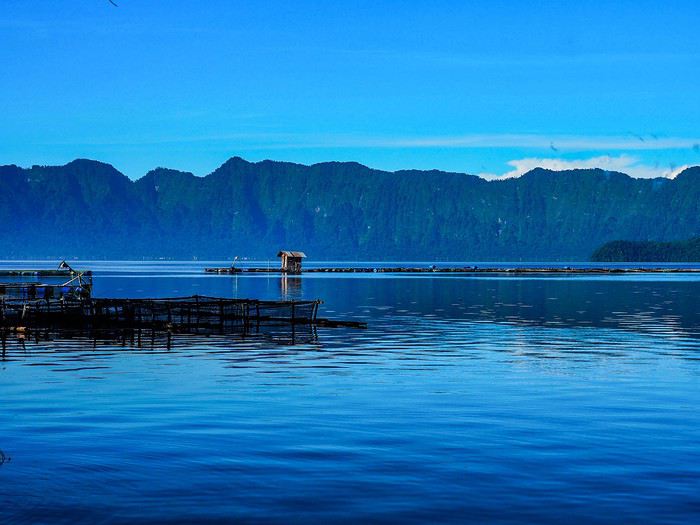
HARAU VALLEY: 3 days Magnificent rice terraces surrounded by towering cliffs and cascading waterfalls. That’s what awaits the adventurer—happy like Ulysses after a long journey to the fertile Harau Valley. It’s peaceful, off the beaten path, and rejuvenating. Few tourists here, and few accommodations. The well-known Abdi Homestay offers quiet bungalows, slightly set back from the main road, in a stunning setting. Again, renting a scooter is a great idea, but here, "happiness is in the fields"—well, the rice terraces. So, park your two wheels and venture along the paths crisscrossing the terraces, following small streams, brushing past villages lost in the valley. If you want to know more and see all the photos, it’s here: Harau Valley.
BEACHES SOUTH of PADANG: 4 days 20 km south of Padang lies Bungus Beach. But that’s not it yet... You’ll need to take a fisherman’s boat for 40 minutes south to land on a peninsula inaccessible by car. That’s the minimum to reach this little paradise, nestled between jungle and sea, far from Padang’s pollution and hustle. An Eden on an isolated beach, with nothing but small bungalows and possible excursions to the nearby islands. The only way to get around: by boat and on foot... Pure bliss, toes in the water. And on the blog "Un tour dans le sac", nothing is spared—especially not the description to make your mouth water (Indian Ocean water, that is): sublime turquoise waters, postcard-perfect coconut trees, lazing in your favorite hammock.
For the practical side, here’s some info:
Sumatra Travel: Itinerary Summary My thoughts Sumatra is a magnificent Indonesian island and still relatively untouched. Tourists mainly flock to Java and Bali. It’s especially suited for nature lovers who’ll appreciate its volcanoes, paradise islands, jungle, and rice terraces. Sumatra is huge: in 3 weeks, we only visited the northern half of the island... And even then, we barely scratched the surface of this stunning part of Sumatra. That said, this itinerary offers an exceptional variety of landscapes: beaches, volcanoes, rice terraces, jungle—the winning combo!
Overall, Sumatra is still lacking in infrastructure, and maybe that’s a good thing: it’s far from Bali’s rampant "hotel urbanization." That said, you’ll have to accept spartan comfort: Sumatra, as beautiful as it is, is only for backpackers, adventurers, and travelers who can do without cozy 3-star hotels. In short, Sumatra is earned, but the effort is well worth it, and the warm welcome from the locals will make you forget the minor travel inconveniences.
A disappointment? The food isn’t as good as Bali’s (check out our article on the subject (link)). The stop in Berastagi is nice but not essential, especially if you’ve already seen Java’s impressive volcanoes.
A favorite? There were so many! But if I had to choose, I’d pick the Ketambe jungle. It was my first experience in a natural environment I didn’t know: a primary forest and memories that’ll last!
Would I do the Sumatra trip again? I regret not going to the Mentawai Islands. This archipelago, off Sumatra’s west coast, has long remained isolated: some inhabitants still live traditionally. These "flower men" live in harmony with nature. Unfortunately, their way of life is threatened by modern influences, and their fragile, unique culture risks disappearing. I would’ve loved to spend time with this incredible ethnic group. But it takes time: a week seems necessary. I would’ve had to skip some stops in our itinerary—maybe the peninsula south of Bungus and Berastagi?
Budget: It’s really cheap, especially the food, which, let’s be honest, isn’t amazing. Backpackers who can settle for spartan comfort (small bungalows without AC or hot water) and local food in warungs can easily get by on 20 € per day for two people (food + lodging). The cost of flights from Europe to Sumatra remains high. For our part, we found great deals on Paris-Hong Kong tickets (350 € round trip). Then you just need to reach Medan by low-cost airline.
No mandatory tipping in restaurants or accommodations. However, it’s more common to tip guides or taxi drivers.
Like many places in Indonesia, everything is negotiable. If you’re new to this, it’s not easy at first... Especially when dealing with a population poorer than us, "rich Westerners." But bargaining is part of the local culture! And you’ll get used to it—it even becomes fun. Plus, you don’t want to be that tourist paying the "tourist price" they’ll likely quote first, right?
To negotiate, be firm, respect your counterpart, smile, stay polite... Clearly show it’s too expensive or that the deal is done (by shaking hands, for example). Typing the numbers on your phone helps communicate the price. Learning a few words in the local language ("It’s too expensive," "How much?") is appreciated! Okay, it’s a rough tip, but here’s a base: dividing the first price by 2 gets you close to a fair negotiation.
Currently, 15,000 Indonesian rupiahs are worth about 1 €.
Accommodation Infrastructure is underdeveloped in Sumatra. You’ll find fewer "charming lodgings" than in Bali. Still, there are some very pleasant places. If you read our Sumatra articles, we recommend Abdi Homestay in Harau Valley and Silimalumbo at Lake Toba. In Pulau Weh, the choice is wider, but we suggest trying the seafood pasta at Bixio Café!
Health We didn’t get sick in Sumatra. By following a few simple rules (avoiding tap water, not swimming in stagnant freshwater), you’ll avoid the main issues. Hygiene is improving anyway. Anti-malaria treatment is still recommended, but cases are rare.
Also, keep in mind that Sumatra has a hot, humid climate—adjust your behavior accordingly (stay hydrated, protect yourself from the sun, etc.).
Here’s the 26-day itinerary across this island:
LAKE TOBA: 4 days It’s the story of a volcanic island at the bottom of a lake at the bottom of a volcano. The lake is Toba. The island is Samosir. Time here is for pausing. Time is for savoring lobsters, swimming in calm waters, enjoying the mild climate without the tourist crowds. And when time isn’t for pausing, it’s for wandering at a leisurely pace—walking, canoeing, or scootering. You’ll discover lush jungle landscapes, Batak villages (a Christian ethnic group) with surprising architecture, small inner lakes, and breathtaking views from the summit. Tuk Tuk, the main village on Samosir, offers plenty of charming restaurants and accommodations. But you can also venture into lost villages and find a peaceful haven with locals... and never want to leave. If you want to know more and see all the photos, it’s here: Lake Toba.
BERASTAGI: 2 days We’re in the heart of Sumatra’s volcanoes. Berastagi is the starting point for climbing the smoking, sulfurous mountains nearby. The town itself isn’t interesting, but you’ll find everything you need (markets, lodging, warungs, restaurants...). For the volcanoes, the most accessible is Gunung Sibayak. No guide needed—the hike only takes a few hours (depending on where you start). All accommodations provide clear directions. The summit is only 2,095 meters high. Oh, this volcano isn’t all that impressive. But it’s really nice to feel the earth’s warmth in this lunar, ochre-yellow landscape, through the hissing fumaroles escaping the rocks. The place is stunning on a clear day, or even better if you’re lucky enough to rise above the clouds. Across from it, you’ll see the splendid view of a more turbulent neighboring volcano: Mount Sinabung and its dramas.
The jungle KETAMBE: 4 days
This is the real jungle. Not the Hollywood studio kind or the city zoo version. No: the jungle. Teeming, dense, humid, and noisy. With the help of a specialized guide, we spotted plenty of insects and birds, long-tailed macaques, "Thomas leaf monkeys," and the much-anticipated orangutan... Ketambe is less touristy than Bukit Lawang. The animals are completely wild, not "semi-tame." This part of Gunung Leuser National Park is also harder to access, but the experience remains authentic even as tourism grows. In these times of deforestation advancing like a terrestrial cancer, experiencing the jungle is a unique, moving, essential moment: it’s "For the wild beauty of the last primary forests" (Le Monde, November 13, 2013). Leech socks and a small backpack: you’re ready for a multi-day trek? Off you go for muddy slopes, liters of sweat, hot rivers, endless green... and primates! Sleeping at least one night is a memorable adventure: the sounds of the jungle in total darkness deliver their dose of sensations, chills, and lifelong memories. If you want to know more and see all the photos, it’s here: the Ketambe jungle.
PULAU WEH: 5 days It’s all here: turquoise waters, fishing villages, thrilling scuba diving, lush jungle, coconut trees, warungs, and fresh fish on abandoned beaches with seashells and crustaceans. A small island north of Sumatra (50 minutes by ferry), Pulau Weh is slowly recovering from the 2004 tsunami. For now, the place isn’t overrun by tourists. But the infrastructure is more pleasant than in the rest of Sumatra. You’ll find some charming bungalows right on the water. Rent a scooter, and you can easily find yourself alone on a paradise-like cove for a romantic sunset. For the party scene, uh... it’s pretty quiet! People come here mainly for scuba diving with its colorful corals (though some have bleached) and lively marine life. Snorkeling also reveals beautiful sights. If you’re not here to swim, there’s always lazing on the beach in a hammock, sipping while gazing at the turquoise waves. That’s great too! If you want to know more and see all the photos, it’s here: Pulau Weh.
LAKE MANINJAU: 2 days The mist yawns slowly over the waters at dawn. When it finally lifts, you discover a blue treasure at the bottom of the old volcano’s caldera. In central-west Sumatra, Lake Maninjau is home to the Minang Kabau people. Less touristy than Lake Toba, it still offers equally beautiful landscapes. By scooter, a full day is enough to circle the lake (40 km) through villages, jungle, and rice terraces: it’s very pleasant, especially the southern part where traffic is light. You’ll find bungalows by the water, mainly near the village of Maninjau (yes, same name as the lake). From the crater’s heights, you can admire the whole of Maninjau (the lake!). To get there, you can navigate the 44 hairpin turns (!) by motorized vehicle from Maninjau (the village!) or tackle the path climbing from Bayur to Puncak Lawang, where the view is... top (yes, same name as the village).
HARAU VALLEY: 3 days Magnificent rice terraces surrounded by towering cliffs and cascading waterfalls. That’s what awaits the adventurer—happy like Ulysses after a long journey to the fertile Harau Valley. It’s peaceful, off the beaten path, and rejuvenating. Few tourists here, and few accommodations. The well-known Abdi Homestay offers quiet bungalows, slightly set back from the main road, in a stunning setting. Again, renting a scooter is a great idea, but here, "happiness is in the fields"—well, the rice terraces. So, park your two wheels and venture along the paths crisscrossing the terraces, following small streams, brushing past villages lost in the valley. If you want to know more and see all the photos, it’s here: Harau Valley.
BEACHES SOUTH of PADANG: 4 days 20 km south of Padang lies Bungus Beach. But that’s not it yet... You’ll need to take a fisherman’s boat for 40 minutes south to land on a peninsula inaccessible by car. That’s the minimum to reach this little paradise, nestled between jungle and sea, far from Padang’s pollution and hustle. An Eden on an isolated beach, with nothing but small bungalows and possible excursions to the nearby islands. The only way to get around: by boat and on foot... Pure bliss, toes in the water. And on the blog "Un tour dans le sac", nothing is spared—especially not the description to make your mouth water (Indian Ocean water, that is): sublime turquoise waters, postcard-perfect coconut trees, lazing in your favorite hammock.
For the practical side, here’s some info:
Sumatra Travel: Itinerary Summary My thoughts Sumatra is a magnificent Indonesian island and still relatively untouched. Tourists mainly flock to Java and Bali. It’s especially suited for nature lovers who’ll appreciate its volcanoes, paradise islands, jungle, and rice terraces. Sumatra is huge: in 3 weeks, we only visited the northern half of the island... And even then, we barely scratched the surface of this stunning part of Sumatra. That said, this itinerary offers an exceptional variety of landscapes: beaches, volcanoes, rice terraces, jungle—the winning combo!
Overall, Sumatra is still lacking in infrastructure, and maybe that’s a good thing: it’s far from Bali’s rampant "hotel urbanization." That said, you’ll have to accept spartan comfort: Sumatra, as beautiful as it is, is only for backpackers, adventurers, and travelers who can do without cozy 3-star hotels. In short, Sumatra is earned, but the effort is well worth it, and the warm welcome from the locals will make you forget the minor travel inconveniences.
A disappointment? The food isn’t as good as Bali’s (check out our article on the subject (link)). The stop in Berastagi is nice but not essential, especially if you’ve already seen Java’s impressive volcanoes.
A favorite? There were so many! But if I had to choose, I’d pick the Ketambe jungle. It was my first experience in a natural environment I didn’t know: a primary forest and memories that’ll last!
Would I do the Sumatra trip again? I regret not going to the Mentawai Islands. This archipelago, off Sumatra’s west coast, has long remained isolated: some inhabitants still live traditionally. These "flower men" live in harmony with nature. Unfortunately, their way of life is threatened by modern influences, and their fragile, unique culture risks disappearing. I would’ve loved to spend time with this incredible ethnic group. But it takes time: a week seems necessary. I would’ve had to skip some stops in our itinerary—maybe the peninsula south of Bungus and Berastagi?
Budget: It’s really cheap, especially the food, which, let’s be honest, isn’t amazing. Backpackers who can settle for spartan comfort (small bungalows without AC or hot water) and local food in warungs can easily get by on 20 € per day for two people (food + lodging). The cost of flights from Europe to Sumatra remains high. For our part, we found great deals on Paris-Hong Kong tickets (350 € round trip). Then you just need to reach Medan by low-cost airline.
No mandatory tipping in restaurants or accommodations. However, it’s more common to tip guides or taxi drivers.
Like many places in Indonesia, everything is negotiable. If you’re new to this, it’s not easy at first... Especially when dealing with a population poorer than us, "rich Westerners." But bargaining is part of the local culture! And you’ll get used to it—it even becomes fun. Plus, you don’t want to be that tourist paying the "tourist price" they’ll likely quote first, right?
To negotiate, be firm, respect your counterpart, smile, stay polite... Clearly show it’s too expensive or that the deal is done (by shaking hands, for example). Typing the numbers on your phone helps communicate the price. Learning a few words in the local language ("It’s too expensive," "How much?") is appreciated! Okay, it’s a rough tip, but here’s a base: dividing the first price by 2 gets you close to a fair negotiation.
Currently, 15,000 Indonesian rupiahs are worth about 1 €.
Accommodation Infrastructure is underdeveloped in Sumatra. You’ll find fewer "charming lodgings" than in Bali. Still, there are some very pleasant places. If you read our Sumatra articles, we recommend Abdi Homestay in Harau Valley and Silimalumbo at Lake Toba. In Pulau Weh, the choice is wider, but we suggest trying the seafood pasta at Bixio Café!
Health We didn’t get sick in Sumatra. By following a few simple rules (avoiding tap water, not swimming in stagnant freshwater), you’ll avoid the main issues. Hygiene is improving anyway. Anti-malaria treatment is still recommended, but cases are rare.
Also, keep in mind that Sumatra has a hot, humid climate—adjust your behavior accordingly (stay hydrated, protect yourself from the sun, etc.).
Road trip débutant au Yucatan avec enfants et détour par Calakmul ou pas? English translation pending
Bonjour à tous,
ca y est nous nous lançons !!! Tous vos retour d'expérience et autres blogs magnifiques nous ont convaincu. Le Yucatan semble fait pour nous pour un premier voyage loin et en itinérant avec nos jumeaux de 10 ans. Nous partons donc pour 15 jours en février prochain (du 7 février au 22 avec un couple d'amis et leurs enfants (9 et 7 ans).
Notre première interrogation est la suivante : n'est ce pas un peu risqué, vu notre inexpérience de voyageurs et avec des enfants de choisir l'option via Calakmul / Campêche ? trop rythmé et stressant pour rejoindre chaque lieu, risque de maladie pour les enfants.
Même si on parle un peu espagnol on n'est pas les plus débrouillards qui soit (premier road trip vraiment chouette l'année dernière au Maroc et ces prochaines vacances de printemps en Andalousie) mais on s'est un peu fait "conduire" par d'autres amis.
Nos envies sont plutôt classiques : un peu de visites (plutôt maya / nature que ville) entrecoupées d'un moment baignade dans la journée.
Du coup en question alternative qu'on se pose :
Si on ne fait pas Calakmul est ce que Punta laguna peut nous donner un petit peu de l'effet jungle, ou l'un des sites maya à côté de Bacalar ? Est ce qu'Hollbox est vraiment le bon choix farniente / plage idéal pour la fin de parcours avec enfants ? J'ai lu que la qualité des plages n'était pas si extra, voire même que le snorkeling n'avait pas d'intérêt. Au temps dire que ca me fait hésiter avec les enfants. Pensez vous qu'il vaudrait mieux qu'on revienne sur Isla Mujeres (malgré le monde) voire Cozumel ?
Voici les 2 options qu'on envisage :
Option longue via Calakmul / Campêche :
Tulum / Akumal : 3 nuits et 2 jours, du samedi / dimanche au mercredi matin.
samedi (avion qui arrivera le matin ou le soir) : farniente / plage / cenote
dimanche : cénote / plage / ruines de Tulum au choix
lundi: journée Sian kaan (avec barrière de corail) / avec Martine ou Secretoo
mardi : matinée à punta laguna (famille maya + singes). Après midi trajet Bacalar : 2H00
Bacalar : 2 nuits et 2 jours : mardi soir au jeudi après midi.
mercredi : journée bateau lagune
jeudi : matinée lagune, rapides de Bacalar puis 2H00 de trajet Vers Xpujil / Conhuas (chauve souris à 17H00)
Conhuas / Xpujil : 2 nuits et 1 jour : jeudi soir samedi matin
vendredi : journée calakmul (3H00 de route). Visite biosphère avec guide possible ?
Campeche : 1 nuit et 1 jour :samedi après midi au dimanche matin.
samedi : trajet vers Campeche le matin (3H15) et après midi promenade dans la ville. Lieu de baignade sur la route ?
Uxmal : 2 nuits et 2 jours : dimanche midi au mardi matin
dimanche matin : trajet vers Uxmal / Santa Elena (2H00. Repas Hacienda Hochil puis après midi cénote. Peut être le son et lumière d'Uxmal le soir si existe encore
lundi : site d’Uxmal puis musée choco (éventuellement) et cénote l'après midi.
mardi matin : trajet matin vers Chichen Itza (2H00), visite du site et Cénote puis trajet Chiquila (2H30) puis bateau pour HollBox. Trop long ? prévoir une nuitée sur le trajet ? Alternative avec repas à Izamal et visite Chichen itza le soir et dodo Valldolid.
HollBox : 3/4 nuits et 3 jours :mercredi au samedi
mercredi : farniente, visite de l’île voiturette (après trajet éventuel)
jeudi : sortie bateau
vendredi farniente
samedi matin : aéroport.
Option courte :
Tulum / Akumal : 4 nuits et 3 jours , du samedi / dimanche au mercredi matin.
samedi : farniente / plage / cenote
dimanche : journée sian kaan (avec barrière de corail) / avec Martine ou Secretoo
lundi : matinée à punta laguna (famille maya + singes). Après midi au choix : plage / cénote / coba / site archéo Tulum,
mardi : plage à Akumal avec les tortues ou parc de loisir (Xel ha par ex ou rio secreto) si sargasses sur la plage. Autre option site archéo Tulum.
Trajet bacalar mercredi matin : 2H00.
Bacalar : 3 nuits et 3 jours : mercredi après midi au samedi midi.
mercredi après midi : farniente lagune,
jeudi : journée bateau lagune
vendredi matin petit site maya et après midi lagune
samedi matin trajet Uxmal : 4H15
Uxmal : 2 nuits et 2 jours : samedi après midi au mardi
samedi après midi : cénote, repos (soir si son et lumière d’uxmal existe encore)
dimanche : site d’Uxmal puis musée choco. Repas Hacienda Hochil puis cénote l’après midi
lundi : matin cénote X’Batum puis trajet vers Izamal, visite et repas. Visite Chichen Itza en fin d’après midi. Nuit à Valladolid
Valladolid : 1 nuit :
mardi : trajet vers Chiquila, bateau pour Hollbox
HollBox : 4 nuits et 3 jours :mardi au samedi
mardi après midi : repos
mercredi : farniente, visite de l’île voiturette,
jeudi : sortie bateau
vendredi farniente
samedi matin : aéroport.
Vraiment désolé de ce gros pavé, j'avais envie de vous partager nos premières réflexions et j'espère que vous aurez de bons conseils pour nous aider.
Merci d'avance pour vos retours.
ca y est nous nous lançons !!! Tous vos retour d'expérience et autres blogs magnifiques nous ont convaincu. Le Yucatan semble fait pour nous pour un premier voyage loin et en itinérant avec nos jumeaux de 10 ans. Nous partons donc pour 15 jours en février prochain (du 7 février au 22 avec un couple d'amis et leurs enfants (9 et 7 ans).
Notre première interrogation est la suivante : n'est ce pas un peu risqué, vu notre inexpérience de voyageurs et avec des enfants de choisir l'option via Calakmul / Campêche ? trop rythmé et stressant pour rejoindre chaque lieu, risque de maladie pour les enfants.
Même si on parle un peu espagnol on n'est pas les plus débrouillards qui soit (premier road trip vraiment chouette l'année dernière au Maroc et ces prochaines vacances de printemps en Andalousie) mais on s'est un peu fait "conduire" par d'autres amis.
Nos envies sont plutôt classiques : un peu de visites (plutôt maya / nature que ville) entrecoupées d'un moment baignade dans la journée.
Du coup en question alternative qu'on se pose :
Si on ne fait pas Calakmul est ce que Punta laguna peut nous donner un petit peu de l'effet jungle, ou l'un des sites maya à côté de Bacalar ? Est ce qu'Hollbox est vraiment le bon choix farniente / plage idéal pour la fin de parcours avec enfants ? J'ai lu que la qualité des plages n'était pas si extra, voire même que le snorkeling n'avait pas d'intérêt. Au temps dire que ca me fait hésiter avec les enfants. Pensez vous qu'il vaudrait mieux qu'on revienne sur Isla Mujeres (malgré le monde) voire Cozumel ?
Voici les 2 options qu'on envisage :
Option longue via Calakmul / Campêche :
Tulum / Akumal : 3 nuits et 2 jours, du samedi / dimanche au mercredi matin.
samedi (avion qui arrivera le matin ou le soir) : farniente / plage / cenote
dimanche : cénote / plage / ruines de Tulum au choix
lundi: journée Sian kaan (avec barrière de corail) / avec Martine ou Secretoo
mardi : matinée à punta laguna (famille maya + singes). Après midi trajet Bacalar : 2H00
Bacalar : 2 nuits et 2 jours : mardi soir au jeudi après midi.
mercredi : journée bateau lagune
jeudi : matinée lagune, rapides de Bacalar puis 2H00 de trajet Vers Xpujil / Conhuas (chauve souris à 17H00)
Conhuas / Xpujil : 2 nuits et 1 jour : jeudi soir samedi matin
vendredi : journée calakmul (3H00 de route). Visite biosphère avec guide possible ?
Campeche : 1 nuit et 1 jour :samedi après midi au dimanche matin.
samedi : trajet vers Campeche le matin (3H15) et après midi promenade dans la ville. Lieu de baignade sur la route ?
Uxmal : 2 nuits et 2 jours : dimanche midi au mardi matin
dimanche matin : trajet vers Uxmal / Santa Elena (2H00. Repas Hacienda Hochil puis après midi cénote. Peut être le son et lumière d'Uxmal le soir si existe encore
lundi : site d’Uxmal puis musée choco (éventuellement) et cénote l'après midi.
mardi matin : trajet matin vers Chichen Itza (2H00), visite du site et Cénote puis trajet Chiquila (2H30) puis bateau pour HollBox. Trop long ? prévoir une nuitée sur le trajet ? Alternative avec repas à Izamal et visite Chichen itza le soir et dodo Valldolid.
HollBox : 3/4 nuits et 3 jours :mercredi au samedi
mercredi : farniente, visite de l’île voiturette (après trajet éventuel)
jeudi : sortie bateau
vendredi farniente
samedi matin : aéroport.
Option courte :
Tulum / Akumal : 4 nuits et 3 jours , du samedi / dimanche au mercredi matin.
samedi : farniente / plage / cenote
dimanche : journée sian kaan (avec barrière de corail) / avec Martine ou Secretoo
lundi : matinée à punta laguna (famille maya + singes). Après midi au choix : plage / cénote / coba / site archéo Tulum,
mardi : plage à Akumal avec les tortues ou parc de loisir (Xel ha par ex ou rio secreto) si sargasses sur la plage. Autre option site archéo Tulum.
Trajet bacalar mercredi matin : 2H00.
Bacalar : 3 nuits et 3 jours : mercredi après midi au samedi midi.
mercredi après midi : farniente lagune,
jeudi : journée bateau lagune
vendredi matin petit site maya et après midi lagune
samedi matin trajet Uxmal : 4H15
Uxmal : 2 nuits et 2 jours : samedi après midi au mardi
samedi après midi : cénote, repos (soir si son et lumière d’uxmal existe encore)
dimanche : site d’Uxmal puis musée choco. Repas Hacienda Hochil puis cénote l’après midi
lundi : matin cénote X’Batum puis trajet vers Izamal, visite et repas. Visite Chichen Itza en fin d’après midi. Nuit à Valladolid
Valladolid : 1 nuit :
mardi : trajet vers Chiquila, bateau pour Hollbox
HollBox : 4 nuits et 3 jours :mardi au samedi
mardi après midi : repos
mercredi : farniente, visite de l’île voiturette,
jeudi : sortie bateau
vendredi farniente
samedi matin : aéroport.
Vraiment désolé de ce gros pavé, j'avais envie de vous partager nos premières réflexions et j'espère que vous aurez de bons conseils pour nous aider.
Merci d'avance pour vos retours.
Récit de 4 semaines aux Philippines en mode routard (février 2019) English translation pending
Vol “Cathay Pacific” Roissy 20h15 - Cebu 18h55(+1J) via Hong Kong ( escale 1h)
1ere partie :Les Visayas
J1 Arrivée Cebu à 19h
J2 Ferry Cebu - Bohol (Tagbilaran) 8h30 ou 10h30 durée 2h
J3, J4 Bohol (Tagbilaran)
Visites en scotter :Chocolate Hills (à Carmen), Tarsiers (à Corela), papillons (à Bilar)
Les tarsiers sont endormis et visibles grace aux guides, les papillons c'est nul..
Visite de Panglao : plages Alona Beach et ses nombreuses bangkas J5 Rejoignons Baclayon puis bangka pour Pamilacan island (durée 1h). J6, J7 Pamilacan island Sortie en bangka sur son spot de dauphins, plages,
snorkelling sur le sanctuaire et devant l’hotel : beaux coraux, tortue le dimanche combats de coqs au village. ile très agréable, un de nos coups de coeur
J8 Retour en Bangka à Baclayon, puis rejoignons le port de Tagbilaran (tricycle) et ferry pour Larena (tous les jours à 10h20, durée 1h45) et van de l’hotel pour finir : arrivée au Kiwi beach resort vers 10h30 J9,10,11 Siquijor island Découverte de l’ile en scooter : la petite ville de Lazi, les cascades de Cambugahay, la plage de Salangdong payante (sans interet), les belles plages de San Juan avec ses cocotiers.. Snorkelling au sanctuaire de Tulapias : difficile mais magnifique banc de barracudas (guide obligeatoire); un top!!
un soir invitation à partager un repas pour anniversaire d’un défunt. J12 Transfert pour relier Apo Island : van depuis l’hotel vers le port à 4h45 ferry Larena-Dumaguete à 6h durée 1h (un seul ferry par jour) ; puis tricycle pour rejoindre Malatapay (en face Apo) et bangka pour Apo vers 9h (durée 1h30) J13,14,15 Apo island balade à pied, snorkelling : tortues et beaux fonds marins. Un top pour le snorkelling J16 Bangka pour retour à Malatapay, tricycle pour Dumaguette, puis bus/ferry pour TanAwan : Cie Ceres : Dumaguette –Tan Awan : 14h15 – 16h30 Tan Awan, à une dizaine de kms au sud d’Oslob J17 Tan Awan (Oslob) Sortie en bangka pour voir les fameux requins-baleine tôt le matin (6h) . En fait, ns avions pris un hotel à la descente du bus; il se trouve être juste devant le spot des requins baleines L'apres midi: Visite des cascades en tricycle : Aguinid et Binalayan en tricycle et motos Le lendemain matin Visite de Tumalog falls >70m J18 Retour en bus à Cebu : départ 9h TanAwan – Cebu. (bus ttes les 1/2h) De Cebu, nous avions réservé un vol pour Palawan.
Fin de la premiere partie
Visite de Panglao : plages Alona Beach et ses nombreuses bangkas J5 Rejoignons Baclayon puis bangka pour Pamilacan island (durée 1h). J6, J7 Pamilacan island Sortie en bangka sur son spot de dauphins, plages,
snorkelling sur le sanctuaire et devant l’hotel : beaux coraux, tortue le dimanche combats de coqs au village. ile très agréable, un de nos coups de coeur
J8 Retour en Bangka à Baclayon, puis rejoignons le port de Tagbilaran (tricycle) et ferry pour Larena (tous les jours à 10h20, durée 1h45) et van de l’hotel pour finir : arrivée au Kiwi beach resort vers 10h30 J9,10,11 Siquijor island Découverte de l’ile en scooter : la petite ville de Lazi, les cascades de Cambugahay, la plage de Salangdong payante (sans interet), les belles plages de San Juan avec ses cocotiers.. Snorkelling au sanctuaire de Tulapias : difficile mais magnifique banc de barracudas (guide obligeatoire); un top!!
un soir invitation à partager un repas pour anniversaire d’un défunt. J12 Transfert pour relier Apo Island : van depuis l’hotel vers le port à 4h45 ferry Larena-Dumaguete à 6h durée 1h (un seul ferry par jour) ; puis tricycle pour rejoindre Malatapay (en face Apo) et bangka pour Apo vers 9h (durée 1h30) J13,14,15 Apo island balade à pied, snorkelling : tortues et beaux fonds marins. Un top pour le snorkelling J16 Bangka pour retour à Malatapay, tricycle pour Dumaguette, puis bus/ferry pour TanAwan : Cie Ceres : Dumaguette –Tan Awan : 14h15 – 16h30 Tan Awan, à une dizaine de kms au sud d’Oslob J17 Tan Awan (Oslob) Sortie en bangka pour voir les fameux requins-baleine tôt le matin (6h) . En fait, ns avions pris un hotel à la descente du bus; il se trouve être juste devant le spot des requins baleines L'apres midi: Visite des cascades en tricycle : Aguinid et Binalayan en tricycle et motos Le lendemain matin Visite de Tumalog falls >70m J18 Retour en bus à Cebu : départ 9h TanAwan – Cebu. (bus ttes les 1/2h) De Cebu, nous avions réservé un vol pour Palawan.
Fin de la premiere partie
Our Trip to the Philippines (February 2019)
Hello everyone,
We (3 adults: 68, 65, and 25 years old) are just back from a short trip to the Philippines, and I’d like to share a little summary of our journey. First of all, I’d like to thank everyone who contributes to this forum about this destination and answers the questions of those who aren’t familiar with it. I should also mention that my comments are personal and don’t reflect anyone else’s opinions. Since I don’t have any literary or photographic talent, I’ll stick to the facts and share a few details about the sights, hotels, and restaurants.
Preparations: We chose this destination in December and quickly booked our flight tickets (540 € with Turkish Airlines) for a departure on February 16 and return on March 5, 2019. We then contacted two French-speaking tour operators based in Manila, asking them to put together an itinerary based on our wishes (places to visit, type of accommodation) and our budget. We wanted to see the rice terraces in northern Luzon, the hanging coffins in Sagada, before flying to the Visayas (Bohol, Siquijor, etc.), and the Taal Volcano, while limiting our nights in Manila as much as possible. In the end, we opted for Alize, whose itinerary and quote matched our request almost perfectly. Our exchanges helped us refine our circuit.
International flights: The round-trip flights went smoothly. Turkish Airlines, while not at the level of Asian or Gulf airlines, does the job just fine.
Day 1: We landed on time (6:15 PM) on Monday, February 16, at Terminal 3. We exchanged our euros (near the car rental counters), and I can confirm the exchange rate was very good. On the way to the St. Giles Hotel (decent and affordable for a transit night), we got our first glimpse of Manila’s dense traffic. The Makati district, where our hotel was located, offers a wide choice of restaurants, so we grabbed a quick bite to recover from the trip.
Day 2: This day was dedicated to transferring to Banaue. Fortunately, we had a comfortable van and an excellent driver for this journey, which took all day (8 to 9 hours with stops). We got a taste of driving in the Philippines—and it’s terrifying. You wouldn’t want to drive on these roads. The first thing that struck us was the relatively good condition of the roads and the cleanliness (a change from other Southeast Asian countries). This impression lasted throughout our trip. Around 6 PM, we checked into our room at the Banaue Hotel (large, charm-free, but with a beautiful view of the rice terraces).
Day 3: With the help of a local guide, we took a jeepney to Batad. And then—wow! The rice terraces form an amphitheater overlooking the small village. Under the sun, it’s simply spectacular and breathtaking! Even though we’re familiar with rice terraces (Sapa, Bali, Thailand, etc.), we were dazzled by so much beauty. We spent the day walking along the terrace walls. This place is timeless and fully deserves its UNESCO World Heritage status. However, we returned to the hotel exhausted (due to our ages and lack of exercise). We had dinner with our driver at the Las Vegas restaurant in the center of Banaue. The meal was decent, cheap, and the Filipino owner played the guitar to accompany our dinner.
Day 4: Today, our driver took us to Sagada. The mountain road offered spectacular landscapes (about 1.5 to 2 hours). Along the way, we stopped in Bontoc to visit the small but interesting anthropological museum. It features old photos and various objects from the Ifugao tribes, as well as a reconstruction of primitive dwellings. We then went on a short hike in Sagada with a very friendly local guide who explained the region’s funeral rites. The walk started at the communal cemetery before reaching “Echo Valley,” where we saw the first coffins hanging on the cliff. We continued to the “Underground River” and a small waterfall, ending our journey in the “Lumiang Cave” burial cave. All in all, this day was very interesting. On the way back, we made a few photo stops. In the evening, on our driver’s recommendation, we ate at the “Bistro,” a French enclave in the center of Banaue (good pizza, roasted quail, homemade fries).
Day 5: Today was a transfer day. To limit fatigue and nights in Manila, our tour operator arranged a flight from Clark to Tagbilaran (Bohol), saving us 2 to 3 hours of driving. But to catch our flight, we had to leave very early: 5:30 AM. Our kind driver dropped us off on time at the airport. To use it, we had to pay a 150 PHP tax per person. The Philippine Airlines flight (15 minutes) left early and was far from full. Upon arrival, we were taken to the Loboc River Hotel, on the banks of the river of the same name. A very charming lodge lost in a tropical garden. We stayed in a stilt cottage overlooking the river. We relaxed a bit in the lovely pool. This place is really great—the staff is charming, and the food is excellent for a reasonable price.
Day 6: This day was dedicated to exploring Bohol. The program was classic, starting with the tarsier sanctuary. We saw a few specimens in a small garden, each pointed out by a staff member. It was both good and disappointing because the animals were in pseudo-freedom in a small enclosure. Then we went to the “Chocolate Hills” and climbed 240 steps to admire the panoramic view of the hills—but by 10 AM, it was crowded. On the way back, we stopped at the butterfly garden, which was uninteresting: tiny, with few butterflies. We consoled ourselves by photographing beautiful flowers. To please our teen, we stopped at the Loboc Eco Tourism Adventure Park and crossed the river lying down, suspended from a steel cable (300 PHP). Finally, we had the traditional lunch-cruise on the Loboc River. It was a factory-like experience, and the meal was unremarkable. The only good thing was the singer on each boat and the lush vegetation. Afterward, we visited colonial churches and the cathedral, remnants of the Spanish presence, before returning to the hotel for a well-deserved dip in the pool. Note that for those interested, there’s an arena near the hotel where cockfights are held every Sunday—something Filipinos are passionate (if not obsessed) about.
Day 8: Very early departure for the port. We boarded a *banca* in search of dolphins. After about an hour of sailing, we were lucky enough to spot around a hundred dolphins. Our boat then headed to the small and charming island of Pamilacan. After a walk through the little village, we came across locals traditionally building a boat. They told us it takes about a month to finish their outrigger boat. Then we had to choose our snorkeling spot between the coral garden, the fish park, and the turtle enclosure. Note that a fee is charged for each spot: 150 PHP per place and per person. It felt a bit like we were being ripped off, especially since the spots weren’t amazing—we’d see much better on Apo for much less. We had lunch on the island at one of the many small eateries (350 PHP per person).
Days 9 and 10: On our return, we were taken to the Bohol Sea Resort on Panglao Island, where we stayed for 2 nights. It’s a small, recent establishment in a quiet corner of the island. It’s relaxing—maybe a bit too much. It has a nice pool and access to Danao Beach, but the view is blocked by a flotilla of boats. We didn’t try their diving school. The meals were good. If we had to do it again, we’d skip this stop to spend more time in Negros.
Days 11 and 12: We took a fast ferry (Ocean Jet) from Tagbilaran port to Dumaguete and were taken to the Thalatta Resort, about 20 km away near Zamboanguita. We stayed there for 2 nights. Let’s just say it was our favorite. It’s a small place facing Apo Island. The rooms are simple, and the pool, nestled in a magnificent tropical garden, is fantastic. The staff is friendly, and the meals are very good. The hotel has its own diving center (snorkeling gear provided) and its own boats. We booked the Apo Island excursion: 1,350 PHP per person, including lunch. It was incredible: magnificent corals, colorful fish, and turtles of all sizes. The crew was endlessly kind and didn’t hesitate to dive to guide us to the best spots. In short, a perfect day. This site is ranked among the top 5 diving spots in the Philippines. Since we were lucky enough to be there on a Wednesday morning, we explored the surprising Malapay Market, a 10-minute walk from our hotel. You’ll find numerous stalls selling vegetables, fruits, live or dried fish, and handicrafts. Enclosures are set up for selling livestock (calves, zebu, pigs). There are also restaurants. We were lucky to see two pigs roasted traditionally on a spit. There are few Europeans, and the people are warm. A great moment. We left this beautiful place with regret because we didn’t have time to visit the island or go swimming with whale sharks.
Days 12 to 15: From Dumaguete port, we took a short crossing (1 hour with Ocean Jet) to Siquijor Island to reach the Coco Grove Beach Resort. A beautiful hotel nestled in a spacious tropical garden. Several restaurants and bars, 4 pools. Despite the size of the place, it remains intimate. You can snorkel (corals and fish) right in front of the beautiful beach. We stayed in a very pleasant duplex suite. For those interested, there’s a spa and a diving center. You can also take the Apo Island excursion (offered at 1,950 PHP). We spent our days relaxing between the pool and the beach. In the evening, the sunsets over Negros and Apo were stunning. We booked an island tour with a comfortable tricycle from the hotel (1,500 PHP). The circuit was classic and allowed us to go around the island. We discovered beaches, the famous 400-year-old ficus tree with its enormous roots, and its equally famous foot bath with its cleaning fish. Then we visited the St. Isidore Convent before heading to the Cambugahay waterfalls and their four pools. The setting is idyllic, and the water is surprisingly good—we had a lot of fun swimming. We had dinner at a restaurant overlooking the island, where you can see Apo, Cebu, and Negros. In the end, Siquijor turned out to be a real little tropical paradise. Since the hotel restaurants were expensive, we dined at nearby establishments: Fuego (clean, good—excellent raw fish—and quiet), Chekesch (louder), and the very pleasant Baha Bar, which brews its own beer and offers more refined cuisine.
Days 15 to 16: We left at dawn to return to Dumaguete and its airport by ferry. We had breakfast at the Coco Grande Hotel, an annex of the previous one. The Philippine Airlines flight went smoothly. A driver took us to the town of Taal. We stayed at Paradores Del Castillo, right in the heart of the old town. It’s a charming old house with only 6 rooms. The various rooms are decorated with antiques—a real little museum. The garden is pleasant and opens onto the town. It’s an old early 19th-century house converted into a hotel, beautifully arranged with 6 rooms in the heart of the city. The restaurant in the garden is very pleasant and offers a panoramic view. We visited an old Spanish house before heading to the beautiful Basilica of St. Martin of Tours, one of the most beautiful religious buildings in the Philippines. A mass was in progress, allowing us to gauge the Filipinos’ fervor before we could visit. When we left, it was dark, and we could admire the illuminated building. We ended our evening by exploring the night market with its many fruit and skewer stalls. A nice surprise. In the morning, we were taken to the shores of Taal Lake, an ancient caldera where a second volcano has formed in the middle of the lake, which in turn contains another lake. We boarded a *banca* to reach the island in the middle of the lake. This was followed by an uphill walk, made difficult by the high temperature (36°C) and the dust on the path. The dust was worsened by the many horses carrying (or bringing back) the less courageous. To illustrate the difficulty of the climb, the trail is marked by the Stations of the Cross and its 14 stations. We were panting while our guide trotted far ahead. Our effort was rewarded when we reached the summit and its viewpoints over the inner lake and the surroundings. The wisps of smoke seen here and there confirmed we were on an active volcano. Inside the lake, there are supposedly 45 small volcanoes, one of which emerged during its last eruption in 1911. On the way back, we had lunch by the lake before returning to Manila and the Bayleaf Hotel, whose main merit is its location in the Intramuros district. In the late afternoon, we walked along the walls of the old city. We had dinner on the hotel’s panoramic terrace overlooking the city and the bay.
Day 17: Last day! Our tour operator joined us for a tour of the Intramuros district. He enriched the visit with comments on the history, geopolitics, and economy of the Philippines. We visited the Manila Cathedral, destroyed 7 times in the past (6 earthquakes and the 1945 bombing). It’s beautiful, and its stained glass is magnificent. We couldn’t enter the San Agustin Church, the oldest Catholic building in Manila. We passed by the memorial to the Battle of Manila, which claimed over 100,000 lives. We visited the area around Casa Manila, which was closed on Monday, and had a drink at Barbara’s cabaret, located in a historic house. A very enriching morning. Then we went to the Mall of Asia, the world’s largest shopping mall, to buy some souvenirs (Kultura store) before being taken to the airport. We exchanged our last pesos at the buying rate right after check-in. The return flight went smoothly. We regretted not being able to use the facilities of Istanbul’s new airport, as its opening was delayed by another month.
Finances: In the end, we spent 1,640 € for the international flights, 4,200 € for the stay (hotels, visits, various transports) with the agency (whose professionalism we can only praise), and about 700 € for meals, tips, and souvenirs.
Summary: Luckily, we had beautiful weather throughout our stay, with temperatures between 26 and 35°C. Discovering the Philippines was a wonderful experience. The diversity of the landscapes, the kindness of the Filipinos, the cleanliness, and the truly delicious fruits (especially pineapples and mangoes). We were never harassed, unlike in many touristy countries. On the other hand, the food, though generally cheap, wasn’t exceptional. Since this country is so vast, we might return in the near future.
Though I’m not a specialist on this destination, I’m happy to answer your questions based on my experience.
We (3 adults: 68, 65, and 25 years old) are just back from a short trip to the Philippines, and I’d like to share a little summary of our journey. First of all, I’d like to thank everyone who contributes to this forum about this destination and answers the questions of those who aren’t familiar with it. I should also mention that my comments are personal and don’t reflect anyone else’s opinions. Since I don’t have any literary or photographic talent, I’ll stick to the facts and share a few details about the sights, hotels, and restaurants.
Preparations: We chose this destination in December and quickly booked our flight tickets (540 € with Turkish Airlines) for a departure on February 16 and return on March 5, 2019. We then contacted two French-speaking tour operators based in Manila, asking them to put together an itinerary based on our wishes (places to visit, type of accommodation) and our budget. We wanted to see the rice terraces in northern Luzon, the hanging coffins in Sagada, before flying to the Visayas (Bohol, Siquijor, etc.), and the Taal Volcano, while limiting our nights in Manila as much as possible. In the end, we opted for Alize, whose itinerary and quote matched our request almost perfectly. Our exchanges helped us refine our circuit.
International flights: The round-trip flights went smoothly. Turkish Airlines, while not at the level of Asian or Gulf airlines, does the job just fine.
Day 1: We landed on time (6:15 PM) on Monday, February 16, at Terminal 3. We exchanged our euros (near the car rental counters), and I can confirm the exchange rate was very good. On the way to the St. Giles Hotel (decent and affordable for a transit night), we got our first glimpse of Manila’s dense traffic. The Makati district, where our hotel was located, offers a wide choice of restaurants, so we grabbed a quick bite to recover from the trip.
Day 2: This day was dedicated to transferring to Banaue. Fortunately, we had a comfortable van and an excellent driver for this journey, which took all day (8 to 9 hours with stops). We got a taste of driving in the Philippines—and it’s terrifying. You wouldn’t want to drive on these roads. The first thing that struck us was the relatively good condition of the roads and the cleanliness (a change from other Southeast Asian countries). This impression lasted throughout our trip. Around 6 PM, we checked into our room at the Banaue Hotel (large, charm-free, but with a beautiful view of the rice terraces).
Day 3: With the help of a local guide, we took a jeepney to Batad. And then—wow! The rice terraces form an amphitheater overlooking the small village. Under the sun, it’s simply spectacular and breathtaking! Even though we’re familiar with rice terraces (Sapa, Bali, Thailand, etc.), we were dazzled by so much beauty. We spent the day walking along the terrace walls. This place is timeless and fully deserves its UNESCO World Heritage status. However, we returned to the hotel exhausted (due to our ages and lack of exercise). We had dinner with our driver at the Las Vegas restaurant in the center of Banaue. The meal was decent, cheap, and the Filipino owner played the guitar to accompany our dinner.
Day 4: Today, our driver took us to Sagada. The mountain road offered spectacular landscapes (about 1.5 to 2 hours). Along the way, we stopped in Bontoc to visit the small but interesting anthropological museum. It features old photos and various objects from the Ifugao tribes, as well as a reconstruction of primitive dwellings. We then went on a short hike in Sagada with a very friendly local guide who explained the region’s funeral rites. The walk started at the communal cemetery before reaching “Echo Valley,” where we saw the first coffins hanging on the cliff. We continued to the “Underground River” and a small waterfall, ending our journey in the “Lumiang Cave” burial cave. All in all, this day was very interesting. On the way back, we made a few photo stops. In the evening, on our driver’s recommendation, we ate at the “Bistro,” a French enclave in the center of Banaue (good pizza, roasted quail, homemade fries).
Day 5: Today was a transfer day. To limit fatigue and nights in Manila, our tour operator arranged a flight from Clark to Tagbilaran (Bohol), saving us 2 to 3 hours of driving. But to catch our flight, we had to leave very early: 5:30 AM. Our kind driver dropped us off on time at the airport. To use it, we had to pay a 150 PHP tax per person. The Philippine Airlines flight (15 minutes) left early and was far from full. Upon arrival, we were taken to the Loboc River Hotel, on the banks of the river of the same name. A very charming lodge lost in a tropical garden. We stayed in a stilt cottage overlooking the river. We relaxed a bit in the lovely pool. This place is really great—the staff is charming, and the food is excellent for a reasonable price.
Day 6: This day was dedicated to exploring Bohol. The program was classic, starting with the tarsier sanctuary. We saw a few specimens in a small garden, each pointed out by a staff member. It was both good and disappointing because the animals were in pseudo-freedom in a small enclosure. Then we went to the “Chocolate Hills” and climbed 240 steps to admire the panoramic view of the hills—but by 10 AM, it was crowded. On the way back, we stopped at the butterfly garden, which was uninteresting: tiny, with few butterflies. We consoled ourselves by photographing beautiful flowers. To please our teen, we stopped at the Loboc Eco Tourism Adventure Park and crossed the river lying down, suspended from a steel cable (300 PHP). Finally, we had the traditional lunch-cruise on the Loboc River. It was a factory-like experience, and the meal was unremarkable. The only good thing was the singer on each boat and the lush vegetation. Afterward, we visited colonial churches and the cathedral, remnants of the Spanish presence, before returning to the hotel for a well-deserved dip in the pool. Note that for those interested, there’s an arena near the hotel where cockfights are held every Sunday—something Filipinos are passionate (if not obsessed) about.
Day 8: Very early departure for the port. We boarded a *banca* in search of dolphins. After about an hour of sailing, we were lucky enough to spot around a hundred dolphins. Our boat then headed to the small and charming island of Pamilacan. After a walk through the little village, we came across locals traditionally building a boat. They told us it takes about a month to finish their outrigger boat. Then we had to choose our snorkeling spot between the coral garden, the fish park, and the turtle enclosure. Note that a fee is charged for each spot: 150 PHP per place and per person. It felt a bit like we were being ripped off, especially since the spots weren’t amazing—we’d see much better on Apo for much less. We had lunch on the island at one of the many small eateries (350 PHP per person).
Days 9 and 10: On our return, we were taken to the Bohol Sea Resort on Panglao Island, where we stayed for 2 nights. It’s a small, recent establishment in a quiet corner of the island. It’s relaxing—maybe a bit too much. It has a nice pool and access to Danao Beach, but the view is blocked by a flotilla of boats. We didn’t try their diving school. The meals were good. If we had to do it again, we’d skip this stop to spend more time in Negros.
Days 11 and 12: We took a fast ferry (Ocean Jet) from Tagbilaran port to Dumaguete and were taken to the Thalatta Resort, about 20 km away near Zamboanguita. We stayed there for 2 nights. Let’s just say it was our favorite. It’s a small place facing Apo Island. The rooms are simple, and the pool, nestled in a magnificent tropical garden, is fantastic. The staff is friendly, and the meals are very good. The hotel has its own diving center (snorkeling gear provided) and its own boats. We booked the Apo Island excursion: 1,350 PHP per person, including lunch. It was incredible: magnificent corals, colorful fish, and turtles of all sizes. The crew was endlessly kind and didn’t hesitate to dive to guide us to the best spots. In short, a perfect day. This site is ranked among the top 5 diving spots in the Philippines. Since we were lucky enough to be there on a Wednesday morning, we explored the surprising Malapay Market, a 10-minute walk from our hotel. You’ll find numerous stalls selling vegetables, fruits, live or dried fish, and handicrafts. Enclosures are set up for selling livestock (calves, zebu, pigs). There are also restaurants. We were lucky to see two pigs roasted traditionally on a spit. There are few Europeans, and the people are warm. A great moment. We left this beautiful place with regret because we didn’t have time to visit the island or go swimming with whale sharks.
Days 12 to 15: From Dumaguete port, we took a short crossing (1 hour with Ocean Jet) to Siquijor Island to reach the Coco Grove Beach Resort. A beautiful hotel nestled in a spacious tropical garden. Several restaurants and bars, 4 pools. Despite the size of the place, it remains intimate. You can snorkel (corals and fish) right in front of the beautiful beach. We stayed in a very pleasant duplex suite. For those interested, there’s a spa and a diving center. You can also take the Apo Island excursion (offered at 1,950 PHP). We spent our days relaxing between the pool and the beach. In the evening, the sunsets over Negros and Apo were stunning. We booked an island tour with a comfortable tricycle from the hotel (1,500 PHP). The circuit was classic and allowed us to go around the island. We discovered beaches, the famous 400-year-old ficus tree with its enormous roots, and its equally famous foot bath with its cleaning fish. Then we visited the St. Isidore Convent before heading to the Cambugahay waterfalls and their four pools. The setting is idyllic, and the water is surprisingly good—we had a lot of fun swimming. We had dinner at a restaurant overlooking the island, where you can see Apo, Cebu, and Negros. In the end, Siquijor turned out to be a real little tropical paradise. Since the hotel restaurants were expensive, we dined at nearby establishments: Fuego (clean, good—excellent raw fish—and quiet), Chekesch (louder), and the very pleasant Baha Bar, which brews its own beer and offers more refined cuisine.
Days 15 to 16: We left at dawn to return to Dumaguete and its airport by ferry. We had breakfast at the Coco Grande Hotel, an annex of the previous one. The Philippine Airlines flight went smoothly. A driver took us to the town of Taal. We stayed at Paradores Del Castillo, right in the heart of the old town. It’s a charming old house with only 6 rooms. The various rooms are decorated with antiques—a real little museum. The garden is pleasant and opens onto the town. It’s an old early 19th-century house converted into a hotel, beautifully arranged with 6 rooms in the heart of the city. The restaurant in the garden is very pleasant and offers a panoramic view. We visited an old Spanish house before heading to the beautiful Basilica of St. Martin of Tours, one of the most beautiful religious buildings in the Philippines. A mass was in progress, allowing us to gauge the Filipinos’ fervor before we could visit. When we left, it was dark, and we could admire the illuminated building. We ended our evening by exploring the night market with its many fruit and skewer stalls. A nice surprise. In the morning, we were taken to the shores of Taal Lake, an ancient caldera where a second volcano has formed in the middle of the lake, which in turn contains another lake. We boarded a *banca* to reach the island in the middle of the lake. This was followed by an uphill walk, made difficult by the high temperature (36°C) and the dust on the path. The dust was worsened by the many horses carrying (or bringing back) the less courageous. To illustrate the difficulty of the climb, the trail is marked by the Stations of the Cross and its 14 stations. We were panting while our guide trotted far ahead. Our effort was rewarded when we reached the summit and its viewpoints over the inner lake and the surroundings. The wisps of smoke seen here and there confirmed we were on an active volcano. Inside the lake, there are supposedly 45 small volcanoes, one of which emerged during its last eruption in 1911. On the way back, we had lunch by the lake before returning to Manila and the Bayleaf Hotel, whose main merit is its location in the Intramuros district. In the late afternoon, we walked along the walls of the old city. We had dinner on the hotel’s panoramic terrace overlooking the city and the bay.
Day 17: Last day! Our tour operator joined us for a tour of the Intramuros district. He enriched the visit with comments on the history, geopolitics, and economy of the Philippines. We visited the Manila Cathedral, destroyed 7 times in the past (6 earthquakes and the 1945 bombing). It’s beautiful, and its stained glass is magnificent. We couldn’t enter the San Agustin Church, the oldest Catholic building in Manila. We passed by the memorial to the Battle of Manila, which claimed over 100,000 lives. We visited the area around Casa Manila, which was closed on Monday, and had a drink at Barbara’s cabaret, located in a historic house. A very enriching morning. Then we went to the Mall of Asia, the world’s largest shopping mall, to buy some souvenirs (Kultura store) before being taken to the airport. We exchanged our last pesos at the buying rate right after check-in. The return flight went smoothly. We regretted not being able to use the facilities of Istanbul’s new airport, as its opening was delayed by another month.
Finances: In the end, we spent 1,640 € for the international flights, 4,200 € for the stay (hotels, visits, various transports) with the agency (whose professionalism we can only praise), and about 700 € for meals, tips, and souvenirs.
Summary: Luckily, we had beautiful weather throughout our stay, with temperatures between 26 and 35°C. Discovering the Philippines was a wonderful experience. The diversity of the landscapes, the kindness of the Filipinos, the cleanliness, and the truly delicious fruits (especially pineapples and mangoes). We were never harassed, unlike in many touristy countries. On the other hand, the food, though generally cheap, wasn’t exceptional. Since this country is so vast, we might return in the near future.
Though I’m not a specialist on this destination, I’m happy to answer your questions based on my experience.
Programme de 7 semaines aux Philippines English translation pending
Bonjour à tous...
Je m’adresse à la “communauté” de Forum Voyage pour un peu d’aide ... J’AI PRIS LA DÉCISION EN DERNIÈRE MINUTE de m’envoler pour les Philipines.
Je vais réalisé un voyage de 7 semaines du 15 avril au 30 mai 2019.
J’y vais en SOLO... et ne disposerais pas de voiture (je ne conduis pas). C’est un voyage-découverte...
JE VOUDRAIS QUELQUES CONSEILS SUR LE PROGRAMME ... DES CONSEILS BASÉS SUR VOS EXPÉRIENCES.
J’ai 7 semaines. Je parle très bien anglais. Je ne veux pas aller trop vite. Je veux profiter de mon “IMMERSION” dans une autre culture, profiter de la nature, des paysages, voir des animaux, randonnées, photos. Je ne vais pas faire de plongée ... peut-être un peu de snorkelling (mais c’est pas sûr car je me remets d’un poignet cassé). ==> JE ME POSE DES QUESTIONS SUR LA SÉCURITÉ en solo ... J’ai voyagé dans différents pays mais je ne connais pas du tout la situation spécifique aux Philipines. QUELLES ÎLES SERAIENT RELATIVEMENT “SÛRES” ? ==> QUELLES ÎLES ME CONSEILLERIEZ-VOUS D’INCLURE sur un séjour de 7 semaines ... sans courir ? Je ne me rends pas compte de ce que je peux réaliser sur cette durée.
Je suis un peu bousculé dans ma prise d’informations. Je vais essayer de lire au maximum le forum à la recherche d’idées et de conseils. 🙂
Est-il facile de trouver à se loger ? Je voudrais ne pas mettre cher dans mes logements... Trouve t-on facilement des hoStels (auberges) ? :-)
Merci à tous pour votre aide...
Jean
Je m’adresse à la “communauté” de Forum Voyage pour un peu d’aide ... J’AI PRIS LA DÉCISION EN DERNIÈRE MINUTE de m’envoler pour les Philipines.
Je vais réalisé un voyage de 7 semaines du 15 avril au 30 mai 2019.
J’y vais en SOLO... et ne disposerais pas de voiture (je ne conduis pas). C’est un voyage-découverte...
JE VOUDRAIS QUELQUES CONSEILS SUR LE PROGRAMME ... DES CONSEILS BASÉS SUR VOS EXPÉRIENCES.
J’ai 7 semaines. Je parle très bien anglais. Je ne veux pas aller trop vite. Je veux profiter de mon “IMMERSION” dans une autre culture, profiter de la nature, des paysages, voir des animaux, randonnées, photos. Je ne vais pas faire de plongée ... peut-être un peu de snorkelling (mais c’est pas sûr car je me remets d’un poignet cassé). ==> JE ME POSE DES QUESTIONS SUR LA SÉCURITÉ en solo ... J’ai voyagé dans différents pays mais je ne connais pas du tout la situation spécifique aux Philipines. QUELLES ÎLES SERAIENT RELATIVEMENT “SÛRES” ? ==> QUELLES ÎLES ME CONSEILLERIEZ-VOUS D’INCLURE sur un séjour de 7 semaines ... sans courir ? Je ne me rends pas compte de ce que je peux réaliser sur cette durée.
Je suis un peu bousculé dans ma prise d’informations. Je vais essayer de lire au maximum le forum à la recherche d’idées et de conseils. 🙂
Est-il facile de trouver à se loger ? Je voudrais ne pas mettre cher dans mes logements... Trouve t-on facilement des hoStels (auberges) ? :-)
Merci à tous pour votre aide...
Jean
Mon itinéraire de 3 semaines des rizières à Moalboal avec mon fils de 7 ans English translation pending
Bonjour après avoir parcouru les forums à la recherche d informations pour préparer mon voyage aux Philippines seule avec mon fils âge de 7 ans je fais part à mon tour de mon itinéraire et les coups de cœur afin d aider d autres personnes qui peuvent se poser les mêmes questions que moi. Il est très facile de voyager aux Philippines, si les transports prennent certes du temps ils sont très bien reliés et « fluides ». Arrivée à Manille, j ai choisi le quartier de ermita malate afin de pouvoir être immergé dans le Manille « authentique » et me déplacer facilement à pied. Solliciter des trycicles dans une capitale où on ne maîtrise pas les distances est difficile et prendre le jeepney relève selon moi de l impossible à Manille. Le quartier permet de sillonner les rues, le bord de mer, intra-muros sans intérêt selon moi , rizal parc et parcourir aux heures les plus chaudes le centre commercial Robinson. Pour me rendre à Banaue j avais réservé en ligne avec la coda lines ( wc dans le bus important avec un enfant), et prévu une couverture, du grignotage et à boire. Départ à 21 heures arrivée à 4h30 où le propriétaire de l hôtel nous attendait à Banaue alors que je ne l avais pas informé de mon heure d arrivée! 1 nuit à Banaue qui nous a enchanté car cette première étape est reposante, une belle promenade dans la ville au milieu des rizières ( prendre le chemin des écoliers ) qui mène jusqu au centre de la ville. J avais réservé un hôtel dans la ville afin d être proche de toutes les commodites. Petit tour avec le trycicle via l offisme de tourisme aux différents points de vue et visite du musée ethnologique qui a vraiment plu à mon fils et présente par la propriétaire qui se fait un plaisir de répondre à toutes les questions. Sillonner le centre ville parmis les habitants est un réel plaisir, acheter des fruits au marché, s asseoir sur les gradins pour regarder les jeunes jouer au basket, boire un verre à la bakery du coin qui réunit tous les écoliers, prendre le pont suspendu plusieurs fois pour se faire peur... départ pour 2 nuits à Batad ( 700 pesos en tricycle ) sous la pluie. Après 1 heure 30 de tricycle, nous sommes déposés au début d un sentier plutôt correct et prêt pour une bonne demie heure de marche. Je m arrête la... si quelqu un est intéressé je serais ravie de continuer ou répondre à des questions.
Retour de 30 jours aux Philippines English translation pending
nous venons de rentrer ravis de notre périple.
voici notre itinéraire
arrivée à Manille
vol pour Bohol ( 3 jours)
3 jours à Pamilican ( 1h de bateau de Bohol)
3jours à Siquijor
bateau pour Cebu city ( via Bohol) et avion pour Puerto Princessa
1jour à P Princessa
transfert en van à El nido
2 jours à El Nido
bateau pour Coron
4 jours à Coron
avion pour Manille et bus de nuit pour Sagada
2 jours à Sagada
3 jours à Banaue
retour à Manille
2 jours à Manille
à Bohol nous avons loué un scooter les 3 jours (prix 450php/j) et avons parcouru l'ile. visites traditionnnelles, je suppose, chocolate hills, le tarsier sanctuary, panglao avec la plage de dumaluan; nous avons volontairement zappé alona beach, trop de monde!la campagne est belle, les routes en bon état, nous logions à Baclayon
à Pamilican ; toute petite ile d'1,5 km; 3 jours sympas, snorkelling intéressant , petits villages, endroit très cool
siquijor nous avons beaucoup aimé cette ile; loué un scooter les 3 jours, fait le tour del'ile. Il y a des spots de snorkelling magnifiques Luzi beach club, tubod sanctuary nous dormions à Larena flora's dive TB
palawan puerto princessa front de mer chouette, surtout le soir, très animé nous avons dormi à Dad's bayview resort bien, pas cher
el nido nous savions qu'il y avait beaucoup de monde , donc seulement 2 jours 1excursion avec skipper charter ( nous avons cassé la tirelire, mais nous n'étions que 8 et nous avons vu quelques sites sans personne! (secret lagoon ) les sites sont beaux mais il ya du monde! loué un scooter 1 jour pour aller à Nacpan beach ( très peu de monde et belle plage) le matin et cabans beach en fin d'après midi dormi à Rodriguez lodge , bien et pas cher pour el nido!
coron 1 excursion avec calamiese expedition ( recommandé par lonely planet )TB nous étions 12!très beaux coraux à siete pecados location scooter 2 jours : camcam beach belle plage mais eau peu profonde Karun beach à l'est de coron, en face de siete pecados dormi a Sunz en coron TB
luzon sagada village très agréable (à1400m altitude) botoc (à 45mn en jeepney) beau musée rizières de maligcong ( 7km de bontoc , accessible en jeepney) possibilité de traverser les rizières , bel endroit banaue excursion 1 journée à batad belle rando de 5h super excursion aux rizières de hapao et sources chaudes TB point de vue sur les rizières de banaue dormi à randy's brookside inn , très basique, mais hyper sympa
manille 1er jour visite intramuros, fort santiago, musée des peuples philippins TB 2eme jour visite cimetière chinois et promenade le long de manilla bay dormi a heroes hotel TB
si vous avez besoin d'infos, n’hésitez pas et contactez moi! nous rentrons très contents de notre voyage et surtout de notre rencontre avec les philippins qui sont charmants, ouverts, curieux et toujours souriants!
à Bohol nous avons loué un scooter les 3 jours (prix 450php/j) et avons parcouru l'ile. visites traditionnnelles, je suppose, chocolate hills, le tarsier sanctuary, panglao avec la plage de dumaluan; nous avons volontairement zappé alona beach, trop de monde!la campagne est belle, les routes en bon état, nous logions à Baclayon
à Pamilican ; toute petite ile d'1,5 km; 3 jours sympas, snorkelling intéressant , petits villages, endroit très cool
siquijor nous avons beaucoup aimé cette ile; loué un scooter les 3 jours, fait le tour del'ile. Il y a des spots de snorkelling magnifiques Luzi beach club, tubod sanctuary nous dormions à Larena flora's dive TB
palawan puerto princessa front de mer chouette, surtout le soir, très animé nous avons dormi à Dad's bayview resort bien, pas cher
el nido nous savions qu'il y avait beaucoup de monde , donc seulement 2 jours 1excursion avec skipper charter ( nous avons cassé la tirelire, mais nous n'étions que 8 et nous avons vu quelques sites sans personne! (secret lagoon ) les sites sont beaux mais il ya du monde! loué un scooter 1 jour pour aller à Nacpan beach ( très peu de monde et belle plage) le matin et cabans beach en fin d'après midi dormi à Rodriguez lodge , bien et pas cher pour el nido!
coron 1 excursion avec calamiese expedition ( recommandé par lonely planet )TB nous étions 12!très beaux coraux à siete pecados location scooter 2 jours : camcam beach belle plage mais eau peu profonde Karun beach à l'est de coron, en face de siete pecados dormi a Sunz en coron TB
luzon sagada village très agréable (à1400m altitude) botoc (à 45mn en jeepney) beau musée rizières de maligcong ( 7km de bontoc , accessible en jeepney) possibilité de traverser les rizières , bel endroit banaue excursion 1 journée à batad belle rando de 5h super excursion aux rizières de hapao et sources chaudes TB point de vue sur les rizières de banaue dormi à randy's brookside inn , très basique, mais hyper sympa
manille 1er jour visite intramuros, fort santiago, musée des peuples philippins TB 2eme jour visite cimetière chinois et promenade le long de manilla bay dormi a heroes hotel TB
si vous avez besoin d'infos, n’hésitez pas et contactez moi! nous rentrons très contents de notre voyage et surtout de notre rencontre avec les philippins qui sont charmants, ouverts, curieux et toujours souriants!
Banaue - Sagada - Vigan
Hi fellow travelers,
I’ll be in Manila on March 9th and plan to head to Banaue on the evening of the 12th with Coda for a 3-day trek. After that, I’d like to go to Sagada and then continue to Vigan.
From what I’ve read, most people go to Sagada first with Coda and then return to Banaue, but I’d prefer to do Banaue-Sagada and then head to Vigan.
I haven’t seen this kind of itinerary on the forum. Does anyone have recommendations on how to do it by bus?
Your suggestions/tips would be much appreciated.
Thanks.
I’ll be in Manila on March 9th and plan to head to Banaue on the evening of the 12th with Coda for a 3-day trek. After that, I’d like to go to Sagada and then continue to Vigan.
From what I’ve read, most people go to Sagada first with Coda and then return to Banaue, but I’d prefer to do Banaue-Sagada and then head to Vigan.
I haven’t seen this kind of itinerary on the forum. Does anyone have recommendations on how to do it by bus?
Your suggestions/tips would be much appreciated.
Thanks.
Deux semaines dans le Yucatan en août English translation pending
Bonjour à tous !
Nous partons au mois d'Août au Mexique et plus particulièrement dans le Yucatan. A ce stade nous avons les vols, les hôtels et les locations de voitures.
Aucune excursion n'a été réservé pour le moment.
Sil n'y avait qu'une seule chose à voir/faire pour chaque étape ce serait quoi ? Nous avons les conseils de notre agence de voyage mais des yeux extérieurs sont toujours bienvenus !!
Belle soirée et nous vous tiendrons au courant !!!
CANCUN Mardi 6 et mercredi 7 août CANCUN VALLADOLID Mercredi 7 août Mercredi 7 août VALLADOLID Du mercredi 7 au vendredi 9 août VALLADOLID TIXKOKOB Vendredi 9 août TIXKOKOB Du vendredi 9 au dimanche 11 août TIXKOKOB UXMAL Dimanche 11 août UXMAL Dimanche 11 et lundi 12 août UXMAL CAMPECHE Lundi 12 août CAMPECHE Du lundi 12 au mercredi 14 août CAMPECHE CALAKMUL Mercredi 14 août CALAKMUL Mercredi 14 et jeudi 15 août CALAKMUL BACALAR Jeudi 15 août BACALAR Jeudi 15 et vendredi 16 août BACALAR AKUMAL Vendredi 16 août AKUMAL Du vendredi 16 au mardi 20 août AKUMAL CANCUN Mardi 20 août CANCUN PARIS Mardi 20 et mercredi 21 août
Nous partons au mois d'Août au Mexique et plus particulièrement dans le Yucatan. A ce stade nous avons les vols, les hôtels et les locations de voitures.
Aucune excursion n'a été réservé pour le moment.
Sil n'y avait qu'une seule chose à voir/faire pour chaque étape ce serait quoi ? Nous avons les conseils de notre agence de voyage mais des yeux extérieurs sont toujours bienvenus !!
Belle soirée et nous vous tiendrons au courant !!!
CANCUN Mardi 6 et mercredi 7 août CANCUN VALLADOLID Mercredi 7 août Mercredi 7 août VALLADOLID Du mercredi 7 au vendredi 9 août VALLADOLID TIXKOKOB Vendredi 9 août TIXKOKOB Du vendredi 9 au dimanche 11 août TIXKOKOB UXMAL Dimanche 11 août UXMAL Dimanche 11 et lundi 12 août UXMAL CAMPECHE Lundi 12 août CAMPECHE Du lundi 12 au mercredi 14 août CAMPECHE CALAKMUL Mercredi 14 août CALAKMUL Mercredi 14 et jeudi 15 août CALAKMUL BACALAR Jeudi 15 août BACALAR Jeudi 15 et vendredi 16 août BACALAR AKUMAL Vendredi 16 août AKUMAL Du vendredi 16 au mardi 20 août AKUMAL CANCUN Mardi 20 août CANCUN PARIS Mardi 20 et mercredi 21 août
Idées de trek et rizières aux Philippines autres que le "classique"? English translation pending
Bonjour
Nous partons en couple aux PHILIPPINES et allons passer trois jours en fin de séjour dans le nord, l'idée étant de terminer par un peu de trekking et des rizières, ainsi qu'un peu de culture.
Il nous semble à la lecture de blogs et forums que le trek Banaue/Cambulo/Pula est le "classique", emprunté par bcp de touristes avev ou sans guides. Nous avons une expérience de Trek en Birmanie où nous avions eu la même sensation du trek Inle Lake à une autre ville qui était emprunté par tt le monde et avait par conséquent perdu tte son authenticité (villageois avaient modifié leur mode de vie pour plaire aux touristes et les accorder en homestay). Finalement nous avions, après une après midi de galère, trouvé un guide qui acceptait de nous amener en trek dans un petit village que nous avions repéré sur un blog, une fois. Personne n'y allait, c'était vraiment une route et des rencontres hors du temps et n est bien contents de l'avoir fait.
Mais pour les Philippines, j'ai du mal à voir quelle serait la meilleure alternative au Trek classique, en trois jours.
J'ai repéré les endroits suivants et il aurait été super d'avoir des avis :
- Mayoyao: feasible from Banaue in foot, is the trekking nice on the way? Or shall we hike around mayoyao(and take a tricycle from Banaue?)
- maligcong : mêmes questions..
- Kiangan
Si vous avez d'autres idées ou des commentaires sur le Trek cambulo pula, je suis preneuse aussi..
Merci beaucoup
Nous partons en couple aux PHILIPPINES et allons passer trois jours en fin de séjour dans le nord, l'idée étant de terminer par un peu de trekking et des rizières, ainsi qu'un peu de culture.
Il nous semble à la lecture de blogs et forums que le trek Banaue/Cambulo/Pula est le "classique", emprunté par bcp de touristes avev ou sans guides. Nous avons une expérience de Trek en Birmanie où nous avions eu la même sensation du trek Inle Lake à une autre ville qui était emprunté par tt le monde et avait par conséquent perdu tte son authenticité (villageois avaient modifié leur mode de vie pour plaire aux touristes et les accorder en homestay). Finalement nous avions, après une après midi de galère, trouvé un guide qui acceptait de nous amener en trek dans un petit village que nous avions repéré sur un blog, une fois. Personne n'y allait, c'était vraiment une route et des rencontres hors du temps et n est bien contents de l'avoir fait.
Mais pour les Philippines, j'ai du mal à voir quelle serait la meilleure alternative au Trek classique, en trois jours.
J'ai repéré les endroits suivants et il aurait été super d'avoir des avis :
- Mayoyao: feasible from Banaue in foot, is the trekking nice on the way? Or shall we hike around mayoyao(and take a tricycle from Banaue?)
- maligcong : mêmes questions..
- Kiangan
Si vous avez d'autres idées ou des commentaires sur le Trek cambulo pula, je suis preneuse aussi..
Merci beaucoup