Bonjour,
Nous sommes un couple de retraités de 74 et 75 ans (en forme) et nous projetons un voyage en Chine du sud-ouest pour octobre ou novembre 2018.
1°) Le Yunnan
Nous passerons d'abord par une agence pour un circuit d'environ une semaine : Kunming - Dali - Lijiang - Shangrila - Kunming
Puis par nos propres moyens "sac au dos" et pour un circuit d'environ 10 jours.
- la forêt de pierre de Shilin
- les terres rouges de Lexiagou
- Jianshui
- les rizières en terrasse de Yuanyang
2°) Le Guizhou (pour environ 2 semaines, nous n'avons pas terminé d'étudier exactement le circuit).
Nous cherchons un ou deux couples pour voyager avec nous, soit pour la totalité du voyage, soit pour une partie et surtout pour la partie circuit avec l'agence afin de partager les frais.
Nos dates sont flexibles sur octobre ou novembre 2018 qui nous semble une bonne période pour la région.
Bien cordialement
Michelle et Roland
bonjour,
nous envisageons pour janvier et février prochain de v oyager au yunan et sischuan, bon pour l'instant nous en sommes au début de nos recherches, n'avons pas encore acheté de guide car nous ne sommes pas encore surs, le peu que nous ayons lu nous fait penser qu'il est un peu galère de voyager en indépendant (donc sans guide) si quelqu'un a l'expérience de ce voyage , merci beaucoup de vos conseils
bonne journée josy
nous envisageons pour janvier et février prochain de v oyager au yunan et sischuan, bon pour l'instant nous en sommes au début de nos recherches, n'avons pas encore acheté de guide car nous ne sommes pas encore surs, le peu que nous ayons lu nous fait penser qu'il est un peu galère de voyager en indépendant (donc sans guide) si quelqu'un a l'expérience de ce voyage , merci beaucoup de vos conseils
bonne journée josy
Bonjour,
mon 4ème voyage en Chine... Cette fois, je n'ai que 12 jours à Pâques, contraintes de vacances universitaires oblige.
Je me disai : et pourquoi pas un petit trip au Yunnan : vol direct pour Kunming, visite de Dali et ed Lijiang et la foret de pierre de Shilin. C'est mi avril cette année.
Qu'en pensez-vous ? Des suggestions, toujours les bienvenues ?
PS : je retrouve des têtes connues après tant d'années, salut à tous !
mon 4ème voyage en Chine... Cette fois, je n'ai que 12 jours à Pâques, contraintes de vacances universitaires oblige.
Je me disai : et pourquoi pas un petit trip au Yunnan : vol direct pour Kunming, visite de Dali et ed Lijiang et la foret de pierre de Shilin. C'est mi avril cette année.
Qu'en pensez-vous ? Des suggestions, toujours les bienvenues ?
PS : je retrouve des têtes connues après tant d'années, salut à tous !
Hi there.
We’re planning a month in November to visit several places in China.
This time, though, we’d like to do it with a car and driver (unlike our last trip to Sichuan, where we went on our own).
Thanks in advance and have a great day! !
Thanks in advance and have a great day! !
Hi everyone,
This trip report covers a journey along the Silk Road in China (see detailed description below) undertaken in October 2025. The goal isn’t to recount the trip but to provide information that might help those who want to take a similar journey. Much of the information is valid for any trip to China.
Who we are: a retired couple, aged 63 and 65 (age gives discounts on entry to various sites and museums in China, which is why I won’t list prices here—I don’t know them, but you can easily find them online). We’re used to traveling independently. We speak English, which is the only foreign language spoken in China, though by very few people. I speak and read a little Chinese, which helped, but you can easily get by without it (without any English at all, I think it would be more difficult).
Period: We arrived just after "Golden Week," when all of China is on vacation, and after the summer, when schools are out, so we encountered very few tourists (99.99% of whom were Chinese). Our experience with booking visits in advance (which we didn’t need to do) isn’t representative for those who want to travel in the summer! The October-November period was perfect for our trip—it wasn’t too hot or too cold (one day of snow on the Tibetan Plateau), though it was only a few degrees on the Tibetan part, with altitudes between 2,000 and 3,000 meters. The trees were beautifully colored.
General remarks: Everyone we dealt with was very kind and perfectly honest. If you order a meal without really understanding what to do and the person modifies your order, trust them—the result is what you need. If a taxi driver signals that they’ll wait for you to finish your visit and pick you up afterward, trust them. It means there aren’t many taxis where you are, and it’ll be more convenient. For prices at street vendors, we always found the right ballpark, and sometimes they even added a little extra to please us. A taxi driver treated us to lunch, and an employee drove us back to the hotel after a visit because there were no taxis. If you struggle to buy a ticket online because there’s no counter, someone will come to help. People even spontaneously ask if everything’s okay and if you need anything.
Everywhere we went was very clean, including restrooms (trains, stations, hotels, museums, tourist sites) and streets. The old stereotypes about this no longer apply.
The trip can be challenging for those who have difficulty walking. The distances to cover on foot in stations, to access sites, and within the sites themselves can sometimes be really long.
We used the Lonely Planet guide in English (published at the end of August 2025) a little for preparation, but mostly relied on the internet.
Before leaving: No visa is needed for French citizens for stays under 30 days. You get a stamp on your passport upon arrival and departure, and the formalities themselves are very quick in both directions (excluding any potential queues). Just a photo and fingerprints upon arrival, and welcome to China’s facial recognition system.
Money: All your payments (see below) will go through your Visa card—there will be hundreds, including many payments of 20 cents to a few euros. So, you need an international option that allows unlimited card transactions. Since cash is rarely needed, the allowed number of ATM withdrawals can be low. We made 3 withdrawals totaling 800 € for a month and could have managed with just 2. The exchange rate charged on our Visa card was 12 € for 100 RMB (yuan).
Install the following apps on your smartphone before leaving (otherwise, you’ll only have access to the Chinese versions, if available): - Alipay, which is used to pay everywhere in China (details below). You need to link it to your credit card, then provide proof of identity by uploading a passport photo and completing a facial recognition session. Alipay gives access to Didi (China’s Uber), public transport (metro/bus), and can also translate phrases. - WeChat (Weixin in Chinese, pronounced *weishin*), which is also used for payments but also replaces WhatsApp. Unfortunately, to activate your account, you need someone who already has WeChat to sponsor you (preferably a Chinese person). We asked someone at our first accommodations to do this—no problem. By sharing your WeChat number with accommodations, they can send you messages that are automatically translated, and you can communicate with people thanks to the translation (translation to French is very poor; it’s much better in English, but unfortunately, WeChat detects your phone’s language). Alipay and WeChat are accepted almost everywhere, but some places only accept WeChat. - Amap, the international version of Baidu Maps, which replaces Google Maps (not at all up-to-date in China). The English names of hotels often have little to do with the Chinese names except for a phonetic resemblance. To find them on Amap, it’s best to copy the Chinese name found on your Trip reservation under "show address in Chinese." - A VPN. We had CyberGhost, which didn’t work, but according to other travelers, NordVPN and Windscribe do. Without a VPN, you can’t access Google services, on WhatsApp you can send and receive text but not photos, and you can’t send or receive emails on Gmail addresses. We managed without a VPN by using Firefox as a browser and Bing as a search engine. - Trip, for booking trains and accommodations, and buying some tickets. It’s the equivalent of Booking for accommodations, but Booking has very few listings in China, while Trip has hundreds in every city. Most hotels and trains are exchangeable and refundable until the day before, with no or minimal fees.
You don’t need contactless (NFC) payment on your phone. Either you scan a barcode and enter the amount to pay, or you display a barcode, and they scan it with a scanner, and the amount is deducted directly.
Upon arrival: - Buy a Chinese SIM card: 100 RMB for 300 GB of data and several hours of talk time (we didn’t use it). Set the Chinese number as a reference on Alipay, WeChat, and Amap. - Find someone to sponsor you on WeChat.
Transportation: - **Plane**: China Eastern, Paris-Canton then Canton-Urumqi on the way out, and Xian-Canton then Canton-Paris on the way back. International flights were smooth, but the schedules for the two domestic flights were changed. It was fine on the way out because we had some leeway, but on the way back, we were notified the morning of that our flight was canceled and replaced with one that didn’t allow for the connection. We called and changed to an earlier flight (I think we were lucky to find available seats). - **Train**: Most long distances were covered by high-speed trains (called D or G in China) at 240 or 300 km/h. Second class is perfect—just as comfortable and clean as our TGVs. The only advantage of first class is the wider seats for larger people, but the downside is that seats are often booked in advance and thus less available. You can book trains long in advance on Trip, but they only go on sale in China 15 days before departure, so that’s when you’ll know if you have a ticket. Initially, we booked first class, but there were no seats available on the day, so we ended up booking everything in second class, which was perfect. There’s no paper ticket—if you’ve bought one, you go to the station, show your passport, and enter. You do the same to access the platform 15 minutes before the train, and that’s it. Our train was canceled twice, but no problem—we went to the ticket counter, got a refund, and were offered a replacement. It didn’t delay us by more than an hour (maybe it would be harder in peak season). For prices, check Trip.com, but it’s significantly cheaper than in France. - **Bus**: We took the bus between Xining and Tongren, Tongren to Xiahe, and Hezuo to Lanzhou—about 3 hours each time for 200 km, 6 € per person, and departures were right on time. - **Taxi**: For trips between the station and hotel, or hotel and visits. If you take a Didi via the Alipay app, you activate your location, enter your destination, and it offers several taxis. You accept, and you get the car’s license plate and its real-time position on the map. When you get in, the driver often asks for the last four digits of your phone number to confirm. Otherwise, you go to the taxi stand outside the station. The price per kilometer is around 20 cents, so for a 30 km trip from the station to the hotel, you’ll pay about 6 €. We never tried to save more by taking local buses, but since the metro in Xian costs 25 cents per trip, it’s probably in the same ballpark. Amap provides public transport routes like Google Maps. - **Driver**: We hired a taxi/driver for the day several times for sightseeing. Prices ranged from 350 to 1,000 RMB (the most expensive was arranged through the Sofitel Xining concierge) for trips ranging from a few hours to a full day, sometimes covering over 300 km (see the detailed trip description).
Accommodations: All booked in advance on Trip, but several were changed during the trip. Off-season, there were no issues. We mostly stayed in upscale places, but in China, that means 50 to 60 € per night in the most central or convenient neighborhood. Note: Almost all hotels have a 5/5 rating on Trip, but it seems the Chinese avoid giving lower ratings to be polite. So, you have to read the comments to realize that in France, we might have given a 2 or 3!
Food: At the table, you’re served hot water or a hot infusion, presumably made with purified water. We never got sick from drinking it, but don’t drink tap water. Purified or mineral water is easy to find.
In restaurants, you can manage by pointing to the dish you want from another diner, on the wall where there are photos, or on the menu with pictures. The food in the region isn’t often spicy, and people usually ask or signal before adding the red spicy sauce, so you should be able to handle it if you don’t like chili at all.
The "fake old quarters" in several cities are great places to find all kinds of restaurants (see detailed trip below).
Like Google Maps, Amap can show you nearby restaurants.
Shopping: For dried fruits, buy them in Turfan—you won’t find the same variety and quality even in Xian. Generally, if you like something, buy it. If you wait, you might not find it outside the region where you are.
In Xian, there’s a "Tea City" where you can find all kinds of tea (from cheap to very expensive).
The trip in more detail: I won’t dwell on the beauty or interest of the sites here since that’s a matter of personal taste. However, I will do so for lesser-known places to give an idea to those who might be interested.
For many sites, there are shuttles (sometimes not included in the ticket price but costing around 1 €) that take you to the interesting spots. We always took them—it saves you from walking past countless shops or along uninteresting paths.
- **Urumqi**: We spent only one night there, arriving in the middle of the afternoon and leaving the next morning. We stayed at the Dana Hotel in the bazaar. Given the size of the city, it’s a good option because I don’t think there are many other interesting places. The bazaar is brand new and not at all "typical" (Turfan’s bazaar is infinitely more interesting), but the dining area is very nice.
- **Turfan**: Stayed at the New Dap Hostel, which was great. The neighborhood is nice, not far from the city, and easy to find food. The museum is closed until 2026 (Amap provides museum hours and closures). We took a day trip (for the two of us) with a driver to the Bezeklik Caves, Flaming Mountains, the abandoned city of Gaochang, the Tuyuk Village Museum, and the Emin Minaret for 500 RMB from 9 AM to 8 PM (arranged by the hostel). The landscape during the excursion was quite fabulous. We also visited the Karez Museum and the abandoned city of Jiaohe on our own the next day. At this time of year, the sun sets around 6 PM, and there’s often haze after 5 PM, so for Jiaohe, for example, which takes about 3 hours to visit, it’s best to be there by 1 or 2 PM at the latest.
The Dahua Market area is perfect for dried fruits (including the famous grapes), and you can eat there among locals in their traditional costumes. Next to it, there are buildings full of shops selling made-in-China items—it kept us busy for a good half-day, if not more.
- **Dunhuang**: Stayed in a guesthouse near the dunes—the city center isn’t far but seems quite artificial. Visited the dunes, with a ticket valid for 3 days. Lots of Chinese tourists—very typical and interesting from an ethnological perspective 😊. We got up early one morning to climb the highest dune, just beyond the one everyone goes to. It’s a bit long and tiring, but the view is worth it. Visited the Mogao Caves, buying the ticket on-site (no chance in season without booking in advance). We met two other French people and got a French-speaking guide (by pretending not to understand English). It was really worth it—a group of 4 instead of 20, and they took their time (2 hours) for the visit. We took a day trip to the Yulin Caves (2.5 hours by road and 160 km one way) with a driver for 350 RMB. We liked it a lot, but if the Mogao Caves are enough for you, it’s not very different.
- **Jiayuguan**: Stayed in a city-center hotel. Visited the Wei and Jin tombs (actually just one)—that’s where we were told the taxi should wait to take us back to the city. We went down into a crypt with lots of decorated bricks from the 3rd century. We really liked it, but it’s not as spectacular as the fort if you’re not a fan. Visited the Jiayuguan Fort and, with the same ticket, climbed a small section of the Great Wall 10 km away. Plan at least 3 good hours for all this—there’s plenty to see.
- **Zhangye**: Stayed at The Silk Road Travelers Hostel, rustic but very nice and organizes excursions. Visited the Danxia (colored mountains)—just as spectacular as the photos. You can easily spend 3 hours there, so plan to finish before sunset to avoid the haze (you can always stay longer for the sunset if the weather’s nice). The next day, visited the Mati Si Temple in the cliff. The 10,000 Buddha Caves are under renovation, but the setting and the main temple are well worth the visit (the paths through the cliff tunnels must be hellish in peak season). You can probably organize these two excursions yourself by asking any taxi driver. Also visited the Giant Buddha Temple in the city center—really worth it.
- **Xining**: Stayed in a city-center hotel. Visited the Tibetan Medicine Museum to see the world’s largest thangka (1 km long), made over 40 years by renowned artists. It’s absolutely magnificent, on par with the virtuosity (but over 1 km) of the thangkas painted by famous artists in Xiahe (see below). Hired a female taxi driver for the day to visit Kumbum Monastery (Ta’er Si in Chinese) and the Danxia area in Guide, 50 km beyond the monastery. It’s less spectacular than Zhangye’s Danxia, but we really liked it (including the journey’s landscape). The next day, visited the old Ming-era Qutan Monastery—no visitors, with beautiful murals (half under renovation). Accessible by train to Haidong or Ledu, then a taxi. Xining’s mosque is of no interest, but there’s a pedestrian street with food stalls nearby that’s very nice.
- **Tongren**: Stayed near the main monastery. Visited Longwu Monastery (several hours), with lots of nice shops along the street leading to it. Then visited Wutun Monastery, which is less lively but beautiful and close to thangka workshops. You can go in and watch the painters at work. For a thangka made by a renowned artist, count about a year of work for 1 m² and around 10,000 €.
- **Xiahe**: Stayed in a city-center hotel. Visited Labrang Monastery—very nice but not as much as Tongren’s because many halls were closed. I think it’s better to go in season and take an English-guided tour (but it’s still worth the trip, even off-season).
- **Langmusi**: Took a taxi, but you can also take a bus (though very early in the morning and longer). Particularly beautiful for us because we woke up to bright sunshine and 5 cm of snow everywhere. Visited the two temples (really nice) and did the classic hike in the gorges starting at the Fairy Cave. For those interested, we continued along the canyon path, and after the meadow where marmots are clearly visible in summer, we climbed toward a pass on the left at 3,800 meters. The view of Langmusi and, above all, the vast grasslands and distant mountains was fabulous (3 hours round trip from the temple). You could probably reach the 4,000-meter summit by continuing up the valley instead of turning left, but according to guides, it’s better to count 7 hours round trip (no technical difficulty). You can leave Langmusi by bus, but off-season, you first have to take a taxi to a stop outside the city and wait for the bus. We didn’t try and took a taxi to Hezuo instead.
Note on this region: A high-speed train is under construction from Xining to Langmusi and beyond (never seen such an impressive construction site!). When it’s operational (in one or two years, I think), access to the area will be revolutionized, and perhaps some of the charm will be lost.
- **Hezuo**: Stopped on the way from Langmusi to Lanzhou. Visited the Milarepa Pagoda, entirely destroyed during the Cultural Revolution and since rebuilt. We liked it since we were passing through, but it doesn’t necessarily justify a long detour.
- **Lanzhou**: Reached by one of the many buses from Hezuo. Stayed in the "fake old quarter," which is extremely pleasant, especially in the evening with restaurants, groups of Chinese women dancing to loud music, etc. Visited Bingling Si with a driver, 120 km away—the landscape and site are absolutely magnificent, with no one around at our time of year. Visited the Gansu Museum (where the famous Flying Horse is, but it’s a replica). We bought the ticket on entry, but in season, you probably need to book in advance.
- **Yinchuan**: Stayed in the city center. A city we discovered by chance in the Lonely Planet—worth it if you have time. On the way, we stopped for a few hours in Zhongwei, where there’s an incredible Taoist temple (I’ll let you be surprised). Visited the Western Xia tombs—we took the short option, which visits Tomb 3. We think the others are similar but less impressive. The surrounding landscape and site are quite spectacular. Visited the film sets (really fun if you like Chinese movies), the short but interesting Ningxia Museum, and finally the modern art museum. The architecture is avant-garde, and there are some beautiful works (we like it, but it’s far from the center—hire a driver who waits, or you might have to wait for an employee to offer a ride back).
- **Tianshui**: Stayed in the suburbs, but you should find a hotel near the "fake old quarter" between the Fu Xi Temples and the Taoist temple—it’s a very nice area, and the two temples (especially the Taoist one) are within walking distance. Visited the Maijishan Caves—the ticket includes the shuttle to get there. Took a taxi from Lanzhou for about 10 € in 45 minutes. We found these caves fabulous.
- **Xi’an**: Stayed 500 meters from the Bell Tower at Hantang Inn—very convenient. We’d been before, so we didn’t revisit the Terracotta Army. The calligraphy district is worth it, as is the Muslim Quarter, though it’s very touristy. The area indicated on the Lonely Planet’s walking tour near the old fruit and vegetable market isn’t very interesting. To buy tea, you can go to the Northwest International Tea City, with dozens of shops. We chose one at random, tasted, and bought various teas. There’s everything from cheap to extremely expensive, but you can find reasonable prices even in seemingly luxurious shops. Along the street north of this area, there are large stores with tons of Chinese goods selling dishes, wedding items, etc. We spent hours there. In the city center, there are only malls with more or less international brands.
- **Longmen Grottoes**: Visited as a round trip by high-speed train from Xian—1 hour 15 minutes to Longmen’s high-speed train station, and the site entrance is 15 minutes by taxi.
We didn’t go to Mount Hua Shan, but there’s a high-speed train station nearby, and there were people on the train who were clearly going there. So, you can probably do this excursion in a day from Xian as well.
Conclusion: We hope this report makes you want to go or helps you if you’re already planning to. If you have questions that you can’t find the answer to by searching properly online and we can answer, don’t hesitate.
This trip report covers a journey along the Silk Road in China (see detailed description below) undertaken in October 2025. The goal isn’t to recount the trip but to provide information that might help those who want to take a similar journey. Much of the information is valid for any trip to China.
Who we are: a retired couple, aged 63 and 65 (age gives discounts on entry to various sites and museums in China, which is why I won’t list prices here—I don’t know them, but you can easily find them online). We’re used to traveling independently. We speak English, which is the only foreign language spoken in China, though by very few people. I speak and read a little Chinese, which helped, but you can easily get by without it (without any English at all, I think it would be more difficult).
Period: We arrived just after "Golden Week," when all of China is on vacation, and after the summer, when schools are out, so we encountered very few tourists (99.99% of whom were Chinese). Our experience with booking visits in advance (which we didn’t need to do) isn’t representative for those who want to travel in the summer! The October-November period was perfect for our trip—it wasn’t too hot or too cold (one day of snow on the Tibetan Plateau), though it was only a few degrees on the Tibetan part, with altitudes between 2,000 and 3,000 meters. The trees were beautifully colored.
General remarks: Everyone we dealt with was very kind and perfectly honest. If you order a meal without really understanding what to do and the person modifies your order, trust them—the result is what you need. If a taxi driver signals that they’ll wait for you to finish your visit and pick you up afterward, trust them. It means there aren’t many taxis where you are, and it’ll be more convenient. For prices at street vendors, we always found the right ballpark, and sometimes they even added a little extra to please us. A taxi driver treated us to lunch, and an employee drove us back to the hotel after a visit because there were no taxis. If you struggle to buy a ticket online because there’s no counter, someone will come to help. People even spontaneously ask if everything’s okay and if you need anything.
Everywhere we went was very clean, including restrooms (trains, stations, hotels, museums, tourist sites) and streets. The old stereotypes about this no longer apply.
The trip can be challenging for those who have difficulty walking. The distances to cover on foot in stations, to access sites, and within the sites themselves can sometimes be really long.
We used the Lonely Planet guide in English (published at the end of August 2025) a little for preparation, but mostly relied on the internet.
Before leaving: No visa is needed for French citizens for stays under 30 days. You get a stamp on your passport upon arrival and departure, and the formalities themselves are very quick in both directions (excluding any potential queues). Just a photo and fingerprints upon arrival, and welcome to China’s facial recognition system.
Money: All your payments (see below) will go through your Visa card—there will be hundreds, including many payments of 20 cents to a few euros. So, you need an international option that allows unlimited card transactions. Since cash is rarely needed, the allowed number of ATM withdrawals can be low. We made 3 withdrawals totaling 800 € for a month and could have managed with just 2. The exchange rate charged on our Visa card was 12 € for 100 RMB (yuan).
Install the following apps on your smartphone before leaving (otherwise, you’ll only have access to the Chinese versions, if available): - Alipay, which is used to pay everywhere in China (details below). You need to link it to your credit card, then provide proof of identity by uploading a passport photo and completing a facial recognition session. Alipay gives access to Didi (China’s Uber), public transport (metro/bus), and can also translate phrases. - WeChat (Weixin in Chinese, pronounced *weishin*), which is also used for payments but also replaces WhatsApp. Unfortunately, to activate your account, you need someone who already has WeChat to sponsor you (preferably a Chinese person). We asked someone at our first accommodations to do this—no problem. By sharing your WeChat number with accommodations, they can send you messages that are automatically translated, and you can communicate with people thanks to the translation (translation to French is very poor; it’s much better in English, but unfortunately, WeChat detects your phone’s language). Alipay and WeChat are accepted almost everywhere, but some places only accept WeChat. - Amap, the international version of Baidu Maps, which replaces Google Maps (not at all up-to-date in China). The English names of hotels often have little to do with the Chinese names except for a phonetic resemblance. To find them on Amap, it’s best to copy the Chinese name found on your Trip reservation under "show address in Chinese." - A VPN. We had CyberGhost, which didn’t work, but according to other travelers, NordVPN and Windscribe do. Without a VPN, you can’t access Google services, on WhatsApp you can send and receive text but not photos, and you can’t send or receive emails on Gmail addresses. We managed without a VPN by using Firefox as a browser and Bing as a search engine. - Trip, for booking trains and accommodations, and buying some tickets. It’s the equivalent of Booking for accommodations, but Booking has very few listings in China, while Trip has hundreds in every city. Most hotels and trains are exchangeable and refundable until the day before, with no or minimal fees.
You don’t need contactless (NFC) payment on your phone. Either you scan a barcode and enter the amount to pay, or you display a barcode, and they scan it with a scanner, and the amount is deducted directly.
Upon arrival: - Buy a Chinese SIM card: 100 RMB for 300 GB of data and several hours of talk time (we didn’t use it). Set the Chinese number as a reference on Alipay, WeChat, and Amap. - Find someone to sponsor you on WeChat.
Transportation: - **Plane**: China Eastern, Paris-Canton then Canton-Urumqi on the way out, and Xian-Canton then Canton-Paris on the way back. International flights were smooth, but the schedules for the two domestic flights were changed. It was fine on the way out because we had some leeway, but on the way back, we were notified the morning of that our flight was canceled and replaced with one that didn’t allow for the connection. We called and changed to an earlier flight (I think we were lucky to find available seats). - **Train**: Most long distances were covered by high-speed trains (called D or G in China) at 240 or 300 km/h. Second class is perfect—just as comfortable and clean as our TGVs. The only advantage of first class is the wider seats for larger people, but the downside is that seats are often booked in advance and thus less available. You can book trains long in advance on Trip, but they only go on sale in China 15 days before departure, so that’s when you’ll know if you have a ticket. Initially, we booked first class, but there were no seats available on the day, so we ended up booking everything in second class, which was perfect. There’s no paper ticket—if you’ve bought one, you go to the station, show your passport, and enter. You do the same to access the platform 15 minutes before the train, and that’s it. Our train was canceled twice, but no problem—we went to the ticket counter, got a refund, and were offered a replacement. It didn’t delay us by more than an hour (maybe it would be harder in peak season). For prices, check Trip.com, but it’s significantly cheaper than in France. - **Bus**: We took the bus between Xining and Tongren, Tongren to Xiahe, and Hezuo to Lanzhou—about 3 hours each time for 200 km, 6 € per person, and departures were right on time. - **Taxi**: For trips between the station and hotel, or hotel and visits. If you take a Didi via the Alipay app, you activate your location, enter your destination, and it offers several taxis. You accept, and you get the car’s license plate and its real-time position on the map. When you get in, the driver often asks for the last four digits of your phone number to confirm. Otherwise, you go to the taxi stand outside the station. The price per kilometer is around 20 cents, so for a 30 km trip from the station to the hotel, you’ll pay about 6 €. We never tried to save more by taking local buses, but since the metro in Xian costs 25 cents per trip, it’s probably in the same ballpark. Amap provides public transport routes like Google Maps. - **Driver**: We hired a taxi/driver for the day several times for sightseeing. Prices ranged from 350 to 1,000 RMB (the most expensive was arranged through the Sofitel Xining concierge) for trips ranging from a few hours to a full day, sometimes covering over 300 km (see the detailed trip description).
Accommodations: All booked in advance on Trip, but several were changed during the trip. Off-season, there were no issues. We mostly stayed in upscale places, but in China, that means 50 to 60 € per night in the most central or convenient neighborhood. Note: Almost all hotels have a 5/5 rating on Trip, but it seems the Chinese avoid giving lower ratings to be polite. So, you have to read the comments to realize that in France, we might have given a 2 or 3!
Food: At the table, you’re served hot water or a hot infusion, presumably made with purified water. We never got sick from drinking it, but don’t drink tap water. Purified or mineral water is easy to find.
In restaurants, you can manage by pointing to the dish you want from another diner, on the wall where there are photos, or on the menu with pictures. The food in the region isn’t often spicy, and people usually ask or signal before adding the red spicy sauce, so you should be able to handle it if you don’t like chili at all.
The "fake old quarters" in several cities are great places to find all kinds of restaurants (see detailed trip below).
Like Google Maps, Amap can show you nearby restaurants.
Shopping: For dried fruits, buy them in Turfan—you won’t find the same variety and quality even in Xian. Generally, if you like something, buy it. If you wait, you might not find it outside the region where you are.
In Xian, there’s a "Tea City" where you can find all kinds of tea (from cheap to very expensive).
The trip in more detail: I won’t dwell on the beauty or interest of the sites here since that’s a matter of personal taste. However, I will do so for lesser-known places to give an idea to those who might be interested.
For many sites, there are shuttles (sometimes not included in the ticket price but costing around 1 €) that take you to the interesting spots. We always took them—it saves you from walking past countless shops or along uninteresting paths.
- **Urumqi**: We spent only one night there, arriving in the middle of the afternoon and leaving the next morning. We stayed at the Dana Hotel in the bazaar. Given the size of the city, it’s a good option because I don’t think there are many other interesting places. The bazaar is brand new and not at all "typical" (Turfan’s bazaar is infinitely more interesting), but the dining area is very nice.
- **Turfan**: Stayed at the New Dap Hostel, which was great. The neighborhood is nice, not far from the city, and easy to find food. The museum is closed until 2026 (Amap provides museum hours and closures). We took a day trip (for the two of us) with a driver to the Bezeklik Caves, Flaming Mountains, the abandoned city of Gaochang, the Tuyuk Village Museum, and the Emin Minaret for 500 RMB from 9 AM to 8 PM (arranged by the hostel). The landscape during the excursion was quite fabulous. We also visited the Karez Museum and the abandoned city of Jiaohe on our own the next day. At this time of year, the sun sets around 6 PM, and there’s often haze after 5 PM, so for Jiaohe, for example, which takes about 3 hours to visit, it’s best to be there by 1 or 2 PM at the latest.
The Dahua Market area is perfect for dried fruits (including the famous grapes), and you can eat there among locals in their traditional costumes. Next to it, there are buildings full of shops selling made-in-China items—it kept us busy for a good half-day, if not more.
- **Dunhuang**: Stayed in a guesthouse near the dunes—the city center isn’t far but seems quite artificial. Visited the dunes, with a ticket valid for 3 days. Lots of Chinese tourists—very typical and interesting from an ethnological perspective 😊. We got up early one morning to climb the highest dune, just beyond the one everyone goes to. It’s a bit long and tiring, but the view is worth it. Visited the Mogao Caves, buying the ticket on-site (no chance in season without booking in advance). We met two other French people and got a French-speaking guide (by pretending not to understand English). It was really worth it—a group of 4 instead of 20, and they took their time (2 hours) for the visit. We took a day trip to the Yulin Caves (2.5 hours by road and 160 km one way) with a driver for 350 RMB. We liked it a lot, but if the Mogao Caves are enough for you, it’s not very different.
- **Jiayuguan**: Stayed in a city-center hotel. Visited the Wei and Jin tombs (actually just one)—that’s where we were told the taxi should wait to take us back to the city. We went down into a crypt with lots of decorated bricks from the 3rd century. We really liked it, but it’s not as spectacular as the fort if you’re not a fan. Visited the Jiayuguan Fort and, with the same ticket, climbed a small section of the Great Wall 10 km away. Plan at least 3 good hours for all this—there’s plenty to see.
- **Zhangye**: Stayed at The Silk Road Travelers Hostel, rustic but very nice and organizes excursions. Visited the Danxia (colored mountains)—just as spectacular as the photos. You can easily spend 3 hours there, so plan to finish before sunset to avoid the haze (you can always stay longer for the sunset if the weather’s nice). The next day, visited the Mati Si Temple in the cliff. The 10,000 Buddha Caves are under renovation, but the setting and the main temple are well worth the visit (the paths through the cliff tunnels must be hellish in peak season). You can probably organize these two excursions yourself by asking any taxi driver. Also visited the Giant Buddha Temple in the city center—really worth it.
- **Xining**: Stayed in a city-center hotel. Visited the Tibetan Medicine Museum to see the world’s largest thangka (1 km long), made over 40 years by renowned artists. It’s absolutely magnificent, on par with the virtuosity (but over 1 km) of the thangkas painted by famous artists in Xiahe (see below). Hired a female taxi driver for the day to visit Kumbum Monastery (Ta’er Si in Chinese) and the Danxia area in Guide, 50 km beyond the monastery. It’s less spectacular than Zhangye’s Danxia, but we really liked it (including the journey’s landscape). The next day, visited the old Ming-era Qutan Monastery—no visitors, with beautiful murals (half under renovation). Accessible by train to Haidong or Ledu, then a taxi. Xining’s mosque is of no interest, but there’s a pedestrian street with food stalls nearby that’s very nice.
- **Tongren**: Stayed near the main monastery. Visited Longwu Monastery (several hours), with lots of nice shops along the street leading to it. Then visited Wutun Monastery, which is less lively but beautiful and close to thangka workshops. You can go in and watch the painters at work. For a thangka made by a renowned artist, count about a year of work for 1 m² and around 10,000 €.
- **Xiahe**: Stayed in a city-center hotel. Visited Labrang Monastery—very nice but not as much as Tongren’s because many halls were closed. I think it’s better to go in season and take an English-guided tour (but it’s still worth the trip, even off-season).
- **Langmusi**: Took a taxi, but you can also take a bus (though very early in the morning and longer). Particularly beautiful for us because we woke up to bright sunshine and 5 cm of snow everywhere. Visited the two temples (really nice) and did the classic hike in the gorges starting at the Fairy Cave. For those interested, we continued along the canyon path, and after the meadow where marmots are clearly visible in summer, we climbed toward a pass on the left at 3,800 meters. The view of Langmusi and, above all, the vast grasslands and distant mountains was fabulous (3 hours round trip from the temple). You could probably reach the 4,000-meter summit by continuing up the valley instead of turning left, but according to guides, it’s better to count 7 hours round trip (no technical difficulty). You can leave Langmusi by bus, but off-season, you first have to take a taxi to a stop outside the city and wait for the bus. We didn’t try and took a taxi to Hezuo instead.
Note on this region: A high-speed train is under construction from Xining to Langmusi and beyond (never seen such an impressive construction site!). When it’s operational (in one or two years, I think), access to the area will be revolutionized, and perhaps some of the charm will be lost.
- **Hezuo**: Stopped on the way from Langmusi to Lanzhou. Visited the Milarepa Pagoda, entirely destroyed during the Cultural Revolution and since rebuilt. We liked it since we were passing through, but it doesn’t necessarily justify a long detour.
- **Lanzhou**: Reached by one of the many buses from Hezuo. Stayed in the "fake old quarter," which is extremely pleasant, especially in the evening with restaurants, groups of Chinese women dancing to loud music, etc. Visited Bingling Si with a driver, 120 km away—the landscape and site are absolutely magnificent, with no one around at our time of year. Visited the Gansu Museum (where the famous Flying Horse is, but it’s a replica). We bought the ticket on entry, but in season, you probably need to book in advance.
- **Yinchuan**: Stayed in the city center. A city we discovered by chance in the Lonely Planet—worth it if you have time. On the way, we stopped for a few hours in Zhongwei, where there’s an incredible Taoist temple (I’ll let you be surprised). Visited the Western Xia tombs—we took the short option, which visits Tomb 3. We think the others are similar but less impressive. The surrounding landscape and site are quite spectacular. Visited the film sets (really fun if you like Chinese movies), the short but interesting Ningxia Museum, and finally the modern art museum. The architecture is avant-garde, and there are some beautiful works (we like it, but it’s far from the center—hire a driver who waits, or you might have to wait for an employee to offer a ride back).
- **Tianshui**: Stayed in the suburbs, but you should find a hotel near the "fake old quarter" between the Fu Xi Temples and the Taoist temple—it’s a very nice area, and the two temples (especially the Taoist one) are within walking distance. Visited the Maijishan Caves—the ticket includes the shuttle to get there. Took a taxi from Lanzhou for about 10 € in 45 minutes. We found these caves fabulous.
- **Xi’an**: Stayed 500 meters from the Bell Tower at Hantang Inn—very convenient. We’d been before, so we didn’t revisit the Terracotta Army. The calligraphy district is worth it, as is the Muslim Quarter, though it’s very touristy. The area indicated on the Lonely Planet’s walking tour near the old fruit and vegetable market isn’t very interesting. To buy tea, you can go to the Northwest International Tea City, with dozens of shops. We chose one at random, tasted, and bought various teas. There’s everything from cheap to extremely expensive, but you can find reasonable prices even in seemingly luxurious shops. Along the street north of this area, there are large stores with tons of Chinese goods selling dishes, wedding items, etc. We spent hours there. In the city center, there are only malls with more or less international brands.
- **Longmen Grottoes**: Visited as a round trip by high-speed train from Xian—1 hour 15 minutes to Longmen’s high-speed train station, and the site entrance is 15 minutes by taxi.
We didn’t go to Mount Hua Shan, but there’s a high-speed train station nearby, and there were people on the train who were clearly going there. So, you can probably do this excursion in a day from Xian as well.
Conclusion: We hope this report makes you want to go or helps you if you’re already planning to. If you have questions that you can’t find the answer to by searching properly online and we can answer, don’t hesitate.
Olla
Qui peux m aider? En septembre je pars pour l'Asie.Est il preferable de faire la Chine puis l Inde, ou l inverse.
Merci beaucoup :)
Qui peux m aider? En septembre je pars pour l'Asie.Est il preferable de faire la Chine puis l Inde, ou l inverse.
Merci beaucoup :)
Hello everyone,
I’m planning a 5-week trip between Yunnan and Sichuan from mid-October to the end of November 2026: Arriving in Kunming, I’ll do a loop in the far south of Yunnan via Thonghai, Jhiansu, Zhemi, Yuanyang, Nafa, Jinping, Mengzi, and Shilin (visiting markets, villages, and hiking), then head to northern Yunnan/southern Sichuan on the same theme (passing through Kunming again) via Dongchuan, Huize, Qiaojia, Puge, Xichang, Lanba, Butuo, Huolie, Dimo, Riha, Niuniuba, Meigu, Mabian, and Leshan, before arriving in Chengdu (where I’ll take my return flight to Paris). This would be a trip with a strong ethnic/rural focus. Since I’ve never traveled in China, I’d love to hear your thoughts on doing this solo. Are there public transport options in the region? What tips do you have for traveling through this area as smoothly and enjoyably as possible? I’ve done quite a bit of backpacking in the mountains of northern Vietnam and really enjoyed using local motorbike drivers. Is something like that available in this region (through local tourist agencies or hotels)?
What should I be cautious about? Are local tourist agencies (or hotels) offering tours and guides reliable? If you know of any specialized sites sharing tips or experiences, or names of local agencies, hotels, etc., please don’t hesitate to share them! :)
In short, all your advice (on any topic that comes to mind!) is very welcome. Thanks so much!
I’m planning a 5-week trip between Yunnan and Sichuan from mid-October to the end of November 2026: Arriving in Kunming, I’ll do a loop in the far south of Yunnan via Thonghai, Jhiansu, Zhemi, Yuanyang, Nafa, Jinping, Mengzi, and Shilin (visiting markets, villages, and hiking), then head to northern Yunnan/southern Sichuan on the same theme (passing through Kunming again) via Dongchuan, Huize, Qiaojia, Puge, Xichang, Lanba, Butuo, Huolie, Dimo, Riha, Niuniuba, Meigu, Mabian, and Leshan, before arriving in Chengdu (where I’ll take my return flight to Paris). This would be a trip with a strong ethnic/rural focus. Since I’ve never traveled in China, I’d love to hear your thoughts on doing this solo. Are there public transport options in the region? What tips do you have for traveling through this area as smoothly and enjoyably as possible? I’ve done quite a bit of backpacking in the mountains of northern Vietnam and really enjoyed using local motorbike drivers. Is something like that available in this region (through local tourist agencies or hotels)?
What should I be cautious about? Are local tourist agencies (or hotels) offering tours and guides reliable? If you know of any specialized sites sharing tips or experiences, or names of local agencies, hotels, etc., please don’t hesitate to share them! :)
In short, all your advice (on any topic that comes to mind!) is very welcome. Thanks so much!

Hello, me voici de retour d'un mois de voyage au Yunnan - accompagnée d'un ami. Je suis revenue enchantée de ce séjour, que certains m'avaient prédit très compliqué...
Pas facile, facile de communiquer, certes, mais les Chinois étaient très cordiaux, souriants, souvent prêts à nous aider quand ils le pouvaient. Sentiment que je n'avais pas gardé il y a 2 ans, lors d'un petit voyage de 15 jours à Pékin, Pingyao, Xian. Peut-être était-ce dû à "l'urbanité" des habitants, un certain stress, conséquence de leur mode de vie... ou était-ce moi qui n'était pas aussi patiente, ou réceptive, ou... Toujours est-il que j'ai vraiment revu mon état d'esprit sur le sens de l'accueil des Chinois, j'insiste un peu là-dessus car j'ai entendu souvent des touristes le critiquer...
Je ne vais pas donner en détail les étapes de ce voyage, je ne sais pas si je saurais bien transcrire ce que j'ai vu. Mais si vous avez des questions, d'ordre pratique ou autres, n'hésitez pas.
SI, un souci inattendu m'attendait... Il faut dire que je suis un "dinosaure", question technologie, et que je voyage... les mains dans les poches... Pas de smartphone, même pas un portable... Jusqu'à présent, je n'ai jamais eu de souci, dans chaque pays traversé, j'allais de temps en temps dans un cybercafé pour garder le contact - "lointain" - avec mes proches ou éventuellement réserver... Je n'aime vraiment pas rester "connectée" durant mes voyages, je sais, c'est louche... ! mais non, j'ai envie simplement de profiter pleinement de ce que je vois et je vis, et couper avec le quotidien, le plus possible...
Je suppose que ce que je dis semble de... l'hébreu, à la plupart d'entre vous, car évidemment, je ne rencontre quasiment personne sans son smartphone... Bref, il m'a été quasi-impossible de me connecter sur internet - même avec l'aide de jeunes très sympas qui étaient désolés de ne pouvoir m'aider - sur ma messagerie où j'ai pu aller... une fois... mon mail était traduit... en chinois... !!! rageant sur le moment, rigolo après coup !
Le copain avait un smartphone, on a donc pu communiquer via WhatsApp, mais pour le reste, nous n'avions pas les applications nécessaires, bref... on s'est débrouillés... ! Pas de traducteur, pas de gps, pas de... tout ce dont se servent les voyageurs actuels... Changement radical de façon de voyager quand même, non ? Ceux qui ont mon âge comprendront... Je pense que les deux ont du bon, mais en utilisant tant de technologie, on réduit les échanges, il me semble, non ? la question reste ouverte !
Juste une idée rapide de l'itinéraire emprunté : Kunming - Jianshui - rizières en terrasses - Jinghong - Dali - Shaxi - Lijiang - Gorges du Saut du Tigre - Terres rouges...
Temps idéal - doux (plus tropical à Jinghong), un peu de pluie parfois - pas de ressenti de pollution (scooters électriques et éoliennes partout)
Trajets en bus le plus souvent, retour sur Kunming en train de nuit, et un vol intérieur de Jinghong à Dali. Routes impeccables... arrêts pour pause pipi lors de grands trajets... inoubliables...
Ce que j'ai le moins apprécié : Lijiang, trop touristique (eh oui, patrimoine mondial de l'Unesco), mais il y a toujours moyen de s'en évader), mes coups de cœur, les rizières en terrasses (alors que ce n'était pas "le bon moment", paraît-il), des paysages irréels de toute beauté - et les Terres Rouges, au nord-est de Kunming, pour les mêmes raisons
J'espère avoir donné envie d'aller y voir de près...
bonjour, je suis un habitué du yunnan et comme quelques amis m ont demandé de faire un guide pour les aider dans leurs voyages au yunnan je me permet de poster ici mon petit guide.
Le Yunnan
A. Point d’intérêt : Kunming (capital), Dali, shaxi, lijiang, shangri la, yubang village, jianshui, yuanyang B. Circuits conseillés : circuit nord (le mieux) : kunming - lijiang - yubeng village – shangri la (gorge du tigre) – shaxi - dali et retour kunming (15 jours) circuit sud : kunming – jianshui - yuanyang et retour kunming (5 a 7 jours)
C. Kunming
1) Arriver Arriver à l’aéroport de Kunming, sortir et prendre la ligne 1 express ( Airport vers West Inn) , 空港快线:1号 (小西门)
Puis je conseille de prendre le taxi pour aller à l’auberge de jeunesse : cloudland international youth hostel 2) A faire absolument :
Dragon gate : randonné sur une journée Prendre bus 172 ou 94 et rejoindre le terminus, ne pas prendre les minibus électrique et longer le lac jusqu’au téléphérique. Prendre le téléphérique (60 yuan), payer l’entrée et continuer à monter pour une bonne balade. Pour le retour, descendre à pied sans prendre le téléphérique il y a encore trois temple dans la descente. Puis prendre le bus 51 pour rentrer et le taxi (garder une carte de l hôtel pour le taxi)
D. Lijiang
1) Arriver depuis Kunming : prendre le train de nuit à la gare de Kunming (昆明站) ( il n y a qu’ une gare ferroviaire, il faut y aller en taxi sinon c’est difficile pour se retrouver, ne surtout pas prendre le métro) Vous arriverez à la gare de lijiang qui est dans la ville nouvelle. Il faut prendre un taxi sur le parking (en contre bas) et demander à aller dans la vieille ville : 丽江古城 (entrée payante à partir de 8h de mat), piétonnier (impossible d’aller direct aux hôtels en taxi)
2) Hôtels : choix vaste d’hôtel dans la vieille ville (surtout dans le nord de la vieille ville) . Sinon mama naxi guesthouse est bien 3) À faire : Se balader dans la vieille ville
E. yubeng village (上雨崩) Un village touristique retiré dans les montagnes à 6 heures de marche de toutes civilisations, par 3500 m altitude, mais bien équipé en hôtel. (Entrée payante, 80 yuans)
1) Arrivé depuis Lijiang : (Plusieurs étapes) prendre le car depuis la gare vers deqin (deqen)( 升平) (voir avec l hôtel pour réservation des billet et taxi)(ne pas dormir à deqen) puis prendre un car ou taxi jusqu’ à feilaisi (飞来寺) (y passer la nuit si trop tard, possibilité d y laisser des sacs) puis prendre mini bus vers ninong (尼农村) ou xidang (西当村) (plus facile et plus beau depuis ninong, possibilité d’y dormir et de laisser les sacs) puis randonnée vers yubeng village (6 à 7 heure de marche rude en montée, un peu plus facile depuis ninong)(je conseille de ne pas partir chargé) .
2) Dormir : Le village est divisé en deux : celui du bas et celui du haut divisé par une rivière et un pont. Prendre un hôtel au haut village (mieux tenu et meilleur vu)
3) À faire absolument : 2 randonnées bien signalées d’une journée chacune : le ice lake (lac entouré de glacier) et le holy waterfall (grande chute d’eau sacré).
F. Shangri la (建塘镇)
1) Arriver depuis Deqen : Prendre le car depuis la gare vers Shangri la (建塘镇). Puis prendre le taxi pour rejoindre la vieille ville (古城)
2) Dormir : Plein d’hôtel. Sinon Je conseil l’hôtel « 3 are 3 » mais il est difficile à trouver
3) A faire absolument Visiter et aller au monastère situé au centre de la vieille ville (entrée gratuite) Louer un vélo et aller au nord de la ville faire le tour du lac Napa (pas un vrai lac mais une zone humide, 25 km de route tranquille bitum��, il faut rentrer par le sud en s’aidant du GPS) puis Visiter l’énorme monastère au nord de la ville (entrée payante)
Randonnée dans les gorges du tigre (à organiser avec l’hôtel), 2 à 3 jours de randonnées
G. Shaxi (étape facultative) Petit village sympa tranquille
1) Arrivé depuis Shangri la : Prendre un taxi pour rejoindre la gare routière puis prendre un car vers jianshuan (剑川县) puis prendre un autre car ou minibus vers Shaxi (沙溪)
2) A faire : louer un vélo et se promener dans la ville et les campagnes il y a un temple des singes dans le nord (mais attention certain singe me semble avoir la rage)
H. Dali (大理市) (facultatif) Ville le long d’un lac de 120 km de de périmètre
1) Arriver : Prendre un car depuis la gare routière vers Dali. Le car arrive dans la nouvelle ville à 12 km de la vieille ville. Prendre un taxi ou bus n°8 pour rejoindre la vieille ville
2) Dormir : Ce n’est pas les hôtels qui manquent, sinon le dragonfly guesthouse est bien.
3) A faire : Visiter la vieille ville Louer un vélo (40 yuans) et longer le lac puis prendre un café (à 6 euros ^^) dans un des hotels au bord du lac (essayer de trouver une belle terrace). Randonnée dans les montagnes à l’est de Dali (voir avec l’hôtel)
J. Jianshui (建水)
1) Arriver depuis kunming Rejoindre la gare routiere du sud (prendre le metro) et prendre un car direction jianshui (建水) Puis prendre un taxi direction le centre ville.
2) A faire Visiter le temple de Confucius (entrée payante) Visiter les grottes souterraines (swallow cave) (bus depuis la gare routière)(entrée payante, très tourisitique) Visiter le village tuanshan (en taxi ou en velo)(entrée payante)
K. Yuanyang (xinjie)
1) Arriver depuis jianshui : Prendre un car vers xinjie (新街), Depuis la gare de xinjie prendre un minibus vers duoyishu (meilleur zone pour dormi) ( ce trouve dans la zone des terraces, entree payante)
2) Dormir Trouver un hôtel a duoyishu ( en contre bas du point de vue) qui à la vue sur les rizières (attention il fait froid en hiver)
3) A faire Visiter les différents points de vue (payant, compris dans l’accès aux terrasses) Se promener dans les rizières.
Hotels sympas : (se sont tous des auberges de jeunesse)
1) Kunming: Cloudland international youth hostel nom 昆明大脚氏国际青年旅舍 adresse 昆明篆唐路23号 Numéro de téléphone +86 871 410 3777
Accessoirement il y a un gros marché derrière l’hôtel si vous suiviez la rivière
2) Jianshui
Hotel Typha international youth hostel nom 建水草芽国际青年旅舍 adresse 临安镇临安路如意巷89号 Numéro de téléphone +86 873 765 2451
(Peu après l’entrée du temple de Confucius, dans une rue perpendiculaire à la rue principal en allant vers l’ouest)
3) Shangri la
3 are 3 resortel nom 香格里拉三亩三客栈 adresse 香格里拉独克宗古城宏学廊6号 Numéro de téléphone +86 887 829 6262
coordonnées GPS : lat 27.814016, long : 99.70365
4) Dali
The dragonfly guest house Nom 大理古城清亭国际青年旅舍 Adresse 大理大理古城平等路200号 Numéro de téléphone +86 180 0872 4982
5) Lijiang
Mama Naxi Guesthouse Nom 妈妈纳西客栈 Adresse 丽江古城区吉祥东路丽景湾小区22号
Liste des villes en chinois
Kunming 昆明 Lijiang 丽江 Vieux lijiang (old town) 丽江古城 Shangri la 香格里拉 Vieux shangri la (old town) 香格里拉古城 Deqin (deux ecritures) 德欽 ou 升平 Feilaisi 飞来寺 Ninong 尼农村 Xidang 西当村 Yubeng 上雨崩 Dali 大理市 Old Dali (old town) 大理古城 Jianshuan 剑川县 Shaxi 沙溪 Jianshui 建水 Xinjie (vieux yuanyang) 新街
Principaux terme en chinois Gare des trains 火车站 Gare des cars 長途汽車站 Aéroport 飛機場 Airport express line 1 (kunming) 空港快线:1号 (小西门)
Couchette molle 软卧 Couchette dure 硬卧
Poulet 布萊 Bœuf 伯夫 Poisson (souvent cher) 泊松 Concombre 黃瓜 Champignon (souvent cher) 蘑菇 Tomate (souvent servi avec de l’œuf) 蕃茄 Pomme de terre 马铃薯 Aubergine 茄子 Epinards 菠菜 Pousse de soja 绿豆芽 racine de lotus 莲藕 Riz 饭 Ravioli chinois 饺子
Bière (c’est un peu de la pisse mais ca rafraichi) 啤酒 Vin (du vinaigre) 酒 Thé noir ou rouge (préférer le puer, attention cher : 80 yuan la théière) 普洱黑
Conseil
En chine le wifi gratuit est légion. On en trouve partout. Cependant un VPN est indispensable pour facebook, gmail … Le Yunnan est une région impaludé Ne pas hésiter à prendre le taxi (meter) en chine, ça coute que dalle. Ne pas hésiter à demander aux hôtels de réserver les billets (bus ou train), si c’est impossible, leur demander de traduire en chinois sur une feuille la destination etc. de même pour se rendre aux gares pour le taxi. Acheter une batterie externe pour Smartphone. Le GPS ça use les batteries vitesse grand V et les prises en chine c’est du 110V donc ça double la durée de charge des batteries. (Les prises sont universel en chine pas besoin d’adaptateur) Prévoir une carte gold ou équivalent. Sinon vous serez très limités pour les retraits en chine. (Je rigole pas). Une petite calculette solaire pour parler prix avec les chinois c’est indispensable. Ne pas oublier de prendre les cartes des hôtels pour le taxi.
1) La bouffe La nourriture en chine est toujours ultra fraiche du jour et la viande est tuée sur place dans la mesure du possible. La nourriture en chine est à l’opposé de la nourriture française Tous est haché ou en petit morceau (baguette oblige), Ils aiment bien les trips, abats et lard Ils aiment bien les os, les pattes de poulets, les têtes de poulets Ils rajoutent du piment partout Donc à moins d’aimer les abats et le lard éviter de commander du porc Le poulet sera fourni en hachis d’os et de blanc sans distinction sauf si c’est précisé « sliced » Le poulet entier sera fourni entier (têtes et pattes inclus) (cher et à éviter) Préférer le bœuf et le poisson pour la viande (bien que plus cher) Les légumes sont servi cuisinés mais non mélangés. Un légume correspond à un plat donc attention si vous commandez beaucoup de légumes différents. Vous pouvez rapidement vous retrouver avec assez à manger pour 10 personnes. Si la carte est en chinois ne pas hésiter à aller en cuisine et à montrer du doigt dans le frigo les légumes ou viande voulu. (Les chinois le font souvent) Le thé est le plus souvent gratuit et servi à volonté (pour le thé vert, le thé noir de qualité lui, coute très cher)
2) Se déplacer 5 moyens de transport en chine :
Le taxi (meter) : pas cher le prix varie selon les villes. parfait pour les déplacement interurbain. Attention aux taxis non meter (sans compteur) il faut négocier les prix à l’avance.
Le bus : pratique pour se déplacer dans les grosses villes. Mais encore faut-il connaitre la ligne à prendre et ou s’arrêter. Il faut mieux se renseigner auprès des hôtels. Le tarif du bus est de 1 ou 2 yuans à mettre directement dans une boite à l’entrée de bus (ne font pas la monnaie).
Le minibus : nécessaire pour se déplacer dans les lieux reculé. Peuvent être très cher donc bien négocier les prix à l’avance et essayer de se joindre à un groupe pour faire diminuer les prix.
Le car : principal moyen de déplacement inter-ville, pas trop cher et rapide.
Le train : pratique pour voyager de nuit, plus lent que les cars, limité aux grosses villes et plus cher. Y prendre un billet peut être compliqué et ils sont souvent full (réserver à l’avance) Il faut prendre un billet couchette dure ou molle, je conseil couchette molle car plus d’espace (4 couchettes contre 6) Les billets sont réservables en ligne mais ce n’est pas super simple. Mieux vaut se faire aider par l’hôtel Le passeport est indispensable pour prendre les billets.
3) Les applications pour Smartphone. (attention pas de google store en chine) OSMAND : Google map ne marche pas en chine donc je conseil fortement d’installer OSMAND. Puis installer, via le menu d OSMAND, la carte de république de chine Yunnan Les cartes d OSMAND sont riches en sentier de randonnée. Ça facilite la vie pour aller au yubeng village. Il faut passée en mode piéton pour les activer. (OSMAND ne nécessite pas internet une fois les cartes installés et le GPS seul ne consomme pas de donnée)
Tripadvisor : très bonne base de données pour connaitre les points d’intérêts a faire dans chaque pays, bien mieux que le routard ou autre. Nécessite cependant internet en tout cas en chine. Les grosses destinations sont disponibles hors ligne après téléchargement.
Booking : parfait pour réserver les hôtels en avance. De plus ils fournissent l’adresse en chinois après réservation ce qui simplifie la vie pour le taxi. (ce prend 10% de marge et nécessite internet)
Le Yunnan
A. Point d’intérêt : Kunming (capital), Dali, shaxi, lijiang, shangri la, yubang village, jianshui, yuanyang B. Circuits conseillés : circuit nord (le mieux) : kunming - lijiang - yubeng village – shangri la (gorge du tigre) – shaxi - dali et retour kunming (15 jours) circuit sud : kunming – jianshui - yuanyang et retour kunming (5 a 7 jours)
C. Kunming
1) Arriver Arriver à l’aéroport de Kunming, sortir et prendre la ligne 1 express ( Airport vers West Inn) , 空港快线:1号 (小西门)
Puis je conseille de prendre le taxi pour aller à l’auberge de jeunesse : cloudland international youth hostel 2) A faire absolument :
Dragon gate : randonné sur une journée Prendre bus 172 ou 94 et rejoindre le terminus, ne pas prendre les minibus électrique et longer le lac jusqu’au téléphérique. Prendre le téléphérique (60 yuan), payer l’entrée et continuer à monter pour une bonne balade. Pour le retour, descendre à pied sans prendre le téléphérique il y a encore trois temple dans la descente. Puis prendre le bus 51 pour rentrer et le taxi (garder une carte de l hôtel pour le taxi)
D. Lijiang
1) Arriver depuis Kunming : prendre le train de nuit à la gare de Kunming (昆明站) ( il n y a qu’ une gare ferroviaire, il faut y aller en taxi sinon c’est difficile pour se retrouver, ne surtout pas prendre le métro) Vous arriverez à la gare de lijiang qui est dans la ville nouvelle. Il faut prendre un taxi sur le parking (en contre bas) et demander à aller dans la vieille ville : 丽江古城 (entrée payante à partir de 8h de mat), piétonnier (impossible d’aller direct aux hôtels en taxi)
2) Hôtels : choix vaste d’hôtel dans la vieille ville (surtout dans le nord de la vieille ville) . Sinon mama naxi guesthouse est bien 3) À faire : Se balader dans la vieille ville
E. yubeng village (上雨崩) Un village touristique retiré dans les montagnes à 6 heures de marche de toutes civilisations, par 3500 m altitude, mais bien équipé en hôtel. (Entrée payante, 80 yuans)
1) Arrivé depuis Lijiang : (Plusieurs étapes) prendre le car depuis la gare vers deqin (deqen)( 升平) (voir avec l hôtel pour réservation des billet et taxi)(ne pas dormir à deqen) puis prendre un car ou taxi jusqu’ à feilaisi (飞来寺) (y passer la nuit si trop tard, possibilité d y laisser des sacs) puis prendre mini bus vers ninong (尼农村) ou xidang (西当村) (plus facile et plus beau depuis ninong, possibilité d’y dormir et de laisser les sacs) puis randonnée vers yubeng village (6 à 7 heure de marche rude en montée, un peu plus facile depuis ninong)(je conseille de ne pas partir chargé) .
2) Dormir : Le village est divisé en deux : celui du bas et celui du haut divisé par une rivière et un pont. Prendre un hôtel au haut village (mieux tenu et meilleur vu)
3) À faire absolument : 2 randonnées bien signalées d’une journée chacune : le ice lake (lac entouré de glacier) et le holy waterfall (grande chute d’eau sacré).
F. Shangri la (建塘镇)
1) Arriver depuis Deqen : Prendre le car depuis la gare vers Shangri la (建塘镇). Puis prendre le taxi pour rejoindre la vieille ville (古城)
2) Dormir : Plein d’hôtel. Sinon Je conseil l’hôtel « 3 are 3 » mais il est difficile à trouver
3) A faire absolument Visiter et aller au monastère situé au centre de la vieille ville (entrée gratuite) Louer un vélo et aller au nord de la ville faire le tour du lac Napa (pas un vrai lac mais une zone humide, 25 km de route tranquille bitum��, il faut rentrer par le sud en s’aidant du GPS) puis Visiter l’énorme monastère au nord de la ville (entrée payante)
Randonnée dans les gorges du tigre (à organiser avec l’hôtel), 2 à 3 jours de randonnées
G. Shaxi (étape facultative) Petit village sympa tranquille
1) Arrivé depuis Shangri la : Prendre un taxi pour rejoindre la gare routière puis prendre un car vers jianshuan (剑川县) puis prendre un autre car ou minibus vers Shaxi (沙溪)
2) A faire : louer un vélo et se promener dans la ville et les campagnes il y a un temple des singes dans le nord (mais attention certain singe me semble avoir la rage)
H. Dali (大理市) (facultatif) Ville le long d’un lac de 120 km de de périmètre
1) Arriver : Prendre un car depuis la gare routière vers Dali. Le car arrive dans la nouvelle ville à 12 km de la vieille ville. Prendre un taxi ou bus n°8 pour rejoindre la vieille ville
2) Dormir : Ce n’est pas les hôtels qui manquent, sinon le dragonfly guesthouse est bien.
3) A faire : Visiter la vieille ville Louer un vélo (40 yuans) et longer le lac puis prendre un café (à 6 euros ^^) dans un des hotels au bord du lac (essayer de trouver une belle terrace). Randonnée dans les montagnes à l’est de Dali (voir avec l’hôtel)
J. Jianshui (建水)
1) Arriver depuis kunming Rejoindre la gare routiere du sud (prendre le metro) et prendre un car direction jianshui (建水) Puis prendre un taxi direction le centre ville.
2) A faire Visiter le temple de Confucius (entrée payante) Visiter les grottes souterraines (swallow cave) (bus depuis la gare routière)(entrée payante, très tourisitique) Visiter le village tuanshan (en taxi ou en velo)(entrée payante)
K. Yuanyang (xinjie)
1) Arriver depuis jianshui : Prendre un car vers xinjie (新街), Depuis la gare de xinjie prendre un minibus vers duoyishu (meilleur zone pour dormi) ( ce trouve dans la zone des terraces, entree payante)
2) Dormir Trouver un hôtel a duoyishu ( en contre bas du point de vue) qui à la vue sur les rizières (attention il fait froid en hiver)
3) A faire Visiter les différents points de vue (payant, compris dans l’accès aux terrasses) Se promener dans les rizières.
Hotels sympas : (se sont tous des auberges de jeunesse)
1) Kunming: Cloudland international youth hostel nom 昆明大脚氏国际青年旅舍 adresse 昆明篆唐路23号 Numéro de téléphone +86 871 410 3777
Accessoirement il y a un gros marché derrière l’hôtel si vous suiviez la rivière
2) Jianshui
Hotel Typha international youth hostel nom 建水草芽国际青年旅舍 adresse 临安镇临安路如意巷89号 Numéro de téléphone +86 873 765 2451
(Peu après l’entrée du temple de Confucius, dans une rue perpendiculaire à la rue principal en allant vers l’ouest)
3) Shangri la
3 are 3 resortel nom 香格里拉三亩三客栈 adresse 香格里拉独克宗古城宏学廊6号 Numéro de téléphone +86 887 829 6262
coordonnées GPS : lat 27.814016, long : 99.70365
4) Dali
The dragonfly guest house Nom 大理古城清亭国际青年旅舍 Adresse 大理大理古城平等路200号 Numéro de téléphone +86 180 0872 4982
5) Lijiang
Mama Naxi Guesthouse Nom 妈妈纳西客栈 Adresse 丽江古城区吉祥东路丽景湾小区22号
Liste des villes en chinois
Kunming 昆明 Lijiang 丽江 Vieux lijiang (old town) 丽江古城 Shangri la 香格里拉 Vieux shangri la (old town) 香格里拉古城 Deqin (deux ecritures) 德欽 ou 升平 Feilaisi 飞来寺 Ninong 尼农村 Xidang 西当村 Yubeng 上雨崩 Dali 大理市 Old Dali (old town) 大理古城 Jianshuan 剑川县 Shaxi 沙溪 Jianshui 建水 Xinjie (vieux yuanyang) 新街
Principaux terme en chinois Gare des trains 火车站 Gare des cars 長途汽車站 Aéroport 飛機場 Airport express line 1 (kunming) 空港快线:1号 (小西门)
Couchette molle 软卧 Couchette dure 硬卧
Poulet 布萊 Bœuf 伯夫 Poisson (souvent cher) 泊松 Concombre 黃瓜 Champignon (souvent cher) 蘑菇 Tomate (souvent servi avec de l’œuf) 蕃茄 Pomme de terre 马铃薯 Aubergine 茄子 Epinards 菠菜 Pousse de soja 绿豆芽 racine de lotus 莲藕 Riz 饭 Ravioli chinois 饺子
Bière (c’est un peu de la pisse mais ca rafraichi) 啤酒 Vin (du vinaigre) 酒 Thé noir ou rouge (préférer le puer, attention cher : 80 yuan la théière) 普洱黑
Conseil
En chine le wifi gratuit est légion. On en trouve partout. Cependant un VPN est indispensable pour facebook, gmail … Le Yunnan est une région impaludé Ne pas hésiter à prendre le taxi (meter) en chine, ça coute que dalle. Ne pas hésiter à demander aux hôtels de réserver les billets (bus ou train), si c’est impossible, leur demander de traduire en chinois sur une feuille la destination etc. de même pour se rendre aux gares pour le taxi. Acheter une batterie externe pour Smartphone. Le GPS ça use les batteries vitesse grand V et les prises en chine c’est du 110V donc ça double la durée de charge des batteries. (Les prises sont universel en chine pas besoin d’adaptateur) Prévoir une carte gold ou équivalent. Sinon vous serez très limités pour les retraits en chine. (Je rigole pas). Une petite calculette solaire pour parler prix avec les chinois c’est indispensable. Ne pas oublier de prendre les cartes des hôtels pour le taxi.
1) La bouffe La nourriture en chine est toujours ultra fraiche du jour et la viande est tuée sur place dans la mesure du possible. La nourriture en chine est à l’opposé de la nourriture française Tous est haché ou en petit morceau (baguette oblige), Ils aiment bien les trips, abats et lard Ils aiment bien les os, les pattes de poulets, les têtes de poulets Ils rajoutent du piment partout Donc à moins d’aimer les abats et le lard éviter de commander du porc Le poulet sera fourni en hachis d’os et de blanc sans distinction sauf si c’est précisé « sliced » Le poulet entier sera fourni entier (têtes et pattes inclus) (cher et à éviter) Préférer le bœuf et le poisson pour la viande (bien que plus cher) Les légumes sont servi cuisinés mais non mélangés. Un légume correspond à un plat donc attention si vous commandez beaucoup de légumes différents. Vous pouvez rapidement vous retrouver avec assez à manger pour 10 personnes. Si la carte est en chinois ne pas hésiter à aller en cuisine et à montrer du doigt dans le frigo les légumes ou viande voulu. (Les chinois le font souvent) Le thé est le plus souvent gratuit et servi à volonté (pour le thé vert, le thé noir de qualité lui, coute très cher)
2) Se déplacer 5 moyens de transport en chine :
Le taxi (meter) : pas cher le prix varie selon les villes. parfait pour les déplacement interurbain. Attention aux taxis non meter (sans compteur) il faut négocier les prix à l’avance.
Le bus : pratique pour se déplacer dans les grosses villes. Mais encore faut-il connaitre la ligne à prendre et ou s’arrêter. Il faut mieux se renseigner auprès des hôtels. Le tarif du bus est de 1 ou 2 yuans à mettre directement dans une boite à l’entrée de bus (ne font pas la monnaie).
Le minibus : nécessaire pour se déplacer dans les lieux reculé. Peuvent être très cher donc bien négocier les prix à l’avance et essayer de se joindre à un groupe pour faire diminuer les prix.
Le car : principal moyen de déplacement inter-ville, pas trop cher et rapide.
Le train : pratique pour voyager de nuit, plus lent que les cars, limité aux grosses villes et plus cher. Y prendre un billet peut être compliqué et ils sont souvent full (réserver à l’avance) Il faut prendre un billet couchette dure ou molle, je conseil couchette molle car plus d’espace (4 couchettes contre 6) Les billets sont réservables en ligne mais ce n’est pas super simple. Mieux vaut se faire aider par l’hôtel Le passeport est indispensable pour prendre les billets.
3) Les applications pour Smartphone. (attention pas de google store en chine) OSMAND : Google map ne marche pas en chine donc je conseil fortement d’installer OSMAND. Puis installer, via le menu d OSMAND, la carte de république de chine Yunnan Les cartes d OSMAND sont riches en sentier de randonnée. Ça facilite la vie pour aller au yubeng village. Il faut passée en mode piéton pour les activer. (OSMAND ne nécessite pas internet une fois les cartes installés et le GPS seul ne consomme pas de donnée)
Tripadvisor : très bonne base de données pour connaitre les points d’intérêts a faire dans chaque pays, bien mieux que le routard ou autre. Nécessite cependant internet en tout cas en chine. Les grosses destinations sont disponibles hors ligne après téléchargement.
Booking : parfait pour réserver les hôtels en avance. De plus ils fournissent l’adresse en chinois après réservation ce qui simplifie la vie pour le taxi. (ce prend 10% de marge et nécessite internet)
Bonjour à tous,
De retour de trois mois de voyage en vélo en Chine, dans les provinces du Yunnan et du Sishuan, j'apporte ici des informations pratiques que j'aurais aimé trouver avant de partir.
Je vous livre sans ordre particulier ma propre expérience qui ne cherche à porter ombrage à personne, mais qui lève le voile sur des mécanismes introuvables ici ni ailleurs depuis notre réseau internet occidental.
* EN chine les cartes routières sont réservées à l'armée et la police. Les cartes vendues en occident n'ont qu'un intérêt informatif superficiel compte tenu des échelles de représentation.
* Les applications classiquement utilisées pour s'orienter telles que MAPS ME ne sont ni complètes ni à jour et de surcroit "accrochent " mal les balises chinoises. A cela s'ajoute les transcriptions très approximatives des noms de villes et des villages. L'outil le plus utiles que j'ai pu trouver sur ce chapitre est l'application OsmAnd qui présente l’avantage d'indiquer les noms en mandarin standard. C'est bien plus confortable pour demander son chemin.
* L'ensemble du réseau routier que j'ai emprunté est en travaux comme la plupart des villes d'ailleurs. Les anciennes routes sont pas ou peu entretenues et de nouvelles routes existent qui ne sont pas référencées sur GPS. De nombreux petits villages et hameaux n'apparaissent également pas sur les GPS. Mon meilleur allié a été un compas magnétique, la lecture des reliefs et le bon sens.
* N'ayez pas plus confiance sur les dénivelées calculés au préalable à la maison, ils seront faux en pratique (pas simple pour un déplacement en vélo chargé)
* N'oubliez surtout pas de prendre une carte SIM chinoise à votre descente de l'avion. En effet, hors de l'aéroport vous ne pourrez obtenir cet outil indispensable qu'en vous rendant dans un commissariat de police pour vous faire délivrer un numéro d'identification. Bien sûr ce sera à l'issu d'un interrogatoire en règle.
* Le logiciel indispensable pour la Chine est WECHAT. Cette messagerie outre les échanges textes audio et vidéo offre également un outil de positionnement géographique et un outil de paiement par code IRQ. Tous les chinois l'utilisent.
* Le réseau internet Chinois peut être qualifié de réseau Intranet. AUtrement dit vous ne pouvez ni y entrer depuis l'extérieur, ni en sortir pour aller sur vos applications favorites.
* L'utilisation d'un VPN est une solution technique à ce travers mais qui est loin d'être satisfaisante, même avec un logiciel payant. Le débit est quasi nul et les autorités chinoises traquent en permanence ces logiciels qui régulièrement se déconnectent.
* Il est inutile d'emporter avec vous des devises étrangères telles que Dollars américains ou Euros en espérant pouvoir les changer en cas de souci. Les banques chinoises n’achètent pas de devises.
* Vous ne pourrez pas plus compter sur le secours des services de Western Union en cas de souci. Malgré les discours rassurants de cet organisme, aucune banque ne vous remettra des Yuan. AU mieux elle acceptera de les verser sur un compte bancaire ... chinois..
* Les cartes de crédits de type MASTERCARD ne fonctionnent que dans les automates de type CRS . Les automates ATM ou UNION PAY nécessitent des codes Pin à six digit.
*Vous ne pourrez retirer des devises que dans les banques nationales telles que ACB ( AGricultura Bank of China). Parfois vos retraits seront limités par la banque chinoise elle même.
* Les services de la poste sont assez bien répartis, mais seules les bureaux des grandes villes procèdent à des envois internationaux. Pour envoyer un colis il est inutile de chercher un carton et des accessoires d'emballage. La poste chinoise démontera méticuleusement toutes les protections que vous aurez pris soin de rassembler autour de vos trésors. Elle vous vendra le carton, seul autorisé par le service d'expédition chinois. Cela permet également au passage de vérifier dans le moindre détail ce que vous envoyez. Les objets fragiles tels que la porcelaine peuvent être refusés sur la simple volonté de l'agent qui vous a pris en charge.
* Pour réduire les coûts d'expédition vous pouvez optez pour un envoi de type surface. Le colis arrivera au bout de deux mois pleins. Soyez patient.
* C'est à peu près le même délai que prend une simple lettre pour arriver dans la boite aux lettres de vos proches. A ce sujet préférez l'achat des enveloppes et des timbres à la poste elle même cela vous fera gagner du temps et de l'énergie sur la recherche d'une enveloppe.
* De nombreux hôtels refusent les clients étrangers. Par contre les palaces vous déroulent le tapis rouge pour des prix voisins de l'occident mais une qualité de service très souvent perfectible.
* Certains musées sont tout aussi fermés à nos yeux.
* Attendez vous, en tant qu'occidental, à être très souvent contrôlé aux chekpoints policiers d'entrée des villes et villages.
* Vous ne pourrez quasiment pas compter sur vos compétences en Anglais utilisables uniquement dans les très grosses villes et à l'aéroport. Un rudiment de chinois paraît incontournable pour se débrouiller en autonomie.
* Toutes les gares routières d'une même ville n'ont pas les mêmes destinations. Certaines villes sont accessibles en bus, d'autres en train.
* Votre passeport vous sera réclamé pour l'achat d'un billet de bus, de train ou une chambre d'hôtel.
* Dans la période de mars à juin, sur des altitudes entre 3 et 4000 mètres j'ai connu la pluie deux jours sur trois.... Pas top pour les photos, ni les feux de camps. Équipez vous en conséquence.
* Même si l'industrie chinoise inonde nos pays de productions High-tech vous trouverez difficilement de tels produits mis à part de la téléphonie. Prévoyez vos cartes mémoires, chargeurs, accumulateurs, piles et accessoires en conséquence.
* Pour que chacun trouve les réponses à ses propres question pratiques je vous invite à télécharger le logiciel WECHAT sur votre téléphone et à rechercher la communauté des expatriés français de la région où vous vous rendez. Les informations seront précises et concrètes.
* A titre d’anecdote j'ai connu dans ce voyage, des hôtels sans douche, ou sans lavabo, ou sans W-C, ou sans chauffage, ou sans couverture, ou sans électricité, ou sans rideaux, ou sans serrure, ou sans WI-FI, ou sans robinet sur le lavabo, ou sans poire de douche, ou avec des heures d'entrée imposées, ou avec des savonnettes et des rouleaux de papiers toilettes payants ... Mais aucun d'eux n'a jamais été gratuit...
Heureusement pour moi, j'ai bivouaquer très souvent dans un confort spartiate mais sans surprise...
Etant d'un naturel combatif et surtout positif, j'ajouterai que, comme dans tous voyages, j'ai pu faire de fabuleuses rencontres humaines qui à elles seules méritent de retourner explorer ce fantastique pays...
Bon voyage
De retour de trois mois de voyage en vélo en Chine, dans les provinces du Yunnan et du Sishuan, j'apporte ici des informations pratiques que j'aurais aimé trouver avant de partir.
Je vous livre sans ordre particulier ma propre expérience qui ne cherche à porter ombrage à personne, mais qui lève le voile sur des mécanismes introuvables ici ni ailleurs depuis notre réseau internet occidental.
* EN chine les cartes routières sont réservées à l'armée et la police. Les cartes vendues en occident n'ont qu'un intérêt informatif superficiel compte tenu des échelles de représentation.
* Les applications classiquement utilisées pour s'orienter telles que MAPS ME ne sont ni complètes ni à jour et de surcroit "accrochent " mal les balises chinoises. A cela s'ajoute les transcriptions très approximatives des noms de villes et des villages. L'outil le plus utiles que j'ai pu trouver sur ce chapitre est l'application OsmAnd qui présente l’avantage d'indiquer les noms en mandarin standard. C'est bien plus confortable pour demander son chemin.
* L'ensemble du réseau routier que j'ai emprunté est en travaux comme la plupart des villes d'ailleurs. Les anciennes routes sont pas ou peu entretenues et de nouvelles routes existent qui ne sont pas référencées sur GPS. De nombreux petits villages et hameaux n'apparaissent également pas sur les GPS. Mon meilleur allié a été un compas magnétique, la lecture des reliefs et le bon sens.
* N'ayez pas plus confiance sur les dénivelées calculés au préalable à la maison, ils seront faux en pratique (pas simple pour un déplacement en vélo chargé)
* N'oubliez surtout pas de prendre une carte SIM chinoise à votre descente de l'avion. En effet, hors de l'aéroport vous ne pourrez obtenir cet outil indispensable qu'en vous rendant dans un commissariat de police pour vous faire délivrer un numéro d'identification. Bien sûr ce sera à l'issu d'un interrogatoire en règle.
* Le logiciel indispensable pour la Chine est WECHAT. Cette messagerie outre les échanges textes audio et vidéo offre également un outil de positionnement géographique et un outil de paiement par code IRQ. Tous les chinois l'utilisent.
* Le réseau internet Chinois peut être qualifié de réseau Intranet. AUtrement dit vous ne pouvez ni y entrer depuis l'extérieur, ni en sortir pour aller sur vos applications favorites.
* L'utilisation d'un VPN est une solution technique à ce travers mais qui est loin d'être satisfaisante, même avec un logiciel payant. Le débit est quasi nul et les autorités chinoises traquent en permanence ces logiciels qui régulièrement se déconnectent.
* Il est inutile d'emporter avec vous des devises étrangères telles que Dollars américains ou Euros en espérant pouvoir les changer en cas de souci. Les banques chinoises n’achètent pas de devises.
* Vous ne pourrez pas plus compter sur le secours des services de Western Union en cas de souci. Malgré les discours rassurants de cet organisme, aucune banque ne vous remettra des Yuan. AU mieux elle acceptera de les verser sur un compte bancaire ... chinois..
* Les cartes de crédits de type MASTERCARD ne fonctionnent que dans les automates de type CRS . Les automates ATM ou UNION PAY nécessitent des codes Pin à six digit.
*Vous ne pourrez retirer des devises que dans les banques nationales telles que ACB ( AGricultura Bank of China). Parfois vos retraits seront limités par la banque chinoise elle même.
* Les services de la poste sont assez bien répartis, mais seules les bureaux des grandes villes procèdent à des envois internationaux. Pour envoyer un colis il est inutile de chercher un carton et des accessoires d'emballage. La poste chinoise démontera méticuleusement toutes les protections que vous aurez pris soin de rassembler autour de vos trésors. Elle vous vendra le carton, seul autorisé par le service d'expédition chinois. Cela permet également au passage de vérifier dans le moindre détail ce que vous envoyez. Les objets fragiles tels que la porcelaine peuvent être refusés sur la simple volonté de l'agent qui vous a pris en charge.
* Pour réduire les coûts d'expédition vous pouvez optez pour un envoi de type surface. Le colis arrivera au bout de deux mois pleins. Soyez patient.
* C'est à peu près le même délai que prend une simple lettre pour arriver dans la boite aux lettres de vos proches. A ce sujet préférez l'achat des enveloppes et des timbres à la poste elle même cela vous fera gagner du temps et de l'énergie sur la recherche d'une enveloppe.
* De nombreux hôtels refusent les clients étrangers. Par contre les palaces vous déroulent le tapis rouge pour des prix voisins de l'occident mais une qualité de service très souvent perfectible.
* Certains musées sont tout aussi fermés à nos yeux.
* Attendez vous, en tant qu'occidental, à être très souvent contrôlé aux chekpoints policiers d'entrée des villes et villages.
* Vous ne pourrez quasiment pas compter sur vos compétences en Anglais utilisables uniquement dans les très grosses villes et à l'aéroport. Un rudiment de chinois paraît incontournable pour se débrouiller en autonomie.
* Toutes les gares routières d'une même ville n'ont pas les mêmes destinations. Certaines villes sont accessibles en bus, d'autres en train.
* Votre passeport vous sera réclamé pour l'achat d'un billet de bus, de train ou une chambre d'hôtel.
* Dans la période de mars à juin, sur des altitudes entre 3 et 4000 mètres j'ai connu la pluie deux jours sur trois.... Pas top pour les photos, ni les feux de camps. Équipez vous en conséquence.
* Même si l'industrie chinoise inonde nos pays de productions High-tech vous trouverez difficilement de tels produits mis à part de la téléphonie. Prévoyez vos cartes mémoires, chargeurs, accumulateurs, piles et accessoires en conséquence.
* Pour que chacun trouve les réponses à ses propres question pratiques je vous invite à télécharger le logiciel WECHAT sur votre téléphone et à rechercher la communauté des expatriés français de la région où vous vous rendez. Les informations seront précises et concrètes.
* A titre d’anecdote j'ai connu dans ce voyage, des hôtels sans douche, ou sans lavabo, ou sans W-C, ou sans chauffage, ou sans couverture, ou sans électricité, ou sans rideaux, ou sans serrure, ou sans WI-FI, ou sans robinet sur le lavabo, ou sans poire de douche, ou avec des heures d'entrée imposées, ou avec des savonnettes et des rouleaux de papiers toilettes payants ... Mais aucun d'eux n'a jamais été gratuit...
Heureusement pour moi, j'ai bivouaquer très souvent dans un confort spartiate mais sans surprise...
Etant d'un naturel combatif et surtout positif, j'ajouterai que, comme dans tous voyages, j'ai pu faire de fabuleuses rencontres humaines qui à elles seules méritent de retourner explorer ce fantastique pays...
Bon voyage
Bonjour,
Nous envisageons de partir à 2 en Chine au mois de septembre pour deux semaines et demi. Nous n'avons pas encore bien défini notre itinéraire, de nombreux points sont en suspens. Nous n'allons pas en Chine pour les très grandes villes, l'idée est de ne pas y passer trop longtemps. Nous aimons les beaux paysages et les temples.
L'idée serait d'arriver à Pékin et de repartir de Hong Kong. Le début du voyage s'organiserait de la façon suivante :
2 jours à Pékin pour visiter les indispensables
1 jour à la muraille de Chine (Mutianyu de préférence, apparemment il y a moins de monde qu'à Badaling). Déjà une première question se pose : est-ce possible et intéressant de visiter dans la même journée un des tombeaux des Ming et la voie des esprits ? Je trouve peu d'informations à ce sujet. Les tombeaux des Qing ont l'air encore plus intéressants, mais leur accès semble difficile.
Ensuite, je compte aller à Datong. Vaut-il mieux repasser par Pékin ou peut-on partir directement de la muraille / des tombeaux ?
2 jours pour la visite de Pingyao
2 jours pour Xi'An
Après plusieurs possibilités :
Partir dans le Yunnan 6 jours : Kuming, Dali, Lijiang, Yuanyang. Ou en 6 jours : Zhangjijie, Yangshuo
Il reste un jour (peut-être pour les trajets).
Après 2 jours à Hong Kong et retour en France.
Je ne sais pas si les différents trajets sont réalisables et si les différents lieux sont "proches" ou pas (on parle de la Chine...).
En tout cas au premier abord, il y a trois lieux qui me tentent particulièrement : Zhangjijie, Yangshuo et Yuanyang. Mais Yuanyang me paraît éloigné des deux autres.
Voilà, si quelqu'un pouvait m'aider à faire le tri dans les différents lieux, me dire lesquels sont a priori les plus intéressants..
Je précise que je n'ai aucun mal à enchaîner les trajets et les visites lors des voyages et que je déteste les temps morts.
Merci d'avance pour vos retours.
Nous envisageons de partir à 2 en Chine au mois de septembre pour deux semaines et demi. Nous n'avons pas encore bien défini notre itinéraire, de nombreux points sont en suspens. Nous n'allons pas en Chine pour les très grandes villes, l'idée est de ne pas y passer trop longtemps. Nous aimons les beaux paysages et les temples.
L'idée serait d'arriver à Pékin et de repartir de Hong Kong. Le début du voyage s'organiserait de la façon suivante :
2 jours à Pékin pour visiter les indispensables
1 jour à la muraille de Chine (Mutianyu de préférence, apparemment il y a moins de monde qu'à Badaling). Déjà une première question se pose : est-ce possible et intéressant de visiter dans la même journée un des tombeaux des Ming et la voie des esprits ? Je trouve peu d'informations à ce sujet. Les tombeaux des Qing ont l'air encore plus intéressants, mais leur accès semble difficile.
Ensuite, je compte aller à Datong. Vaut-il mieux repasser par Pékin ou peut-on partir directement de la muraille / des tombeaux ?
2 jours pour la visite de Pingyao
2 jours pour Xi'An
Après plusieurs possibilités :
Partir dans le Yunnan 6 jours : Kuming, Dali, Lijiang, Yuanyang. Ou en 6 jours : Zhangjijie, Yangshuo
Il reste un jour (peut-être pour les trajets).
Après 2 jours à Hong Kong et retour en France.
Je ne sais pas si les différents trajets sont réalisables et si les différents lieux sont "proches" ou pas (on parle de la Chine...).
En tout cas au premier abord, il y a trois lieux qui me tentent particulièrement : Zhangjijie, Yangshuo et Yuanyang. Mais Yuanyang me paraît éloigné des deux autres.
Voilà, si quelqu'un pouvait m'aider à faire le tri dans les différents lieux, me dire lesquels sont a priori les plus intéressants..
Je précise que je n'ai aucun mal à enchaîner les trajets et les visites lors des voyages et que je déteste les temps morts.
Merci d'avance pour vos retours.
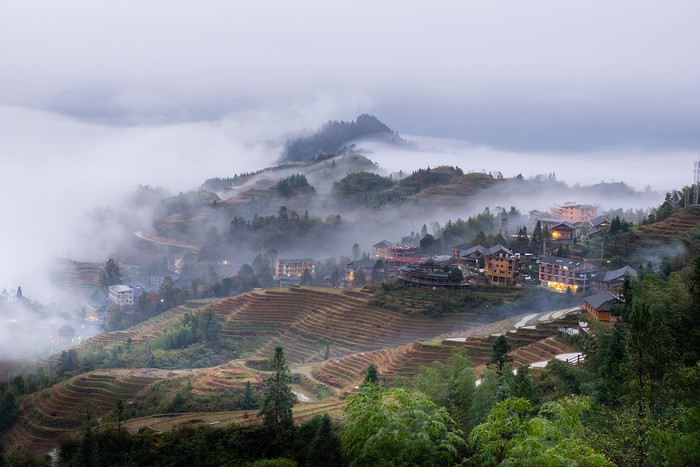 Bonjour,
Nous sommes à 4 photographes (amateurs) pour effectuer un séjour autour de Shanghai, c'est à dire Wuxi, Souzhou, Hangzhou et partir ensuite pour les montagnes jaunes ou Guilin (le choix entre Huangshan et Guilin n'est pas encore fait) Environ 1 semaine dans ces trois villes et moins d'une semaine pour les Huangshan ou Guilin et pour terminer une ou deux journée à Shanghai avant de repartir pour la France.
J'ai fait un court séjour (le premier hors d'Europe) à Souzhou, Huangshan et Guilin en novembre dernier, cela m'a tellement plu que j'ai voulu en faire profiter quelques amis cette année.
Je suis à la recherche de carnets de voyage et blogs qui parlent de ces lieux et des astuces pour bien vivre ce séjour. J'en ai parcouru déjà certains
Si vous avez quelques suggestions sur des endroits précis ou généraux qui vous ont bien plu ou pas plu du tout je suis preneur
bonne semaine
Bonjour,
Nous sommes à 4 photographes (amateurs) pour effectuer un séjour autour de Shanghai, c'est à dire Wuxi, Souzhou, Hangzhou et partir ensuite pour les montagnes jaunes ou Guilin (le choix entre Huangshan et Guilin n'est pas encore fait) Environ 1 semaine dans ces trois villes et moins d'une semaine pour les Huangshan ou Guilin et pour terminer une ou deux journée à Shanghai avant de repartir pour la France.
J'ai fait un court séjour (le premier hors d'Europe) à Souzhou, Huangshan et Guilin en novembre dernier, cela m'a tellement plu que j'ai voulu en faire profiter quelques amis cette année.
Je suis à la recherche de carnets de voyage et blogs qui parlent de ces lieux et des astuces pour bien vivre ce séjour. J'en ai parcouru déjà certains
Si vous avez quelques suggestions sur des endroits précis ou généraux qui vous ont bien plu ou pas plu du tout je suis preneur
bonne semaineHello forum,
Did any of you feel the same things we did in China?
We spent a good twenty days there in August. First, we traveled solo around Chengdu, then joined an organized tour for 12 days (Beijing, Pingyao, Xi'an, Guilin, Xingping, Yangshuo, Shanghai, Wuzhen) and extended our stay by 4 extra days to visit Zhangjiajie.
The landscapes were stunning, and we have unforgettable memories... but we were really disappointed by the following points:
- The food: way too spicy. Lacking in flavor, not much taste. I’m speaking "in general" because we did enjoy some good steamed dumplings, smoked pork, and other dumplings... But compared to Thailand, Cambodia, or India, Chinese cuisine didn’t impress us at all.
- The behavior of the Chinese: disrespectful, rushed, agitated. You constantly have to fight—people push, crowd, and overwhelm you... At the entrance to the Terracotta Army (and other sites), it’s a human tidal wave... and I mean that literally. We were carried by the crowd without even touching the ground. It was like a situation where you have one bowl of rice and 20,000 starving people diving for it...
You’re at a ticket counter, and they cut in front of you. You’re in line for boarding, suitcase ready to go on the conveyor belt, and someone shows up out of nowhere to put THEIR suitcase down... even though they have a flight ticket with THEIR seat number and won’t be leaving before you!!!! You’re getting on the bus, and someone shoves past you just so they don’t end up behind you.
It’s like these people only think about themselves. I didn’t see a single person let someone else go first or even ask—it’s as if politeness and respect are completely foreign to them.
It’s honestly exhausting and draining...
- Communication: In every other country we’ve visited, whether in Asia or Europe, we always manage—with English, a few words of Italian, French, or Spanish. In China, I’ll be blunt: if you don’t speak Chinese, you’re screwed. And yet, a pair of kids around ten or twelve years old asked us in English where we were from :)
- Understanding: Here’s the rule. Even if the person you’re talking to speaks a little English and says they understand you... make sure they *really* do, because 9 times out of 10, they don’t. Out of pride or just cluelessness, they’ll give you a big smile and nod, but in reality, they didn’t get what you were saying.
Several times with our group, in the evening at a restaurant, if we hadn’t been helped by someone at another table who spoke a little English, we’d still be there. The classic example: the waiter brings one menu (for 10 people at the table), and we’re all trying to explain that we need 4 or more menus. Five minutes later, he’s still staring at us with that same blank smile...
In 3* or 4* hotels, you go to the front desk for a hot water or AC issue. Three or four staff members just stand there beaming at you. You try to explain with photos or a translator, but in the end, you leave with the problem unresolved.
They don’t speak—they shout... on buses, in hotels...
We were also surprised to find that self-service laundromats were almost nonexistent. We got scammed once at a hotel with an astronomical bill!
As for flights, we flew Air China on the way there and Austrian Airlines on the way back—no comparison. Air China had zero service and food that was "baby food" quality. Austrian Airlines had multiple services, a decent meal, and smiling flight attendants.
I don’t know if any of you had the same experience in this country, but I’m definitely not eager to go back. Whereas if someone offered me India, Thailand, or Vietnam tomorrow, I’d be there in a heartbeat!!!
Did any of you feel the same things we did in China?
We spent a good twenty days there in August. First, we traveled solo around Chengdu, then joined an organized tour for 12 days (Beijing, Pingyao, Xi'an, Guilin, Xingping, Yangshuo, Shanghai, Wuzhen) and extended our stay by 4 extra days to visit Zhangjiajie.
The landscapes were stunning, and we have unforgettable memories... but we were really disappointed by the following points:
- The food: way too spicy. Lacking in flavor, not much taste. I’m speaking "in general" because we did enjoy some good steamed dumplings, smoked pork, and other dumplings... But compared to Thailand, Cambodia, or India, Chinese cuisine didn’t impress us at all.
- The behavior of the Chinese: disrespectful, rushed, agitated. You constantly have to fight—people push, crowd, and overwhelm you... At the entrance to the Terracotta Army (and other sites), it’s a human tidal wave... and I mean that literally. We were carried by the crowd without even touching the ground. It was like a situation where you have one bowl of rice and 20,000 starving people diving for it...
You’re at a ticket counter, and they cut in front of you. You’re in line for boarding, suitcase ready to go on the conveyor belt, and someone shows up out of nowhere to put THEIR suitcase down... even though they have a flight ticket with THEIR seat number and won’t be leaving before you!!!! You’re getting on the bus, and someone shoves past you just so they don’t end up behind you.
It’s like these people only think about themselves. I didn’t see a single person let someone else go first or even ask—it’s as if politeness and respect are completely foreign to them.
It’s honestly exhausting and draining...
- Communication: In every other country we’ve visited, whether in Asia or Europe, we always manage—with English, a few words of Italian, French, or Spanish. In China, I’ll be blunt: if you don’t speak Chinese, you’re screwed. And yet, a pair of kids around ten or twelve years old asked us in English where we were from :)
- Understanding: Here’s the rule. Even if the person you’re talking to speaks a little English and says they understand you... make sure they *really* do, because 9 times out of 10, they don’t. Out of pride or just cluelessness, they’ll give you a big smile and nod, but in reality, they didn’t get what you were saying.
Several times with our group, in the evening at a restaurant, if we hadn’t been helped by someone at another table who spoke a little English, we’d still be there. The classic example: the waiter brings one menu (for 10 people at the table), and we’re all trying to explain that we need 4 or more menus. Five minutes later, he’s still staring at us with that same blank smile...
In 3* or 4* hotels, you go to the front desk for a hot water or AC issue. Three or four staff members just stand there beaming at you. You try to explain with photos or a translator, but in the end, you leave with the problem unresolved.
They don’t speak—they shout... on buses, in hotels...
We were also surprised to find that self-service laundromats were almost nonexistent. We got scammed once at a hotel with an astronomical bill!
As for flights, we flew Air China on the way there and Austrian Airlines on the way back—no comparison. Air China had zero service and food that was "baby food" quality. Austrian Airlines had multiple services, a decent meal, and smiling flight attendants.
I don’t know if any of you had the same experience in this country, but I’m definitely not eager to go back. Whereas if someone offered me India, Thailand, or Vietnam tomorrow, I’d be there in a heartbeat!!!
We just spent three weeks in Yunnan.
I’ve started writing up a travel journal about the trip.
Hi there.
I’m traveling solo to China in October '26, heading to these spots:
Guilin - Yangshuo - Chengdu – Leshan – Chongqing – Zhangjiajie - Furong – Shanghai
Any guides you’d recommend?
Tons of "agencies" (gowithguide, Hellechinaguide, etc.) offer guides. Can I reach out to them? I also speak English.
Any other tips for me?
Thanks! !
Guilin - Yangshuo - Chengdu – Leshan – Chongqing – Zhangjiajie - Furong – Shanghai
Any guides you’d recommend?
Tons of "agencies" (gowithguide, Hellechinaguide, etc.) offer guides. Can I reach out to them? I also speak English.
Any other tips for me?
Thanks! !
Bonjour
Je pars au Yunnan le 15 octobre .peut on se connecter en wifi dans les hôtels?et utiliser facebook ou whatsapp , merci pour vos réponses
Bonjour
Nous sommes un couple de 66 et 58 ans
Nous avons décidé cette année de partir en Chine 1 mois.
Nous comptons atterrir à Shanghaï où une amie chinoise réside et nous accueille. Puis nous pensons nous rendre à Pékin par TGV puis Xi'an et finir la dernière quinzaine dans le Yunnan et Gangxi .
Qui peut nous conseiller une agence sérieuse en Chine qui nous fournirait un véhicule avec chauffeur et nous conseiller sur les découvertes hors sentiers battus mais pas de randonnées de plusieurs jours (pas la santé pour le faire, dommage !).
Qui pourrait nous conseiller des Hôtels (pas d'usine à touristes) ou guesthouses sympas et confortables.
Qui pourrait nous dire des sites à surtout ne pas manquer, des restos pittoresques....
Merci d'avance aux voyageurs
Nous pouvons de notre côté vous faire profiter de nos expériences au Chili, au Pérou, en Bolivie, en Inde du nord, au Canada, au Vietnam, Cambodge, Myanmar, Thaïlande, Laos, Etats unis, Île de la réunion
Merci à tous
Nous pouvons de notre côté vous faire profiter de nos expériences au Chili, au Pérou, en Bolivie, en Inde du nord, au Canada, au Vietnam, Cambodge, Myanmar, Thaïlande, Laos, Etats unis, Île de la réunion
Merci à tous
Bonjour
Je suis en train de planfier mon voyage au Yunnan en Chine, je voudrais chercher une agence de voyage pour m'aider.
J ai trouvé un site d une agence : voyagesyunnan.com, quelq un le sait ? est-il fiable ? ou vous pouvez me recommander une ?
Merci 😛
--
Attention ce message est un message promotionnel bidon posté par le prestataire lui-même (s'inscrire avec l'adresse service@voyagesyunnan.com pour faire sa pub faut oser !) que donc, logiquement, on ne peut que déconseiller.
L'équipe VoyageForum
Attention ce message est un message promotionnel bidon posté par le prestataire lui-même (s'inscrire avec l'adresse service@voyagesyunnan.com pour faire sa pub faut oser !) que donc, logiquement, on ne peut que déconseiller.
L'équipe VoyageForum
Hi everyone,
We're currently planning our itinerary for this summer (late July - August) in China. Our travel style is more backpacker-oriented—we're used to traveling in Latin America, booking things just 3 days in advance. Could you share your thoughts on this route?
We’re particularly wondering about: - Yangshuo (which seems very touristy) → Xingping instead? The park Bajiaozhai? - How to get around and find accommodation in the small Miao and Dong villages? - Should we book trains and hotels in advance for late July and early August?
Thanks so much!
28-Jul Monday Kunming: Bamboo Temple Dian Chi Lake Kunming 29-Jul Tuesday Visit the city center Lake bike tour Dali Dali 30-Jul Wednesday Three Pagodas / Cangshan Mountain Dali Dali 31-Jul Thursday Transport to Shaxi - visit 1 - Dali Old Town Coach Station (大理古城客运站) 2 - Arrive Jianchuan Coach Station 3 - Local green or yellow minibuses to Shaxi Dali → Jianchuan → Shaxi Shaxi 01-Aug Friday Quick visit Shaxi → Lijiang Shaxi Shaxi 02-Aug Saturday Quick visit Shaxi → Lijiang Shaxi Lijiang 03-Aug Sunday Tiger Leaping Gorge trek 04-Aug Monday Tiger Leaping Gorge Qiatou Lijiang / Dali 05-Aug Tuesday Dali → Kunming → Kaili Full-day transport Kaili 06-Aug Wednesday Langde Miao Village - Xijiang Miao Village Kaili 07-Aug Thursday Visit village Kaili 08-Aug Friday Visit village Zhaoxing 09-Aug Saturday AM: Train to Guilin - PM: Elephant Trunk Hill / night barbecue Zhaoxing → Guilin (1h) Guilin 10-Aug Sunday Bajiaozhai (Park / hike) Ziyuan 11-Aug Monday Bajiaozhai (Park / hike) Ziyuan 12-Aug Tuesday Yangshuo Yangshuo 13-Aug Wednesday Yangshuo Yangshuo 14-Aug Thursday Yangshuo Yangshuo 15-Aug Friday Guilin → HK (3.5h) Guilin → HK (3.5h) 16-Aug Saturday Hong Kong
We're currently planning our itinerary for this summer (late July - August) in China. Our travel style is more backpacker-oriented—we're used to traveling in Latin America, booking things just 3 days in advance. Could you share your thoughts on this route?
We’re particularly wondering about: - Yangshuo (which seems very touristy) → Xingping instead? The park Bajiaozhai? - How to get around and find accommodation in the small Miao and Dong villages? - Should we book trains and hotels in advance for late July and early August?
Thanks so much!
28-Jul Monday Kunming: Bamboo Temple Dian Chi Lake Kunming 29-Jul Tuesday Visit the city center Lake bike tour Dali Dali 30-Jul Wednesday Three Pagodas / Cangshan Mountain Dali Dali 31-Jul Thursday Transport to Shaxi - visit 1 - Dali Old Town Coach Station (大理古城客运站) 2 - Arrive Jianchuan Coach Station 3 - Local green or yellow minibuses to Shaxi Dali → Jianchuan → Shaxi Shaxi 01-Aug Friday Quick visit Shaxi → Lijiang Shaxi Shaxi 02-Aug Saturday Quick visit Shaxi → Lijiang Shaxi Lijiang 03-Aug Sunday Tiger Leaping Gorge trek 04-Aug Monday Tiger Leaping Gorge Qiatou Lijiang / Dali 05-Aug Tuesday Dali → Kunming → Kaili Full-day transport Kaili 06-Aug Wednesday Langde Miao Village - Xijiang Miao Village Kaili 07-Aug Thursday Visit village Kaili 08-Aug Friday Visit village Zhaoxing 09-Aug Saturday AM: Train to Guilin - PM: Elephant Trunk Hill / night barbecue Zhaoxing → Guilin (1h) Guilin 10-Aug Sunday Bajiaozhai (Park / hike) Ziyuan 11-Aug Monday Bajiaozhai (Park / hike) Ziyuan 12-Aug Tuesday Yangshuo Yangshuo 13-Aug Wednesday Yangshuo Yangshuo 14-Aug Thursday Yangshuo Yangshuo 15-Aug Friday Guilin → HK (3.5h) Guilin → HK (3.5h) 16-Aug Saturday Hong Kong
Bonjour à tous,
De retour après un mois sur les routes du Yunnan ...
Dans un petit van inconfortable, accompagnés de notre jeune ( et inexperimenté mais tellement gentil) chauffeur et de notre guide (elle, expérimentée mais toute la journée au téléphone ...) nous avons fait (presque) tout le tour du Yunnan.
Kunming, terres rouges, Luoping, Janshui, Yuanyang, Jinghong, Wengding, Tengchong, la vallée de la Nu, Bingzhongluo, Lijiang, Dali, Kunming .. en gros.
Nous sommes ravis de ce voyage. Cela n'a pas toujours été de tout repos, mais très dépaysant (on est restés presque 3 semaines sans voir un visage occidental), très intéressant, et parfois aventureux, surprenant (personne ne nous avait dit que , dans les montagnes, il fait presque la même température dedans et dehors et que tout le monde est perpétuellement avec sa doudoune ! heureusement nous étions équipés en conséquence) et ... nous n'avons jamais autant eté pris en photo !
Les chinois ont toujours été aimables et prêts à nous aider ; même s'ils sont plutôt impassibles, ils ont généralement répondu à nos sourires.
Voilà, si vous voulez des renseignements tout frais, écrivez-moi!
Bon weekend.
Bonjour, je serai dans le Yunnan bientôt et je compte passer deux nuits sur Shangri La, voir le monastère et un peu le village, y a t'il des choses à voir aux alentours, pas trop loin? autres petits villages etc ou superbe vue sur les plaines par exemple?
Merci pour vos retours.
Merci pour vos retours.
Bonjour ,
nous aimerions partir en Chine mais nous souhaitons savoir s il est possible d utiliser Skype ou Facetime au Yunnan ?
Merci pour vos reponses a venir
Alain
Bonjour,
Je souhaiterais savoir s'il y a des marchés aux insectes à HONG KONG ? Pouvez vous me donner toutes les adresse de marchés à HONG KONG et MACAO que nous allons visiter à la fin du mois d'Octobre 2017.
Je souhaiterais savoir s'il y a des marchés aux insectes à HONG KONG ? Pouvez vous me donner toutes les adresse de marchés à HONG KONG et MACAO que nous allons visiter à la fin du mois d'Octobre 2017.
Bonjour à tous
La question a déjà été posée plusieurs fois .. mais comme ça change souvent ... 😉
Je pars en Chine au mois de mai (Yunnan et Sichuan) et je voudrais savoir quel VPN non bloqué à ce jour par les Chinois je pourrais prendre..
J'ai l'intention d'en prendre 2 : ASTRILL qui marchait bien lors de mon voyage en Chine en 2015
et Express VPN
Est-ce toujours valable aujourd'hui ?
Merci pour votre aide.
Bonjour à tous,
Je me questionnais quant au budget quotidien en 2017 pour un voyage en solo en Chine. L'idée serait de partir en septembre/octobre 3 semaines, seule donc.
Pour le moment, aucune idée d'où je vais aller, il faut d'abord que je vois si financièrement, ça passe!
Cela dépendra des endroits bien entendu, mais grosso modo, pour ceux qui y sont allés récemment, quel était votre budget quotidien?
Et sinon, combien coûte: - chambre en dortoir? - chambre double/sans SDB en GH? - restau de rue? - restau sans être assise sur une chaise en plastique sur le trottoir? - équivalent motobike/rickshaw (ça existe?)/ course taxi ? - bouteille d'eau/ soft drinks?
Auriez-vous des exemples de coût de transport?
Merci beaucoup :-)
Belle journée à tous!
Je me questionnais quant au budget quotidien en 2017 pour un voyage en solo en Chine. L'idée serait de partir en septembre/octobre 3 semaines, seule donc.
Pour le moment, aucune idée d'où je vais aller, il faut d'abord que je vois si financièrement, ça passe!
Cela dépendra des endroits bien entendu, mais grosso modo, pour ceux qui y sont allés récemment, quel était votre budget quotidien?
Et sinon, combien coûte: - chambre en dortoir? - chambre double/sans SDB en GH? - restau de rue? - restau sans être assise sur une chaise en plastique sur le trottoir? - équivalent motobike/rickshaw (ça existe?)/ course taxi ? - bouteille d'eau/ soft drinks?
Auriez-vous des exemples de coût de transport?
Merci beaucoup :-)
Belle journée à tous!
Bonjour
Nous prévoyons de partir en Chine vers de 20 aout 2019 - en couple - 2 mois de voyage
Dans les 70 ans et en forme aimons découverte des minorités, randonnées, paysages époustouflants, hors des sentiers battus pas les touristes et rencontres avec les habitants et les bons petits plats chinois !
Cela parait introuvable avec les TO reconnus !!!!
Hôtels de luxes à proscrire - simplicité - propreté - confort requis
Aimerions trouver celui ou celle ayant fait ce voyage pouvant nous aider dans nos destinations et capable de répondre à notre curiosité
A l'avance MERCI
Bonjour,
Prochainement en voyage en chine, je souhaite avoir des infos sur l'utilisation du téléphone en chine. beaucoup d'infos mais ??
Préférer achat un téléphone avec un carte sim ?
Prendre un pass de son opérateur (orange pour moi)
Whatsapp ?? Que penser de l'utilisation de expressvpn ?
Merci à tous
Whatsapp ?? Que penser de l'utilisation de expressvpn ?
Merci à tous
Bonjour,
Je cherche à me rendre à Liangshan depuis Chengdu en transport locaux et savoir un peu ce qu'il y a à voir aux alentours de la montagne Liang ou sur la route depuis Chengdu.
Merci .
Je cherche à me rendre à Liangshan depuis Chengdu en transport locaux et savoir un peu ce qu'il y a à voir aux alentours de la montagne Liang ou sur la route depuis Chengdu.
Merci .
We’ve just returned from a 30-day trip to China, 20 years after our last visit to this vast country.
What a transformation! So many new highways, high-speed trains, clean public restrooms, very comfortable and affordable hotels, and queues before boarding public transport… Has China really changed this much?
Language Technology has helped overcome—on a very small scale, of course—the language barrier thanks to translation apps on our phones. Unfortunately, very few Chinese people speak English, even in international hotels, which we find baffling, even frustrating, but that’s just how it is, and it’s up to us to adapt. It’s a shame, too, because no one makes an effort to communicate any other way than through their phone, which wasn’t the case when we were there 20 years ago. In restaurants, hotels, and some shops, they’ll show you a voice translation—usually in English—on a phone, and all you have to do is respond.
Payments We never withdrew cash in China. It’s possible to do so, but we never looked for an ATM. On the other hand, we tried to exchange 100 € as soon as we arrived in Xi’an, and it was a real ordeal. We had to do it at a specific bank, The Bank of China, and the administrative process took… an hour! So, no cash. Like everyone else, we used Alipay, one of the most popular online payment systems, and it’s super easy to use. WeChat also works well but is a bit more complicated to set up. It’s so convenient and used absolutely everywhere, even for purchases of 5 yuan, which is roughly the equivalent of about 55 euro cents. 10 yuan equals 1.22 €.
Phone As for the internet, I had installed a VPN before leaving—Let’s VPN—but it was completely useless since we had subscribed to an international plan with our carrier before the trip, which gave us 35 GB of data. No need to ask hotels for Wi-Fi; we only used roaming. It worked perfectly, no matter where we were. So, no VPN or SIM card for us.
TWO ESSENTIAL TOOLS FOR TRAVELING: your passport and your phone Traveling to China is much simpler than you might think. And let’s add that the Chinese, despite the language barrier, are very open and always ready to help.
The itinerary After carefully planning our route and considering the length of our stay (I had initially thought about applying for a visa longer than 30 days to stay for 6 weeks in China), we decided to take advantage of the recent option to stay for 30 days. Of course, we had to make some choices. I booked a one-way ticket from Paris to Xi’an and a return from Kunming to Paris once the itinerary was set: 9 days in northern Gansu 4 days in Hunan, specifically the well-known Zhangjiajie 15 days in Yunnan
Organization, transport, hotels This wasn’t a "backpacker" trip, as the hotels we booked were generally comfortable. I had arranged a car with a driver for the Yunnan portion through the Ciel Yunnan agency. Excellent choice—it allowed us to optimize our route. For the Gansu and Hunan portions, after much deliberation, we decided against hiring a driver. All our travel was by train and taxi. Taxis are available near train stations, airports, and some hotels in big cities. We also used "Didi," the Chinese equivalent of Uber. The app is available through Alipay. Getting around China by train is extremely easy. You just need to book your tickets on a travel site. I used trip.com and travelchina. Since we weren’t traveling during peak season, it was easy to get the tickets we wanted. You can buy train tickets up to 15 days before departure. You can book earlier, but there’s no guarantee you’ll get the time you want, especially during tourist seasons (usually the first week of October or May). Once at the station, you only need to show your passport, and you’ll need it again when leaving the station. Taxis are easy to find and not expensive. For day trips, we usually went through the hotel. Like everyone else, I had checked the prices of online tour agencies beforehand, and they were all overpriced. It’s better to wait until the last minute or, if possible, contact the hotel and ask them. I did this twice. We took domestic flights three times: Xi’an to Dunhuang Lanzhou to Changsha Changsha to Lijiang It’s best to buy flights shortly before departure, as prices are quite low then. There’s no point in booking months in advance. Often, flights only appear 2 months before departure. All hotel reservations were made on trip.com, except for three booked on Booking. Almost all exceeded our expectations in terms of comfort. Rooms were usually spacious, and new technology even makes its way into the rooms with "smart" toilets and automatic curtains… All for a very reasonable price.
The "attractions" That’s the term used on travel sites like trip.com for visits and activities, and it fits perfectly! Don’t expect to move freely around a natural tourist site. Cars aren’t allowed. The process is more or less the same everywhere: you arrive at the visitor center, pay the entrance fee, then, with your ticket or passport (always keep them on you!), you board a bus that takes you to the various viewpoints. The duration of the "tour" is usually indicated. It might seem confusing or even unnatural, but no one can avoid it unless you go to very remote, non-touristy places. Generally, the further west you go, the less this type of visit exists. The upside is that these places are better preserved since access is only by electric shuttle. On the downside, you sometimes have to deal with noisy tourist groups, their guides’ loudspeakers, and their non-stop chatter. But if you move a little further away, you’ll often find yourself alone.
Highlights of this trip:🙂 A 2-day escape to the Badan Jaran Desert—absolutely stunning. The colorful mountains near Zhangye. The Buddhist caves in Gansu. The breathtaking Hani and Yi rice terraces in Yuanyang. The architecture of the old towns, even if they sometimes feel a bit overdone. The warm welcome from the locals.
A little disappointed by: Zhangjiajie, despite its beauty. It was way too crowded, even though we were there in the off-season. And that’s nothing compared to the Stone Forest near Kunming… I also struggled with the food after a while. 😕
A few photos to come…
Language Technology has helped overcome—on a very small scale, of course—the language barrier thanks to translation apps on our phones. Unfortunately, very few Chinese people speak English, even in international hotels, which we find baffling, even frustrating, but that’s just how it is, and it’s up to us to adapt. It’s a shame, too, because no one makes an effort to communicate any other way than through their phone, which wasn’t the case when we were there 20 years ago. In restaurants, hotels, and some shops, they’ll show you a voice translation—usually in English—on a phone, and all you have to do is respond.
Payments We never withdrew cash in China. It’s possible to do so, but we never looked for an ATM. On the other hand, we tried to exchange 100 € as soon as we arrived in Xi’an, and it was a real ordeal. We had to do it at a specific bank, The Bank of China, and the administrative process took… an hour! So, no cash. Like everyone else, we used Alipay, one of the most popular online payment systems, and it’s super easy to use. WeChat also works well but is a bit more complicated to set up. It’s so convenient and used absolutely everywhere, even for purchases of 5 yuan, which is roughly the equivalent of about 55 euro cents. 10 yuan equals 1.22 €.
Phone As for the internet, I had installed a VPN before leaving—Let’s VPN—but it was completely useless since we had subscribed to an international plan with our carrier before the trip, which gave us 35 GB of data. No need to ask hotels for Wi-Fi; we only used roaming. It worked perfectly, no matter where we were. So, no VPN or SIM card for us.
TWO ESSENTIAL TOOLS FOR TRAVELING: your passport and your phone Traveling to China is much simpler than you might think. And let’s add that the Chinese, despite the language barrier, are very open and always ready to help.
The itinerary After carefully planning our route and considering the length of our stay (I had initially thought about applying for a visa longer than 30 days to stay for 6 weeks in China), we decided to take advantage of the recent option to stay for 30 days. Of course, we had to make some choices. I booked a one-way ticket from Paris to Xi’an and a return from Kunming to Paris once the itinerary was set: 9 days in northern Gansu 4 days in Hunan, specifically the well-known Zhangjiajie 15 days in Yunnan
Organization, transport, hotels This wasn’t a "backpacker" trip, as the hotels we booked were generally comfortable. I had arranged a car with a driver for the Yunnan portion through the Ciel Yunnan agency. Excellent choice—it allowed us to optimize our route. For the Gansu and Hunan portions, after much deliberation, we decided against hiring a driver. All our travel was by train and taxi. Taxis are available near train stations, airports, and some hotels in big cities. We also used "Didi," the Chinese equivalent of Uber. The app is available through Alipay. Getting around China by train is extremely easy. You just need to book your tickets on a travel site. I used trip.com and travelchina. Since we weren’t traveling during peak season, it was easy to get the tickets we wanted. You can buy train tickets up to 15 days before departure. You can book earlier, but there’s no guarantee you’ll get the time you want, especially during tourist seasons (usually the first week of October or May). Once at the station, you only need to show your passport, and you’ll need it again when leaving the station. Taxis are easy to find and not expensive. For day trips, we usually went through the hotel. Like everyone else, I had checked the prices of online tour agencies beforehand, and they were all overpriced. It’s better to wait until the last minute or, if possible, contact the hotel and ask them. I did this twice. We took domestic flights three times: Xi’an to Dunhuang Lanzhou to Changsha Changsha to Lijiang It’s best to buy flights shortly before departure, as prices are quite low then. There’s no point in booking months in advance. Often, flights only appear 2 months before departure. All hotel reservations were made on trip.com, except for three booked on Booking. Almost all exceeded our expectations in terms of comfort. Rooms were usually spacious, and new technology even makes its way into the rooms with "smart" toilets and automatic curtains… All for a very reasonable price.
The "attractions" That’s the term used on travel sites like trip.com for visits and activities, and it fits perfectly! Don’t expect to move freely around a natural tourist site. Cars aren’t allowed. The process is more or less the same everywhere: you arrive at the visitor center, pay the entrance fee, then, with your ticket or passport (always keep them on you!), you board a bus that takes you to the various viewpoints. The duration of the "tour" is usually indicated. It might seem confusing or even unnatural, but no one can avoid it unless you go to very remote, non-touristy places. Generally, the further west you go, the less this type of visit exists. The upside is that these places are better preserved since access is only by electric shuttle. On the downside, you sometimes have to deal with noisy tourist groups, their guides’ loudspeakers, and their non-stop chatter. But if you move a little further away, you’ll often find yourself alone.
Highlights of this trip:🙂 A 2-day escape to the Badan Jaran Desert—absolutely stunning. The colorful mountains near Zhangye. The Buddhist caves in Gansu. The breathtaking Hani and Yi rice terraces in Yuanyang. The architecture of the old towns, even if they sometimes feel a bit overdone. The warm welcome from the locals.
A little disappointed by: Zhangjiajie, despite its beauty. It was way too crowded, even though we were there in the off-season. And that’s nothing compared to the Stone Forest near Kunming… I also struggled with the food after a while. 😕
A few photos to come…
Hi,
Has anyone here already crossed China with your own vehicle (with a guide and in a group, etc.) to get from Mongolia to Nepal?
And on top of that, with a dog on board?
Thanks in advance for your feedback.