On trouve dans l'Ouest américain, au mois de mai, une profusion de fleurs. En voici quelques-unes, prises en Californie, Nevada, Utah, Arizona, Colorado, Wyoming, classées par couleur, et leurs noms communs (anglais) et latins, pour les botanistes du forum. Si vous voyez une erreur, dites-le moi! (Page régulièrement mise à jour.)
Blue Flowers
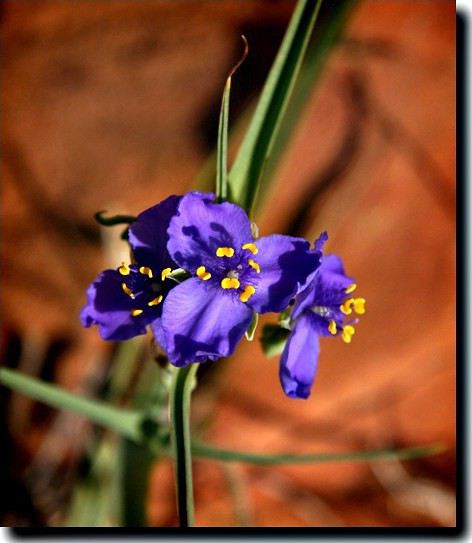
Western Spiderwort (Tradescantia occidentalis)
Rimrock Milkvetch (Astragalus desperatus)
Wild Hyacinth (Brodiaea douglasii)
Douglas Iris (Iris douglasiana)
Blue Flax (Linum perenne)
Blue Lupin (Lupinus Angustifolius)
California Lilac (Ceanothus)
Woollen Breeches (Hydrophyllum capitatum)
Pasque Flower (Anemone patens)
Low Larkspur (Delphinium bicolor)
Iris missouriensis (Wild Iris)
Bluemist Penstemon (Penstemon virens)
Alpine Forget-Me-Not (Eritrichum aretioides)
Orange Flowers
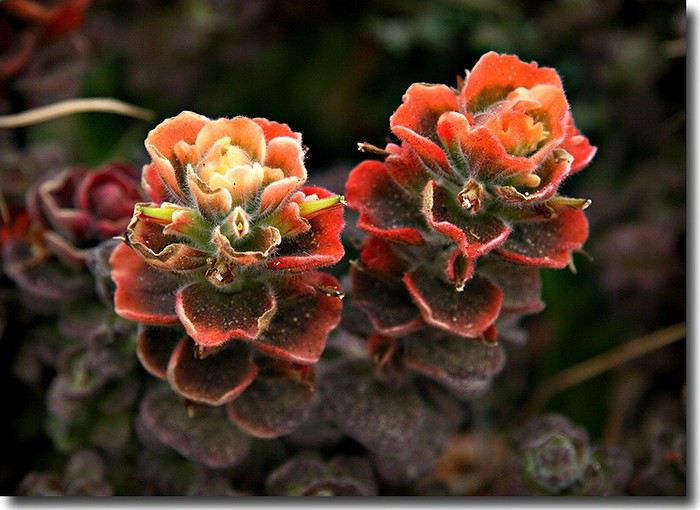
Mendocino Coast Indian Paintbrush (Castilleja mendocinensis)
Sticky Monkeyflower (Mimulus aurantiacus)
California Poppy (Eschscholzia californica)
Butterfly Milkweed (Asclepias tuberosa)
Yellow Flowers
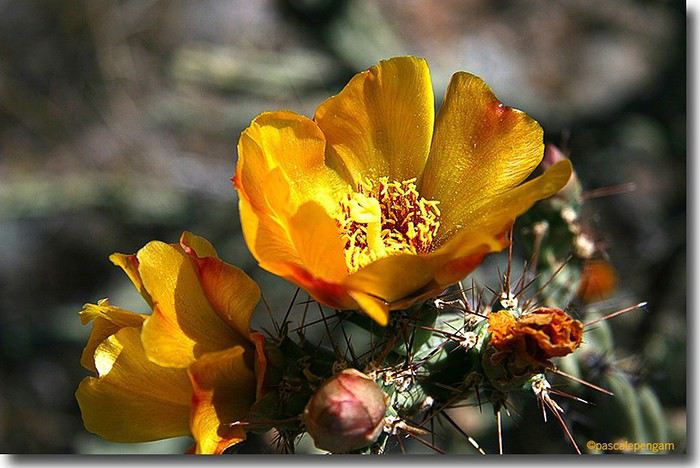
Buckhorn cholla (Cylindropuntia acanthocarpa )
Utah Agave (Agave utahensis)
Arrowleaf (Balsamorhiza sagittata)
Blanketflower (Gallardia pinnatifida)
California Flannel Bush (Fremontodendron californicum)
Cape Fig (Carpobrotus edulis)
Narrow Leaf Southern Monkey (Diplacus aurantiacus australis)
Yellow Mariposa Lily (Calochortus luteus)
Plains Pricklypear (Opuntia polyacantha)
Prince's Plume (Stanleya pinnata)
Lavandula Evening Primrose (Calylophus lavandulifolia)
Balsamroot (Balsamorhiza careyana)
Arrow-leaf Balsamroot (Balsamorhiza sagittata)
Nakedstem Sunray (Enceliopsis nudicaulis)
Heartleaf Arnica (Arnica cordifolia)
Brittle Bush (Encelia farinosa) butinées par un Buckeye (Precis coenia)
Yellow Glacier Lily (Erythronium grandiflorum), anthères rouges
Yellow Glacier Lily (Erythronium grandiflorum), anthères jaunes
Buttercup (Ranunculus...)
Yellowbell (Fritillaria pudica)
Golden Pea (Thermopsis divaricarpa)
Butterfly Milkweed (Asclepias tuberosa)
Pink Flowers
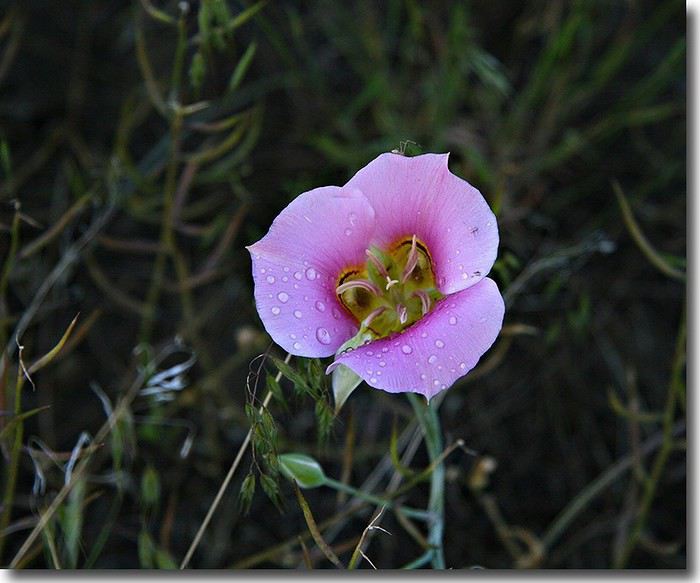
Sego Lily (Calochortus nuttallii)
Mountain Pride (Penstemon newberryi)
Redwood Sorrel (Oxalis oreganum)
Sclerocactus nyensis
Opuntias
Opuntia polyacantha
Opuntia vaseyi Wild-Buckwheat (Eriogonum arborescens)
Phlox hoodii
Showy rushpink (Lygodesmia grandiflora)
Showy milkweed (Asclepias speciosa)
Desert Peach (Prunus andersonii)
Sticky Purple Geranium (Geranium viscosissimum)
Shooting Star (Dodecatheon frigidum)
Colorado Loco ou Lambert Loco (Oxytropis lambertii)
Wild Rose (Rosa wodsii)
Wild Rhubarb (Rumex Hymenosepalus)
Red Flowers
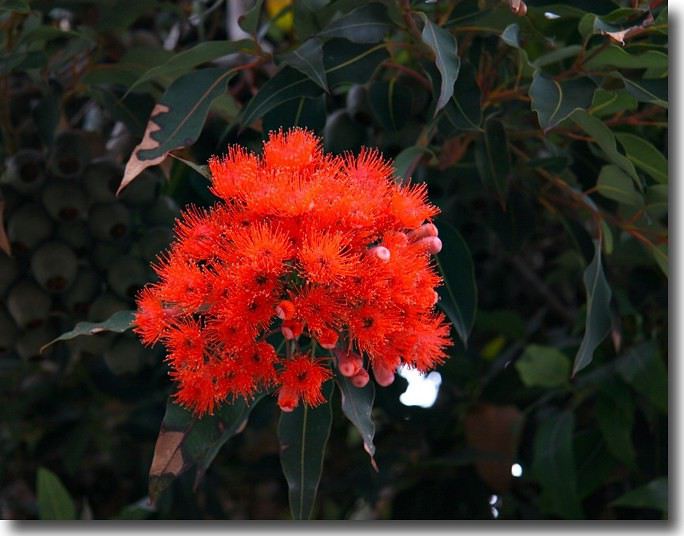
Eucalyptus (Eucalyptus leucoxylon ssp. megalocarpa)
Cape fig (Carpobrotus edulis)
Snow Plant (Sarcodes Sanguinae)
Lemon Bottlebrush (Callistemon citrinus)
Claret Cup Cactus (Echinocereus triglochidiatus)
Indian Paintbrush (Castilleja)
Crimson Passion Flower (Passiflora vitifolia)
Penstemon (Penstemon eatonii)
Opuntia
Scarlet Gilia (Ipomopsis aggregata)
Ocotillos (Fouquieria splendens)
Narrowleaf Paintbrush (Castilleja linariifolia)
Scarlet Paintbrush (Castilleja miniata)
Red Columbine (Aquilegia elegantula)
White Flowers
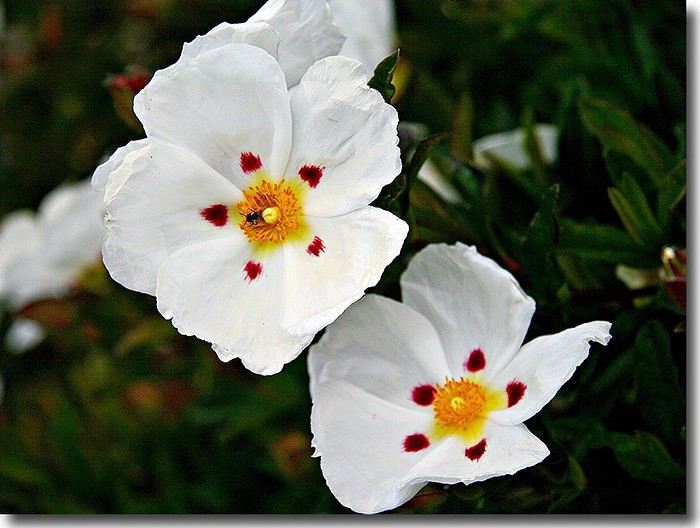
White Cistus (Cistus lanadiferus)
California Buckeye (Aesculus californica)
Eucalyptus (Eucalyptus microtheca)
Sego Lily (Calochortus nuttallii)
Pacific Dogwood (Cornus nuttallii)
Pale Evening Primrose (Œnothera pallida)
Tufted Evening Primrose (Œnothera caespitosa)
Siskiyou Iris (Iris bracteata)
Agave
Spreading Fleabane (Asteraceae Erigeron divergens)
Pricklepoppies (Argemone pleiacantha)
Woolly Locoweed (Astragalus mollissimus)
Cliff Roses (Purshia stansburiana)
Wild-Buckwheat (Eriogonum pauciflorum)
Cliff Fendlerbush (Fendlera rupicola)
Vernal Daisy (Erigeron pumilus)
White Wild Onion (Allium textile)
Fleur du saguaro (Carnegiea gigantea)
Alpine Spring Beauty (Claytonia exigua) Mountain Marsh Marigold (Caltha leptosepala)
Mountain Death Camas (Zigadenus elegans)
White Loco (Oxytropis ericea)
Boulder Raspberry (Oreobatus deliciosus)
Miner's Candle (Oreocarya virgata)
Desert Evening Primrose (Oenothera deltoides)
Apache Plume (Fallugia paradoxa...), fleur
Apache Plume (Fallugia paradoxa...), graines
************





 A droite, le "marqueur" de l'accueil, ces dattes qu'on vous offre partout en signe d'hospitalité. A gauche, un hommage à ces sublimes portes usées par les temps, qu'on admire un peu partout dans les quartiers anciens, y compris ceux qui sont abandonnés.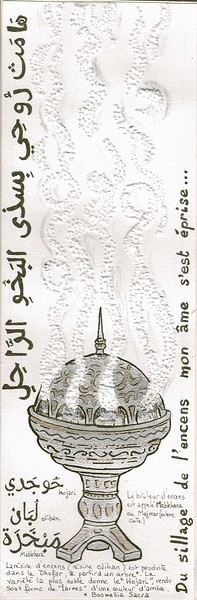
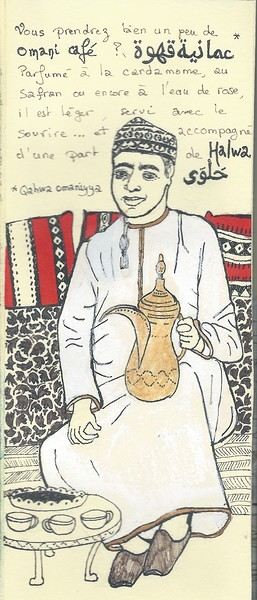 L'hospitalité vous conduira à accepter aussi souvent un petit café, un "omani café", très léger, parfumé subtilement avec de la cardamome, pourquoi pas un peu de safran, et éventuellement un peu d'eau de rose.
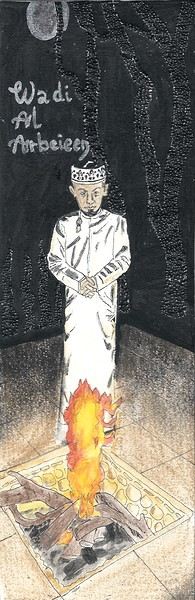
J'ai ici représenté un homme dans l'habit commun usuel de tous les omanais : la dishdasha, majoritairement blanche (en semaine, en journée, la couleur est davantage pour le soir ou le vendredi et le samedi). Même si l'on voit des hommes habillés à l'occidentale, ils sont très peu nombreux. La dishdasha blanche est vraiment l'habit commun partagé par tous les hommes. La dishdasha, qui n'a pas de capuche, se distingue par un petit pompon accroché au col, la furakha, qu'on imbibe de parfum. Et croyez moi, les omanais en abusent! "ça sent le pompon" est une expression qui est maintenant passée dans notre langage commun, à mon mari et moi.
Autre incontournable de la tenue masculine, la kuma, ce petit couvre-chef rond, la plupart du temps blanc rehaussé de motifs aux couleurs vives. Le keffieh est aussi porté (mais sans le cordon appelé agal dans les pays arabes), et il est plutôt arboré par ceux dont les racines sont dans le désert, de ce que j'en ai compris.
Et les femmes, me direz vous? Voilées, pour certaines en noir intégral (mais pas la burka, plutôt le chador + Abaya), du fait de l'influence de l'Arabie et des émirats arabes unis, alors que le vêtement traditionnel était auparavant plutôt une superposition de robes très colorées. La plupart des femmes que nous avons vues portaient plutôt une tenue neutre, un voile uni sur les cheveux, mais le visage découvert. Nous avons vu aussi beaucoup de saris et de voiles colorés, il ne faut pas oublier que 40% de la population est constituée d'immigrants indiens, népalais, bengalais, qui travaillent beaucoup dans le tourisme, l'hôtellerie et la restauration, les services, mais aussi tous les travaux ouvriers.
Je précise qu'en tant que touriste il n'y a aucune pression pour porter un voile, jamais de regards désapprobateurs d'aucune sorte. Bien sûr, on gardera pour la terrasse de l'hôtel les mini shorts, les décolletés plongeants, les épaules et ventres dénudés, mais j'ai envie de dire que c'est pareil pour les hommes et les femmes et que le soleil étant vif c'est aussi meilleur pour la peau.
Voici pour cette introduction ! Au prochain post, je vous parlerai de mon itinéraire et on pourra se lancer!
L'hospitalité vous conduira à accepter aussi souvent un petit café, un "omani café", très léger, parfumé subtilement avec de la cardamome, pourquoi pas un peu de safran, et éventuellement un peu d'eau de rose.
J'ai ici représenté un homme dans l'habit commun usuel de tous les omanais : la dishdasha, majoritairement blanche (en semaine, en journée, la couleur est davantage pour le soir ou le vendredi et le samedi). Même si l'on voit des hommes habillés à l'occidentale, ils sont très peu nombreux. La dishdasha blanche est vraiment l'habit commun partagé par tous les hommes. La dishdasha, qui n'a pas de capuche, se distingue par un petit pompon accroché au col, la furakha, qu'on imbibe de parfum. Et croyez moi, les omanais en abusent! "ça sent le pompon" est une expression qui est maintenant passée dans notre langage commun, à mon mari et moi.
Autre incontournable de la tenue masculine, la kuma, ce petit couvre-chef rond, la plupart du temps blanc rehaussé de motifs aux couleurs vives. Le keffieh est aussi porté (mais sans le cordon appelé agal dans les pays arabes), et il est plutôt arboré par ceux dont les racines sont dans le désert, de ce que j'en ai compris.
Et les femmes, me direz vous? Voilées, pour certaines en noir intégral (mais pas la burka, plutôt le chador + Abaya), du fait de l'influence de l'Arabie et des émirats arabes unis, alors que le vêtement traditionnel était auparavant plutôt une superposition de robes très colorées. La plupart des femmes que nous avons vues portaient plutôt une tenue neutre, un voile uni sur les cheveux, mais le visage découvert. Nous avons vu aussi beaucoup de saris et de voiles colorés, il ne faut pas oublier que 40% de la population est constituée d'immigrants indiens, népalais, bengalais, qui travaillent beaucoup dans le tourisme, l'hôtellerie et la restauration, les services, mais aussi tous les travaux ouvriers.
Je précise qu'en tant que touriste il n'y a aucune pression pour porter un voile, jamais de regards désapprobateurs d'aucune sorte. Bien sûr, on gardera pour la terrasse de l'hôtel les mini shorts, les décolletés plongeants, les épaules et ventres dénudés, mais j'ai envie de dire que c'est pareil pour les hommes et les femmes et que le soleil étant vif c'est aussi meilleur pour la peau.
Voici pour cette introduction ! Au prochain post, je vous parlerai de mon itinéraire et on pourra se lancer!
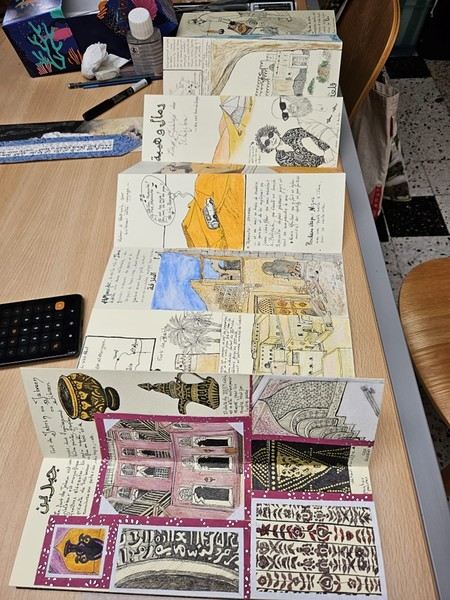
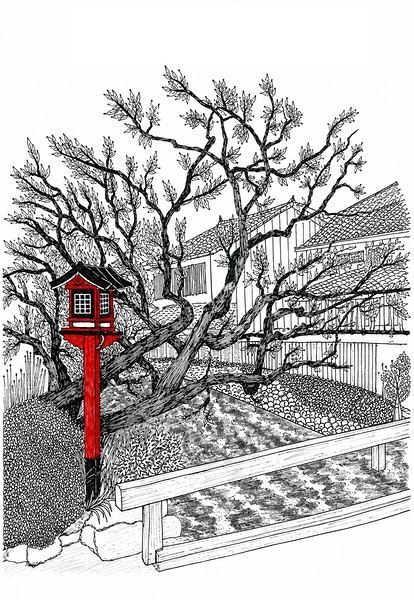 I’m inviting you on a stroll through my drawings—a completely subjective, far from exhaustive, and totally personal take, since it’s based on my own sketches. I put this travel journal together after returning in late 2024, mostly using felt-tip pens and pencils, with a few collages thrown in. I worked from our personal photos.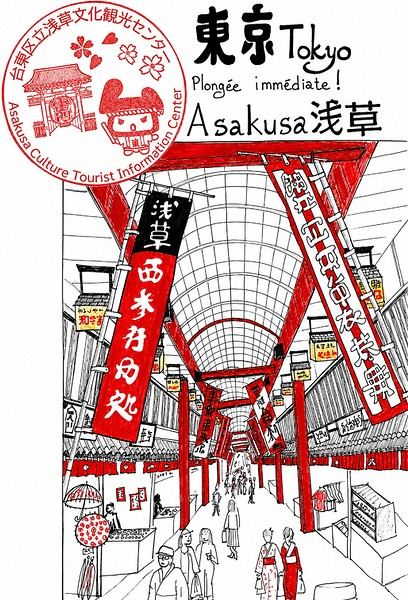
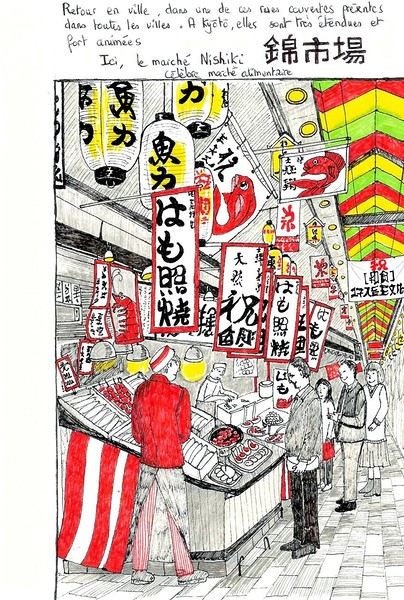
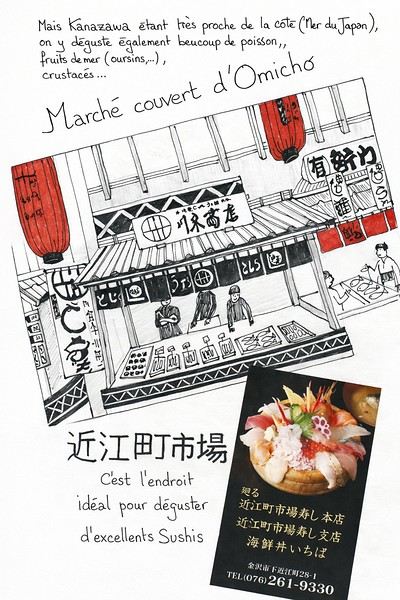 And in Kyoto, Nishiki Market:
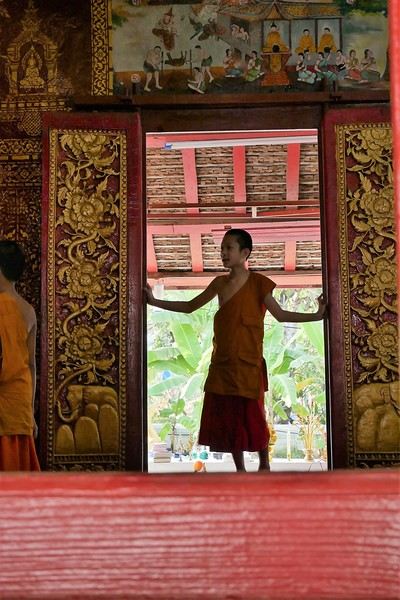 Come along, I'm taking you to this country where it's so nice to wander and slow down...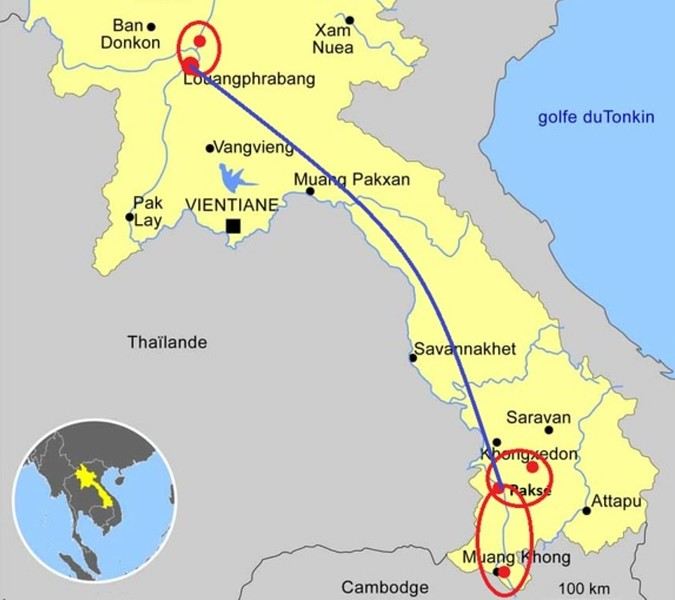

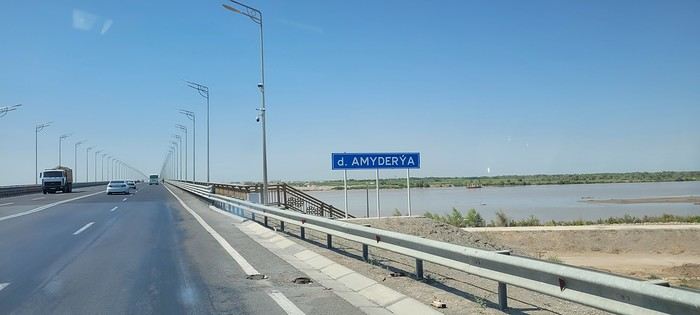
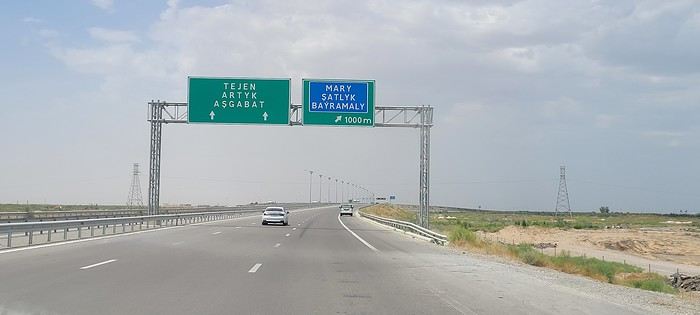
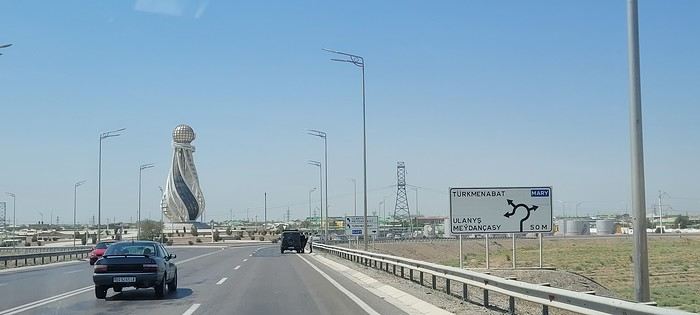
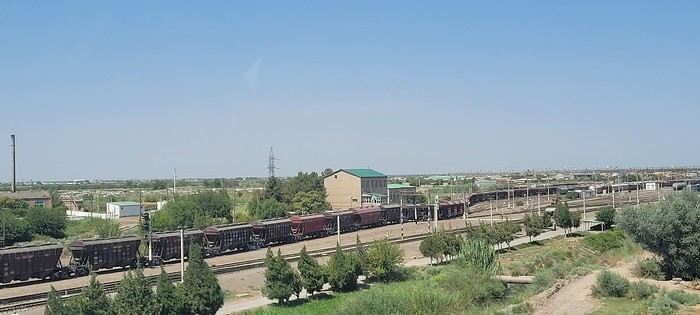
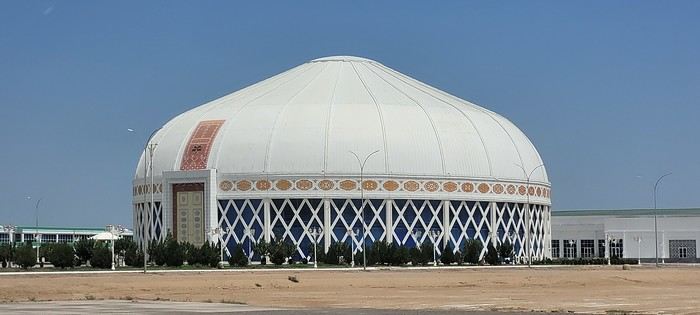
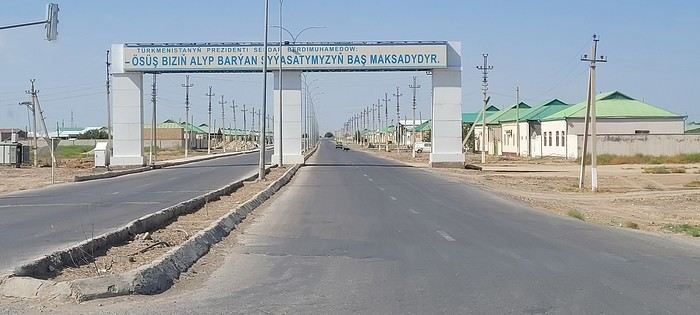
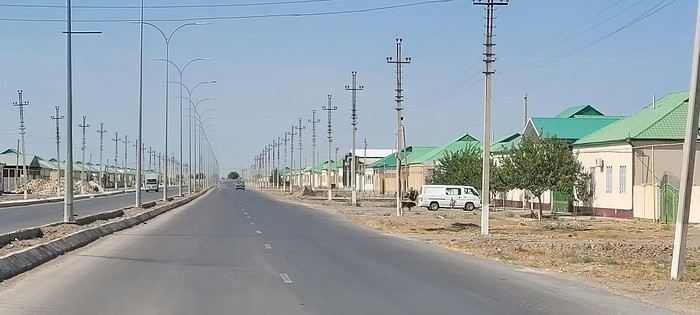 Les ronds-points sont particulièrement intéressants puisqu'on y retrouve des emblèmes de la culture turkmène, soit le chien, soit un tapis, soit le cheval Ahal Teke soit des symboles musulmans, même si la présence d'artefacts islamiques est assez réduite.


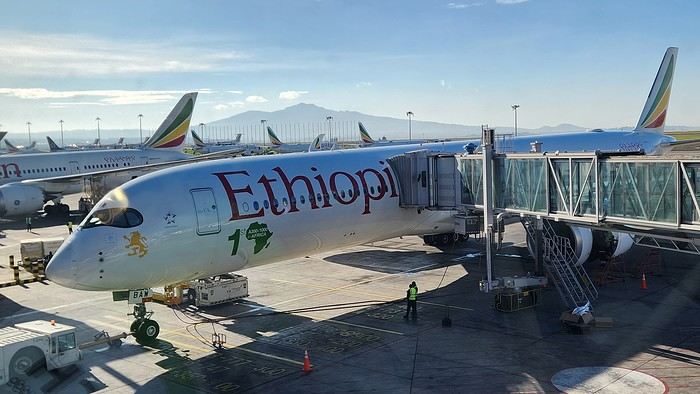
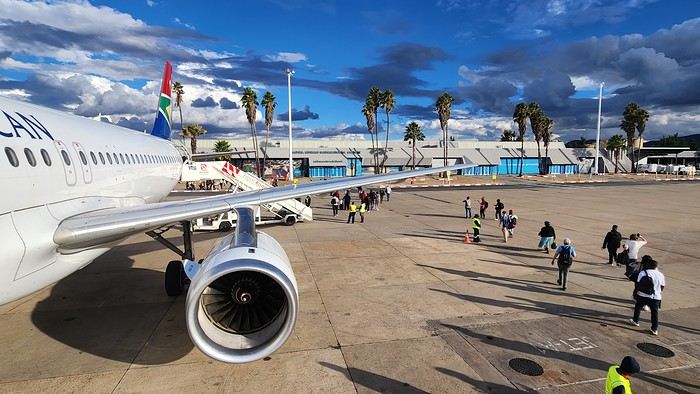
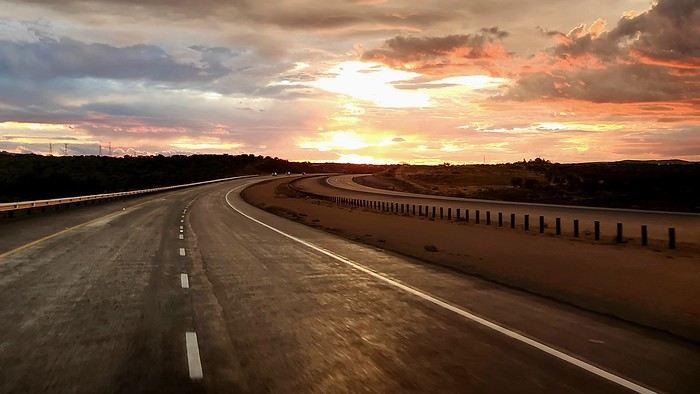
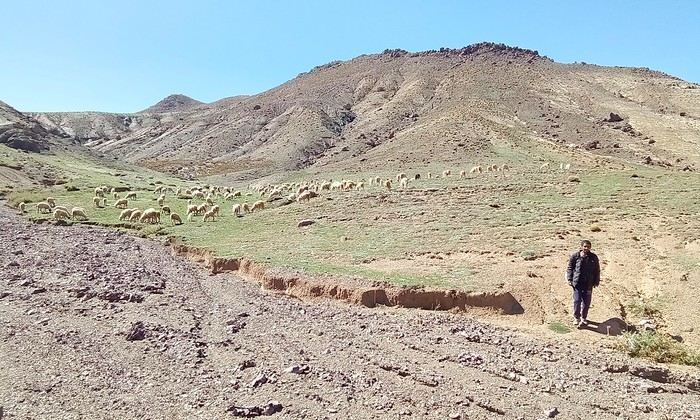
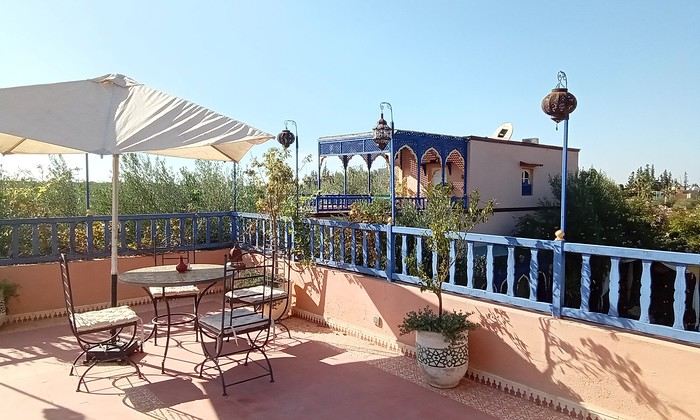
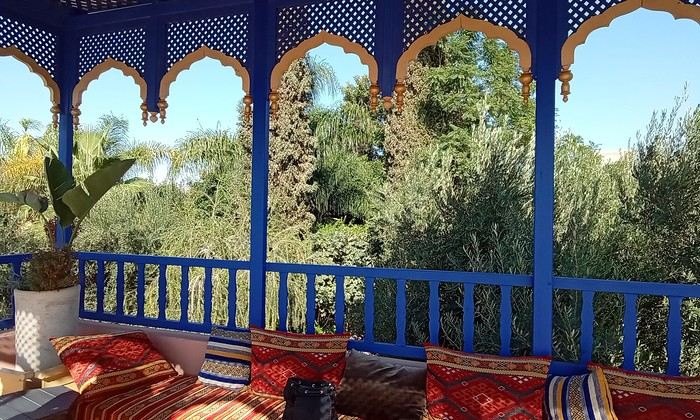 Last October, we landed in Marrakech to spend a few days with family exploring Morocco’s roads.
Transport: a rented Dacia.
Accommodations: small guesthouses.
Last October, we landed in Marrakech to spend a few days with family exploring Morocco’s roads.
Transport: a rented Dacia.
Accommodations: small guesthouses.
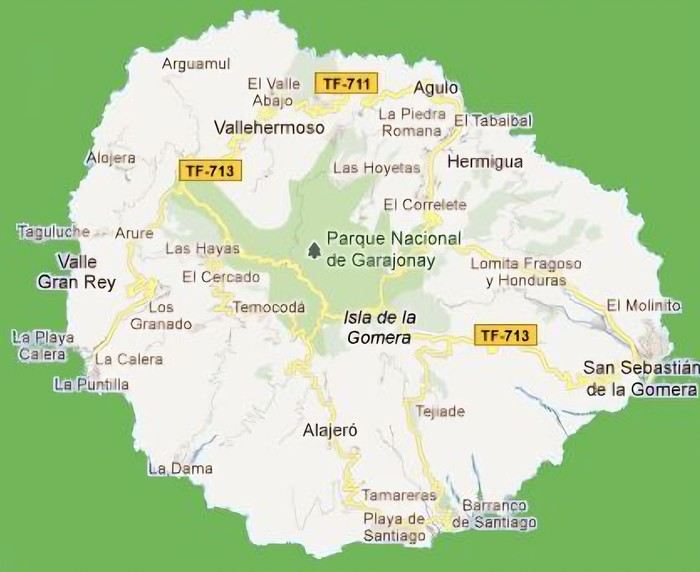 The large solidified magma massifs that shape the heart of the island have created a large depression more protected from the sun at its center, allowing the growth of a vast laurel forest, today grouped within the Garajonay National Park, La Gomera’s green lung, which has earned it the status of a World Biosphere Reserve. Its completely European appearance contrasts sharply with the rocky and tropical landscapes of the rest of the island. Thus, the climate varies greatly from one point to another on the island: in summer, you can quickly go from a dry and sunny valley at 35°C to a humid forest area at altitude at 18°C.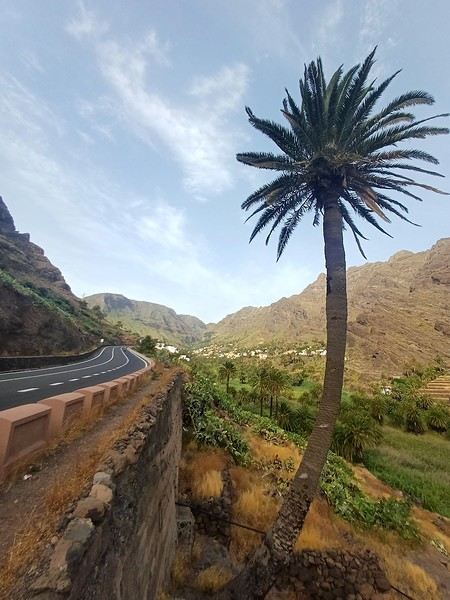
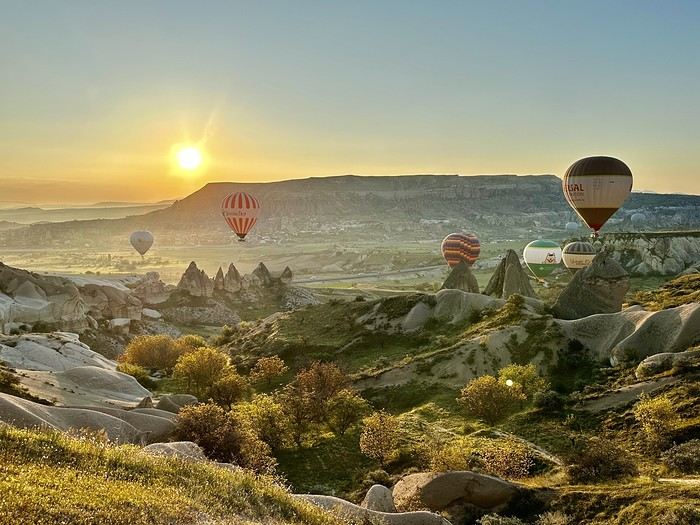 A little sneak peek?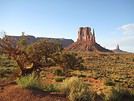


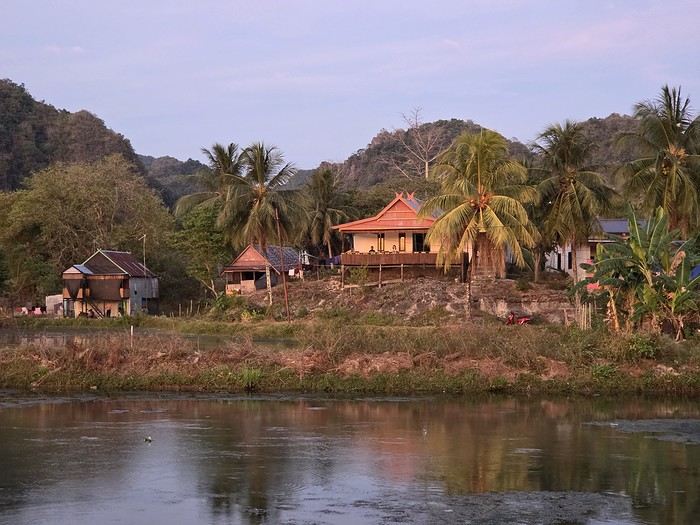
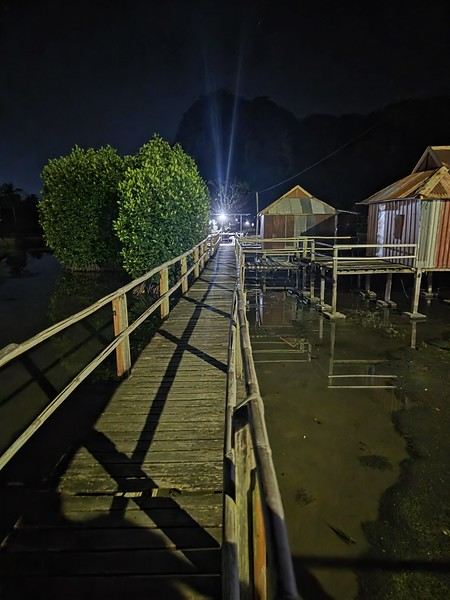
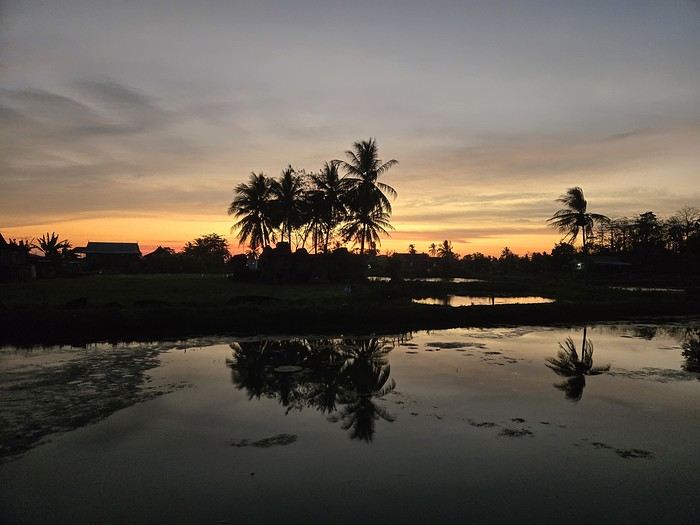
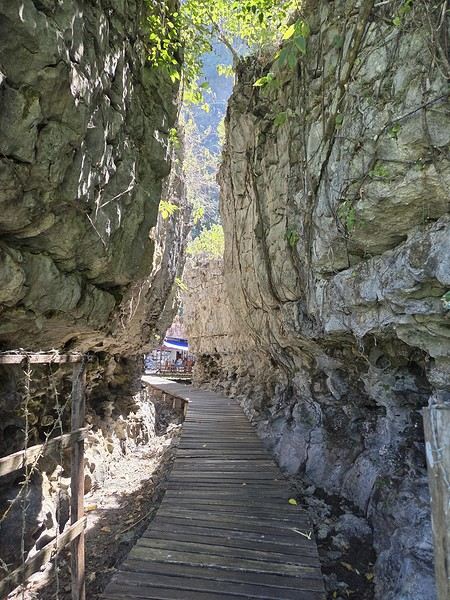
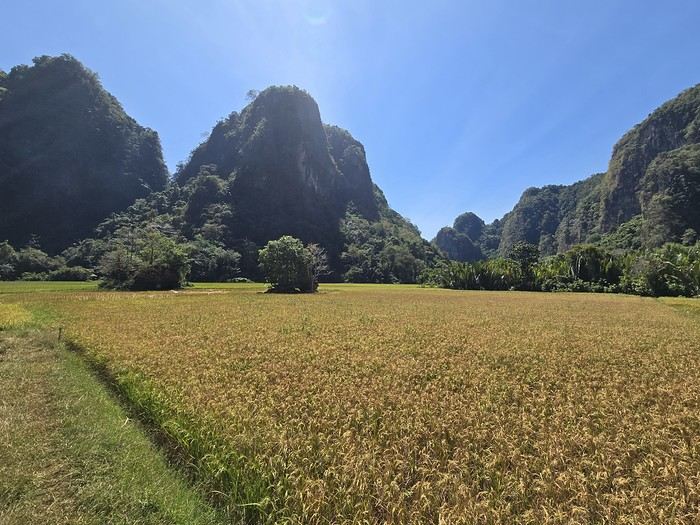
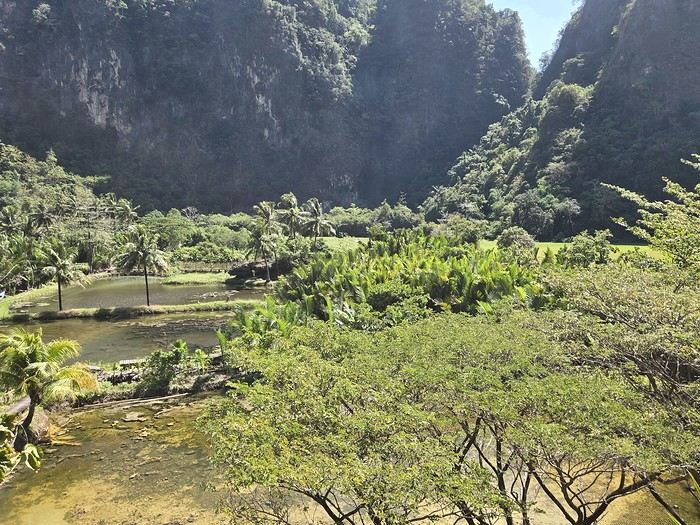
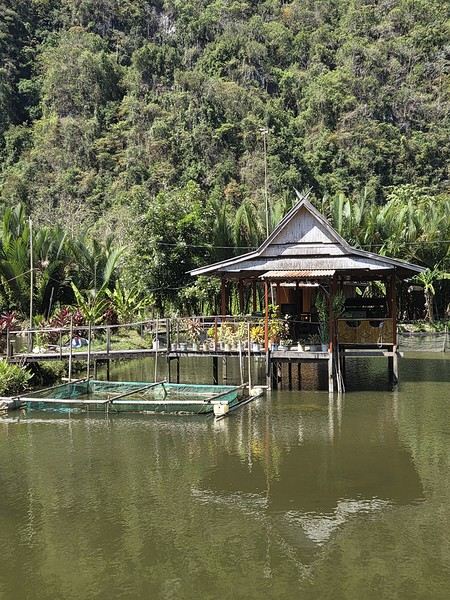
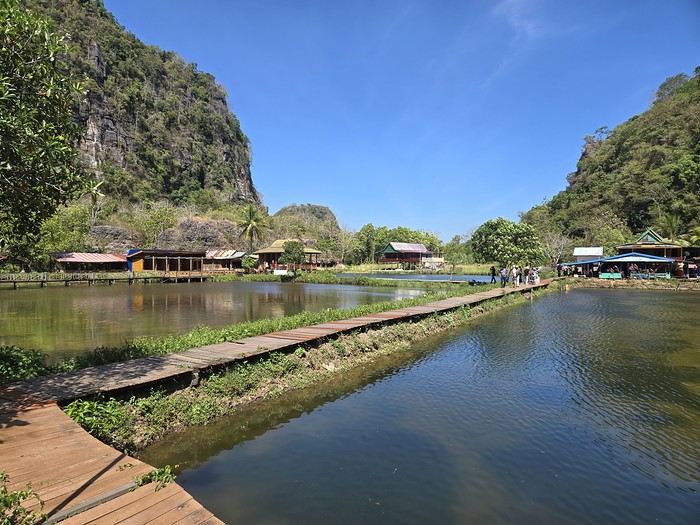
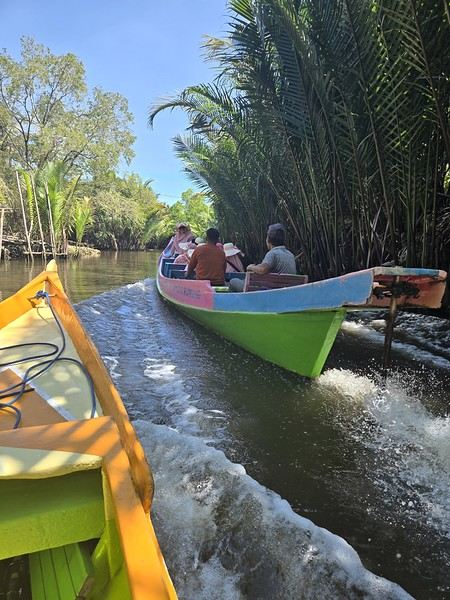 The karst site:

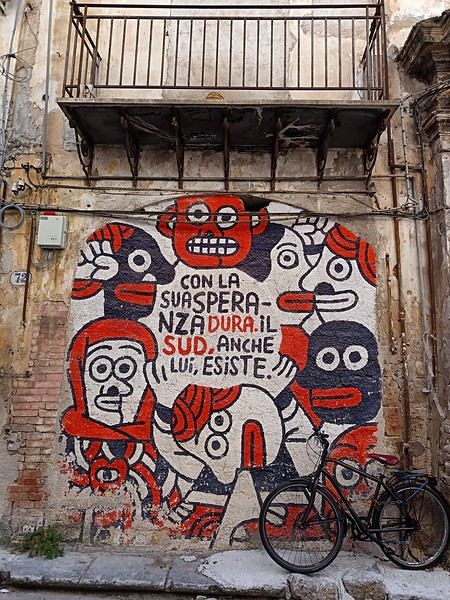 (In the heart of Albergheria, on a street every visitor walks down—lovely message from an unidentified artist)
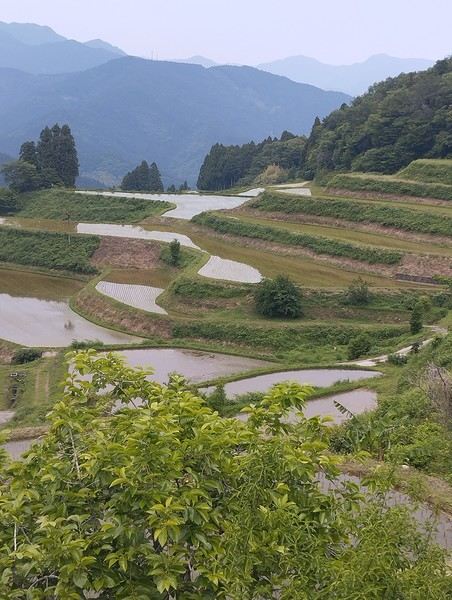
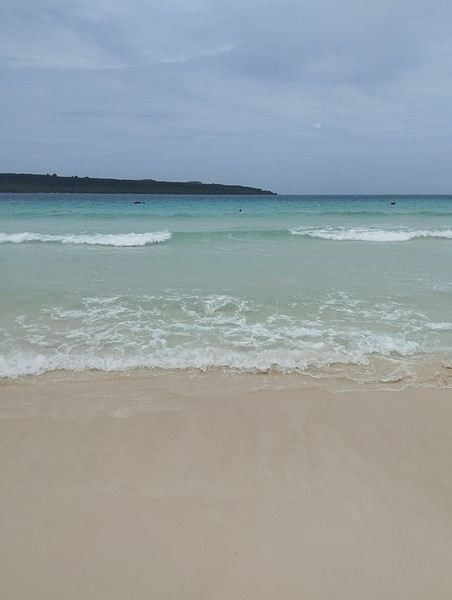
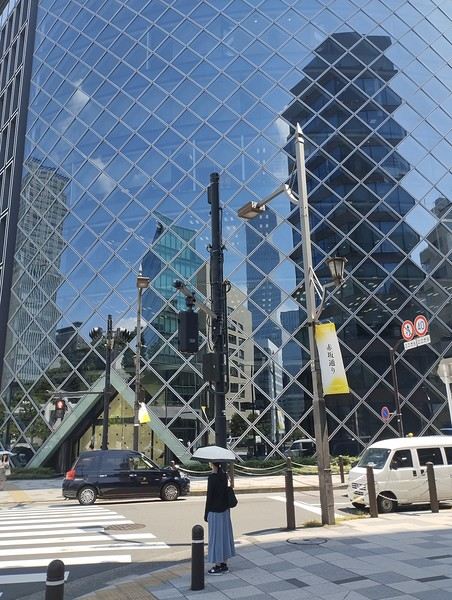


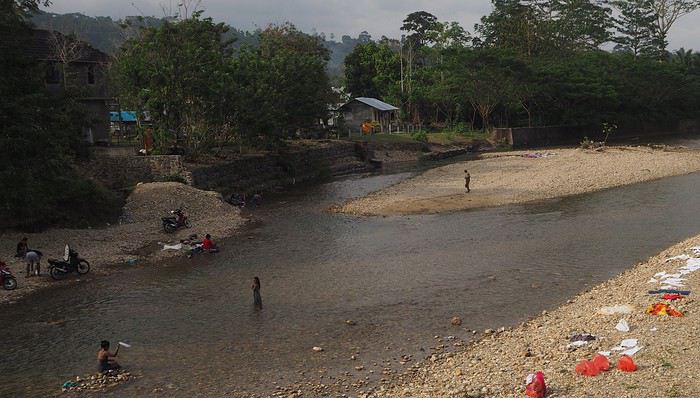 Laundry and trucks washed in the same stream.
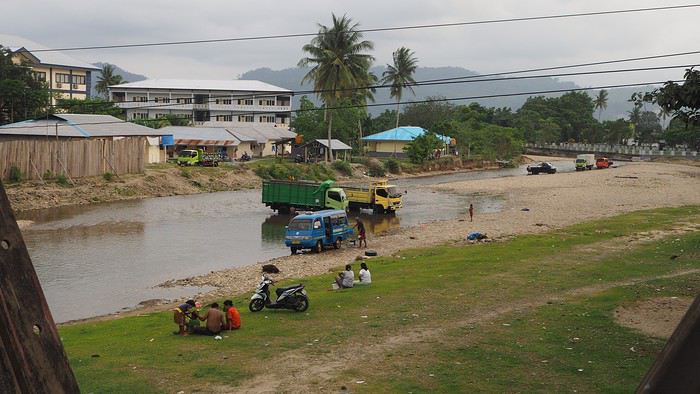
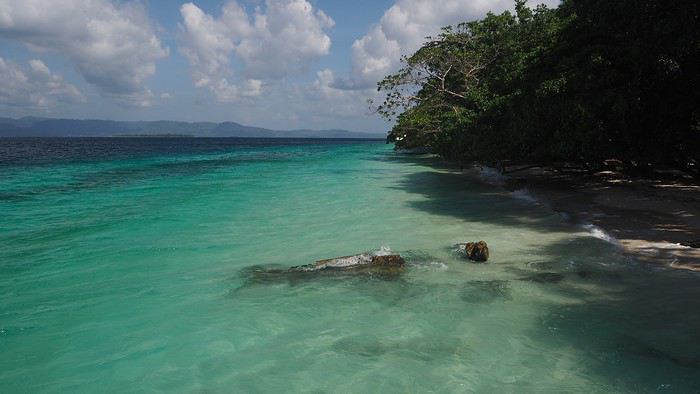
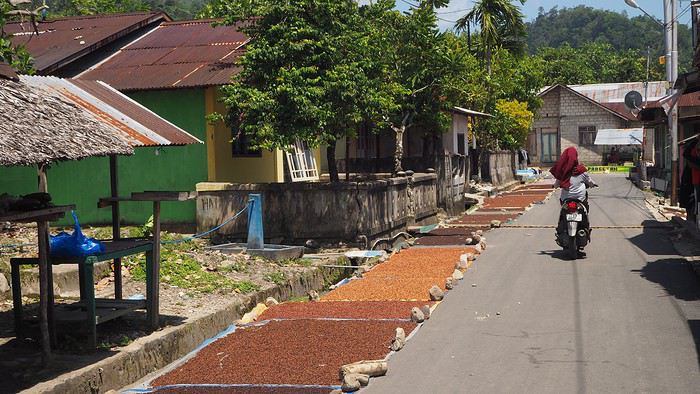
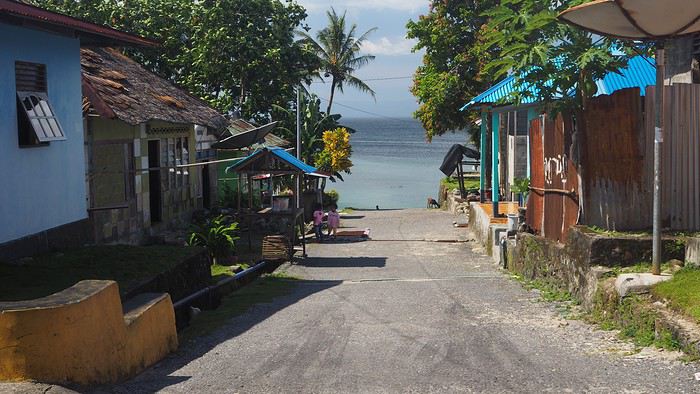
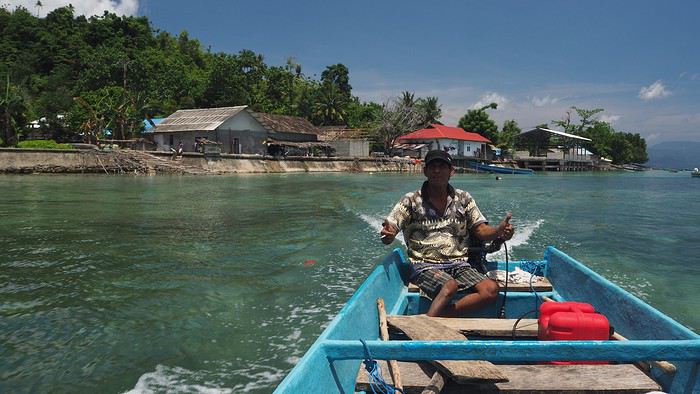
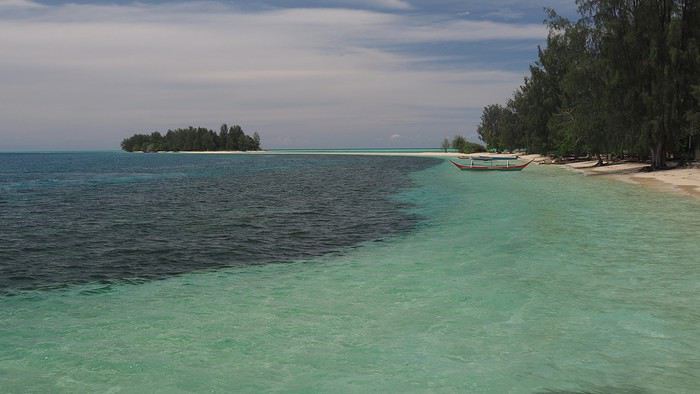
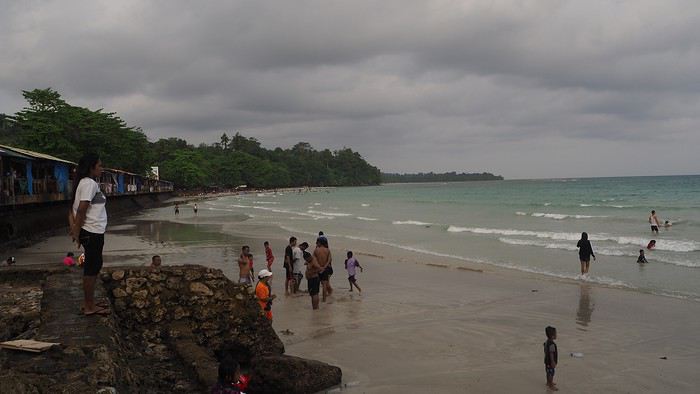
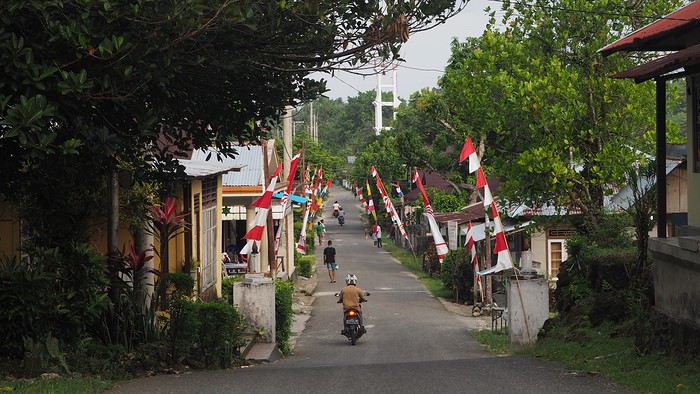
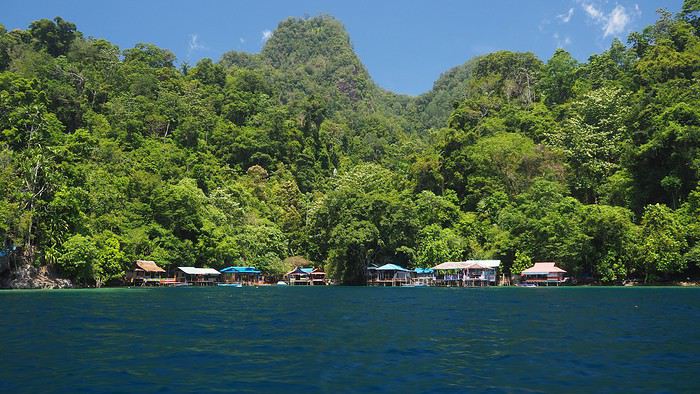 We’re greeted dozens of times with “Hello Mister”—a daily routine in the Moluccas. Every time we stop, we pose for photos to be saved on locals’ smartphones. They don’t see tourists often.