Quelques mois n'ont pas été de trop pour préparer l'aventure... Des amis, jeunes ou moins jeunes, nous ont tellement parlé de l'Inde, ajoutant leurs récits à mes nombreuses lectures consacrées à l'histoire du sous-continent.
Un jeune couple d'amis, grands voyageurs, nous ont encouragés à partir seuls, en organisant par nous-mêmes tous nos déplacements avec la bible des routards et le Lonely Planet, indispensable. En quatre semaines, nous avions eu la prétention de voir le nord... et le sud ! C'est là que les copains éclatent de rire devant ce programme irréaliste : il faut revoir notre copie, trancher et alléger les étapes... On va se "limiter" au nord, plus une incursion à Katmandou, à ne pas manquer.
Départ prévu : octobre 1994... Quelques jours avant, une bombe éclate dans tous les médias : "Epidémie de peste en Inde du nord", déjà des centaines de morts dans le Gujarat (ouest), médecins "sans frontière" réquisitionnés pour porter secours aux toubibs indiens débordés par les ravages de la terrible maladie.
Qu'allez vous faire? demandent nos proches... Nous partons, bien sûr ! Inch Allah ! Vol Nice-Londres, puis Boeing British Airways Londres-Delhi. Nous sommes encastrés dans cette énorme boîte à sardines, entre un sujet de Sa Majesté E. II et un bedonnant citoyen indien. Durant tout le voyage, une série de films débiles va faire la joie des passagers, qui poussent des rugissements de plaisir à la vue des comics diffusés en boucle. Aucun répit : l'équipage, indifférent, se replie dans le fond de l'avion...
Le cauchemar prend fin à l'atterrissage sur le sol de Delhi : le hall de l'aéroport grouille d'une foule bigarrée, colorée, odorante : parfums inconnus, mélange bizarre d'épices et de poussière. Un digne personnage coiffé d'un turban (un Sikh barbu de haute taille) émet un énorme rot sans avoir l'air le moins du monde confus... On s'extrait non sans peine des dizaines de chauffeurs de taxi qui veulent tous nous emmener vers leurs hôtels, plus extraordinaires et cheap que celui qu'on a déjà retenu... Mais nous avons choisi la formule "prepaid", et l'élu embarque nos bagages en toisant ses collègues déçus.
Une petite folie : l'hôtel "Imperial" dont le Routard disait, cette année-là, -confort d'un 5 étoiles pour un prix très raisonnable-... Le taxi quitte la grande avenue pour entrer dans le parc boisé et fleuri, une allée privée qui conduit au palace tout blanc : un superbe portier revêtu de lin blanc ouvre royalement la portière et nous souhaite la bienvenue : "Welcome, Sir" (et moi, je n'existe pas ?)...
Ce n'est pas une chambre, mais une suite, que l'agence Nouvelles Frontières nous a réservée (400 Frs pour 2 la nuit): meublée d'acajou, immense, une climatisation bourdonne et nous berce pendant quelques heures d'une sieste délicieuse.
Un calme étrange règne dans cet immense hall, lorsque nous redescendons dîner : deux serveurs se précipitent vers nous, une carte de plats exotiques inconnus... avec un lexique à l'usage des nouveaux venus.. L'arrivée bruyante d'un groupe de clients vient distraire le personnel : c'est une équipe de "médecins sans frontière" qui vient se refaire une santé dans l'espace paradisiaque de l'Imperial-Garden coffee-shop.
Quatre touristes français sortent de table en drapant un masque de tissu sur le nez et la bouche avant de quitter l'hôtel... "Because of the plague (la peste...)" !!! Ah bon ? On verra bien, demain est un autre jour...
Nuit exquise, petit déjeuner copieux dans les jardins, sous les parasols, pelouses d'épais gazon vert arrosées par des jardiniers appliqués. Il fait déjà chaud, le ciel est uniformément bleu, de grands oiseaux survolent nos têtes en surveillant nos assiettes. Soudain, un des "aigles" fonce en piqué sur une tartine qu'il emporte à grands coups d'ailes vers les toits des immeubles environnants. Les indiens aiment les animaux, tous les animaux : ils vivent en harmonie avec la nature, même en plein centre de cette mégapole.
Repus, harnachés de nos besaces, nous sortons de notre paradis pour découvrir la ville et ses habitants.. Argh !! Une nuée humaine fonce sur nous pour de multiples propositions : "Taxi, Sir ?" - "Come, please and see my shop" - "I am a good guide, I am studiant" - "Give me some coins for my collection" - "Roupies, roupies"..........Bain de foule, et quelle foule ! Nous sommes les deux seuls étrangers sur ce trottoir, les autres sont restés peureusement dans leur pays, peste oblige...Harcelés de tous côtés, sur cette longue avenue dont les pavements sont encombrés de motos, vélos, charrettes, mendiants, marchands, flâneurs, taxis et rickshaws. Ces étranges scooters à trois roues, noir et jaune, surmontés d'une caisse recouverte d'une capote, zigzaguent comme des auto-tamponneuses dans un magma de véhicules pétaradants, crachant d'âcres fumées bleues. Sous la capote, une banquette de moleskine crevée où peuvent prendre place deux ou trois clients, voire davantage. Pourquoi pas un rickshaw ? Emotion garantie : nous n'avons peur de rien, en avant pour le Red Fort dans le quartier Old-Delhi, notre premier rendez-vous avec l'Inde des Grands Moghols...
Fabricia -
Comme une eau, le monde vous traverse et pour un temps vous prête ses couleurs... ("L'Usage du Monde" - Nicolas Bouvier)
🙂....... Quelquechose de différent sur l'Inde, j'aime bien ça ...... ben oui, même moi j'ai lu, ça m'a permis durant un court moment d'être plongé au coeur d'une autre Inde visitée par une autre voyageuse avec un regard différent, et ça c'est cool comme dirait mon frère ....... 😉
Mmmmh, quel délice... L'Inde en plein comme on l'a connaît... Merci Fabricia, alors le fort Rouge? Tes impressions??? La suite!!! On veut la suite!!! 😎
Fainéanter dans un monde neuf est la plus absorbante des occupations... (N.Bouvier)
Delhi, 2 octobre 1994 Secoués comme des pruniers, brassés et balancés dans tous les sens, à moitié asphyxiés par les pots d'échappement des camions "TATA" et ceux des bus qui roulent comme des fous, on confie sa peau au conducteur du rickshaw qui se faufile habilement dans les monstrueux embouteillages, sans montrer le moindre signe d'énervement. A chaque carrefour, des "ralentisseurs" à trois hautes bosses réussissent à freiner les ardeurs des conducteurs, les rickshaws doivent rouler au pas, sinon l'engin reste bloqué entre deux "dos d'âne"... Je me demande encore comment nous sommes restés entiers après les kilomètres parcourus à travers les mégapoles indiennes à bord de ces bolides.
La première plongée en Inde est plutôt terrifiante, on se demande ce qu'on est venu faire ici, on est saisi de stupeur devant les multitudes humaines qui déambulent en rangs serrés. On se propulse lentement dans la foule intense qui remplit tous les espaces vides sur les trottoirs défoncés où on manque de trébucher à chaque pas. Il y a d'énormes trous sans protection dont on n'aperçoit pas le fond, dans lesquels on pourrait disparaître sans espoir de remonter un jour... Et tout cela dans les rues de la capitale, Delhi, qui, on le verra plus tard, est la plus civilisée de toutes les villes que nous traverserons par la suite!...
Si on veut aborder l'Inde "en douceur", c'est pourtant par Delhi qu'il faut commencer le voyage.
Sur les grandes avenues de New-Delhi, larges et moins délabrées, des vaches errantes mâchonnent tristement des sacs en plastique. Pas une touffe d'herbe à se mettre sous la dent, elles sont d'une maigreur extrême, mais ce sont des déesses sacrées, respectées et adulées par les indiens. Lorsqu'elles traversent une rue, tous les véhicules ralentissent, les contournent, freinent pour les laisser passer... "Si vous écrasez un (une)indien (ne), vous paierez une amende de 500 roupies... Si vous écrasez une vache, vous ferez au moins 6 mois de prison, montant d'une forte amende en plus..." Voilà qui refroidirait nos chauffards occidentaux !
L'Inde fête aujourd'hui, 2 octobre, la date anniversaire de son Héros, Mahatma Gandhi, né en 1869, la "Grande Ame" est vénérée à l'égal d'un dieu par tous en ce jour de fête officielle. De nombreuses manifestations se déroulent d'un bout à l'autre de Delhi, dans les rues obstruées par des défilés d'hommes venus de l'état voisin (Uttar Pradesh) qui expriment leurs revendications par d'immenses banderoles, accompagnés de trompettes et de cuivres, ces fanfares traditionnelles présentes à tous les grands événements. Cet état limitrophe de Delhi est l'un des plus pauvres de l'Inde et demande, depuis des années, son rattachement administratif à la capitale afin de bénéficier de meilleures conditions de vie...
Dans notre exploration de ce matin, une visite au lieu de crémation de Gandhi est prévue, mais notre chauffeur de rickshaw renonce à nous y conduire, il nous explique dans un sabir anglo-indien que la police a barré la grande avenue, et c'est très dangereux : "ils tirent au fusil sur les manifestants"... Nous restons dubitatifs devant son geste d'armer le fusil et ses "pan-pan" évocateurs...
Demain matin, sur la 1ère page du "Times of India" et "India To-day", quotidiens glissés chaque jour sous la porte de notre chambre, nous lirons en lettres énormes : "Hier, 2 octobre 1994, 40 personnes ont été tuées par la police indienne au cours des manifestations à Delhi !"... Diable, quelle férocité!!!
Fabricia -
Comme une eau, le monde vous traverse et pour un temps vous prête ses couleurs... ("L'Usage du Monde" - Nicolas Bouvier)
Sur les chapeaux des trois roues de notre superbe carosse, nous arrivons enfin devant le Red Fort, murailles de pierres rouges crénelées édifiées le long de la rivière Yamuna. Dès qu'on pose le pied à terre, tous les petits marchands de cartes postales foncent sur nous en dépliant leurs marchandises.. Comment refuser, mais comment acheter à chacun d'entre eux des chapelets de cartes (toutes les mêmes) ? On fait des déçus, bien sûr.
Tout près, la grande mosquée Jama Masjid, éblouissante de majesté. Les tombeaux d'Humayun et Isa Khan, dans leurs parcs immenses, à l'écart de la ville, sont un hâvre de paix et de piété. Emerveillement, somptuosité, nombreux visiteurs indiens en ce jour de fête, pratiquement aucun occidental (la peste, toujours elle... dont on n'entend plus parler depuis qu'on est arrivé à Delhi).
Pause relaxante à l'ombre des palmiers de l'Imperial-Garden, sous l'oeil curieux des oiseaux habitués des clients. On aperçoit quelques vautours juchés sur les toits alentour, des merles effrontés se posent sur les tables pour picorer les reliefs de nourriture. Un couple de chiens très familiers appartient au gérant du palace, deux ou trois chats viennent faire connaissance avec nous.
L'après-midi est consacré aux tombeaux de Safdarjung, les jardins Sikander Lodi's, emmenés de force par le rickshaw du matin qui s'est pointé avec un grand sourire dès notre sortie de l'hôtel.
Un tour dans la galerie marchande de l'Imperial et ses vitrines scintillantes, joyaux, objets d'art, vaisselle précieuse, ivoires et cuivres, soies royales... et des saris de Benarès... Le marchand déploie les magnifiques tissus brodés d'or et de paillettes dont les élégantes indiennes raffolent : princesses ou pauvresses, toutes les femmes sont vêtues de cet élégant costume de couleurs vives, qui leur donne une allure de reine.
Mais le temps passe très vite et il nous faut préparer la suite du voyage : des billets d'avion pour aller à Katmandou. Une agence Travels Cook nous vend immédiatement deux places : les touristes ne se bousculent pas...
New-Delhi : il faudra plusieurs voyages pour bien la connaître. Le centre vital, c'est la Connaught Place, coeur des affaires internationales avec ses buildings ultra-modernes de verre et d'acier, où les grandes banques ont toutes leur siège. Il est interdit de photographier ces gratte-ciel, les gardiens armés de leur lathi (bâton de bambou solide et dissuasif) veillent comme des bouledogues et me prient de ranger mon Canon...
Après ce bain de luxe et de richesses, retour au Moyen-âge : Nizam-ud-Din, une cour des miracles au sud-est de la ville. C'est une enclave musulmane où sont édifiés des tombeaux de saints vénérés par tous les misérables estropiés, qui attendent, vautrés dans la poussière des ruelles, un improbable miracle ou, à défaut, une aumône pour soulager leurs souffrances. Nos regards apitoyés les réveillent : on n'échappe pas à la distribution de pièces et billets dans leurs mains ouvertes. Une petite fille en haillons qui court derrière nous en suppliant "roupies, roupies", arrache nos dernières pièces de monnaie.
Un pélerinage inévitable sous la protection du caïd religieux, qui nous demande d'ôter nos souliers impurs, nous guide à travers les dédales du sanctuaire parmi les tombes recouvertes d'offrandes. A la sortie, il faut signer le Livre d'Or où figurent de prestigieux paraphes apposés par les visiteurs précédents : "Alain Peyrefitte et Gérard Depardieu (!!!)" et don obligatoire de 100 roupies minimum...
Nos chaussures nous attendent sagement à la sortie : et les jardins d'Humayun offrent un abri aux touristes épuisés. On s'écroule sur un banc à l'ombre d'un gigantesque banyan, dont les énormes racines aériennes nous entourent de leurs colonnes végétales. Immédiatement me revient le souvenir d'un livre de Jean Clausel, "Indes", où il raconte : "Assis sous l'immense banyan, je compare ses racines plongeantes à d'énormes serpents lorsque je sens un frôlement sur mon bras... Horreur, c'est un vrai serpent qui s'est laissé tomber de la branche et disparaît dans l'ombre du taillis..."
Je ne quitte pas des yeux ce parasol inquiétant... Les serpents n'aiment pas les quartiers bruyants.
Fabricia -
Comme une eau, le monde vous traverse et pour un temps vous prête ses couleurs... ("L'Usage du Monde" - Nicolas Bouvier)
3ème soir - Infidélité à notre cantine de l'Imperial : nous nous régalons d'un délicieux repas au restau "El Arab", Connaught Place, adresse recommandée par notre bible de voyage, où l'on retrouve quelques frenchies venus se refaire une santé après les brûlants volcans de curry noyés de piment incendiaire. La cuisine indienne, c'est "quelques grains de riz sous une montagne de poudres ardentes"...
J'ai déjà goûté à ces plats redoutables qui m'ont brûlé les papilles : après quelques bouchées, nécrose des muqueuses garantie !
4ème jour - Il commence par un "Happy birthday" à mon mari préféré. On fêtera cela d'une façon originale en fin d'après-midi. Il faut absolument visiter le "National Museum", du plus haut intérêt, situé dans le quartier des ambassades, dans l'ancienne résidence des colons anglais, au milieu de larges espaces verts si chers aux sujets britanniques.
Il faut quitter notre bel Imperial, où nous nous sommes fait deux amis : les serveurs du Garden coffee-shop, tout étonnés par ces deux clients qui sont restés trois nuits dans ce paradis. D'habitude, les touristes ne s'y attardent pas, et se suivent dans l'anonymat des groupes. Nous avons discuté avec eux deux, échangé nos adresses, répondu à leurs questions sur notre vie en France. A leur tour, ils nous ont parlé de leurs vies respectives. L'un est hindou, l'autre musulman. Ils ont eu la chance de faire tous les deux des études de tourisme, à l'issue desquelles ils ont été engagés dans ce palace.
Ce sont deux amis, bien que l'un soit de religion hindoue et l'autre musulman. Le premier, marié, n'a que deux enfants : "Je veux leur donner une bonne éducation pour qu'ils vivent bien". L'autre, marié aussi, a une nombreuse progéniture, "six petits, selon la tradition familiale...". Il sait qu'il devra faire de nombreux sacrifices pour donner à chacun d'eux l'instruction indispensable pour émerger de la misère...
Adieux émus à Prachad et à Kumar... Valises embarquées dans un taxi, direction International airport, interminables formalités et nombreux questionnaires à compléter pour quitter le territoire indien. Une halte rafraîchissante dans le lounge de la Royal Nepal nous fait reprendre un peu de forces... pour la visite médicale obligatoire avant l'embarquement : le Népal se méfie de la "peste indienne" alors qu'il offre bien d'autres choléras et charmantes fièvres sur son territoire...
Exigences sanitaires satisfaites, nous voici installés dans l'Airbus, direction Katmandou, classe "caviar" (1ère). Il ne restait plus que ça : on aurait tort de se plaindre, car champagne et repas raffiné servis par les belles hôtesses en tenue népalaise traditionnelle, vont fêter l'anniversaire de mon mari.
Un riche lama tibétain en surplis violet se prélasse, lui aussi, dans cet espace privilégié (pas vraiment détaché des biens de ce monde, ce personnage dont le servant est parti se caser au fond de l'avion, classe "canigou")... Il fait nuit, malheureusement, lorsque nous survolons les Himalayas.
KATMANDOU - Népal -
Landing, débarquement et récupération des bagages, en prise avec de nombreux chauffeurs de taxi qui sautent sur les voyageurs à la sortie de l'aéroport de KTM. Trois individus se sont tassés sur le siège-avant de la vieille guimbarde qui nous conduit en ville, vers le Tibet-House retenu. Ces pieds nickelés aux faces de mongols rusés commencent à nous saoûler avec un "superbe hôtel", bien plus confortable que le nôtre, qui est complet, qui a brûlé la nuit dernière, etc... Restons fermes face à leur baratin de petits malins, sempiternelles histoires à dormir debout que tous les voyageurs connaissent par coeur.
Fini, le luxe impérial ! Très simple, le Tibet-house n'offre que l'essentiel : une chambre située dans une aile bétonnée, deux lits et un placard riquiqui, un vieux fauteuil incrusté dans une moquette râpée, une salle d'eau réduite à sa plus simple expression. Une nuit agitée car les fenêtres donnent sur une rue très bruyante : quand l'activité nocturne se calme enfin, c'est alors un concert d'aboiements incessants qui se déclenche jusqu'à l'aube, relayé par les roucoulements des pigeons installés sur le rebord de nos lucarnes...
Sous le soleil matinal, surprise : Katmandou est une merveilleuse petite ville qui sort à peine du moyen-âge. Eblouissement des tableaux vivants dans ces ruelles bordées de temples, vieilles maisons en bois, courettes pavées où dorment des dizaines de chiens galeux qui se reposent de leur chahut nocturne, vaches errantes, bagnoles d'un autre siècle, vélos, pousse-pousse, motos, ânes, chèvres, et une marée humaine qui déambule chargée de fardeaux monstrueux : on se déplace lentement au milieu de ce fouillis en pataugeant dans la bouillasse des dernières pluies. Un gringalet avance plié sous le poids d'une armoire (vide ou pleine ?)qu'il porte à travers la ville...
Objectif premier de notre journée : trouver vite un autre hôtel plus agréable. Au bout d'une ruelle semée d'immondices répugnants, on découvre le hâvre de paix inimaginable si proche du cloaque : le "Mustang Hôtel" se cache au milieu d'un jardin fleuri, derrière une haute grille gardée par une sentinelle armée d'un vieux tromblon, qui nous salue et ouvre le portail. Accueil courtois du directeur, un homme distingué dont on saura, ce soir, qu'il est l'héritier du royaume du Mustang, cette province du Tibet envahie par les chinois. La famille princière s'est exilée ici, à Katmandou, et gère l'hôtel simple et impeccable qui va devenir notre home pour quelques jours...
Fabricia -
Comme une eau, le monde vous traverse et pour un temps vous prête ses couleurs... ("L'Usage du Monde" - Nicolas Bouvier)
merci fabricia, pour le récit, pour sa longueur (et en plus j'avais 2 textes à lire ce matin🙂) et pour le charme des mots...
j'attends la suite bien sûr !!
dolma
un chemin et la caresse du vent, alors je pars en voyage...
Si je m'attarde un peu sur le choix de nos abris hôteliers, c'est qu'ils représentent une parenthèse réconfortante au retour de nos sorties au coeur de la vraie vie indienne. Dès qu'on met un pied au-dehors, on reçoit un choc brutal, confronté à la misère et à l'extrême pauvreté, dont on n'a pas idée tant qu'on ne l'a pas vécu...
Un jeune copain, routard "sac à dos", Frank, nous a raconté son premier voyage en Inde.. "Je suis arrivé au milieu de la nuit, épuisé, le chauffeur de rickshaw m'a trimballé jusqu'à un hôtel minable de Old Delhi, et je me suis écroulé sur une paillasse douteuse où j'ai dormi une douzaine d'heures, complètement abruti... A mon réveil, dès que je suis sorti sur le trottoir, j'ai été saisi à la gorge par les multitudes de passants qui se sont jetés sur moi, la main tendue... C'en était trop, je ne me suis pas senti capable de faire un pas de plus... Encore un peu de répit... Je suis rentré dans le hall en me disant - plus tard, dans quelques heures, il faudra bien que je m'y fasse..."
Moi non plus, je ne m'habituerai jamais au spectacle de ces campements de toile et de cartons, posés à même les trottoirs, où des ombres humaines se réfugient à la nuit tombée. Des familles entières sont arrivées dans la capitale de l'Inde fuyant les campagnes, croyant trouver l'eldorado qui les tirera de leur triste condition. C'est une illusion, ils s'aperçoivent très vite qu'ils n'ont vraiment plus rien, livrés à la mendicité et à la générosité, très rare, de leurs compatriotes. Je n'ai pas vu beaucoup d'indiens faire l'aumône à ces petits mendiants suppliants, qui ont vite repéré les quelques étrangers saisis de pitié et de culpabilité...
Ce soir, au "Mustang", un dîner tibétain nous est servi dans le jardin, par Tensing, un jeune serveur à l'allure de sherpa, qui est allié à la famille du propriétaire. Il se tord de rire en nous répondant en français, qu'il a décidé d'apprendre au contact des clients de passage, comme s'il nous faisait une bonne blague : "à botre serbice !" dès qu'on le remercie... Une atmosphère de sérénité et de chaleur règne dans cet hôtel, qui ressemble davantage à une maison d'hôte où les voyageurs sont reçus et servis comme des amis.
A côté de nous, un couple de jeunes français, installés ici depuis plusieurs semaines. Le garçon, d'origine savoyarde, est guide de trek, et sa douce compagne peint de jolies aquarelles inspirées de ses promenades aux environs de Katmandou. Durant les cinq jours passés ici, il arrivera plusieurs autres étrangers venus des quatre coins du monde pour escalader les pentes jusqu'au camp de base des 8000 m... Au retour d'un trek, un groupe s'est réfugié ici, pour se remettre de la mort de l'un d'eux, qui a succombé au "mal des montagnes"... On a réalisé en les voyant les risques majeurs que prennent certains marcheurs présumant trop de leurs forces.
Les hauts lieux de KTM se trouvent sur Durbar Square, coeur vivant de cette ville légendaire, profusion de temples, palais, pagodes, un kaléidoscope animé, bruyant, fascinant, où se côtoient le passé et le présent dans la poussière et les fumées de milliers de motos et scooters, qui sillonnent places et ruelles dans un mouvement perpétuel. A force de tourner et zigzaguer dans le labyrinthe des allées toutes pareilles, on s'est perdus... Malgré un sens de l'orientation digne de l'ancien fantassin qui partage ma vie, nous sommes déboussolés ! Il ne reste plus qu'un moyen pour nous remettre sur la bonne piste : un cyclopousse tracté par un joyeux népali qui voit là l'occasion de sa journée...
Pourtant, on s'était juré de ne jamais grimper dans ces engins qui nous font ressembler à des pachas paresseux. Mais l'homme nous prie d'accepter son aide, c'est son seul gagne-pain... et s'il n'a pas de client, c'est le désastre. Donc, assumons la honte et faisons-nous les plus légers possible... Debout sur les pédales, appuyant de tout son poids, il a vite fait de nous déposer en terrain connu...On lui donne le triple de la somme annoncée pour se dédouaner un peu...
Les jours suivants, on retient un vieux clou à quatre roues et un moteur pour la Vallée. Le fameux temple de Swayambunath : le stupa surmonté d'une coupole blanche et son clocheton orné des yeux du Bouddha qui fixent imperturbablement l'horizon. Des pélerins innombrables s'attardent devant les moulins à prières qu'ils font tourner dans une ronde incessante. D'autres bipèdes, les fameux singes qui peuplent la colline et dont il faut se méfier : ils arrachent prestement des mains des visiteurs les sacs, appareils photos, lunettes, et grimpent avec leurs trophées sur les toits, en narguant leurs victimes... Partout, des vendeurs népalis ou tibétains ont disposé des bols en cuivre (les "bols chantants" qui émettent un son mélodieux lorsqu'on en frotte les bords avec un morceau de bois), des poëlons, des pots à thé, des moulins à prières miniatures, des images de Bouddha, des tissus à accrocher en signe de prières aux arbres des jardins... Marchands du temple...
Patan, Pashupatinah, Bodnath, Bhaktapur...toutes ces villes anciennes sont un enchantement, où nous restons des heures à errer dans les palais presque déserts, si évocateurs des siècles passés. Je mitraille toutes ces merveilles, prenant des photos sous tous les angles, quand j'entends une voix m'interroger : "Where do you come from ?" C'est un joyeux gamin juché tout en haut d'une pagode, qui éclate de rire quand je lui annonce ma patrie : "Ah, fronçaise, fauchée, ... lâche moi les baskets !"... Je réalise alors qu'il a reçu des dizaines de réponses de certains compatriotes, exaspérés par les sollicitations pressantes des habitants... J'ai envie de me cacher dans un trou de souris... Comment ose-t-on dire qu'on est fauché quand on vient en "touriste" du bout du monde chez ces pauvres gens qui n'ont presque rien pour vivre?...
Fabricia -
Comme une eau, le monde vous traverse et pour un temps vous prête ses couleurs... ("L'Usage du Monde" - Nicolas Bouvier)
🙂....... Génial, un vrai carnet de voyage authentique et plein des doutes et surprises qui assaillent le voyageur à la découverte de terres inconnues ..... j'adore et suis fan, mais je ne suis pas surpris ...... ça donne envie de réécrire soi même ....
Merci, ca me replonge en terrain connu et adoré....
Que le vent te pousse en avant, que le soleil illumine ton visage, que le vent du destin te pousse à danser avec les étoiles.... THE BLOW pour laisser la place à ses rêves!!!!
J'ai pris beaucoup de plaisir à raconter les premières journées indiennes et népalaises restées si présentes dans ma mémoire. Ce forum m'a permis de leur donner l'occasion d'apparaître devant des lecteurs sympas, tels que toi, Marsu, Alan, Nawal, Parvat, et d'autres que je ne connais pas encore...
Merci à vous tous, avec qui je partage la passion des aventures lointaines.
A la semaine prochaine, pour la suite... Bon week-end, amitiés,
Fabricia -
Comme une eau, le monde vous traverse et pour un temps vous prête ses couleurs... ("L'Usage du Monde" - Nicolas Bouvier)
Oui, Alan avait raison en me conseillant de lire ton post...je n'avais jusqu'à aujourd'hui point pris le temps de lire ton carnet...Riche en vocabulaire, ton récit retranscrit à merveille tes ressentis, tes inquiétudes... Réellement transporté par tes mots dans ce pays si fascinant, unique, envoutant et terrifiant à la fois...je dois te remercier...
Amicalement
yann
Thailande, Maldives, Malaisie péninsulaire et Sabah, Kalimantan, Sulawesi, Moluques, Egypte, Sumatra. Archipel de Takabonerate l'été dernier.
www.voyagefamille.net
Voyagefamille.net
Déjà presque une semaine que nous sommes à Katmandou... Nous devons songer à poursuivre le voyage, prochaine escale, Bénarès (Varanasi), sur les bords du Gange.
Une dernière promenade sur l'esplanade du Palais royal, à l'ombre des "arbres à bats" : durant le jour, de gros fruits noirs se balancent accrochés aux branches, et à la nuit tombée, ces grappes étranges se secouent, déploient leurs ailes et s'envolent dans un sombre nuage vers d'autres destinations. D'énormes chauves-souris comme on n'en avait encore jamais vues.
Accroupis sur le trottoir, quelques squelettes vivants aux doigts mutilés espèrent que les passants s'arrêteront et leur feront l'aumône : des lépreux au visage déformé, membres atrophiés... On glisse des billets pliés dans la poche de leur tunique. Un peu plus loin, un saddhou, immobile et pétrifié, les jambes enchevêtrées autour de son cou, dans une posture de méditation, attend lui aussi les espèces sonnantes et trébuchantes dans l'écuelle posée à ses côtés...
Tous les habitants de Katmandou ont fêté "Dashera" en famille, c'est le Noël népalais : hier soir, au Mustang, le prince héritier et les siens ont fait un dîner spécial et une distribution de jouets à leurs jeunes enfants. Le personnel était invité à partager les réjouissances avec les hôtes. Nous avons respecté leur intimité et sommes allés manger dans le quartier de Thamel, l'enclave touristique où se regroupent les agences de treks, les restaurants exotiques, une immense librairie, "Pilgrim's books", pâtisseries et salons de "chaï", boîtes à danser et à écouter toutes les musiques du monde...
Nous faisons des adieux émus à notre pension Mustang, et promettons au directeur de recommander son hôtel à nos amis voyageurs...
Katmandou airport : notre avion se fait attendre longuement, c'est la fameuse "navette" qui va et vient entre le Népal et Delhi, et dépose son lot de passagers à Agra, Kadjuraho, Varanasi et revient les chercher, visites faites.
Près de nous, assis sur les bancs de la salle d'embarquement, on parle français... Intrigués, nous lions conversation avec deux compatriotes, père et fils, de retour du Tibet, et qui râlent (comme tous les français) contre ces deux heures d'attente. On va apprendre, très surpris, qu'ils vivent à St-Laurent du Var, à quelques dizaines de kilomètres de chez nous ! Ils sont montés dans l'avion avec deux lourdes valises, remplies de boîtes de conserves par crainte de crever de faim dans leur périple... Et qu'ils remportent, pleines, avec eux en France. Ils n'ont pas eu une seule seconde l'idée d'en faire don à des locaux plus démunis qu'eux...On fait profil bas devant tant d'égoisme !
C'est dans une obscurité complète que nous atterrissons dans la ville la plus sacrée de l'Inde, Bénarès rebaptisée Varanasi par les indiens (du nom des deux rivières, Varana et Asi, comme nous l'explique le chauffeur du taxi). Il a bien voulu nous amener à l'hôtel qu'on avait repéré dans un guide... Les tarifs affichés dans le hall nous font ressortir aussi vite. Faisons confiance au conducteur qui suggère un nouvel établissement, qui devrait nous convenir, selon lui. Bravo pour son intuition, "Ideal Tops" se révèle très agréable, tout à fait à notre goût ainsi qu'au budget prévu. Rendez-vous est pris avec le même taxi, demain dès l'aube, pour la découverte des rives du Gange, au lever du soleil, le grand spectacle rituel des dévotions chaque matin renouvelées...
Fabricia -
Comme une eau, le monde vous traverse et pour un temps vous prête ses couleurs... ("L'Usage du Monde" - Nicolas Bouvier)
Que le vent te pousse en avant, que le soleil illumine ton visage, que le vent du destin te pousse à danser avec les étoiles.... THE BLOW pour laisser la place à ses rêves!!!!
Merci pour ces quelques impressions aux images si palpables…Je n’ai lu que Delhi pour ne pas me disperser… Je n’ai qu’une hâte, que le sablier coule plus vite pour que je puisse à mon tour découvrir tout cela…
Le taxi se propulse avec lenteur parmi la foule qui se dirige, elle aussi, vers le fleuve sacré. Les rues sont obstruées par une marée humaine qui s'écoule au milieu de toutes sortes de véhicules à moteur et à pédales. Des cortèges funèbres se suivent en direction du quai des crémations, porteurs chargés de litières fleuries où l'on devine des corps en quête d'éternité.
Nous voici enfin à bord d'une longue barque louée pour quelques heures, le vieil homme très digne rame doucement tandis qu'un guide bavard décrit les monuments édifiés sur la rive gauche du Gange. Même dilemme à chacune de nos visites : on aimerait découvrir seuls ces lieux dont on a lu tant de descriptions, mais l'insistance des préposés aux visites nous apitoie au point de céder, la plupart du temps, à leurs propositions d'accompagnement... Le voyageur étranger représente la seule manière de se faire un peu d'argent... Tout au long de nos voyages, nous supporterons ainsi la présence de ces gars dont on essaiera de comprendre les explications dans un anglais très approximatif...
Spectacle extraordinaire de milliers de pélerins se baignant dans les eaux magiques qui défile au rythme lent de notre barque, glissant doucement le long des ghats (escaliers de pierre) surpeuplés à cette heure matinale. Comme un film en couleurs, la promenade mythique nous transporte dans un autre monde, sur les flots aux pouvoirs surnaturels, vénérés par l'Inde tout entière. Il faut mourir à Varanasi pour être assuré du bonheur dans l'au-delà, échapper au cycle sans fin des renaissances et accéder au suprême délice, le Nirvana...
La foule bien vivante qui patauge dans l'eau se consacre à toutes sortes de dévotions, la toilette y est fort recommandée, femmes et hommes se savonnent soigneusement avant de plonger entièrement dans le saint liquide, dont ils vont boire quelques gorgées pour se purifier ! Car le Gange est pur, au sens divin du terme, malgré d'innombrables déchets qui flottent à la surface (cadavres de bébés, animaux crevés, immondices et mille rejets chimiques ainsi que les cendres des corps incinérés) : gigantesque bouillon de culture. On frémit d'horreur à l'idée de tremper, ne serait-ce qu'un orteil, dans cet ignoble chaudron.
Les indiens ont l'esprit large, des milliers de divinités sont honorées dans la plus grande liberté, et ils nous posent souvent la question : "Quel est votre Dieu ?". Il ne faut surtout pas répondre "aucun", comme on l'a fait la première fois : ils en sont tout retournés, - comment peut-on vivre sans croire à un Etre supérieur ? -
A quelques kilomètres de Varanasi, Sarnath est un haut lieu de culte bouddhiste. Là encore, des dévots en robe safran méditent, accroupis dans la prairie entourant l'immense stupa autour duquel déambule une longue file de pélerins. Il faut toujours contourner les temples dans le sens des aiguilles d'une montre, sous peine de sacrilège !
Vite, retournons dans notre abri provisoire, à l'hôtel si propre, si calme, après les émotions matinales... Ce qui va faire un des remords de ma vie de voyageuse me remplit encore de honte : je me suis trompée de numéro de téléphone intérieur, pensant avoir au fil le préposé à la "laundry" (service blanchisserie), l'employé me fait répéter deux ou trois fois ce que je désire, et raccroche... Cinq minutes après, un serveur frappe à la porte de notre chambre avec une théière et deux tasses... J'ai confondu "laundry" avec "room-service"... Je lui explique la méprise en refusant son plateau, comme une "memsahib" du temps de la colonisation... Qu'il me pardonne, où qu'il soit aujourd'hui...
Au fait, on a complètement oublié la peste, les journaux indiens ne parlent que de cas isolés dans le Gujarat, région particulièrement soumise à ce fléau après chaque mousson. Grâce aux nombreuses annulations des voyagistes, les troupeaux de touristes tant redoutés sont singulièrement réduits dans les hôtels, sur les sites, ainsi que sur les vols intérieurs. On ne rencontre que quelques couples, français, anglais, australiens ou scandinaves qui ont bravé l'affolement collectif. Une famille anglaise - maman, papa, et deux petits de 8 et 6 ans, nous suit dans notre périple. Nous les retrouvons souvent dans les mêmes hôtels ou dans nos promenades.
Khajuraho -
Les fameux temples, mondialement connus pour leurs sculptures coquines, attirent les touristes émoustillés. L'ensemble de ces admirables monuments est situé en pleine campagne. L'avion atterrit au milieu des champs cultivés, quelques hôtels sont édifiés de part et d'autre d'une petite route qui traverse le calme village. Outre le confort de l'hôtel Clarks Bundela, un palace tout neuf aux trois-quarts vide, on apprécie le silence et la solitude tout à fait exceptionnels en Inde. C'est une trêve bienvenue au milieu de notre frénétique voyage.
Une étape idyllique comme on en rêve, parmi les temples décorés de sculptures audacieuses représentant dieux et déesses enlacés, dont les attitudes érotiques évoquent le Kama-Soutra. Les étrangers écarquillent leurs yeux pour observer ces chefs d'oeuvre, immortalisant ces raretés sur caméra, afin de les exhiber aux copains dès leur retour. Les temples sont encadrés d'arbres centenaires qui ombragent délicieusement les charmants édifices de pierre ocre. Des jardiniers soignent les somptueux massifs de fleurs exotiques qui forment un écrin raffiné, à l'image d'un paradis terrestre.
Au coeur du village, un musée expose de nombreuses statuettes rassemblées sous des vitrines, à l'abri de possibles dégradations. Le gardien nous suit pas à pas, expliquant les détails de chaque objet, fier de démontrer son savoir aux quelques visiteurs venus jusqu'ici.
Dehors, la vie continue autour de ces sublimes antiquités, les habitants sont tous cultivateurs. Une intense activité règne dans les champs. Au soleil couchant, de longues files de paysans reviennent chargés d'énormes brassées de feuillages posés sur leur tête. Démarche altière des femmes vêtues de saris éblouissants qui défilent à l'horizon comme des mirages sur fond de ciel irisé...
Sourires des nombreux enfants qui viennent vers nous, les plus grands ont souvent des bébés dans les bras ou posés dans des paniers en équilibre sur leur tête... Tout ce petit monde s'approche et pose les habituelles questions : "Where do you come from ? - What is your name ? How old are you ? Do you have children ?" On distribue à chacun bonbons et roupies qu'ils empochent avec un grand sourire, leurs yeux de diamant noir nous disent merci (il semble que ce mot ne soit jamais prononcé dans les diverses langues indiennes, mais les regards sont suffisamment éloquents).
Ici, rien de comparable à ce que nous avons vu dans les grandes villes : il n'y a ni mendiants, ni rabatteurs, ni estropiés pour fondre sur les voyageurs et leur arracher pitié et aumônes, au grand jeu de la misère. Pourtant, l'endroit n'est pas riche, mais les conditions de vie sont beaucoup moins dramatiques à la campagne. On a souvent honte d'être aussi privilégiés en face de ces millions de pauvres en marge de la société. Que faire ? Nos gestes de générosité sont une goutte d'eau dans leur dénuement, et pourtant, Mère Térésa dit : "L'océan est fait de milliards de gouttes d'eau."
Fabricia -
Comme une eau, le monde vous traverse et pour un temps vous prête ses couleurs... ("L'Usage du Monde" - Nicolas Bouvier)
Quel plaisir de se plonger dans d'autres récits. Merci tout plein Fabricia... Je me revoyais à Benares le long du Gange, dans les petites ruelles traversant des marées humaines, ou buvant un chai tranquillement avec cette chère... Marsu! Mais oui! 😎
De plus c'est interressant de voir comment d'autres vivent leur voyage...
Khajuraho, je ne l'ai pas encore vu, ce sera pour la prochaine fois!
Merci encore :)
Fainéanter dans un monde neuf est la plus absorbante des occupations... (N.Bouvier)
Comme Parvat et bien d'autres, je savoure tes récits. Varanasi, sans nul doute, la plus grande émotion de ma vie, le mystère de la vie et de sa poursuite logique dans la fin de vie, le karma... tout à Varanasi prend un sens. Je me souviens de cette jeune femme, assise près d'un homme d'apparence âgé, allongé à même le sol, dans une petite ruelle, tout était calme, elle attendait qu'il parte pour le grand voyage, sereine... Et lui était paisible, sans doute avaient-ils marché pendant des jours et des jours, le but ultime étant de mourir dans cette ville bénie entre toutes.
Bénarès m'a énormément bouleversée... Tous ces corps transportés à vive allure, au milieu de la foule, vers les bûchers de crémation, les mendiants innombrables sur les degrés des ghats, les saddhous en prière sous leurs parasols, et tous ces gens immergés dans l'eau trouble...
La fatalité légendaire des indiens est une leçon d'humilité pour les occidentaux, l'acceptation de la mort comme une issue vers la délivrance... En Inde, on ne dit pas "mon père est mort", mais "l'âme de mon père a quitté son corps"...
Fabricia -
Comme une eau, le monde vous traverse et pour un temps vous prête ses couleurs... ("L'Usage du Monde" - Nicolas Bouvier)
Ce n'est pas tant nous faire revivre l'Inde, car malheureusement tout le monde n'y a pas accés......., mais ces mots que tu places si justement et avec autant d'émotion dans des phrases si magiquement tournées nous donnent à penser à nous autres, voyageurs incrédules sur ce pays, que décidemment une foule d'émotions sont là prêtes à envahir les incroyants que nous sommes à encore douter de la puissance spirituelle de ce pays .......
Cette fatalité de la vie en général est quelquechose qui me plaît bien ...... et qui en même temps me fait peur, car comment raisonner de façon occidentale si on engage son destin de vie dans la puissance de son âme qui dissocie le corps de l'esprit et de l'âme justement .....
Peut être justement doit on faire à certains moments des choix de vie judicieux pour arriver à trouver cette sérénité qui à tout instant peut venir habiter ceux qui ont trouvés dans l'incarnation de ce pays toute la magie propre à celui ci ....
Mais comment parvenir à la retranscrire ici .... chez nous, je me demande si il ne faut pas faire le choix de partir dans un ailleurs également physique qui permettrait de mieux s'abandonner à ce choix de vie .....
Gayatri pourrait nous donner son avis, elle qui se pose souvent la question et qui me semble t il va la résoudre dans un prochain départ définitif, et je me demandais si toi tu avais trouvé une réponse à celà ou simplement profité des leçons apprises durant tes voyages dans ce pays ......
Les racines... parfois je me demande si j'en ai, être native de... cela veut il dire quelque chose ? les racines ne sont elles pas ces ramifications que l'on forge jour après jour au plus profond de soi ? ces petits détails insignifiants pour les autres qui tissent un lien capital pour nous ? Je me souviens de ma première arrivée sur le sol Indien. Je suis descendue de l'avion, oh j'ai respiré à fond l'air ambiant, , et me suis agenouillée pour embrasser le sol. Ridicule n'est ce pas... mais ce sont des gestes que l'on fait sans même réfléchir. Quelques heures plus tard, j'étais à Mandawa, une petite fille au regard vide, si vide, dansait pour des touristes. Regard déjà étteint à 5 ou 6 ans. C'était surréaliste, d'un côté les murs peints de scènes plus vivantes et belles les unes que les autres, d'un autre côté cette petite fille. Première révolte intérieure, mais l'amour de l'Inde était déjà si puissant ... ancré depuis tant d'années en moi...
Mon premier voyage en Inde ? un appel, plus fort que tout, irrésistible, il fallait que j'y aille, il le fallait.
Les racines... parfois je me demande si j'en ai, être native de... cela veut il dire quelque chose ?
Bien sûr que tu as des racines mais elles ne sont pas forcément là où tu es née.....les racines sont ce qui font une personne, c'est ce qui la construise et toi apparemment c'est l'Inde qui te construit, qui t'habite alors tes racines émotionnelles et psychologiques se trouvent là bàs. Tu n'acquières un certain bien être que lorsque tu touche ce sol n'est ce pas ? Alors c'est ça ! Mais tes racines familiales sont loin d'être en Inde🙂 oui tu as deux pays " d'origine " les deux étant très importants car dans l'un tu as la famille et de l'autre tu as tout ce qui te concerne toi🙂
Bisous et à bientôt🙂
Souriez et la vie vous semblera bien plus belle ;)
... Soirée d'adieu à Khajuraho, une affiche annonce un spectacle de marionnettes dans le jardin de l'hôtel. Sous un velum de toile, une petite estrade posée sur la pelouse, trois acteurs composent la troupe : un père et ses deux petites filles nous saluent d'un joli "namasté". Nous sommes leurs deux seuls spectateurs, le reste des clients est parti vers le village où se déroule une fête locale avec fanfares et feux d'artifice.
Durant une heure, les trois acteurs, vêtus de soies et coiffés de perles, nous racontent une légende rajpoute où il est question d'amours impossibles entre une princesse et un intouchable, personnifiés par des marionnettes scintillantes qui sautent et virevoltent, accompagnées par les voix cristallines des adorables gamines, sur des mélodies folkloriques rythmées de coups de cymbales et tambourins... On applaudit chaleureusement, ils posent volontiers devant mon objectif, très fiers de leur succès, même limité à un nombre si réduit de spectateurs...
Agra - La ville-écrin du joyau moghol, le Taj Mahal, le célébrissime emblême de l'Inde. De hautes murailles de grès rouge protègent le mausolée de marbre blanc dédié à Mumtaz-Mahal... Son époux inconsolable Shah Jahan a voulu le plus beau des tombeaux pour sa bien-aimée, morte en donnant le jour à son quatorzième enfant... La splendeur éblouit tous ceux qui la contemplent : le marbre opalescent reflète les rayons du soleil, avec de subtils dégradés de couleurs tout au long du jour. Trois visites successives vont me permettre de photographier la merveille sous des angles et à des moments différents de la journée. Le point d'orgue, la nuit venue, sera une photo de la lune posée comme un point sur l'i du minaret.
Nous ne sommes pas seuls dans ce temple de la beauté et de l'amour : des jeunes mariés viennent en voyage de noces : assis sur un banc de marbre blanc, juste dans l'axe des coupoles, célébrités et anonymes du monde entier ont eu l'honneur de s'y faire immortaliser sur pellicule.
Sous les arcades, des jeunes filles se sont allongées sur les frais carrelages. On se déchausse devant la crypte où reposent depuis plusieurs siècles les amants célèbres, dans leurs mausolées incrustés de pierres fines. Il serait inconcevable de bouder cette étape, à la fois si recherchée et tellement exceptionnelle...
Tout au long de nos escales, nous allons goûter la cuisine des luxueux palaces, dont les tarifs de restaurant sont beaucoup moins élevés que ceux des chambres. Le Sheraton d'Agra est particulièrement renommé pour la qualité des repas. De nombreux clients se sont précipités vers l'immense salle à manger, où nous avons pu trouver une table libre. De longues séries de poëlons posés sur des réchauds où l'on se sert à volonté de plats odorants, des salades de légumes multicolores, accompagnées de sauces brulantes, mille desserts étranges tels que gâteaux à la carotte, flan de pois chiches, petits fours de semoule laquée, fruits en compotes, crèmes lactées... Une orgie digne des mille et une nuits.
Trois musiciens assis sur les tapis précieux jouent sur des instruments typiques, tampura, veena et sitar, des musiques sacrées de l'Inde du nord.
Sur les rives de la Yamuna, le Fort rouge dresse ses hautes murailles dans une courbe du fleuve. Du haut des remparts, on peut apercevoir le Taj Mahal dans la brume. Une fois franchie la lourde porte hérissée de pointes métalliques, on découvre à l'intérieur une succession de palais, mosquées, jardins moghols avec ruisseaux de céramique, chambres étincelantes aux parois incrustées de miroirs multicolores, dédales de couloirs secrets, harems et hammams, hantés par les souvenirs du glorieux passé.
Une étrange ville fantôme se dresse dans la campagne, Fatehpur Sikri, construite pour l'empereur Akbar en 1572, qui n'a occupé les lieux qu'une dizaine d'années. A l'abandon depuis des siècles, on croit être chez la belle au bois dormant, les ombres des disparus se cachent derrière les colonnes, et on entend parfois des murmures dans les hautes tours pyramidales... Un immense damier figure un jeu d'échecs où les pions étaient des esclaves qui se déplaçaient selon le bon plaisir de l'empereur !
Sur la route du retour vers Agra, une autre curiosité attire des foules de pélerins, le mausolée de Sikandra, tout de grès et marbre neigeux. Dans un sanctuaire où se pressent des femmes en saris, des milliers de rubans rouges sont accrochés comme des ex-votos : "Si vous désirez un fils, il vous faut nouer ce fil et votre souhait sera exaucé..."
Un taxi nous ramène par une nuit d'encre au milieu d'une circulation infernale, une panne d'électricité a plongé la ville entière dans l'obscurité. Notre chauffeur doit avoir des yeux de chat pour se faufiler sans dommage dans les embouteillages monstrueux.
Notre hôtel est spécialisé dans les banquets de fêtes et mariages, ce qui nous vaut des charivaris durant plusieurs nuits consécutives : les indiens aiment par dessus tout le vacarme pour accompagner les grands événements de leur vie... Hélas pour notre repos bien compromis... Regrets des douces nuits de Khajuraho.
Suivant les conseils de notre logeur, nous réservons deux places dans le car "Deluxe" qui relie Agra à Jaïpur, but de notre prochaine étape.
Fabricia -
Comme une eau, le monde vous traverse et pour un temps vous prête ses couleurs... ("L'Usage du Monde" - Nicolas Bouvier)
Dès l'aube, nous embarquons dans un autocar pompeusement qualifié "Deluxe" pour Jaïpur, distante de 230 km. Les indiens n'ont pas peur des superlatifs pour baptiser les hôtels et les bus, le mot "luxe" pétille sur les enseignes de baraques parfois sordides, et le bus de ce matin est très loin de répondre aux exigences des normes européennes !
On ne va pas se plaindre puisqu'on peut poser ses deux fesses sur la place retenue de haute lutte aux guichets de la gare routière, noire de monde. Le véhicule est plein à craquer quand il démarre enfin. Des guirlandes de jasmin accrochées tout autour du pare-brise, Krishna, Ganesh et autres divinités collées un peu partout, bâtonnets d'encens fumant sur le tableau de bord, nous voici parés pour affronter les turbulences routières. Les passagers, tous indiens, nous ont salués comme des amis, nous questionnant les uns après les autres sur le but de notre voyage. Un jeune homme s'est enquis de l'hôtel retenu à Jaïpur...
On roule depuis environ une heure, frôlant d'énormes camions qui arrivent droit sur nous, en rugissant de tous leurs klaxons, en vertu de la loi du plus fort sur la route... A chaque véhicule de moindre importance de s'effacer comme il pourra, même jusque dans le fossé, pour laisser la piste à ces tonnes de ferraille conduites par des chauffeurs shootés à l'alcool frelaté.
Soudain, coup de frein brutal, nous voilà arrêtés en pleine campagne, une immense file de véhicules se forme, pour une raison inconnue, très loin devant notre bus... De chaque côté de la route, des champs de paille séchée sous un soleil de plomb. Quelques passagers descendent pour aller aux nouvelles. Il fait si chaud qu'on ouvre les fenêtres pour un semblant d'air, chaud aussi... Des abeilles bourdonnent autour du car, quelques unes ont même le culot d'entrer dans le bus, sous les cris de nos voisins... "Please, shut the windows ": abeilles très dangereuses, elles "mordent"... On va continuer à bouillir dans notre carcasse chauffée à blanc pendant deux bonnes heures, sans oser émettre la moindre protestation : la patience, la résignation de nos compagnons de route sont un exemple pour nous, dont le premier réflexe serait de "râler" (comme tous les français !)...
C'est une expérience intéressante mais épuisante, il nous faudra pas moins de sept heures pour faire les 230 km. L'arrivée à Jaïpur est épique : nous avons été kidnappés par deux sikhs enturbannés qui nous attendaient avec leur taxi, pour nous convaincre de loger dans leur "best, very best" hôtel, forcément beaucoup plus confortable, moins cher, etc... Inflexibles et décidés à leur résister, on les oblige à nous emmener dans le centre de la ville, devant le "L.M.B" retenu... Là encore, on a toutes les peines du monde à descendre car ils veulent absolument connaître notre programme de visites... Pas de chance pour eux, mon époux se fâche en les menaçant d'appeler le policier planté à quelques mètres. Efficace, ils capitulent devant des clients aussi récalcitrants... C'est très gênant d'avoir à se mettre en colère, mais parfois c'est l'unique façon de se débarrasser de ces enquiquineurs !
Jaïpur est une très grande ville d'aspect étrangement moderne, avec ses larges avenues rectilignes qui se croisent à angle droit, tout à fait insolite dans le capharnaüm de cette fin d'après-midi. Un magma compact de véhicules remplit complètement les chaussées nord et sud de la cité rose. Imaginée par un maharajah épris d'urbanisme, Jaï Singh II en a dessiné les plans vers 1727, avec un esprit éclairé et curieux. Il a également édifié un observatoire astronomique géant pour donner libre cours à sa passion céleste.
L'hôtel L.M.B. nous accueille du bout des lèvres pincées de sa propriétaire, cette peu aimable personne de sang brahmane affiche un mépris hautain pour les "intouchables" que nous sommes à ses yeux. Mais comme il faut bien vivre, elle charge son sbire de caste inférieure des formalités touristiques...
Ce n'est pas du grand confort, les fenêtres donnent sur l'avenue bruyante, mais des vitres épaisses isolent du vacarme extérieur. La salle d'eau, très succincte, suffira pour quelques nuits. Avertissement cocasse : "Prière de laisser les fenêtres fermées à cause des singes"... Intéressant ! Des singes ? en ville ? Eh oui, ce sont des macaques rassemblés sur les toits environnants, toute une famille de joyeux farceurs qui gambadent frénétiquement devant nos fenêtres, ils nous ont repérés, eux aussi. On se dévisage réciproquement avec une égale curiosité.
Nous verrouillons soigneusement les écoutilles pour décourager toute tentative d'abordage des pirates-quadrupèdes d'un naturel redoutablement chapardeur.
Le restaurant de l'hôtel, situé en sous-sol, affiche des plats exclusivement végétariens. La grande salle s'étire en longueur, sous des lumignons espacés qui diffusent une chiche clarté. A l'examen des nappes et des serviettes, je me demande si c'est du -blanc sale- ou du -gris propre-, car tout ça n'est pas de la première fraîcheur. D'énormes taches de sauces s'étalent un peu partout. En Inde en général, et ici en particulier, on n'est pas très regardant sur la qualité des lessives... Peu importe... Ce qu'on nous sert est plutôt bon, les mets à base de légumes sont délicieux, et bien moins épicés qu'ailleurs. Excellent pour nos estomacs fragilisés. Le serveur qui apporte les plats avec élégance renifle sans arrêt en se penchant sur nos assiettes... A la table voisine, un client indien a fini son repas, il s'essuie vigoureusement le visage et les cheveux avec sa serviette, la déplie, se mouche bruyamment et crache dedans, puis repose le carré de tissu en boule dans son assiette. Indifférence totale de son entourage.
Petit déjeuner très matinal (c'est notre habitude de démarrer de bonne heure), dans notre chambre, devant la fenêtre aux singes : c'est une foule déchaînée qui danse et fait du trapèze sur les poteaux électriques. Ils se précipitent sur les morceaux de toasts tartinés beurre et confiture qu'on leur dépose sur le muret. C'est la folie dans la tribu, mais la hiérarchie a ses lois, chacun en aura un peu, lorsque les plus gros seront repus. Distribution de taloches, quelques coups de dents, il y en aura pour tout le monde !
Dans les rues de Jaïpur, c'est un peu pareil : la cohorte des solliciteurs se rue sur nous dès que nous sortons de l'hôtel. Le touriste, rare, n'échappe pas facilement aux multiples quémandeurs. Un grand dadais moustachu, qui se croit plus malin que les autres, nous tend une lettre manuscrite qu'il vient de recevoir, dit-il, et qu'il ne sait pas lire. Pouvons-nous l'aider ? Bien sûr, c'est une hollandaise qui le remercie des services rendus lors de son récent séjour ici. Ladite lettre n'est pas tombée de la dernière pluie, elle est déjà bien froissée. Le gars, tout sourire, nous propose de nous emmener tous les deux sur sa moto, pour prendre un pot. "Monter sur son engin, dans cet incroyable enchevêtrement urbain ? Niet, farouchement niet !!! On y va à pied. Attablés, nous écoutons son discours : il nous trouve très sympas, il va nous servir de guide pour visiter la région, et blablabla... Il ajoute que sa femme attend un second enfant, un garçon ! Une échographie ? Non, c'est l'astrologue qui a été catégorique ! On le laisse aller, sans rien lui promettre, lui disant à notre habitude que nous allons réfléchir... sans vouloir le décevoir, son scénario est si naïf qu'il nous fait pitié !
Fabricia -
Comme une eau, le monde vous traverse et pour un temps vous prête ses couleurs... ("L'Usage du Monde" - Nicolas Bouvier)
je crois que c'est le dernier post que je lis avant mon départ pour le Canada, peut-être un autre demain ? mais à mon retour : ce sera GEANT, plein de belles images, plein de senteurs, plein d'émotions...
à bientôt fabricia...
dolma
un chemin et la caresse du vent, alors je pars en voyage...
L'Inde nous jette souvent en pleine figure tous ces sentiments pele-mele de haine, de colere, d'indiference... On devient comme eux indifferent a la proprete nos priorites ne sont plus les meme pourquoi s'indigner que quelqu'un se mouche ce racle la gorge pres de nous? Parce que chez nous ca ne ce fait pas! Mais pourquoi? Je trouve ca insuportable aussi mais bon....
Parfois on aurait envie de leur crier de nous foutre la paix mais en meme temps nous sommes chez eux et on se rend vite compte qu'en restant zen ils se lassent vite de nous.... Ils aiment voir monter notre aiguille de chauffage et trop souvent on leur donne le change de ce qu'ils veulent...
C'est le charme de l'Inde qui fait que parfois on ne sait plus qui on est qui nous sommes et ou on s'en va qui fait qu'on ce cherche au fond de soi...
Que le vent te pousse en avant, que le soleil illumine ton visage, que le vent du destin te pousse à danser avec les étoiles.... THE BLOW pour laisser la place à ses rêves!!!!
Merci Fabricia, quel plaisir de te lire.... Les images évocatrices que tu déroules devant nous semblent tellement réelles qu'on en oublierait presque le travail d'écriture ...😮
Je me demande quand même de quel sortilège puissant l'Inde use-t-elle pour vous retenir ainsi dans ses filets, toi et les autres passionnés de cette terre, tant le périple que tu nous livres ressemble parfois au parcours du combattant, mélant la douceur la plus enchanteresse à la cohue urbaine la plus déstabilisante ?
Tu me diras peut-être que c'est justement ce cocktail détonnant qui vous énivre ?
J'attends la suite avec impatience...
Seshat
Aimer s'instruire, être curieux, attentif, admirer, s'émouvoir, essayer de comprendre ce qui nous entoure... essayer de se coucher un peu moins con chaque soir !(Anna Gavalda)
C'est une étrange planète, en effet, où le voyageur est sans cesse chamboulé par ce qu'il voit : on n'a pas une minute l'esprit au repos face à des contrastes saisissants qui heurtent le regard...Il faut oublier ses propres repères, s'adapter sans arrêt aux réalités, ne pas juger avec son échelle de valeurs occidentales...
Ce remue-méninges permanent qui vous tient en haleine : c'est difficilement transmissible par l'écriture et demande un retour continuel sur des souvenirs tellement vivaces qu'en entamant ces récits, j'ai la sensation d'avoir laissé là-bas une partie de moi-même...
Et pourtant, je suis allée ailleurs pour changer un peu...Mais l'attirance est très forte : la tentation d'y retourner me trotte à nouveau dans la tête !
Fabricia -
Comme une eau, le monde vous traverse et pour un temps vous prête ses couleurs... ("L'Usage du Monde" - Nicolas Bouvier)
Premiers pas sur les larges trottoirs du centre-ville : des cohortes de véhicules se dirigent vers le marché, non loin de notre hôtel. Ainsi qu'on peut le voir sur la photo ci-dessus, c'est un vrai cirque ambulant. Des charrettes tirées par des dromadaires, des buffles, des chevaux, et aussi à bras d'hommes, bourrées de marchandises diverses, des camions dont le chargement déborde au risque de verser, bus surmontés de passagers sur les toits, accrochés aux portières, aux pare-chocs, vieilles ambassadors du temps du Raj, motos, scooters, vélos, pousse-pousse, porteurs de ballots plus gros qu'eux, les inévitables vaches errantes et quelques éléphants, tout ce barnum bruyant, crachant des vapeurs suffocantes, gravit lentement les longues avenues bordées d'échoppes...
En levant les yeux vers les étages, on peut lire une étrange pancarte, "Dr. SABLOK, Sexologist" !!! Le lecteur peut la voir sur la photo précitée...
Une grande muraille de grès rouge, alvéolée de multiples ogives, le "Hawa Mahal" (Palais des vents) est l'emblême de Jaïpur. Ce n'est pas à proprement parler un palais, mais une immense façade derrière laquelle les dames du harem pouvaient contempler le spectacle de la rue, sans se montrer. Pour une vue panoramique de l'ensemble, il faut monter dans l'immeuble d'en face. C'est un collège de garçons : quelques étudiants nous invitent dans leur classe, au dernier étage : vue d'ici, ma photo sera meilleure. Les ados ont entre 15 et 18 ans, on regarde leurs livres et les sujets de leurs devoirs. En redescendant accompagnés par les plus grands, un gracieux jeune homme qui me précède dans les marches m'entoure soudain de son bras et me plaque un baiser sonore sur les lèvres, devant ses copains interloqués ! Tellement surprise, je n'ai pas envie de me fâcher, je serais même plutôt flattée !...
Nous avons décliné l'offre de notre motocycliste d'hier... Un taxi pris dans la rue nous emmène à une dizaine de kilomètres, vers la forteresse d'Amber, qui dresse ses murailles impressionnantes sur une haute colline. Une colonne d'éléphants se dirige d'un pas cadencé vers la citadelle, portant des fagots de branches feuillues dans leur trompe, en guise de repas pour la longue journée de travail qui les attend.
Nous sommes dans l'état des princes : le Rajasthan est riche en vestiges d'un autre temps, les palais rivalisent de richesses et exhibent leurs trésors aux visiteurs. Certains maharajahs, très avisés, ont transformé leurs châteaux en hôtels, exploitant le pittoresque historique de leurs demeures dotées du confort moderne des palaces cinq étoiles.
Amber -
Une cour au pied des murailles pour accueillir visiteurs et éléphants, les premiers grimpent sur le dos des pachydermes, caparaçonnés de soies aux armes du palais. Ce matin, nous sommes les premiers, et les seuls clients : on s'installe tous les deux dans le howdah (nacelle), notre mahout (cornac) qui est assis sur le cou de la grosse bête, lui chatouille l'oreille d'un orteil habile, la monture se met en marche d'un pas régulier sur le chemin qui monte vers la forteresse. Balancés au rythme lent, escortés par un musicien aux yeux brillants qui joue un air de flûte, nous faisons une entrée triomphale dans la cour du palais, accueillis par les gardes souriants.
Eblouissement devant la porte immense, décorée d'une fresque dorée qui miroite sous le soleil déjà brûlant. Le dieu Ganesh figure sur le fronton gigantesque qui s'ouvre sur une deuxième cour bordée de piliers en marbre blanc. Une succession de salles aux murs marquetés d'or et de pierreries, dentelles minérales sculptées comme des moucharabiehs, sols en marbre de Carrare, voûtes des plafonds brillant de mille feux... Mirages, nous sommes pourtant devant de vraies merveilles, corail, ivoire, turquoise, perles fines, lapis-lazzuli, or et argent, cuivre martelé, bois précieux, verres multicolores... Ces joailleries décorent les vitrines d'une grande salle reconvertie en musée.
Les yeux encore pleins d'étincelles, nous disons adieu à notre bel éléphant dont le regard pétille d'intelligence qui saisit délicatement le bonbon d'une trompe habile pour l'engloutir en connaisseur.
Une citadelle imposante veille sur un sommet escarpé, c'est le Jaigarth-Fort, qui renferme, entre des milliers d'armes de toutes dimensions, le plus gros canon du monde, le Jaïvana, six mètres de long, pesant 50 tonnes. Qui n'aurait tiré qu'un seul boulet... on imagine difficilement la taille du projectile !
Pour se remettre de ces émotions, un déjeuner au Samode Haveli, dans un salon oriental où d'élégants serveurs en lin immaculé, turban de mousseline pourpre drapé sur leurs cheveux sombres, nous régalent de mets exquis. Un café à la turque dégusté sous les arbres du jardin.. Il faut échapper à l'engourdissement qui nous envahit pour visiter le musée Albert Hall, édifié à Jaïpur par les britanniques à la gloire conjuguée de la reine Victoria, impératrice des Indes, et du seigneur local Shah Jahan... Nostalgie émouvante de ces reliques enfouies dans les vitrines obscurcies par des couches de vieille poussière.
Au retour dans notre chambre, le ménage n'a pas été fait, hier non plus... Retapons nos lits, disons bonsoir à nos amis singes, avant de s'écrouler rompus de joyeuse fatigue dans un sommeil réparateur.
Dernier jour à Jaïpur, le musée du maharajah régnant s'ouvre dans une partie du palais, exposant à la vue des simples citoyens ses nombreux trophées de chasses aux tigres, ses collections de pendules du monde entier, souvenirs d'une époque disparue...
Le Rambagh Palace, qui appartient à la maharani douairière Gayatri Devi, est un superbe édifice de pierre blanche serti dans un parc gigantesque, à l'écart des rues animées... Cette grande dame et son époux, Jaï Singh, ont reçu autrefois les grands de ce monde, dans un faste inoubliable. Parmi les hôtes les plus célèbres, le dernier vice-roi des Indes, lord Mountbatten et sa femme Edwina, la reine Elisabeth II, le Pandit Nehru...
Nous sommes les deux seuls clients dans un salon ravissant, servis par quatre garçons en costume rajpoute, tunique et jodhpurs blancs à boutons dorés, turban de mousseline turquoise, blanc, vert (huit mètres de tissu drapés), boucles d'oreilles or-rubis-émeraude, signe d'appartenance au clan...
Sous les arcades du palais, une librairie vend de nombreux ouvrages de langue anglaise, et par bonheur, les mémoires de la dame des lieux traduites en français : "Une princesse se souvient" dont la lecture va occuper quelques soirées au cours du voyage.
Quand nous réglons la note du L.M.B., la vieille chipie nous regarde toujours de travers, rédige la fiche d'un crayon rageur et la tend à son ombre. Rien de ce qui sort de ses nobles mains ne doit toucher directement nos doigts ignobles... Nos dollars vont transiter en sens inverse, relayés par le préposé qui remet le précieux fric à la matrone, elle enfouit les billets verts dans les replis de son sari sans dire un mot... On lui fait remarquer, tout de même, que le ménage n'a pas été fait une seule fois dans la chambre, qui ressemble maintenant à une poubelle malgré l'ordre relatif que nous y avons mis à notre départ...
Gare de Jaïpur, en fin d'après-midi pour le train "rapide" en direction de Jodhpur...
Fabricia -
Comme une eau, le monde vous traverse et pour un temps vous prête ses couleurs... ("L'Usage du Monde" - Nicolas Bouvier)
Arrête, pitié... Qu'est ce que j'envie de retourner dans ce pays de fous, de beautés, hallucinant... Snif...
Merci encore, je n'ai jamais encore visité ces merveilles, (il y a tant de choses...) mais ca va arriver!!! J'l'sens! J'y suis déjà...
Alors Jodhpur, on est toujours dans le train? 'Chaï chaï chaï chaï, chaïïïïïiiii' 'Coffee, coffee, coffeeeeee'
A chaï please... Mmmh.... 🙂
Fainéanter dans un monde neuf est la plus absorbante des occupations... (N.Bouvier)
On vient à peine de descendre du taxi que nos bagages disparaissent, saisis par un porteur en tunique et turban rouge qui a prestement posé nos deux lourdes valises sur sa tête et file comme un zèbre vers le quai en direction de Jodhpur...
Essayant de ne pas le perdre de vue, il faut accélérer le pas pour le suivre ! C'est un grand type, d'un certain âge, sans un poil de graisse, aux longues jambes musclées, qui fend la foule épaisse dans cette gare où il faut regarder où on met les pieds pour ne pas marcher sur les centaines de personnes allongées à même le ciment. Attendant on ne sait trop quoi, durant des heures, et parfois des jours entiers, un hypothétique train vers...une autre vie, peut-être ?
Nulle trace, sur nos billets, du numéro de wagon où nos deux places ont été retenues. Mais le porteur se dirige avec certitude sur le bon quai, et dépose nos baluchons à l'endroit précis où stoppera l'élément du train réservé aux étrangers... Des affiches manuscrites étant collées à la porte de chaque wagon, indiquant les noms des voyageurs...
Accroupie sur le quai, une tribu rajpoute nous observe, envoie quelques uns de ses enfants nous réclamer roupies ou autres monnaies avec des regards de détresse irrésistibles. Le train "rapide" ressemble à notre "corail", les sièges sont tous rangés dans le sens de la marche. Assis devant nous, ô surprise, un couple d'américains, mari et femme, architectes, explorent l'Inde du nord et ses trésors... Nous en avons rencontrés très peu, les citoyens de la bannière étoilée ne s'aventurent pas beaucoup dans cette contrée. On ne sait pas encore que, dans trois ans, on fera la connaissance d'une Miss Gloria, from Cincinnati, Ohio, arpentant la vallée du Gange, en solitaire...
Cinq heures dans ce train confortable, où des employés en uniforme de la compagnie ferroviaire viennent nous servir plateaux de repas et verres de chaï (oui, Parvat !) pour faire patienter nos estomacs affamés.
Jodhpur -
Un taxi nous dépose devant l'hôtel repéré sur nos guides : "Ajit Bhawan", dont le propriétaire Swaroop Singh est l'oncle du maharajah de Jodhpur. Un vieux bonhomme, le gardien de nuit, vêtu d'une capote militaire kaki, fait porter nos bagages dans un des petits bungalows du parc. Ravissant, mais complètement envahi de myriades de moustiques plaqués aux murs, qui n'attendent que notre chair (fraîche ?) pour se goinfrer... Retour à la réception exposant le problème : "no problem, nous vous installons dans l'aile ancienne du palais, un duplex-salon-chambre, sous la galerie du patio." Décor antique, meubles d'acajou d'époque victorienne, climatisation d'un autre temps, qui vrombit comme une tondeuse à gazon... Une très grande salle de bain, presque un hammam, pour nos ablutions, eau chaude à toute heure (ce qui ne coule pas de source en Inde !). Il y a bien un peu de poussière sur les vieux tapis, la tête d'un tigre qui surmonte la porte d'entrée est très pelée, mais l'accueil est si chaleureux, le fils de la maison si beau, les servantes tellement souriantes, les repas succulents : on succombe au charme désuet de ce vieux palais... Au point d'y retourner cinq ans plus tard...
Breakfast, five o'clock et dinner servis dans la cour intérieure aux murs de pierre sculptée. Des oiseaux volètent de table en table pour picorer les miettes. Il règne une douceur de vivre incomparable dans ce paradis...
Chaque jour est un jour de moins dans le programme établi dès le départ : on s'aperçoit qu'il va falloir accélérer le rythme de nos escales, et rester moins longtemps dans les villes à voir... Mais on sait déjà qu'on reviendra, un beau jour, dans ce Rajasthan que nous ne faisons que survoler en cette première approche !
Le Meherangarh Fort imposant domine de toute sa puissance la ville de Jodhpur : les mêmes murailles, pont-levis, rampe à éléphants, portes cloutées à deux battants, allées pentues dallées de pierres, et la cour d'honneur sur laquelle débouchent les grandes salles transformées en musée. Notre élégant guide enturbanné nous fait remarquer, non sans humour : "It looks like wood, but it is stone !" (On dirait du bois, mais c'est de la pierre !). Effectivement, les façades intérieures sont ciselées de motifs géométriques d'un effet trompe-l'oeil surprenant. On n'imagine pas les heures passées par les artistes qui ont fait naître ces merveilles. Trésors inestimables, là encore, écuries pour éléphants, jardins moghols, escaliers abrupts pour grimper au sommet des tours, d'où l'on admire le panorama... La jolie couleur bleue des maisons de la basse-ville attire immédiatement les regards.
Deuxième soir à l'Ajit Bhawan, c'est un dîner-spectacle avec une troupe de musiciens et danseuses rajpoutes, à la lueur des flambeaux, dans la cour intérieure. Des pyramides de chaudrons sortent des cuisines, dont les parfums embaument, posés sur les braises des fourneaux, devant les convives. Une armée de serviteurs s'active autour des barbecues où grillent des brochettes.
Les danseuses sont superbes, elles tournoient autour de nous dans un chatoiement de jupons pailletés, les pieds nus frappent avec vigueur le sol au son des airs qui rappellent singulièrement la musique tzigane.
On doit quitter la fête, à regret, car le train de nuit pour Jaisalmer nous attend. C'est un train-couchettes, réservé aux voyageurs étrangers, mais d'un confort relatif. Dans l'étroit compartiment, quatre banquettes dures, à peine rembourrées, de moleskine glissante, sans drap ni couverture (il aurait fallu les commander en prenant les billets). Deux jeunes femmes anglo-saxonnes nous rejoignent dans l'espace très étriqué. Vacarme infernal des roues sur des rails ondulés, posés tout au long du trajet sur des ballasts en sable mou, poussière qui vole et se dépose partout, quatre gros ventilateurs rouillés, araignées géantes, s'essouflent sans grand effet... 300 kilomètres en dix heures, vitesse moyenne de ce tortillard du désert !
Jaisalmer -
Désert du Thar, extrême frontière entre l'Inde et le Pakistan, ennemis farouches depuis la partition de 1947. Chaleur, poussière : deux constantes indiennes. Les jeeps alignées devant la gare surchauffée du terminus, Jaisalmer, attendent leurs proies, qui sont peu nombreuses à la descente du train. Deux gaillards en treillis militaire nous embarquent dans leur véhicule tout-terrain et proposent leurs excursions dans les dunes. On verra plus tard, il faut d'abord trouver un vrai lit dans la fraîcheur d'une chambre climatisée, assortie d'une vraie salle de bain pour se rincer du sable qui s'est infiltré dans tous les interstices de nos vêtements...
Le Gorbandh Palace, "a dream in desert", ouvre grand ses portes pour nous offrir leur "best suite", alors qu'on s'apercevra, quelques heures après, que des chambres moins chères sont dispersées au fond du jardin... Epuisés, on s'écroule sur nos lits luxueux pour reprendre quelques forces.
La citadelle de Jaisalmer, aux 99 tourelles, époustouflante "Carcassonne" échouée dans les dunes de sable, est une pure merveille. Sur la route de la soie, les riches marchands des siècles passés, commerçants d'épices et de soieries, ont construit leurs "havelis", grandes demeures en pierre ocre ciselées comme des bijoux. La ville est riche de monuments étonnants, le palais Maharawal, les temples jaïns, Gadi Sagar Tank (bassin sacré), musée du folklore... Dans l'immensité chauffée à blanc par un soleil brûlant, nous renonçons au safari à dos de chameau vers les dunes de Khuri, à 40 kilomètres au nord de Jaisalmer, épreuve nettement au-dessus de nos forces par les 50° grésillants...
Il est déjà l'heure de retrouver le train de nuit pour regagner Jodhpur... Pas plus confortable qu'à l'aller. Notre chambre de l'Ajit-Bhawan nous recueille pour quelques heures, le temps de souffler un peu.
On s'offre un lunch au buffet du "Umaid Bhawan", propriété du maharajah local, une affreuse pâtisserie géante aux allures de Sacré-coeur de Montmartre... Laid et prétentieux ! Tout est tape à l'oeil dans cet édifice construit par un mégalo.
Ce soir, on s'envole à 19h30 pour Udaipur, la venise indienne...
Fabricia -
Comme une eau, le monde vous traverse et pour un temps vous prête ses couleurs... ("L'Usage du Monde" - Nicolas Bouvier)
Un grand merci pour toutes ces impressions si habilement écrites… qui me font souhaiter encore un peu plus que le grand sablier s’écoule plus vite…
Je ne vous suivrai pas à la trace dans les hôtels de catégories supérieures, donc à moi de te raconter, à mon retour les « joies » des hotels « cheap class »….
Ton récit de Katmandou donne vraiment envie d’y aller … ce sera pour une autre fois..
L’histoire du père et son fils avec leurs boites de conserves, m’a fait sourire mais c’est plutôt affligeant… je suppose que vous n’avez pas revu vos « voisins » depuis….
Merci encore..
J’attends la suite… et Udaipur à venir, avec tout ce que tu m’en as déjà dit.. tu vas te régaler à te remettre tout ça en mémoire…
... Petit bémol : les hôtels choisis n'étaient pas de catégorie très supérieure, car nous avions un budget assez raisonnable, que nous avons respecté...
Quelques folies, néanmoins : à Delhi, à l'Imperial (mais c'était à l'époque où cet hôtel n'était pas encore restauré...). Depuis, ses tarifs ont triplé... Le Gorbandh Palace : un agréable traquenard, mais on n'y est resté qu'une seule nuit... Et nos déjeuners dans les 5 étoiles nous revenaient à 150 Frs pour deux ! Alors qu'une nuit dans ces luxueux hôtels valait, en 1994, 1000 Frs...Il était exclu de dépenser une somme pareille, surtout pendant 30 jours ! Et à dire vrai, à partir d'un certain prix, il n'y a pas si grande différence de confort. Tout est dans les apparences !
Mais il existe des gest-houses beaucoup moins onéreuses pour les jeunes voyageurs dont, malheureusement, nous ne faisons plus partie, les années aidant !
Les affreux bonshommes de St-Laurent du Var : tu penses bien que nous ne les avons jamais revus !!!
Fabricia -
Comme une eau, le monde vous traverse et pour un temps vous prête ses couleurs... ("L'Usage du Monde" - Nicolas Bouvier)
les jeunes voyageurs, dont, malheureusement, nous ne faisons plus partie, les années aidant !
Deuxième bémol, ne jamais écrire ce genre de choses qui en plus ne te correspondent absolument pas ......
Les années aidant, tu as acquéris la sagesse de ces voyageurs qui par leur comportement et leur apprentissage de la vie ont appris à respecter l'environnement dans lequel ils se sont invités ..... tu sais et connais les réactions de tes interlocuteurs, tu anticipes ta faculté à vouloir te mouvoir dans le paysage choisi ..... et surtout tu retranscris de manière émotionelle et si vrai les aléas et plaisirs de ton voyage ......
La seule jeunesse est celle qui vient du coeur et qui nous permet en toute occasion de saisir l'opportunité de s'accommoder au mieux de nos rêves en train de s'accomplir sous nos yeux .....
...... oui, je sais je suis fan et avec Douya vous seriez enfin capables de me faire partir là bas, tout là bas ..... d'ailleurs Jaisalmer m'y attends ...... 😉
Merci, Alan, pour tes gentils commentaires. Comme tu peux le lire, j'ai un peu modifié mon post précédent pour détailler notre façon de bouger cette année-là...
Sans faire trop de folies, mais en ne se refusant pas, de temps en temps, le plaisir d'un peu de luxe, qui nous serait totalement inaccessible en France ! Et totalement superflu pour le quotidien...
Fabricia -
Comme une eau, le monde vous traverse et pour un temps vous prête ses couleurs... ("L'Usage du Monde" - Nicolas Bouvier)
Aéroport de Jodhpur, fin d'après-midi. Embarquement immédiat sur un vol Indian Air-lines, en direction de Bombay, avec escale à Udaipur...
De nombreux messieurs indiens avec attachés-cases grimpent à bord de cet Airbus tout neuf. Tous les vols intérieurs que nous faisons en Inde sont assurés par une flotte d'avions achetés à Airbus, pilotés par des indiens dont les capacités professionnelles sont irréprochables. Le "crew" (l'équipage) est composé de jolies hôtesses en sari, et quelques stewards élégants, qui sont d'une grande amabilité, toujours à l'écoute des passagers, aux petits soins avec eux (j'aimerais que le personnel d' Air-France soit aussi serviable...). Parmi les hommes d'affaires, je remarque la présence du fils d'Ajit-Bhawan, un superbe jeune homme aux yeux sombres, très élégant, qui s'en va pour Bombay où il a ses bureaux...
Udaipur -
"Venise indienne" : une merveilleuse cité construite autour du lac Pichola. Nous succombons aux charmes d'un petit hôtel de style vénitien, le "Lake Pichola", dont les fenêtres à balcons donnent sur la vaste étendue liquide qui miroite à nos pieds. Mieux vaut ne pas ouvrir les fenêtres, ici ce ne sont pas des singes, mais des escadrilles de moustiques redoutables qui menacent derrière les vitres. On peut voir sur l'autre rive, la vieille ville et ses ghats, et l'immense palais, le City Palace, aux murailles de pierre blanche qui domine le panorama.
Un rickshaw qui n'attendait que ça nous emporte vers le coeur vivant de la ville ancienne. C'est sur la terrasse d'un petit restaurant que nous faisons la connaissance de Nina, jolie blonde bavaroise et de Mustak, indo-kényan aux longs cheveux noirs. Ils sont jeunes, beaux et souriants. On les invite à partager notre table pour échanger, en anglais, nos premières impressions d'Udaipur... Elle est étudiante en Allemagne, s'est éprise de Mustak lors d'un séjour ici, l'an dernier. Son amoureux est pour l'instant chauffeur de rickshaw, mais il aimerait bien revenir dans les bagages de Nina... Son rêve : s'inscrire dans une université allemande, pour échapper à la pauvreté de sa vie.
On s'entasse tous les quatre dans son véhicule à trois roues pour explorer les environs. La route est sinueuse, pentue, et bientôt on doit mettre pied à terre pour soulager le moteur qui n'en peut plus. Nous sommes dans un endroit désert, pas âme qui vive à l'horizon... Une méfiance désagréable s'installe peu à peu : "et s'ils voulaient nous détrousser, ils ne s'y prendraient pas autrement..." Vilaine pensée que j'essaie d'effacer de mon esprit.. Finalement, un taxi secourable nous emmène au sommet de la montagne, vers le "Monsoon Palace", but de la promenade. Mustak et Nina nous rejoignent sur l'engin allégé qui hoquète bien encore un peu, la mécanique n'est pas de la première jeunesse !
Notre couple d'amoureux nous donne rendez-vous pour le lendemain matin vers d'autres sites. Ce soir, on s'offre le grand jeu, un repas au Shivniwas, palace étoilé et chef cuisinier français... Régal des yeux : jolies tables sous le patio, autour de la piscine, éclairés aux lanternes, et ce qui est servi dans nos assiettes relève du prodige... "kebab platter", murgh makhani" (poulet tandoori), et "machili rajsamandi" (poisson en sauce fine)... Toutes ces choses à prix moyens, tout à fait accessibles pour notre bourse... C'est trois ou quatre fois moins que ce qu'on paiera en France, et dans un restaurant de catégorie bien inférieure ! Intermèdes bienvenus que ces repas fameux dans les nombreux palaces indiens qui jalonnent notre parcours. L'élégance et la propreté de ces lieux nous font un peu oublier les tristes réalités du monde indien...On y rencontre parfois de jeunes touristes étrangers, sacs à dos, sans signe apparent de richesse, qui viennent, eux aussi, se "refaire une santé" après quelques mésaventures alimentaires douloureuses.
La visite du grand palais de marbre, aux dimensions gigantesques (250 m de long - hauteur 30 m) donne le vertige. Eblouissant, à l'échelle maharajahesque, comme partout ailleurs dans l'état des princes...
Dans la matinée du lendemain, voici Nina et Mustak qui nous attendent avec un rickshaw tout neuf, prêté par un ami. Première destination, choisie par Mustak, un joaillier dans la vieille ville. Il désire offrir un beau collier d'argent et pierres fines à sa belle, comme gage d'amour. Nina va choisir le bijou, tout en me demandant conseil. C'est dans mes cordes ! Je succombe à des perles d'ambre de la Baltique, sorties d'un coffre où elles dormaient depuis des dizaines d'années. Montées une à une sur un cordonnet d'argent, elles deviennent un joli collier qui saute à mon cou...
Les rues étroites sillonnent la ville, aux maisons blanches recouvertes de rouges bougainvillées. Les jardins Sahelion-Ki-Bari, jolis jardins moghols avec jets d'eau, pour goûter quelques moments de fraîcheur. Extraordinairement calme, un hâvre de paix et de beauté. Avant l'aube, juste devant nos fenêtres, un concert de lavandières qui frappent le linge à grands coups de battoirs. Vols de perruches vertes qui zigzaguent sur fond de ciel bleu lavande. Un décor pour les amoureux du monde entier... Une ville à ne manquer sous aucun prétexte ! Ce soir, nous invitons Nina et Mustak à dîner, en leur donnant le choix du restaurant : sur une pelouse, éclairés aux bougies, un poulet-tandoori qu'on décortique avec les doigts (de la main droite, surtout pas la gauche, réservée aux tâches impures...). Echange de nos adresses avec Nina, pour lui envoyer les photos de notre soirée. Pot d'adieu au bar de notre hôtel, et surprise de Mustak qui, ayant demandé le prix de notre chambre, nous fait remarquer que c'est son budget mensuel (équivalent de 170 frs français, en 1994...). Là encore, on mesure l'énorme différence de niveau de vie !).
Udaipur est une "ville à la campagne" : pour regagner l'aéroport, une route encombrée de camions en cette matinée, bientôt la circulation devient impossible, un énorme embouteillage stoppe complètement les deux voies. Notre chauffeur de taxi décide de prendre un chemin à travers champs, qui serpente entre les cultures, monte et descend, de grosses ornières ravinent cet étroit passage à peine suffisant pour notre Ambassador. Soudain, à un tournant, on voit arriver droit sur nous un camion, puis deux, puis dix, enfin une longue cohorte qui vient en sens inverse et bouche complètement le chemin. Tous ces énormes véhicules roulent comme ils peuvent et nous frôlent dans un nuage de fumée noire. Cela devient l'enfer, un cauchemar, tout s'arrête, on est bloqués en rase campagne, sans espoir de redémarrer... Et sans savoir pourquoi, le vide se fait subitement devant nous : le taxi se faufile comme il peut et regagne enfin la route principale. Nous sommes presque certains de rater notre avion... qui, heureusement pour nous, est annoncé "delayed", comme par miracle ! Comment cela s'est-il terminé, là-bas, dans l'inextricable méli-mélo de poids lourds plantés dans les ornières ? On ne le saura jamais.
Devant le comptoir d'enregistrement, une file de voyageurs attend sa carte d'embarquement. Un grand indien juste devant nous se retourne et nous sourit : c'est un ingénieur-chimiste qui parle et comprend notre langue, car il a fait ses études scientifiques à Paris, à l'Institut Pasteur en 1967, et qui aime la France et les Français. Mr. Chandra Prakash nous prend sous son aile, il va nous trouver un hôtel à Delhi, non loin de chez lui. La capitale indienne reçoit en ce moment de nombreux congressistes qui occupent la plupart des hôtels qu'on avait repérés. Notre ange-gardien veille sur nous...
Fabricia -
Comme une eau, le monde vous traverse et pour un temps vous prête ses couleurs... ("L'Usage du Monde" - Nicolas Bouvier)
Une voiture attend Mr. Prakash à la sortie de l'aéroport domestique de Delhi, nous sommes invités à monter à bord, dans la recherche d'un hôtel pour nos dernières nuits indiennes. Très dévoué, il passe quelques coups de téléphone sans succès : il n'y a plus une chambre libre dans le centre-ville... Mais, enfin, voici le "Windsor Palace" (qui n'a de palace que le nom..), modeste pension de famille assez excentrée sur le grand boulevard circulaire. La chambre donne sur l'arrière-cour, une turbine tourne dans un ronronnement continu, bruit auquel il faudra bien s'accoutumer : ce serait fort indélicat de notre part de refuser ce que Mr. Prakash s'est donné tant de peine à nous trouver...
Il est très pressé de rentrer chez lui, pour retrouver sa femme qu'il a laissée deux semaines toute seule. Mais il va revenir nous chercher pour nous piloter dans le quartier des commerçants. Nous avons promis à notre gendre de lui rapporter des crosses de hockey sur gazon, c'est en Inde que sont fabriqués ces beaux objets hors de prix en France. Un grand centre commercial ignoré des touristes dans la périphérie de Delhi, avec de nombreuses boutiques pr��sentant tout ce dont on peut rêver... On est très loin d'Old Delhi et de ses bazars orientaux. Ici, c'est le luxe des produits de grandes marques : une classe d'acheteurs aux revenus confortables existe donc en Inde !
Les trois superbes crosses achetées au tarif normal (pas de surenchère pour les étrangers...) sont emballées soigneusement par le marchand, afin de résister aux turbulences des soutes à bagages British Airways.
Notre hôte veut absolument nous offrir un déjeuner exotique chez un Chinois de sa connaissance. Dépaysement dans nos assiettes... Cet homme si aimable nous raconte ses premiers pas en France, quand il était étudiant. Arrivé en hiver à Paris avec quelques camarades, ils avaient été installés dans un hôtel du 5ème arrondissement. Ayant envie de connaître le quartier latin, ils sont sortis et se sont promenés dans les petites rues à l'aventure. La nuit et la neige sont tombées, ils étaient perdus et se sont assis sur un banc, très perplexes et inquiets... Une voiture s'est arrêtée devant eux, le conducteur les a emmenés en faisant le tour des pâtés de maisons, jusqu'à ce qu'ils reconnaissent enfin leur gîte... Et pour cela, il a gardé une reconnaissance éternelle aux français, raison pour laquelle, aujourd'hui, il tient à nous traiter comme des amis !
Rentrés dans notre "palace", nous n'avons pas envie de dîner dans l'immense salle où tables et chaises s'alignent dans la lumière blafarde des néons. Le menu consulté nous propose des plats bizarres : "makroni o'gratin, pomfret, presh prout" ? Vite, un rickshaw qui nous emporte dans un crachotement nauséabond, se faufilant entre les bus et les camions, pour nous déposer, sains et saufs, devant le "Méridien". Paradis des gourmands, le coffee-shop "french style" qui propose ses plats français... Nostalgie de nos estomacs, épuisés par les piments et les currys...Quelques équipages d'Air-France dînent près de nous, c'est leur cantine à chacune de leurs escales à Delhi.
Difficile de trouver un rickshaw à cette heure tardive, dans la nuit noire, la circulation s'est enfin assoupie. On finit quand même par retrouver notre chambre, à l'autre bout de la ville. Je dors comme un plomb, tandis que mon compagnon va se bagarrer avec les cohortes de fourmis qui traversent son lit, comme une autoroute, escaladant simplement le gêneur qui se gratte frénétiquement. Et quand on sait l'entêtement de ces stupides bestioles à emprunter toujours les mêmes pistes, il vaut mieux déménager le lit à l'autre bout de la pièce !
C'est notre dernière journée indienne, ce 29 octobre 1994. Les ruines de l'ancienne Delhi, la citadelle de Tughlaqabad, émouvante avec ses murs écroulés dans la nature, sont les traces d'une vie intense au 14ème siècle. Le Qutub Minar est un complexe musulman dont le mausolée géant est le chef d'oeuvre : d'une hauteur de 73 mètres, cette imposante tour de grès rouge fascine les rares visiteurs qui ont eu la curiosité de venir jusqu'ici. De gracieuses perruches vertes au bec rouge voltigent au-dessus des murailles. Il règne une douce harmonie dans cet enclos de verdure.
On ne peut quitter Delhi sans retourner au garden-coffee de l'hôtel Impérial, accueillis chaleureusement par nos deux amis serveurs, qui nous ont immédiatement reconnus. Aigles, vautours, merles, chiens et chats sont toujours là, délicieux éden familier...
En remontant l'avenue Jan Path, les échoppes du marché tibétain regorgent d'objets artisanaux en bronze, bois, argent, ivoire et turquoise. Il faut acheter quelques souvenirs pour offrir à ceux qui nous sont chers, au retour. De somptueux tapis de soie, en provenance du Cachemire, me laissent rêveuse : à défaut de pouvoir m'en offrir, je photographie ces superbes tapisseries. L'artisanat indien, népalais, tibétain, produit de très beaux objets, travaillés avec goût, qui ne ressemblent en rien à la pacotille trop souvent proposée aux touristes.
De longues files s'étirent devant les cinémas, des hommes, en grande majorité, se pressent devant les guichets, attirés par les immenses affiches peintes à la main, de couleurs criardes. Les visages des grandes stars indiennes ultra maquillées annoncent quatre heures d'évasion et de rêves... Des policiers armés de leur lathi (solide gourdin de bambou) canalisent le flot des clients vers l'étroite porte d'entrée dans la salle...
Le "Taj Palace hôtel" est un sublime établissement qui offre cinq salles de restaurants, tous différents. C'est dans le salon d'Isfahan que nous allons déguster notre dernier "mocktail" : ce divin breuvage composé de jus de fruits avec crème fraîche, un délice...
L'énorme Jumbo-jet de la B.A. va nous déposer, neuf heures plus tard, au terminal d'Heathrow, accueillis par un service sanitaire : "Advice to passengers arriving in the U.K. by air from India". A chacun des voyageurs, c'est cet avertissement qu'on leur remet du bout des doigts, comme si on rapportait la fameuse peste dans nos bagages. On n'y pensait vraiment plus, à cette "plague"... qui n'aura pas de suite sur nos personnes, heureusement.
L'arrivée sur l'aéroport niçois est toujours un bonheur : l'avion survole la mer et se pose sur la longue piste qui borde la côte, au loin, on aperçoit les "baous" de l'arrière-pays, le ciel est bleu, il fait un temps de rêve... On est éblouis par la propreté et la richesse du terminal : depuis un long mois, nos yeux s'étaient habitués à la crasse et au dénuement des aéroports indiens. Le contraste est violent, presque indécent.
L'Inde est une autre planète, inimaginable et fantastique, qui ne me lâchera plus désormais. Personne ne peut rester indifférent à ce pays : contrastes incroyables à chaque pas, traditions, modernité et futurisme s'entrechoquent dans les plus petits détails quotidiens. Immenses richesses, extrême misère, foules énormes et paradis pour quelques privilégiés, analphabètes innombrables et érudits mondialement célèbres : tout cela n'existe nulle part ailleurs sur notre globe terrestre...
Chaque jour, on passe de l'émerveillement à l'exaspération devant les mille aspects de ce capharnaüm en folie permanente. On se dit d'abord : "Que c'est beau", puis dans la demi-heure qui suit, un obstacle vous saute à la figure : "Qu'est-ce que je suis venu faire ici, dans cet enfer ?"... Et l'enchantement revient...
Fabricia -
Comme une eau, le monde vous traverse et pour un temps vous prête ses couleurs... ("L'Usage du Monde" - Nicolas Bouvier)
Quel plaisir de lecture, Fabricia, merci encore...
je te l'ai déjà dit mais je le redis encore : si un jour je décide de diriger mes pays du côté de l'Inde, ce sera certainement un peu grâce à toi et à tes carnets de voyage, qui figureront en bonne place dans mes bagages à côte du guide.
Je suis un peu comme Alan, à la fois attirée et apeurée par cette multitude chamarrée et envoûtante. Pourtant, peut-être un jour ?.........
Seshat
Aimer s'instruire, être curieux, attentif, admirer, s'émouvoir, essayer de comprendre ce qui nous entoure... essayer de se coucher un peu moins con chaque soir !(Anna Gavalda)
Parfois aussi on attend tellement d'un pays que la peur d'être littéralement déçu nous pousse à reporter sans cesse un départ ......
J'ai lu tant et tant sur ce pays, j'adore sa musique, j'adore voir se mouvoir avec cette élégance propre à elles mêmes ces femmes de l'Inde ...... je rêve du jour ou je serais face à face avec un de ces tigres du bengale et chevauchant un éléphant, je me vois assis sur les ghats de Bénarés et réfléchir ainsi à la puissance de mon destin et aux vains efforts faits jusqu'ici pour arriver à comprendre la teneur de celui ci .....
J'ai fait des rencontres fortes avec des passionés ( e ) de ce pays, des promesses de m'y enmener, je ne passe pas un jour sans lire ou chercher quelquechose au sujet de celui ci, et pourtant je ne décolle pas de mes startings blocks ...... pire, la dernière fois à l'aéroport de Bangkok, la porte d'embarquement à côté de la mienne était pour Delhi ...... avec bien sur une multitude d'indiens prêts au départ, et je me suis enfui loin pour ne pas les entendre, ni les voir ....... trop peur de me faire happer par ces gens..... 🤪 😕
Pourtant Samedi je cours à un concert de Susheela Raman, j'attends avec impatience des nouvelles de Neil qui vient de partir ...... mais en Septembre je partirais pour une autre destination, pas pour l'Inde ..... trop peur de m'y perdre définitivement ......
Entre les commentaires de sandrineinde, le récit de Parvat et le tien, je n'envisage plus l'Inde, je suis certaine d'y aller ! D'ici 2005 j'aurai le temps de lire vos posts que j'espère nombreux 😛
"If you look like your passport photo, then in all probability you need the journey" - Earl Wilson.
Merci Fabricia pour ce premier voyage….
Si bien décrit .. il me tarde encore plus d’aller là-bas.. allez, le grand sablier du Temps, tu ne veux pas t’écouler plus vite !!!
Bon, et les autres voyages ?? tu ne vas pas laisser là tes fans…
... Après mes vacances, et mon difficile retour à la vie Parisienne, la façon la plus agréable de renouer avec Vf, c'est certainement le plaisir de te lire ma chère amie !!! Quel récit !!!
"Ton" Inde, ravive mes désirs de découvrir un jour, cette destination magique.
Certains passages me rappellent des scènes vécues au Caire. Cependant je sens bien que rien n'est comparable avec l'Inde !!! Comme l'ont si bien dit avant moi, d'autres Vfistes, l'Inde me fascine, elle m'attire depuis très longtemps, et cependant j'ai des craintes que je ne peux expliquer. Toutes ces émotions !!! Ouf !!!
Vivement, que je dépasse tout ça, et que je réalise cette envie, très vite.
Prochain trip : Inde ou Japon ???
Merci Fabricia. Bye. Nawal.
" En Afrique, quand un vieillard meurt, c'est une bibliothèque qui brûle..." Amadou Hampaté Bâ.
Je decouvre avec un plaisir particulier cette discussion de l'ete, d'un cyber de... Benares ! Cette ville m'a tant bouleverse que j'y habite maintenant, une bonne partie de l'annee. Pourtant, cette "foule d'emotions' dont parle Alan continue de m'envahir chaque jour, la sensibilite ne s'emousse pas avec le temps, et ce serait meme presque le contraire ; plus je comprends ce qui se passe, comment les choses sont organisees, qui fait quoi, qui est qui, plus l'emotion s'affine, jusau'a la sensation d'une aiguille parfois qui me mordrai le coeur. Parfois, l'emotion est causee par la beaute d'un acte, parfois par sa laideur, parfois ca fait du bien, parfois ca fait pleurer en dedans, qu'importe: la vie est la, dans toutes les gammes.
Raisonner de facon occidentale en vivant ici c'est se rendre la vie impossible. Raisonner de facon occidentale, c'est croire qu'une chose est bonne OU mauvaise> Cette logique du ou/ou ne convient pas a la vie.
Oui, Gayatri pourrai nous donner son avis, elle qui desire finir ses jours dans ce pays de lumiere. Etant nouvelle sur le forum, je viens de faire sa connaissance, je ne sais donc pas vraiment ce qui motive cette decision. Pour ma part, je vis a Benares une partie de l'annee seulement. Mon but etant d'instaurer un dialogue entre ma culture d'origine et ma culture d'adoption, pour l'instant les allers-retours sont necessaires...
Merci a Fabricia pour les bons moments passes a la lire, dans ce cyber de Benares ou le clavier qwerty ne comporte pas le moindre accent: il n'est pas fait pour ecrire le francais!
Amities a tous
Eli
ektâ me bal hai dans l'Un est la force Proverbe indien.
Aeroport de Delhi - 08 Juin 2007 - 5h30: Apres une dizaine d'heures de vol avec une escale eclair au Qatar, j'arrive a Delhi. Il fait 37 degres celsius alors…
Voilà Francois je me décide enfin a acquieser a ta demande et je met quelqu'uns de mes textes sur ton site. Les trois plus diversifiés, le style étant…
Partis de Paris-Roissy le dimanche 29 décembre 1996 par un froid glacial, nous atterrissons enfin à Delhi, au petit matin. C'est l'hiver en Inde, aussi, les…
Carnets de voyage › Inde / Bangladesh / Népal · 6 replies
Avant de m'installer en Thaïlande, j'ai parcouru le sous continent indien durant plus de dix ans. J'ai même vécu quelques années dans le sud de l'Inde, au…
En fait de route des Indes, ce n’est que l’arrivée... Mes carnets m’ont été subtilisé lors d’un déménagement. Quelques lettres sont la seule trace écrite de…
Alright, this year, we're heading back to South America!
The initial plan was to retrace the route we imagined in the summer of 2020: a trip to northern Argentina starting from Córdoba.
Unfortunately, the flight to Córdoba no longer exists, and airfares to Javier Milei’s country are both outrageously priced and involve multiple layovers.
So, I tweaked Google Flights every which way and finally found a flight within my budget—departing from Clermont-Ferrand!
Not to Argentina, though...
Our transatlantic flight will cross the snow-capped Andes, landing in Santiago, Chile, with a return from Lima!
In between, two domestic flights and a big road trip loop starting from the coastal city of Arica to explore the treasures of northern Chile.
Our mode of transport: a pseudo 4x4 that won’t take us through sand dunes or devilish tracks but will let us tackle the entire secondary network, including unpaved main roads, while still being insured.
Is the suitcase packed with all-season clothes?
Are the driver’s license and passport ready?
Bank cards and a few euros too?
Off we go for just over 3 weeks of southern wanderings!
--/--
To keep all my esteemed readers on track, here are a few maps outlining the Arica-Arica loop!
1- From Arica to San Pedro de Atacama via Pica and the Salar de Huasco
2- Around San Pedro
3- From San Pedro to Cariquima
4- From Cariquima to Putre
5 - From Putre to Arica
Gas stations in this part of Chile are located in Arica, Iquique, Pozo Almonte, Pica, Calama, and San Pedro de Atacama.
I hope this travel journal might interest some people, but since we were completely self-sufficient (tent, sleeping bag, pot, cooking over a wood fire…) almost every day, I don’t have many hotel addresses or great restaurant tips to share! Sorry!
We used the Maio map at 1:50,000 scale. It’s part of the Boa Vista/Sal/Maio map. Bought on Amazon, but currently unavailable as of the latest news.
The people of Maio are extremely welcoming and warm, and we were always more than well received in the villages where we pitched our tent!
We’re usually big hikers, but since Maio is a beach island (gorgeous ones, at that!), we alternated a few hours of walking in the morning with some relaxation in the afternoon: beach, reading, fishing, resting…
1 euro = 110 escudos
Day 1 (Friday) Transfers by plane: Fogo-Praia-Maio
We opted for the plane to save some time on transfers, as the boat connections between Fogo and Praia take a while, and those between Praia and Maio are almost nonexistent.
You should budget around 40-50 euros per flight per person.
There are 2 flights per week between Praia and Maio—on Tuesdays and Fridays when we were there (January 2016), but currently on Mondays and Fridays.
A bit of a delay leaving Praia, but we arrived on Maio without any problems around 4 PM.
We took an *aluguer* (shared transport, 200 escudos per person) to the center of Vila do Maio, but it’s totally doable on foot with a backpack.
Since it was already a bit late, for this first night, we dropped our bags at Big Game Maio. A standard European-style hotel run by a very nice Italian family. It’s a bit pricey for us (5500 escudos for 2 people with breakfast), but after our 2 weeks in a tent on Fogo, we were happy to find a little comfort. And the breakfast is ultra-generous, with fresh products (cured ham, fruit, cheese, bread) and top quality. The hotel restaurant offers dishes that are a clever mix of Italian and Cape Verdean cuisine. Excellent!
Little tip: We didn’t try it, but Big Game Maio offers big-game fishing trips, diving, and quad rentals.
The hotel is 2 minutes from Vila’s beautiful beach, and we went for a dip at sunset and took a stroll around town. They’re redeveloping the waterfront with pretty sidewalks and light stone walls.
Vila beach
Sunset behind Santiago
Day 2 (Saturday): rest day + fishing
After 2 weeks of hiking and since Vila is such a peaceful place where it’s nice to take your time, we decided to spend an extra day there. We took the path heading south along the coast to reach Ponta Preta beach in 20 minutes. The path isn’t very pretty because there’s quite a bit of construction going on, which prevents you from really walking along the shore. Lots of real estate agencies, especially Italian ones, have taken over the land. But Ponta Preta beach is a stunning black-sand beach where we had the whole place to ourselves. We decided to go fishing from the rocks.
At 1 PM, the sun was blazing, so we headed back to Vila and dried the fish for the following days.
At 6 PM, we went fishing again, but this time at night from the rocks at the end of Vila beach.
8:30 PM: back to shower and eat at the restaurant.
The rocks and sea at Ponta Preta
Day 3 (Sunday): from Vila do Maio to Calheta de Baixo, via Monte Batalha (path 101) Hiking time: 5h
Since there aren’t many “summits” on Maio, we decided to head to Calheta de Baixo but via Monte Batalha. We left at 8:20 AM and somehow made it to Monte Batalha by 11 AM (2h40 of hiking). But the path is really hard to find in the middle of the dry grass and acacia trees. We kind of cut through randomly, aiming for the summit. Even though it’s not very high (around 300 m), the view is amazing—you can see all of Maio at 360°!
Short 30-minute break. The descent through the “forest” of acacias is even worse for finding your way. We oriented ourselves a bit by the sun to find the road connecting Vila to Calheta. We arrived around 1:30 PM at Calheta de Baixo. A very pretty little seaside village with colorful houses. An idyllic beach, a newly renovated square, and super-friendly people. We pitched our tent facing the sea on the terrace of an abandoned house (after asking the locals for permission).
We cooked some of the dried fish we’d caught the day before, along with fresh beans we’d brought from Fogo (and were still carrying!).
At the summit of Monte Batalha
Calheta
Calheta de Baixo
Day 4 (Monday): From Calheta de Baixo to Morrinho on foot. Hiking time: 3h. Then hitching a bus to Cascabulho, and a car to Pedro Vaz.
We left around 9:30 AM heading north (path 201), following the coastline where the beaches just keep coming—each one wilder and more beautiful than the last: Praia de Soca, Calheta Braca, Ponta de Pau Seco, Calhetina. We reached the dunes of Baia de Santana. There’s no real path, so you have to follow the coast, then go around the dunes, and when you spot the 3 coconut trees, head east toward them to find the track leading to Morrinho. Again, we discovered a village with a Wild West vibe, with colorful houses lined up on either side of a paved road. Just enough time to accept a drink offered by a local before jumping onto the passing school bus that took us to Cascabulho. There, we waited for a ride. A political delegation of 10 cars drove right past us without stopping. Luckily, one of the cars had a flat tire and came by 30 minutes later—and that one, thankfully, gave us a lift! They were heading to the inauguration of a water pump in Pedro Vaz. So that’s where we stopped too. After getting permission from the school principal, we pitched our tent in front of the village school… and became the attraction for all the kids who kept us company until nightfall! A woman gave us 2 jugs of water, but with all that company, it was tough to take a peaceful shower!!
Dinner: pasta with beans.
We were woken up by rain during the night and had to rush to bring all our stuff inside the tent!
The beaches just keep coming...
The dunes
The 3 coconut trees, a landmark to find the track
Day 5 (Tuesday): Rest day and fishing at Boca da Ribeira beach
We packed up at 8 AM because the kids had school. We filled the 2 water jugs that the woman lent us and headed down to camp at Boca da Ribeira beach, which is a bit further east of Pedro Vaz. It took less than an hour to get there. This time, we really were alone in the world! We pitched the tent and spent the day fishing, reading, playing, and swimming regularly because the sun was beating down hard!!! We caught a nice fish that we grilled over the fire in the evening. With the crabs and shellfish we gathered, we made a seafood rice! Yum! What a feast!
That night, once the tent was zipped up, we felt something like rain on the tent fabric. I decided to go out and gather our things, and then—shock!!! It wasn’t raindrops we were feeling and hearing, but bugs attracted by the light!! Not just a few bugs—a huge swarm of them!!! Thousands of bugs covering the whole tent, the ropes, slipping into the seams and hems! Everywhere! The blue tent had turned green!!! After that, it was a real struggle to get back inside without letting any in! A real challenge, and there were always 3 or 4 that managed to sneak in anyway. Total war!!!
Boca da Ribeira beach
Day 6 (Wednesday): From Boca da Ribeira to Ribeira Dom João. Hiking time: 3h30
We woke up leisurely and waited for the sun to dry our things, damp from the dew. A man passed by, and we gave him the water jugs we’d borrowed, which saved us a trip back to Pedro Vaz to return them to the woman.
We left around 10 AM. We followed the sea to Alcatraz, then headed toward Pilão Cão. The path runs alongside the small hills on our right, and we passed above Lagoa Cimidor. The terrain is arid, and the path is hard to find among the many goat tracks.
After 3h30 of hiking, we reached Ribeira Dom João with 2 young people we’d met along the way.
Since it was a public holiday in Cape Verde, the kids didn’t have school, and with the principal’s permission, we pitched our tent in the kindergarten. She even kindly opened the school toilets for us. The neighbor gave us the water we needed to wash up and cook. We cooked beef steaks on charcoal. A nice change from fish!! Charcoal is a widespread artisanal product on the island. People almost never cook directly over wood but always with these big chunks of charcoal.
The hills on our right
Ribeira Dom João
Day 7 (Thursday): From Ribeira Dom João to Vila do Maio. Hiking time: 3h30
We woke up at 6:30 AM to clear out of the school by 8 AM. The neighbor made us coffee to save time. It took us 2 hours to reach Barreiro, another Wild West-style town! Since we didn’t want to walk on the road, we took the old track and reached Vila do Maio in 1h30.
Last night before taking the plane back to Praia the next day.
Barreiro
The old track
The church in Vila do Maio
That’s where this trip ends!
Maio is truly a magical island! A remote, isolated place with incredible, wild beaches and villages with a Wild West feel—colorful houses on either side of well-paved, well-maintained, and decorated streets. And the locals are so warm and welcoming.
Even for hikers like us, it was a great discovery, and we were able to alternate hiking and relaxation with great pleasure! Too bad the area around Vila do Maio is being overrun by real estate construction—ongoing, unfinished, abandoned…
When we started looking for a summer destination a few months ago, our first criterion was to avoid extreme heat and heatwaves. We had already been to Norway two years ago and are considering going back in the future for other occasions. So, we had some fun asking ChatGPT which destinations enjoyed a mild climate during the summer without going too far. Among the list provided by the AI were the Canary Islands... The idea of a place we wouldn’t have thought of first, both not too far away and exotic enough, appealed to us: “Hmm, why not?”
This destination had never really attracted me, though Magali was a bit more interested. Five years earlier, COVID had caused a short break in my professional activity, and I had planned a trip because the flight price was attractive, and I was looking for a destination different from what usually appeals to me, more than out of deep interest. From a distance and with a social judgment I acknowledge (it’s not great, but it’s not completely wrong), I had the image of a destination for party-goers enjoying the sun without the slightest interest in local culture, with concrete coastlines and denatured landscapes—everything I detest the most. Still, I had done some quick research on the different islands and spotted Lanzarote for its beautiful volcanic landscapes, hiking trails, beaches, and the impression of a good balance between activity and fewer crowds than Tenerife or Gran Canaria. Then I dropped the idea of going, without ever reconsidering traveling to the Canaries...
Until now! Because we started researching the different islands of the archipelago to see which ones might appeal to us the most. It was La Gomera, the third smallest island of the archipelago, more praised for its hiking trails and preserved nature than for its beaches, away from mass tourism (fifty times fewer tourists than Tenerife) but still a bit more developed than its wild neighbor El Hierro, that caught our attention. Contrary to what might be suggested later, I’m not at all addicted to AI, but I use it from time to time to synthesize quick research or simply for experimentation. Since ChatGPT had started anticipating my tastes lately as if it had become my buddy (often successfully, sometimes off the mark), I asked which Canary Island would suit me best for a trip with my family. The tool answered first with... La Gomera. So, I tested it and teased it a bit to see if this suggestion was well-founded, as the method sometimes makes it contradict itself. But no luck: “You’d appreciate the wild nature of El Hierro, but with family, you’ll find little activity for the kids. You won’t like the touristy vibe of the big islands like Tenerife, Gran Canaria, Lanzarote, and Fuerteventura. You could consider La Palma, but it’s really La Gomera that will suit you best, based on your interests and the criteria given.” So, we dug deeper into our research and were convinced without a shadow of a doubt that this island was the one waiting for us.
Without knowing it, we had Canarians in our circle who revealed their origins when they heard about our travel plans. One from Tenerife insisted we’d be better off choosing Tenerife (obviously...) because it also has preserved spots and that La Gomera, “you can explore it in two or three days, you’ll get bored quickly...” The other, a colleague from Gran Canaria who had never visited La Gomera, still recommended it without hesitation because it turned out her parents had just gone there on vacation: they loved it and had encountered few tourists. She also tended to think this destination was usually the subject of short stays, but according to what her parents told her, taking your time there was also a great idea. However, in our research, the idea that La Gomera is an island you can explore in three or four days max kept coming up. So, we considered combining its visit with La Palma or El Hierro, the other two that caught our eye. But hopping between islands by ferry represents a significant budget for non-Canarians, even more so for a family of four. Then, scrutinizing Google Maps, it seemed obvious that two weeks were too short to discover two islands as they deserve, and that there seemed to be plenty to see in La Gomera, given its very unique culture. After all, we read that some people spend several months a year there, others never even leave... Finally, these landscapes and this atmosphere, which seemed to us a mix of Europe, North Africa, and Latin America, tempted us. So, it would be two weeks in La Gomera, deal!
La Gomera is therefore the second... well, the third smallest island of the Canaries since La Graciosa was recently recognized as a fully inhabited island. It has the shape of a rough circle about 20 to 25 kilometers in diameter and has just over 20,000 inhabitants, half of them in its capital, San Sebastián de la Gomera, the only real town. Like its Canarian sisters, La Gomera is a volcanic formation that rose about 10 million years ago. The island is very mountainous and rugged, covered with red and black rocky landscapes. Geological activity has shaped, between the sprawling massifs that end in steep cliffs in the ocean, six coastal valleys with tropical vegetation that have favored human settlement. They divide the island like slices of a cake; from the north clockwise: the agricultural Vallehermoso, the rustic Agulo, the green, humid, and fertile Hermigua, the sunny capital San Sebastián de la Gomera, the southern and isolated Alajeró-Santiago, and the seaside Valle Gran Rey. They constitute the six municipalities (more like cantons to our French understanding) of the territory.
The large solidified magma massifs that shape the heart of the island have created a large depression more protected from the sun at its center, allowing the growth of a vast laurel forest, today grouped within the Garajonay National Park, La Gomera’s green lung, which has earned it the status of a World Biosphere Reserve. Its completely European appearance contrasts sharply with the rocky and tropical landscapes of the rest of the island. Thus, the climate varies greatly from one point to another on the island: in summer, you can quickly go from a dry and sunny valley at 35°C to a humid forest area at altitude at 18°C.
La Gomera was populated late. As with the rest of the Canaries, human presence is thought to have begun about 2,000 years ago. Groups of animist Berbers, probably fleeing persecution, gradually populated the archipelago, especially the western islands and La Gomera, becoming its small aboriginal population: the Guanches (or later Gomeros). The animist and pastoral civilization of the Guanches thrived until the Spanish takeover in the 15th century, which, after a short period of harmony and mixing with the indigenous people, suddenly ended in bloodshed... La Gomera later became the “Columbus Island” after Christopher Columbus’s stopover, increasing the blending of populations. In the 20th century, many Gomeros emigrated to Cuba and other Latin American countries in search of a better life, bringing back a mix of cultures and traits quite palpable in today’s Gomeran culture. It is, however, in La Gomera that the vestiges of Guanche culture seem to have left the most traces, in the language, gastronomy, social practices... Moreover, most Gomeros, especially in remote villages, have a particular identifiable type and proudly claim their ancestral roots, even making La Gomera a bit exotic in the eyes of other Canarians.
Perhaps that’s why it has never really wanted to develop its tourist infrastructure too much. If we set aside the tourists who visit for the day by bus or boat from Tenerife on a marked itinerary (and whom we ultimately rarely encounter), La Gomera has remained a hidden gem, a destination focused on nature discovery that attracts hikers, nature-loving divers, and scientists for its fauna and flora, and to a lesser extent, beachgoers who don’t seek overly developed coastlines. Tourist activity is therefore limited. Roughly speaking, you’ll find a majority of Spaniards, including a substantial number of residents from other Canary Islands, many Germans who have a particular fondness for La Gomera and spend long stays there or own second homes, to the point that the German cultural footprint is clearly noticeable in some places (it’s said to be Angela Merkel’s favorite holiday spot), and still quite a few French. The presence of other nationalities seemed negligible to us. Most travelers come mainly for hiking, but it’s also a prime spot for whale watching. Additionally, the seaside resorts of La Gomera—San Sebastián, Santiago, and especially Valle Gran Rey—are well-known destinations for hippies, especially German ones, ranging from chic boho hippies to old-school hippies who’ve been there for decades, quite similar to those you’d meet in India in Goa, Rishikesh, or Paharganj. Thus, practices like naturism, vegetarianism, and local organic production are quite well established in some areas.
Some practical info:
- The round-trip flight from Paris to Tenerife cost us 365 € per person (outbound with Transavia, return with EasyJet), including checked luggage and three seats reserved side by side.
- We chose two bases to explore the island: one week in Valle Gran Rey, reputed to be the most pleasant of the three seaside resorts, and one week in Hermigua, more mountainous and close to the natural park. We booked two houses with balconies and views: the first at 120 € per night, the second at 99 €.
- The round-trip ferry between Tenerife and La Gomera cost us 270 € with the company Baleària Canarias, including discounts for children aged 4 and 12, but I don’t have the exact details. It was a bit cheaper than with the other company, Fred Olsen.
- Finally, we rented a car through the agency Cicar for 360 € for 16 days, which comes to 22.50 € per day.
- Apart from that, we didn’t plan anything and decided the day before or even the morning of what we wanted to do. We didn’t invest in any paper guide on the Canaries, as information on La Gomera was scarce, but we used the very comprehensive site La Gomera Travel, a travel guide published by the Canary Islands Tourism Council, a real goldmine of almost exhaustive information on the island.
Alright, off we go for 16 days of adventure discovering La Gomera!
If I close my eyes and think of the Sultanate of Oman, I first smell a light scent of incense, feel the warmth of a sunbeam on my skin, before sand slips through my fingers. I taste the sweetness of a date, a real candy, then the flavor of coffee with a hint of cardamom and rosewater... I hear the desert wind whistling in my ears, the distant call of a muezzin, then the murmur of water. I open my eyes to see smiles, welcoming gestures, a turquoise sea, rocks ranging from ochre to purple, deep wadis where torrents burst forth, orange dunes, white sandy beaches where tiny crabs scurry at full speed. I see incredible oases emerging between arid mountains. I see abandoned villages that I’d dream were full of life, imposing fortresses overlooking valleys, and lively souks where offers are delicate and negotiation is a mutual courtesy.
All that, and so much more.
This is what I tried to capture in my illustrated travel journal, which I’ll fill in here and there with photos.
I drew this journal “cold,” after my return (actually, I made it this summer, while our trip was last winter). It’s a pretty special format—I bought it in Japan without really knowing what I’d do with it. Well, it found its purpose! Below is a photo of this accordion-style journal: here, it’s only partially open, because when fully unfolded, it’s 5 meters long!
For drawing enthusiasts: The accordion format is both a constraint (each sheet is 9 cm x 27 cm) and a freedom (you can create a fresco). The paper is also a bit special: it doesn’t allow for fine lines, but it takes ink well (liner pen). However, everything has to be done almost in one go (with a very light pencil sketch) because it erases poorly. It absorbs too much water for coloring with markers or watercolors (unless you avoid soaking it), but it works well with oil pastels and their use with a brush and solvent. Since it’s yellowish, it allowed me to create contrasts even with white pastel.
On the right, the "welcome marker"—those dates offered everywhere as a sign of hospitality. On the left, a tribute to those stunning doors worn by time, admired all over the old quarters, including the abandoned ones.
Oman is one of the world’s largest producers of frankincense resin. Incense burners are everywhere, from the simplest clay ones to the most precious handcrafted silver ones...
Hospitality will often lead you to accept a small coffee, an "Omani coffee," very light, subtly flavored with cardamom, maybe a touch of saffron, and occasionally rosewater.
Here, I’ve depicted a man in the common everyday attire of Omanis: the dishdasha, mostly white (during the week and daytime; colors are more common in the evening or on Fridays and Saturdays). While you’ll see some men dressed in Western clothes, they’re very few. The white dishdasha is truly the shared attire of all men. The dishdasha, which has no hood, is distinguished by a small pom-pom attached to the collar, the furakha, which is soaked in perfume. And believe me, Omanis go overboard with it! "It smells like the pom-pom" is an expression that’s now part of our shared language, my husband and I.
Another must of men’s attire is the kuma, a small round head covering, usually white with brightly colored patterns. The keffiyeh is also worn (but without the cord called an agal in Arab countries), and it’s mostly worn by those with roots in the desert, from what I understood.
And what about the women, you might ask? Some are veiled, some in full black (but not a burka—more like a chador + abaya), due to the influence of Saudi Arabia and the United Arab Emirates, whereas the traditional outfit used to be a layering of very colorful dresses. Most of the women we saw wore neutral clothing, a plain veil over their hair, but with their faces uncovered. We also saw many saris and colorful veils—don’t forget that 40% of the population consists of Indian, Nepalese, and Bangladeshi immigrants, who work a lot in tourism, hospitality, restaurants, services, and construction.
Just to clarify, as a tourist, there’s no pressure to wear a veil, and never any disapproving looks. Of course, you’ll save the mini shorts, plunging necklines, bare shoulders, and midriffs for the hotel terrace—but I’d say that’s the same for men and women, and with the sun being strong, it’s better for your skin too.
Here’s the introduction! In the next post, I’ll tell you about my itinerary, and we can dive in!
Hi everyone, I’m Patrick, 67 years old, a seasoned traveler (already 22 trips outside Europe).
In autumn 2025, I took my first 3-week trip to Japan, with stops in Tokyo, Kamakura, Matsumoto, Kamikochi, Takayama, Kanazawa, Kyoto, Nara, Osaka, Koyasan, Tokyo again, and Nikko.
I wanted to go back in May 2026 and explore some lesser-known places to complement my first trip.
Last year, there were four of us traveling together to discover Japan (a fairly classic itinerary). This time, I’ll be traveling solo for part of the trip and with a couple of French friends for the rest.
The weather was gorgeous in May, averaging around 25°C, with two very hot days in Kyoto and only two rainy days.
As usual, I organized everything myself, gathering plenty of information from various sites, including this one.
Transportation:
An ICOCA card is essential.
I got a 5-day Kansai-Hiroshima pass because I took the shinkansen between Hiroshima and Osaka three times, and it paid for itself quickly.
Accommodations:
Mostly through Booking. No issues at all. Average cost was 46 € per night.
Meals:
For breakfast, I alternated between buying food at a konbini to eat in my room or on the train and grabbing something at local cafés.
For lunch and dinner, I tried to vary my meals as much as possible—lots of sashimi, sushi, and ramen.
Okonomiyaki in Osaka and Hiroshima.
Oysters in every form (raw, grilled, fried) in Onomichi and Hiroshima.
A variety of seafood (shrimp, shellfish) in Hiroshima and Matsumoto.
Fish whose names often escaped me, but notably mackerel and eel (unagi).
Tempura and gyoza.
Chicken skewers (yakitori) and one teppanyaki meal.
One omakase meal (9 different dishes).
In the end, not much meat aside from a few yakitori skewers. No splurges on super expensive wagyu or Kobe beef.
Average dinner cost: 4,800 yen, drinks included.
The Itinerary:
Day 1: Departure from Brussels
Day 2: Arrival in Osaka
Day 3: To Himeji, then Kurashiki
Day 4: To Fukuyama, then Tomo no Ura, then Onomichi
Day 5: Cycling the Shimanami Kaido
Day 6: To Takahara, then Hiroshima
Day 7: To Kyoto to attend the Aoi Matsuri parade
Day 8: To Miyajima
Day 9: Hiroshima, then Kyoto
Day 10: Southern Kyoto
Day 11: Northern Kyoto
Day 12: Final day in Kyoto, then to Nagatsugawa
Day 13: Start of the Nakasendo Trail (Magome to Tsumago)
Day 14: Second day of the trail (Kiso Fukushima)
Day 15: Third day of the trail (Narai), then Matsumoto
Day 16: To Mt. Fuji (Kawaguchiko)
Day 17: To Tokyo
Day 18: Excursion to Enoshima and Kamakura
Day 19: Flight home, with a 10-hour layover in Hong Kong
Day 20: Arrival in Brussels
My buddy Christian and I (Patrick) are off for 28 days in Argentina in March.
We’ve already shared several trips as a duo (Bolivia Peru, Namibia, Laos, Costa Rica).
Since we’re starting from the idea that at our age (65) we won’t be coming back here—there are just too many other corners of the world to discover—we did the "grand tour" of Argentina, with 6 domestic flights to make the most of our 28 days.
Here are our stops:
1) Departure from Brussels to Buenos Aires via Madrid
2) Arrival and first contact with Buenos Aires
3) Early morning flight to Ushuaia. Boat trip on the Beagle Channel
4) Ushuaia: hikes in Tierra del Fuego National Park
5) Ushuaia: last hike and flight to El Calafate
6) El Calafate to El Chaltén by bus. First hike
7) El Chaltén: hike
8) El Chaltén: hike
9) El Chaltén: hike and bus back to El Calafate
10) El Calafate: Perito Moreno Glacier
11) Flight to Bariloche. Car rental and surrounding areas
12) Seven Lakes Region
13) Nahuel Huapi National Park region
14) Flight to Salta. Car rental
15) To Tilcara
16) To Humahuaca
17) To Purmamarca
18) To Jujuy via the salt flats
19) To Cafayate
20) Around Cafayate
21) To Cachi
22) Back to Salta
23) Flight to Iguazu
24) Waterfalls on the Argentine side
25) Waterfalls on the Brazilian side and flight to Buenos Aires
26) Buenos Aires
27) Return flight
28) Morning arrival
Happy reading!..
Hi everyone, we're back from a DIY USA road trip we organized from July 31, 2026, to August 26, 2026.
The destination: The Southwest USA, including Texas, Arizona, and New Mexico. Roughly 7,000 kilometers covered.
The car: A Chevrolet Equinox for two, rented through BSP Auto and Avis. Inside, we had 2 suitcases, a travel bag, two carry-on bags, a Walmart cooler, photo gear, and water bottles (a 40-pack).
The route: Dallas DFW, Fort Worth, Houston, Austin, San Antonio, Alpine, El Paso, Tucson, Sedona, Albuquerque, Amarillo, and back to Dallas to finish with a departure from DFW.
The travelers: Two seniors well advanced in years (73 and 75) but still active (nothing too physically demanding—to stay alive and fund our trips), fully independent physically, though a bit less so mentally. Big USA fans, a country where anything is possible. More walkers than hikers, preferring 3-star hotels over roadside motels, Italian restaurants over US food, frequent stops for photos, museums over nothing, naps over forced marches. Not too whiny, just enough to stay French in the land of the "great Satan," as they say.
Not great with languages—street English (but handy), and my Spanish is non-existent except for: "Hola! Una cerveza por favor!" That’s about it. My wife understands everything but refuses to speak.
The cost of the road trip: Around 12,000 €, including AF flights, the car, gas, gifts, visits, and everything else. Well managed, since we’d budgeted 13,500 € initially.
The positive side: A delight, with those endless open roads. Museums to discover. The realization of the Hispanic presence and its important history in this part of America. Lovely locals. Tourists who were more or less friendly. A terrible Texan accent that was hard to understand. Gas stations that were like real stores, with prepared food, alcohol sold in Arizona and New Mexico, and employees who were always up for a laugh!
The negative side: The heat throughout the trip... 43°C in Dallas at the end. Impossible to walk the streets. Lots of homeless people in downtown Dallas. Hotel breakfasts that were always the same. You get used to it.
So, it was positive overall, but the concept is starting to wear us out. We might rethink the DIY road trip model for next time. If the man upstairs grants us more time.
Next up, we’ll wait for the first batch of sorted photos to go through the wringer.
We landed in Victoria Falls, Zimbabwe, and headed straight to Kasane in Botswana to pick up our car.
Our vehicle is a 4x4 because in Zambia, it's practically impossible to use anything else, especially in the national parks. I’ve already had the pleasure of visiting South Luangwa National Park—it’s one of the reasons for this trip, the main one being to travel in Africa with one of my sons.
First stop: Livingstone on the banks of the Zambezi River. Along the way, we discovered a lovely restaurant at Socrates with a super-friendly owner (we’ll actually stop there again on our way back). We spent our first night in the rooftop tent after a stunning sunset, accompanied by the grunting of hippos in the river.
The next day, we set off early, heading to Kafue NP. In fact, we’ll always leave early—waking up between 5:00 and 5:30 AM and hitting the road an hour later. Kafue is a lesser-known park, mostly forested, and the animals are skittish because they’re not used to human presence. We crossed the park from south to north and came across various antelopes. Near Lake Itezhi-Tezhi, there are plains where wildlife is easier to spot.
After Kafue, we headed to South Luangwa. This journey requires stops in Mumbwa and Petauke. Two pleasant stops where we found lodges (a nice change from the rooftop tent) at affordable prices and met welcoming people.
For me, South Luangwa is Zambia’s most beautiful park—the river is stunning, the landscapes are gorgeous, and there’s a wide variety of wildlife, including, of course, big cats. A tip for those, like us, who aren’t with a guide: if you’re staying near the park for several days, don’t hesitate to do a "game drive" to scout out where the animals are so you can return the next day with your own vehicle. Of course, in the dry season, you’ll want to focus on waterholes to see the animals—and you’ll need a bit of luck too. The elephant population is growing, and we were lucky enough to see around sixty elephants crossing the Luangwa at dawn, spread across several groups. South Luangwa is the westernmost point of our trip, and we’re now heading east to Lower Zambezi.
Lower Zambezi is Zambia’s side of Mana Pools on the Zimbabwe side. We took a boat ride on the Zambezi to see elephants, hippos, crocodiles, and a multitude of birds living along the water and on the river’s islands. The sunset there is also magnificent.
To explore the park, we followed the waterways parallel to the Zambezi, mostly on the western side (see our route). Lower Zambezi is the last park we visit, and the final leg of our trip will be Victoria Falls.
Victoria Falls—or Mosi-Oa-Tunya ("The Smoke That Thunders")—are truly impressive, even during the dry season. We saw the falls from both countries: in Zambia for the overall view and the bridge that serves as the border, and in Zimbabwe to get as close as possible to the most spectacular parts of the falls.
This marks the end of our trip, which, despite a blown tire on the road, went off without any major issues. Zambia is a beautiful country that immerses you in wild, still-preserved nature.
"So, my little wanderers, back at the decks? What’s this mystery destination you’ve got in store for us at the start of the year?"
Yes, the schoolyard bell’s ringing again! We’re hitting the road... or rather, the skies! At first glance, our destination might surprise more than a few. First off, simply because I was here exactly twenty years ago, and I don’t usually like retracing my own footsteps. Secondly, because the name of this place screams mass tourism—basically the opposite of what Flo and I look for.
Despite that, in this land of backsheesh, I’d promised myself I’d come back one day to experience it my way. And since Flo told me, during our wanderer chats, that this destination straddling Africa and the Middle East was in her top 2 travel dreams, the stars aligned for this roots-style trip to quickly make it onto our pharaonic festivities program! Unless you’re totally clueless in general knowledge, you’ve probably guessed by now—we’re off to Egypt! Of course, a few classics will be on our itinerary, but above all, we want to soak up a culture that can’t be appreciated in four-star resorts or on a Nile cruise boat. And let’s be clear, these next two weeks won’t be a walk in the park—neither for our two daughters who are joining us, nor for our bodies!
And that’s clear from the get-go: after our first flight, eight hours of trying (and failing) to sleep on Milan airport’s metal seats, our second flight, landing, passport stamps, our Uber ride, and our first Cairo kilometers, we finally drop our exhaustion at the little guesthouse we booked in Giza. Doesn’t all that energy deserve a little reward?
Oh, absolutely! And here it is: a full-on slap in the face for everyone! But just look at this view from our hotel terrace? For 20 € a night for four, even with this incredible view, I figured the room must be pretty shabby, right? Nope... Is the staff rude, then? Nope... Okay, so what’s the catch? You’re gonna tell me breakfast is included too? Well, yes! Honestly, this Egypt trip is off to a great start.
And the rest of the afternoon, spent rubbing shoulders with locals, only confirmed this vibe. After digesting our pyramid view, we dove into the hustle and bustle of our neighborhood with the goal of exchanging money, eating at street stalls, and testing the hospitality of the locals. Ten out of ten!
Eight little sun breads with baba ganoush and falafel? 80 pounds, or 1.5 €. A dozen Middle Eastern pastries? Same! 80 pounds! Two hawawshis, those little pita breads stuffed with meat and spices? 10 pounds each, or about twenty cents! Not to mention all those smiles and free "welcomes" left and right!!!
What a welcome! We end this first day with a sunset over the three sisters of Giza—where we’ll obviously be gawking tomorrow...
The latest travel journal about Turkmenistan dates back to 2019. Here’s a quick update on this vast desert country, which is now a bit easier to visit than before.
This is my first travel journal. If you have any questions, don’t hesitate to ask. The country is slowly opening up, but it’s still possible to visit sites where you’ll be completely alone. In five days, I saw two Hongkongers, a few Germans, and a Chilean at the crater, ten Chinese people in a capital bazaar, and that’s it!
It’s possible to visit Turkmenistan from Uzbekistan. The easiest and most economical way is to take a taxi to the border from Bukhara. The trip takes a little over an hour.
Crossing the border takes quite a while because many Turkmen bring back items bought in Uzbekistan to resell in Turkmenistan. For example, diapers, baby products, or beauty products.
It took me over 2.5 hours to cross the border. To visit Turkmenistan, it’s mandatory to have a guide and go through a travel agency. British agencies often offer three-, five-, or seven-day trips for over 1,500 or 2,000 €.
But if your budget is more limited, you can contact a few Turkmen agencies directly by email, and they’ll make you an offer between 700 and 1,300 € for three to seven days. I took a five-day trip from Turkmenabat in the northeast of the country to Dashoguz in the north. The goal was to visit the main UNESCO-listed sites, including Merv, and archaeological sites like Nisa or Gonur Tepe.
Your guide will also be your driver. They’ll pick you up at the border. The formalities are very long because customs officers have to stamp multiple documents, and obtaining the visa you previously requested from your travel agency requires several checks. But the process goes relatively smoothly, even if each step takes a while.
Once on the other side, the first surprise is the brand-new highway all the way to Turkmenabat. A very long line of trucks stretches for several kilometers on the Turkmen side to cross the border into Uzbekistan. According to my guide, Turkmen trucks transport gas and cotton (though not this season, since the harvest is in September), but they mainly fill up their tanks because fuel is much cheaper in Turkmenistan. A full tank for a car costs about 3 €, which is unbeatable.
From the Farap border post, the goal is to reach the city of Mary, which is home to the UNESCO-listed site of Merv in its suburbs, about thirty kilometers away. This city is known as a foundation by Alexander the Great in the 4th century BC under the name Alexandria of Margiana. Several fortresses are visible.
After more than three hours on the road, we have lunch at a Turkish restaurant called Aladdin. Several quotes from the president are visible along the highway, but the road is in good condition, and we move along easily. This will be by far the best road in the country—things will get much worse later.
Roundabouts are particularly interesting because they feature emblems of Turkmen culture, like the dog, a carpet, the Ahal Teke horse, or Muslim symbols, even though the presence of Islamic artifacts is quite limited.
I’m sharing a little recap of this new 4-week trip to China—nothing fancy, just my experience.
We’re taking advantage of the extended visa exemption to return to China for the 4th time. I loved last summer’s trip so much that I’m a bit worried about being disappointed this year. Plus, I’ve had a few hiccups before this departure: my WeChat account got blocked, and I couldn’t recover it (luckily, Alipay still works fine); I couldn’t verify my 12306 account for weeks; Trip.com failed to book our second train; and I’ve got an injury that’ll slow me down during the trip... Ugh, I hate starting a trip with these kinds of issues. Then, oh surprise! Just before leaving, my 12306 account got verified! Super easy to use from that point on—I could book a few train tickets without fees.
We’re sticking with Free’s e-SIMs, which work great in China.
August 2–3
Anyway, on the morning of August 2nd, we took the RER to CDG. As usual, we couldn’t check in online. It’s always a bit frustrating, especially since we didn’t have any checked luggage. We flew with Air China. We arrived at the check-in counter at 9:50 AM, 2 hours and 40 minutes before the flight. The line for our check-in stretched 300 meters across the airport in both directions. What a joke!! We spent 1 hour and 45 minutes in that line just to reach the counter and get our boarding passes. By then, it was 11:35 AM, and boarding had already started at 11:20 AM. The screens showed a 25-minute walk to our gate—on the other side of the airport, of course—plus we had to go through passport control and security... Long story short, the plane didn’t leave without us 🙂 We boarded among the last passengers, and we took off at 12:30 PM. We’d flown Air China four times before, but this time, it felt *really* low-cost. The check-in chaos, the cramped seats (12 seats per row), no music by artists known outside China, mediocre food, and a boarding area at Beijing Airport with only 10 seats—worthy of Ryanair or EasyJet. And yet, the price was sky-high. Again, D.’s vacation requests were denied outside of July and August, so we’re traveling from August 2nd to 30th. We couldn’t have picked a worse time for inflated prices, and with the situation in Iran, we got hit with a 390 € fuel surcharge. I’ve never paid so much for flights—I felt like I’d bought business class, but nope, far from it!!
We landed in Beijing around 4:15 AM. It was 28°C with thick fog. We drove and drove and drove for 20 minutes, as usual in Beijing. Then we went through a first check, a second check, a third check, and waited for our connecting flight at 6:40 AM. A small Airbus A320, but way more space than in the Boeing 777 from the first flight. We landed in Kunming, Yunnan, around 10:15 AM in the rain.
We headed to the subway. You can’t pay at the machines with Alipay here either, so we set up the transport QR code directly in Alipay to scan at the subway gates. The process is a bit long the first time if you haven’t entered your info before, but once it’s done, it’s *so* much easier! We took Line 6 to the terminus for 6 yuan each.
We’d booked a hotel nearby, on the 16th floor. It’s actually studios on different floors of a huge residential building. The view’s pretty nice from here. We settled in quickly—back to those wooden beds, or rather, mattresses as hard as wood, which we *hadn’t* missed...
Then we went out for our first bowl of noodles of the trip and wandered through the shopping streets of the old town.
It was crowded, and the weather was cool—around 19–20°C. We tried a local specialty: milk skin, thick, dried, then grilled with rose jam. Yeah... we won’t be having that again. The taste and texture of the milk skin... no thanks.
We saw a lot of wild mushroom hotpot too. It’s on our list for later. We also passed through the Jinma and Biji gates, where I played with reflections in puddles. I *love* doing that 🙂
At the end of the day, we headed to a temple advertised as open 24/7 on Amap. Of course, when we got there, it was closed. We’ll go back tomorrow. That was the first of many disappointments with Amap this trip—I hadn’t had that issue on previous visits.
We were exhausted after that sleepless flight. Night was falling, and we decided to grab a quick bite without much appetite. We shared a delicious vegetable fried rice for 12 yuan—we even left half of it. The portions are *huge*.
After a couple of small purchases, we headed back at 9 PM, wiped out, after walking 17 km between the airports and these first steps in Kunming. I expected to see quite a few Western travelers here, but we didn’t spot a single one. Instead, we met lots of curious Chinese people, many of them super friendly and helpful—almost *too* eager, like when they’d run to serve us as fast as possible. It’s a bit much, but it’s great to be back!
After as many weeks as I have fingers on my right hand, we're hitting the road again, fully recovered from our pharaonic adventure. Back in France to drop off our daughters (sorry, girls!), this time it's just the two of us, ready to be welcomed by a new destination. They say it offers one of the richest cultural heritages in the world for those willing to put in the effort. It's the land of the ancient Silk Road, where we'll follow a journey steeped in history and discoveries straight out of *One Thousand and One Nights*. A former Soviet bloc region independent only since 1991, we'll be walking in the footsteps of Genghis Khan, Tamerlane, Alexander the Great, Marco Polo...
Another fun fact about this country: it's strictly forbidden to import porn on your phone. True story. The same goes for painkillers! Unless it's about sodomy—though the two don’t seem connected, that’s just how it is. Don’t ask me why! Anyway, I’m getting off track. Here’s the big question: Where do you think we’ve just landed?... To give you a hint, the locals are known for being incredibly welcoming. No sooner said than done—our first taxi driver, proud to transport French travelers, refused to let us pay for the ride. Great vibes for these two weeks ahead. So, any guesses?
Uzbekistan!!!
"How about a Christmas market this year, huh? A little romantic weekend getaway...
- Yes! That’d be cool! Strasbourg? Colmar?
- Feels a bit déjà vu, doesn’t it? Plus, slim chance of snow there... And I’d love something a bit more exotic with a touch of originality..."
"Okay, Google, give me the list of the five most beautiful Christmas markets in Europe.
- In fifth place, the Christmas market in Vilnius, the capital of Lithuania.
- Save your breath! Lithuania, here we come!"
We wanted cold, and cold is exactly what we got the moment we set foot in this new, unknown land. As for landscapes, forests and lakes stretch as far as the eye can see across this vast plain, its vegetation scorched by the frost of a winter that’s clearly already well underway here.
Lakes, in fact, set the scene for our first visit to Trakai Castle, whose brick-red towers and walls rise proudly against the azure sky of our first day. Lakes, because this castle was built on an island and is only accessible on foot via a series of walkways spanning half-frozen lake offshoots. I couldn’t have picked a better spot to build my castle! Translation: We’re totally sold! Proof is we spend two hours hiking around the area, alternating between forests, reeds, and cozy houses tastefully decorated for Christmas.
This time, I landed in Monastir on a direct flight from Nice, again with Tunisair. We left about ten minutes late, and the flight lasted around 1 hour 30 minutes. A meal was served on board (cucumber salad with Edam-like cheese, carrots, and two small portions of dishes I couldn’t identify—semolina with peppers, olives, and parsley, two small rolls, a square of processed cheese, and a chocolate cake). It’s worth noting because it’s not common on flights this short.
In February, France and Tunisia were in the same time zone, but now Tunisia is one hour behind. This time difference and the flight duration work perfectly for a short 15-day trip since it takes me a few days to adjust to jet lag.
Luckily, I’d asked my hotel about the taxi fare from the airport because the drivers (there were several around me) didn’t hesitate to quote outrageous prices. The actual fare is 20 dinars, but one asked for 120 dinars. I refused, and another offered 60 dinars. I replied, "That’s too expensive—I’ll take the metro!" (Having tried the Tunis metro, I had no desire to repeat the experience in Monastir with a suitcase!). I started walking toward the metro, and one of the drivers caught up with me, saying, "20 dinars is fine!" I’ll skip the details, but the negotiation took a little while.
When I arrived at the hotel, I told the receptionist someone had asked for 120 dinars. He put his hands to his head and said, "They’re awful!" He remembered our phone call two days earlier when I’d booked (he’s the one who told me I could take the metro).
The Mezri Hotel isn’t expensive. I got a sea-view room for 75 dinars (22 €). (I’d booked a balcony room for 90 dinars but wouldn’t have had time to enjoy it.) It’s well-located but noisy because there’s no double glazing.
The receptionist is a very kind older gentleman. He called a friend whose wife is from Tozeur to find out if I should take a bus or a *louage* tomorrow and what time.
I arrived at the hotel around 7:00 PM and had time to stroll along the corniche to the ribat. Despite some run-down buildings, the seaside seemed livelier and cheerier than Sousse’s.
Monastir is the hometown of former president Bourguiba. I passed his mausoleum by taxi. There are Tunisian flags along the avenue by the sea because every year on April 6—the anniversary of Habib Bourguiba’s death—the president of the Republic visits the Bourguiba Mausoleum in Monastir to pay respects.
The taxi driver mentioned other Tunisian presidents. He complained about rising prices and insecurity, blaming President Kaïs Saïed (I’d already heard that security was better under Ben Ali).
At the end of my stay, I’ll take time to explore Monastir, but tomorrow morning, I’m off to Tozeur—a long bus ride awaits me.
With my girlfriend Christelle, we’ve chosen South Africa for our first trip to Southern Africa, focusing on safaris—after a long debate with a Cape Town/Kruger combo.
But that would’ve meant cutting out St Lucia, which would’ve been harder to fit into another trip.
And St Lucia—thanks to Michel and all those travel journals—we really wanted to go there.
So our 11-night itinerary ended up like this, mostly shaped by school holidays:
- 3 nights in St Lucia
- 1 night in Hluhluwe
- 1 night at Mkhaya Game Reserve (Eswatini)
- 1 night at Hlane Royal National Park (Eswatini)
- 3 nights in Kruger (Berg en Dal / Satara / Tamboti)
- 1 night at Shindzela Tented Camp in the Timbavati private reserve
- 1 final night in Kruger at Lower Sabie
All of this in the off-season and rainy season, just a month after catastrophic floods that killed over 150 people and seriously damaged Kruger’s infrastructure.
I’ll jump straight to St Lucia and skip the loooong journey to get there (with a layover in Frankfurt, landing in Johannesburg, a domestic flight to Durban, and the rest by rental SUV—First Car Rental, perfect, no complaints).
To motivate readers—especially some familiar faces here—I’ll drop in a first photo.
Here we go!!!
I left home at 4 AM on October 31st and headed to Barcelona. Driving through Barcelona on the ring road stresses me out a bit, but at 6 AM the traffic is smooth, and I arrive at the airport without any issues. I call the valet, who quickly comes to pick up my car. He takes photos of it from all angles before letting me go.
Baggage check-in hasn’t started yet, and there are already several of us waiting.
Once free, everything happens very quickly. The flight to Abu Dhabi is on time and goes smoothly. I’ve never had any problems with this airline, which I’ve been using for several years.
The flight to Bangkok arrives at 7 AM as scheduled. This is my first time in Thailand and Bangkok. I’m used to traveling in India, and I notice that everything here is well organized—the customs process is quick, and the luggage is already on the carousel.
I booked a taxi on Booking. All I have to do is find the right exit and door based on the agency’s instructions. A large sign with the names of people who booked is posted on a wall. A hostess greets me and calls the taxi, which arrives 5 minutes later. I booked one night at the Lost Inn BKK hotel in the Phra Nakhon district, and we arrive at 9 AM. The welcome isn’t warm, and I have to wait until noon, sitting on a chair, before I can check into my room. I’m exhausted, and sleeping sitting up isn’t ideal. Noon finally arrives—the room is small but clean, which is fine for one night. I quickly take a shower to wake up because I plan to spend the afternoon visiting the Grand Palace. First, I need to exchange some money, and the banks are all close together on the same street, which is very convenient. When I enter one, a hostess gives me a ticket and invites me to sit down. There are about twenty counters, and I wait quietly until my number is called. The exchange is quick, so I can head out to find the Royal Palace. It’s actually very easy, and the walk is pleasant.
Entry to the Royal Palace (500 baht).
It’s magnificent and grand, and there are quite a few of us visiting. The sky is gray, it’s very humid, and a shower interrupts the visit. It’s a vast complex of temples and palaces. The buildings are colorful and sparkling, with a great sense of serenity (without the tourists, of course). I quietly enjoy the place and try to take photos without tourists, which isn’t easy.
Very close to the Grand Palace is Wat Pho, one of the oldest Buddhist temples in the capital.
It’s very famous for its 46-meter-long reclining Buddha statue.
Walking around the temple, you can see different representations of Buddha, all covered in gold leaf.
Inside the temple, on one side, monks recite their prayers, while the other side is reserved for tourists who come to meditate in silence.
Before returning to the hotel, I have dinner at an Indian restaurant. I go to bed early because tomorrow’s wake-up call will be very early again.
Saturday, November 2nd
Wake-up at 4 AM, departure from the hotel at 4:30 AM. The taxi I booked via Booking is waiting for me and takes me to the airport. The trip is fairly quick—he takes small roads, and at this hour, there’s no traffic.
The flight to Phnom Penh is on time. Before boarding, I realize I left my fleece jacket on the carousel, but it’s too late to go back for it.
The flight goes well, and customs is quick.
At the exit, I take a tuk-tuk to Julieka’s GH near the museum. The welcome is friendly. I won’t be able to check into my room until noon, so I take the opportunity to exchange some euros on the market street. The street is lined with restaurants, and I’ll have my first meal there.
The museum is right across the street, so I don’t waste any time visiting it.
The representations of Hindu deities are very different from those in India, and I don’t recognize them. Many beautiful Buddhas are on display.
The museum is very pleasant, and there aren’t too many people, which is a plus.
At the exit, I return to the GH, settle into my room—which is decent and clean.
The Royal Palace is 1 km away. I walk along a garden, and at the end of the street is the Tonlé Sap, but I turn right. I arrive at a large esplanade and see the buildings with tiered roofs and glazed tiles. The entrance to the palace is a little further away.
At the entrance, I notice there isn’t the same crowd as at the one in BKK.
Khmer architecture is magnificent. The complex consists of gardens, palaces, pagodas with golden roofs, and slender spires.
The Silver Pagoda houses the small Emerald Buddha, which is actually made of jade. The silver flooring is covered with carpets. Photos are not allowed.
The walls surrounding the pagoda are covered with frescoes depicting scenes from the Ramayana.
My partner and I traveled from Sunday, July 5, 2026, to Wednesday, July 22, 2026.
We spent a long time debating whether to rent a car or use public transportation. In the end, after reading so many posts about travelers getting scammed by police or rental companies—even those recommended by blogs and reviews—we decided to stick with public transport. It worked out really well. Sure, we had a little less freedom to go where we wanted, but it was way less stressful for us.
Sunday, July 5:
Arrived at Cancun Airport. Withdrew cash from the ATM in the terminal just before exiting. The ADO bus counter (they pronounce it "A-Jee-O") is right behind you when you're facing the ATM. Bus to downtown Cancun cost 145 pesos per person.
Stayed at "Rose 5," booked on Booking. The studio was super clean and perfect for one night. The owner’s instructions for accessing the place were very precise, with photos included. Check-in was self-service with a code. The ADO bus terminal isn’t far, and there are shops and restaurants nearby. We really appreciated that the AC was already on when we arrived. By the way, I’d recommend always booking places with AC—it’s *really* hot in Mexico.
Monday, July 6:
Bought a SIM card with data from a TELCEL store. My partner, who’s on Free Mobile, was able to use her regular plan. Just so you know, I found the network pretty unstable. As soon as we left the cities, neither of us—me with TELCEL or her with Free—had any signal.
Another thing to watch out for: roaming charges. I had to turn my SIM back on for less than 30 seconds to get a bank SMS code, and my phone apparently connected to the internet—resulting in an 8-euro roaming fee.
Left on an ADO bus to Chiquila for 278 pesos per person. During our trip, ADO buses were always on time, comfortable, and clean. The AC is *cranked* though, so bring something to cover up with—it gets cold. Some routes were fully booked even in the low season, so try to reserve 1 or 2 days in advance either via the app (when it works) or at the counter.
When we arrived at the ADO terminal in Chiquila, the ferry company counters were right next to it. Ferries leave every 30 minutes, alternating between companies, so no need to book ahead. Just take whichever one is leaving next (330 pesos per person).
When we got to Holbox (pronounced "Hol-bosh"), we’d booked a place via Booking called "Casa de Nana." It was a huge studio with a fridge, cooking plate, and utensils. The best part? The *location*. It was 100 meters from the beach and 200 meters from a Chedraui supermarket. They provided bath towels and beach towels, and the AC worked perfectly. There’s a key box so you can leave your keys inside when you go out. The only downside was that no one was there to let us in when we arrived, so we had to wait a while. The Wi-Fi was good, which was lucky because during our 4-day stay in Holbox, the phone network *never* worked. According to locals, that’s pretty common in Holbox, along with water outages.
Luckily, I’d had the good idea to download an offline map, which helped us find our way back to the place more easily. You can walk there from the dock.
The restaurant next to our place (La Barracuda) was great if you like seafood—I’d recommend their octopus dishes.
Tuesday, July 7:
We did a kayak tour in Holbox’s mangroves at 6 AM. We were looking for a sunrise kayak tour with a French-speaking guide. That’s exactly what we got with "Kayaking Holbox," where Diego, the owner, speaks English and French. He was joined by Gustavo, another guide.
We’d booked for a group tour, but we were the only ones. Diego still went ahead with it instead of canceling due to lack of participants, so we got a private tour at the group rate—really professional of him. They showed us this amazing ecosystem for over 3 hours. We saw all kinds of birds: pink flamingos, pelicans, egrets, frigatebirds... rays, a horseshoe crab, and a little crocodile that was *so* well hidden. Diego and Gustavo have a real eye for spotting animals—I could’ve passed by the crocodile 100 times and never seen it, it blended in so well. Their explanations about the flora and fauna were super interesting. We also got a little break where we tasted mangoes and bananas that taste *nothing* like the ones in France. A real treat—those little Mexican yellow mangoes! I’d definitely recommend Diego and his agency for a French-language kayak tour (1000 pesos per person).
In the evening, we walked to Punta Coco to see the bioluminescence. No need for a guided tour—if you really don’t want to walk, you can take a taxi. At Punta Coco, you have to pass the beach bar/restaurant and then go left into a kind of inlet that forms a lagoon. You have to wiggle your feet or move your hands in the water to create movement, which makes the light appear. Just don’t expect the kind of photos you’ve seen online—they’re all edited! It’s fun to see, but you won’t be dazzled by the light...
Wednesday, July 8:
Whale shark tour with "My Holbox Tours." Why recommend this agency over others for swimming with whale sharks? Simply because Valérie surrounds herself with top professionals to make your experience unforgettable. We were with Captain Fernando, who does everything to position the boat perfectly and make your swim easier. In the water, we were with Humberto, who also goes above and beyond to make sure you have an incredible time. He doesn’t just "supervise" like some guides from other companies who leave you on your own. No, Humberto reads the whale shark’s trajectory and guides you—all you have to do is follow him. He really puts in the effort, even holding your hand to guide you through this quick but intense encounter. Humberto also films the moment and will offer to show you the videos and sell them to you. His footage is really high quality.
Fernando and Humberto also prepared food for us. Special mention for their guacamole! Valérie is there to make sure everything goes smoothly on the boat and to answer your questions in French, English, or Spanish about these animals. If you choose My Holbox Tours, you can be sure you’ll get a top-notch experience.
About the tour itself: before you go, you should know that the sharks can be *really* far away. The day we went, it took 3.5 hours by boat to reach them. The boats are small, and let me tell you—on the way there, when we weren’t going with the waves, it was *rough*. Out of 9 passengers, 4 got seasick. But once you’re face-to-face with the shark, you forget all about that. Even if swimming with a whale shark isn’t exactly a walk in the park—they swim pretty fast, so you need some endurance to keep up. You’ll usually get 2 turns. Our first swim lasted a little over 4 minutes, and the second about 2 minutes because the shark was moving fast and we were still tired from the first swim. It might seem short, but when you’re swimming, it feels *long*. Either way, it’s an experience you *have* to do—but choose your company wisely. On the way back, there’s a stop at Cabo Catoche. Honestly, the snorkeling is pretty disappointing if you’ve done it elsewhere in the world. But the lunch stop at Cabo Catoche is really nice for relaxing (white sand and hammocks).
Thursday, July 9:
Short morning walk to Punta Mosquito at 6 AM. Really nice.
Ferry to Chiquila (330 pesos per person) + ADO bus to Valladolid (300 pesos per person).
In Valladolid, we booked "Casa Lucia" via Booking. The hotel is gorgeous, with a colonial style, and very close to the ADO bus terminal and downtown. It’s super quiet and clean. There’s a shared kitchen you can use with a fridge, microwave, and water dispenser, plus a big table by the pool and a nice indoor terrace. Breakfast was simple but included. The only small downsides were the tiny room and bathroom, no mirror in the room, and a noisy fan.
Friday, July 10:
Not far from the ADO bus terminal is the colectivo station for Chichen Itza. They offer a round-trip to Chichen Itza with an option to stop at Ik Kil cenote on the way back and then drop you off in Valladolid for 370 pesos per person (Ik Kil entrance included).
For the Chichen Itza visit, we’d booked a tour with a guide often mentioned in groups—his name is Juan Pat. He’s a Maya who lives near the site and speaks excellent French. He reserves spots in advance for you and queues up to be the first on-site. It cost 500 pesos per person + entrance fees. His tour lasts 2 hours and focuses mainly on the main pyramid and the ball court. He’s passionate and fascinating, even if some of his claims, as a Maya, might be a little biased. I think it’s *really* important to have a guide—otherwise, you’ll miss so much. You can contact Juan Pat on WhatsApp at +52 985 121 2381.
Afterward, we went to Ik Kil cenote (showers and life jackets mandatory, lockers available). It’s *very* crowded, but still really beautiful with its lush vegetation.
Saturday, July 11:
Since we didn’t have a car but still wanted to visit other cenotes that seemed hard to reach by public transport, we decided to book a taxi for the day. We agreed on 1200 pesos to take us to 3 different cenotes and wait for us at each one. (To find taxis, just look where they park near the ADO bus station.)
He picked us up at Zaci cenote, which we’d walked to. We got there at opening time and were the first ones there—had the place to ourselves for a while! 150 pesos per person. A pretty cenote in the city center with lush vegetation. It’s a bit like Ik Kil but without the deep cylindrical effect.
Cenote Xcanahaltun: the most beautiful cenote we visited. Entry 250 pesos per person. It’s a closed cenote with a hole that lets light in—a cave-like setting. You can kayak inside. There are little fish at the edge that nibble dead skin off your feet. Since it’s closed, the water is *freezing*!
Cenote Palomitas: entry 250 pesos per person. Another stunning closed cenote, even more enclosed than Xcanahaltun. The hole in the ceiling is smaller, so it was pretty dark when we arrived—kind of an eerie vibe. But when the staff turned on the lights, it looked like a "Gothic cathedral" full of bright stalactites.
Cenote Sac Aua: entry 290 pesos per person. The ticket includes a guided cave tour (tip-based). This cenote is really unique with its central island and way less crowded than Suytun. Just so you know, the water is *really* cold in cenotes. In these three, in July, we had the place to ourselves for a while and never saw more than 2 families at once—so peaceful!
Sunday, July 12:
ADO bus to Bacalar (536 pesos per person).
In Bacalar, we stayed via Airbnb with a host named Luli, who offers several rooms with shared bathroom and kitchen.
The room is nicely decorated in a pleasant setting. It’s ideally located near the lagoon and downtown. The shared kitchen is handy. The mosquito net over the bed is useful because there are *a lot* of mosquitoes in Bacalar. Luli provides a water jug, which is really nice. The only big downside is the lack of water pressure in the shower—we had to rinse off by filling a bucket. Also, there’s no real door separating the room from the bathroom. We never met Luli in person, but she was very responsive via messages. The terrace in the middle of the vegetation is lovely.
From the ADO terminal to the place, we took a taxi for 40 pesos. Since this driver was honest about the price (we’d checked beforehand), we decided to use him every time we needed a taxi in Bacalar. Here’s his WhatsApp: +52 983 184 3585.
Monday, July 13:
We did a boat tour on the lagoon with "Bacalar Francophone Activities." Since we were just the two of us, it cost 3500 pesos. If we’d managed to be 4 people, it would’ve been 1000 pesos per person.
We had a private 4-hour tour on the lagoon with Steeve and his very comfortable boat. He’s from Quebec, so his French is perfect. During those 4 hours, Steeve showed us the lagoon’s iconic spots *and* places other boats don’t go. He told us about the lagoon’s history and gave great tips on where to go and where to eat. As a little bonus, he gave us a video taken with his drone during our swimming break.
Tuesday, July 14:
We went to Los Rapidos by taxi (400 pesos round trip) and entry was 225 pesos per person. It’s *very* touristy but really beautiful. You can eat there (expensive), relax, and go down the "rapids" as many times as you want. It’s worth it if you spend a few hours there. You can’t bring in food or drinks—you leave them at the entrance and pick them up on the way out.
Wednesday, July 15:
On Wednesdays, navigation is banned on Bacalar Lagoon, so we’d planned another excursion.
Visit to Calakmul from Bacalar with ABCtours (WhatsApp +52 983 319 8359).
This agency organized a trip from Bacalar to Calakmul with a French-speaking guide. Communication beforehand via WhatsApp was smooth. Mr. Checo, the driver, and Fernando, the guide (who spoke great French), picked us up on the day. Mr. Checo drove very carefully on the long road and always made sure we were comfortable. Fernando is passionate about flora and fauna—he’s a biologist with a degree in ornithology, so he knows *everything* about animals. The slightest sound or song, and he knows what it is. He’s got an eye for spotting them, from the biggest to the smallest.
During the trip, we stopped at km 27 for a short forest walk, then went to see the two main pyramids on the site. On the way back, we stopped at the bat cave for the magical spectacle of millions of bats flying out at dusk. In the end, we saw or glimpsed (some briefly) spider monkeys, howler monkeys, a toucan, 2 tapirs, turkeys, 2 deer, and lots of birds. If, like us, you’re more into flora and fauna than archaeology, I’d *highly* recommend this agency and tour with Fernando.
It’s not cheap, but the road between Bacalar and the site is *long* (3.5 hours). Price: 3900 pesos per person for 2 (3500 for 3, 3200 for 4).
Thursday, July 16:
ADO bus to Playa del Carmen (614 pesos per person).
In Playa del Carmen, we stayed in an Airbnb. The building is on the town hall square, next to the casino.
The best thing about this place is the *location*—super close to Fifth Avenue (La Quinta). The kitchen is pretty basic, but the fridge works well. There are supermarkets nearby. The rooftop pool is really nice. The two big downsides, though, are the soundproofing (you can *hear* the neighbor’s alarm and all the events on the square) and the *total* lack of water pressure in the shower. We had to fill a trash can with water to pour over ourselves. When we told the owner, he said it wasn’t normal and someone would come fix it, but we never heard back. Based on previous reviews, this seems to be a known issue that never gets resolved.
Playa del Carmen is *very* touristy on Fifth Avenue, but in a fun, musical vibe—we never felt unsafe. There are *tons* of little souvenir shops for tourists on this street. There’s a beautiful monumental sculpture on the beach (the two figures meeting in the air), next to which you can see the Voladores show (men climbing a pole, tying themselves with ropes, and descending headfirst while "flying" around the pole). The show is tip-based and happens several times a day. In our opinion, Calle 38 is prettier than Fifth Avenue—it’s lush, green, and quieter, with the sea at the end. Great for an early evening stroll. We had really good meals at great prices at "El Tio Noy" tacos, just a few meters from Fifth Avenue in a side street.
For souvenirs, we’d recommend going to Walmart instead of Fifth Avenue—you’ll find skulls, tequila, mezcal, keychains, mugs, glasses... at good, fixed prices.
Friday, July 17:
We did the excursion to Isla Contoy. Isla Contoy is an uninhabited, highly protected island. Only 200 people are allowed to land per day on a rotating basis, so only a few companies have permission to dock there. Most agencies subcontract the day to a third-party company.
We booked through VRM (Viviendo Riviera Maya), but it was Ocean Tours Mexico that handled the tour. Contoy is a little paradise. We were accompanied by multilingual guides, including French speakers, throughout the day. Steffy gave us info about the island during a short walk on the marked trails, and Leño Tlatemoa kept the mood up on the boat rides with music and dancing. Isla Contoy is *truly* stunning, and the lunch was delicious: grilled fish and chicken, guacamole and tortilla chips, rice, fruit, drinks (everything is brought and taken back by the guides). The snorkeling part was pretty disappointing if you’ve done it in Cozumel, though. The stop at Isla Mujeres isn’t very interesting either—it’s too short to explore, and the island is *extremely* touristy. Still, the excursion was very well organized, and we had a great day (2970 pesos per person).
Saturday, July 18:
We wanted to go snorkeling in Cozumel but thought the prices from French-speaking agencies were too high. Plus, for snorkeling, we figured we didn’t *need* a French-speaking guide.
So we found a much cheaper solution by taking the ferry from Playa del Carmen ourselves and choosing an agency in Playa. The round-trip ferry cost 663.50 pesos per person. Then we took a taxi to the snorkeling boat (100 pesos). The agency we chose is called Mystic Snorkel—they don’t have a physical office. The tour cost 1400 pesos per person. It was a small boat, but that day we were the only ones, so we got a private tour at the group rate. We stopped at 4 different sites, all very different and beautiful. We saw all kinds of fish, corals, a nurse shark, and turtles. El Cielo, with its huge starfish, is *exceptional*. If you’re going snorkeling in the Yucatan Peninsula, this is *the* tour to do—the other sites are pretty "poor" in comparison.
Sunday, July 19:
Morning dive with Triton Diving. I chose the Cozumel dive option. Great experience.
Booking via WhatsApp was easy. On the day of the dive, Selene, who speaks French, was our guide. She’s *very* attentive to the group’s safety. The briefings are clear and precise. In Cozumel, we did 2 very different sites: the first was a drift dive with lots of life—beautiful corals and fish. The second was a wreck, the C53, a 56-meter boat you can enter. Not much marine life, but a beautiful wreck intentionally sunk for divers—still in great condition. An unforgettable moment. Selene even took videos during the dive, which the club sends you for free afterward. I’d *highly* recommend this club.
Just so you know, in Playa del Carmen, the beaches were full of sargassum during our stay, despite barriers and daily cleanup. Locals told us the problem is getting worse and the sargassum is arriving earlier in the season. Tourism has taken a *big* hit this summer, and they’re wondering if tourism can even survive the sargassum season anymore. A lot of tourists are heading to the islands—Isla Mujeres and Cozumel—to enjoy the beaches, as the west side of those islands is sargassum-free.
Monday, July 20:
Colectivo to Puerto Morelos. First, a colectivo toward Cancun that drops you off between Puerto Morelos town and Puerto Morelos beach (40 pesos per person), then another from that junction to the beach (10 pesos per person).
In Puerto Morelos, we’d booked a room via Airbnb at "Piedra del Caribe." *Best* place we stayed in Mexico. It’s an aparthotel. Our room was ready before check-in, so they let us in early. The place matched the description—spacious, with a comfortable king-size bed. The shower had *great* pressure, which isn’t a given in Mexico. The staff was super friendly and welcoming. They let us use the pool, restrooms, and rooftop shower after check-out while we waited for our ride to Cancun Airport. They even kept our luggage. I *highly* recommend this place.
In Puerto Morelos, there was *way* less sargassum than in Playa del Carmen—it was actually swimmable.
We did the snorkeling tour with the fishermen’s cooperative for 450 pesos per person for 2 hours. The reef is close to the beach (you’re not allowed to swim there), so the boat ride is short. It’s not as pretty as Cozumel, but it’s nice and affordable. On Puerto Morelos’s page, you can also access a small, not-very-well-preserved reef. There’s also a cenote in the sea where fresh water mixes with saltwater—the water is murky there. We had a great dinner and excellent cocktails at "La Choza del Puerto."
Tuesday, July 21:
Wandered around Puerto Morelos (check out the church and read everything—it’s entertaining!), relaxed by the hotel pool, and left for Cancun Airport by taxi (400 pesos) booked via InDrive to head back to France.
Our highlights:
- Holbox
- The whale shark tour
- The cenotes
- The local flora and fauna (so present!)
- Isla Contoy
- Cabo Catoche (except for the snorkeling)
What we liked least:
- The bioluminescence (barely visible despite good conditions)
- The food—we found it not very diverse in taquerias
- The constant tipping
- The lack of water pressure in showers (fixed, wall-mounted, no hose or showerhead)
Don’t hesitate to ask if you have any questions while it’s still fresh in our minds.
Traveling with just one spare pair of underwear, considering a hot shower a miracle, never staying in the same place too long by sleeping wherever night catches us, taking whatever local, improbable, and rickety transport we can find—this is the DNA of us wanderers. Except this time, the script for our movie is going to be a whole different genre. On paper, the destination doesn’t exactly scream epic adventure: Réunion! And what’s more... we won’t be two, or four, or even ten. We’ll be a solid thirty. All from the same family. Yes, thirty. At this point, it’s not just a trip—it’s a summer camp on the move! Why inflict this on such a peaceful island? Because my brother decided to get married there with his lovely bride. A great idea, you might say... especially when it involves relocating the equivalent of a small Ardennes village 10,000 kilometers from home for three weeks! So who’s stepping up to be the guide and wave the little flag?
So, for an exceptional trip, exceptional stories! Don’t worry, the debates at the supermarket over whether to choose plain chips or roast chicken chips, the beach picnics washed down with ti’ punch, and other rougail sausages to digest by the pool will only make it into the family archives. Here, I’ll stick to the tales of our beautiful escapes, the ones where we explore the wild corners of this little volcanic rock planted in the middle of the Indian Ocean. So where exactly are we headed?
For the first week—the subject of this first installment—we’re taking it easy. We’ll start by rediscovering the coastline, from the Souffleur in Saint-Leu to the Hermitage lagoon, before a little trip to the Cirque de Cilaos and its legendary road with 400 turns, just to get our legs warmed up.
This travel journal is therefore intended solely for my photos, to present a consistent style.
All the shots were taken with a simple Samsung Galaxy smartphone and with whatever was at hand.
All stays combined, I’ve spent the equivalent of three years at most in Thailand, and I’m not a big expert on the country.
However, after many trips, lots of reading on VoyageForum and other sites, and conversations with many locals as well as expats, my view of the country is becoming clearer, though it’s constantly evolving. You never stop discovering and learning.
I guess I wanted to piece together a puzzle, mainly for those who want to get an idea of the country here and for those who miss it.
I don’t know if this minimalist sharing will interest anyone, but it’ll do me good to put it together. After so many months without traveling and then these other long months with VF closed, there’s plenty of material available.
There’ll be a mix of places, periods, and subjects, but it might well be intentional.
I suspect many Thais have dogs because they make excellent guards for the home. Nothing better to deter burglars or to signal the presence of a snake. You’ll often see Thais tapping the top of their dog’s head, but don’t be fooled: it’s a sign of affection from them. Judging by the dogs’ reactions, they’re used to it.
Thailand is one of the countries on the planet where rabies is still present, so keep that in mind. It’s not just bites that can be dangerous, so don’t let just any dog lick you. Especially on a wound, of course.
Even though dogs often fear humans—this dangerous and unpredictable predator—we still need to stay cautious.
Be careful when walking into alleys because the dog will defend its master’s big property, be careful at night, and be careful when they’re in packs.
It sometimes crosses our minds that Thailand isn’t really made for walking around, and dogs are one of the reasons.
That said, it’s not uncommon to see them chasing bikes or scooters. Cars, though, are much rarer—they’re too big.
It seems Thais prefer to give their dogs freedom by not locking them behind gates. Though sometimes the gate is closed, the little side door is wide open. Oh, and sometimes there’s no gate in front of the property, or it’s been broken for years.
You’ll often see dogs sleeping on the side of the road, sometimes right on the road. When you arrive, they move aside nonchalantly—or not at all. It’s less funny when they suddenly appear from thick vegetation, which reminds visitors not to drive too fast. As a result, you’ll notice that dogs with injuries or missing legs aren’t that rare.
Since they believe in reincarnation and respect for all forms of life, they don’t chase dog packs away too much, and they don’t sterilize them enough. Seeing a small pack roaming freely in the countryside, you might think it’s best not to cross paths with them at the edge of a field.
A darker side of this is that euthanasia isn’t often practiced. Twice, we saw dogs at temples on the brink of death, enduring terrible suffering. No one did anything about it. The image (and the smell) of one of them, dying and emitting the stench of death, still comes back to me sometimes.
Some of you may have seen the YouTube vlog of a French woman living in Phuket who was given a little pig by her Thai friends. The well-fed animal quickly became a happy, enormous beast with its own garden. Yet, it didn’t take long for it to fall seriously ill and become incurable. In her video, the French woman described how difficult it was to find a vet willing to perform euthanasia.
You’ll often see bowls by the side of the road. Thais leave food and water in them for stray cats and dogs. Overall, they have a big heart for animals.
If you ever pop into a shopping mall, you might see people pushing their small dogs in strollers. It’s not a gimmick—it’s just that these strollers are provided for customers to put their pets in, otherwise you can’t bring them inside. It looks a bit odd when you expect to see a baby.
It was winter, a winter with beautiful weather,
A season that only exists in the southwest of America,
I remember very well what I told you that morning
A month ago... A century ago, an eternity ago...
We’ll go... wherever you want, whenever you want...
Well, yeah, back from our adventure in our enchanting American West just a month ago, we’re already taking a bite out of one of its lesser-known competitors. "Flo, if you had to pick just one reason to justify your love for the U.S., what would it be?" The greasy, dripping burgers? No, I don’t think I’m going out on a limb by saying it’d be the wide-open spaces... And that’s exactly what our new quest is taking us to—a land on the other side of the globe where the horizon also seems endless, where silence tastes like salty wind and sand, where freedom is measured in kilometers of desert tracks, where the GPS is mostly there to confirm you’re lost in the middle of nowhere... Add to that magic formula the fact that you’ll see more zebras, giraffes, wildebeest, and elephants than people per square kilometer, and you can imagine us setting foot in Southern Africa for the first time, more precisely at the small airport in Windhoek, capital of... of...? Brush up on your geography, damn it! We’re landing in Namibia!!!
To be honest, Namibian landscapes have been flirting with me for ages. So how did I resist this island of temptation for so long? First, the budget. Let’s just say that for the same amount of effort (and kidneys), the bank lets you choose two other adventures almost anywhere else on the planet. Then there were my girls. Yeah, back then, they were too little to dose up on Malarone, the only malaria remedy at the time... Long story short, ten years later, all the planets have aligned. First, I won the Euromillions! Well, almost... Let’s just say my girls are now old enough... not to take Malarone, but to stop following me on all my adventures! Jackpot! "Flo, how about a little two-person caprice, just the two of us, tackling the Namibian tracks?"
As we landed on the runway, first wow effect: The horizon is immense. It’s flat as can be, incredibly flat... So much flat space! Did I mention it was flat?... Looking into the distance, it feels like your gaze could circle the Earth without hitting a single obstacle—until you end up staring at your own backside. "Oh, what a nice view!" Well, it’s the first time I’ve seen my butt from this angle! Touching moment... Sorry, I’m rambling—must be the exhaustion from the three-flight marathon we just powered through via Ethiopia and South Africa... And yet, no time to philosophize about my anatomy. As usual, we want to rack up our first kilometers to be front and center at dawn tomorrow. After wrapping up the tedious Namibian immigration formalities and meeting the 4x4 that’ll be our companion day and night for the next fifteen days, we’re off! We’re not exactly fresh, but we’re ready to tackle the next five hundred kilometers in night mode, cruise control set due south! Just outside Windhoek, the local wildlife—a jackal—welcomes us with a smile: "Welcome to Namibia!" That’s what it said! Honest... Okay, first endless straight road, first flaming sunset, first corrugated dirt track, first Milky Way with zero light pollution... You get it—it’s definitely the day of firsts... First night camping, too, in the big trunk of our Toyota Fortuner parked by the side of the track... The real adventure, the kind that smells under the arms, can finally begin...
Here we go—finally, the big day has arrived! A trip the whole family (my two kids, my husband, and me) had been looking forward to for so long.
To keep it short, we left from Nice, arrived in Namibia on June 25, 2025, and left again on the 21st—four weeks later.
We used an agency for all the camping reservations, activities, and the car rental. At least that side of things was taken care of. Michaël was our contact throughout the planning and the trip itself.
We spent our first night at Londiningi BB. A bit out of the city center but very quiet. The rooms were spacious and clean, and we could eat on-site that evening. Perfect for recovering from the flight.
This travel journal is our second on VoyageForum, following last year’s where we recounted our four weeks in Vietnam.
The goal remains the same: since some members on this site share tips, experiences, and great deals that help us prepare for our trips, we do the same after returning—both to give back a little and in the hope that our experiences might be useful to others in some way.
Our route was as follows: Bangkok, Siem Reap, Krabi, Suratthani, Koh Phangan, Koh Tao, Chumphon, Bang Saphan, Prachuab Khiri Khan, Sam Roi Yod, Hua Hin, Phetchaburi, Bangkok.
Beyond rediscovering Bangkok, our objectives were the long-held dream of seeing Angkor and exploring southern Thailand, much of which isn’t overly touristy.
A quick big thank-you to Barbot, who took the time to answer several of our questions.
12/07/2013
The cheapest flight we found earlier this year was a Paris-Bangkok route with a layover in Moscow for 1440 €, total for two people.
So, this time we tried Aeroflot. Airbus A318 for the first leg, A330 for the second. Nothing particularly annoying to report—the passengers were very calm, the cabin temperature was comfortable, and we had enough legroom.
That said, the quality of the meal trays was pretty mediocre, and the flight attendants weren’t exactly comedians.
We’d like to remind everyone that it’s best to exchange as little money as possible at the airport upon arrival, since the rate is about 5% worse than at city banks.
Of course, we made sure to take the airport exit where you can catch official taxis to avoid getting scammed. So, we queued up, a little lady gave us the ticket, and off we went with the driver.
Generally, this system works well because these drivers are registered, know their duties, and the risks they face if they break the rules. Except that day, right off the bat, we got the scammer of the day. His first move was to snatch the ticket from my wife’s hands—the one you’re supposed to keep in case of a complaint. My husband saw it, but after a full day of travel, we were a bit out of it, and honestly, there was no reason to be suspicious. But once we started driving, the guy refused to turn on the meter. We insisted more and more firmly, but nothing. So, I used the famous method of opening the door and starting to step out of the car. At 40 km/h, that scares the driver more than the passenger. He finally turned on the meter, but that didn’t calm him down—quite the opposite. For the next half-hour, he ruined the ride by demanding extra fees here and there. Having dealt with several scam attempts last year in Vietnam, this wasn’t exactly new, and we were proud of ourselves for staying pretty zen. Still, this guy was a little scary—he was completely wired and aggressive. Honestly, it was hard not to think he was on something. He’d be perfect for a *Scarface* remake. When we finally arrived at the hotel, he followed us to the entrance. We paid the two tolls (25 and 45 baht), gave him the usual 100 baht extra for the ride, and stayed polite but firm. So, meter: 245 baht + 100 baht + 25 and 45 baht for tolls—we paid the exact amount, no way we were tipping this guy. He left furious, but he was already like that before picking us up... Anyway, avoid Mr. Chartree Chidchen, number 089 826 7308, car E2663!
We were so relieved to finally settle in at Feung Nakorn Balcony hotel in the temple district. 42 € per night, great reception, all the staff is friendly. The AC works fine, the bed seemed hard at first but turned out to be comfortable. The hotel is quiet, away from the nightlife, but at this time of year, many places are less crowded than in high season. Even with a nice fish pond and outdoor breakfast area, it’s a decent hotel, though we felt we could’ve found something better.
After a night on the plane, the first afternoon is always a bit of a slog. We napped for a few hours, and when we woke up—guess what—we were starving. We visited a temple across from the hotel (nothing special) and then decided to take the Chao Phraya Express, the river shuttle that serves many piers along the river. It was a really enjoyable experience. The steel gangway wobbles when you board and disembark, the boat sits low in the water, and sometimes you get splashed. During peak times, you’re packed in like sardines, but most of all, there’s that exotic urban landscape passing by, especially the temple rooftops.
At that exact moment, the boat was packed. We didn’t see a ticket booth at the pier, and we tried in vain to pay the few baht for the ride. The cashier on the boat was too busy, and another employee we called didn’t have time to help us. Oh well, we weren’t going to force the issue. Still, this mode of transport is super practical for avoiding traffic, and at the piers, the lines with station names are clearly marked, with colors matching the flags on the boats. Combined with a map like the *Routard* guide, it’s easy to navigate.
We easily made it to the restaurant *Harmonique*, located near one of these piers. It’s a unanimous favorite on this forum, and let us tell you—it’s well-deserved. What a wonderful experience that evening! We only saw the outdoor gazebo because there was no way we were dining inside. It’s not flashy, so those looking for a luxurious setting should look elsewhere.
That night, the staff was a bit slow, and we had to track them down several times to move things along. But oh, my friends—what a feast on the plate! Start with the appetizer platter for two at 250 baht, featuring four specialties, each more tempting than the last, followed by their famous crab curry for 200 baht. There’s *so much* crab in there! The dish is so delicious and rich that when you finish, you feel—how to put it—like it was almost *too* good, to the point where you’re almost put off eating for days. And also, oh yes, we *will* be back. Their satay chicken is just as amazing, and it would be a crime not to mention their generous dessert with ice cream, warm banana, and chocolate, plus their *excellent* almond milkshake.
Later, we took a taxi to Kao San Road, mainly to book a Ko Tao-Chumphon trip for 600 baht per person at the Lomprayah counter. In hindsight, we should’ve booked all three of our trips there right away.
Kao San Road is *ultra*-touristy—better for younger crowds, but it’s still worth seeing. There’s rock ‘n’ roll, hippies, and crowds everywhere.
We walked back to the hotel, and when we got a little lost near a canal, a really nice older Thai man spontaneously appeared out of the night to kindly point us in the right direction.
Finally, a real long night of sleep ahead—we cranked up the AC. Sweet, the vacation has begun!
Hi there,
I just got back from a trip to Sri Lanka from December 18th to January 1st with 2 adults and 2 kids (12 years old).
If it helps, here’s my itinerary.
We left on December 18th from Madrid with Qatar Airways. No complaints. I booked my tickets back in March for 800 € per person. (I flew from Madrid because I live near the Spanish border and was too worried about strikes in France.)
We arrived on December 19th at 4 PM (local time). Before leaving France, I’d booked a taxi through MyTransfer for 59 € to Sigiriya. A van was waiting for us at the airport exit.
A never-ending 3-hour drive to Sigiriya. We stayed at Samana Guesthouse—very simple, clean, with a pool and an excellent Sri Lankan breakfast. Shower and straight to bed.
Friday, December 20th: Beautiful weather, but very humid and hot. We visited Lion Rock (36 € for adults) and then Pidurangala.
I loved both sites—they’re a must-do in my opinion.
Spent the late afternoon by the pool.
Saturday, December 21st: Another gorgeous day. The guesthouse manager offered us a free 2-hour tuk-tuk tour. We first visited a lake, rice fields, the temple, and the Sigiriya market, plus the usual tourist trap—the botanical garden (no pressure to buy anything at the end).
Then we took a tuk-tuk to Dambulla Temple, the Golden Buddha, and the wholesale market.
Sunday, December 22nd: Still beautiful weather. I’d booked a taxi for 8 AM. We did all the long trips by taxi to save time. I’d ask for prices from 2 or 3 WhatsApp taxi agencies 2 days or the day before—super responsive, always got replies within 5 minutes. We headed to Ella (4-hour drive) for 22,000 LKR.
Arrived in the afternoon at Rest Full Homestay—a small, family-run guesthouse. Clean, cozy, and an amazing Sri Lankan breakfast.
In the afternoon, we went to Nine Arches Bridge. It was a Sunday, a Sri Lankan holiday, so it was *packed*—mostly locals and very few white tourists! Even though it was crowded, it was cool because it was all Sri Lankans. We waited an hour for the train. It’s worth seeing, but honestly, I didn’t think it was that amazing.
Then we headed to the station to check if we needed to book tickets for the train to Haputale—turns out, no.
Monday, December 23rd: Beautiful weather. We hiked Ella Rock—a gorgeous trek. The final stretch is steep but shaded, so it wasn’t as tough as I’d read. The whole hike is stunning from start to finish. We saw the train pass twice (one blue, one red) and lots of women picking tea.
After that, we did Little Adam’s Peak. It’s not hard, but it was *packed* with tourists—meh. Luckily, at the top, you can walk a bit farther (down one side and back up) to get some space to yourself.
What I *didn’t* like was the commercial vibe at the big café/restaurant with a pool at the entrance of Little Adam’s Peak. Loud music, all that money being made right next to little souvenir stands run by Sri Lankans or tea-picking women. Felt off.
Ended the day buying souvenirs at one of the few shops we found during the trip.
Tuesday, December 24th: Beautiful weather. Took the train to Haputale. We got to the station 30 minutes before the 9:30 AM train. We could’ve taken 2nd or 3rd class—I went with 2nd (160 LKR per person).
It was crowded, but we managed to get seats—first 2, then 3. Only a 1-hour ride, but I *loved* it—windows and doors open the whole time.
Arrived in Haputale around 11 AM, and the mist was already rolling in.
We walked to our guesthouse, The Mist Holiday Bungalow. Simple but clean, with a great view of the tea plantations. The owner’s wife is Vietnamese and used to work for French tour operators, so her French is still pretty good—helpful for us since our English is terrible. They booked us a tuk-tuk for 4:45 AM the next day (2,000 LKR) to Lipton’s Seat.
Spent the afternoon wandering around Haputale. Not much charm, but there’s a nice fruit and veggie market and a short walk through the tea plantations.
Wednesday, December 25th: Beautiful weather. The tuk-tuk was on time to take us to Lipton’s Seat. We were the first ones there—the sky was just starting to turn pink. In the end, only about ten of us watched the sunrise. The guesthouse had packed us breakfast, and we walked back down (half on the road, half through the plantations). Didn’t see any tea picking since it was Christmas, but the walk was still incredible. We took detours through villages full of kids.
After that, we visited the tea factory. The tour was really interesting, and we took the bus back down to Haputale. Such a great moment—whole families were heading to mass, dressed up and made up. All so beautiful.
At noon, we left for Udawalawe National Park. Taxi for 14,000 LKR. Stayed at River Inn Safari Cottage. *Warning*: It’s the same place as Eagle Safari Cottage. I don’t recommend it. We’d always stayed with families before, but here it was just staff—totally different vibe. The pool was nice but not very clean (water was murky). The bungalow was big and fine, but it was brand new—so new the asphalt floor wasn’t fully dry. It’s in the middle of nowhere, so we had to eat on-site. Couldn’t leave a review on Booking because they never confirmed we’d stayed, and they canceled our reservation the next day.
Thursday, December 26th: Beautiful weather. I’d booked a safari through the hotel for 5:30–10 AM for 54 USD. Honestly, yes, there are a lot of jeeps, but it was great. The kids loved it—we saw everything there was to see.
Left by taxi at 11:30 AM for Welligama (12,000 LKR).
We didn’t stay in Welligama city but at Coconut Beach, between Welligama and Midigama. *Total crush* on the guesthouse: Sky Mountain Café with View. Such a lovely family. The mom makes amazing meals at reasonable prices. The view from the hill over the sea is unreal.
Spent the afternoon walking along the beach.
Friday, December 27th: Beautiful weather. My kids are surfers. Unfortunately, there weren’t any boards their size to rent at Coconut, so we took a tuk-tuk to Welligama Bay (1,000 LKR). They surfed from 8 AM to 5 PM—rental was 5,000 LKR for the day. Meanwhile, we walked the beach and swam. Water was 29°C.
Saturday, December 28th: Beautiful weather, rain from 4 PM until midnight. Same surf day. They were so well-behaved the whole trip, so this was their reward.
Sunday, December 29th: Beautiful weather. Beach day at Coconut. *Warning*: It’s a reef break. For surfers, there are three spots (Coconut Left, Middle, and Right). The boys bodysurfed (with fins) all morning, and at 1 PM, we took the bus to Hikkaduwa.
Stayed at Hotel Universal Beach. Nothing special—right on the water, but the rooms were dark even though they were clean. The manager was super nice, but the rest was meh, and breakfast was mediocre compared to what we’d had before (2 eggs and 3 slices of toast). Plus, it was late—8 AM.
First impression of Hikkaduwa wasn’t great—way too many Russians for our taste.
Monday, December 30th: Beautiful weather. Spent the whole day exploring. Turtle Beach, then the other side of the beach (toward Galle) near the fishing port. The beach there is much wider, with scattered hotels and super quiet. It’s beautiful—I should’ve booked somewhere in that area. Ended up having a great day away from the crowds.
Tuesday, December 31st: Overcast, then beautiful, rain at 4 PM. Had to end the year (and the trip) with some surf. Rented boards for the kids (3,000 LKR per board for the day). Bad luck—the waves were on a reef break but small. Not great for them, but no big deal. They still got out of the water by 2 PM. Walked the beach (which is gorgeous), had a juice, and went for a swim. Then back to surfing in the rain at 4 PM.
Wednesday, January 1st: Left by taxi at 5 AM (18,000 LKR). Flight at 10 AM. Arrived in Madrid at 8 PM.
I could have titled my travel journal like Carmen: "Some trips are born twice." Indeed, we had considered this destination back in February 2020. However, an honest tour operator advised us against traveling at that time due to the climate. So, we gave up and opted for Guatemala instead (see "On the Mayan Lands" on this site).
So, why this title? When I was in primary school, over 65 years ago, the illustrations in my history books (Machu Picchu) and geography books (Lake Titicaca) made me dream, and those images stayed in my mind. It took until 2026 to finally make this dream come true!
We prepared our trip with Tout Pérou, a French-speaking "agency." Everything was handled via email and WhatsApp exchanges with our contact: Laurent, who was both competent, friendly, and full of good advice.
For 200 €, Tout Pérou provided us with drivers and guides whenever we wanted, helped us buy our domestic flights (cheaper when purchased in Peru), booked shuttles between airports and hotels, and got us a discount on the train ride to Aguas Calientes, as well as on the buses between Chivay and Puno and between Puno and Cusco. In short, Laurent took care of all the logistics and the Machu Picchu tickets. It was up to us to book our hotels. Tout Pérou provided a list, but we weren’t obliged to follow it. Another advantage of the package: we didn’t have to pay in advance; we paid the service providers directly day by day.
We didn’t meet Laurent in person because he was on vacation in Europe. Before his departure, he gave us a briefing, provided a summary table with the entire program, the service providers, their phone numbers, their fees, the schedules, and gave us plenty of advice (money, exchange, safety, etc.). After returning at the end of our stay, he kept checking in on us.
Lastly, we had also gathered information from Arnaud Lagadec, who runs a hotel in Cusco and offers tours of the region. He gave us a lot of useful information. Another contact: Thomas Montaigne, very friendly, who runs an agency in Arequipa (Agence Pérou Exclusif).
Day 1 – Paris to Lima
Foreword
I’ll share our trip without any pretension—I don’t have the talent of some contributors on this forum—and I’ll illustrate it with a few photos (taken with an ordinary smartphone). My comments are personal and only reflect my own views. So, please be kind! Feel free to comment on my story as you like, but let’s avoid pointless debates.
Even though we live in the south of the Paris region, true to our habits when the flight is in the morning, we chose to spend the night before our departure in a hotel near CDG and parked our car in a parking lot in Garches. This way, we avoid the stress that often comes with traveling around Paris (accidents, roadworks, traffic jams, etc.).
Check-in and border control went smoothly on that Sunday morning. Our Air France flight was uneventful. In Lima, border control took a particularly long time, and for the first time, we didn’t get an entry visa stamped in our passports.
As planned, a driver took us to the Miraflores district, where our hotel was located. We were surprised by the numerous signs about possible tsunamis, having forgotten that Peru is prone to such events and regularly experiences earthquakes. We’d see the consequences of these during our journey.
Exhausted from the early wake-up, the 13-hour flight, and the 7-hour time difference, we had dinner at the hotel before a restful night.
Note that this day was Peru’s presidential election day. As a result, we weren’t served beer—the sale of alcohol was banned that Sunday.
We did the Langtang trek (hike) from September 10th to 17th, with the first and last days being the trip from Kathmandu and back—so 6 days of actual walking. It’s a fairly well-known trek but certainly not as famous or crowded as those in the Annapurna or Everest regions, which is why we chose it.
In theory, it’s mandatory to have a guide for this trek. In reality, it seems there are ways to bypass the regulations: we met at least two people hiking without a guide—a South Korean, a New Zealander, and possibly also a couple of English women and an American couple, though we’re not sure if they had a guide.
The agency we booked with had told us it was an affordable trek for relatively older people in good shape—which is our case (I’m 72 myself). I have to say upfront that we found it quite challenging, maybe because we didn’t have good weather—it was the end of the monsoon season. To be clear, no matter your fitness level, I’d say doing this trek in the middle of the monsoon season would be suicidal.
Day 1 – Journey from Kathmandu to Syapru Besi
On Monday, September 8th, there had been violent protests in Kathmandu against the government, which had, among other things, blocked access to social media and been accused of nepotism and corruption. There were 19 deaths. The situation was very tense on the day of our departure, Wednesday the 10th. The agency warned us that public transport was very unreliable. So, we decided to take a jeep, at an additional cost of $100 ($160 minus what was already budgeted for the bus).
We left a little before 7 a.m. and it took us a good hour just to reach the outskirts of Kathmandu. Along the way, we saw several houses and vehicles set on fire by protesters.
The road to Syapru Besi is only 120 km, but it’s frankly awful. It’s always narrow, winds through endless mountains, and the shoulders range from bad to confusing to nonexistent. Several sections are just dirt tracks. We didn’t regret opting for the jeep, as we could stop several times at our convenience—if only to let Y (my Thai partner) throw up everything she had. She’d taken her usual motion sickness medication, but the constant turns, accelerations, and braking eventually made her terribly carsick.
In Nuwakot, we stopped for breakfast at a nice little restaurant, Jimbu. It was around 8:30 a.m., and we’d barely covered 60 km. The restaurant has a lovely garden overlooking the Trishuli Ganga, the river flowing down from Syapru Besi. First photo: the river in the bottom right corner, mist and clouds over the mountain on the other side.
An hour later, my second photo: the hills along the Trishuli Ganga. You can see the different crops—lush green rice paddies in the lower right and corn, already yellowed and likely harvested, in the foreground on the left. And of course, the mist and clouds through which you can glimpse the mountain on the other side of the river.
Last October, we landed in Marrakech to spend a few days with family exploring Morocco’s roads.
Transport: a rented Dacia.
Accommodations: small guesthouses.
Our first stop was just a few kilometers from Marrakech, at a lovely house perfect for relaxing and recharging before continuing. It’s called Bleu House, a little paradise on the outskirts of Marrakech. The welcome was very warm, with a beautiful pool and a lovely garden.
Next, we headed toward the Tichka Pass. The road has really improved in recent years—it’s much easier to drive now. No more getting stuck behind trucks, and today, the construction is practically finished.
Morocco has turned green after the recent rains. It’s a joy for the herds and shepherds.
I hesitated about writing this travel journal...
This summer, we only did the classics (the 3 northern parks and Zanzibar) and let a local agency take care of everything from start to finish.
No craziness, no risks, no sleeping under the stars, no self-drive, no venturing off the beaten path, no incidents, and not even any delays in the pre-planned itinerary...
But don’t think we were disappointed!
The whole family (there were 6 of us) came back with smiles and memories of great moments spent together.
So, if you're looking for a "classic" way to discover Tanzania, this is the place to be.
Our 2-week itinerary:
- Arusha (1 night upon arrival)
- Tarangire (1 night)
- Ngorongoro (2 nights in Karatu then Irmisigiyo)
- Serengeti (3 nights in Robanda, Togoro Plains, and Seronera)
- Zanzibar Stone Town (1 night)
- Zanzibar Matemwe (3 nights)
- Zanzibar Jambiani (3 nights)
Come along, I'm taking you to this country where it's so nice to wander and slow down...
This trip was in 2023, but when I wanted to write my travel journal, VF was still closed to contributions...
So, now that I've just finished my Japan travel journal here, I figured it was high time to honor this destination we came back from so enchanted.
Disclaimer 1: This is a written travel journal. There’ll be text! Too much, for some!
Disclaimer 2: This is an illustrated travel journal. There’ll be photos! Too many, for some!
I have to say, every time I try to discipline myself, to keep it shorter, to include fewer photos... I end up adding more. It feels like my dear Aunt Nicole, who exhausted us with her slide-show evenings in the 70s/80s, decided to take her revenge. The upside for you, readers, is that you can slip away anytime without offending Aunt Nicole. I won’t even notice!
Anyway, since I love maps, here’s one to give you an idea of where I’m taking you. As you can see, we only saw a tiny part of Laos (the areas circled in red); we only had 3 weeks for ourselves (my husband’s newly retired, I still work), and we prefer taking our time over rushing around like crazy.
In broad strokes, it was very classic:
First, we “settled in” at Luang Prabang (8 days), because we wanted and needed to.
From there, we took three days to venture a little further north—not far in kilometers, but as we know, distances aren’t just about km!
Then we flew south to Paksé, letting ourselves drift down to the 4,000 Islands while stopping by the pre-Angkorian archaeological sites.
We wrapped up with the Bolaven Plateau.
A few practical notes: We arrived via Bangkok, then took a Bangkok-Luang Prabang flight, having picked up our luggage in Bangkok to check it in for Luang Prabang. No issues—the Bangkok airport, which many of you know, is very well organized.
We got our visas on arrival in Luang Prabang. Quick, but to be fair, we were on a “small” plane, and the big flights had arrived earlier, so we weren’t too crowded in line!
At the end of our trip, we didn’t fly out of Paksé but from the nearby airport in Thailand, Ubon Ratchathani (a 2.5-hour drive from Paksé), then Bangkok and Paris.
You’ll notice we skipped Vientiane to stay longer in Luang Prabang. That said, there’s now a high-speed train between Vientiane and Luang Prabang—good to know—and soon the (Chinese) train will go all the way to Bangkok and even Kuala Lumpur!
With that intro out of the way, let’s dive into the heart of the matter.
To be continued: Slowing down the pace... in Luang Prabang
It’s an ancient city that breathes, a living spring.
Here, no kitschy signs like “I miss you in Fengyu,” nor mass-produced fake antiques.
The century-old houses still bear the marks of wind and rain; in the morning, you hear roosters crowing, and at dusk, smoke gently rises from the kitchens.
This city doesn’t try to please anyone—like the spring water flowing through it, it simply keeps living at its own pace.
Located in Eryuan County, in the Dali Prefecture of Yunnan, the ancient town of Fengyu is a nationally designated historical and cultural city. It’s nicknamed the “land of scholars and ink”—during the Qing Dynasty, the Fengxiang Academy produced four *jinshi* and eleven *juren* in the imperial examinations. The Bai families made studying and farming a true legacy. Even on market days, you’ll find stalls of calligraphy and paintings, while lintels and screen walls are covered with family mottos.
Fengyu was also an important stop on the ancient Tea Horse Road. It preserves the second-largest Bai architectural complex in China, just after Xizhou. The famous traveler Xu Xiake spent seven days here and compared it to the “peach blossom paradise.”
I’m inviting you on a stroll through my drawings—a completely subjective, far from exhaustive, and totally personal take, since it’s based on my own sketches. I put this travel journal together after returning in late 2024, mostly using felt-tip pens and pencils, with a few collages thrown in. I worked from our personal photos.
Let’s start with the shotengai...
Our first "wow" moment came as we stepped out of the subway in Asakusa, the Tokyo neighborhood where we’d booked our hotel for our first five nights. Exhausted after our long flight, we finally arrived and took an exit that led straight into a shotengai—one of those covered shopping streets that pop up in city centers and flourished between the 1950s and 1980s.
It was an instant aesthetic shock, like a close encounter of the third kind between the modern city, a typical Asian market with its street stalls, the vintage vibe of the arcade, the sheer abundance of goods, and the bustling crowd—a mix of tourists, pilgrims (thanks to nearby Senso-ji Temple), and locals (it’s a very working-class area).
In the end, it set the tone for a feeling we’d experience throughout the trip. Wherever we went, shotengai turned out to be fantastic spots for finding little restaurants, shops, or even fresh produce. Some are like real mazes, like in Kyoto, where we spent ages trying to relocate a restaurant we’d loved ;-)
In Kanazawa, the Omicho Market:
And in Kyoto, Nishiki Market:



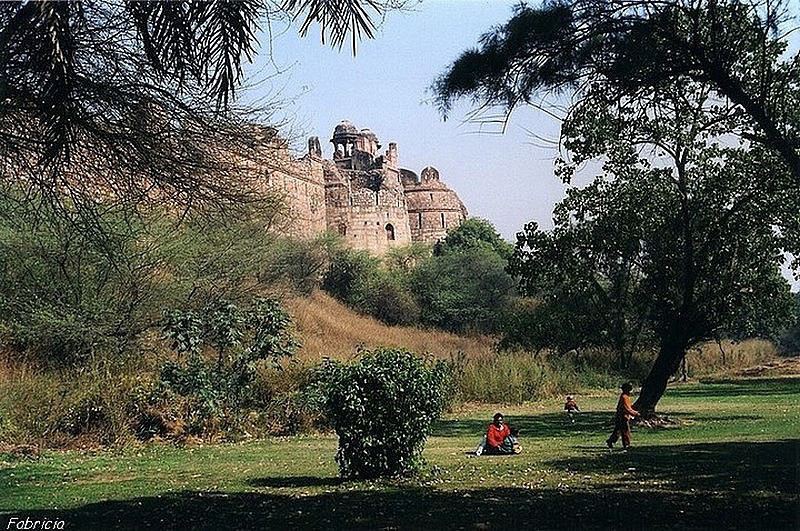
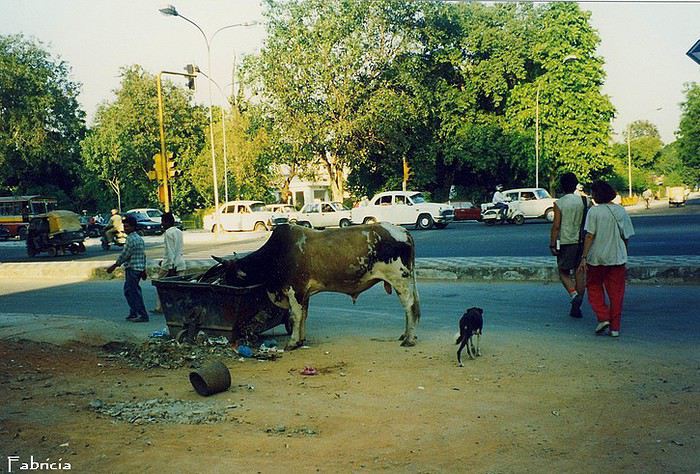
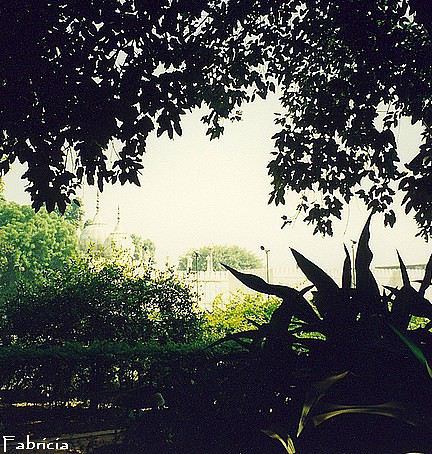
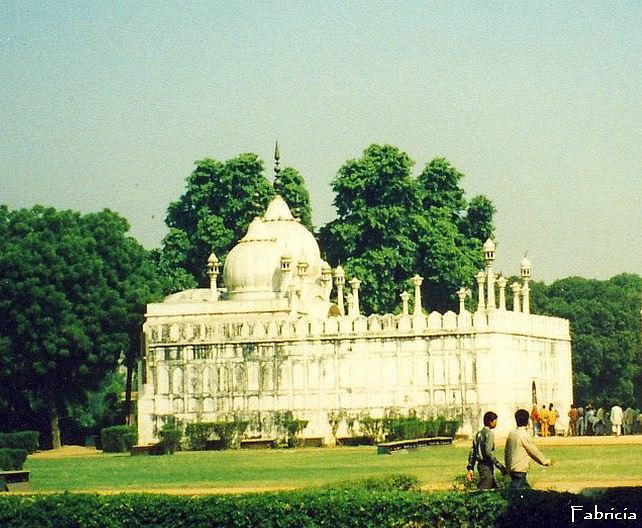
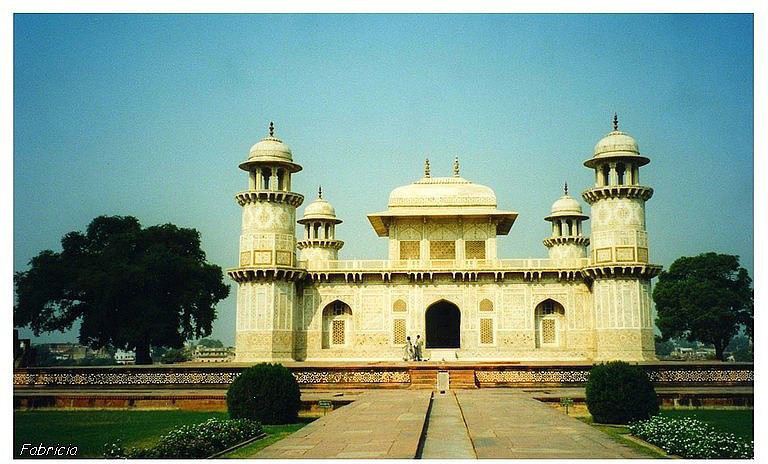
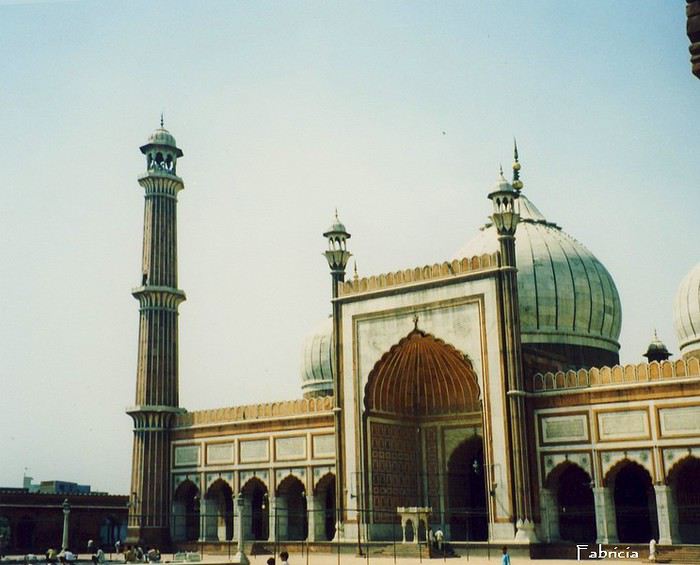
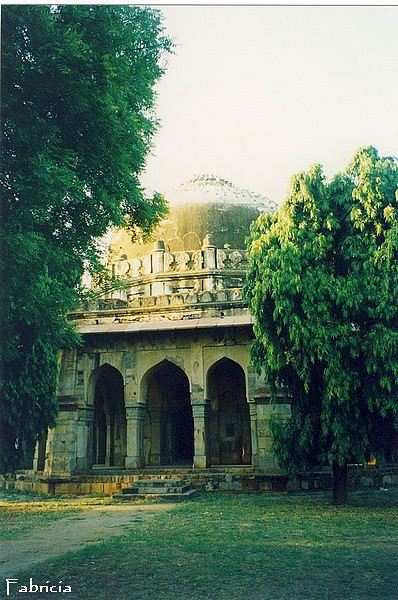
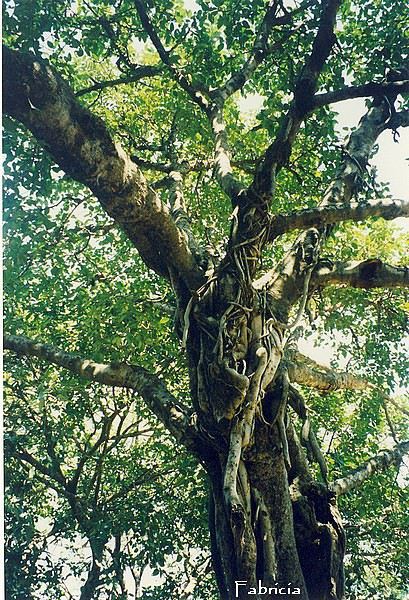
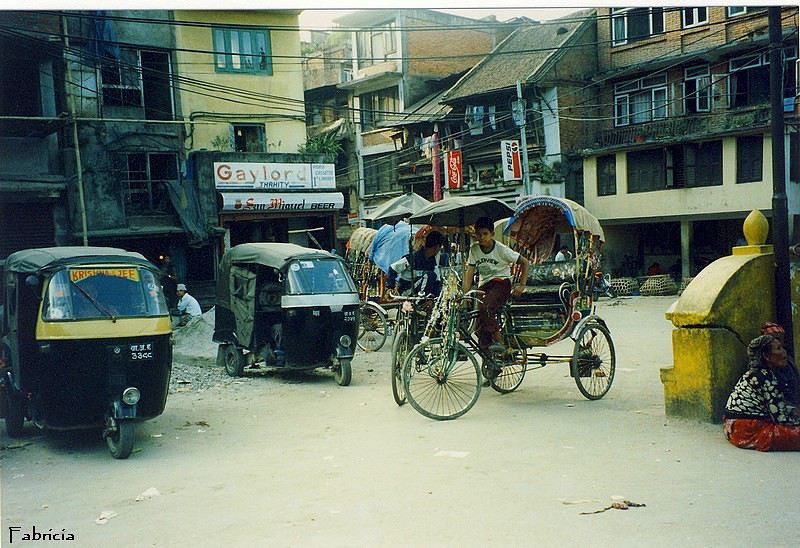
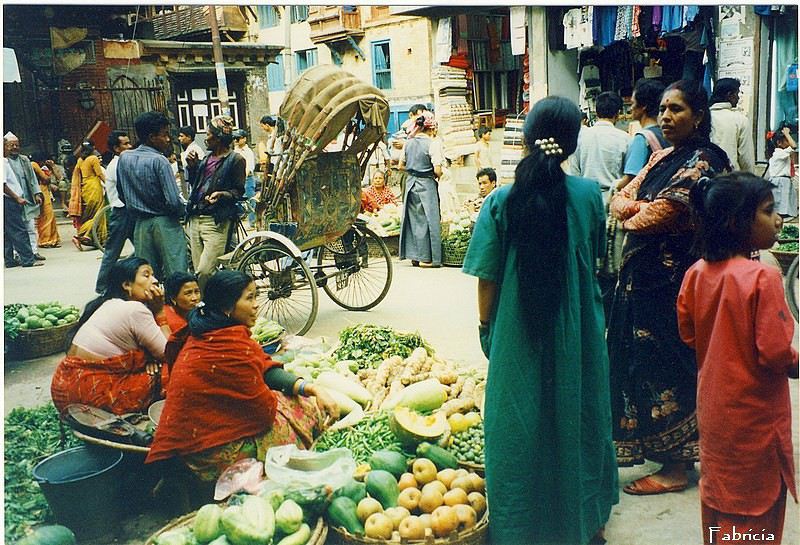
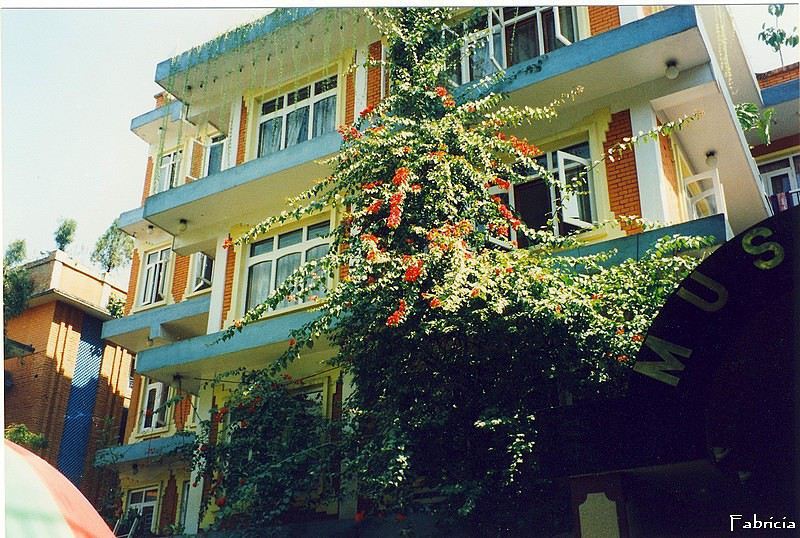
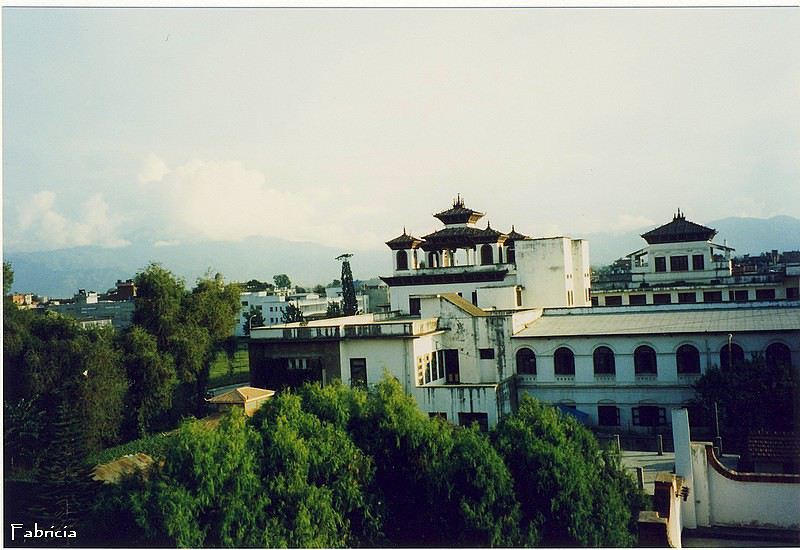
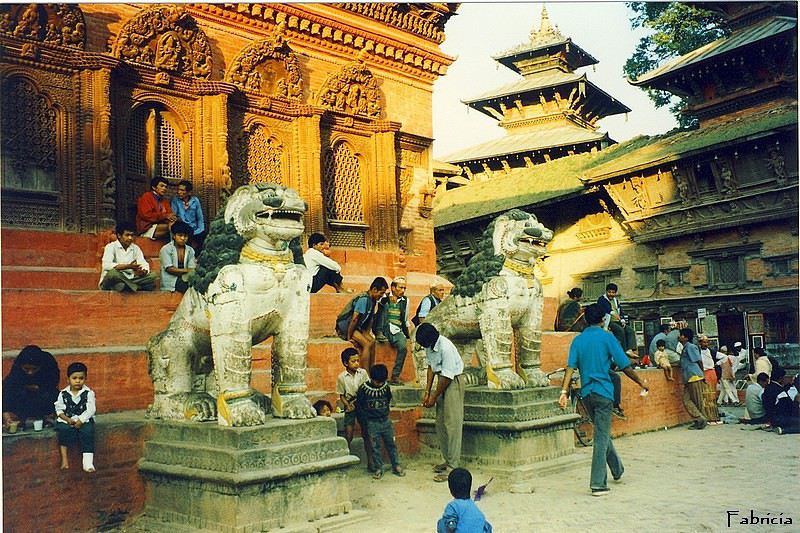
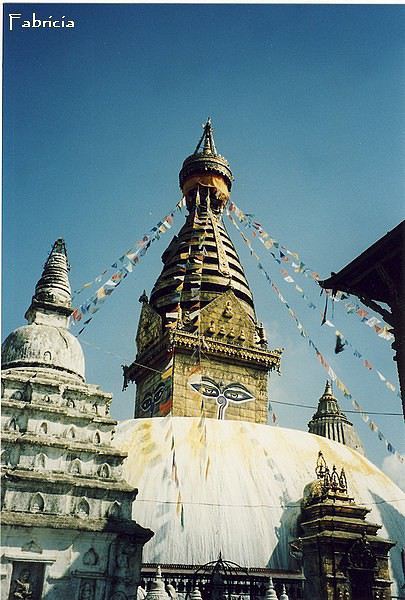
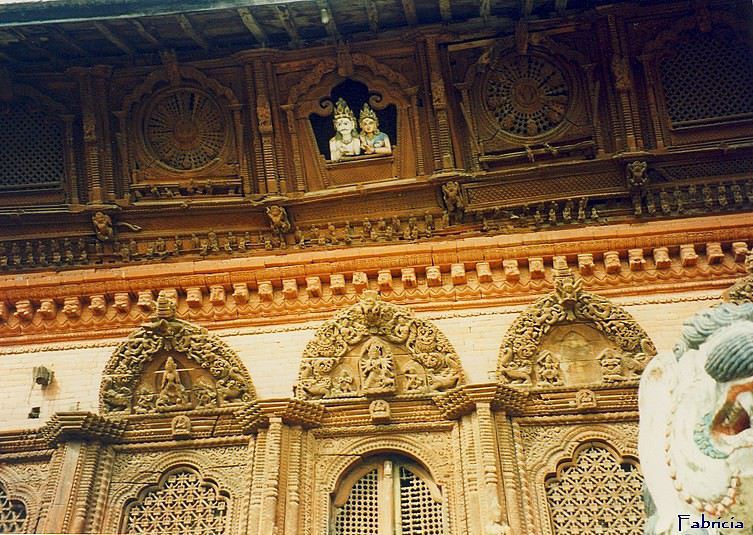
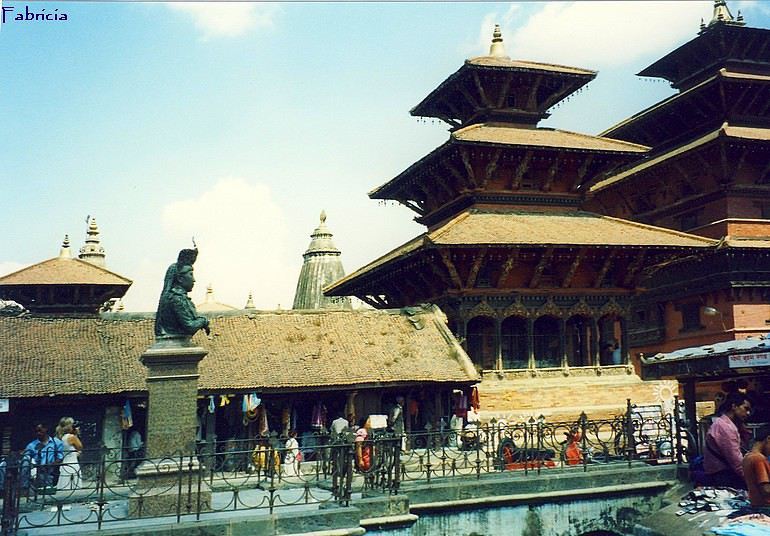

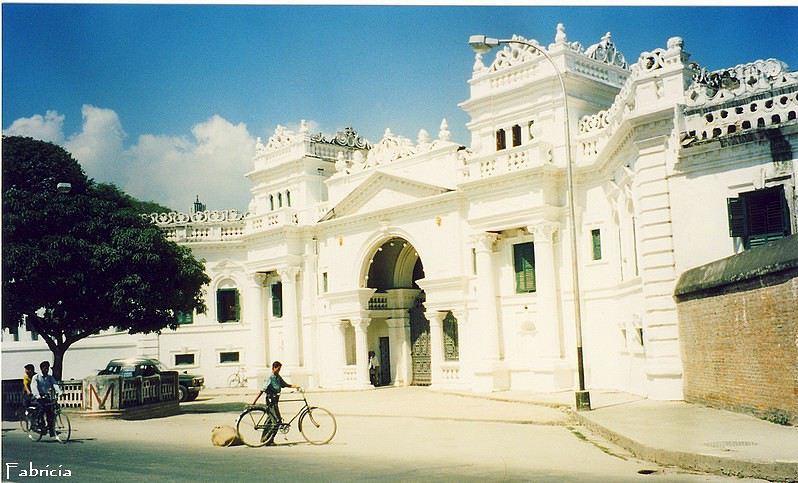

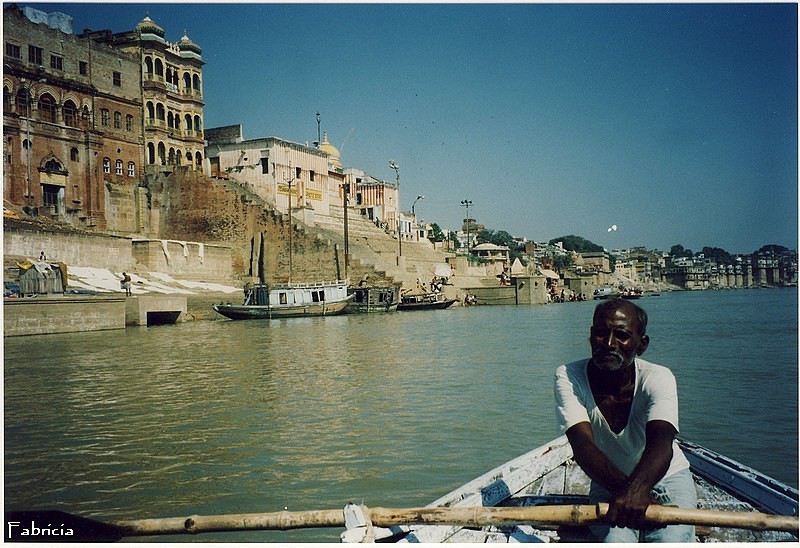
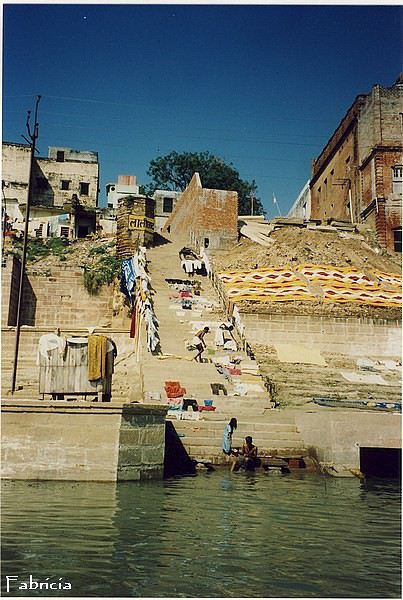
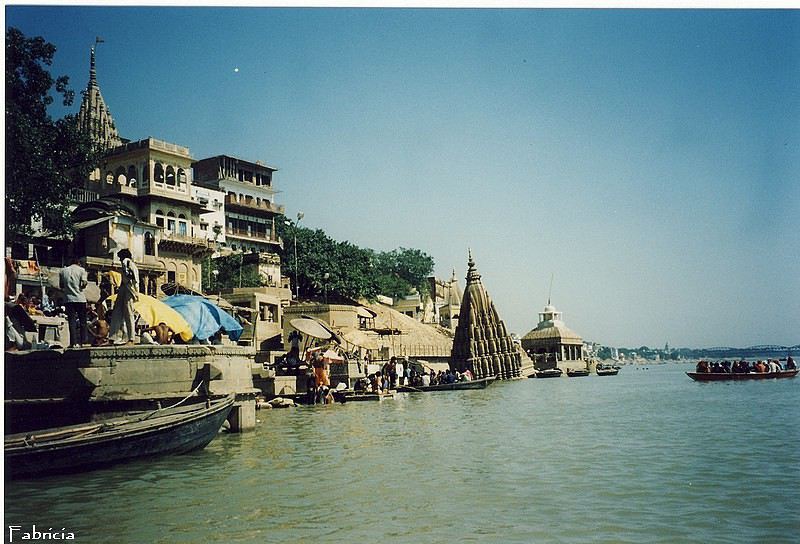
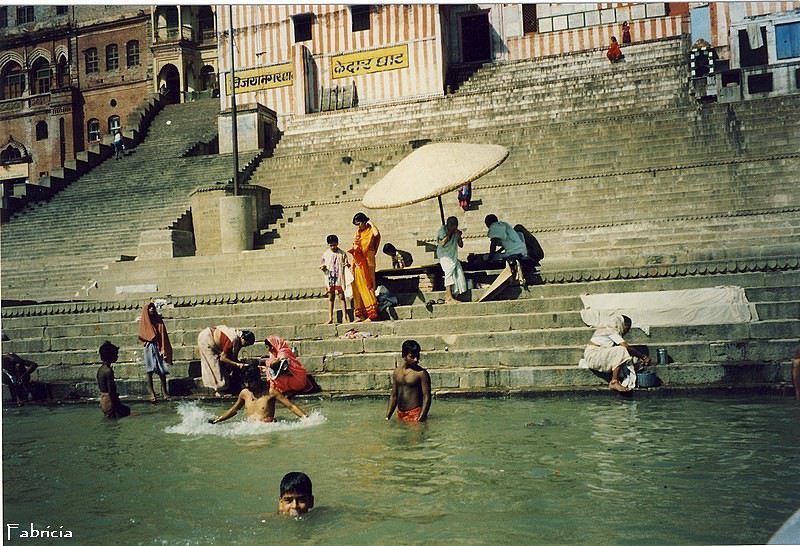
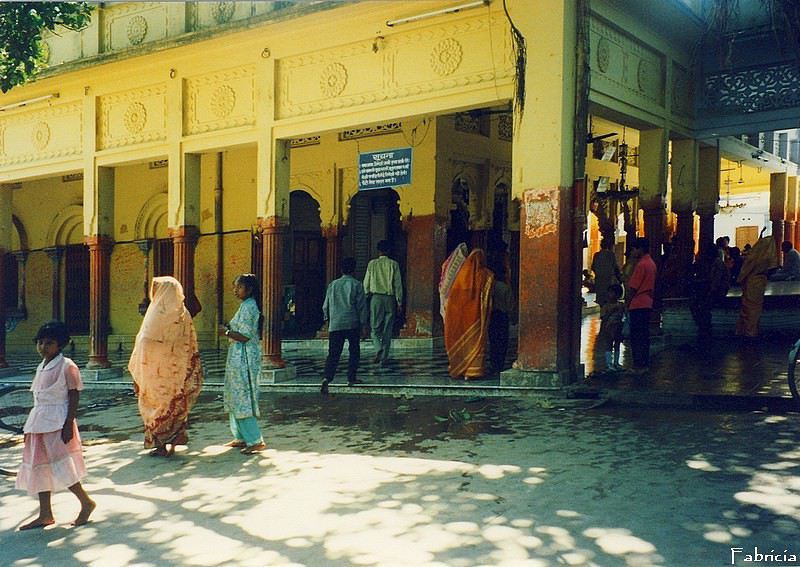
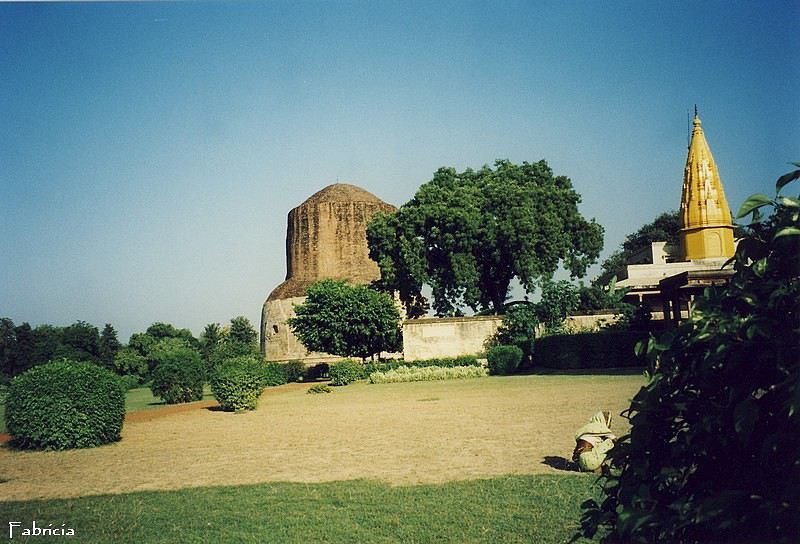
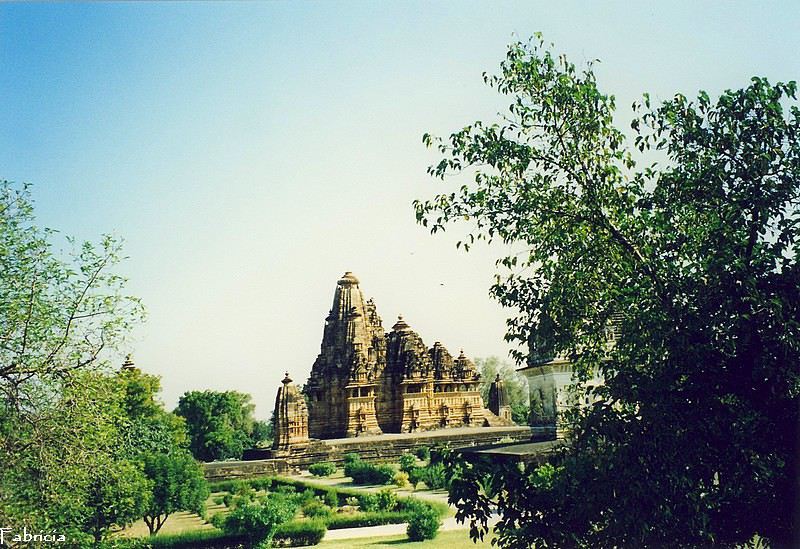
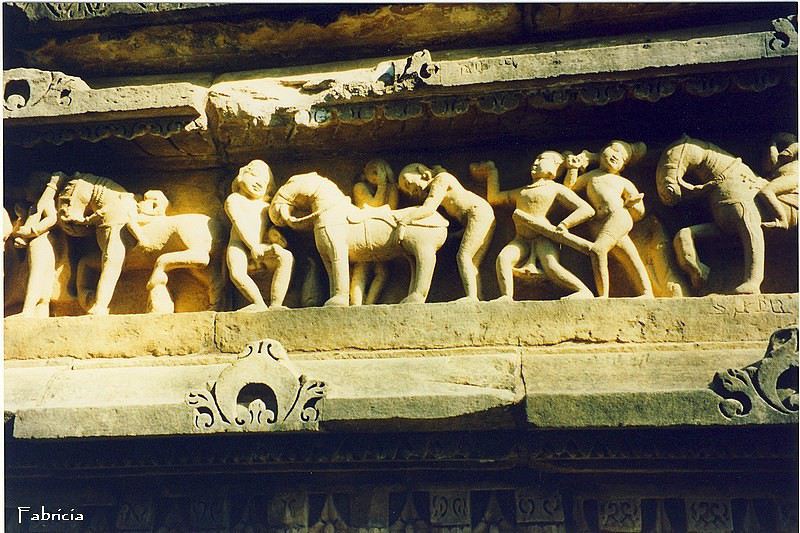
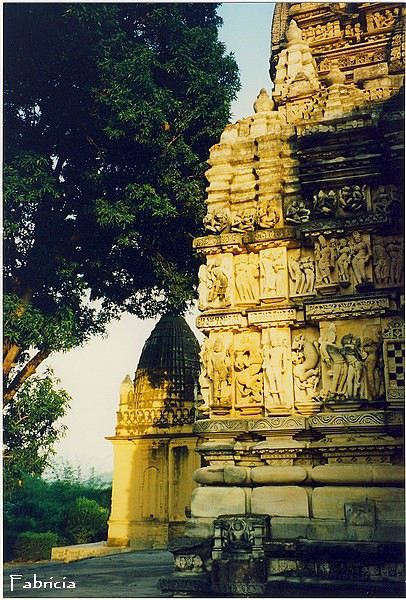
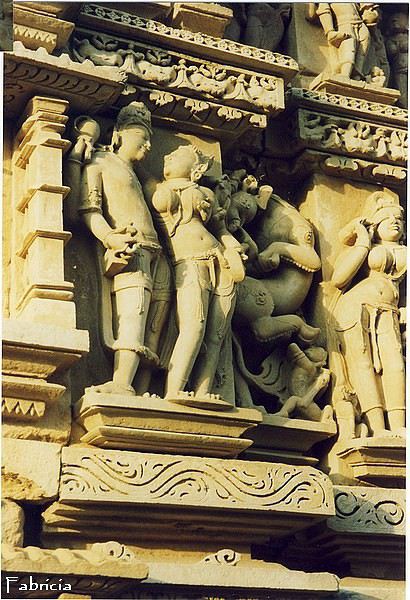

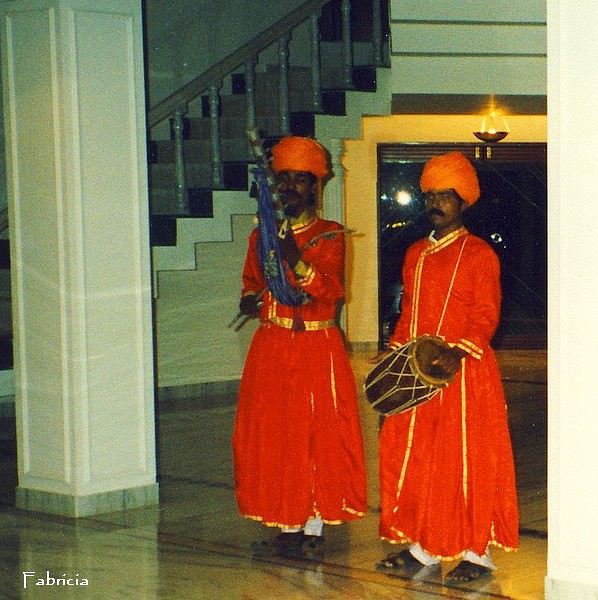
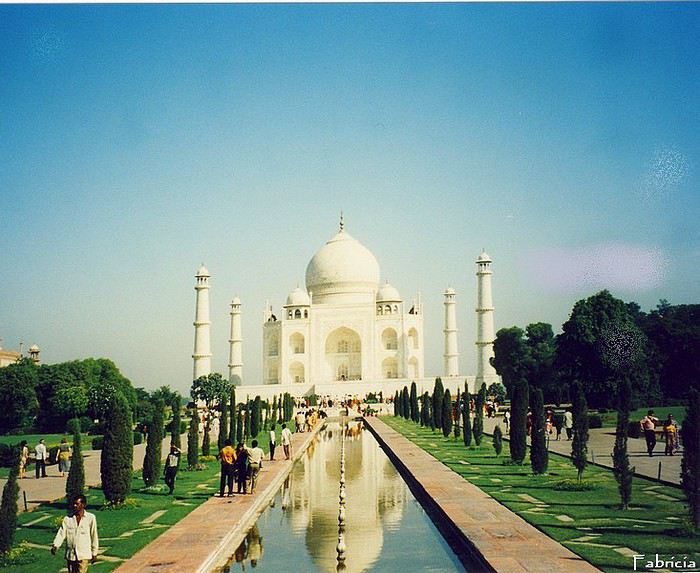
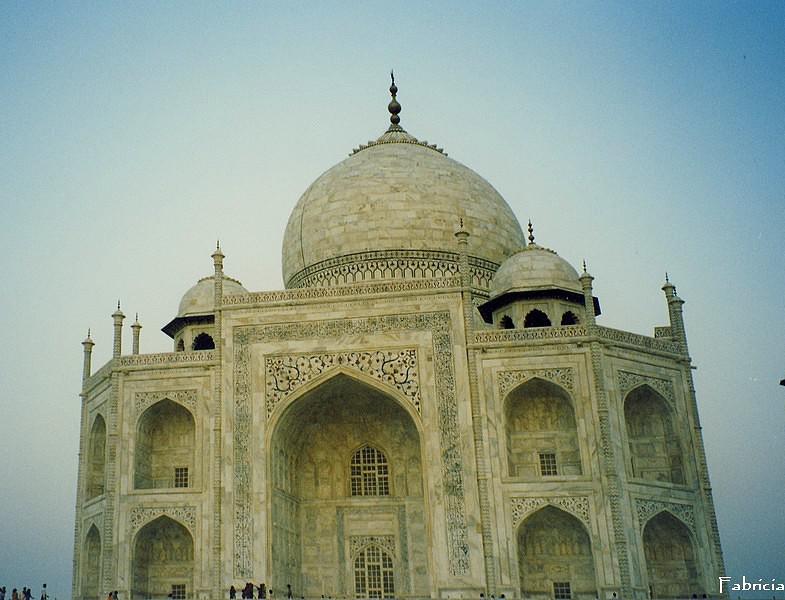
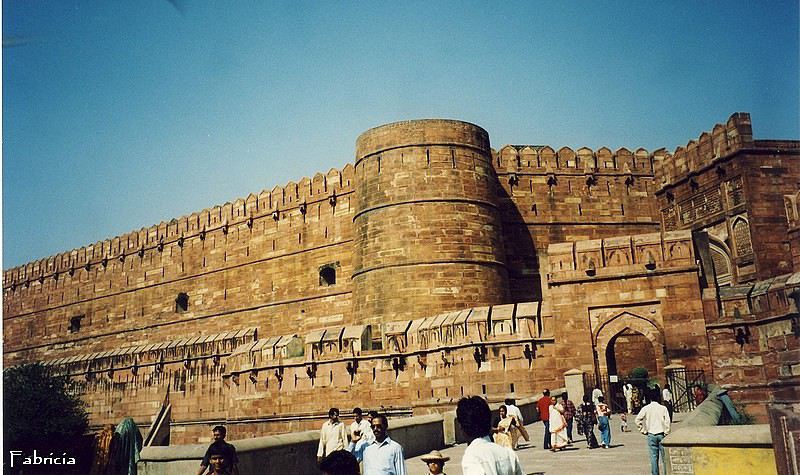
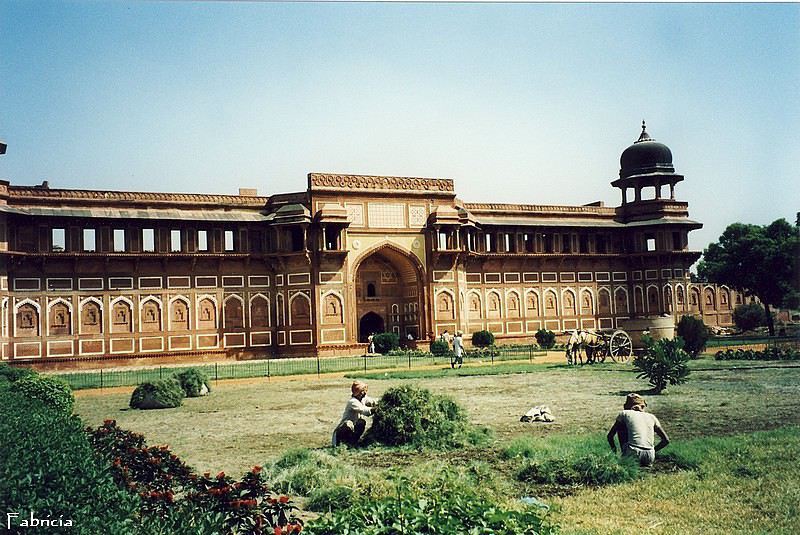
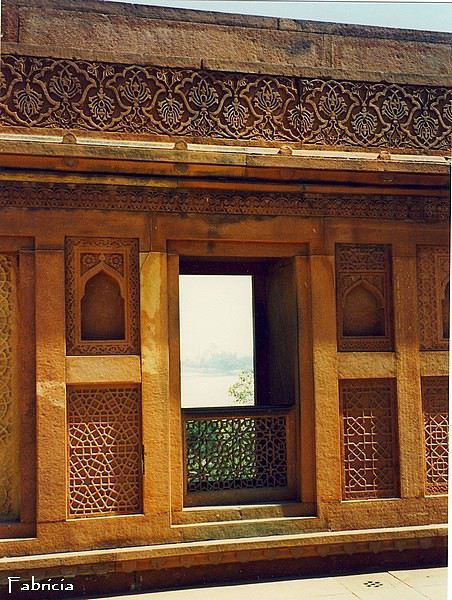
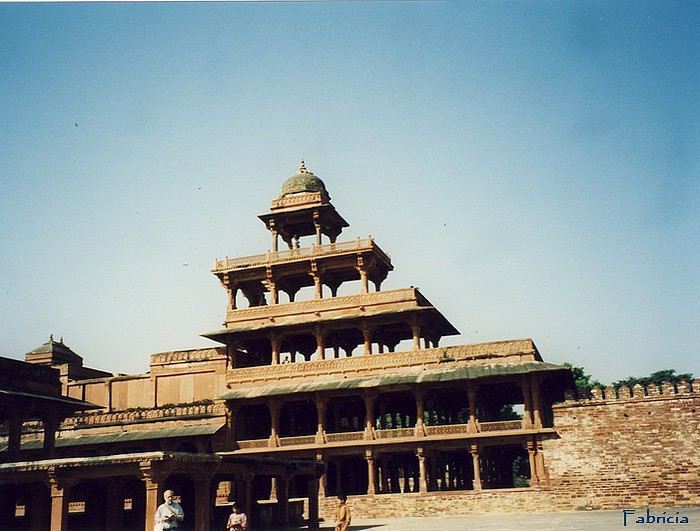
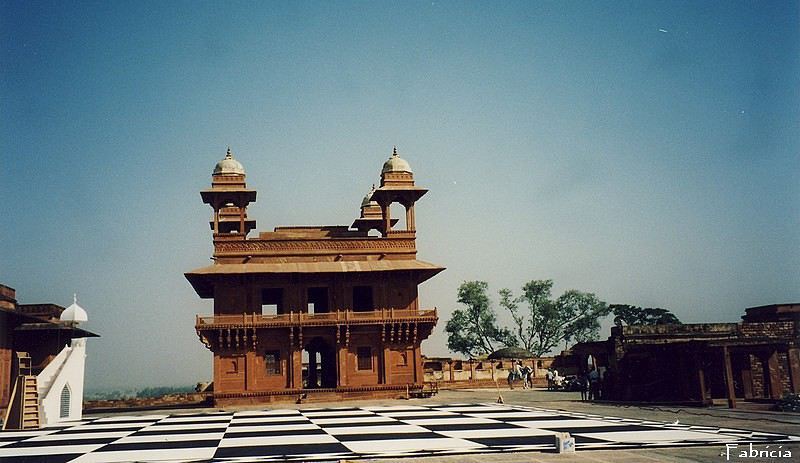
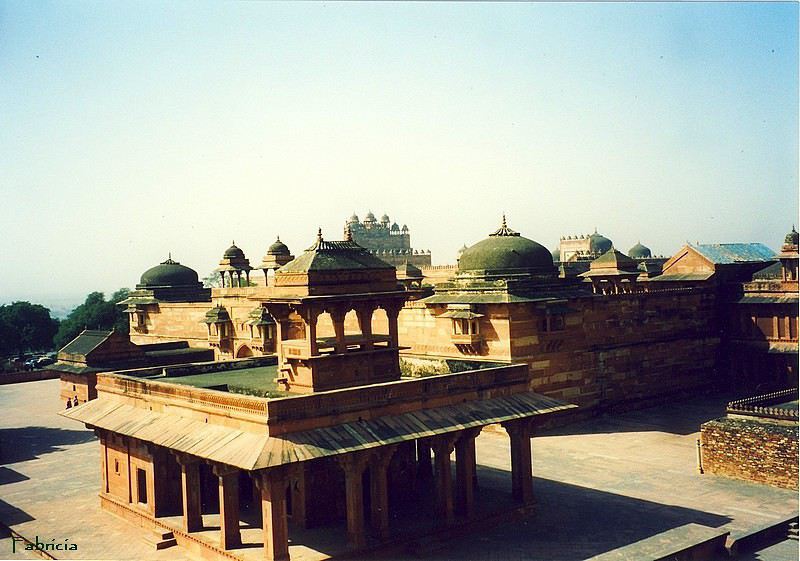
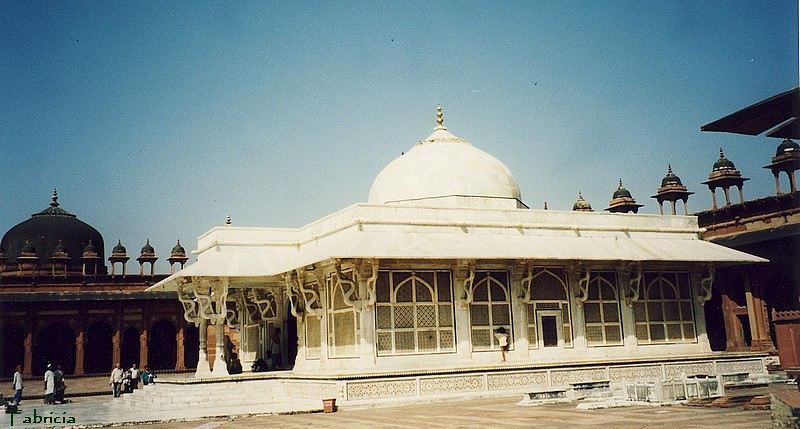
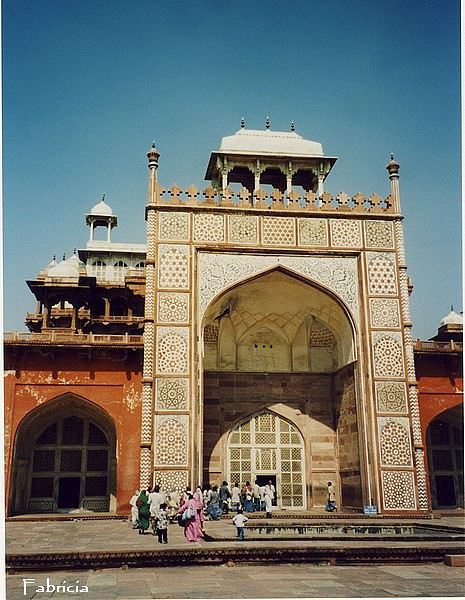
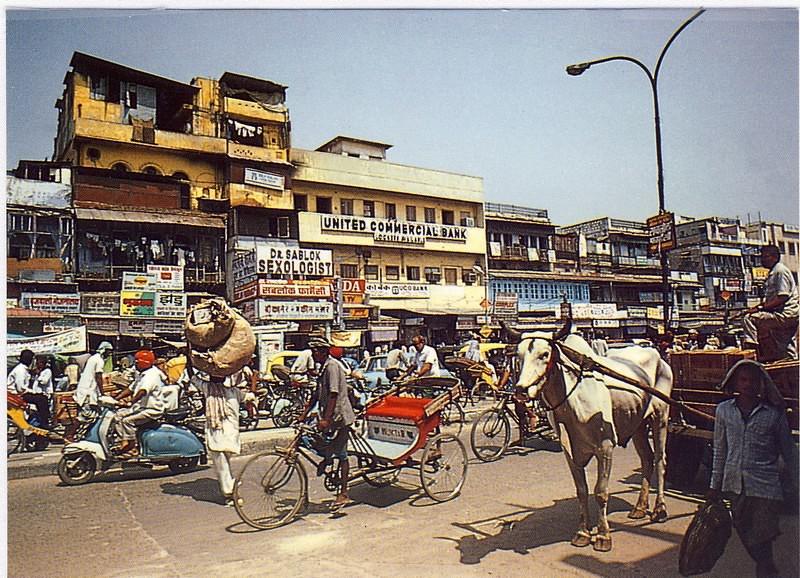

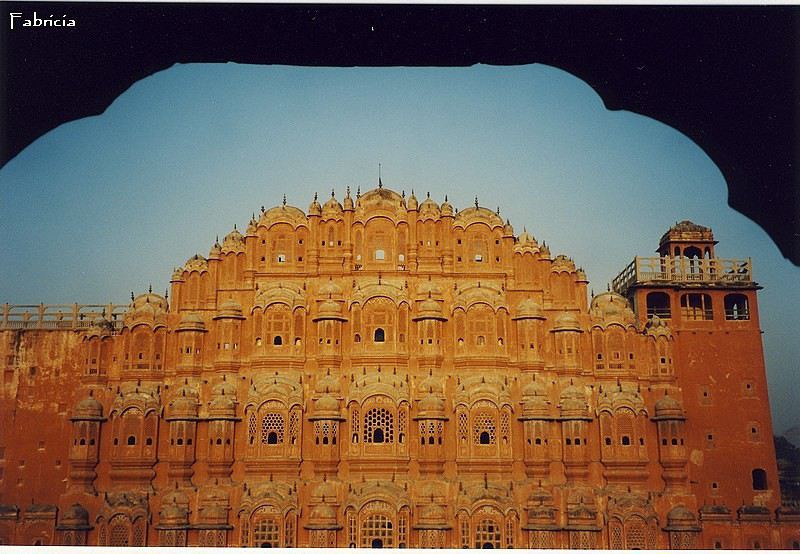
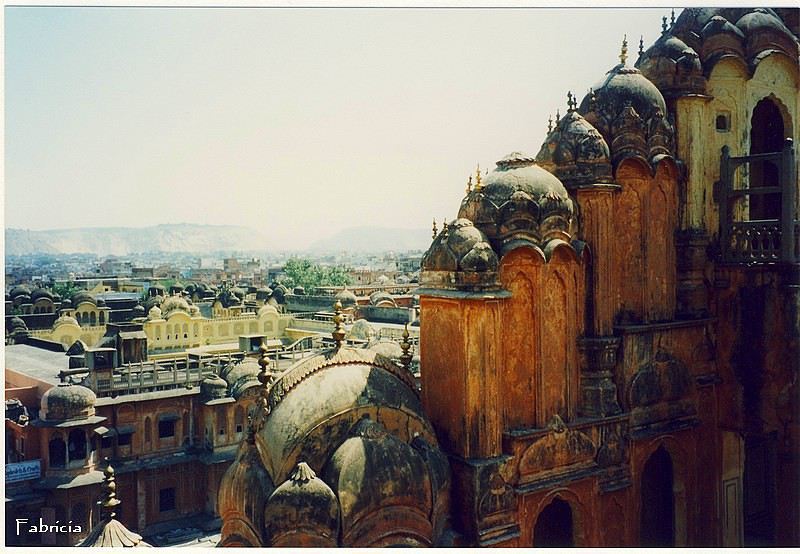
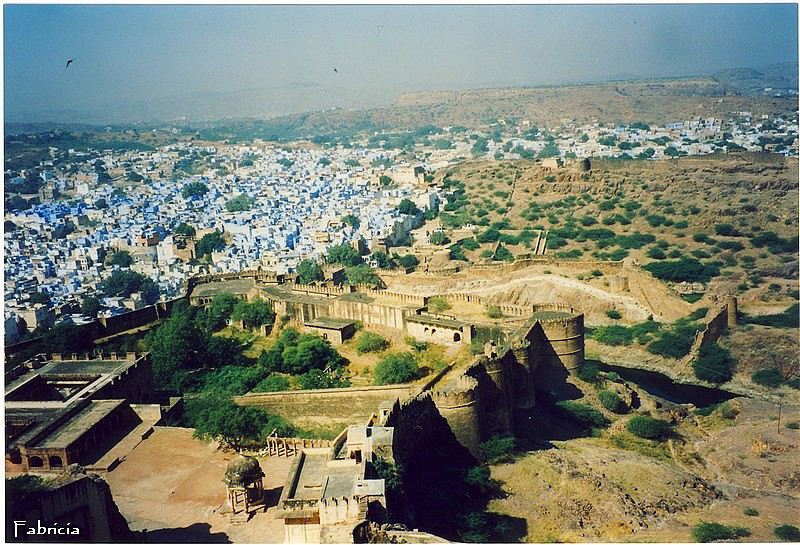
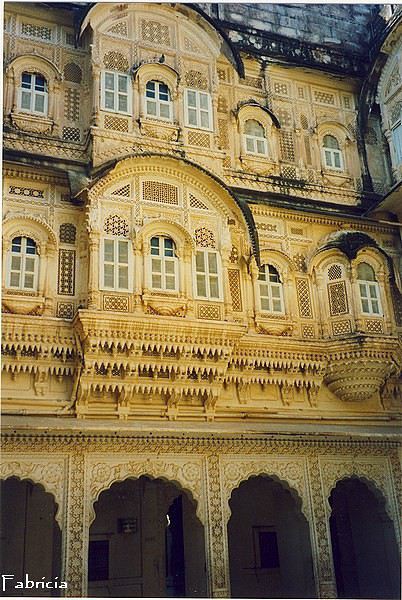
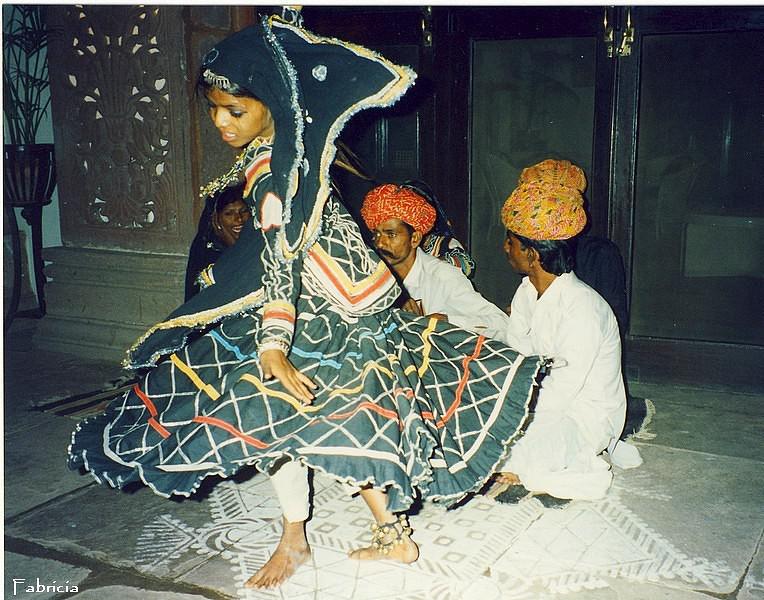
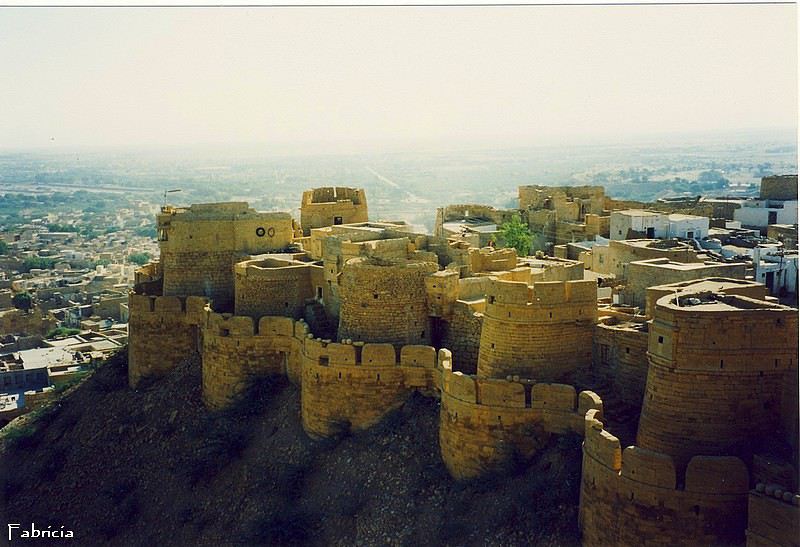
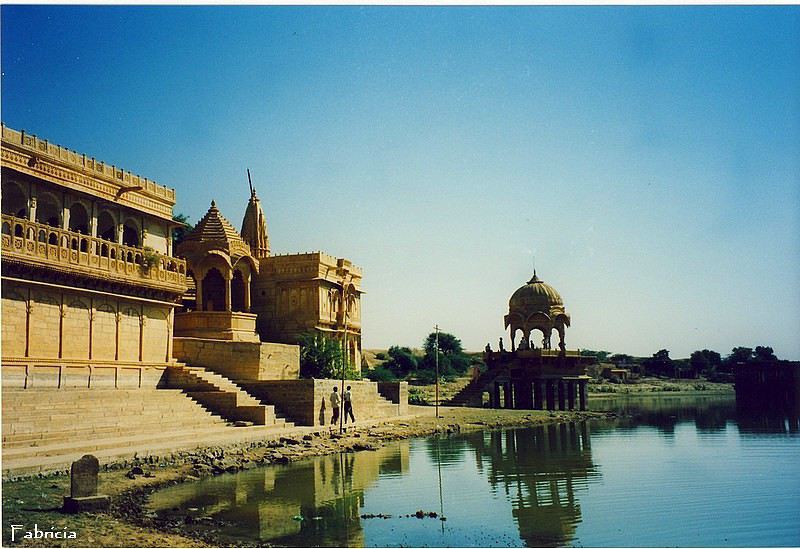
 ...... oui, je sais je suis fan et avec Douya vous seriez enfin capables de me faire partir là bas, tout là bas ..... d'ailleurs Jaisalmer m'y attends ...... 😉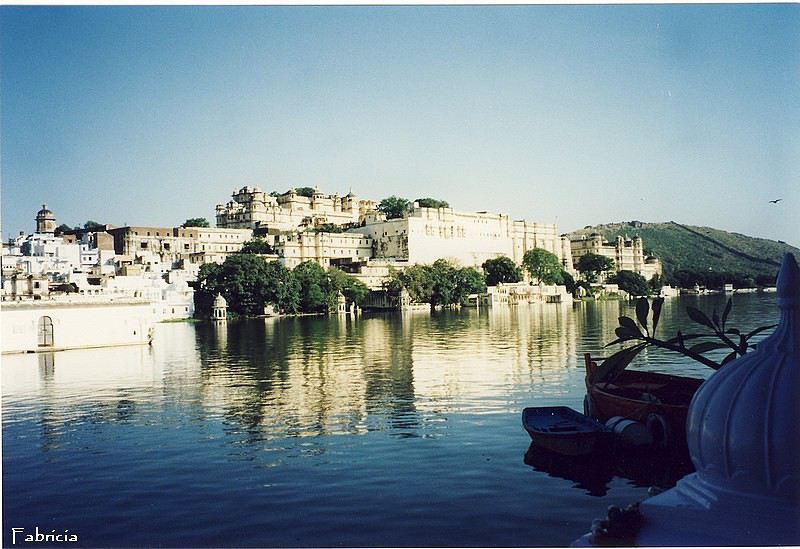
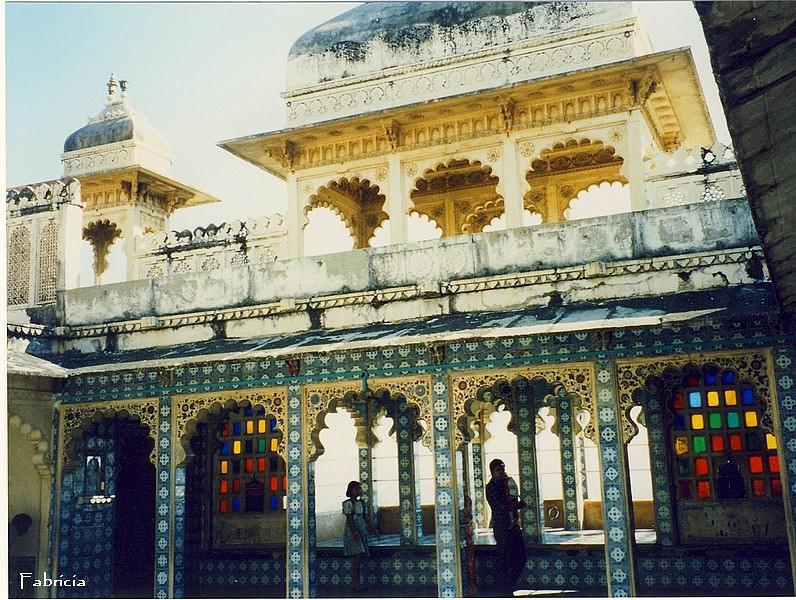
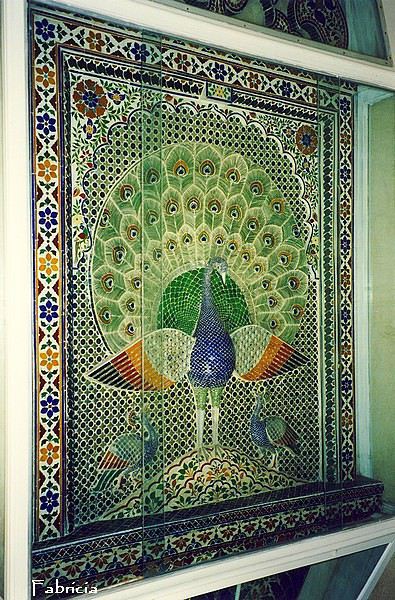
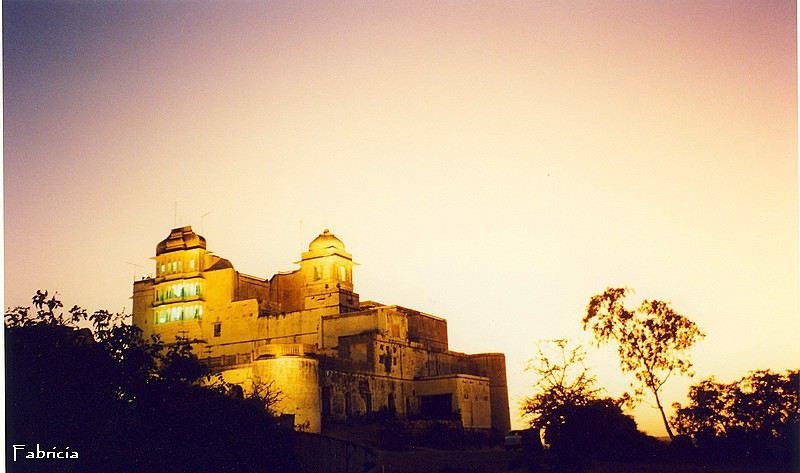



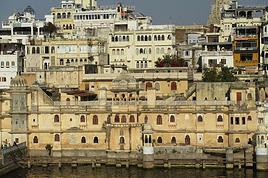
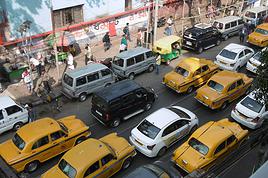
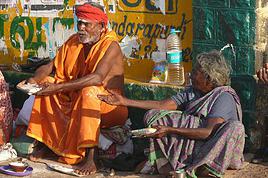
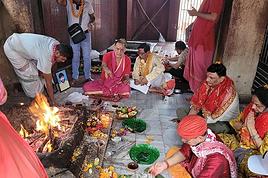
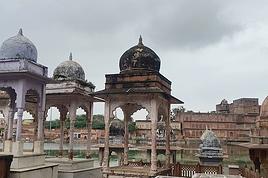
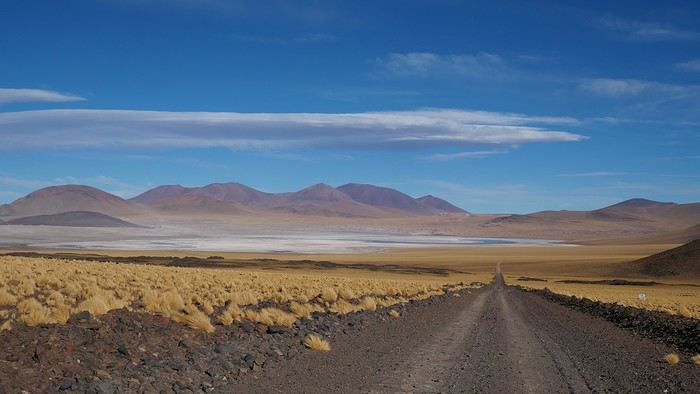
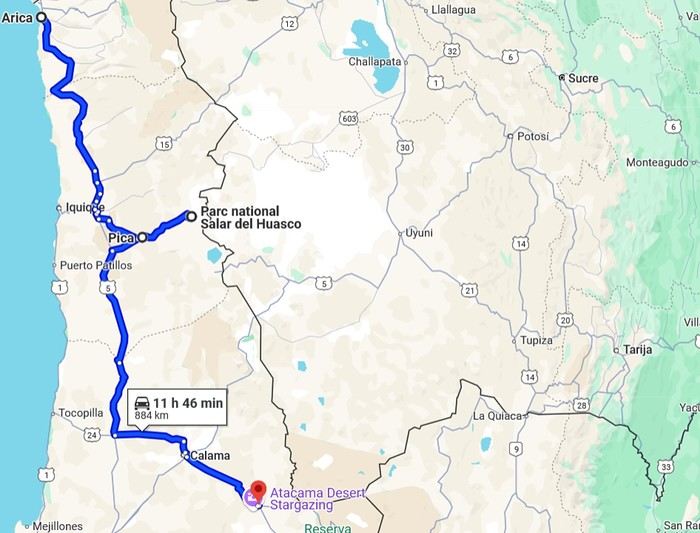 2- Around San Pedro
 Vila beach
 Sunset behind Santiago
 The rocks and sea at Ponta Preta
 At the summit of Monte Batalha
 Calheta
 Calheta de Baixo
 The beaches just keep coming...
 The dunes
 The 3 coconut trees, a landmark to find the track
 Boca da Ribeira beach
 The hills on our right
 Ribeira Dom João
 Barreiro
 The old track
 The church in Vila do Maio
 The large solidified magma massifs that shape the heart of the island have created a large depression more protected from the sun at its center, allowing the growth of a vast laurel forest, today grouped within the Garajonay National Park, La Gomera’s green lung, which has earned it the status of a World Biosphere Reserve. Its completely European appearance contrasts sharply with the rocky and tropical landscapes of the rest of the island. Thus, the climate varies greatly from one point to another on the island: in summer, you can quickly go from a dry and sunny valley at 35°C to a humid forest area at altitude at 18°C.
 On the right, the "welcome marker"—those dates offered everywhere as a sign of hospitality. On the left, a tribute to those stunning doors worn by time, admired all over the old quarters, including the abandoned ones.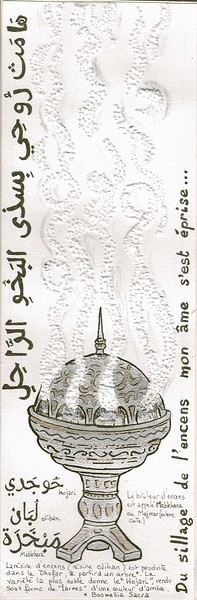
 Hospitality will often lead you to accept a small coffee, an "Omani coffee," very light, subtly flavored with cardamom, maybe a touch of saffron, and occasionally rosewater.
Here, I’ve depicted a man in the common everyday attire of Omanis: the dishdasha, mostly white (during the week and daytime; colors are more common in the evening or on Fridays and Saturdays). While you’ll see some men dressed in Western clothes, they’re very few. The white dishdasha is truly the shared attire of all men. The dishdasha, which has no hood, is distinguished by a small pom-pom attached to the collar, the furakha, which is soaked in perfume. And believe me, Omanis go overboard with it! "It smells like the pom-pom" is an expression that’s now part of our shared language, my husband and I.
Another must of men’s attire is the kuma, a small round head covering, usually white with brightly colored patterns. The keffiyeh is also worn (but without the cord called an agal in Arab countries), and it’s mostly worn by those with roots in the desert, from what I understood.
And what about the women, you might ask? Some are veiled, some in full black (but not a burka—more like a chador + abaya), due to the influence of Saudi Arabia and the United Arab Emirates, whereas the traditional outfit used to be a layering of very colorful dresses. Most of the women we saw wore neutral clothing, a plain veil over their hair, but with their faces uncovered. We also saw many saris and colorful veils—don’t forget that 40% of the population consists of Indian, Nepalese, and Bangladeshi immigrants, who work a lot in tourism, hospitality, restaurants, services, and construction.
Just to clarify, as a tourist, there’s no pressure to wear a veil, and never any disapproving looks. Of course, you’ll save the mini shorts, plunging necklines, bare shoulders, and midriffs for the hotel terrace—but I’d say that’s the same for men and women, and with the sun being strong, it’s better for your skin too.
Here’s the introduction! In the next post, I’ll tell you about my itinerary, and we can dive in!
Hospitality will often lead you to accept a small coffee, an "Omani coffee," very light, subtly flavored with cardamom, maybe a touch of saffron, and occasionally rosewater.
Here, I’ve depicted a man in the common everyday attire of Omanis: the dishdasha, mostly white (during the week and daytime; colors are more common in the evening or on Fridays and Saturdays). While you’ll see some men dressed in Western clothes, they’re very few. The white dishdasha is truly the shared attire of all men. The dishdasha, which has no hood, is distinguished by a small pom-pom attached to the collar, the furakha, which is soaked in perfume. And believe me, Omanis go overboard with it! "It smells like the pom-pom" is an expression that’s now part of our shared language, my husband and I.
Another must of men’s attire is the kuma, a small round head covering, usually white with brightly colored patterns. The keffiyeh is also worn (but without the cord called an agal in Arab countries), and it’s mostly worn by those with roots in the desert, from what I understood.
And what about the women, you might ask? Some are veiled, some in full black (but not a burka—more like a chador + abaya), due to the influence of Saudi Arabia and the United Arab Emirates, whereas the traditional outfit used to be a layering of very colorful dresses. Most of the women we saw wore neutral clothing, a plain veil over their hair, but with their faces uncovered. We also saw many saris and colorful veils—don’t forget that 40% of the population consists of Indian, Nepalese, and Bangladeshi immigrants, who work a lot in tourism, hospitality, restaurants, services, and construction.
Just to clarify, as a tourist, there’s no pressure to wear a veil, and never any disapproving looks. Of course, you’ll save the mini shorts, plunging necklines, bare shoulders, and midriffs for the hotel terrace—but I’d say that’s the same for men and women, and with the sun being strong, it’s better for your skin too.
Here’s the introduction! In the next post, I’ll tell you about my itinerary, and we can dive in!

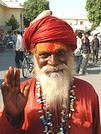
 Roundabouts are particularly interesting because they feature emblems of Turkmen culture, like the dog, a carpet, the Ahal Teke horse, or Muslim symbols, even though the presence of Islamic artifacts is quite limited.

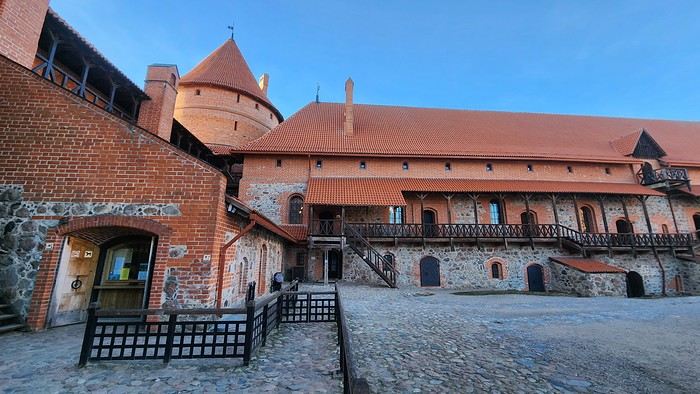


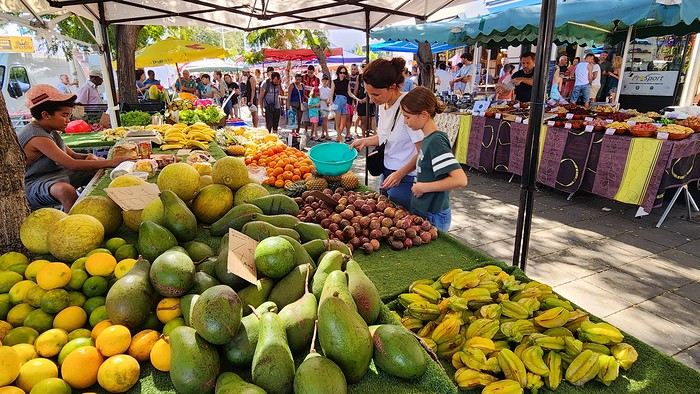
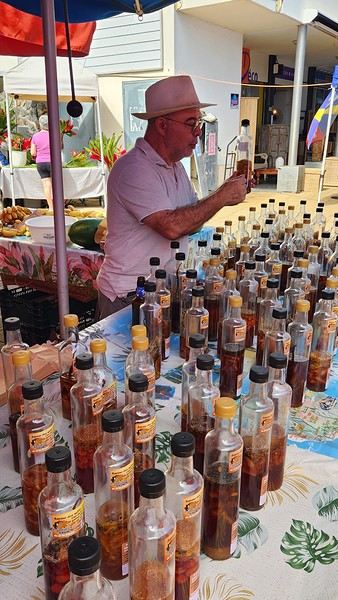
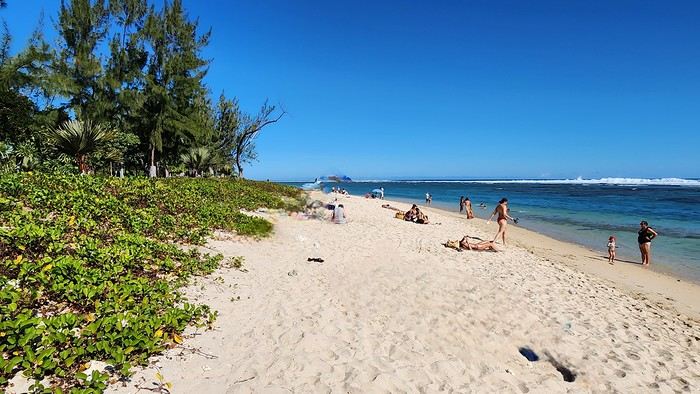
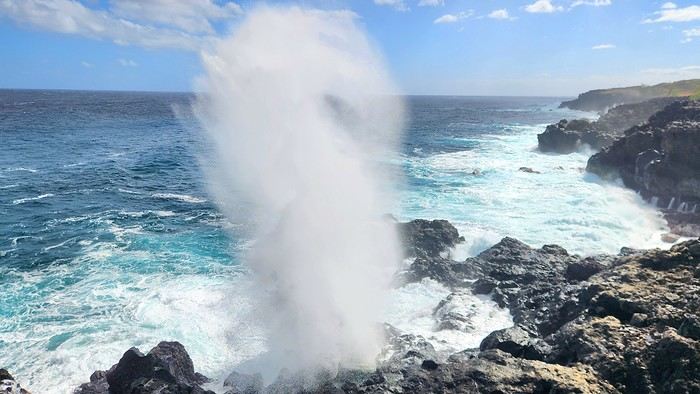


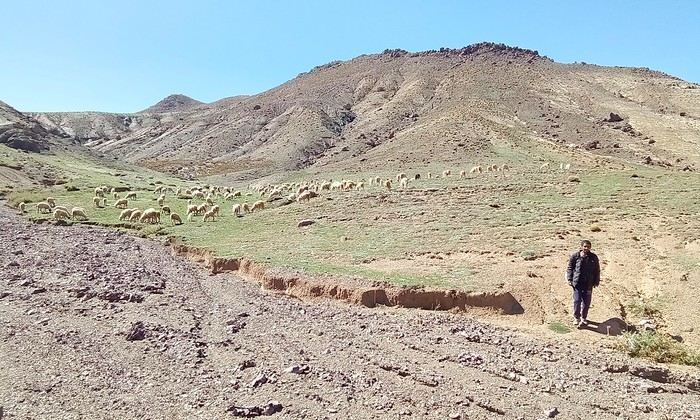
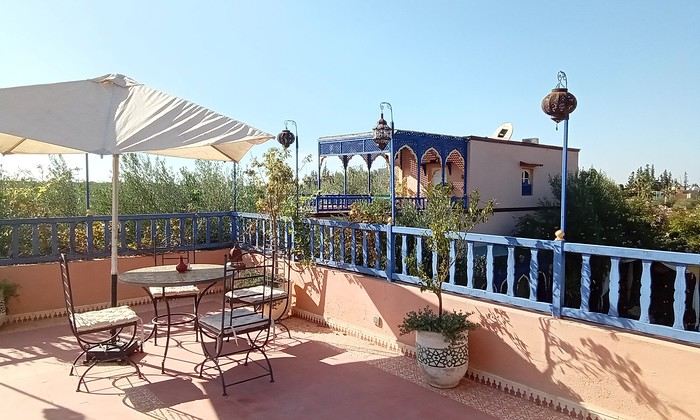
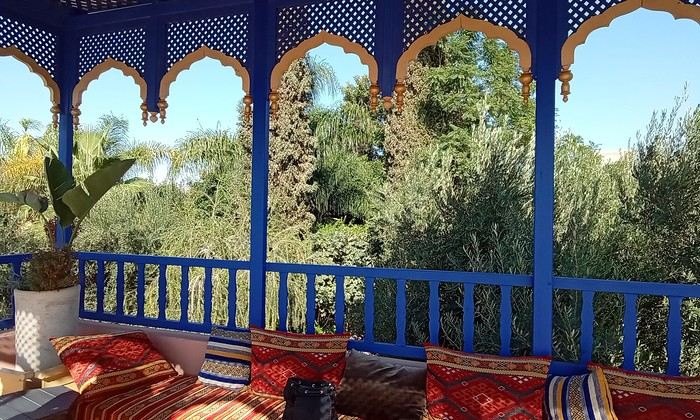 Last October, we landed in Marrakech to spend a few days with family exploring Morocco’s roads.
Transport: a rented Dacia.
Accommodations: small guesthouses.
Last October, we landed in Marrakech to spend a few days with family exploring Morocco’s roads.
Transport: a rented Dacia.
Accommodations: small guesthouses.
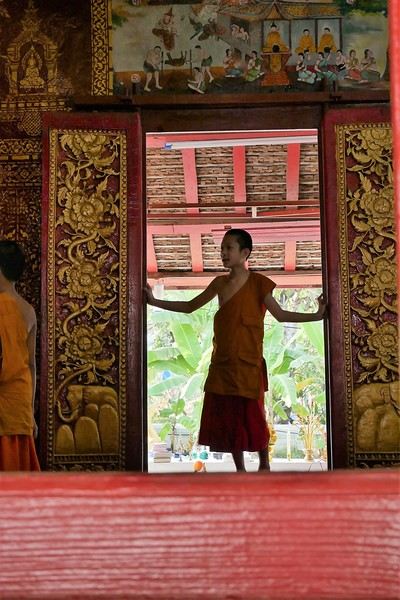 Come along, I'm taking you to this country where it's so nice to wander and slow down...
 I’m inviting you on a stroll through my drawings—a completely subjective, far from exhaustive, and totally personal take, since it’s based on my own sketches. I put this travel journal together after returning in late 2024, mostly using felt-tip pens and pencils, with a few collages thrown in. I worked from our personal photos.
 And in Kyoto, Nishiki Market: