
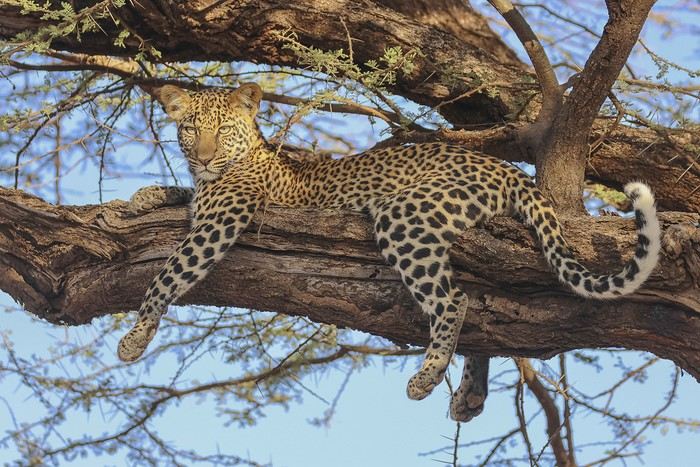
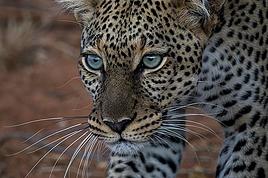
 Pretty quickly, we come across another vehicle stopped near a tree. We figure it must be a leopard, and sure enough, one of the two young leopards is in the tree with perfect exposure and lighting for photos. Even better, it moves around on the branch, giving us the chance to snap some shots.
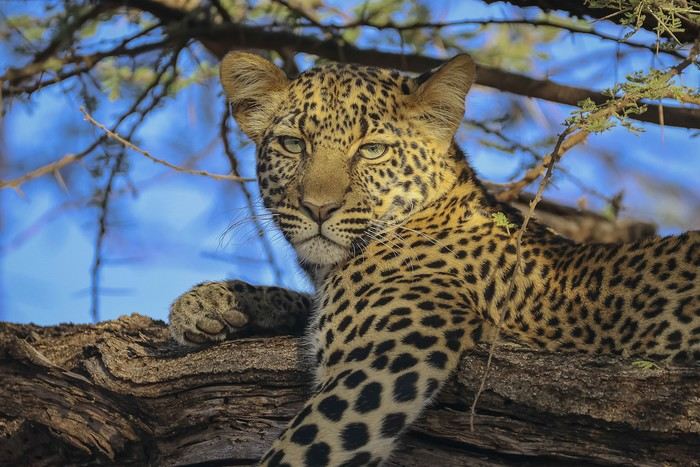
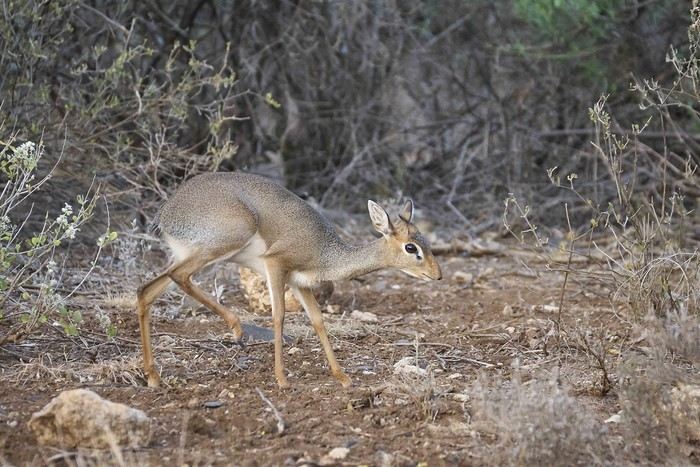
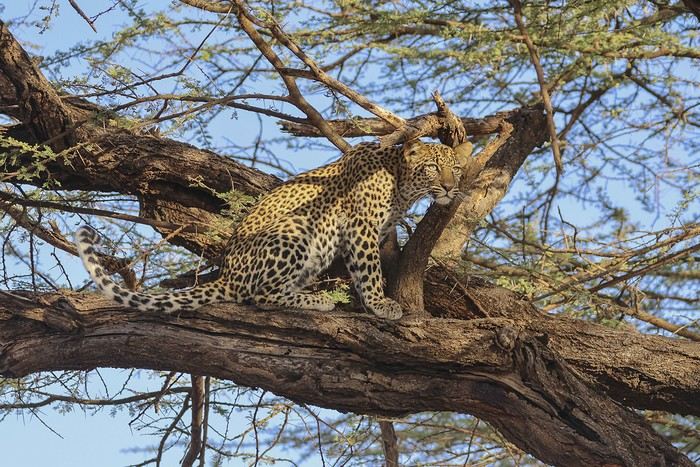 Aside from this great start, the morning’s sightings are generally fewer, except for a few gazelles
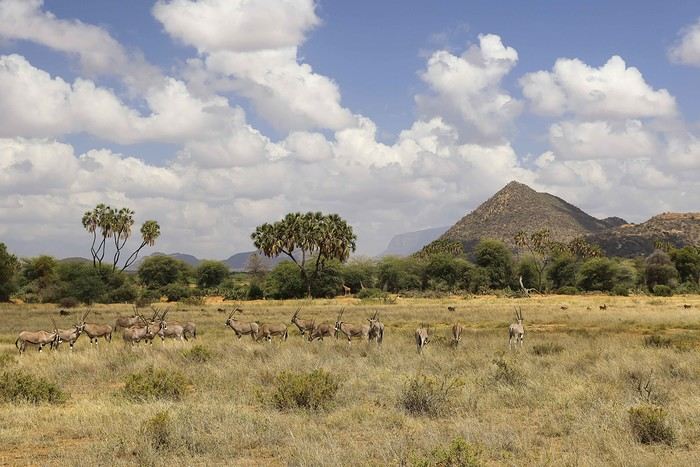
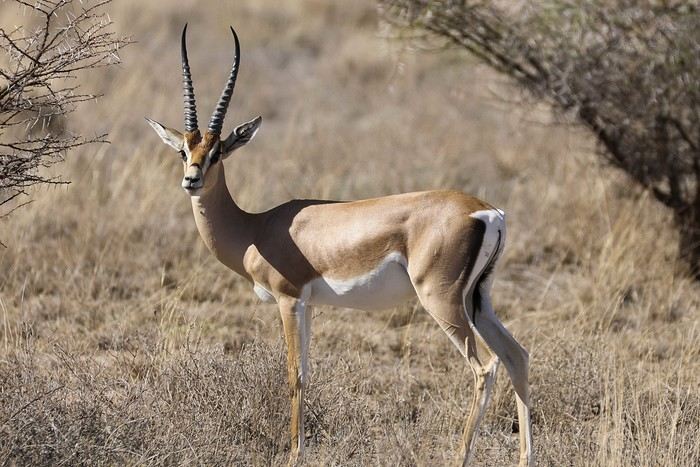 and oryxes,
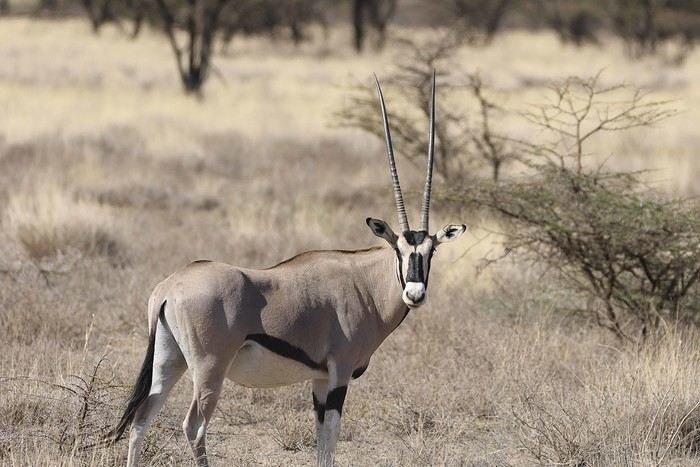 and our attempts to find a cheetah turn out to be unsuccessful.
Mid-morning, we stop by the reserve’s hot springs for breakfast. It was about time for Juliette, who’s been having serious digestive issues with Malarone, even though we take it with meals and probiotics.
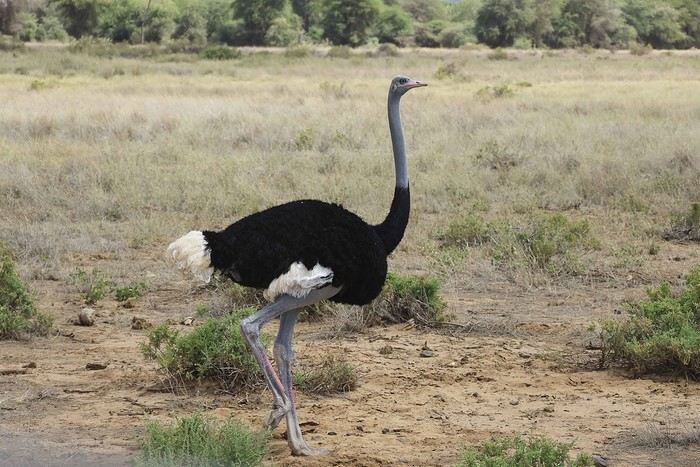
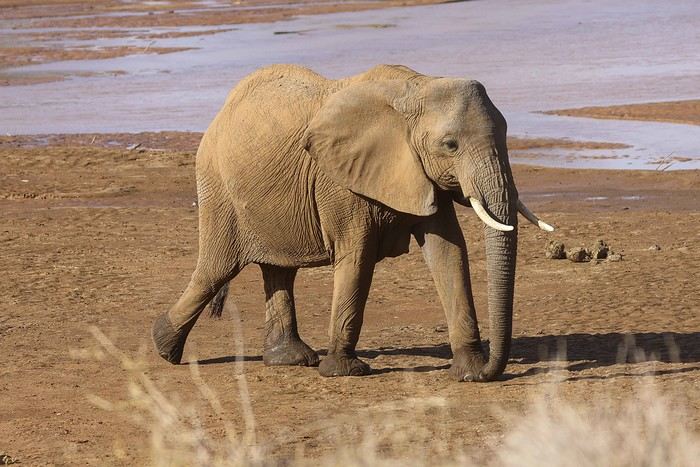
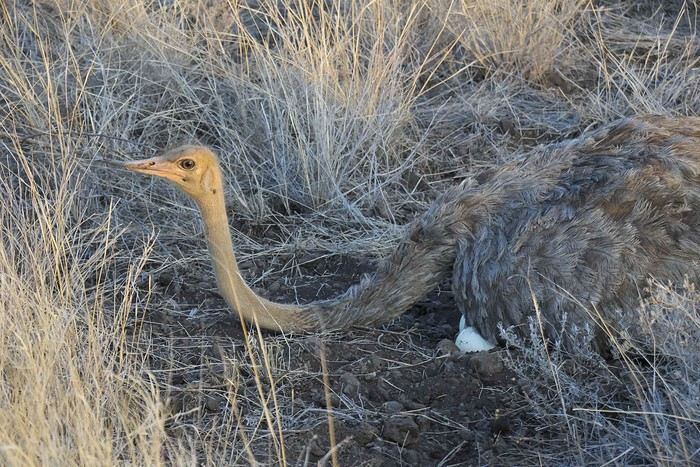
We continue on our way back to camp. It’s already 11 AM, and we think our morning safari is over, but Alfred’s motivation and tenacity surprise us—he announces there are elephants nearby, once again close to the river. This place is truly magical and teeming with wildlife, including ostriches,
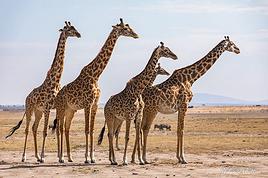
 oryxes, giraffes, a group of baboons heading toward the camp
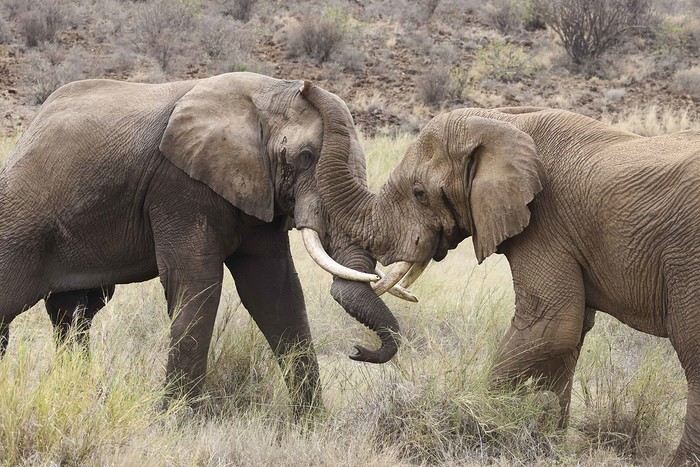
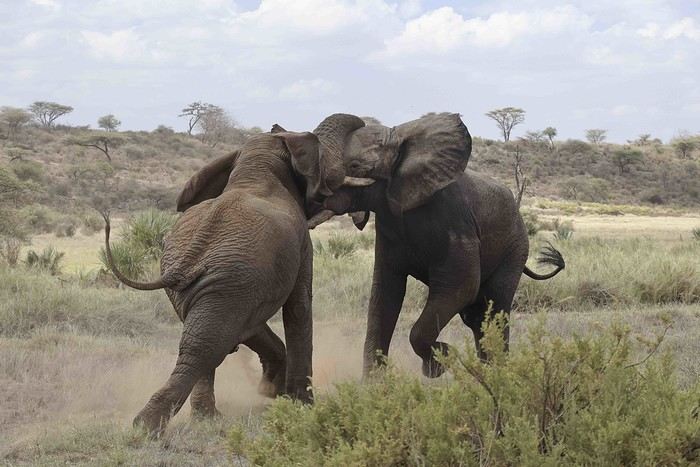
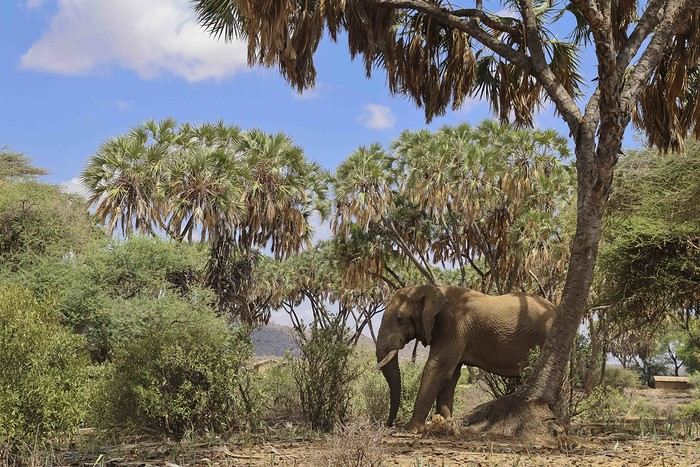
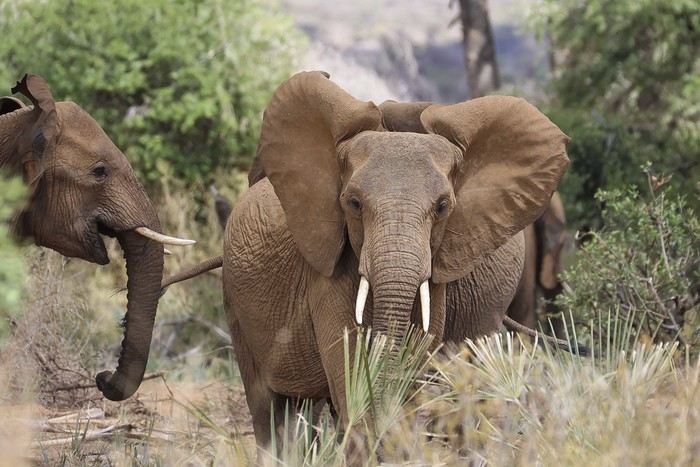
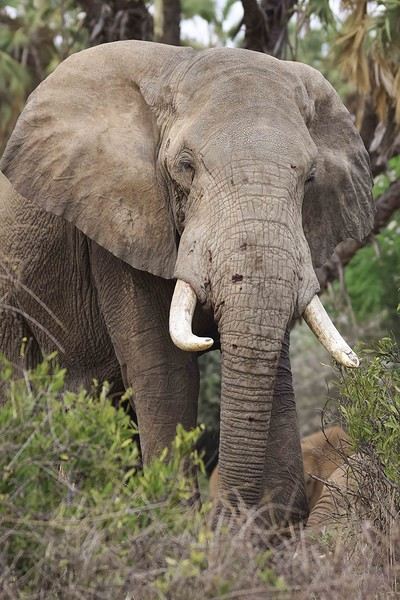
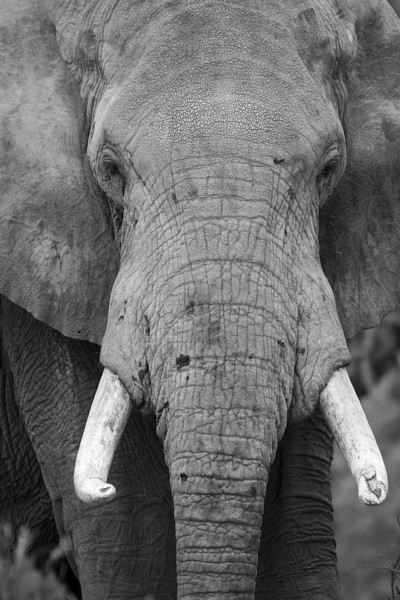
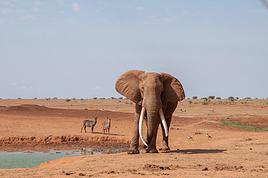
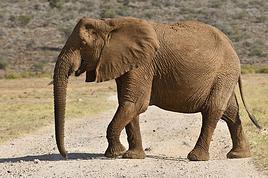
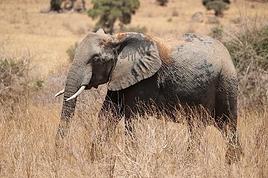
 and finally, the famous elephants. Two male elephants engage in an impressive fight before one of them gives up.
 It’s almost noon when we arrive at the camp, and Anny makes it just in time for her massage, which she booked the day before after hearing the girls rave about the masseuse’s skills. Meanwhile, we hang out by the pool, which has gone back to its normal color—yesterday it was a pretty uninviting green for a swim. Just before our afternoon safari, we spot a gorgeous lizard near our tents, and it’s happy to pose for photos.
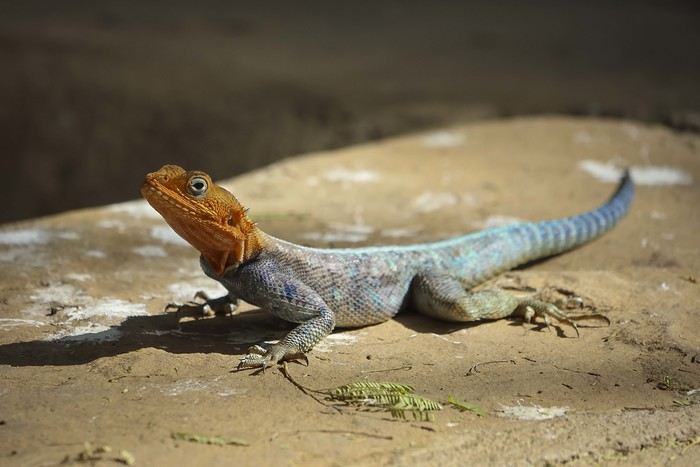 As I rush to grab my camera, I forget to close the tent door in my hurry. Suddenly, I hear Juliette scream—a vervet monkey took the opportunity to sneak inside, but it bolts right back out, probably scared off by Anny, who was still in the tent.
At 4 PM, we head out for another game drive, the last one at Buffalo Springs. Alfred tells us there’s a surprise planned for the end of the day, with a sundowner in the wild.
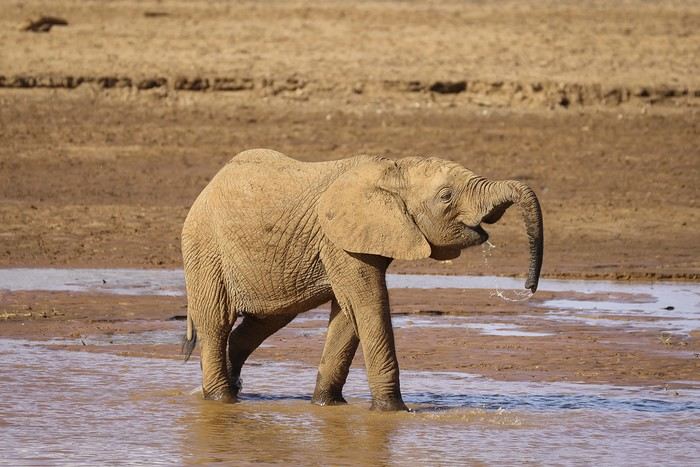
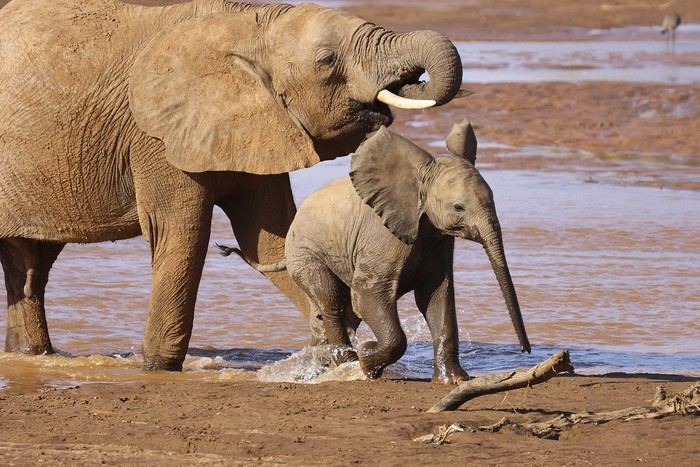
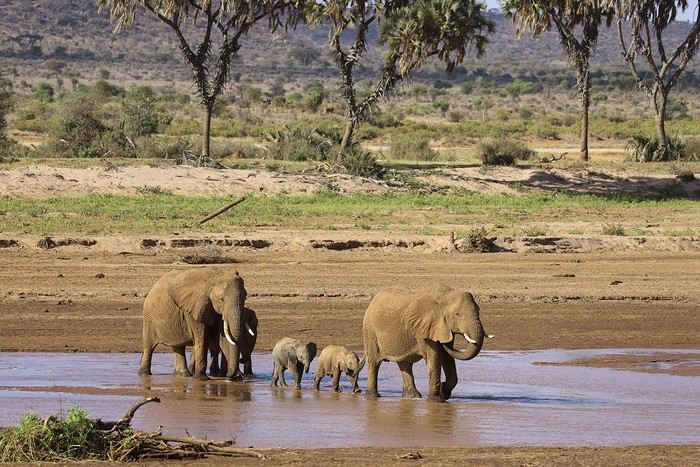
Right after we leave, we return to the area where we saw the elephants earlier in the morning. A new group, this time with little ones, is about to cross the river toward us, and we have the whole scene to ourselves for what feels like ages.
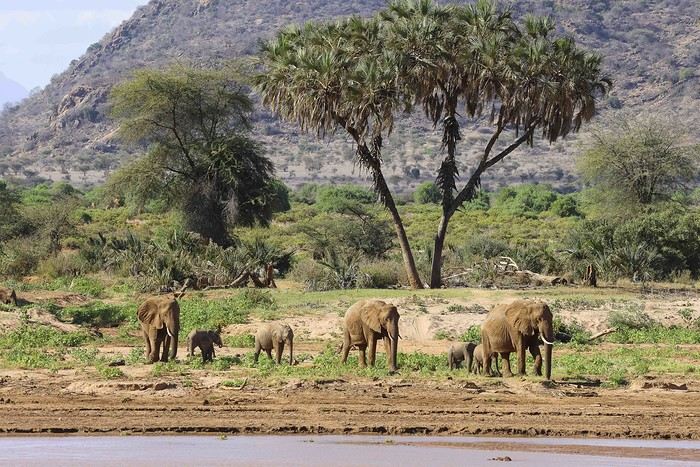
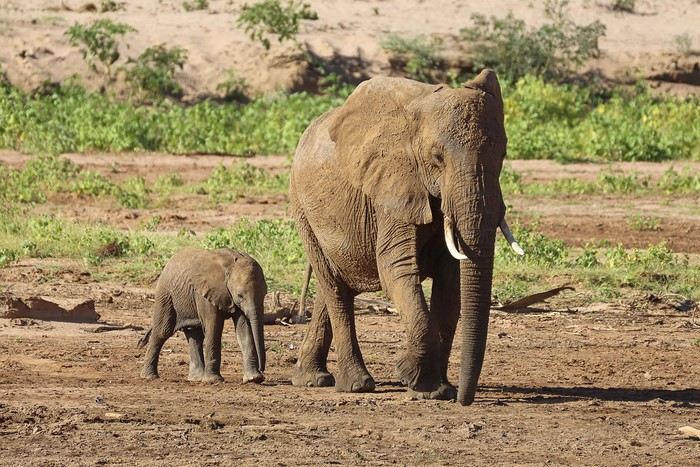
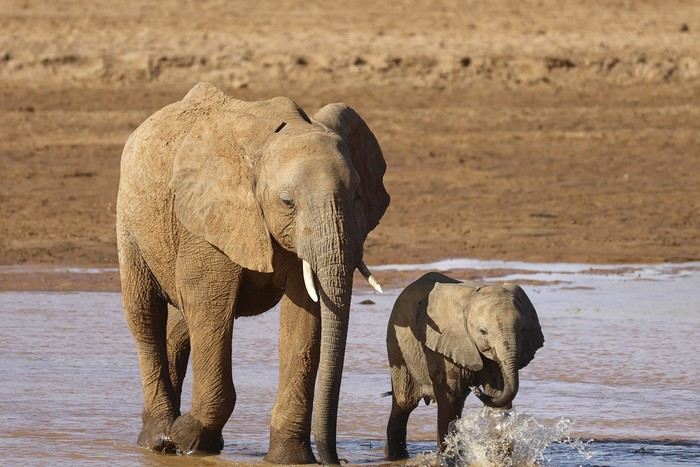
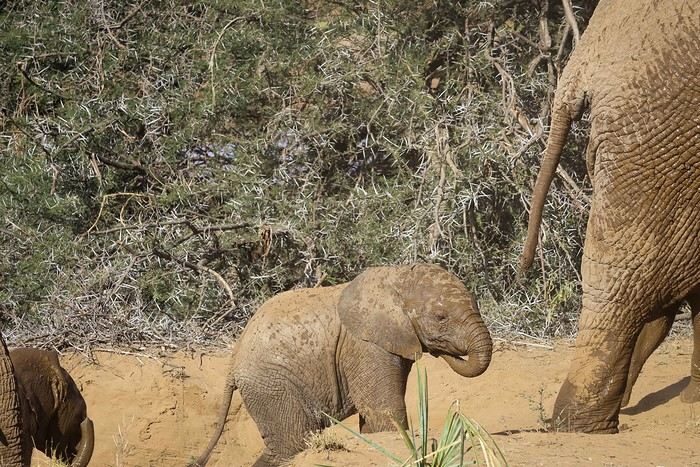
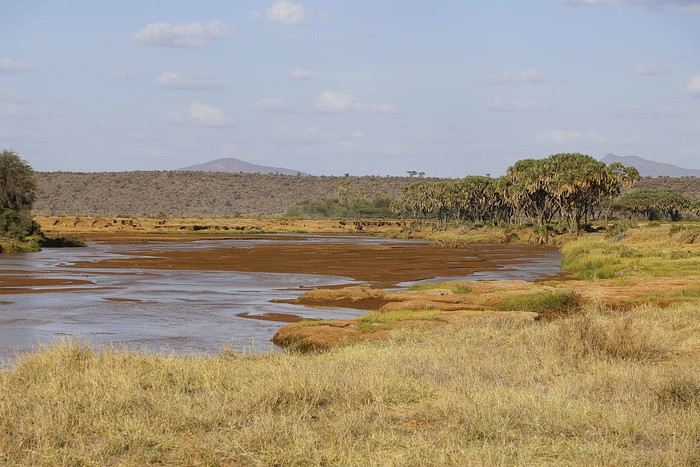
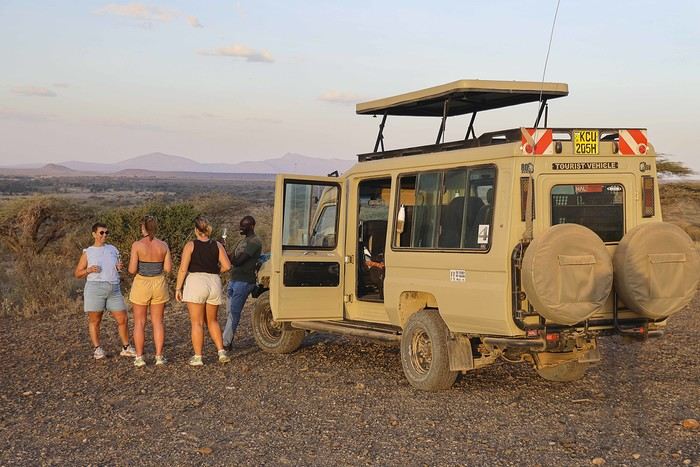
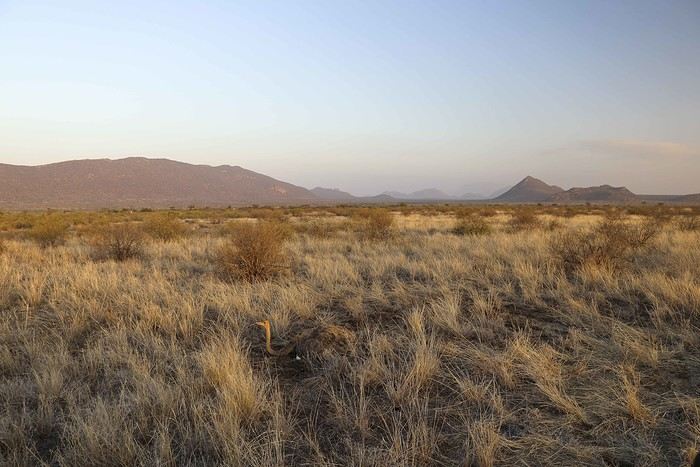
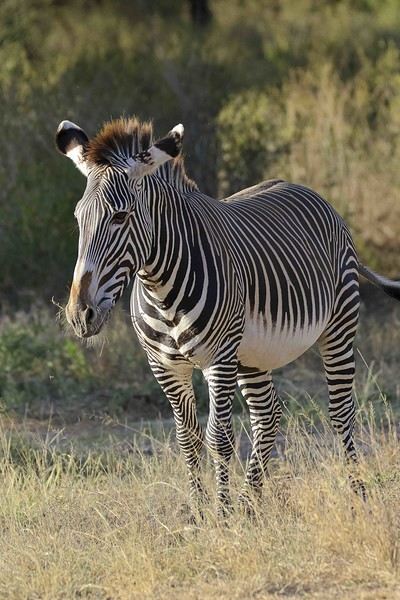 At the end of the day, Alfred takes us to the top of a hill overlooking the entire reserve—a perfect spot for an aperitif and watching the sunset.
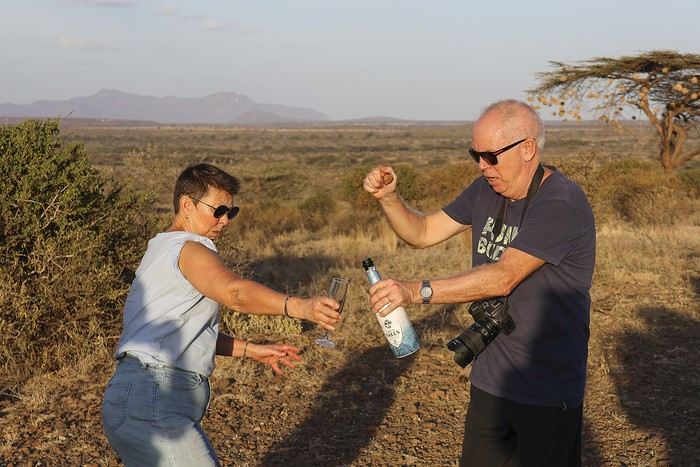
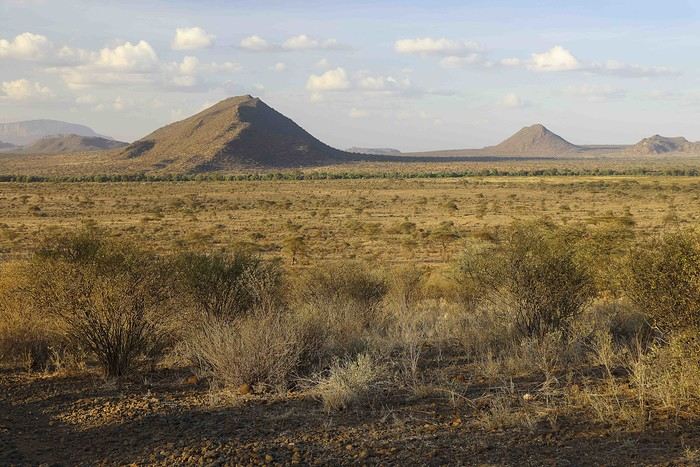 We absolutely love these moments of sharing, far from everything. The Siri Ya Kenya agency surprised us with a little gift bag containing souvenirs and a bottle of sparkling wine to enjoy with our aperitif. Even after being jostled all afternoon, the bottle opened without a hitch and without spraying everyone.
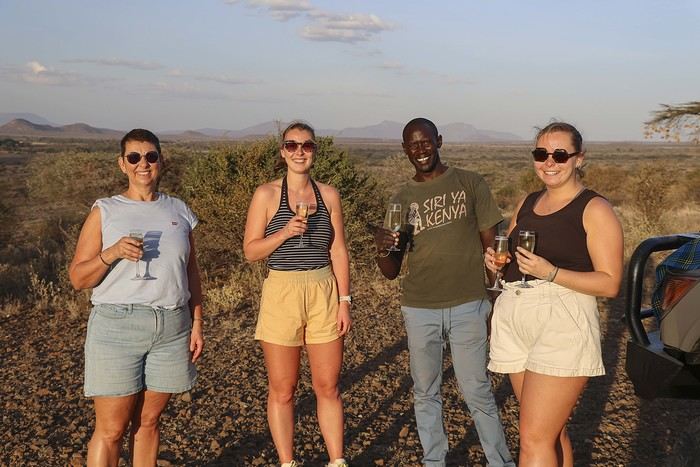 We spend some time savoring the moment, chatting with Alfred about various topics.
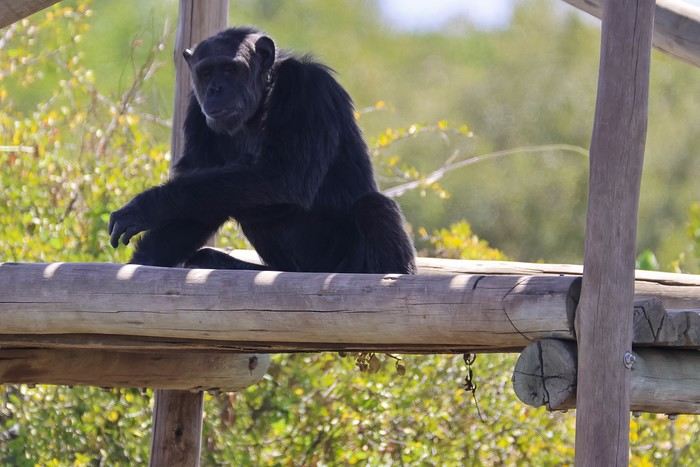 It’s a bit disappointing, but we didn’t expect much either.
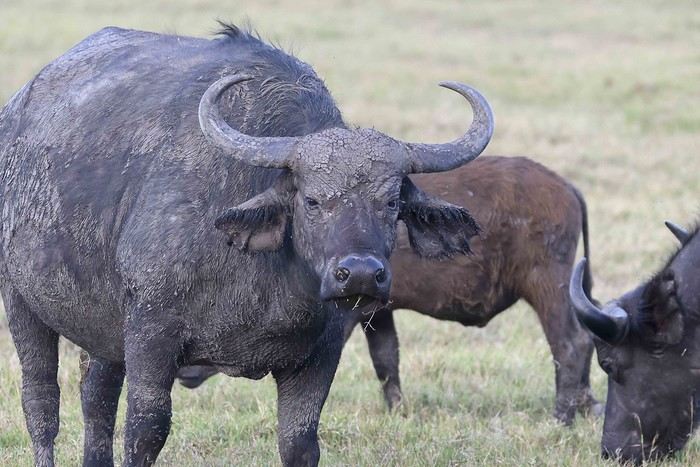
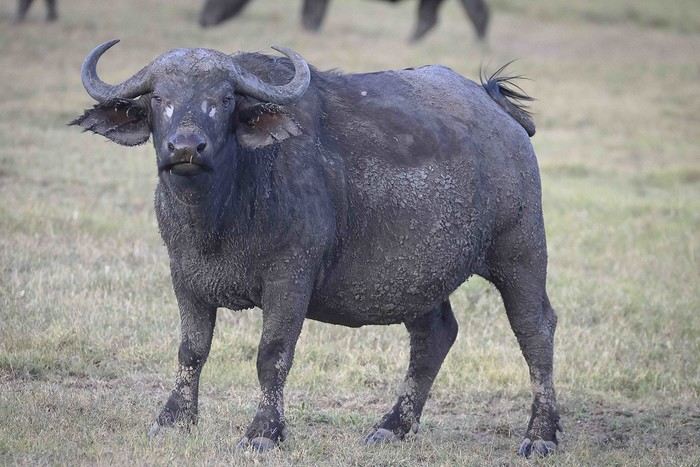
After the visit, we head to our camp, Sweetwaters Serena Camp. Along the way, we spot buffaloes,
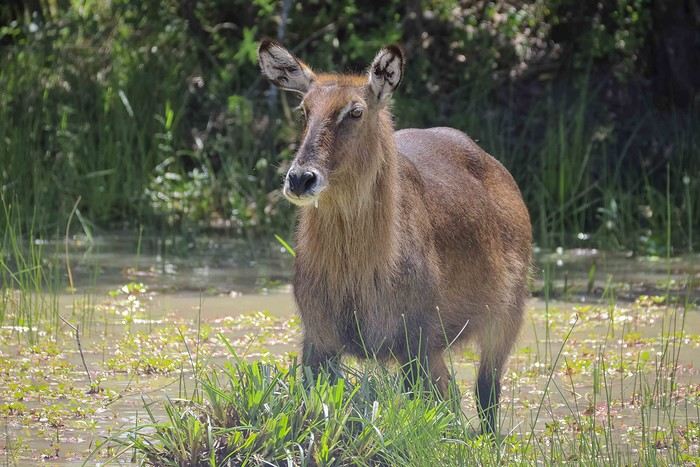
 cobes,
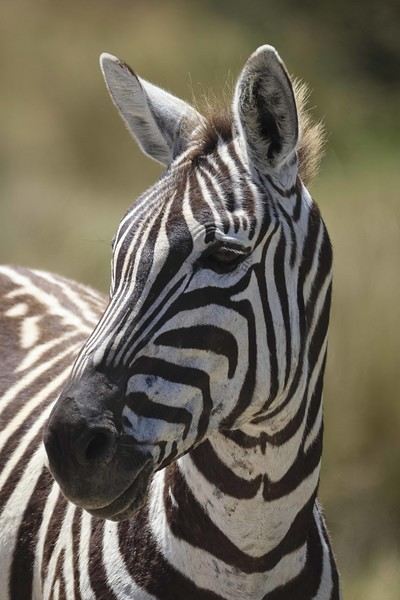
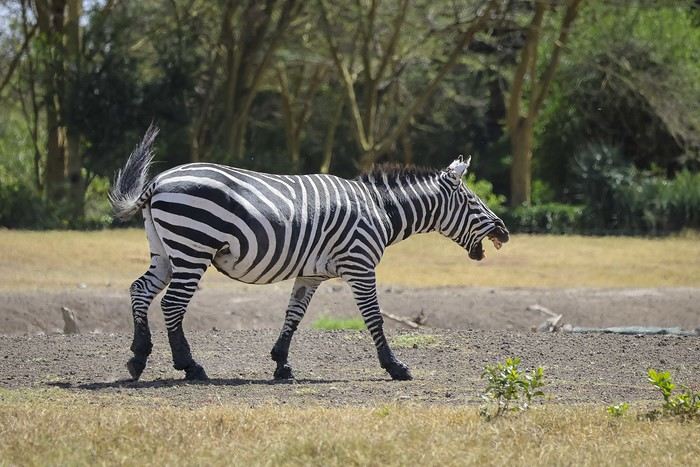
 zebras,
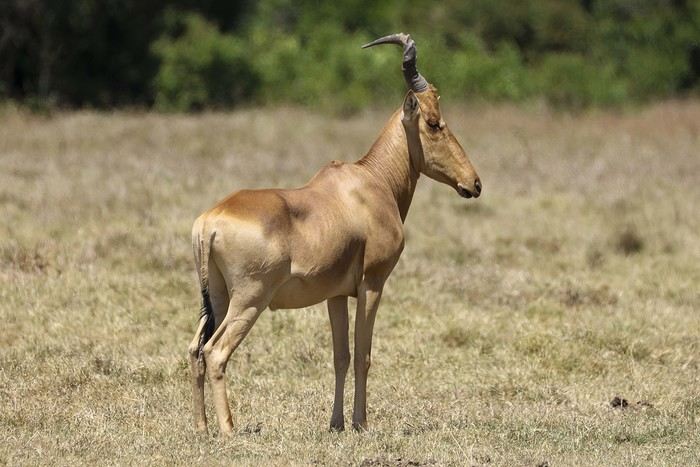
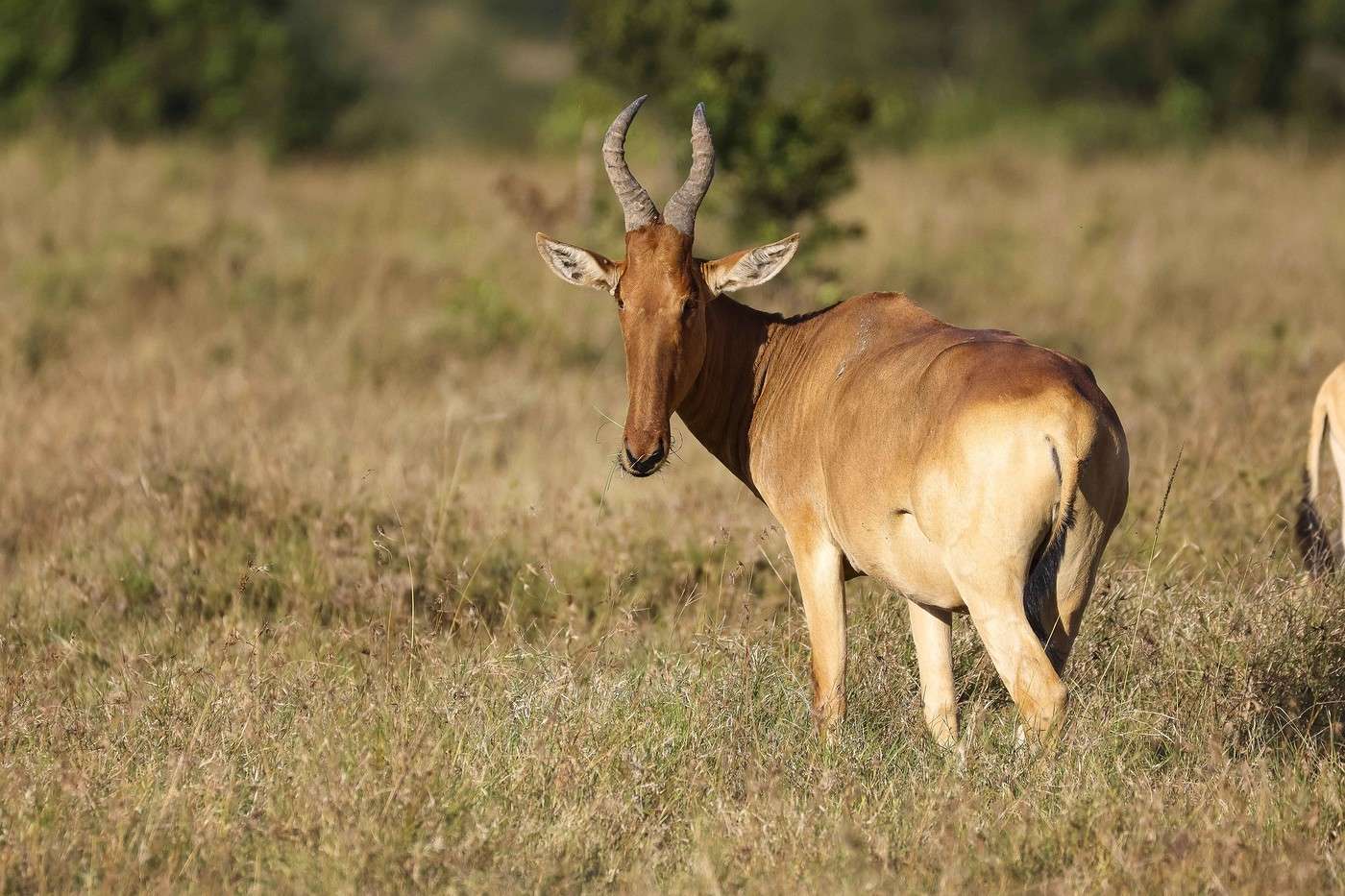
 bubals
 and our first hyena.
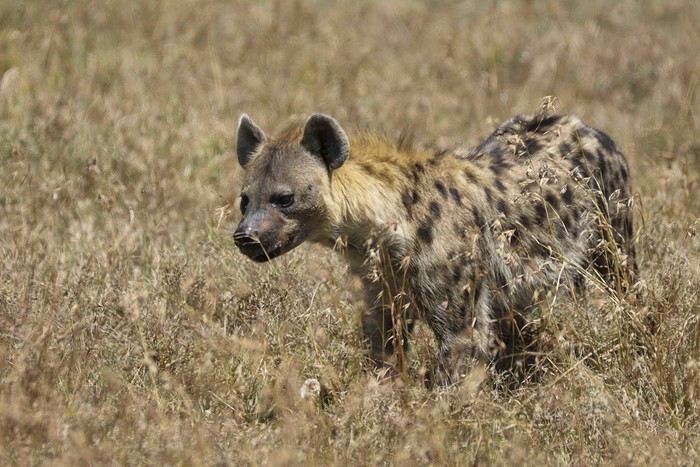 The landscape doesn’t quite compare to Samburu, but for a start, it’s still pretty great!
The camp tents are really spacious
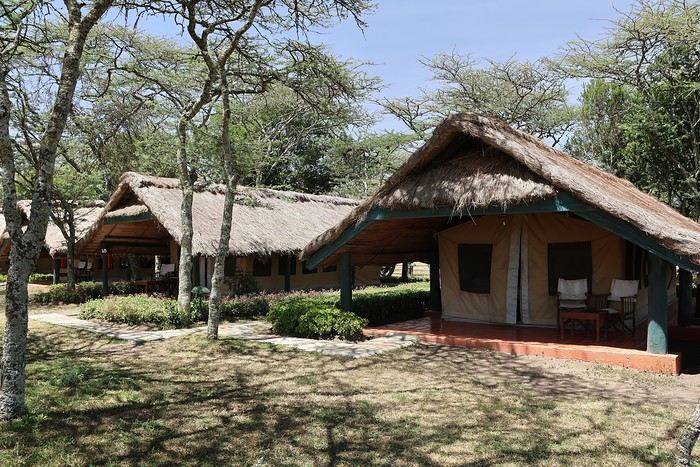 and overlook a watering hole where different animals come to drink.
 At lunch, our server notices Charlotte’s tattoo of four elephants on her arm and jokes with her about it. The vibe here is just as friendly, and that feeling sticks with us throughout the whole trip.
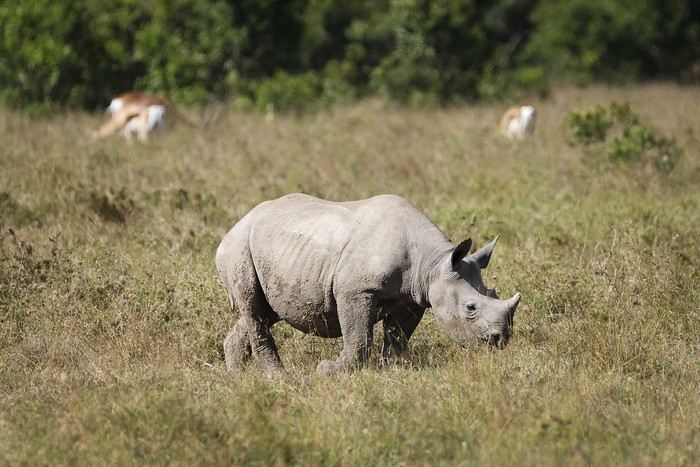
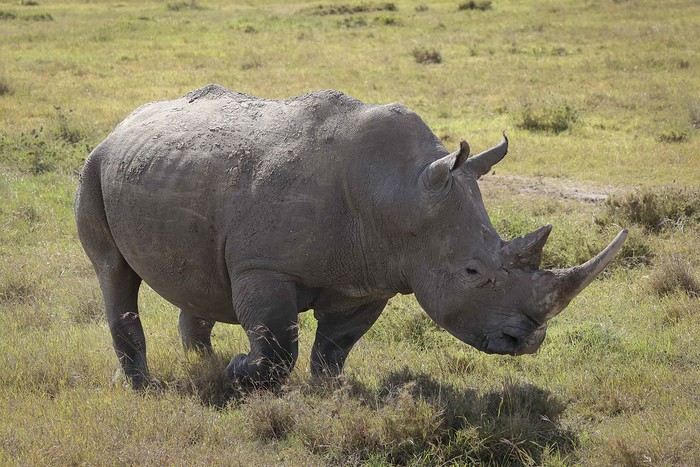
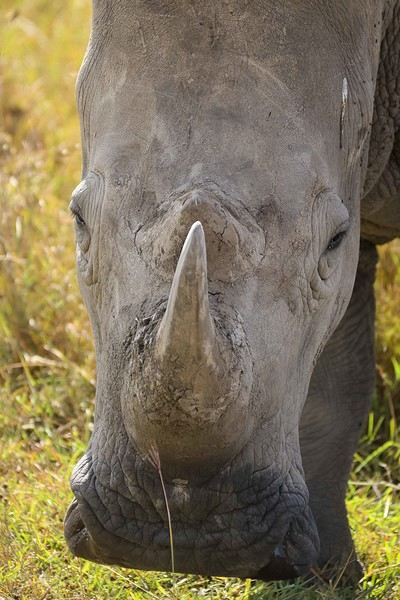
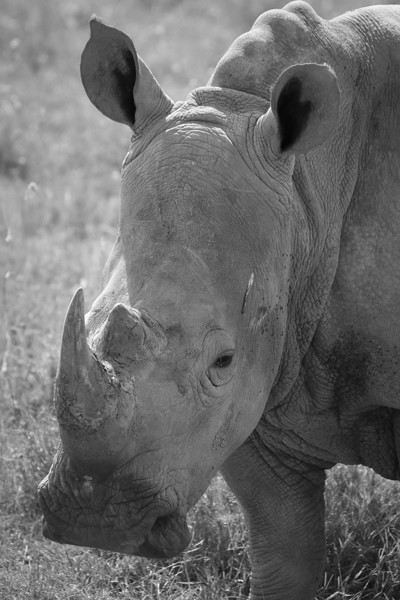
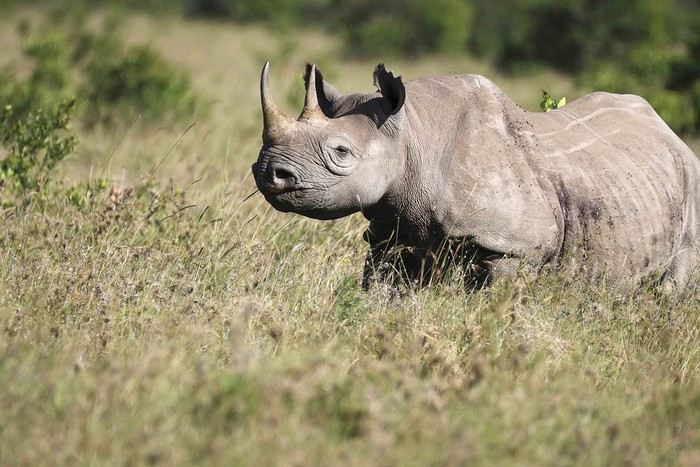
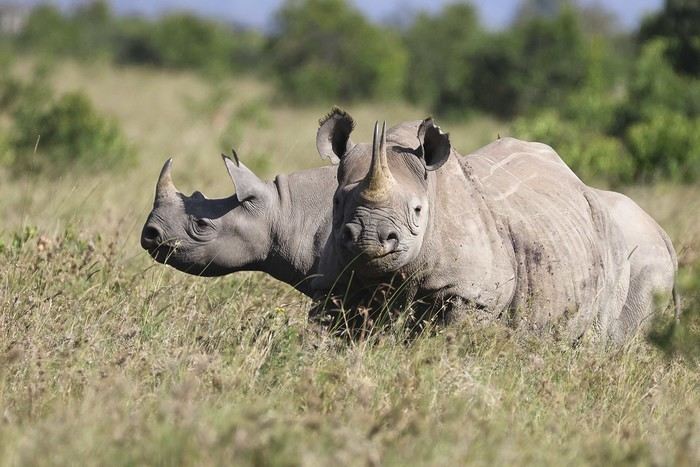
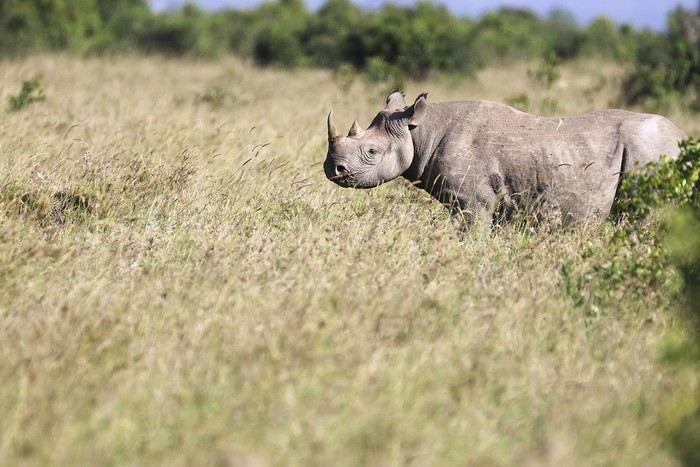
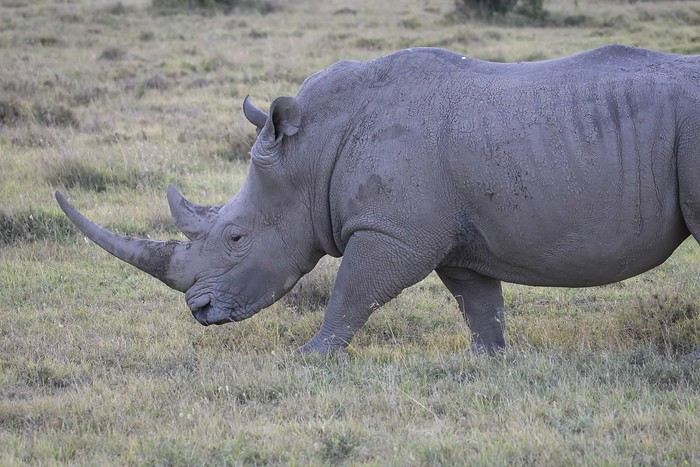
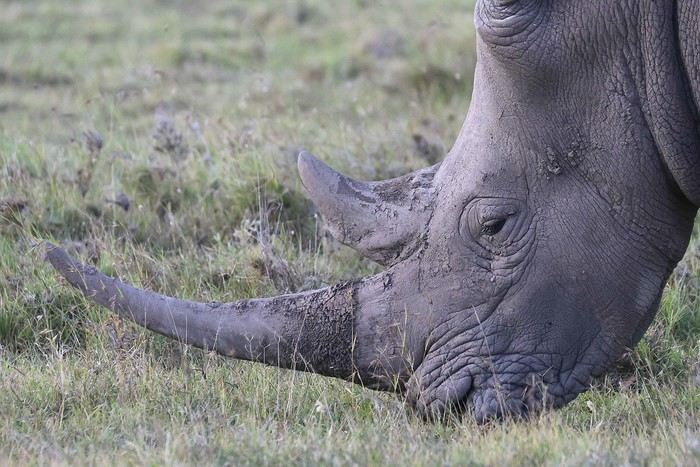
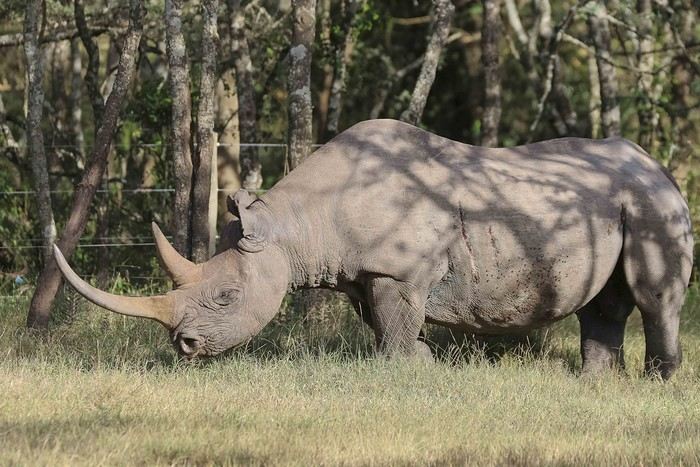
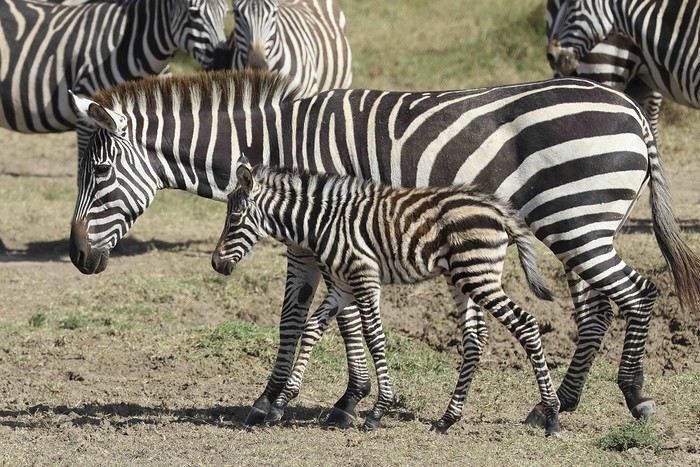
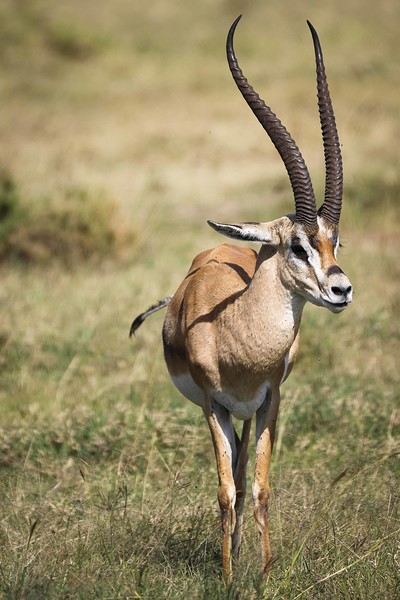
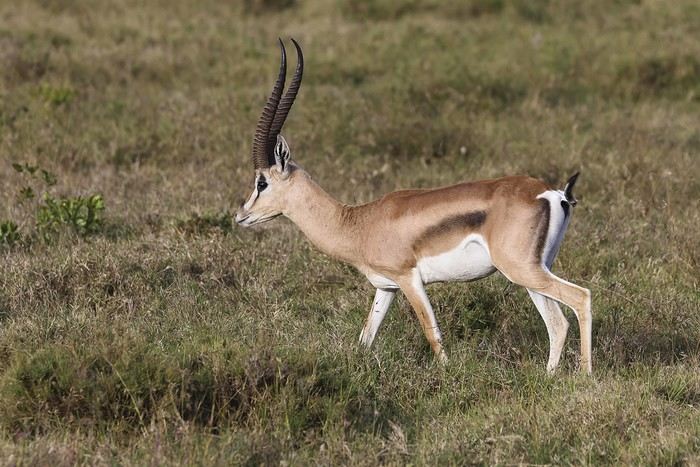
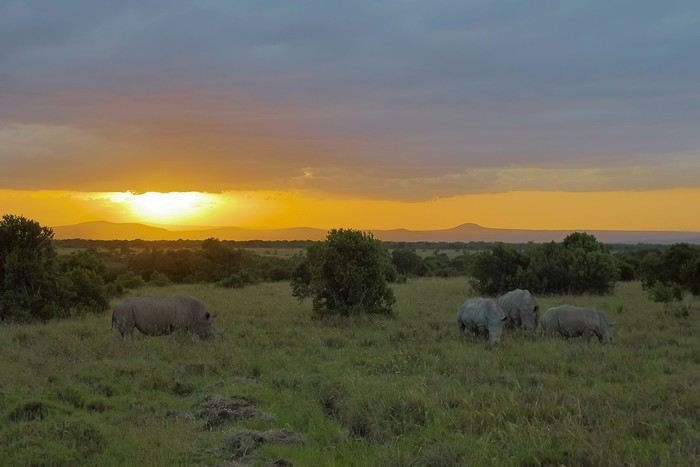
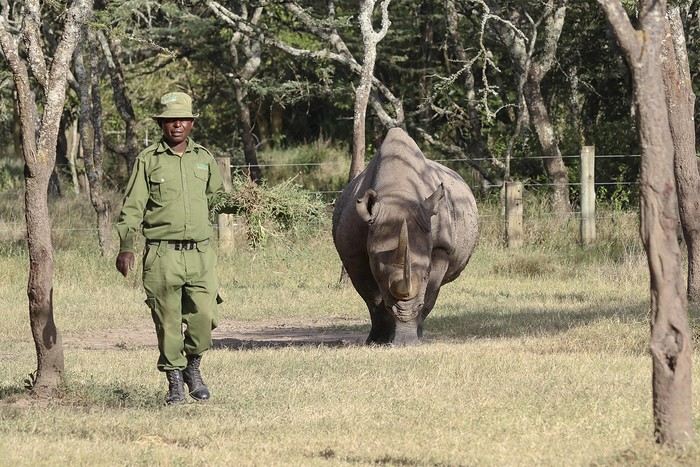 Apart from those rhinos, the reserve is actually quite rich, and we spot zebras one after another,
 antelopes,
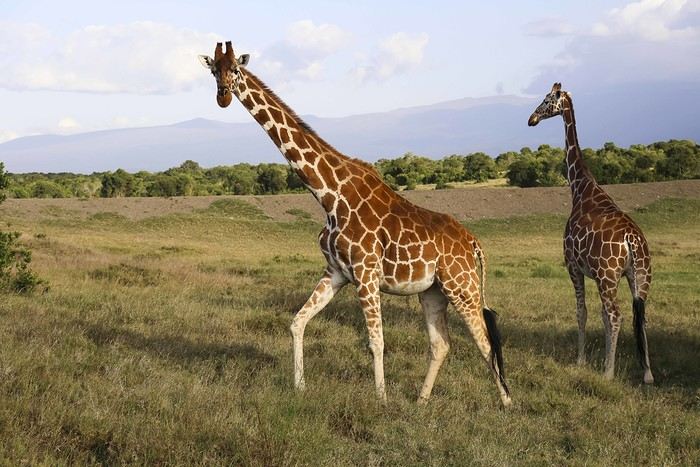
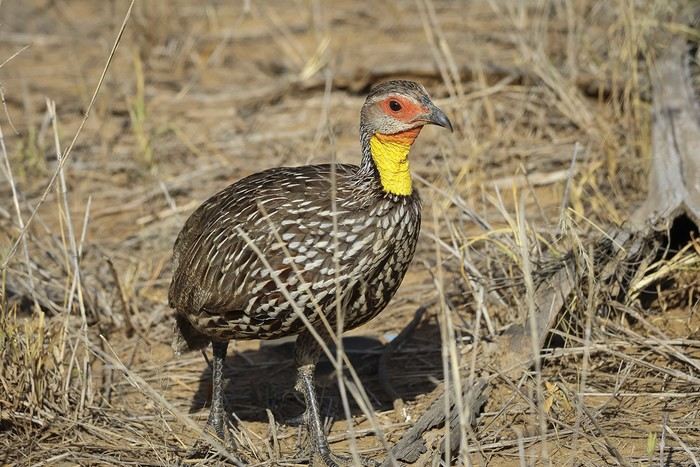
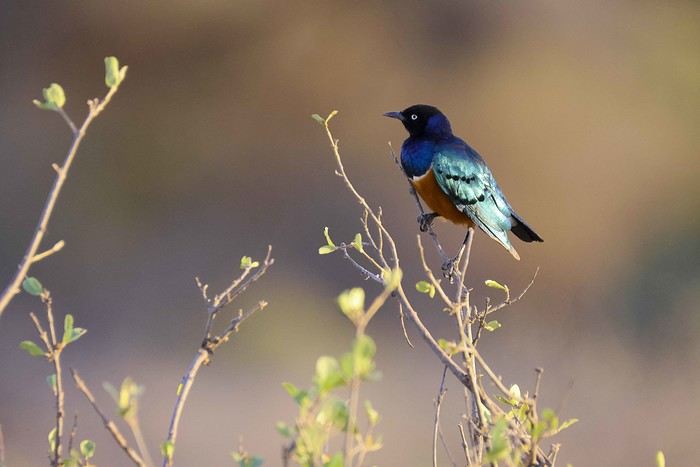
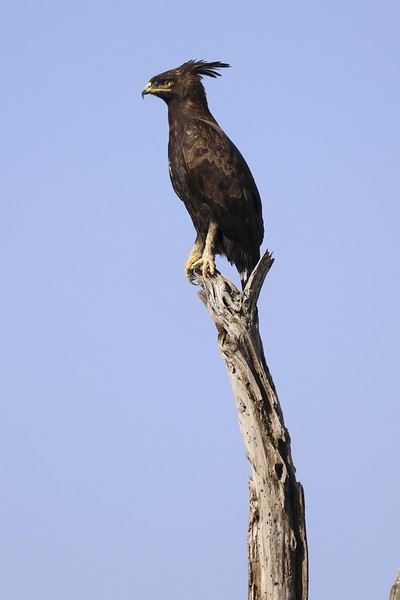
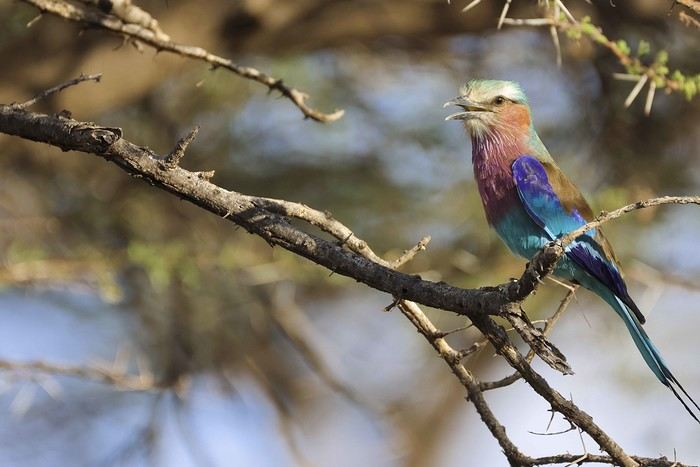
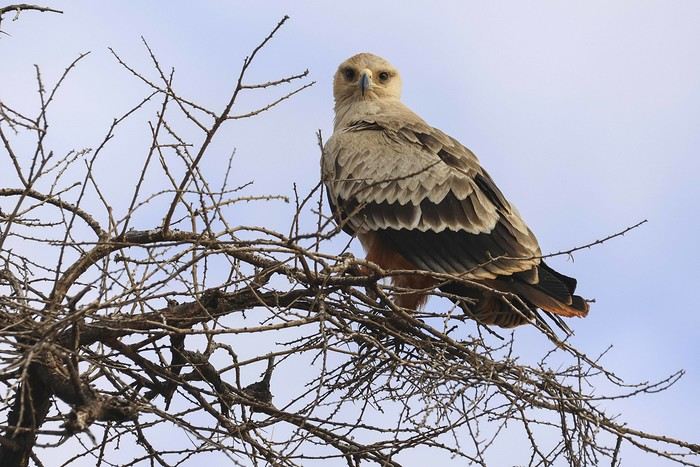
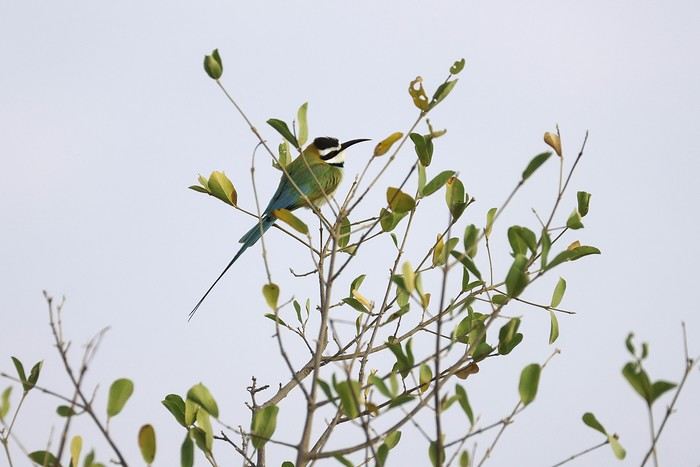
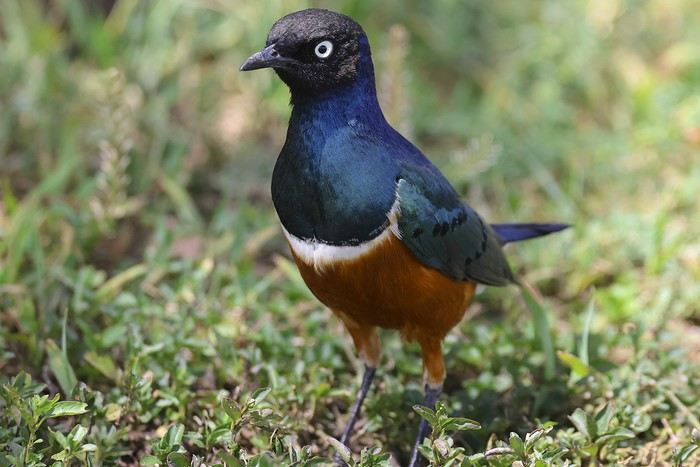
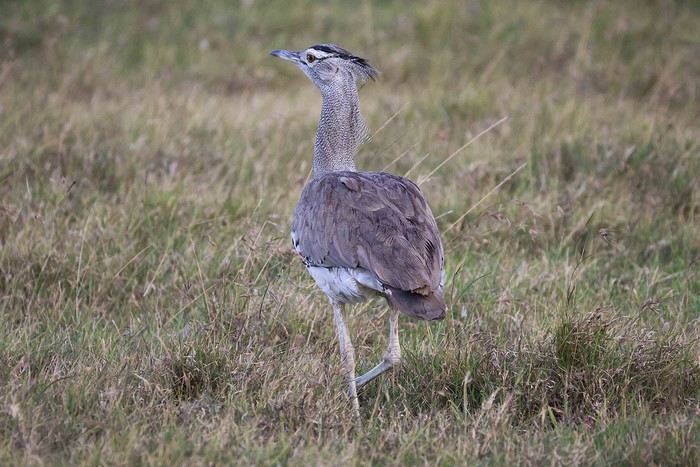
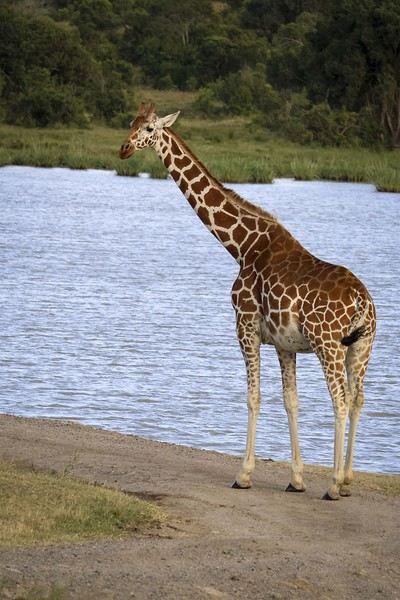 buffaloes, and a few birds: a Kori bustard
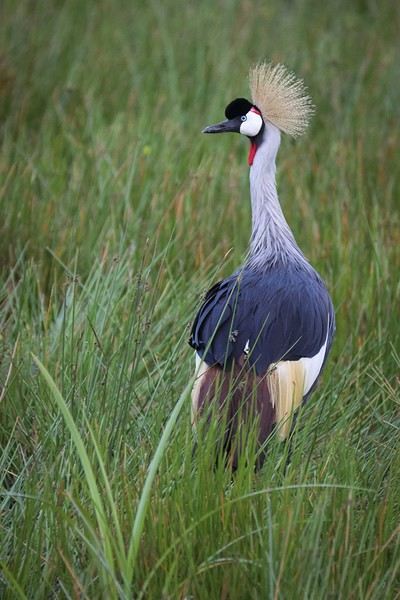
 and a magnificent crane at the end of the day.
 After watching a stunning sunset,
 we head back to camp once night has fallen. A few hyenas are lurking around. In the evening, the outside temperature here is quite chilly (probably just over 10 degrees), since the park reaches nearly 1,900 meters in altitude.
The camp staff even comes by a little before dinner to put hot water bottles in our beds—something we really appreciate at bedtime. During dinner, we meet a French woman who’s a regular in Kenya and is traveling with a former Kenyan guide. She shows us photos of a lioness on a branch with her cubs, spotted that morning in the reserve. What luck!
I love islands...
I love islands. So it’s no surprise that the Azores have been catching my eye for a few years now. The first time I suggested them to my dear partner back in 2021, he preferred the Lofoten Islands—an excellent choice, as it turned out, since we got to visit with hardly any crowds. But for various reasons, the opportunity didn’t come up again in the following years. Until last year, that is. But by then, we’d left it too late—too late for the Azores, I mean—and the accommodation options on Flores and São Jorge were extremely limited. We decided to skip it without even looking at car rentals. So this year, we booked our flights, lodging, and cars *way* in advance (between December of last year and early this year).
The Azores consist of nine islands, so you have to make choices. I quickly ruled out São Miguel, which deserves a week all to itself: from what I’d read on various blogs, some travelers seemed disappointed after visiting the other islands, even feeling it lacked the Azores’ unique charm. True or not, that was reason enough to skip it.
In the end, we wanted to go to Flores for its lush nature (and because it’s reputed to be the most breathtaking), São Jorge for its rural/nature vibe, and Terceira for its cultural side and *impérios* (more on that later). With the time we had, we could add another island without rushing. We like to take our time and wander a bit—whether it’s a viewpoint or a hike, we always spend longer than *everyone* else. Pico won out over Faial thanks to its wine culture. And of course, there’s Corvo, which is usually visited as a day trip from Flores. I thought it’d be nice to spend the night there to experience the atmosphere once most tourists had left. I hesitated between one or two nights but ultimately went with two (so we wouldn’t be rushed by the boat schedule). It was an excellent decision.
Here’s how it all panned out:
August 25: departure for Terceira via Lisbon at 7:40 AM; August 25–29: Terceira; August 29: flight to Corvo. It was supposed to take half a day, and we were meant to arrive in the early afternoon, but between schedule changes and delays, it ended up taking almost the whole day; August 29–31: Corvo; August 31: boat to Flores around 8:30 AM; August 31–September 5: Flores; September 5: flight to Faial in the early afternoon (originally scheduled for the morning, but the times changed)—visit to Horta; September 6: boat to São Jorge around 9:00 AM; September 6–11: São Jorge; September 11: boat to Pico at 11:15 AM; September 11–16: Pico; September 16: flight to Paris via Lisbon from Pico around 10:30 AM.
We had to juggle a bit to optimize the prices of our flight tickets from Paris and the inter-island travel.












 Roundabouts are particularly interesting because they feature emblems of Turkmen culture, like the dog, a carpet, the Ahal Teke horse, or Muslim symbols, even though the presence of Islamic artifacts is quite limited.















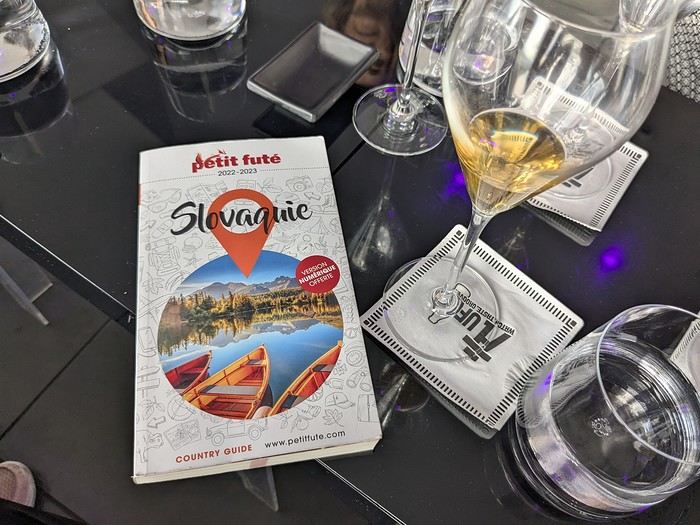 Why this country?
After visiting Hungary, Slovenia, Romania, and Poland in recent years, I’ve fallen in love with Eastern European countries. I adore the Slavic soul, its Austro-Hungarian villages, the gentle landscapes, the Carpathian Mountains, and that slightly mysterious atmosphere.
Slovakia evokes a certain imagination with its deep forests, medieval castles, and cobbled villages.
After seeing photos of the High Tatras—especially Lake Štrbské Pleso and Spiš Castle—I thought, "Let’s do it! We’re going!"
So, will Slovakia live up to what I imagine?
We’ll find out together.
We decided to travel as a group of six (five adults and a six-year-old child), by car (we needed two).
Here’s the day-by-day itinerary for this family trip, which started with a 3-day stay in Vienna (see the dedicated travel journal):
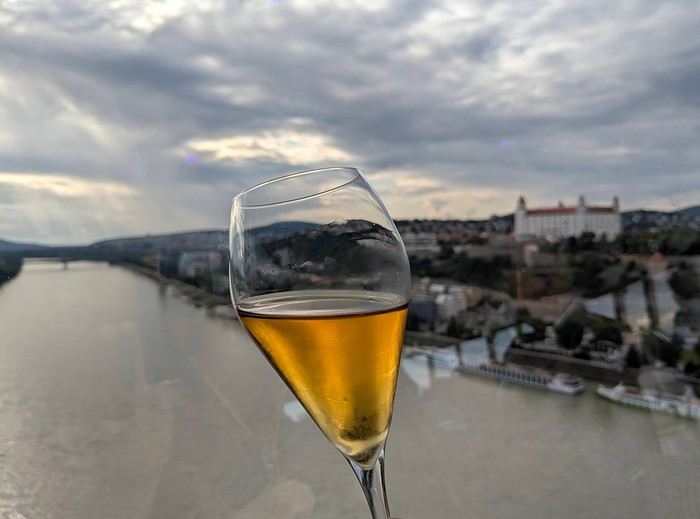
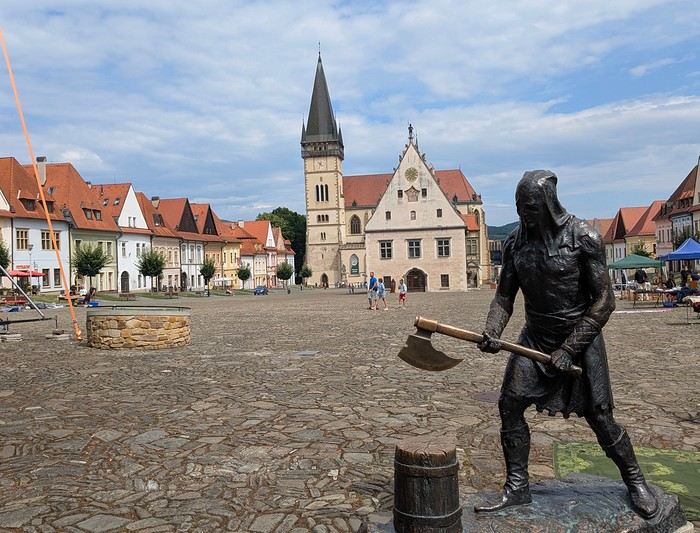












 When it comes to the Caribbean island of Saint-Martin, it's customary to praise its coastline and dreamy beaches—and they certainly deserve it.
But in this story, I’d like to highlight other memories, aspects, and impressions for a slightly different change of scenery.
Enjoy the read—some text and, above all, lots of photos.
« Byenveni sou zile Sen Maten! » (Welcome to the island of Saint-Martin)













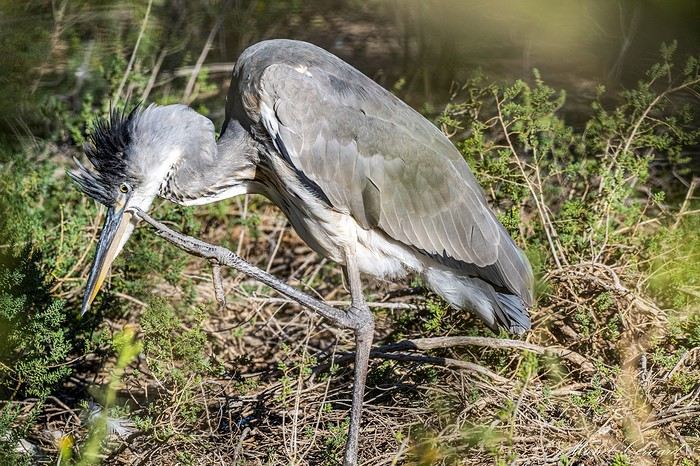
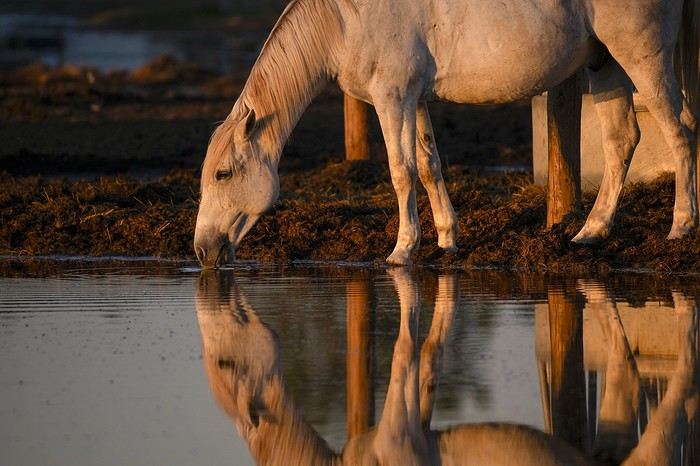














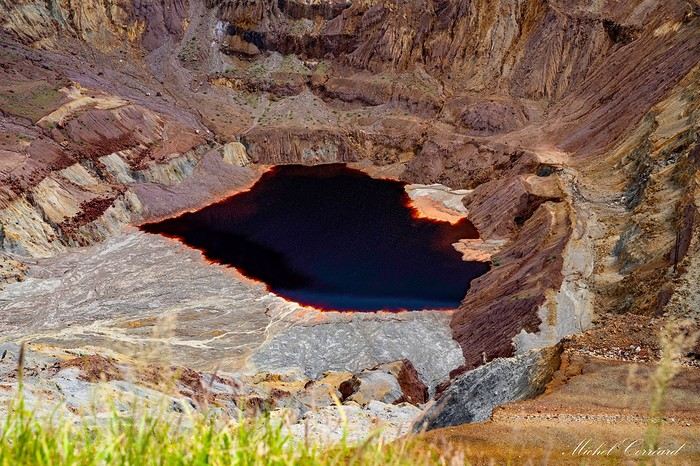
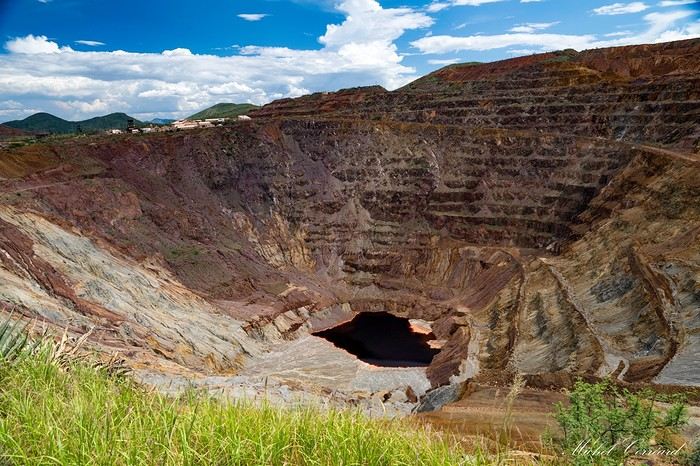
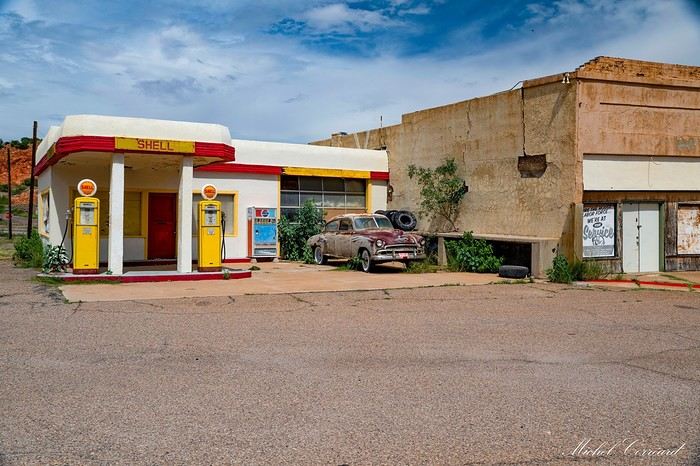
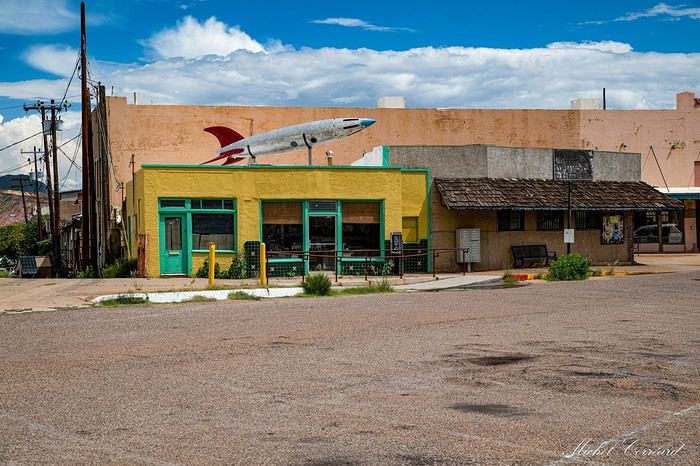
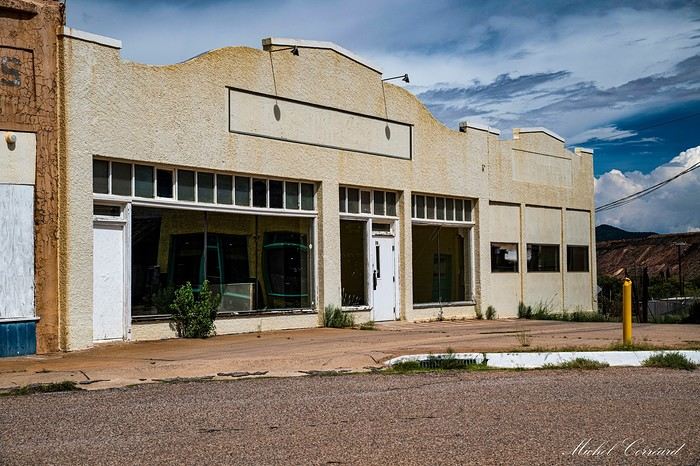
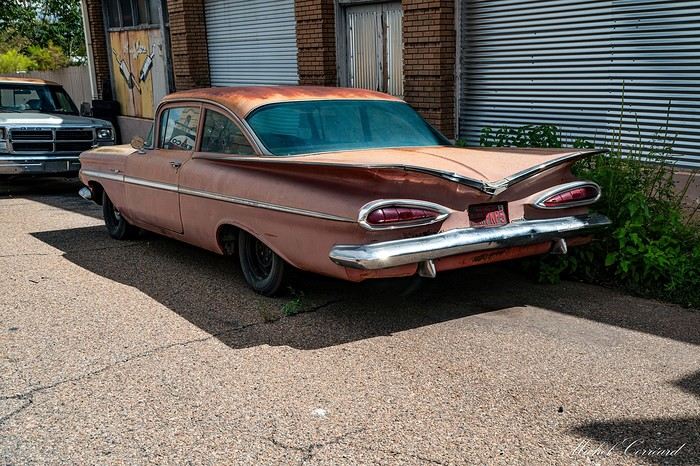
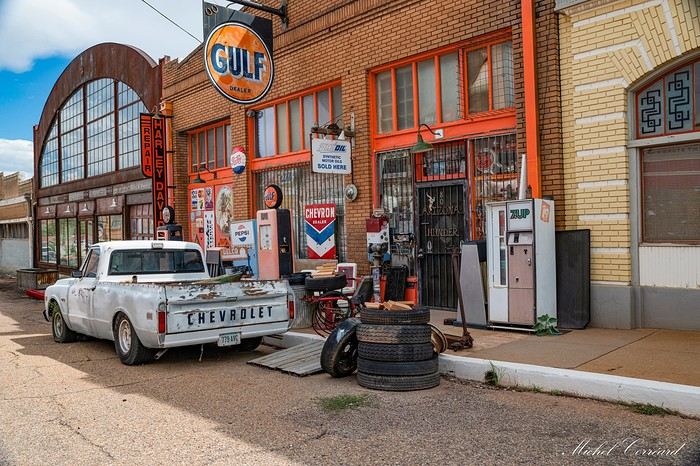
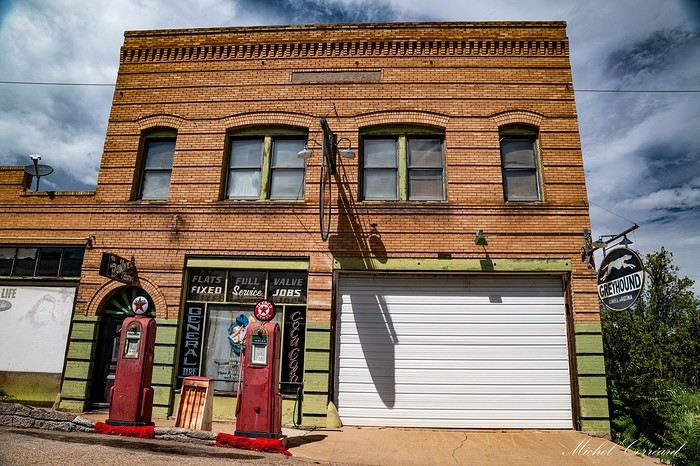
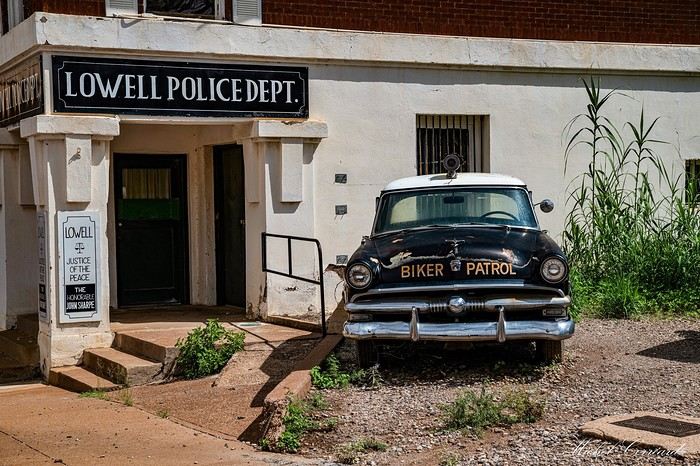
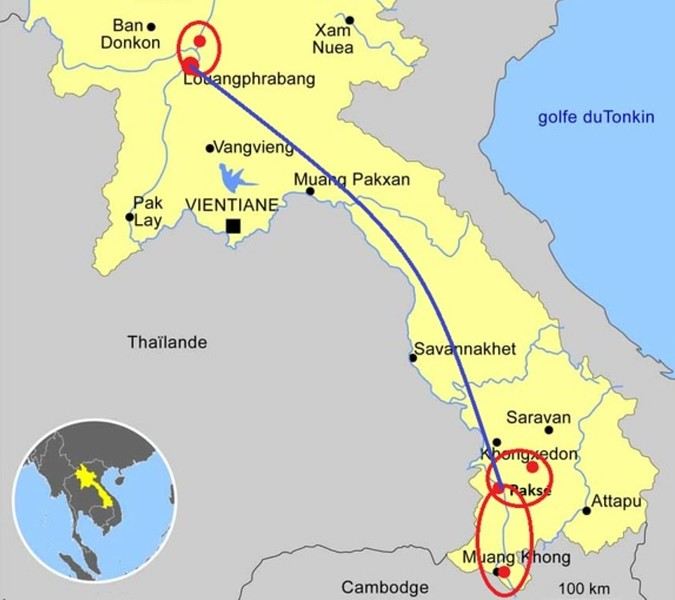
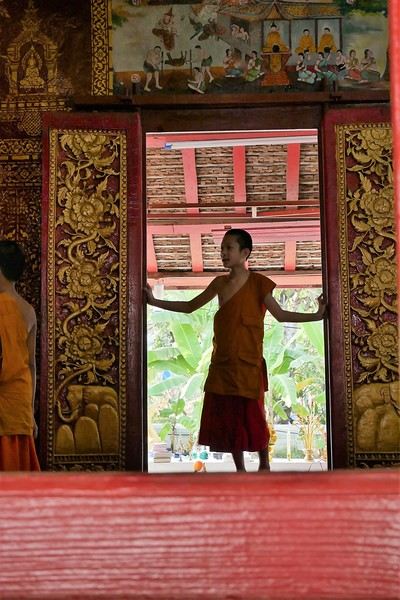 Come along, I'm taking you to this country where it's so nice to wander and slow down...
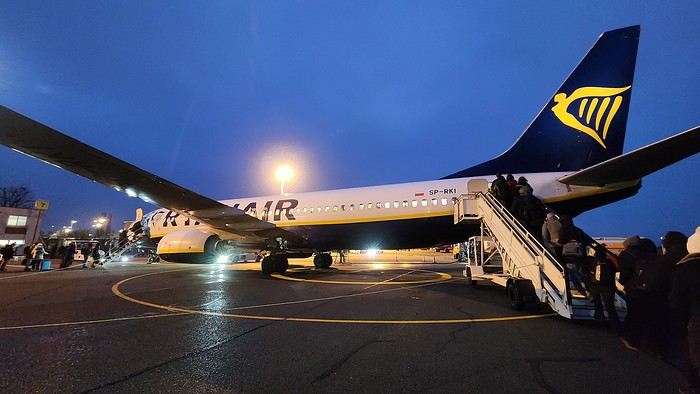
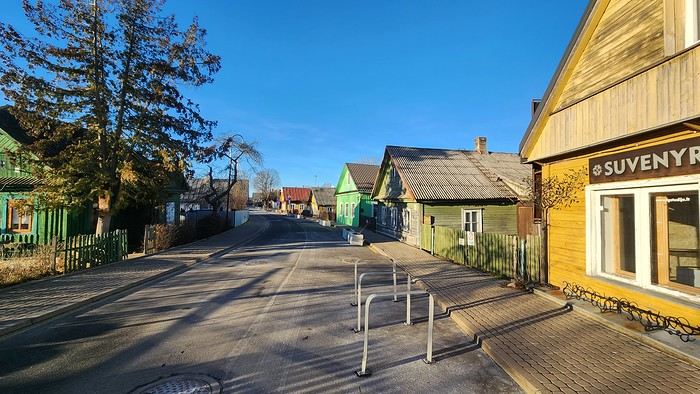

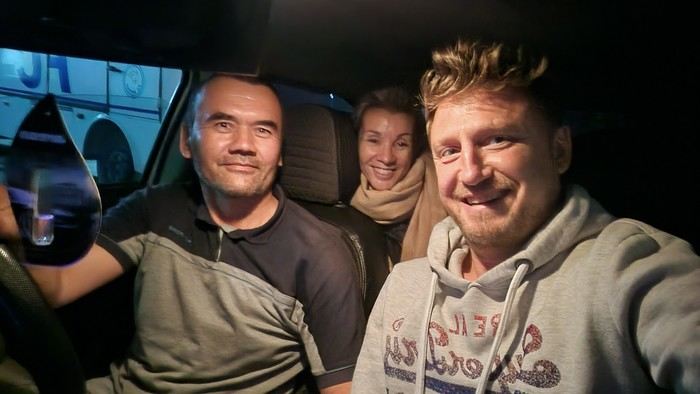
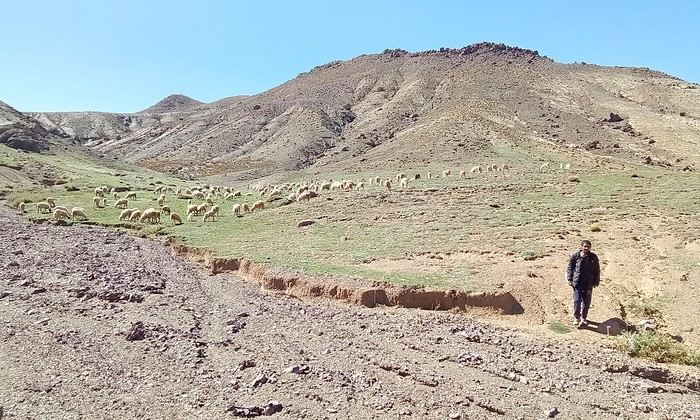
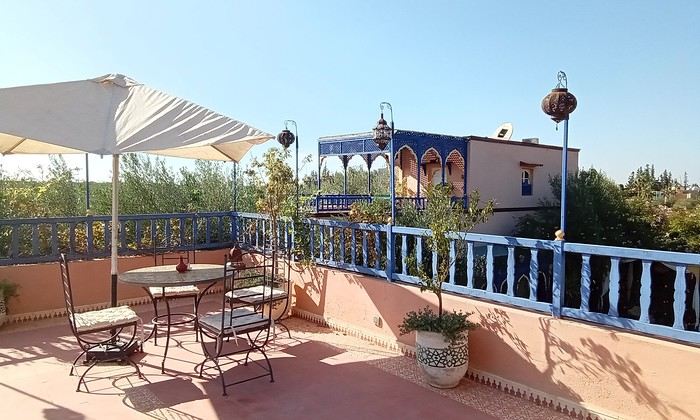
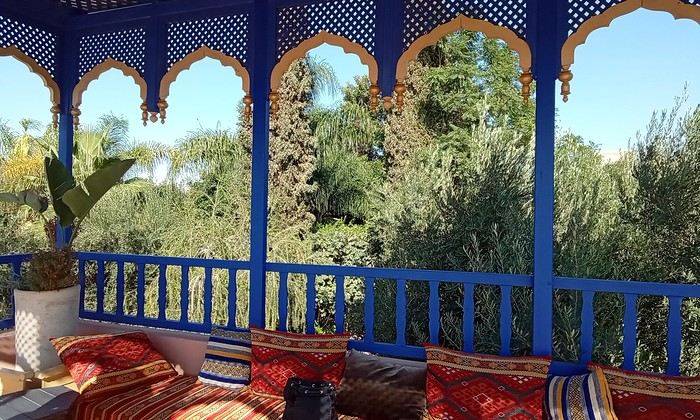 Last October, we landed in Marrakech to spend a few days with family exploring Morocco’s roads.
Transport: a rented Dacia.
Accommodations: small guesthouses.
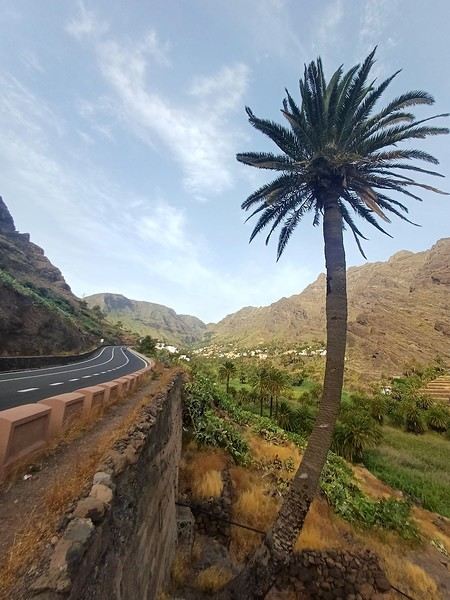
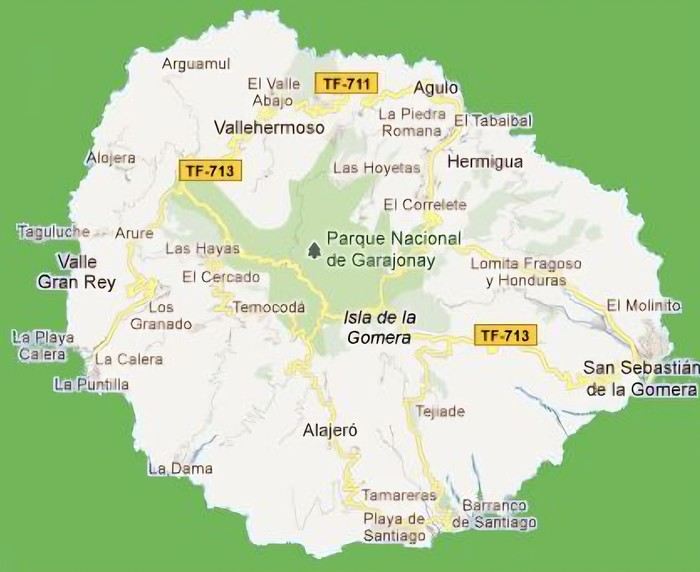 The large solidified magma massifs that shape the heart of the island have created a large depression more protected from the sun at its center, allowing the growth of a vast laurel forest, today grouped within the Garajonay National Park, La Gomera’s green lung, which has earned it the status of a World Biosphere Reserve. Its completely European appearance contrasts sharply with the rocky and tropical landscapes of the rest of the island. Thus, the climate varies greatly from one point to another on the island: in summer, you can quickly go from a dry and sunny valley at 35°C to a humid forest area at altitude at 18°C.