Membre de Voyage Forum depuis peu, mais vieux bourlingueur de 65 ans avec plus de 50 pays sous la semelle, je me rends compte de quelques constantes qui reviennent sur les forums:
1- On demande plus souvent qu’on ne donne. Ceux qui veulent partir ont besoin d’être rassurés. C’est bien légitime. Mais une fois qu’on a vécu l’aventure du voyage on partage peu son expérience, en se disant que notre petite aventure n’intéresse personne d’autre que les amis et la famille. Faux. Ce qui, avant de partir, paraissait la grande aventure devient une tranche de vie intéressante avec un quotidien qui n’a rien d’effrayant mais qui comporte plein de nouvelles choses, de surprises, bonnes et mauvaises, avec lesquelles nous avons à composer à chaque jour, et cela intéresse ceux qui veulent prendre la même route. Soyez généreux de vos expériences! Plusieurs d’entre vous maintiennent un blogue. Bravo!
2- Je constate que les gens sont souvent peu informés de ce qui les attend et ne savent pas toujours où trouver les réponses à leurs questions. Un peu paresseux, ils s’adressent à un forum comme celui-ci pour trouver facilement leurs réponses plutôt que de faire une recherche sérieuse sur le net ou les livres guides. Les informations qu’on trouve sur ces forums sont parfois tellement diverses et contradictoires qu’on ne sait plus que penser à la fin.
3- Aventure et parano ne font pas bon ménage. Il faut bien planifier son voyage, (finances, moyens de transport, assurances, médicaments etc.) mais pas trop. Une bonne idée générale du territoire à visiter est primordiale mais il faut laisser beaucoup d’élastique dans la planification de l’itinéraire et des activités. On reparle de parano un peu plus bas…
4- Sécurité et aventure sont un peu antonymes. L’aventure demande qu’à chaque jour je rebâtisse mes repères, (où vais-je coucher, où est la banque, le marché, la station de service etc.). Mais la découverte de tous ces nouveaux repères est généralement pleine de satisfaction et constitue la meilleure récompense du voyageur.
Voici quelques conseils d’un vieux routier :
· Informez vous bien avant de partir, mais aussi tout au long de la route. Soyez curieux. N’ayez pas peur d’aller vers l’autre, qu’il soit autochtone ou voyageur comme vous. Il a plein à partager lui-aussi, et peut-être vous ferez-vous un nouvel ami.
· Le meilleur passeport du voyageur est un grand sourire dans le visage. Même avec le policier et le douanier. Ces gens là sont tellement détestés par tous que ça leur fait du bien de voir un visage avenant de temps en temps et les portes s’ouvrent plus facilement. Soyez patient et tolérant. Ces gens ne connaissent pas le rythme trépident de l’occident, et au salaire qu’ils gagnent, il n’y a pas de quoi se presser.
· Donnez-vous la peine d’apprendre un minimum de la langue du pays visité. C’est une question de respect envers votre hôte : bonjour, au revoir, svp, merci etc. Un petit dictionnaire de traduction devrait faire parti de vos bagages. Si vous pensez demeurer plusieurs semaines dans le pays, investissez quelques jours dans l’apprentissage de la langue. L’investissement vous sera rendu au centuple. Partout en Amérique Latine les cours d’espagnol sont disponibles à des coûts compétitifs. Vous serez étonnés de la réception que les autochtones vous réservent quand vous faites l’effort de les rejoindre et tenter de tenir une conversation simple. Respect!
· Les médias de l’information font des milliards $$$ à faire peur aux gens. Ne soyez pas dupes, ça ne va pas si mal que ça dans le monde. Fermez votre télé et ouvrez un bon livre sur votre destination, l’itinéraire prévu et les peuples que vous y rencontrerez. Laissez votre parano avec le téléviseur à la maison. Bien sûr, il y a des zones dangereuses qu’il faut éviter, comme certaines régions d’Afrique, Proche et Moyen Orient, le nord du Mexique et quelques autres zones bien identifiées. L’hémoglobine se vend bien dans les télé-nouvelles. Ayant zigzagué le Mexique à plusieurs reprises, je ferai bientôt un article exclusivement sur ce sujet.
· Argent : Cette inquiétude revient fréquemment dans les forums. Ne vous cassez pas la tête, servez vous de votre carte de débit ou de crédit dans les millions de guichets bancaires (ATM) qui parsèment la planète. Même le Myanmar commence à en installer. C’est généralement par ce moyen que vous aurez le meilleur taux de change pour obtenir la monnaie locale. Certaines banques chez vous, peuvent même vous offrir des retraits sans frais si vous savez bien négocier avec elles. Dites leur que l’autre banque à coté vous l’offre. Ils sont assez souvent accommodants pour ne pas perdre votre clientèle. Ne vous promenez pas avec de grosses sommes et évitez de montrer votre opulence. Pour les gens du tiers monde, nous sommes tous des millionnaires. Évitez de montrer vos beaux bijoux (même les faux) et les liasses de billets.
· Si vous prévoyez rester dans un pays pour plusieurs mois, il peut être avantageux d’ouvrir un compte bancaire dans une banque locale ou internationale sérieuse et fiable, en y déposant une somme équivalente à ce que vous prévoyez y dépenser. De cette façon, vous ne payez pas de frais en utilisant la carte de débit locale. Informez-vous bien, localement, avant de faire une telle transaction.
· Il y a de fortes chances que les pays que vous visiterez aient des mœurs différentes de celles de votre coin de planète. Respectez vos hôtes. Habillez vous de façon respectueuse lorsque vous faite affaire aux autorités, que vous visitez leur lieux de culte, leurs beaux hôtels et restaurants. Sachez cacher votre chair, même si elle est jolie, lorsque les circonstances le demandent. Vous serez à votre tour plus respecté. Évitez de vous fâcher. Une négociation ferme avec le sourire lorsque qu’il y a un différent mène généralement à la bonne entente. Celui qui affiche sa colère se met souvent en position dangereuse et perd ses chances d’aboutir à un bon accommodement. ‘Patience et longueur de temps valent mieux que force ni que rage’ nous dit-on…
· Les gens sont fondamentalement bons. Dans tous les pays que j’ai visités j’ai trouvé que 90% de la population est composée de gens honnêtes qui, quand on leur demande, ne cherche qu’à vous aider. Ne soyez cependant pas dupes et méfiez-vous du type un peu trop amical et avenant qui vient vers vous avec un grand sourire. Il a souvent de mauvaises idées derrière la tête.
· ‘Learning money’ : J’ai appris il y a déjà longtemps qu’il faut réserver une tranche de son budget à l’apprentissage de la nature humaine. Il faut, occasionnellement, accepter de bonne grâce qu’on s’est fait arnaqué par tel vendeur, tel fournisseur de produits touristique. Riez-en et dites-vous que vous venez d’apprendre quelque chose. Ne vous stressez pas à ruminer la chose trop longtemps.
· Bouffe : La grande aventure n’est pas faite pour les dédaigneux et les capricieux. La cuisine locale risque d’être bien différente de la vôtre et elle fait parti des découvertes que vous allez faire. Si l’esthétique des mets offerts n’est pas toujours au rendez-vous, le goût y est souvent. Soyez explorateur, ne vous gênez pas pour essayer de nouveaux plats, de nouvelles saveurs. C’est plein de belles surprises. Et si ce n’est pas bon, tant pis, au moins vous savez que la prochaine fois vous choisirez autre chose. En Asie comme en Amérique Latine, osez goûter à ces plats d’insectes ou de larves qu’on vous offre dans les marchés. Ils sont généralement sucrés et bourrés de protéines. Oui, je sais, je vous entends déjà railler de cette proposition… Mais sachez qu’il n’y a pas d’aventure sans risque.
· Hygiène et propreté : Les normes de votre pays aseptique ne sont pas toujours respectées dans le pays de l’aventure. Mon conseil : Soyez d’abord propre vous-même. Lavage des mains avant et après le repas. Apportez vos ustensiles et vos baguettes chinoises si vous avez peur. Ne mangez pas ce qui vous paraît insalubre. Acheter votre nourriture tôt le matin. Les aliments qui trainent au soleil durant des heures et où les mouches se battent avec le vendeur, sont à éviter bien sûr. Évitez les vendeurs itinérants sur la plage comme ville. On n’a pas les anticorps pour se défendre contre ça, nous. Par contre, les petites stalles alimentaires des marchés et dans les rues offrent souvent une excellente nourriture à une fraction du prix des restaurants bon aloi. Servez-vous de votre bon jugement.
· Santé : Pour faire suite au sujet précédent… Partez avec un bon bilan de santé et tous les vaccins et médicaments préventifs et curatifs selon le ou les pays visités. Prévoyez un bon budget pour ces préventifs car tout ça coûte un bras, sinon une jambe, aussi. Mais sachez que vous risquez de payer beaucoup plus si vous êtes malade à l’étranger. Ayez de bonnes assurances qui incluent un rapatriement d’urgence si la nécessité se présente.
· Dukoral : je ne peux trop insister sur la nécessité de prendre ce vaccin oral juste avant de partir vers n’importe quel pays dits du tiers-monde. Ce vaccin vous protège contre le choléra pour une période de 2 ans, mais, peut-être plus important encore, contre la diarrhée du voyageur, cette fameuse ‘turista’, pour une période de 4 mois. Aucun vaccin ne vous protège à 100%, mais celui-ci s’est montré très efficace dans tous mes voyages. Son coût relativement élevé, env. $40./dose au Québec et il en faut 2, vaut son pesant d’or. Ce n’est pas drôle d’être malade à l’étranger, de courir les toilettes (quand il y en a) ou de rester dans sa chambre à combattre les crampes intestinales, et de manquer une ou plusieurs journées des plaisirs de vacances. Ayez aussi des comprimés de Lopéramide (Imodium) pour soulager ces épisodes déplaisants.
· Pharmacie : En occident la pharmacie est une affaire sérieuse avec un pharmacien diplômé à la clé. Dans le tiers monde, c’est un ‘bizness’ comme un autre. Si vous êtes chanceux, dans une grande ville, vous risquez de rencontrer quelqu’un de compétent. Sinon, c’est n’importe qui sans formation qui va vous vendre sans prescription et à une fraction du prix occidental, presque n’importe quel médicament commun pour soigner infections, problèmes respiratoires, cutanés, ou abdominaux. Il s’agit souvent de génériques fort efficaces, mais il vaut mieux partir avec sa propre pharmacie. On ne joue pas avec sa santé…
Je m’arrête ici. On pourrait écrire des chapitres sur tous ces sujets mais il appartient à chacun de vivre ses propres expériences. J’espère que ces quelques conseils sauront rassurer et aider tous ceux qui veulent partir à la découverte de la plus belle planète de l’univers (pour l’instant en tout cas!!!).
Dolittle
Le monde est un grand livre et ceux qui ne voyagent pas n'en lisent qu'une page!!! (attribué à St-Augustin)
C'est avec des gens comme toi que j'ai appris mon métier; merci pour ton message.
1.Il est vrai que si la majorité des gens qui posaient une question sur ce forum revenaient pour confirmer ou infirmer les conseils qu'on leur a dispensés, ça serait un plus pour la communauté voyageforum...
2. Avant on allait chez son conseiller en voyages qui lui prenait des notes des retours de voyageurs comme toi, afin de redonner l'information à ceux qui la demandaient... Maintenant, comme tu le dis...On regarde sur internet et on y pose ses questions... (Mais est-ce qu'on a pensé à poser les bonnes questions ou seulement celles qui nous préoccupent?)
Excellente analyse c'est pourquoi nous nous attachons à bien préparer les partants à travers nous, stagiaires, bénévoles ou voyageurs désireux de vivre leur séjour hors des sentiers battus au pays de la Téranga, et surtout en Casamance, région si attachante
En les rassurant sans forcément coucouner, les témoignages qu'ils nous rapportent nous rassurent aussi car sans vouloir nous flatter : ils ont réussi leur séjour et parfois y reviennent
Alors c'est vrai que quelques lignes sur VF pour simplement nous donner les appréciations des forumistes que nous informons, ça nous fait plaisir aussi
· Le meilleur passeport du voyageur est un grand sourire dans le visage. Même avec le policier et le douanier. Ces gens là sont tellement détestés par tous que ça leur fait du bien de voir un visage avenant de temps en temps et les portes s’ouvrent plus facilement. Soyez patient et tolérant. Ces gens ne connaissent pas le rythme trépident de l’occident, et au salaire qu’ils gagnent, il n’y a pas de quoi se presser.
Merci pour tout ces bons conseils qui sont une synthèse de ce que l'on ne sait peut-être pas encore ou que l'on a parfois oublié 😉
Je reviens sur celui-ci car j'ai toujours été super étonnée de la gentilesse, l'amabilité et la serviabilité de la plupart des douaniers, policiers et militaires rencontrés lors de mes voyages...
Cela doit être parce que sous nos latitudes, on n'est pas gâté 😛
Sages propos et, ayant le même âge, je rajoute quelques précisions :
Banques : Ouvrir un compte local en étant voyageur est tout simplement impossible (même moi en étant résident au Paraguay, je ne peux pas, tout au moins avec une vraie banque, c-à-d susceptible de recevoir des virements internationaux). Je confirme que la carte VISA (ou apparentée) pour les retraits est la solution la plus fiable, mais, redondance étant mère de sûreté, il convient d'en avoir 2 au cas où une est indisponible pour diverses raisons. Certaines banques en ligne (Boursorama) vous en propose une gratuite.
Pharmacie : A l'exception des DOM-TOM où se défend la mafia des "médicaments non délivrés sans ordonnance", les médicaments s'achètent sans souci partout (peut-être pas les opiacés majeurs) y compris en Espagne (et c'est souvent moins cher qu'en France). A savoir que certains pays sont timorés sur certains produits (nifuroxaside, un antiseptique intestinal classique pour les turistas, introuvable au Cabo Verde et au Brésil, sotalol, un anti-arythmique cardiaque au Paraguay, etc.). La pansementerie est souvent rudimentaire, il est recommandé de faire son stock avant (et c'est léger).
Les relations humaines sont très variables, rien de généralisable. Autant je m'étais fait de vrais amis en 15 jours dans le sud marocain, autant c'est impossible où je suis depuis un an et demi. Au mieux rien ne les intéresse, au pire, s'ils cherchent, en apparence, un copinage, ce n'est que pour mieux te voler. L'insécurité existe, mais elle n'est jamais là où on l'attend. Et l'hémoglobine qui coule tous les jours sur les "noticias" du Paraguay, ne doit rien aux effets spéciaux...
Bouffe : Rarement de souci (et s'il m'est arrivé des turistas sévères, mon camarade, qui avait mangé la même chose que moi, se portait comme un charme) y compris dans des estaminets populaires. Et comme on ne boit que du capsulé ou en canettes, pas de souci non plus à ce niveau. Certes, vous changerez vos habitudes, on peut encore trouver du café au lait avec des "medialunas" au Brésil, mais ailleurs ces sauvages ne connaissent que du maté avec des "trucs" bourratifs et salés.
Habillement : soyez légers mais couvert. Ce n'est pas tant la lubricité des humains qui est à craindre que la férocité des moustiques. En Amérique du sud on trouve un excellent répulsif "Off" (brésilien). On ne plaisante pas avec ces vilaines bêbêtes qui transmettent la dengue (bénigne la plupart du temps) ou des formes sévères de paludisme (Amazonie).
"Si vous pensez que l'aventure est dangereuse, je vous propose d'essayer la routine... elle est mortelle." Paolo Coelho
Dukoral : je ne peux trop insister sur la nécessité de prendre ce vaccin oral juste avant de partir vers n’importe quel pays dits du tiers-monde. Ce vaccin vous protège contre le choléra pour une période de 2 ans, mais, peut-être plus important encore, contre la diarrhée du voyageur, cette fameuse ‘turista’, pour une période de 4 mois. Aucun vaccin ne vous protège à 100%, mais celui-ci s’est montré très efficace dans tous mes voyages. Son coût relativement élevé, env. $40./dose au Québec et il en faut 2, vaut son pesant d’or. Ce n’est pas drôle d’être malade à l’étranger, de courir les toilettes (quand il y en a) ou de rester dans sa chambre à combattre les crampes intestinales, et de manquer une ou plusieurs journées des plaisirs de vacances. Ayez aussi des comprimés de Lopéramide (Imodium) pour soulager ces épisodes déplaisants.
Merci Docteur...
Mais toujours rien pour se protéger de la peste! et puis tu as oublié de nous conseiller des assurances!
En association avec tous les dérivés de quinine, et chloroquinine, il devient un poison violent qui m'a envoyée à l'hôpital à Islamabad. Pour me rassurer la médecin qui m'a auscultée m'a dit, vous avez de la chance certains touristes en meurent.... Donc préférer le Lactéol fort, c'est un "vieux" médicament mais qui à fait ses preuves et avec lequel on ne risque pas l'allergie médicamenteuse.
A souligner aussi que certaine "turistas" sont provoquées par....une grave déshydratation, dans les pays très chauds et très sec comme l'Ouzbékistan en juillet/août. Inutile donc de se gaver d'anti diarrhées dans ce cas précis. Comment savoir ? En général si votre copain à mangé la même chose que vous et n'est pas malade, c'est que lui, n'est pas déshydraté mais vous, oui.
Catherine
" La lucidité est la blessure la plus proche du soleil" René Char
Je confirme qu'il est fortement déconseillé d'utiliser Imodium et apparenté en milieu tropical. La raison est que son effet ralentit le péristaltisme intestinal (effet général des opiacés) ce qui a pour effet de faire passer les amibes à l'intérieur du corps.
Outre un antiseptique intestinal anodin comme le nifuroxaside, il est utile de compenser la déshydratation par des soupes (salées, pour une fois on ne se préoccupera pas de l'excès de sel dans l'alimentation). D'autre part la fuite de potassium peut se traduire par des crampes dans les mollets (qu'on corrigera avec des bananes), voire des troubles cardiaques (là il est bon d'aller voir un cardiologue).
"Si vous pensez que l'aventure est dangereuse, je vous propose d'essayer la routine... elle est mortelle." Paolo Coelho
Je confirme qu'il est fortement déconseillé d'utiliser Imodium et apparenté en milieu tropical. La raison est que son effet ralentit le péristaltisme intestinal (effet général des opiacés) ce qui a pour effet de faire passer les amibes à l'intérieur du corps.
Attention, l'Immodium devrait toujours être accompagné du Motilium. Je crois que c'est justement pour éviter ce genre de problème.
Ici, on nous conseille aussi de l'associer à du BioFlorin, pour aider à la reconstruction de la flore intestinale.
Le fait qu'on soit deux à avoir mangé la même chose et un seul à être malade peut aussi simplement vouloir dire que l'un a l'estomac plus délicat que l'autre. Je parle par expérience, je joue à l'infirmière avec ma douce moitié en moyenne une fois par voyage 😉
tu as fait fort, et tout est là, merci pour tout de nous le redire,
nous babacool, routard de longue date, on repart on quitte la france dans deux mois et demi, définitivement
direct Inde, tout le nord, le rajasthan, delhi agra benarès patna, puis tout le népal, avec 5 mois de ballade de découvertes, de rencontres, de liberté sans temps, sans contraintes, chaque jour comme ça, avec nos envies ou nos no-envies, où on veut, quand on veut et comme on veut, à déguster par-ci, par-là tout ce qui nous amène à voir, à manger, à partager, à recevoir et à donner, sans oublier à aimer....
puis un tour à lhassa au tibet, encore de l'explosion cellulaire, puis on revient au népal pour filer sur calcutta et descendre toute l'inde et enfin se trouver un ti truc sympa qui nous appelle....
je me lasserai pas de te lire, ami routard,
nous ici, on largue tout, on part juste avec nos sacs à dos et nos patinettes, bien sûr depuis des mois on prépare, moi la logistique et mon copain la maintenance, on part léger de toute contrainte matérialiste, pour aller découvrir chaque jour d'autres horizons,
comme toi on se laisse la liberté dans le temps,
j'emmène dans mes pensées, des routards comme toi, qui nous donnent chaque fois encore plus envie de partir,
merci l'ami
sylvie
Je confirme qu'il est fortement déconseillé d'utiliser Imodium et apparenté en milieu tropical. La raison est que son effet ralentit le péristaltisme intestinal (effet général des opiacés) ce qui a pour effet de faire passer les amibes à l'intérieur du corps.
Outre un antiseptique intestinal anodin comme le nifuroxaside, il est utile de compenser la déshydratation par des soupes (salées, pour une fois on ne se préoccupera pas de l'excès de sel dans l'alimentation). D'autre part la fuite de potassium peut se traduire par des crampes dans les mollets (qu'on corrigera avec des bananes), voire des troubles cardiaques (là il est bon d'aller voir un cardiologue).
Là on voit qu'on a affaire à un spécialiste pas à un simple généraliste ou un vétérinaire!
Mais une chose m'inquiète: Personne n'a parlé des assurances absolument nécessaires en voyage et n' a conseillé les meilleures compagnies !! même si ça ne protège pas vraiment contre toutes les maladies qu'on a fait semblant d'oublier comme.... la tuberculose ( en recrudescence) la méningite foudroyante (en asie du sud est); l'encéphalite japonaise qui tue tous les ans; la bilharzioze; la dengue; le chikungunya; la rage; la fièvre jaune; les formes très graves de paludisme ( en recrudescence!) l'hépatite B et C; l'ulcère de Buruli; la tréponématose endémique; le pian; la lèpre; la maladie de Chagas; le ver de Guinée; l'échinococcose ;la trypanosomiase; la leishmaniose; la cysticerose; la dracunculose; les trématodoses alimentaires; la filariose lymphatique; ;l'onchocercose ;la schistosomiase; la géohelminthiase... sans parler de toutes les amibiases et maladies parasitaires omises et les maladies virales!!
Certains négligents et/ou mal renseignés n'emportent pas les médicaments qu'il faudrait et oublient certaines vaccinations qui devraient être obligatoires!!
Namaste!
Oui la bas pas besoin d'argent... on vit de l'air du temps...
nous ici, on largue tout, on part juste avec nos sacs à dos et nos patinettes,
N'oubliez pas quand même les recommandations sanitaires.. et prévoyez un sac assez conséquent pour l'emport des médicaments! Les patinettes ( je découvre!!!) à mon avis ce n'est pas ce qu'il y a de mieux pour le Népal ..je suggère le Trolix ou quelque chose de similaire!
Ici, on nous conseille aussi de l'associer à du BioFlorin, pour aider à la reconstruction de la flore intestinale.
Au Népal ( pour nos amis en patinette!) je recommande de consommer le dahi ( : le yaourt de buffle ou de Yack en fonction de l'altitude) mélangé avec du black charra ça te reconstruit la flore à vitesse grand V et diminue le péristaltisme intestinal et de plus ça améliore le rendement en patinettes!
le titre, cherche des sponsors, ne correspond pas du tout, je ne cherche pas des sponsors,
il y a eu erreur dès le début, et je tiens à le dire ici
je n'ai pas besoin de sponsors,
vacances pour de longues années !
merci de rectifier....😉
Namaste Baba yaga..
Un conseil santé du docteur Djalma un vieux routard... sympa...
Attention à la consommation excessive de charas et autres remèdes similaires avant le départ..ça ne fonctionne pas de manière préventive!
Pour toute autre demande de conseils dans le domaine de la mémoire à court et long terme consulter le docteur Alsheimer...
Quelques réponses en vrac issues de mes vadrouilles (mais je ne suis qu'un biologiste débrouillard)
- la tuberculose : difficile à diagnostiquer, surtout sous ses formes de types abcès (la mère d'un ami marocain avait tous les symptômes d'un cancer intestinal).
- méningite foudroyante et autres encéphalites : tellement rapide qu'on ne peut rien faire, y compris en réanimation.
- bilharzioze : à étudier dans les zones à risques et une bonne prévention s'impose
- dengue et chikungunya : attendre que ça passe avec traitement symptômatique
- paludisme de zone 3 (Amazonie) : traitement préventif : on évitera la méfloquine (Lariam), beaucoup trop dangereux et on y préfèrera la doxyxycline (Doxypalu). Bien sûr on se renseignera sur les zones impaludées. Généralement rien à craindre sur la zone côtière.
- fièvre jaune : on ne plaisante pas avec elle (mortelle) vaccination indispensable (valable 10 ans minimum). Nourriture spartiate avant et pendant les jours qui suivent l'injection. Chez moi cette vaccination passe comme une lettre à la poste, mais un ami sujet aux allergies s'est payé un semaine d'hosto. On en profitera pour faire ou refaire aussi quelques vaccinations utiles (diphtérie, tétanos).
- les autres maladies parasitaires peuvent être évitées avec une bonne hygiène de vie (se renseigner sur les vacheries locales).
Ne jamais négliger une plaie bénigne. Donc emporter pansements sérieux. Bétadine dermique, nifuroxazide, et une semaine de traitement (14 comprimés) d'amoxyciline/acide clavulanique. En cas d'infection intestinale majeure (appendicite, diverticulite) prévoir du Flagyl (en plus de l'amoxycyline) car le risque de péritonite est très grand (certaines salmonelles, résistantes aux antibiotiques, peuvent aussi provoquer des péritonites).
De toute façon "la vie est une maladie, sexuellement transmissible, toujours mortelle" (Woody Allen) 😏
"Si vous pensez que l'aventure est dangereuse, je vous propose d'essayer la routine... elle est mortelle." Paolo Coelho
Merci me voilà un peu rassuré!..
Et puis comme le disait Mark Twain: le plus dangereux c'est de rester chez soi car les statistiques sont formelles: "Le lit est l'endroit le plus dangereux au monde car 99% des gens y meurent!"
Bonjour Sylvie , je me permets de vous mettre un petit mot privé, vous qui êtes je pense a la retraite, ma question combien dois je prévoir partant seule en débrouille au Sénégal, chambre habitants et camping , repas legers sur le pouce ou petits restos pas chers, combien je dois prévoir pas jour?merci si tu peux répondre;cardialement martine
ça arrive à tout le monde de se tromper de mot, sur ce coup là je me suis foirée, et alors ! c'était mécène et je ne suis pas la seule .... pourquoi me relever ainsi, ?
et aujourd'hui, je n'ai plus besoin de rien mes projets sont différents, juste la liberté de rencontrer des gens, des amis, me promener au gré du vent, sans temps .....
merci pour les conseils, mais Alsheimer c'est dur quand même, ....
on cherche à se rendre service, à se donner des renseignements, à s'informer et aussi à donner des renseignements....
pas à se chamailler !
je reçois toujours les conseils et je vous remercie
on cherche à se rendre service, à se donner des renseignements, à s'informer et aussi à donner des renseignements....
pas à se chamailler !
Bonjour,
Et aussi de temps en temps à se balancer des vannes que tu n'as finalement pas trop mal prises! Je m'attendais à une réaction plus virulente de ta part! ...moi ça me prend dès qu'on aborde les sujets médicaux, la santé , les assurances multirisques et tous les conseils santé qui me rappellent ceux que me faisaient ma maman!!...
Tu as gardé une âme d'enfant une certaine innocence bien utile dans la vie je te félicite! Et puis j'oublierai jamais les...patinettes au Népal pour faire la route Kathmandu Pokhara!!!
Ps: j'aurais bien aimé regarder ton site qui doit être vraiment intéressant à parcourir mais... j'ai rien trouvé!!
http://www.artcybergothik47.com
balancer des vannes... ça me prend dès qu'on aborde les sujets médicaux... tous les conseils santé qui me rappellent ceux que me faisaient ma maman!!...
va voir .... ateliermedieval.centerblog.net
ya ma bouille....
atelier médiéval parce que toute ma vie j'ai été artisan en enluminure et calligraphie , que j'ai fait les fêtes médiévales, et que mes magasins portaient ce nom, mon enseigne koi !
bisou
A propos des anti paludéens, présentés, à tort comme des traitements préventifs du paludisme.
Les anti paludéens évitent d'avoir une crise de paludisme si on a été au par avant contaminé. Mais en aucun cas, ils ne préviennent la contamination, contrairement à ce que croient la plus part des gens. La seule prévention consiste, dans les zones à risques à porter des vêtements à manche et jambes longues des chaussettes et des chaussure traités aux répulsifs, et de dormir sous une moustiquaire également traitée si on ne peut pas disposer d'une bonne climatisation.
S'il existait un traitement préventif de la contamination , le paludisme ne serait pas le fléau qu'il est dans les zones impaludées.
Je trouve qu'il faudrait que les médecins, en tous cas en France, expliquent clairement les choses avant de prescrire à tour de bras des produits qui peuvent s'avérer dangereux, afin que les patients puissent décider par eux mêmes de la l'attitude qu'ils préfèrent avoir.
Catherine
" La lucidité est la blessure la plus proche du soleil" René Char
Bonjour
Merci de ton post avec lequel je suis plutôt d'accord.
Mais
" L’aventure demande qu’à chaque jour je rebâtisse mes repères, (où vais-je coucher, où est la banque, le marché, la station de service etc.)"
C'est ça l'aventure pour vous ?
L'aventure n'existe plus sauf au milieu de l'amazone, de la Chine ou peut-être des déserts africains.
Le " Voyage" non plus
Avec les GPS, les téléphones qui passent partout, les ATM, les Guides, les sites de réservation en ligne, etc, il ne reste plus beaucoup d'imprévu.
Et je rencontre trop de gens qui ne savent même pas dire bonjour ou merci dans la langue du pays, mais seulement "mai pet" (pas épicé, en Thaïlandais)
Les "voyageurs" vont dans des pays mais veulent être comme en France et la première chose qu'ils achètent est de quoi se faire des petits dej' (pain, beurre, café) et du papier Q.
Cela fait 40 ans que je sillonne le monde, et vis à l'étranger depuis 1968 (Afrique, puis USA et maintenant 12 ans en Asie). Si j'ai un bon conseil à donner, c'est
1) D'étudier l'histoire et la culture d'un pays avant de le visiter, surtout l'histoire, le passé expliquant toujours le présent , que ce soit question culture ou comportements locaux
2) De laisser sa mentalité occidentale dès que l'on sort de la zone du même nom, sinon les déconvenues sont légion ; comme l'a écrit Blaise Pascal (et Montaigne avant lui) : "Vérité en deça des Pyrénées, erreur en delà"; c'est bien pire en deça des océans !
Méfiez-vous de la vie, car les ratés ne vous rateront pas!
Attention quand même à la doxycycline, qui est photosensibilisante ++... La Malarone est mieux en terme d'effets secondaires, pour ceux qui en ont les moyens !
"La liberté existe toujours, il suffit d'en payer le prix" - H. de Montherland
Mon blog tour du monde 2011-2012, devenu blog voyages, puis de nouveau blog tour du monde en 2016, puis blog de mon installation à la Réunion : www.smilingaroundtheworld.com
Lol je ne suis pas sûre que le site que tu cites soit le plus pertinent, avec juste les gens qui racontent leurs pires histoires :-D La malarone reste un médicament, avec des effets secondaires, ça c'est sûr... effets secondaires variables selon chacun.
Après, quand tu regardes de manière générale, c'est tout de même un médicament mieux toléré que la doxycycline en particulier pour ce qui concerne la photosensibilisation, ultra fréquente avec la doxy... et ultra pénible sous les latitudes ensoleillées, pouvant être responsable de véritables brûlures.
"La liberté existe toujours, il suffit d'en payer le prix" - H. de Montherland
Mon blog tour du monde 2011-2012, devenu blog voyages, puis de nouveau blog tour du monde en 2016, puis blog de mon installation à la Réunion : www.smilingaroundtheworld.com
Pour ton info la doxycycline est le traitement qui est fourni à l'armée française outremer( Afrique Mada, Guyane etc..) c'est aussi le principal traitement de l'acné... il est le plus efficace de tous en préventif pour le palu et de loin le moins cher! les effets de la photosensibilisation ( pas ultra fréquente comme tu le dis car nos soldats n'en reviennent pas gravement brûlés) ne se font habituellement sentir que si on s'expose trop longtemps au soleil ( plage, bateau etc..)
Mais il faut bien engraisser les labos qui fabriquent les autres médocs ( très chers!) aux effets secondaires bien plus importants!
BANQUE
En Thaïlande, c'est facile d'ouvrir un compte bancaire.
Je fais un dépôt et c'est bien pratique; je n'ai qu'à passer au guichet pour retirer la somme désirée.
De retour au pays (Canada), par l'entremise de ma banque canadienne, je fais un dépôt à ma banque thaïlandaise, en prévision de mon prochain séjour. Faut dire que j'y retourne tous les ans.
Quand on a trouvé un paradis, pourquoi en chercher un autre ?🙂
Bon séjour.
Tanakhon
Bonjour Yvan,
Je suis aussi québécoise, ai également 65 ans et ai visité une quantité de pays.
J'ai appris en te lisant et je trouve ton post très pertinent. J'ai été surprise d'apprendre que les ATM commencaient à voir le jour en Birmanie. Il y a 2 ans quand j'ai passé 28 jrs dans ce pays, j'ai trouvé cela très difficile de planifier un budget pour 1 mois. Ayant d'ailleurs manqué de liquidité un chinois à Yangoon m'en a procuré sur ma carte de crédit moyennant 25% de frais. Hum!!! Le vécu des voyages.
Pour le Dukoral, à la clinique du voyageur, il n'y a qu'une seule dose à prendre 1 semaine avant le départ et e coût est de 75$/vaccin. Il reste que pour les pays d'Asie il n'a aucune valeur. S
Concernant les médicaments mon médecin me donne les nom des principaux antibiotiques soignant les maladies les plus courantes. Quand j'ai eu des besoins je les ai retrouvés bien souvent dans des petits endroits où tu ne penses pas qu'ils vendent des médicaments. Les étiquettes venant des laboratoires de la Swiss ou de l'Inde avec des dates d'utilisation.
Je crois que c'est en voyageant que l'on apprend à voyager.
J'utilise les forums de temps à autre et cela m'a toujours été utile.
Dernièrement, je cherchais quelle île était la plus pertinente pour l'hiver aux Canaries, et l'on m'a parlé de Meagan au Gran Canaria où la température est toujours égale, c'est-à-dire environ 25C toute l'année. Et ma location est faite pour l'hiver prochain...
Bon futur voyage...il faut en profiter...il en reste moins qu'il y en avait.
Karino
Hum, faudra juste que tu m'expliques en quoi le fait que la doxy soit un traitement de l'acné est un argument dans cette conversation concernant le palu :-D Je suis médecin, et l'un des premières choses à dire lorsque l'on prescrit ce traitement, c'est ce qui concerne la photosensibilisation... Ce n'est pas un mauvais médicament, hein, mais il faut bien être conscient que ça veut dire écran total +++, limitation des expositions... et éviction pour les phototypes 1, càd les roux ou les blonds aux yeux bleus et à la peau claire.
C'est pour cette raison que je préfère la malarone, qui est d'ailleurs le traitement que j'ai pris lors de mes 3 mois en Asie.
Par ailleurs la doxy doit se continuer un mois après le retour, contre une semaine pour la malarone.
Quoi qu'il en soit ça vaut le coup de bien réfléchir au traitement anti-palu, en fonction de ses antécédents et de ce qui semble le mieux !
"La liberté existe toujours, il suffit d'en payer le prix" - H. de Montherland
Mon blog tour du monde 2011-2012, devenu blog voyages, puis de nouveau blog tour du monde en 2016, puis blog de mon installation à la Réunion : www.smilingaroundtheworld.com
Au cœur de cet été bien chaud, du moins chez moi, une réflexion suite à une information: L’île de Pâques est amenée depuis quelques jours à restreindre…
Je viens dans cette rubrique pour vous faire part d'un petit coup de gueule; Voilà, en tant que "jeune" voyageur inexpérimenté (seulement deux au compteur, un…
Cher Amis voyageurs, En digressant (comme souvent) suite à une remarque sur une autre discussion, j’ai incidemment mentionné que le 13 mars 2014 le World Wide…
Je me pose la question sur les visites aux "tribus" en afrique et dans le monde en general nicolas hulot a ete le premier a faire des emissions a grande ecoute…
a ceux chez qui cette deshonorante utilisation provoque urticaire et nausee, et aux autres, qui en font une utilisation plus moderee. Pour ma part, ayant trace…
Who’d like to share their best and worst travel memories in a few lines?
For me, it’s watching the TAJ MAHAL at sunrise and getting chased by dogs at the top of a mountain pass in GREECE on the way back from ISTANBUL.
THANKS GUYS
This is my 15,000th post, and it's a message I would have preferred never to write.
Patrick—Yangguizi—won’t be returning from his trek in Uganda. His health betrayed him in the mountains.
Like many of you, I laughed until I couldn’t anymore at his travel stories. I met him in Shanghai, then in Istanbul... We scoured restaurants—he was an incredible expert on world cuisines. We relived Korea, China. Always brilliant, so sharp, so funny, so down-to-earth. Being even a little bit his friend was something to be proud of. I think I envied him.
Patrick is still out there, of course...
He found his happiness running across the world. He’s on his path. He never doubted that "the traveler doesn’t even know if he’ll return one day."
Not sure this would’ve suited him, but his departure devastates me.
Alright,
Farewell, you foreign devil. Safe travels.
hello to all travelers with their eyes wide open to the desert...
I’ve always wondered what I was "doing" on this earth. And why my father, who died a few months after I was born—a former youngest French resistance fighter—joined the First Saharan Motorized Company in Atar and spent the rest of his life repairing army engines in Algeria, Mauritania, Senegal, Mali (which didn’t exist under that name back then), Morocco, and finally Algeria, where my mother was born and raised. (Believe me, it’s not "cool" being the child of a soldier in a country occupied by France, and even less so the child of a "pied-noir.")
Of course, I never got an answer: the dead don’t talk, and the army doesn’t either.
But here’s the thing—I had photos...
So naturally, one day I hit the road. I wanted to see, to understand.
It’s thanks to VF that I was able to do a little research on crossing the Morocco-Mauritania border, and I’m grateful to its members, just as I’m grateful to all those who welcomed me on the road for 14 years.
For the past few weeks, I’ve been wondering if I should talk about this or not...
It turns out the Mauritanians changed my life by asking for my help... And that started as early as February 2012... (Did I owe them something? No answer to that question.)
Ah, the irony—they saw me coming. But when you’re handed sick children and begged to do something, what would you have done? I’d worked in a hospital, so I knew a bit about the rules to follow. I didn’t hesitate.
And well, over all these years, I met doctors, surgeons, and together we organized care, evacuations of children, training for surgeons—even trying to stop children from having to travel outside their country. It was never easy. I’d like to thank those who supported us, as well as *La Chaîne de l’Espoir*, *La Fondation Face au Monde*, and everyone who built bridges between our two countries.
Unfortunately, despite the constant efforts of Mauritanian doctors and surgeons, some children couldn’t be helped in time. Today, I want to talk about four siblings—orphans of their mother—suffering from congenital glaucoma causing irreversible blindness. Their case was entrusted to me in 2020, just weeks before the big lockdown. We couldn’t do anything for them then, but when their father asked me for a gift, I rushed to my computer and wrote a story.
Through a tale, the children take a great journey, explore their country, and fulfill a dream. I never thought this book would be published—it was, in 2023.
This book pays tribute to Mauritania. It’s a message for those who know nothing about the hardships of life there, carrying both the harshness and beauty of an immense desert where you can travel by 4x4, bike, on foot, or by camel in complete safety. It bears witness to the kindness of Mauritanians toward travelers.
As a woman traveling alone in my vehicle—a now-rusted old Mercedes that no longer runs—I had the most beautiful encounters of my life there (I’ve seen other parts of the world...). The blind children of Choum, Atar, Nouadhibou, and Nouakchott will forever be in my heart.
Volunteer readers transcribed the book into a free audio version for the visually impaired. It’s available in sound libraries in France, the *Fondation Valentin Haüy*, and the Swiss Romande library.
I made my last trip to Mauritania in my old 4x4 to distribute the book everywhere, especially to its heroes and the school for the visually impaired in Nouakchott.
After that, I thought it was time to close the chapter because I no longer have the means or the strength to travel.
My publishers chose this title for it: *The Blue Eyes of the Desert*.
This publication helped a mission of Swiss volunteer ophthalmologists come to operate on glaucomas in Mauritania. I’m thrilled because they come back every year!
This adventure is ending, yes—everything must come to an end—but ultimately, it was born here, on the VF site!! So yes, I had to say it: THANK YOU!!!!!
Hi everyone,
I’m Loulou, a French expat who’s been living in Southeast Asia for about fifteen years, currently in Phnom Penh, Cambodia. A passionate walker at heart, I’ve trekked in Nepal (Thorung La, Mardi Himal), India, Vietnam, and I’m still planning new hikes (Char Dham, Langtang, Annapurna).
I’ve just published my first travel journal, recounting three months of walking and encounters across India. A portion of the sales goes to an educational center I support in Kep, for children whose parents work in the salt marshes.
I’m also working on a second book about Nepal with a musician friend, focusing on the Mardi Himal trek—two independent perspectives on the same journey.
Happy to swap stories with you about the Himalayas, India, Southeast Asia, or just the urge to hit the road and walk far from home.
Safe travels,
Loulou
Hi! It was totally by chance that I stumbled upon VoyageForum (an ad online and a story lol), and I’ve been reading some really old posts from 2011 about Thai massage schools—discussions on how to get by, accommodation, prices, etc. It reminded me of my own experience: I kept things simple by staying with a local family during my entire trip. I only shared all the expenses with them, which, I’ll admit, was super cheap… and I often traveled with them, which naturally opened a lot of doors for me. To start, at the school in Salaya, my Thai friend immediately connected me with Teacher Phong (the school’s mentor and teacher of teachers, a former monk). I was supposed to join a group session with other foreigners, but for some reason I don’t know, I got two days of private lessons for free with this expert… incredible! And on top of that, he loved France! It was an amazing experience. I "discovered" massage by chance—the Thai family just told me: "Try it, you’ll see!" (I’d had a pretty intense massage in the capital before 😅… but the next day, I felt unbelievably great!))
Every morning, I’d take a taxi (chosen by the Thai family at prices that beat all the competition) to this school—I’ve forgotten the name of the little village now… right in the heart of the countryside. Then, in the evenings, I’d keep practicing massage on all the family members… and they’d teach me Thai at the same time!))
Since then, I’ve practiced a bit, with lots of positive feedback. Following Teacher Phong’s advice—he thought my pressure was deep, firm, and precise—he strongly encouraged me to take this seriously.
I love Thailand so much. It’s a whole different way of living… and it’s a real blessing, even if I couldn’t live there full-time. Anyway, that was an unforgettable memory, and sometimes the Thai family and I still say hi—from 2011, 2013… right up to today!
"It seems to me that poverty would be less painful in the sun" wrote Aznavour...
Not sure...😕 Who can prove that people in hot countries are happier than others?
What do you think?
Is it better to live in Montpellier than in Lille?
Are the Pygmies happier than the Inuit?
Are Canadians less happy than the people of Louisiana?
Are there more French expats in hot countries?
And your travels? Do you choose your destinations based on the climate?
Do you rejoice when a bit of sunshine appears?
Hi everyone, just this once I’m not posting for a travel story, but to share a thought for Venezuela.
If you didn’t know—since it’s not making headlines—the country was hit by two 7.5-magnitude earthquakes last week. Over 2,200 people have died, more than 50,000 are missing, and some coastal towns have been completely destroyed.
Maybe when the scale of the humanitarian crisis becomes clear, our media will cover it a bit more... especially since earthquakes with this many casualties usually make the front page, but there’s been nothing in France.
So here’s a thought for this country, which, whatever you think of its politics, is a true jewel of South America, both for its landscapes and its people.
hi there
I’d like to invite you to discover my coastal province in central Vietnam: Quang Ngai.
This year, my province has really improved its infrastructure—mountains, countryside, and sea are all authentic here.
No harassers or thieves, and no Russians either.
A local lunch costs around 1 €.
A *** hotel room is about 25 €, and you can find hotels right on My Khe Beach.
We have a specialty: *banh xeo*—10 crepes for just 1.5 €.
You can rent motorbikes to explore the province and maybe visit the many ethnic minorities.
I live here—I’m not selling anything, but I can help if needed (my father-in-law is a traditional Vietnamese doctor and he’s very skilled).
Hi everyone! 😉
I’m Typhaine, 35 years old. Five years ago, I left France for a solo round-the-world trip—no planes, just a van, hitchhiking, cycling, and even a canoe in the Amazon! Today, I work as a naturalist guide in Argentine Patagonia.
Wherever I go, my compass stays the same: observing and photographing wildlife, which I deeply admire and respect.
My project: I’d love to share this experience through a sustainable, authentic, and immersive nature tourism initiative. But to build something meaningful, I need to understand how other nature enthusiasts experience their own adventures.
If you:
Are over 20 years old
Have a true passion for Nature
Have already taken at least one trip lasting more than 3 nights (in your country or abroad) in your life
Promise: I’m not selling anything, this isn’t marketing. Your answers are 100% anonymous and will only help me shape this wild project.
A huge thank you to everyone for your help and kindness! Looking forward to chatting in this thread 😛
(Dear admins, this is purely a collaborative effort for my project study, with no commercial purpose. Thank you so much for your support!)
Photo: Grizzly Bear (Ursus arctos horribilis), female on the left and her cub on the right. Photo taken by me in Alaska, Denali National Park.
It’s something we often notice in this forum—and many others—this behavioral shift.
A long-time member, or even a new one, asks a question.
They get one or more answers, some brief, some detailed, and then... nothing???
Not even a simple thank you!!!
From what I’ve gathered, if the answers don’t align with what they wanted to hear, it seems natural for the asker to just disappear!! 😕
Unless—(and I fear this is the case)—basic politeness is no longer part of our society????
I spent 3 weeks in Bali last summer (+ 3 nights on Gili Meno and a day trip to Kawah Ijen in Java). So I wanted to see what ChatGPT could suggest for comparison...
Here’s the prompt I gave:
"You’re a local expert guide for Bali.
- Plan a 20-day itinerary for Bali with a side trip to Gili Meno and a day trip to Kawah Ijen in Java without staying overnight.
- I’m traveling with my wife, and I love visiting historical sites, hiking, relaxing at the beach, snorkeling, and exploring rice terraces...
- For the duration of the stay, I don’t want more than 8 places to sleep, and I’d like to stay at least 2 days at each stop to avoid unpacking too often. Except for the last night, where I’m okay with just one night near the airport.
- I prefer neighborhoods that are walkable and try to avoid typical tourist traps, though I don’t want to miss the must-see spots. So suggest a mix of iconic sites and hidden gems.
- Recommend hotels or guesthouses with a budget of 50 to 100 € per night, including breakfast. Make suggestions in areas popular with travelers, specifying the vibe (I prefer quiet), and consider safety and proximity to attractions.
- For lunch and dinner, suggest two to three restaurants that are well-rated by customers.
- Give me a day-by-day program with details on travel times, visiting times for each point of interest, and recommendations for transportation (taxi, train, bike, etc.).
Estimate the total cost of the trip, including accommodations, food, transportation, and activities, and suggest two tips for saving money in each category.
- Don’t make anything up—be realistic about travel times, take into account the opening dates and hours of sites, and give me the entry fees for places to visit.
- Ask me all the questions until you’re 95% sure you understand what’s being asked. Don’t generate your response until you’ve understood."
The AI asked for a few clarifications:
"Great request—I can build you a really optimized and enjoyable itinerary, but to be 95% sure I hit the mark, I need a few key clarifications (this will really influence the pace, areas, and accommodations)."
In the end, it proposed a program very close to what we actually did.
I’ll skip its accommodation and restaurant suggestions...
Its proposal:
"Ubud (4 nights) => we did 5 nights
Sidemen (2 nights)
Amed (3 nights) => we’d planned 2 nights
Gili Meno (3 nights) => we did Gili between Sidemen and Amed
Munduk (3 nights) => we did 2 nights before Pemuteran
Pemuteran (3 nights) with Ijen => we did 4 nights
Sanur (2 nights + 1 last night) => we chose Jatiluwih instead of Sanur
It suggested "activities" (and accommodations too):
IN UBUD:
- Walk around central Ubud (1–2h)
- Campuhan Ridge Walk
- Tegalalang Rice Terrace
- Tirta Empul
- Gunung Kawi
- Massage / market / slow café
IN SIDEMEN:
- Rice terrace hike (2–3h)
- Cooking class
IN AMED:
- Snorkeling
- Japanese Shipwreck
- Beach + relaxation
- Volcano sunset
ON GILI:
- Snorkeling at Gili Meno Turtle Point, Nest Underwater Statues
IN MUNDUK:
- Jungle & waterfall hike - Munduk Waterfall + Melanting Waterfall
- Loop: 3–4h (perfect for your level)
- Ulun Danu Bratan Temple
- Twin Lakes
IN PEMUTERAN
- Snorkeling: Menjangan Island
For Kawah Ijen, it detailed the day well:
👍 from Pemuteran = best possible option
12 PM: leave hotel (we left at 10 PM)
1 PM: ferry
3 PM: arrival in Java + transfer
11 PM: start ascent
2 AM–6 AM: volcano
Return to Bali around 11 AM–12 PM (we got back at 4 PM)
👍 still very intense, but doable with an agency
💰 ~80–120 €/person all-inclusive
IN SANUR:
- Relaxation
- Quiet beach
- Proximity to airport (30 min)"
I’ve kept the habit of blowing my nose in the sink and then washing my hands—a custom I picked up in India. Sometimes, non-travelers are shocked when they catch me in the act... 🤪
Also, when I run out of toilet paper, it doesn’t bother me—unless I’ve got company over... 🤪
Just got back from walking a friend’s dog (while they’re on vacation), wearing a djellaba and Tibetan boots... 😏😏😏 Oh, for sure, if I’d run into locals, I probably would’ve shocked them? 😏
Anyway, as long as I’m not spitting on the floor at a restaurant or squatting on the side of a highway with a water bottle in hand...
After taking a little trip around the world, I came back a few months ago with an idea in mind.
I mostly do diving, and I love observing animals in their natural habitat without disturbing them.
During the trip, I realized it was quite complicated to know where and when to see certain species.
For example:
where to dive with sharks or manta rays
where you might get a chance to swim with whales
I even discovered thresher sharks during my trip… I didn’t even know this species existed before, even though they’re incredible to see.
We spent a ton of time searching for info all over the place, especially on social media, without ever getting a clear picture.
So I started putting all this together on my own, in the form of a map, to make it easier to visualize where to go depending on the seasons.
I recently put a first version online (it’s called Fauneya).
There are probably mistakes, inconsistencies, or things to improve, and that’s partly why I’m posting here.
I’d really love to know how you all go about planning this kind of trip.
As part of my Master’s thesis, I’m currently conducting a public survey on a topic that concerns all of us when planning a trip: artificial intelligence and the role of human contact in travel planning.
These days, we’re using more and more digital tools to find ideas, compare options, and book trips... but is the role of human advisors still essential? At what moments? And for what types of trips?
The survey is anonymous and takes about 7 minutes.
It’s aimed at anyone who travels (or has traveled) for leisure, whether you plan everything yourself or go through an agency.
While browsing the forum to gather info for my upcoming trip to Thailand, I often see the terms "traveler," "great traveler," and also "tourist"—so what’s the nuance for you?
I've traveled quite a bit in Vietnam over the past few years—from the southern delta to bustling cities and even some small islands—but what really sticks with me is the north, the high mountains.
Up there, there's something different—maybe slower, more raw. The morning markets with ethnic groups, women in traditional clothes, the colors...
The stilt houses, kids following you and laughing for no reason, the terraced rice fields—it almost feels unreal at times, so vast and quiet, yet so human and simple.
You often hear that Sapa has become too touristy, and that's partly true, especially in the center. But as soon as you move a little farther away, everything changes quickly. The landscapes open up, encounters feel more natural, and you rediscover something truly authentic.
I think it's that contrast that struck me—the difference between what you imagine before going and what you actually discover when you take the time.
And you—what memory do you hold onto from Vietnam? A particular place that touched you more than others?
Hello,
We’re finalizing the plans for our upcoming trip to China in May 2025. The second-to-last stop will be in Zhangjiajie, where we’ve planned to stay for 2 full days before heading to Shanghai.
We’re traveling solo using local transport and have arranged to stay in the city of Zhangjiajie.
We’ve seen that there’s a lot to see:
Tianmen Mountain, the Grand Canyon and the glass bridge, Zhangjiajie National Park, and that the sites are quite far apart with fairly expensive entry fees.
We’re thinking of dedicating one day to the national park and the Grand Canyon (glass bridge) and one day to Tianmen Mountain.
But we’re not sure if this plan is realistic—any thoughts would be much appreciated!
I should be serving a warming drink to the participants in the discussion about gardens and parks that provide us with beautiful photos, I could mention the delicious buttery scent wafting from bakeries in the thread about returning to France, but my heart, its powerful pulse that nourishes my entire being, is elsewhere.
Dasht-e Lut, Yazd, Esfahan, Bam, Kerman, Qeshm, Hormuz—a melody, a prayer at the heart of desire.
A dream, an unattainable fantasy? No. Not anymore.
A very serious Italian travel agency is organizing this trip for 6 people this winter. I’m signed up, I’m going, I’m living. Maybe.
"But you’re completely crazy!!!!"
I know... I know that every civilization, every society has a vital need to create scapegoats to define and justify itself, pathetically. And Iran is one of them, top of the list. I laugh or sigh, and it doesn’t bother me.
But that unchanging red, deep red and garnet, so beautiful in itself, in all the Western chancelleries repeats, whispers, shouts: don’t go, don’t go, don’t go, you’re putting yourself in danger and we can’t do anything for you. You’ll be turned into mere bargaining chips, into arguments for endless negotiations. Fear must be instilled, its power absolutely preserved, no concessions made to the enemy. The information (how many French hostages, real or fake, compared to the number of travelers?) is always lacking.
Traveling becomes a merciless confrontation between desire, the vital pulse, and anxiety, its ghosts.
Hi everyone, here’s our itinerary. Arriving on the evening of December 13th. Departing on January 7th.
Thanks in advance for your tips and valuable feedback.
Manila – 1 night
Coron – 4 nights
Coron to El Nido cruise – 2 nights
El Nido – 4 nights
Port Barton – 5 nights
Flight from Puerto Princesa to Vigan
Vigan – 2 nights
Sagada – 2 nights
Banaue – 2 nights
Bagabag – 1 night
Manila – 1 night
I’ve only booked the flight to Manila and the Manila/Coron flight so far. Is it possible to book boat trips, accommodations, and the Puerto Princesa flight last-minute?
Really disappointed with Costa Rica! Pura vida? The scam of the century!
(Costa Rica pure emptiness).
The country where animals are free and people are in cages.
3 weeks in December in this country and never again. Imagine the trailer of a movie that seems interesting, and when you go see it, you realize it’s a flop and the best moments were in the trailer.
Well, that’s exactly how we felt with Costa Rica pure emptiness.
My wife and I have traveled quite a bit and didn’t expect to be so wrong about a place.
On the main routes, we visited:
San José
Alajuela
Limón, Cahuita, Puerto Viejo, Manzanillo (Caribbean side)
Jaco, Quepos, Manuel Antonio (Pacific side)
And a few short stops in intermediate towns.
Our dissatisfaction grew gradually like this:
When we arrived at the hotel, the taxi dropped us off on a small street in front of a white metal gate with ground-floor windows barred. We looked at it skeptically, but the sign matched.
He approached the gate, rang the bell, the buzzer sounded, and the door opened slightly. The hotel wasn’t bad for the price, a 10-minute walk from downtown, but with a "Fleury-Mérogis" vibe guaranteed.
So far, so good.
After showering and regaining our bearings, we headed downtown.
What started to unsettle us on the way was seeing houses with bars on the ground-floor windows and even on the second floor.
At first, we thought the hotel’s neighborhood wasn’t great.
Downtown San José:
It’s a generic city, not very exotic, with a pedestrian street and a small mercado where you can eat local food without frills. Very few tourists—if any—which let you blend in with the locals. We had lunch and struggled to make ourselves understood because, aside from one or two shops, English wasn’t spoken.
On the way back to the hotel, we took a different route, and while chatting and strolling, my wife pointed out a beautiful two-story white house completely barricaded like Fort Knox.
From that moment, we started noticing the facades of houses and buildings, and wow, it was creepy—most looked like prisons, some even with barbed wire.
Though put off, we told ourselves it was probably a big-city thing and the rest of the country couldn’t be like this.
So far, so good.
We relaxed at the hotel and had a drink at the bar. Night falls early, around 5:30 PM. By 7:30 PM, we headed back downtown for dinner. A bit unsettling for a capital—downtown was almost deserted, and aside from fast-food chains, very few restaurants were open, with hardly anyone on the streets.
Bars with security guards out front.
I won’t say we felt unsafe that night, but once it got dark, we realized the bars on the windows weren’t for nothing. First day in, and our impression was already mixed.
The next day, we explored the city and surroundings, and our feelings didn’t change.
So far, so good.
Off to Cahuita by bus—4 hours of travel.
The landscapes are very green but quickly become monotonous. The road runs alongside the forest and passes through a few towns and villages, and even in the countryside, there were just as many prison-like houses.
The bus dropped us off at Cahuita’s terminal station—only four of us got off. It’s a village, or rather, a small town. Cahuita is basically one straight road and a perpendicular one, and honestly, doubt started to creep in.
A few restaurants that add 13% tax and 10% service charge—so 23% extra. We dropped our stuff at the hotel and went to explore. In 20 minutes, we’d seen it all. We had lunch and planned to check out the famous park.
Entry is by donation—well, the "entry" is a joke. There’s a path along the forest by the sea, and that’s it.
Nothing’s going right anymore.
We thought it was a total scam, but since we hadn’t gone far, we decided to come back the next day to explore further.
We returned to the hotel, relaxed, and around 8:00 PM, we went out for dinner. Only two restaurants were open, and the streets were deserted.
Creepy!
The next day, we explored the so-called park more thoroughly and really got it.
A path along the forest by the sea—2 hours there and 2 hours back, where you see animals that feel like showing their faces.
A total joke—"all that for this?"
The beach was full of wood debris and coconut husks. We wondered if the photos online were edited because the sea, very rough, wasn’t the azure blue we’d seen in pictures.
But calling this a park is a joke—it’s like a new concept.
When we thought about the reviews online, we started to suspect that professionals with interests in the country were monitoring and countering any negative feedback that could harm their business.
Too bad we didn’t check the negative reviews beforehand—we did while we were there, and it helped. We wondered if we’d become too demanding after all our travels, but no—when something’s bad, it’s bad.
Manuel Antonio’s park is even more ridiculous—there’s a short path along the sea for about 500 meters, and then nothing. You have to climb through mud and hack your way through the forest. We ended up barefoot because the mud was up to our calves. All that to see a raccoon and a few parrots flying overhead.
We didn’t expect Noah’s Ark, but we’ve seen more animals in Bali, Mexico, and Thailand while visiting temples or just walking around than in these so-called parks!
Puerto Viejo, not far from Cahuita and supposedly livelier—well, it couldn’t be worse!
According to Lonely Planet, it had a Caribbean vibe and wild nights, but maybe that was a long time ago. The good reggae music playing everywhere isn’t enough.
In the evening, Puerto Viejo was a bit livelier than Cahuita, but that’s not saying much. Very few tourists—if any—no night market, just two or three shops open selling $20 T-shirts. Same vibe as San José.
No big deal—we enjoyed the beach and the sun, which was reliable.
Our itinerary was supposed to include Tortuguero Park, but after talking to other travelers who’d just been, we changed our minds, knowing we’d be visiting Manuel Antonio Park on the Pacific side.
To get back to the Pacific side, you have to take the bus and go through San José again—5 hours this time—then switch bus terminals and another 4.5 hours to Quepos.
A stopover town to get to Manuel Antonio’s beach and park!
A town just like the others we’d seen—deserted as soon as the sun sets, and not exactly bustling during the day either. (Where are all the tourists?)
Still as many bars on the windows and that feeling of being in the wrong place.
7 km later: Manuel Antonio beach and park.
The beach is very beautiful and quite large, but don’t expect turquoise blue water—the waves stir up the sand, giving the water a brownish color.
Along the beach, shops and restaurants for about 300 meters, and then nothing. At night, after sunset, the town shuts down too.
Manuel Antonio Park is highly praised for its wildlife, so we were eager to see it. When you express dissatisfaction with Cahuita or Manzanillo parks, the response is always, "But you should’ve gone to Monteverde or Manuel Antonio!" No matter what you do or say, they’ll tell you, "You should’ve gone there or here."
Back to our famous park—entry was about $16, and contrary to what we’d heard, it wasn’t crowded!
Guides at the entrance with spotting scopes offered their services for about $30.
The park: a mix of boardwalk and dirt paths through the forest, sometimes running alongside beautiful coves and beaches.
As soon as we entered, a crowd was taking photos of a deer eating leaves.
A little further on, a guide with a group of five stopped. The guide raised his arm and set up his spotting scope! He showed them, about 100 meters away, a hummingbird perched on a branch. Some, looking through the scope, exclaimed, "Oh my God! Amazing! Incredible!"
For a moment, we thought they’d discovered a unicorn or were in Jurassic Park and had just crossed paths with a T-Rex!
The concept is comical—looking at a bird or another animal through a spotting scope because it’s too far away. Isn’t that what TV is for?
For our part, we saw monkeys, ants, an armadillo, an iguana, and the backside of a sloth climbing a tree. Amazing, incredible!
We stayed a few days in Manuel Antonio to enjoy the beach, changing hotels often because prices varied wildly from one day to the next for shameful services. On top of that, they’d quote a price in dollars and convert it at their discretion—thieves!
Alajuela, a city near the airport, has a two-story mall and a local market downtown! No interest except its proximity to the airport.
What we liked:
The climate and, in hindsight, San José—the most authentic city we visited.
What we didn’t like, in addition to what we’ve already mentioned:
Costa Ricans aren’t very friendly or communicative. English is barely spoken, not even by doctors at Quepos Hospital, where my wife ended up with food poisoning (thanks, Google Translate). The widespread obesity among Costa Ricans, who eat like Americans. The insecurity. The eco-hipsters who leave their $150 lodges in minivans with guides to visit parks and other sites, then return to barricade themselves in their fortresses at nightfall (oh my God, amazing, incredible). The blue signs at the entrance of towns that accept this payment method: "We accept American Express." Parking lots that become paid just because a guy is watching your car. Prices displayed in dollars. The cost of living (hotels, restaurants, taxes). Landscapes that are too green and not flowery enough. Beaches—nothing exceptional. Pollution in cities where big American trucks rule. Sewage dumped directly into the sea. Aside from the jungle, there’s nothing to visit—no ruins, monuments, or anything worth seeing.
In short, my wife and I think the hype about this supposedly eco-friendly country is overrated. It’s just the trendy destination of the moment. There are much better, cheaper, and more authentic places.
In hindsight, we keep the good memories and our beautiful photos, but if we had to do it over...
Before signing off, a little message to those who don’t like hearing opinions different from theirs:
Well, some things aren’t up for debate. And to those who’d have us believe that in 3 weeks, we don’t have the right to criticize a country or express our feelings—how can you praise it in so little time? What a scam. Costa Rica is a money pit. Pura vida? Pure cosmic emptiness.
If you like spending your evenings barricaded in your cozy hotel after dark, this country is for you.
For everyone else: run!
Hello,
Since the war between Russia and Ukraine, nothing is simple anymore for traveling to Belarus due to sanctions.
No more direct flights from the EU to Minsk.
Driving is a huge hassle, especially crossing through Poland at the only open border in Brest—you can wait 2, 3, or even 4 days just to get through by car.
The least painful driving option is to come via Lithuania and cross at the only open border, with a minimum wait time of 8 hours, sometimes up to 20 hours or more!!
Controls are very strict and annoying on both the Lithuanian and Belarusian sides. Avoid bringing alcohol, food, or cigarettes—everything will end up in the trash, especially when leaving Belarus for Vilnius, where the Lithuanians are tough, even with EU citizens.
The joy I once knew when visiting my wife in Minsk is sadly over—it’s now a real ordeal.
The fastest solution is to fly. My wife travels to France by taking a bus to Kaunas in Lithuania, where you can catch a flight (though not daily) to Paris Beauvais or Charleroi in Belgium with Ryanair, for example.
For the return trip, it’s the same: a flight to Kaunas and then a direct bus from the airport to Minsk.
The bus crossing is quicker than driving—the 250 km journey, including border checks, takes about 6 to 8 hours for buses leaving Lithuania around midnight, but controls are still strict at the border.
The biggest challenge is finding flight schedules that align with the bus routes between the two countries, given the unpredictable border crossing times.
Now, my wife travels via Charleroi in Belgium (near Brussels), and you can take a train to Paris. Alternatively, you can fly into Beauvais and take a bus to Paris (Porte Maillot).
For those driving, note that EU insurance and assistance policies no longer work in Belarus or Russia. You’ll need to get local insurance, usually limited to third-party liability (I don’t think full coverage exists?), as well as mandatory medical insurance. This is available at the border.
You now have to pay highway tolls—no more BELTOLL boxes. Instead, you pay a flat fee for the duration of your stay. Stop at the first gas station after crossing from Lithuania to fill up on fuel and cigarettes.
From what I know, Lithuania bans carrying more than 60 € in cash, but there’s no limit for USD (though it’s capped at $10,000??).
With a Visa card, you can now withdraw 1,000 rubles per week (about 270 €)—two months ago, it was only 500 rubles!!
For now, you can still pay by card in shops and gas stations.
However, major retailers like KORONA (which may be Russian-owned??) no longer accept foreign Visa cards.
Unfortunately, the additional sanctions announced by the U.S. on August 5, 2025, against Russia—and possibly Belarus—aren’t promising for the future.
After 20 years of visiting Belarus, I’m truly saddened to see the joy of living in this country with my wonderful wife turn into such a bleak situation, all because of human folly.
Hi everyone!
I’m putting together our travel itinerary for Veneto at the end of April. And the more I look and research potential sites to visit, the more I find!
We’ll only be there for a week—my family and I—including 3 days in Venice. So we have to make some choices...
I plan to rent a car when we arrive in Venice and head straight to Bergamo, which would be our first stop. We’d leave the car at the airport when we return to Venice so we can explore the city at our leisure.
What do you think:
1 night in Bergamo (a 2h15 drive from Venice airport),
1 night in Garda,
1 night in Verona,
1 in Padua, and
3 in Venice—would that be doable?
Thanks in advance for your tips and experiences! :)
Now that the curtain has fallen on the past year, it’s time to see what’s happening around here.
It seems pretty quiet, but I’ll read more in detail later.
First, I need to tell you all an anecdote.
My eldest little girl, in her third year of law school, was really scared she wouldn’t pass the year.
I told her:
“Trust yourself, you’ve worked so hard, and worst case, if you fail, you’ll just redo the year.”
“But I don’t think I’ll make it—they changed the rules, and if I mess up even one unit, I have to start all over.”
I knew her grades weren’t exactly stellar, and with what I was about to say, I wasn’t taking much of a risk.
“Here’s the deal, sweetheart: if you pass, I promise I’ll take you to India, just the two of us.”
I have to admit, India is a country I’ve talked about so much to all my grandchildren that in their minds, it’s become a magical, mythical place (hmm).
July had barely begun when my phone rang, her name flashing on the screen.
“Mamido, I did it!”
My promise came rushing back—oh no, oh no, oh no!
“Congratulations, sweetheart!”
A little shyly, she said:
“Is the India trip still on?”
And me, replying:
“Of course it is!”
And that’s that—a promise is a promise, or you risk losing that precious trust that keeps hearts warm and at peace.
We’re leaving in February. Only 8 days—yikes, the carbon footprint!
But we can’t miss her tutorials, or she’ll be kicked out.
Personally, that works just fine for me.
Going to India has become a challenge for me. It’s far, it’s exhausting, I sweat, I hate mosquitoes, the spices bother my mouth when I used to love them. There’s noise all the time—at night, the dogs bark nonstop, and we almost get run over. I’ll get lost in the streets because my sense of direction has vanished. I don’t like rice anymore. All that chaos and those cultural differences that once enchanted me now just overwhelm me.
But I promised.
The upside—and it’s a big one—Raman, the same driver I’ve had forever, will be at the airport with a sign with our names. We’ll stop at the same little shop for chai (or tea, plain and simple) with that aroma that intoxicates me, halfway through the trip.
It’ll be a tiny trip—staying with friends, I’ll show her a few places I love: Chidambaram, Mamallapuram, and the clinic where I worked. Then we’ll head back.
My little girl will go home to her parents.
As for me, I’ll leave right away for our Scottish island with Homme for our chilly winter.
How can you love a country so much you want to live there, then suddenly reject it, no longer able to appreciate what once made it special?
That’s the mystery of love, I guess.
I’ve visited the U.S. four times myself, including two long road trips. The last one was just this past August...
I won’t be going back. I already felt guilty last August, but recent policies have finally convinced me: the humiliation of Zelensky, authoritarian excesses, Gestapo-like methods for detaining people of foreign origin, the murder of innocent people (a mother shot dead), corruption, insane "tariffs," skyrocketing healthcare costs for Americans, the abduction of foreign figures to secure oil, the requirement to disclose social media accounts, and now... threats and blackmail to forcibly take Greenland—a region that belongs to Denmark and thus the European Union!
The reality is that simply posting this could get me denied entry to the U.S.!
In this context, I just can’t keep spending money there. I loved my trips, but there are so many other countries with stunning landscapes to explore.
So I get why you’d want to travel there. I did, and I loved it. But once a country no longer respects any of the values that made us love it, why go?
How can we even consider traveling to a country that threatens to take one of our territories by force?
Hello everyone,
Controversial topic? Not necessarily—maybe just a reflection on a world to come.
I spent the last 15 days of August on a cruise in Greenland, from Kangerlussuaq to Tasiilaq.
I was utterly amazed by this unique world of rock and ice, the little houses in every color, a simple life that’s also complicated by isolation and climate, among other things...
I carry in my heart the kindness of the people I met, the raw and gentle majesty of the icebergs, the colors of the sky...
So, I can’t even imagine a massive presence of raw material prospectors, heavy machinery requiring roads to be built—if that’s even possible—changing their way of life... putting sled dogs out to pasture!
Do fast food and Greenland’s northern lights really mix?
I wouldn’t trade my memories for an ESTA!
All opinions are respectable, which is why this isn’t a controversy—but I’m sorry, I have a soft spot for *my* Greenland.
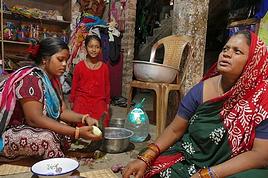
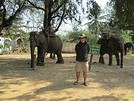
We’re a couple aged 58 and 63. We’ve just returned from a wonderful trip to South India in Tamil Nadu and a few days in Kerala. We traveled with a local French-speaking guide and his friend, the driver. They both live in Pondicherry. We spent 3 weeks with them in the most authentic way!
We covered just over 2,500 km and visited not only temples but also archaeological sites, museums, and small artisanal businesses making tiles, tea, sculptures, bronze, and silk spinning. We were lucky enough to visit a public school, attend a wedding, and even a death announcement in a small countryside village. We were fully immersed in the culture, food, noise, and colors—it was incredible!
The hotels and guesthouses we chose were very clean and mostly quiet. We’re returning from India with amazing discoveries!
We’re happy to share more info if you’d like!
M-Claire and Jean












 .
.
.
.