The story of a trip to Morocco, from the first to the last day—otherwise, it wouldn’t have made sense...
Marrakech... then four days on foot in the desert, alone with a guide, a camel driver, and two dromedaries... and Marrakech again.
Everything mattered, even the smallest details, so this is a (very) long story.
Behind the descriptions and anecdotes, there’s emotion, intimacy, and... soul-searching.
All the things it’s strangely easier to share this way, all the things it’s strangely easier to share with people you don’t know...
I have beautiful images in my eyes, but only a few are visible—if you read carefully, you’ll understand why.
The other photos are imagined, created upon returning with souvenirs and a bit of staging.
But everything is authentic.
Since I’ve been back, sometimes at night I open my eyes and don’t know where I am...
Sleepless night, starry night, night of communion, connected night...
In that suspended moment, between wakefulness and sleep, which makes you so receptive...
Communion with whom?
Connected to what?
Lila gnawa... lila de derdeba.
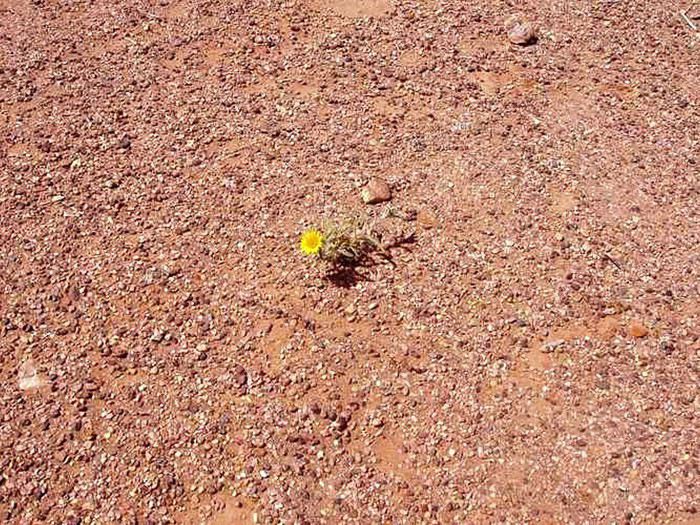
The desert, a solitary path. You step in, and you’re immediately in the essential...
Wednesday...
My companion drops me off at Orly Ouest... There are two hours before boarding.
My MP3 player turns on but that’s it. It freezes—no commands work, and nothing fixes it... Smile... A trip without music, then? And the first anchor falls away.
(Photo...)
... Passport, tickets, receipts, labels...
Nose pressed to the window for the entire flight...
Descending over Marrakech, at low altitude, a pretty mosaic—shades of pink and ochre dotted with green, but also, to the right, less harmonious, aligned cubes. Housing developments under construction?
A bumpy, turbulent landing—the plane circles for a long time before touching down.
Welcomed by the familiar, unchanged sound of creaking doors and seats in the little taxis.
In Casablanca, it was red Simca 1000s with meters; here, they’re yellow, and you have to negotiate the price. I have no talent for that, so here’s 100 DH!
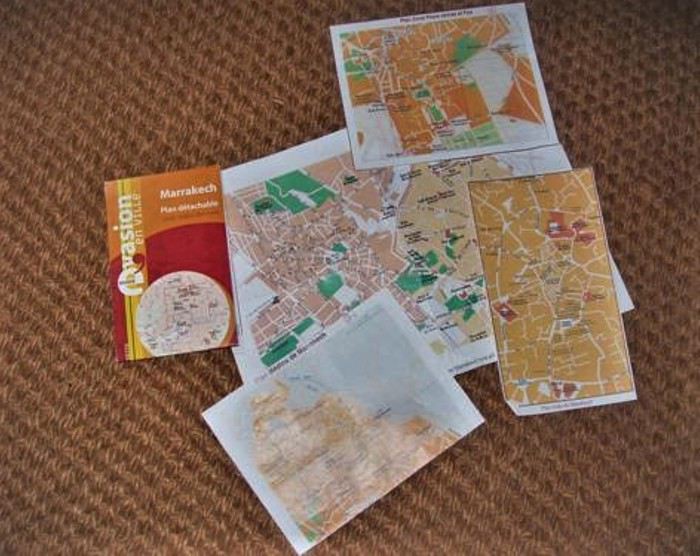
Traversed and forgotten
Marrakech... Sunny, luminous, sensual. Torn between tradition and modernity...
Shimmering and fragrant, very noisy... rather polluted?
On the road, horses and donkeys still mingle with vehicles... and watch out for traffic when crossing! It’s always a strategic—and athletic—adventure: at what exact moment do you sprint to the opposite sidewalk?
And why aren’t any street names marked?
Afternoon on foot, heading to the Bab Doukkala bus station...
A landmark: the McDonald’s, then a square with a fountain. Then turn left onto Avenue Hassan II.
There’s a bus to Zagora Friday morning, but I can only buy the ticket tomorrow.
On the way back to the hotel, at a kiosk on the corner, I buy *Tel Quel*, which I read with great interest online.
Thursday...
Early morning, walking to Place Jemaa el-Fna, calm and almost deserted...
I don’t get a good deal buying two small daggers for my kids. No talent for haggling—it takes more than charm for that...
So I’ll pick the rest of my gifts at the artisan center on Avenue Mohammed V, where prices are marked, and it’s a pleasure to watch the craftsmen work...
For my daughter, a satchel and earrings. The satchel smells like goat.
The earrings are hand-chiseled in front of me by a very young man with nimble fingers—marvels of delicacy and fragility.
Then I linger for a long time in the souk alleys. Scents of leather, thuya and cedar wood, wool and copper... Familiar smells... Childhood memories...
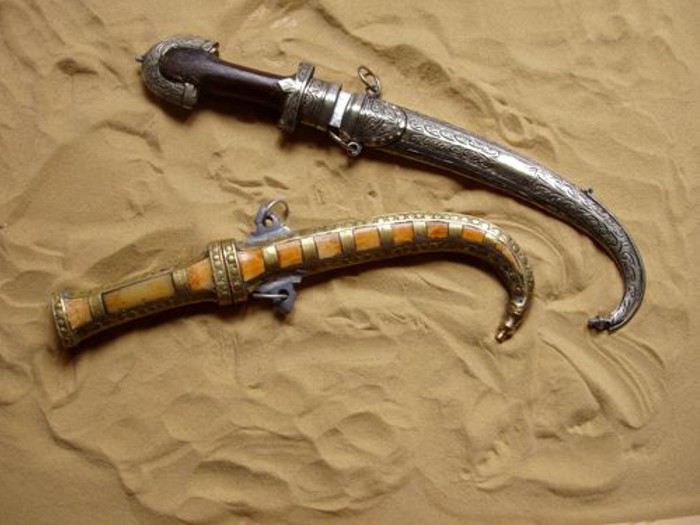
Dear daggers
Earrings
Back at the bus station, an unexpected change: no bus Friday morning, but a departure tonight at 8:30 PM...
I have a little time before packing, so I take a long detour: Boulevard de Safi, then right onto Avenue El Mansour to the Majorelle Garden...
A quiet pause. Rare plants, all kinds of cacti—smooth, fuzzy, bristling with spines... strange, squat, or stretched-out shapes. An infinite variety of greens, and that famous blue...
The song of birds, the sun and shadows playing in the water basins...
Time flows lazily. I write postcards—they’ll arrive long after I’m back...
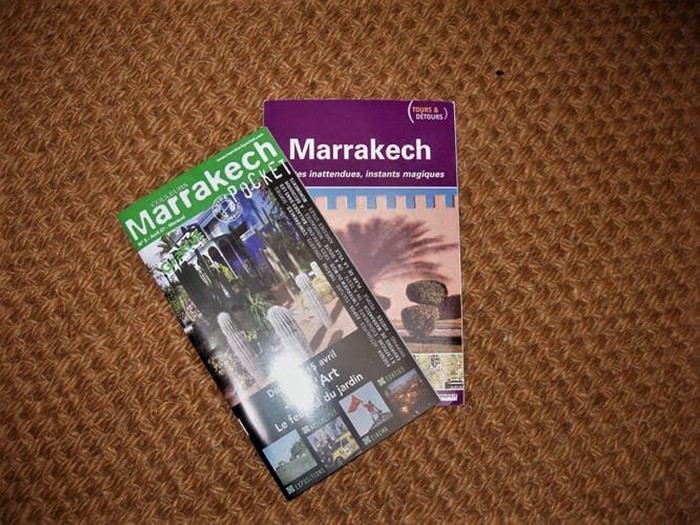
Back to the hotel. Avenue El Mansour, Boulevard Zerktouni—okay, but why are the small street names never marked?!! I get a little lost...
I hope you got my MMS, because before leaving, I left something for you at the front desk...
8 PM, night has already fallen. Arriving at the bus station, and then...
Then, a step back... A dense crowd, a tangle of buses...
Where to go?...
Rare woman, lone foreigner, backpack... I’m quickly spotted, surrounded, poorly guided...
Someone with a badge finally points me to the right sidewalk. The bus isn’t there, and the sidewalk is already packed, mostly with men. Will I even get a seat?...
Three young men are particularly insistent...
They want to know where I’m going and why, if someone is with me, if I’m expected...
I answer with a smile. A bit tricky—choosing words, staying polite while evasive...
Their French is hesitant, my Arabic is more than rudimentary...
Actually, I shouldn’t have tried... Their tone becomes a bit... aggressive, and their eyes light up. Uh-oh...
They say they’re students, but what of?...
Want to know what I think of the Quran and Allah, what I think of holy war, if I’m "for the Americans," "for the Palestinians"...
Other travelers intervene... And the bus still isn’t here...
The speech turns fanatical...
Then, my smile freezes a little... A small wave of panic, so I send a "freaked out" MMS... (But who else could I send it to?)
Then, in this dark crowd, a light dressed in white... Nabila, a young student heading to Zagora for vacation, she speaks French...
She plants herself in front of them and scolds them thoroughly. I didn’t catch everything, but it worked!
The three troublemakers retreat. Plus, they weren’t on the right sidewalk, and their bus is about to leave without them...
Nabila and I manage to board and sit side by side...
The bus leaves two hours late. The trip is long, a bit uncomfortable, slowed by many stops—it was very cold...
Friday...
A little stiff, a little dazzled, a little chilled, arriving in Zagora at dawn with the sunrise... Magical!
Craving something warm... And then, a heartfelt gift—kindness and hospitality—Nabila invites me to her home.
Warm welcome from her mother and siblings, not at all surprised to see me show up so early to share their breakfast!
A few hours in their company... We exchange addresses, and the youngest brother, Nouamare, gives me a children’s storybook...
Noon, at *La Fibule du Draa*
Lahcen Sarti, the owner... I finally put a smile and a face to an email exchange...
He shows me the trek route on the map, laughs when I tell him about my night on the bus, and sends me to rest by the pool...
No swimsuit, so a lounge chair and a book... A book that will accompany me into the desert and which I’ll finish in Marrakech, in the Koutoubia Garden...
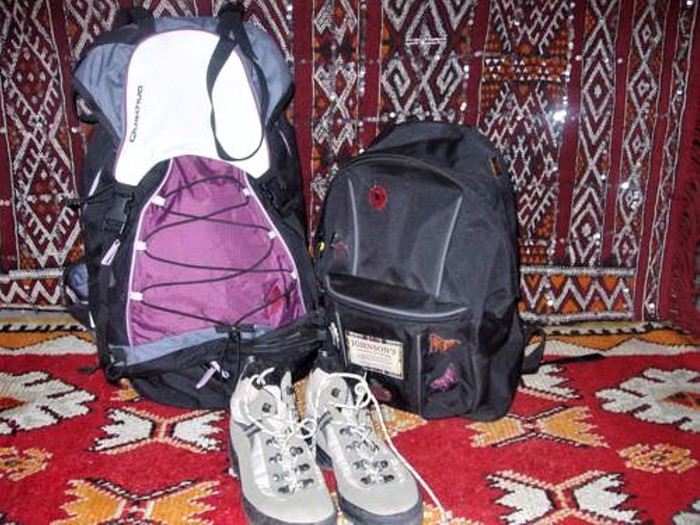
Saturday, Day 1...
When I wake up this morning, I know the desert sand will also absorb my blood...
Early departure for four days and three nights, alone, as I wished, with a young guide, Mohammed, and a younger camel driver, Abdou. We’ll be together 24/7, and we won’t see a soul until we reach the fixed campsite on the third evening.
Everything we need is loaded onto two dromedaries. And in those baskets, there are miracles—a *Prévert*-style inventory I’ll discover bit by bit, like...
a tray for glasses, a basket for bread,
a sugar loaf and small glasses for tea, but...
large glasses and sugar cubes for coffee,
spices, oranges, vegetables,
raw eggs!... That won’t break,
*La Vache qui Rit*...
And so many other unexpected wonders, so surprising in the middle of the desert...
(*La Vache qui Rit* is the desert butter. Every morning for breakfast, it was coffee with Nido powdered milk and *kesra* with *La Vache qui Rit* and Aïcha apricot jam... A delight.)
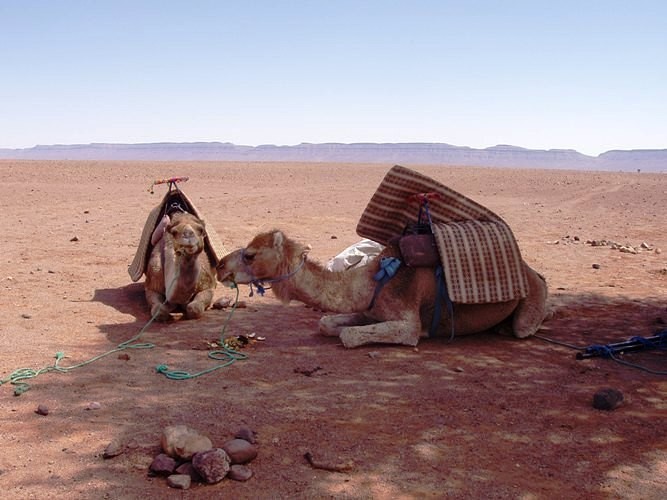
Start of the journey, and the beginning of a long, long walk...
We’ll cover 80 km in three days, crossing all kinds of landscapes until the real desert of sand and dunes...
I’ll drink water from wells, eat raw vegetables, sleep on a mattress that saddles the dromedaries by day... I’ll forget all the warnings and all my hygiene references...
My body will quiet its complaints. No heat, no thirst, no fatigue, no trouble of any kind... just woken by the cold every morning around 6 AM...
I take off my watch. Like my companions, I’ll live by the sun’s rhythm...
Abdou leads the dromedaries, so he walks at their pace.
Sometimes, we’re grouped together.
Sometimes the two guides are together, and I walk behind.
Sometimes we talk.
Nothing is forced, no discomfort. It’s a simple, harmonious dance—one foot in front of the other, following your shadow as it turns with the sun...
Each step leaves behind the useless, the cumbersome, the superfluous...
Room for intimacy... Room for silence... Room for the inner self... Facing yourself...
I find seashells, and with my eyes closed, I smell the sea...
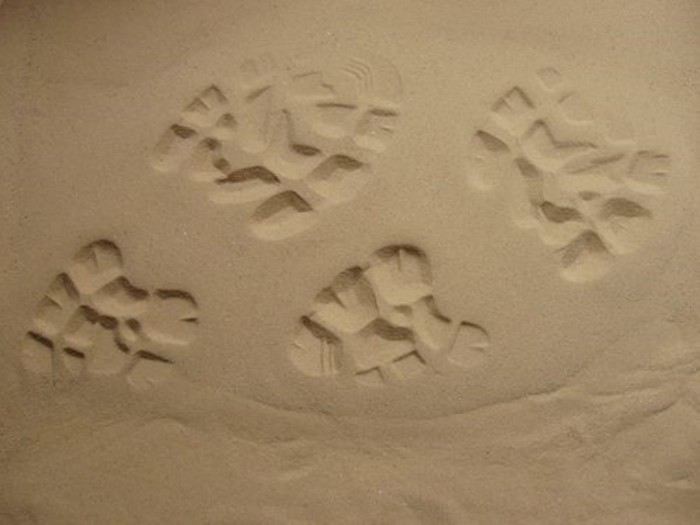
... One foot in front of the other...
I take out my camera... Capacity for a hundred shots, but it’ll be 10 photos, no more.
It freezes—no commands work, and nothing fixes it... Smile... A trip without photos, then? And the second anchor falls... I think of my MP3 player...
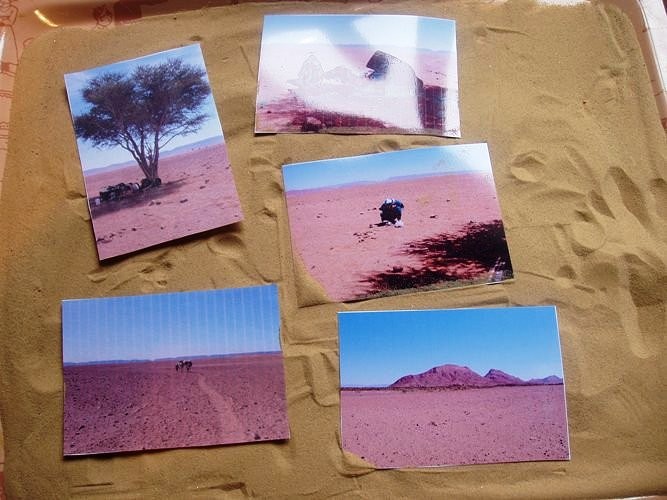
... A few photos among the ten...
Noon...
Unsaddling the dromedaries, which immediately wander off in search of food.
And before the meal cooked by Mohammed, the mint tea ritual, prepared by Abdou in a tiny teapot...
Thick, frothy, very sweet tea... He serves it on a tray with dates, peanuts, and raisins...
And it’ll be like this every day, noon and night...
We gradually get to know each other...
Mohammed, 25 years old... Calm, very introspective, almost ascetic, he knows the desert well and loves it... So at ease that he’ll walk in slippers or barefoot, no matter the terrain...
When I’m behind him, the advertisement on the back of his sweatshirt makes me smile... There’s a date: January 8, 2003... A little wink from life? (I have a clear memory of that day.)
Abdou, barely 20, with a round, jovial face. The mint tea master... When he hands me my glass, he says "Bismillah," and I respond in kind...
A joker and a foodie. Thrilled that I only eat vegetables, he’ll have double the meat!
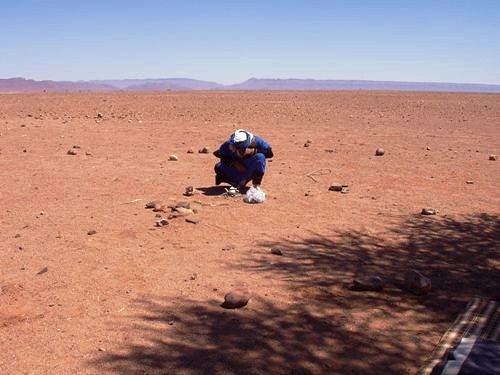
... Abdou and his teapot...
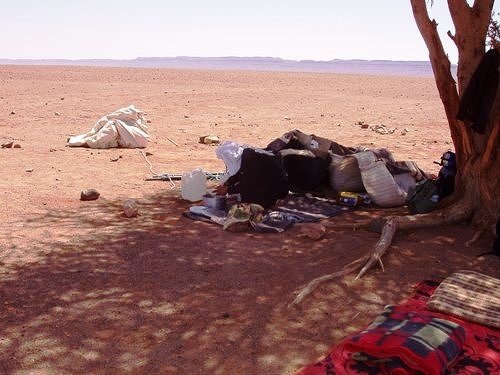
... Mohammed...
Late afternoon, a well... Abdou waters the dromedaries, and Mohammed fills the canteens. The caps aren’t watertight, so he wedges a piece of plastic bag found in one of the baskets and screws it on top... Forget all hygiene warnings...
First night in a tent at the foot of Jebel Baní...

... Jebel
Sunday, Day 2...
Crossing and ascending Jebel Baní... A mineral, lunar landscape—rocks the color of burnt bread and anthracite gray.
I pick up pretty pebbles, and Mohammed finds me a fossilized stone...
Lunch in a deserted nomad oasis...
When we resume our walk, the wind picks up. A wind that only blows in April, violent, terrible—the *Sahli*... Swirls of sand and gravel. Where’s the sky, where’s the earth... everything is dust, everything is yellow and opaque...
The gusts are so strong they make us stagger. At times, we even have to crouch to avoid falling. In the acacia forest, Abdou and the dromedaries are only a few meters ahead, yet we can’t see them...
We’ll later learn that on that day, planned excursions were canceled... That a group got lost and had to be picked up by 4x4...
But Mohammed has a sense of the desert. He’s calm, he guides us... so we continue, and I trust him. He wraps a *chèche* around my head—a fragile barrier against these onslaughts...
We have to keep moving, and it’s difficult... But the desert has accepted me, so without resistance, I accept it...
And the sand gets everywhere... in my mouth, crunching between my teeth, in my eyes, ears, and nostrils... in my hair... A fine ochre layer covers my face and body, even under my clothes. I’ve become a sand woman... Communion... Fusion with the mineral. I absorb the desert’s prodigious power, just as the desert absorbs my blood...
We walked for four hours, pushed by this furious wind, before stopping for the night under an acacia...
There, we had to set up the tent, which they did with difficulty.
Then we had to weigh it down... So the utensils and the mint tea tray served as shovels to cover the edges with sand.
Then Abdou took care of the dromedaries, holding one of their front legs bent with a rope to keep them from wandering too far...
Then we brought everything into the tent and collapsed... but not for long.
Mohammed prepared kingly meals at noon and night with the wonders in the baskets: finely chopped raw vegetable salad, vegetable tagine, soup (and not from a packet!)... Even the canned sardines were garnished with thin orange slices...
After this exhausting day for all of us, I told him that bread with *La Vache qui Rit* would be enough...
He looked at me with a big smile and said his evening ritual phrase: "Now, Laurence, sit down, take your time, take your book..."
He pulled his sand-filled utensils from the miraculous basket, his stove, some vegetables, and made us couscous (and not from a box!), couscous he rolled between his hands...
Meanwhile, Abdou took out his sand-filled teapot, his sugar loaf, the peanuts, the dates...
The mint tea ritual, like every day, noon and night...
Outside, the wind keeps blowing, stirring up sand whirlwinds... So I won’t go out like the other night to brush my teeth and hair.
Just a wipe on my face to remove the dust...
Mohammed turns off the gas lamp, and I curl up in my sleeping bag.
The dromedaries have moved closer to my side of the tent, and the moonlight stretches their shadows on the canvas. They’ve settled in and make strange noises...
We fall asleep very quickly...
Monday, Day 3...
My two companions are still asleep when the cold wakes me at 6 AM, like every morning...
Everything seems so calm—the wind has stopped... I untie the tent door and...
A pure blue sky, gradually tinted with pink and flaming orange. The sun rises before my dazzled eyes.
A day of light begins: no trace of yesterday’s storm, except sand... everywhere.
So, breakfast with sand... Then we shake out everything that can be shaken, sending clouds of dust flying...
Then Abdou gives the dromedaries back their fourth leg, and we continue the journey.
After the expanses of stones and shrubs on the first day, the rocky ridges of Jebel Baní, and the acacia forest on the second day, the landscape changes, softens...
We arrive in the desert as you imagine it, as you dream it, as you’ve seen in thousands of photos: endless golden dunes, in harmonious hollows and curves...
The desert of sand... vast, fascinating...
Last meal for the three of us... Tonight, we’ll arrive at the fixed campsite, and we won’t be alone anymore.
The break stretches on...
So, a little apart on the smooth sand, I write a few words... an obvious truth... entrusting a secret to the desert. In a small box, I’ll bring back some of this magical sand...
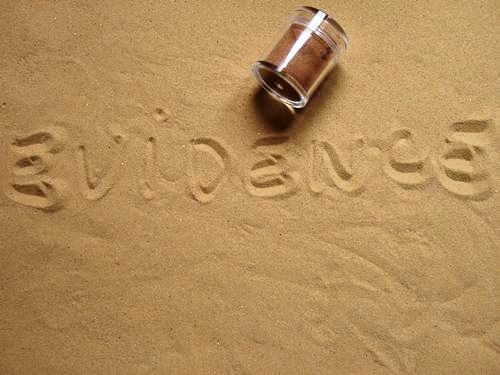
.. A secret in the desert...
Abdou grabs my notebook and draws the dunes. Mohammed draws Abdou and his dromedaries...
I learn to do dishes with the contents of a single glass of water...
A tiny bird lands on my bag... A bird!... in the middle of nowhere!...
The dromedaries seem to relish the acacia branches, thorns and all...
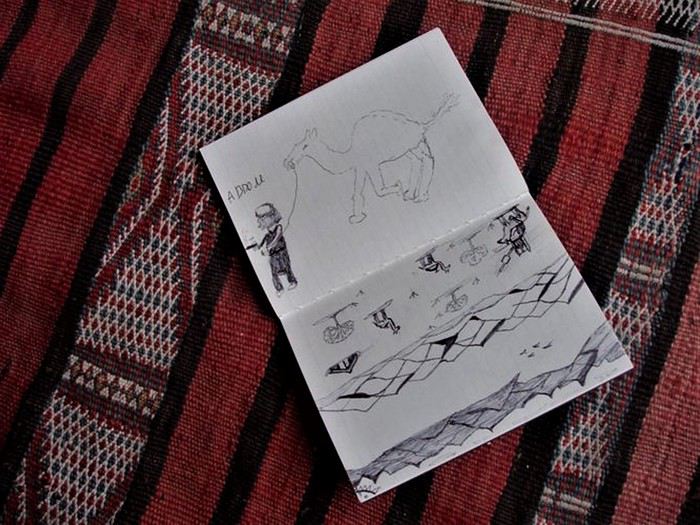
Desert drawings
We set off again... The dunes are higher... Easy to climb, the desert has sensual, feminine curves. A giant’s hand would fit its reliefs like a caress on a soft, supple body...
The setting sun gives the landscape colors of amber and spices, cinnamon reflections...
The sand offers me pink pebbles and pieces of white quartz that sparkle... I also find a black stone... Mystery...
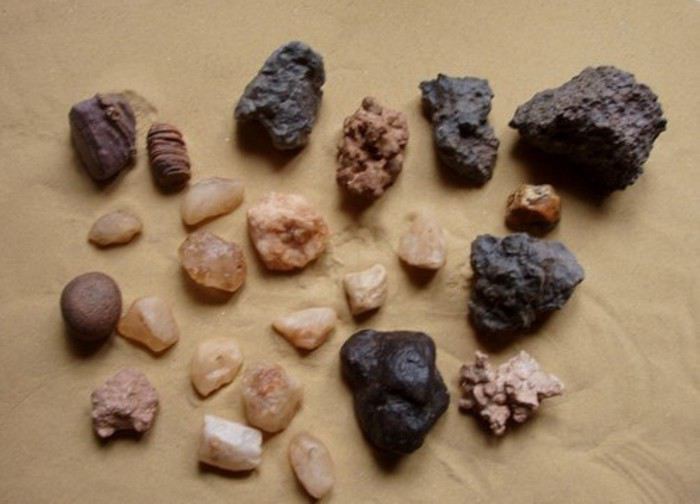
Pink pebbles, fossilized pebbles, sparkling pebbles, and a black stone
Late afternoon, arrival at the fixed campsite at the foot of Erg Lihoudi...
The guardian, Lahcen, a whirlwind of chatter and energy, welcomes us with mint tea.
He quickly pegs me: "You do yoga, right?"
He tells lots of anecdotes about his "clients," ending every sentence with: "No problem! *Machi mouchkil*... *Machi mouchkil*, no problem!"
Around the tents, dozens... hundreds of big black beetles swarm on the sand... As I shudder, Lahcen gently picks one up and wants to put it on my hand: "*Machi mouchkil*! It doesn’t sting!"... I hold out a hesitant palm...
Despite Lahcen’s infectious enthusiasm, I don’t like this last evening.
Two groups arrived by 4x4 to spend a night in the desert...
Noise of engines, cameras, voices, and exclamations... An intrusion into my bubble... I keep my distance...
They’ll leave very early the next morning...
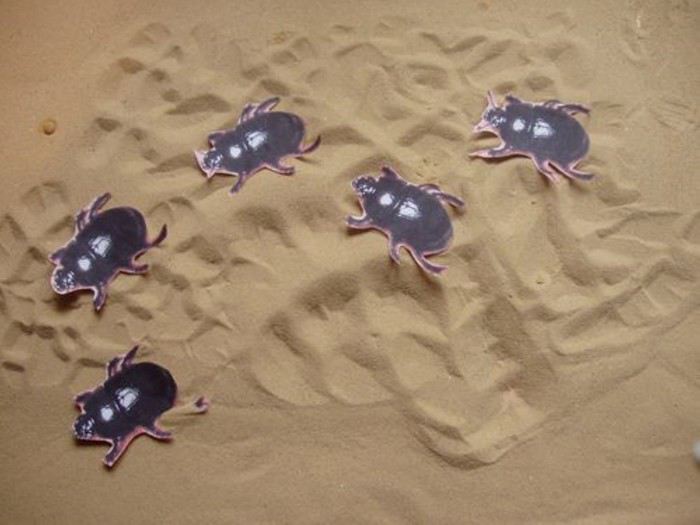
Memory of beetles
Tuesday, Day 4...
Standing still on a sand dune, I see both the full moon and the sun in the same sky...
A luminous face-off. Magical, overwhelming...
Then the moon paled, and the sun blazed brighter. It wasn’t quite night anymore, but day wasn’t far off...
The Sacred, Mystical universe unfolded before me... A moment of grace that made my heart beat a little faster...
Something indescribable gradually filled me, with infinite gentleness, to the depths of my soul...
Facing this unlikely encounter, hesitations, reluctance, and fears seem so trivial...
What are we if not fragments of this universe where everything is united... everything is connected...
Then comes the intention of a new message: "I’d love to put a face to..."
But in this exchange scattered with misunderstandings, could you receive the intention without interpreting it?...
I stayed a long time on that dune, under the spell...
Standing, barefoot and rooted... heart open... Receptive... in Unity between the infinitely small grain of sand and the infinitely vast universe...
I hadn’t come to seek anything, yet the generous Earth offered its energy, its subtle strength to every cell of my body, and filled my soul with light...
In exchange for this blood spilled on the sand over these four days?...
Give to Receive... Receive and Give... like a signed pact.
What exiled me from my life, disrupting all my bearings, drew me here...
A necessary passage through space, withdrawal, and silence... for another birth?...
The real desert after the symbolic desert...
Pausing for a moment, as if at a crossroads. Connecting before continuing...
If this path leads to the essential, then this path has a heart and will continue...
At the foot of the dune on the way down, I found a little Fatima’s hand made of beads.
A gift from the desert...
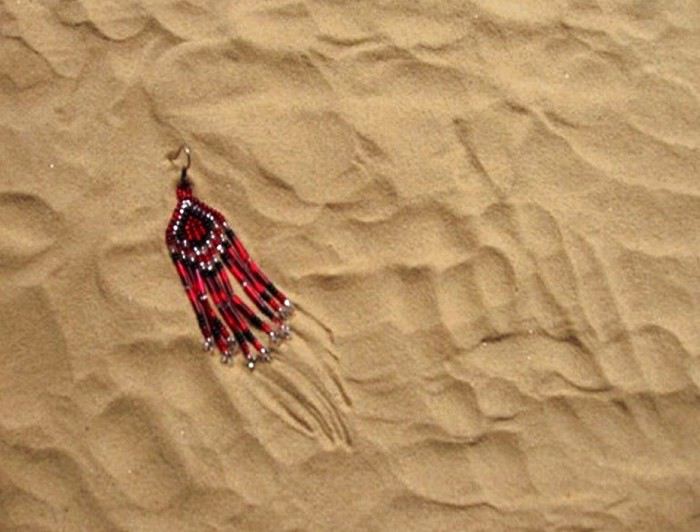
Gift from the desert, good luck charm?
Mohammed and Abdou leave Erg Lihoudi with other people—our shared adventure ends here...
Emotion... looks and gestures speak louder than any words...
Thank you, from the bottom of my heart...
Return to Zagora in a rickety, bumpy 4x4...
After the track, we cross a vast palm grove... Shimmering colors, lush vegetation, palm trees growing in wheat fields... Tender green of the ears, faded green of the fronds, all shades of green contrast with the ochre and pink stone walls...
My eyes rediscover green...
My eyes rediscover colors...
On a narrow path, the 4x4 finds itself facing a donkey carrying three children on its back... Impossible to pass. Who will back up?...
Well, roaring progress bowed to four-legged tradition: in a cloud of dust, the 4x4 reversed for several hundred meters... The donkey passed calmly... On its back, the three children waved their hands...
Noon, arrival at *La Fibule du Draa*...
Smiling welcome from Lahcen. He offers me a shower—I refuse... Even if he seems a little surprised, he has the delicacy not to show it too much...
Strangely, I don’t feel dirty. Yet my clothes are the same, and my body hasn’t seen a drop of water since the day I left...
But I want to keep the warmth and the smell of sand on my skin... reconnecting with forgotten, instinctive, animal sensations...
So, I transfer my meticulousness and civilized conditioning to my bag... I take everything out, empty it, shake it... hunting down the smallest grain of sand... Futile effort! (I still find some today...)
The afternoon stretches lazily by the pool... I contemplate my pebbles and make a lovely encounter...
The Zagora-Marrakech bus leaves at 7 PM...
It’s the night of the full moon, and as soon as night falls, the sky fills with stars...
Points of light without beginning, without duration, without end... Tiny lights so distant and so close...
Wanting to share this moment... And with whom else? If you look up, you’re the only one seeing the same sky as me. So, the intention of another message.
But in this fragile, stumbling exchange... marked by misunderstandings... could you receive the intention without interpreting it?
The trip is shorter than on the way there, but barely more comfortable. A speaker right above my seat blares music and incantations the whole way...
Halfway through, the same unusual stop in a village lit up and bustling as if it were daytime (Taddart, I think...).
Along the main street, the ground is checkered black and white. Butcher stalls display entire beef carcasses... Smells of smoke and grilling... People are busy... Others, seated, are eating... in the middle of the night.
Arrival in Marrakech at 2 AM. Taxi strike, no room until tonight... Uh-oh!
My backpack draws attention: a car stops and offers to take me for 80 DH...
Trust...
Five minutes later, I push open the door of *Le Toulousain*... The guard offers to let me finish the night on one of the lobby benches. I unfold my sleeping bag and slip into the desert’s scent...
No sleep. But with my eyes closed, I see the stars... You came to pick up my bulky envelope.
Wednesday...
Difficult early morning...
Now, I feel dirty, my clothes bother me, my shoes hurt...
Craving a long hot shower, wanting to find my body, wash my hair, put on cream, do my nails, and...
It’ll be a long shower... cold! The hotel is charming but a bit run-down.
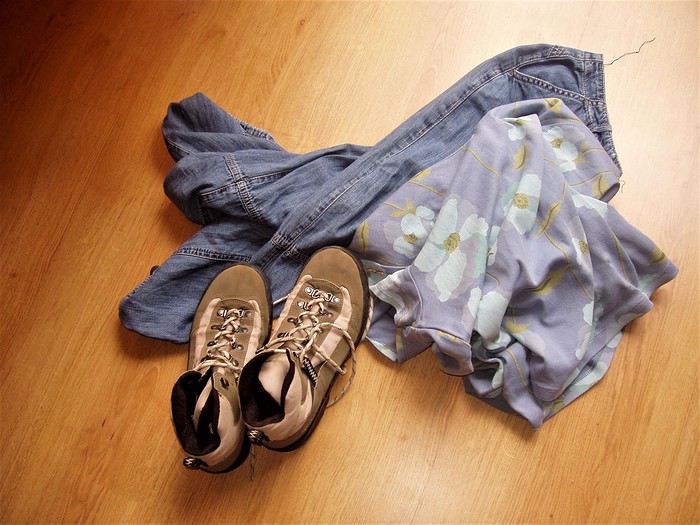
Clothes from 4 days...
Afternoon on foot in the quiet Hivernage district, searching for a childhood memory that may have changed names: the *Holiday Inn* hotel... I didn’t find it, or didn’t recognize it.
Long stroll in the Menara Gardens, and return to the hotel at sunset...
Thursday...
Last day...
Wanting to see the Marrakech Museum because the founder was a friend of my father’s...
So, the familiar route: the McDonald’s, the square with the fountain, Avenue Hassan II, Bab Doukkala... but this time, I pass through the ramparts, and in the old city—sensual, charming, enchanting—I get lost, found, and lost again...
I tracked down the museum and the Ben Youssef Madrasa at the end of a maze of alleys...
Followed scents of mint, olives, honey, and cinnamon...
Savored, moved, the same donuts as in my childhood—golden fried dough rings with a hole in the middle, tied together with a blade of grass... (I don’t remember the name...)
I filled my eyes with pretty things and exchanged smiles...
Received, just like that... A gift... a ring for my little finger...
Someone called out to me: "Hey, gazelle," and it made me happy...
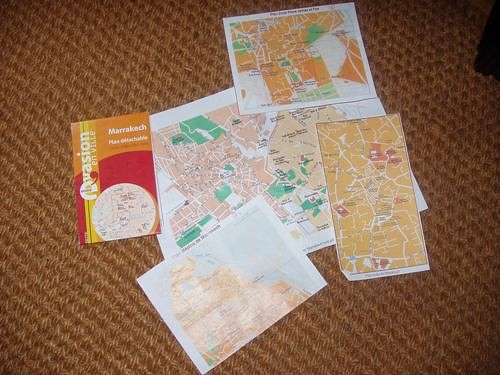
.. Still lost!...
Afternoon in the sun in the Koutoubia Gardens. I finish my book—sand falls from between the pages...
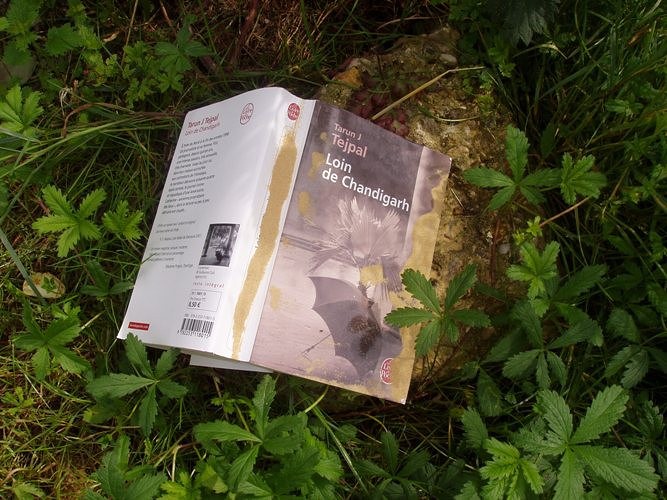
.. Started on the plane... read in the desert... finished in Marrakech...
Melancholy of the last evening... So, on the way back to the hotel, I buy *kesra* and *La Vache qui Rit*...
Long, long sleepless night...
Flight in a few hours...
Happy to see the ones I love again, too.
Thoughts, emotions, sensations, images... Questions...
One question... So, more than reason, going over and over the question...
What there is to live, it’ll have to be lived...
The desert, a solitary path... like all paths that lead to the essential...
3:30 AM, your message, read by the metallic voice of a voicemail.
And you, facing physical failure, past mistakes, fear...
A solitary path. Also. Like all paths that lead to the essential...
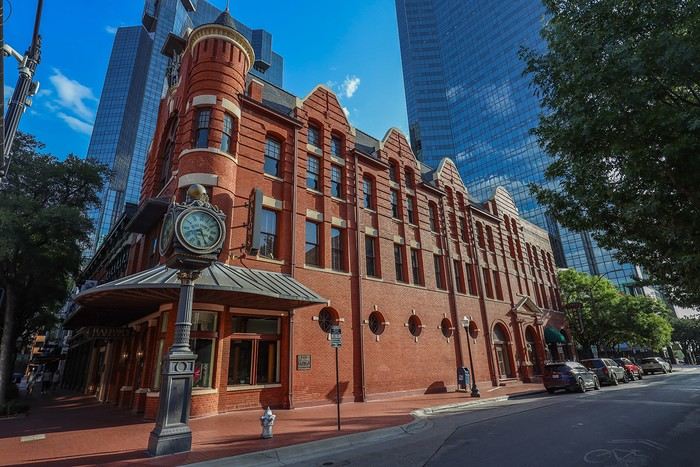 Sundance Square Plaza is located in the heart of the eponymous district. A certain harmony emanates from the architecture of the surrounding buildings.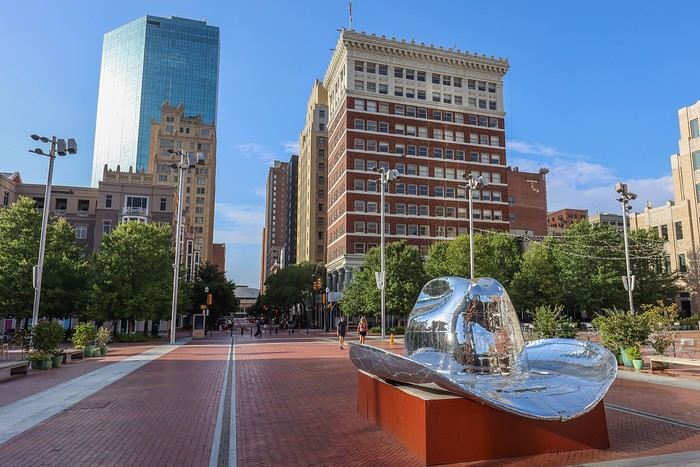
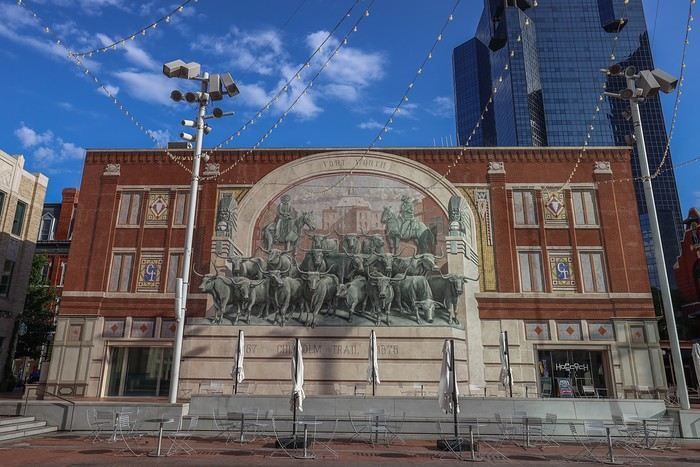 We walked up Main Street to admire the Tarrant County Courthouse, a replica of the state capitol, which apparently often appeared in the TV series *Walker, Texas Ranger*.
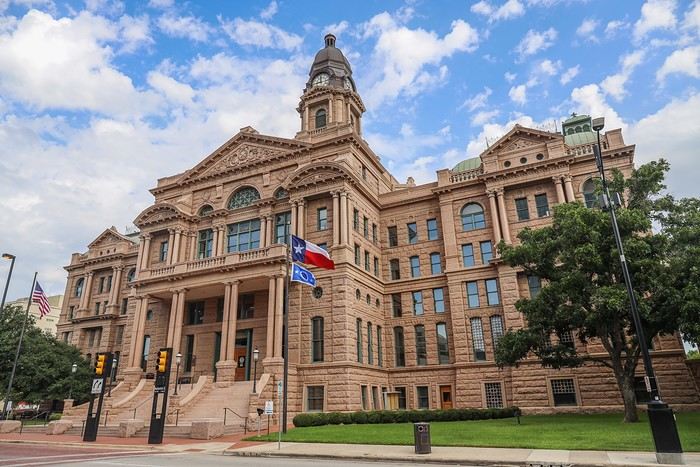 After exploring this splendid downtown, we got back in the car to head toward the Stockyards National Historic District. We parked among the first cars in the huge lot bordering the main street and were irresistibly drawn to the shop on the corner, showcasing cowboy boots and clothing... and we completely ignored the signs.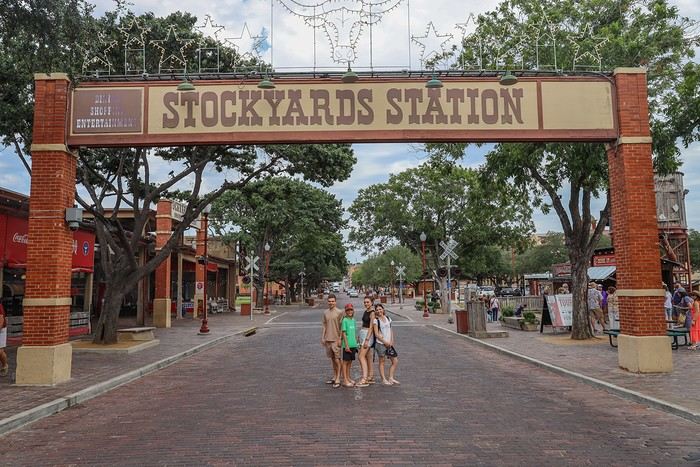
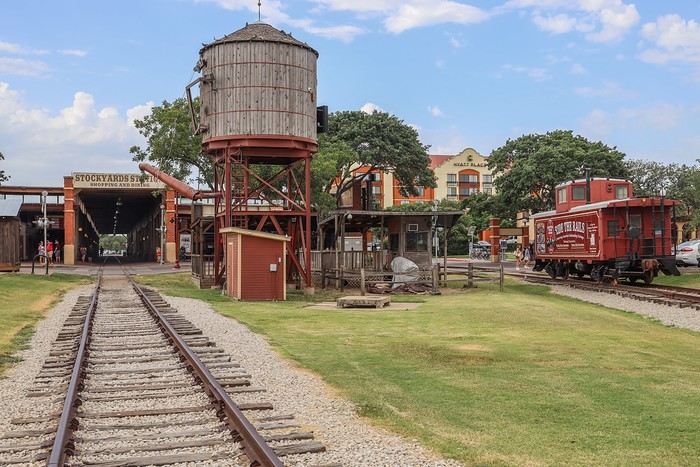 At Stockyards Station, there are plenty of restaurants and souvenir shops. We took the chance to stock up on memories amid cowboy outfits, boots, and all sorts of Made in USA souvenirs.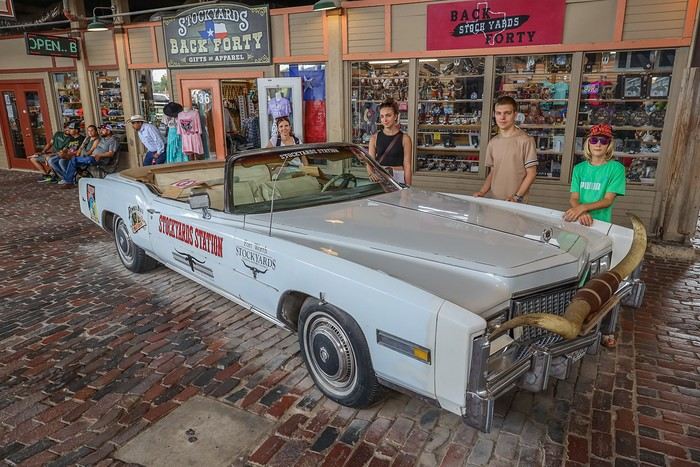
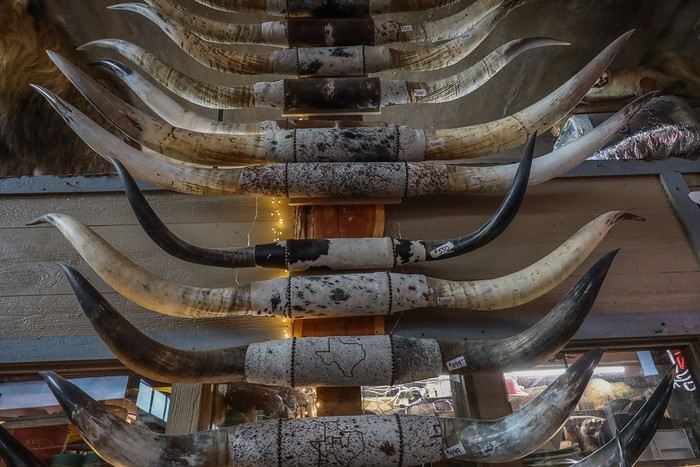
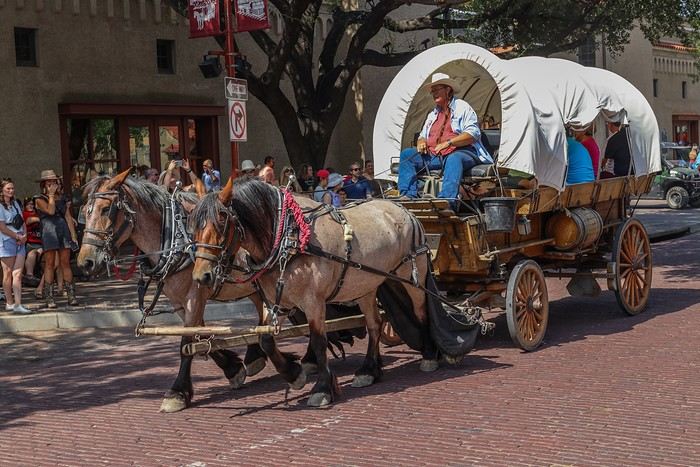 or even a few seconds on the back of a longhorn for about $5. Didn’t feel like trying, especially since the cow looked miserable in the scorching heat.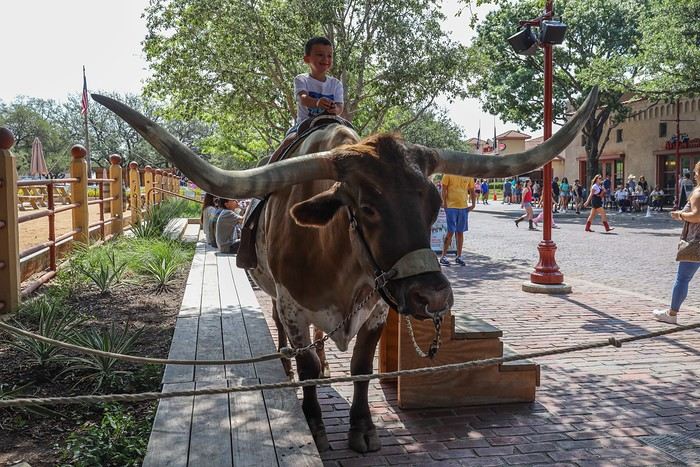
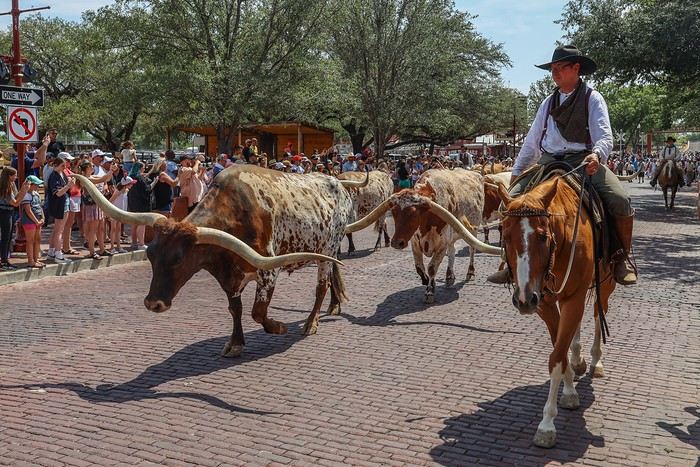
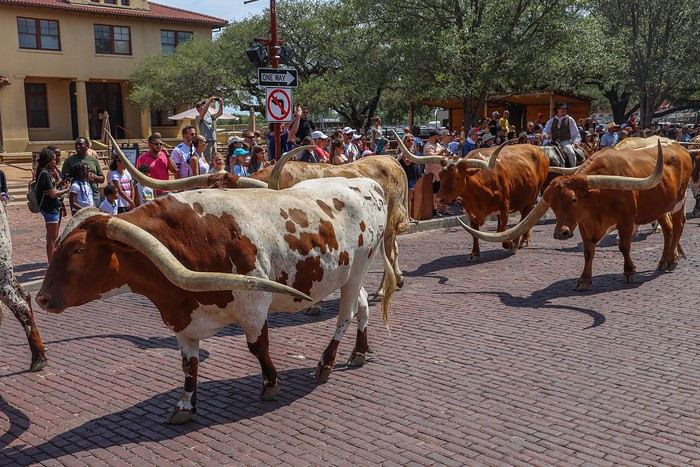 Despite how brief the show is, we have a blast—the succession of horns is impressive!
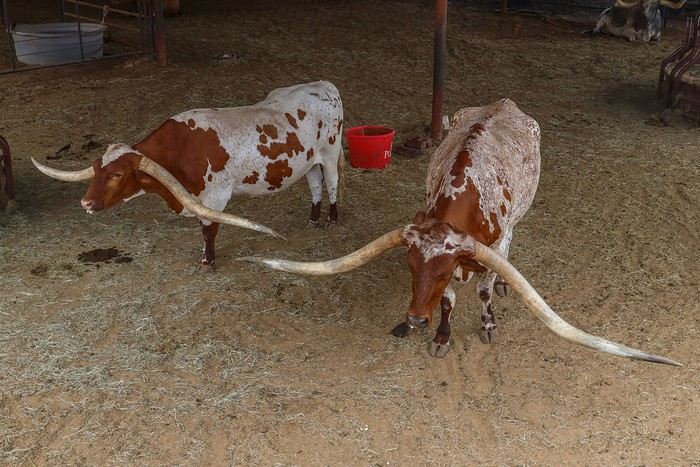 We recognize the setting that was briefly used for filming the *1883* series during a scene in Fort Worth.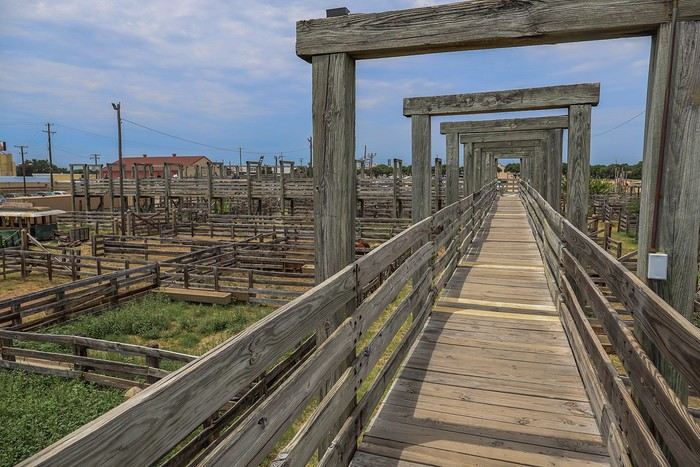
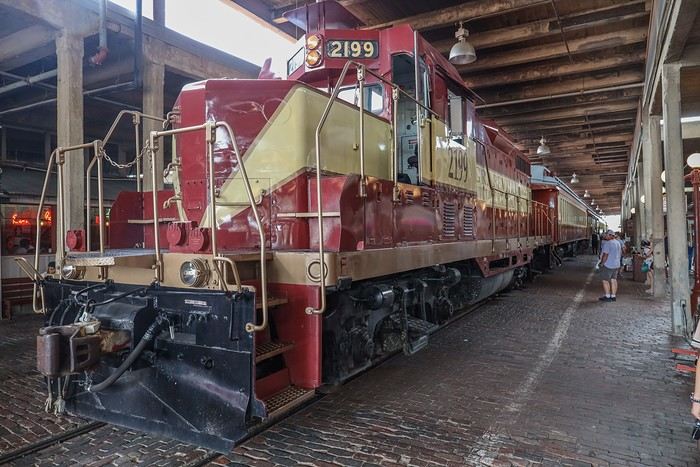 In my itinerary, I had planned to attend a rodeo scheduled for 8:00 PM at the Coliseum. However, in the afternoon when we walked by, we found the arena really small compared to the one in Cody.
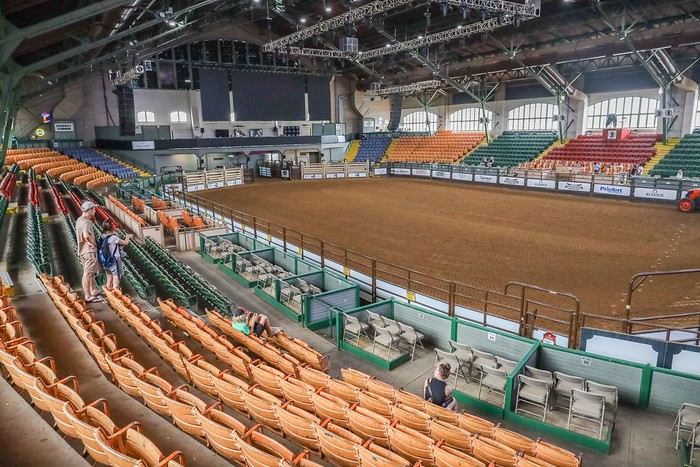 Afraid of being disappointed—and knowing we still had over 4 hours to wait until the show started—we all got lazy and decided to head back to Dallas instead.
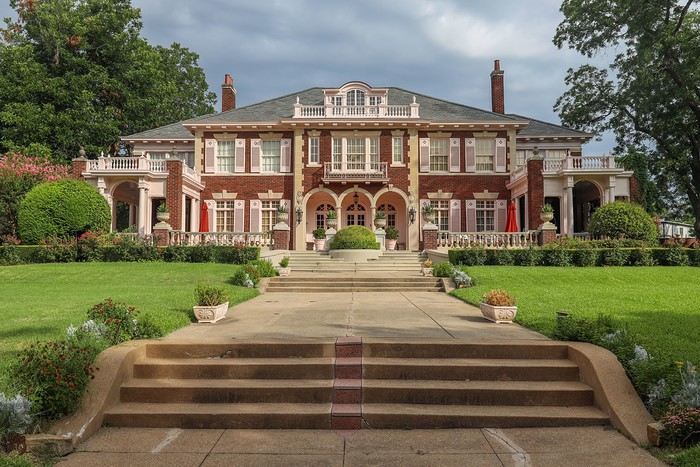
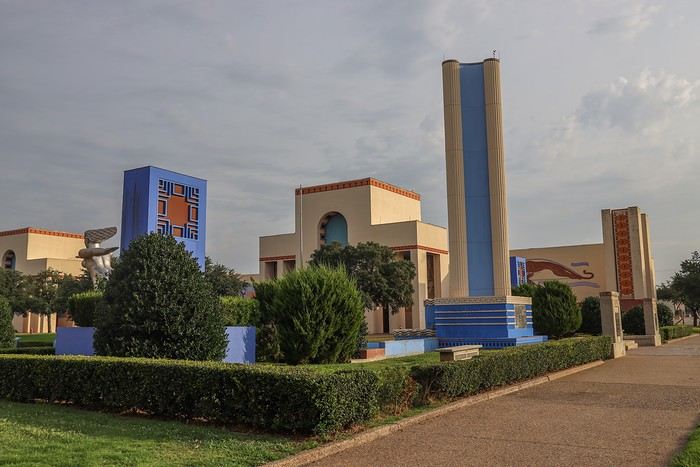 In the same neighborhood is Swiss Avenue, a surprising street that houses some of the city’s most luxurious villas. In this district listed on the National Register of Historic Places, various architectural styles follow one another, and no two buildings look alike!
 We can’t linger too long because at 10 AM, we’re off to Southfork Ranch for a guided tour of the famous ranch where the *Dallas* TV series was filmed. The ranch is still about thirty miles from downtown.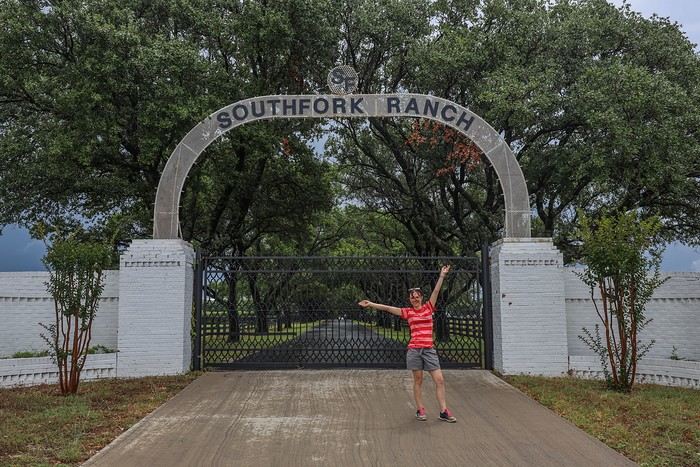
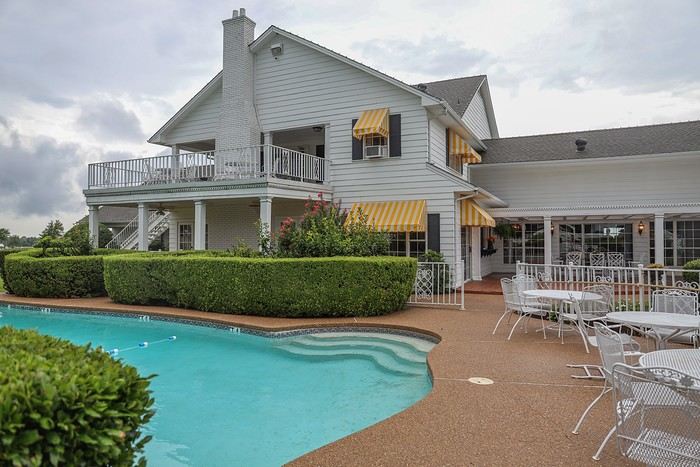
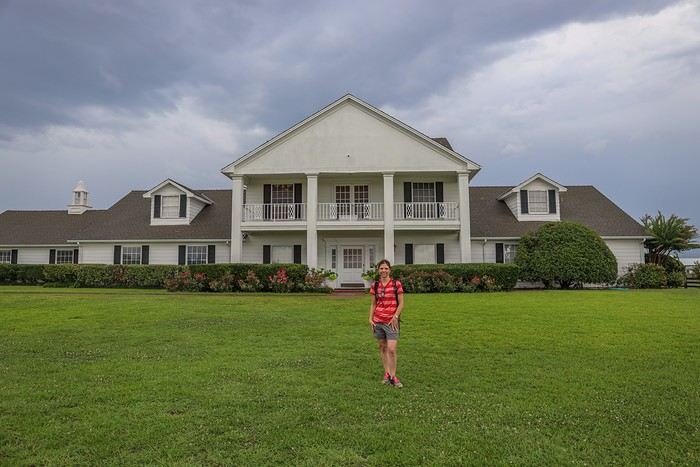 The interior rooms were apparently reproduced more or less faithfully compared to the studios.
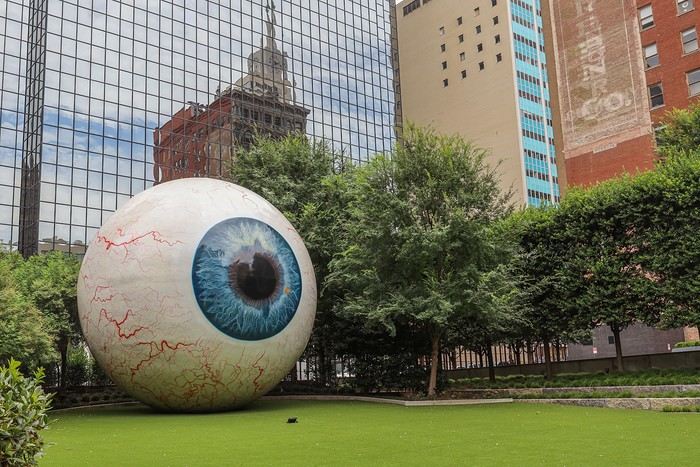
 The giant Eyeball, a realistic fiberglass sculpture
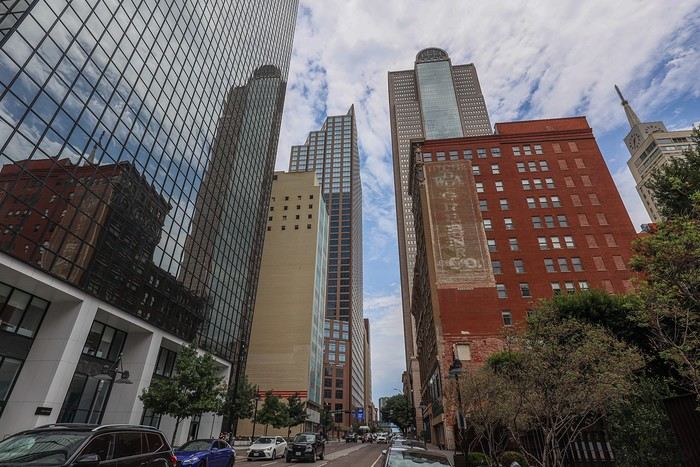
 Walking toward City Hall, we get an interesting angle on a group of downtown buildings.
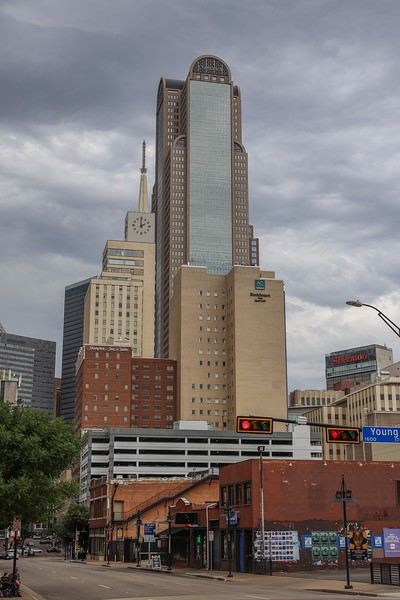 City Hall itself isn’t anything special. However, the view enjoyed by the employees is much more interesting.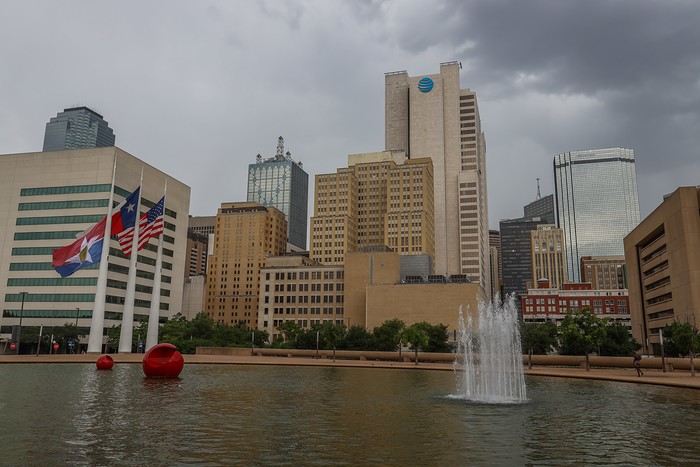
 We then reach Reunion Tower, one of the city's most iconic towers. At the top of this tower, there's a sphere containing a revolving bar-restaurant, Five Sixty, surrounded by a metal mesh with nearly 260 lamps that light up at night.
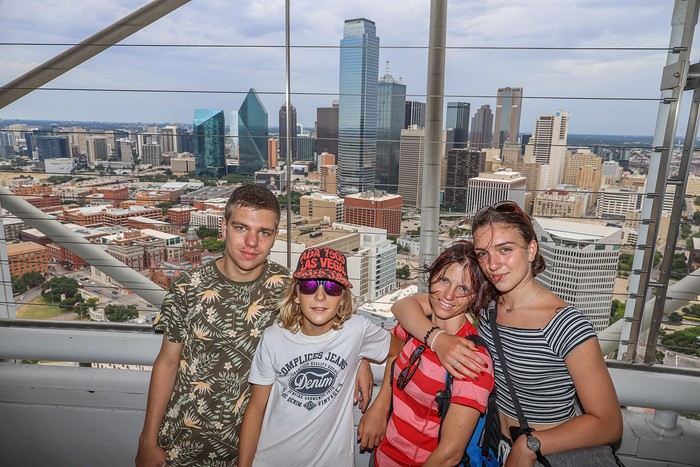
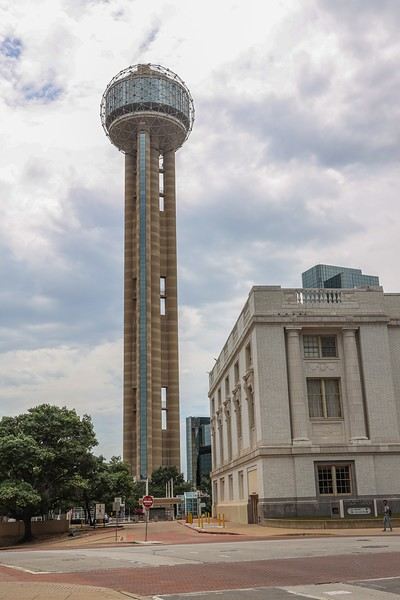 I bought a combo ticket that allows for a double visit: a trip to the top during the day for a panoramic daytime view, then a return in the evening to enjoy the downtown illuminations. We even get a cheesy family souvenir photo before taking the elevator. Can't share it on the forum... 😄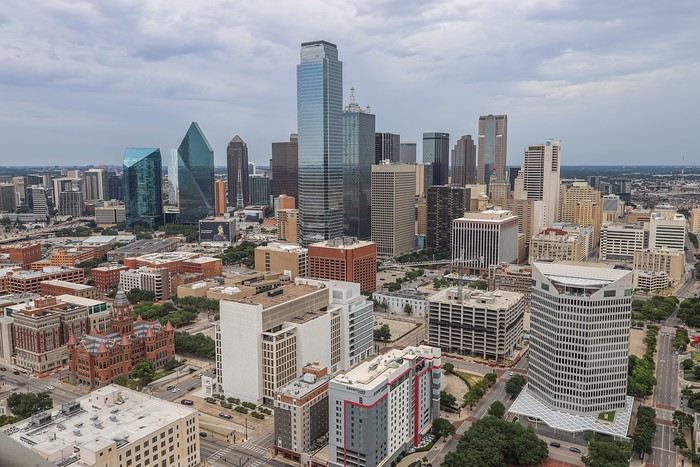
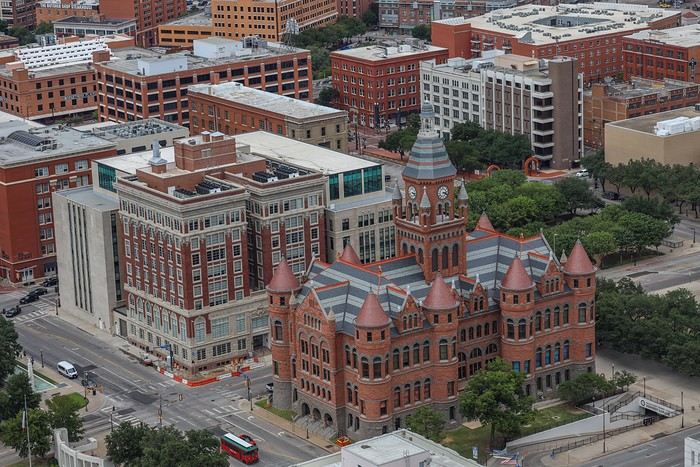
 The view of County Courthouse, located right next to Dealey Plaza, is just as stunning!
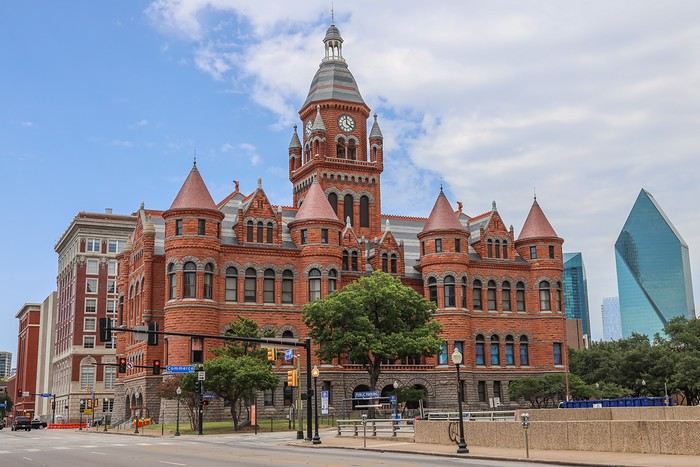
 After a quick elevator ride down, we enjoy a view of County Courthouse from street level.
 And here's Dealey Plaza, the famous square where JFK was assassinated on November 22, 1963. At the corner of the street is the Sixth Floor Museum, a museum that details the assassination. At nearly $20 for entry to a simple museum, we're a bit put off and decide to skip it.
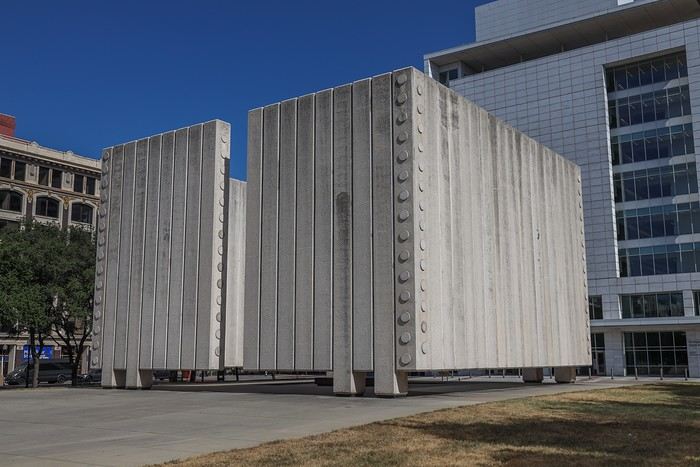
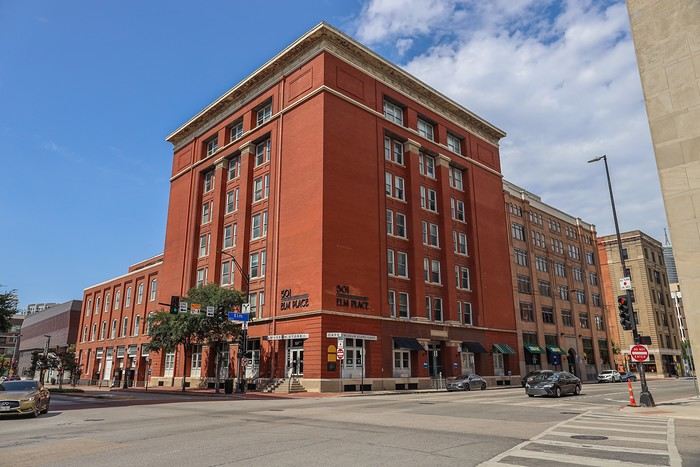 We continue to the memorial dedicated to JFK. Though it looks rather ordinary, it has the distinction of having been erected by the people of Dallas.
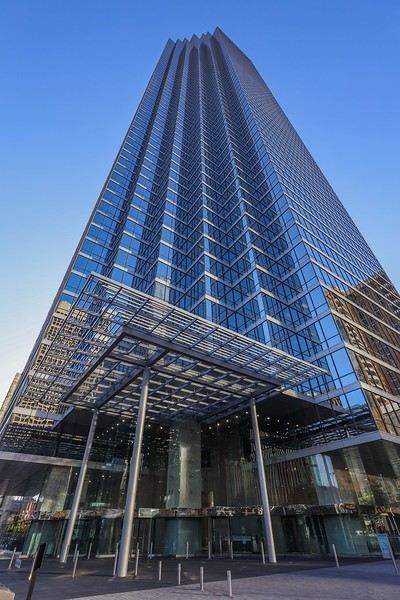
 Bank of America Tower
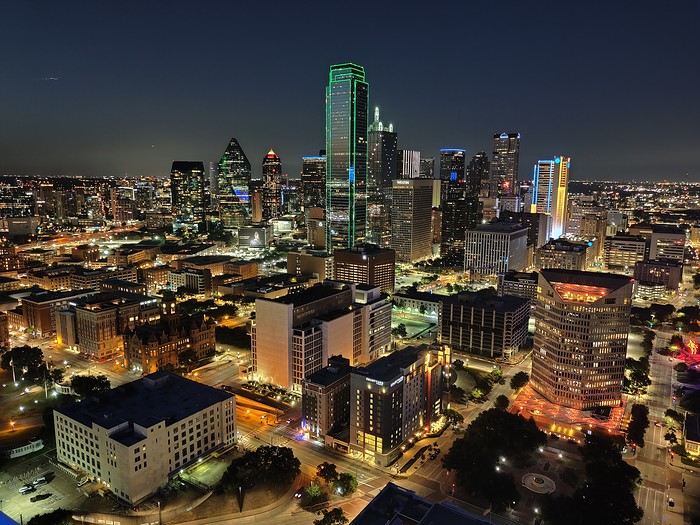 The metal structure stabilizing Reunion Tower lights up blue thanks to hundreds of lamps.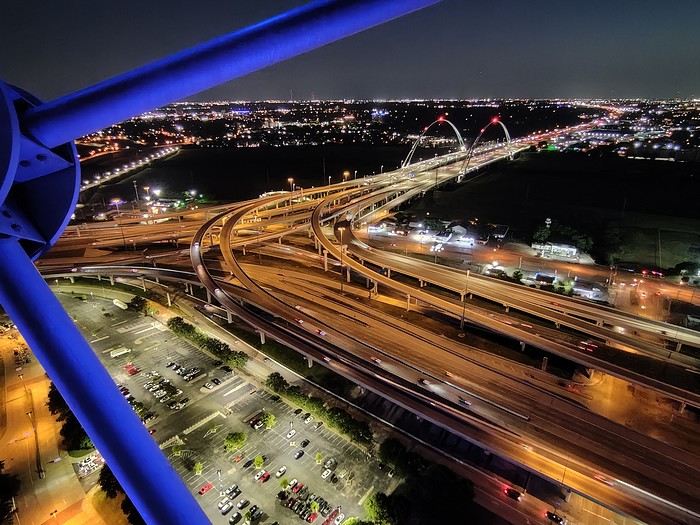
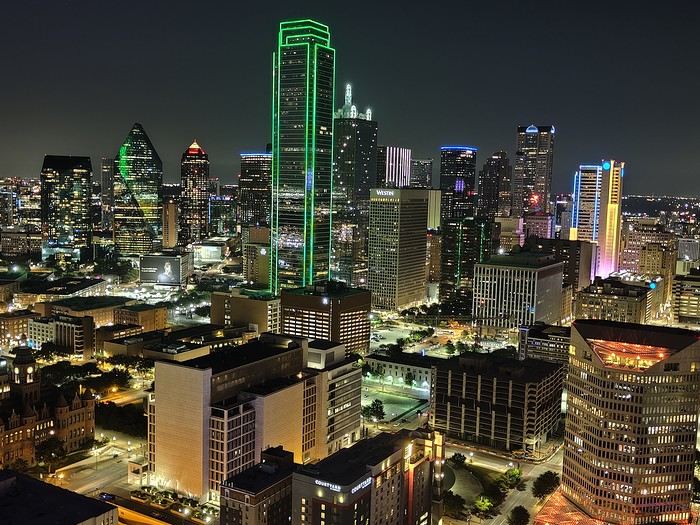 I then suggest to the family that we head to the trendy Deep Ellum neighborhood, but we’re all exhausted from this very long day, so we decide to head back to the hotel for our last night in Dallas.
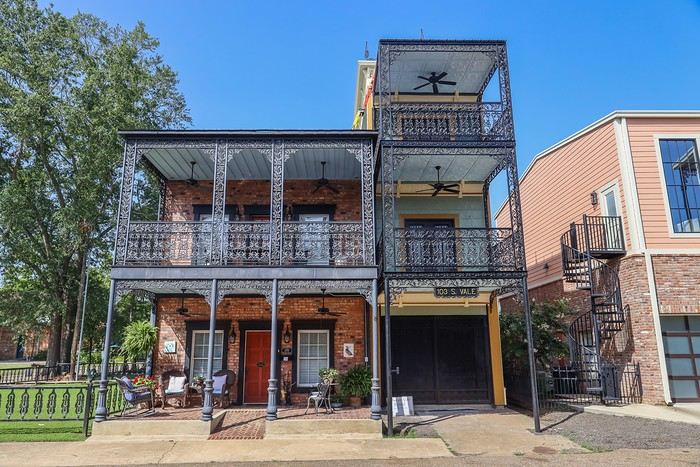 The Excelsior House Hotel, the oldest hotel in Texas, is still in operation.
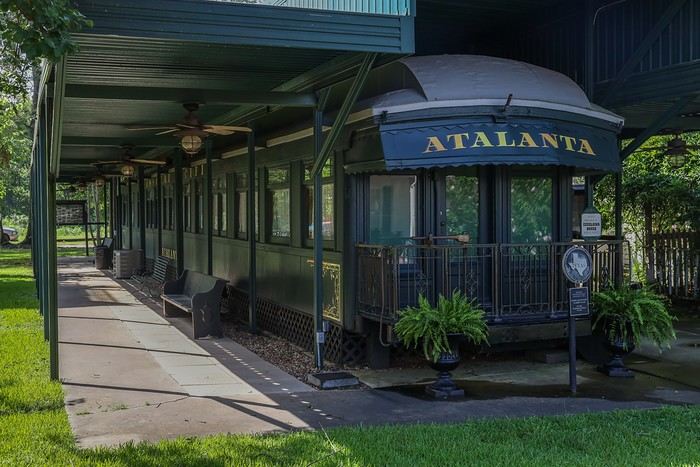
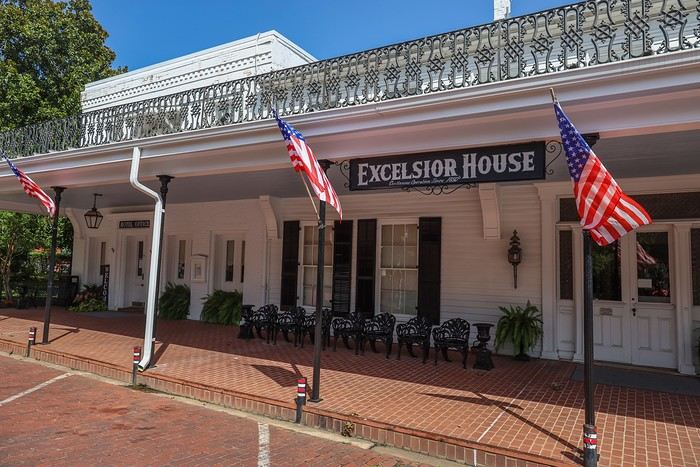 Right across the street, we discover Jay’s Gould Railroad Car, the luxurious personal carriage of businessman Jayson Gould, who invested in rail development. At the time of our visit, the carriage isn’t open for tours, so we just walk around it and peek inside.
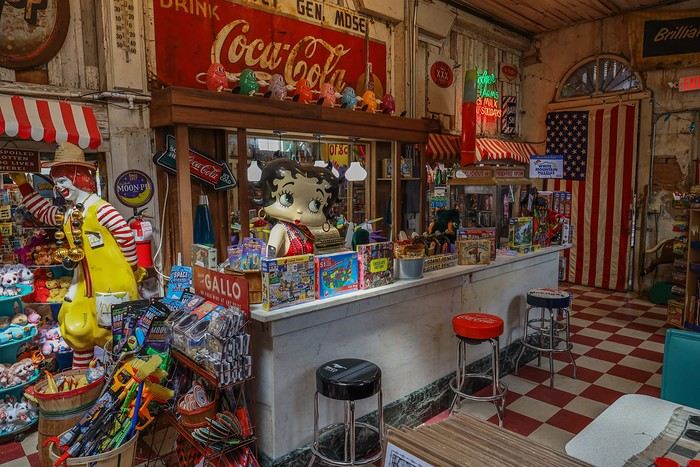
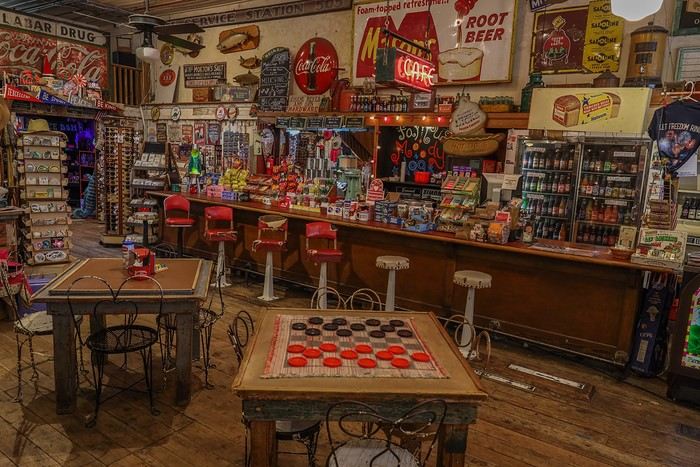
 One of our favorite spots is the Jefferson General Store, which offers absolutely everything imaginable—from groceries to souvenirs, toys, and beauty products. The decor is busy but stylish, and you can even grab a coffee while playing checkers!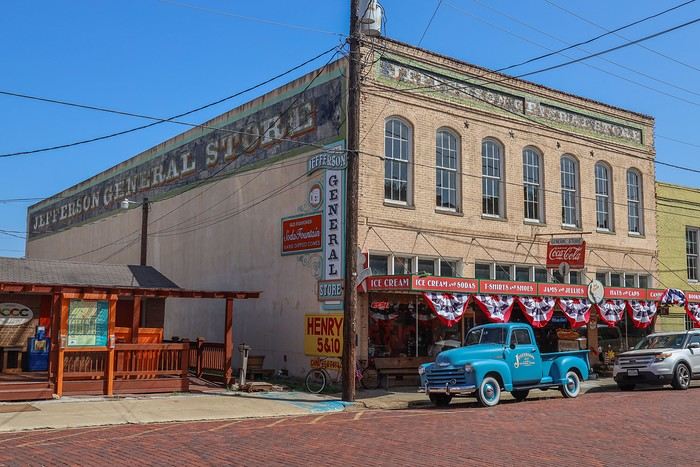
 The First National Bank, another remarkable building.
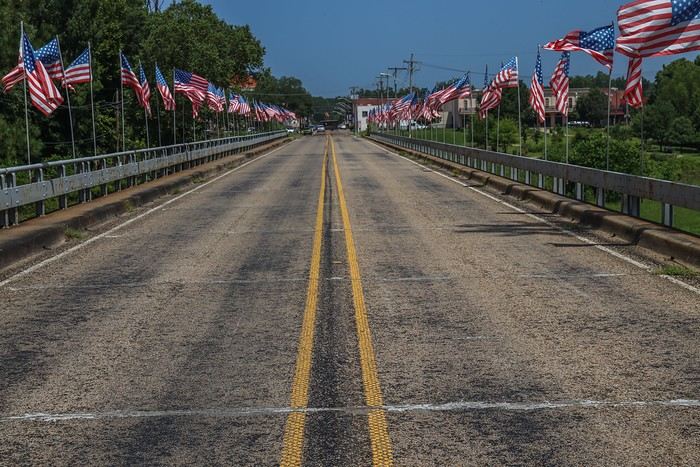
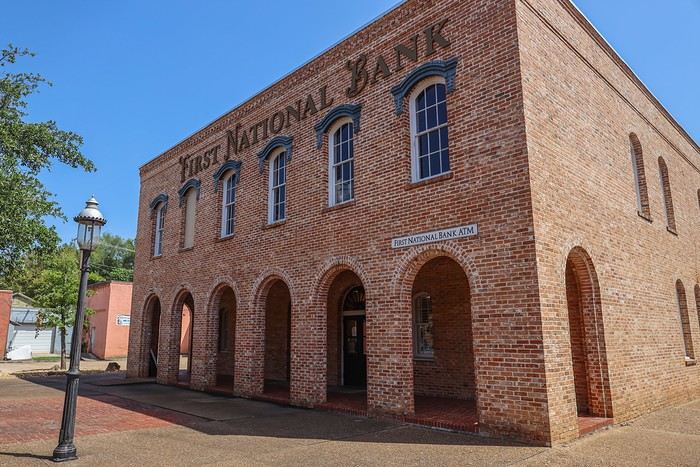 We take a quick detour to Oakwood Cemetery before continuing toward Uncertain, which borders Caddo Lake. Some towns still have decorations from the Fourth of July.
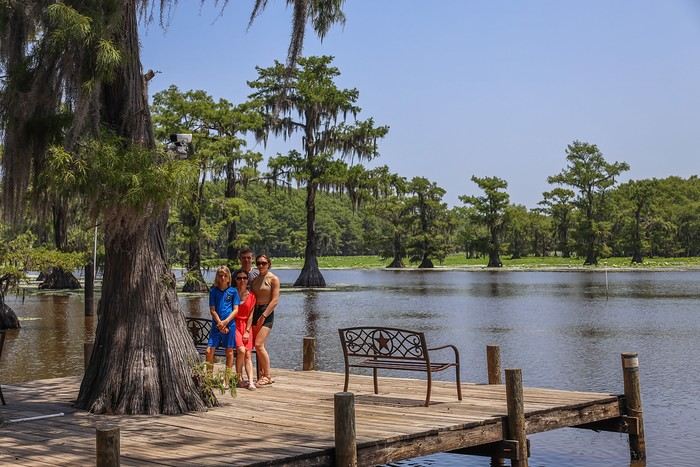
 And here we are in Uncertain, where I’d read it was possible to rent canoes to explore the heart of the bayous. But the dock is deserted, so we walk along the lake looking for a canoe rental. No luck—the two places I’d noted, which dated from before COVID, no longer exist.
 Then we see a guy arrive in his massive 4x4 and launch his boat. We obviously ask if he offers tours or knows someone who rents canoes. He explains he’s in charge of cleaning the bayou and doesn’t offer any tourist services.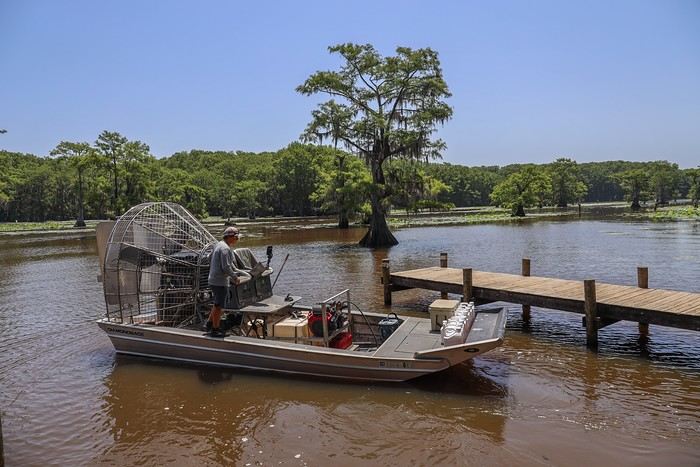
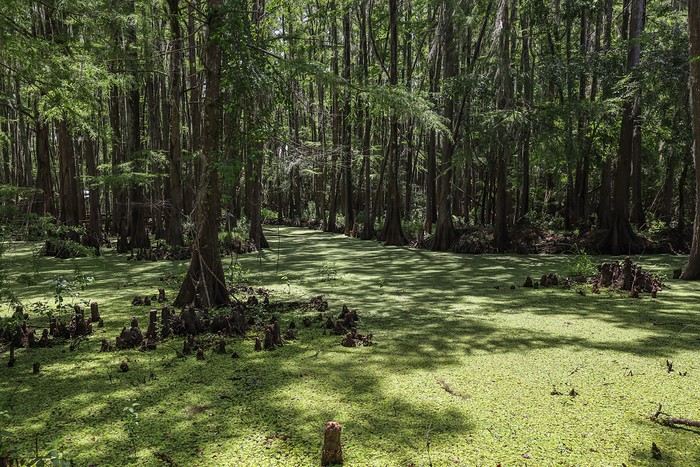
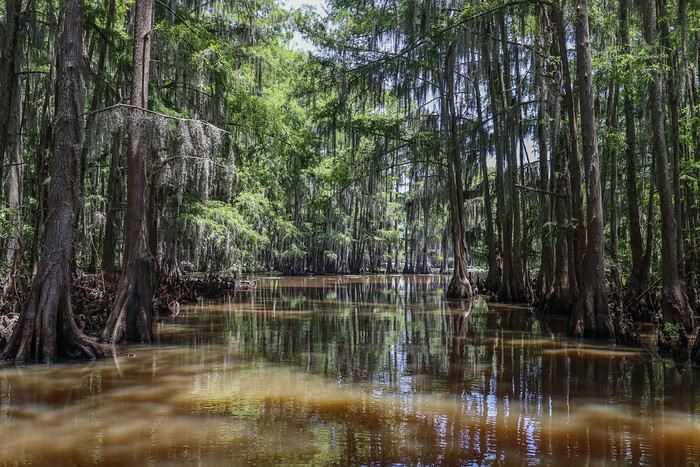
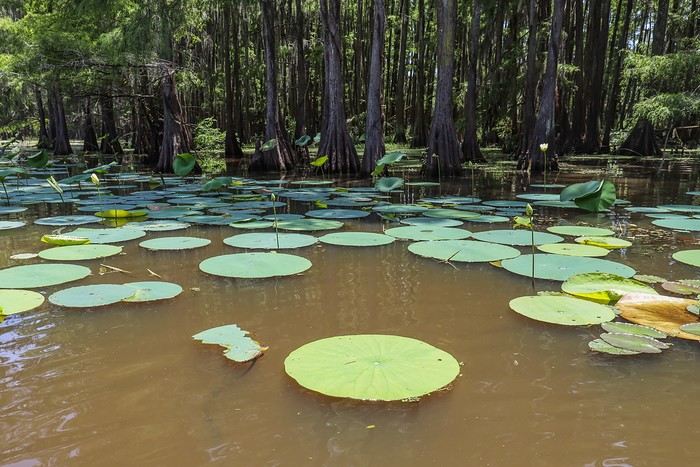 The inner area offers a clearer view of Caddo Lake and its iconic cypress trees.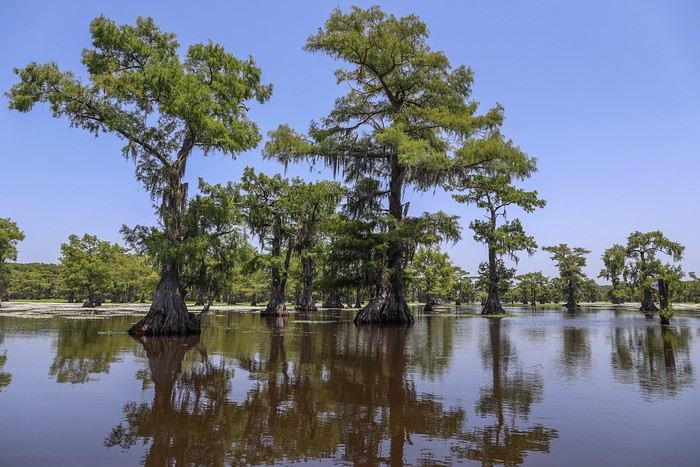
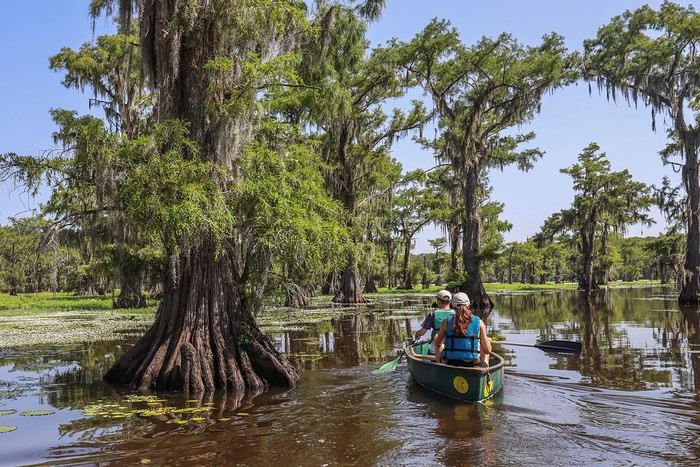
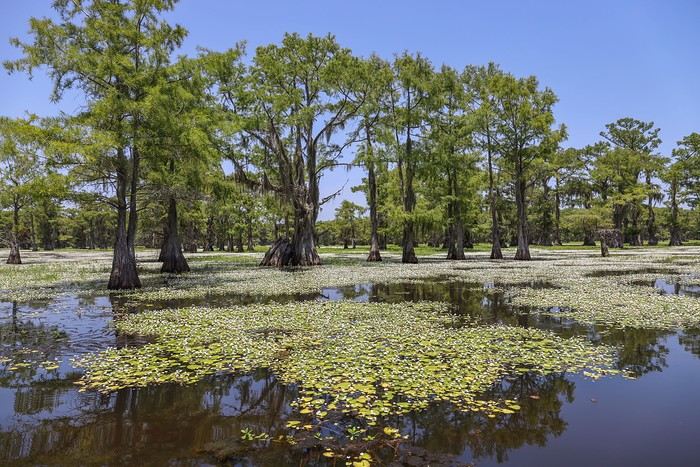 Every now and then, we hear the distant hum of a motorboat in the main canal or the cry of a bird we’ve startled. We’re so glad we chose the no-motor option...
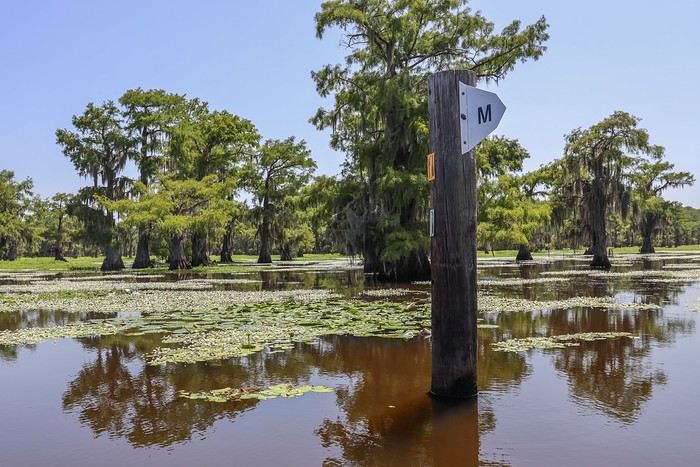
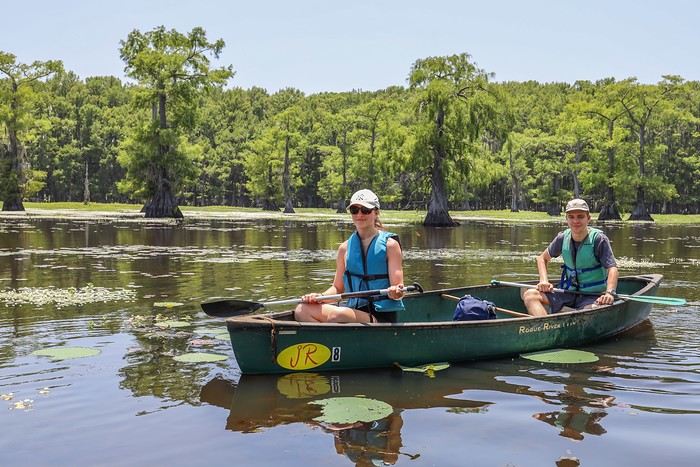 Even if it’s not super obvious in the photos, small posts placed regularly along the route help with navigation.
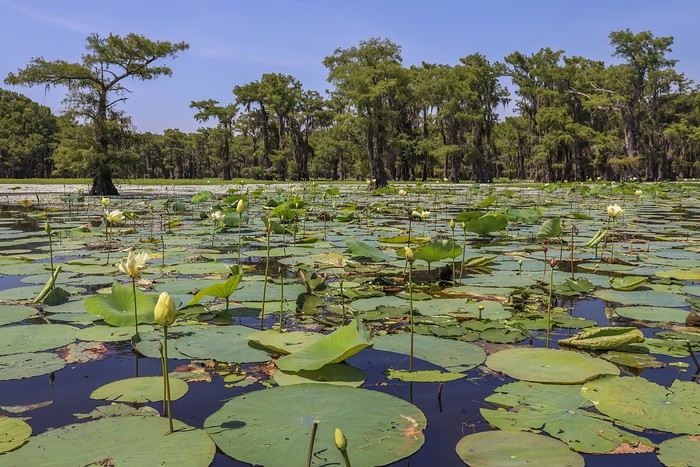 We just can’t get enough of these submerged cypress forests!
 With our arms starting to tire, we decide to play it safe and retrace our steps through the inner area of Caddo Lake, where the current is very weak. Good call—on the way back, we realize we’re slightly against the current.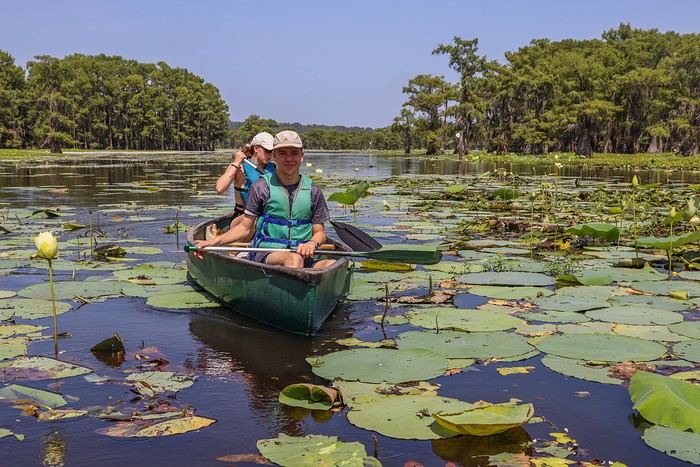
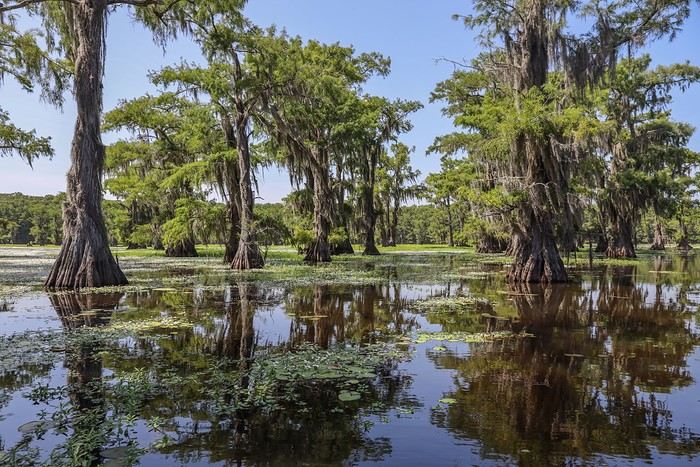
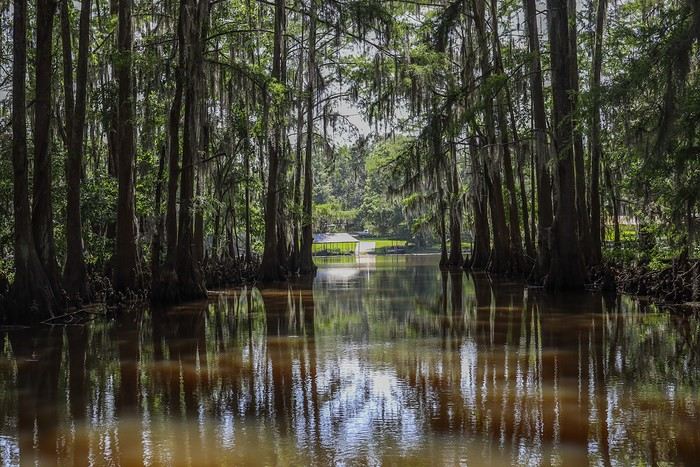
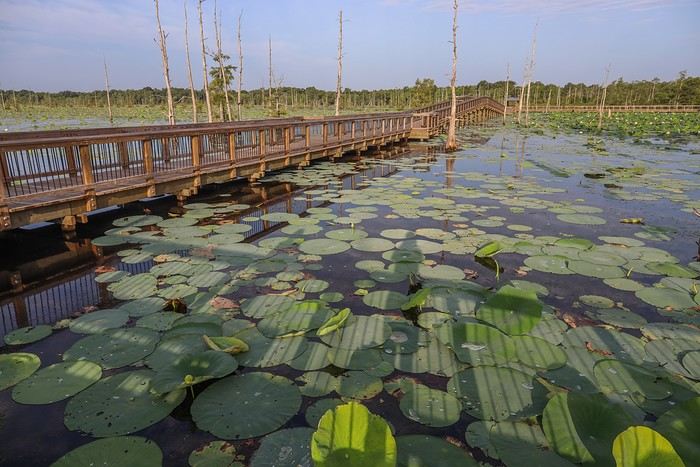 The different views of the lake are stunning thanks to the soft morning light, though the trees are sparse and far less photogenic than the ones at Caddo Lake the day before. Without many trees, we enjoyed the blooming water lilies in the serene atmosphere and took pleasure in watching the few birds that landed on the surrounding trees.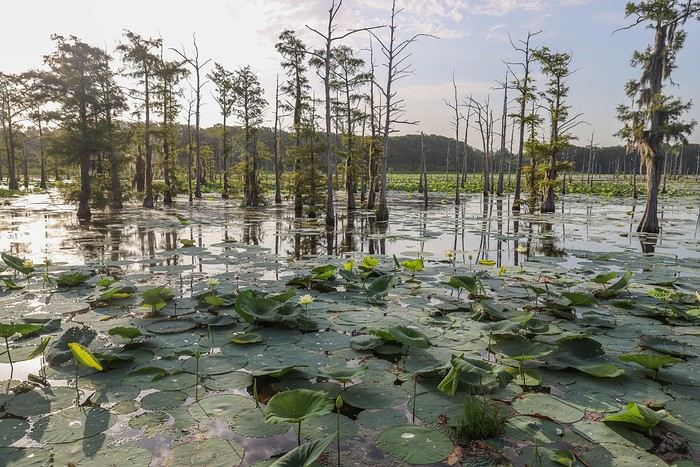
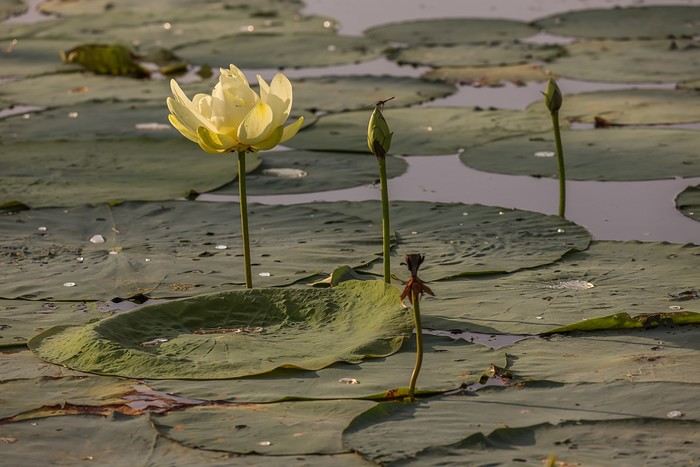
 A beautiful bird striking a pose for us.
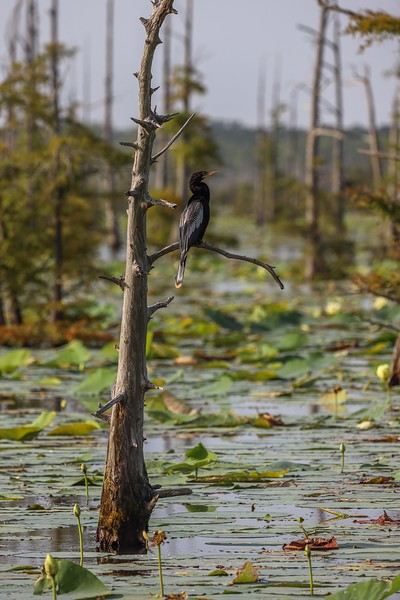 Again and again, those water lilies we never get tired of.
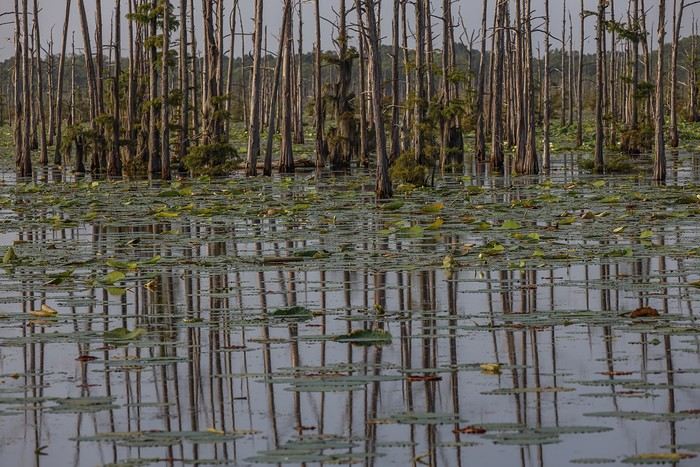
We then completed the second part of the loop through a swampy forest where the waters were covered in moss and duckweed.
Again and again, those water lilies we never get tired of.
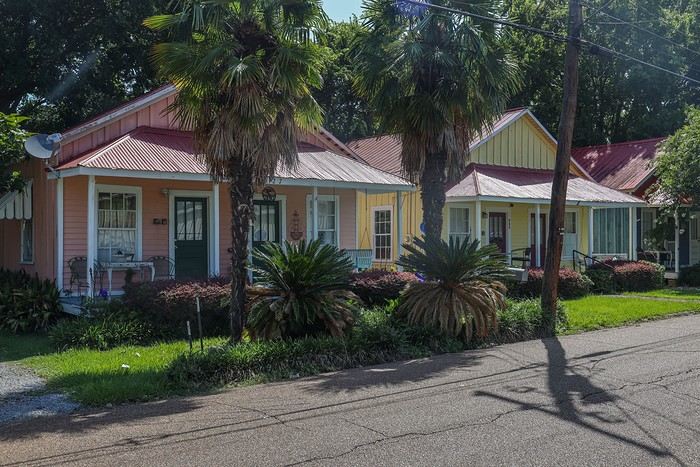
We then completed the second part of the loop through a swampy forest where the waters were covered in moss and duckweed.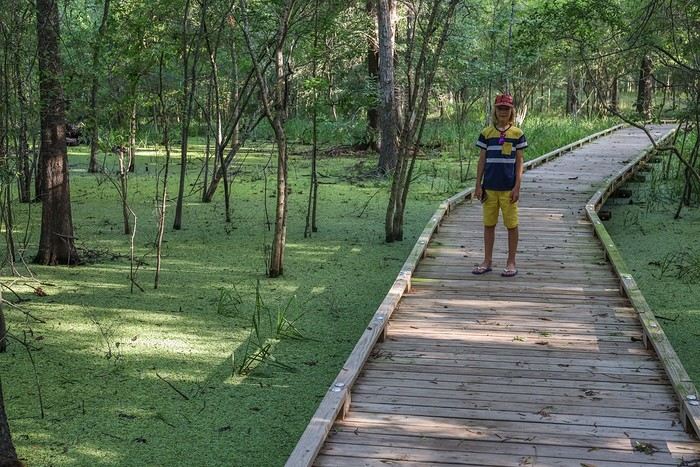 Next, we headed to Natchez, with some typical Southern houses.
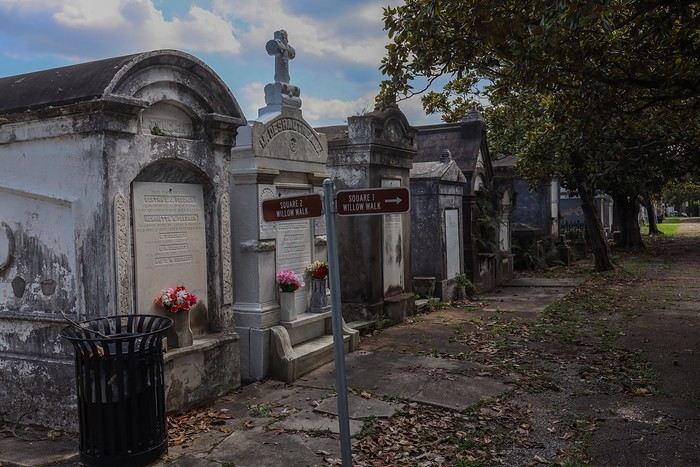
 Our first stop was the Historic Natchez Cemetery, which is so vast that it’s possible—and recommended—to visit by car. No photo can truly capture the immensity of the site!
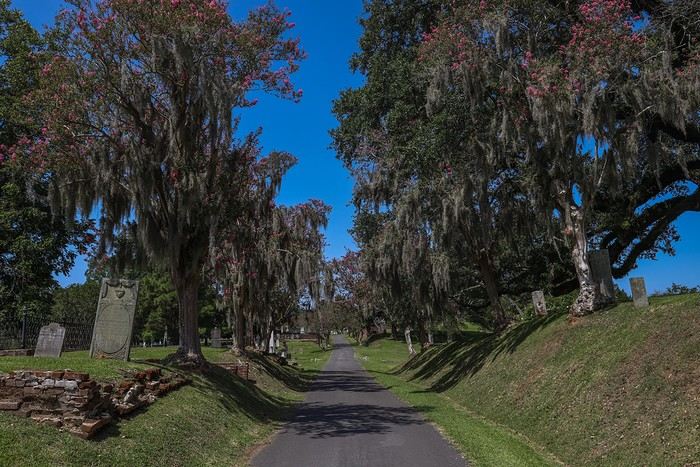
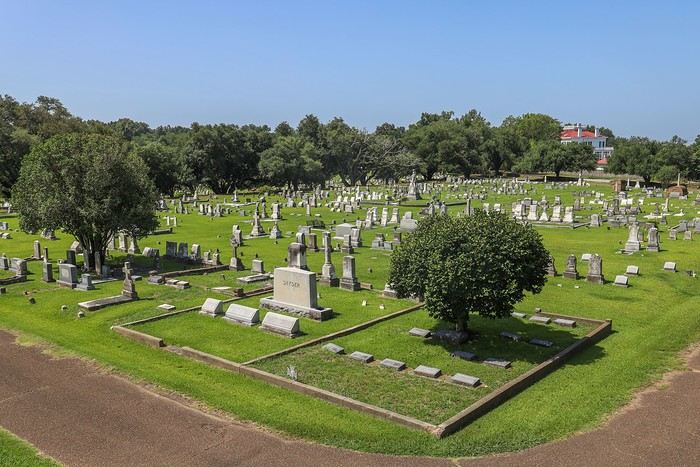 Some of the isolated or lined-up trees along the paved paths are remarkable.
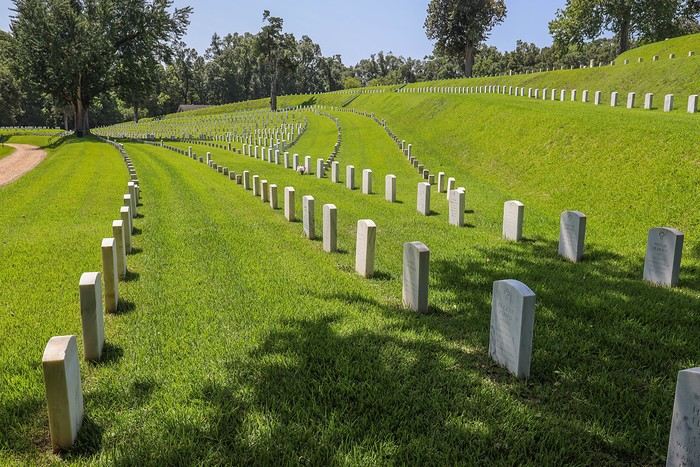
 Near the public cemetery, there’s also a military cemetery with rows of tombstones that create a striking visual effect.
 Back in town, we set out to find the first historic home on our itinerary.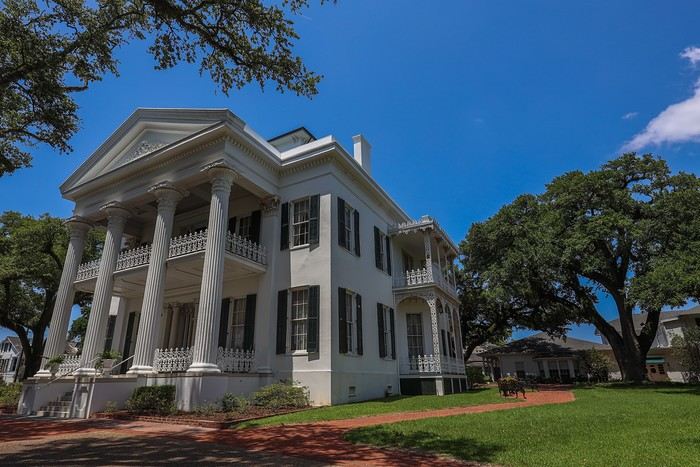
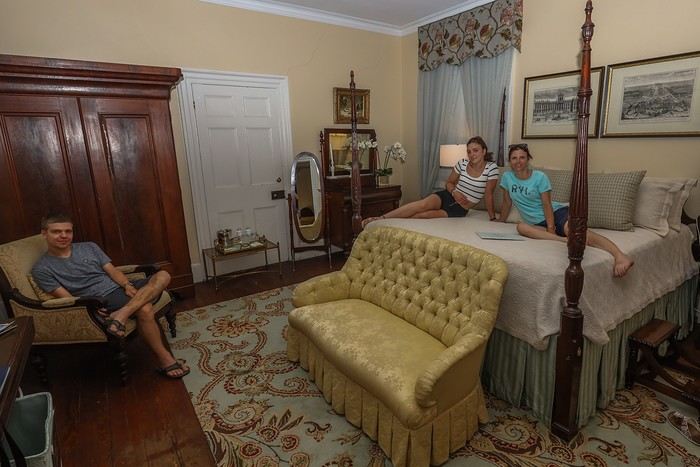
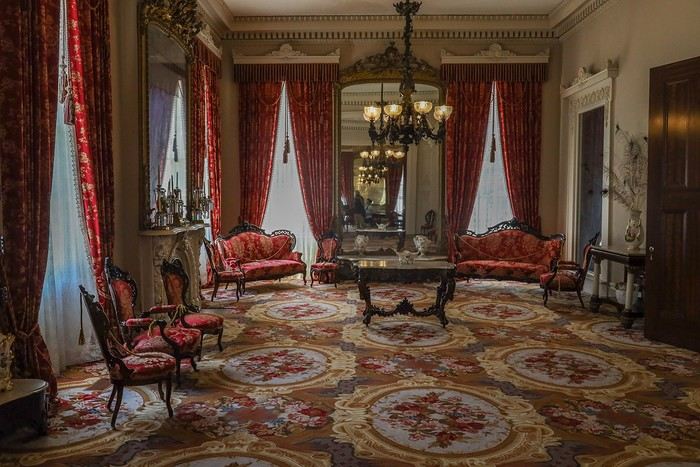 The bedrooms still feature canopy beds, which were more practical for hanging mosquito nets.
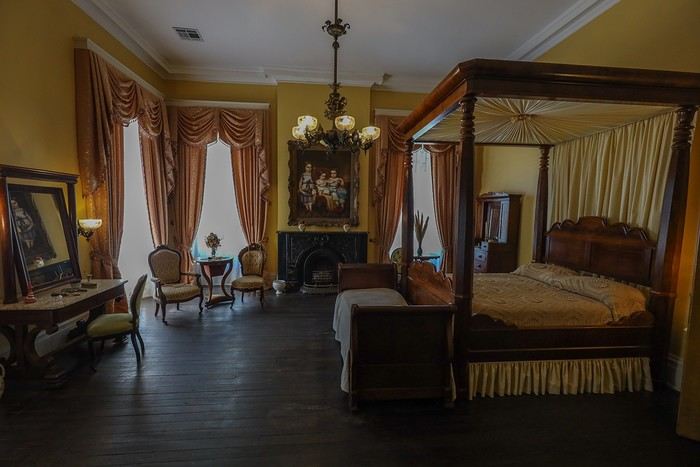 After an hour-long fascinating tour, we take a little stroll outside. It’s impossible to sit on the wrought-iron benches for more than 10 seconds—they’re scorching in the blazing sun.
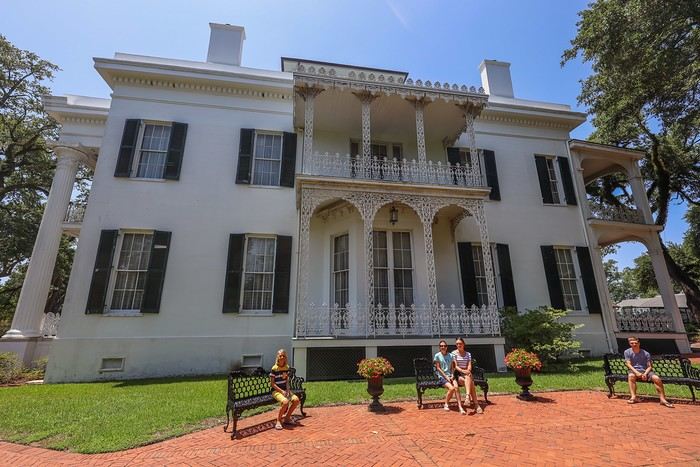 We deliberately skip Longwood—it’s impressive from the outside, but the interior was never finished and tends to leave visitors wanting more.
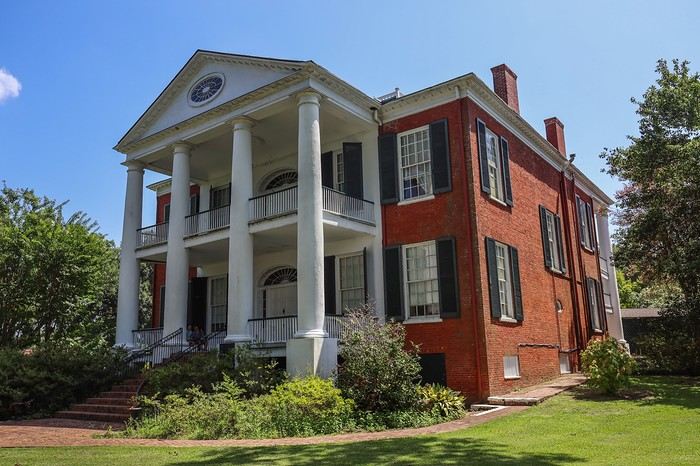 When we rest on the benches under the main façade’s portico, we discover a stunning view of the Mississippi River, which once prompted Union General Walter Gresham to requisition the home during the war. Thanks to his kindness, the owners of Rosalie were able to preserve all their belongings.
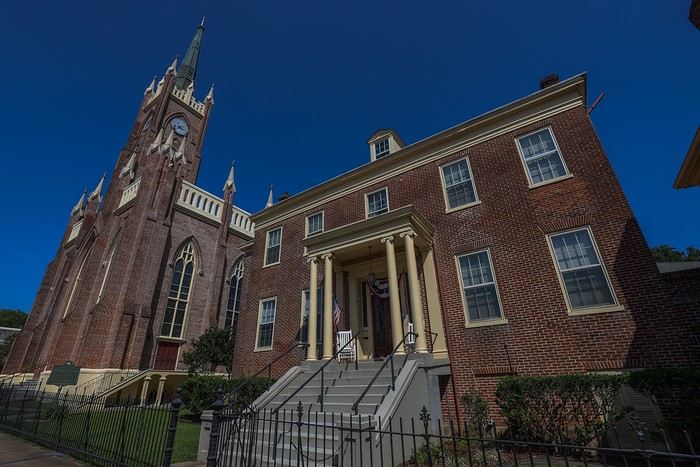
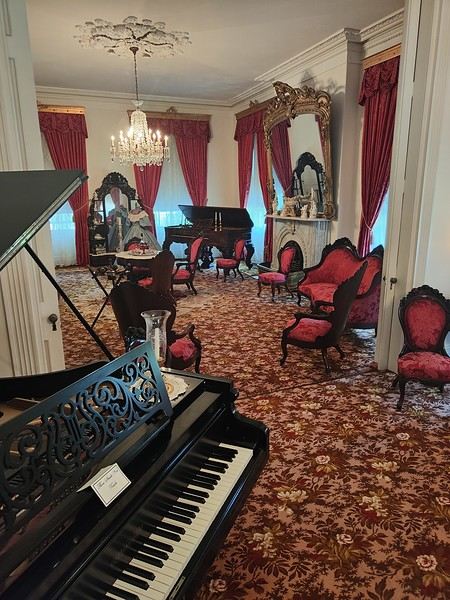 Next, we visit St. Mary Basilica, known for its magnificent stained-glass windows.
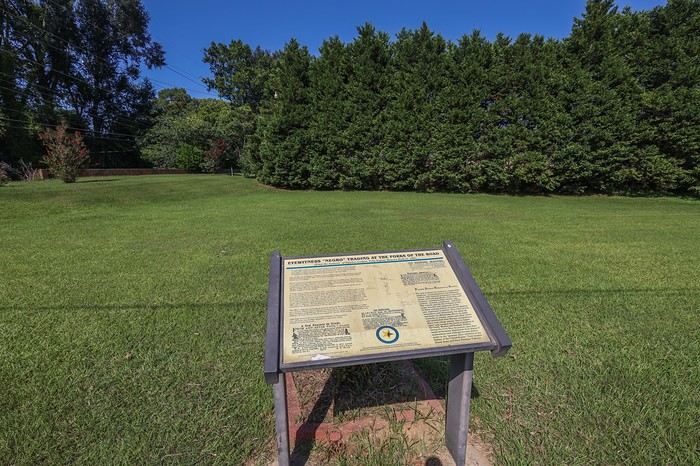
 Then, in the Natchez-under-the-Hill district, we stop by Forks of the Road Slave Market Site, where the second-largest slave market once stood. This memorial site is minimal—just a lawn and a few informational panels to ensure we don’t forget...
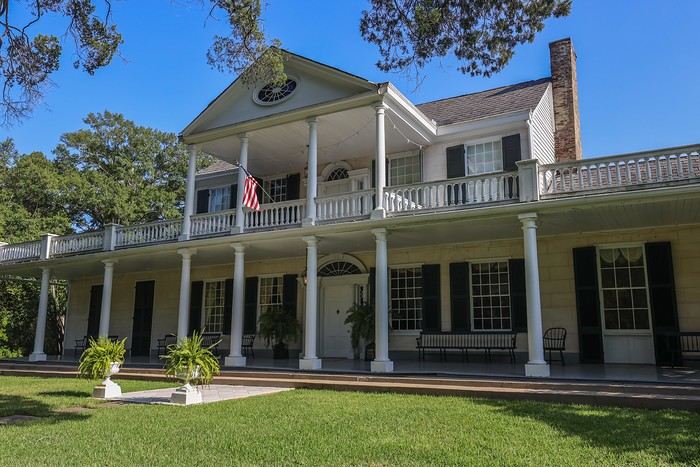
 It’s barely 4:30 PM, but we decide to head to our hotel—or rather, our Linden Manor, a historic Bed and Breakfast.
 When the manager shows us our suite—two bedrooms decorated with period furniture—we’re instantly transported back in time.
 To wrap up the day, since we can’t dine at Linden, we head downtown, where I found a highly rated spot on Tripadvisor: Le Pig Out Inn Barbecue. The interior décor is more cafeteria-style, with plastic trays and cutlery, but the meat is delicious and easy on the wallet!
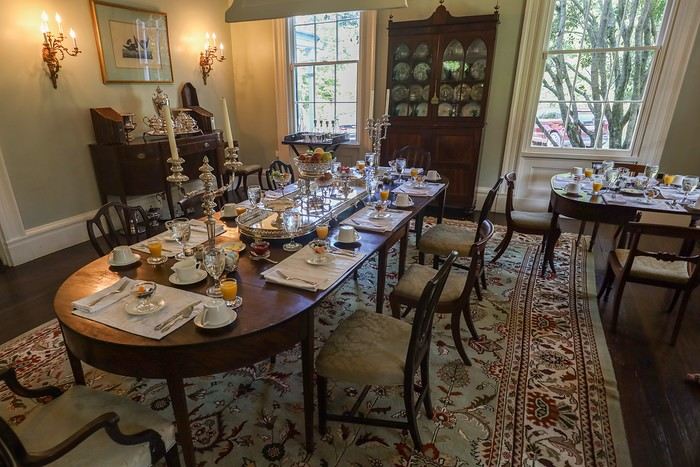 We’re served an excellent tart with scrambled eggs and potatoes, all accompanied by a single roll.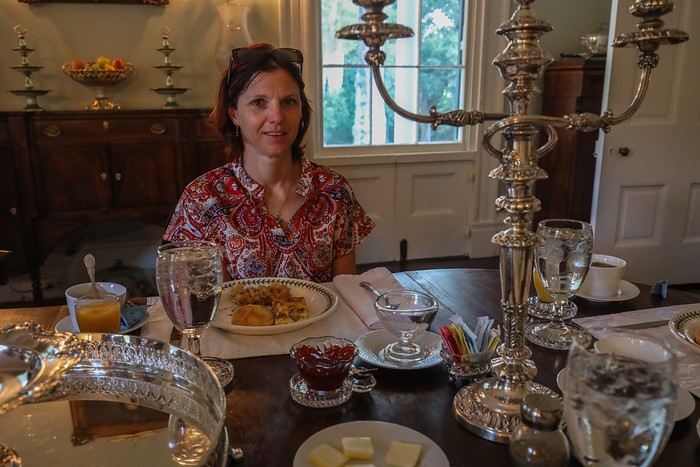
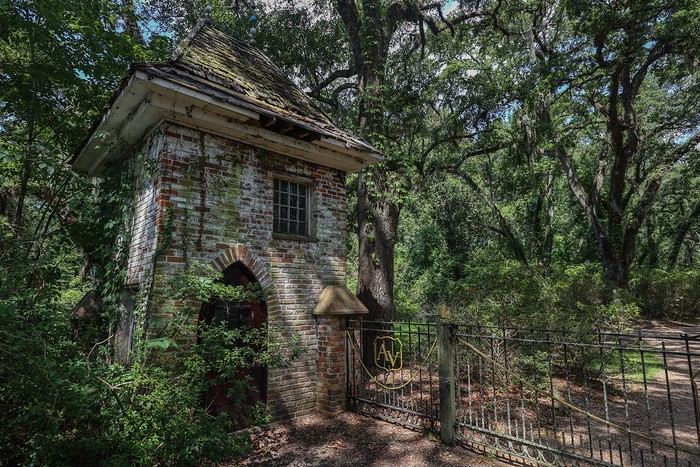 Next, we visited another plantation, Rosedown Plantation, located near St Francisville.
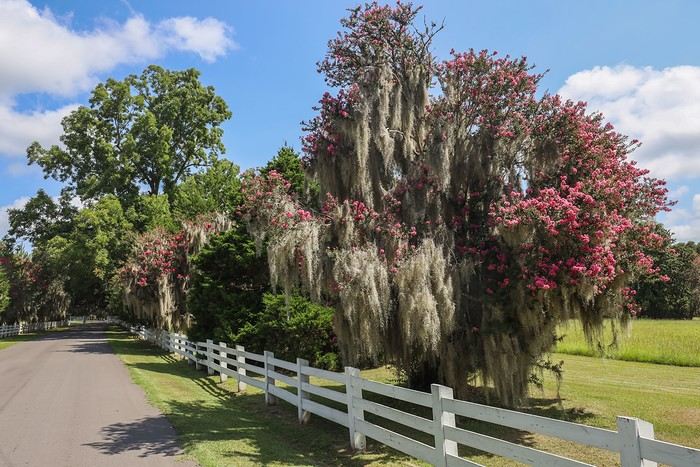
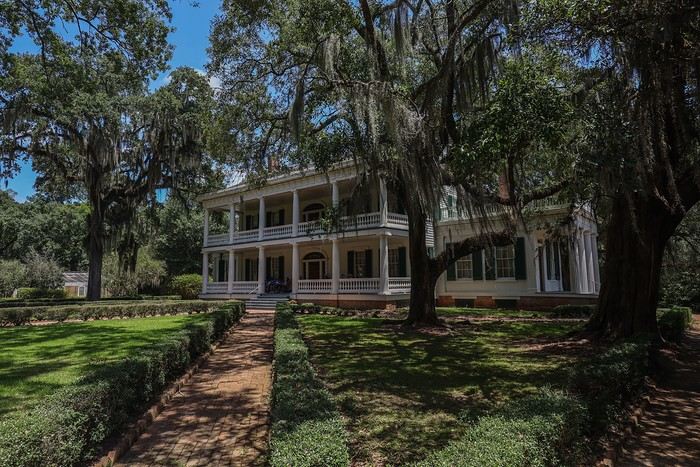 Inside, the original furniture has kept its initial placement.
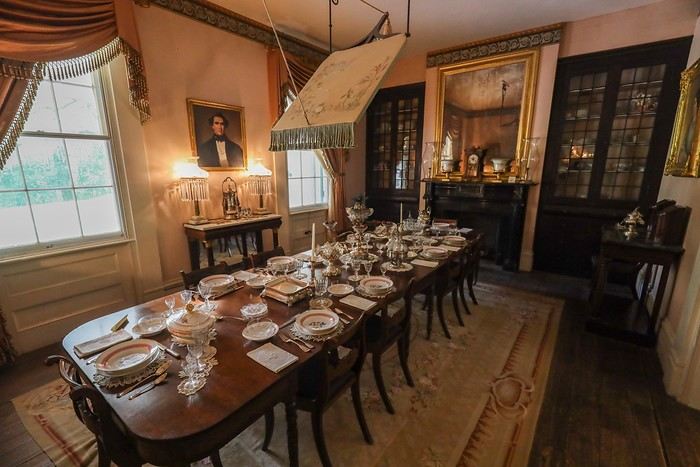 In the bedrooms, you can admire the richness of the curtains, Aubusson carpets, embroidery, and rosewood furniture in the Gothic style.
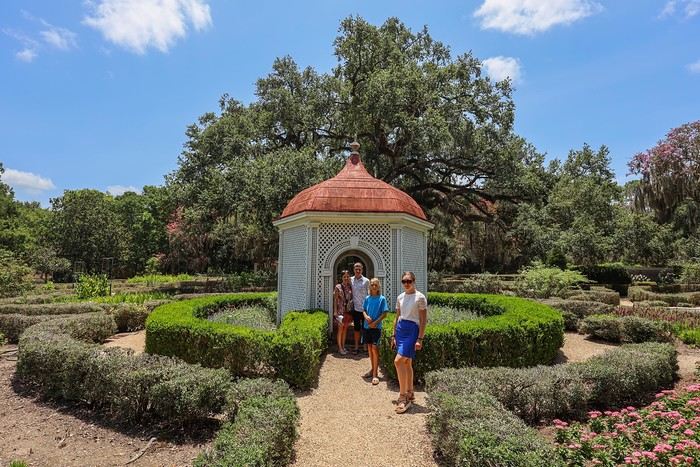 Many boxwoods, typical of this type of garden, are really not in great shape.
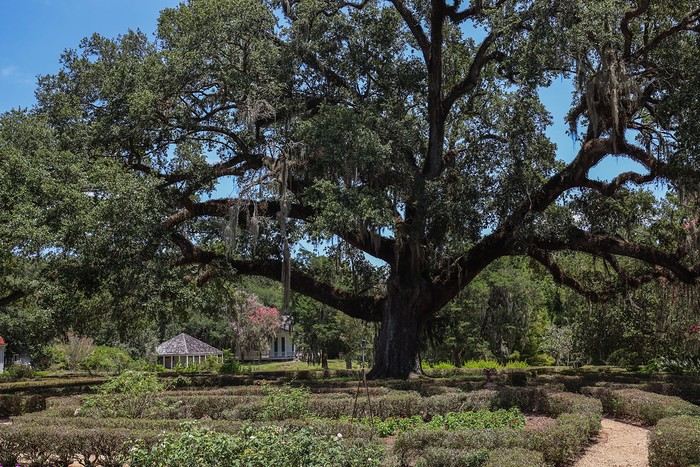 The main alley is majestic, as is the case for many plantations.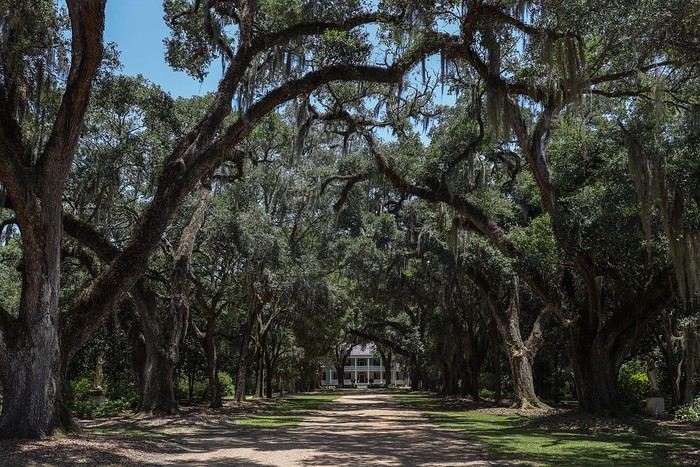
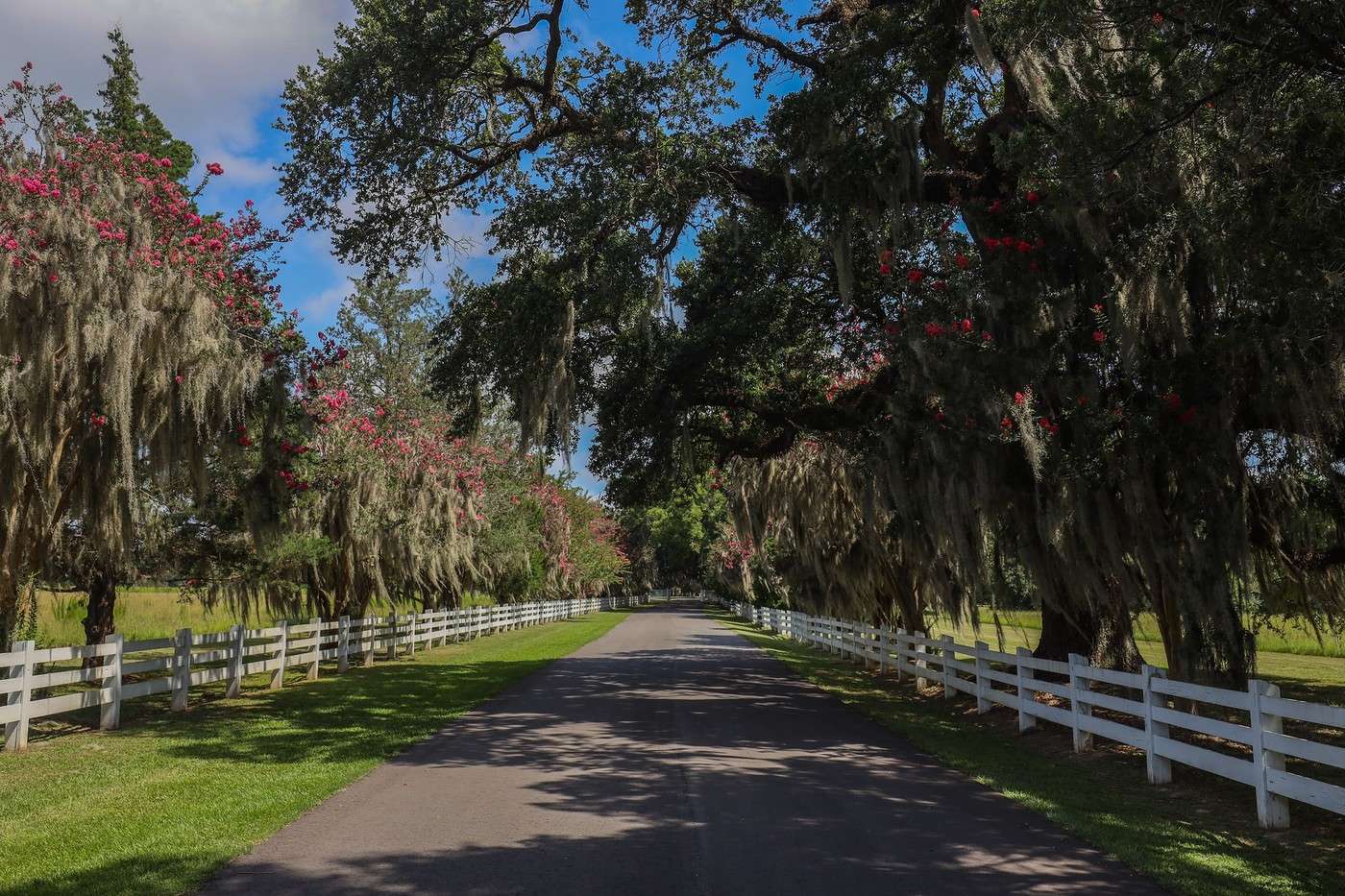
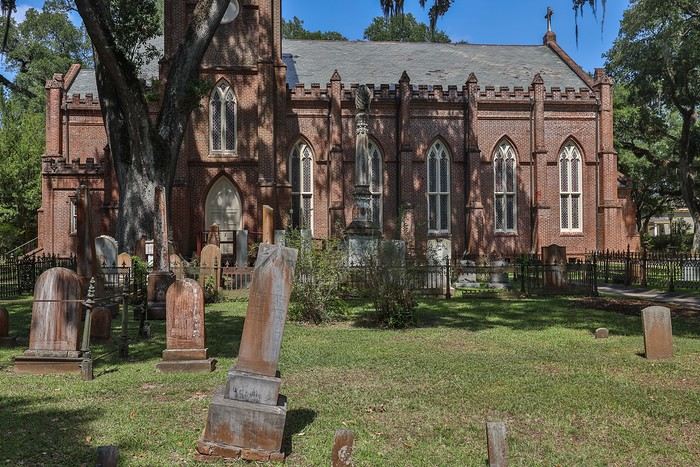
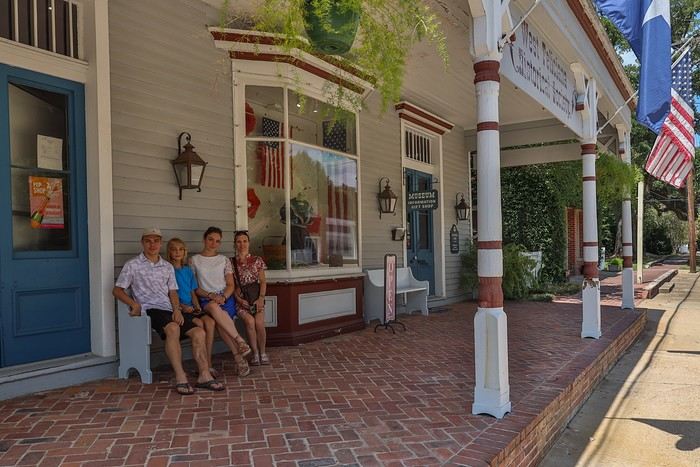 We make our way to Grace Episcopal Church and its adjoining cemetery, where we find the graves of the Turnbull family, owners of Rosedown House & Plantation. The guide had just told us their story and the tragedies that befell them.
 Due to the closure of Afton Villa Gardens and the lack of things to see in St. Francisville itself, we have time to check out Cat Island Wildlife Refuge—a Plan B I couldn’t find any info on.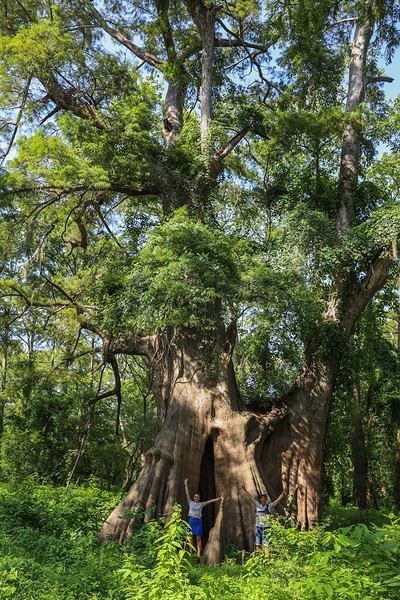
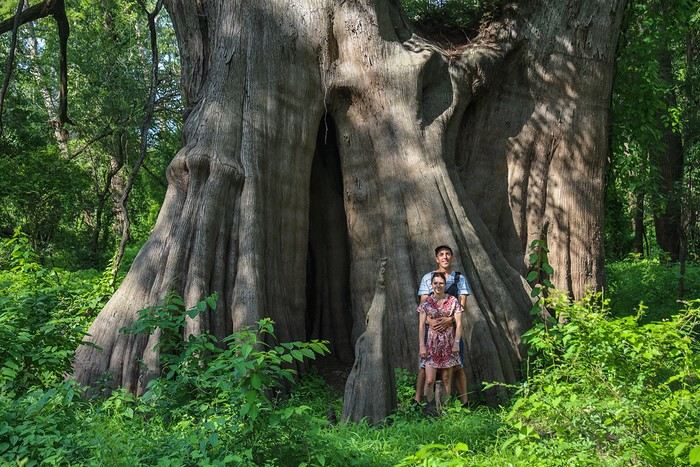 Next, we head to Baton Rouge, the capital of Louisiana, which we’re scheduled to visit in a week. Tonight, we just stop for a fast-food dinner at Wendy’s to finally try the burger that was voted the best in the U.S.!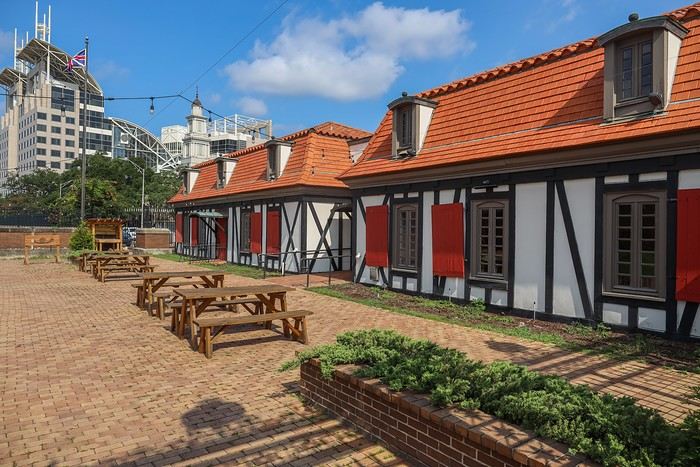
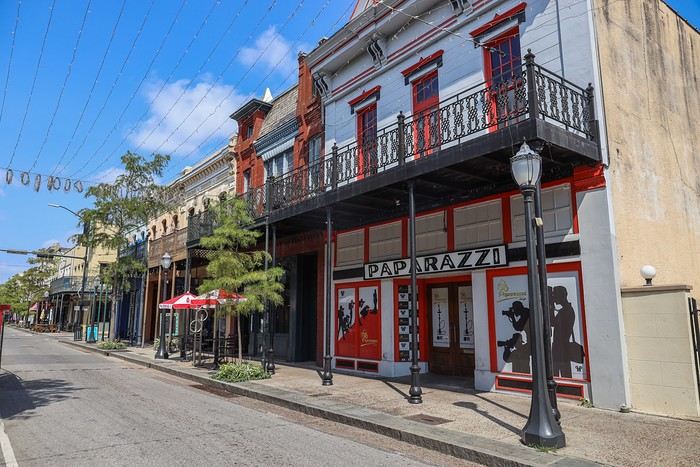
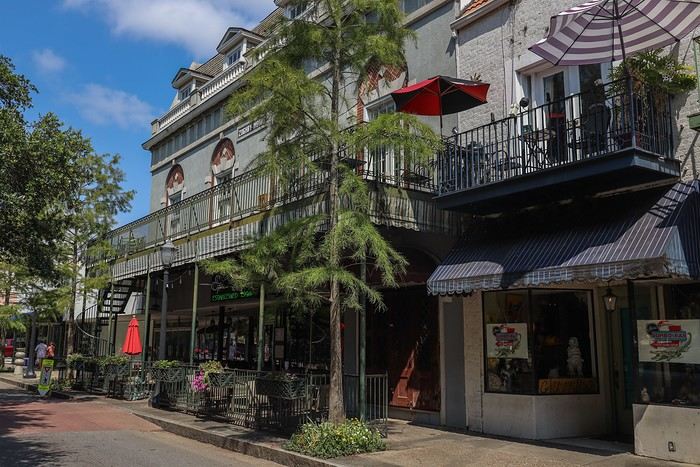 After reading glowing comments in various blogs, I expected to see many more beautiful mansions, like in the French Quarter of New Orleans, which we’ll discover in a few days. We were a bit disappointed, and the heat didn’t motivate us to explore every street in the downtown area more thoroughly.
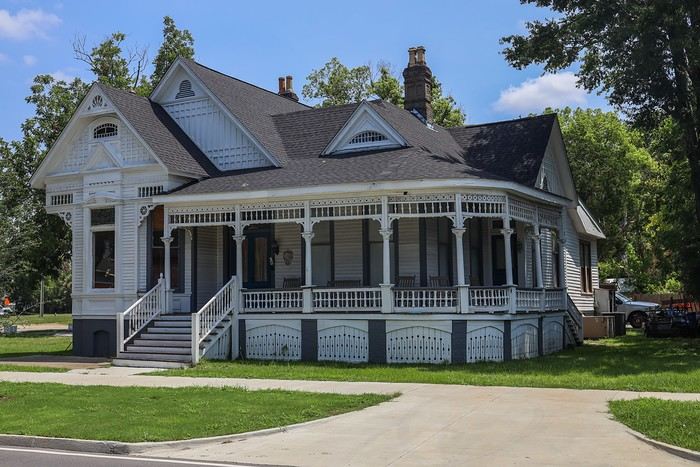 I suggest visiting the Richards-DAR House Museum to the family, but after seeing so many plantation-era homes already, everyone prefers to cut the downtown visit short to get started on the USS Alabama Battleship Memorial Park as soon as possible—the highlight of the day!
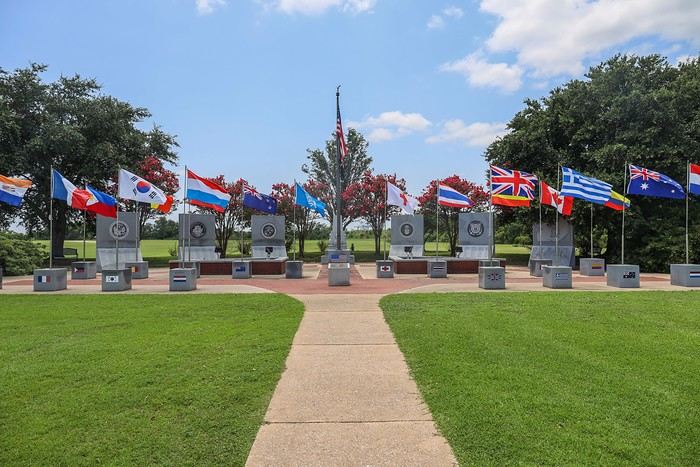 The sprawling site features about thirty historic aircraft, each more impressive and unique than the last.
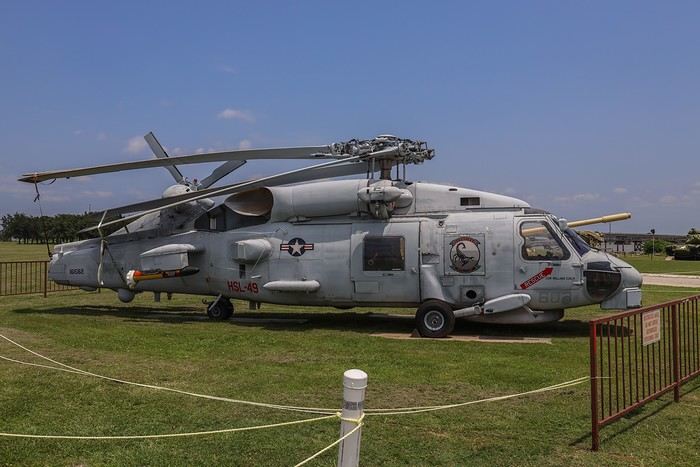 As a little preview, we check out some military equipment: planes, tanks, missile launchers...
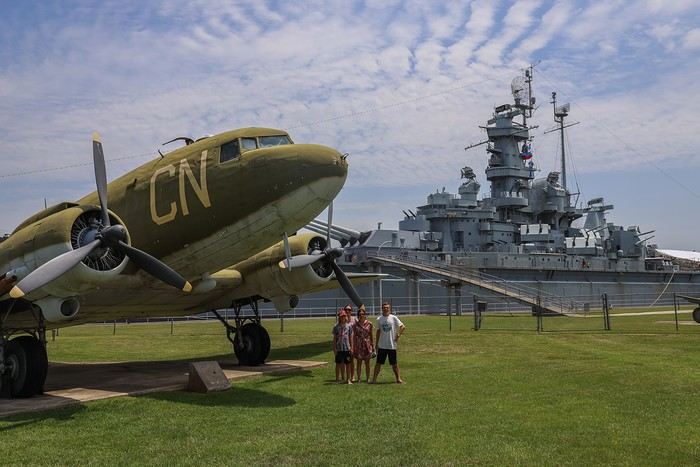 Before starting the tour of the famous battleship, we walk to the end of the pier for a panoramic view of the USS Alabama.
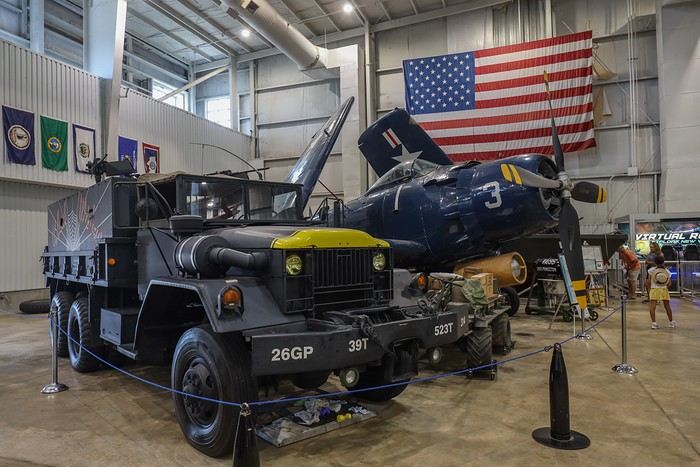
 After paying for our tickets, more stunning examples of aircraft, seaplanes, helicopters, and other military vehicles await us in a massive exhibition hall.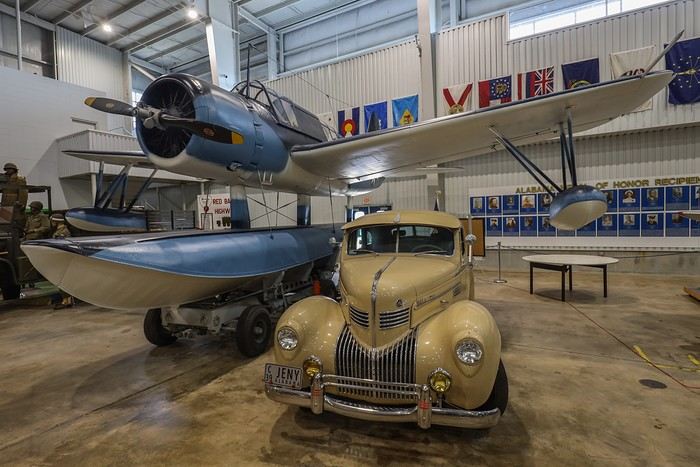
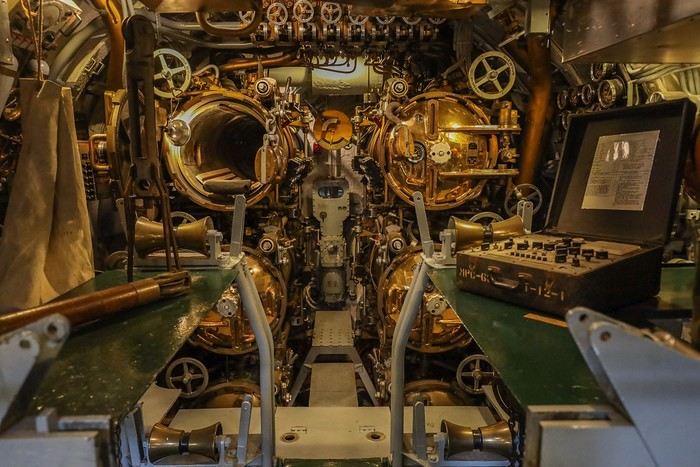
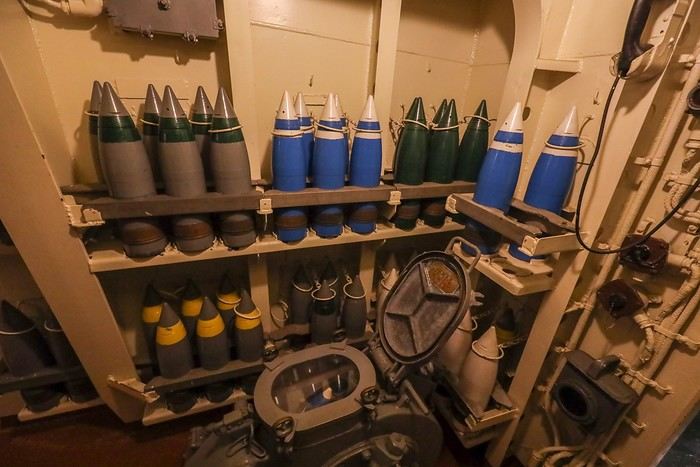
 The inside of the submarine is perfectly maintained, making the visit totally immersive. We’re all impressed by the multitude of equipment and the space optimization. We still wonder how a crew of several dozen men could live completely self-sufficiently for weeks.
 We even get to go up to the upper level to the periscope.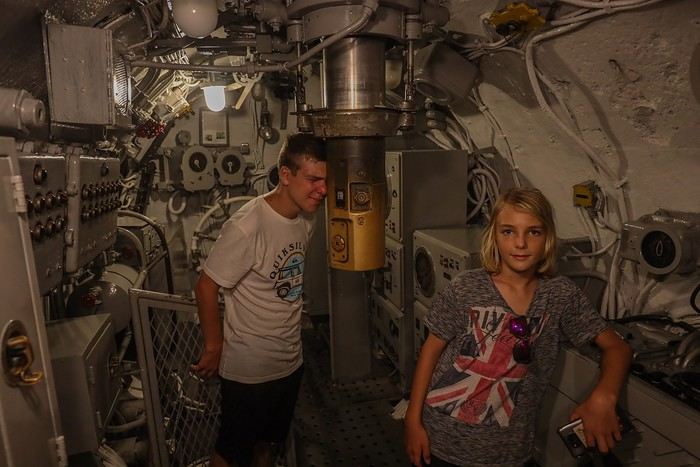
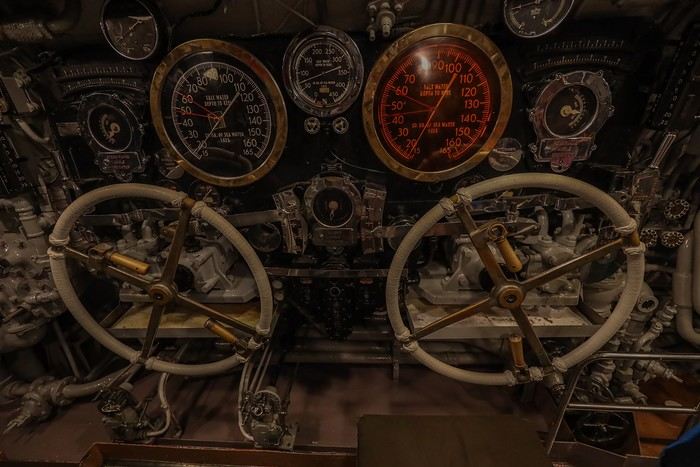
 This warship, capable of carrying over 1,500 sailors, is so huge that we don’t know where to start the tour! A paper guide with numbers helps create a "school-like" route. But we spent so much time in the USS Drum, and it’s already 3 PM, with the site closing at 5 PM.
We decide to explore by feel, starting with the exterior.
This warship, capable of carrying over 1,500 sailors, is so huge that we don’t know where to start the tour! A paper guide with numbers helps create a "school-like" route. But we spent so much time in the USS Drum, and it’s already 3 PM, with the site closing at 5 PM.
We decide to explore by feel, starting with the exterior. You almost feel like you’re there... even if we’re much better off in 2023...
 Back inside, with dozens of restored rooms and engine rooms just like they were back then.
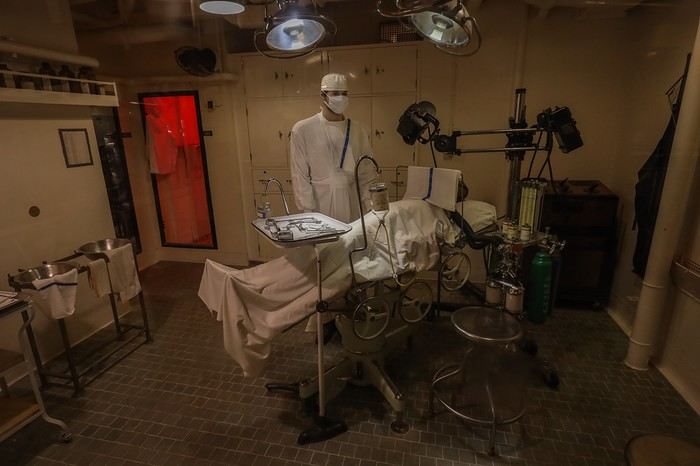 The interior is structured like a real small town, with all the services and medical care needed for the sailors.
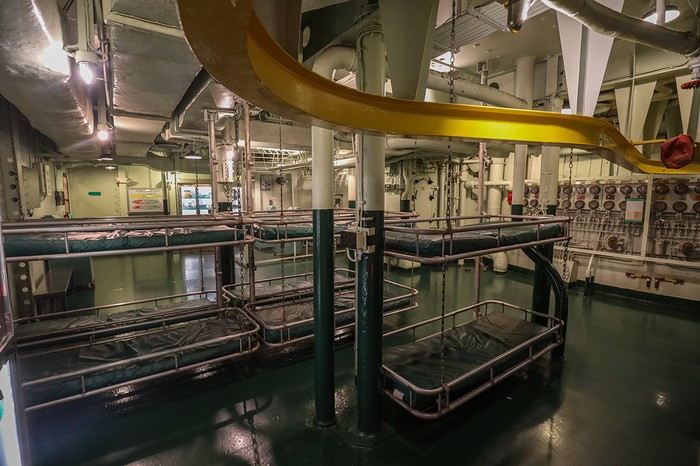 We also take the chance to climb to the upper levels to reach the highest point open to visitors. From there, we can get close to all the light and heavy artillery!
 We’ve been at Memorial Park for 3.5 hours—time flew by, and we would’ve gladly stayed another hour! But the site’s closing, so we head back to our car to continue our drive to Florida, heading toward Pensacola.
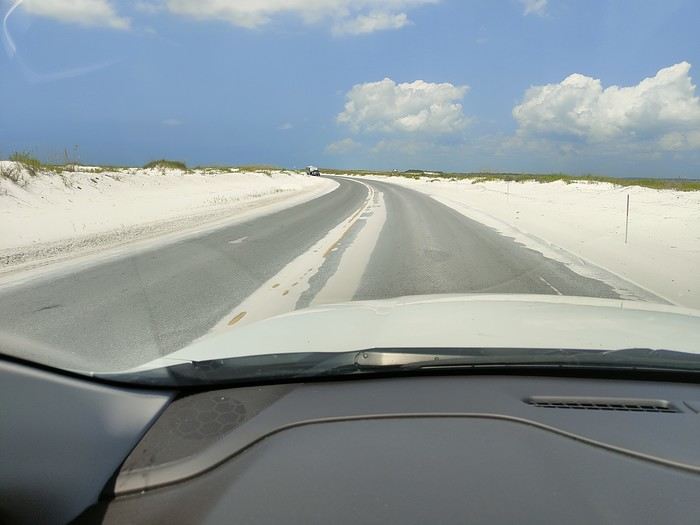 Fort Pickens is pretty sprawling, but its exterior doesn’t really tempt us to explore it further.
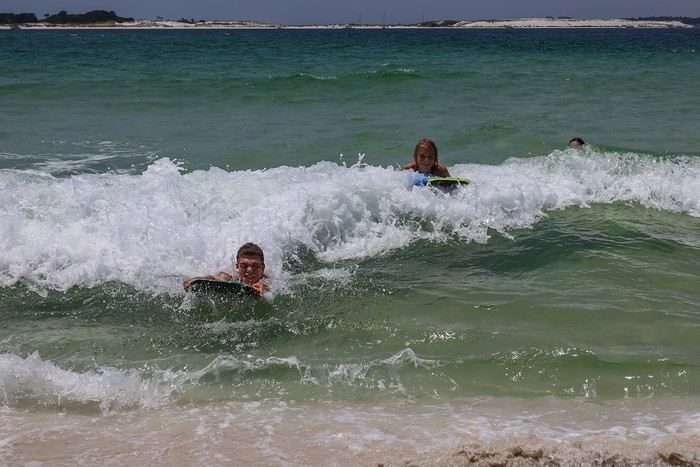 There are a maximum of 10 people on this stretch of beach, which spans several hundred meters. Pure bliss...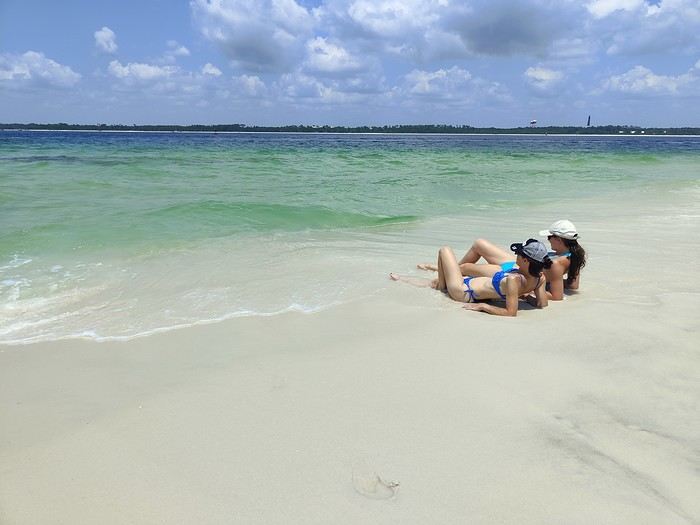
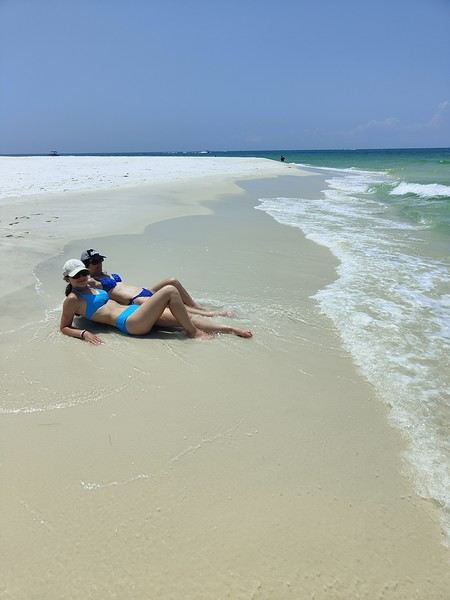 After more than 2 hours, we leave the protected area to check out another beach, but we don’t linger—the sun is beating down, and we want to avoid getting badly sunburned.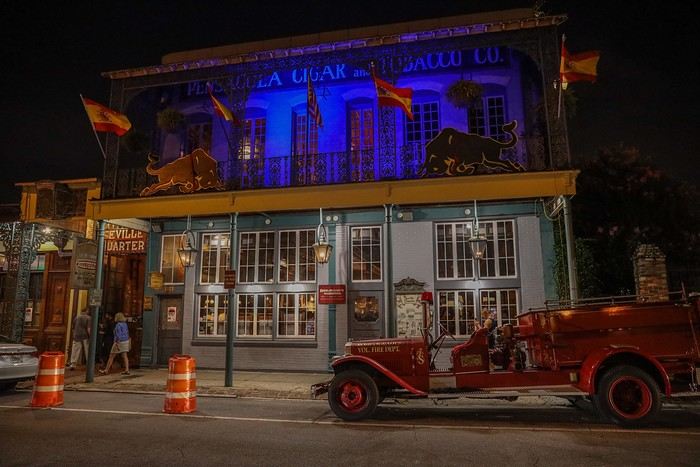
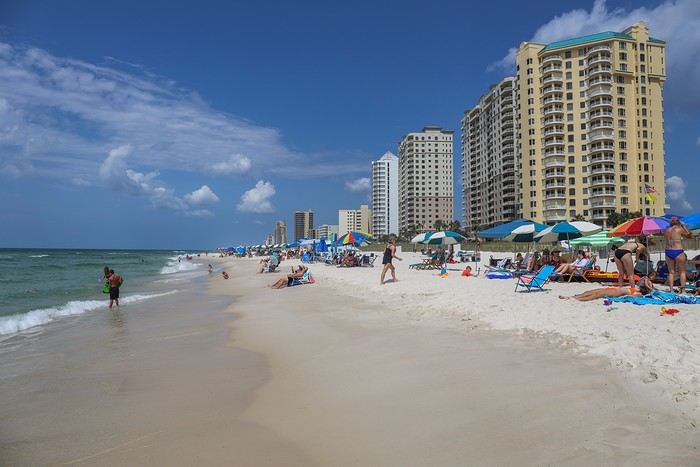 Plus, the water color is way less appealing than yesterday. We swim anyway, but after 20 minutes, everyone’s already out. We watch the spectacle of Americans spending their time drinking beer cans in the water—almost everyone has one in hand!
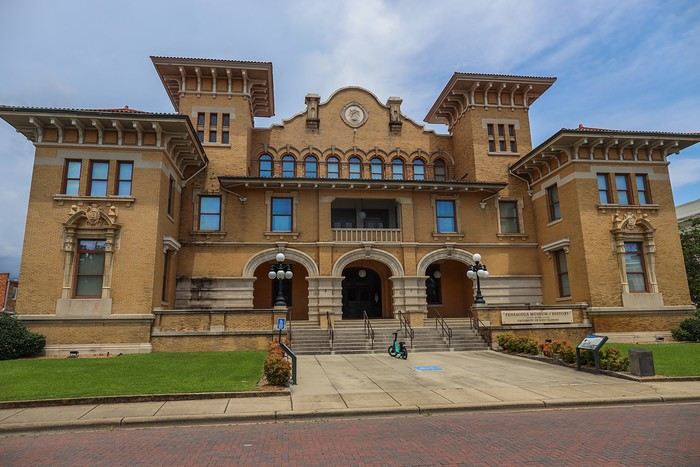 an Irish pub, and various quaint shops.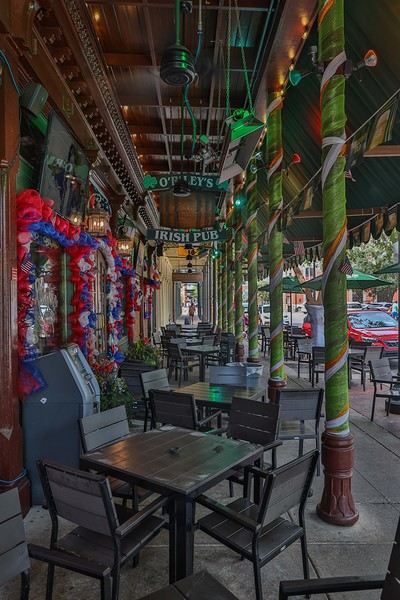
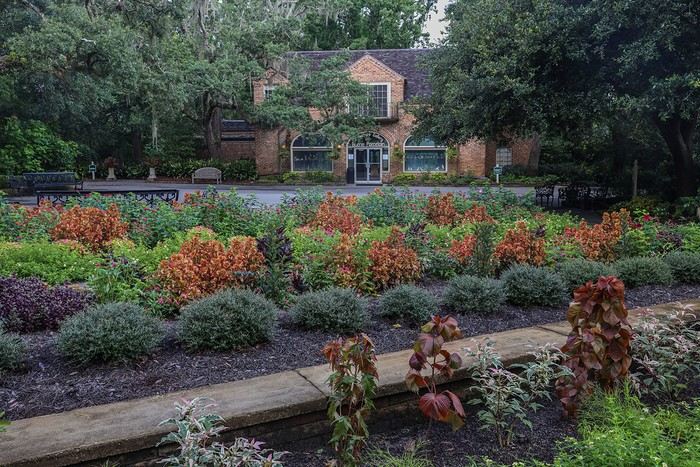
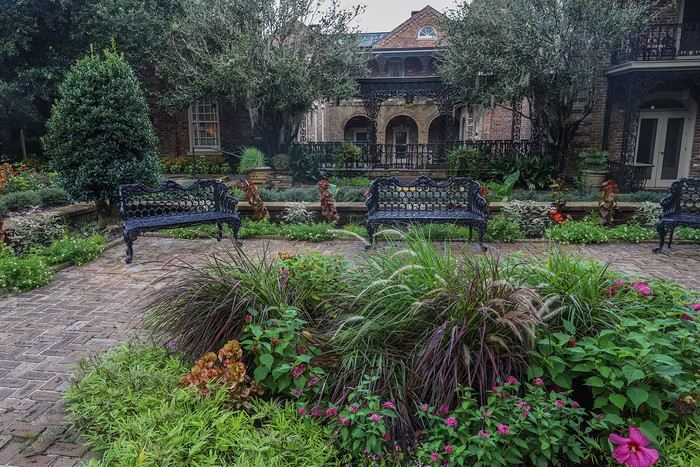 The villa was built along the Fowl River, where we spot a family being pulled on a giant inflatable tube.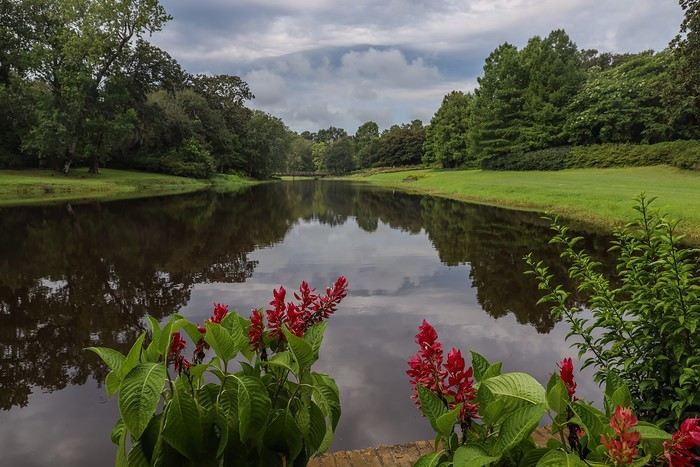
 A little further on, we reach a boardwalk that overlooks a marshy area, which, according to the information signs, is frequented by water snakes and alligators.
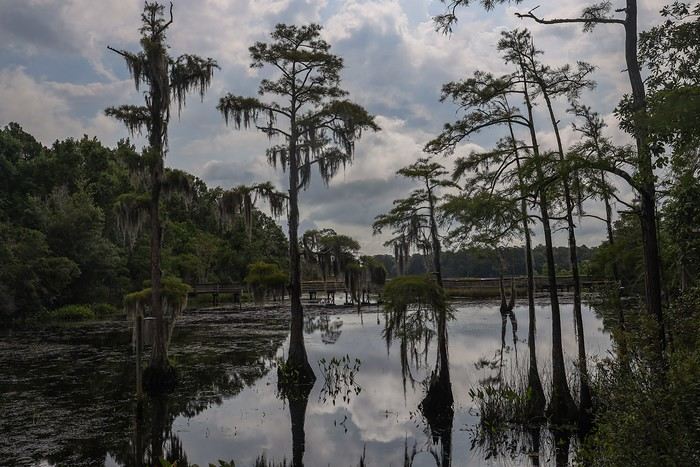
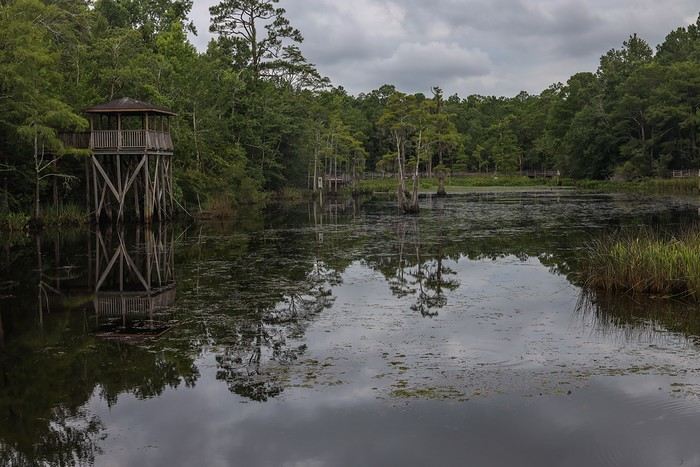 All we see is a huge grasshopper and a few really ugly spiders.
 There’s also a Japanese garden, which is Japanese in name only. Really disappointing, since there are almost no plants in that section.
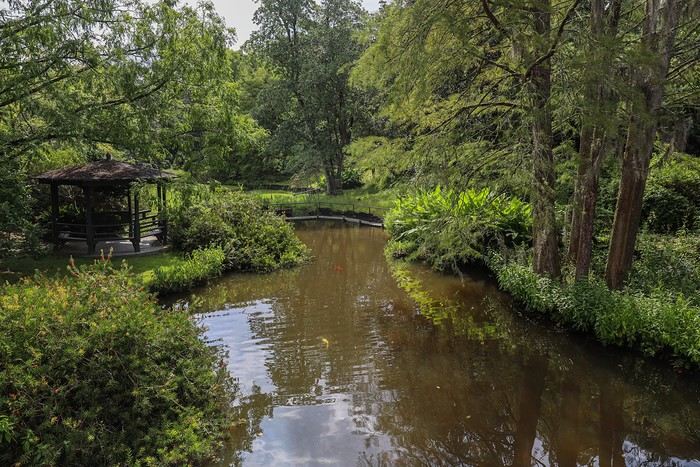 In the end, we found the visit to this garden rather disappointing. The photogenic and plant-rich areas are really limited. And given the almost nonexistent crowds we saw this morning, we’re thinking the financial situation isn’t going to improve...
 Since it’s 3 PM, we take the opportunity to head to our BnB in the Bywater neighborhood, a working-class area a few miles from downtown. We park the car for the next two days in an inner courtyard and start unloading everything from the car—just to avoid tempting fate.
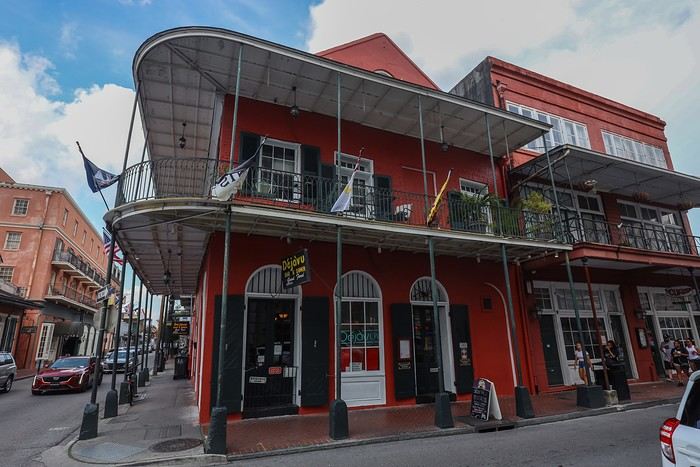 We make our way to the southern end of the Vieux Carré, toward Canal Street, then head toward the Mississippi. Some of the wrought-iron balconies are absolutely stunning.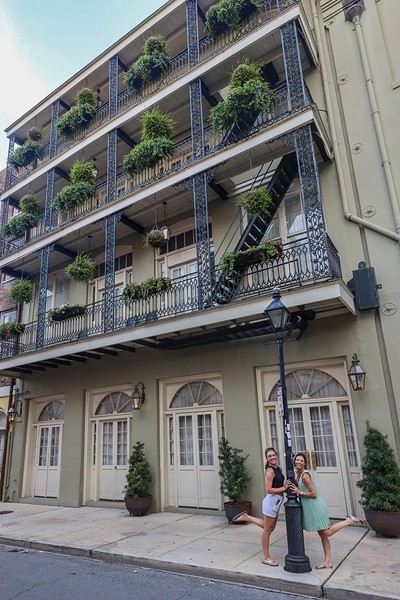
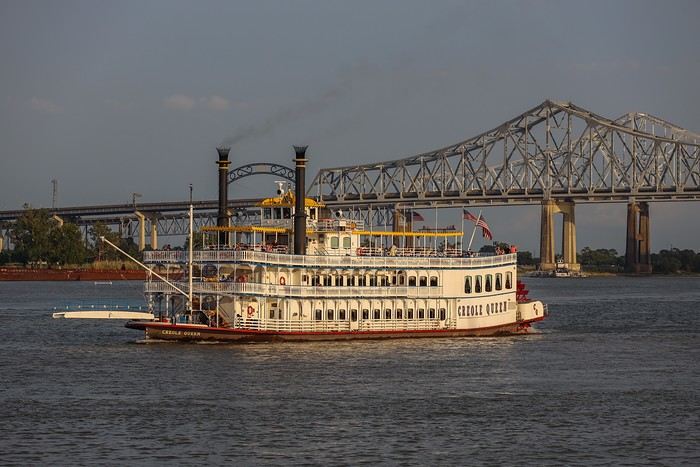
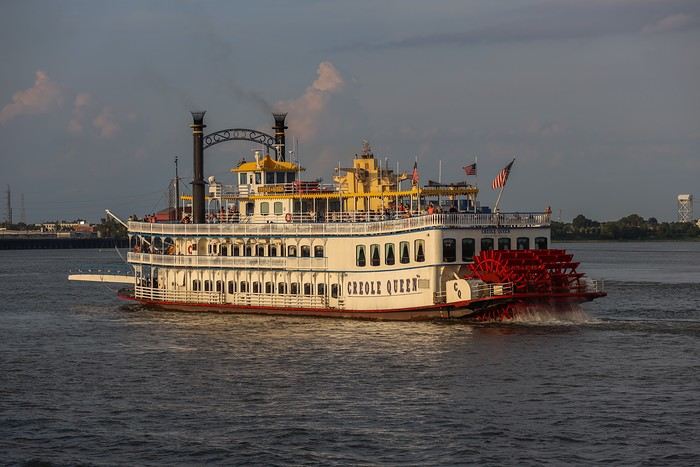
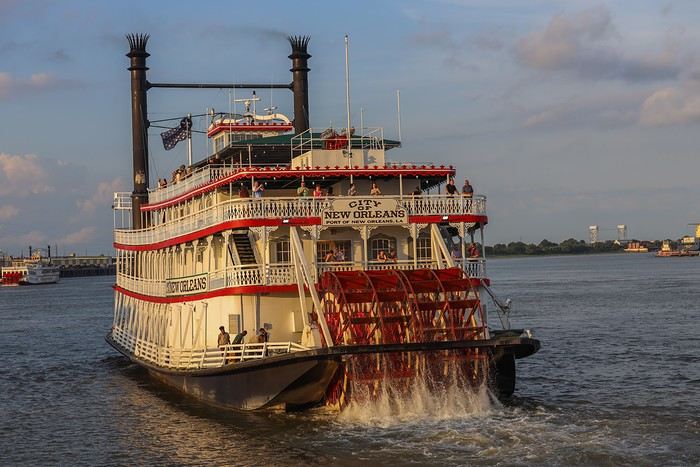 As night falls, we head back to Bourbon Street for a cocktail while strolling through the now-infamous street. The vibe is lively and fun, but honestly, it wasn’t what I’d imagined we’d experience here!
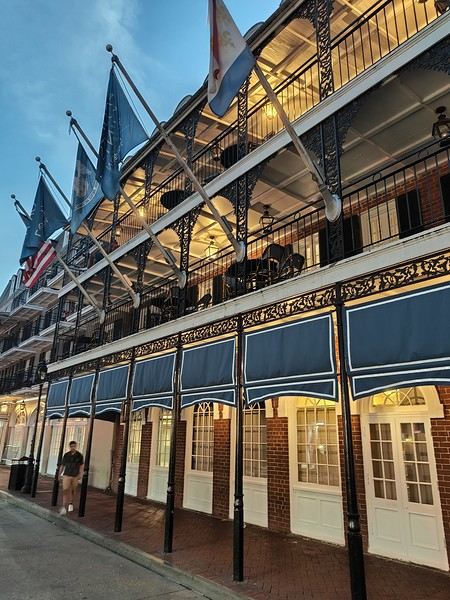 After dark, people really let loose—many have a beer or cocktail in hand, and each bar has its own band to draw in customers. Some singers are fantastic, while others wouldn’t make it past the *The Voice* auditions...
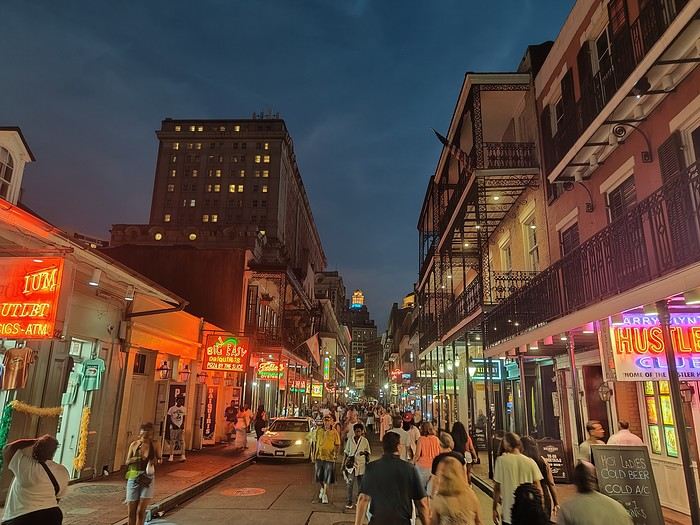 By the end of the evening, we walk up Canal Street to catch our bus back to our BnB.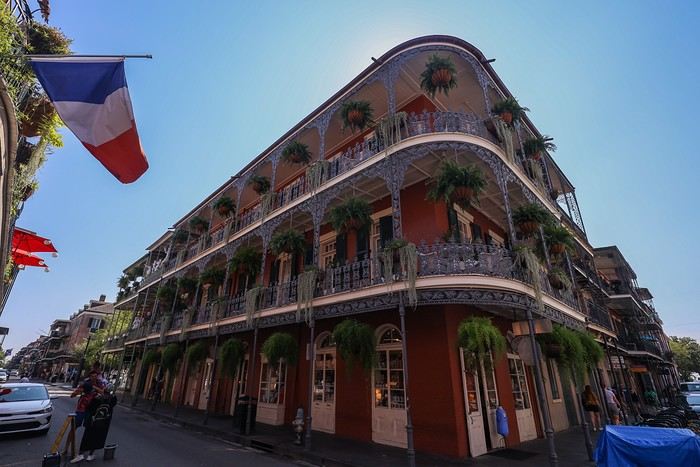
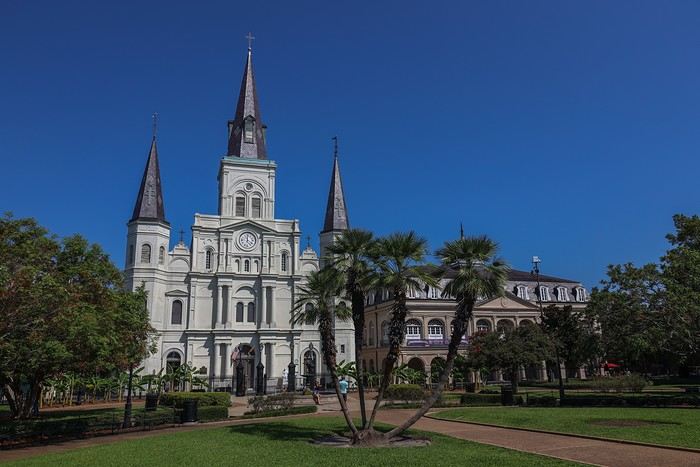
 Jackson Square and St. Louis Cathedral, where we appreciate both the cool air and the quality of construction.
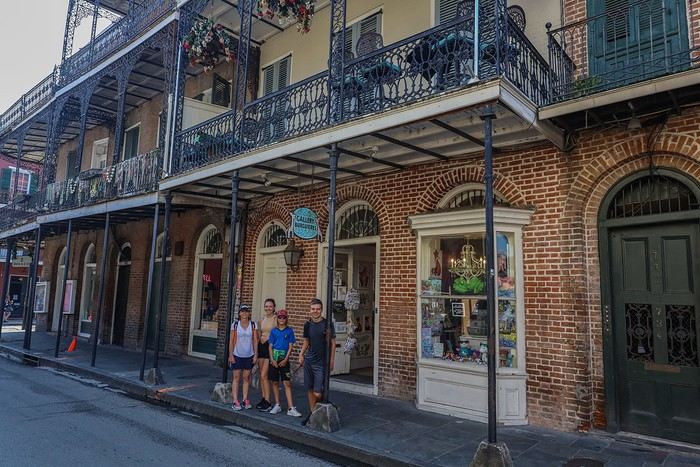
 On the way to Chartres Street
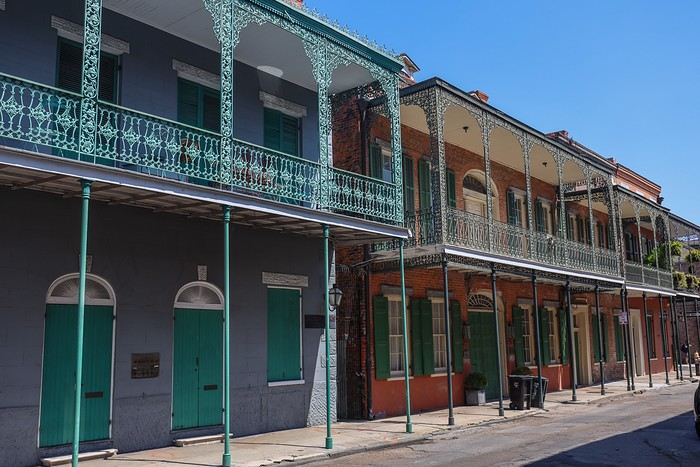 Here we are in front of BK House, which is closed to the public according to a sign on the gate. At the exact time of the tour, with still no guide in sight, we start to doubt. So we "force" our way in, despite the sign, and discover our guide was waiting inside.
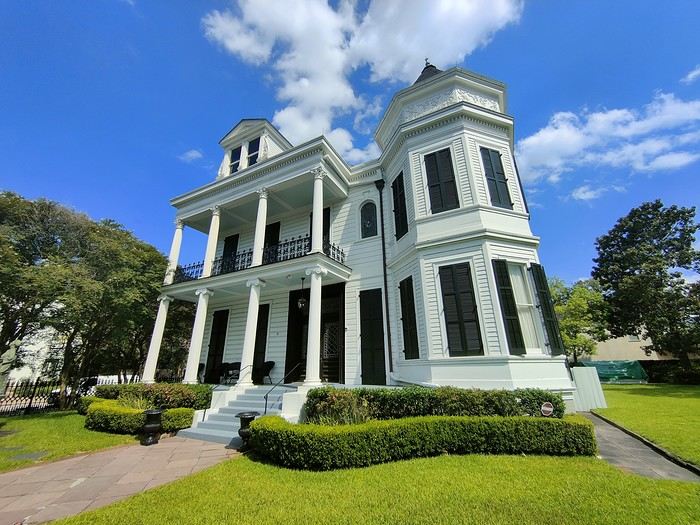
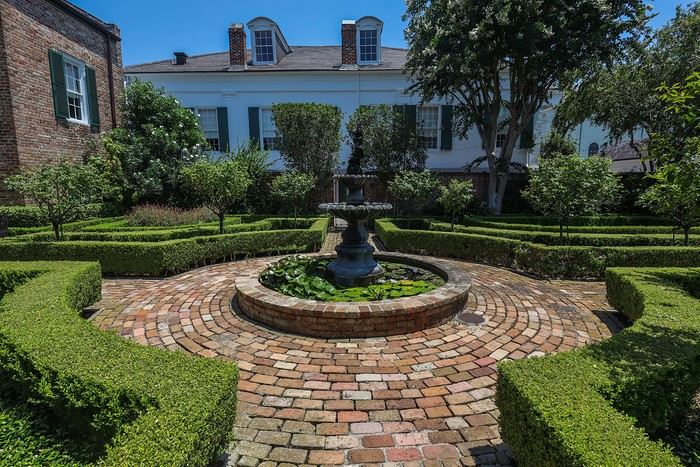 After lunch at an excellent pizzeria, U Pizza, near the Garden District, we start exploring this second neighborhood, which contains many pre-Civil War homes built by Anglo-Saxon immigrants in the mid-19th century.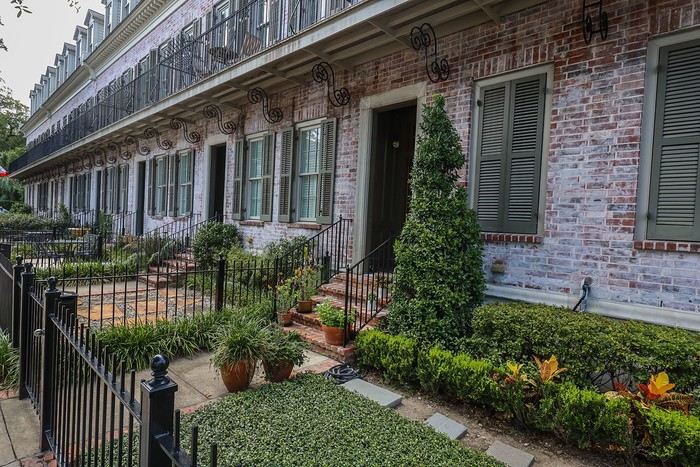
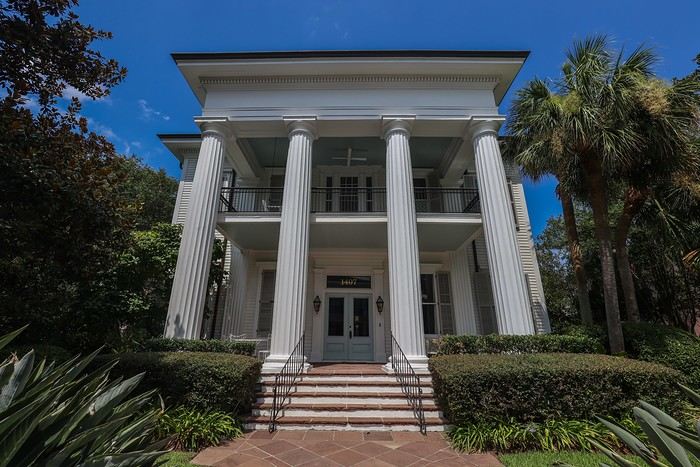 Neo-Greek and Italianate styles dominate the area, but you’ll also find many homes with the famous wrought-iron balconies. Several are undergoing restoration.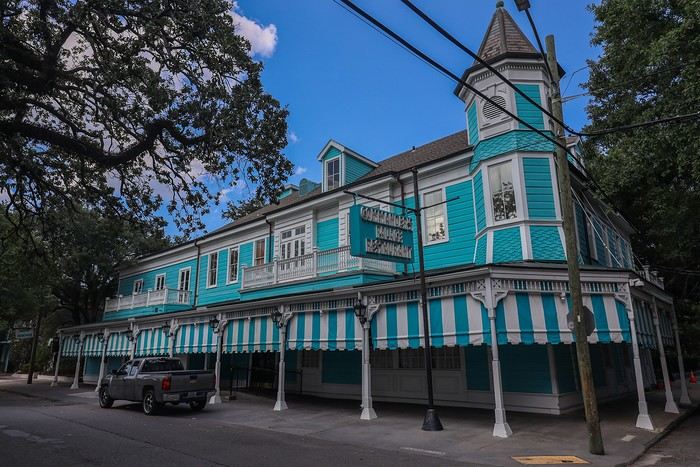
 We continue our stroll through the area bounded by St. Charles Avenue, Jackson Avenue, Magazine Street, and Louisiana Avenue.
 By 4 PM, everyone’s exhausted, so we decide to head back to our place to rest and have dinner.
 Next up is the 1850 House & Museum, also bordering Jackson Square. The house is small and less lavishly furnished than the other historic homes we’ve visited, so we’re a bit underwhelmed.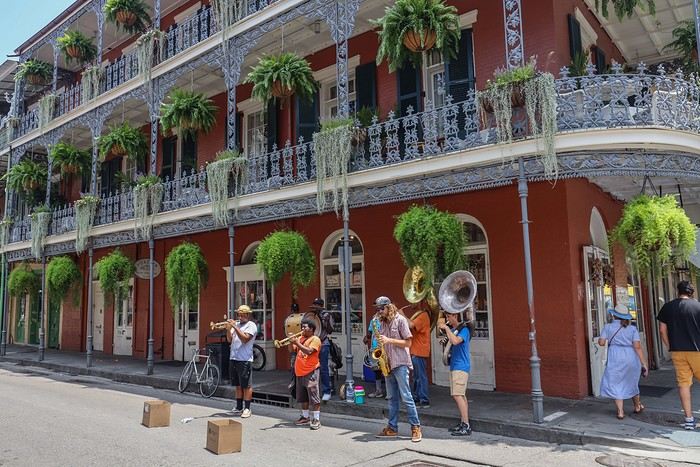
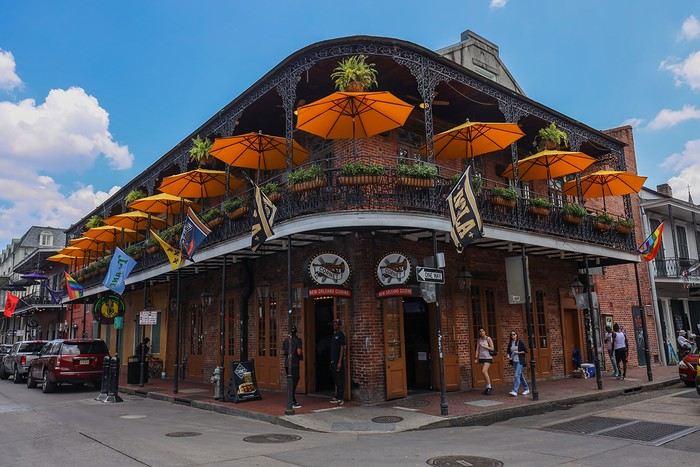 Another evening in the French Quarter—no surprises—trying to find streets with atmosphere, but we inevitably end up back in the touristy areas...
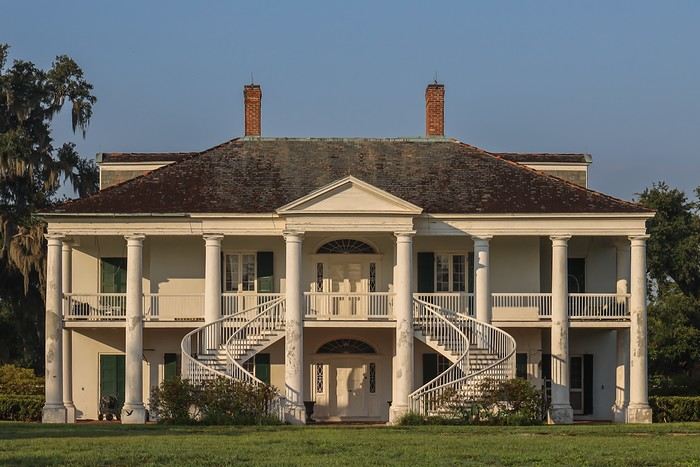
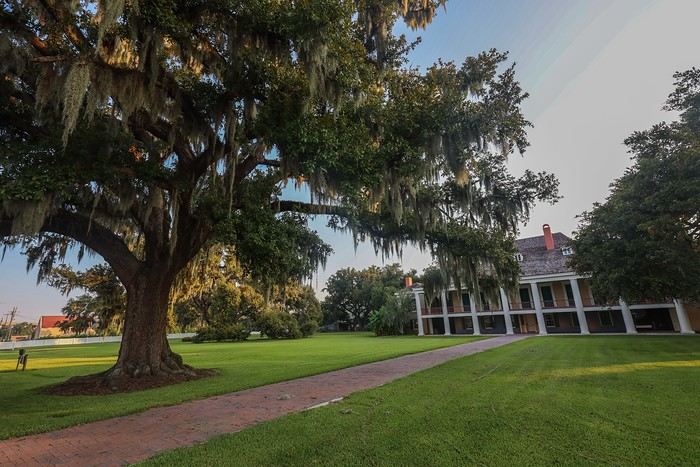 followed by a second stop at Evergreen Plantation, which we were determined to see—even if just from a distance—since it was the filming location for Tarantino’s *Django Unchained*.
 Along the way, sugarcane fields stretch endlessly...
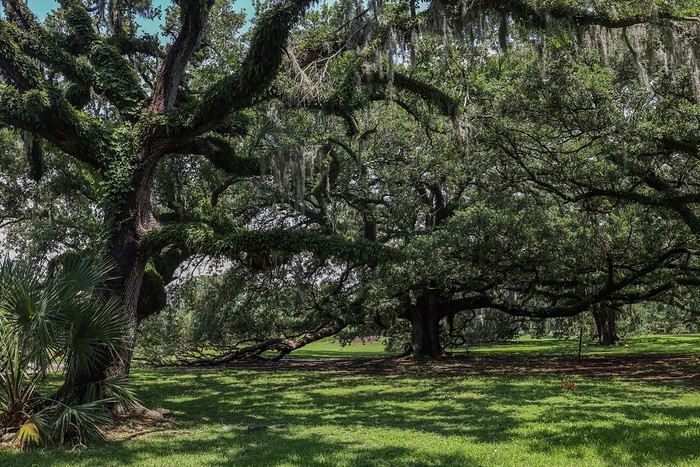
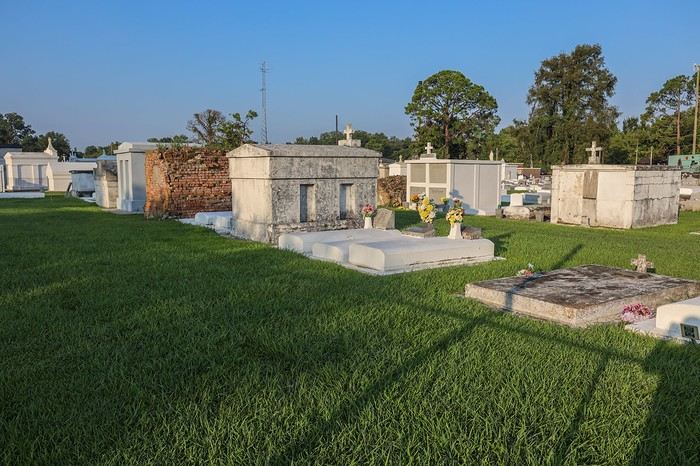 By 8 AM, we’re at Oak Alley Plantation right as it opens, famous worldwide for its alley of 28 three-hundred-year-old oak trees. One of the best photo ops is at the gate—no entry fee required.
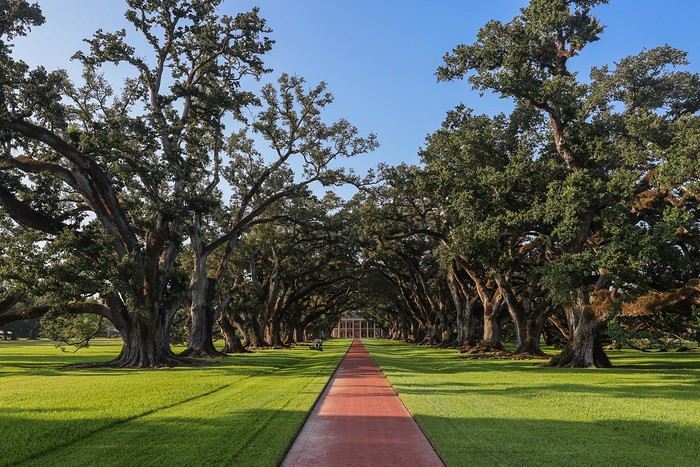 The plantation isn’t open to the public yet, and the gardener takes advantage of the quiet to perfectly manicure the lawn.
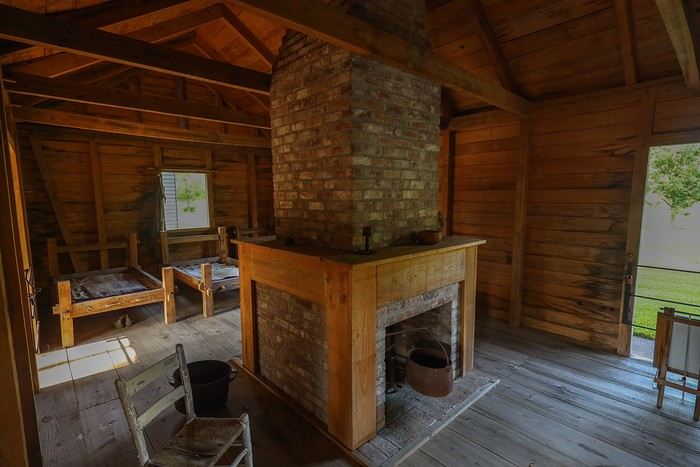
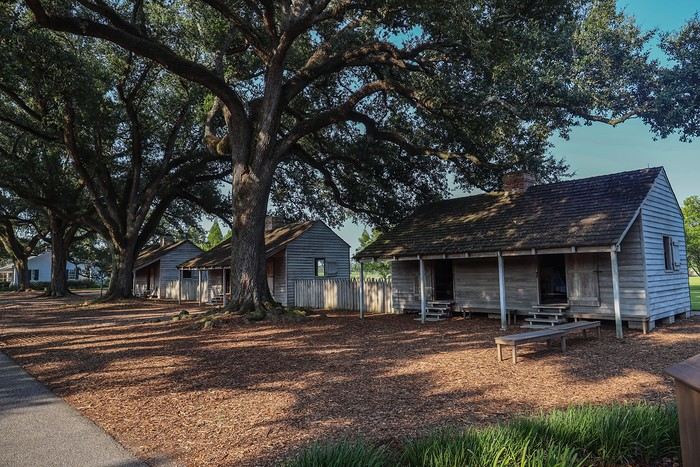 Some of the cabins have been restored to show what life was like for enslaved families, and several personal stories are shared.
 We then follow a path shaded by another row of oaks to reach the main house, where our guide is waiting.
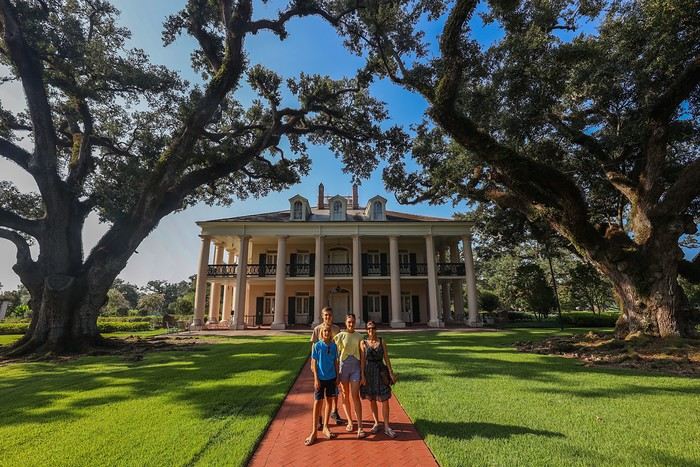 A few of the oaks look a bit worse for wear, but the scene remains breathtaking!
All this beauty tends to immerse us in the romance, Creole culture, and past grandeur—but it’s impossible to forget that this splendor was built on slavery and the deaths of thousands of Black people.
A few of the oaks look a bit worse for wear, but the scene remains breathtaking!
All this beauty tends to immerse us in the romance, Creole culture, and past grandeur—but it’s impossible to forget that this splendor was built on slavery and the deaths of thousands of Black people.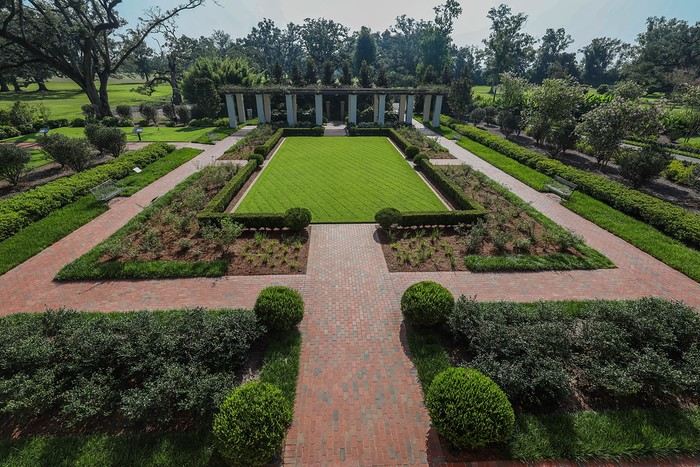 After the tour, we take another full lap around the gardens, which only cover a tiny fraction of the plantation’s original 450 hectares. Another angle of the villa, symbolizing the extravagant opulence of the old plantations!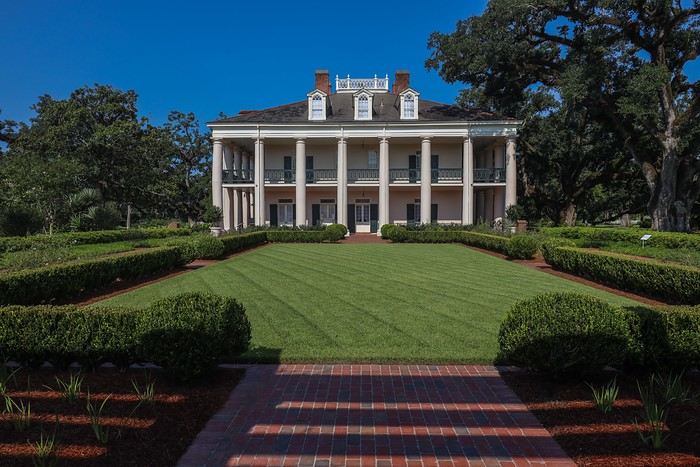
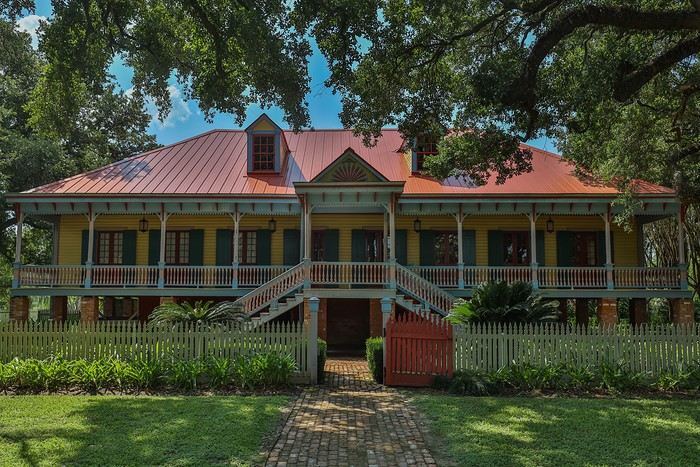 But we quickly discover where the real interest of the guided tour lies. Unlike our recent experience at Oak Alley Plantation, here the guide tells us in minute detail the story of four generations of free and enslaved members of a Creole family from Louisiana.
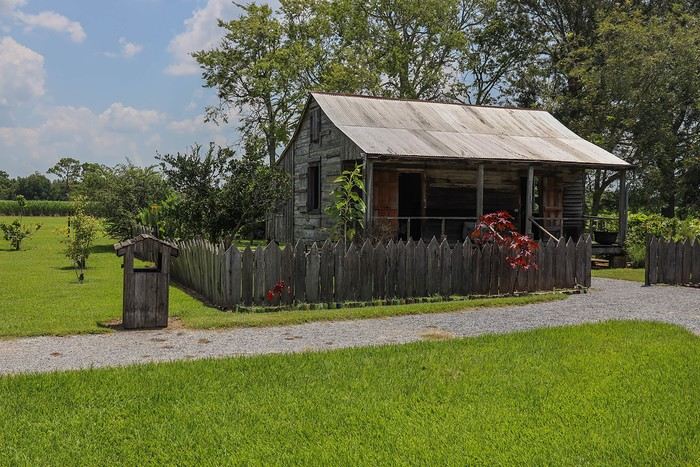 In one of the cabins, we see an authentic register listing the value of each slave according to their category. But our guide’s fascinating account doesn’t just detail the period of slavery—it also covers the very long post-Civil War era, with all the challenges of a society where everyone was now supposed to be free.
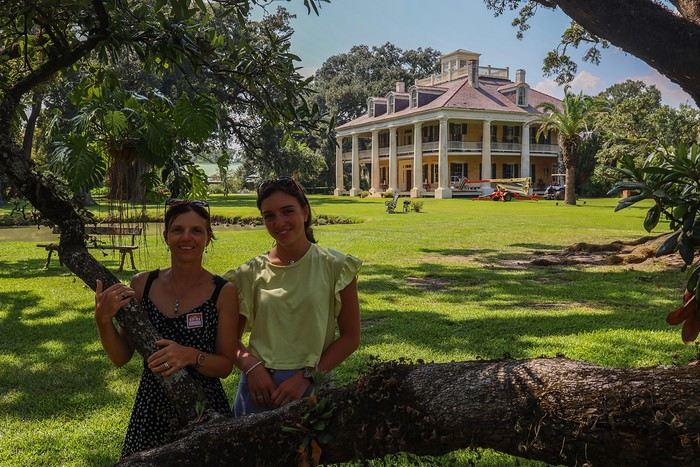 The water lily ponds, ancient oaks, and benches invite us to wander... or maybe it’s the huge steaks we ate less than an hour ago!
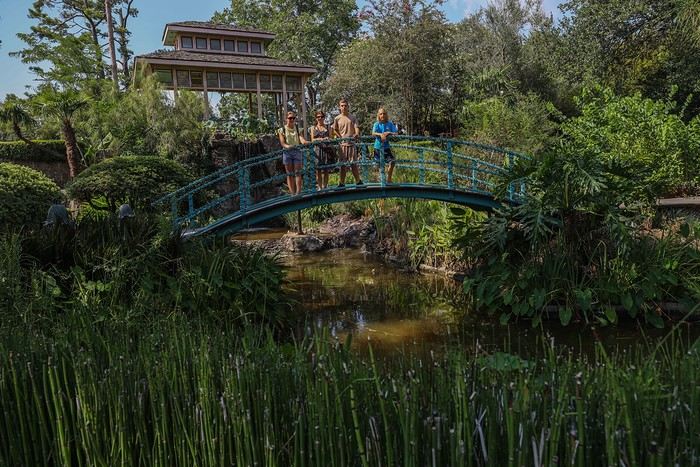
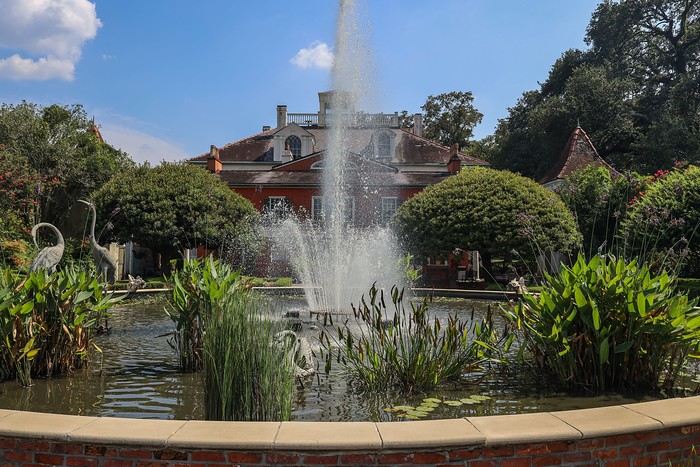 A few Japanese-style ponds add to the changing atmosphere.
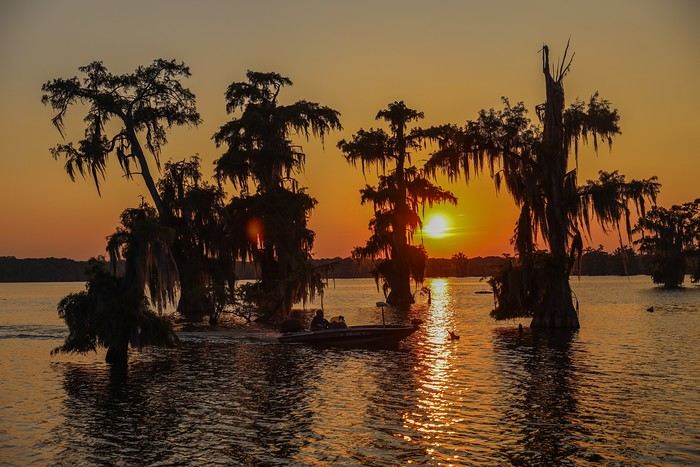
 Time is ticking, and we need to reach our next home for the next four nights in New Iberia. Since self-check-in is possible thanks to a lockbox, we decide to stop by Lake Martin, where we’ve planned a boat tour in the coming days. With no offices open, we book five spots for the sunset tour through the Cajun Country Swamp Tour website.
 We’re even lucky enough to spot several dark shapes, their upper parts just breaking the water’s surface, moving silently without a ripple. Alligators... And in the distance, a wading bird prowls stealthily, hunting for a fish or two.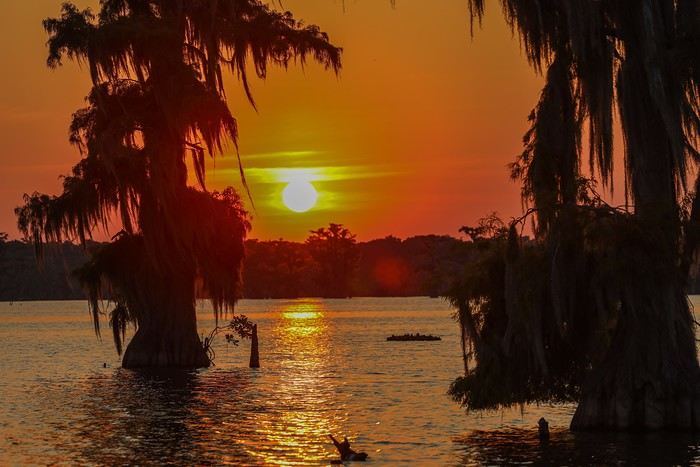
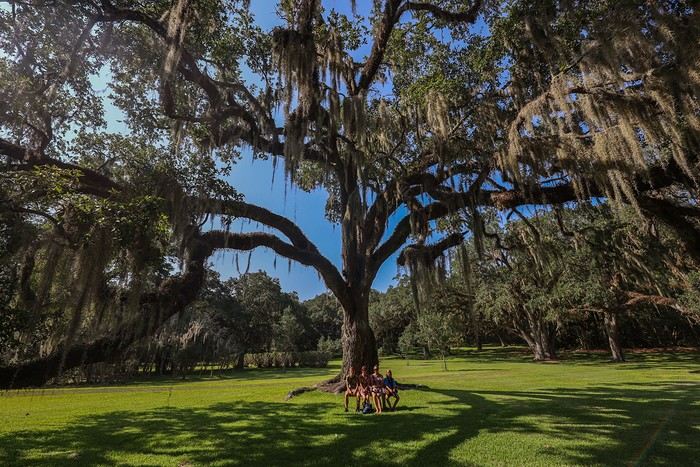 A small path led us away from the main trail and into exotic vegetation. A warning sign reminded us that alligators might be around.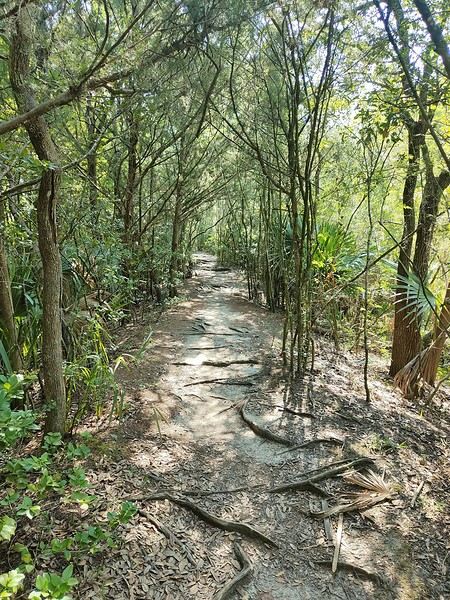
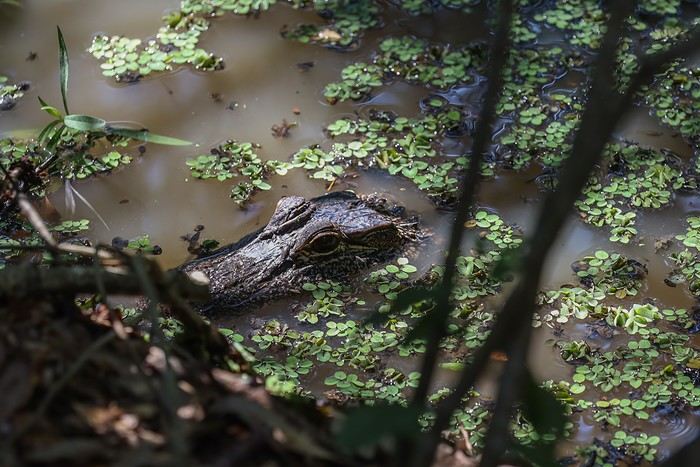 We all froze—wondering if we were really safe or if an attack was possible!!
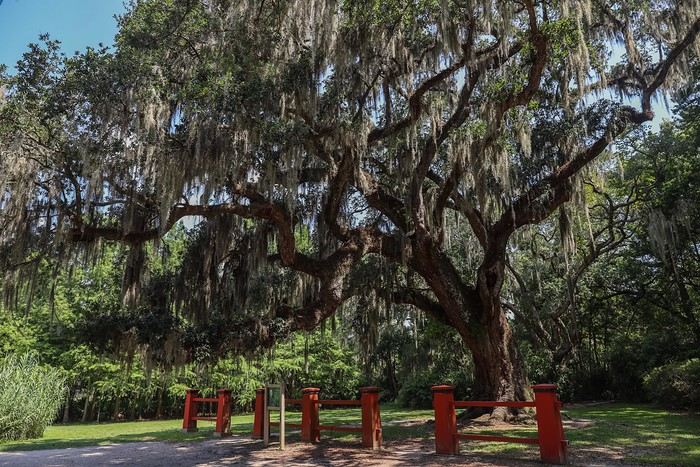
 A remarkable oak, the oldest and most impressive in the park.
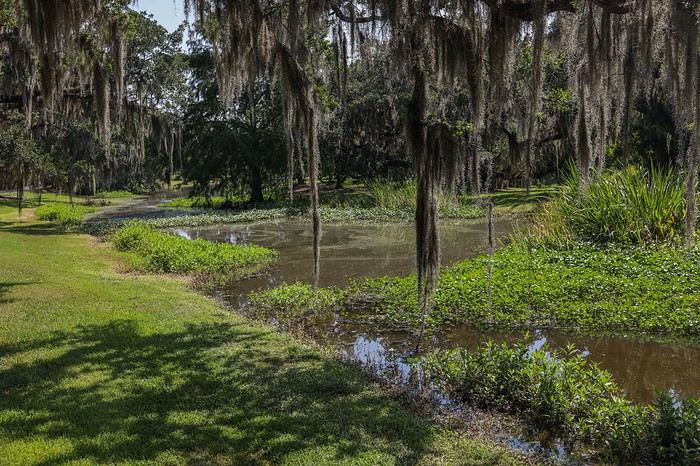
 We continued through tropical plants, a bamboo grove, a wisteria tunnel, and even a 12th-century Buddha at the heart of a Chinese garden before reaching the bird garden. To get there, we climbed to the top of a promontory overlooking a huge lake covered in duckweed. Online, you can find photos with thousands of birds on the various structures designed to welcome them.
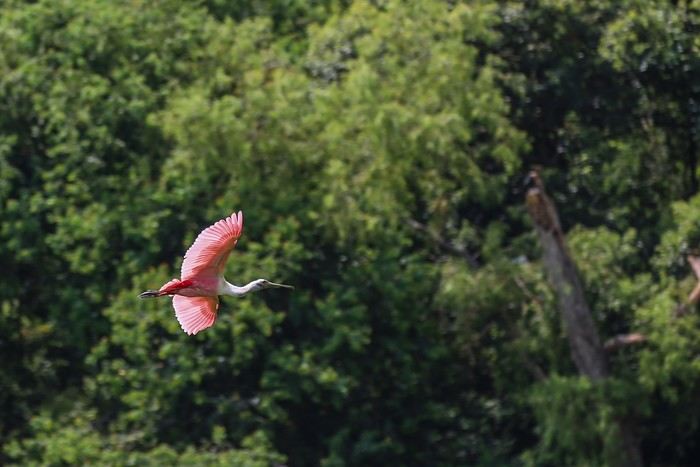
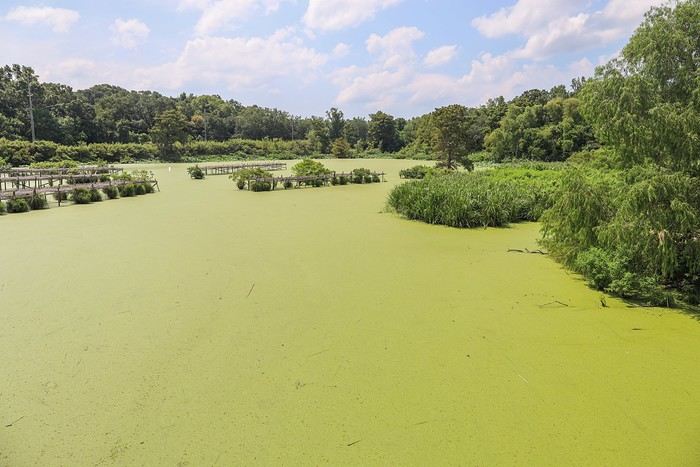 We were clearly not there at the right time. With this heat, the few birds around barely flew before returning to rest in the shade of the trees.
 It was already noon when we got back to the car, and then we headed to the Tabasco factory to learn all about how the famous hot sauce is made. The tour is self-guided, but the signposted route is well done with explanations all along the way.
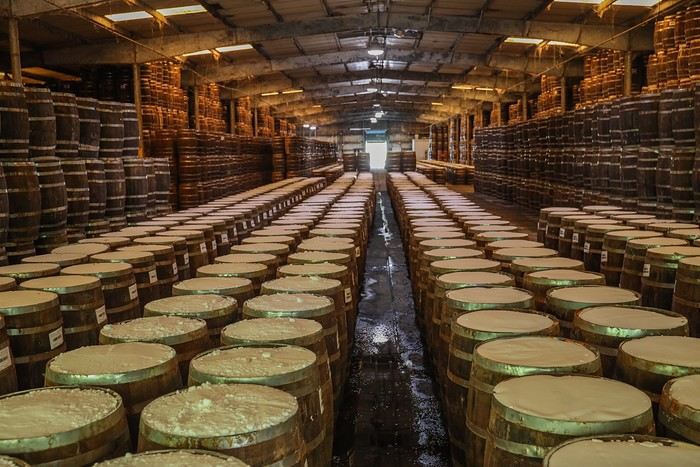 After another mix with a special salt, the mixture is bottled.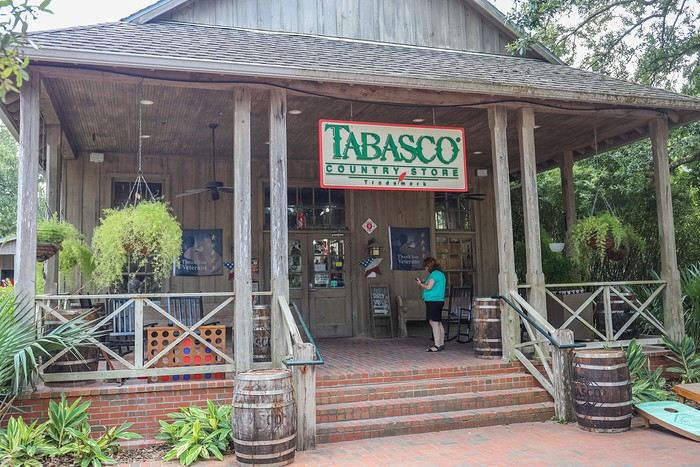
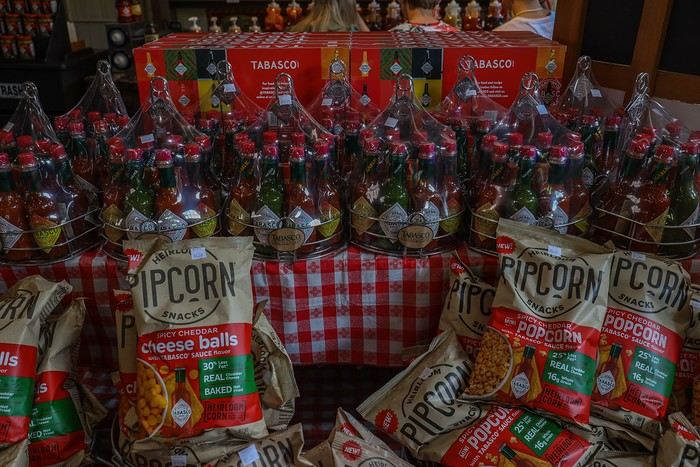
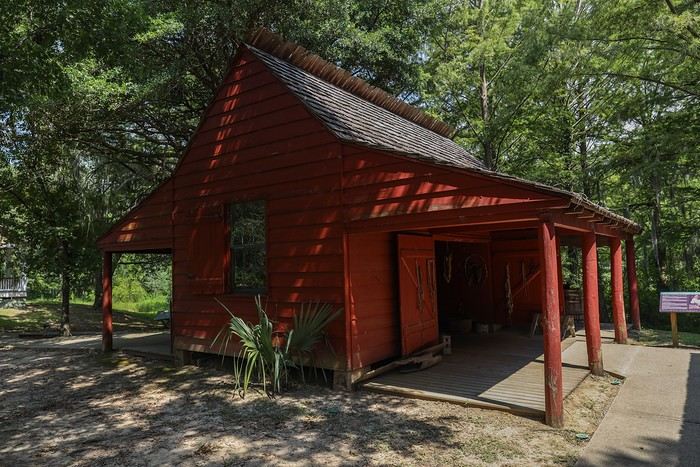
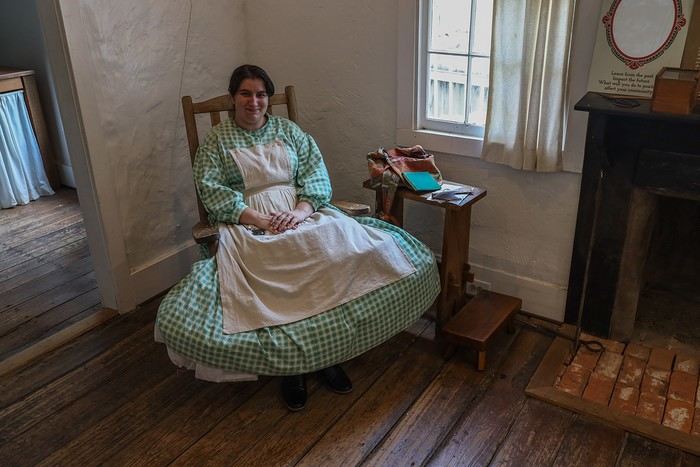 The renovated buildings feature very bright colors.
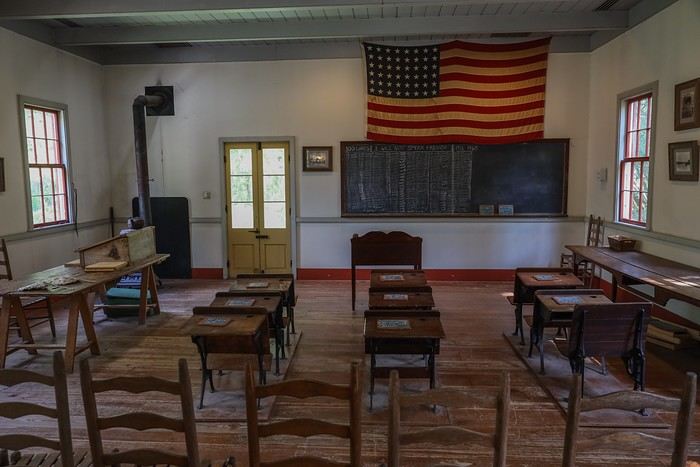
 The school proudly displaying an American flag.
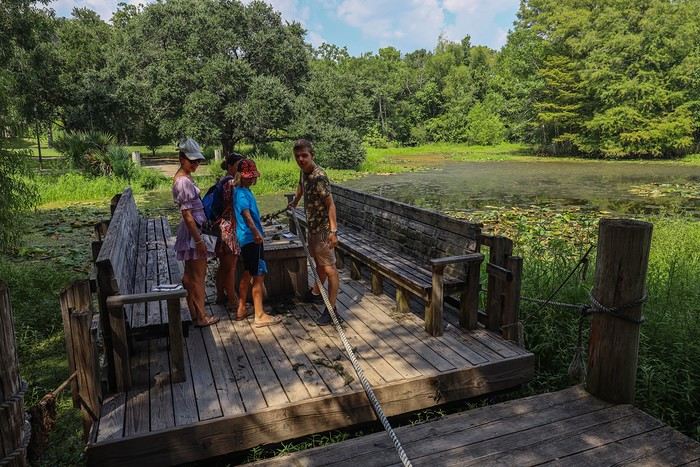
 There’s even a chance to cross the bayou on a floating dock, using a rope tied on both sides. We admire the bravery of a Quebecer who doesn’t hesitate to dip their fingers into the swampy water, which looks pretty unappetizing.
 Of course, you can explore the rest of the village without making that crossing! More beautiful reconstructed houses.
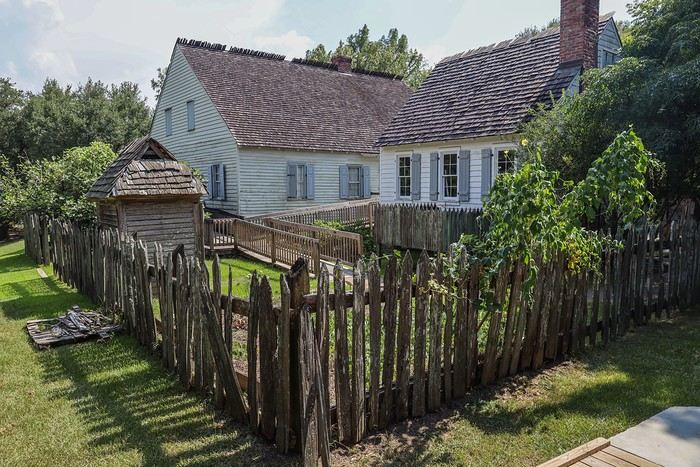 We would’ve loved to stay longer, but the village closes its doors at 4 PM. We say goodbye to the actresses bringing this site to life,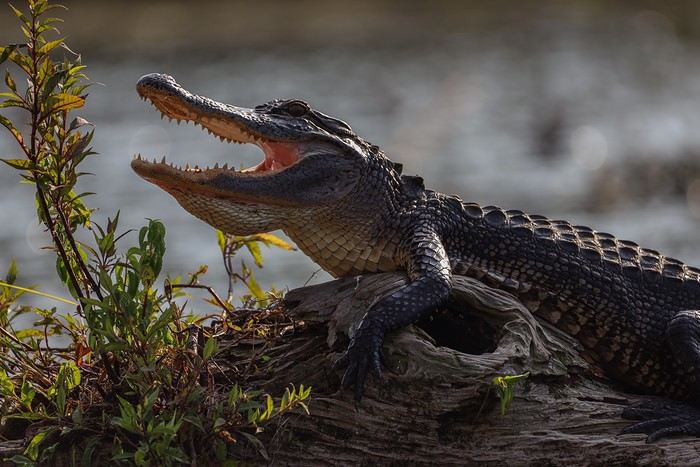
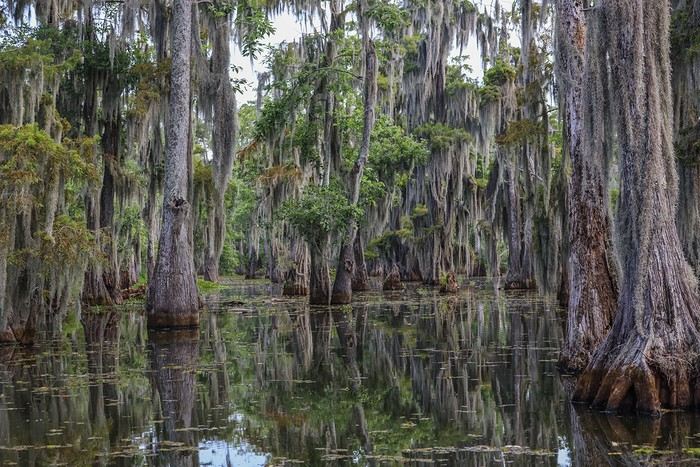
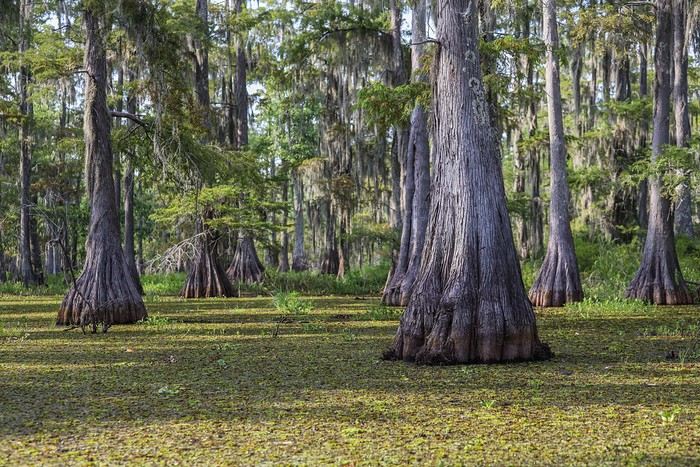
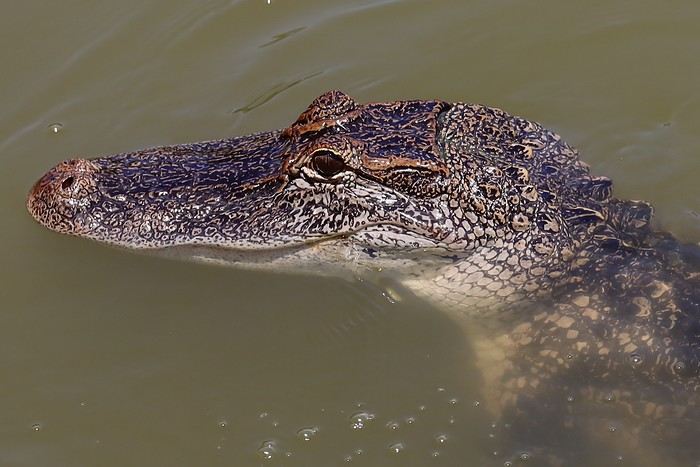
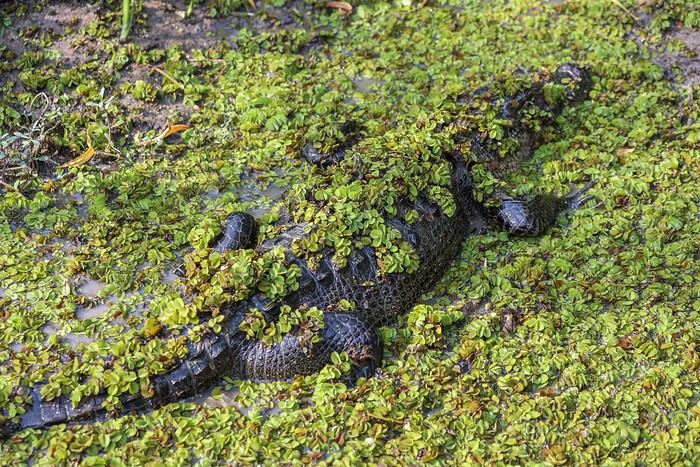 We honestly couldn’t get enough of the scenery—or the alligators, which I happily photographed from every angle.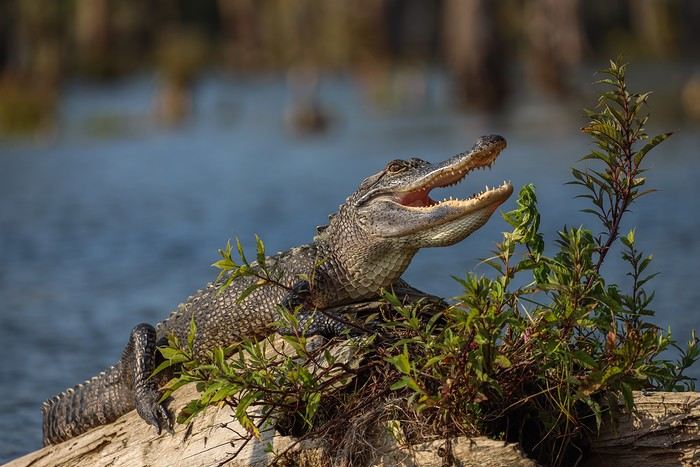
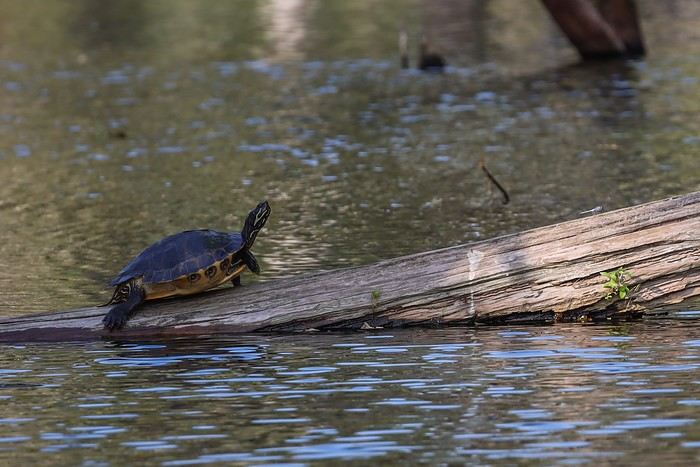 As the sun began to set, we started making our way back, picking up the pace.
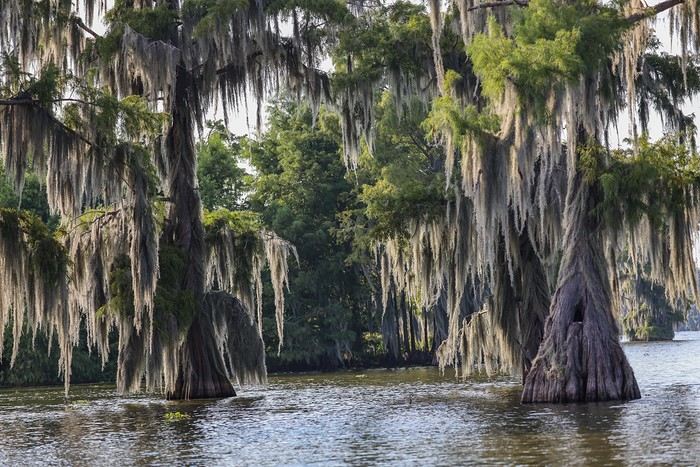 The guide took us to a tree with a hollow trunk that served as a refuge for birds.
And just like that, this amazing adventure came to an end—we were completely blown away!
The guide took us to a tree with a hollow trunk that served as a refuge for birds.
And just like that, this amazing adventure came to an end—we were completely blown away!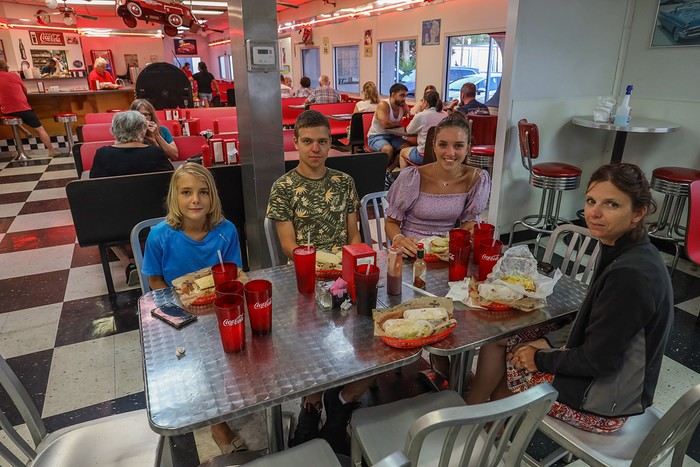 Finally, back to our home sweet home for a night where we’d all be dreaming of alligators.
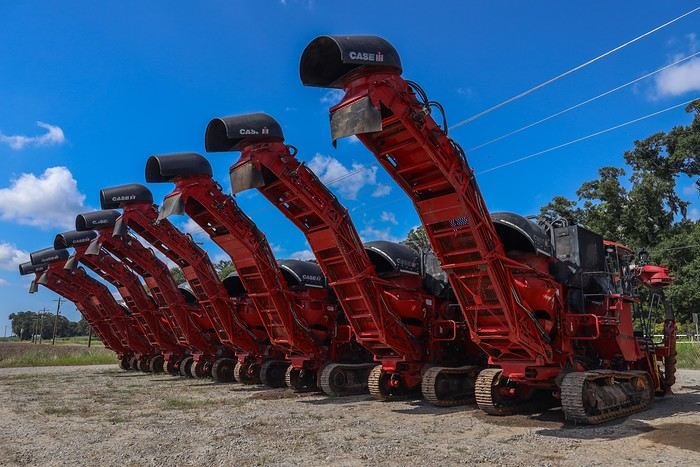
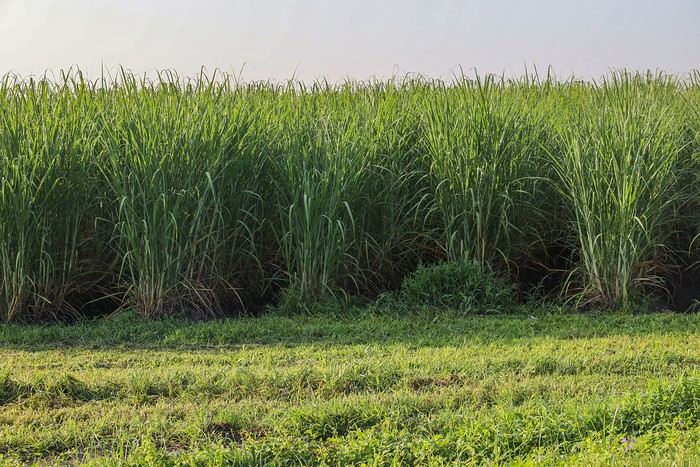 Where there’s sugarcane, there are harvesting machines and processing plants.
 The main attraction in Baton Rouge is the USS Kidd, the famous destroyer that survived World War II, serving in the Pacific, the Philippines, and Korea. It’s named in honor of Admiral Kidd, who commanded the USS Arizona and died in combat during the attack on Pearl Harbor.
 Size-wise, it’s nothing like the USS Alabama—it looks tiny in comparison! Then again, destroyers are meant to be fast and maneuverable.
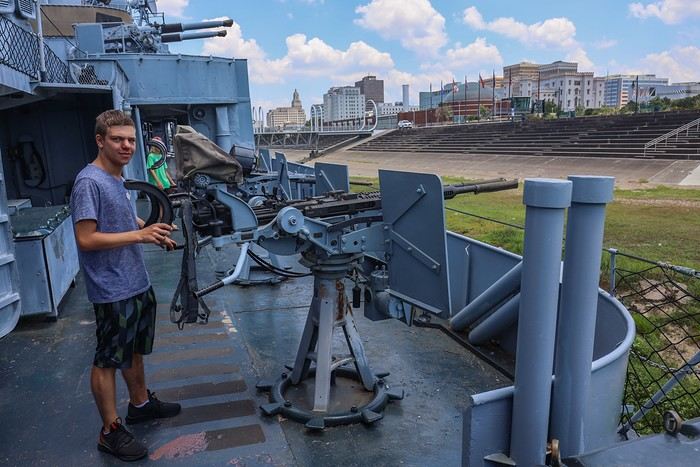 The various cannons are in excellent condition.
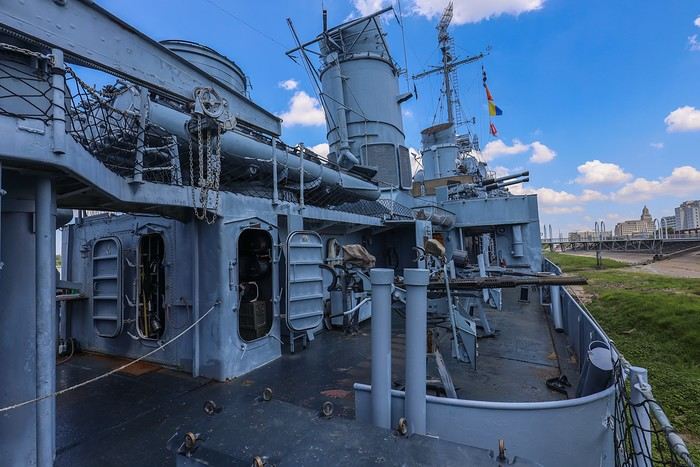 Besides the exterior, you can visit the interior facilities, like the engine room, kitchen, mess hall, and cabins.
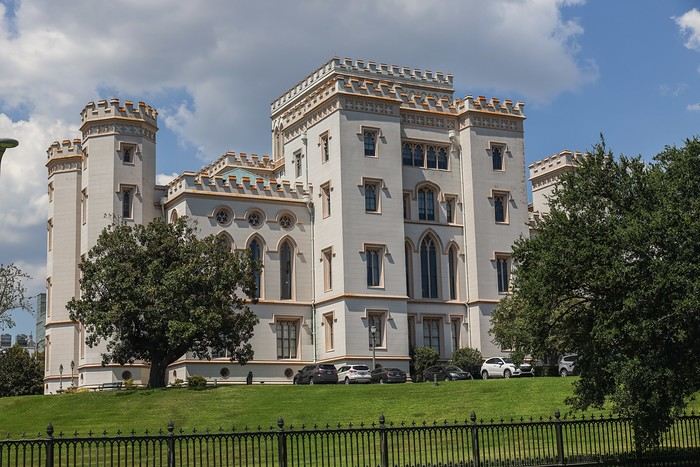
 After touring the ship, we spend time in the naval museum admiring model ships and several World War II planes, then head to the Louisiana State Capitol.
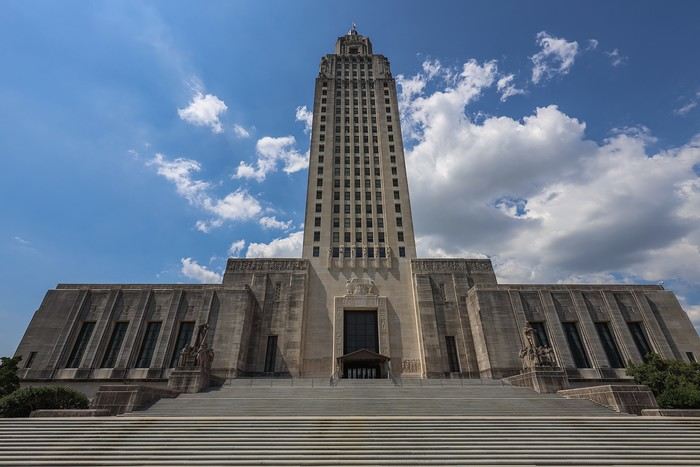
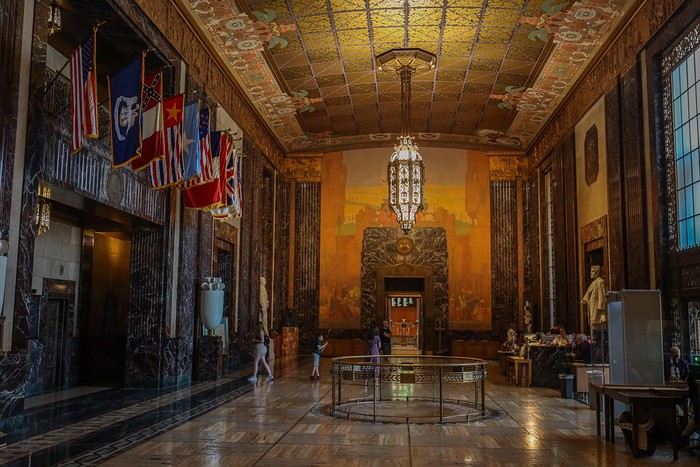
 Then the modern version of the Capitol. The steps leading up to it have the names of various U.S. states engraved in capital letters.
 We make sure to go up to the top floor for a panoramic view of the city. Some angles are flattering,
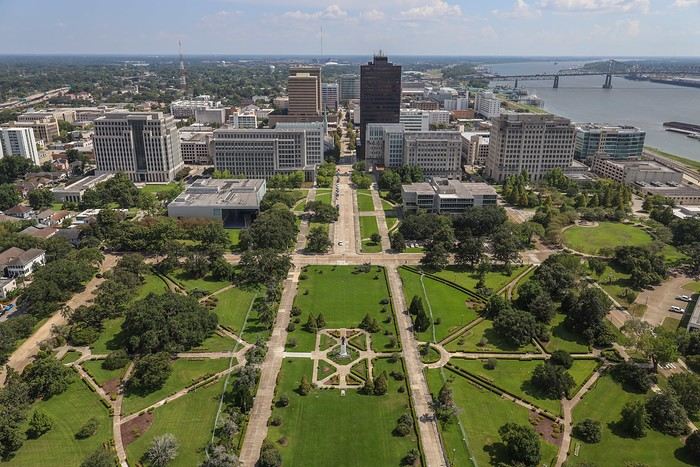 while others, with views of the many factories, are much less so!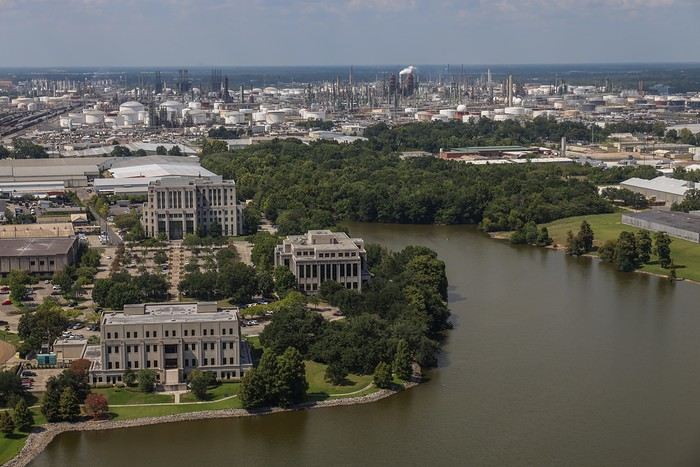
 After another dinner at Duffy's Diner, we end our evening by opening a bottle of pecan liqueur bought at Laura Plantation. We’ll have to finish it before the end of our trip!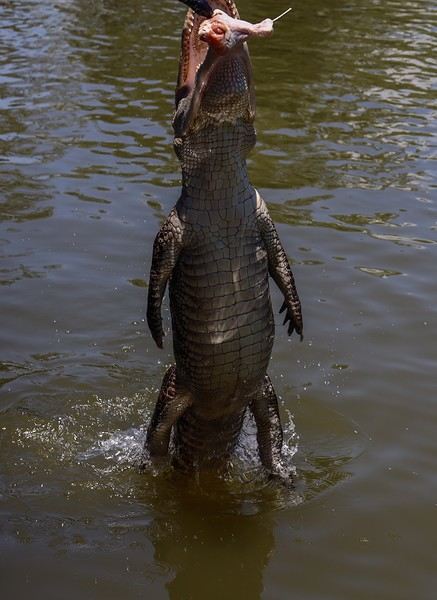
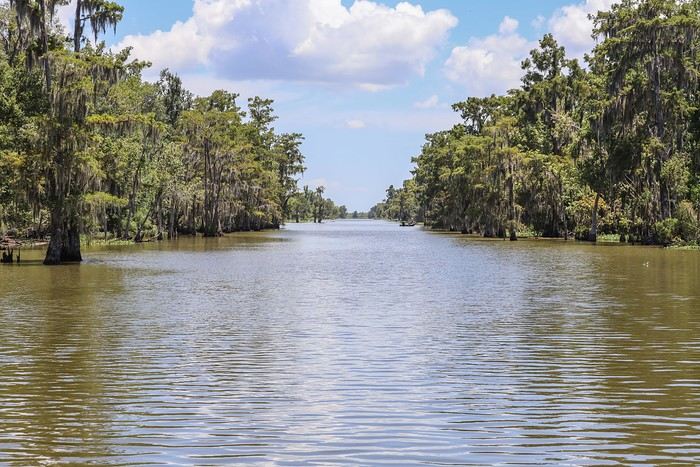
 The very wide canals follow one after another, without us winding through the submerged cypress trees.
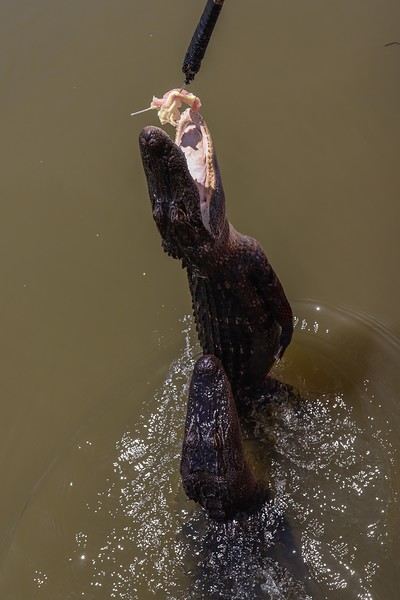
 And every 10 minutes, the guide calls the alligators, who show up immediately for lunch. In nearly 3 hours, we fed about twenty alligators begging for chicken scraps!!
 Ah... we finally reach a more photogenic area, and we’re lucky enough to spot some large birds!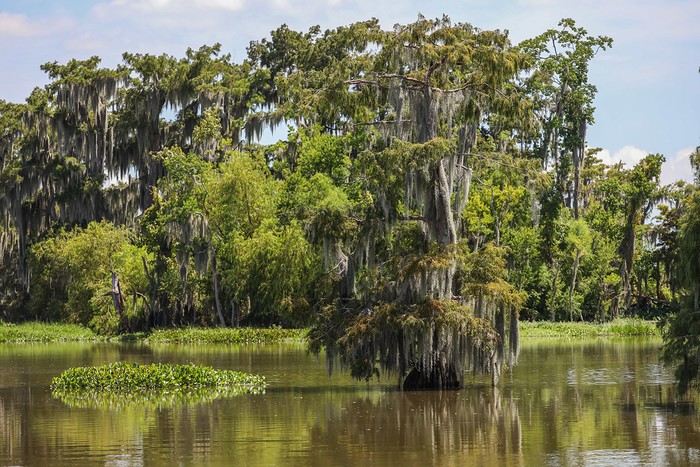
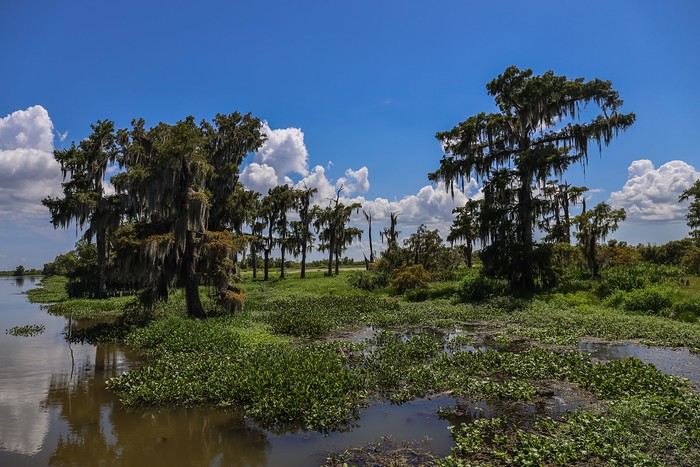
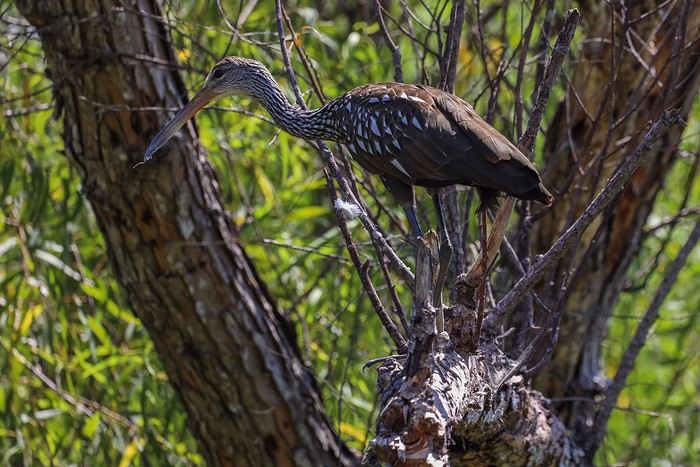 Toward the end of the 3-hour tour, we get some lively Cajun music, and our guide puts on a real show!
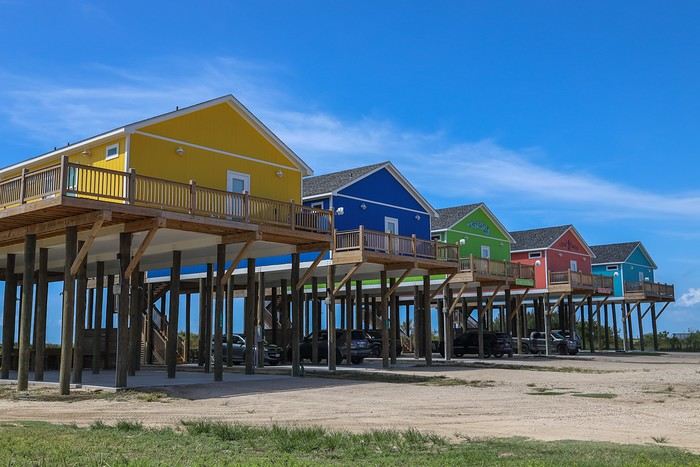
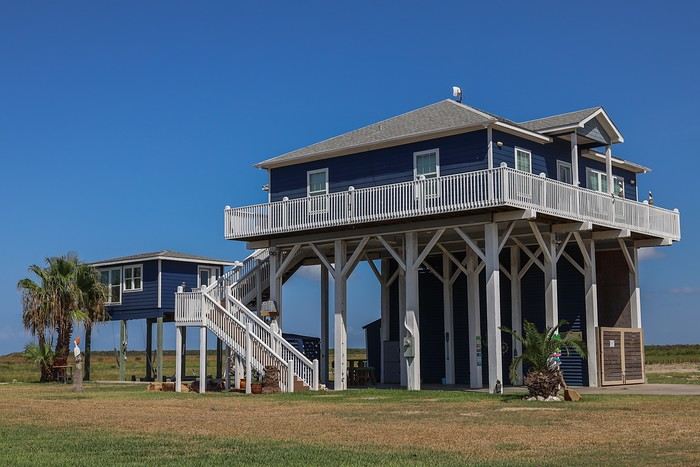 Most of the houses are built in their own unique style, but you can also spot "row" villas with matching colors and layouts.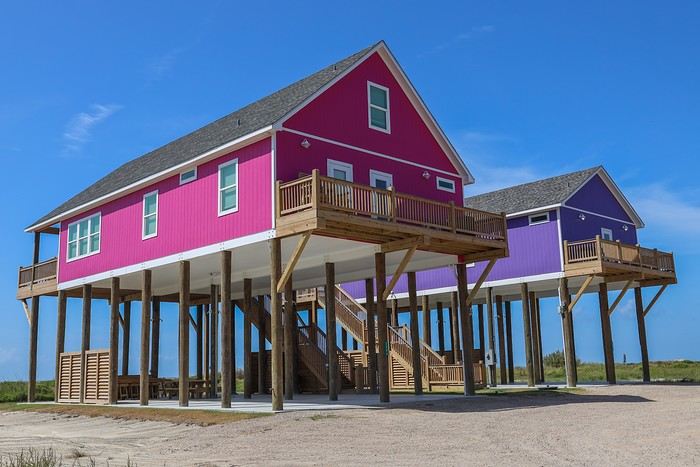
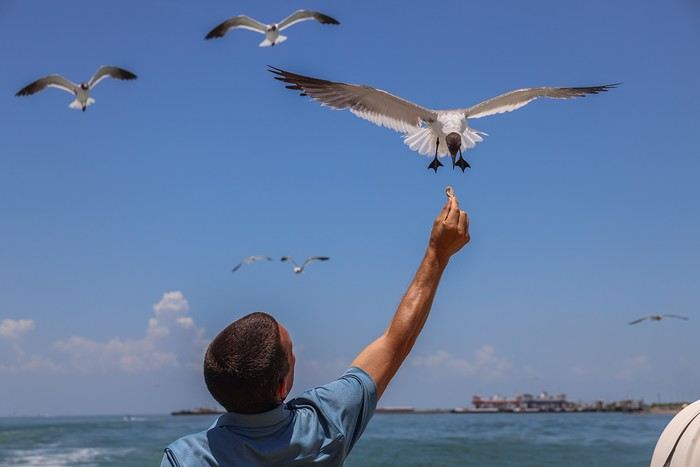
 At the end of Route 87, we reach Port Bolivar, where the ferry terminal is located for the 3 km crossing of Galveston Bay.
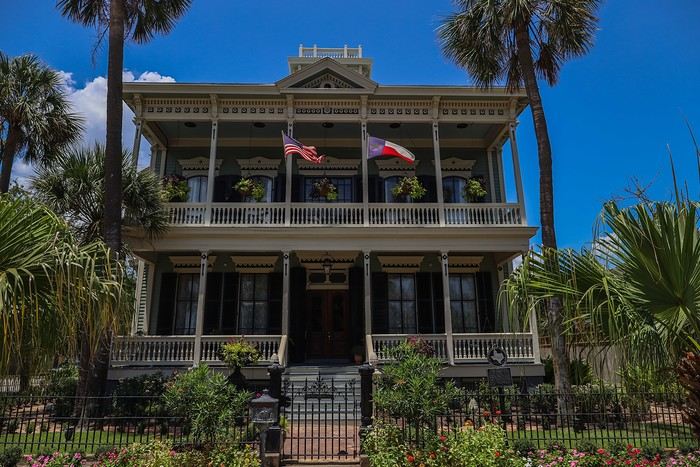
 In Galveston, we park on a street near Bishop’s Palace. This is the kind of mansion you’ll find around here—and it’s easy to see why people love living in this area!
 Sacred Heart Catholic Church, a luxurious and unexpected church with an oriental style.
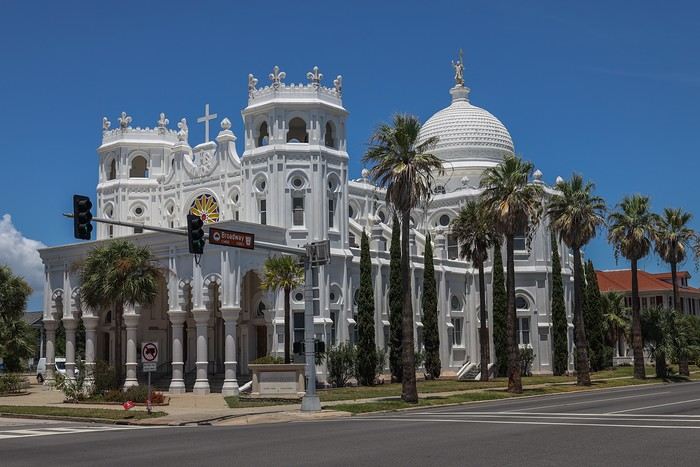 We would’ve loved to visit, but it was closed.
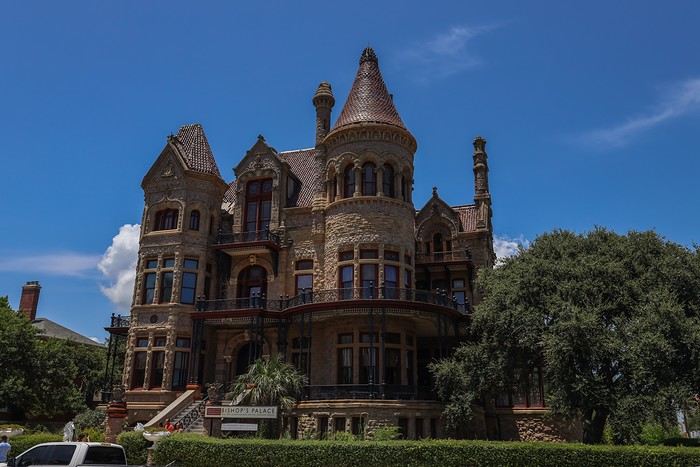 Built with colorful, carved, and engraved stone, this home’s interior is as grand as its exterior. Inside, you’ll find a vast living room furnished with rare woods, Murano glass chandeliers, and stained glass. Constructed between 1886 and 1892 under the direction of Nicholas Clayton, the building was inspired by French castles.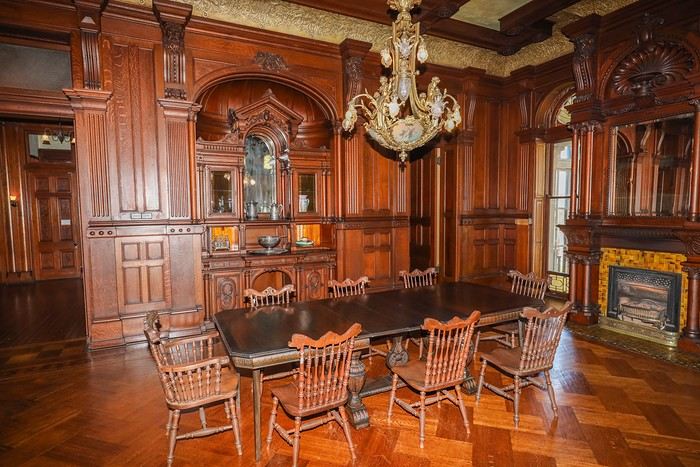
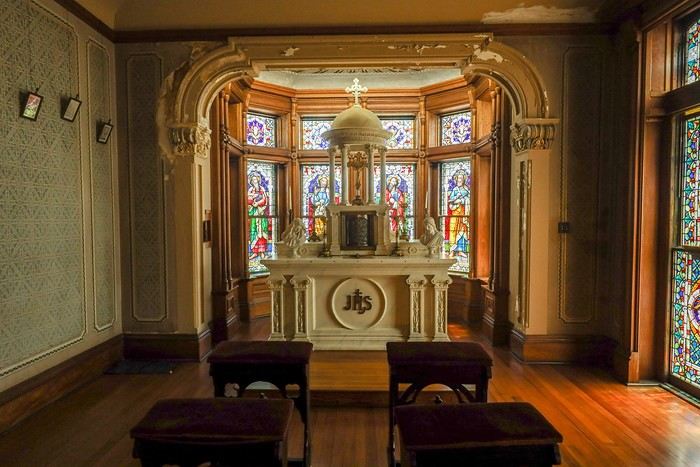 The most photogenic part of the house is its monumental spiral staircase, highlighted by the massive wood, intricate carvings on the railings and walls, and its stained glass. Every angle reveals its beauty!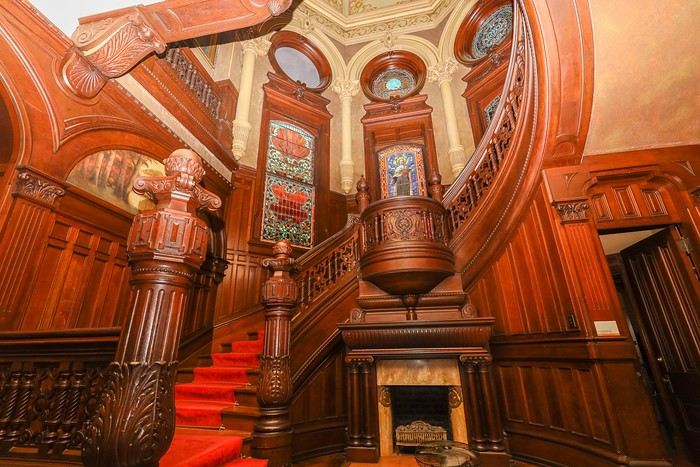
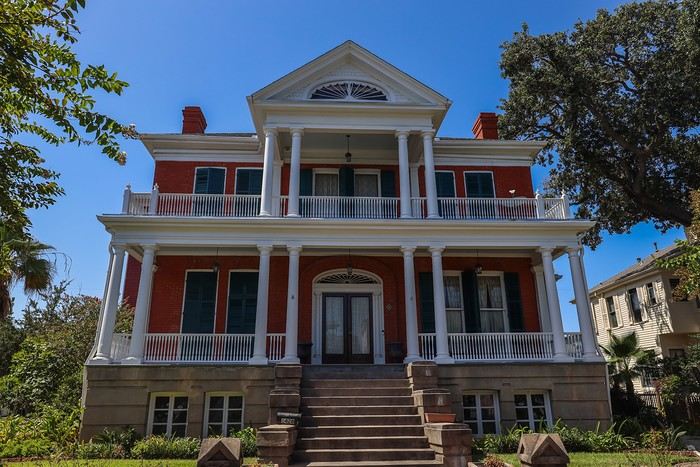 We head down to the port, where we spot a few pelicans napping or preening.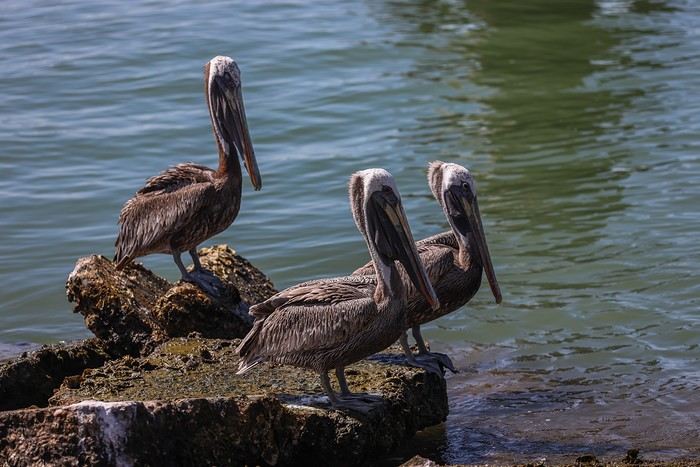
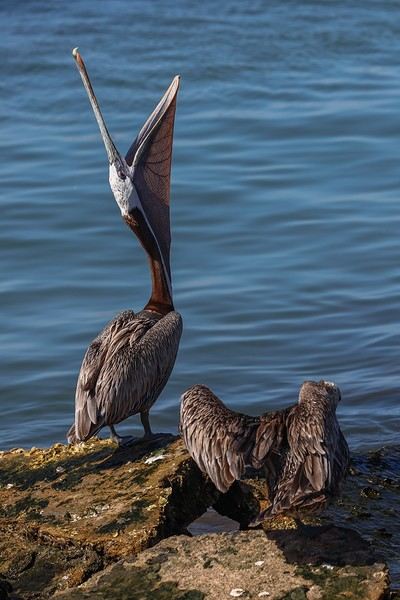 We can’t help but laugh seeing all the birds searching for the tiniest patch of shade! When it comes to midday heat, it feels like being fully dressed in a sauna!
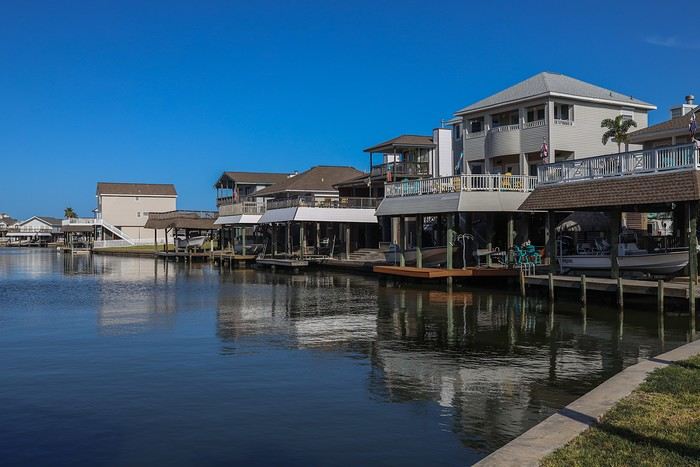 Each villa has a façade facing the canals that lead to the Gulf of Mexico. Still, we don’t see many docked boats.
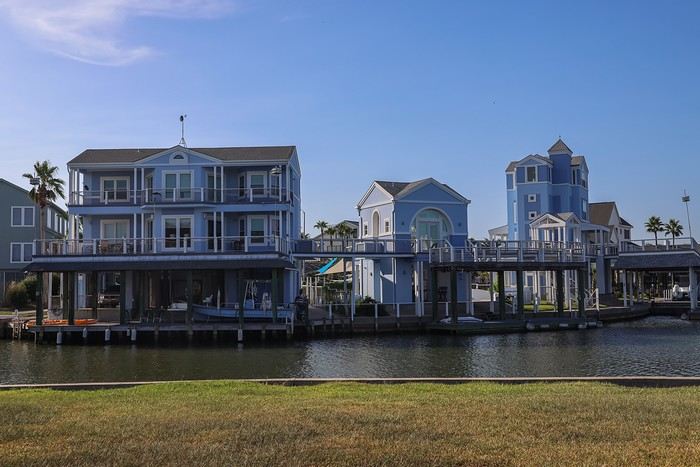 We don’t have time to visit Moody Mansion, so we head back to our hotel, Crystal Suites, for just one night.





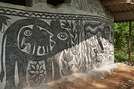
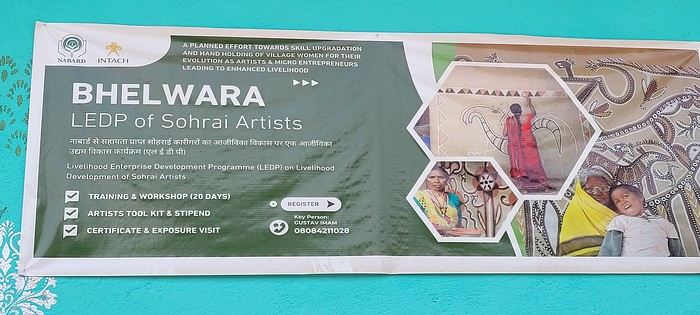
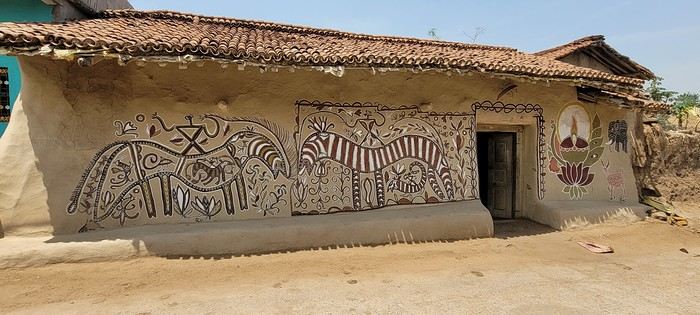
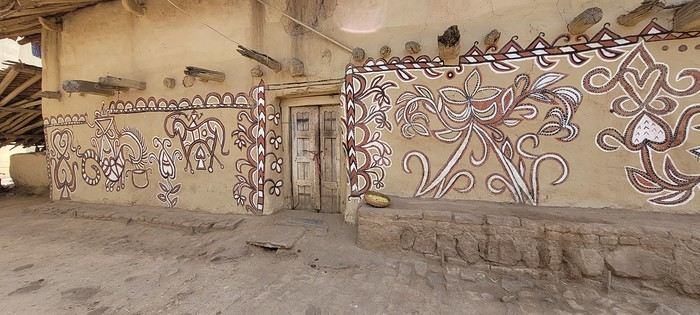
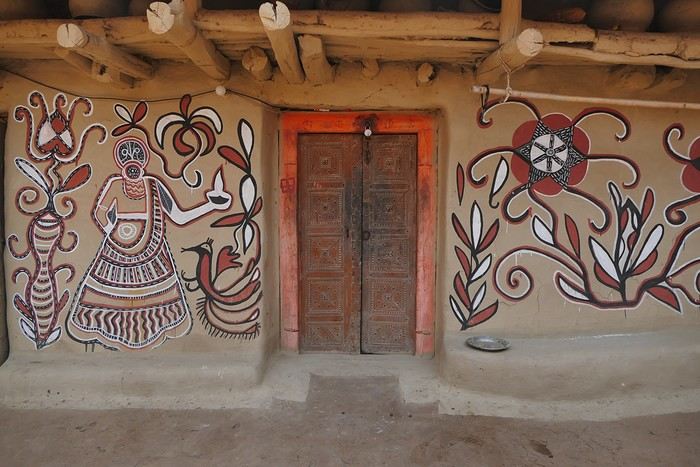
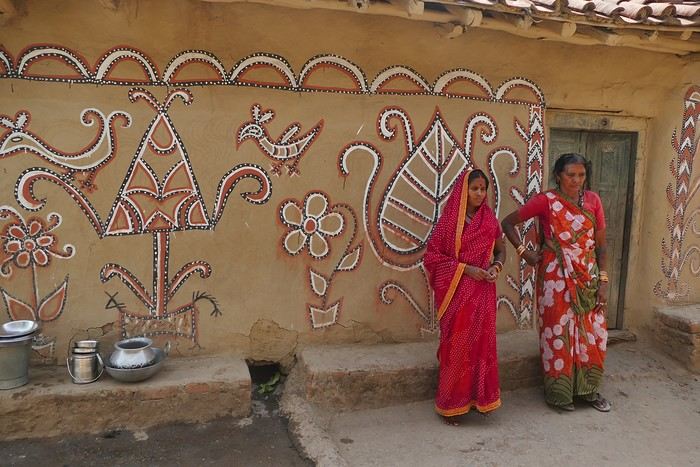
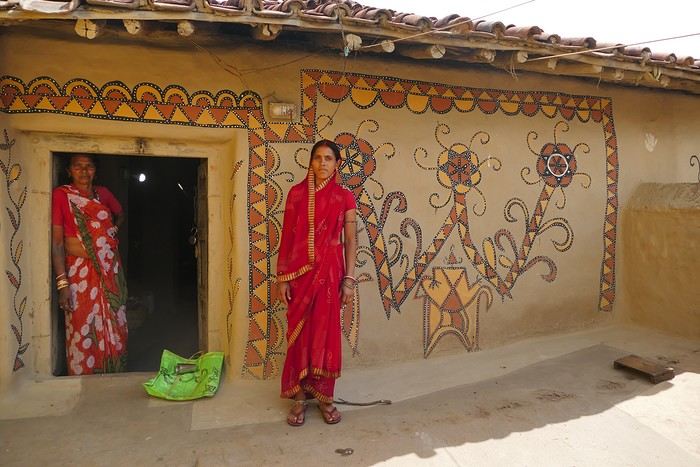
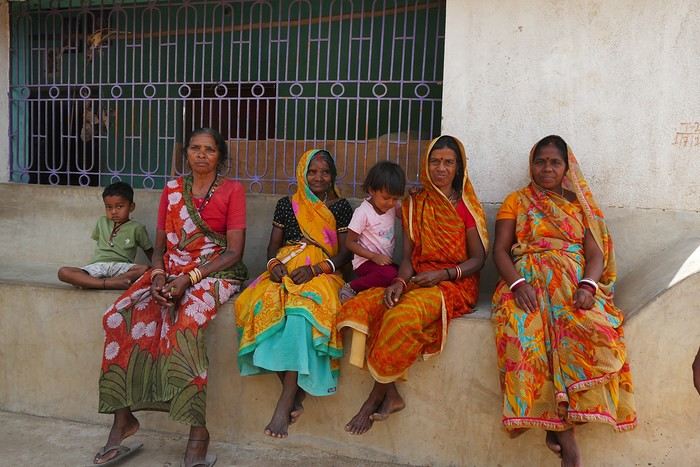
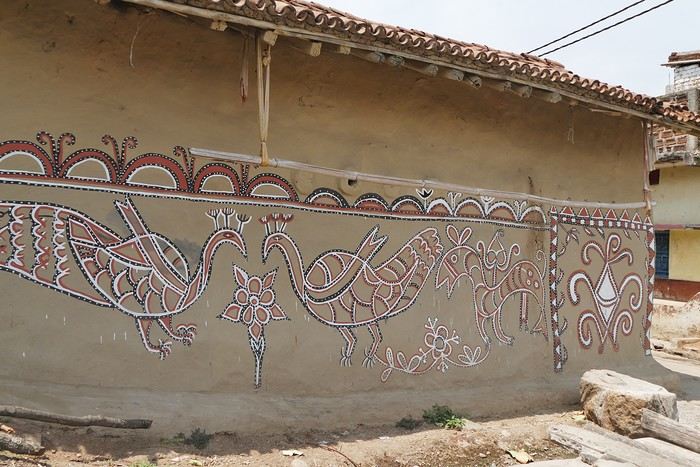 On some paintings, the scenes become almost narrative: you can make out figures, everyday gestures, like a memory of the village inscribed in the walls. The decorative frames around the doors aren’t left to chance either—they symbolically protect the house, like a boundary between the inside and the outside world.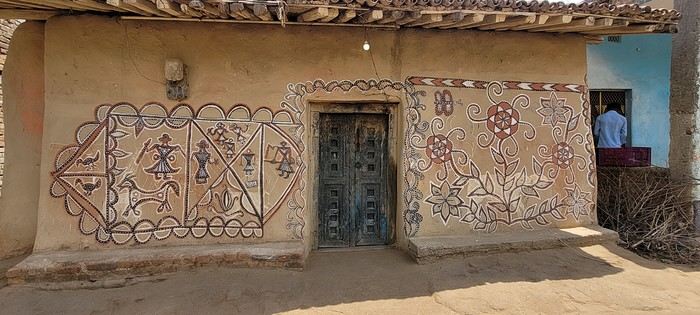
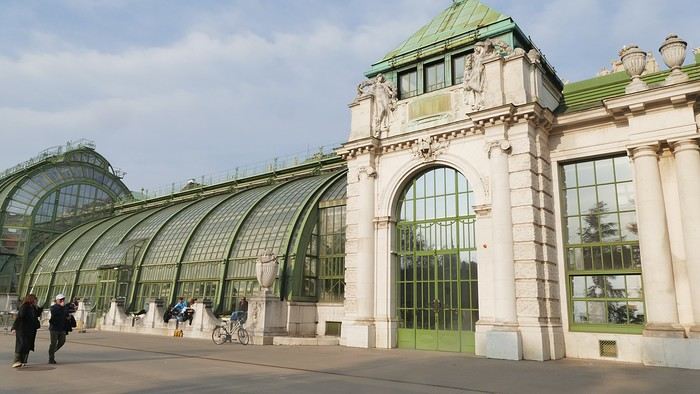
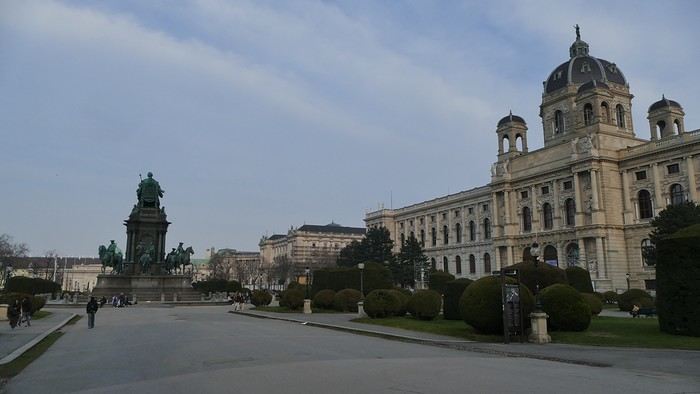
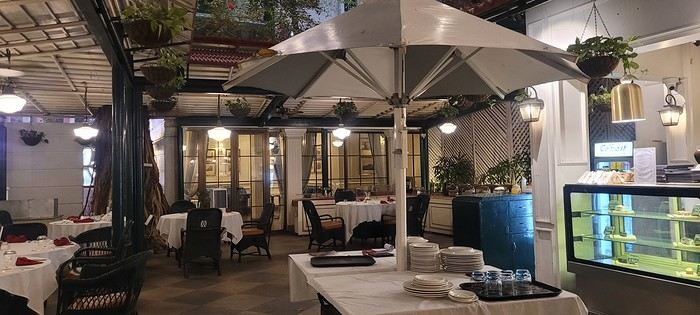
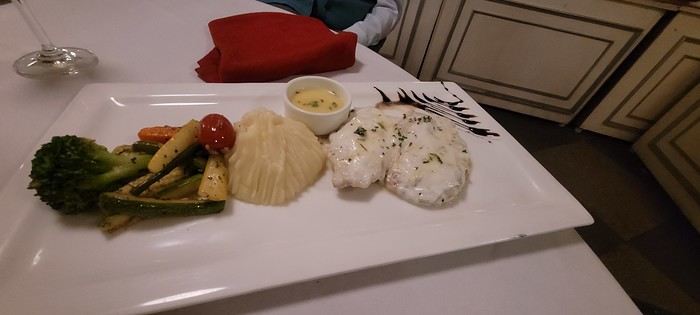

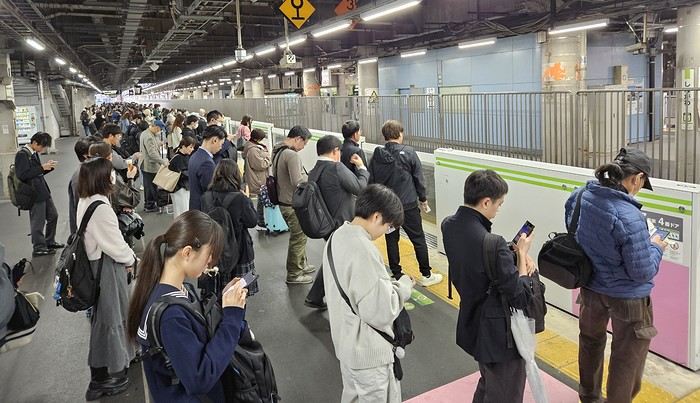
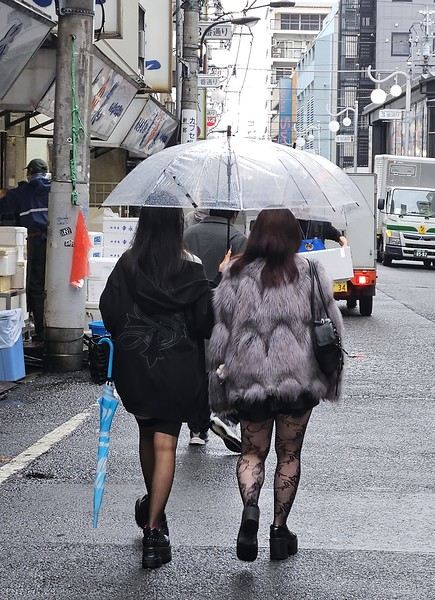
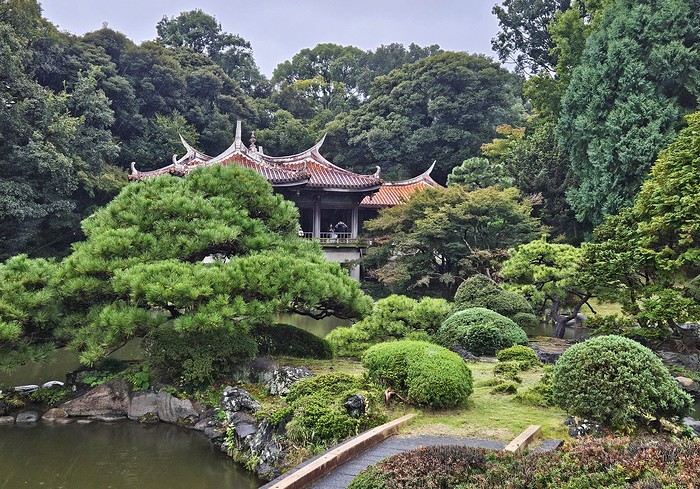
 It was 15°C, but it rained—and kept raining on and off all day. Belgian weather, basically.
We went for a walk in Shinjuku Gyoen Park. Not as pretty in the rain, but the big greenhouse was interesting.
It was 15°C, but it rained—and kept raining on and off all day. Belgian weather, basically.
We went for a walk in Shinjuku Gyoen Park. Not as pretty in the rain, but the big greenhouse was interesting.
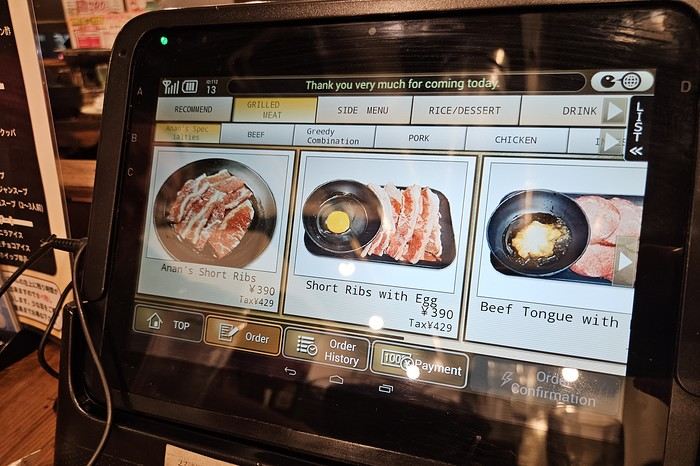
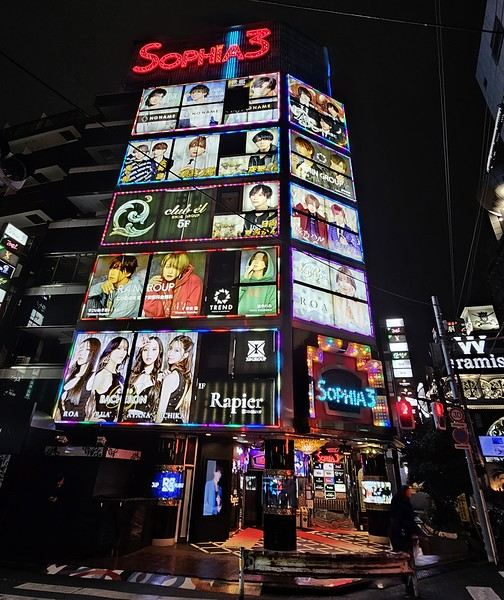
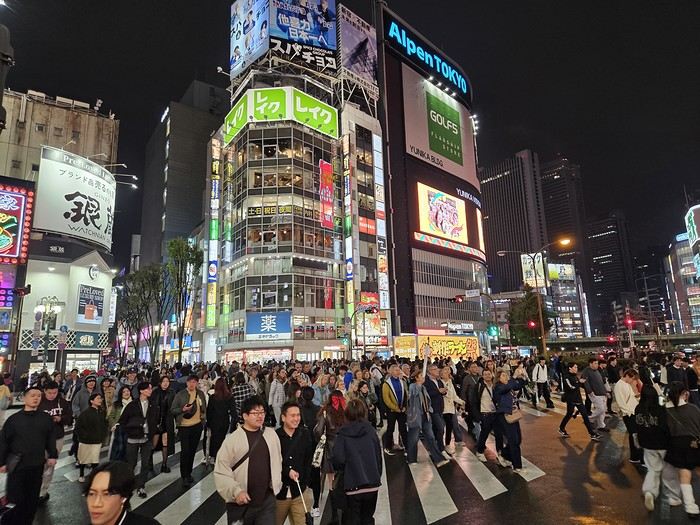

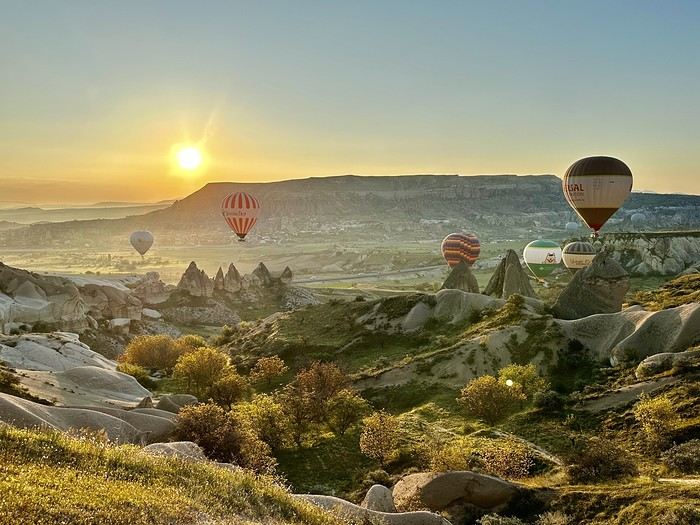 A little sneak peek?



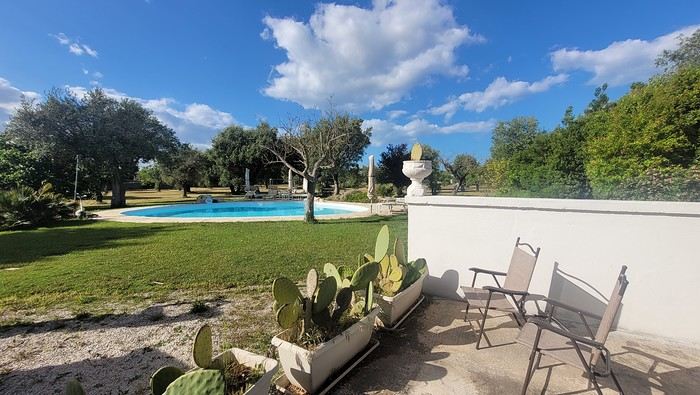
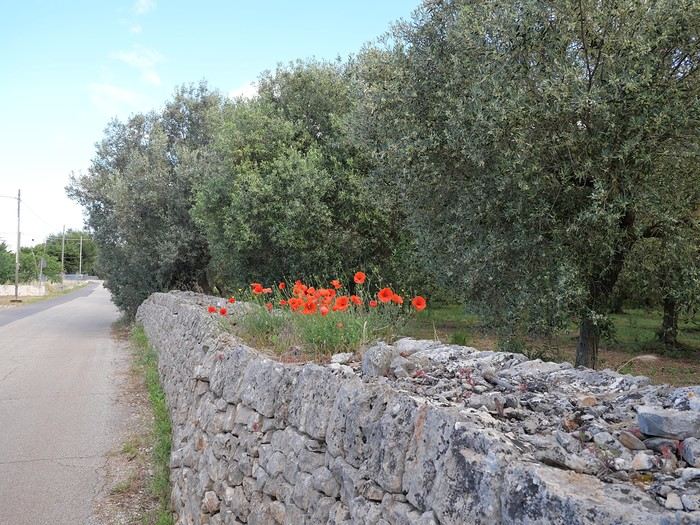
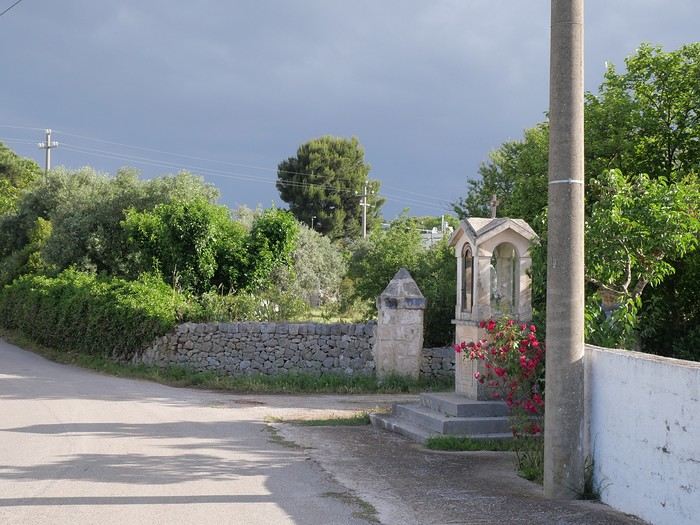
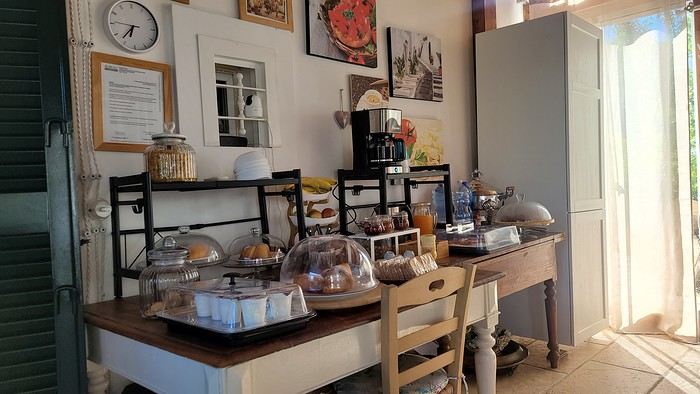
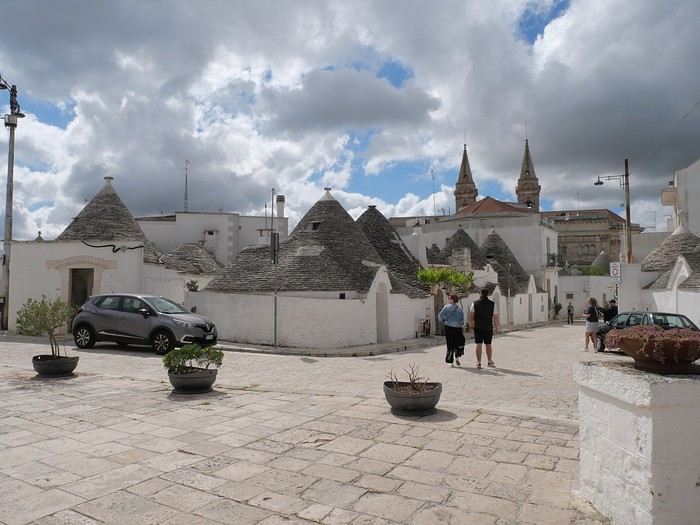
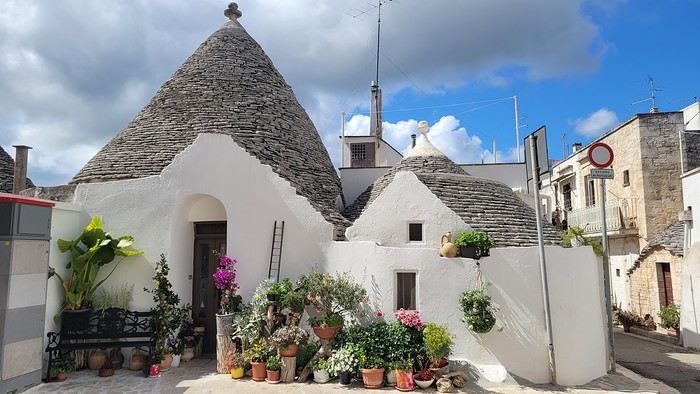
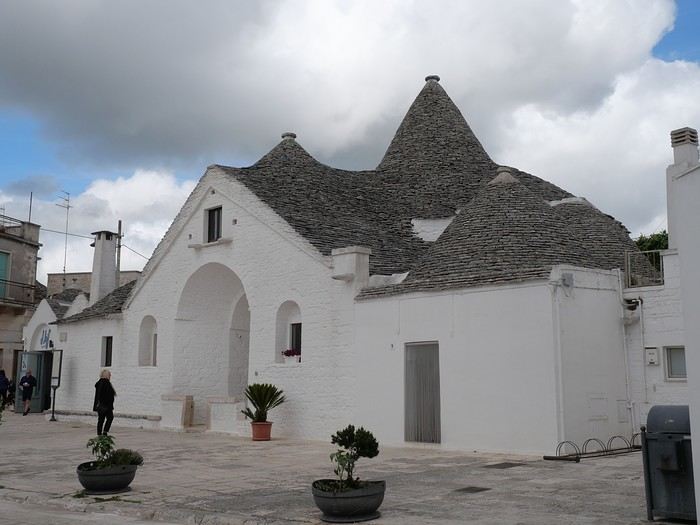
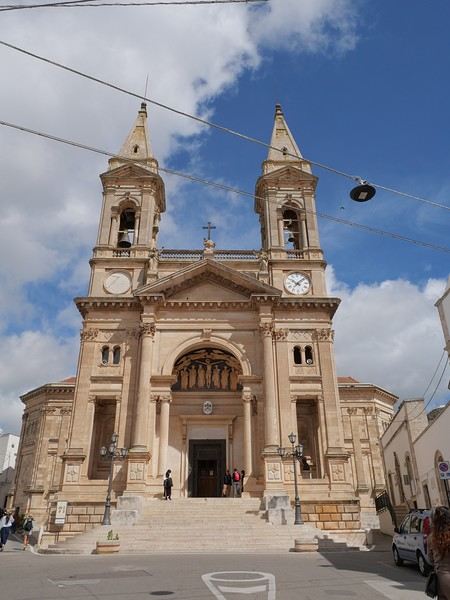
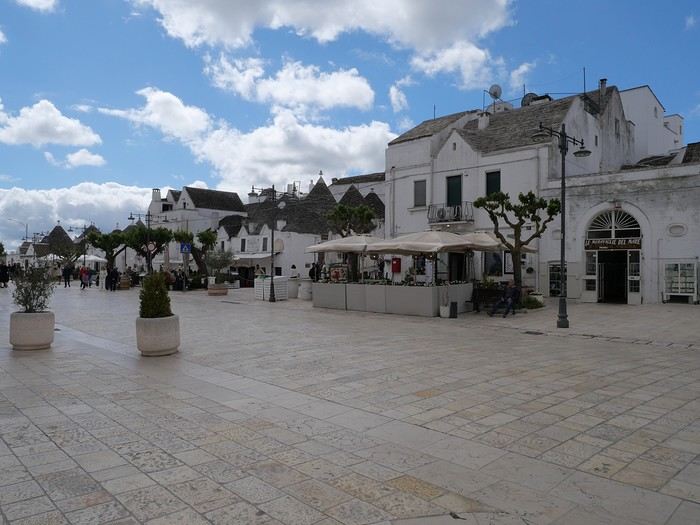
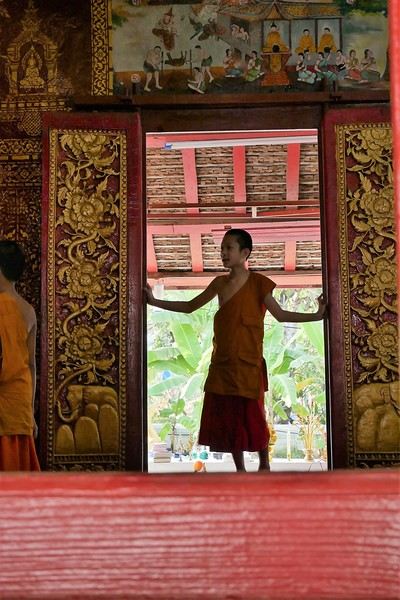 Come along, I'm taking you to this country where it's so nice to wander and slow down...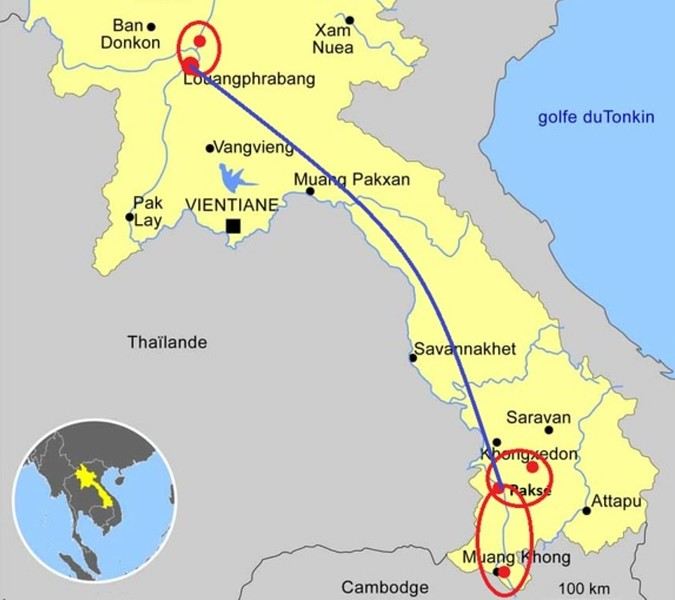
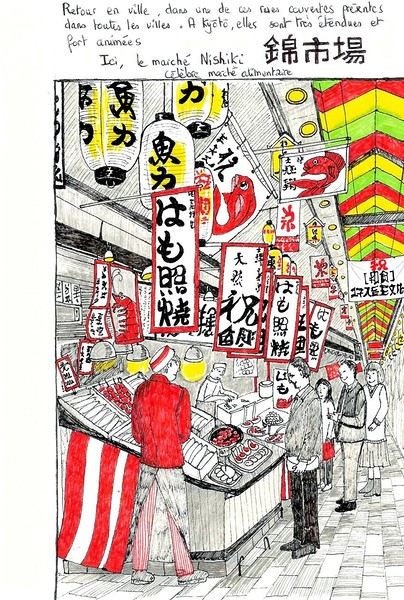
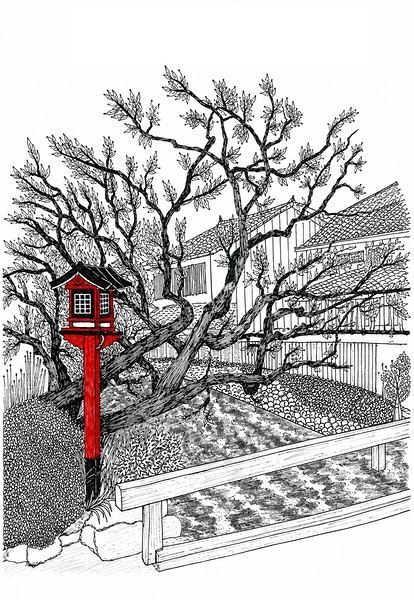 I’m inviting you on a stroll through my drawings—a completely subjective, far from exhaustive, and totally personal take, since it’s based on my own sketches. I put this travel journal together after returning in late 2024, mostly using felt-tip pens and pencils, with a few collages thrown in. I worked from our personal photos.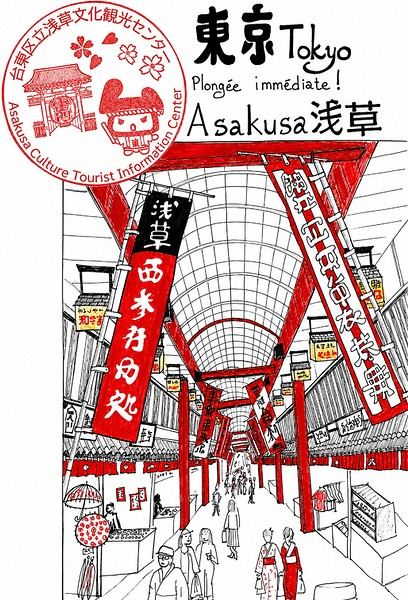
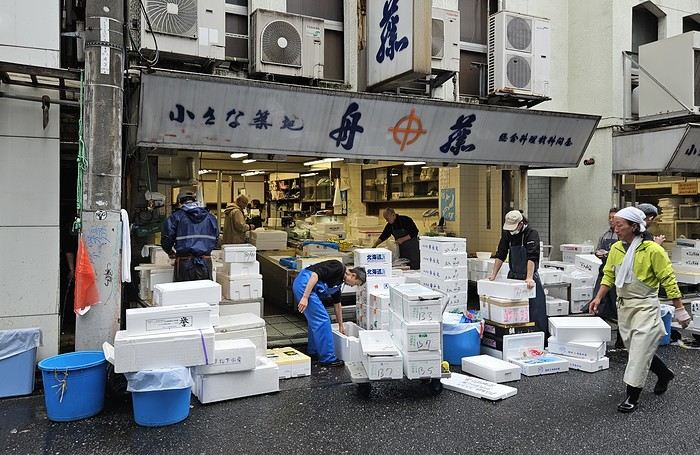
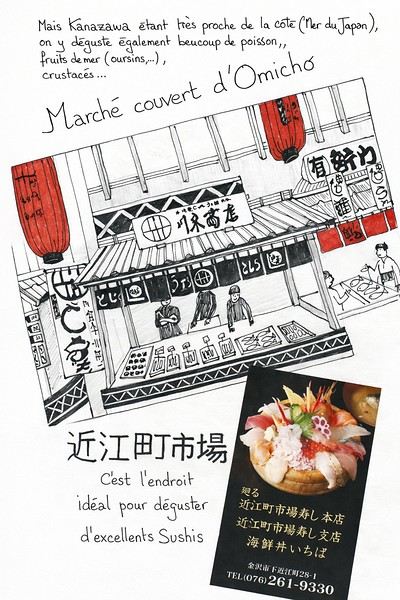 And in Kyoto, Nishiki Market: