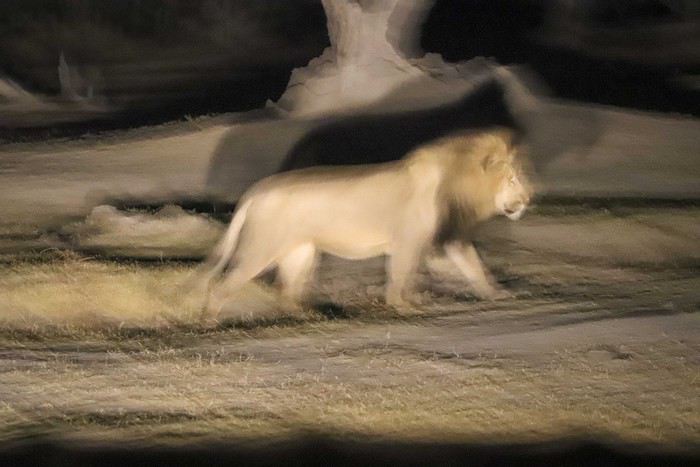
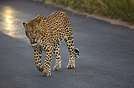
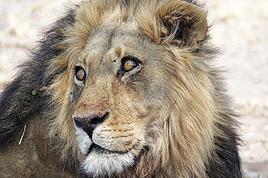
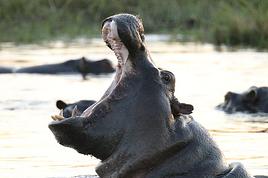
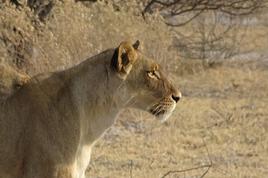
 Arrivé près d’un point d’eau, nous assistons à une battle de cris entre le lion et un hippopotame. Le lion passe à 1 mètre de notre véhicule en nous ignorant totalement ; c’est impressionnant. Finalement, Spokes décide de rentrer car il considère que si on continue cela nous éloignera trop du camp. Nous prenons donc notre petit déjeuner et ne repartons qu’à 7h15.
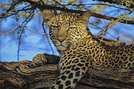
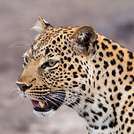
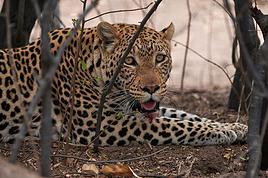
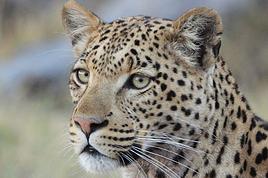
Presqu’immédiatement nous trouvons des traces de léopard, puis de lion avec pour chacun des déjections fraîches, encore liquides. Malheureusement ni l’un ni l’autre ne se laisse voir, pas plus que notre rhinocéros d’hier.
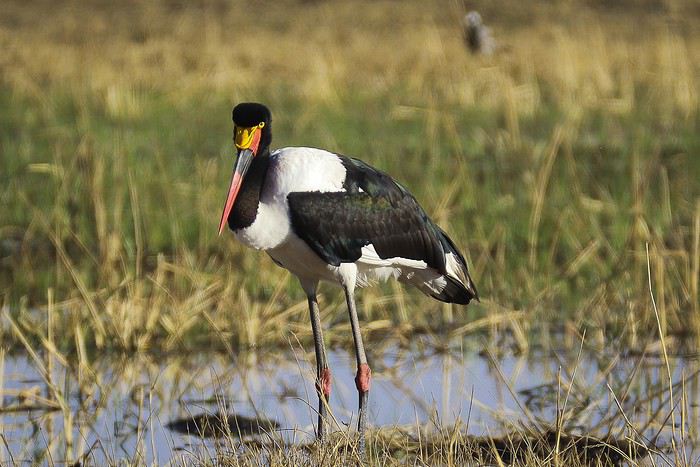
Nous rencontrons quelques animaux : oiseaux,
Arrivé près d’un point d’eau, nous assistons à une battle de cris entre le lion et un hippopotame. Le lion passe à 1 mètre de notre véhicule en nous ignorant totalement ; c’est impressionnant. Finalement, Spokes décide de rentrer car il considère que si on continue cela nous éloignera trop du camp. Nous prenons donc notre petit déjeuner et ne repartons qu’à 7h15.
Presqu’immédiatement nous trouvons des traces de léopard, puis de lion avec pour chacun des déjections fraîches, encore liquides. Malheureusement ni l’un ni l’autre ne se laisse voir, pas plus que notre rhinocéros d’hier.
Nous rencontrons quelques animaux : oiseaux,
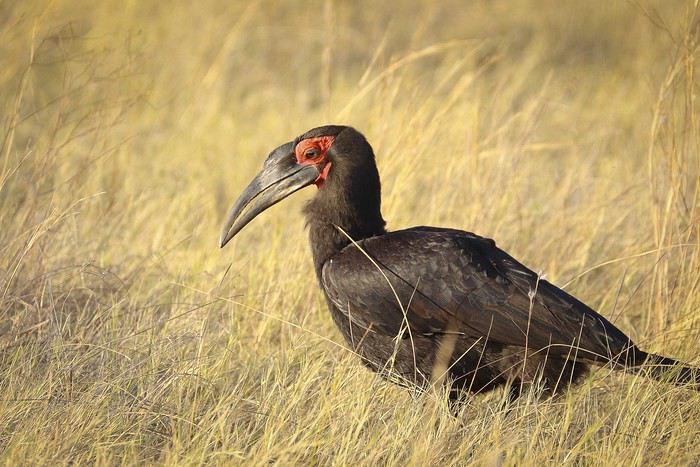
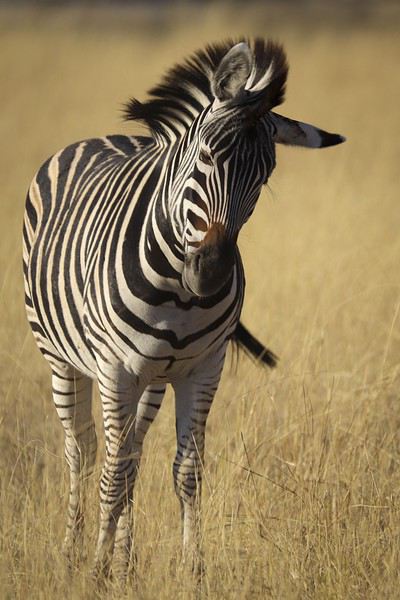
 zèbres,
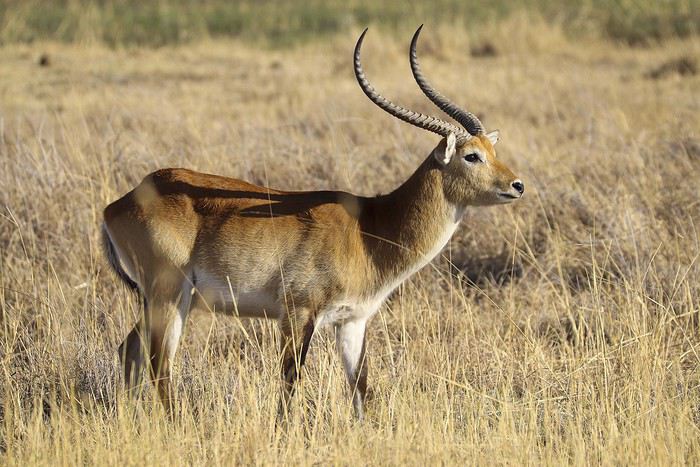
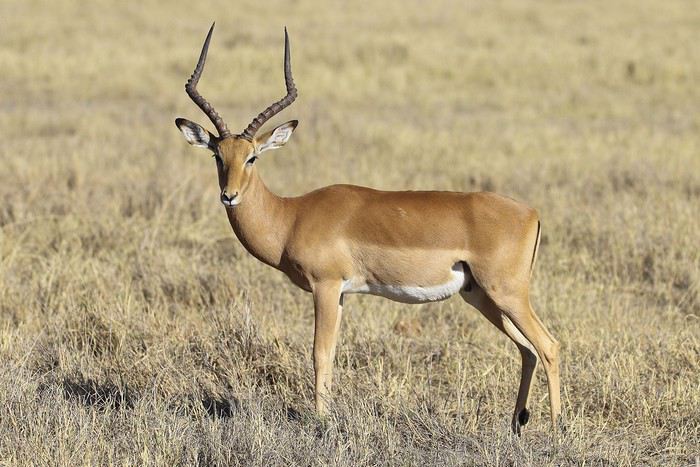
 gnous, antilopes,
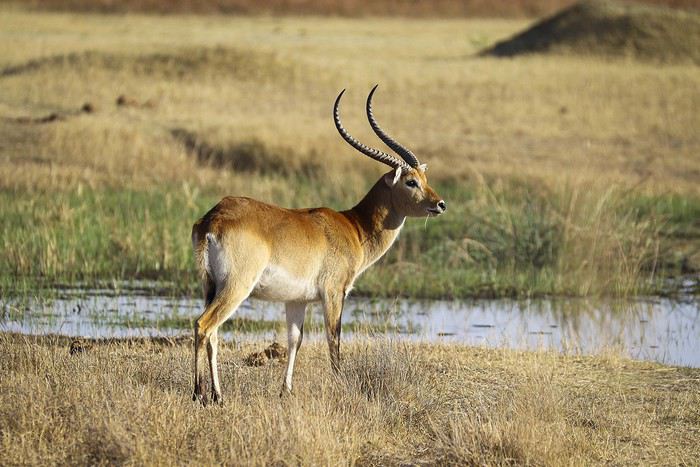 phacochères,
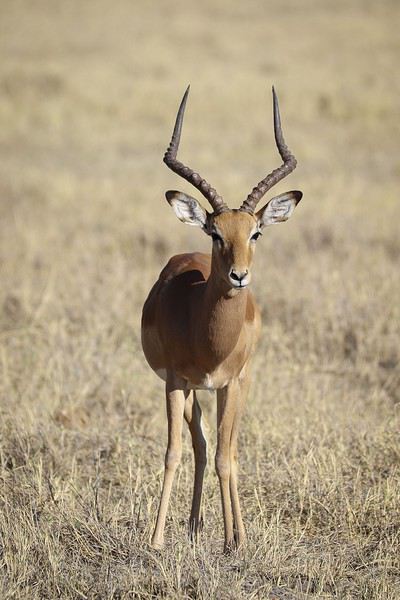
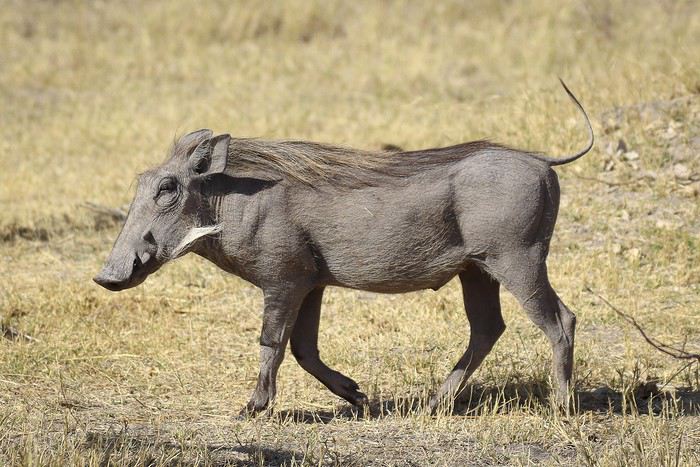 crocodiles, impalas,
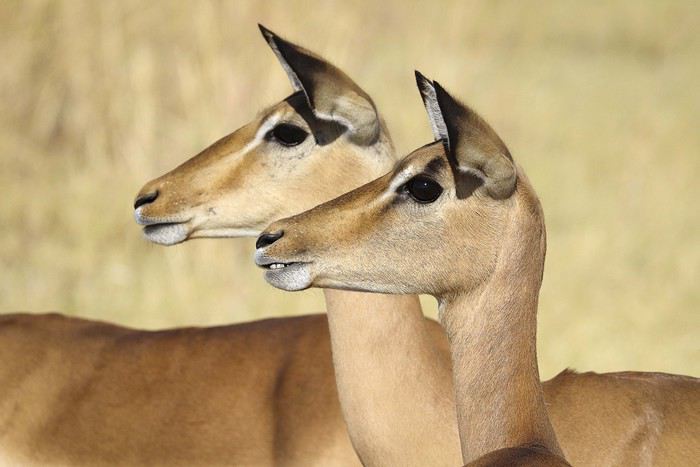
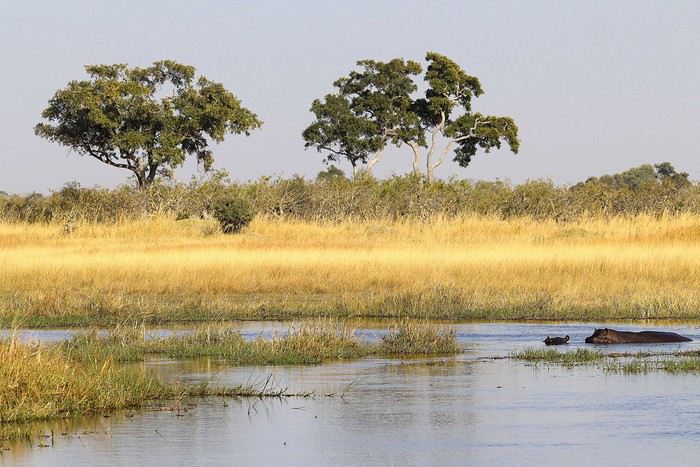
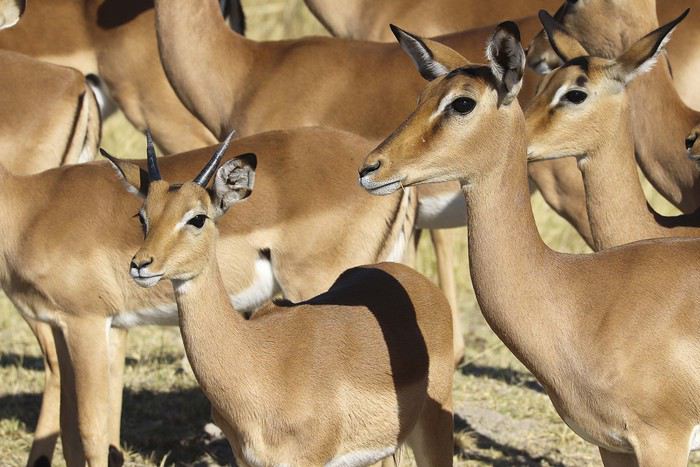 hippopotames et 2 buffles.
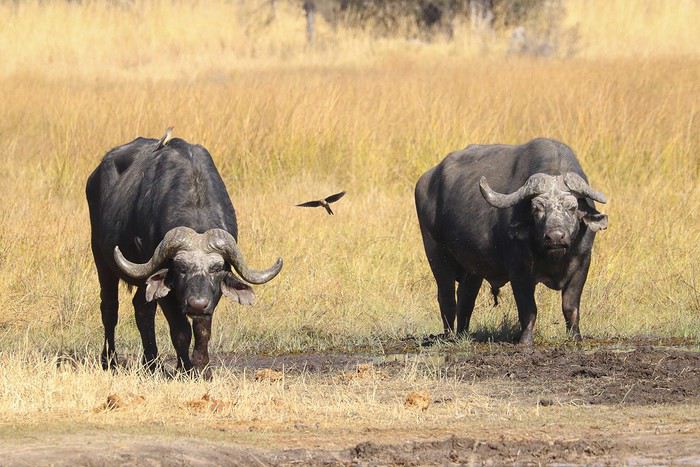 Nous prenons notre café au bord de l’eau en observant les hippopotames.
 Globalement, cette matinée est très décevante par rapport aux espérances et nous rentrons au camp, un peu dépités, vers 11h. On n’a presque pas rencontré de véhicules et on se dit que ce n’est pas par hasard.
Au menu de ce midi : pizzas et porc. States ne nous a pas oubliés et nous demande quand on veut faire notre séance de gym…En discutant avec lui, il nous apprend qu’il est étudiant dans le management et se destine à être responsable de lodge. Après le circuit avec nous, il retournera étudier la semaine prochaine à l’université à Gaborone.
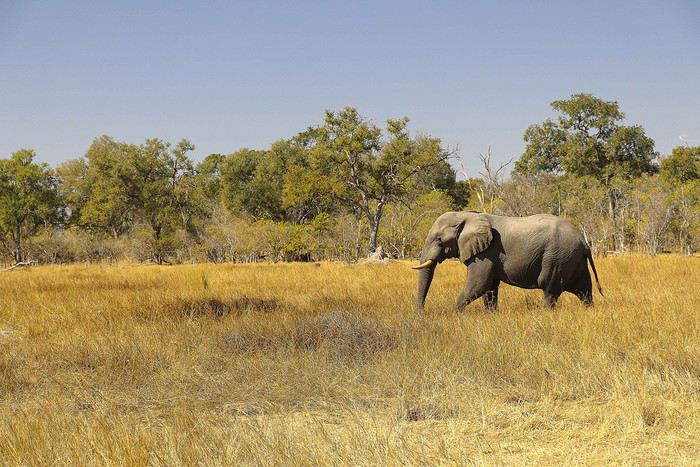
A la fin du repas, nous faisons une photo en commun de l’ensemble du groupe car demain nos chemins vont se séparer. Dans la prairie, juste à côté du camp, on voit de temps en temps passer une antilope ou un éléphant.
Globalement, cette matinée est très décevante par rapport aux espérances et nous rentrons au camp, un peu dépités, vers 11h. On n’a presque pas rencontré de véhicules et on se dit que ce n’est pas par hasard.
Au menu de ce midi : pizzas et porc. States ne nous a pas oubliés et nous demande quand on veut faire notre séance de gym…En discutant avec lui, il nous apprend qu’il est étudiant dans le management et se destine à être responsable de lodge. Après le circuit avec nous, il retournera étudier la semaine prochaine à l’université à Gaborone.
A la fin du repas, nous faisons une photo en commun de l’ensemble du groupe car demain nos chemins vont se séparer. Dans la prairie, juste à côté du camp, on voit de temps en temps passer une antilope ou un éléphant.
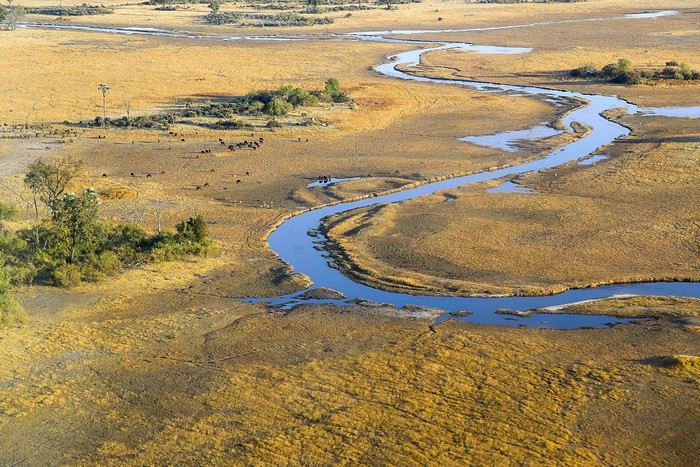
 Spokes nous explique qu’à cette période de l’année, d’habitude le lieu est rempli d’eau et il n’est pas rare de voir des hippopotames.
1h après le repas, alors que la digestion est un peu difficile après le copieux repas, States nous appelle pour le cours de sport ; depuis quelques minutes on observe son manège : il a préparé des bâtons pour on ne sait quel usage. A 14h30, début de la séance, surtout axée sur les jambes (squats…), filmée et photographiée par Spokes et Anny.
Spokes nous explique qu’à cette période de l’année, d’habitude le lieu est rempli d’eau et il n’est pas rare de voir des hippopotames.
1h après le repas, alors que la digestion est un peu difficile après le copieux repas, States nous appelle pour le cours de sport ; depuis quelques minutes on observe son manège : il a préparé des bâtons pour on ne sait quel usage. A 14h30, début de la séance, surtout axée sur les jambes (squats…), filmée et photographiée par Spokes et Anny.
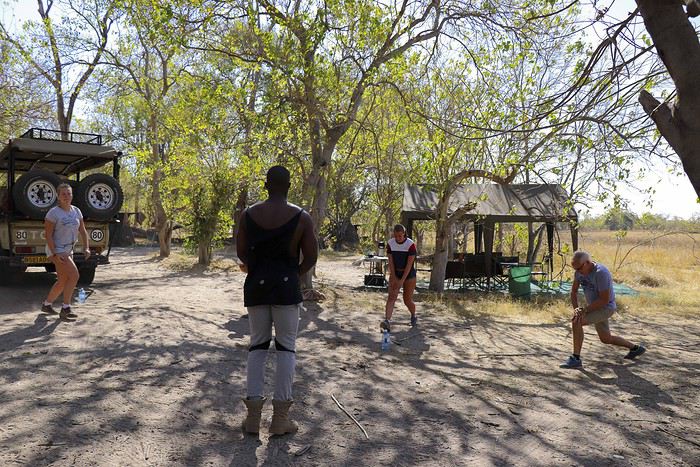 Cela dure une trentaine de minutes, dans la bonne humeur ; ça paraît anodin mais, du fait de notre inactivité depuis 15 jours, nous aurons des courbatures pendant 2 jours… States nous donne son profil facebook pour échanger et pour qu’on voit son site fitness.
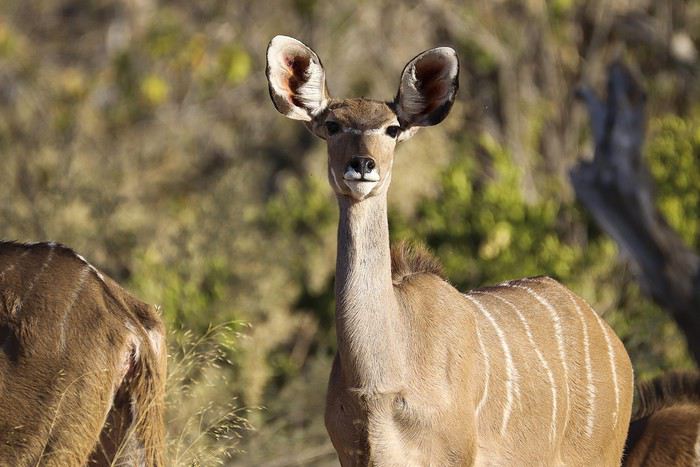
A 15h30, c’est l’heure du café/thé/gâteau pour la dernière fois ; à cette occasion, Sinya s’essaie au français en répétant « on va goûter » ; la façon dont il le prononce nous amuse et on va le rabâcher sans cesse jusqu’à la fin du voyage. A 16h nous partons pour le dernier game drive de fin de journée. Nous nous dirigeons vers l’hippo pool et rayonnons dans les environs mais une nouvelle fois, c’est décevant et nous n’avons pas grand-chose à observer : kudus,
Cela dure une trentaine de minutes, dans la bonne humeur ; ça paraît anodin mais, du fait de notre inactivité depuis 15 jours, nous aurons des courbatures pendant 2 jours… States nous donne son profil facebook pour échanger et pour qu’on voit son site fitness.
A 15h30, c’est l’heure du café/thé/gâteau pour la dernière fois ; à cette occasion, Sinya s’essaie au français en répétant « on va goûter » ; la façon dont il le prononce nous amuse et on va le rabâcher sans cesse jusqu’à la fin du voyage. A 16h nous partons pour le dernier game drive de fin de journée. Nous nous dirigeons vers l’hippo pool et rayonnons dans les environs mais une nouvelle fois, c’est décevant et nous n’avons pas grand-chose à observer : kudus,
 zèbre, chouette,
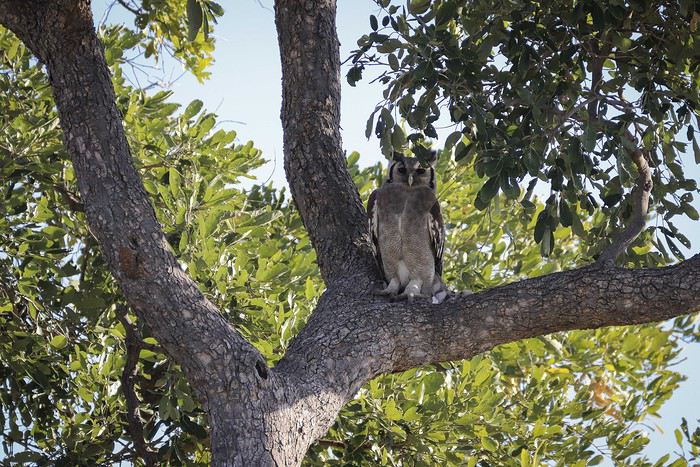 girafes,
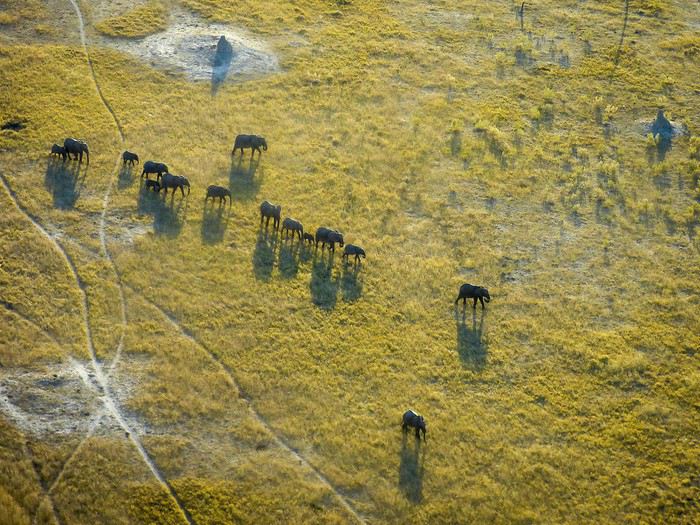
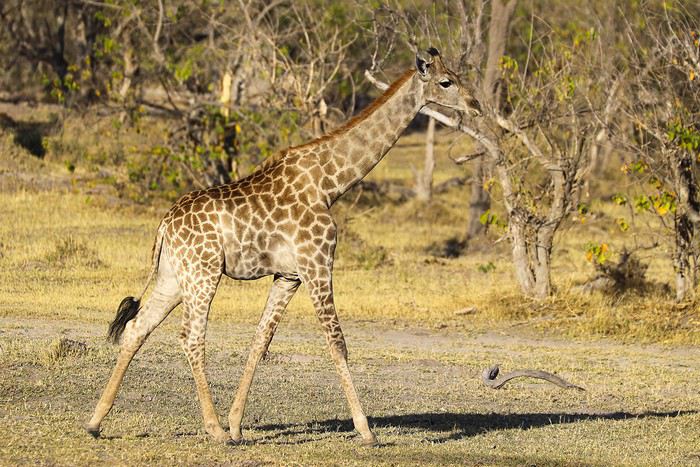 phacochères, éléphants
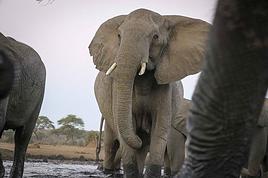
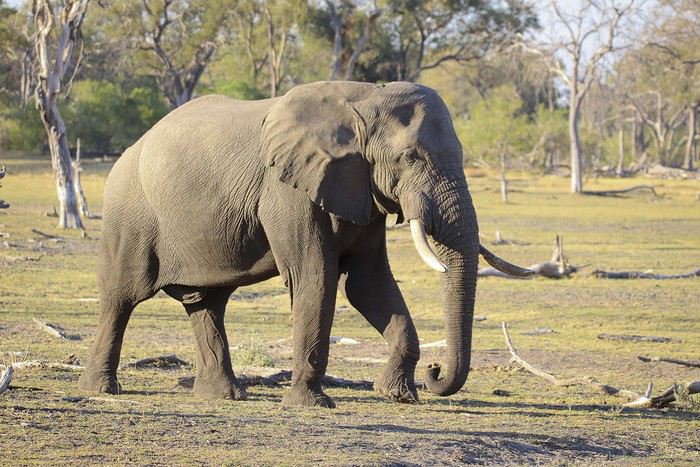 mais rien à voir avec ce à quoi on s’attendait. On finit aussi probablement par saturer de toutes ces heures à chercher des animaux et on demande à Spokes d’aller dans un endroit où il y a de l’eau, au moins pour que le paysage soit un peu moins monotone. Pas de miracle mais au moins ça change un peu des plaines desséchées. En fin de journée, juste au coucher du soleil nous observons pendant un moment un éléphant, magnifique à ce moment de la journée.
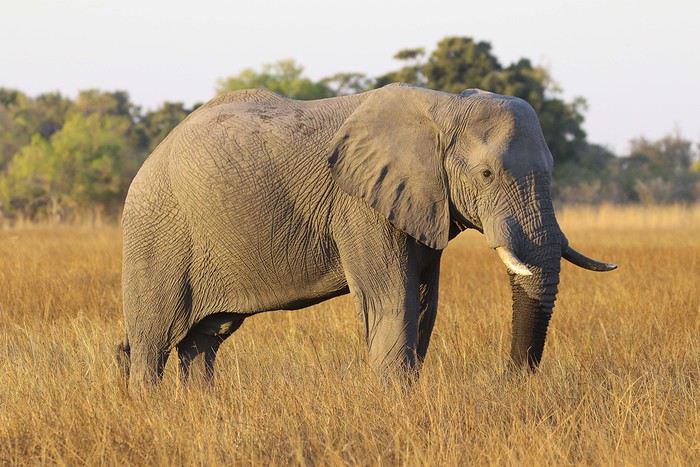
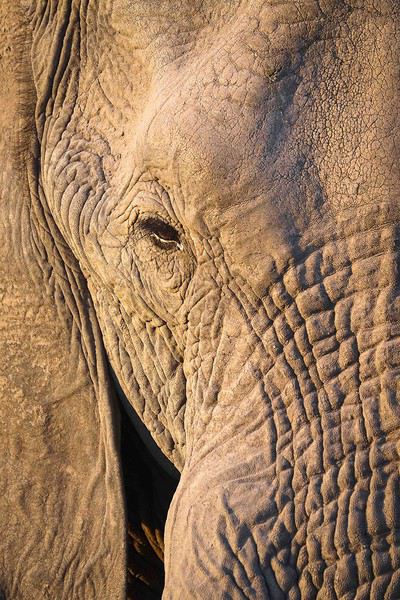
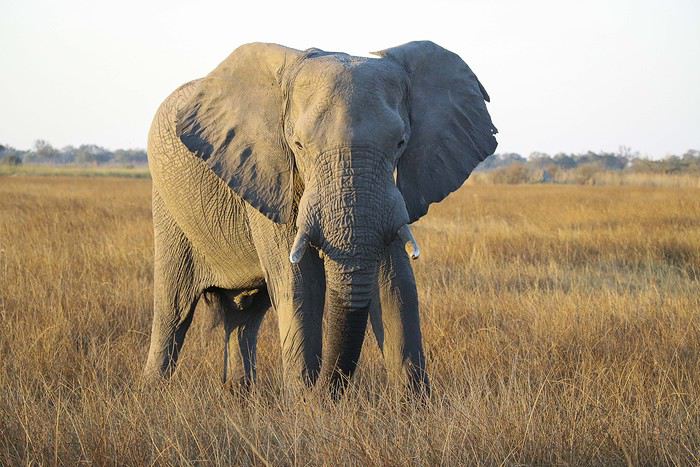 Pour autant, la journée aura été globalement très mitigée, dans ce secteur hyper réputé.
A l’apéritif du soir, Sixtpack vient un peu discuter avec nous avant d’annoncer son dernier menu; pendant l’annonce Ben essaie de l’imiter :« mushroom soup… ». Pour cette dernière soirée, les 3 aides de camp nous gratifient d’un chant très sympa pour marquer la fin du séjour. Les applaudissements sont fournis.
Après ces 6 journées de safari très bien remplies, et avec des réveils très matinaux, nous sentons la fatigue et ne faisons pas de vieux os en soirée. Après le repas, autour du feu, alors que Ben vient de se servir un amarula, persuadé qu’on l’a dilué, il le jette dans le feu, provoquant une projection d’éclats de braise en direction d’Anny et Charlotte. Cette dernière, légèrement brûlée est furieuse et elle s’en va dans sa tente en donnant à Ben des noms d’oiseau….
Pour autant, la journée aura été globalement très mitigée, dans ce secteur hyper réputé.
A l’apéritif du soir, Sixtpack vient un peu discuter avec nous avant d’annoncer son dernier menu; pendant l’annonce Ben essaie de l’imiter :« mushroom soup… ». Pour cette dernière soirée, les 3 aides de camp nous gratifient d’un chant très sympa pour marquer la fin du séjour. Les applaudissements sont fournis.
Après ces 6 journées de safari très bien remplies, et avec des réveils très matinaux, nous sentons la fatigue et ne faisons pas de vieux os en soirée. Après le repas, autour du feu, alors que Ben vient de se servir un amarula, persuadé qu’on l’a dilué, il le jette dans le feu, provoquant une projection d’éclats de braise en direction d’Anny et Charlotte. Cette dernière, légèrement brûlée est furieuse et elle s’en va dans sa tente en donnant à Ben des noms d’oiseau….
 Spokes traque sans relâche le rhinocéros, dont il trouve encore des traces fraîches, mais sans succès.
A 10h, nous faisons notre pause-café près de la gate et nous retrouvons à cet endroit nos vervets aux couilles bleues et au pénis rouge ;
Spokes traque sans relâche le rhinocéros, dont il trouve encore des traces fraîches, mais sans succès.
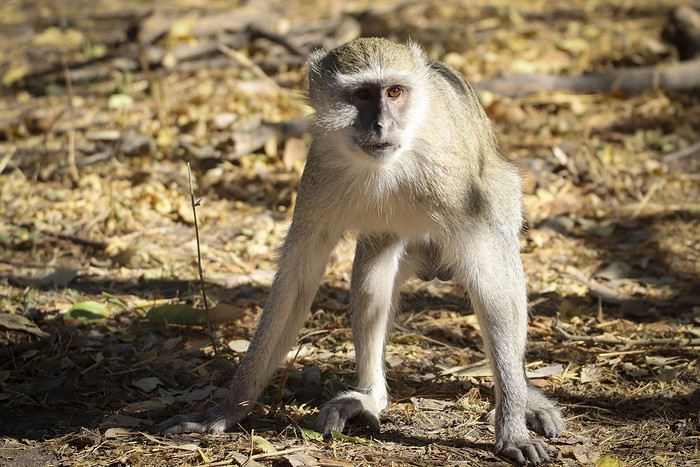
A 10h, nous faisons notre pause-café près de la gate et nous retrouvons à cet endroit nos vervets aux couilles bleues et au pénis rouge ;
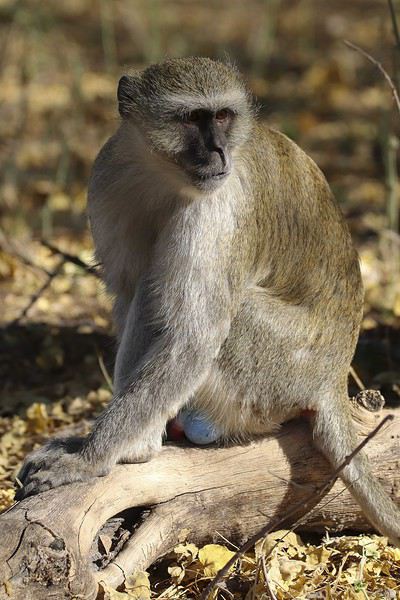
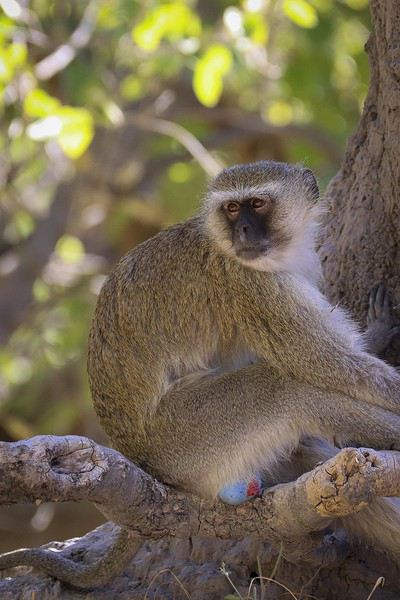 ils sont présents en grand nombre, d’autant plus que la nourriture les attire et ils arrivent à chaparder quelques gâteaux dans le groupe à proximité de nous.
 Malgré le retard ( il est près de 18h ), notre chauffeur de taxi nous a gentiment attendu et il nous ramène au Thamalakane River Lodge.
Nous avons le temps de prendre notre dernier apéritif du séjour et nous nous rendons au restaurant à 19h30 la plupart des clients finissent déjà leur repas, et contrairement au premier jour où c’était animé, l’ambiance est assez morose le repas est plutôt quelconque lui aussi ça sent vraiment la fin des vacances….
Pendant le repas, une responsable du lodge a enfin daigné venir voir Ben pour son problème de CB la résolution est encore repoussée à une date ultérieure puisqu’elle nous affirme pouvoir le résoudre lundi. Elle dit à Ben qu’il faudra demain matin lui donner son adresse mail pour qu’elle puisse l’informer de l’issue de ce problème.
Nous terminons la soirée par un petit verre chez Ben, mais le cœur n’y est plus vraiment.
Malgré le retard ( il est près de 18h ), notre chauffeur de taxi nous a gentiment attendu et il nous ramène au Thamalakane River Lodge.
Nous avons le temps de prendre notre dernier apéritif du séjour et nous nous rendons au restaurant à 19h30 la plupart des clients finissent déjà leur repas, et contrairement au premier jour où c’était animé, l’ambiance est assez morose le repas est plutôt quelconque lui aussi ça sent vraiment la fin des vacances….
Pendant le repas, une responsable du lodge a enfin daigné venir voir Ben pour son problème de CB la résolution est encore repoussée à une date ultérieure puisqu’elle nous affirme pouvoir le résoudre lundi. Elle dit à Ben qu’il faudra demain matin lui donner son adresse mail pour qu’elle puisse l’informer de l’issue de ce problème.
Nous terminons la soirée par un petit verre chez Ben, mais le cœur n’y est plus vraiment.

Wednesday, April 1st
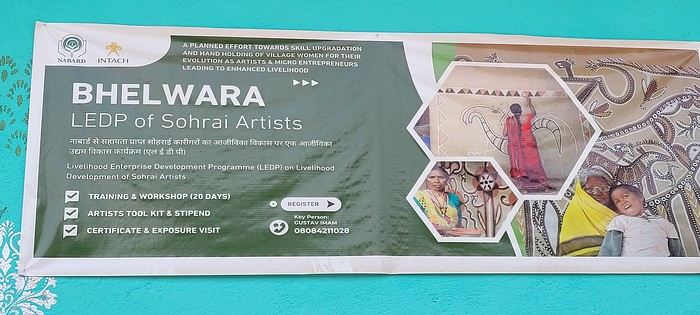
Hazaribagh I’ve got a meet-up with Adam Iman, a guide and painter. He picks me up from the hotel at 10 AM. Another traveler from Bangalore is supposed to join us, but while we wait for him to arrive, Adam takes me to see the paintings his mother and sister created at Hazaribagh station. The town became famous thanks to these murals, which can also be found in several surrounding villages. This art form has earned recognition and is now protected, a sign of its cultural importance. Once the visit is over, we go to pick up the other traveler and then head to our first village: Belwara, where Sohrai art is practiced. At the entrance, a sign proudly announces that we’re entering an artists’ village, where this art is created by women organized into micro-enterprises. Some even offer workshops for those who’d like to learn this tradition.
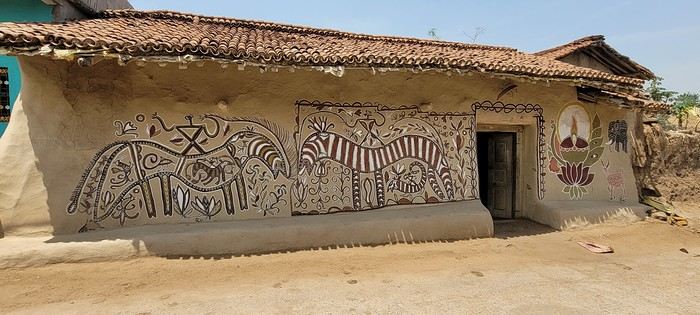
Sohrai art is tied to the harvest season, from October to mid-November. The motifs, in natural colors, celebrate fertility and abundance. The artists use pigments from the earth: red oxides, ochre, white kaolin, and black manganese. On the walls, you’ll see animals, fish, birds—all symbols of life and prosperity. As I look closer at the murals, I start to realize that each motif tells a story. Large animals like cows or bulls often take center stage. Their bodies are filled with intricate, almost hypnotic patterns. They symbolize wealth and prosperity for the household, as well as the deep respect for cattle, which are essential to daily life. On some facades, elephants stand out—massive and decorated with the same precision. They evoke quiet strength and protection. But it’s when I stop in front of one of the houses that I really take the time to look. The wall, a soft ochre, is entirely covered in murals. Two large animals stretch out on either side of the door, their elongated bodies fitting the length of the wall. Their silhouettes are filled with geometric patterns and incredibly fine curved lines, as if every space was patiently filled. Around them, stylized plants, flowers, and small decorative elements fill every gap. The door, dark and worn, becomes almost the silent center of the composition, framed by these living, protective forms. To the right, a more colorful motif catches the eye—a flower or a stylized lamp—like a touch of light on the earth. The whole thing gives an impression of perfect balance, between the rigor of the patterns and the freedom of the gesture.
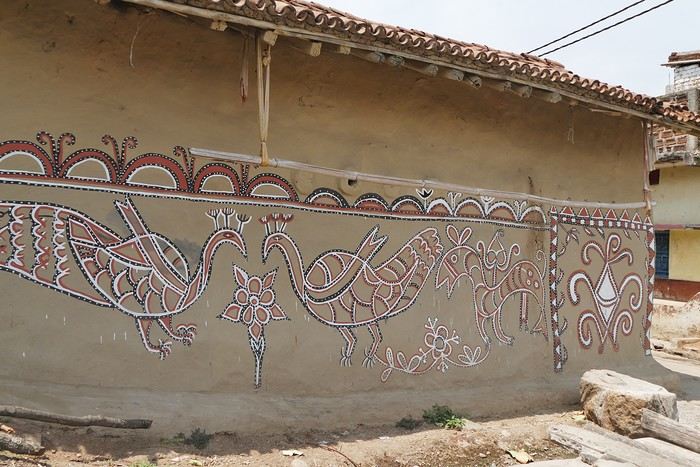
Elsewhere, birds and freer forms bring movement. Peacocks, recognizable by their stylized silhouettes, embody beauty and vitality, while fish symbolize water, fertility, and the continuity of life.
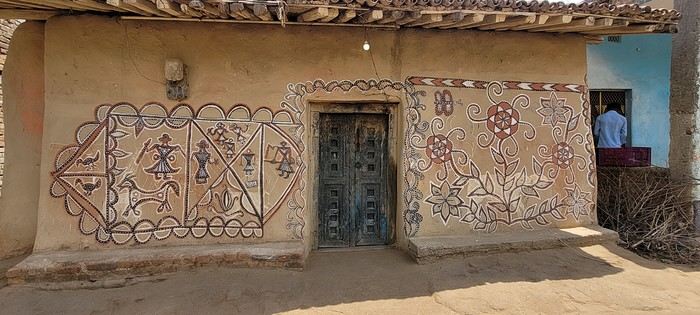
 On some paintings, the scenes become almost narrative: you can make out figures, everyday gestures, like a memory of the village inscribed in the walls. The decorative frames around the doors aren’t left to chance either—they symbolically protect the house, like a boundary between the inside and the outside world.
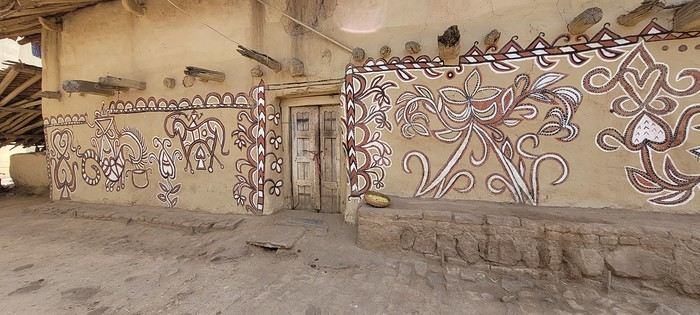
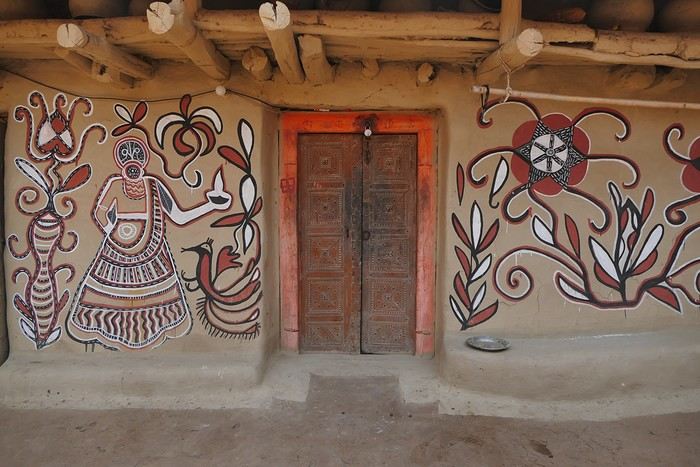
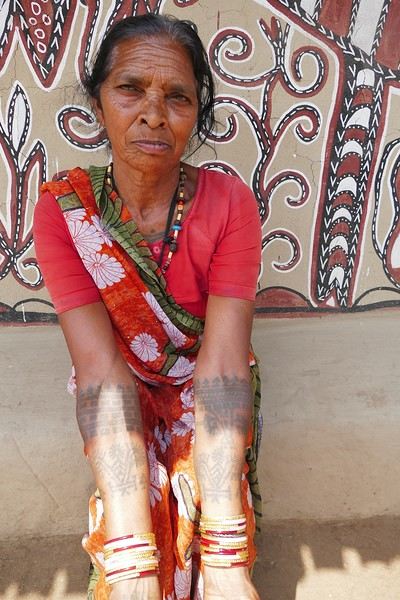
During the Sohrai festival, cattle are led into the jungle in the morning. Meanwhile, the women finish the *aripans*—these floor paintings—and continue the wall murals. Around noon, the animals return to the village, and the bulls’ horns are anointed with oil and vermilion in a gesture of gratitude, amid the vibrant colors adorning the houses. We visit several artists, including Parvat Devi, a well-known woman who has received many awards. Her arms are adorned with intriguing tattoos, which I’ll talk about in more detail later.
On another wall, the style changes completely. Here, no massive animals—just birds occupying the space, light and graceful, as if caught in mid-movement. Two silhouettes face each other, their long necks arched almost like mirrors, while their outstretched wings seem to vibrate with the patterns that compose them.
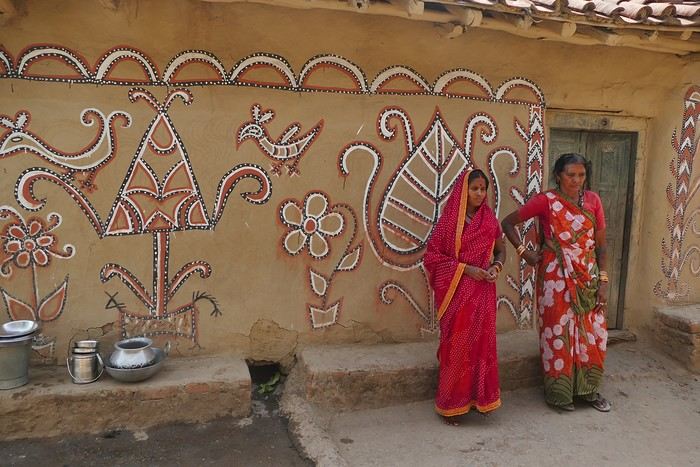
The design is more graphic, almost airy. The lines are smoother, more fluid, as if drawn in one confident stroke. The birds’ bodies aren’t solid—they’re filled with repetitive motifs like scales, stylized feathers, and spirals, giving a sense of continuous movement. Around them, everything comes to life: flowers burst open, arabesques swirl, and even the simplest shapes seem alive. What strikes me here is the sense of lightness. Where the large animals evoked stability and grounding, these birds bring something freer, almost joyful. They seem to embody movement, the circulation of life, like a breath flowing through the village.
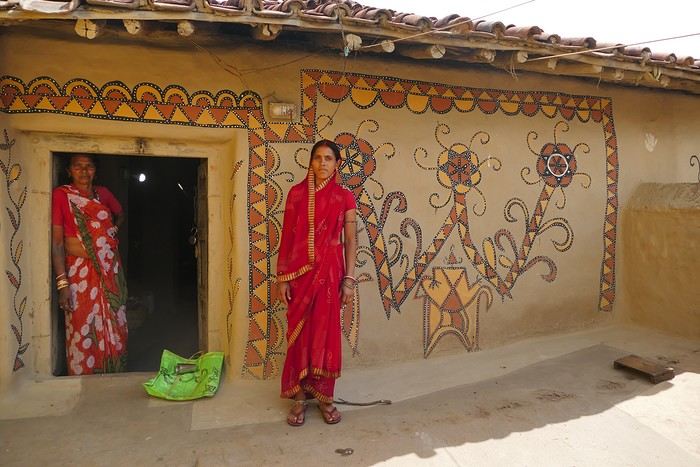
The colors remain the same—deep reds, intense blacks, and chalky white—but the rhythm is different. Faster, more spontaneous. As if each wall had its own personality, while still speaking the same language.
That’s probably why I’m so moved. I’d heard about these paintings from my friend Raja, and last year, I saw an exhibition in a village near my home. That first encounter made me want to come here. But seeing them in person is a whole different experience. These paintings are unique. This ancient art is passed down from mother to daughter, or mother-in-law to daughter-in-law, in a quiet, deeply living continuity. At first glance, it might seem almost childlike in its simplicity and pared-down forms. And yet, everything is thought out, balanced, mastered. Nothing is left to chance.
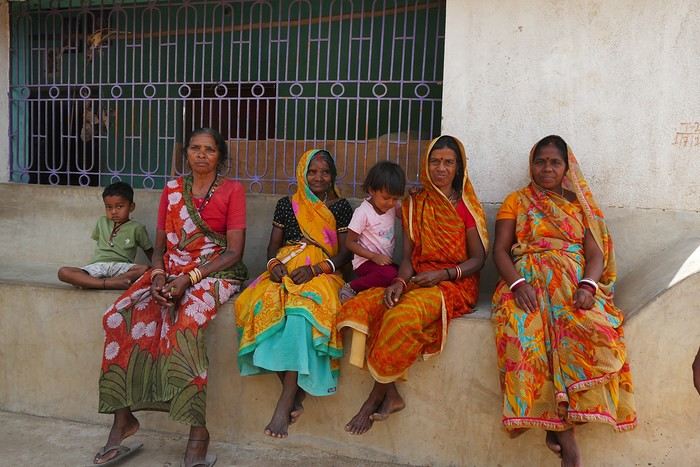
That apparent simplicity, combined with such rich symbolism, touches me deeply. There’s something sincere and essential in these walls—and that’s what moves me.
Hazaribagh I’ve got a meet-up with Adam Iman, a guide and painter. He picks me up from the hotel at 10 AM. Another traveler from Bangalore is supposed to join us, but while we wait for him to arrive, Adam takes me to see the paintings his mother and sister created at Hazaribagh station. The town became famous thanks to these murals, which can also be found in several surrounding villages. This art form has earned recognition and is now protected, a sign of its cultural importance. Once the visit is over, we go to pick up the other traveler and then head to our first village: Belwara, where Sohrai art is practiced. At the entrance, a sign proudly announces that we’re entering an artists’ village, where this art is created by women organized into micro-enterprises. Some even offer workshops for those who’d like to learn this tradition.
Sohrai art is tied to the harvest season, from October to mid-November. The motifs, in natural colors, celebrate fertility and abundance. The artists use pigments from the earth: red oxides, ochre, white kaolin, and black manganese. On the walls, you’ll see animals, fish, birds—all symbols of life and prosperity. As I look closer at the murals, I start to realize that each motif tells a story. Large animals like cows or bulls often take center stage. Their bodies are filled with intricate, almost hypnotic patterns. They symbolize wealth and prosperity for the household, as well as the deep respect for cattle, which are essential to daily life. On some facades, elephants stand out—massive and decorated with the same precision. They evoke quiet strength and protection. But it’s when I stop in front of one of the houses that I really take the time to look. The wall, a soft ochre, is entirely covered in murals. Two large animals stretch out on either side of the door, their elongated bodies fitting the length of the wall. Their silhouettes are filled with geometric patterns and incredibly fine curved lines, as if every space was patiently filled. Around them, stylized plants, flowers, and small decorative elements fill every gap. The door, dark and worn, becomes almost the silent center of the composition, framed by these living, protective forms. To the right, a more colorful motif catches the eye—a flower or a stylized lamp—like a touch of light on the earth. The whole thing gives an impression of perfect balance, between the rigor of the patterns and the freedom of the gesture.
Elsewhere, birds and freer forms bring movement. Peacocks, recognizable by their stylized silhouettes, embody beauty and vitality, while fish symbolize water, fertility, and the continuity of life.
On some paintings, the scenes become almost narrative: you can make out figures, everyday gestures, like a memory of the village inscribed in the walls. The decorative frames around the doors aren’t left to chance either—they symbolically protect the house, like a boundary between the inside and the outside world.During the Sohrai festival, cattle are led into the jungle in the morning. Meanwhile, the women finish the *aripans*—these floor paintings—and continue the wall murals. Around noon, the animals return to the village, and the bulls’ horns are anointed with oil and vermilion in a gesture of gratitude, amid the vibrant colors adorning the houses. We visit several artists, including Parvat Devi, a well-known woman who has received many awards. Her arms are adorned with intriguing tattoos, which I’ll talk about in more detail later.
On another wall, the style changes completely. Here, no massive animals—just birds occupying the space, light and graceful, as if caught in mid-movement. Two silhouettes face each other, their long necks arched almost like mirrors, while their outstretched wings seem to vibrate with the patterns that compose them.
The design is more graphic, almost airy. The lines are smoother, more fluid, as if drawn in one confident stroke. The birds’ bodies aren’t solid—they’re filled with repetitive motifs like scales, stylized feathers, and spirals, giving a sense of continuous movement. Around them, everything comes to life: flowers burst open, arabesques swirl, and even the simplest shapes seem alive. What strikes me here is the sense of lightness. Where the large animals evoked stability and grounding, these birds bring something freer, almost joyful. They seem to embody movement, the circulation of life, like a breath flowing through the village.
The colors remain the same—deep reds, intense blacks, and chalky white—but the rhythm is different. Faster, more spontaneous. As if each wall had its own personality, while still speaking the same language.
That’s probably why I’m so moved. I’d heard about these paintings from my friend Raja, and last year, I saw an exhibition in a village near my home. That first encounter made me want to come here. But seeing them in person is a whole different experience. These paintings are unique. This ancient art is passed down from mother to daughter, or mother-in-law to daughter-in-law, in a quiet, deeply living continuity. At first glance, it might seem almost childlike in its simplicity and pared-down forms. And yet, everything is thought out, balanced, mastered. Nothing is left to chance.
That apparent simplicity, combined with such rich symbolism, touches me deeply. There’s something sincere and essential in these walls—and that’s what moves me.

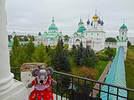
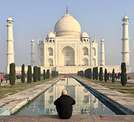
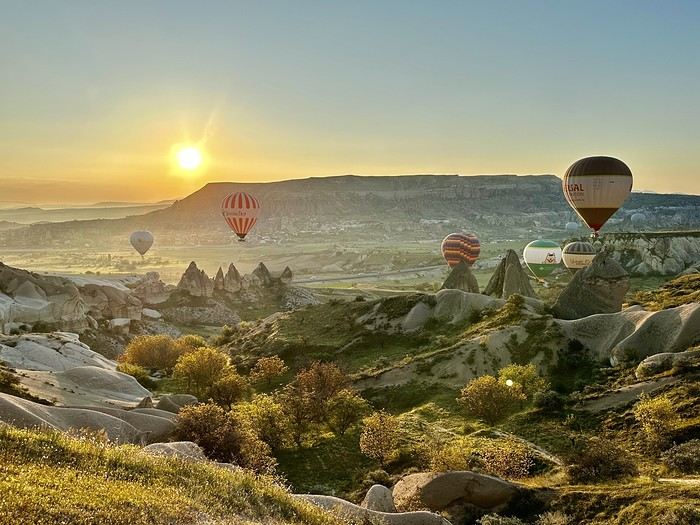 A little sneak peek?
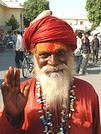
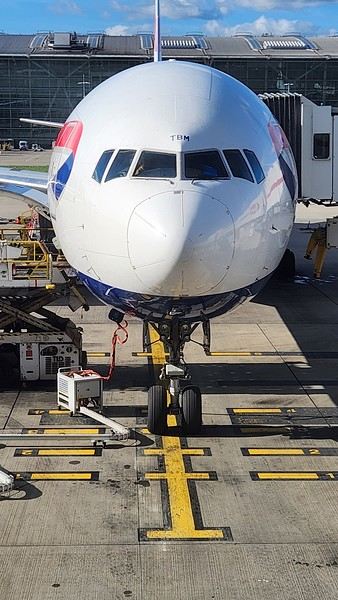


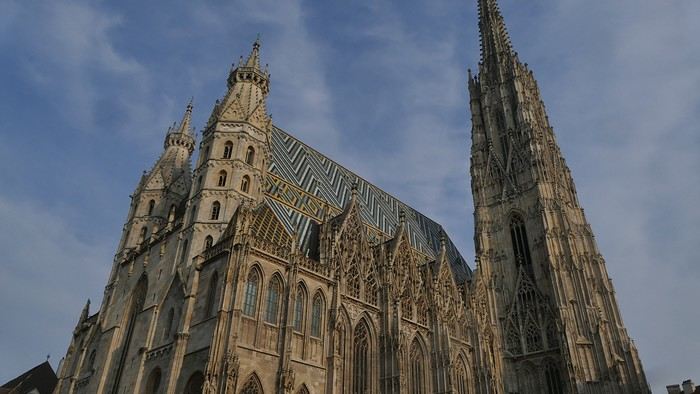
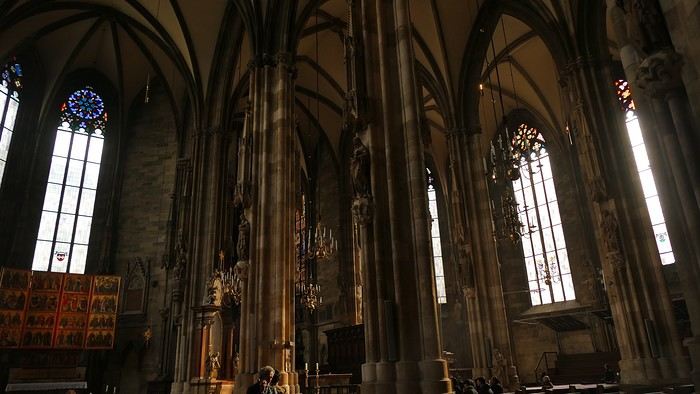
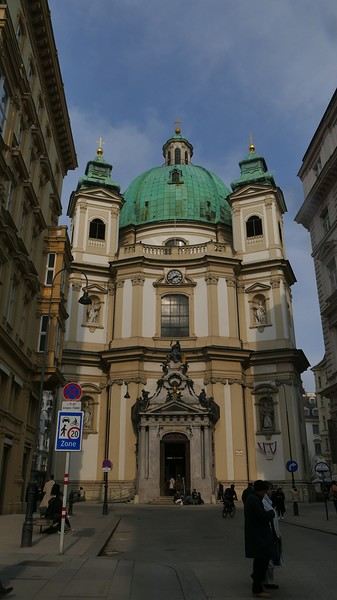
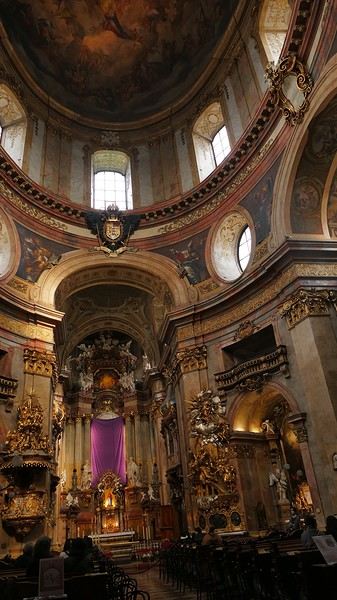
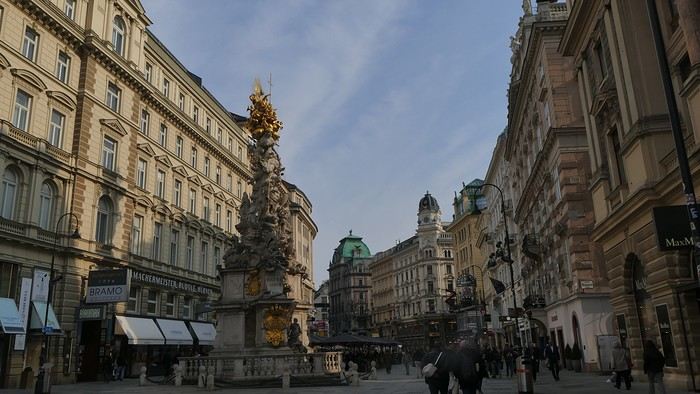
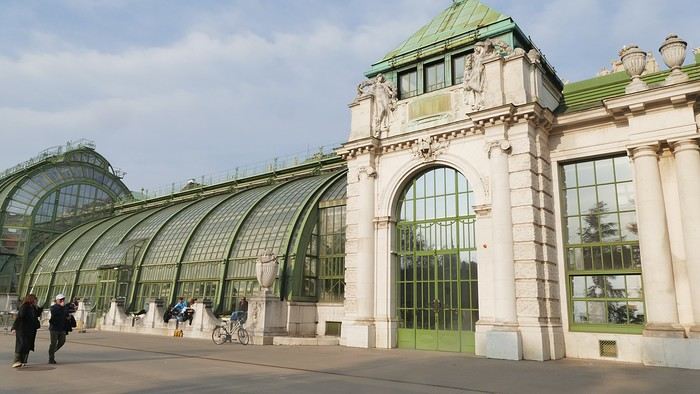
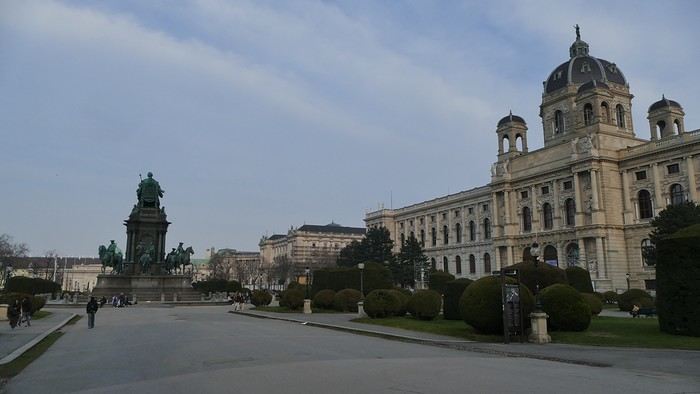


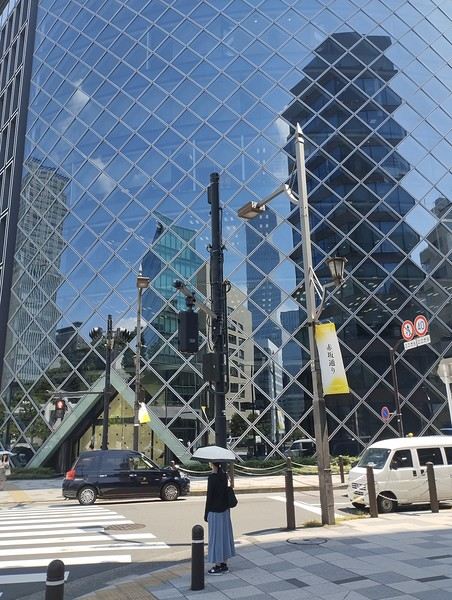

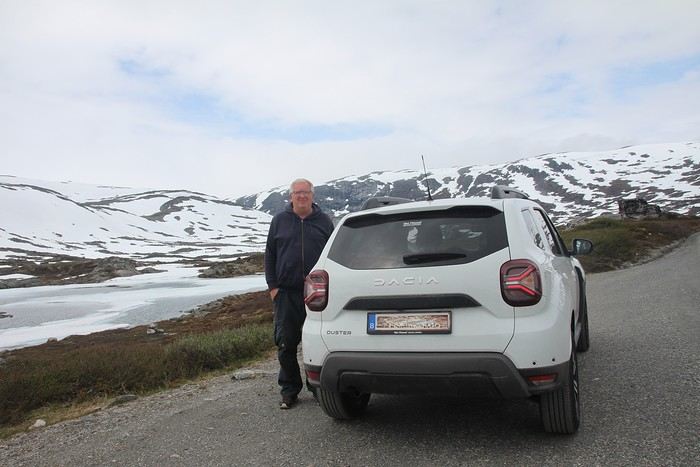
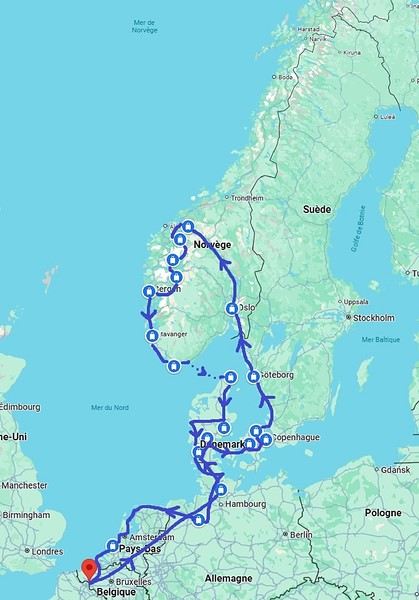
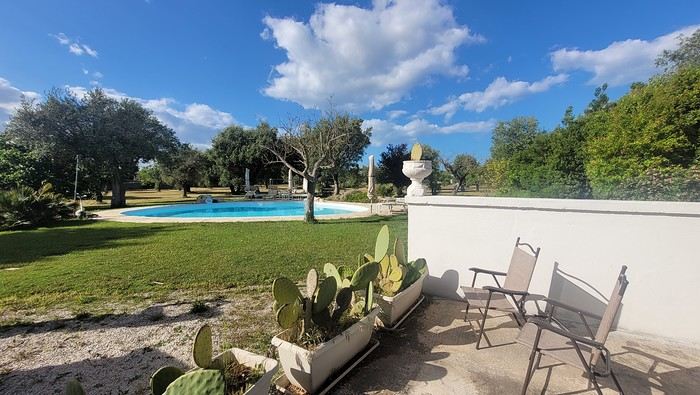
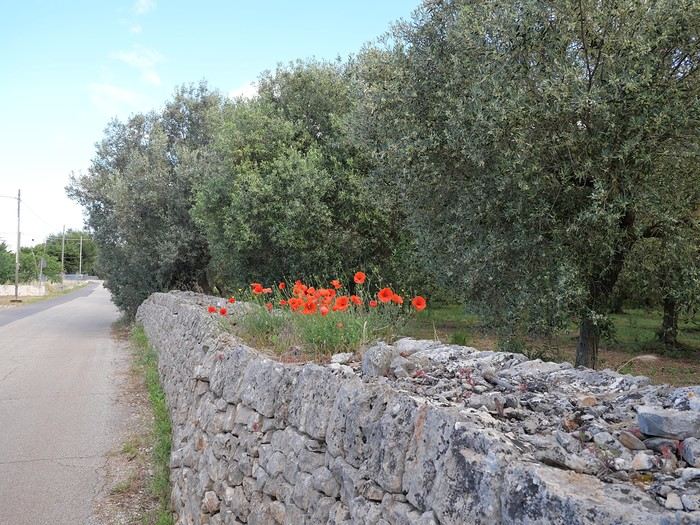
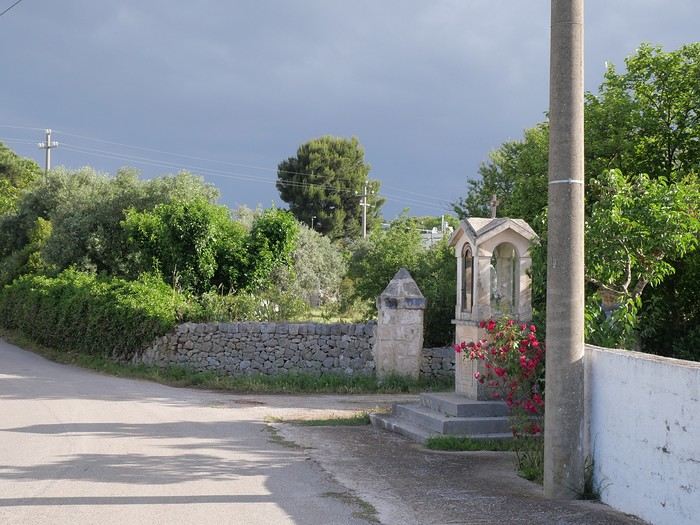
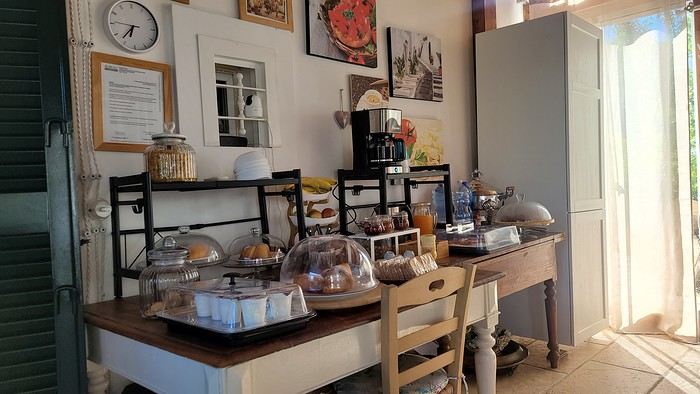
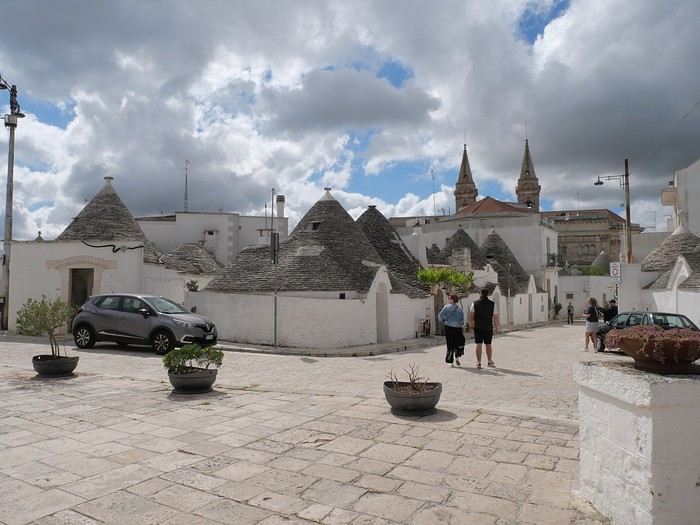
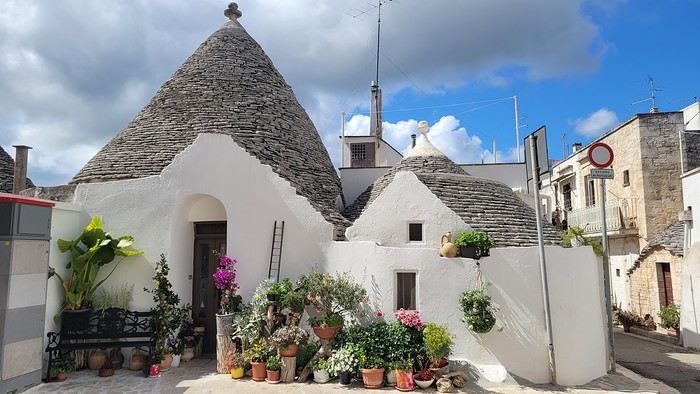
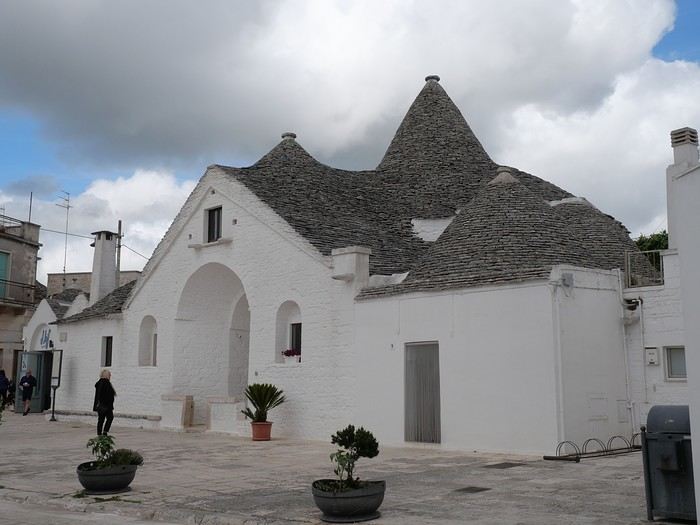
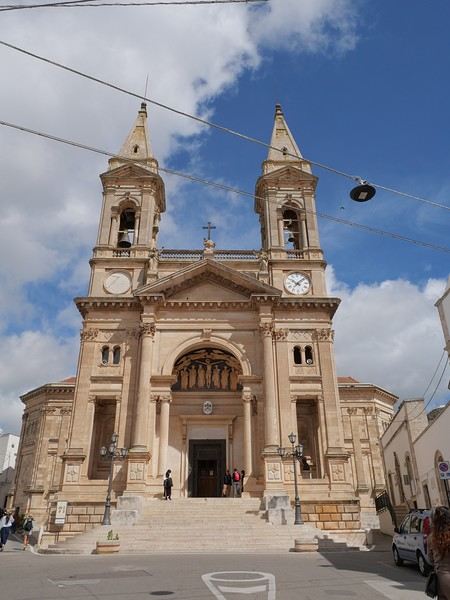
 Come along, I'm taking you to this country where it's so nice to wander and slow down...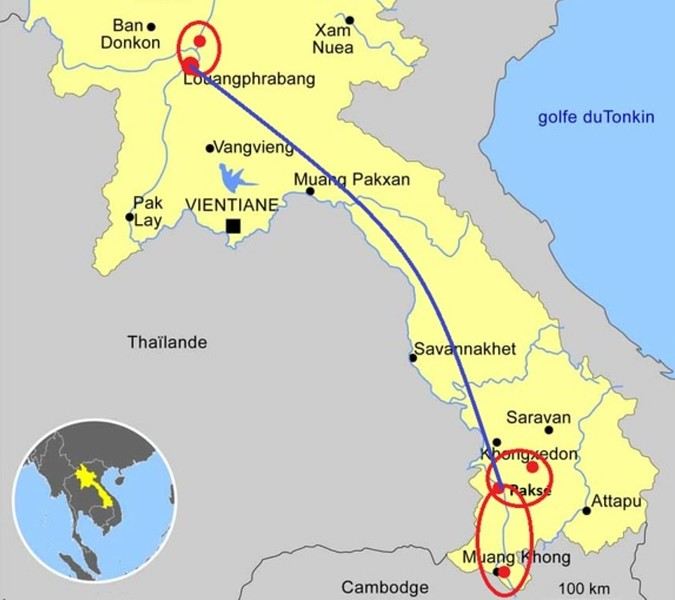

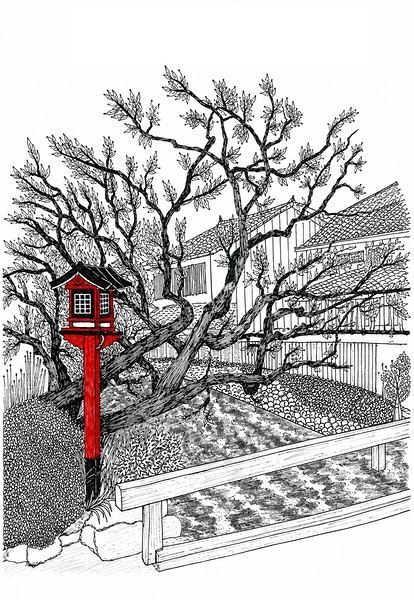 I’m inviting you on a stroll through my drawings—a completely subjective, far from exhaustive, and totally personal take, since it’s based on my own sketches. I put this travel journal together after returning in late 2024, mostly using felt-tip pens and pencils, with a few collages thrown in. I worked from our personal photos.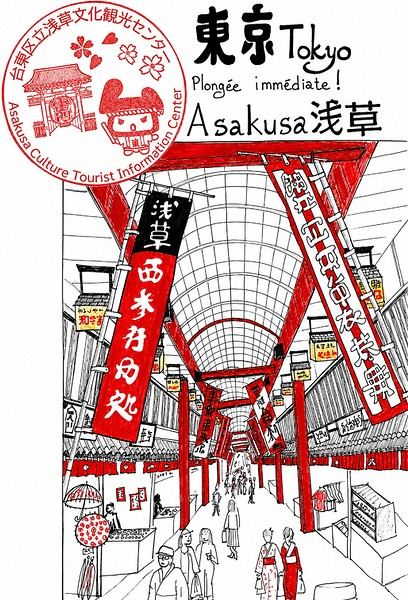
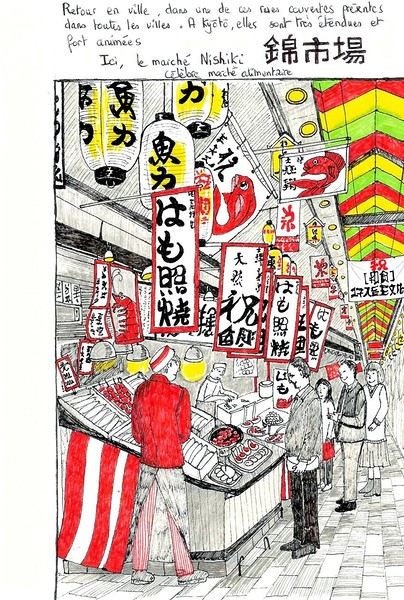
 And in Kyoto, Nishiki Market:
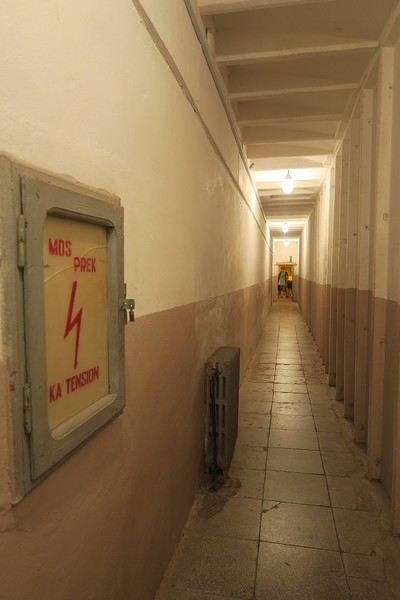
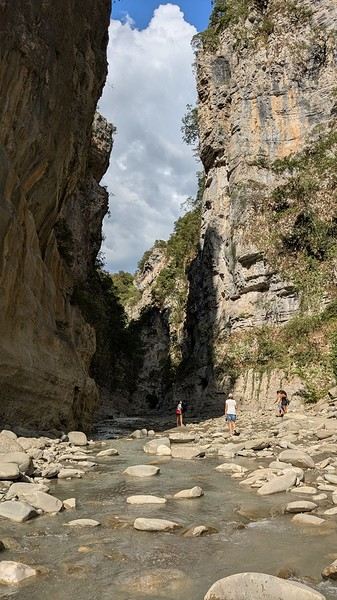
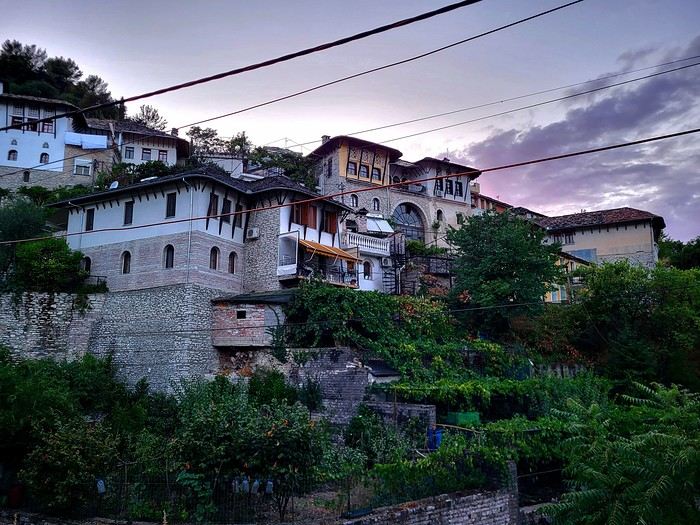
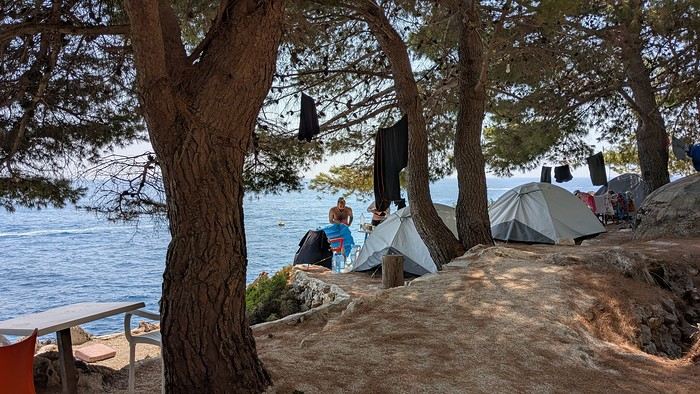
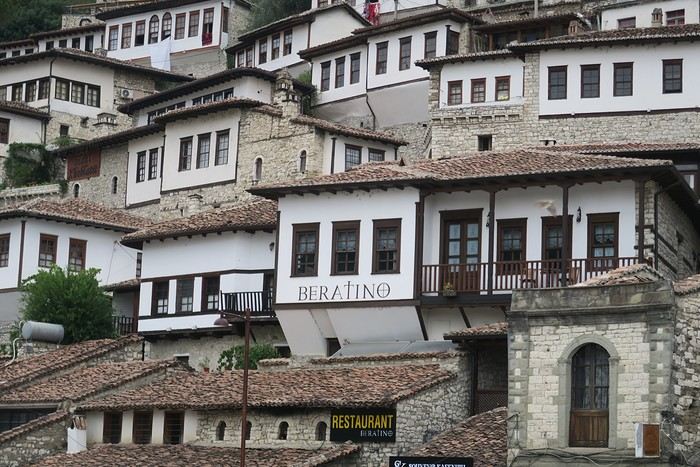
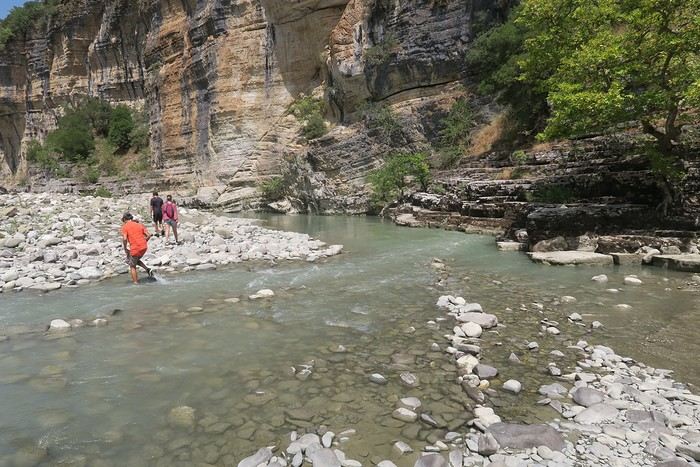
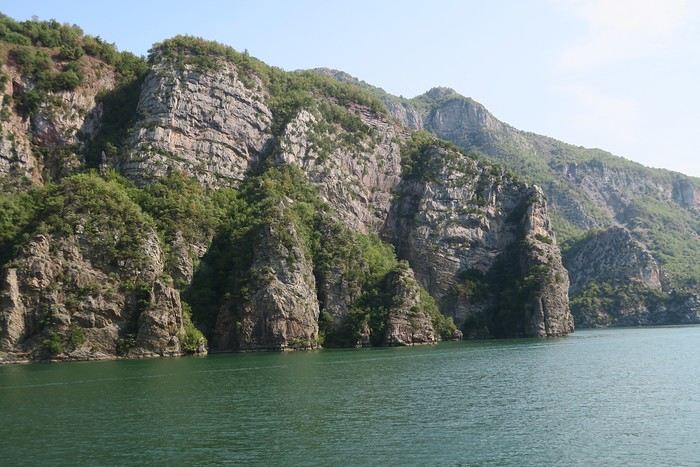
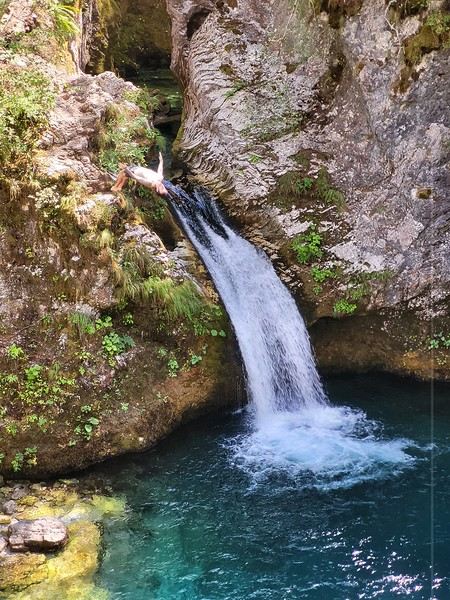
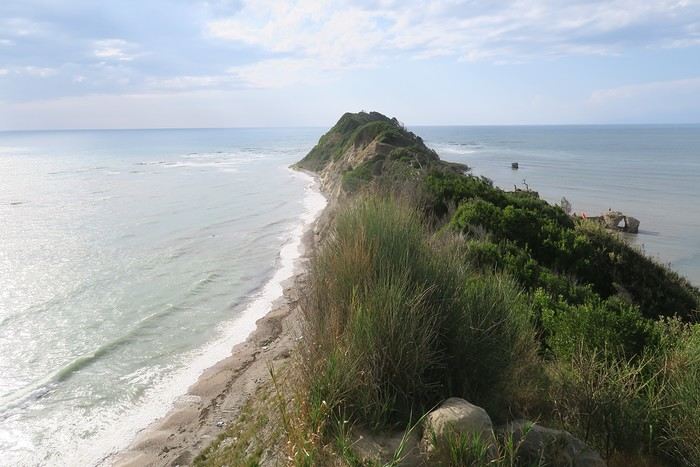
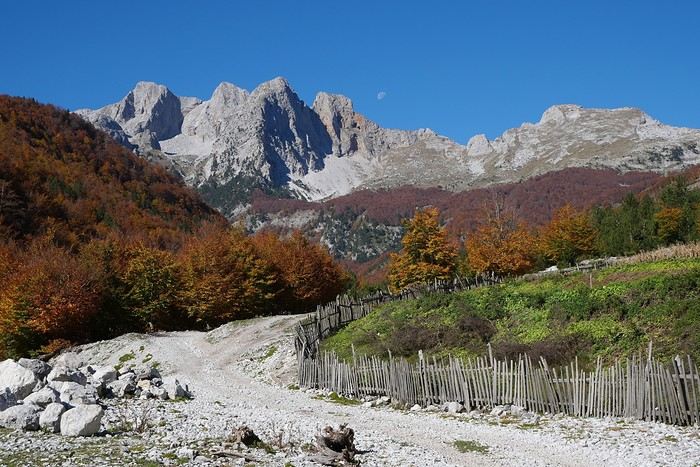
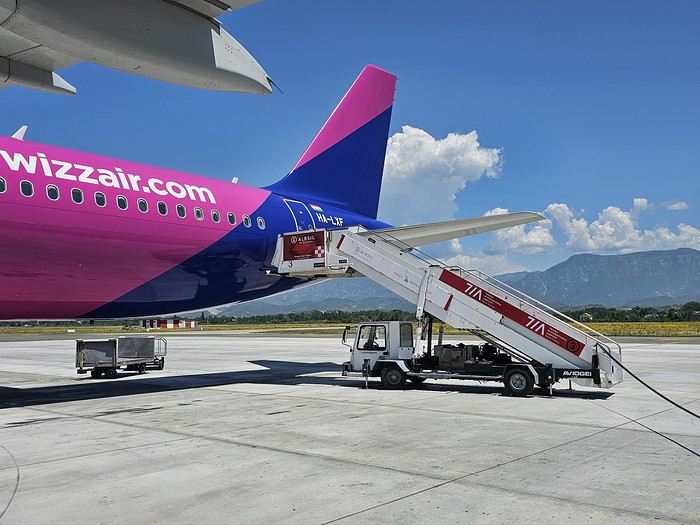 Since Albania isn’t part of Europe when it comes to phone service (at least not yet! :-)), we had to buy a physical SIM card—otherwise, the bill would’ve been sky-high if we’d used our French plan! We got one from Vodafone AL at the airport. You can buy online before leaving with a virtual SIM (e-SIM) for compatible phones, so you don’t have to swap cards. But given the uncertainty about choosing a plan online, we preferred buying one directly at Tirana Airport. Cost: 31 € for 100 GB. That’s way too much—100 GB is overkill. For 40 GB, it’s 27 €, and the plan lasts 21 days. The price difference isn’t huge, and it was cheaper than online. This plan covers all the countries along the Balkan range.
Money tip: All guesthouses and accommodations accept euros. The local currency in Albania is the LEK. In Montenegro, it’s the euro. Bank fees for withdrawing money from an ATM in Albania are pretty steep: 8 € for a withdrawal of 600–700 LEK (about 200 €)! So it’s better to withdraw cash (euros) in France. Oh, and we booked all our accommodations before leaving, but payment is always in cash. Budget around 400–500 € for 9 days of trekking.
Since Albania isn’t part of Europe when it comes to phone service (at least not yet! :-)), we had to buy a physical SIM card—otherwise, the bill would’ve been sky-high if we’d used our French plan! We got one from Vodafone AL at the airport. You can buy online before leaving with a virtual SIM (e-SIM) for compatible phones, so you don’t have to swap cards. But given the uncertainty about choosing a plan online, we preferred buying one directly at Tirana Airport. Cost: 31 € for 100 GB. That’s way too much—100 GB is overkill. For 40 GB, it’s 27 €, and the plan lasts 21 days. The price difference isn’t huge, and it was cheaper than online. This plan covers all the countries along the Balkan range.
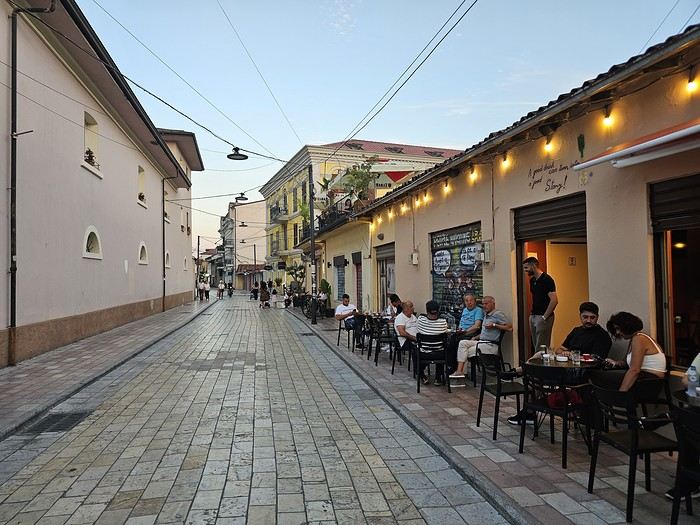
Money tip: All guesthouses and accommodations accept euros. The local currency in Albania is the LEK. In Montenegro, it’s the euro. Bank fees for withdrawing money from an ATM in Albania are pretty steep: 8 € for a withdrawal of 600–700 LEK (about 200 €)! So it’s better to withdraw cash (euros) in France. Oh, and we booked all our accommodations before leaving, but payment is always in cash. Budget around 400–500 € for 9 days of trekking.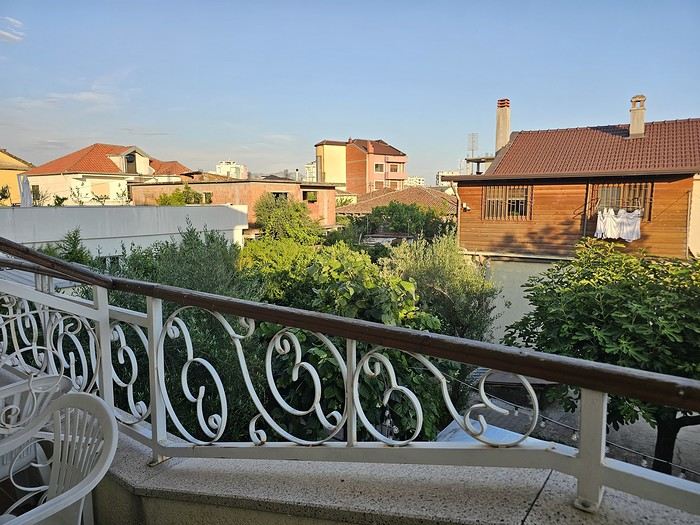 I really liked Shköder, especially its pedestrian street lined with restaurants and lit up at night. It’s a great place to stroll and eat. The food isn’t expensive—two big salads and two beers: 14 € :-) . Fruit prices are also very reasonable: 3 € for a kilo of cherries, compared to 9–10 € in France.
Religions coexist peacefully in these countries—Catholics and Muslims. From our balcony, my friend heard the call to prayer for the first time, coming from one of the city’s mosques.
I really liked Shköder, especially its pedestrian street lined with restaurants and lit up at night. It’s a great place to stroll and eat. The food isn’t expensive—two big salads and two beers: 14 € :-) . Fruit prices are also very reasonable: 3 € for a kilo of cherries, compared to 9–10 € in France.
Religions coexist peacefully in these countries—Catholics and Muslims. From our balcony, my friend heard the call to prayer for the first time, coming from one of the city’s mosques.
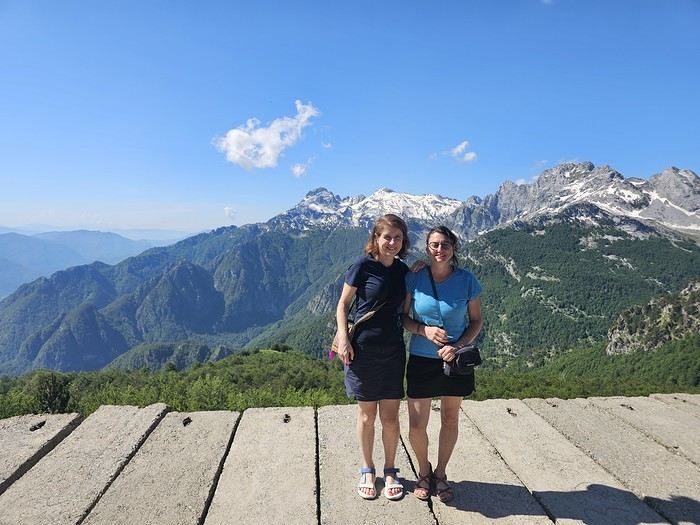
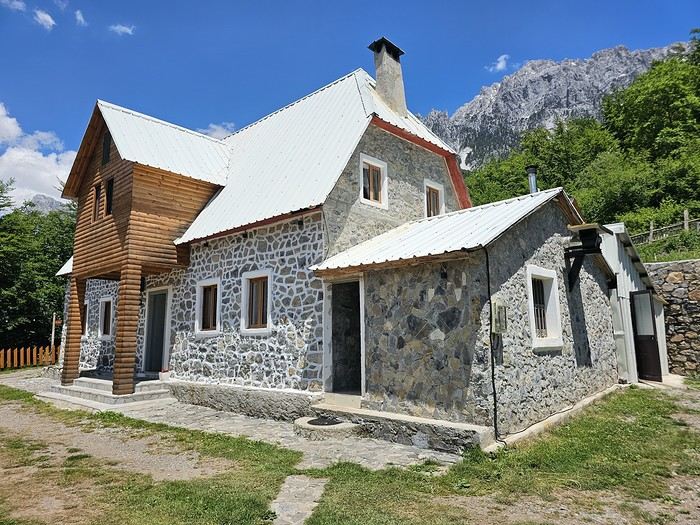 We slept in the heights of Theth at a new guesthouse, "Mountain Vista Shkafi," with an amazing view.

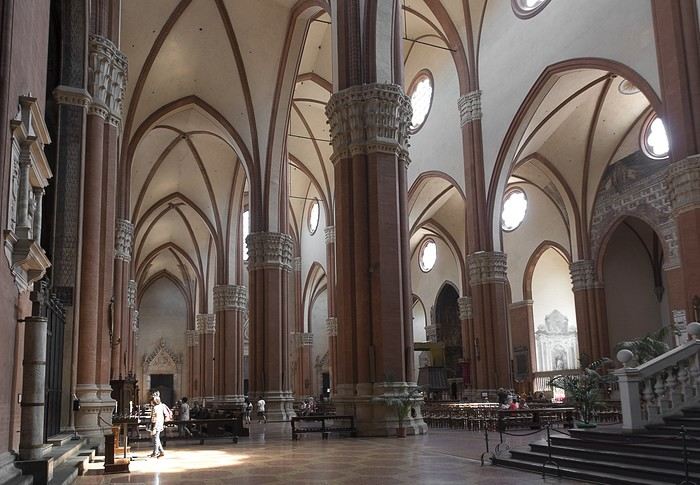
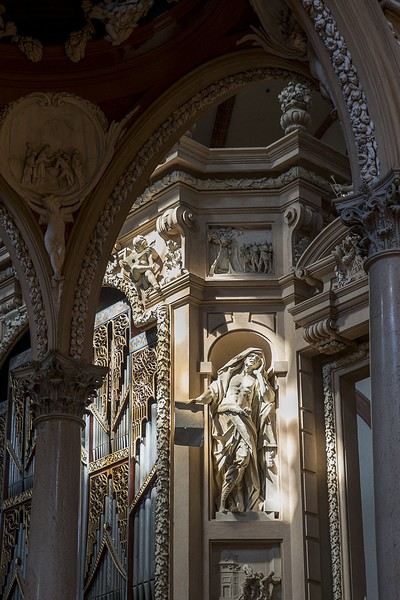
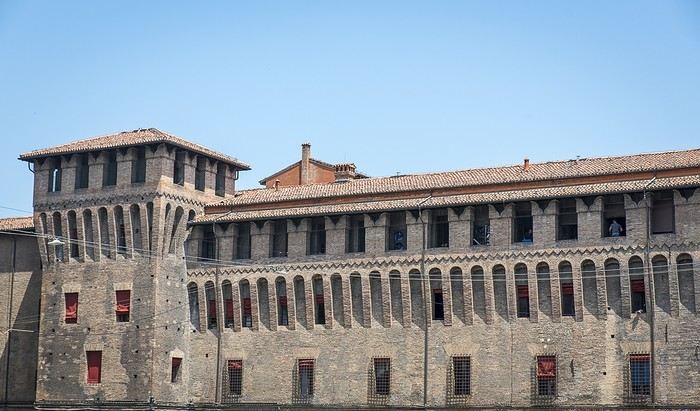 But Bologna’s real charm lies in its porticoes, which were added to the UNESCO World Heritage list in 2021: 62 km of arcades running along buildings, letting you walk sheltered from the sun or rain. Back in 1288, the city required houses to include private arcades for public use. In the city center, you can stroll under 32 km of porticoes in all sorts of styles—some plain, some ornate—with a strong presence of red tones.