Results for "Hawaï"
About 3,208 results.
More options
Many results are in French, the community’s main language. English translations are added over time.
Search results
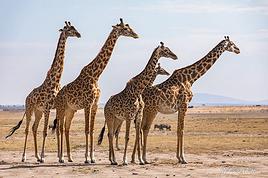
That's Kenya too...
Hey fellow travelers,
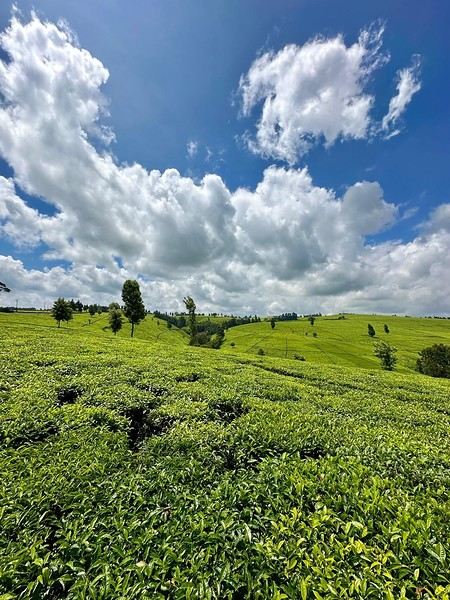
I'm back in the "travel journal" section to share our 15-day adventure in Kenya in November 2024. It was pretty much our first time in East Africa (since Zanzibar doesn’t really count 😜).
As usual, I’m sharing the journal I made for our loved ones—still as casual and cheerful as ever, just to give them a little break from their tough workdays 😄.
We organized the whole trip ourselves, and to be original here LOL, we took some *very* well-trodden paths: Naivasha, Tsavo, and Diani. But what I loved about this country is that it’s so easy to go off the beaten track—even on the "tourist highways" 😉.
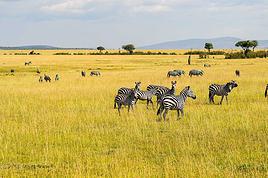
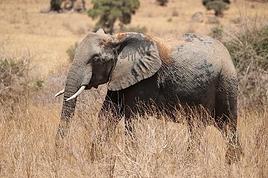
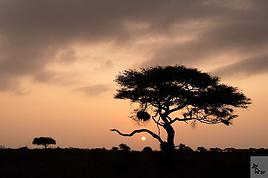
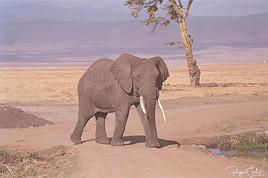
So, if you're a safari fanatic or after stunning wildlife photos, you might be disappointed. But if you want to discover other sides of Kenya, you might just find what you're looking for 😉.
Looking forward to sharing this fun journey with you all 😊.
I'm back in the "travel journal" section to share our 15-day adventure in Kenya in November 2024. It was pretty much our first time in East Africa (since Zanzibar doesn’t really count 😜).
As usual, I’m sharing the journal I made for our loved ones—still as casual and cheerful as ever, just to give them a little break from their tough workdays 😄.
We organized the whole trip ourselves, and to be original here LOL, we took some *very* well-trodden paths: Naivasha, Tsavo, and Diani. But what I loved about this country is that it’s so easy to go off the beaten track—even on the "tourist highways" 😉.
So, if you're a safari fanatic or after stunning wildlife photos, you might be disappointed. But if you want to discover other sides of Kenya, you might just find what you're looking for 😉.
Looking forward to sharing this fun journey with you all 😊.
Discussion on the April 2025 photo contest theme "Fish"
To chat about the side topics of the theme "Fish," this is the place!
Back to the contest theme: Fish: April 2025 Photo Contest Theme
Back to the contest theme: Fish: April 2025 Photo Contest Theme
Photographic Discovery of Vancouver Island
Let’s catch up with a new travel journal from July 2024—only 6 months late, no biggie!
We’ll be talking about this gorgeous island, its tail end, wildlife (old habits die hard), and the sheer joy of it all 🙂
We’ll be talking about this gorgeous island, its tail end, wildlife (old habits die hard), and the sheer joy of it all 🙂
World Cliffs Discussion: January 2025 Contest
So, to start the year off right (Happy New Year!),
This is where we can discuss January’s theme.
With 20,000 km of French coastline (there’s a catch ;)), our beautiful country should be well represented!
Dig out those hard drives! Bruno
Dig out those hard drives! Bruno
Cécile découvre Amsterdam, les Pays-Bas et... Metz
et hop ! une nouvelle capitale européenne et ses alentours pour Cécile ....
Brel et Béart ont chanté cette charmante ville qui lui tardait de découvrir.. grâce à un CE généreux qui rend accessibles les Adagio Hôtel d'Europe...
11h de route ce dimanche de de retour de vacances... arrivée tardive et nocturne sur place donc dodo le 1er soir
La météo est mouvant mais que rien ne nous arrête... direction Utrecht..
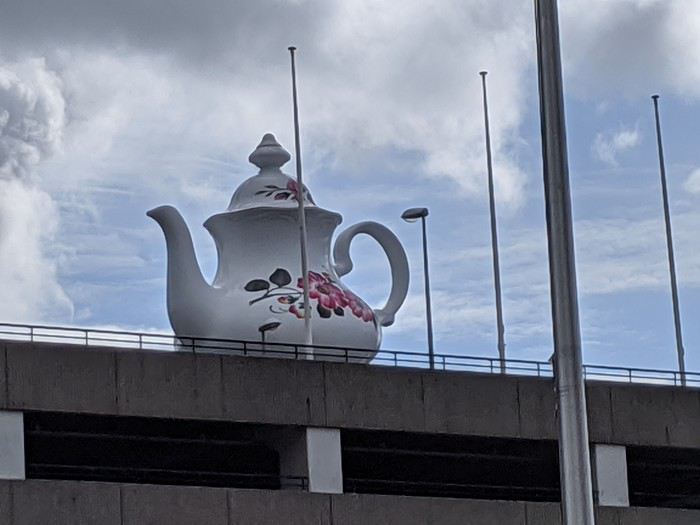
1er choc: des vélos partout !!!! donc vitesse réduite ce qui permet de découvrir des bâtiments insolites

Utrecht centre ses canaux, l'Oudegracht

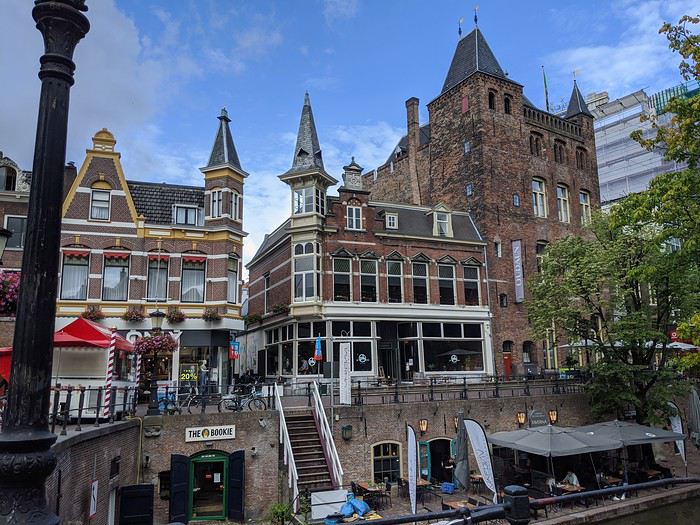
les touristes n ont pas encore envahi les bars des quais
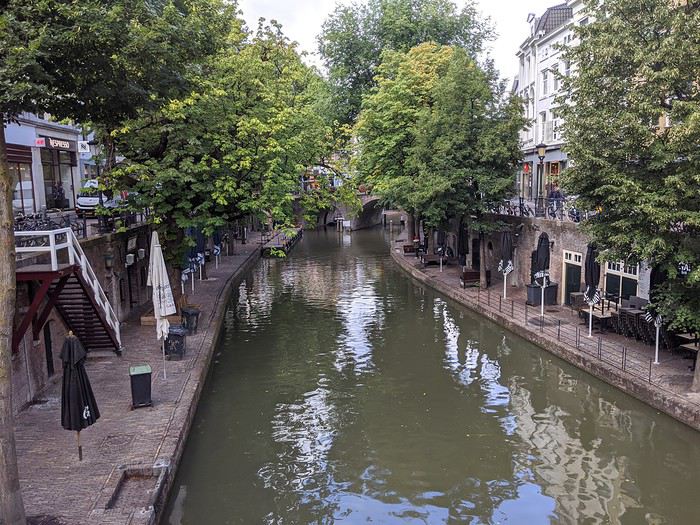
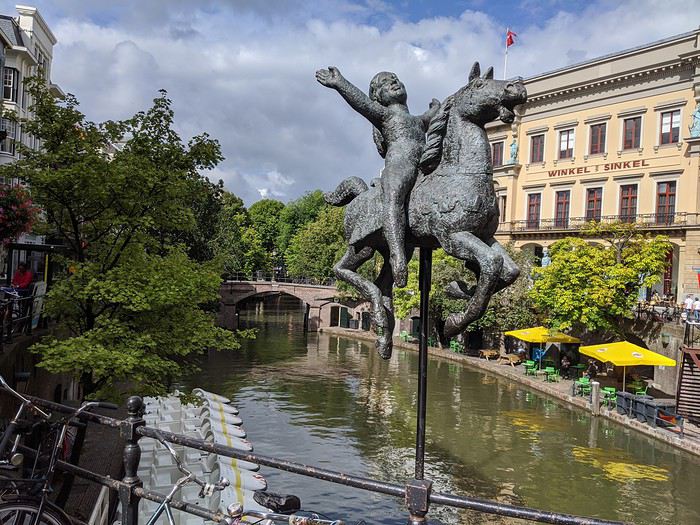
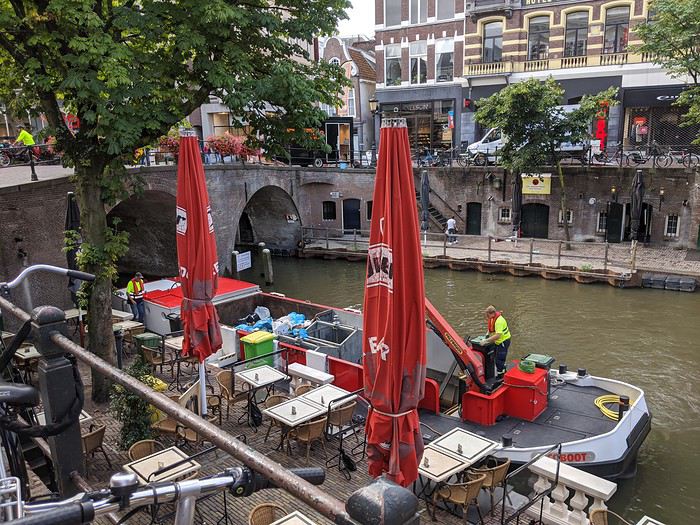
Même le ramassage des poubelles se fait par péniche!
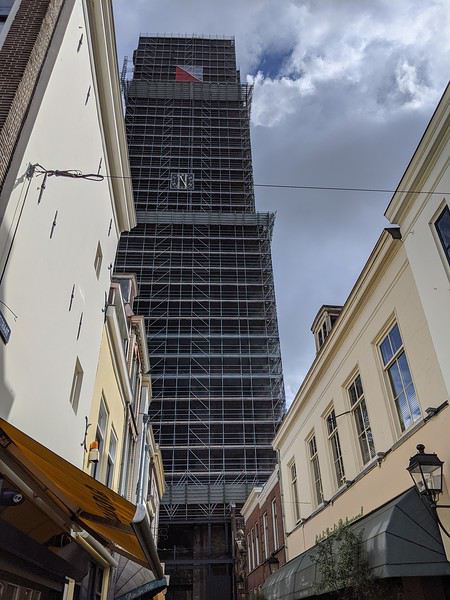
Pas de chance les 465 marches du Dom sont impossibles d accès
Brel et Béart ont chanté cette charmante ville qui lui tardait de découvrir.. grâce à un CE généreux qui rend accessibles les Adagio Hôtel d'Europe...
11h de route ce dimanche de de retour de vacances... arrivée tardive et nocturne sur place donc dodo le 1er soir
La météo est mouvant mais que rien ne nous arrête... direction Utrecht..
1er choc: des vélos partout !!!! donc vitesse réduite ce qui permet de découvrir des bâtiments insolites
Utrecht centre ses canaux, l'Oudegracht
les touristes n ont pas encore envahi les bars des quais
Même le ramassage des poubelles se fait par péniche!
Pas de chance les 465 marches du Dom sont impossibles d accès
Triptyque gorilles - lions aboricoles - ascension du Nyiragongo
Bonjour à tous,
Désolé si mes questions vous semblent assez basiques mais cela ne fait que peu de temps que je parcours la partie du forum relative à cette partie de l'Afrique. Je souhaitais avoir si il était possible de faire un voyage de 2 semaines dans cette région en couplant : - Une rencontre avec les gorilles (j'ai vu que c'était bien moins cher en Ouganda qu'en Rwanda) - Un safari nous permettant de voir des Lions Aboricoles (Queen Elizabeth) - Une ascension du Nyiragongo pour voir ce magnifique lac de lave. C'est cependant en RdC dans le Virunga et j'ai peur que ça soit dangereux.
Pour faire cela j'ai l'impression que le plus simple serait d'atterrir à Kigali qui semble le plus proche des lieux concernés. Si il y a un parc où on peut rencontrer des Chimpanzés dans le coin cela m'intéresserait aussi bien sûr.
Voilà je vais creuser un tel itinéraire mais si ceux qui connaissent bien la région peuvent m'aider ça me serait très utile :) Merci Pierre
Désolé si mes questions vous semblent assez basiques mais cela ne fait que peu de temps que je parcours la partie du forum relative à cette partie de l'Afrique. Je souhaitais avoir si il était possible de faire un voyage de 2 semaines dans cette région en couplant : - Une rencontre avec les gorilles (j'ai vu que c'était bien moins cher en Ouganda qu'en Rwanda) - Un safari nous permettant de voir des Lions Aboricoles (Queen Elizabeth) - Une ascension du Nyiragongo pour voir ce magnifique lac de lave. C'est cependant en RdC dans le Virunga et j'ai peur que ça soit dangereux.
Pour faire cela j'ai l'impression que le plus simple serait d'atterrir à Kigali qui semble le plus proche des lieux concernés. Si il y a un parc où on peut rencontrer des Chimpanzés dans le coin cela m'intéresserait aussi bien sûr.
Voilà je vais creuser un tel itinéraire mais si ceux qui connaissent bien la région peuvent m'aider ça me serait très utile :) Merci Pierre
Mais où donc est ce truc là? (5)
Bonjour
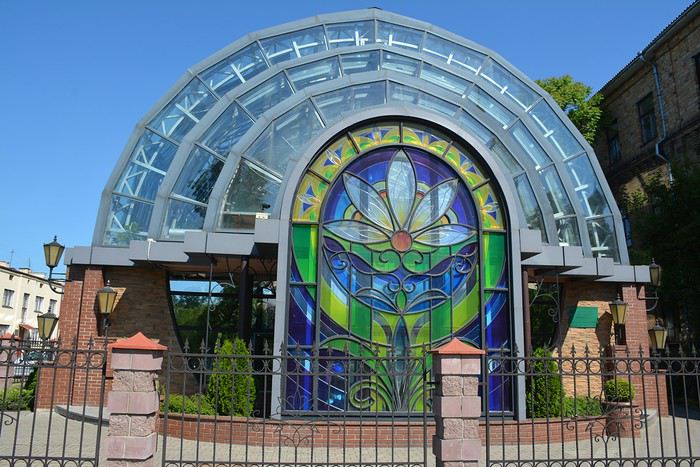
Où se trouve cette serre ?
En premier chercher le pays et ensuite la ville
Françoise
On part en vadrouille dans les Balkans!
Et bien le confinement a de beaux jours devant lui ! Chose promise, chose due (publier une journée de vadrouille par jour de confinement) ! Après le carnet sur un voyage aux Etats-Unis (voyageforum.com/...-americain-d9943984/), après le carnet sur une vadrouille en Jordanie (https://voyageforum.com/discussion/on-part-en-vadrouille-en-jordanie-d9991360/), voici maintenant un carnet dans les balkans, voyage réalisé il y a maintenant quelques années :
Et on garde les bonnes habitudes, publication d'une journée par jour, à chaque fois à 17h30 ! Bonne lecture et n'hésite pas à laisser un commentaire, une question, une remarque, ...
Franck
Et on garde les bonnes habitudes, publication d'une journée par jour, à chaque fois à 17h30 ! Bonne lecture et n'hésite pas à laisser un commentaire, une question, une remarque, ...
Franck
Adventures of a Bygone Era: The Philippines in 1984
After several discussions on VF about travel journals from the Philippines, I decided to write this curiosity: a trip report from a journey made in 1984, when traveling to the Philippines was still an adventure.
A curiosity because writing a travel journal about a trip 35 years later isn’t common, but also (mostly?) because exploring the Philippines at that time had little in common with traveling there today.
Obviously, I’ve forgotten a number of facts, most of the details, but with the help of a few notes from that time and a stack of slides (yes, there was life before digital 😊), many memories came back and added to the highlights I’d never forgotten. The scanned slides aren’t always great quality, but there are still quite a few to brighten up this chatter. Back then, we didn’t snap photos like we do now—film was too expensive—so I don’t have pictures of every place we visited... too bad, comparing some of those spots to how they look today would’ve been interesting.
Why "Adventures"? Why call it "Adventures" in the Philippines in 1984, a word so often used for a simple exotic trip? - Because the lack of information (no *Guide du Routard*, no *Lonely Planet*, no *Michelin Guide*, nothing, and obviously no internet) gave this trip what’s at the heart of adventure: the unknown. - Because the political situation made the stay sometimes dangerous. - Because transportation conditions were always epic, often perilous. - Because the question of where we’d spend the night came up almost every evening. - And for... quite a few other reasons.
That said, we weren’t exactly explorers!
Why the Philippines? First of all, why go to the Philippines in 1984—a country not exactly set up for tourism and about which we knew very little? How could we get an idea of the beauty of the Philippines and its points of interest when we had no guides or photos?
The idea came to us from Thailand a year earlier, during our first long-haul trip. After touring the north of the country, we met a Frenchman living in Phuket, where there were only a few tourists in Patong, with just a few small hotels and guesthouses. Kata and Karon had no buildings or roads, Rawai only had three palm-thatched bungalows, including ours, and the other islands were unknown to tourists. There was plenty to discover, and we wanted to return to this beautiful country... but the Frenchman made us dream about the Philippines—a country to explore, with wild landscapes.
Long evenings of discussion over multiple Sprite-Mekong cocktails (what memories of those headaches!) finally convinced us we had to go to the Philippines.
Episode 0: Before Departure The decision was made: we’d go to the Philippines in May 1984. Our friends and family were surprised when we announced we were going on vacation to the Philippines (a bit like saying today we were going paddleboarding in the Kerguelen Islands 🤪).
These days, preparing for each of our trips takes long evenings of research, planning, and noting down good addresses... etc. But for the Philippines in 1984, preparation was quick: we had very little information about the country, we were leaving almost at random, and the discovery would only be more exciting.
We still had a few bits of info gathered here and there: the rice terraces in northern Luzon, volcanoes, Negros where we were supposed to visit an acquaintance, Cebu and its marine life (we ended up going elsewhere), and absolutely avoid Mindanao, which was practically at war with the regime. That was about it, but it was already a great itinerary.
Nothing was organized in advance; we’d see day by day. We had no idea about travel times or even the existence of transportation options. The main (and sometimes only) way to connect two islands was by overloaded, rusty ferry. Only the big cities had airports.
Let’s Go: Episode 1: Paris to Manila My travel journals always start after arriving at the airport—the Europe-to-“Other Continent” trip isn’t interesting—but the flight to the Philippines was already an adventure, so I’ll make an exception.
This was the era when only a few Asian airlines were on par with Western ones: Thai, Singapore Airlines, and Philippine Airlines. They had beautiful, brand-new planes, and to attract customers (almost exclusively “businessmen”) from the usual airlines (Air France, Lufthansa, British Airways), there was opulence on board: unlimited champagne, all sorts of cocktails... Compared to today’s long-haul flights, there was still one small difference: no personal screens, just one screen at the front of the cabin with one mandatory movie. And I don’t know why, but we only got James Bond films, both ways... that must’ve been the trend at the time.
The tourism boom to Southeast Asia hadn’t started yet, and the “Asian Tigers” weren’t a thing, so there weren’t many business trips. That meant long-haul flights made stops everywhere to fill the planes. Our Philippine Airlines Boeing 747 left London, picked us up in Paris, then stopped in Frankfurt to take on a few Germans. I don’t know why we then made a stop in Dubai—a totally exotic place at the time. There was nothing to do there... things have changed a lot since. It was a small town lost in the desert. The airport was tiny, with just one or two buildings and a supermarket. During the stopover, everyone had to get off the plane and walk to the supermarket. Photo and electronic equipment were dirt cheap—I guess that was the only reason for the stop. Maybe it was their first commercial move. Emirates didn’t exist yet, as I checked online, but anyway, the idea that such a remote place could have its own airline was unthinkable.
Online, I found this photo of Dubai Airport in 1980. Anyone who’s transited through today’s massive airport with its rows of A380s will appreciate it: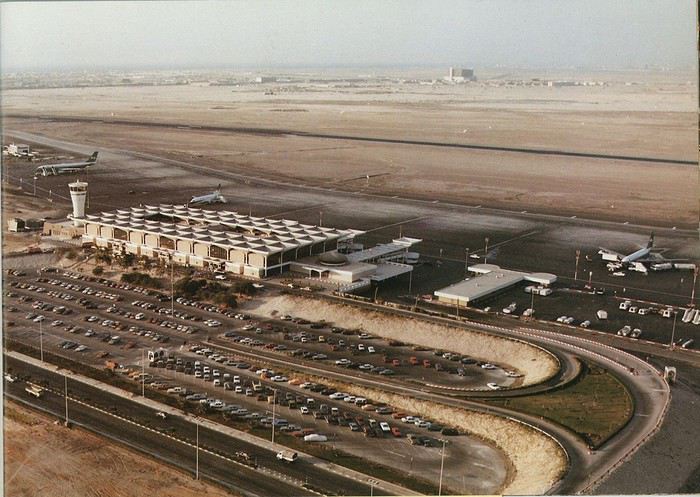
Next stop: New Delhi to drop off some Europeans and pick up a few Indians, and finally, the terminus: Manila. I don’t remember how long the trip took with its five stops—an unimaginable journey today. Despite all those stops to fill the plane, there was still enough space to stretch out on the four center seats of the 747, something that never happens these days despite all the flights in every direction.
So here we are, finally at Manila Airport around midnight.
Episode 1: Manila and Baguio To start, a quick note on the political and economic situation in the Philippines in 1984, which had consequences for us as tourists, as we’d soon realize upon arrival.
After several centuries of Spanish colonization, the Philippines became American at the start of the 20th century, then independent. In 1966, Marcos took power, and little by little, his regime sank into corruption and mismanagement, becoming a dictatorship with martial law, all for the benefit of his family and friends, who enriched themselves endlessly. The peak was the assassination of opposition leader Benigno Aquino in August 1983, which triggered harshly repressed protests. So we arrived a few months later in a very poor country, with omnipresent corruption and an extremely tense political situation, as we’d soon see for ourselves. Major protests took place in the main cities during our trip—I’ll come back to that. Two years later, Marcos fled to Hawaii after being forced out of power following rigged elections. This historical context explains a lot of the situations we found ourselves in over the following weeks.
Arriving in the middle of the night isn’t very cheerful. Manila was already a huge city with many slums, where you could find a few business hotels like the Hilton or Intercontinental—way out of our budget—and plenty of run-down hotels. Luckily, two Indians we’d chatted with on the plane offered to take us to their usual hotel. They came to Manila twice a year for business. We accepted their offer, relieved not to have to look for a place to stay in the middle of the night, figuring the address must be good since they came back every time... we were wrong 🙁
We left the airport and immediately got a taste of the local vibe when we got into the taxi: the police asked for our passports. We thought: what’s more normal than police in a dictatorship?
But that wasn’t it at all. Our two Indian friends explained that the police were noting our names along with the taxi number and time. Crime in Manila was so bad that the taxi driver would be held responsible if anything happened to us... welcome to the Philippines 😎 😎
Historically, the Philippines was a very violent country, where everything was settled with guns or machetes. Previous governments had banned carrying weapons, but Marcos later allowed the free sale and carrying of guns, and disputes were settled with pistols again (or worse, as we’d discover later). Since he’d released most of the criminals from prison to form a paramilitary militia at his service (I’ll talk about our encounter with these “heroes” later), it was pretty dangerous to go into many parts of Manila, where these “tonton macoutes” ruled.
We arrived at our hotel without incident... and then things started badly. The room was infested with big cockroaches—exactly what I hate most in those kinds of countries. No way to find another hotel at that hour. After the long flight, the urge to take a shower was so strong that we squeezed into the bathroom as best we could. After that, I don’t remember—I guess we must’ve fallen asleep exhausted under the sheets in the heat... air conditioning wasn’t widespread yet.
The next day, we just wanted to leave that dump as soon as possible. So we decided to head north right away, stopping in Baguio, and we’d visit Manila a bit on the way back.
When we stepped outside, we discovered a pretty run-down neighborhood with potholed streets. But we also discovered the jeepneys. They were everywhere, flooding the streets.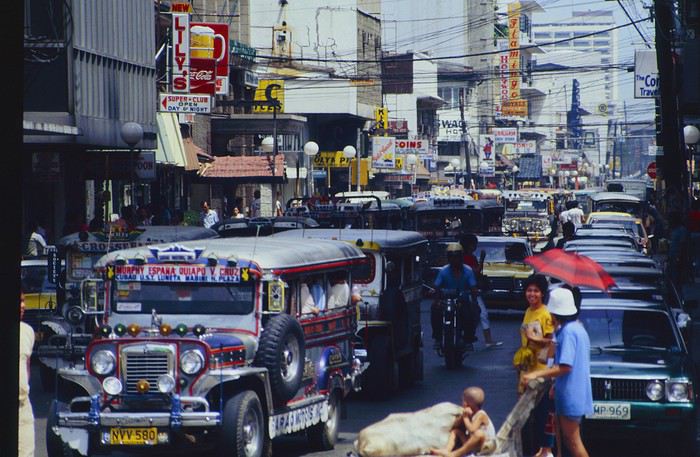
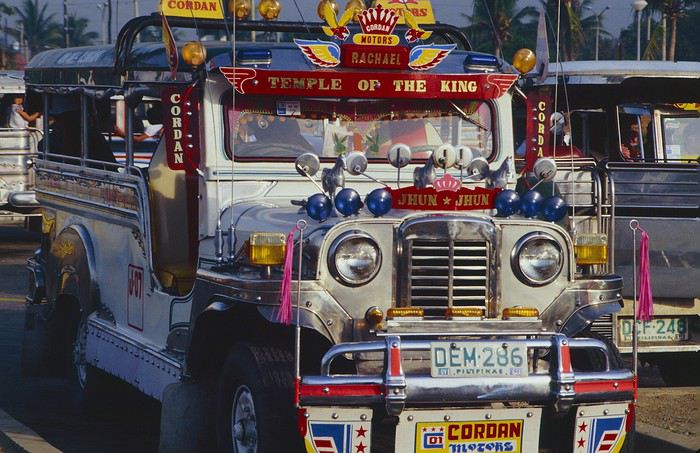
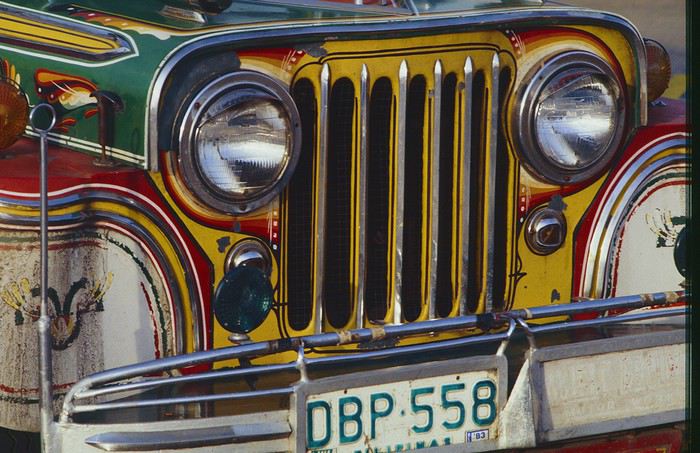
They had crazy sound systems, each one blasting louder than the last. The interiors were kitschy but fun. There weren’t many private cars—almost all transportation was by jeepney, with buses reserved for intercity trips.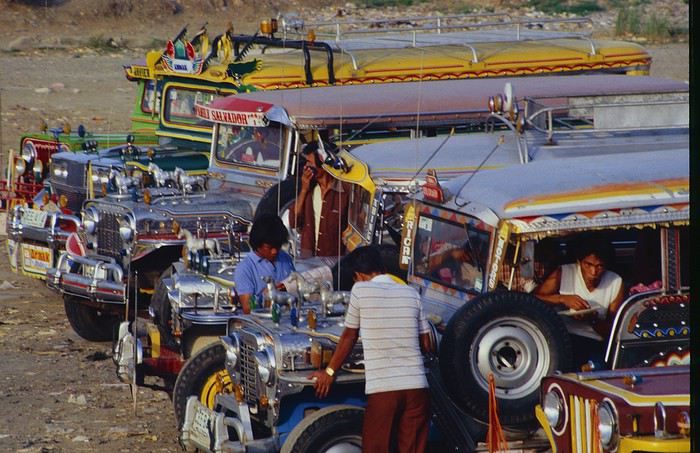
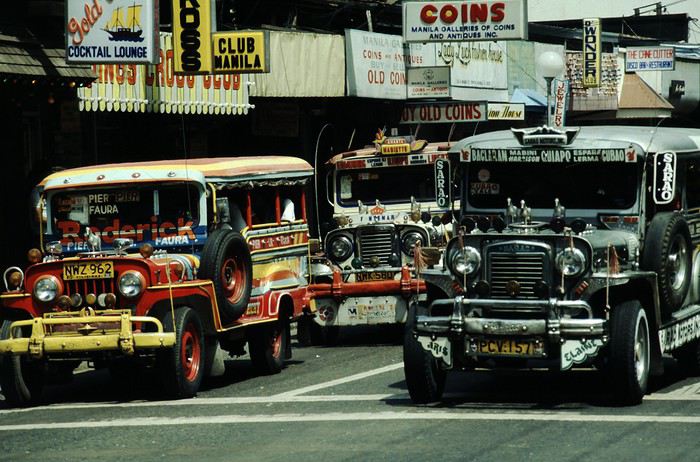
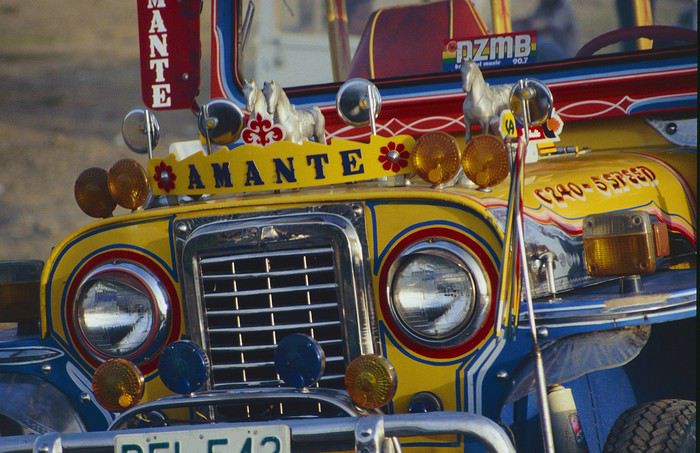
Before heading to the bus terminal for the north, somewhere on the outskirts of the city, we needed to exchange some money. I don’t remember how we ended up in a policeman’s jeep who offered his services: - Exchange money on the black market at a better rate than the banks. - Take us wherever we wanted, in this case, the bus terminal.
We accepted both offers (we’d still checked the official exchange rate from dollars to pesos). So we found ourselves in his jeep. After exchanging money, we left in his vehicle and stopped for gas. Without turning off the engine, he calmly smoked a cigarette while filling up. Since we were in a jeep with no doors or roof, we were ready to jump out if things went south, our travel bag in hand.
But we weren’t done with surprises yet. Once we left the small streets, we ended up in a neighborhood with wide avenues and not much traffic, which didn’t justify his incredible behavior. At every intersection, he made the sign of the cross, closed his eyes, and crossed without looking. I was more stunned than terrified! It wasn’t until we got out of the car later that I told Anne-Marie what had happened. I’d seen everything because the cop had put me in the front seat. Luckily, A-Marie hadn’t noticed anything from the back. Crossing Manila by trusting God rather than the rules of the road was ultimately effective. We were lucky—the trip was off to a good start. 🙂 🙂
We then passed through a neighborhood where slums stretched on for a while, and we left our policeman—friendly but a bit crazy—with relief.
A few hours by bus later, here we are in Baguio, cool in the mountains. My memories of Baguio are pretty fuzzy. I remember a small town. After some research while writing this journal, I found that the population was 120,000 in 1980. Given the population density in each home, that confirms my memory of a smallish town. Outside the “official” district with the president’s summer residence and government buildings, there were two or three paved streets with nice houses. The rest was very dirty and very poor, with lots of slums and dirt roads.
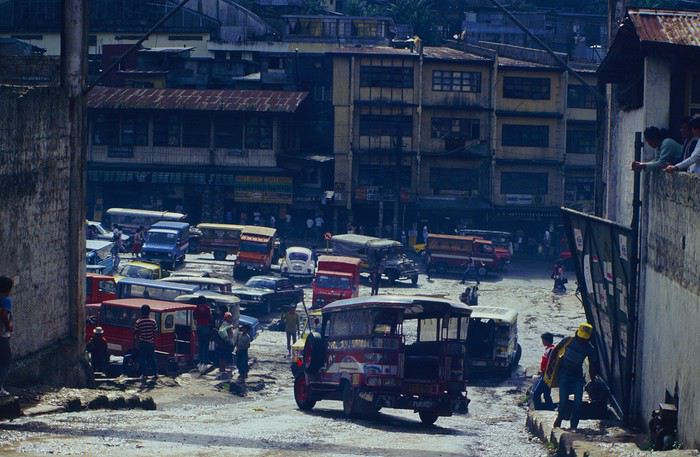
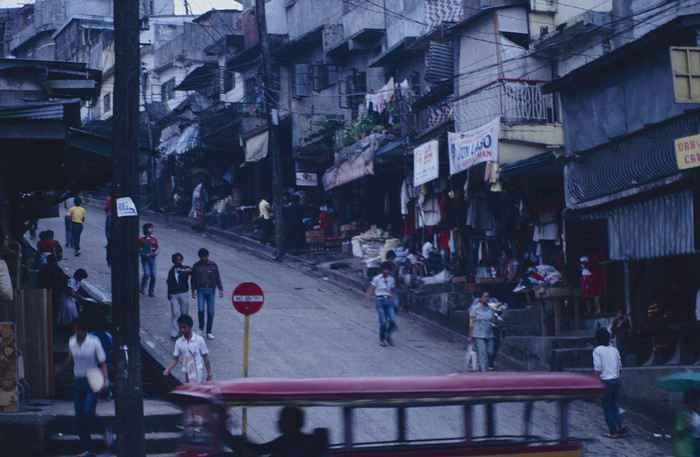
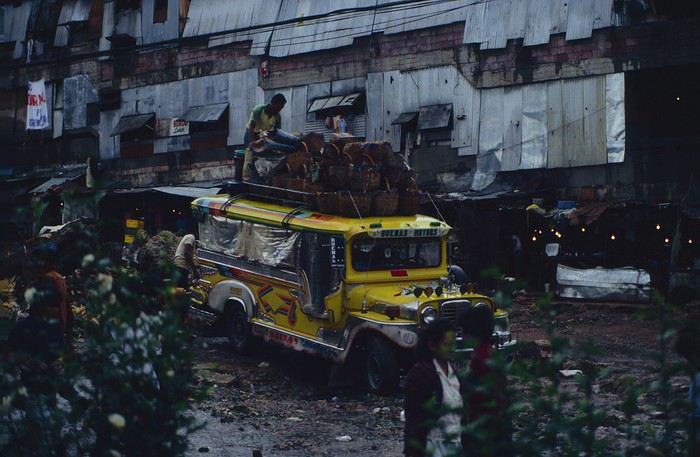
People we met on the street invited us to stay with them. These days, we wouldn’t just show up at strangers’ houses, which we should’ve done in Baguio—it would’ve saved us from an unimaginable and dangerous situation... which I won’t say anything about... !😊
The simple wooden house was on stilts at the edge of a hill with a view of the mountains. Since it was the start of the rainy season in a city that gets a lot of rain, we saw a lot of water. Our outings in town happened between downpours.
View from our lodging: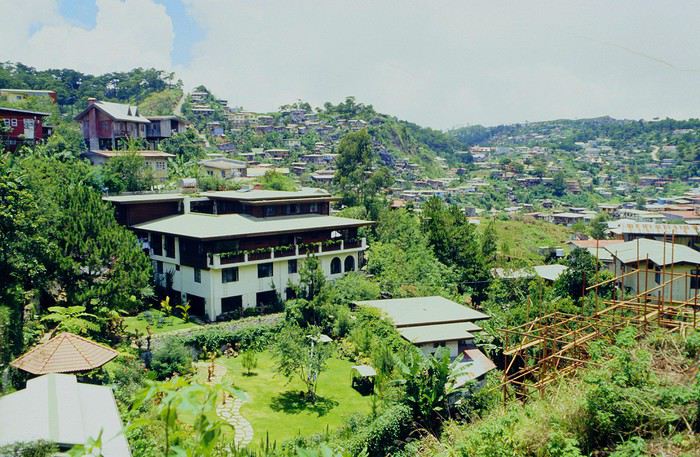
Episode 2: Baguio to Bontoc Aside from the situation briefly mentioned above, it was on the next leg to Bontoc that the adventure really began: an endless and dangerous road, a bus from another era, breathtaking landscapes, and surprising people.
We didn’t know the distance or how long it would take to get to Bontoc. When we arrived after about ten hours, we learned that Baguio to Bontoc was 140 km.
We got on a bus with wooden seats and settled in, two to a seat meant for two. As the bus filled up, passengers squeezed in three or four per seat, with chickens and baskets full of all sorts of things in the aisle. A little embarrassed, we didn’t know if we should squeeze in three on our seat. The seats were super tight (luckily, Filipinos are small), and I didn’t know where to put my legs given my height. I don’t remember if we stayed alone on our bench or if we ended up sharing with others.
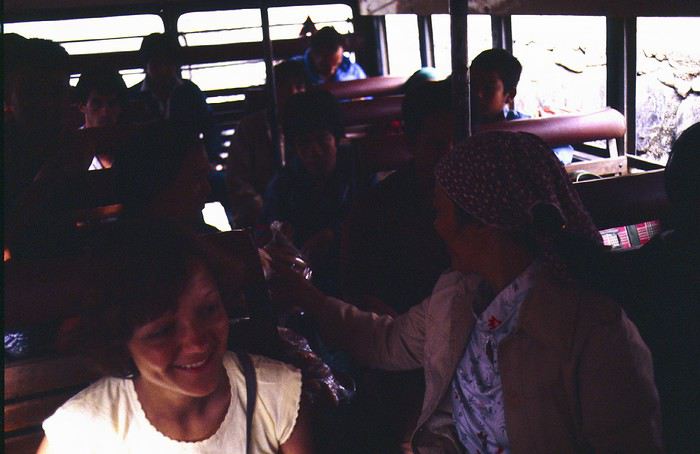
The “road” was a dirt track (or rather, a mud track) with endless turns. We held on as best we could to our slippery wooden seats—it was shaking in every direction. The woman behind us was carsick and throwing up... gross... but what were we doing there? Then we plunged into the Sierra Madre... just the name is dreamy!
Rice terraces started to appear: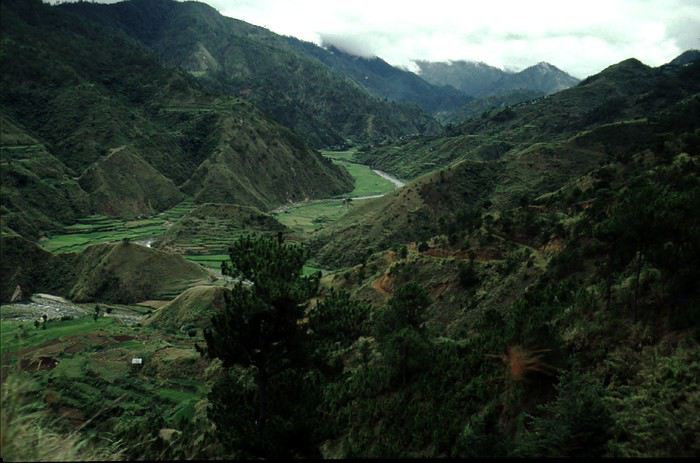
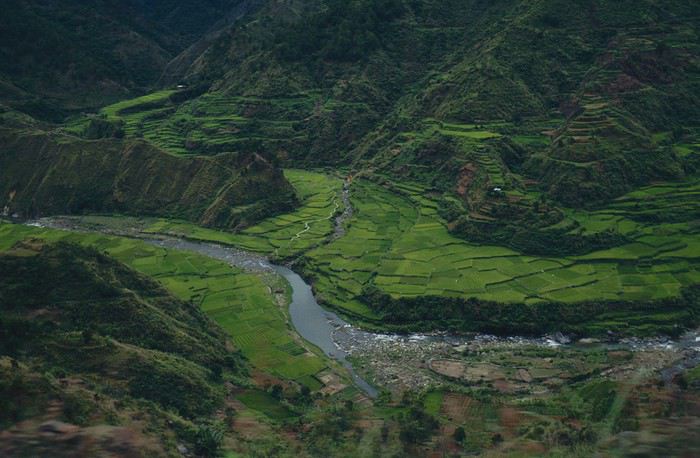
they took up more and more space along cliffs where we weren’t always reassured,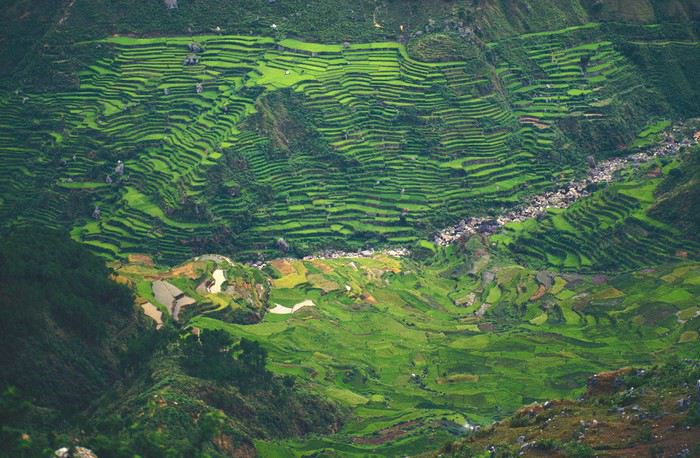
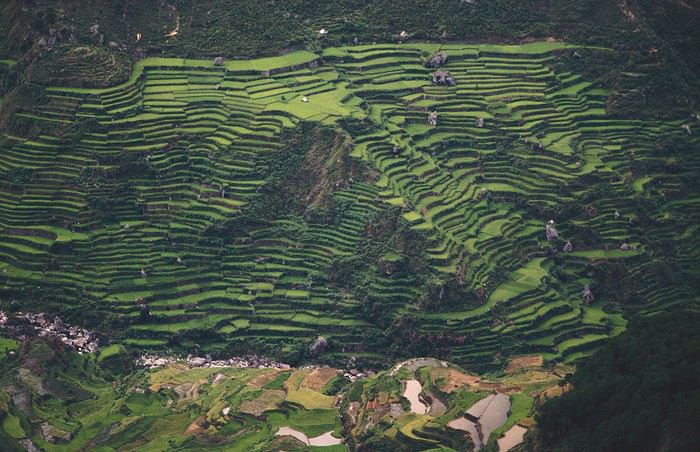
with lots of waterfalls (all that water had to go somewhere).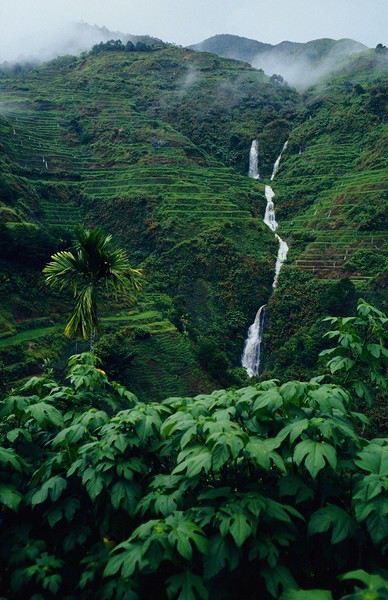
A few miserable villages stretched along the track, most often just a few houses balancing between the road and the drop. The bus stopped in every village—people got on or off and settled inside or on the roof. Street vendors offered their products to the bus passengers—a common sight in Asia, even today.
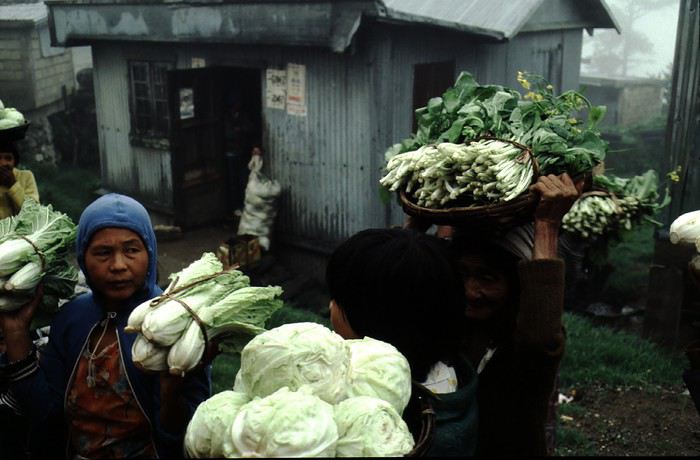
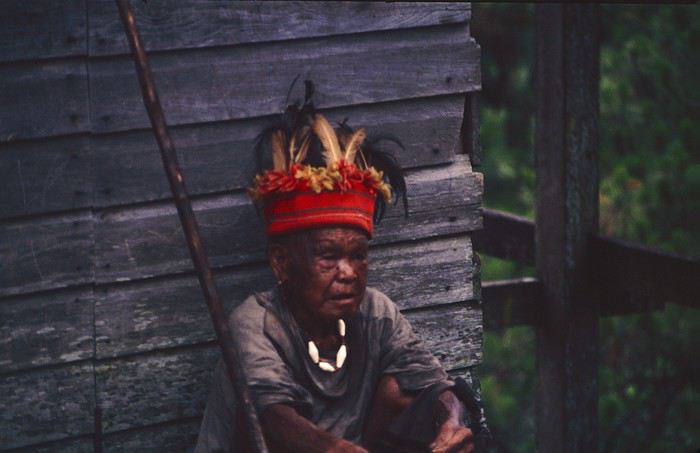
We were in another world—villagers were in loincloths, others had spears. The atmosphere was strange... but all good, we wanted exoticism, and we got it: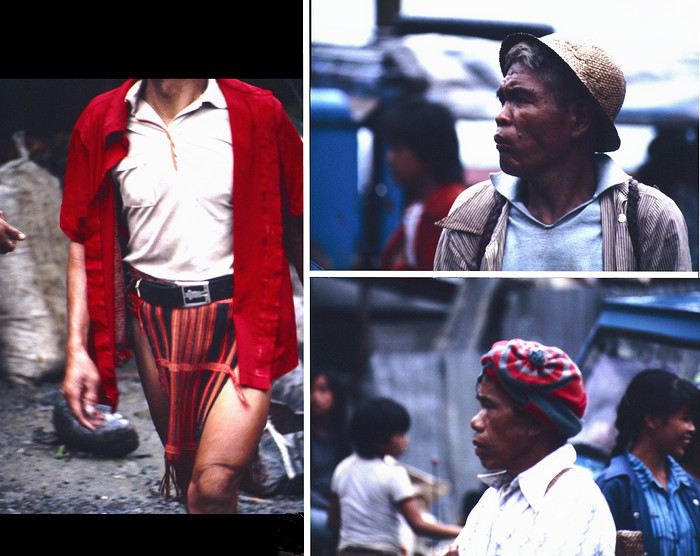
This so-called traditional outfit was everyday wear—it wasn’t for tourists since there weren’t any.
A curiosity because writing a travel journal about a trip 35 years later isn’t common, but also (mostly?) because exploring the Philippines at that time had little in common with traveling there today.
Obviously, I’ve forgotten a number of facts, most of the details, but with the help of a few notes from that time and a stack of slides (yes, there was life before digital 😊), many memories came back and added to the highlights I’d never forgotten. The scanned slides aren’t always great quality, but there are still quite a few to brighten up this chatter. Back then, we didn’t snap photos like we do now—film was too expensive—so I don’t have pictures of every place we visited... too bad, comparing some of those spots to how they look today would’ve been interesting.
Why "Adventures"? Why call it "Adventures" in the Philippines in 1984, a word so often used for a simple exotic trip? - Because the lack of information (no *Guide du Routard*, no *Lonely Planet*, no *Michelin Guide*, nothing, and obviously no internet) gave this trip what’s at the heart of adventure: the unknown. - Because the political situation made the stay sometimes dangerous. - Because transportation conditions were always epic, often perilous. - Because the question of where we’d spend the night came up almost every evening. - And for... quite a few other reasons.
That said, we weren’t exactly explorers!
Why the Philippines? First of all, why go to the Philippines in 1984—a country not exactly set up for tourism and about which we knew very little? How could we get an idea of the beauty of the Philippines and its points of interest when we had no guides or photos?
The idea came to us from Thailand a year earlier, during our first long-haul trip. After touring the north of the country, we met a Frenchman living in Phuket, where there were only a few tourists in Patong, with just a few small hotels and guesthouses. Kata and Karon had no buildings or roads, Rawai only had three palm-thatched bungalows, including ours, and the other islands were unknown to tourists. There was plenty to discover, and we wanted to return to this beautiful country... but the Frenchman made us dream about the Philippines—a country to explore, with wild landscapes.
Long evenings of discussion over multiple Sprite-Mekong cocktails (what memories of those headaches!) finally convinced us we had to go to the Philippines.
Episode 0: Before Departure The decision was made: we’d go to the Philippines in May 1984. Our friends and family were surprised when we announced we were going on vacation to the Philippines (a bit like saying today we were going paddleboarding in the Kerguelen Islands 🤪).
These days, preparing for each of our trips takes long evenings of research, planning, and noting down good addresses... etc. But for the Philippines in 1984, preparation was quick: we had very little information about the country, we were leaving almost at random, and the discovery would only be more exciting.
We still had a few bits of info gathered here and there: the rice terraces in northern Luzon, volcanoes, Negros where we were supposed to visit an acquaintance, Cebu and its marine life (we ended up going elsewhere), and absolutely avoid Mindanao, which was practically at war with the regime. That was about it, but it was already a great itinerary.
Nothing was organized in advance; we’d see day by day. We had no idea about travel times or even the existence of transportation options. The main (and sometimes only) way to connect two islands was by overloaded, rusty ferry. Only the big cities had airports.
Let’s Go: Episode 1: Paris to Manila My travel journals always start after arriving at the airport—the Europe-to-“Other Continent” trip isn’t interesting—but the flight to the Philippines was already an adventure, so I’ll make an exception.
This was the era when only a few Asian airlines were on par with Western ones: Thai, Singapore Airlines, and Philippine Airlines. They had beautiful, brand-new planes, and to attract customers (almost exclusively “businessmen”) from the usual airlines (Air France, Lufthansa, British Airways), there was opulence on board: unlimited champagne, all sorts of cocktails... Compared to today’s long-haul flights, there was still one small difference: no personal screens, just one screen at the front of the cabin with one mandatory movie. And I don’t know why, but we only got James Bond films, both ways... that must’ve been the trend at the time.
The tourism boom to Southeast Asia hadn’t started yet, and the “Asian Tigers” weren’t a thing, so there weren’t many business trips. That meant long-haul flights made stops everywhere to fill the planes. Our Philippine Airlines Boeing 747 left London, picked us up in Paris, then stopped in Frankfurt to take on a few Germans. I don’t know why we then made a stop in Dubai—a totally exotic place at the time. There was nothing to do there... things have changed a lot since. It was a small town lost in the desert. The airport was tiny, with just one or two buildings and a supermarket. During the stopover, everyone had to get off the plane and walk to the supermarket. Photo and electronic equipment were dirt cheap—I guess that was the only reason for the stop. Maybe it was their first commercial move. Emirates didn’t exist yet, as I checked online, but anyway, the idea that such a remote place could have its own airline was unthinkable.
Online, I found this photo of Dubai Airport in 1980. Anyone who’s transited through today’s massive airport with its rows of A380s will appreciate it:
Next stop: New Delhi to drop off some Europeans and pick up a few Indians, and finally, the terminus: Manila. I don’t remember how long the trip took with its five stops—an unimaginable journey today. Despite all those stops to fill the plane, there was still enough space to stretch out on the four center seats of the 747, something that never happens these days despite all the flights in every direction.
So here we are, finally at Manila Airport around midnight.
Episode 1: Manila and Baguio To start, a quick note on the political and economic situation in the Philippines in 1984, which had consequences for us as tourists, as we’d soon realize upon arrival.
After several centuries of Spanish colonization, the Philippines became American at the start of the 20th century, then independent. In 1966, Marcos took power, and little by little, his regime sank into corruption and mismanagement, becoming a dictatorship with martial law, all for the benefit of his family and friends, who enriched themselves endlessly. The peak was the assassination of opposition leader Benigno Aquino in August 1983, which triggered harshly repressed protests. So we arrived a few months later in a very poor country, with omnipresent corruption and an extremely tense political situation, as we’d soon see for ourselves. Major protests took place in the main cities during our trip—I’ll come back to that. Two years later, Marcos fled to Hawaii after being forced out of power following rigged elections. This historical context explains a lot of the situations we found ourselves in over the following weeks.
Arriving in the middle of the night isn’t very cheerful. Manila was already a huge city with many slums, where you could find a few business hotels like the Hilton or Intercontinental—way out of our budget—and plenty of run-down hotels. Luckily, two Indians we’d chatted with on the plane offered to take us to their usual hotel. They came to Manila twice a year for business. We accepted their offer, relieved not to have to look for a place to stay in the middle of the night, figuring the address must be good since they came back every time... we were wrong 🙁
We left the airport and immediately got a taste of the local vibe when we got into the taxi: the police asked for our passports. We thought: what’s more normal than police in a dictatorship?
But that wasn’t it at all. Our two Indian friends explained that the police were noting our names along with the taxi number and time. Crime in Manila was so bad that the taxi driver would be held responsible if anything happened to us... welcome to the Philippines 😎 😎
Historically, the Philippines was a very violent country, where everything was settled with guns or machetes. Previous governments had banned carrying weapons, but Marcos later allowed the free sale and carrying of guns, and disputes were settled with pistols again (or worse, as we’d discover later). Since he’d released most of the criminals from prison to form a paramilitary militia at his service (I’ll talk about our encounter with these “heroes” later), it was pretty dangerous to go into many parts of Manila, where these “tonton macoutes” ruled.
We arrived at our hotel without incident... and then things started badly. The room was infested with big cockroaches—exactly what I hate most in those kinds of countries. No way to find another hotel at that hour. After the long flight, the urge to take a shower was so strong that we squeezed into the bathroom as best we could. After that, I don’t remember—I guess we must’ve fallen asleep exhausted under the sheets in the heat... air conditioning wasn’t widespread yet.
The next day, we just wanted to leave that dump as soon as possible. So we decided to head north right away, stopping in Baguio, and we’d visit Manila a bit on the way back.
When we stepped outside, we discovered a pretty run-down neighborhood with potholed streets. But we also discovered the jeepneys. They were everywhere, flooding the streets.
They had crazy sound systems, each one blasting louder than the last. The interiors were kitschy but fun. There weren’t many private cars—almost all transportation was by jeepney, with buses reserved for intercity trips.
Before heading to the bus terminal for the north, somewhere on the outskirts of the city, we needed to exchange some money. I don’t remember how we ended up in a policeman’s jeep who offered his services: - Exchange money on the black market at a better rate than the banks. - Take us wherever we wanted, in this case, the bus terminal.
We accepted both offers (we’d still checked the official exchange rate from dollars to pesos). So we found ourselves in his jeep. After exchanging money, we left in his vehicle and stopped for gas. Without turning off the engine, he calmly smoked a cigarette while filling up. Since we were in a jeep with no doors or roof, we were ready to jump out if things went south, our travel bag in hand.
But we weren’t done with surprises yet. Once we left the small streets, we ended up in a neighborhood with wide avenues and not much traffic, which didn’t justify his incredible behavior. At every intersection, he made the sign of the cross, closed his eyes, and crossed without looking. I was more stunned than terrified! It wasn’t until we got out of the car later that I told Anne-Marie what had happened. I’d seen everything because the cop had put me in the front seat. Luckily, A-Marie hadn’t noticed anything from the back. Crossing Manila by trusting God rather than the rules of the road was ultimately effective. We were lucky—the trip was off to a good start. 🙂 🙂
We then passed through a neighborhood where slums stretched on for a while, and we left our policeman—friendly but a bit crazy—with relief.
A few hours by bus later, here we are in Baguio, cool in the mountains. My memories of Baguio are pretty fuzzy. I remember a small town. After some research while writing this journal, I found that the population was 120,000 in 1980. Given the population density in each home, that confirms my memory of a smallish town. Outside the “official” district with the president’s summer residence and government buildings, there were two or three paved streets with nice houses. The rest was very dirty and very poor, with lots of slums and dirt roads.
People we met on the street invited us to stay with them. These days, we wouldn’t just show up at strangers’ houses, which we should’ve done in Baguio—it would’ve saved us from an unimaginable and dangerous situation... which I won’t say anything about... !😊
The simple wooden house was on stilts at the edge of a hill with a view of the mountains. Since it was the start of the rainy season in a city that gets a lot of rain, we saw a lot of water. Our outings in town happened between downpours.
View from our lodging:
Episode 2: Baguio to Bontoc Aside from the situation briefly mentioned above, it was on the next leg to Bontoc that the adventure really began: an endless and dangerous road, a bus from another era, breathtaking landscapes, and surprising people.
We didn’t know the distance or how long it would take to get to Bontoc. When we arrived after about ten hours, we learned that Baguio to Bontoc was 140 km.
We got on a bus with wooden seats and settled in, two to a seat meant for two. As the bus filled up, passengers squeezed in three or four per seat, with chickens and baskets full of all sorts of things in the aisle. A little embarrassed, we didn’t know if we should squeeze in three on our seat. The seats were super tight (luckily, Filipinos are small), and I didn’t know where to put my legs given my height. I don’t remember if we stayed alone on our bench or if we ended up sharing with others.
The “road” was a dirt track (or rather, a mud track) with endless turns. We held on as best we could to our slippery wooden seats—it was shaking in every direction. The woman behind us was carsick and throwing up... gross... but what were we doing there? Then we plunged into the Sierra Madre... just the name is dreamy!
Rice terraces started to appear:
they took up more and more space along cliffs where we weren’t always reassured,
with lots of waterfalls (all that water had to go somewhere).
A few miserable villages stretched along the track, most often just a few houses balancing between the road and the drop. The bus stopped in every village—people got on or off and settled inside or on the roof. Street vendors offered their products to the bus passengers—a common sight in Asia, even today.
We were in another world—villagers were in loincloths, others had spears. The atmosphere was strange... but all good, we wanted exoticism, and we got it:
This so-called traditional outfit was everyday wear—it wasn’t for tourists since there weren’t any.
Du nord au sud de l'archipel philippin avec un détour par Singapour
Bonjour,
Ce carnet qu'en principe je n'aurais pas du faire, il m'a été soufflé par certains membres de VF et en ces temps troublés de Covid-19, nous en avons justement du temps, quoi que pour certains pour une fois ils croulent sous le travail (il se reconnaîtra 😇)
Je vais vous conter (un bien grand mot pour moi, vu que je ne suis pas très à l'aise avec les mots) ce périple vous amènera à Banaue et ses magnifiques rizière en terrasses, au sud sur l'île de Siargao et au centre à sur l'île de Panglao
Il n'y aura pas d'animaux pétrifiés, de rochers à perte de vue et de champignons hallucinogènes (elle se reconnaitra)
Il a commencé par un vol à destination de Manilles via Doha,
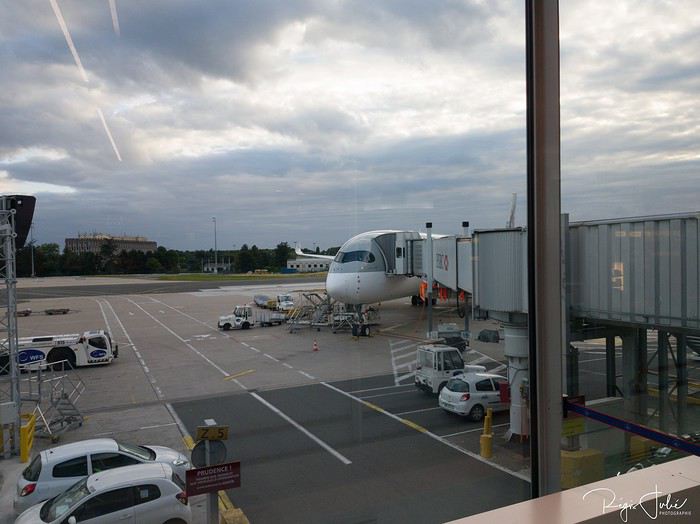
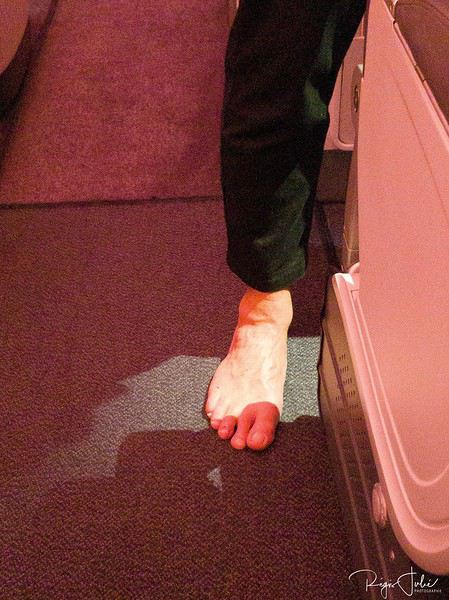
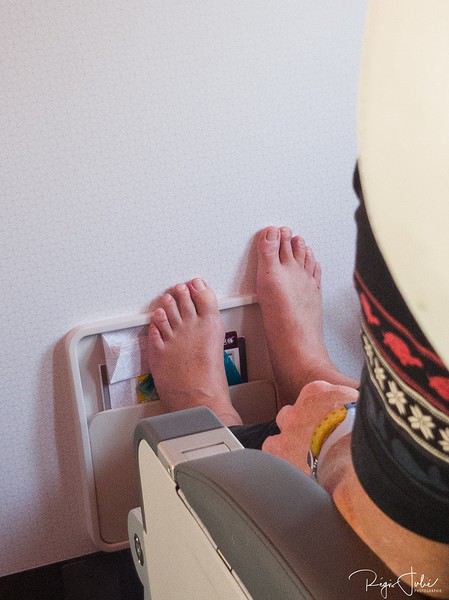
Une photo qui aurait eu sa place sur sans problème sur passenger shaming, ils nous a fait une très grande prestation jusqu'à Doha
On se retrouve bientôt à Manille 🙂
Ce carnet qu'en principe je n'aurais pas du faire, il m'a été soufflé par certains membres de VF et en ces temps troublés de Covid-19, nous en avons justement du temps, quoi que pour certains pour une fois ils croulent sous le travail (il se reconnaîtra 😇)
Je vais vous conter (un bien grand mot pour moi, vu que je ne suis pas très à l'aise avec les mots) ce périple vous amènera à Banaue et ses magnifiques rizière en terrasses, au sud sur l'île de Siargao et au centre à sur l'île de Panglao
Il n'y aura pas d'animaux pétrifiés, de rochers à perte de vue et de champignons hallucinogènes (elle se reconnaitra)
Il a commencé par un vol à destination de Manilles via Doha,
Une photo qui aurait eu sa place sur sans problème sur passenger shaming, ils nous a fait une très grande prestation jusqu'à Doha
On se retrouve bientôt à Manille 🙂
Location de scooter sur l’île de Jeju (Corée du Sud)
Bonjour à tous,
Je serai sur l’île de Jeju (Corée du Sud) la première semaine de mai.
Quelqu’un peut-il me renseigner quant à la pertinence de location d’un scooter sur l’île ? 🙂
J’ai l’habitude de rouler en deux roues en Asie mais j’ai peur des distances sur Jeju pour une semaine.
Si quelqu’un a des retours je prend !
Merci
Jeoffrey
Merci
Jeoffrey
Discussion du concours photo du mois de février 2020: Les volcans
Ici le fil de discussion autour du thème de ce mois-ci: les volcans
Retour au concours pour y déposer vos photos, ici
Retour au concours pour y déposer vos photos, ici
Alaska 2018, The Last Frontier!
De retour sur VF après plusieurs mois d'errance entre un road-trip en Afrique du Sud, un contrat en Guadeloupe, un voyage en Tanzanie et un déménagement surprise en Guyane... Je commence, enfin et parallèlement à la préparation de notre prochain voyage en Patagonie, le récit de notre voyage de 3 semaines en Alaska réalisé en Juillet 2018. 🙂
C'est un voyage que nous avons organisé 6 mois en avance.
Après deux longs voyages en Afrique australe nous aurions adoré remettre ça, mais cette année je ne pouvais pas partir plus de 3 semaines et nous nous sommes laissés dire que ce serait bien aussi de voir autre chose et de visiter de nouveaux continents. Qu'a cela ne tienne !
Passionnés de faune sauvage et de grands espaces nous n'avons pas mit longtemps à nous décider et c'est tout naturellement vers le 49ème état des Etats Unis que nous nous sommes tournés. L'Alaska ! L'Alaska et sa faune exceptionnelle qui font rêver bien des amoureux de nature.
Nous avons rapidement prit nos billets d'avions pour Anchorage et en avons profiter pour organiser une escale de 2 jours en Islande afin de visiter la péninsule de Reykjanes que nous n'avions pas pu explorer l'année passée pour cause de tempête de neige.
Nous avons décidé de partir en Juillet plutot qu'en Aout car c'est la période qui semblait la plus sèche (tout est relatif) et la plus propice à l'observation des célèbres grizzlys.
En entamant la préparation de notre voyage, nous nous sommes vite rendu compte qu'organiser un road-trip en Alaska serait très différent de ce que nous connaissions.
Tout d'abord l'Alaska est une destination réputée pour être peu abordable, les locations de voitures via les agences internationales habituelles sont très chères, il y a peu de solution d’hébergement donc il faut réserver longtemps en avance et le rapport qualité prix varie entre mauvais et moyen.
En somme, la façon la plus simple d'y voyager est de louer un camping-car, ce qui n'est pas donné non plus.
En 2017 nous nous étions vraiment beaucoup investis dans l'organisation de notre road-trip de 2 mois en Afrique australe que nous avions commencé à préparer presque 1 an en avance. Cette année nous ne voulions pas nous prendre la tête, nous louerons donc un gros SUV et dormirons dedans pendant 3 semaines comme nous l'avions fait lors de notre tour d'Islande.
C'est une option qui peut paraitre peu confortable mais nous aimons beaucoup la liberté qu'elle offre et cela permet de faire de grosses économies sur l'hébergement pour pouvoir faire plus d'activités ou simplement partir plus longtemps...
Nous nous sommes dépechés de louer un Hyundai Sante Fe (or similar) à Alamo via Happytour et de réserver une journée de bear watching (activité phare et très chère qui s'organise des mois en avance).
Puis, pour des raisons d'hygiènes et de repos obligatoire, nous nous sommes également offert 4 nuits en dur et nous avons acheté quelques guide de voyage, dont The Millepost pour attendre patiemment (ou pas) le jour du départ. 🙂
Au final le seul impératif de notre road-trip était d’être à Homer le 14 Juillet pour le bear watching à Katmai NP et c'est autour de cette date que nous avons élaboré notre programme.
J1 (03/07/18) : Islande, Blue Lagoon
J2 (04/07/18) : Islande, Péninsule de Reykjanes, Reykjavic -> Anchorage
J3 (05/07/18) : Anchorage -> Denali NP
J4 (06/07/18) : Denali NP
J5 (07/07/18) : Denali NP
J6 (08/08/18) : Denali NP
J7 (09/07/18) : Denali NP -> Talkeetna
J8 (10/07/18) : Talkeetna -> Anchorage
J9 (11/07/18) : Anchorage -> Girdwood
J10 (12/07/18) : Girdwood -> Russian River
J11 (13/0718) : Russian River -> Homer
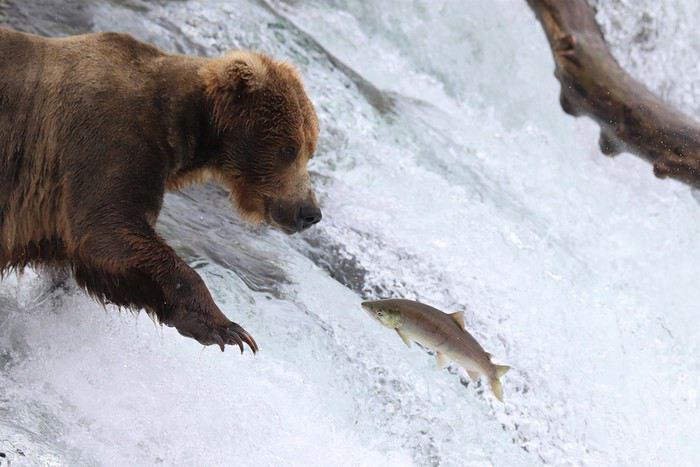
J12 (14/07/18) : Brooks Falls - Katmai NP
J13 (15/07/18) : Homer - Kachemak Bay
J14 (16/07/18) : Homer -> Seward
J15 (17/07/18) : Seward
J16 (18/07/18) : Seward -> Whittiez
J17 (19/07/18) : Whittier -> Valdez
J18 (20/07/18) : Valdez
J19 (21/07/18) : Valdez -> Kenicott
J20 (22/07/18) : Kenicott
J21 (23/07/18) : Kenicott -> Anchorage
J22 (24/07/18) : Départ à 8h pour moi destination Pointe à Pitre et à 16h pour Alison destination Paris.
N'ayant que 19 jours sur place, nous avons fait le choix de nous concentrer sur l'Alaska "continentale" en particulier la très belle péninsule de Kenai et le Denali NP qui était une des principales raisons de notre voyage. 🙂 Le Yukon, et l'Alaska maritime seront donc les destinations de prochains voyages, si la vie le permet !
Le cout total de ce voyage a été d'environ 9000€ à deux et je détaillerai nos différentes dépenses à la fin de ce carnet.
Après ce petit texte d'introduction dont tout le monde se fout, place au récit et aux photos !! 😎
C'est un voyage que nous avons organisé 6 mois en avance.
Après deux longs voyages en Afrique australe nous aurions adoré remettre ça, mais cette année je ne pouvais pas partir plus de 3 semaines et nous nous sommes laissés dire que ce serait bien aussi de voir autre chose et de visiter de nouveaux continents. Qu'a cela ne tienne !
Passionnés de faune sauvage et de grands espaces nous n'avons pas mit longtemps à nous décider et c'est tout naturellement vers le 49ème état des Etats Unis que nous nous sommes tournés. L'Alaska ! L'Alaska et sa faune exceptionnelle qui font rêver bien des amoureux de nature.
Nous avons rapidement prit nos billets d'avions pour Anchorage et en avons profiter pour organiser une escale de 2 jours en Islande afin de visiter la péninsule de Reykjanes que nous n'avions pas pu explorer l'année passée pour cause de tempête de neige.
Nous avons décidé de partir en Juillet plutot qu'en Aout car c'est la période qui semblait la plus sèche (tout est relatif) et la plus propice à l'observation des célèbres grizzlys.
En entamant la préparation de notre voyage, nous nous sommes vite rendu compte qu'organiser un road-trip en Alaska serait très différent de ce que nous connaissions.
Tout d'abord l'Alaska est une destination réputée pour être peu abordable, les locations de voitures via les agences internationales habituelles sont très chères, il y a peu de solution d’hébergement donc il faut réserver longtemps en avance et le rapport qualité prix varie entre mauvais et moyen.
En somme, la façon la plus simple d'y voyager est de louer un camping-car, ce qui n'est pas donné non plus.
En 2017 nous nous étions vraiment beaucoup investis dans l'organisation de notre road-trip de 2 mois en Afrique australe que nous avions commencé à préparer presque 1 an en avance. Cette année nous ne voulions pas nous prendre la tête, nous louerons donc un gros SUV et dormirons dedans pendant 3 semaines comme nous l'avions fait lors de notre tour d'Islande.
C'est une option qui peut paraitre peu confortable mais nous aimons beaucoup la liberté qu'elle offre et cela permet de faire de grosses économies sur l'hébergement pour pouvoir faire plus d'activités ou simplement partir plus longtemps...
Nous nous sommes dépechés de louer un Hyundai Sante Fe (or similar) à Alamo via Happytour et de réserver une journée de bear watching (activité phare et très chère qui s'organise des mois en avance).
Puis, pour des raisons d'hygiènes et de repos obligatoire, nous nous sommes également offert 4 nuits en dur et nous avons acheté quelques guide de voyage, dont The Millepost pour attendre patiemment (ou pas) le jour du départ. 🙂
Au final le seul impératif de notre road-trip était d’être à Homer le 14 Juillet pour le bear watching à Katmai NP et c'est autour de cette date que nous avons élaboré notre programme.
J1 (03/07/18) : Islande, Blue Lagoon
J2 (04/07/18) : Islande, Péninsule de Reykjanes, Reykjavic -> Anchorage
J3 (05/07/18) : Anchorage -> Denali NP
J4 (06/07/18) : Denali NP
J5 (07/07/18) : Denali NP
J6 (08/08/18) : Denali NP
J7 (09/07/18) : Denali NP -> Talkeetna
J8 (10/07/18) : Talkeetna -> Anchorage
J9 (11/07/18) : Anchorage -> Girdwood
J10 (12/07/18) : Girdwood -> Russian River
J11 (13/0718) : Russian River -> Homer
J12 (14/07/18) : Brooks Falls - Katmai NP
J13 (15/07/18) : Homer - Kachemak Bay
J14 (16/07/18) : Homer -> Seward
J15 (17/07/18) : Seward
J16 (18/07/18) : Seward -> Whittiez
J17 (19/07/18) : Whittier -> Valdez
J18 (20/07/18) : Valdez
J19 (21/07/18) : Valdez -> Kenicott
J20 (22/07/18) : Kenicott
J21 (23/07/18) : Kenicott -> Anchorage
J22 (24/07/18) : Départ à 8h pour moi destination Pointe à Pitre et à 16h pour Alison destination Paris.
N'ayant que 19 jours sur place, nous avons fait le choix de nous concentrer sur l'Alaska "continentale" en particulier la très belle péninsule de Kenai et le Denali NP qui était une des principales raisons de notre voyage. 🙂 Le Yukon, et l'Alaska maritime seront donc les destinations de prochains voyages, si la vie le permet !
Le cout total de ce voyage a été d'environ 9000€ à deux et je détaillerai nos différentes dépenses à la fin de ce carnet.
Après ce petit texte d'introduction dont tout le monde se fout, place au récit et aux photos !! 😎
Lieu idéal pour voir des aurores boréales en Norvège du 17 au 27 mars
Bonsoir,
Nous irons en mars 3 jours à Tromso et une semaine à Sorkjosen…..
Nous sommes intéressés par les aurores boréales et nous ne sommes pas certains que Sorkjosen soit vraiment le lieu idéal pour voir des aurores….
Le connaissez-vous ?
Nous avons été attiré par le calme de ce village….
Nous avons loué une voiture à Tromso pour pouvoir bouger plus facilement.
Si vous connaissez ce lieu, qu'en pensez-vous ?
Avez-vous d'autres suggestions ? il est vrai que tout le monde va vers Senja….
Nous sommes des retraités ayant quelques problèmes de mobilité !
Amicalement,
Claudine
Claudine
Où iriez-vous "sur un coup de tête"?
Admettons que vous traversiez une période très difficile de votre vie, et que des fois, pour aller mieux, la solution c'est de partir loin, se ressourcer, etc.
On est l'hiver, donc ça limite.
Vous avez des sous de côté mais c'est pas non plus le Pérou.
Vous iriez où, là comme ça ?
On est l'hiver, donc ça limite.
Vous avez des sous de côté mais c'est pas non plus le Pérou.
Vous iriez où, là comme ça ?
Mimi and Maumau, Martine and DD Return! Or the Denver-Denver Loop of the 4 Friends
Hello! 🙂
In 2017, struck by western addiction, our first road trip gave us an irresistible urge to return, which we did from September 2nd to 24th, 2019, on a loop from Denver to Denver via Yellowstone. The westernmost point of this journey, which took us through the geographical center of the USA, brought us within about a hundred kilometers of Moab, which had been the easternmost point of our last trip.
We’ve been back for over a month now, and I realize I’m starting to forget some details—it’s high time I started my travel journal before my brain turns into Swiss cheese and lets everything slip away. As I mentioned in my last story, it’ll take me quite a while to finish, so if any travelers have specific questions, don’t hesitate to message me privately. Once again, I’d like to thank everyone who helped me (and there were many!) prepare our road trip, with a special shout-out to Disneydiddl, Hiacinthe, and Titou (ladies first) as well as Fred and Itat, whom I bombarded with questions for months and who always kindly and patiently gave me tons of great tips. It’s thanks to all of you that this trip was such a success. I was a little worried I wouldn’t recapture the emotion and enthusiasm of our 2017 trip, but this one was just as "Wow" as the last.
For those who don’t know us, let me introduce our little group. We’re four friends in our sixties (this time, everyone made it, which let us score some "senior" discounts...). We live in the Var region, have known each other for over 20 years, and this was our second trip together to this magical West.
Mimi (Michèle): always the smallest and the funniest. Thank goodness she was there to speak English! Maumau (Maurice): her husband, always with his white hair, his Gallic mustache, his humor, and his Southern accent. He drove every other day. DD (André): the one with the beard, with whom I celebrated our 41st wedding anniversary at Yellowstone. Our second driver appreciated having a peaceful mind since he’s been retired since July. Marcalamar (Martine): that’s me—still blonde with glasses, still talking a lot, and still terrified of messing up the organization of this trip despite all the hours spent on the forum.
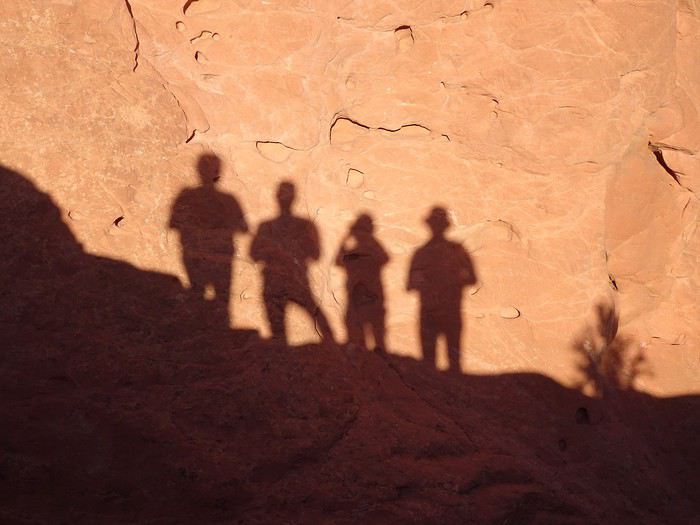 Recognize us? Ha ha ha!!!! No, just kidding!!!!
That’s us!!!
Recognize us? Ha ha ha!!!! No, just kidding!!!!
That’s us!!!
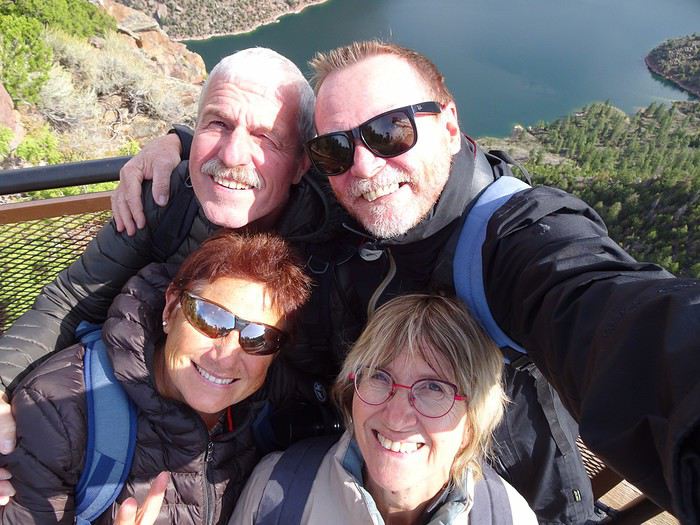
In 2017, struck by western addiction, our first road trip gave us an irresistible urge to return, which we did from September 2nd to 24th, 2019, on a loop from Denver to Denver via Yellowstone. The westernmost point of this journey, which took us through the geographical center of the USA, brought us within about a hundred kilometers of Moab, which had been the easternmost point of our last trip.
We’ve been back for over a month now, and I realize I’m starting to forget some details—it’s high time I started my travel journal before my brain turns into Swiss cheese and lets everything slip away. As I mentioned in my last story, it’ll take me quite a while to finish, so if any travelers have specific questions, don’t hesitate to message me privately. Once again, I’d like to thank everyone who helped me (and there were many!) prepare our road trip, with a special shout-out to Disneydiddl, Hiacinthe, and Titou (ladies first) as well as Fred and Itat, whom I bombarded with questions for months and who always kindly and patiently gave me tons of great tips. It’s thanks to all of you that this trip was such a success. I was a little worried I wouldn’t recapture the emotion and enthusiasm of our 2017 trip, but this one was just as "Wow" as the last.
For those who don’t know us, let me introduce our little group. We’re four friends in our sixties (this time, everyone made it, which let us score some "senior" discounts...). We live in the Var region, have known each other for over 20 years, and this was our second trip together to this magical West.
Mimi (Michèle): always the smallest and the funniest. Thank goodness she was there to speak English! Maumau (Maurice): her husband, always with his white hair, his Gallic mustache, his humor, and his Southern accent. He drove every other day. DD (André): the one with the beard, with whom I celebrated our 41st wedding anniversary at Yellowstone. Our second driver appreciated having a peaceful mind since he’s been retired since July. Marcalamar (Martine): that’s me—still blonde with glasses, still talking a lot, and still terrified of messing up the organization of this trip despite all the hours spent on the forum.
Recognize us? Ha ha ha!!!! No, just kidding!!!!
That’s us!!!Codes de réduction pour locations de voitures aux États-Unis
Comme la discussion ci-dessous a été victime de son succès :
https://voyageforum.com/discussion/codes-reduction-location-voiture-etats-unis-d7669388/
Et comme proposé par le modérateur Voyageforum, je lance une nouvelle discussion où chacun pourra proposer des codes de réduction a jour (Il est vrai que ça devenait difficile de trouver des codes qui marchaient toujours).
A votre bon coeur !...
https://voyageforum.com/discussion/codes-reduction-location-voiture-etats-unis-d7669388/
Et comme proposé par le modérateur Voyageforum, je lance une nouvelle discussion où chacun pourra proposer des codes de réduction a jour (Il est vrai que ça devenait difficile de trouver des codes qui marchaient toujours).
A votre bon coeur !...
Vegas - Death Valley - Mammoth Lakes - Yosemite
Hello
Nous partons dans un road trip de 3 semaines en famille samedi prochain.
j'aimerais vos conseils sur une partie du road trip et notamment les incontournables à voir.
Apres avoir fait LA-et grand canyon nous irons a vegas.
Départ vegas nous partons en direction de
J1: death valley où nous dormons à stovepipe
j'ai noté a faire ce jour la : badwater/ devils golf course/ artist palette/ dantes view /zebriskie/mesquite.
J2 stovepipe - mammoth lake où nous dormons.
Nous avons comme idée de voir bodie, est ce envisageable de passer par sequoia national park ?
j3: mammoth lake - mariposa où nous dormons (départ le lendemain matin pour SF)
Nous allons prendre la tioga road voila les points identifiés pour le parcours:
lac ellery/lac tenaya/ bridalveil fall/tunnel view/taft point/glacier point/maroposa grove
Mes questions:
que faire sur la journée entre stovepipe et mammoth lake ? que faire sur la journée de traversé du yosemite ?
faut il faire un partie du yosemite sur le J2 où nous avons du temps ? quitte a retourner sur nos pas pour dormir a mammoth lake. Un passage par le sequoia park est il envisageable en J2 ?
Merci de votre aide 🙂
PS: les hotels sont deja reservés donc nous ne pouvons pas changer les étapes :)
Nous partons dans un road trip de 3 semaines en famille samedi prochain.
j'aimerais vos conseils sur une partie du road trip et notamment les incontournables à voir.
Apres avoir fait LA-et grand canyon nous irons a vegas.
Départ vegas nous partons en direction de
J1: death valley où nous dormons à stovepipe
j'ai noté a faire ce jour la : badwater/ devils golf course/ artist palette/ dantes view /zebriskie/mesquite.
J2 stovepipe - mammoth lake où nous dormons.
Nous avons comme idée de voir bodie, est ce envisageable de passer par sequoia national park ?
j3: mammoth lake - mariposa où nous dormons (départ le lendemain matin pour SF)
Nous allons prendre la tioga road voila les points identifiés pour le parcours:
lac ellery/lac tenaya/ bridalveil fall/tunnel view/taft point/glacier point/maroposa grove
Mes questions:
que faire sur la journée entre stovepipe et mammoth lake ? que faire sur la journée de traversé du yosemite ?
faut il faire un partie du yosemite sur le J2 où nous avons du temps ? quitte a retourner sur nos pas pour dormir a mammoth lake. Un passage par le sequoia park est il envisageable en J2 ?
Merci de votre aide 🙂
PS: les hotels sont deja reservés donc nous ne pouvons pas changer les étapes :)
GPS dans les voitures de location dans l'Ouest américain?
Bonjour grands voyageurs
Les voitures de location dans l'ouest americain sont-elles équipées comme les notres de GPS d'origine ?
Good luck à vous
A Magnificent Loop in the Southern Rainbow Nation
Hello everyone,
It’s been a little over a year and a half since we first set foot in South Africa, and ever since, we’ve been dreaming of returning to explore Southern Africa.
First of all, a big thank you to all the forum members—there are so many on this VoyageForum section, some of whom are unconditional and indispensable experts on the destination—for the amazing travel journals that only make you want one thing: to go and discover these stunning lands. The first journal I read was Bruno’s (Montagnard74), and I was completely captivated by the face in the colors of the rainbow nation.
Now it’s my turn to add my small contribution by recounting our two-week trip during the Christmas period in South Africa.
Even though Attila strongly advised against visiting South Africa during the South African summer holidays, we still gave it a try since my husband doesn’t have the option to choose his vacation dates.
So we went during the peak tourist season, with all its drawbacks: difficulties finding accommodations, crowds at certain sites... But on the bright side, it’s the beautiful season in South Africa while it’s gray and cold back home.
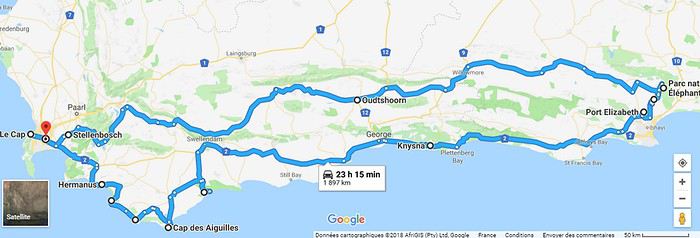
For this trip, we wanted to explore Cape Town and its surroundings, which are already packed with things to see. As a result, we didn’t have time to head north without rushing too much. So we planned the following itinerary, staying in the south:
J1: Lyon/Dubai J2: Dubai/Cape Town J3: Table Mountain – Cape Town J4: Botanic Garden - Robben Island J5: Cape Peninsula J6: Cape Agulhas - Gansbaai J7: De Hoop - Swellendam J8: Garden Route - Knysna J9: Garden Route - Addo NP J10: Addo NP J11: Oudtshoorn J12: Little Karoo J13: Wine Route - Cape Town/Dubai J14: Dubai/Lyon
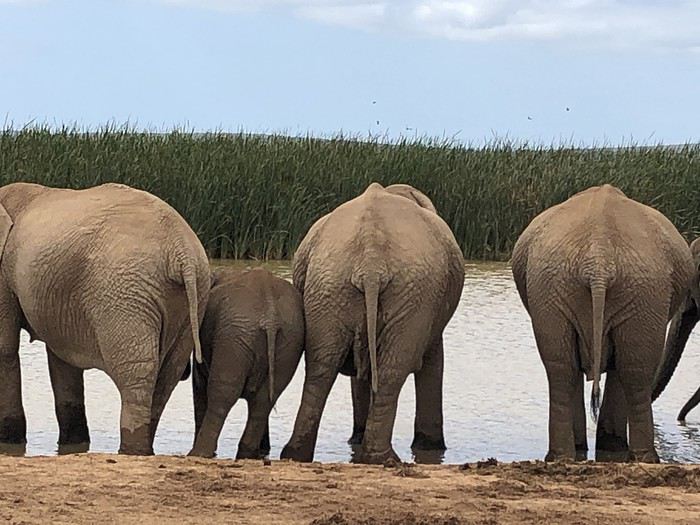
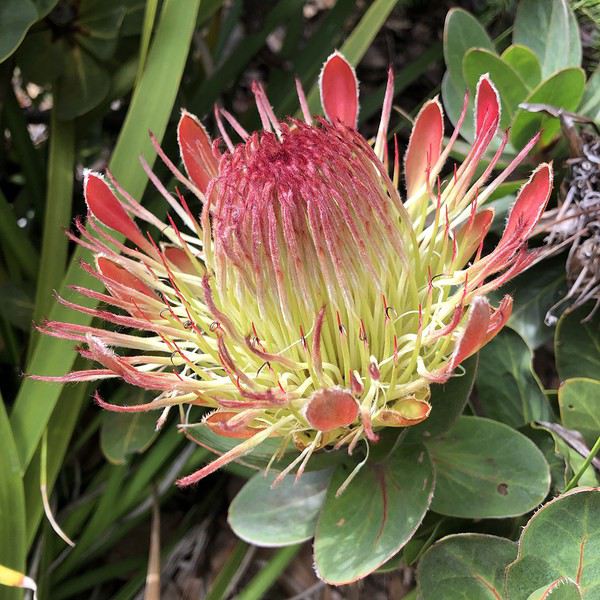
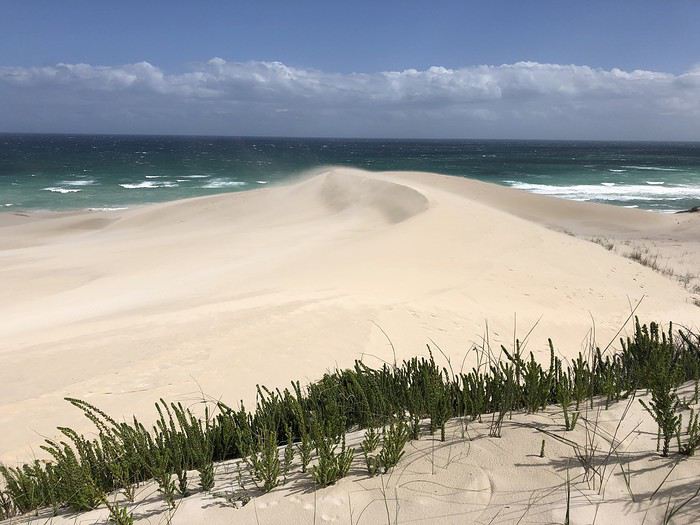
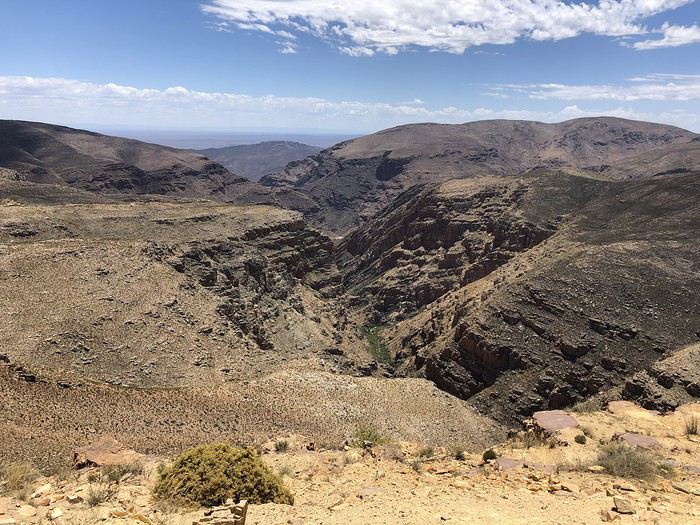
To give you a taste of what we experienced on the South African roads, here’s a little preview of the wildlife and flora we encountered, as well as the beaches and mountains we glimpsed.
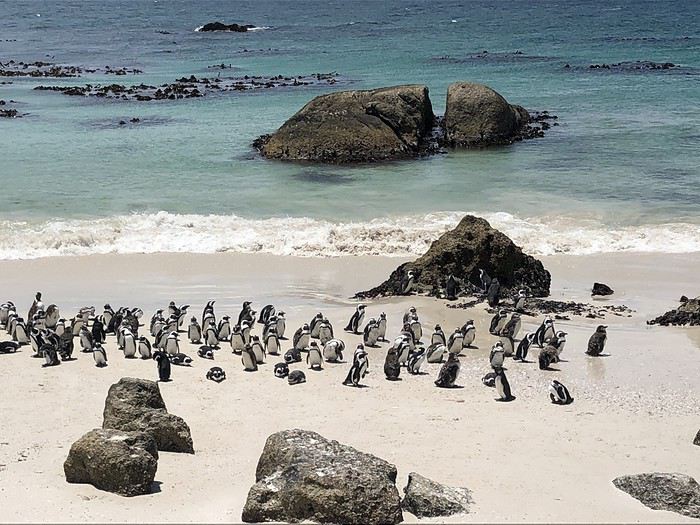
The rest here
First of all, a big thank you to all the forum members—there are so many on this VoyageForum section, some of whom are unconditional and indispensable experts on the destination—for the amazing travel journals that only make you want one thing: to go and discover these stunning lands. The first journal I read was Bruno’s (Montagnard74), and I was completely captivated by the face in the colors of the rainbow nation.
Now it’s my turn to add my small contribution by recounting our two-week trip during the Christmas period in South Africa.
Even though Attila strongly advised against visiting South Africa during the South African summer holidays, we still gave it a try since my husband doesn’t have the option to choose his vacation dates.
So we went during the peak tourist season, with all its drawbacks: difficulties finding accommodations, crowds at certain sites... But on the bright side, it’s the beautiful season in South Africa while it’s gray and cold back home.
For this trip, we wanted to explore Cape Town and its surroundings, which are already packed with things to see. As a result, we didn’t have time to head north without rushing too much. So we planned the following itinerary, staying in the south:
J1: Lyon/Dubai J2: Dubai/Cape Town J3: Table Mountain – Cape Town J4: Botanic Garden - Robben Island J5: Cape Peninsula J6: Cape Agulhas - Gansbaai J7: De Hoop - Swellendam J8: Garden Route - Knysna J9: Garden Route - Addo NP J10: Addo NP J11: Oudtshoorn J12: Little Karoo J13: Wine Route - Cape Town/Dubai J14: Dubai/Lyon
To give you a taste of what we experienced on the South African roads, here’s a little preview of the wildlife and flora we encountered, as well as the beaches and mountains we glimpsed.
The rest here