Circuit en auto au départ de Rome vers l'Italie du Sud: Vasto, Trani, Matera, Alberobello, Lecce, Brindisi.
Traversier de nuit en Albanie avec l'auto: de Brindisi à Vlora.
Puis, séjour en Albanie, Macédoine, Serbie (Belgrade), Croatie : Zagreb et l'Istrie croate (Hum, Rovinj, Pula).
Retour par l'Istrie slovène: Piran, Porec, Koper, puis par l'Italie du nord et du centre: Trieste, Grado, Palmanova, Padoue, Vérone, Arezzo, Fiumicino, Ostia Antica, Rome.
Itinéraire détaillé
Les nuitées et les arrêts sont indiqués ci-dessous.
(Les lettres entre parenthèses correspondent à celles de la carte ci-dessus).
Jour 1 Départ de l’aéroport de Fiumicino-Roma (P)
Italie du sud:
Jour 2 Première nuitée à Vasto (Q)
Jour 3 Trani (R); arrêt au Castel del Monte
Jours 4-5 Matera; arrêt à Alberobello (T)
Jour 6 Lecce
Albanie:
Jour 7 Traversier de nuit Italie-Albanie : Brindisi (V)-Vlora (A)
Jours 8-9 Saranda (B); excursion au site archéologique de Butrint (C)
Jour 10 Gjirokastra (D); arrêt à Blue Eye
Jours 11-12 Berat(e)
Jours 13-14 Tirana (F); excursion à Kruja et à Durrësi
Macédoine (FYROM):
Jours 15-18 Lac d’Ohrid (H); excursion dans les environs
Jour 19 Skopje (I)
Serbie:
Jours 20-21 Belgrade (J)
Croatie:
Jours 22-24 Zagreb (K); arrêt à la minuscule ville de Hum
Jours 25-26 Rovinj; excursion en bus local à Pula
Slovénie:
Jours 27-28 Piran (L); arrêt à Porec; excursion à Koper; excursion à Trieste, Italie
Italie du nord:
Jour 29 Palmanova (M); arrêt à Grado
Jours 30-33 Padoue; excursion sur le Canal de la Brenta (Padoue – Stra - Venise)
Jours 34-35 Vérone (N)
Jours 36-37 Arezzo (O)
Jours 38-39 Fiumicino; excursion au site archéologique d’Ostia Antica (P)
Jour 40 Départ Rome-Montréal
Pays des Balkans
Transports
Avion : Vol direct Montréal (YUL)-ROME (FCO) avec Air Transat – excellent service (AR 896$C ou 690 EUROS).
Location d’auto : Chez Eurocar TT Citroën 2011 plan achat-rachat: C3 Picasso diesel manuelle, km illimités, GPS, assurance multirisque incluse couvrant tous les pays que l’on voulait visiter (peu de compagnies de location couvrent l’Albanie, la Macédoine ou la Serbie actuellement); aucune franchise en cas d’accident (2117$C pour 39 jours).
Traversier : Agoudimos sur le «Ionian Spirit» entre Brindisi (Italie) et Vlora (Albanie) (réservé à l'avance)
1 nuit: 155 Euros pour 2 passagers avec voiture compacte. Très bien!
Hébergement
Nos critères étaients les suivants: hôtels ou B&B dans le centre historique ou à proximité; chambre avec vue si possible; salle de bains en suite, AC au besoin, Wifi gratuit apprécié. Moins de 100$CAD/nuit (<80€) pour 2 personnes – tout en se permettant quelques exceptions.
Les avantages de voyager au mois de mai: hébergement moins cher, journées plus longues et plus de liberté car on a moins besoin de faire de réservations à l’avance. On avait réservé les hôtels pour la première et la dernière nuit seulement, ainsi que l’hôtel de Matera (sassi obligent…) et celui de Vérone (car c’était l’ouverture du 89e Festival d’opéra à l’antique Arena).
DESCRIPTION
JOUR 1 Départ de MONTRÉAL
Départ en soirée de Montréal vers ROME – vol de nuit (durée 8 h)
JOUR 2 Dimanche
Arrivée à l’aéroport de ROME (FCO) à 11h30 am; 1h15 d’attente pour la récupération des bagages!
Navette vers le Blue Parking pour prendre possession de l'auto, une Citroën.
Départ à 14h20 vers la Côte adriatique par l’autoroute - direction Pescara, pour une nuitée à VASTO à 300 km de Rome (env. 3h), région des Abruzzes.
Hébergement : 1 nuit au Locanda dei Baroni dans le centre historique de Vasto (80€ réservé directement à l’hôtel par Internet avant le départ).
Chambre décorée avec raffinement (photo 3 au bas du message), Petit éjeuner (PD), stationnement gratuit à la porte de l’hôtel dans l’étroite rue San Francisco d’Assisi…
Voir ici mes commentaires concernant l’hôtel
On fait une promenade nocturne à pied dans les petites rues – sous la pluie…
Pas assez de temps cependant pour visiter Vasto Marina et sa «Sirenetta».
Repas du soir à la «Pizzeria Rosticceria Il Panzotto» qui offre une vue plongeante sur l’Adriatique
JOUR 3 Départ de Vasto – Arrêt au CASTLE DEL MONTE** - Nuit à TRANI (240 km env. 3h) - Région des Pouilles
Castel del Monte (UNESCO)
Au stationnement du Castel del Monte, on doit emprunter l’autobus-navette.
Visite du château à l'architecture militaire (de 13h15 à 14h45).
Perché sur un piton rocheux, ce château a été édifié près de Bari par l’empereur Frédéric II.
Il est inscrit au patrimoine mondial de l’UNESCO à titre de château du 13e s. reconnu pour la rigueur mathématique et astronomique de son plan et la perfection de sa forme octogonale (tout est en 8) – Vaut le détour!
Trani
Hébergement : 1 nuit à la petite Albergo Lucy située dans le centre historique de Trani – (75€/nuit) - chambre confortable, balcon avec vue sur la remarquable façade d’un ancien monastère à dôme byzantin et clocher roman, l’église San Dominico, sur la Piazza Plebiscito et au loin sur l’Adriatique.
Parking gratuit dans la rue, Wifi gratuit dans la chambre; pas de PD, peu de services - on doit sonner à l’entrée à l’arrivée. Restaurants, bars et épiceries tout près.
Voir ici mes commentaires sur l’hôtel
Visite
Agréable promenade à pied dans les Jardins* de Trani, dans les petites rues…
Le lendemain matin avant le départ, visite de la cathédrale normande** (12e s.) au bord de l’Adriatique.
JOURS 4-5 Départ de Trani – Nuit à MATERA*** (UNESCO) (100 km env. 1h30) - Région de Basilicate
Matera (UNESCO)
Ville célèbre pour ses habitats troglodytiques: les Sassi di Matera et son parc d'églises rupestres.
Depuis la préhistoire, l’homme y a habité… Intéressante histoire que ces sassi, rénovés depuis 1986.
Actuellement, 2000 personnes y habitent : terrasses, passages, escaliers, toits, grottes, tout s’entremêle – dépaysant à souhait!
Hébergement : COUP DE CŒUR! 2 nuits au Basiliani Hotel*** Rione Casalnuovo (Sasso Caveoso) dans un hôtel installé dans un ancien sassi (85€/nuit; chambre #111).
On a réservé directement auprès de l’hôtel sur Internet avant le départ (on a regardé les photos et la description des chambres sur leur site et on a choisi celle que l’on voulais)
Parking gratuit à 200 m. sur la Piazza San Pedro Caveoso. Wifi gratuit dans la chambre, PD inclus – chambre avec déco minimaliste tout en noir-blanc-rouge, ameublement simple ultramoderne; très humide cependant et pour cause… puisqu’on loge dans un hôtel taillé dans la roche, dans une grotte agrandie et modernisée.
Une expérience que je vous souhaite!
Visite
Le lendemain de notre arrivée, visite organisée (réservée auprès de l'hôtel) du Sasso Barisano et du Sasso Caveoso (à 10h45; 15€ pp) Départ au centre-ville de Matera, Piazza Vittorio Veneto. On a apprécié cette excursion (1½ h), car Matera, c’est superbe et… très vaste!
JOUR 6 Départ de Matera – Arrêt à ALBEROBELLO*** - Nuit à LECCE*** (184 km env. 3h) - Région des Pouilles
Alberobello (UNESCO)
À 68 km de Matera (env. 1h30), on visite la célèbre Alberobello, ville aux habitations en pierre sèche connues sous le nom de trulli : COUP DE CŒUR!
Le quartier de Monti contient plus de 1000 trulli; le quartier d’Aja Piccola, près de 600.
Les murs des habitations sont blanchis à la chaux; les toits de pierre sont en forme de cônes et portent souvent des symboles religieux ou mythologiques en cendre blanche.
La plupart des trulli datent du 18e siècle.
Selon l’UNESCO, ils étaient construits de façon à être rapidement démantelés pour éviter les taxes résidentielles et rapidement reconstruits une fois le collecteur de taxes disparu…
On a eu la chance de visiter par temps ensoleillé, au grand calme car il y avait peu de touristes, ce qui n’est pas toujours le cas, parait-il…
Lecce
Hébergement : 1 nuit au «Il Vicolo Apartments» (70€/nuit) via Leonardo Prato dans le secteur piétonnier du centre historique.
Obtenu par l’intermédiaire de l’Office du Tourisme de Lecce (les hôtels que l'on voulait étaient tous complets, les autres trop chers).
On n’a pas apprécié cet appartement, situé loin du parking payant et non gardé. On ne pouvait accéder à l’appartement avec l’auto et les bagages; on devait rencontrer une personne pour nous remettre la clé… et tout ça pour 1 seule nuit. Mais, pour 70€ à Lecce… on ne peut trop se plaindre.
L’appartement était sombre, nombreuses petites pièces réparties sur 2 étages. Aussitôt arrivés, on a dû aller acheter du papier de toilette, non fourni a-t-on appris dans ce type d’hébergement. L’appartement était toutefois fort bien situé pour visiter Lecce.
Visite
Lecce est une grande ville, universitaire et historique située dans la presqu’île du Salento - dans le «talon de la botte italienne» - excellente base pour rayonner dans la région. On la surnomme la «Florence baroque»: véritable COUP DE CŒUR!
Églises et palais baroques, ville animée pleine de surprises, détails architecturaux incroyables - un pur bonheur à contempler! On a marché, marché… aux sons des rondinis… une ville agréable à découvrir!
Le surlendemain de notre arrivée, on a pris le petit train touristique au son de la musique de Vivaldi cette fois (1h; 10€ pp) - très apprécié pour admirer cette orgie d’architecture baroque et… question de se reposer un peu.
Merci Capucine pour tes conseils! Voir son compte rendu sur Lecce ici.
JOUR 7 Départ de Lecce – Visite de BRINDISI (40 km env. 35 min) --> Nuit sur le FERRY BRINDISI-VLORA
Traversée vers l’Albanie sur l’Ionian Spirit d’Agoudimos Lines (durée 7 à 8h).
Après une visite à pied du centre de Brindisi, on est allé repérer le port et échanger notre «voucher» pour le billet du traversier (billet réservé sur Internet quelques semaines auparavant).
Le départ prévu pour 23h a été retardé d’environ 2 heures.
Organisation médiocre dans le port; bon service toutefois dans le traversier et agréable restaurant.
On avait choisi une cabine de catégorie AB2 : intérieure (on voyage de nuit…) avec salle de toilette (155€ pour 2 passagers avec voiture compacte). Durée du trajet : moins de 8h.
Brindisi:
../
MoniqueM
« Emmenez- moi au bout de la terre
Emmenez-moi au pays des merveilles...»
JOURS 8-9 Débarquement à Vlora – Départ en direction d’Orikumi et d’Himara – nuit à SARANDE* (125 km env. 2h) Région du sud
- Excursion au site archéologique de Butrint le lendemain
Côte ionienne
Le traversier nous dépose au port de Vlora sur la côte sud-ouest de l’Albanie, là où en théorie, les mers Adriatique et Ionienne se rencontrent…
Vlora est un point d’arrivée pratique pour visiter le pays.
Pour se rendre à Sarande, au sud du pays où on passera 2 nuits, on longe la magnifique côte ionienne (Riviera albanienne) vers Orikumi, Dikati, Llogoraja Pass, Dhërmiu, Vunoi et Himara (la plus grande ville entre Vlora et Saranda).
Cette pittoresque route nationale (SH8) traverse les montagnes (aucun tunnel) et on y rencontre de surprenantes embûches vivantes : chèvres, vaches, chevaux et dans les courbes raides, nombre de petits oratoires funèbres et fleuris… qui sans cesse nous rappellent à la prudence – Exotique à souhait! J’ai vivement admiré le calme et la maîtrise de mon conducteur favori…
Sarande
Hébergement : 2 nuits au confortable hôtel Porto Eda (40€/nuit) face au petit port de pêche de Saranda. Chambre agréable, bien aménagée, très propre, avec grand balcon et vue enchanteresse sur la mer, accueil chaleureux, Wifi gratuit dans le hall, AC, douche et toilette; parking facile et gratuit dans les rues environnantes.
Voir ici mes commentaires sur un autre site.
À notre arrivée, on s’est promenés dans les rues de Sarande et recherché bureau de change et épicerie pour obtenir nos biens essentiels en voyage 😉 : monnaie locale, eau embouteillée, vin, bières, grignotines, noix, fromages, pain...
Au retour, on prenait plaisir - de notre balcon - à regarder les pêcheurs vendre leurs poissons, et en fin de journée, à observer la foule aux jeunes-filles tout endimanchées déambuler pour la «passeggiata» sur la longue promenade du bord de mer, tout en sirotant un vin albanais: un séjour paisible des plus relaxants!
Butrint (UNESCO)
Le lendemain de notre arrivée, on a visité le site archéologique de Butrint à 50 km (env. 50 minutes).
La route pour s’y rendre via Ksamil est excellente.
Le site est vaste et très bien aménagé. Documentation disponible.
Toutefois, à noter que leurs «magnifiques mosaïques» des 5e-6e s. AD sont recouvertes… de sable; on les voit sur quelques photos et on vend sur le site de jolies reproductions-miniature de ces mosaïques.
Le site mérite largement d’être visité surtout par beau temps. Durée de notre visite : 2h40.
JOUR 10 Départ de Sarande – Bref arrêt au BLUE EYE – Nuit à GJIROKASTRA** (55 km env. 1h) – Région du sud
Blue Eye
En route vers Gjirokastra, on a fait un bref détour pour visiter cette attraction qu’on appelle le Trou bleu ou Blue Eye (Syri i Kaltër), phénomène naturel inhabituel, ruisseau qui, à un certain endroit profond de plus de 50 mètres, forme un genre de grosses bulles d’un bleu vif, étincelant, faisant penser à l’iris d’un oeil.
On a fait cette visite par beau temps… heureusement car la route pour s’y rendre (15 km) est défoncée ou en terre.
Gjirokastra (UNESCO)
Hébergement
1 nuit à l’hôtel Kalemi (35€/nuit incl. PD!!) – séjour COUP DE CŒUR dans une maison ottomane traditionnelle magnifiquement rénovée - hôtel digne du plus beau musée ethnologique!
Pas facile à trouver cependant. Un résident nous a aimablement proposé de nous y conduire – on a donc suivi… sa Mercedes. L’hôtel possède un stationnement gratuit à la porte.
Vaste et superbe chambre ottomane (# 3) avec plafonds de bois sculptés, portes et chaises sculptées, divan ottoman; larges fenêtres avec vue sur les montagnes aux cimes enneigées au loin. Grande salle de bain séparée; Wifi gratuit dans la chambre; atmosphère paisible: un petit paradis!
J’avais lu dans les guides Lonely Planet, Bradt et/ou autre que «le séjour dans cette maison ottomane authentique vaut à lui seul le passage dans cette petite ville» - je suis tout à fait d’accord!
Visite
Cette ville historique a été déclarée «ville-musée» en 1961 par le gouvernement albanien et site du patrimoine UNESCO en 2004; on l’appelle aussi «ville de pierre» ou «ville aux 1000 escaliers».
Le plaisir réside à déambuler dans les 1000 escaliers de cette ville de pierre, austère et propre, à contempler les maisons... Le point central de la ville est la Citadelle (Kala) du 13e s. (200 lekë) perchée au-dessus de la ville.
Enver Hoxha et l’écrivain Ismail Kadaré («Chronicle in Stone») ont grandi à Gjirokastra.
On a visité la Zekate House (200 lekë – 2$ - on paie en sortant) – autre maison ottomane traditionnelle avec… salle d’accouchement!
Réveil aux sons des moutons et des chèvres…
JOURS 11-12 Départ de Gjirokastra – Nuit à BERAT** (134 km env. 2h) – Région centrale
Berat (UNESCO)
Berat est une autre ville historique, inscrite en 2008 sur la liste du patrimoine UNESCO; surnommée la «ville aux mille fenêtres» et aussi déclaré «ville-musée» en 1976.
Hébergement : 2 nuits à l’Hôtel Mangalemi sur la Rruga per Kala (rue du château) (35€/nuit incl. PD!! 8 chambres) dans une maison traditionnelle de style ottoman. Petite chambre (#2) avec balcon, face à un joli jardin, salle de toilette avec douche. Près d’une école. Service amical, proprio serviable, toujours prêt à nous aider; bonne cuisine albanienne traditionnelle, 2 restaurants dont l’un plus chic sur le toit.
Tout près de l’hôtel: excellent Musée ethnographique (on paie en sortant) et mosquées de l’époque ottomane. Très agréable de se promener dans le labyrinthe de ruelles. À 20 min. à pied de l’hôtel (ou à 3 min en auto): on a visité le Kala, une citadelle habitée qui comprend 8 églises byzantines du 13e s. dont l’une d’elle abrite le célèbre Musée national Onufri (icônes et chaires exceptionnelles) (entrée 200 lekë).
JOURS 13-14 – Départ de Berat – nuit à TIRANA* (134 km env. 2h)
– Excursion à KRUJA et à DURRES le lendemain
Tirana
Capitale de l’Albanie. Mélange de couleurs, de bruits, de poussière, de construction, un chaos complet point de vue trafic automobile. Les Albaniens sont gentils et serviables dès qu’on leur dit un ou 2 mots en albanais, mais au volant… ouf!! J’en ai vu plus d’un brûler les feux rouges, stationner en double et: piétons, attention!
Hébergement : 2 nuits à l’Hotel Briker (un 2e étage) (40€/nuit), facile d’accès avec parking gratuit à la porte, près de l’épicerie; Wifi gratuit, AC, bon accueil; toilette et douche, chambre fonctionnelle, mais terne. (L’hôtel que nous avions choisi au départ était complet).
Si j’y retournais, je choisirais de préférence le Tirana International (125€/nuit - 140 ch.) sur le Skanderbeg Square à côté de l’Opéra. On a eu la chance d’assister à une représentation de «Don Carlos» à l’Opéra (5$C pp) – quelle aubaine!
Restaurant à recommander : le Sarajet, un bel exemple d’architecture urbaine ottomane, avec jardin - construit par la famille Toptani en 1780 et situé sur la rue du même nom (Rruga Abdi Toptani); repas traditionnel et abondant avec grand service pour 15$C ((11,50€). Un ex-ambassadeur de France en Albanie, rencontré au kala de Gjirokastra nous l’avait vivement conseillé – merci!
Le lendemain, visite de Kruja* (32 km au N) : Musée historique; Musée Ethnographique (on paie en sortant); Bazar.
Visite de Durres* : Musée archéologique, Amphithéâtre 2e s. (non complètement excavé); Murs de la cité; grande Mosquée Fatih:
Mirupafshim & Falëmindderit!
MoniqueM
« Emmenez- moi au bout de la terre
Emmenez-moi au pays des merveilles...»
MACÉDOINE (nom officiel : FYROM ou ARYM : Ancienne République Yougoslave de Macédoine)
JOURS 15-18 Départ de Tirana – Nuit à OHRID*** (UNESCO) (145 km env. 2h)
- Excursions dans les environs
Lac d’Ohrid (Unesco)
On décrit Ohrid et le Lac d’Ohrid comme le joyau de la couronne de Macédoine. Eh bien, j’approuve : véritable COUP DE CŒUR!
Aucun problème pour se rendre à Ohrid en auto – la route est bonne - mais une fois arrivé, attention! On ne peut pas facilement entrer n’importe où dans le Vieux Ohrid avec sa voiture. Face aux barrières, on se cherche un stationnement et par chance on voit juste en face un Bureau du Tourisme : on s’adresse à eux pour savoir comment de rendre aux hôtels dans ce labyrinthe...
Accueil des plus chaleureux, services sans pareil. Ils se sont donnés la peine de téléphoner aux hôtels que j’avais choisis (Villa Mali Sveti Kliment, Villa Sofija, etc.): tous complets. Ils ont enfin réussi à nous trouver un hôtel (un appartement plutôt - sans service) conforme à nos aspirations. Ils sont même venus nous reconduire à l’appartement!
Hébergement : 4 nuits à l’Appartement Mitko Lukan (25€/nuit!): séjour et accueil absolument exceptionnels du début à la fin – un grand MERCI pour ce séjour inoubliable!
Jolie chambre au 2e avec salon, TV, cuisine, grande salle de bain complète. Stationnement dans la rue tout près.
Grand balcon offrant une vue splendide sur le lac d’Ohrid, le quai et la Place principale Sv Kiril.
Cet appartement est situé dans les hauteurs du vieux Ohrid, pas très loin de l’antique théâtre, à 250 pas du lac lui-même, du quai et des restos, en empruntant ruelles et escaliers. Tout à fait pittoresque!
Certains préfèreront rester au bord du lac – il y a plusieurs beaux hôtels.
Visite
La région d’Ohrid est un centre culturel de grande importance, située dans un cadre d’une exceptionnelle beauté, propre, belle architecture, vieux monastères, collection de plus de 800 icônes byzantins des 11e -14e s. On y répertorie plus de 365 sites religieux autour du lac – on a visité les 6 plus importants, dont la photogénique église Sveti Jovan Kaneo (St-Jean de Canée), 13e s.:
Église médiévale de Sv Kliment and Panteleimon at Plaosnik - complétée en 2002 - les excavations du site 892 AD continuent...
Les jolies rues du Vieux Orhid
Le Théâtre romain (vieux de 200 ans enseveli durant des siècles - redevenu fonctionnel depuis peu. Spectacles en été.
Une partie du mur de la Forteresse Tsar Samoli (fin 10e s.):
Excursion en auto pour visiter le petit site archéologique d’Heraklea Lyncestis à 1 km de Bitola:
Autre excursion le lendemain vers le célèbre monastère de Sveti Naum.
Arrêt en chemin au village palafite de Graniste – belle histoire, assez unique!
Très bien organisé pour nous recevoir: stationnement très près de l'entrée, billetterie, restaurant...
Des excursions en bateau à partir du quai d'Ohrid sont possibles en saison.
Le village palafite vu de loin:
Près du monastère de Sv Naum - à l'autre bout du Lac Ohrid, on a pris un tour de barque ($) pour regarder les «Springs Undergrounds» -phénomène naturel pas très impressionnant mais romantique:
Monastère de Sveti Naum (16e s.) sur un site magnifique et populaire!
Coucher de soleil sur la Place principale près du quai d'Ohrid au moment de la traditionnelle «passeggiata».
Impossible de s’ennuyer à Ohrid! On y serait restés plus longtemps – c’est l’endroit idéal pour visiter la plus grande partie de la Macédoine. Quels beaux souvenirs!
JOUR 19 Départ d’Ohrid – Nuit à SKOPJE* (205 km env. 2h35)
Capitale de la Macédoine, Skopje a l’air d’une ville en géante construction!
Nombreux musées, églises, mosquées, sculptures, charmant pont de pierre…
Côté nord se trouve le Quartier turc – agréable et facile à visiter.
Côté sud: la Nouvelle Ville où on découvre à chaque pas une sculpture tout le long de ses rues piétonnières et même dans la rivière – ville originale et animée! Pour nous, un séjour d’une nuit a été suffisant.
Hébergement : 1 nuit à l’historique et chic Stone Bridge Hotel (127€/nuit). Accueil gracieux. Hôtel facilement accessible et central.
Situé sur le côté nord de Skopje face à l’historique Vieux Pont de pierre (Stone Bridge) qui surplombe la rivière Vardar et relie le côté nord au côté sud.
Hôtel confortable, raffiné, stationnement et Wifi gratuits. On a bien aimé, sauf… la complexité inouïe à faire fonctionner la douche et la TV! Mais quelle détente de loger à cet hôtel de luxe avec salle à manger, petite piscine et bain turc.
Vue de notre chambre sur la forteresse (kale) du Quartier turc:
.../
MoniqueM
« Emmenez- moi au bout de la terre
Emmenez-moi au pays des merveilles...»
JOUR 20-21 Départ de Skopje – Nuits à BELGRADE*** (450 km env. 5h)
On avait déjà visité quelques villes de Serbie, mais on était passé trop vite à Belgrade.
On a redécouvert Belgrade: une ville super agréable, vibrante et surprenante!
Hébergement : 2 nuits à l’Hôtel Royal (57€/nuit) qui n’a de royal que le nom… et le site, car situé sur Kralja Petra dans le centre de la ville près de la citadelle Kalemegdan.
La réputation de l'hôtel me semble surfaite toutefois, chambre minuscule et terne, 2 lits simples et séparés, mini TV, pas d’AC, mais propre et PD appétissant et apprécié avec ses burek.
À quelques rues de là, stationnement (6€/j) où l'on doit traverser un long et étroit passage pour y accéder. Pas de chance, on a égratigné nos rétroviseurs pourtant repliés… Inutile de dire qu’on a évité de sortir la voiture durant le séjour et que l’on a visité la ville à pied et en taxi.
Si je retourne à Belgrade, je choisirai peut-être de préférence un hôtel dans le quartier fleuri de Skadarlija: «Le Petit Piaf», Skadarlija 34 (85€ les fins de semaine/ 100€ la semaine + 15 € pour un stationnement loin de l’hôtel toutefois).
Visite
On a beaucoup aimé explorer Belgrade: larges avenues, Republic Square, la piétonnière Knez Mihailova, les nombreux restos-terrasse…
Parc du Kalemegdan:
Les vues du «Beau Danuble bleu» effroyablement sale, le pauvre...
Les tennis de Belgrade et son champion mondial Novak Djokovic
Au sud de Belgrade, le célèbre temple St. Sava, la plus grosse église orthodoxe de Serbie.
À l'avant-plan: monument à Karadorde dans le parc du même nom:
Mausolée de Tito, ses jardins, ses musées (vive le taxi pour s’y rendre).
MoniqueM
« Emmenez- moi au bout de la terre
Emmenez-moi au pays des merveilles...»
JOUR 22-24 Départ de Belgrade – Nuits à ZAGREB*** (400 km env. 4h)
Une des plus belles villes visitées durant ce voyage, ville absolument superbe (pardonnez mon enthousiasme...😉!
En arrivant dans la capitale de la Croatie - sous la pluie - on voit des policiers partout…!
Interdiction de se rendre à la place centrale Jelacica, donc impossible de se rendre au petit hôtel choisi.
On demande à l’un des policiers ce qui se passe… Le papa, nous répond-on!!! Le pape Benedict XVI était à Zagreb!
La papemobile au loin:
On rencontrera le pape 3 fois par hasard durant notre séjour – qu’on le veuille ou non, c’est impressionnant – foule enthousiaste, chants, mesures de sécurité exceptionnelles (On a appris que les parapluies sont interdits lors de ces rassemblements...).
Hébergement : 3 nuits à l'Hotel Astoria Best Western Premier (106€/nuit PD inclus), Petrinjska 71.
Élégant, confortable, personnel très aimable. Stationnement privé et gratuit à l’arrière de leur resto, jolie chambre décorée avec raffinement, insonorisée, AC, volets électriques, nombreux miroirs, Wifi gratuit, petit réfrigérateur, PD varié et raffiné avec vin mousseux… l'un des meilleurs PD que l’on nous a servis durant tout le voyage.
Hôtel situé dans la partie moderne (1830!): Donji Grad ou basse ville, à une rue du célèbre parc connu sous le nom de «Horseshoe» où les nombreux musées sont concentrés.
La place Trg Bana Jelacica, à quelques mètres de l’hôtel, est le cœur de Zagreb, là où le pape a accueilli la jeunesse croate quelques heures après notre arrivée - nous inclus par un heureux hasard et aux premières loges SVP.
Après quelque temps, on a cédé nos places de choix à deux petites religieuses qui semblaient les mériter beaucoup plus que nous et nous ont remerciés avec ferveur.
Visite
Quelle belle ville que Zagreb et combien attachante! On nous l’avait dit du reste… d’où notre volonté d’y aller.
Ville haute, ville basse, funiculaire qui les relie, célèbres églises dont l’inoubliable église St- Marc et son toit de mosaïques colorées:
L'atelier du célèbre sculpteur Ivan Mestrovic, atelier que j'ai visité religieusement - on nous donne un plan avec le # de chaque exhibit (pendant que Pierre prenait une bière croate au café d'en face....):
Les grands parcs, les centaines de sculptures disséminées un peu partout dans Zagreb, les cafés-terrasse, un jardin botanique en plein centre-ville - Zagreb: un véritable COUP DE COEUR!!!
JOURS 25-26 Départ de Zagreb – Arrêt à HUM – Nuits à ROVINJ** (264 km env. 3h45)
– Excursion à PULA par bus public le lendemain
En route, brève visite de Hum (région de Buzet, Croatie), ville fortifiée dite «la plus petite ville au monde» avec église St-Jerôme, 12e s. Sympa!
Hum:
Hum:
Rovinj
On arrive à Rovinj sous une pluie diluvienne!!!
Impossible d’entrer dans la vieille ville en auto.
On rejoint le stationnement public le plus près ($) et on part à pied (sans les valises), sous nos parapluies, à la recherche de la Villa Markiz, parmi le labyrinthe de ruelles et d’escaliers d’où l’eau dévalait en cascades…
On a tenté de s’abriter sous l’auvent d’un resto…, maigre sympathie de la part des clients, aucune ou pire de la part du personnel… ouf! On déguerpit… 😠 Maintes fois, on demande notre route - sans succès. On n’avait qu’une envie : quitter Rovinj!!! 😐
Finalement, une âme charitable, un épicier, nous donne des explications - sans succès... finalement, il décide de nous reconduire à l’hôtel… Nous étions, sans le savoir, à deux pas de la Villa…😊 Hvala!
Hébergement : 2 nuits à la Villa Markiz, Pod Lukovima (90€/nuit). Accueil des plus chaleureux par la propriétaire, même si on ressemblait à deux chats mouillés et indécis à savoir rester ou non…!? Devant la gentillesse de cette dame, on décide de passer – tel que prévu - 2 nuits à Rovinj. On ne l’a pas regretté!
Villa Markiz offre divers appartements de luxe, le nôtre était digne d’une galerie d’art – tellement joli - petite chambre harmonieuse, grande salle de séjour avec mini cuisine, salle de toilette style japonais, Wifi gratuit, AC, TV à écran plat, déshumidificateur (un must); pas de vue toutefois. Située à 20 mètres de la promenade sur l’Adriatique à laquelle on accède par un escalier.
Le frère de la propriétaire nous a aidés à transporter nos valises à l’aller et au départ – très apprécié.
Visite
Le lendemain, la pluie avait cessé. La joie est revenue…
On a arpenté la jolie promenade de bord de mer entourée de cafés-terrasse et restos avec une vue superbe sur l'Adriatique, sur les rochers...
On a visité la cathédrale baroque de Sainte-Eulalie (1736) dont le clocher sur le modèle de Saint-Marc de Venise est surmonté d'une statue de la sainte.
Pula
Puis, à 13h, on a pris le bus public pour visiter les magnifiques monuments romains de Pula, amphithéâtre (79 AD), temples…; piazzas, petits cafés… Retour vers 17h15.
Visite culturelle et romantique!
Temple de Romae et Augustus (1er s. AD) sur la Place du Forum:
MoniqueM
« Emmenez- moi au bout de la terre
Emmenez-moi au pays des merveilles...»
Hello Monique
je suis epoustouflé par ce road trip détaillé précis,
on est largement dans la perfection (j'adore !!!)
peux tu me dire comment tu as fait ta carte avec itinéraire et les points-étapes avec la petite lettre ?
merci d'avance !!!
je reste bouche bée, il y en a pas bcp des récits comme ça étaillé de photos en plus !!!
concis, clair, aéré, enfin tout bien quoi,
merciiiiiiiiiiiiiiiiiiiii
didier
Merci de ton encouragement Didier... 😉
J'ai fait ma carte avec Google maps. Tu es familier avec cette application? Je fais toujours mes itinéraires avec cela en cliquant sur «Mon itinéraire», le graphique apparait avec les lettres A, B, C, etc. (possibilités de 25 je crois) par trajet.
Puis, au moyen de «Snipping Tool», je photographie le graphique de Google. Si tu as Snipping Tool, je pourrai te donner plus d'infos. Avec cet outil, on peut dessiner quelques lignes ou dessins et choisir la couleur...
MoniqueM
« Emmenez- moi au bout de la terre
Emmenez-moi au pays des merveilles...»
Tes désirs sont des ordres ma chère Monique !! Dès mon réveil , pas toujours facile, je me délecte de ton superbe voyage auquel j'ai participé en direct parfois grace à notre ami ... internet !!!!!
Effectivement certains endroits me "disent quelque chose " . A cette Italie ! que nous adorons toutes les deux ! Je n'ai pas abandonné mon projet Albanie et le reste mais pas pour cette année qui est plus que compliquée !!!!😕😕😕
Je ne peux regarder tout en détail pour le moment mais la semaine prochaine ...quand tu auras terminé !!! je me replonge dans ton merveilleux voyage ;
JOURS 27 et 28 Départ de Rovinj - Nuits à PIRAN*** (90 km env. 1h45)
- Excursion à KOPER et à TRIESTE le lendemain (100 km env. 2h aller-retour)
«Piran (Pirano) La plus belle ville du littoral» selon le Petit Futé.
Ville pittoresque, bien organisée et artistique (peut-être moins soignée que Rovinj...)
Située en Istrie slovène au bout d’une étroite péninsule, à l’extrémité sud-ouest de la Slovénie, Piran (en slovène), Pirano (en italien) est officiellement bilingue.
Elle m'apparait un excellent emplacement pour rayonner tant en Italie qu’en Slovénie et en Croatie sans avoir à changer d’hôtel – on peut aussi prendre des traversiers vers diverses îles.
Entrée dans la vieille ville : Il est interdit (sauf exceptions), même pour les résidants d’entrer en auto, mais tout est super bien organisé à cet effet.
On a stationné dans un garage public étagé «Fornace» (avec ascenseurs). Le coût du stationnement (12€/jour) est moindre avec le reçu de l’hôtel (6€/j). On peut sortir et entrer à notre guise.
À quelques pas du stationnement, il y a un abri pour attendre le bus-shuttle gratuit qui nous mène à la Place centrale Tartini.
L’horaire est bien indiqué.
Hébergement : 2 nuits à l’Hôtel Tartini (110€/nuit, PD incl.)
Agréable hôtel avec vue sur la romantique Place Tartini, cœur de Piran - place ovale en marbre avec statue du violoniste et compositeur Giuseppe Tartini né à Piran en 1692.
L’hôtel dispose d’une pergola sur le toit d’où on avait une vue sensationnelle à la fois sur la piazza Tartini (Hôtel de ville, Palais vénitien, Maison de Tartini…), au loin sur l’église St-George, le beffroi (un autre sur le modèle de St-Marc de Venise😉) et les anciens murs de la ville (15e s.).
À notre arrivée, nous hésitions entre un hôtel au bord de la mer à quelques rues de la Place Tartini, l’Hôtel Piran (où on peut venir en auto et stationner), mais aucune chambre avec vue sur la mer et les couchers de soleil n’était disponible à ce moment. On n’a pas regretté notre choix. Une prochaine fois peut-être…
Les plages en béton (comme celles de Rovinj) manquent un peu de confort…😉
Nombreux restos - petites rues agréables à visiter
Église della Madonna della salute (S. Clemente):
Le lendemain, on reprend l’auto et on va visiter Koper, puis Trieste que l’on tenait tant à voir.
Koper: Cathédrale, Baptistère Carmine Rotunda (12e.s.)
Loggia (1463) de style gothique vénitien - où logent un café et une galerie d’art:
Palais prétorien de même style:
Mais Trieste, quelle déception!
Il y avait, dans les ruelles abruptes qui montent au Colle di San Giusto, une marée de motos et d’autos qui circulaient dans les 2 sens et nous frôlaient: une vraie folie!
Nous regrettions les routes d’Albanie... Nous étions stressés +++; on a vite rebroussé chemin.
On se contentera demain de visiter le fameux château Miramare tout près d’ici.
MoniqueM
« Emmenez- moi au bout de la terre
Emmenez-moi au pays des merveilles...»
JOUR 29 Départ de Piran (Slovénie) – Arrivée en Italie - Arrêt au Castello di Miramare** près de Trieste – Visite de GRADO – Nuit à PALMANOVA** (131 km env. 2h15) Région de Friuli Venezia Giulia
Arrêt le matin au Castello di Miramare** à 8 km au N-O de Trieste.
Ce château, construit pour l���Archiduc Maximilien d’Autriche et sa femme Charlotte au 19e s. est élégant, richement meublé - on visite librement.
Grado
On continue vers Grado, populaire endroit de villégiature, ancien lieu de résidence des patriarches d’Aquileia.
Nous pensions y passer la nuit. Mais, Grado nous apparait comme une élégante marina dans un lagoon ou un delta, entourée d’une foule d’hôtels sans charme particulier (on n’a pas vu son centre médiéval toutefois - si quelqu’un a des photos SVP en ajouter 🙂 ).
On décide de rebrousser chemin et de poursuivre notre route vers Padoue.
Le long de la route, on remarque à maintes reprises une intrigante annonce:
«Palmanova, Citta Fortezza» (nous qui aimons les villes fortifiées...):
Plus on approchait, plus se dessinait sur l’écran de notre GPS … une toile d’araignée!
On décide d’aller explorer cette PALMANOVA (région d’Udine).
On se retrouve sur Piazza Grande, une vaste place hexagonale et déserte entourée d'une cathédrale et de palais...:
et surprise... on aperçoit à côté de la cathédrale un charmant hôtel, le Ai Dogi (Hôtel des Doges).
On décide d’y passer la nuit.
Le gérant de l’hôtel, un Français, nous accueille chaleureusement.
Nous en gardons un merveilleux souvenir. MERCI!
Hébergement : 1 nuit à l’hôtel Ai Dogi sur la Piazza Grande.
Cet hôtel est un 3* qui mérite largement ses étoiles (PD incl. – 14 ch. – ouvert depuis 2 ans seulement), parking gratuit et fermé à l’arrière, Wifi gratuit dans la chambre - sans ascenseur.
On avait la chambre #5, décorée avec goût, spacieuse et confortable:
avec une belle vue sur la cathédrale et la Piazza Grande.
On s’y sentait bien. Bref séjour mais des plus heureux!
Le soir, Piazza Grande s’anime comme par magie, elle devient inondée d’ados; trois d'entre elles réalisant que l'on parlait anglais sont même venues me questionner sur....Justin Bieber! 😉
Réveil le lendemain matin aux sons des cloches de la cathédrale, qui sonnent à toutes les heures - 00 et 03 - et aux quarts d’heure de 7h à 22h – tradition oblige… 😉 mais on était prévenu. Romantique!
Palmanova (pour nous vaut 2 étoiles**…) a posé sa candidature pour devenir site du patrimoine UNESCO.
Ville-forteresse construite par les Vénitiens en 1593, elle forme une étoile à 9 branches et possède, dit-on, une structure géométrique parfaite avec des fortifications de 7 km de long, une triple rangée de 9 remparts, une vaste piazza hexagonale dans le centre de l’étoile d’où partent 6 routes et 3 portes principales : Udine, Cicidale et Aquileia (les 3 villes voisines)… : la toile d’araignée vue sur notre GPS!
Une des 3 portes de la ville:
Tour du Musée militaire installé le long des fortifications:
MoniqueM
« Emmenez- moi au bout de la terre
Emmenez-moi au pays des merveilles...»
JOURS 30- 33 Départ de Palmanova – Nuits à PADOUE (145 km env. 1h45) - Région du Veneto
Excursion au Canal de la Brenta
Départ de Palmanova vers 9h30am (par la A4); arrivée à l’hôtel de Padoue à 11h15 am.
Hébergement : 4 nuits à l’Hotel Plaza Padova, Corso Milano 40 (119€/jr, parking & PD inclus)– un gros hôtel avec tous les services usuels: réception, ascenseurs, AC, coffret de sécurité; réservations d’excursions; élégant restaurant où on a pris l’un des meilleurs petit déjeuner de notre voyage. Bien situé pour visiter Padoue à pied.
Voir autres commentaires ici si désiré
Visite
Chapelle des Scrovegni (~1303)
Je voulais absolument visiter l’intérieur de cette chapelle. Cette visite requiert une réservation, habituellement 3 jours à l’avance, ne se fait qu’avec un guide; attente préalable dans une salle dont l’air est contrôlé… - fresques de Giotto obligent… et bien sûr, photos interdites. Après avoir vainement essayé de réserver par l’hôtel, on s’est rendu à pied à la billetterie de la Chapelle et on a eu la chance d’obtenir des billets immédiatement pour la prochaine visite…
Il s’agit d’une petite chapelle entièrement recouverte d’un cycle de 39 fresques peintes par Giotto : Vie de Jésus et de ses parents - Jugement dernier - Vices et vertus; à voir aussi une Vierge du sculpteur Giovanni Pisano sur l’autel.
Autres sites
Jours merveilleux à se balader à pied sans but précis dans Padoue… pour y découvrir au hasard de nos pas : le «Palazzo della Ragione*» devenu bâtiment symbole de Padoue (Palais de Justice ou Palais de la Raison) et ses magnifiques fresques peintes à l’origine par Giotto (cherchez-y aussi la Pierre de la Honte…)
l’ancien Théâtre anatomique (1594) de l’Université dans le Palais BO (unique! visite guidée intéressante), l’historique Caffè Pedrocchi tout près:
les animées piazzas
les canaux
le grand Parce della Valle et la célèbre basilique Saint-Antoine de Padoue et ses cloîtres…
Restaurants à conseiller près de l’hôtel : San Pietro à 20 m. ainsi que La Piccola Trattoria (excellents!)
Canal de la Brenta** (Il Burchiello)
On a pris une mini croisière d’une journée sur le Canal de la Brenta : de Padoue à Venise AR (Coût : 84€ pp - de mars à octobre tous les jours sauf le lundi).
Superbe croisière d’un grand intérêt historique, culturel et artistique, sur les pas de la noblesse vénitienne qui avait leur résidence d’été le long de ce canal.
Le matin, lever à 6h15. On emprunte le bus local (2€ pp) en face de l’hôtel pour se rendre à la gare d’autobus (4 min par bus; 30 min à pied).
Début de l’excursion à 8h15 : bus SITA jusqu’à Stra (en 2h) où vers 9h on visite la Villa Pisani*, reconnue Musée National, érigée par le doge Alvise Pisani vers 1730. C’est la plus majestueuse des résidences de la Brenta. La maison a été vendue à Napoléon en 1807.
Ensuite, embarquement sur le Il Burchiello et navigation avec explications le long de la rivière de la Brenta jusqu’à Venise.
On traverse des écluses; on rencontre plusieurs ponts qui doivent s’ouvrir à la main pour nous permettre de passer, œuvres hydrauliques de l’époque - conception selon Leonard de Vinci…
On a eu l’occasion d’admirer une cinquantaine de villas et maisons d’été de la noblesse vénitienne.
Outre la Villa Pisani, on a visité 2: la Malcontenta (aussi appelée Villa Foscari) & la Wildmann.
Lunch optionnel en route au restaurant «Il Burchiello» à Oriago.
Arrivée – absolument sublime - à Venise le long du Canal de la Dudeca à 18h45. On peut descendre et rester à Venise, mais si on a un billet aller-retour, on ne visite pas venise - on nous reconduit immédiatement à Padoue par bus SITA.
MoniqueM
« Emmenez- moi au bout de la terre
Emmenez-moi au pays des merveilles...»
JOURS 34-35 Départ de Padoue – Nuits à VÉRONE*** (88 km env. 1h – Région du Veneto)
Ville de l’amour – Ville de Roméo et Juliette – Romantique Vérone
Hébergement : 2 nuitsauB&B Like Juliet, via Zambelli 10 (90€/j PD inclus, Wifi gratuit + stationnement 10€/j très loin…) B&B très bien situé entre Piazza delle Erbe et Piazza Bra – le cœur de Vérone - une marche de quelques minutes.
Chambre spacieuse décorée avec sobriété, lit double, divan, AC, salle de toilette séparée de la douche, séchoir à cheveu – chambre bien aménagée, pas de vue toutefois. Tout est fourni même l’eau embouteillée et les boissons gazeuses. Le proprio, Marco, est généreux : on partage la cuisine dont le réfrigérateur est plein de boissons à notre disposition et gratuites.
Voir autres commentaires si désiré ici.
Sites :
À ne pas manquer : l’antique ARENA** sur la piazza Bra
la Piazza delle Erbe** :
Piazza dei Signori
la Casa di Giulietta, via Cappello 23
la vue sur le Teatro Romano; le Castelvecchio & la traversée du pont Pont Scaligero** sur le fleuve Adige
la visite des 4 églises historiques de Vérone (on avait acheté le billet combiné: 5€) : Duomo, S. Zeno, S. Anastasia, S. Fermo.
Avant notre départ, j’avais réservé par Internet un billet pour l’opéra «La Traviatta» à l’Arena (27,50€ pp).
Superbe expérience! Assis sur des pierres antiques, pressés par la foule de toute part, on se sentait de vrais Romains du 1er s…
On aurait aimé rester le lendemain pour assister à l’opéra «Aida» dont on voyait la préparation des fabuleux décors, mais la fatigue a eu raison du coeur... 😉
MoniqueM
« Emmenez- moi au bout de la terre
Emmenez-moi au pays des merveilles...»
JOURS 36-37 Départ de Vérone – Nuits à AREZZO** (307 km env. 3h) – Région de la Toscane
J’ai été conquis par la vieille ville d’Arezzo, par sa sympathique Chimère devenue symbole de la ville et par sa Piazza Grande!
Hébergement : 2 nuits à l'Hotel MINERVA, via Fiorentina 4 (90€/j excellent PD inclus), grand stationnement à l’arrière (1,40€/2 jours); Wifi dans la chambre au coût de 5€/jour; chambre confortable, décorée avec goût, bien aménagée, grands miroirs, AC, frigo – tous les services. Demander un plan de la ville.
Hôtel facile à repérer de loin (quel changement!), bien situé mais à 1,5 km à pied de la vieille ville par la porte San Lorentino.
Voir mes autres commentaires ici si désiré.
Excellente petite trattoria sur la même rue que l'hôtel - en direction de la vieille ville
McDo ouvert 24h/j à côté de l’hôtel /Station de gazoline à proximité.
Sites : On est entré dans la vieille ville piétonnière par la Porte San Lorentino:
On peut admirer sous l’arche une copie en bronze de la célèbre Chimère d’Arezzo.
Cette sculpture étrusque a été découverte près de cette porte en 1553; il s’agit d’un être mythique avec gueule de lion, tête de chèvre qui jaillit sur son dos, tête de serpent au bout de la queue. L’original est conservé au Musée archéologique de Florence.
On a marché jusqu'à la magnifique Piazza Grande* entourée de maison médiévales et de palais.
Arrezzo est célèbre notamment pour sa compétition «Giostra del Sarazino», représentation d’une antique joute chevaleresque sur cette piazza, d'où les estrades. On a manqué la joute le soir de notre arrivée, faute de renseignements... 😕 On peut voir cette Piazza dans le film «Life is Beautiful».
S. Maria della Pieve* (12e s.) offre une sublime arcade avec des reliefs sculptés (la photo ne lui rend pas justice malheureusement...😉):
La cathédrale sur la Piazza del Duomo:
Vers l'église San Francesco et sa fresque La légende de la croix, 1452
Monument à la gloire de l'Italie dans le grand parc près de la vieille ville:
MoniqueM
« Emmenez- moi au bout de la terre
Emmenez-moi au pays des merveilles...»
JOURS 38-39 Départ d’Arezzo – Nuit à FIUMICINO-ROME (248 km env. 2h30) - Région du Lazio
Le lendemain, excursion au site archéologique d’Ostia Antica**
Hébergement : 2 nuits à la Résidence La Maison Jolie-Fiumicino via Lelio Silva 49, Isola Sacra (115$CAD/j - 88€/j - Réservée à l’avance par Expedia.ca. incl. taxes et PD) Résidence de 15 chambres. Choix pratique pour nous (avec voiture) car à moins de 10 min. en auto de l’aéroport de Rome; stationnement facile et gratuit juste en face de l'hôtel. De plus, on voulait en profiter pour aller visiter tout près le site archéologique d'Ostia Antica. Non pratique pour aller visiter Rome toutefois - trop loin!
Chambre correcte, bien aménagée, confortable, accueil chaleureux, excellents services, ascenseur, réception ouverte 24h/24 (on doit sonner).
Coin cuisine avec grand réfrigérateur, salle de séjour; Wifi gratuit, balcon.
On a bien apprécié avoir une grande chambre où on a pu refaire nos valises confortablement avant le vol de retour.
Notez que cet hôtel est dans un quartier résidentiel à quelques minutes de marche des restaurants et épiceries (souvent fermés…) dans un quartier sécuritaire mais relativement isolé.
Voir mes commentaires si désiré sur un autre site.
Restaurant apprécié (à quelques minutes à pied): Taverna Vecchia via Coni Zugna – beau décor,
bonne cuisine.
Visite
Isola Sacra - Le jour de notre arrivée, on a visité Isola Sacra et ses plages (auto requise pour s’y rendre).
Ostia Antica** (scavi)- Le lendemain, on a visité le splendide site archéologique romain d’Ostia Antica (4e s. BC au 10e s. AC) - à 6 km de l’hôtel.
On a stationné gratuitement dans une rue adjacente; il y a un grand stationnement payant à l’entrée du site.
Un plan du site avec explications en français, disponible pour 1 ou 2 Euros s'est avéré fort utile car le site est vaste et il y a peu d’explications sur le site même. Il n’y avait pas de visites guidées ni d’audio guides au moment de notre visite. Musée*.
Paisible parc, bien aménagé, très intéressant!
L'amphithéâtre
Nombreuses et magnifiques mosaïques**
Le Capitolium** était le plus gros temple d'Ostia Antica, construit au 2e s.
Dédié à Jupiter, Junon et Minerve
Au retour d’Ostia Antica, on a remis notre auto au Blue Parking de Citroën – la veille du départ par mesure de prudence. Retour à la Maison Jolie par taxi : 7km, 7 min (près de 22€!).
JOUR 40 Mercredi 22 juin ROME-MONTRÉAL
Bus-shuttle de l’hôtel pour l’aéroport (6€ pp; aux h le 1er à 9h35 /le 2e à 10h35…) – L’horaire est affiché à la réception de l’hôtel, ouverte 24h sur 24. On doit réserver le shuttle la veille du départ auprès de la réception; toutefois, on ne paie que le matin du départ (12 km env. 20 min)
Vol de retour à Montréal par Air Transat en début d’après-midi (durée du vol 9h).
MoniqueM
« Emmenez- moi au bout de la terre
Emmenez-moi au pays des merveilles...»
Nous avons effectué un voyage superbe, relaxe, sans incident désagréable autant dans les petites que dans les grandes villes; agréables séjours dans nombre d’endroits calmes, encore peu touristiques, dont les prix sont plus qu’abordables.
Garder à l’esprit (on ne l’oubliera pas non plus) que conduire dans ces pays n’est pas toujours de tout repos en raison des routes sinueuses ou étroites, des nombreux nids de poule, des obstacles sur la route : chèvres, chevaux – mais combien pittoresques! Sans parler de la conduite souvent agressive ou inexpérimentée de nombreux conducteurs… qui ne respectent ni les piétons, ni les arrêts, parfois même pas les sens uniques… On prenait grand soin, il va sans dire, de ne conduire que de jour. On a parcouru 4420 km durant ce voyage de 40 jours. Le rythme nous a plu!
Partout en Italie, Albanie, Macédoine, Serbie, Croatie, Slovénie, nous avons rencontré des gens aimables, serviables, qui nous ont accueillis avec enthousiasme sans véritables problèmes de communication, en anglais, en français ou au moyen de gestes 😉.
Voyage à la fois culturel, beaux paysages, visites romantiques… inoubliable!
MoniqueM
« Emmenez- moi au bout de la terre
Emmenez-moi au pays des merveilles...»
Bravo pour cet intéressant carnet de voyage et tout le travail réalisé ... un long périple raconté avec beaucoup de détails et de renseignements, un vrai guide de voyage !
Toutes les photos agrémentent de belle façon le récit.
Certains passages m'ont évoqué quelques souvenirs, Venise et Vérone. J'ai aussi bien apprécié la partie consacrée à des pays moins connus comme la Macédoine et surtout l'Albanie.
Et en plus vous avez eu la bénédiction du Pape 😉
Eh oui, même... 3 bénédictions papales! 😇
Merci pour vos commentaires ... et votre courage, Jean 😏.
Vous vous rappelez peut-être, je vous avais mentionné dans mon dernier message privé que je pensais peut-être enlever les mini photos au bas puisque je l'avais fait dans 2 cas et les 2 agrandies restaient visibles.
Je me disais que cela allègerait le texte - j'ai pensé qu'on pouvait le faire puisque les photos agrandies ont leur propre URL # ...medium (au lieu de #...small).
Ainsi, au bas de mon message 5 dans la présente discussion, j'ai enlevé 2 photos: la 1ere et la 18e. Je les vois encore toutes les 2 agrandies, mais pas au bas.
Je voulais bien sûr me faire confirmer tout ça avant de procéder....!!! 😮
J'ai demandé à l'Equipe VoyageForum d'assistance technique.
Ils m'ont dit qu'il ne faut surtout pas supprimer les images au bas des messages car cela brise celles affichées dans nos messages.
Donc ça s'appelle: ne pas supprimer! 😏 - comme vous le saviez aussi.
Pourquoi je les vois encore? Apparemment cela peut varier avec la cache de mon navigateur ou les caches sur internet, les divers serveurs.... VF a plusieurs serveurs dans le monde. Mais mes 2 photos vont finir par disparaître - sûrement d'ici 30 jours... m'ont-ils dit. La question est réglée!
J'ai vivement apprécié l'aide de l'Équipe VoyageForum!!!
MoniqueM
« Emmenez- moi au bout de la terre
Emmenez-moi au pays des merveilles...»
Merçi Monique pour ce carnet de qualité, je l'ai lu avec beaucoup de plaisir et d'intérêt, j'ai révé et voyagé.
De plus tout cela va m'aider pour au mois de septembre aller de Nancy à Vérone sans passer par le Saint Gothard comme
d'habitude! Pour l'instant c'est Nancy Graz Zagreb, mais pour l'istrie pas d'inquiétude il y a beaucoup dans ton carnet.
Pour la chapelle des scrovegni nous avons eu la chance aussi derniers billets pour le dernier groupe après un stationnement plutôt sportif!
Dans le genre petite merveille connais-tu à Mantova (Mantoue) à l'intérieur du palais ducal la chambre des époux, fresque peinte par
Andréa Mantegna?
Bien vu Monique 😉 . Non je ne me fais pas de souci pour ce coin là, ça devrait être une super agréable balade.
Pourquoi tu dis surtout la partie de Trieste? Il me semblait que tu n'avais pas trop aimé Trieste?
Bons futurs voyages,
Van et Ro
PS: La prochaine fois, vous devez aller en Bosnie !!
Bonjour Van et Ro,
Ce n'est pas qu'on n'a pas aimé Trieste, c'est qu'on n'a pas vraiment pu la voir...🤪 Les rues qui menaient au haut de Trieste étaient remplies, couvertes de motos, qui elles pouvaient naviguer dans ces rues super étroites et en pente raide... Mais nous, en voiture, on étaient super stressés😠: on n'a cherché qu'à sortir de ce trafic au plus tôt et de revenir à l'hôtel... 😕
Pour la Bosnie, vous avez raison; on a bien cherché à intégrer Sarajevo notamment, mais c'était impossible de tracer un itinéraire en Bosnie avec Google Maps (mon outil de prédilection) et il y avait des frontières aussi à traverser pas toujours calmes...
On a déjà visité quelques magnifiques villes de Bosnie-Herzégovine telles Mostar et Pocitelj... Quels ont été vos coups de coeur en Bosnie?
MoniqueM
« Emmenez- moi au bout de la terre
Emmenez-moi au pays des merveilles...»
.... Dans le genre petite merveille connais-tu à Mantova (Mantoue) à l'intérieur du palais ducal la chambre des époux, fresque peinte par Andréa Mantegna?
Merci Eliane pour tes commentaires.
Non, malheureusement, je ne connaissais pas Mantoue, pourtant à quelques km seulement de Vérone. Dommage qu'on l'ait manqué mais on se reprendra... maintenant que je suis sensibilisée...😏, nous qui aimons tant les édifices médiévaux.
Grâce à ton message, j'ai appris que Mantoue** est un site UNESCO depuis 2008; son palais ducal*** semble superbe. Merci de l'avoir conseillé.
Pour le plaisir des lecteurs qui s'y rendront car si près de Vérone, 2 photos de la chambres des époux extraites de Wikipedia, dont l'autoportrait du peintre (à dr ou à g? 😏)...
MoniqueM
« Emmenez- moi au bout de la terre
Emmenez-moi au pays des merveilles...»
Ok, je comprends mieux Monique, la moto est le moyen de transport idéal je te dis... 😉
Oui, j'ai l'impression que la Bosnie boycotte google map, c'est bien fait !! Ahahaha. J'ai "travaillé" en Bosnie en 2001 (ou 2002 je ne me souviens plus). C'était un camp de jeunes du monde entier pour donner un (tout petit) coup de main à la reconstruction de Bosanska Krupa (nord ouest). On a vraiment passé un moment inoubliable. Bosanska Krupa, et je suppose le reste de la vallée de la rivière Una, est très chouette, calme tout en étant vivant le soir et beau. Ensuite évidemment Sarajevo et Mostar, les classiques. En Croatie, juste à côté de la frontière nord ouest Bosnie/Croatie, le parc de plitvice est magnifique.
Pour Mantoue il faut au moins une heure depuis Vérone c'était en 2008 je crois, la circulation est lente.
L'arrivée sur la ville est belle, le palais Ducal impressionnant et ce matin-là il y avait aussi au long des rues et places um marché local
comment dire, d'avant la globalisation peut-être, qui nous a charmé.
J'aime à penser que Mantegna est le personnage de gauche...
Et encore merçi de nous faire partager tes expériences ( les miennes sont plus modestes!
.........En Croatie, juste à côté de la frontière nord ouest Bosnie/Croatie, le parc de plitvice est magnifique............
Van et Ro à moto
Vous parlez du parc national des lacs de Plitvice en Croatie: oui, ce vaste parc nous est apparu d'une beauté exceptionnelle... Soleil rayonnant lors de notre visite - quelle chance!
Il a été déclaré site UNESCO depuis 1979 à cause des processus géologiques uniques qui l'ont formé avec sa vingtaine de lacs reliés entre 2 monts formant des séries de cascades et de cavernes...
Remarquablement bien aménagé pour le visiteur (simple touriste comme nous) avec son long trottoir de bois à travers forêts et lacs... aux sons des cascades, grenouilles, oiseaux... A ne pas manquer quand on en a la chance!
MoniqueM
« Emmenez- moi au bout de la terre
Emmenez-moi au pays des merveilles...»
Bonjour Monique,
Donc nous avons une chance de voir Trieste?
Ça dépend de vos talents de conducteur ou de votre patience...
Pour Mantoue il faut au moins une heure depuis Vérone c'était en 2008 je crois, la circulation est lente...
Selon Google Maps, Mantoue est à 44 km (37 min.) au sud de Vérone par l'autoroute à péage A45/A22. Mais je présume que la circulation est souvent lente - vaut sans doute mieux calculer 1 heure en effet.
J'aime à penser que Mantegna est le personnage de gauche...
Moi aussi... on posera la question au Guide de la Chambre du palais... 😉
MoniqueM
« Emmenez- moi au bout de la terre
Emmenez-moi au pays des merveilles...»
vraiment chapeau pour ce beau Cr, et merci de l'avoir partagé!!
votre parcours est vraiment super, je l'enregistre sur mon pc pour m'inspirer un jour!!
je suis par contre entrain de préparer mon voyage pour l'europe centrale et je ne sais pas si vous pouvez me renseigner:
Au départ de paris : (cracovie -prague-vienne-budapest), j'ai pour 2 à 3 semaine et je pense rajouter un petit saut en Slovéniie ( question de faire quelques rando et kayak) , je pense à bled, Ljubjana et piran, pour un retour à la fin par venise
d'après vous cela vaut la peine de découvrir un peu la Slovénie dans mon circuit, ou ça va me charger le programme?
si oui, quelle destination mérite d'être visitée en premier en slovénie? vous dîtes quelques part que vous l'avez visité en 2004.
PS: c'est ma première participation au forum, votre CR m'a initié à le faire aujourd'hui. merci encore une fois
vraiment chapeau pour ce beau Cr, et merci de l'avoir partagé!!.......
je suis par contre entrain de préparer mon voyage pour l'europe centrale et je ne sais pas si vous pouvez me renseigner:
Au départ de paris : (cracovie -prague-vienne-budapest), j'ai pour 2 à 3 semaine et je pense rajouter un petit saut en Slovéniie ( question de faire quelques rando et kayak) , je pense à bled, Ljubjana et piran, pour un retour à la fin par venise
d'après vous cela vaut la peine de découvrir un peu la Slovénie dans mon circuit, ou ça va me charger le programme?
si oui, quelle destination mérite d'être visitée en premier en slovénie? vous dîtes quelques part que vous l'avez visité en 2004.
PS: c'est ma première participation au forum.....
Merci pour vos commentaires, Nawal et BIENVENUE sur Voyage Forum à titre de nouveau membre!
Pour votre périple en Europe centrale, voyagerez-vous en auto, en train et/ou en avion à partir de Cracovie?
Avec la Slovénie et Venise, cela représente une grande distance, n’est-ce pas?
Plus de 2100 km (environ 24 heures de conduite sans compter les obstacles et les erreurs de route…😉) - voir la photo ci-jointe (cliquez dessus pour l'agrandir ou la rapetisser):
- de Cracovie à Prague environ 6h (550 km)
- de Prague à Vienne 3h½ (335 km)
- de Vienne à Bratislava 1h (80 km)
- (Bratislava, Slovaquie est sur votre route et vaut largement la peine d’y passer 1 ou 2 nuits – ville animée, accueillante et pleine de sculptures de rues superbes à découvrir)
- de Bratislava à Budapest 2h (200 km)
- de Budapest à Maribor 3½h (340 km)
- de Maribor à Ljubljana 1½h (130 km)
- de Ljubljana à Bled <1h (60 km)
- de Bled aux Grottes de Postojna 1h (100 km)
- de Postojna à Piran 1h (75 km)
- de Piran à Venise env. env. 2h½ (200 km)
Si vous ajoutez la Slovénie et Venise, je vous conseille définitivement de prendre 3 semaines plutôt que 2 pour cet intéressant périple.
Vous pourriez agréablement séjourner 3 nuits à chacun de ces endroits : Cracovie (prenez une journée pour aller visiter la mine de sel Wieliczka - absolument magnifique et unique, vous ne le regretterez pas), Prague (5 jours ne serait pas de trop), Vienne et Budapest (très agréables aussi).
La Slovénie mérite définitivement une visite: Maribor (visite d’une heure si vous passez par là en auto), Bled (1 nuit – c’est super joli – nous étions à l’Hôtel Park merveilleusement bien situé au bord du lac), Ljubljana, la capitale (1 ou 2 nuits), les grottes de Postojna (à quelques heures : superbes, visite bien organisée - à ne pas manquer), Piran (1 ou 2 nuits), 2 ou 3 nuits à Venise.
On a visité Bratislava en 2007 et en 1986 : quel contraste incroyable!
Vous voudrez sans doute revenir dans toutes ces villes et y séjourner plus longtemps ou visiter plus à fond ces pays d'Europe.
N’hésitez pas si vous avez d’autres questions ou précisions; il est toujours agréable de réveiller ces beaux souvenirs…
MoniqueM
« Emmenez- moi au bout de la terre
Emmenez-moi au pays des merveilles...»
Bonsoir Monique,
Merci de m'avoir répondu même si ça vient tard de ma part, pour des contraintes personnelles...
pour le voyage, nous comptons utiliser le train entre les villes, sauf pour l'arrivée à cracovie et le départ à partir de venise.
j'ai pu collecter les info sur les trajets, horaires, et prix pour les trains. je prendrai les trains de nuits quand le trajet est long pour gagner le temps. pensez vous alors que c'est faisable sachant que je réserve 3 semaines, pour la tournée, même je ne reste sur venise que le temps d'arriver l'aéroport pour le vol? ne serait pas trop chargé par la route??
j'ai commencé à regarder les hotels et préparer un planning détaillé de visites.
je reviendrai surement vers vous pour affiner ce que je fais.
Je viens juste de terminer la lecture de vos CR...
Vraiment, chapeau!
Moi qui réfléchit à la Croatie pour l'an prochain, quoique l'Autriche, la Sicile et l'Espagne me font de l'oeil!
Rarement lu des CR si complets.
Merci infiniment de m'avoir fait rêvé.
Vous pourriez facilement combiner la visite de quelques villes d'Autriche avec celle de la Croatie.
L'Espagne est à visiter et incroyablement riche en trésors architecturaux - la joie de vivre y est aussi... vous ne le regretterez pas. La Sicile peut peut-être attendre (j'en reviens et y ai effectué un beau circuit de 2 semaines de visite en auto); j'ai aimé mais je conseillerais de visiter les autres pays avant... L'architecture sicilienne est unique et majestueuse, les sites grecs anciens aussi, mais la détente ou relaxation n'y était pas vraiment.
Au plaisir!
MoniqueM
« Emmenez- moi au bout de la terre
Emmenez-moi au pays des merveilles...»
Merci Pierro,
Je suis heureuse que ce CR vous ait plus. Cela a été un de mes plus beaux voyages aussi: liberté, toujours du nouveau à voir, histoire, culture...
Avez-vous fait ce voyage récemment?
Pour la Colombie, je ne pense pas faire de CR pour le moment, mais si vous voulez des renseignements, il me fera plaisir de vous répondre par message privé.
J'ai séjourné 2 semaines sur la côte caraïbe de la Colombie en janvier-février : un séjour des plus agréables et reposants - une destination encore peu connue mais de rêve point de vue température à cette période (à l'année longue, paraît-il ou presque). Sans parler de la gentillesse des Colombiens. Nous avons profité d'un forfait de Vacances Air Transat-Nolitours au «Las Americas Resort Convention Center», un grand hôtel propre, confortable directement au bord de la mer (mer chaude+++) et à 20 minutes de la magnifique ville fortifiée de Carthagène, patrimoine UNESCO, ville coloniale qui à elle seule vaut le voyage!
MoniqueM
« Emmenez- moi au bout de la terre
Emmenez-moi au pays des merveilles...»
Voilà un sympathique carnet qui va m'aider pour notre prépa du probable voyage de l'été prochain.
Bien que cela ne soit pas formellement décidé un nord-Italie/Autriche et peut-être Slovénie ou Hongrie se profile...
Bonsoir Madikéra,
On a élaboré le présent circuit avant tout pour découvrir l'Albanie et la Macédoine. Ce n'est pas facile de louer une auto dans ces pays à cause des assurances. Les vols à partir du Canada sont très chers aussi.
On a donc recherché une compagnie de location d'auto qui couvre ces pays et on a décidé de prendre un vol pour Rome, voiture de location à l'aéroport. (En partant de la France, la location d'auto aurait été plus économique pour nous... mais pas mal plus de km à couvrir.... 😉).
On a donc décidé de partir de Rome, de faire un circuit (une boucle) nous permettant de visiter certaines villes qui nous attiraient particulièrement, dont Alberobello et Matera (quelle joie!) (I), Zagreb et Pula (C)... De plus, on voulait revoir les villes de Belgrade et de Vérone. D'où cet itinéraire (premier message)... établi à l'aide de mon cher Google maps... et de guides touristiques - comme tu sais si bien le faire...😉
J'ai déjà fait d'autres voyages qui correspondent mieux à la visite des pays que tu veux visiter. en particulier le suivant:
après un circuit en Croatie (18 merveilleux jours en Dalmatie...), on a fait un petit circuit Autriche - Slovénie incluant des nuitées à Vienne, Baden (Autriche), Maribor, Bled, Ljubljina, les Grottes de Postojna (SL), Graz, Salzbourg, Melk et retour à Vienne (Autriche).
Quel plaisir de planifier ces voyages, n'est-ce pas... ?!! Cela me fera un grand plaisir que tu m'en reparles...
MoniqueM
« Emmenez- moi au bout de la terre
Emmenez-moi au pays des merveilles...»
Merci Monique.
Pour l'instant, nous sommes au stade des "nous pourrions"...
et entre deux tris de photos pour le carnet Québec, je jette un œil de çi, de là...
Tout va dépendre d'où nous partirons... Pour la voiture, nous avons notre petite, celle avec laquelle nous sommes allés en Rép Tchèque l'été dernier.
Moi aussi, je vous dis un immense merci pour ce magnifique compte-rendu. Je cherchais des infos sur l'Albanie mais cela donne aussi envie de faire un autre séjour dans les pays que vous décrivez admirablement, sans compter les alléchantes photos. J'espère que les offices de tourisme respectifs vous ont chaleureusement félicitée.
Merci pour ce travail très complet.
Compte rendu d’un voyage de 22 jours en mars 2015 entre Naples et Brindisi, visitant la Campanie, la Basilicate et les Pouilles. Budget total pour 2 personnes…
J'entame enfin l'écriture de ce voyage de 20 jours dans le sud de l'Italie: nous n'étions pas partis cet été et, par chance, avons trouvé là, fin septembre,…
Après l'Ouest Américain, les Iles Anglo-saxonne, le Vietnam et la Namibie, nous avons jeté notre dévolu sur l'Italie. On pourrait, dit-on, visiter l'Italie…
Carnets de voyage › Italie / Afrique du Sud · 128 replies
Nous avons fait une superbe croisière... à itinéraire passablement exotique à partir de Rome: Maroc, Sénégal, Ghana, Togo, Bénin, Namibie (Walvis Bay,…
Trois extraordinaires semaines en Sicile. Tout est dans le titre et pour cela je voudrais souligner l'apport de Mguibentif, Papj59, Calolu13, Claude65 et…
After as many weeks as I have fingers on my right hand, we're hitting the road again, fully recovered from our pharaonic adventure. Back in France to drop off our daughters (sorry, girls!), this time it's just the two of us, ready to be welcomed by a new destination. They say it offers one of the richest cultural heritages in the world for those willing to put in the effort. It's the land of the ancient Silk Road, where we'll follow a journey steeped in history and discoveries straight out of *One Thousand and One Nights*. A former Soviet bloc region independent only since 1991, we'll be walking in the footsteps of Genghis Khan, Tamerlane, Alexander the Great, Marco Polo...
Another fun fact about this country: it's strictly forbidden to import porn on your phone. True story. The same goes for painkillers! Unless it's about sodomy—though the two don’t seem connected, that’s just how it is. Don’t ask me why! Anyway, I’m getting off track. Here’s the big question: Where do you think we’ve just landed?... To give you a hint, the locals are known for being incredibly welcoming. No sooner said than done—our first taxi driver, proud to transport French travelers, refused to let us pay for the ride. Great vibes for these two weeks ahead. So, any guesses?
Uzbekistan!!!
"So, my little wanderers, back at the decks? What’s this mystery destination you’ve got in store for us at the start of the year?"
Yes, the schoolyard bell’s ringing again! We’re hitting the road... or rather, the skies! At first glance, our destination might surprise more than a few. First off, simply because I was here exactly twenty years ago, and I don’t usually like retracing my own footsteps. Secondly, because the name of this place screams mass tourism—basically the opposite of what Flo and I look for.
Despite that, in this land of backsheesh, I’d promised myself I’d come back one day to experience it my way. And since Flo told me, during our wanderer chats, that this destination straddling Africa and the Middle East was in her top 2 travel dreams, the stars aligned for this roots-style trip to quickly make it onto our pharaonic festivities program! Unless you’re totally clueless in general knowledge, you’ve probably guessed by now—we’re off to Egypt! Of course, a few classics will be on our itinerary, but above all, we want to soak up a culture that can’t be appreciated in four-star resorts or on a Nile cruise boat. And let’s be clear, these next two weeks won’t be a walk in the park—neither for our two daughters who are joining us, nor for our bodies!
And that’s clear from the get-go: after our first flight, eight hours of trying (and failing) to sleep on Milan airport’s metal seats, our second flight, landing, passport stamps, our Uber ride, and our first Cairo kilometers, we finally drop our exhaustion at the little guesthouse we booked in Giza. Doesn’t all that energy deserve a little reward?
Oh, absolutely! And here it is: a full-on slap in the face for everyone! But just look at this view from our hotel terrace? For 20 € a night for four, even with this incredible view, I figured the room must be pretty shabby, right? Nope... Is the staff rude, then? Nope... Okay, so what’s the catch? You’re gonna tell me breakfast is included too? Well, yes! Honestly, this Egypt trip is off to a great start.
And the rest of the afternoon, spent rubbing shoulders with locals, only confirmed this vibe. After digesting our pyramid view, we dove into the hustle and bustle of our neighborhood with the goal of exchanging money, eating at street stalls, and testing the hospitality of the locals. Ten out of ten!
Eight little sun breads with baba ganoush and falafel? 80 pounds, or 1.5 €. A dozen Middle Eastern pastries? Same! 80 pounds! Two hawawshis, those little pita breads stuffed with meat and spices? 10 pounds each, or about twenty cents! Not to mention all those smiles and free "welcomes" left and right!!!
What a welcome! We end this first day with a sunset over the three sisters of Giza—where we’ll obviously be gawking tomorrow...
If I close my eyes and think of the Sultanate of Oman, I first smell a light scent of incense, feel the warmth of a sunbeam on my skin, before sand slips through my fingers. I taste the sweetness of a date, a real candy, then the flavor of coffee with a hint of cardamom and rosewater... I hear the desert wind whistling in my ears, the distant call of a muezzin, then the murmur of water. I open my eyes to see smiles, welcoming gestures, a turquoise sea, rocks ranging from ochre to purple, deep wadis where torrents burst forth, orange dunes, white sandy beaches where tiny crabs scurry at full speed. I see incredible oases emerging between arid mountains. I see abandoned villages that I’d dream were full of life, imposing fortresses overlooking valleys, and lively souks where offers are delicate and negotiation is a mutual courtesy.
All that, and so much more.
This is what I tried to capture in my illustrated travel journal, which I’ll fill in here and there with photos.
I drew this journal “cold,” after my return (actually, I made it this summer, while our trip was last winter). It’s a pretty special format—I bought it in Japan without really knowing what I’d do with it. Well, it found its purpose! Below is a photo of this accordion-style journal: here, it’s only partially open, because when fully unfolded, it’s 5 meters long!
For drawing enthusiasts: The accordion format is both a constraint (each sheet is 9 cm x 27 cm) and a freedom (you can create a fresco). The paper is also a bit special: it doesn’t allow for fine lines, but it takes ink well (liner pen). However, everything has to be done almost in one go (with a very light pencil sketch) because it erases poorly. It absorbs too much water for coloring with markers or watercolors (unless you avoid soaking it), but it works well with oil pastels and their use with a brush and solvent. Since it’s yellowish, it allowed me to create contrasts even with white pastel.
On the right, the "welcome marker"—those dates offered everywhere as a sign of hospitality. On the left, a tribute to those stunning doors worn by time, admired all over the old quarters, including the abandoned ones.
Oman is one of the world’s largest producers of frankincense resin. Incense burners are everywhere, from the simplest clay ones to the most precious handcrafted silver ones...
Hospitality will often lead you to accept a small coffee, an "Omani coffee," very light, subtly flavored with cardamom, maybe a touch of saffron, and occasionally rosewater.
Here, I’ve depicted a man in the common everyday attire of Omanis: the dishdasha, mostly white (during the week and daytime; colors are more common in the evening or on Fridays and Saturdays). While you’ll see some men dressed in Western clothes, they’re very few. The white dishdasha is truly the shared attire of all men. The dishdasha, which has no hood, is distinguished by a small pom-pom attached to the collar, the furakha, which is soaked in perfume. And believe me, Omanis go overboard with it! "It smells like the pom-pom" is an expression that’s now part of our shared language, my husband and I.
Another must of men’s attire is the kuma, a small round head covering, usually white with brightly colored patterns. The keffiyeh is also worn (but without the cord called an agal in Arab countries), and it’s mostly worn by those with roots in the desert, from what I understood.
And what about the women, you might ask? Some are veiled, some in full black (but not a burka—more like a chador + abaya), due to the influence of Saudi Arabia and the United Arab Emirates, whereas the traditional outfit used to be a layering of very colorful dresses. Most of the women we saw wore neutral clothing, a plain veil over their hair, but with their faces uncovered. We also saw many saris and colorful veils—don’t forget that 40% of the population consists of Indian, Nepalese, and Bangladeshi immigrants, who work a lot in tourism, hospitality, restaurants, services, and construction.
Just to clarify, as a tourist, there’s no pressure to wear a veil, and never any disapproving looks. Of course, you’ll save the mini shorts, plunging necklines, bare shoulders, and midriffs for the hotel terrace—but I’d say that’s the same for men and women, and with the sun being strong, it’s better for your skin too.
Here’s the introduction! In the next post, I’ll tell you about my itinerary, and we can dive in!
"How about a Christmas market this year, huh? A little romantic weekend getaway...
- Yes! That’d be cool! Strasbourg? Colmar?
- Feels a bit déjà vu, doesn’t it? Plus, slim chance of snow there... And I’d love something a bit more exotic with a touch of originality..."
"Okay, Google, give me the list of the five most beautiful Christmas markets in Europe.
- In fifth place, the Christmas market in Vilnius, the capital of Lithuania.
- Save your breath! Lithuania, here we come!"
We wanted cold, and cold is exactly what we got the moment we set foot in this new, unknown land. As for landscapes, forests and lakes stretch as far as the eye can see across this vast plain, its vegetation scorched by the frost of a winter that’s clearly already well underway here.
Lakes, in fact, set the scene for our first visit to Trakai Castle, whose brick-red towers and walls rise proudly against the azure sky of our first day. Lakes, because this castle was built on an island and is only accessible on foot via a series of walkways spanning half-frozen lake offshoots. I couldn’t have picked a better spot to build my castle! Translation: We’re totally sold! Proof is we spend two hours hiking around the area, alternating between forests, reeds, and cozy houses tastefully decorated for Christmas.
I’m sharing a little recap of this new 4-week trip to China—nothing fancy, just my experience.
We’re taking advantage of the extended visa exemption to return to China for the 4th time. I loved last summer’s trip so much that I’m a bit worried about being disappointed this year. Plus, I’ve had a few hiccups before this departure: my WeChat account got blocked, and I couldn’t recover it (luckily, Alipay still works fine); I couldn’t verify my 12306 account for weeks; Trip.com failed to book our second train; and I’ve got an injury that’ll slow me down during the trip... Ugh, I hate starting a trip with these kinds of issues. Then, oh surprise! Just before leaving, my 12306 account got verified! Super easy to use from that point on—I could book a few train tickets without fees.
We’re sticking with Free’s e-SIMs, which work great in China.
August 2–3
Anyway, on the morning of August 2nd, we took the RER to CDG. As usual, we couldn’t check in online. It’s always a bit frustrating, especially since we didn’t have any checked luggage. We flew with Air China. We arrived at the check-in counter at 9:50 AM, 2 hours and 40 minutes before the flight. The line for our check-in stretched 300 meters across the airport in both directions. What a joke!! We spent 1 hour and 45 minutes in that line just to reach the counter and get our boarding passes. By then, it was 11:35 AM, and boarding had already started at 11:20 AM. The screens showed a 25-minute walk to our gate—on the other side of the airport, of course—plus we had to go through passport control and security... Long story short, the plane didn’t leave without us 🙂 We boarded among the last passengers, and we took off at 12:30 PM. We’d flown Air China four times before, but this time, it felt *really* low-cost. The check-in chaos, the cramped seats (12 seats per row), no music by artists known outside China, mediocre food, and a boarding area at Beijing Airport with only 10 seats—worthy of Ryanair or EasyJet. And yet, the price was sky-high. Again, D.’s vacation requests were denied outside of July and August, so we’re traveling from August 2nd to 30th. We couldn’t have picked a worse time for inflated prices, and with the situation in Iran, we got hit with a 390 € fuel surcharge. I’ve never paid so much for flights—I felt like I’d bought business class, but nope, far from it!!
We landed in Beijing around 4:15 AM. It was 28°C with thick fog. We drove and drove and drove for 20 minutes, as usual in Beijing. Then we went through a first check, a second check, a third check, and waited for our connecting flight at 6:40 AM. A small Airbus A320, but way more space than in the Boeing 777 from the first flight. We landed in Kunming, Yunnan, around 10:15 AM in the rain.
We headed to the subway. You can’t pay at the machines with Alipay here either, so we set up the transport QR code directly in Alipay to scan at the subway gates. The process is a bit long the first time if you haven’t entered your info before, but once it’s done, it’s *so* much easier! We took Line 6 to the terminus for 6 yuan each.
We’d booked a hotel nearby, on the 16th floor. It’s actually studios on different floors of a huge residential building. The view’s pretty nice from here. We settled in quickly—back to those wooden beds, or rather, mattresses as hard as wood, which we *hadn’t* missed...
Then we went out for our first bowl of noodles of the trip and wandered through the shopping streets of the old town.
It was crowded, and the weather was cool—around 19–20°C. We tried a local specialty: milk skin, thick, dried, then grilled with rose jam. Yeah... we won’t be having that again. The taste and texture of the milk skin... no thanks.
We saw a lot of wild mushroom hotpot too. It’s on our list for later. We also passed through the Jinma and Biji gates, where I played with reflections in puddles. I *love* doing that 🙂
At the end of the day, we headed to a temple advertised as open 24/7 on Amap. Of course, when we got there, it was closed. We’ll go back tomorrow. That was the first of many disappointments with Amap this trip—I hadn’t had that issue on previous visits.
We were exhausted after that sleepless flight. Night was falling, and we decided to grab a quick bite without much appetite. We shared a delicious vegetable fried rice for 12 yuan—we even left half of it. The portions are *huge*.
After a couple of small purchases, we headed back at 9 PM, wiped out, after walking 17 km between the airports and these first steps in Kunming. I expected to see quite a few Western travelers here, but we didn’t spot a single one. Instead, we met lots of curious Chinese people, many of them super friendly and helpful—almost *too* eager, like when they’d run to serve us as fast as possible. It’s a bit much, but it’s great to be back!
Hi everyone, I’m Patrick, 67 years old, a seasoned traveler (already 22 trips outside Europe).
In autumn 2025, I took my first 3-week trip to Japan, with stops in Tokyo, Kamakura, Matsumoto, Kamikochi, Takayama, Kanazawa, Kyoto, Nara, Osaka, Koyasan, Tokyo again, and Nikko.
I wanted to go back in May 2026 and explore some lesser-known places to complement my first trip.
Last year, there were four of us traveling together to discover Japan (a fairly classic itinerary). This time, I’ll be traveling solo for part of the trip and with a couple of French friends for the rest.
The weather was gorgeous in May, averaging around 25°C, with two very hot days in Kyoto and only two rainy days.
As usual, I organized everything myself, gathering plenty of information from various sites, including this one.
Transportation:
An ICOCA card is essential.
I got a 5-day Kansai-Hiroshima pass because I took the shinkansen between Hiroshima and Osaka three times, and it paid for itself quickly.
Accommodations:
Mostly through Booking. No issues at all. Average cost was 46 € per night.
Meals:
For breakfast, I alternated between buying food at a konbini to eat in my room or on the train and grabbing something at local cafés.
For lunch and dinner, I tried to vary my meals as much as possible—lots of sashimi, sushi, and ramen.
Okonomiyaki in Osaka and Hiroshima.
Oysters in every form (raw, grilled, fried) in Onomichi and Hiroshima.
A variety of seafood (shrimp, shellfish) in Hiroshima and Matsumoto.
Fish whose names often escaped me, but notably mackerel and eel (unagi).
Tempura and gyoza.
Chicken skewers (yakitori) and one teppanyaki meal.
One omakase meal (9 different dishes).
In the end, not much meat aside from a few yakitori skewers. No splurges on super expensive wagyu or Kobe beef.
Average dinner cost: 4,800 yen, drinks included.
The Itinerary:
Day 1: Departure from Brussels
Day 2: Arrival in Osaka
Day 3: To Himeji, then Kurashiki
Day 4: To Fukuyama, then Tomo no Ura, then Onomichi
Day 5: Cycling the Shimanami Kaido
Day 6: To Takahara, then Hiroshima
Day 7: To Kyoto to attend the Aoi Matsuri parade
Day 8: To Miyajima
Day 9: Hiroshima, then Kyoto
Day 10: Southern Kyoto
Day 11: Northern Kyoto
Day 12: Final day in Kyoto, then to Nagatsugawa
Day 13: Start of the Nakasendo Trail (Magome to Tsumago)
Day 14: Second day of the trail (Kiso Fukushima)
Day 15: Third day of the trail (Narai), then Matsumoto
Day 16: To Mt. Fuji (Kawaguchiko)
Day 17: To Tokyo
Day 18: Excursion to Enoshima and Kamakura
Day 19: Flight home, with a 10-hour layover in Hong Kong
Day 20: Arrival in Brussels
This time, I landed in Monastir on a direct flight from Nice, again with Tunisair. We left about ten minutes late, and the flight lasted around 1 hour 30 minutes. A meal was served on board (cucumber salad with Edam-like cheese, carrots, and two small portions of dishes I couldn’t identify—semolina with peppers, olives, and parsley, two small rolls, a square of processed cheese, and a chocolate cake). It’s worth noting because it’s not common on flights this short.
In February, France and Tunisia were in the same time zone, but now Tunisia is one hour behind. This time difference and the flight duration work perfectly for a short 15-day trip since it takes me a few days to adjust to jet lag.
Luckily, I’d asked my hotel about the taxi fare from the airport because the drivers (there were several around me) didn’t hesitate to quote outrageous prices. The actual fare is 20 dinars, but one asked for 120 dinars. I refused, and another offered 60 dinars. I replied, "That’s too expensive—I’ll take the metro!" (Having tried the Tunis metro, I had no desire to repeat the experience in Monastir with a suitcase!). I started walking toward the metro, and one of the drivers caught up with me, saying, "20 dinars is fine!" I’ll skip the details, but the negotiation took a little while.
When I arrived at the hotel, I told the receptionist someone had asked for 120 dinars. He put his hands to his head and said, "They’re awful!" He remembered our phone call two days earlier when I’d booked (he’s the one who told me I could take the metro).
The Mezri Hotel isn’t expensive. I got a sea-view room for 75 dinars (22 €). (I’d booked a balcony room for 90 dinars but wouldn’t have had time to enjoy it.) It’s well-located but noisy because there’s no double glazing.
The receptionist is a very kind older gentleman. He called a friend whose wife is from Tozeur to find out if I should take a bus or a *louage* tomorrow and what time.
I arrived at the hotel around 7:00 PM and had time to stroll along the corniche to the ribat. Despite some run-down buildings, the seaside seemed livelier and cheerier than Sousse’s.
Monastir is the hometown of former president Bourguiba. I passed his mausoleum by taxi. There are Tunisian flags along the avenue by the sea because every year on April 6—the anniversary of Habib Bourguiba’s death—the president of the Republic visits the Bourguiba Mausoleum in Monastir to pay respects.
The taxi driver mentioned other Tunisian presidents. He complained about rising prices and insecurity, blaming President Kaïs Saïed (I’d already heard that security was better under Ben Ali).
At the end of my stay, I’ll take time to explore Monastir, but tomorrow morning, I’m off to Tozeur—a long bus ride awaits me.
With my girlfriend Christelle, we’ve chosen South Africa for our first trip to Southern Africa, focusing on safaris—after a long debate with a Cape Town/Kruger combo.
But that would’ve meant cutting out St Lucia, which would’ve been harder to fit into another trip.
And St Lucia—thanks to Michel and all those travel journals—we really wanted to go there.
So our 11-night itinerary ended up like this, mostly shaped by school holidays:
- 3 nights in St Lucia
- 1 night in Hluhluwe
- 1 night at Mkhaya Game Reserve (Eswatini)
- 1 night at Hlane Royal National Park (Eswatini)
- 3 nights in Kruger (Berg en Dal / Satara / Tamboti)
- 1 night at Shindzela Tented Camp in the Timbavati private reserve
- 1 final night in Kruger at Lower Sabie
All of this in the off-season and rainy season, just a month after catastrophic floods that killed over 150 people and seriously damaged Kruger’s infrastructure.
I’ll jump straight to St Lucia and skip the loooong journey to get there (with a layover in Frankfurt, landing in Johannesburg, a domestic flight to Durban, and the rest by rental SUV—First Car Rental, perfect, no complaints).
To motivate readers—especially some familiar faces here—I’ll drop in a first photo.
Hi everyone, we're back from a DIY USA road trip we organized from July 31, 2026, to August 26, 2026.
The destination: The Southwest USA, including Texas, Arizona, and New Mexico. Roughly 7,000 kilometers covered.
The car: A Chevrolet Equinox for two, rented through BSP Auto and Avis. Inside, we had 2 suitcases, a travel bag, two carry-on bags, a Walmart cooler, photo gear, and water bottles (a 40-pack).
The route: Dallas DFW, Fort Worth, Houston, Austin, San Antonio, Alpine, El Paso, Tucson, Sedona, Albuquerque, Amarillo, and back to Dallas to finish with a departure from DFW.
The travelers: Two seniors well advanced in years (73 and 75) but still active (nothing too physically demanding—to stay alive and fund our trips), fully independent physically, though a bit less so mentally. Big USA fans, a country where anything is possible. More walkers than hikers, preferring 3-star hotels over roadside motels, Italian restaurants over US food, frequent stops for photos, museums over nothing, naps over forced marches. Not too whiny, just enough to stay French in the land of the "great Satan," as they say.
Not great with languages—street English (but handy), and my Spanish is non-existent except for: "Hola! Una cerveza por favor!" That’s about it. My wife understands everything but refuses to speak.
The cost of the road trip: Around 12,000 €, including AF flights, the car, gas, gifts, visits, and everything else. Well managed, since we’d budgeted 13,500 € initially.
The positive side: A delight, with those endless open roads. Museums to discover. The realization of the Hispanic presence and its important history in this part of America. Lovely locals. Tourists who were more or less friendly. A terrible Texan accent that was hard to understand. Gas stations that were like real stores, with prepared food, alcohol sold in Arizona and New Mexico, and employees who were always up for a laugh!
The negative side: The heat throughout the trip... 43°C in Dallas at the end. Impossible to walk the streets. Lots of homeless people in downtown Dallas. Hotel breakfasts that were always the same. You get used to it.
So, it was positive overall, but the concept is starting to wear us out. We might rethink the DIY road trip model for next time. If the man upstairs grants us more time.
Next up, we’ll wait for the first batch of sorted photos to go through the wringer.
Here we go!!!
I left home at 4 AM on October 31st and headed to Barcelona. Driving through Barcelona on the ring road stresses me out a bit, but at 6 AM the traffic is smooth, and I arrive at the airport without any issues. I call the valet, who quickly comes to pick up my car. He takes photos of it from all angles before letting me go.
Baggage check-in hasn’t started yet, and there are already several of us waiting.
Once free, everything happens very quickly. The flight to Abu Dhabi is on time and goes smoothly. I’ve never had any problems with this airline, which I’ve been using for several years.
The flight to Bangkok arrives at 7 AM as scheduled. This is my first time in Thailand and Bangkok. I’m used to traveling in India, and I notice that everything here is well organized—the customs process is quick, and the luggage is already on the carousel.
I booked a taxi on Booking. All I have to do is find the right exit and door based on the agency’s instructions. A large sign with the names of people who booked is posted on a wall. A hostess greets me and calls the taxi, which arrives 5 minutes later. I booked one night at the Lost Inn BKK hotel in the Phra Nakhon district, and we arrive at 9 AM. The welcome isn’t warm, and I have to wait until noon, sitting on a chair, before I can check into my room. I’m exhausted, and sleeping sitting up isn’t ideal. Noon finally arrives—the room is small but clean, which is fine for one night. I quickly take a shower to wake up because I plan to spend the afternoon visiting the Grand Palace. First, I need to exchange some money, and the banks are all close together on the same street, which is very convenient. When I enter one, a hostess gives me a ticket and invites me to sit down. There are about twenty counters, and I wait quietly until my number is called. The exchange is quick, so I can head out to find the Royal Palace. It’s actually very easy, and the walk is pleasant.
Entry to the Royal Palace (500 baht).
It’s magnificent and grand, and there are quite a few of us visiting. The sky is gray, it’s very humid, and a shower interrupts the visit. It’s a vast complex of temples and palaces. The buildings are colorful and sparkling, with a great sense of serenity (without the tourists, of course). I quietly enjoy the place and try to take photos without tourists, which isn’t easy.
Very close to the Grand Palace is Wat Pho, one of the oldest Buddhist temples in the capital.
It’s very famous for its 46-meter-long reclining Buddha statue.
Walking around the temple, you can see different representations of Buddha, all covered in gold leaf.
Inside the temple, on one side, monks recite their prayers, while the other side is reserved for tourists who come to meditate in silence.
Before returning to the hotel, I have dinner at an Indian restaurant. I go to bed early because tomorrow’s wake-up call will be very early again.
Saturday, November 2nd
Wake-up at 4 AM, departure from the hotel at 4:30 AM. The taxi I booked via Booking is waiting for me and takes me to the airport. The trip is fairly quick—he takes small roads, and at this hour, there’s no traffic.
The flight to Phnom Penh is on time. Before boarding, I realize I left my fleece jacket on the carousel, but it’s too late to go back for it.
The flight goes well, and customs is quick.
At the exit, I take a tuk-tuk to Julieka’s GH near the museum. The welcome is friendly. I won’t be able to check into my room until noon, so I take the opportunity to exchange some euros on the market street. The street is lined with restaurants, and I’ll have my first meal there.
The museum is right across the street, so I don’t waste any time visiting it.
The representations of Hindu deities are very different from those in India, and I don’t recognize them. Many beautiful Buddhas are on display.
The museum is very pleasant, and there aren’t too many people, which is a plus.
At the exit, I return to the GH, settle into my room—which is decent and clean.
The Royal Palace is 1 km away. I walk along a garden, and at the end of the street is the Tonlé Sap, but I turn right. I arrive at a large esplanade and see the buildings with tiered roofs and glazed tiles. The entrance to the palace is a little further away.
At the entrance, I notice there isn’t the same crowd as at the one in BKK.
Khmer architecture is magnificent. The complex consists of gardens, palaces, pagodas with golden roofs, and slender spires.
The Silver Pagoda houses the small Emerald Buddha, which is actually made of jade. The silver flooring is covered with carpets. Photos are not allowed.
The walls surrounding the pagoda are covered with frescoes depicting scenes from the Ramayana.
My partner and I traveled from Sunday, July 5, 2026, to Wednesday, July 22, 2026.
We spent a long time debating whether to rent a car or use public transportation. In the end, after reading so many posts about travelers getting scammed by police or rental companies—even those recommended by blogs and reviews—we decided to stick with public transport. It worked out really well. Sure, we had a little less freedom to go where we wanted, but it was way less stressful for us.
Sunday, July 5:
Arrived at Cancun Airport. Withdrew cash from the ATM in the terminal just before exiting. The ADO bus counter (they pronounce it "A-Jee-O") is right behind you when you're facing the ATM. Bus to downtown Cancun cost 145 pesos per person.
Stayed at "Rose 5," booked on Booking. The studio was super clean and perfect for one night. The owner’s instructions for accessing the place were very precise, with photos included. Check-in was self-service with a code. The ADO bus terminal isn’t far, and there are shops and restaurants nearby. We really appreciated that the AC was already on when we arrived. By the way, I’d recommend always booking places with AC—it’s *really* hot in Mexico.
Monday, July 6:
Bought a SIM card with data from a TELCEL store. My partner, who’s on Free Mobile, was able to use her regular plan. Just so you know, I found the network pretty unstable. As soon as we left the cities, neither of us—me with TELCEL or her with Free—had any signal.
Another thing to watch out for: roaming charges. I had to turn my SIM back on for less than 30 seconds to get a bank SMS code, and my phone apparently connected to the internet—resulting in an 8-euro roaming fee.
Left on an ADO bus to Chiquila for 278 pesos per person. During our trip, ADO buses were always on time, comfortable, and clean. The AC is *cranked* though, so bring something to cover up with—it gets cold. Some routes were fully booked even in the low season, so try to reserve 1 or 2 days in advance either via the app (when it works) or at the counter.
When we arrived at the ADO terminal in Chiquila, the ferry company counters were right next to it. Ferries leave every 30 minutes, alternating between companies, so no need to book ahead. Just take whichever one is leaving next (330 pesos per person).
When we got to Holbox (pronounced "Hol-bosh"), we’d booked a place via Booking called "Casa de Nana." It was a huge studio with a fridge, cooking plate, and utensils. The best part? The *location*. It was 100 meters from the beach and 200 meters from a Chedraui supermarket. They provided bath towels and beach towels, and the AC worked perfectly. There’s a key box so you can leave your keys inside when you go out. The only downside was that no one was there to let us in when we arrived, so we had to wait a while. The Wi-Fi was good, which was lucky because during our 4-day stay in Holbox, the phone network *never* worked. According to locals, that’s pretty common in Holbox, along with water outages.
Luckily, I’d had the good idea to download an offline map, which helped us find our way back to the place more easily. You can walk there from the dock.
The restaurant next to our place (La Barracuda) was great if you like seafood—I’d recommend their octopus dishes.
Tuesday, July 7:
We did a kayak tour in Holbox’s mangroves at 6 AM. We were looking for a sunrise kayak tour with a French-speaking guide. That’s exactly what we got with "Kayaking Holbox," where Diego, the owner, speaks English and French. He was joined by Gustavo, another guide.
We’d booked for a group tour, but we were the only ones. Diego still went ahead with it instead of canceling due to lack of participants, so we got a private tour at the group rate—really professional of him. They showed us this amazing ecosystem for over 3 hours. We saw all kinds of birds: pink flamingos, pelicans, egrets, frigatebirds... rays, a horseshoe crab, and a little crocodile that was *so* well hidden. Diego and Gustavo have a real eye for spotting animals—I could’ve passed by the crocodile 100 times and never seen it, it blended in so well. Their explanations about the flora and fauna were super interesting. We also got a little break where we tasted mangoes and bananas that taste *nothing* like the ones in France. A real treat—those little Mexican yellow mangoes! I’d definitely recommend Diego and his agency for a French-language kayak tour (1000 pesos per person).
In the evening, we walked to Punta Coco to see the bioluminescence. No need for a guided tour—if you really don’t want to walk, you can take a taxi. At Punta Coco, you have to pass the beach bar/restaurant and then go left into a kind of inlet that forms a lagoon. You have to wiggle your feet or move your hands in the water to create movement, which makes the light appear. Just don’t expect the kind of photos you’ve seen online—they’re all edited! It’s fun to see, but you won’t be dazzled by the light...
Wednesday, July 8:
Whale shark tour with "My Holbox Tours." Why recommend this agency over others for swimming with whale sharks? Simply because Valérie surrounds herself with top professionals to make your experience unforgettable. We were with Captain Fernando, who does everything to position the boat perfectly and make your swim easier. In the water, we were with Humberto, who also goes above and beyond to make sure you have an incredible time. He doesn’t just "supervise" like some guides from other companies who leave you on your own. No, Humberto reads the whale shark’s trajectory and guides you—all you have to do is follow him. He really puts in the effort, even holding your hand to guide you through this quick but intense encounter. Humberto also films the moment and will offer to show you the videos and sell them to you. His footage is really high quality.
Fernando and Humberto also prepared food for us. Special mention for their guacamole! Valérie is there to make sure everything goes smoothly on the boat and to answer your questions in French, English, or Spanish about these animals. If you choose My Holbox Tours, you can be sure you’ll get a top-notch experience.
About the tour itself: before you go, you should know that the sharks can be *really* far away. The day we went, it took 3.5 hours by boat to reach them. The boats are small, and let me tell you—on the way there, when we weren’t going with the waves, it was *rough*. Out of 9 passengers, 4 got seasick. But once you’re face-to-face with the shark, you forget all about that. Even if swimming with a whale shark isn’t exactly a walk in the park—they swim pretty fast, so you need some endurance to keep up. You’ll usually get 2 turns. Our first swim lasted a little over 4 minutes, and the second about 2 minutes because the shark was moving fast and we were still tired from the first swim. It might seem short, but when you’re swimming, it feels *long*. Either way, it’s an experience you *have* to do—but choose your company wisely. On the way back, there’s a stop at Cabo Catoche. Honestly, the snorkeling is pretty disappointing if you’ve done it elsewhere in the world. But the lunch stop at Cabo Catoche is really nice for relaxing (white sand and hammocks).
Thursday, July 9:
Short morning walk to Punta Mosquito at 6 AM. Really nice.
Ferry to Chiquila (330 pesos per person) + ADO bus to Valladolid (300 pesos per person).
In Valladolid, we booked "Casa Lucia" via Booking. The hotel is gorgeous, with a colonial style, and very close to the ADO bus terminal and downtown. It’s super quiet and clean. There’s a shared kitchen you can use with a fridge, microwave, and water dispenser, plus a big table by the pool and a nice indoor terrace. Breakfast was simple but included. The only small downsides were the tiny room and bathroom, no mirror in the room, and a noisy fan.
Friday, July 10:
Not far from the ADO bus terminal is the colectivo station for Chichen Itza. They offer a round-trip to Chichen Itza with an option to stop at Ik Kil cenote on the way back and then drop you off in Valladolid for 370 pesos per person (Ik Kil entrance included).
For the Chichen Itza visit, we’d booked a tour with a guide often mentioned in groups—his name is Juan Pat. He’s a Maya who lives near the site and speaks excellent French. He reserves spots in advance for you and queues up to be the first on-site. It cost 500 pesos per person + entrance fees. His tour lasts 2 hours and focuses mainly on the main pyramid and the ball court. He’s passionate and fascinating, even if some of his claims, as a Maya, might be a little biased. I think it’s *really* important to have a guide—otherwise, you’ll miss so much. You can contact Juan Pat on WhatsApp at +52 985 121 2381.
Afterward, we went to Ik Kil cenote (showers and life jackets mandatory, lockers available). It’s *very* crowded, but still really beautiful with its lush vegetation.
Saturday, July 11:
Since we didn’t have a car but still wanted to visit other cenotes that seemed hard to reach by public transport, we decided to book a taxi for the day. We agreed on 1200 pesos to take us to 3 different cenotes and wait for us at each one. (To find taxis, just look where they park near the ADO bus station.)
He picked us up at Zaci cenote, which we’d walked to. We got there at opening time and were the first ones there—had the place to ourselves for a while! 150 pesos per person. A pretty cenote in the city center with lush vegetation. It’s a bit like Ik Kil but without the deep cylindrical effect.
Cenote Xcanahaltun: the most beautiful cenote we visited. Entry 250 pesos per person. It’s a closed cenote with a hole that lets light in—a cave-like setting. You can kayak inside. There are little fish at the edge that nibble dead skin off your feet. Since it’s closed, the water is *freezing*!
Cenote Palomitas: entry 250 pesos per person. Another stunning closed cenote, even more enclosed than Xcanahaltun. The hole in the ceiling is smaller, so it was pretty dark when we arrived—kind of an eerie vibe. But when the staff turned on the lights, it looked like a "Gothic cathedral" full of bright stalactites.
Cenote Sac Aua: entry 290 pesos per person. The ticket includes a guided cave tour (tip-based). This cenote is really unique with its central island and way less crowded than Suytun. Just so you know, the water is *really* cold in cenotes. In these three, in July, we had the place to ourselves for a while and never saw more than 2 families at once—so peaceful!
Sunday, July 12:
ADO bus to Bacalar (536 pesos per person).
In Bacalar, we stayed via Airbnb with a host named Luli, who offers several rooms with shared bathroom and kitchen.
The room is nicely decorated in a pleasant setting. It’s ideally located near the lagoon and downtown. The shared kitchen is handy. The mosquito net over the bed is useful because there are *a lot* of mosquitoes in Bacalar. Luli provides a water jug, which is really nice. The only big downside is the lack of water pressure in the shower—we had to rinse off by filling a bucket. Also, there’s no real door separating the room from the bathroom. We never met Luli in person, but she was very responsive via messages. The terrace in the middle of the vegetation is lovely.
From the ADO terminal to the place, we took a taxi for 40 pesos. Since this driver was honest about the price (we’d checked beforehand), we decided to use him every time we needed a taxi in Bacalar. Here’s his WhatsApp: +52 983 184 3585.
Monday, July 13:
We did a boat tour on the lagoon with "Bacalar Francophone Activities." Since we were just the two of us, it cost 3500 pesos. If we’d managed to be 4 people, it would’ve been 1000 pesos per person.
We had a private 4-hour tour on the lagoon with Steeve and his very comfortable boat. He’s from Quebec, so his French is perfect. During those 4 hours, Steeve showed us the lagoon’s iconic spots *and* places other boats don’t go. He told us about the lagoon’s history and gave great tips on where to go and where to eat. As a little bonus, he gave us a video taken with his drone during our swimming break.
Tuesday, July 14:
We went to Los Rapidos by taxi (400 pesos round trip) and entry was 225 pesos per person. It’s *very* touristy but really beautiful. You can eat there (expensive), relax, and go down the "rapids" as many times as you want. It’s worth it if you spend a few hours there. You can’t bring in food or drinks—you leave them at the entrance and pick them up on the way out.
Wednesday, July 15:
On Wednesdays, navigation is banned on Bacalar Lagoon, so we’d planned another excursion.
Visit to Calakmul from Bacalar with ABCtours (WhatsApp +52 983 319 8359).
This agency organized a trip from Bacalar to Calakmul with a French-speaking guide. Communication beforehand via WhatsApp was smooth. Mr. Checo, the driver, and Fernando, the guide (who spoke great French), picked us up on the day. Mr. Checo drove very carefully on the long road and always made sure we were comfortable. Fernando is passionate about flora and fauna—he’s a biologist with a degree in ornithology, so he knows *everything* about animals. The slightest sound or song, and he knows what it is. He’s got an eye for spotting them, from the biggest to the smallest.
During the trip, we stopped at km 27 for a short forest walk, then went to see the two main pyramids on the site. On the way back, we stopped at the bat cave for the magical spectacle of millions of bats flying out at dusk. In the end, we saw or glimpsed (some briefly) spider monkeys, howler monkeys, a toucan, 2 tapirs, turkeys, 2 deer, and lots of birds. If, like us, you’re more into flora and fauna than archaeology, I’d *highly* recommend this agency and tour with Fernando.
It’s not cheap, but the road between Bacalar and the site is *long* (3.5 hours). Price: 3900 pesos per person for 2 (3500 for 3, 3200 for 4).
Thursday, July 16:
ADO bus to Playa del Carmen (614 pesos per person).
In Playa del Carmen, we stayed in an Airbnb. The building is on the town hall square, next to the casino.
The best thing about this place is the *location*—super close to Fifth Avenue (La Quinta). The kitchen is pretty basic, but the fridge works well. There are supermarkets nearby. The rooftop pool is really nice. The two big downsides, though, are the soundproofing (you can *hear* the neighbor’s alarm and all the events on the square) and the *total* lack of water pressure in the shower. We had to fill a trash can with water to pour over ourselves. When we told the owner, he said it wasn’t normal and someone would come fix it, but we never heard back. Based on previous reviews, this seems to be a known issue that never gets resolved.
Playa del Carmen is *very* touristy on Fifth Avenue, but in a fun, musical vibe—we never felt unsafe. There are *tons* of little souvenir shops for tourists on this street. There’s a beautiful monumental sculpture on the beach (the two figures meeting in the air), next to which you can see the Voladores show (men climbing a pole, tying themselves with ropes, and descending headfirst while "flying" around the pole). The show is tip-based and happens several times a day. In our opinion, Calle 38 is prettier than Fifth Avenue—it’s lush, green, and quieter, with the sea at the end. Great for an early evening stroll. We had really good meals at great prices at "El Tio Noy" tacos, just a few meters from Fifth Avenue in a side street.
For souvenirs, we’d recommend going to Walmart instead of Fifth Avenue—you’ll find skulls, tequila, mezcal, keychains, mugs, glasses... at good, fixed prices.
Friday, July 17:
We did the excursion to Isla Contoy. Isla Contoy is an uninhabited, highly protected island. Only 200 people are allowed to land per day on a rotating basis, so only a few companies have permission to dock there. Most agencies subcontract the day to a third-party company.
We booked through VRM (Viviendo Riviera Maya), but it was Ocean Tours Mexico that handled the tour. Contoy is a little paradise. We were accompanied by multilingual guides, including French speakers, throughout the day. Steffy gave us info about the island during a short walk on the marked trails, and Leño Tlatemoa kept the mood up on the boat rides with music and dancing. Isla Contoy is *truly* stunning, and the lunch was delicious: grilled fish and chicken, guacamole and tortilla chips, rice, fruit, drinks (everything is brought and taken back by the guides). The snorkeling part was pretty disappointing if you’ve done it in Cozumel, though. The stop at Isla Mujeres isn’t very interesting either—it’s too short to explore, and the island is *extremely* touristy. Still, the excursion was very well organized, and we had a great day (2970 pesos per person).
Saturday, July 18:
We wanted to go snorkeling in Cozumel but thought the prices from French-speaking agencies were too high. Plus, for snorkeling, we figured we didn’t *need* a French-speaking guide.
So we found a much cheaper solution by taking the ferry from Playa del Carmen ourselves and choosing an agency in Playa. The round-trip ferry cost 663.50 pesos per person. Then we took a taxi to the snorkeling boat (100 pesos). The agency we chose is called Mystic Snorkel—they don’t have a physical office. The tour cost 1400 pesos per person. It was a small boat, but that day we were the only ones, so we got a private tour at the group rate. We stopped at 4 different sites, all very different and beautiful. We saw all kinds of fish, corals, a nurse shark, and turtles. El Cielo, with its huge starfish, is *exceptional*. If you’re going snorkeling in the Yucatan Peninsula, this is *the* tour to do—the other sites are pretty "poor" in comparison.
Sunday, July 19:
Morning dive with Triton Diving. I chose the Cozumel dive option. Great experience.
Booking via WhatsApp was easy. On the day of the dive, Selene, who speaks French, was our guide. She’s *very* attentive to the group’s safety. The briefings are clear and precise. In Cozumel, we did 2 very different sites: the first was a drift dive with lots of life—beautiful corals and fish. The second was a wreck, the C53, a 56-meter boat you can enter. Not much marine life, but a beautiful wreck intentionally sunk for divers—still in great condition. An unforgettable moment. Selene even took videos during the dive, which the club sends you for free afterward. I’d *highly* recommend this club.
Just so you know, in Playa del Carmen, the beaches were full of sargassum during our stay, despite barriers and daily cleanup. Locals told us the problem is getting worse and the sargassum is arriving earlier in the season. Tourism has taken a *big* hit this summer, and they’re wondering if tourism can even survive the sargassum season anymore. A lot of tourists are heading to the islands—Isla Mujeres and Cozumel—to enjoy the beaches, as the west side of those islands is sargassum-free.
Monday, July 20:
Colectivo to Puerto Morelos. First, a colectivo toward Cancun that drops you off between Puerto Morelos town and Puerto Morelos beach (40 pesos per person), then another from that junction to the beach (10 pesos per person).
In Puerto Morelos, we’d booked a room via Airbnb at "Piedra del Caribe." *Best* place we stayed in Mexico. It’s an aparthotel. Our room was ready before check-in, so they let us in early. The place matched the description—spacious, with a comfortable king-size bed. The shower had *great* pressure, which isn’t a given in Mexico. The staff was super friendly and welcoming. They let us use the pool, restrooms, and rooftop shower after check-out while we waited for our ride to Cancun Airport. They even kept our luggage. I *highly* recommend this place.
In Puerto Morelos, there was *way* less sargassum than in Playa del Carmen—it was actually swimmable.
We did the snorkeling tour with the fishermen’s cooperative for 450 pesos per person for 2 hours. The reef is close to the beach (you’re not allowed to swim there), so the boat ride is short. It’s not as pretty as Cozumel, but it’s nice and affordable. On Puerto Morelos’s page, you can also access a small, not-very-well-preserved reef. There’s also a cenote in the sea where fresh water mixes with saltwater—the water is murky there. We had a great dinner and excellent cocktails at "La Choza del Puerto."
Tuesday, July 21:
Wandered around Puerto Morelos (check out the church and read everything—it’s entertaining!), relaxed by the hotel pool, and left for Cancun Airport by taxi (400 pesos) booked via InDrive to head back to France.
Our highlights:
- Holbox
- The whale shark tour
- The cenotes
- The local flora and fauna (so present!)
- Isla Contoy
- Cabo Catoche (except for the snorkeling)
What we liked least:
- The bioluminescence (barely visible despite good conditions)
- The food—we found it not very diverse in taquerias
- The constant tipping
- The lack of water pressure in showers (fixed, wall-mounted, no hose or showerhead)
Don’t hesitate to ask if you have any questions while it’s still fresh in our minds.
Traveling with just one spare pair of underwear, considering a hot shower a miracle, never staying in the same place too long by sleeping wherever night catches us, taking whatever local, improbable, and rickety transport we can find—this is the DNA of us wanderers. Except this time, the script for our movie is going to be a whole different genre. On paper, the destination doesn’t exactly scream epic adventure: Réunion! And what’s more... we won’t be two, or four, or even ten. We’ll be a solid thirty. All from the same family. Yes, thirty. At this point, it’s not just a trip—it’s a summer camp on the move! Why inflict this on such a peaceful island? Because my brother decided to get married there with his lovely bride. A great idea, you might say... especially when it involves relocating the equivalent of a small Ardennes village 10,000 kilometers from home for three weeks! So who’s stepping up to be the guide and wave the little flag?
So, for an exceptional trip, exceptional stories! Don’t worry, the debates at the supermarket over whether to choose plain chips or roast chicken chips, the beach picnics washed down with ti’ punch, and other rougail sausages to digest by the pool will only make it into the family archives. Here, I’ll stick to the tales of our beautiful escapes, the ones where we explore the wild corners of this little volcanic rock planted in the middle of the Indian Ocean. So where exactly are we headed?
For the first week—the subject of this first installment—we’re taking it easy. We’ll start by rediscovering the coastline, from the Souffleur in Saint-Leu to the Hermitage lagoon, before a little trip to the Cirque de Cilaos and its legendary road with 400 turns, just to get our legs warmed up.
This travel journal is therefore intended solely for my photos, to present a consistent style.
All the shots were taken with a simple Samsung Galaxy smartphone and with whatever was at hand.
All stays combined, I’ve spent the equivalent of three years at most in Thailand, and I’m not a big expert on the country.
However, after many trips, lots of reading on VoyageForum and other sites, and conversations with many locals as well as expats, my view of the country is becoming clearer, though it’s constantly evolving. You never stop discovering and learning.
I guess I wanted to piece together a puzzle, mainly for those who want to get an idea of the country here and for those who miss it.
I don’t know if this minimalist sharing will interest anyone, but it’ll do me good to put it together. After so many months without traveling and then these other long months with VF closed, there’s plenty of material available.
There’ll be a mix of places, periods, and subjects, but it might well be intentional.
I suspect many Thais have dogs because they make excellent guards for the home. Nothing better to deter burglars or to signal the presence of a snake. You’ll often see Thais tapping the top of their dog’s head, but don’t be fooled: it’s a sign of affection from them. Judging by the dogs’ reactions, they’re used to it.
Thailand is one of the countries on the planet where rabies is still present, so keep that in mind. It’s not just bites that can be dangerous, so don’t let just any dog lick you. Especially on a wound, of course.
Even though dogs often fear humans—this dangerous and unpredictable predator—we still need to stay cautious.
Be careful when walking into alleys because the dog will defend its master’s big property, be careful at night, and be careful when they’re in packs.
It sometimes crosses our minds that Thailand isn’t really made for walking around, and dogs are one of the reasons.
That said, it’s not uncommon to see them chasing bikes or scooters. Cars, though, are much rarer—they’re too big.
It seems Thais prefer to give their dogs freedom by not locking them behind gates. Though sometimes the gate is closed, the little side door is wide open. Oh, and sometimes there’s no gate in front of the property, or it’s been broken for years.
You’ll often see dogs sleeping on the side of the road, sometimes right on the road. When you arrive, they move aside nonchalantly—or not at all. It’s less funny when they suddenly appear from thick vegetation, which reminds visitors not to drive too fast. As a result, you’ll notice that dogs with injuries or missing legs aren’t that rare.
Since they believe in reincarnation and respect for all forms of life, they don’t chase dog packs away too much, and they don’t sterilize them enough. Seeing a small pack roaming freely in the countryside, you might think it’s best not to cross paths with them at the edge of a field.
A darker side of this is that euthanasia isn’t often practiced. Twice, we saw dogs at temples on the brink of death, enduring terrible suffering. No one did anything about it. The image (and the smell) of one of them, dying and emitting the stench of death, still comes back to me sometimes.
Some of you may have seen the YouTube vlog of a French woman living in Phuket who was given a little pig by her Thai friends. The well-fed animal quickly became a happy, enormous beast with its own garden. Yet, it didn’t take long for it to fall seriously ill and become incurable. In her video, the French woman described how difficult it was to find a vet willing to perform euthanasia.
You’ll often see bowls by the side of the road. Thais leave food and water in them for stray cats and dogs. Overall, they have a big heart for animals.
If you ever pop into a shopping mall, you might see people pushing their small dogs in strollers. It’s not a gimmick—it’s just that these strollers are provided for customers to put their pets in, otherwise you can’t bring them inside. It looks a bit odd when you expect to see a baby.
It was winter, a winter with beautiful weather,
A season that only exists in the southwest of America,
I remember very well what I told you that morning
A month ago... A century ago, an eternity ago...
We’ll go... wherever you want, whenever you want...
Well, yeah, back from our adventure in our enchanting American West just a month ago, we’re already taking a bite out of one of its lesser-known competitors. "Flo, if you had to pick just one reason to justify your love for the U.S., what would it be?" The greasy, dripping burgers? No, I don’t think I’m going out on a limb by saying it’d be the wide-open spaces... And that’s exactly what our new quest is taking us to—a land on the other side of the globe where the horizon also seems endless, where silence tastes like salty wind and sand, where freedom is measured in kilometers of desert tracks, where the GPS is mostly there to confirm you’re lost in the middle of nowhere... Add to that magic formula the fact that you’ll see more zebras, giraffes, wildebeest, and elephants than people per square kilometer, and you can imagine us setting foot in Southern Africa for the first time, more precisely at the small airport in Windhoek, capital of... of...? Brush up on your geography, damn it! We’re landing in Namibia!!!
To be honest, Namibian landscapes have been flirting with me for ages. So how did I resist this island of temptation for so long? First, the budget. Let’s just say that for the same amount of effort (and kidneys), the bank lets you choose two other adventures almost anywhere else on the planet. Then there were my girls. Yeah, back then, they were too little to dose up on Malarone, the only malaria remedy at the time... Long story short, ten years later, all the planets have aligned. First, I won the Euromillions! Well, almost... Let’s just say my girls are now old enough... not to take Malarone, but to stop following me on all my adventures! Jackpot! "Flo, how about a little two-person caprice, just the two of us, tackling the Namibian tracks?"
As we landed on the runway, first wow effect: The horizon is immense. It’s flat as can be, incredibly flat... So much flat space! Did I mention it was flat?... Looking into the distance, it feels like your gaze could circle the Earth without hitting a single obstacle—until you end up staring at your own backside. "Oh, what a nice view!" Well, it’s the first time I’ve seen my butt from this angle! Touching moment... Sorry, I’m rambling—must be the exhaustion from the three-flight marathon we just powered through via Ethiopia and South Africa... And yet, no time to philosophize about my anatomy. As usual, we want to rack up our first kilometers to be front and center at dawn tomorrow. After wrapping up the tedious Namibian immigration formalities and meeting the 4x4 that’ll be our companion day and night for the next fifteen days, we’re off! We’re not exactly fresh, but we’re ready to tackle the next five hundred kilometers in night mode, cruise control set due south! Just outside Windhoek, the local wildlife—a jackal—welcomes us with a smile: "Welcome to Namibia!" That’s what it said! Honest... Okay, first endless straight road, first flaming sunset, first corrugated dirt track, first Milky Way with zero light pollution... You get it—it’s definitely the day of firsts... First night camping, too, in the big trunk of our Toyota Fortuner parked by the side of the track... The real adventure, the kind that smells under the arms, can finally begin...
Here we go—finally, the big day has arrived! A trip the whole family (my two kids, my husband, and me) had been looking forward to for so long.
To keep it short, we left from Nice, arrived in Namibia on June 25, 2025, and left again on the 21st—four weeks later.
We used an agency for all the camping reservations, activities, and the car rental. At least that side of things was taken care of. Michaël was our contact throughout the planning and the trip itself.
We spent our first night at Londiningi BB. A bit out of the city center but very quiet. The rooms were spacious and clean, and we could eat on-site that evening. Perfect for recovering from the flight.
This travel journal is our second on VoyageForum, following last year’s where we recounted our four weeks in Vietnam.
The goal remains the same: since some members on this site share tips, experiences, and great deals that help us prepare for our trips, we do the same after returning—both to give back a little and in the hope that our experiences might be useful to others in some way.
Our route was as follows: Bangkok, Siem Reap, Krabi, Suratthani, Koh Phangan, Koh Tao, Chumphon, Bang Saphan, Prachuab Khiri Khan, Sam Roi Yod, Hua Hin, Phetchaburi, Bangkok.
Beyond rediscovering Bangkok, our objectives were the long-held dream of seeing Angkor and exploring southern Thailand, much of which isn’t overly touristy.
A quick big thank-you to Barbot, who took the time to answer several of our questions.
12/07/2013
The cheapest flight we found earlier this year was a Paris-Bangkok route with a layover in Moscow for 1440 €, total for two people.
So, this time we tried Aeroflot. Airbus A318 for the first leg, A330 for the second. Nothing particularly annoying to report—the passengers were very calm, the cabin temperature was comfortable, and we had enough legroom.
That said, the quality of the meal trays was pretty mediocre, and the flight attendants weren’t exactly comedians.
We’d like to remind everyone that it’s best to exchange as little money as possible at the airport upon arrival, since the rate is about 5% worse than at city banks.
Of course, we made sure to take the airport exit where you can catch official taxis to avoid getting scammed. So, we queued up, a little lady gave us the ticket, and off we went with the driver.
Generally, this system works well because these drivers are registered, know their duties, and the risks they face if they break the rules. Except that day, right off the bat, we got the scammer of the day. His first move was to snatch the ticket from my wife’s hands—the one you’re supposed to keep in case of a complaint. My husband saw it, but after a full day of travel, we were a bit out of it, and honestly, there was no reason to be suspicious. But once we started driving, the guy refused to turn on the meter. We insisted more and more firmly, but nothing. So, I used the famous method of opening the door and starting to step out of the car. At 40 km/h, that scares the driver more than the passenger. He finally turned on the meter, but that didn’t calm him down—quite the opposite. For the next half-hour, he ruined the ride by demanding extra fees here and there. Having dealt with several scam attempts last year in Vietnam, this wasn’t exactly new, and we were proud of ourselves for staying pretty zen. Still, this guy was a little scary—he was completely wired and aggressive. Honestly, it was hard not to think he was on something. He’d be perfect for a *Scarface* remake. When we finally arrived at the hotel, he followed us to the entrance. We paid the two tolls (25 and 45 baht), gave him the usual 100 baht extra for the ride, and stayed polite but firm. So, meter: 245 baht + 100 baht + 25 and 45 baht for tolls—we paid the exact amount, no way we were tipping this guy. He left furious, but he was already like that before picking us up... Anyway, avoid Mr. Chartree Chidchen, number 089 826 7308, car E2663!
We were so relieved to finally settle in at Feung Nakorn Balcony hotel in the temple district. 42 € per night, great reception, all the staff is friendly. The AC works fine, the bed seemed hard at first but turned out to be comfortable. The hotel is quiet, away from the nightlife, but at this time of year, many places are less crowded than in high season. Even with a nice fish pond and outdoor breakfast area, it’s a decent hotel, though we felt we could’ve found something better.
After a night on the plane, the first afternoon is always a bit of a slog. We napped for a few hours, and when we woke up—guess what—we were starving. We visited a temple across from the hotel (nothing special) and then decided to take the Chao Phraya Express, the river shuttle that serves many piers along the river. It was a really enjoyable experience. The steel gangway wobbles when you board and disembark, the boat sits low in the water, and sometimes you get splashed. During peak times, you’re packed in like sardines, but most of all, there’s that exotic urban landscape passing by, especially the temple rooftops.
At that exact moment, the boat was packed. We didn’t see a ticket booth at the pier, and we tried in vain to pay the few baht for the ride. The cashier on the boat was too busy, and another employee we called didn’t have time to help us. Oh well, we weren’t going to force the issue. Still, this mode of transport is super practical for avoiding traffic, and at the piers, the lines with station names are clearly marked, with colors matching the flags on the boats. Combined with a map like the *Routard* guide, it’s easy to navigate.
We easily made it to the restaurant *Harmonique*, located near one of these piers. It’s a unanimous favorite on this forum, and let us tell you—it’s well-deserved. What a wonderful experience that evening! We only saw the outdoor gazebo because there was no way we were dining inside. It’s not flashy, so those looking for a luxurious setting should look elsewhere.
That night, the staff was a bit slow, and we had to track them down several times to move things along. But oh, my friends—what a feast on the plate! Start with the appetizer platter for two at 250 baht, featuring four specialties, each more tempting than the last, followed by their famous crab curry for 200 baht. There’s *so much* crab in there! The dish is so delicious and rich that when you finish, you feel—how to put it—like it was almost *too* good, to the point where you’re almost put off eating for days. And also, oh yes, we *will* be back. Their satay chicken is just as amazing, and it would be a crime not to mention their generous dessert with ice cream, warm banana, and chocolate, plus their *excellent* almond milkshake.
Later, we took a taxi to Kao San Road, mainly to book a Ko Tao-Chumphon trip for 600 baht per person at the Lomprayah counter. In hindsight, we should’ve booked all three of our trips there right away.
Kao San Road is *ultra*-touristy—better for younger crowds, but it’s still worth seeing. There’s rock ‘n’ roll, hippies, and crowds everywhere.
We walked back to the hotel, and when we got a little lost near a canal, a really nice older Thai man spontaneously appeared out of the night to kindly point us in the right direction.
Finally, a real long night of sleep ahead—we cranked up the AC. Sweet, the vacation has begun!
Hi there,
I just got back from a trip to Sri Lanka from December 18th to January 1st with 2 adults and 2 kids (12 years old).
If it helps, here’s my itinerary.
We left on December 18th from Madrid with Qatar Airways. No complaints. I booked my tickets back in March for 800 € per person. (I flew from Madrid because I live near the Spanish border and was too worried about strikes in France.)
We arrived on December 19th at 4 PM (local time). Before leaving France, I’d booked a taxi through MyTransfer for 59 € to Sigiriya. A van was waiting for us at the airport exit.
A never-ending 3-hour drive to Sigiriya. We stayed at Samana Guesthouse—very simple, clean, with a pool and an excellent Sri Lankan breakfast. Shower and straight to bed.
Friday, December 20th: Beautiful weather, but very humid and hot. We visited Lion Rock (36 € for adults) and then Pidurangala.
I loved both sites—they’re a must-do in my opinion.
Spent the late afternoon by the pool.
Saturday, December 21st: Another gorgeous day. The guesthouse manager offered us a free 2-hour tuk-tuk tour. We first visited a lake, rice fields, the temple, and the Sigiriya market, plus the usual tourist trap—the botanical garden (no pressure to buy anything at the end).
Then we took a tuk-tuk to Dambulla Temple, the Golden Buddha, and the wholesale market.
Sunday, December 22nd: Still beautiful weather. I’d booked a taxi for 8 AM. We did all the long trips by taxi to save time. I’d ask for prices from 2 or 3 WhatsApp taxi agencies 2 days or the day before—super responsive, always got replies within 5 minutes. We headed to Ella (4-hour drive) for 22,000 LKR.
Arrived in the afternoon at Rest Full Homestay—a small, family-run guesthouse. Clean, cozy, and an amazing Sri Lankan breakfast.
In the afternoon, we went to Nine Arches Bridge. It was a Sunday, a Sri Lankan holiday, so it was *packed*—mostly locals and very few white tourists! Even though it was crowded, it was cool because it was all Sri Lankans. We waited an hour for the train. It’s worth seeing, but honestly, I didn’t think it was that amazing.
Then we headed to the station to check if we needed to book tickets for the train to Haputale—turns out, no.
Monday, December 23rd: Beautiful weather. We hiked Ella Rock—a gorgeous trek. The final stretch is steep but shaded, so it wasn’t as tough as I’d read. The whole hike is stunning from start to finish. We saw the train pass twice (one blue, one red) and lots of women picking tea.
After that, we did Little Adam’s Peak. It’s not hard, but it was *packed* with tourists—meh. Luckily, at the top, you can walk a bit farther (down one side and back up) to get some space to yourself.
What I *didn’t* like was the commercial vibe at the big café/restaurant with a pool at the entrance of Little Adam’s Peak. Loud music, all that money being made right next to little souvenir stands run by Sri Lankans or tea-picking women. Felt off.
Ended the day buying souvenirs at one of the few shops we found during the trip.
Tuesday, December 24th: Beautiful weather. Took the train to Haputale. We got to the station 30 minutes before the 9:30 AM train. We could’ve taken 2nd or 3rd class—I went with 2nd (160 LKR per person).
It was crowded, but we managed to get seats—first 2, then 3. Only a 1-hour ride, but I *loved* it—windows and doors open the whole time.
Arrived in Haputale around 11 AM, and the mist was already rolling in.
We walked to our guesthouse, The Mist Holiday Bungalow. Simple but clean, with a great view of the tea plantations. The owner’s wife is Vietnamese and used to work for French tour operators, so her French is still pretty good—helpful for us since our English is terrible. They booked us a tuk-tuk for 4:45 AM the next day (2,000 LKR) to Lipton’s Seat.
Spent the afternoon wandering around Haputale. Not much charm, but there’s a nice fruit and veggie market and a short walk through the tea plantations.
Wednesday, December 25th: Beautiful weather. The tuk-tuk was on time to take us to Lipton’s Seat. We were the first ones there—the sky was just starting to turn pink. In the end, only about ten of us watched the sunrise. The guesthouse had packed us breakfast, and we walked back down (half on the road, half through the plantations). Didn’t see any tea picking since it was Christmas, but the walk was still incredible. We took detours through villages full of kids.
After that, we visited the tea factory. The tour was really interesting, and we took the bus back down to Haputale. Such a great moment—whole families were heading to mass, dressed up and made up. All so beautiful.
At noon, we left for Udawalawe National Park. Taxi for 14,000 LKR. Stayed at River Inn Safari Cottage. *Warning*: It’s the same place as Eagle Safari Cottage. I don’t recommend it. We’d always stayed with families before, but here it was just staff—totally different vibe. The pool was nice but not very clean (water was murky). The bungalow was big and fine, but it was brand new—so new the asphalt floor wasn’t fully dry. It’s in the middle of nowhere, so we had to eat on-site. Couldn’t leave a review on Booking because they never confirmed we’d stayed, and they canceled our reservation the next day.
Thursday, December 26th: Beautiful weather. I’d booked a safari through the hotel for 5:30–10 AM for 54 USD. Honestly, yes, there are a lot of jeeps, but it was great. The kids loved it—we saw everything there was to see.
Left by taxi at 11:30 AM for Welligama (12,000 LKR).
We didn’t stay in Welligama city but at Coconut Beach, between Welligama and Midigama. *Total crush* on the guesthouse: Sky Mountain Café with View. Such a lovely family. The mom makes amazing meals at reasonable prices. The view from the hill over the sea is unreal.
Spent the afternoon walking along the beach.
Friday, December 27th: Beautiful weather. My kids are surfers. Unfortunately, there weren’t any boards their size to rent at Coconut, so we took a tuk-tuk to Welligama Bay (1,000 LKR). They surfed from 8 AM to 5 PM—rental was 5,000 LKR for the day. Meanwhile, we walked the beach and swam. Water was 29°C.
Saturday, December 28th: Beautiful weather, rain from 4 PM until midnight. Same surf day. They were so well-behaved the whole trip, so this was their reward.
Sunday, December 29th: Beautiful weather. Beach day at Coconut. *Warning*: It’s a reef break. For surfers, there are three spots (Coconut Left, Middle, and Right). The boys bodysurfed (with fins) all morning, and at 1 PM, we took the bus to Hikkaduwa.
Stayed at Hotel Universal Beach. Nothing special—right on the water, but the rooms were dark even though they were clean. The manager was super nice, but the rest was meh, and breakfast was mediocre compared to what we’d had before (2 eggs and 3 slices of toast). Plus, it was late—8 AM.
First impression of Hikkaduwa wasn’t great—way too many Russians for our taste.
Monday, December 30th: Beautiful weather. Spent the whole day exploring. Turtle Beach, then the other side of the beach (toward Galle) near the fishing port. The beach there is much wider, with scattered hotels and super quiet. It’s beautiful—I should’ve booked somewhere in that area. Ended up having a great day away from the crowds.
Tuesday, December 31st: Overcast, then beautiful, rain at 4 PM. Had to end the year (and the trip) with some surf. Rented boards for the kids (3,000 LKR per board for the day). Bad luck—the waves were on a reef break but small. Not great for them, but no big deal. They still got out of the water by 2 PM. Walked the beach (which is gorgeous), had a juice, and went for a swim. Then back to surfing in the rain at 4 PM.
Wednesday, January 1st: Left by taxi at 5 AM (18,000 LKR). Flight at 10 AM. Arrived in Madrid at 8 PM.
I could have titled my travel journal like Carmen: "Some trips are born twice." Indeed, we had considered this destination back in February 2020. However, an honest tour operator advised us against traveling at that time due to the climate. So, we gave up and opted for Guatemala instead (see "On the Mayan Lands" on this site).
So, why this title? When I was in primary school, over 65 years ago, the illustrations in my history books (Machu Picchu) and geography books (Lake Titicaca) made me dream, and those images stayed in my mind. It took until 2026 to finally make this dream come true!
We prepared our trip with Tout Pérou, a French-speaking "agency." Everything was handled via email and WhatsApp exchanges with our contact: Laurent, who was both competent, friendly, and full of good advice.
For 200 €, Tout Pérou provided us with drivers and guides whenever we wanted, helped us buy our domestic flights (cheaper when purchased in Peru), booked shuttles between airports and hotels, and got us a discount on the train ride to Aguas Calientes, as well as on the buses between Chivay and Puno and between Puno and Cusco. In short, Laurent took care of all the logistics and the Machu Picchu tickets. It was up to us to book our hotels. Tout Pérou provided a list, but we weren’t obliged to follow it. Another advantage of the package: we didn’t have to pay in advance; we paid the service providers directly day by day.
We didn’t meet Laurent in person because he was on vacation in Europe. Before his departure, he gave us a briefing, provided a summary table with the entire program, the service providers, their phone numbers, their fees, the schedules, and gave us plenty of advice (money, exchange, safety, etc.). After returning at the end of our stay, he kept checking in on us.
Lastly, we had also gathered information from Arnaud Lagadec, who runs a hotel in Cusco and offers tours of the region. He gave us a lot of useful information. Another contact: Thomas Montaigne, very friendly, who runs an agency in Arequipa (Agence Pérou Exclusif).
Day 1 – Paris to Lima
Foreword
I’ll share our trip without any pretension—I don’t have the talent of some contributors on this forum—and I’ll illustrate it with a few photos (taken with an ordinary smartphone). My comments are personal and only reflect my own views. So, please be kind! Feel free to comment on my story as you like, but let’s avoid pointless debates.
Even though we live in the south of the Paris region, true to our habits when the flight is in the morning, we chose to spend the night before our departure in a hotel near CDG and parked our car in a parking lot in Garches. This way, we avoid the stress that often comes with traveling around Paris (accidents, roadworks, traffic jams, etc.).
Check-in and border control went smoothly on that Sunday morning. Our Air France flight was uneventful. In Lima, border control took a particularly long time, and for the first time, we didn’t get an entry visa stamped in our passports.
As planned, a driver took us to the Miraflores district, where our hotel was located. We were surprised by the numerous signs about possible tsunamis, having forgotten that Peru is prone to such events and regularly experiences earthquakes. We’d see the consequences of these during our journey.
Exhausted from the early wake-up, the 13-hour flight, and the 7-hour time difference, we had dinner at the hotel before a restful night.
Note that this day was Peru’s presidential election day. As a result, we weren’t served beer—the sale of alcohol was banned that Sunday.
We did the Langtang trek (hike) from September 10th to 17th, with the first and last days being the trip from Kathmandu and back—so 6 days of actual walking. It’s a fairly well-known trek but certainly not as famous or crowded as those in the Annapurna or Everest regions, which is why we chose it.
In theory, it’s mandatory to have a guide for this trek. In reality, it seems there are ways to bypass the regulations: we met at least two people hiking without a guide—a South Korean, a New Zealander, and possibly also a couple of English women and an American couple, though we’re not sure if they had a guide.
The agency we booked with had told us it was an affordable trek for relatively older people in good shape—which is our case (I’m 72 myself). I have to say upfront that we found it quite challenging, maybe because we didn’t have good weather—it was the end of the monsoon season. To be clear, no matter your fitness level, I’d say doing this trek in the middle of the monsoon season would be suicidal.
Day 1 – Journey from Kathmandu to Syapru Besi
On Monday, September 8th, there had been violent protests in Kathmandu against the government, which had, among other things, blocked access to social media and been accused of nepotism and corruption. There were 19 deaths. The situation was very tense on the day of our departure, Wednesday the 10th. The agency warned us that public transport was very unreliable. So, we decided to take a jeep, at an additional cost of $100 ($160 minus what was already budgeted for the bus).
We left a little before 7 a.m. and it took us a good hour just to reach the outskirts of Kathmandu. Along the way, we saw several houses and vehicles set on fire by protesters.
The road to Syapru Besi is only 120 km, but it’s frankly awful. It’s always narrow, winds through endless mountains, and the shoulders range from bad to confusing to nonexistent. Several sections are just dirt tracks. We didn’t regret opting for the jeep, as we could stop several times at our convenience—if only to let Y (my Thai partner) throw up everything she had. She’d taken her usual motion sickness medication, but the constant turns, accelerations, and braking eventually made her terribly carsick.
In Nuwakot, we stopped for breakfast at a nice little restaurant, Jimbu. It was around 8:30 a.m., and we’d barely covered 60 km. The restaurant has a lovely garden overlooking the Trishuli Ganga, the river flowing down from Syapru Besi. First photo: the river in the bottom right corner, mist and clouds over the mountain on the other side.
An hour later, my second photo: the hills along the Trishuli Ganga. You can see the different crops—lush green rice paddies in the lower right and corn, already yellowed and likely harvested, in the foreground on the left. And of course, the mist and clouds through which you can glimpse the mountain on the other side of the river.
When we started looking for a summer destination a few months ago, our first criterion was to avoid extreme heat and heatwaves. We had already been to Norway two years ago and are considering going back in the future for other occasions. So, we had some fun asking ChatGPT which destinations enjoyed a mild climate during the summer without going too far. Among the list provided by the AI were the Canary Islands... The idea of a place we wouldn’t have thought of first, both not too far away and exotic enough, appealed to us: “Hmm, why not?”
This destination had never really attracted me, though Magali was a bit more interested. Five years earlier, COVID had caused a short break in my professional activity, and I had planned a trip because the flight price was attractive, and I was looking for a destination different from what usually appeals to me, more than out of deep interest. From a distance and with a social judgment I acknowledge (it’s not great, but it’s not completely wrong), I had the image of a destination for party-goers enjoying the sun without the slightest interest in local culture, with concrete coastlines and denatured landscapes—everything I detest the most. Still, I had done some quick research on the different islands and spotted Lanzarote for its beautiful volcanic landscapes, hiking trails, beaches, and the impression of a good balance between activity and fewer crowds than Tenerife or Gran Canaria. Then I dropped the idea of going, without ever reconsidering traveling to the Canaries...
Until now! Because we started researching the different islands of the archipelago to see which ones might appeal to us the most. It was La Gomera, the third smallest island of the archipelago, more praised for its hiking trails and preserved nature than for its beaches, away from mass tourism (fifty times fewer tourists than Tenerife) but still a bit more developed than its wild neighbor El Hierro, that caught our attention. Contrary to what might be suggested later, I’m not at all addicted to AI, but I use it from time to time to synthesize quick research or simply for experimentation. Since ChatGPT had started anticipating my tastes lately as if it had become my buddy (often successfully, sometimes off the mark), I asked which Canary Island would suit me best for a trip with my family. The tool answered first with... La Gomera. So, I tested it and teased it a bit to see if this suggestion was well-founded, as the method sometimes makes it contradict itself. But no luck: “You’d appreciate the wild nature of El Hierro, but with family, you’ll find little activity for the kids. You won’t like the touristy vibe of the big islands like Tenerife, Gran Canaria, Lanzarote, and Fuerteventura. You could consider La Palma, but it’s really La Gomera that will suit you best, based on your interests and the criteria given.” So, we dug deeper into our research and were convinced without a shadow of a doubt that this island was the one waiting for us.
Without knowing it, we had Canarians in our circle who revealed their origins when they heard about our travel plans. One from Tenerife insisted we’d be better off choosing Tenerife (obviously...) because it also has preserved spots and that La Gomera, “you can explore it in two or three days, you’ll get bored quickly...” The other, a colleague from Gran Canaria who had never visited La Gomera, still recommended it without hesitation because it turned out her parents had just gone there on vacation: they loved it and had encountered few tourists. She also tended to think this destination was usually the subject of short stays, but according to what her parents told her, taking your time there was also a great idea. However, in our research, the idea that La Gomera is an island you can explore in three or four days max kept coming up. So, we considered combining its visit with La Palma or El Hierro, the other two that caught our eye. But hopping between islands by ferry represents a significant budget for non-Canarians, even more so for a family of four. Then, scrutinizing Google Maps, it seemed obvious that two weeks were too short to discover two islands as they deserve, and that there seemed to be plenty to see in La Gomera, given its very unique culture. After all, we read that some people spend several months a year there, others never even leave... Finally, these landscapes and this atmosphere, which seemed to us a mix of Europe, North Africa, and Latin America, tempted us. So, it would be two weeks in La Gomera, deal!
La Gomera is therefore the second... well, the third smallest island of the Canaries since La Graciosa was recently recognized as a fully inhabited island. It has the shape of a rough circle about 20 to 25 kilometers in diameter and has just over 20,000 inhabitants, half of them in its capital, San Sebastián de la Gomera, the only real town. Like its Canarian sisters, La Gomera is a volcanic formation that rose about 10 million years ago. The island is very mountainous and rugged, covered with red and black rocky landscapes. Geological activity has shaped, between the sprawling massifs that end in steep cliffs in the ocean, six coastal valleys with tropical vegetation that have favored human settlement. They divide the island like slices of a cake; from the north clockwise: the agricultural Vallehermoso, the rustic Agulo, the green, humid, and fertile Hermigua, the sunny capital San Sebastián de la Gomera, the southern and isolated Alajeró-Santiago, and the seaside Valle Gran Rey. They constitute the six municipalities (more like cantons to our French understanding) of the territory.
The large solidified magma massifs that shape the heart of the island have created a large depression more protected from the sun at its center, allowing the growth of a vast laurel forest, today grouped within the Garajonay National Park, La Gomera’s green lung, which has earned it the status of a World Biosphere Reserve. Its completely European appearance contrasts sharply with the rocky and tropical landscapes of the rest of the island. Thus, the climate varies greatly from one point to another on the island: in summer, you can quickly go from a dry and sunny valley at 35°C to a humid forest area at altitude at 18°C.
La Gomera was populated late. As with the rest of the Canaries, human presence is thought to have begun about 2,000 years ago. Groups of animist Berbers, probably fleeing persecution, gradually populated the archipelago, especially the western islands and La Gomera, becoming its small aboriginal population: the Guanches (or later Gomeros). The animist and pastoral civilization of the Guanches thrived until the Spanish takeover in the 15th century, which, after a short period of harmony and mixing with the indigenous people, suddenly ended in bloodshed... La Gomera later became the “Columbus Island” after Christopher Columbus’s stopover, increasing the blending of populations. In the 20th century, many Gomeros emigrated to Cuba and other Latin American countries in search of a better life, bringing back a mix of cultures and traits quite palpable in today’s Gomeran culture. It is, however, in La Gomera that the vestiges of Guanche culture seem to have left the most traces, in the language, gastronomy, social practices... Moreover, most Gomeros, especially in remote villages, have a particular identifiable type and proudly claim their ancestral roots, even making La Gomera a bit exotic in the eyes of other Canarians.
Perhaps that’s why it has never really wanted to develop its tourist infrastructure too much. If we set aside the tourists who visit for the day by bus or boat from Tenerife on a marked itinerary (and whom we ultimately rarely encounter), La Gomera has remained a hidden gem, a destination focused on nature discovery that attracts hikers, nature-loving divers, and scientists for its fauna and flora, and to a lesser extent, beachgoers who don’t seek overly developed coastlines. Tourist activity is therefore limited. Roughly speaking, you’ll find a majority of Spaniards, including a substantial number of residents from other Canary Islands, many Germans who have a particular fondness for La Gomera and spend long stays there or own second homes, to the point that the German cultural footprint is clearly noticeable in some places (it’s said to be Angela Merkel’s favorite holiday spot), and still quite a few French. The presence of other nationalities seemed negligible to us. Most travelers come mainly for hiking, but it’s also a prime spot for whale watching. Additionally, the seaside resorts of La Gomera—San Sebastián, Santiago, and especially Valle Gran Rey—are well-known destinations for hippies, especially German ones, ranging from chic boho hippies to old-school hippies who’ve been there for decades, quite similar to those you’d meet in India in Goa, Rishikesh, or Paharganj. Thus, practices like naturism, vegetarianism, and local organic production are quite well established in some areas.
Some practical info:
- The round-trip flight from Paris to Tenerife cost us 365 € per person (outbound with Transavia, return with EasyJet), including checked luggage and three seats reserved side by side.
- We chose two bases to explore the island: one week in Valle Gran Rey, reputed to be the most pleasant of the three seaside resorts, and one week in Hermigua, more mountainous and close to the natural park. We booked two houses with balconies and views: the first at 120 € per night, the second at 99 €.
- The round-trip ferry between Tenerife and La Gomera cost us 270 € with the company Baleària Canarias, including discounts for children aged 4 and 12, but I don’t have the exact details. It was a bit cheaper than with the other company, Fred Olsen.
- Finally, we rented a car through the agency Cicar for 360 € for 16 days, which comes to 22.50 € per day.
- Apart from that, we didn’t plan anything and decided the day before or even the morning of what we wanted to do. We didn’t invest in any paper guide on the Canaries, as information on La Gomera was scarce, but we used the very comprehensive site La Gomera Travel, a travel guide published by the Canary Islands Tourism Council, a real goldmine of almost exhaustive information on the island.
Alright, off we go for 16 days of adventure discovering La Gomera!
Last October, we landed in Marrakech to spend a few days with family exploring Morocco’s roads.
Transport: a rented Dacia.
Accommodations: small guesthouses.
Our first stop was just a few kilometers from Marrakech, at a lovely house perfect for relaxing and recharging before continuing. It’s called Bleu House, a little paradise on the outskirts of Marrakech. The welcome was very warm, with a beautiful pool and a lovely garden.
Next, we headed toward the Tichka Pass. The road has really improved in recent years—it’s much easier to drive now. No more getting stuck behind trucks, and today, the construction is practically finished.
Morocco has turned green after the recent rains. It’s a joy for the herds and shepherds.
I hesitated about writing this travel journal...
This summer, we only did the classics (the 3 northern parks and Zanzibar) and let a local agency take care of everything from start to finish.
No craziness, no risks, no sleeping under the stars, no self-drive, no venturing off the beaten path, no incidents, and not even any delays in the pre-planned itinerary...
But don’t think we were disappointed!
The whole family (there were 6 of us) came back with smiles and memories of great moments spent together.
So, if you're looking for a "classic" way to discover Tanzania, this is the place to be.
Our 2-week itinerary:
- Arusha (1 night upon arrival)
- Tarangire (1 night)
- Ngorongoro (2 nights in Karatu then Irmisigiyo)
- Serengeti (3 nights in Robanda, Togoro Plains, and Seronera)
- Zanzibar Stone Town (1 night)
- Zanzibar Matemwe (3 nights)
- Zanzibar Jambiani (3 nights)
Come along, I'm taking you to this country where it's so nice to wander and slow down...
This trip was in 2023, but when I wanted to write my travel journal, VF was still closed to contributions...
So, now that I've just finished my Japan travel journal here, I figured it was high time to honor this destination we came back from so enchanted.
Disclaimer 1: This is a written travel journal. There’ll be text! Too much, for some!
Disclaimer 2: This is an illustrated travel journal. There’ll be photos! Too many, for some!
I have to say, every time I try to discipline myself, to keep it shorter, to include fewer photos... I end up adding more. It feels like my dear Aunt Nicole, who exhausted us with her slide-show evenings in the 70s/80s, decided to take her revenge. The upside for you, readers, is that you can slip away anytime without offending Aunt Nicole. I won’t even notice!
Anyway, since I love maps, here’s one to give you an idea of where I’m taking you. As you can see, we only saw a tiny part of Laos (the areas circled in red); we only had 3 weeks for ourselves (my husband’s newly retired, I still work), and we prefer taking our time over rushing around like crazy.
In broad strokes, it was very classic:
First, we “settled in” at Luang Prabang (8 days), because we wanted and needed to.
From there, we took three days to venture a little further north—not far in kilometers, but as we know, distances aren’t just about km!
Then we flew south to Paksé, letting ourselves drift down to the 4,000 Islands while stopping by the pre-Angkorian archaeological sites.
We wrapped up with the Bolaven Plateau.
A few practical notes: We arrived via Bangkok, then took a Bangkok-Luang Prabang flight, having picked up our luggage in Bangkok to check it in for Luang Prabang. No issues—the Bangkok airport, which many of you know, is very well organized.
We got our visas on arrival in Luang Prabang. Quick, but to be fair, we were on a “small” plane, and the big flights had arrived earlier, so we weren’t too crowded in line!
At the end of our trip, we didn’t fly out of Paksé but from the nearby airport in Thailand, Ubon Ratchathani (a 2.5-hour drive from Paksé), then Bangkok and Paris.
You’ll notice we skipped Vientiane to stay longer in Luang Prabang. That said, there’s now a high-speed train between Vientiane and Luang Prabang—good to know—and soon the (Chinese) train will go all the way to Bangkok and even Kuala Lumpur!
With that intro out of the way, let’s dive into the heart of the matter.
To be continued: Slowing down the pace... in Luang Prabang
It’s an ancient city that breathes, a living spring.
Here, no kitschy signs like “I miss you in Fengyu,” nor mass-produced fake antiques.
The century-old houses still bear the marks of wind and rain; in the morning, you hear roosters crowing, and at dusk, smoke gently rises from the kitchens.
This city doesn’t try to please anyone—like the spring water flowing through it, it simply keeps living at its own pace.
Located in Eryuan County, in the Dali Prefecture of Yunnan, the ancient town of Fengyu is a nationally designated historical and cultural city. It’s nicknamed the “land of scholars and ink”—during the Qing Dynasty, the Fengxiang Academy produced four *jinshi* and eleven *juren* in the imperial examinations. The Bai families made studying and farming a true legacy. Even on market days, you’ll find stalls of calligraphy and paintings, while lintels and screen walls are covered with family mottos.
Fengyu was also an important stop on the ancient Tea Horse Road. It preserves the second-largest Bai architectural complex in China, just after Xizhou. The famous traveler Xu Xiake spent seven days here and compared it to the “peach blossom paradise.”
I’m inviting you on a stroll through my drawings—a completely subjective, far from exhaustive, and totally personal take, since it’s based on my own sketches. I put this travel journal together after returning in late 2024, mostly using felt-tip pens and pencils, with a few collages thrown in. I worked from our personal photos.
Let’s start with the shotengai...
Our first "wow" moment came as we stepped out of the subway in Asakusa, the Tokyo neighborhood where we’d booked our hotel for our first five nights. Exhausted after our long flight, we finally arrived and took an exit that led straight into a shotengai—one of those covered shopping streets that pop up in city centers and flourished between the 1950s and 1980s.
It was an instant aesthetic shock, like a close encounter of the third kind between the modern city, a typical Asian market with its street stalls, the vintage vibe of the arcade, the sheer abundance of goods, and the bustling crowd—a mix of tourists, pilgrims (thanks to nearby Senso-ji Temple), and locals (it’s a very working-class area).
In the end, it set the tone for a feeling we’d experience throughout the trip. Wherever we went, shotengai turned out to be fantastic spots for finding little restaurants, shops, or even fresh produce. Some are like real mazes, like in Kyoto, where we spent ages trying to relocate a restaurant we’d loved ;-)
In Kanazawa, the Omicho Market:
And in Kyoto, Nishiki Market:
The latest travel journal about Turkmenistan dates back to 2019. Here’s a quick update on this vast desert country, which is now a bit easier to visit than before.
This is my first travel journal. If you have any questions, don’t hesitate to ask. The country is slowly opening up, but it’s still possible to visit sites where you’ll be completely alone. In five days, I saw two Hongkongers, a few Germans, and a Chilean at the crater, ten Chinese people in a capital bazaar, and that’s it!
It’s possible to visit Turkmenistan from Uzbekistan. The easiest and most economical way is to take a taxi to the border from Bukhara. The trip takes a little over an hour.
Crossing the border takes quite a while because many Turkmen bring back items bought in Uzbekistan to resell in Turkmenistan. For example, diapers, baby products, or beauty products.
It took me over 2.5 hours to cross the border. To visit Turkmenistan, it’s mandatory to have a guide and go through a travel agency. British agencies often offer three-, five-, or seven-day trips for over 1,500 or 2,000 €.
But if your budget is more limited, you can contact a few Turkmen agencies directly by email, and they’ll make you an offer between 700 and 1,300 € for three to seven days. I took a five-day trip from Turkmenabat in the northeast of the country to Dashoguz in the north. The goal was to visit the main UNESCO-listed sites, including Merv, and archaeological sites like Nisa or Gonur Tepe.
Your guide will also be your driver. They’ll pick you up at the border. The formalities are very long because customs officers have to stamp multiple documents, and obtaining the visa you previously requested from your travel agency requires several checks. But the process goes relatively smoothly, even if each step takes a while.
Once on the other side, the first surprise is the brand-new highway all the way to Turkmenabat. A very long line of trucks stretches for several kilometers on the Turkmen side to cross the border into Uzbekistan. According to my guide, Turkmen trucks transport gas and cotton (though not this season, since the harvest is in September), but they mainly fill up their tanks because fuel is much cheaper in Turkmenistan. A full tank for a car costs about 3 €, which is unbeatable.
From the Farap border post, the goal is to reach the city of Mary, which is home to the UNESCO-listed site of Merv in its suburbs, about thirty kilometers away. This city is known as a foundation by Alexander the Great in the 4th century BC under the name Alexandria of Margiana. Several fortresses are visible.
After more than three hours on the road, we have lunch at a Turkish restaurant called Aladdin. Several quotes from the president are visible along the highway, but the road is in good condition, and we move along easily. This will be by far the best road in the country—things will get much worse later.
Roundabouts are particularly interesting because they feature emblems of Turkmen culture, like the dog, a carpet, the Ahal Teke horse, or Muslim symbols, even though the presence of Islamic artifacts is quite limited.
Preamble:
Africa was calling to me, so a year ago, with our usual travel companions, we decided to return to the continent we love so much.
Where to go?
Uganda quickly caught our attention—wildlife we’re used to seeing, plus gorillas and the shoebill we missed in Zambia.
We got in touch with Paul, who’s been mentioned several times on the forum back in September, booked our flight tickets, secured the gorilla permits, and by early October, the most important things were done.
We still had plenty of time to hold our "prep meetings" for the final itinerary.
Three days before departure, I sprained my ankle (my weak spot, as you’ll recall from our Colombia trip).
I wasn’t in great spirits, but after a year of waiting, nothing was going to stop me.
We’d see how it goes!
Off we went for our new adventures
If you're looking for great tips and offbeat spots, if you love exploring uncharted parts of a country, if the exotic is your adrenaline, then move along!
Our 15 days in early May in this part of Turkey (a country I first discovered during a city trip to Istanbul in 2017) will only tread well-worn paths and revisit popular routes. Simply because I kept hoping until the very end that our flight to Jordan wouldn’t be canceled. Events in the Gulf proved me wrong, so we left with:
Zero preparation.
Not a single hotel booked (well, except the first one), no visits planned, just a flight ticket bought three weeks earlier. No guidebook, no app—just the desire to explore southern Turkey and Cappadocia, whose images and the chance to stretch our legs had caught my eye.
Oh, wait—I did bring along a new guide: Gemini! Yes, my friends, generative AI was my chief advisor throughout the trip for sites to visit, accommodations, routes, and even restaurants! An experiment I wanted to try to form my own opinion on using this new technology. And what better way to test it than a Turkish getaway?
The verdict? You’ll have to wait for the trip recap to find out!
The main idea of the trip is also relaxation.
So, the plan is Antalya for a few days, the Turkish Riviera for a few more, Cappadocia as the highlight, and a return via Antalya to wrap up the trip. And it was all planned by AI!
So, if you're ready, fasten your seatbelts—cabin crew, doors to automatic and cross check—boarding for Turkey now!
It often happens that we're asked what to visit in Belgium.
And the answers usually point to Bruges, Ghent, Antwerp, and Brussels—and rightly so, as these cities are well worth visiting ;).
However, Belgium, though small, isn’t just limited to these four cities.
I live in one of them (Brussels), enjoy spending time in the other three, but I’d like to highlight some lesser-known spots that could add to the trip for those who want to see a bit more or something different.
Between trips, I like exploring one or two corners of the country where I live.
Hence the idea for a travel journal of walks.
Most of the places I’ll talk about can be visited as a day trip from Brussels, whether by public transport or car.
In chronological order of the topics covered:
- The Gileppe Dam (Liège province) - message 2, page 1
- The Domaine de La Hulpe (Walloon Brabant) - message 3, page 1
- Mechelen (Antwerp province) - message 4, page 1
- The coast - message 5, page 1
- The Westhoek, from De Panne - message 6, page 1
- The Zwin, from Knokke - message 7, page 1
- Lier (between Mechelen and Antwerp) - message 8, page 1
- Mons (Hainaut) - message 9, page 1
- The Florenville region - message 12, page 1
- The East Cantons - message 13, page 1
- Dinant - message 18, page 1
- The Japanese garden in Hasselt - message 24, page 2
- Leuven - message 29, page 2
- Louvain-la-Neuve - message 32, page 2
- Ostend - message 42 (page 3) and message 166 (page 9)
- The floralies of Groot-Bijgaarden - message 43, page 3
- Halle Forest - message 44, page 3
- Pralines - message 54, page 3
- Charleroi - message 68, page 4
- Namur - message 92, page 5
- Le Bois du Cazier (Marcinelle) - message 95, page 5
- Couques and gosettes - message 96, page 5
- Liège - message 99, page 5
- Tournai - message 115, page 6
- Oudenaarde - message 121, page 7
- Meise Botanical Garden - message 124, page 7
- Tongeren - message 125, page 7
- Beersel Castle (Flemish Brabant) - message 126, page 7
- Brussels in lockdown (messages 150 and 154, page 8)
- Notre-Dame à la Rose Hospital in Lessines (messages 161 and 162, page 9)
- Westende (message 167, page 9)
I’ll keep updating this list as the journal progresses...
This trip had been on my mind for about fifteen years.
But the discomfort of overnight stays, the difficulty of communication, and the prices of the few car rental options kept making me postpone the project.
And then, everything suddenly fell into place—I told myself, it’s time!
The preparations took longer than usual; the destination is still far from mainstream.
A bit of Kazakhstan?
Not in the end.
The south or not the south?
Yes, in the end.
Pre-book or go with the flow?
Only two stops were a leap into the unknown.
To help me find the ideal route, I made great use of this forum (thanks to everyone for patiently answering my questions!), pored over travel journals and blogs (Christian, Jeff), zoomed in on Google Maps and Yandex, and bought the guide published by OunTravela about this destination (the guide has been updated since).
---/---
You’ve got your passport, international driver’s license, bank cards, and euros?
Off we go to Lyon—just one night left before our early morning flight.
Tomorrow night, we’ll be sleeping in Bishkek!
(Steak for my partner’s mischievous nephews...)
You’ll find here a post with some practical information.
And here, the version of the travel journal without comments.
---/---
As a supplement, the route track.
Not necessarily ultra-accurate since Google has serious gaps for this destination...

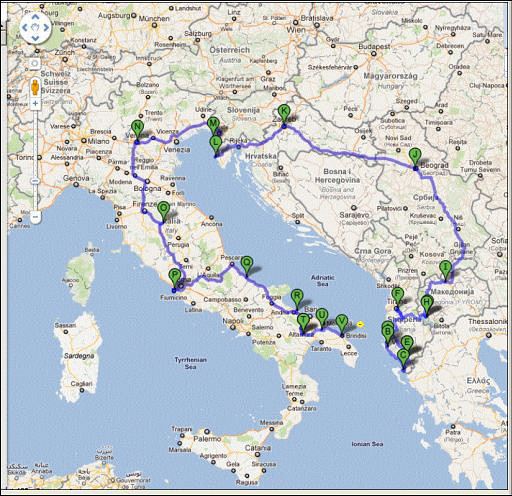
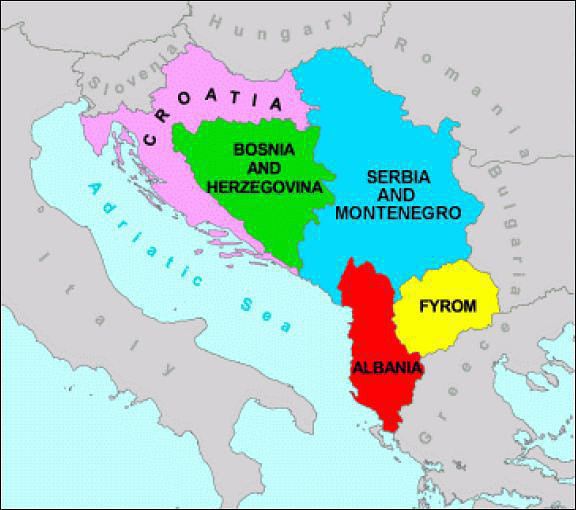 Pays des Balkans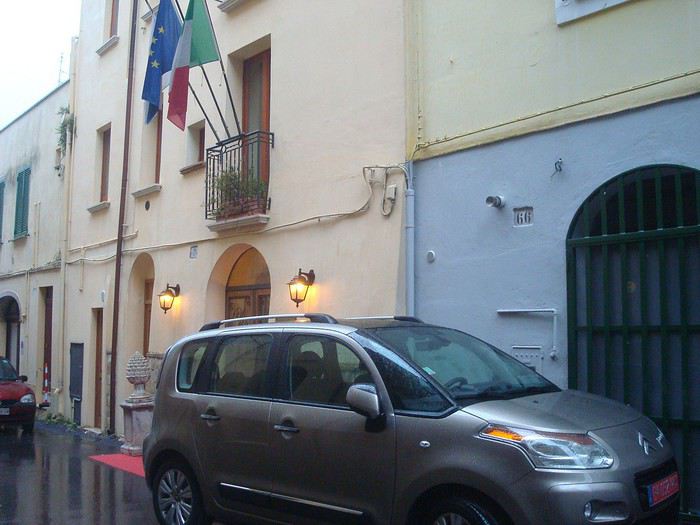
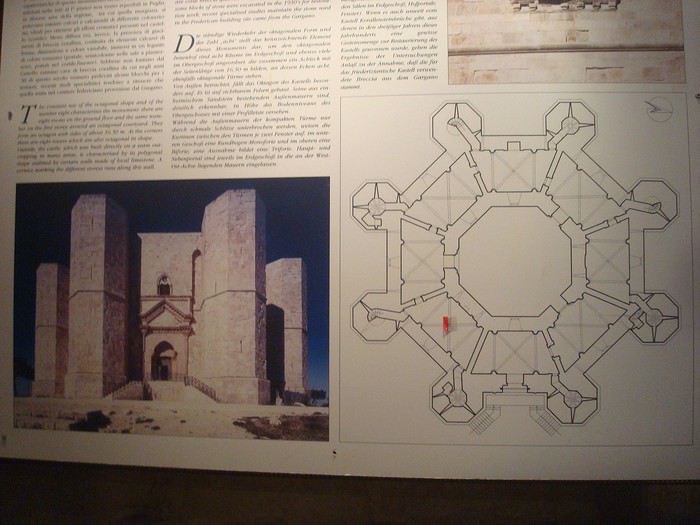
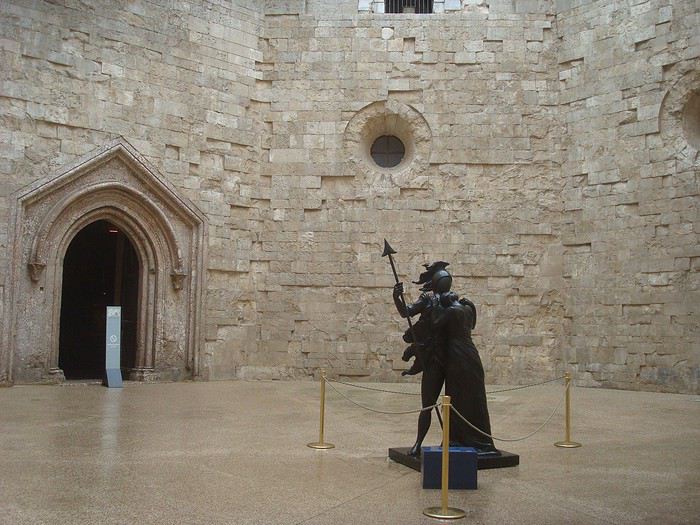
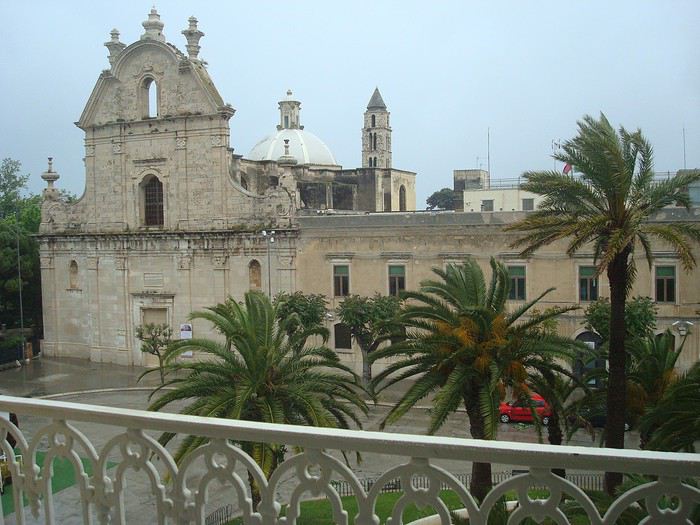
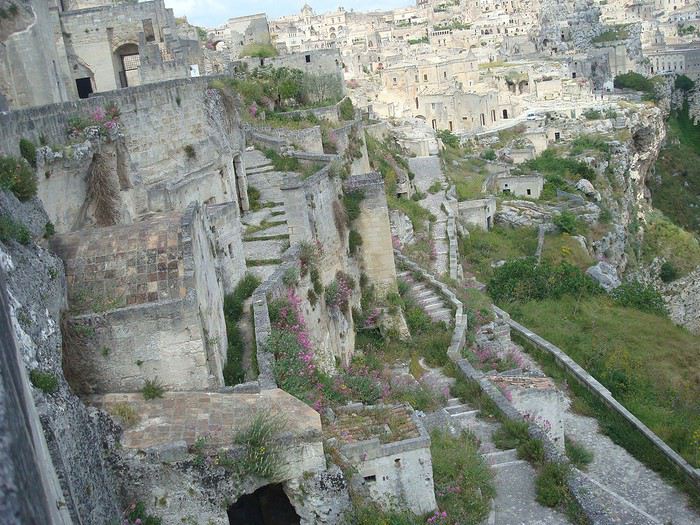
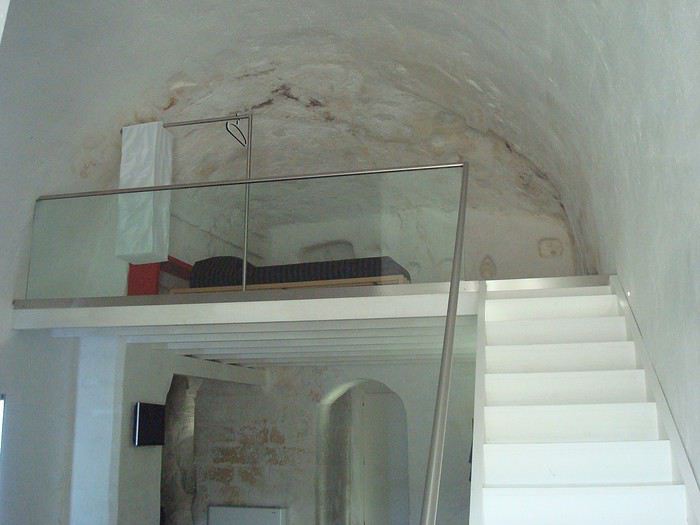
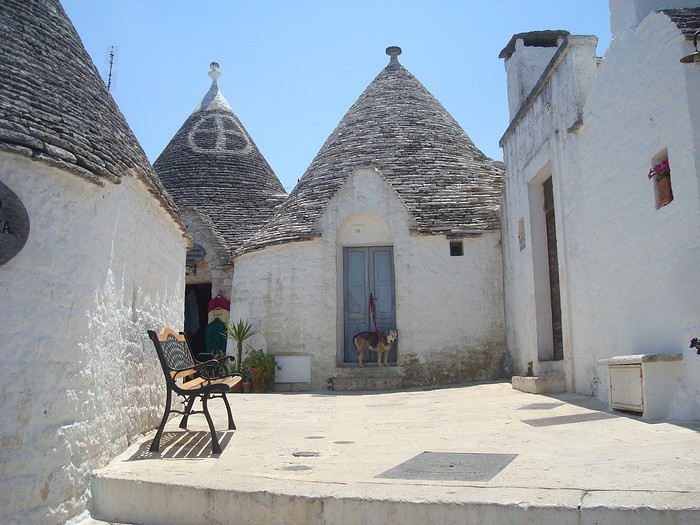
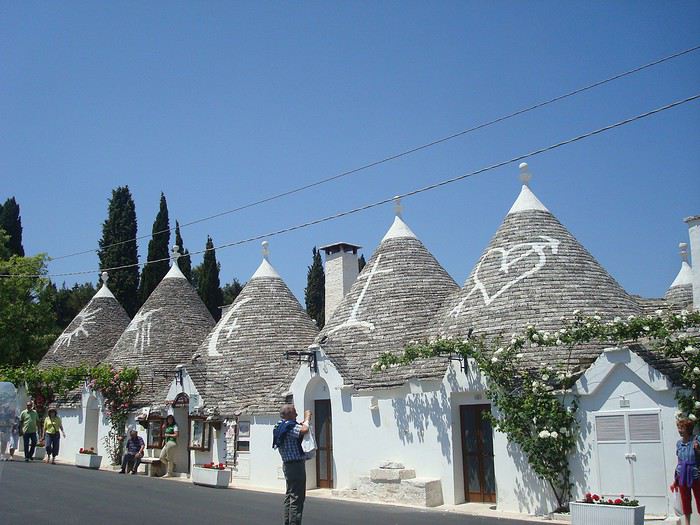

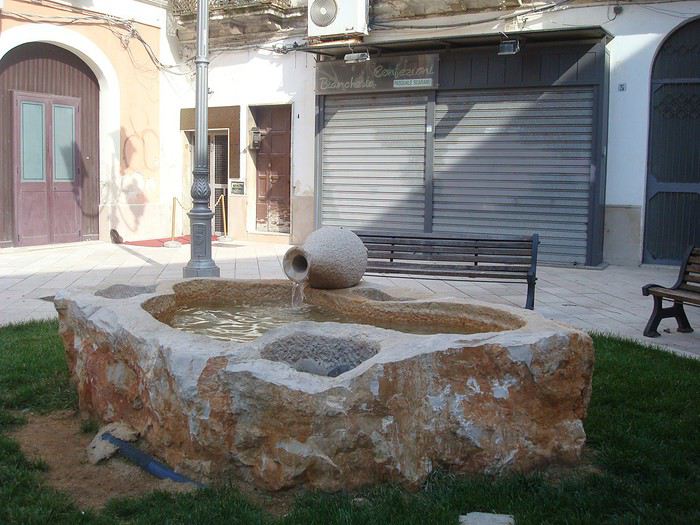
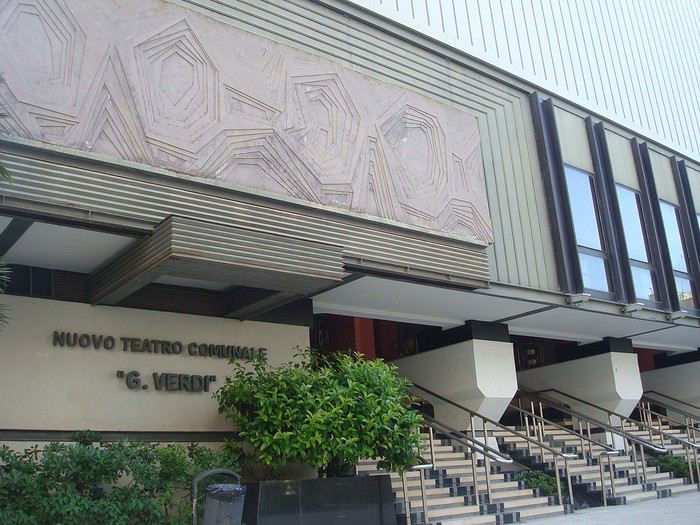 ../
../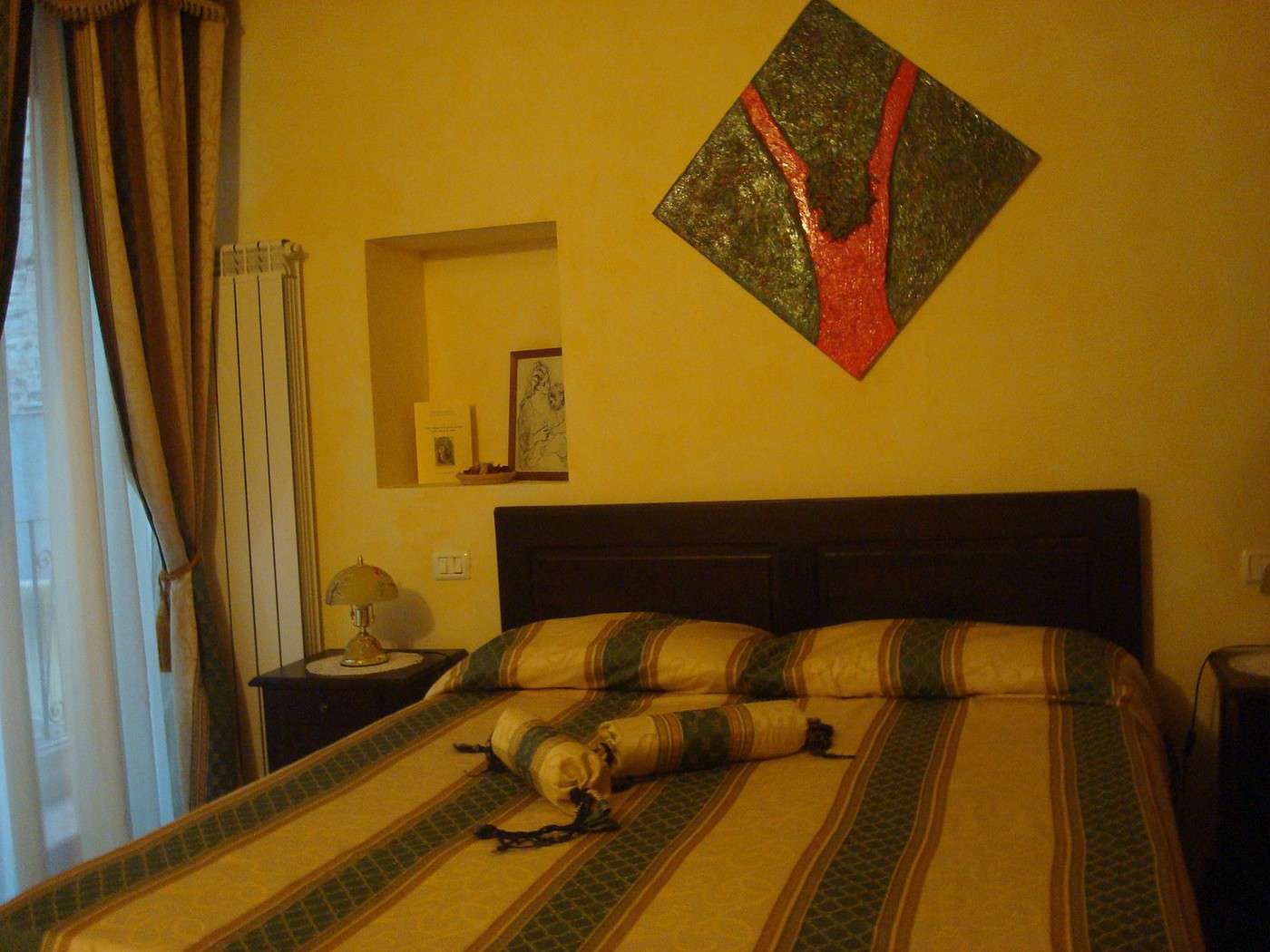
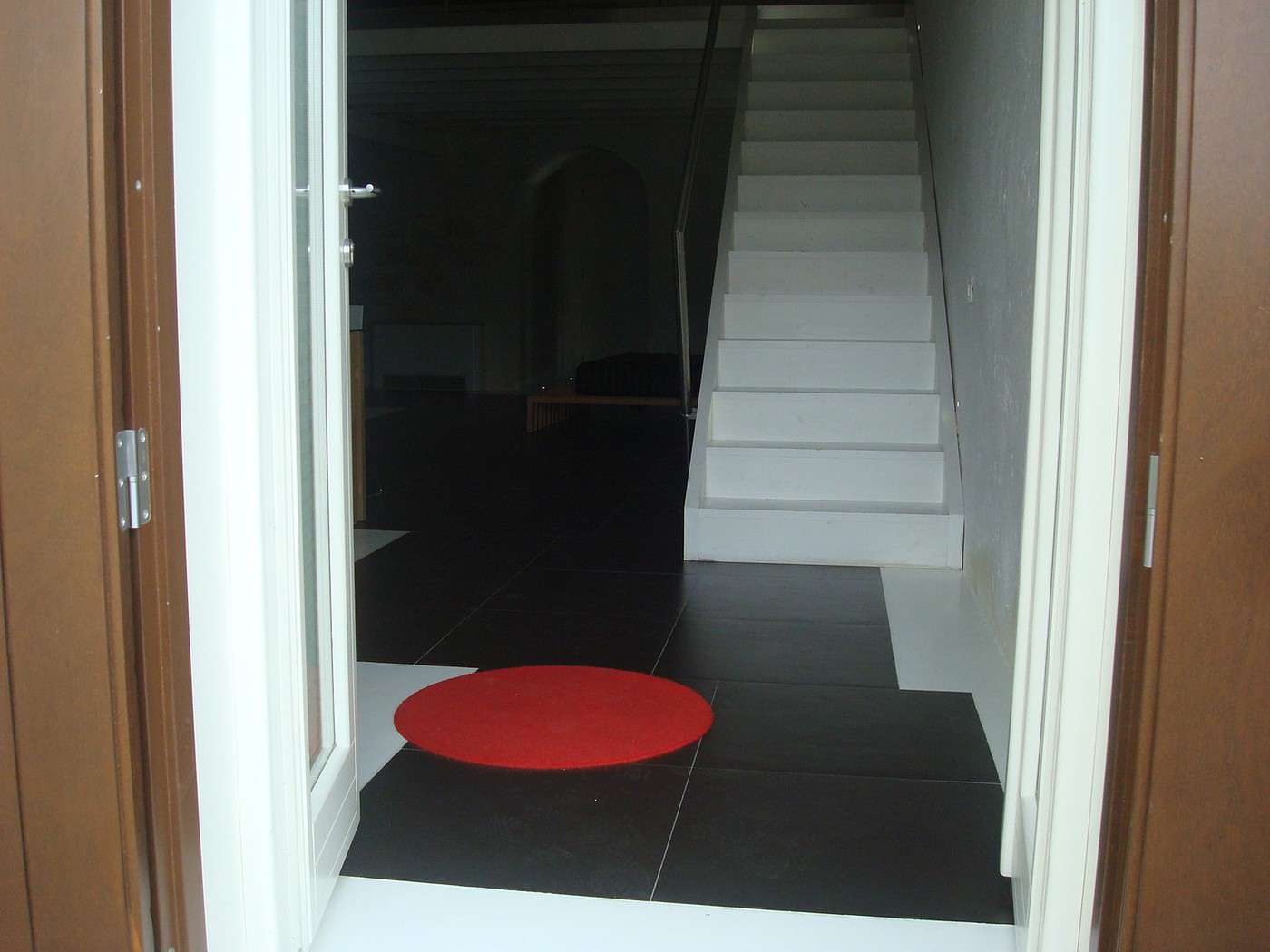


 Hôtel situé dans la partie moderne (1830!): Donji Grad ou basse ville, à une rue du célèbre parc connu sous le nom de «Horseshoe» où les nombreux musées sont concentrés.


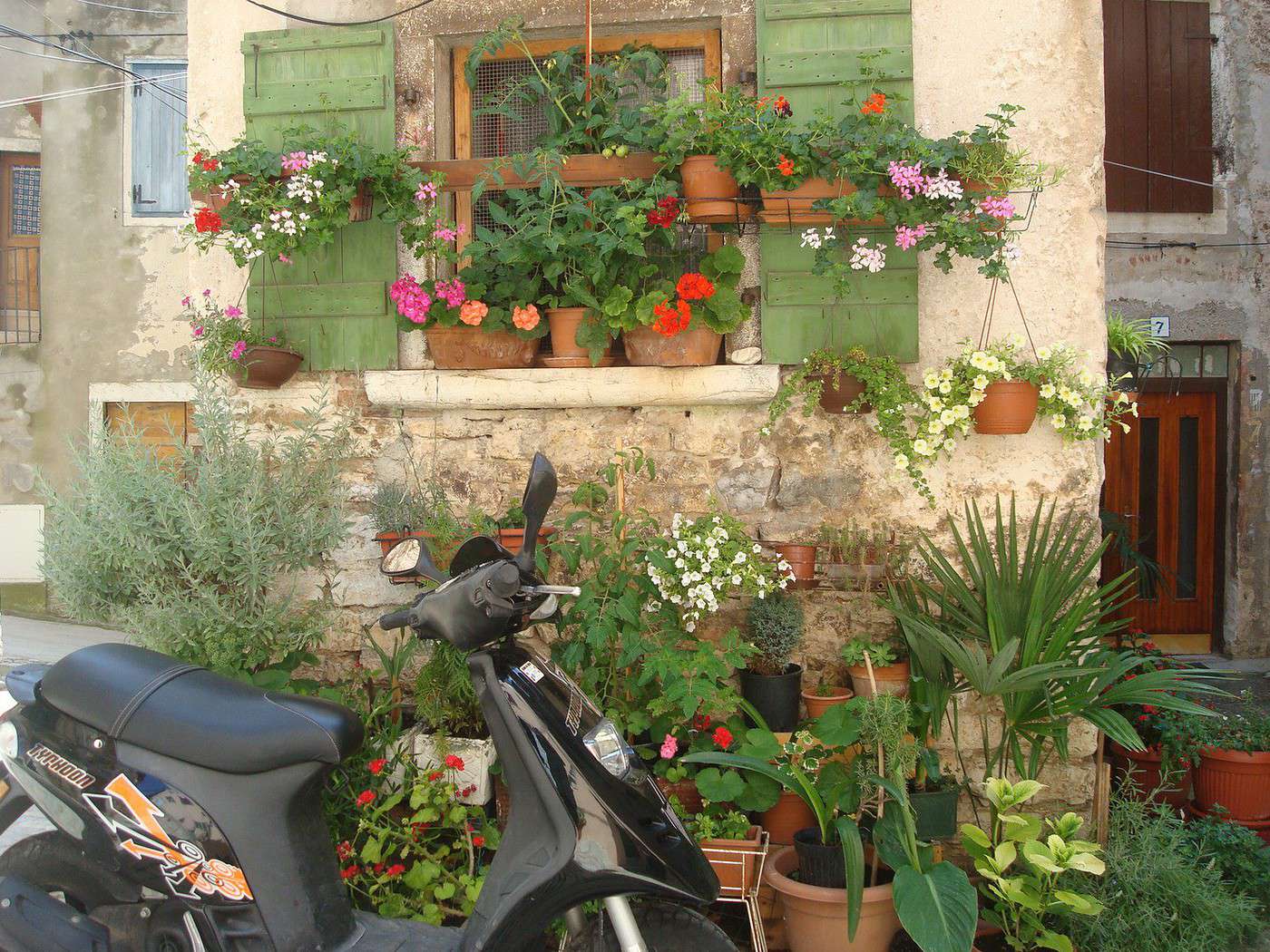



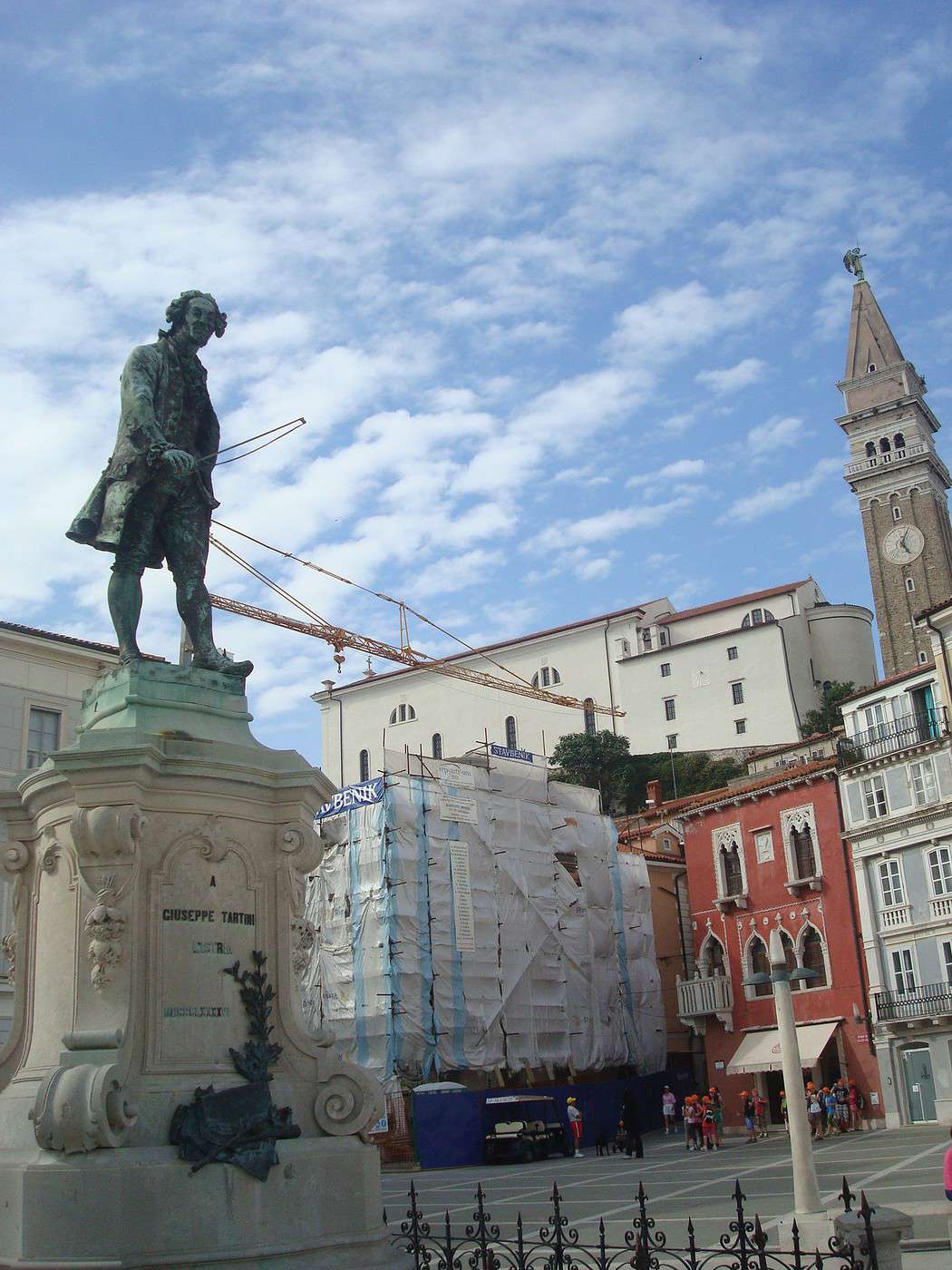
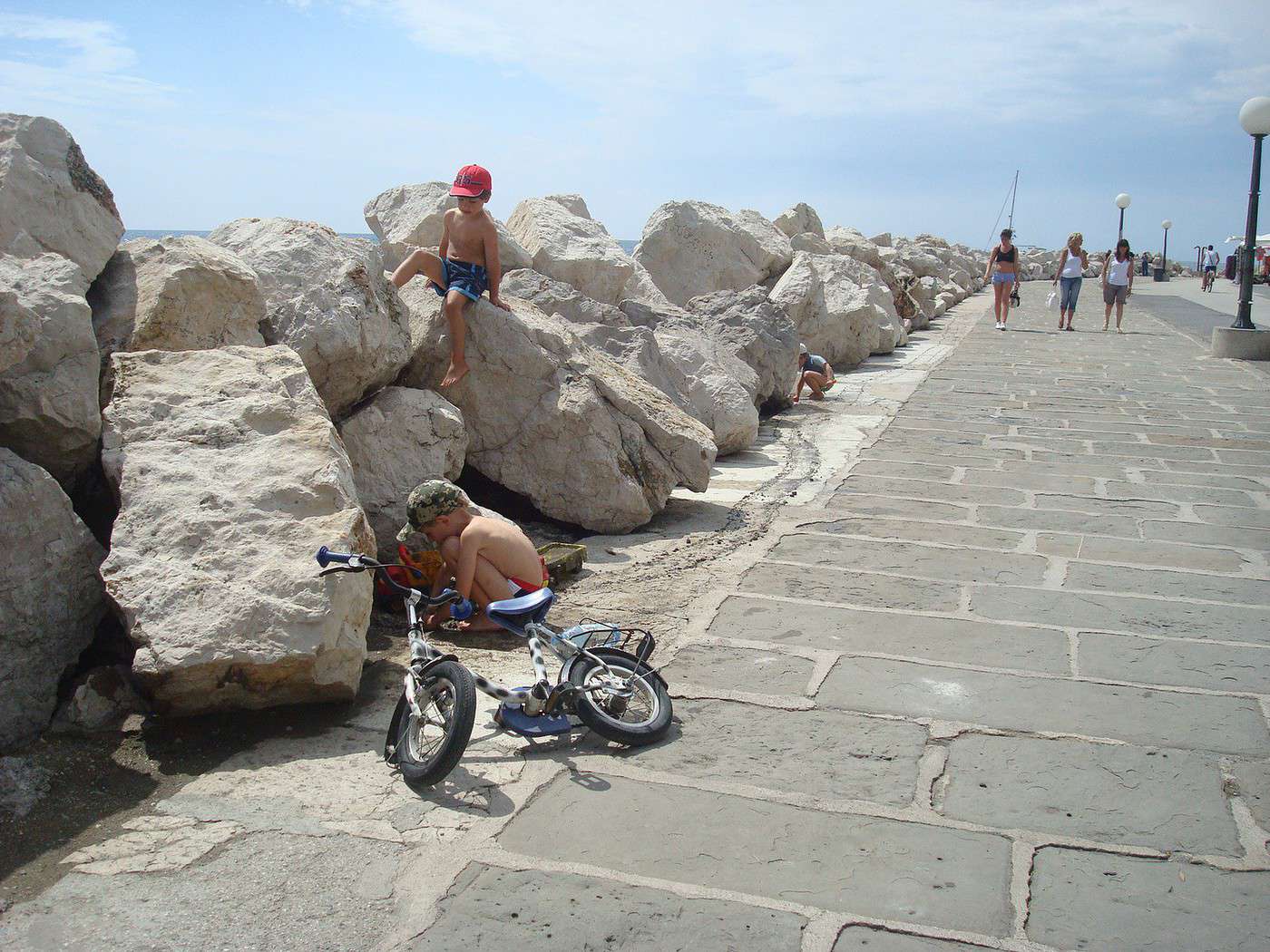


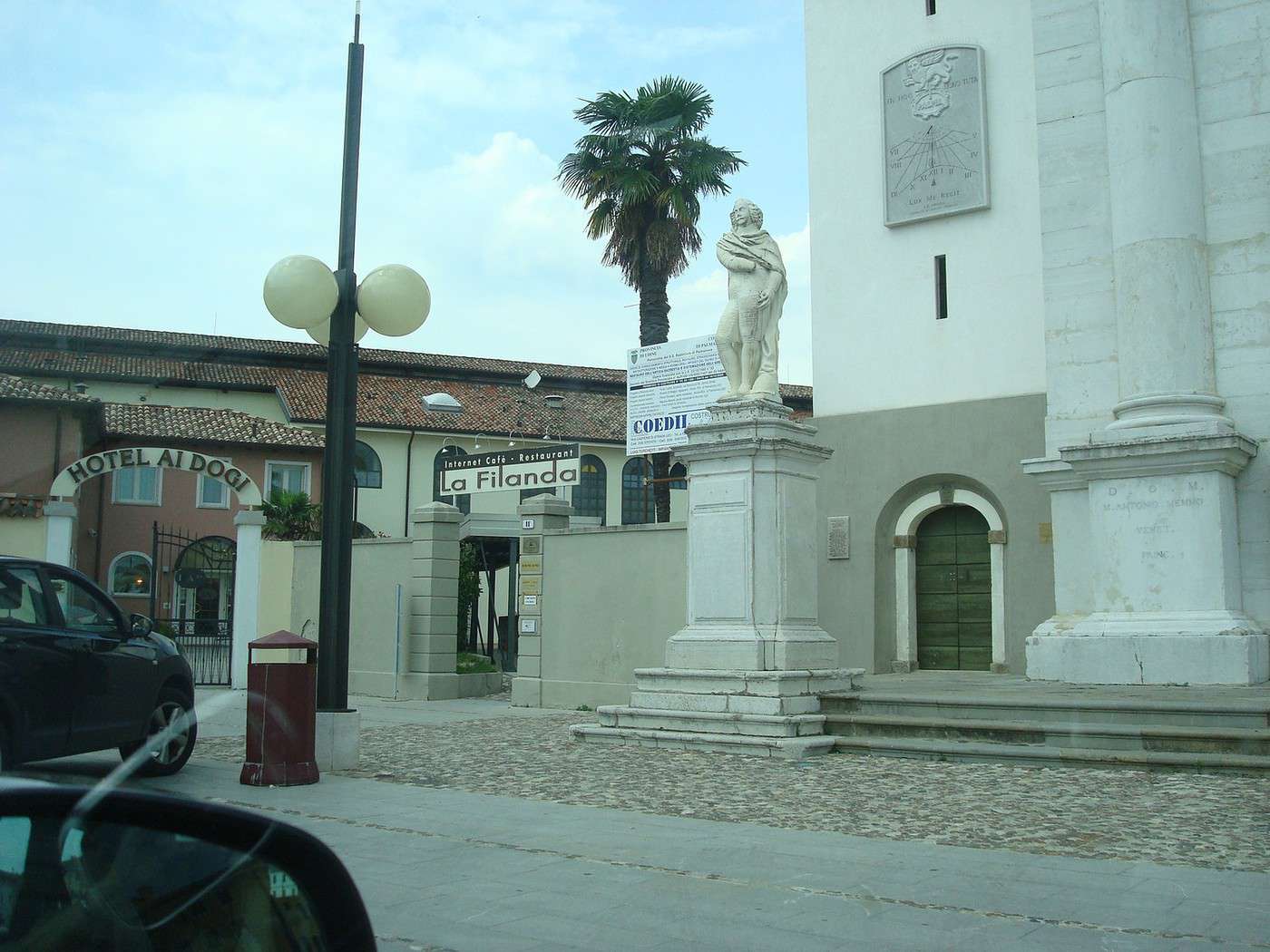


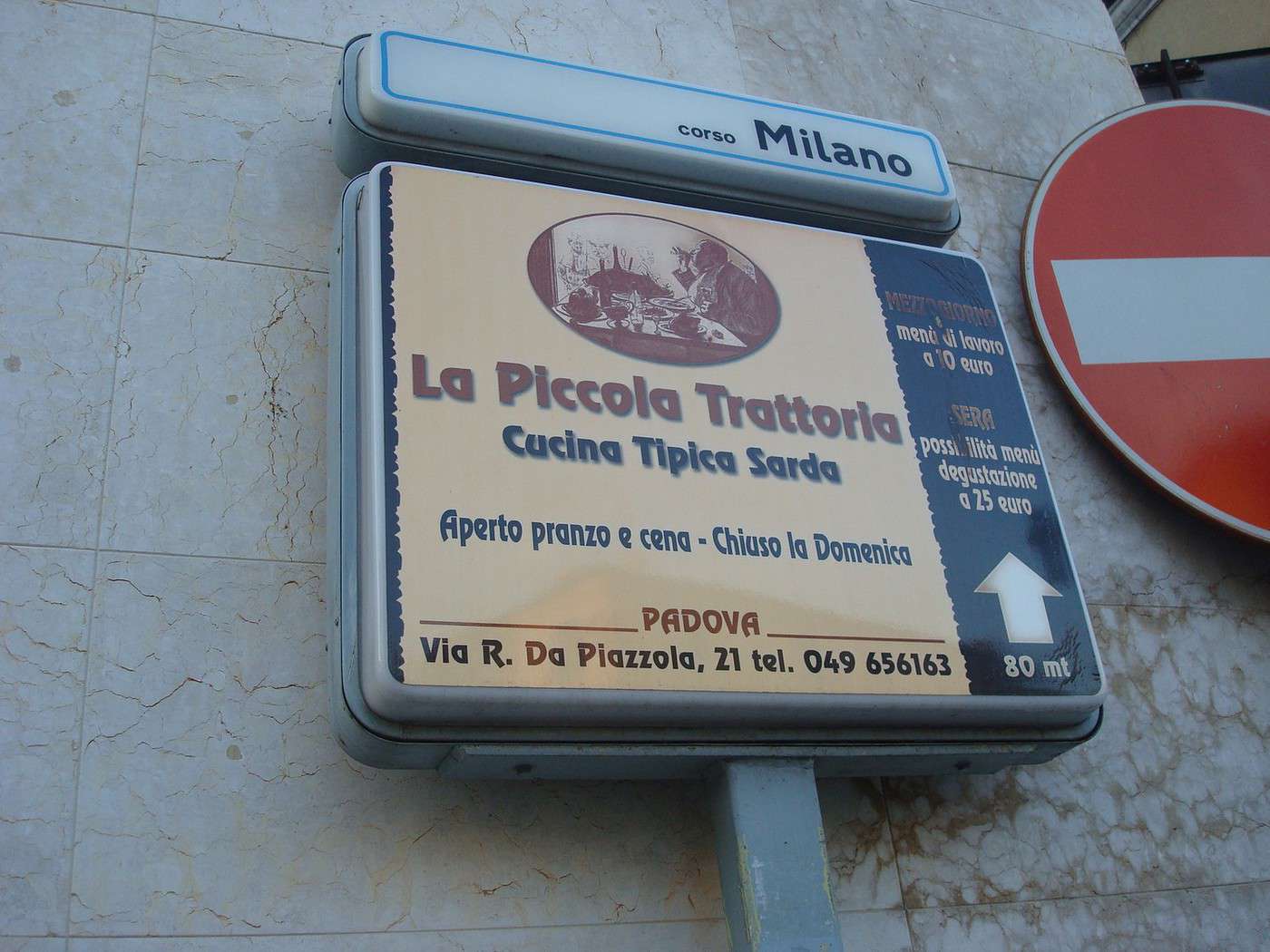
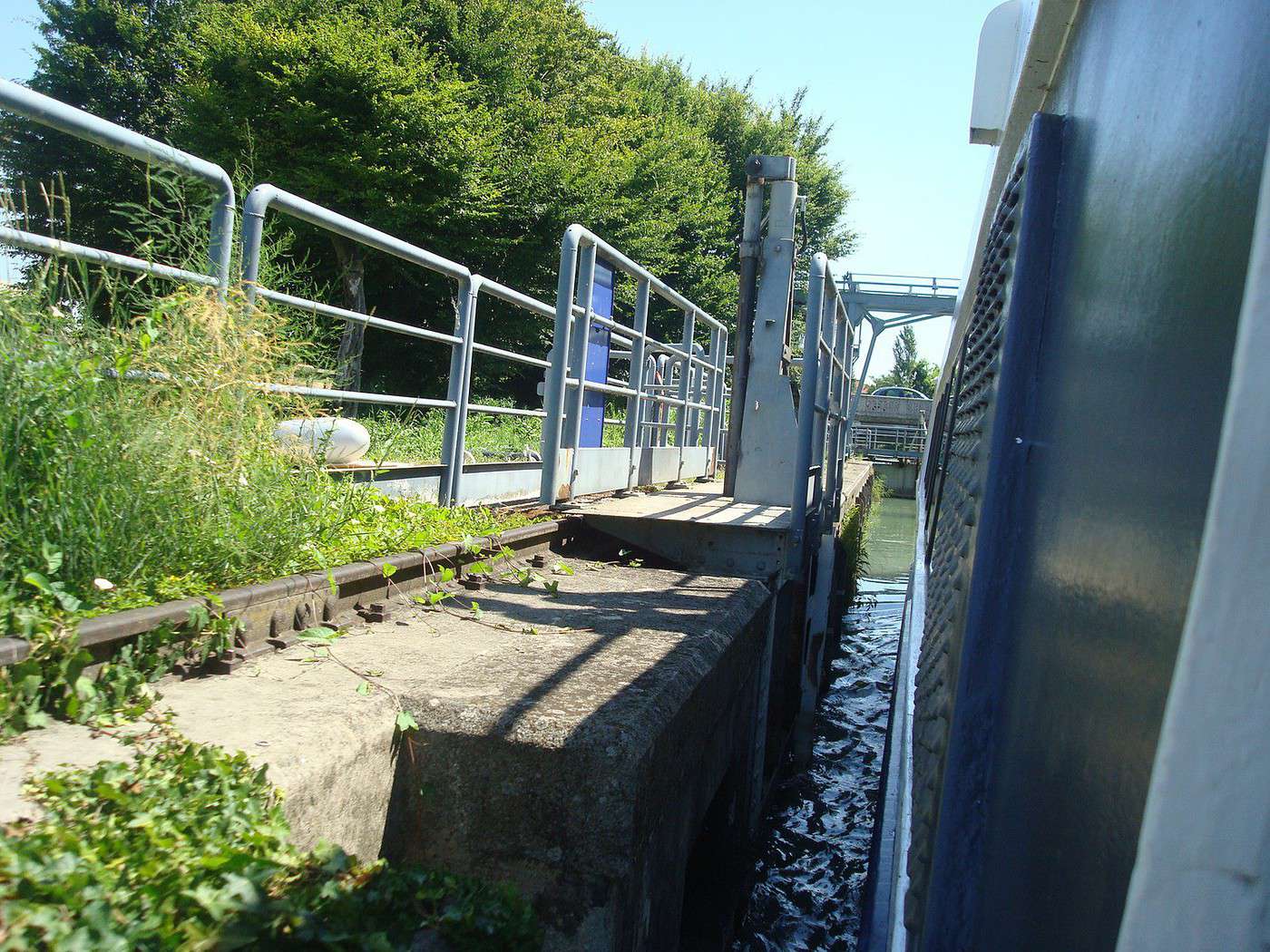
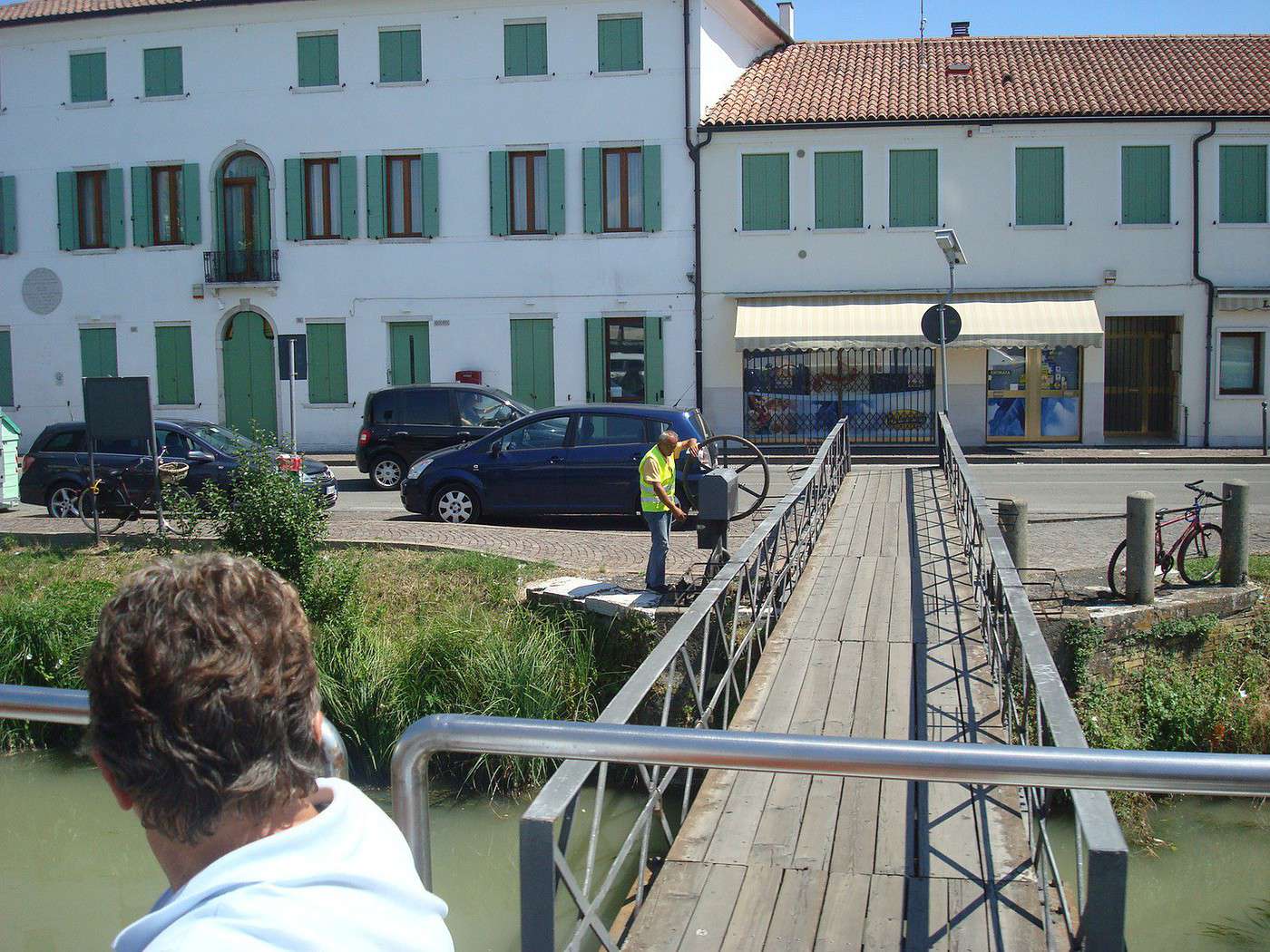
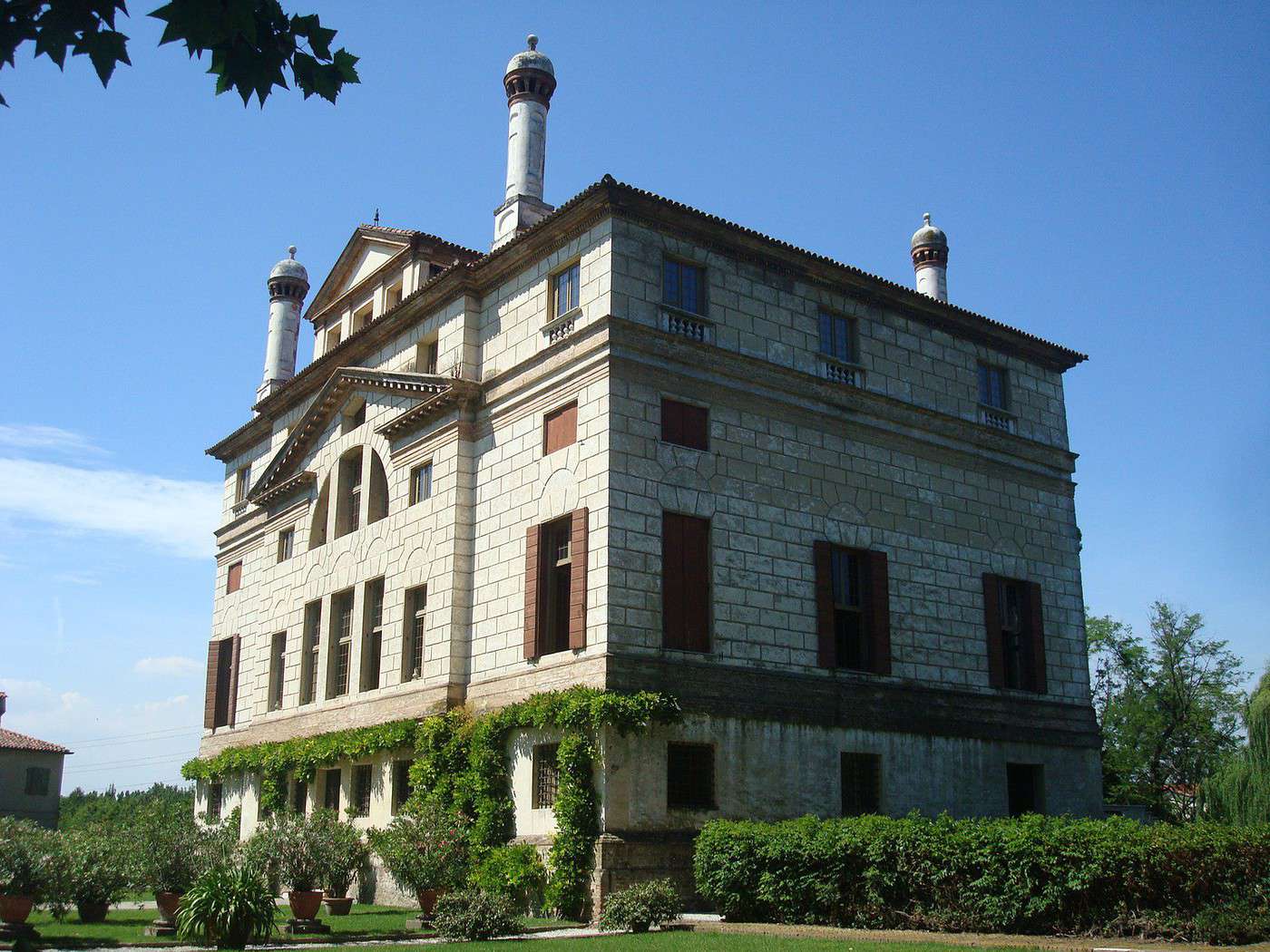


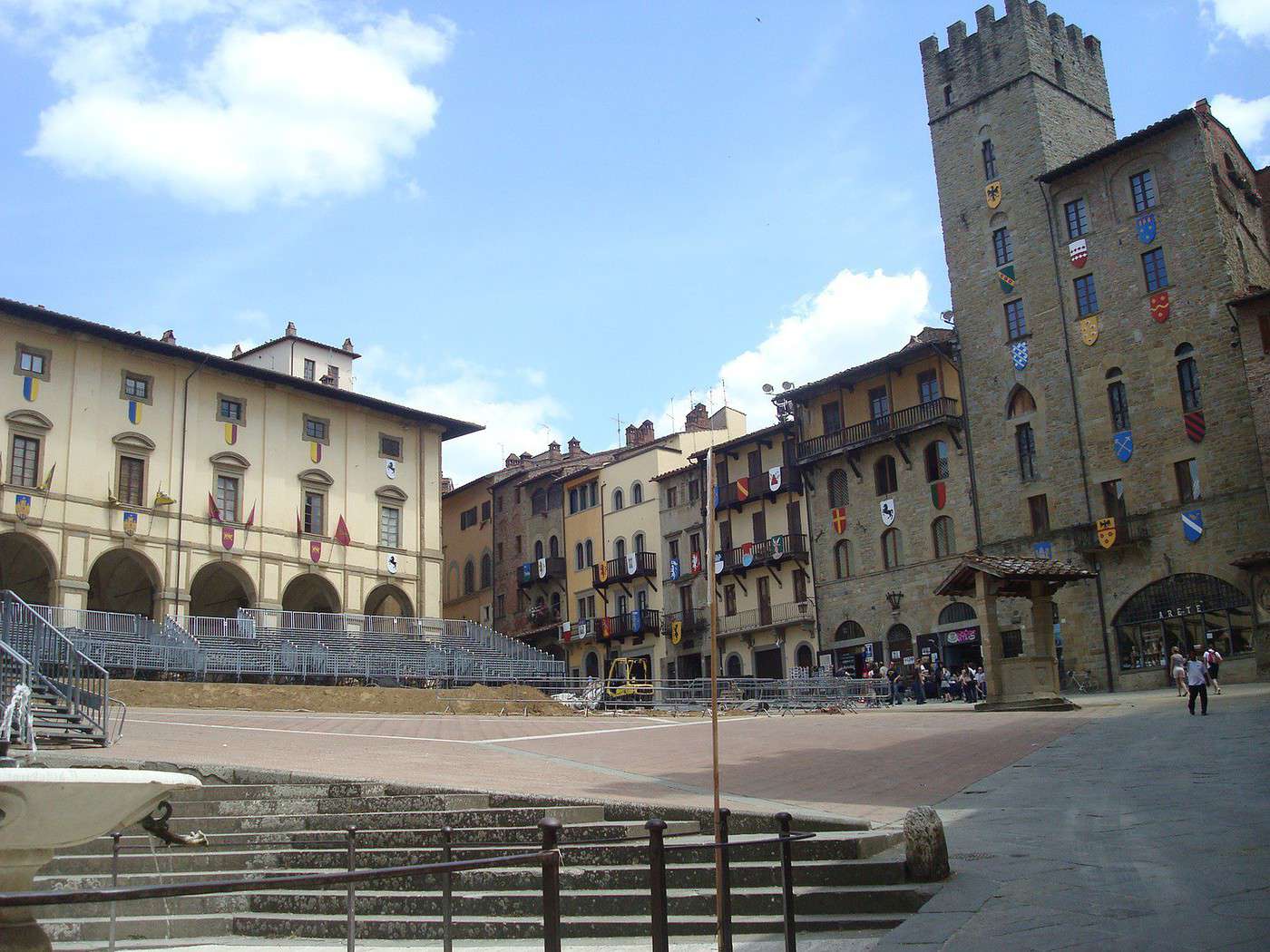


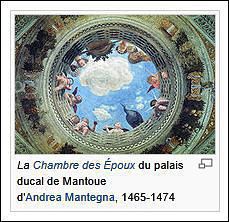
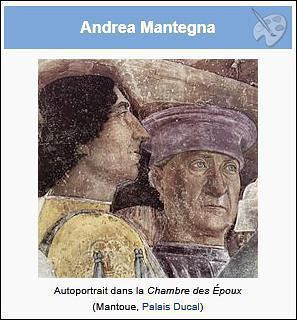
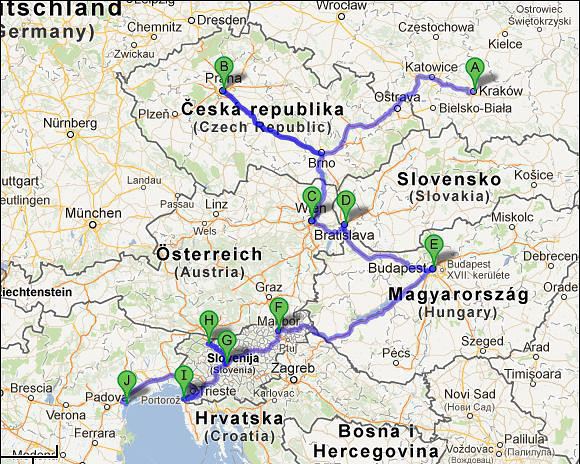

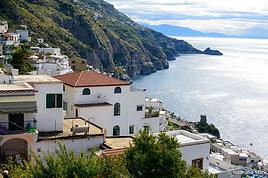
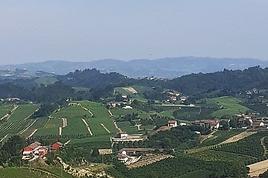
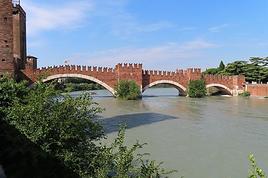
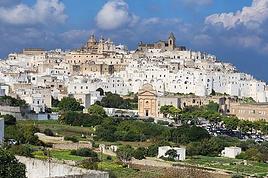
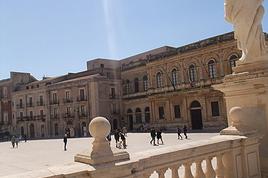
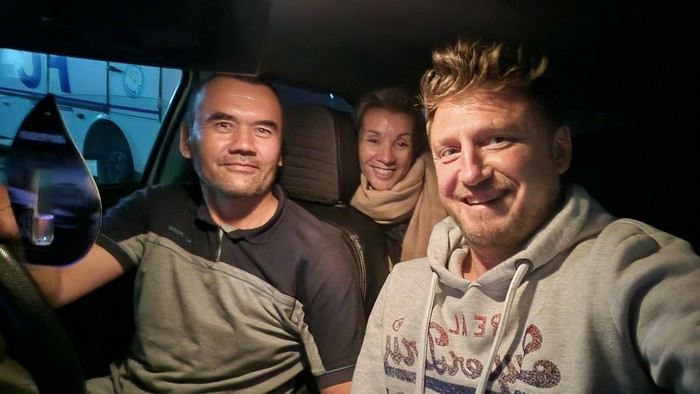
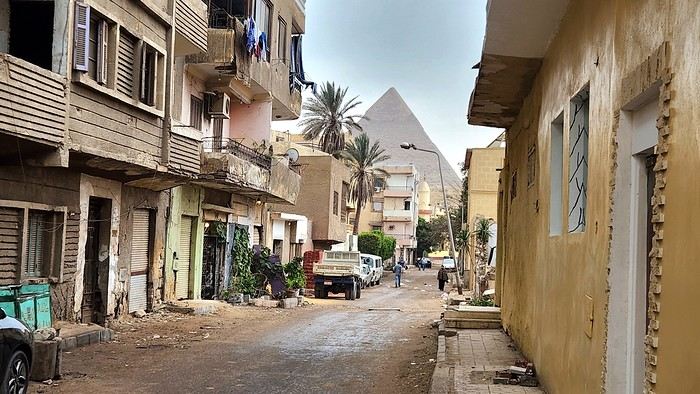
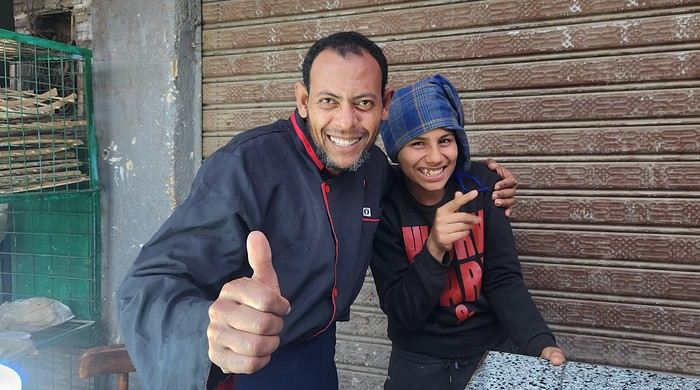
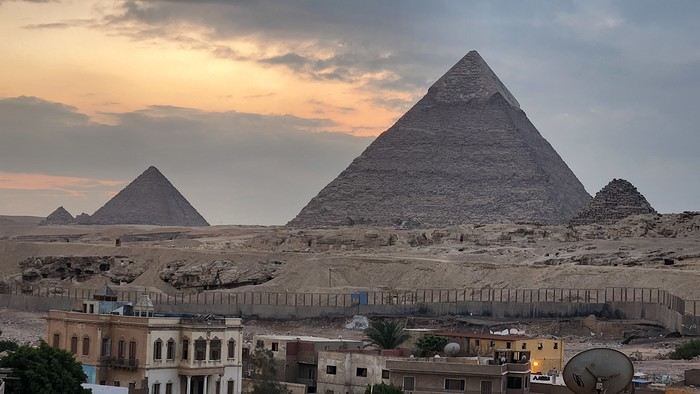
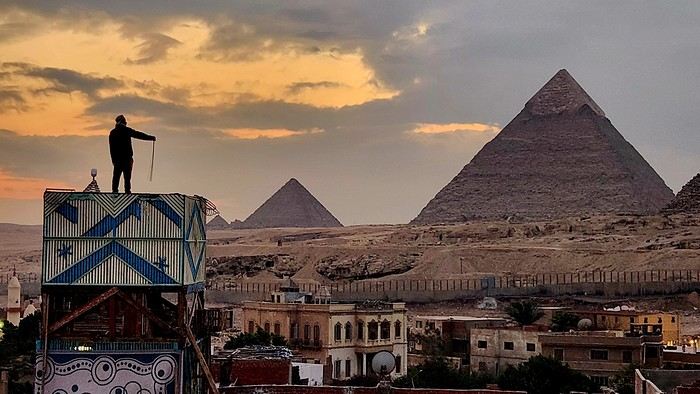
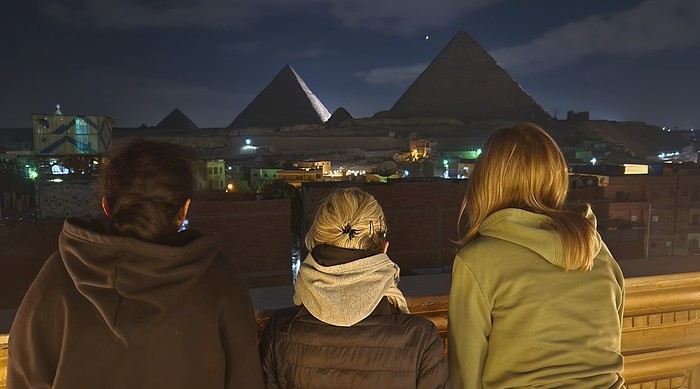
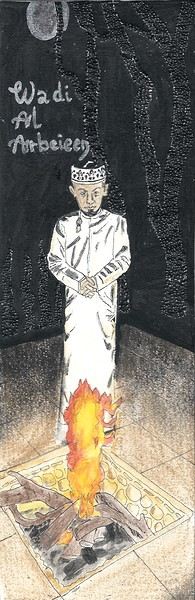
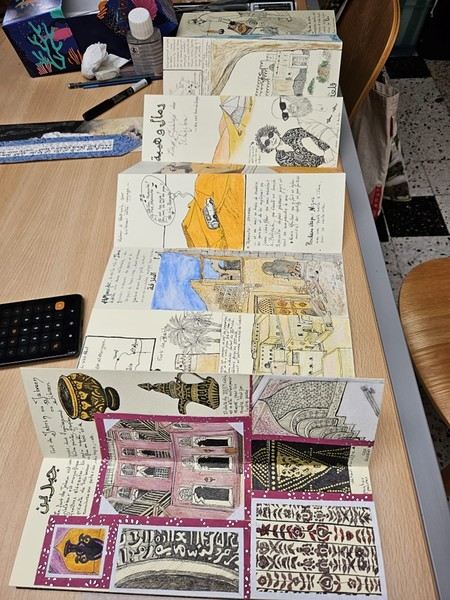
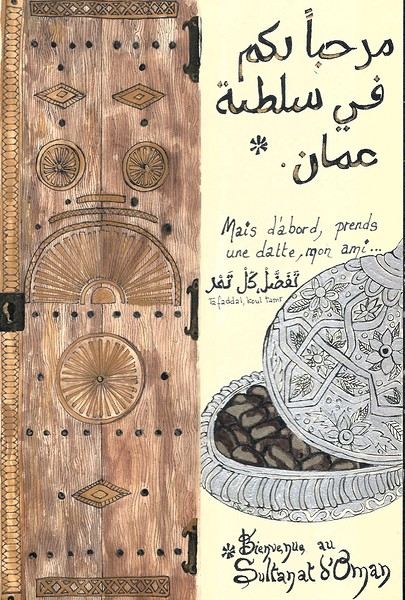 On the right, the "welcome marker"—those dates offered everywhere as a sign of hospitality. On the left, a tribute to those stunning doors worn by time, admired all over the old quarters, including the abandoned ones.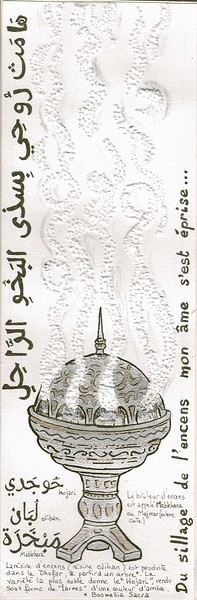
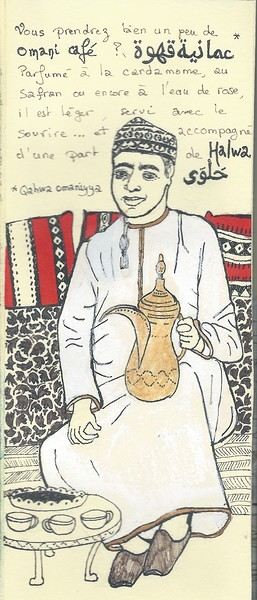 Hospitality will often lead you to accept a small coffee, an "Omani coffee," very light, subtly flavored with cardamom, maybe a touch of saffron, and occasionally rosewater.
Here, I’ve depicted a man in the common everyday attire of Omanis: the dishdasha, mostly white (during the week and daytime; colors are more common in the evening or on Fridays and Saturdays). While you’ll see some men dressed in Western clothes, they’re very few. The white dishdasha is truly the shared attire of all men. The dishdasha, which has no hood, is distinguished by a small pom-pom attached to the collar, the furakha, which is soaked in perfume. And believe me, Omanis go overboard with it! "It smells like the pom-pom" is an expression that’s now part of our shared language, my husband and I.
Another must of men’s attire is the kuma, a small round head covering, usually white with brightly colored patterns. The keffiyeh is also worn (but without the cord called an agal in Arab countries), and it’s mostly worn by those with roots in the desert, from what I understood.
And what about the women, you might ask? Some are veiled, some in full black (but not a burka—more like a chador + abaya), due to the influence of Saudi Arabia and the United Arab Emirates, whereas the traditional outfit used to be a layering of very colorful dresses. Most of the women we saw wore neutral clothing, a plain veil over their hair, but with their faces uncovered. We also saw many saris and colorful veils—don’t forget that 40% of the population consists of Indian, Nepalese, and Bangladeshi immigrants, who work a lot in tourism, hospitality, restaurants, services, and construction.
Just to clarify, as a tourist, there’s no pressure to wear a veil, and never any disapproving looks. Of course, you’ll save the mini shorts, plunging necklines, bare shoulders, and midriffs for the hotel terrace—but I’d say that’s the same for men and women, and with the sun being strong, it’s better for your skin too.
Here’s the introduction! In the next post, I’ll tell you about my itinerary, and we can dive in!
Hospitality will often lead you to accept a small coffee, an "Omani coffee," very light, subtly flavored with cardamom, maybe a touch of saffron, and occasionally rosewater.
Here, I’ve depicted a man in the common everyday attire of Omanis: the dishdasha, mostly white (during the week and daytime; colors are more common in the evening or on Fridays and Saturdays). While you’ll see some men dressed in Western clothes, they’re very few. The white dishdasha is truly the shared attire of all men. The dishdasha, which has no hood, is distinguished by a small pom-pom attached to the collar, the furakha, which is soaked in perfume. And believe me, Omanis go overboard with it! "It smells like the pom-pom" is an expression that’s now part of our shared language, my husband and I.
Another must of men’s attire is the kuma, a small round head covering, usually white with brightly colored patterns. The keffiyeh is also worn (but without the cord called an agal in Arab countries), and it’s mostly worn by those with roots in the desert, from what I understood.
And what about the women, you might ask? Some are veiled, some in full black (but not a burka—more like a chador + abaya), due to the influence of Saudi Arabia and the United Arab Emirates, whereas the traditional outfit used to be a layering of very colorful dresses. Most of the women we saw wore neutral clothing, a plain veil over their hair, but with their faces uncovered. We also saw many saris and colorful veils—don’t forget that 40% of the population consists of Indian, Nepalese, and Bangladeshi immigrants, who work a lot in tourism, hospitality, restaurants, services, and construction.
Just to clarify, as a tourist, there’s no pressure to wear a veil, and never any disapproving looks. Of course, you’ll save the mini shorts, plunging necklines, bare shoulders, and midriffs for the hotel terrace—but I’d say that’s the same for men and women, and with the sun being strong, it’s better for your skin too.
Here’s the introduction! In the next post, I’ll tell you about my itinerary, and we can dive in!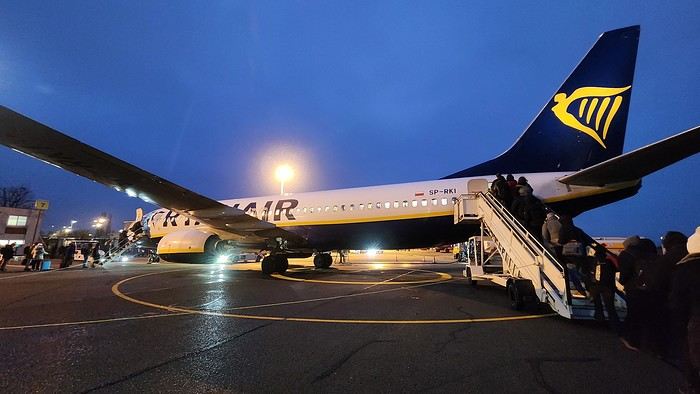
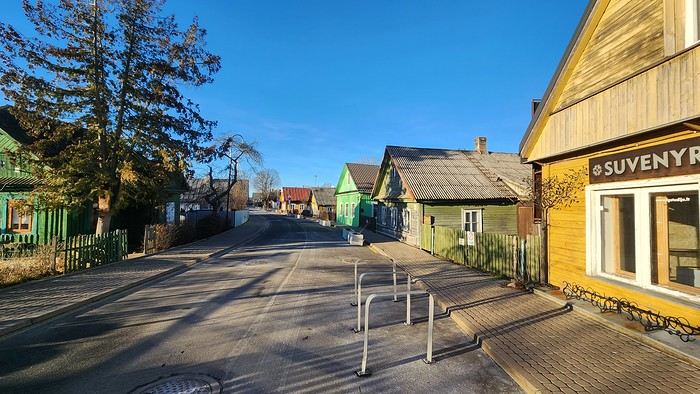
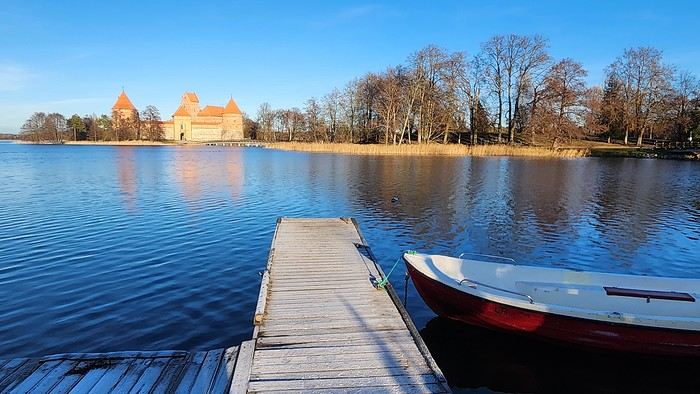
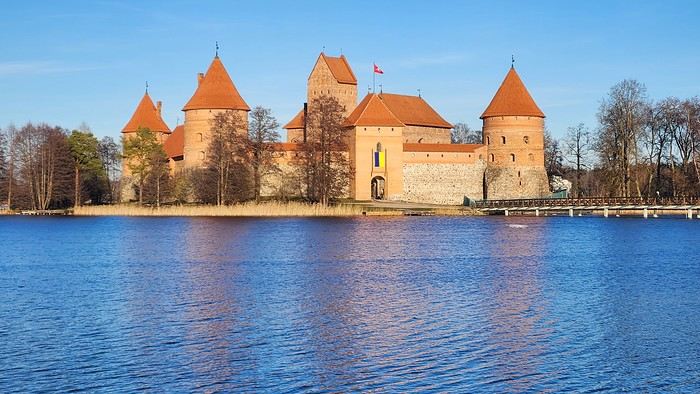
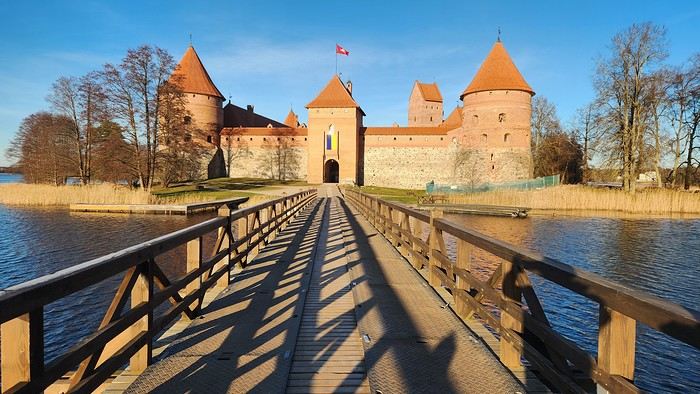
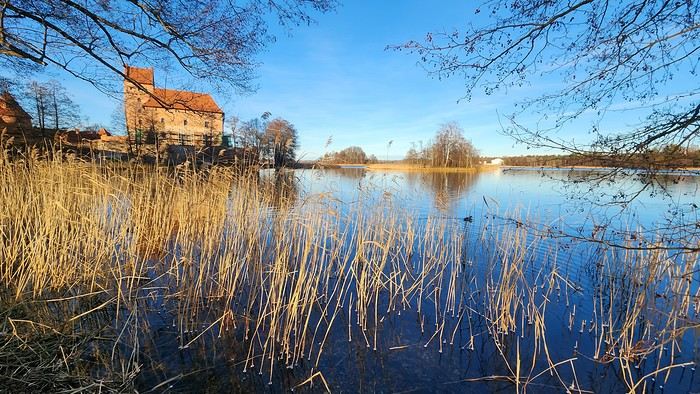
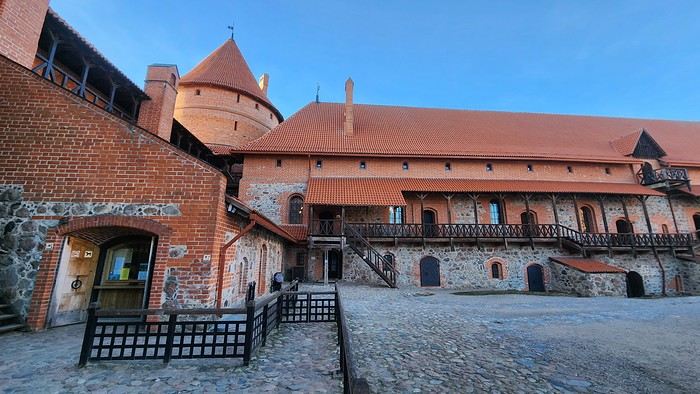
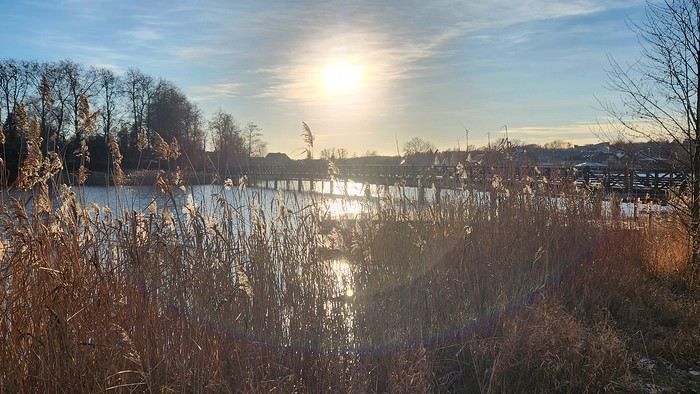
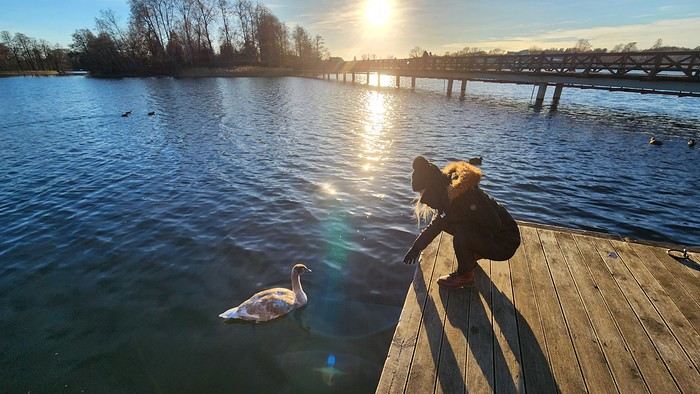


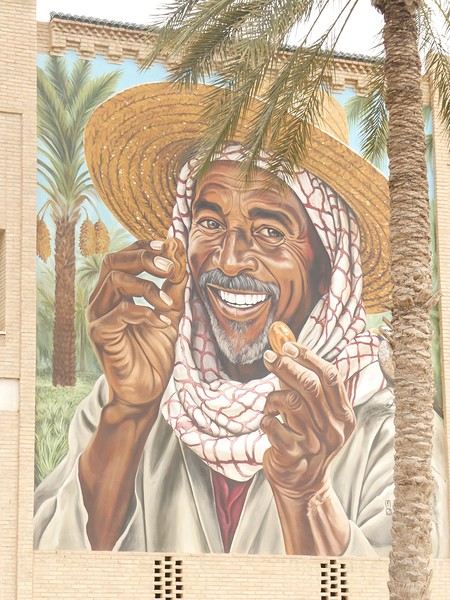



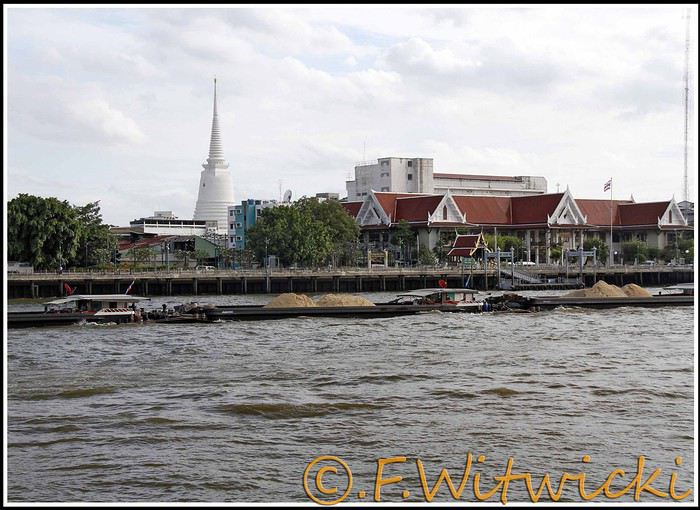
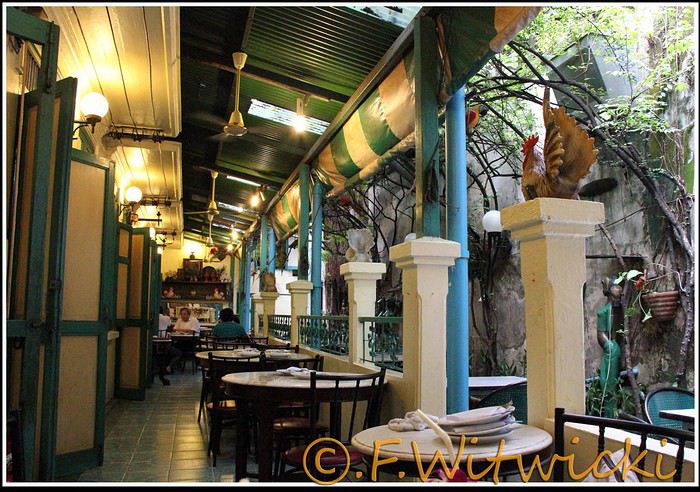

 The large solidified magma massifs that shape the heart of the island have created a large depression more protected from the sun at its center, allowing the growth of a vast laurel forest, today grouped within the Garajonay National Park, La Gomera’s green lung, which has earned it the status of a World Biosphere Reserve. Its completely European appearance contrasts sharply with the rocky and tropical landscapes of the rest of the island. Thus, the climate varies greatly from one point to another on the island: in summer, you can quickly go from a dry and sunny valley at 35°C to a humid forest area at altitude at 18°C.
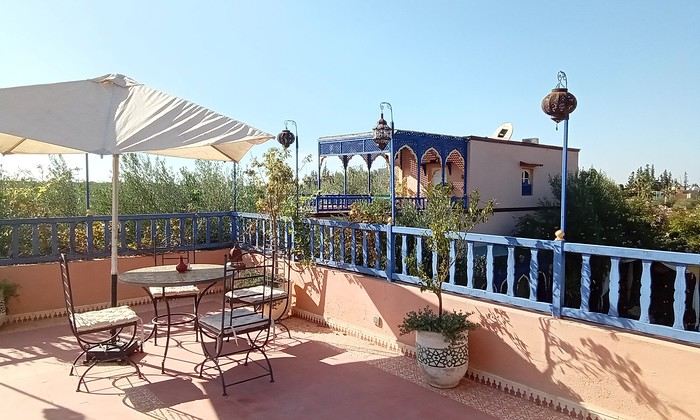
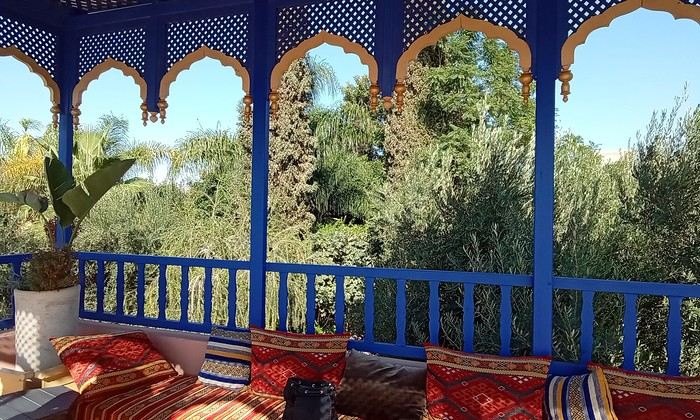 Last October, we landed in Marrakech to spend a few days with family exploring Morocco’s roads.
Transport: a rented Dacia.
Accommodations: small guesthouses.
Last October, we landed in Marrakech to spend a few days with family exploring Morocco’s roads.
Transport: a rented Dacia.
Accommodations: small guesthouses.
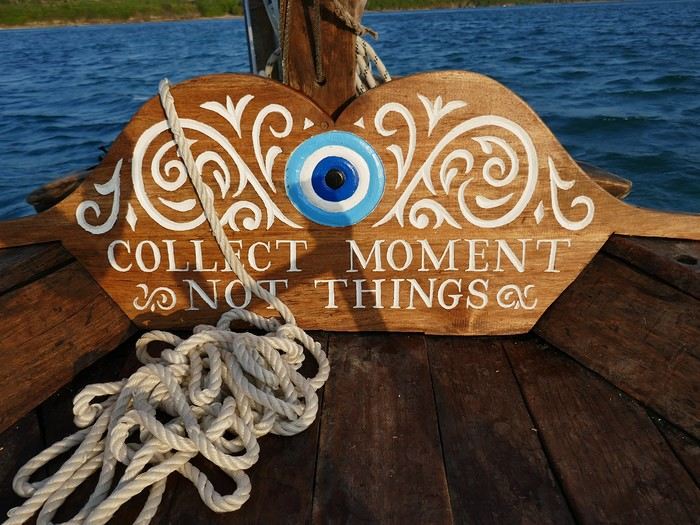
 Come along, I'm taking you to this country where it's so nice to wander and slow down...
 I’m inviting you on a stroll through my drawings—a completely subjective, far from exhaustive, and totally personal take, since it’s based on my own sketches. I put this travel journal together after returning in late 2024, mostly using felt-tip pens and pencils, with a few collages thrown in. I worked from our personal photos.
 And in Kyoto, Nishiki Market:
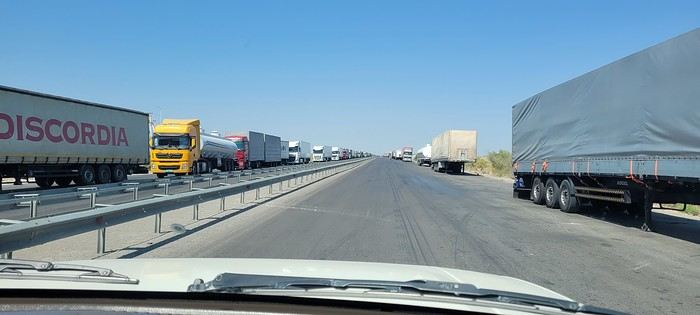
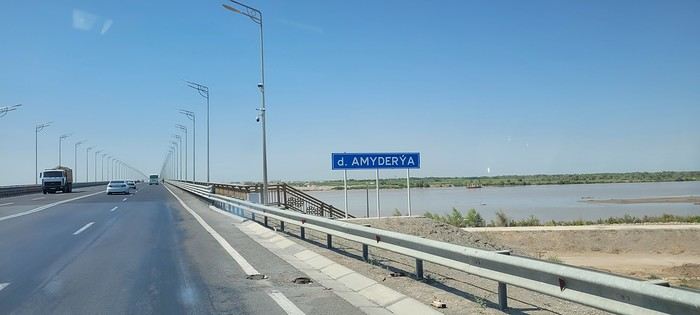
 Roundabouts are particularly interesting because they feature emblems of Turkmen culture, like the dog, a carpet, the Ahal Teke horse, or Muslim symbols, even though the presence of Islamic artifacts is quite limited.

 A little sneak peek?