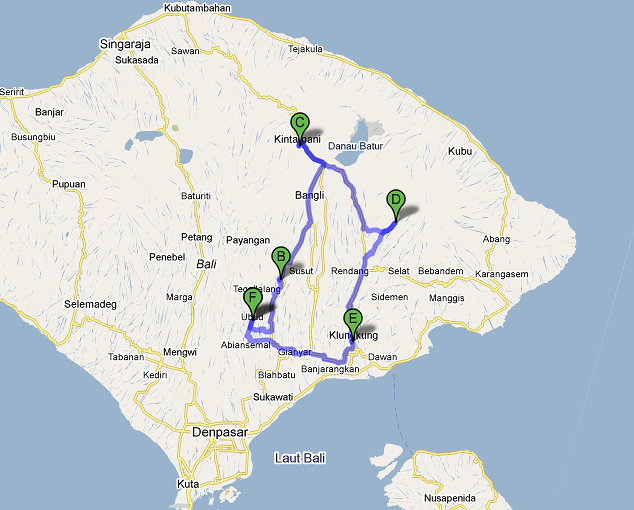
J1 27/10 - Paris Kuala Lumpur http://voyageforum.com/...iew&post=4073334 J2 28/10 - Kuala Lumpur Bali http://voyageforum.com/...iew&post=4073334 J3 29/10 - Sanur vers Nusa Lembogan http://voyageforum.com/...iew&post=4073334 J4 30/10 - Nusa Lembogan http://voyageforum.com/...post=4074840#4074840 J5 31/10 - Nusa Lembogan vers Ubud http://voyageforum.com/...post=4074840#4074840 J6 01/11 - Ubud (et sa région) http://voyageforum.com/...post=4081088#4081088 J7 02/11 - Nord de Bali http://voyageforum.com/...post=4085996#4085996 J8 03/11 - Ubud http://voyageforum.com/...post=4095056#4095056 J9 04/11 - Ubud & Padangbai http://voyageforum.com/...post=4100220#4100220 J10 05/11 - Gili Trawangan http://voyageforum.com/...post=4100240#4100240 J11 06/11 - Gili Trawangan http://voyageforum.com/...post=4121969#4121969 J12 07/11 - Gili Trawangan http://voyageforum.com/...post=4121990#4121990 J13 08/11 - Gili Trawangan à Kuta http://voyageforum.com/...post=4122078#4122078 J14 09/11 - Kuta & Peninsule du Bukit http://voyageforum.com/...post=4138395#4138395 J15 10/11 - Kuta http://voyageforum.com/...post=4138406#4138406 Conseils, idée de prix et recommandations http://voyageforum.com/v.f?post=4143643#4143643
J1 27/10 - Paris Kuala Lumpur
Départ à 12h du terminal 1 de Roissy - CDG avec Malaysia Airlines. Décollage à l'heure, c'est parti pour 12 longues heures de vol où l'on aura un déjeuner, une collation et un petit-déjeuner. Le personnel Malaysia est très professionnel et serviable, et n'hésitera pas à nous ravitailler toutes les heures en boisson. Arrivée à Kuala Lumpur pour une escale de 2h un peu après minuit heure française, soit 6h de plus heure locale.
J2 28/10 - Kuala Lumpur Bali
L'aéroport de Kuala Lumpur se prête bien aux petites escales, il ne manque pas de restaurants, bars ou boutiques (même de luxe). Pour nous, ce sera un Starbucks, dernier rappel du monde occidental. 6€ pour 2 grands cafés, on est bien en Asie, dans un autre monde.
Embarquement rapide pour Bali, Malaysia toujours au top ! L'arrivée à Bali est impressionnante, on a l'impression d'atterrir dans la mer. Nous sommes à l'heure ! Immigration (25$ de taxe), récupération des bagages, et hop là un balinais avec une pancarte à nos noms nous attend : en effet, j'avais réservé le taxi via l'hôtel (réservé aussi depuis la France) pour ne pas avoir à chercher ou attendre.
20 bonnes minutes de trajet, où l'on découvre que la circulation est composé par 60% de scooters et nous arrivons à l'hôtel, simple, propre et pas cher ! Malgré notre fatigue (lever depuis 26h, et ce ne sont pas les petits sommeils dans l'avion qui font une vraie nuit), nous nous lançons dans le tour de Sanur ! Après un arrêt dans un change de monnaie (un de ceux recommandé dans nos guides, car il y a beaucoup d'arnaque... Etant donné que 1€ donne 12 250 rupiah, et que le plus gros billets donnés est de 50 000 !), nous découvrons la plage. Pas très belle, rien de sensationnel.
 http://www.flickr.com/...romainpa/5185080719/
On remonte la plage vers le nord, sur 3 bon km, et au bout notre récompense sera une Bintang, bière locale.

Retour à 17h à l'hôtel, pour une mini sieste. Diner sur la plage, au Bonsai Café: un noodle chicken chow mein délicieux, avant un repos bien mérité.
J3 29/10 - Sanur vers Nusa Lembogan
Réveil assez matinal, à 7h30, car nous prenons le bateau rapide au départ de Sanur pour l'ile de Nusa Lembogan. Nous avions acheté les billets la veille avec un petit rabais (30%) en négociant (transport et logement se négocient ici).
On part de l'hôtel à 8h45, on chope direct un taxi, pour qu'il nous dépose au départ du bateau, et nous évite la 1/2 heure de marche avec nos gros sacs à dos. La première grosse action du séjour débute: au bout de 2km, je commence à demander au chauffeur où il nous emmène, nereconnaissant pas la route de la veille et étant persuadé que le chauffeur se plante ! Il nous assure que c'est le bon chemin ! Quelques minutes plus tard, je le relance mais il maintient. Il arrive sur un parking, nous dit que c'est derrière ce grand ce bâtiment. Avec un grand aplomb, je lui dis que le départ du bateau n'est pas derrière ce bâtiment, mais quelques km en arrière. Dépité, il nous y conduit, je le guide et nous dépose là où je pensais être le départ du bateau. Il est 9h10. On fait pas 50m sur la plage que je me rend compte de mon erreur. Avec la fatigue le veille, j'avais mal apprécié les distances, et zappé une bonne partie du trajet. Je lance la course, avec nos gros sacs pour ne pas rater le départ (le rdv était à 9h): on y arrive 10min plus tard, non sans dommage. J'ai bien énervé ma chérie avec cette erreur, et nous sommes en transpiration extrême.
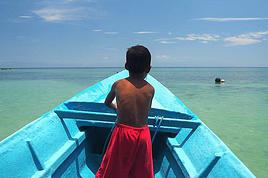
Départ les pieds dans l'eau, La traversée se fait rapidement (30min), et nous arrivons à Jungutbatu, plus gros village de l'île. Nous partons sur la corniche surplombant la mer avec vue sur le village à la recherche de notre hôtel pour les 2 nuits que nous passerons ici.
1er hôtel que j'avais repéré sur Internet, le coconut resort, propose un prix non négociable, donc hors budget. Qui plus est un anglais nous interpelle en nous disant de ne pas venir ici, il y des rats... (un gros loge dans sa chambre, et visiblement l'hôtel ne l'a pas aidé à s'en débarrasser).
C'est au 3ème hôtel qu'on trouve notre bonheur: prix correct, piscine débordante avec vue sur la baie.


Un petit tour dans la piscine, puis nous bougeons déjeuner dans Jungutbatu.
 http://www.flickr.com/...romainpa/5185684948/
L'après-midi sera consacré à une balade sur la plage, en direction de la Mangrove, lieu au nord de l'ile où est cultivée l'algue. C'est un 1er contact avec les locaux de l'île.
 http://www.flickr.com/...romainpa/5185687948/
 http://www.flickr.com/...romainpa/5185088707/
 http://www.flickr.com/...romainpa/5187479409/
Nous admirons aussi ce beau coucher du soleil, aux belles couleurs.
 http://www.flickr.com/...romainpa/5187488701/
La suite, très bientôt







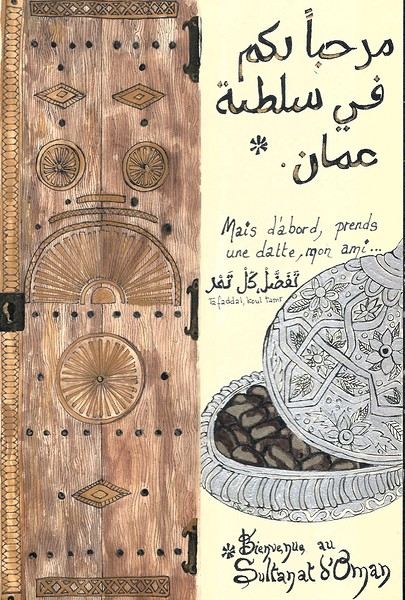 On the right, the "welcome marker"—those dates offered everywhere as a sign of hospitality. On the left, a tribute to those stunning doors worn by time, admired all over the old quarters, including the abandoned ones.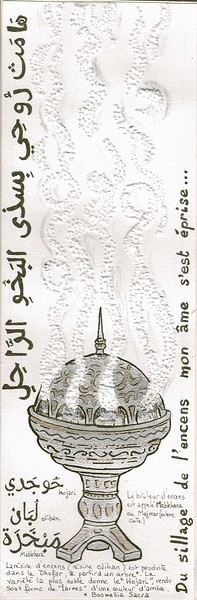
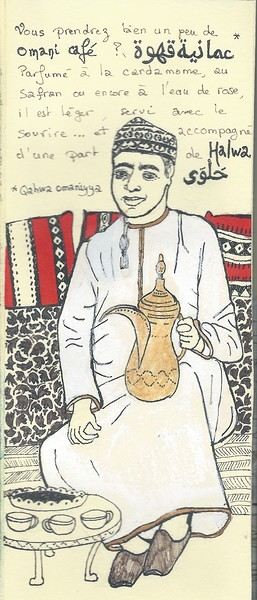 Hospitality will often lead you to accept a small coffee, an "Omani coffee," very light, subtly flavored with cardamom, maybe a touch of saffron, and occasionally rosewater.
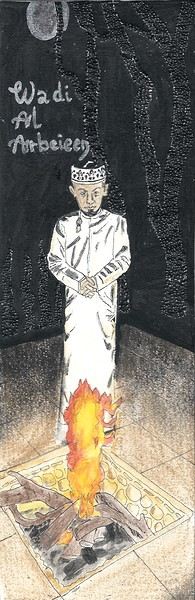
Here, I’ve depicted a man in the common everyday attire of Omanis: the dishdasha, mostly white (during the week and daytime; colors are more common in the evening or on Fridays and Saturdays). While you’ll see some men dressed in Western clothes, they’re very few. The white dishdasha is truly the shared attire of all men. The dishdasha, which has no hood, is distinguished by a small pom-pom attached to the collar, the furakha, which is soaked in perfume. And believe me, Omanis go overboard with it! "It smells like the pom-pom" is an expression that’s now part of our shared language, my husband and I.
Another must of men’s attire is the kuma, a small round head covering, usually white with brightly colored patterns. The keffiyeh is also worn (but without the cord called an agal in Arab countries), and it’s mostly worn by those with roots in the desert, from what I understood.
And what about the women, you might ask? Some are veiled, some in full black (but not a burka—more like a chador + abaya), due to the influence of Saudi Arabia and the United Arab Emirates, whereas the traditional outfit used to be a layering of very colorful dresses. Most of the women we saw wore neutral clothing, a plain veil over their hair, but with their faces uncovered. We also saw many saris and colorful veils—don’t forget that 40% of the population consists of Indian, Nepalese, and Bangladeshi immigrants, who work a lot in tourism, hospitality, restaurants, services, and construction.
Just to clarify, as a tourist, there’s no pressure to wear a veil, and never any disapproving looks. Of course, you’ll save the mini shorts, plunging necklines, bare shoulders, and midriffs for the hotel terrace—but I’d say that’s the same for men and women, and with the sun being strong, it’s better for your skin too.
Here’s the introduction! In the next post, I’ll tell you about my itinerary, and we can dive in!
Hospitality will often lead you to accept a small coffee, an "Omani coffee," very light, subtly flavored with cardamom, maybe a touch of saffron, and occasionally rosewater.
Here, I’ve depicted a man in the common everyday attire of Omanis: the dishdasha, mostly white (during the week and daytime; colors are more common in the evening or on Fridays and Saturdays). While you’ll see some men dressed in Western clothes, they’re very few. The white dishdasha is truly the shared attire of all men. The dishdasha, which has no hood, is distinguished by a small pom-pom attached to the collar, the furakha, which is soaked in perfume. And believe me, Omanis go overboard with it! "It smells like the pom-pom" is an expression that’s now part of our shared language, my husband and I.
Another must of men’s attire is the kuma, a small round head covering, usually white with brightly colored patterns. The keffiyeh is also worn (but without the cord called an agal in Arab countries), and it’s mostly worn by those with roots in the desert, from what I understood.
And what about the women, you might ask? Some are veiled, some in full black (but not a burka—more like a chador + abaya), due to the influence of Saudi Arabia and the United Arab Emirates, whereas the traditional outfit used to be a layering of very colorful dresses. Most of the women we saw wore neutral clothing, a plain veil over their hair, but with their faces uncovered. We also saw many saris and colorful veils—don’t forget that 40% of the population consists of Indian, Nepalese, and Bangladeshi immigrants, who work a lot in tourism, hospitality, restaurants, services, and construction.
Just to clarify, as a tourist, there’s no pressure to wear a veil, and never any disapproving looks. Of course, you’ll save the mini shorts, plunging necklines, bare shoulders, and midriffs for the hotel terrace—but I’d say that’s the same for men and women, and with the sun being strong, it’s better for your skin too.
Here’s the introduction! In the next post, I’ll tell you about my itinerary, and we can dive in!
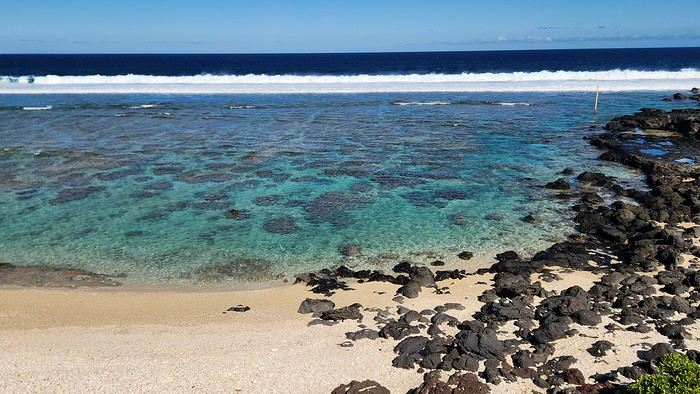
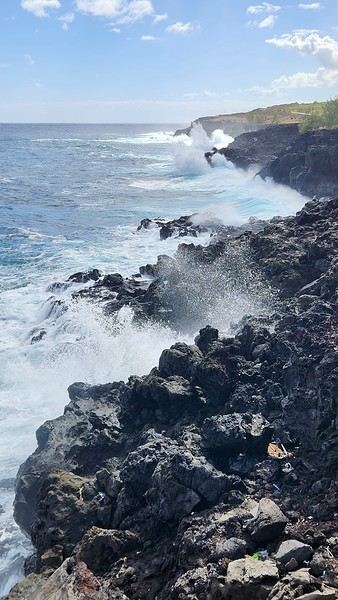
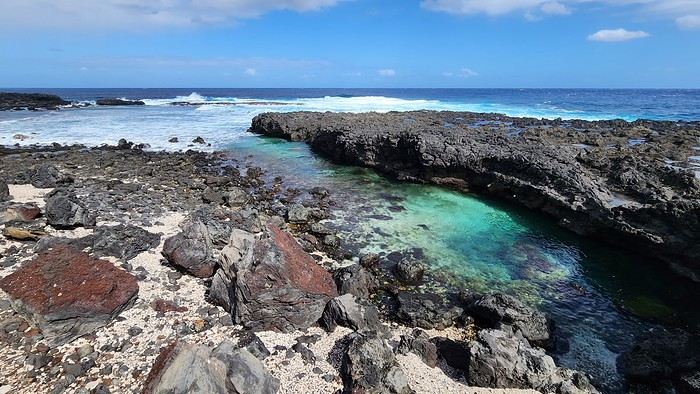
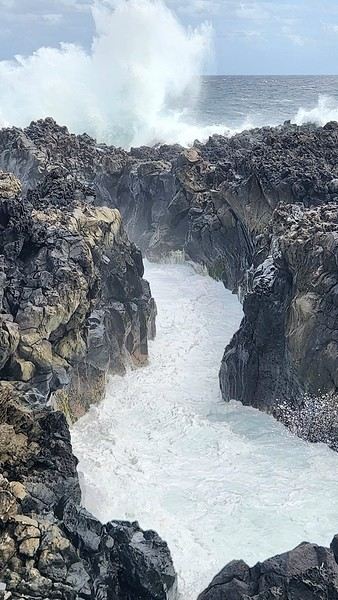



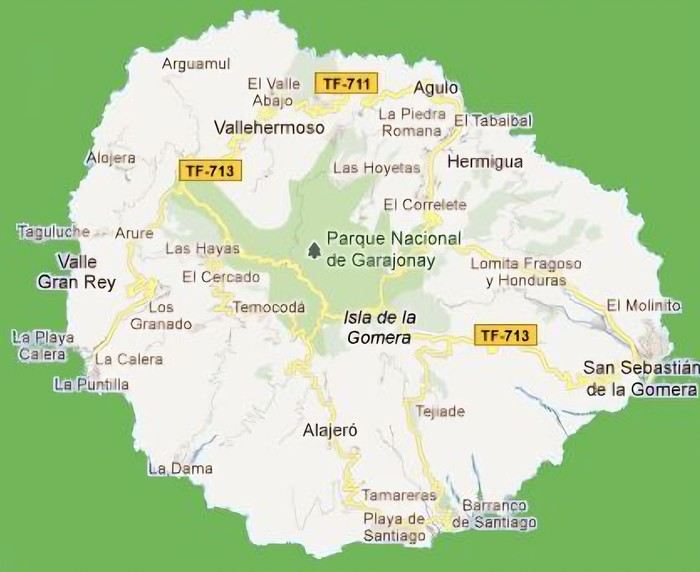 The large solidified magma massifs that shape the heart of the island have created a large depression more protected from the sun at its center, allowing the growth of a vast laurel forest, today grouped within the Garajonay National Park, La Gomera’s green lung, which has earned it the status of a World Biosphere Reserve. Its completely European appearance contrasts sharply with the rocky and tropical landscapes of the rest of the island. Thus, the climate varies greatly from one point to another on the island: in summer, you can quickly go from a dry and sunny valley at 35°C to a humid forest area at altitude at 18°C.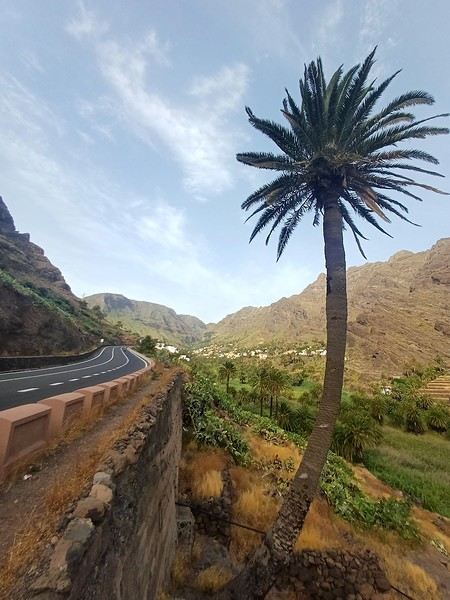
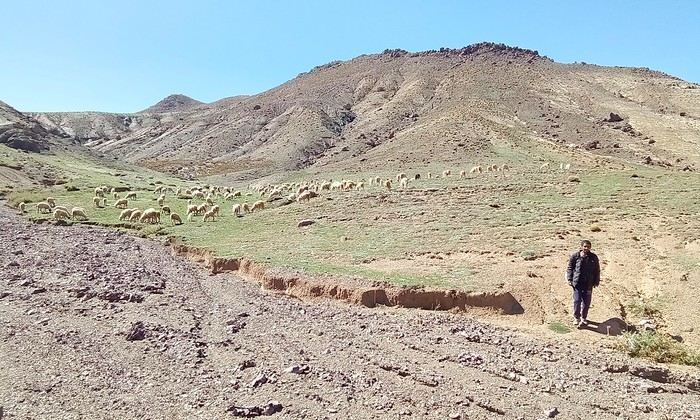
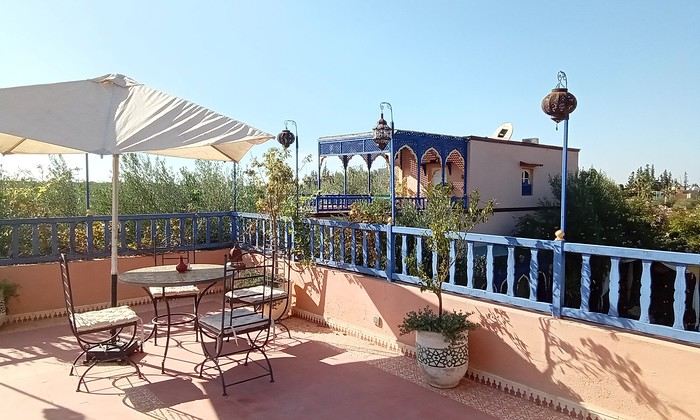
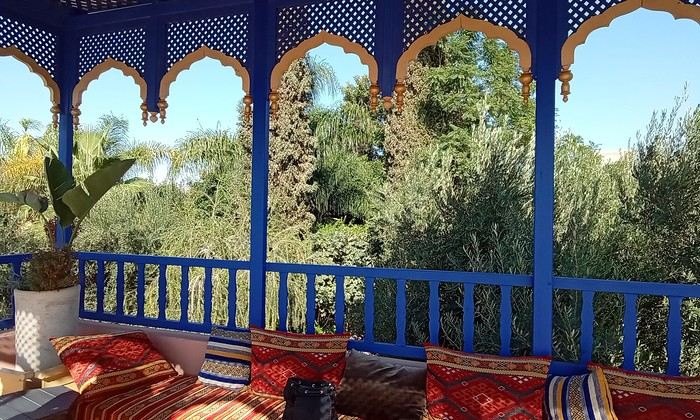 Last October, we landed in Marrakech to spend a few days with family exploring Morocco’s roads.
Transport: a rented Dacia.
Accommodations: small guesthouses.
Last October, we landed in Marrakech to spend a few days with family exploring Morocco’s roads.
Transport: a rented Dacia.
Accommodations: small guesthouses.
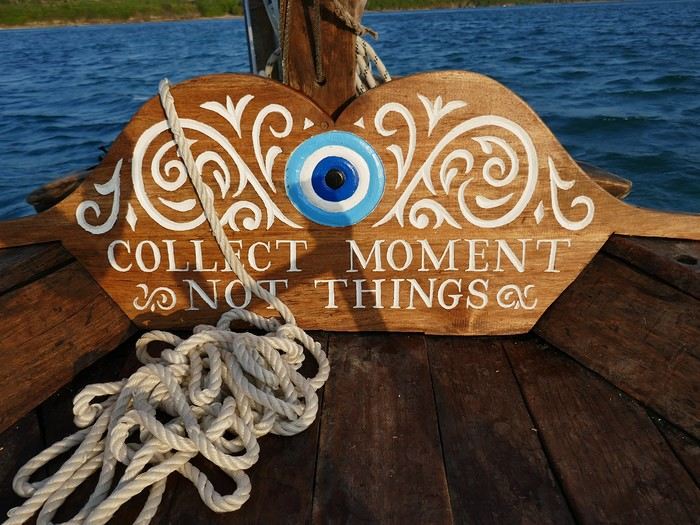
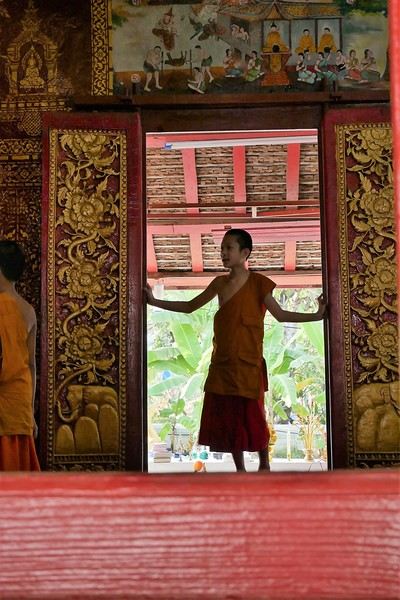 Come along, I'm taking you to this country where it's so nice to wander and slow down...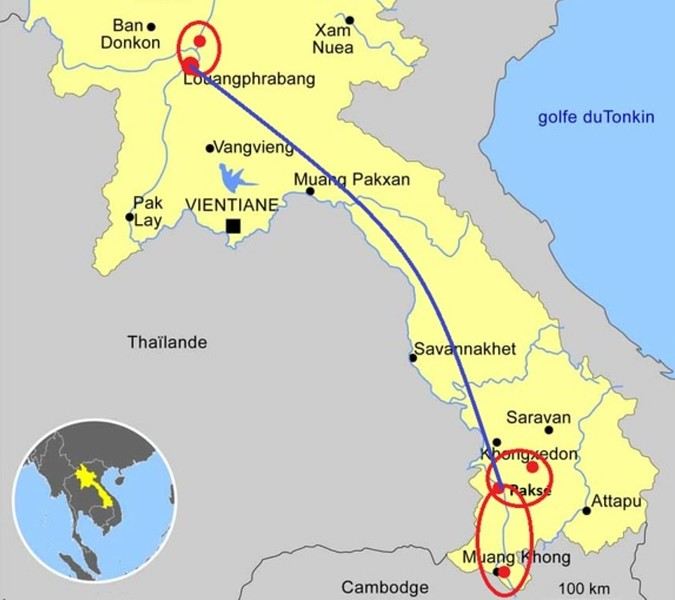
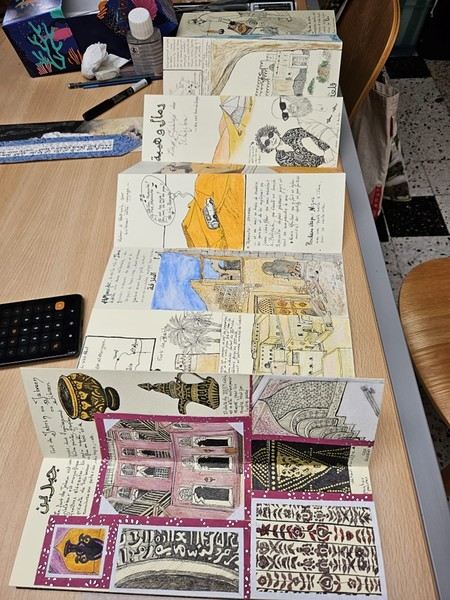
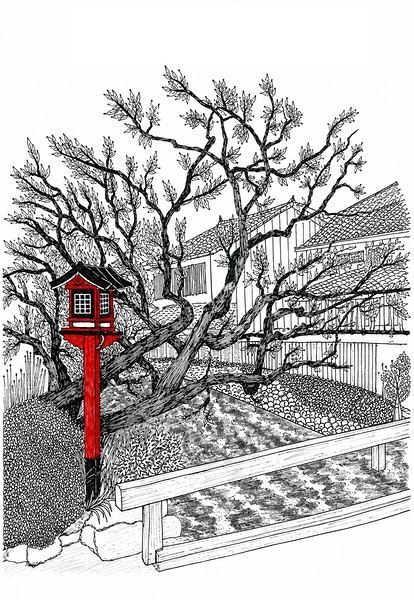 I’m inviting you on a stroll through my drawings—a completely subjective, far from exhaustive, and totally personal take, since it’s based on my own sketches. I put this travel journal together after returning in late 2024, mostly using felt-tip pens and pencils, with a few collages thrown in. I worked from our personal photos.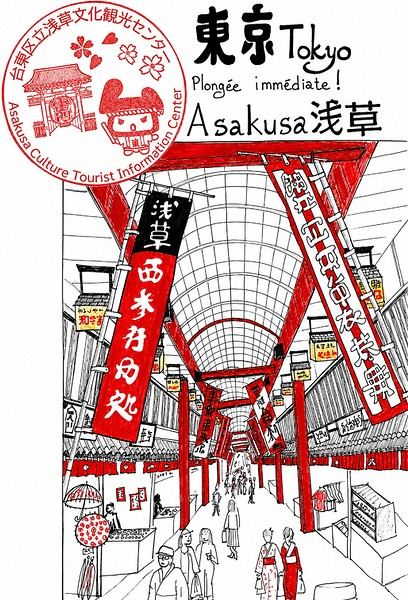
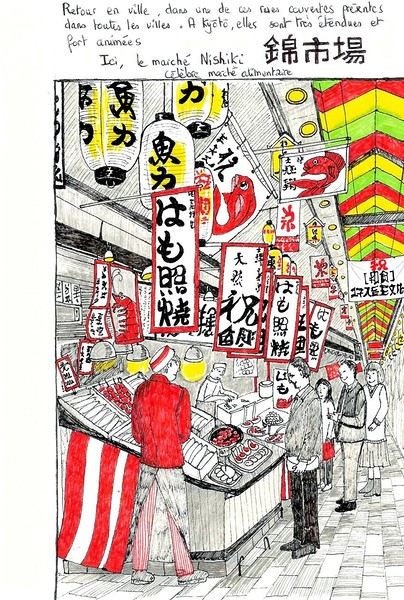
 And in Kyoto, Nishiki Market:
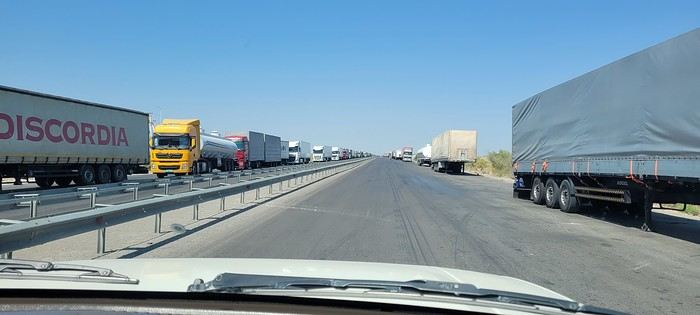
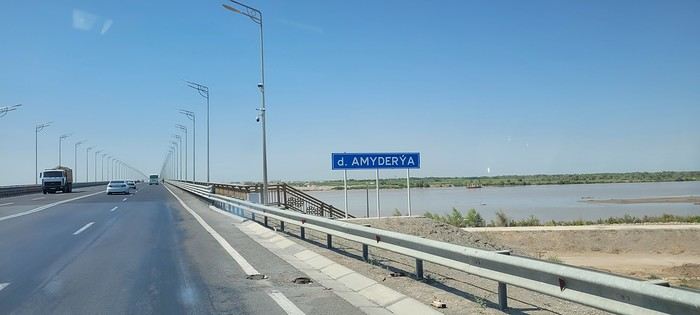
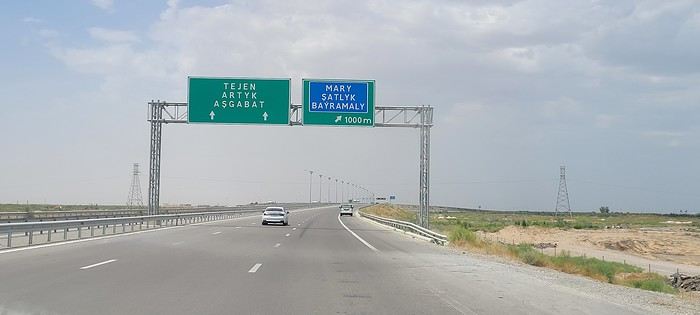
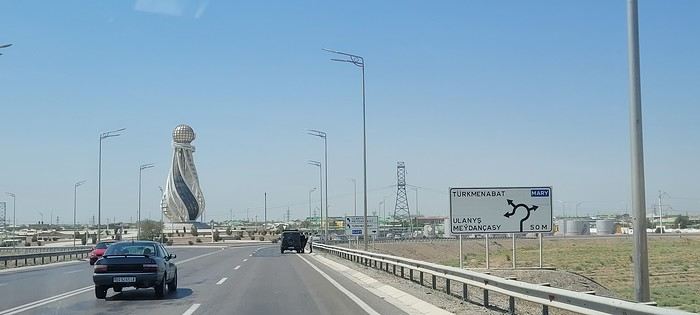
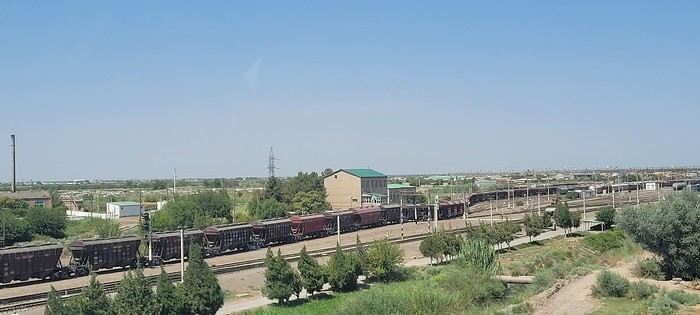
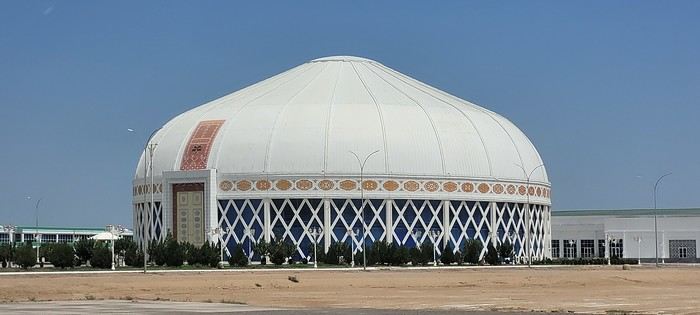
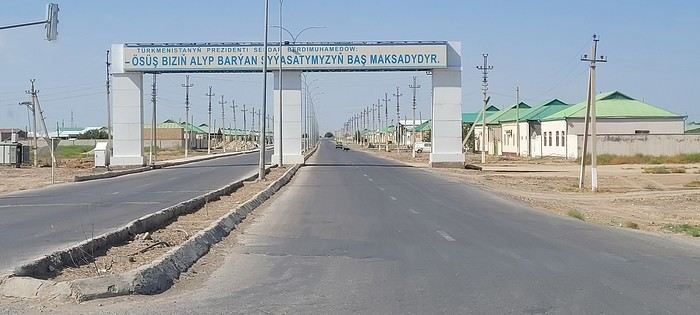
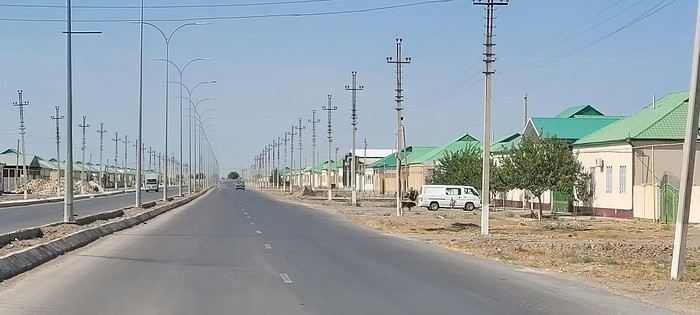 Roundabouts are particularly interesting because they feature emblems of Turkmen culture, like the dog, a carpet, the Ahal Teke horse, or Muslim symbols, even though the presence of Islamic artifacts is quite limited.
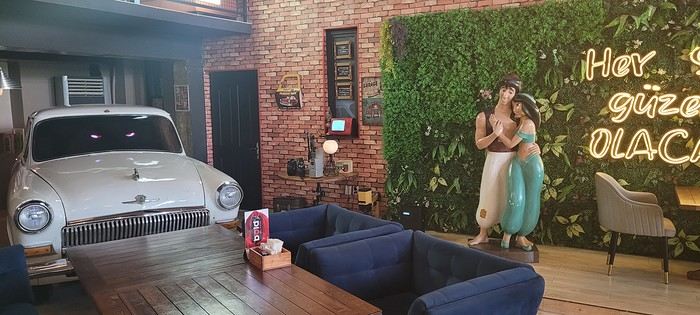

 A little sneak peek?
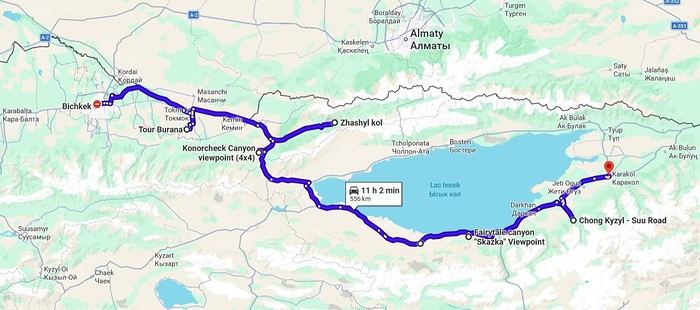
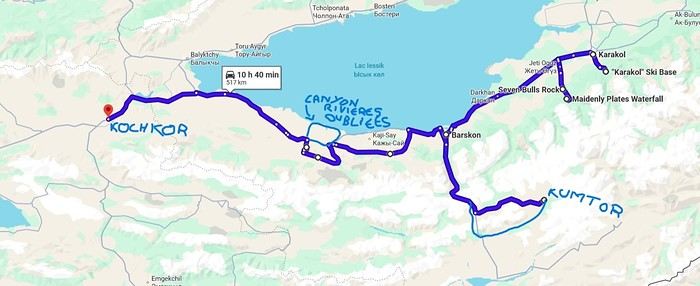
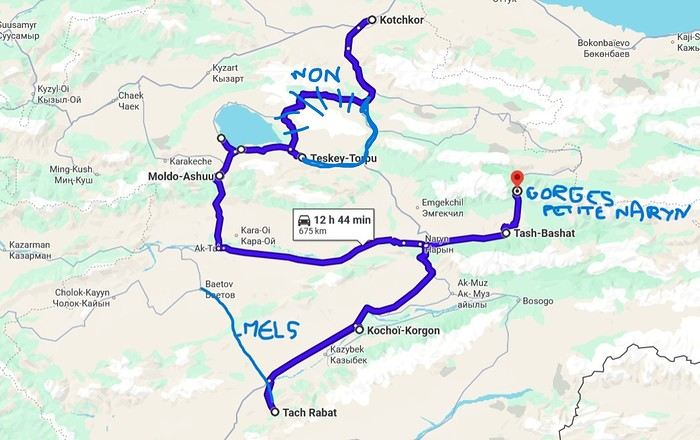
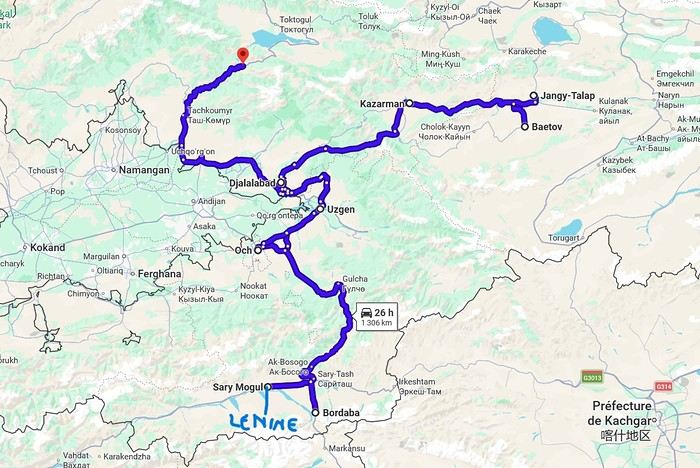

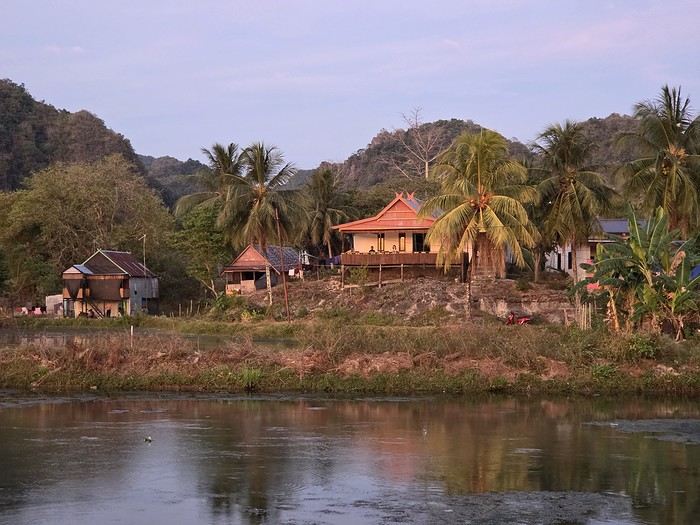
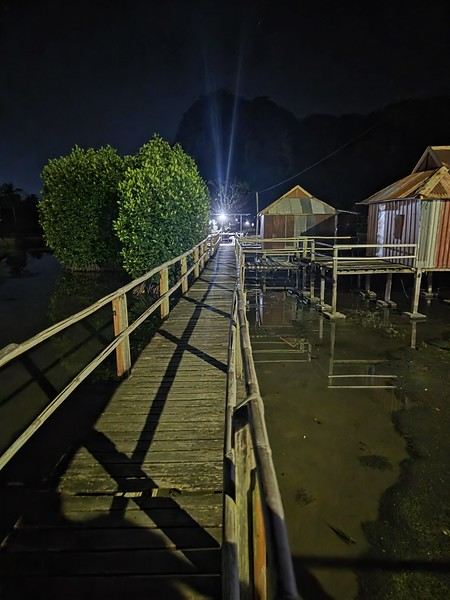
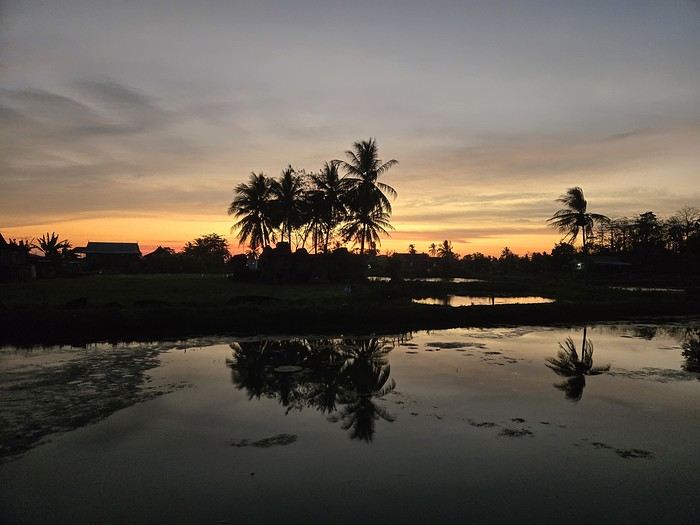
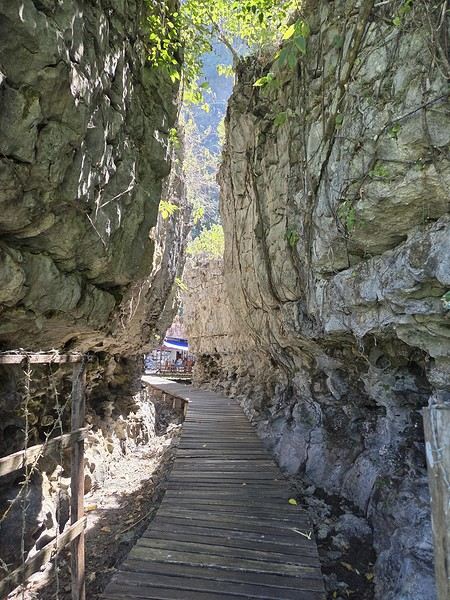
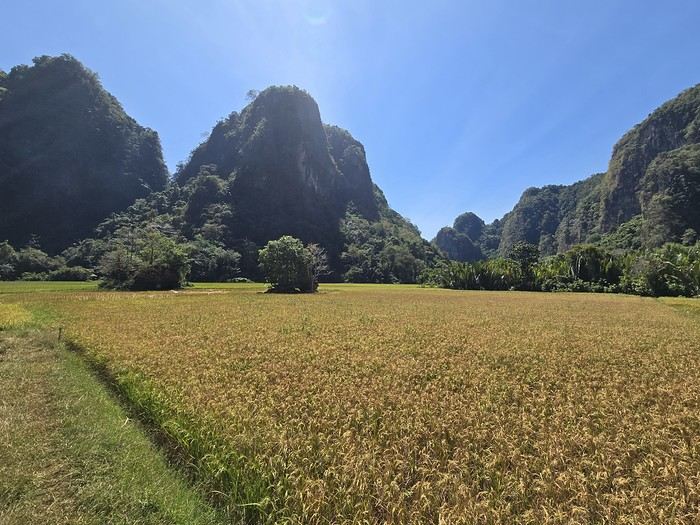
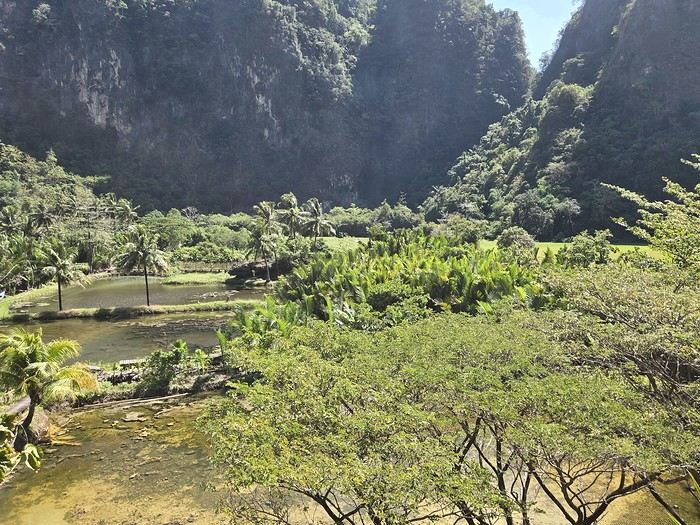
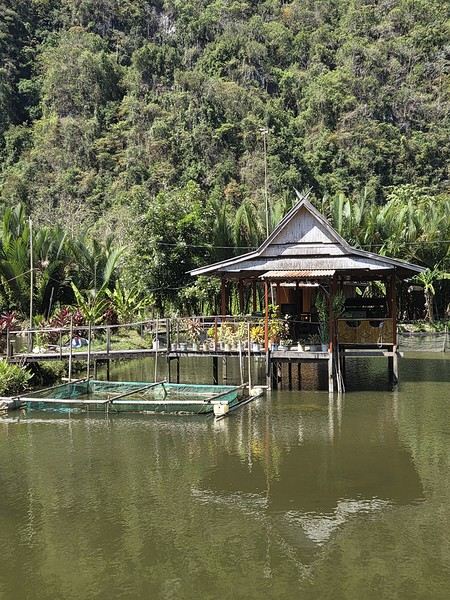
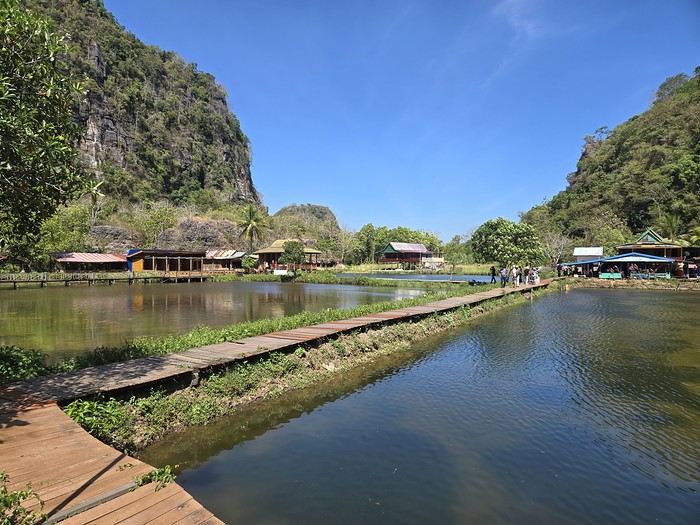
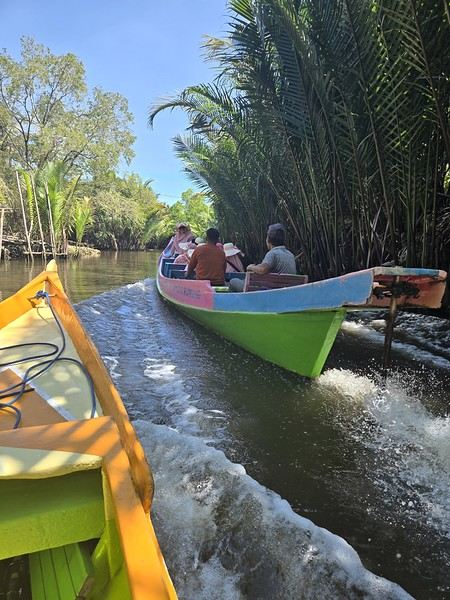 The karst site:
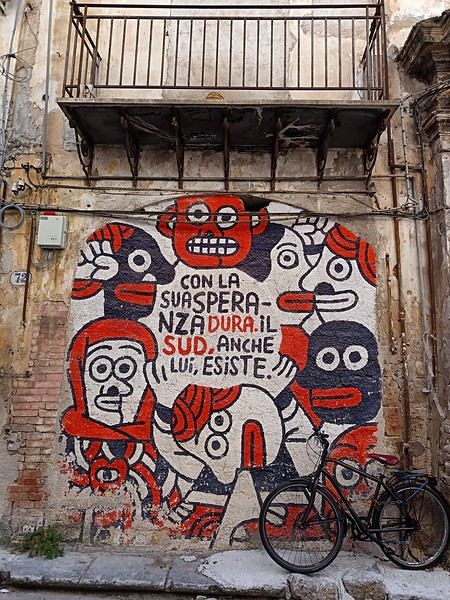 (In the heart of Albergheria, on a street every visitor walks down—lovely message from an unidentified artist)